
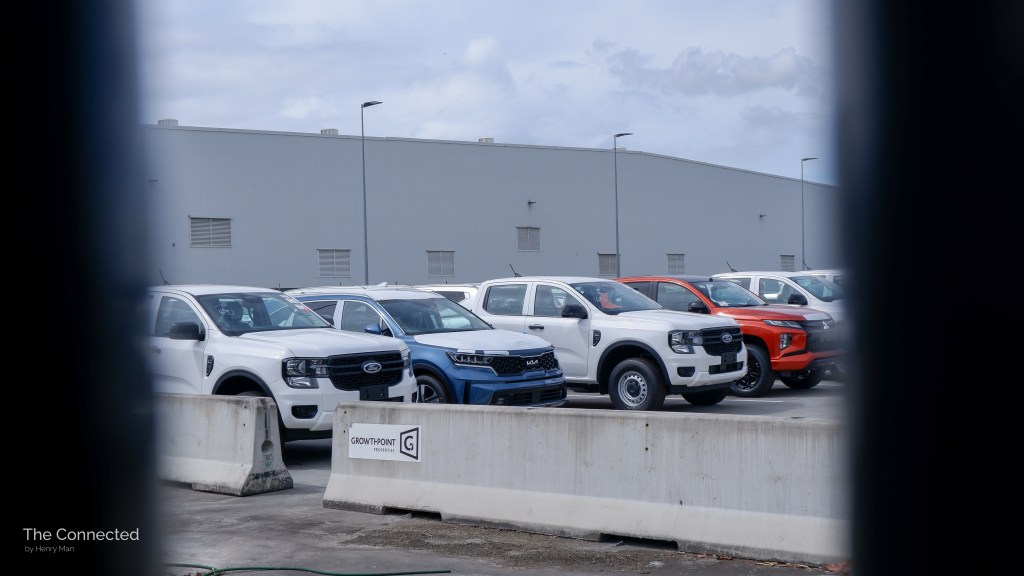
Long wait times for new cars and high resale prices of used cars are causing a headache for Australian buyers.
EDITOR’S NOTE: This is an extended version of a story produced for the Journalism Project (JOUR3401) course at The University of Queensland (UQ).
Semiconductor chip supply shortages, COVID- and war on Ukraine-related factory shutdowns, and shipping delays have all contributed to extended wait times on new vehicles of up to two years, especially for popular models.
This has also resulted in high demand and strong resale prices in the used car market, where an increasing number of Australians are ‘flipping’ their just-delivered or barely driven new cars for a profit.
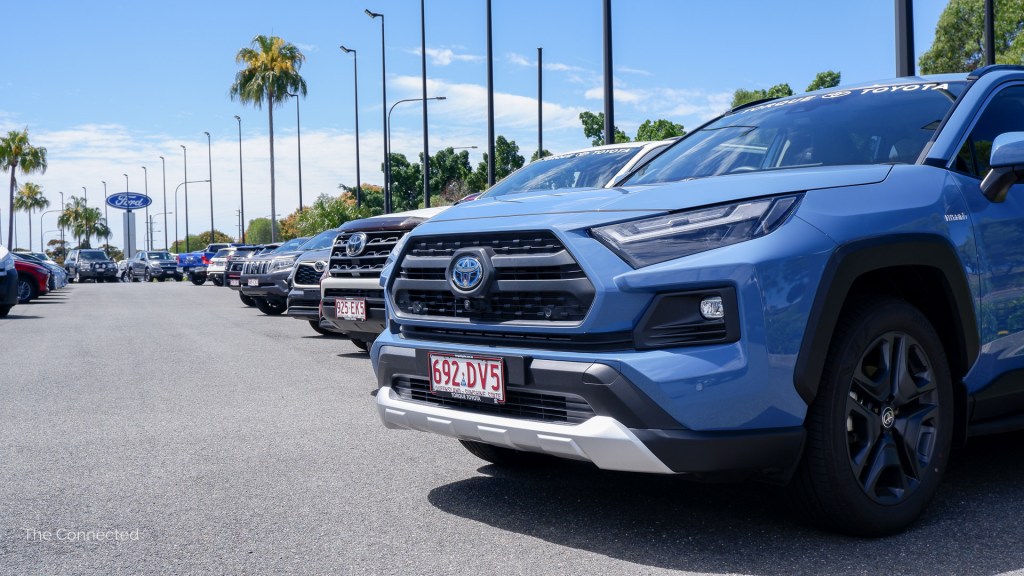
For example, showroom new 2022 Toyota RAV4 family SUVs are fetching for up to 35 per cent ($25,000) more than its original price on the classifieds.
Used 2019 RAV4s with 6000km to 220,000km driven are still listed with up to a 25 per cent ($15,000) markup by private and dealer resellers.
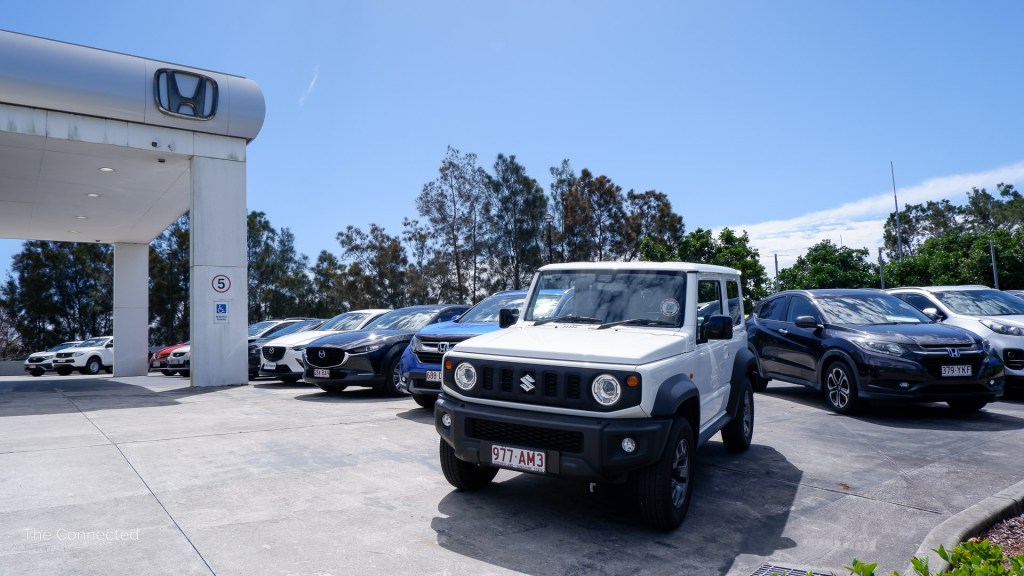
Kedron Car Centre salesperson Wayne Nuller said the current market has benefited his local used car business.
“I’ve been doing this for 45 years and I’ve never seen it so strong,” Mr Nuller said.
“People think that we’re making more money. We’re actually not, because we’ve got to pay more money for the vehicles as everybody wants them.
“The margins aren’t there, but we’re selling lots more, so it more than compensates.
“If people need a car, they need it now. They don’t need it in 12 months, nine months or two years. They might have flood-damaged cars, they might have accident cars or repairable write-offs.
“It’s just like property or groceries. It’s going up because it’s just the way it is. But I cannot see this changing in the near future.”
According to Price My Car, the current average wait time for a new vehicle is five months, which is up from three months this time last year.
Dr Richard Murray, who was in the market for a new family car last year, said the long queue for the Toyota RAV4 Hybrid was a key deterrent in his buying decision.
“I was able to source a Subaru Outback demonstrator on the day in the colour that I wanted instead. It had been genuinely driven, but they gave five-years free servicing and was about $6000 under the list price,” Dr Murray said.
“I could entertain the idea of selling the Outback now if I can make 20 per cent more.
“But even though supply is slowly picking up, what would I replace it with?

“I still don’t have faith that the kind of electric vehicle that I’d be in the market for [under $60K] would have any greater resale than the car that I have now in five to seven years when I come to trade.
“It’s a sign of the times. The whole system that we live under is made up around ideas of opportunism, whether it’s cars, property or little collectibles.
“I don’t begrudge anyone who can make some money out of that. Why not?
“But one of the concerns that I have is inevitably people are going to get hurt. Because [flipping] is gambling essentially and you need to accept that with wins comes losses, too.”
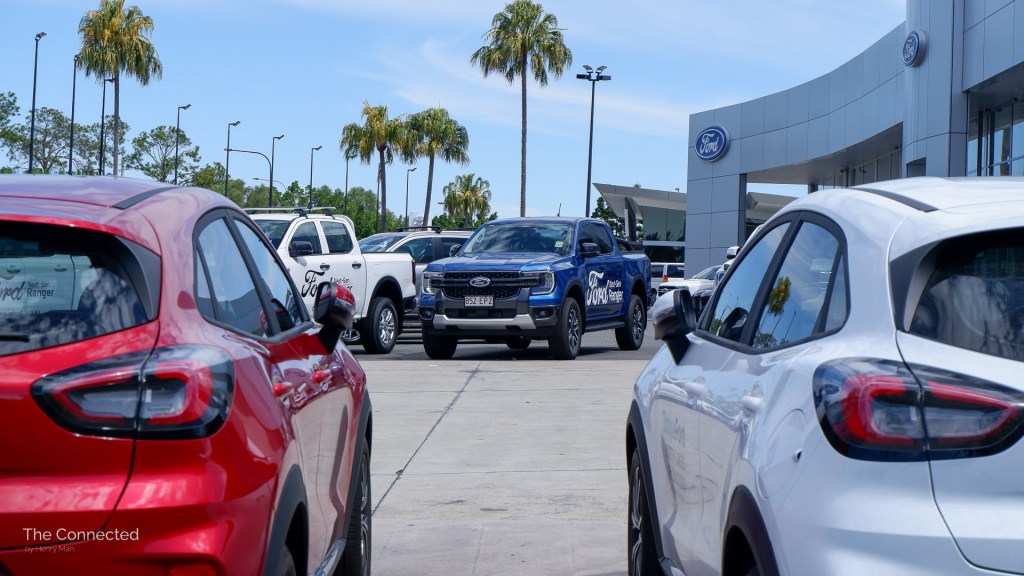
One month after its launch, around 100 Tesla Model Y electric crossovers are already being listed for up to 32 per cent ($33,000) more than when bought new.
CarExpert deputy editor Scott Collie said the only solution is for carmakers to improve supply and meet demand.
“There’s lots of desperate consumers who are willing to pay overs and they [scalpers] are cashing in on the market conditions,” Mr Collie said.
“The best thing people can do right now is to shop around.
“Even though if you put in a special order for a RAV4 Hybrid now and might be waiting 24 months, that period of time combined with the economic situation, will mean people who’ve ordered their cars 12 months ago may not want to take delivery when they actually arrive.
“It’ll take a bit of luck. We’ve heard that some people who really want a RAV4 Hybrid talk to the dealer and they say, ‘Actually someone’s cancelled that spec this morning. If you can take the car today, it’s yours’.
“It’s still possible to get a new car. You may need to settle for a colour that wasn’t what you wanted, you may need to do it pretty quickly. But it’s still possible.”

Toyota stopped taking orders for its GR Yaris hot hatch since July 2021, likewise Hyundai’s i20 N in July, and allocations for the latest Porsche 911 GT3 and GT RS coupes were sold out three months before they were even revealed.
Mr Collie said some automakers are deliberately limiting the sale of niche high-performance car models.
“There are some brands who have tried to stop flipping by making people sign contracts or agree to not resell their car within a certain time after buying them,” Mr Collie said.
“That’s not a potential solution I like, because when it comes to high-end enthusiast cars, the reason why people flip them is because supply is tight and often that’s being done deliberately by car brands selling [enthusiast] cars.
“If we’re talking about a Corvette Z06 or Porsche 911 GT3, these car brands know exclusivity is one of the big reasons why these cars are valuable to people and would line up to get.
“So, they artificially create demand by limiting supply and then get upset when the people who are able to access those cars cash in.”

 The Connected by Henry Man