
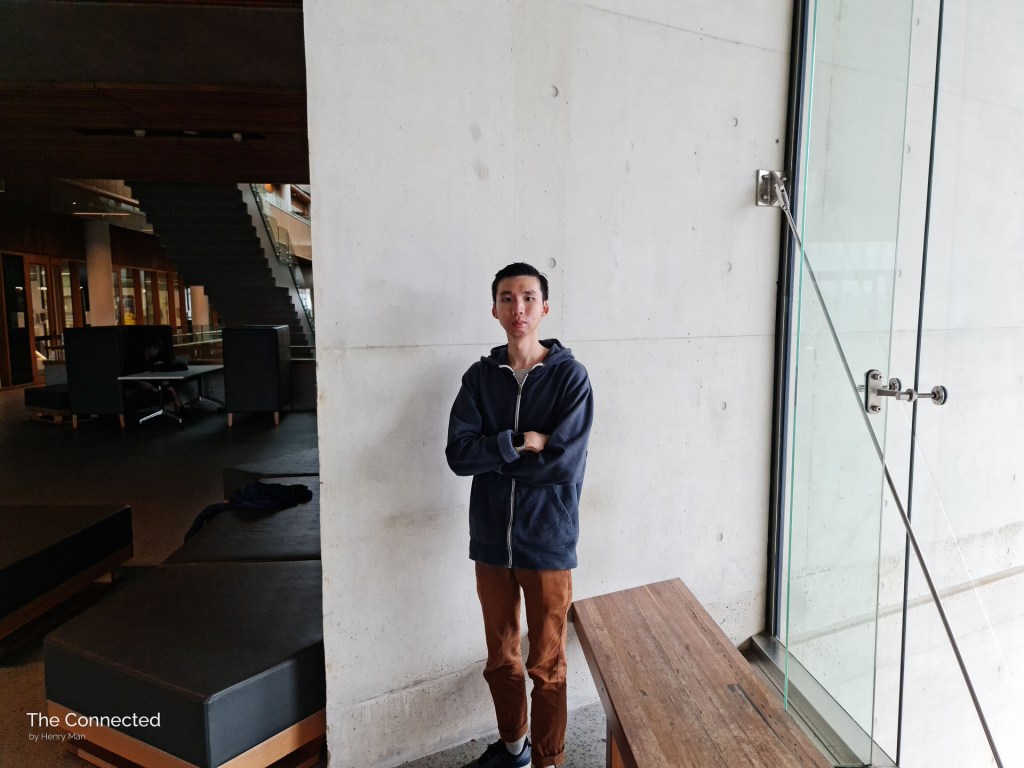
I often tell the stories of others. Now, it’s time to tell mine.
Those who know me know that I’m passionate about tech, cars and transport, with a hobby for photography and videography, weird obsession with a certain train announcement voice, food cheapskate, and have a somewhat blunt humour as an Australian-Hong Konger who lives nowhere locally near anyone else.
But as the chapter of university life draws to a close, it’s time to tell my story.
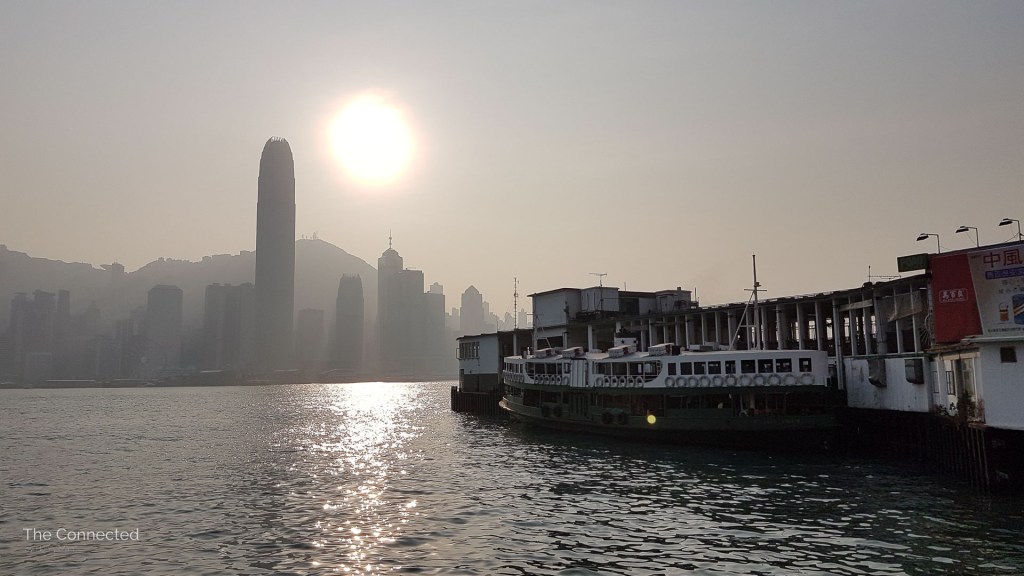
Life upheavals.
We all start somewhere in life and we all face challenges along the way.
My family of three moved to Australia permanently from Hong Kong in 2005. Unfortunately, a coward moved with us, too.
I didn’t choose that an evening in 2008 would change my life forever and shape who I am today.
It started with a thump on the tiles in front of the kitchen and a man’s fist in the air looking down on mum as I watched television.
Then, suddenly I was living in a two bedroom rental apartment unit, going to Year 2 in fear of whether he would ‘appear’ at school, watching mum cutting memorable life photos so he’d be out of frame, and being at the centre of a long family court ordeal.
Sure, mum still bravely tried to maintain a relationship for my sake, but one day I saw that something triggered him to give death threats to both my mum and grandparents who are abroad.
It’s important to highlight that violence and control do not solve problems; it creates it.
Domestic violence victimises everyone around. During and after the court process, I was living in fear knowing that he might ‘pop up’ at school or at the local shopping centre – which has unluckily happened countless times. Always looking behind our backs anytime we were outside of home became a norm.
My sudden sobbing whenever I saw him or his car at school and constant refusal to simply hang out with my friends outside of school was restrictive, yet necessary. It’s something personal that I wouldn’t disclose, even to those closest to me so people wouldn’t look at me ‘differently’.
Today, I still consider ourselves ‘lucky’ that we weren’t the countless women, men and children who have been subject to much worse or have sadly become another tragic statistic in the news headlines.

Living in the ‘lucky country’.
Moving to a new country as a woman with limited English skills, who has been out of the workforce for decades to take care of me, and a stain of family violence isn’t easy.
I wouldn’t be here without mum’s tireless overtime savings from her office job back in the day, which has allowed us to survive together amid always-increasing weekly rent and life essentials under the poverty line.
Those savings have lasted us for 14 years. It’ll run dry next year.
I’m grateful to be living in Australia as a true ‘lucky country’. My upbringing and upheaval has driven my strong work ethic and strive to be better.
Studying at The University of Queensland (UQ) has allowed me to grow and afforded new opportunities that I’d never thought would be possible during high school. Only the government’s Higher Education Contribution Scheme (HECS) and Higher Education Loan Program (HELP) has made it a reality.
For the past four years, I’ve been fortunate to receive fortnightly Youth Allowance welfare payments to enable me to pay for expenses, contribute to rent, and even have some life savings on the side. Some who take it for granted may call it the “dole”.
There’s no doubt that I would be in a completely different situation if I weren’t living in Australia.
Striving to survive.
The moment has finally come: graduation. It’s a lot of pressure on all university students to land a graduate job that will set themselves up for the rest of their lives.
At this point, it’s a matter of survival – to keep a roof over our two heads in a tough rental market, pay the bills and groceries amid never-ending inflation with a stable, sustainable source of income.
However, for what it’s worth, I remain optimistic.
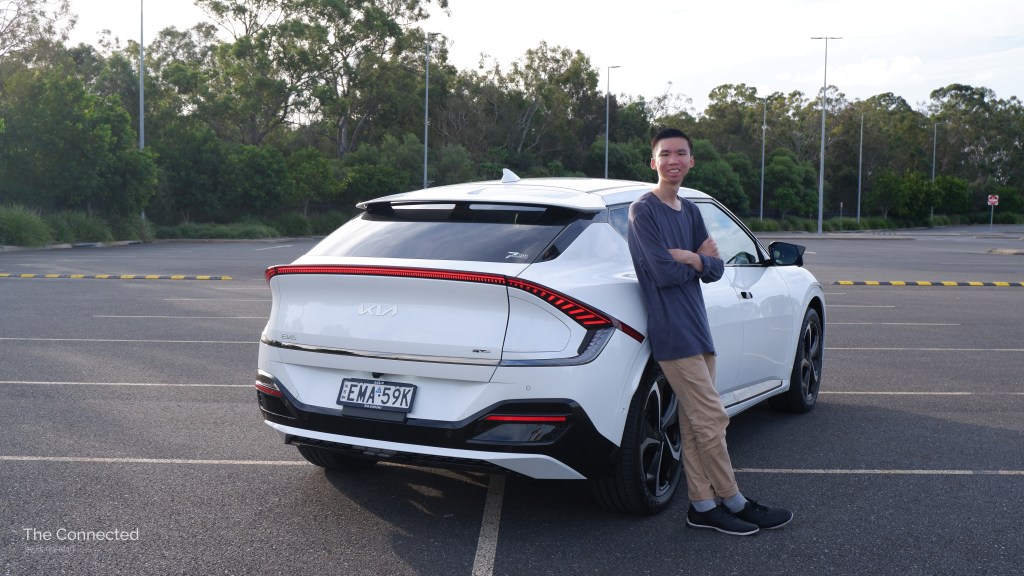
Thank you.
To: Dr Aparna Hebbani; Dr Caroline Wilson-Barnao; Dr Scott Downman; Danny Thai; Mike Stevens; Jez Spinks; Christian Clark; Benn Sykes; Gordana Pilgrim; Julian Anastasia; Scott Collie; Paul Maric; and Danielle Hughes Brown.
I am forever grateful that you have all generously offered opportunities, support and wisdom allowing me to learn and grow professionally. Thank you.
According to Mission Australia:
- 1 in 6 women and 1 in 16 men have experienced physical or sexual violence by a current or former partner;
- 1 in 6 women women and 1 in 9 men experience physical or sexual abuse before the age of 15;
- Indigenous people are 32 times more likely to be hospitalised for family violence;
- People with a disability are 1.8 times more likely to have experienced physical and/or sexual violence from a partner in the previous year;
- Domestic and family violence is a leading cause of homelessness
Every November, the White Ribbon Campaign is a male-led movement to stop gendered violence and abuse in Australia.
If you are at risk of sexual assault and family violence and need help, call 1800RESPECT: 1800 737 732
If you are in immediate danger, call emergency services: 000

 The Connected by Henry Man