

New and continuing university students will descend on campuses once again this month. But there’s some untold truths, so here’s some word-of-advice from a graduate.

Organise.
Congratulations on going through Year 12 and/or passing tests to make it into tertiary education. University marks a new chapter and, for many, a new country to call home.
It’s a daunting prospect with basic logistics like accommodation, money, transport, (mind-numbing) course selection, and timetabling to tackle – and a lot goes unsaid from universities and orientation week programs.
There’s high pressure to make new friends beyond your high school or home country with persistent advice to join as many clubs and societies, attend as many events, and socialise as much as possible. I certainly felt it. But, at the end of the day, these things can’t be ‘forced’ and many club memberships are left unused amid juggling study and other commitments.
University is a more liberating environment – no fixed timetables, 8:30am to 2:30pm Monday to Friday schedules, and you can choose whatever course you want (just make sure it’s suitable to your year level and degree).
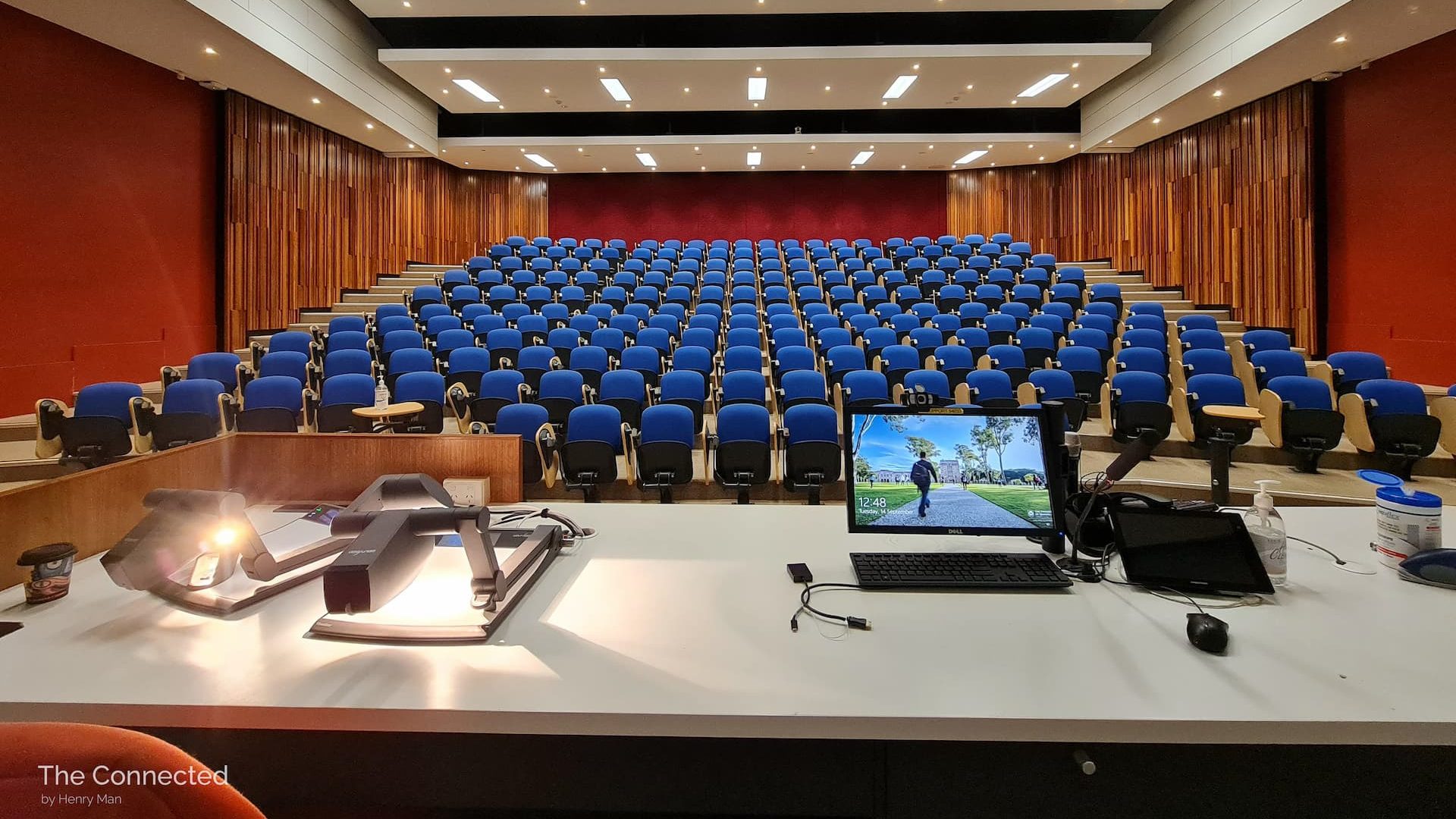
But, you’ll also start to see attendance numbers in lecture halls and classrooms gradually drop over the semester, and even some walking out mid-way the class.
Unfortunately, there’s a heap of student duds in university, so please don’t be like them and attend every tutorial possible. After all, you did sign-up for university for a reason; make the most out of your money.

Learn.
You’ll learn a lot over the years, but not everything taught in classrooms will be truly ‘useful’ nor relevant. You’ll question some assignments and tutors, and some aspects will be untold or brushed upon due to very industry-specific practices.
The most important ones will be the foundational courses you take in first-year. The skills and knowledge that you gain in most of these introductory courses will carry on in subsequent years and in industry.
Typical of university institutions that thrive on research, you’ll need to write a lot of essays and somehow squeeze in some academic research as evidence that will rarely be required in industry for most sectors (it does teach you good attribution, though). There’ll be a lot of readings and taking notes as well, but know the difference between ‘required’ and ‘recommended’.
Pro tip: use EndNote to insert all references for you, try to avoid Google Docs, Apple Pages and TextEdit (most universities give Microsoft Office for free), and please do not only use a constrictive Apple iPad or gigantic gaming laptop for work.
Critically, it’s the ‘soft skills’ that you gain by completing assignments that will be most important – dreaded team work, heeding tutor feedback, and time management against your other commitments in life. After all, it’s called a full-time degree for a reason.
Stay organised with your assignments, prioritise tasks, and craft your own note-taking and calendar methods (without spending too much time on it) to hopefully avoid an overnighter or last-minute submission. My mantra has always been to complete a project one day before the due date.
Explore.
University provides time for you to explore what’s possible. Some will change their degrees or switch majors; others will be steadfast.
But it’s important to identify what you like and proactively seek opportunities in the industry to intern. Your degree will likely have a compulsory placement component, but it may be a last-year unit.
My advice: get in the industry as soon as possible, so when you do take on an internship and graduate, you’ll have a bloated resume that appeals to employers beyond just a degree on a piece of paper.
Being a university student gives you a platform to explore. Rather than just searching on LinkedIn or Seek, identify opportunities where you might fit in one of your shortlisted ‘dream’ organisations and send a simple email pitch to the manager or human resources. It just might lead you to new places…
Unfortunately, internships are often unpaid – or very scant if so – and you’re never treated the same as ‘proper’ employees. No placement is perfect, but it’s good to experience the ugly to get to the good.
By exploring in both the university environment and the workplace, you’ll start to learn what you like, what you hate, and where you must avoid working at.
At university, time really flies as every semester passes by. You’ll be a better person, who is more in touch with reality at the end of the tunnel and reflect on how far you’ve grown over the years.
Forge your own path and enjoy the journey…
About the Author.
Henry Man is a freelance automotive journalist, communicator and content producer passionate about the intersection of technology and transportation.
He is focused on meaningful storytelling, giving a voice to people, and truth-telling in the public interest. The Connected is an altruistic initiative to tell stories free from commercial interests, showcase key work, and highlight how technology and media shapes everyday society. For further information, click here.
Henry is an alumnus from The University of Queensland holding a Bachelor of Communication/Journalism (with majors in Public Relations and Digital Media), and has worked with organisations such as CarExpert, Wheels Media, zecar, and Queensland Rail.


 The Connected by Henry Man