
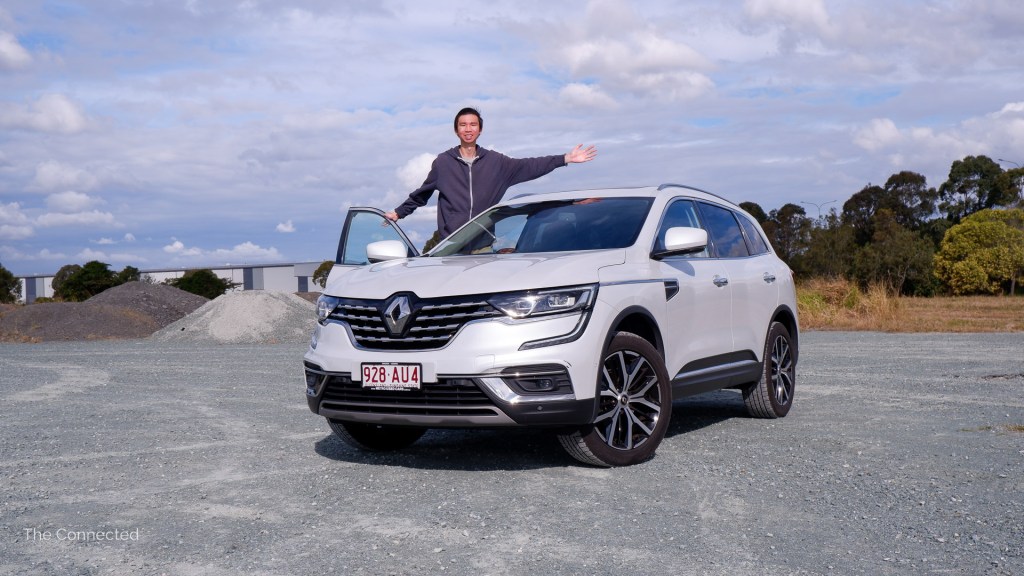
As new family SUV models arrive, their price tags inevitably increase, too. But, as one of the oldest new medium SUVs on sale, is a used Renault Koleos Intens still worth considering?

| Pros | Cons |
|---|---|
| + Good value | – Dated infotainment |
| + Practical interior | – Noisy engine, vague steering |
| + Exterior design still looks sharp | – Missing some safety tech |
It’s quite a unicorn – made in South Korea, based on a Japanese-born platform, and badged as a European SUV.
This second-generation Renault Koleos launched in 2016, but even after receiving a number of updates over the years, the family SUV remains largely the same in 2023.
Yet, prices have gone steadily up and with today’s long waiting times for buying a new Toyota RAV4, Mitsubishi Outlander and Kia Sportage, is a used Renault Koleos worth a look?
EDITOR’S NOTE: The used test vehicle was provided for seven hours as part of a servicing loan.
Car as tested:
| Model | 2020 Renault Koleos |
| Variant | Intens 4×2 |
| Starting price | $42,990 before on-road costs (when new) |
| Exterior colour | Universal White ($880) |
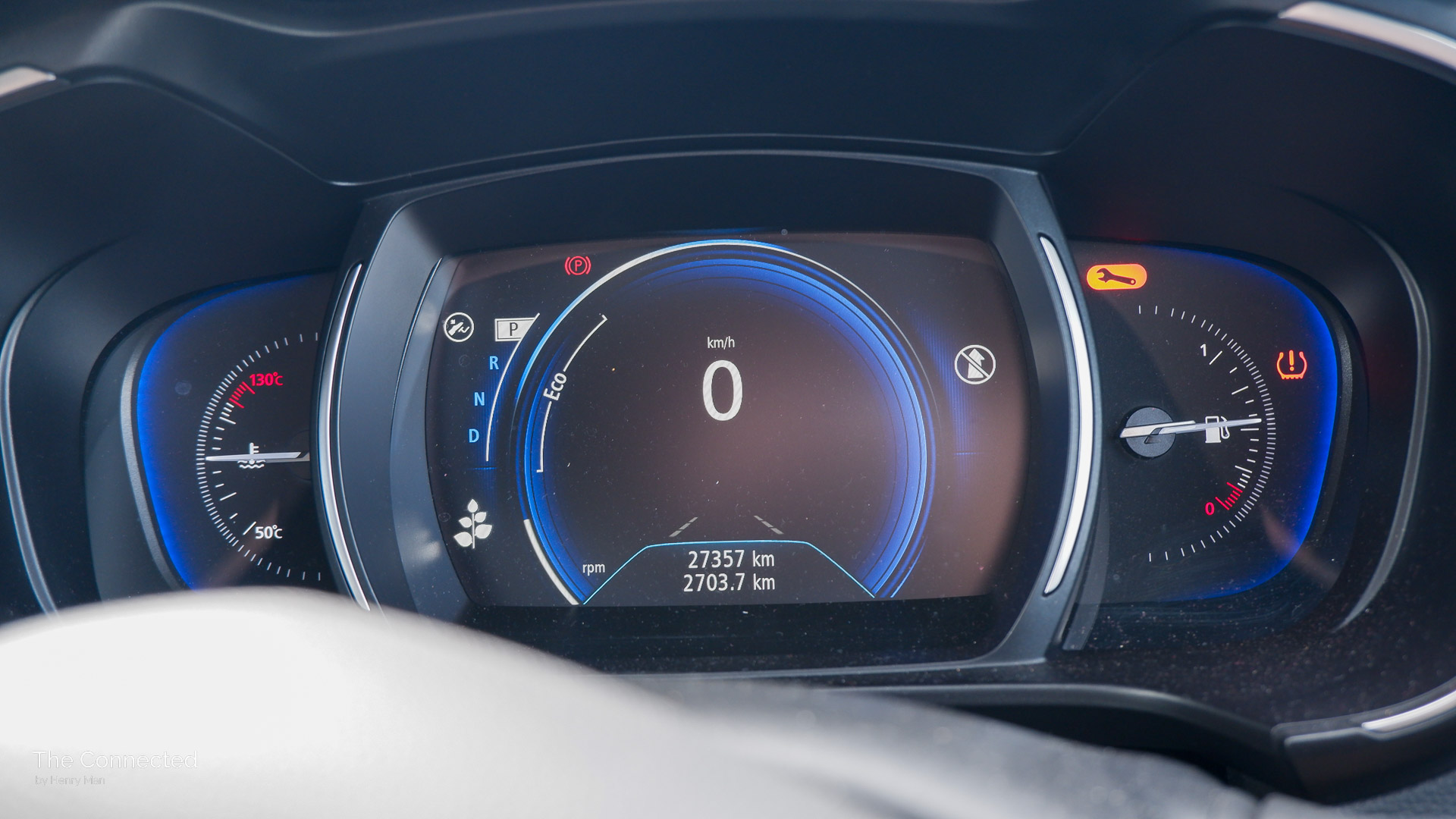
| Odometer | ∼27,300km |
Design.
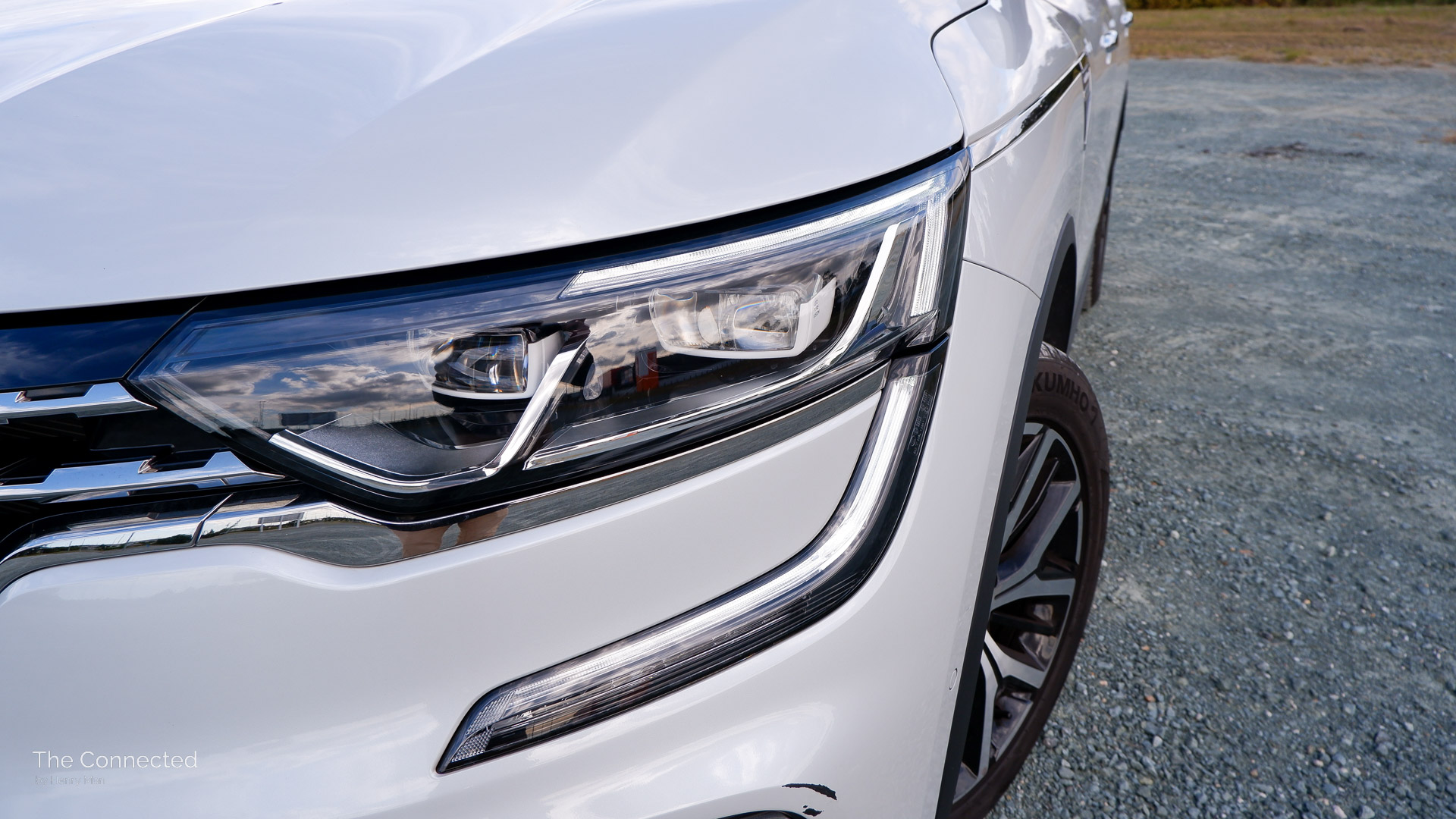
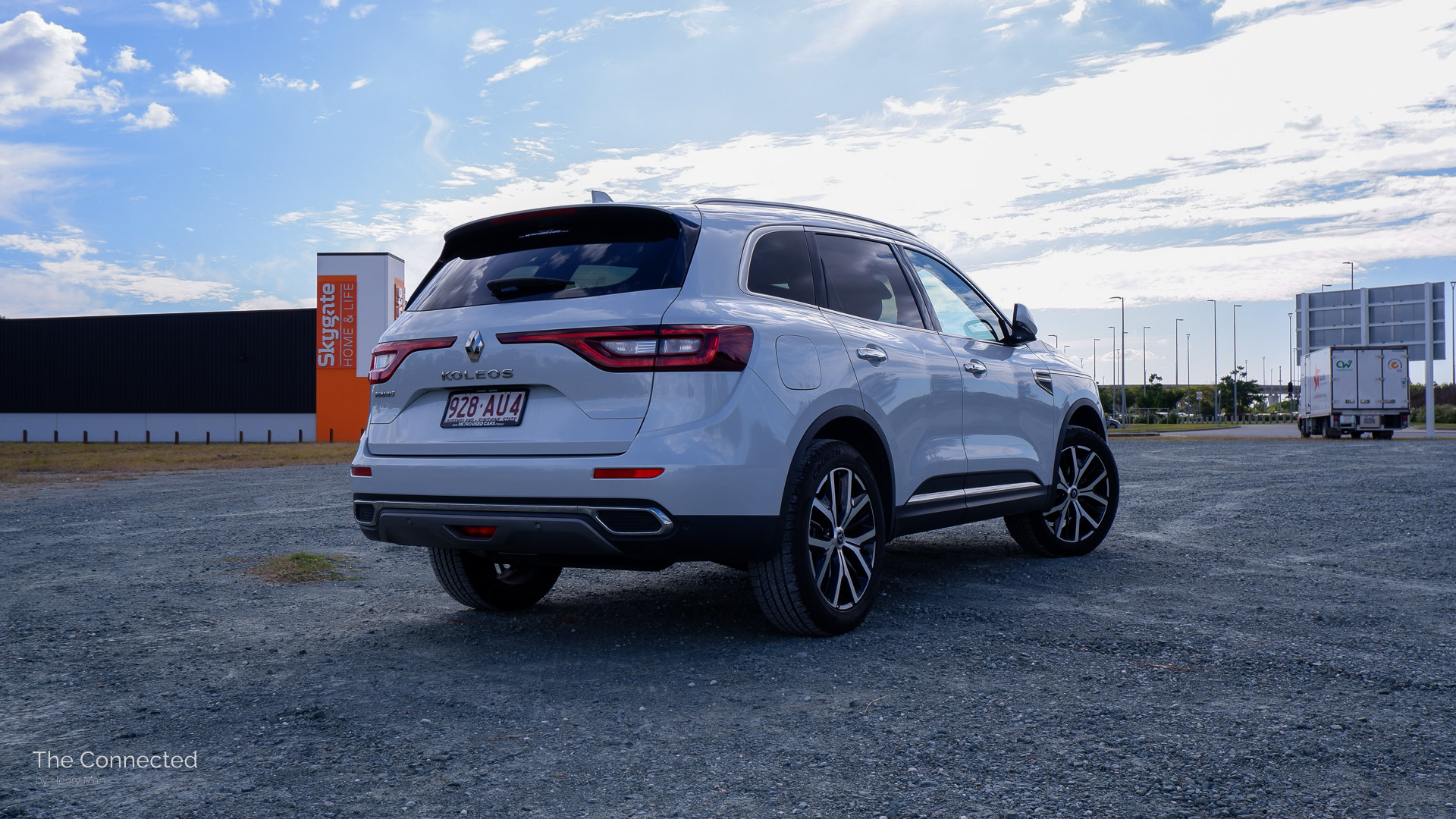
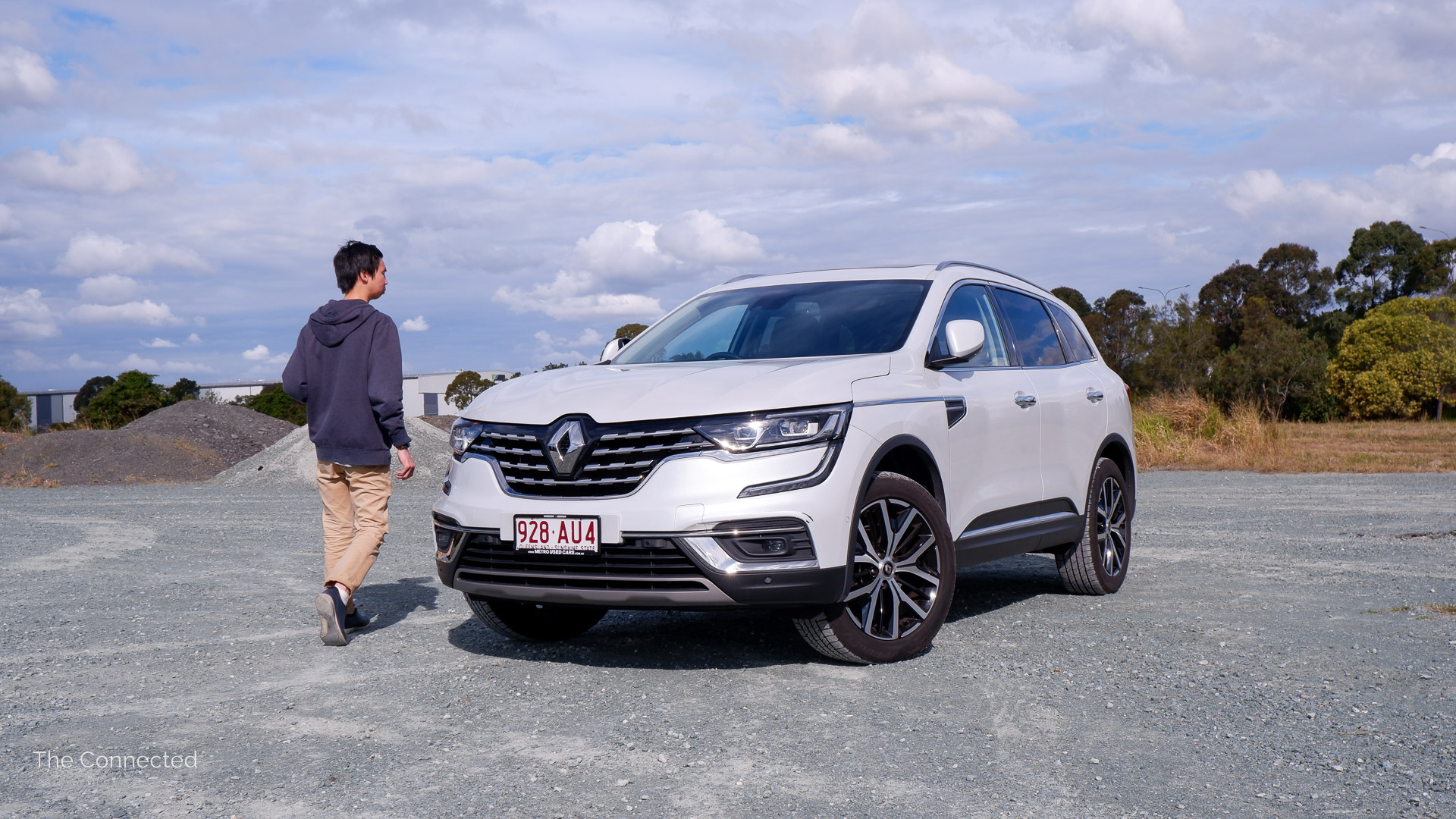
First launched in 2017, the Renault Koleos’ exterior still holds up well in 2022.
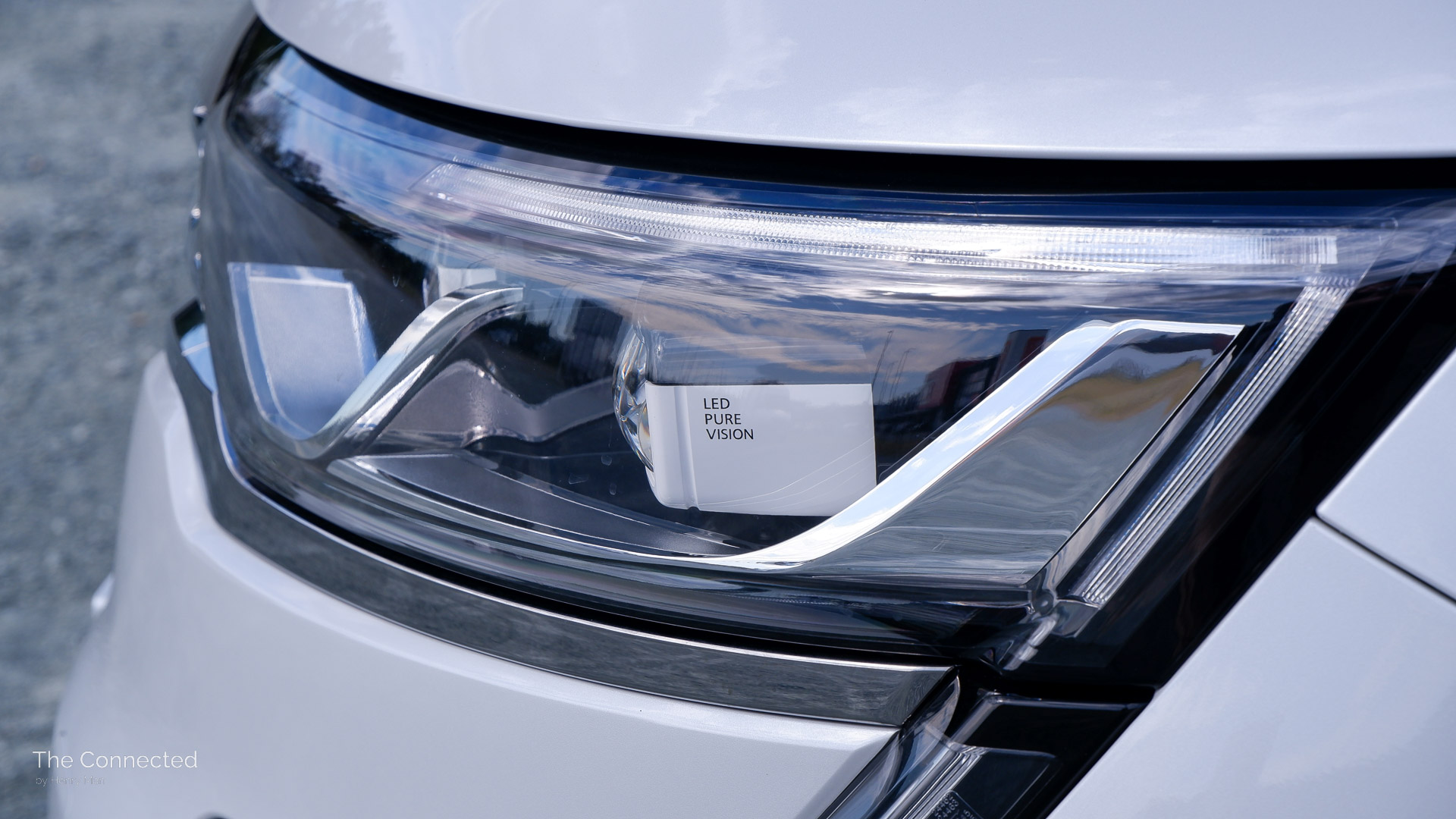
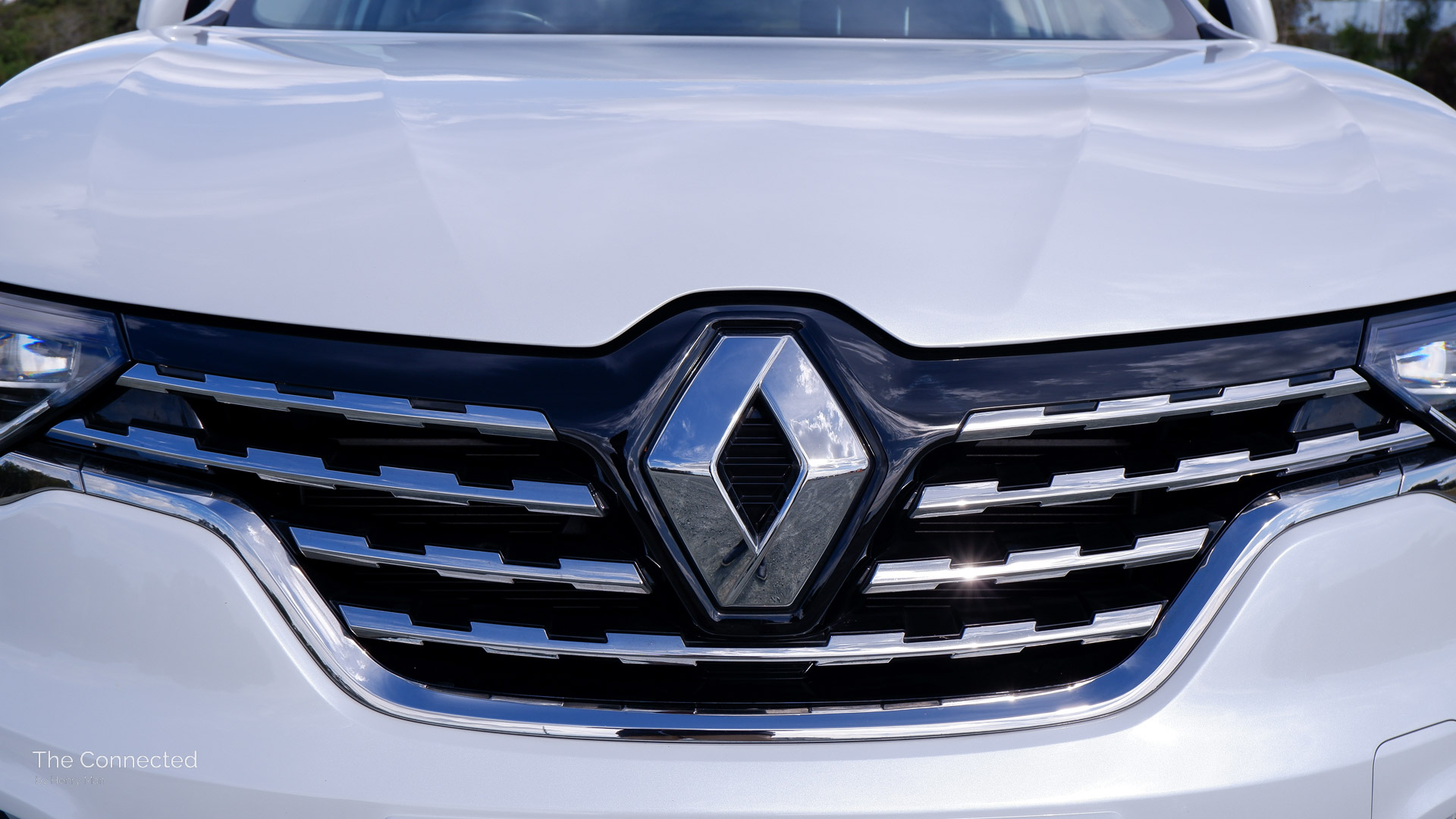
There’s the carmaker’s prominent signature C-shaped LED daytime running lights, with a chrome strip that extends to the front door and other lashings of chrome across the grille, bumper and door handles – but it’s not too over-the-top.
The Koleos’ dimensions were once considered on the bigger side of the medium SUV class a few years ago – but it’s on par with newer rivals today. It’s also notable that it has a relatively high ground clearance at 210mm.
Despite being based on the previous generation Nissan X-Trail, the French brand has managed to hide its roots relatively well and infused some European design flair.
Note to self.
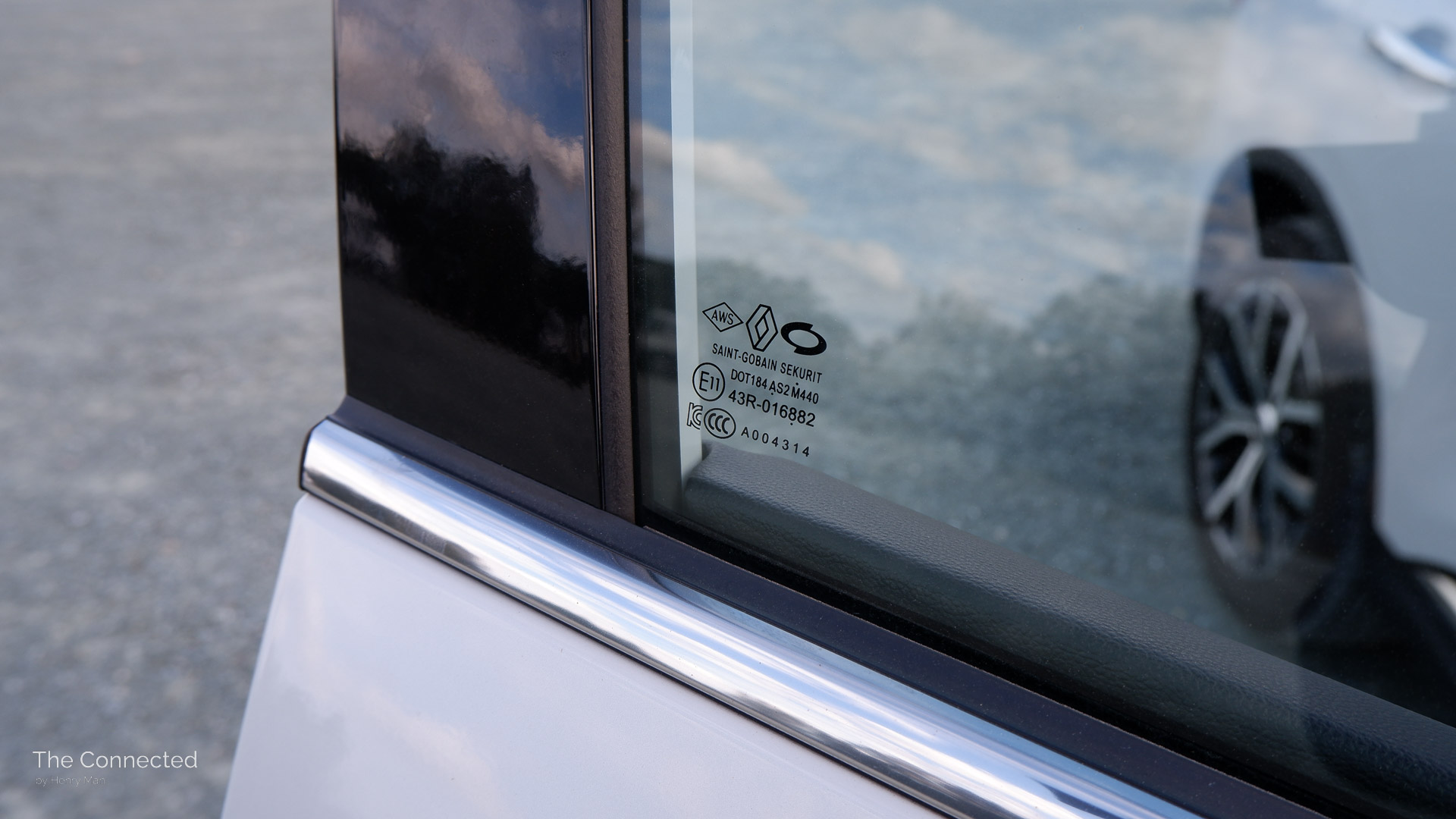
The second-generation Renault Koleos was launched in 2016 based on a Renault-Nissan developed Common Module Family (CMF-CD) platform shared with the previous third-generation Nissan X-Trail, which was released in 2013.
It is manufactured in Busan, South Korea badged as the Renault Samsung QM6 in its origin country. Despite its age, a new-gen successor isn’t expected until 2025.
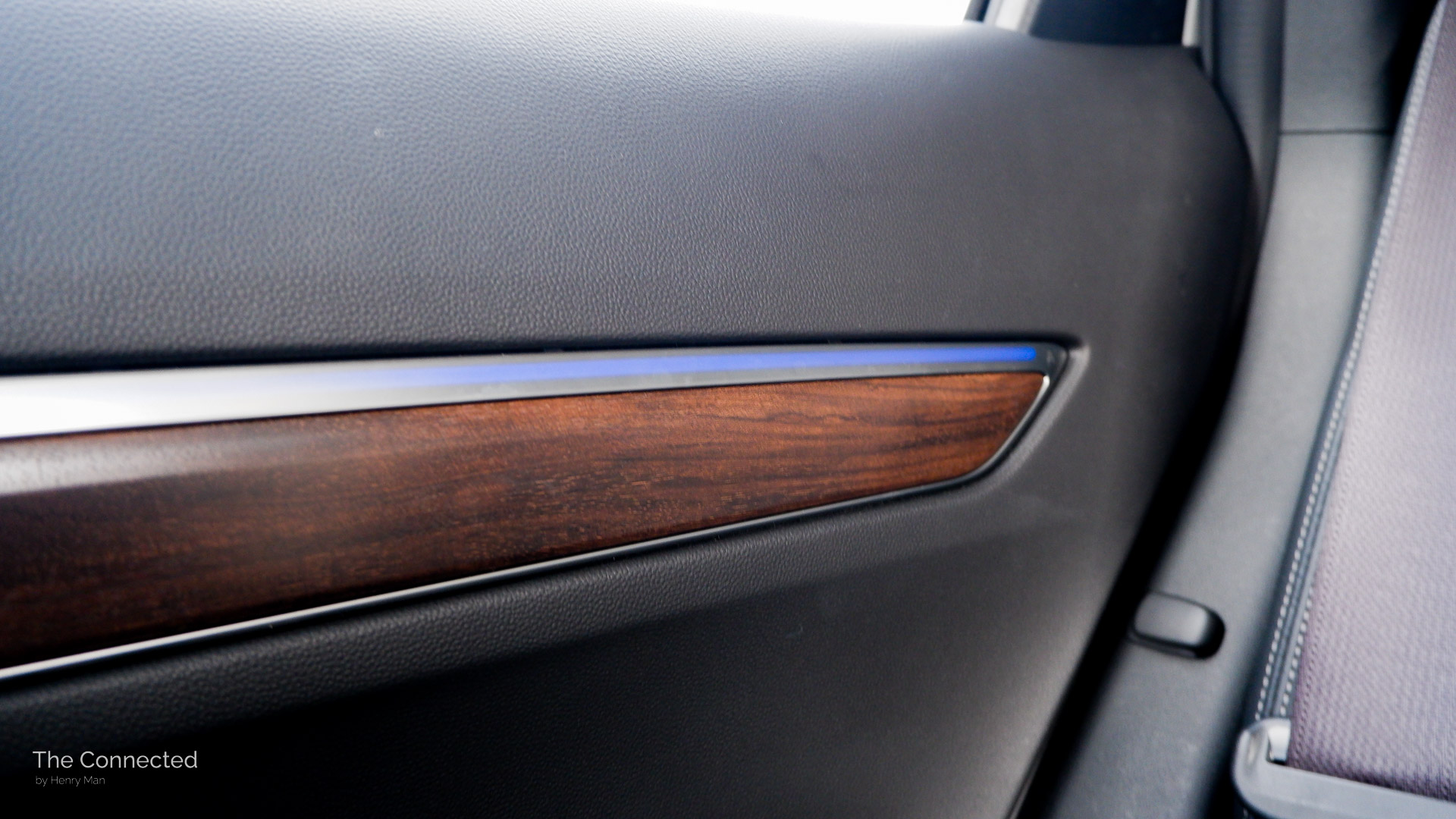
Meanwhile, the interior is less impressive and hasn’t aged as well.
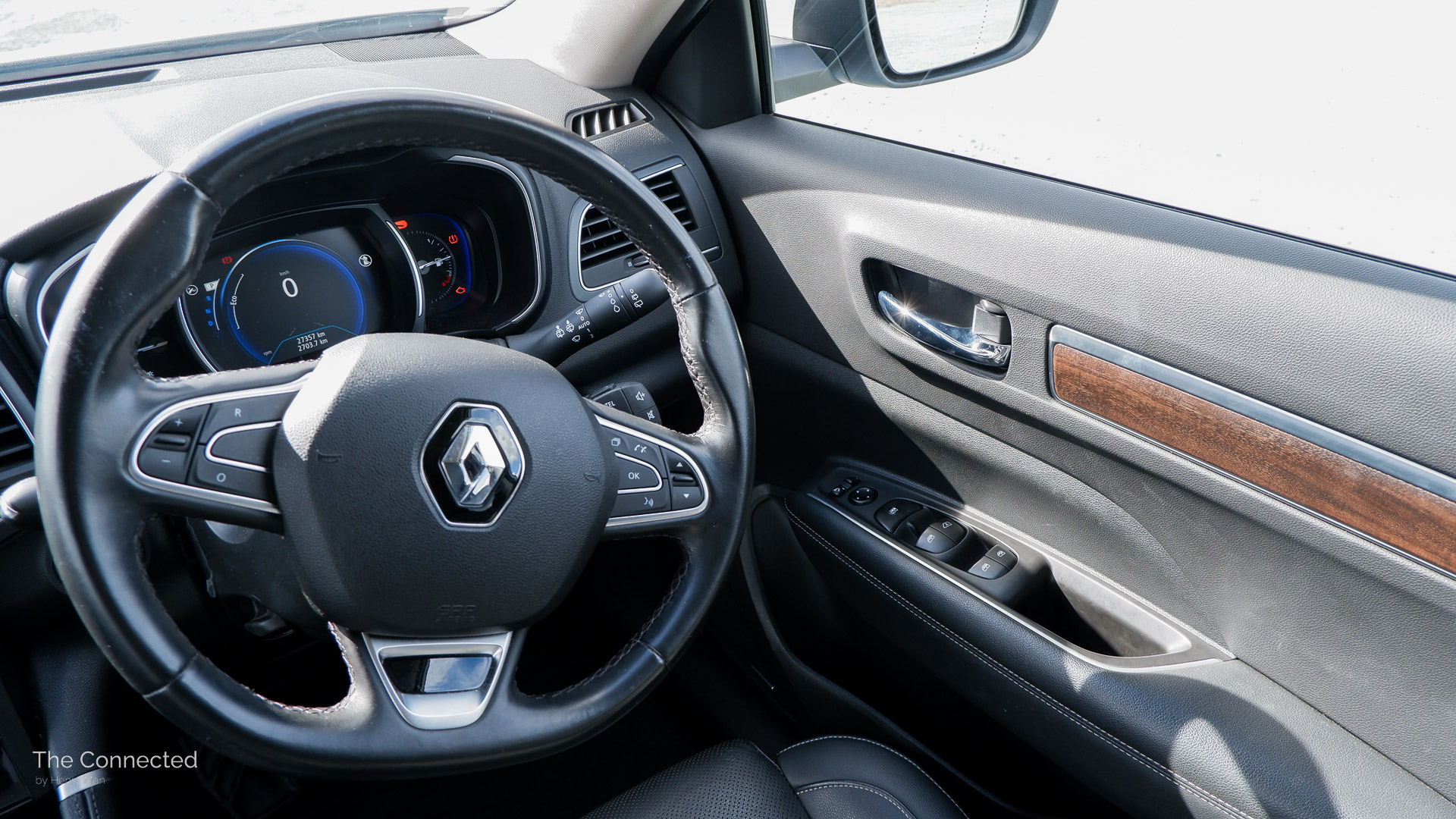
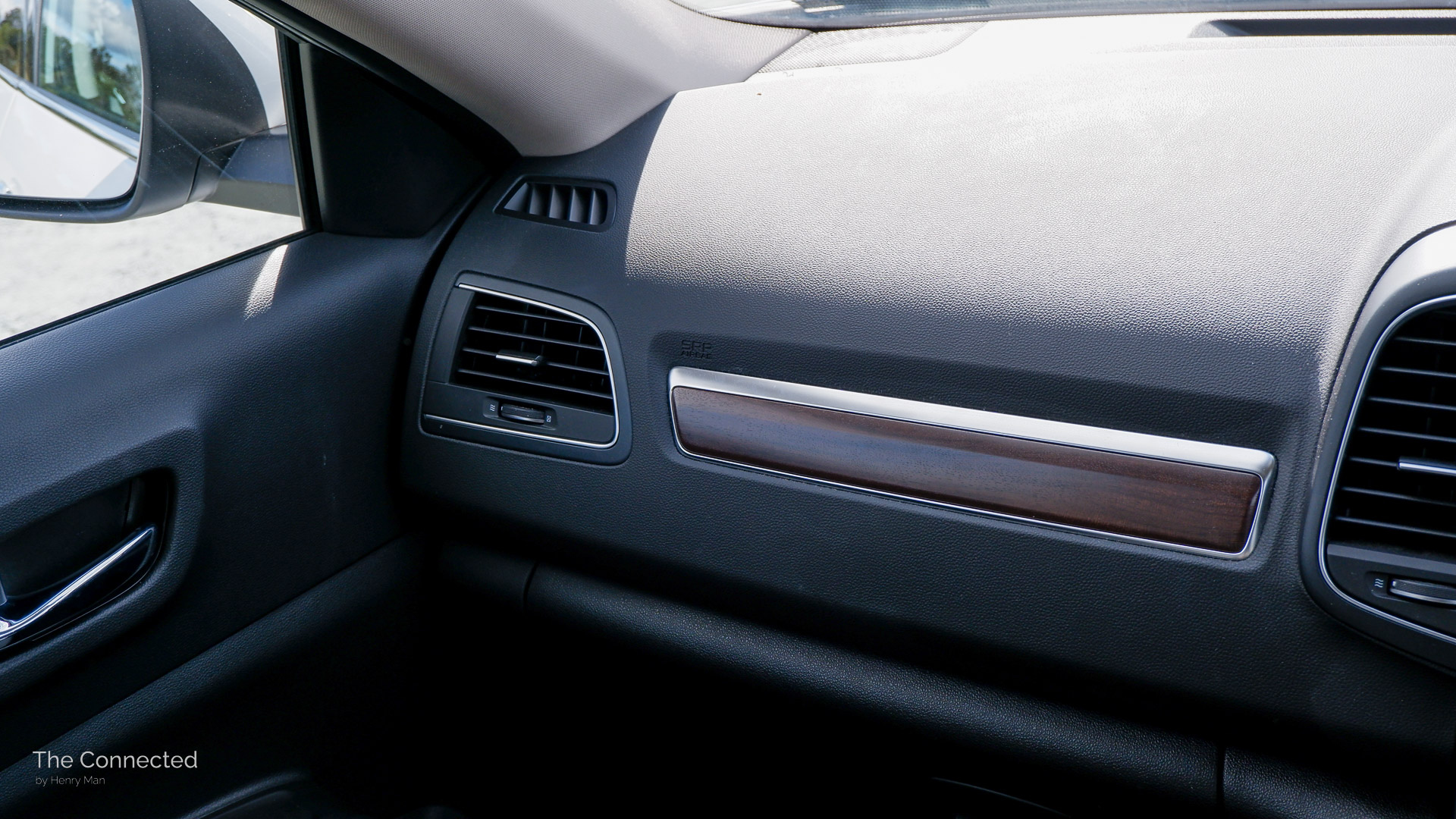
The portrait touchscreen is surrounded by ungainly matte black bezels and the faux wood trims on the dashboard and door cards look like an afterthought, including the subtle five-colour ambient lighting strips included in this top-spec Intens.
Gloss black adorns the centre console and touchscreen surrounds, which is a magnet for fingerprints, dust and minor scratches.
Also notable is the unnecessarily large plastic key fob, which is annoying for small pants pockets.
Practicality.
2020 Renault Koleos dimensions:
| Length | 4673mm |
| Width | 1843mm |
| Height | 1667mm |
| Wheelbase | 2705mm |
| Ground clearance | 210mm |
| Cargo capacity (minimum) | 458-litres |
| Cargo capacity (rear seats folded) | N/A |
| Rear seat split fold | 60:40 |
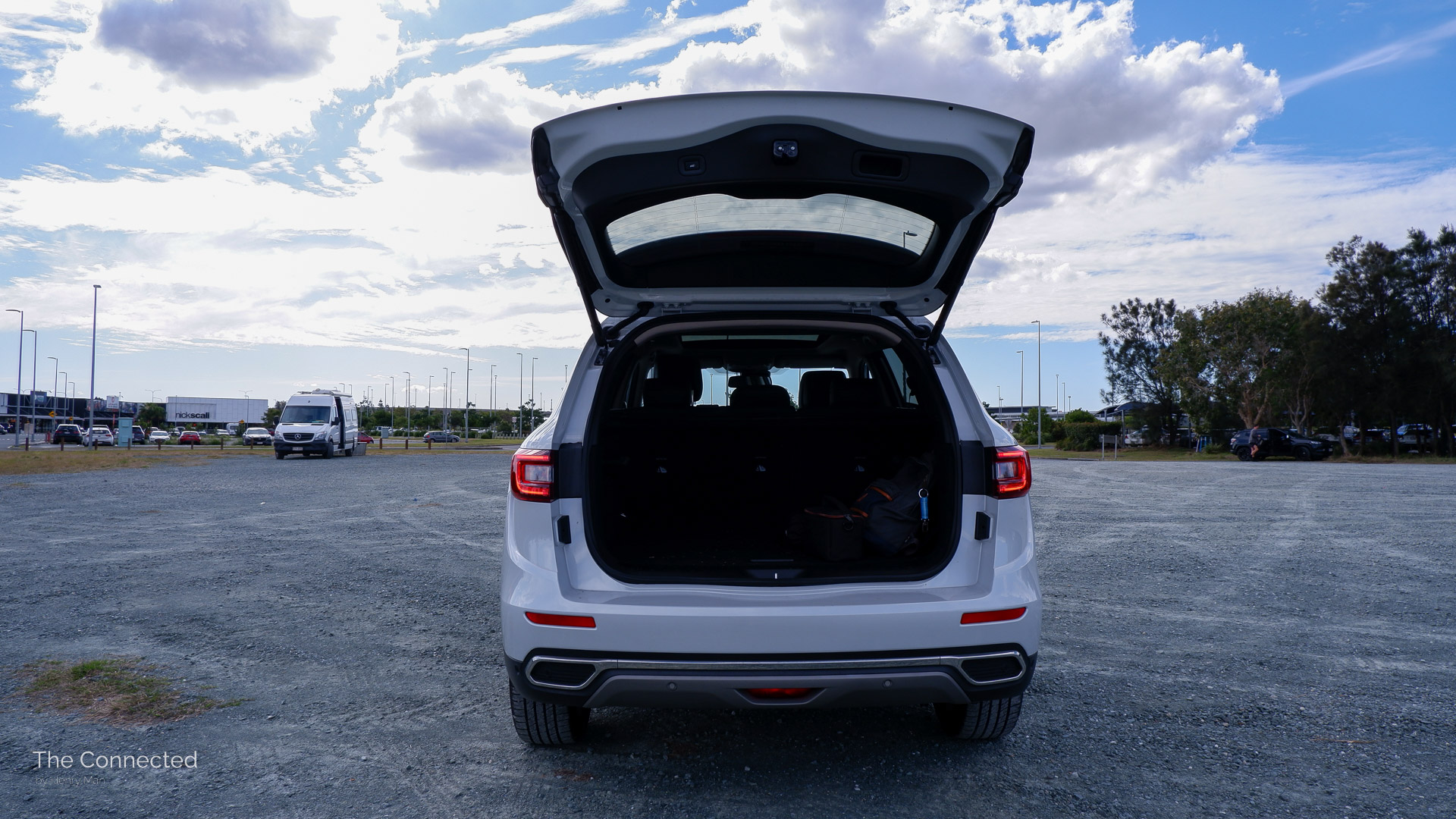
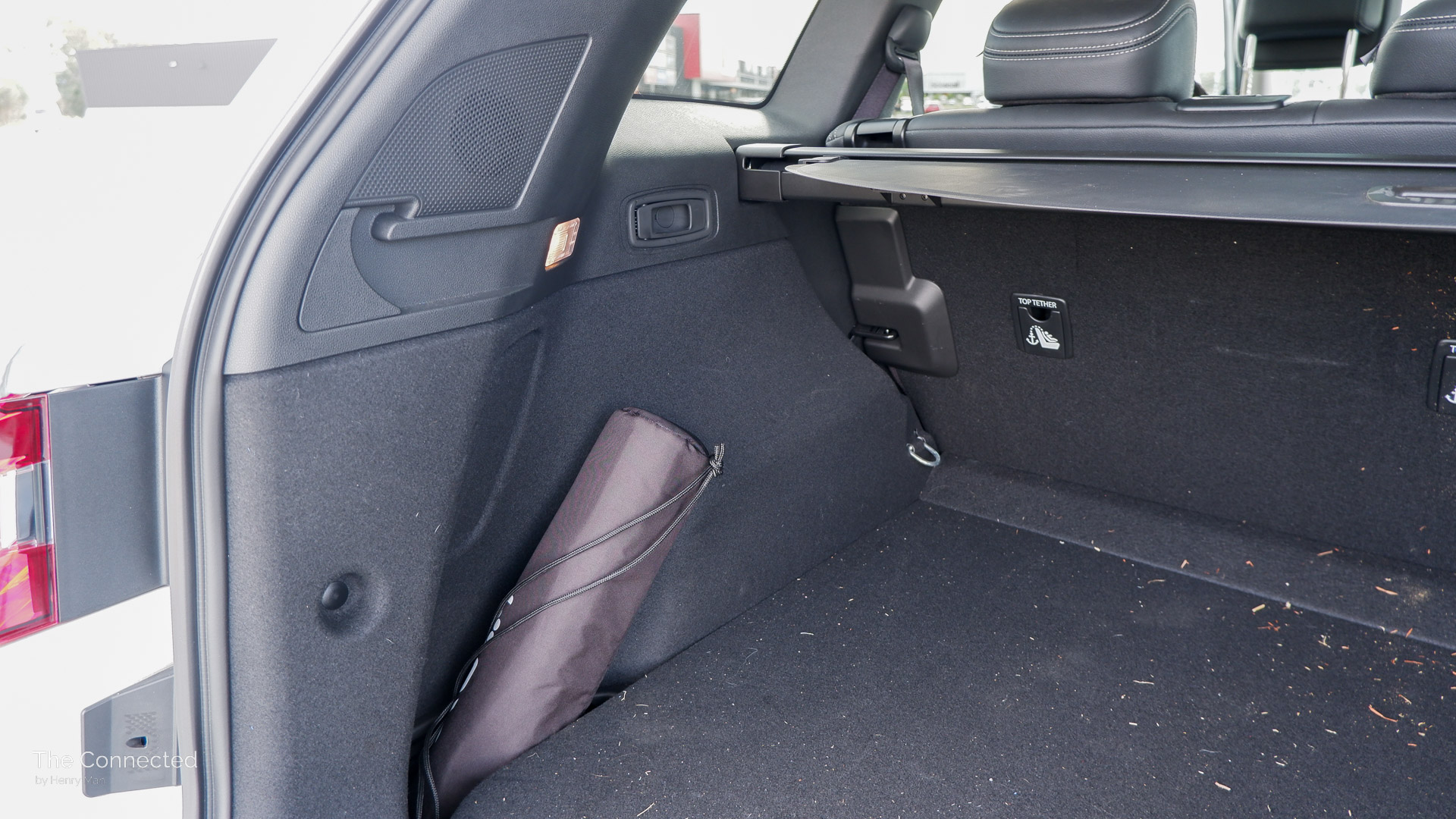
The Renault SUV’s 458-litre boot is a good usable space, with two deep pockets on each side, a sliding cargo blind, and release toggles for folding the rear row seats.
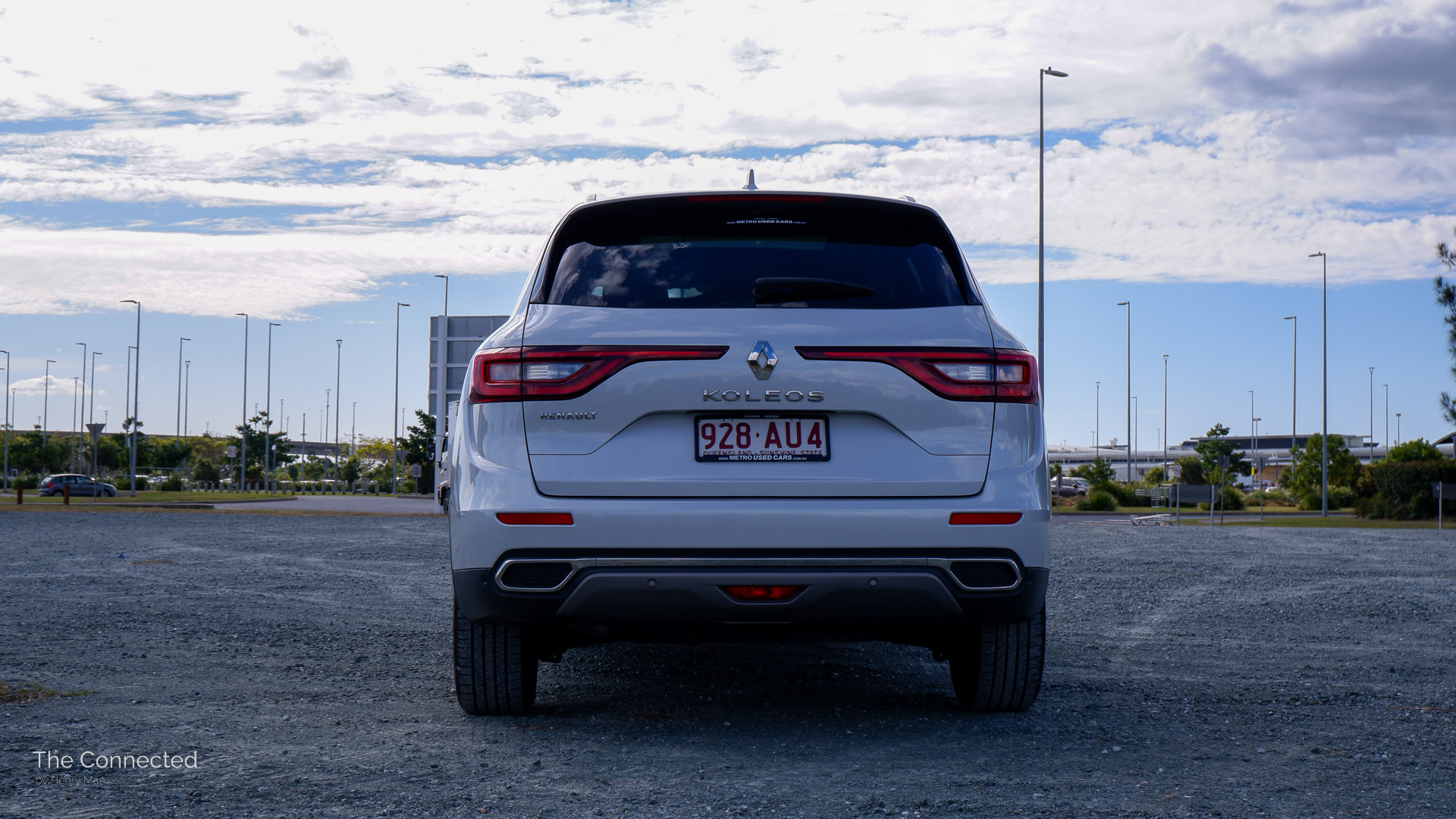
Strangely, the rear bumper noticeably protrudes from the tailgate, so there’s a sizable gap of painted bodywork before entering the boot. This can make loading particularly heavy items tricky as you’ll need to avoid scratching the bumper area, despite the flat loading lip.
This top-spec Intens model gains a hands-free electric tailgate that can be opened via the kick sensor and works well, as is the proximity key which automatically locks the vehicle once you walk away from it.
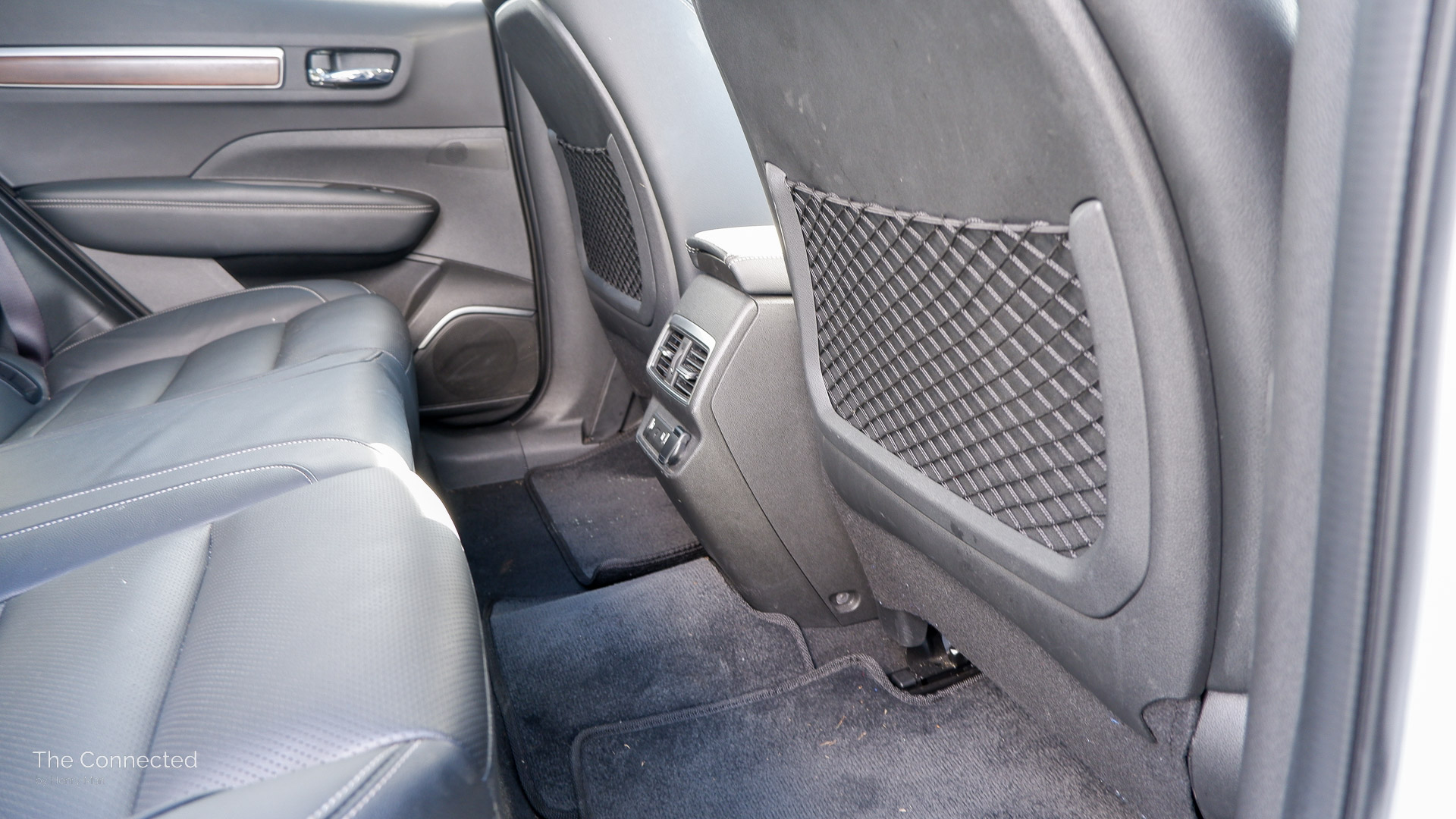
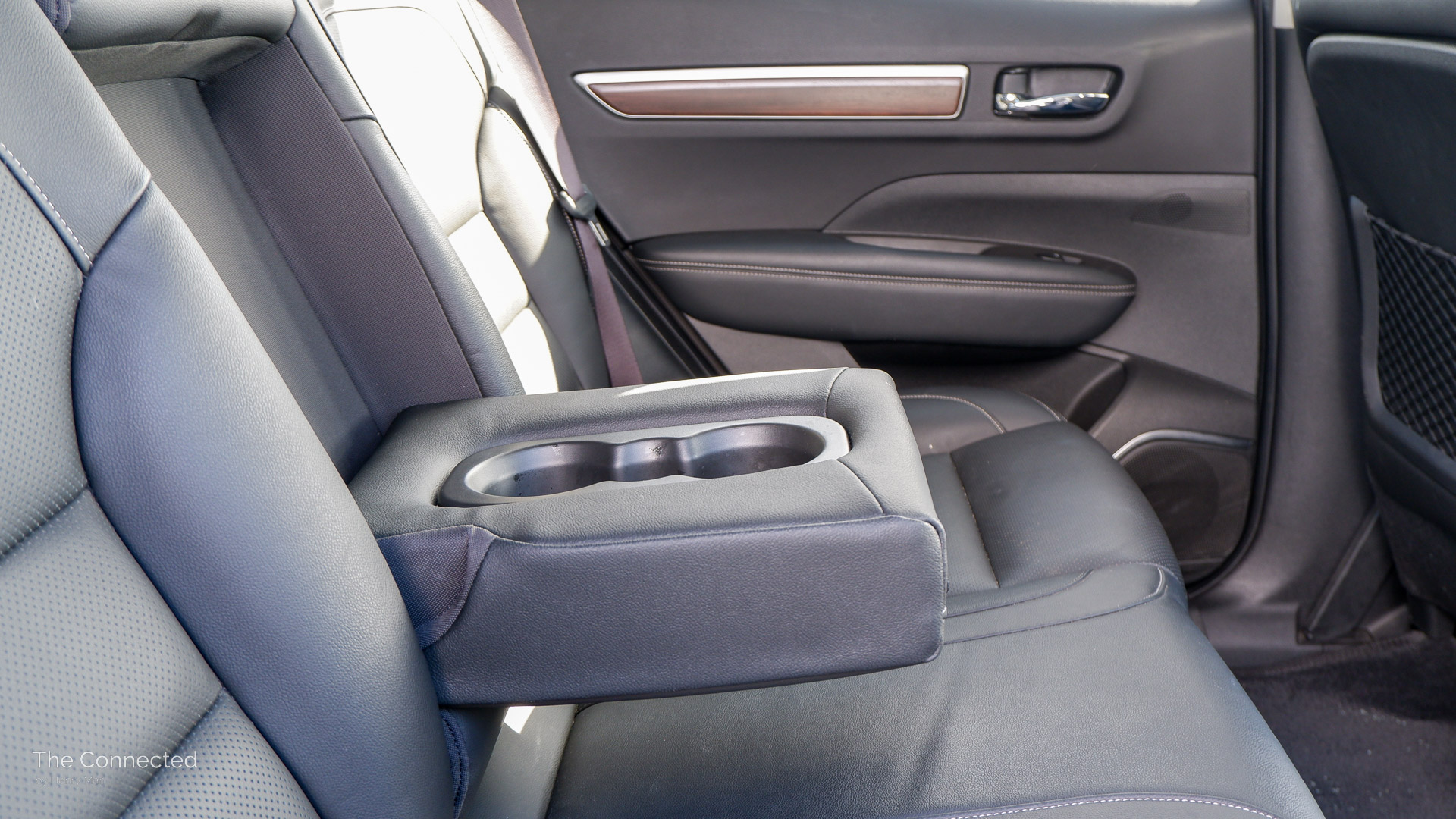
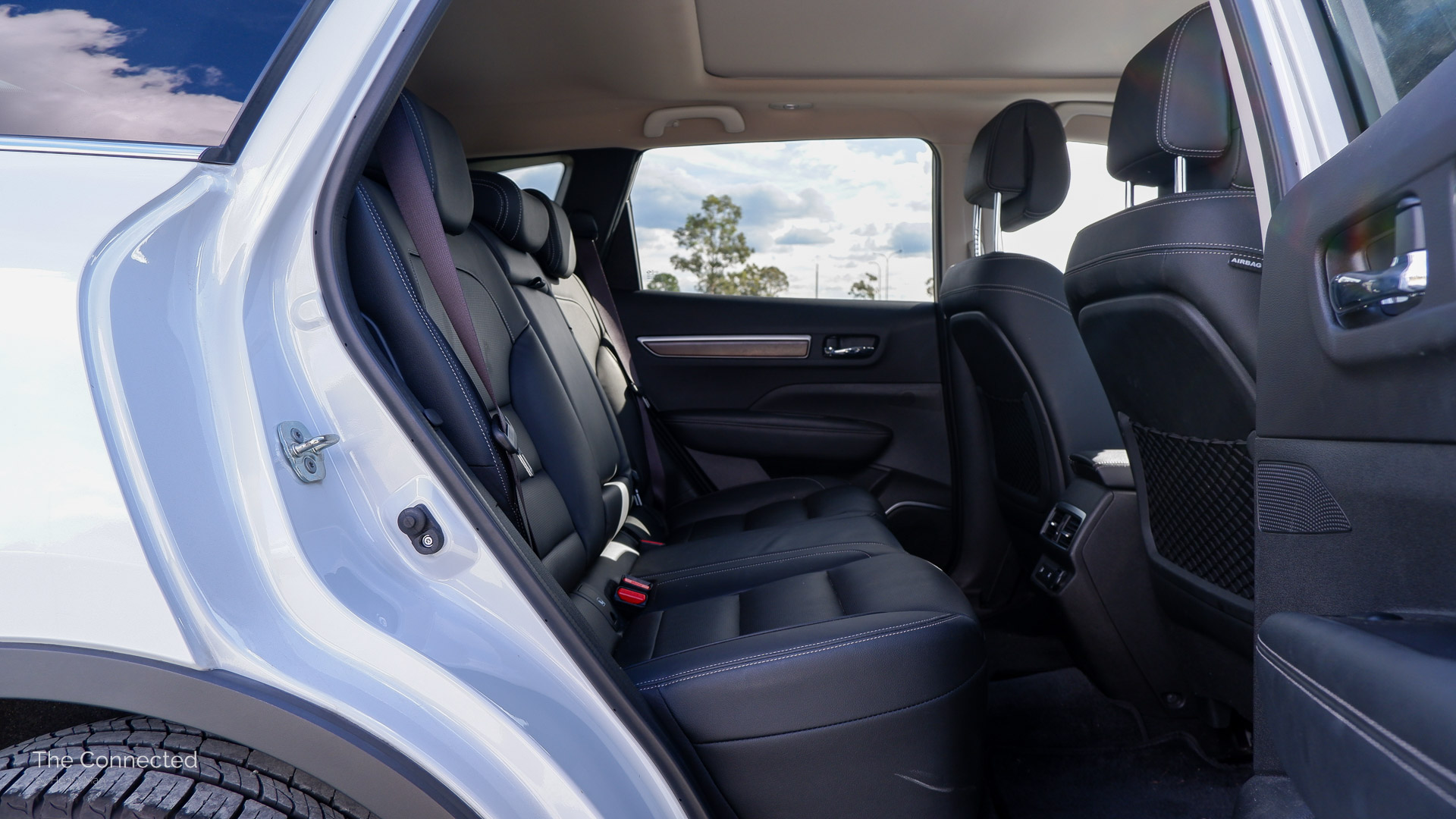
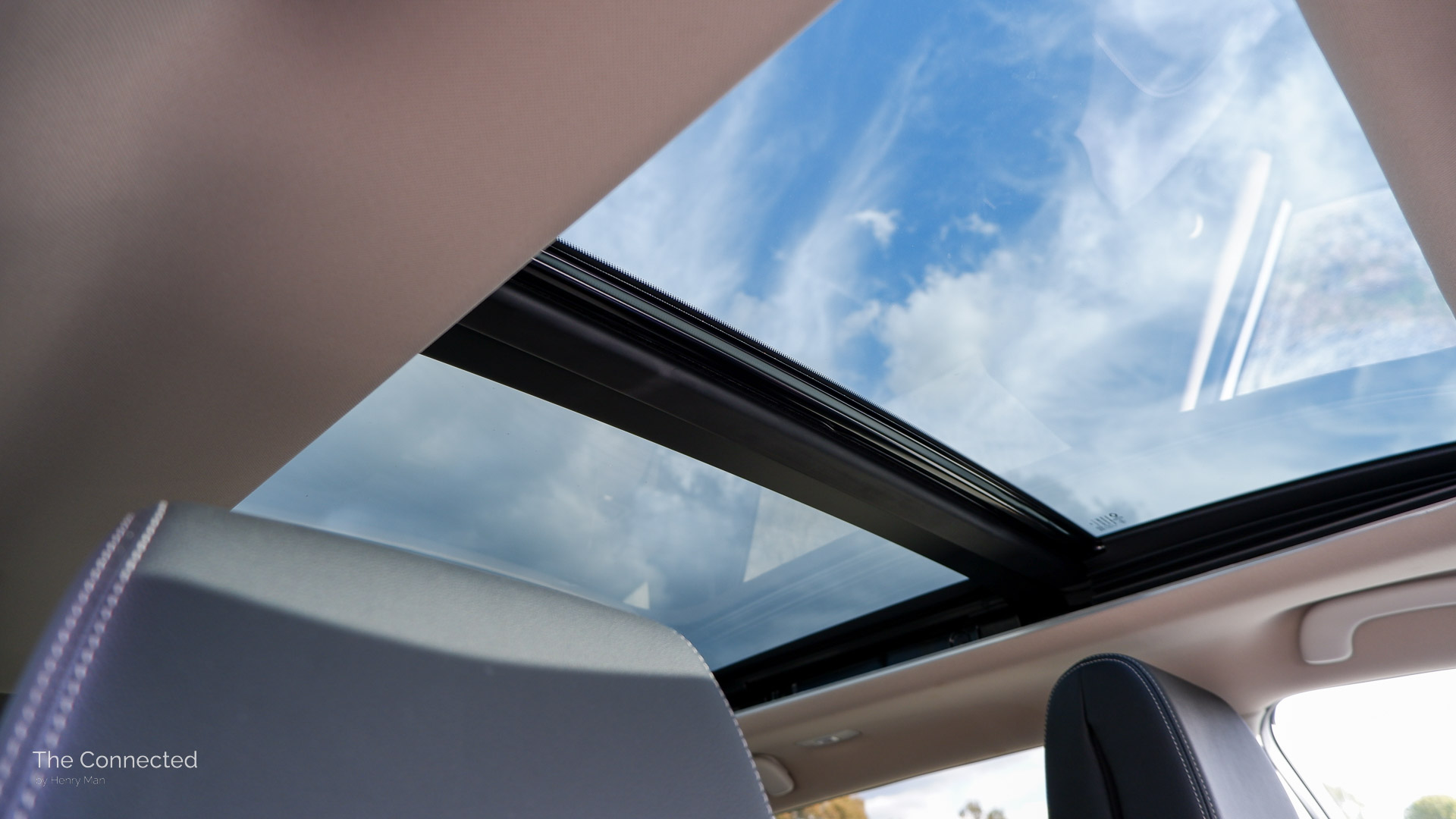
The Koelos’ five-seater cabin certainly feels spacious, thanks in part to the large panoramic sunroof, with plenty of leg and head space at the back row.
The rear doors open wide to almost 90-degrees for easier ingress and egress, with rear air vents, a minimal centre floor transmission hump, and two ISOFIX child seat anchor points (hidden underneath caps) and three top tethers at the back.
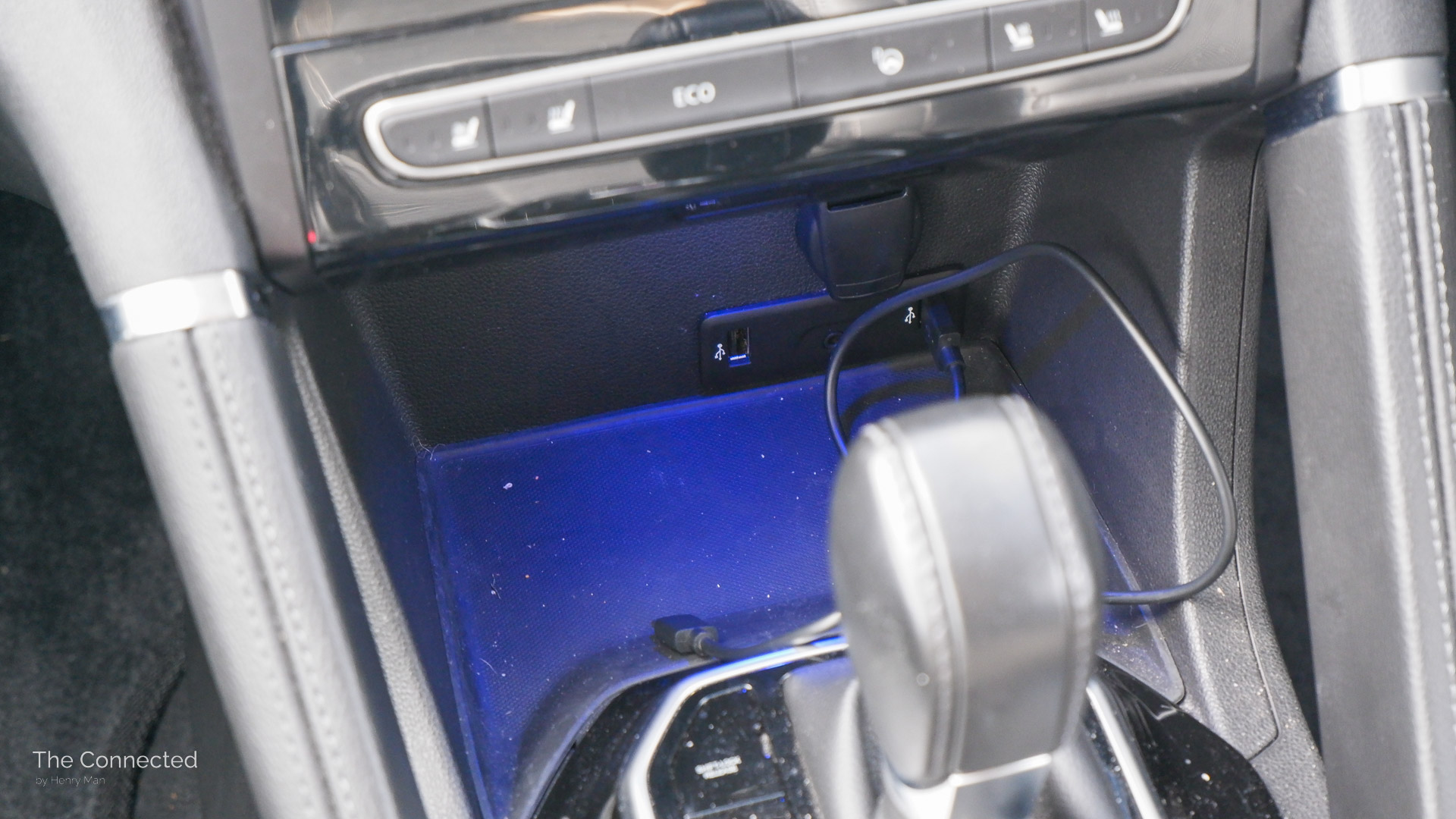
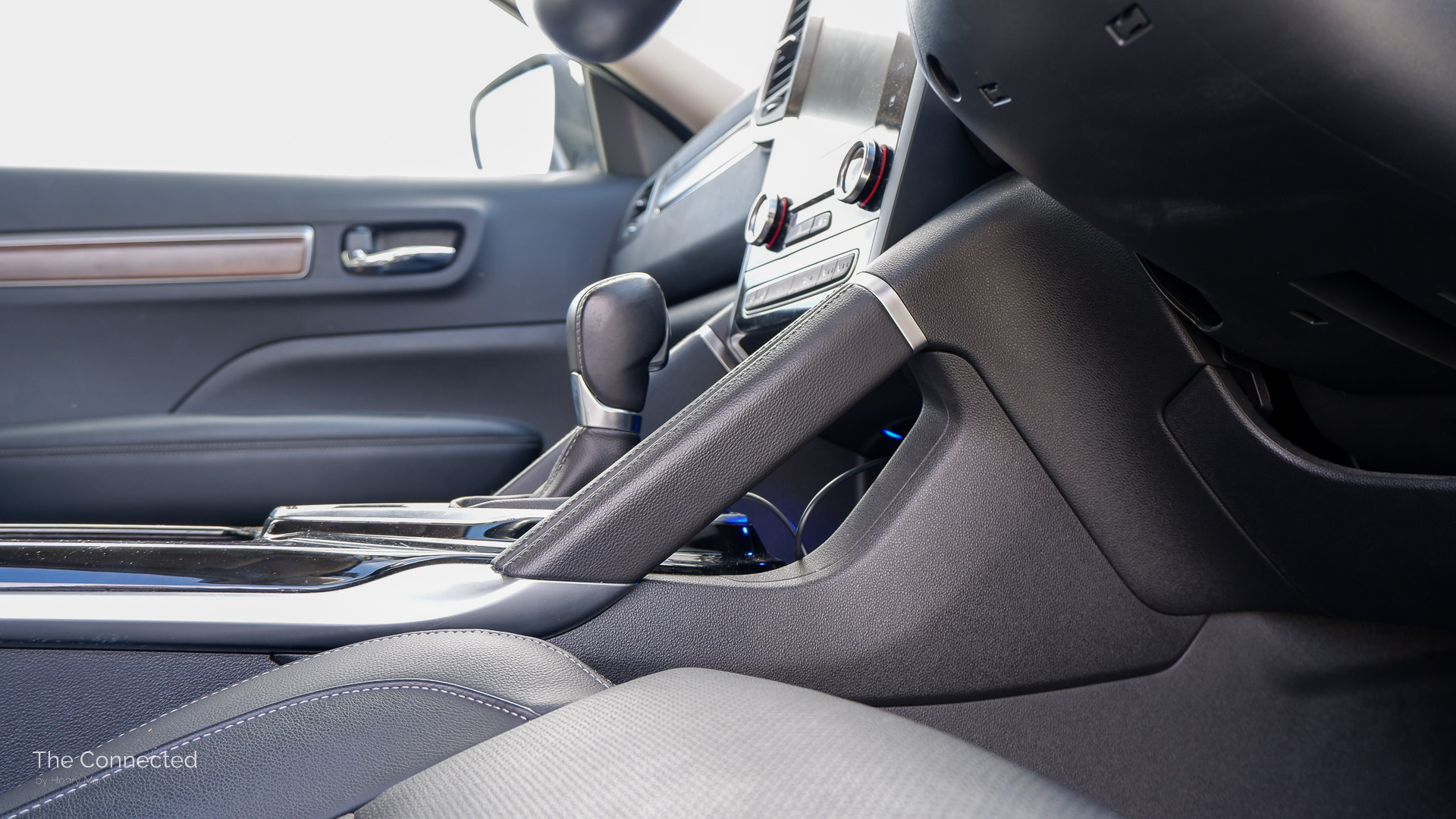
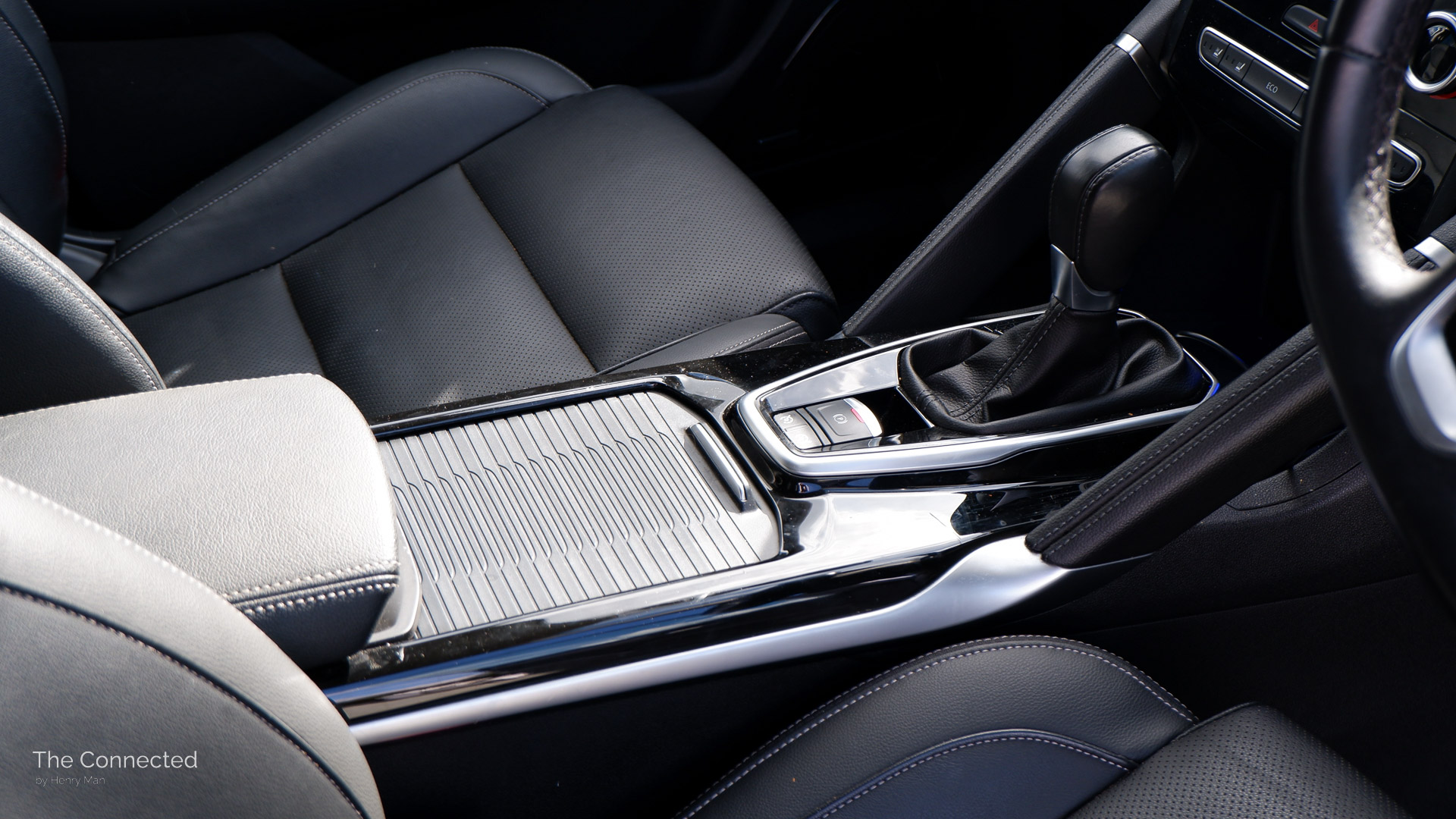
Also, the cup holders are decently sized, but the storage space for smartphones under the touchscreen is tight – especially when using the USB-A port – and obscured by the gear stick when in park.

Technology.
2020 Renault Koleos Intens 4×2 tech features:
| 8.7-inch portrait touchscreen | Wired Apple CarPlay and wired Android Auto |
| 7.0-inch driver instrument display | Built-in maps |
| Four USB-A charging ports | 11-speaker Bose audio |
Renault was one of the first carmakers to adopt a large portrait touchscreen following the footsteps of the original Tesla Model S large electric sedan.
This top-spec Intens features a 8.7-inch portrait-orientated infotainment system running on its older RLink 2 operating system.
This is an unfortunate area where the Koleos is starting to date.
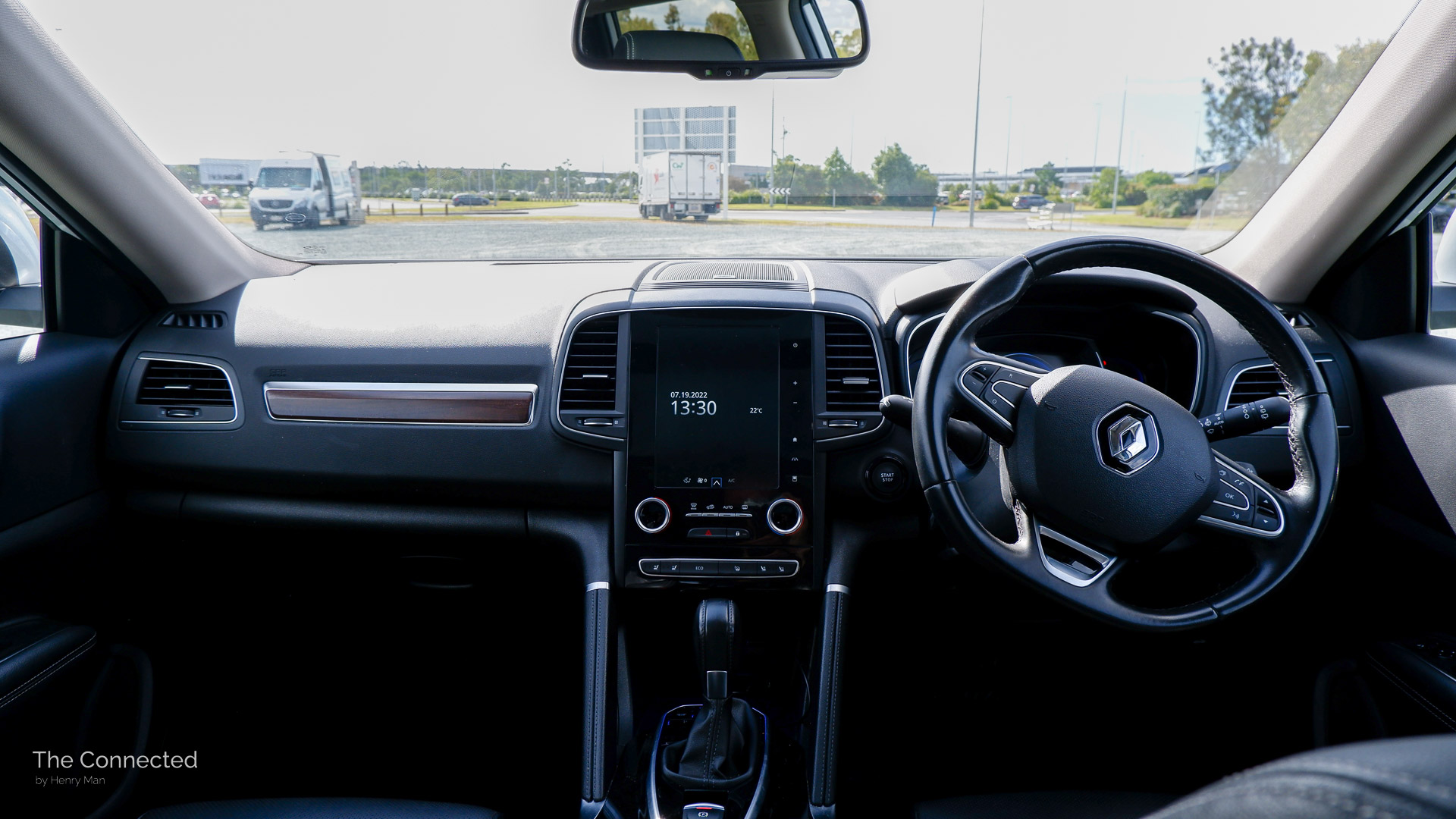

RLink2 doesn’t look nor perform as well in 2023 – there are confusing menus and sub-menus, some nonsensical wording (‘dark skin’ instead of dark mode), slow and gratuitous animations when switching between pages, and a generally old user interface design that’s most evident in its built-in maps.
You’ll want to use wired Apple CarPlay or wired Android Auto instead – both of which stretch full-screen, though the system is sluggish when opening apps, scrolling and using maps.
The slightly narrow width of the portrait display also means the Google Maps navigation arrow needs to sit on top of the square box user interface, so it shrinks the navigation lines in three-dimensional view and is harder to see the map directions further out – usually a key advantage of a portrait display.
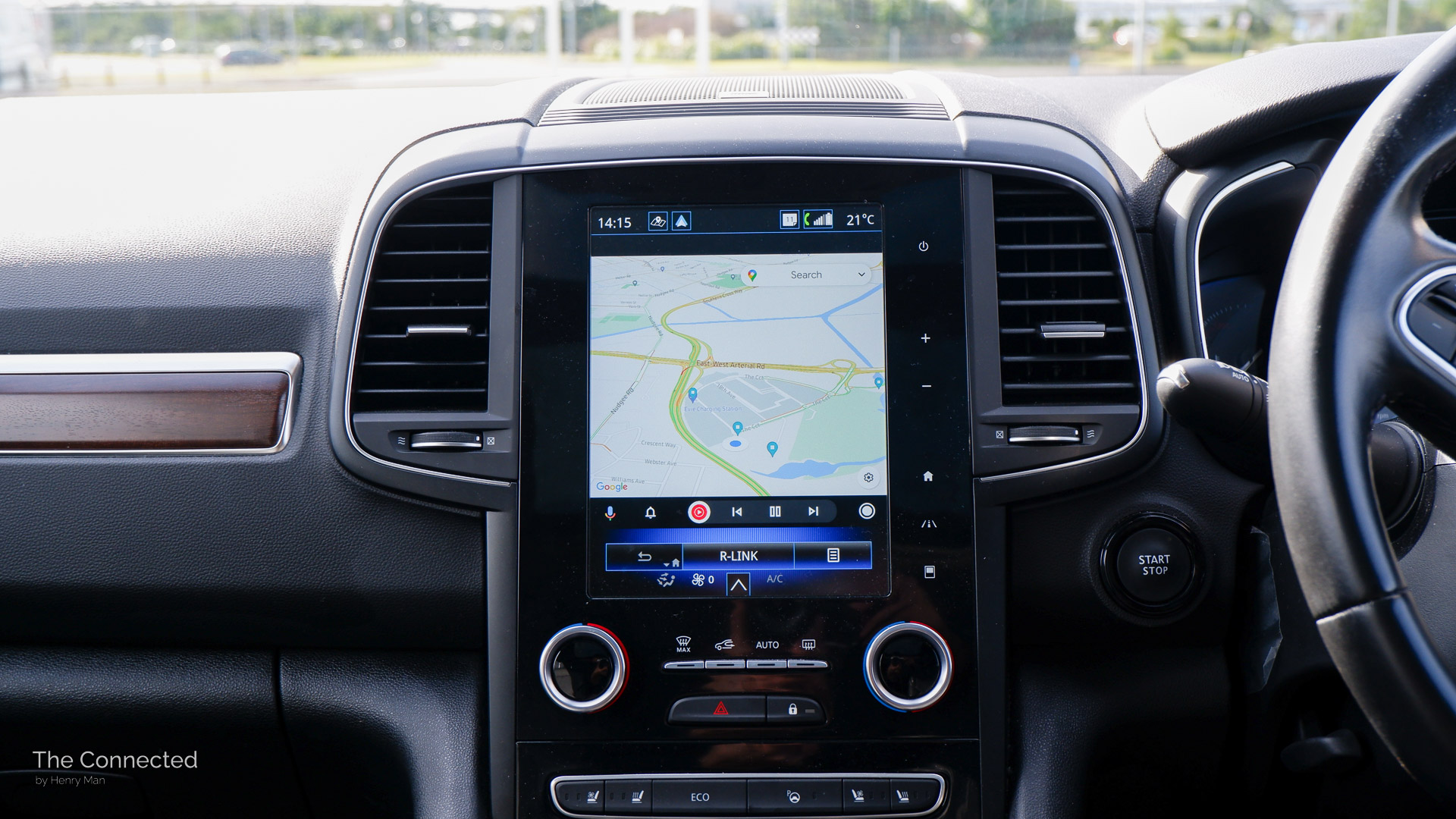


There are tiny touch-sensitive infotainment shortcut buttons and physical controls for adjusting the climate control air-conditioning, but controlling the fan speed needs to be done via the touchscreen page or widget placed on the home screen.
It’s also missing a Qi wireless phone charging pad, although it isn’t essential due to smartphone projection systems requiring a cable regardless.
The 7.0-inch instrument cluster display has a clear, minimal interface with a digital centre speedometer and small widgets flanked on each side, but does display navigation directions from CarPlay and Android Auto.

Safety.
2020 Renault Koleos Intens 4×2 safety features:
| Front auto emergency braking (AEB) with car/pedestrian/cyclist detection | Rear view camera |
| Blind-spot alert | Rear, side and front parking sensors |
| Lane departure warning |
The Renault Koleos has achieved a five-star ANCAP safety rating under the more lax 2017 testing criteria – which is due to expire at the end of this year. It scored 84 per cent in adult occupant protection, 79 per cent child occupant protection, 62 per cent pedestrian detection, and 52 per cent for safety assist.
Unfortunately, the European-badged medium wagon shows its age most in its active safety assistance systems suite.
Notably absent is intersection detection for the front AEB, rear cross-traffic alert, rear AEB, active lane keep assist, lane centring assist, and adaptive cruise control that’s expected from a family SUV nowadays.
The reversing camera clarity is average and depicts objects quite small – but a 360-degree camera would’ve been welcome given the SUV’s large-ish dimensions.
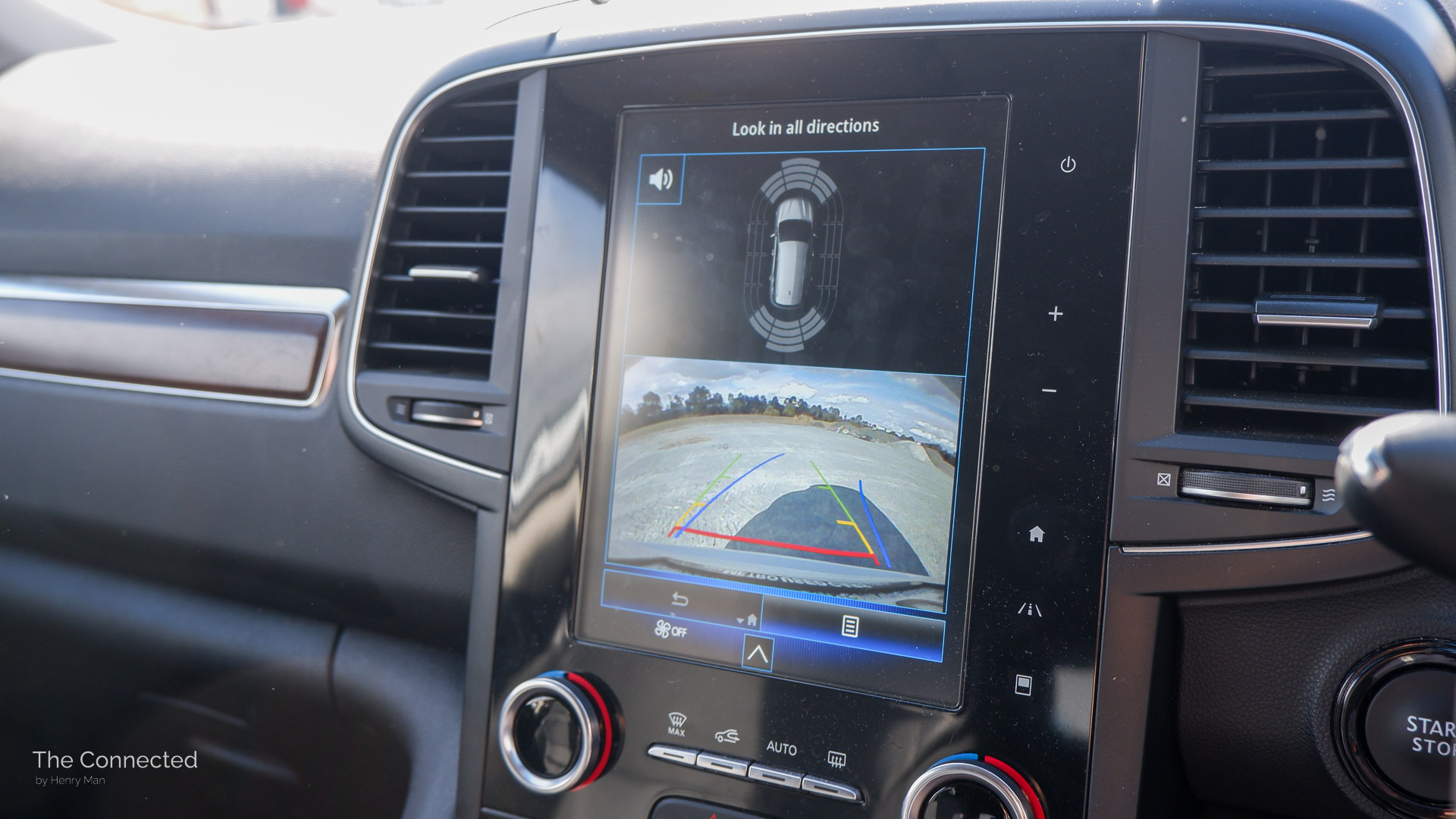

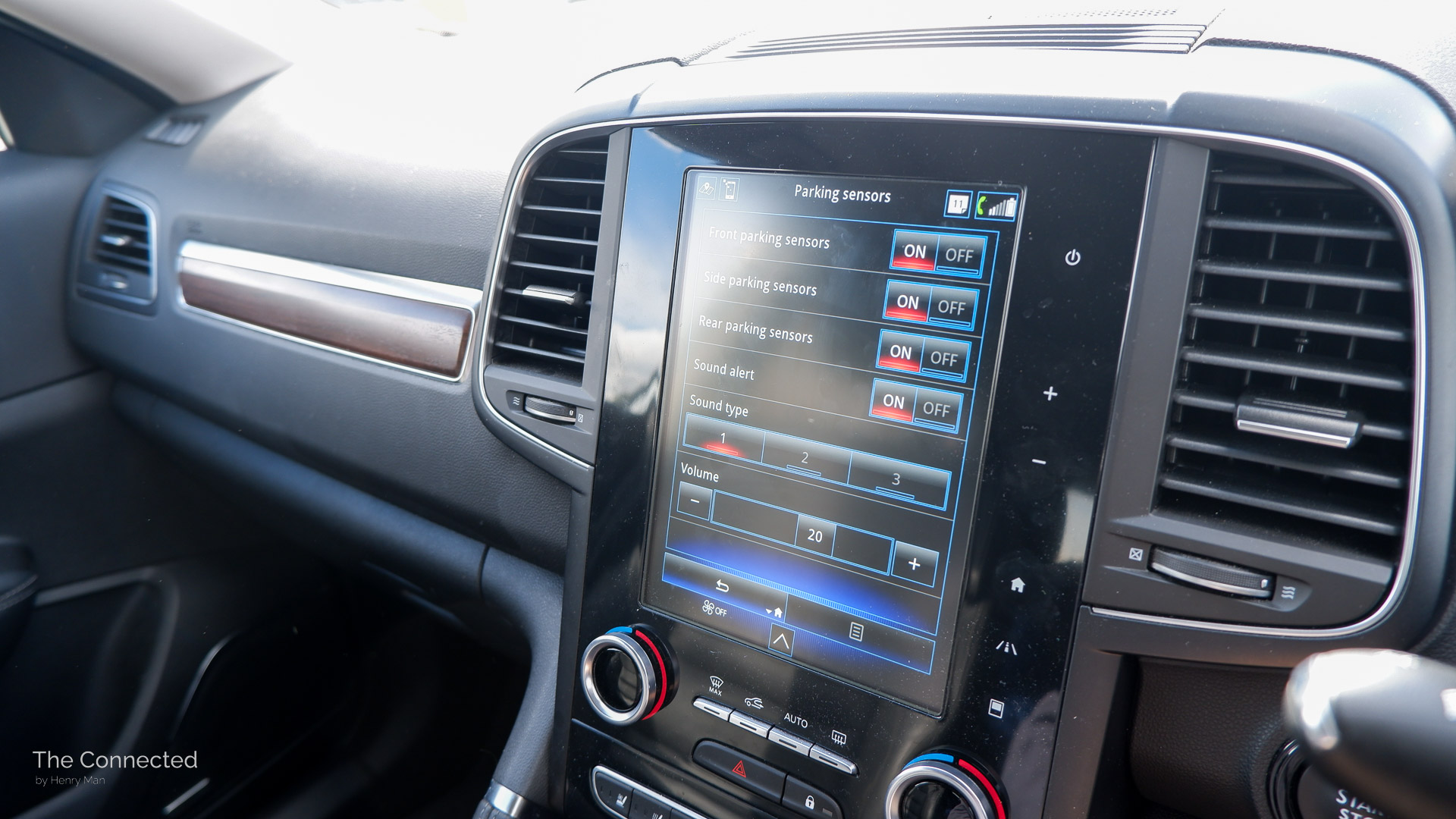
Even though Renault offers three different chime options for the parking sensors, all are quite subtle, quirky and playful (not surprising from the French). It doesn’t alert the driver as prominently which, while not annoying, can be concerning.
The automatic parking assistant also manoeuvred quite close to the adjacent vehicle in my experience and still requires the driver to control the brake and throttle.
The Japanese-made SUV also boasts standard cruise control. However, while there was a switch strangely positioned next to the gear stick on the centre console, I couldn’t figure out how to enable it and set the speed in my few-hour stint in the vehicle.
Fuel consumption.
2020 Renault Koleos Intens 4×2 fuel and efficiency specs:
| Claimed driving range | 723km |
| Claimed fuel efficiency (combined) | 8.3L/100km |
| Fuel tank | 60-litres |
| Minimum fuel quality requirement | 91RON |
Due to the limited time with the vehicle, I could not definitely test real-world fuel consumption. Renault does claim it drinks 8.3L/100km on the combined cycle, 10.7L/100km in urban conditions, and 6.9L/100km on the highway.
However, the Koleos has a good-sized fuel tank and, thanks to the Japanese engine, can take cheaper 91RON and 94RON E10 unleaded petrol.
Driving.
2020 Renault Koleos Intens 4×2 engine specs:
| Engine | 2.5-litre four-cylinder petrol |
| Power | 126kW |
| Torque | 226Nm |
| Drive Type | Front-wheel drive |
| 0-100km/h time | 9.5 seconds |
All Koleos’ powerplant is borrowed from the previous third-generation Nissan X-Trail that dates back to 2014.
Although adequate for driving around urban environments, the engine is quite noisy and vibrations reverberate into the cabin even when idling.
Exacerbating this, the rubber band-like continuous variable transmission (CVT) groans the engine when the pedal is pushed harder.

With larger dimensions and a higher ground clearance, the driving position feels like sitting on top of the Koleos, rather than in. Drivers will certainly notice its size, which is akin to a boat.
The five-seater SUV does absorb bumps and rougher roads well to maintain a comfortable and quiet interior.
However, the steering can feel vague and numb especially at low speeds, where moving the wheel doesn’t provoke an immediate nor direct response.
Ownership.
The 2020 Renault Koleos is covered by a five-year, unlimited kilometre vehicle warranty, with five-years of roadside assistance and capped price servicing.
Servicing intervals are set at an impressively long 12 months/30,000km with the first five visits totalling to $2715.
Renault Koleos (2020 onwards) capped price servicing prices:
| 12 months/30,000km | 24 months/60,000km | 36 months/90,000km | 48 months/120,000km | 60 months/150,000km |
| $429 | $429 | $429 | $999 | $429 |
Would I pick the Renault Koleos Intens?
The 2020 Renault Koleos Intens is an affordable European-badged family SUV. Usually, that’s an oxymoron.
As new medium SUV model price tags continue to climb, the Koleos is a welcome respite from the past that coincidently blends a few stereotypical benefits – Korean affordability, Japanese reliability, and European badge cachet.
Even though the latest model has gained some spec changes such as sequential tail light indicators, nappa leather seat material and a new speaker system, it’s negligible.
If you can find a well priced, good condition used example, it’s worth considering compared to buying a new Koleos (which hasn’t changed all that much, except for price rises).
While the Koleos’ cost-cutting and old-hat age does show in some areas – especially in safety assist, in-car technology and powertrain – it is still a practical, sharp-looking family wagon hauler. Don’t expect it to be the bleeding-edge modern SUV, though.
For those looking for a South Korean made, Japanese-based, but European-badged car, this is quite a rare unicorn.
Photographs by Henry Man
About the Author.
Henry Man is a freelance automotive journalist, communicator and content producer passionate about the intersection of technology and transportation.
He is focused on meaningful storytelling, giving a voice to people, and truth-telling in the public interest. The Connected is an altruistic initiative to tell stories free from commercial interests, showcase key work, and highlight how tech and media shapes everyday society. For further information, click here.
Henry is an alum from The University of Queensland holding a Bachelor of Communication/Journalism (with majors in Public Relations and Digital Media), and has worked with organisations such as CarExpert, Wheels Media, and zecar.


 The Connected by Henry Man