
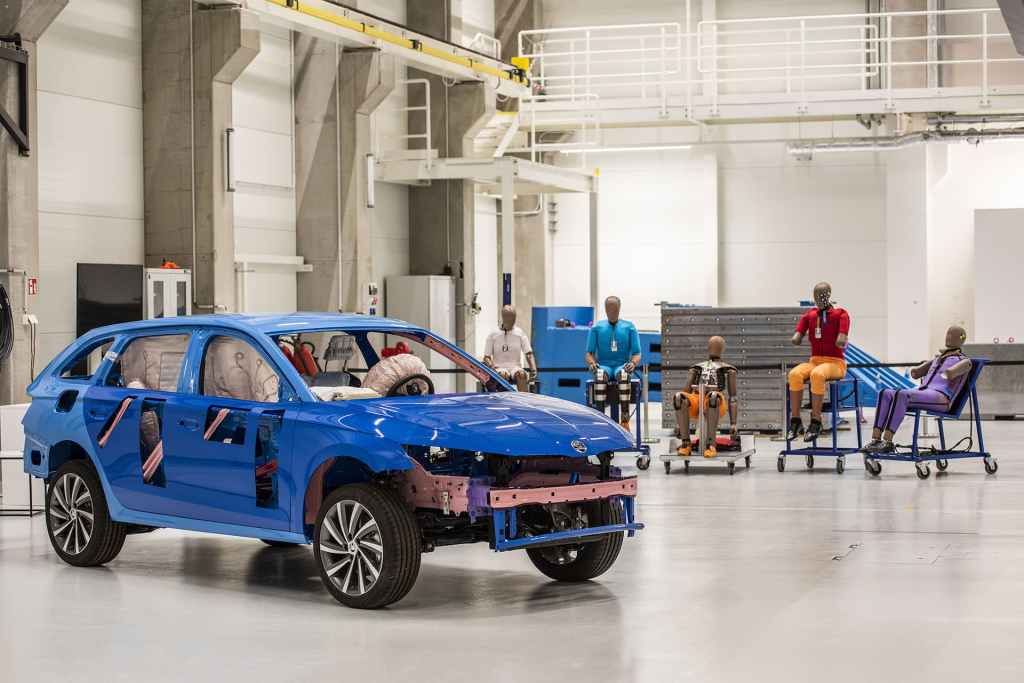
Car buyers rely on safety ratings as a factor to make an informed major purchasing decision, but the design of crash test dummies generally don’t represent most female bodies.
EDITOR’S NOTE: This story has been commissioned by and produced for Wheels Media.
Women tend to be smaller, lighter and have different torso, hip, and pelvis shapes than men – and therefore have a different seating position.
A study from the National Highway Traffic Safety Administration revealed that women could be three times more vulnerable to whiplash injuries in the event of a rear vehicle impact.
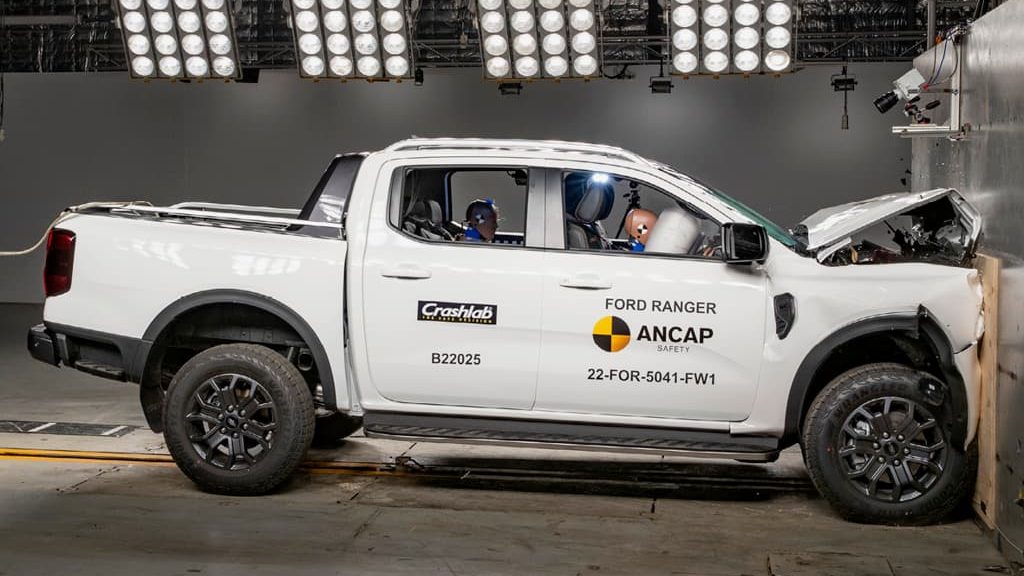
According to the Australasian New Car Assessment Program (ANCAP), it has used two Hybrid III fifth percentile female dummy models in the full-width frontal test (driver and rear outboard passenger seats) since 2018. It forms part of its ‘adult occupant protection’ testing category.
This means, only five per cent of the female population were smaller than the 152 centimetre tall, 45 kilogram dummy when it was first developed in 1988.
In contrast, the related Hybrid III 50th percentile male model represents the average population at 175cm and 77.7kg.
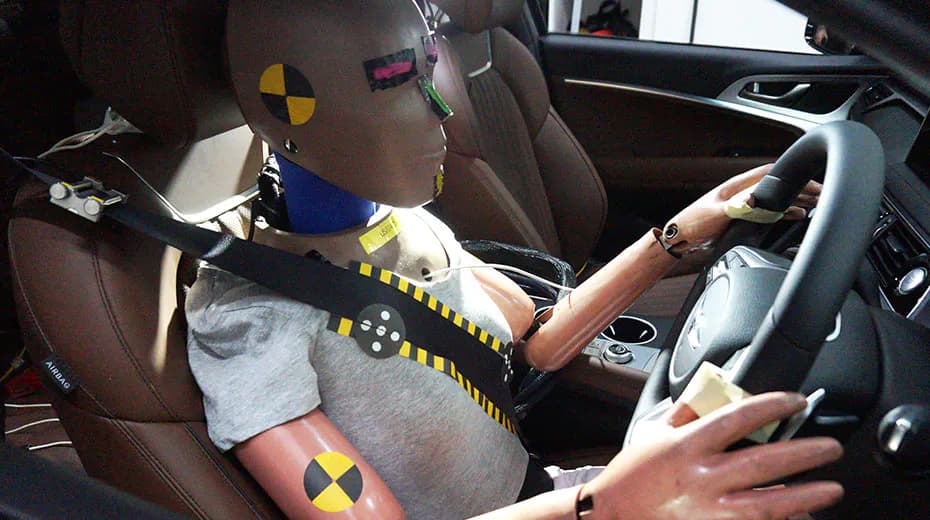
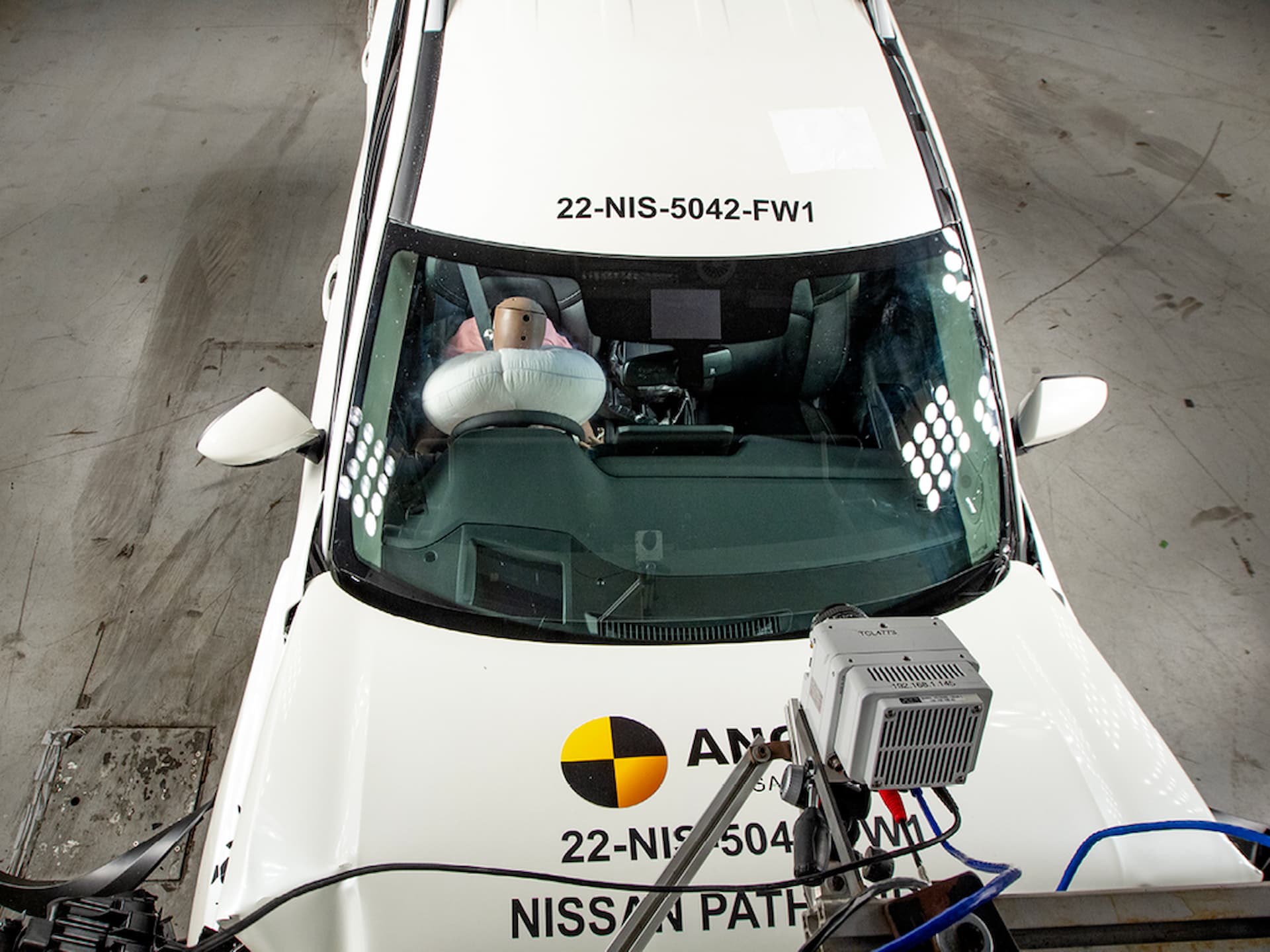
Independent vehicle testing body ANCAP said in a statement that it uses different dummies for each test based on “real-world crash population and worst-case scenarios” and the results aren’t limited to one gender or body type.
“The smaller occupant tends to be the more difficult to protect as they sit closer to the steering wheel and have a lower pelvis height that is more likely to ‘submarine’ beneath the lap belt. On this basis the fifth percentile female dummy is chosen,” the ANCAP spokesperson said.
“Female drivers have tended to be over-represented in intersection side impact crashes… Currently there is not a suitably advanced small female side-impact dummy available – there has been an ongoing international project to develop a smaller version of the WorldSID dummy, but this remains incomplete and the 50th [percentile] male dummy is used.
“It is not realistic to test all crash types for all occupant sizes, as this would be cost prohibitive – but our choice of test tools aims to give the best safety outcome for the broadest range of occupants.
“As new tools and methods become available we will continue to review the appropriate choice for each test.”
Male-orientated design.
According to the Insurance Institute for Highway Safety (via Discover Magazine), ‘Sierra Sam’ was the first crash test dummy developed in the 1940s for the United States Air Force to help protect pilots – with male body norms at the time.
Academic and lecturer in digital culture at The University of Queensland, Dr Maureen Engel, said female dummies today are adapted from male models.
“The crash test dummy itself was a marvellous innovation in safety and the initial model was based on the average proportions of a North American man,” Dr Engel said.
“That is a common problem in a lot of design, engineering [and medicinal] environments where the male subject is taken to be the norm and then women are the bodies that are ‘different’.
“What happens over time is a whole kind of system builds around these technologies… there are children, people who are very short or very tall, and all kinds of outliers that being able to account for them becomes a problem rather than a requirement.
“This is a specific example of a broader issue that’s a very common cultural phenomenon… it’s important to recognise that it happens on many different levels on body size, gender, age and physical ability.
“We design all sorts of things with very specific bodies in mind and that can be tremendously disadvantageous to a lot of different kinds of people.”

Improving representation.
According to Green Slips, around 52 per cent of Australian licence holders are female.
Data from the Bureau of Infrastructure and Transport Research Economics revealed that female passengers tend to be more likely killed in a vehicle accident, yet more male drivers are involved in a fatal accident than female drivers between 2012 to 2021.
Car manufacturers also conduct internal safety tests when developing new vehicle models to ensure they comply with global safety standards.
But, a spokesperson from Škoda’s Czech Republic headquarters said in a statement that automakers and independent safety authorities are currently limited to two key anthropomorphic dummy suppliers: Humanetics and Kistler.
“The test dummies are mainly measuring devices that contain a lot of sensors… For each type of dummy, based on the injury risk curves the biomechanical criteria [are] set up. They take into account the gender, age and severity of the injury. The body proportion doesn’t play [an] important role,” the Škoda spokesperson said.
“The crash test dummy producers [Humanetics and Kistler] are continuously working on more biofidel dummies. The new model THOR-5F (47.3kg), is now under development and will replace Hybrid III 5th percentile female developed in 1988.
“From 2027, consumer organisations like Euro NCAP will use the THOR-5F and define new biomechanical criteria. There are also activities to create and take into account the pregnant, elderly or obese crash test dummies (123.8 kg), in order to cover [the] whole diversity of the population.”
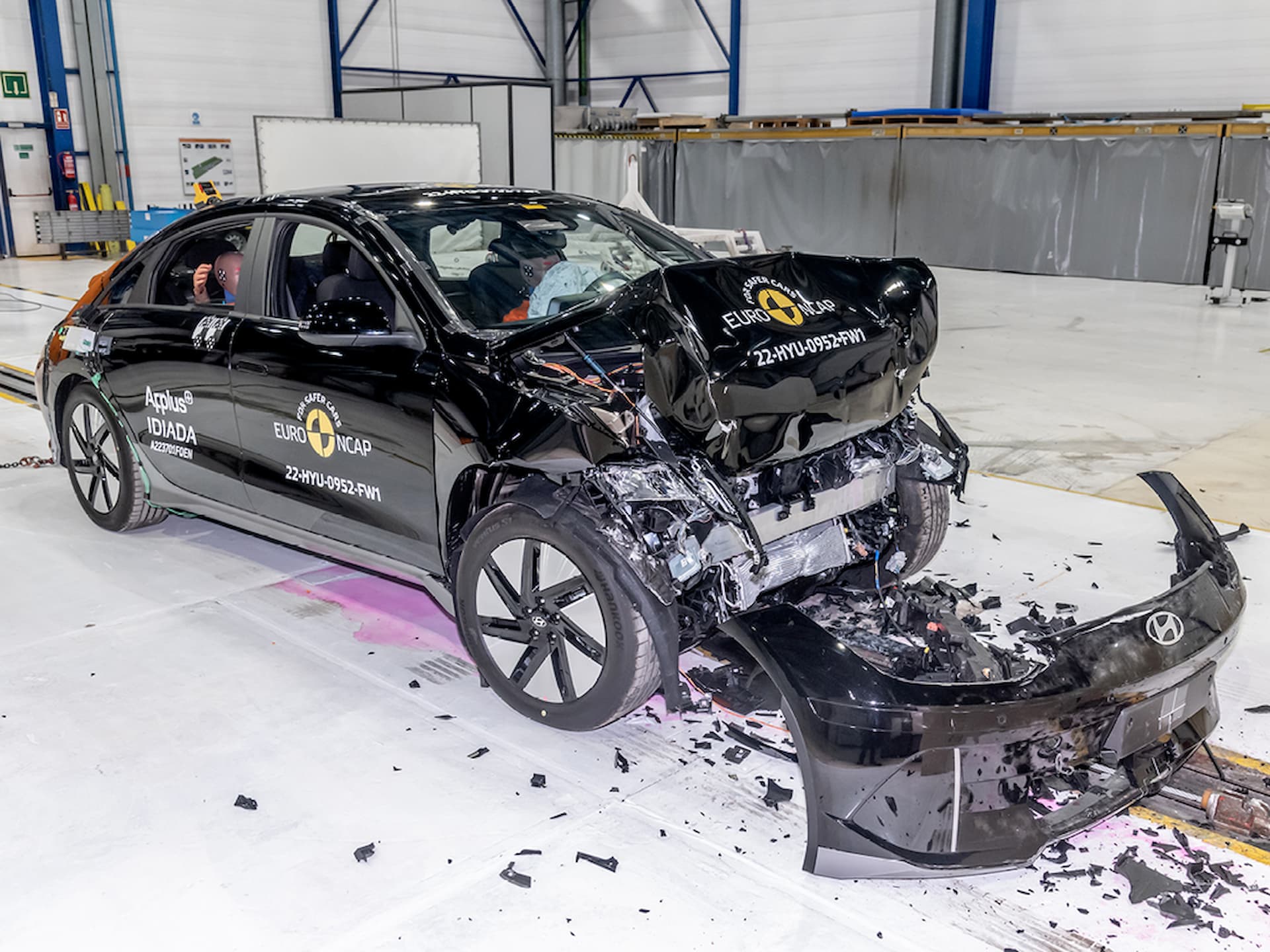
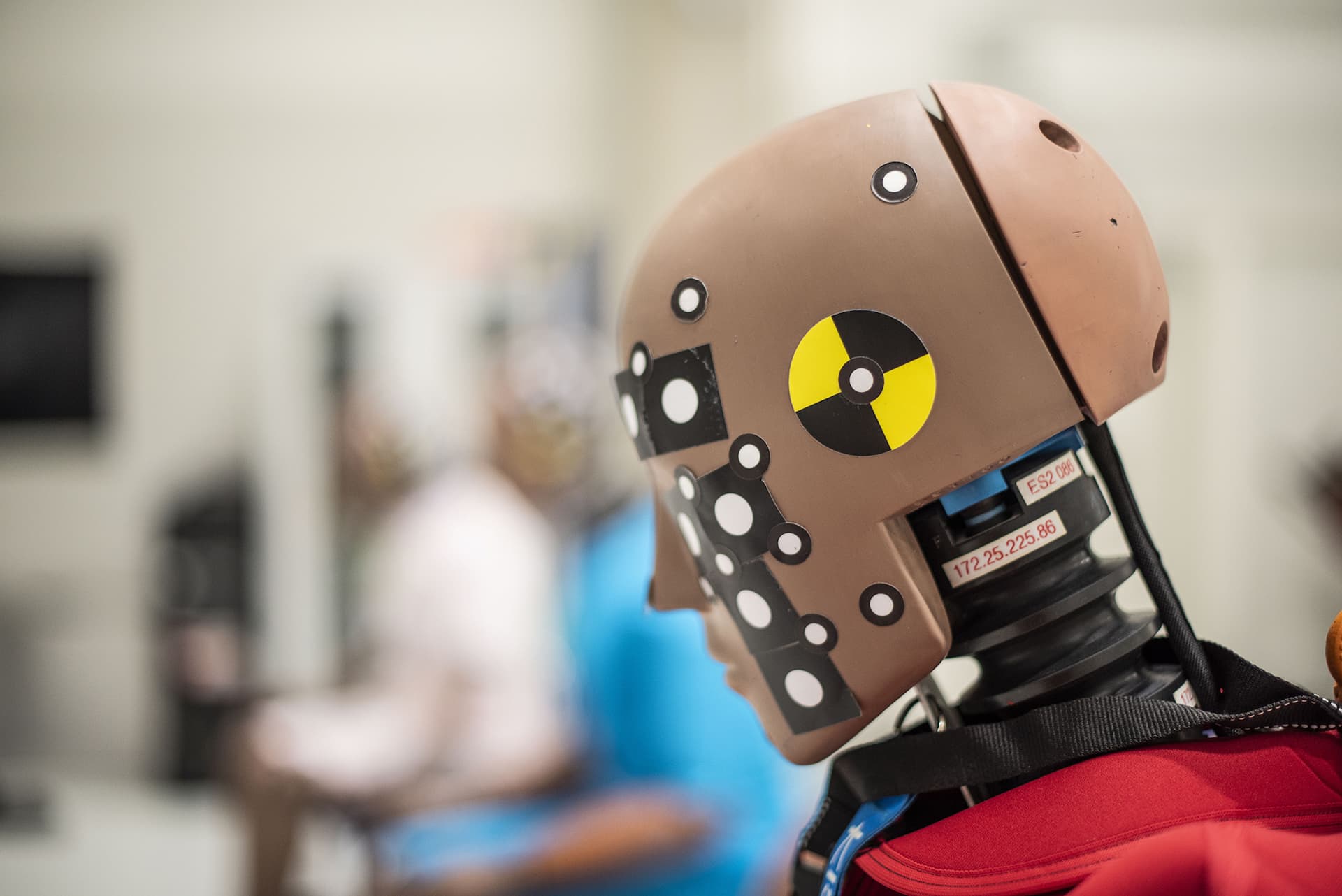
Critically, while THOR-5F is technologically more advanced for authorities to better assess frontal impact test results, it is still fifth percentile female and is based on the 50th percentile male model (THOR-50M), as per the current Hybrid III.
The local ANCAP authority introduced THOR-50M in 2020 to the dummy family, which includes a range of other models to assess side impact crashes, child occupant protection, and active safety assistance systems.
Though, there’s some hope with the first ground-up female car crash test dummy developed in late 2022 by the Swedish National Road and Transport Research Institute.
While the 162cm tall, 62kg dummy remains just a study model and isn’t publicly available yet, it claims to reflect the same dimensions as an average woman today.
However, according to Skoda, since the dummies are made up of replaceable individual parts to mimic the human body, they ‘essentially’ have an unlimited lifetime.
Exacerbating this, the high price tag – up to AU$1 million (EU€650,000) for THOR-50M – means dummies are more often repaired and upgraded, rather than replaced.
Therefore, accurate female representation will likely remain low for the forseeable future when it comes to assessing adult vehicle occupant protection globally.
EDITOR’S NOTE: This story has been commissioned by and produced for Wheels Media.
About the Author.
Henry Man is an independent journalist passionate about the intersection of technology and transportation. He is committed to meaningful journalism and balanced storytelling in the public interest.
The Connected is an altruistic initiative to publish content free from commercial interests, showcase key work, and highlight how tech and media shapes everyday society. For further information, read more here.
Henry is an alum from The University of Queensland holding a Bachelor of Communication/Journalism (with majors in Public Relations and Digital Media), and has worked with organisations including Wheels Media, Zecar, and CarExpert.


 The Connected by Henry Man