
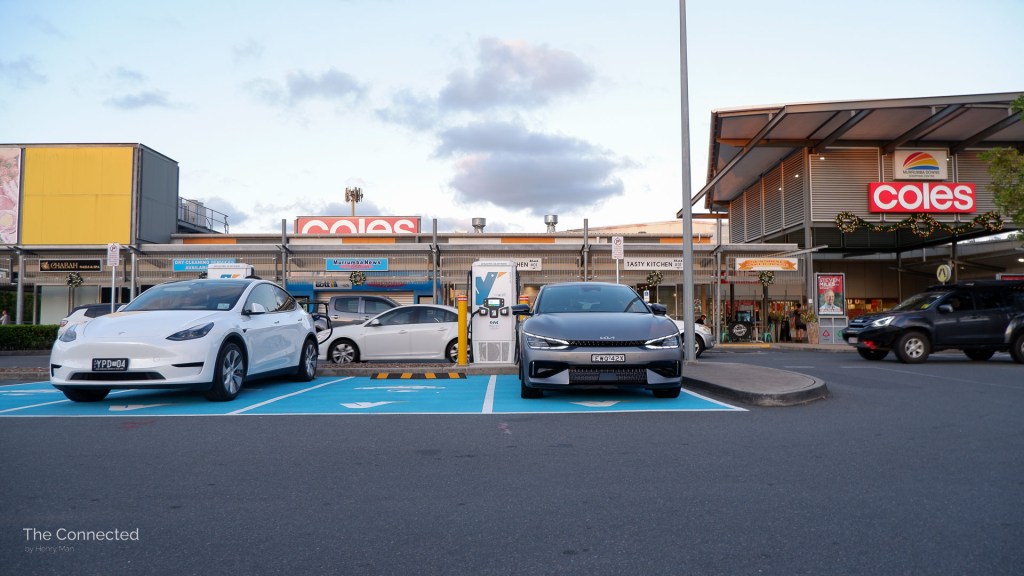
Plugged in, but can’t start charging an electric vehicle? Here’s a few tips to help get those electrons flowing and stop the ‘charge anxiety’.
While the reliability of public EV charging infrastructure remains patchy, sometimes, you may still be at a seemingly functional station and can’t start a charge.
Even with the correct smartphone app installed and online account signed-up with the right charging network, there may be a range of reasons why you are unable to initiate charging.
Here’s your guide to potential reasons why and tips on how to start charging an electric car.
Loose plug?
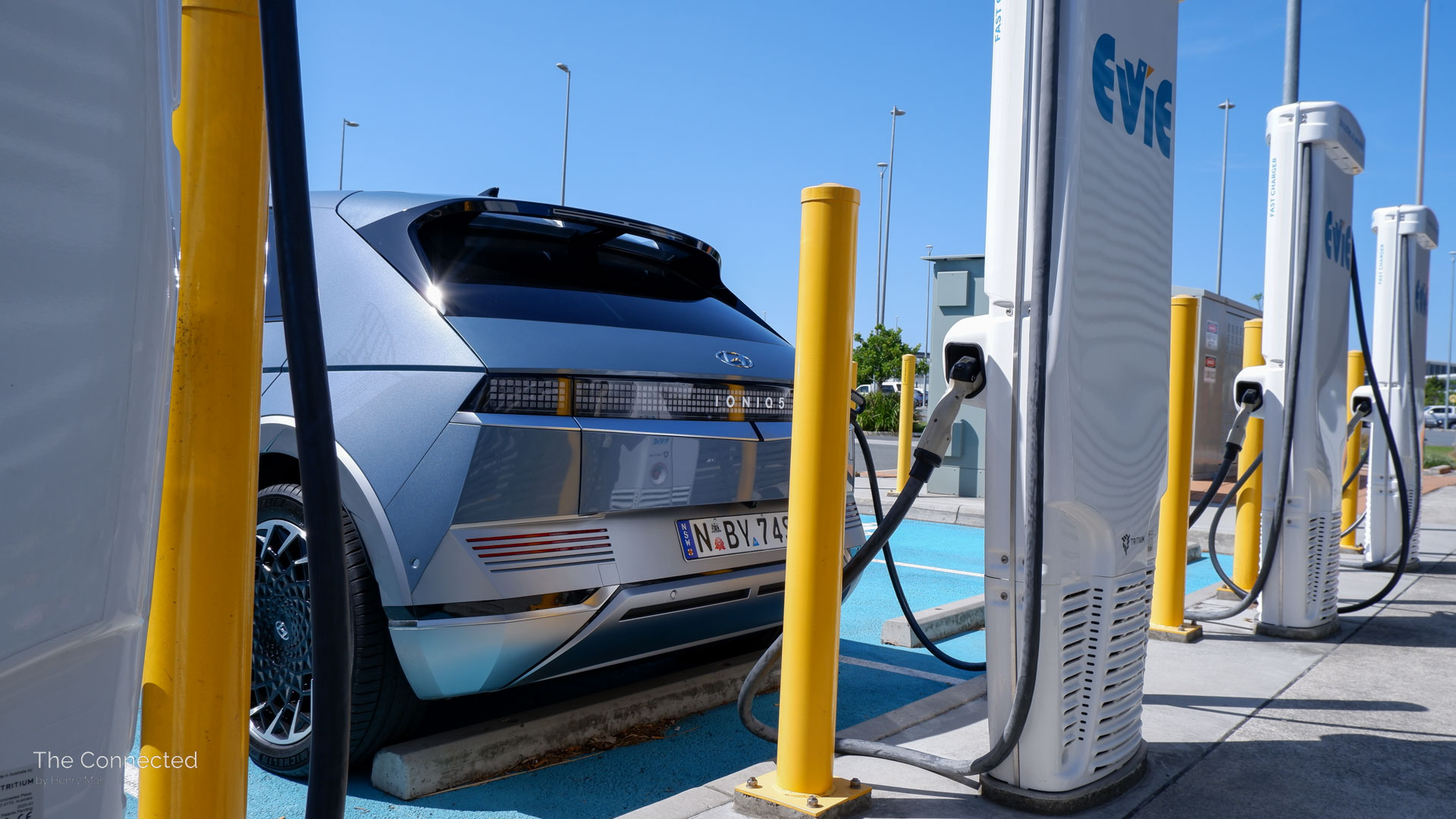
On some EVs using some charging stations (typically fast DC), the plug can sag its weight and become too loose for the initial ‘handshake’.
This is because the top Type 2 plug portion (or Type 1 in North America and South Korea) is where the communication must take place between the charging station and the vehicle.
This ‘handshake’ goes through multiple checks that it’s safe to start delivering electricity, with multiple clicking sounds often audible at the port.
Meanwhile, the bottom pins are responsible for fast DC charging. However, if the top portion isn’t firmly attached, it may fail to start charging an EV.
Here’s what to do:
- Plug in the vehicle and start the charging session (via the smartphone app or RFID card if available).
- Firmly hold the plug in and pull upwards while it’s initiating.
- Release once the charging session starts (if successful).
Network issue?
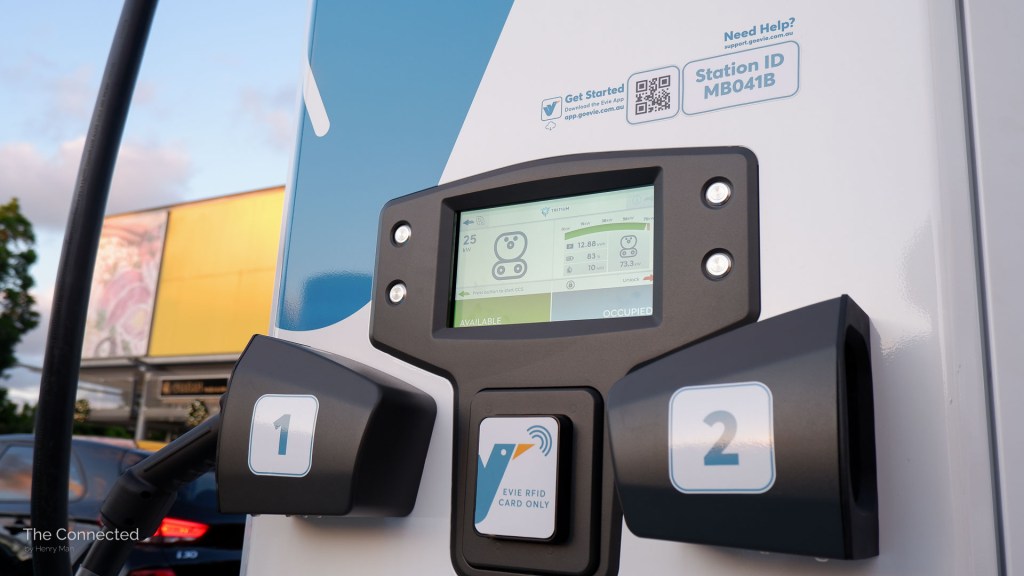
If you can’t start a public EV charging station, it could be a network connectivity issue with the stall or your smartphone.
As foregrounded by the major Optus outage in 2023, public charging stations depend on internet connectivity in order to receive and process account and billing information, similar to a point-of-sale (POS) card machine.
Charging network mobile apps also require an internet connection to properly function.
Here’s what do to:
- If you have poor mobile data reception, use the RFID membership card (if available) to activate the charging station. Alternatively, plug in the vehicle and walk to an area where there’s cellular connectivity (eg: outside the underground car park) to start charging.
- If the station is experiencing network issues, use the RFID membership card (if available). Alternatively, drive to another charging station from a different network (you can check whether they’re online via their mobile app). If you don’t have enough driving range, call for roadside assistance.
Software issue?
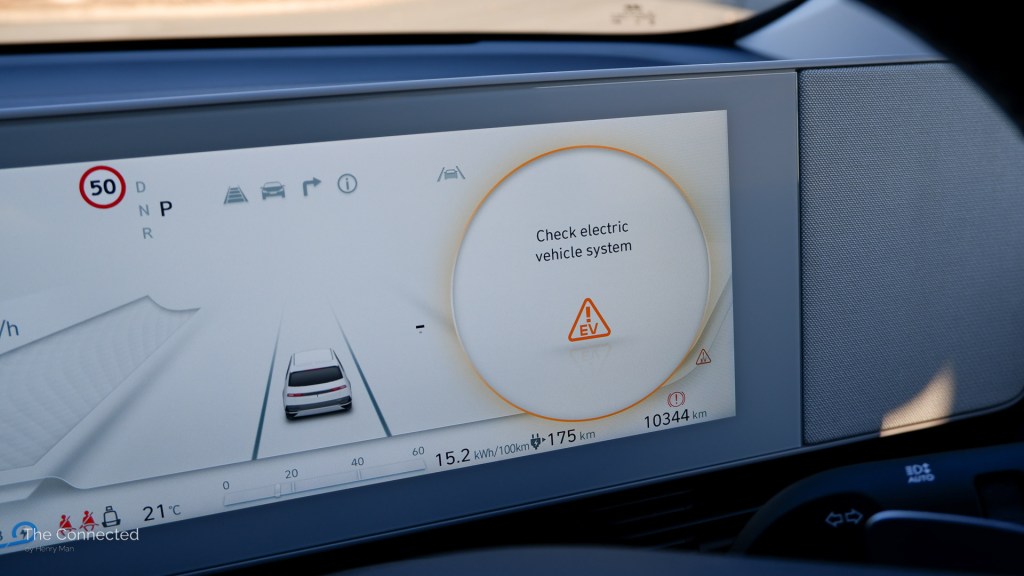
If you still can’t start charging, it could be a problem with the vehicle or station software.
There can be a range of reasons for a software fault – whether it’s a battery management system (BMS) safety switch triggered with the EV, to a bug with the vehicle or station software preventing charge.
Here’s what to do:
- If you want to use a slow AC charging station, remember to override or turn off the vehicle’s scheduled AC charging timer schedule (if set).
- If you suspect it’s an issue with the charging station, try switching to a nearby stall. Alternatively, contact the charging network for assistance or drive to another charging station. If you don’t have enough driving range, call for roadside assistance.
- If you suspect it’s an issue with the vehicle, contact and visit your local car manufacturer’s service centre.
Hardware issue?
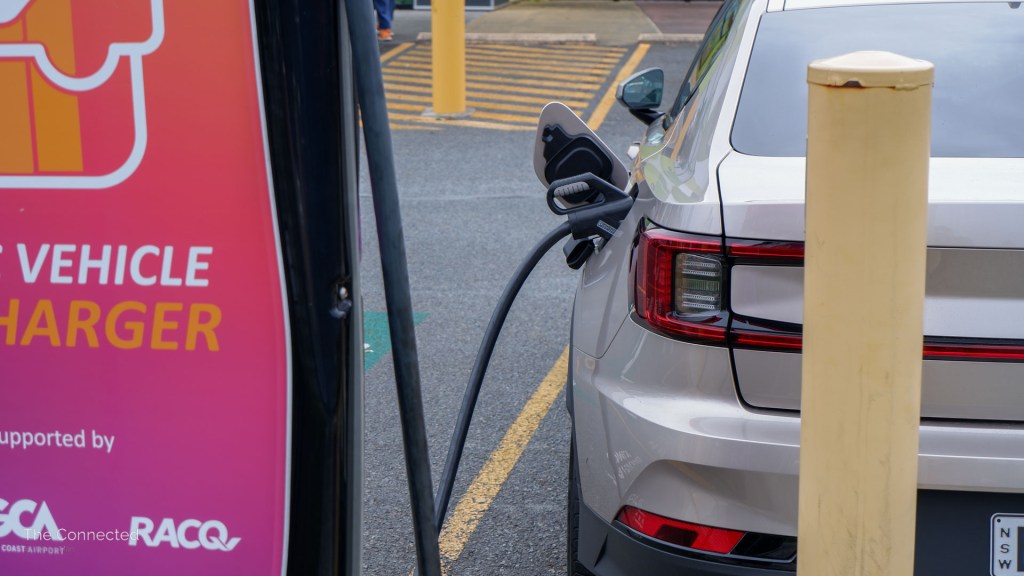
A damaged plug or charge port may be preventing an EV from charging.
Public charging stations are frequently used and often exposed to varying weather conditions. Therefore, the charging station, cable or plug – and its contacts – can wear out and fault over time.
Similarly, the vehicle’s charging port can be damaged over time depending on use.
Here’s what to do:
- If you suspect the charging station is damaged, report it to the charging network and drive to an alternative station.
- If you suspect the vehicle has a charging hardware issue, contact and visit your local car manufacturer’s service centre.
The ‘charge anxiety’ problem
‘Range anxiety’ has often been a key perceived barrier to making the electric car switch, but it’s public charging that’s the true concern.
As demonstrated above, there can be a variety of other reasons that may be preventing a charge – whether it’s a fault with the plug connection, stall, vehicle or the internet connectivity.
Public charging stations – particularly fast DC – are complex high-voltage machines and, with frequent usage, can age and become unreliable over time. This can be frustrating as the availability of public EV charging infrastructure is still, while quickly growing, lacking in Australia with few stalls at each location.
Newer charging stall models being installed have been mooted as more reliable, better designed to handle increased loads, and are modular to be more serviceable.
However, as long as you can plug in at home, EVs can refill overnight when it’s not in use and provide enough charge for the next day – without the inconvenience (and higher cost) of stopping at a public charging station, just like a fuel station.
READ MORE: Best EV charging cables.
READ MORE: Was CarExpert’s electric vs petrol car challenge ‘rigged’?
READ MORE: 2024 MG 4 Essence 64 review: The people’s EV.
About the Author.
Henry Man is an independent content producer passionate about the intersection of technology and transportation.
The former automotive journalist is focused on producing critically-detailed vehicle reviews, and unique short-form content. Learn more.


 The Connected by Henry Man