
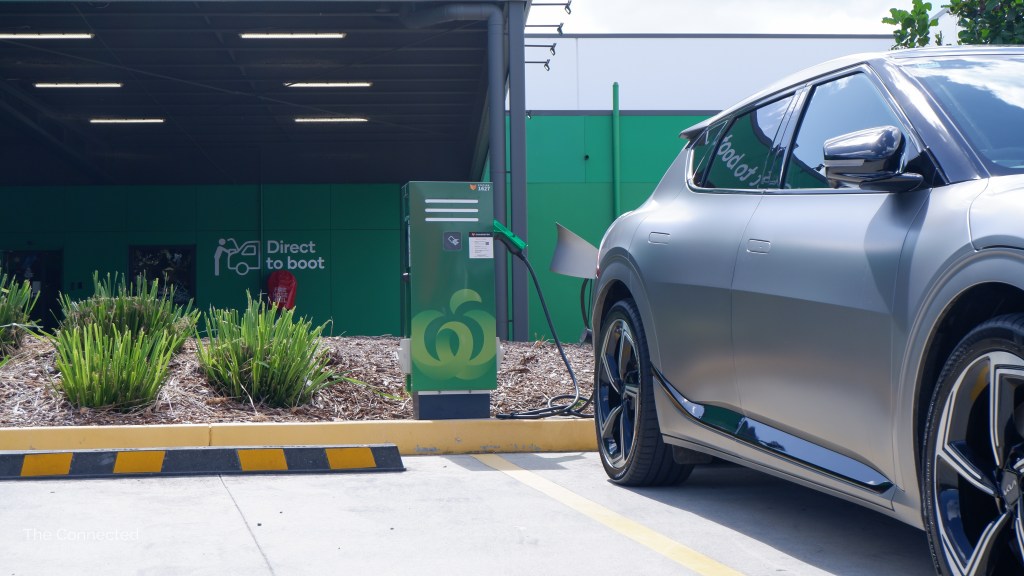
Two charging cables are essential for any electric vehicle owner, but they don’t always come as standard with each model.
Whether you’re buying a new or used EV, make sure to check whether three-pin trickle charging cable and bring your own (BYO) cable are included.
Otherwise, you may need to buy these two important charging cables separately – from a reputable retailer and brand, rather than cheaping out on cables that may potentially be dangerous.
Here’s why they’re important and what to expect to pay.
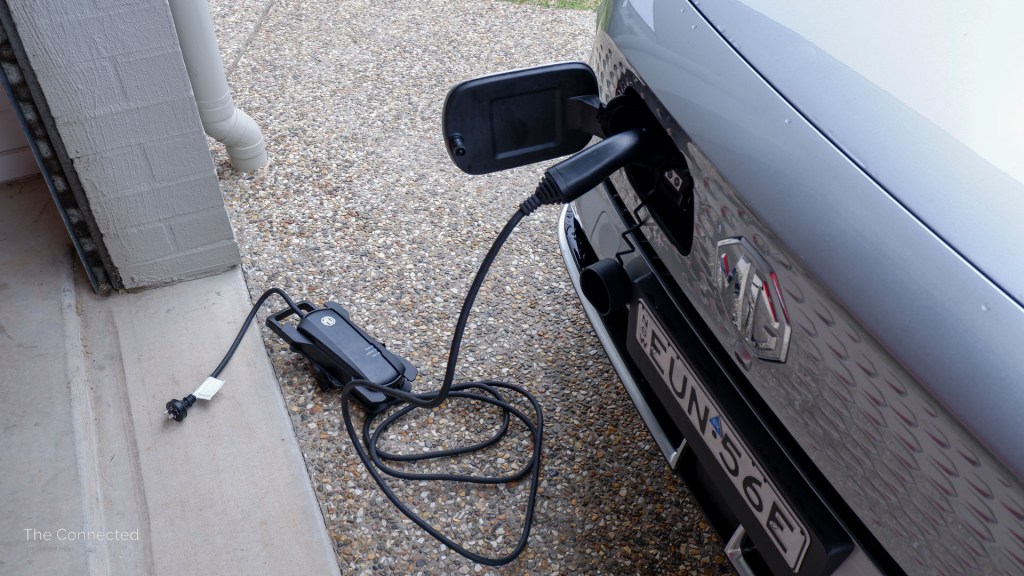
Trickle charging cable.
The trickle charging cable is essential for any EV.
Also called a ‘Mode 2’ cable, emergency charging cable or granny charger, it features a standard three-pin domestic socket to plug in anywhere there’s electricity and a Type 2 plug on the other end to insert into the vehicle.
A trickle charging cable allows owners to:
- Slow charge at home or work for most everyday driving needs
- Charge at any electricity socket to recharge where there isn’t any dedicated public charging infrastructure installed (i.e. at hotels, short-stay accommodation, etc.)
For most drivers who commute in urban and suburban areas, trickle charging at about 1 to 2kW AC is enough to satisfy most everyday driving range demands (the typical Australian drives 30 to 40 kilometres per day).
Trickle charging cables usually come with EVs as standard, but not all models.
The Mode 2 cable is a sold-separately accessory for electric cars such as the popular Tesla Model 3 and Model Y, Cupra Born, and Peugeot E-2008 in Australia.
Buying separately can usually set you back between $300 to $600 depending on the cable length and maximum amperage type. Always buy from a reputable retailer and brand (read more below).
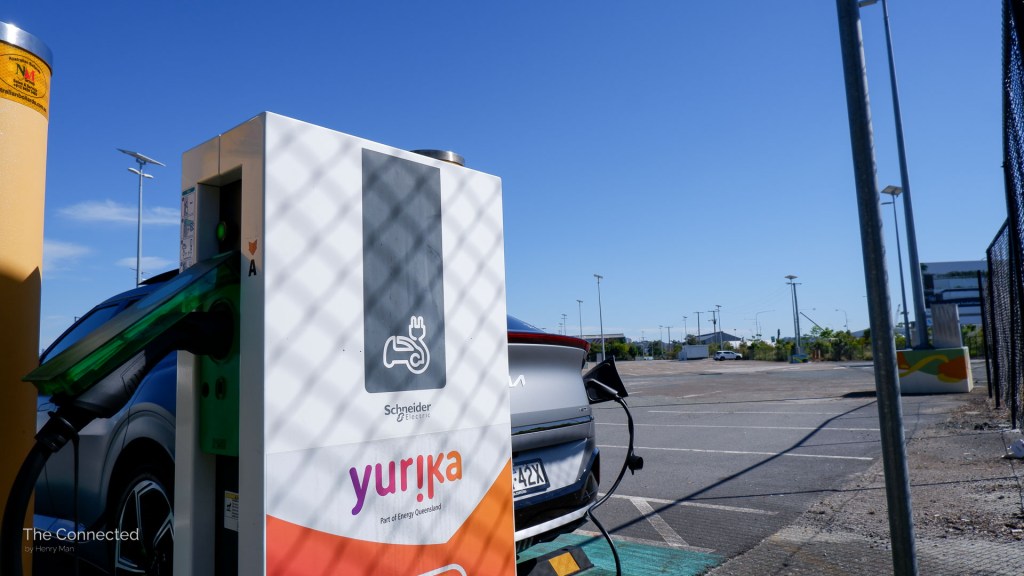
BYO charging cable.
The Type 2 to Type 2 bring your own (BYO) charging cable is one of the most important accessories for any EV.
Also called a ‘Mode 3’ cable or portable charging cable, it features a Type 2 plug type on both ends – the smaller ‘male’ side plugs into the vehicle and the larger ‘female’ side plugs into the slow charging station.
Keeping it always available in the electric car’s boot or frunk allows owners to:
- Have the opportunity to use public slow AC charging stations (where available) that don’t offer a built-in tethered cable
- Be able to slow charge while waiting for nearby fast DC stations to become available (at some locations)
A Type 2 to Type 2 charging cable typically costs between $200 to $600 depending on the cable type, length and maximum charging speed capability. Always buy from a reputable retailer and brand (read more below).
A standard five-metre cable length should be enough for most situations, but it’s worth spending more for BYO cables capable of up to three-phase 11kW or 22kW AC charging speeds. A reasonable cost would be around $300.
While most EVs are limited to inputting up to 7kW single-phase or 11kW three-phase power, choosing a more capable charging speed cable allows you to use it in the future with models that may be capable of 11kW AC or more.
Some EV models, including the Fiat 500e, Volkswagen ID.4 and Ford Mustang Mach-E, include the Mode 3 cable as standard for new buyers in Australia.
Additionally, you may also consider:
- Tail adapters for trickle charging cable – Ranging from 240-volt, 15-amp single-phase to 415-volt, 32-amp three-phase tails, EV owners can access commercial-level AC power plugs at locations such as camping grounds.
- Vehicle-to-load (V2L) adapter – Allows compatible EVs to power any electronic device, which may be useful if you live in a blackout-prone area. Most EVs require a separate V2L adapter accessory purchase for use with the outside charging port.
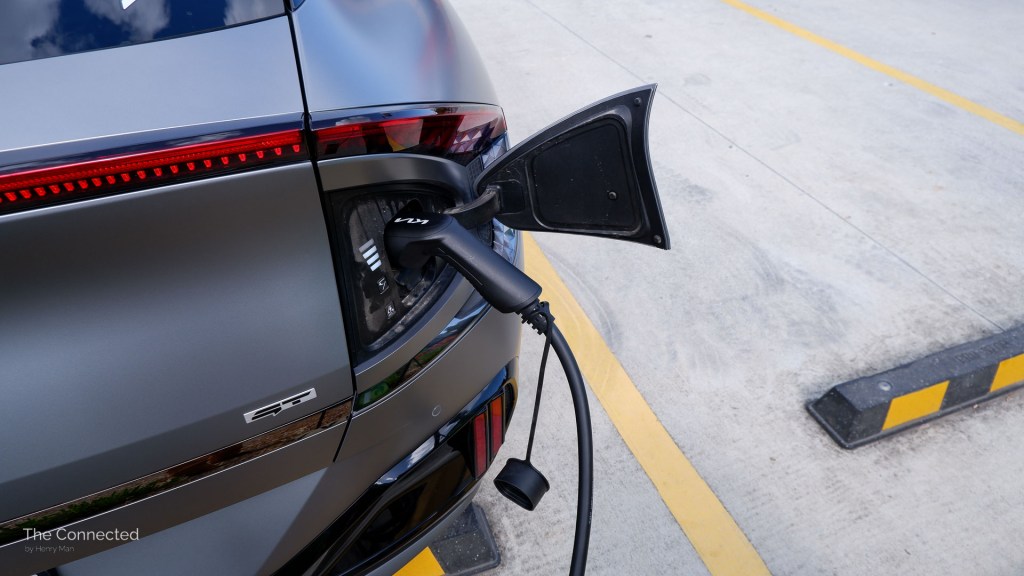
Never cheap out.
When buying any EV charging accessory, it’s critical to not buy from a cheap, generic, non-branded product online. It can potentially be dangerous.
Do not buy a generic cable from online marketplaces such as AliExpress just to save some money.
Always buy from a reputable retailer and brand – such as from the vehicle manufacturer, EVSE Australia or Jet Charge – to ensure the charging equipment is compliant with Australian safety standards and has the backing of local consumer protections, warranty and support.
READ MORE: Can’t start charging an electric car? Here’s your guide.
READ MORE: 2023 Hyundai Ioniq 5 review: Forwards and backwards.
READ MORE: 2024 MG 4 Essence 64 review: The people’s EV.
About the Author.
Henry Man is an independent content producer passionate about the intersection of technology and transportation.
The former automotive journalist is focused on producing critically-detailed vehicle reviews, and unique short-form content. Learn more.


 The Connected by Henry Man