
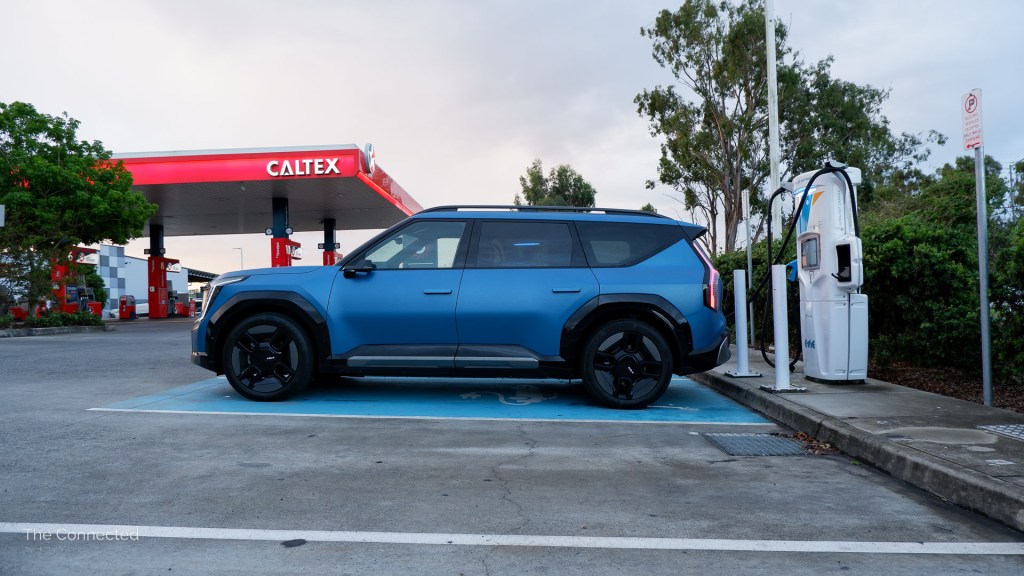
Electric vehicles run on electricity instead of fuel, but let’s uncover how efficient EVs really are compared to petrol and diesel cars.
It can be somewhat tricky to compare internal combustion engine (ICE) vehicles with electric cars.
They’re simply different powertrains, which run on different ‘fuels’, and EVs are generally more expensive like-for-like. But, the reality is they shouldn’t be relegated to their own siloes and communicated as a binary alternative – so let’s look at how EV energy efficiency compares with ICE fuel efficiency.
KWh is the new L
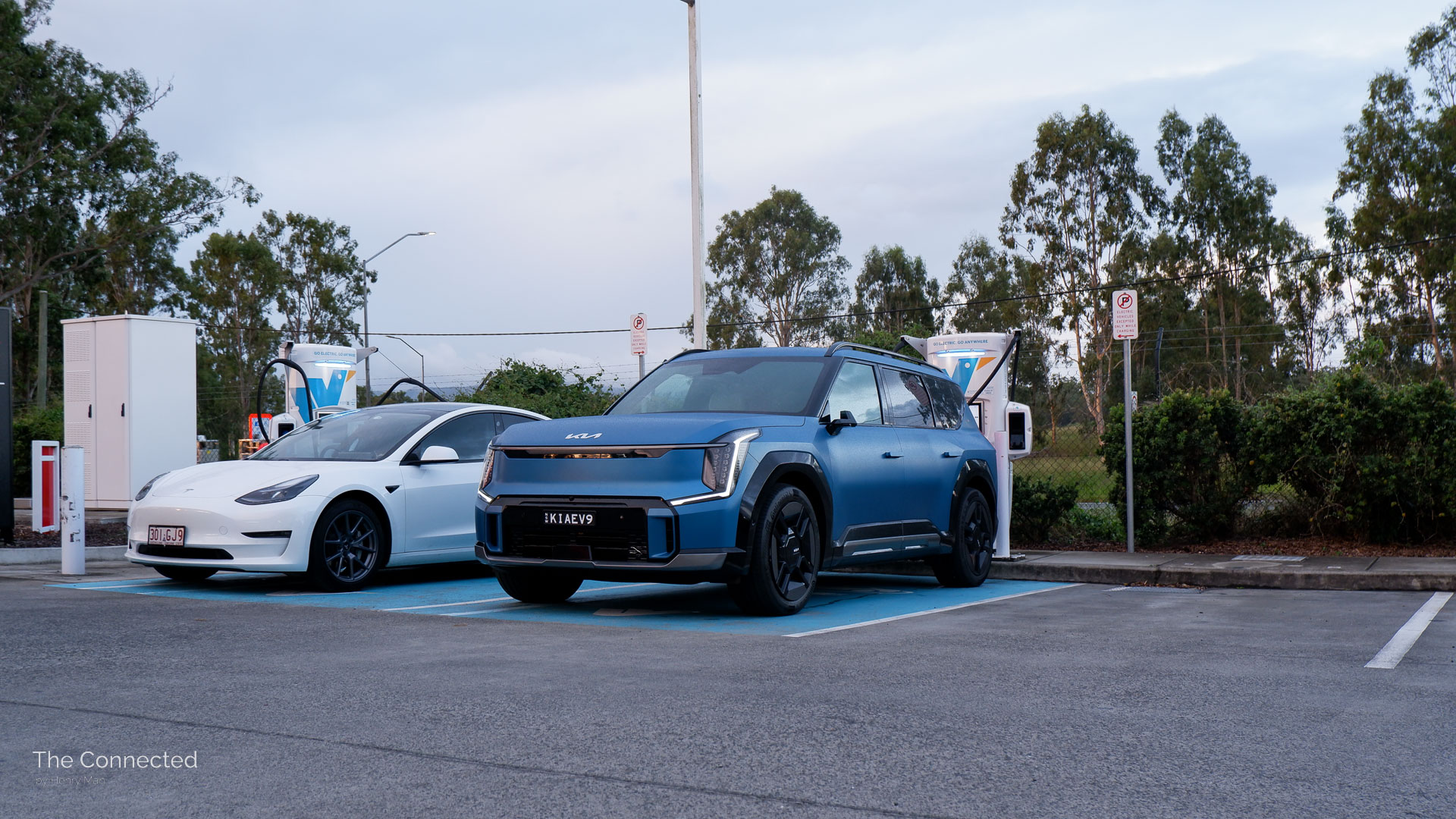
While we’re used to using litres (L) for refuelling petrol and diesel cars, the equivalent is kilowatt-hours (kWh) of energy for recharging electric cars.
Just as refuelling up a combustion engine vehicle is based on the price per litre, the cost to recharge an electric vehicle is based on the price per kWh – whether at home (using your household electricity plan tariff) or using public charging stations.
Likewise, traditional litres per 100km (L/100km) to measure fuel consumption for ICE vehicles is instead kilowatt-hours per 100km (kWh/100km) to understand the energy consumption for EVs.
One litre of petrol equals about 8.9kWh of energy, while one litre of diesel equals about 10kWh of energy.

Fuel vs energy consumption compared
ICE vs EV efficiency (according to manufacturer combined cycle claims):
| ICE Model | EV Model |
|---|---|
| Honda Civic VTi LX | MG 4 Essence 64 |
| 6.3L/100km | 1.6L/100km (13.8kWh/100km) |
| Toyota Corolla Cross Atmos Hybrid 2WD | BYD Atto 3 Standard Range |
| 4.3L/100km | 1.6L/100km (14.5kWh/100km) |
| Mercedes-Benz C200 | Tesla Model 3 RWD |
| 6.9L/100km | 1.3L/100km (11.2kWh/100km) |
| Audi Q8 55 TFSI | Audi Q8 E-Tron 55 |
| 7.3L/100km | 2.9L/100km (25.6kWh/100km) |
| Hyundai Palisade Calligraphy (diesel AWD) | Kia EV9 GT-Line AWD |
| 7.8L/100km | 2.3L/100km (22.8kWh/100km) |
By putting EVs in context like-for-like with ICE vehicles, it’s clear that electric cars are dramatically more efficient.
Small entry-level EVs, such as the MG 4 hatchback, is around four times more efficient than the regular petrol-engined Honda Civic rival and the BYD Atto 3 SUV is nearly three times more efficient than the petrol-electric hybrid Toyota Corolla Cross respectively.
Meanwhile, the industry-leading energy-efficient Tesla Model 3 sedan in the most popular base model form consumes nearly five times less ‘fuel’ than the entry-level Mercedes-Benz C Class even with a turbocharged mild-hybrid petrol engine.
Even the infamously inefficient Audi Q8 E-Tron 55 large luxury electric SUV uses about three-quarters less ‘fuel’ than its comparable Q8 counterpart, and the Kia EV9 GT-Line family electric SUV still consumes far less than the diesel-powered Hyundai Palisade.
Why are EVs so efficient?
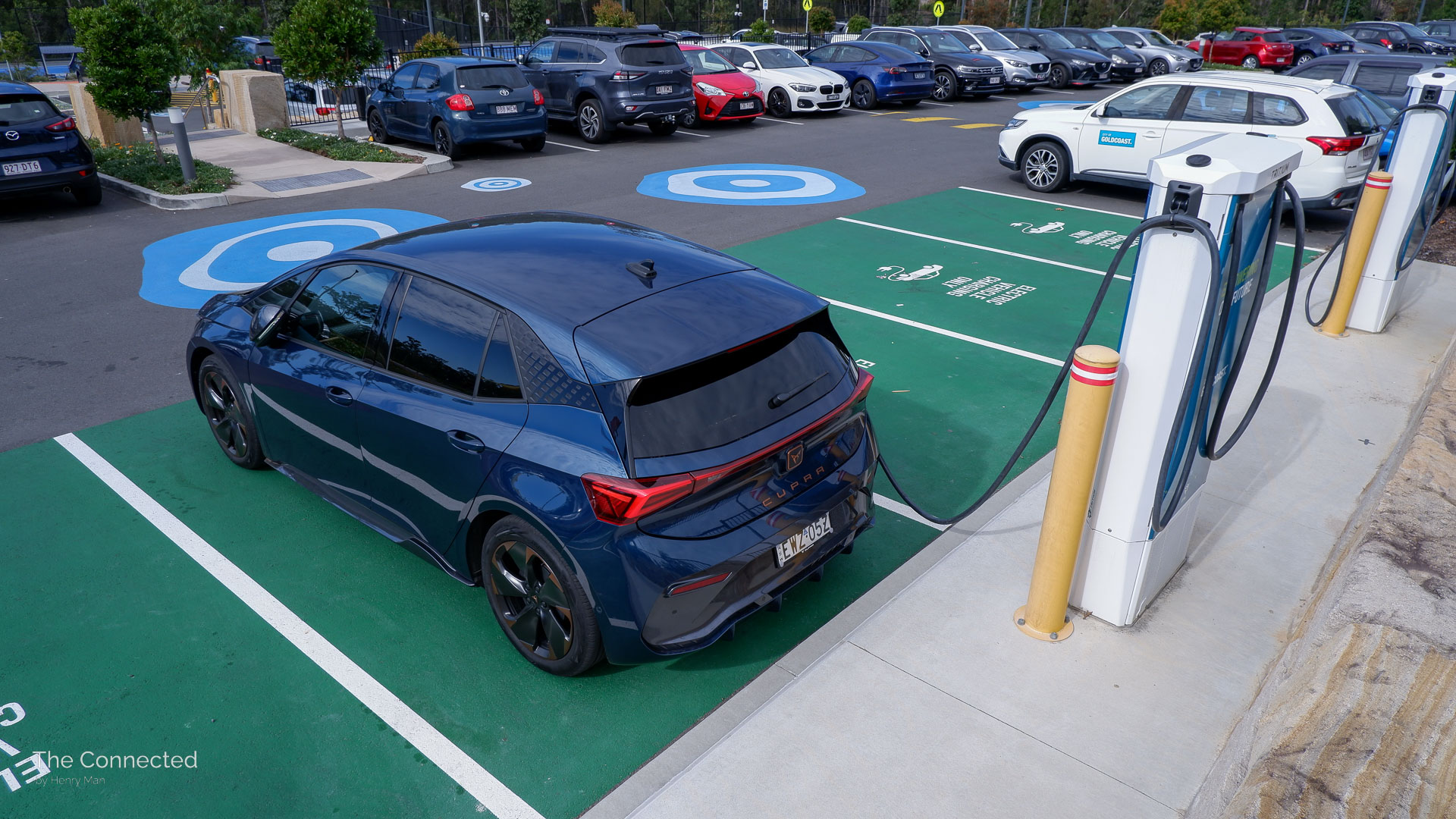
Electric motors are simply more efficient than combustion engines at delivering power and slowing down.
According to science communicator Dr Karl Kruszelnicki, around 90 per cent of the energy produced by EV motors are sent to the wheels to drive the vehicle – as opposed to about 30 per cent efficiency for diesel vehicles.
Braking is also one of the most inefficient aspects of a petrol or diesel car since it only produces waste heat, and therefore often consumes more fuel in congested stop-start traffic conditions (where most drivers will spend their time).
This is why a hybrid or full electric car is advantageous by using regenerative braking – where the motors inverse to recharge some kinetic energy back into the battery – which allows it to be particularly efficient in urban and suburban traffic environments.
However, while EVs may be more efficient to drive than ICE vehicles, the reality is current battery technology means electric cars can’t deliver the same ultra-long range of petrol and diesel engines like-for-like.
But, understand how far you drive everyday, and you’ll realise that the typical EV model (with between 200 to 600km driving range) will likely be more than enough for the typical commute.
READ MORE: 2024 Kia EV9 review: Made for Australia?
READ MORE: Can’t start charging an electric car? Here’s your guide.
READ MORE: Was CarExpert’s electric vs petrol car challenge ‘rigged’?
About the Author.
Henry Man is an independent content producer passionate about the intersection of technology and transportation.
The former automotive journalist is focused on producing critically-detailed vehicle reviews, and unique short-form content. Learn more.


 The Connected by Henry Man