

What is Deepal? It’s another new Chinese car brand in Australia, but why should you consider its debut electric vehicle, the Deepal S07, over its rivals?
Deepal Automobile was founded in 2008 by the state-owned Changan Automobile conglomerate – which dates back to 1862 – in Chongqing, China.
Now, it has landed in Australia with the Deepal S07 medium electric crossover SUV debuting with one high-spec model and a competitive $53,900 before on-road costs starting price.
But amid a wave of other new Chinese EV rivals, including the Geely EX5, Leapmotor C10 and Xpeng G6, what makes the Deepal S07 stand out? We test drove one for three days to see how.
NOTE: The press vehicle was provided by Brisbane Deepal (via Inchcape Australia) for a three-day independent evaluation. The loan was offered on the condition that the dealer could share content produced by The Connected; however, we have no commercial arrangements with the company and it had no editorial control.
We used generative AI to remove objects in the background in the feature image above.


Pros.
+ Sporty drive
+ High-tech and feature-rich
+ Quality interior
+ Usable Qi wireless charging pad
+ Good charge port position
Cons.
– Infuriating safety assist systems
– Unpolished software logics
– Indicator sounds can be interrupted
– Slow fast charging, expensive servicing
– Doesn’t stand out against rivals
Vehicle tested:
| Model | 2025 Depal S07 |
| Variant | S07 |
| Starting price | $53,900 before on-road costs |
| Exterior colour | Comet White (no cost extra) |
| Interior colour | Black with orange stitching |
| Country made | China |
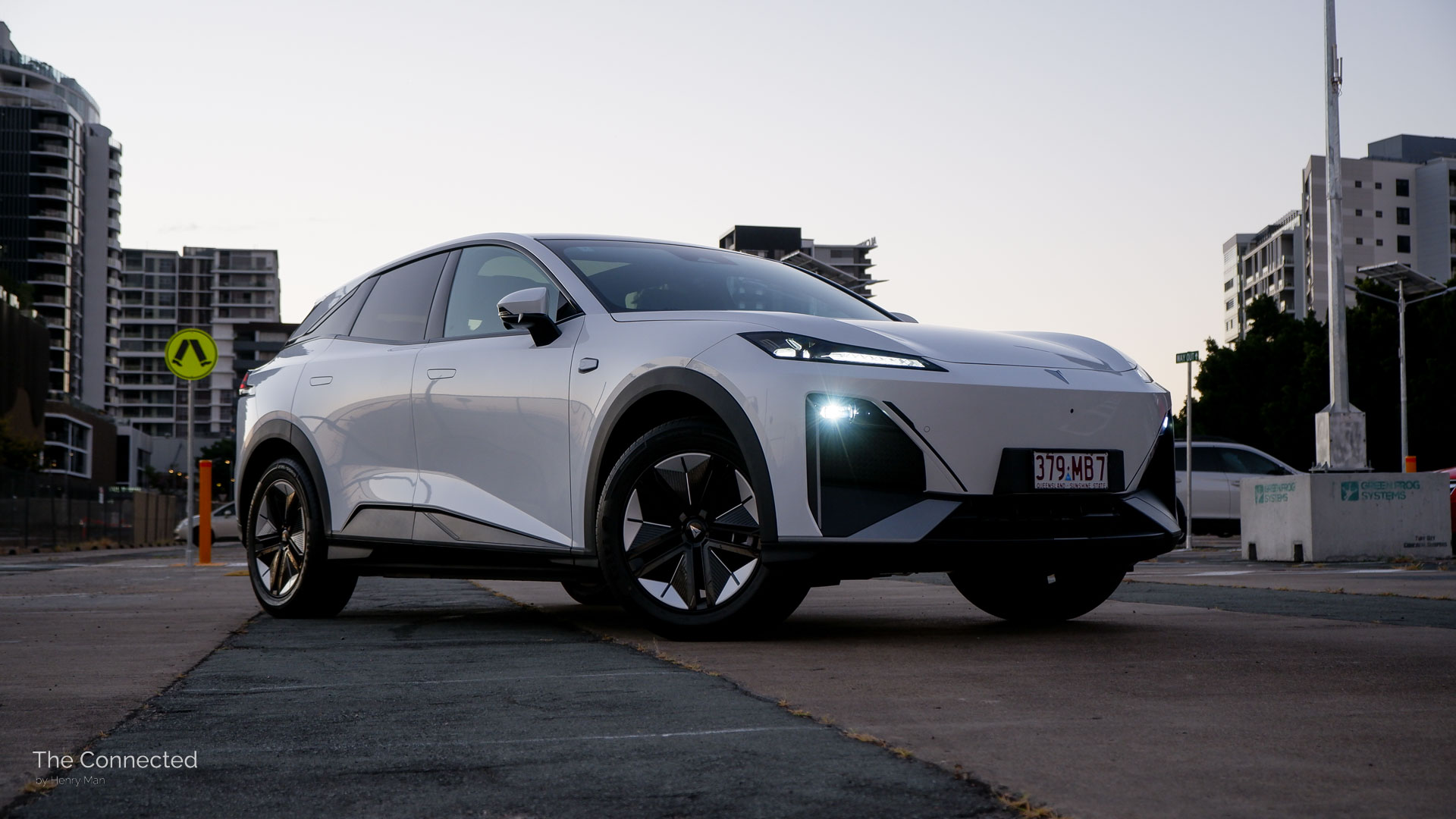
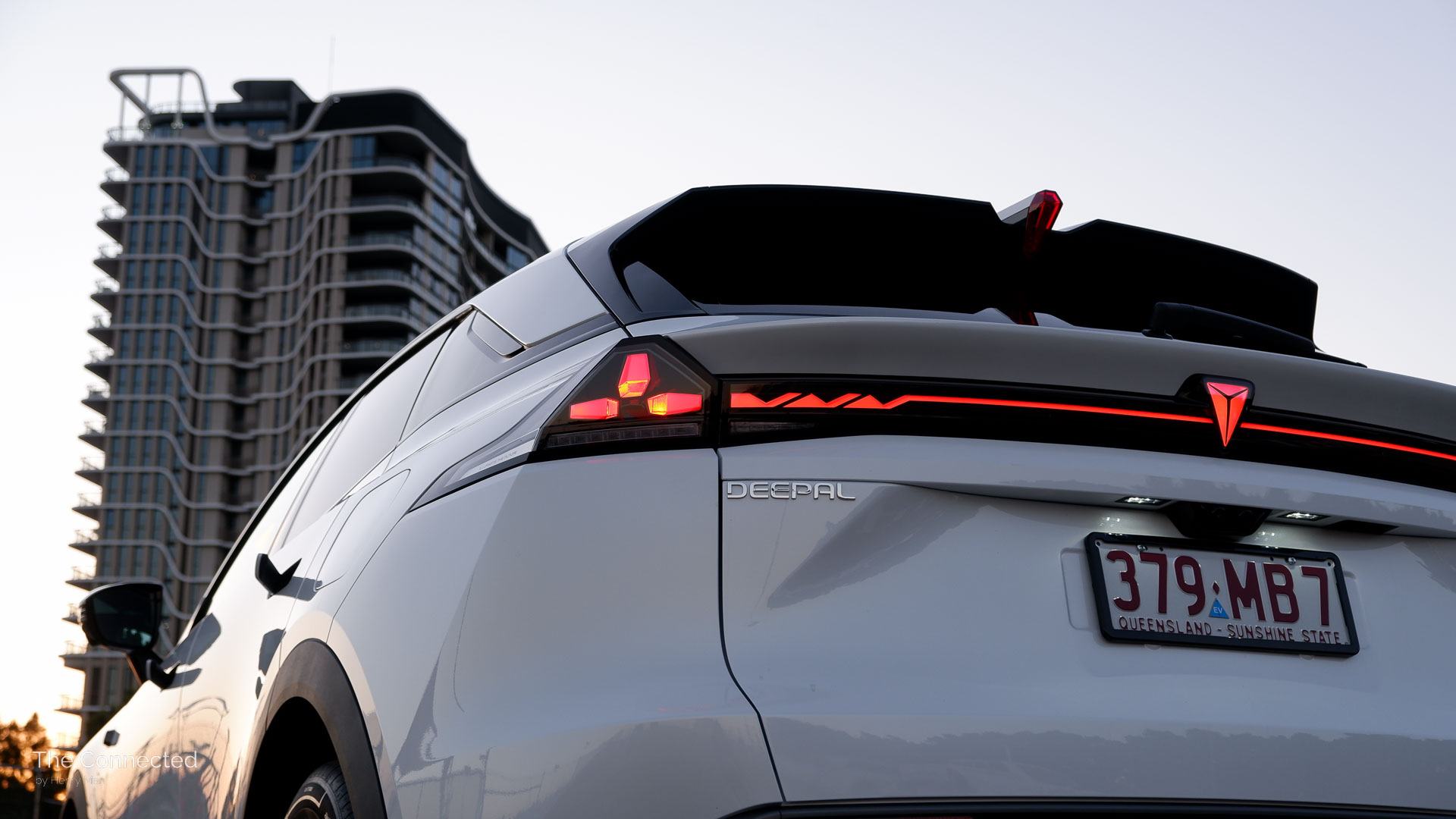
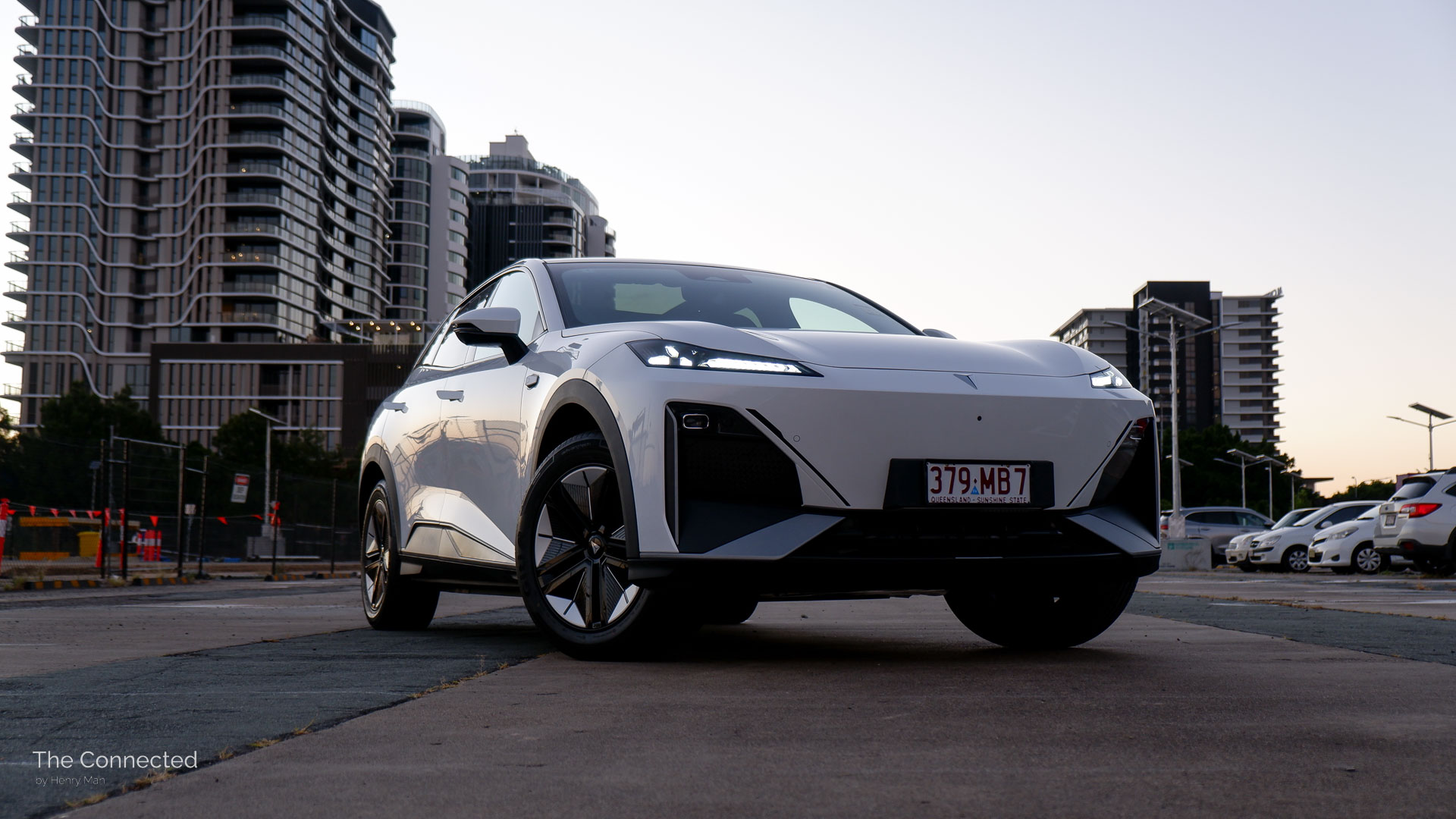
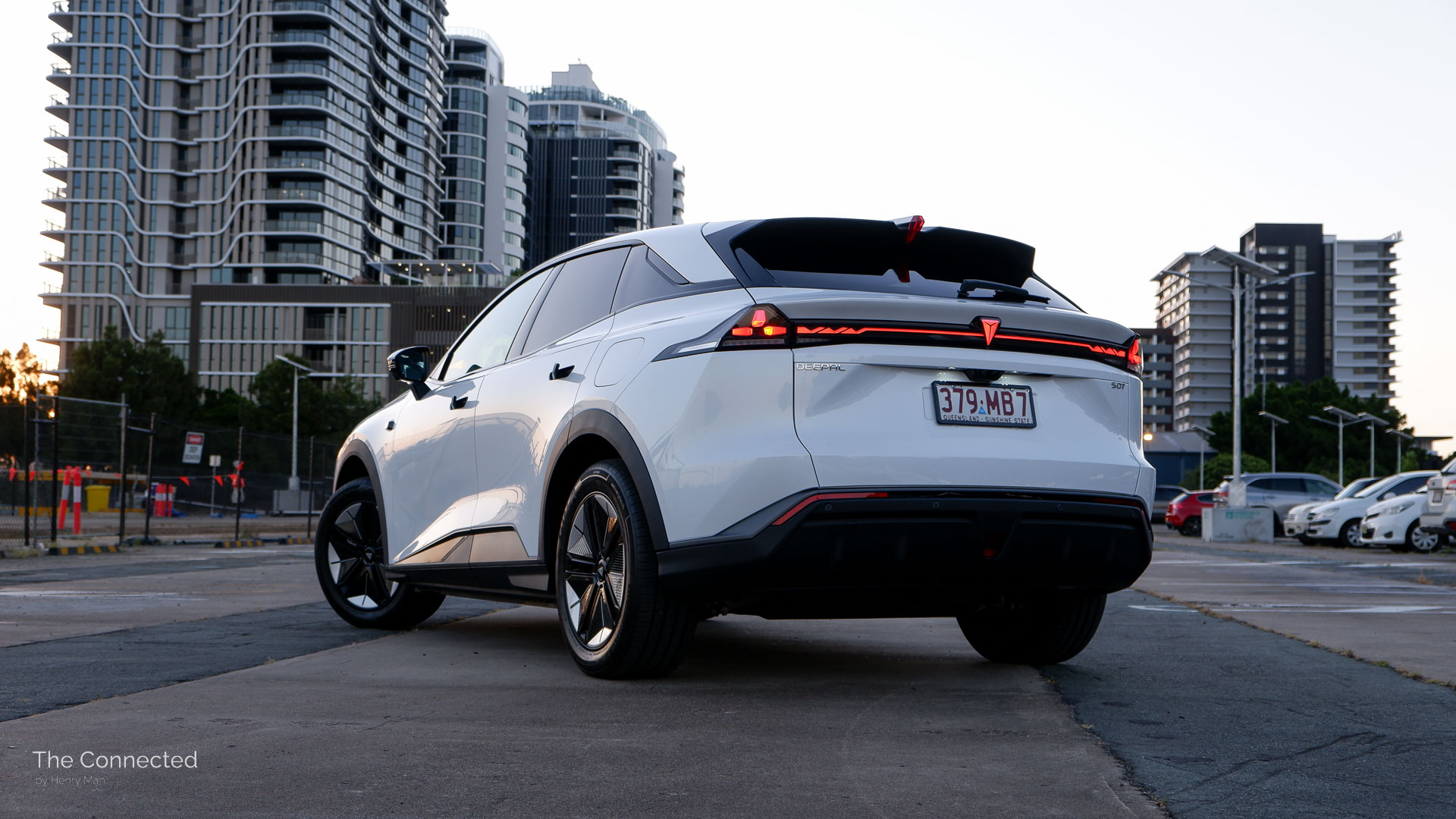
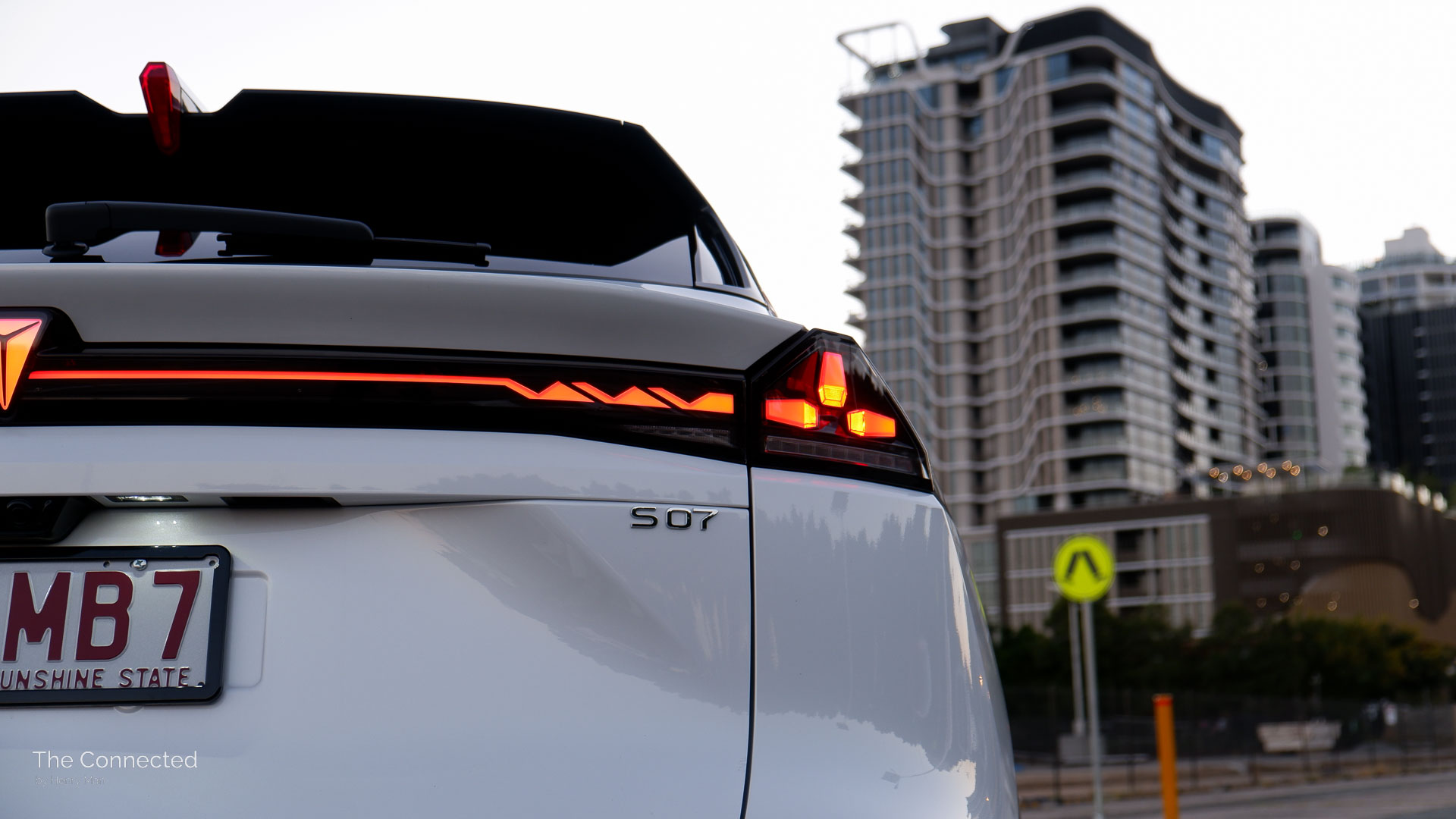
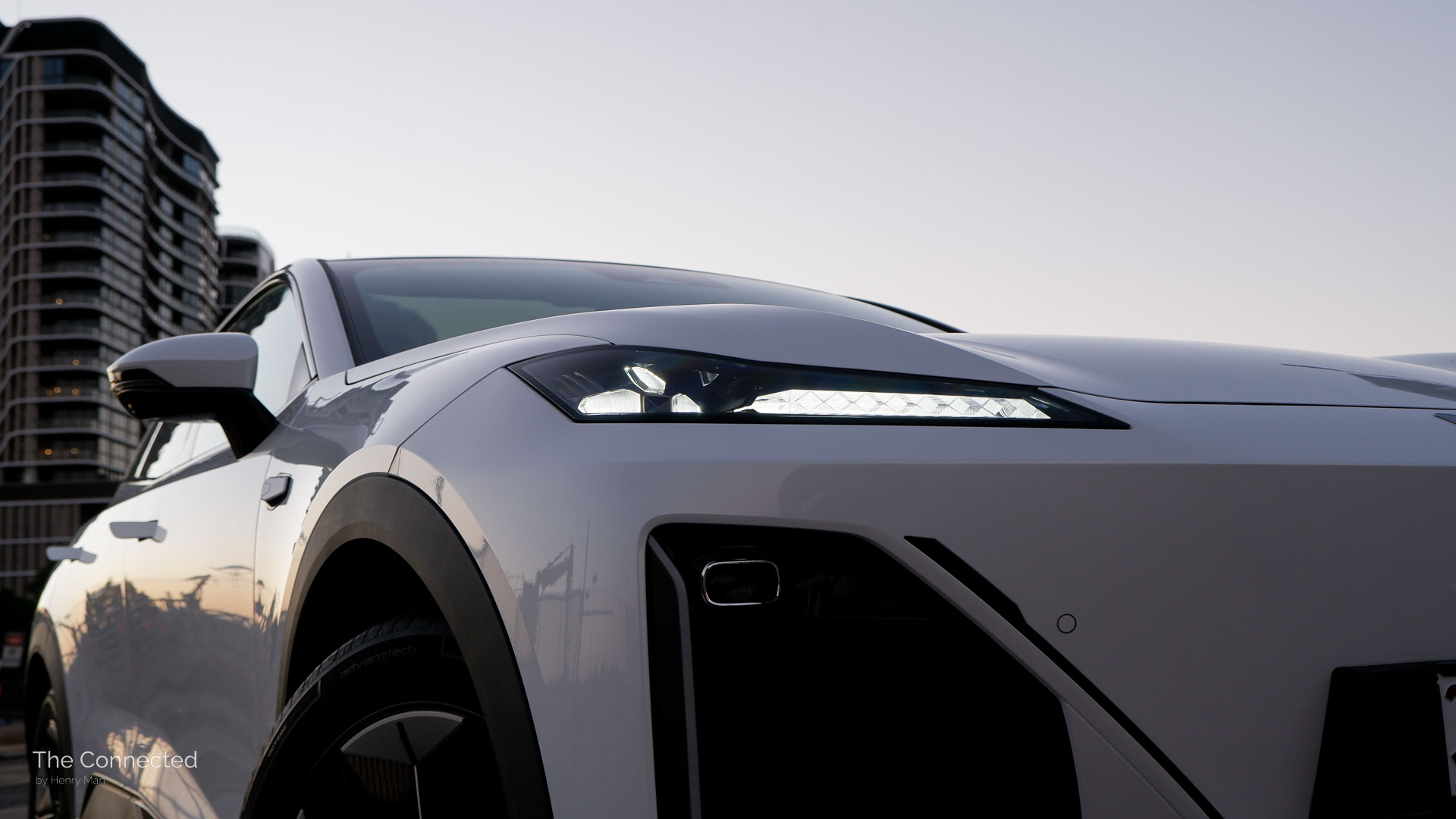
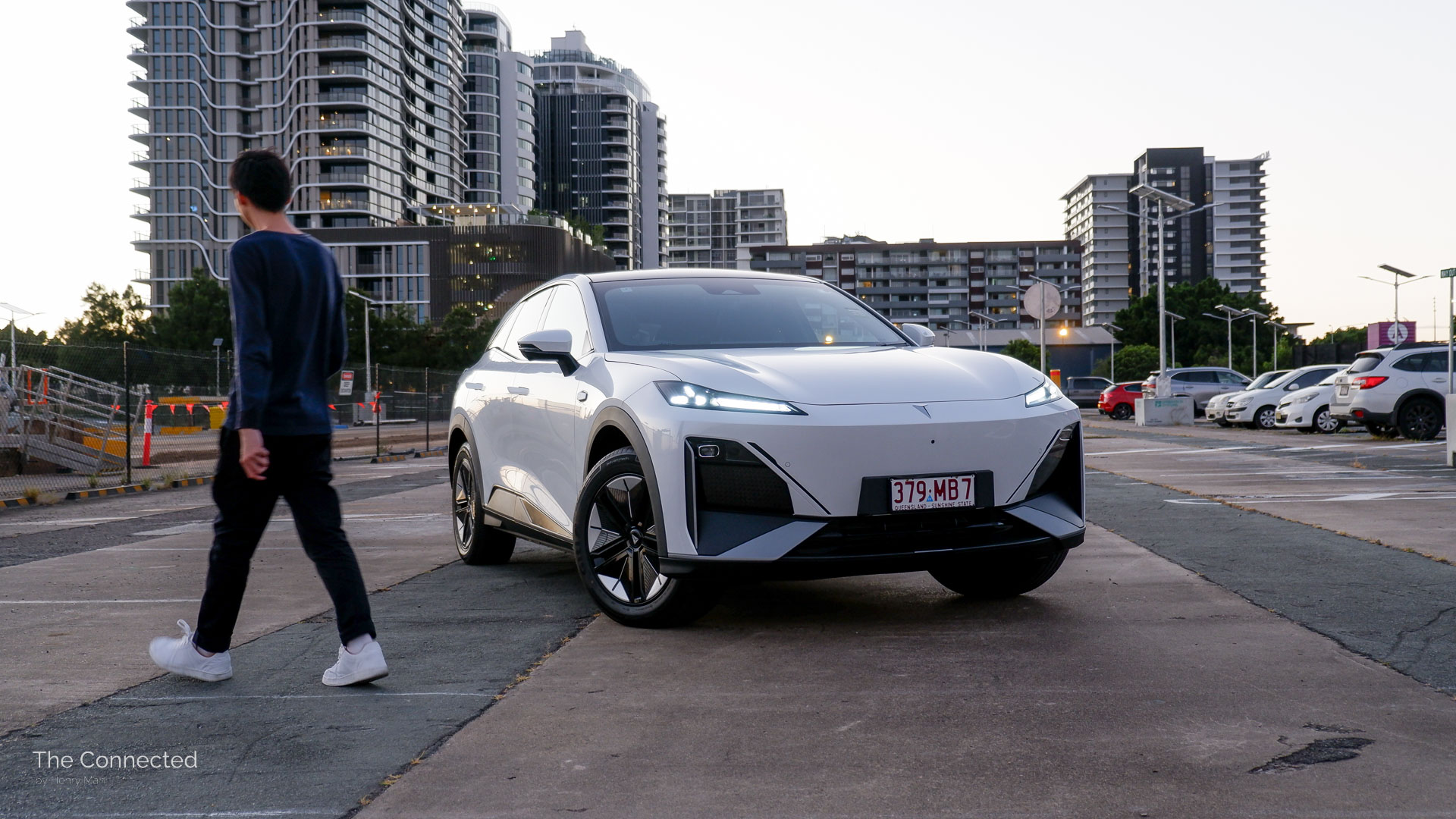
The Deepal S07 EV looks sporty, even though it feels a little generic.
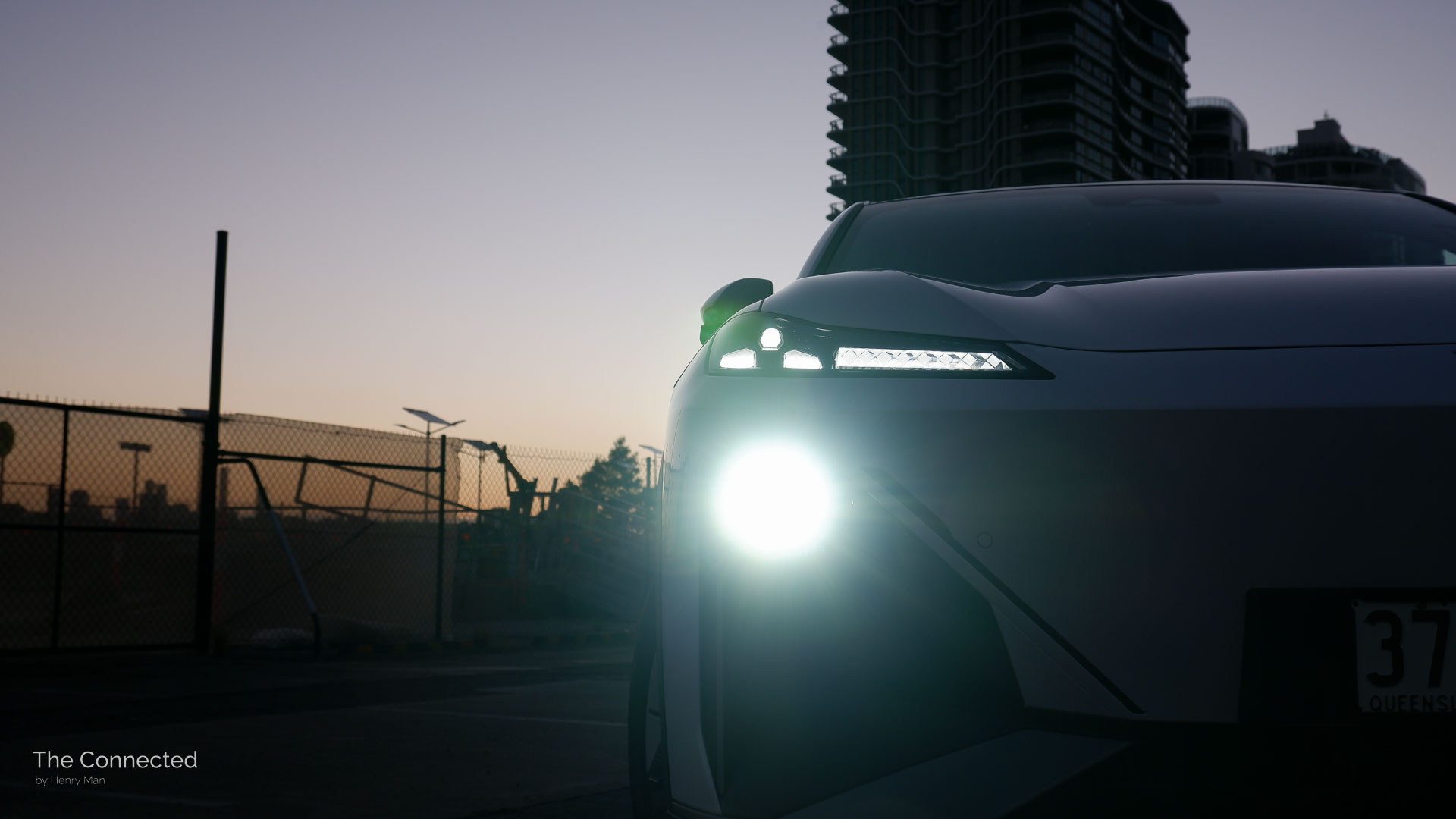
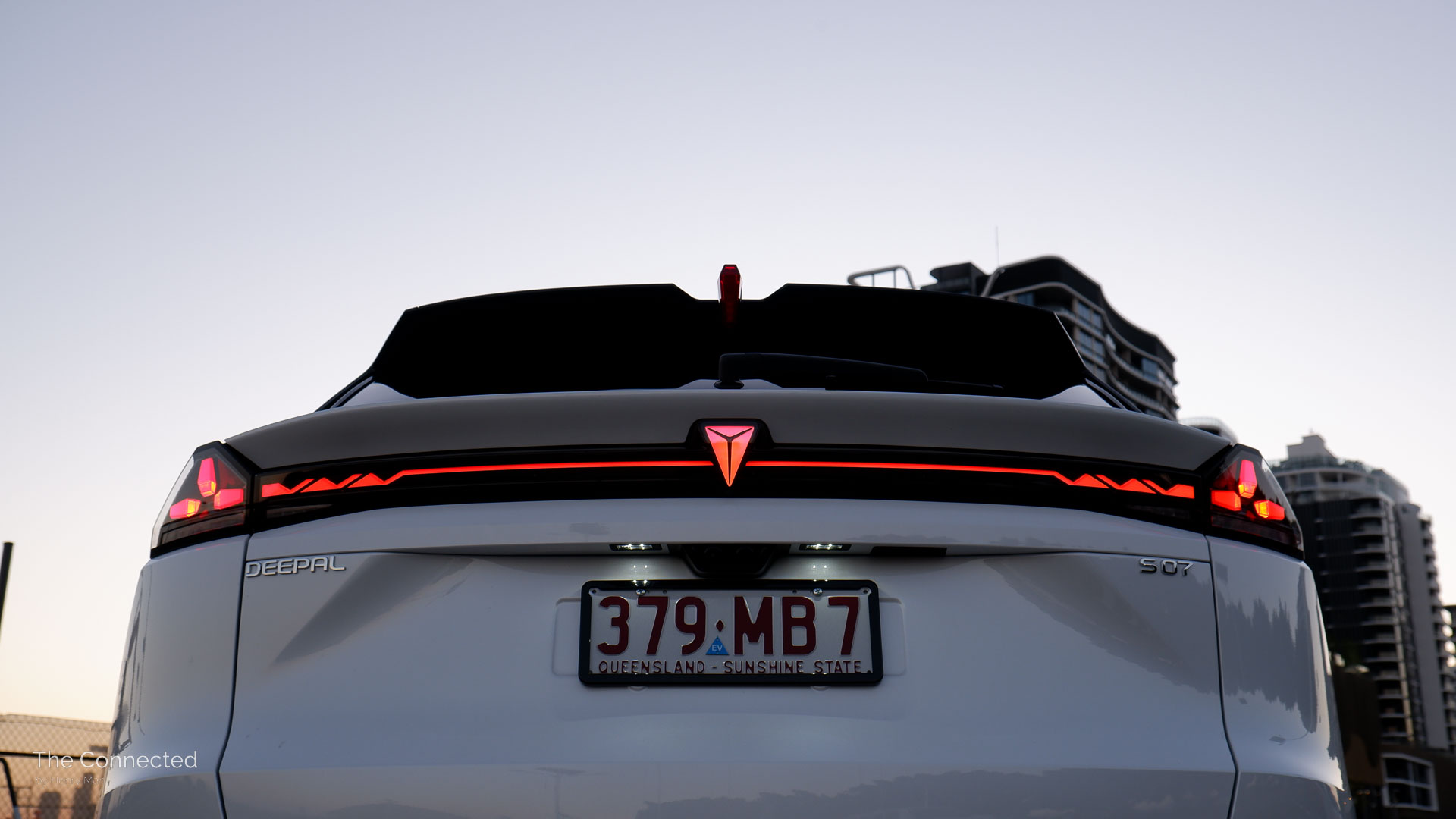
It gives Kia EV6 vibes with a sloping coupe roof, while the front and rear bumpers are reminiscent of a MG 4, and the rear LED bar with a light-up Deepal logo is Cupra-esque.
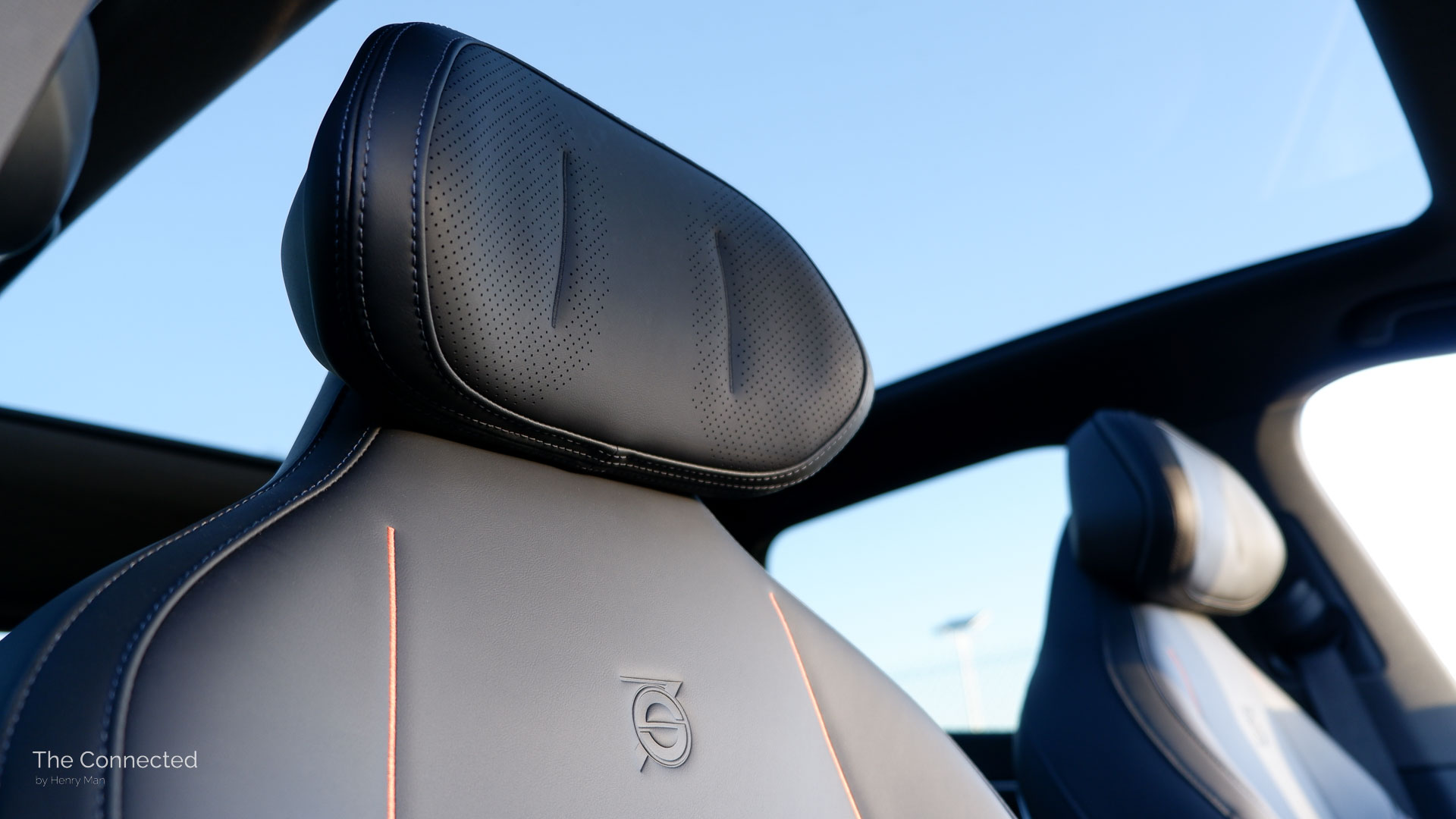
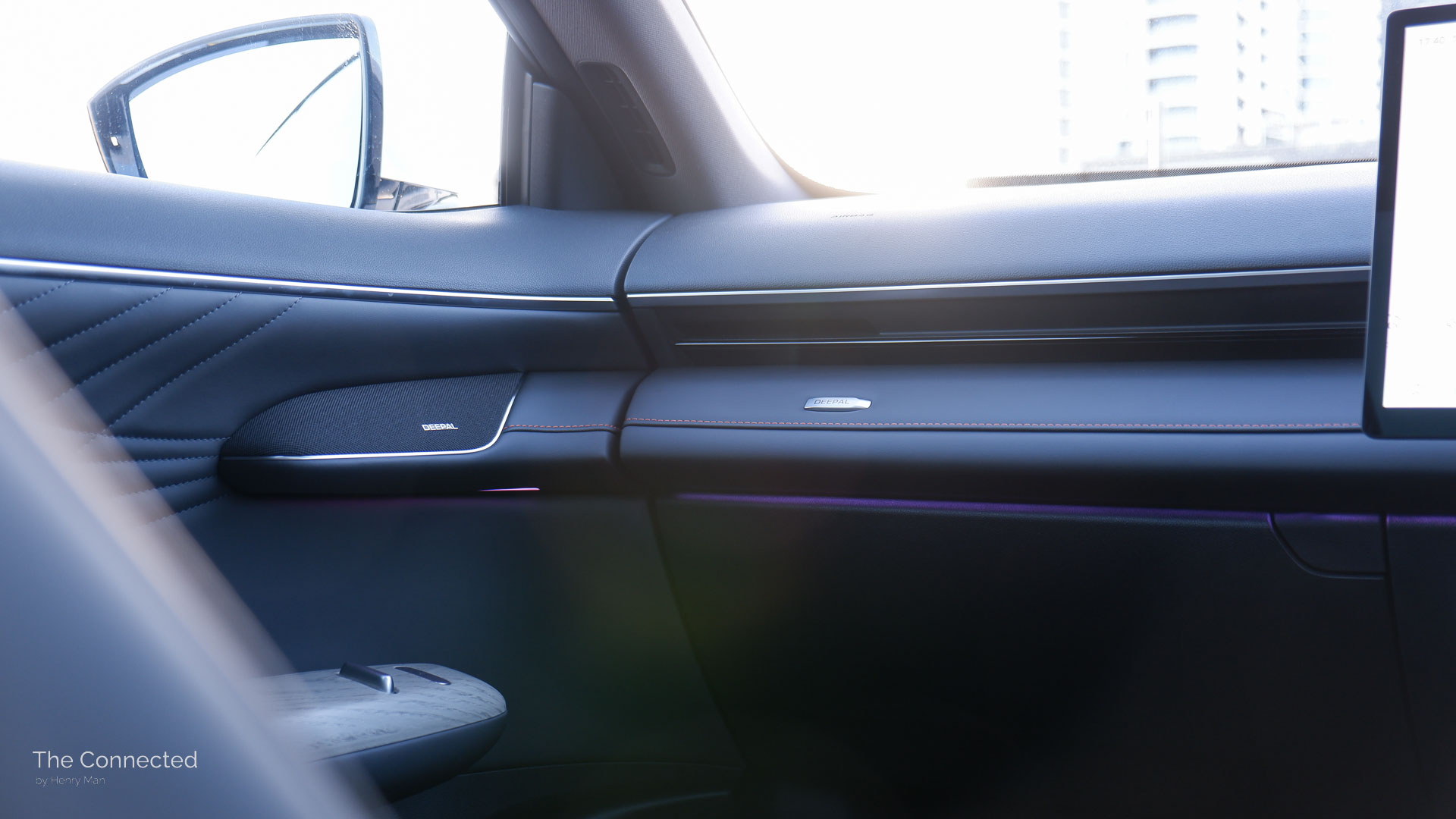
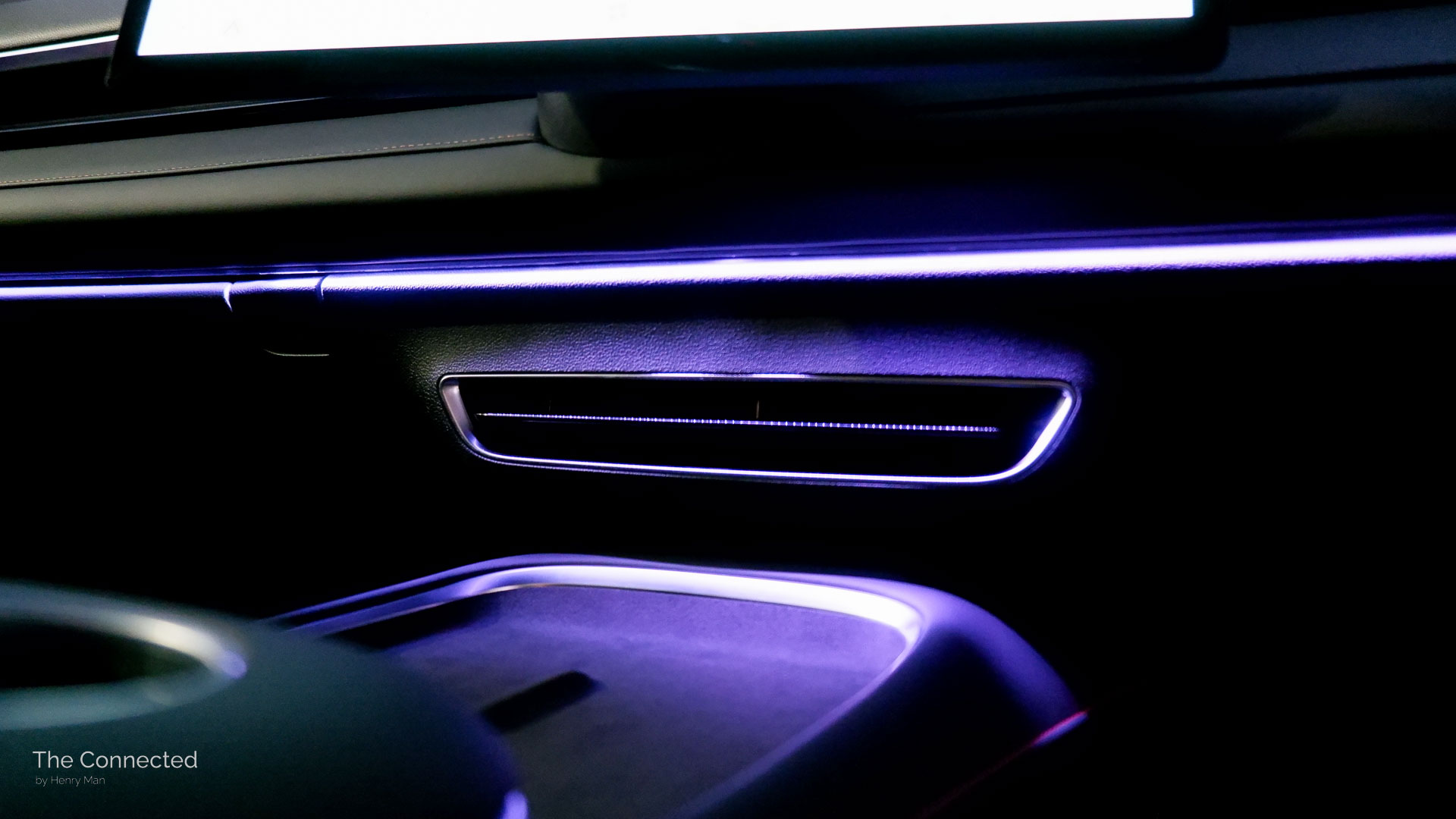
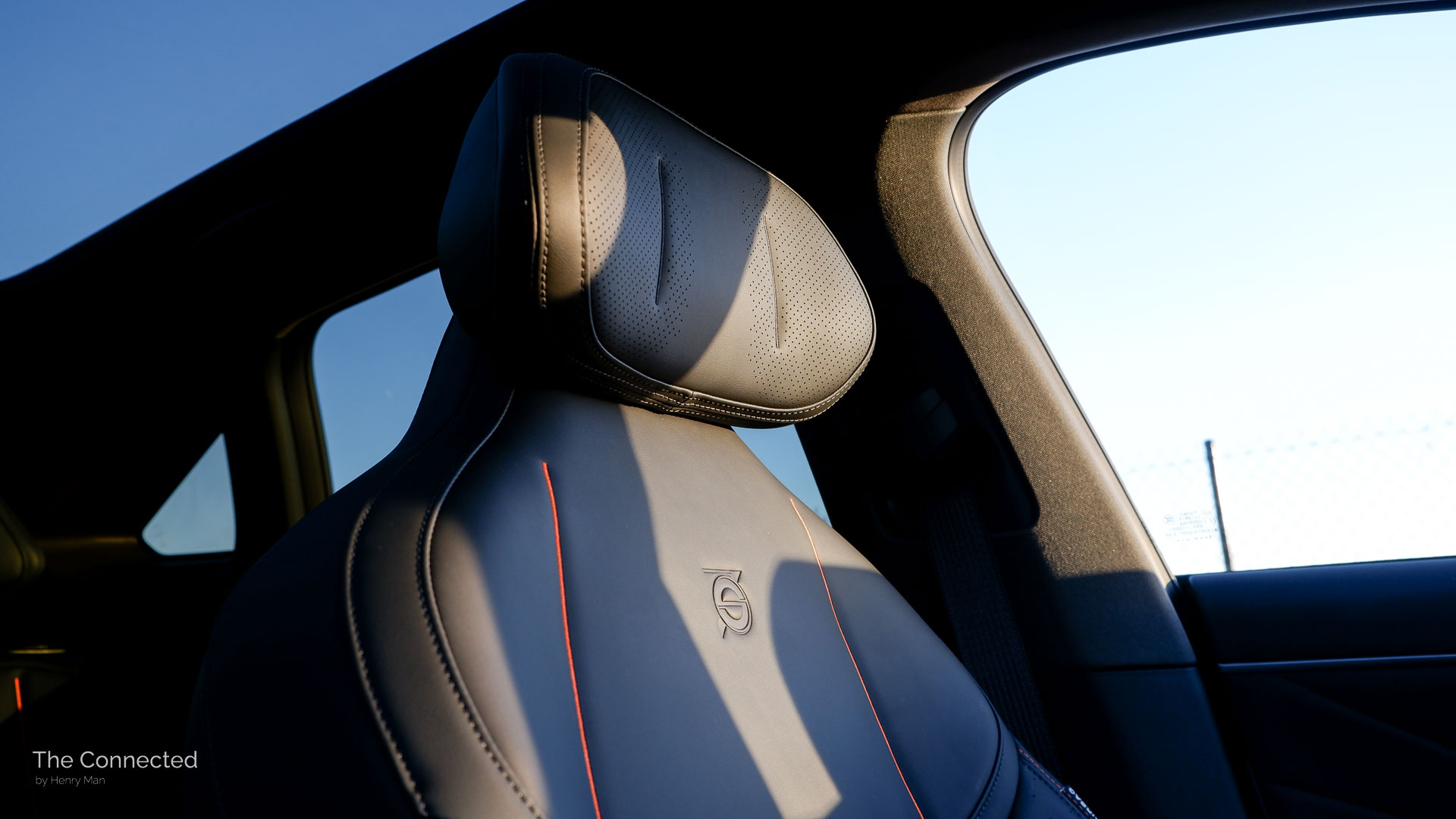
The S07’s interior feels more unique and impressively more upmarket than its asking price suggests with premium soft-touch materials, frameless mirrors and protruding fabric speaker grilles – although Deepal logos are conspicuously present.
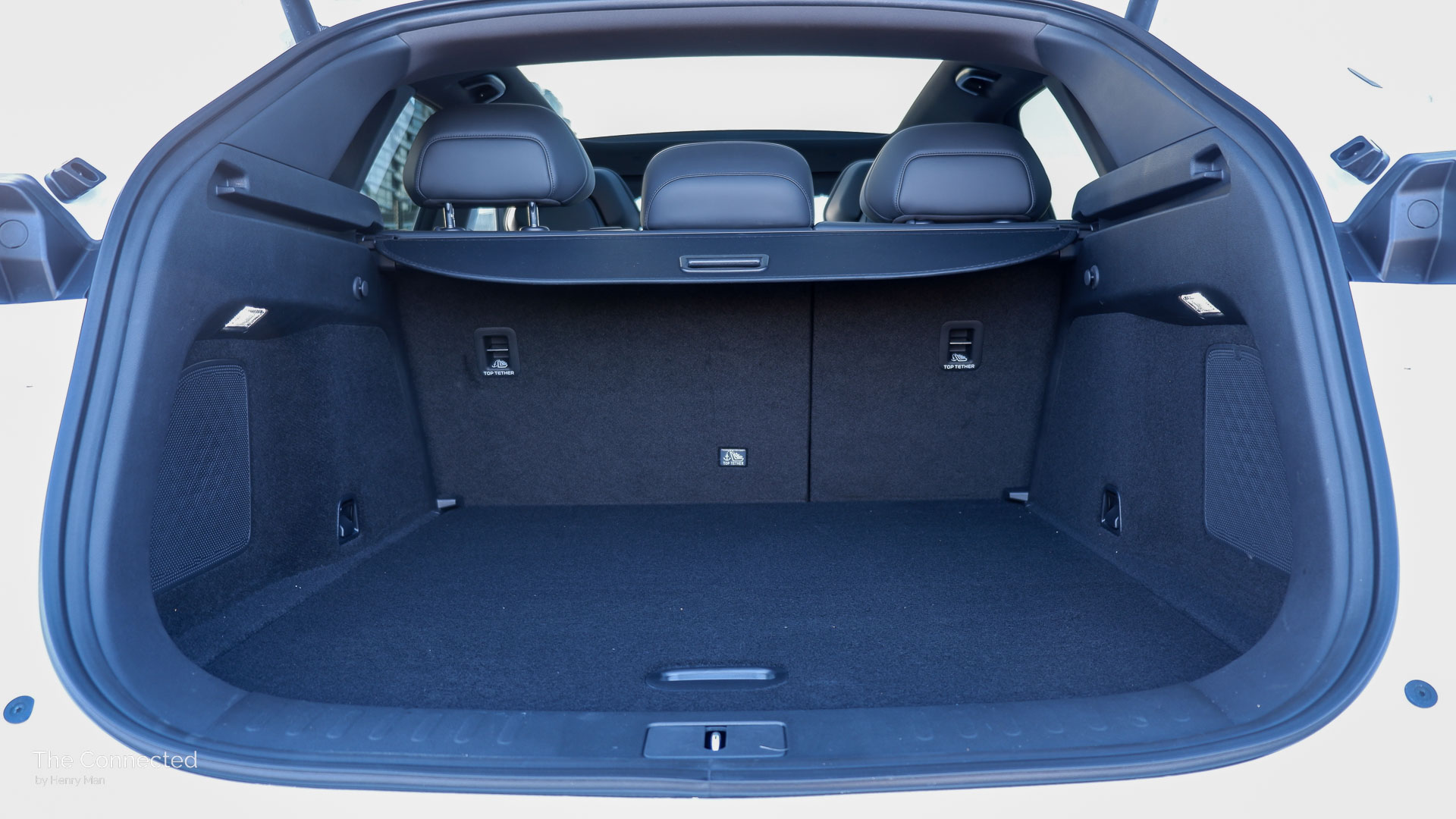
The 445-litre boot provides plenty of cargo space, though the sloping roofline limits height room, there’s no underfloor storage, and the two bag hooks aren’t recessed to properly hold a bag in place.
While an electric tailgate is standard, it is slow to operate with constant chiming and doesn’t offer a hands-free function.
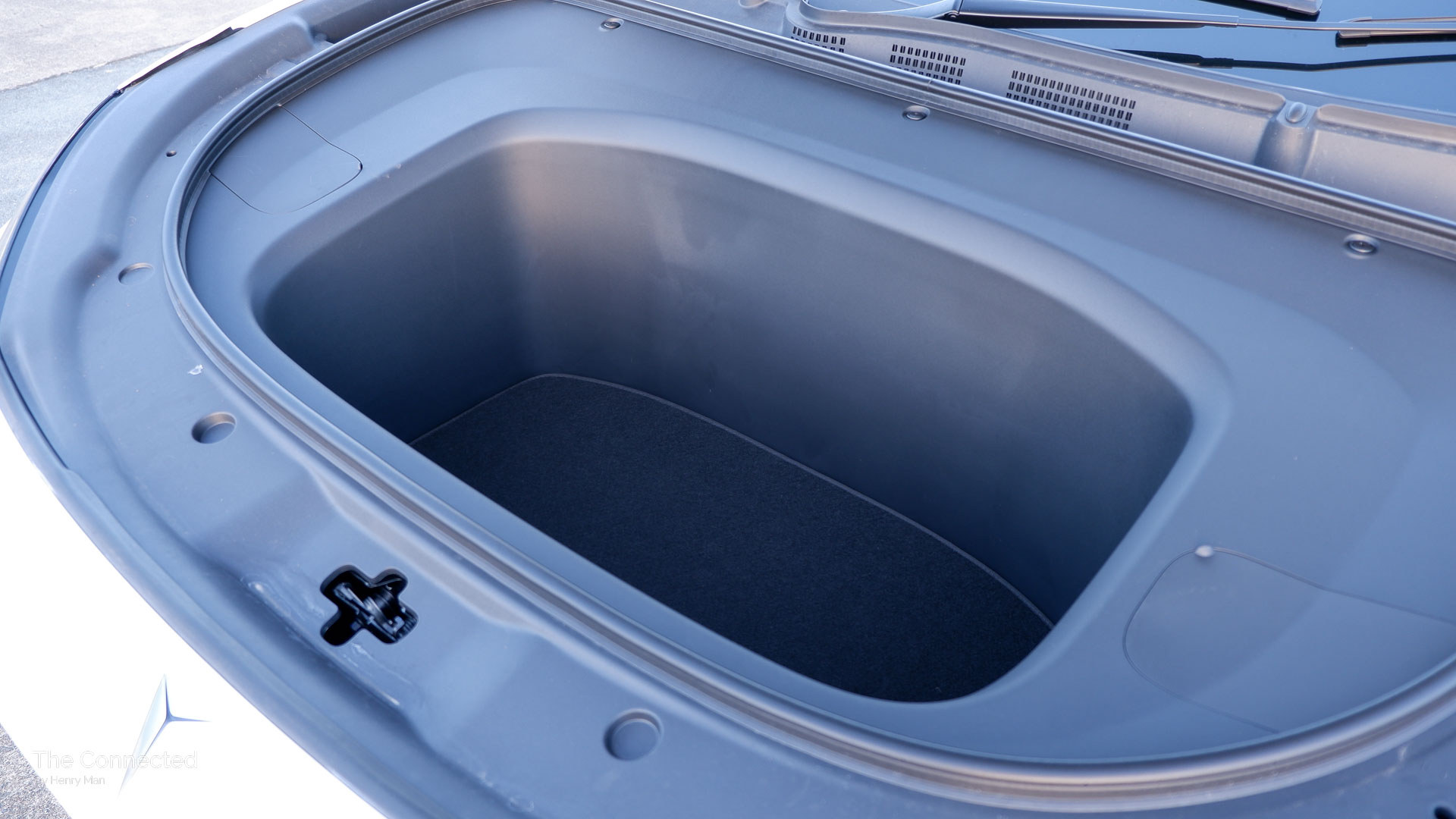
On the other hand, the 125-litre frunk is super spacious for an EV and the bottom is carpeted unlike the Tesla Model Y – but there’s no light and you’ll need to unlock the bonnet via pulling the latch twice on the driver’s side.
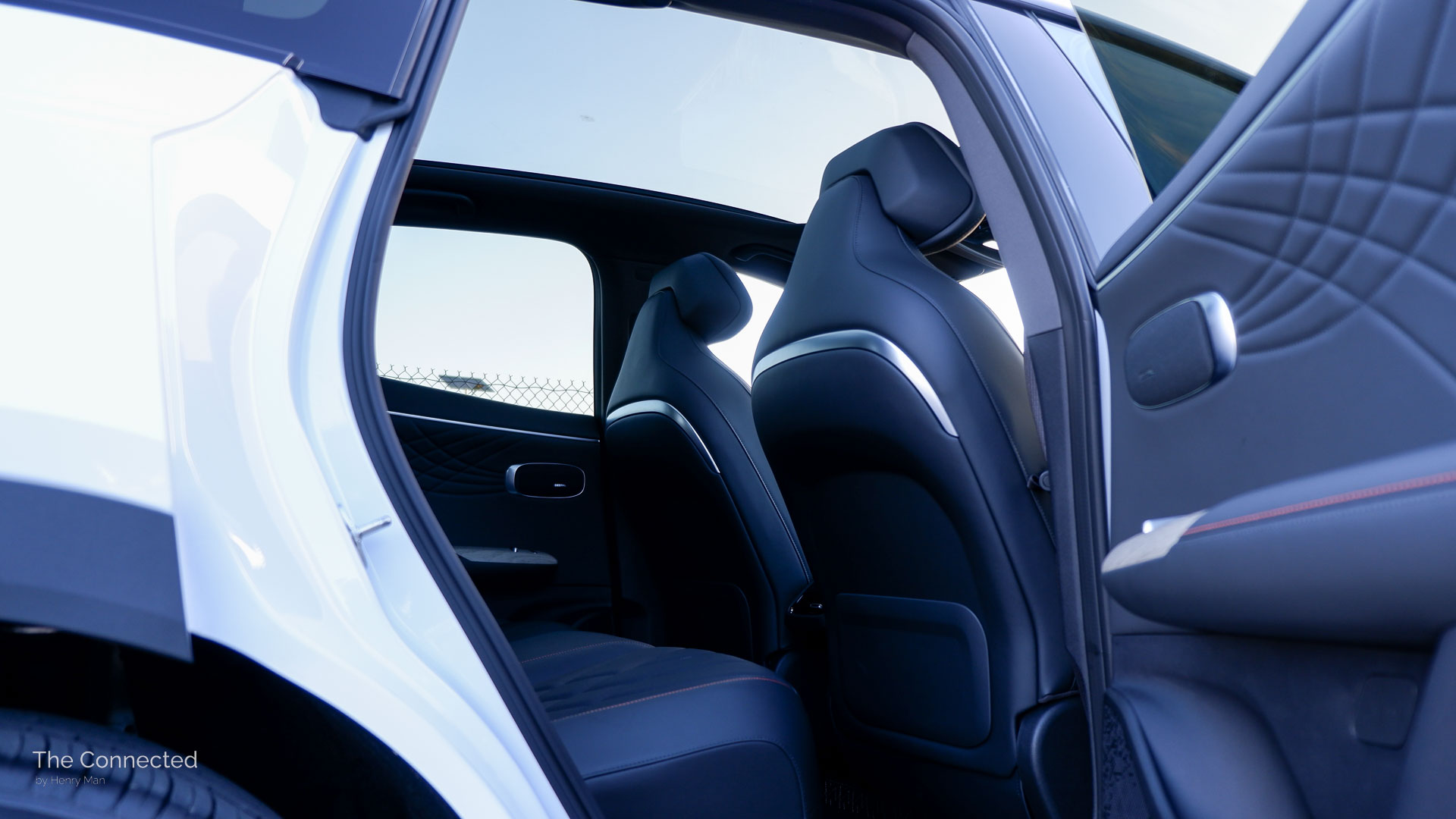
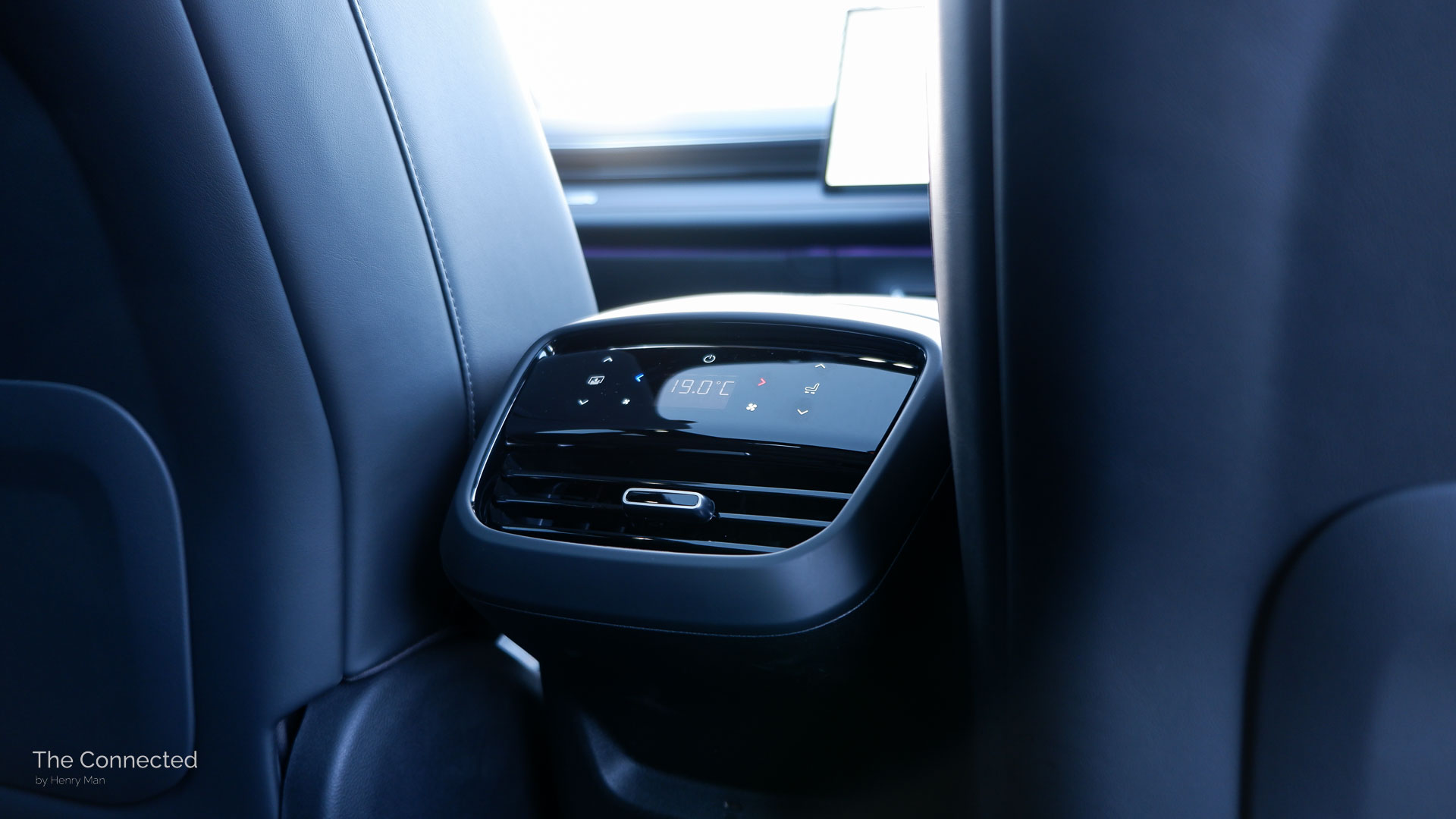
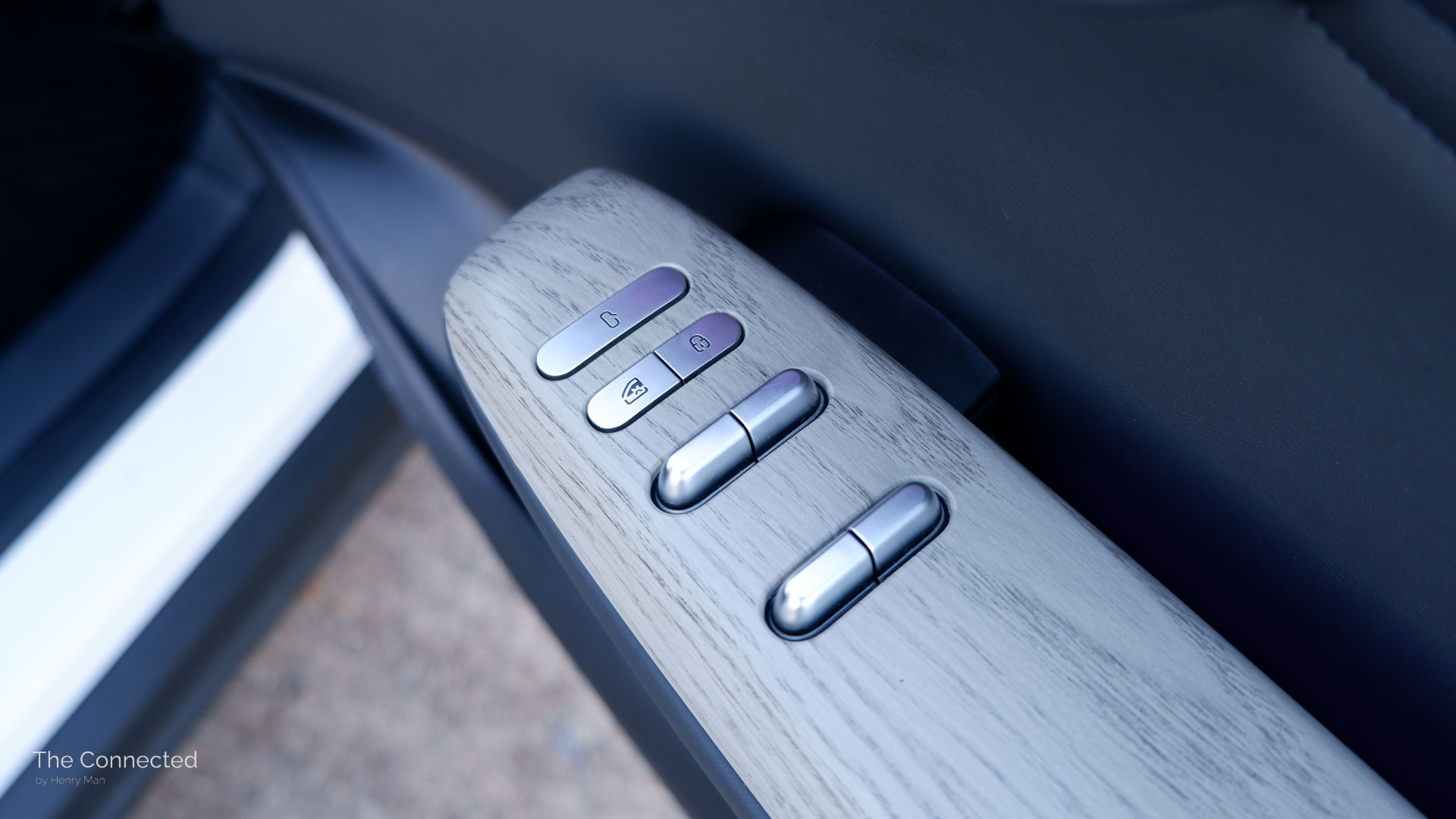
Despite a lower roofline, the Deepal S07 offers plenty of rear seat space with a flat floor, long fold-down middle armrest, an expansive fixed panoramic glass roof, and touch-sensitive buttons to control the glass roof sunshade and second-zone air-conditioning temperature.
Unfortunately, there’s only a singular directional rear air vent and the window switches are weirdly reversed.
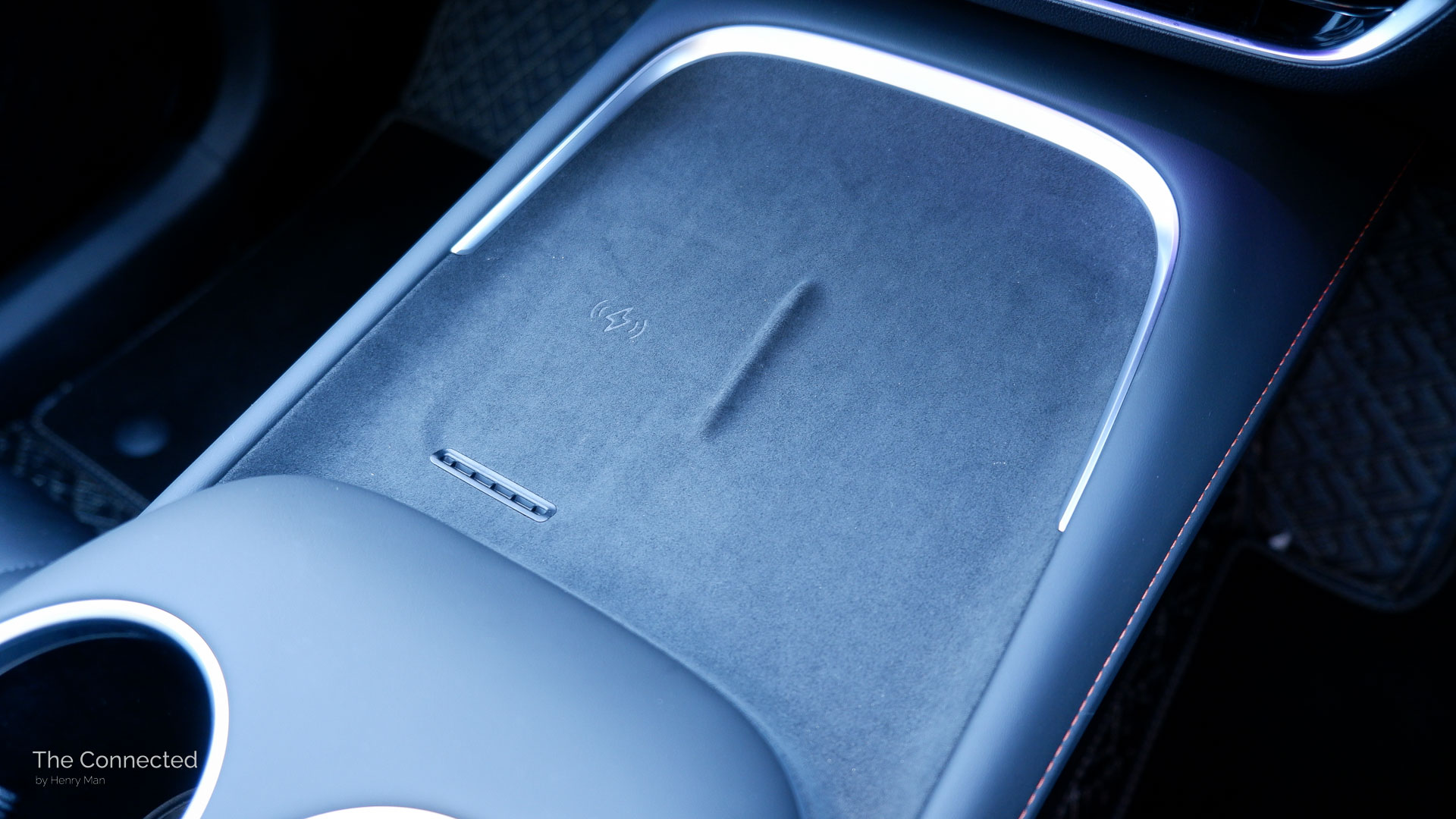
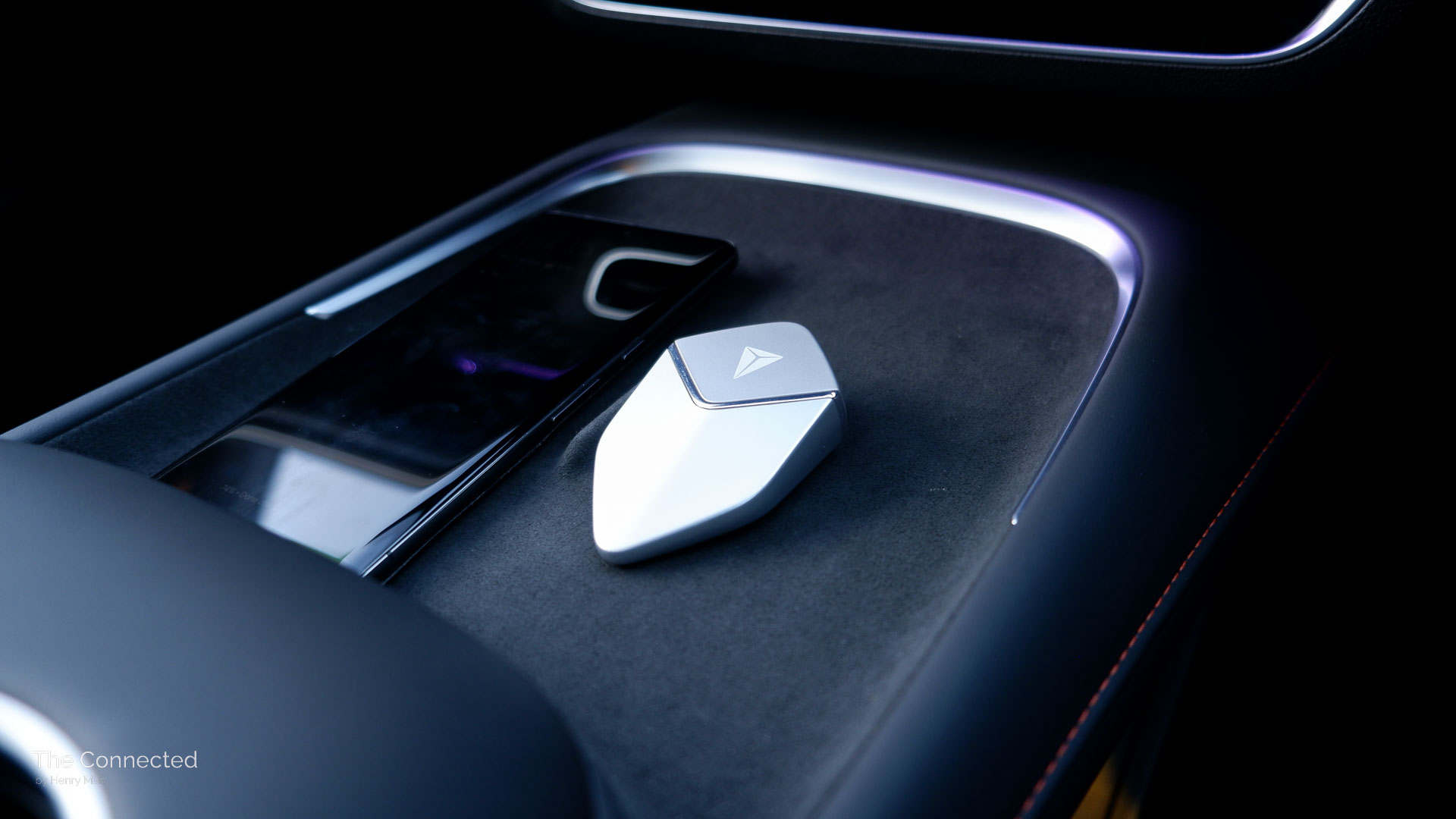
The front row is similarly practical with a deep cooled/heated centre armrest cubby (connected to the rear air vent), a large open undertray, a smooth suede pad with wireless charging on one side, two gripped cup holders that are on the smaller side, and tighter-fit bottle holders.
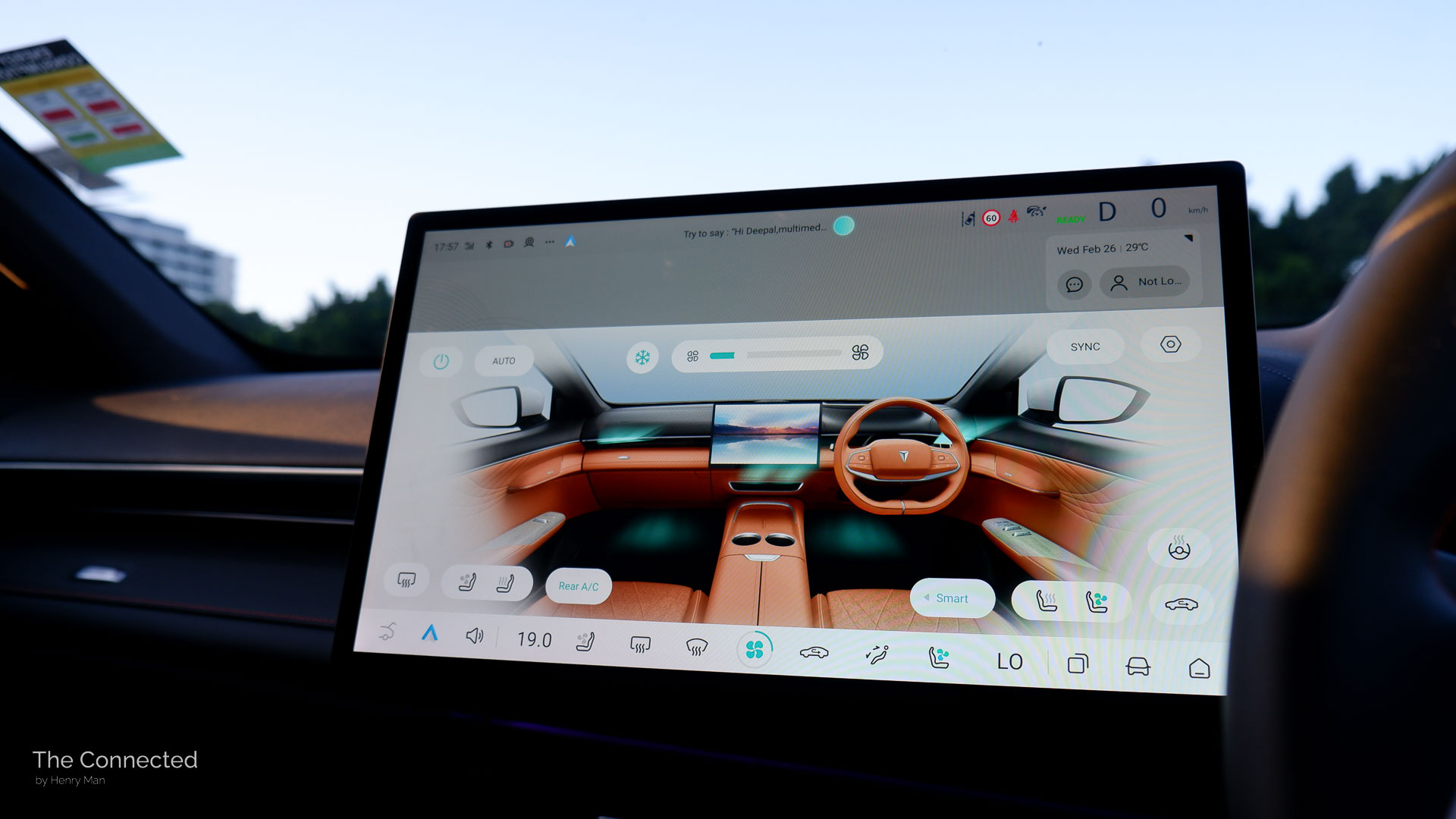
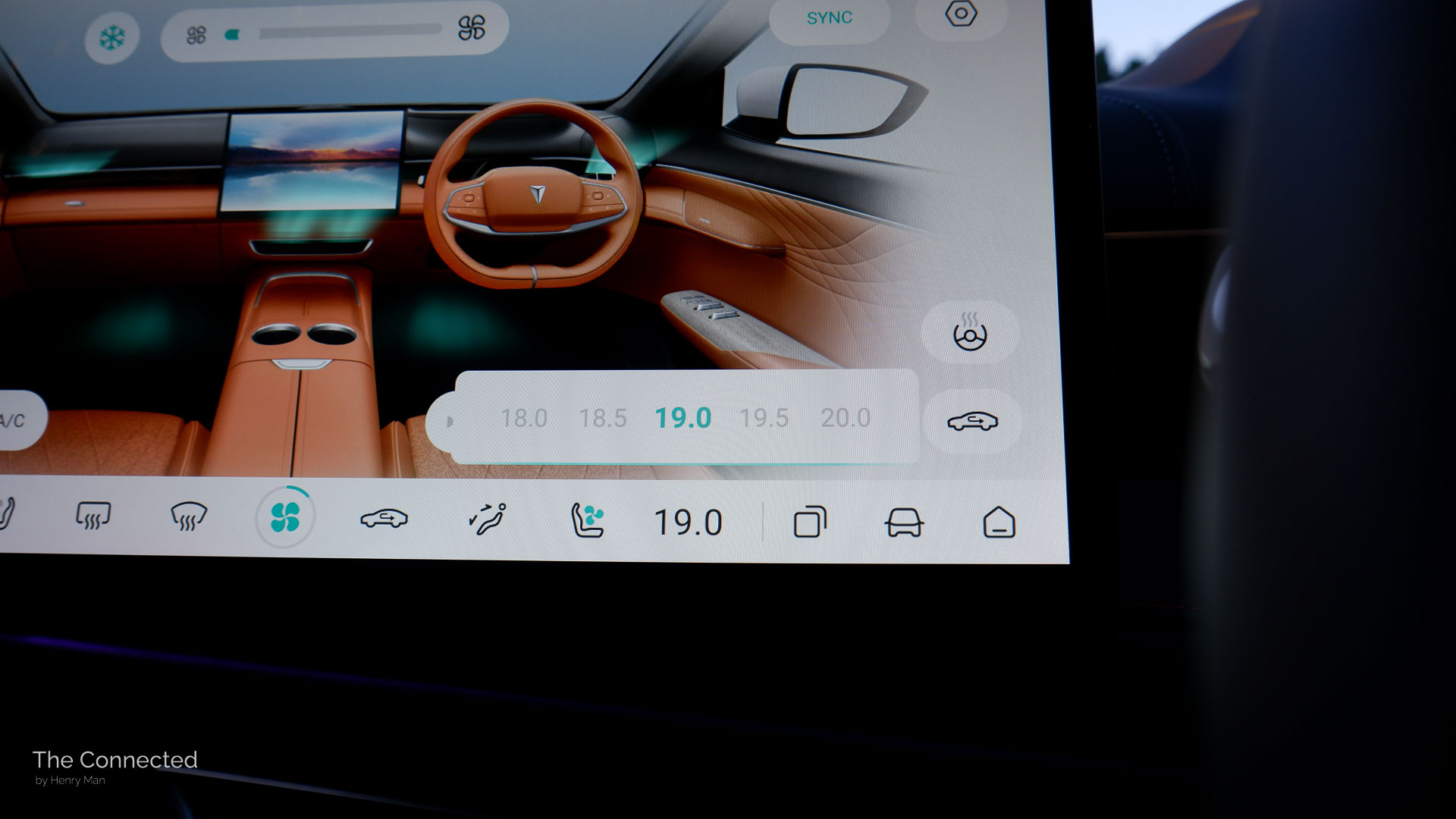
Critically, the two-zone air-conditioning system must be controlled via the touchscreen only – including the direction of the front air vents.
I found it incredibly difficult to move both vents so they could directly blow on my face. Changing the temperature is also fiddly and a distraction to use while driving.
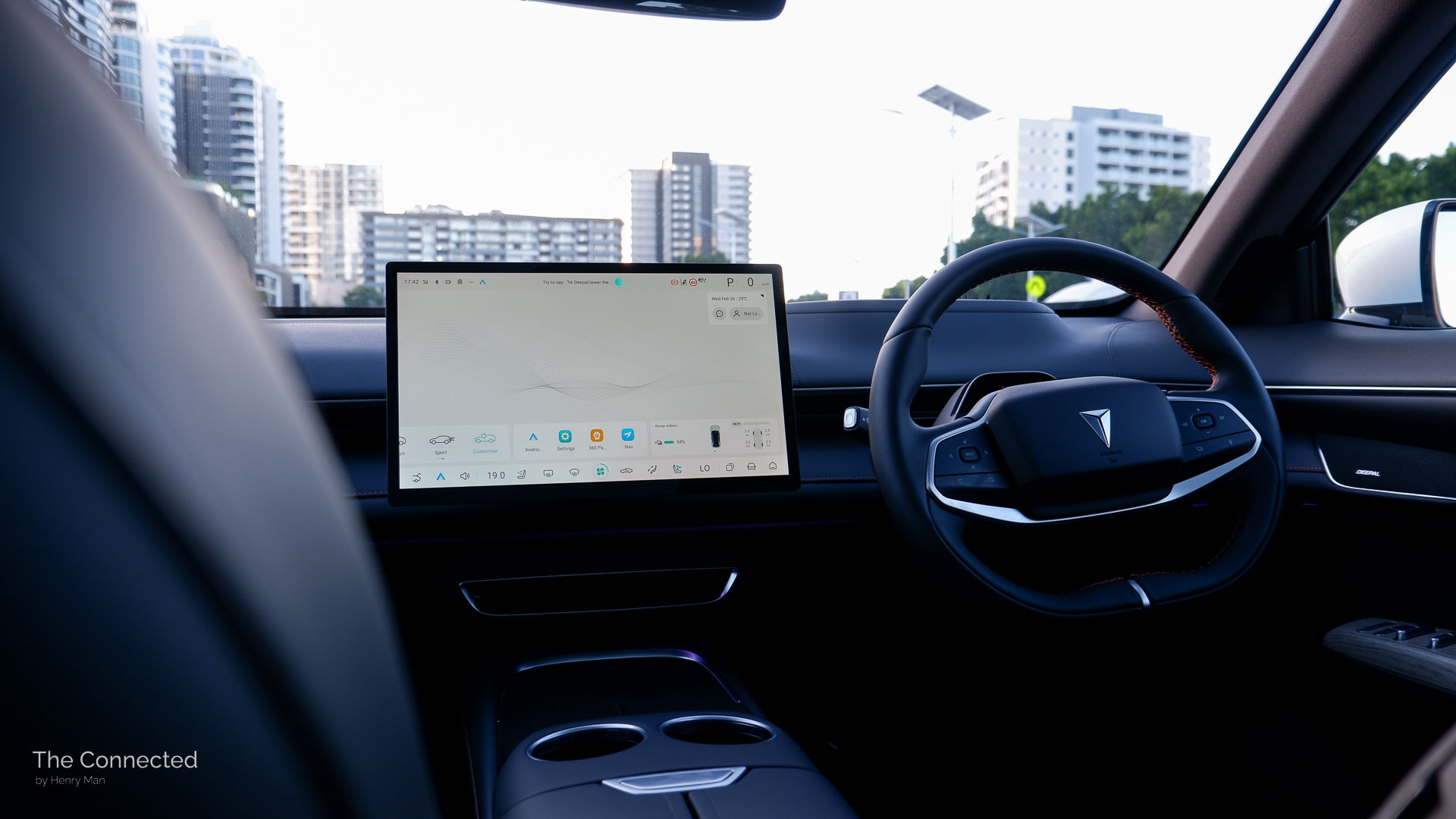
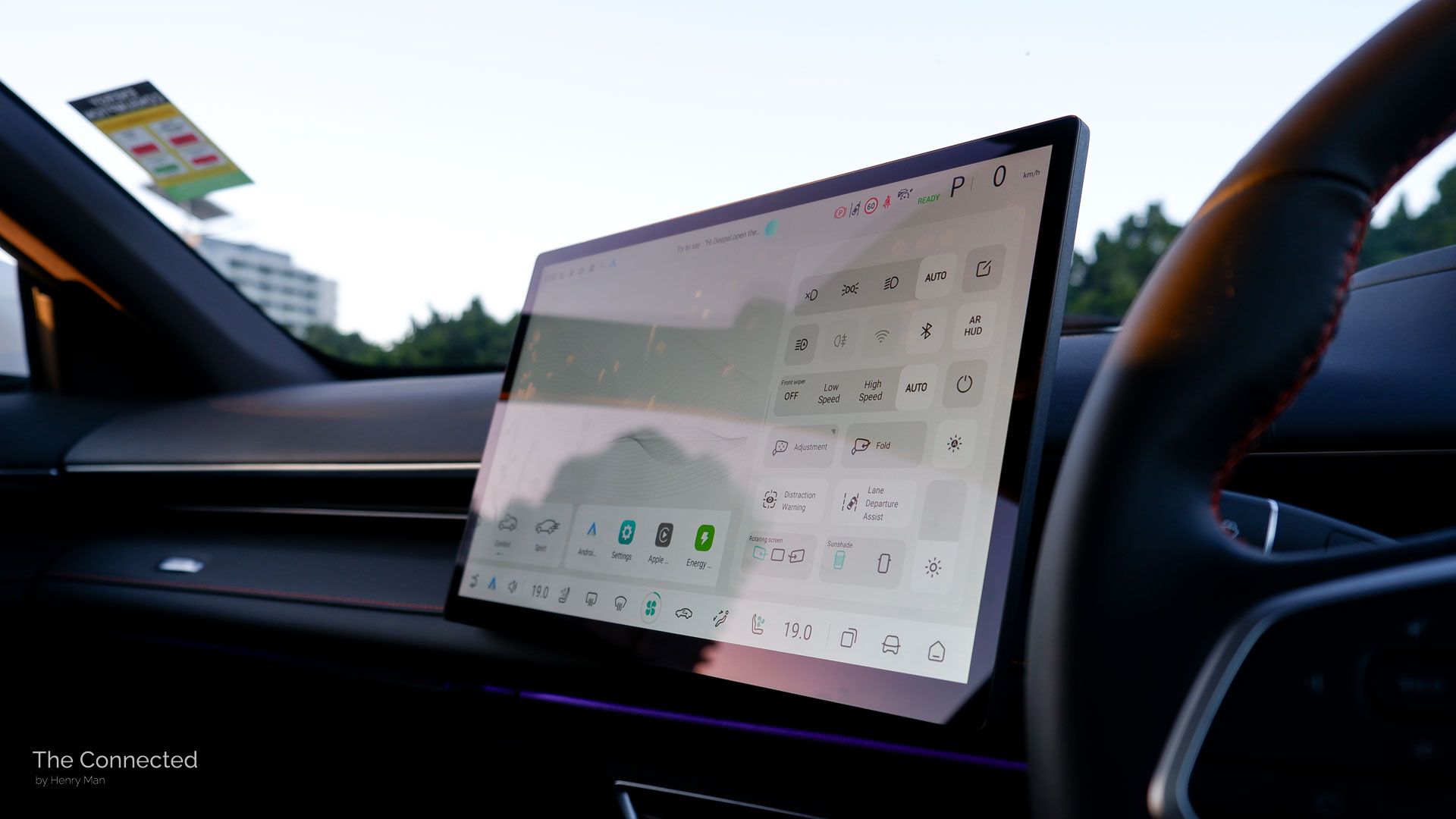
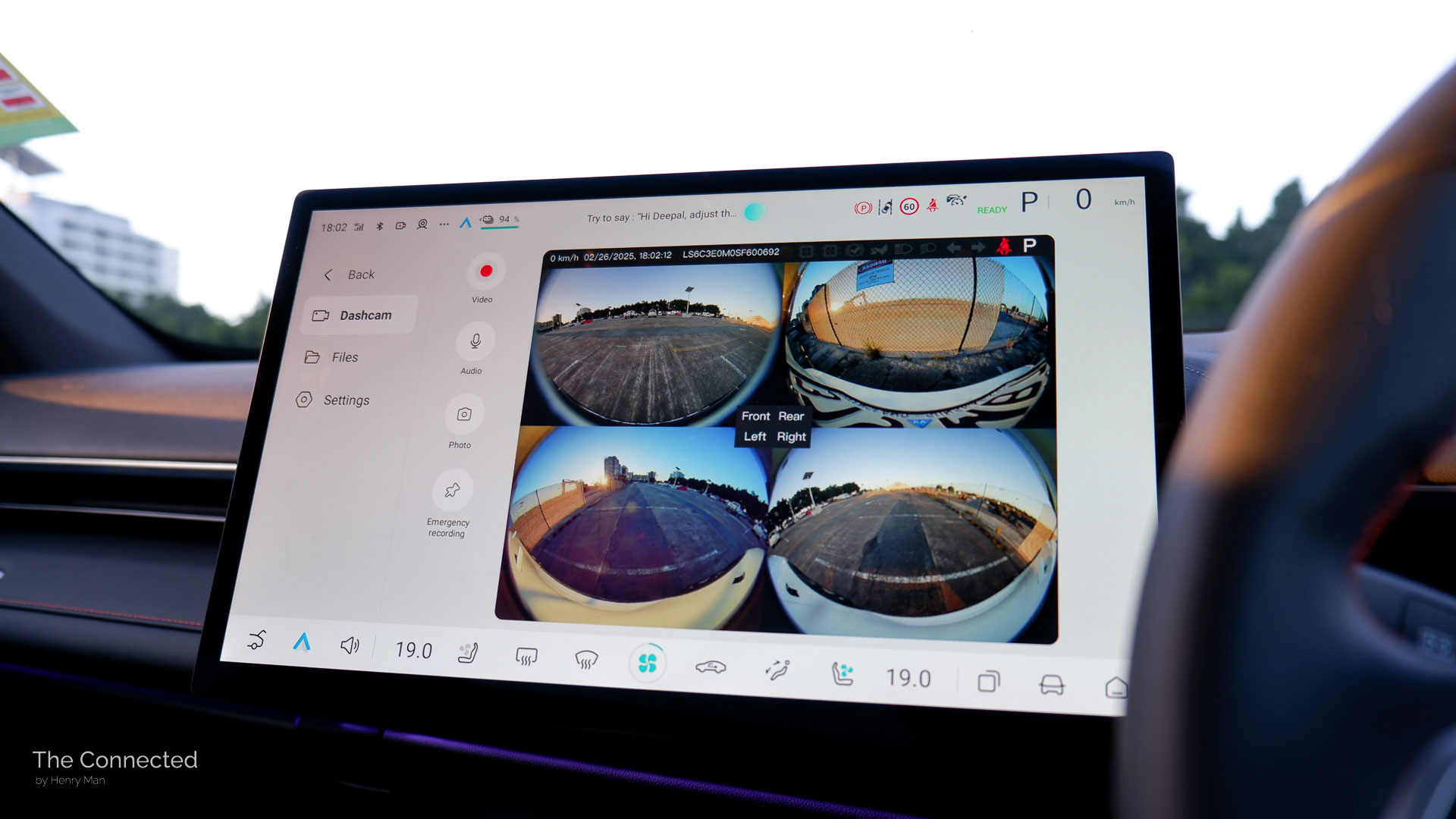
The 15.6-inch touchscreen is large, clear and responsive with a modern user interface, powered by Deepal OS 2.0 with a Qualcomm Snapdragon 8155 processor and 12GB of RAM.
The entire display can pivot towards the driver or front passenger automatically, which provides a better viewing angle and gives the S07 some character.
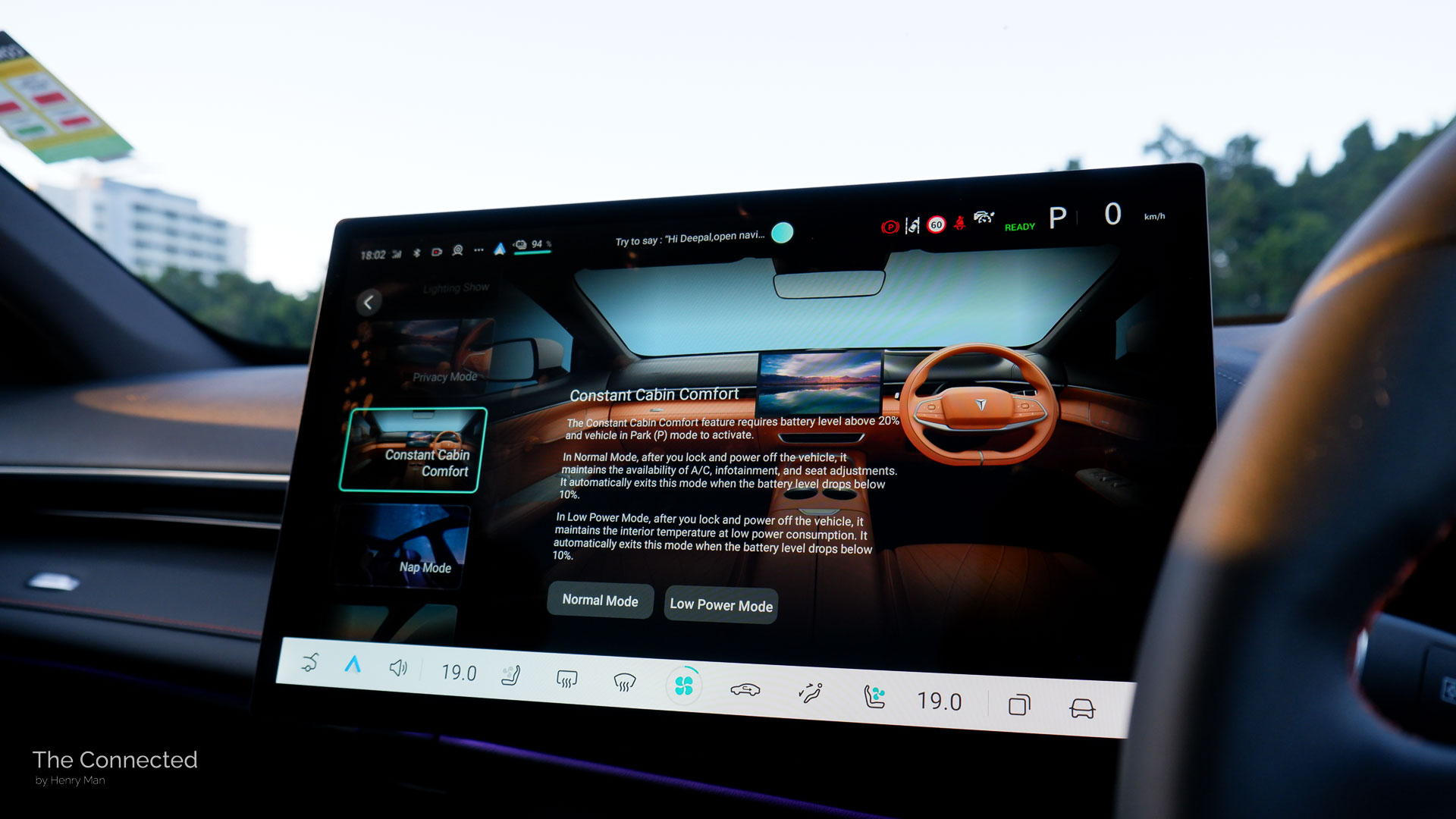
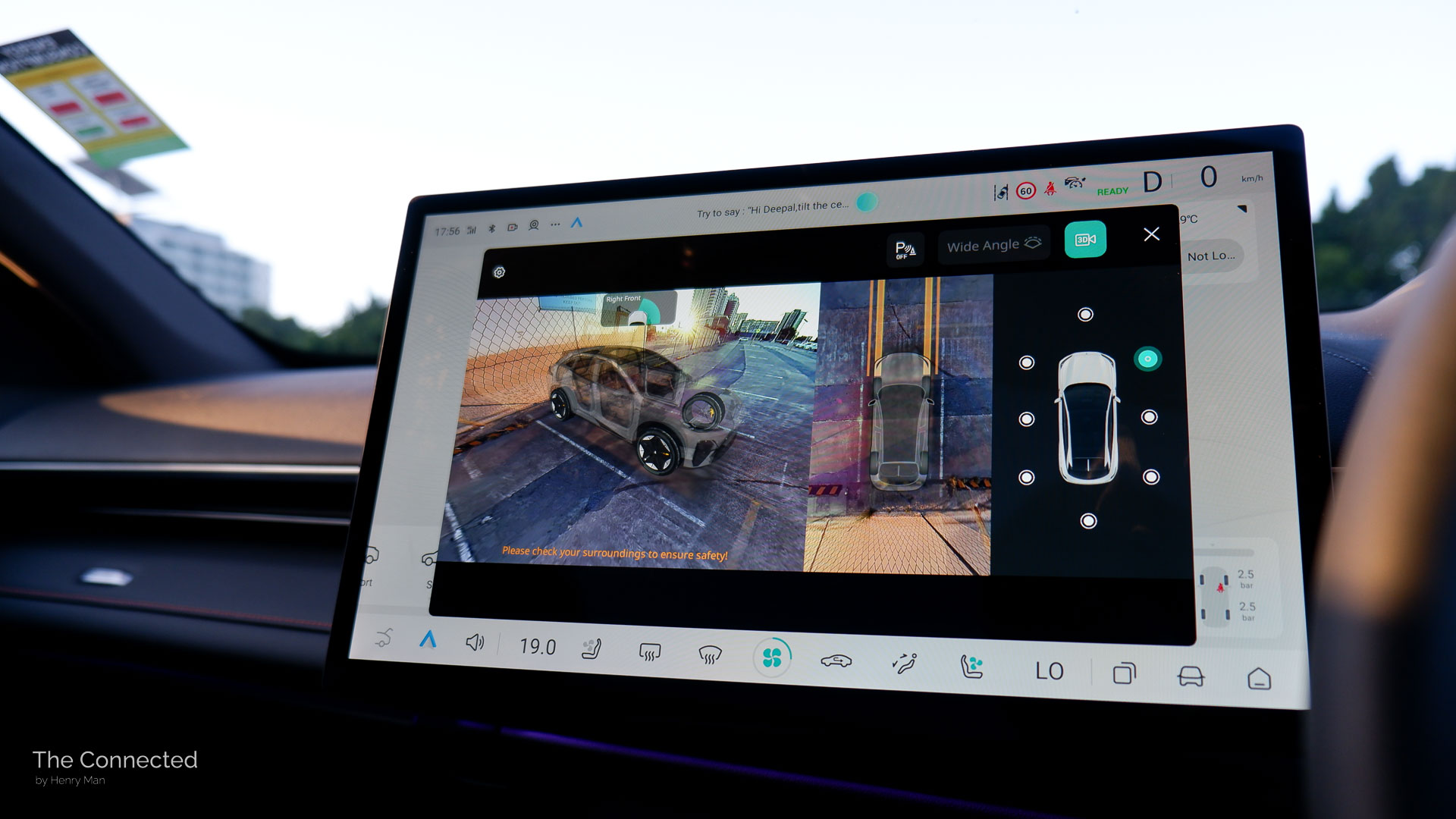
There are some convenient features, including built-in 360-degree dashcam recording to the car’s 128GB storage, Camping Mode, Nap Mode with ambient sounds, and Constant Cabin Comfort (which keeps the air-conditioning on while the EV is locked). Unfortunately, Deepal doesn’t offer 24/7 dashcam recording, but owners can activate the latter to keep the car and dashcam running.
To allay state-owned concerns, there’s even a Privacy Mode which limits internet connectivity functions, camera and microphone permissions (which we used due to limitations on our tester).
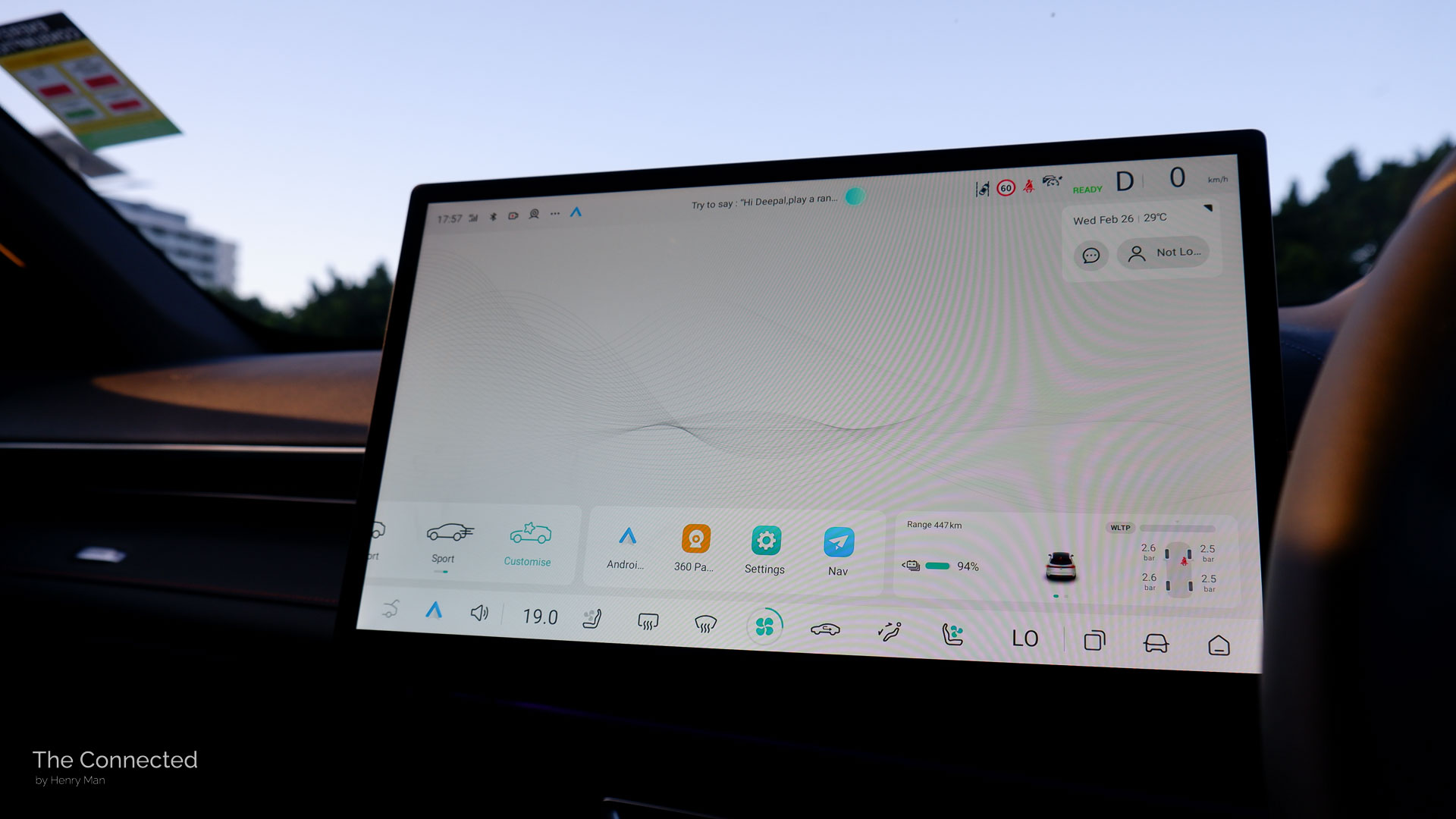
However, there are some clear English issues in some areas of the software that just don’t make sense (“Please select the central control screen scene reconstruction in settings” pop-up, for example).
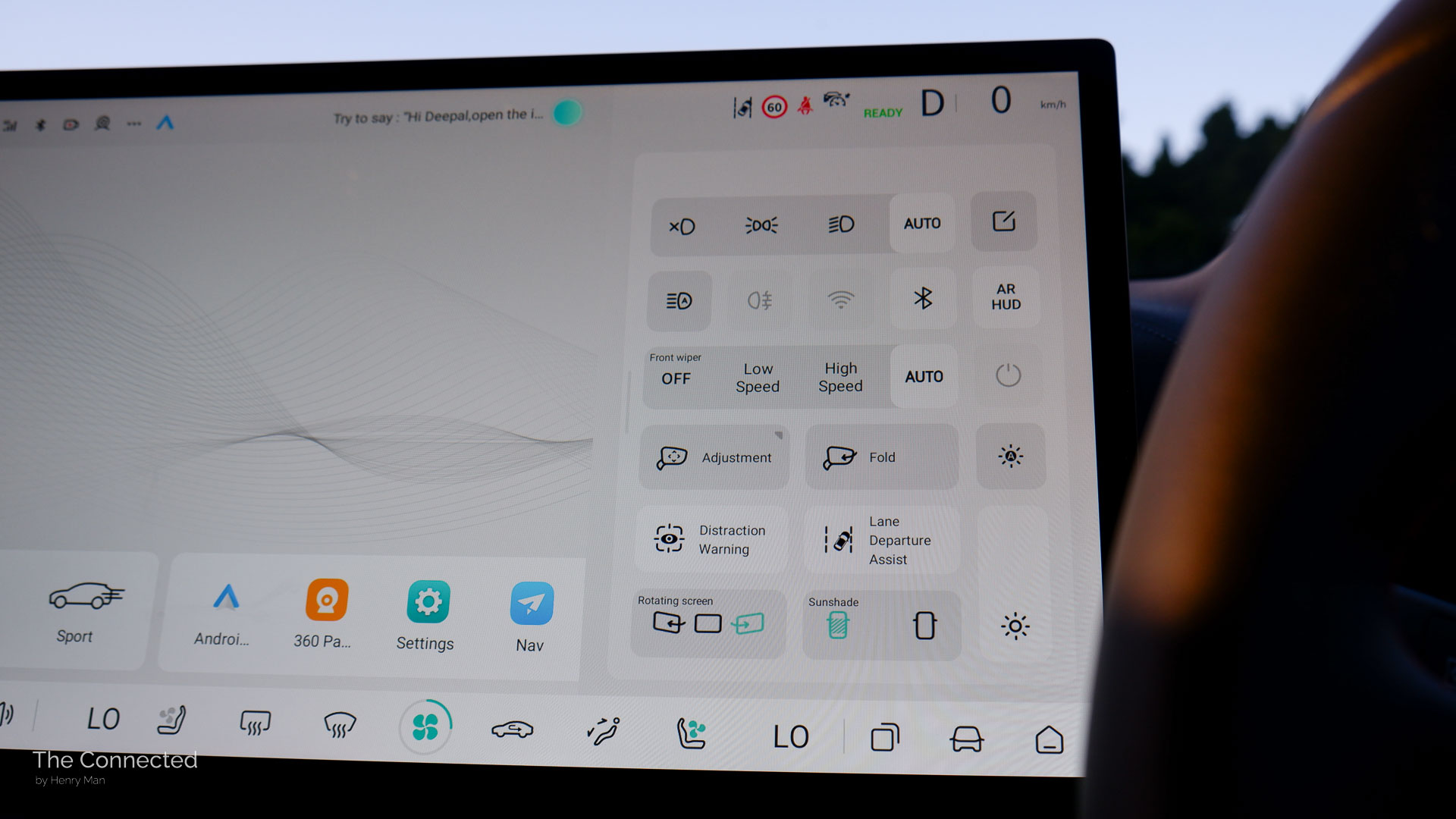
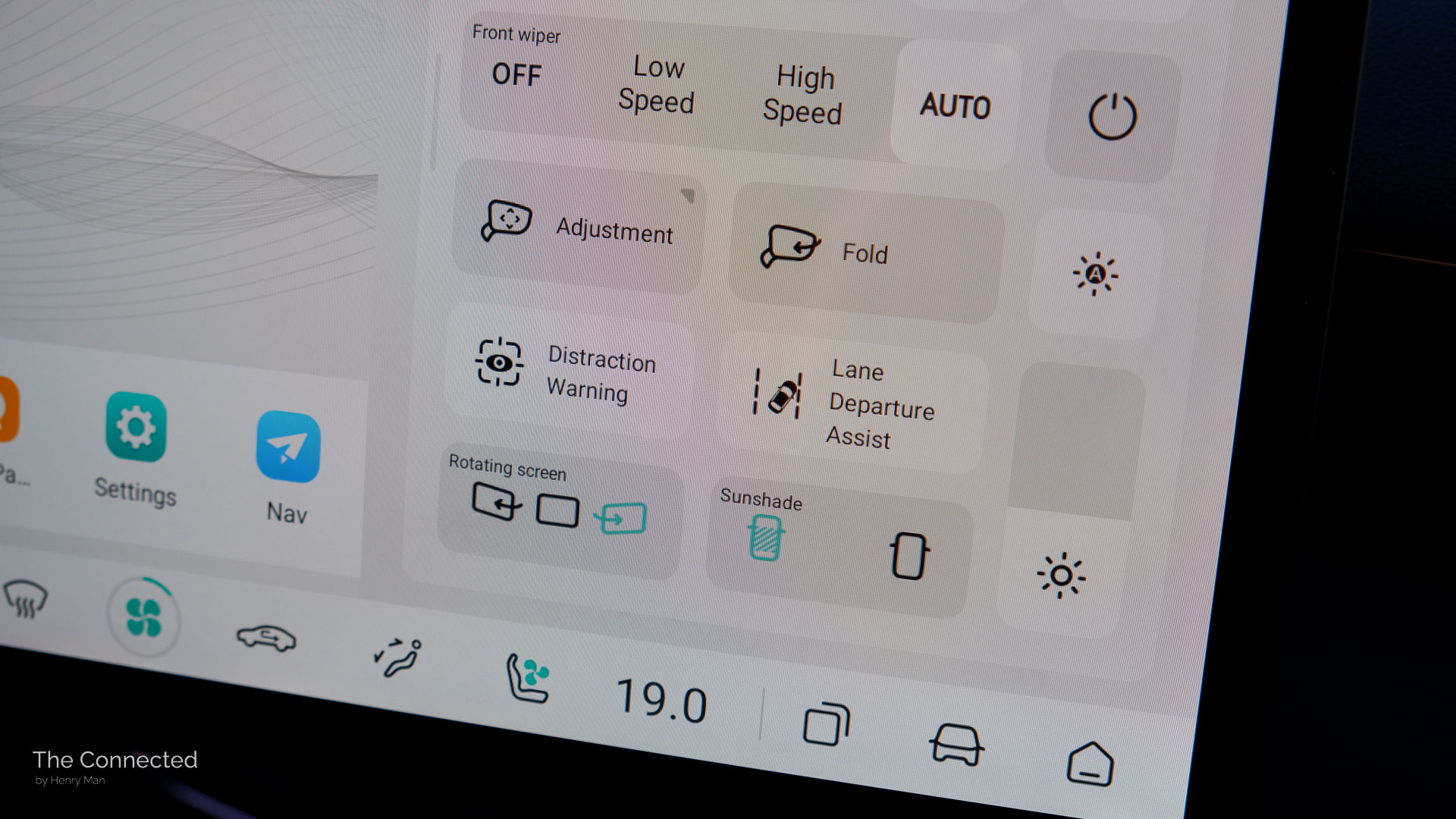
Meanwhile, the home screen has a lot of wasted blank space with small widget tiles underneath, some disproportionately tiny text and icons in places, and illogical placement of some settings (the wing mirror controls are nowhere to be seen in the vehicle settings and are only in the hidden side control panel, for example).
Yes, almost every aspect of the vehicle is controlled via the touchscreen – from adjusting the wing mirrors and wipers, to opening the tailgate and changing the drive mode – which can all be fiddly and may require multiple taps digging into the settings, if not in the customisable side control panel or bottom bar. There isn’t a quick search function in the settings either.
Despite the touchscreen featuring an automatic brightness function, it doesn’t automatically switch between light and dark modes – so drivers need to manually delve into the display settings.
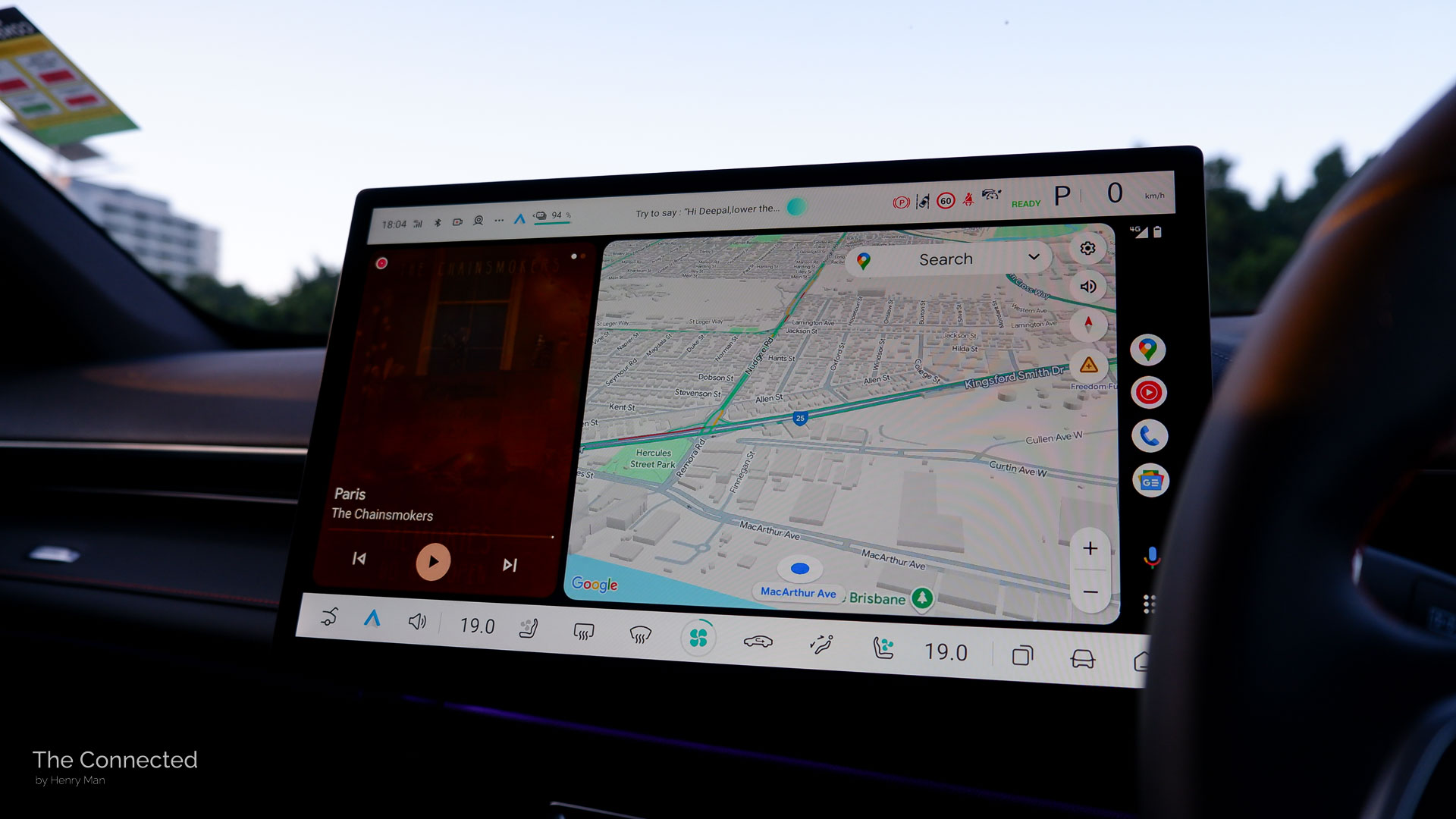
Wireless Apple CarPlay and Android Auto are included, with the latter connecting reliably and taking up most of the big screen while still retaining the climate control bar and access to the side control panel.
Importantly, the single 40-watt Qi wireless charging pad has ventilation, which actively cools the phone to help prevent overheating. In my testing, it genuinely works and my Google Pixel 7 Pro never stopped charging – which makes wireless smartphone projection actually usable – even if the fan is slightly audible.
Another highlight is the 14-speaker Sony branded audio system, with speakers in the driver’s headrest to keep calls and built-in navigation prompts more private – a genuine luxury car feature.
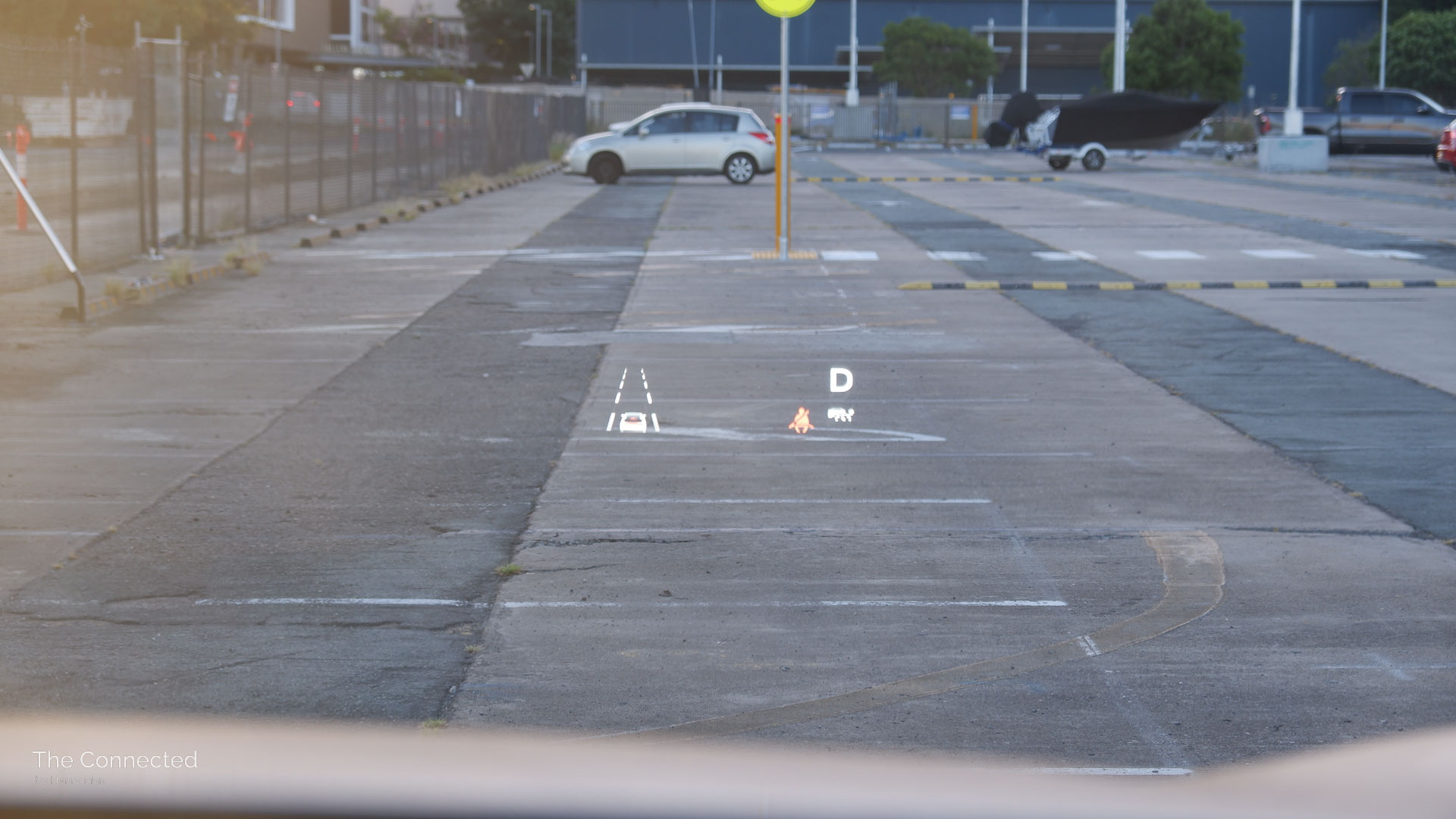
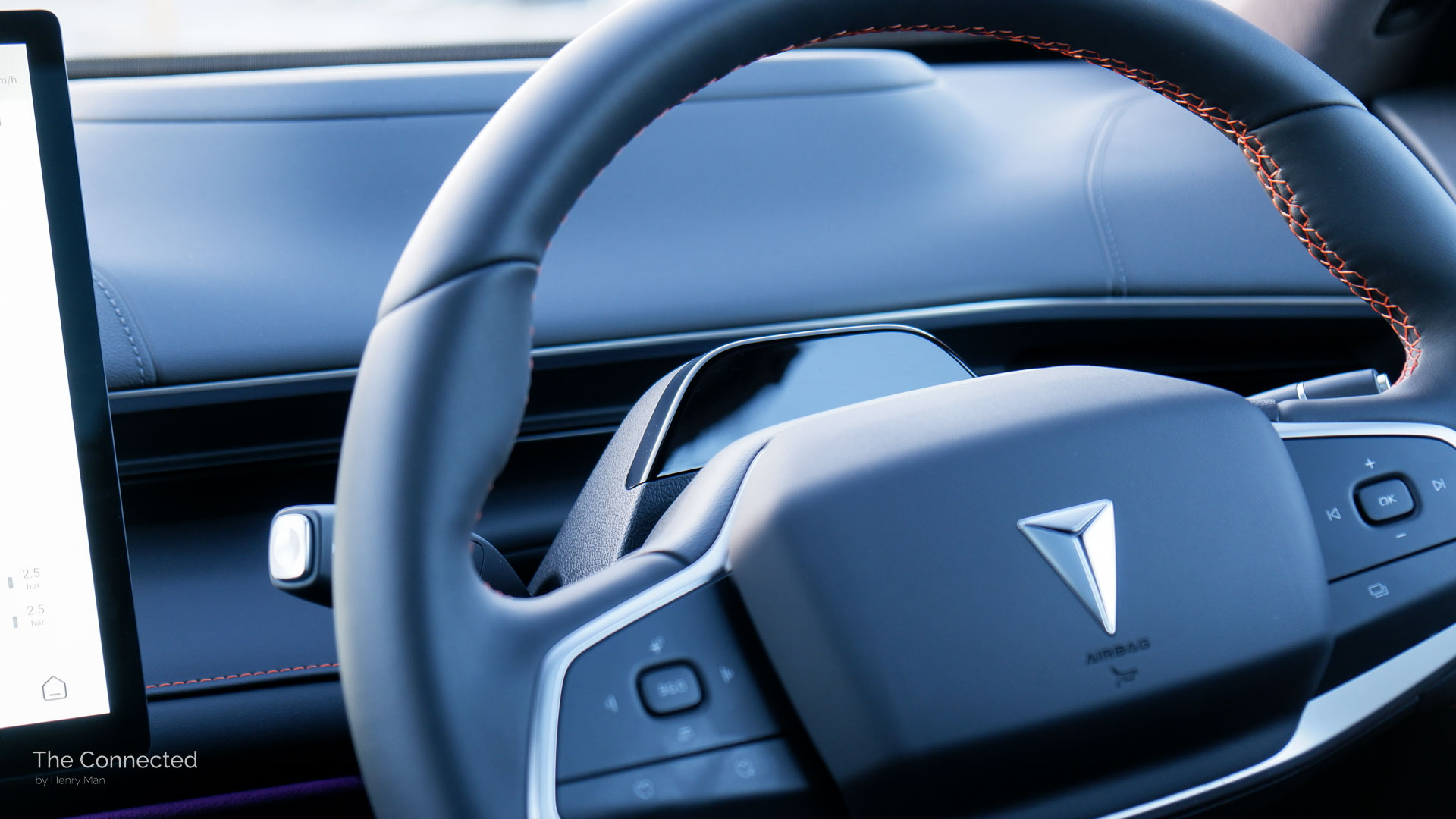
Furthermore, the Deepal S07 doesn’t offer a dedicated driver instrument display like a Tesla, but has a bright head-up display (HUD) projected onto the windscreen.
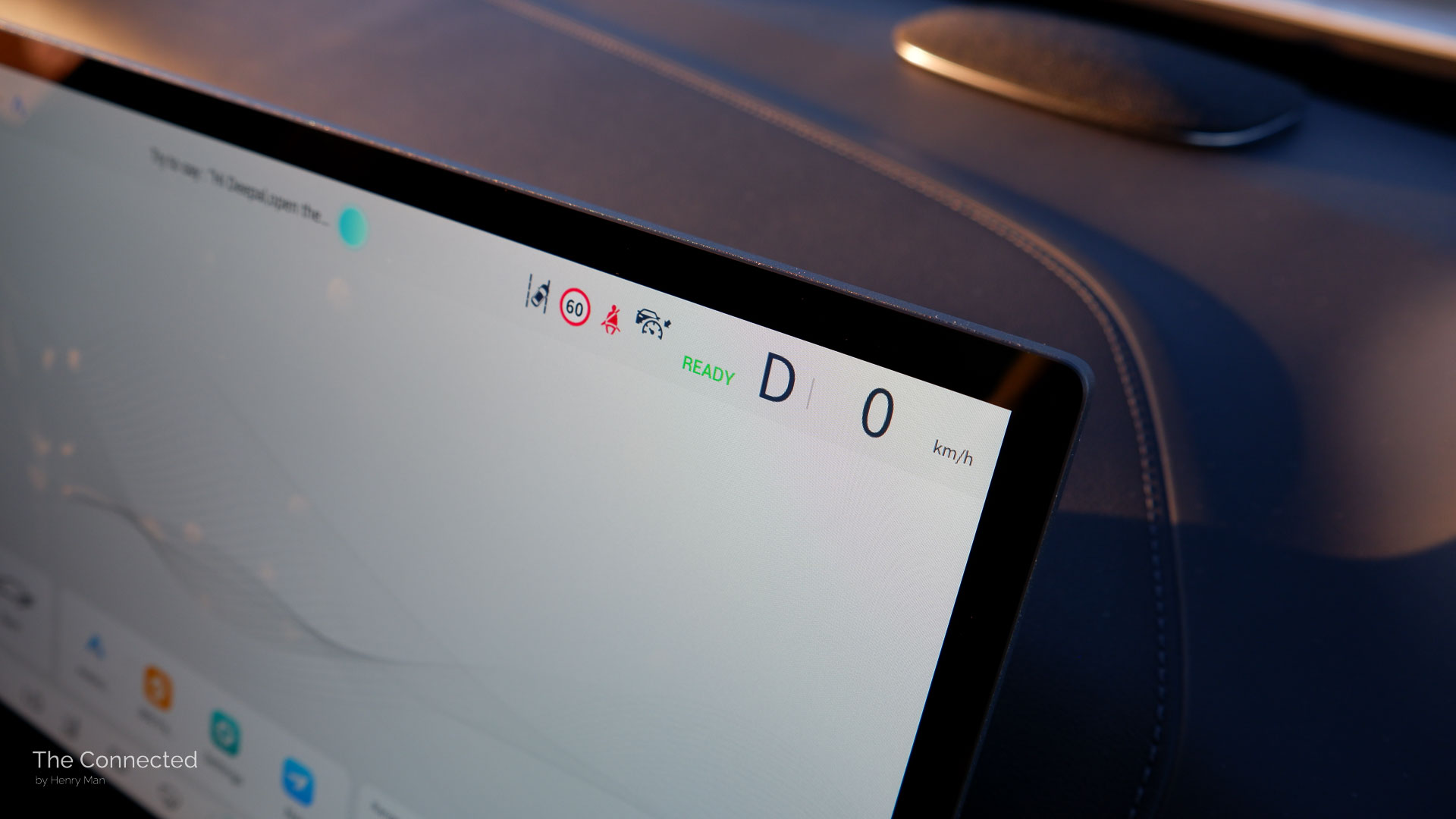
Drivers can rely on the HUD for key vehicle functions including the speed, drive selector, indicator, and adaptive cruise control – but it is smaller than ideal and doesn’t project the detected speed limit sign.
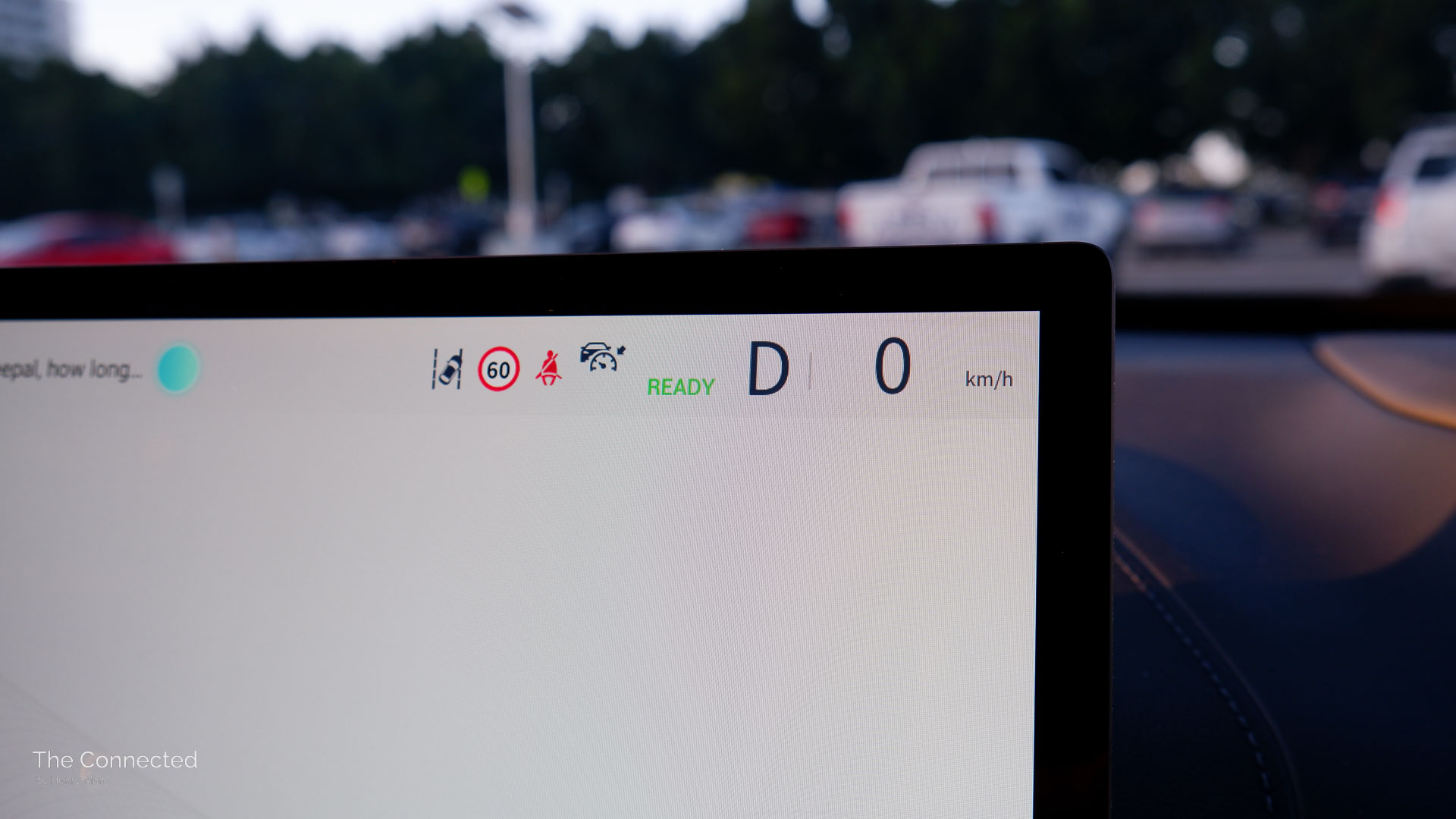
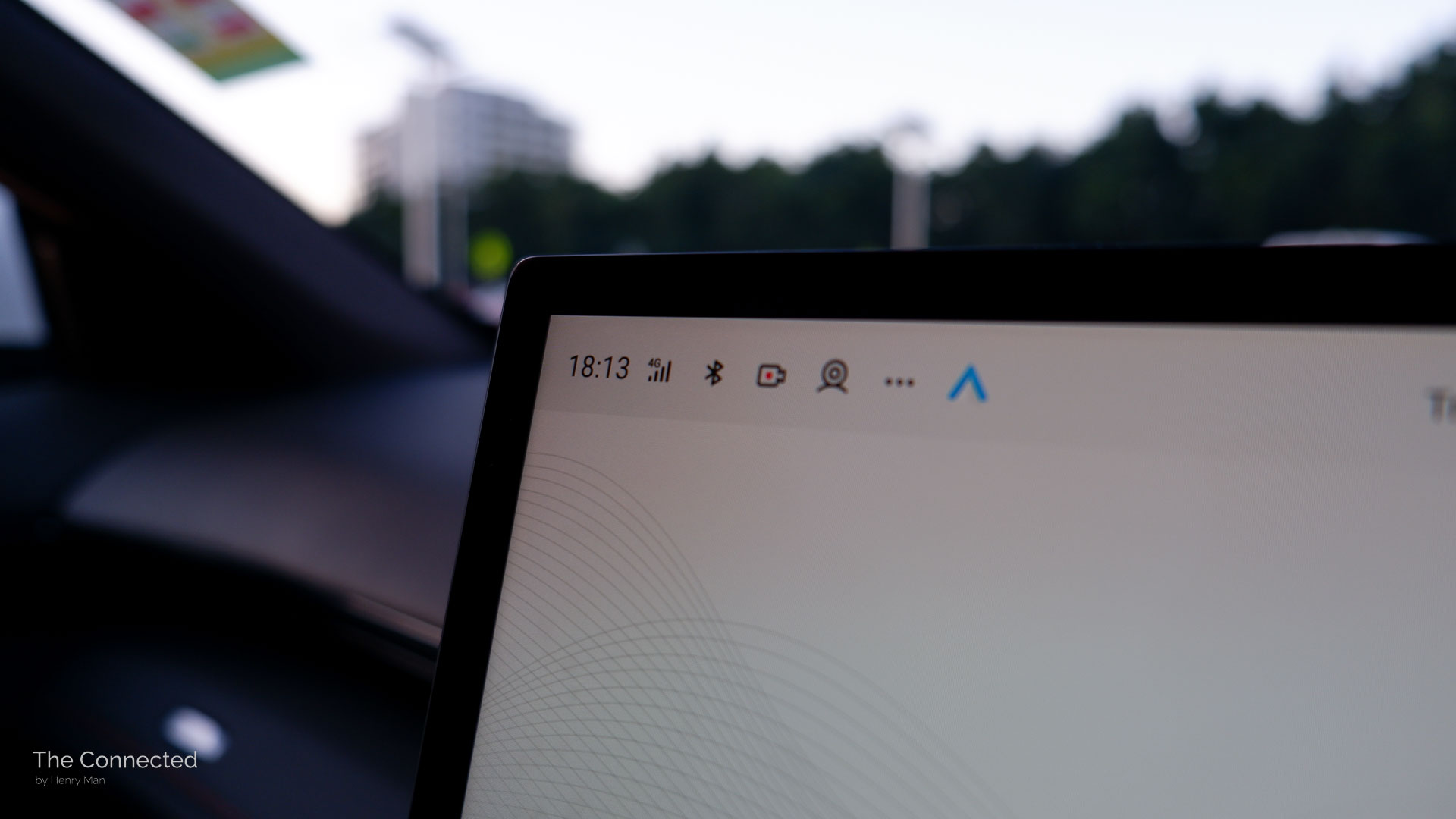
The central touchscreen shows the speed and pertinent driver instrument icons at the top-right corner, but it’s rather small and tucked into a corner – rather than having a dedicated section as per the Tesla Model Y and Xpeng G6. This discouraged me to look at it.
The Chinese automaker offers a mobile app that can act as the car key, but connected services are only included for the first two years, with pricing yet to be announced thereafter. We weren’t able to test it out due to limitations on our dealer tester, though.
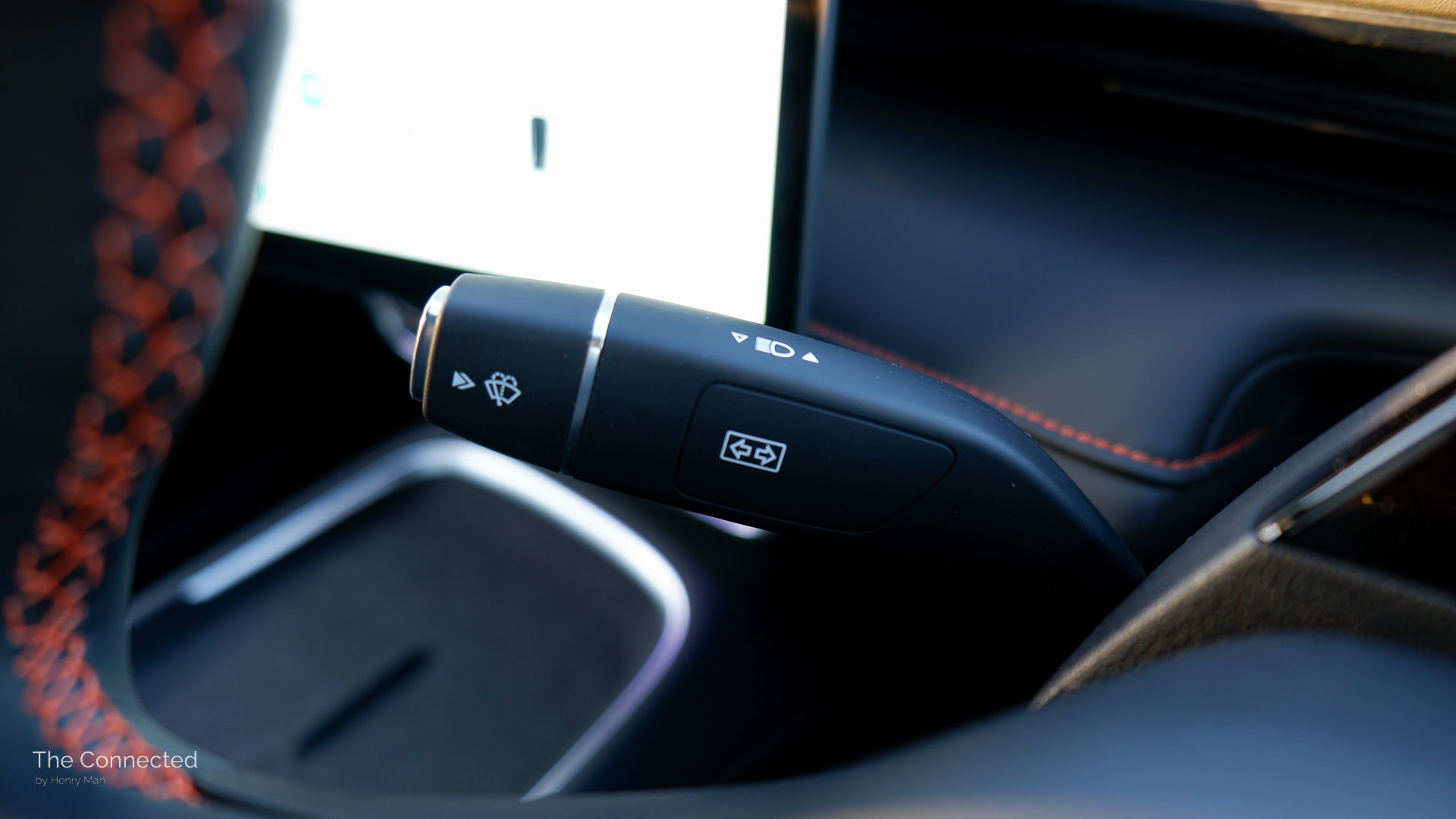
Annoyingly, anytime a safety system chimes, such as blind-spot warning, it cancels out the turn indicator clicking. Likewise, the drive selector switching confirmation sound is silenced by the parking sensor chimes. It can be confusing for drivers.
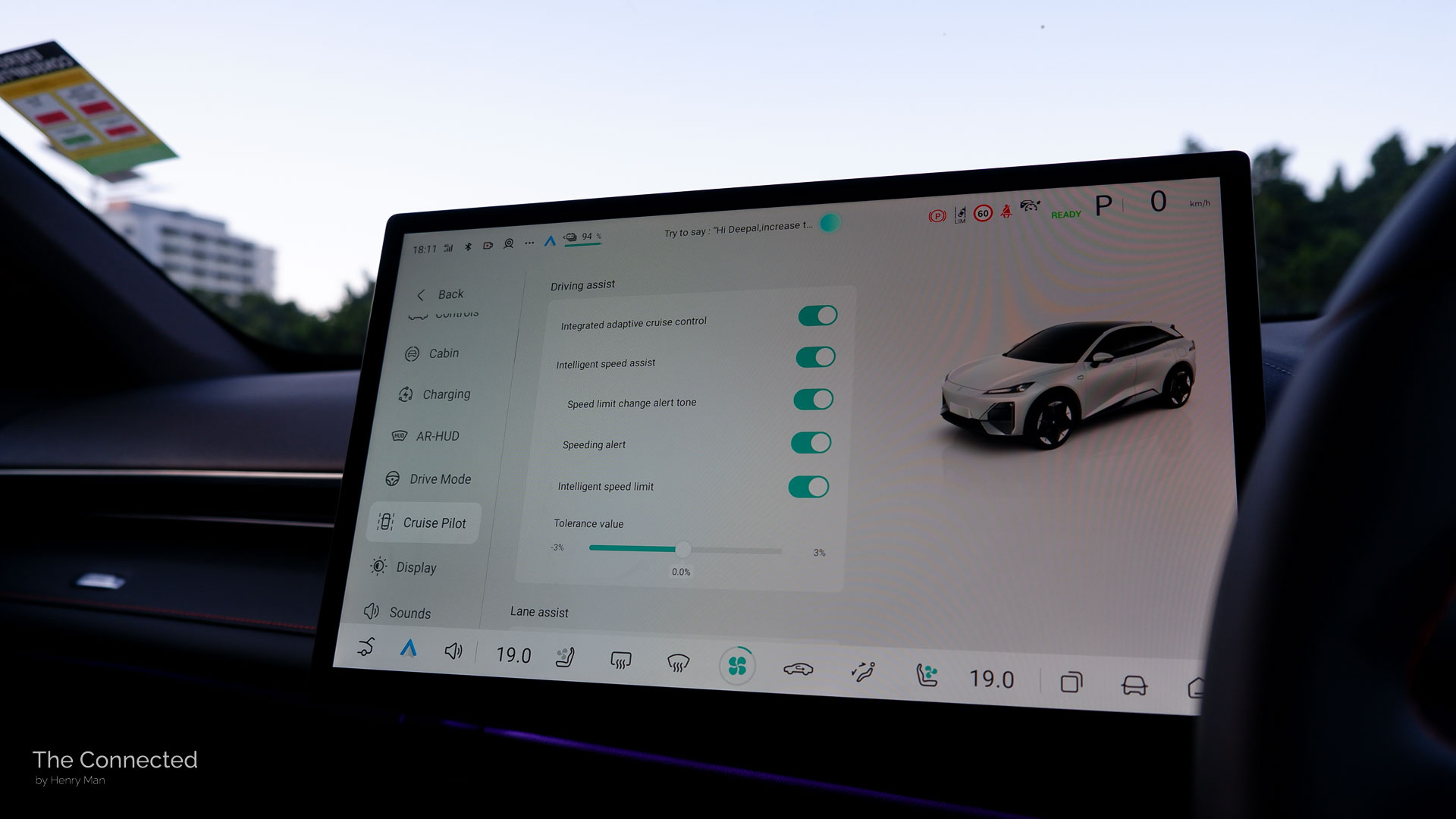
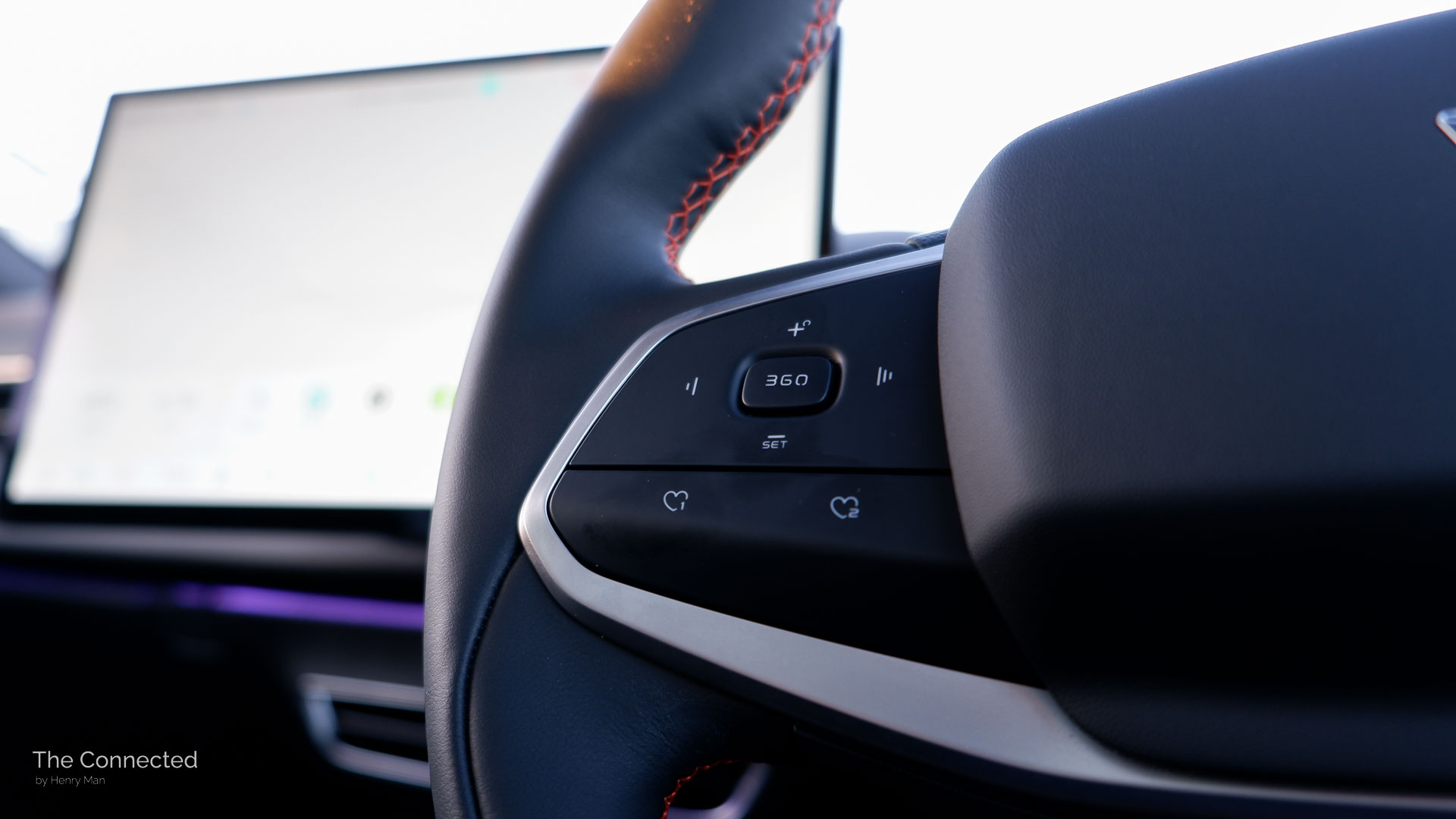
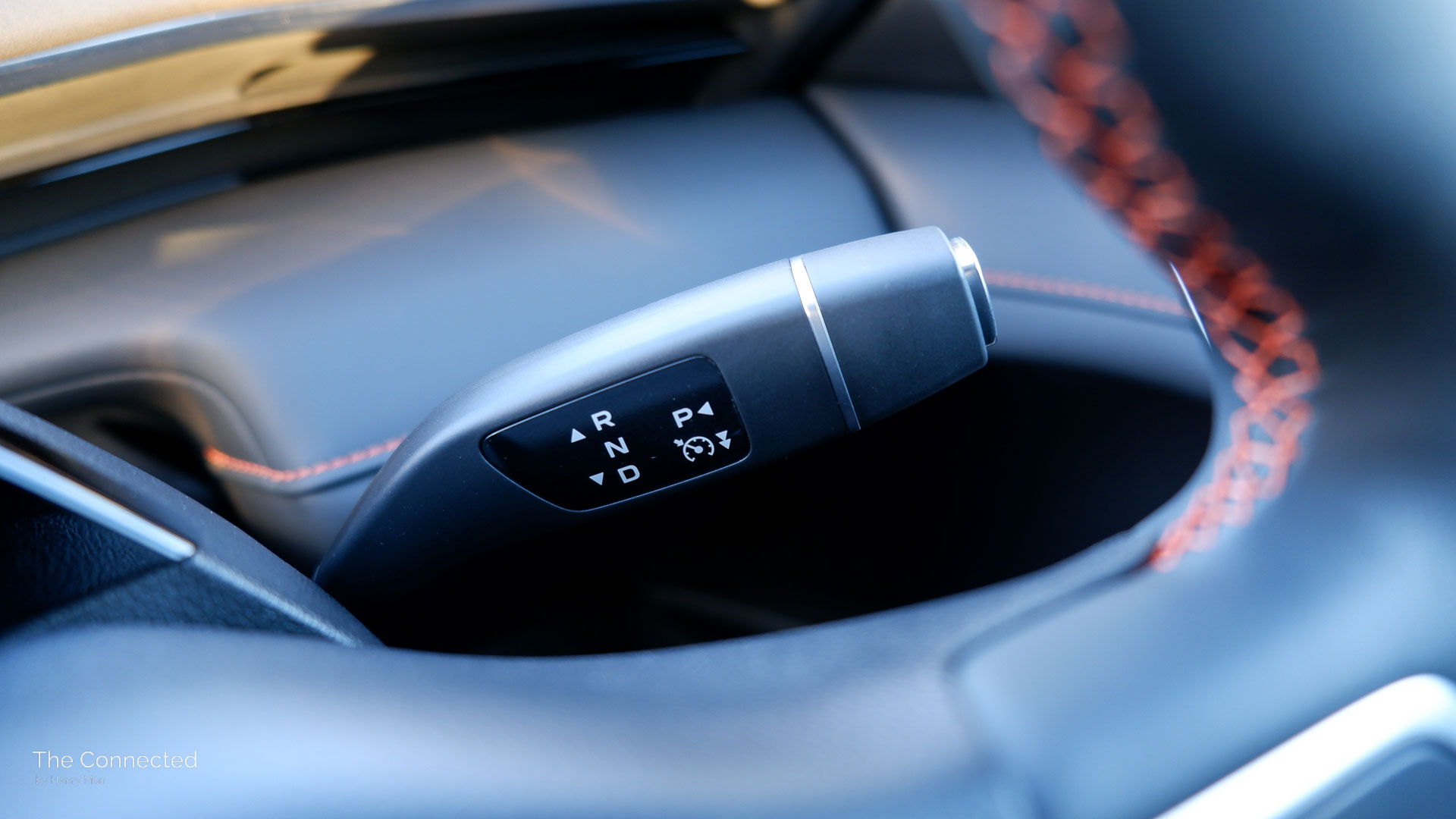
The Deepal S07’s safety assistance systems are a mixed bag – and infuriating at times.
Note: Deepal has confirmed an upcoming over-the-air software update will aim to improve the driver monitoring system and adaptive cruise control behaviour in bends to better suit Australian roads – but we’ve tested the original software tune here.
The adaptive cruise control actually performs well for a Chinese car, at consistently keeping a distance with the vehicle in front, stopping and accelerating.
However, it slows down aggressively when approaching a bend. It’s borderline dangerous.
While its active lane-centring assist is decent, when the driver takes over the steering – even if it’s subtle pressure – the system tries to assertively steer back and then deactivates, causing a noticeable jolt in the cabin.
The lane-keep assist is also too sensitive by chiming and tugging the wheel even if the wheels aren’t even close to touching the marked lines.
Some systems’ sensitivity can be toned down in the settings, but it resets to early warning every time you start the EV.
The blind-spot monitoring light at the wing mirrors are also too bright at night, making it seem like a vehicle has its indicators on in the corner of my eye.
Crucially, the mandated driver monitoring camera system is infuriating with a loud and constant chiming sound. It’s too sensitive by warning as soon as you are distracted and then doesn’t stop for a few seconds even when looking directly ahead again.
The system is too alarmist when I’m ironically distracted by the lack of physical controls, by changing the climate control and electronic air vents on the large touchscreen or just looking for a car park space, for example.
On the other hand, overspeed warnings from the speed limit assist feature are very calm. The road sign detection generally performs well and understands school zone times.
Fortunately, Deepal offers two programmable buttons on the steering wheel to program four functions, including disabling the speed limit warnings and lane-keep assist, but not for the driver attention monitoring. Thankfully, the latter is quickly accessible via the control panel with a swipe and tap.
Yet, even with speed limit assist and driver attention warnings turned off, the S07 still chimes as it detects a new road sign and the display still pops up messages when the driver detection camera is ‘occluded’.
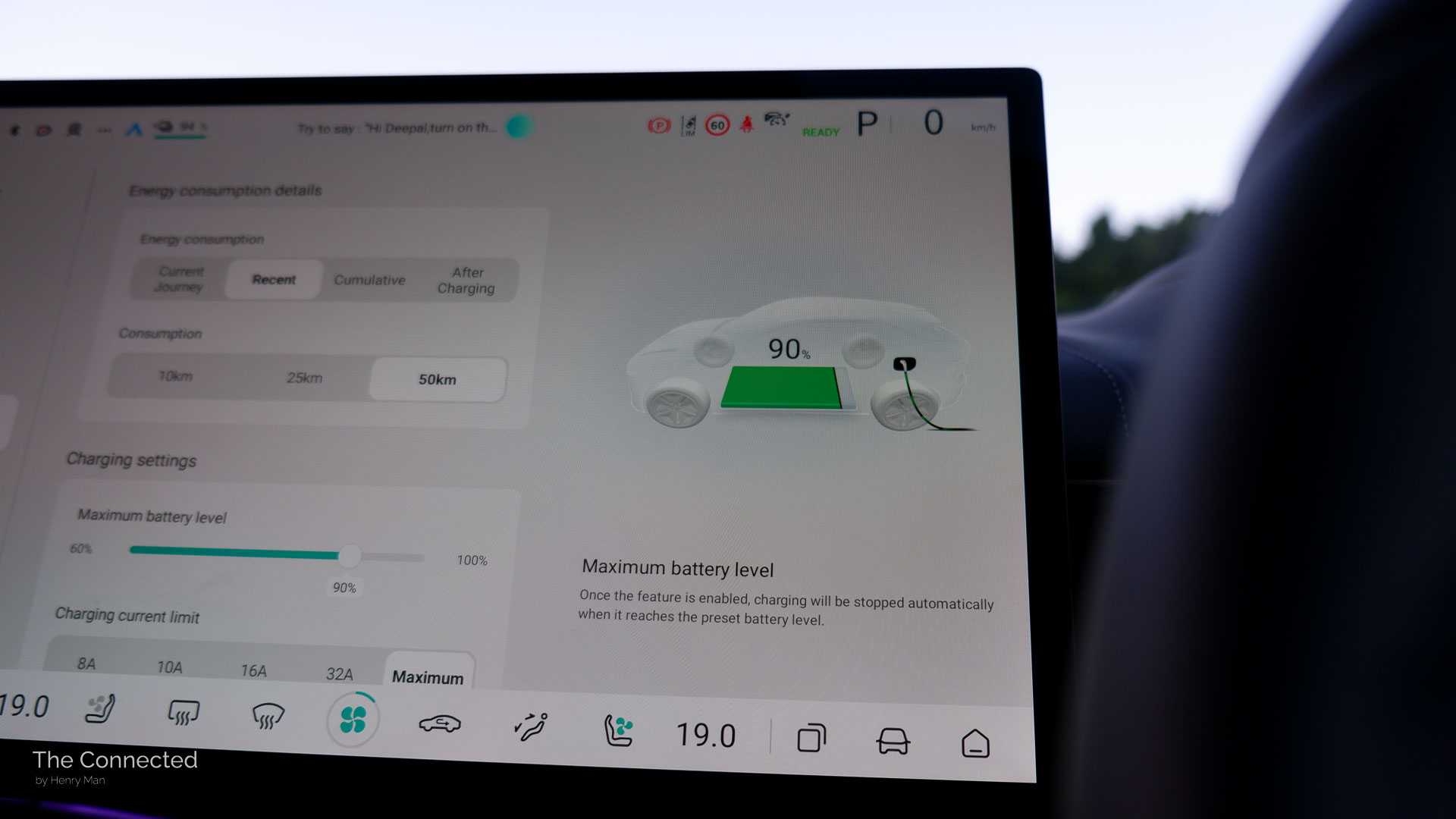
The Chinese automaker claims the S07 has up to 475km of driving range from its 79.97kWh nickel-manganese-cobalt (NMC) lithium-ion battery pack.
But, in our three-day test drive, I found that it could achieve around 400km of real-world range on a full charge. The trip computer had a rather optimistic energy consumption reading (limited to the past 50km of driving); we’d wager the brand’s claimed 18.6kWh/100km figure is more realistic.
Deepal recommends a 90 per cent daily charge limit to maintain good battery health, with full charging for longer journeys when needed.
The Deepal S07 is capable of up to 11kW AC slow charging or up to 92kW DC fast charging speeds – with the latter being sub-par for its price point when the BYD Sealion 7 and Xpeng G6 can manage 150kW and 215kW DC peaks respectively.
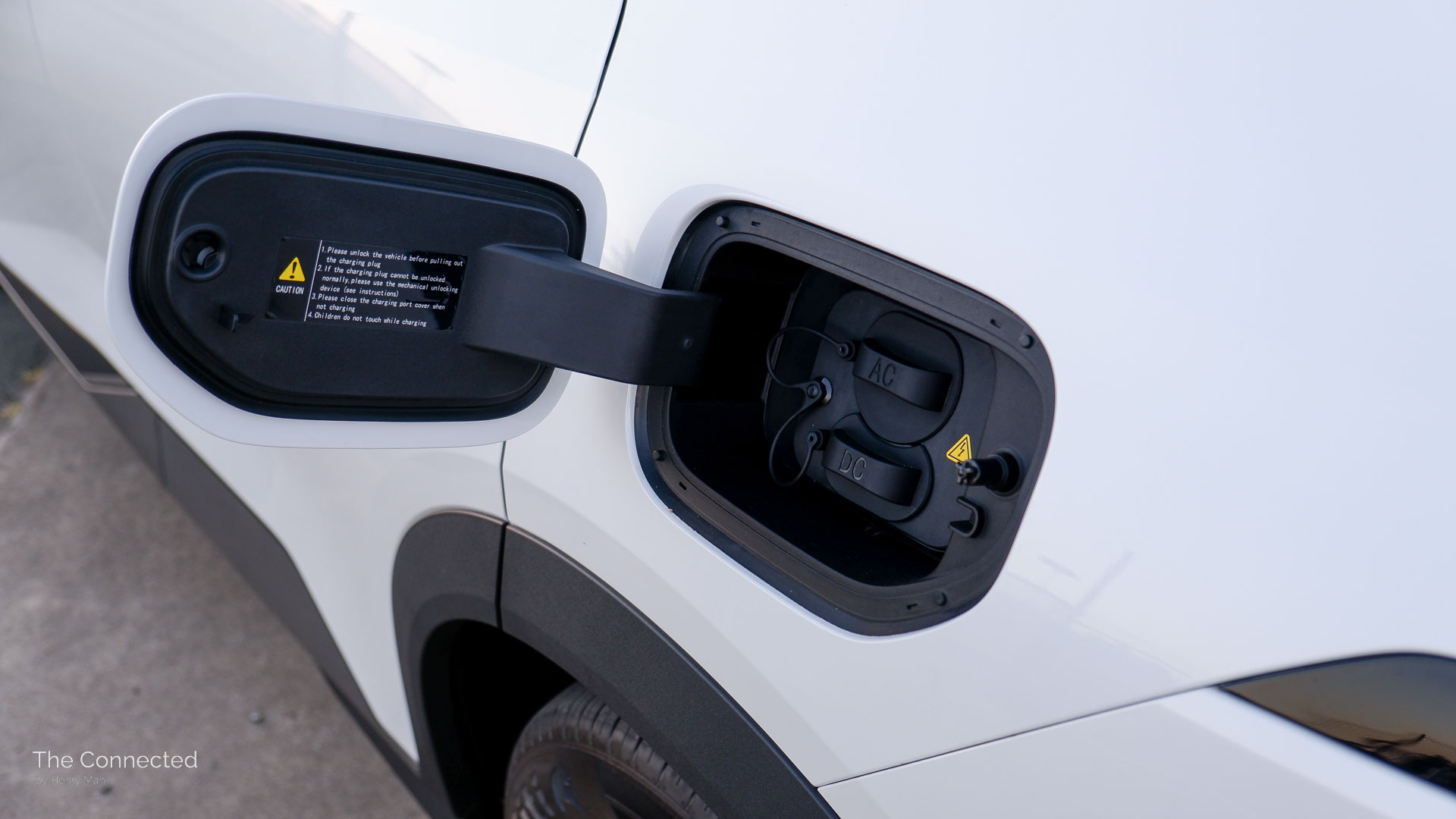
The Type 2 CCS charge port is well-placed at the rear-left quarter side of the vehicle, but lacks light illumination and adopts two flimsy plastic caps.
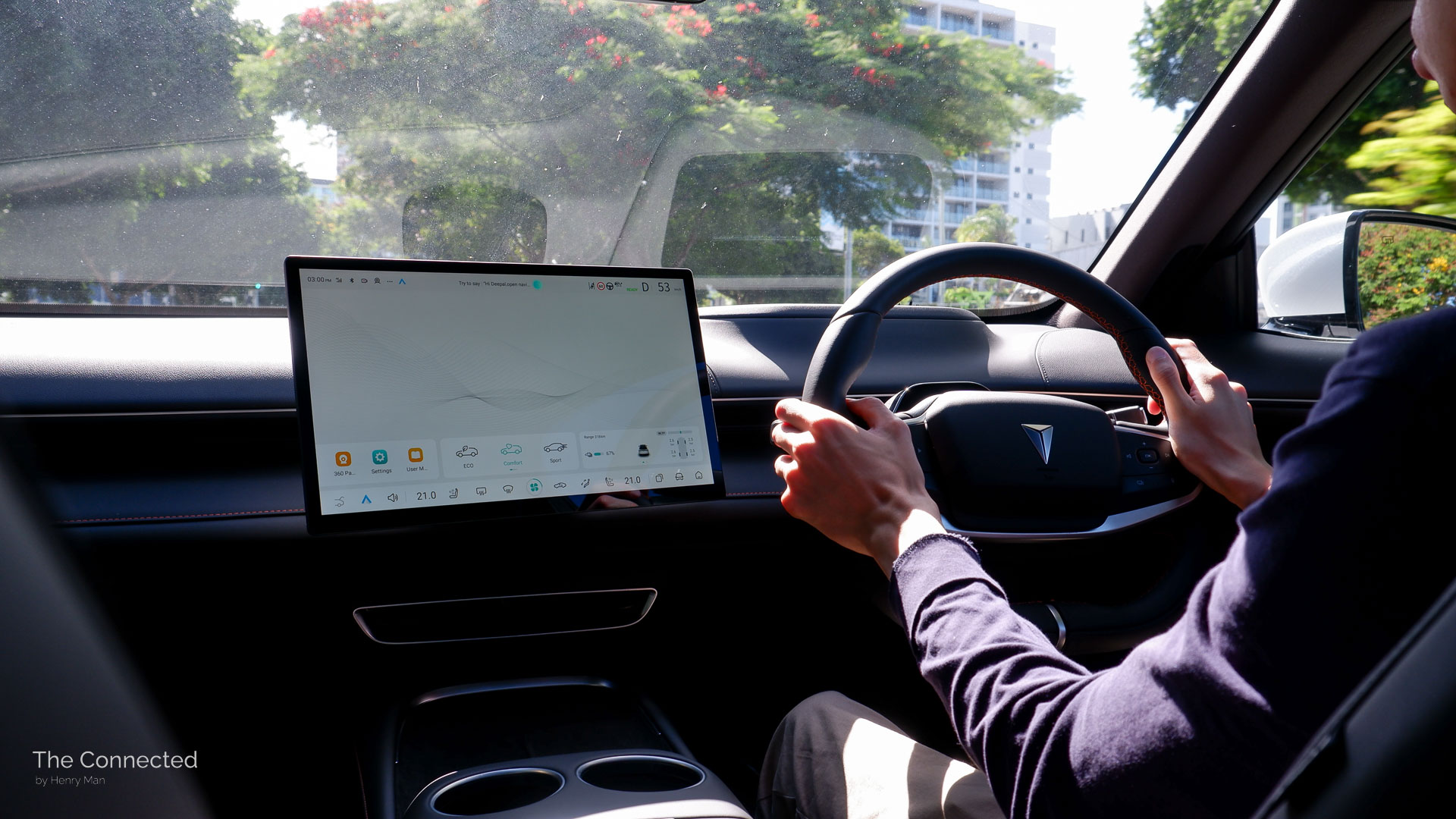
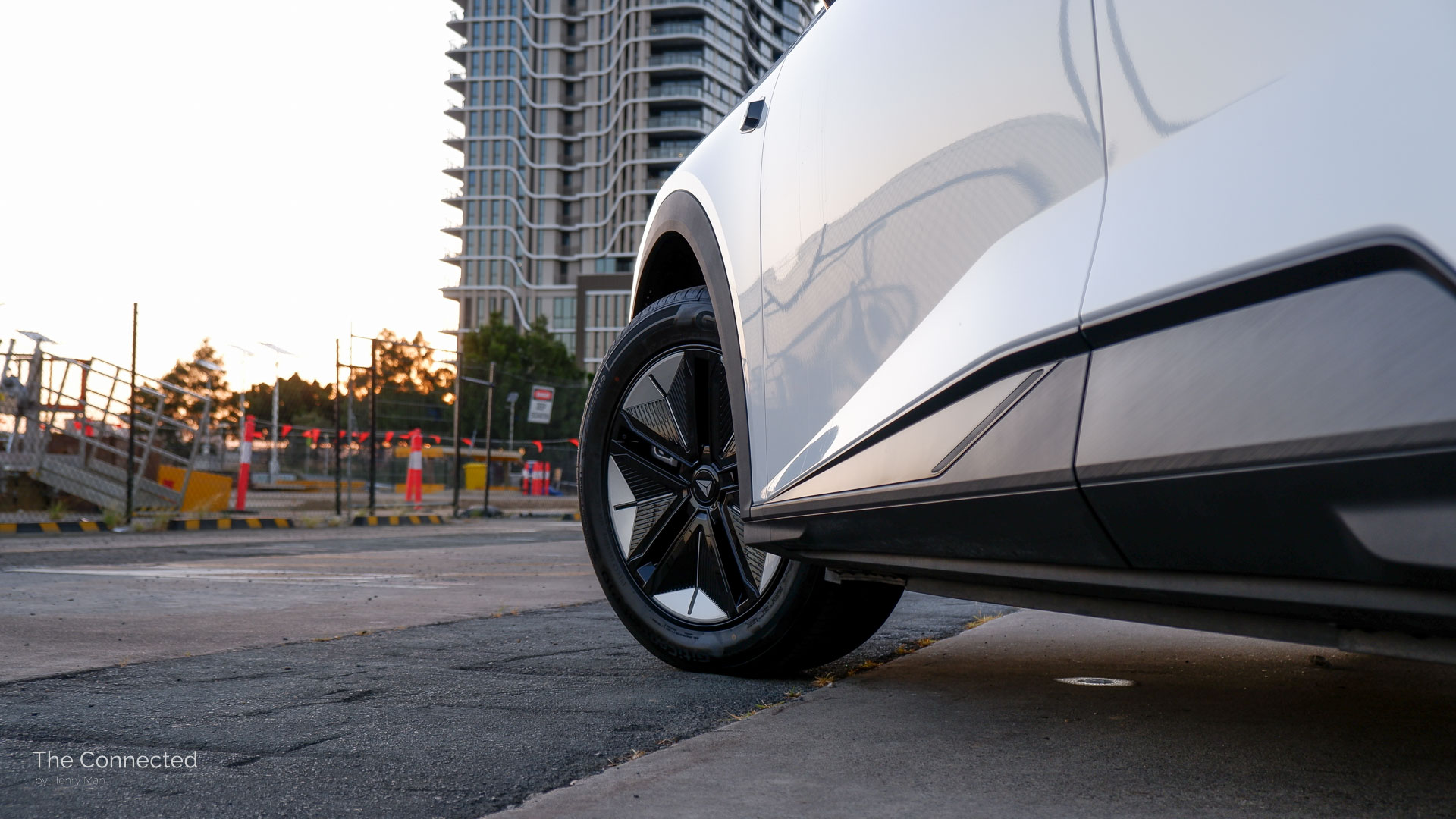
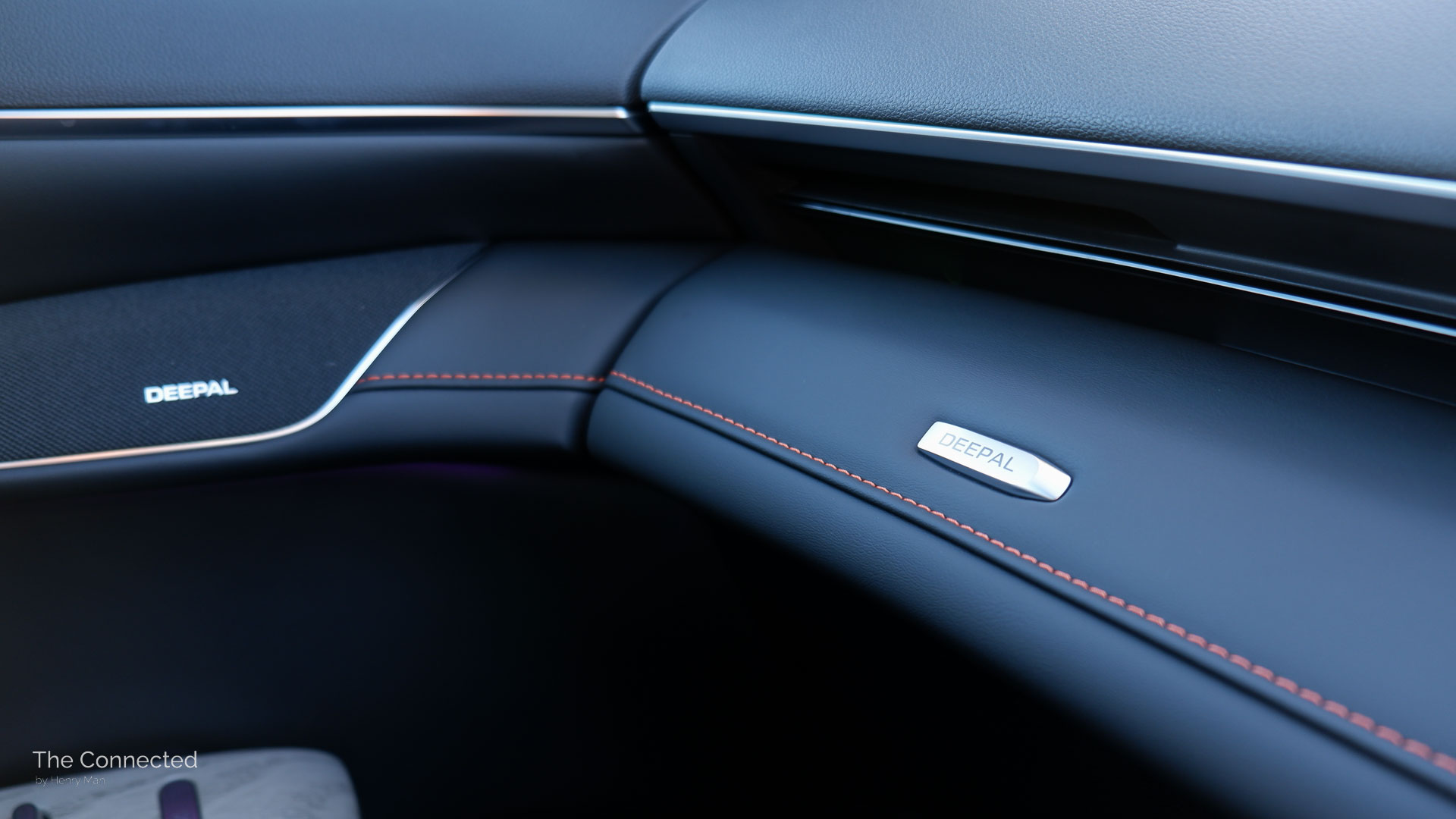
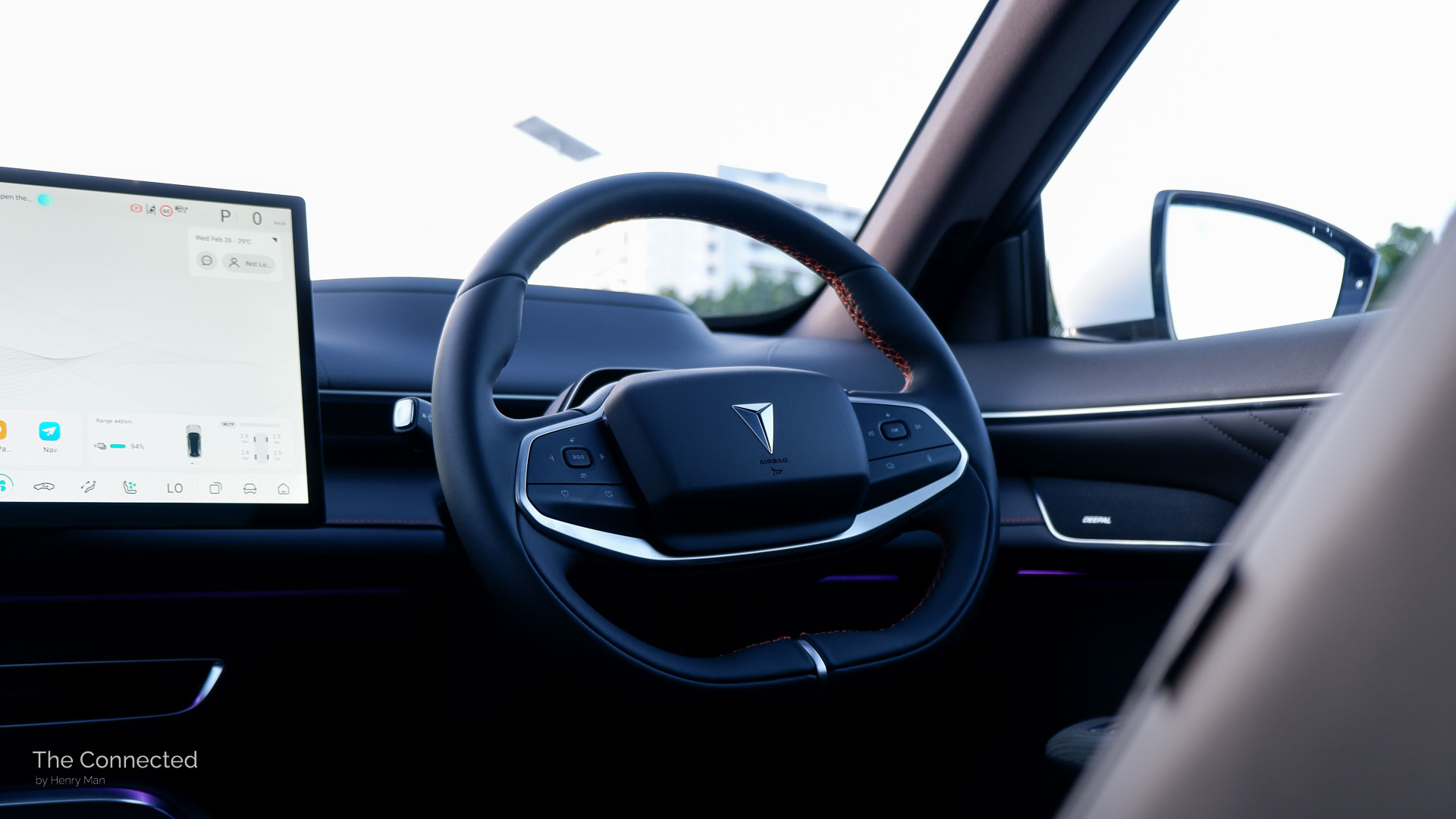
The Deepal S07 matches its sporty looks with engaging rear-wheel-driven driving dynamics.
A single electric motor drives the rear wheels, outputting up to 160kW of power and 320Nm of torque. While the 7.9-second 0-100km/h acceleration claim is rather middling for an EV, it still provides plenty of punch instantly on tap.
The S07 is enjoyable to drive with engaging steering and good grip from its Giti Control P10 tyres, even though it weighs just more than two tonnes.
The ride is firmer and consequently can feel uncomfortable when driving over bumps, but is compliant over coarse-chip roads. Noise insulation is likewise good with no audible electric motor whine.
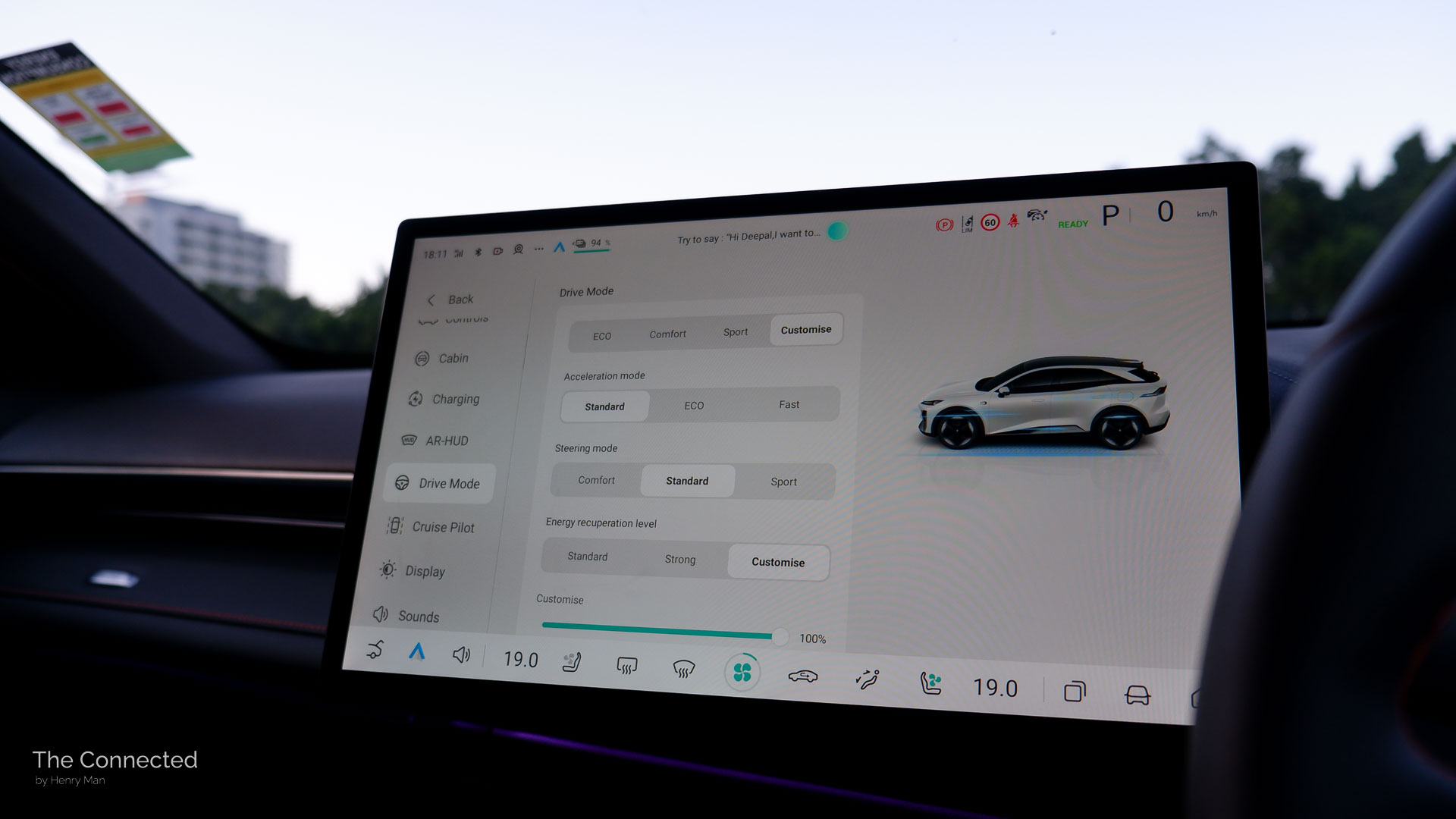
The EV annoyingly defaults to the eco mode without regenerative braking on startup, but no matter which drive mode you choose, there’s no one-pedal driving option with the regen cutting below 15km/h.
Even though the Deepal S07 is marketed as a SUV, it provides a low sedan-like driving position with a lower roof where the driver’s eye line is closer to the sun visor, similar to the Tesla Model 3.
There’s no traditional push button start either. Instead, the crossover EV conveniently starts as soon as you unlock the vehicle, press the brake pedal and drive off.
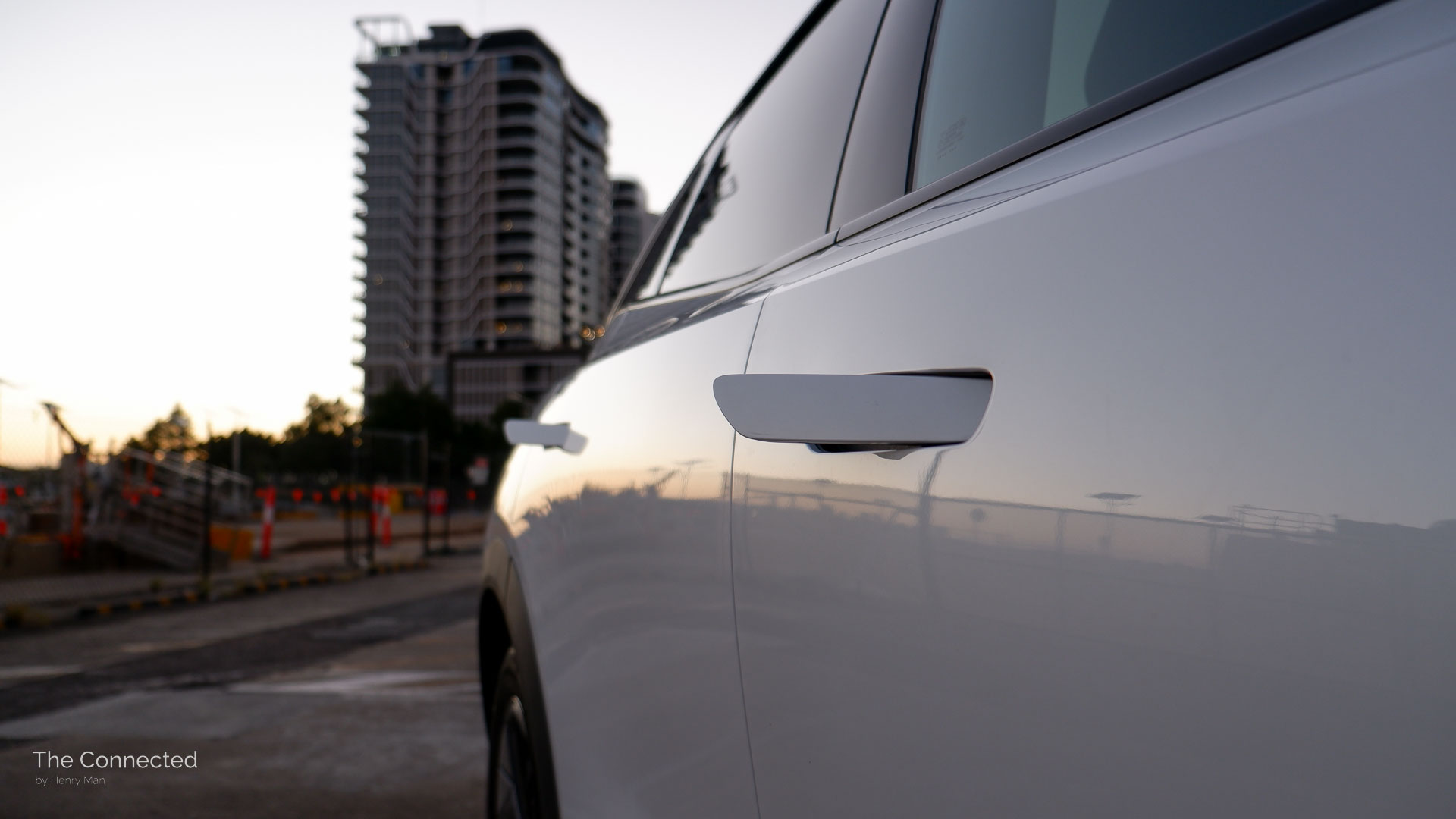
The car automatically unlocks on approach and the flush door handles automatically pop out – and vice versa – but there aren’t any buttons on the handles themselves, so you may need to press the key fob or mobile app at times.
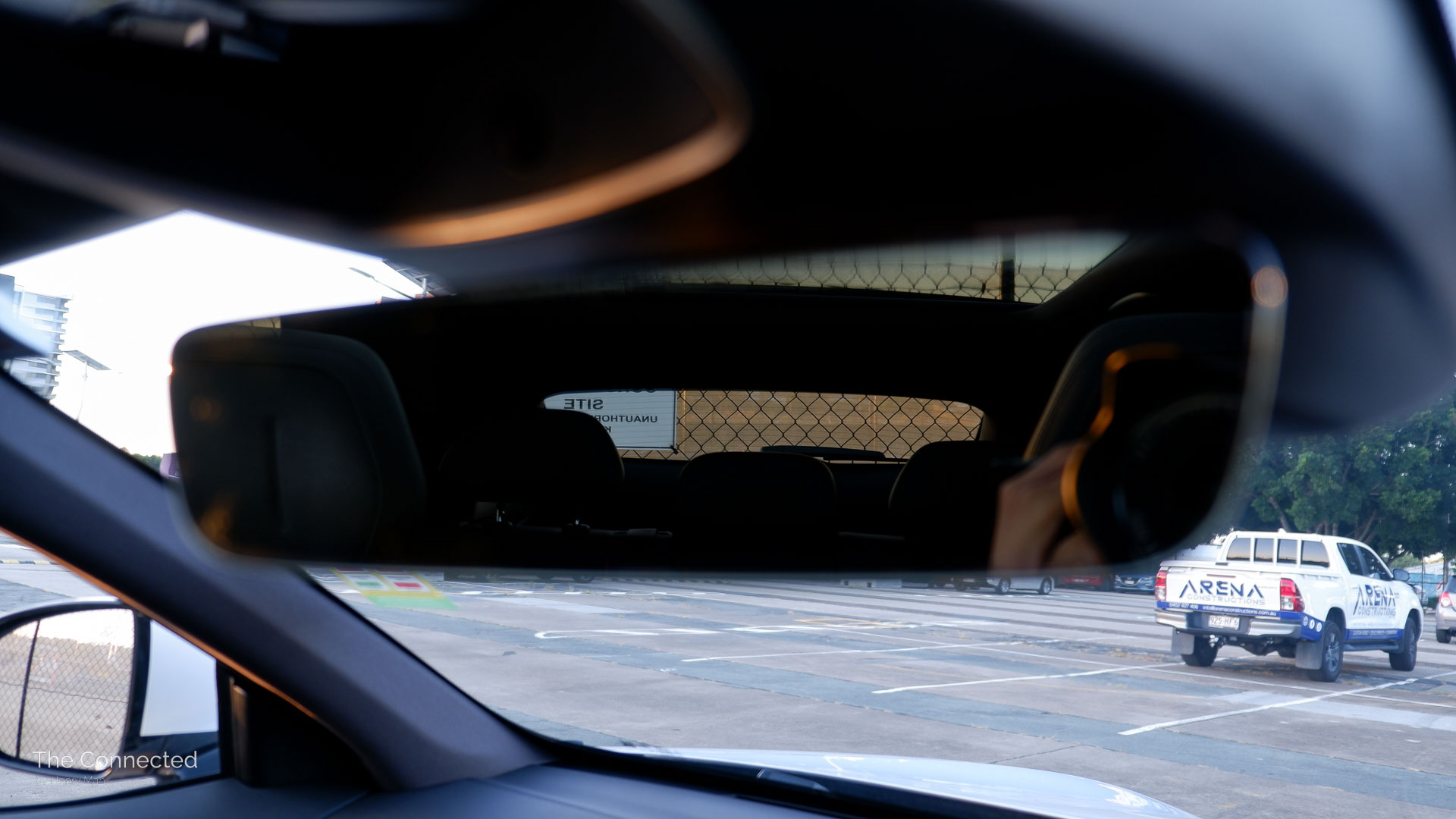
Due to the rear sloping roofline, rear-view visibility is limited and the 360-degree camera system cuts out when driving faster than 30km/h.
Local distributor Inchcape Australia covers the Deepal S07 with a seven-year/unlimited kilometre vehicle warranty and an eight-year/160,000km battery warranty.
It recently revised its servicing requirements to every one-year/20,000km (whichever occurs first) with prices capped for the first seven years/140,000km – yet it’s still a bit pricey to maintain for an EV.
After the first five five years/100,000km, it’ll cost $1803.90 to service the Deepal S07.
Roadside assistance is only included for the first one year from purchase, like BYD.
Would I pick the 2025 Deepal S07?
The Deepal S07 is a well-priced, high-tech premium EV that’s let down by some infuriating safety assist systems and unrefined software.
Initial impressions from my three-day test drive are good with a premium interior, sporty drive, and feature-rich spec list for its sub-$60K drive-away price.
However, it’s in an awkward middle against its EV rivals. The Geely EX5 and Leapmotor C10 are cheaper with comparable size and specs, while the similarly-priced BYD Sealion 7 and Xpeng G6 offer some advantages such as faster charging capabilities with lithium-iron-phosphate (LFP) batteries.
The high-tech, screen-centric approach without a proper driver instrument display takes some learning, some safety assist systems are too sensitive, and the software needs some polishing.
Deepal has vowed to roll out a software update to address adaptive cruise control and driver attention monitoring system issues, but it remains to be seen whether it’ll result in a meaningful improvement.
While it doesn’t stand out as much, the Deepal S07 is still worth a consideration if you’re looking for a sportier electric car without spending Kia EV6 money.
Photographs by Henry Man
READ MORE: 2025 Hyundai Kona Electric review
READ MORE: 2024 Cupra Born review
READ MORE: Five reasons why you should buy an EV in 2025
Pros:
- Sporty drive
- High-tech and feature-rich
- Quality interior
- Usable Qi wireless charging pad
- Good charge port position
Cons:
- Infuriating safety assist systems
- Unpolished software logics
- Indicator sounds can be interrupted
- Slow fast charging, expensive servicing
- Doesn’t stand out against rivals
About the Author.
Henry Man is an independent content producer passionate about the intersection of technology and transportation.
The former automotive journalist is focused on producing critically-detailed vehicle reviews, and unique short-form content. Learn more.


 The Connected by Henry Man