
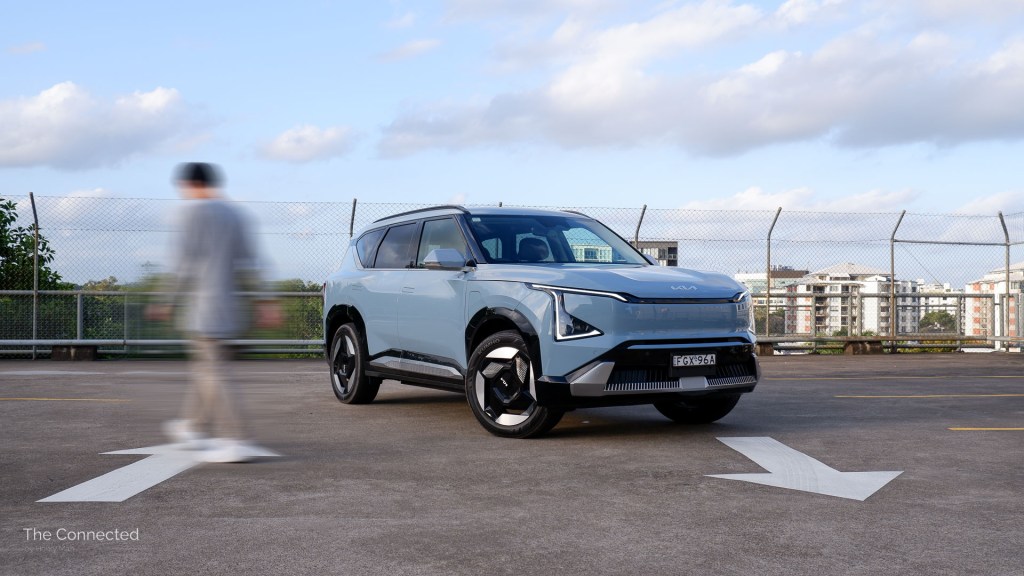
Kia’s first mainstream-priced electric car has arrived, but is the EV5 still worth considering amid a wave of new Chinese brands?
Released in late 2024 after some delays, the Kia EV5 medium SUV is the first Kia made in China, first with a Build Your Dreams (BYD) sourced lithium-iron-phosphate (LFP) battery, first with the dedicated N3 eK EV platform and, importantly, the first reasonably-priced Kia electric car.
We already have the small Kia Niro, sporty EV6 and big EV9 – but none of them have really been good value with the stigma of a high price tag for a Kia.
The EV5 promises to directly rival the Tesla Model Y, BYD Sealion 7 and Volkswagen ID.4 with a sub-$60K entry price. But, with a plethora of new Chinese rivals, from Xpeng to Deepal, why should you consider the Kia EV5?
NOTE: Two press vehicles were provided by Kia Australia for a seven-day independent evaluation each. We have no commercial arrangements with the company and it had no editorial control.

Pros.
+ Super practical interior
+ Modern, yet familiar tech
+ Comfortable Australian-tuned ride
+ Charge limit-free LFP battery
+ Futuristic boxy design
Cons.
– Too many basic features reserved for the top-spec
– Slow, inconsistent fast-charging speeds
– Awkward charge port position
– Inefficient dual-motor AWD, pricey servicing
– Safety assist nannies
Vehicles tested:
| Model | 2025 Kia EV5 | |
| Variant | Air Long Range 2WD | Earth AWD |
| Starting price | $61,170 before on-road costs | $64,770 before on-road costs |
| Exterior colour | Frost Blue (+$600) | Iceberg Green (+$600) |
| Interior colour | Smoky Black with grey fabric headliner | |
| Country made | China | |
Design and quality.
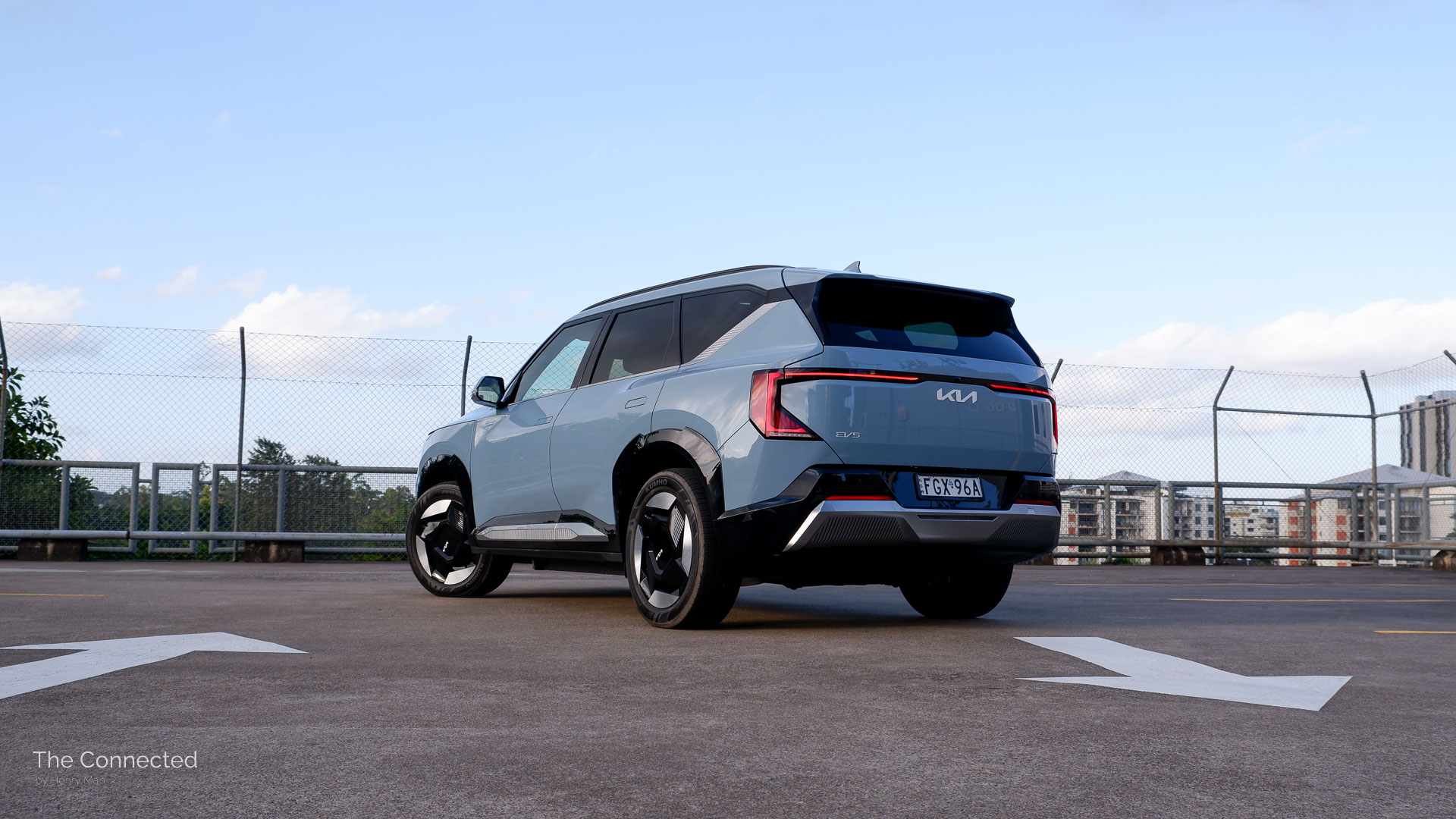
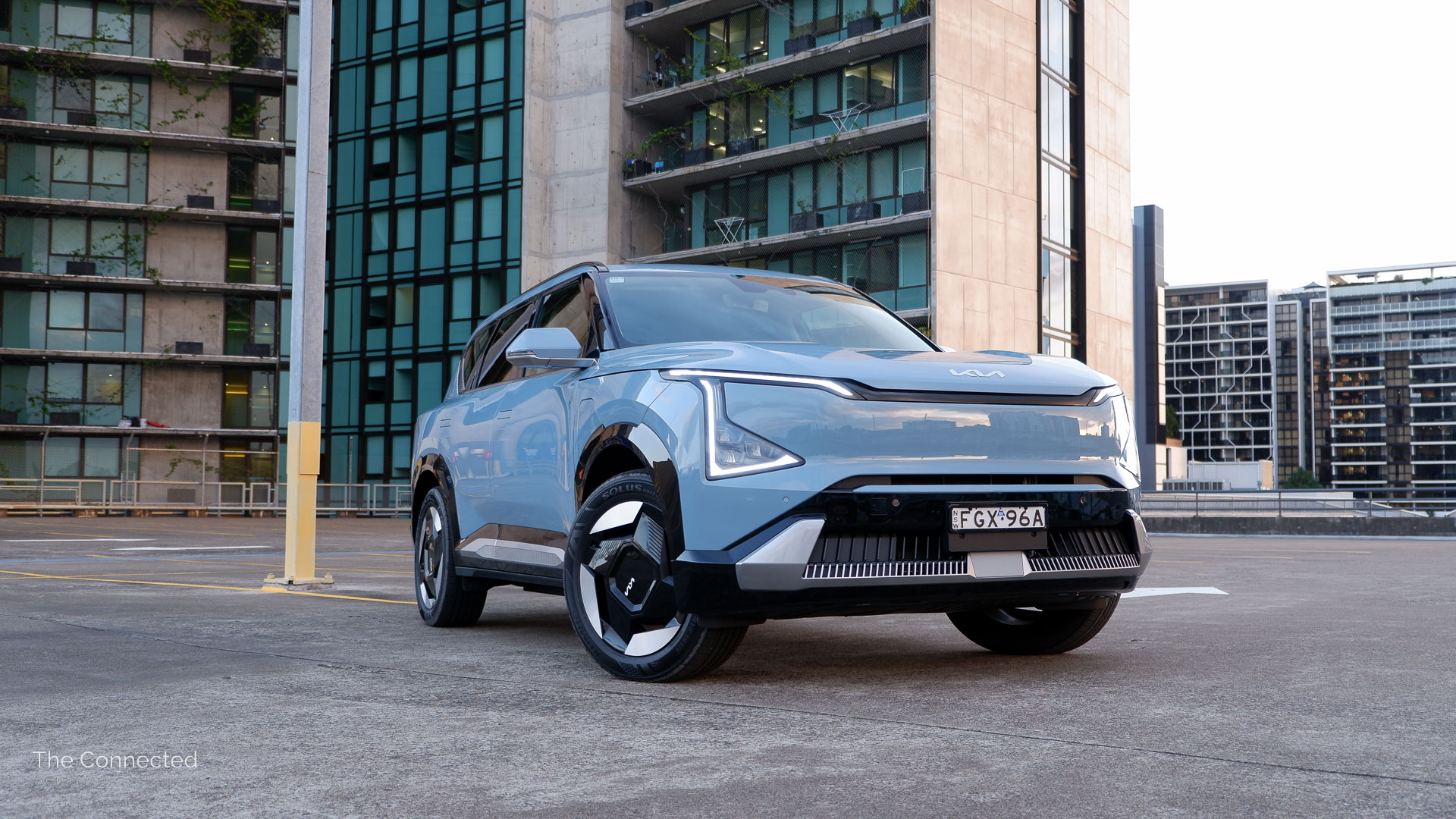
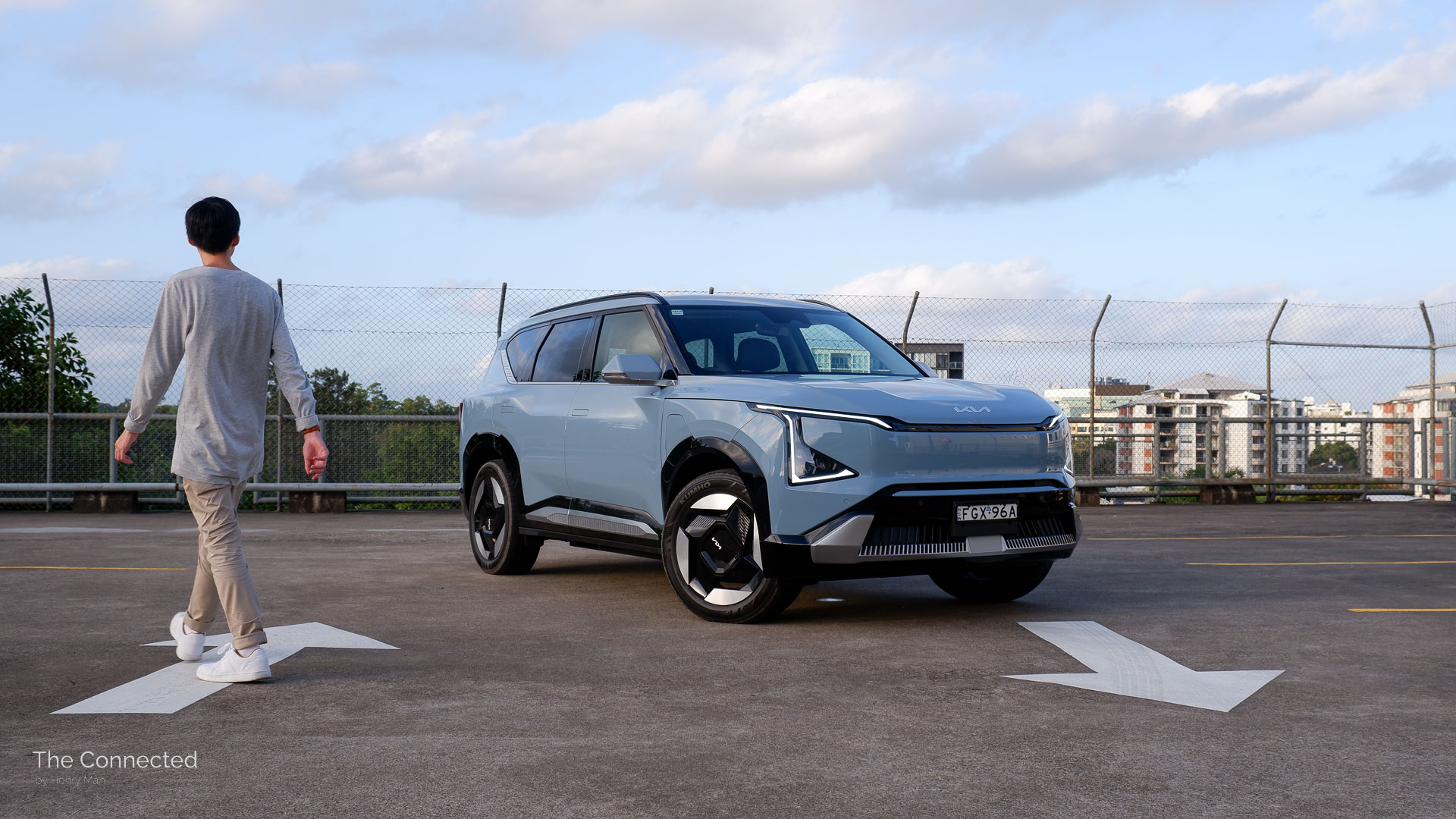
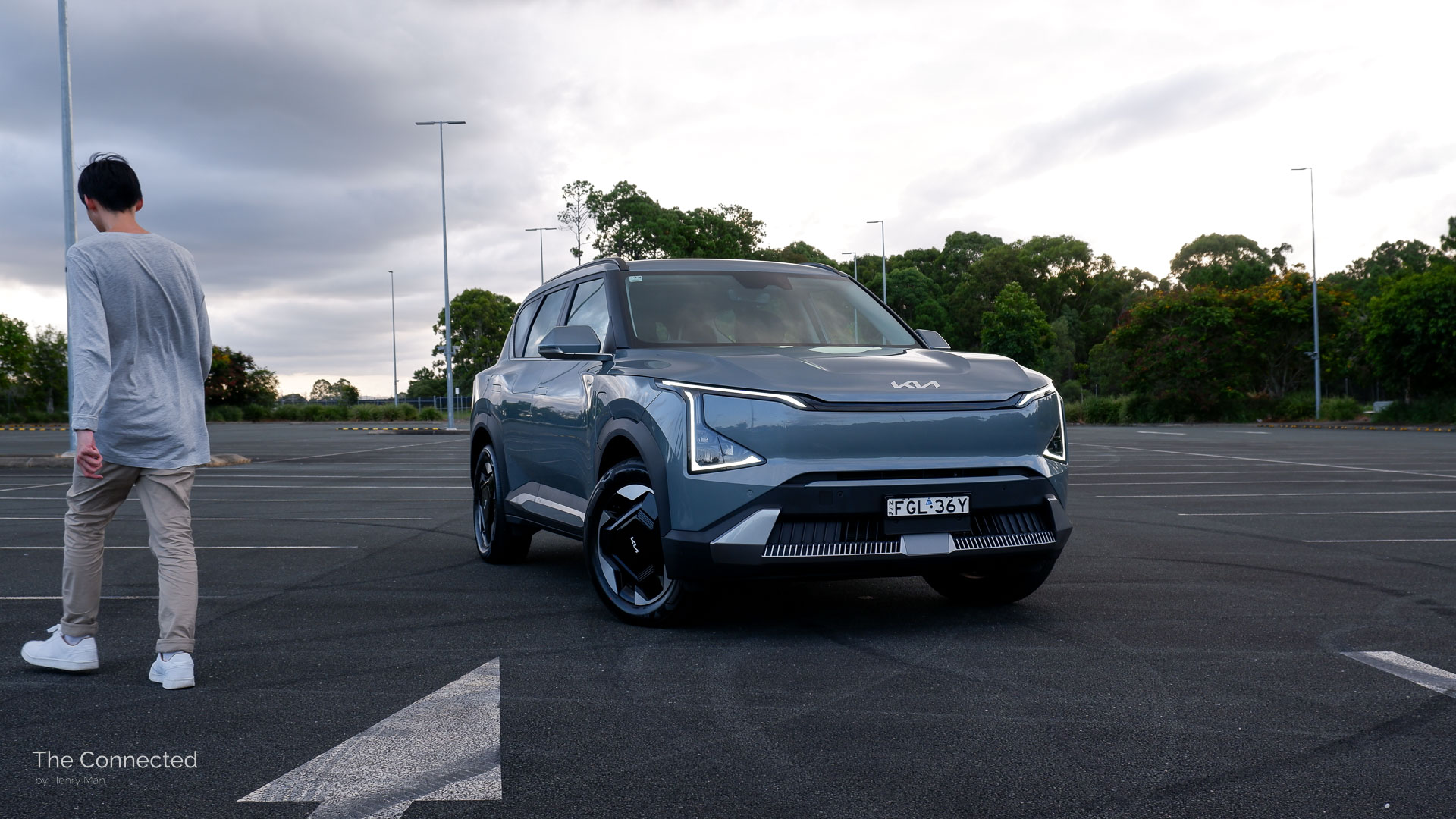
The EV5 is yet another example of Kia nailing its new-car designs.
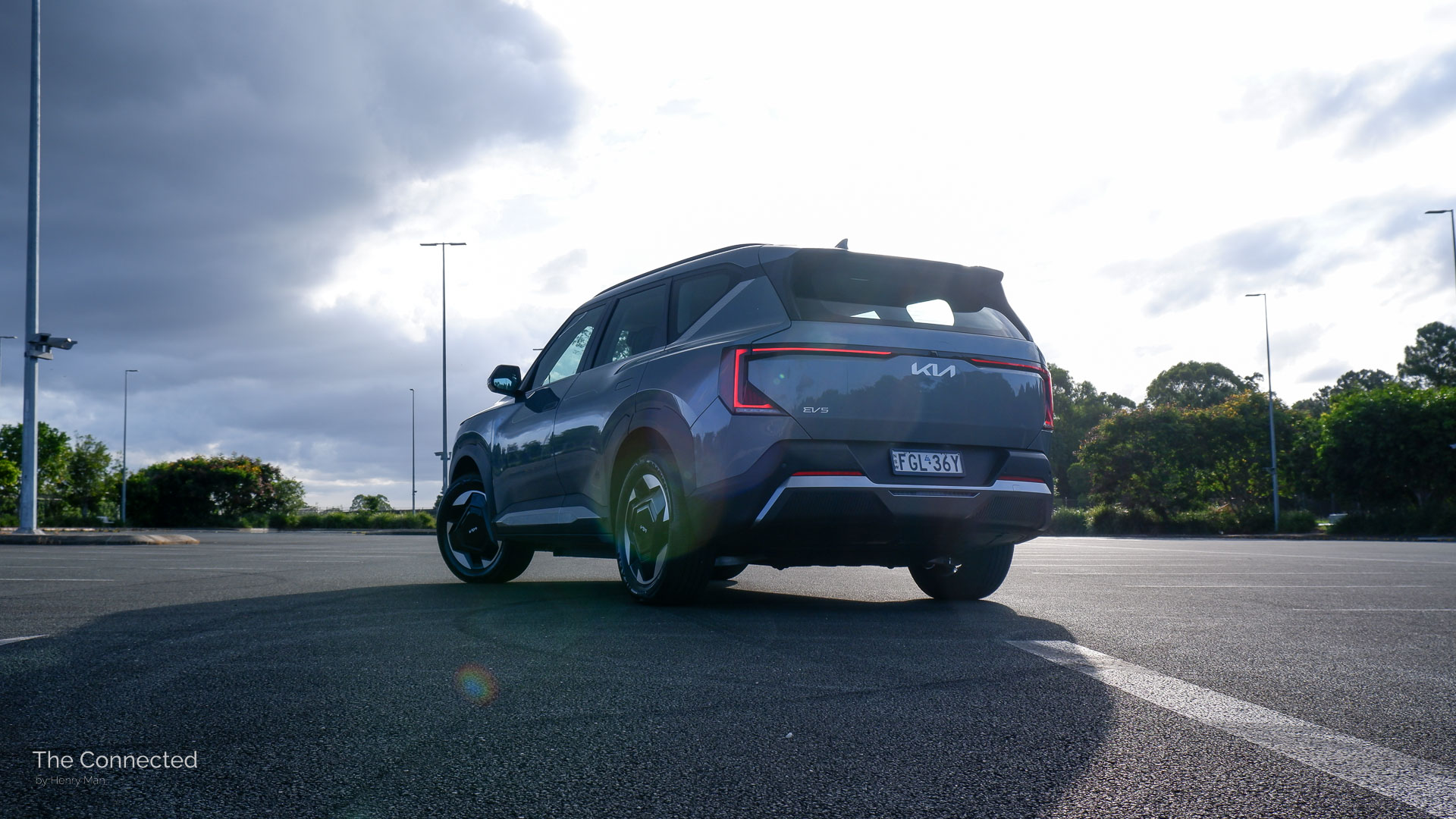
Following from models such as the Picanto micro car, facelifted Sorento SUV and EV9 flagship, the Kia EV5 brings the brand’s latest edgy and cyber-like design approach.
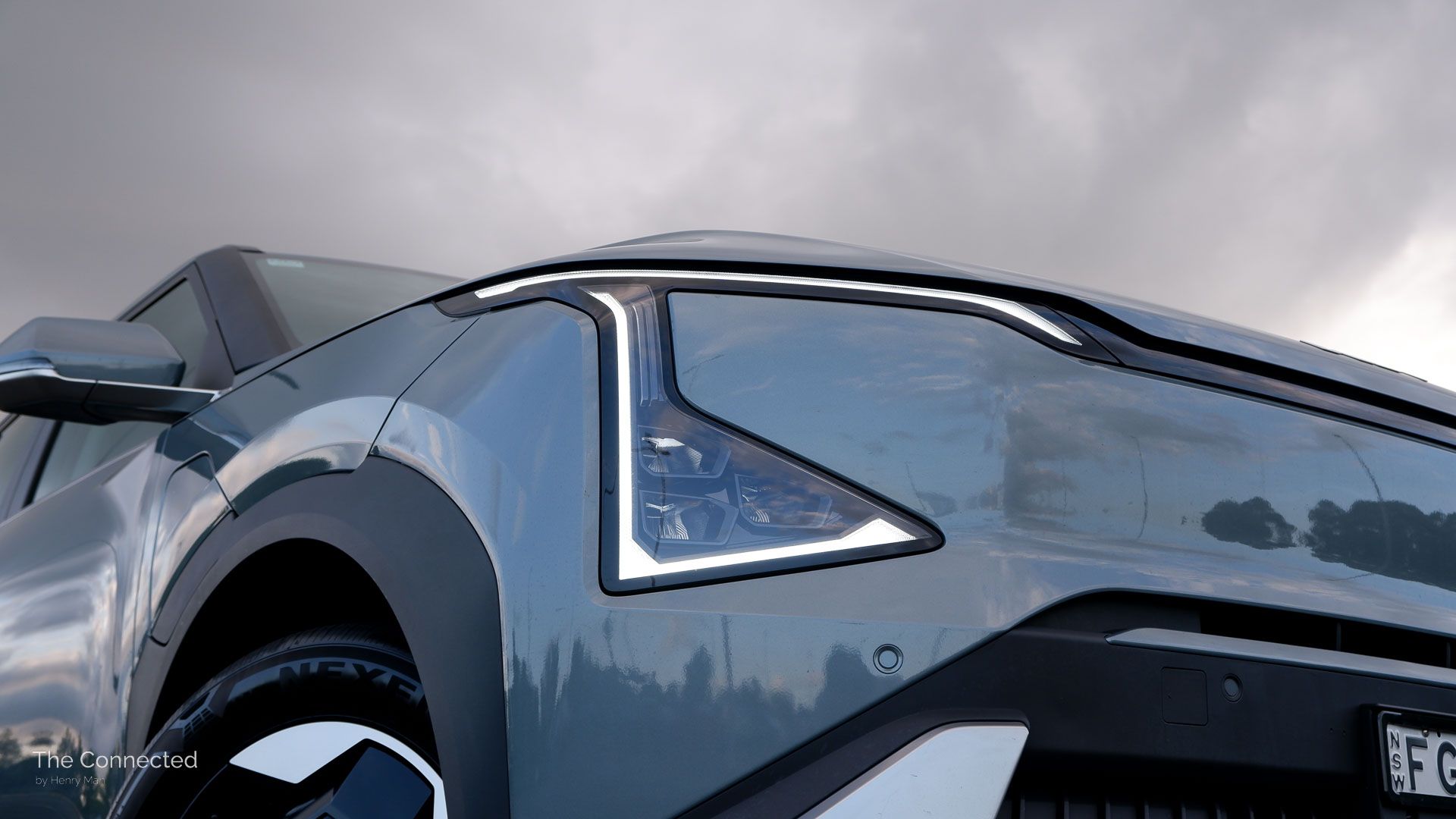
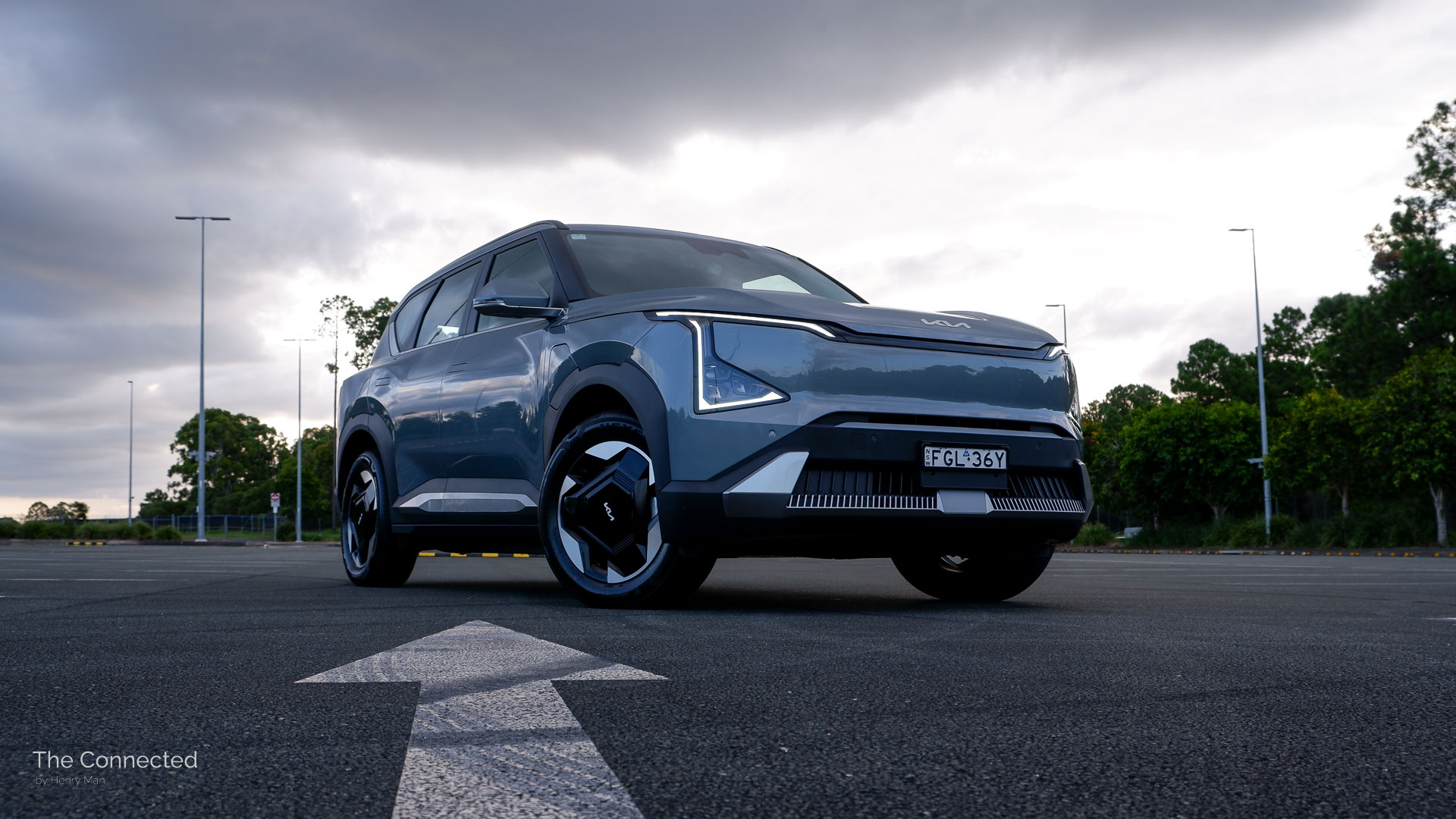
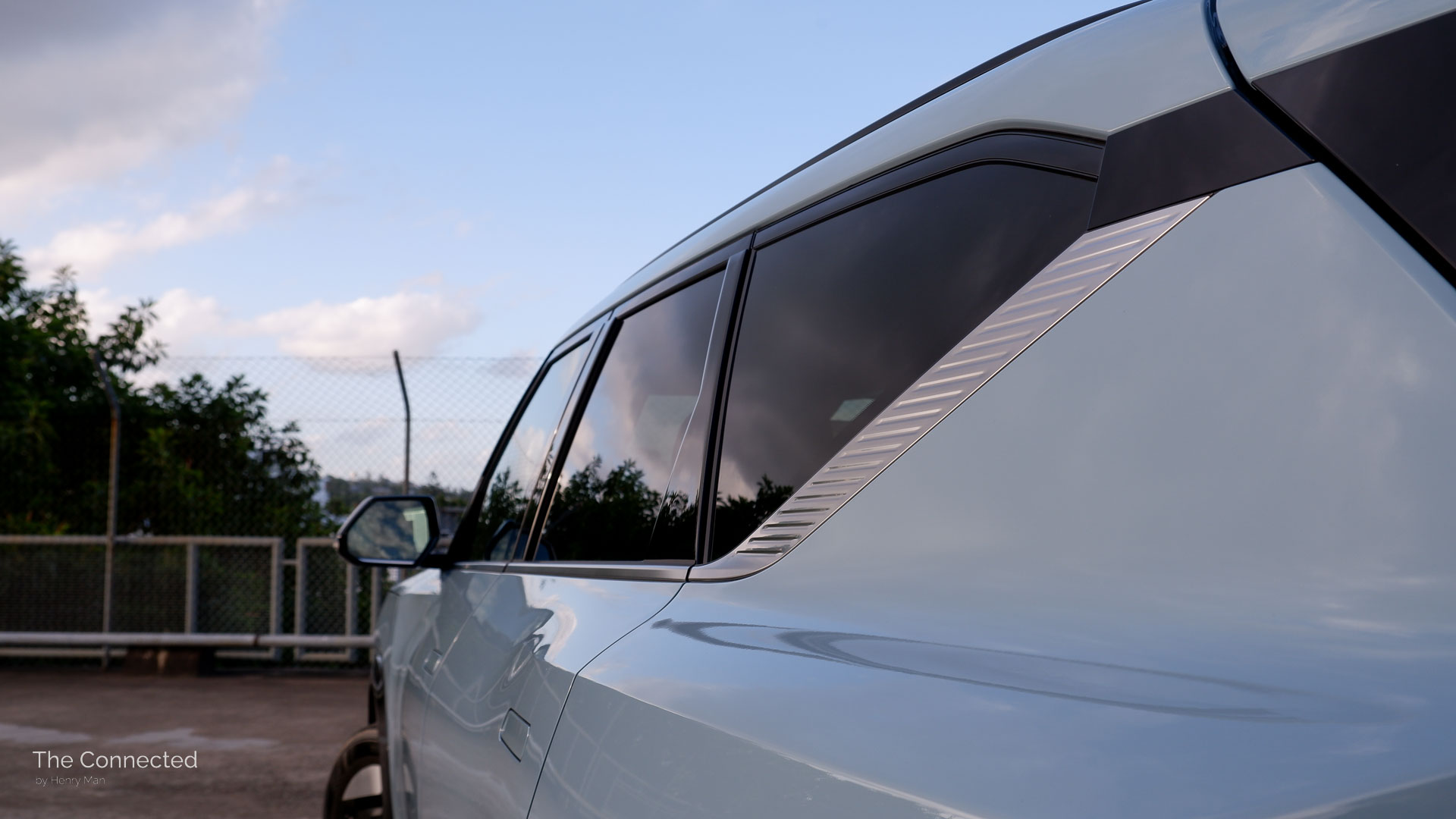
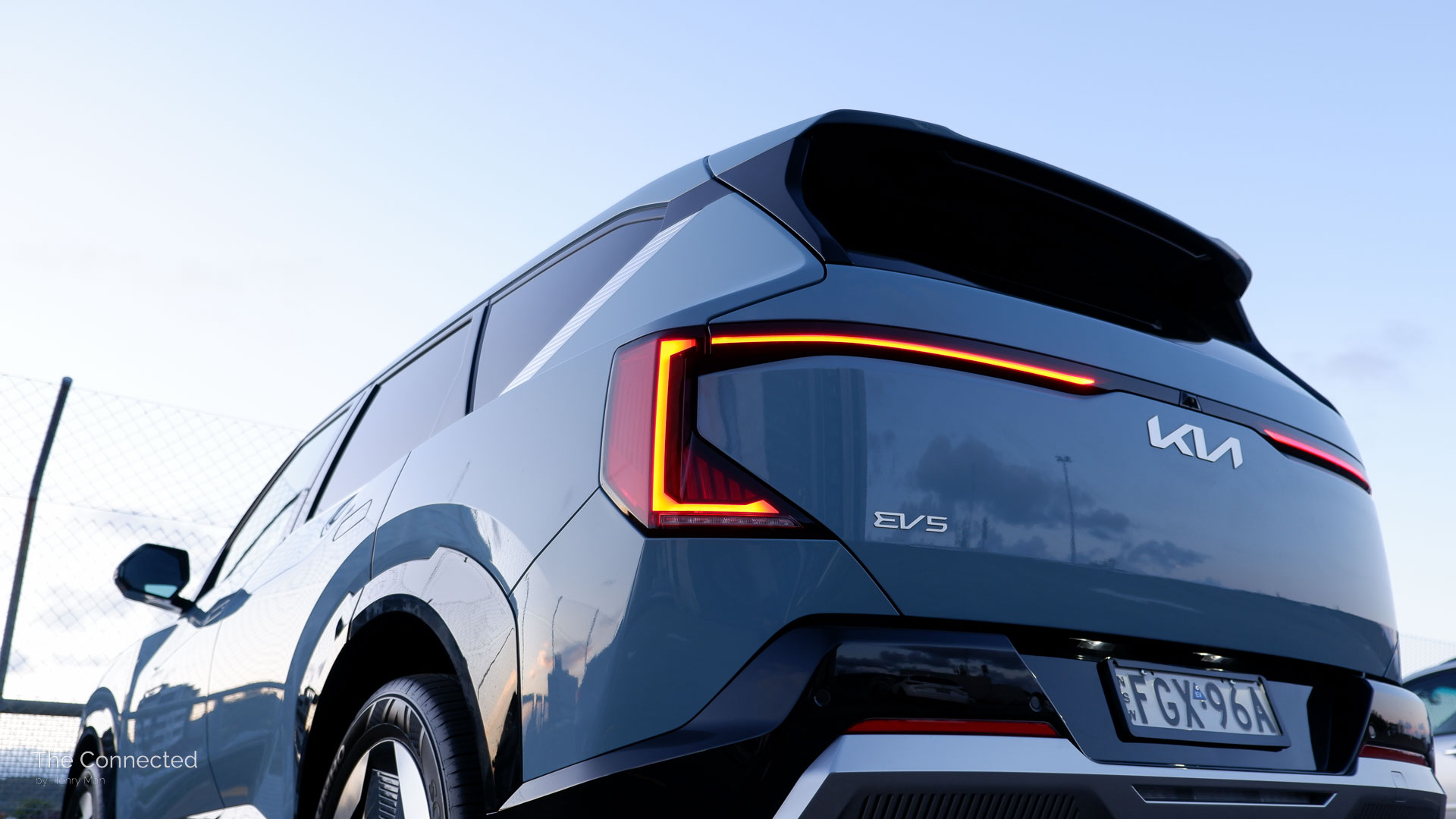
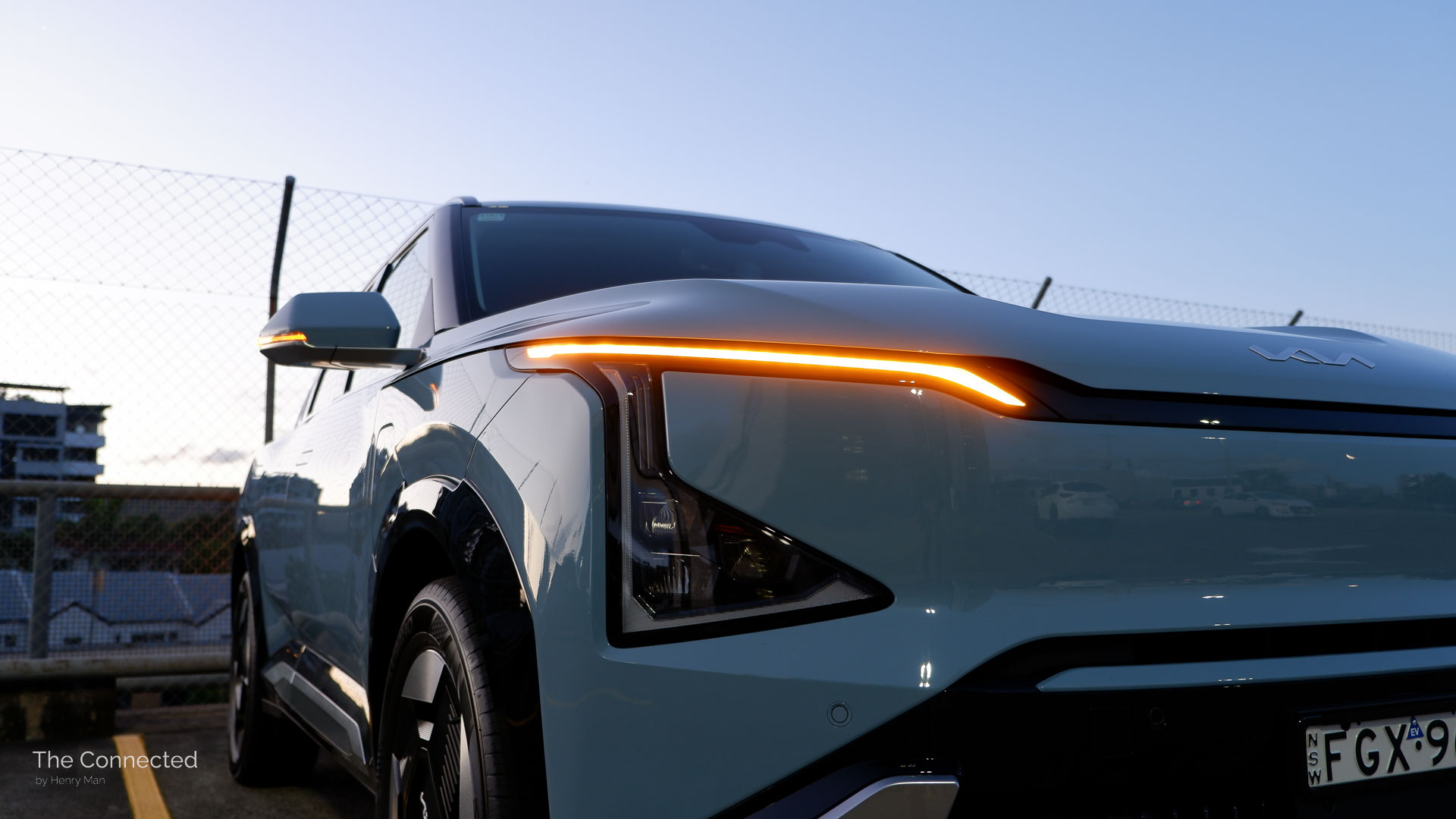
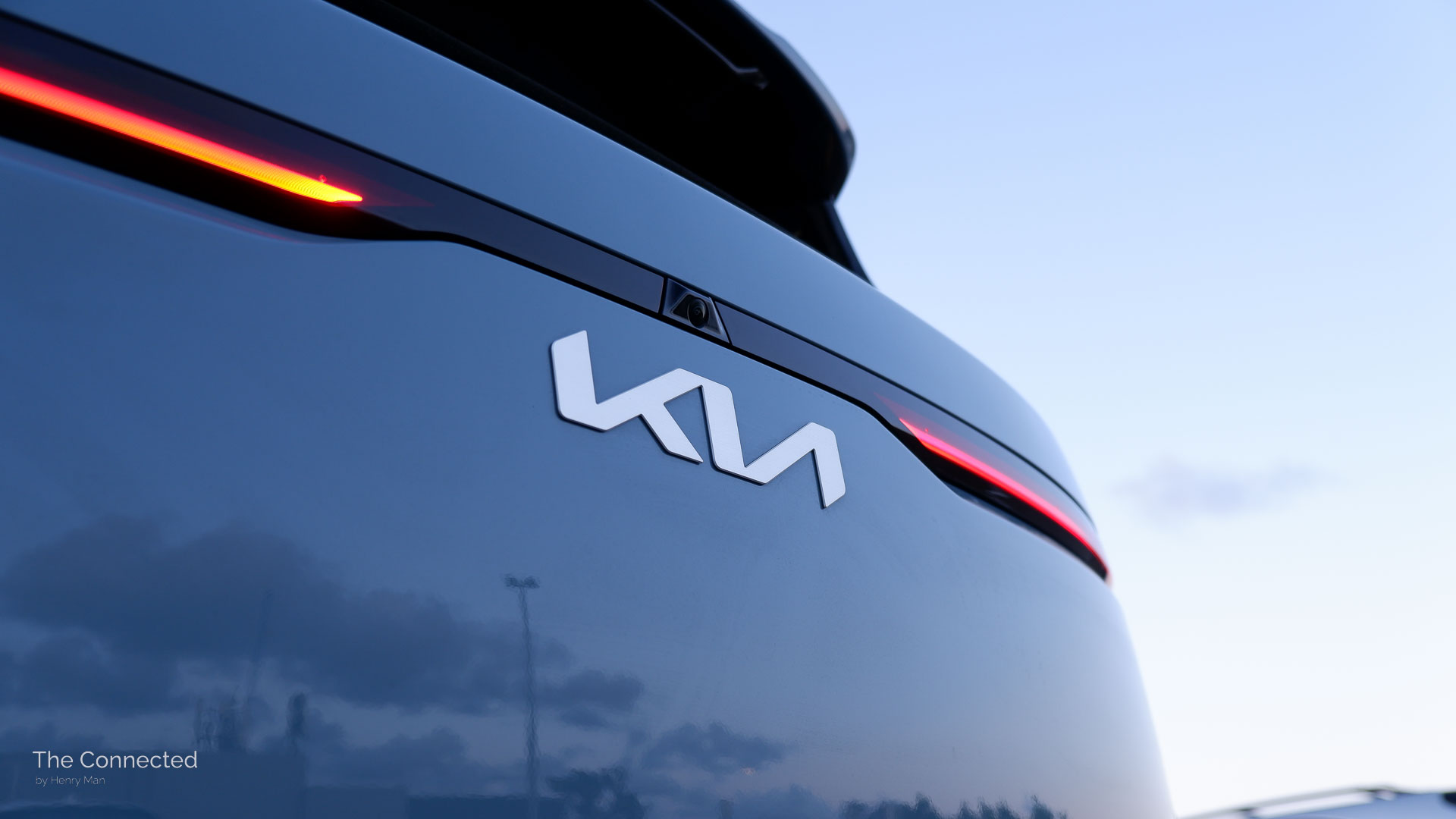
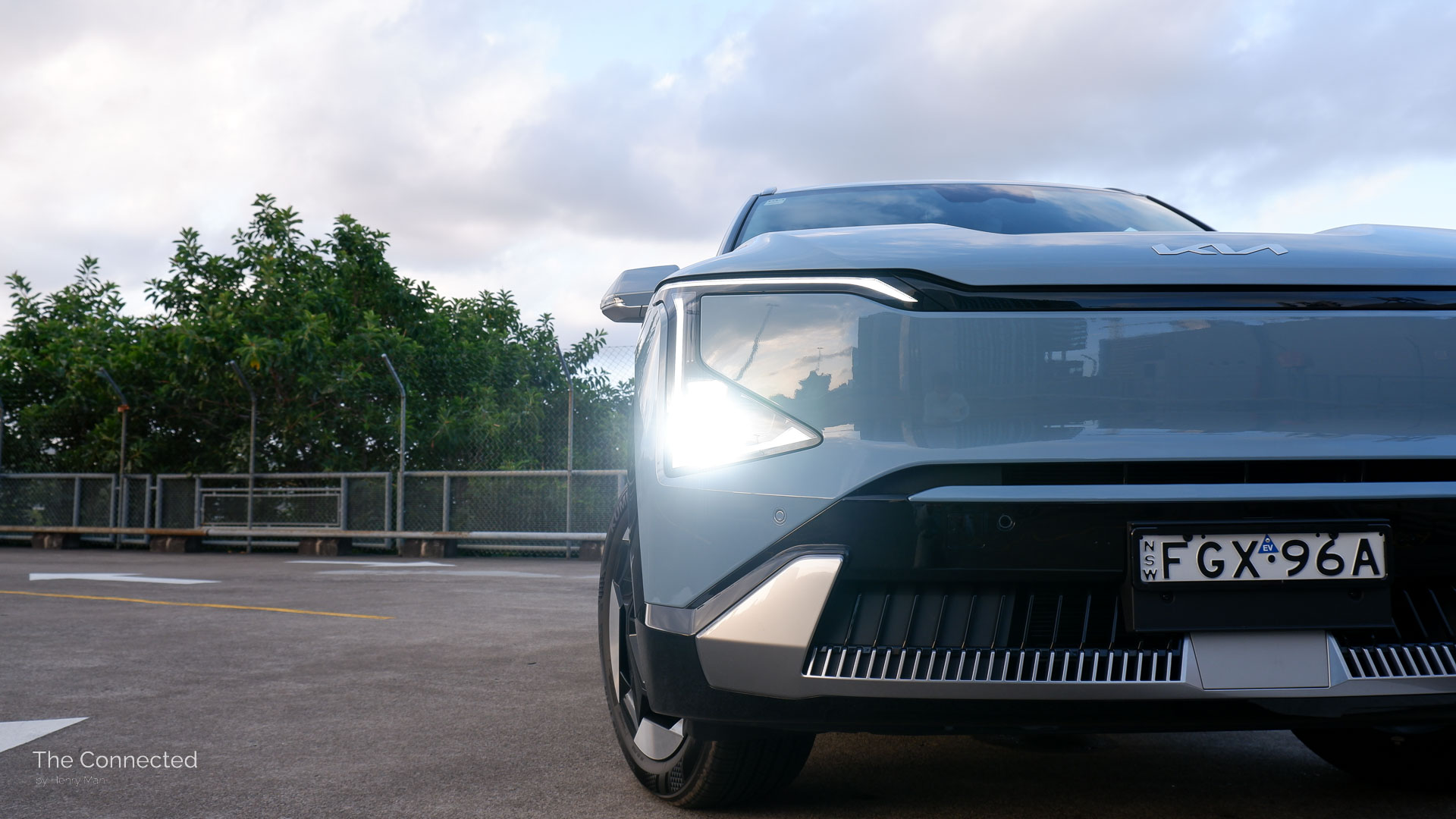
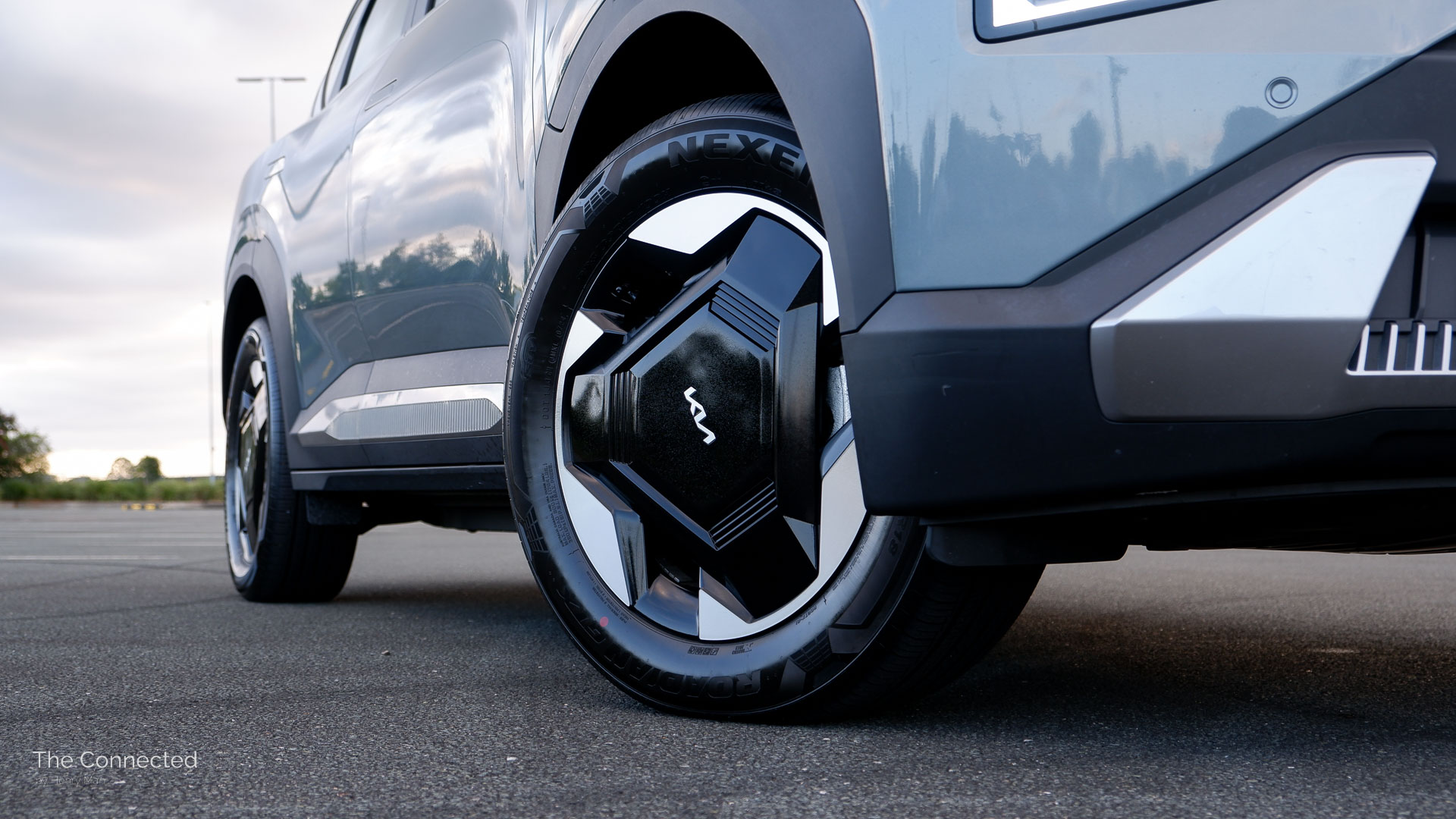
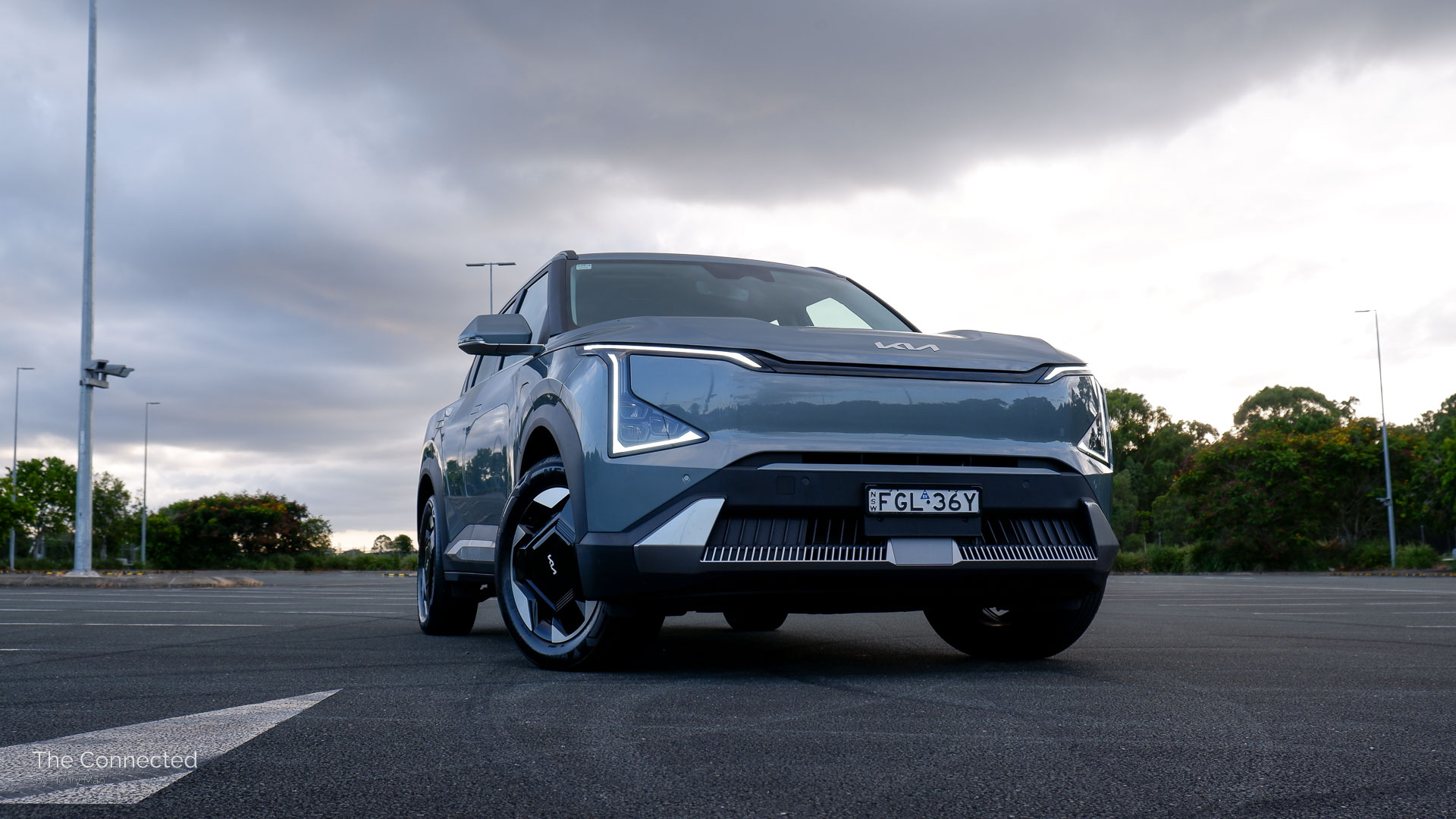
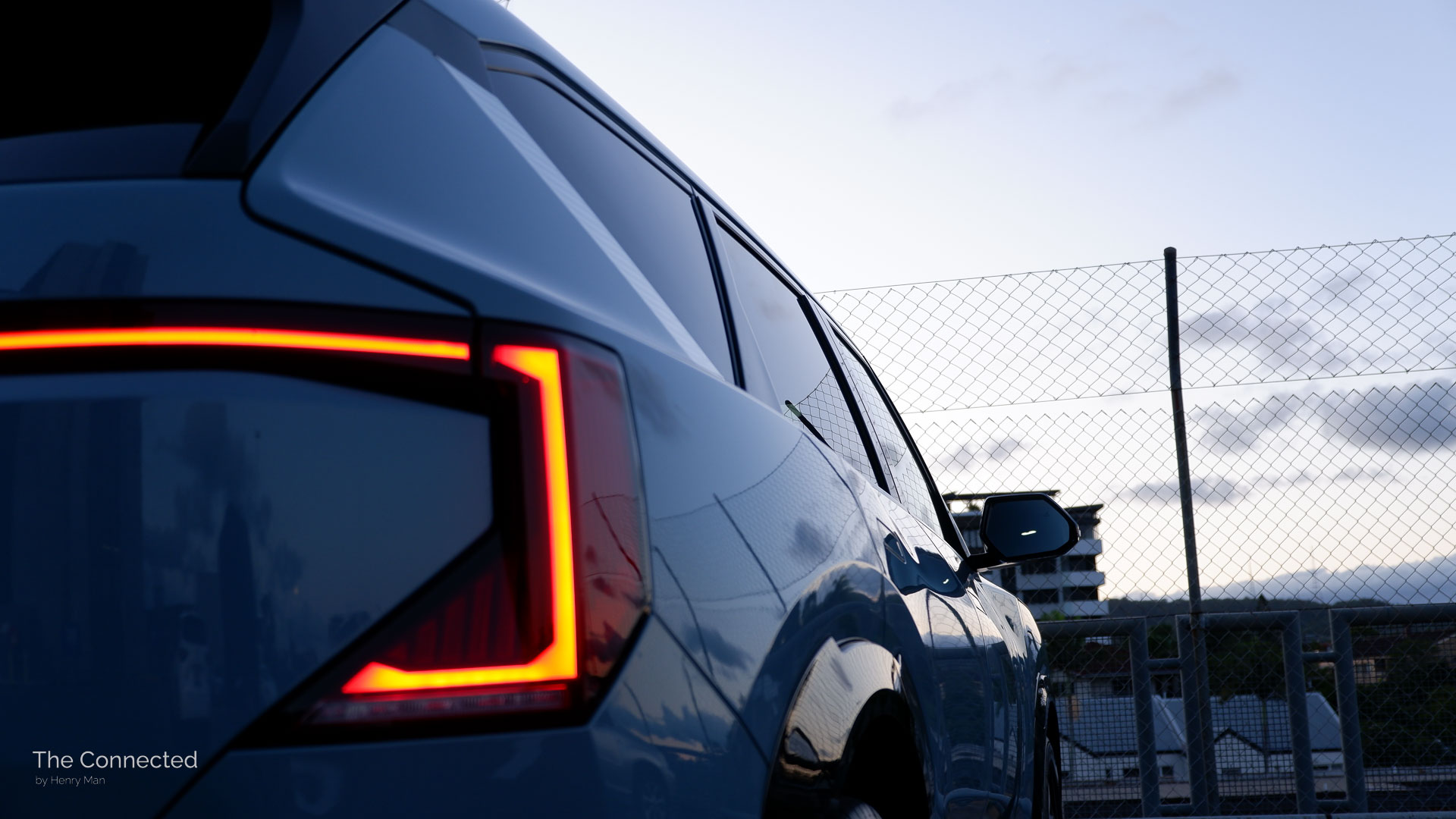
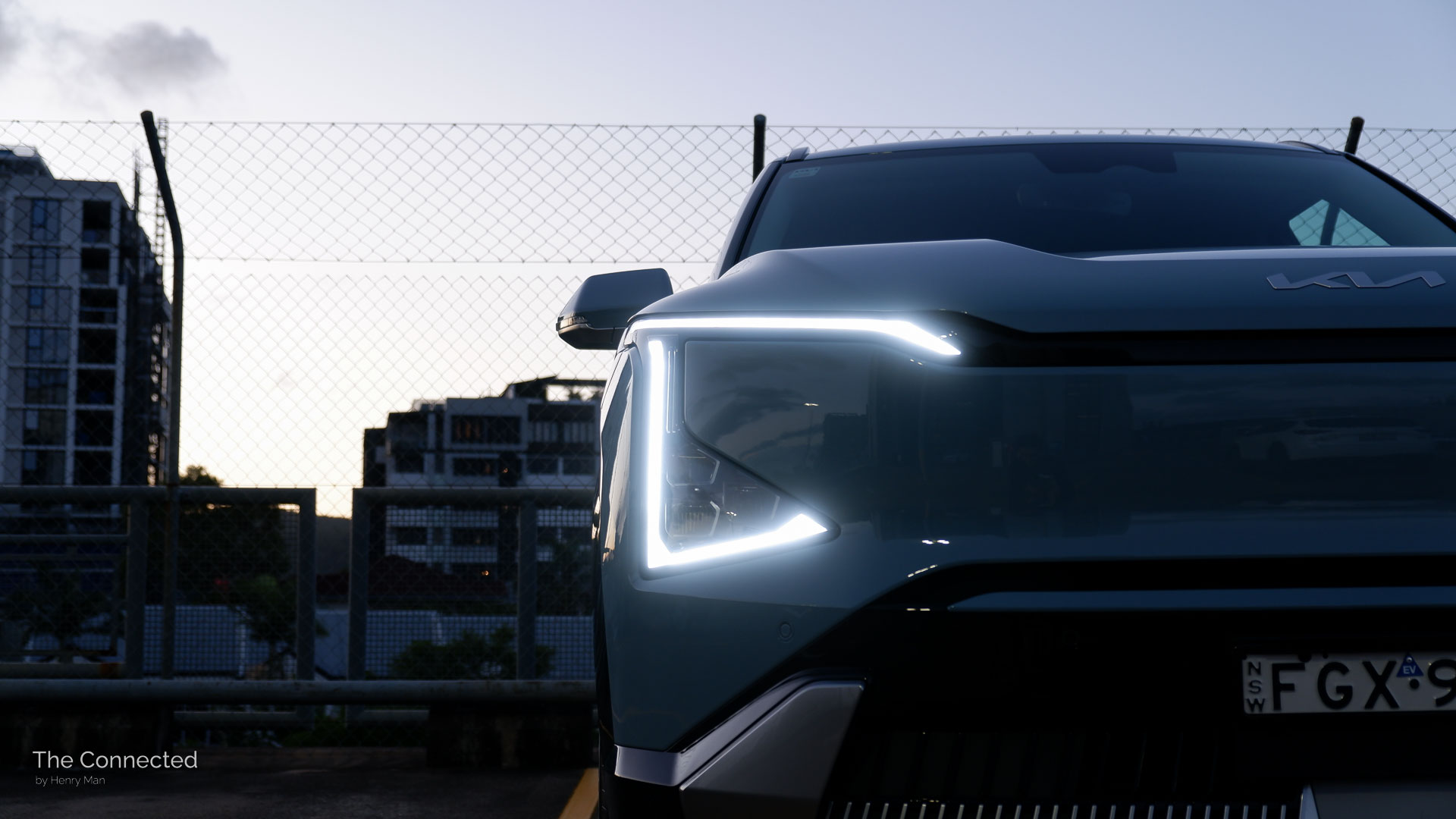
It clearly looks like it is in the Kia family, but still has a distinct identity with large C-shaped LED daytime running lights and rear tail-lights, blocky alloy wheel designs, and textured shutter-patterned satin chrome trims.
The mid-spec EV5 Earth offers an even more striking exterior with gloss black arches and pillars – even though it isn’t practical – and larger 19-inch wheels with an asymmetrical design.
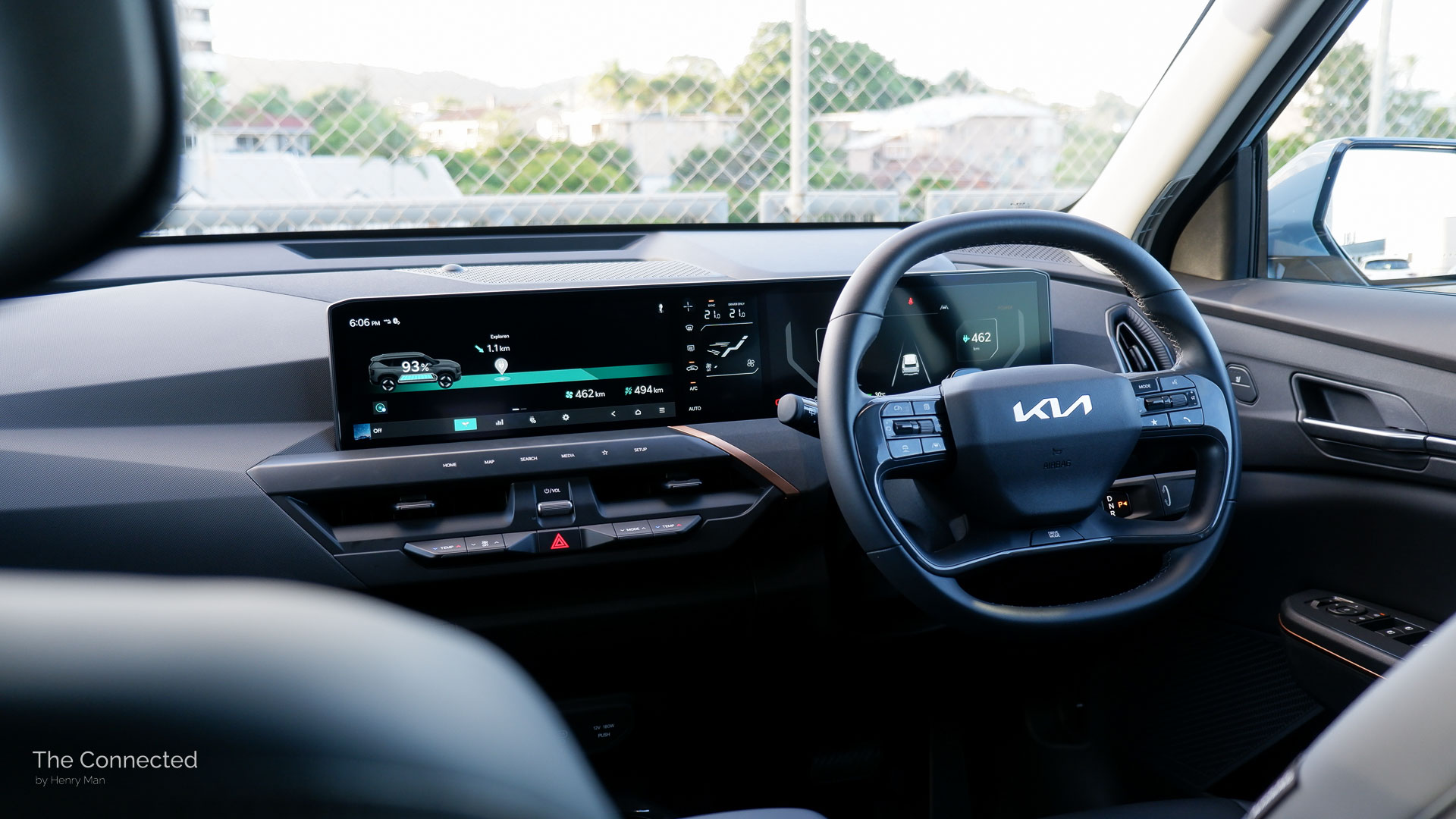
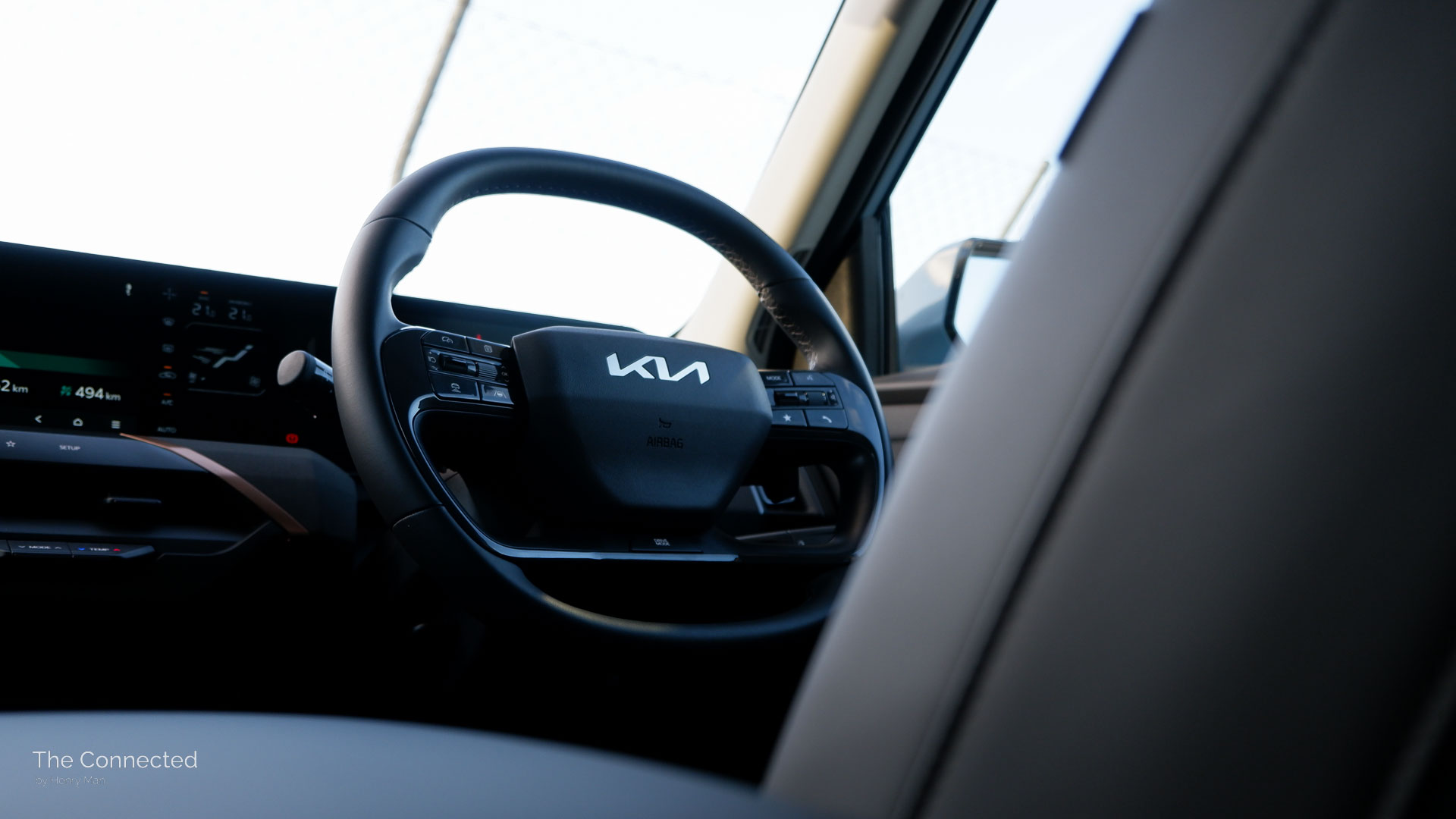
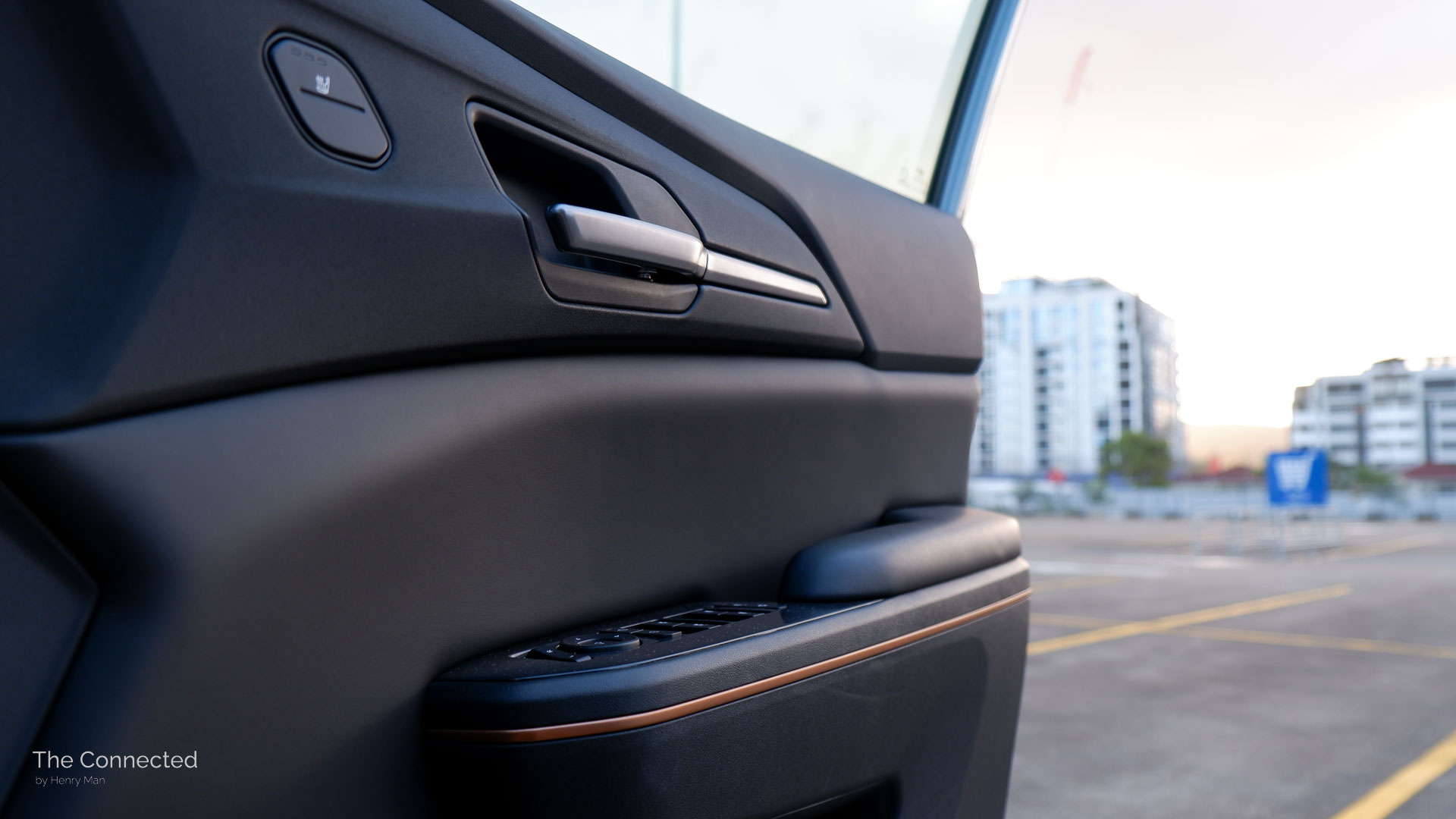
Similarly, the EV5 features a unique interior for a Kia. The copper accents are eerily Cupra-esque, the diamond-patterned dashboard harks to the Seltos small SUV, and the front passenger seat quirkily extends into the middle even though you can’t sit anyone on it.
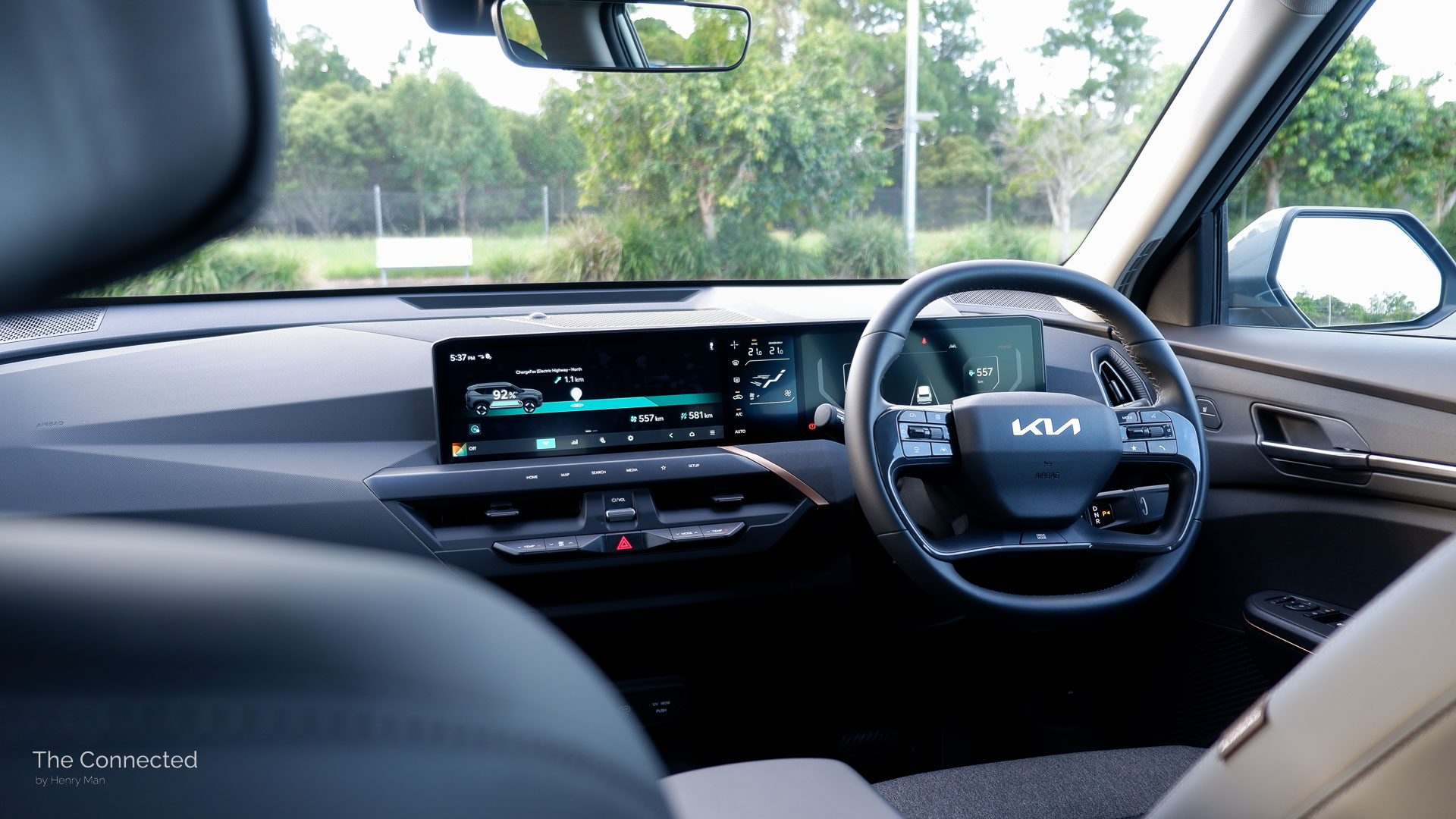
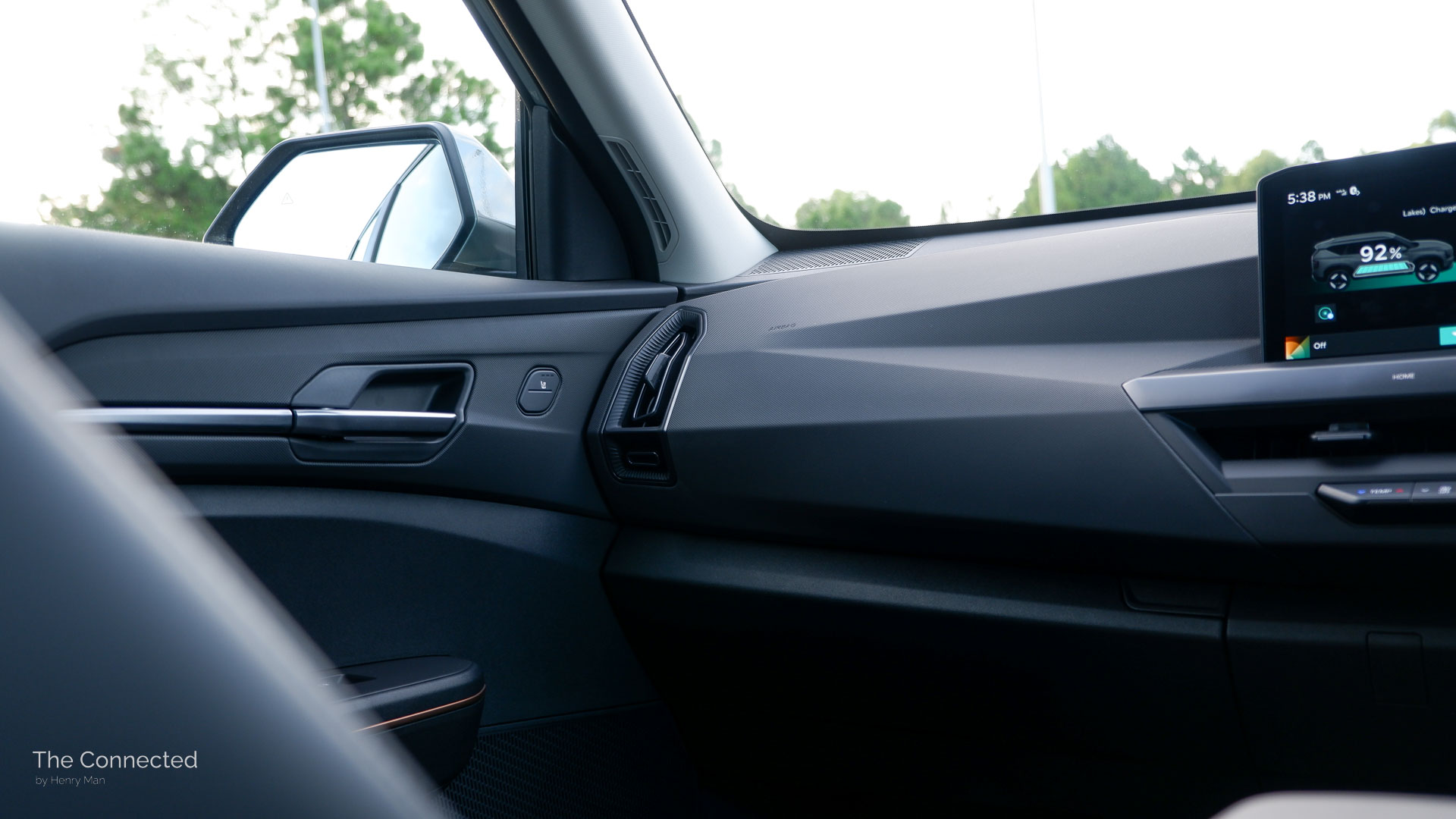
Kia manages to perfectly balance a modern minimalistic design and a familiar traditional experience.
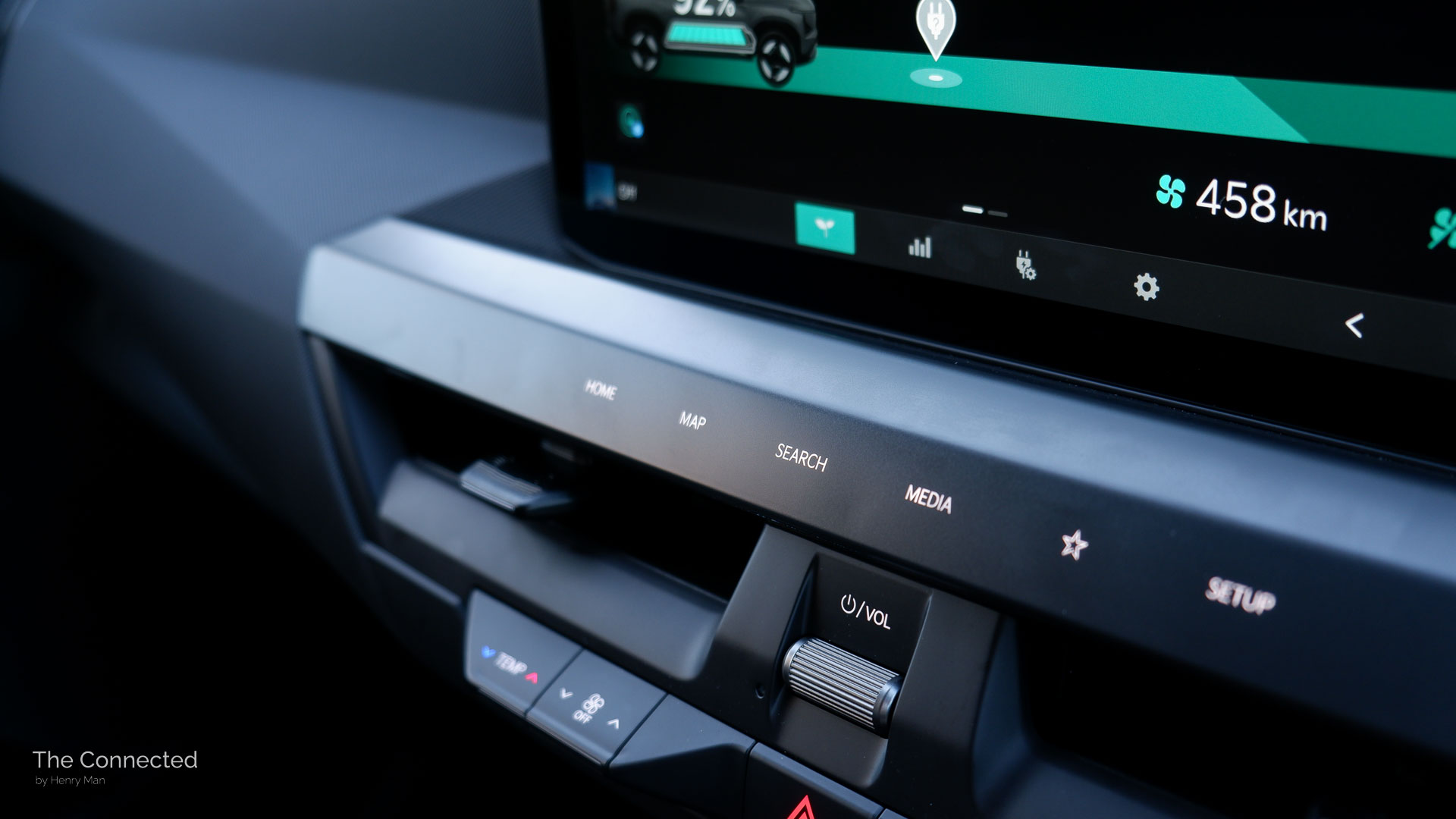
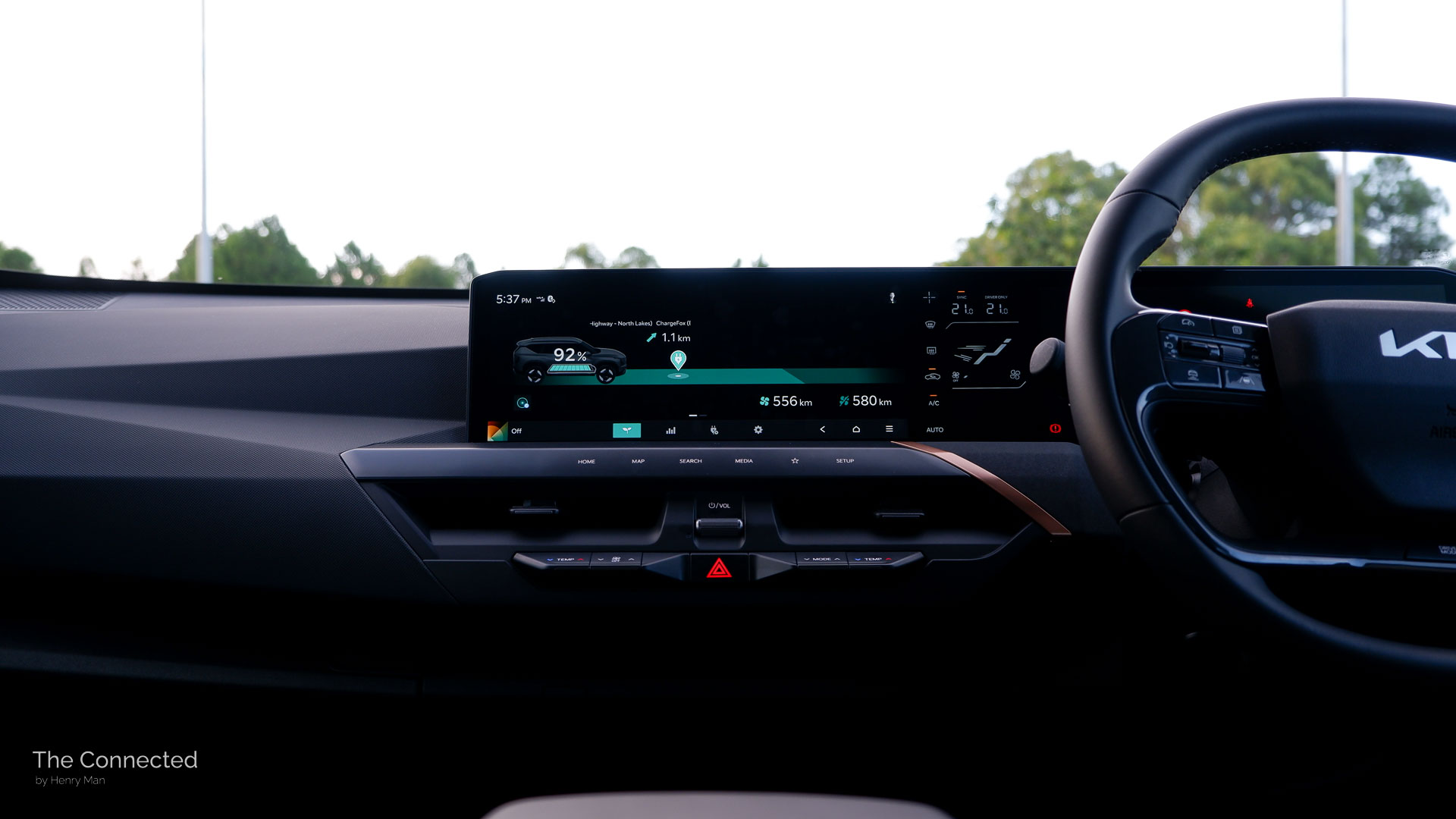
The touchscreen doesn’t dominate the interior, there are touch-sensitive shortcut buttons underneath to quickly access functions, a physical volume dial and climate control switches.
While the EV5 is made in China, its design and material quality is like any other Kia with an almost identical interior with the much more expensive EV9 seven-seat flagship SUV.
It has solid build quality with the use of matte and gloss grey plastics that don’t show dust and fingerprints as easily as gloss black from day’s past, padded armrests, and soft vegan leather seats.
However, the centre climate control switches feel a bit mushy, the upper door cards are harder than ideal for the price, and the matte plastic used on the bottom steering wheel spoke feels cheap to hold while driving.
Practicality.
2025 Kia EV5 dimensions:
| Length x width x height | 4615 x 1875 x 1715mm |
| Wheelbase | 2750mm |
| Ground clearance | 175 / 161 / 166 / 166mm (Air SR / Air LR / Earth / GT-Line) |
| Boot space (min / rear seats folded) | 513 / 1714 litres |
| Frunk space | 67 litres (max 25kg) |
| Rear seat split fold | 60:40 |
| Child seat anchors | 2x ISOFIX and 3x top tethers |
| Air-conditioning system | Two-zone climate control with rear air vents |
The 2025 Kia EV5 provides a highly practical interior with a boot design that matches its coveted Carnival people mover counterpart.
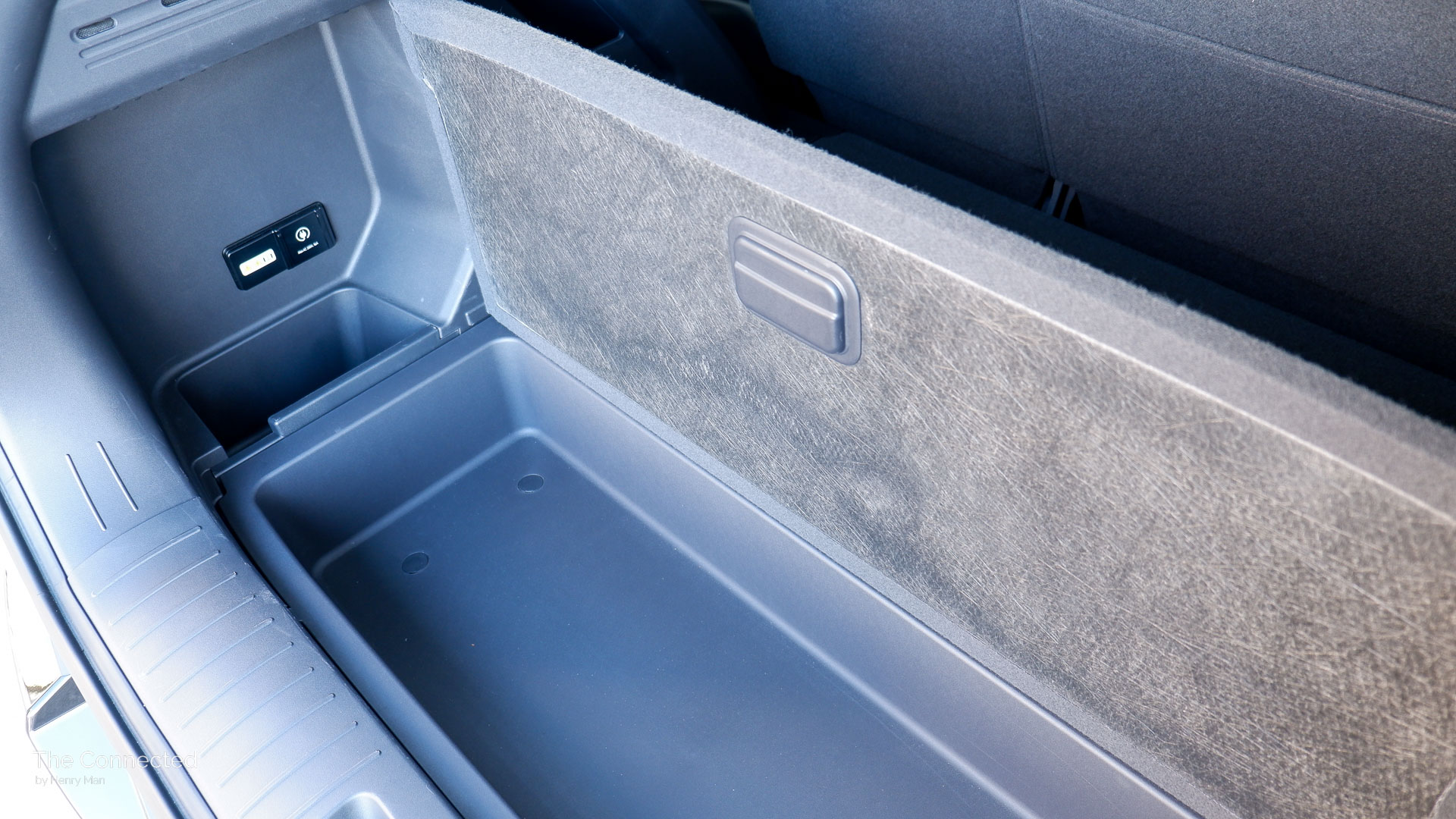
The 513-litre boot capacity is deep with no loading lip, an interior vehicle-to-load (V2L) power plug, and LED illumination from above.
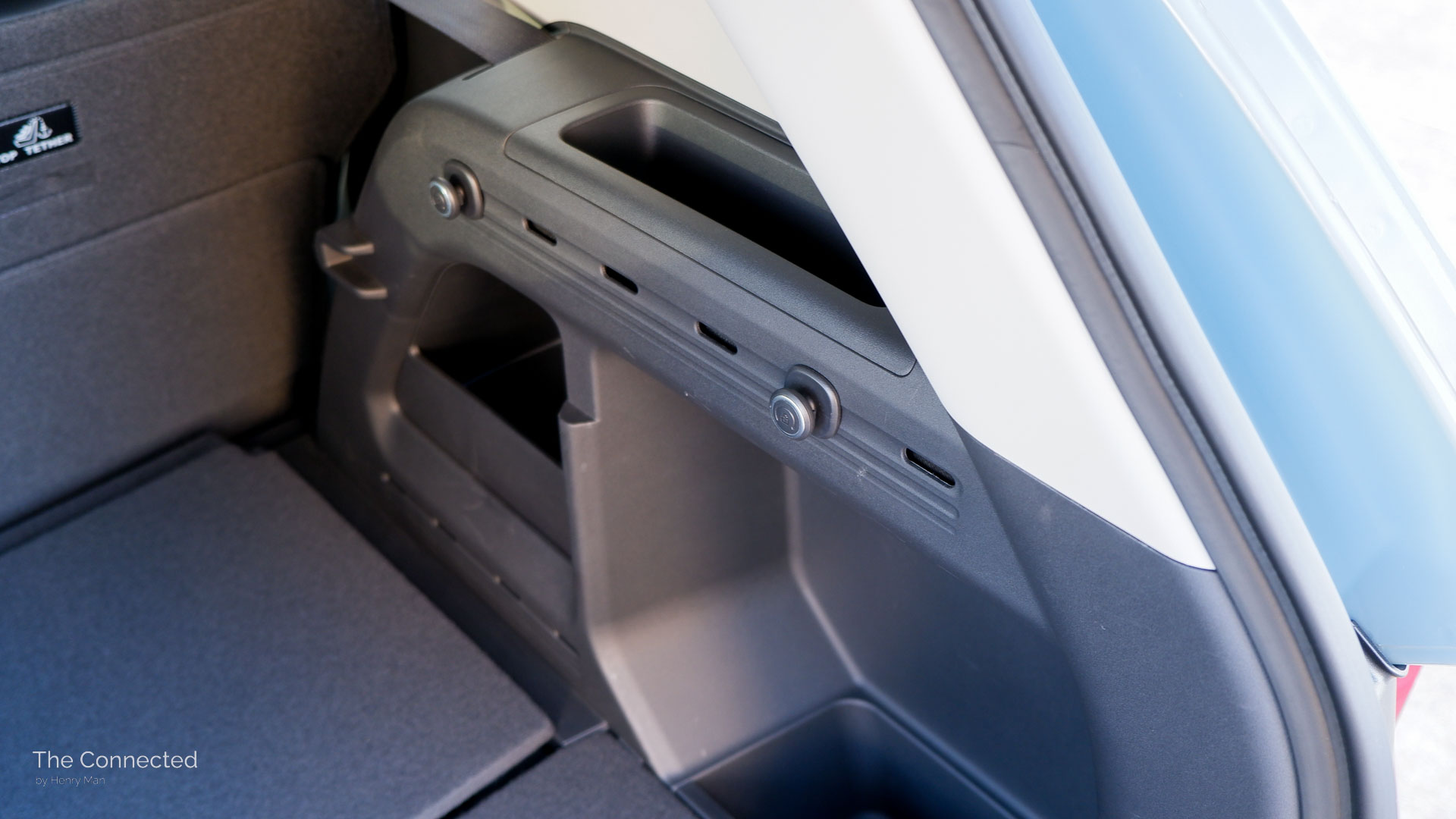
Most impressive is its sensible Kia Carnival-matching design with two separated storage compartments under the floor, six pockets in total, and four modular bag hooks that can be adjusted into multiple positions with a twist.
Unfortunately, the hook design is fairly flat so it doesn’t always completely hold bags in place.
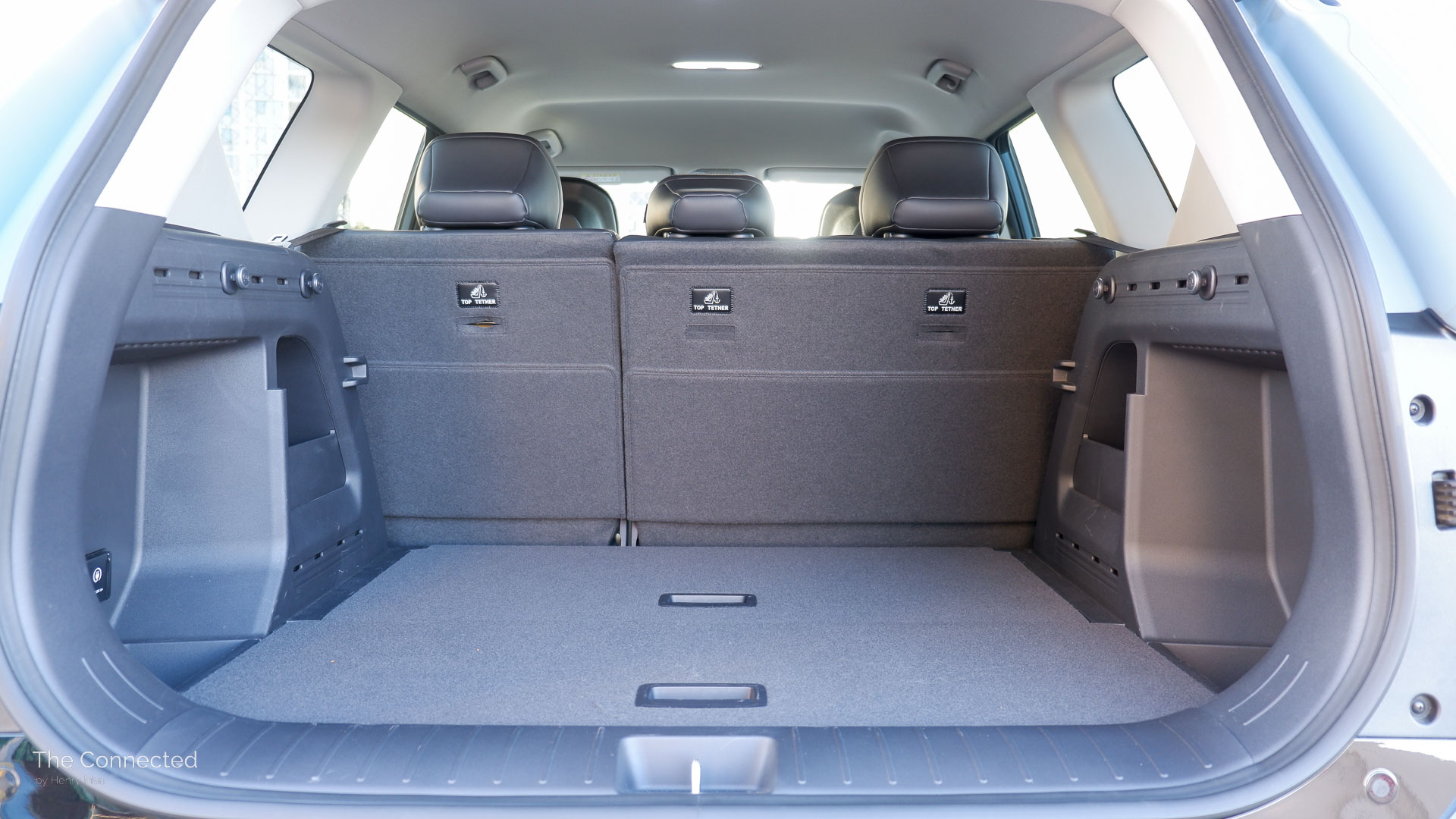
All EV5 models except the top-spec GT-Line don’t include a basic cargo cover either, allowing the sun to enter what’s in the boot and passersby to look in.
An electric tailgate is only included on the Earth and GT-Line, with a hands-free opening function by standing behind the tailgate for a few seconds, like the Tesla Model Y. The base Air’s manual boot door isn’t too heavy to operate, though.
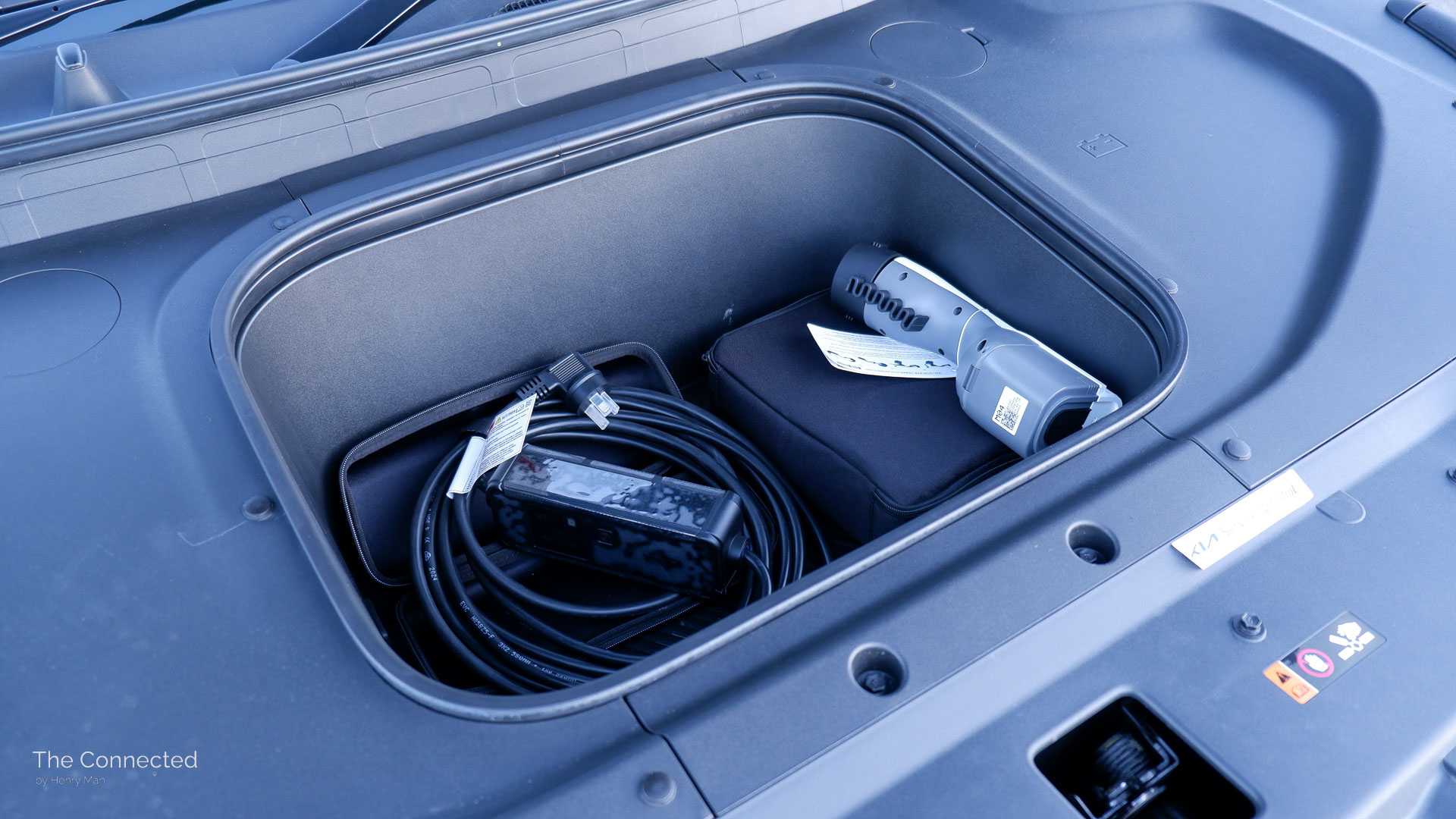
Regardless of whether it’s the single-motor or dual-motor EV5, all variants offer a 67-litre frunk – which is actually usable and deep enough to store multiple charging cables and even a backpack on top.
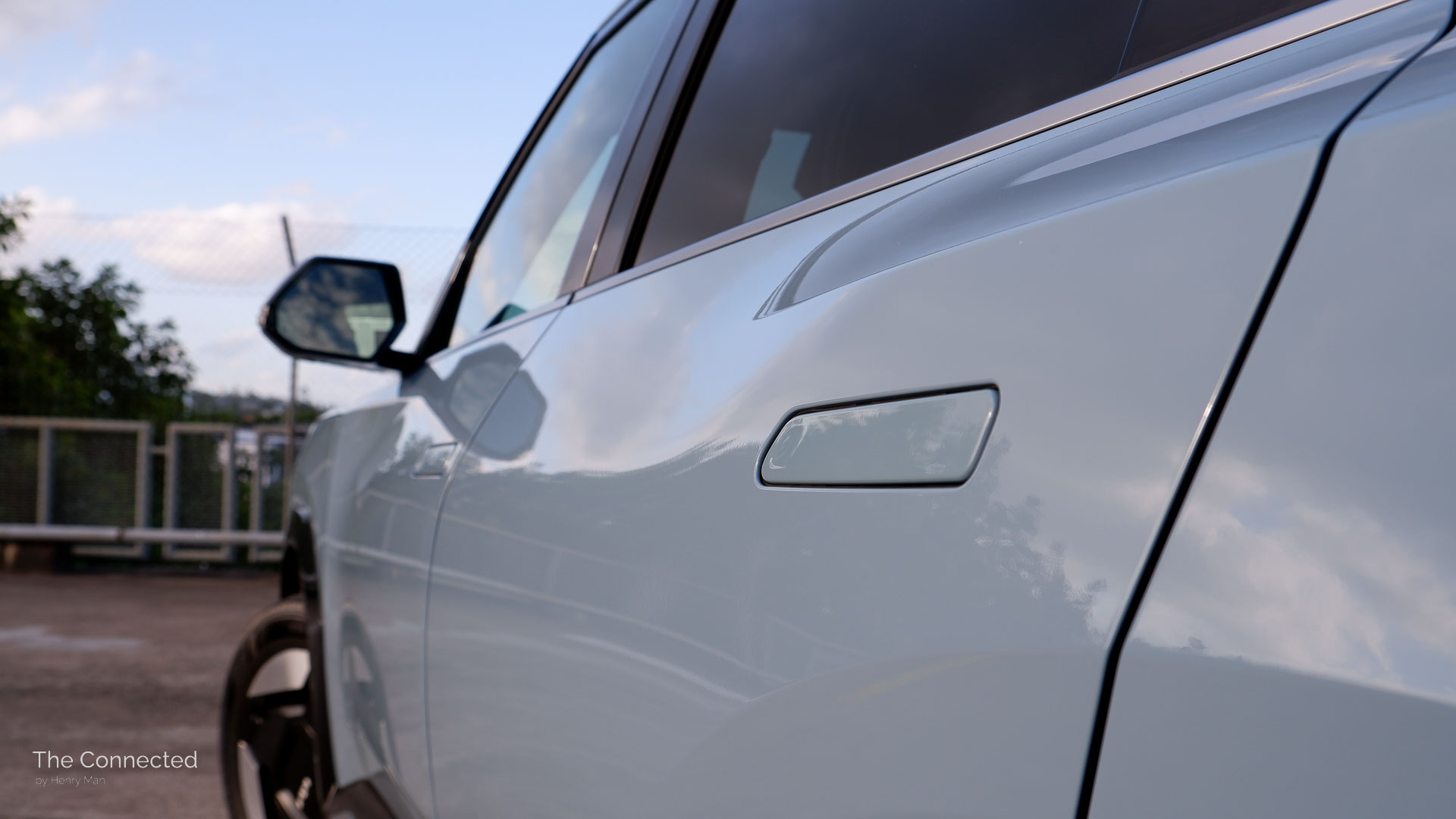
Getting in the EV5 SUV can be a little awkward as well since the flush exterior door handles don’t automatically pop-out on the Air and Earth, requiring some hand gymnastics to open the doors.
The touch-sensitive front handle buttons to unlock and lock the doors also require a firm press to register.
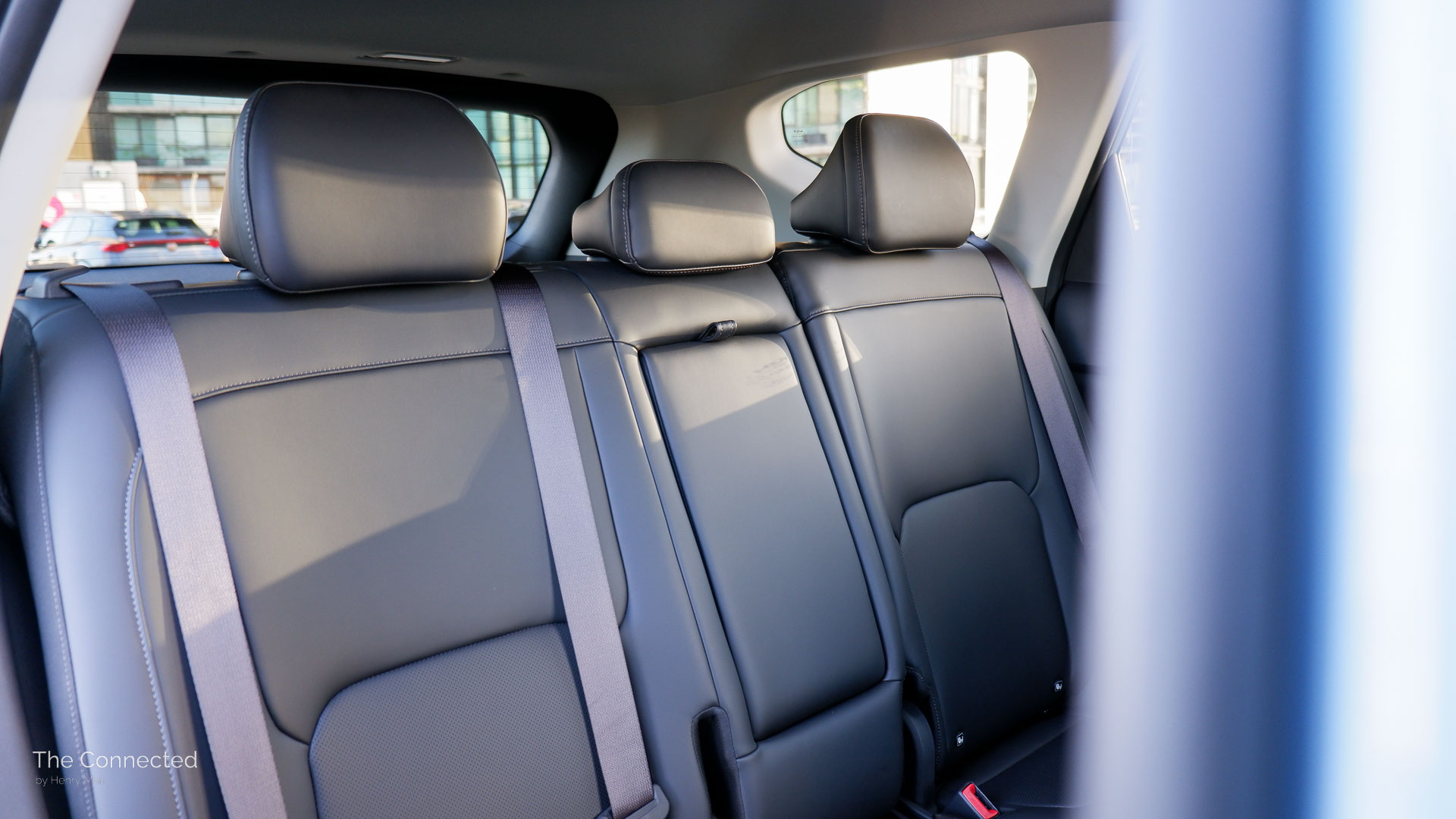
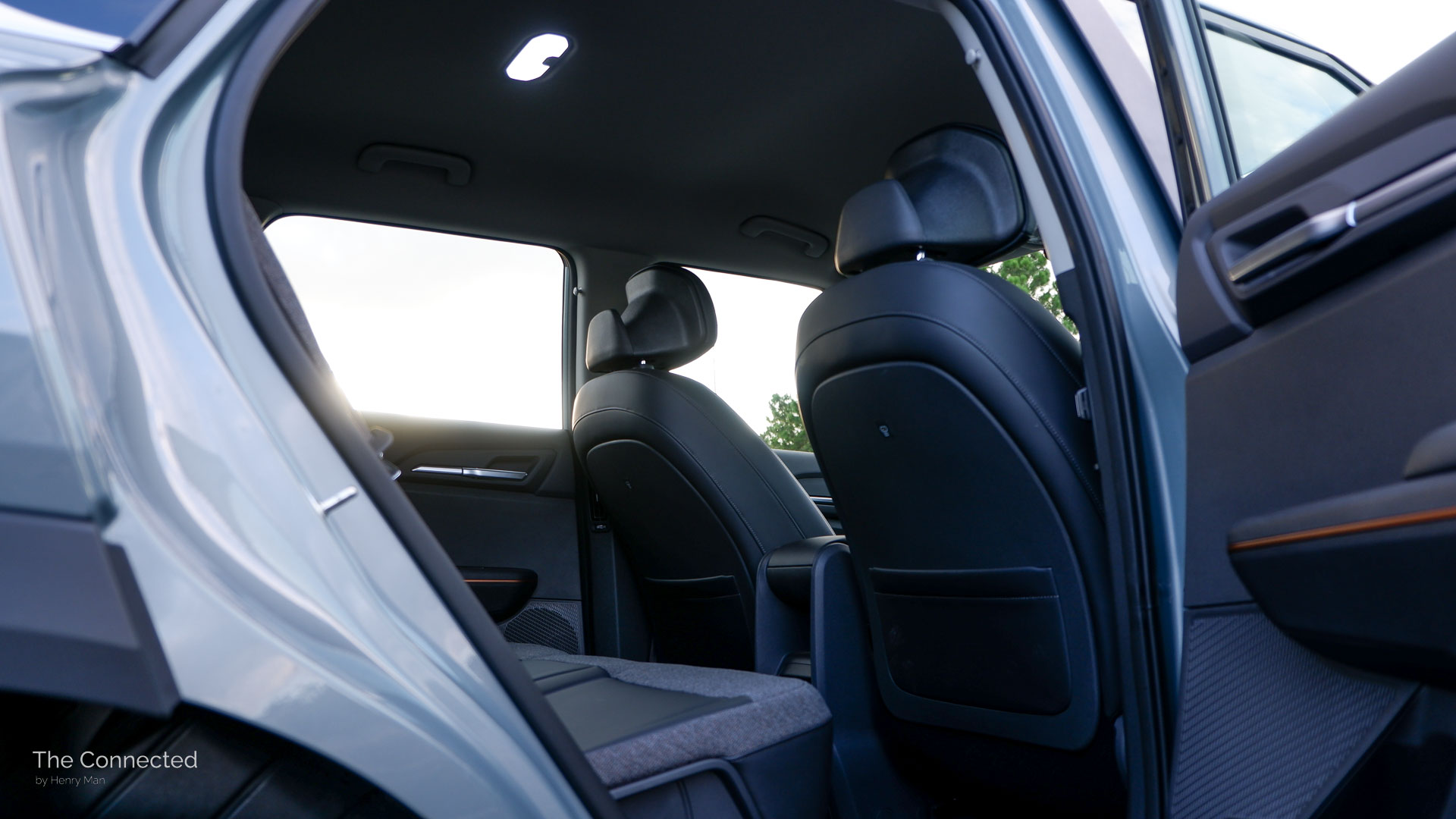
Based on Kia’s new N3 eK dedicated EV platform, the Kia EV5 features a spacious second row with plenty of legroom and headroom thanks to its boxy design.
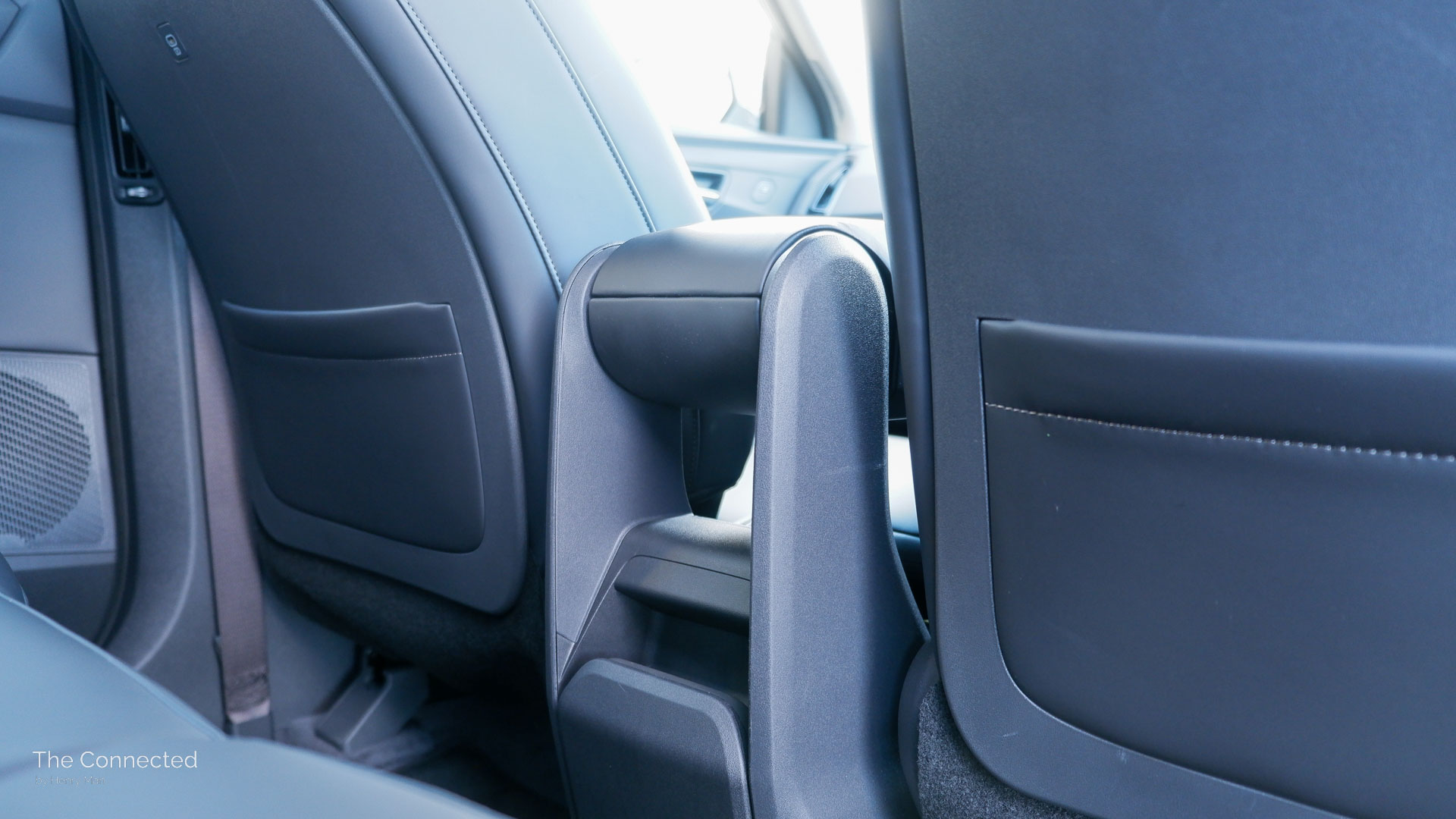
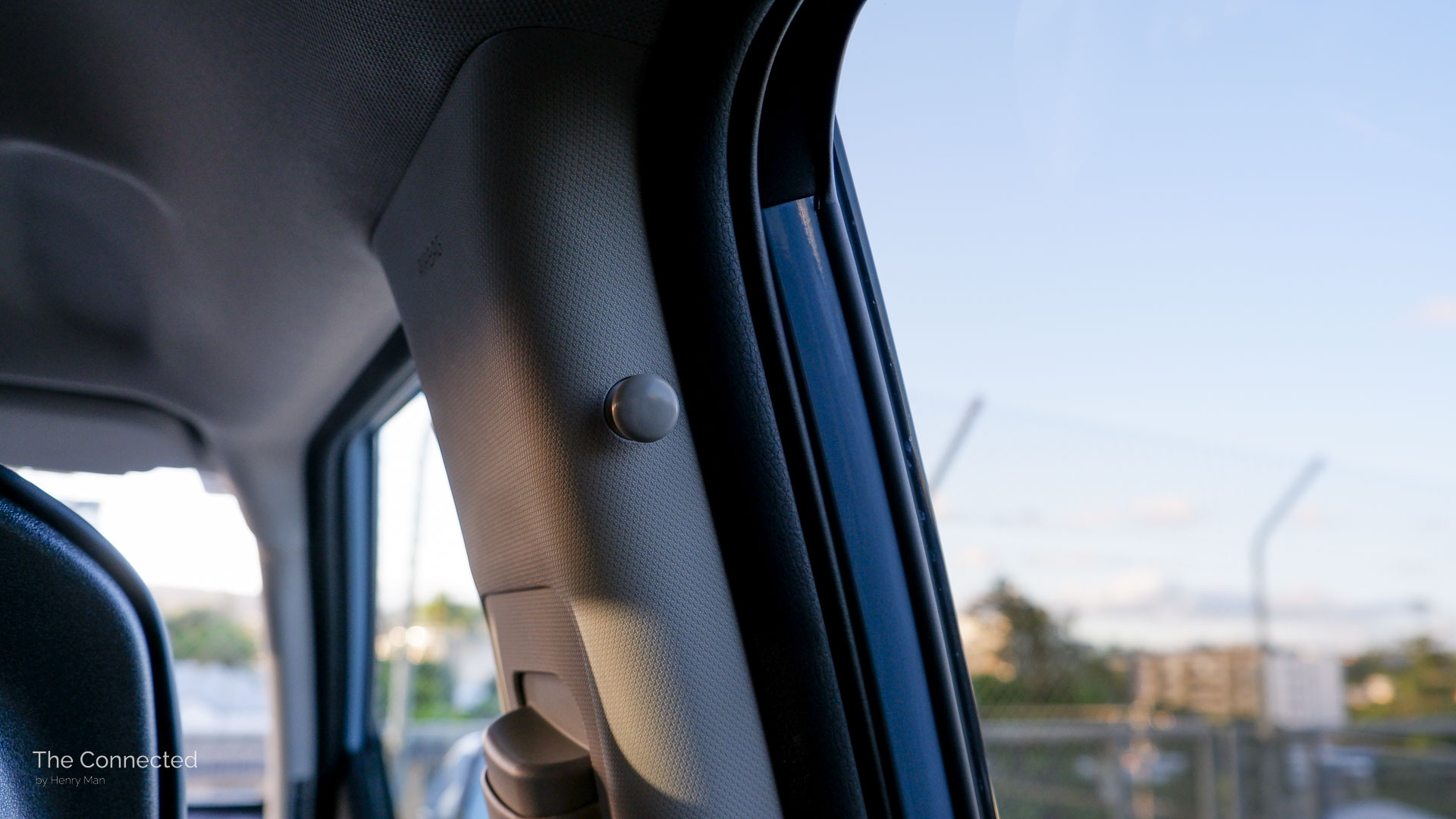
The floor is completely flat – allowing three passengers to sit abreast comfortably – with well-placed B-pillar mounted air vents and hooks above, front headrests that double as coat hooks, and a fold-down centre armrest with two cup holders.
Other amenities include a USB-C charging port behind each seatback, a large sliding storage tray from the centre console, and bright LED interior lights across both rows as standard.
Unfortunately, all door bottle holders are narrow and the entry-level Air misses out on rear tinted windows. Only the flagship GT-Line offers a pop-out table and heating/cooling storage tray.
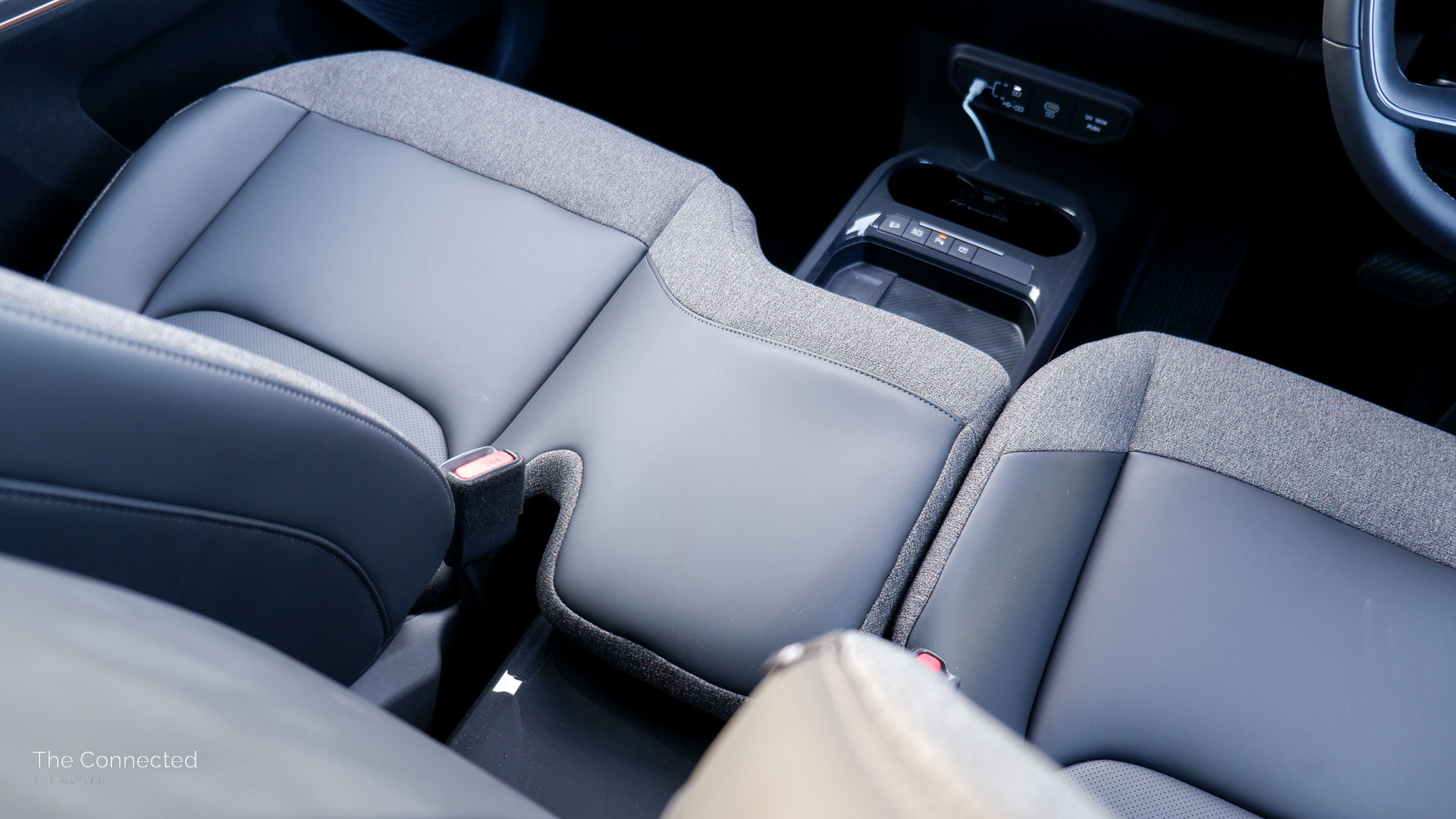
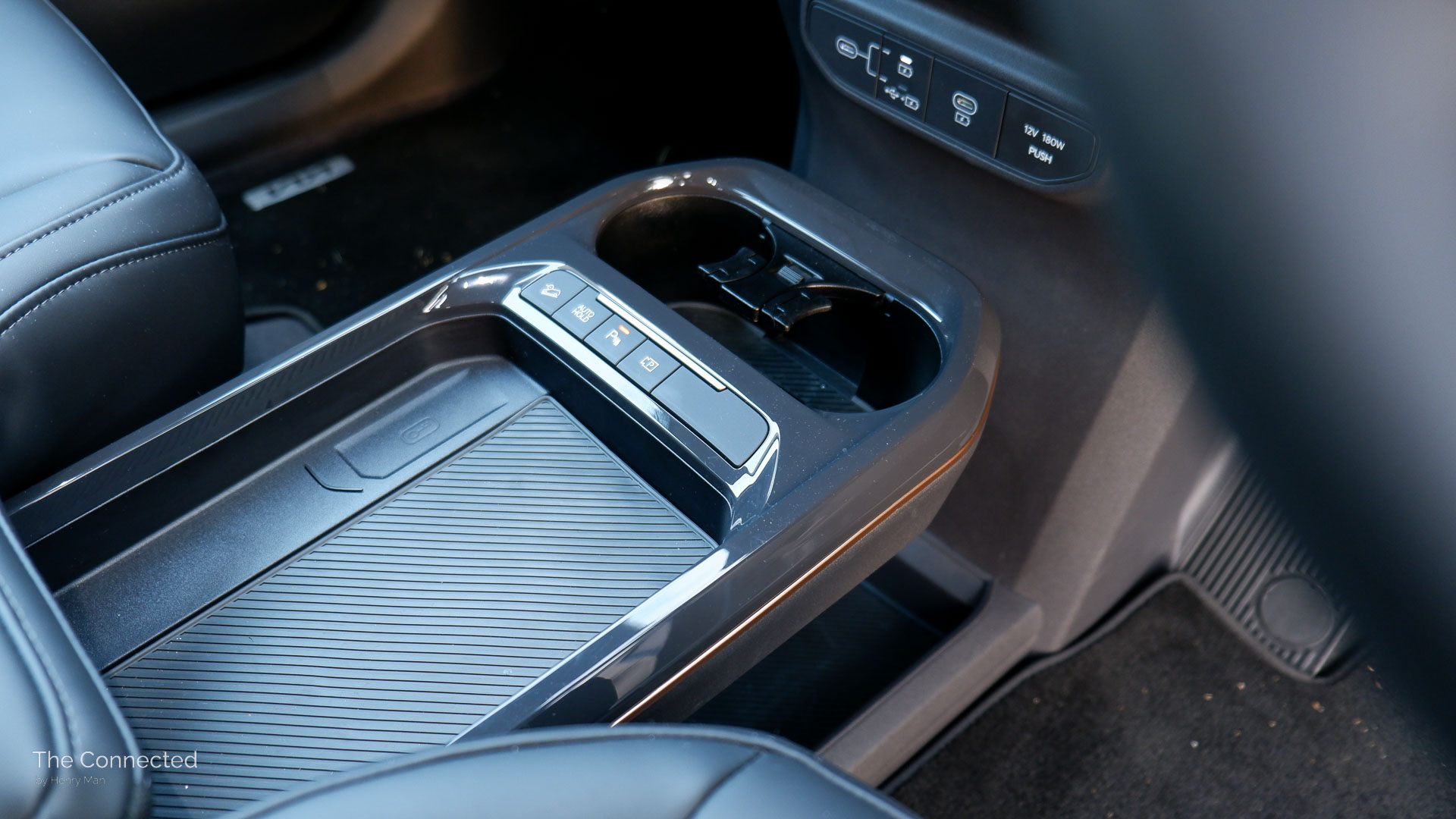
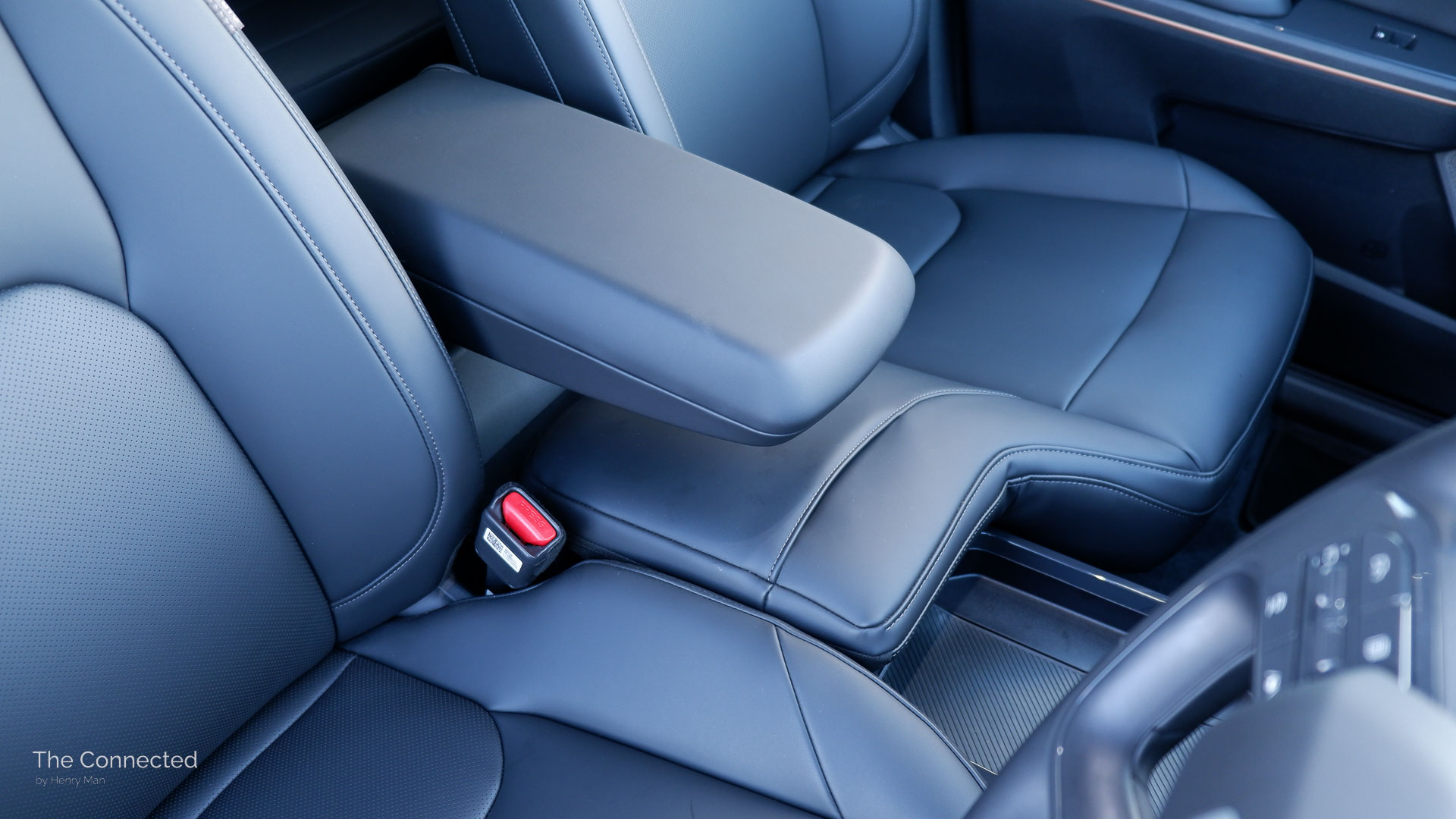
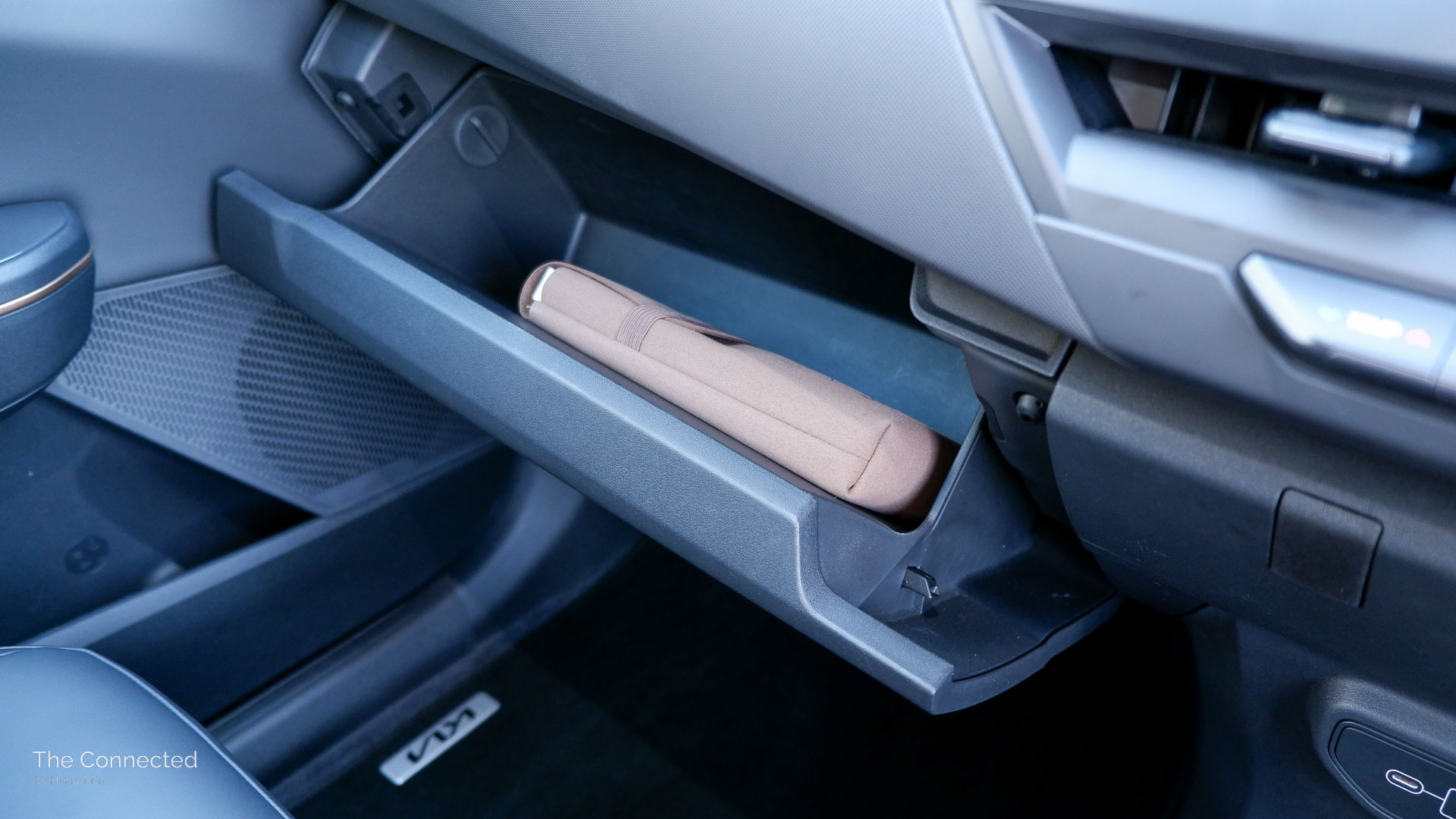
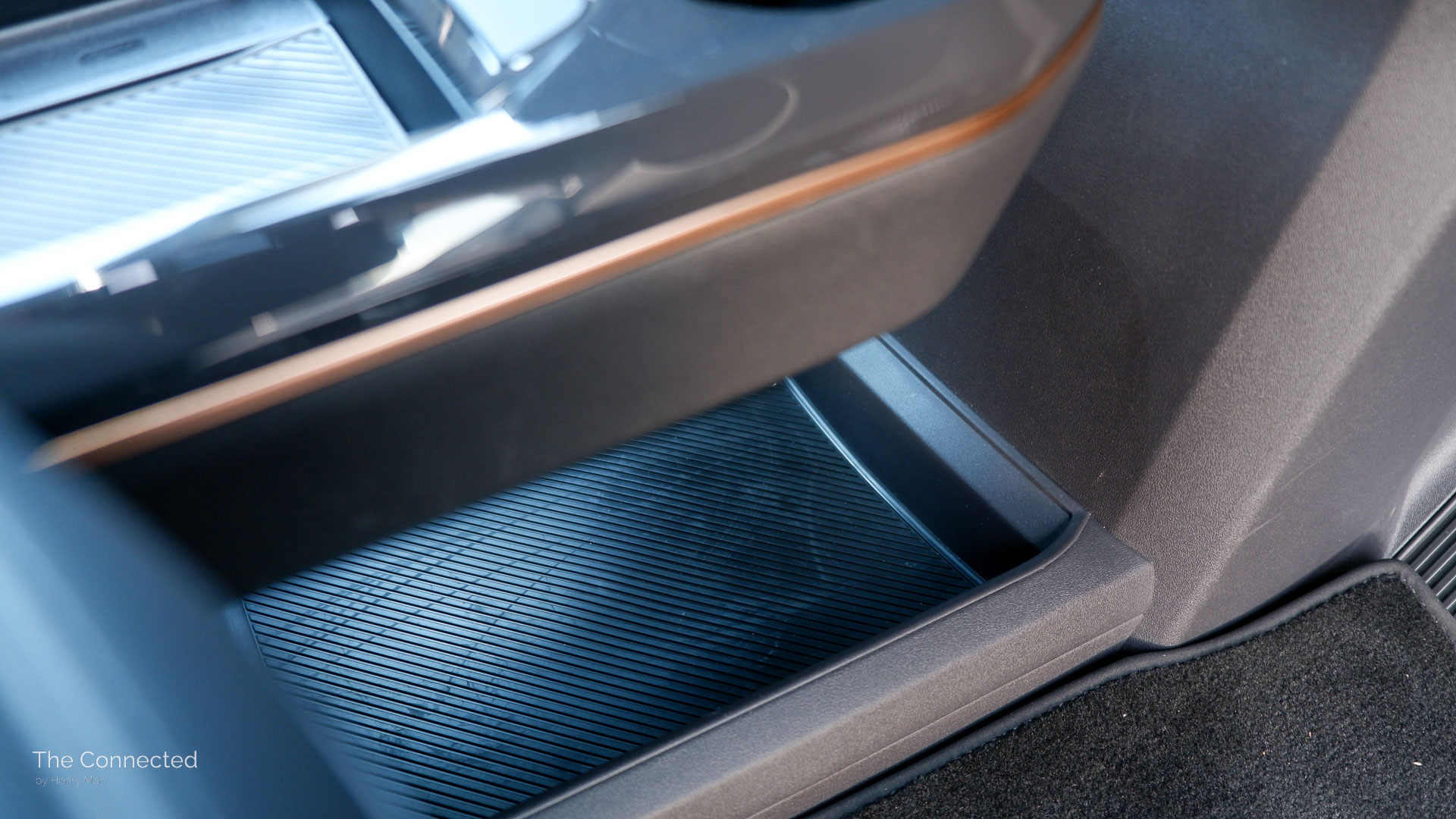
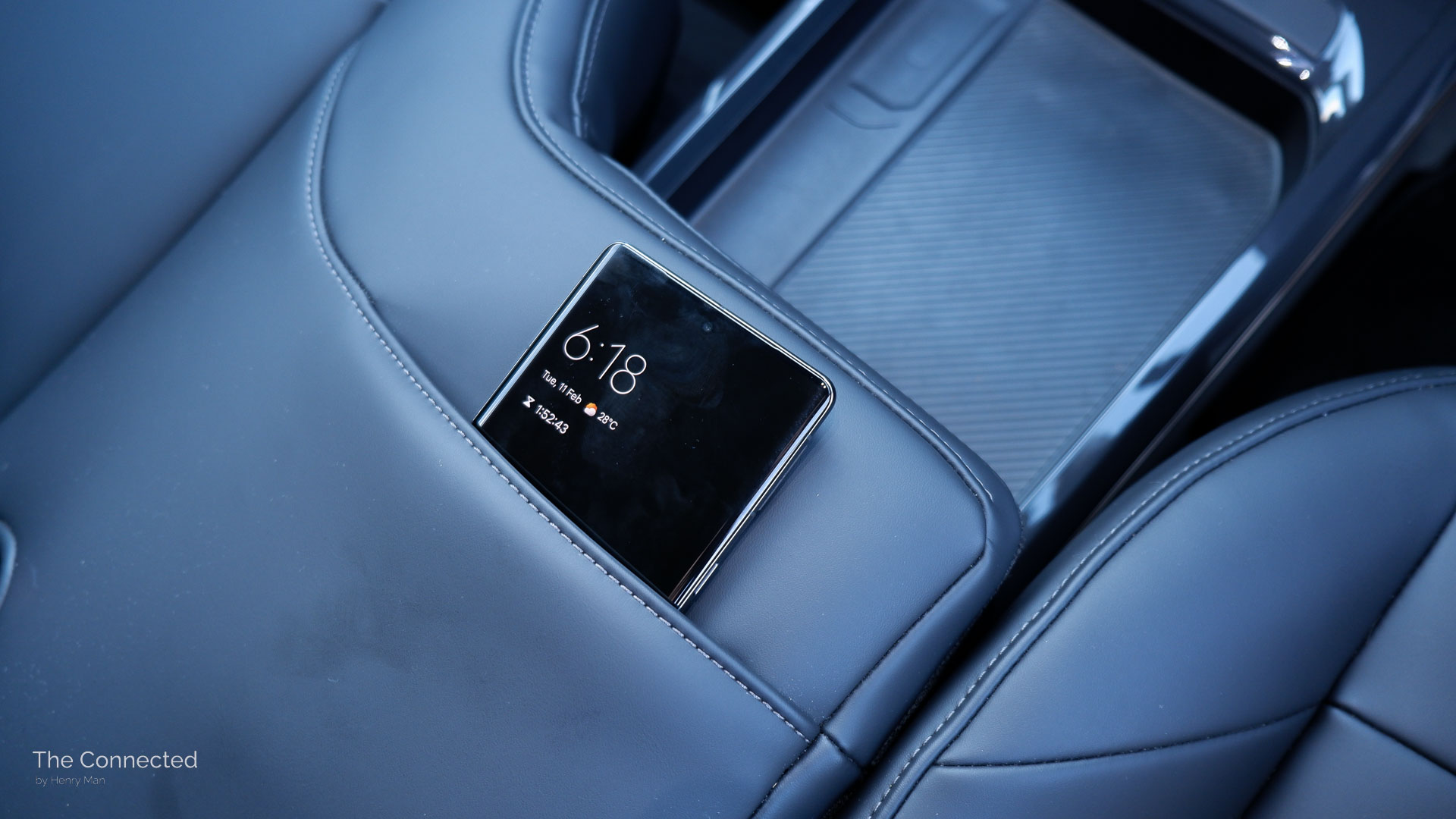
Furthermore, the front row is rather quirky with the passenger seat extending into the middle. You’ll need to rely on the small pouch since the sizable centre armrest doesn’t offer any private storage space.
There’s an open two-level centre console storage tray with two gripped cup holders in front, but it’s rather low so the space underneath is an even harder reach with no light illuminating it at night.
Conversely, the middle armrest is high – encouraging a higher seating position.
Another quirk is a pop-out bag hook at the front passenger side, where anything hooked on it will hover above the cup holders anyway. The glovebox is on the narrower side with no light.
The EV5’s artificial leather seats are comfortable with driver electric adjustment and lumbar support, three-level heating and three-cell massaging (which simply pulses the lumbar) for the front seats are impressively standard.
Even the base Air has the same soft, but heat-absorbing, vegan leather material as the Earth for the most part, except for some fabric on the outer portion.
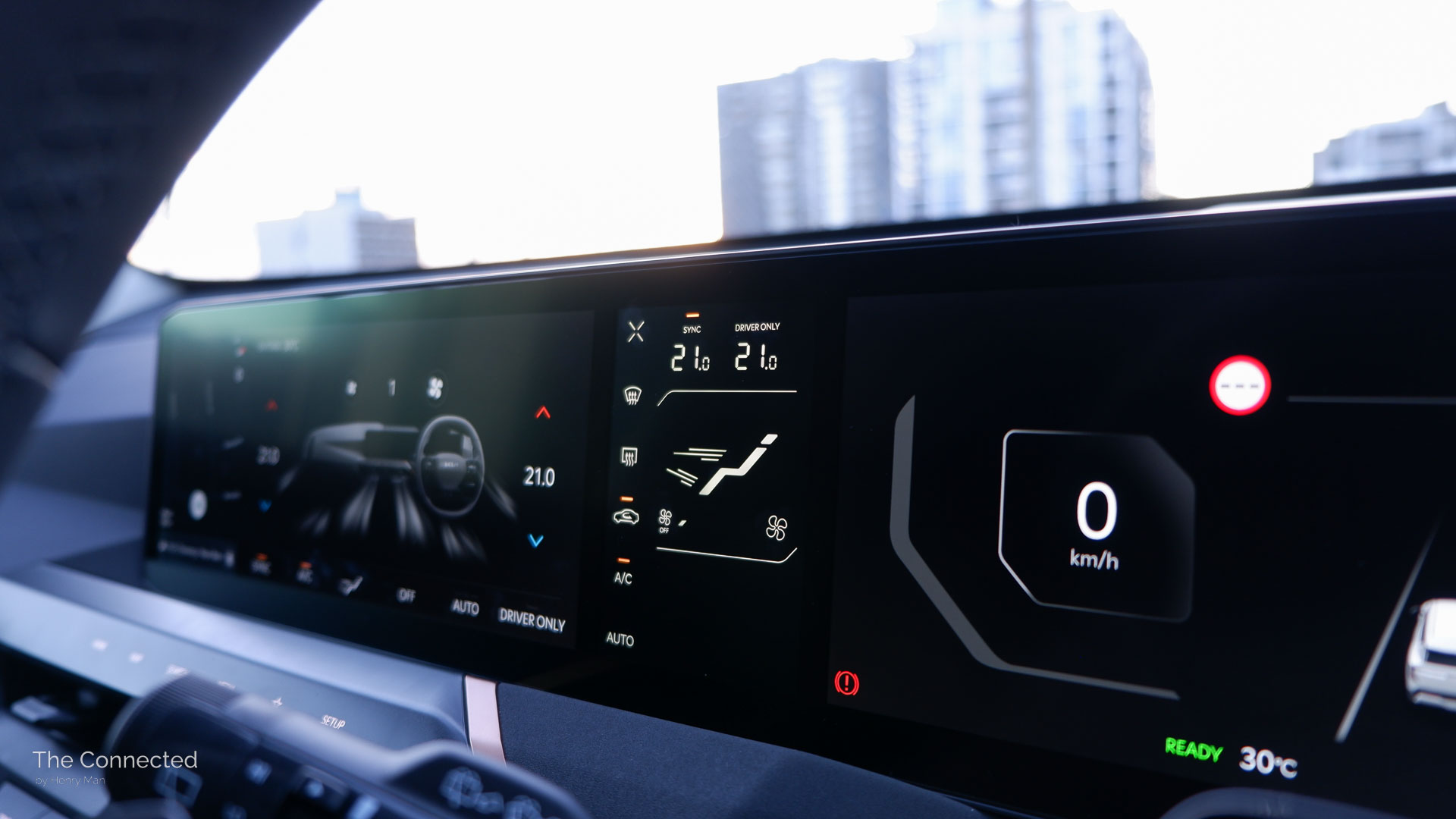
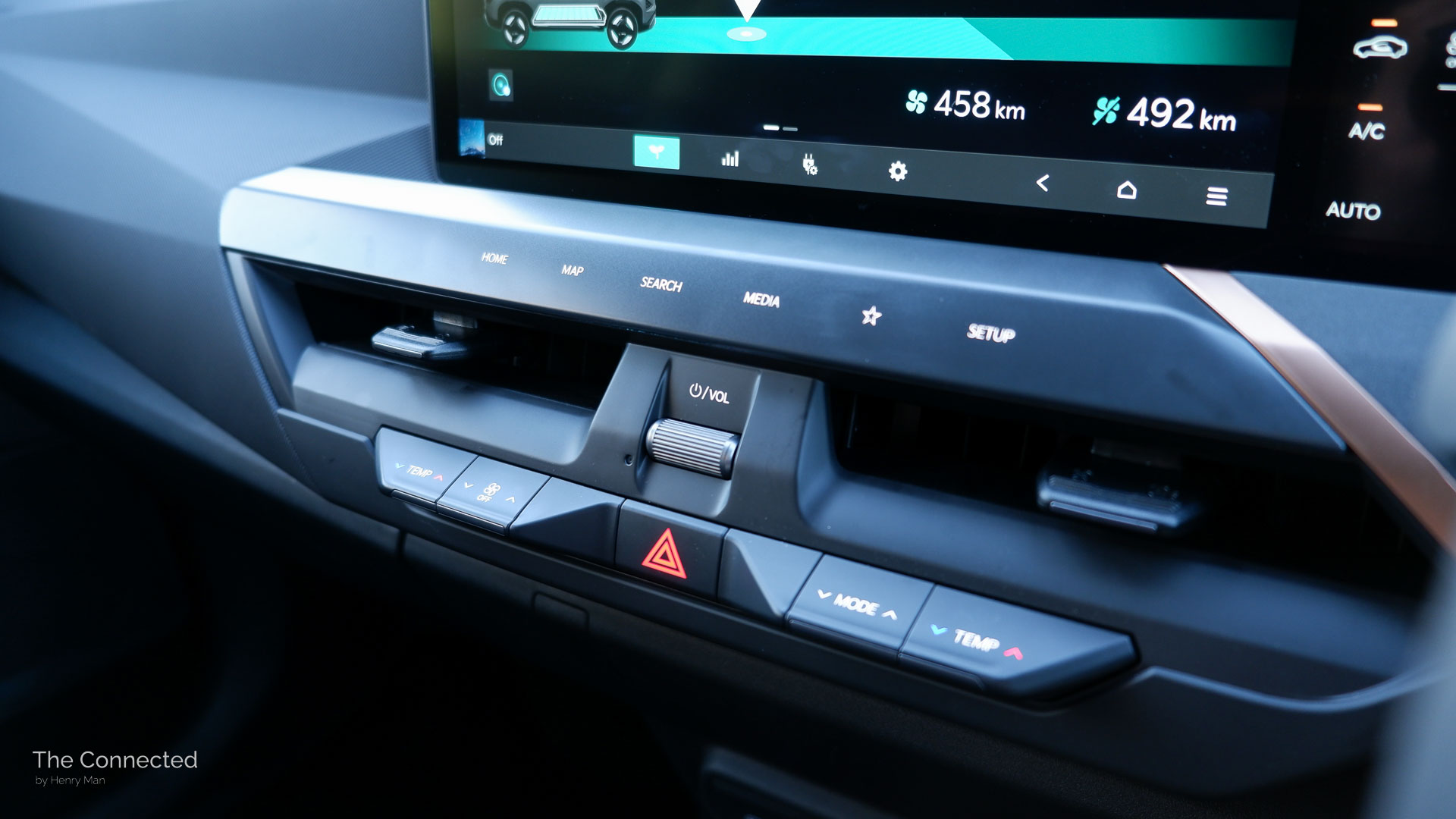
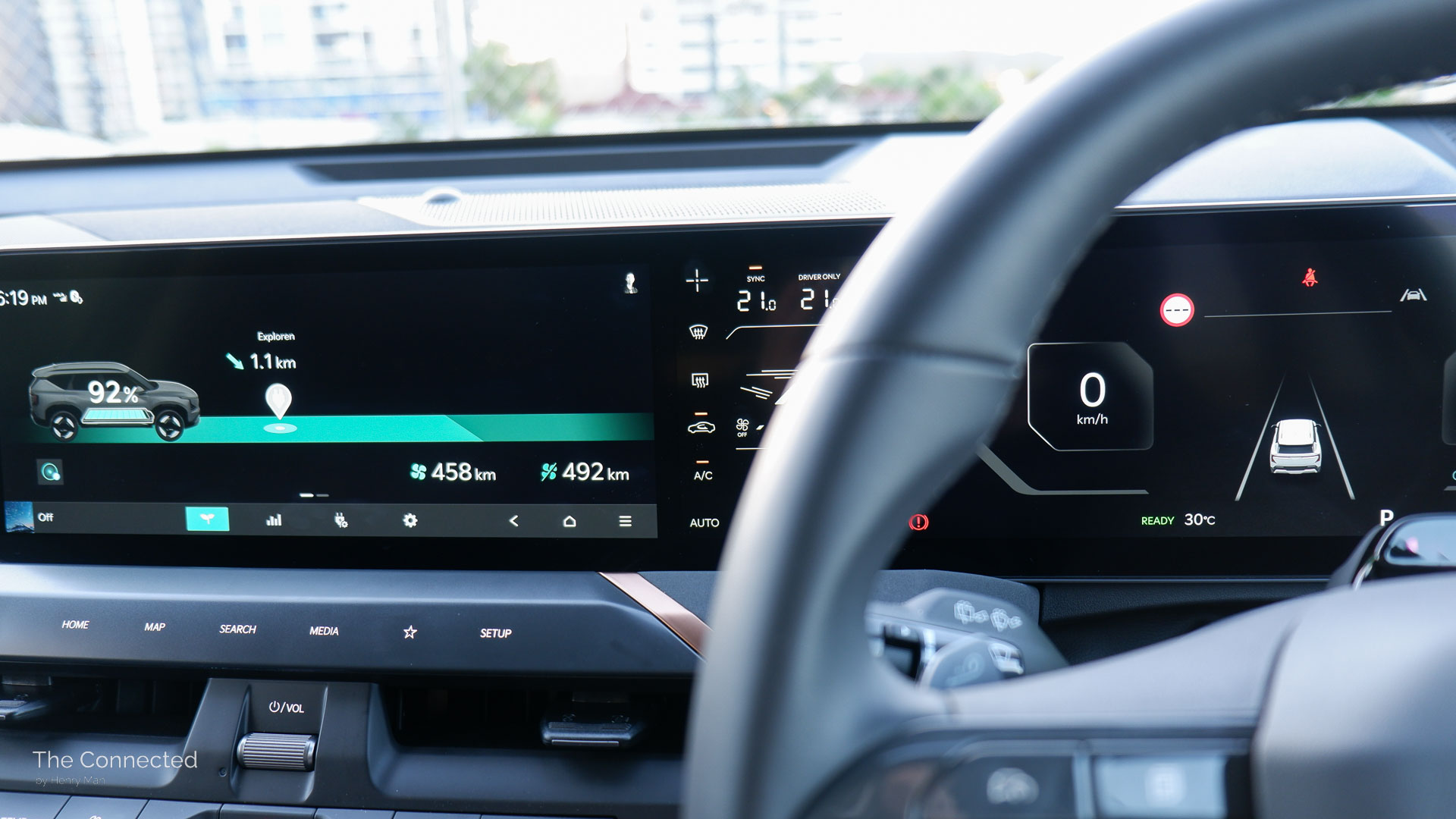
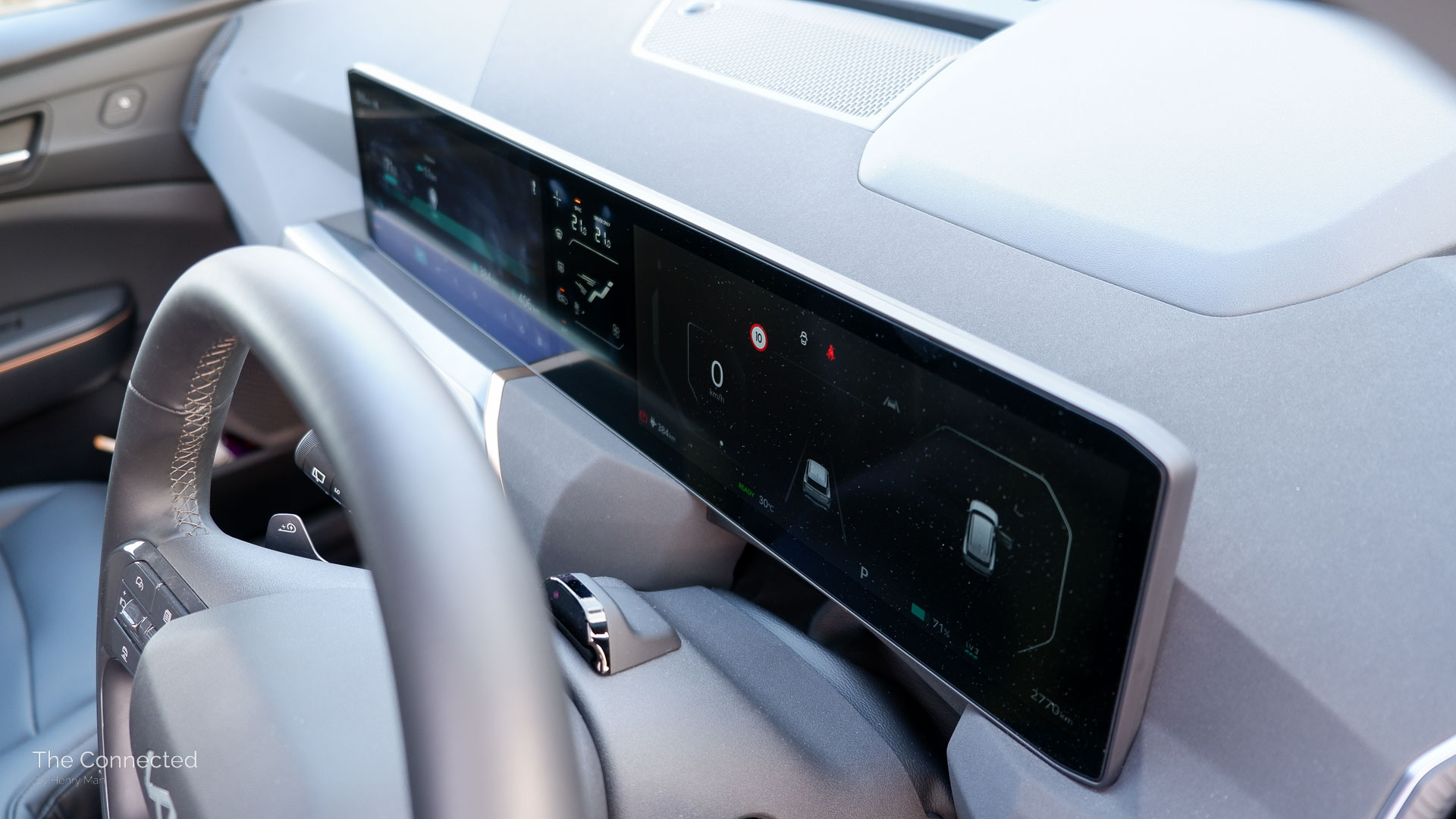
Reflecting the flagship Kia EV9, the EV5 brings the company’s three-screen setup with the centre monochrome display being home to the dual-zone climate controls.
While it is centred around the touchscreen, it is still easy to operate with the temperature and fan controls always visible and accessible, plus physical switches in the middle.
It still feels familiar and isn’t distracting, unlike many rival medium electric SUVs that bury climate controls into the main screen.
However, from the driver’s perspective, the steering wheel can partially block the climate screen (I could only see the set temperature with my driving position), but there’s the ability to expand the climate screen into the main central display when needed.
Technology.
2025 Kia EV5 tech features:
| 12.3-inch touchscreen running ccNC | 12.3-inch driver instrument display |
| Wireless/wired Apple CarPlay and Android Auto | 5.0-inch climate control touchscreen |
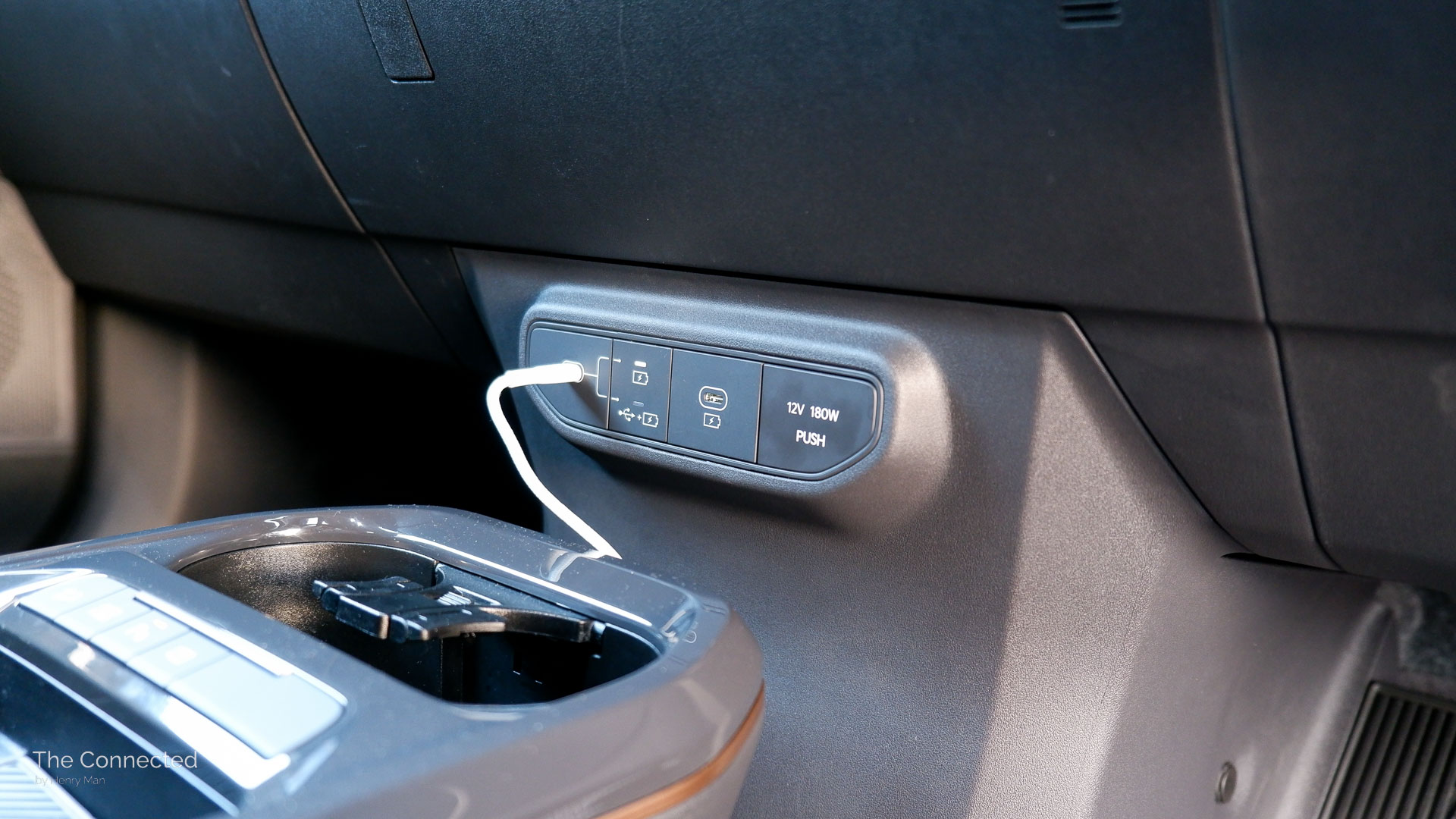
| Built-in maps | 4x USB-C, 1x 12-volt and 1x interior V2L power plugs |
| Kia Connected services and mobile app | Six speakers (Air/Earth) / eight-speaker Harmon/Kardon (GT-Line) |
| OTA software update capability | Proximity key with auto-folding mirrors |
The Kia EV5 features a modern and advanced technology offering, without feeling too unfamiliar.
Running on the South Korean carmaker’s latest Connected Car Navigation Cockpit (ccNC) software, the 12.3-inch touchscreen is snappy and clear with a refined and reasonably easy to use interface, plus touch-sensitive shortcut buttons underneath that are much more responsive than the Kia EV9.
It isn’t overwhelming, unlike the large tablet and screen-heavy reliance for basic functions from rivals such as the Tesla Model Y, BYD Sealion 7 and Deepal S07.
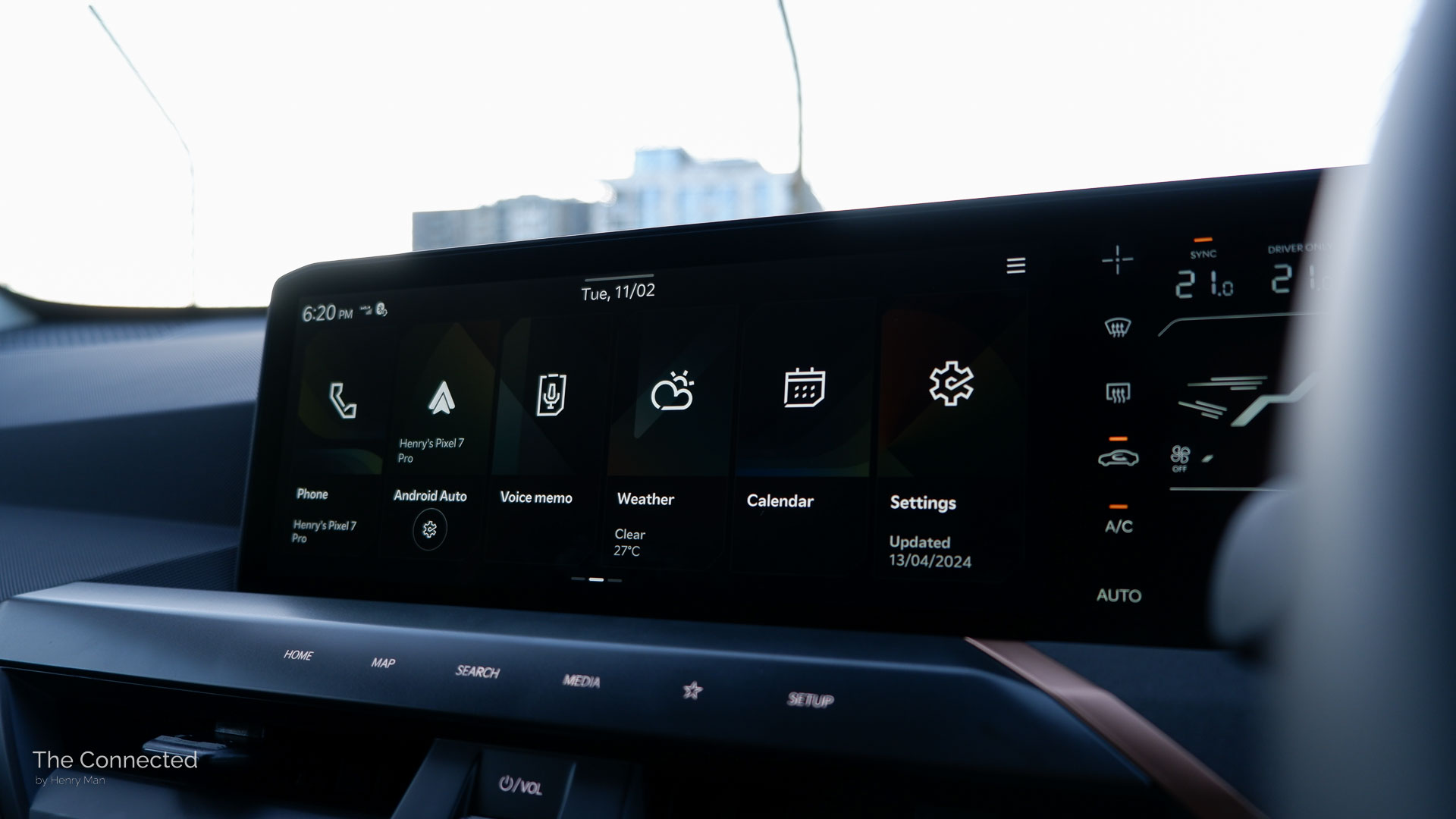
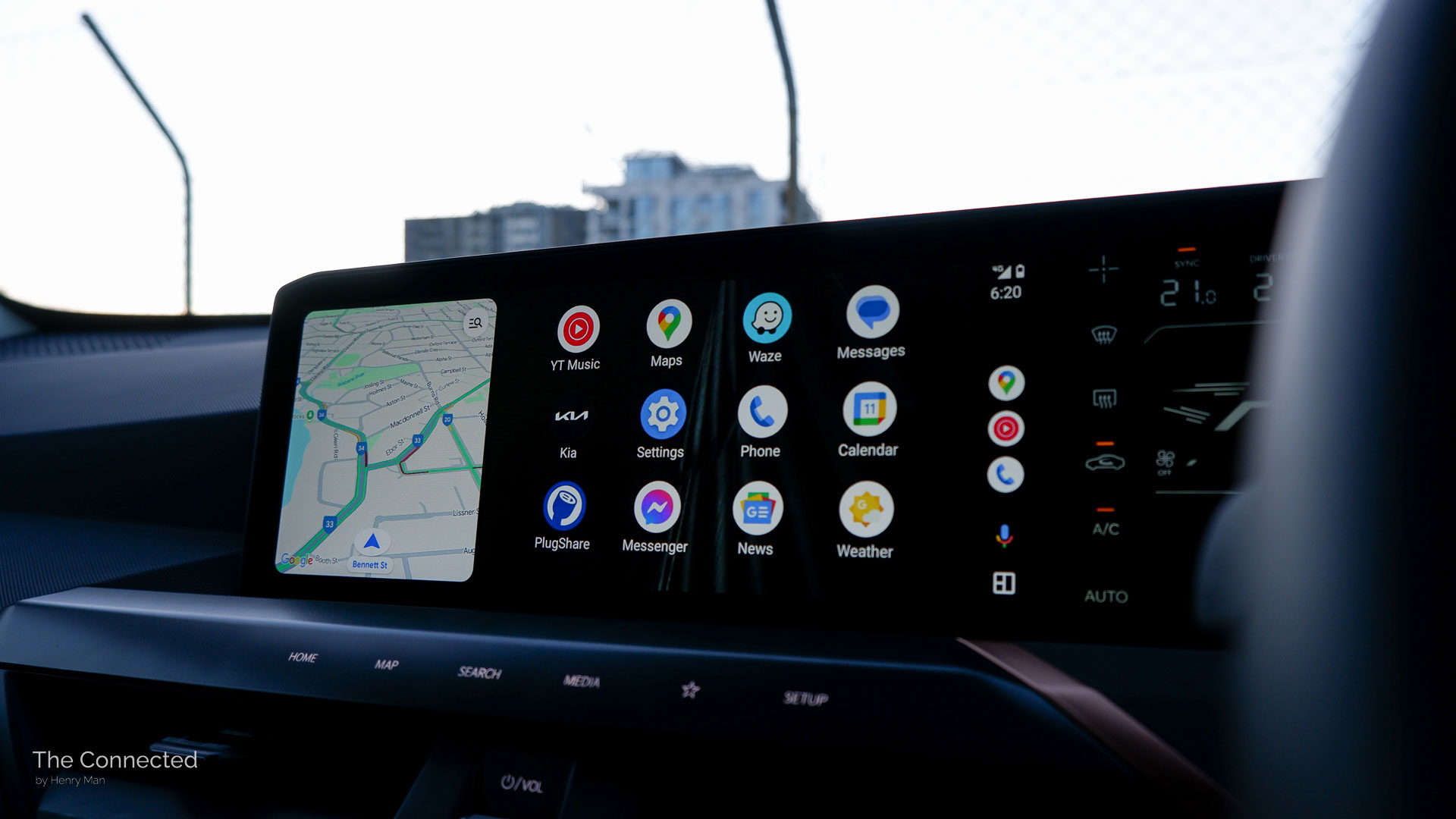
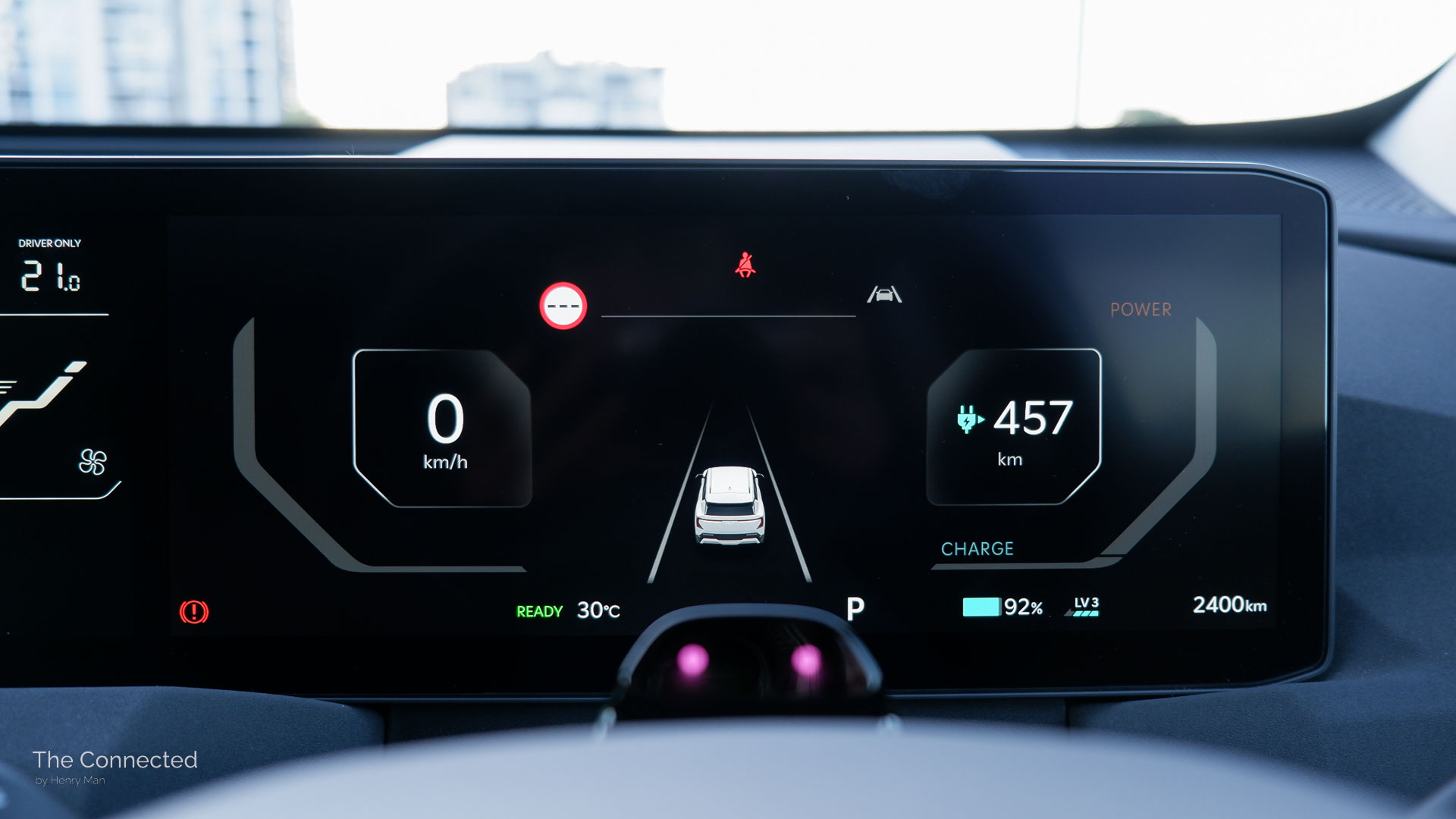
Wireless Apple CarPlay and Android Auto are standard, with the latter connecting reliably and integrating with the instrument cluster to show map directions.
Disappointingly, the Qi wireless charging pad is only reserved for the top-spec EV5 GT-Line – so I regularly needed to plug in a USB-C charging port to avoid my phone running out of charge. It’s a basic feature that’s standard on the smaller Kia EV3 and even the ~$30K base Hyundai i30 Sedan.
The adjoined 5.0-inch monochromatic climate control panel helps fill the gap between the main and instrument displays with actual utility, while the 12.3-inch driver cluster is legible and easy to use with the integration of Apple CarPlay and Android Auto map direction instructions.
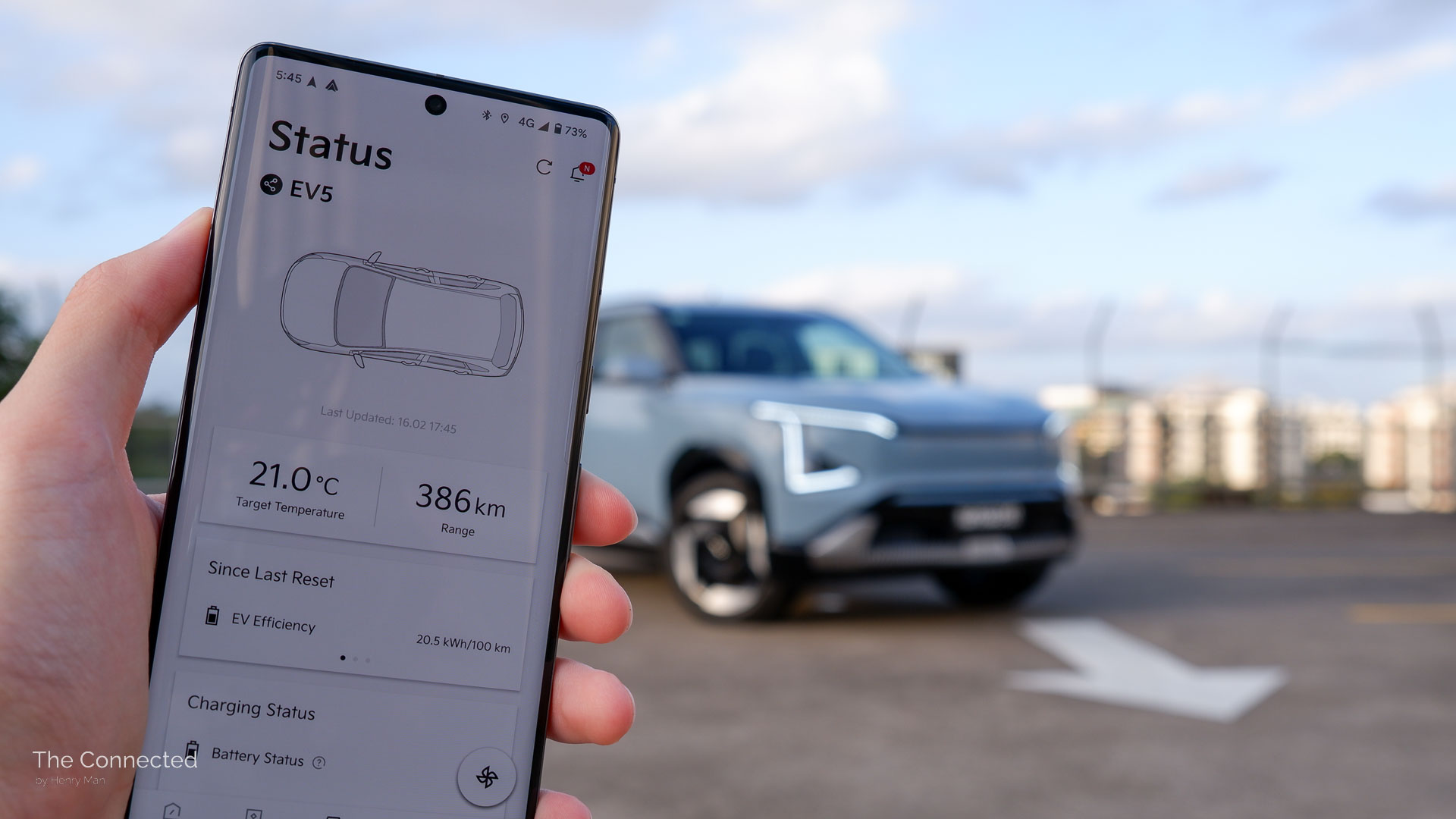
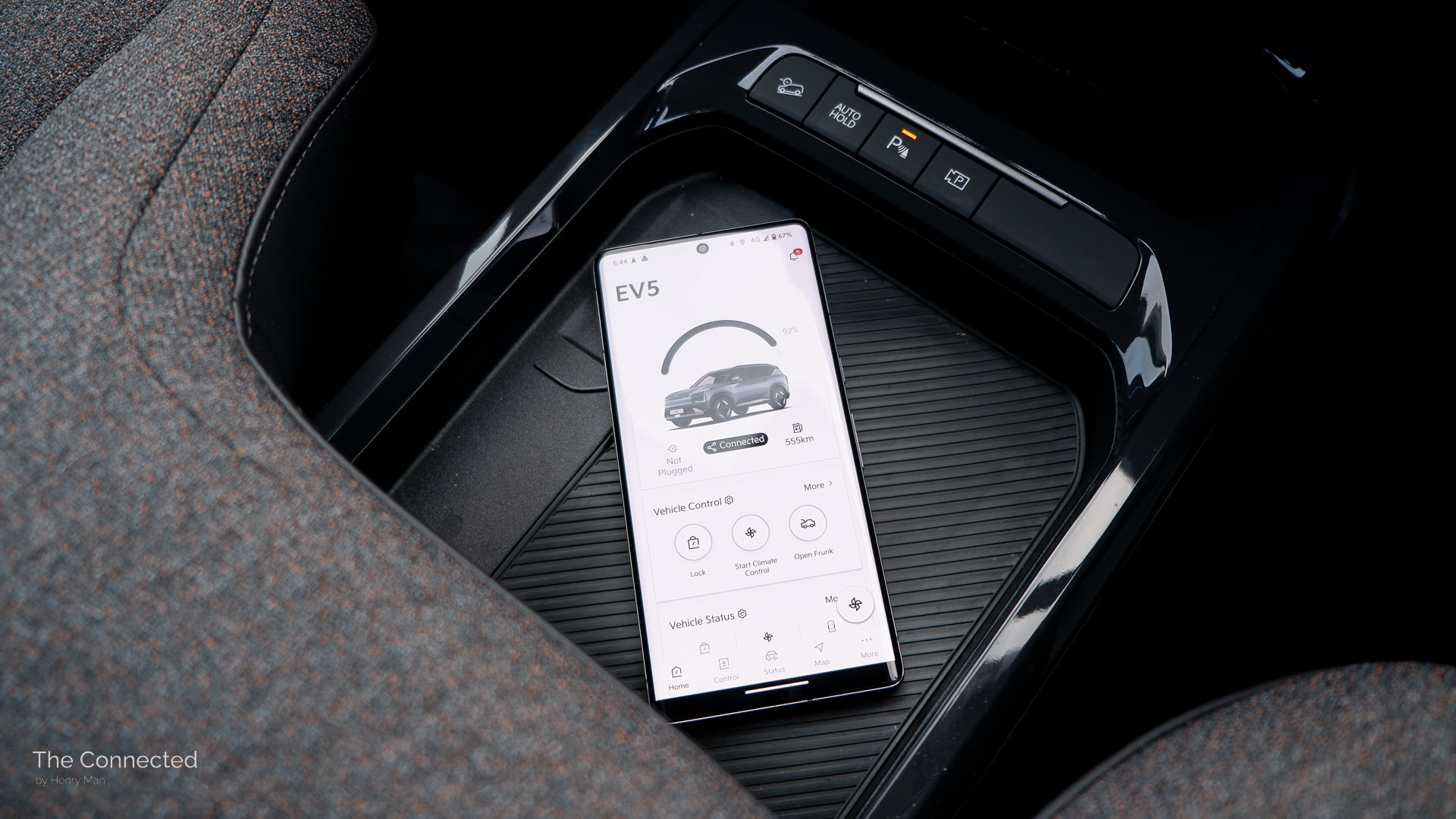
Additionally, the Kia Connect mobile app is well-designed with the ability to turn on the air-conditioning, pop the frunk open, and check the battery status remotely. I found that sending commands to the EV5 was consistently quicker than other Kias I’ve tested in the past, but Australia doesn’t offer the Digital Key function.
Connected services are included for free for the first seven years from activation.
Even though the Air and Earth have a non-branded six-speaker system, it sounds pretty good with units at the dashboard directly facing the front two occupants.
Safety.
2025 Kia EV5 safety features:
| Front AEB with vehicle/pedestrian/cyclist/junction turning detection | Reversing camera (Air/Earth) / 360-degree surround-view camera system (GT-Line) |
| AEB with direct/oncoming lane change detection | Front and rear parking sensors (Air/Earth) / front, side and rear parking sensors (GT-Line) |
| Rear AEB | Road sign detection and speed limit assist |
| Blind-spot assist | Door open warning |
| Rear cross-traffic assist | Rear occupant warning (door history based) |
| Lane-keep assist and lane-centring assist | Kia Connect emergency services calling and remote vehicle tracking |
| HDA2 adaptive cruise control with auto lane change assist | Full LED headlights and tail-lights |
The EV5’s active safety assistance systems are generally well-calibrated, but very annoying.
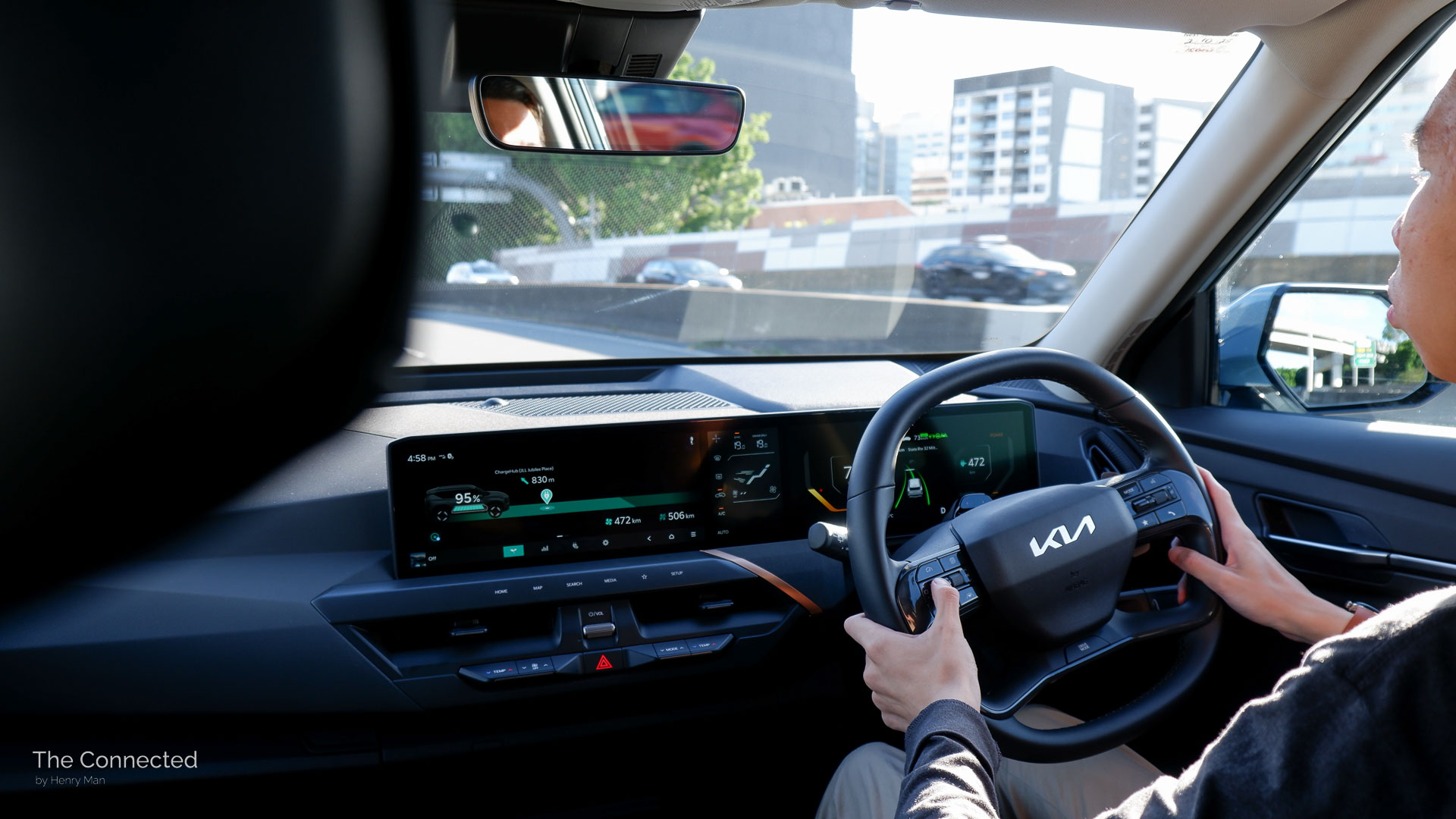
All Kia EV5 variants feature most safety tech as standard, with smooth and dependable Highway Driving Assist 2 (HDA2) adaptive cruise control with vehicle visualisations and lane-centring assist.
While it’s welcome that there is an automatic lane change assist feature on mapped highways, it is agonisingly slow to operate compared to Tesla’s system.
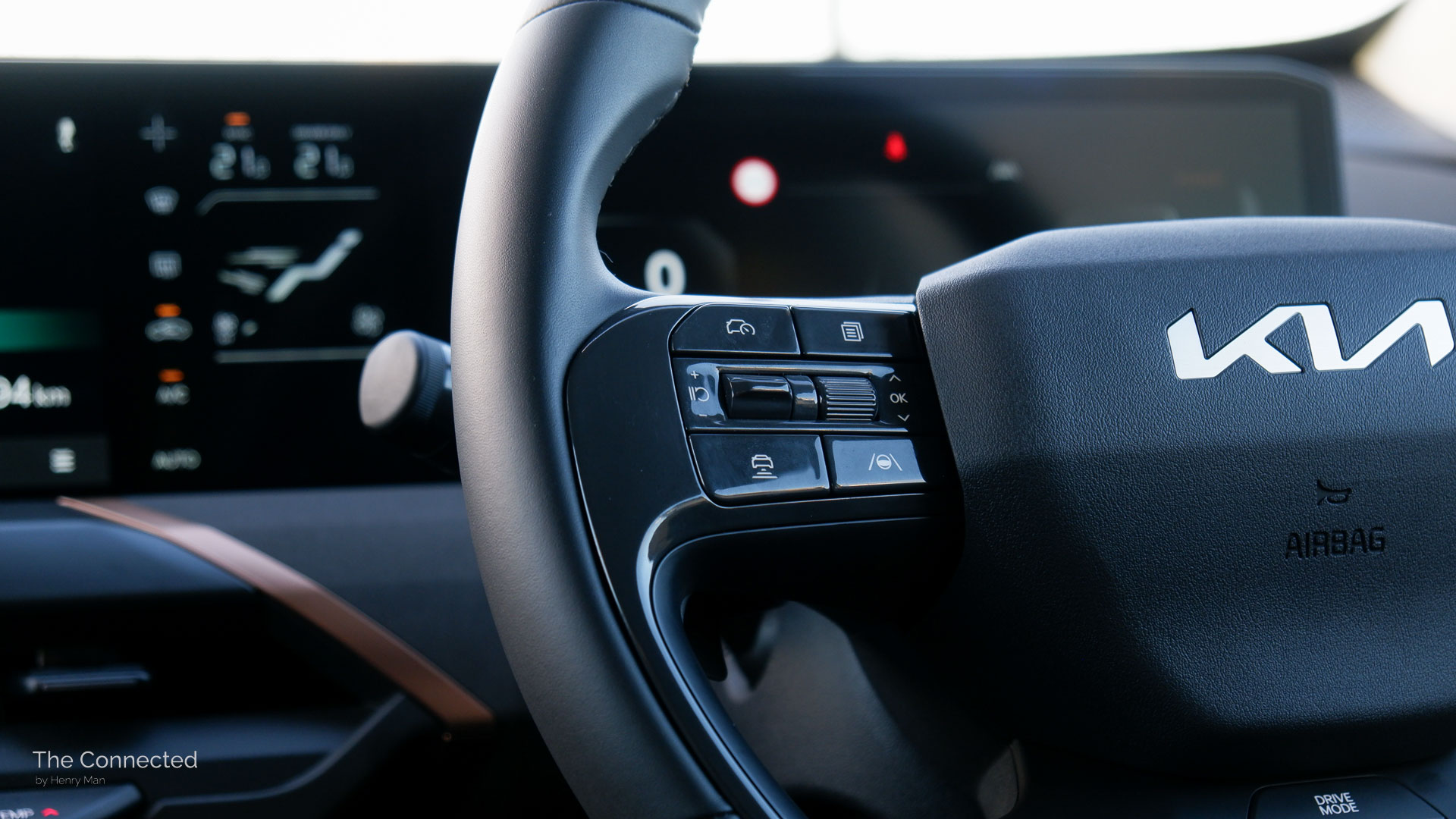
It doesn’t have a hands-on detection capacitive sensor on the wheel either, so it often nags drivers to put pressure on the wheel while on adaptive cruise.
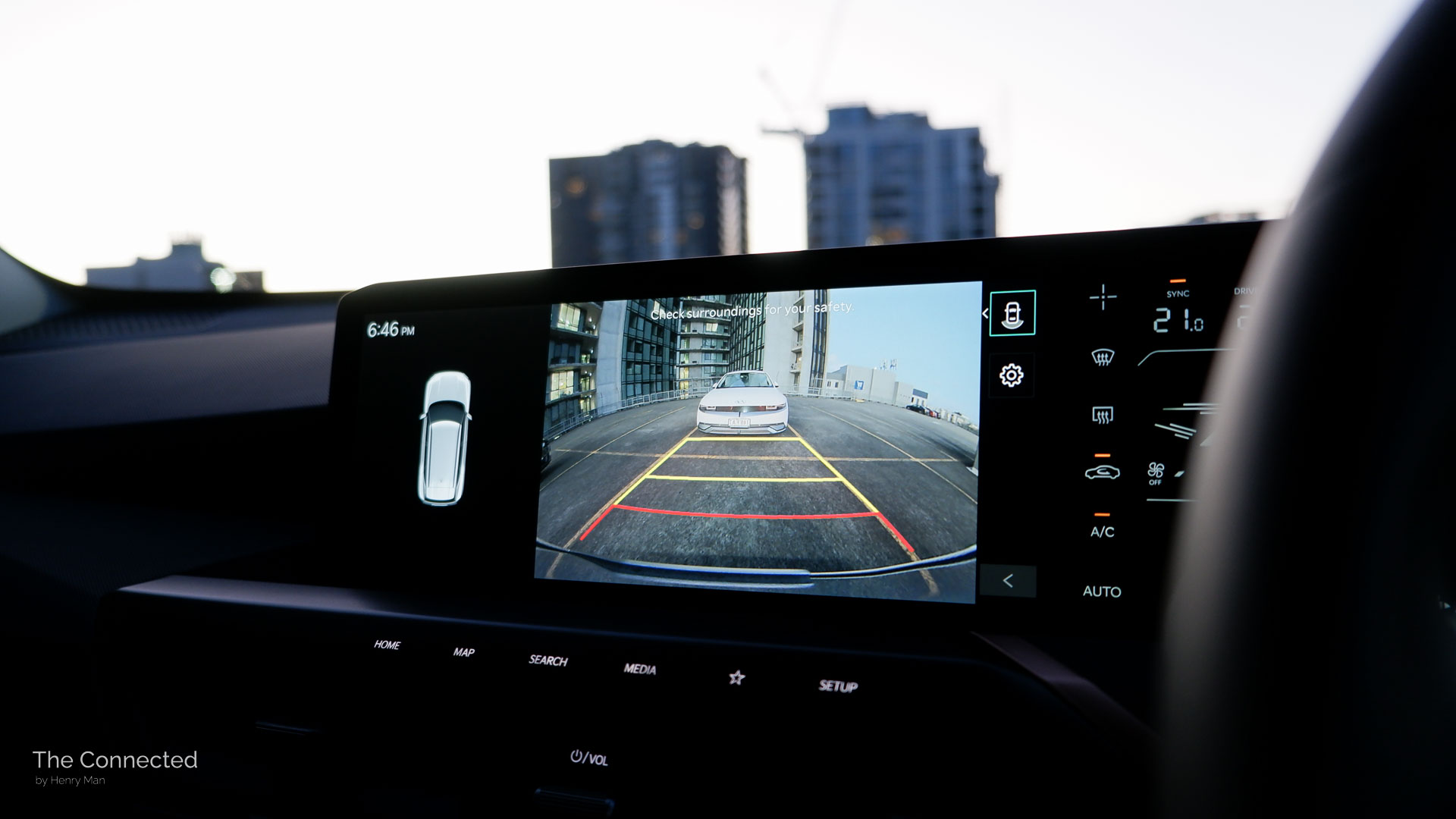
The rear-view camera is clear, but fairly exposed to the elements at the tailgate.
Buyers need to again step up to the flagship GT-Line to get a 360-degree camera system and blind-spot view cameras – features that usually come with its rivals’ base models.
The lane-keep assist system is also a touch too sensitive and activates from 45km/h, triggering the wheel to tug against the driver at times.
Meanwhile, the speed limit detection system generally performs well and knows when you’re passing through a school zone outside the designated times – although it annoyingly chimes every time you pass a new road sign and repeatedly warns as soon as you overspeed (which is irritating as the EV5’s speedometer is about 5km/h off).
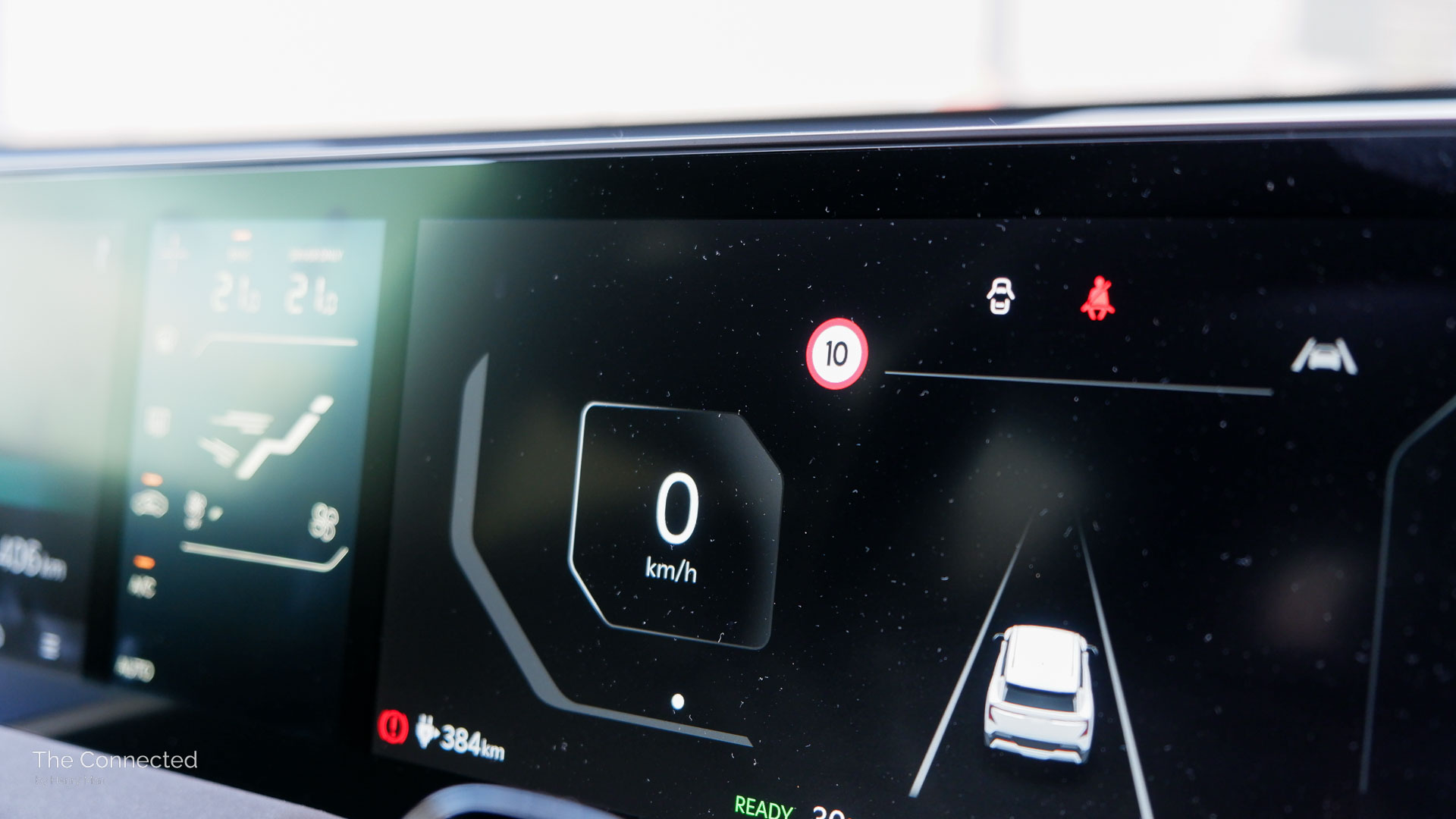
The Kia EV5 strangely doesn’t offer the handy mute speed limit assist shortcut via holding the steering wheel volume dial, unlike other models from the brand.
Interestingly (and thankfully), all safety warning sounds are much quieter on the EV5 than other Kia models, likely due to its speaker setup.
The driver distraction monitoring camera is on by default and, while it is accurate at warning when the driver’s eyes aren’t looking directly ahead, it is another annoying safety nanny.
All variants include full LED headlights and tail-lights, with the former providing good visibility at night with its reflector-type bulbs across the range.
The 2025 EV5 has a five-star safety rating by the Australasian New Car Assessment Program (ANCAP) under its 2024 testing criteria.
Range and charging.
2025 Kia EV5 battery and charging specs:
| Air Standard Range | Air Long Range | Earth | GT-Line | |
|---|---|---|---|---|
| Claimed driving range (WLTP combined cycle) | 400km | 555km | 500km | 470km |
| Claimed energy efficiency (WLTP combined cycle) | 18.2kWh/100km | 18.0kWh/100km | 20.1kWh/100km | 21.0kWh/100km |
| Battery size and type | 64.2kWh (gross) LFP battery | 88.1kWh (gross) LFP battery | ||
| Battery voltage | 396.8 volts | 399.4 volts | ||
| Max AC / DC charging speed | 6.6 / 102kW | 11 / 140kW | ||
| Bidirectional charging | Interior V2L | Interior and exterior V2L | ||
| Connector type | Type 2 / CCS2 | |||
| Everyday charging limit recommendation | 100% | |||
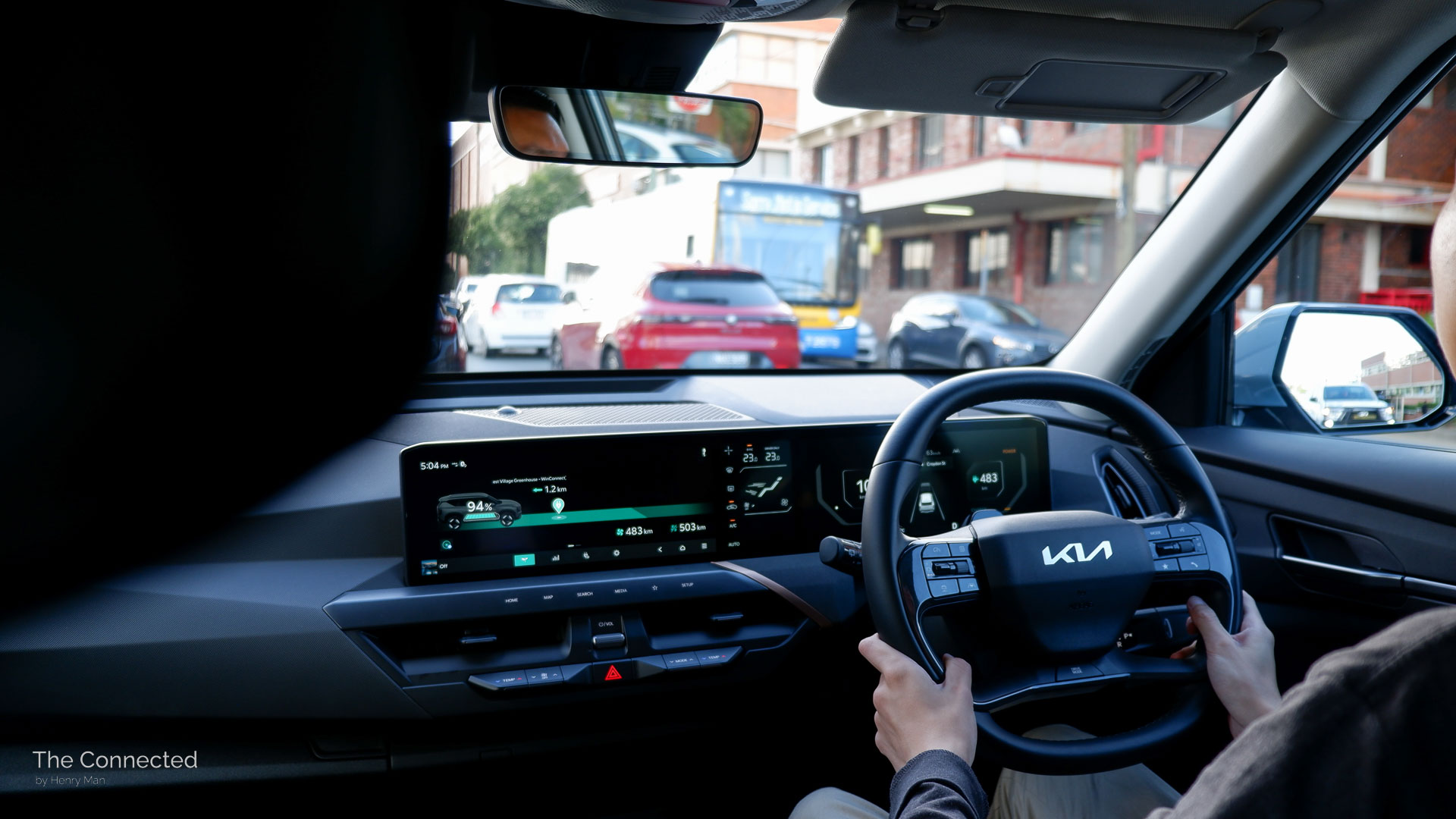
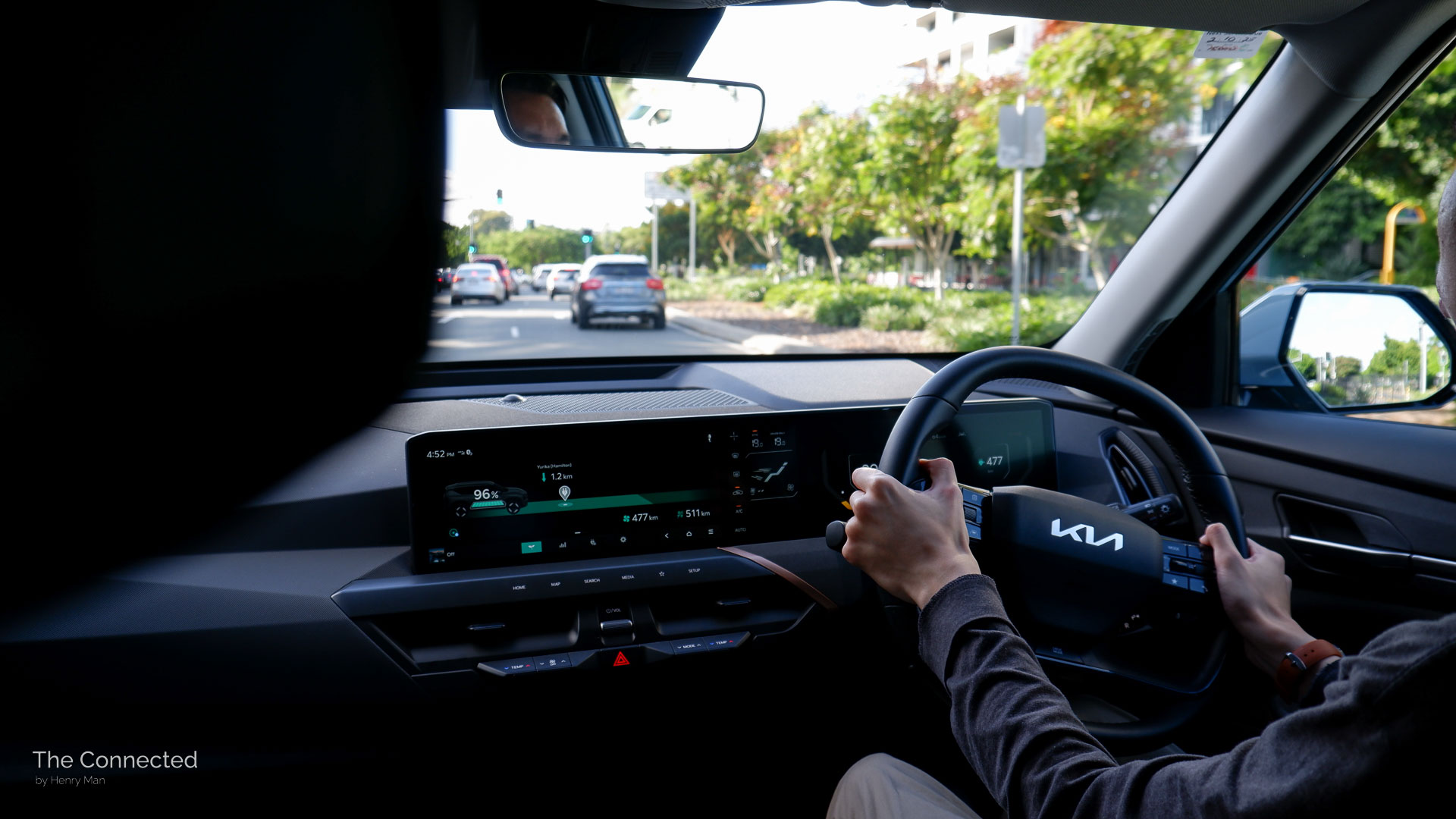
After a week of mixed urban and highway driving, the single-motor Kia EV5 was noticeably more energy efficient than the dual motor.
The single-motor, front-wheel drive EV5 Air Long Range as tested indicated a respectable 15.9kWh/100km energy consumption resulting in around 553km of real-world driving range from a full charge.
By contrast, the dual-motor, all-wheel drive EV5 Earth returned a 19.9kWh/100km energy efficiency for about 442km of range – which is fairly inefficient.
Thankfully, a key advantage of including the Build Your Dreams (BYD) sourced lithium-iron-phosphate (LFP) type battery packs across the range is the ability to fully charge to 100 per cent regularly without excessive degradation concerns.
A heat pump is not available on any EV5 variant in Australia.
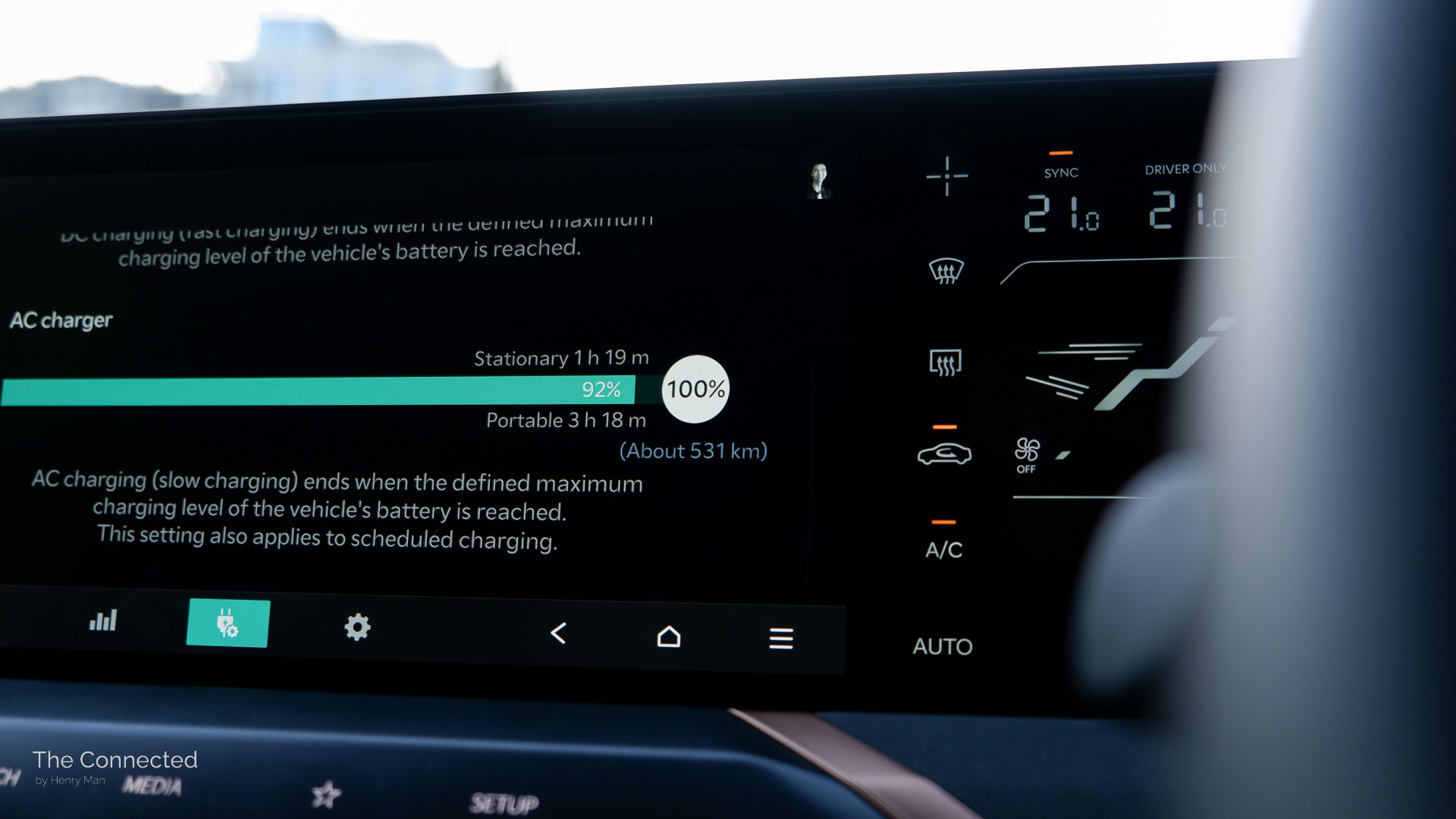
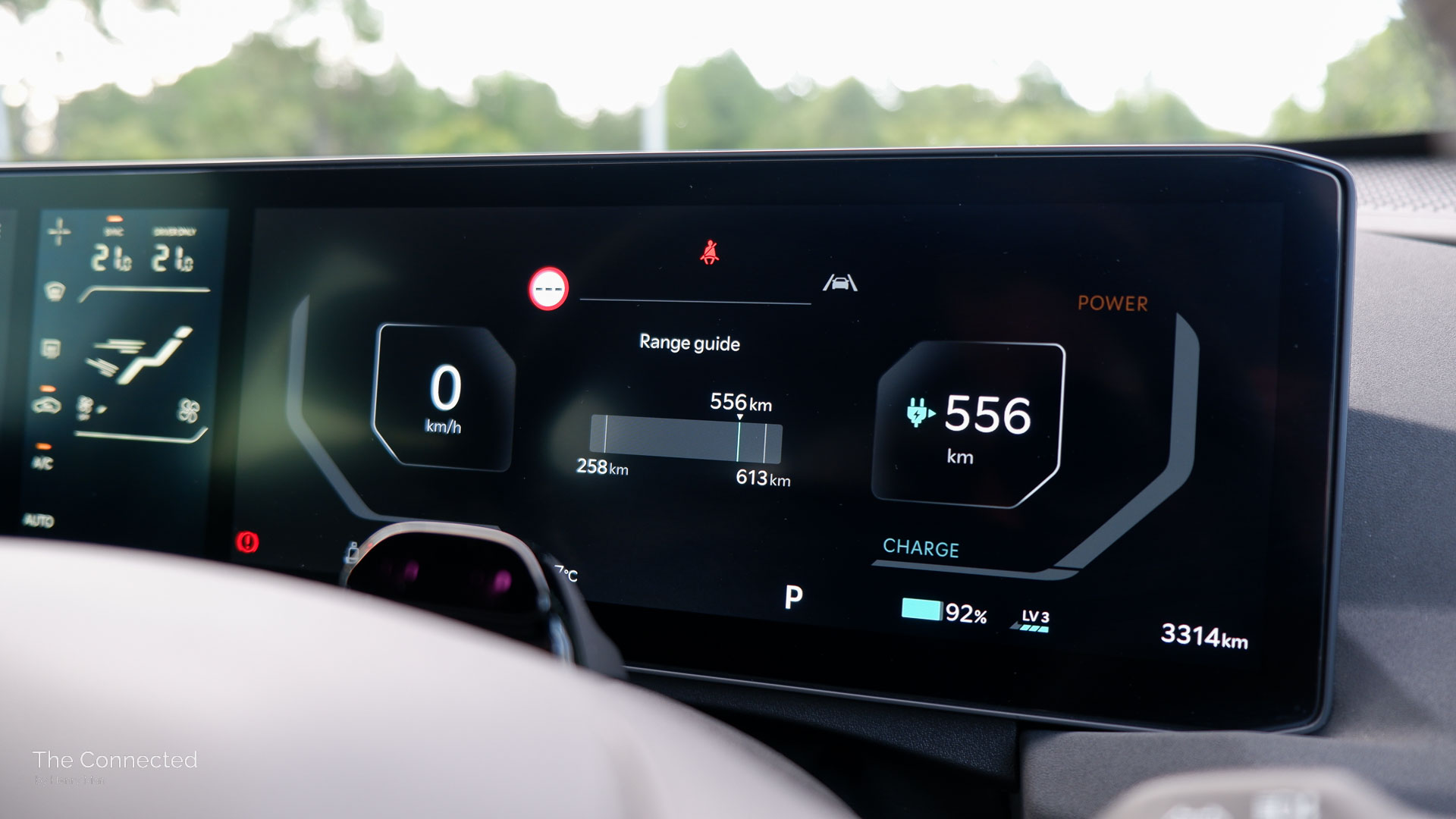
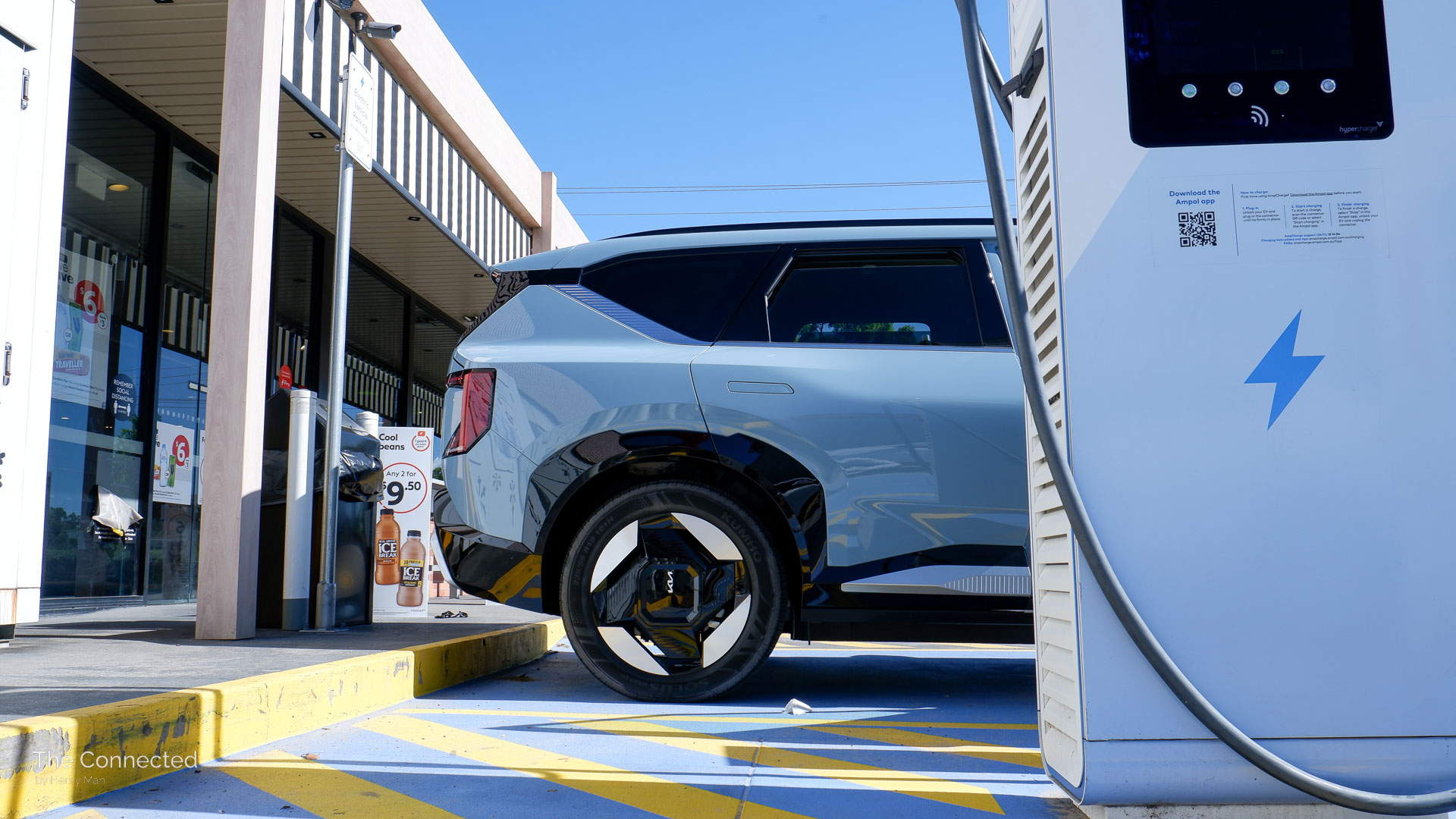
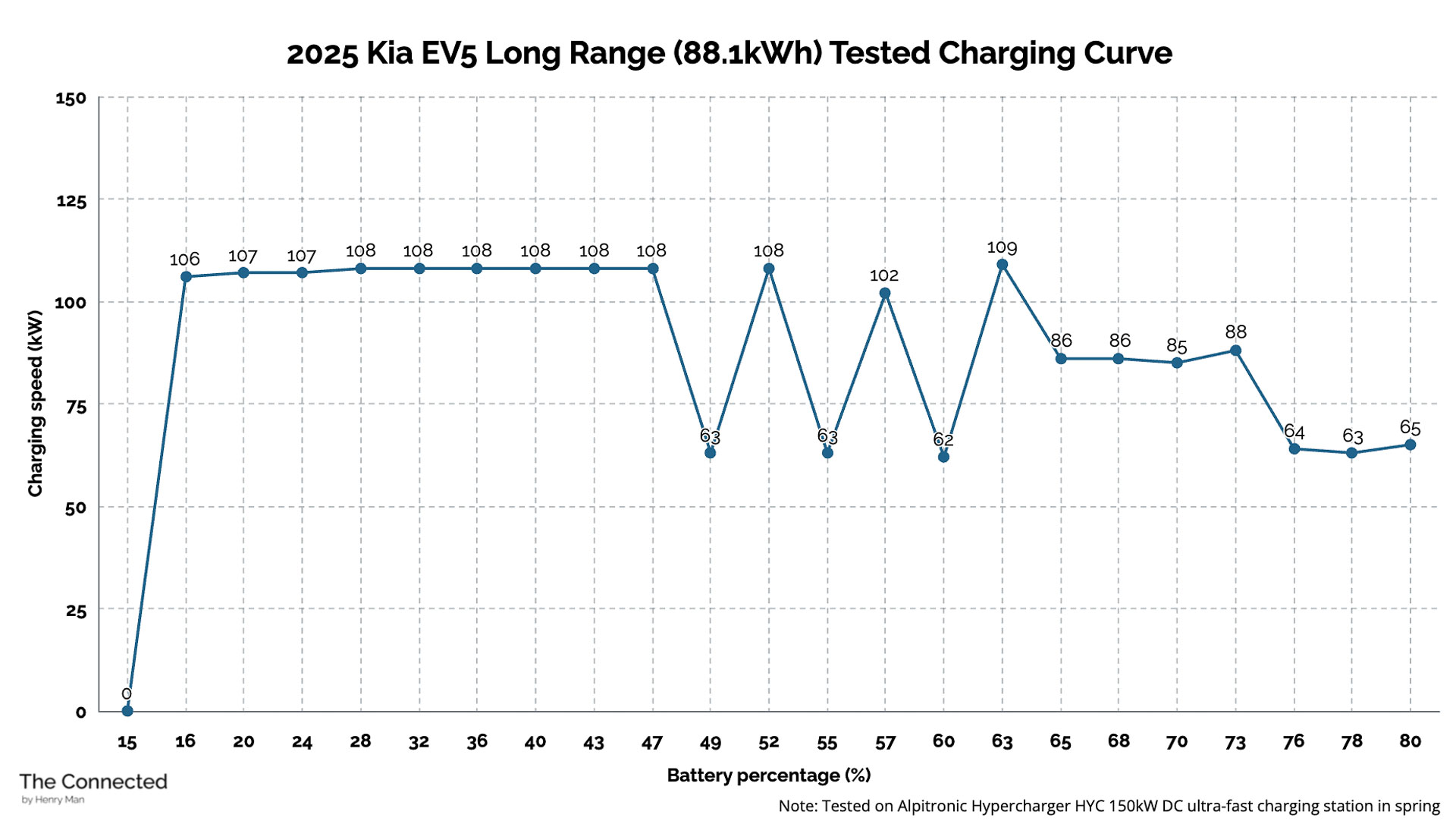
In our testing on a 150kW DC fast charging station, the EV5 Long Range recharged from 15 to 80 per cent in about 43 minutes.
We didn’t see the EV5 Long Range’s 140kW peak; instead it was 109kW under the hot summer sun. The session averaged 91kW speeds.
The charging curve was also weirdly inconsistent with the EV5 constantly cycling after 19 minutes of fast charging – throttling down to around 60kW and going back up to about 100kW.
The Long Range LFP battery is capable of up to 11kW AC three-phase slow charging speeds, whereas the Standard Range is limited to up to 6.6kW AC.
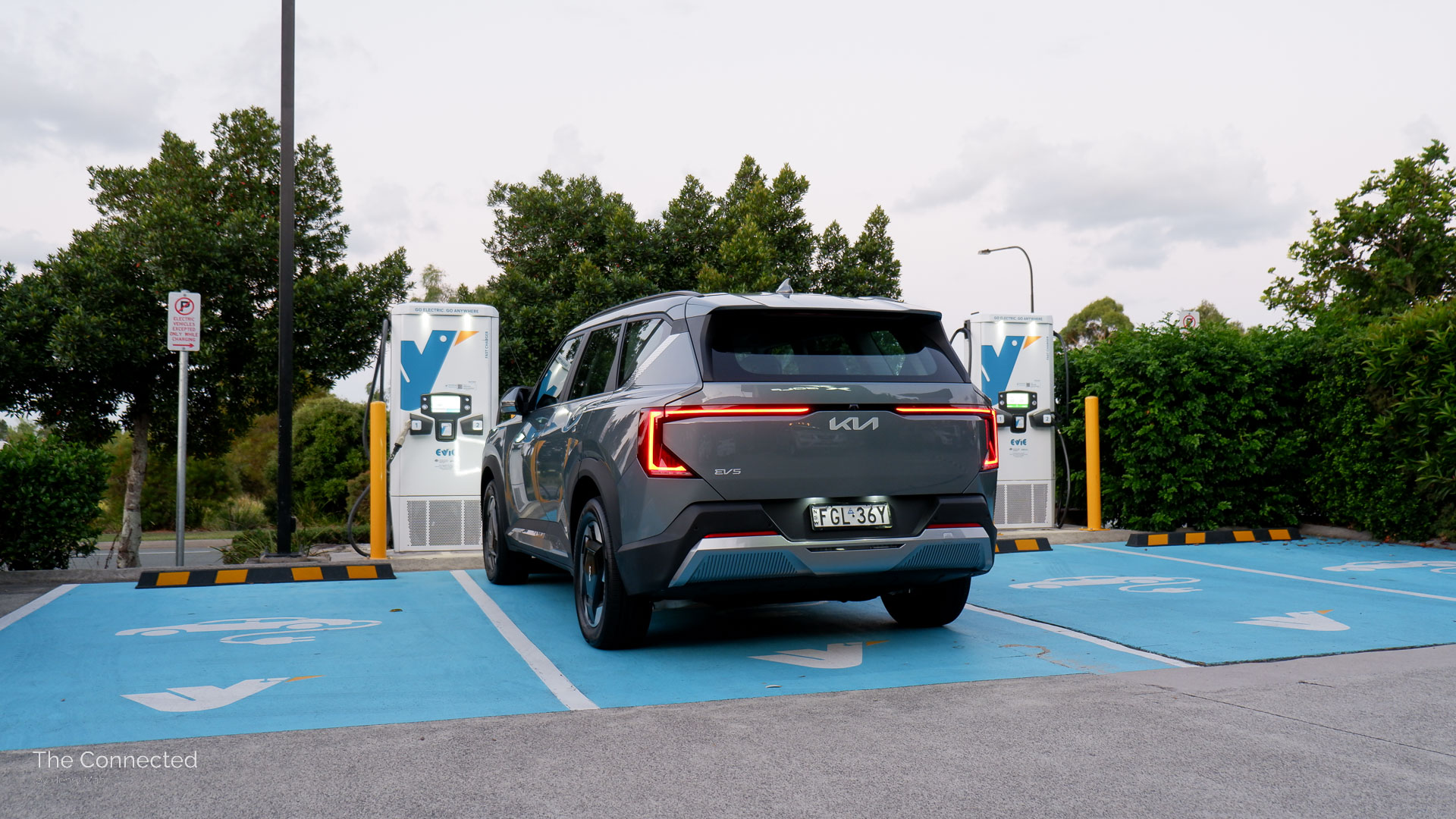
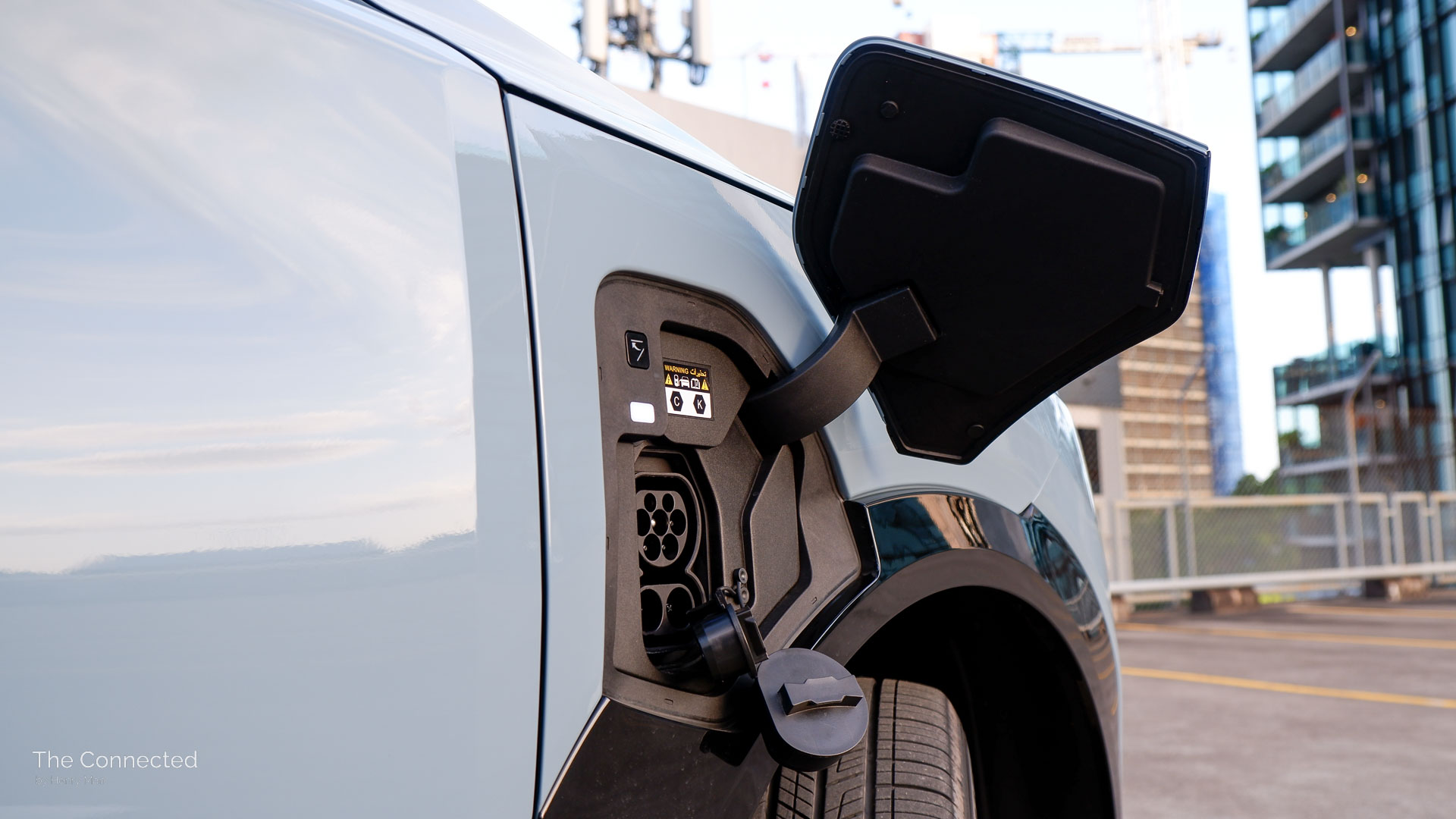
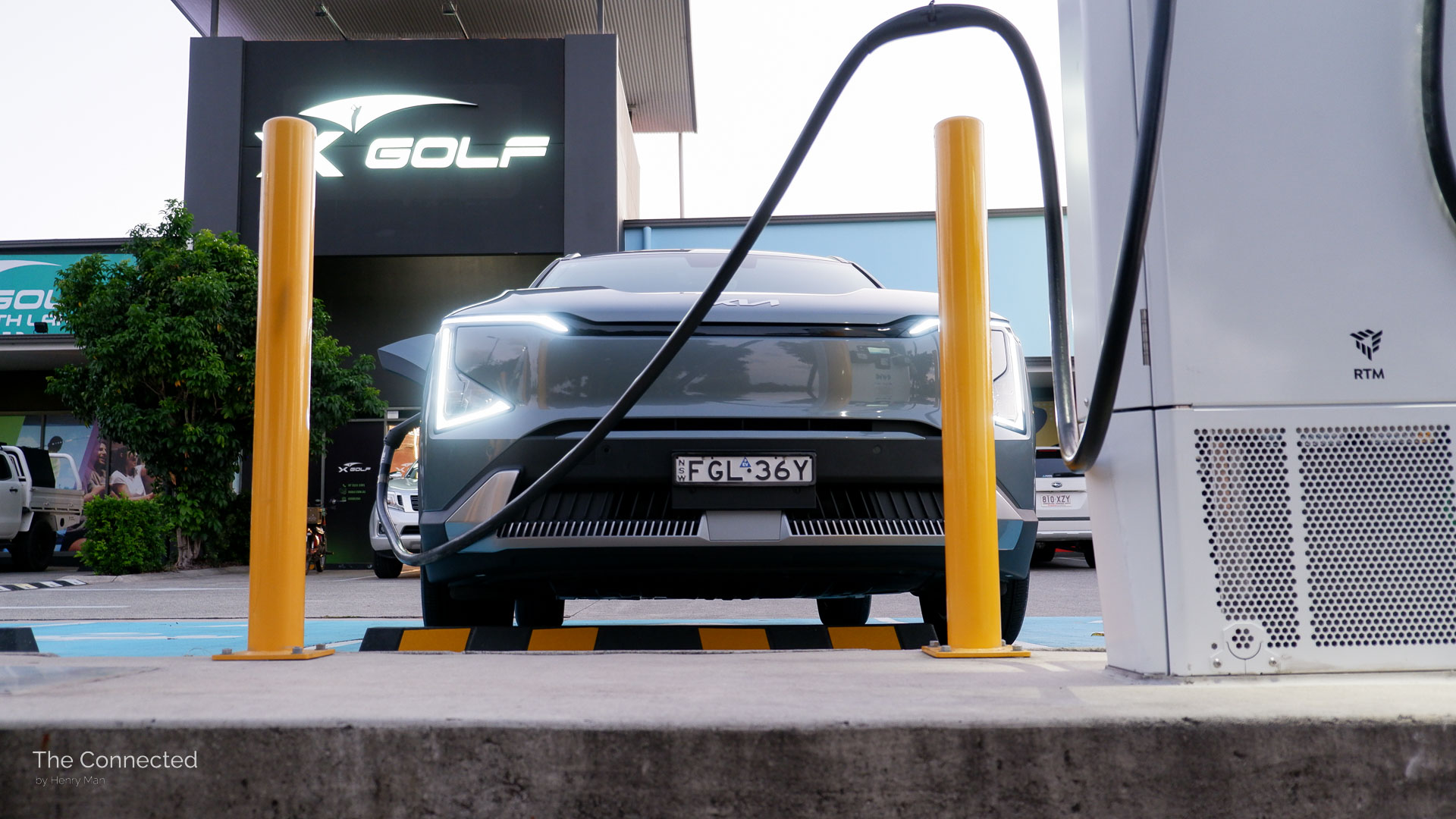
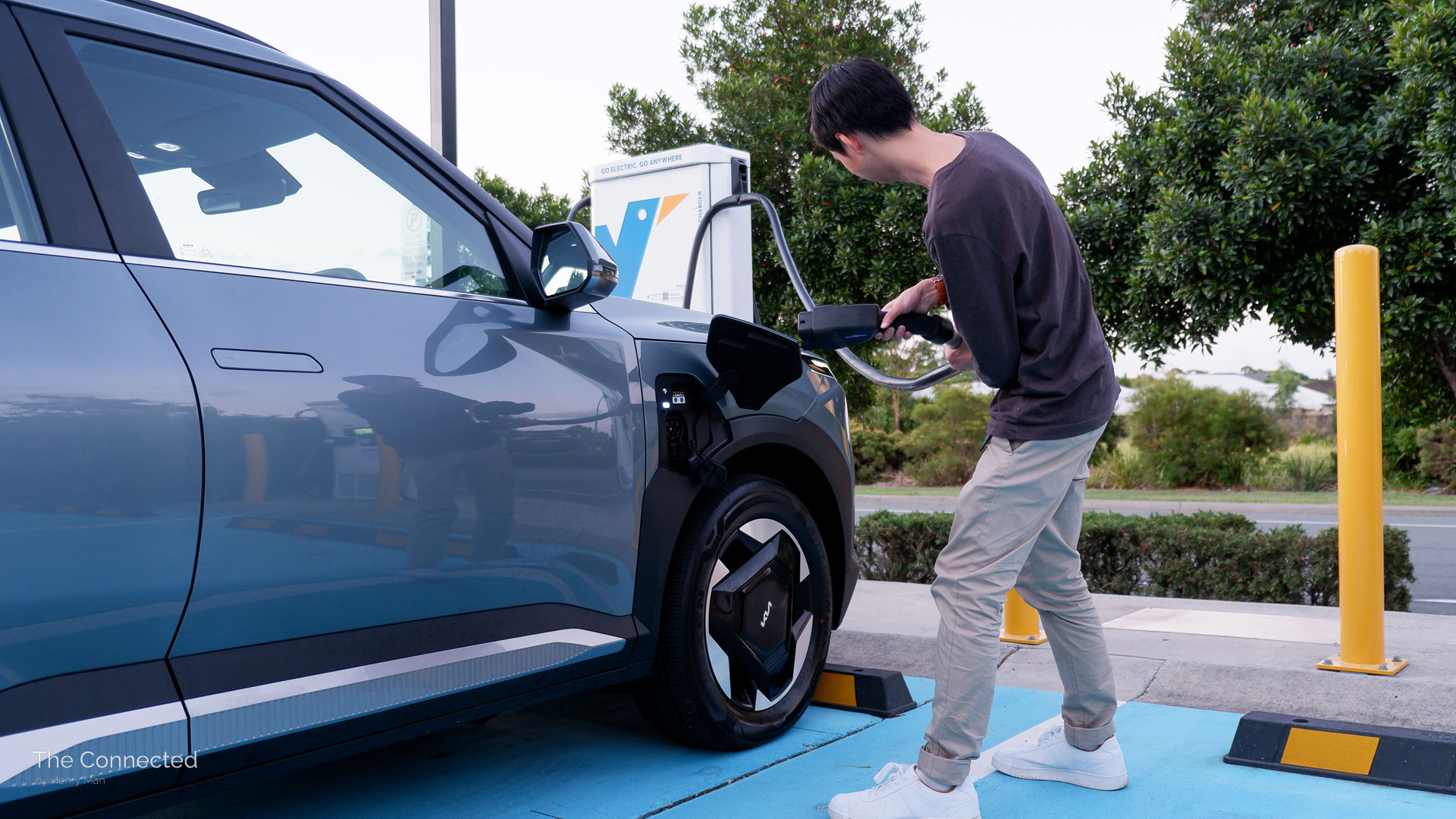
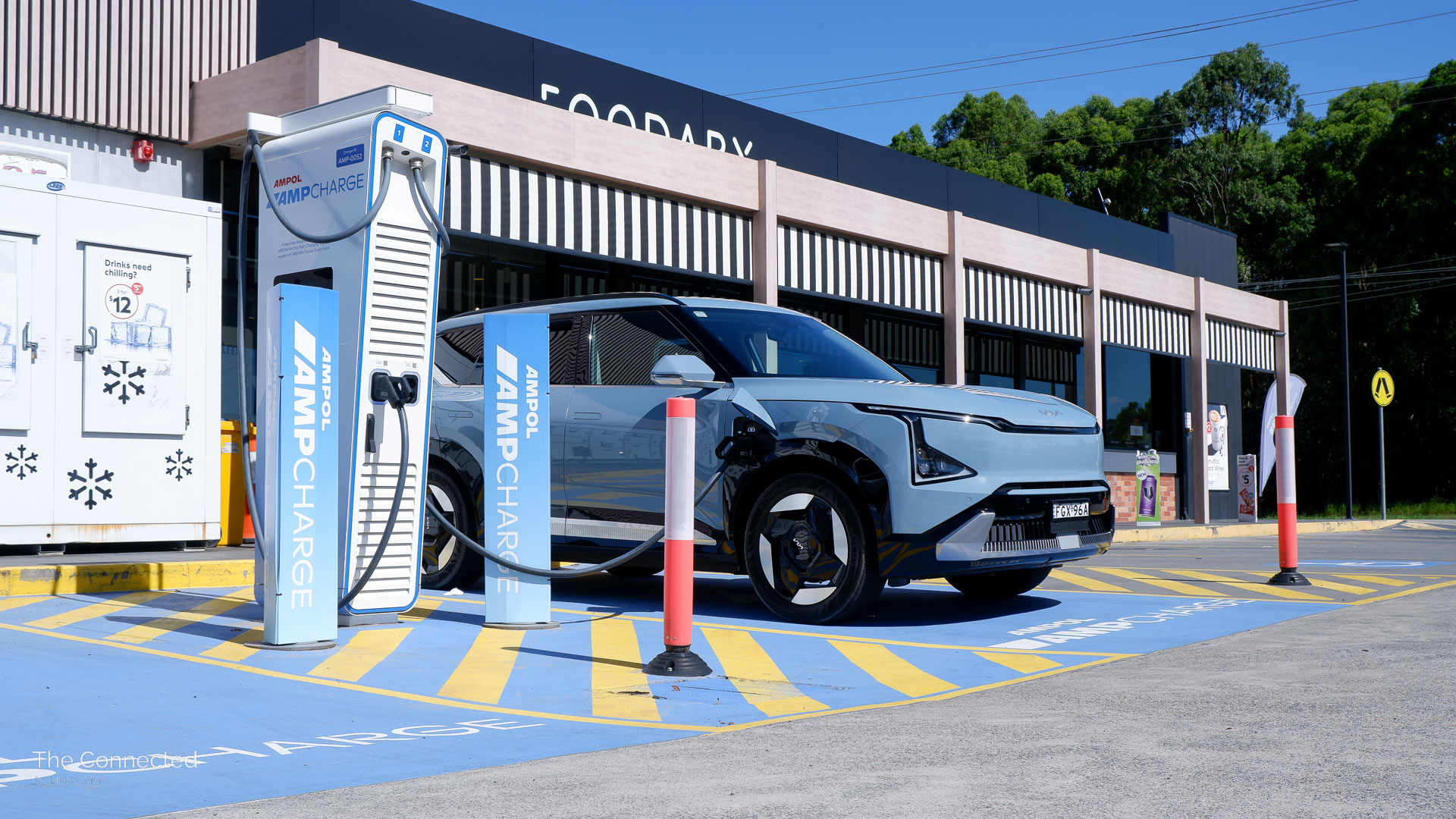
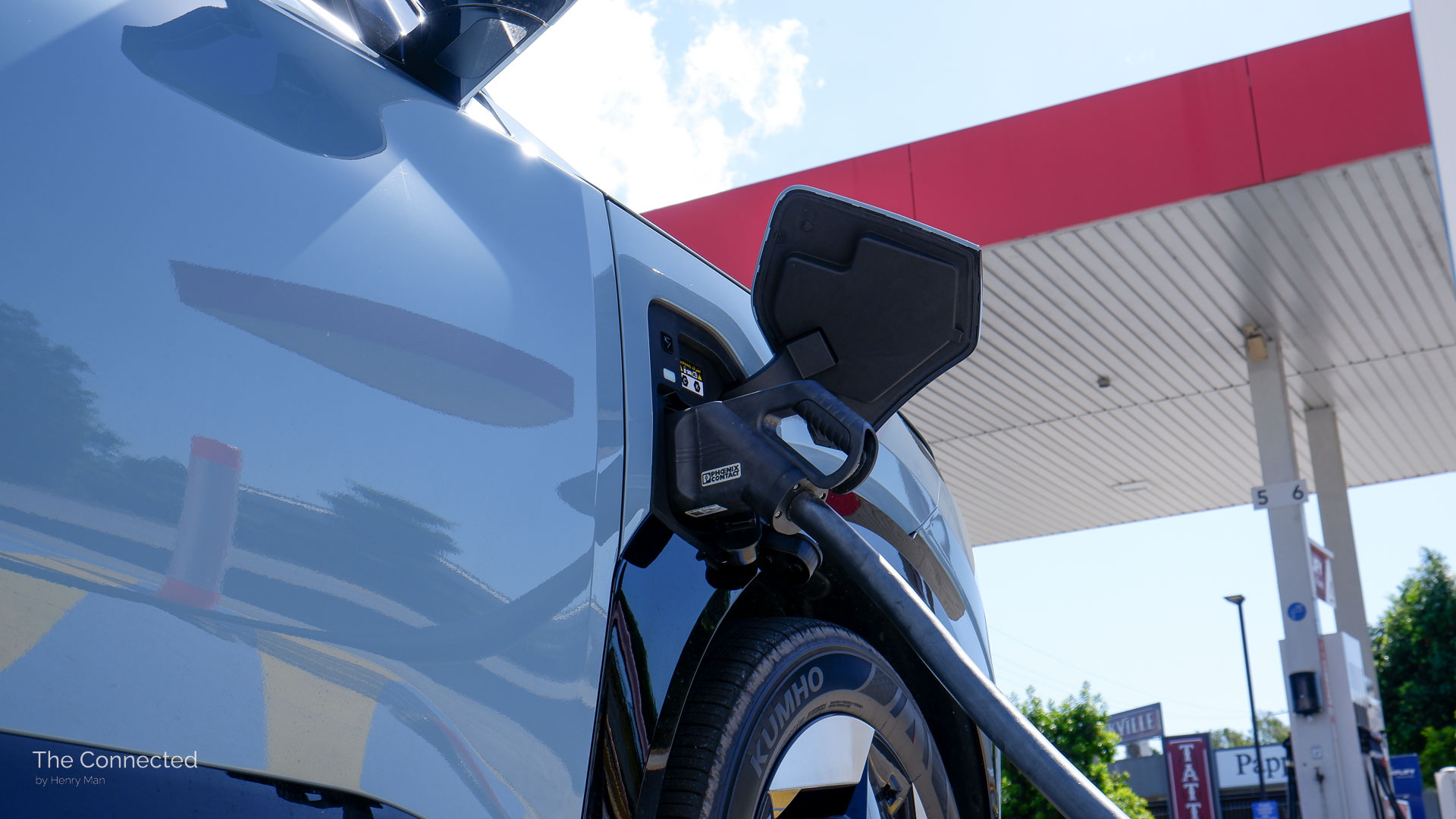
Unfortunately, the Kia EV5’s Type 2 CCS charging port is located at the front-right quarter of the vehicle beside the wheel arches, with an electrically-operated lid.
This position makes it very difficult for shorter cables to reach, especially at fast public charging stations that are placed in front of the parking bay.
It’s an awkward and tedious task given the front bonnet gets in the way of the cable (potentially scratching the bodywork) and the closely-attached plastic AC and DC caps can obstruct the ability to plug in.
It likely isn’t an inconvenience when charging at home, though.
Vehicle-to-load (V2L) is standard on all models, but only the Earth and GT-Line come with an exterior adapter.
Driving.
2025 Kia EV5 powertrain specs:
| Air Standard Range | Air Long Range | Earth | GT-Line | |
|---|---|---|---|---|
| Electric motor | Single permanent magnet synchronous motor | Dual permanent magnet synchronous motors | ||
| Power | 160kW | 230kW | ||
| Torque | 310Nm | 480Nm | ||
| Transmission | Single-speed | |||
| Drive type | FWD | AWD | ||
| Tare weight | 1910kg | 2054kg | 2198kg | 2229kg |
| Turning circle | 11.7 metres | |||
| Payload | ~430kg (excluding max 50kg towball download) | ~436kg (excluding max 100kg towball download) | ~432kg (excluding max 100kg towball download) | ~421kg (excluding max 100kg towball download) |
| Towing (unbraked / braked) | 300 / 300kg | 750 / 1250kg | ||
The Kia EV5 is a comfortable to drive medium electric SUV with the underrated advantage of Australian-tuned ride and handling.
The single-motor Air produces up to 160kW of power and 310Nm of torque to the front wheels – which provides more than enough punch for everyday driving, without jolting the cabin.
Meanwhile, the dual-motor Earth and GT-Line makes a healthy 230kW/480Nm combined to all four wheels – which is more spritely off the line, but still isn’t neck-breaking like the dual-motor Kia EV6 GT-Line or Hyundai Ioniq 5.
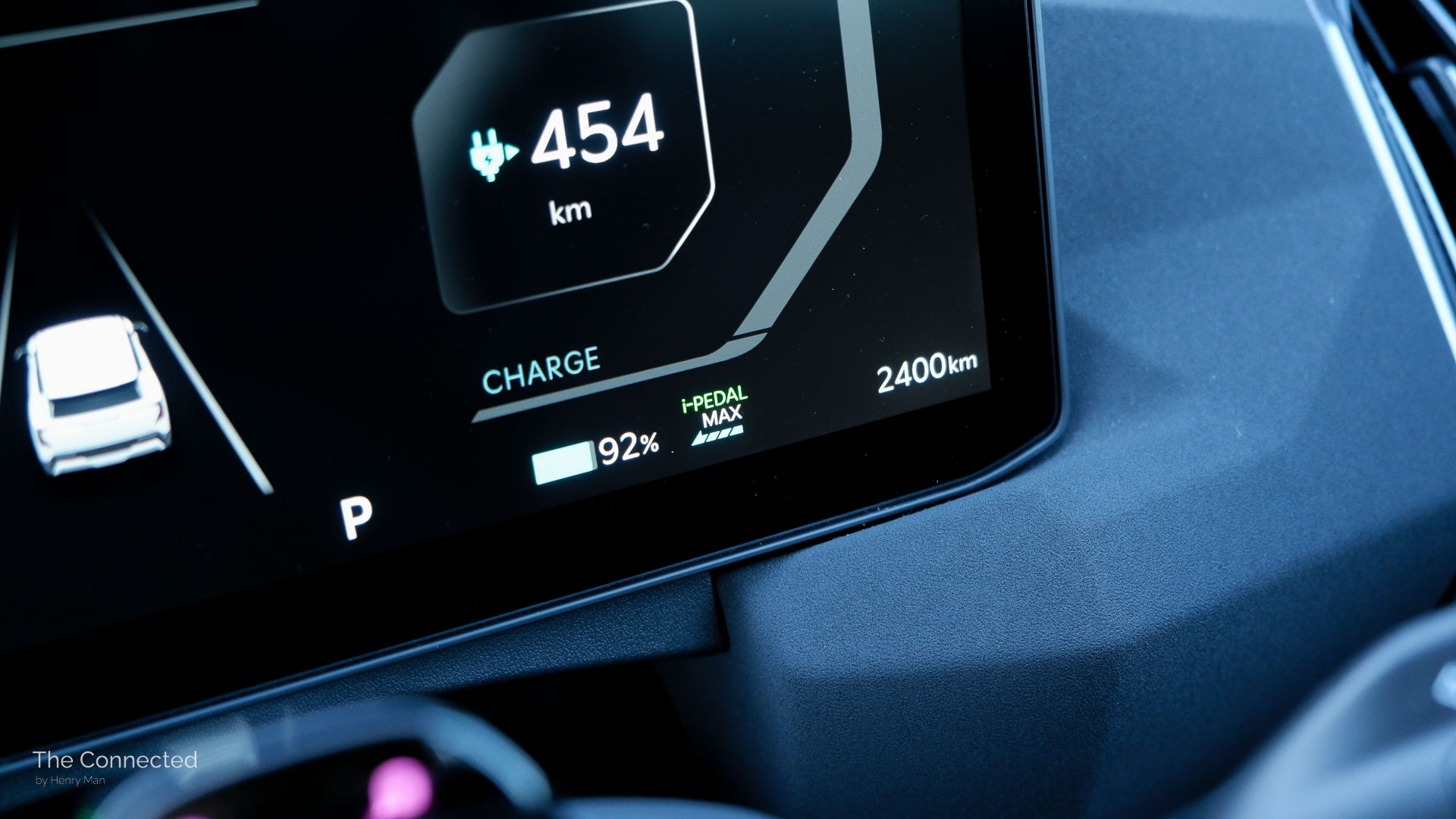
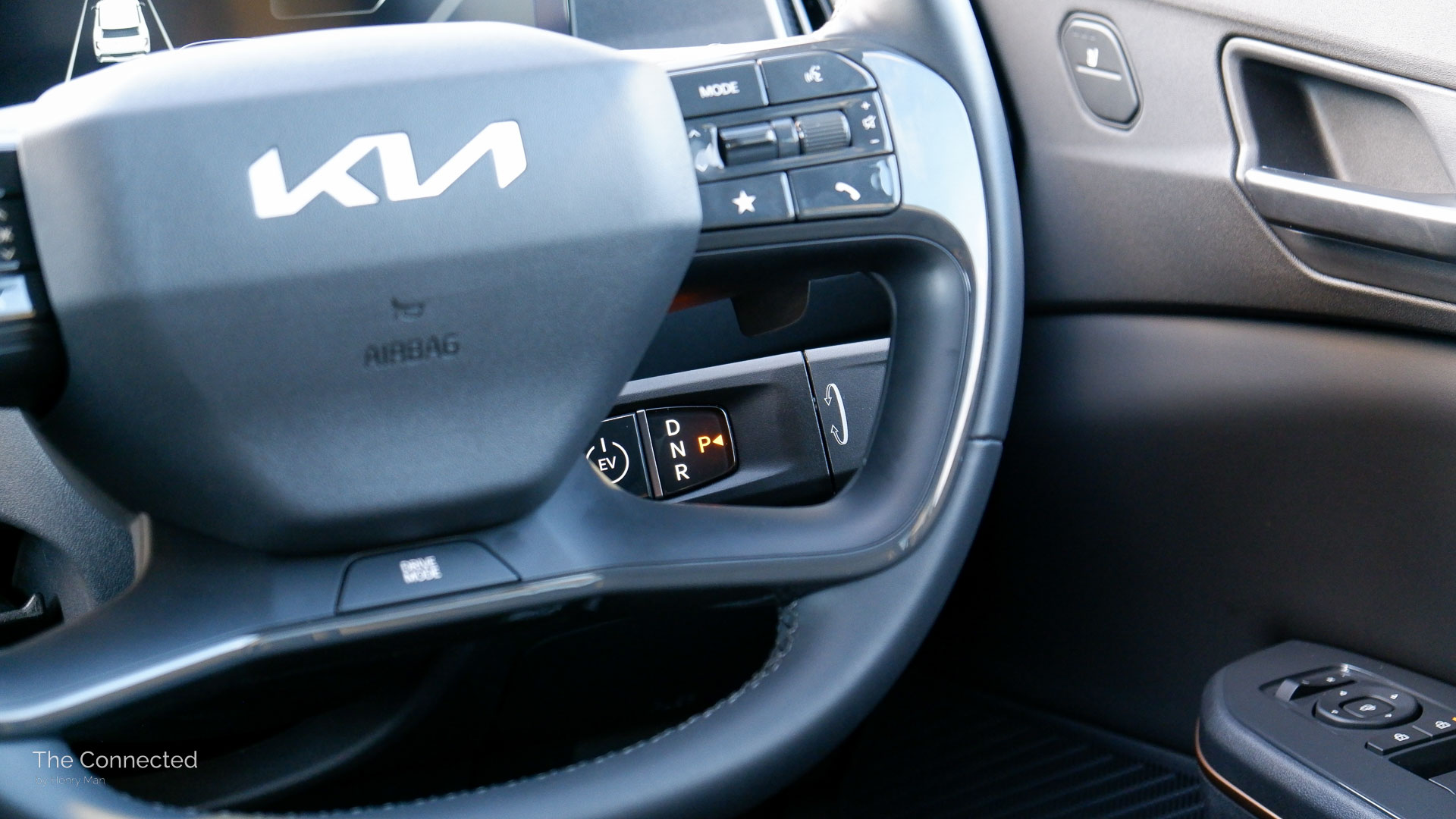
The key difference is noticeably weaker one-pedal driving on the single-motor Air, where it tapers down the regenerative braking intensity at low speeds and takes more time to completely stop – as opposed to the dual-motor Earth and GT-Line which can use the rear drive unit for regen.
Four levels of regen – plus automatic modes – can be adjusted quickly via the steering wheel paddles, allowing drivers to easily adjust to driving an EV.
However, the EV5 doesn’t have the latest i-Pedal 3.0 on the EV3, so it turns off one-pedal driving every time you start the car and change the drive selector.
The key advantage of the Kia EV5 against its rival medium SUVs is a locally-tuned ride and handling setup. It pays off with a comfortable and compliant ride – even on poorly-paved roads – and good noise insulation with some audible motor whine.
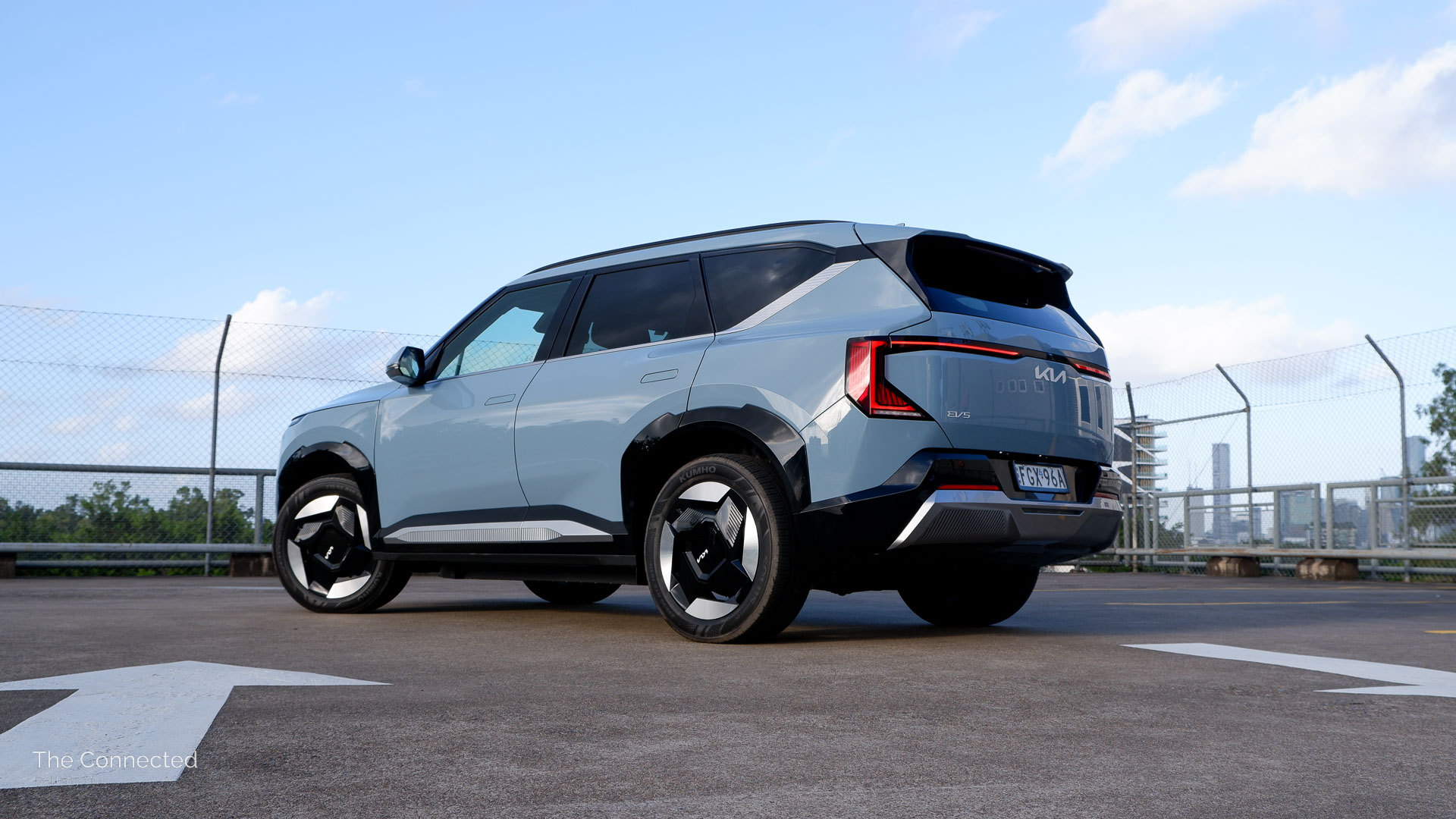
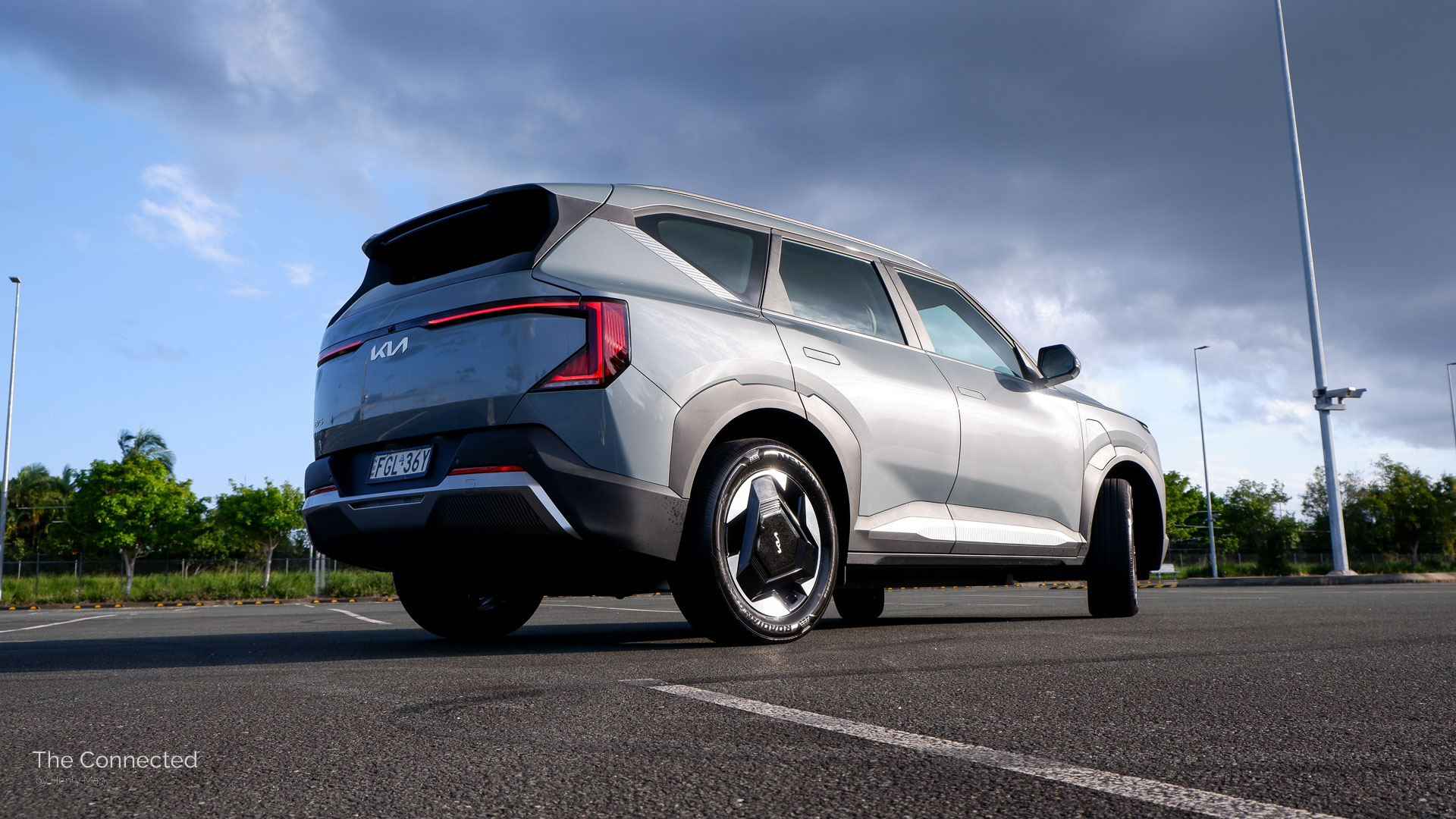
The steering is a touch firmer, but the EV5 is no sports car with some body lean around corners and noticeable tyre squeal from the Kumho/Nexen front rubber – even on all-wheel drive models.
Befitting for a medium SUV, the Kia EV5 provides a high and commanding driving position with a clear view of the front bonnet.
The boxy design also offers good all-round visibility with large windows, while its circa 4.6-metre length means it isn’t tedious to park and navigate car parks.
Warranty and servicing.
2025 Kia EV5 prepaid service plan costs:
| 1 year/15,000km | 2 years/30,000km | 3 years/45,000km | 4 years/60,000km | 5 years/75,000km |
|---|---|---|---|---|
| N/A | N/A | $980 | N/A | $1535 |
The 2025 Kia EV5 is covered by a seven year, unlimited kilometre vehicle warranty and a seven-year/150,000km battery warranty.
The latter is shorter than the industry average, but guarantees the battery capacity won’t degrade by more than 30 per cent in the warranty period.
Servicing is required every one year/15,000km (whichever occurs first) – but unlike Kia’s regular combustion engine and hybrid models, its EV range doesn’t have pay-as-you-go (PAYG) capped-price servicing.
Instead, Kia Australia encourages taking up its prepaid servicing plans, which locks in maintenance costs and avoids the risk of paying PAYG – where prices could increase over time – instead of knowing that you’re paying less from day one as per other brands.
EV5 service plans are priced at the following:
- Three years: $980 (capped price)
- Five years: $1535 (capped price)
- Seven years: $2431 (capped price)
After the first five visits, it costs $2515 in total to service – which is quite pricey for an EV.
The Kia EV5 is strangely more expensive to service than the smaller EV3, much larger EV9, and even the high-performance EV6 GT.
Roadside assistance is included for the first eight years, provided you service it with a Kia dealer every time.
Up to seven years of Kia Connect services are included from the date of activation.
The EV5 doesn’t offer any form of a spare tyre, with only a patch-up goo kit included.
Price and rivals.
2025 Kia EV5 model range pricing (accurate as at the time of publication):
| Air Standard Range 2WD | Air Long Range 2WD | Earth AWD | GT-Line AWD |
|---|---|---|---|
| From $56,770 before on-road costs | From $61,170 before on-road costs | From $64,770 before on-road costs | From $71,770 before on-road costs |
The 2025 Kia EV5 is priced from $56,770 before on-road costs in Australia.
Three variants, and two battery and powertrain choices are available.
The mid-spec Earth exclusively has the option of a Nougat Beige interior for no cost extra, depending on which exterior colour you choose.
All exterior paint colors except Clear White cost $600 extra.
The Kia EV5 directly rivals the following medium electric SUVs:
- Volkswagen ID.4
- Tesla Model Y (full review)
- BYD Sealion 7
- Deepal S07 (full review)
- Xpeng G6
- Smart #3
Other alternatives to the EV5 include:
- Kia Sportage Hybrid (full review)
- Hyundai Kona Electric (full review)
- Leapmotor C10
- Geely EX5
- Skoda Enyaq
- Cupra Tavascan
- Zeekr X
Would I pick the 2025 Kia EV5?
The Kia EV5 is a solid medium electric SUV option without too overwhelming tech, although it gets expensive at the top-end.
A super practical and family-friendly interior, familiar but modern and refined technology, and locally-tuned ride and handling are key positives to choose the EV5 over its competitively-priced Chinese EV rivals.
You wouldn’t know that this Kia is made in China at all.
But, too many basic features are reserved for the top-spec GT-Line – including a cargo cover, Qi wireless charging and 360-degree cameras – the charge port position is awkward with sub-par fast-charging speeds, and Kia’s safety system warnings are borderline frustrating.
I’d pick the entry-level Air Standard Range, which provides the best value price tag in the EV5 range at less than $60K, even though it misses out on some equipment compared to its rivals.
The Kia EV5 is still worth considering as it offers a refined package that isn’t granted from its flashier rivals at first glance.
Photographs by Henry Man
READ MORE: 2024 Kia EV9 review: Made for Australia?
READ MORE: 2025 Hyundai Kona Electric review
READ MORE: Can’t start charging an electric car? Here’s your guide.
Pros:
- Super practical interior
- Modern, yet familiar tech
- Comfortable Australian-tuned ride
- Charge limit-free LFP battery
- Futuristic boxy design
Cons:
- Too many basic features reserved for the top-spec
- Slow, inconsistent fast-charging speeds
- Awkward charge port position
- Inefficient dual-motor AWD, pricey servicing
- Safety assist nannies
About the Author.
Henry Man is an independent content producer passionate about the intersection of technology and transportation.
The former automotive journalist is focused on producing critically-detailed vehicle reviews, and unique short-form content. Learn more.


 The Connected by Henry Man