
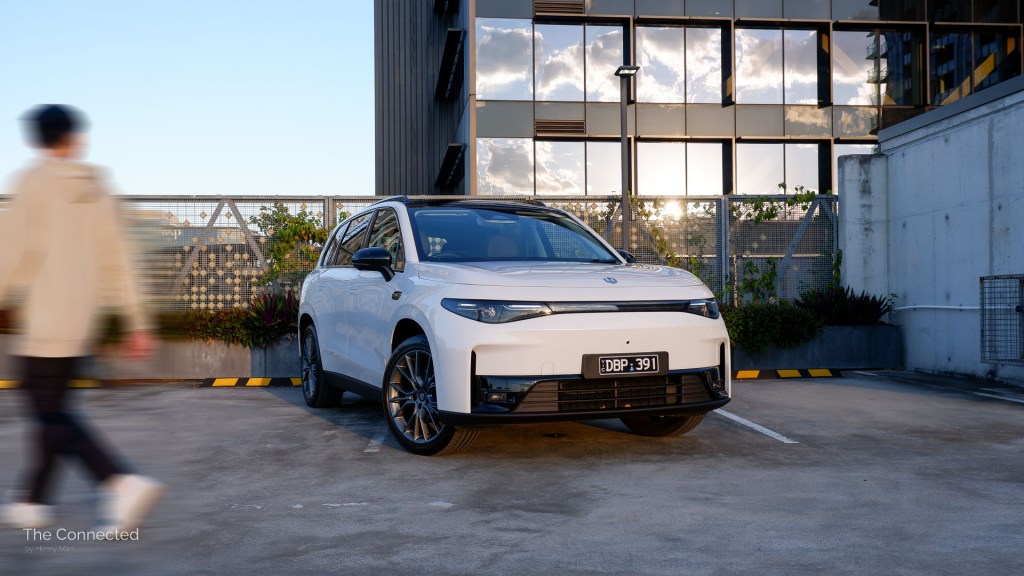
Leapmotor who? More than 100,000 Leapmotor C10 electric SUVs have been delivered in China in just a year, and it’s now landed in Australia. But is it worth buying a new car brand?
Founded in 2015, Leapmotor is another telltale sign of China’s rapidly growing automotive industry.
Unlike Build Your Dreams (BYD), Xpeng or Chery, it has a Western influence with Stellantis – which owns Peugeot, Citroen, Opel/Vauxhall, Jeep, Ram and Fiat/Abarth – purchasing a stake of around 20 per cent in 2023.
This has spawned Leapmotor International, a 51:49 Stellantis-led joint venture to exclusively export and sell its hybrid and electric vehicles outside of China.
Therefore, the Leapmotor C10 medium SUV marks the young Chinese brand’s first global model, backed by Western power.
But with so much competition from other Chinese car brands, namely the Geely EX5 and BYD Atto 3, why should Australians consider the Leapmotor C10 battery-electric vehicle (BEV)? I drove one in top-spec Design grade for a week to find out.
NOTE: The press vehicle was provided by Stellantis Australia for a six-day independent evaluation. We have no commercial arrangements with the company and it had no editorial control.

Pros.
+ Competitive value price
+ Impressive tested charging curve
+ Well-designed software and tech
+ Spacious and family-friendly
+ Quality interior materials
Cons.
– No Apple CarPlay/Android Auto can be a dealbreaker
– Over-sensitive safety assist warnings
– Lifeless steering and brake pedal
– Feels sluggish for an EV
– Poor LED headlight performance
Vehicle tested:
| Model | 2025 Leapmotor C10 |
| Variant | Design |
| Starting price | $49,888 before on-road costs |
| Exterior colour | Pearl White (standard) |
| Interior colour | Midnight Aurora (no cost option) |
| Country made | China |
Design and quality.
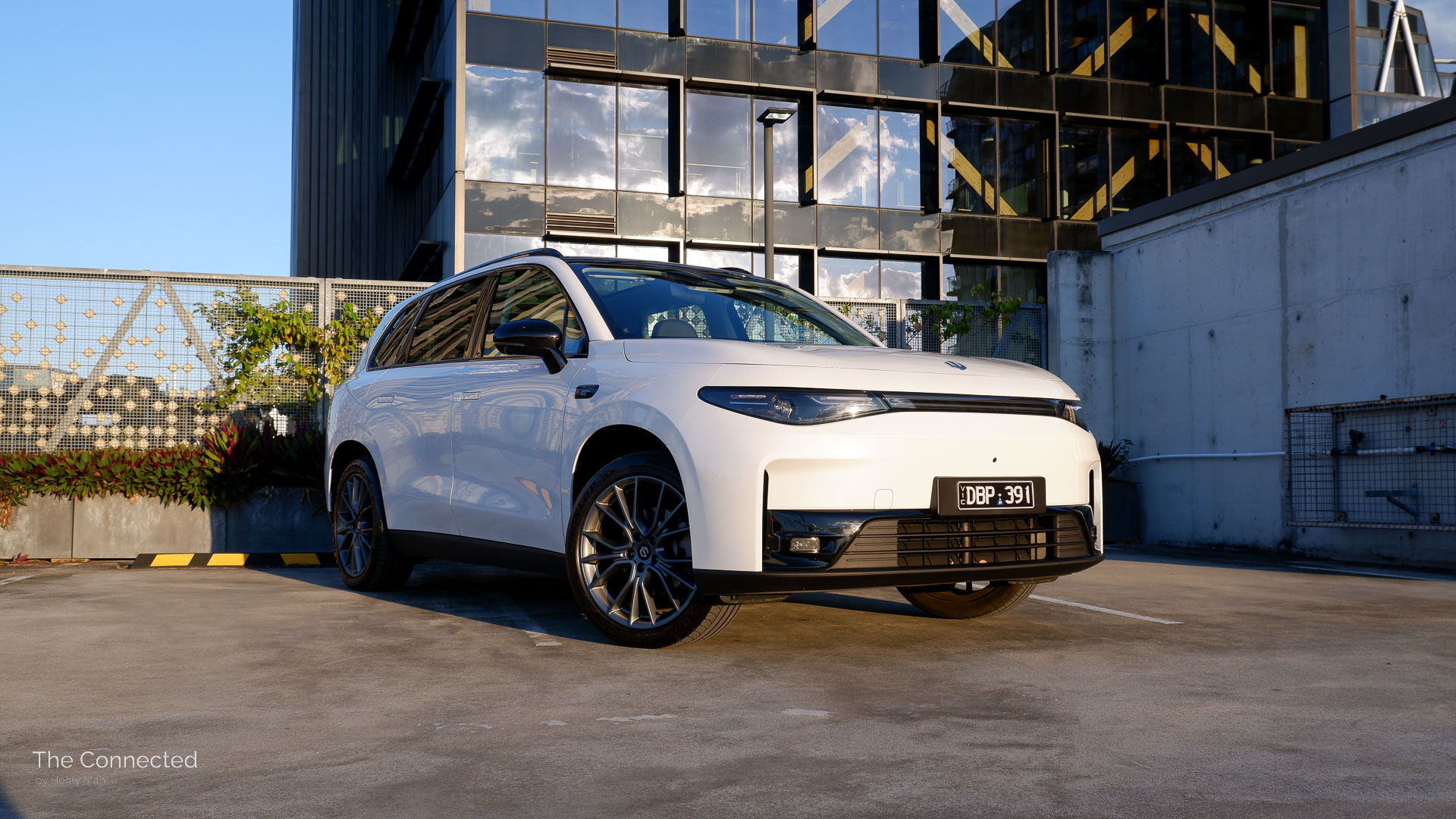
The Leapmotor C10 features an understated design and a quality interior that feels more premium than its asking price.
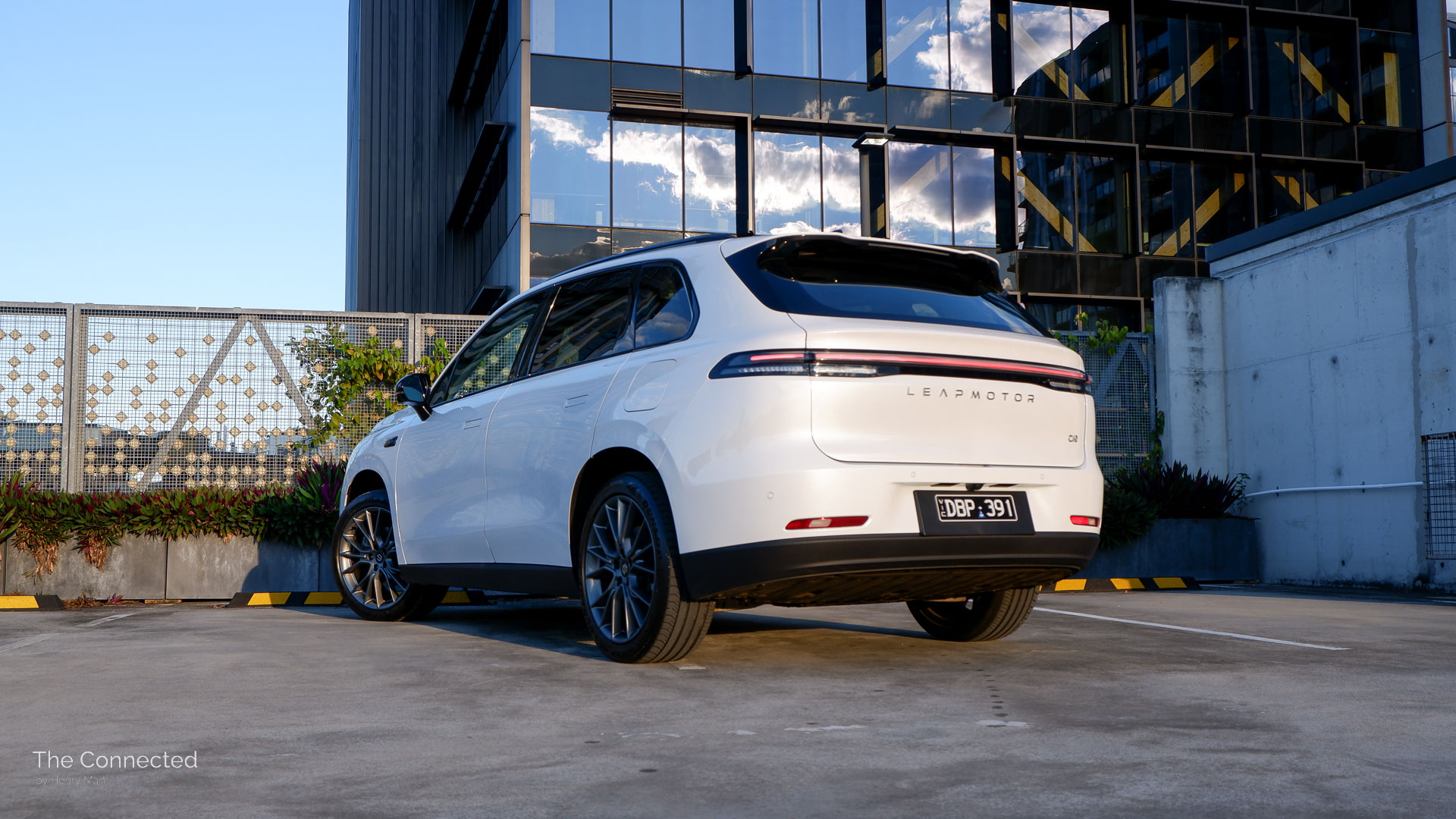
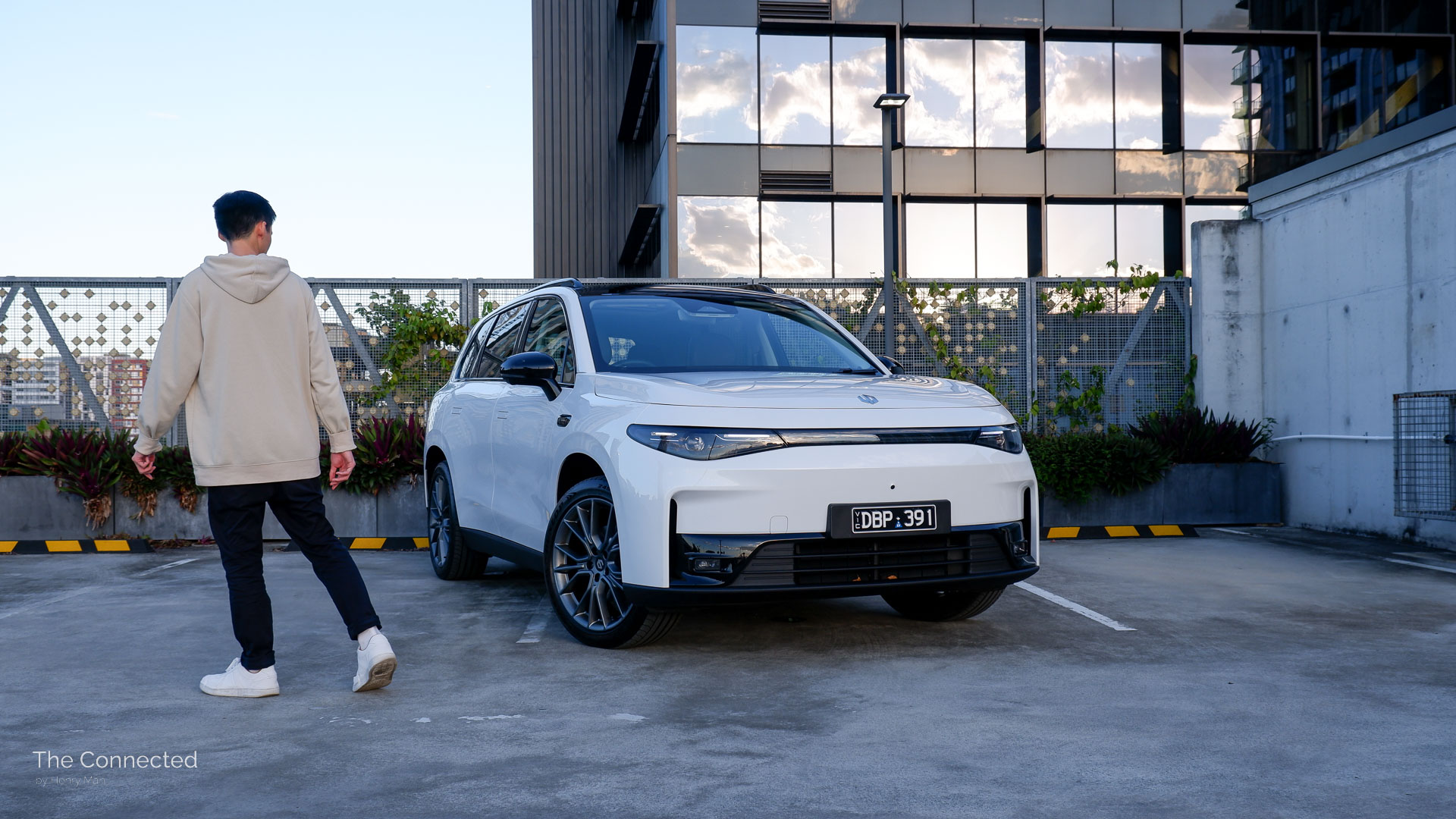
While the exterior looks conservative and minimalist like a Tesla Model Y, it’s still modern, well-proportioned and distinct.
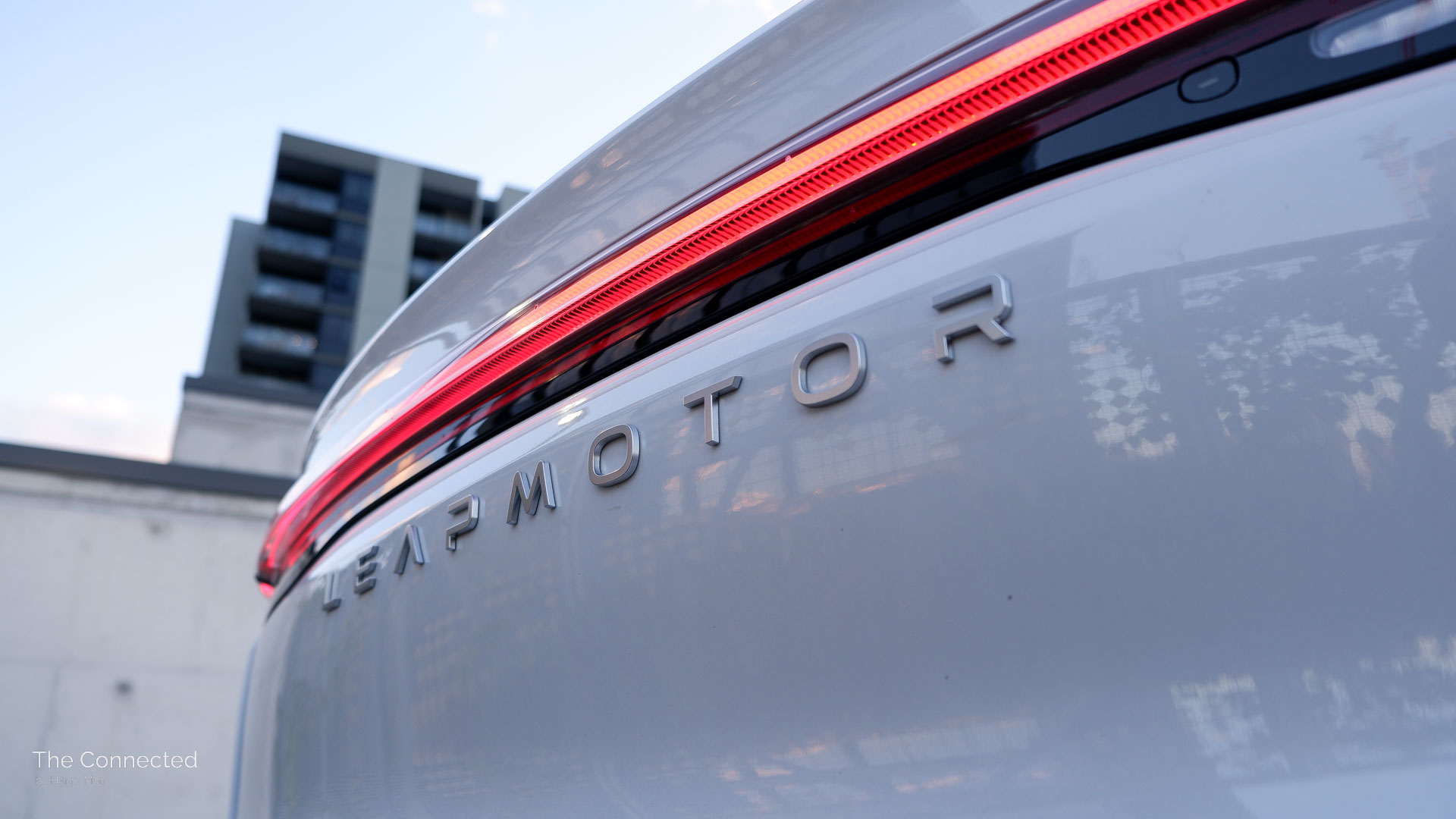
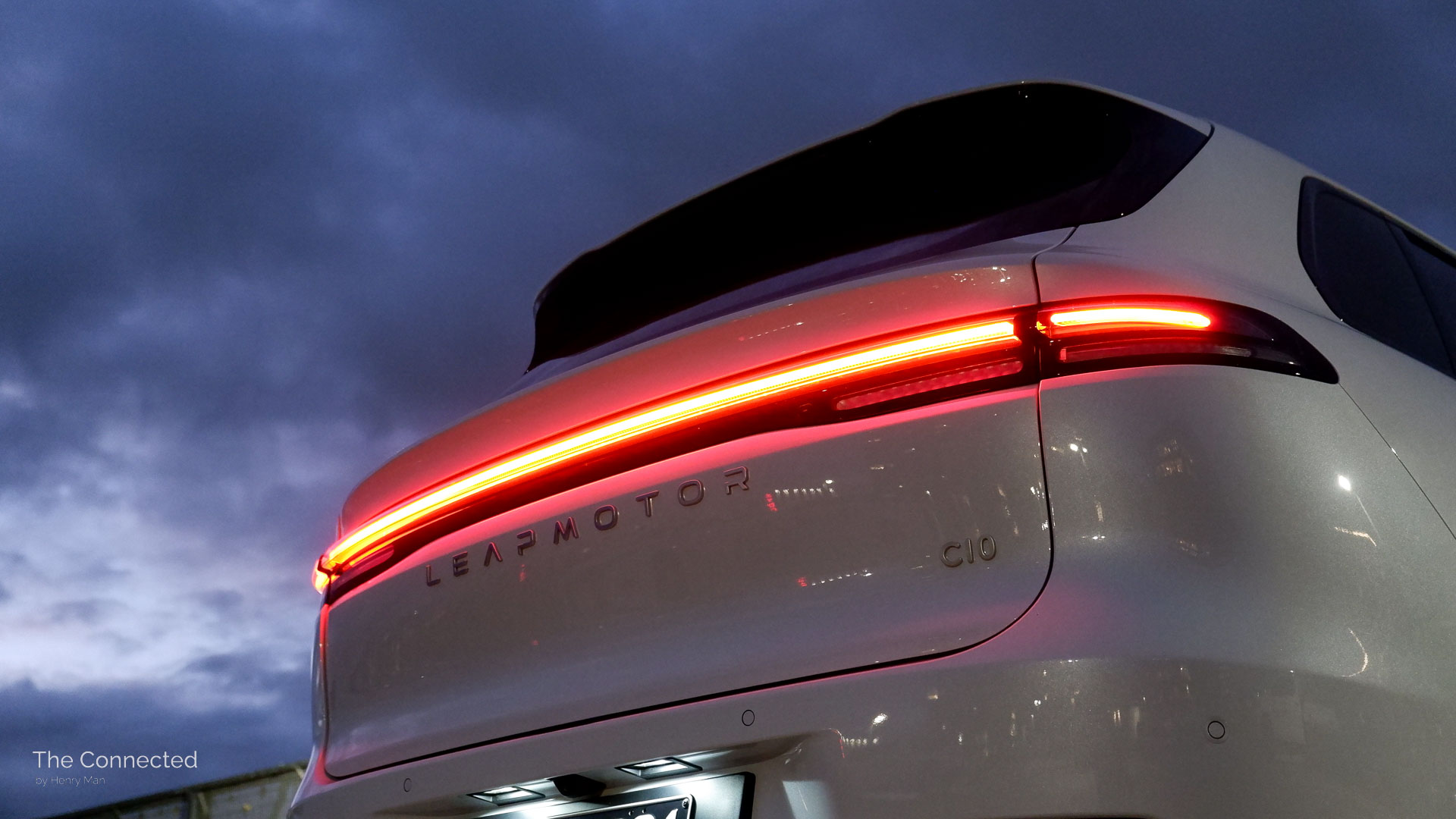
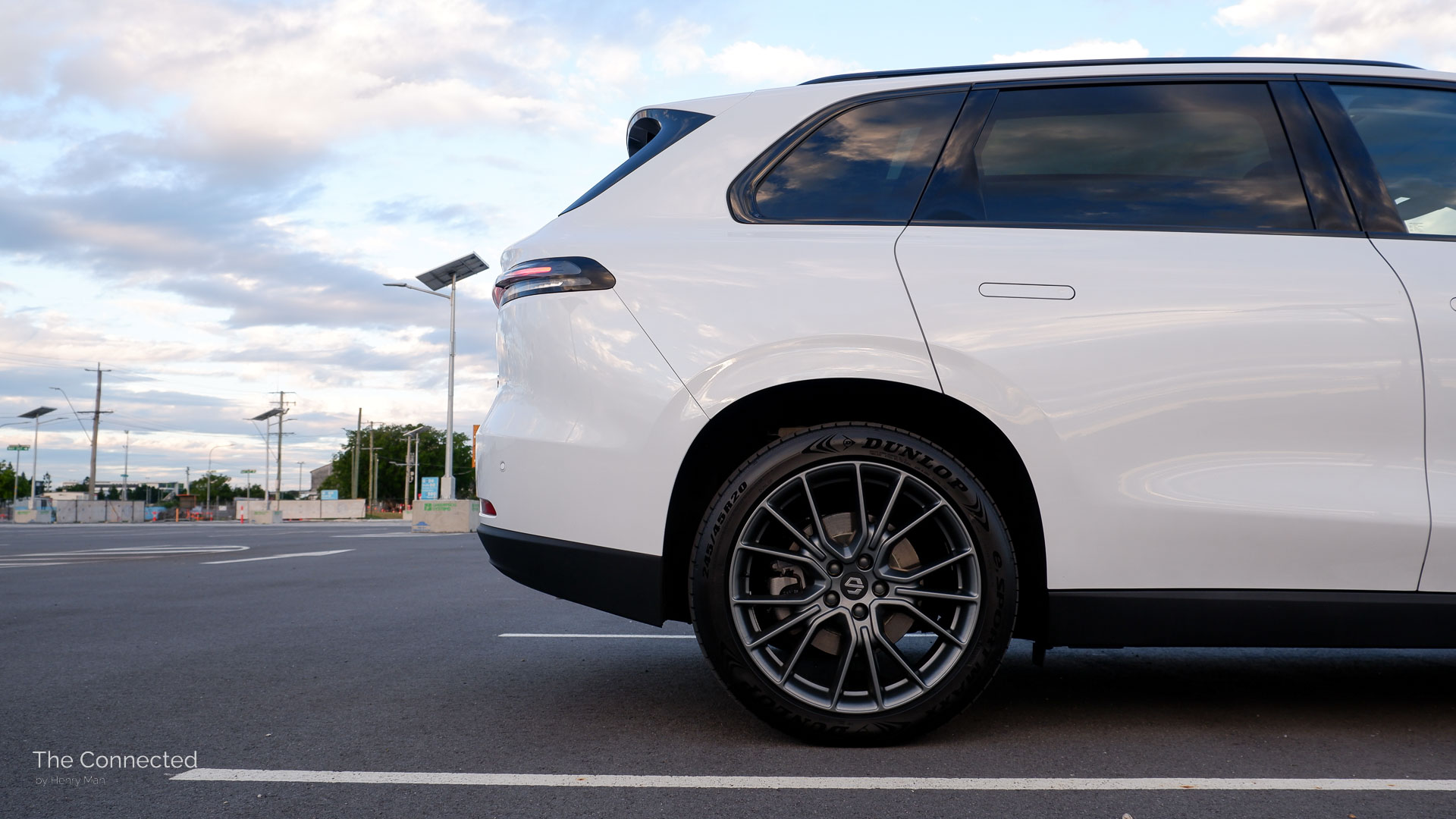
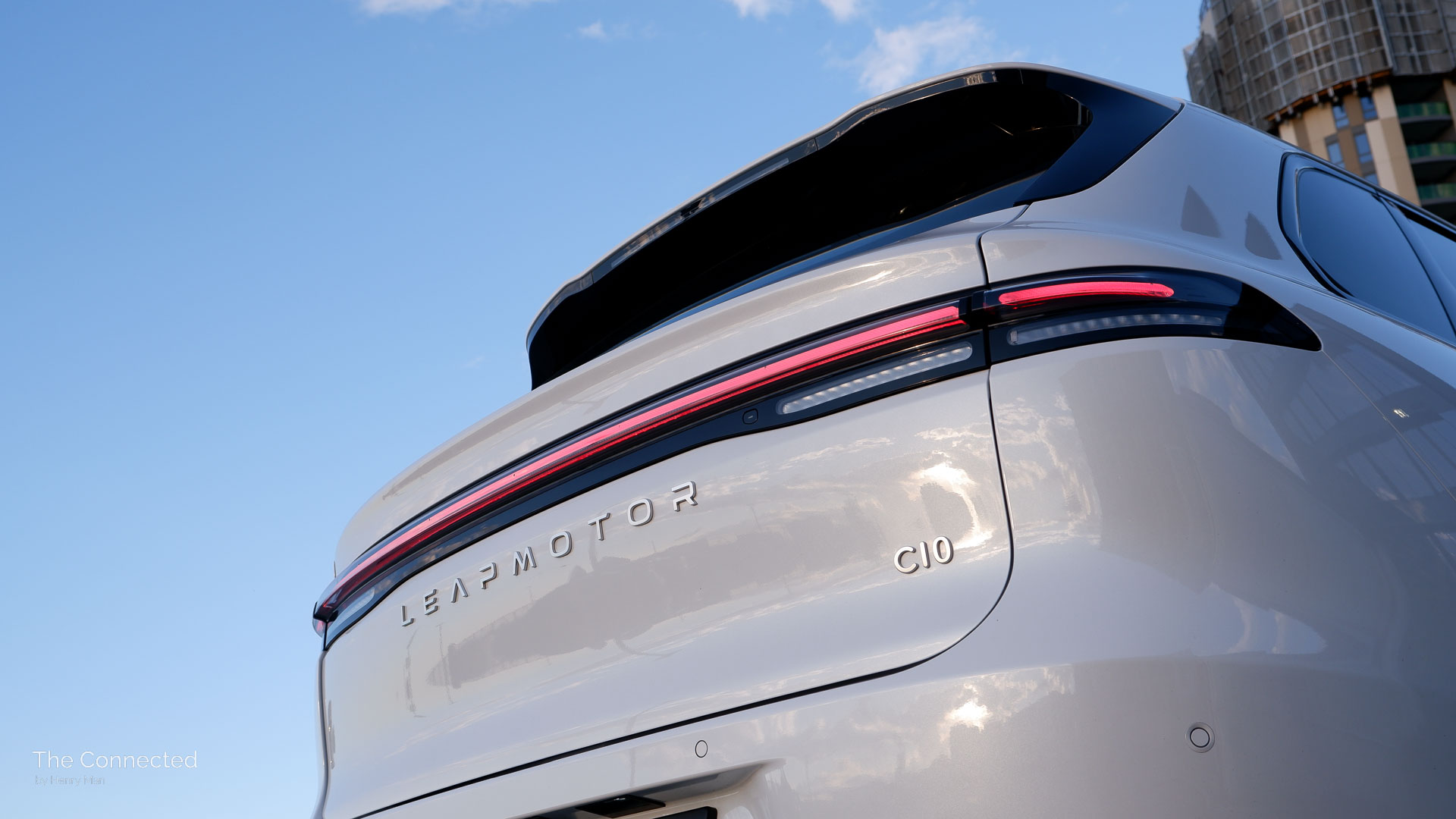
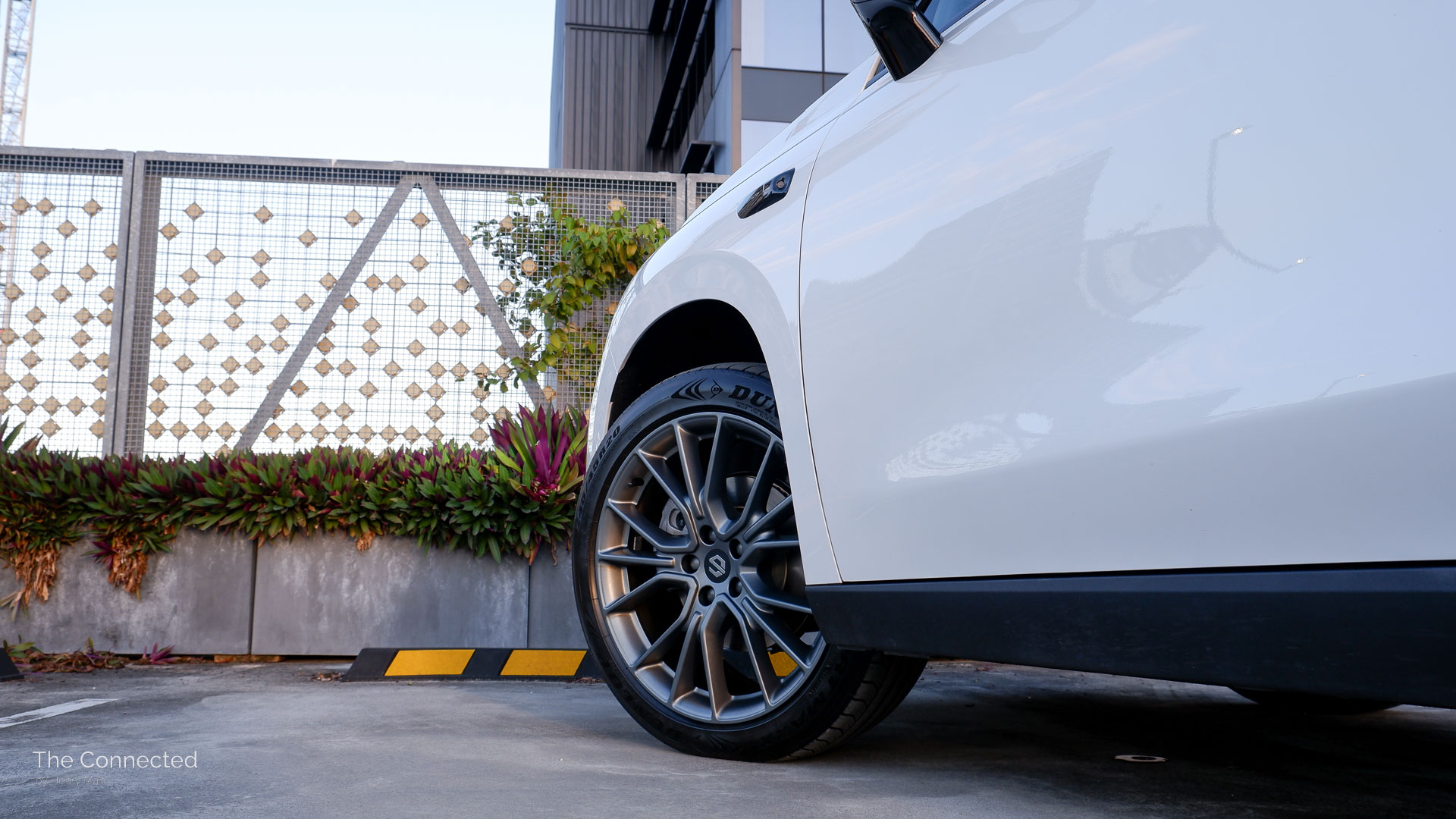
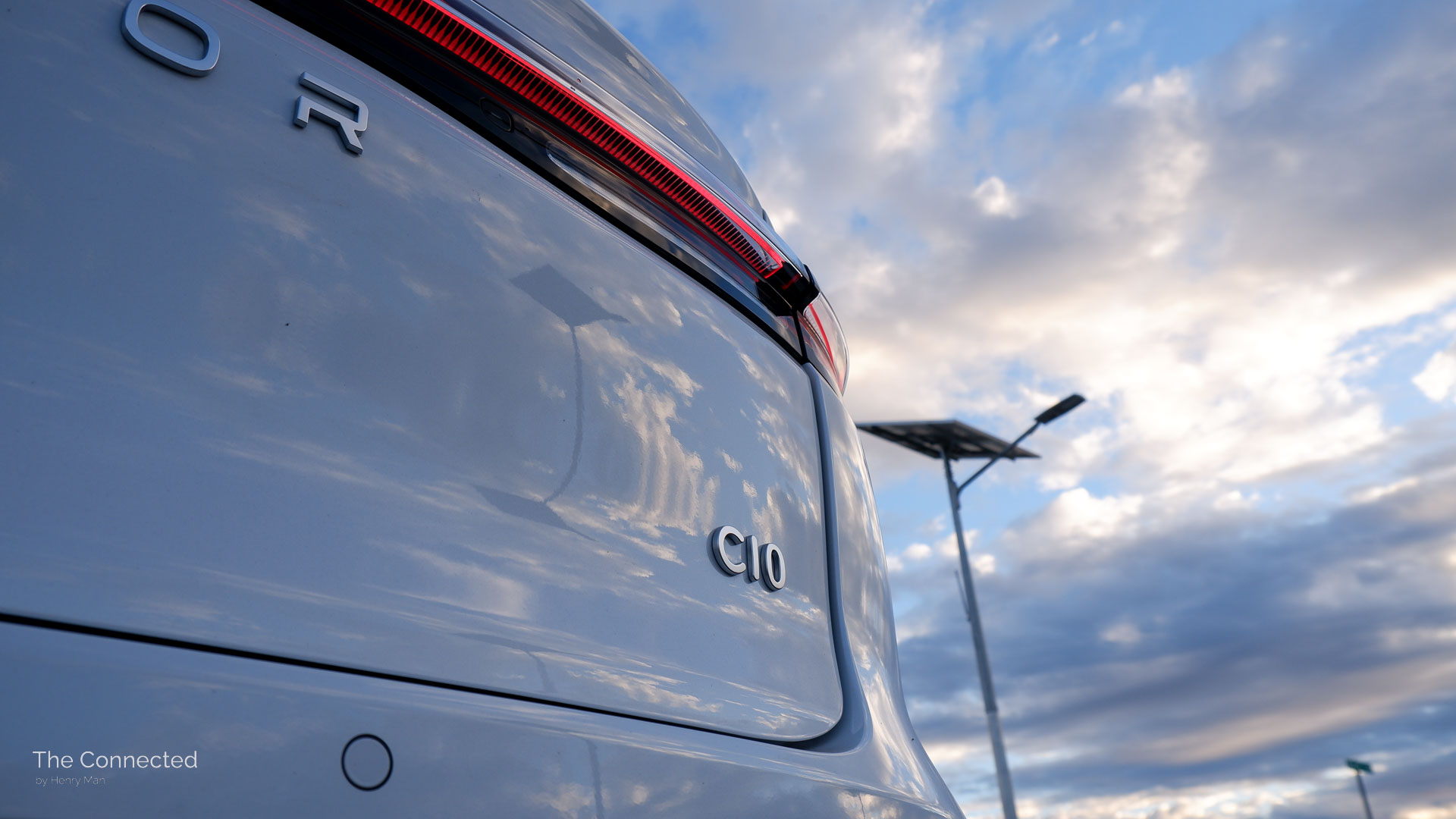
A simple rear light bar (which animates upon unlocking/locking and charging), gloss black trims, and sporty 20-inch ‘Trident’ grey alloys on this flagship C10 Design aren’t particularly standout design choices.
Call it generic, but there is something appealing to its drawn-back, boxy design that doesn’t try to look cute or fit with a particular theme.
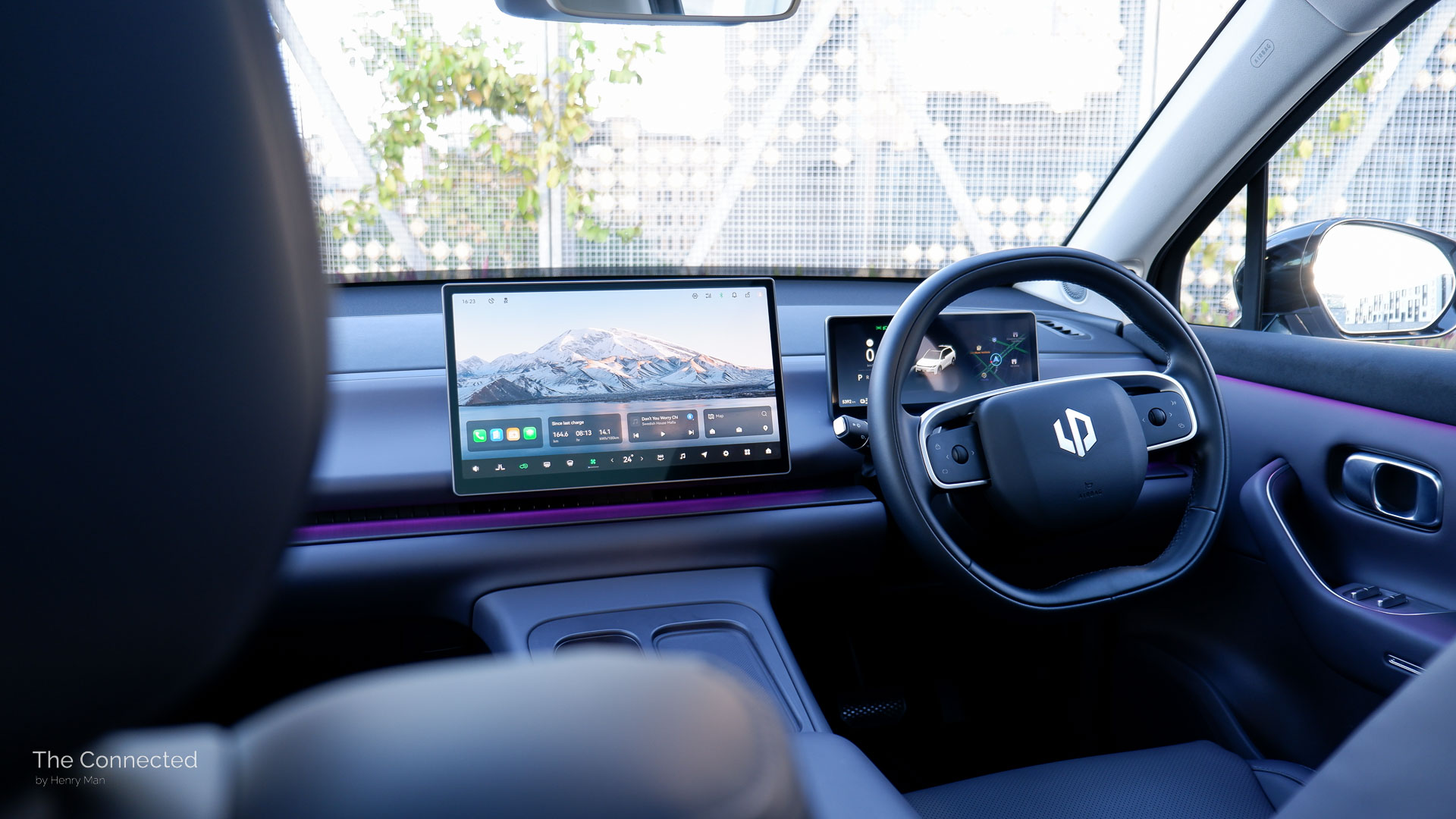
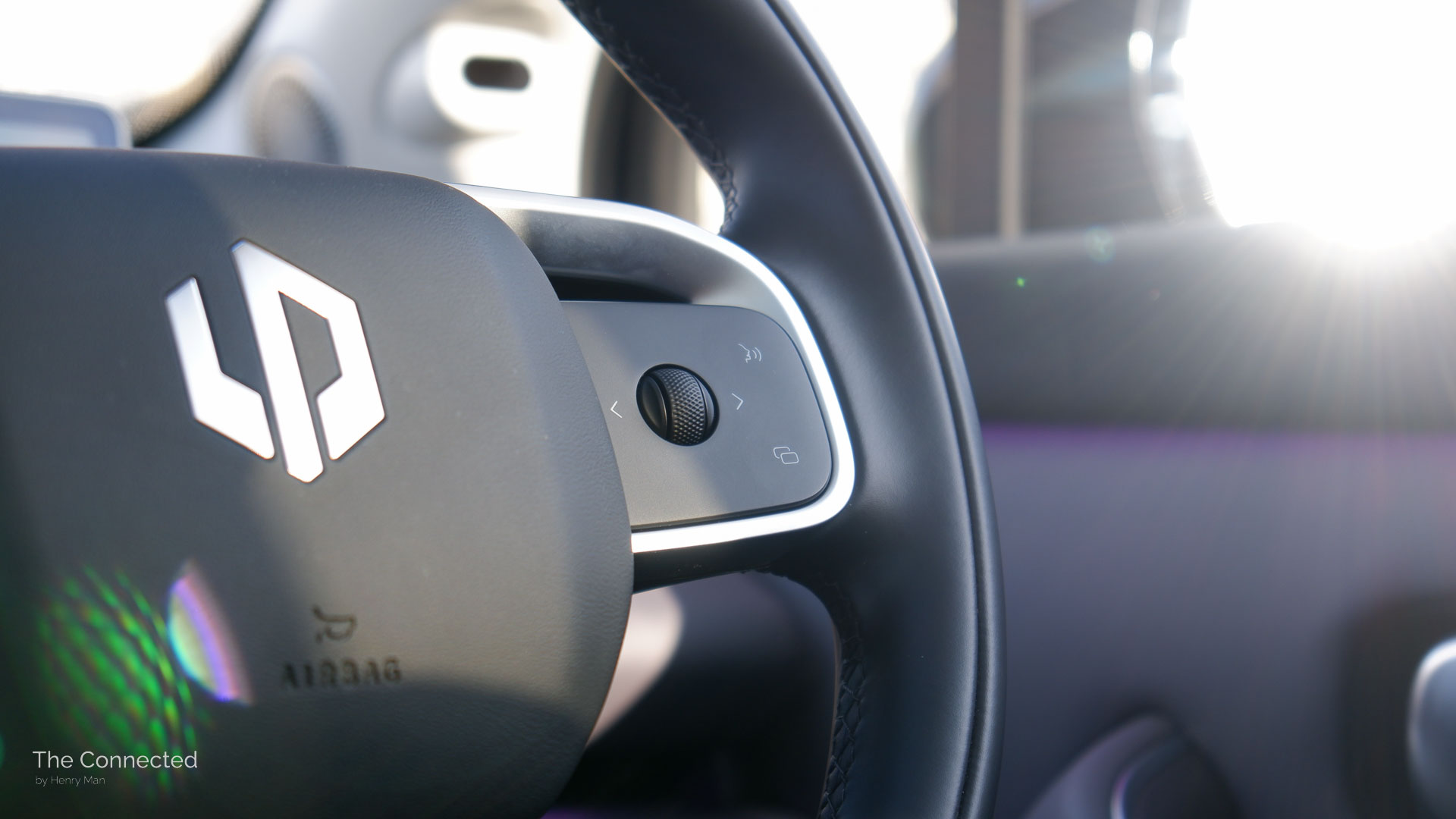
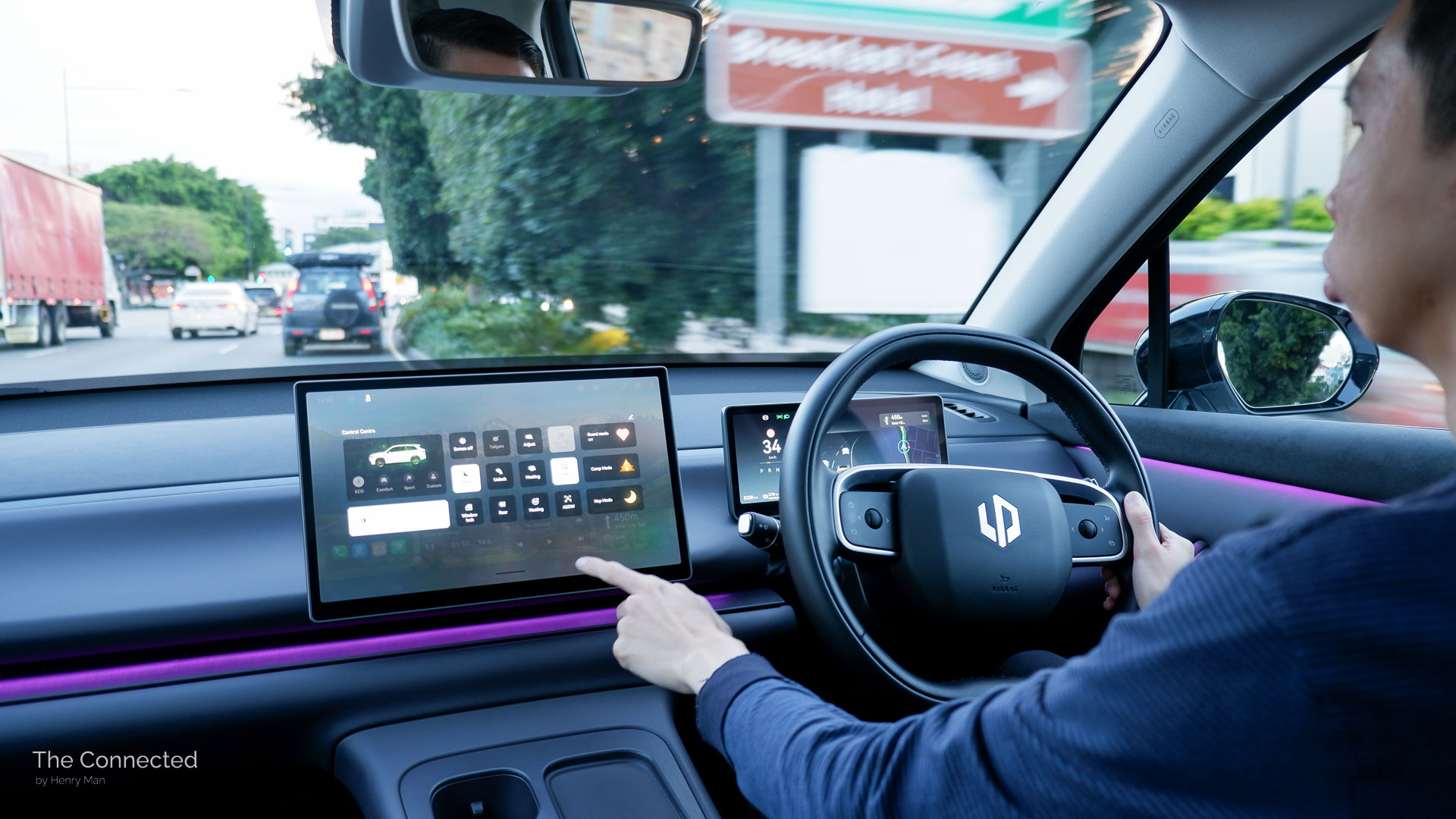
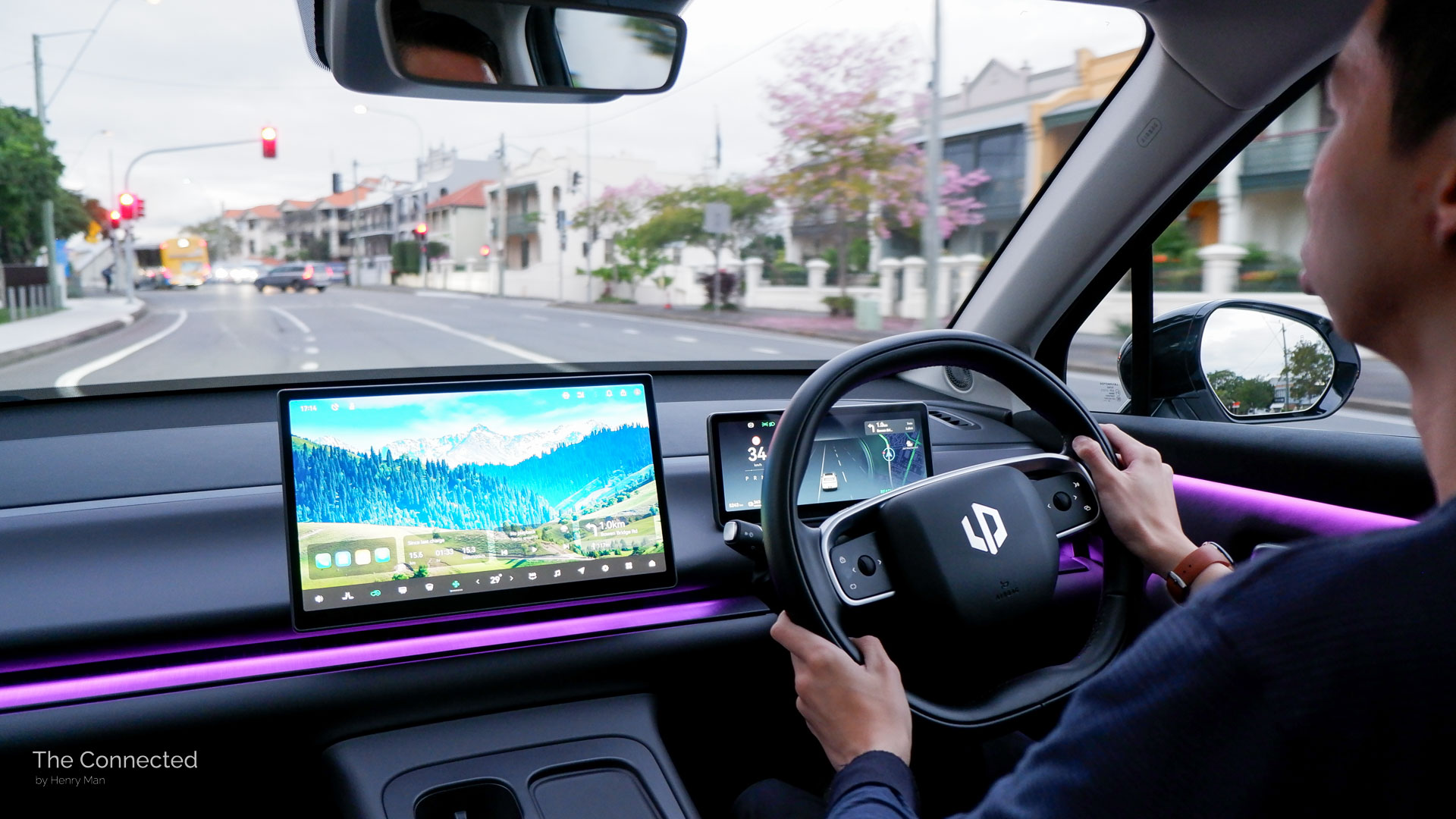
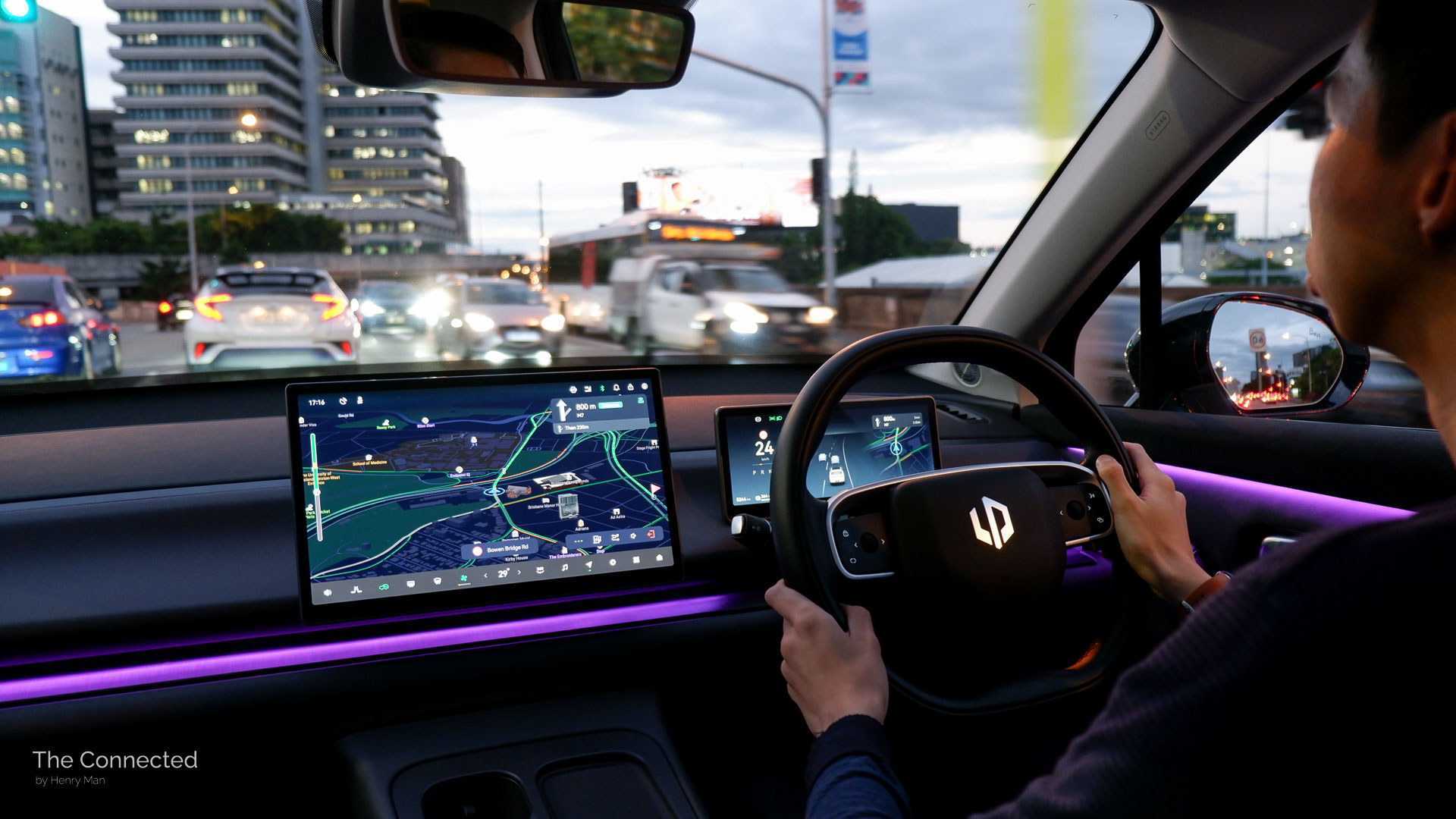
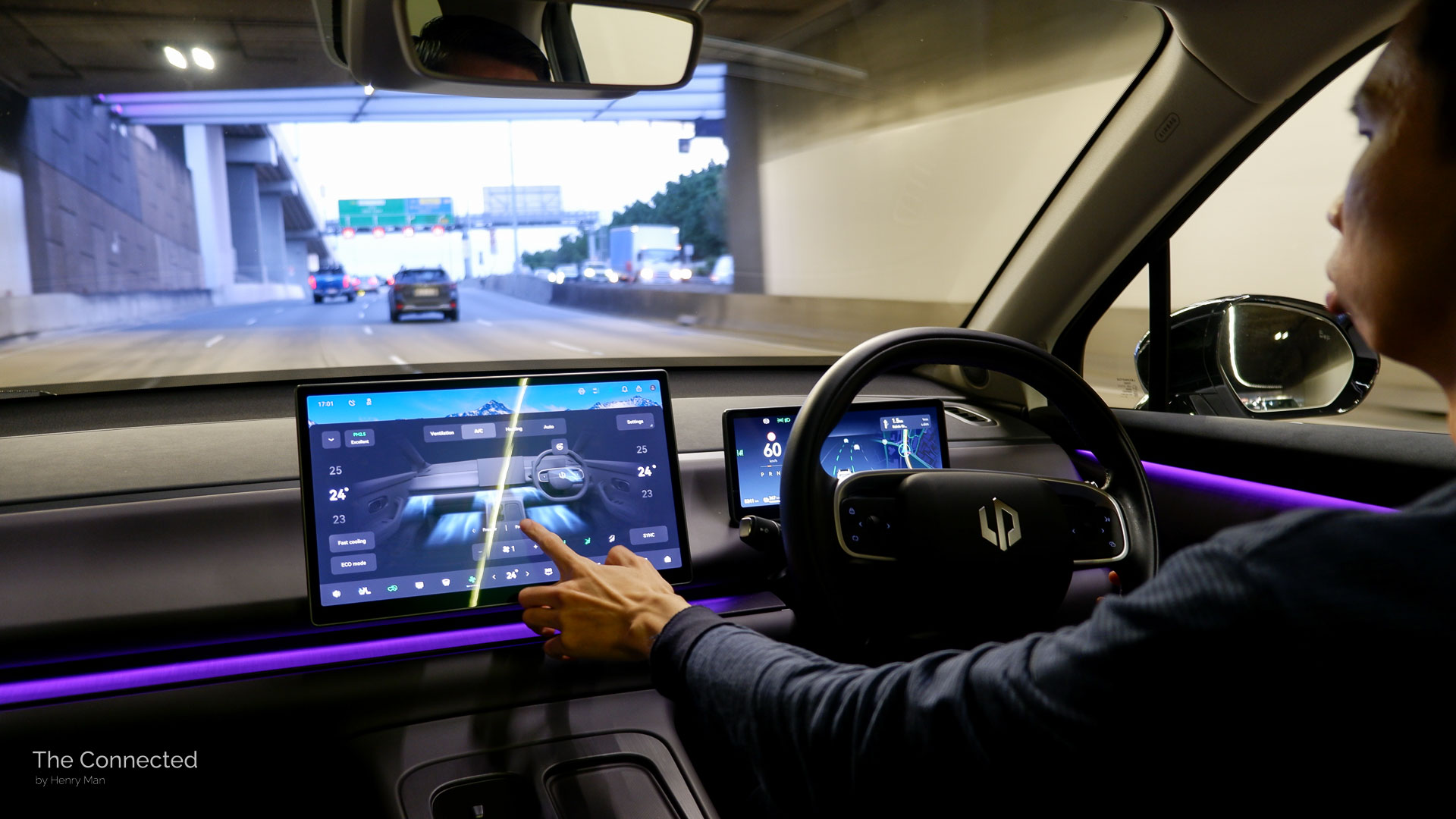
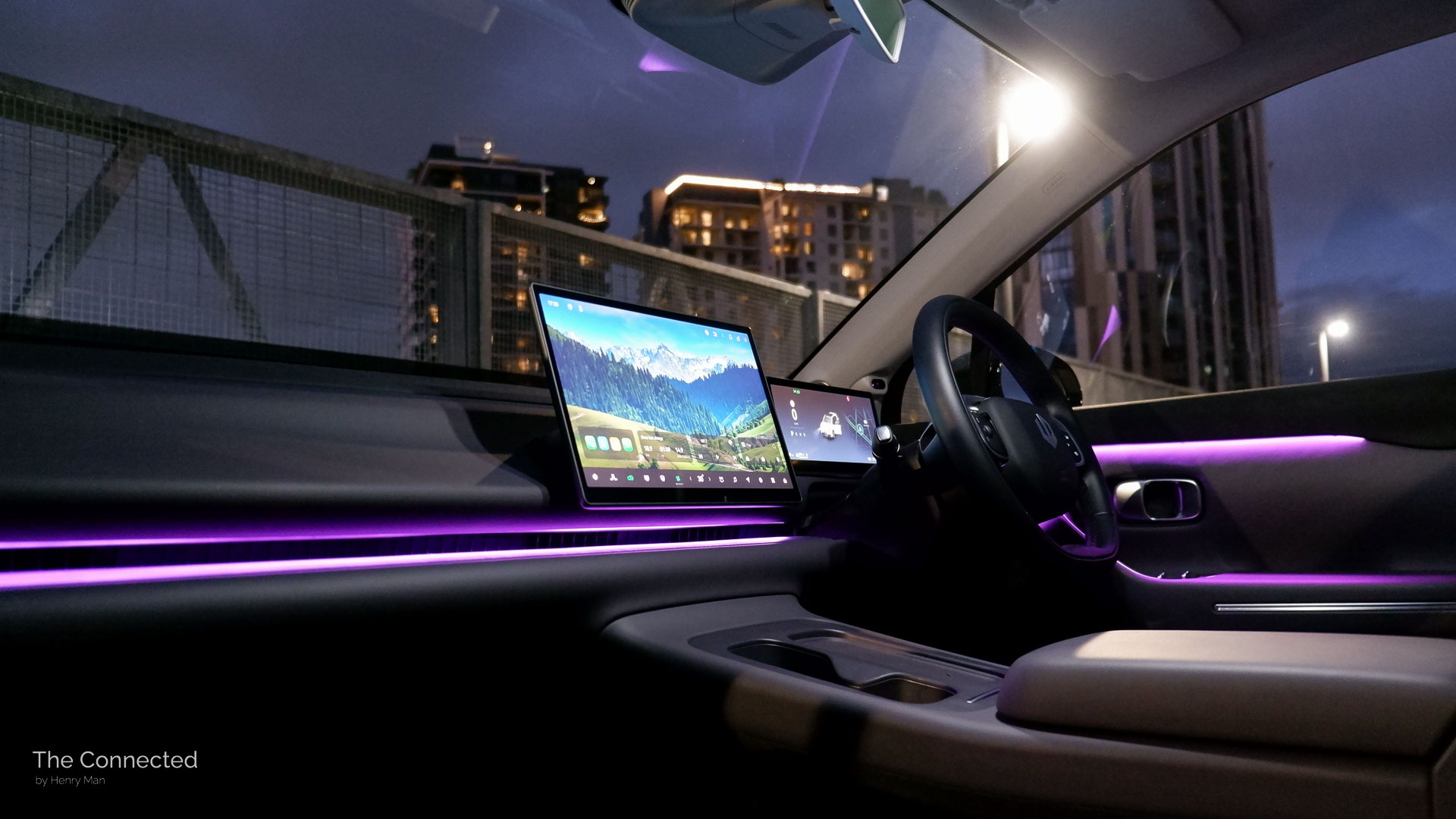
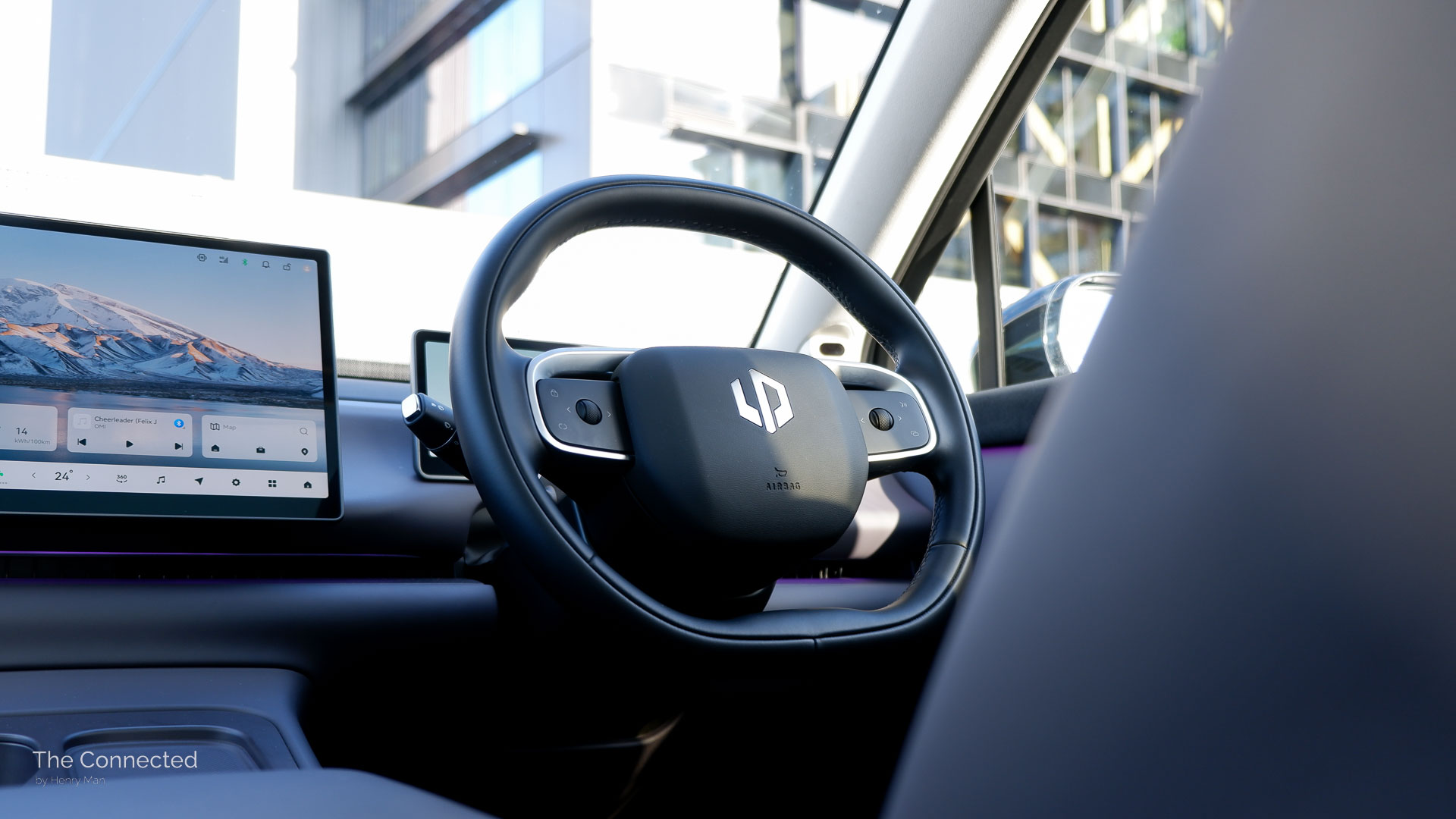
The minimalist design continues inside with an interior that’s centred around a large touchscreen, with a horizontal driver instrument display, and steering wheel with two dials and buttons that’s clearly been inspired by Tesla.
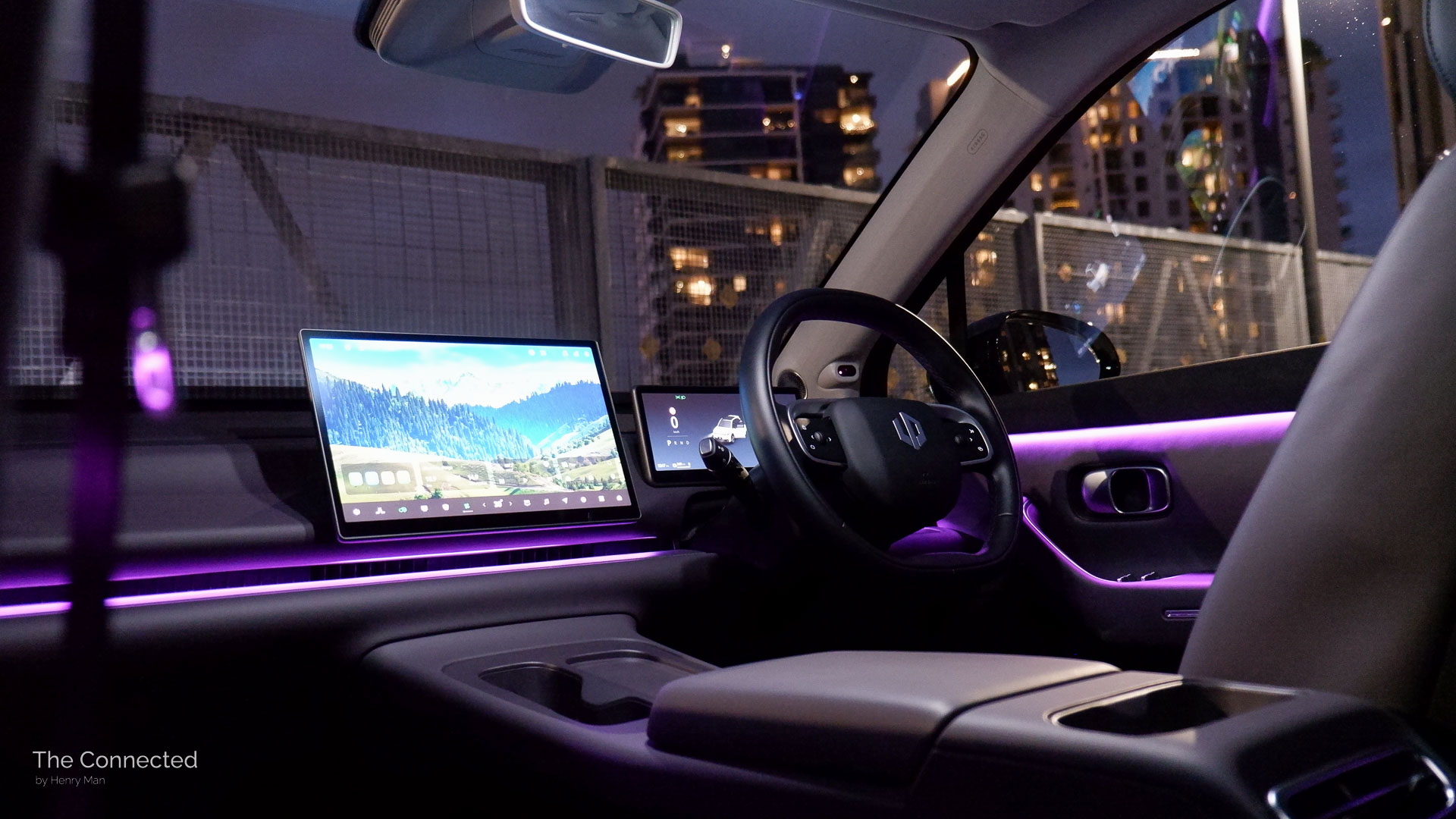
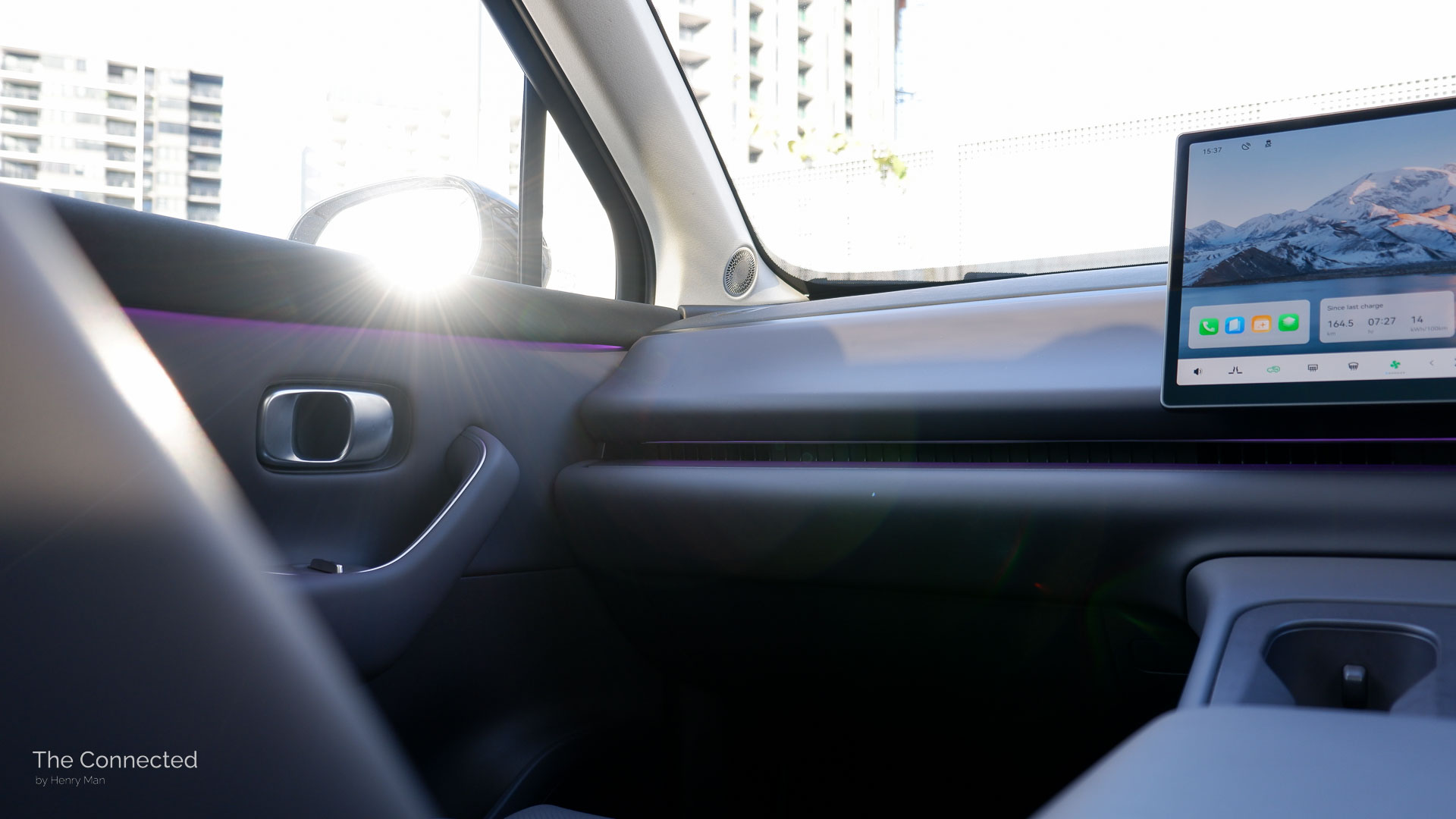
The air vents are hidden, as is the multi-colour selectable ambient lighting that reflects onto the dash and doors with the ability to pulse or flash along with the music, and a flowing curved dashboard.
No C10 doesn’t have a boring interior either. Two no-cost interior colour choices are available – and none are black or grey. The Midnight Aurora spec as tested is uniquely dark purple that sometimes looks grey depending on the lighting.
Material quality is great for the price with soft silicon that doesn’t pretend to be leather across the interior, some nice metal-imitation trims, and brushed textures.
However, the centre and door armrests are lacking in padding, tightly fitted and feel firmer than ideal. Some scratchier hard plastics can be found lower down and the B-pillar, but they’re uncommon touch points.
Practicality.
2025 Leapmotor C10 BEV Design dimensions:
| Length x width x height | 4739 x 1900 x 2825mm |
| Wheelbase | 2825mm |
| Ground clearance | 180mm |
| Boot space (min / rear seats folded) | 581 / 1410 litres |
| Frunk space | N/A (optional) |
| Rear seat split fold | 60:40 |
| Child seat anchors | 2x ISOFIX and 3x top tethers |
| Air-conditioning system | Two-zone climate control with rear air vents |
The Leapmotor C10 is a very practical and family-friendly medium electric SUV, with generous interior room.
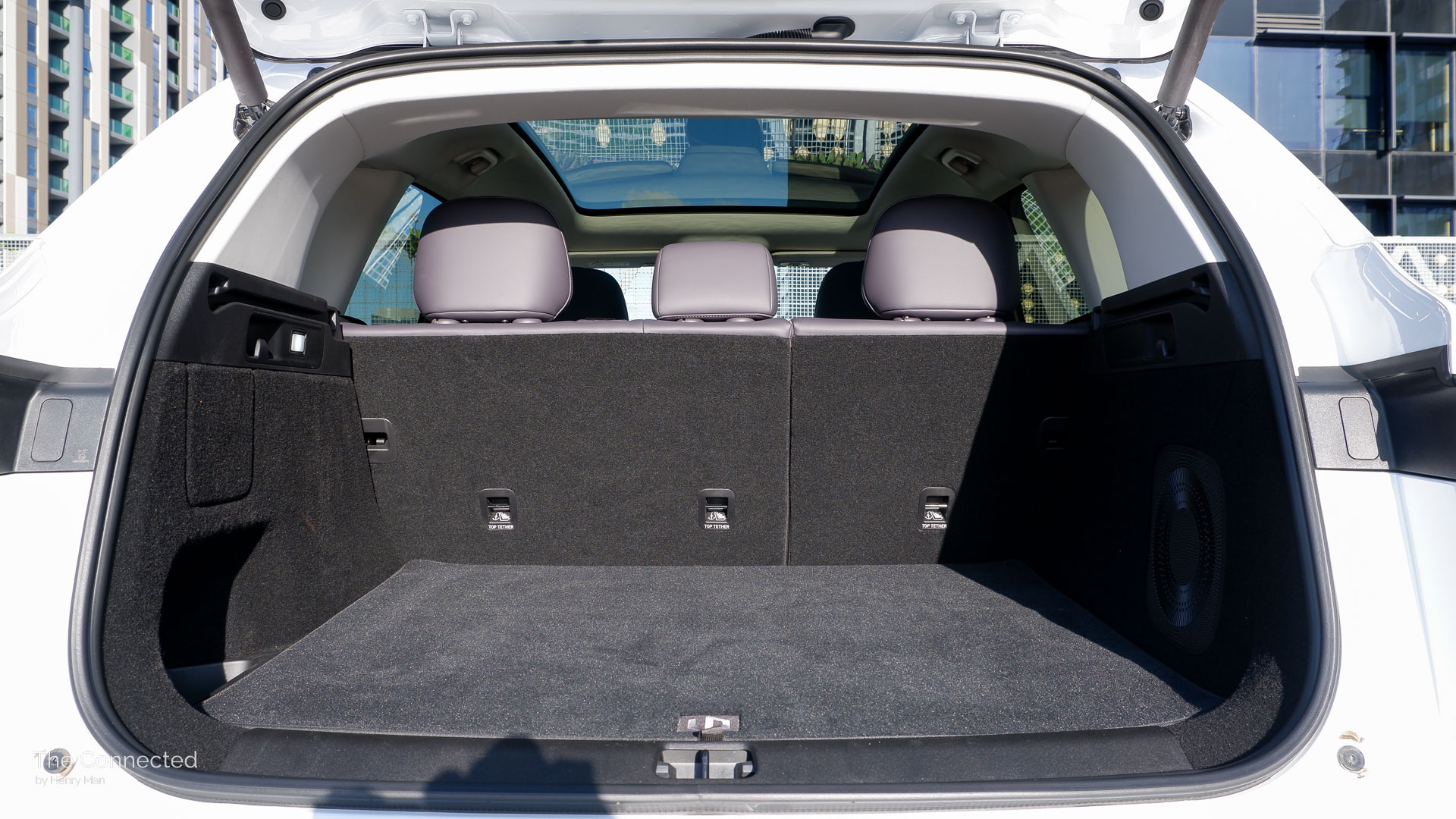
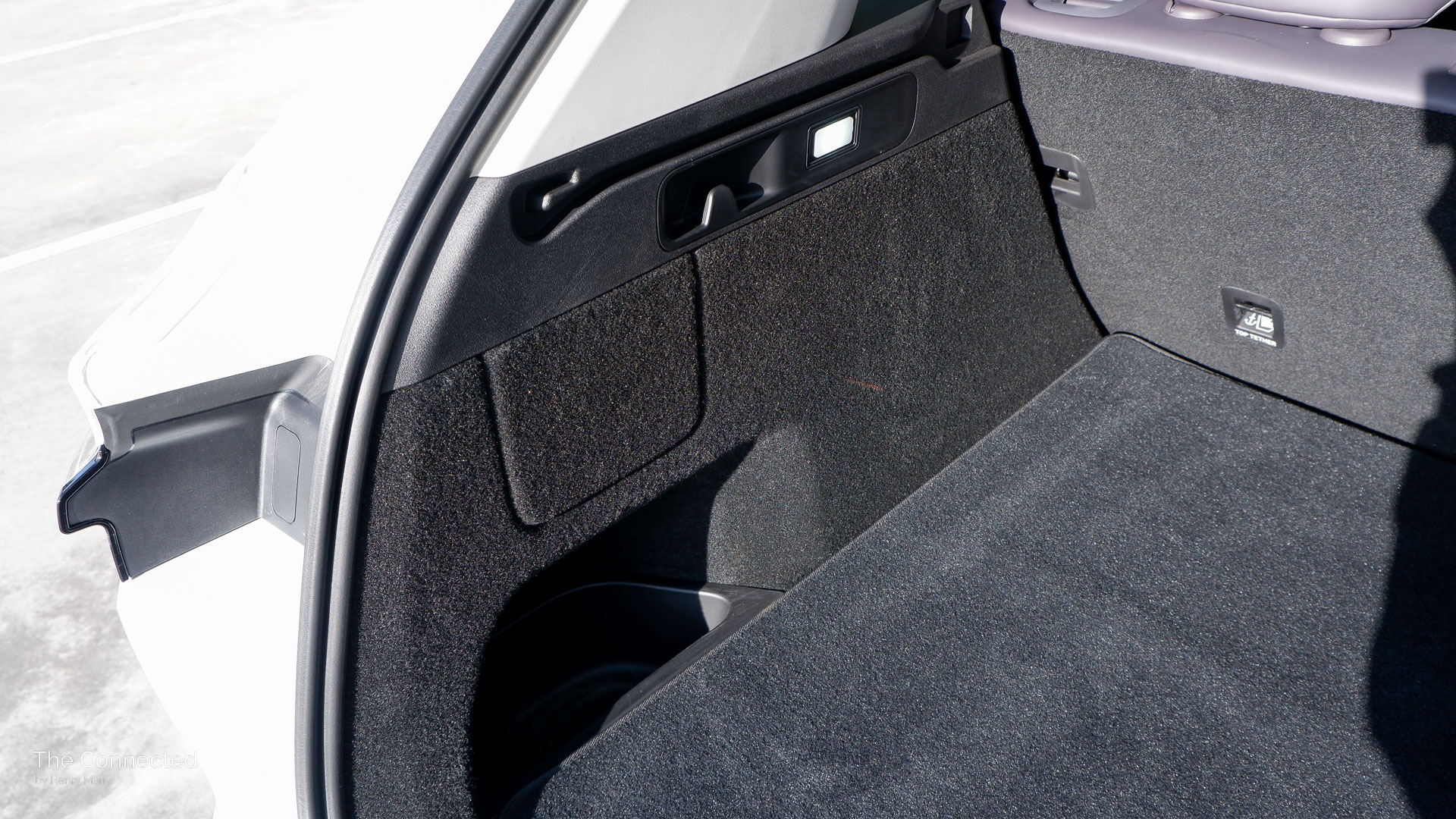
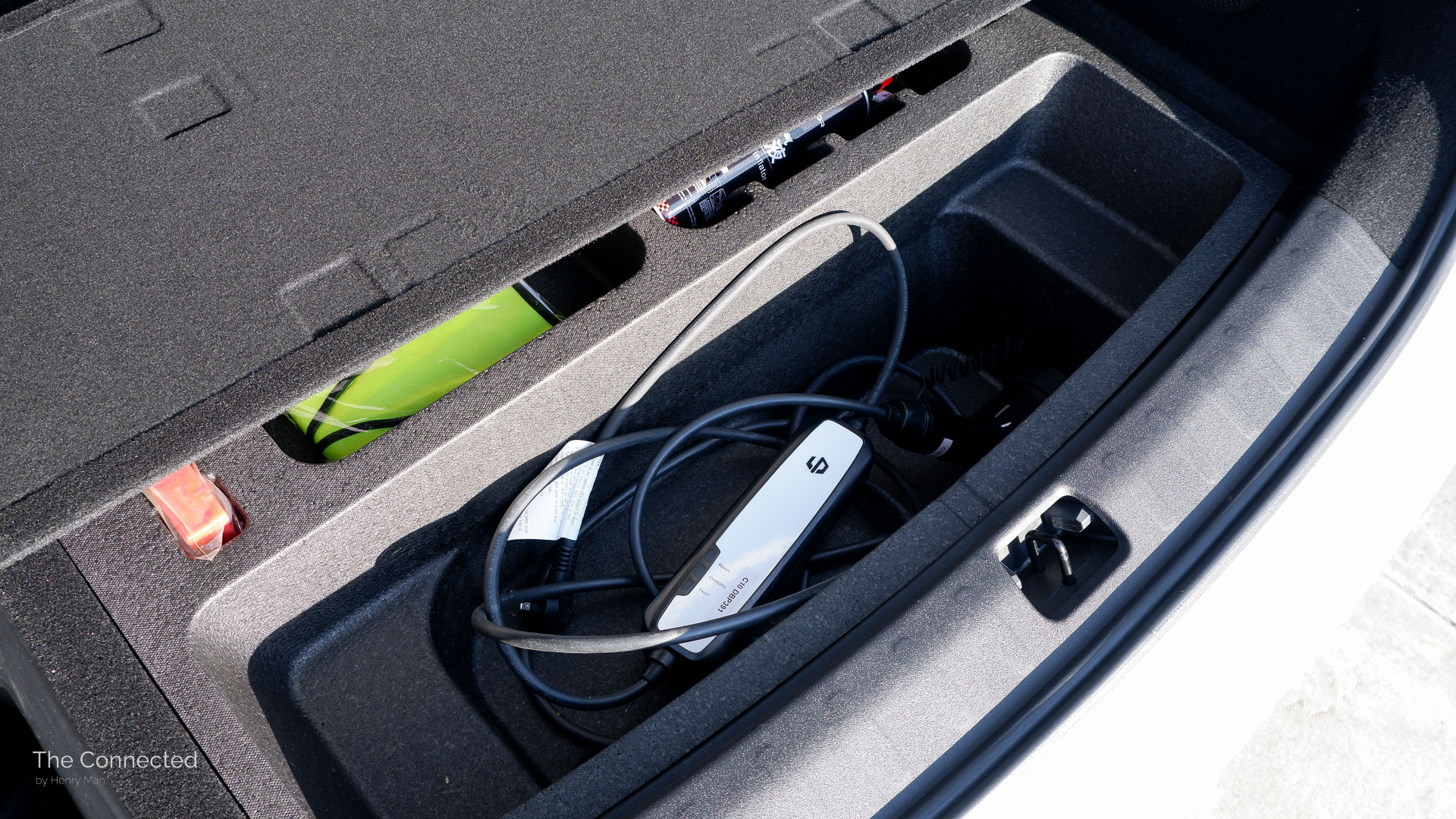
The 581-litre boot is large and wide with some underfloor storage fit for the included charging cables, pockets on each side and LED lighting, and two solid bag hooks.
The key missing aspect is a boot cover, which means what’s stored inside is left open to prying eyes and the sun. It’s the same story for the Kia EV5 Air and Earth models.
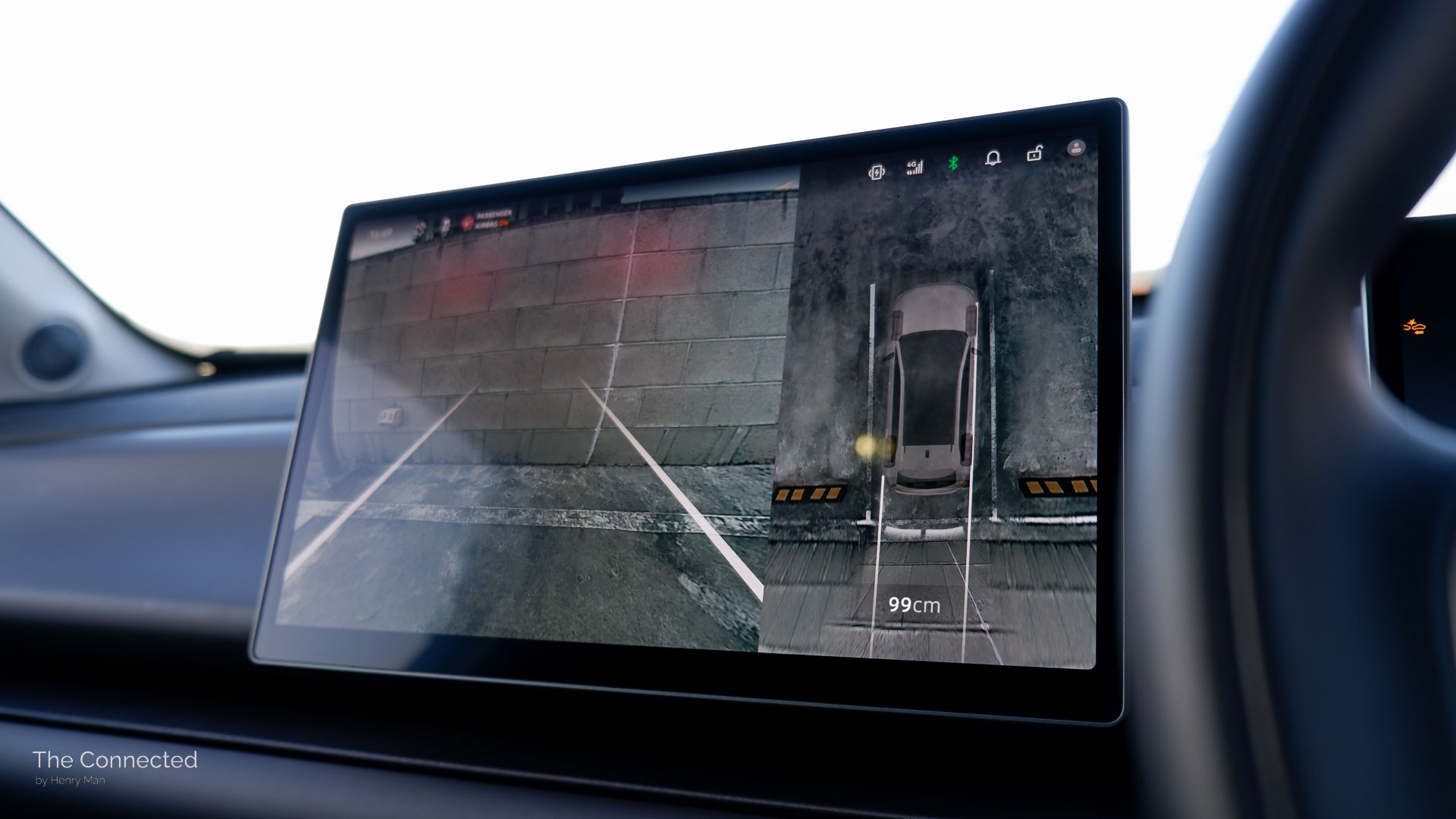
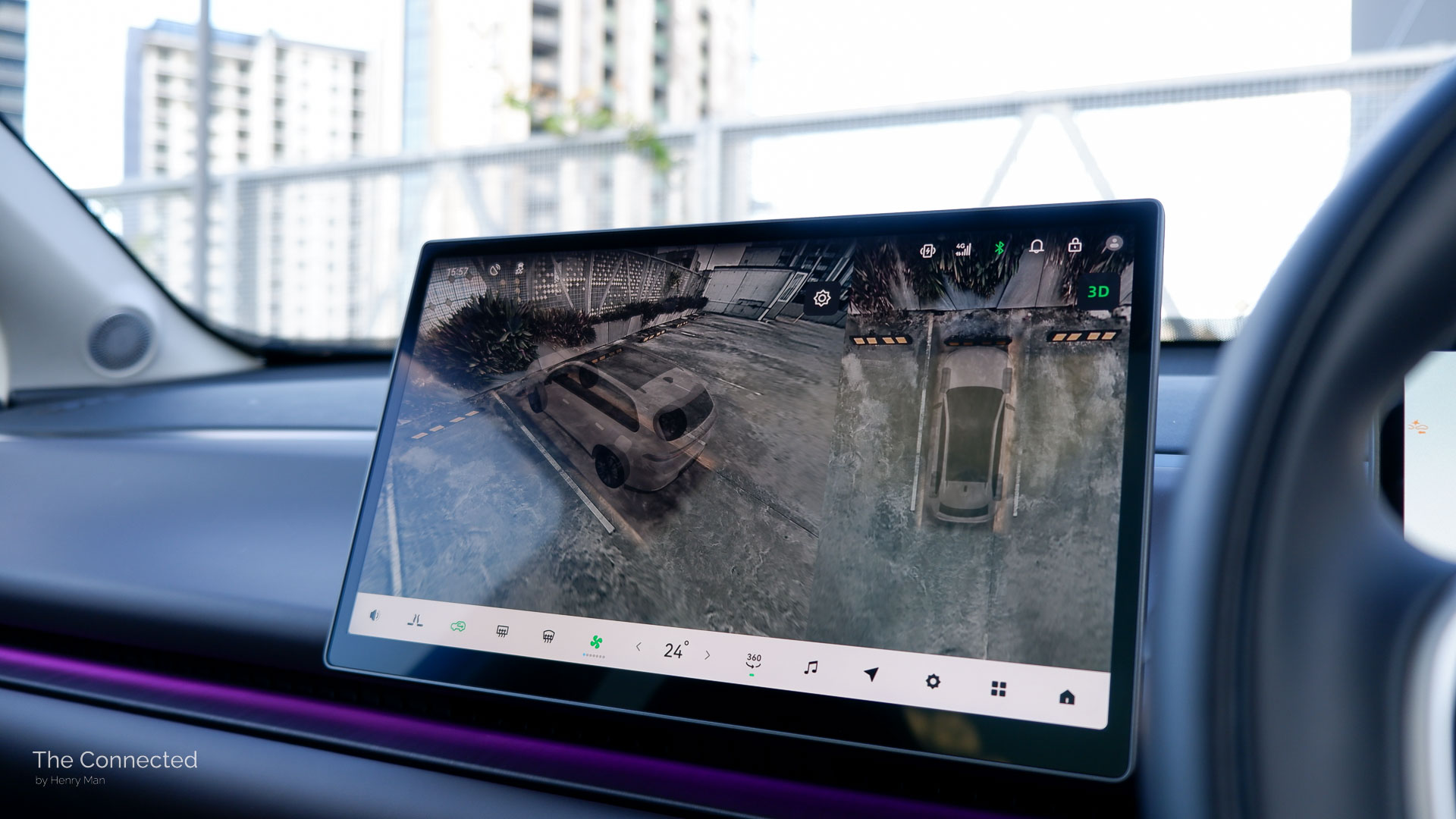
Unfortunately, the reversing camera lacks distance guidelines, so it’s hard to judge whether you can open the boot when parked up against a wall or car.
The top-spec Design scores an electric tailgate, but while you can open and close it from the mobile app, there’s no hands-free function. At least the boot open button is uniquely accessible on the right side of the light bar.
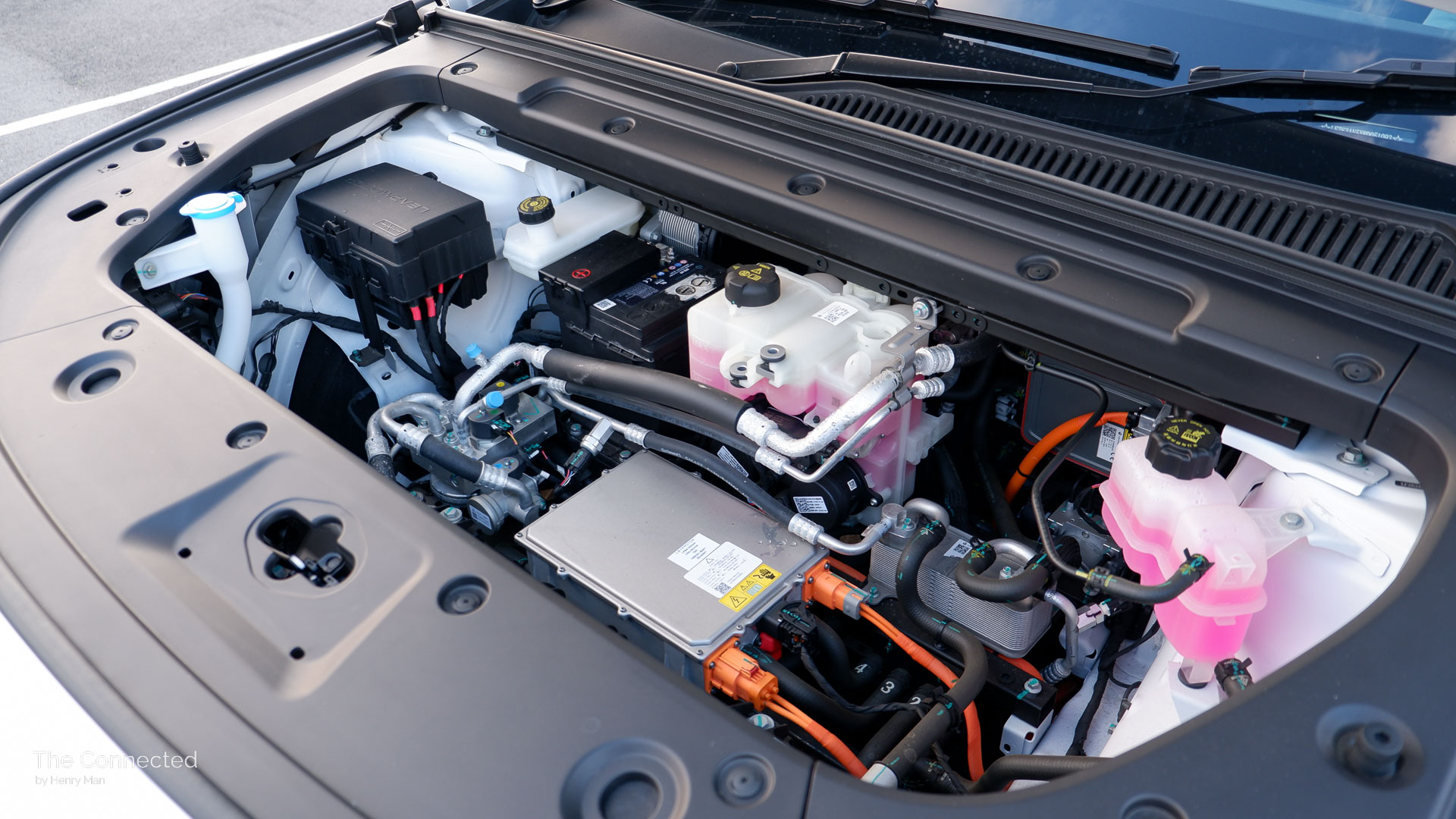
No C10 offers frunk storage, despite notable unused space under the bonnet. Leapmotor Australia offers a separate frunk accessory for $249.
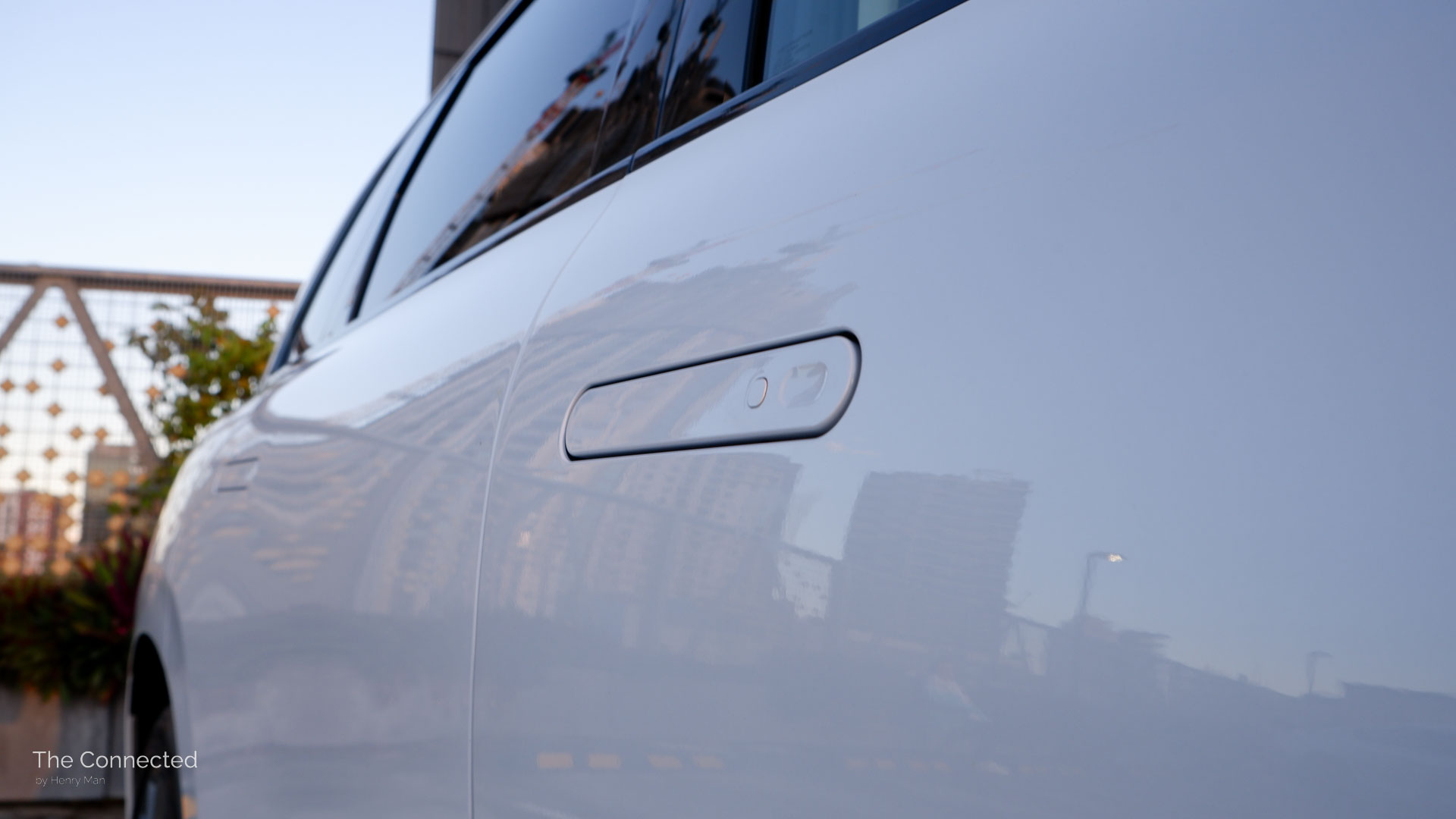
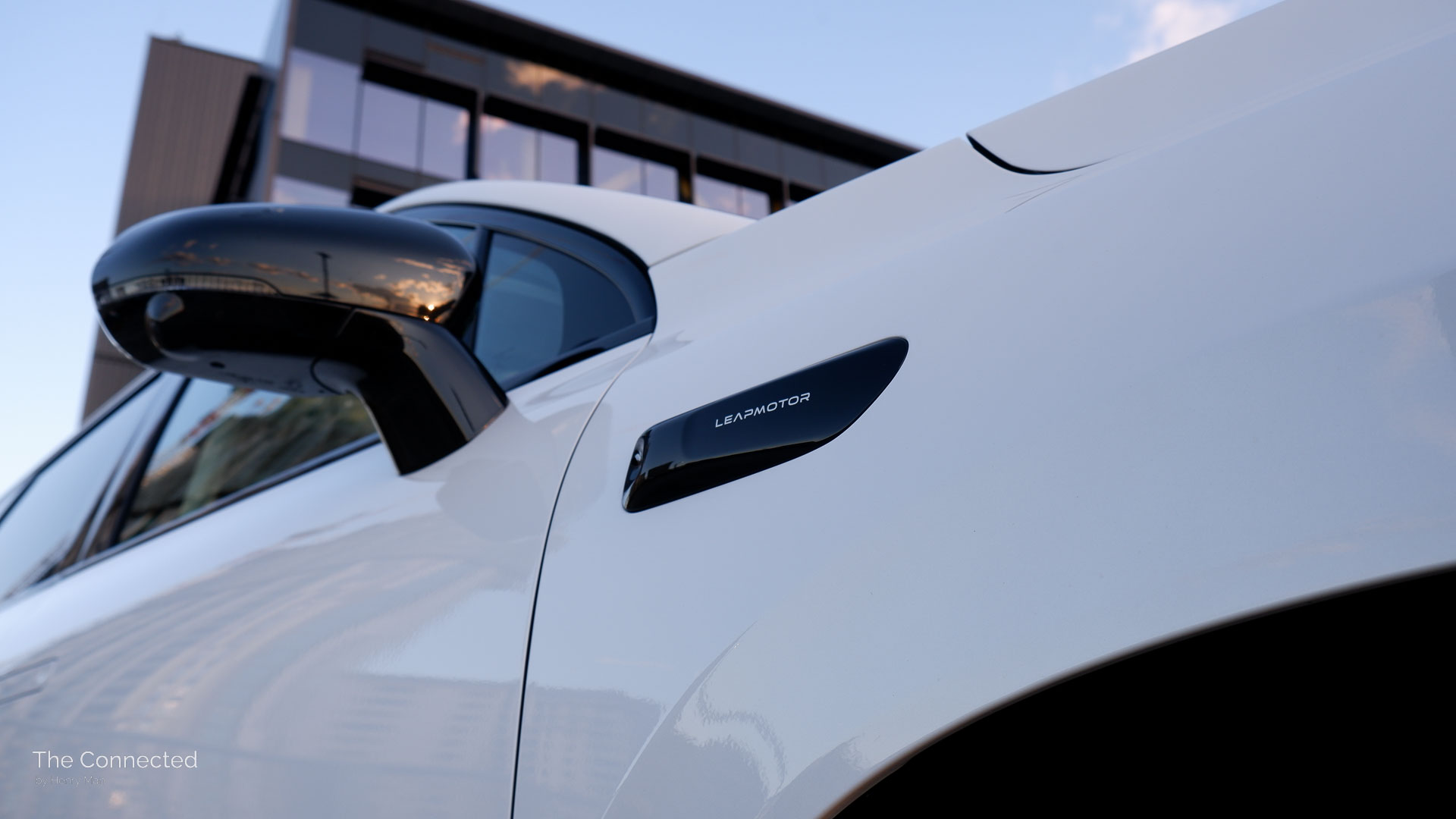
The flush door handles don’t automatically pop out, but it’s great that the Chinese brand incorporates dimples into each handle to help guide passengers on how to use them.
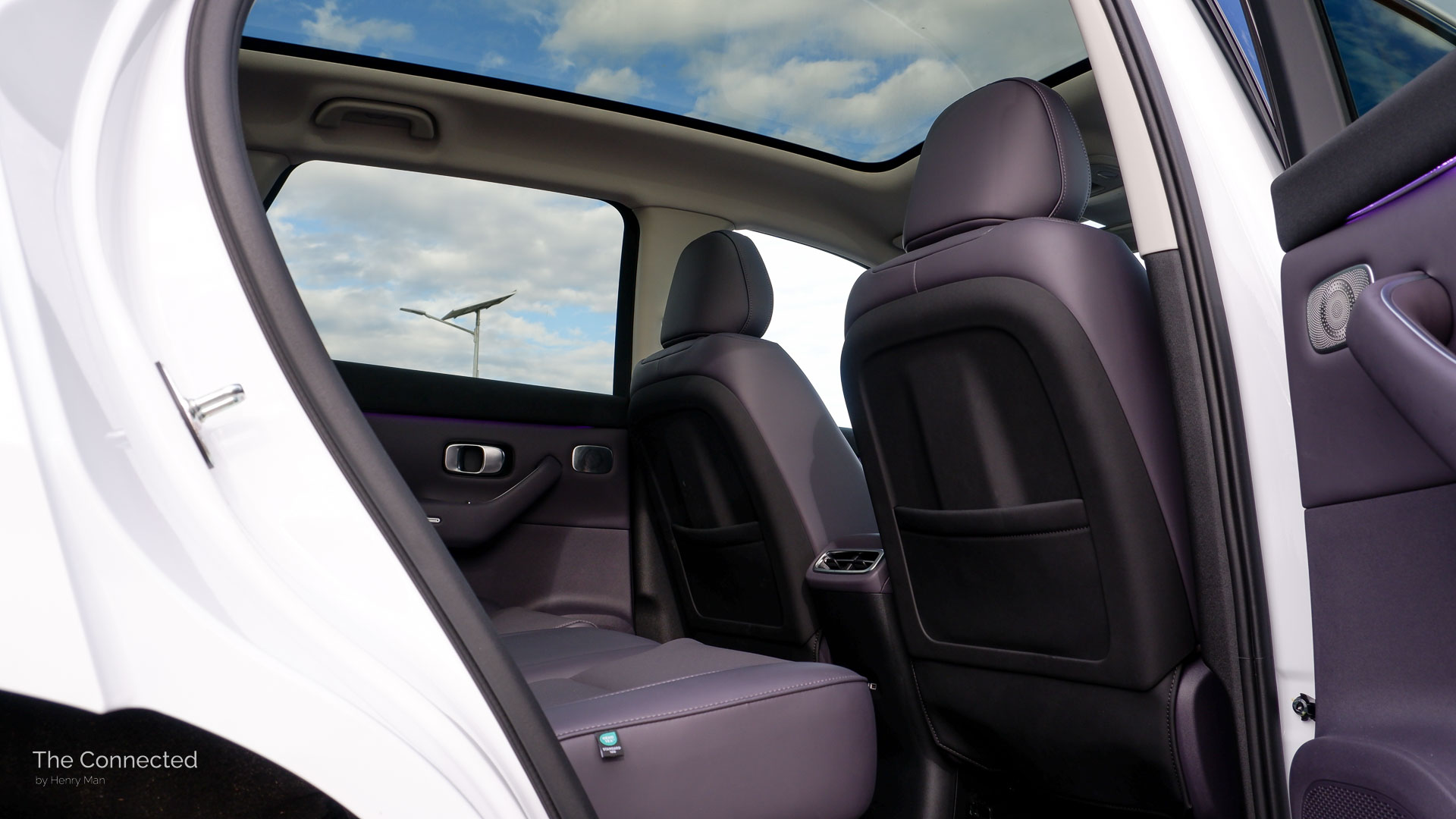
Once inside, legroom and headroom is plentiful at the rear seats with an almost flat floor, although kness will be slightly perched up when sitting upright due to a higher floor.
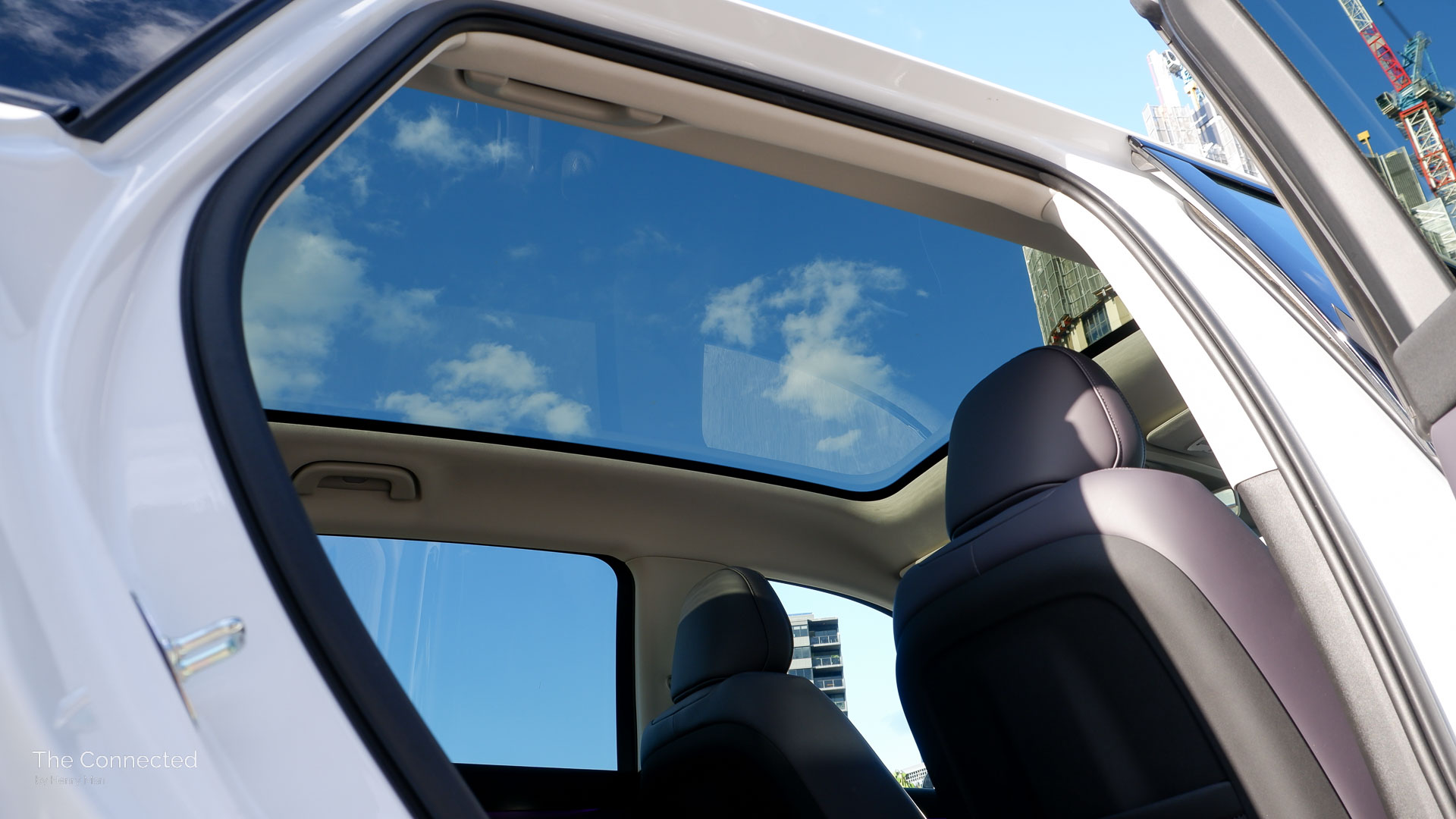
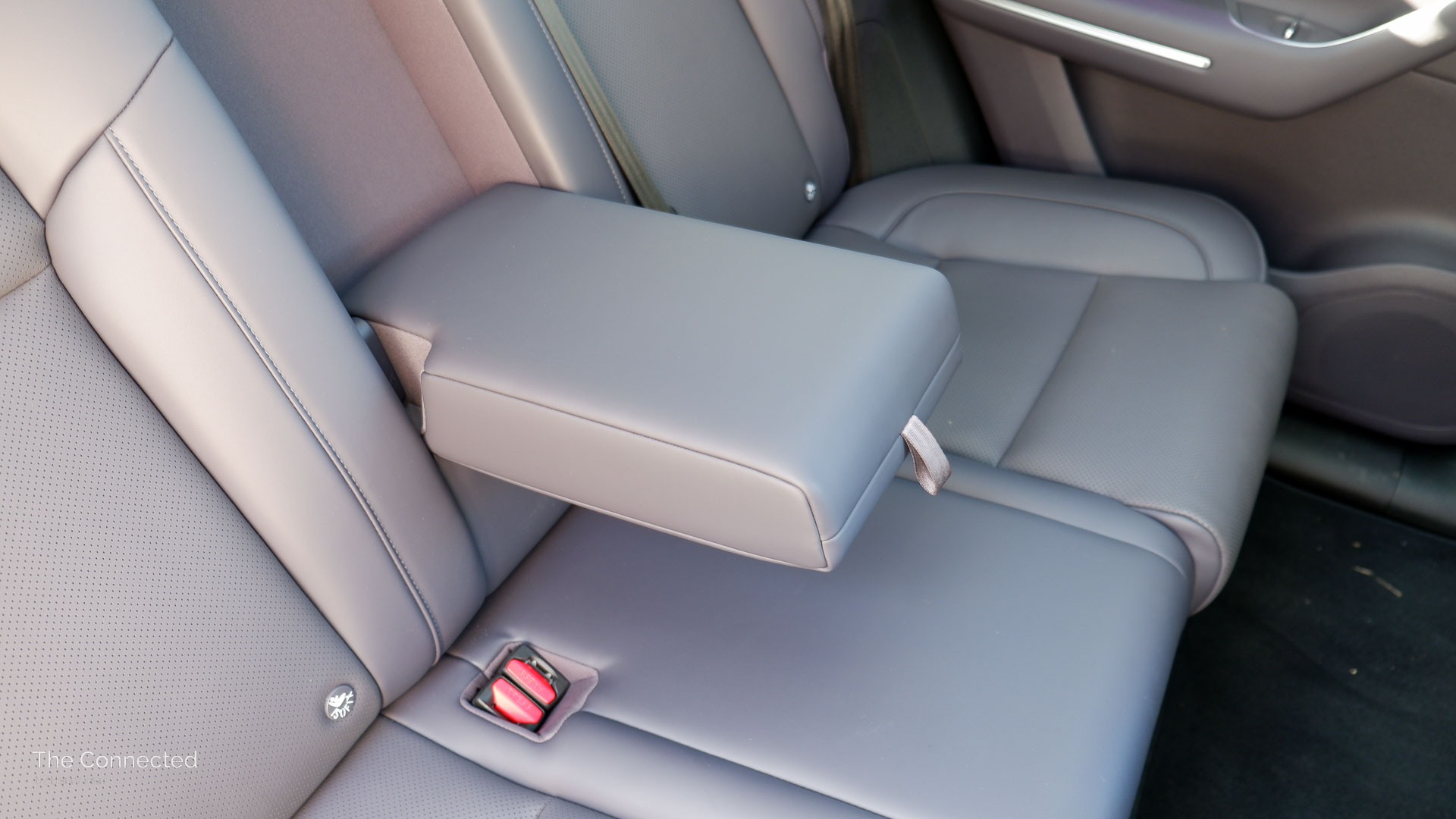
Passengers also benefit from rear manually-adjustable directional air vents, a fold-down centre armrest, well-sized door bottle holders, tinted rear windows, and a great view of the large fixed panoramic glass roof.
The pillar-less glass lets in more sunlight and ultraviolet rays than ideal, but thankfully there is a thick built-in electric sunshade.
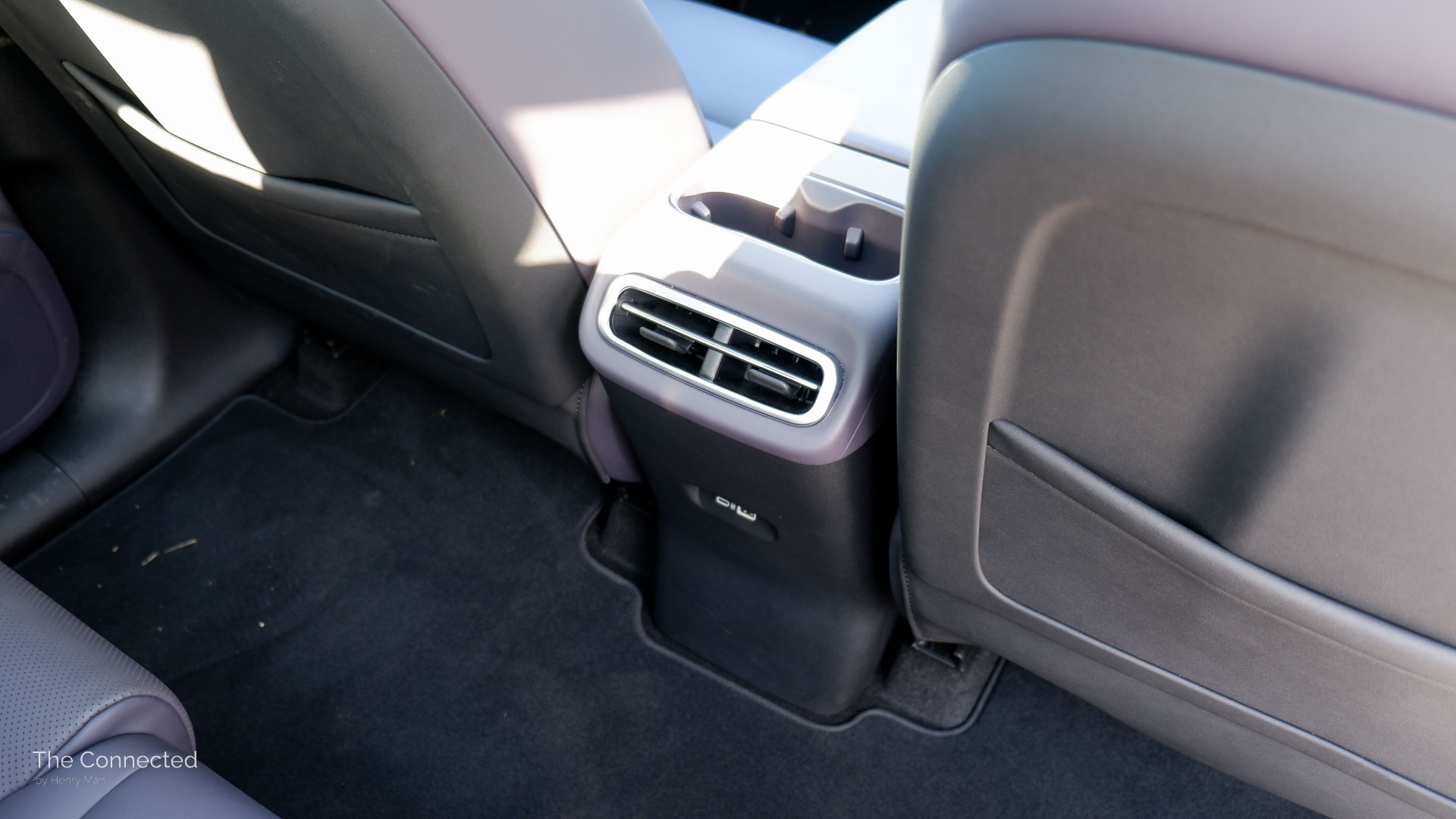
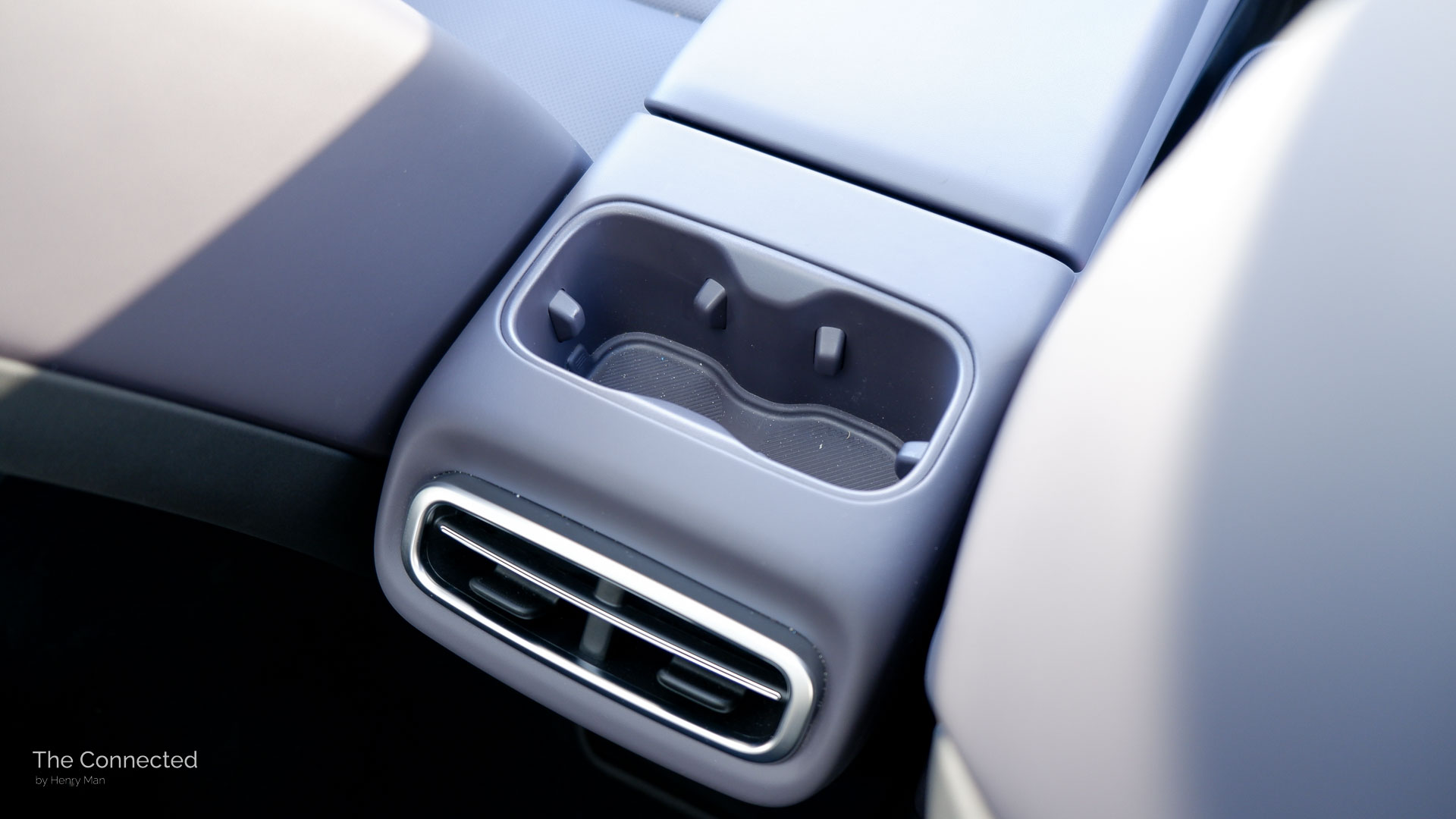
Unfortunately, the only two cup holders for the rear row are placed behind the centre console, which is a far reach forward given how spacious the interior is.
The Leapmotor EV only offers one USB-C and one USB-A port at the back, with the former not offering fast-charging – the only high-speed 60-watt USB-C port is at the front.
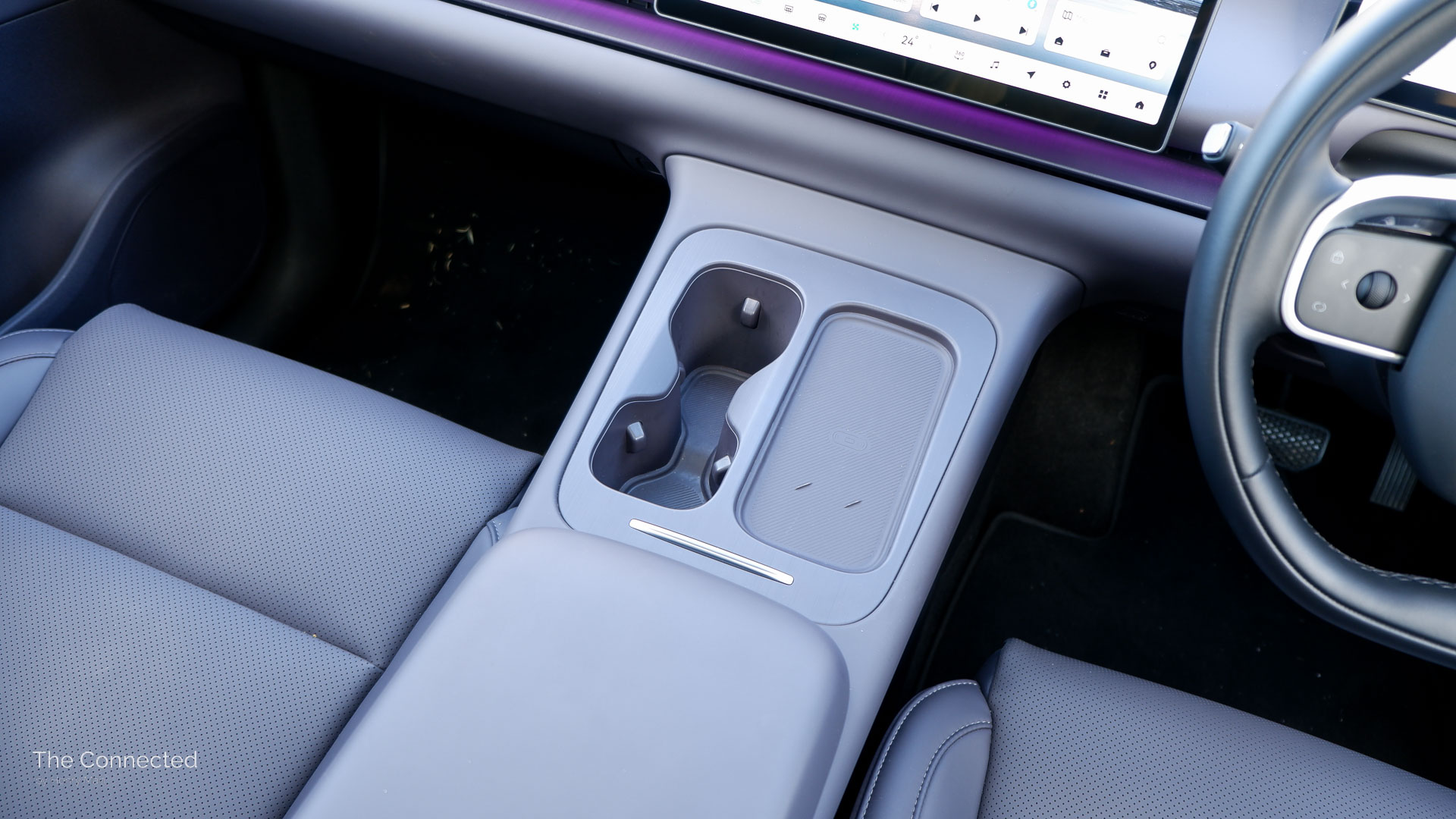
Meanwhile, the front centre console is home to two gripped cup holders, an ergonomically positioned Qi wireless charging pad which doubles as the NFC sensor for the key card, and a deep centre armrest bin.
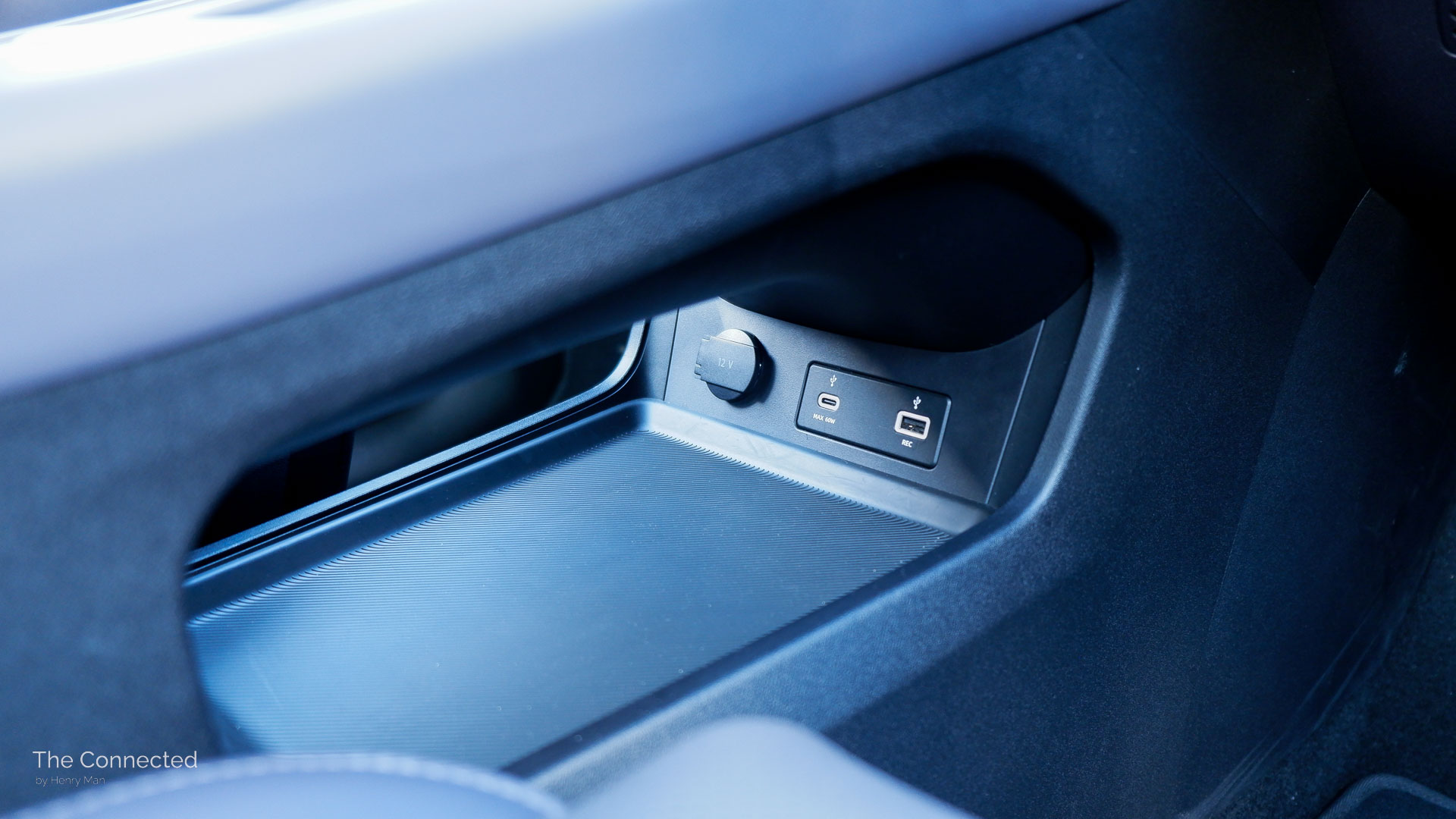
A large open tray underneath is easily accessible thanks to the sloping console with a grippy rubberised surface, complete with USB-C and USB-A charging ports.
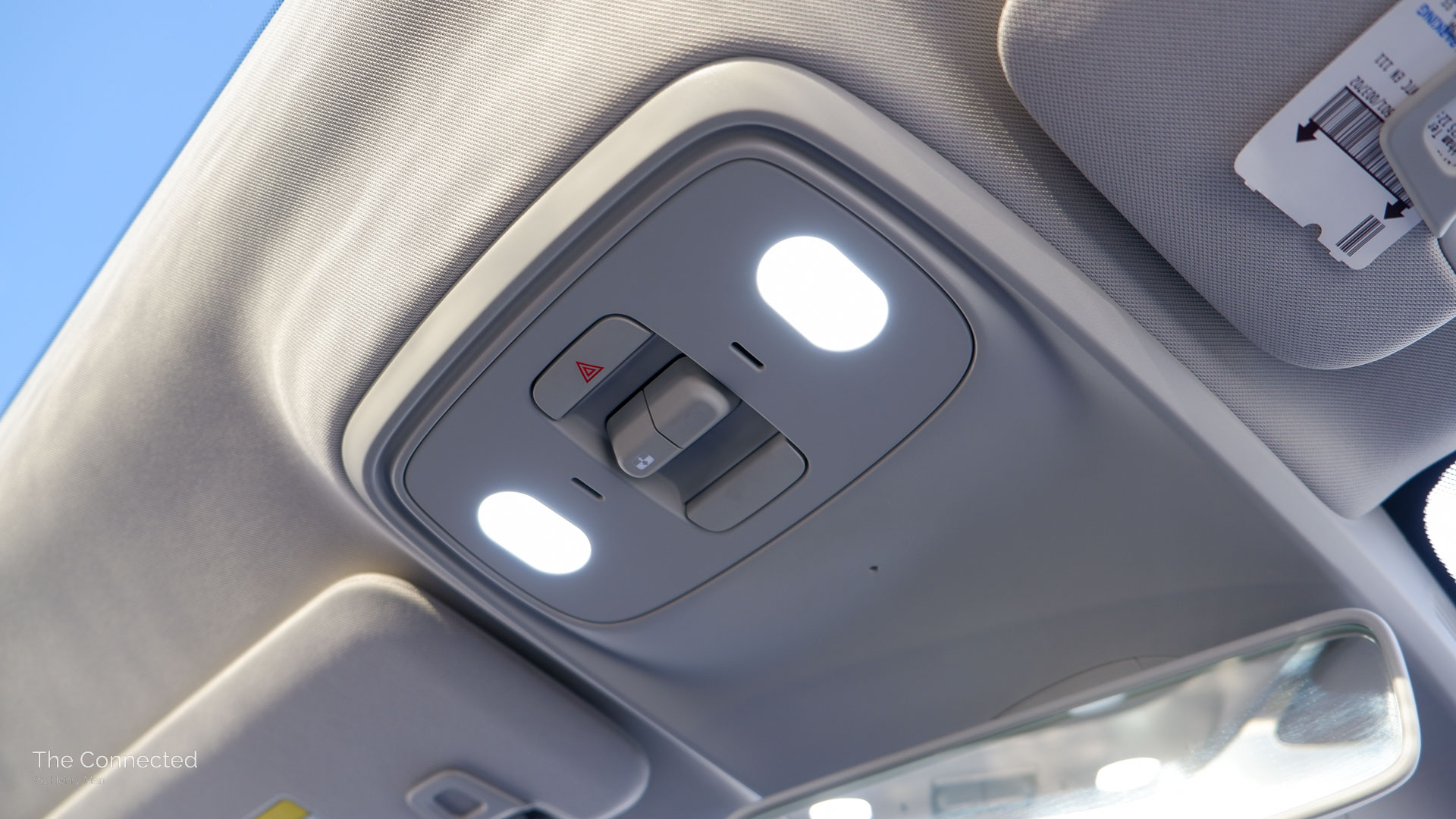
Unfortunately, the undertray lacks illumination and can be difficult to see in the dark, despite bright LED lights from above across both rows. Strangely, there’s no way to turn on all the lights at once, with buttons inside the touchscreen settings to toggle the rear left and right bulbs only.
Similarly, the glovebox is small and low-set with no light illumination, the front row doesn’t offer any roof grab handles, and the window switches are weirdly reversed (pushing up winds down the windows).
Another strange quirk is the Leapmotor C10 flashes one side of the turn indicators three times anytime you open the door (better to be cautious I guess).
This top-spec Design variant gains silicon faux leather seats, which are super soft and supportive. The driver uniquely benefits from up to nine memory settings linked to driver profile settings, similar to a Tesla, even though there’s no lumbar adjustment.
The front seats also gain three-level heating and ventilation, alongside a heated steering wheel, which are key reasons to spend a bit more for the Design.
The Chinese carmaker also boasts the ability to completely recline the front seats and remove the headrests in order to create a flatbed. It actually works and highlights how large the C10’s interior is.
It’s worth noting that the silicon material is more prone to oil smudges, though.
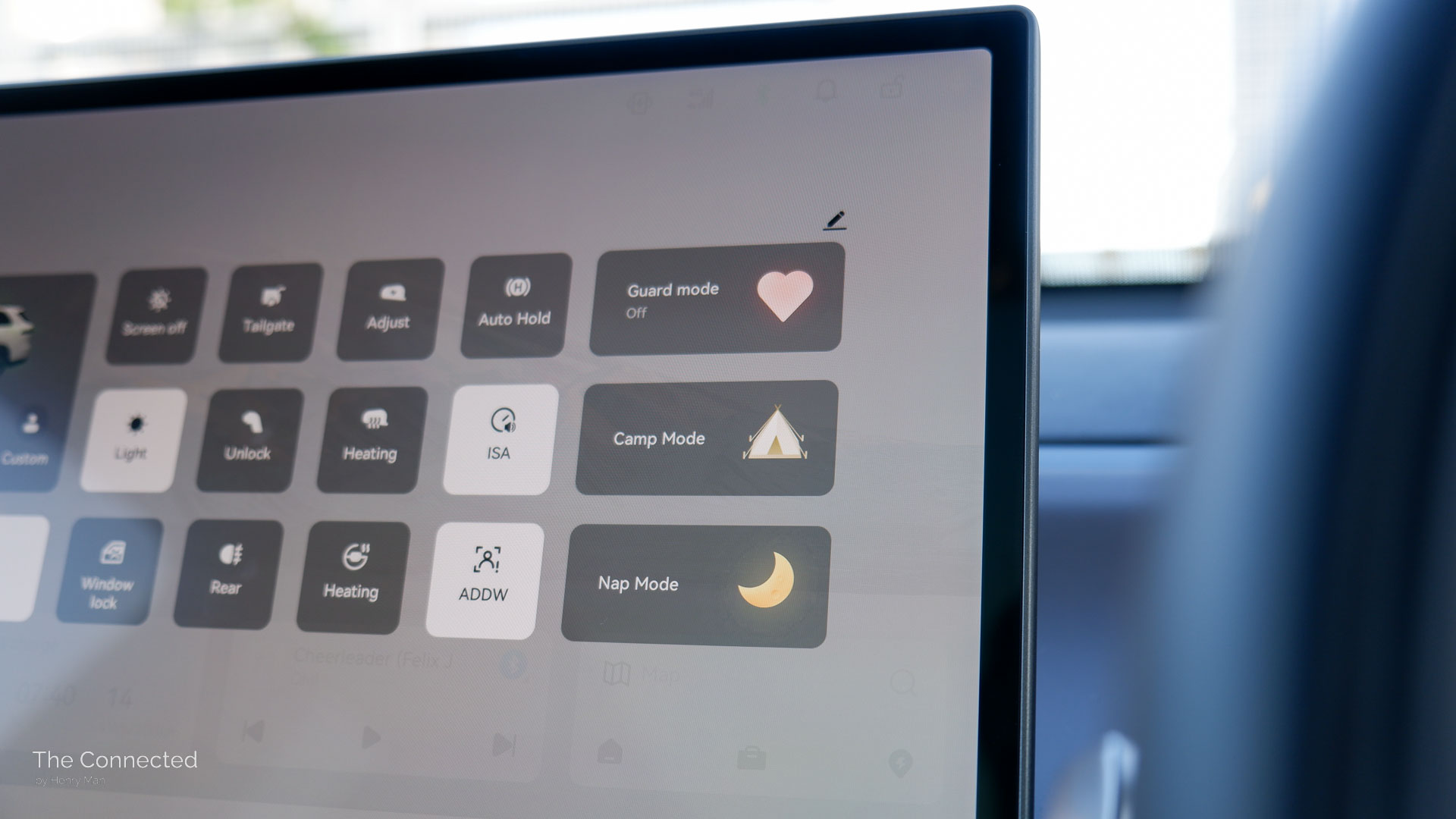
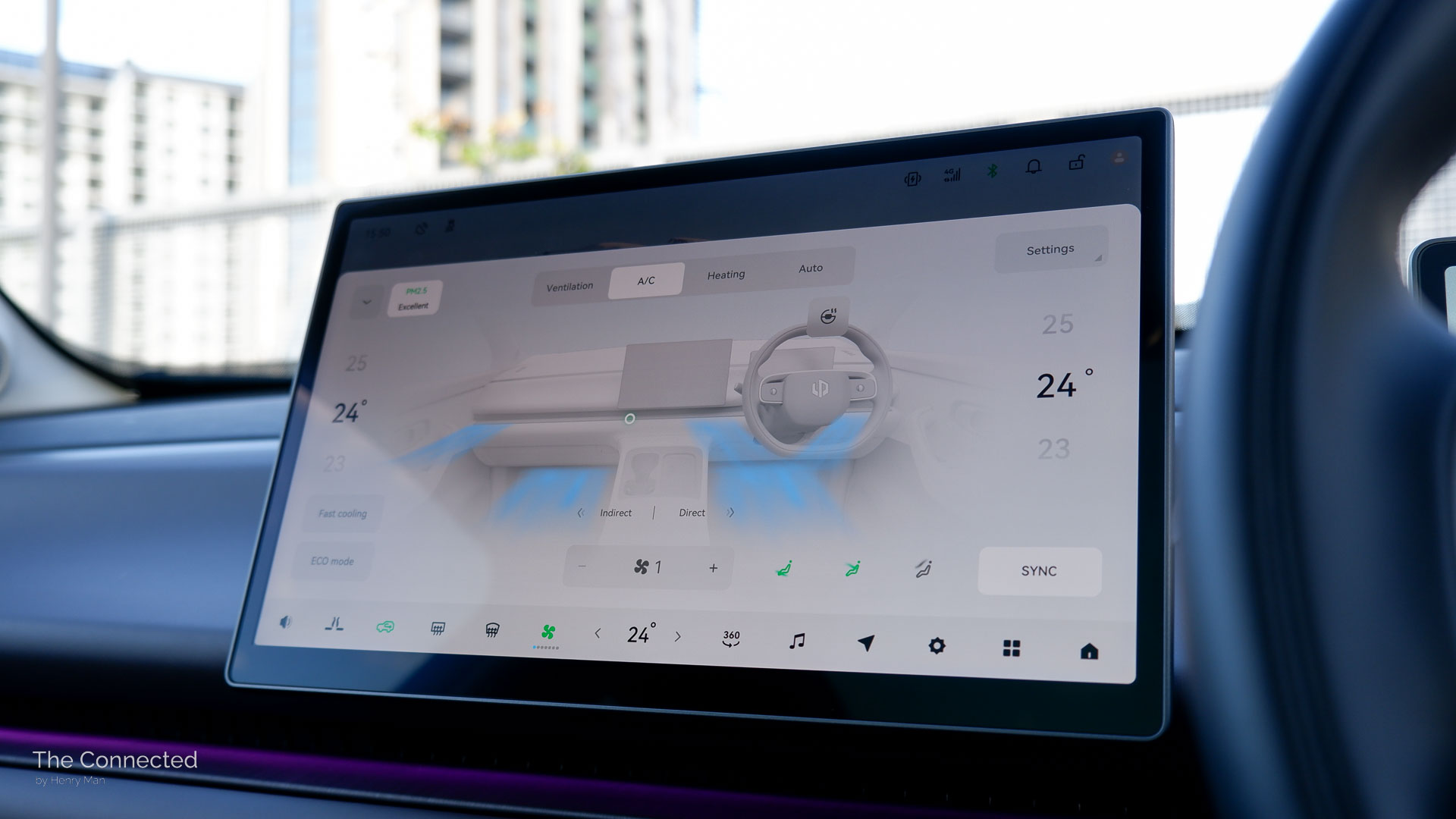
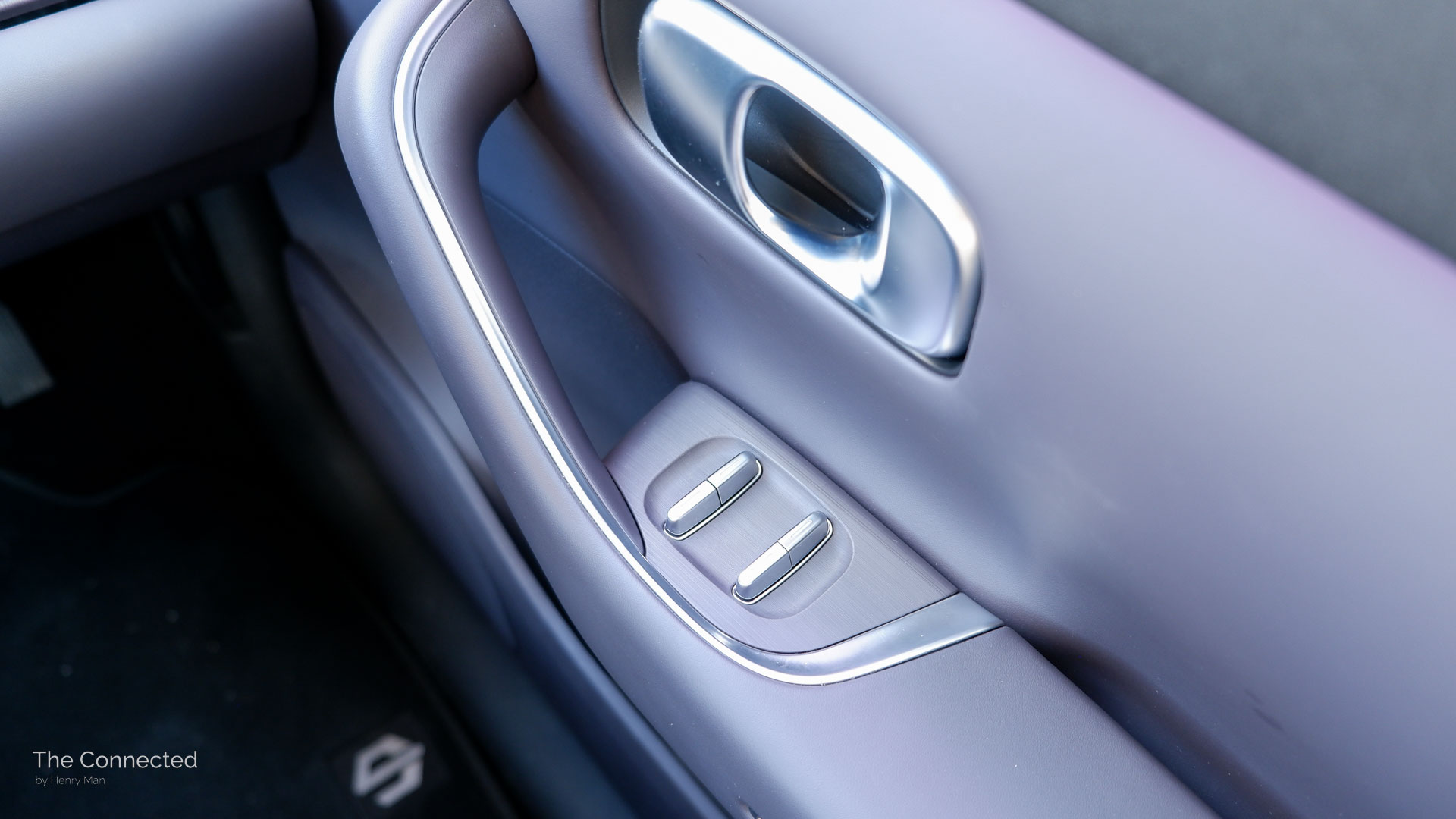
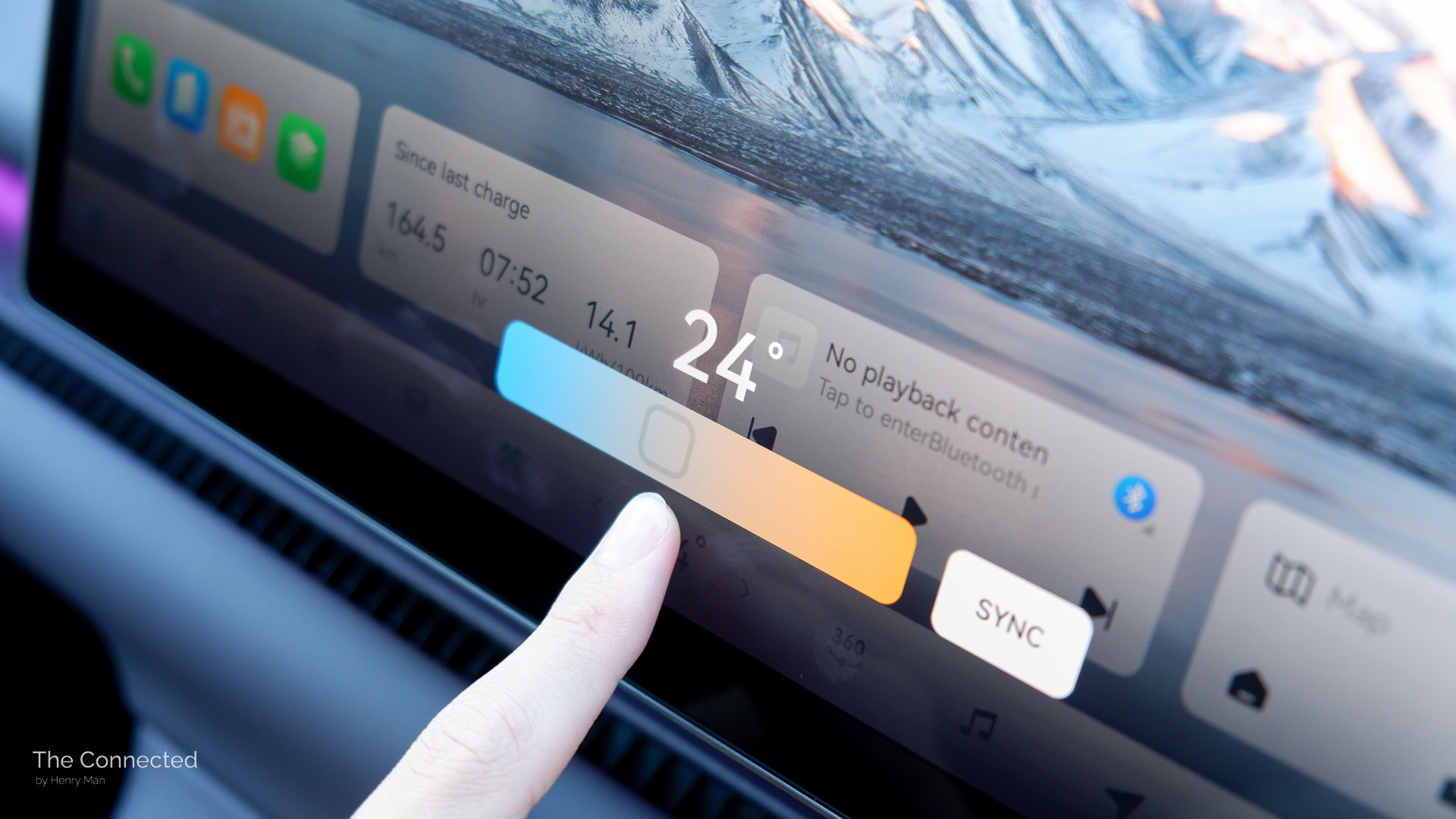
The Leapmotor electric SUV’s dual-zone climate control system must be operated via the central touchscreen, as well as changing the direction of the electronic air vents.
This high-tech approach is slightly frustrating – but the software always has a climate control bar at the bottom with the ability to quickly swipe the temperature or fan speed to adjust, or enter the full climate control pop-up with a press or swipe.
The company also offers presets for the fan direction, including direct, indirect and sweeping, which helps it be less complicated but is still distracting to use while driving.
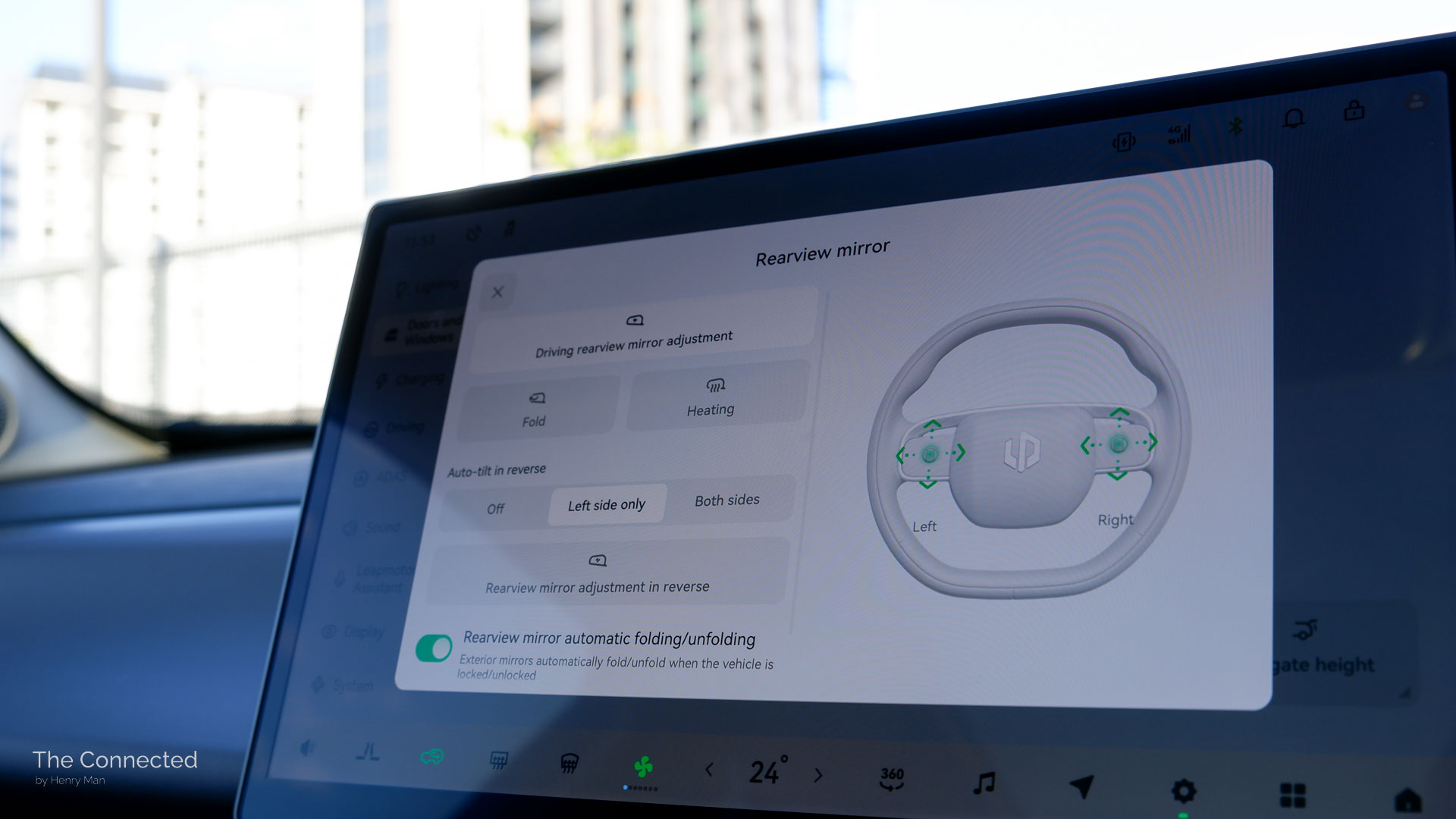
The wing mirrors must be adjusted via the touchscreen settings as well. In reality, it’s not a huge hassle as you can program a quick shortcut on the steering wheel or overhead switch, and then use each physical scroll wheel to quickly change the mirror angle.
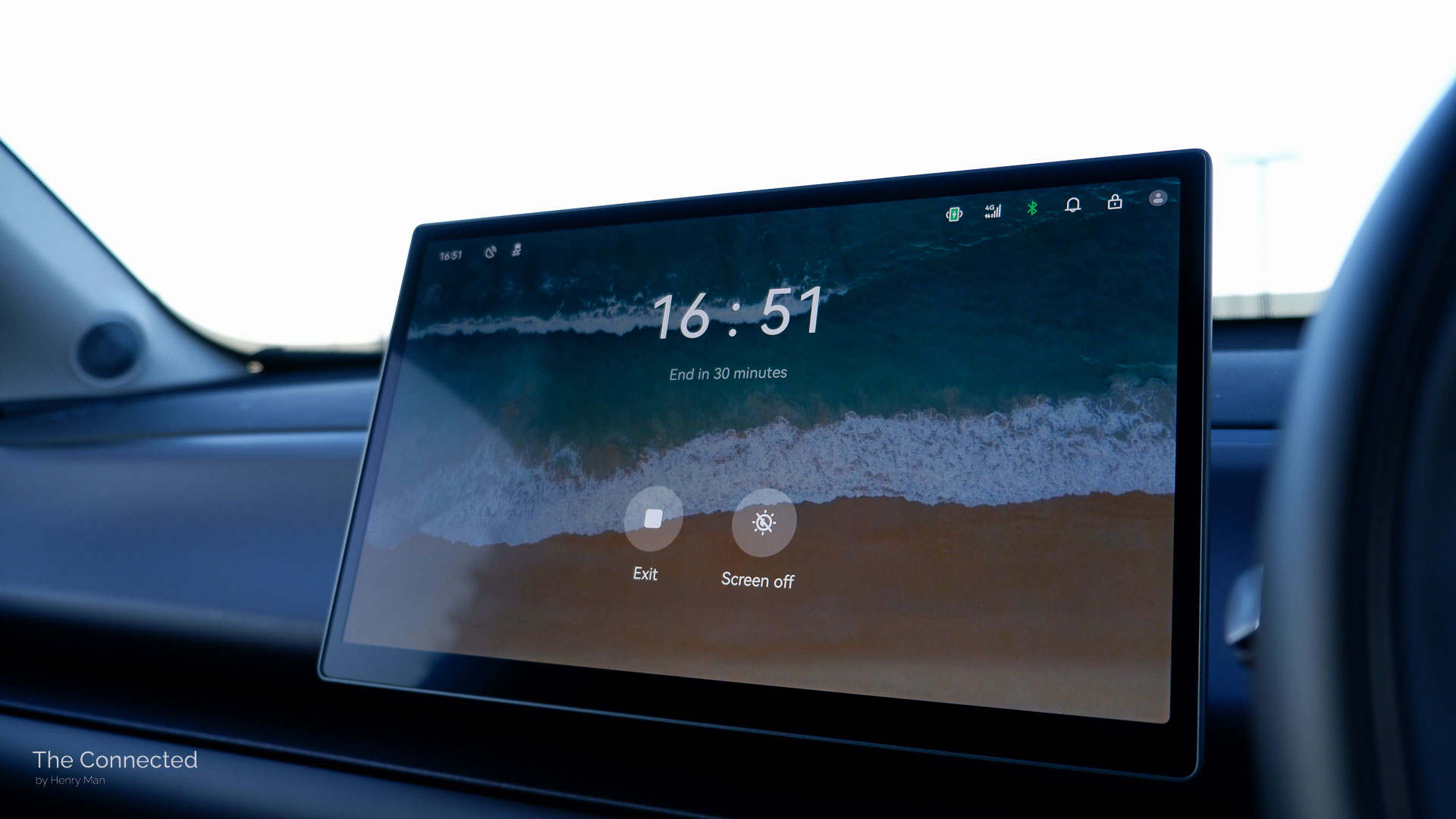
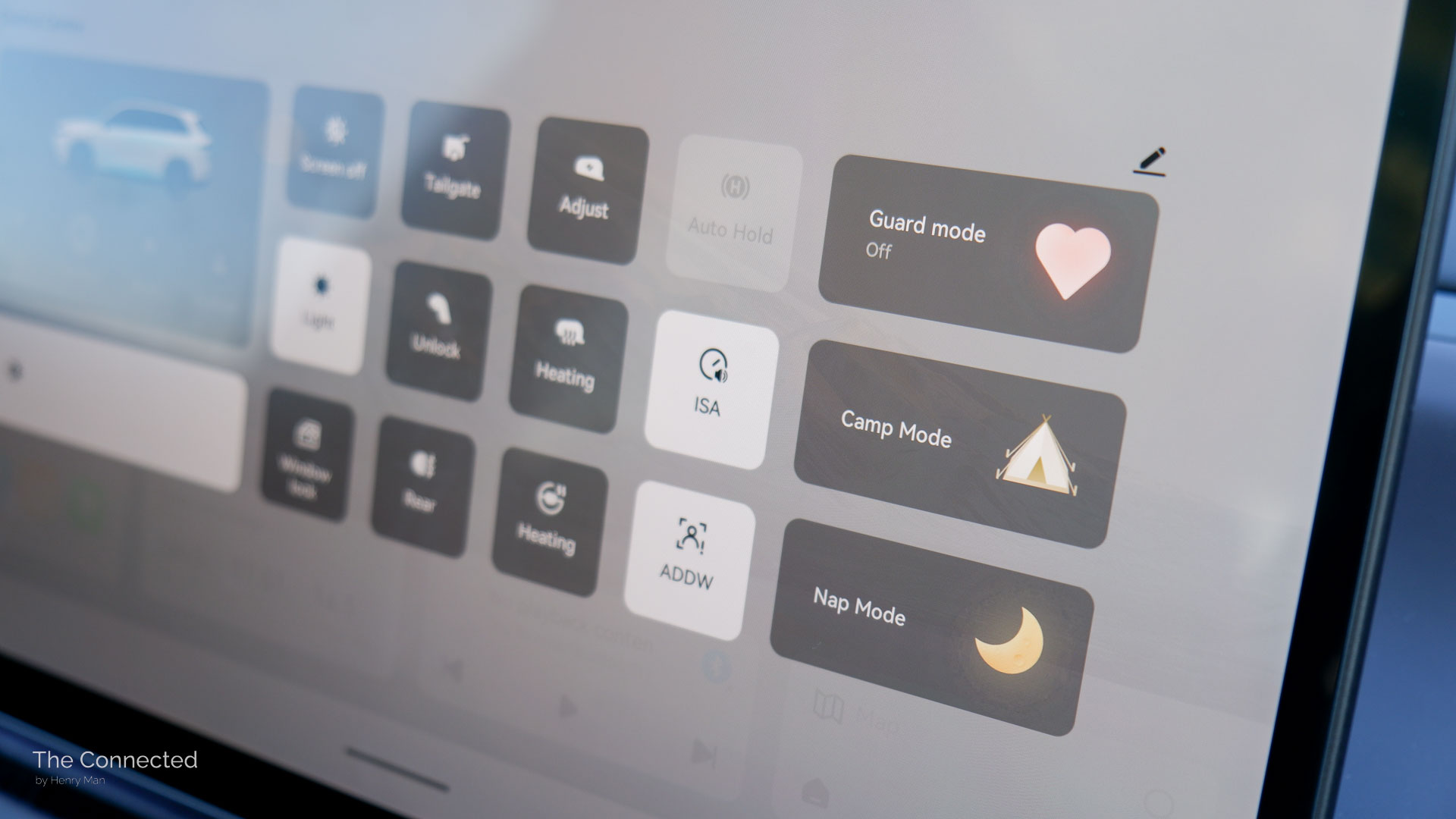
Camp Mode (warm climate control with a fireplace visual), Nap Mode (activates a timer with ambient sounds and animated visuals across the main and instrument displays), and Guard Mode (keeps the climate control on while locked) also feature – although the latter always defaults to a cold 25-degrees.
Technology.
2025 Leapmotor C10 BEV Design tech features:
| 14.6-inch touchscreen running LeapOS | 10.25-inch driver instrument display |
| Built-in maps with connected routing | Qi wireless charging pad |
| Bluetooth audio streaming | 1x USB-C (60-watt), 3x USB-C, 1x USB-A, and 1x 12-volt charging ports |
| OTA software update capability | 12-speaker surround system |
| Leapmotor Connected Services (three years included) | NFC key card |
| Leapmotor mobile app with Bluetooth key functionality |
The Leapmotor C10 features mostly well-designed software, but the lack of Apple CarPlay and Android Auto could be this EV’s biggest dealbreaker.
The 14.6-inch touchscreen is sharp, responsive, with a perfect 16:9 aspect ratio and is backed by a Qualcomm Snapdragon 8295 processor. It runs LeapOS that’s easy to use with smooth Apple-esque animations with every button press or swipe.
A swipe down reveals a nifty customisable control centre panel, a programmable button on the wheel can quickly access certain functions with a single or double press, and a persistent bar at the bottom provides quick access to menus.
Unlike some Chinese rivals, it automatically switches between light and dark modes and has automatic brightness – both of which actually work. The screen is a tad bright at night, but owners can quickly dim it further with a swipe.
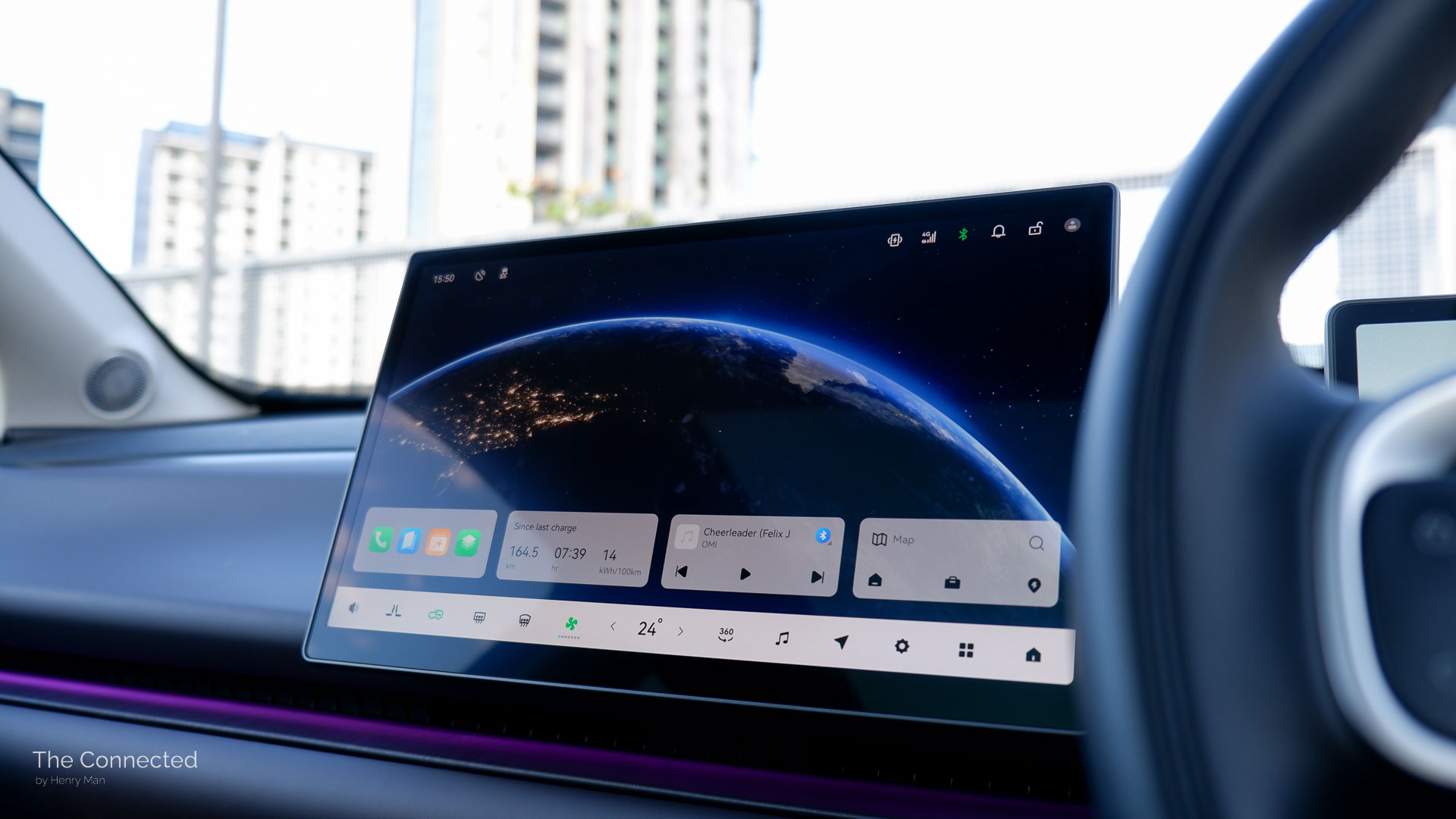
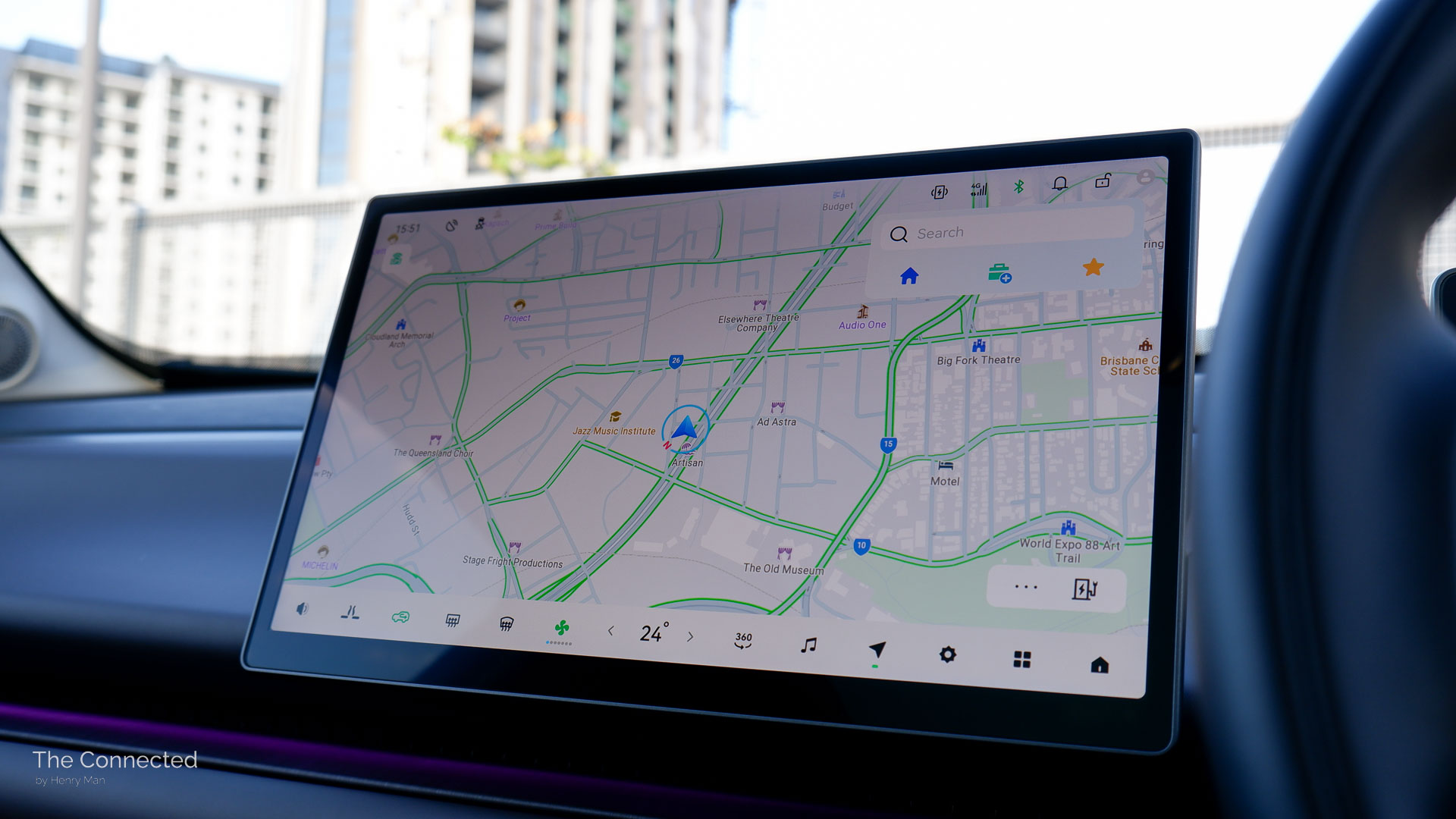
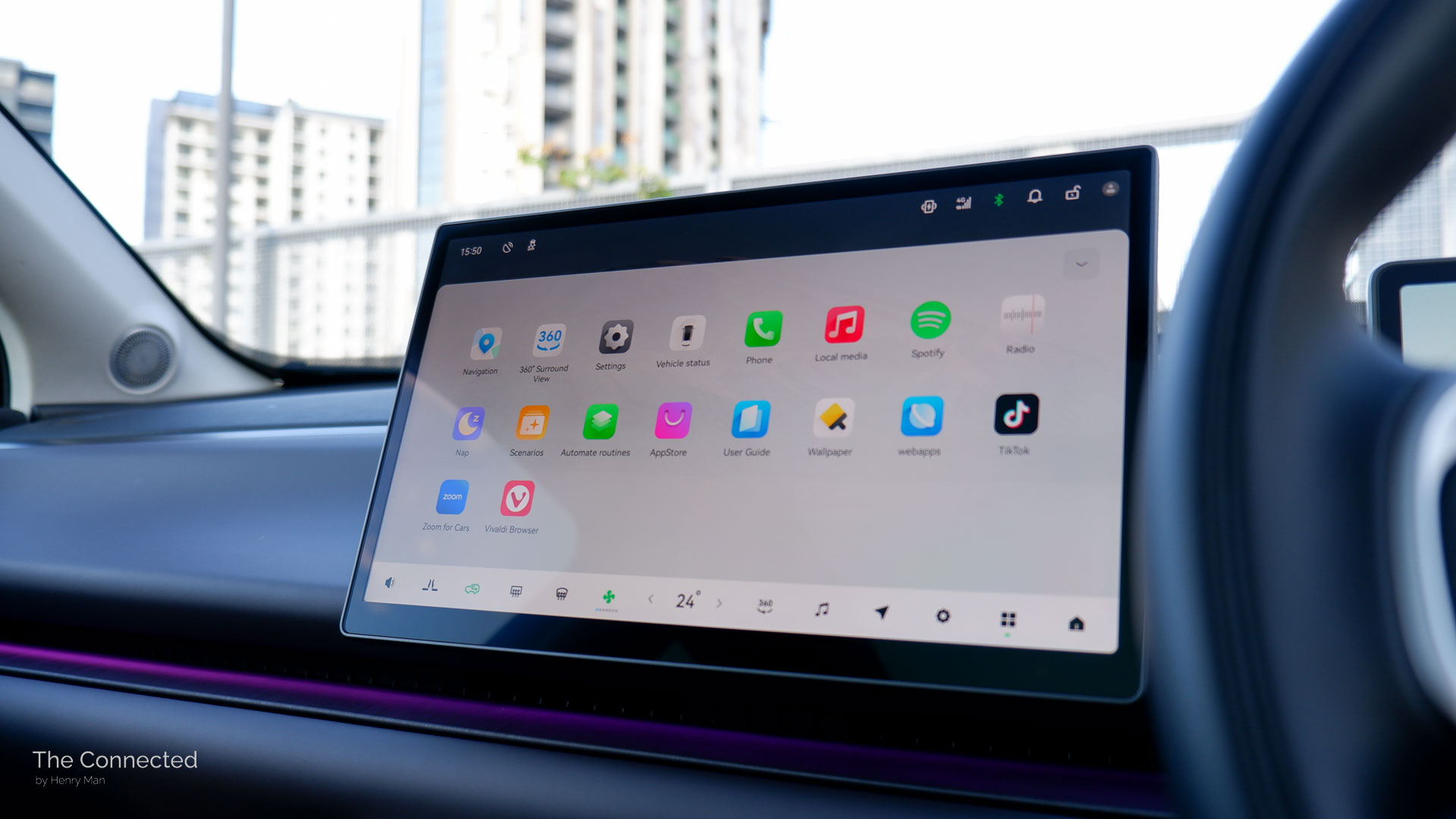
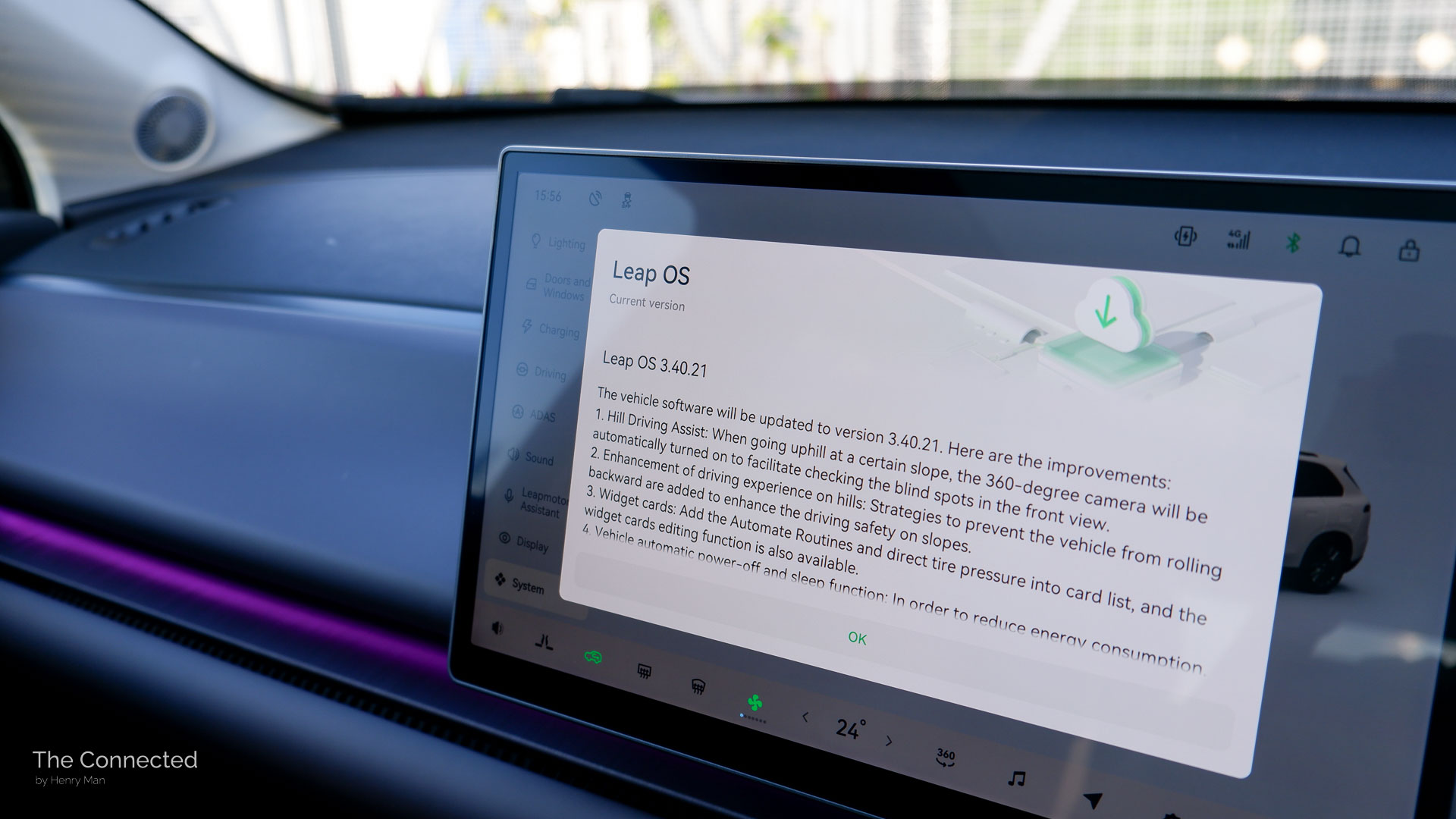
We tested LeapOS 3.40.21 – which has introduced improvements to its safety assistance warnings, more mobile app functions, and new downloadable apps via the Leapmotor App Store since its local launch.
Disappointingly, the Leapmotor C10 does not include Apple CarPlay and Android Auto connectivity – with the company confirming this generation platform’s hardware strangely cannot support them and will not be added via an over-the-air (OTA) software update.
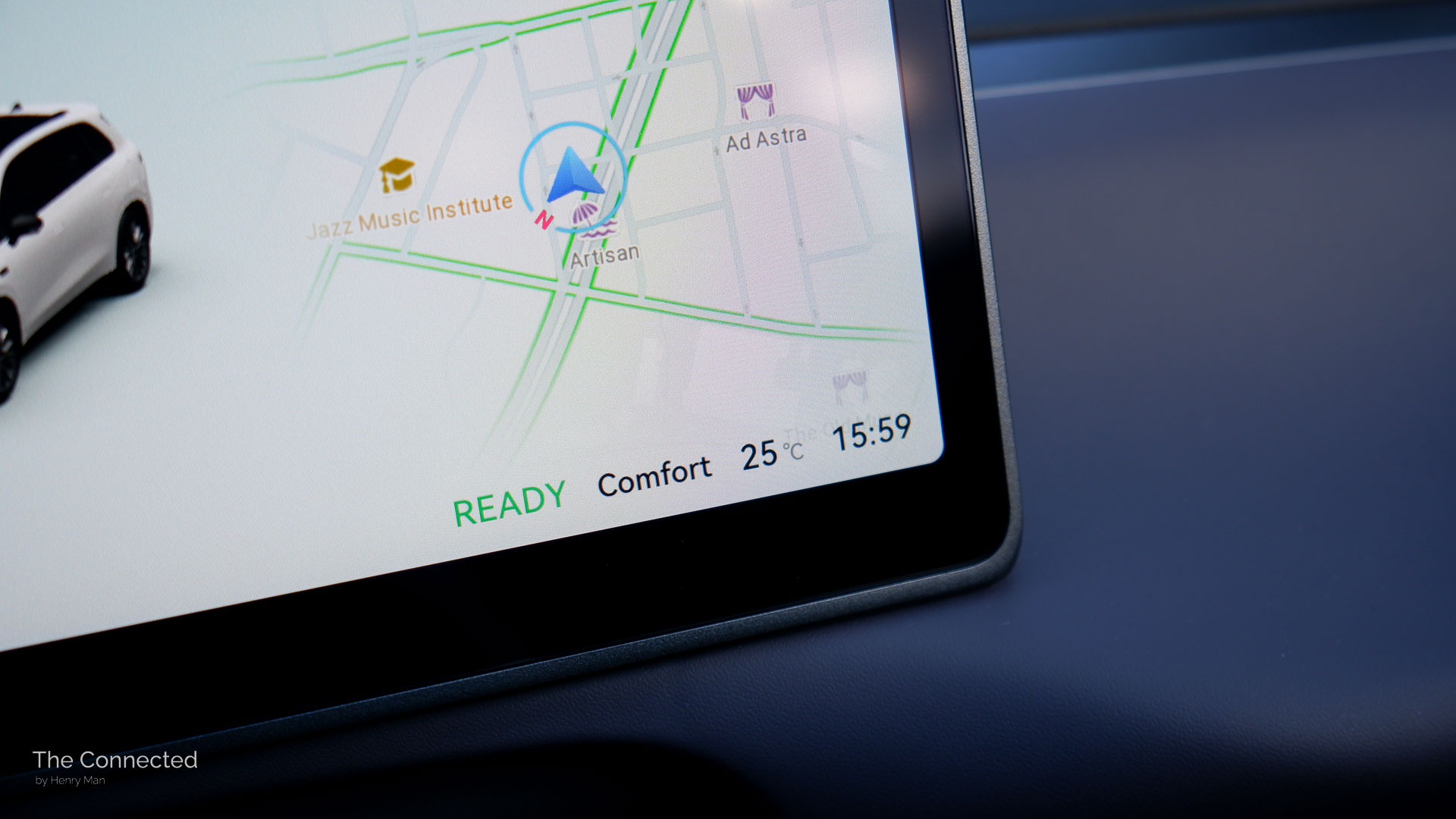
It’s a big pain point because the built-in maps are sub-par, with no option to avoid toll roads and routing that questionably leads drivers in a roundabout way compared to Google Maps – even though it estimates how much range you’ll have once at the destination.
This also means you’ll need to use the built-in Spotify, Tidal or Amazon Music apps for music streaming, but rely on Bluetooth from your phone if you use other services such as YouTube Music, Apple Music, and other podcast apps.
The single Qi wireless charging pad doesn’t have ventilation fans, so phones often overheat and stop charging.
Furthermore, while LeapOS is generally well-designed, there are some minor areas that don’t make sense in English.
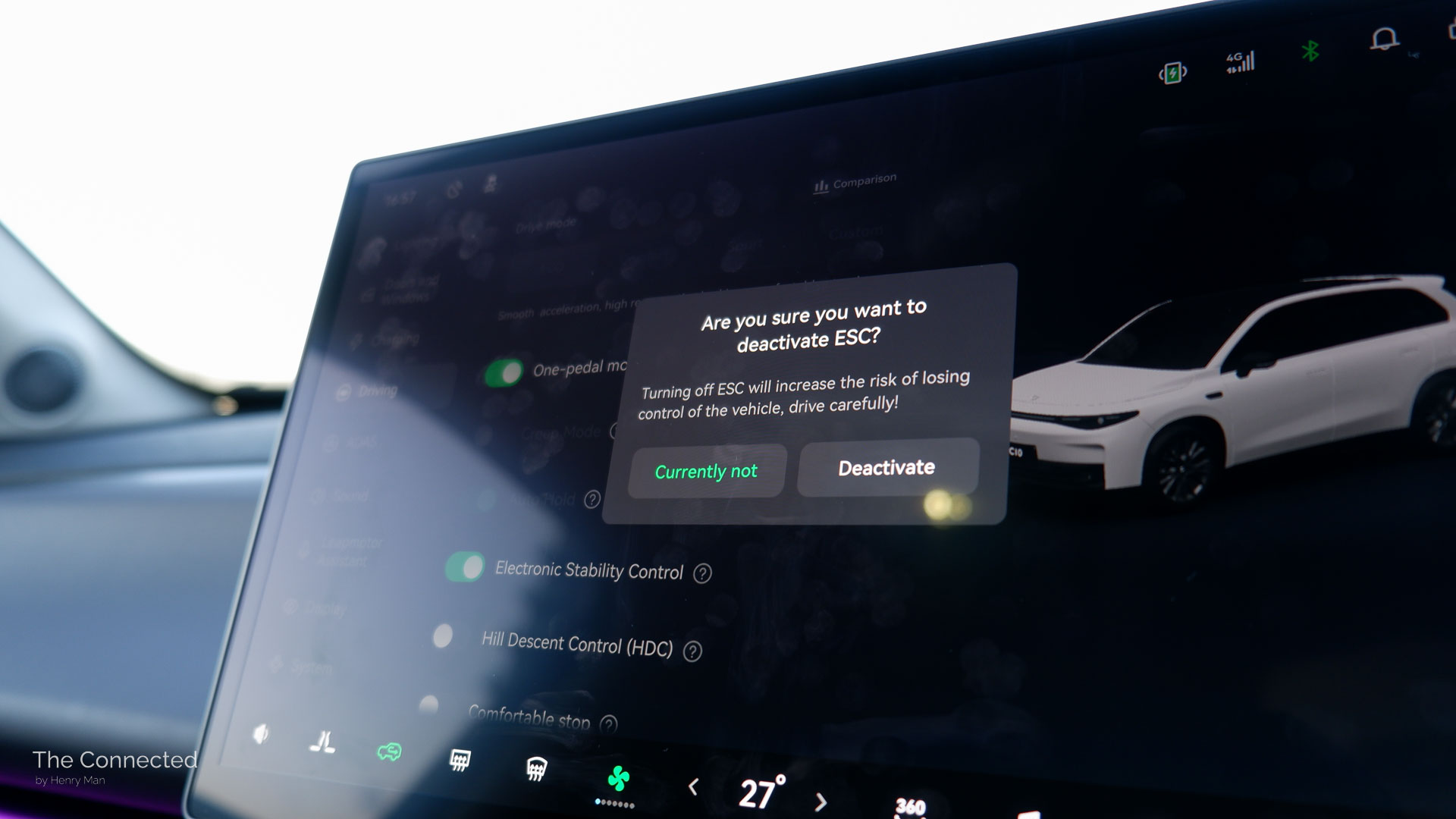
For example, it labels the exterior wing mirrors as ‘rearview mirrors’ instead (and without the hyphen), and has a ‘currently not’ label button (instead of ‘no’) on the pop-up box to turn off the stability control.
The user interface also isn’t as logical in places.
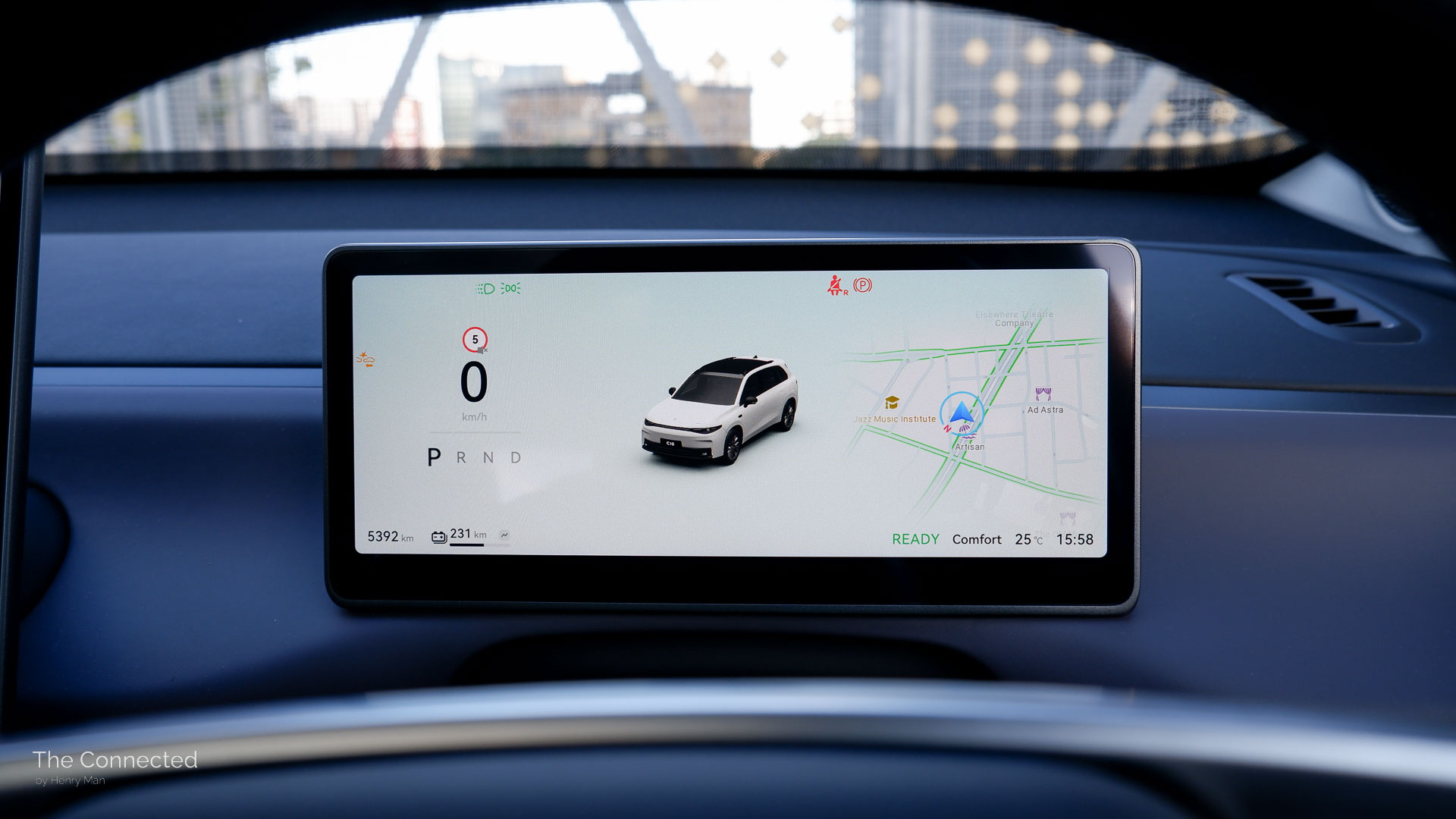
Case in point, the icons for electronic stability control and driver attention warnings are strangely at the top-left corner of the screen, the heated/ventilation seat controls are in a separate menu from the climate control and heated steering wheel (with a flipped front seat graphic), and it doesn’t show the battery percentage anywhere on the driver instrument screen.
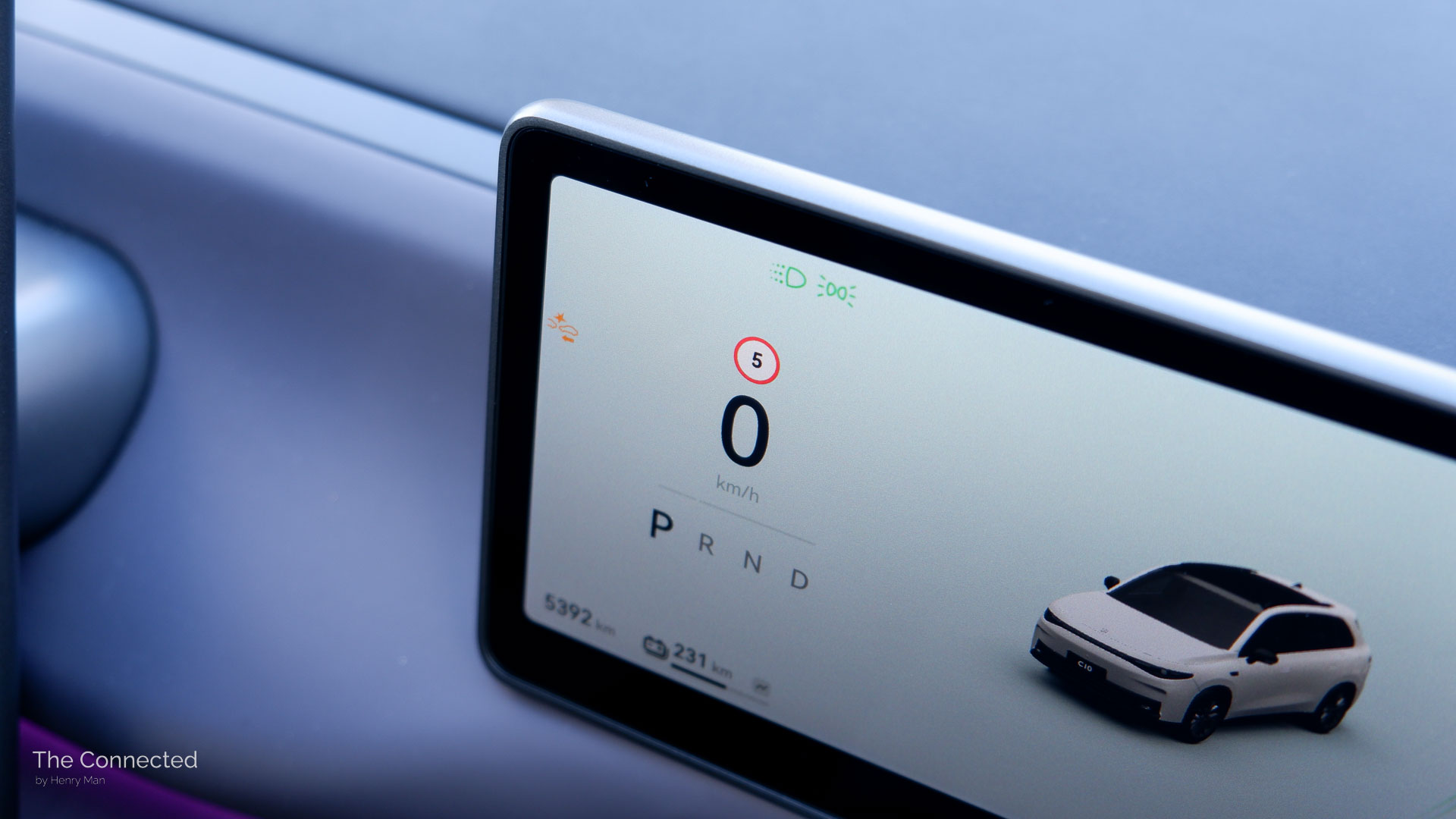
Meanwhile, the driver benefits from a 10.25-inch instrument display that carries the same modern interface with visualisations of surrounding vehicles, some Apple Watch-esque icons, and three switchable pages on the side: playing audio, the built-in map, or driving and trip computer data.
It’s worth noting that the steering wheel rim can block certain elements depending on your driving position.
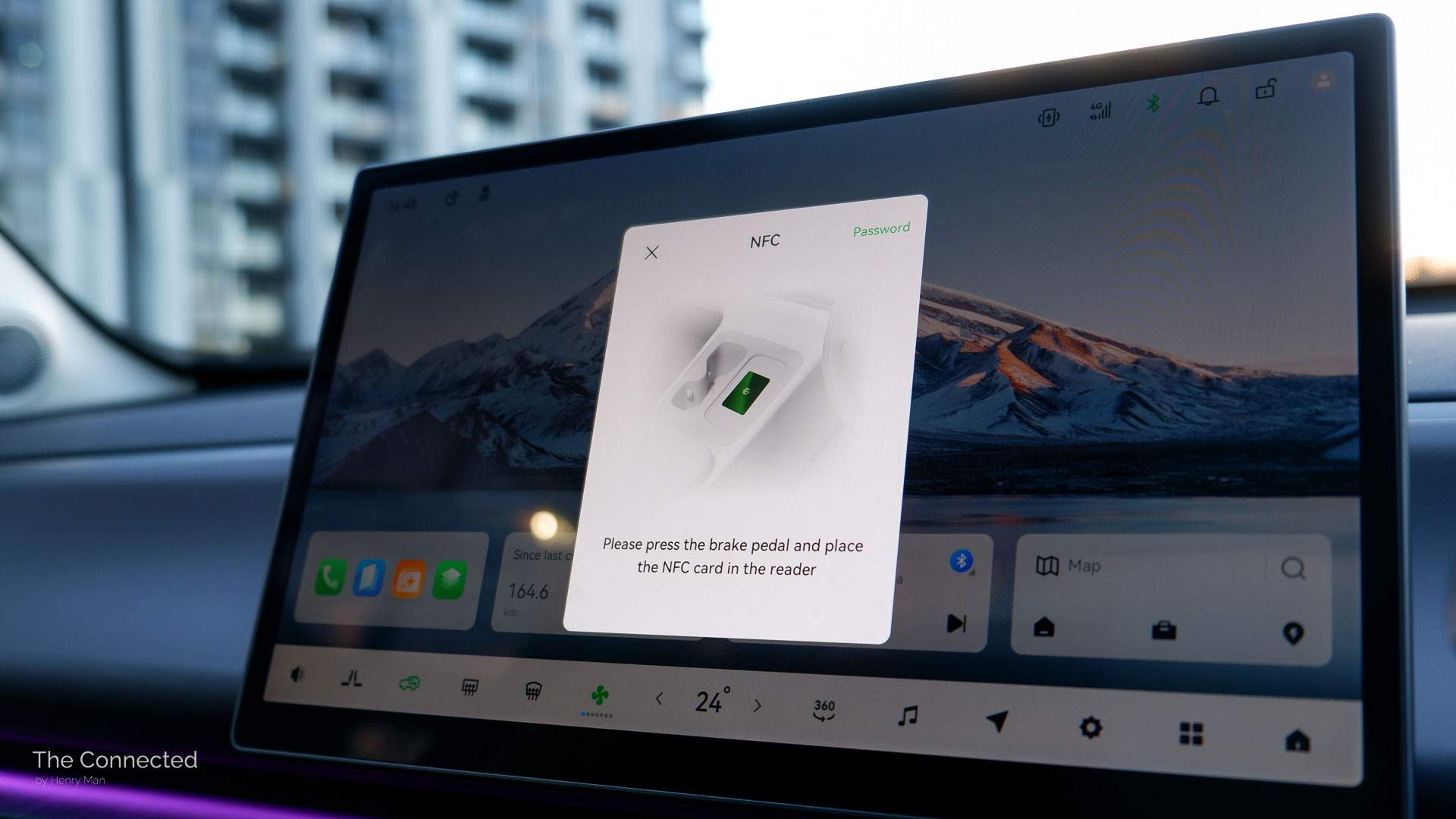
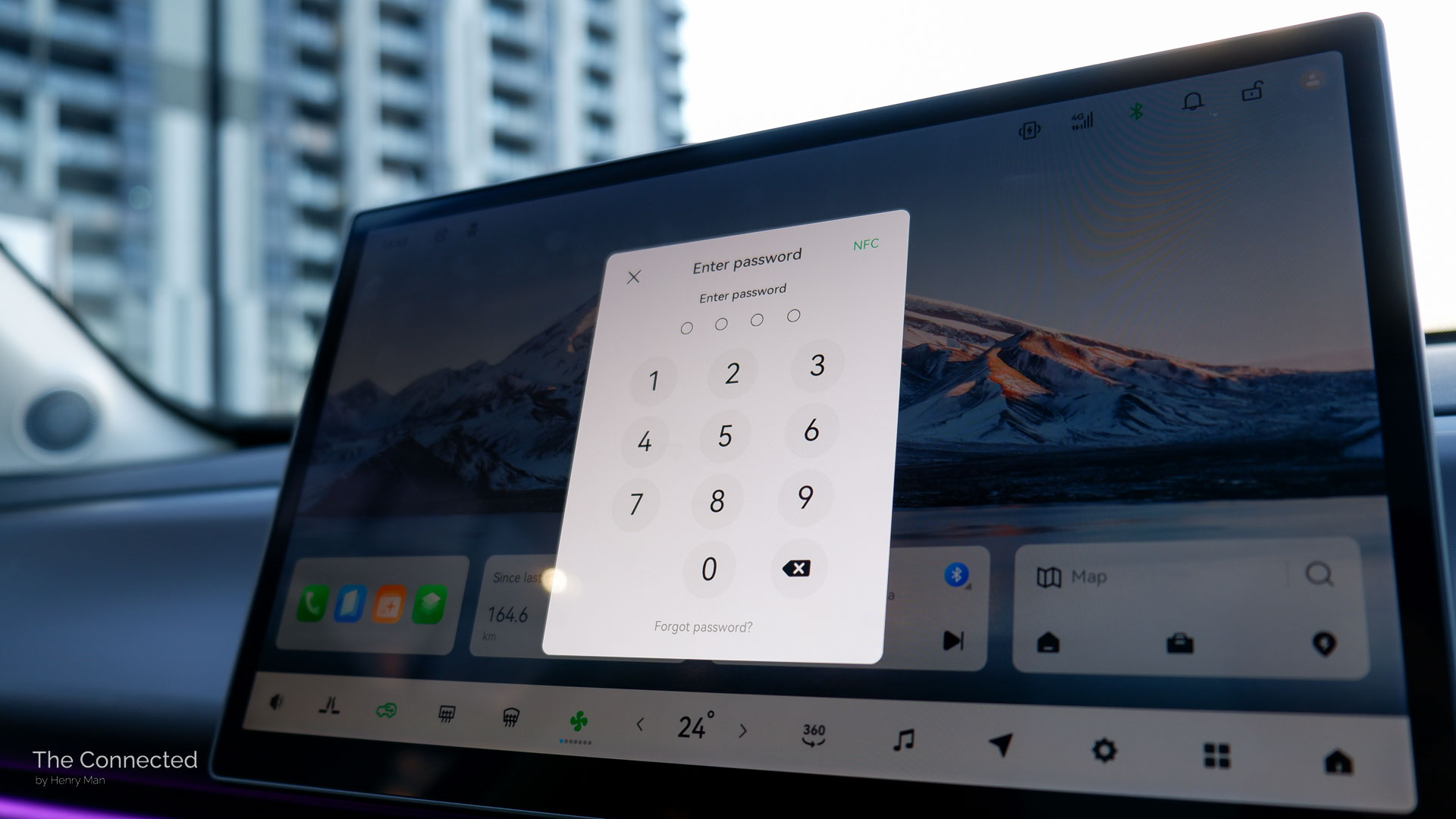
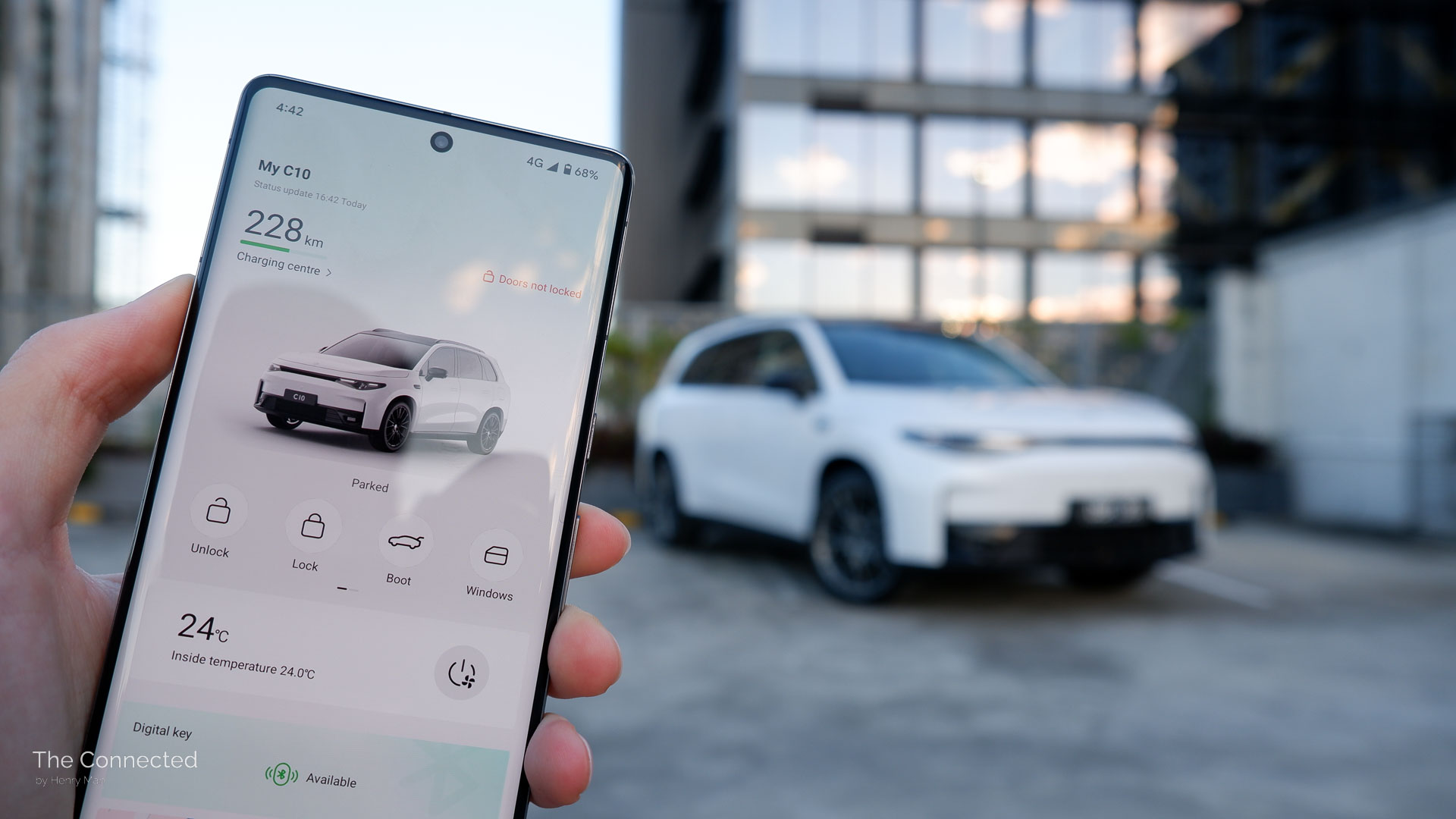
The Leapmotor mobile app is a key highlight of the C10, which is quick to send commands and offers a variety of capabilities including starting the climate control, heated and ventilated seats, heated steering wheel and window demisters.
Additionally, owners can check the battery level, open/close the boot and, uniquely, even open/close the glass roof sunshade – the latter coming in very handy if you forget to shut it after parking.
Leapmotor Connected Services are included for three years for new vehicles.
The mobile app can also be used as the car key using Bluetooth, acting as a proximity key to automatically unlock and lock the doors. However, owners oddly can’t start the vehicle once inside; you’ll need to enter a set pin code on the touchscreen in order to drive off.
The only proximity door unlock/lock button is also only on the driver’s door handle.
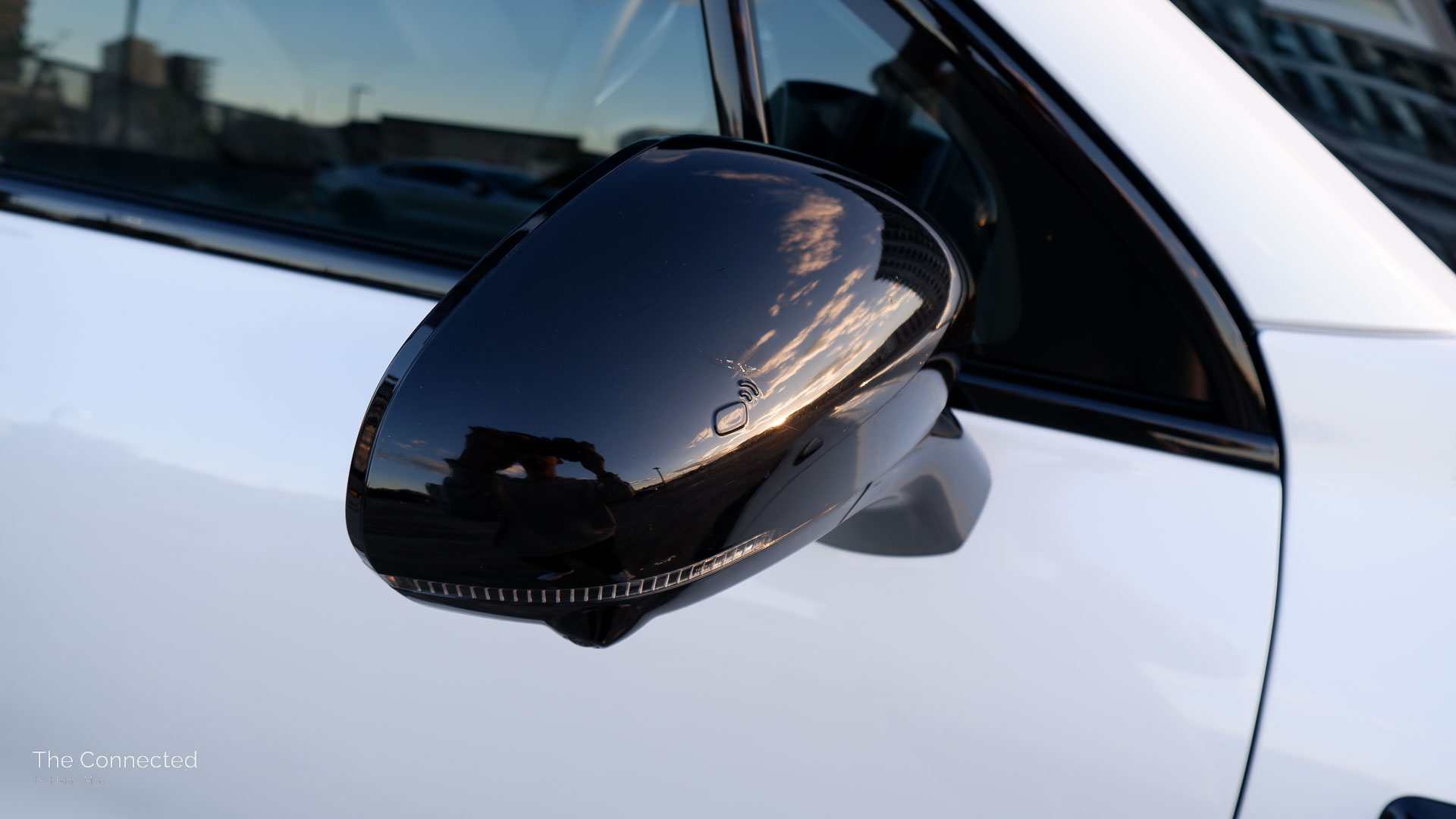
Leapmotor only includes an NFC key card, which you tap on the driver’s side wing mirror and place on the Qi wireless charging pad to start the C10.
The stock 12-speaker sound system also performs well with a range of surround-sound modes.
Safety.
2025 Leapmotor C10 BEV Design safety features:
| Front AEB with vehicle/pedestrian/cyclist/junction turning detection | 360-degree camera system |
| Blind-spot assist | Rear parking sensors |
| Rear cross-traffic assist | Driver attention monitoring |
| Lane-keep assist | Road sign detection and speed limit assist |
| Adaptive cruise control with lane-centring assist | Full LED headlights and tail-lights |
| Door open warning |
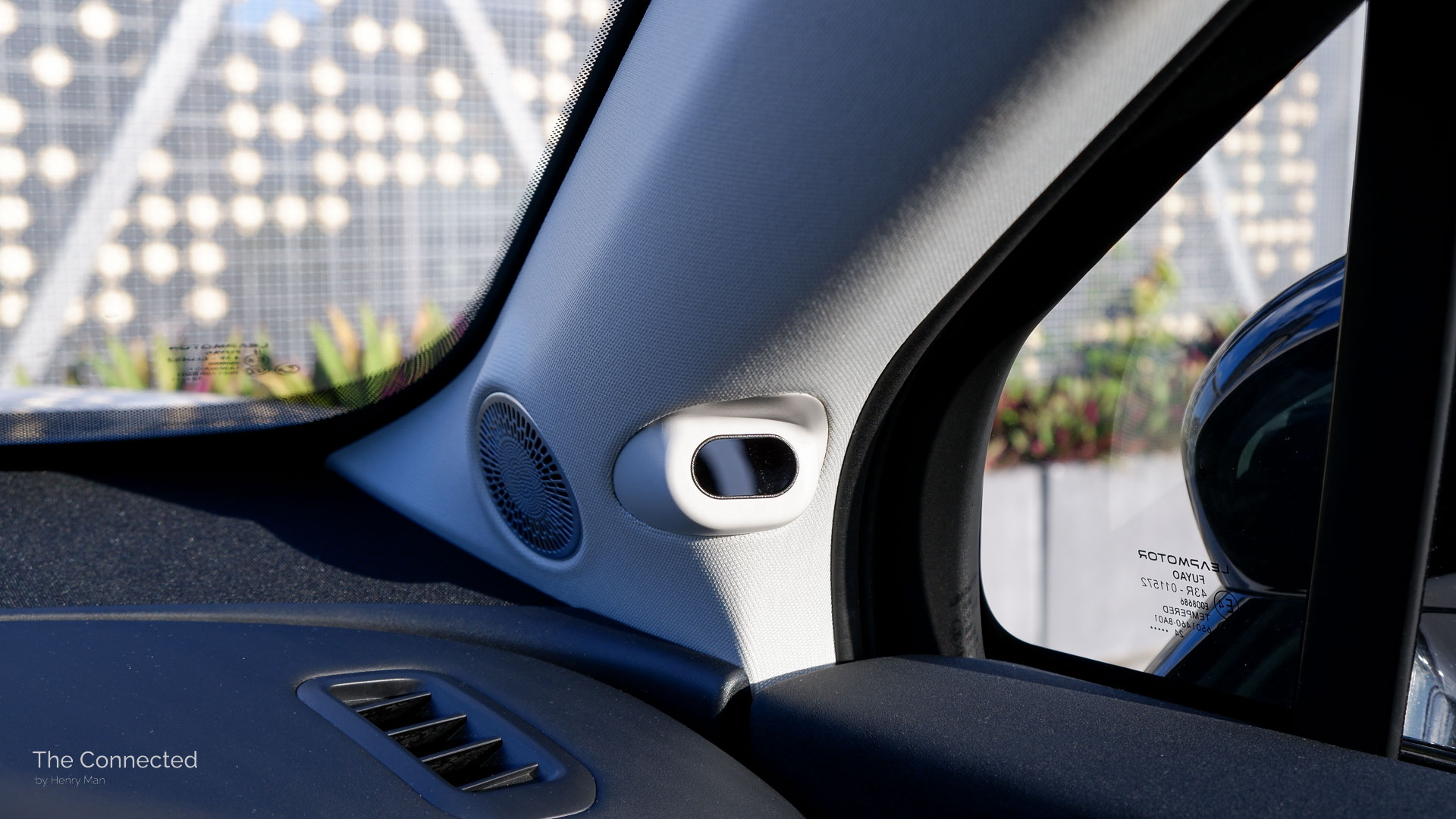
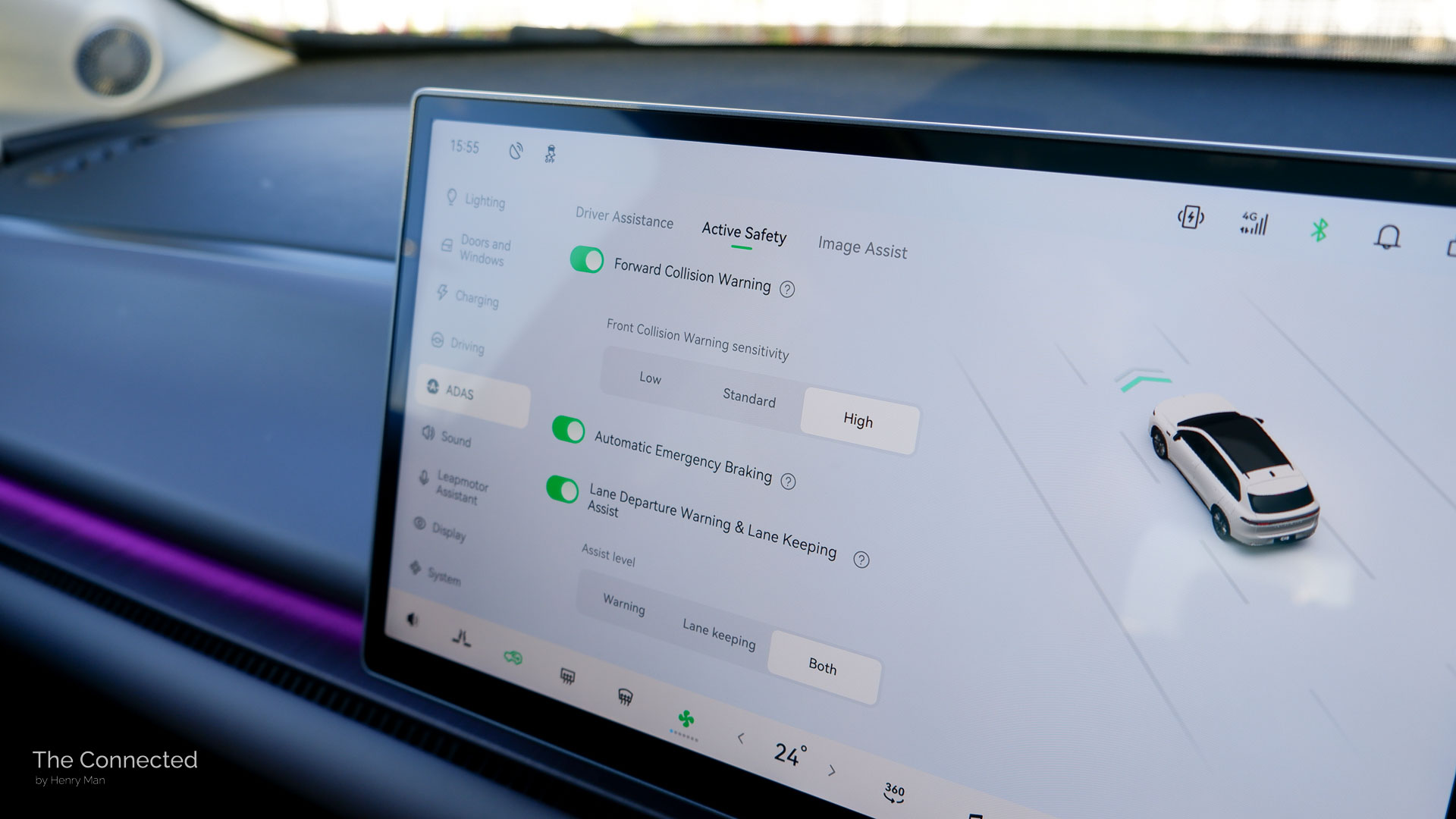
While software updates have improved the Leapmotor C10’s safety assistance features to sound less alarmist, some systems are still too sensitive.
All C10 models come with a full range of safety assist systems as standard, including clear 360-degree surround-view cameras, front auto emergency braking (AEB), and blind-spot assist.
Unfortunately, the execution of some systems are poor.
When one-pedal driving is enabled, the forward collision warning doesn’t account for it and habitually warns the driver when approaching behind a vehicle.
While adaptive cruise control does a decent job, the shortest distance setting is still too far with the vehicle in front, doesn’t use regenerative braking, and there’s no resume button (you need to set the speed every time).
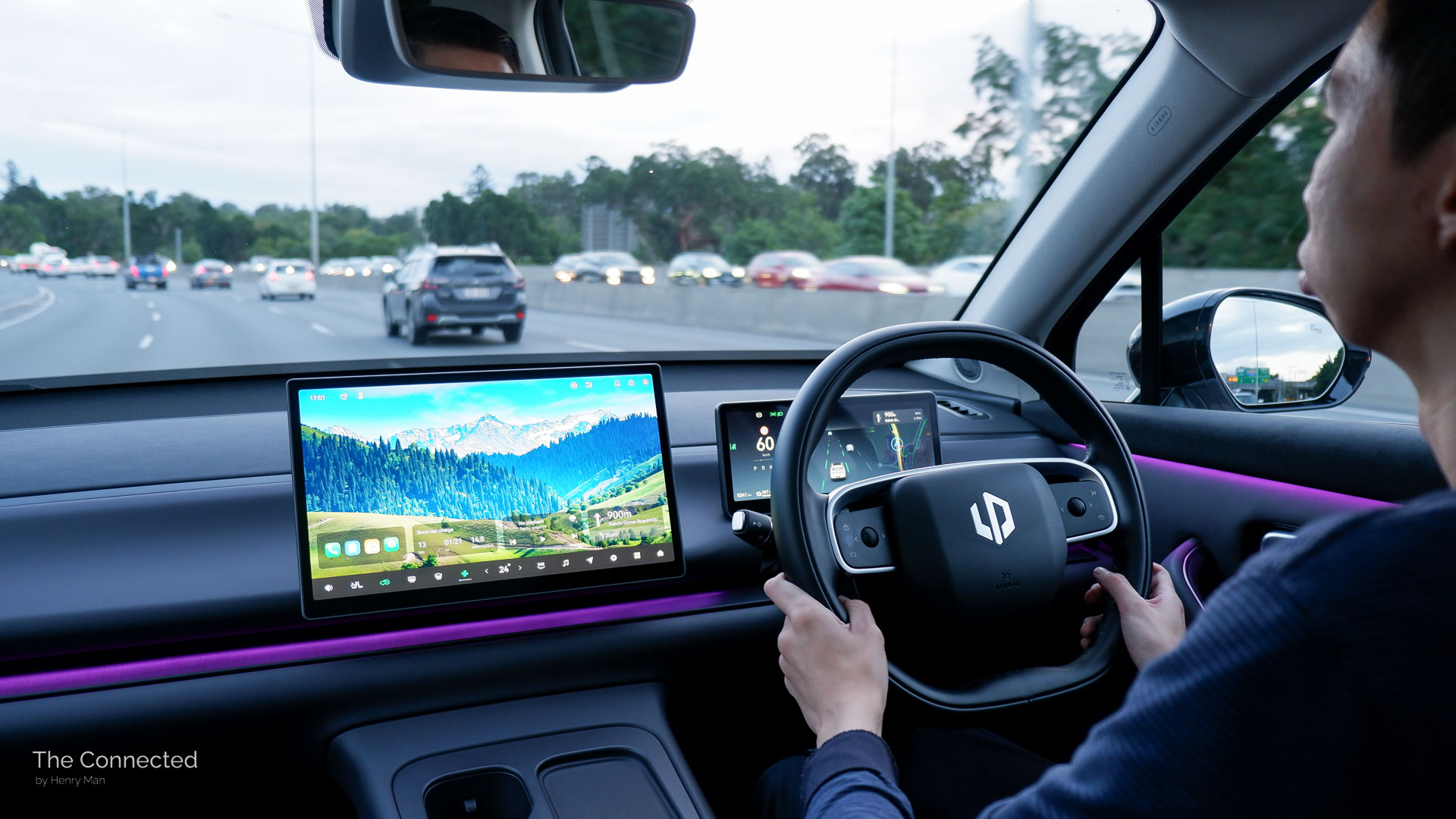
The combined lane-centring assist system is good, but quite assertive as it constantly wants to take control when the driver tries to intervene, and turns off completely when it’s approaching a slight bend as it often fails to detect clearly marked lines. It habitally activates and deactivates with eerily Tesla-esque sound effects.
Thankfully, it’s easy to activate and adjust the system with the right-side steering wheel scroll wheel. Lane-centring is optional with a single press rather than a double press.
Additionally, the Leapmotor C10’s lane-keep assist is too sensitive and needs recalibrating.
It triggers the emergency lane-keep system even when driving nowhere near the marked lines – and unnervingly just grips the wheel like someone is holding it still, rather than nudging the EV to stay in the lane.
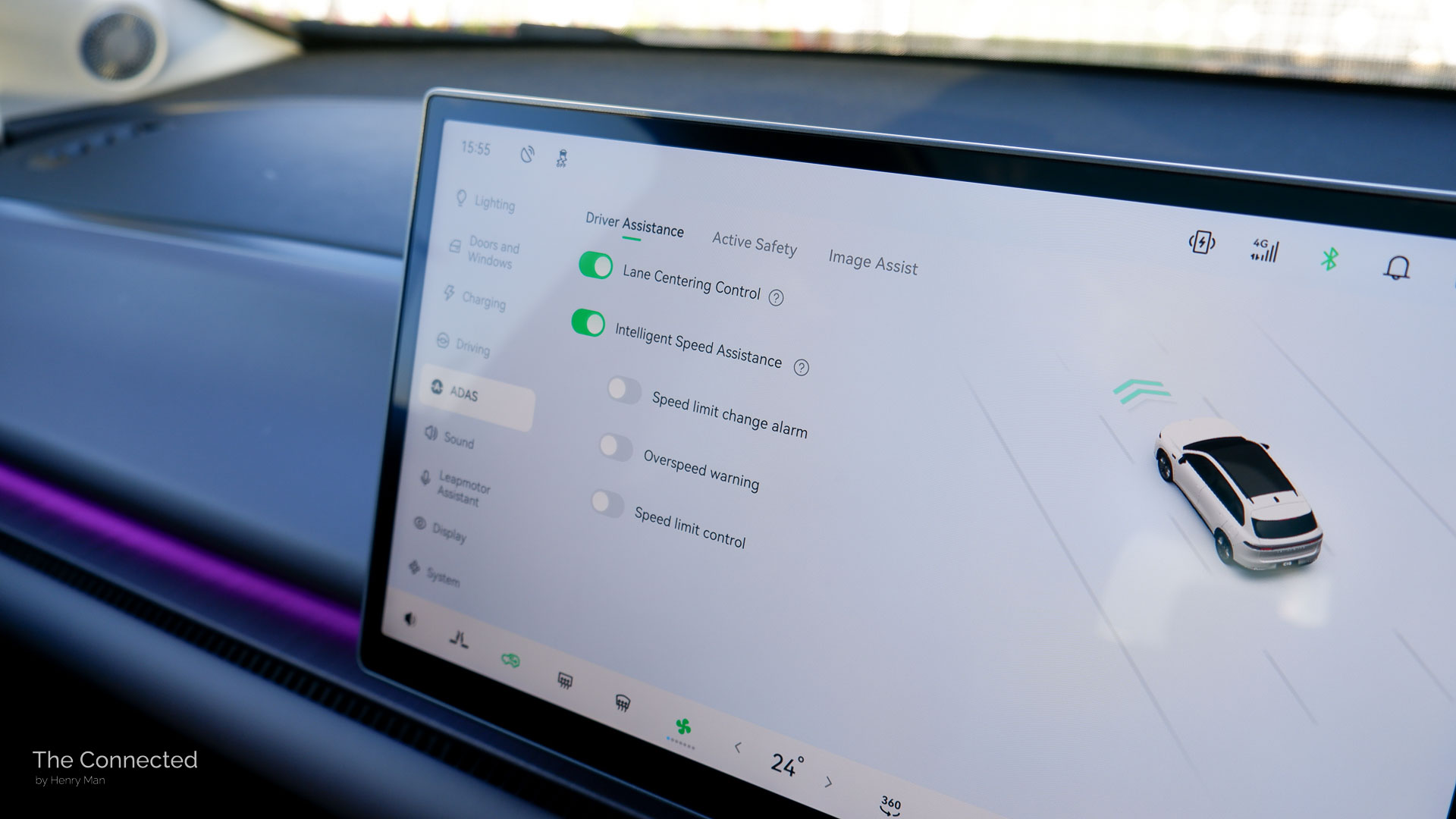
While the European-mandated Intelligent Speed Limit Assist (ISA) system is useful, it isn’t always reliable, doesn’t understand school zone times, chirps every time you pass a new sign, and warns as soon as you exceed the detected limit.
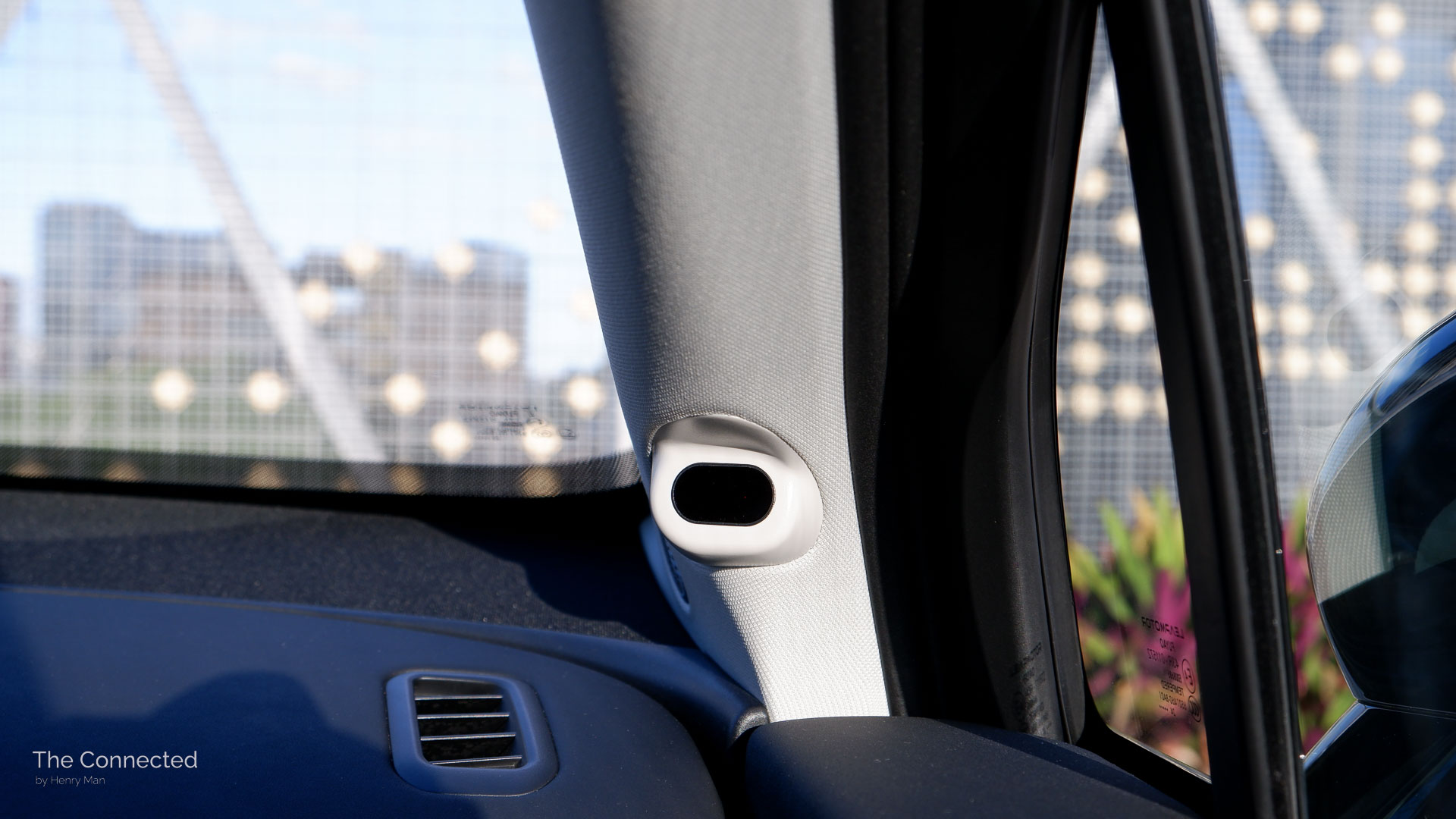
Meanwhile, Leapmotor’s driver attention monitoring camera constantly warns drivers, despite my eyes looking directly ahead at the road.
While these systems default to on – and on the highest sensitivity setting – every time you start the C10, owners can quickly swipe down to access shortcuts to disable ISA (including the road sign detection) and driver attention monitoring.
It would be great if the Chinese brand can introduce more safety assist shortcuts, including buttons to turn off lane-keep assist and muting (not completely disabling) ISA in the future.
Granted, thanks to software updates since its launch, all warnings are now more gentle chirps and chimes – but the sensitive calibration is still too intrusive for driving.
Typical for many Chinese cars, the Leapmotor C10 also mutes the indicator chirps when there is another safety warning sounding, including the overspeed, lane-centring activation/deactivation, and rear parking sensor chimes.
It lacks front parking sensors, too.
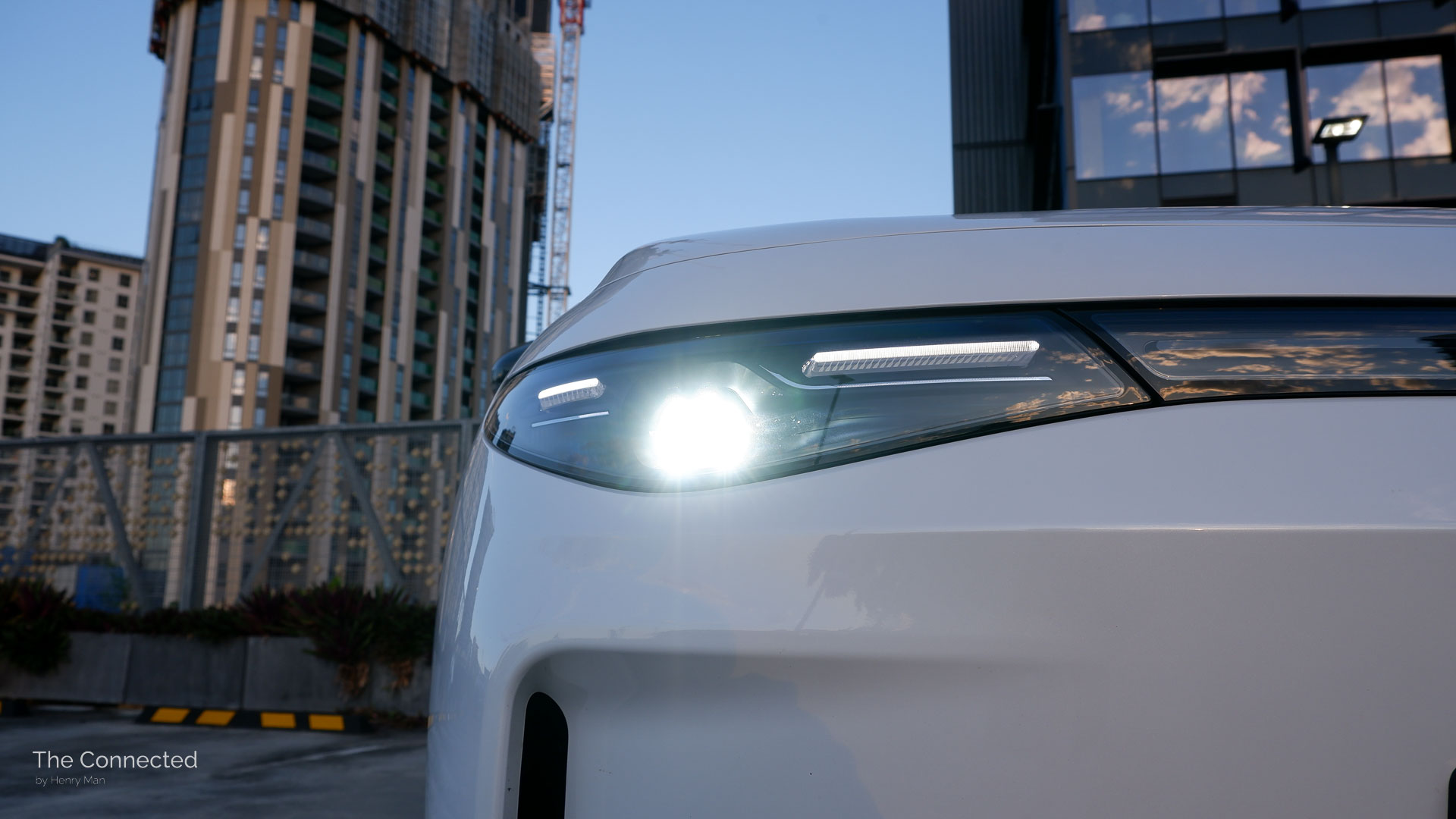
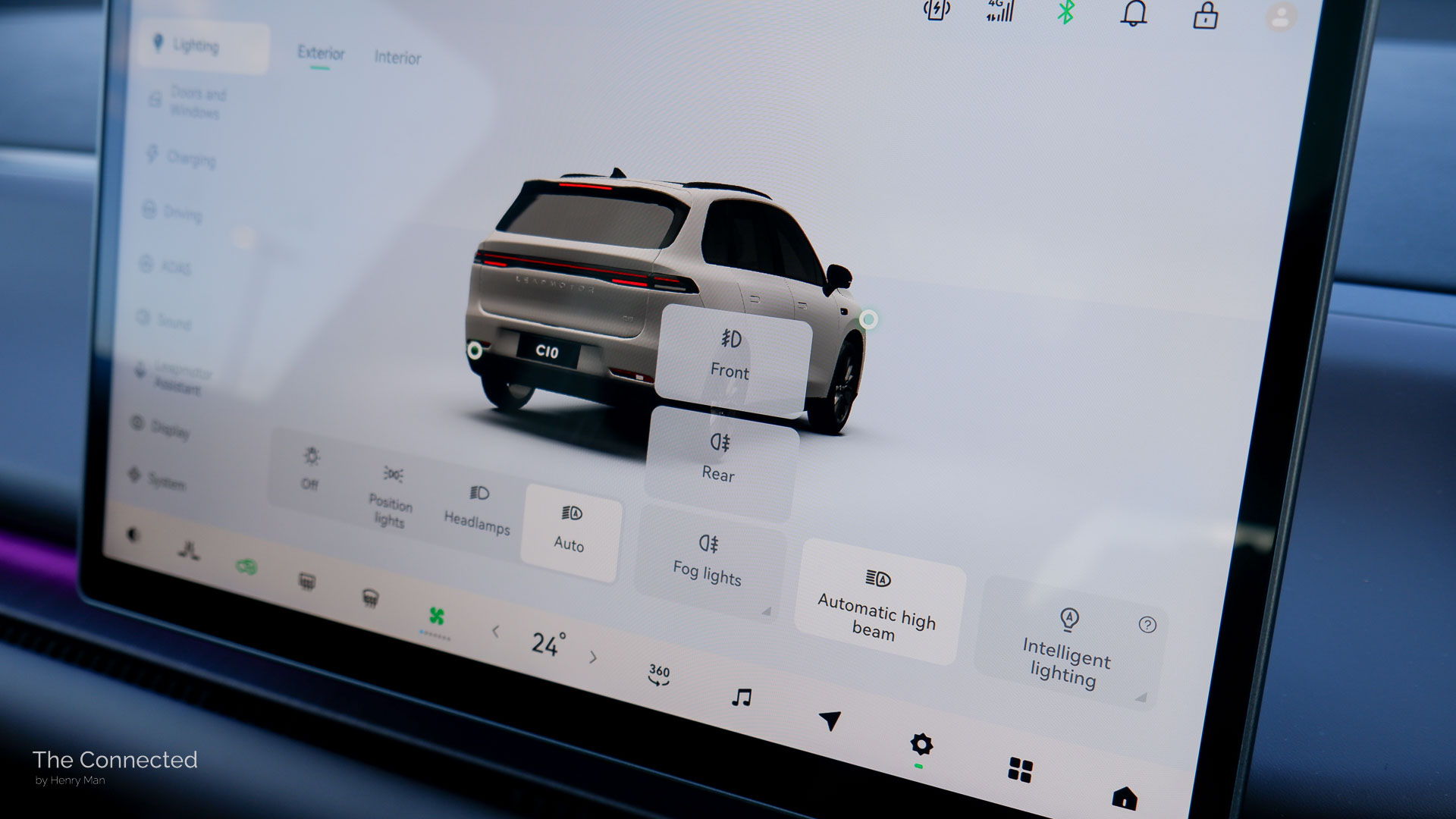
Another negative of the Leapmotor C10 are weak LED headlights – with beams that don’t reach far nor high enough.
It’s most noticeable when driving through non-lit streets with poor visibility for seeing road signs, road users, and pedestrian footpaths even when they’re not too far away.
The 2025 Leapmotor C10 has the full five-star Australasian New Car Assessment Program (ANCAP) safety rating under 2024 testing criteria, with high 87 per cent adult occupant protection and 87 per cent child occupant protection scores.
Range and charging.
2025 Leapmotor C10 BEV Design battery and charging specs:
| Claimed driving range (WLTP combined cycle) | 420km |
| Claimed energy efficiency (WLTP combined cycle) | 18.8kWh/100km |
| Battery size and type | 69.9kWh usable (74kWh estimated) LFP lithium-ion battery |
| Battery voltage | 400-volt class |
| Max AC / DC charging speed | 11 / 84kW |
| Bidirectional charging | V2L (optional) |
| Connector type | Type 2 / CSS2 |
| Everyday charging limit recommendation | 90% |
The Leapmotor C10 BEV indicated a good average energy efficiency of 14.8kWh/100km after a week of mixed driving conditions.
This results in a real-world driving range of about 472km on a full charge from its 69.9kWh usable lithium-iron-phosphate (LFP) battery pack.
While LFP type lithium-ion batteries usually can be fully charged everyday, Leapmotor recommends a 90 per cent daily charge limit instead. Therefore, expect about an everyday usable range of around 424km.
These real-world testing figures are commendable with the C10’s slow powertrain likely helping it achieve low energy consumption.

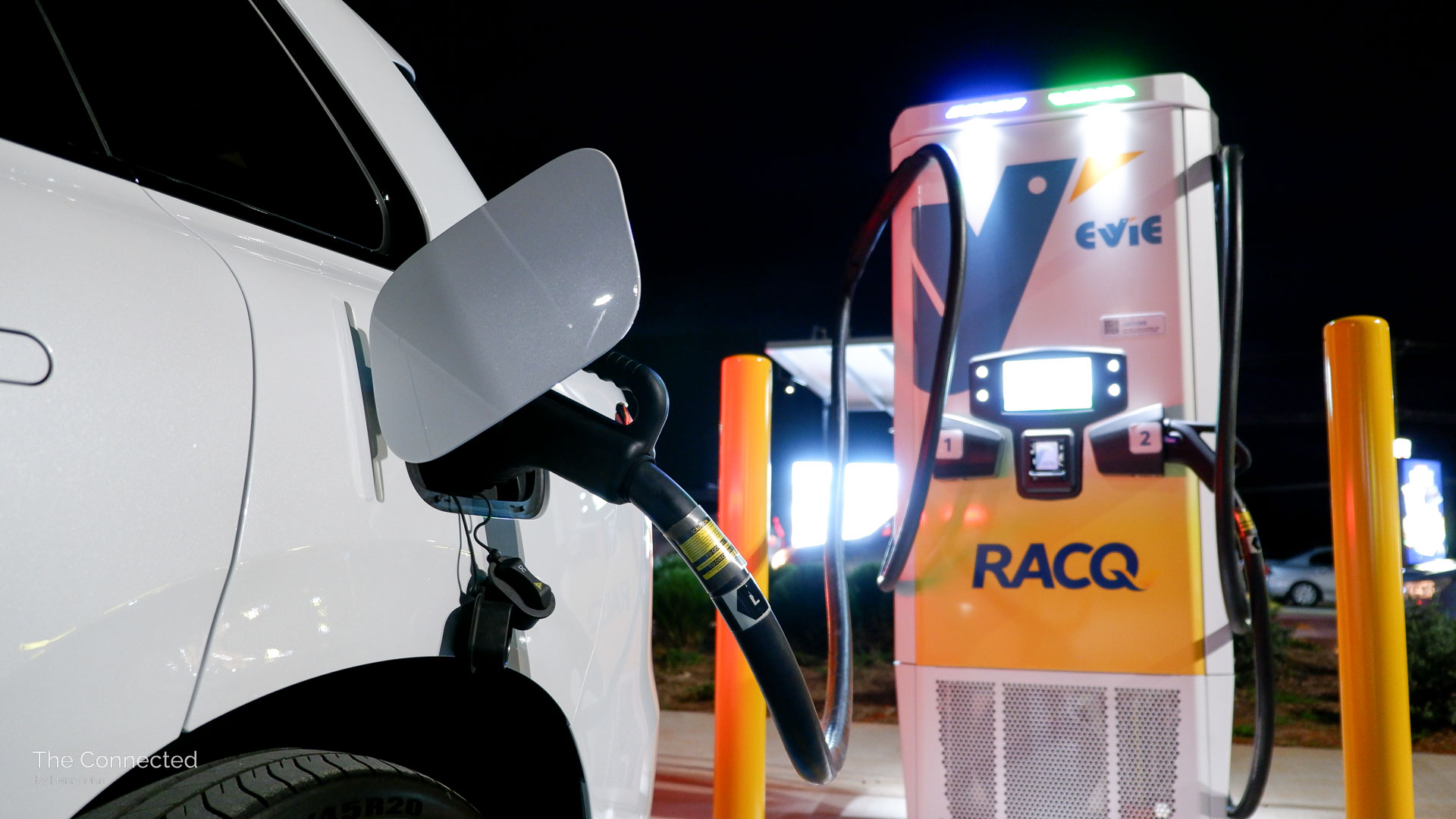
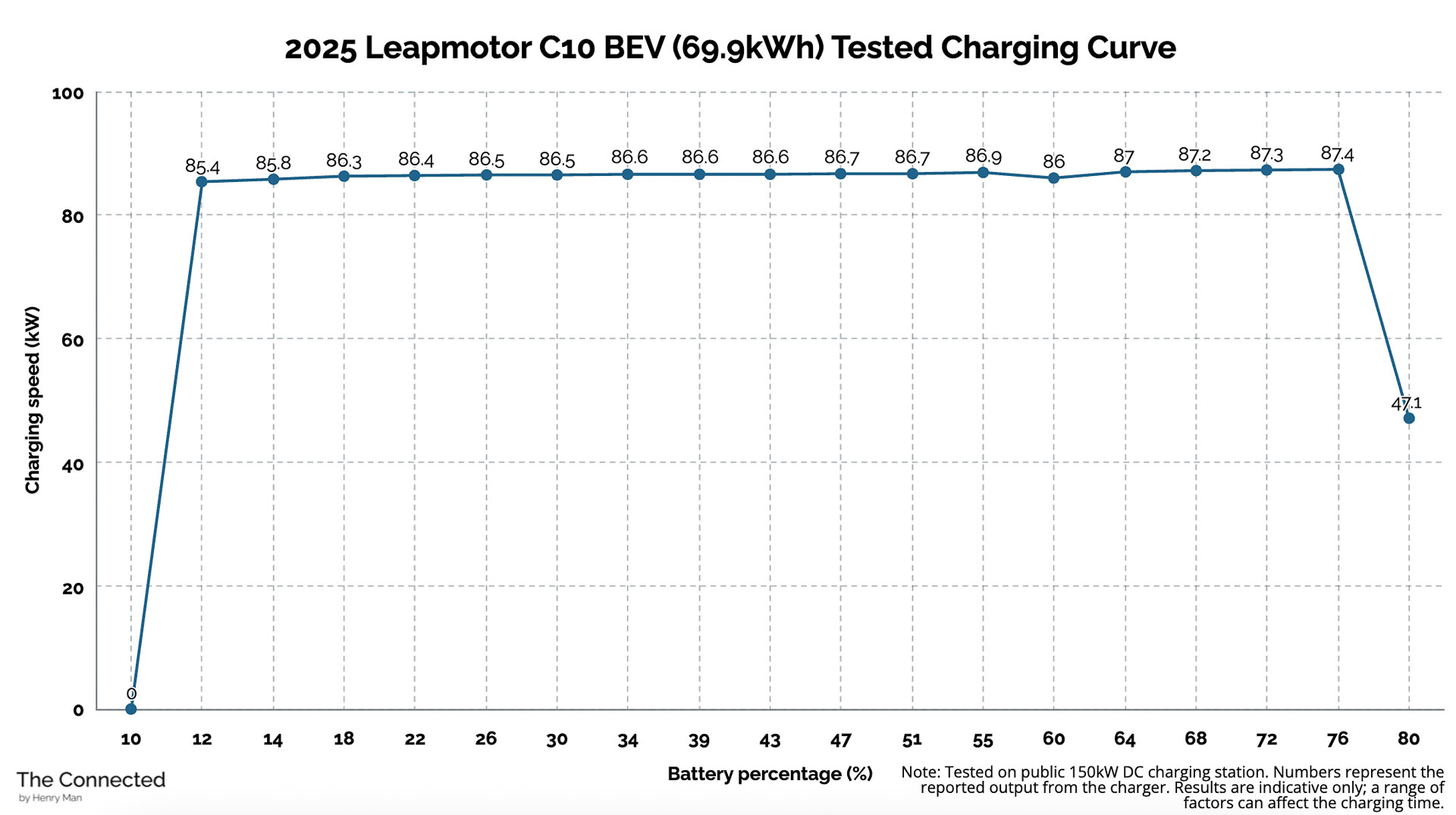
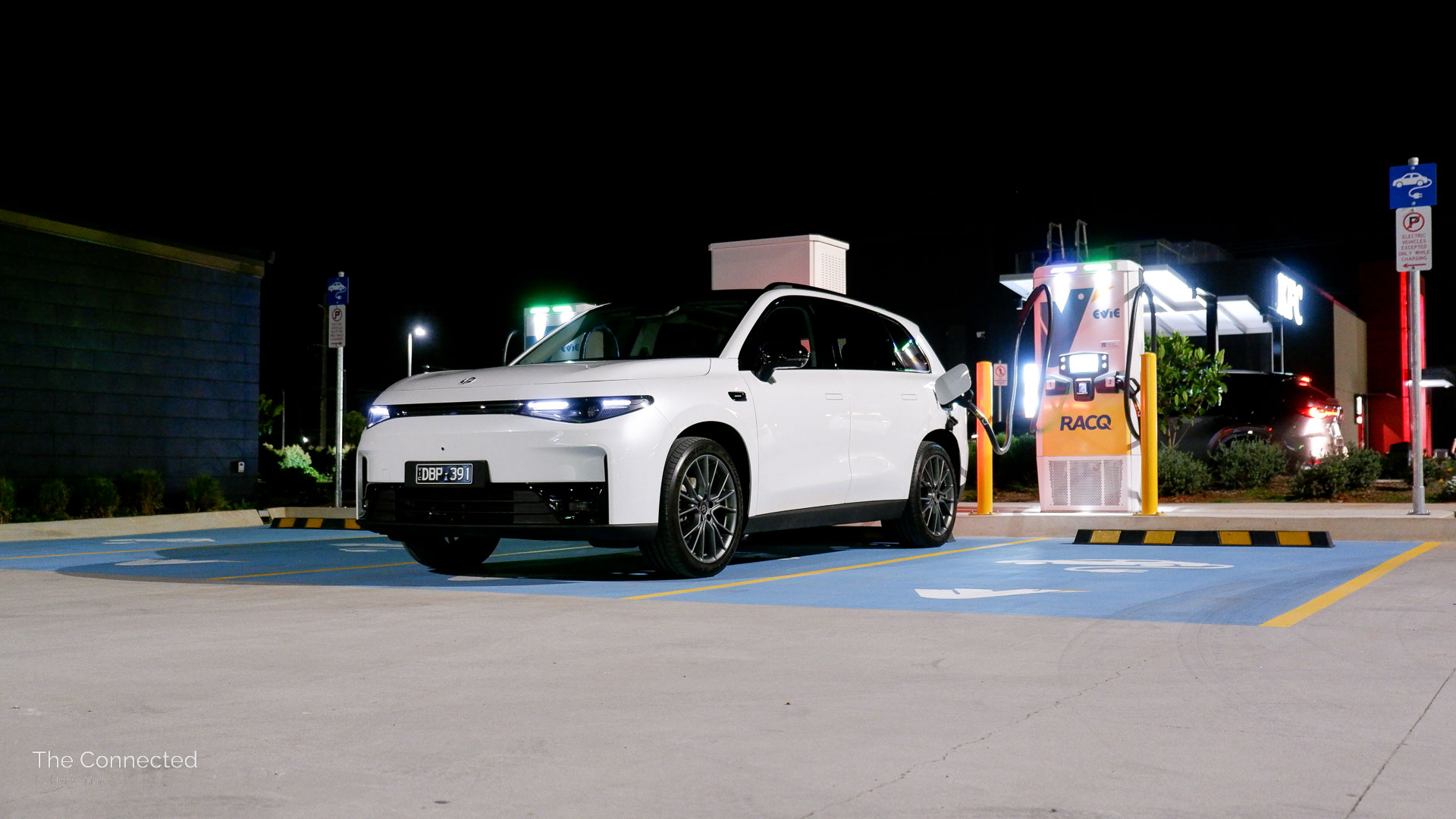
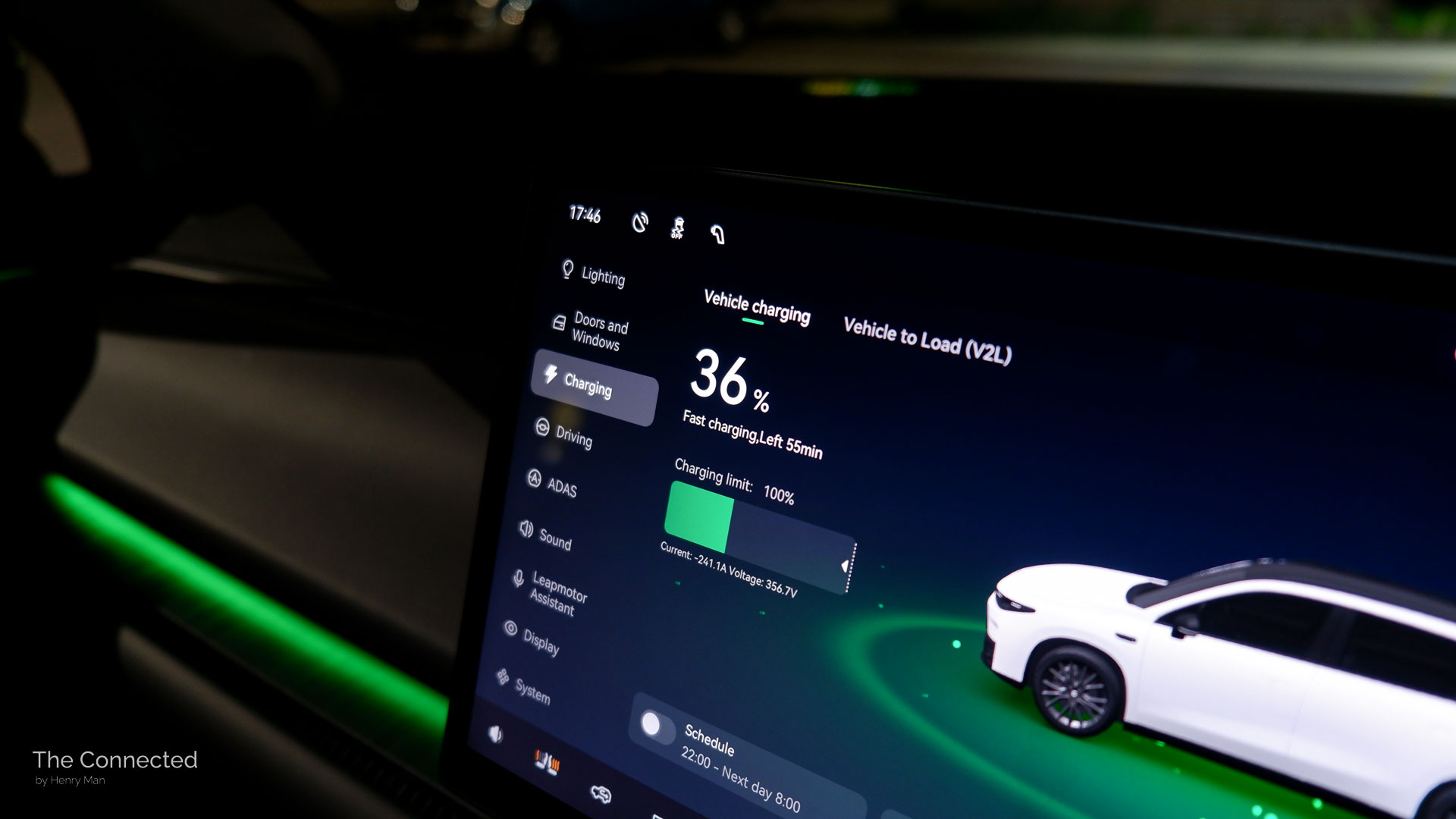
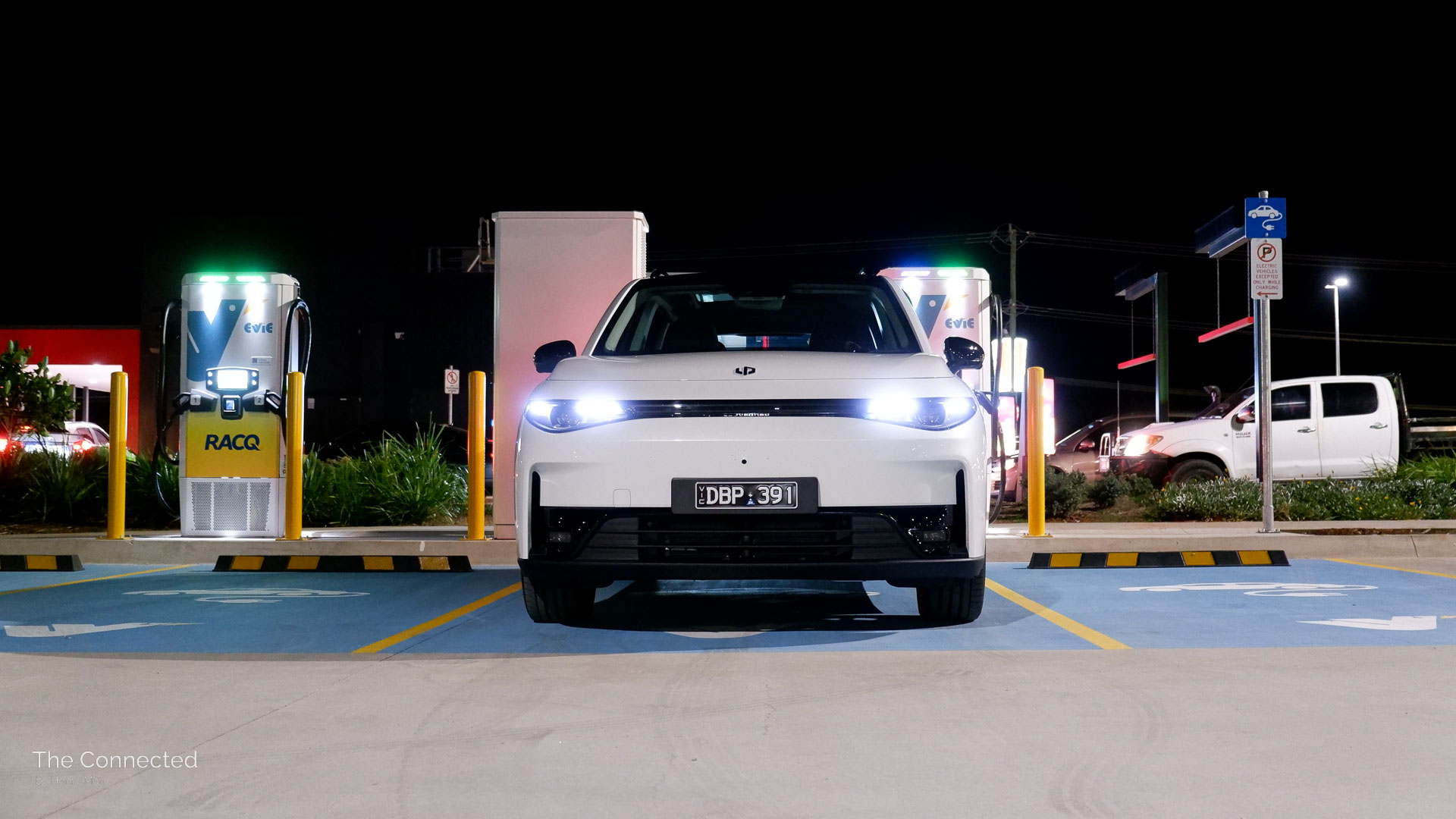
In our real-world charging test on a 150kW public fast charger, the Leapmotor C10 BEV recharged from 10 to 80 per cent in just 34 minutes.
Despite the low rated 84kW DC charging peak, it actually isn’t slow to charge with a flat charging curve. Our test revealed that the C10 keeps the maximum 85 to 87kW speeds all the way from the start, before throttling down at 80 per cent. The session averaged 84kW overall.
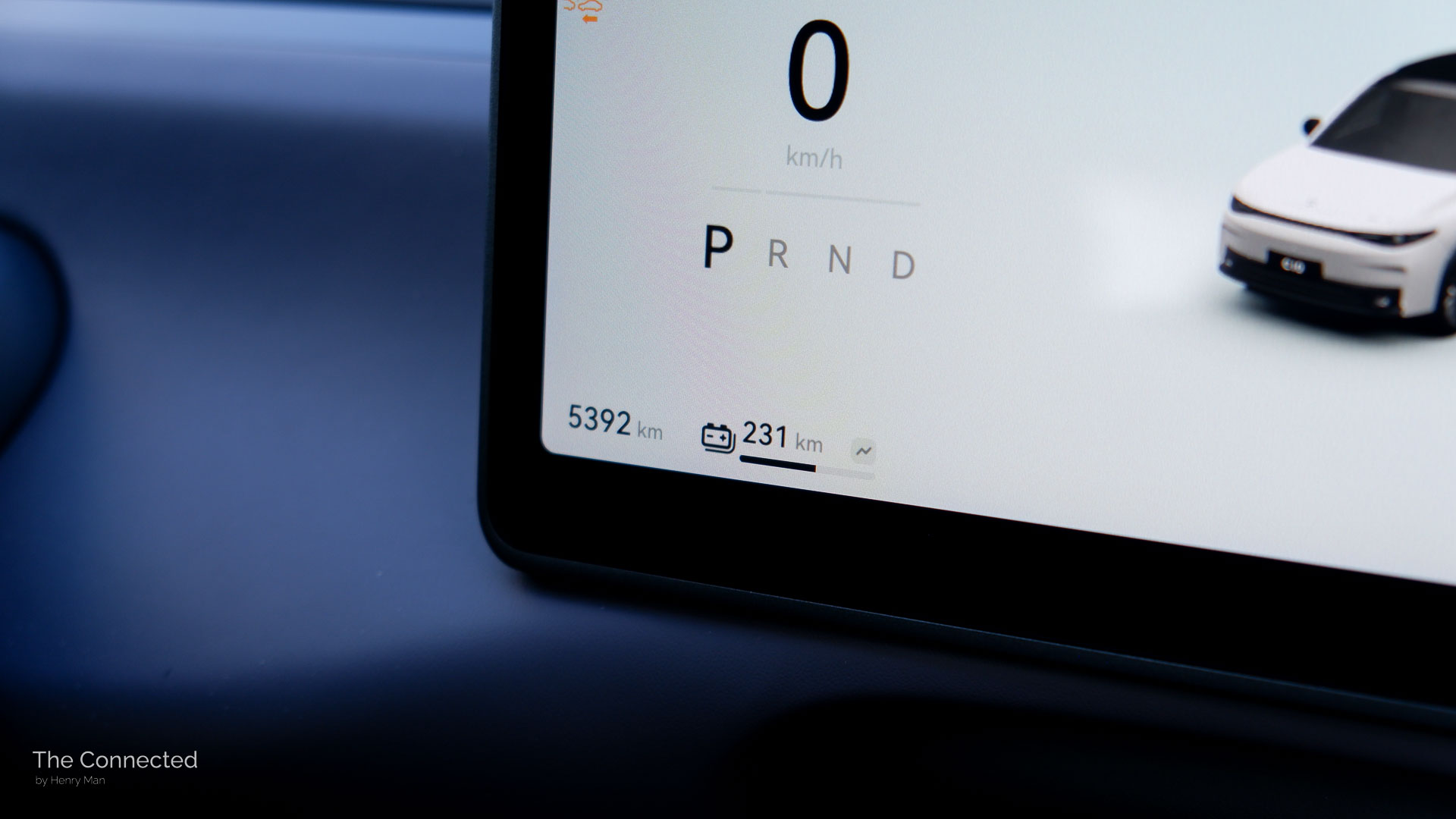
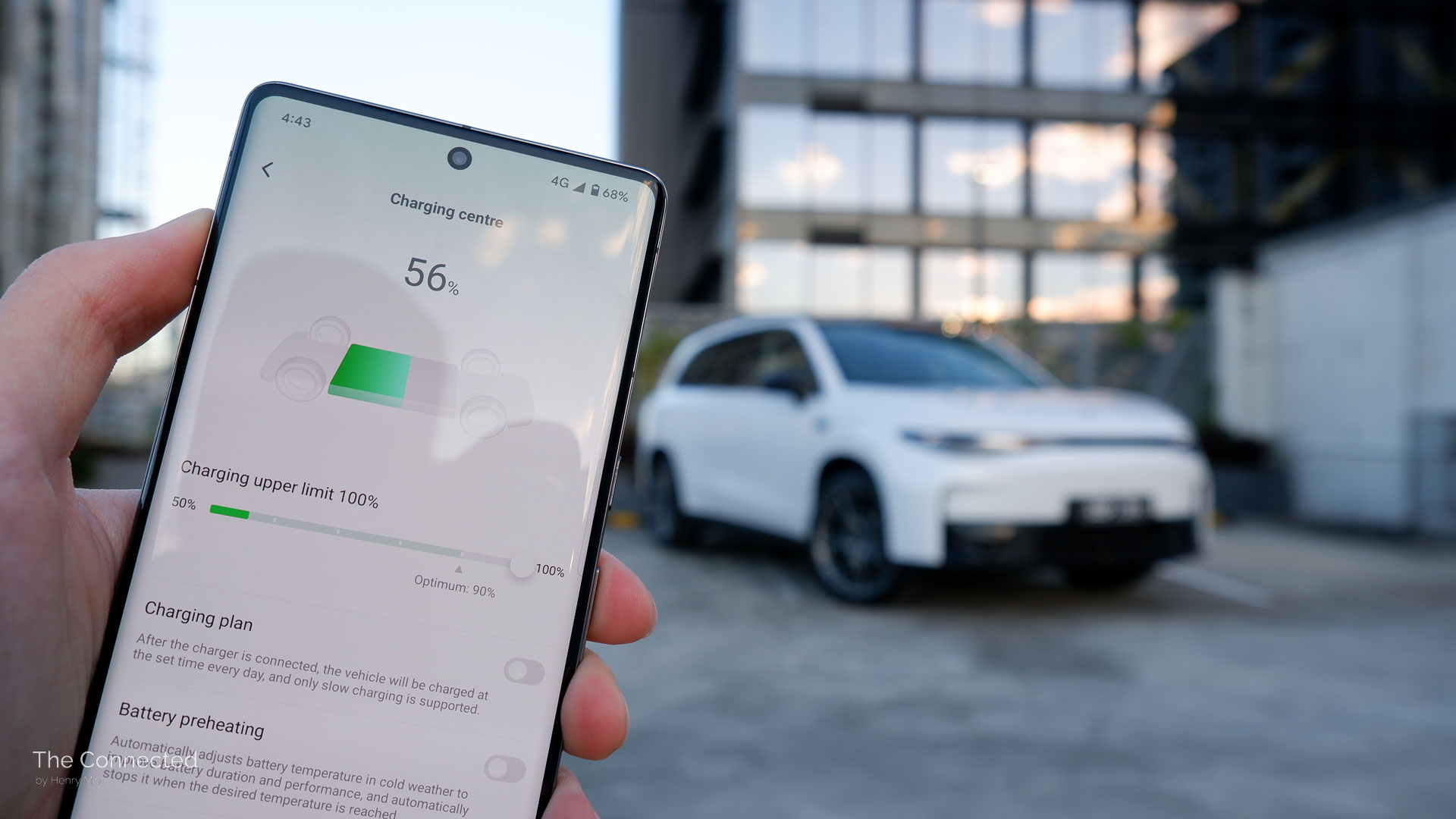
Note that these numbers are recorded from the charger’s output itself since the Leapmotor does not show the charging speed in the vehicle, yet shows on the mobile app.
It doesn’t show the battery state-of-charge percentage in the driver instruments either – it’s only found within the vehicle settings on the main screen.
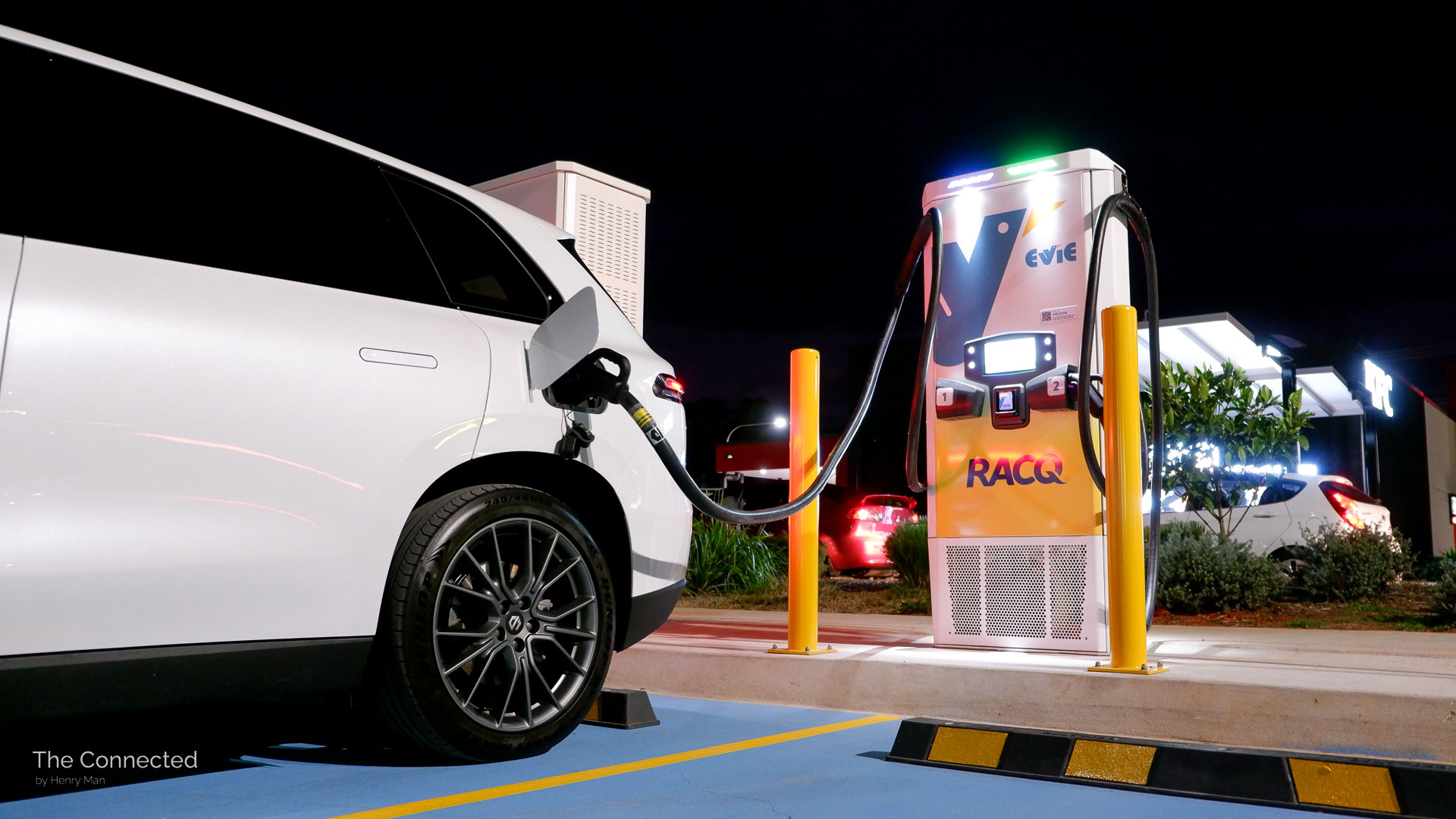
Unlike its BYD Atto 3 and MG 4 rivals at this affordable EV price point, the C10 BEV is capable of up to 11kW AC three-phase slow charging as per the Geely EX5.
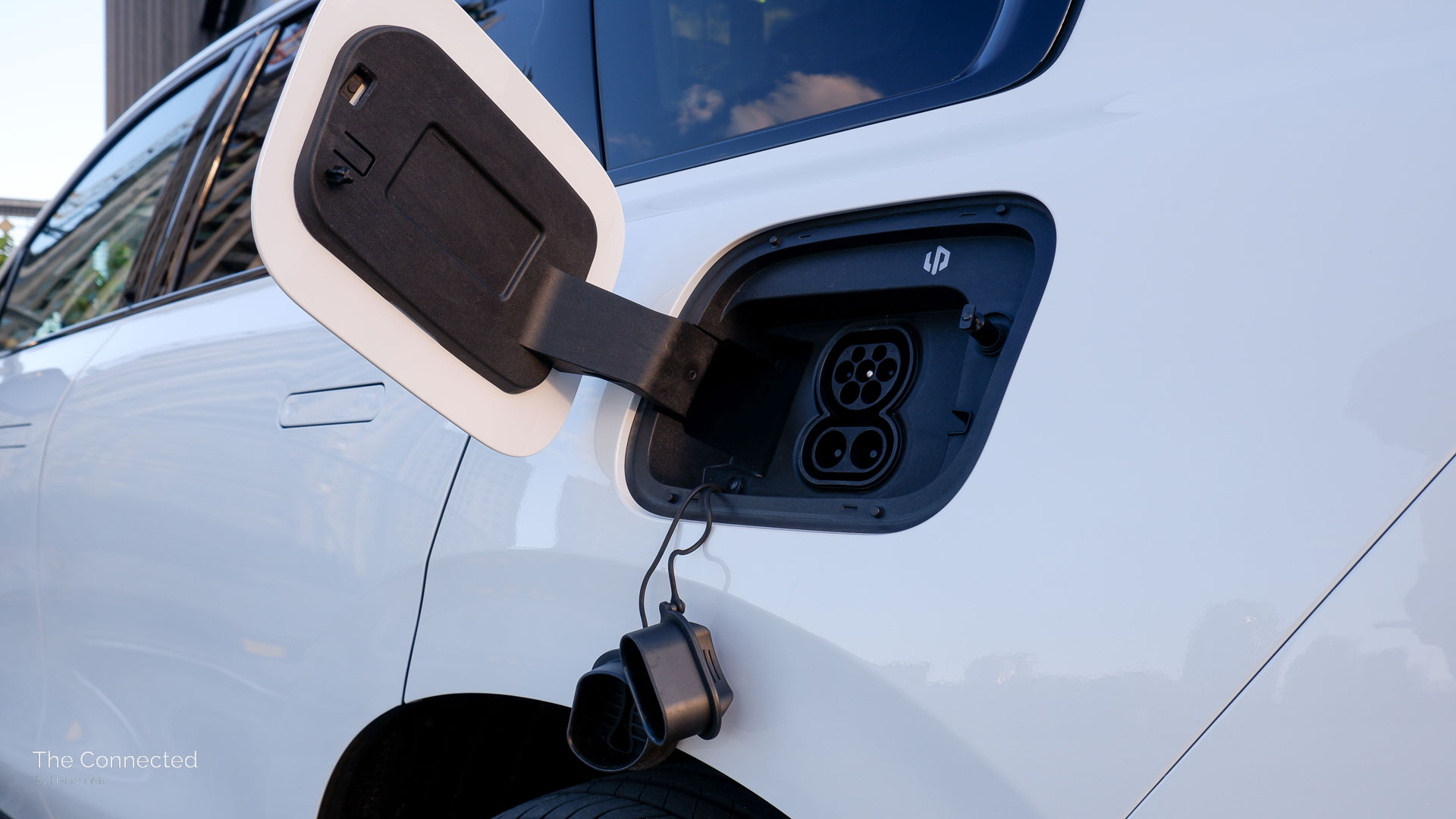
The left-rear quarter Type 2 CCS charging port is accessible via a manual flap, but there are two flimsy rubber cabs for both AC and DC pins that dangle on the bodywork. It doesn’t offer any illumination lights for seeing in the dark or indicators of the charging status either.
The Leapmotor C10 BEV is capable of vehicle-to-load (V2L) via the exterior charging port, with the Chinese car brand offering a V2L adapter as a separate accessory purchase.
Driving.
2025 Leapmotor C10 BEV Design powertrain specs:
| Electric motor | Single permanent magnet synchronous electric motor |
| Power | 160kW |
| Torque | 320Nm |
| Transmission | Single-speed |
| Drive type | RWD |
| Tare weight | 1980kg |
| Turning circle | N/A |
| Payload | ~465kg |
| Towing (unbraked / braked) | 750 / 1500kg |
The 2025 Leapmotor C10 BEV feels sluggish for an EV with a more familiar experience to an internal combustion engine.
While up to 160kW of power and 320Nm of torque to the rear wheels seem like healthy numbers, the medium electric SUV feels slow and lethargic.
While it still provides decent power for daily driving with the typical instant torque response, it gets up to speed at a leisurely pace.
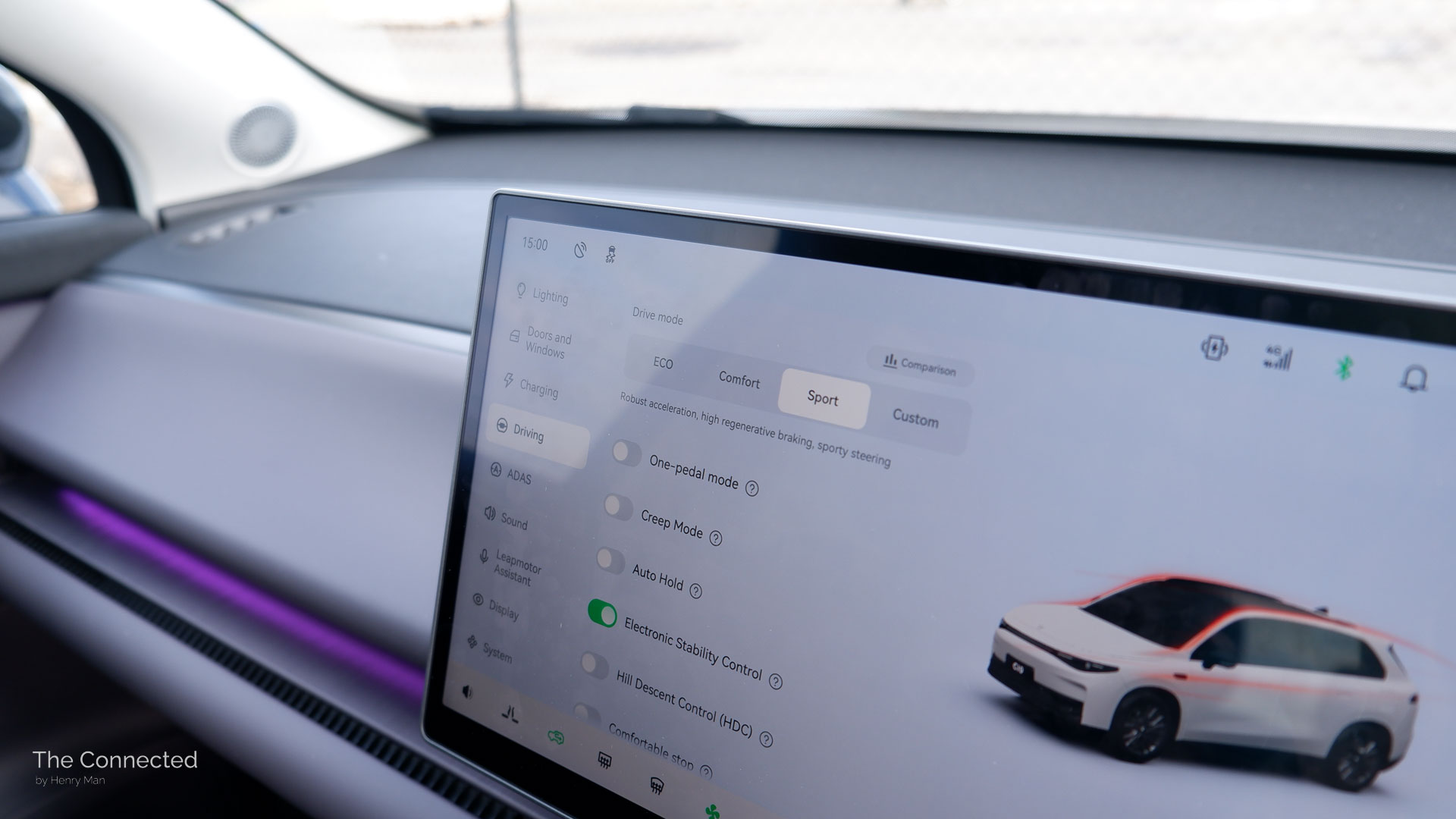
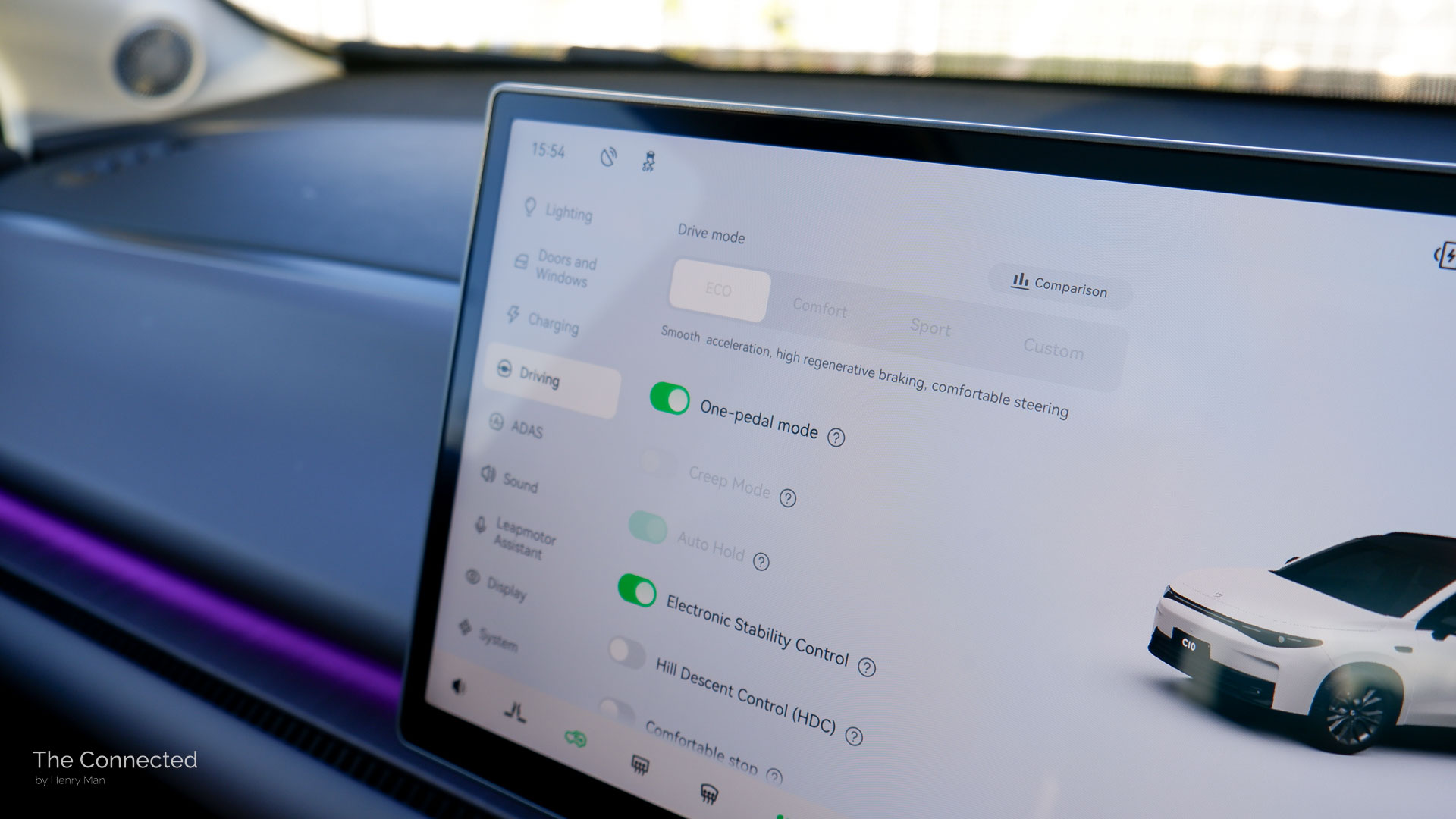
It’s not helped by it defaulting to eco mode every time you start the car, when sport mode feels more palatable and akin to normal mode on other EVs.
Additionally, the steering wheel feels too light and indirect. Again, changing to sport mode improves it somewhat but there still isn’t much communication for the driver.
The C10 is more of a comfortable family cruiser instead. Noise insulation is good, as is its suspension which is on the firmer side when driving over bumps.
Unfortunately, the blended brake pedal is quite light and numb, with a weak one-pedal driving feature that tapers down its regenerative braking at low speeds.
At least one-pedal driving stays on permanently, but strangely, you can’t change drive modes when activated (despite being able to by switching off one-pedal mode, selecting the drive mode, and turning it on again) nor can you activate or deactivate one-pedal driving while on the move.

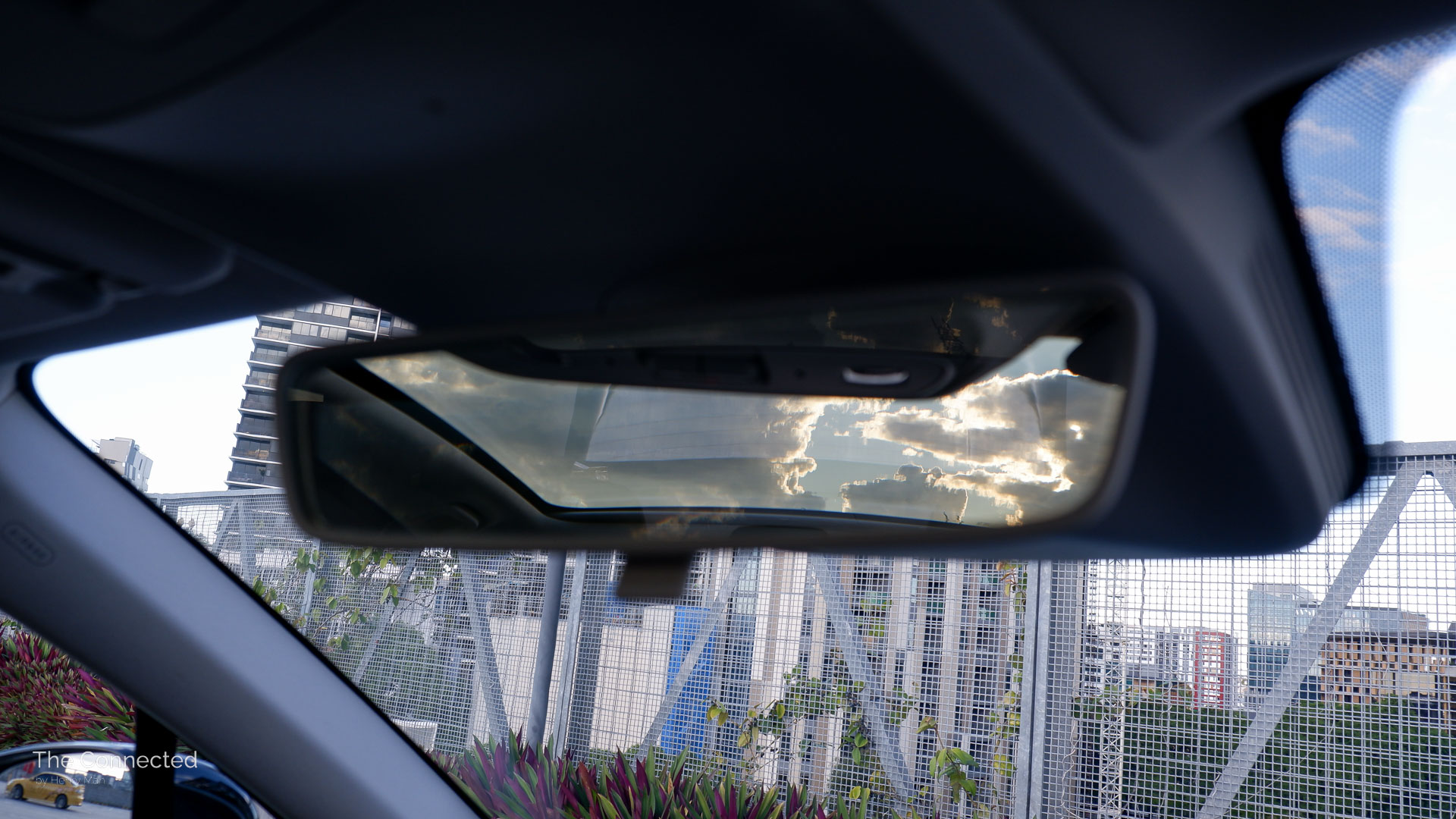
Despite the boxy design, vision out of the rear window is slightly small as the rear-view mirror provides a zoomed-out view.
There’s no auto-dimming function either and flicking it up weirdly shifts the entire mirror view upwards.
I also found that the rear passenger cup holders at the back of the centre console is placed too far forward, with my elbows often hitting them in my driving position.
At least the C10 feels easy to manoeuvre in the city with overly light steering and a 4.7-metre length that fits most car park spaces well.
Warranty and servicing.
2025 Leapmotor C10 BEV capped-price servicing costs:
| 1 year/20,000km | 2 years/40,000km | 3 years/60,000km | 4 years/80,000km | 5 years/100,000km |
| $260 | $460 | $495 | $495 | $290 |
The 2025 Leapmotor C10 BEV is covered by a six-year/150,000km vehicle warranty and an eight-year/160,000km battery warranty.
It’s important to note that previous 2024 C10 models were covered by a longer seven-year/160,000km vehicle warranty.
Servicing is required every one-year/20,000km (whichever occurs first) with prices capped for the first five visits. After the first five years/100,000km, it’ll cost $2000 in total to maintain the C10 BEV.
Roadside assistance is included for five years from the date of first registration.
Leapmotor Connected Services are included for up to three years.
As per most electric cars, the Leapmotor does not include a spare tyre with a patch-up sealant kit included instead.
Price and rivals.
2025 Leapmotor C10 BEV model range pricing (accurate as at the time of publication):
| Style | Design |
| From $45,888 before on-road costs | From $49,888 before on-road costs |
The 2025 Leapmotor C10 BEV is priced from $45,888 before on-road costs in Australia.
Two variants are available with the option of either a Midnight Aurora or Camel Brown interior for free.
All exterior colours except Pearl White (as pictured) are an additional $990 cost.
The 2025 Leapmotor C10 BEV directly rivals the following electric SUVs:
- Geely EX5
- BYD Atto 3
- Deepal S07 (full review)
- Kia EV5 (full review)
- Hyundai Kona Electric (full review)
- Jeep Avenger
- Zeekr X
Other alternatives to the Leapmotor C10 include:
- Hyundai Inster
- Skoda Elroq
- Xpeng G6
- BYD Sealion 7
- BYD Seal
- Hyundai Tucson Hybrid (full review)
- Kia Sportage Hybrid (full review)
Would I pick the 2025 Leapmotor C10 BEV Design?
The Leapmotor C10 is a value-packed and spacious electric SUV with pricing that’s cheaper than many petrol and hybrid SUVs – but there are some dealbreakers.
The C10 BEV medium SUV is family-friendly, features well-designed tech, a quality interior, and the low fast-charging capability actually isn’t an issue due to a flat tested charging curve.
Yet, the lack of Apple CarPlay and Android Auto could be a dealbreaker when its built-in navigation system is sub-par with a lack of some audio streaming apps. Its safety assistance systems are tuned too sensitively, there’s not much driving feel, and the LED headlights need a rework.
Crucially, the similarly-sized Geely EX5 could be its key achilles’ heel with a ~$6K cheaper starting price and the Apple CarPlay and Android Auto (although it’s only promised to be coming soon).
I’d pick the entry-level C10 BEV Style, but if you prefer niceties such as heated and ventilated seats, an electric tailgate and silicon leatherette seats, it may be worth the extra $4000.
Stellantis and Leapmotor’s first global EV represents a solid medium SUV option at an attainable price point that’s on par – if not cheaper – than mainstream petrol and hybrid SUVs. There are some big weaknesses to consider, though.
Photographs by Henry Man
READ MORE: 2025 Deepal S07 review: First drive
READ MORE: 2025 Toyota bZ4X review
READ MORE: 2025 Kia EV5 review
Pros:
- Competitive value price
- Impressive tested charging curve
- Well-designed software and tech
- Spacious and family-friendly
- Quality interior materials
Cons:
- No Apple CarPlay/Android Auto can be a dealbreaker
- Over-sensitive safety assist warnings
- Lifeless steering and brake pedal
- Feels sluggish for an EV
- Poor LED headlight performance
About the Author.
Henry Man is an independent content producer passionate about the intersection of technology and transportation.
The former automotive journalist is focused on producing critically-detailed vehicle reviews, and unique short-form content. Learn more.


 The Connected by Henry Man