

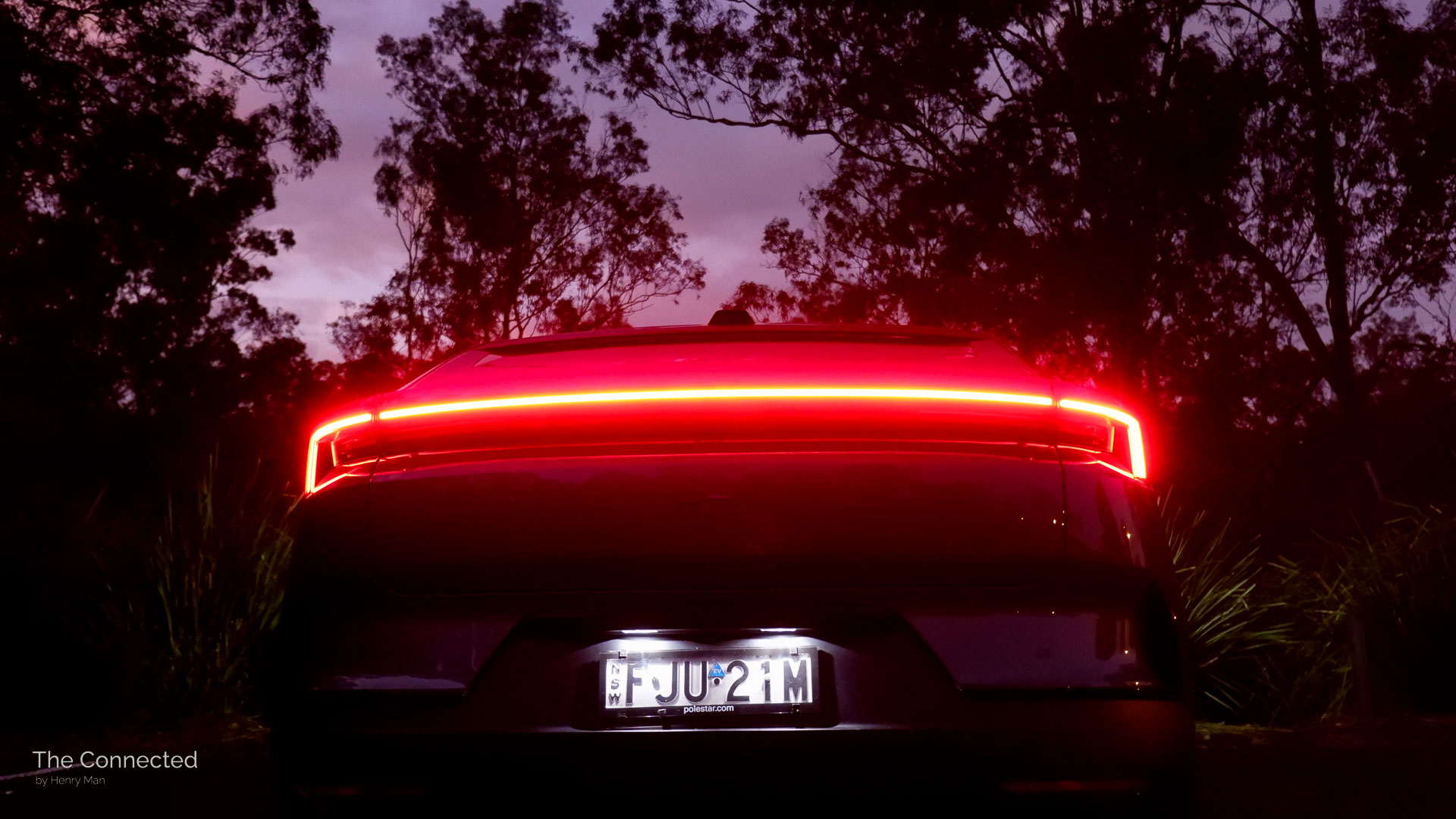
The lack of a rear window is the least polarising bit of the Polestar 4, the Volvo offshoot brand’s new ground-up luxury electric vehicle…
After debuting two years ago and on sale since the start of 2024, the Volvo and Geely sub-brand has finally launched the Polestar 4 in Australia – after some software issue delays.
Marketed as a coupe electric SUV, the 4 is bigger than the 2 but smaller than the Polestar 3 five-seat large SUV – and marks the first model from the brand to use Geely’s Sustainable Experience Architecture 1 (SEA1) EV platform.
It also represents a stronger focus in the luxury car space – with the aim to rival Porsche, BMW and Tesla – in a time where the latter brand has become contentious and the Chinese EV competition is fierce.
Is the Polestar 4’s ~$90K drive-away starting price too much? We tested both the Long Range Single Motor and flagship Long Range Dual Motor with a few options for a week to find out.
NOTE: Two press vehicles were provided by Polestar Australia for a 14-day independent evaluation combined. We have no commercial arrangements with the company and it had no editorial control.

Pros.
+ Advanced Google tech
+ Range anxiety-free navigation
+ Well-priced for a luxury EV
+ Comfortable yet sporty drive
+ Striking premium design
Cons.
– Difficult to use tech
– Infuriatingly bad touch-sensitive buttons
– Adaptive cruise needs further refining
– Expensive options should be standard
– It’s a wide thing
Vehicles tested:
| Model | 2025 Polestar 4 | |
| Variant | Long Range Single Motor | Long Range Dual Motor |
| Starting price | $78,500 before on-road costs | $88,350 before on-road costs |
| Exterior colour | Electron (+$1750) | Storm (+$1750) |
| Interior colour | Bio-attributed MicroTech in Charcoal with Zinc deco (included with Plus Pack) | Bridge of Weir leather in Zinc with Charcoal deco (+$6100) |
| Options | Pilot Pack (standard) Plus Pack (+$8000) Privacy glass on rear side windows (+$700) | Pilot Pack (standard) Plus Pack (+$8000) Performance Pack (+$7200) Privacy glass on rear side windows (+$700) |
| Country made | China | |
Design and quality.
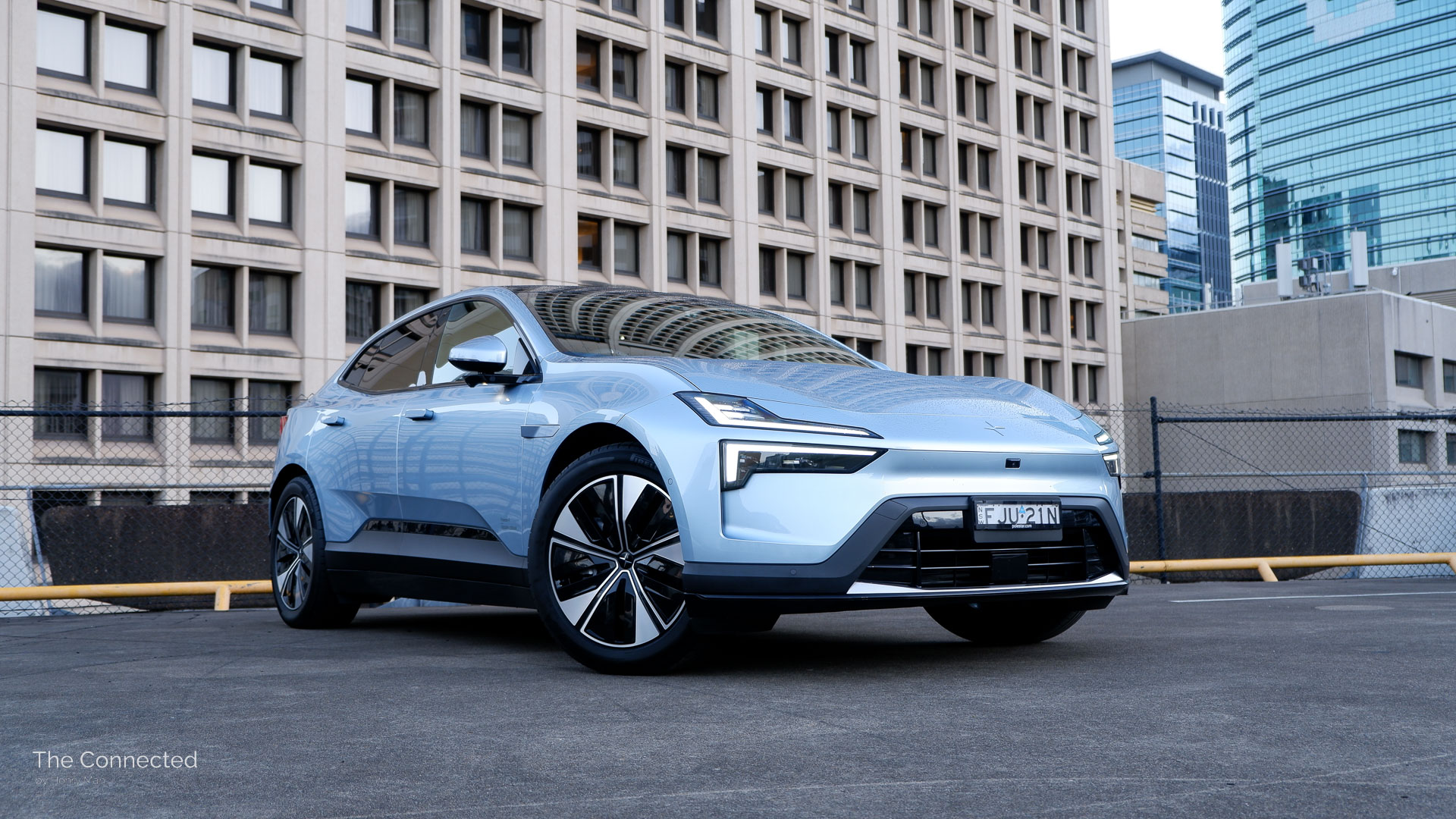
The Polestar 4 is a big step up compared to the 2, with a striking exterior and an upmarket interior.
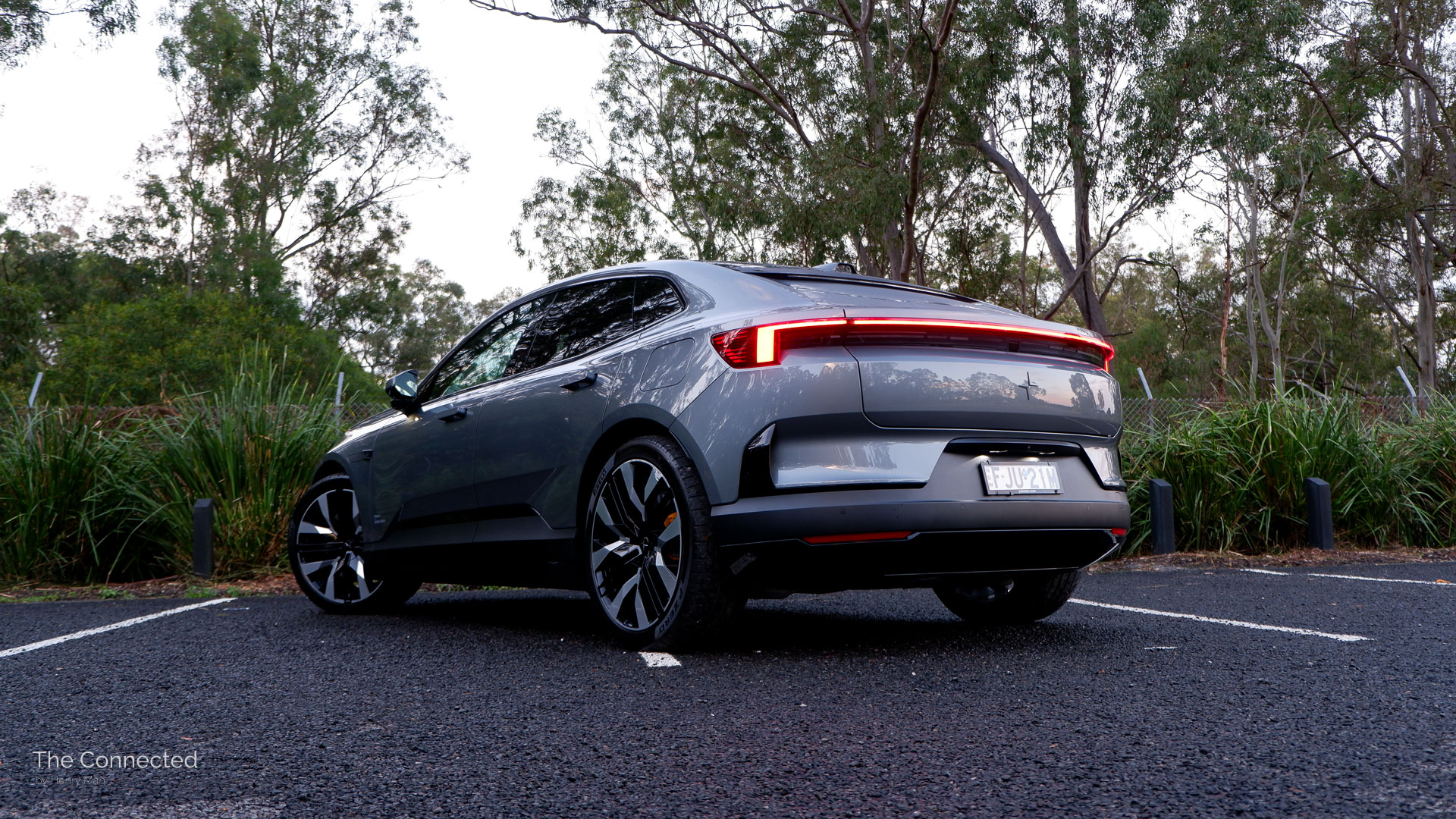
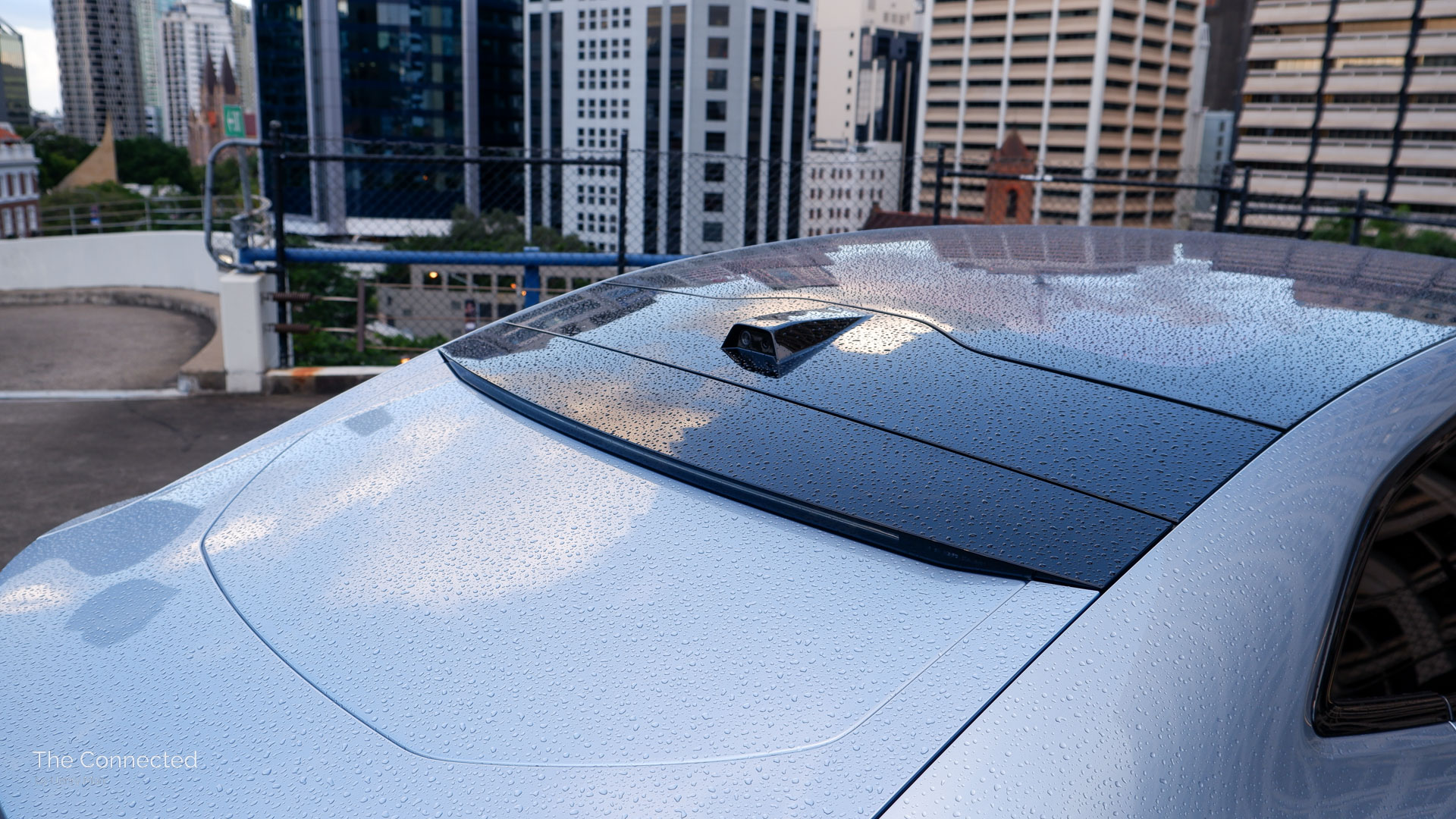
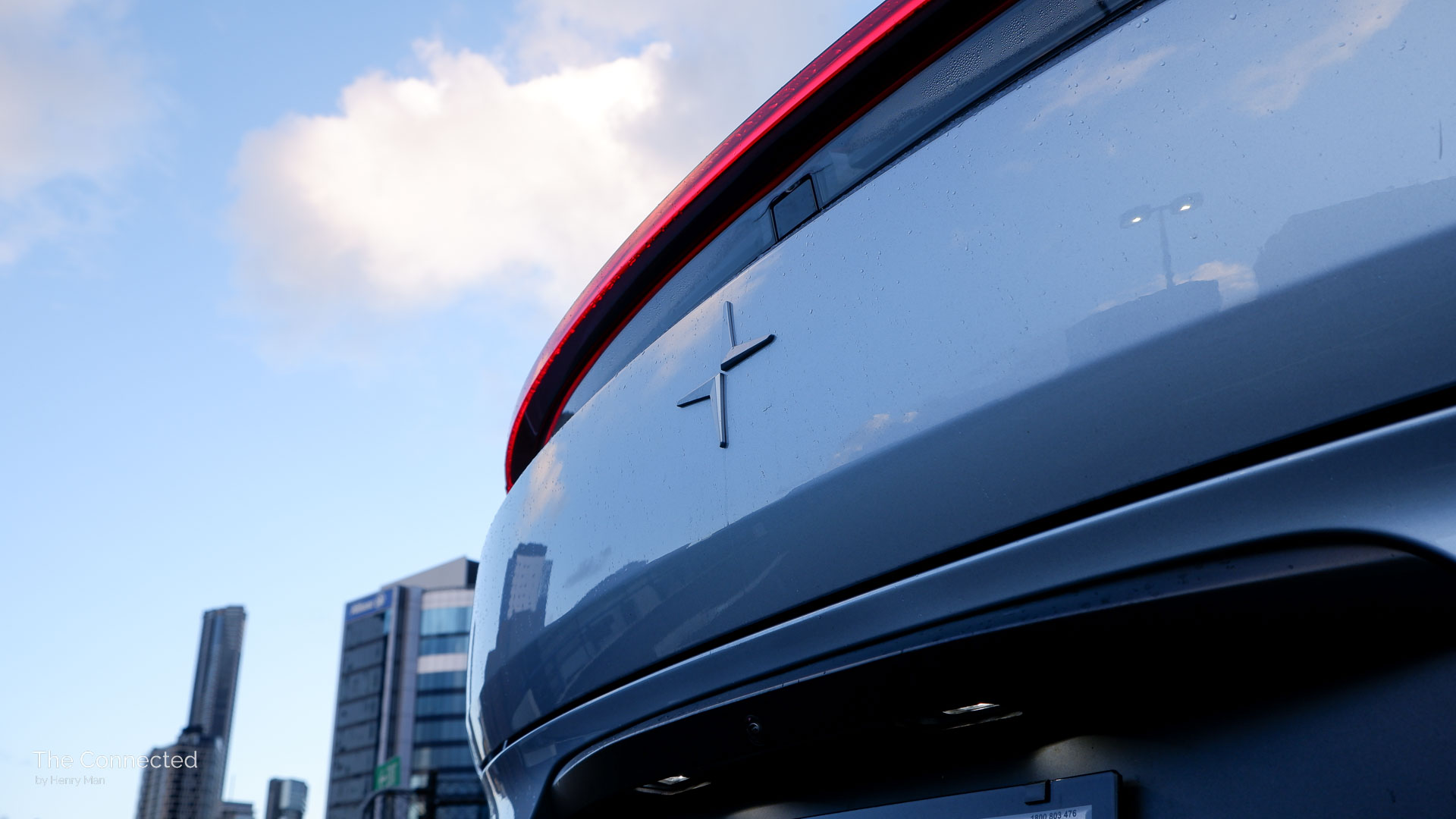
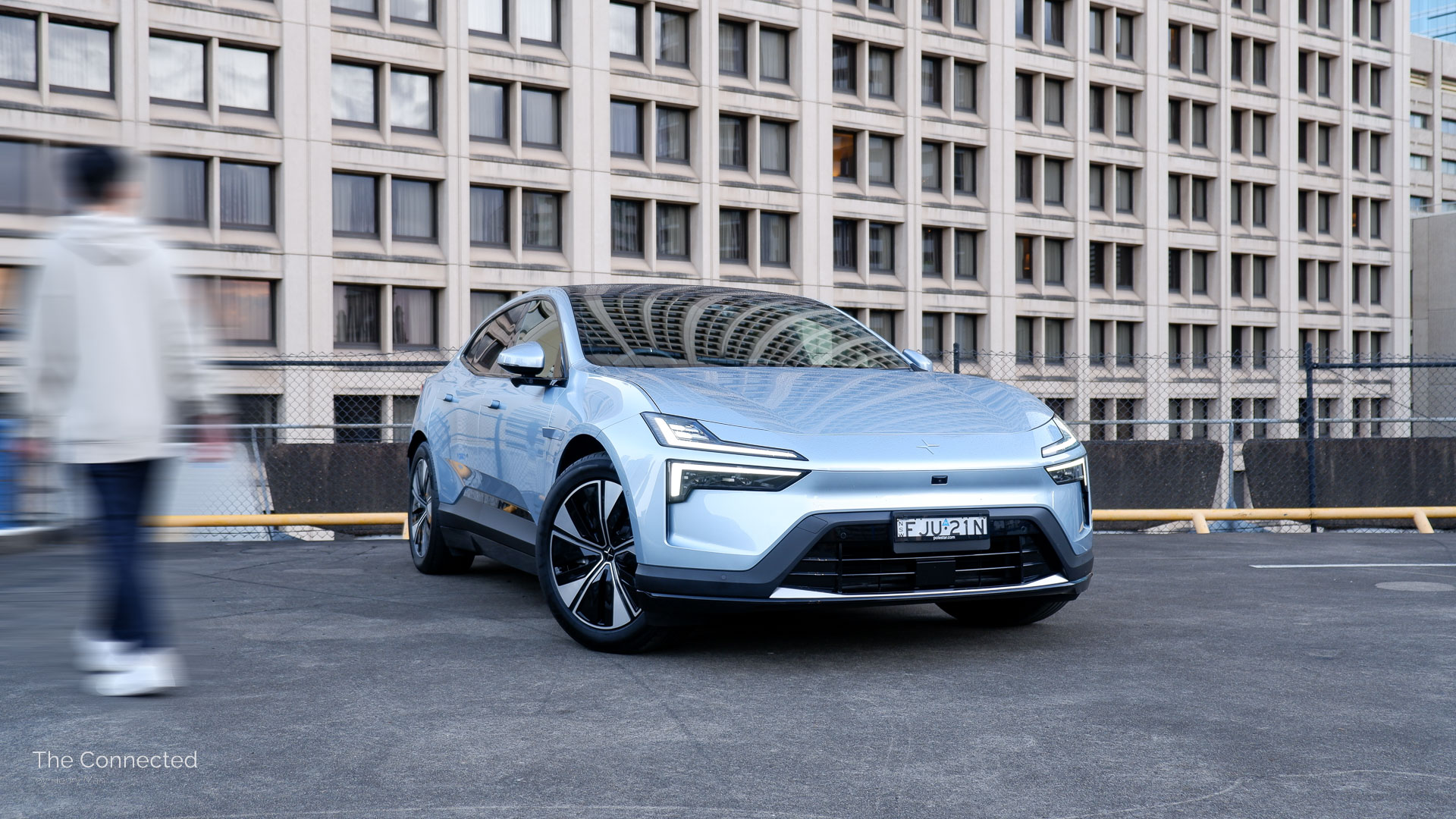
Let’s call it out here: despite being sold as a coupe electric SUV, the Polestar 4 is more of a liftback crossover with a low and long stance, low roof, and steep sloping window-less rear (which looks a bit unorthodox as there’s an outline for one).
The black plastic cladding even extends at the bottom to hide its low-for-a SUV 166mm ground clearance – in line with the Tesla Model Y, Hyundai Ioniq 5 and Kia EV6.
In many ways, the 4 is akin to a bigger, more upmarket Polestar 2.
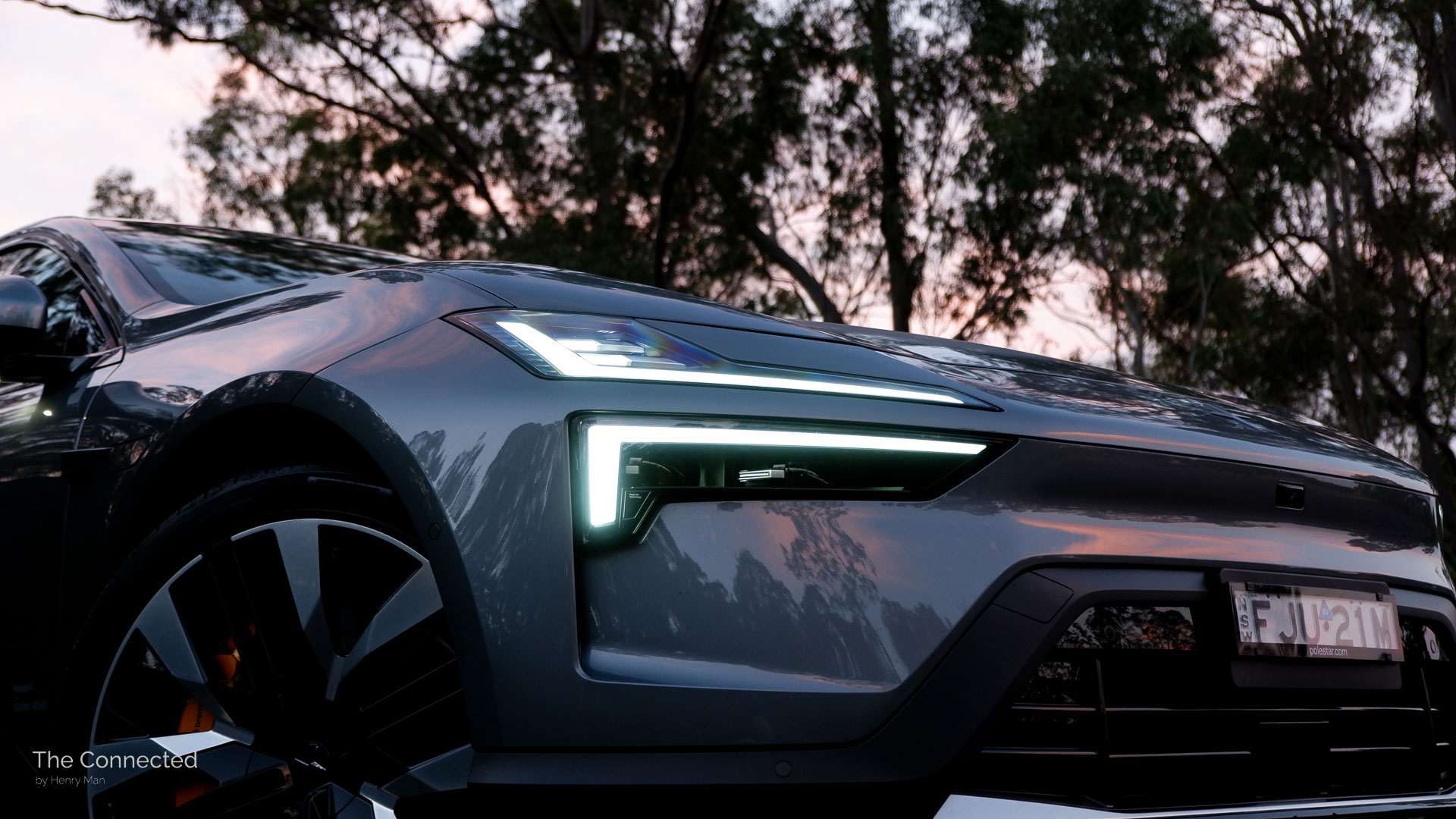
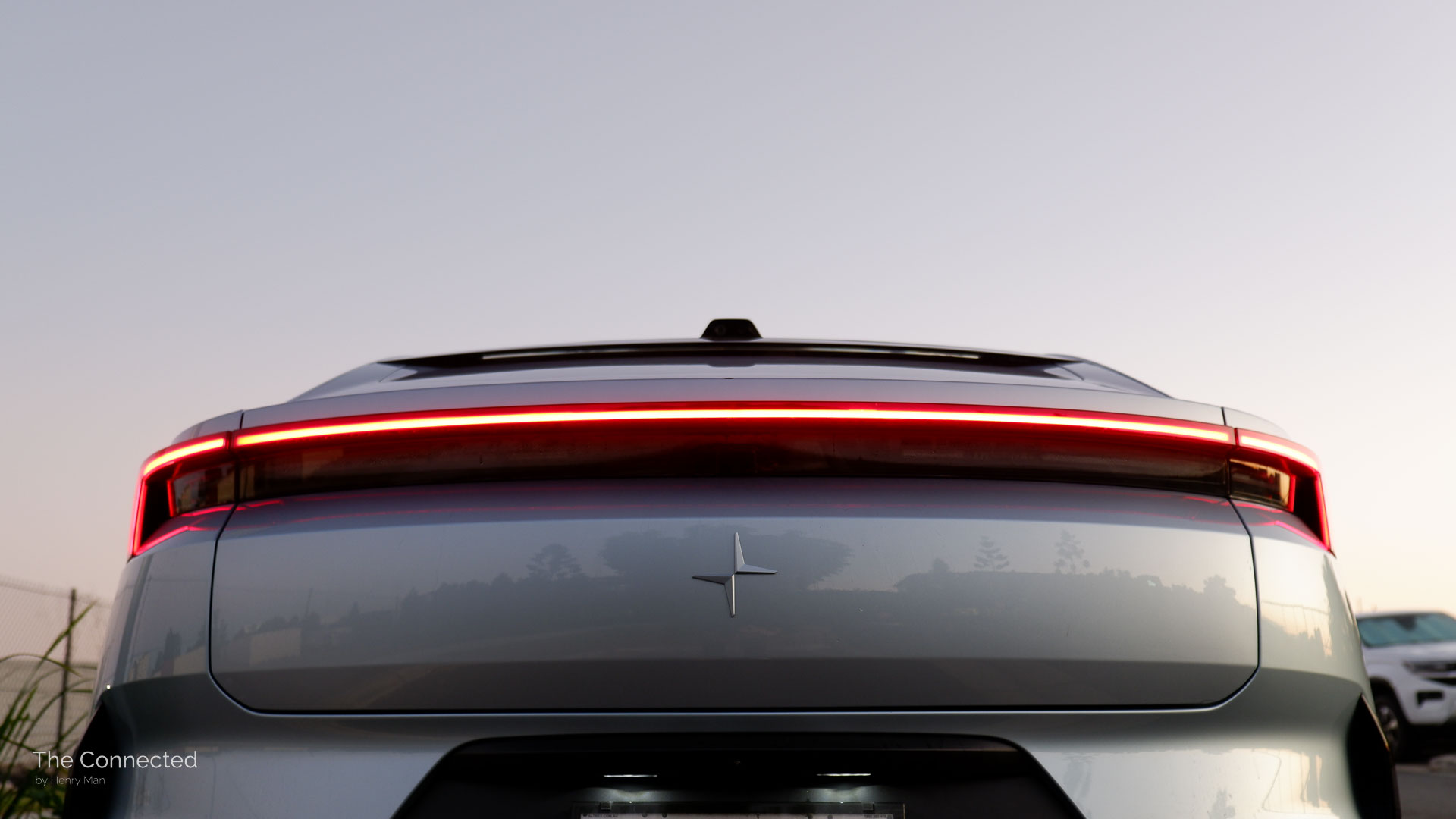
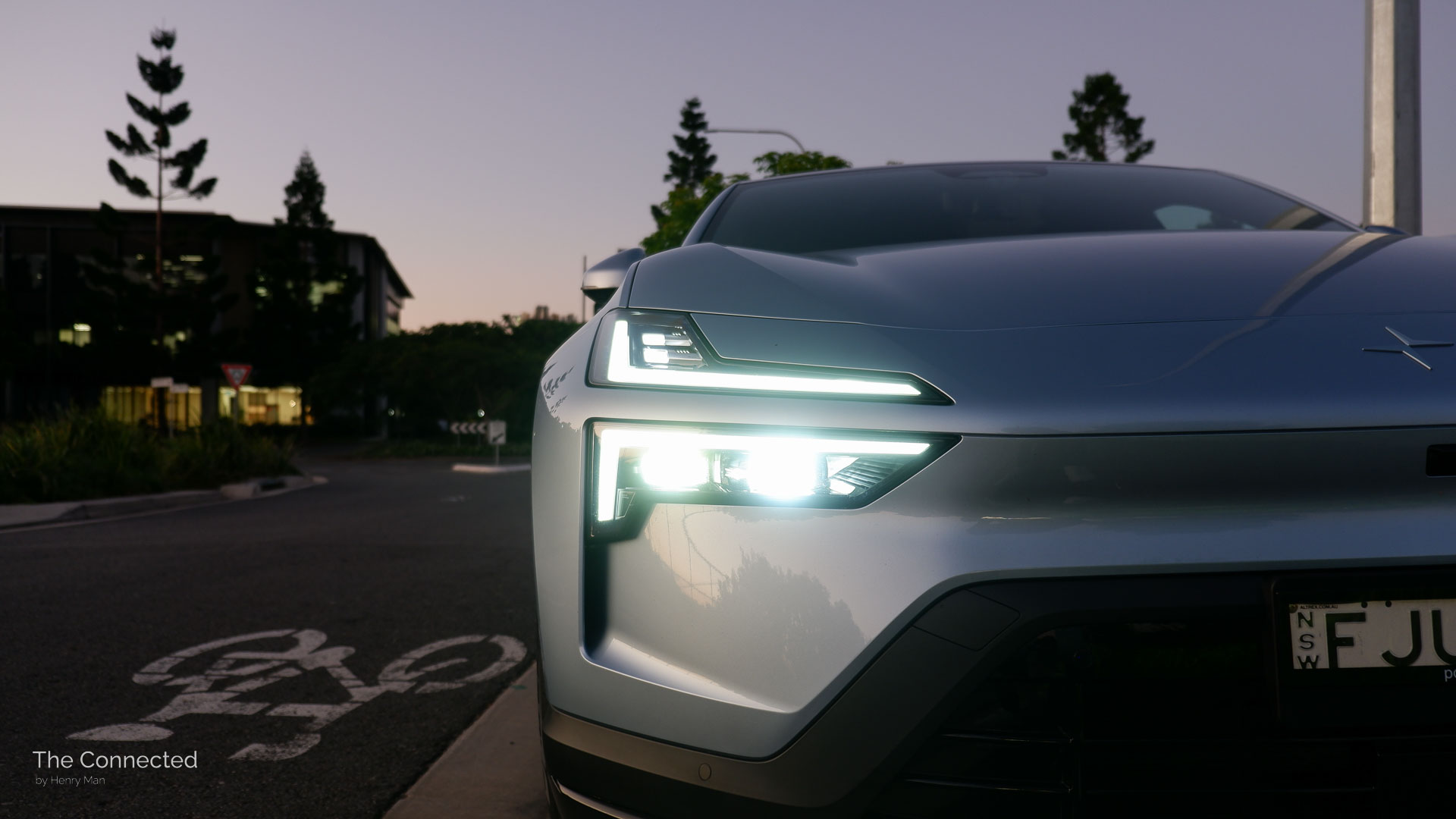
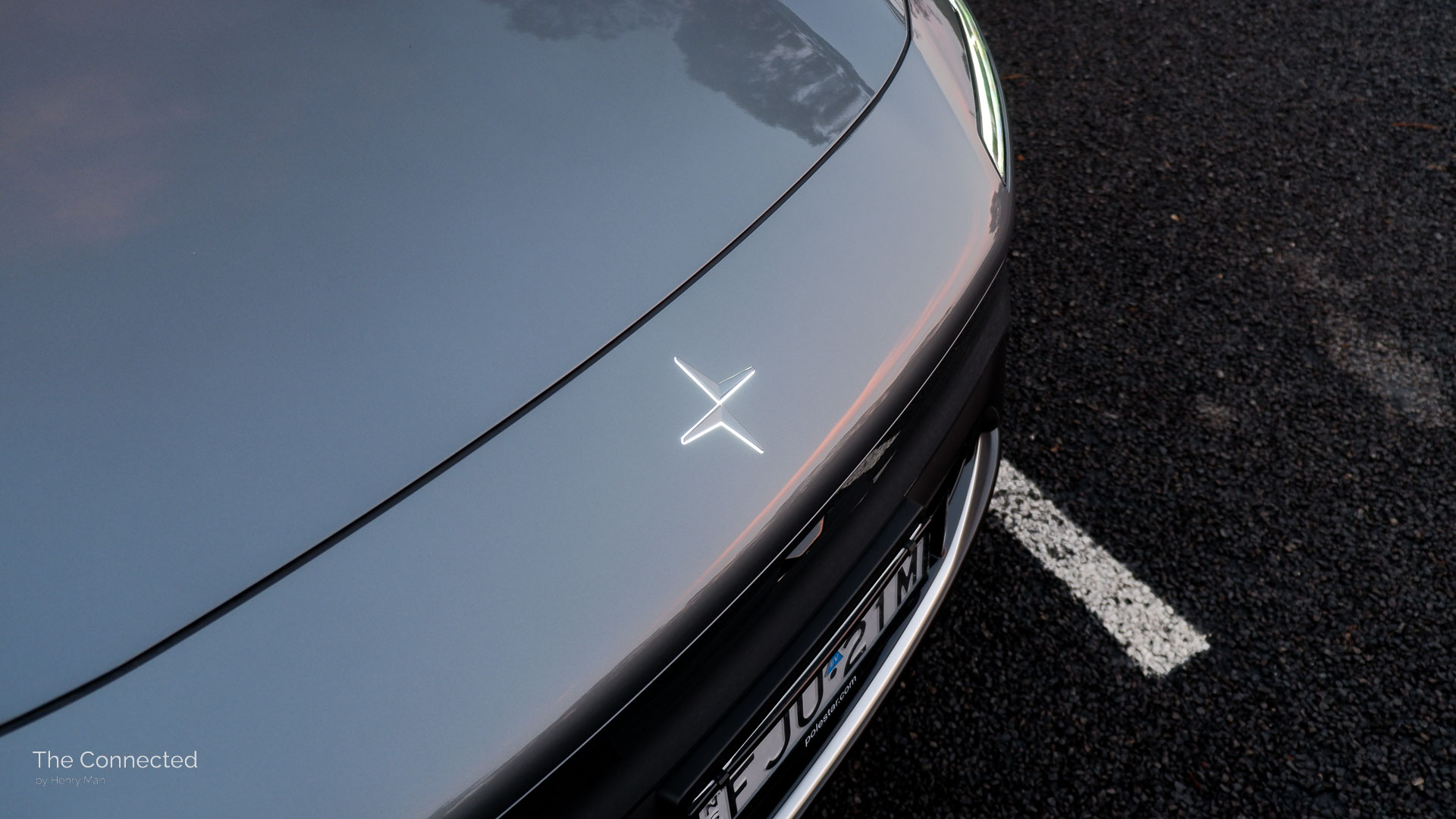
Yet, it looks even more distinct than just a Volvo offshoot with new signature double L-shaped LED daytime running lights and indicators, a simple rear light bar which animates upon approach, and body colour-matching matte Polestar logos.
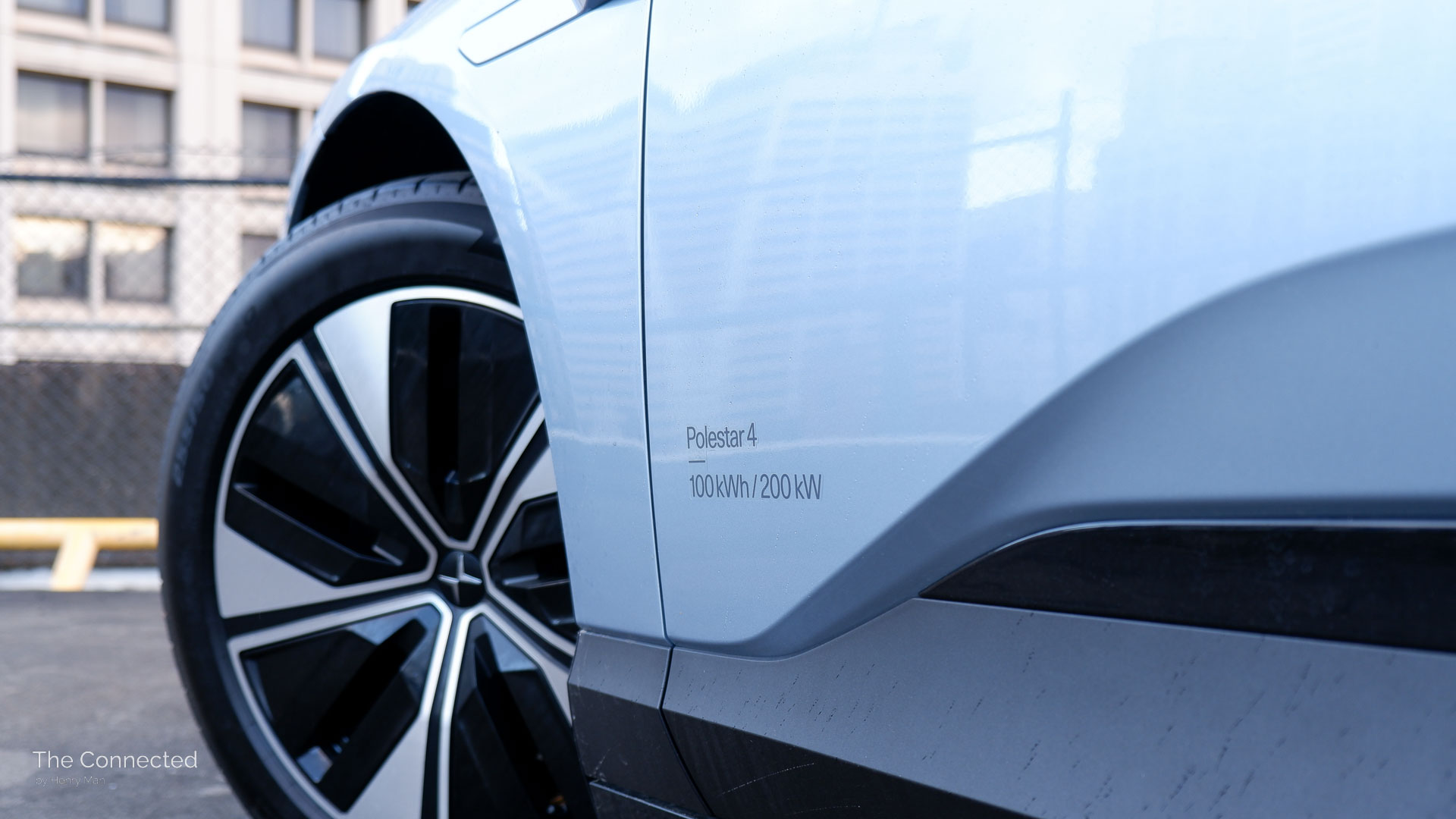
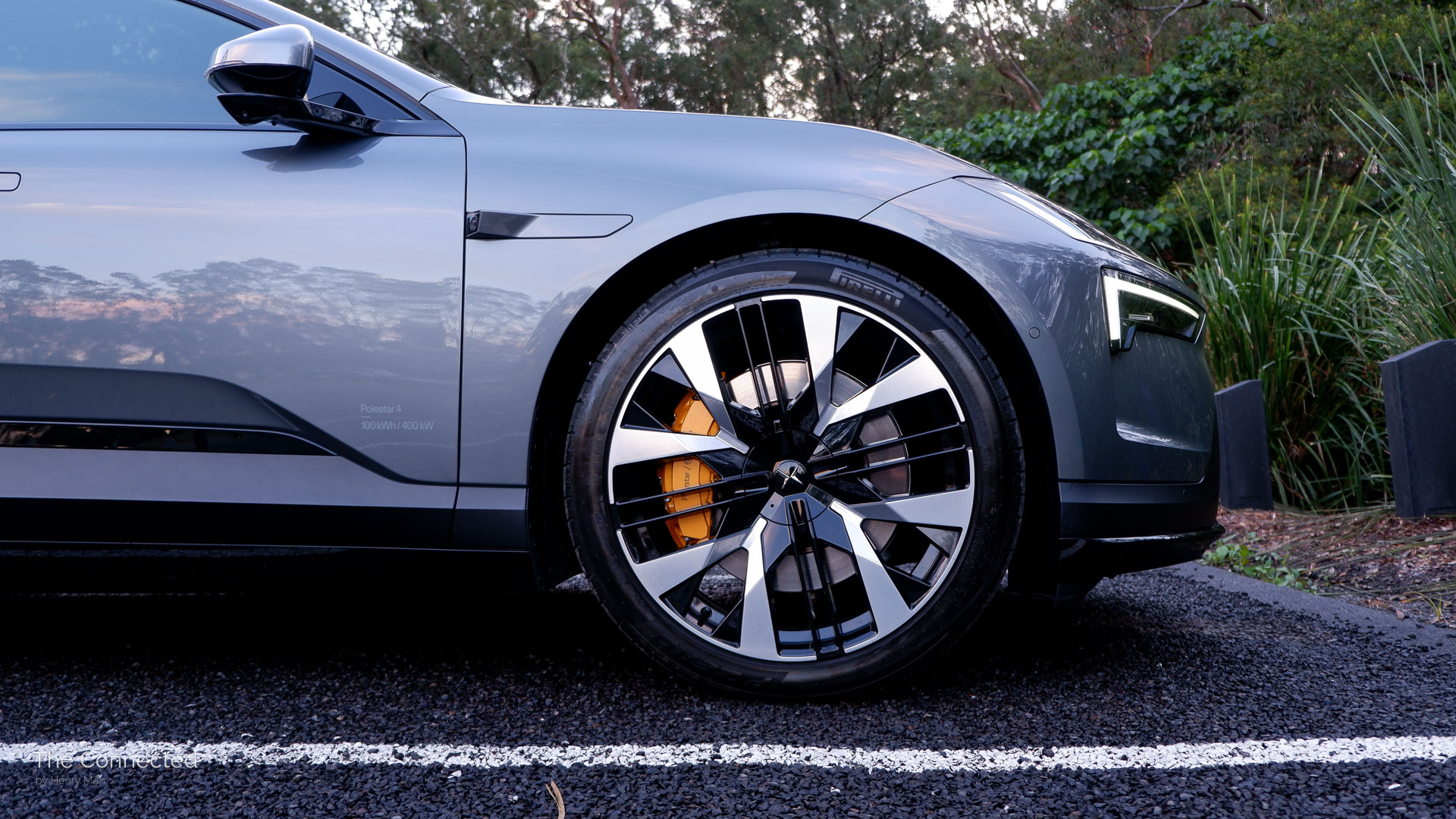
Polestar 4 options are expensive, but it ups the ante with the dual motor’s $7200 Performance Pack bringing large and striking 22-inch Performance wheels, with Swedish gold painted Brembo brakes, valve caps and interior seatbelts.
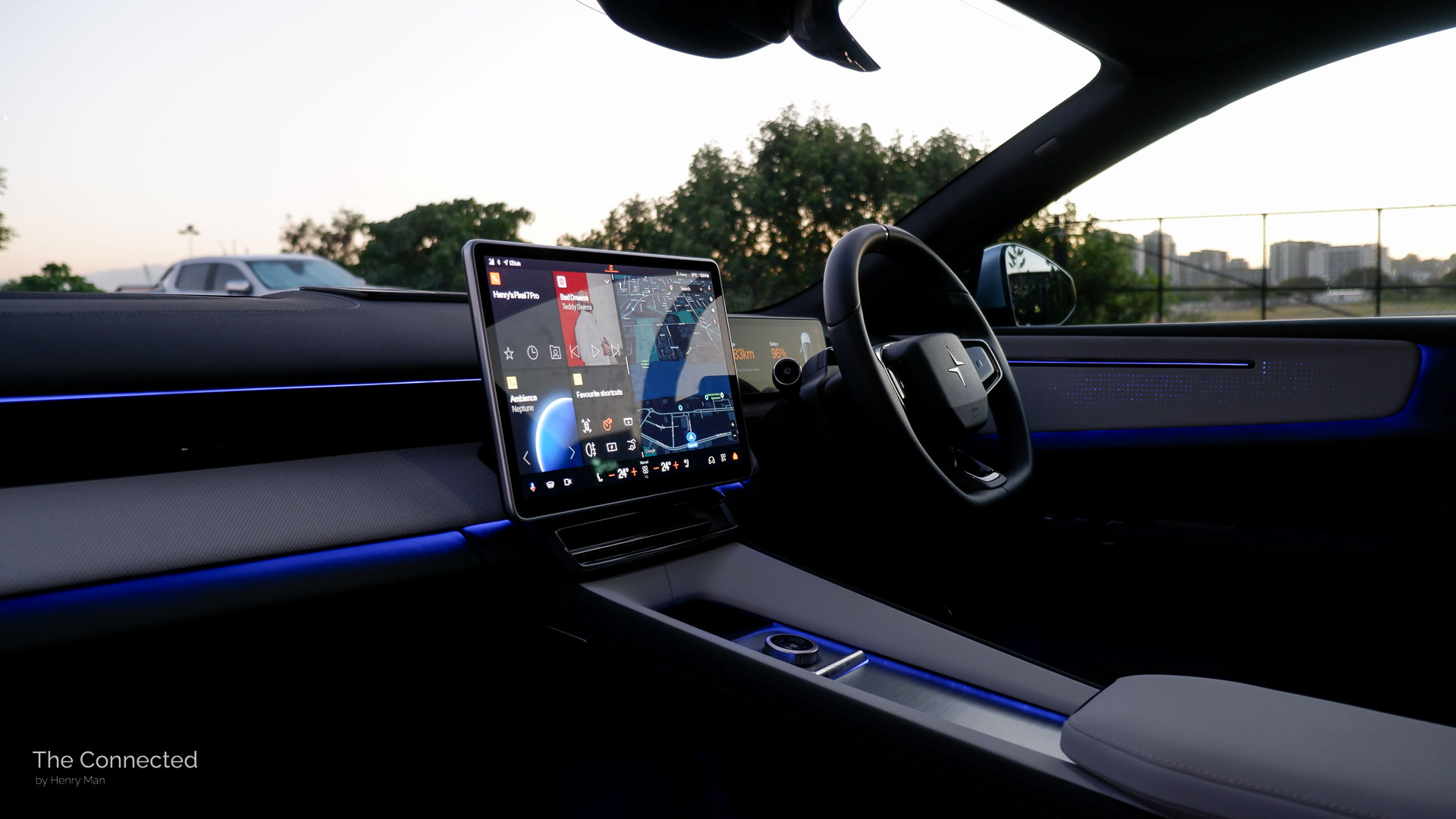
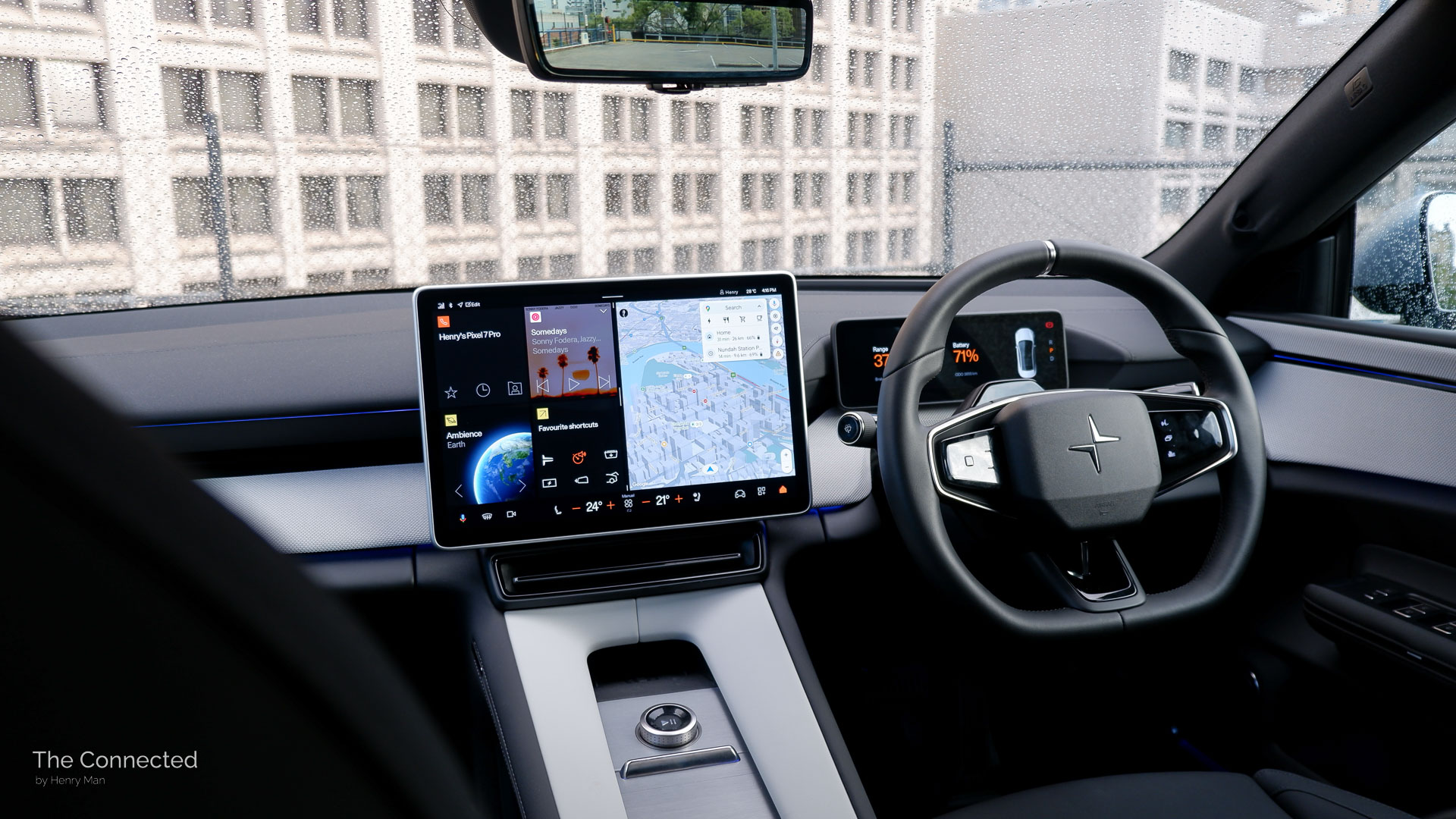
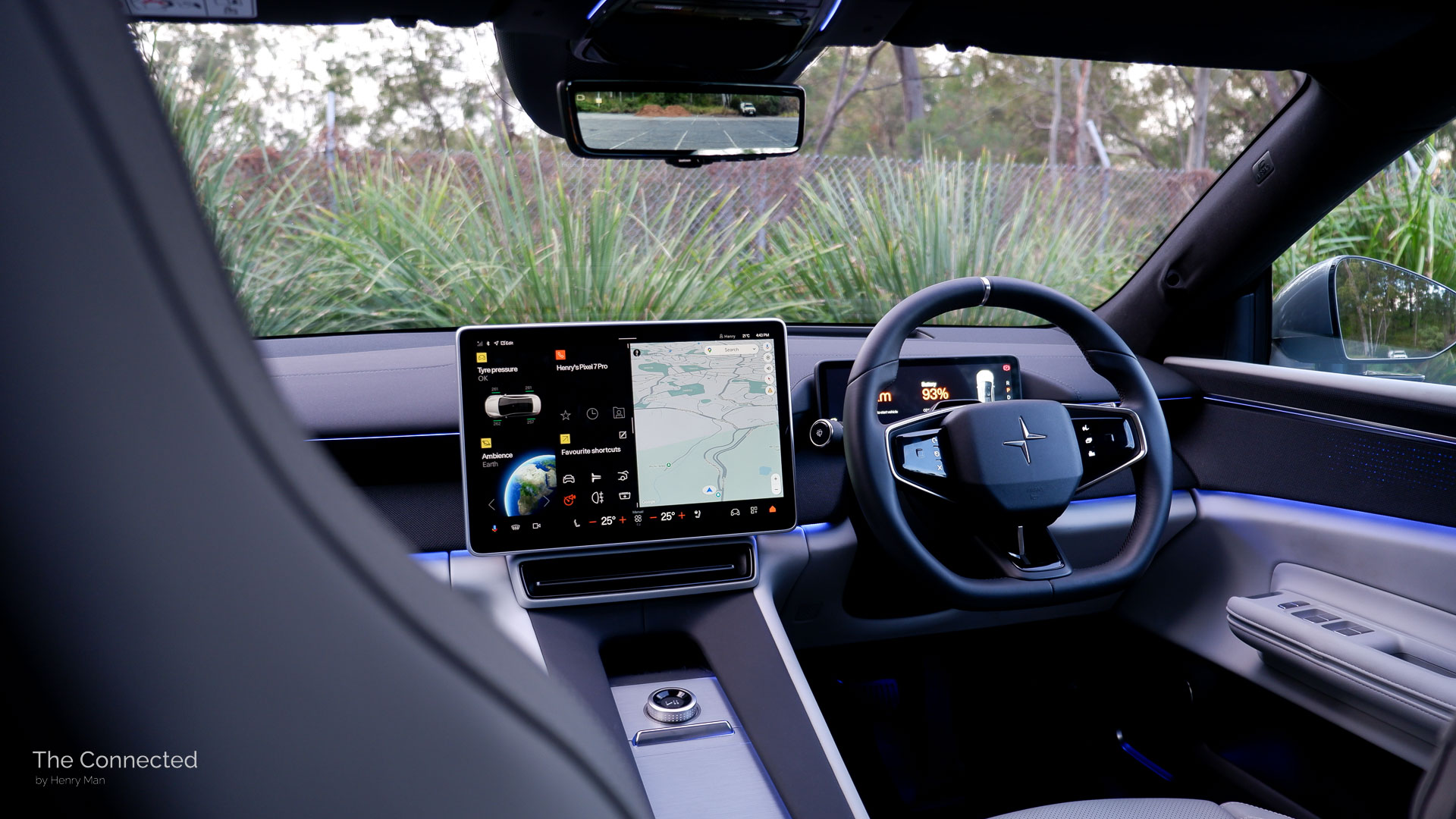
Inside, the Polestar 4 looks suitably high-end and worth its premium price – it’s modern, minimalistic and luxurious.
A large touchscreen dominates the interior, but there are a mix of meshed fabrics, gloss black, faux leather materials across – plus satisfyingly cold-to-touch metal and a clicky volume media dial on the centre console.
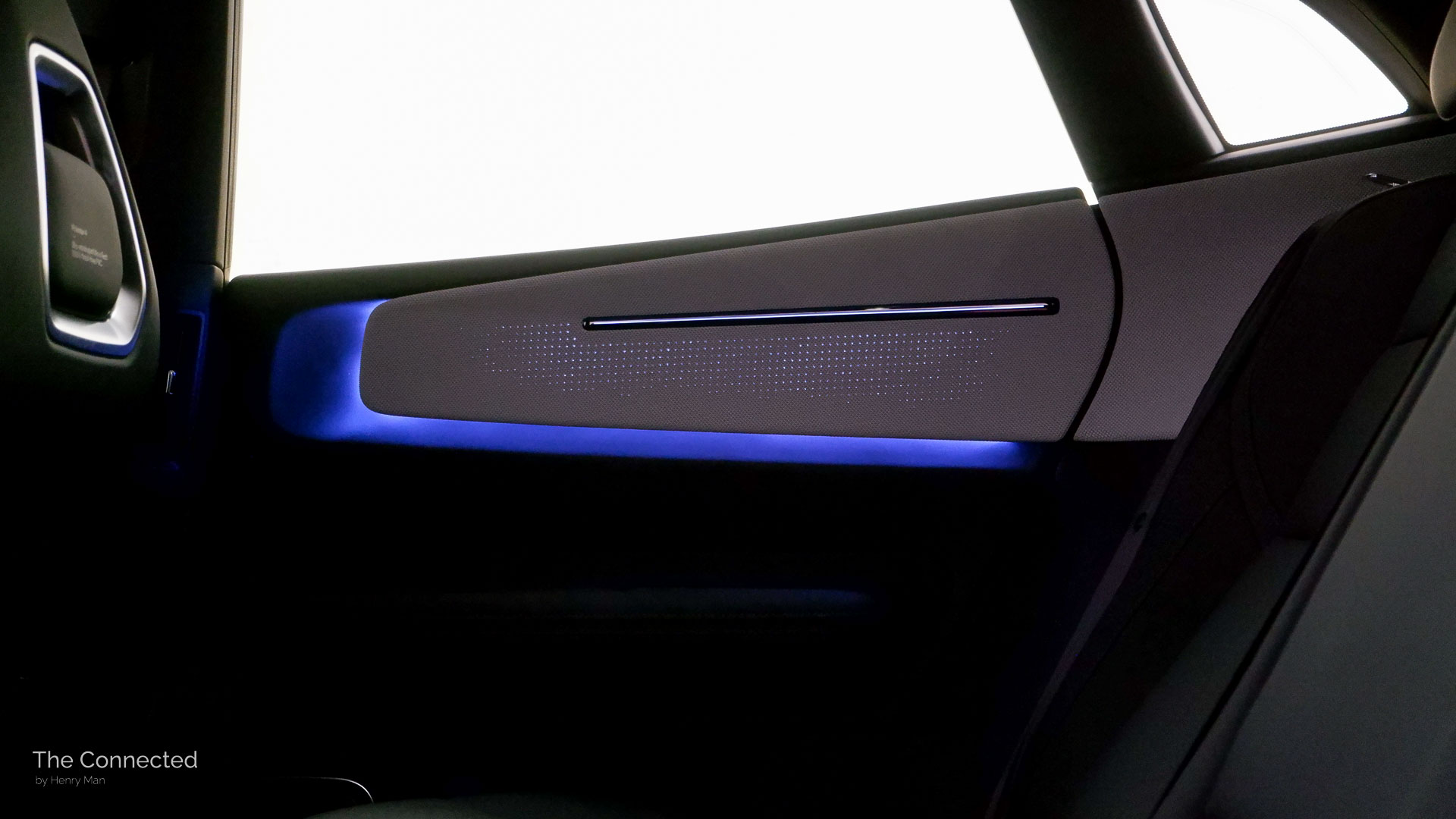
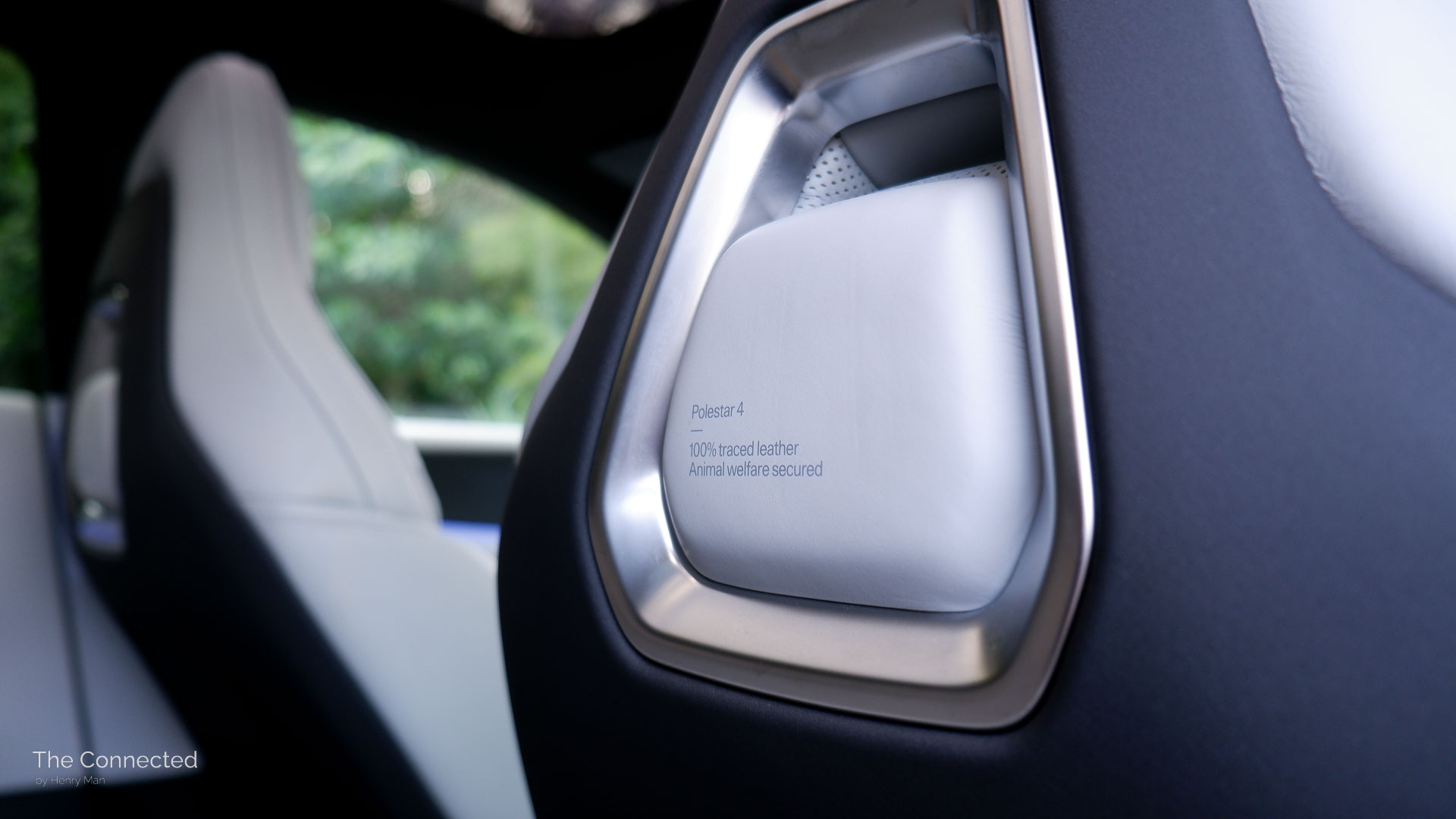
The interior becomes a two-tone black and white theme as part of the $8000 Plus Pack, which feels much more unique, and MicroTech seats which feels like a mix of fabric and faux leather. Meanwhile, the expensive $6100 Nappa leather upgrade in Zinc ups the luxury even more with a faux suede headliner.
Unfortunately, while most leatherette trims are soft, the materials are somewhat thin and lack padding – since you can feel the hard plastic below – including the all-important centre and door armrests.

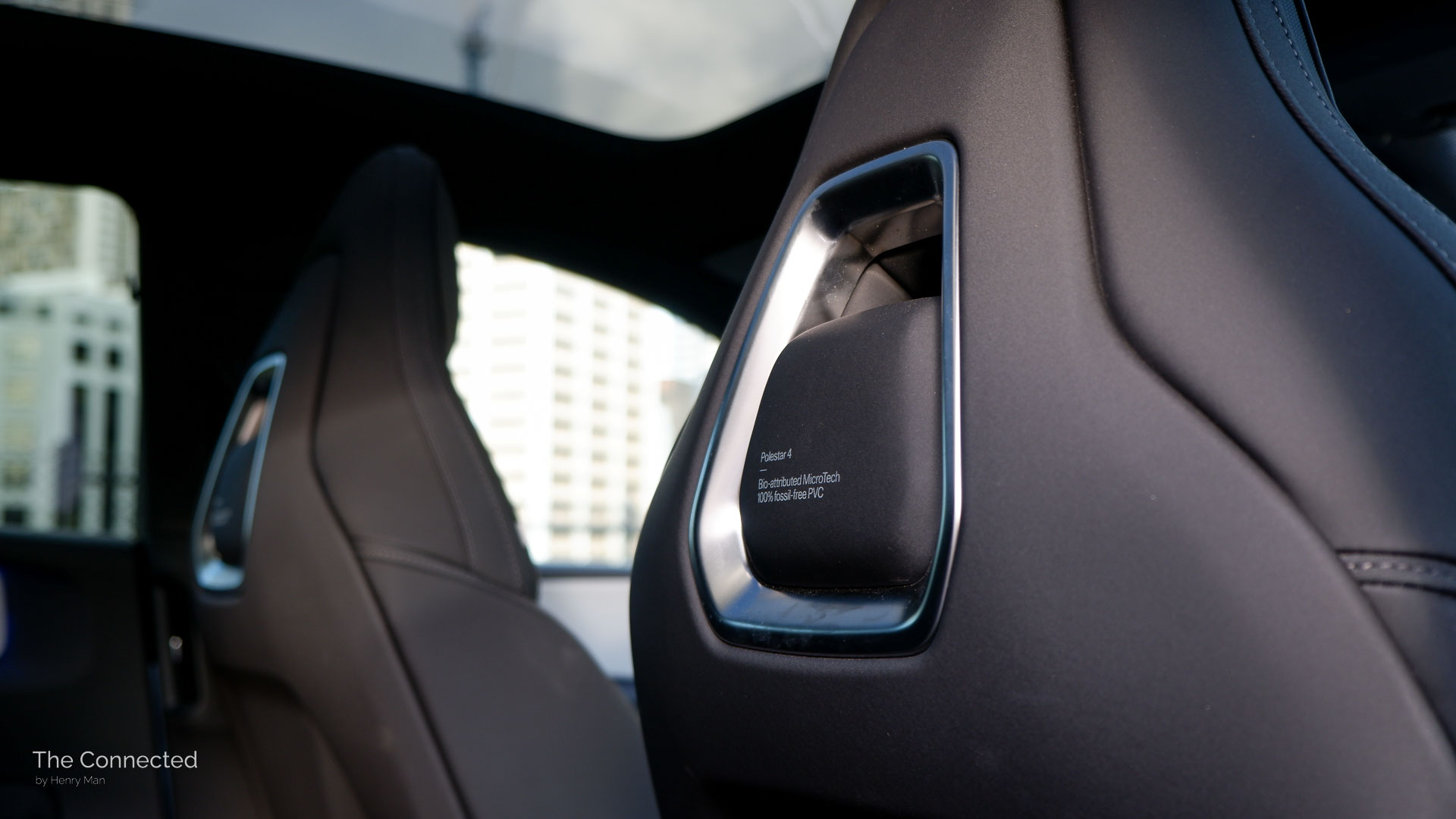
Similar to the Polestar 2, the eco-friendly plastics are susceptible to permanent scuffs, especially at the front sun visors, seatbacks and door bottle pockets on our tester.
It’s also surprising that the Long Range Dual Motor with Performance Pack doesn’t feature aluminium pedals.
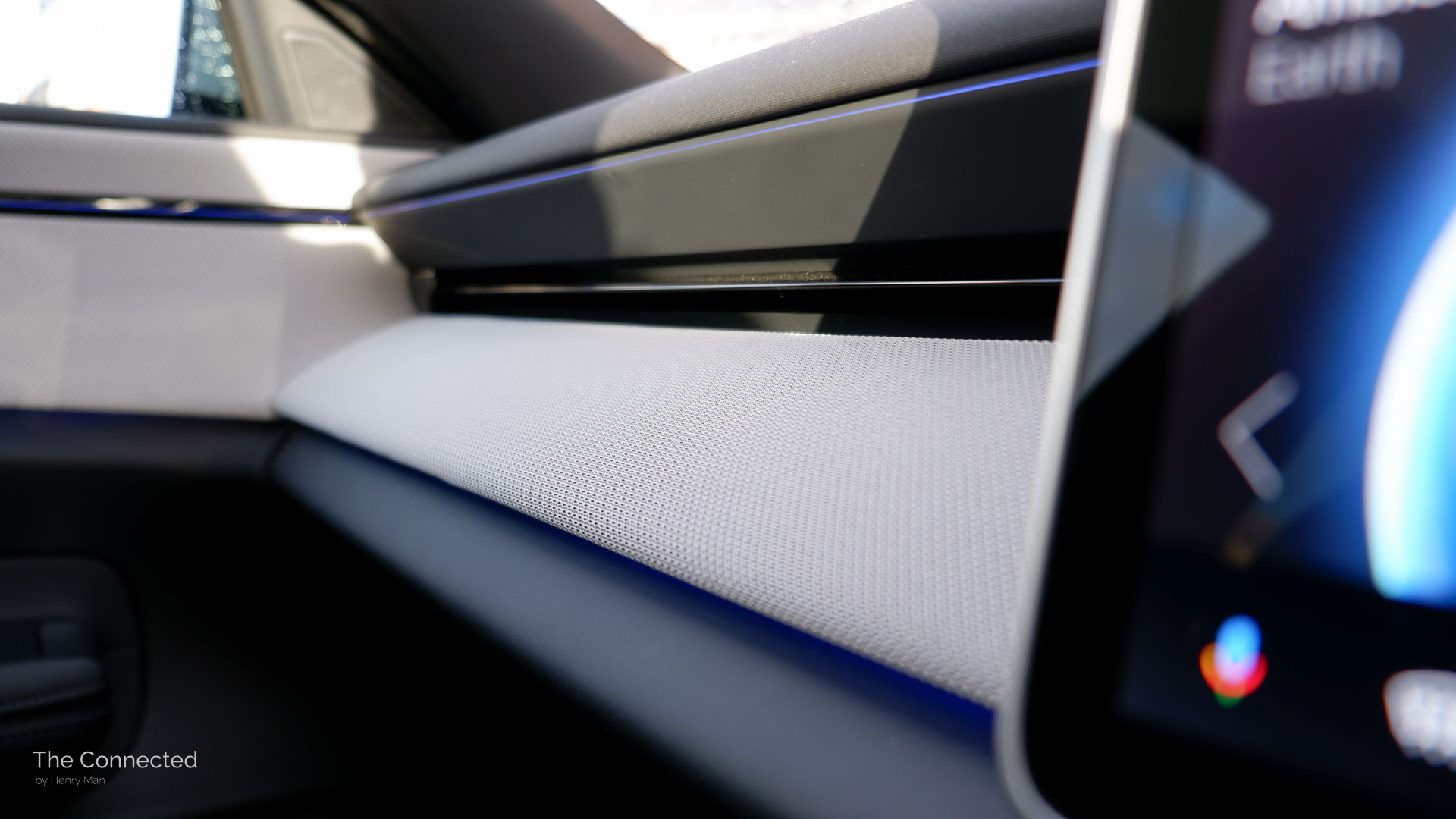
Nine ambient lighting colours are selectable (under the guise of planet themes) and are very prominent – spanning across the dashboard, to centre console, doors with ‘star knit’ backlighting behind the mesh fabric textile trims (with the Plus Pack), footwells, around the overhead lights, and even behind the rear seats at the boot divider shelf.
However, our first tester vehicle didn’t illuminate the left-side footwells and boot divider shelf – so it’s worth checking that all ambient lights are working on delivery.

Practicality.
2025 Polestar 4 dimensions:
| Length x width x height | 4840 x 2139 x 1534mm |
| Wheelbase | 2999mm |
| Ground clearance | 166mm |
| Boot space (min / rear seats folded) | 526 / 1536 litres (incl. 31-litre underfloor) |
| Frunk space | 15 litres |
| Rear seat split fold | 60:40 |
| Child seat anchors | 2x ISOFIX and 3x top tethers |
| Air-conditioning system | Three-zone climate control with rear air vents (with Plus Pack) |
The Polestar 4 is a spacious crossover EV, despite the low roofline.
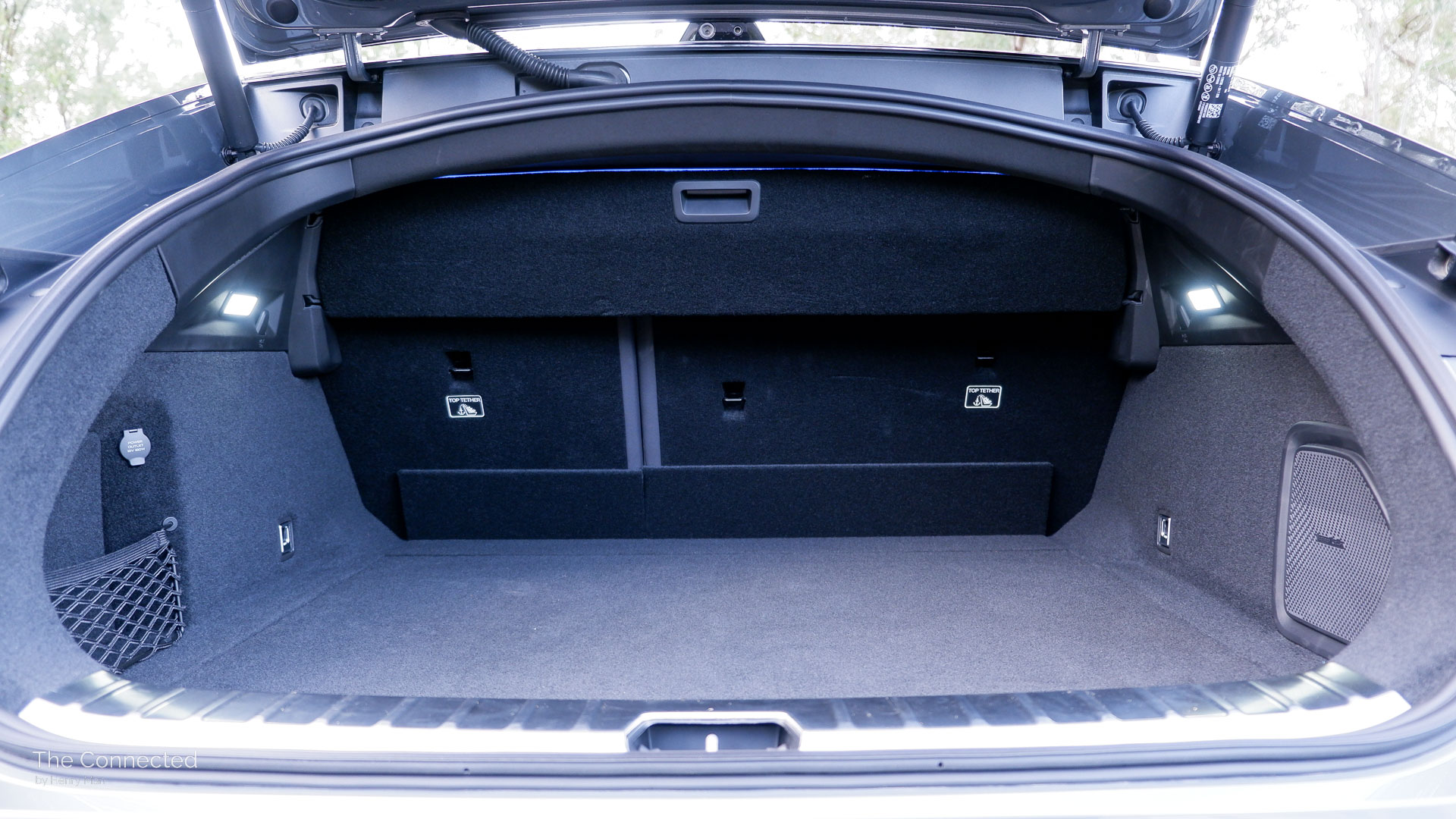
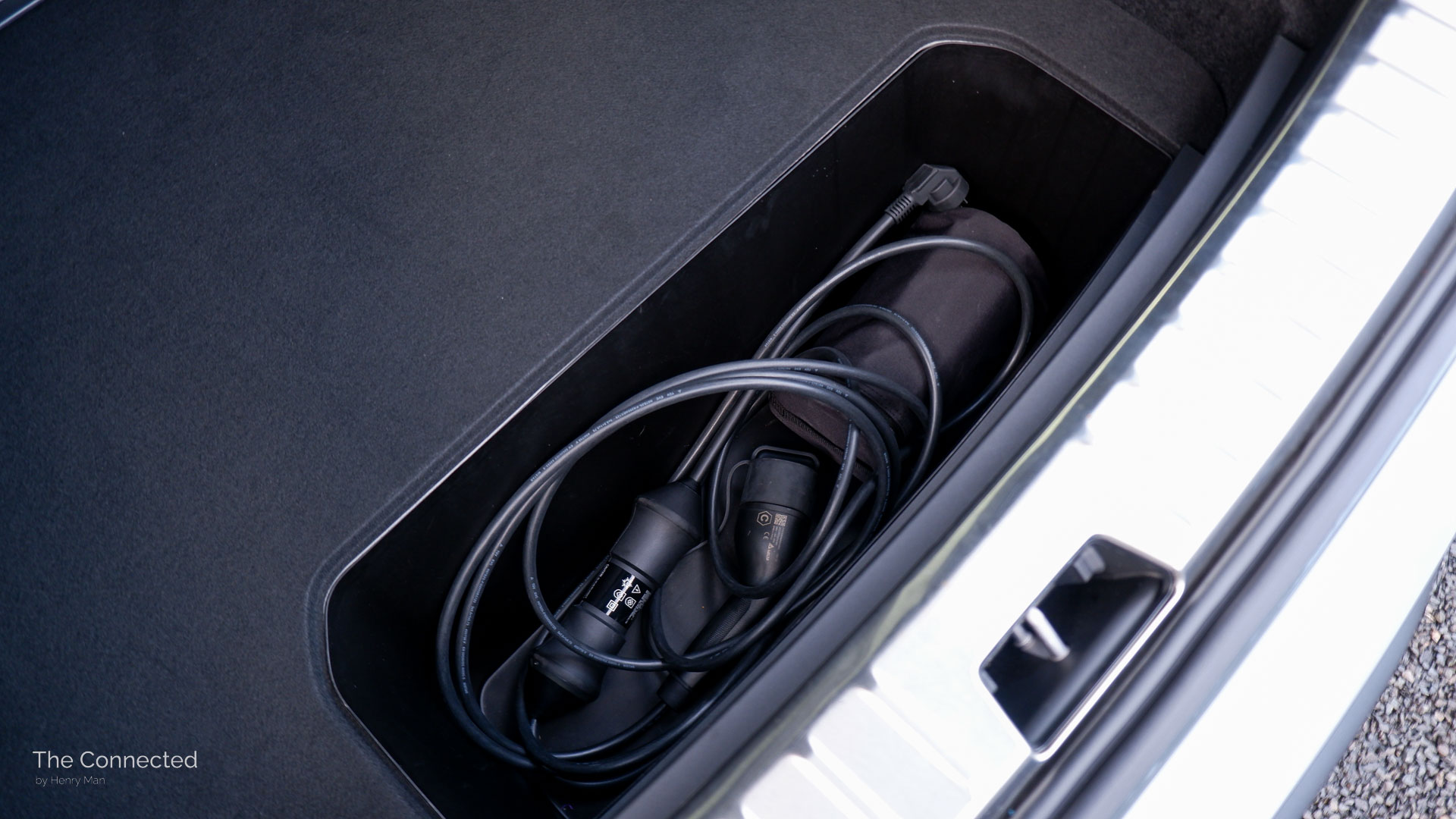
The 526-litre boot is deep, completely carpeted, has two adjustable floor levels, and a flat loading lip. That figure includes a 31-litre underfloor well which is on the narrower side, but can store the included trickle charging cable.
Two bag hooks also feature, but they’re a far reach inside the boot.
An electric tailgate as standard, but the $8000 Plus Pack adds a hands-free foot-operated kick sensor open/close function as long as the proximity key is behind the vehicle.
Disappointingly, the reversing camera doesn’t offer distance guidelines, so it’s hard to judge whether the boot has enough clearance to open. Thankfully, the tailgate doesn’t poke out too much due to the steeply raked roofline.
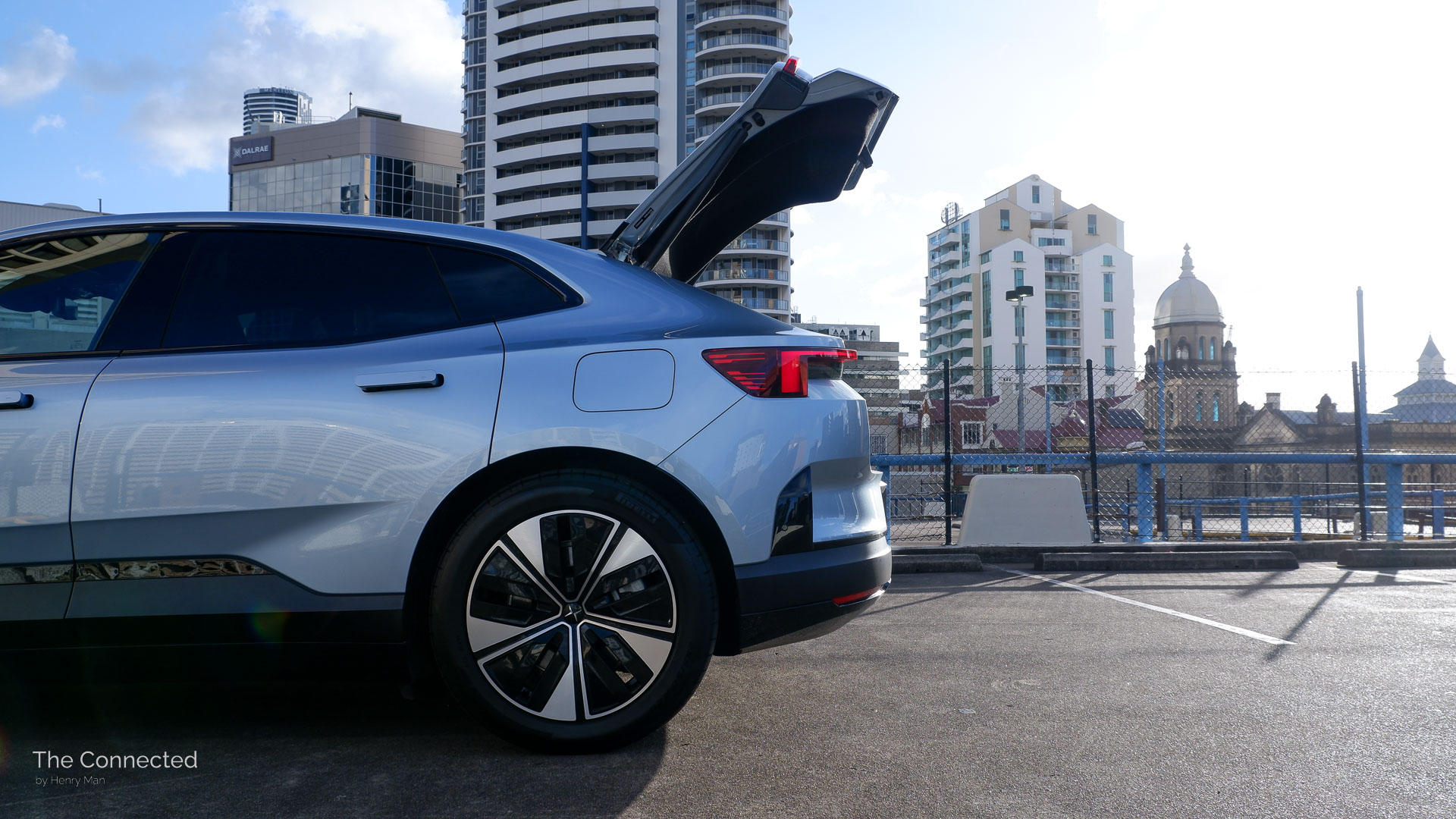
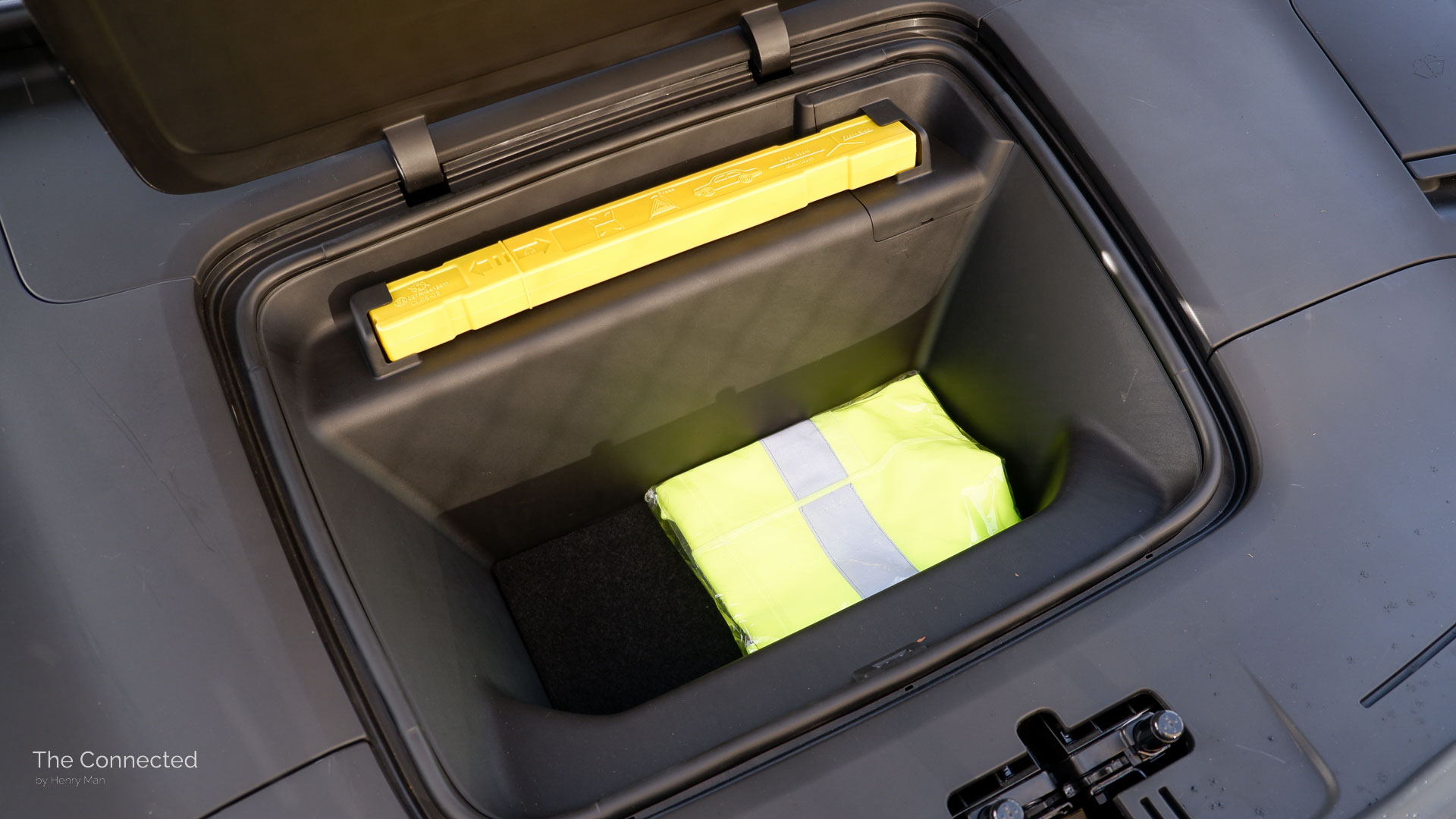
A tiny 15-litre frunk is available, but the lid covering it doesn’t stay open; it flops down as soon as you release it – disappointing for a luxury EV.
It’s also a step backwards compared to the much larger 41-litre frunk on the Polestar 2, despite now adopting a dedicated EV platform.
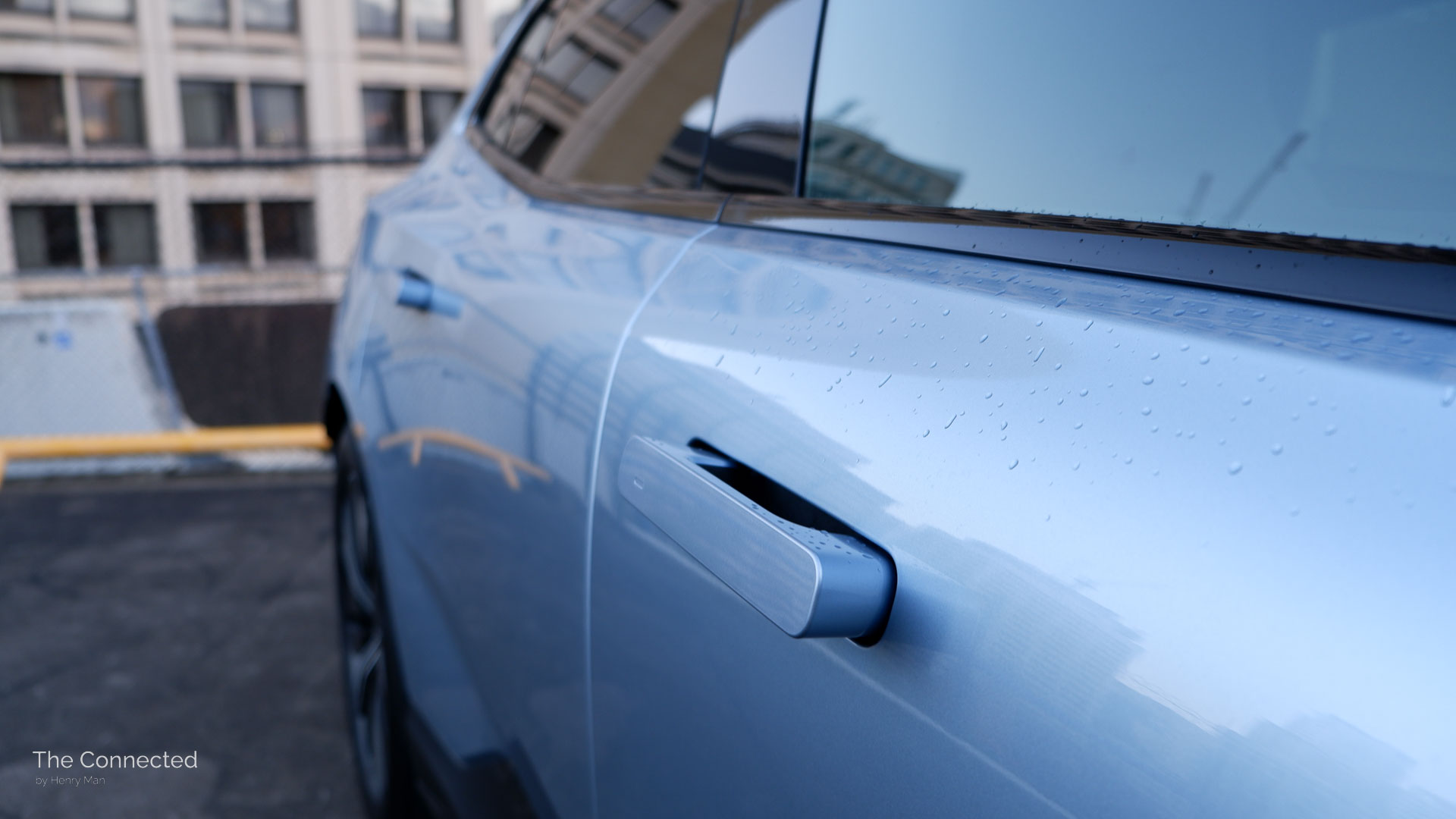
While the door handles are a flush type, they electronically pop-out when the doors are unlocked and operate as a normal handle – a win for accessibility. There are puddle lights underneath the wing mirror and all four doors to illuminate the ground at night, too.
Based on the Sustainable Experience Architecture 1 (SEA1) with a wide 2999mm wheelbase, the Polestar 4 provides a spacious rear row with limousine-like legroom and good headroom.
However, like many electric cars, the floor is higher than ideal due to the battery pack, resulting in slightly perched up knees without stretching the legs out underneath the front seats.
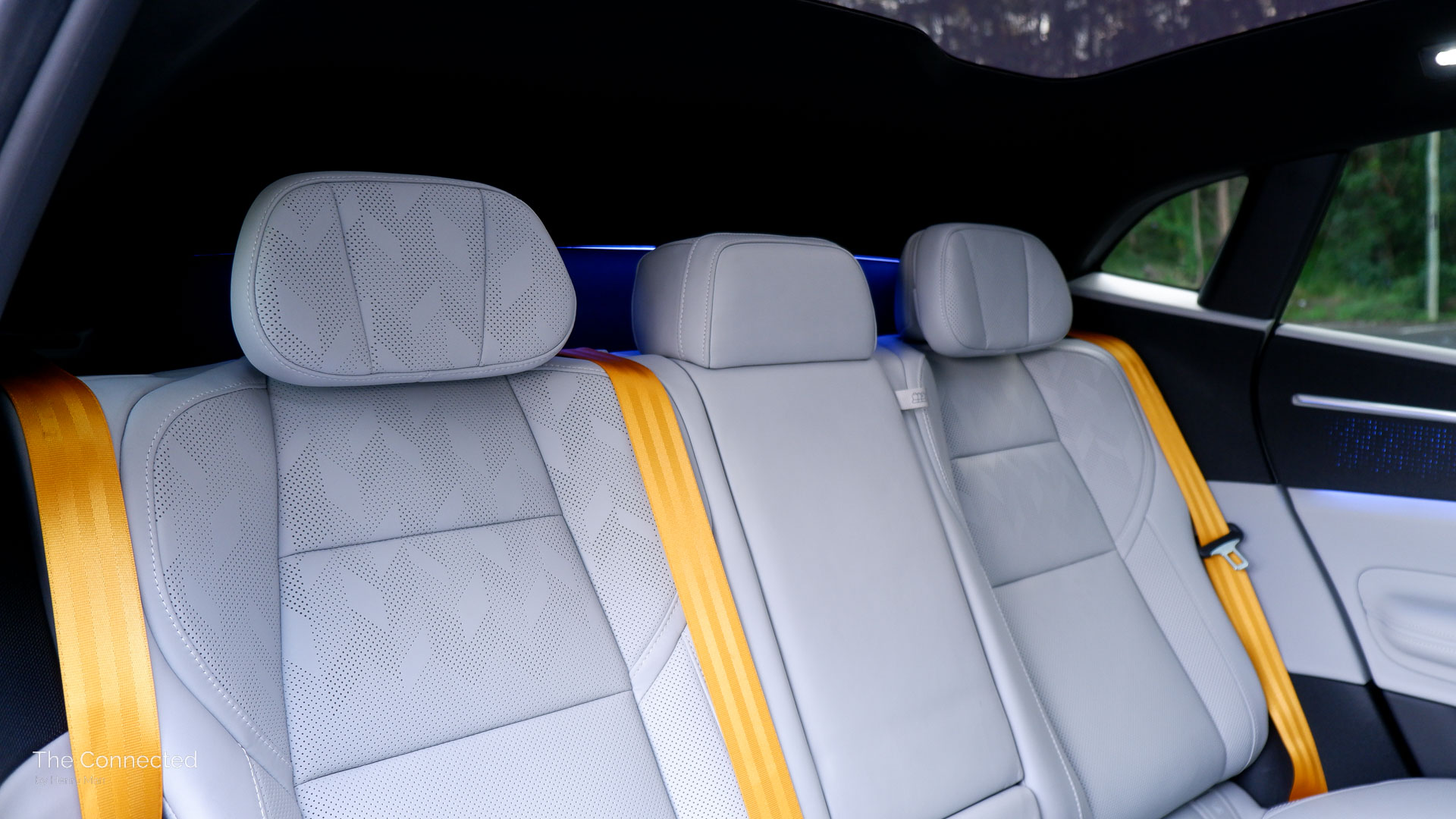

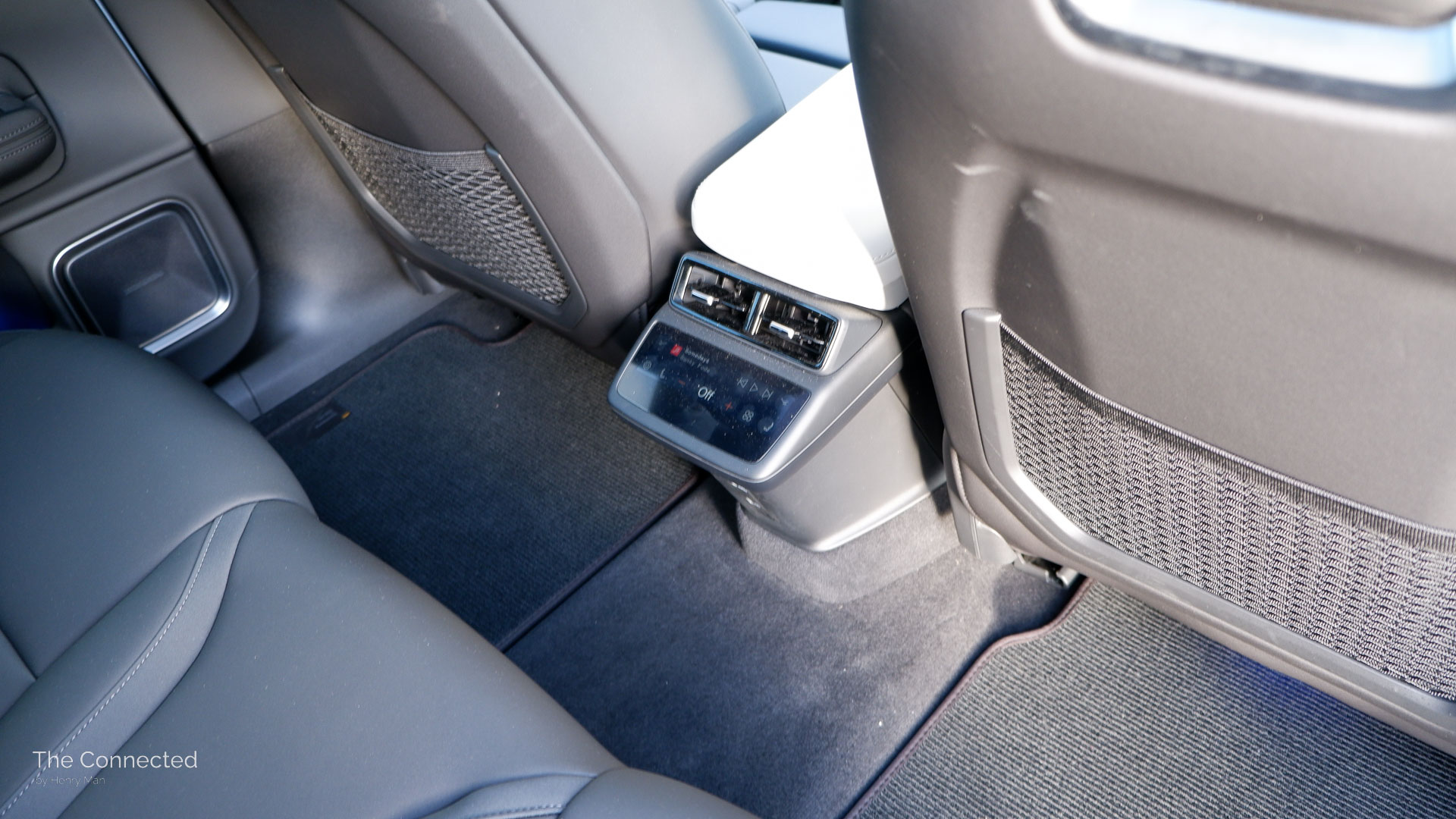
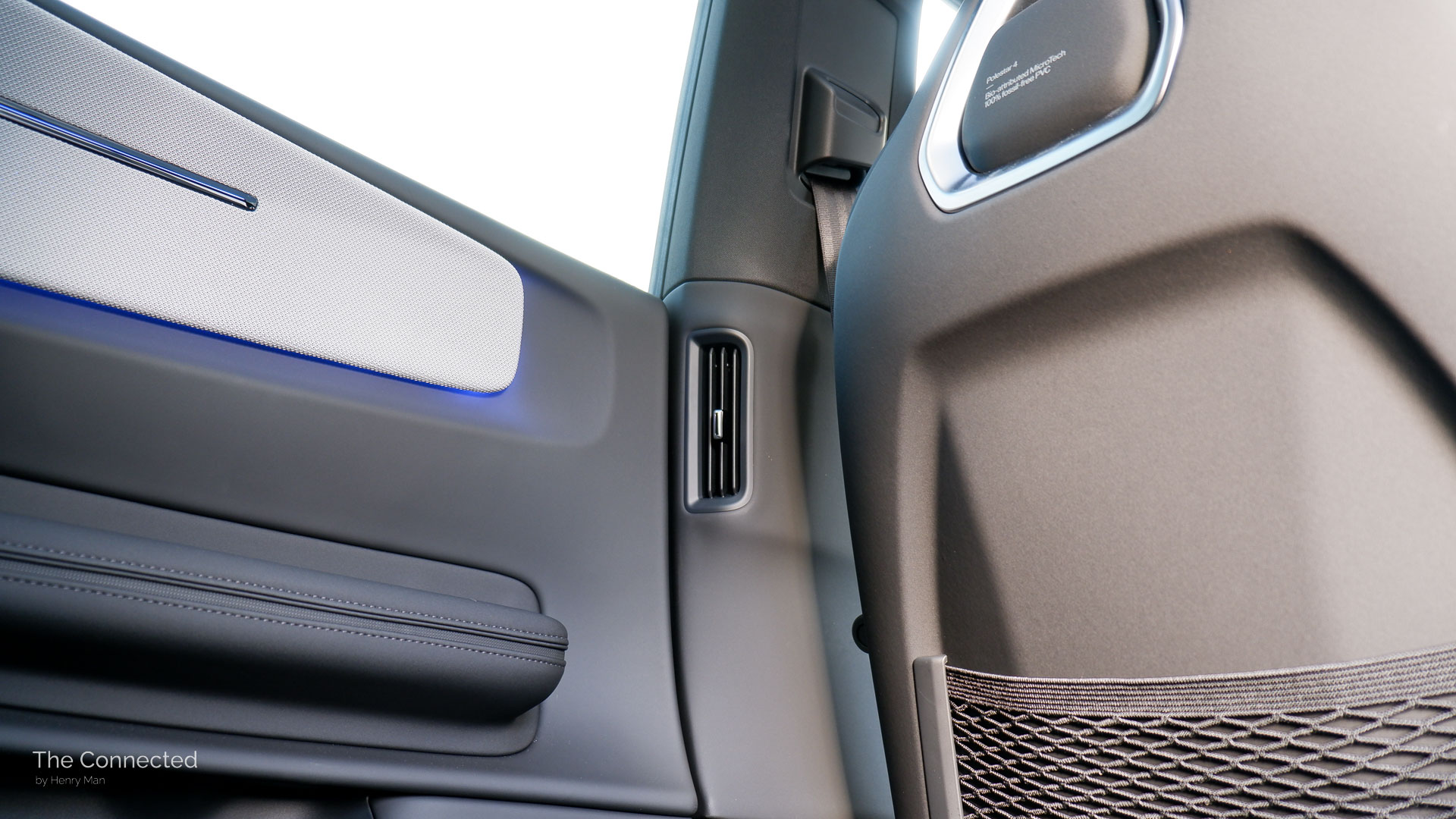
While the Polestar 4’s lack of a rear window may feel peculiar at first, it actually provides some privacy for passengers and there’s still plenty of light coming in from the fixed panoramic glass roof.
Polestar claims this unique design choice has resulted in more headroom with an extended glass roof.
Disappointingly, buyers need to pay $700 to have tinted rear windows on all models – when it should be standard for a luxury vehicle and it isn’t bundled into the optional Plus Pack either.
A large pillar-free panoramic glass roof comes as standard and, while it is well-tinted, you can feel some warmth from the top under bright sunlight. There’s no physical sunshade, but an electrochromic option (which fogs up the glass) is available for a hefty $2700 on top of the required $8000 Plus Pack.
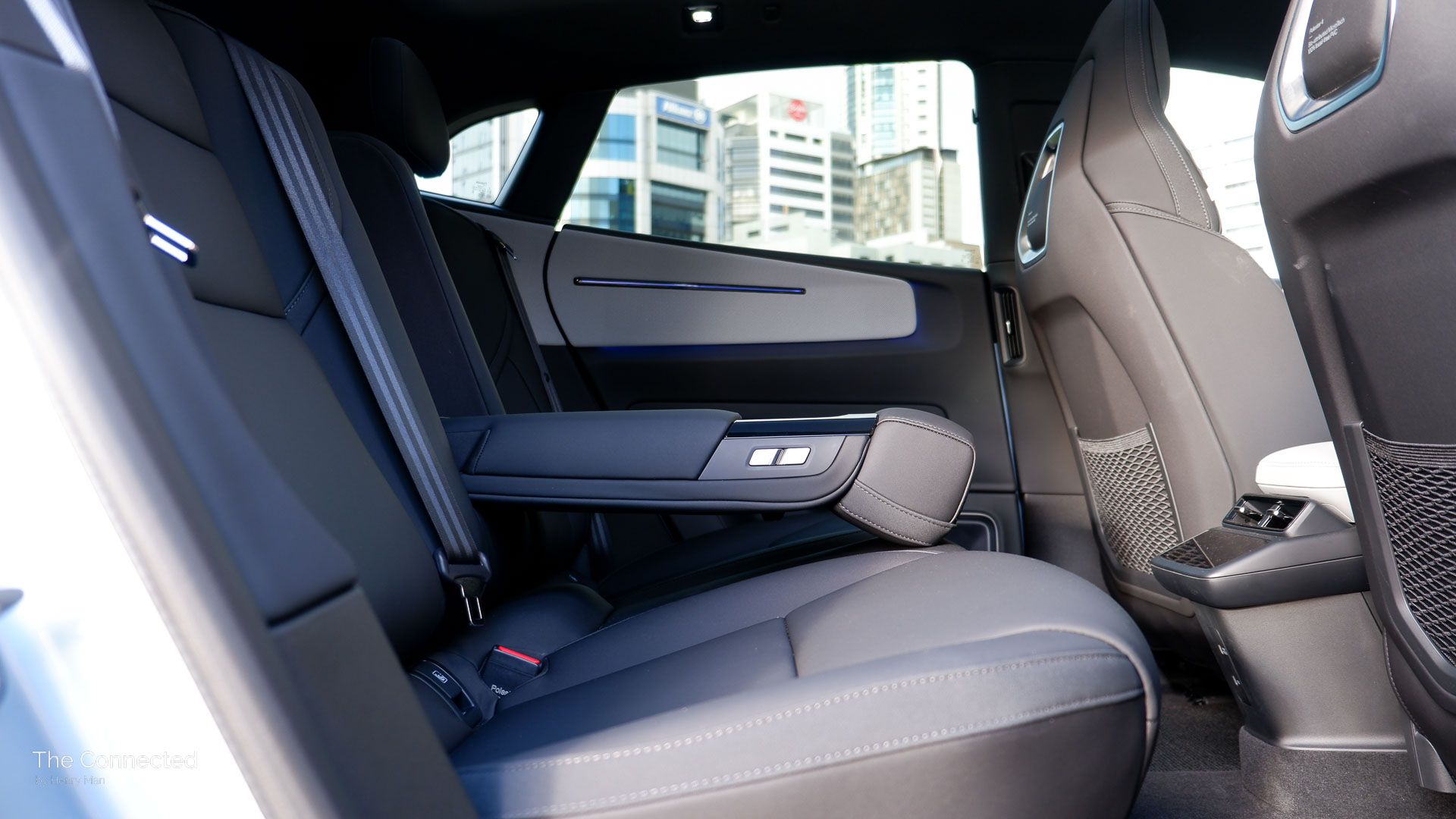


After pulling a tag, a long centre armrest drops down with a rubber pad (which feels like it should’ve been a perfect place for a Qi wireless charger), as well as two pop-out cup holders in front.
Buttons on each side can electrically recline the backrest angle in a conventional 60:40 split (with the Plus Pack) – even though 5.5-degrees of adjustment is fairly limited.
The same controls are found on the Plus Pack’s 5.7-inch centre rear screen strip, as are controls for audio playback, ceiling lights, rear outboard heated seats, and temperature adjustment for the third-zone climate system.
Unfortunately, while there are easy-to-use manually-adjustable rear air vents at both the centre console and B-pillars, the fan strength is weak even when on full blast.
Two USB-C charging ports (one of which is 60 watts) also feature alongside seatback pockets.
However, while all door bottle holders are large, Polestar has weirdly chosen to only carpet the inside portion, with our tester showing permanent scratches on the plastic material behind.

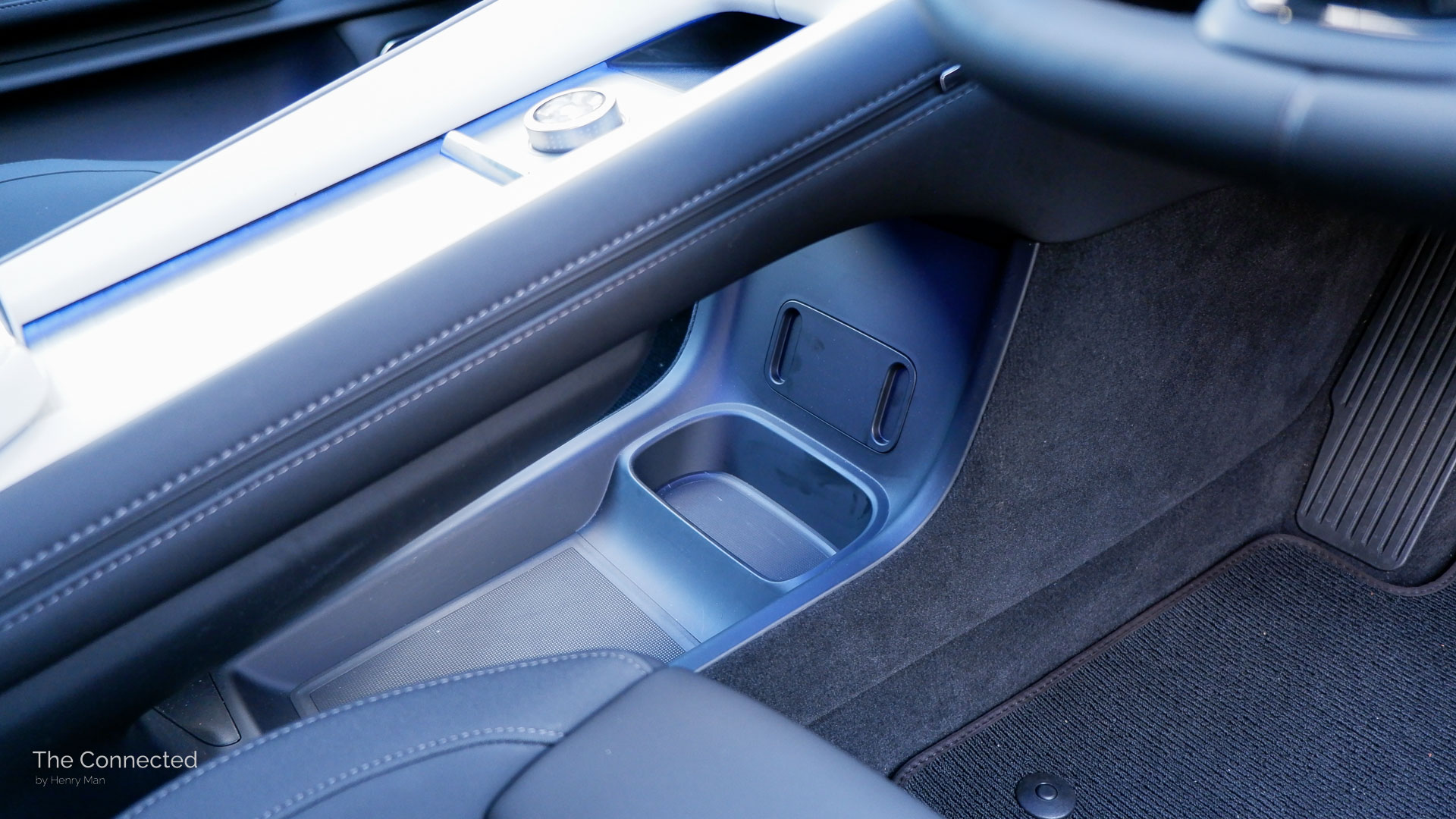
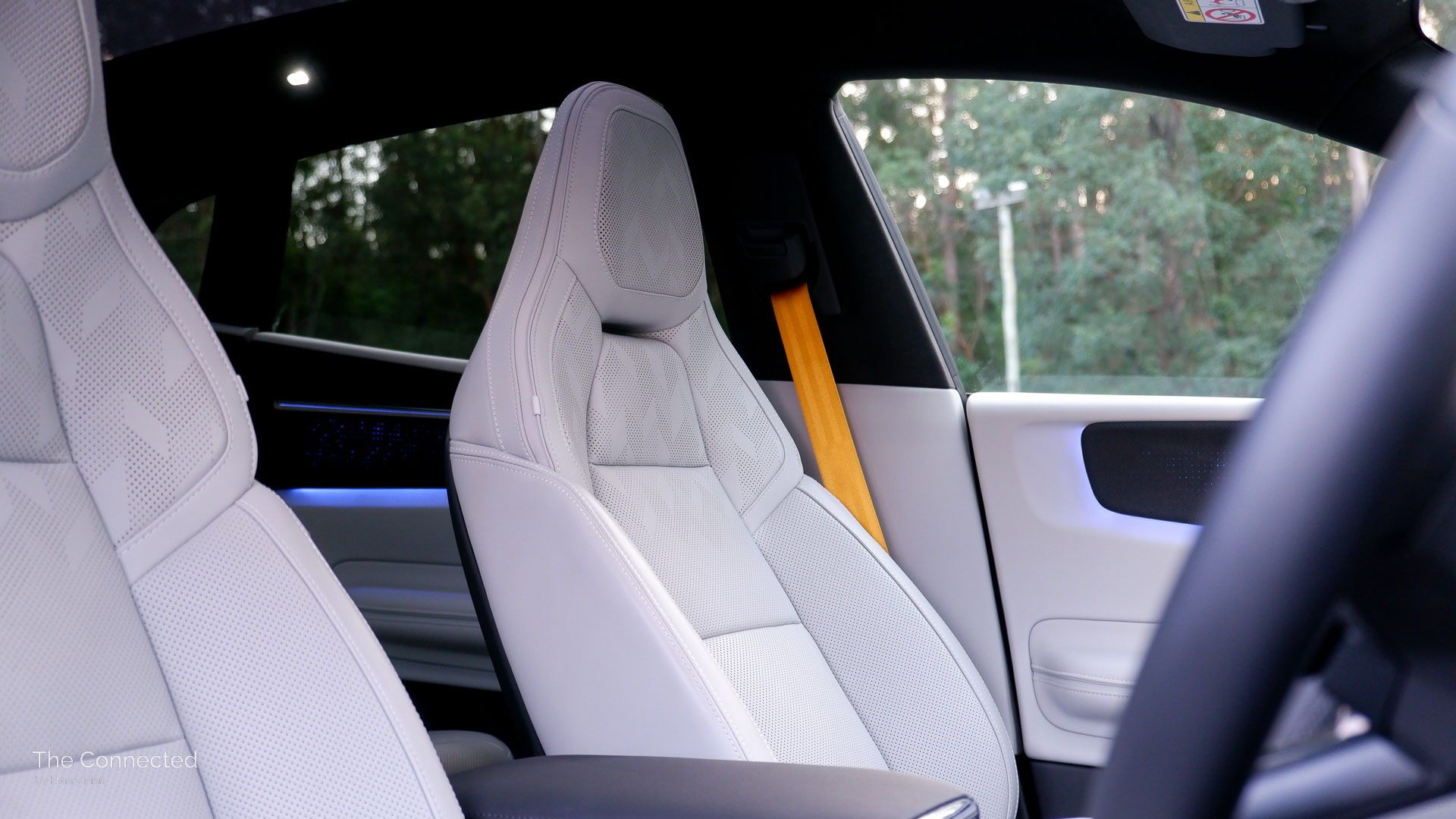
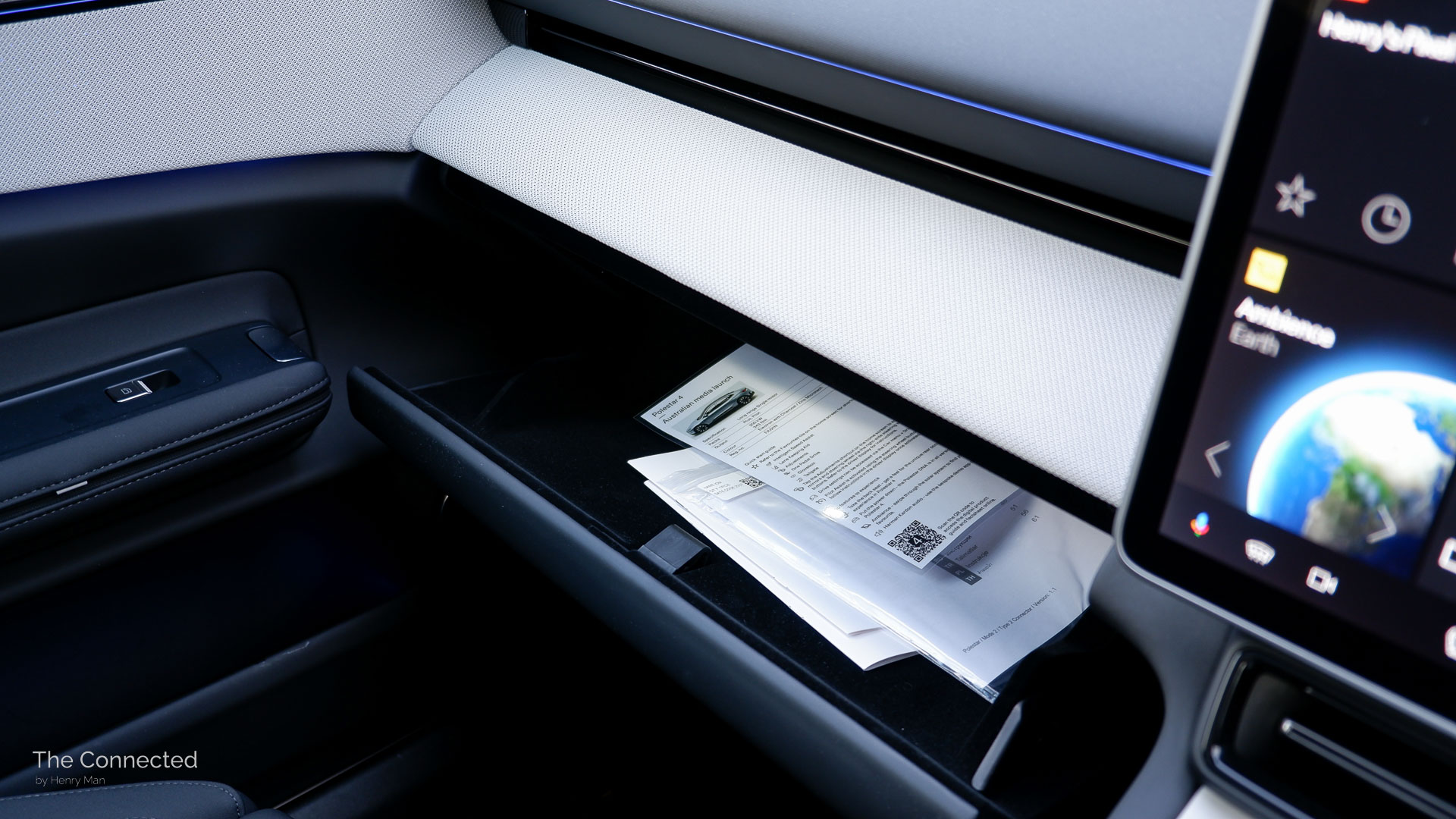
At the front row, the Polestar 4 is decently practical with a well-sized illuminated and felt-lined glovebox, deep centre cubby, two coverable cup holders, a single Qi wireless charging pad that hides most of the phone screen, and a large tray under the centre console with a divided area in front and two USB-C ports.
Thankfully, the latter is illuminated in the dark by ambient lighting, though the two recessed pill shapes in front make it seem like there’s a missing accessory or add-on available.
Owners also need to press the screen to open the glovebox, but it uniquely features a pop-out bag hook.
Both rows have bright LED lights, too, but there are no ceiling roof handles at all.
The sun visors don’t extend when put on the side and, at least on our test vehicle, it takes a lot of pressure to unlatch the visor. Tesla’s magnetic sun visor clips just make so much more sense.
The MicroTech seats are supportive and come with three-level heating as standard and, while there is three-position memory for the driver, it is fiddly to delve into the touchscreen settings to toggle them.
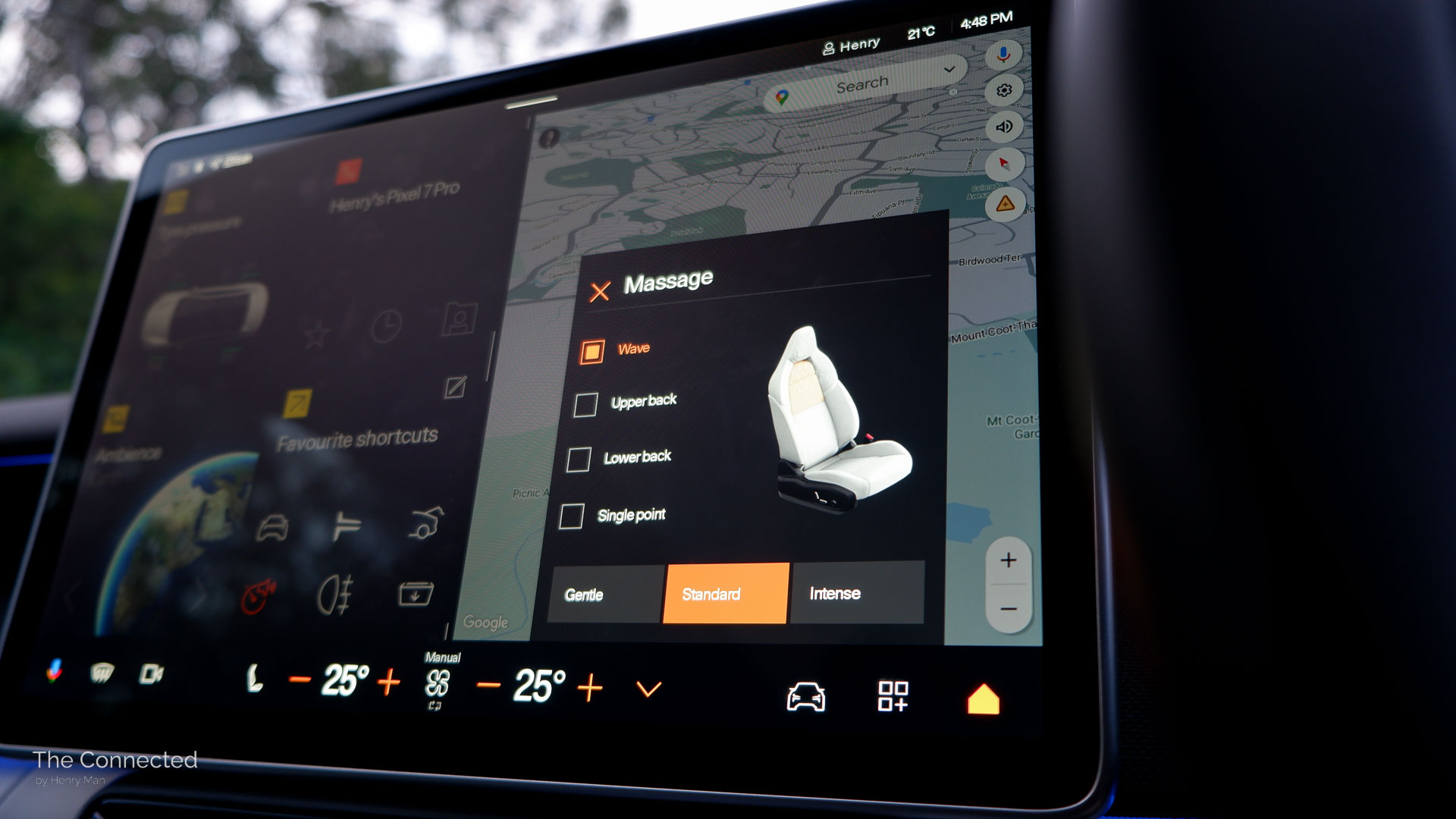
Only optioning the $8000 Plus Pack adds a heated steering wheel and heated rear outboard seats, when it really should be standard for an $80K-plus drive-away luxury car. Similarly, only the Nappa leather upgrade package ($5700 Charcoal in or $6100 in Zinc) adds ventilation and a nice massaging modes for the front pews, alongside a soft faux suede headliner.

Also part of the Plus Pack is a three-zone climate control system with a PM2.5 air filter.
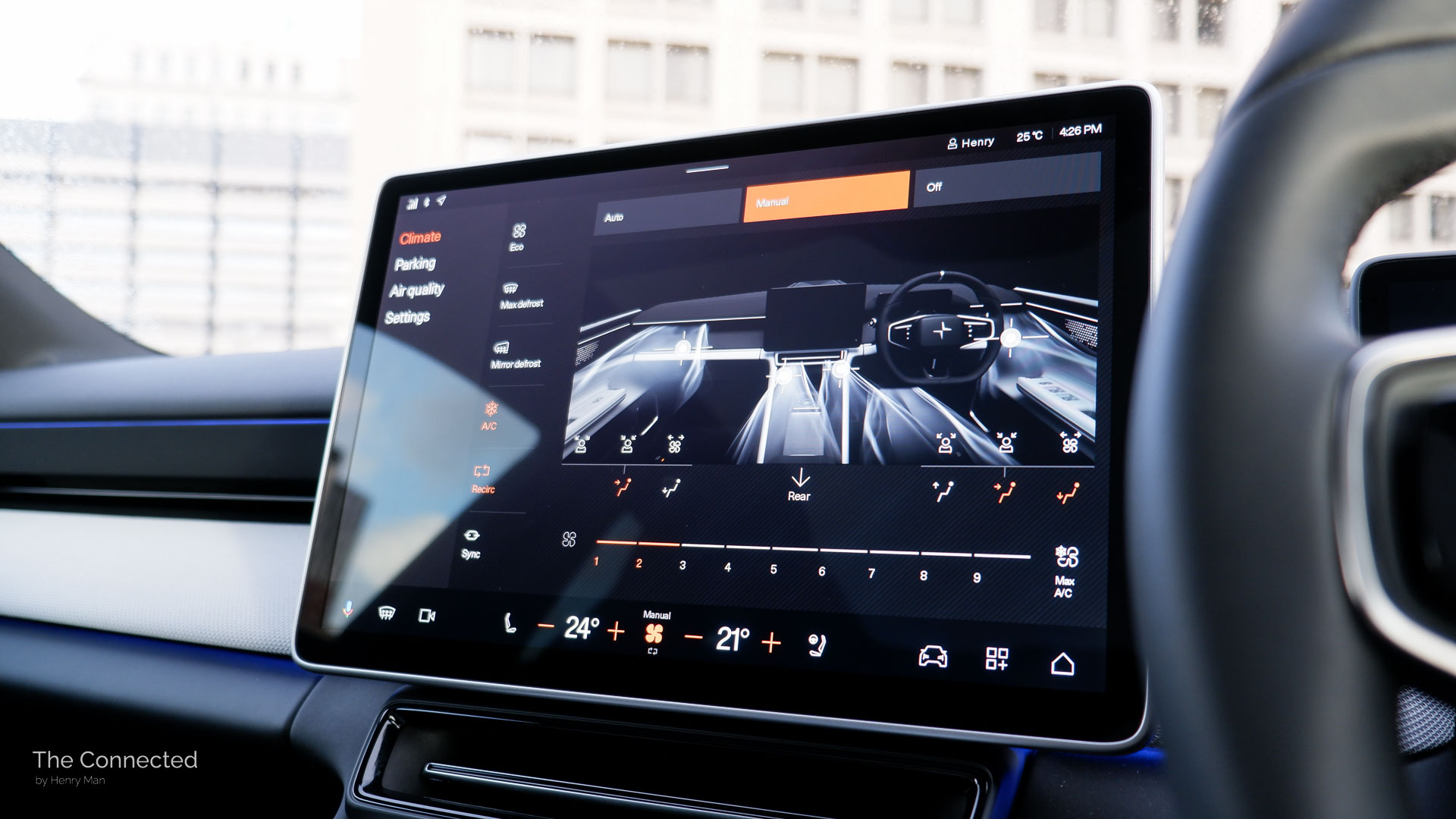
Like most new-age and tech-focused EVs from the Leapmotor C10 to Tesla Model Y, it is fiddly to adjust the air-conditioning on the Polestar 4.
All climate controls are on the central screen and, while it is easy to quickly adjust the temperature thanks to a persistent bar at the bottom, you’ll need to bury into a dedicated page to change the fan speed and recirculation mode.
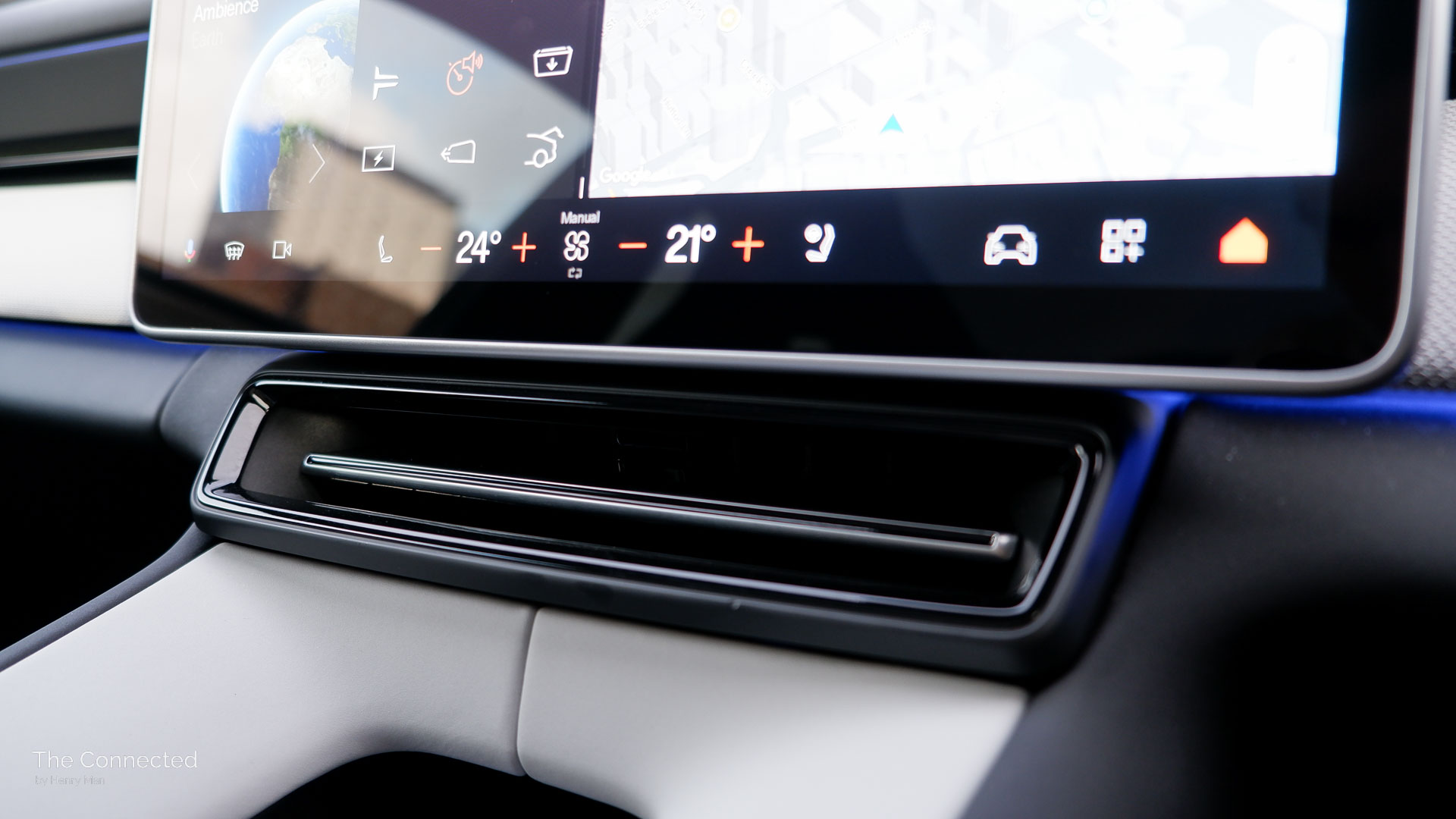
This is exacerbated by the lack of physical air vents at the front row, so you need to electronically control the direction via swiping the climate display. I often found it difficult to move the air vents to directly blow my face, even though there are tiny icons for direct, indirect and sweeping modes.
This can be a major distraction while driving.
Animal Mode and keep climate on are available, but they strangely keep the exterior lights on when the car is locked.
Technology.
2025 Polestar 4 tech features:
| 15.4-inch touchscreen running Android Automotive OS | 10.2-inch driver instrument display |
| Google Maps with EV charging planning | 14.7-inch head-up display (with Plus Pack) |
| Google built-in services (Assistant, Play Store, YouTube) | 15-watt Qi wireless charging pad |
| Wireless Apple CarPlay | 4x USB-C and 1x 12-volt charging ports |
| Polestar Connect services with 5G cellular connectivity | 12-speaker, 1320-watt Harman Kardon system (with Plus Pack) |
| Polestar mobile app | Proximity key with auto-unlock/lock, auto-folding mirrors and auto-retractable door handles |
| OTA software update capability | NFC key card |
| 5.7-inch rear control screen (with Plus Pack) |
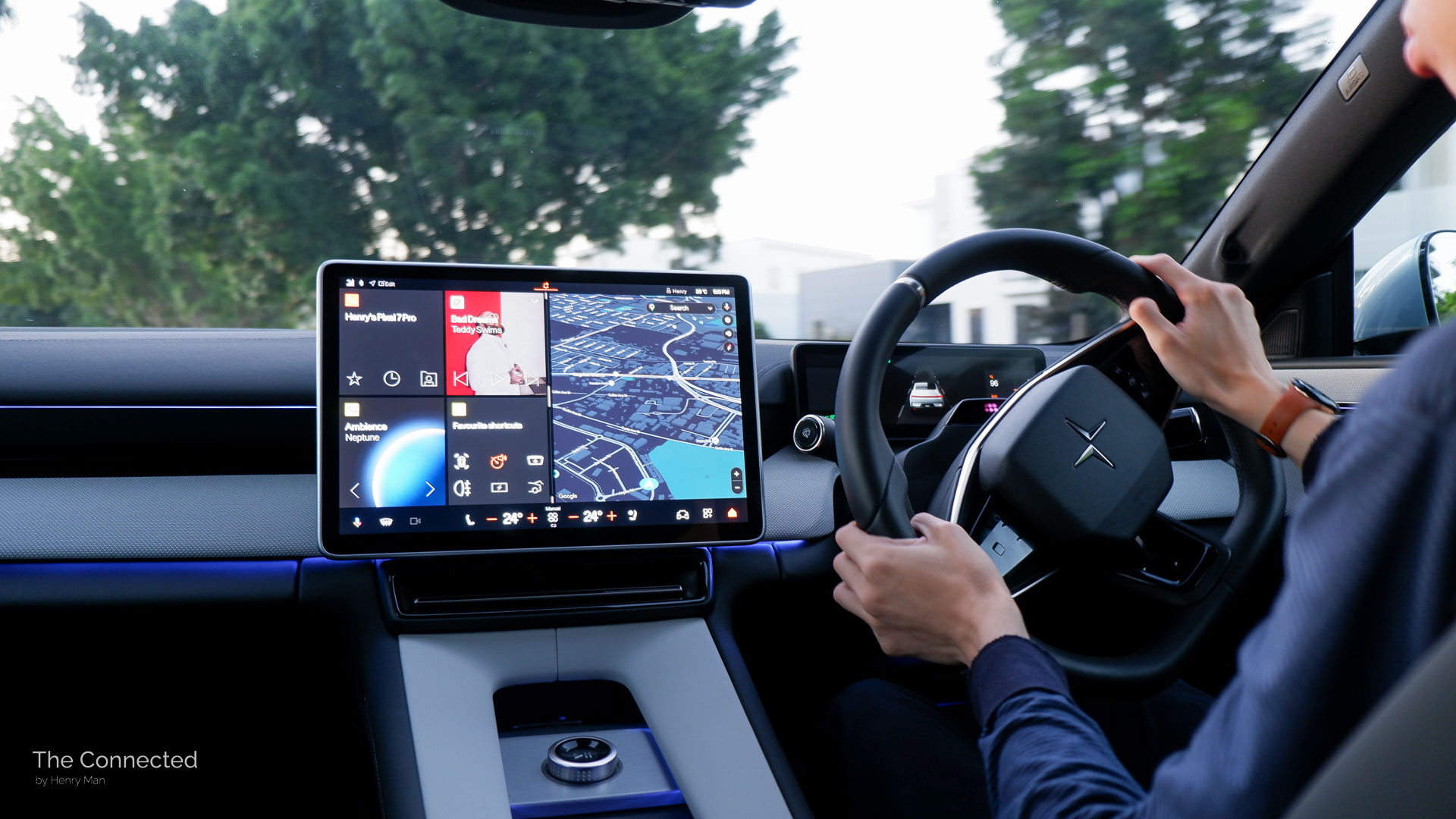
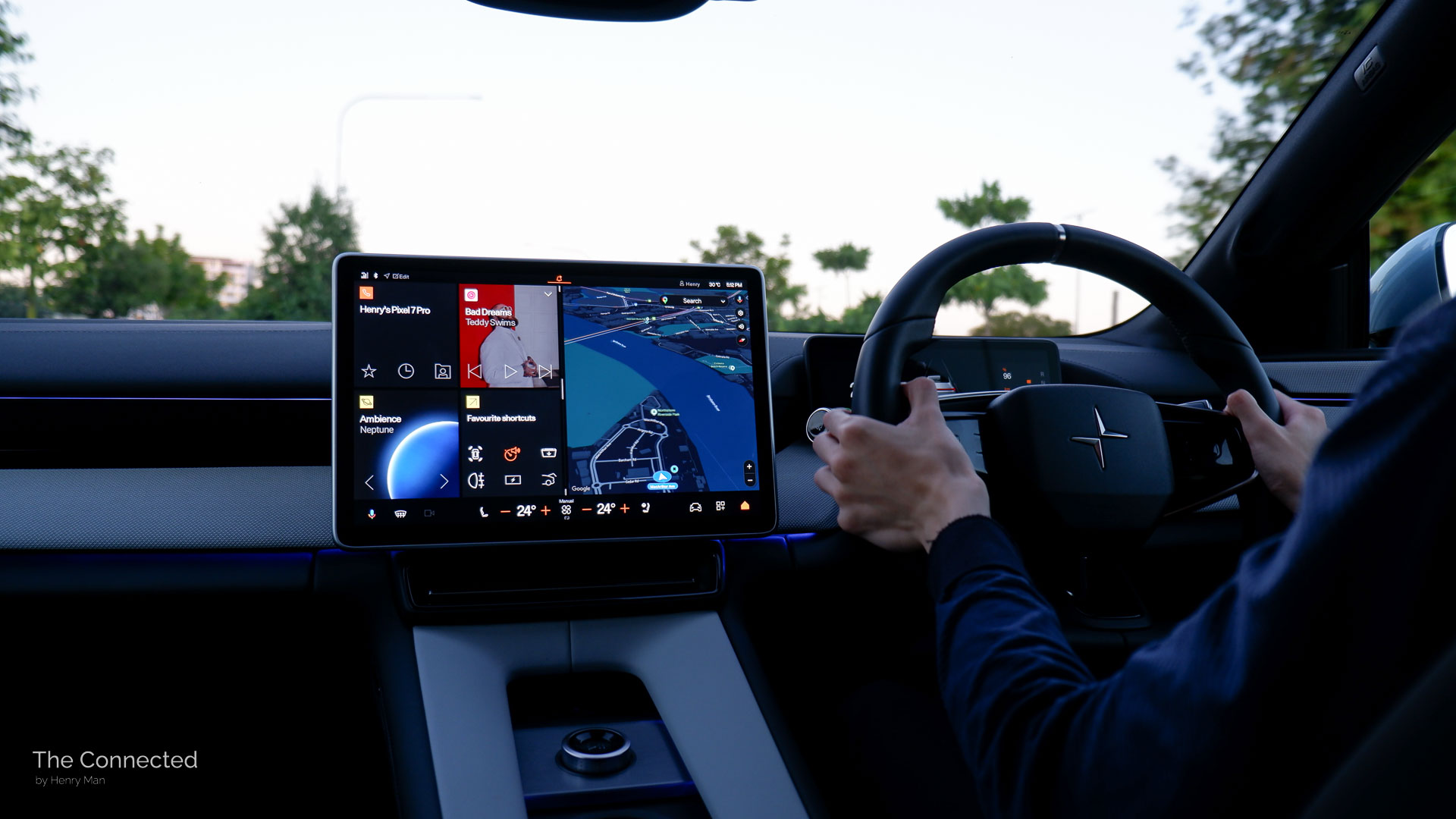
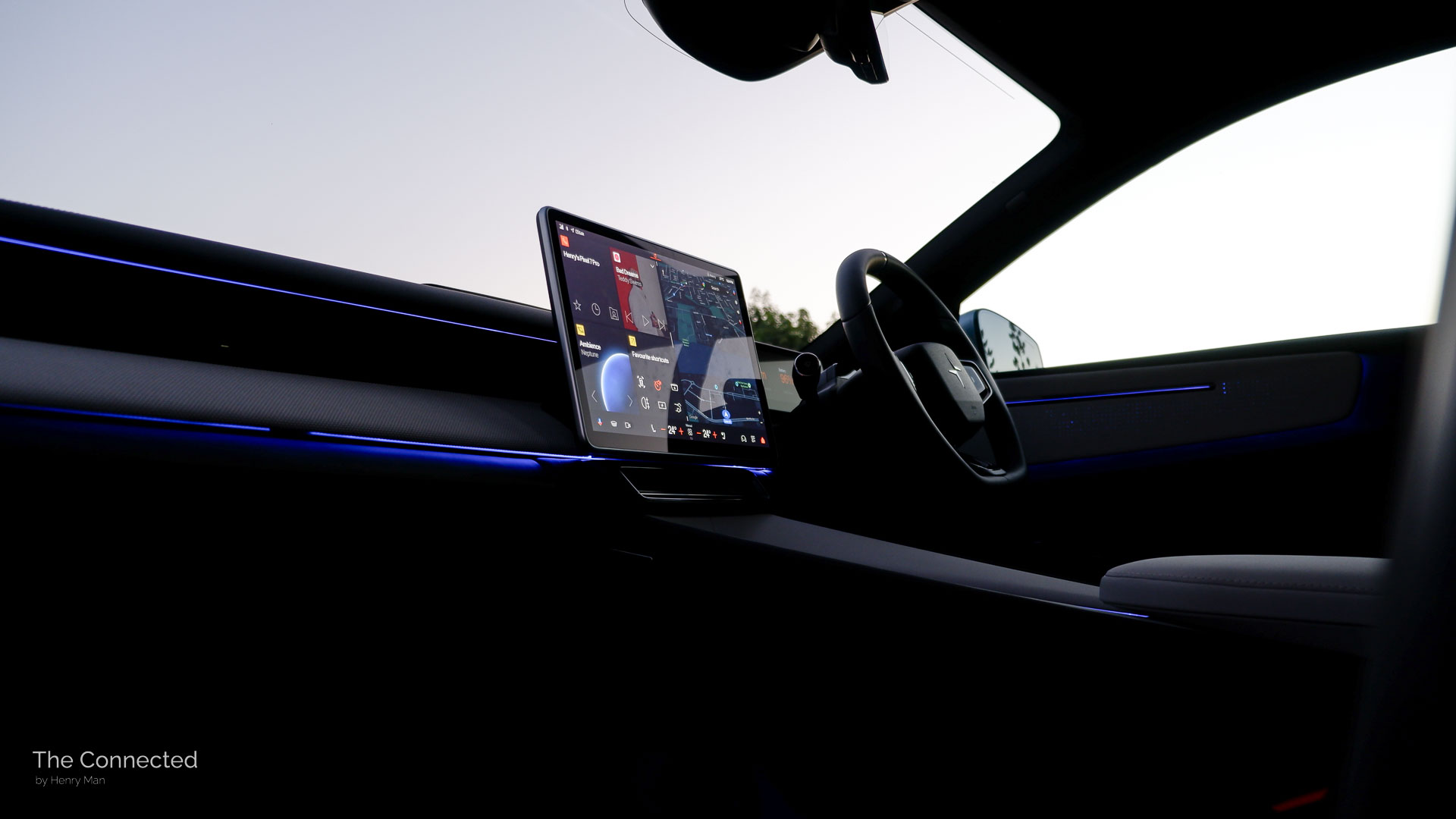
The Polestar 4 features an excellent Android Automotive system that’s the closest yet to Tesla’s industry-leading system.
The 15.4-inch landscape-oriented touchscreen is large, high resolution and backed by a quick processor with a customisable tile-based Android Automotive user interface. Unlike Tesla’s software, fonts and buttons are more legible and larger – critical when driving.
Though, there’s a high learning curve to using the Google software; it would be great if the Chinese-Swedish car brand implemented some on-screen instructions, rather than referring owners to a website on their phones.
We tested software version P4.2.2 and P4.2.4 two months later. After two over-the-air (OTA) software updates, it’s great to see Polestar progressively deploy some minor, but useful improvements. Further updates promise to introduce more features and bug fixes in the future.



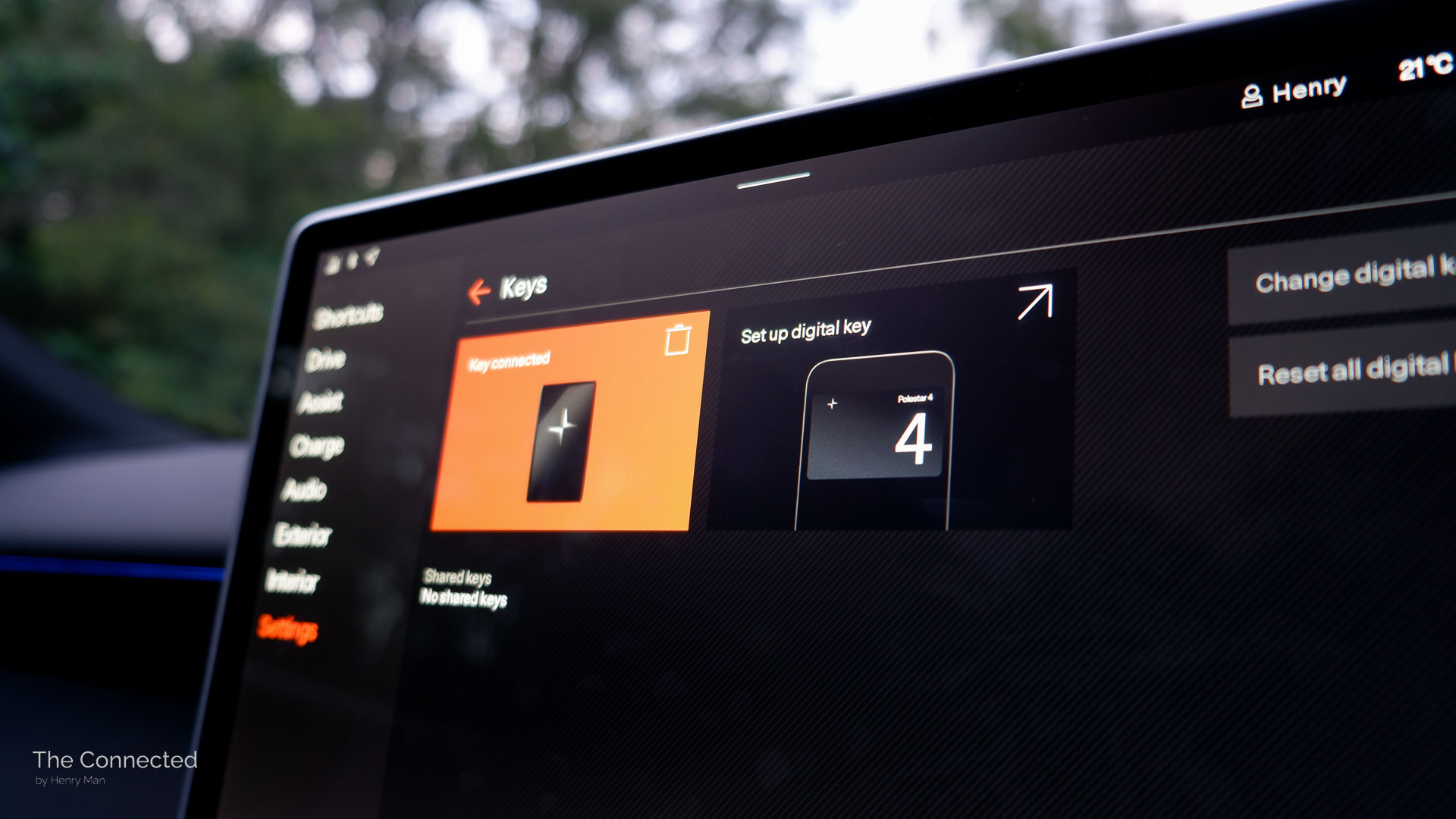
In P4.2.2, it misled owners to think that features are available, such as asking users to add the mobile Digital Key in the setup screen, popping up an error message when opening the Dashcam app, and allowed owners to send commands from the mobile app. These features were all previously unavailable and therefore propmpted error messages with no context or ‘coming soon’ message.
Thankfully, this gripe has been mostly addressed by P4.2.4 with Digital Key available (albeit for Apple iPhones only for now), front Dashcam enabled and a fully functional mobile app, in addition to fixing the previously useless screen cleaning mode, introducing a glovebox pin, and showing the charging speed in kilowatts (kW).
However, the biggest usability pain points remain: the climate control and vehicle settings, where there are multiple menus and a row of separate tabs within to access settings tiles (instead of being on one page).
The tabs add a layer of complexity and can feel unnecessary since some tabs only house one or two negligible tiles.
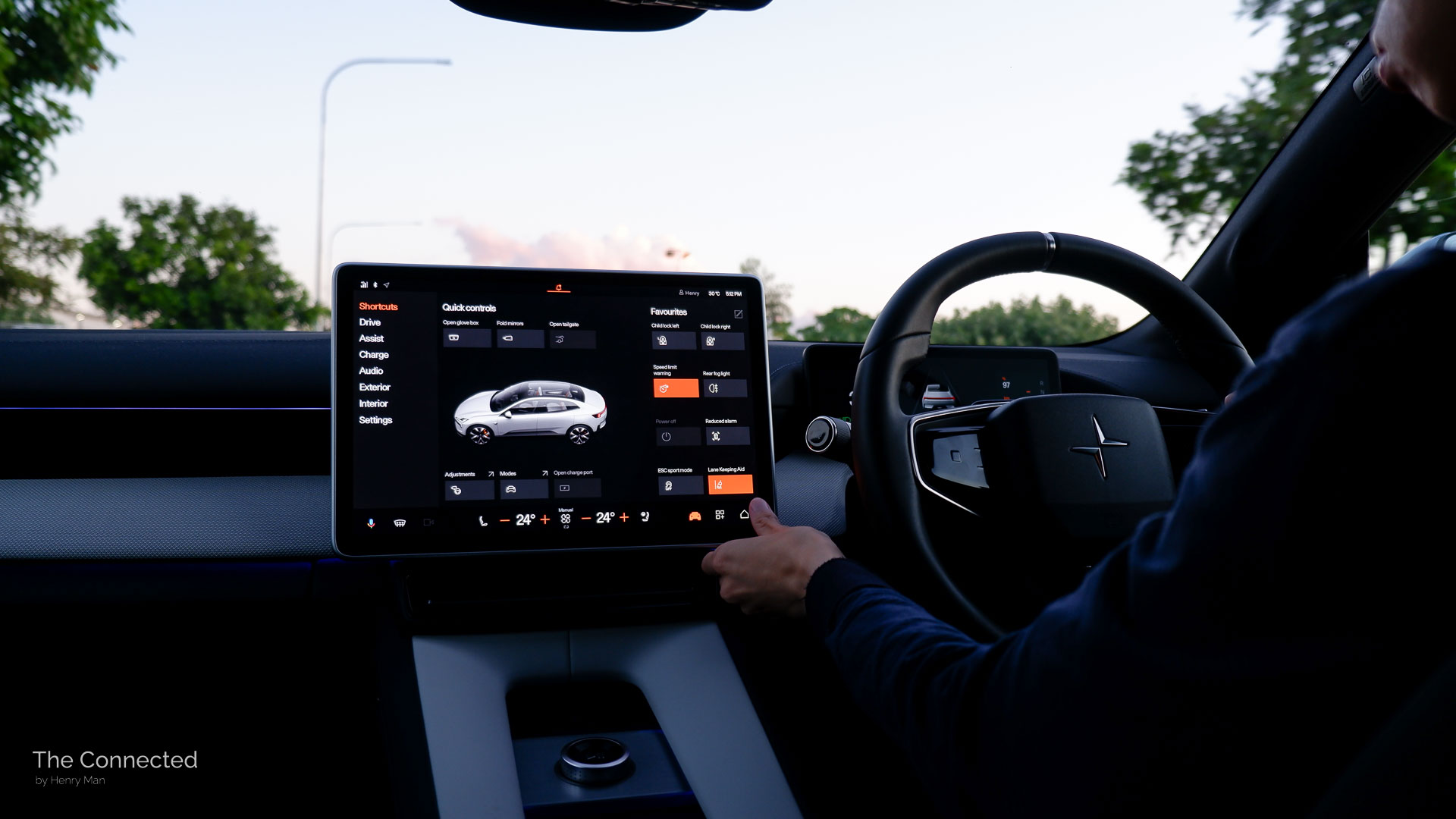
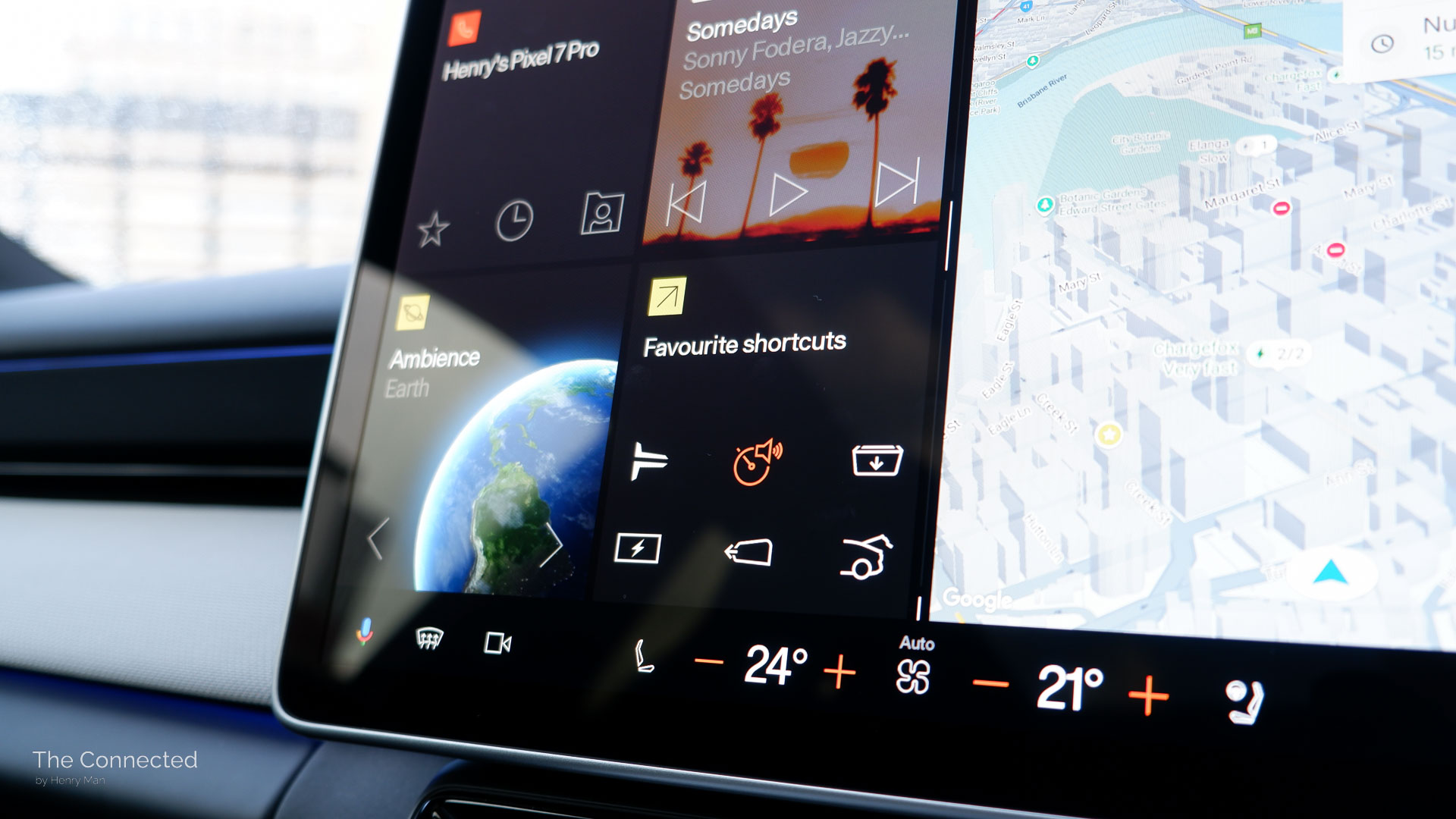
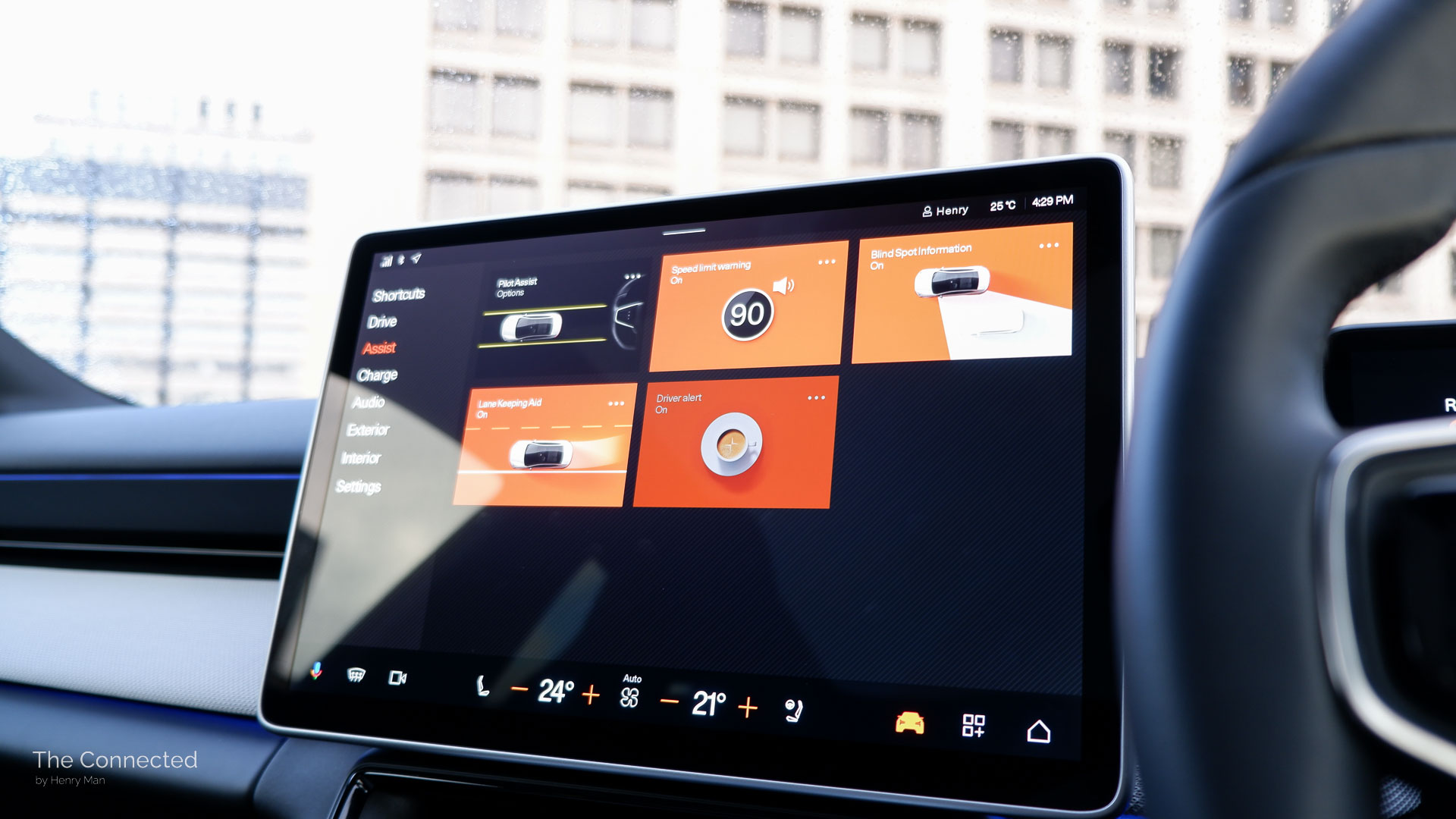
There is a shortcuts menu for key functions – including opening/closing the tailgate, glovebox, changing the exterior lights, and rear child door locks – but you’ll still need to press the vehicle icon for access.
Thankfully, owners can add a favourite shortcuts tile to the home page – yet the icons are unlabelled, so you’ll need a good memory to know what each button does.
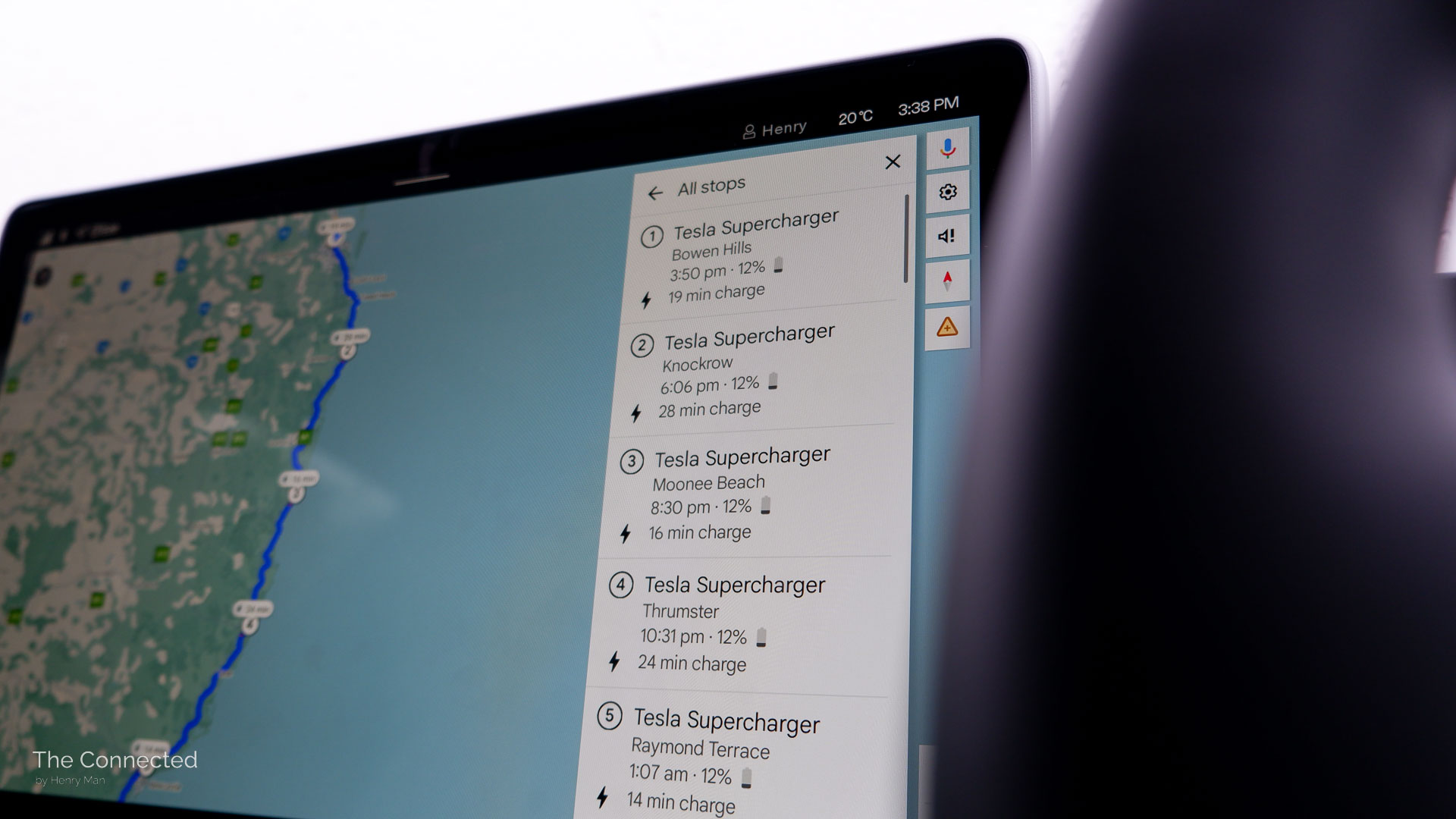
Otherwise, the built-in Google Maps navigation is fantastic – which accurately estimates how much battery you’ll have left at the destination and plans public charging stops if required – and there are apps available from the Google Play Store such as Waze, Spotify, Google Chrome, YouTube, and YouTube Music.
Strangely for Google’s own in-car system, the latter two aren’t designed as well with no back button when watching a video on YouTube (frustratingly, you’ll need to go back to the home page every time) – something which isn’t an issue on Tesla’s system.
Google Assistant is great at changing the temperature or toggling the heated seats, but it can’t open the boot nor the glovebox.
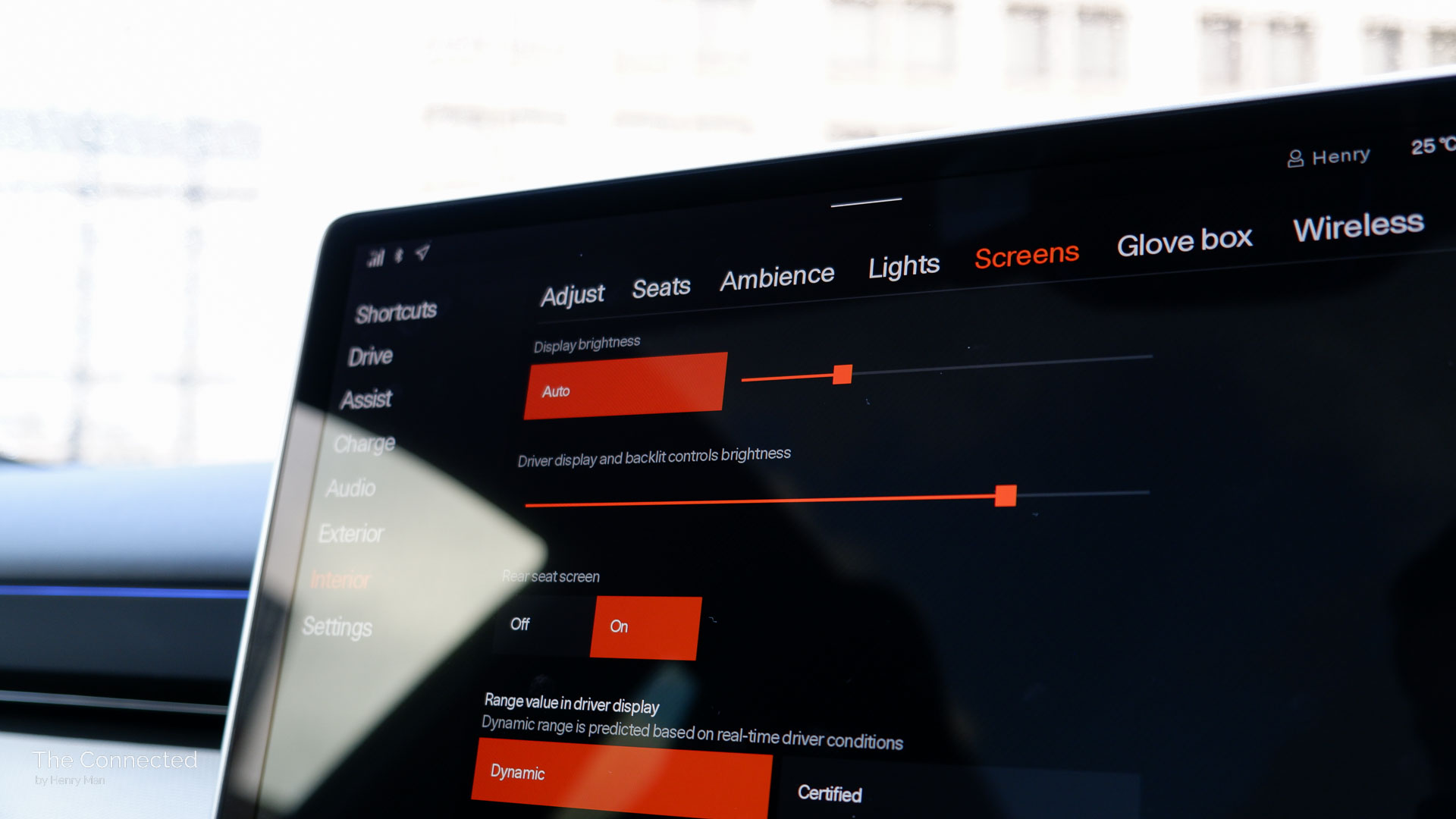
Additionally, while the display has automatic brightness, it is too sensitive with the screen dimming when driving under the slightest shadow during the day. Manually adjusting it requires digging into the settings again and isn’t linked to the driver instrument display brightness either – which implements better auto brightness logic.
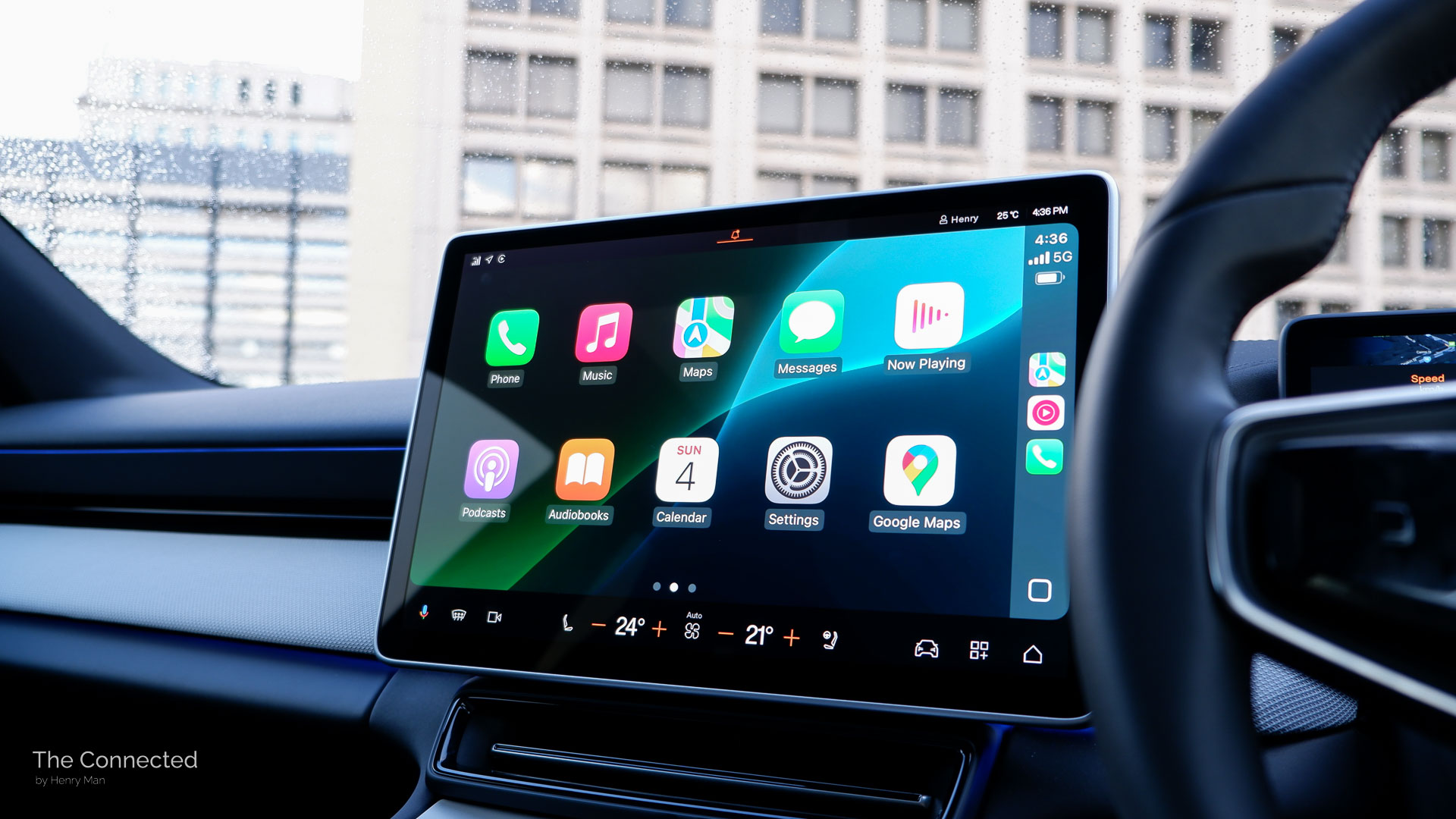
Wireless Apple CarPlay is available for iPhone users and almost spans the entire screen, except for the persistent top and bottom bars, with Apple Maps reflecting on the driver instruments, too.
Yet, it tends to lag over time as the phone overheats and prevents charging due to the lack of ventilation from the 15-watt Qi wireless charging pad. With the rapid power of the Long Range Dual Motor, I found that my phone often slid around the pad despite the rubberised surface.

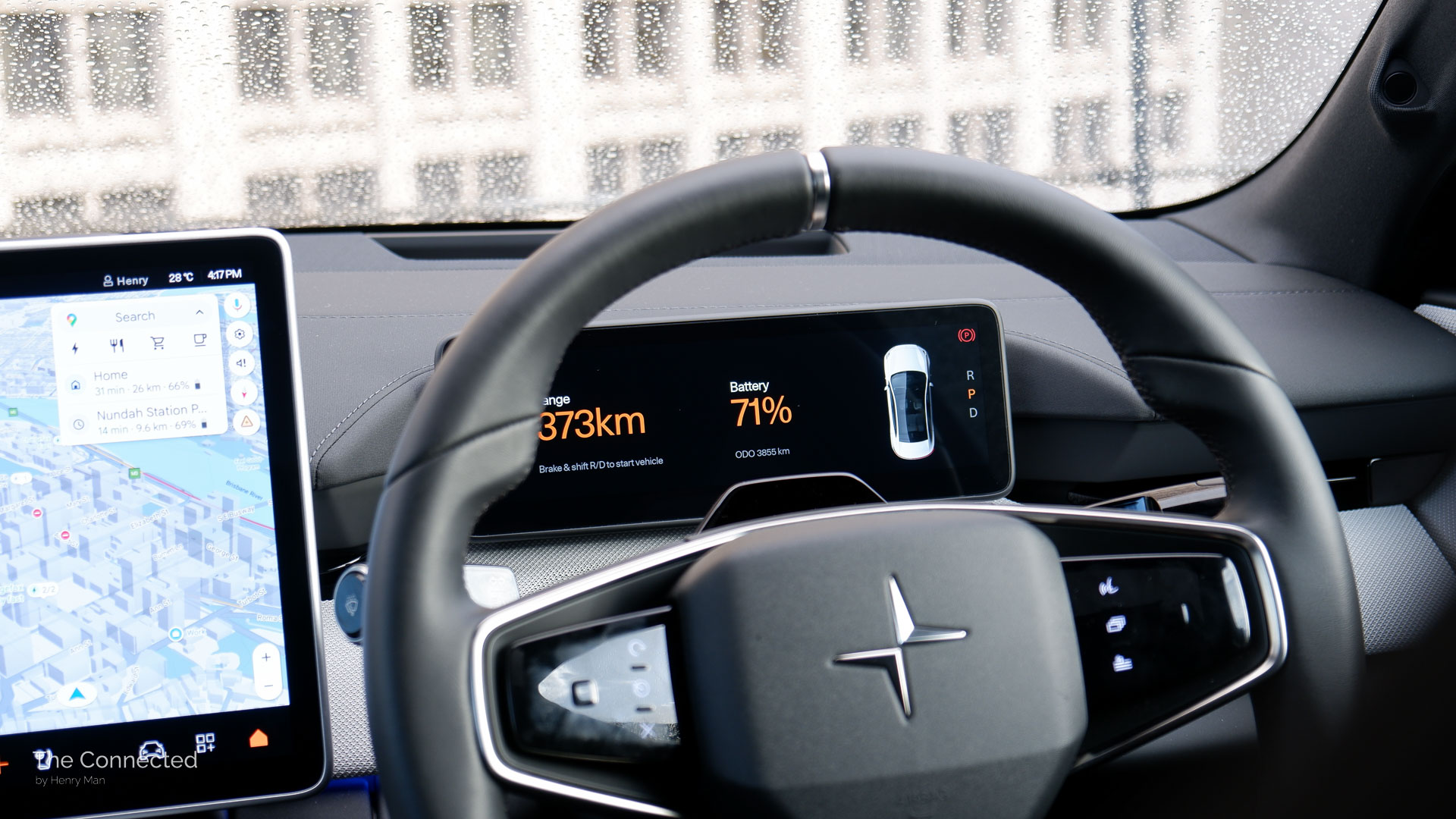
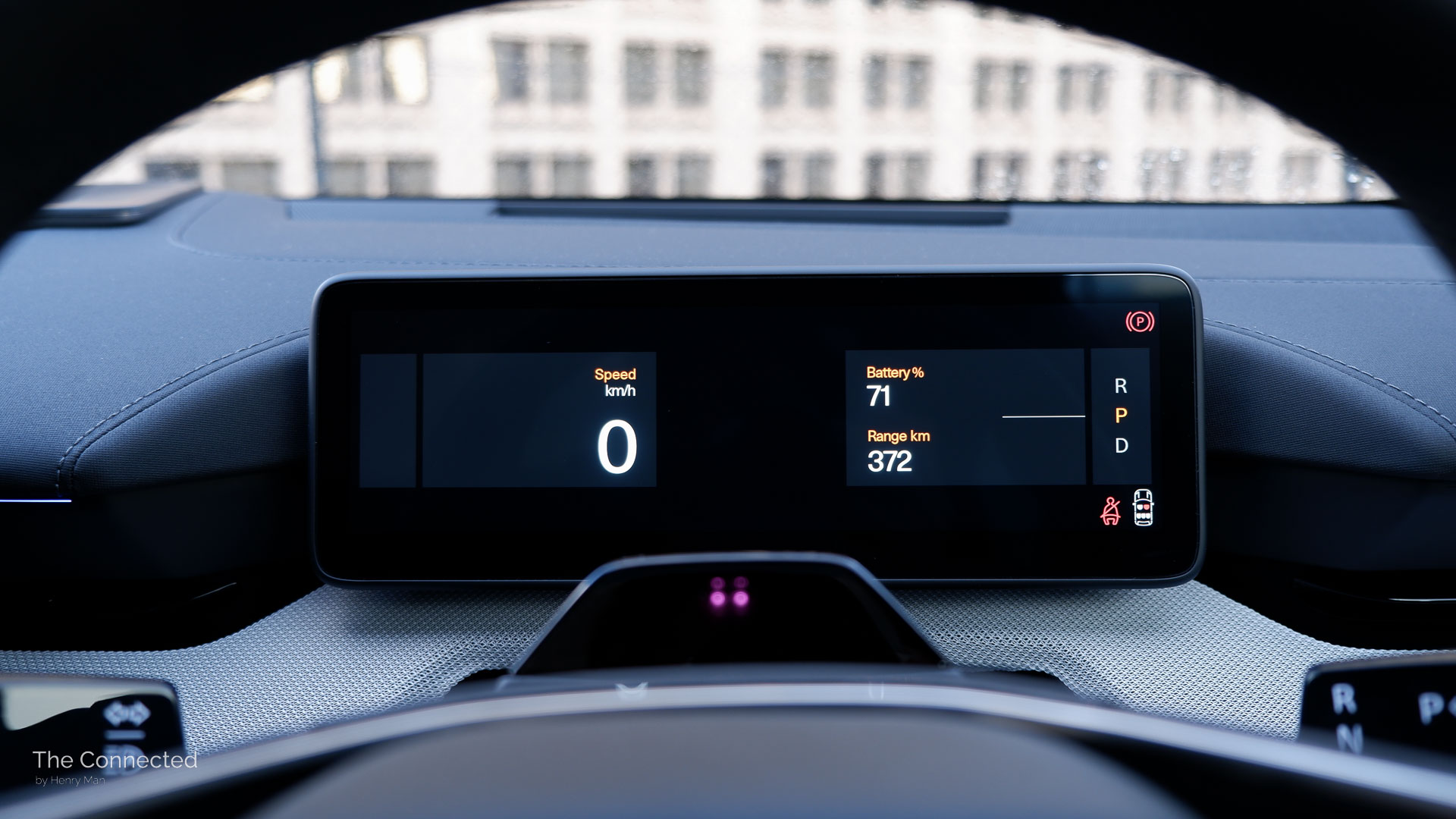
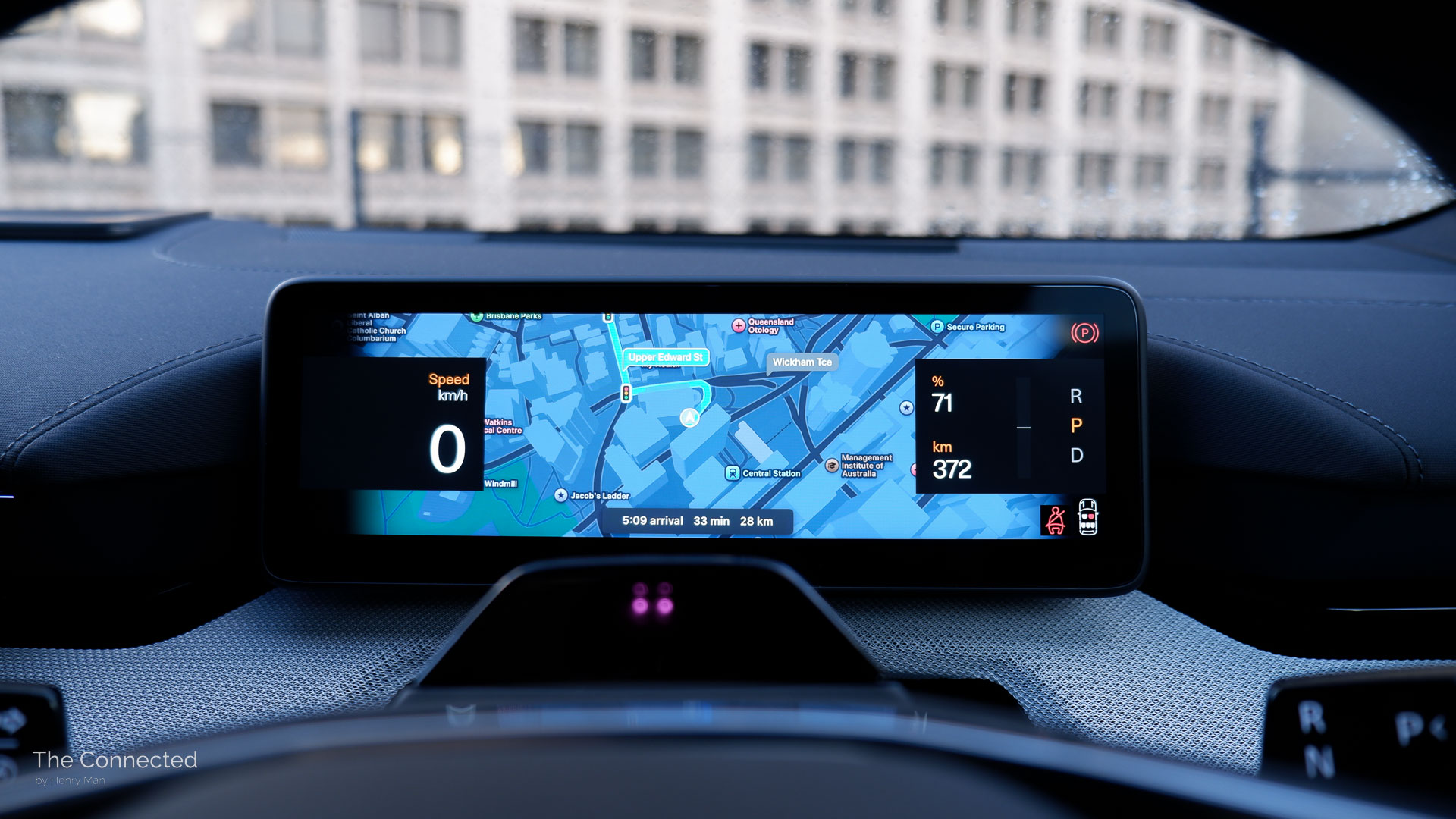
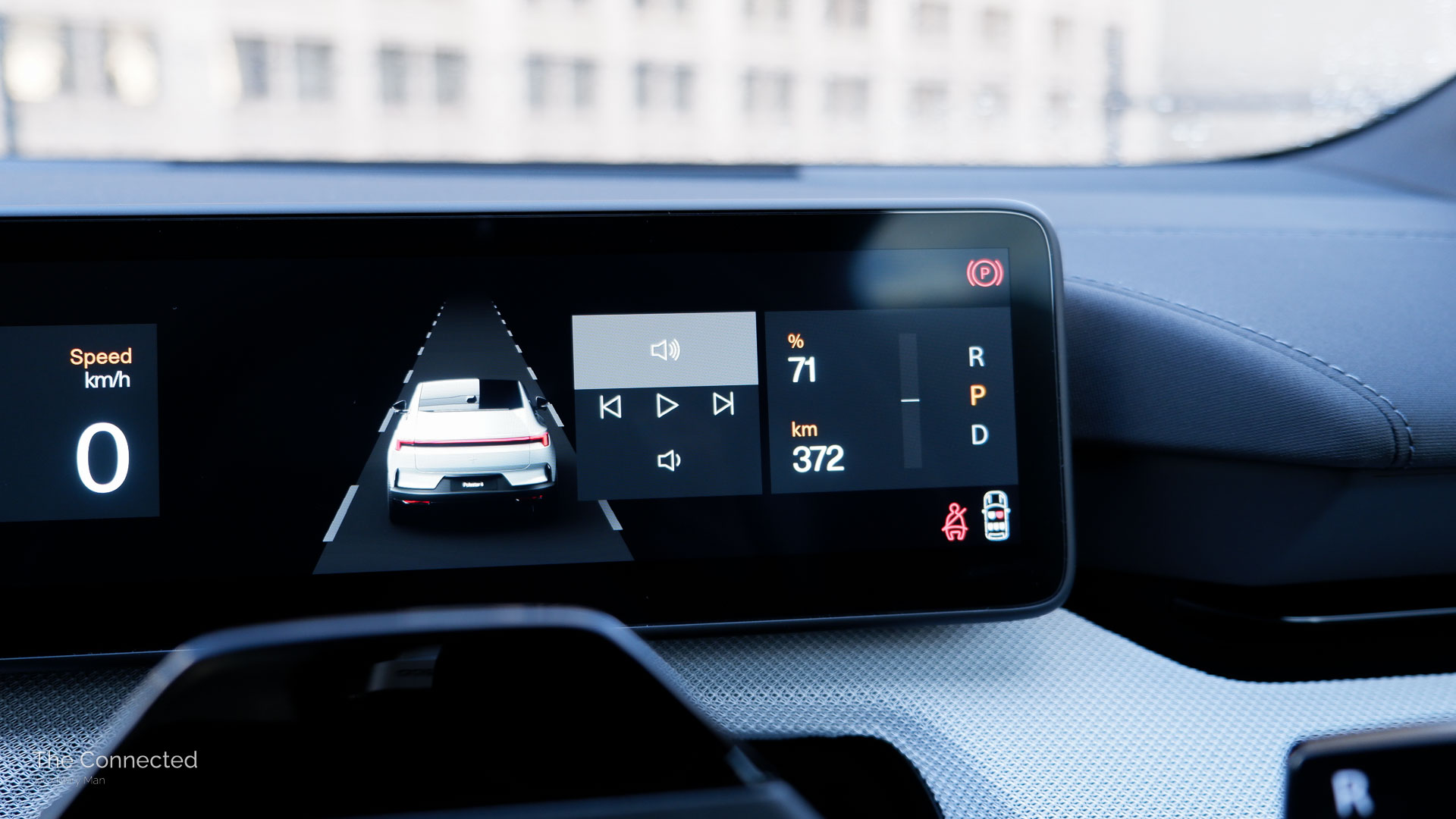
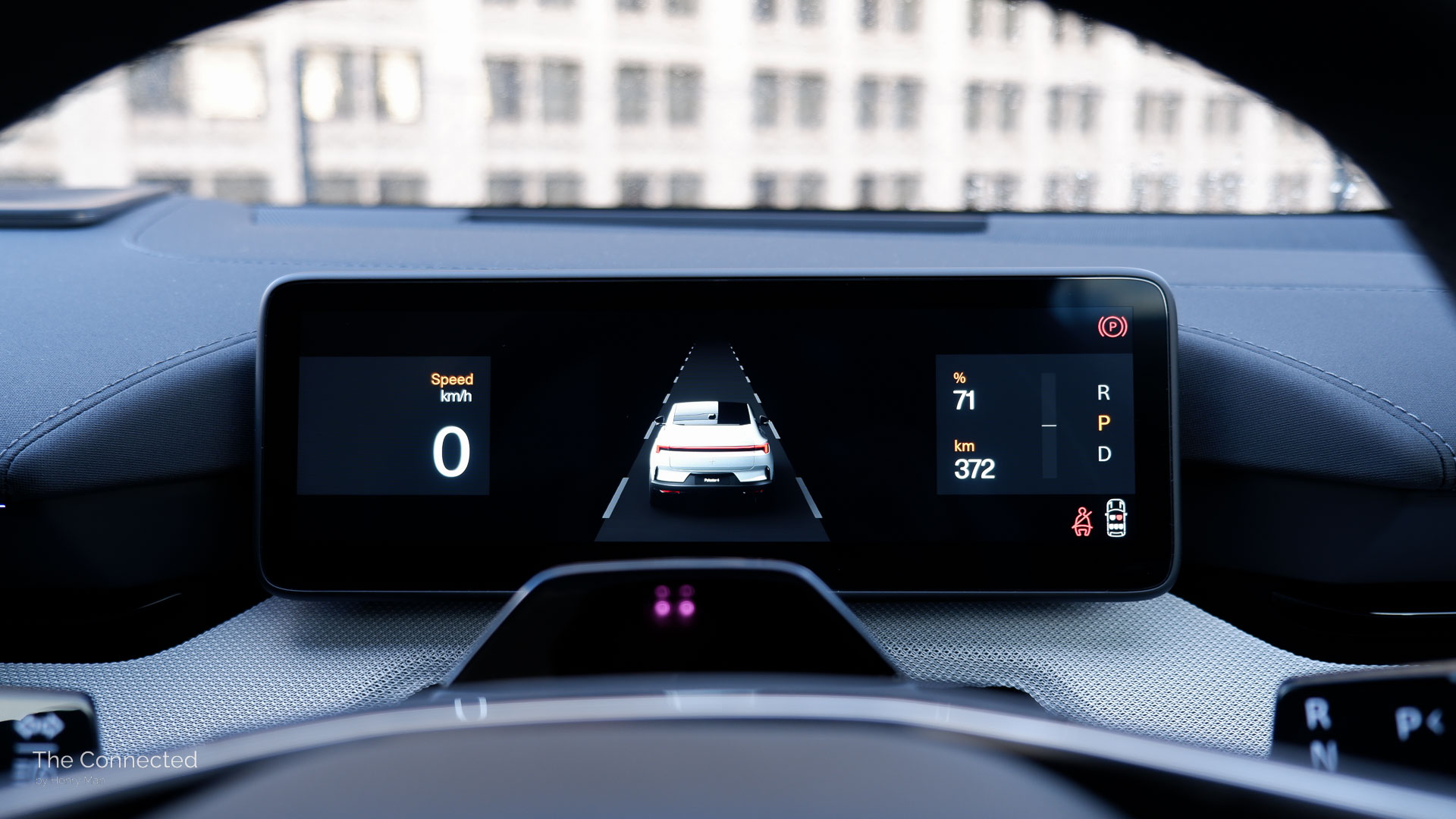
Meanwhile, the 10.2-inch driver display has a stylish horizontal visor-like shape, allowing the steering wheel rim to never block the screen, unlike other models.
Three types of neatly-designed views are available – including Google Maps, Pilot Assist visualisations, and a minimalistic theme.
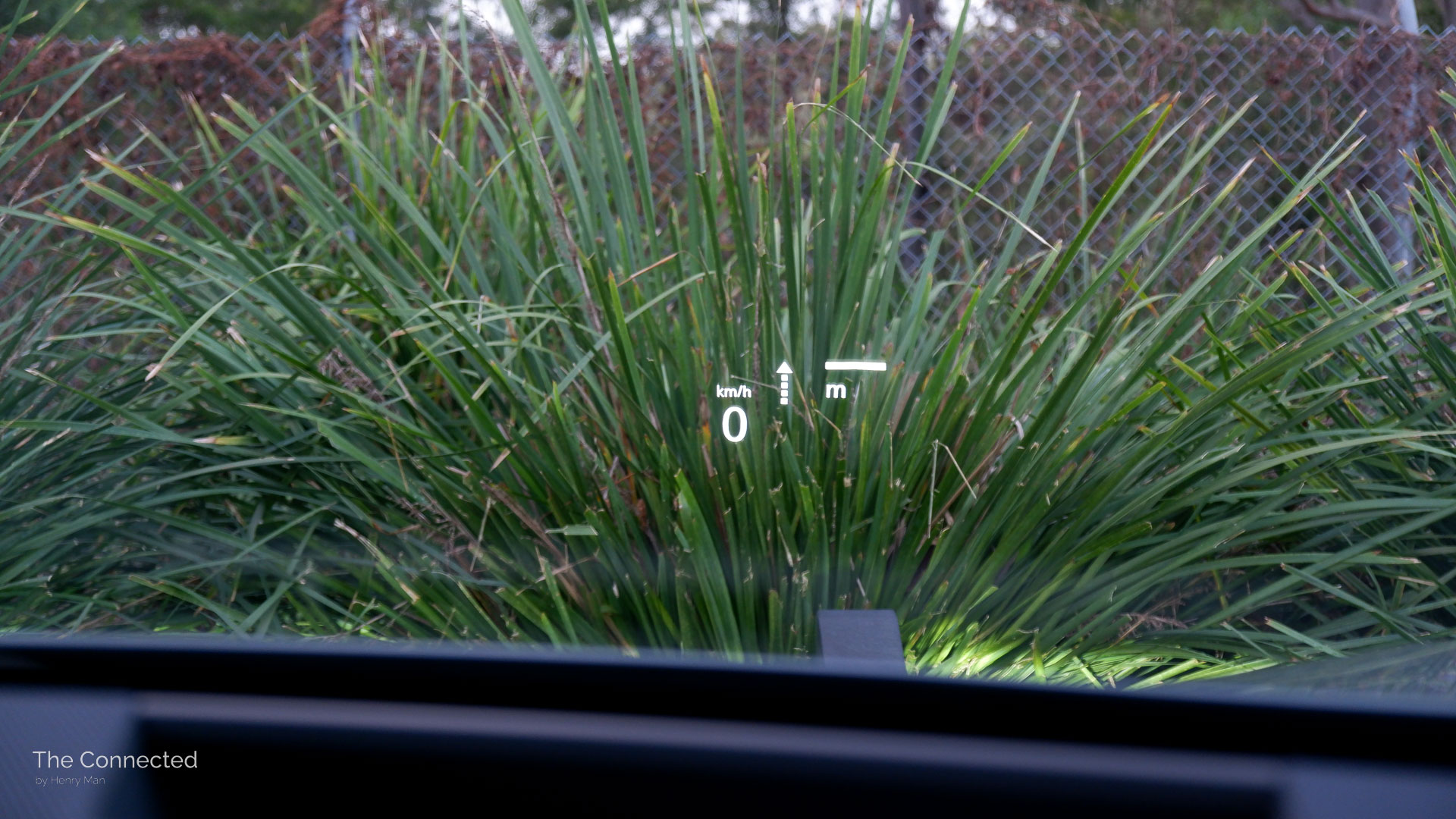
A high-resolution 14.7-inch head-up display (with the Plus Pack) projects the speed, detected road sign, and Google Maps navigation directions with lane guidance clearly onto the windscreen. Software P4.2.4 has added displaying icons when approaching a bend and roadworks, too.

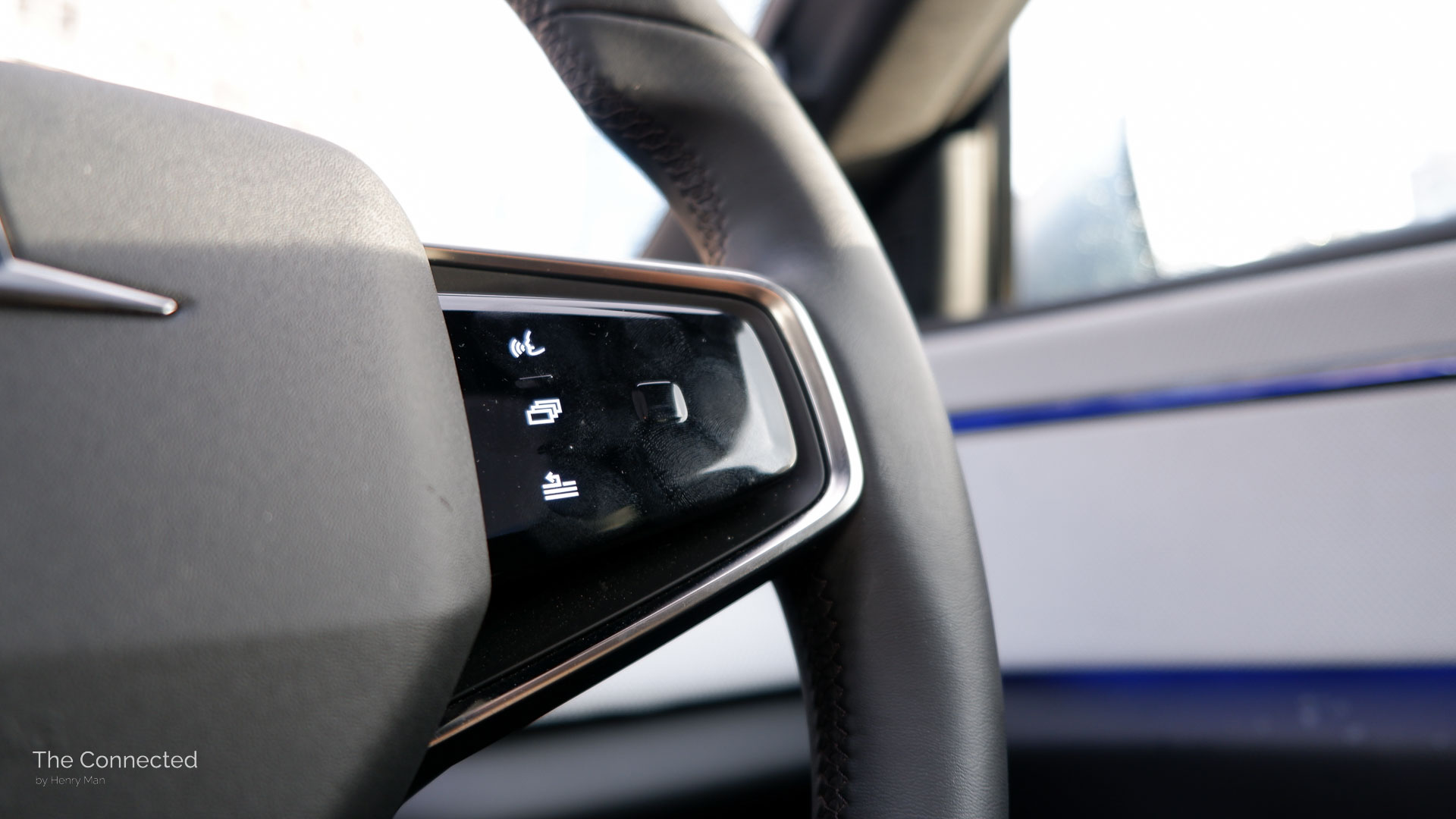
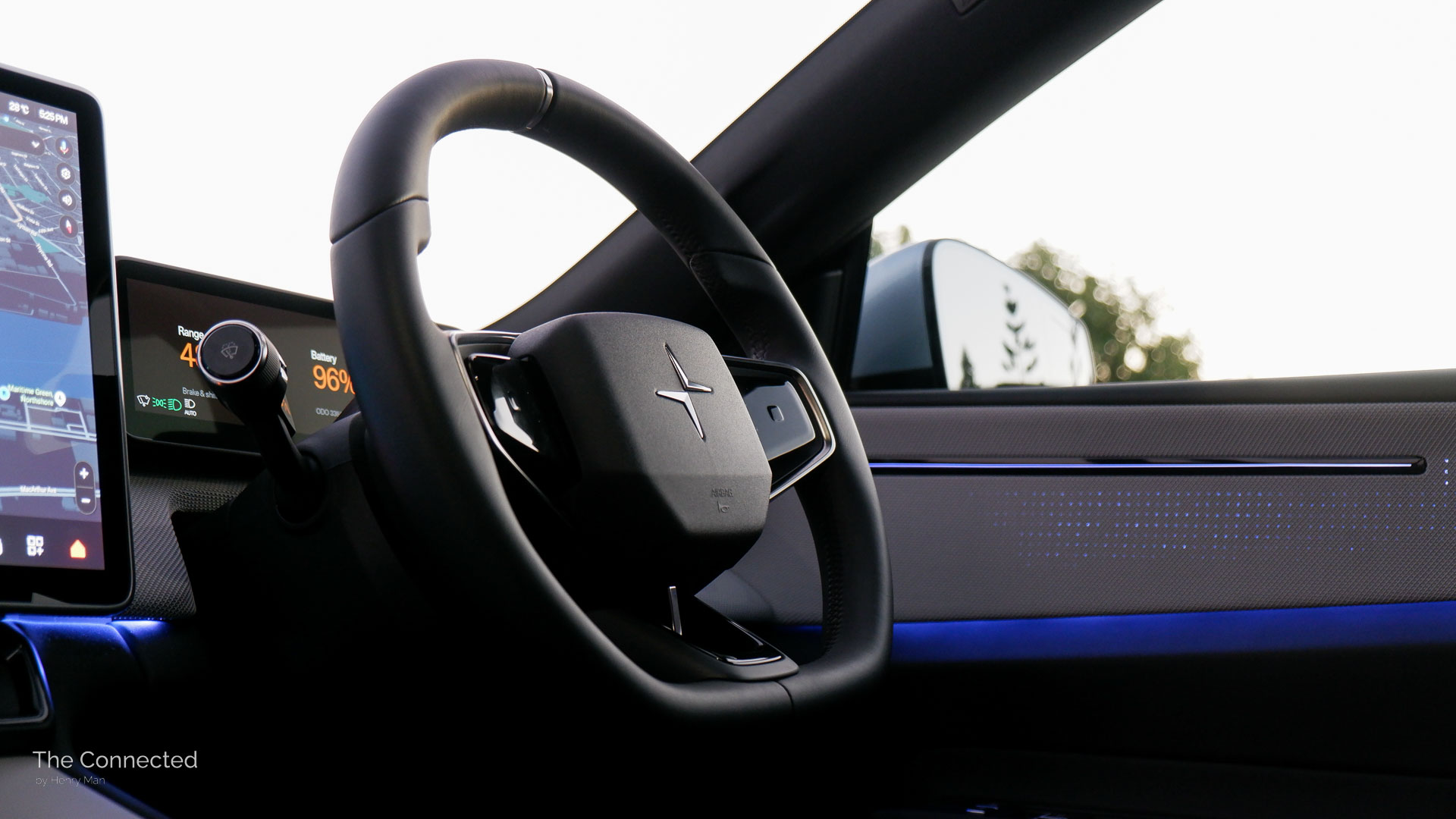
However, the touch-sensitive steering wheel buttons are frustratingly bad.
There’s three buttons and a directional pad on each side – yet the latter lacks any labels and illumination, so you need to feel the gloss black plastic and the instrument display shows what button you’re hovering.
The left D-pad button is too close to the functions on the side, too, so I sometimes inadvertently enabled/disabled adaptive cruise control or changed the instrument display view.
Exacerbating this, the Polestar 4’s touch-sensitive buttons are slow to respond with a noticeable delay to inputs – which can be frustrating particularly when activating and deactivating adaptive cruise control, adjusting the set speed, and controlling audio playback.
It even makes the Volkswagen Group’s much-criticised touch-sensitive steering wheel controls look great in comparison.
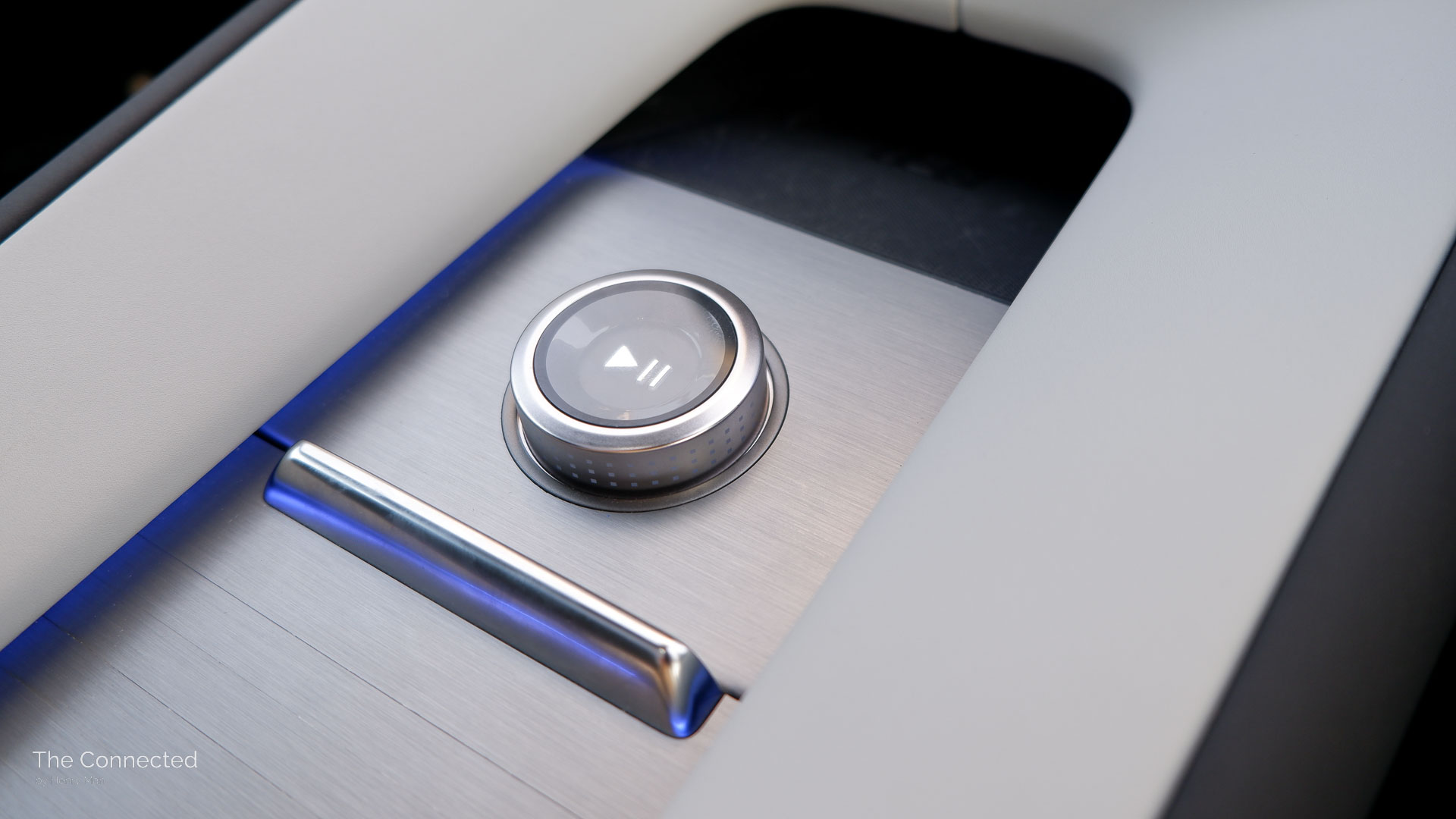
Thankfully, the physical volume control and play/pause button on the centre console is satisfyingly clicky – but still has an inherent response delay with the latter. It’s refreshingly easy to use and isn’t a distraction while driving to enjoy the pumping 12-speaker Harman Kardon branded system (included with the optional Plus Pack).

At the rear row, the optional 5.7-inch rear control strip (with the Plus Pack) is clearly lower resolution and laggy with icons and elements clearly loading in when switching in-and-out of menus.
The Plus Pack’s 12-speaker Harman Kardon branded audio system is excellent and the pricey Nappa leather upgrade uniquely brings front headrest speakers which can solely pump calls and navigation directions for the driver only, while assistng with adding some treble to the sound system, or you can only listen to the music via the headrests.
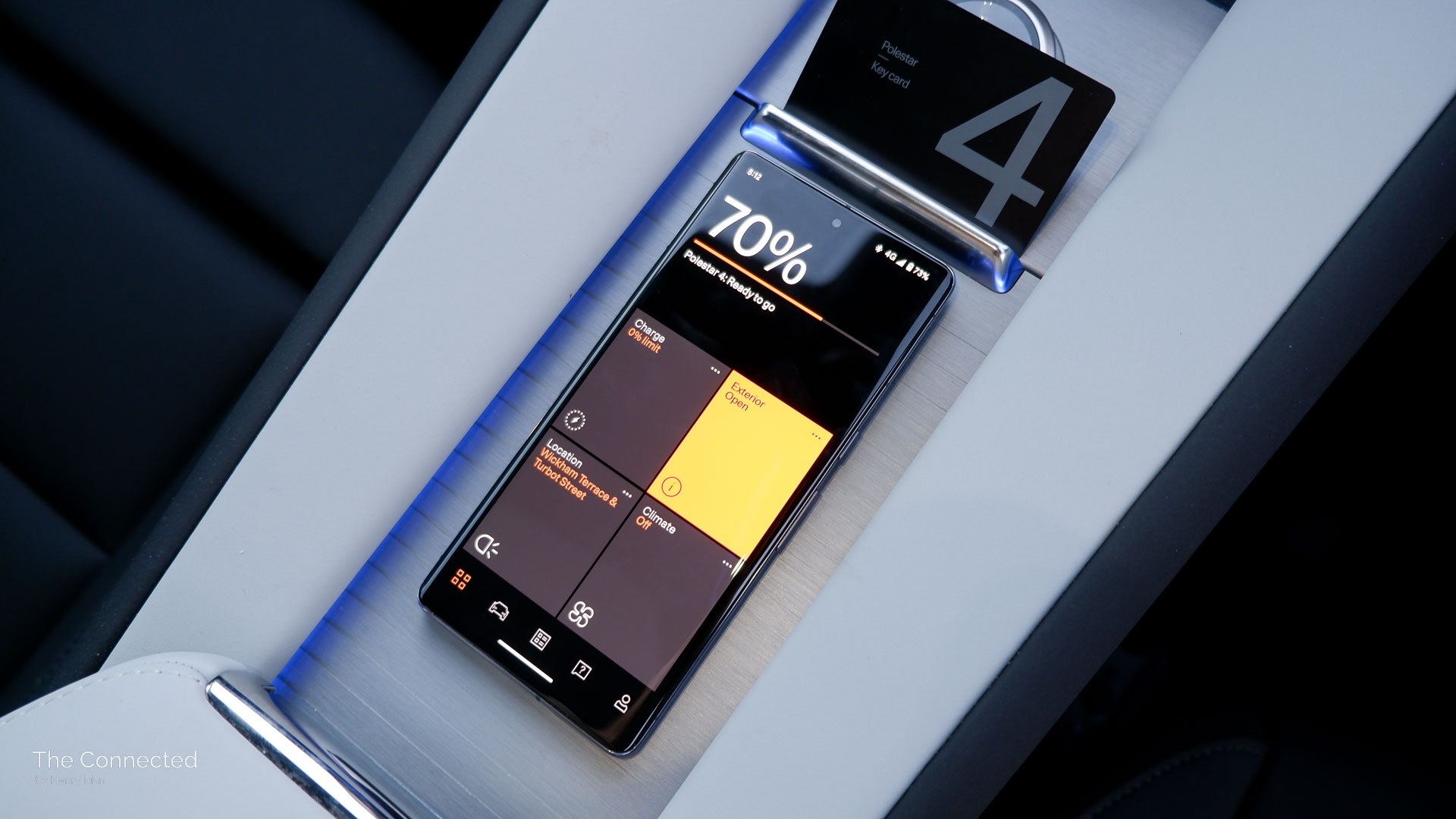
The Polestar 4 includes a simple mobile app to monitor the remaining battery charge, vehicle location, turn on the climate control and heated seats, and more.
Unfortunately, it is a bit slow to send commands and too minimalistic – owners can’t set the temperature (it must be 22-degrees Celsius), activate the defrosters or monitor the dashcam remotely for example.
As of software P4.2.4, Apple CarKey is available for iPhones, with Android support said to be coming soon.
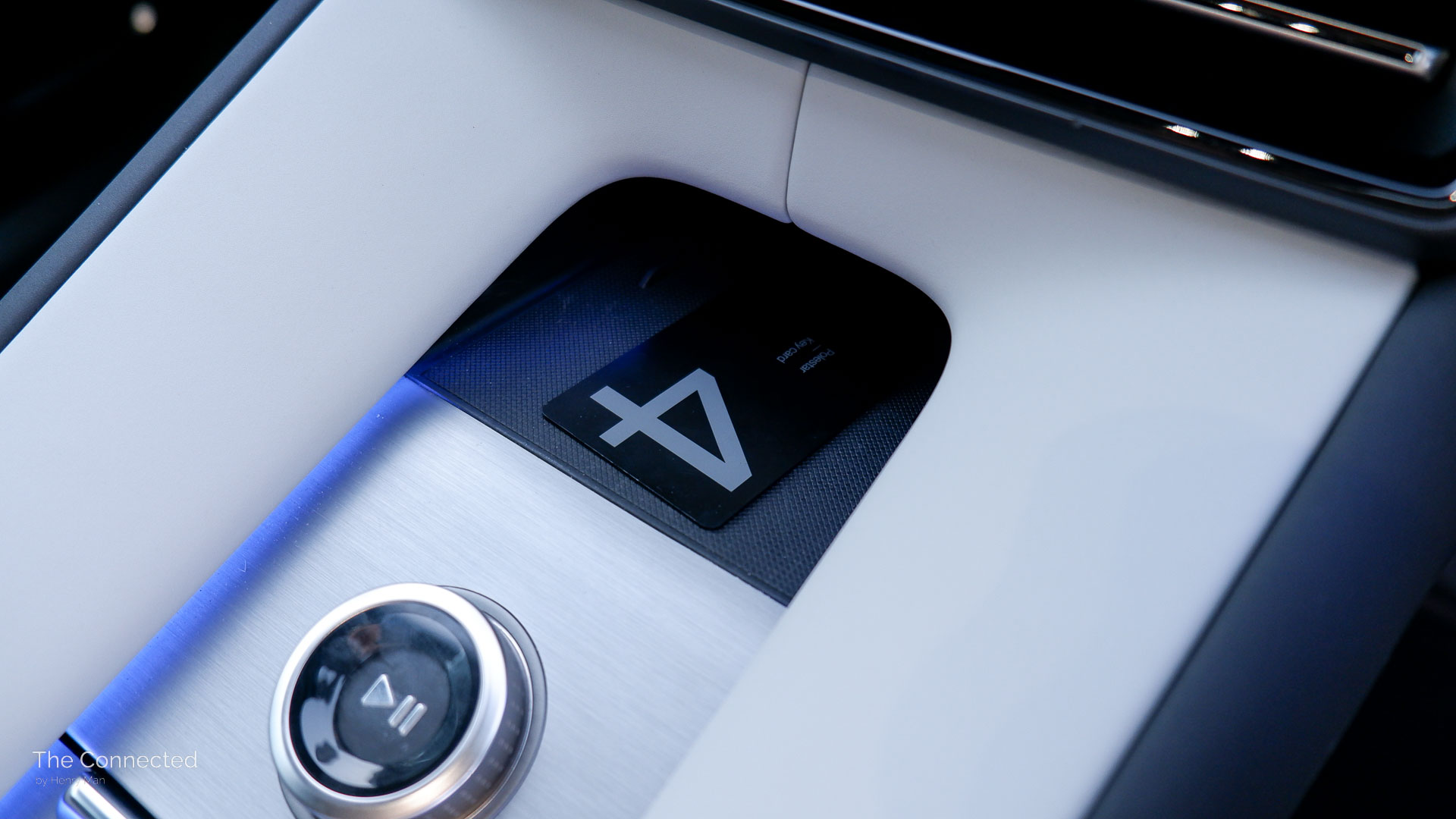
The Swedish car brand also provides a proximity key and key card – the former of which can auto unlock and lock the vehicle on approach and with touch-sensitive buttons on all four flush door handles. Unfortunately, the proximity key lacks any buttons so you’ll need to tap it or the key card the A-pillar for manual operations.
Dashcam recording is now enabled thanks to P4.2.4, but it only uses the front windscreen-mounted camera, there’s no 24/7 recording mode, and you’ll need to supply your own microSD card.
Safety.
2025 Polestar 4 safety features:
| Front AEB with vehicle/pedestrian/cyclist/junction turning detection | 360-degree camera system |
| Rear AEB | Front, rear and side parking sensors |
| Blind-spot assist | Road sign detection |
| Rear cross-traffic assist | Driver attention monitoring cameras |
| Lane-keep assist | Emergency services calling |
| Adaptive cruise control with lane-centring assist and lane-change assist (Pilot Assist) | Full LED headlights with 32-pixel adaptive matrix high beam and full LED tail-lights |
The 2025 Polestar 4 includes generally unobtrusive safety assistance features, but Pilot Assist needs work and some cameras appear to not be enabled yet.
As part of the standard Pilot Pack, the Polestar 4 EV has mostly well-tuned safety assists with gentle warning sounds and, even though there are two driver attention monitoring cameras, they aren’t as sensitive as other carmakers’ systems.
Thankfully, the speed limit assist warning sounds are disabled by default in Australia – and doesn’t turn back on by itself – although it doesn’t understand school zone times.
The 360-degree surround-view camera system has average clarity and can only be manually activated when driving at 8km/h or slower, then cuts out after 30km/h speeds.
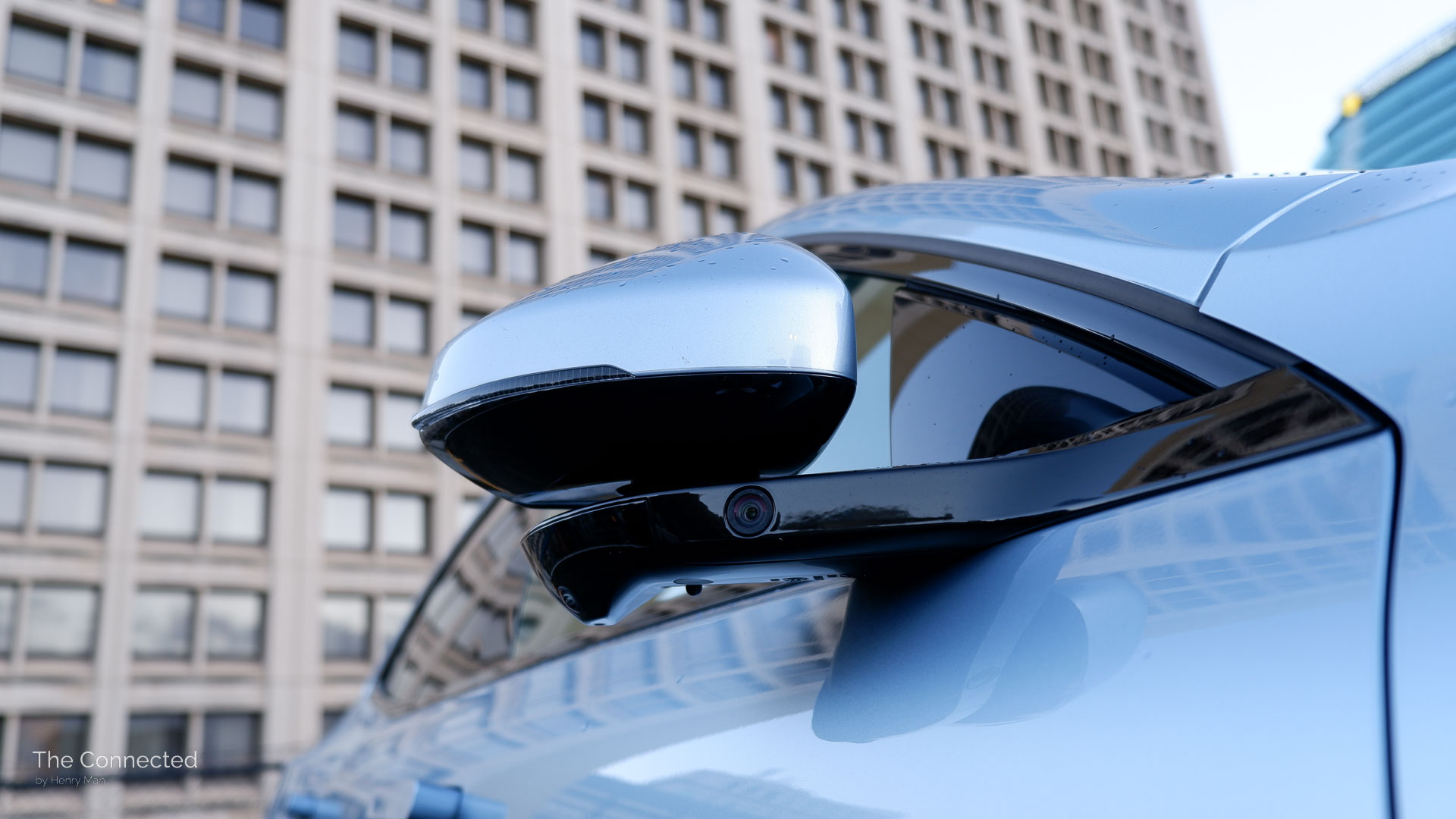
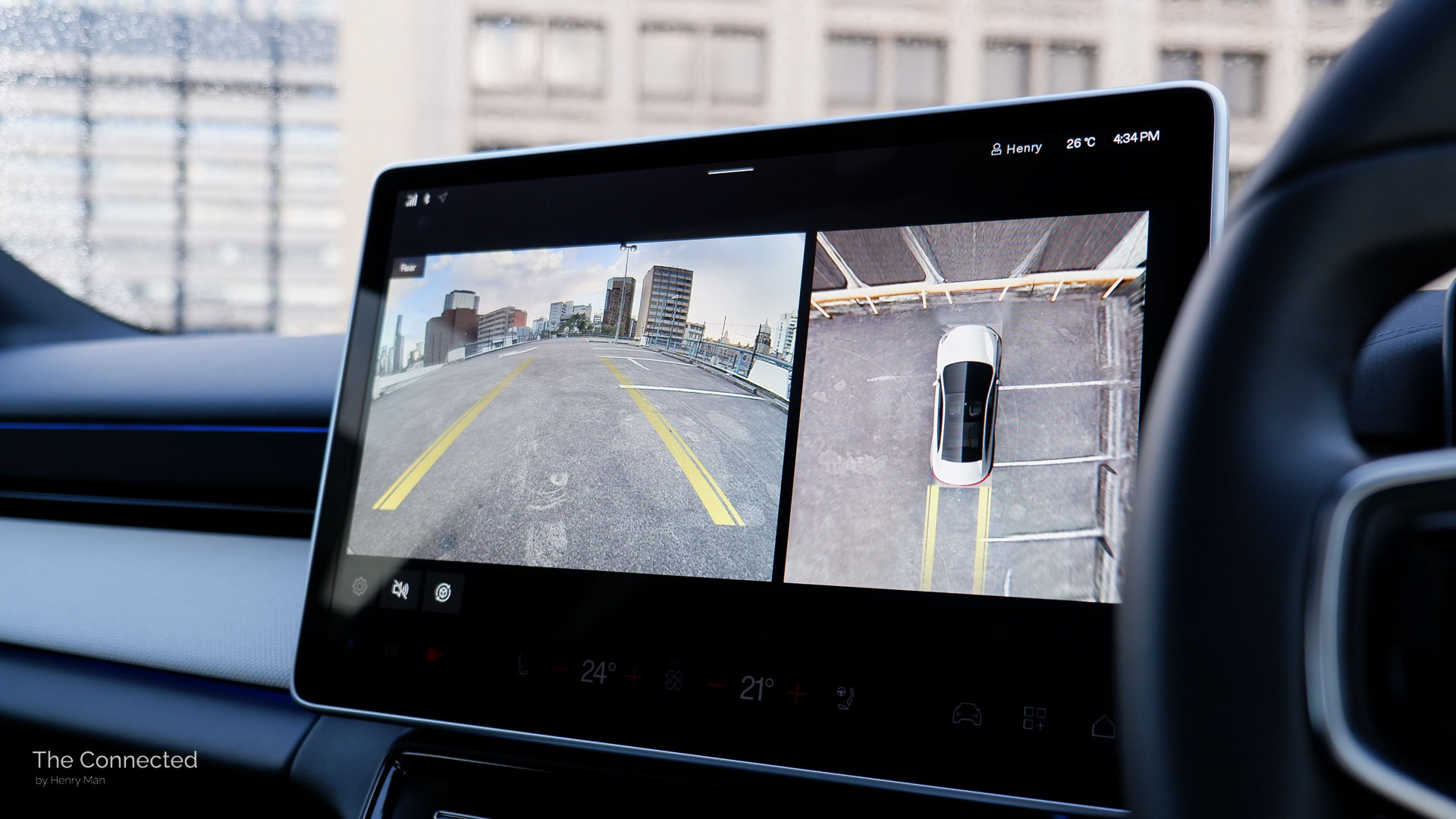
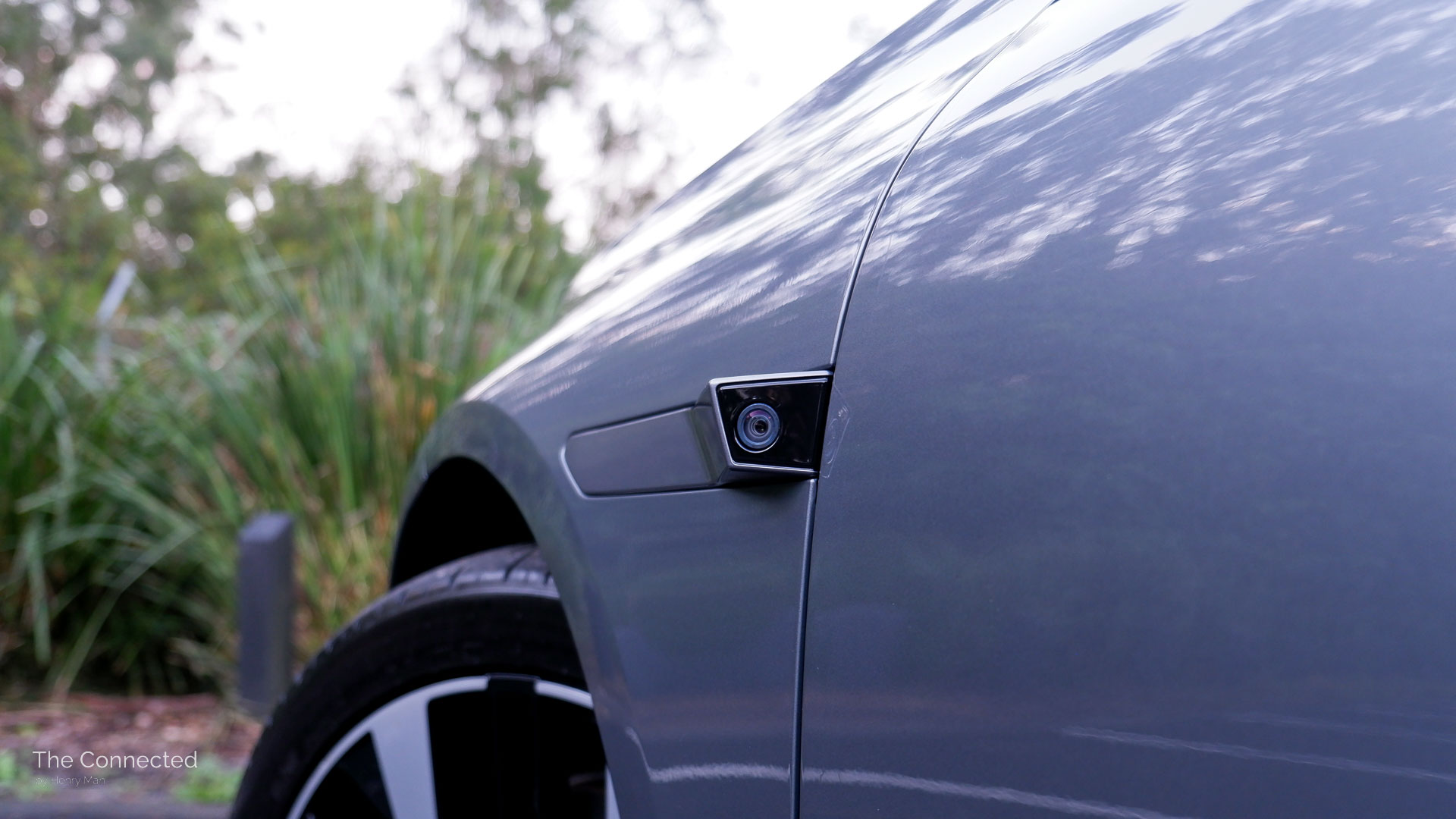
Despite boasting 12 cameras, some don’t seem to be activated yet with software version P4.2.4 – including two out of three cameras attached to the prominent wing mirror and a fender backwards-facing camera (which is perfectly positioned to serve as a blind-spot view monitor as per Hyundai, Kia and Tesla models).
Unfortunately, while software updates have improved the Polestar 4’s adaptive cruise control and lane-centring systems, it still needs further refining.
In my testing, it is slower than ideal to react to the vehicle in front and therefore brakes too abruptly on approach. In one case, it did ‘phantom braking’ where it slowed down when it thought a car in the adjacent lane was directly in front.
Likewise, while the lane-centring assist is good, it could be smoother and snaps out when the driver tries to intervene (to err on one side to give clearance for motorbikes for example), causing a brief shudder in the cabin due to its assertiveness to stay on.
Concerningly when changing lanes with the indicator on, it sometimes wanted to swerve back into the lane and proceeds to deactivate Pilot Assist entirely, which then triggers the regenerative braking.
The Polestar 4 can do automatic lane changes within certain conditions and shows arrows in the instrument and head-up displays when it’s ready. However, it strangely turns off by default – requiring drivers to dig through multiple menus on the screen to activate it every time.
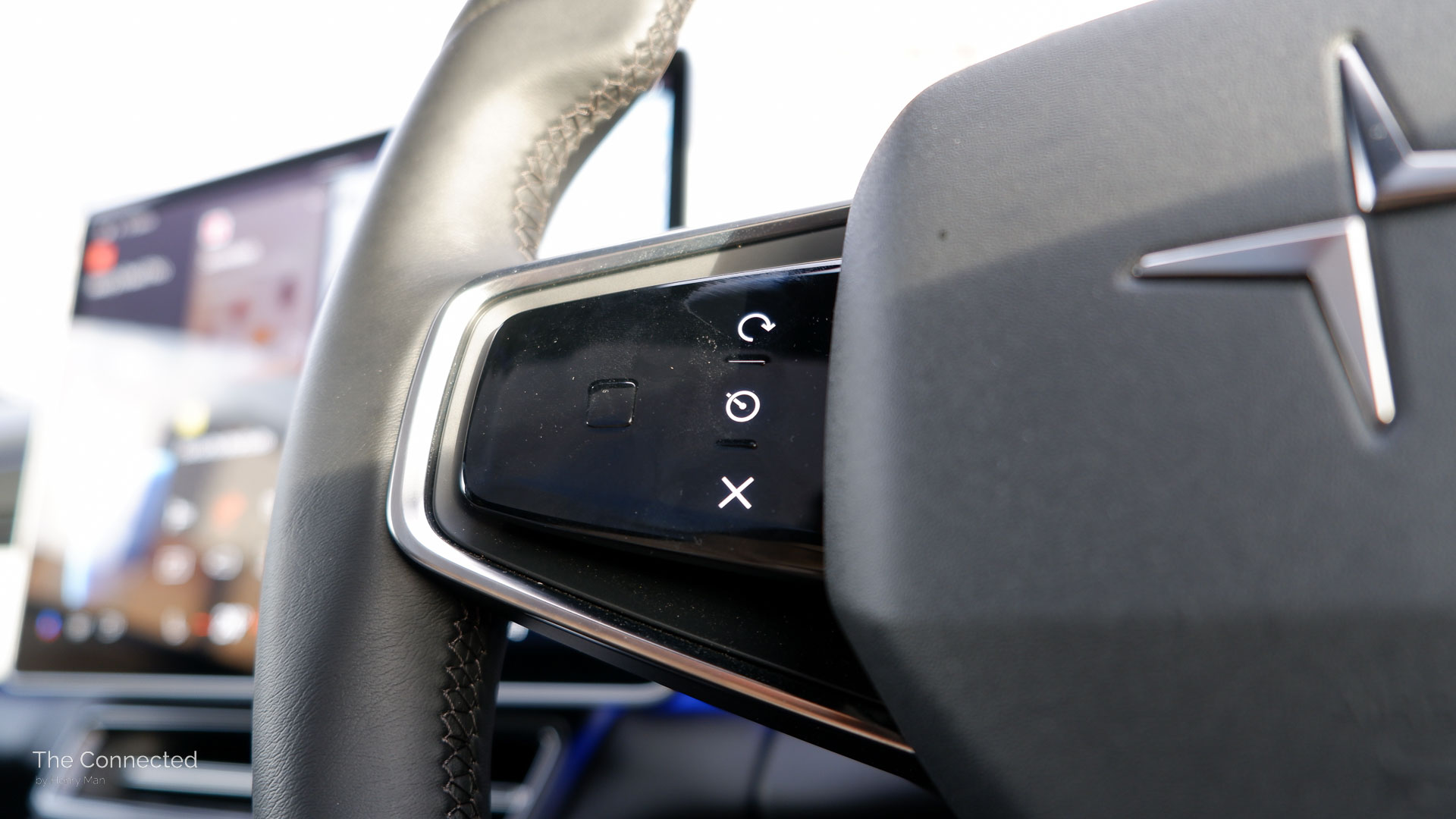
The touch-sensitive steering wheel buttons are also very finicky to use with a noticeable delay to enable and disable the adaptive cruise control.
Despite improvements made to software P4.2.4, it’s still very difficult to to change the speed in fine 1km/h increments by pressing and holding the D-pad – you’ll need to account for the delayed response and lift off your finger a few seconds in advance.
Full LED headlights provide good visibility at night with a reliable adaptive matrix high beam function and a cornering feature when the Plus Pack is optioned.
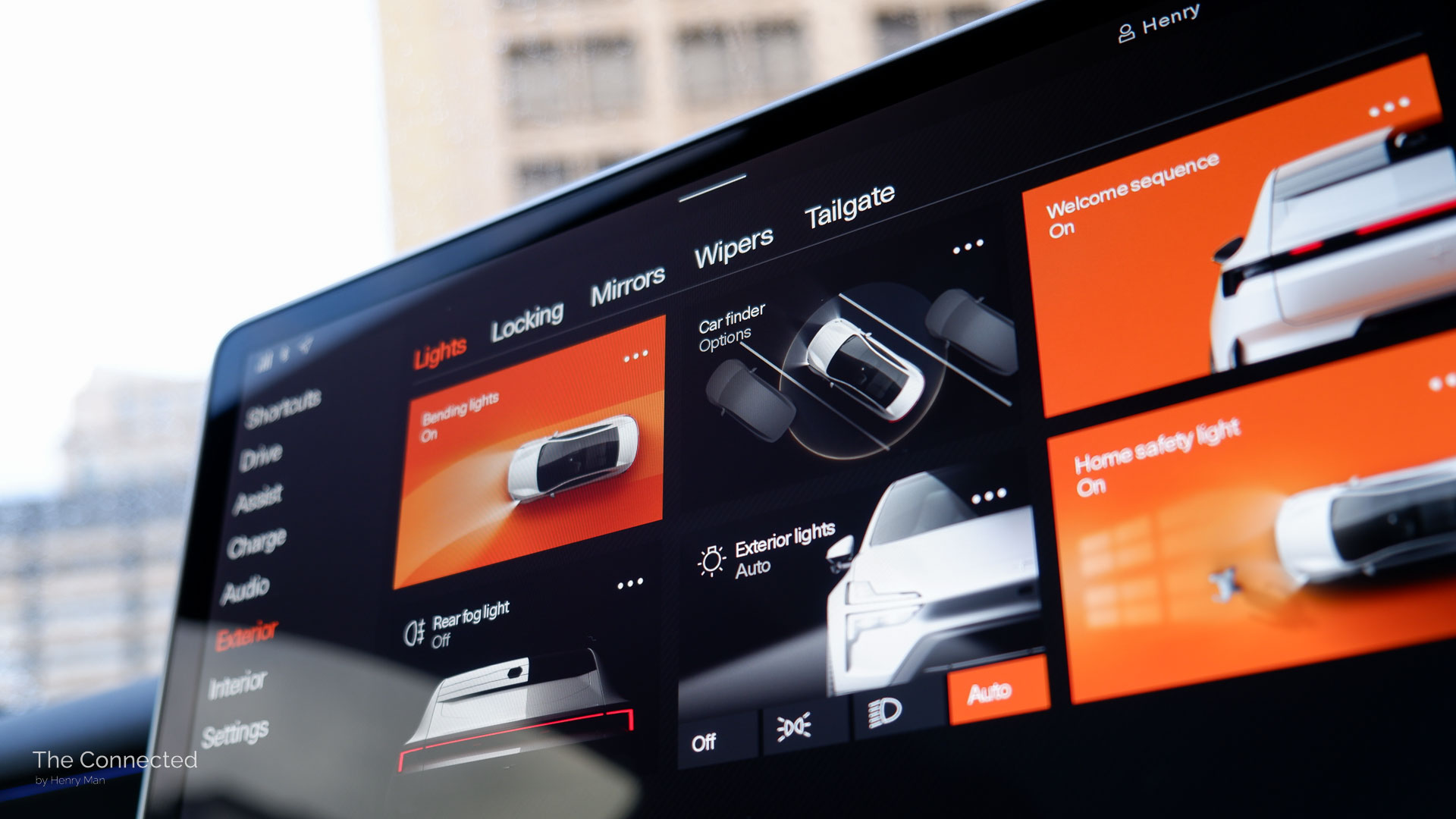
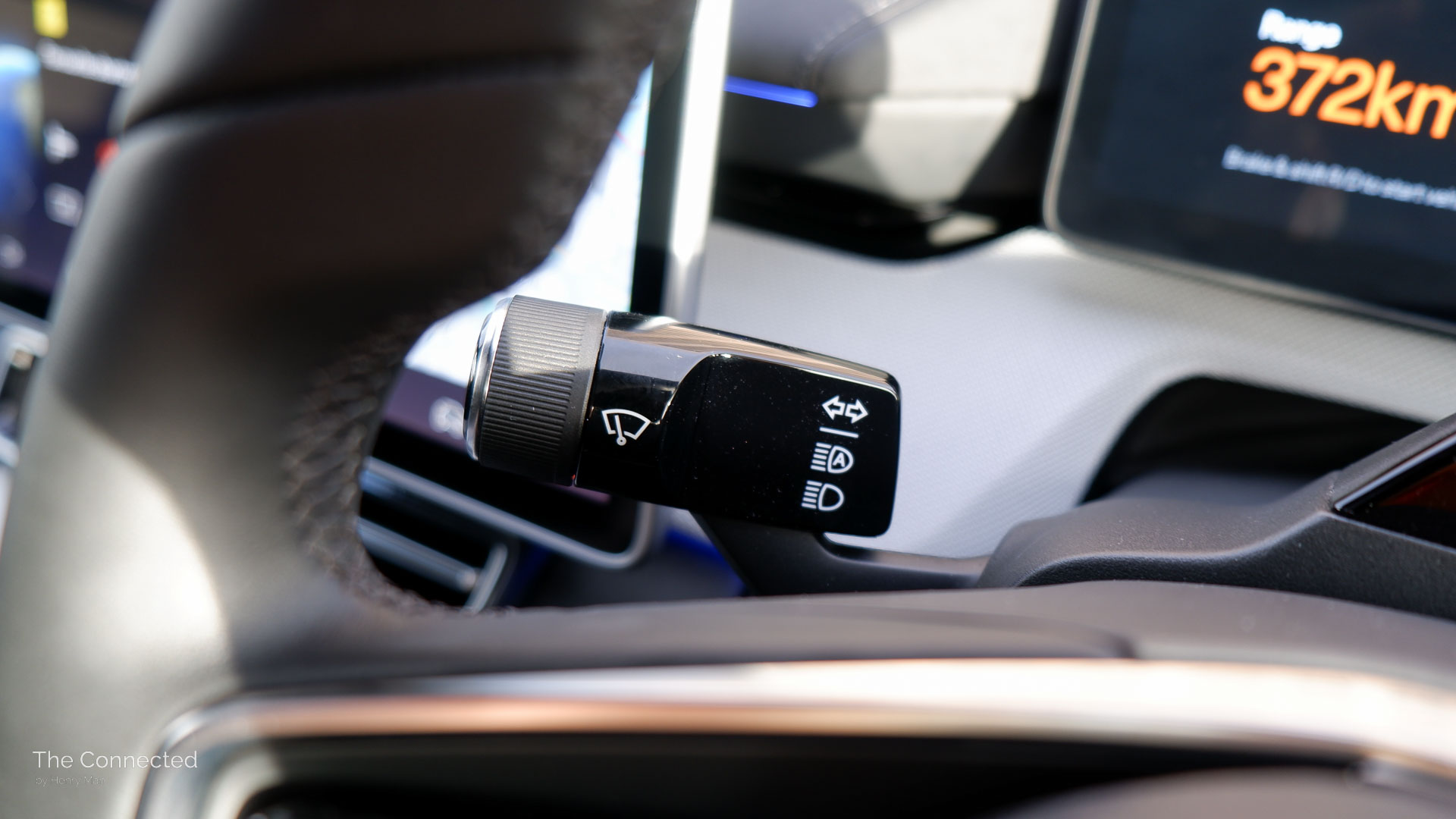
Unfortunately, manually changing the exterior lights requires delving into the touchscreen settings – as well as the rear fog lights, the wing mirrors and steering wheel – but thankfully the wiper controls are at the satisfying physical stalk dial.
The 2025 Polestar 4 hasn’t been tested by the Australasian New Car Assessment Program (ANCAP) and remains unrated as at the time of publication.
Range and charging.
2025 Polestar 4 battery and charging specs:
| Long Range Single Motor | Long Range Dual Motor | |
| Claimed driving range (WLTP combined cycle) | 620km | 590km |
| Claimed energy efficiency (WLTP combined cycle) | 17.8-18.1 kWh/100 km | 18.7-21.7kWh/100 km |
| Battery size and type | 94kWh usable (100kWh) NMC lithium-ion battery | |
| Battery voltage | 400-volt class | |
| Max AC / DC charging speed | 22kW (with Plus Pack) / 200kW | |
| Bidirectional charging | N/A | |
| Connector type | Type 2 / CCS2 | |
| Everyday charging limit recommendation | 80% | |
The Polestar 4 Long Range Single Motor returned an average energy efficiency of 18.3kWh/100km, while the Dual Motor Performance Pack indicated 21.8kWh/100km after a week of mixed driving.
Therefore, for the standard Single Motor, expect around 513km of real-world driving range from a full charge off its large 94kWh usable nickel manganese cobalt (NMC) lithium-ion battery pack. For the high-powered Dual Motor, expect around 431km of real-world range from the same-sized 94kWh battery.
An energy-efficient heat pump is standard.
Even though it’s certainly a very long range EV, our week with the Polestar 4 Long Range Single Motor demonstrates that realistic range is quite a far way off its 620km WLTP range claim. The Long Range Dual Motor is unsurprisingly far less efficient, but it’s par for the course and in line with the Hyundai Ioniq 5 N.
One wonders whether a more efficient powertrain could result in similar range with a smaller battery and less raw materials required.
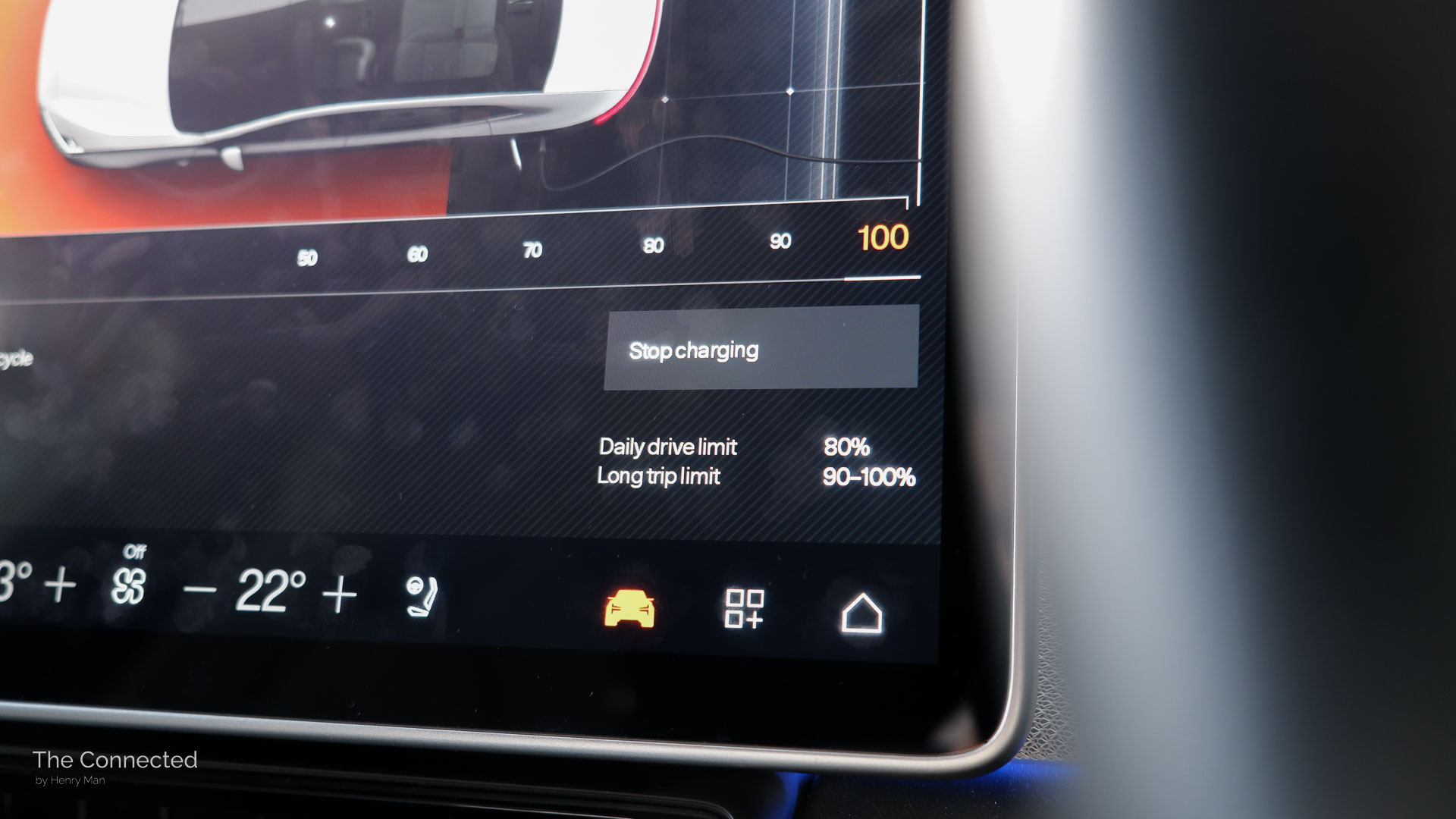
Polestar recommends a daily charging limit of 80% on the 4’s Contemporary Amperex Technology Co. Limited (CATL) sourced pack to prevent accelerated battery degradation. Therefore, expect around 410km of everyday driving range with the cap on the Single Motor or around 344km of everyday usable range on the Dual Motor..
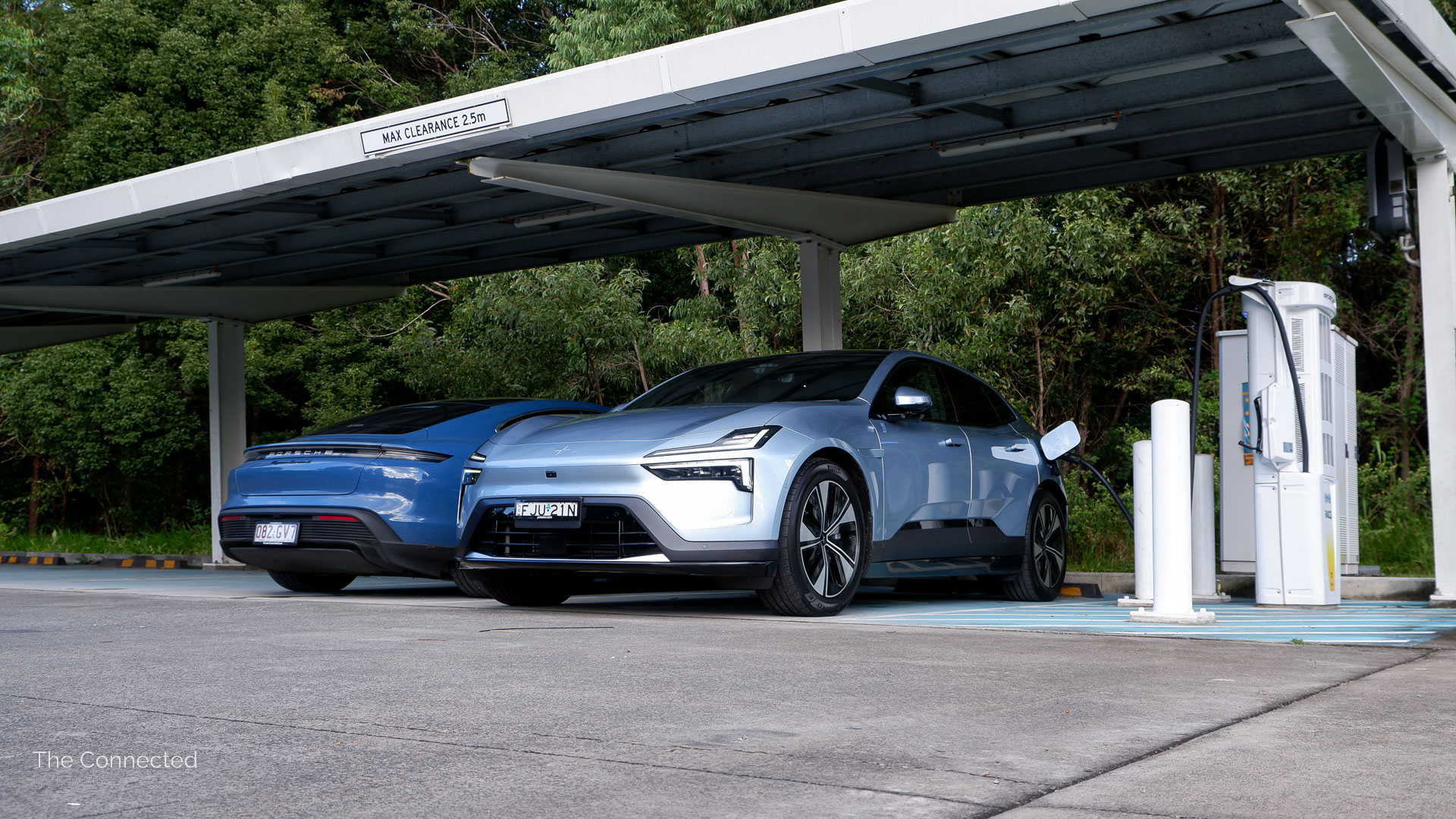
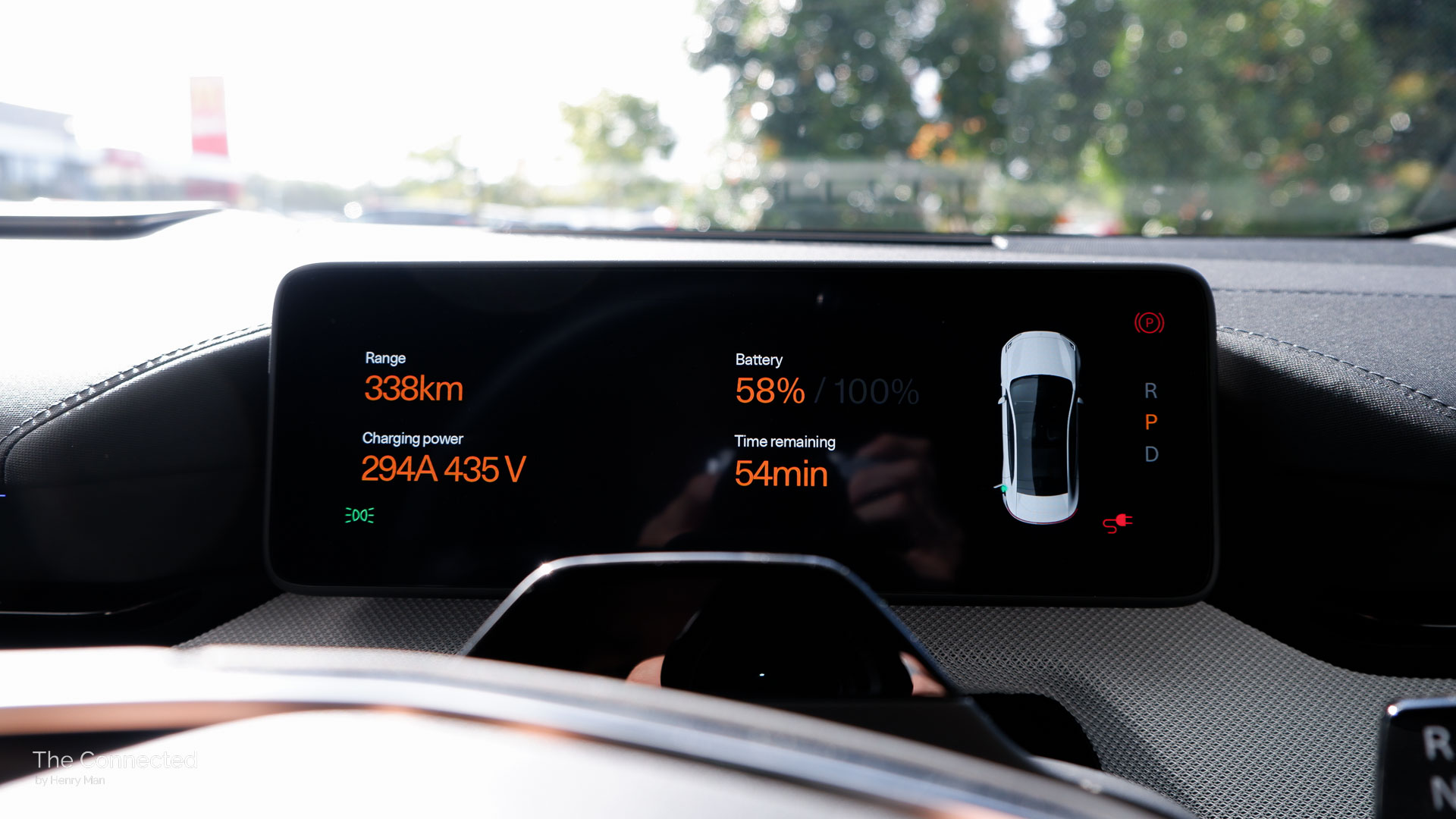
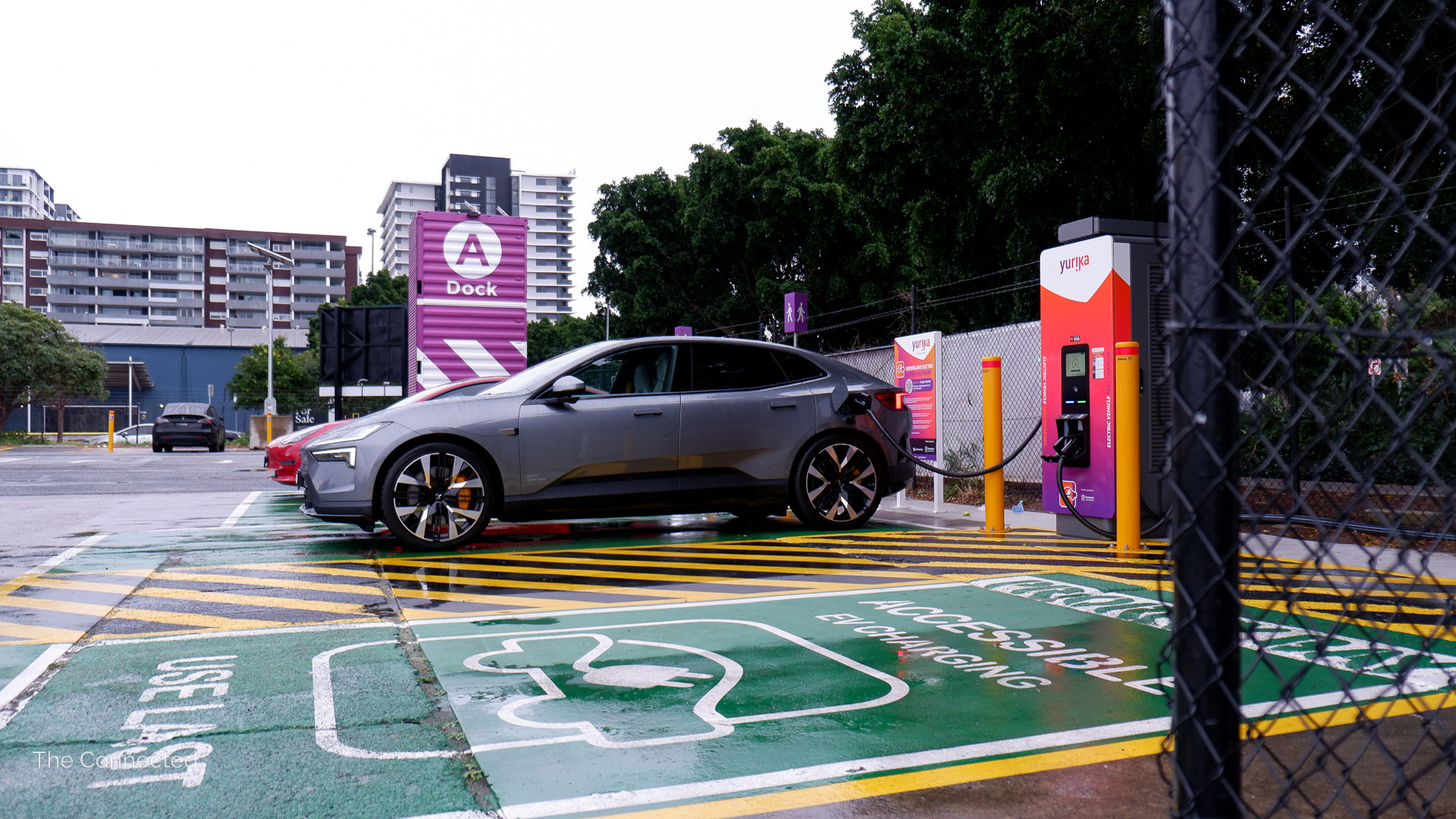
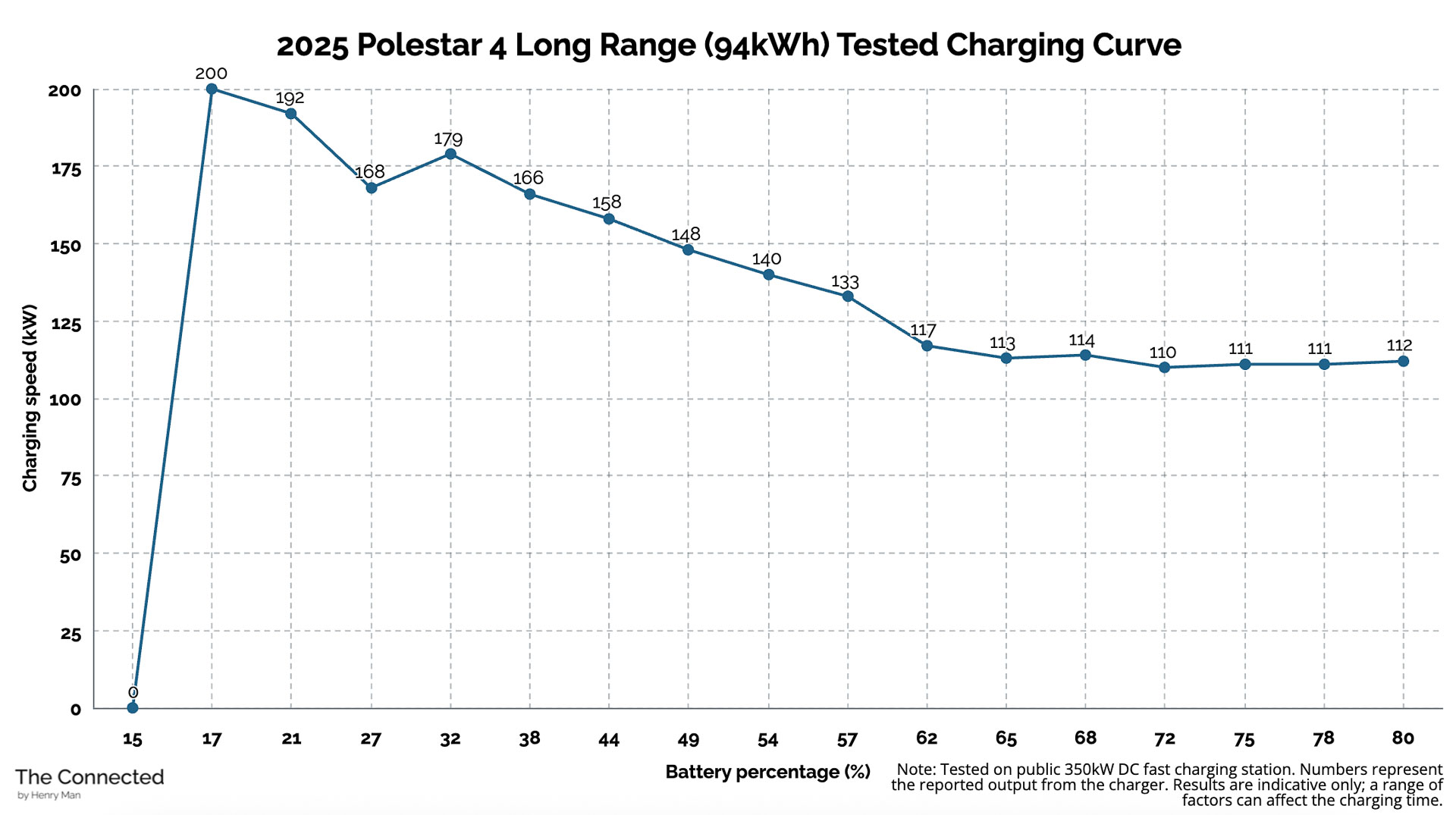
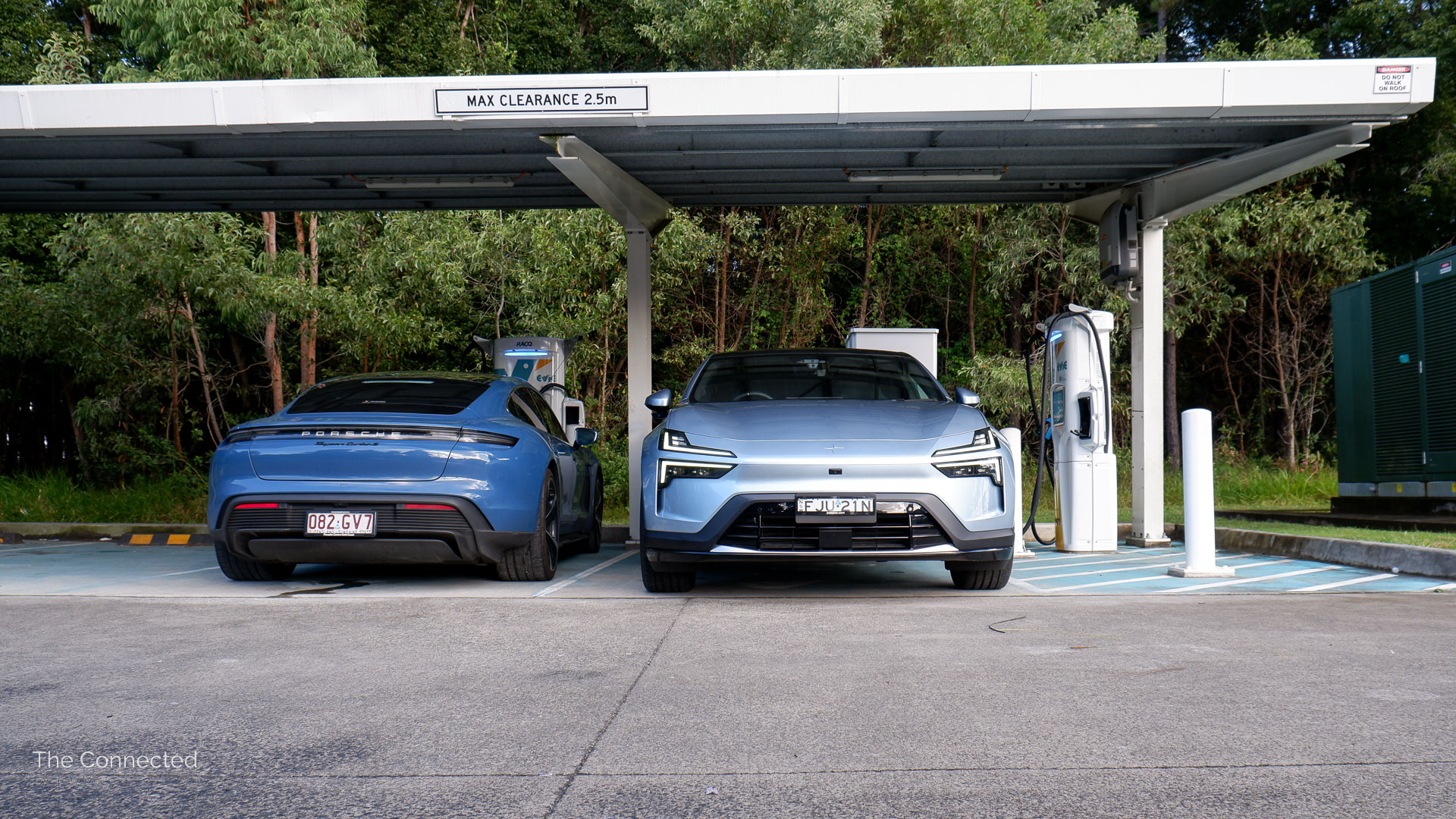
In our testing on a 350kW DC ultra-fast charging station, the Polestar 4 recharged from 15 to 80 per cent in about 29 minutes.
It instantly peaked at 200kW before gradually throttling down over time – rather than sustained high speeds. Overall, the fast-charging session averaged 142kW.
It’s important to note that these figures were recorded from the charger output, rather than the car, as the Polestar 4 does not display the charging speed in kilowatts (only volts and amps) on software P4.2.2. Thankfully, this has since been fixed with the P4.2.4 update.
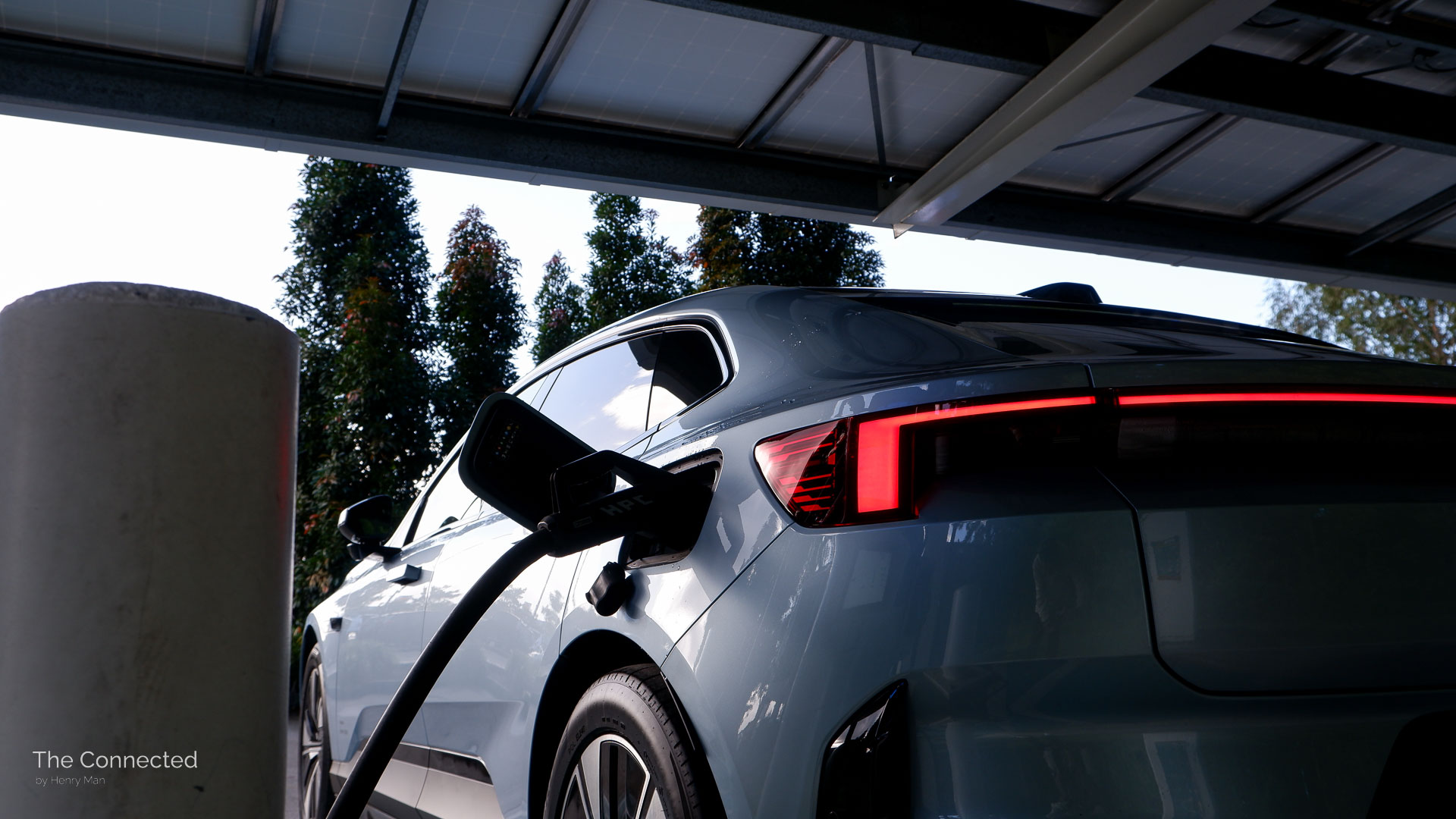
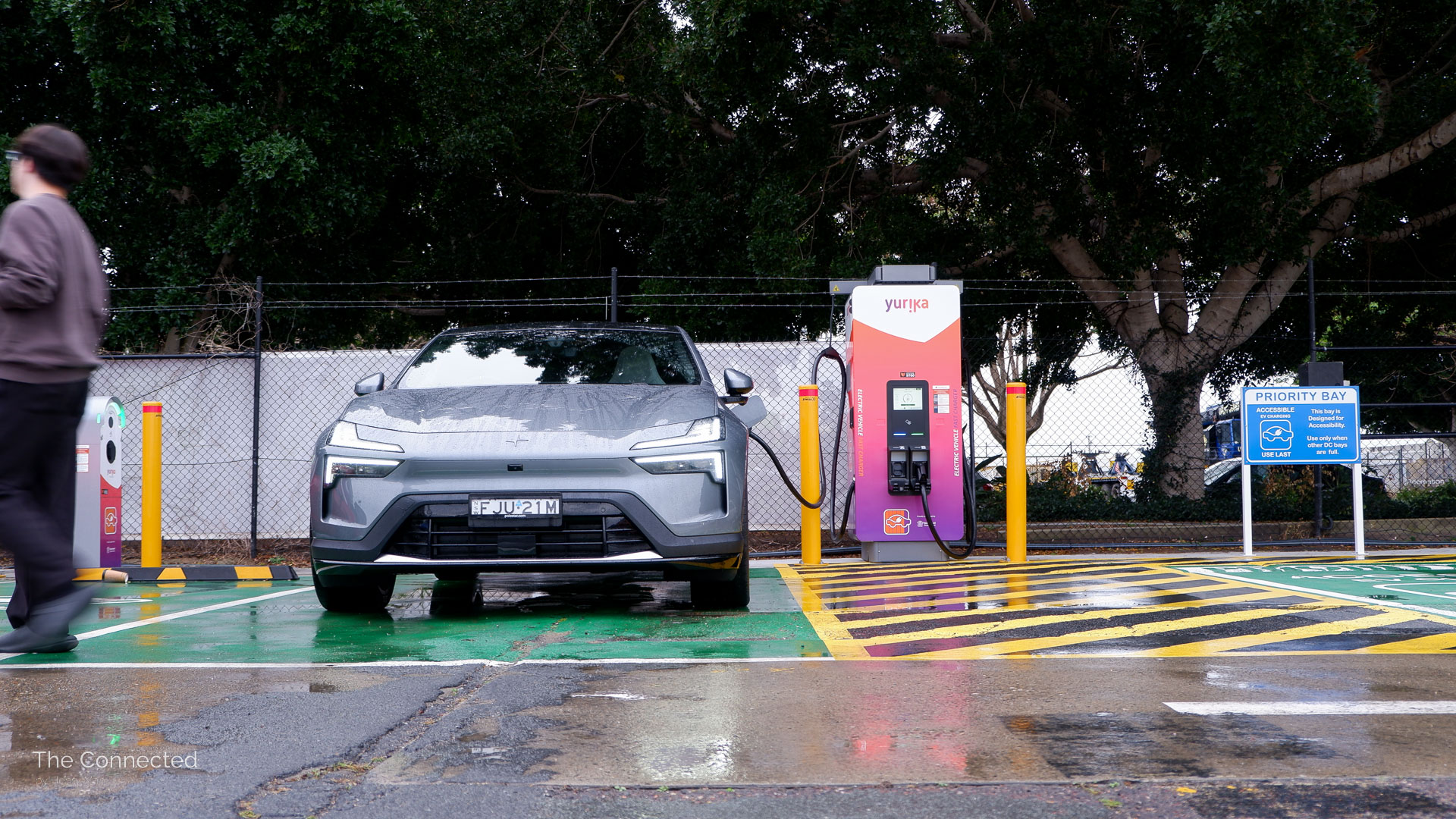
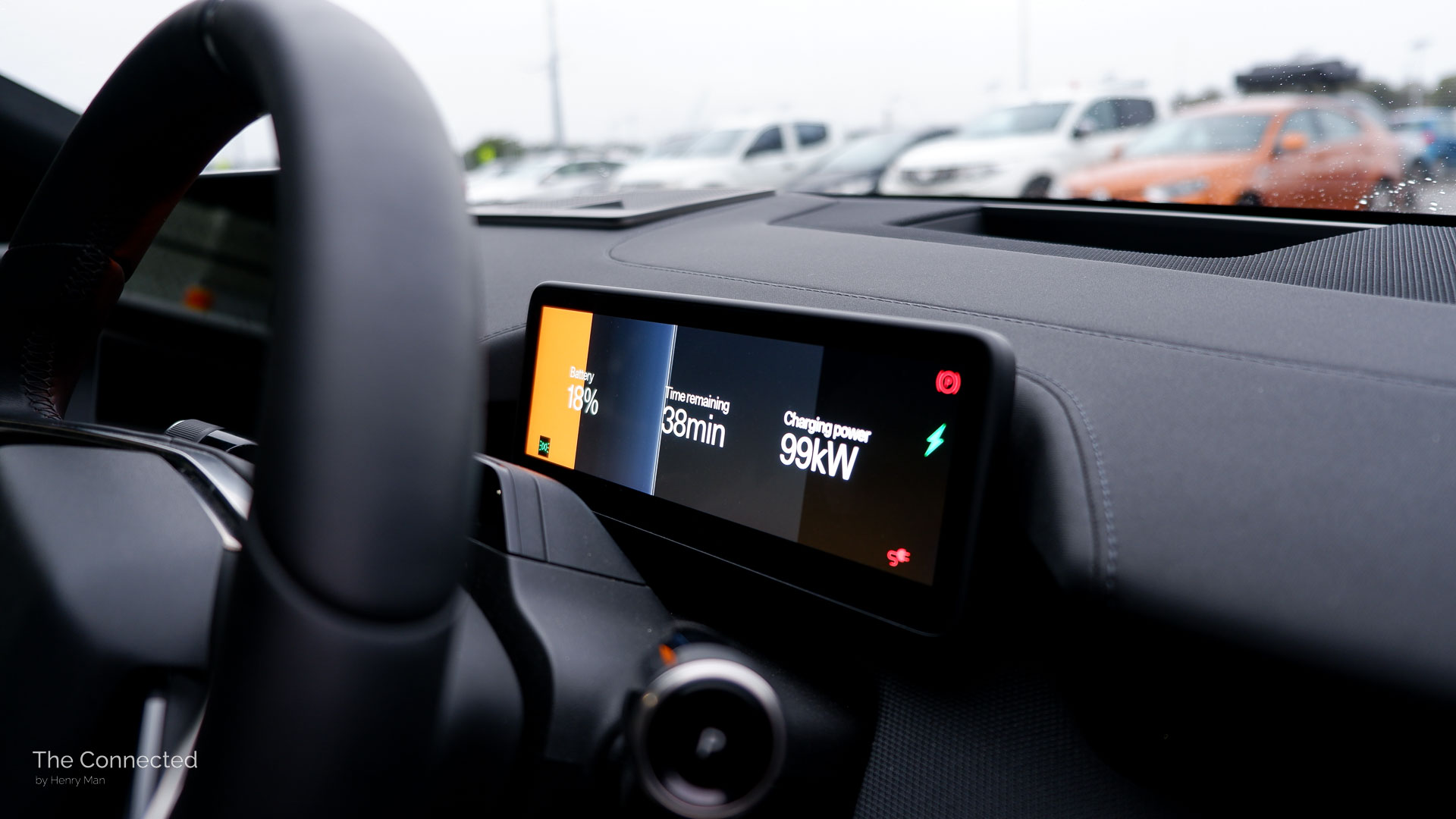
As for slow charging, three-phase up to 11kW AC charging is standard to refill the large 94kWh pack in one night on a compatible wall box – but optioning the $8000 Plus Pack uniquely extends its capabilities to 22kW AC.
Only a three-pin trickle charging cable is included with the car.
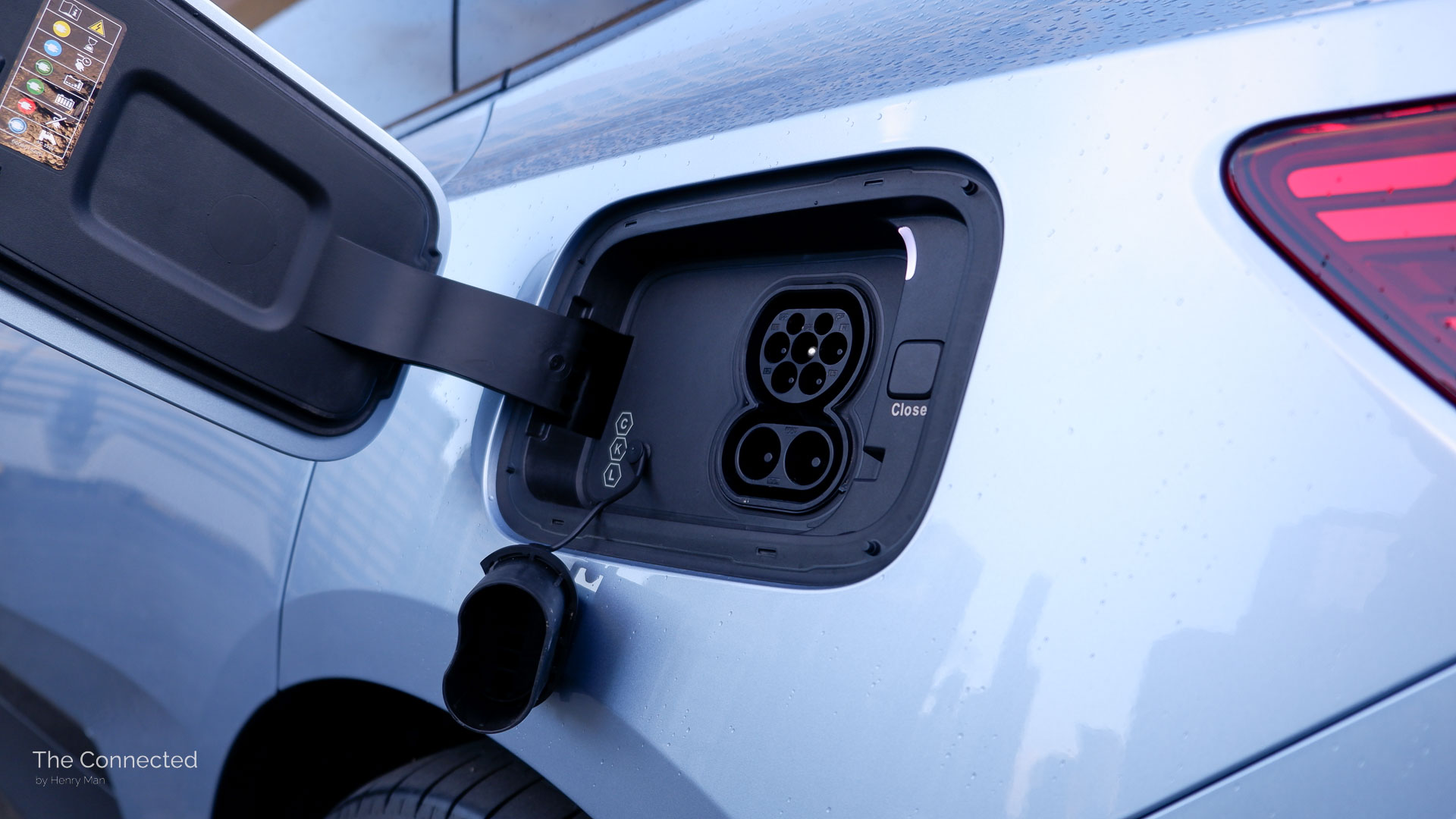
The Type 2 CCS charging port is accessible at the rear-left quarter side of the vehicle – making it ideal for older Tesla Supercharger stall cables to reach. The flap opens and closes electrically with a charge status light, but the rubber cap covering the DC pins flimsily dangles on the bodywork.
Despite the large 94kWh battery, the Polestar 4 currently does not offer bidirectional charging capabilities as at the time of publication, including no vehicle-to-load (V2L) and vehicle-to-home (V2H) – which seems like a missed opportunity.
Driving.
2025 Polestar 4 powertrain specs:
| Long Range Single Motor | Long Range Dual Motor | |
| Electric motor | Single permanent magnet synchronous motor | Dual permanent magnet synchronous motor |
| Power | 200kW | 400kW |
| Torque | 343Nm | 686Nm |
| Transmission | Single-speed | |
| Drive type | RWD | AWD |
| Kerb weight | 2230kg | 2355kg |
| Turning circle | 11.6 metres | |
| Payload | 455kg (excluding max 100kg towball download) | |
| Towing (braked) | 1500kg | 2000kg |
The Polestar 4 offers a sporty drive, with a comfortable and quiet ride.
The Long Range Single Motor produces up to 200kW of power and 343Nm of torque to the rear wheels – which provides plenty of punch and grip, but doesn’t kick you back in the seat aggressively with a claimed 0-100km/h sprint in 7.1 seconds.
Meanwhile, the Long Range Dual Motor dials it up to 400kW/686Nm for a claimed 0-100km/h acceleration in just 3.8 seconds. It’s neck-snappingly punchy off the line when put in Performance Mode via the screen or touch-sensitive steering wheel button – but it gradually delivers the power when the foot is to the floor.
Even on the firmest setting, the steering feels slightly light when driving with a numb centre, especially at low speeds via the rather chunky steering wheel.
Polestar claims a balanced 50:50 weight distribution, but only on the Single Motor.
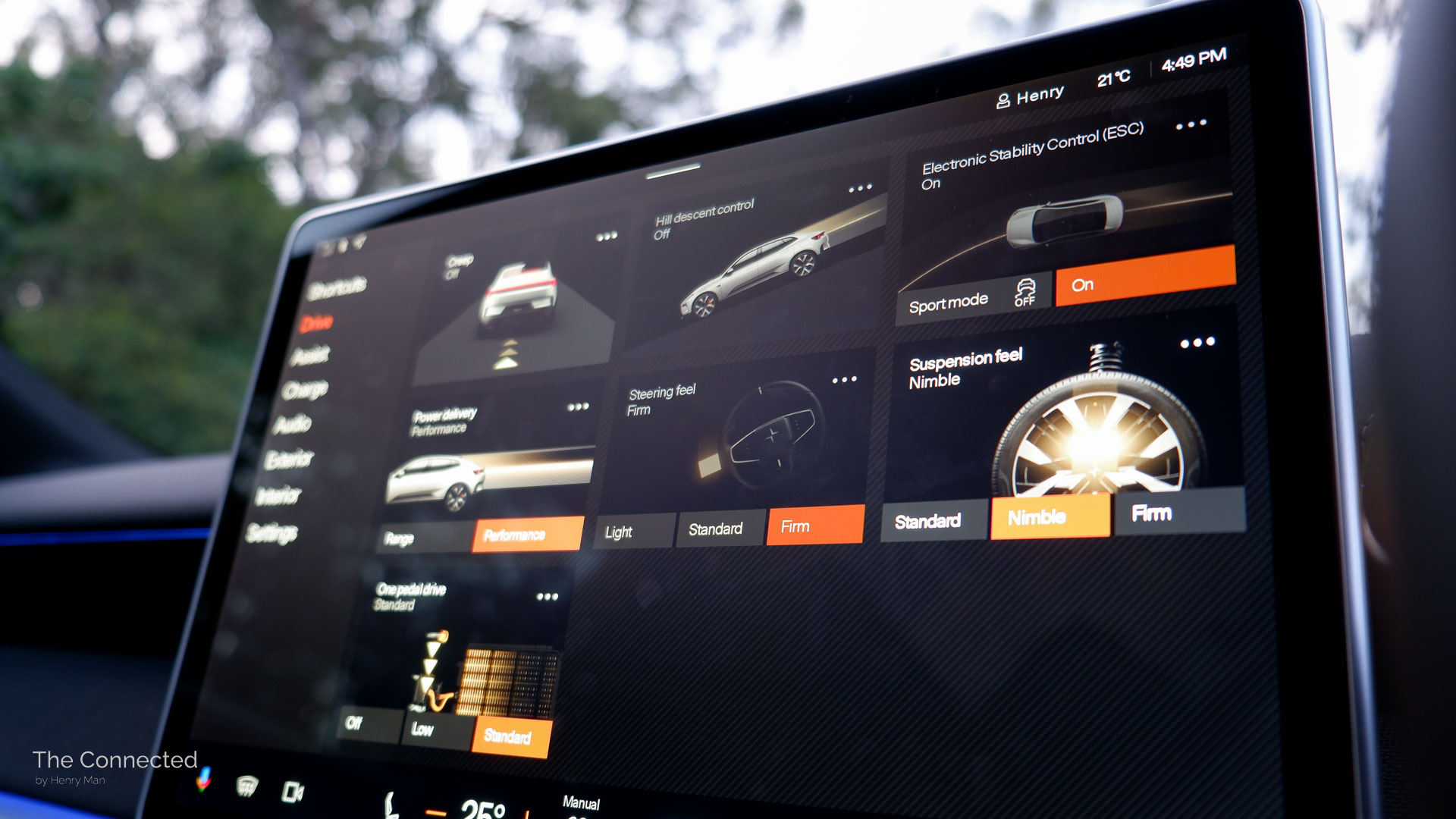
Unlike the Polestar 2 which had a ride that was way too firm and noisy, the 4 has a far more comfortable suspension setup. It’s still on the firmer side with the standard 20-inch wheels, but it’s compliant with bumps and coarse-chip roads.
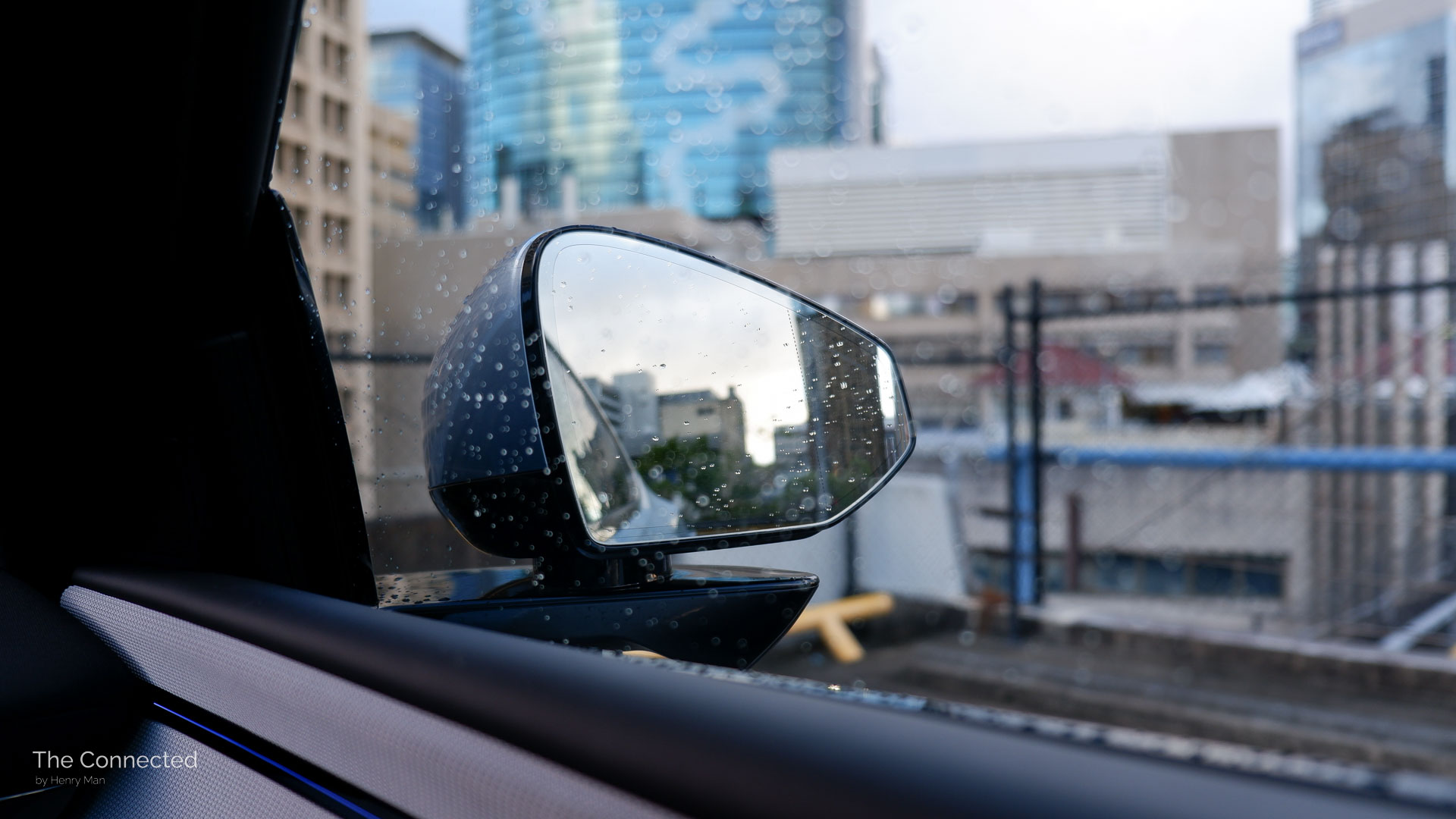
Likewise, noise insulation is excellent with only some wind buffeting noticeable around the prominent driver’s side wing mirror unit at highway speeds.
On the high-performance Long Range Dual Motor with Performance Pack, it is equally quiet with a smooth ride, even when adaptive suspension is put in the nimble or firm settings – an impressive feat given the large low-profile 22-inch (265/40) sports wheels.
One-pedal driving is available – and thankfully doesn’t reset by default. However, I found that even on the strongest ‘standard’ setting, it still creeps forward a bit when almost at a stop.
A weaker one-pedal version and turning it off completely can be done in the touchscreen settings. You’ll barely use the Performance Pack’s Swedish Gold Brembo brakes in everyday driving (at least it looks super cool).
At more than 2.1 metres wide including the mirrors, the Polestar 4 has a big presence as well – and it’s most noticeable when parking.



Moreover, the most controversial part of the Polestar 4 actually isn’t an issue.
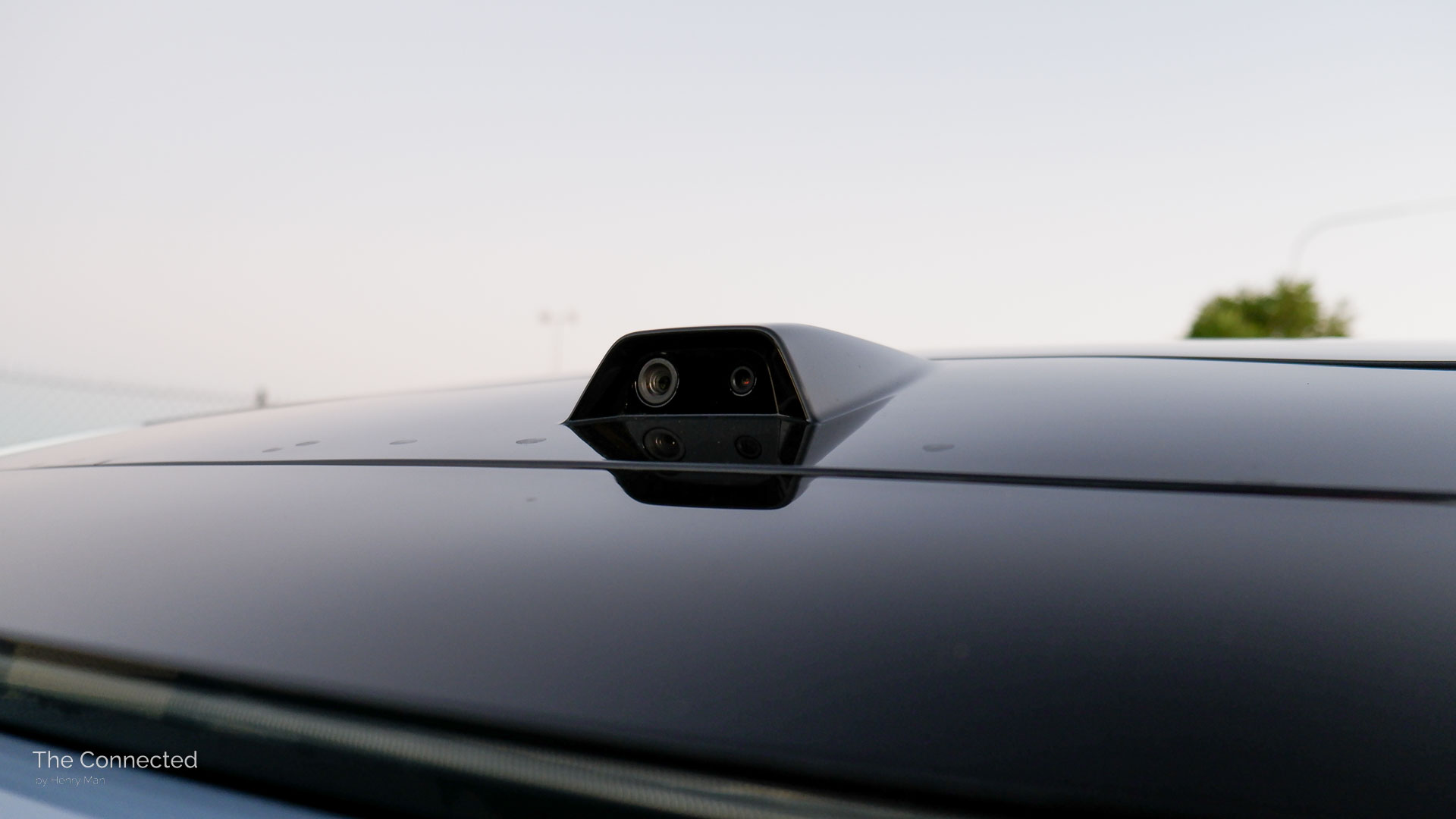
The lack of a rear window is compensated by a digital rear-view camera mirror. Also available on top-spec Toyota C-HR, Hyundai Palisade and Kia Carnival, the camera provides a wider view than a conventional glass mirror, is high resolution, and still offers a clear image without the glare of vehicle headlights at night.
The height and brightness can be customised via the buttons below the mirror, and it even shifts the camera angle slightly when indicating to give a better view.
While you can’t have the backup of looking through the back via glass, it is easy to get used to as opposed to camera-based wing mirrors that are standard on the rivalling Genesis GV60 EV.
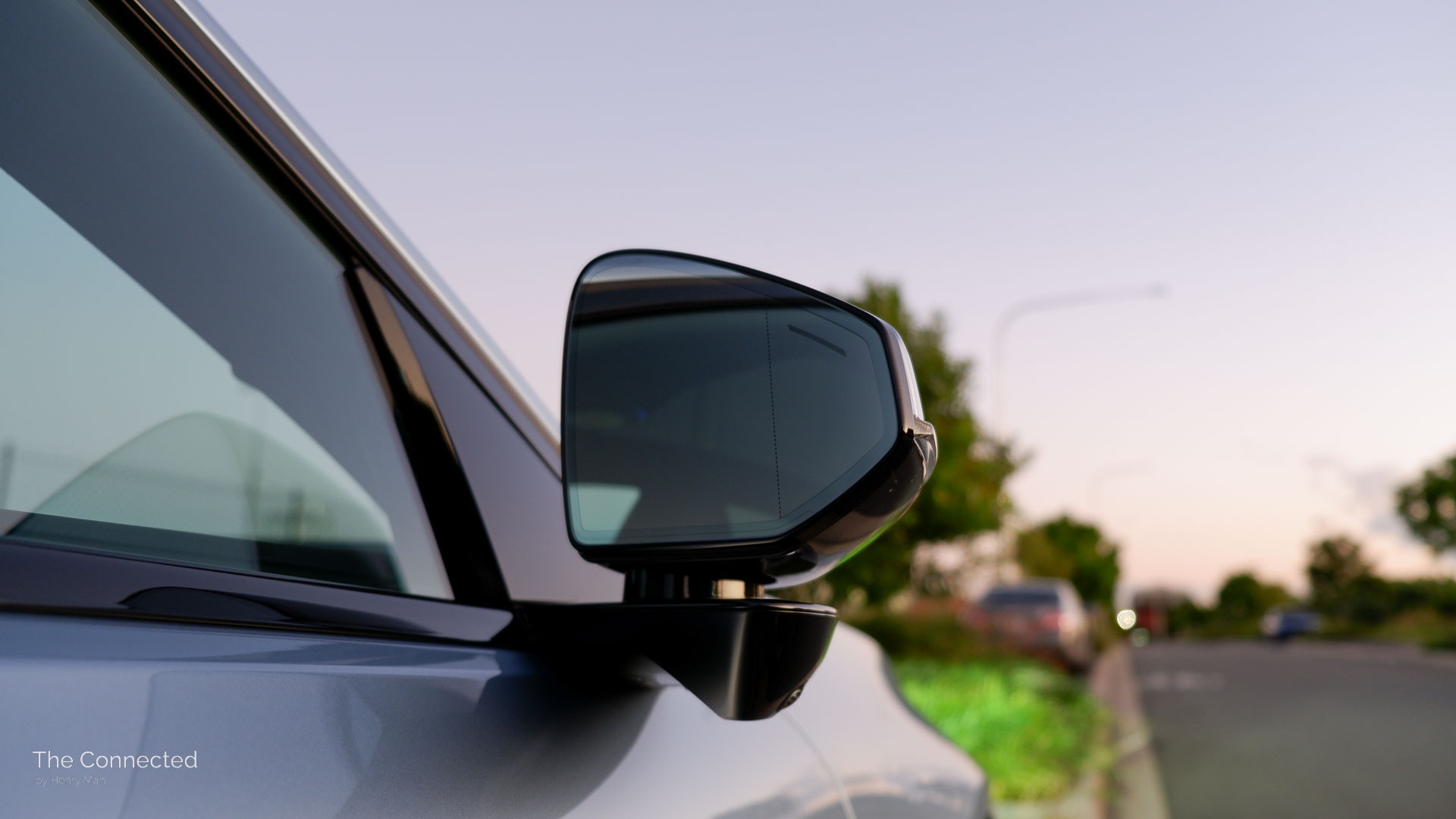
Though, the Polestar 4’s frameless wing mirrors are on the smaller side and appear to be the same size as the ones used on the Volvo EX30 and Zeekr X small SUVs, but they both have a wider angle portion at the edge with auto-dimming when the Plus Pack is optioned.
Warranty and servicing.
2025 Polestar 4 capped-price servicing costs:
| 2 years/30,000km | 4 years/60,000km |
|---|---|
| Free | |
The 2025 Polestar 4 is covered by a five-year, unlimited kilometre vehicle warranty and an eight-year/160,000km battery warranty.
The latter guarantees the battery pack capacity won’t degrade by more than 30 per cent in eight years, otherwise a free replacement may be offered.
A 12-year bodywork corrosion warranty is included, too.
Servicing is required every two years/30,000km (whichever occurs first) – but Polestar includes free servicing for the first five years/100,000km. It doesn’t have fixed maintenance prices for checkups thereafter.
Roadside assistance is included for up to five years, while connected services plus is free for the first three years with a two-year extension currently offered. It includes built-in music streaming, web browsing, app use, and real-time Google Maps traffic updates via the vehicle’s eSIM.
Over-the-air (OTA) software updates are available for the lifetime of the EV.
As per most electric cars, the Polestar 4 doesn’t include any spare tyre; instead, a temporary tyre patch-up goo kit is included underneath the boot floor.
Price and rivals.
2025 Polestar 4 model range pricing (accurate as at the time of publication):
| Long Range Single Motor | Long Range Dual Motor |
|---|---|
| From $78,500 before on-road costs | From $88,350 before on-road costs |
The 2025 Polestar 4 starts from $78,500 before on-road costs in Australia.
Two Long Range battery variants are offered – and may attract the Luxury Car Tax (LCT) depending on options fitted, making some configurations ineligible for the fringe benefits tax (FBT) exemption on EVs for novated leasing.
A range of expensive options are available, including the Plus Pack (+$8000) which adds:
- 22kW AC charging capability
- 12-speaker, 1320-watt Harman Kardon premium sound system
- 14.7-inch head-up display
- 5.7-inch rear control screen
- Three-zone climate control with PM2.5 air filter
- Electric reclining rear seats
- 12-way adjustable front electric seats with driver easy entry/exit
- Heated steering wheel and rear outer seats
- Matrix 32-pixel LED headlights with adaptive high beam
- Hands-free foot sensor for opening/closing the electric tailgate
- Auto-dimming wing mirrors (both sides)
- Zinc mesh textile dashboard and door trims (replaces wood and metal)
- ‘Star knit’ ambient backlighting behind the mesh textile door trim
- Illuminated front Polestar logo

Other available options include the Pro Pack (+$2500), Performance Pack on the Long Range Dual Motor only (+$7200), rear privacy glass (+$700), electrochromic glass roof (+$2200), and body-coloured exterior claddings (+$1400).
The latter two require the Plus Pack as a prerequisite, as is the Nappa leather seat upgrade (from +$5700) which also brings massaging, ventilation, front headrest speakers, textile headliner, and rear comfort headrests.
Exterior colours can cost an extra $1750 or $2300, except for the standard Magnesium silver.
The 2025 Polestar 4 directly rivals the following luxury EVs:
- Genesis GV60 (full review)
- Porsche Macan Electric
- Audi Q6 E-Tron
- Cadillac Lyriq
- Lexus RZ
- BMW iX
- Smart #3
Other alternatives to the Polestar 4 include:
- Polestar 2
- Polestar 3
- Hyundai Ioniq 5 (full review)
- Kia EV6 (full review)
- Ford Mustang Mach-E
- Skoda Enyaq Coupe
- Cupra Tavascan
- Volkswagen ID.5
- Tesla Model 3
Would I pick the 2025 Polestar 4?
The Polestar 4 is an upmarket and long range EV, but its tech isn’t as user-friendly and it quickly gets expensive with options.
In the context of its pricier Genesis GV60, Porsche Macan and Cadillac Lyriq direct rivals, the Polestar 4 is actually reasonably priced for a luxury electric car, with a starting cost that’s more in line with the high-spec Hyundai Ioniq 5, Kia EV6 and Ford Mustang Mach-E.
It’s still the closest alternative to Tesla with Android Automotive software and clever Google Maps navigation, a comfortable ride, and luxurious design inside and out that’s a big step up compared to the Polestar 2.
However, despite software updates fixing key issues plaguing the 4 at launch overseas, there is still room for improvement.
The software design isn’t as easy to use, the touch-sensitive steering wheel buttons are just bad, adaptive cruise control needs further refining, and expensive options push the price up quickly – with features such as a heated steering wheel, auto-dimming wing mirrors, and privacy glass that should really be standard for a luxury vehicle.


In some ways, the lower-priced Polestar 2 liftback feels like the more complete and stable product with a key fob that has buttons, manual air vents, physical steering wheel buttons, and more dependable Pilot Assist system.
I’d pick the Polestar 4 Long Range Single Motor and at least add the $8000 Plus Pack.
The Polestar 4 represents a big step up for the Sino-Swedish luxury electric car brand and, while the lack of a rear window attracts the headlines, it is by no means the most contentious part.
It’s a shame that the new SEA platform has resulted in too many software issues. Thankfully, software updates are gradually improving an otherwise well-designed and to drive luxury EV – but that shouldn’t be the case for an on-sale production car.
Photographs by Henry Man
READ MORE: 2025 Genesis GV70 review
READ MORE: 2026 Tesla Model Y review
READ MORE: 2025 Deepal S07 review: First drive
Pros:
- Advanced Google tech
- Range anxiety-free navigation
- Well-priced for a luxury EV
- Comfortable yet sporty drive
- Striking premium design
Cons:
- Difficult to use tech
- Infuriatingly bad touch-sensitive buttons
- Adaptive cruise needs further refining
- Expensive options should be standard
- It’s a wide thing
About the Author.
Henry Man is an independent content producer passionate about the intersection of technology and transportation.
The former automotive journalist is focused on producing critically-detailed vehicle reviews, and unique short-form content. Learn more.


 The Connected by Henry Man