

The Volkswagen Kombi has been reborn as an electric van, but it’s a mixed-bag family EV…
The Volkswagen ID. Buzz is the German automaker’s hero electric vehicle that harks back to the iconic Kombi van from the 50’s.
With a Cargo commercial van, five-seat short wheelbase (SWB), seven-seat long wheelbase (LWB) and sporty GTX versions, the ID. Buzz aims to outsell all internal combustion engined Volkswagen van models combined – not to mention it being one of the ‘cheapest’ proper three-row electric vehicle models in Australia.
Released in 2022 overseas, the Volkswagen ID. Buzz has finally landed in Australia. But with a price tag that enters into six-figure territory for some variants and configurations, is the reincarnated electric Kombi too expensive?
I tested both the Pro SWB five-seater and GTX LWB seven-seater to see why this electric family van may not be worth shortlisting.
NOTE: Two press vehicles were provided by Volkswagen Australia for a 14-day independent evaluation in total. We have no commercial arrangements with the company and it had no editorial control.

Pros.
+ One of the ‘cheapest’ seven-seat EVs’
+ Spacious interior, super high seating
+ Fast tested charging curve
+ Surprisingly good to drive for a van
+ Smile-inducing friendly design
Cons.
– Cheap interior materials for the high price
– DC charging issue with both testers
– Real-world range isn’t long
– Impractical interior quirks, missed opportunities
– Unconfident brake pedal feel
Vehicles tested:
| Model | 2026 Volkswagen ID. Buzz | |
| Variant | Pro SWB | GTX LWB |
| Starting price | $87,990 before on-road costs | $109,990 before on-road costs |
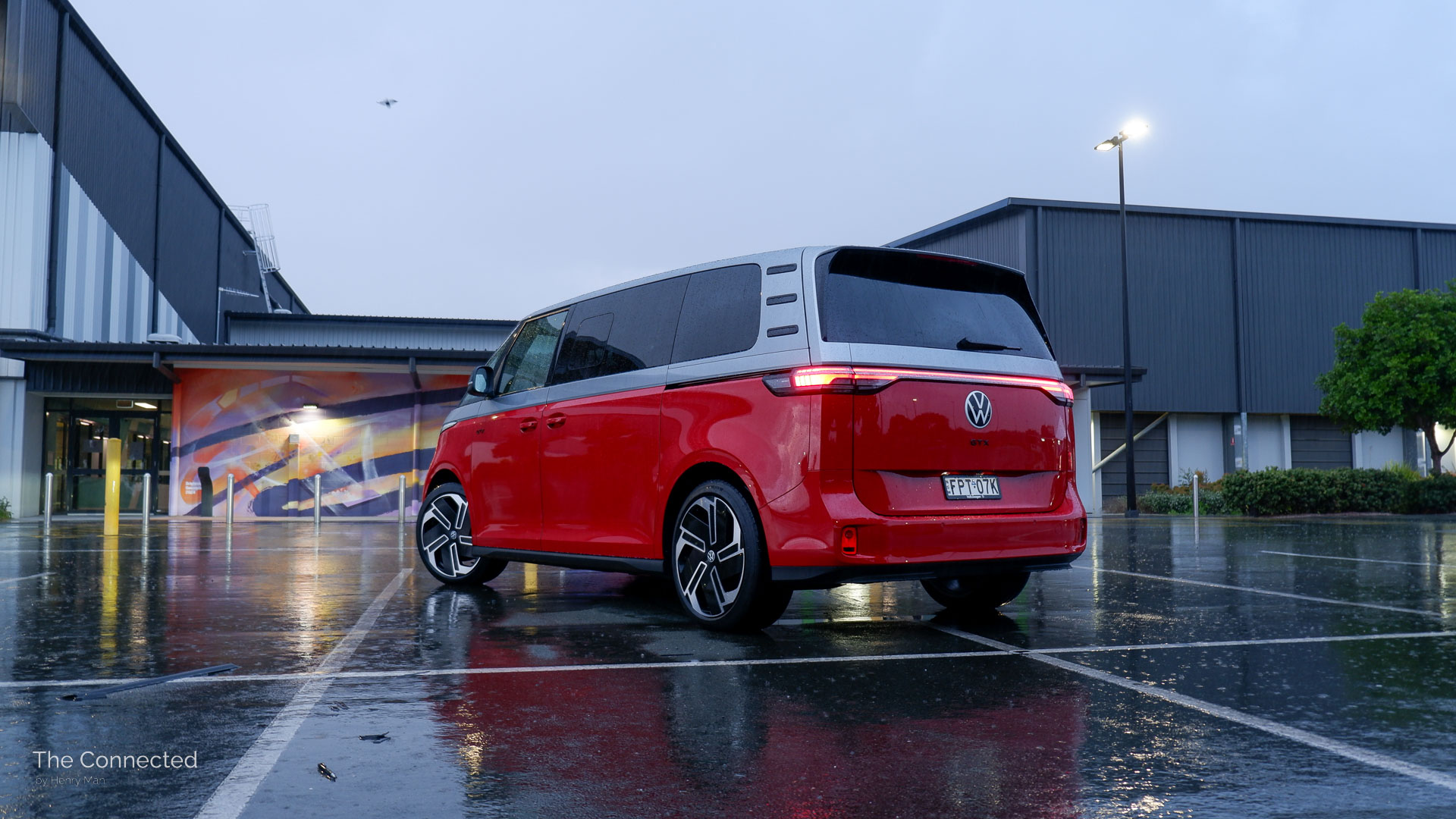
| Exterior colour | Pomelo Yellow Metallic (+$1890) | Mono Silver Metallic/Cherry Red (+$4090) |
| Interior colour | Palladium-Soul Cloth | Soul ArtVelours Eco GTX |
| Country made | Germany | |
Design and quality.
The Volkswagen ID. Buzz features a friendly exterior, but the interior feels cheap for the high price point.
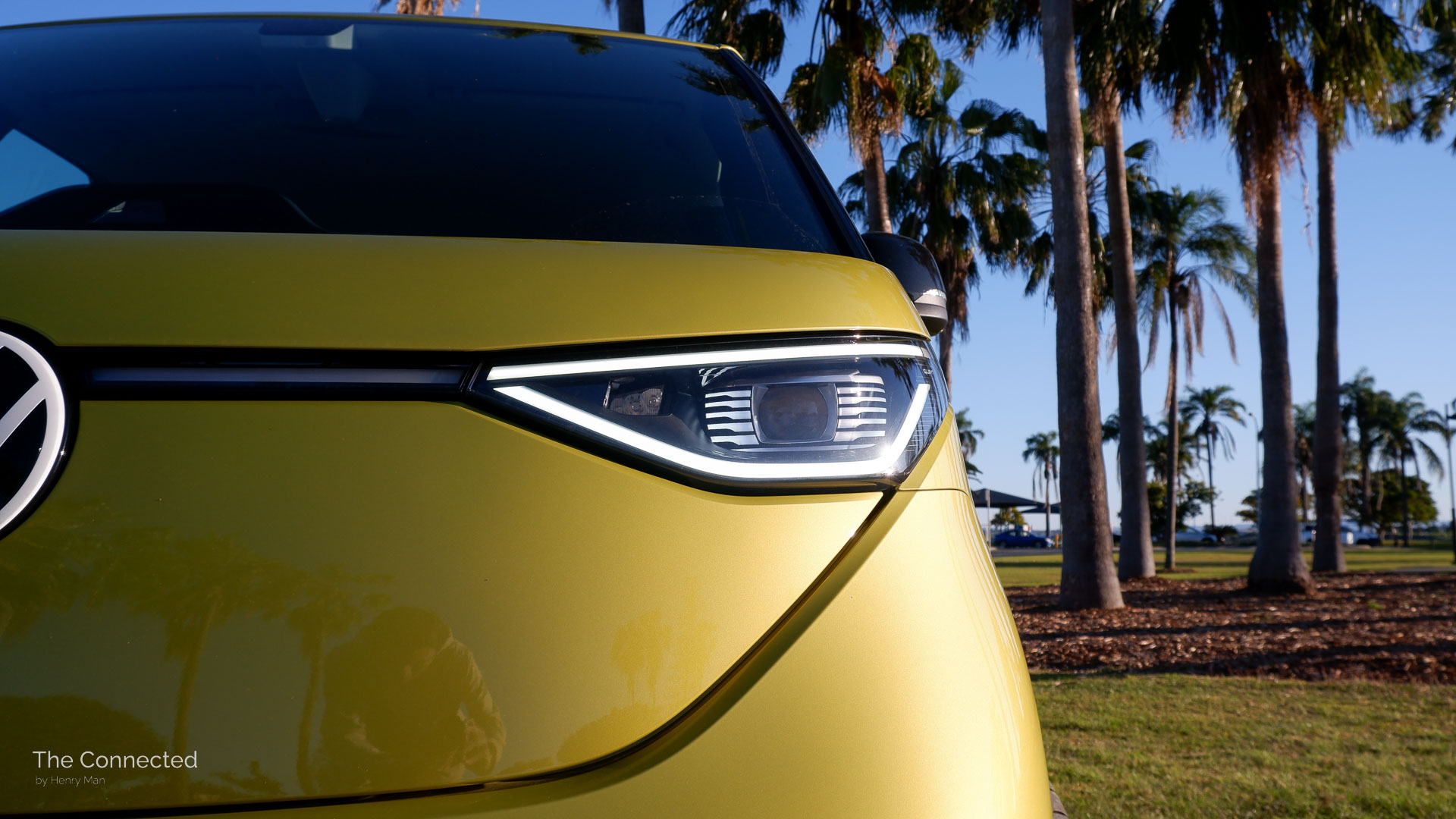
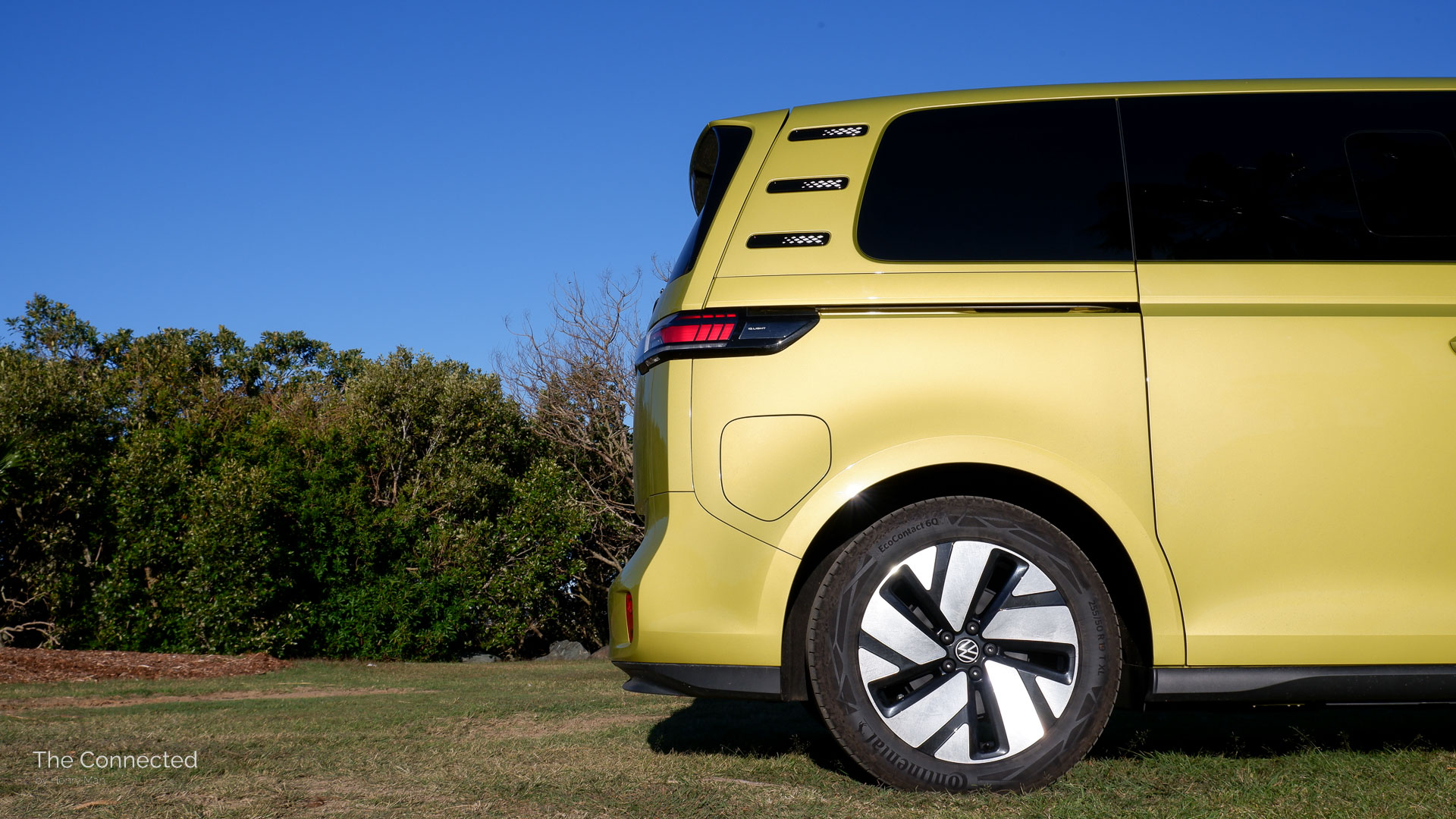
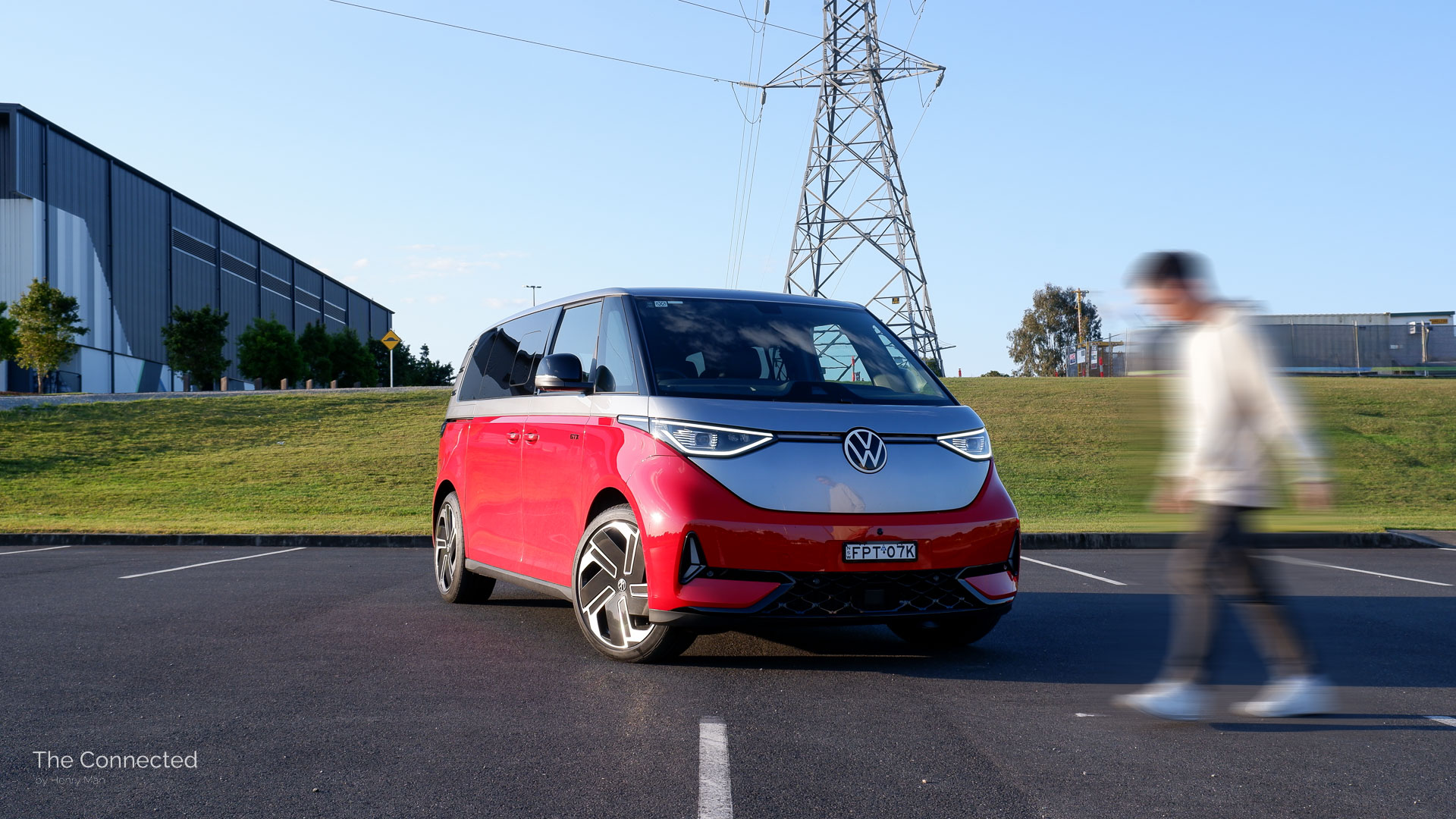
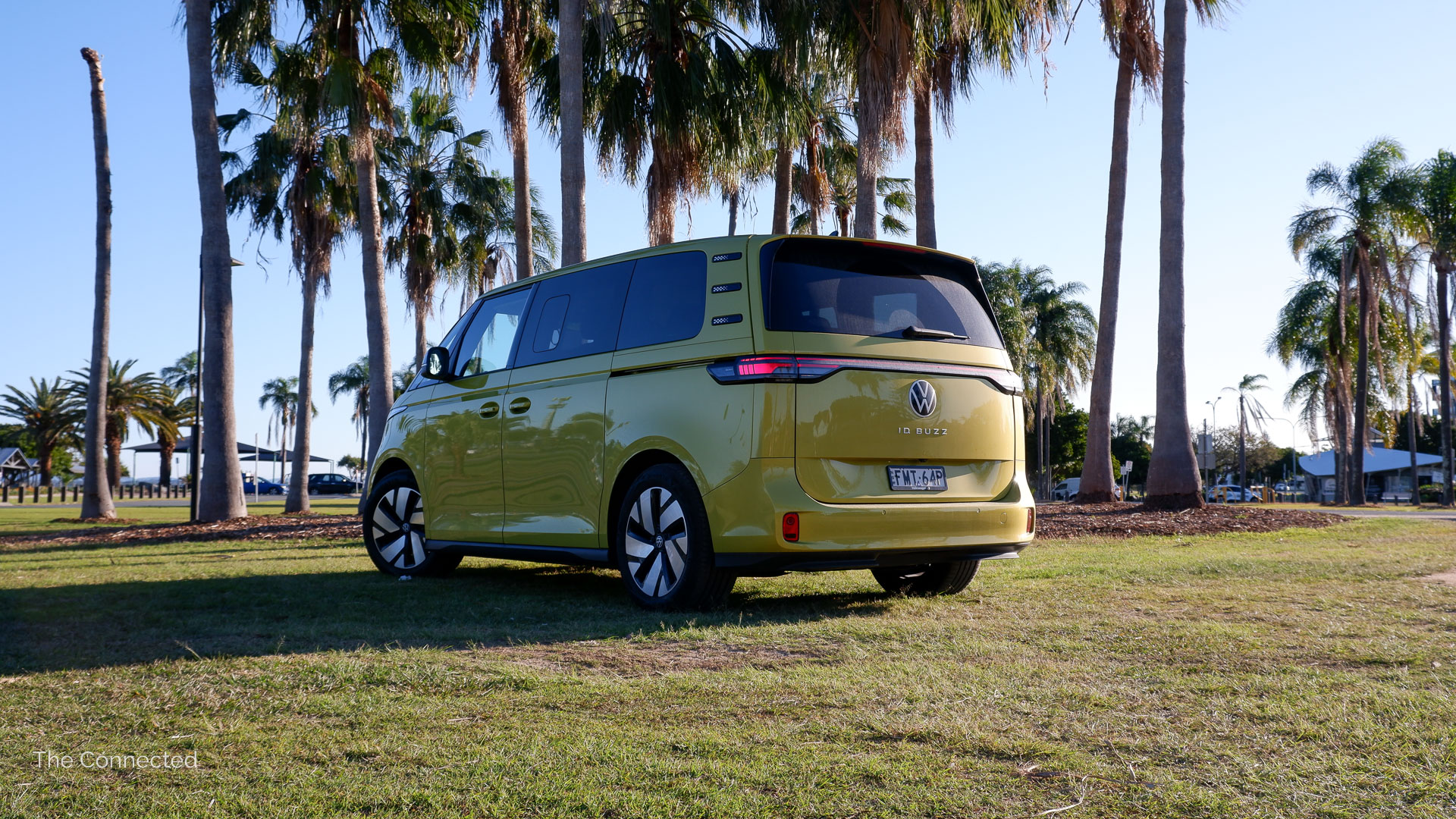
Look at the ID. Buzz and it sparks smiles with a friendly rounded face, distinct eyes within the LED headlights (which wriggle as part of a welcome and goodbye sequence), and the expensive $4090 option for two-tone paint is most reminiscent of the VW Kombi.
It’s a real head turner and conversation starter.
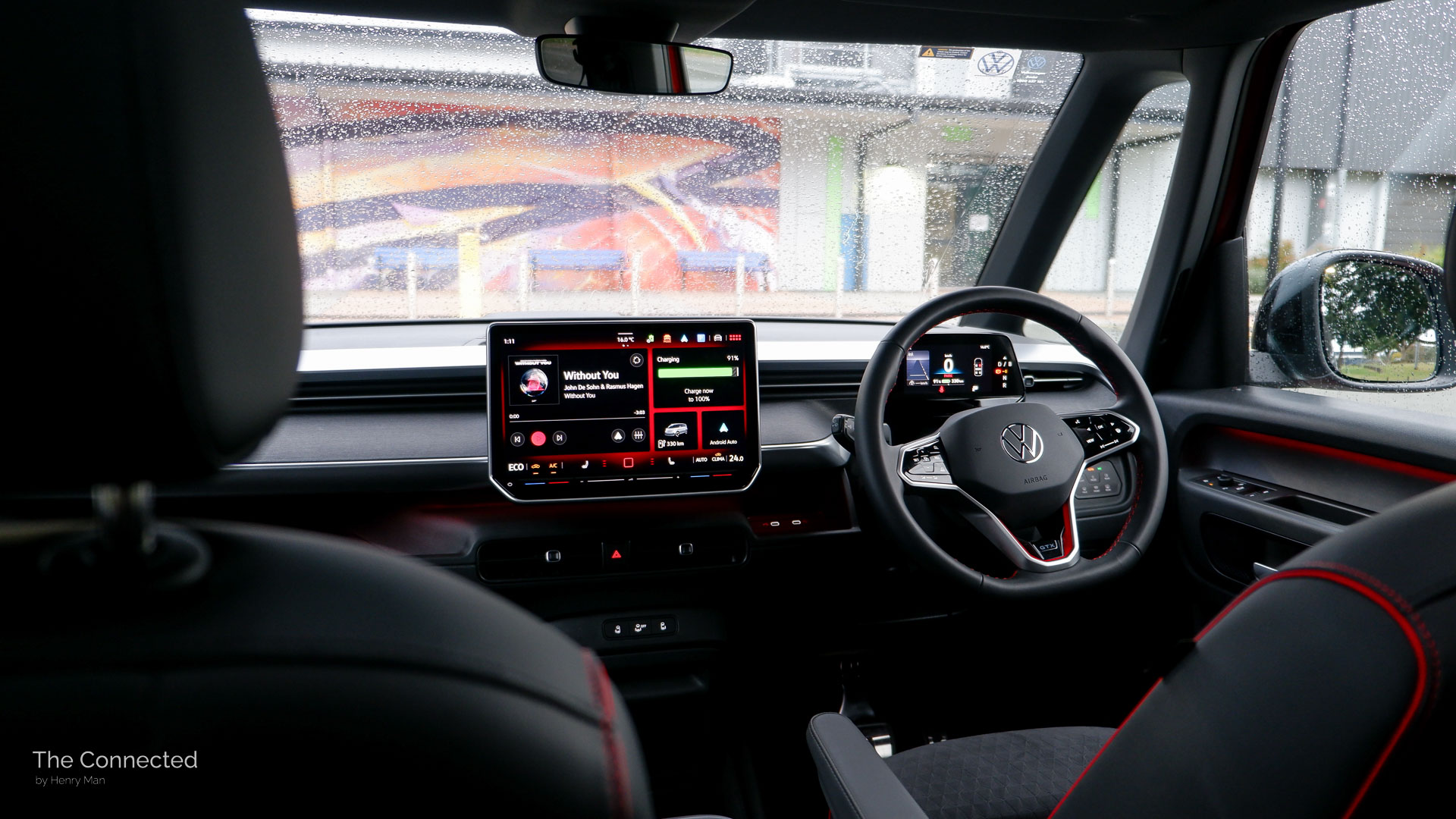
However, while the interior looks modern without being too minimalistic, it is a very dark and monotone affair on both the Pro and GTX.
I’d suggest optioning one of the two-tone light interior themes with a recycled ‘Seaqual’ fabric material on the Pro SWB and LWB, even though it’s a pricey $3790 extra.

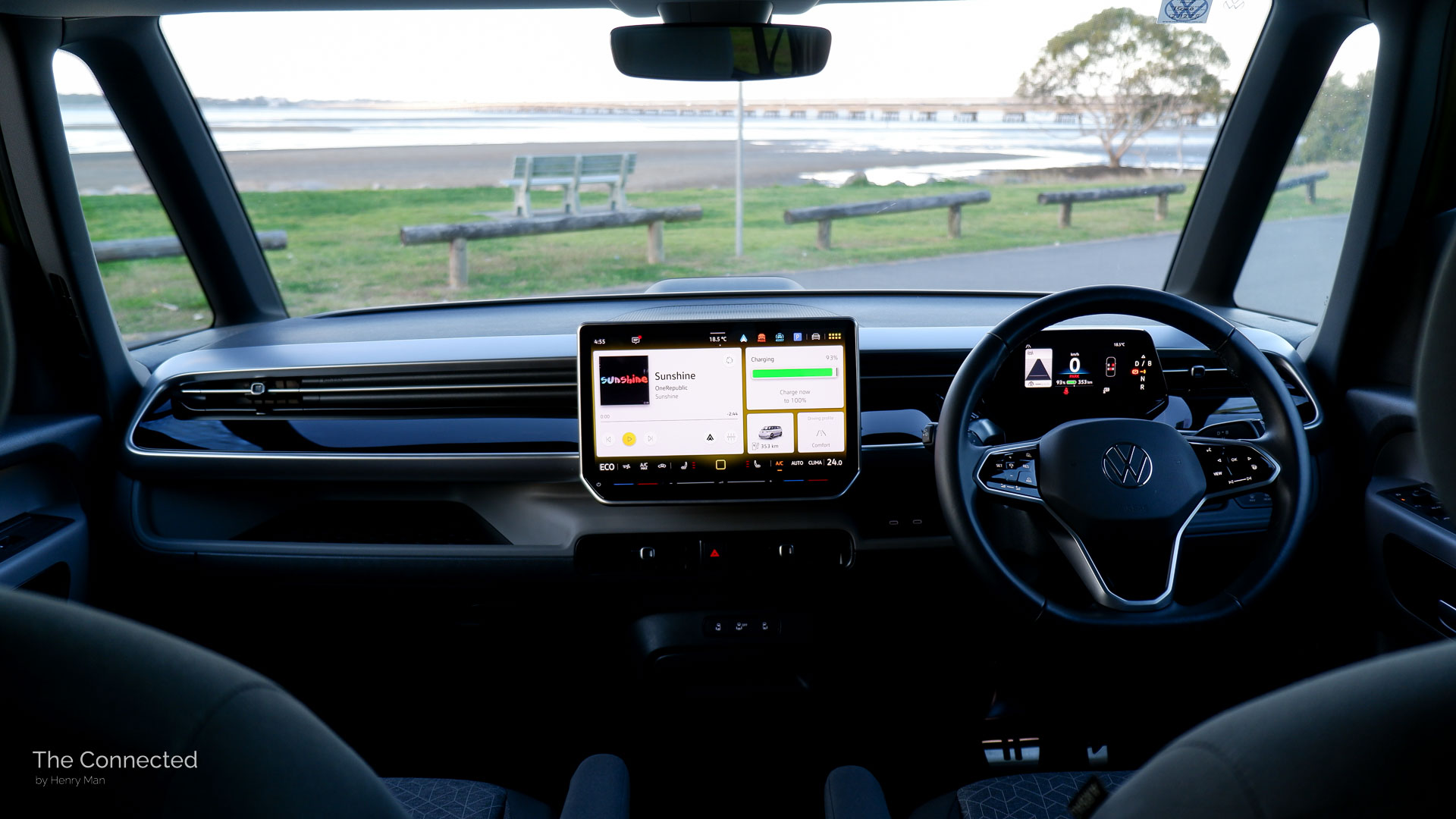
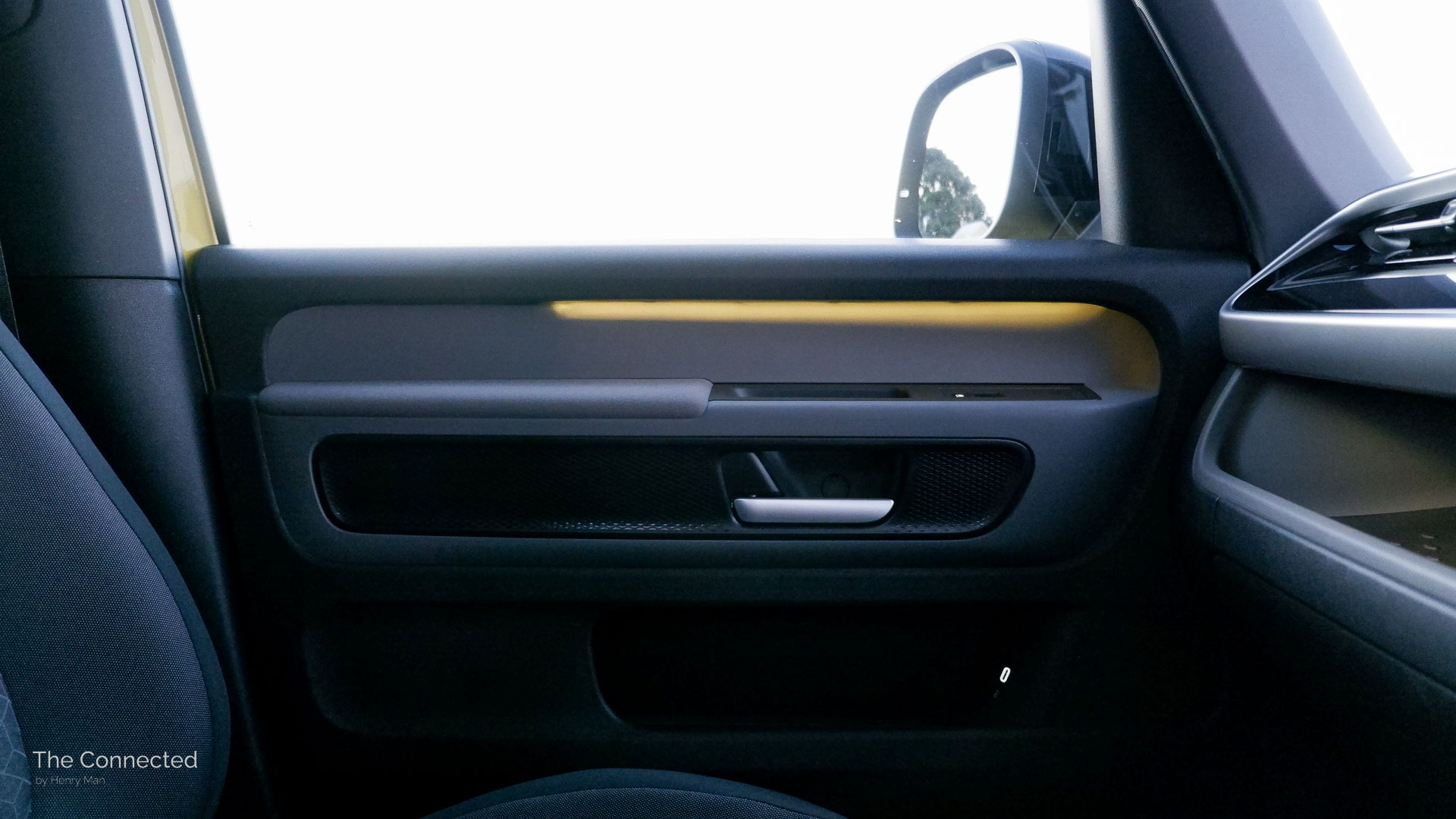

There are some ID. Buzz glyph Easter eggs scattered across the cabin, play/pause pedals to make it feel slightly unique, and subtle ambient lighting hues with a ID.Light strip across the dashboard (which barely lights up unless you’re changing the drive selector or charging) – yet material quality is cheap for a flagship electric van costing more than $100K for some models.
Hard and hollow door card plastics, basic fabric seats on the Pro, and the dark theme make the ID. Buzz feel like a utilitarian commercial van.
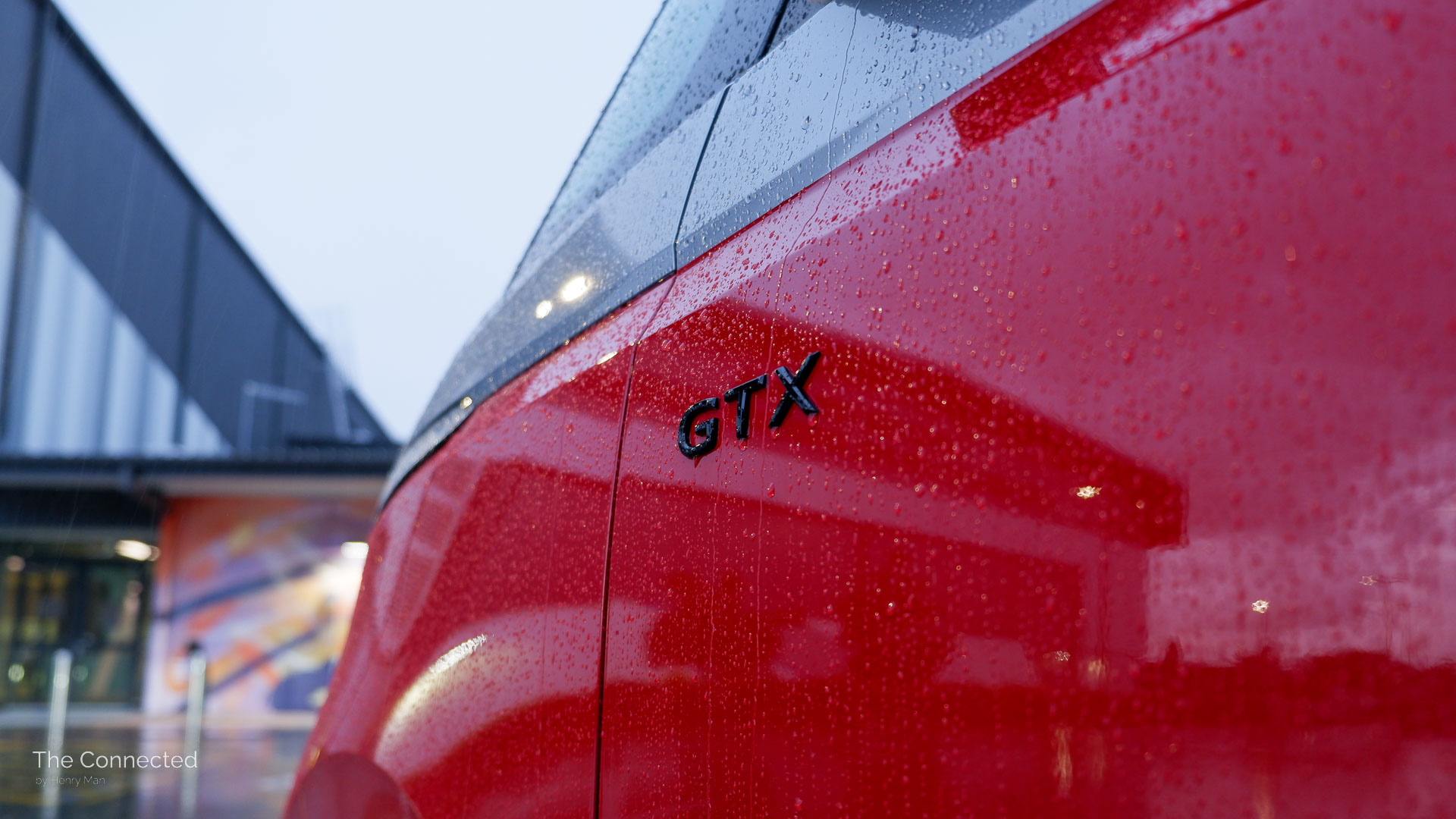
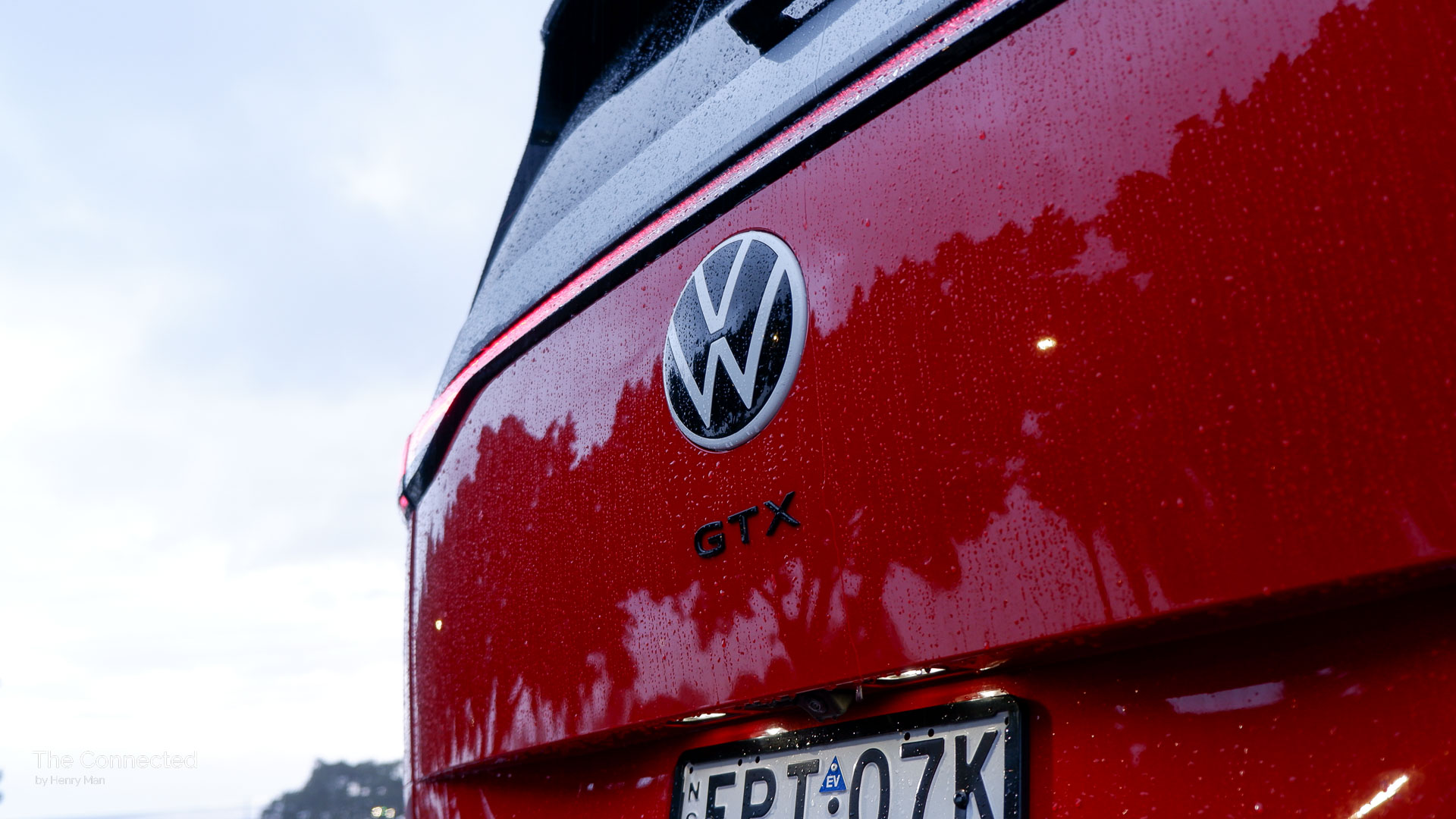
The GTX feels very similar to the entry-level Pro as well with the performance flagship using black leatherette armrests (instead of grey fabric), some red piping and accents on the seats and wheel, and a faux dark wooden dashboard trim (instead of gloss black).
The Kia EV9 large three-row electric SUV simply offers a more premium and plusher interior, especially higher up in the range, even though it is pricier.
Practicality.
2026 Volkswagen ID. Buzz dimensions:
| Pro SWB | Pro LWB | GTX LWB | |
| Length x width x height | 4712 x 1985 x 1927mm | 4962 x 1985 x 1924mm | |
| Wheelbase | 2989mm | 3239mm | |
| Ground clearance | 155mm | 156mm | |
| Boot space | 1121 / 2232 litres (min / rear folded) | 306 / 1340 / 2469 litres (min / 3rd row folded / 3rd and 2nd row folded) | |
| Frunk space | N/A | ||
| Rear seat split fold | 60:40 | 50:50 (3rd row) / 60:40 (2nd row) | |
| Child seat anchors | 2x ISOFIX and 3x top tethers | 4x ISOFIX and 5x top tethers | |
| Air-conditioning system | Three-zone climate control with rear air vents | ||
The Volkswagen ID. Buzz offers a super spacious interior, but with some impractical design flaws, and peculiar quirks on the five-seater SWB.
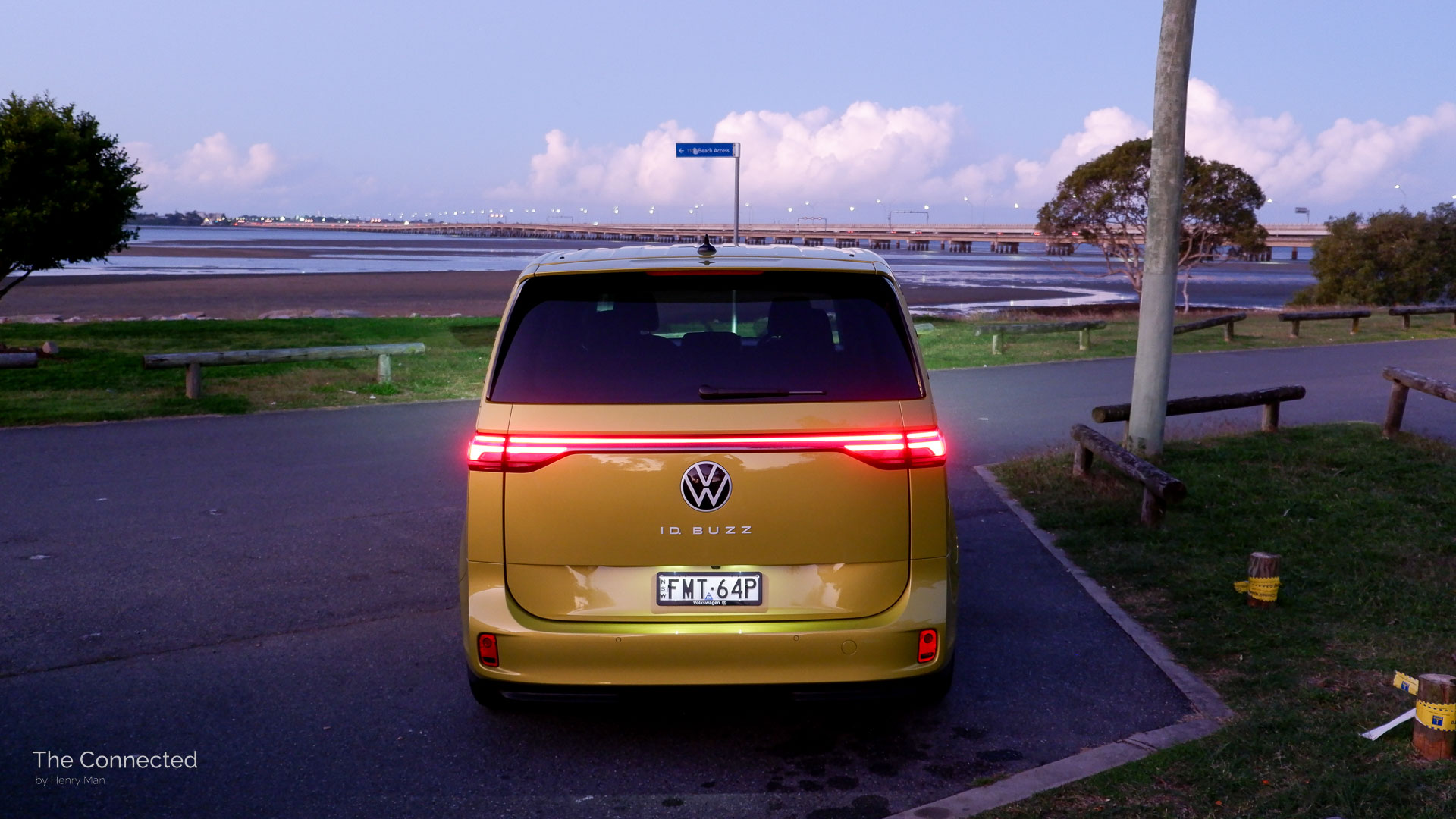
On the two-row SWB, a massive 1121 litres of boot space is available behind the second row seats with a very low and flat loading lip, bright LED lights illuminating the boot and onto the ground at the tailgate, and even air vents.
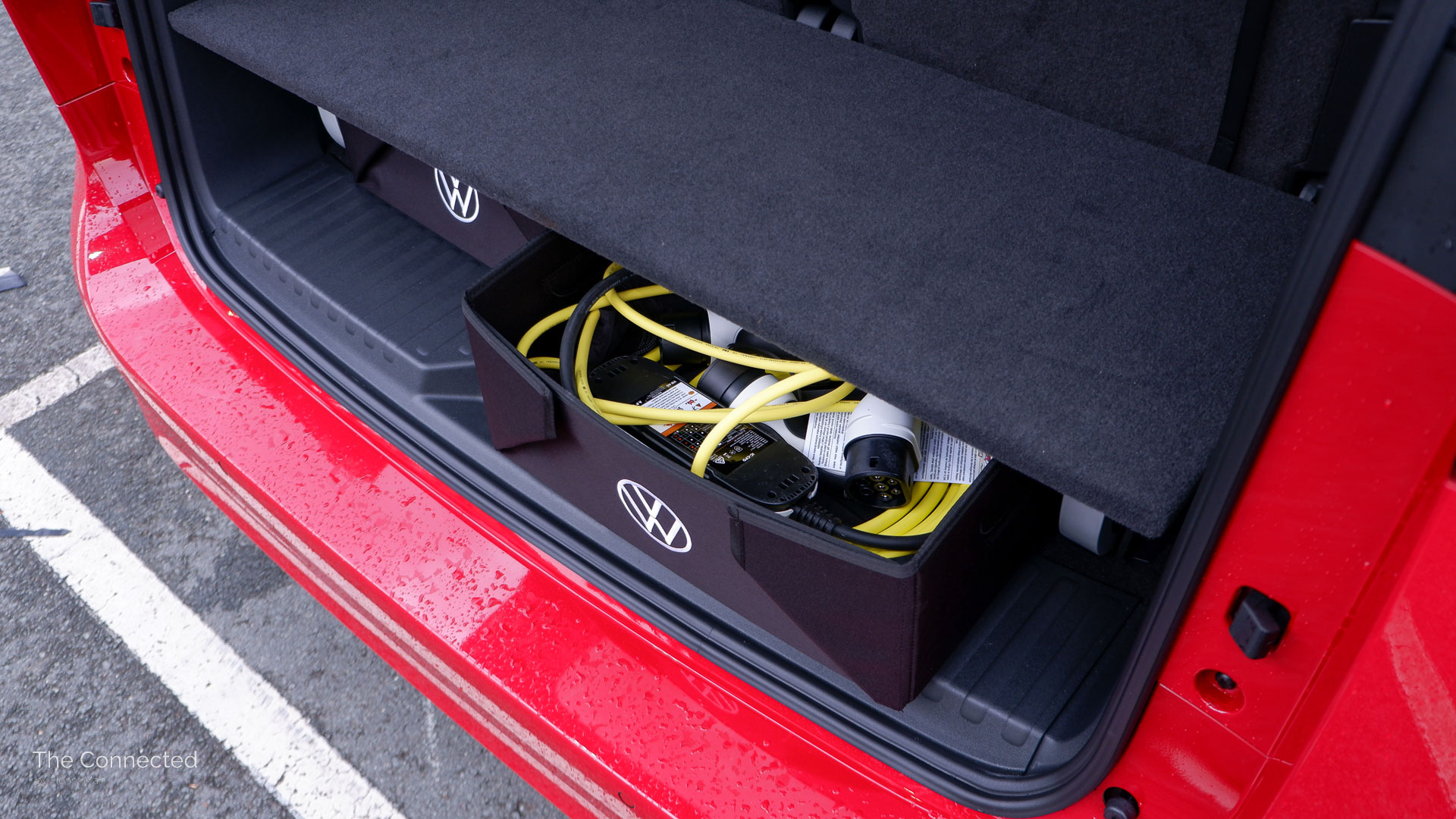
There’s one pop-out bag hook, velcro dividers to hold items in place such as the included Mode 2 and Mode 3 charging cables – but no underfloor storage and there’s an awkward gap between the rear seats and boot.
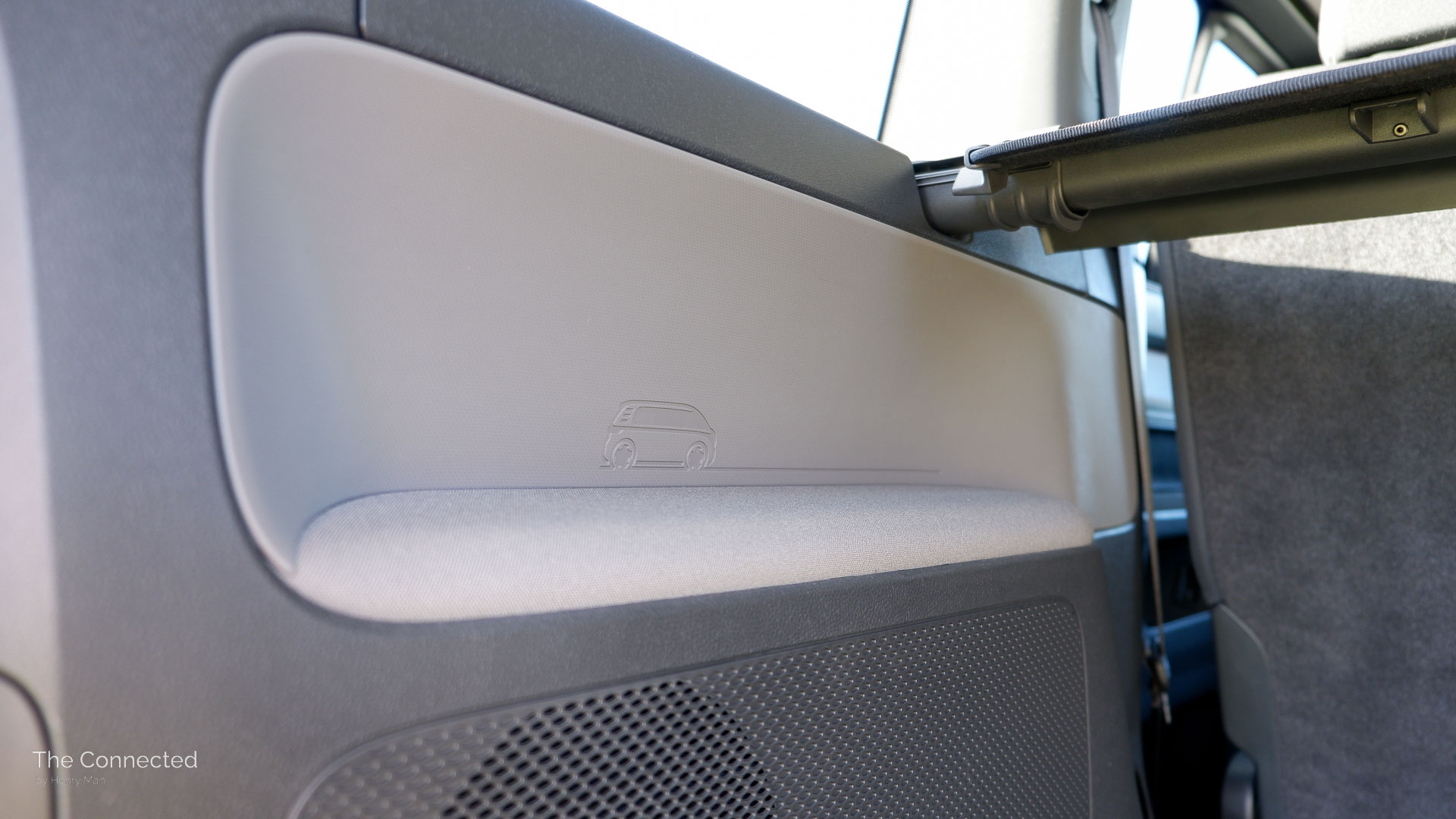
Strangely, the five-seater SWB ID. Buzz retains ceiling air vents, lights, side armrests, and storage pockets in what would otherwise be for third row passengers – except they’re in the boot area. While not a cost-cutting sign, it is a questionable design quirk as it feels like wasted effort when they’re in the boot.

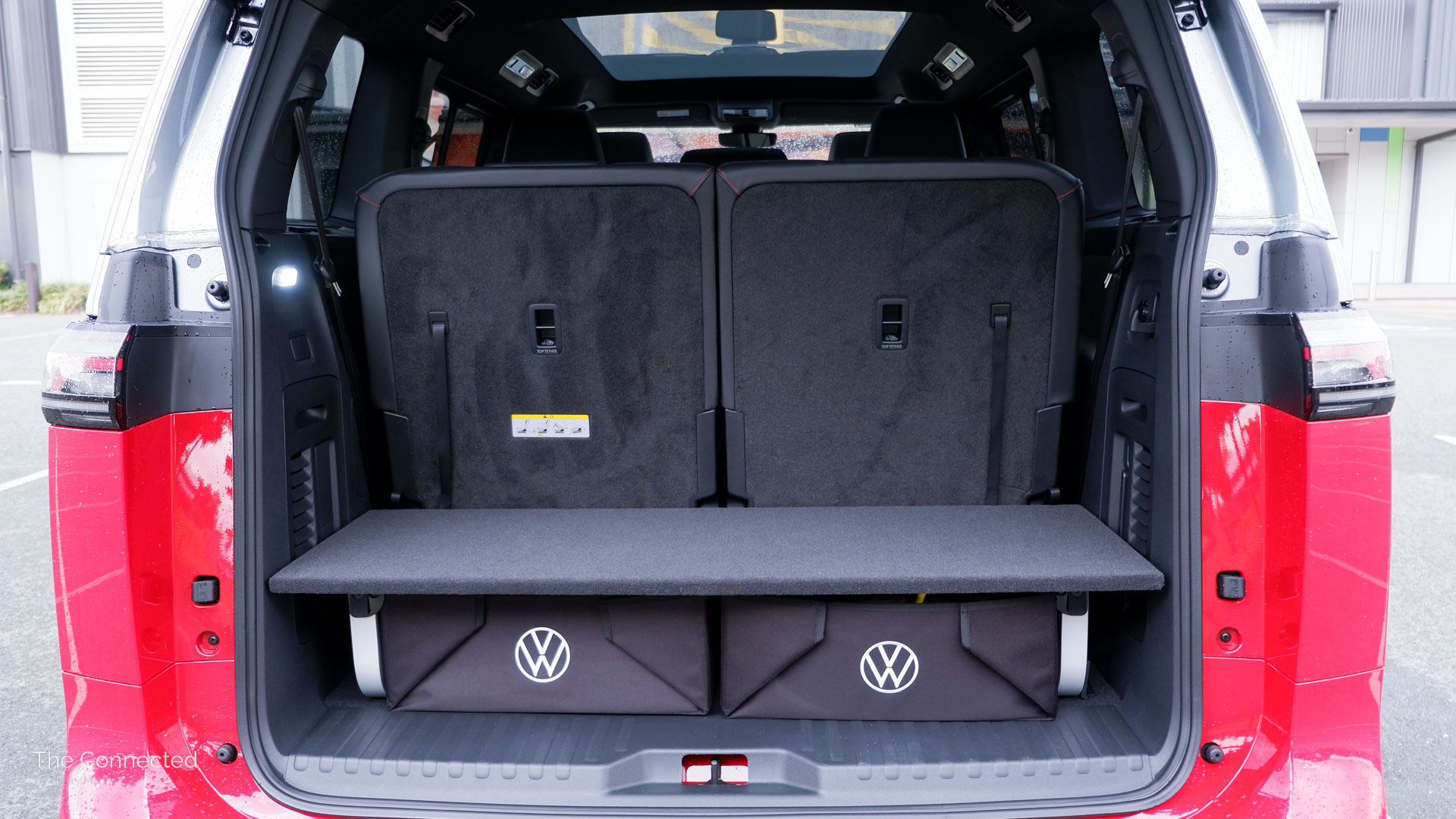
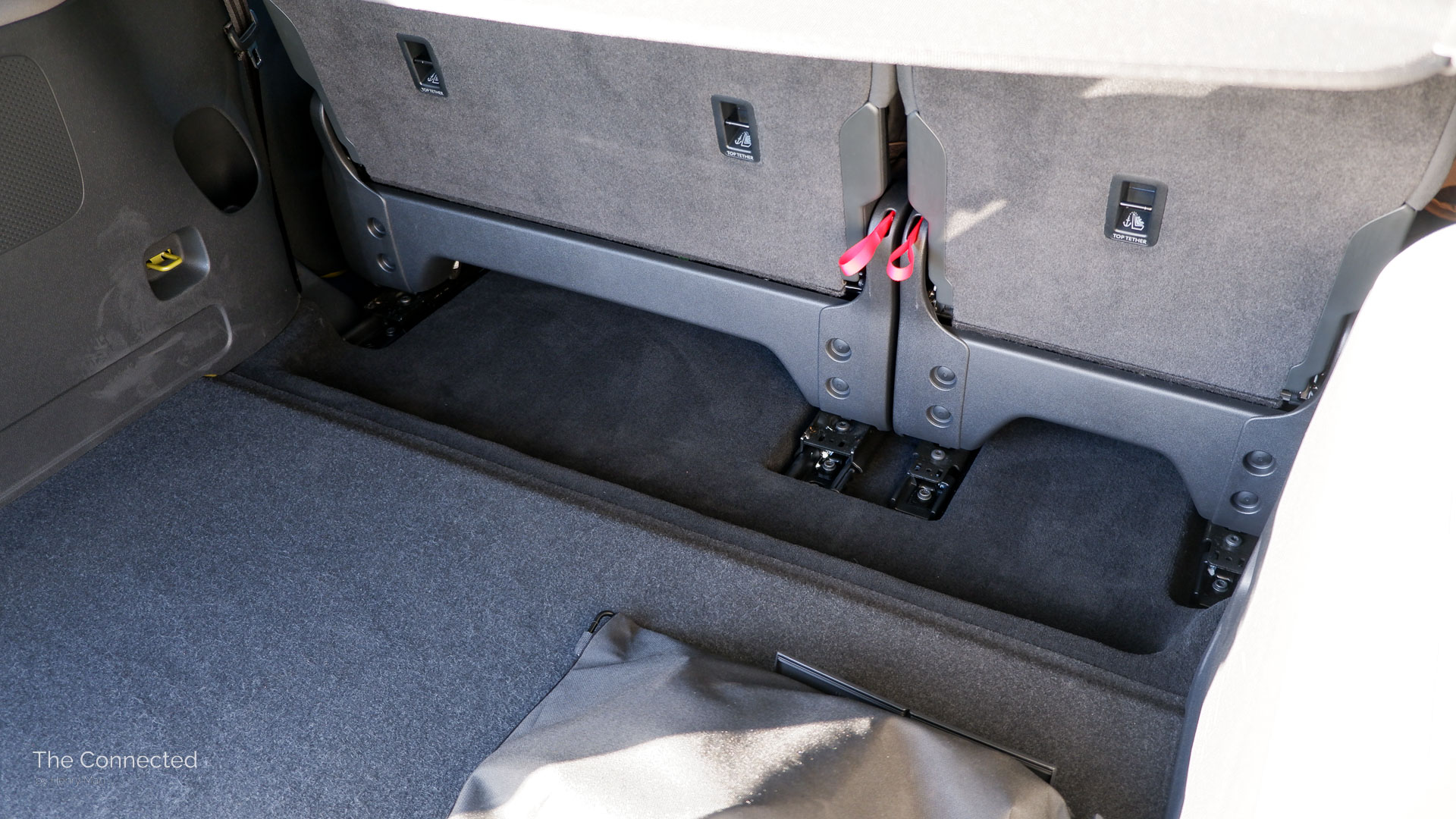

Pictured: Pro SWB (left), GTX LWB (right)
Meanwhile, the three-row LWB has 306 litres of cargo space behind the third row, which expands to 1340 litres when folded via a pull tab.
The Kia Carnival’s boot area is simply better designed as the ID. Buzz’s seats don’t fold down into the floor, resulting in a prominent hump, and storage side pockets aren’t to be seen.
Volkswagen negates the former by including a luggage area load platform as standard on the GTX (optional on the Pro), which elevates the floor to be in line with the rear seats.
While it dramatically increases the loading lip, the two slidable partition boxes are useful and the floor can be lifted up thanks to gas struts for easier access.
Annoyingly, when the third row seats are in use on LWB models, there’s no space to store the retractable cargo cover so you’ll need to leave it out of the car.
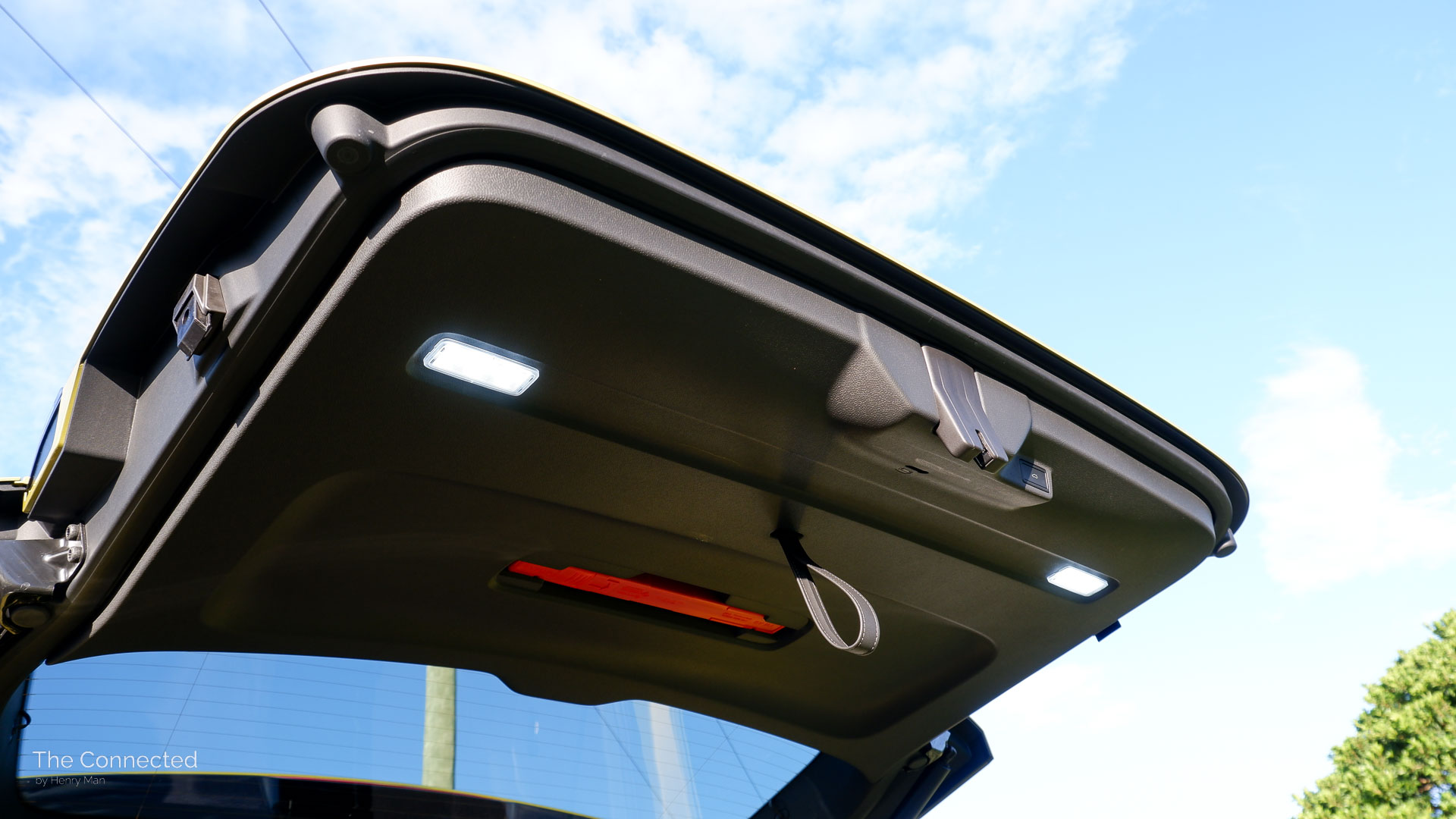
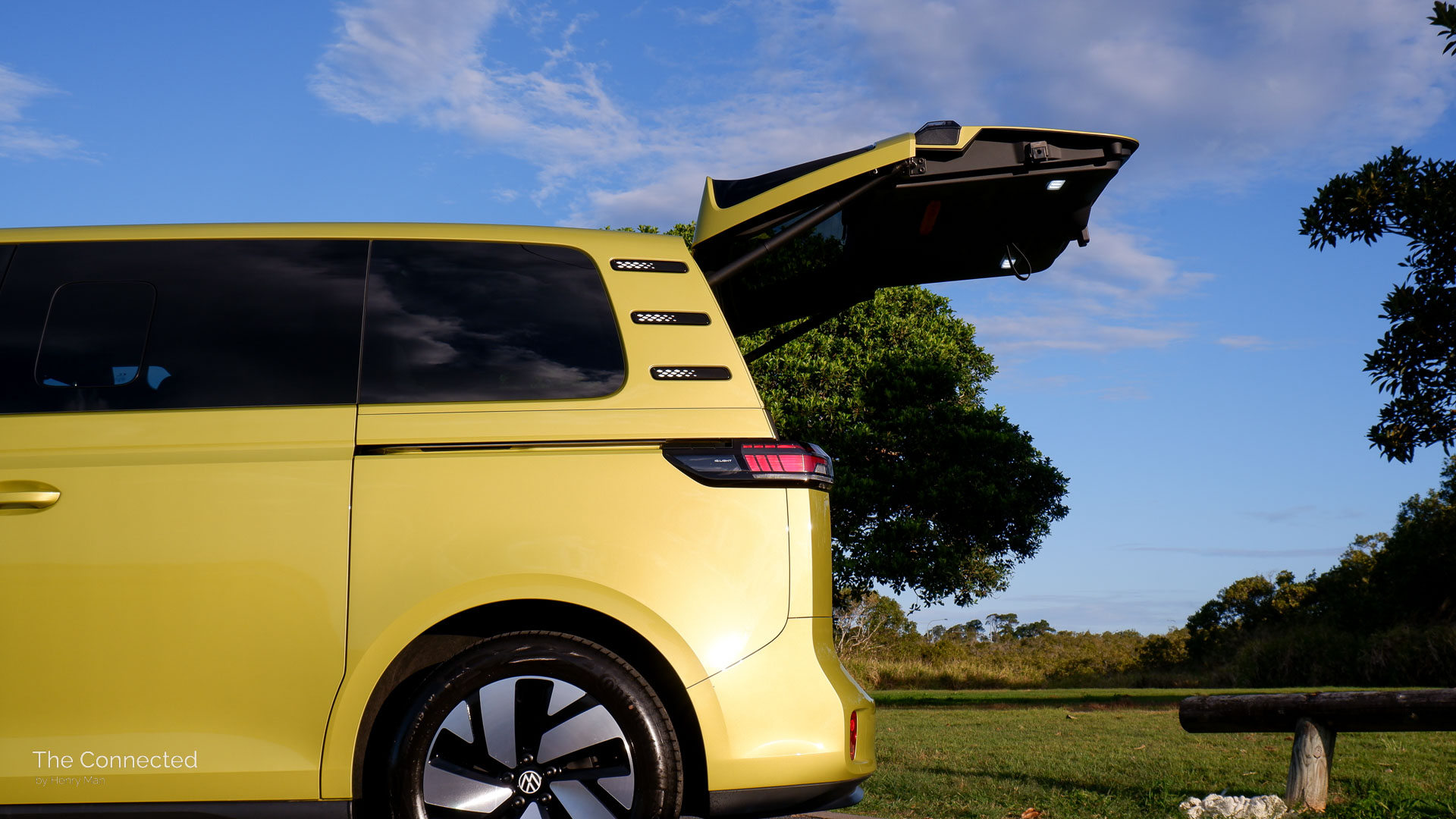
One thing to keep in mind on all ID. Buzz models is the long and wide opening electric tailgate, which provides good cover from the sun and rain. But it can be annoying when backed up against a wall or charging station, and the distorted reversing camera doesn’t help either even though it has guidelines.
At least an electric tailgate is standard, with a convenient hands-free function by kicking underneath the rear bumper.
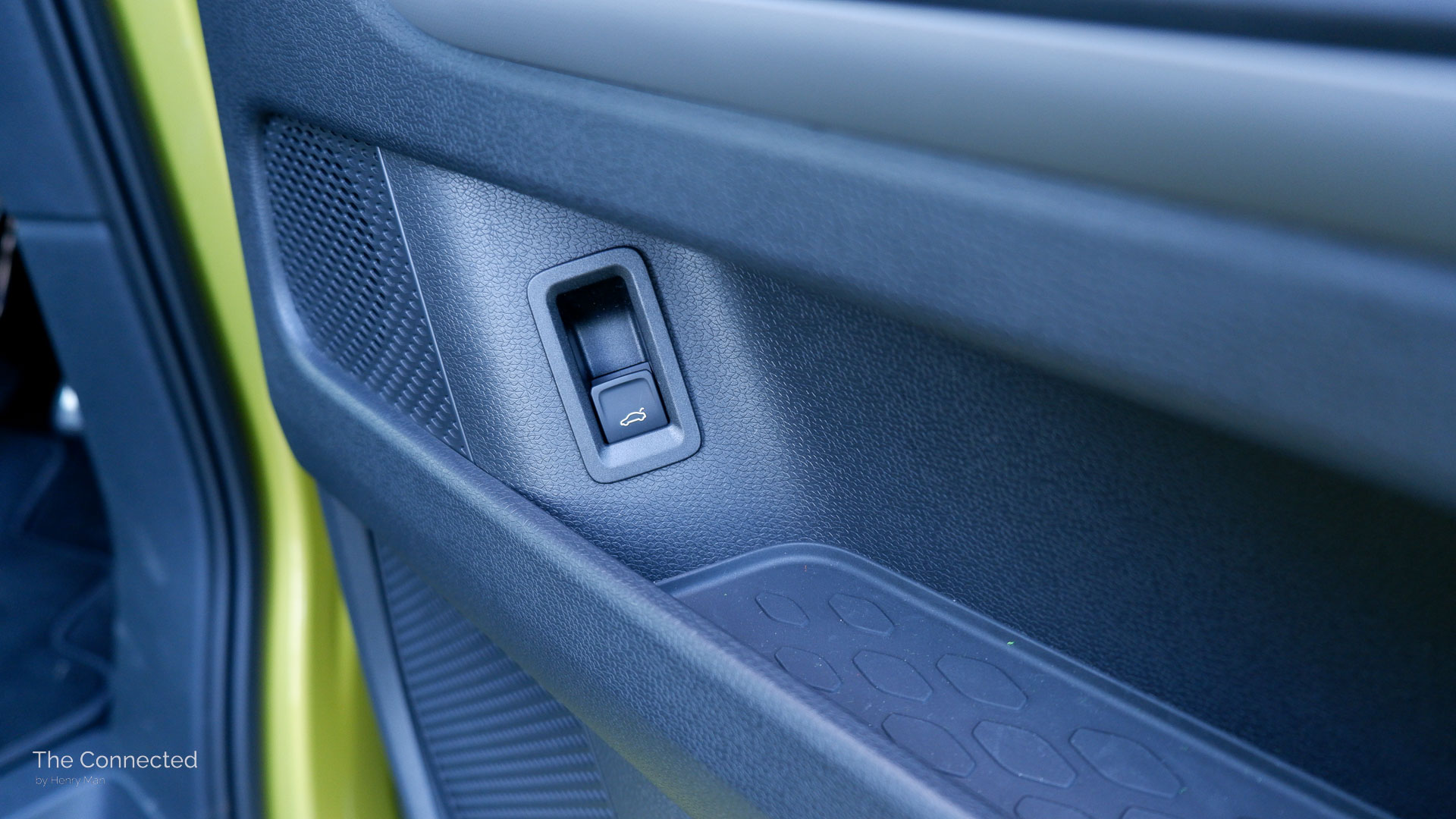
Disappointingly, this hands-free feature doesn’t consistently function and, while there is a boot opening switch inside the driver’s side door and boot open button on the key fob, it seems like the ID. Buzz needs to be in a sleep state in order for it to actually work.
Most times, it just flashes the hazards. The switch can’t close the boot from inside either, as per VW style.
No ID. Buzz offers a frunk.
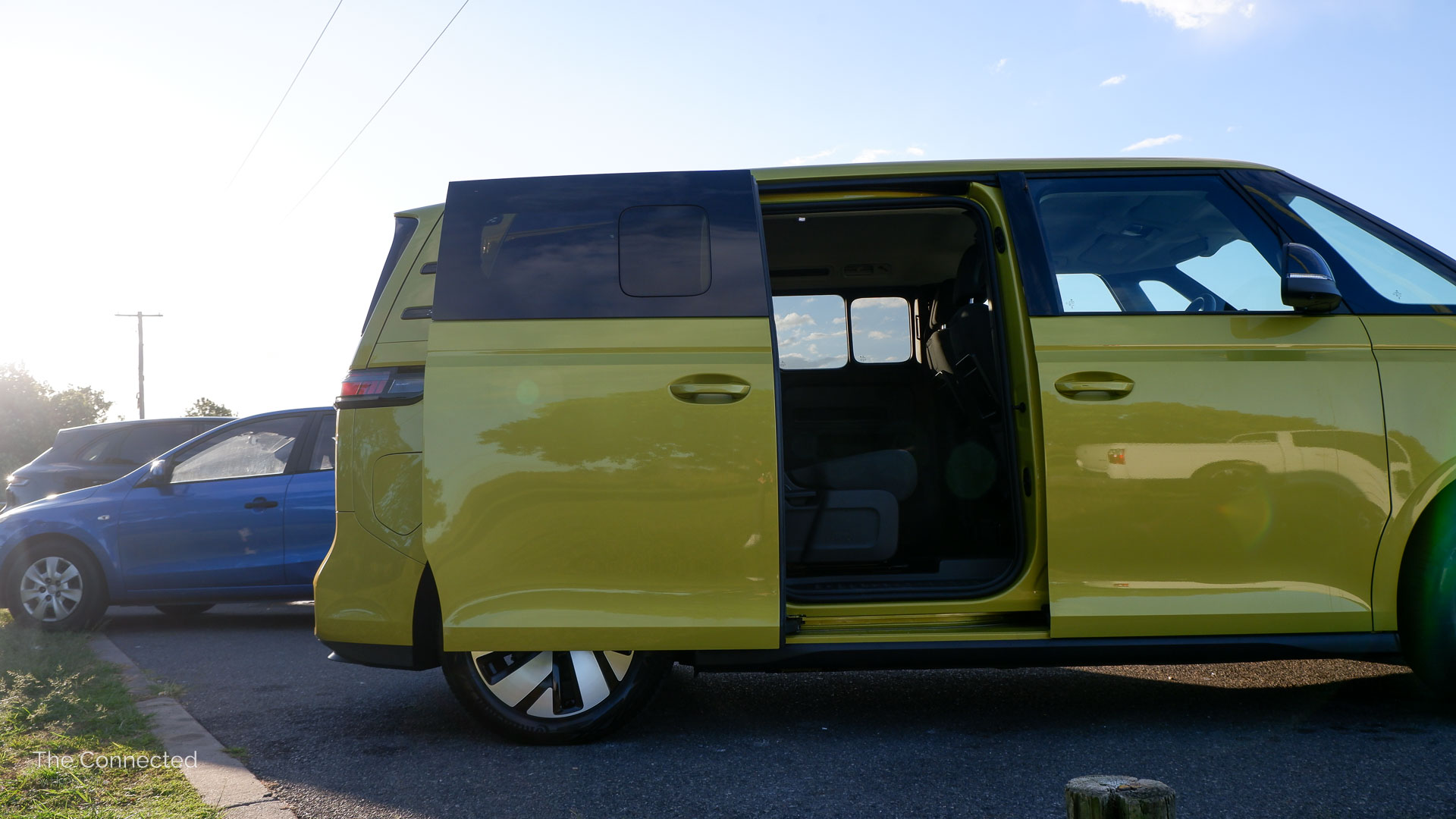
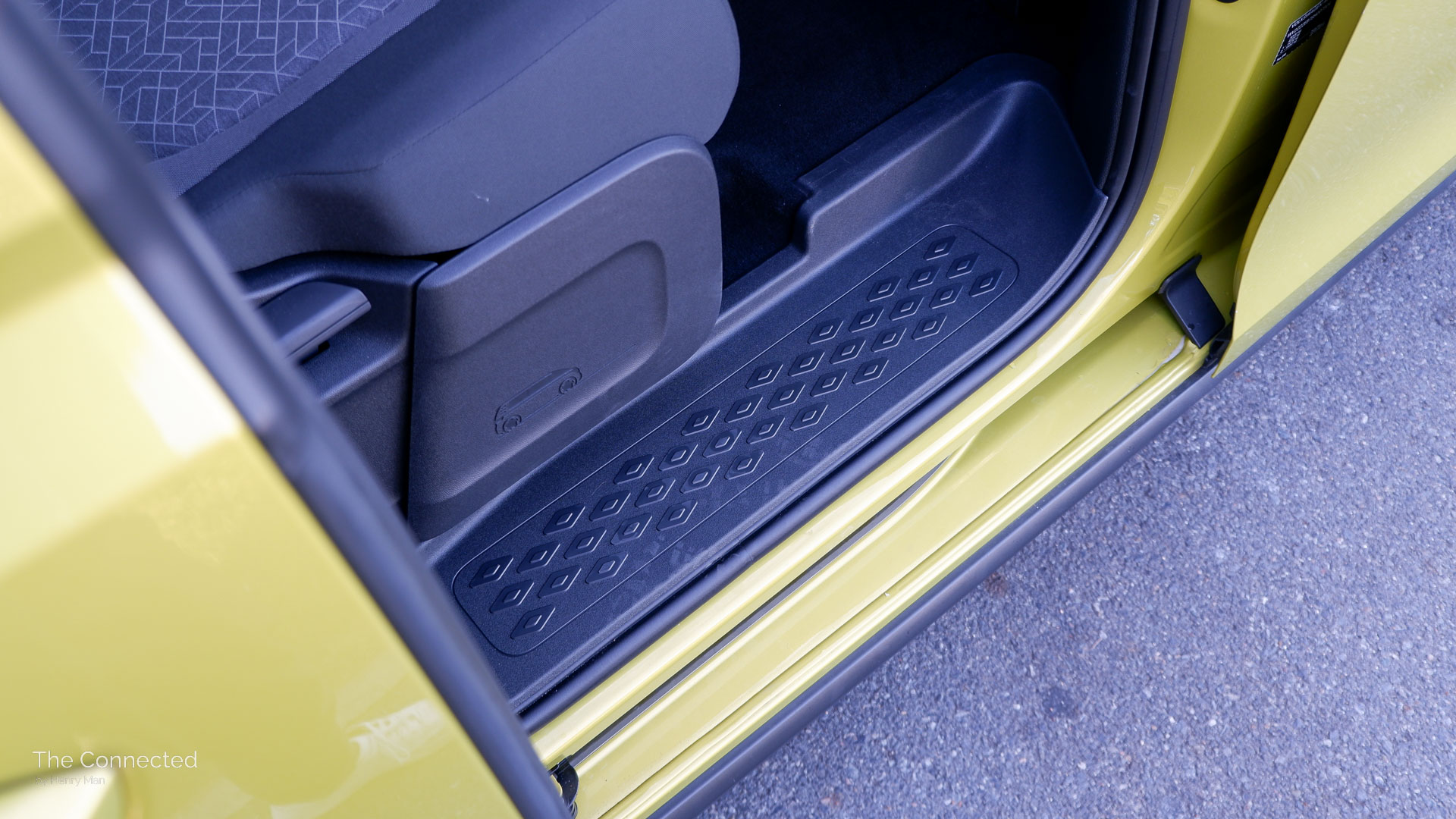
Fortunately, the Volkswagen ID. Buzz has conventional, no-nonsense door handles and the rear electrically sliding doors are simply practical with no risk of ‘dooring’ other vehicles, a wide opening, and electric mechanism that opens and closes with a click of a button or pull of the handle.
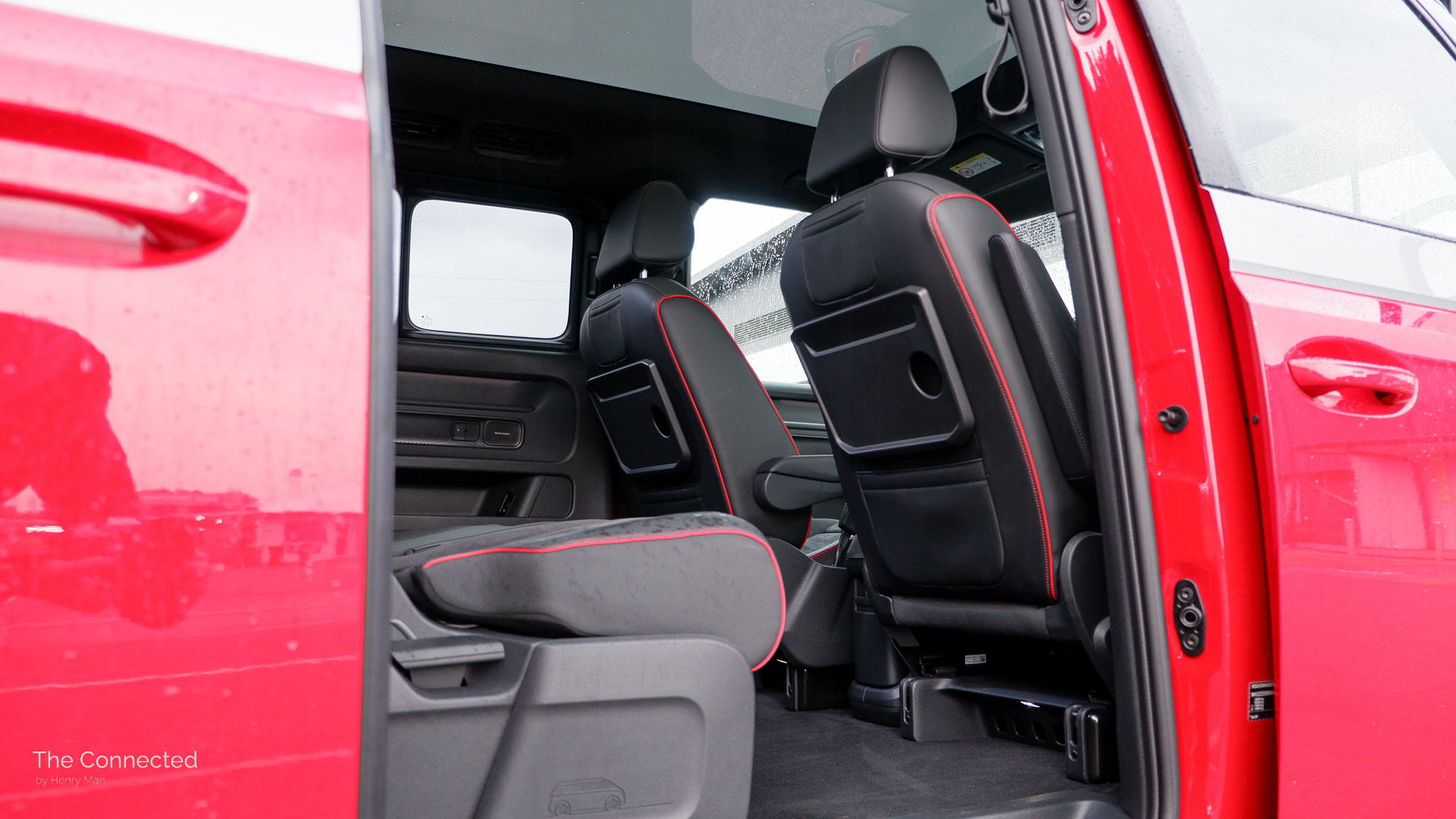
Getting in the electric van requires a notable step up onto a plastic step, with a rubber grab handle available for the second row – but not the third and first ones. Kids and older adults may struggle with ingress and egress due to the high height.
Crucially, the Volkswagen ID. Buzz LWB makes much more sense for a large passenger van with seven seats rather than five with a large boot.
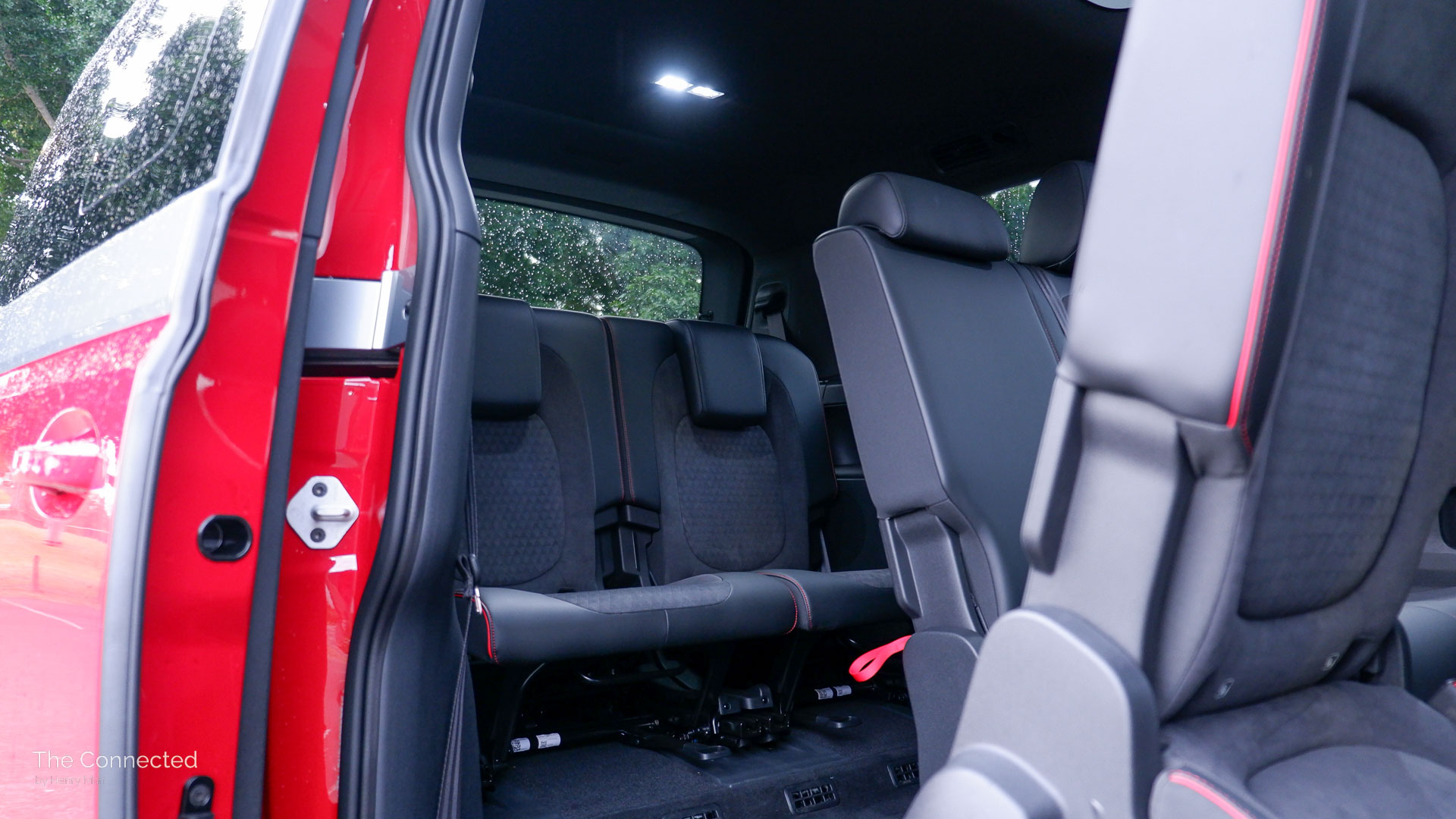
Access to the third row on the LWB is easy by pulling a lever above the second row, which bounces the bench forward in a 60:40 split. Pushing and pulling the seats is also lighter and less tedious than the Kia Carnival.
Unlike many large SUVs, the ID. Buzz’s third row is genuinely spacious with good legroom even with the second row seats in the furthest-back position and ample legroom thanks to the high and square van roofline.
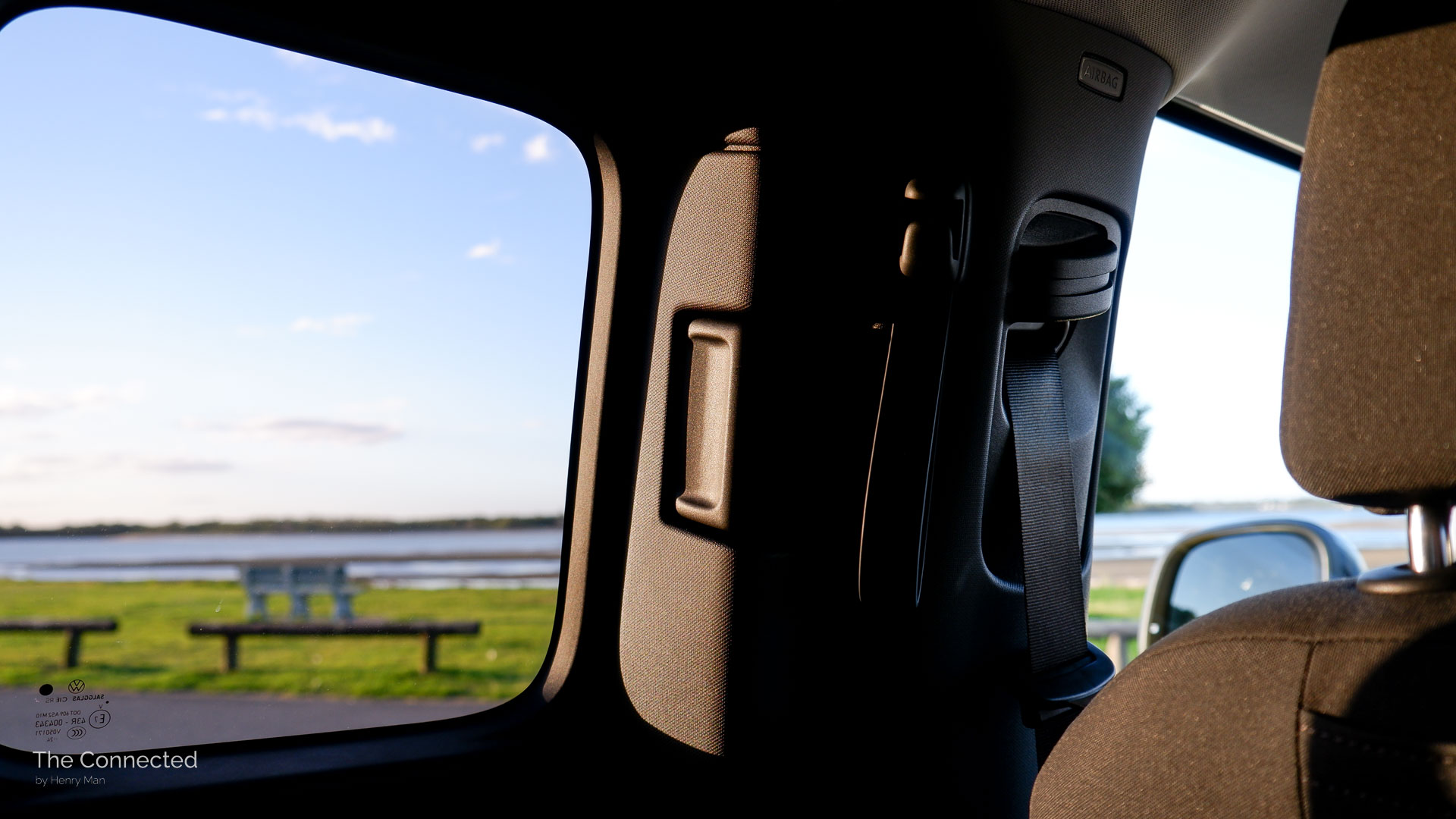
However, it’s awkward that the pull tab to adjust the backrest angle is only accessible behind at the boot, the right armrest is narrower than the left (and fabric instead of leatherette on the GTX), and the storage slot and cup holders are shallow. Two USB-C charging ports and bottle holders near the floor are also in the third row.
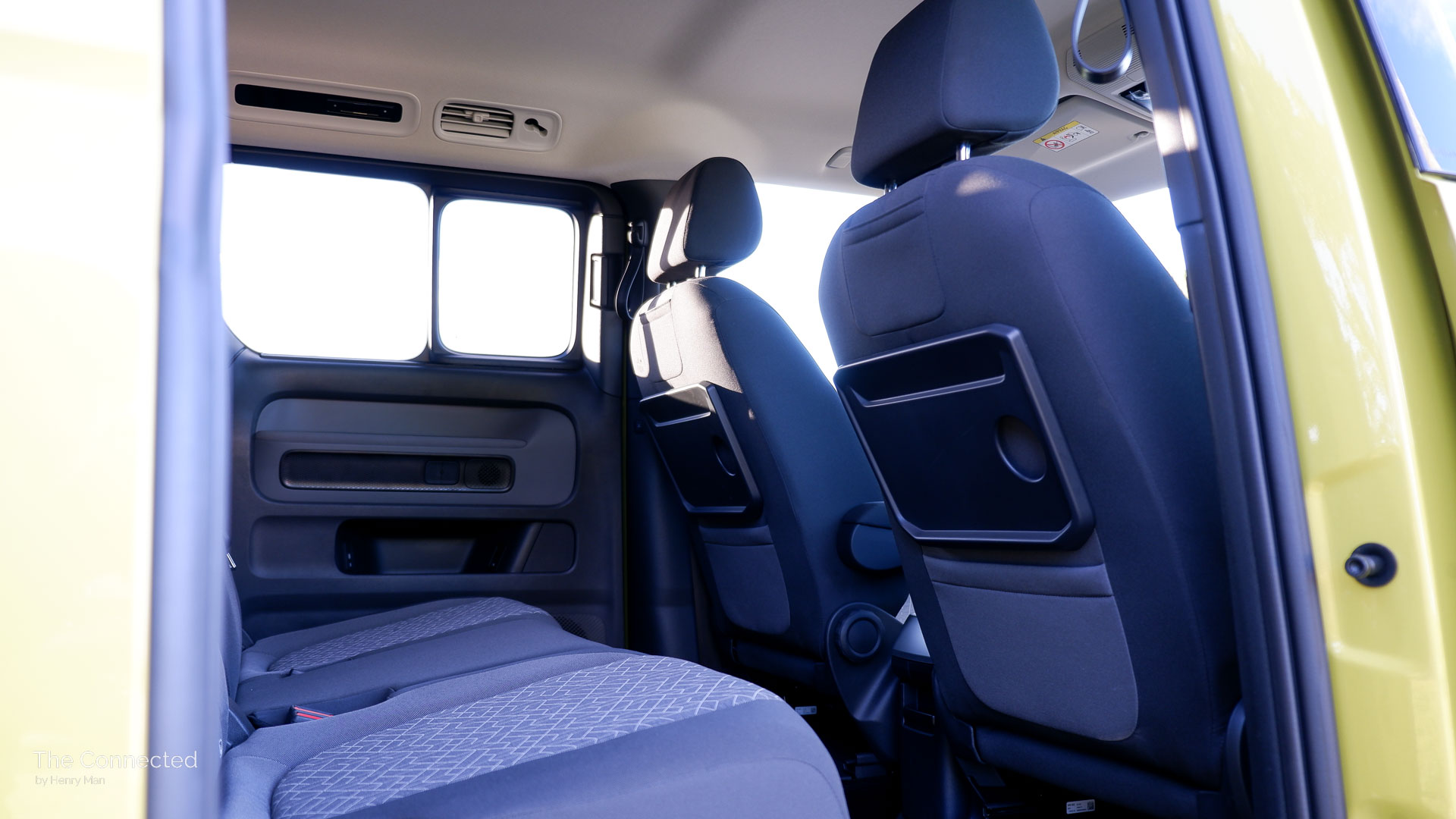


Meanwhile, the second row provides excellent legroom on the standard five-seater SWB, which becomes capacious on the seven-seater LWB due to the 250mm longer wheelbase.
The high seating height and tall roof results in easier access for fitting child seats, while the flat floor is great for fitting three abreast and ingress and egress. There’s so much headroom that small kids can stand upright.
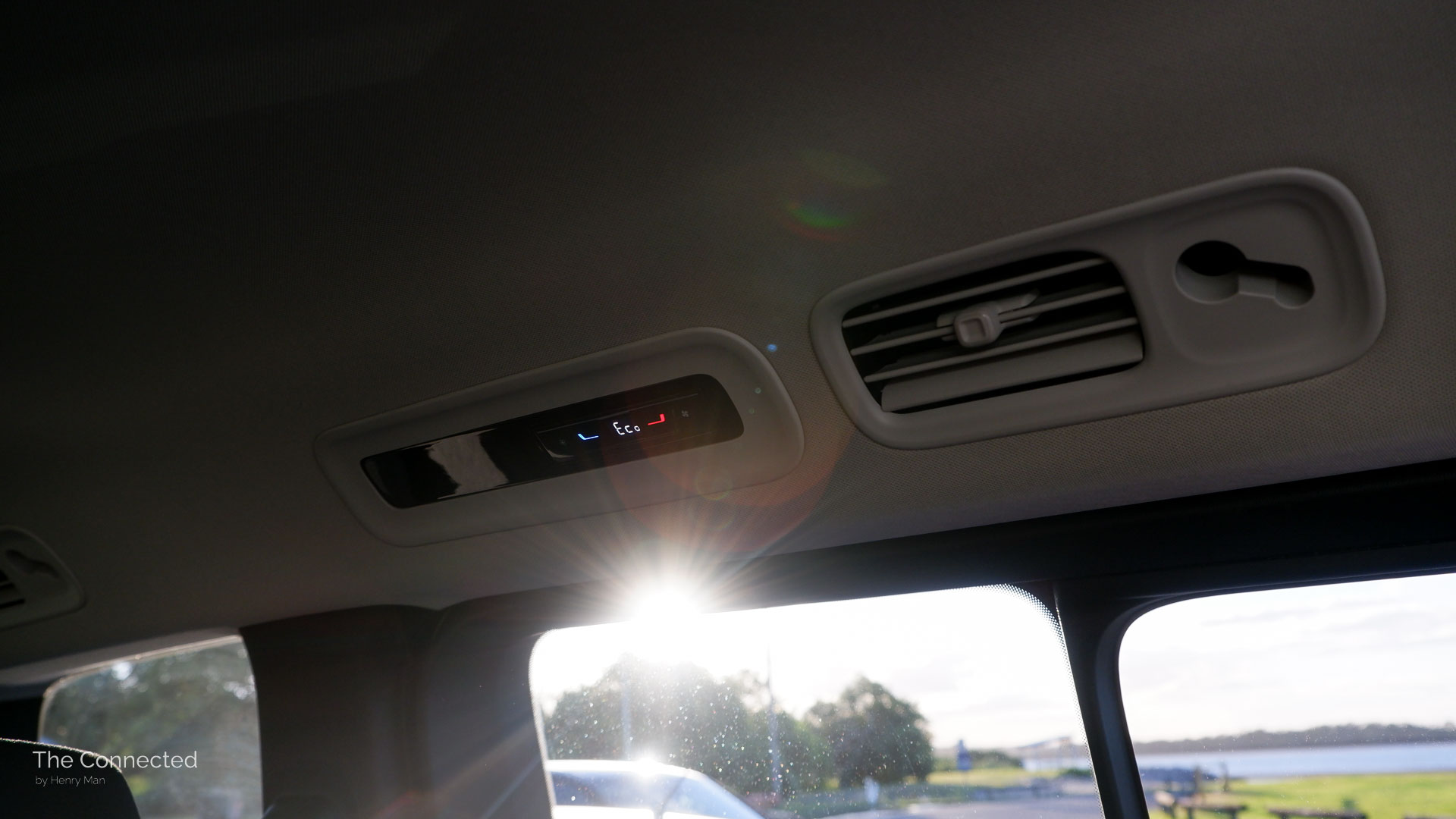
All models offer two retractable aeroplane-style plastic trays with a cup holder hole behind the front seatbacks, two-tiered storage slots inside the doors, and bright LED interior lighting throughout. Unlike the Kia Carnival, the climate controls are easily reachable on both sides of the ceiling, too.
Disappointingly, the USB-C charging port placement inside the second row sliding doors is a poor design choice, with connected devices likely being pulled from the seat or table when the doors are opened.
There is no centre middle row armrest so you’ll need to rely on the table for placing cups, Volkswagen doesn’t include built-in sunblinds for any row either unlike the Kia Carnival (with only tinted privacy glass).
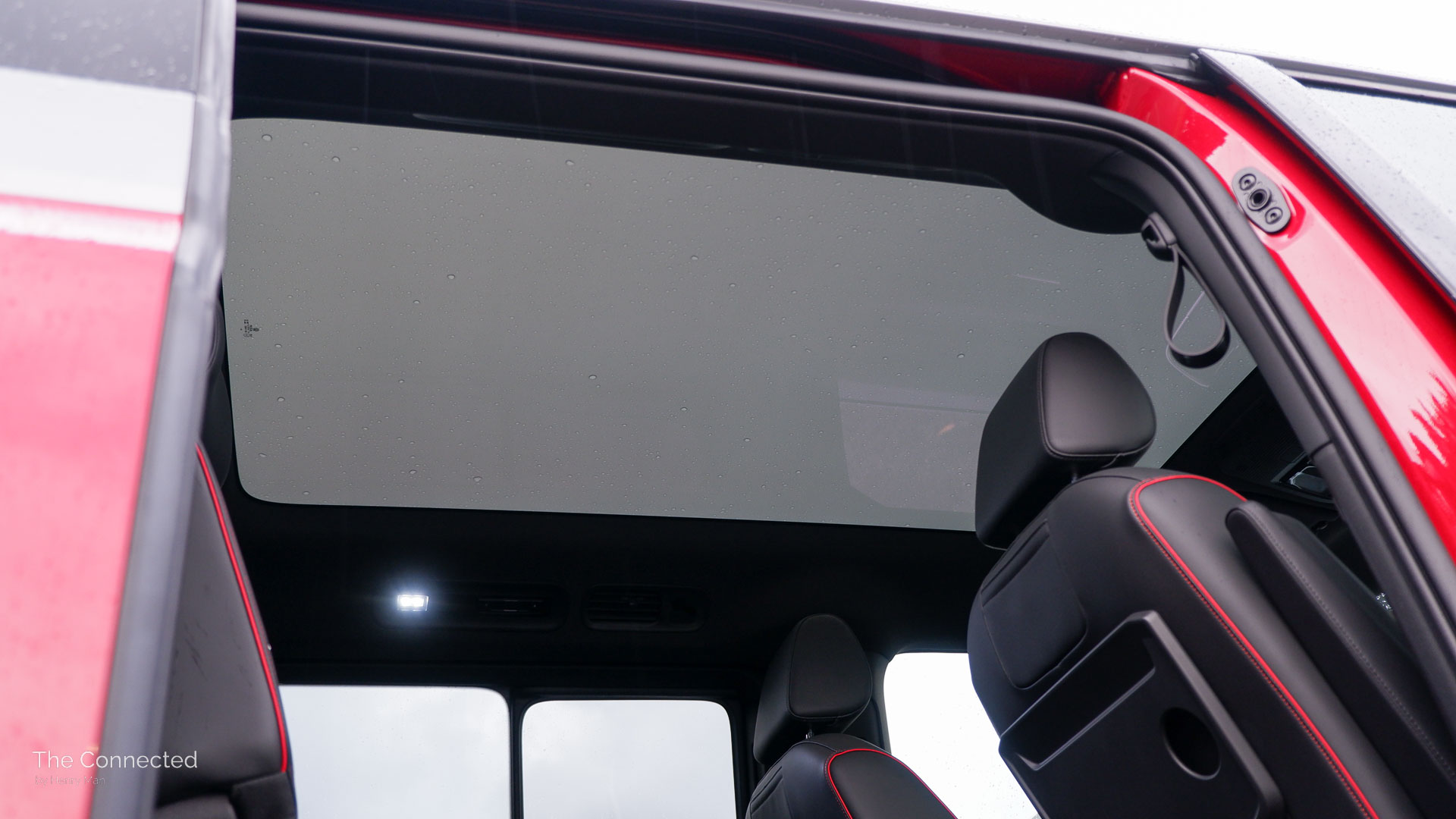
The fixed panoramic glass roof (optional on the Pro, standard on the GTX) also doesn’t have a physical sunshade with the electrochromatic blurring function not providing enough UV protection under the Australian sun.
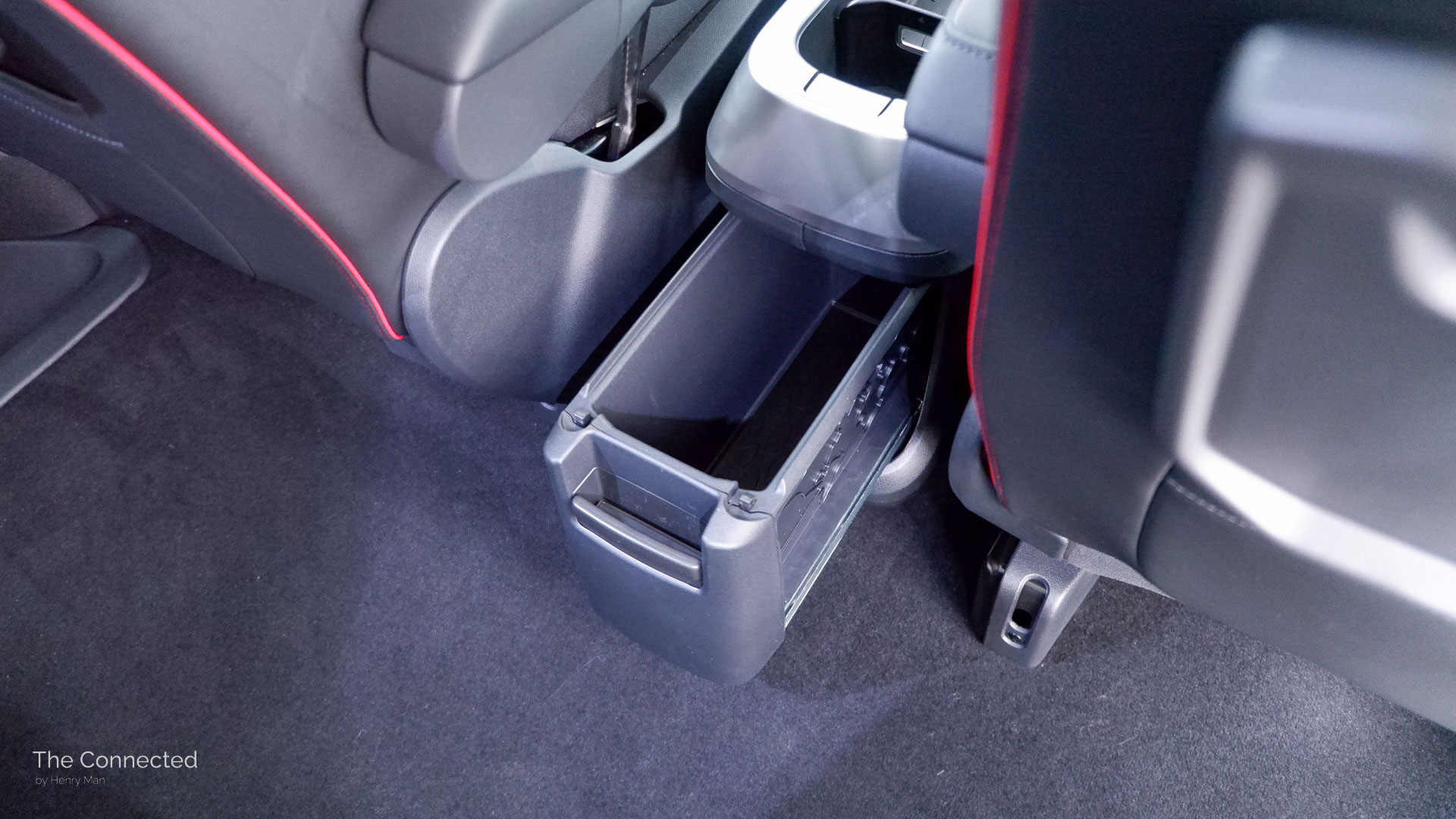

Meanwhile, the front centre ‘Buzz box’ provides some open storage atop with two dividers (which double as a cap opener and ice scraper), but has limited private storage with a small and narrow slot in front and behind for the second row. The device is removable, too.
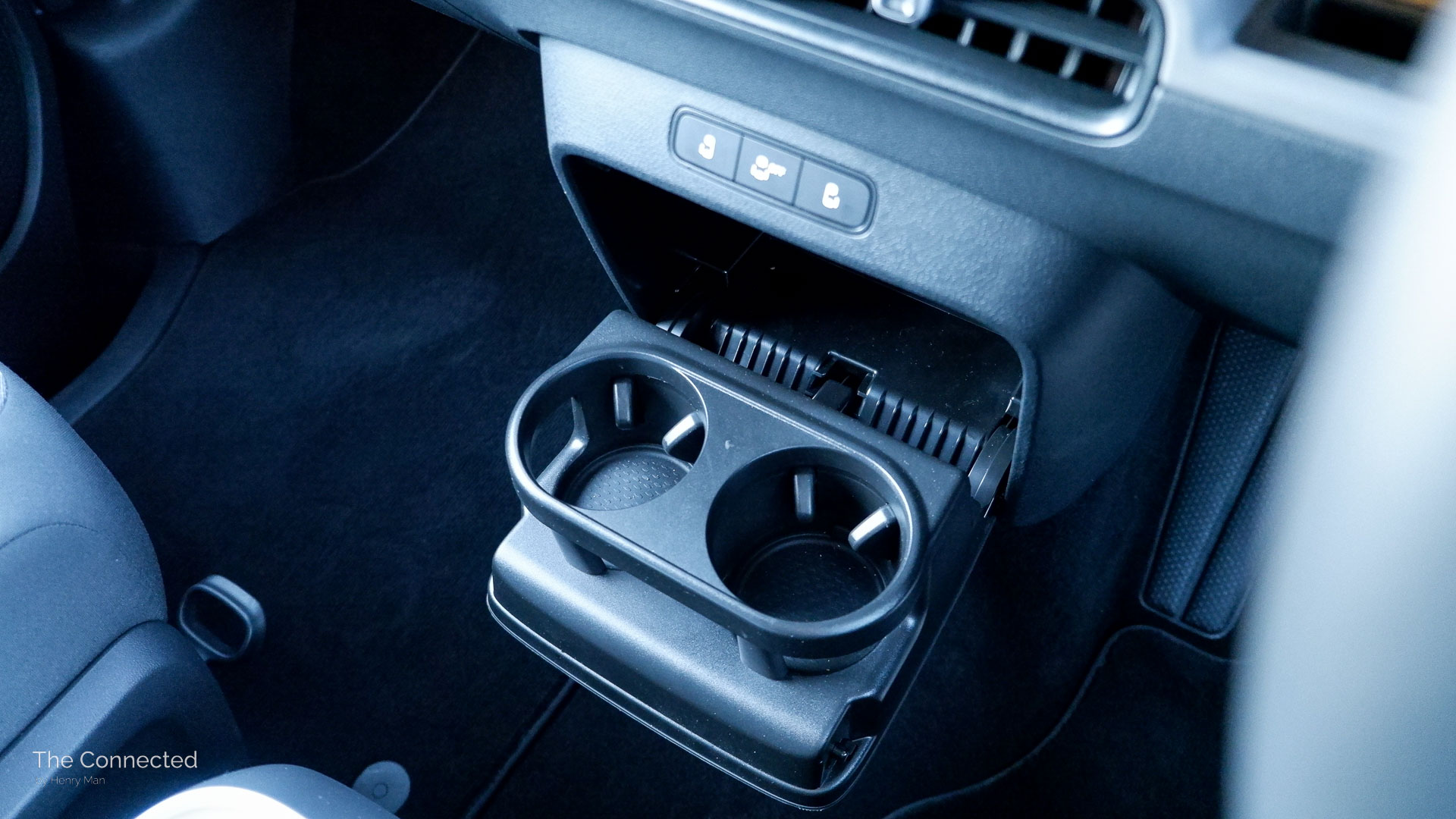
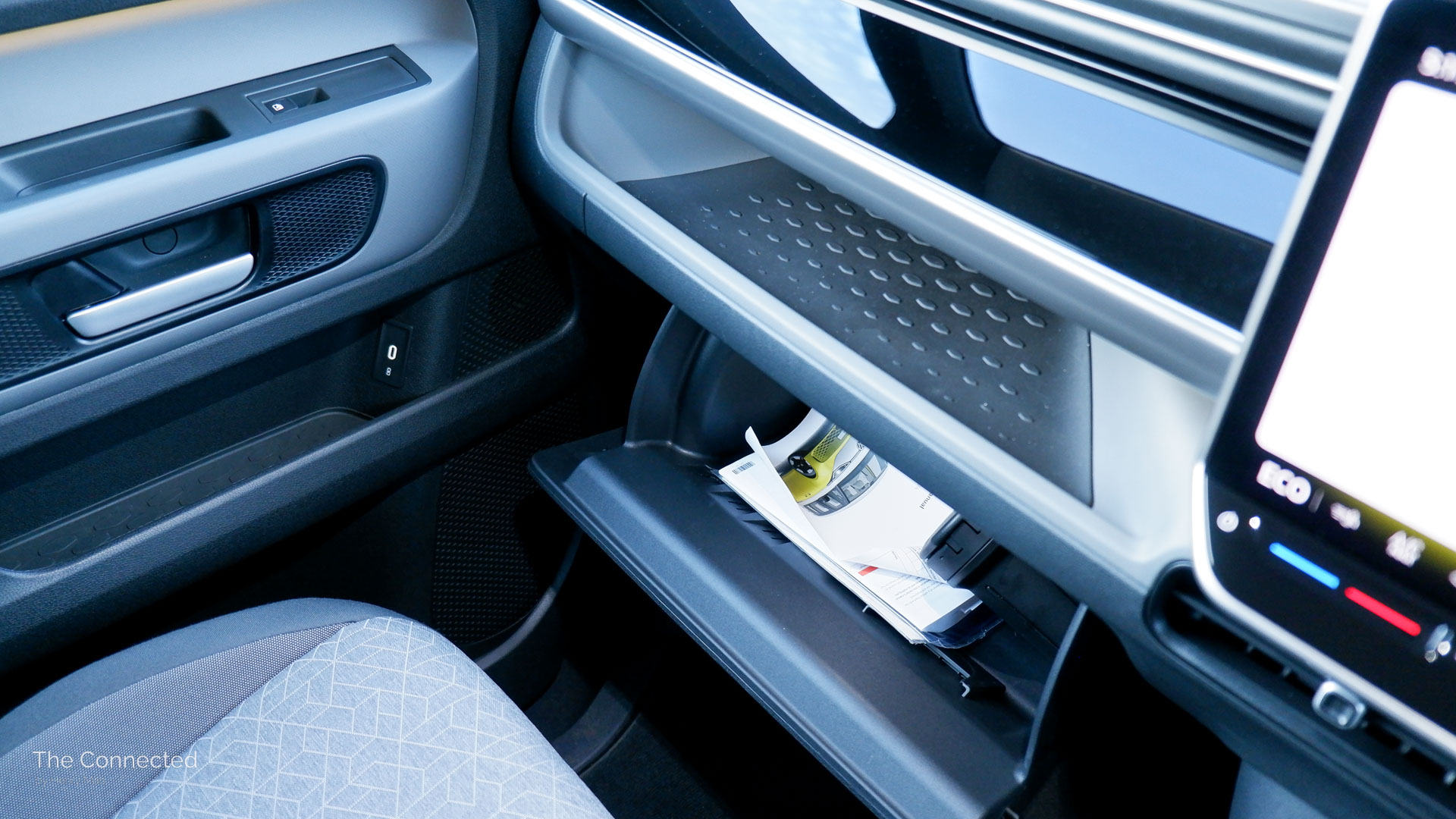
Two cup holders can be retracted out, while the front passenger has a large rubbersied open shelf and well-sized glovebox, but the large door bottle pockets are fairly shallow.
Again, the USB-C charging port on the front passenger’s door card is awkward, as well as the fact that there are two USB-C ports located above the Qi wireless charging pad on the driver’s side – yet there’s no space nearby to place two devices.


It’s a missed opportunity that the ID. Buzz doesn’t have any vehicle-to-load (V2L) domestic socket for a family van with a big battery.
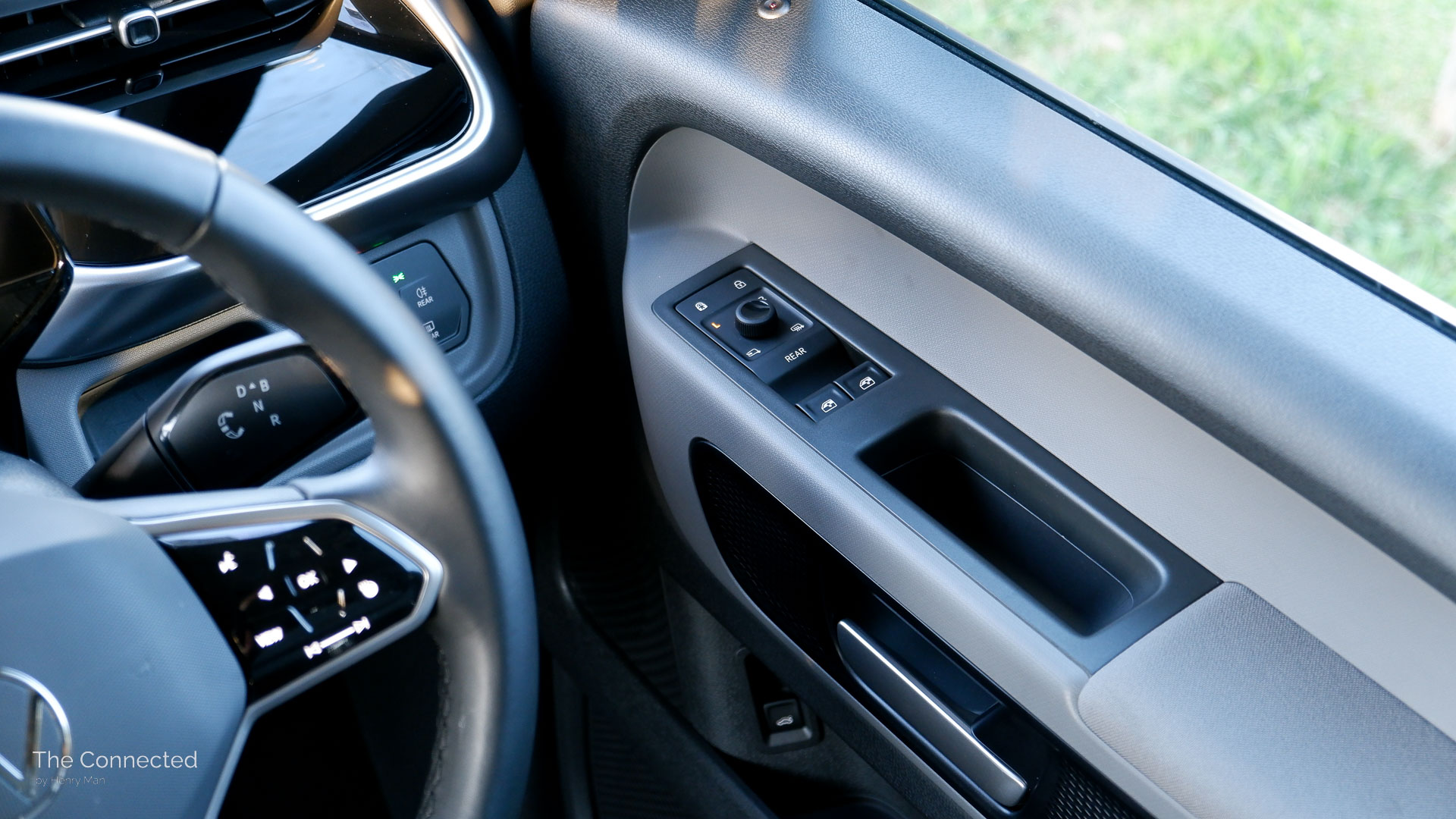
As per the Volkswagen ID.4 and Cupra Tavascan, the ID. Buzz frustratingly adopts cost-cutting window switches with only two to control four windows, requiring a touch of the ‘rear’ button to remotely adjust the rear glass for the driver.
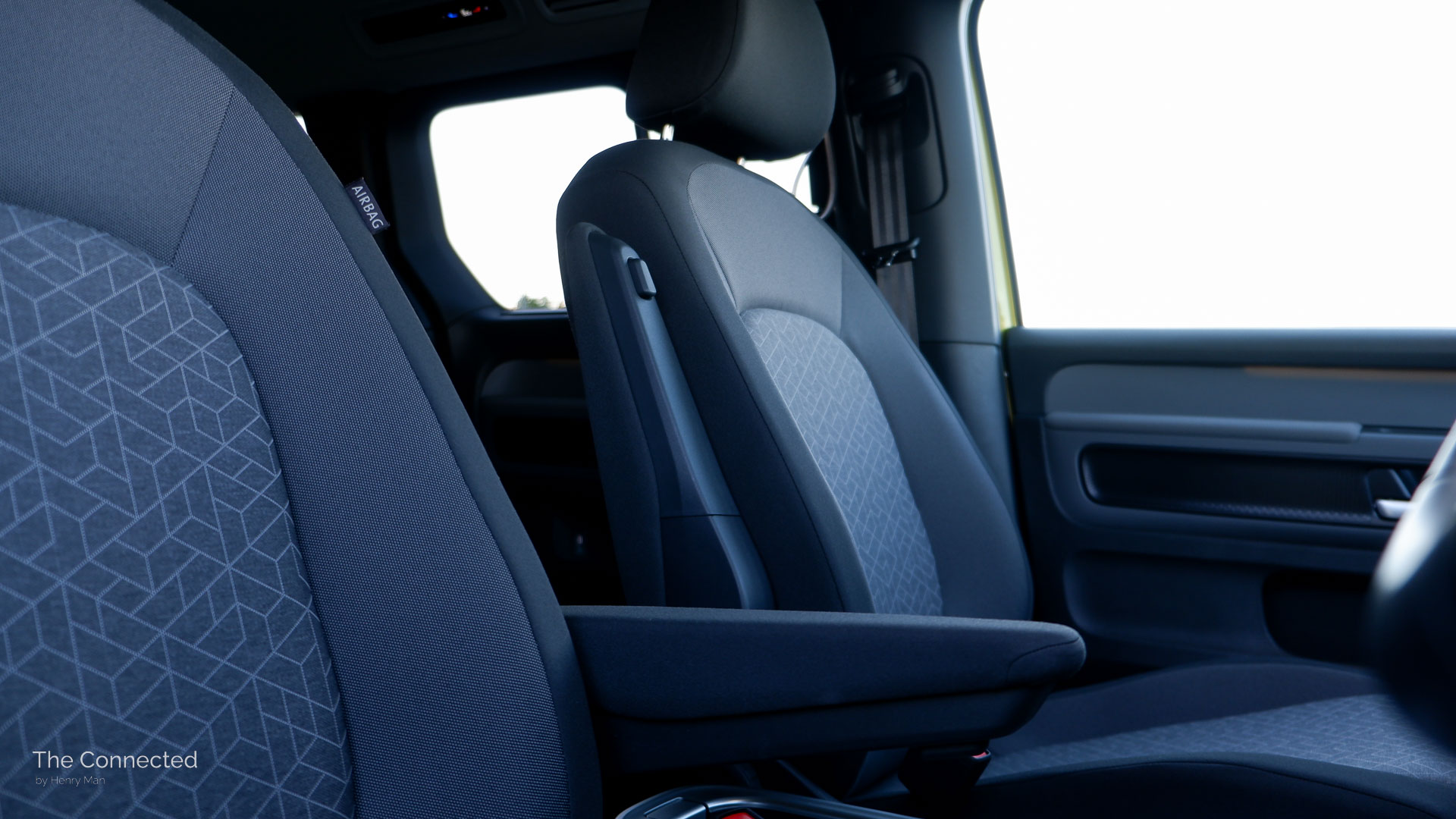
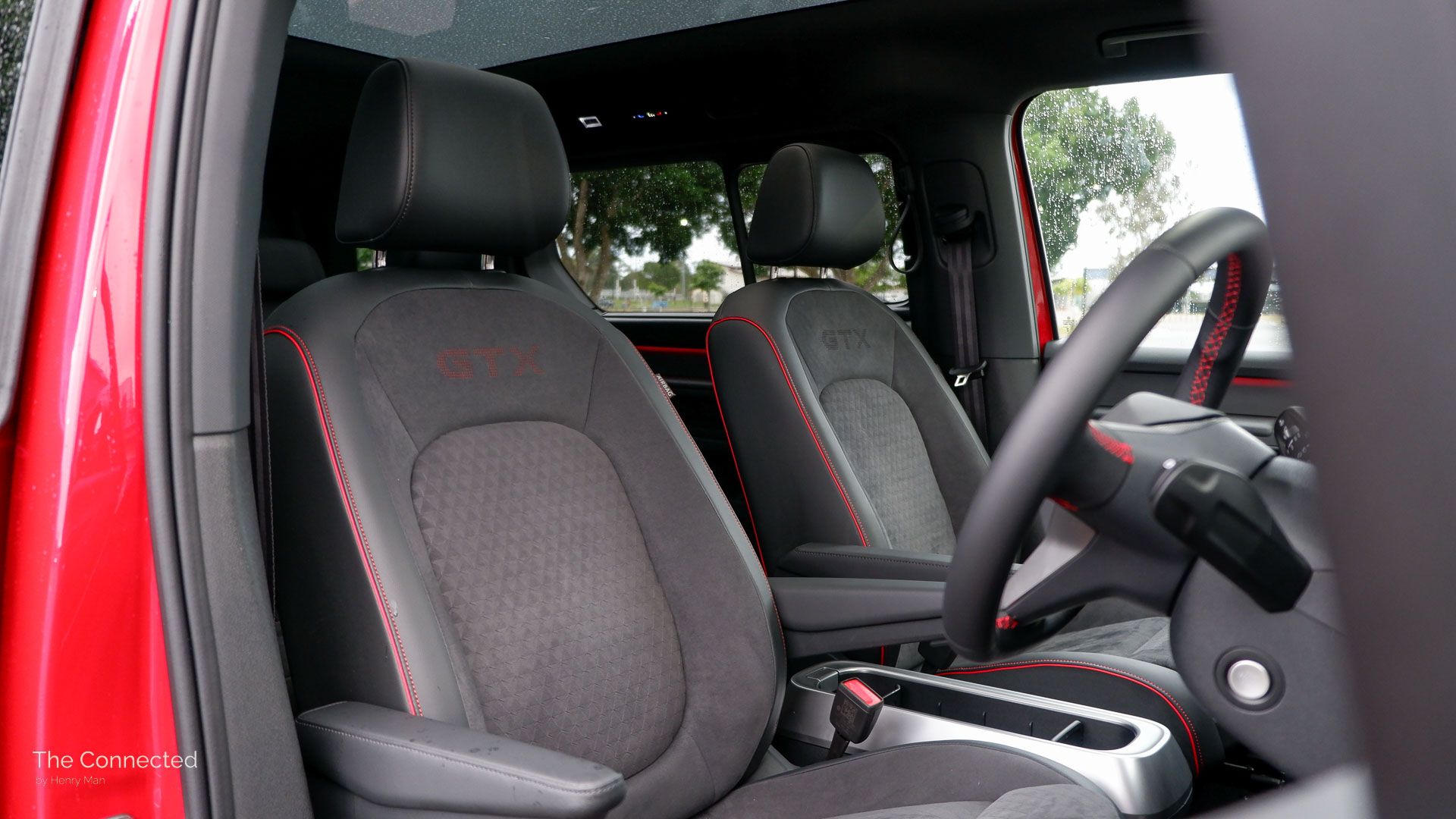
The seating position is very high – beating many large SUVs – with supportive seats on both the Pro and GTX, individual fold-down centre armrests and three-level heated front seats as standard.
Disappointingly, the base Pro still has manual front seat adjustment with a painfully slow and hard to reach twist dial for the backrest, despite costing around $90K on the road.
Optioning one of the interior themes on the Pro or opting for the GTX gains electric adjustment, as well as the addition of outer seat armrests, front massaging, and heated second-row outboard seats.


All Volkswagen ID. Buzz models feature a three-zone climate control system with easy to adjust manual air vents, and ceiling mounted vents for the second and third row with touch-sensitive temperature and fan controls.
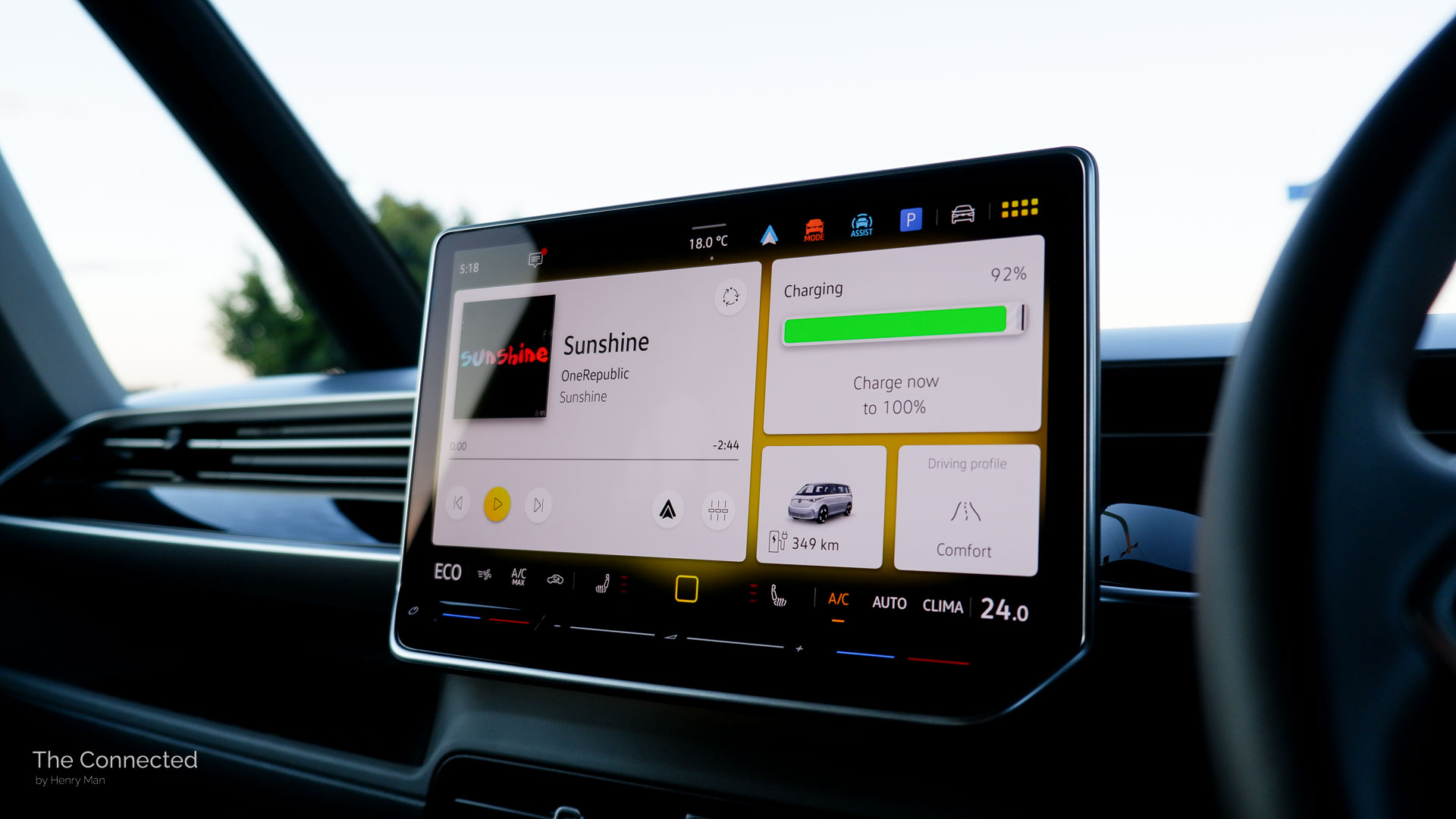
While it’s primarily operated via the touchscreen, it’s fairly easy to operate thanks to quick software, a climate controls widget that can be set on the home screen, a persistent bar at the bottom with customisable software buttons, and illuminated touch-sensitive sliders underneath the screen.
Strangely, the GTX example we tested defaulted to blasting the fan speed on level six every time the electric van started and it’s a bit annoying that changing the temperature temporarily replaces the button to open the full climate app.
It’s another big missed opportunity that the ID. Buzz camper van doesn’t have any pet or camp mode in Australia. There’s only a stationary air-conditioning feature which keeps it on for 30 minutes while the vehicle is locked.
Technology.
2026 Volkswagen ID. Buzz tech features:
| 12.9-inch touchscreen running VW Software 4.0 “Ready to Discover” | 5.0-inch driver instrument display |
| Wireless/wired Apple CarPlay and Android Auto | Head-up display (optional on Pro/standard on GTX) |
| Qi wireless charging pad | Nine speakers (Pro) / 13-speaker Harman Kardon (GTX) |
| 7x USB-C and 1x 12-volt charging ports | Proximity key with Auto unlock/lock, auto-folding mirrors, front door handle lights, and puddle lights |
| GoConnect connected services and mobile app |
The Volkswagen ID. Buzz offers a usable technology setup, but Australia misses out on some key elements with a half-baked mobile app.
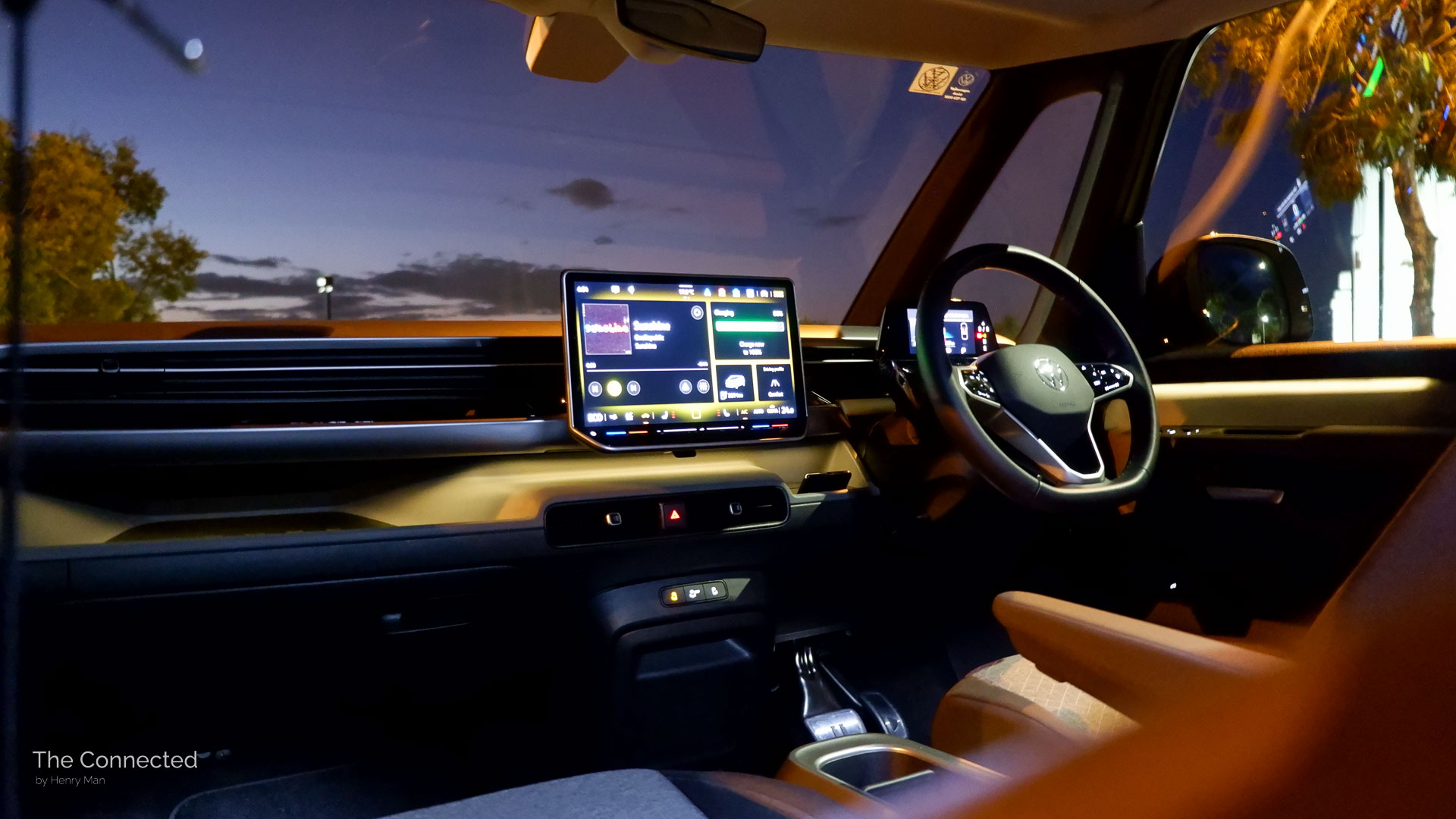
The standard 12.9-inch rectangular touchscreen is high resolution, clear and bright with organic light-emitting diode (OLED) display technology.
Volkswagen’s built-in software is designed well, quick to respond, and highly customisable – including home screen widgets, top bar of app shortcuts, and bottom climate control bar.
However, while it has automatic brightness adjustment, it strangely lacks auto light and dark mode switching similar to some Chinese vehicles – which means the Android Auto map is still bright white at night or when entering a tunnel.
Thankfully, it’s quick to swipe down and change light/dark modes.


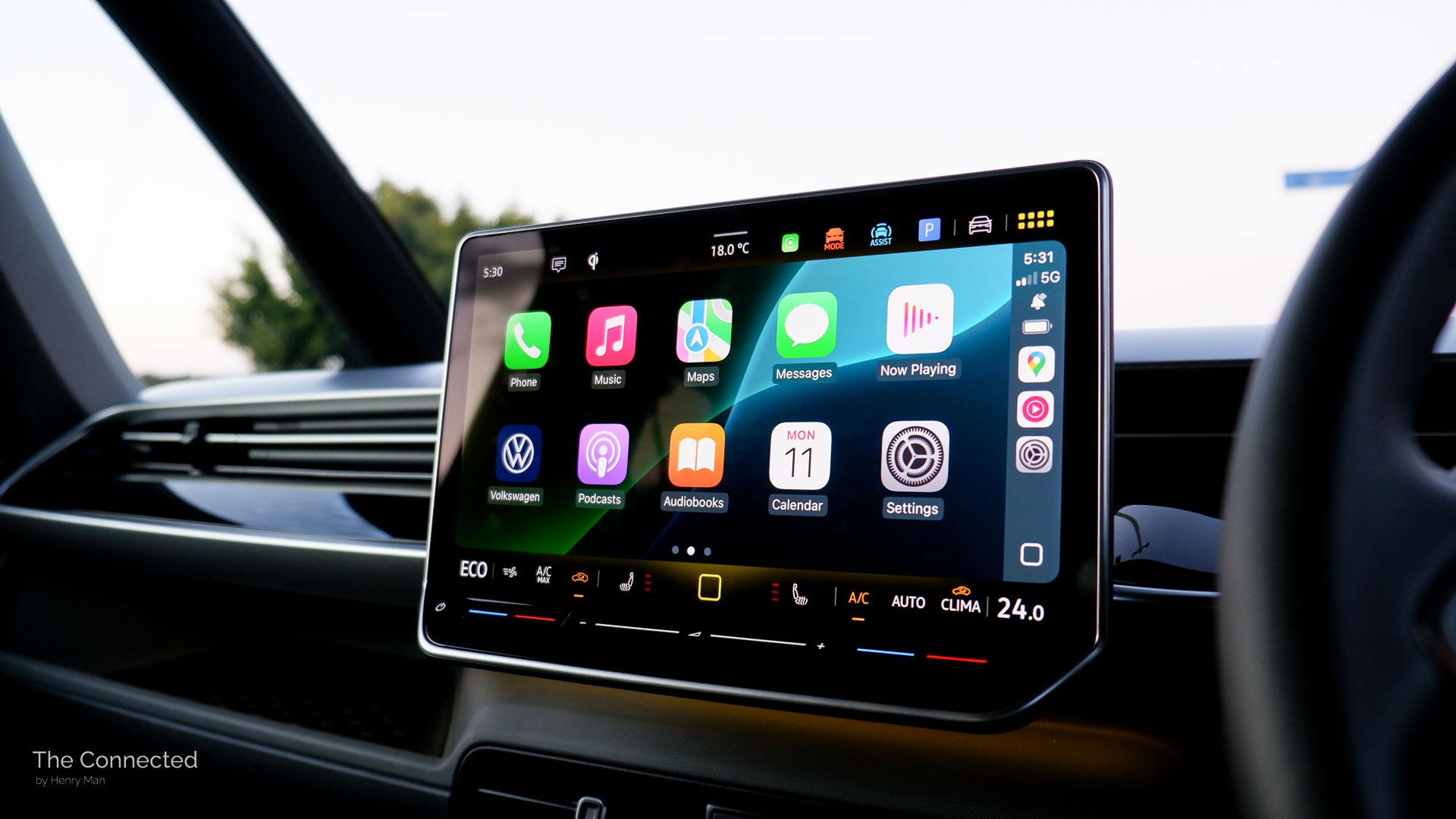
Wireless Apple CarPlay and Android Auto are standard with a quick connection and no issues in our testing.
It also keeps VW’s top and bottom app and climate bars on the screen and integrates with the instrument cluster and available head-up display to show navigation instructions from Apple and Google systems.
That’s important because the Volkswagen ID. Buzz system in Australia doesn’t have built-in maps and the clock doesn’t automatically set to the time zone due to the lack of proper connected services from the German automaker – a localised issue mirrored on the ID.4, ID.5, Skoda Elroq and Cupra Tavascan.
Instead, Volkswagen Australia has used a third-party provider called GoConnect to provide connected services and a mobile app which can display the battery and charging status, and location – but can’t remotely turn on the climate control, the setup process annoyingly requires the dealer, and there’s no built-in emergency services calling.

It’s also a shame that Volkswagen’s tech doesn’t offer any built-in video streaming apps nor games to keep families entertained inside the electric van.
The Qi wireless charging pad is fast and cleverly hidden behind the steering wheel (preventing distraction) and has protruding rubber nibs to hold a phone tight in place. It doesn’t have ventilation fans, though, so phones stop charging over time.
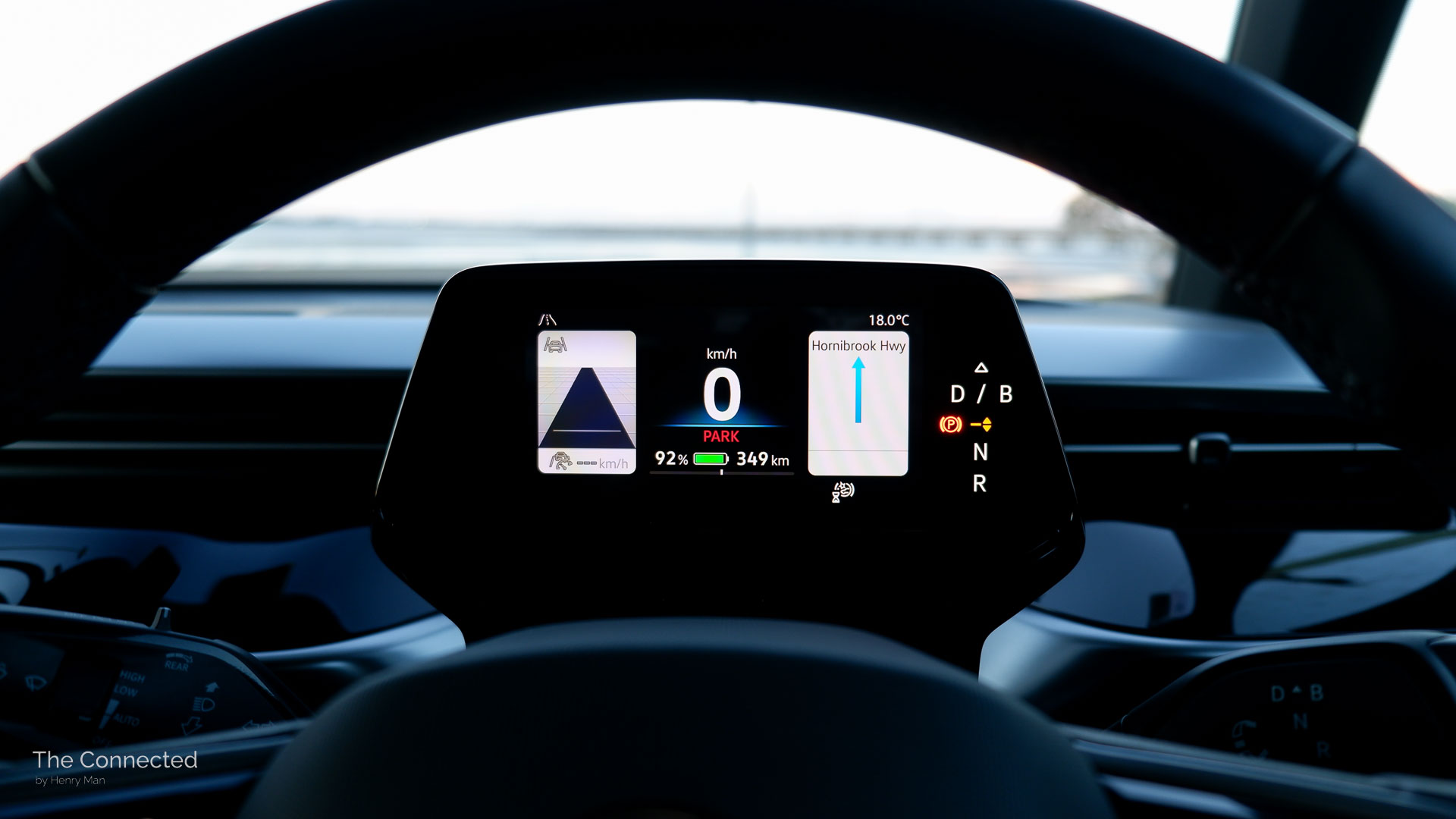
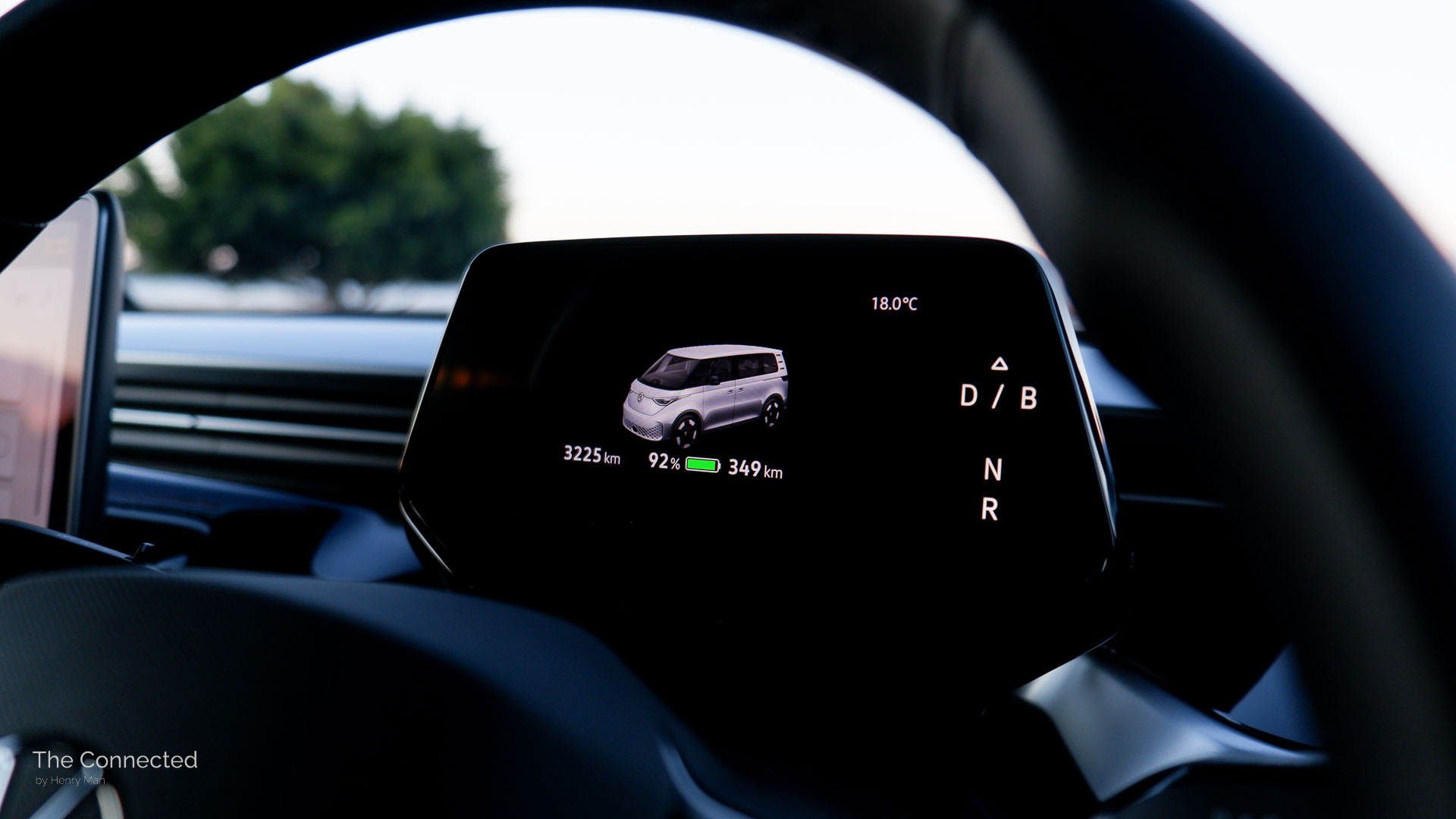
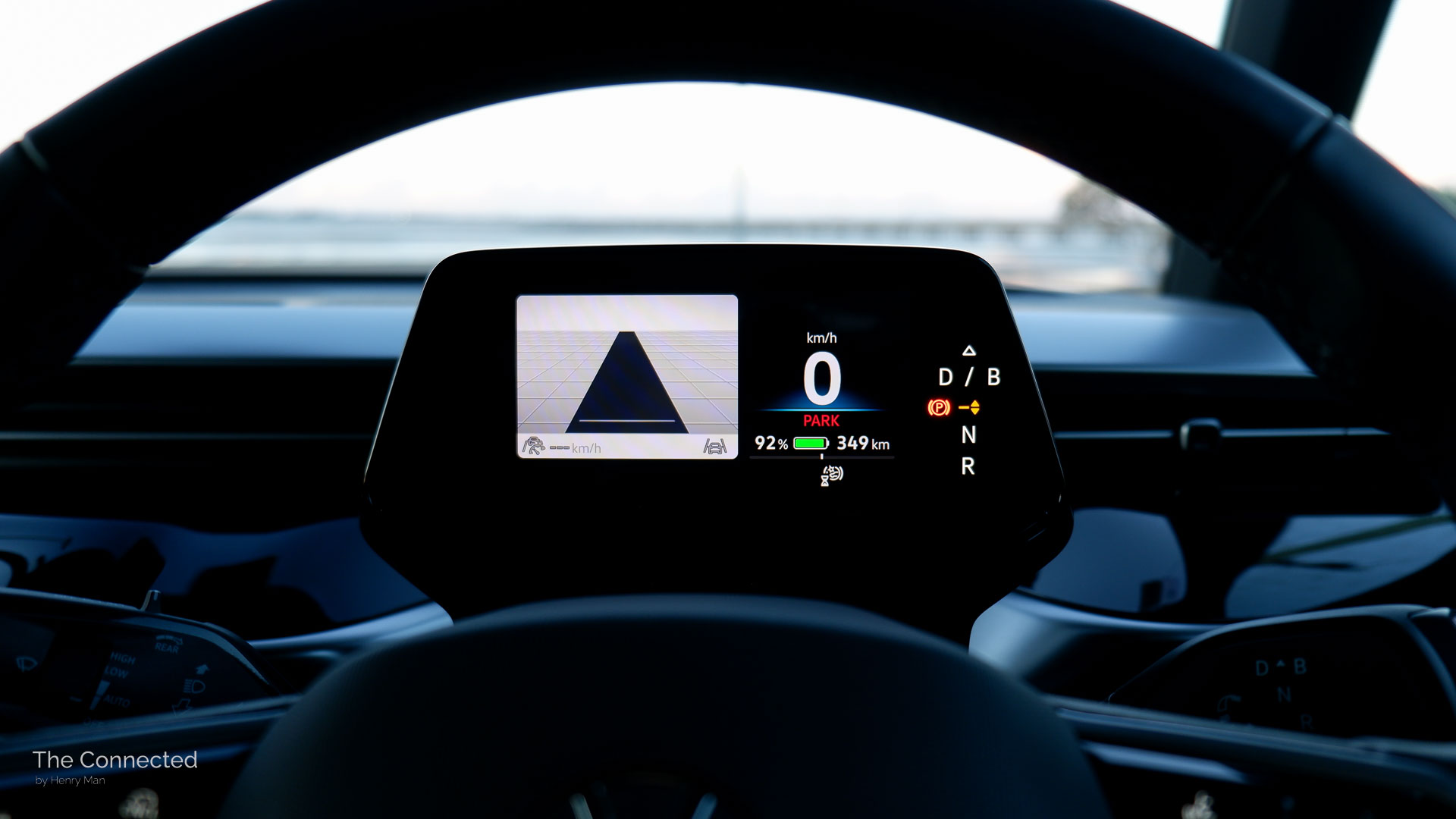
Furthermore, the 5.0-inch driver instrument screen is small, but displays all pertinent information clearly with two swipeable panels – which includes navigation instructions, safety assists and the trip meter – and a minimalistic speed readout mode.
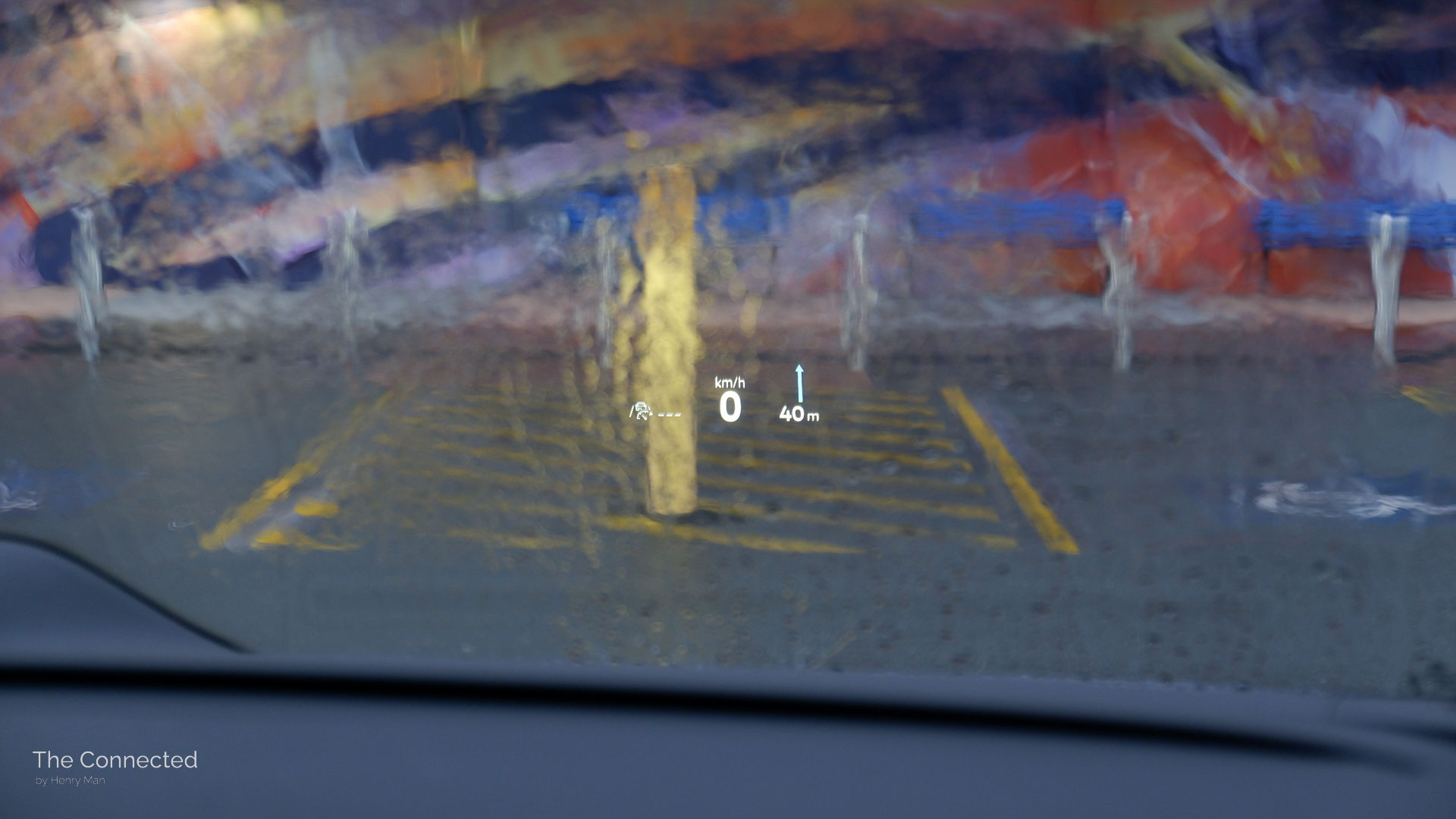
The head-up display (optional on the Pro and standard on the GTX) clearly projects onto the windscreen with the speed, power/regen and navigation indicators.
Safety.
2026 Volkswagen ID. Buzz safety features:
| Front AEB with vehicle/pedestrian/cyclist/junction turning detection | 360-degree camera system |
| Blind-spot assist | Front and rear parking sensors |
| Rear cross-traffic assist | Door open warning |
| Lane-keep assist | Full LED headlights with adaptive matrix high beam and cornering light function |
| Adaptive cruise control with lane-centring assist (Travel Assist) | Full LED tail-lights with sequential indicators |
The ID. Buzz electric van has a range of well-calibrated and non-intrusive safety assistance systems.
All active safety assists are standard across the line-up, with quiet or even silent warnings, subtle steering intervention from the lane-keep assist, and a smooth and reliable adaptive cruise and lane-centring assist function.
Volkswagen’s system is a breath of fresh air when some other carmakers, especially from China, often have over-sensitive safety assist tuning.
The Volkswagen ID. Buzz EV doesn’t have any road sign detection, overspeed limit warnings and a driver attention monitoring camera either, so there aren’t any incessant beeps as per Hyundai and Kia new cars.


Unfortunately, the touch-sensitive steering wheel controls are slightly fiddly to use and adjust adaptive cruise control on Volkswagens. While they’re responsive and have haptic feedback, it’s annoying that a harder press on the plus and minus buttons trigger a +/-10km/h adjustment compared to a light press for +/-1km/h.
This meant that I often accidentally adjusted the speed too much. Cupra’s setup makes more sense as a +/-10km/h adjustment requires swiping the touch panel.
Volkswagen’s smart cruise control system also annoyingly slows down for slower vehicles in the adjacent lane on the right to prevent undertaking. While this may make sense in Europe, it doesn’t necessarily apply to Australian driving behaviours. A quick tap of the accelerator pushes the system to pass.
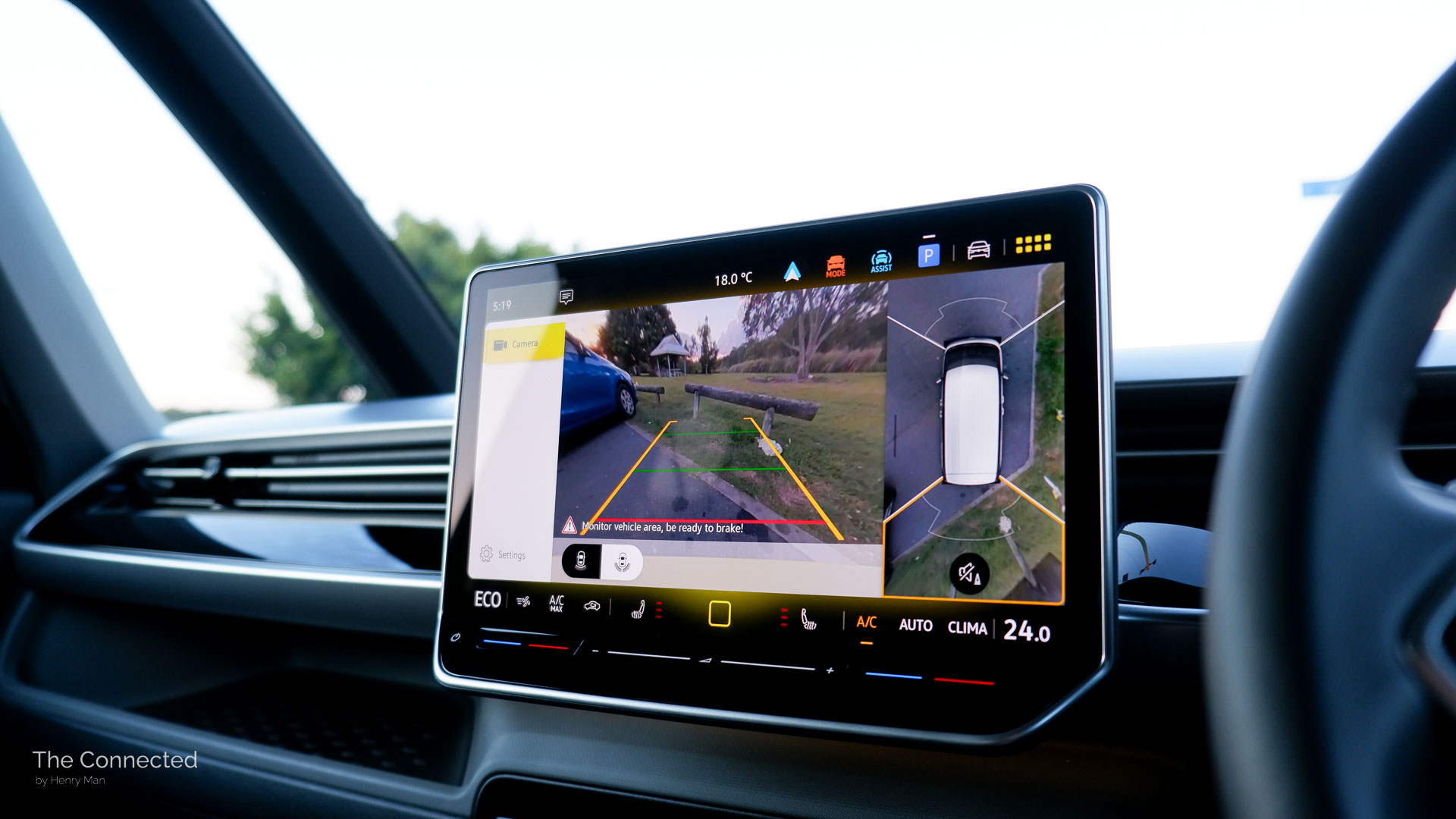
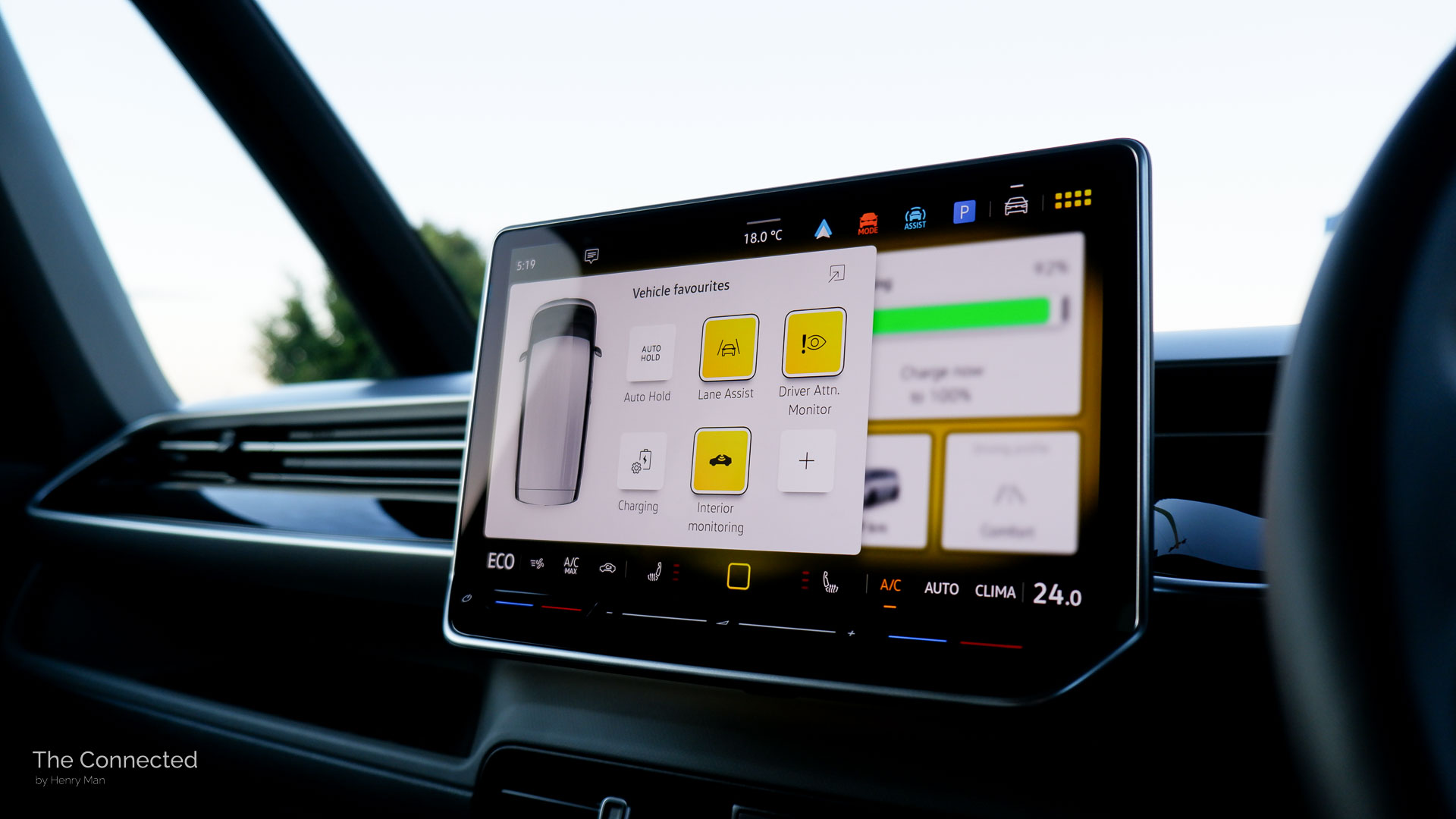
Additionally, the 360-degree camera system is poor quality with a low resolution and highly distorted image which makes parking this large van somewhat difficult. It also cuts out too quickly by merely driving faster than 17km/h and then can’t be activated despite the easy shortcut atop the touchscreen.
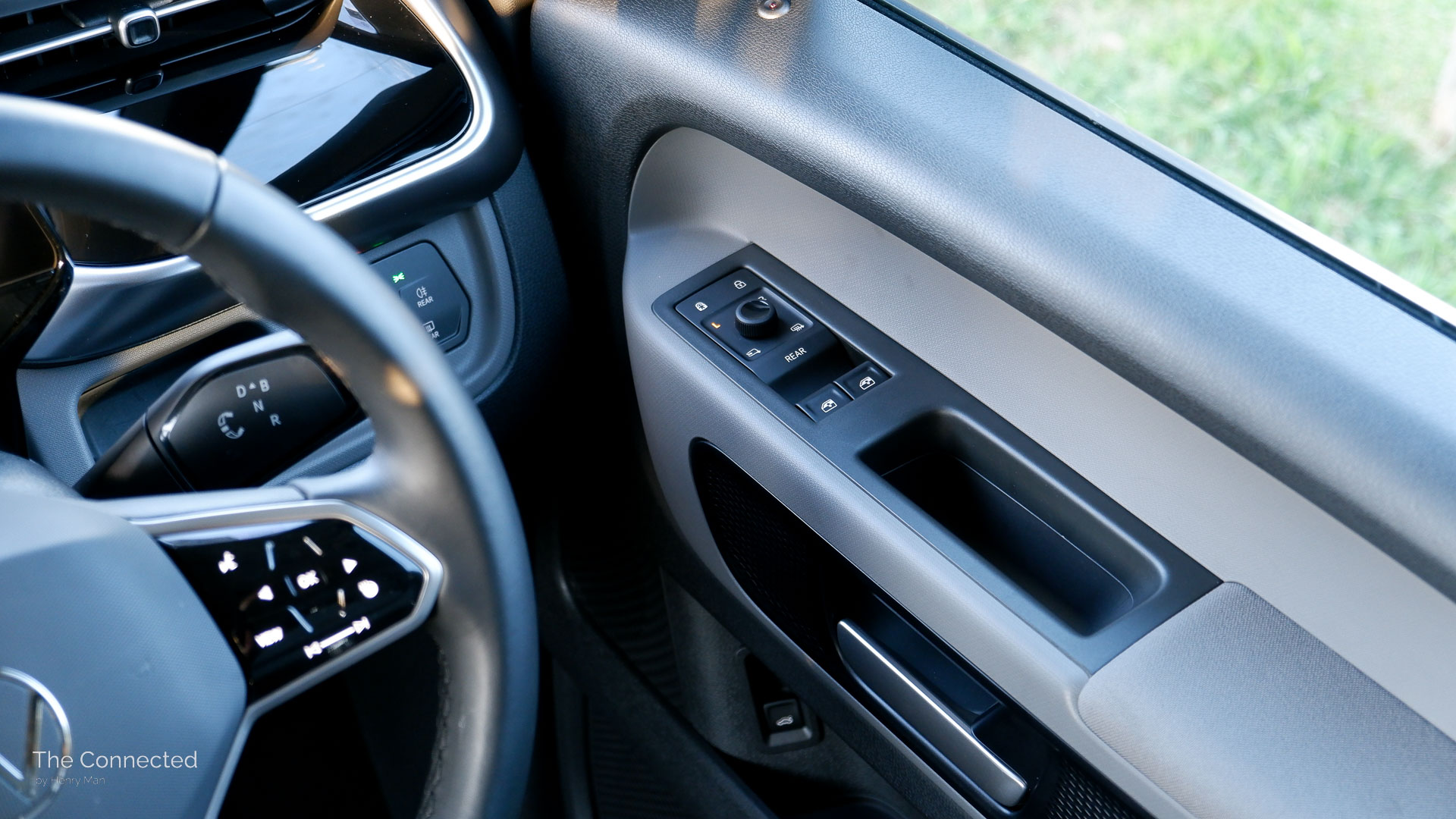

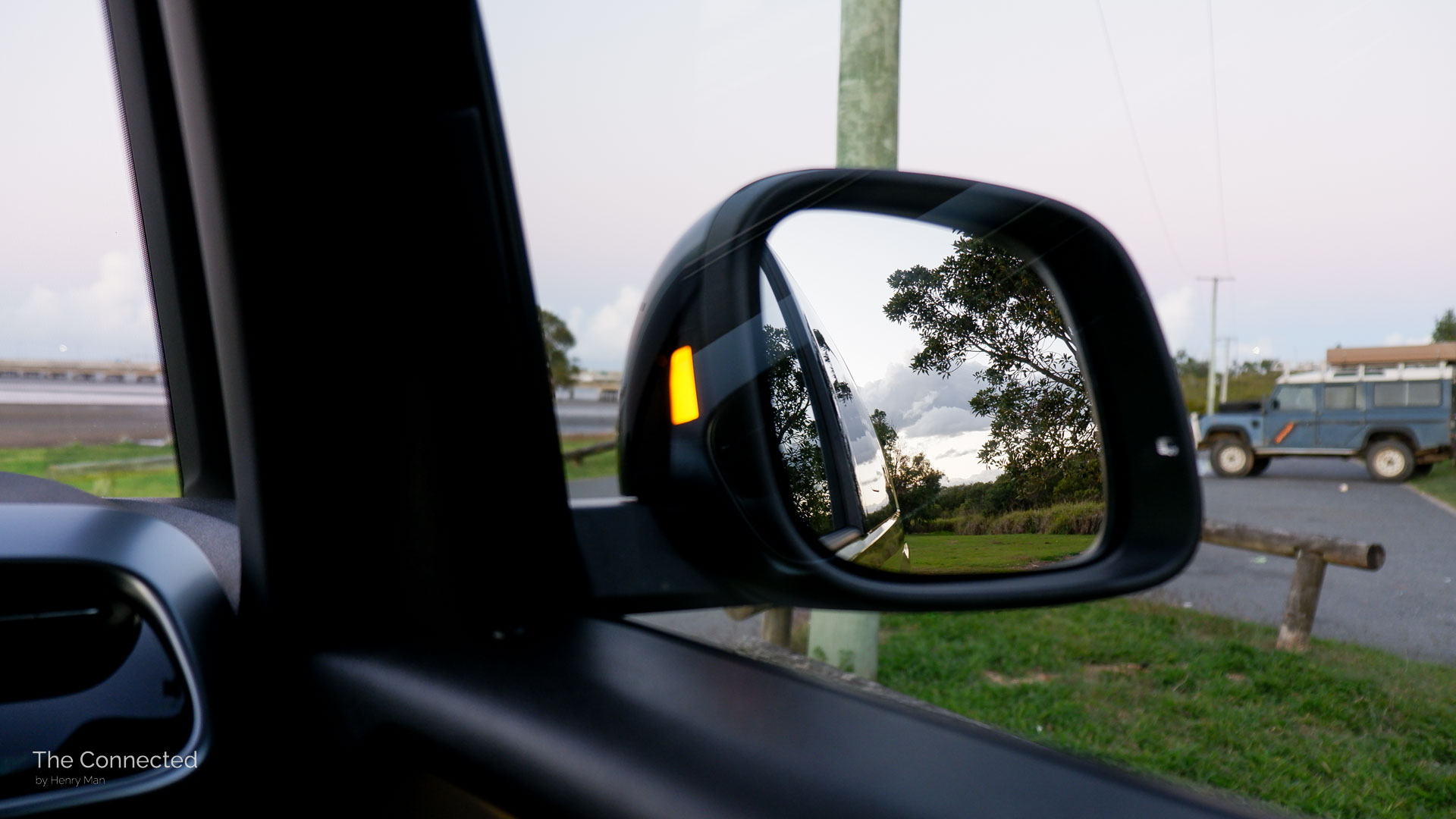
The cost-cutting wing mirror controls switch also doesn’t remember the setting every time you start the van, so the auto-dip down when reversing function often needs the driver to flick it to the left in order to activate.
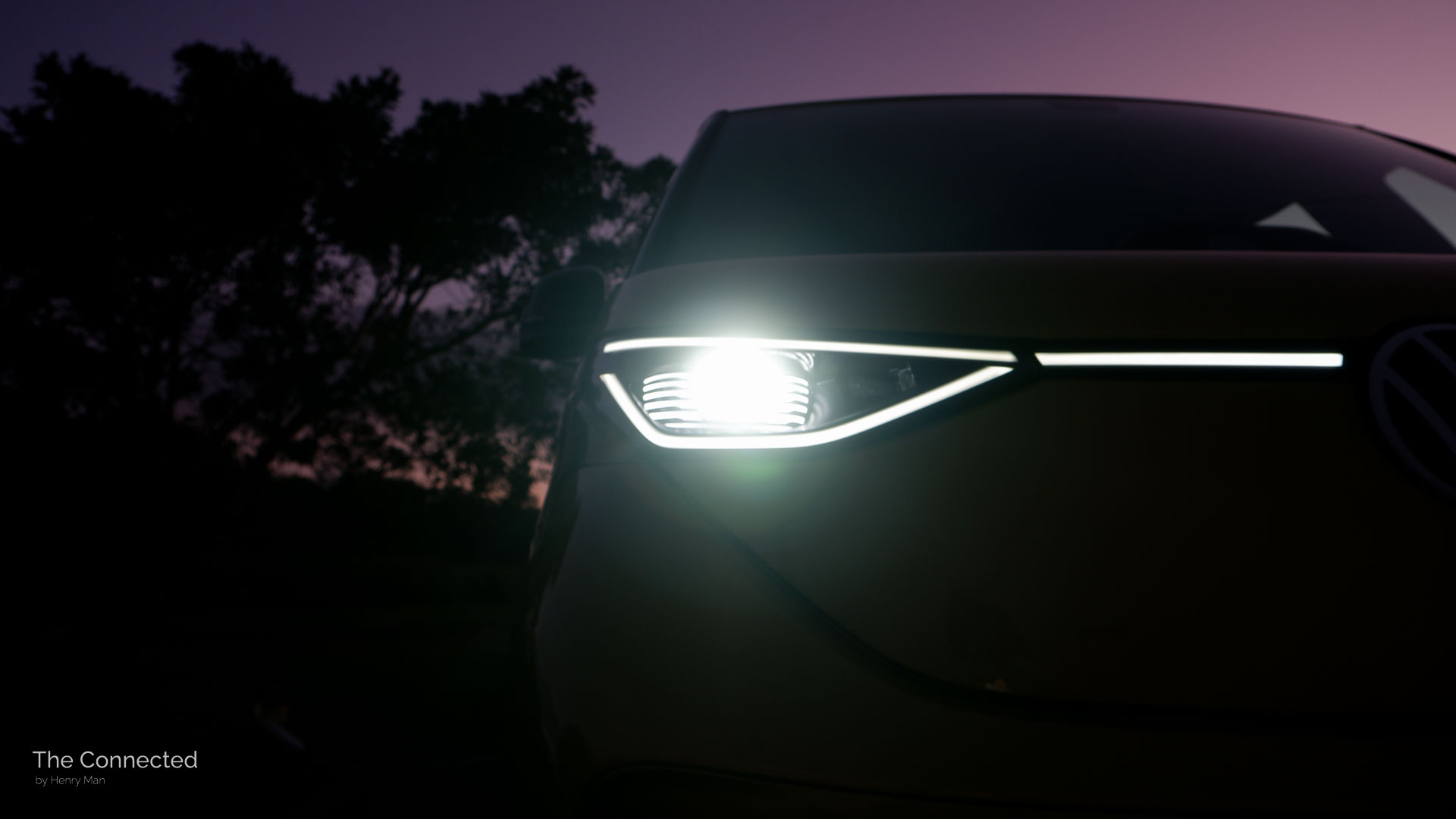
The ID. Buzz EV’s full LED headlights perform well at night with a dependable auto adaptive matrix high beam at night, plus integrated fog light and cornering functions.
Unfortunately, when you want to manually change the headlights, the touch-sensitive panel beside the driver is very fiddly, slow to respond and is easy to inadvertently press other controls such as the windscreen defrosting. The new Cupra Tavascan and Volkswagen Tiguan have adopted a far better physical control panel.
The 2026 Volkswagen ID. Buzz hasn’t been officially rated by the Australasian New Car Assessment Program (ANCAP) as at the time of publication, but the twin ID. Buzz Cargo electric commercial van was awarded an 80 per cent Platinum rating for active collision avoidance technology in 2024.
Range and charging.
2026 Volkswagen ID. Buzz battery and charging specs:
| Pro SWB | Pro LWB | GTX LWB | |
| Claimed driving range (WLTP combined cycle) | 422km | 452km | 450km |
| Claimed energy efficiency (WLTP combined cycle) | 20.7kWh/100km | 21.1kWh/100km | 21.2kWh/100km |
| Battery size and type | 79kWh (84kWh gross) NMC lithium-ion | 86kWh (91kWh gross) NMC lithium-ion | |
| Battery voltage | 400-volt class | ||
| Max AC / DC charging speed | 11 / 185kW | 11 / 200kW | |
| Bidirectional charging | V2H/V2G capable | ||
| Connector type | Type 2 / CCS2 | ||
| Everyday charging limit recommendation | 80% | ||
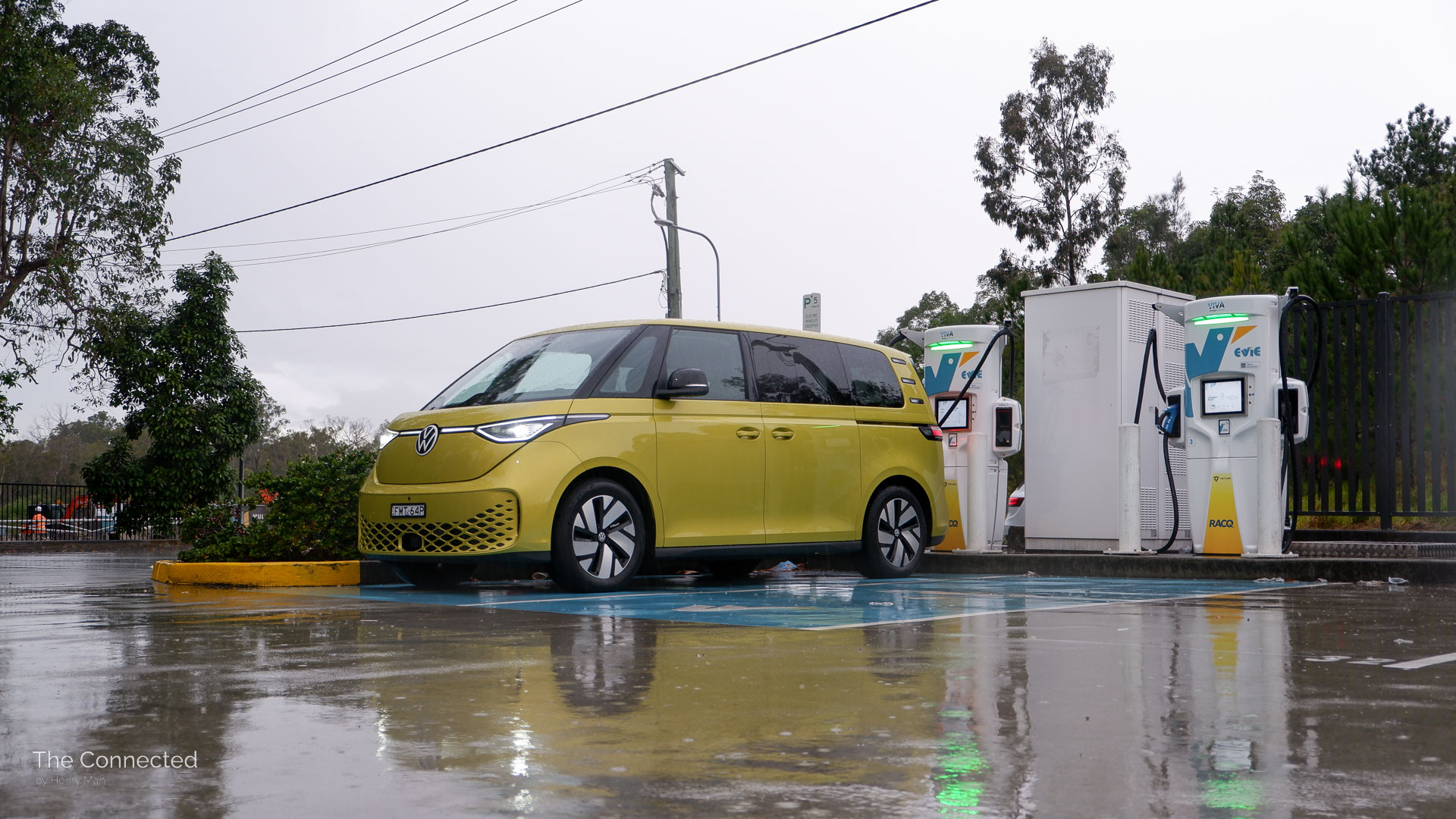
If you’re looking for a long-range family EV, the Volkswagen ID. Buzz may not be right for you, even though it charges fast.
In our week-long testing, the single-motor Pro SWB indicated an energy consumption of 21.0kWh/100km while the dual-motor GTX LWB returned 22.5kWh/100km based on mixed urban and highway driving.
As a result, expect a real-world range of around 376km on the Pro SWB or 382km on the GTX LWB with a full charge of the 79kWh and 86kWh lithium-ion batteries respectively.
But, Volkswagen recommends an 80 per cent daily charge limit, so everyday range is roughly more like 300km for both models.
This generally won’t be an issue for most day-to-day driving, but may mean more frequent charging stops on long road trips.
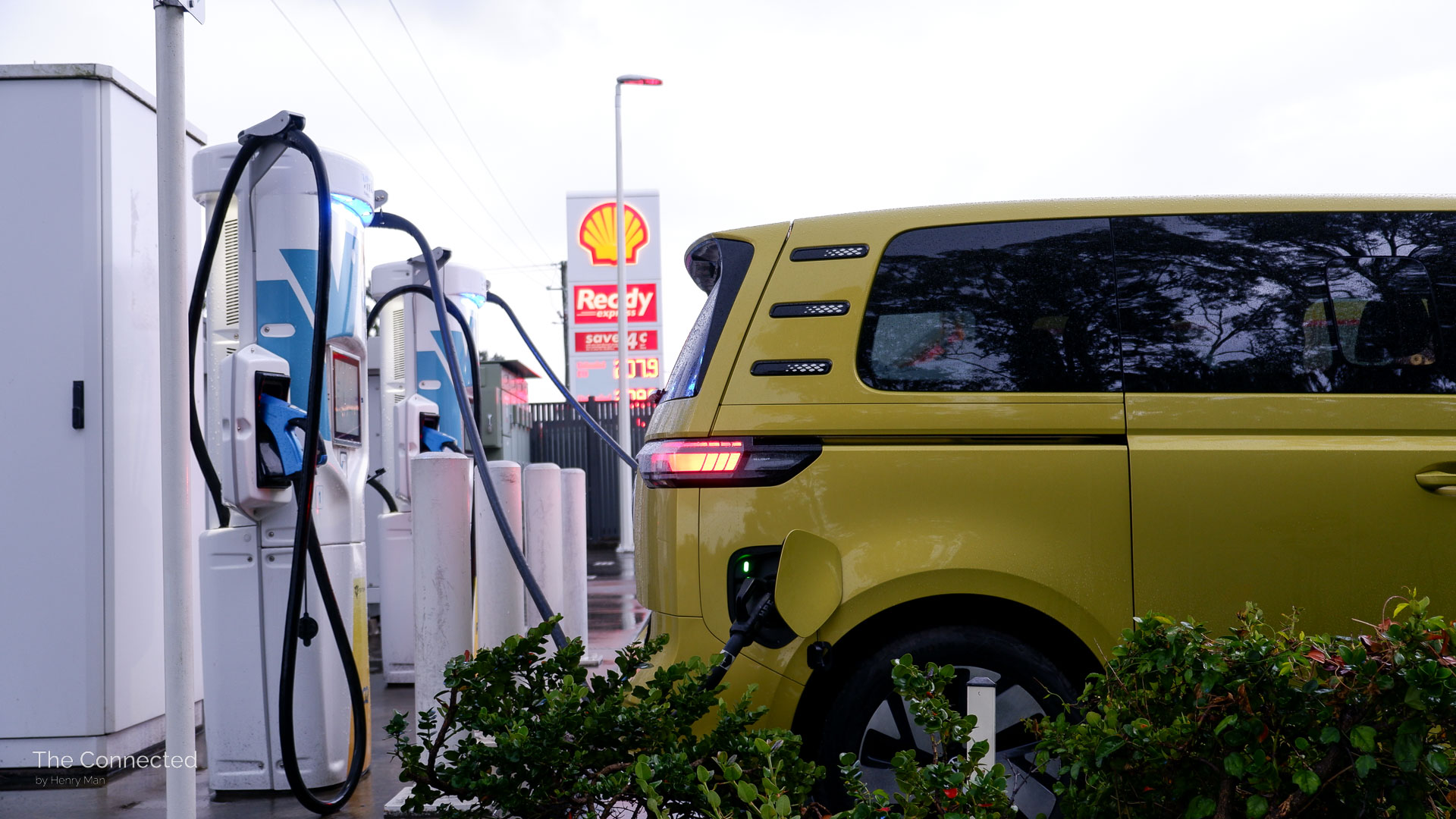


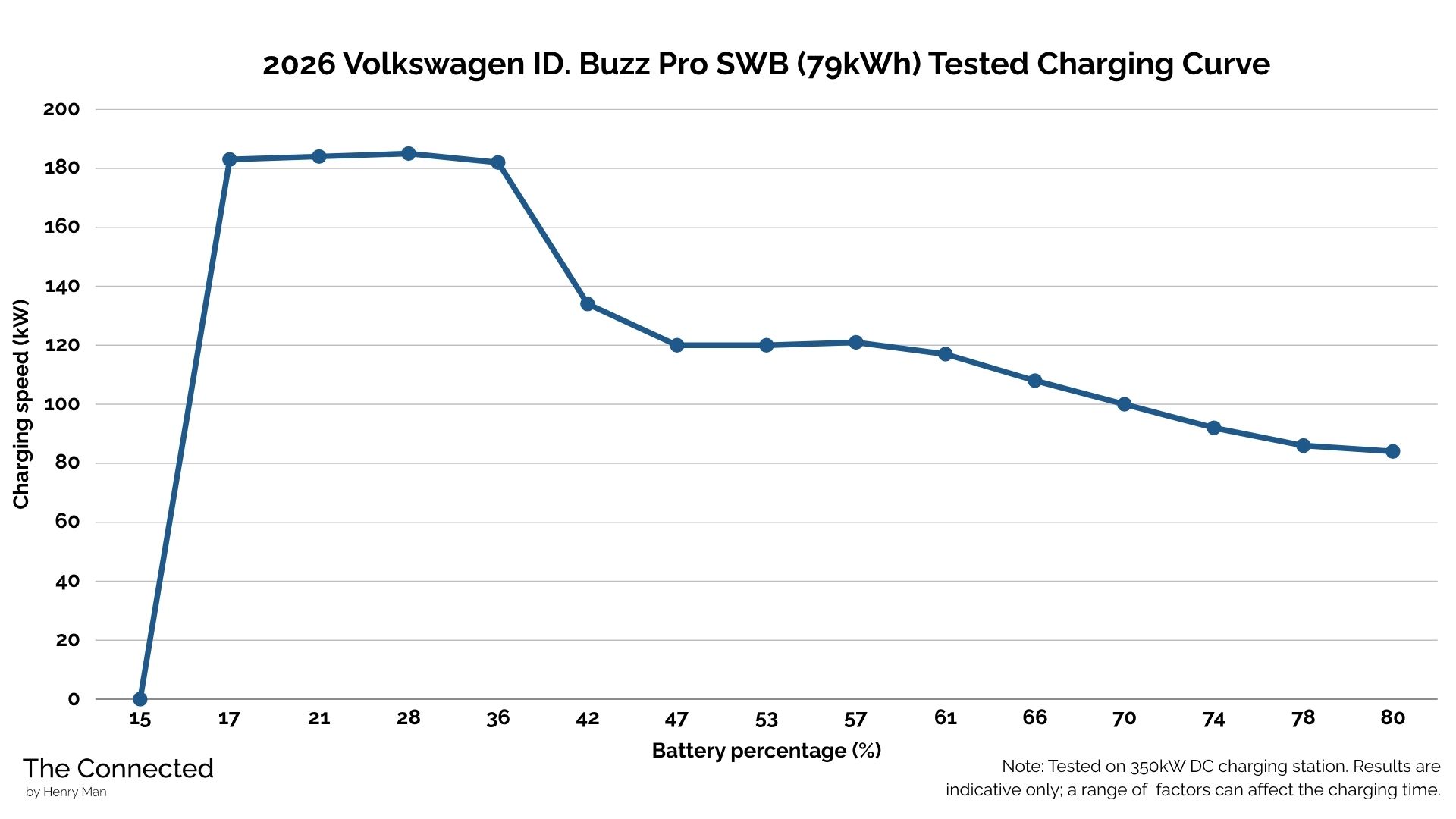
In our testing on a 350kW capable public fast-charging station, the Volkswagen ID. Buzz Pro SWB recharged from 15 to 80 per cent in just 25 minutes.
That’s pretty good for a 79kWh battery with a 189kW recorded peak, which started to throttle down from around the 40 per cent mark. Overall, the DC charge session averaged 130kW.
Manual battery pre-conditioning is available via the touchscreen with a handy graphic that shows what peak DC rate you may be able to achieve depending on the battery temperature.

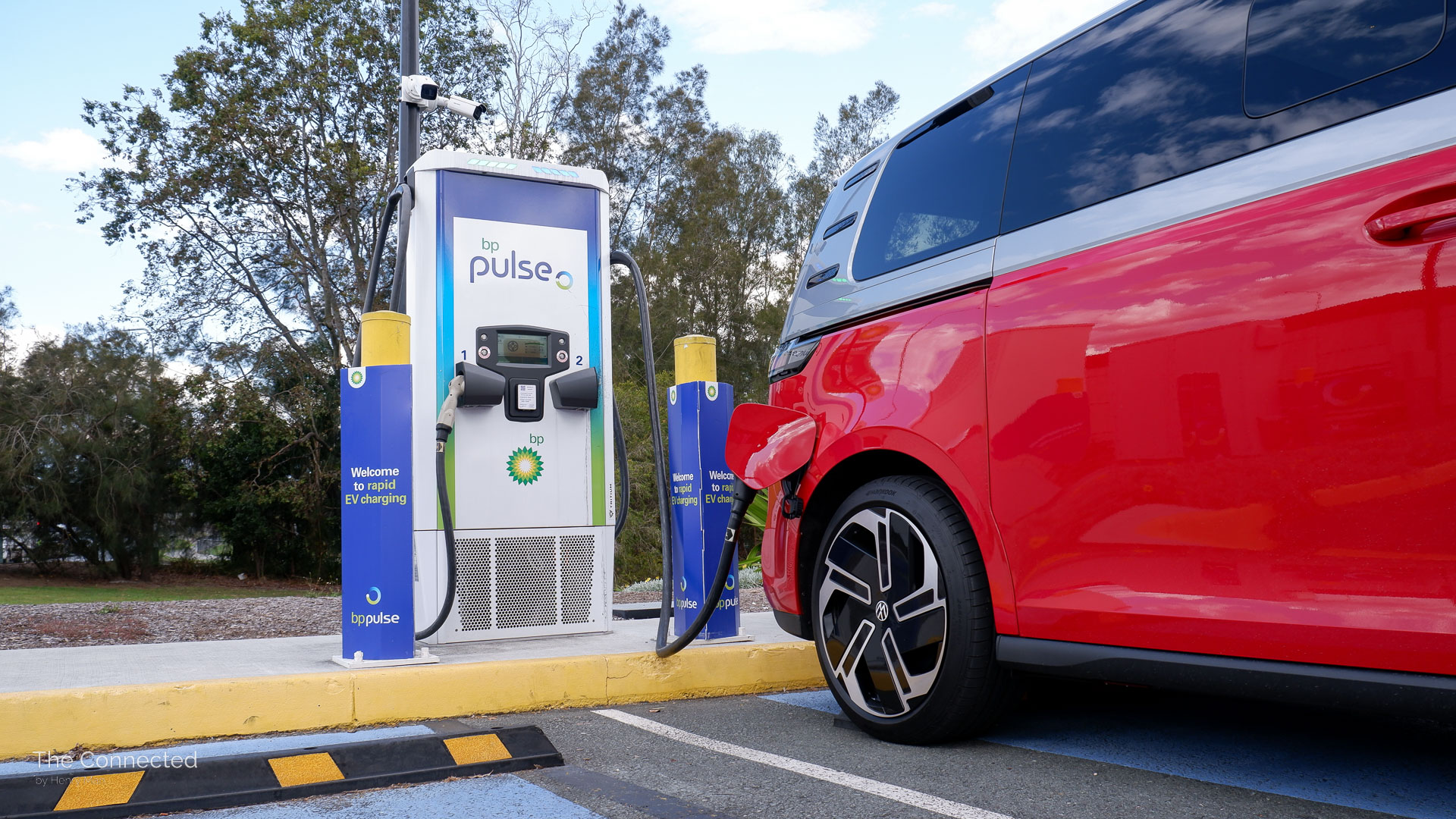
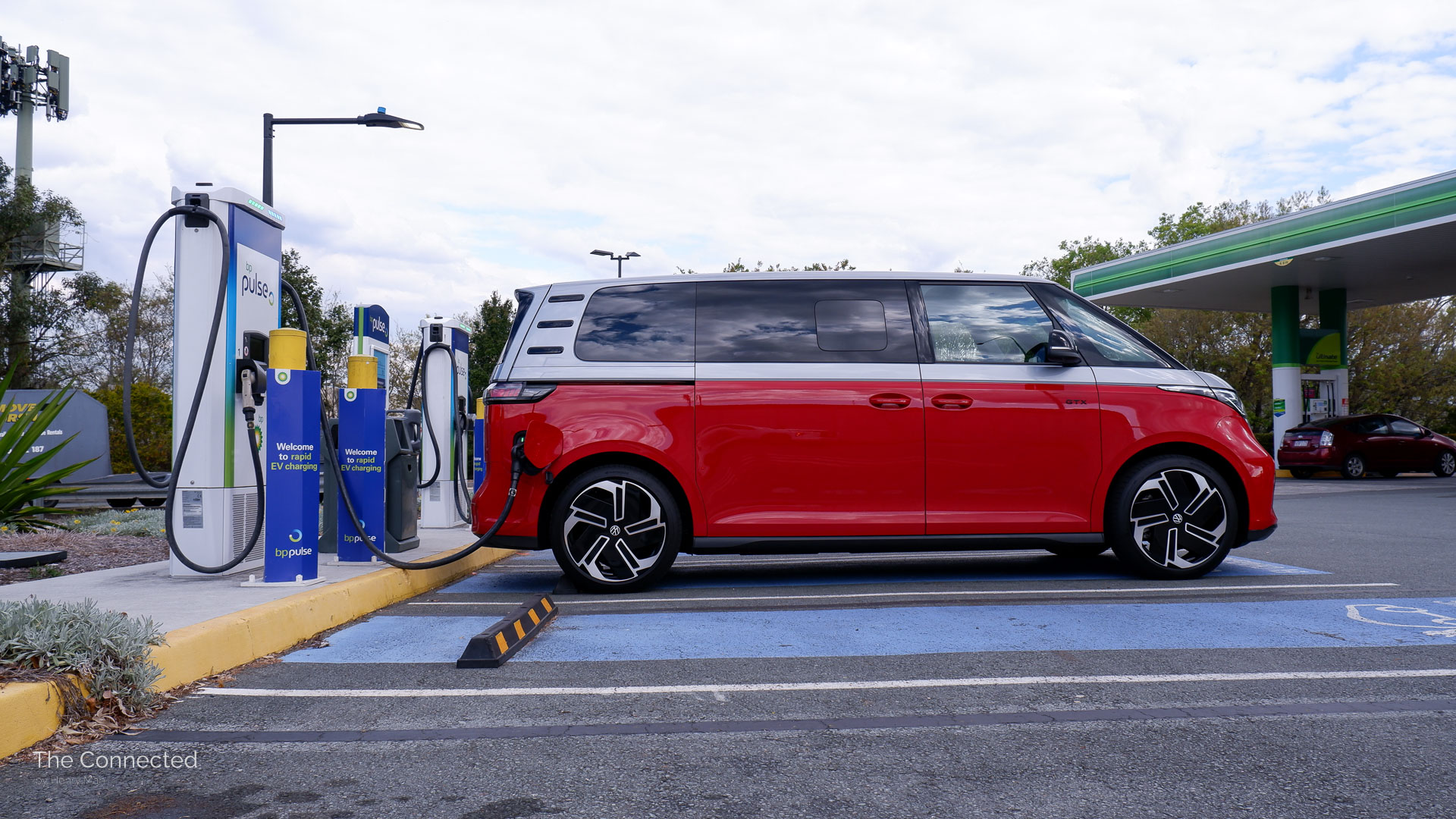

Disappointingly, we experienced DC charging issues with both ID. Buzz test examples.
The Pro SWB randomly stopped charging and couldn’t restart unless I switched to another plug. Meanwhile, the GTX LWB refused to be DC charged at all initially, then only accepted an agonisingly slow 25kW or less once I went to a different station (but AC charging was fine), and couldn’t be DC charged again.
This isn’t good enough for any EV, let alone one that can cost up to six-figures. Volkswagen Australia was advised of the issue, but did not respond as at the time of publication.

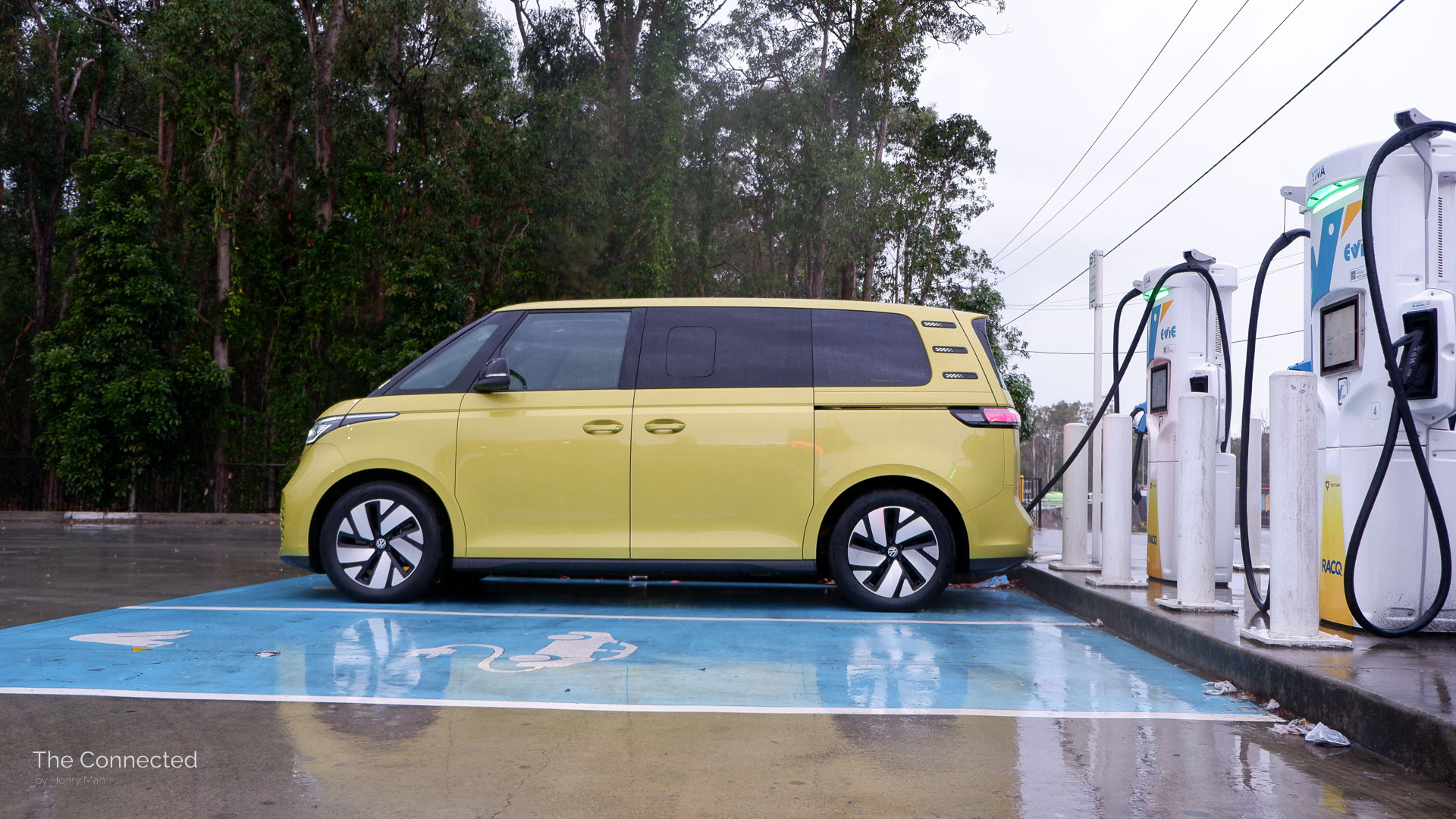


Up to 11kW AC slow charging is on all models, but it’s a shame that there’s no option for 22kW AC capability given the price tag.
The Type 2 CCS charge port is accessible via the right-rear quarter side of the electric van with a manual pop-out lid, flimsy rubber cap for the bottom DC pins, and an LED charge status indicator light but no illumination for the port.
The left side would have been more ideal to reach streetside chargers, but thankfully you can still completely open the right sliding door while charging.
The ID. Buzz is capable of vehicle-to-home (V2H) and vehicle-to-grid (V2G) when it’s available, but it’s a shame that there’s no vehicle-to-load (V2L) functionality for an electric camper van.

Driving.
2026 Volkswagen ID. Buzz powertrain specs:
| Pro SWB | Pro LWB | GTX LWB | |
| Electric motor | Single permanent magnet synchronous motor | Dual permanent magnet synchronous motors | |
| Power | 210kW | 250kW | |
| Torque | 560Nm | 560-590Nm | |
| Transmission | Single-speed | ||
| Drive type | RWD | AWD | |
| Tare weight | 2484kg | 2692kg | 2846kg |
| Turning circle | 11.1 metres | 11.8 metres | |
| Payload | 516kg (excluding max 75kg towball download) | 648kg (excluding max 50kg towball download) | 554kg (excluding max 60kg towball download) |
| Towing (unbraked / braked) | 750 /1200kg | 750 / 1000kg | 750 / 1600kg |
The ID. Buzz is impressively good to drive for a van, but let down by an unconfident airy blended brake pedal.
Even on the standard Pro with its single rear-mounted APP550 electric motor, there’s plenty of kick with up to 210kW of power and 560Nm of torque on tap.
Acceleration response is instant and spritely even in the default comfort mode with an inherent push from the rear. There isn’t much need to go into sport mode as it doesn’t feel notably different.
However, the performance GTX flagship doesn’t provide a big advantage over the Pro.
The additional front motor is weak with it only increasing power by 40kW and torque by 30Nm combined, but the latter is only possible in sport mode or else it’s the same as the Pro.
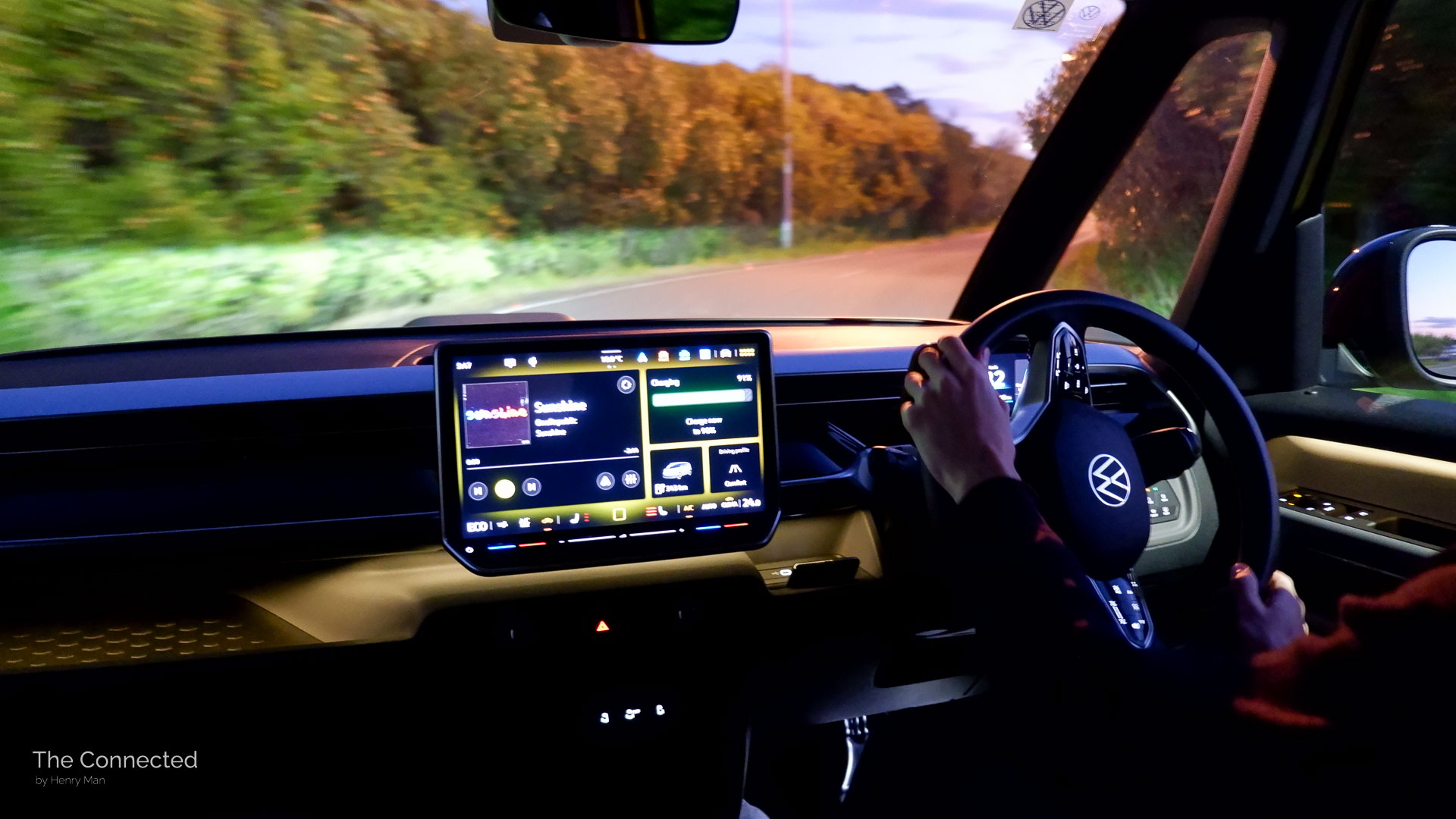

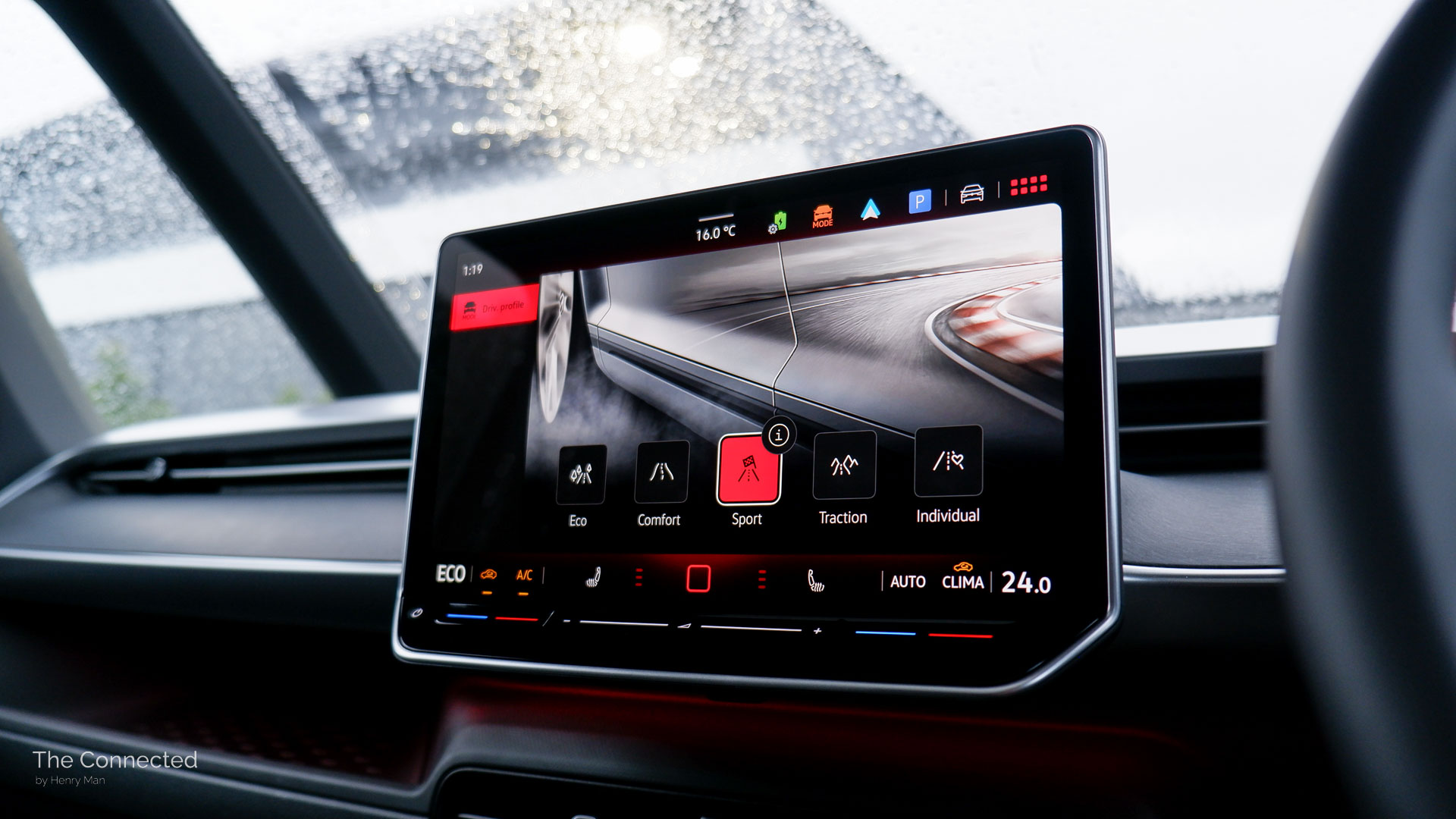
In practice, the GTX feels very similar to drive – except with the confidence of all-wheel drive and a firmer steering feel.
All ID. Buzz models handle surprisingly well for a van with a direct and engaging steering feel, good grip from both the Continental (Pro) and Hankook (GTX) tyres, and minimal body roll thanks to the solid Modular Electric Toolkit (MEB) architecture. There’s no hiding its size, though; it’s no sports car.
Noise insulation is also decent and the ride is generally comfortable, but on the firmer side on both the Pro and GTX. No variant offers Volkswagen’s signature configurable adaptive dampers.
Critically, the blended brake pedal doesn’t provide confidence with a light and spongy feel, and a long travel that requires drivers to press in a lot in order to stop this two-tonne plus van.
It’s an unfortunate MEB trait that’s also found on the Cupra Born hatch and Tavascan SUV we’ve tested.
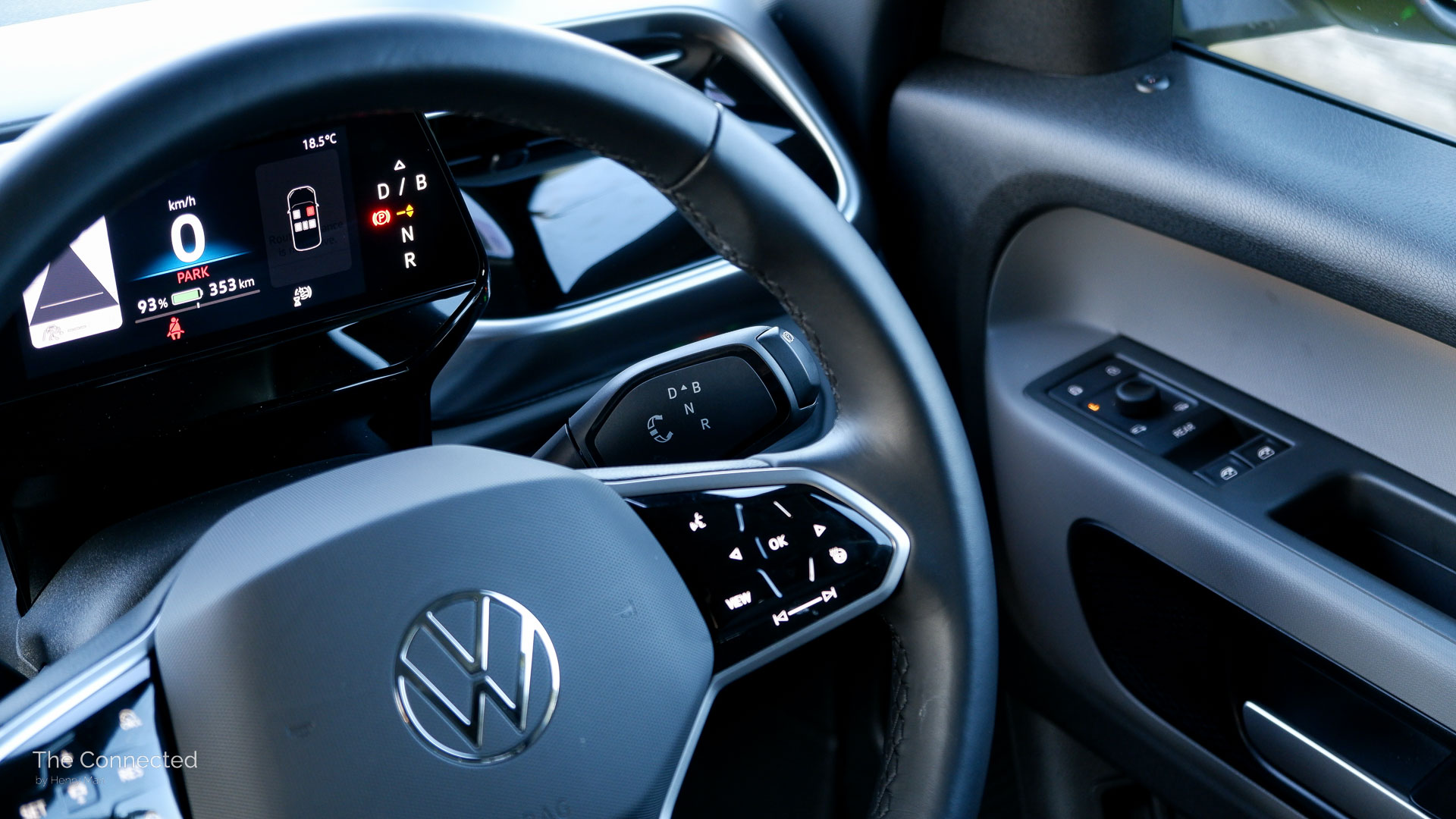
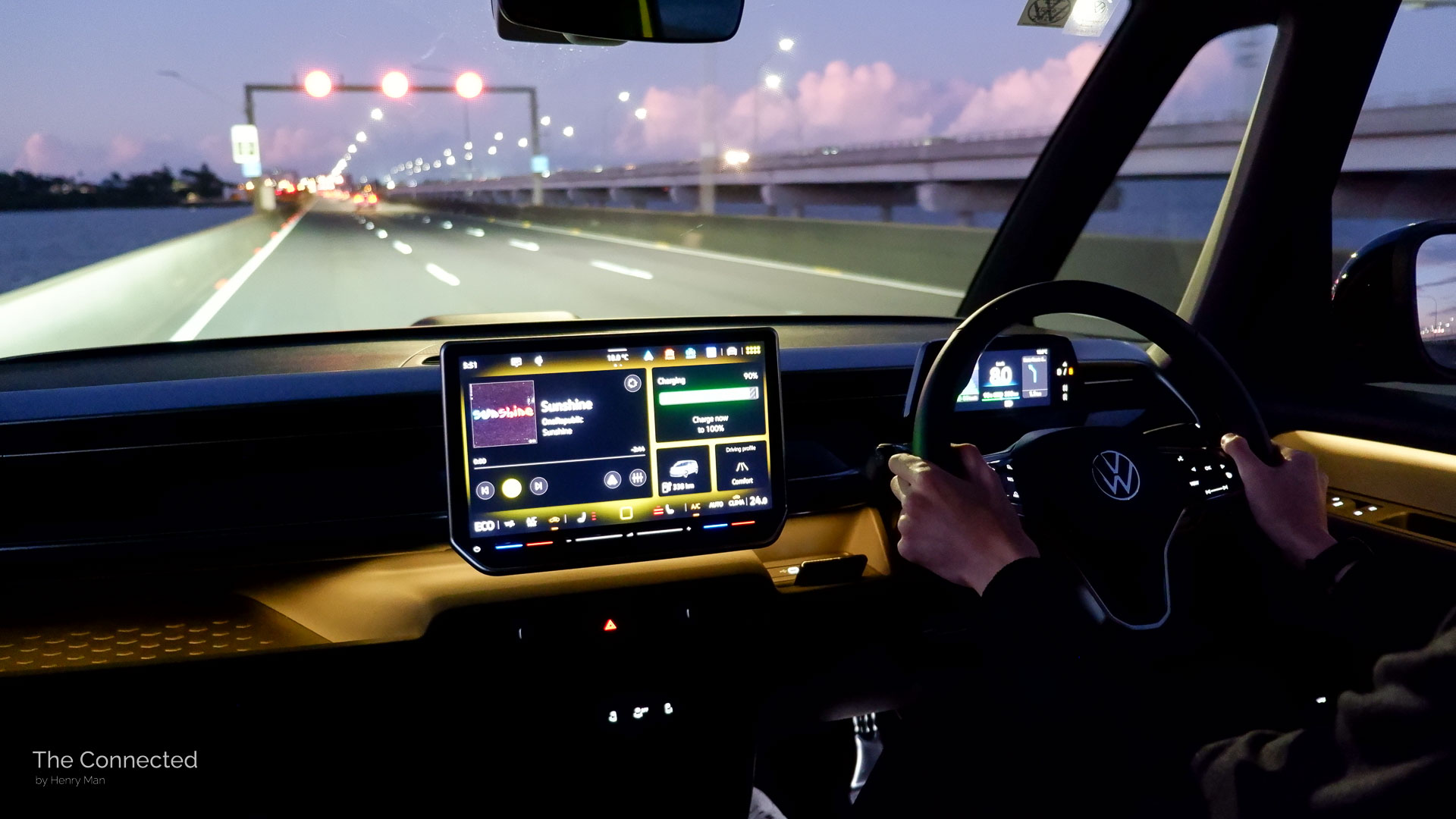

Flicking the drive selector stalk to B mode introduces smooth regenerative braking, but it cuts out and coasts below 15km/h.
The driver’s footrest is rather narrow as well for my large-sized shoes.
Additionally, the Volkswagen ID. Buzz provides a very high driving position – more than many large SUVs – where you often look down on other road users. While the front bonnet looks short from the outside, it doesn’t feel like it is inside with a long dashboard.
At 4.71 metres long on the five-seat SWB and 4.96 metres on the seven-seat LWB, it can be difficult to manoeuvre and park at times especially on the LWB.
Yet, all-round visibility is excellent thanks to all windows with only narrower wing mirrors than ideal typical for a van.
Warranty and servicing.
2026 Volkswagen ID. Buzz capped-price servicing costs:
| 2 years/30,000km | 4 years/60,000km | 6 years/80,000km |
| $687 | $687 | $687 |
The 2026 Volkswagen ID. Buzz is backed by a five-year, unlimited kilometre vehicle warranty and an eight-year/160,000km battery warranty.
Servicing is required every two years/30,000km (whichever occurs first) with each visit locked in at $687 for the first 10 years/150,000km on all variants.
This works out to cost $2061 in total after the first six years/80,000km – which isn’t cheap.
Volkswagen Australia offers pre-paid servicing plans as long as you’re willing to pay upfront:
- Six years: $1450 ($611 saving)
- Eight years: $1850 ($898 saving)
- 10 years: $2250 ($1185 saving)
Roadside assistance is renewed for two years every time you service it with a Volkswagen dealer.
Volkswagen’s GoConnect services are included for five years, which becomes a subscription paid to the dealer thereafter.
No spare tyre is included as typical for most EVs with only a patch-up repair kit and first-aid kit available.

Price and rivals.
2026 Volkswagen ID. Buzz model range pricing (accurate as at the time of publication):
| Pro SWB | Pro LWB | GTX LWB |
| From $87,990 before on-road costs | From $92,290 before on-road costs | From $109,990 before on-road costs |
The 2026 Volkswagen ID. Buzz is priced from $87,990 before on-road costs in Australia.
Two variants are available with the Pro available in either five-seat SWB or seven-seat LWB configurations, while the GTX is seven-seat LWB only.
The Luxury Car Tax (LCT) applies to certain configurations on the Pro SWB, plus the Pro LWB and GTX LWB.
Compared to the diesel-powered Volkswagen Multivan TDI360 Life LWB, the equivalent electric ID. Buzz Pro LWB represents a $13,300 premium.
Volkswagen Australia is also offering big discounts on the ID. Buzz as at the time of publication until December 31, with the Pro SWB priced from $79,990 drive-away and Pro LWB from $84,990 drive-away nationwide – marking a saving of up to $14,000 depending on the state.
The Volkswagen ID. Buzz directly rivals the following three-row family electric cars:
- Kia EV9 (full review)
- Zeekr 009
- LDV Mifa 9
- Mercedes-Benz eVito Tourer
- Hyundai Ioniq 9
- Volvo EX90
Other alternatives to the ID. Buzz include:
- Volkswagen Transporter
- Kia Carnival (full review)
- Hyundai Staria
- Ford Tourneo
- Mazda CX-90 (full review)
Would I pick the 2026 Volkswagen ID. Buzz Pro and GTX?
The Volkswagen ID. Buzz is the iconic Kombi reborn, but some impractical quirks and so-so range prevent it from being a great family EV.
A friendly and nostalgic exterior, spacious interior, super high seating position, fast charging, and good driving dynamics are key positives.
While it may seem expensive (and it is), the ID. Buzz LWB is one of the cheapest full-size seven-seat electric family cars out there, with a $13,300 premium compared to its diesel equivalent, the Volkswagen Multivan TDI360 Life LWB. Volkswagen Australia’s current sharp discount promotion until the end of the year makes the ID. Buzz more attractive, too.
Yet, the interior feels cheap and utilitarian for its high asking price, other rivals are capable of more range, I experienced DC charging issues on both testers, and the airy brake pedal doesn’t provide much confidence.
Then, there are some impractical design choices – such as the awkward USB-C port placements, limited private storage, and a rarely-working driver boot open switch. Plus, there are missed opportunities for an electric family car, including no V2L, camping climate modes, nor any video streaming apps.

I’d pick the ID. Buzz Pro LWB, which has seven seats that makes more sense for a large van, without unnecessarily going for the pricey GTX.
The Volkswagen ID. Buzz isn’t an outstanding family EV, but there’s no denying that it just puts a smile to people’s faces.
Photographs by Henry Man
READ MORE: 2026 Cupra Tavascan review
READ MORE: 2025 Hyundai Santa Fe Hybrid review
READ MORE: Are Tesla Superchargers worth it?
Pros:
- One of the ‘cheapest’ seven-seat EVs’
- Spacious interior, super high seating
- Fast tested charging curve
- Surprisingly good to drive for a van
- Smile-inducing friendly design
Cons:
- Cheap interior materials for the high price
- DC charging issue with both testers
- Real-world range isn’t long
- Impractical interior quirks, missed opportunities
- Unconfident brake pedal feel
About the Author.
Henry Man is an independent content producer passionate about the intersection of technology and transportation.
The former automotive journalist is focused on producing critically-detailed vehicle reviews, and unique short-form content. Learn more.


 The Connected by Henry Man