
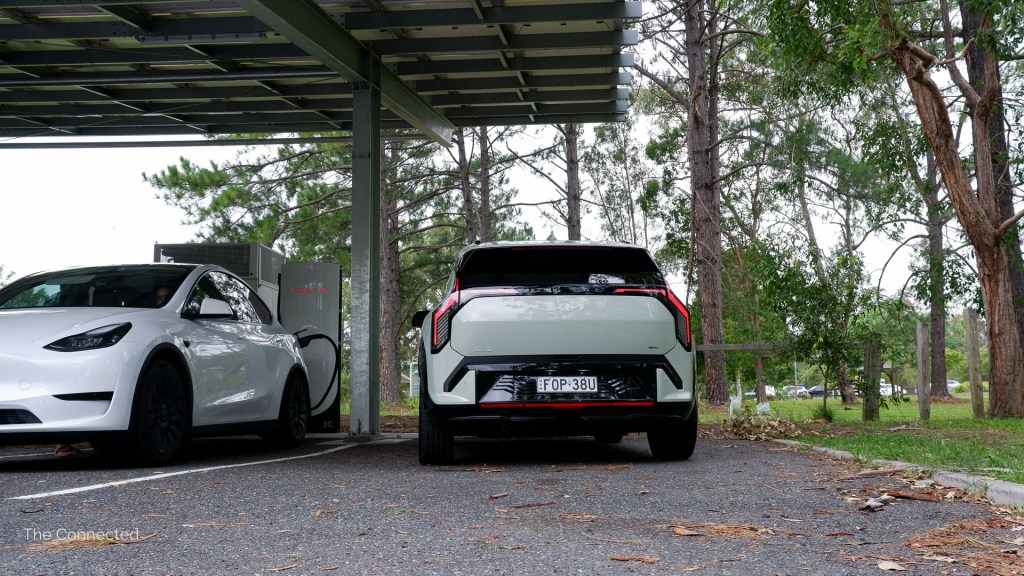
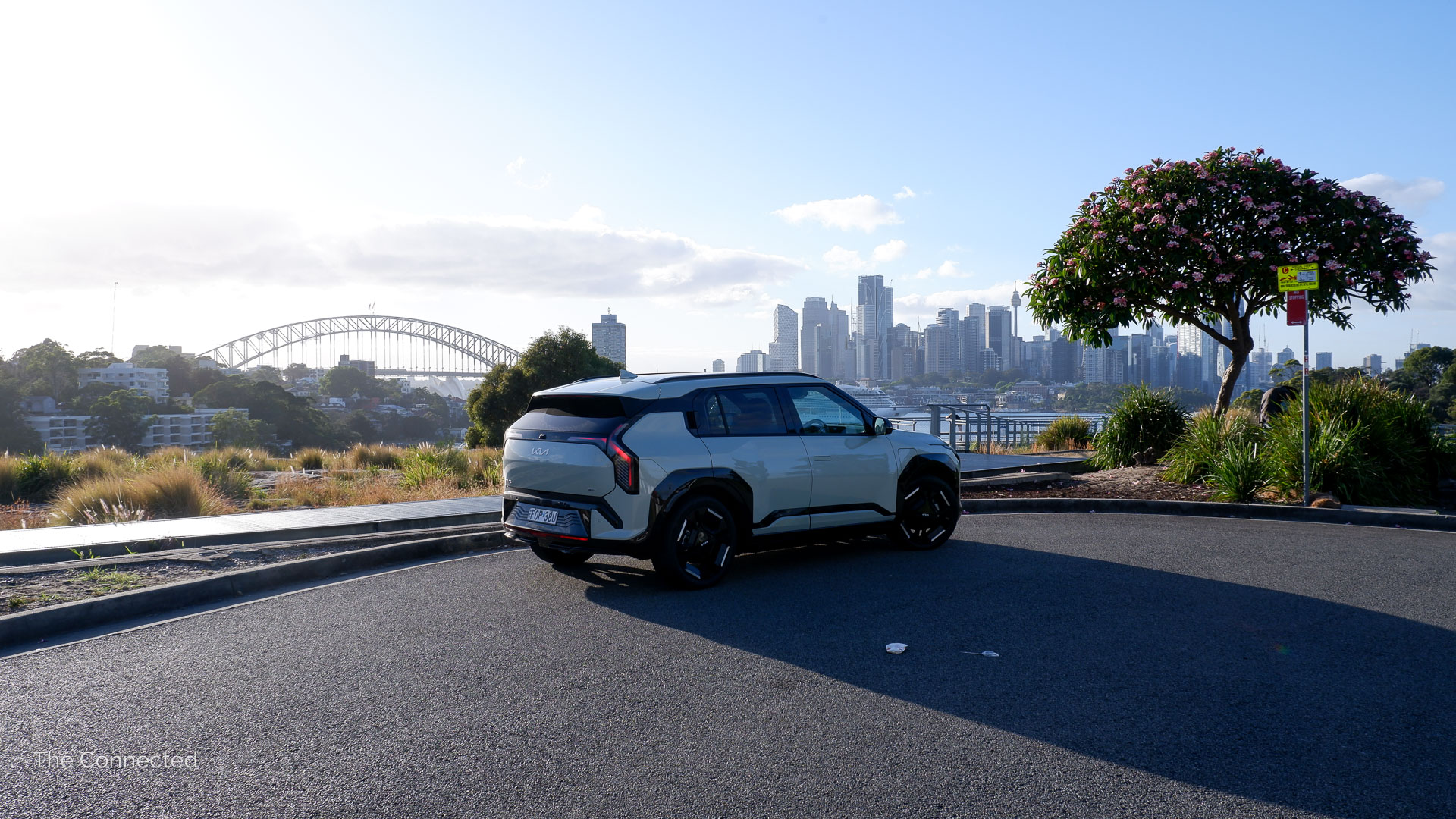
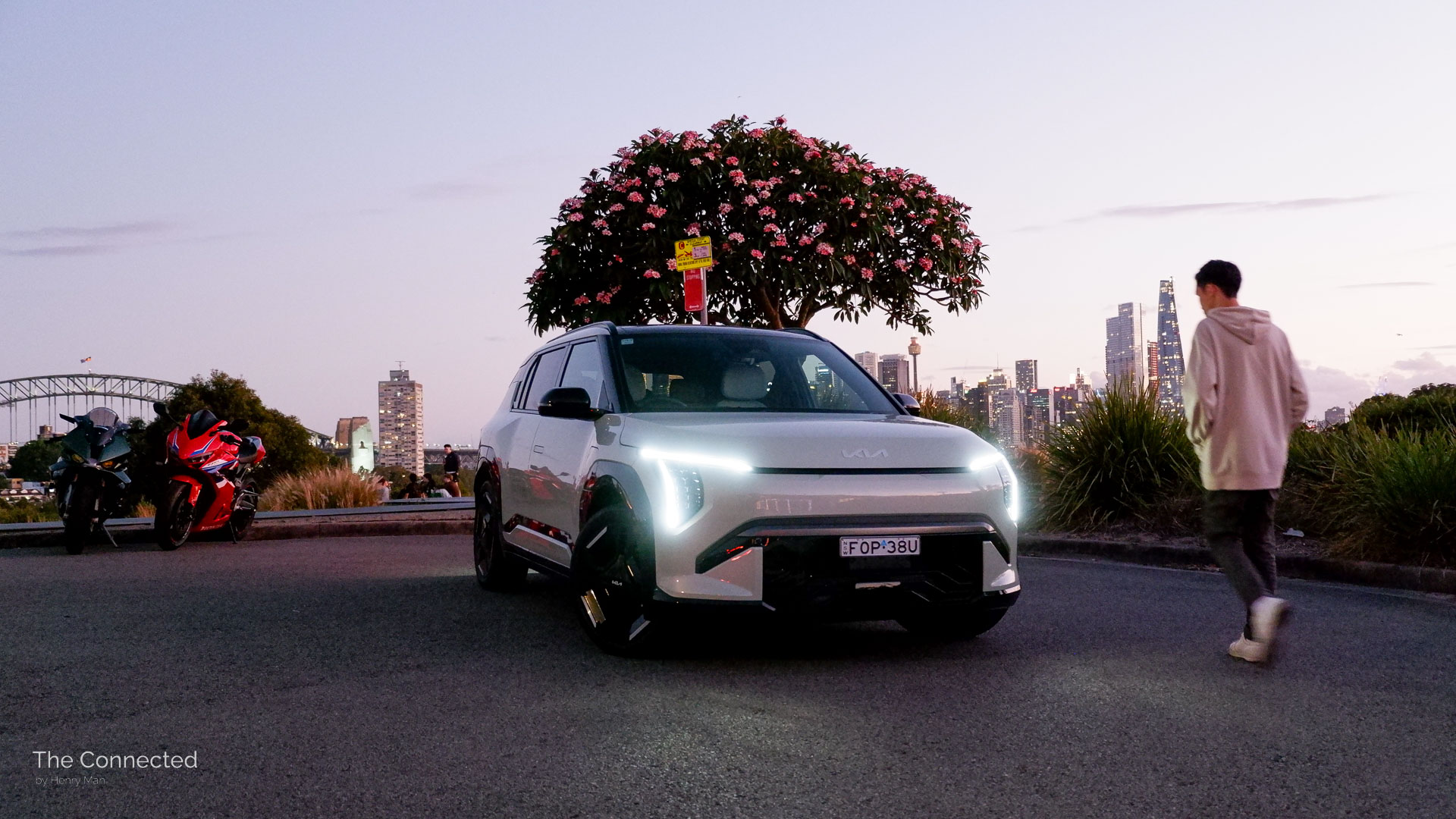
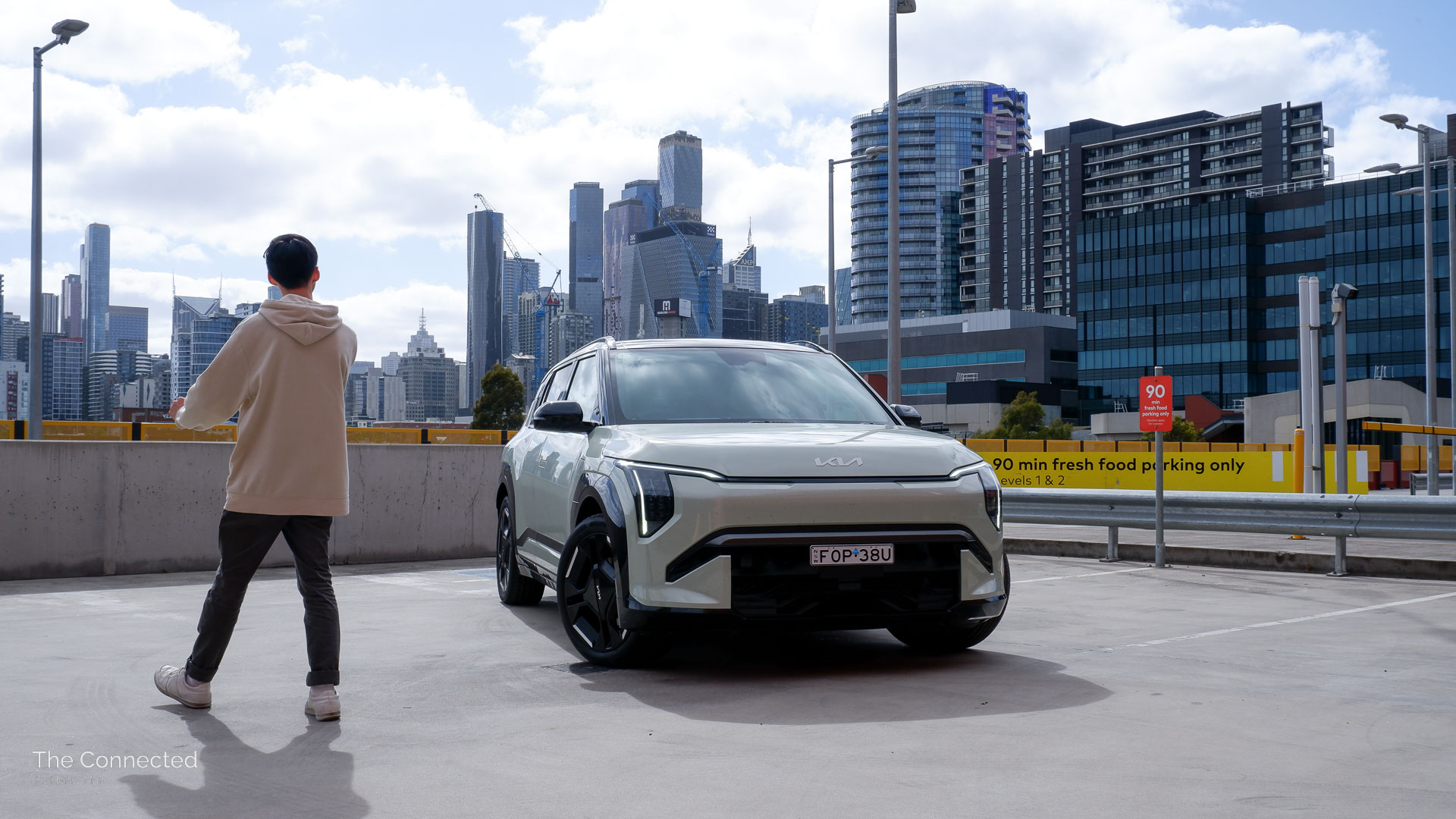
I drove an electric vehicle for more than 3700 kilometres from Brisbane to Sydney to Melbourne (and back) during the peak Christmas and New Year holiday period. What could go wrong?
“I can drive in one tank.” That’s often the response from strangers when they realise the car I’m driving that has piqued their interest is actually an EV.
It’s been coined ‘range anxiety’ – uncertainty around driving range and charging availability – which mainly applies when going on a long-distance road trip.
No wonder, then, the surge in hybrid and plug-in hybrid car popularity.
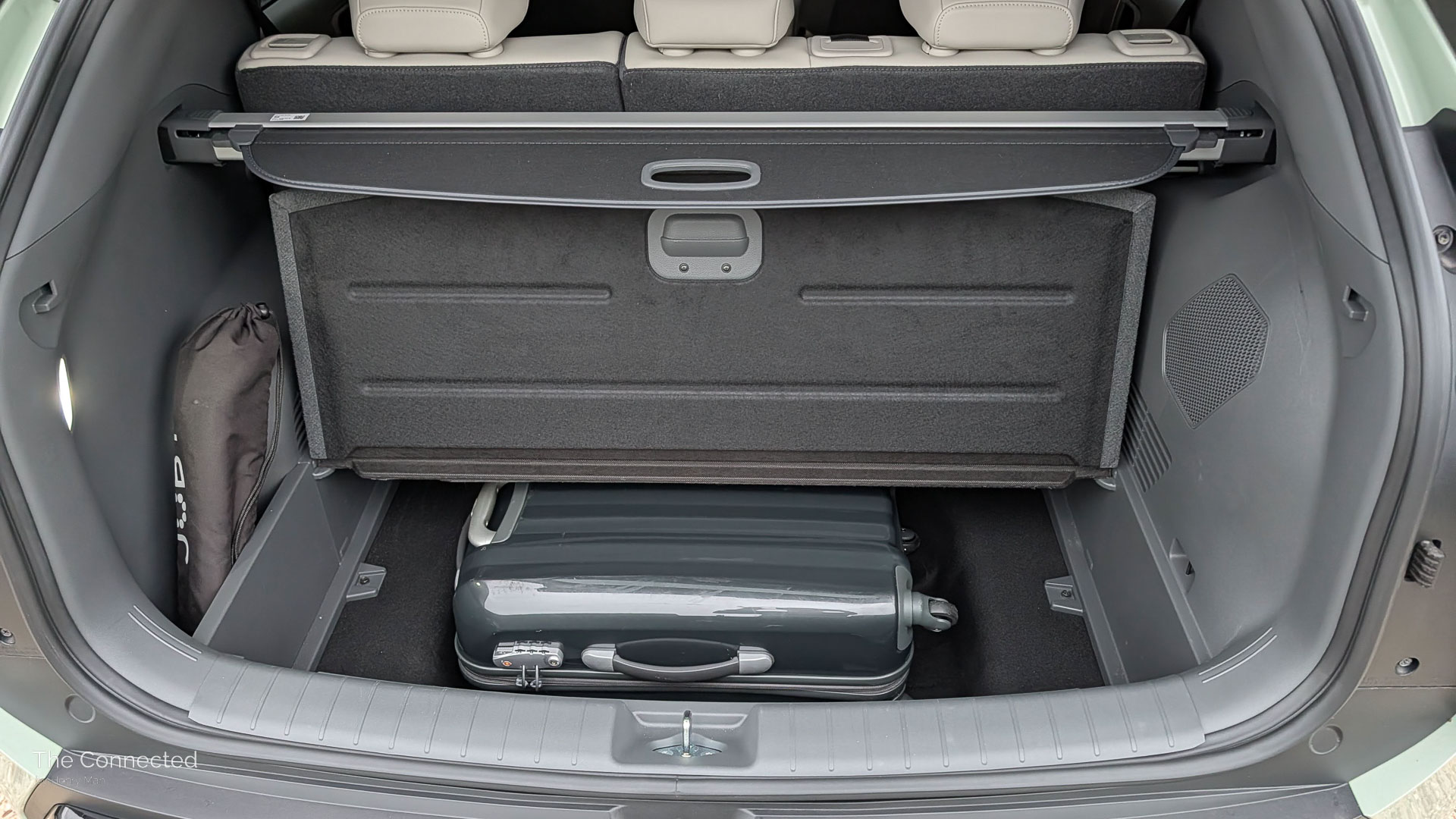
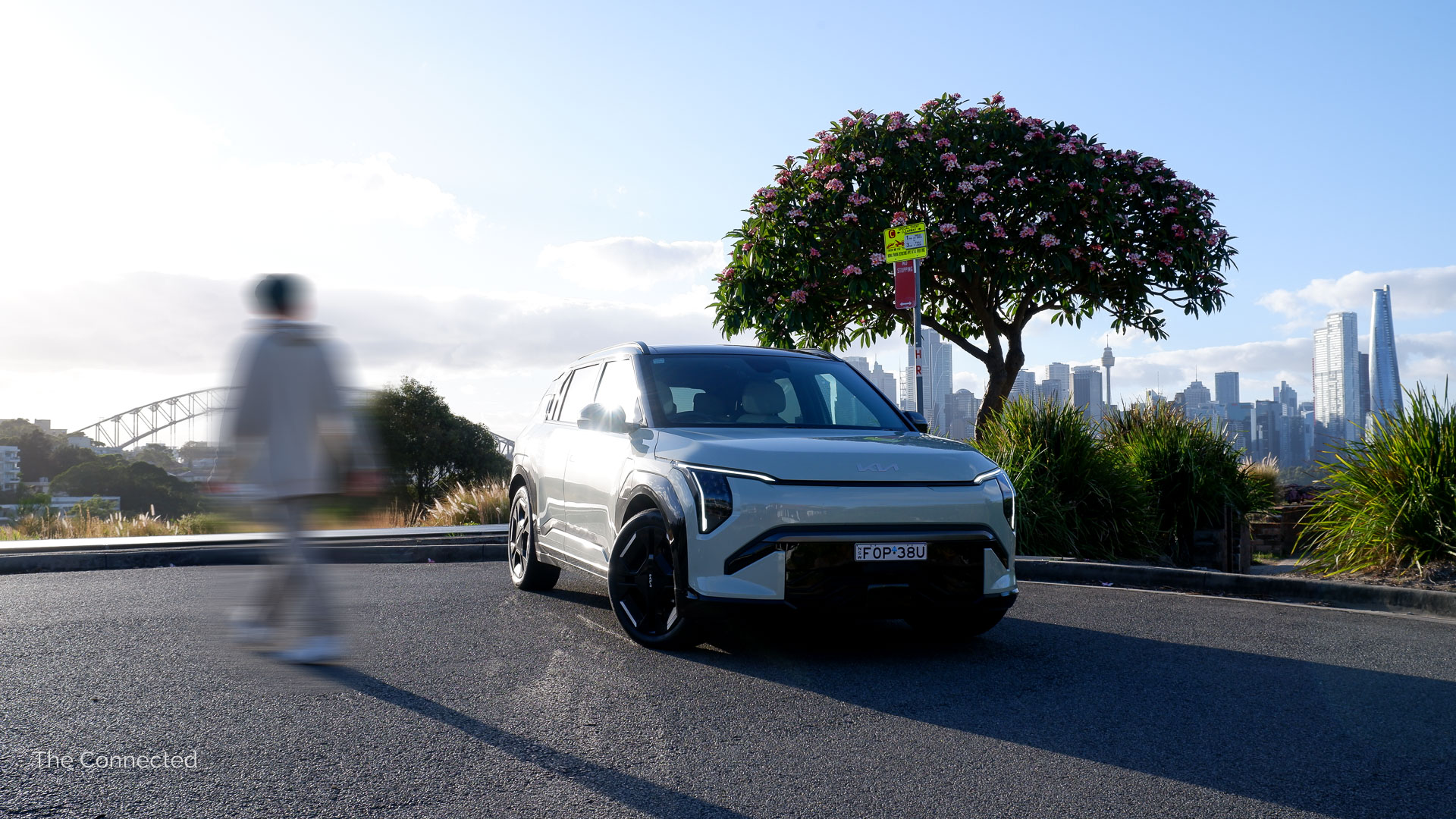
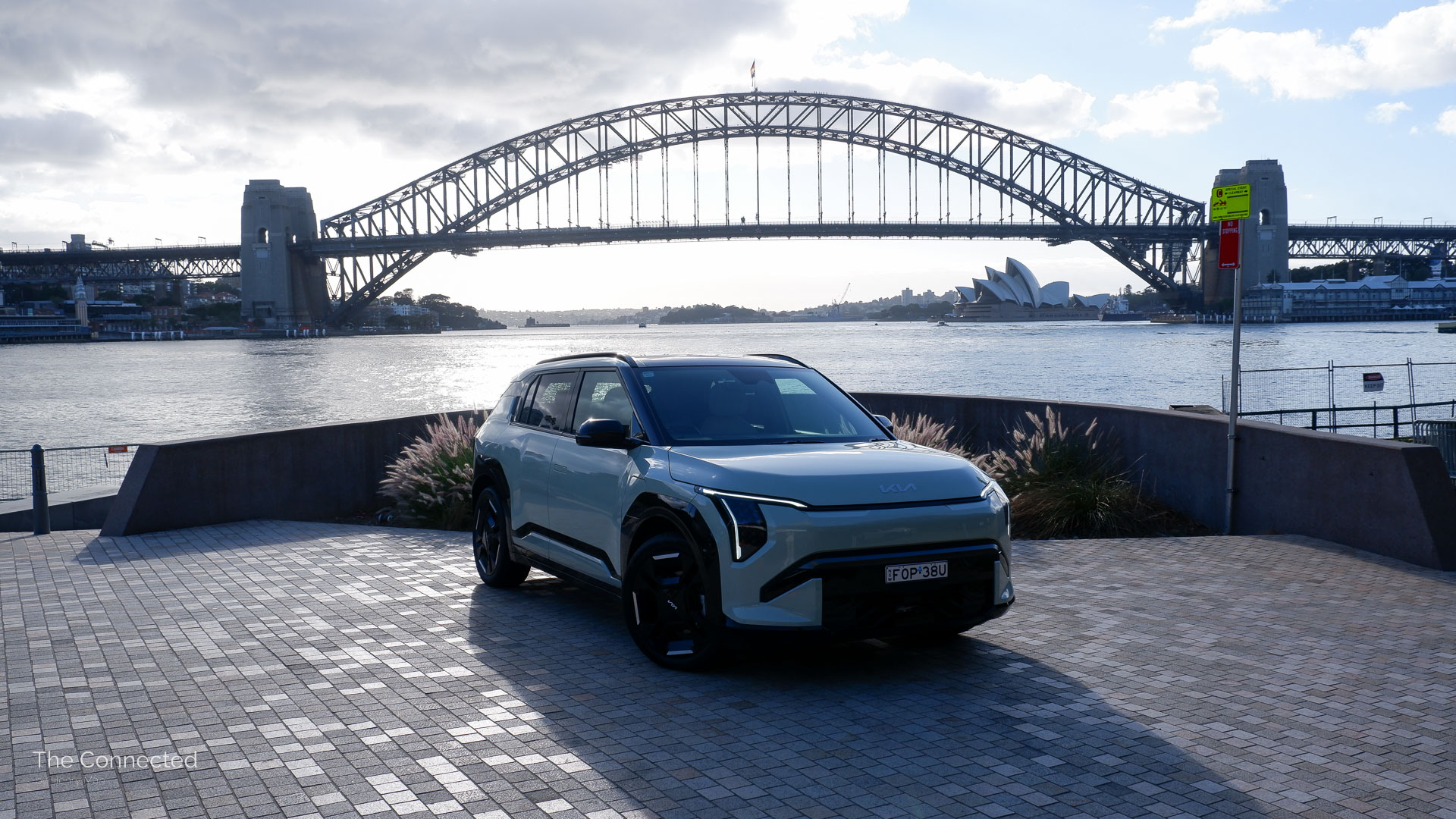
So I finally tested whether it’s really an inconvenience with the Kia EV3 GT-Line, which has a claimed 563km combined driving range from its large ~78kWh battery.
However, it quickly became apparent that this ‘challenge’ was more of a test of my driving capacity, rather than the EV battery.
NOTE: The press vehicle was provided by Kia Australia for a 15-day holiday loan. Only toll costs were covered, but we have no commercial arrangements with the company and it had no editorial control.
How to plan for an EV road trip
Before heading on any long-distance drive, planning ahead of time is crucial for electric cars. Unfortunately, it isn’t as clear cut for every model.
Some brands, such as Tesla, Polestar and BYD, offer built-in maps that automatically plot charging stops when inputting a destination, with suggestions on how much battery you’ll have on arrival and how long to charge at each station.
However, most other EV models in Australia don’t have this capability. This is why downloading the A Better Route Planner (ABRP) app is so crucial, which does the same charging stop planning but based on an estimated vehicle profile rather than the actual energy consumption (at least with the free version).
This will give you a good guide before heading off – but make sure that each drive distance is well within the driving range of your EV, at least 20 per cent less than the claimed range as the consumption increases on the highway.
Additionally, it’s important to sign up to every major public EV charging network app ahead of time (if not already), including Tesla, Evie Networks, Chargefox, Ampol AmpCharge, BP Pulse, and Exploren.
Some networks offer RFID charging card compatibility, which could be handy at some locations that have poor mobile reception.
On the road: Driving, charging and resting
Driving down Australia’s east coast in an EV was almost painless, with charging stops providing the perfect opportunity to take a rest break.
ABRP planned four charging stops each way, except on the initial stretch with three stops only from Brisbane to Sydney simply because I was starting with a fully charged battery from home.
While charging added about 1.5 to 2 hours to each travel time, each stop was perfectly timed every two to three hours (200 to 400 kilometres each leg) for my driving concentration capacity as a beginner.
After all, most state governments suggest rest stops every two hours for at least 15 minutes regardless of driving experience.
Rather than enter designated rest areas beside the highway, I was able to explore more of regional Australia, including Kew, Raymond Terrace and Kilmore, and support local businesses.
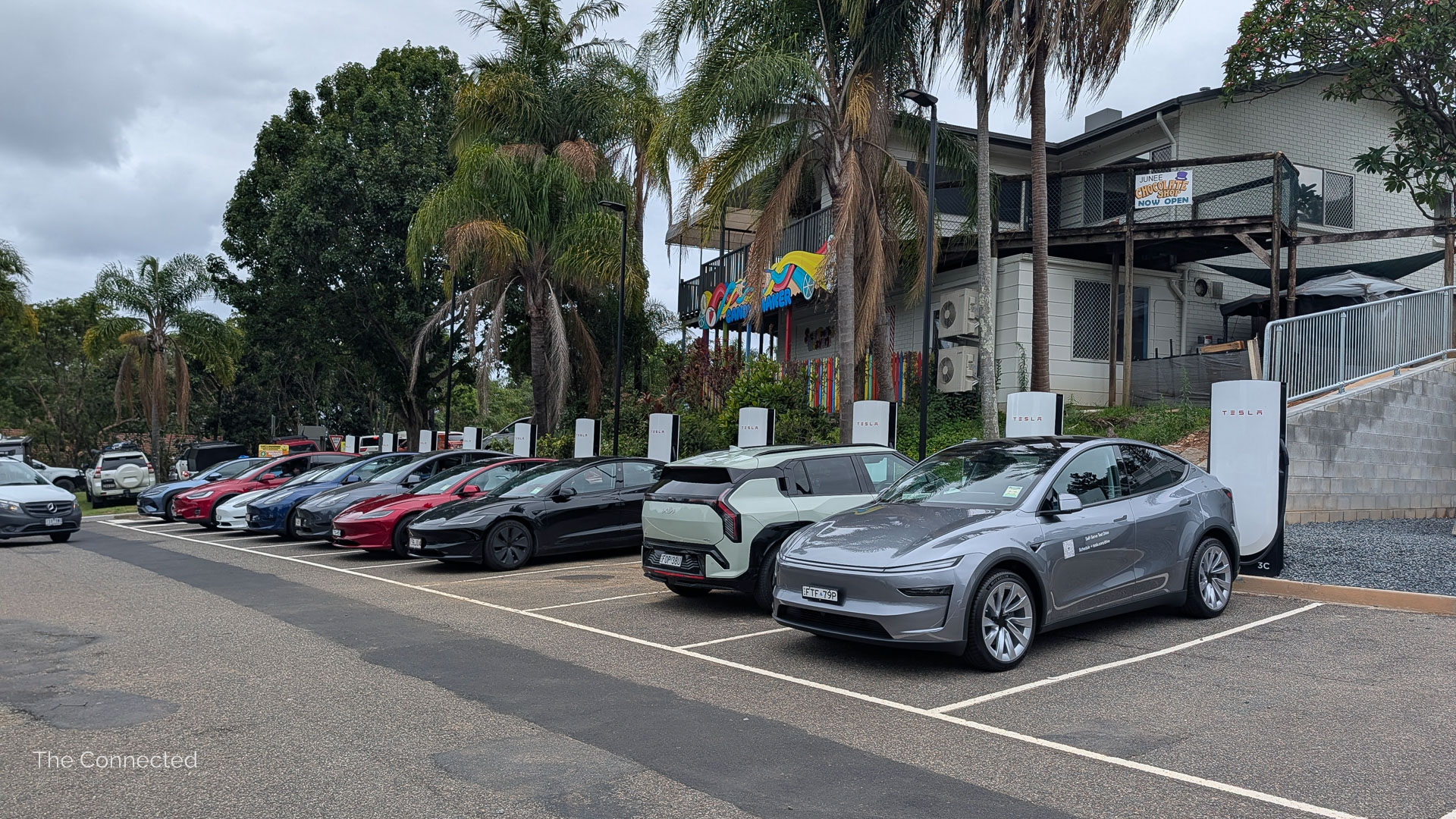
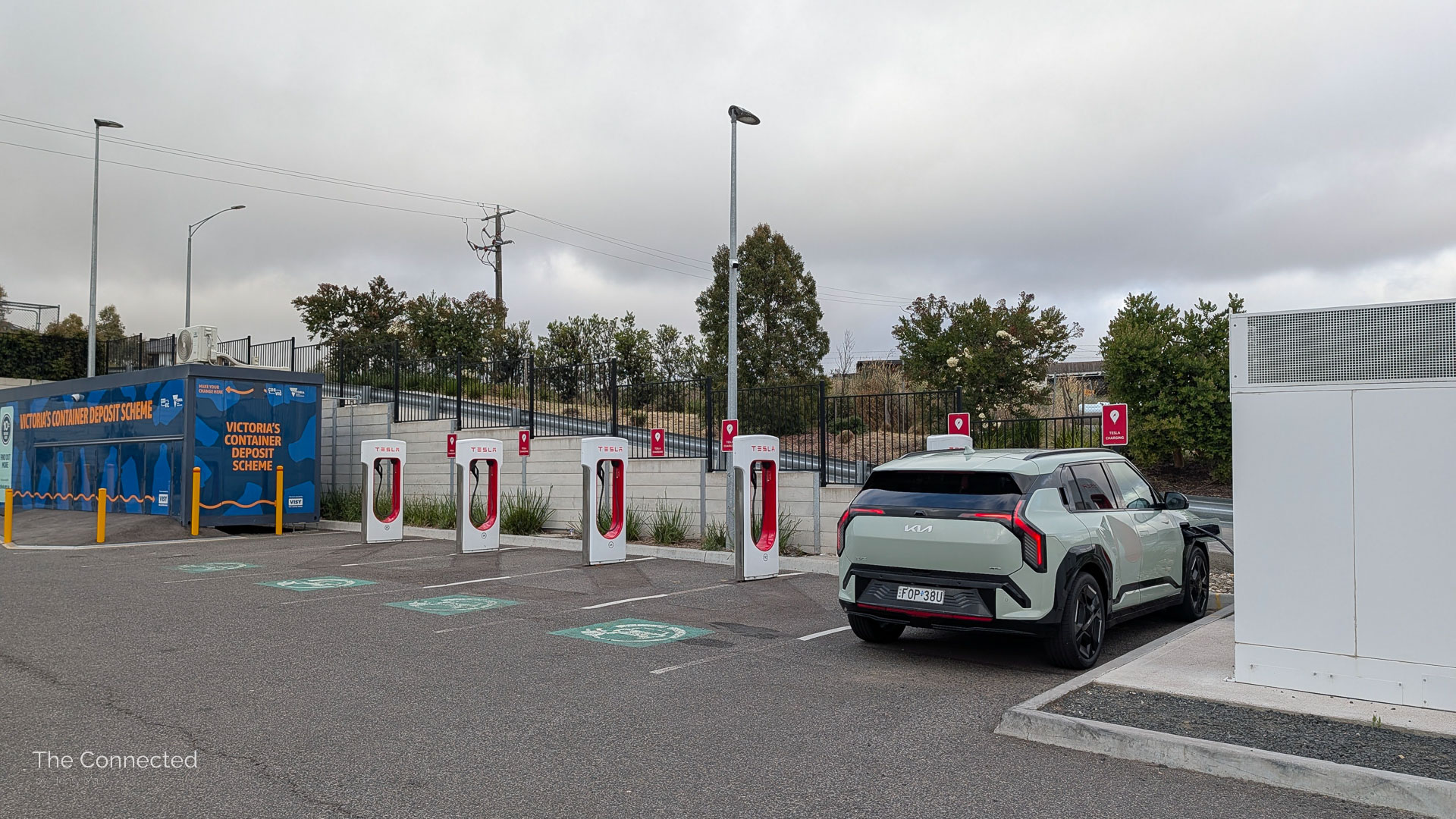

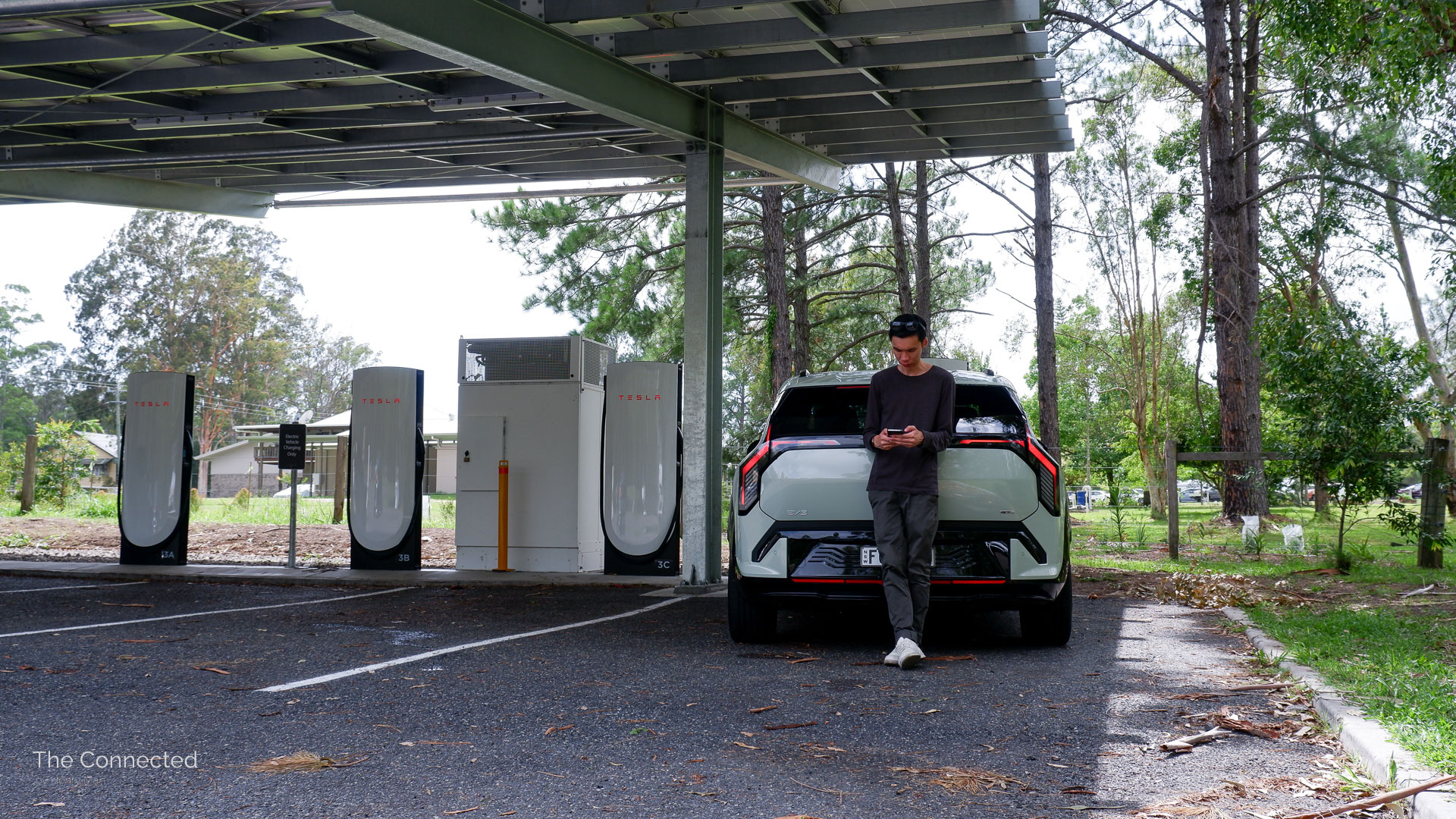
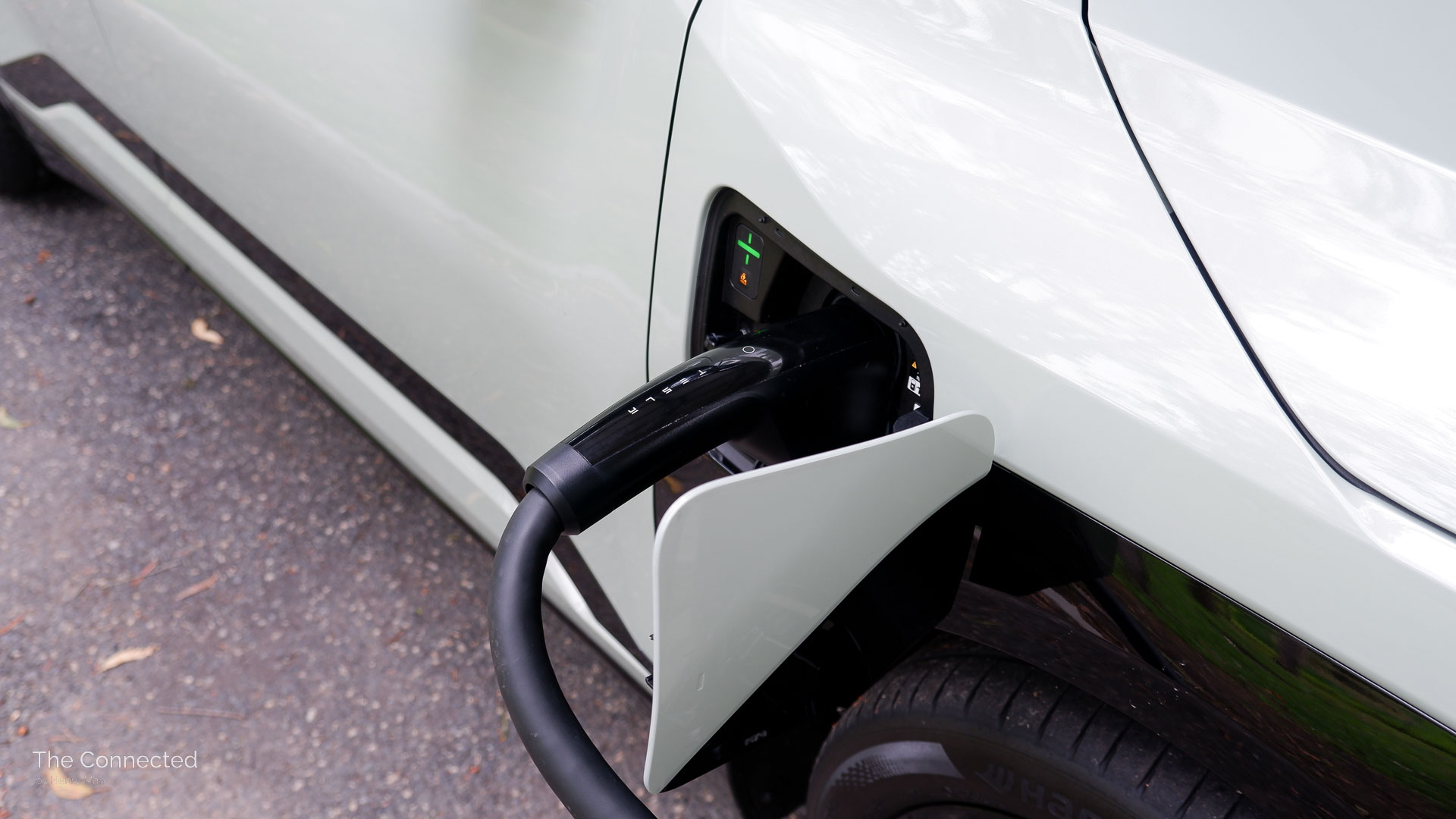
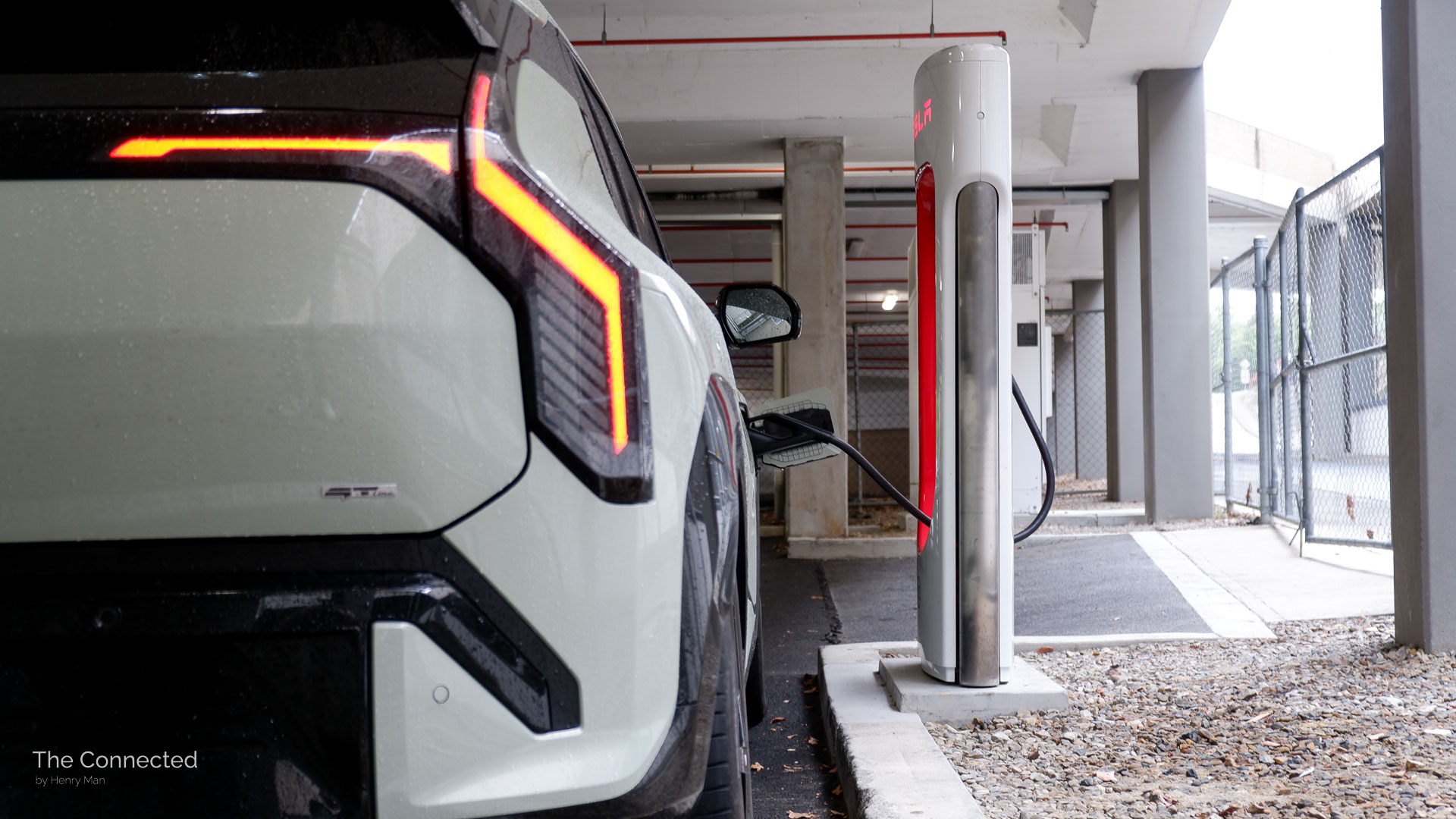
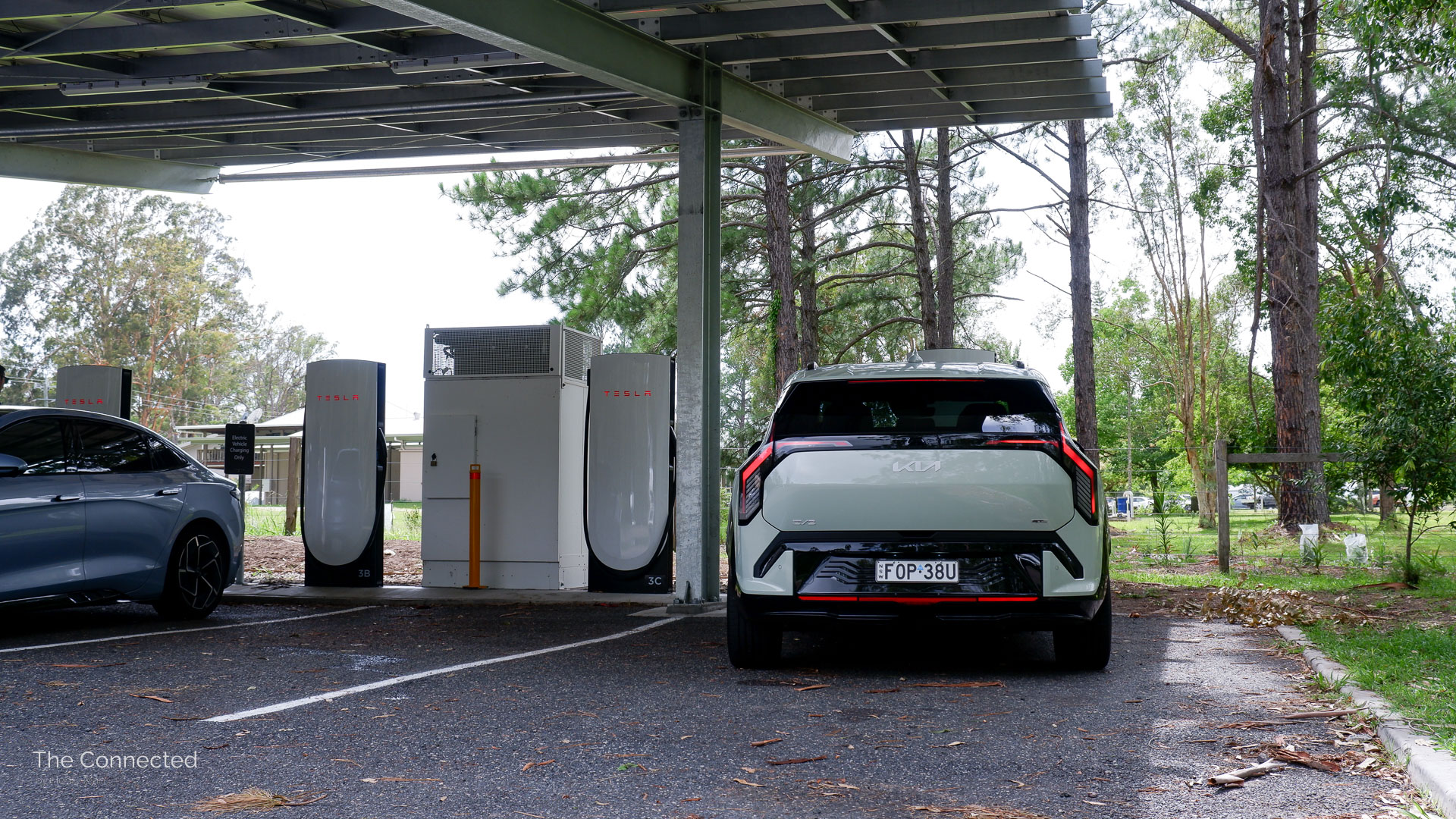
I chose to exclusively use the Tesla Supercharging network, which was cheaper than other networks by paying the $9.99/month non-Tesla EV membership (paid off in the first charge).
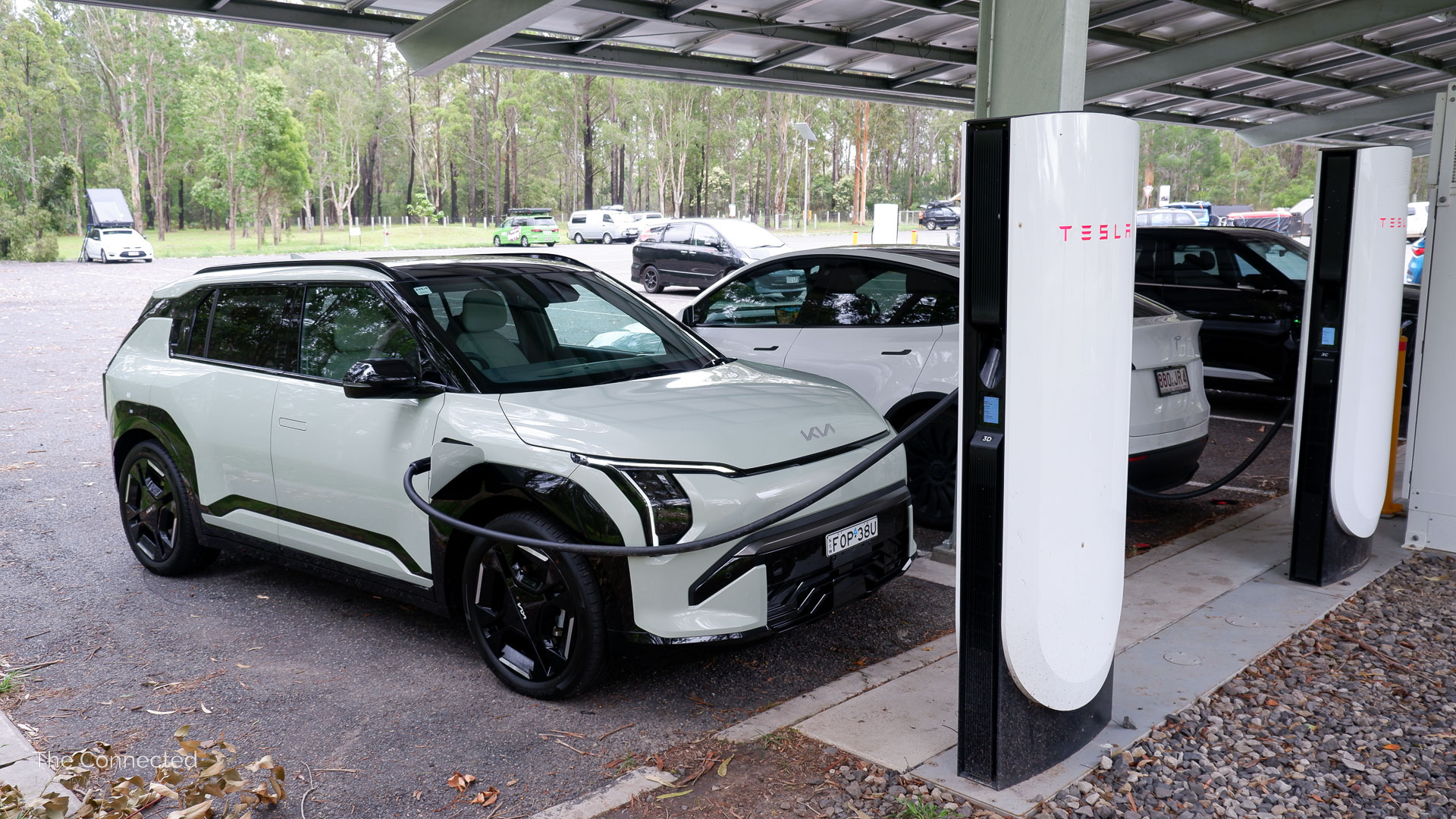
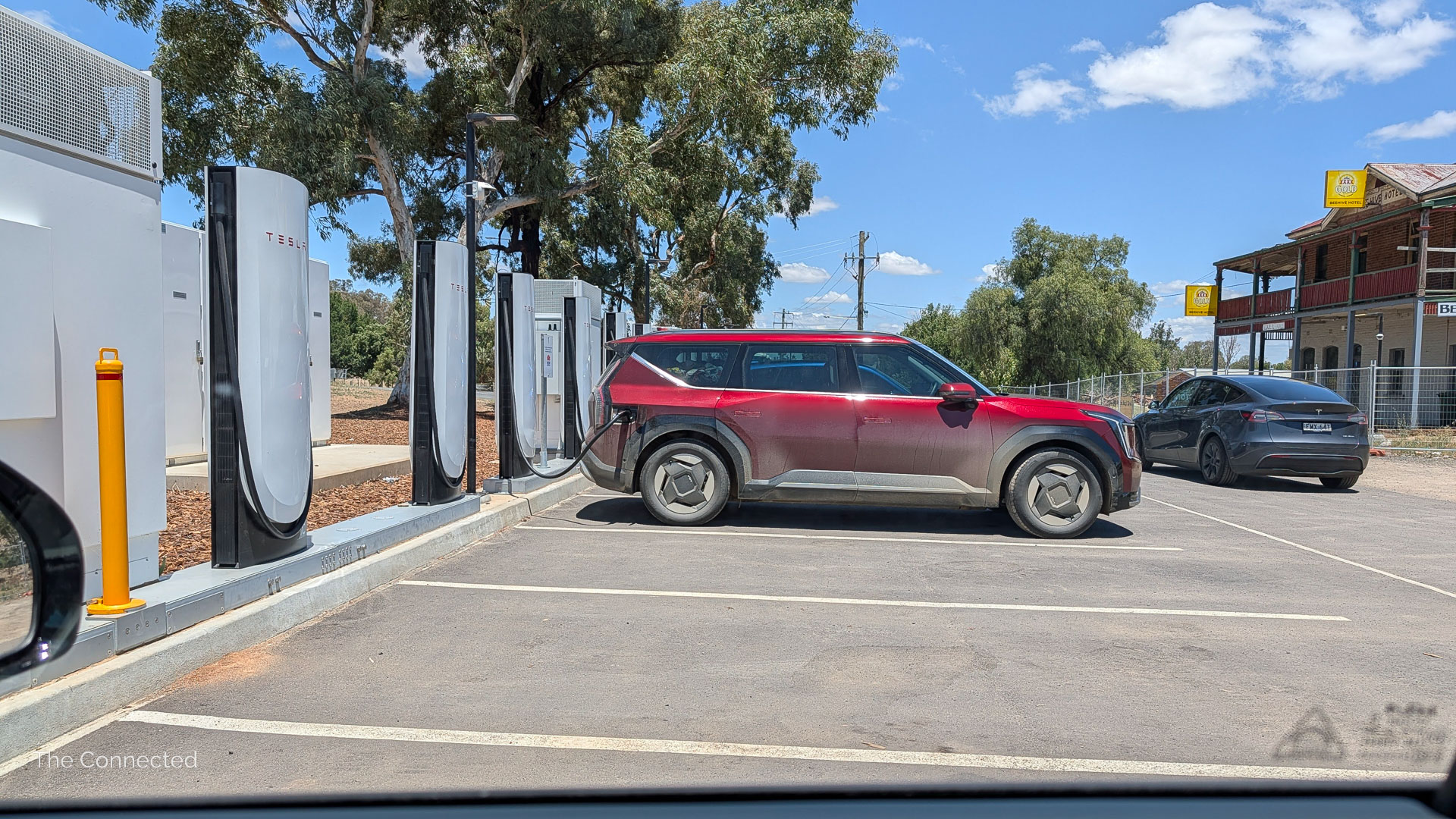
Importantly, Tesla Superchargers were also most dependable with far more stalls at each location – between six to 16 stations in my trip – rather than hedging my bets on two to four plugs and power sharing off one to two stations.
Despite media headlines often suggesting long queues especially at peak holiday periods, out of the 15 charging stops, I only had to wait one time over the Christmas and New Year break and spent $334.58 in total to travel from Brisbane to Sydney to Melbourne, then to Newcastle and back to Brisbane.
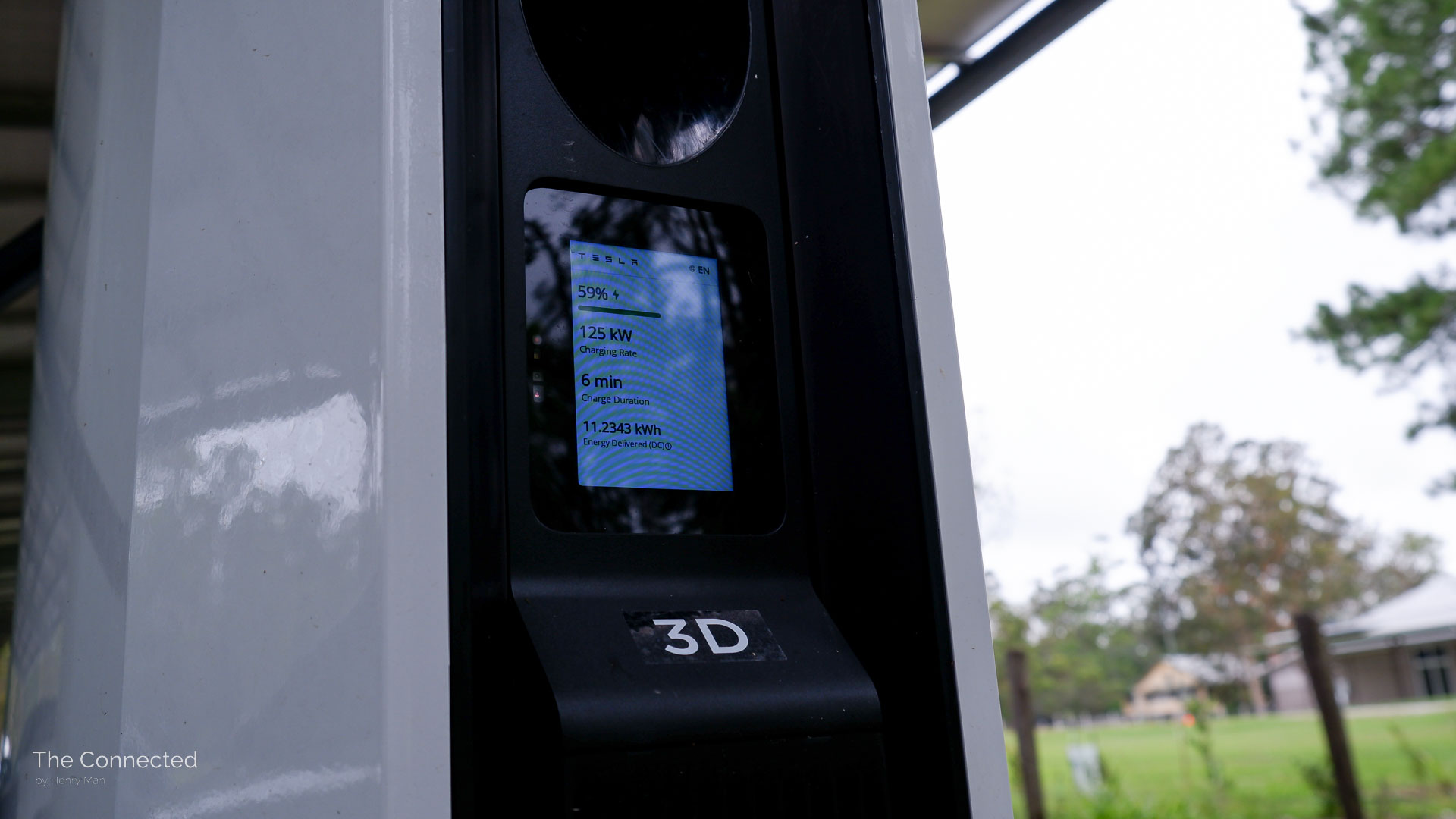
While some argue that EV charging is too slow, the Kia EV3 often charged more than needed to drive on – past 80 per cent – after walking out, getting food and going to the bathroom.
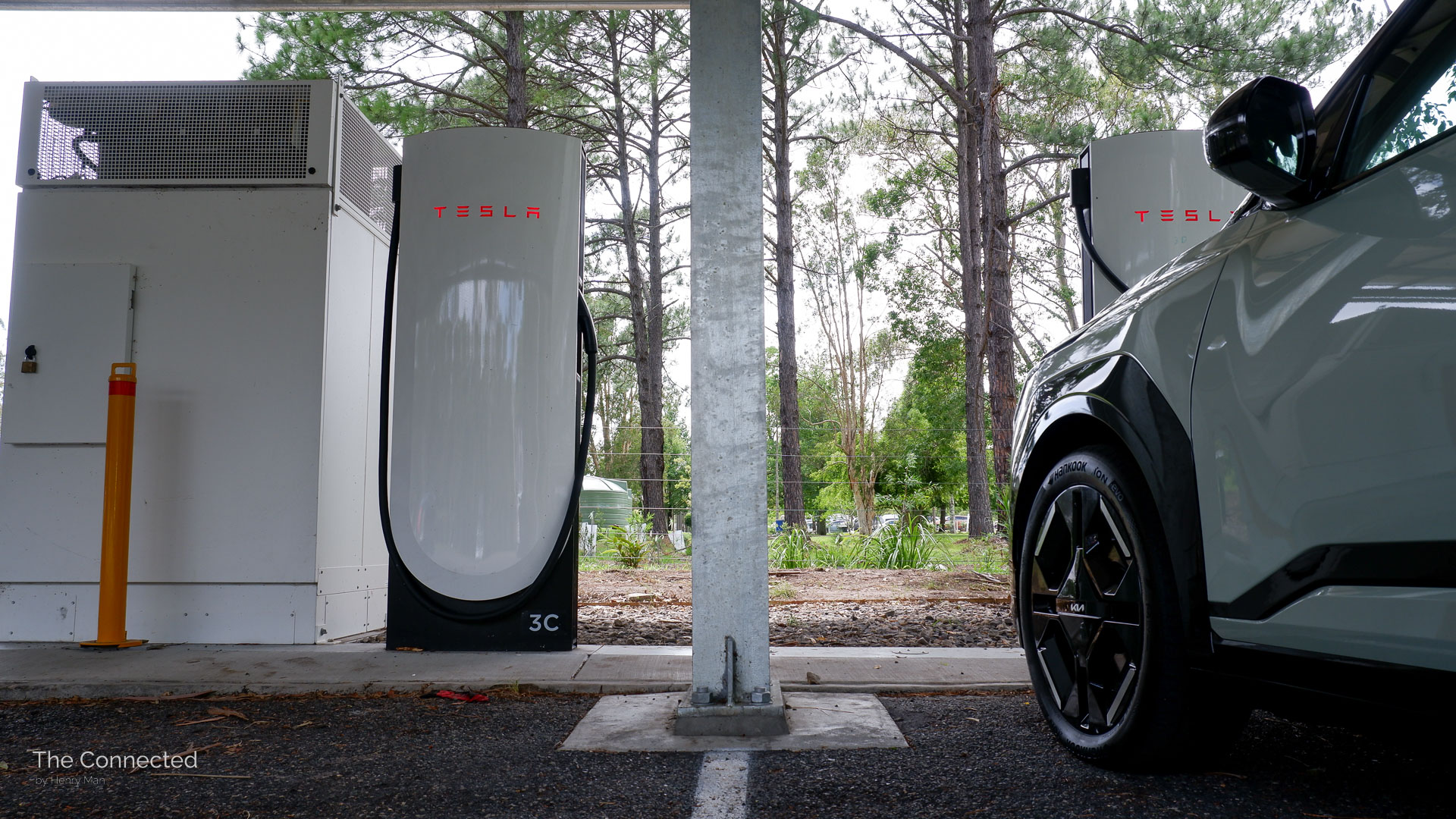
Plus, this Kia small SUV isn’t the fastest-charging EV out there either, with only a 128kW peak – way below the 250kW and 300kW output capability of the V3 and V4 Tesla Superchargers used.
Were there any issues?
The electric road trip wasn’t entirely seamless, with key pain points that highlight issues with public charging and education.
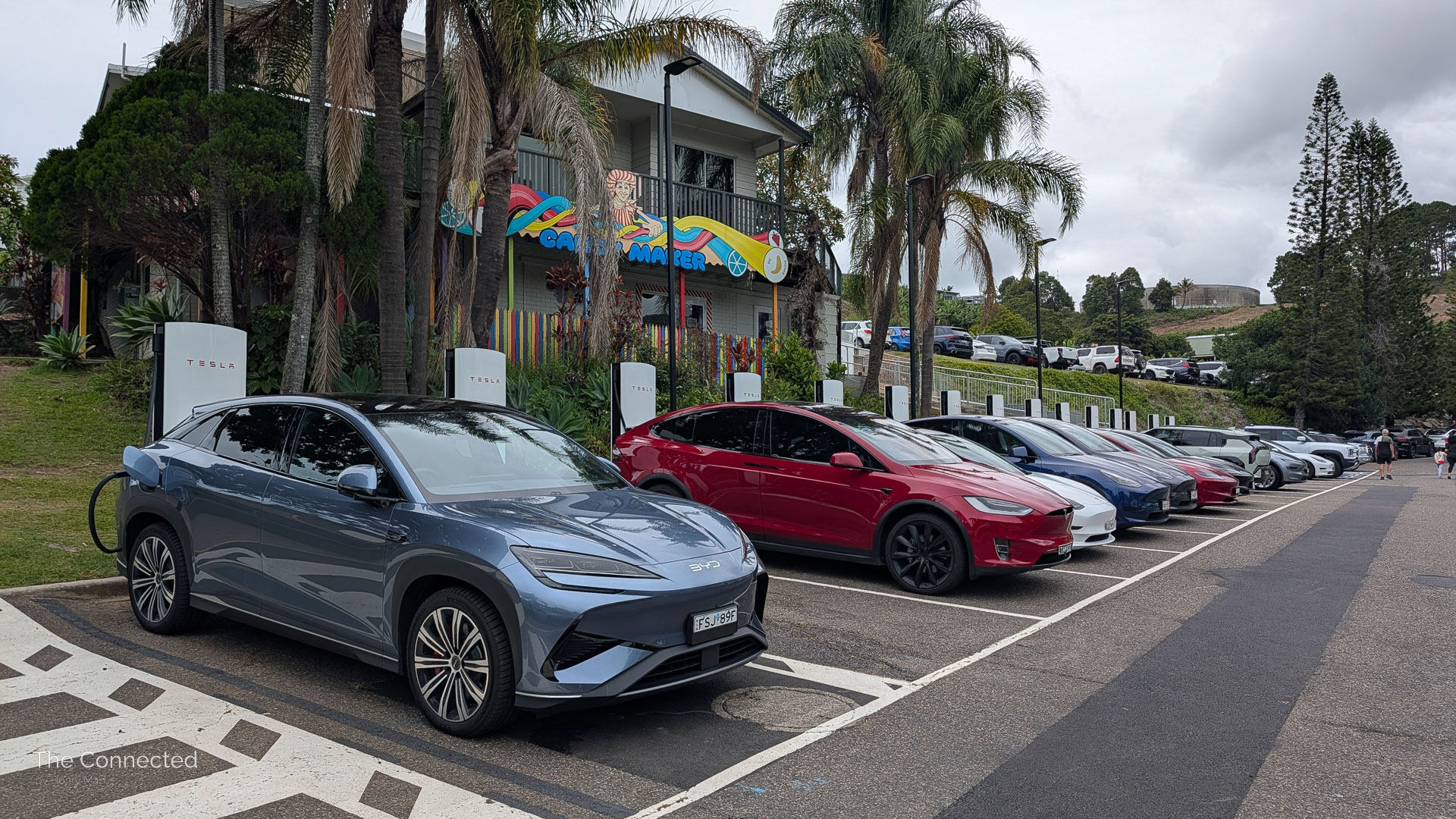
Firstly, I had to wait less than five minutes at the Kew Tesla Supercharger. Despite appearing full in person, the app was saying there was one station available.
When a BYD Sealion 7 drove off, I then realised it and the Tesla Model Y next to it were actually hogging two spots.
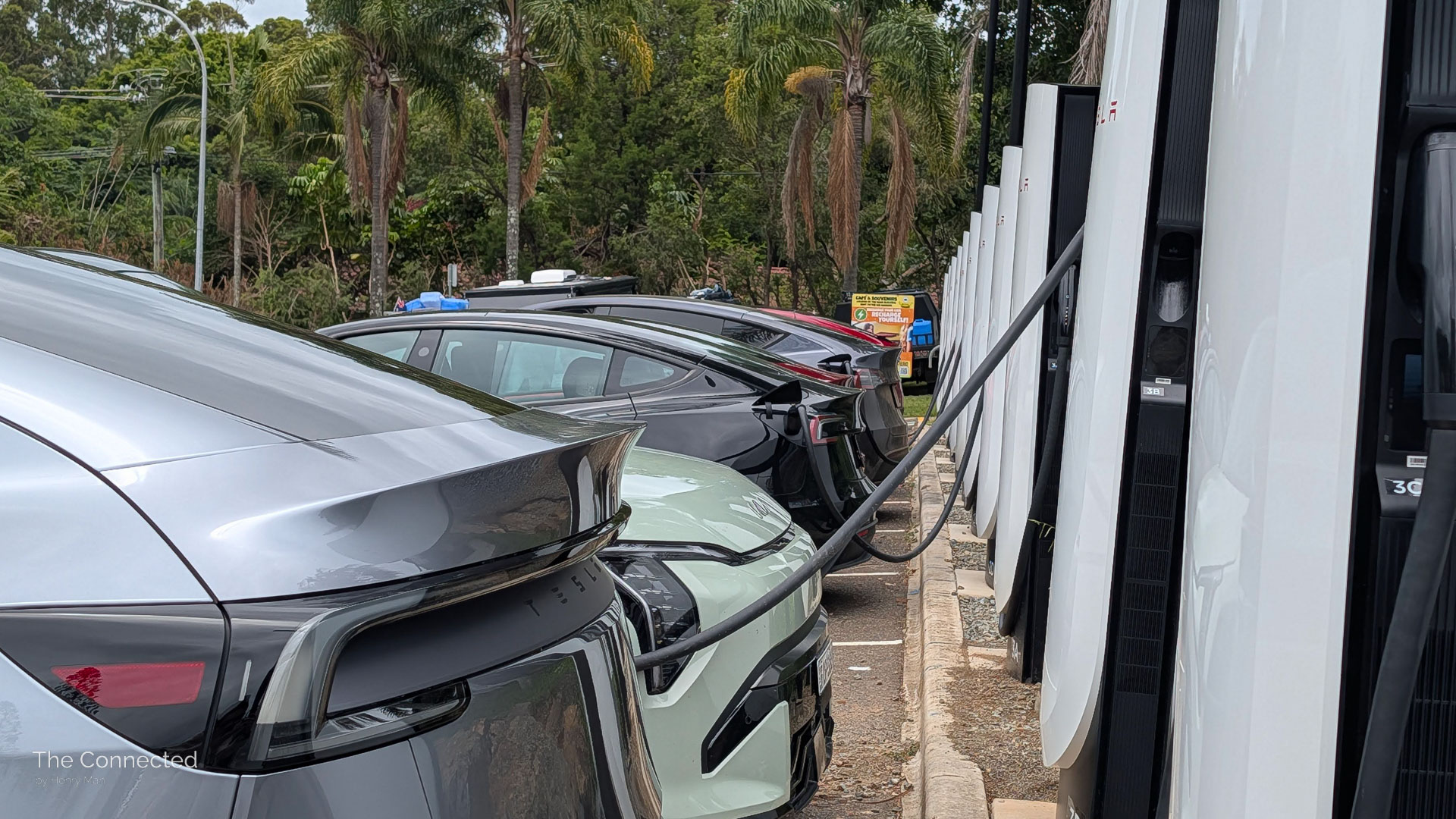
When I plugged in, it was clear that the spots were slightly too tight for comfort with the Tesla Model Y beside erring to my side. While there weren’t any marked lines, Kew did have wheel stops to guide drivers.
Tight charging bays were a common theme at every location except New Italy, especially when a plug is sticking out from the side and some stalls are placed in between spots.

Secondly, I experienced a faulty charger and buggy app at the Coolac Tesla Supercharger. I initially plugged into stall 3A (the only one available on arrival) and tried to start charging via the Tesla app twice.
A nice Tesla Model Y family told me that it could be faulty due to the tiny screen on the side being in a boot-up mode and let me use their station as they were about to leave (a queue was forming).
Disappointingly, there was already a Tesla technician beside who failed to let me know that 3C was out-of-order (despite showing as available in the app), yet put a cone in the spot as I was reversing out.
Thanks to the Tesla owner, I immediately switched into stall 1C – but the app got stuck on ‘initialising charging’ 3C and couldn’t start another session.
I then called Tesla support (which isn’t easy to locate the number), who only advised me to log out and reinstall the app to no avail.
Fortunately, I had an Apple iPhone on hand, logged into the Tesla app there, and a button to cancel in the ‘initialising charging’ screen suddenly appeared. Half an hour later and I was finally charging.
While my EV road trip was almost seamless, it’s clear that there are still some imperfections in charging infrastructure and technology.
Can electric cars go on long road trips?
Shocking. Electric cars can be driven on long-distance road trips, without being too inconvenient. But there is room for improvement.
After driving more than 3700 kilometres from Brisbane to Sydney to Melbourne (and back) in a peak holiday period, it’s clear that Australians shouldn’t fear driving an EV long distance – at least along the east coast using Tesla Superchargers.
Charging stops are essential rest breaks and electric driving range, with this large-battery Kia EV3 GT-Line, outpaced my driving capacity.
I’d like to see all electric car models being able to automatically plan charging stops just like Tesla and Polestar systems, have contactless card payment machines on all networks (so no fumbling with potentially buggy apps), and wider charging spots with a more consistent layout at each location.
For now, there are just some pain points to overcome.
Henry Man’s tips for an easy EV road trip:
- Plan ahead – use ABRP or your built-in navigation planner to ensure you won’t be left stranded.
- Recharge yourself – while the car charges, take it as an opportunity to rest up, walk around, and grab food.
- Be conservative – always ‘overcharge’ more range than necessary for the next stop, but never intentionally wait for 100 per cent.
READ MORE: 2026 Kia EV3 review
READ MORE: 2026 Volkswagen ID. Buzz review
READ MORE: What is the best EV charge port position?
About the Author.
Henry Man is an independent content producer passionate about the intersection of technology and transportation.
The former automotive journalist is focused on producing critically-detailed vehicle reviews, and unique short-form content. Learn more.


 The Connected by Henry Man