
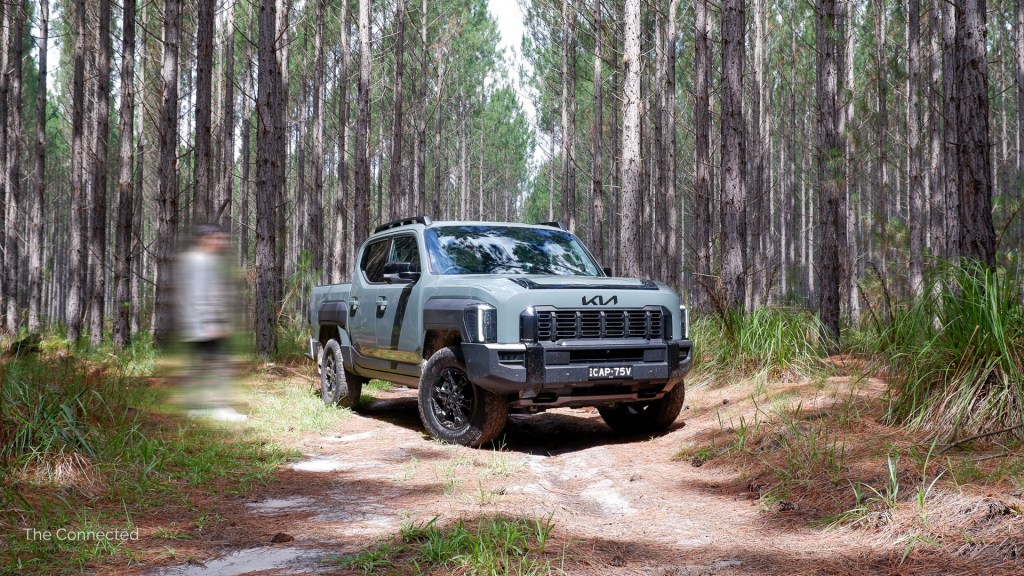
The Kia Tasman is destined for Australia, yet it’s one of the most controversial new utes to date.
Kia’s first pickup truck has finally arrived after more than a year of celebritized teasers.
The Tasman – named after the Tasman Sea located between Australia and New Zealand – is the South Korean brand’s biggest bet yet.
But despite the marketing hype, the exterior design has been polarising for many and initial sales aren’t as big as expected. Adjectives such as ugly, horrendous and terrible have been voiced to me.
Is the Kia Tasman a good daily ute? I drove the top-spec X-Pro around the city, suburbs and even a bit of light off-roading to find out why Australians shouldn’t overlook this new diesel ute.
NOTE: The press vehicle was provided by Kia Australia for a seven-day independent evaluation. Toll costs were covered, but we have no commercial arrangements with the company and it had no editorial control.

Pros.
+ Premium interior for a ute
+ Sporty drive and exhaust
+ Confidence-inspiring feel
+ Interior storage
+ Unique design
Cons.
– Unsettled unladen ride
– Compromised under-seat storage
– Limited exterior lighting
– Non-competitive price, no hybrid option yet
– Polarising design
Vehicle tested:
| Model | 2026 Kia Tasman Dual Cab Pick-up |
| Variant | X-Pro |
| Starting price | $74,990 before on-road costs |
| Exterior colour | Cityscape Green (+$700) |
| Interior colour | Onyx Black with black cloth headliner |
| Country made | South Korea |
Design and quality.
While the exterior design is the most contentious part of the Kia Tasman, there’s no doubt the interior feels premium and modern for a ute.
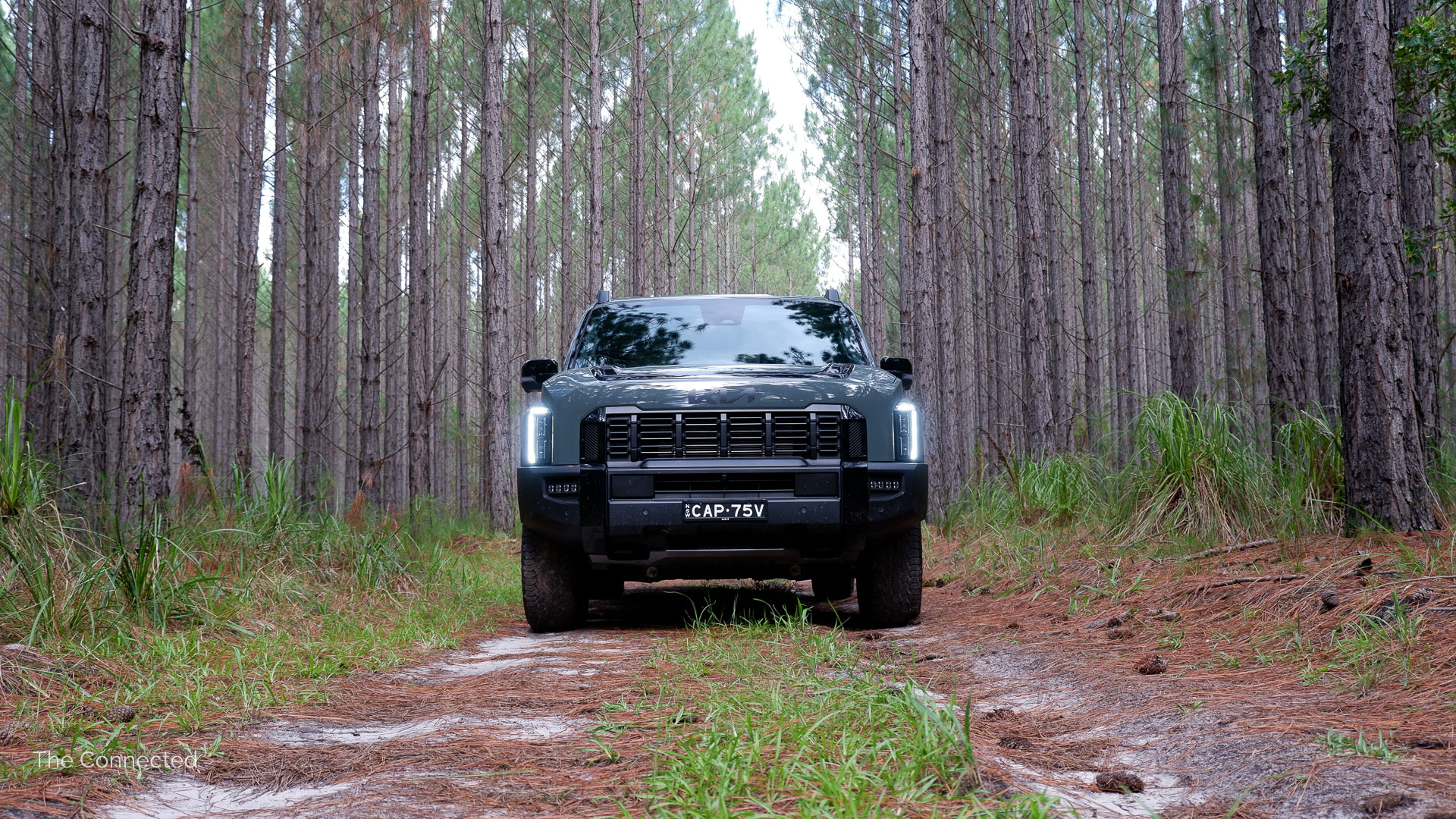
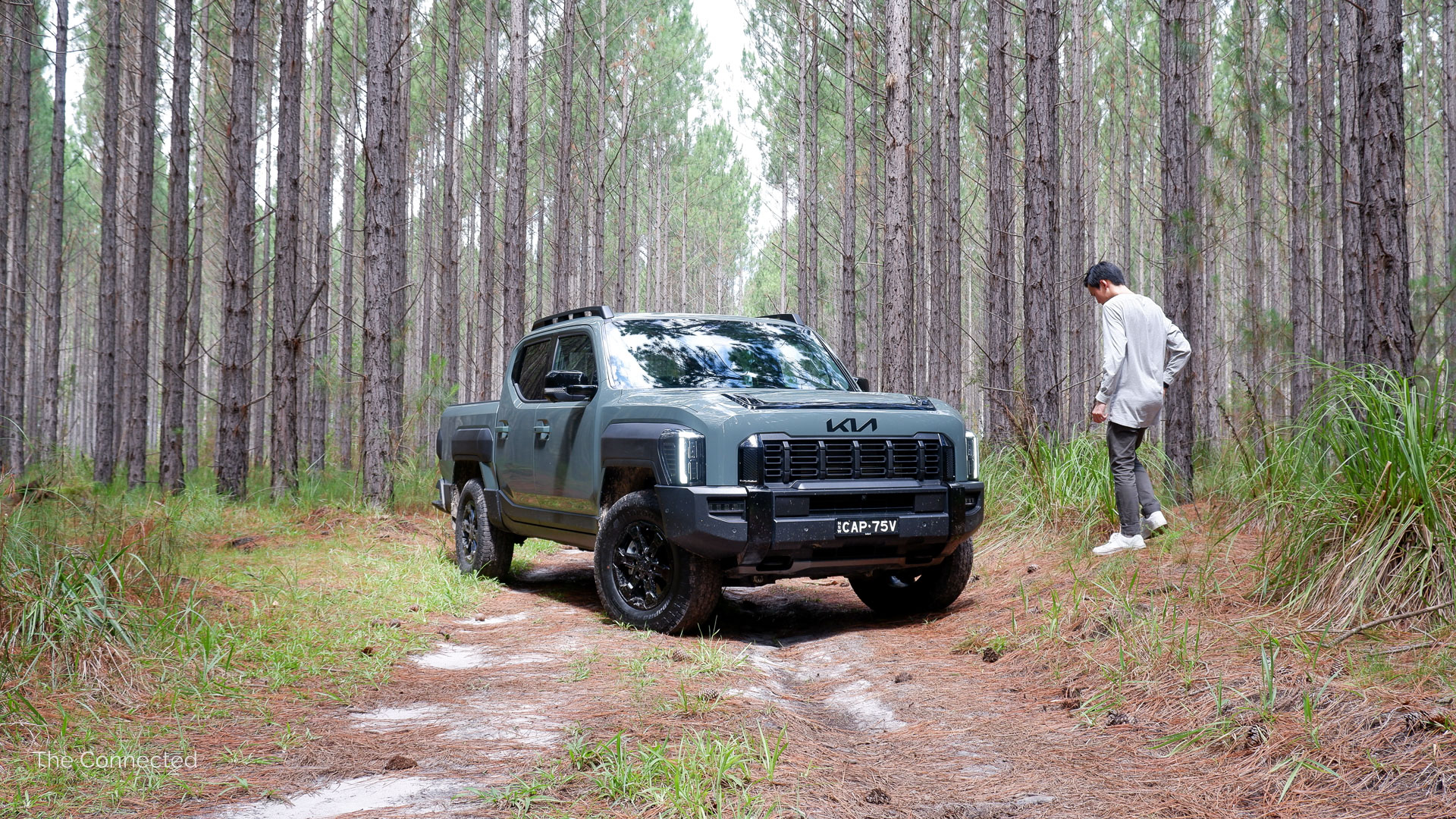
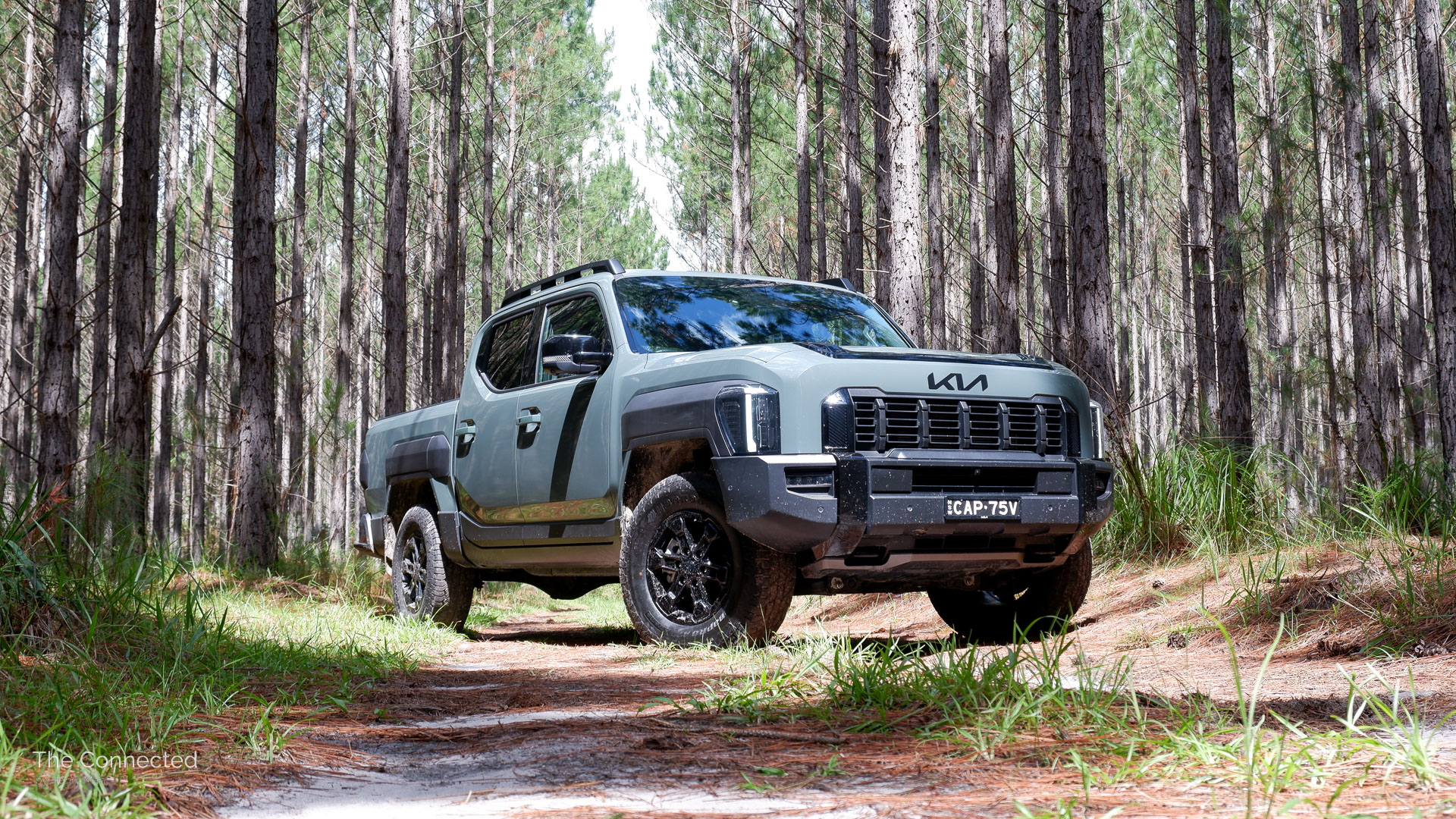
The South Korean brand challenges the concept of a conventional pickup truck with small, outer-positioned headlights, a large brutalist grille with vertical slats, and horizontal squared-off cladding above the wheels.
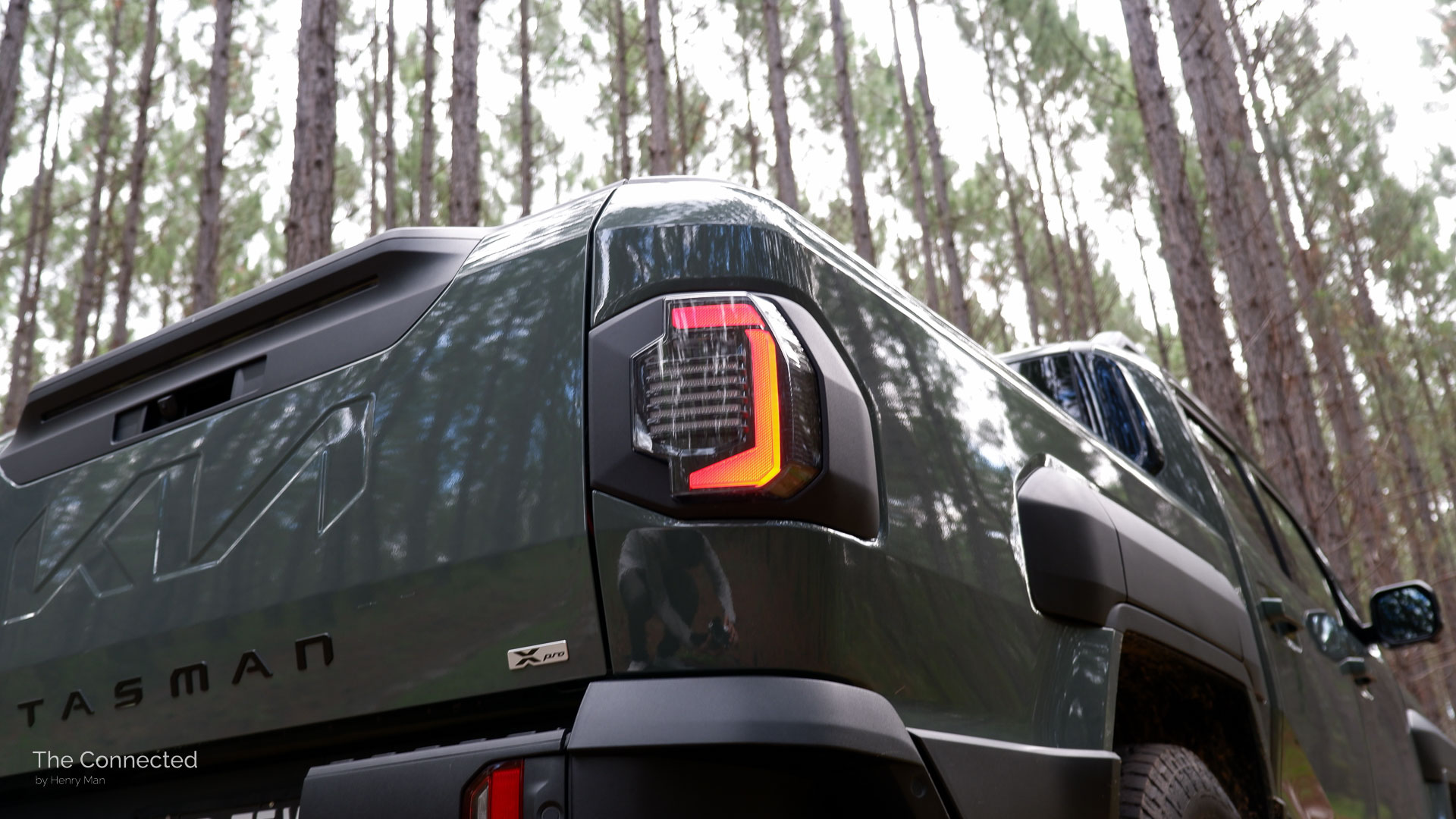
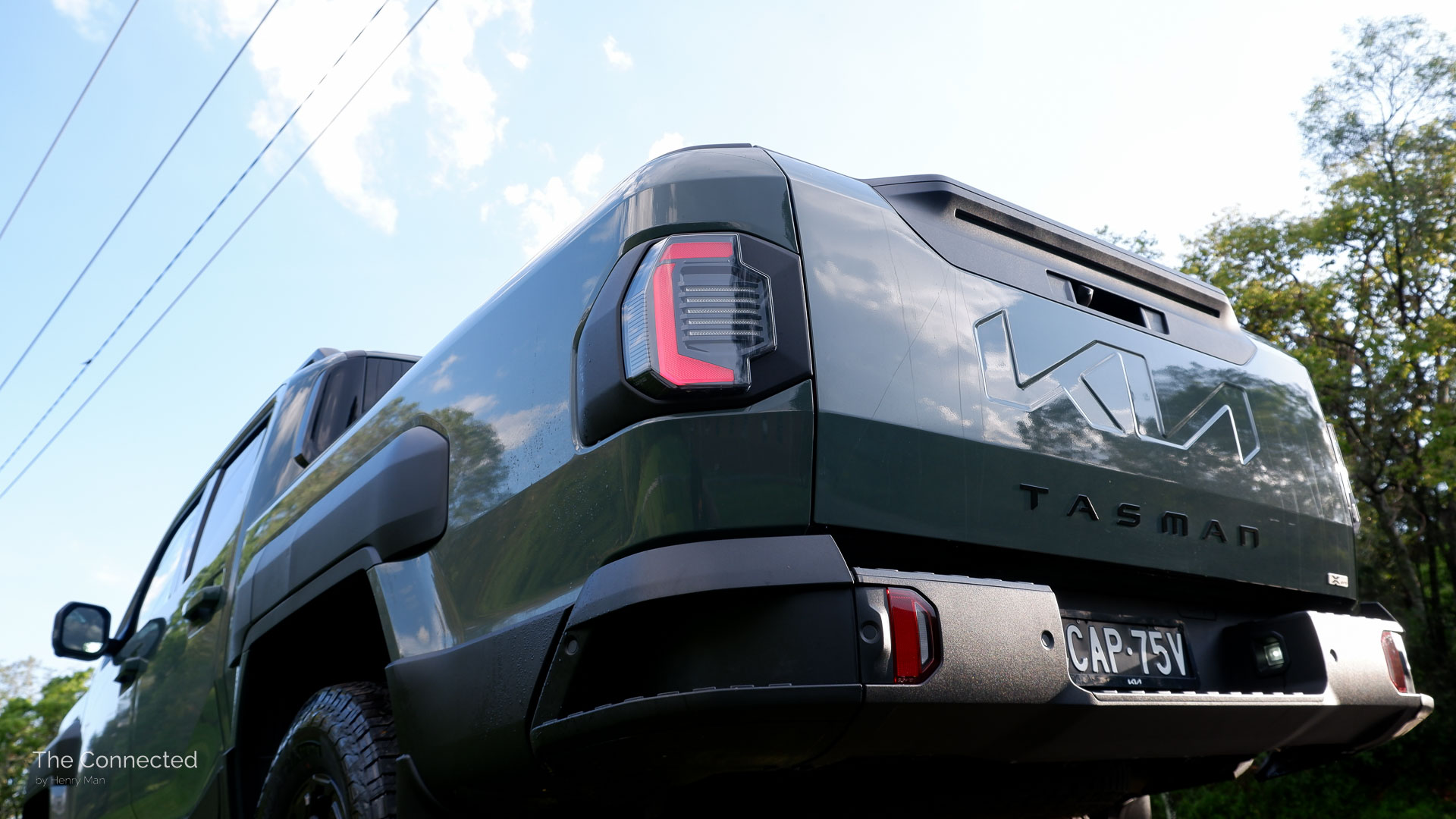
While the front and rear lights are awkwardly tiny compared to the Picanto micro car, I got used to it over my week and it’s no bad thing that it’s trying to be different. Design is very subjective, of course…
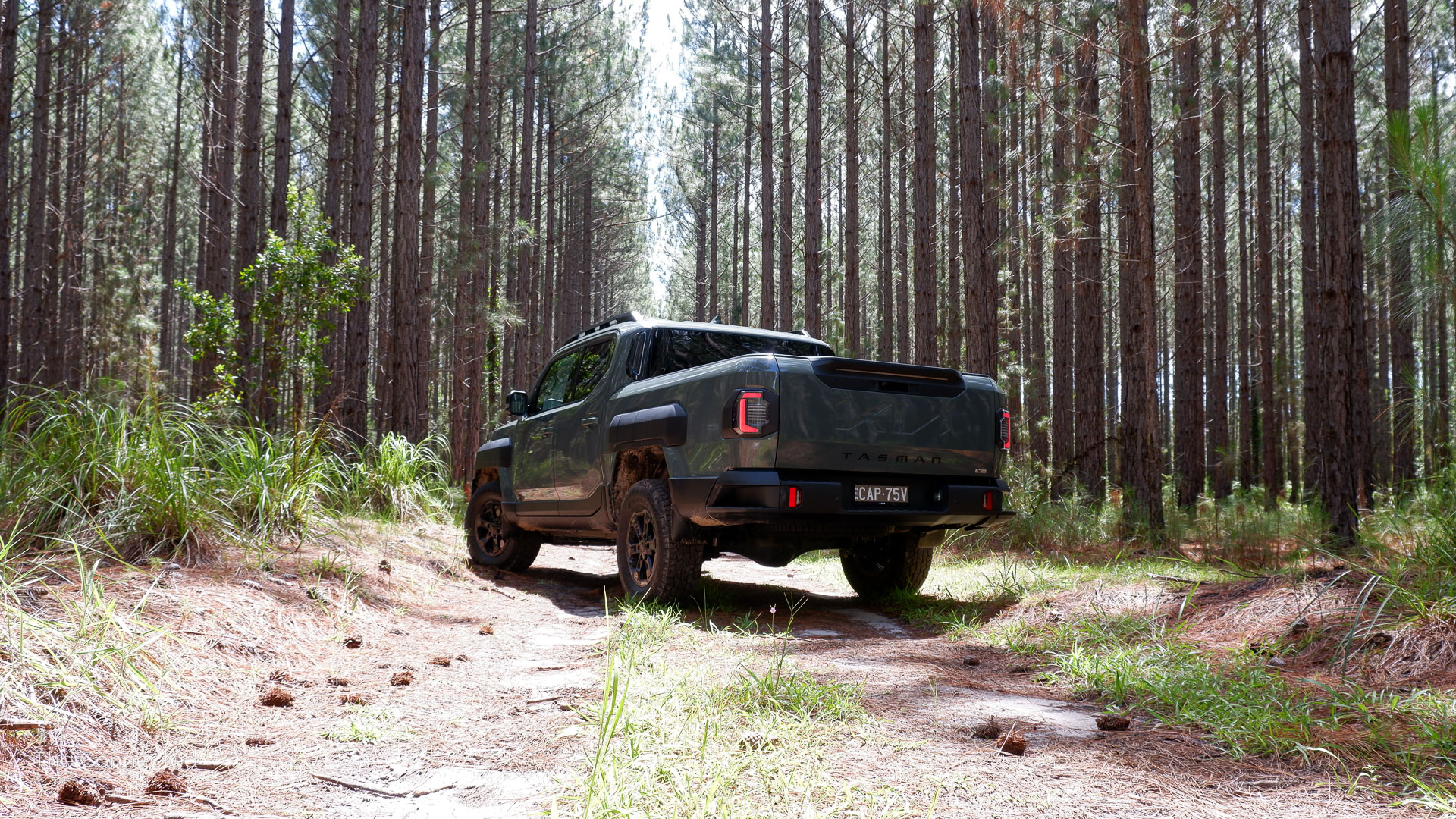
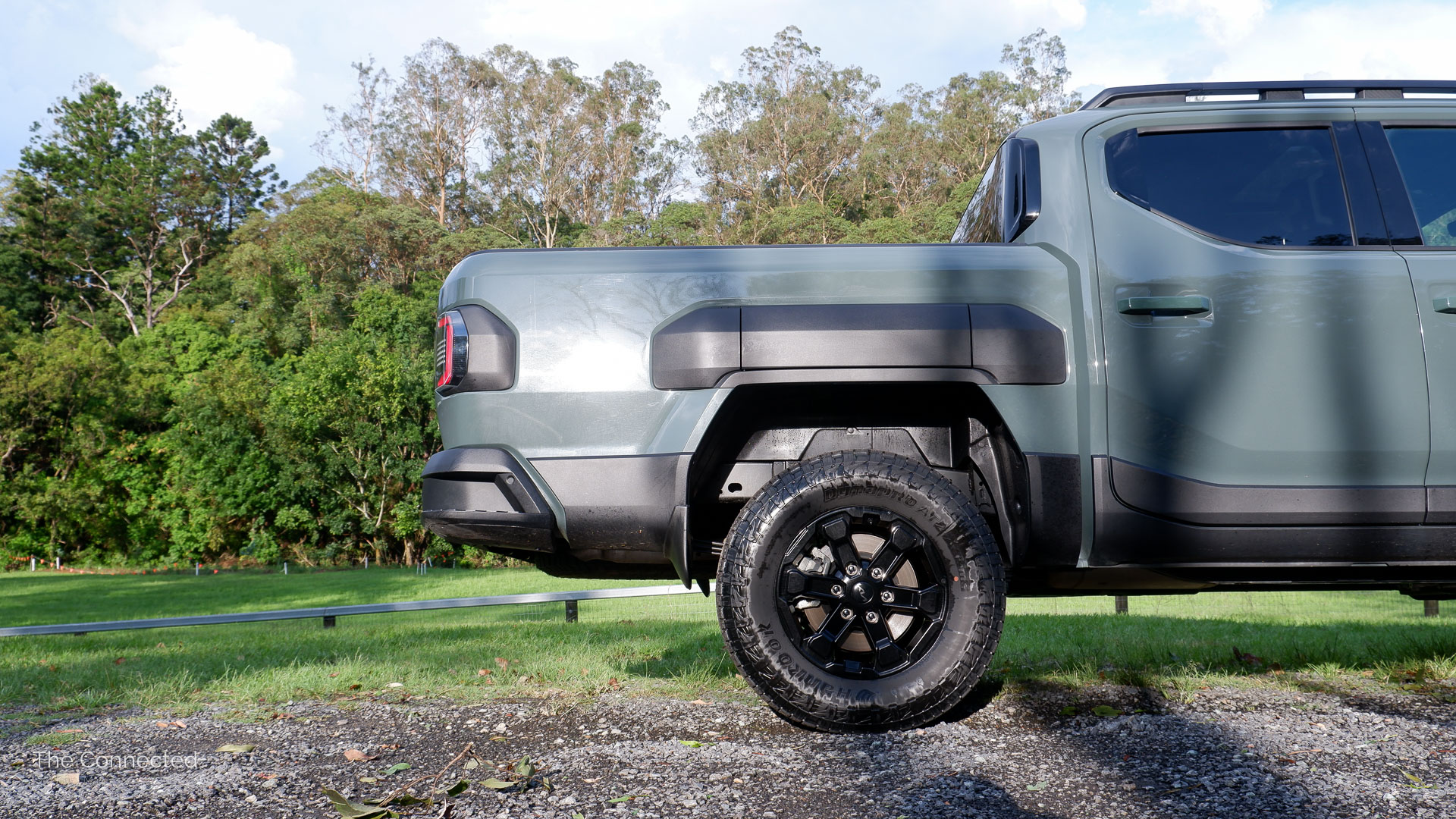
The wheel arch cladding is body coloured with Clear White and Tan Beige exterior colours if that’s your preference.
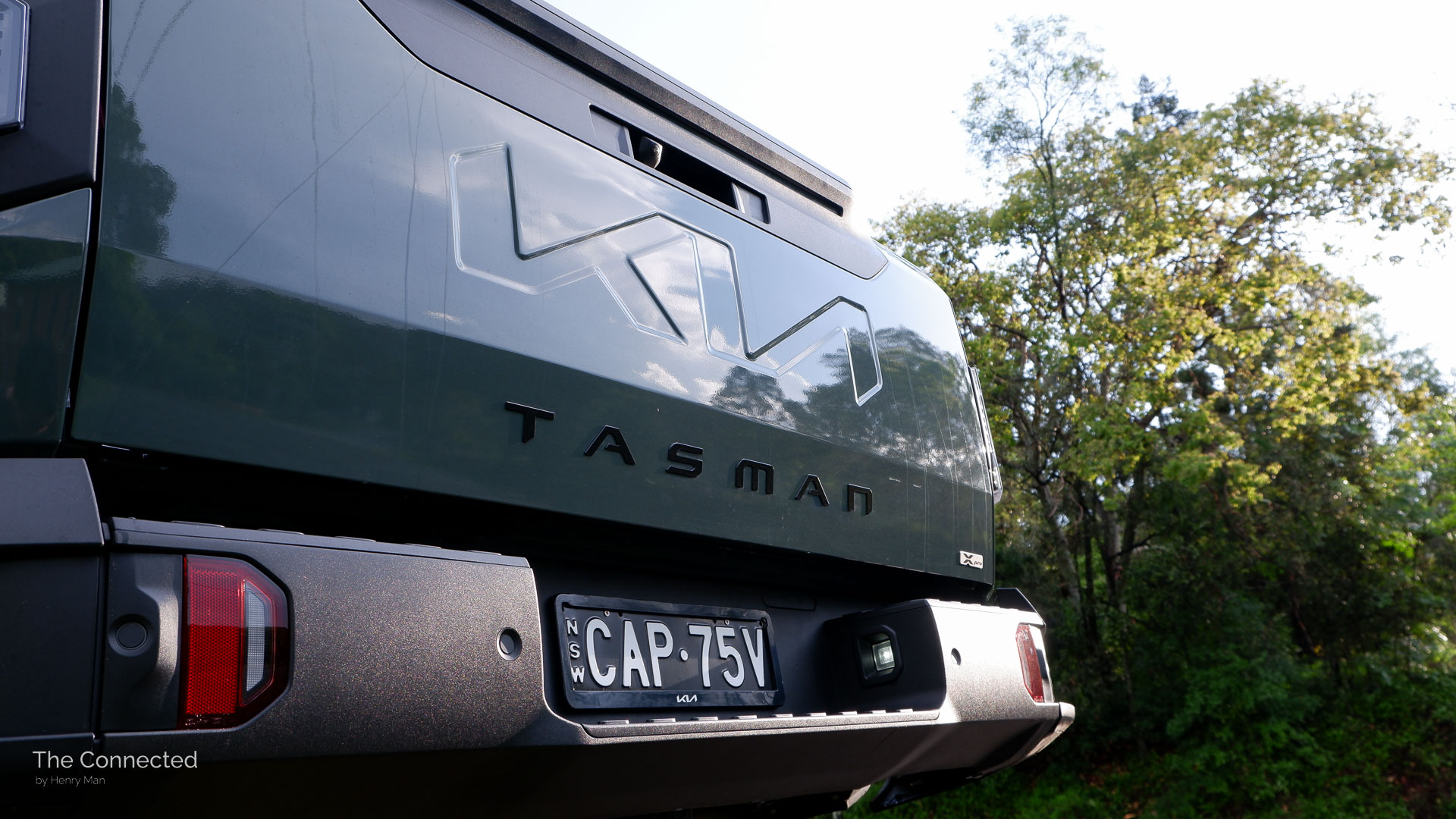
Kia doesn’t shy away from highlighting the brand on its first ute either with a large Kia logo up front, an even bigger Kia logo stamped on the tailgate and Tasman lettering strewn underneath.
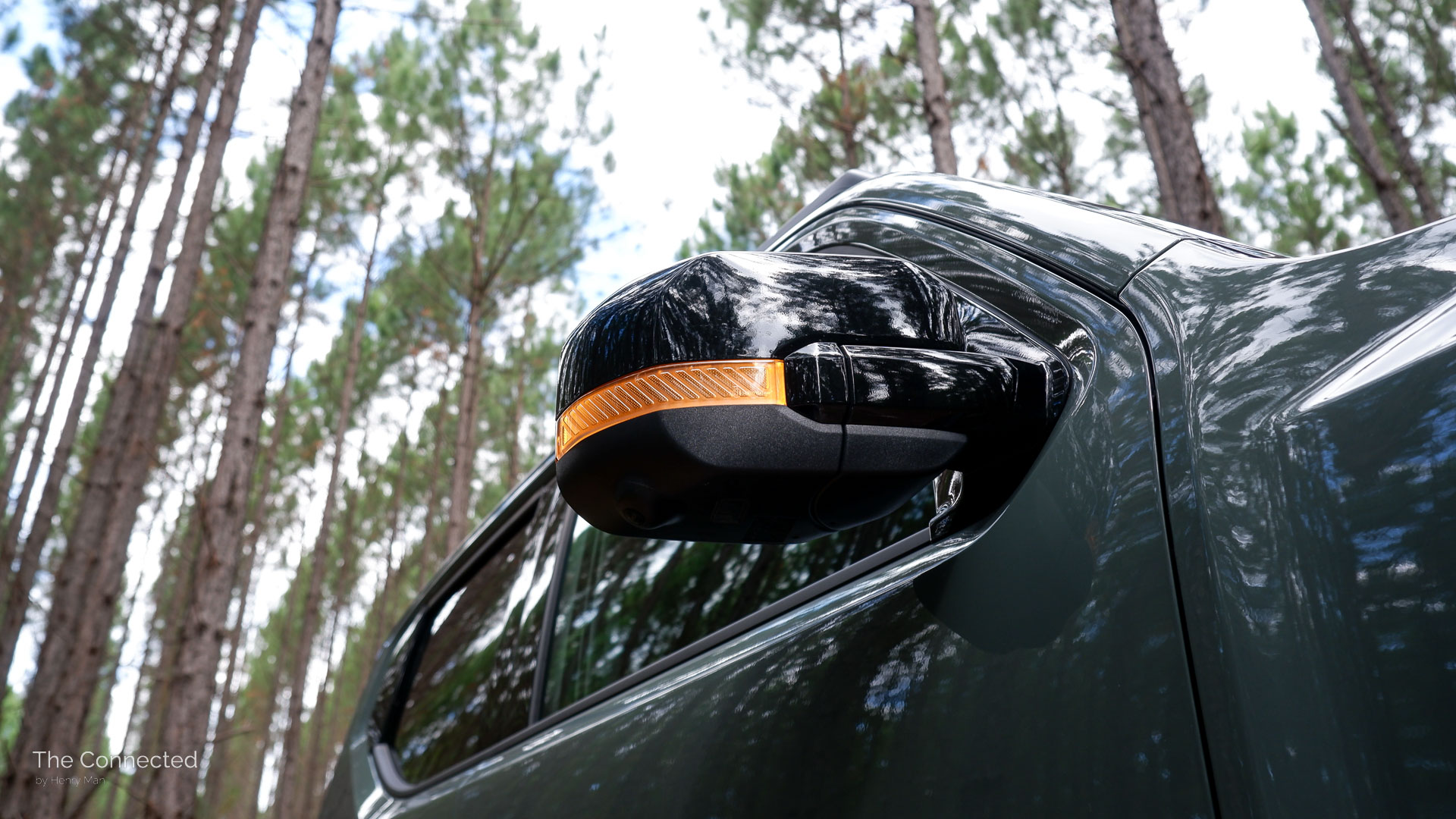
The flagship X-Pro boasts matte black badges, gloss black mirror caps and alloys, too.
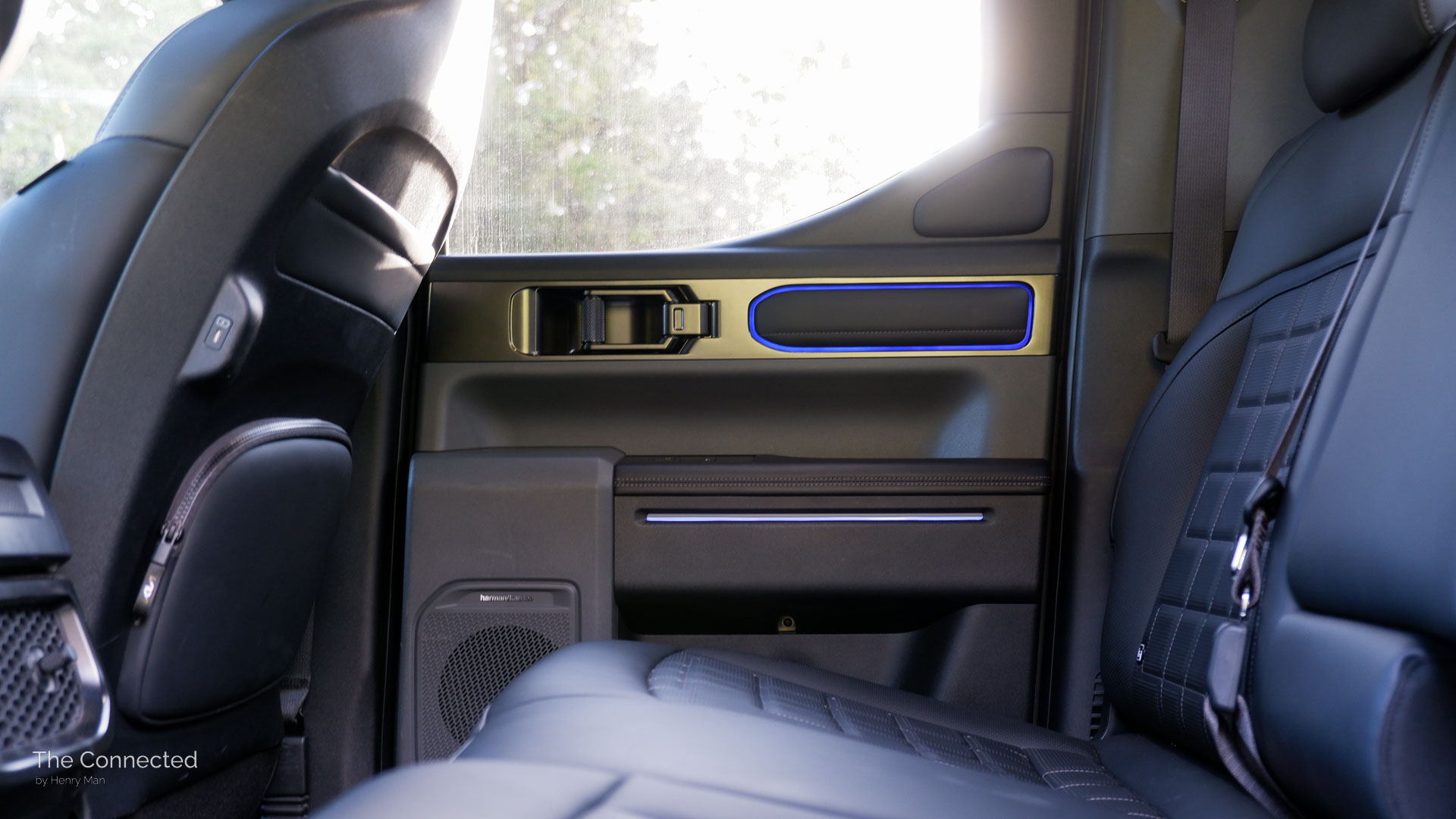
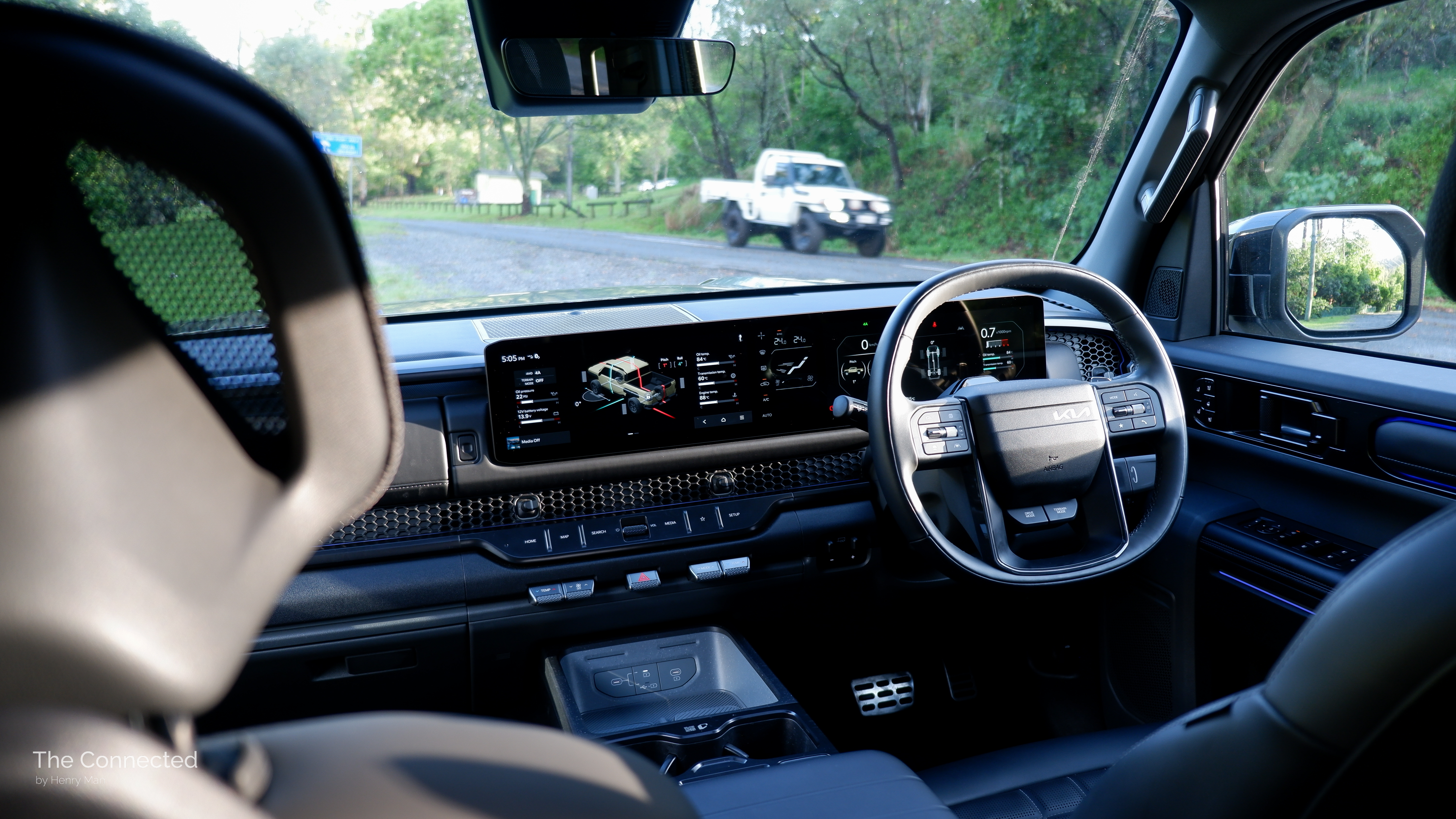
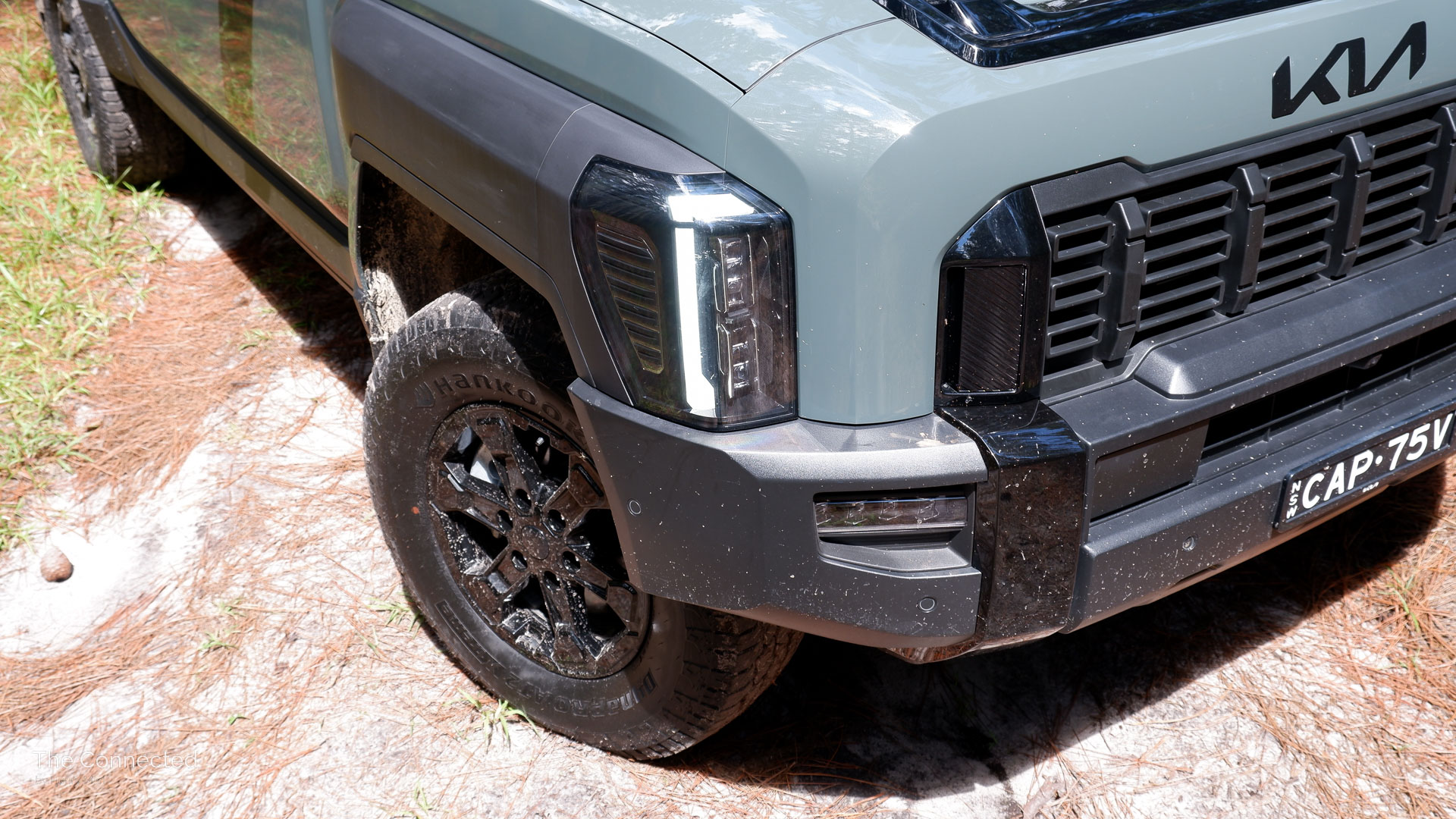
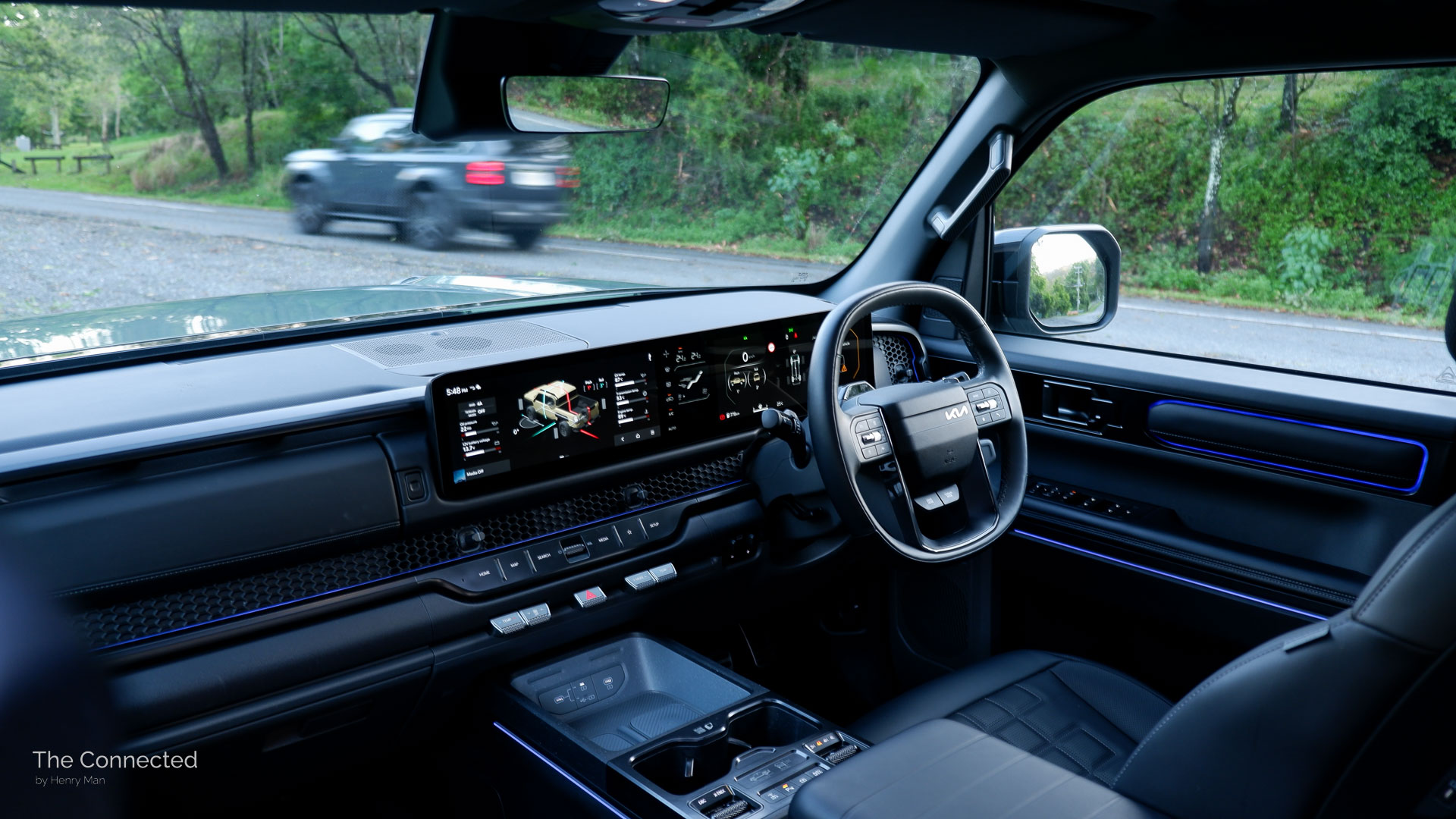
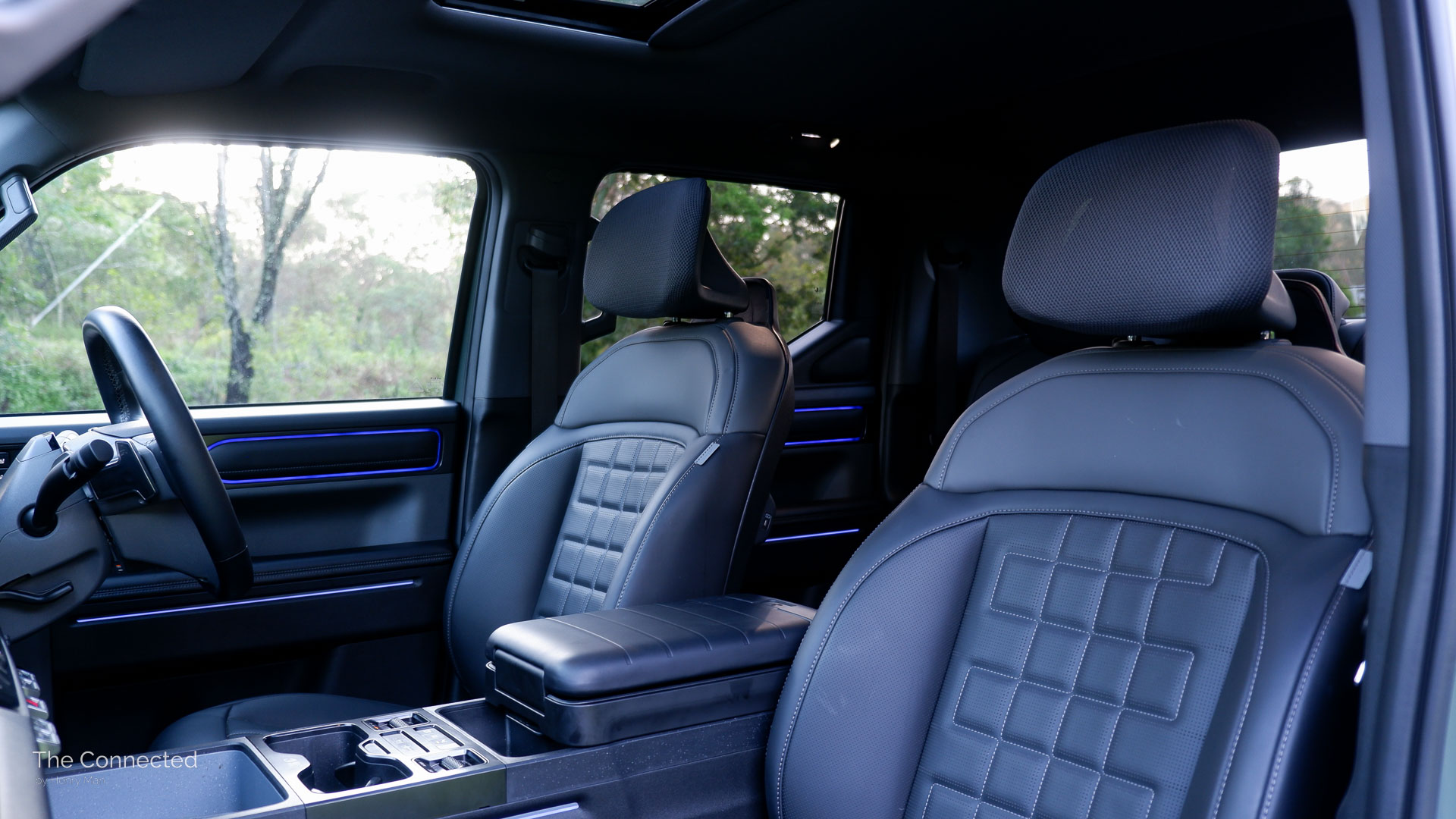
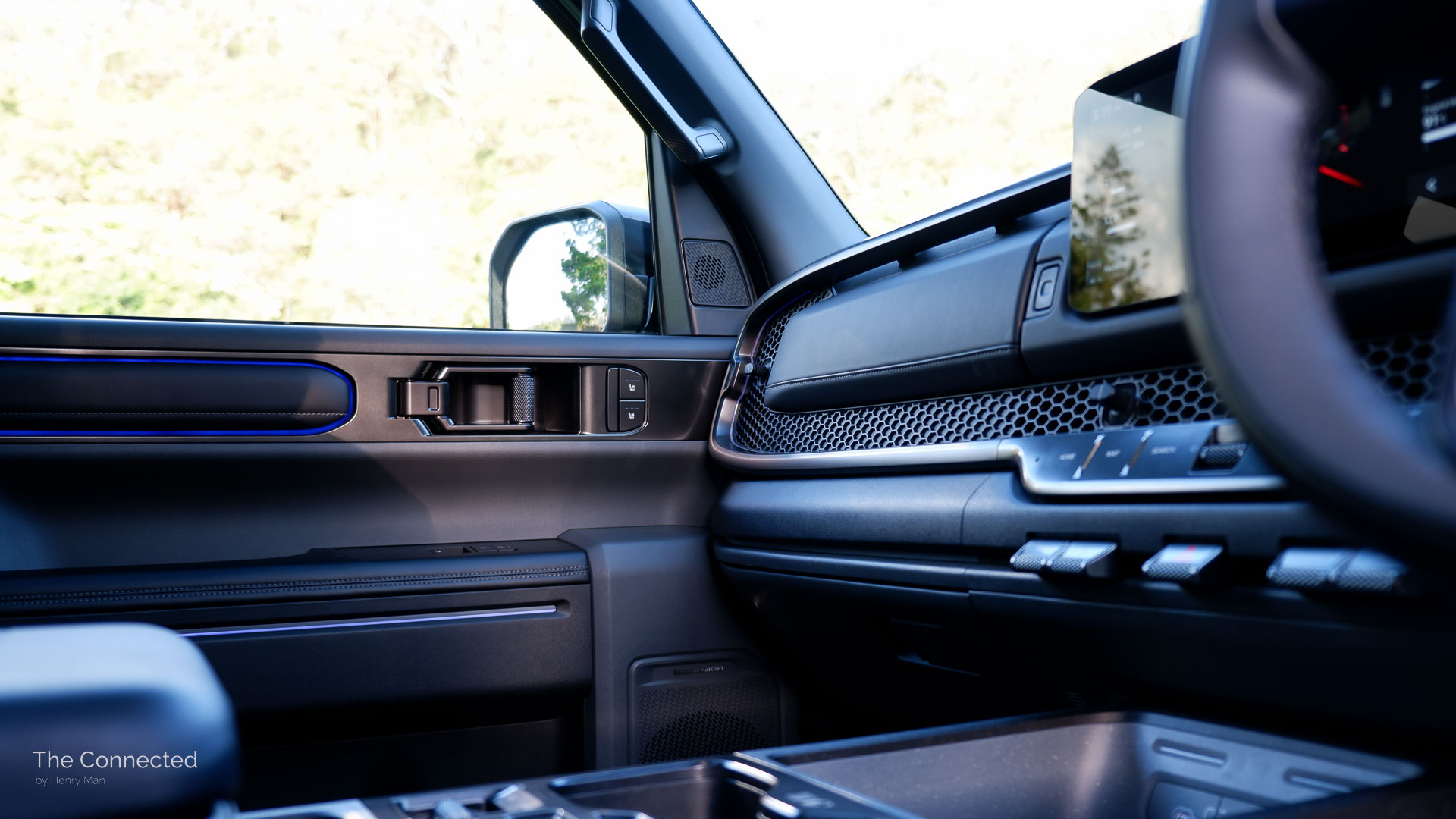
Meanwhile, the Kia Tasman’s interior undoubtedly looks and feels premium for a ute.
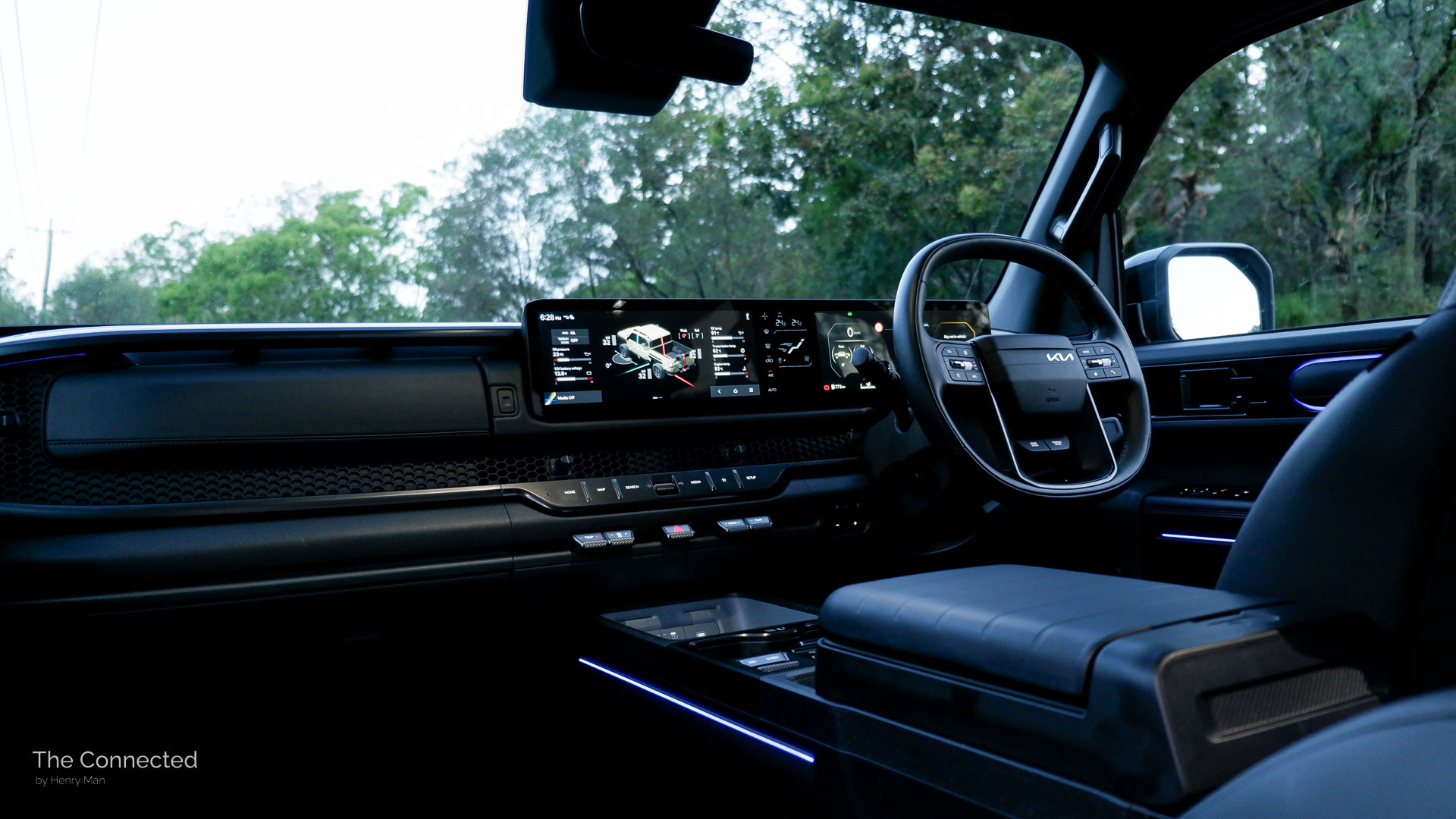
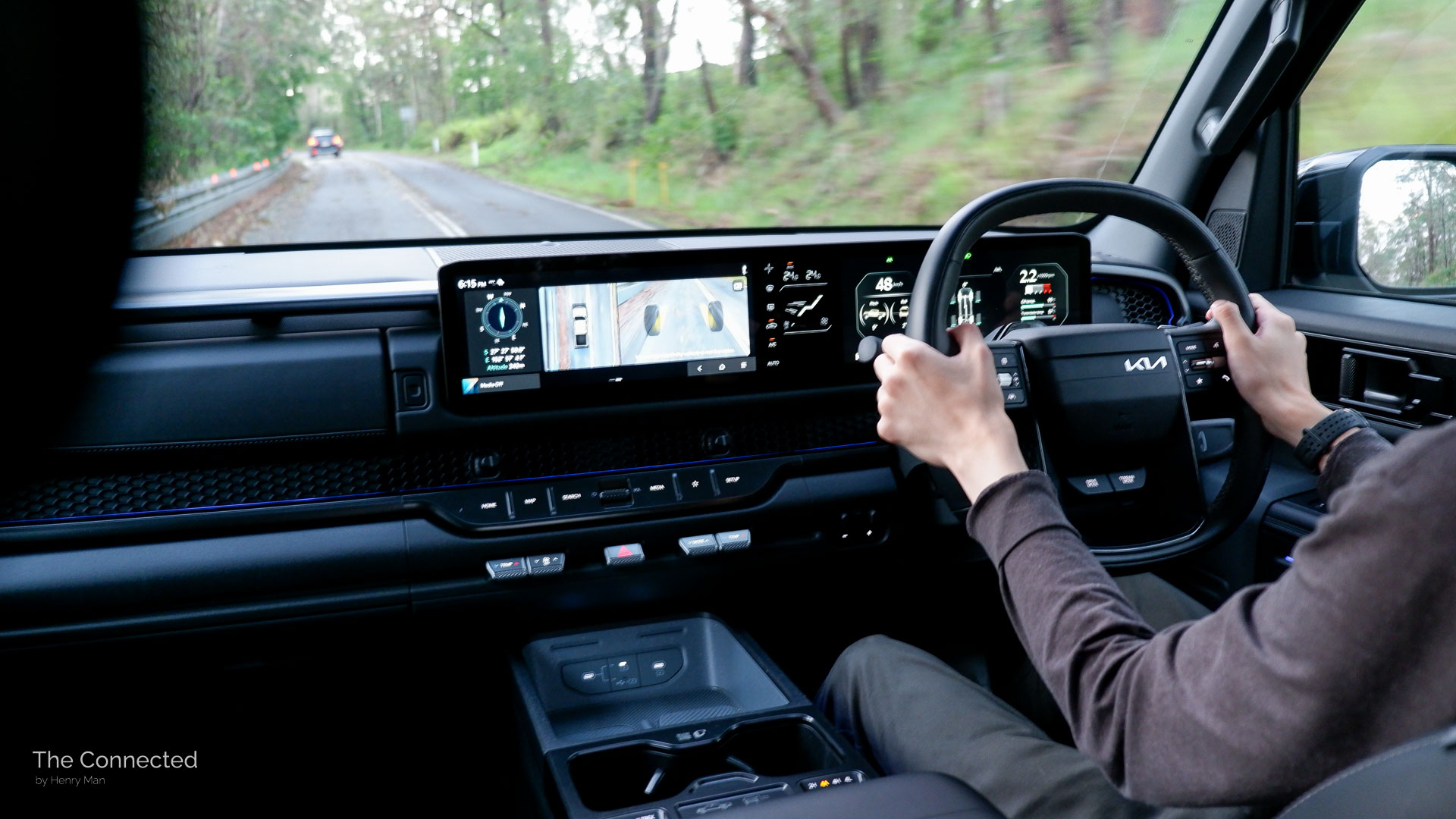
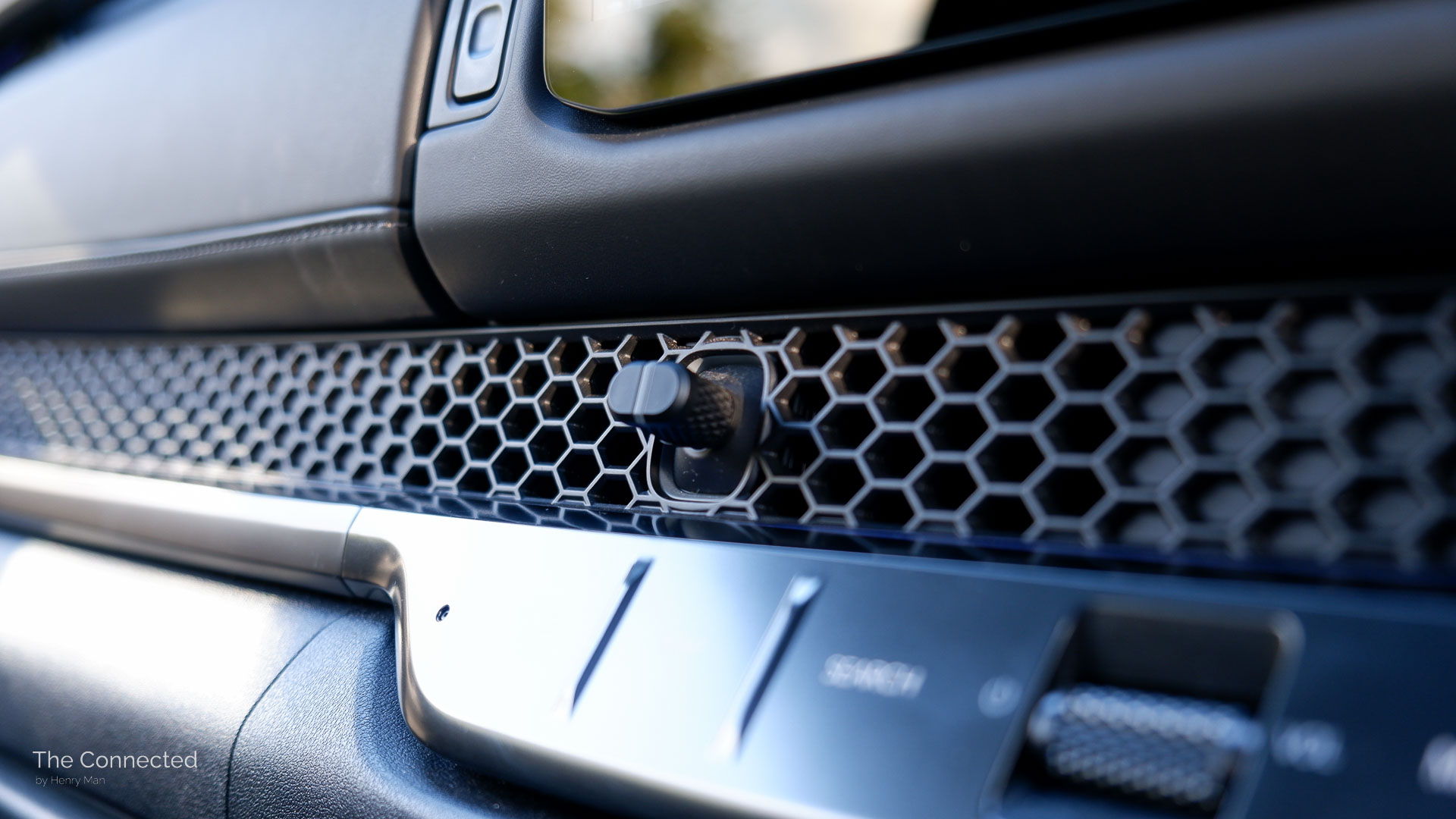
The adjoined three-screen panel is complemented by a classy honeycomb dashboard pattern that’s reminiscent of the Honda Civic, while the square cup holders, textured knurling on ends of switches and handles, striped centre armrest, and mechanical-style door handle provide a rugged vibe.
Material quality is great and car-like with soft-touch materials, a leatherette padding portion on all four doors, and a recycled plastic centre console. Only harder plastics are found in the middle and lower areas of the door cards.
The X-Pro also gains ‘full’ ambient lighting with strips alongside the dash and centre console, plus a bright glow from behind the padded door card section.
Practicality.
2026 Kia Tasman X-Pro dimensions:
| Length x width x height | 5410 x 1930 x 1920mm |
| Wheelbase | 3270mm |
| Ground clearance | 252mm |
| Tray dimensions (length x width x height) | 1512 x 1572 x 540mm |
| Rear seat split fold | 60:40 |
| Child seat anchors | 2x ISOFIX and 3x top tethers |
| Air-conditioning system | Two-zone climate control with rear air vents |
The Kia Tasman is decently practical for a ute, though a proper hatchback or SUV will be much more family-friendly.
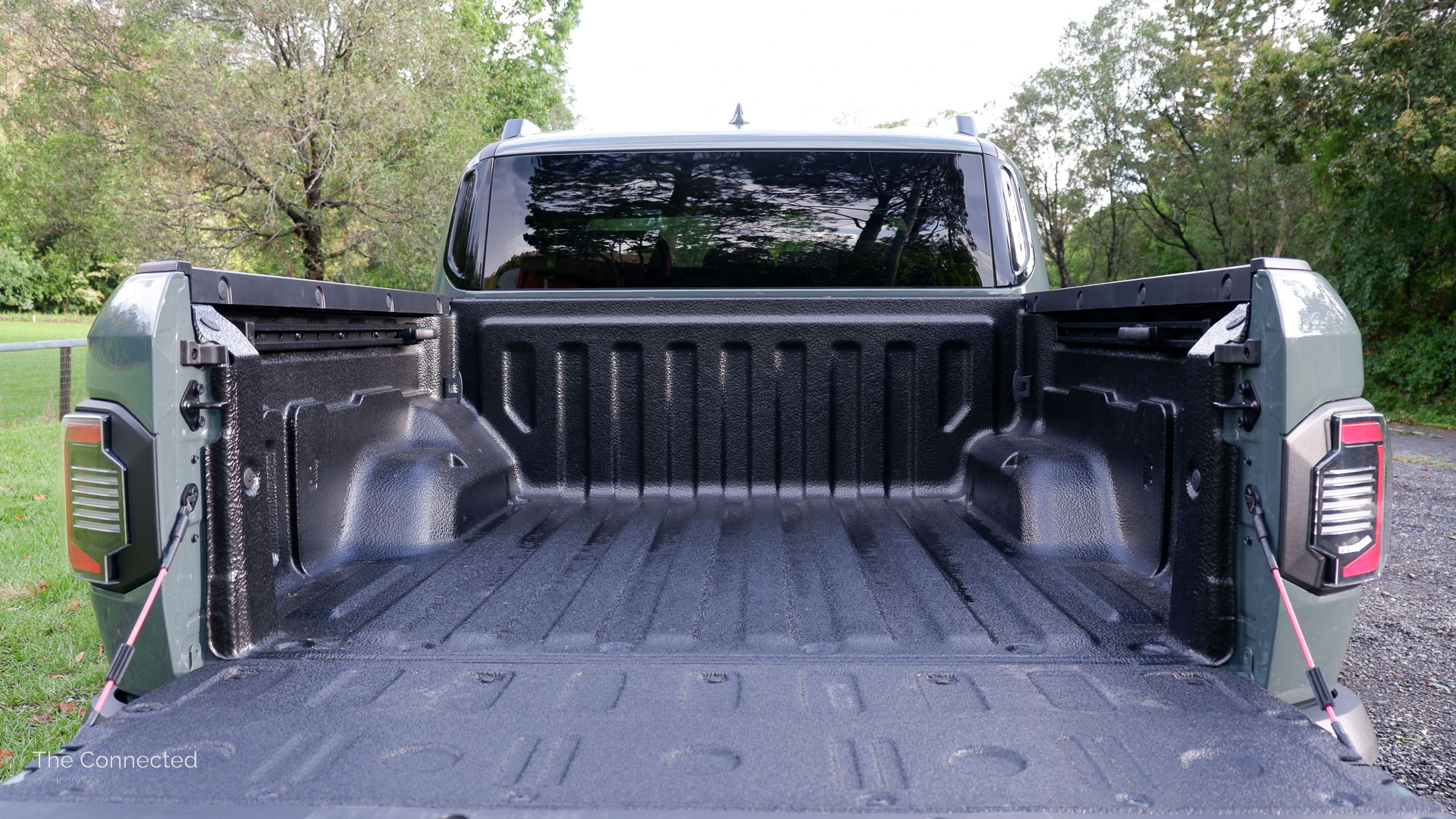
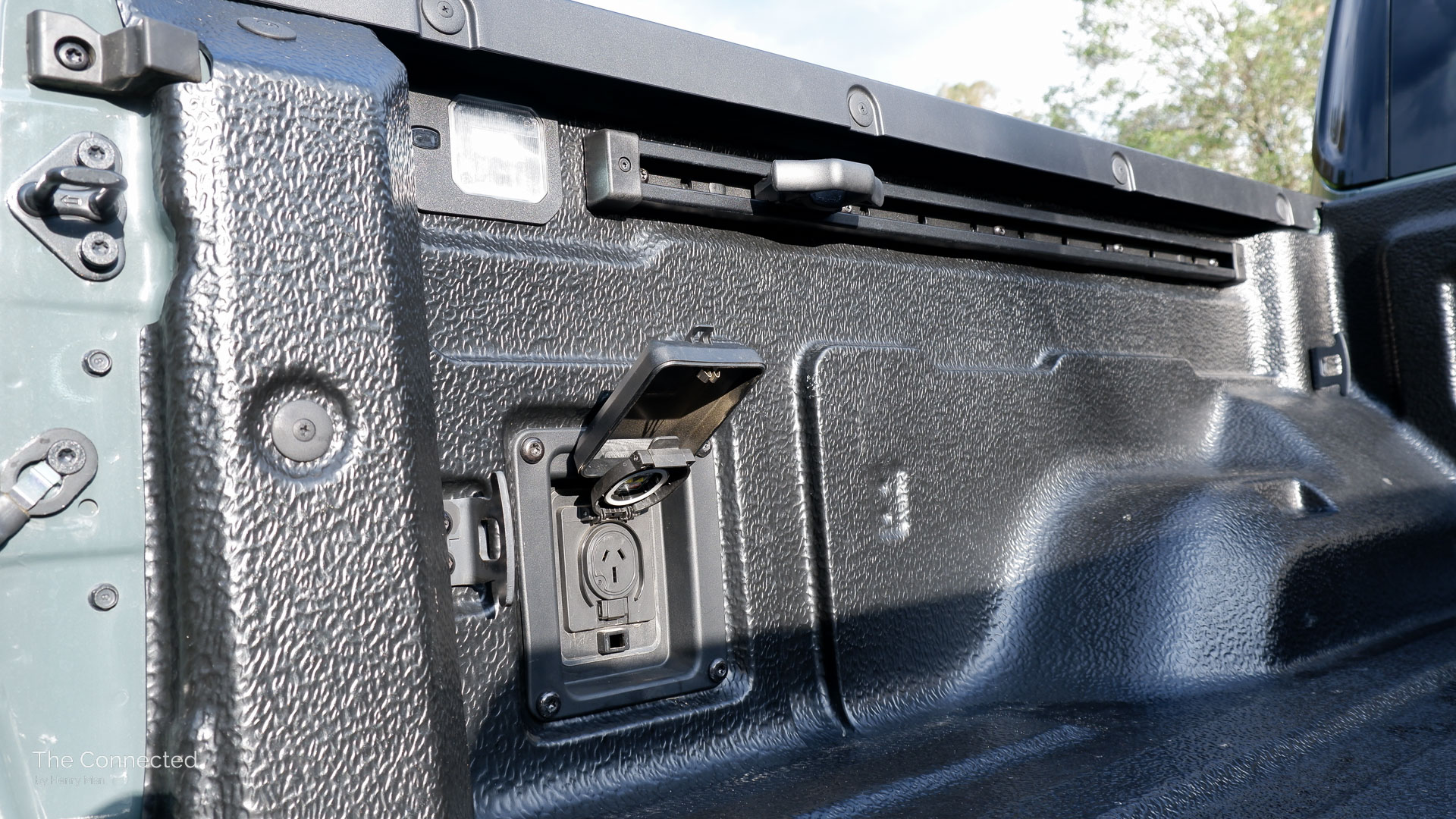
The tray measures in at 1512mm long, 1572mm wide, and 540mm high with a spray-in bed liner from SX+ upwards, slidable tie-down hooks on a rail each side, one 240-volt power socket, and a small LED light.
The latter is only on the left side and the button to toggle it is rather hard to find in the dark.
Additionally, the Tasman’s tailgate is easy enough to open and close thanks to gas strut assistance, locks along with the doors, and can be opened by holding a button on the key fob. Steps are available for access into the bed.
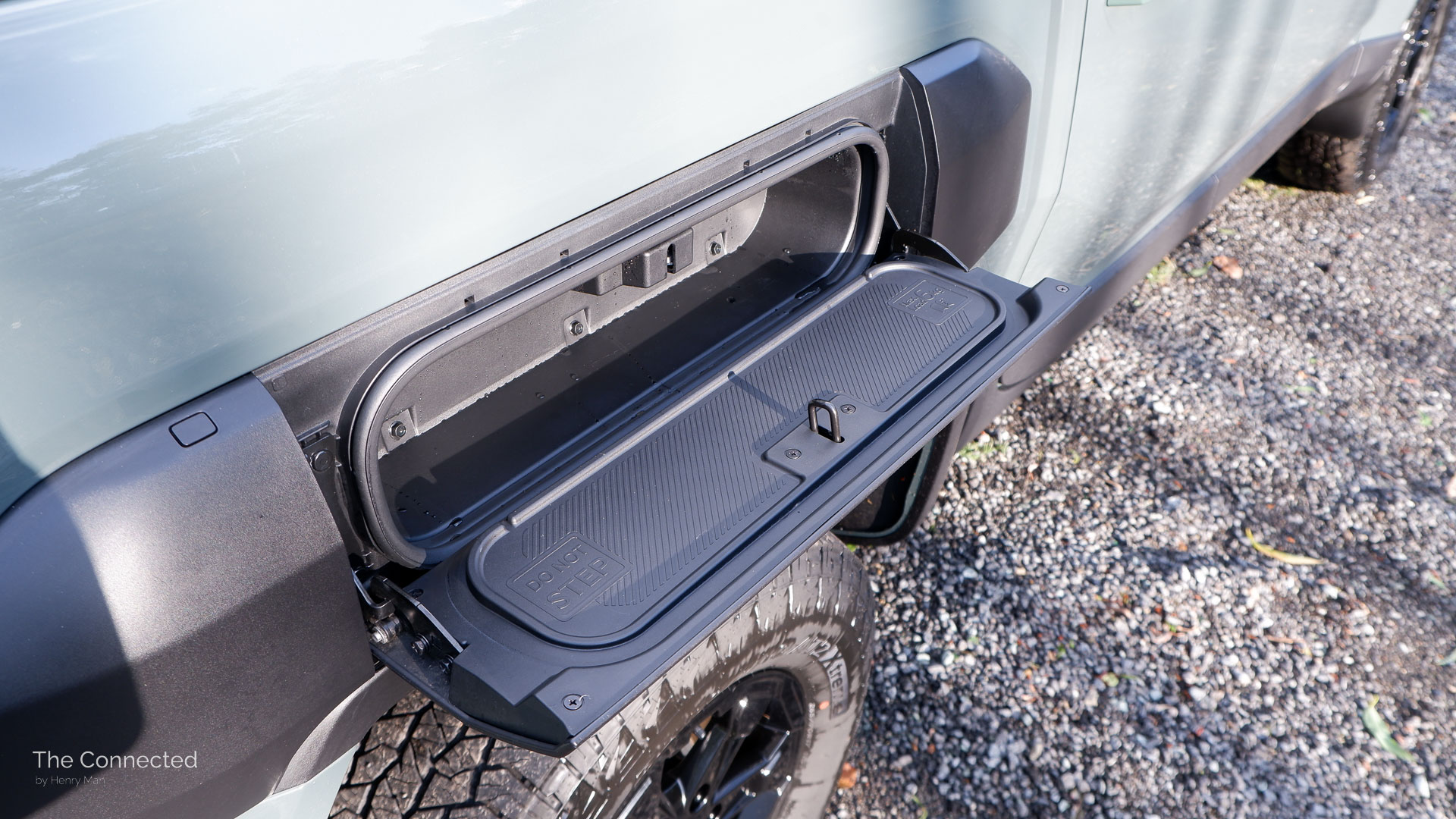
The rear-right wheel cladding also provides a narrow lockable storage space, though it isn’t completely weather sealed.
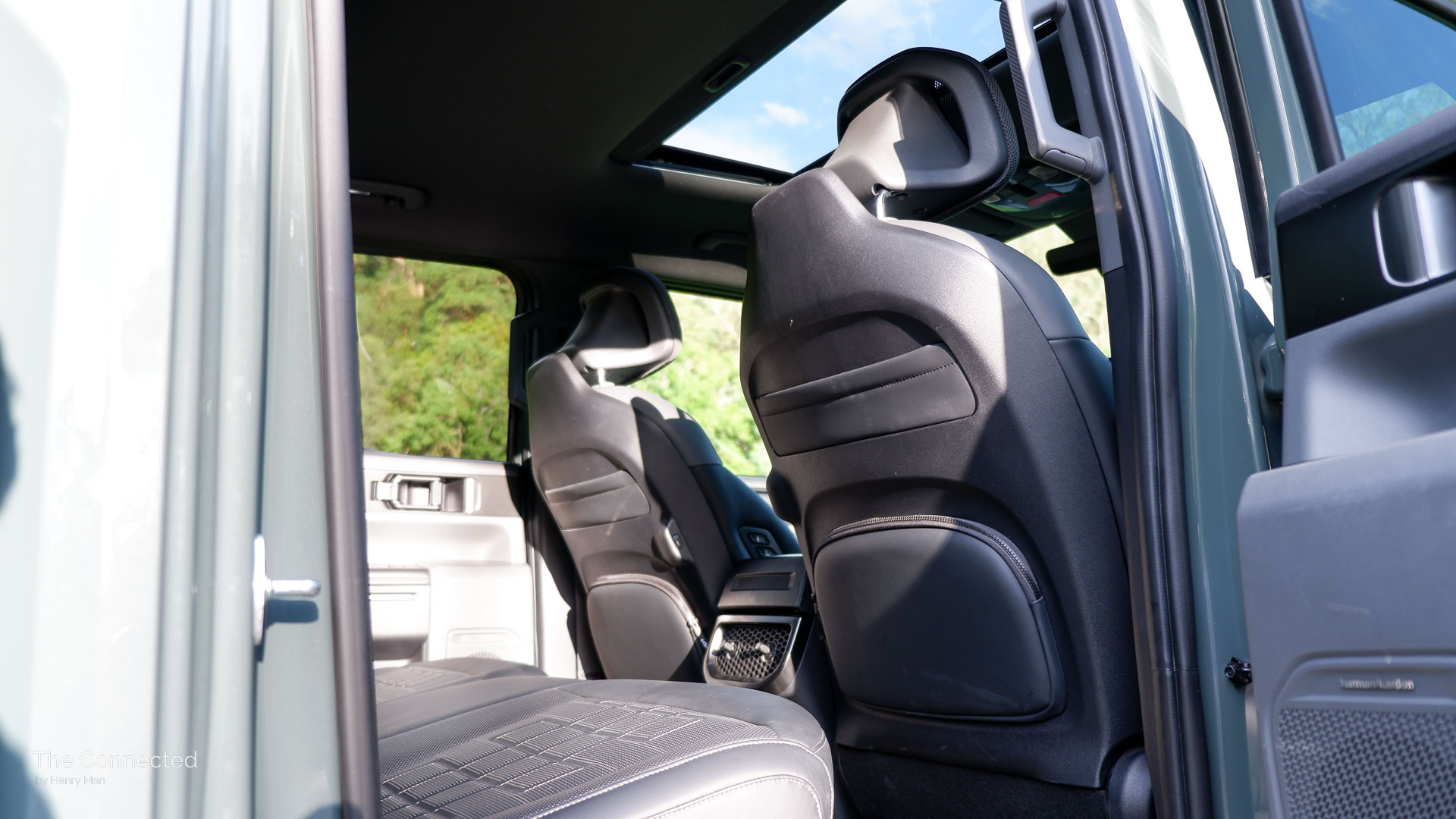
The Kia Tasman’s rear seats offer good legroom, headroom and footroom with a small middle floor hump, base and backrest recline adjustability, rear directional air vents, two USB-C charging ports, an additional 240-volt domestic power socket, and a fold-down centre armrest with two cup holders and device slots.
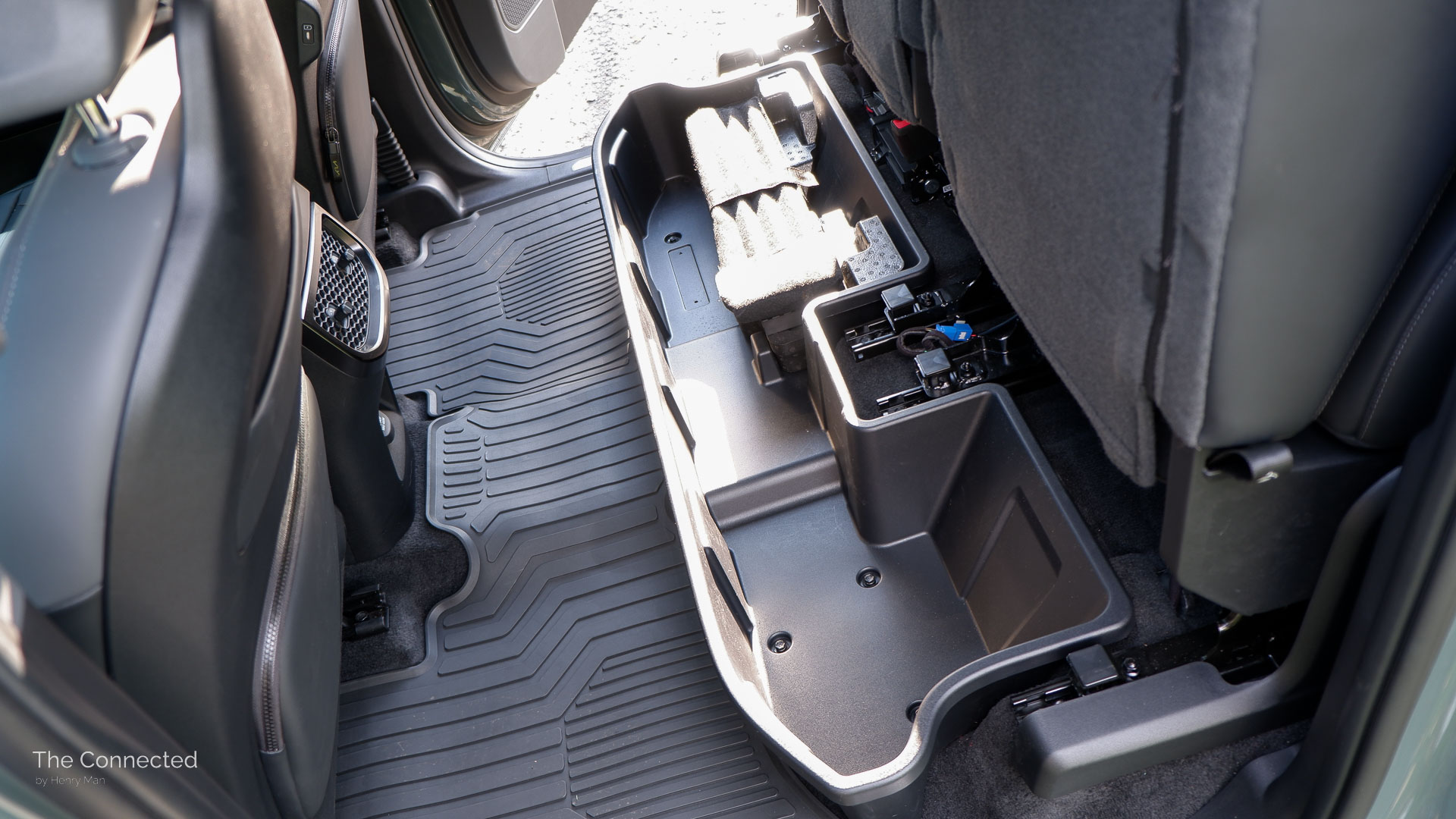
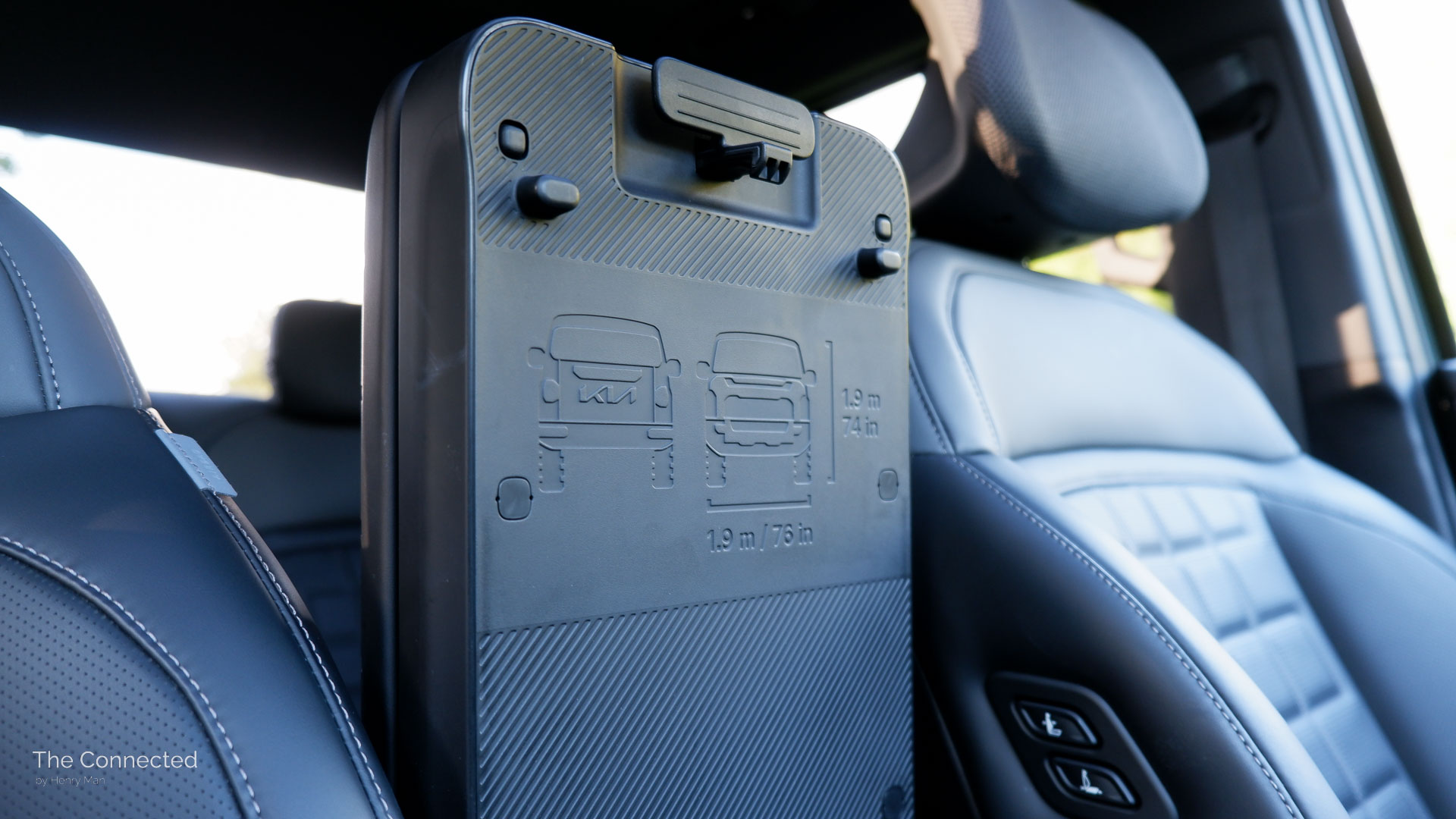
In lieu of a proper boot, it offers under-seat storage by pulling a loop beside each side of the seat in a 60:40 split, but I wish I could flip both portions from one side.
Kia places the tools to extract the spare tyre inside – compromising a large area of the tray.
Let’s call out the reality here: the Kia K4 small car has a more spacious and family-friendly interior than the Tasman.
The South Korean ute’s second row uniquely features seatback pockets in the form of a leatherette fanny pack pouch style, but I question the zipper for long-term durability.
Above the seatback is another storage compartment and the middle seat also has a hidden pouch for placing a phone.
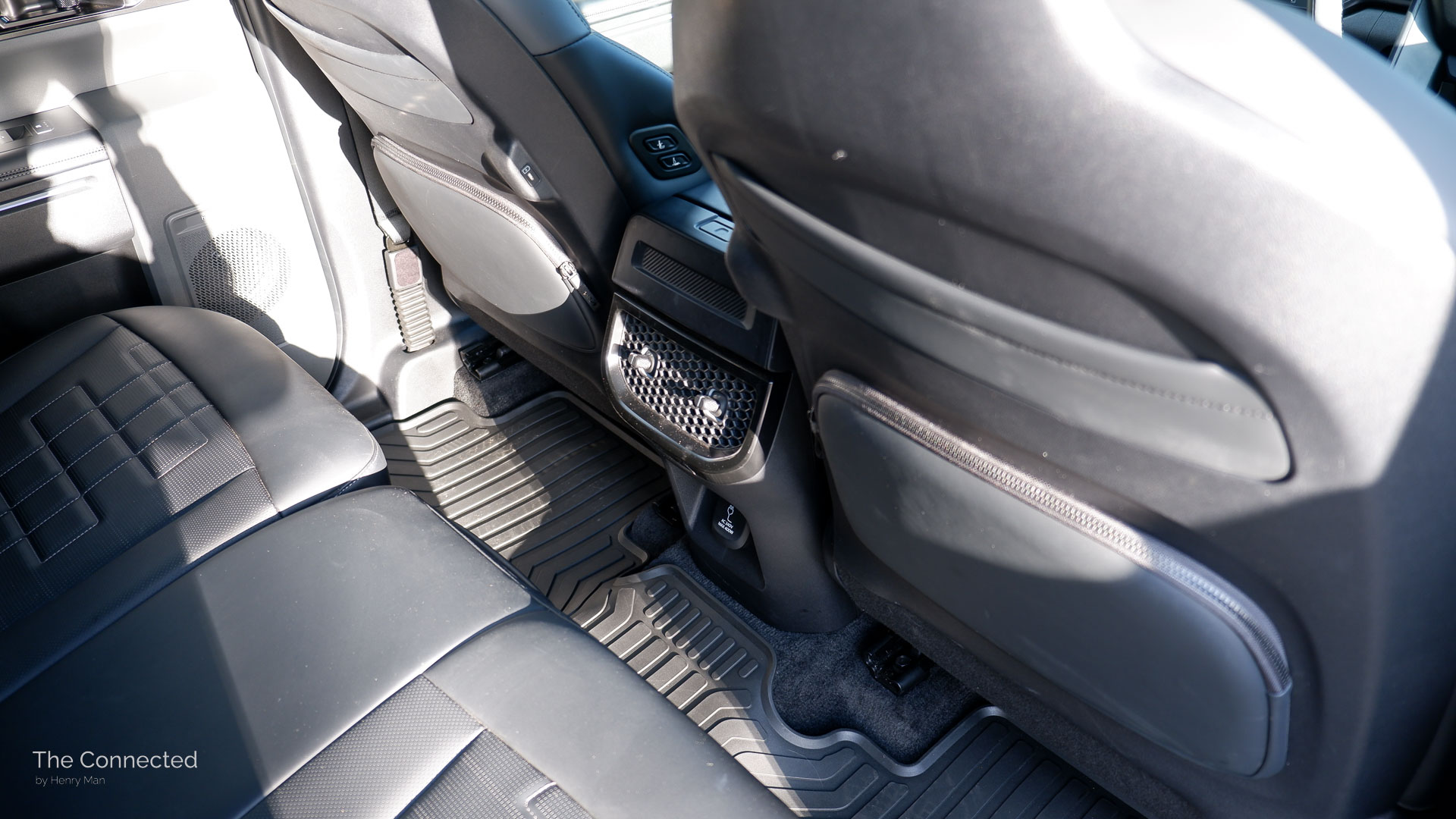
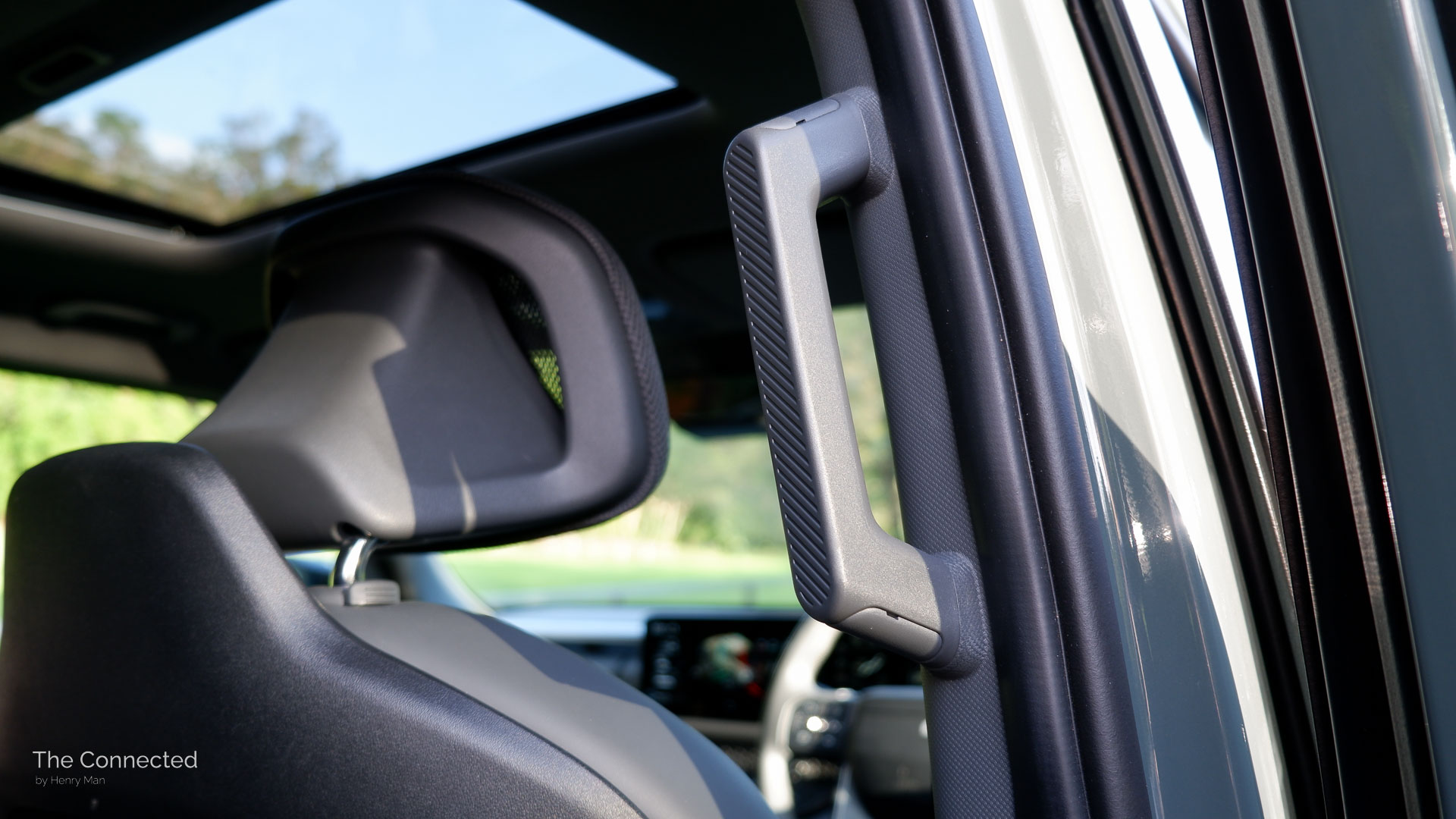
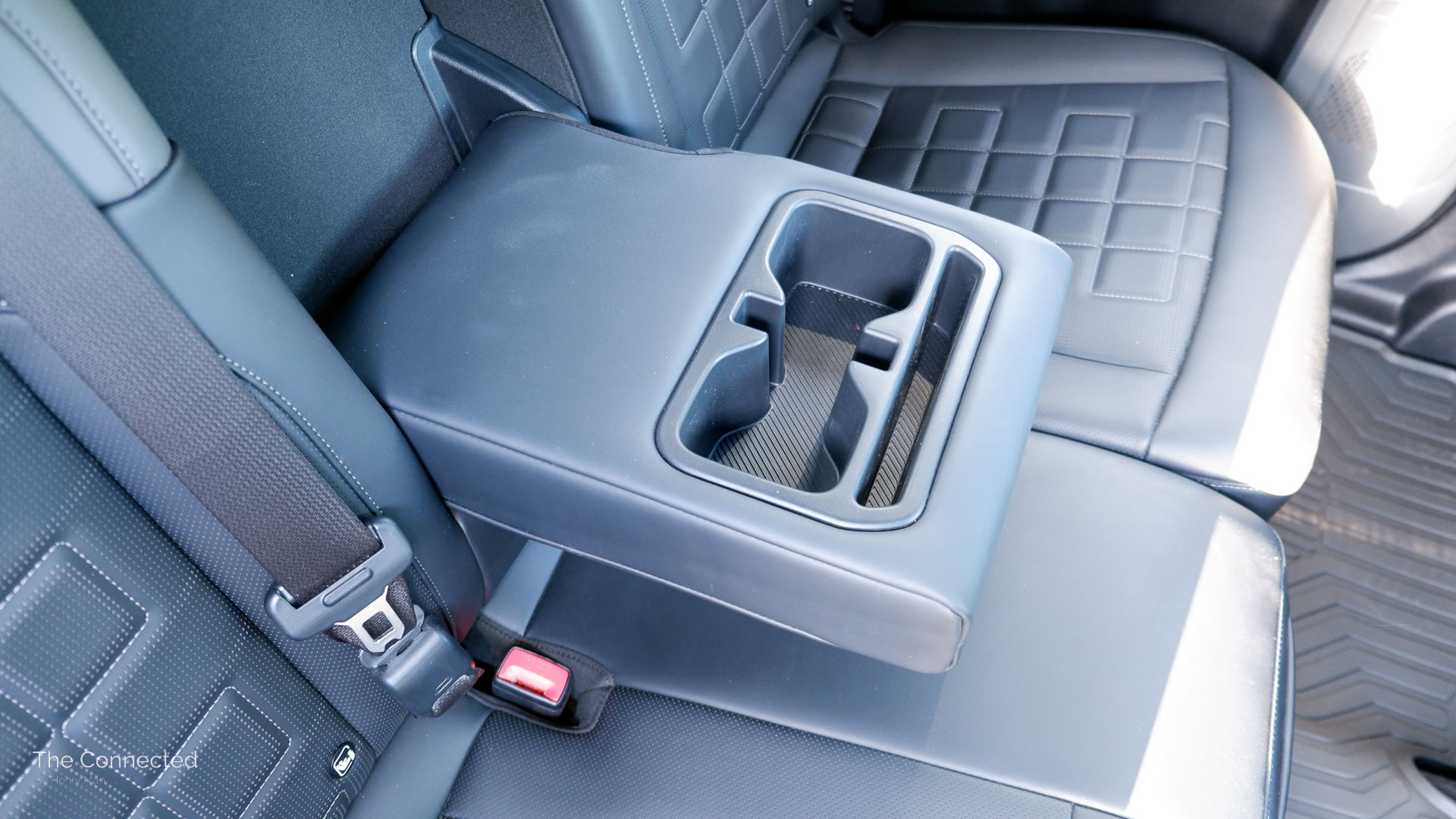
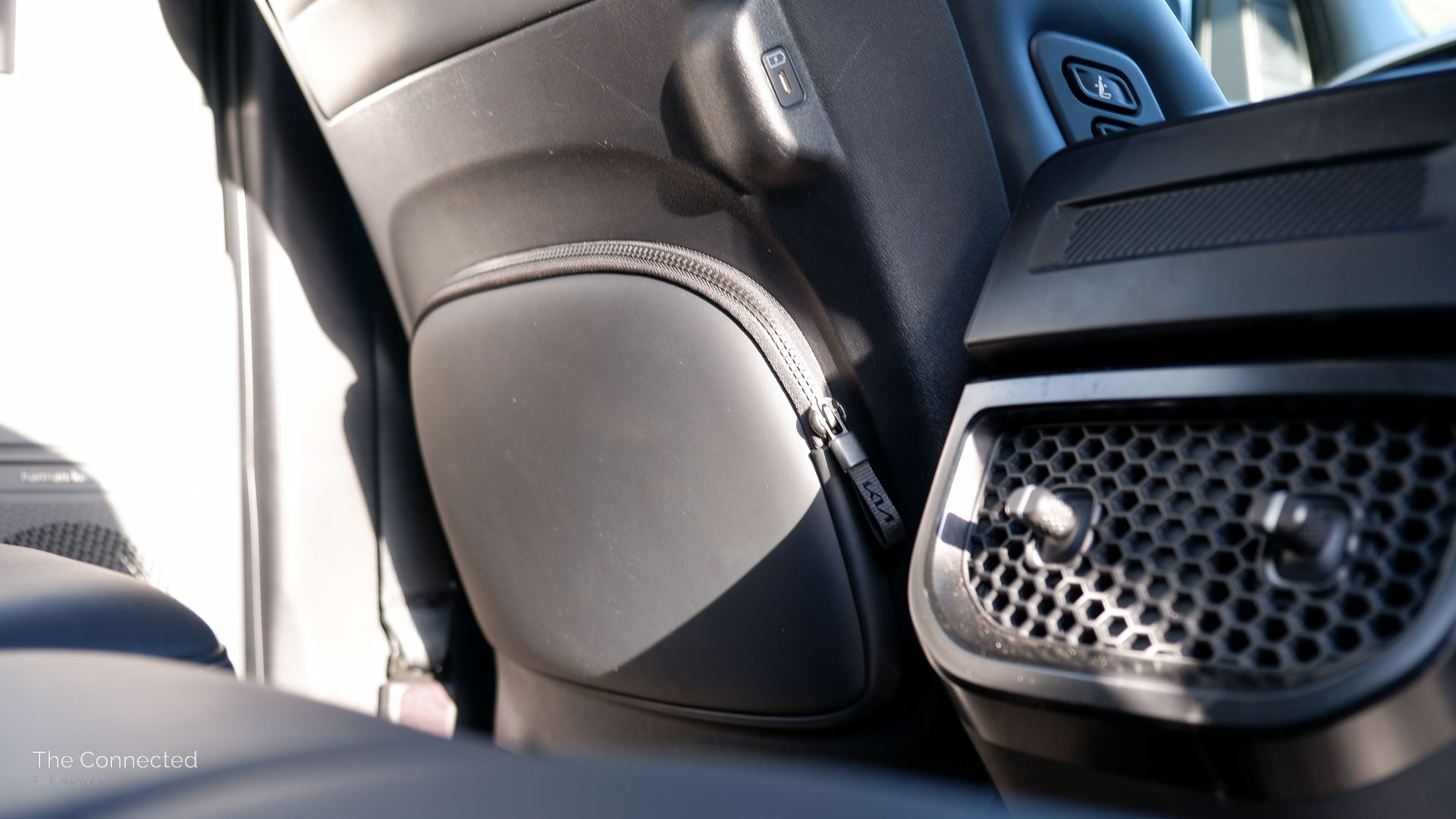
Stepping into the second row can be difficult for kids and less mobile passengers due to the high height and no side skirt coming as standard. However, it’s great that there are sturdy grab handles at both the front and rear rows.
A standard-sized sunroof with an electrically-operated sunblind features on the X-Pro model which is a rarity in the ute segment.
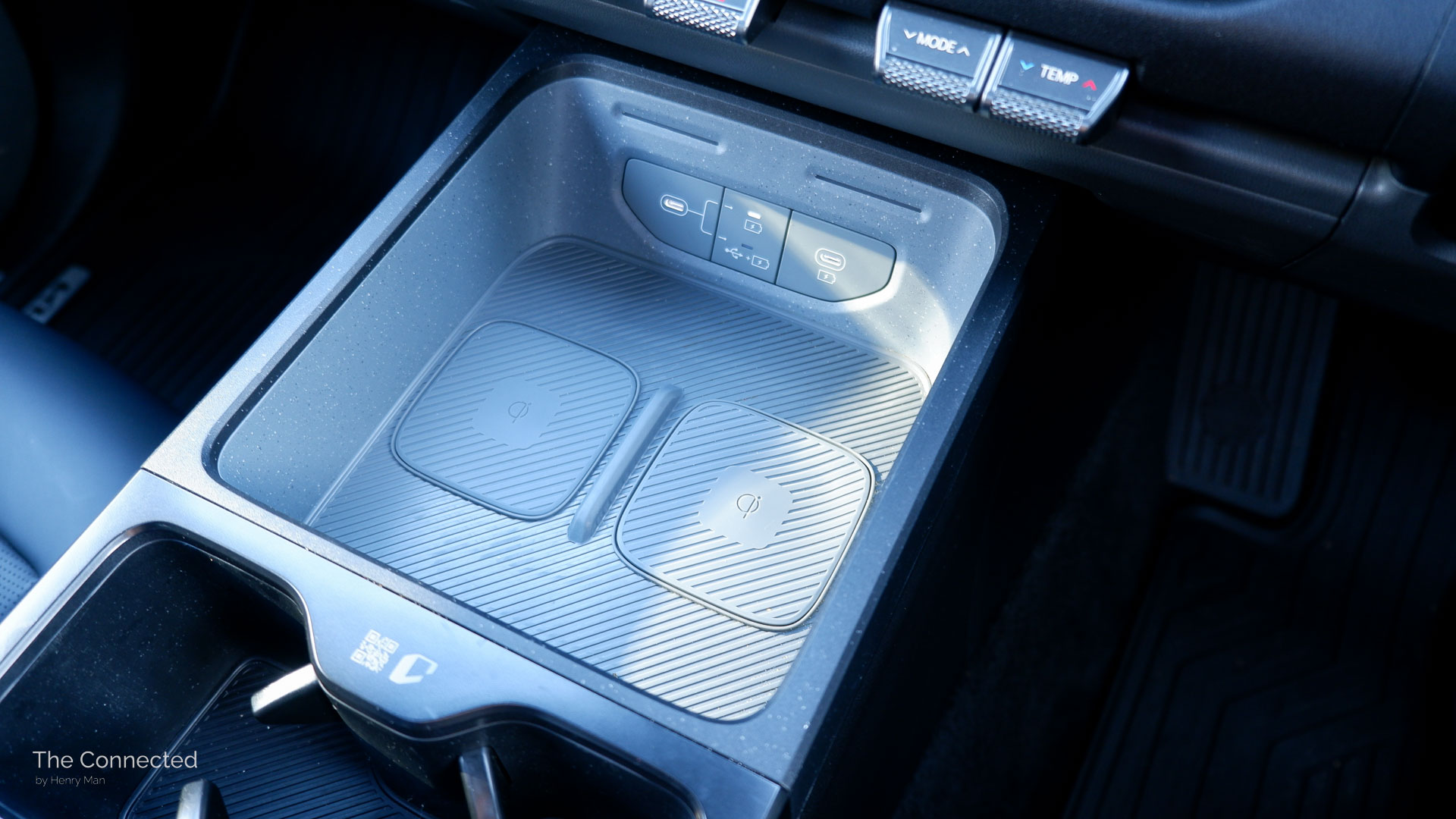
Meanwhile, the front row of the Tasman continues the practical design with an illuminated glovebox, an additional but narrow dashboard box above (which has a cool air lock esque sound upon opening), two gripped square cup holders, dual Qi wireless charging pads on the X-Line and above, and a deep centre armrest.
A small horizontal slot is available ahead of the armrest which is great for placing the car key. But while the surface is textured, it isn’t rubberised so items tend to rattle and slide around.
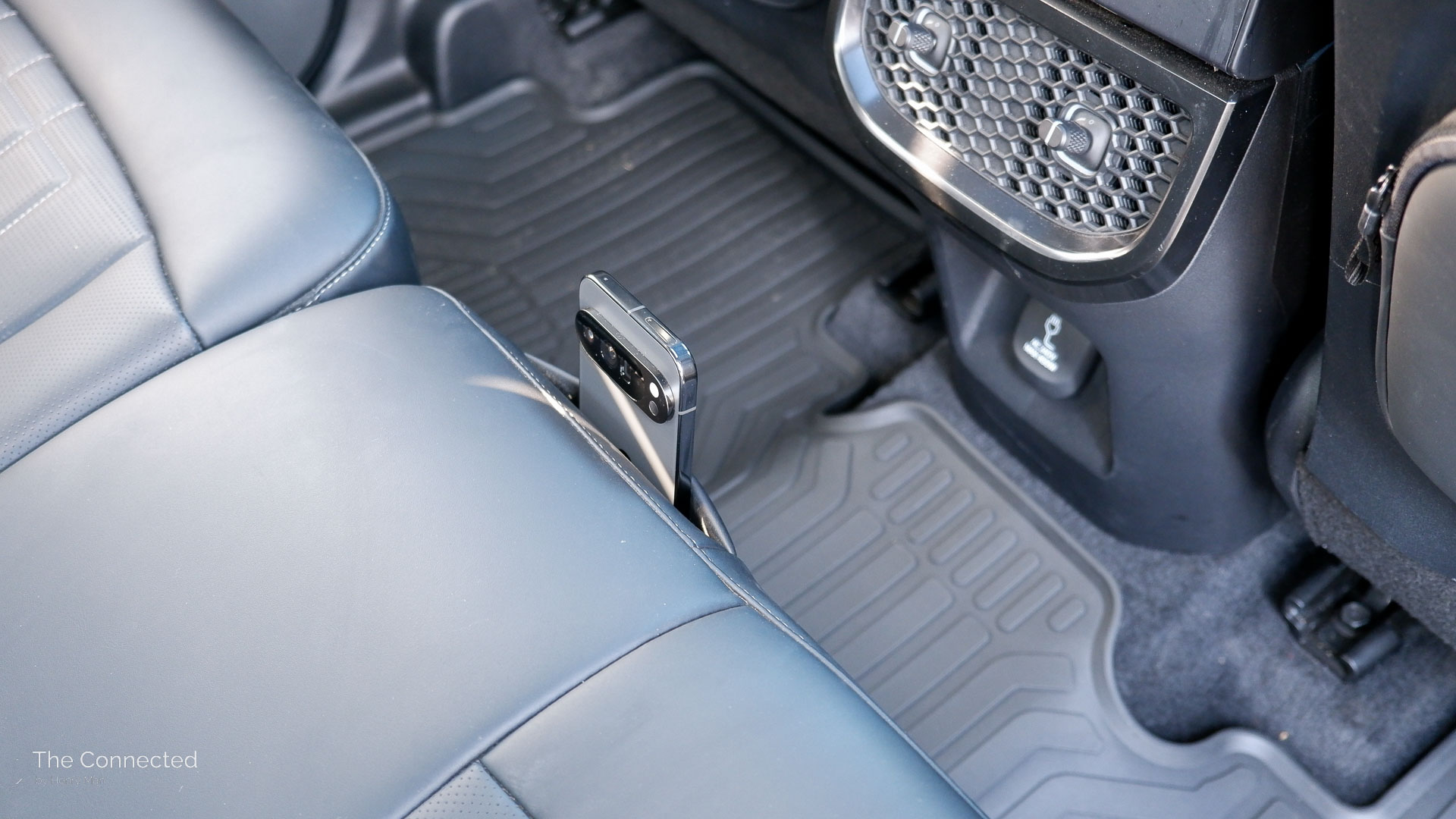
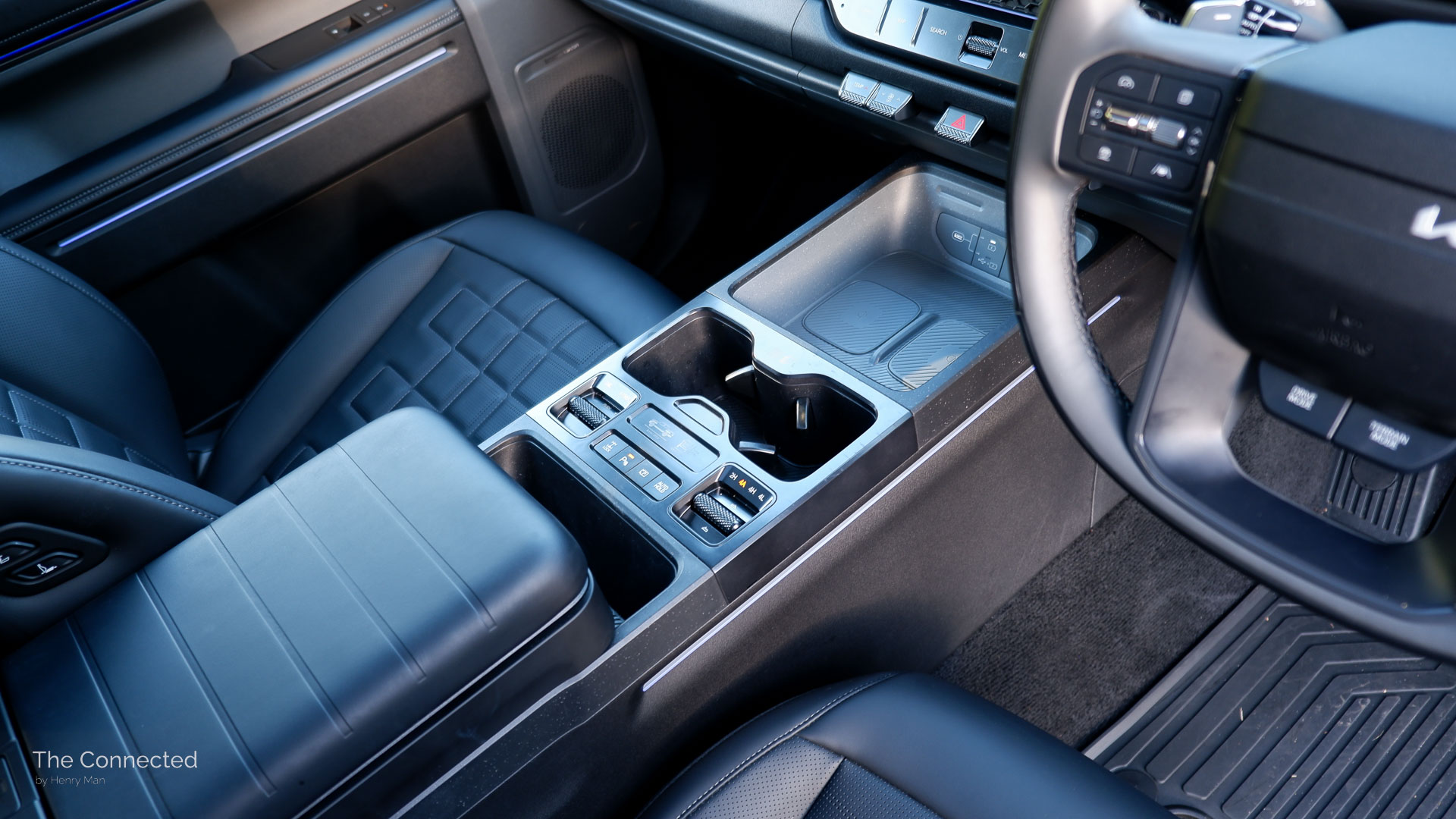
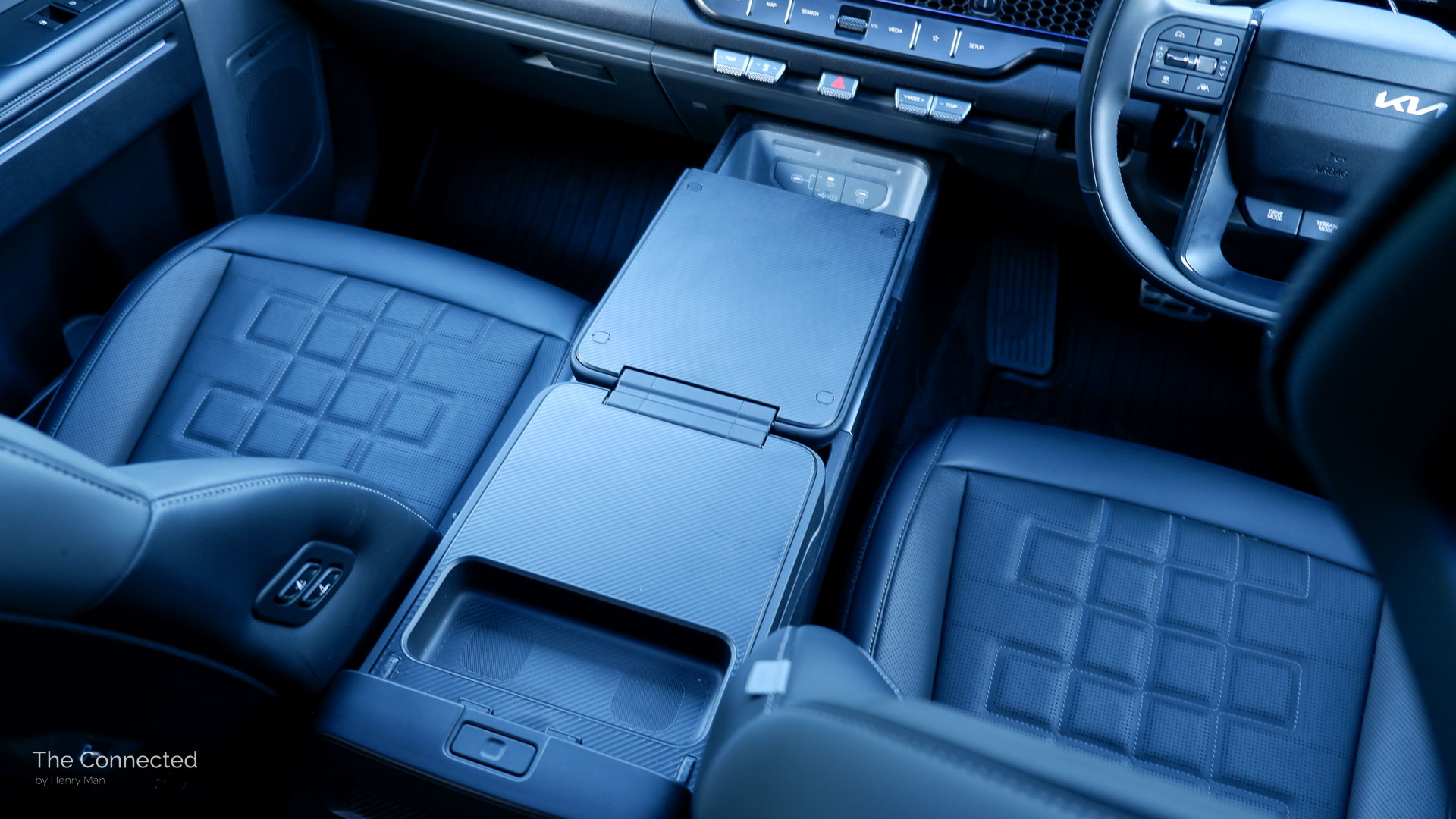
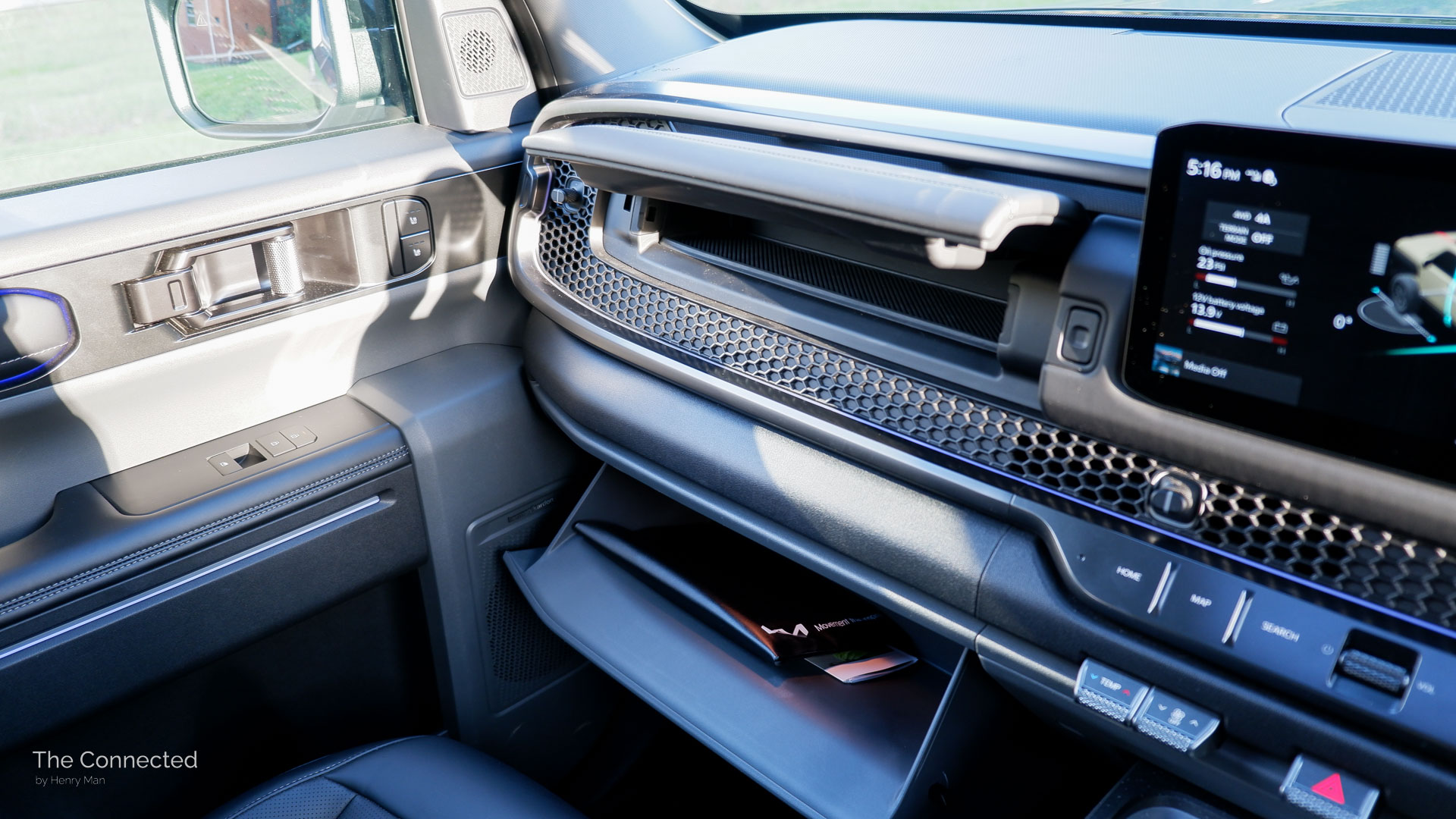
The armrest can be unfolded with a press of a button to reveal a plastic centre console table. But since it covers the cup holders, it can’t be completely laid flat while it’s in use.
Unlike most Kia cars, the Tasman’s door bottle pockets are decently-sized and keep flasks upright.
A particular shout out goes to the air vents which have nubs controlling the flow and direction, allowing occupants to shut the vent without needing to move it completely left or right.
The top-spec X-Pro’s leather seats are supportive with the full gamut of niceties, including two-position driver memory, three-level heating and ventilation, and a two-level heated steering wheel.
It would be great if Kia implemented more exterior lighting that you get on the Ford Ranger – especially at the tray. The Tasman only has small front door handle LEDs that illuminate on approach.
Technology.
2026 Kia Tasman X-Pro tech features:
| 12.3-inch touchscreen running ccNC | 12.3-inch driver instrument display |
| Wireless/wired Apple CarPlay and Android Auto | 5.0-inch monochrome climate control touchscreen |
| Built-in maps | 6x USB-C, 1x 12-volt, and 2x 240-volt charging ports |
| Kia Connect services and mobile app | 2x Qi wireless charging pads |
| OTA software update capability | Proximity key with auto-folding mirrors and front door handle lights |
| Eight-speaker Harman Kardon |
The Tasman ute features a slick technology setup with some unique off-reading elements.
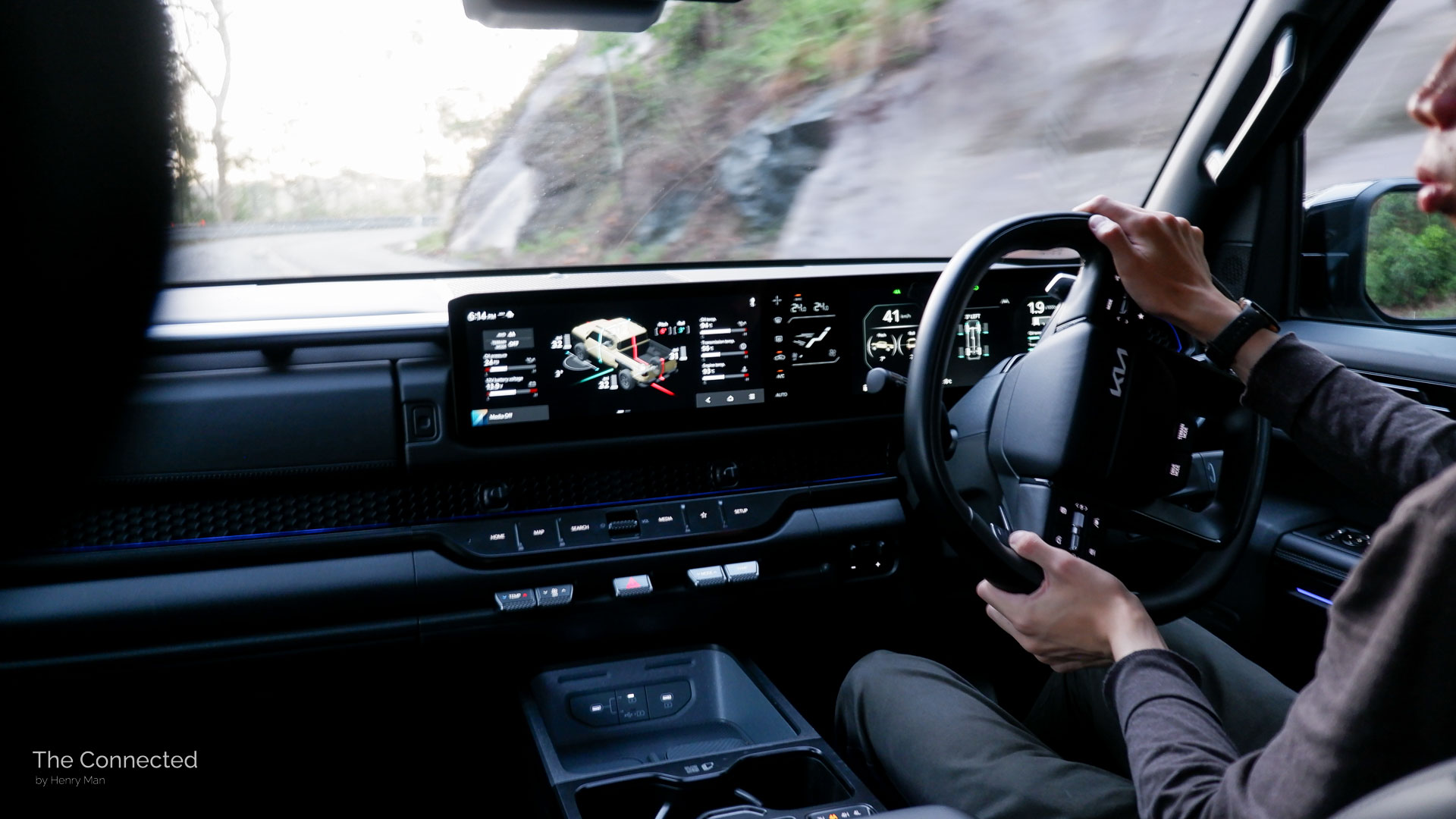
The 12.3-inch central touchscreen is quick and high resolution, powered by Kia and Hyundai’s Connected Car Navigation Cockpit (ccNC) software.
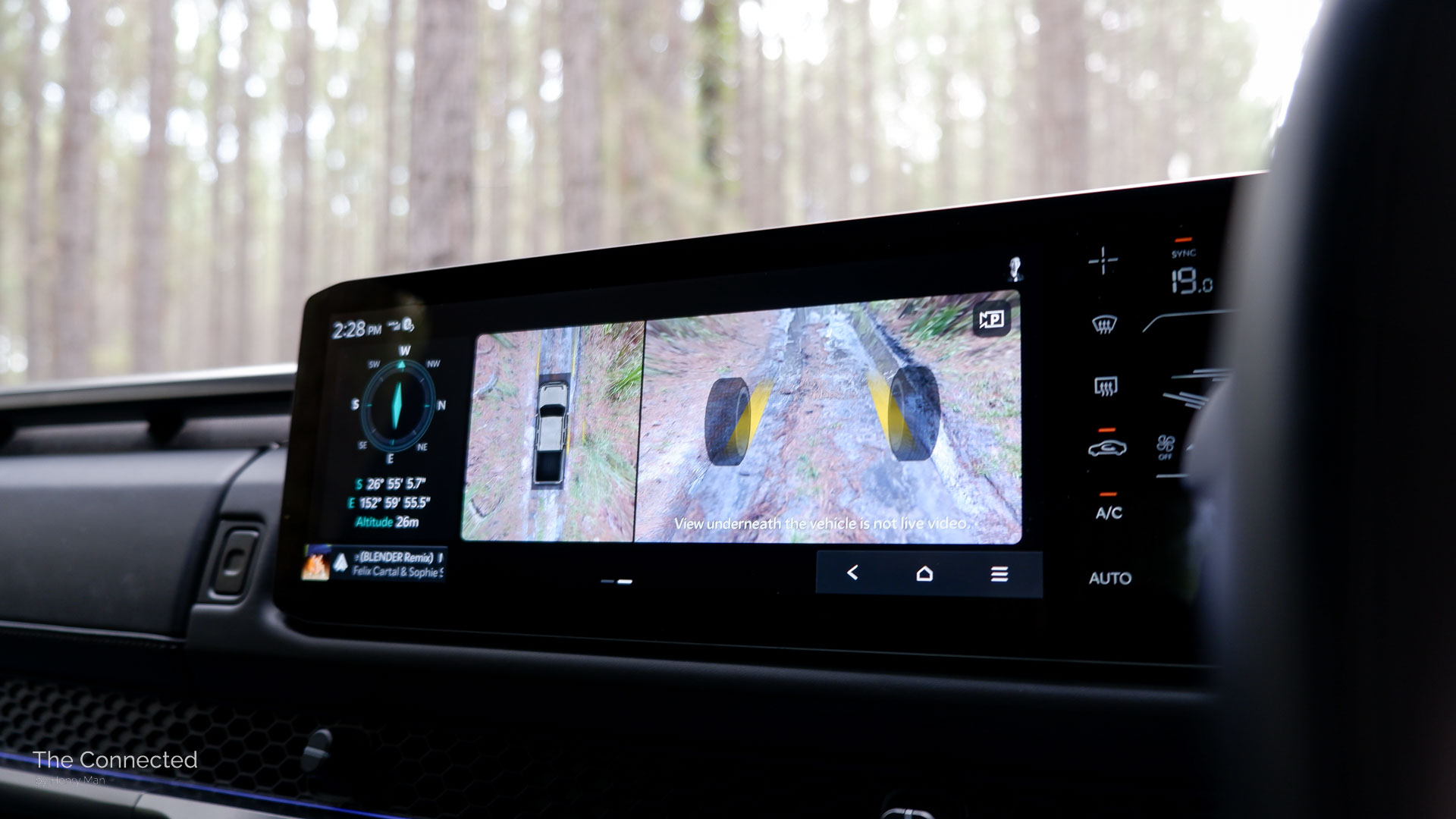
It features a dedicated off-road app which launches with a cool animation upon first opening and displays variables including the steering wheel, pitch and roll angle in real-time.
Wireless Apple CarPlay and Android Auto connect reliably, but while two Qi wireless charging pads are offered, both lack active ventilation so phones often stop charging to prevent overheating.
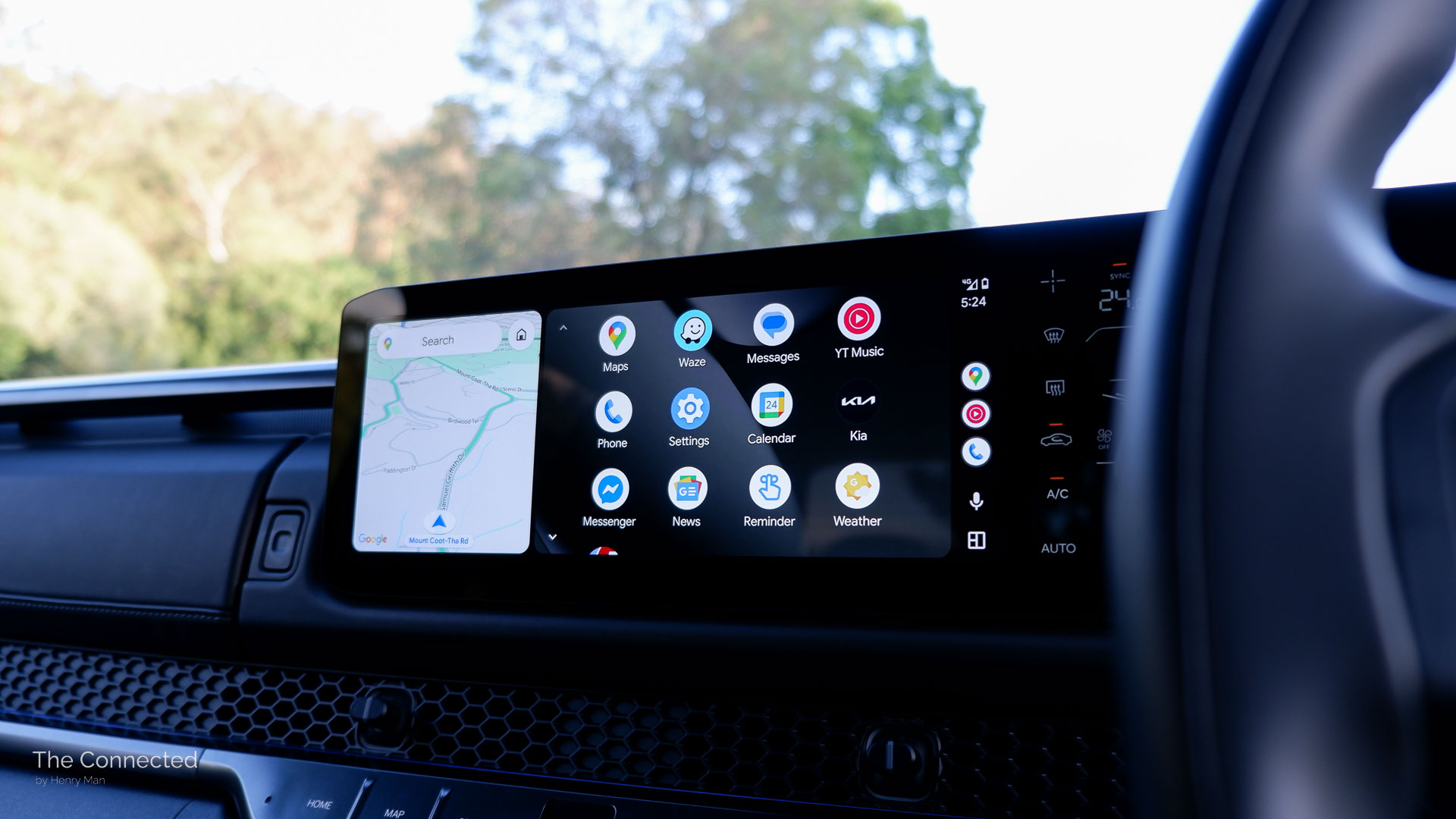
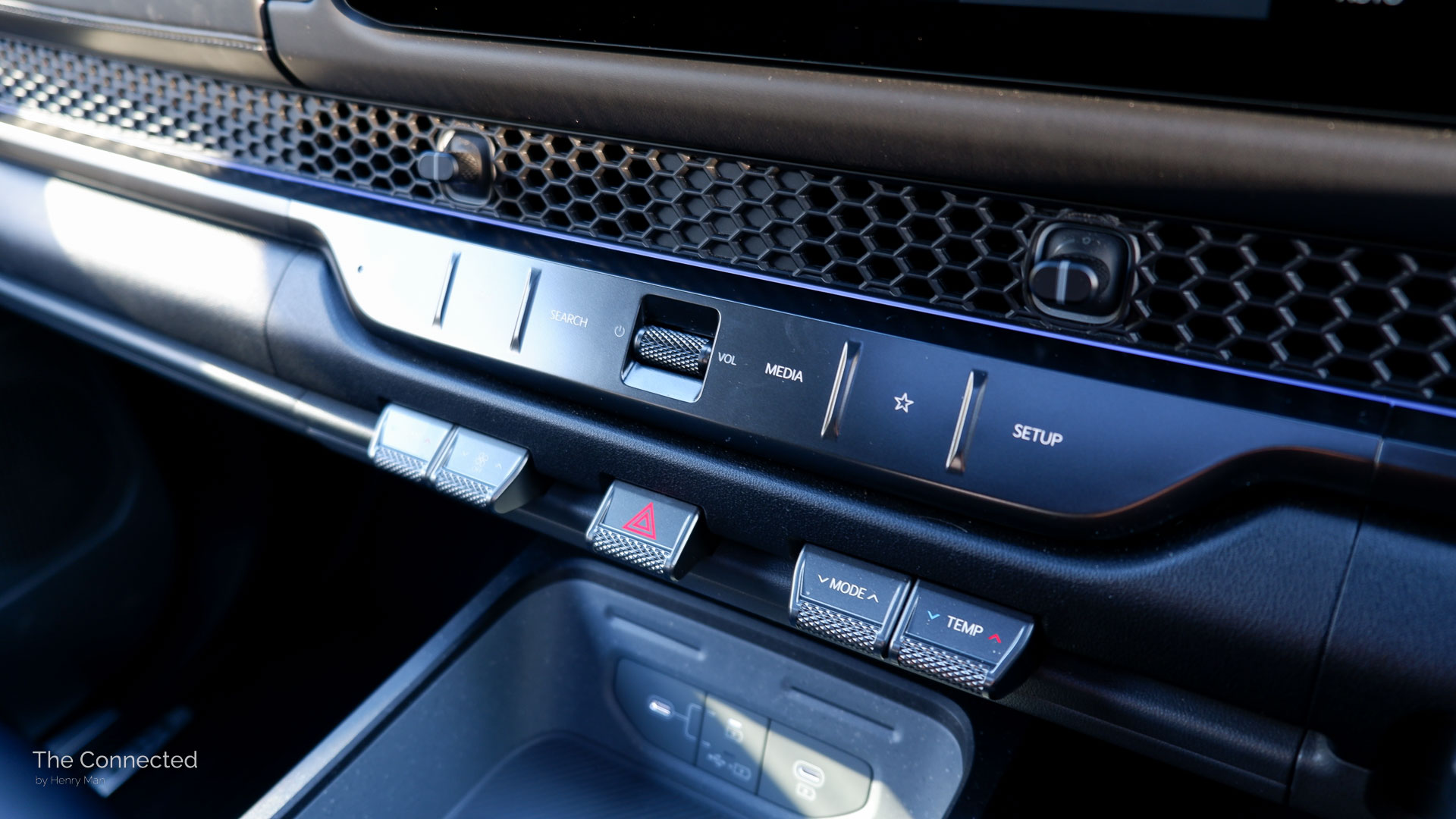
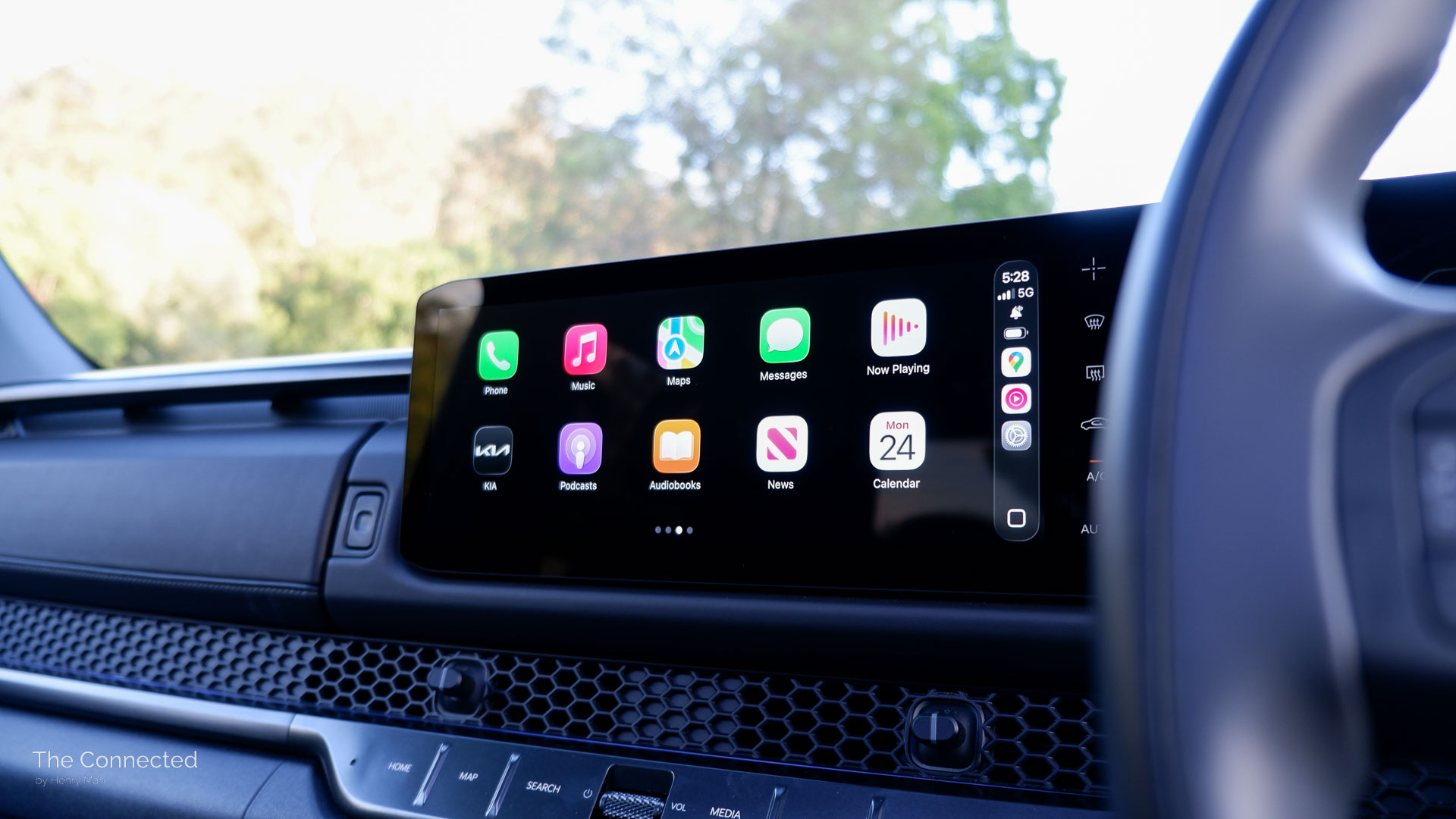
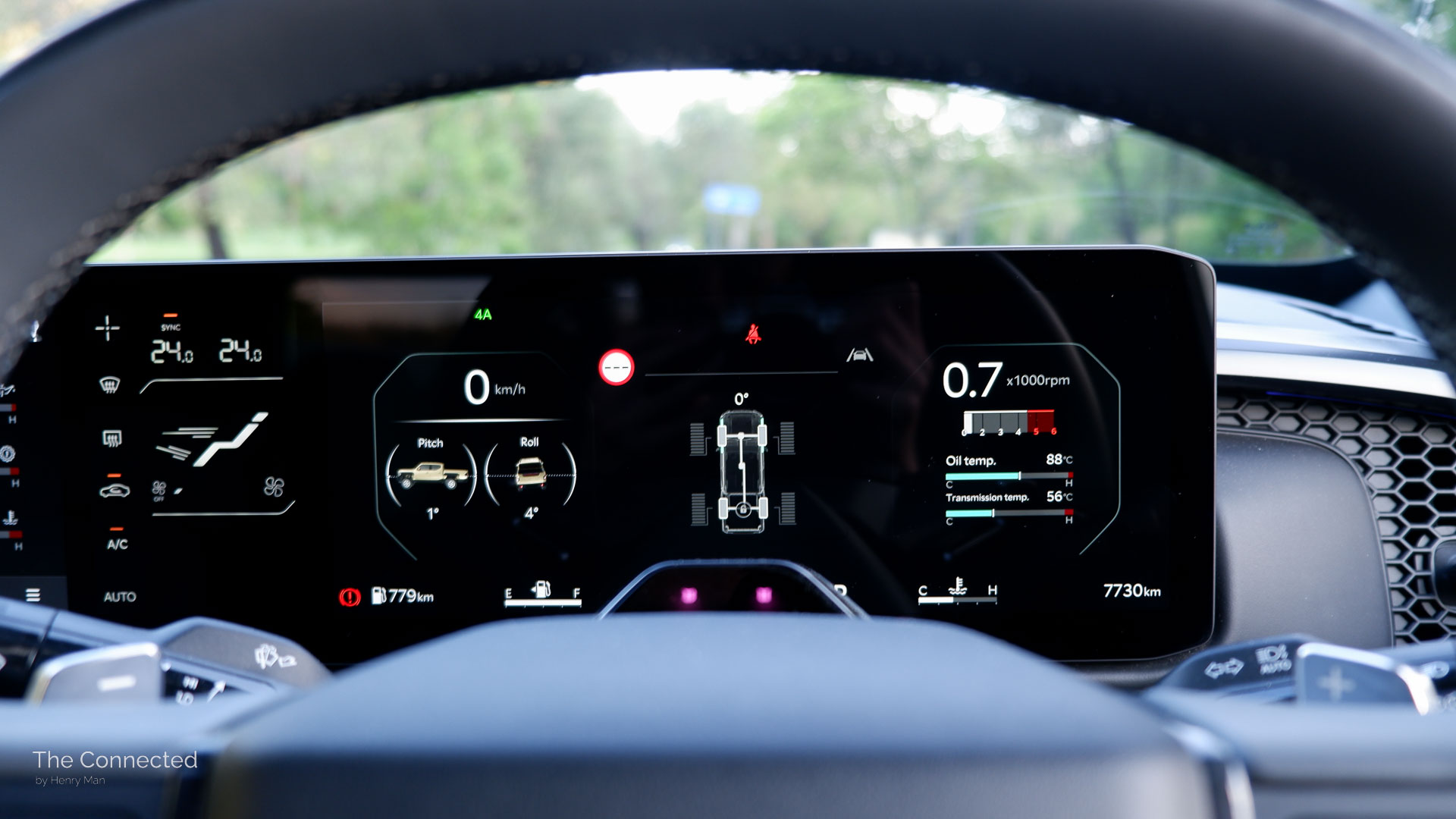
Furthermore, the horizontal panel cleverly fits a 5.0-inch LED touchscreen in the middle to always show the dual-zone climate control. While it can be obstructed by the steering wheel, it’s not annoying to move your head slightly and is far better than being buried in the main screen.
Prominent physical rocker switches enable easy adjustment while driving with a bottom pop-up on the central screen, too.
However, unlike the Kia EV9, the row of touch-sensitive infotainment shortcut buttons don’t provide vibration feedback.
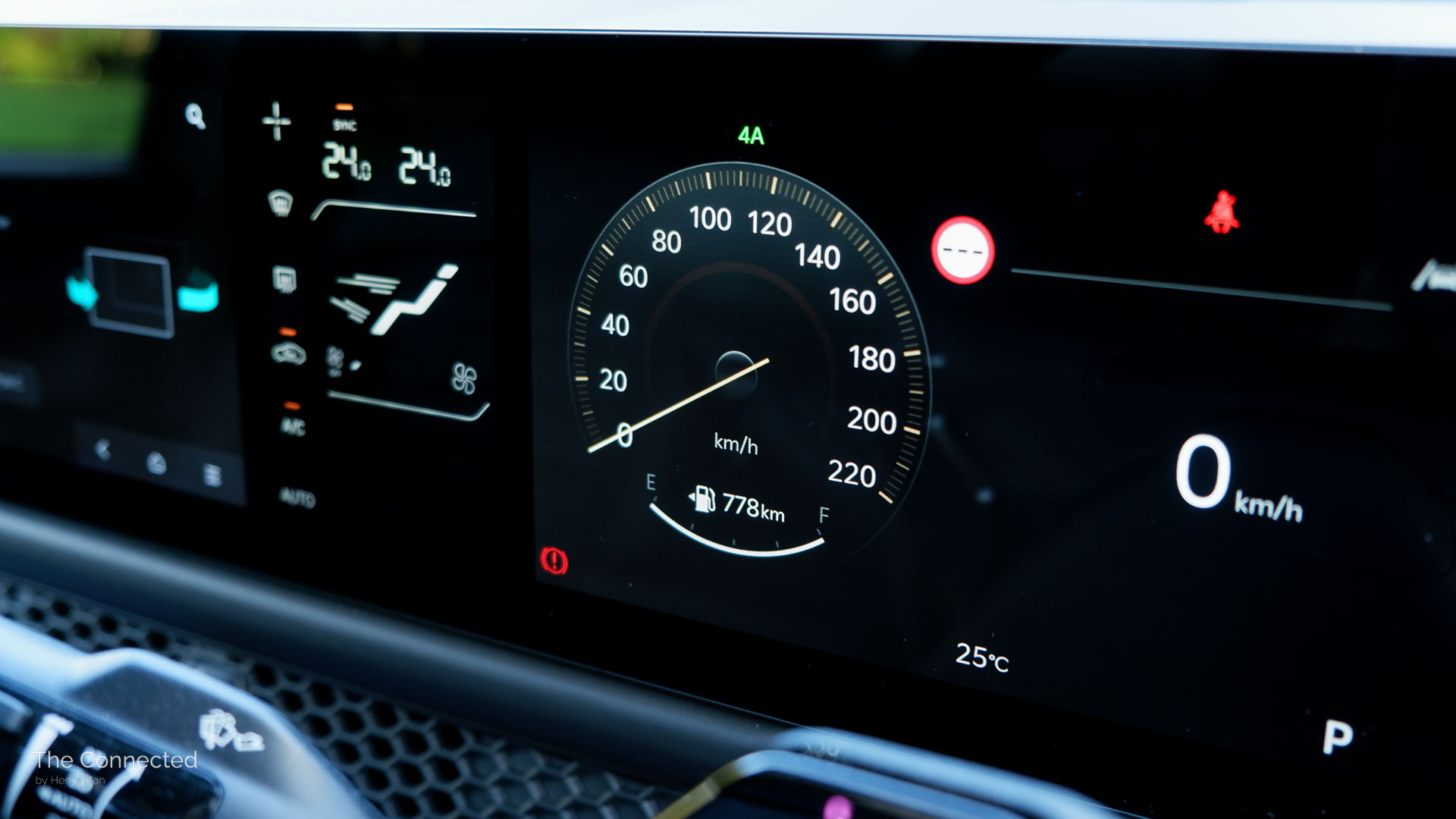
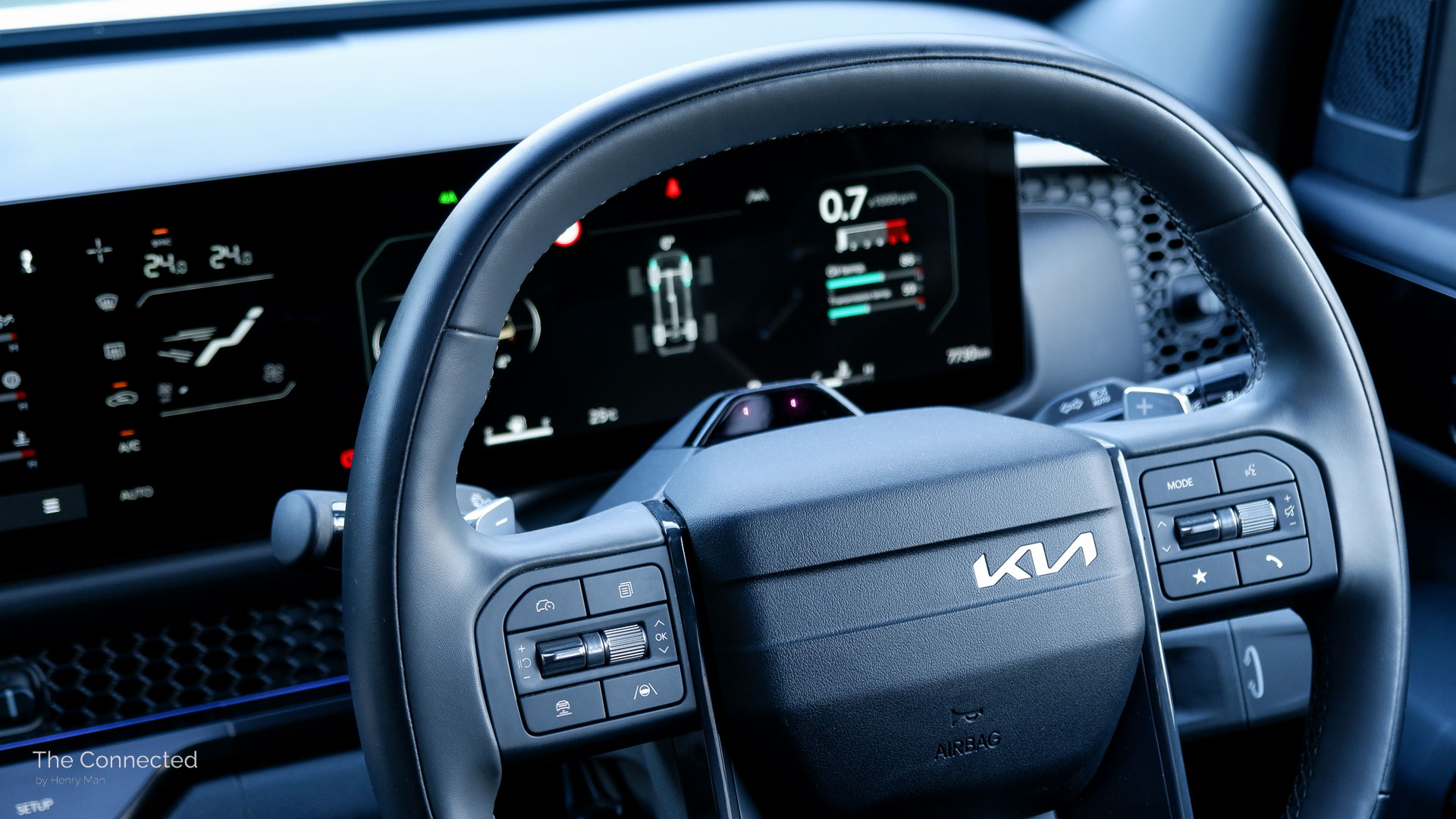
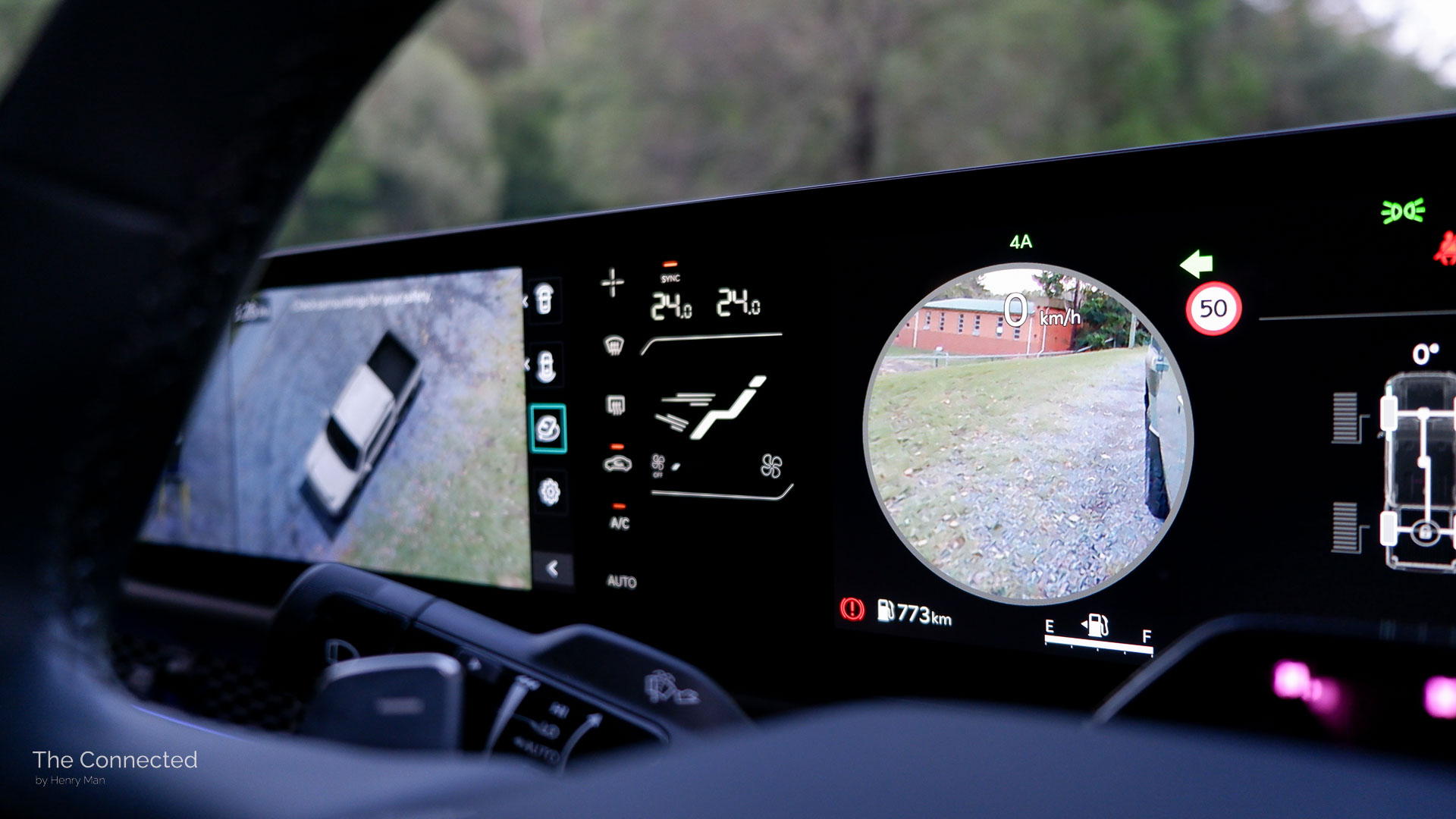
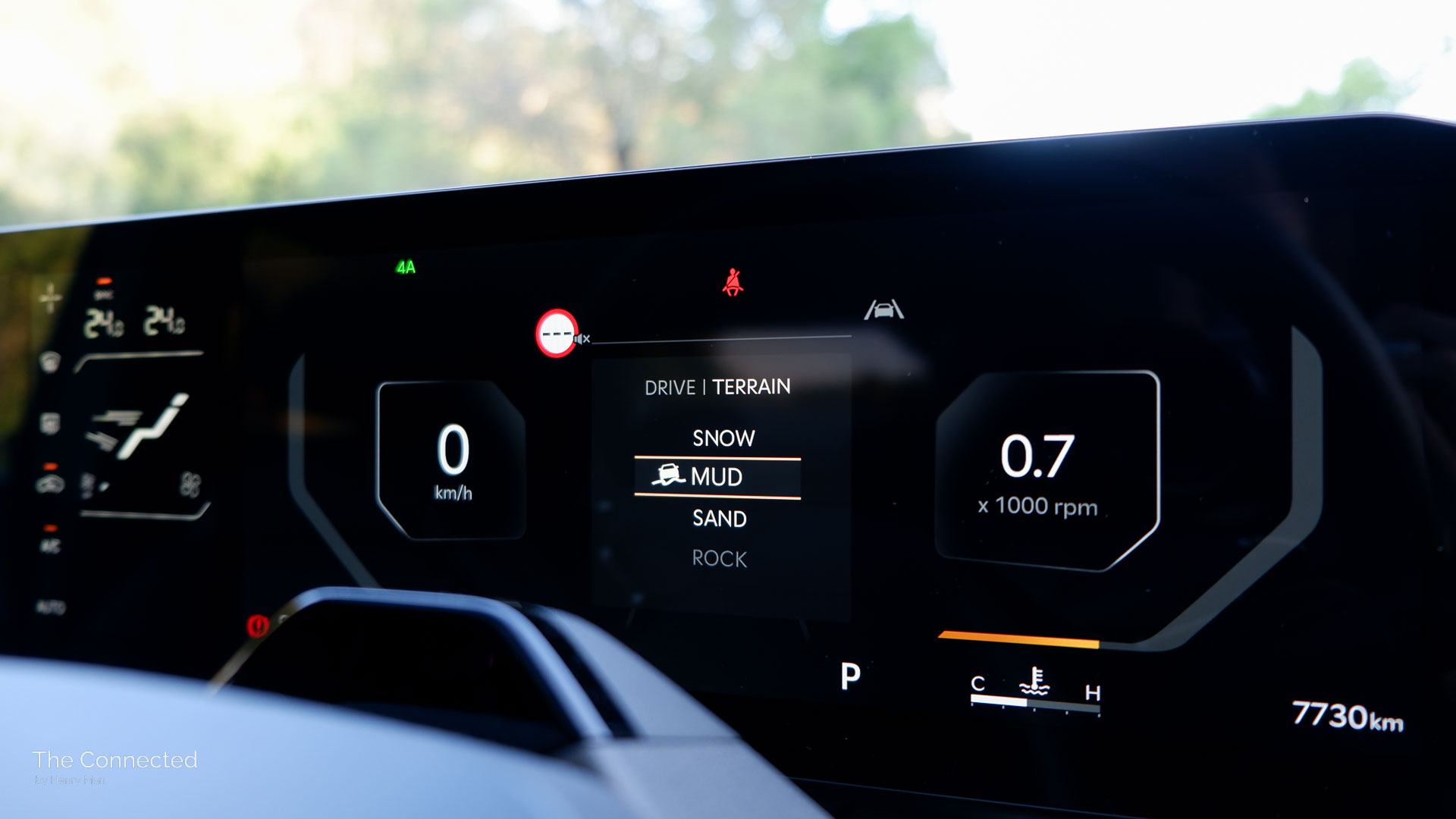
The Tasman’s 12.3-inch driver instrument display is clear as well with a unique off-roading theme to match the off-road app, but it doesn’t offer much customisation otherwise.
No Kia Tasman comes with a head-up display.
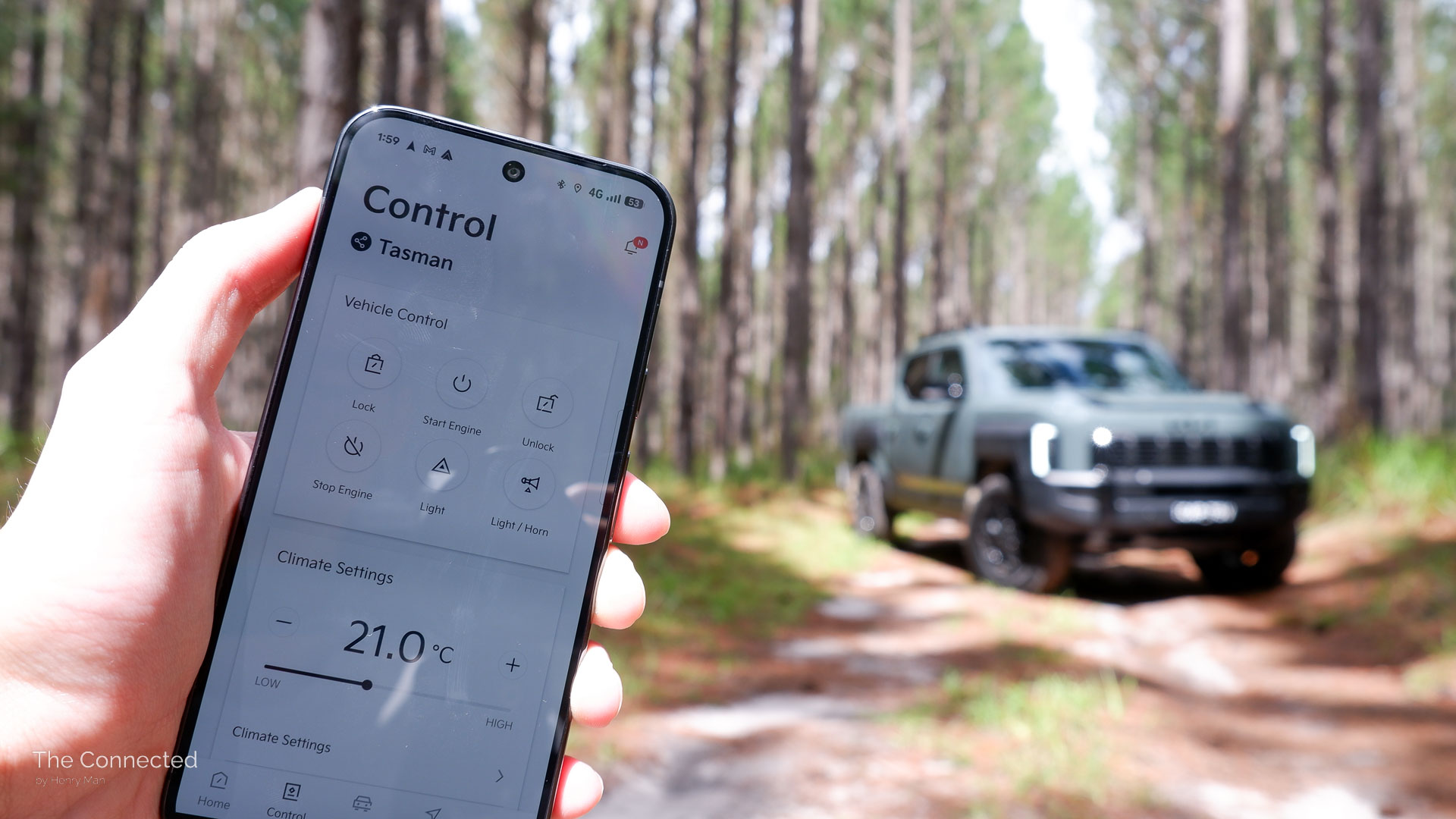
What is included on all models is Kia Connect services free for up to seven years – one of the longest in the industry – with a well-designed mobile app that can pre-start the engine and climate control, track the location, and capture a picture from the 360-degree camera system remotely.
The Kia app is slower than ideal to send commands, though.
Safety.
2026 Kia Tasman X-Pro safety features:
| Front AEB with vehicle/pedestrian/cyclist/junction turning detection | 360-degree camera system |
| Rear AEB | Ground-view camera monitor |
| Evasive steering assist with direct/oncoming/side lane change detection | Front, side and rear parking sensors |
| Blind-spot assist with blind-spot view cameras | Door open warning |
| Rear cross-traffic assist | Road sign detection with speed limit warning |
| Lane-keep assist | Kia Connect emergency services calling and remote vehicle tracking |
| Adaptive cruise control with lane-centring and auto lane change assist (HDA 2) | Remote Smart Parking Assist (forwards/backwards) |
| Lead vehicle departure alert | Full LED headlights (projection type) and tail-lights |
| Driver attention monitoring camera | Full LED tail-lights with rear fog light |
| Rear occupant alert |
Kia’s safety assistance systems are calibrated well, but some are just annoying.
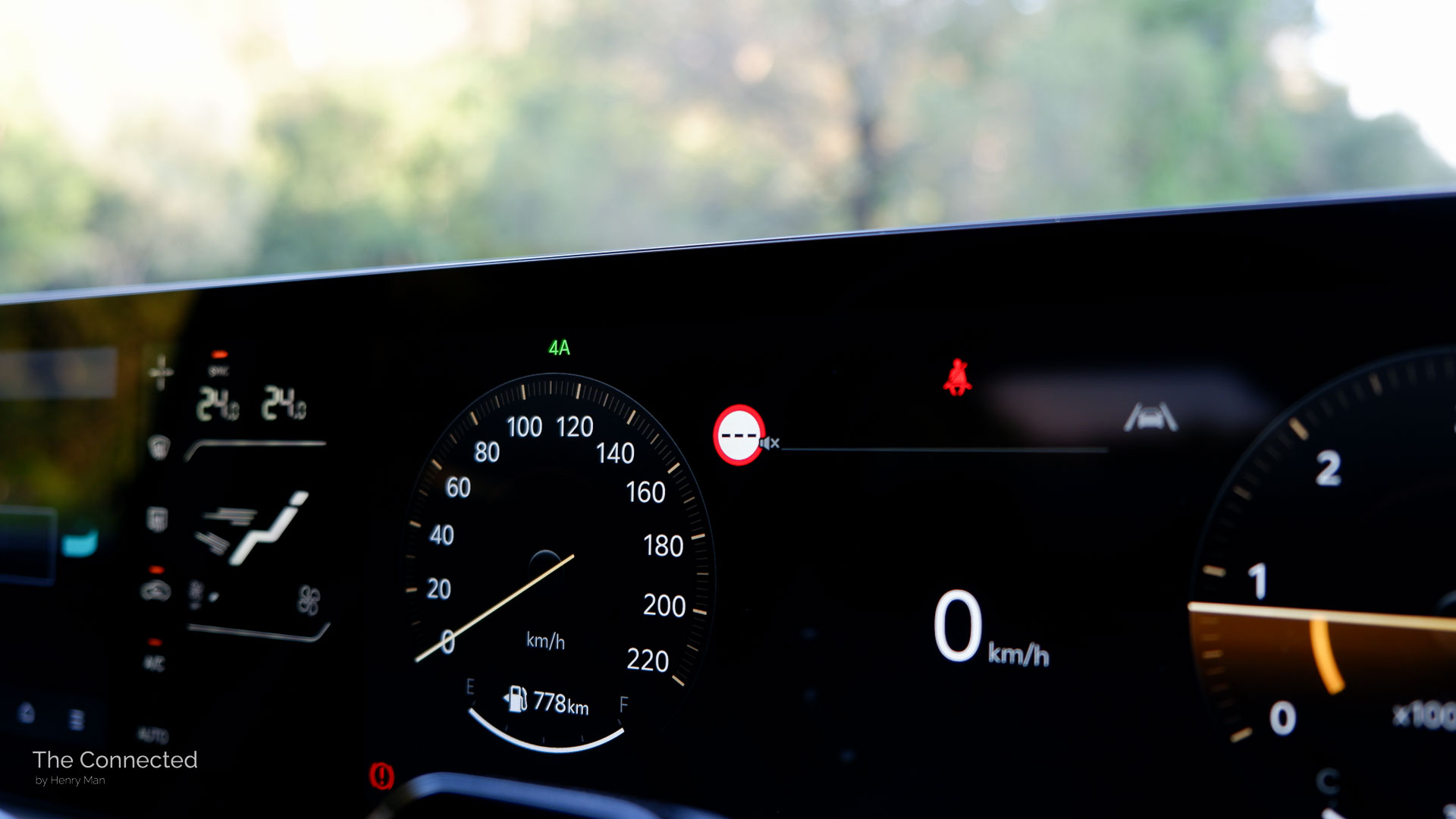
The adaptive cruise control and lane-centring assist (called Highway Driving Assist 2) is smooth and dependable with more sophisticated animations on the driver display showing the line markings and different surrounding vehicle types (rather than a blob).
The lane-keep assist can trigger at times, but the steering intervention is subtle, and the 360-degree cameras with blind-spot camera when indicating are very clear.
The reversing camera is centred and has a top-down view with a guideline to help with aligning a tow hitch as well.
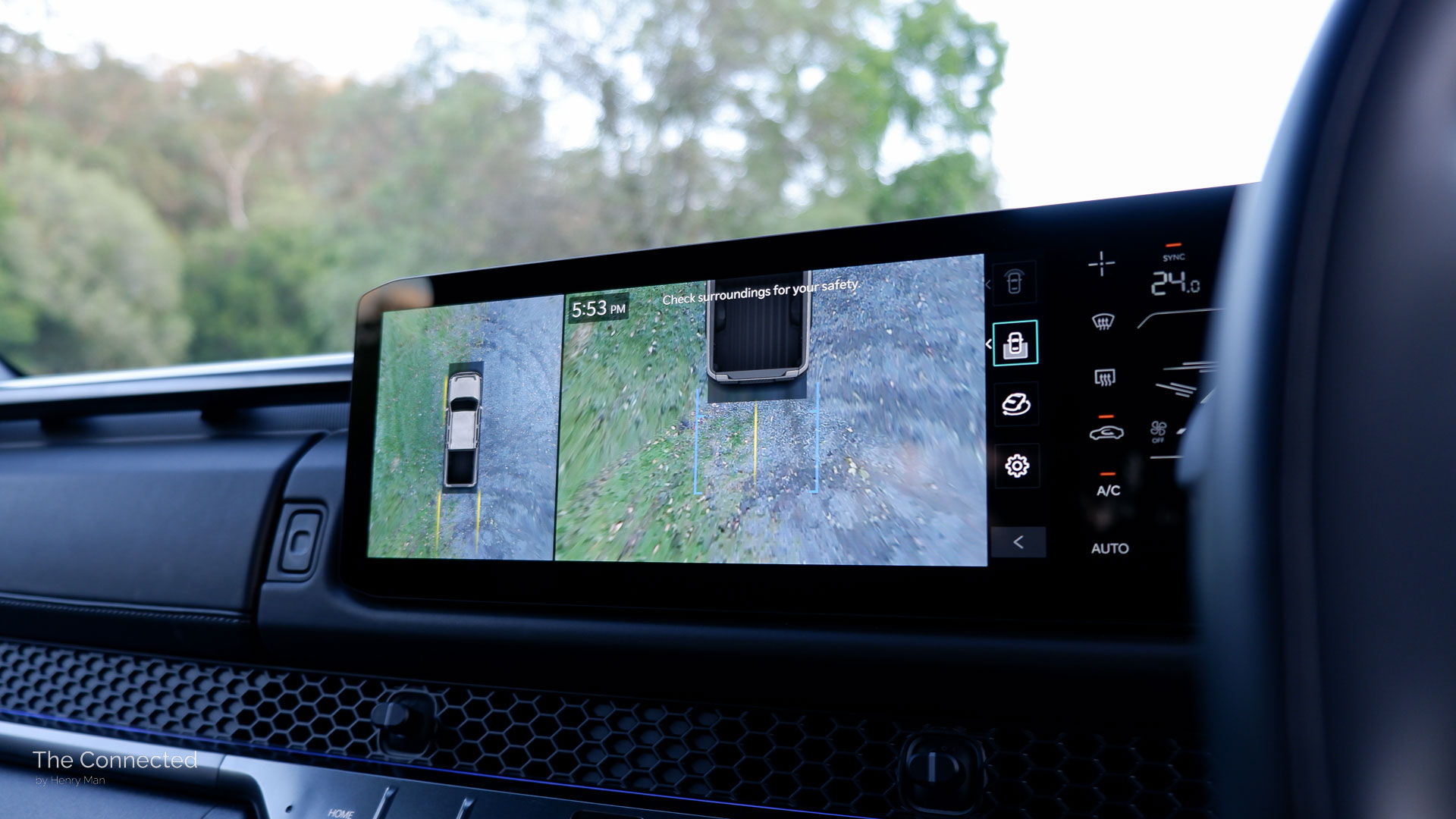
On the X-Pro, I took advantage of the ground-view monitor feature in the off-road app to always have the 360-degree camera on the screen (without constantly pressing the button on the centre console), even though it cuts out beyond driving 30km/h.
The Kia Tasman also includes an overspeed warning system which, while it understands school zone times and is quieter than older Kia’s, can still be annoying.
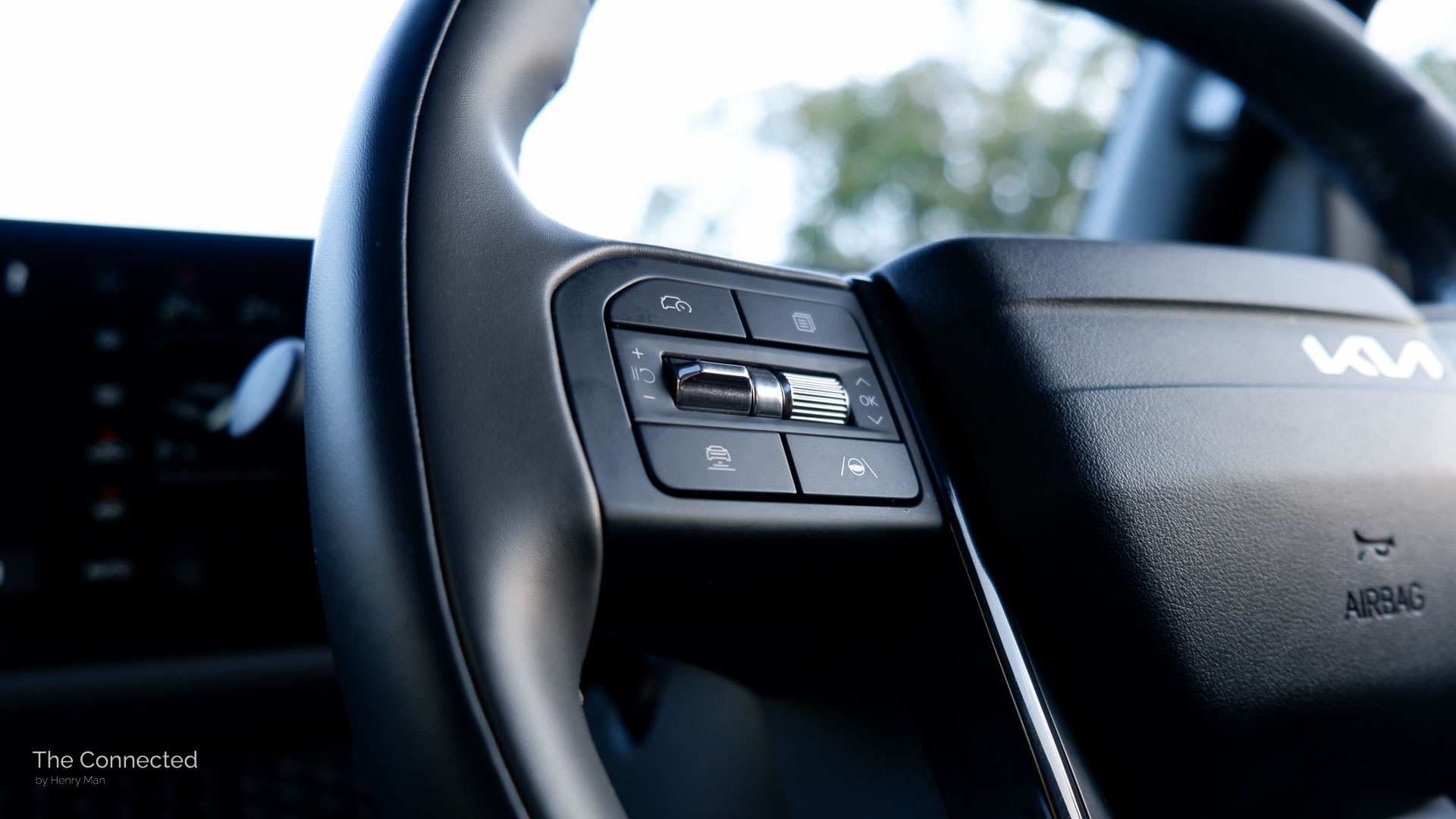
It can be quickly muted by holding the steering wheel volume dial every time you start the truck. The new detected speed sign chirp can be permanently disabled via the touchscreen settings, thankfully.
Unfortunately, while the driver attention monitoring camera is accurate, it is on the sensitive side and there’s no quick way to turn the default feature off without habitually digging into the screen.
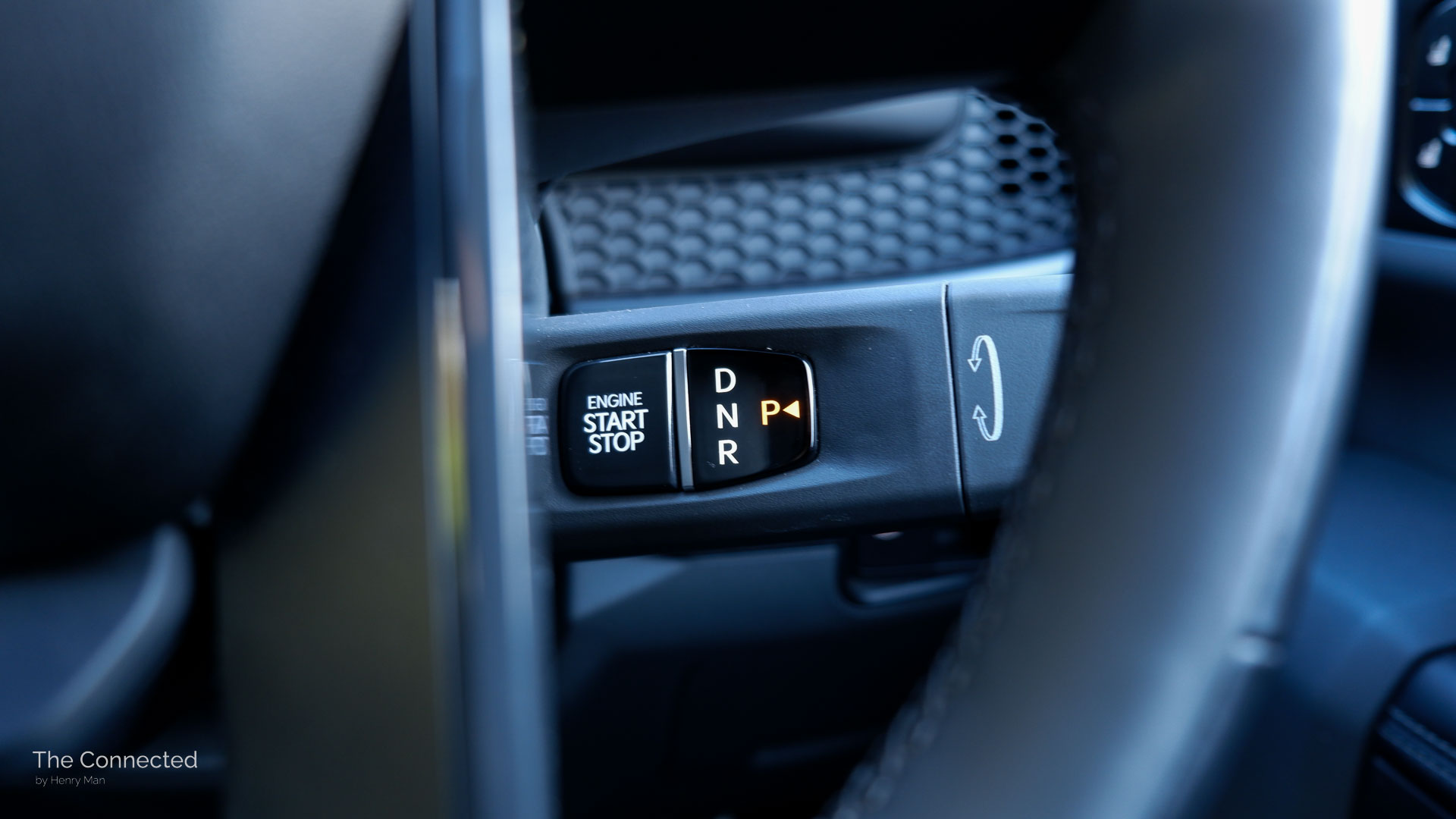
The parking sensors and rear auto emergency braking (AEB) also reactivate every time you flick the stalk into reverse, which can be annoying when you’re off-roading.
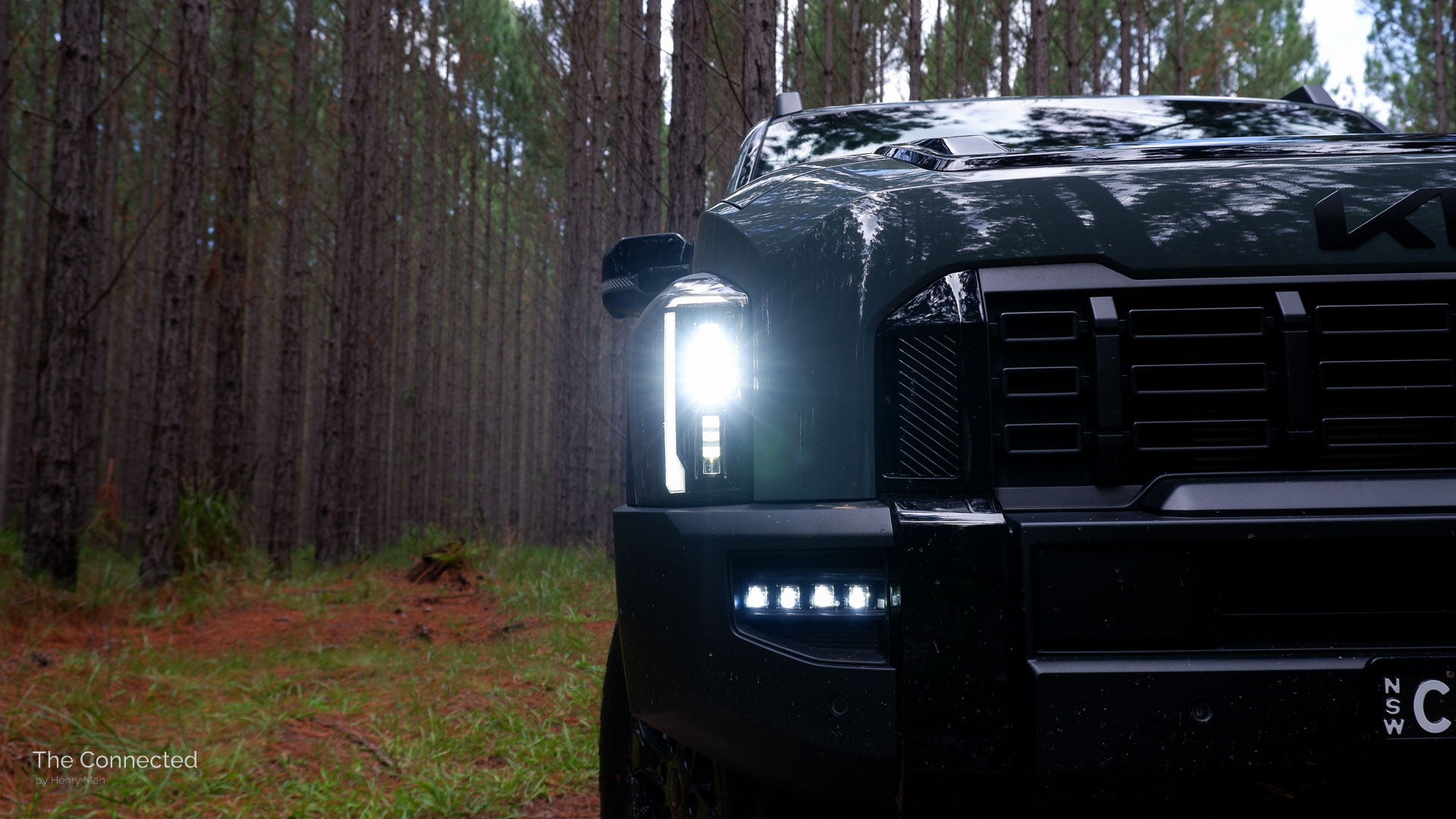
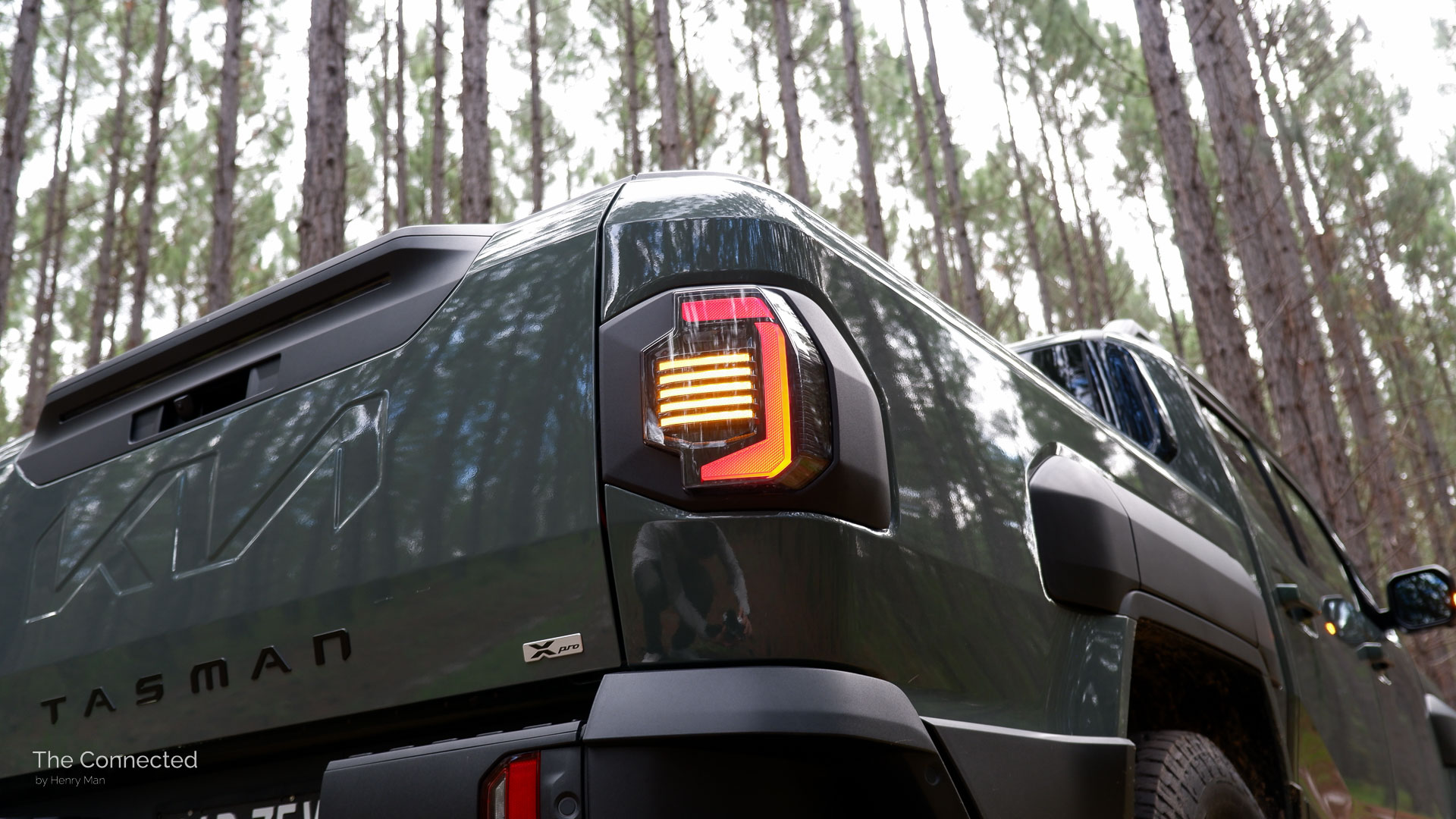
On the other hand, while the small and outer-placed LED headlights are the most controversial part of the Tasman, it actually performs well at night with good reach and spread.
The tail lights are also bright, but it only has one reverse bulb on the left side of the rear bumper with a fog light fitted on the right.
The Kia Tasman S, SX, and SX+ have received the full five-star safety rating by the Australasian New Car Assessment Program (ANCAP) – yet X-Line and X-Pro models are unrated due to a different front bumper design.
Range and fuel consumption.
2026 Kia Tasman X-Pro fuel and efficiency specs:
| Claimed driving range (combined cycle) | 987km |
| Claimed fuel efficiency (combined cycle) | 8.1L/100km |
| Fuel tank size | 80L |
| Minimum fuel quality requirement | Diesel |
| Claimed CO2 exhaust emissions (combined) | 214g/km |
The Kia Tasman X-Pro 4×4 returned an average fuel consumption of 9.9L/100km after a week of unladen mixed driving.
As a result, expect around 808km of real-world driving range from its 80-litre fuel tank. I mainly left it in four-wheel drive auto (4A) without a load in the bed.
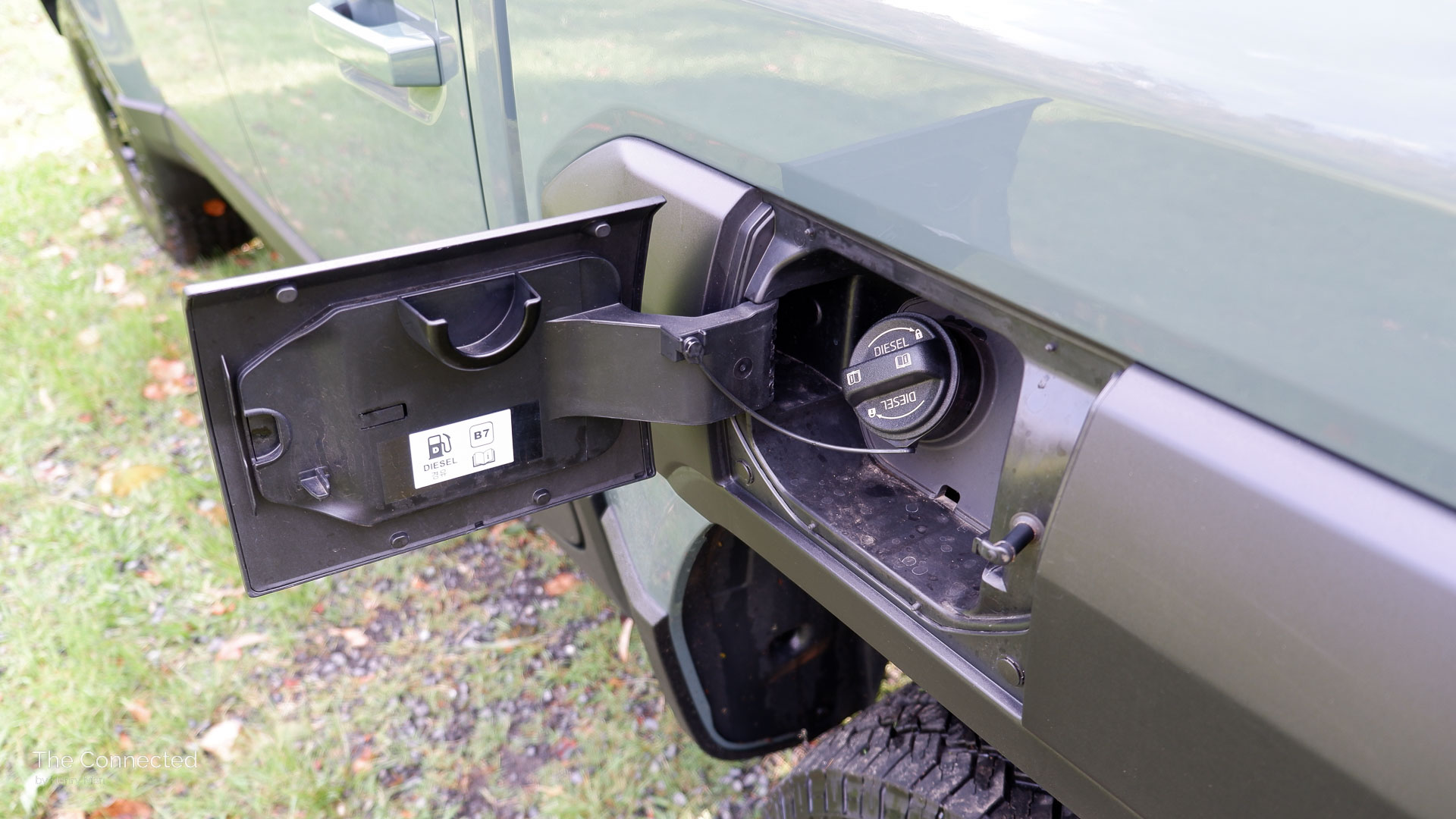
All Tasmans run on diesel with no additional AdBlue required.
The fuel cap is cleverly hidden within its wheel cladding at the rear-right quarter side of the vehicle.
Unfortunately, the South Korean brand doesn’t offer any fuel-efficient hybrid option when there’s clearly buyer demand as demonstrated by the popular BYD Shark 6.
Driving.
2026 Kia Tasman X-Pro powertrain specs:
| Engine | 2.2-litre inline four-cylinder diesel |
| Power / torque | 154kW @3800rpm / 440Nm @1750-2750rpm |
| Transmission | Eight-speed torque converter auto |
| Drive type | AWD (with 2H/4A/4H/4L modes) |
| Kerb weight | 2237kg |
| Payload | 1013kg (excluding max 350kg towball download and max 100kg roof load) |
| Towing (unbraked / braked) | 750 / 3500kg |
| Turning circle | 12.5m |
| Approach / ramp breakover / departure angles | 32.2 / 25.8 / 26.2 degrees |
| Wading depth | 800mm |
The Kia Tasman is great to drive for a ute, but you’ll want to look elsewhere for a comfortable ride.
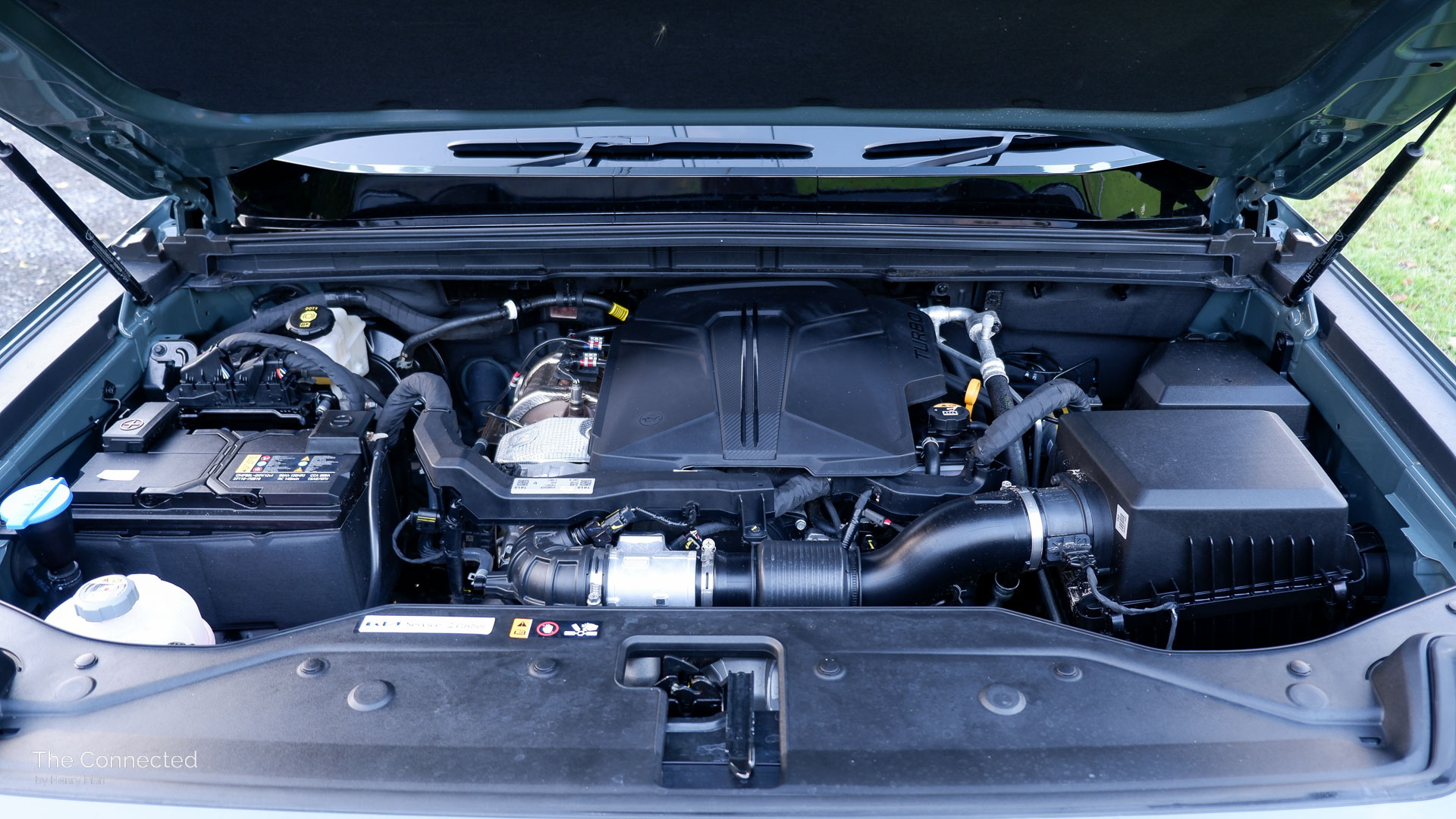
Powered by a 2.2-litre turbocharged four-cylinder diesel engine, it is the same powerplant as the Sorento and Carnival but retuned and adapted to make up to 154kW of power and 440Nm of torque.
While it isn’t the most powerful in the segment, the South Korean ute provides more than enough power for everyday driving when unladen with a smooth eight-speed automatic transmission.
It features an unusually sporty stock exhaust that sounds more like a petrol than diesel motor. Unlike the Kia Carnival, tractor-like diesel rattle sounds and vibrations are minimal when idling.
Noise insulation is good, but despite a localised ride tune, it’s still rather unsettled when driving unladen as I could feel every small bump and undulation on usually smooth roads via the body-on-frame chassis and the X-Pro’s all-terrain tyres.
Furthermore, the steering is well-weighted and engaging for a pickup truck with good body control despite its high centre of gravity.
The Tasman also provides a suitably high driving position that makes drivers feel dominant on the road by looking down on other road users.
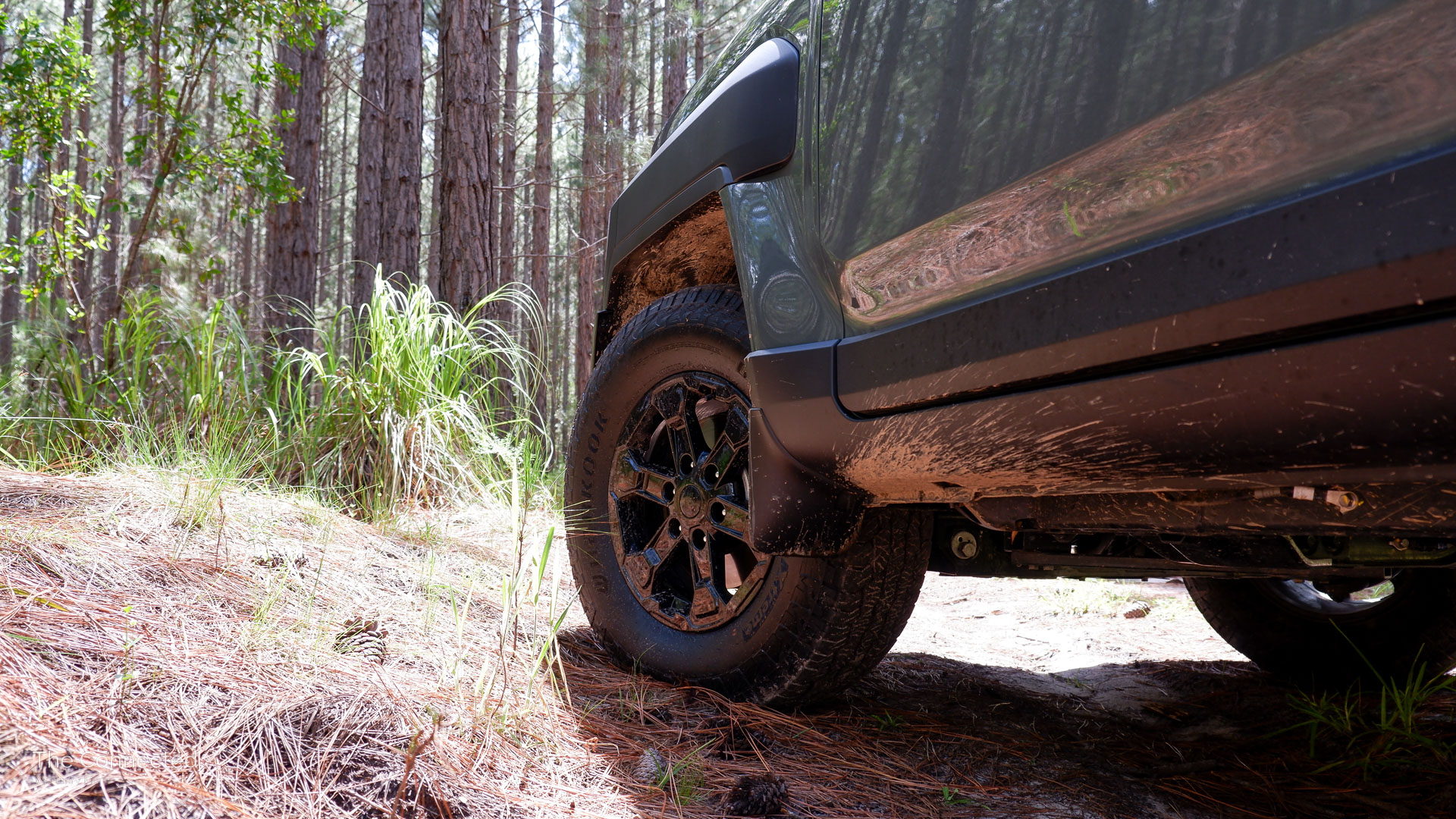
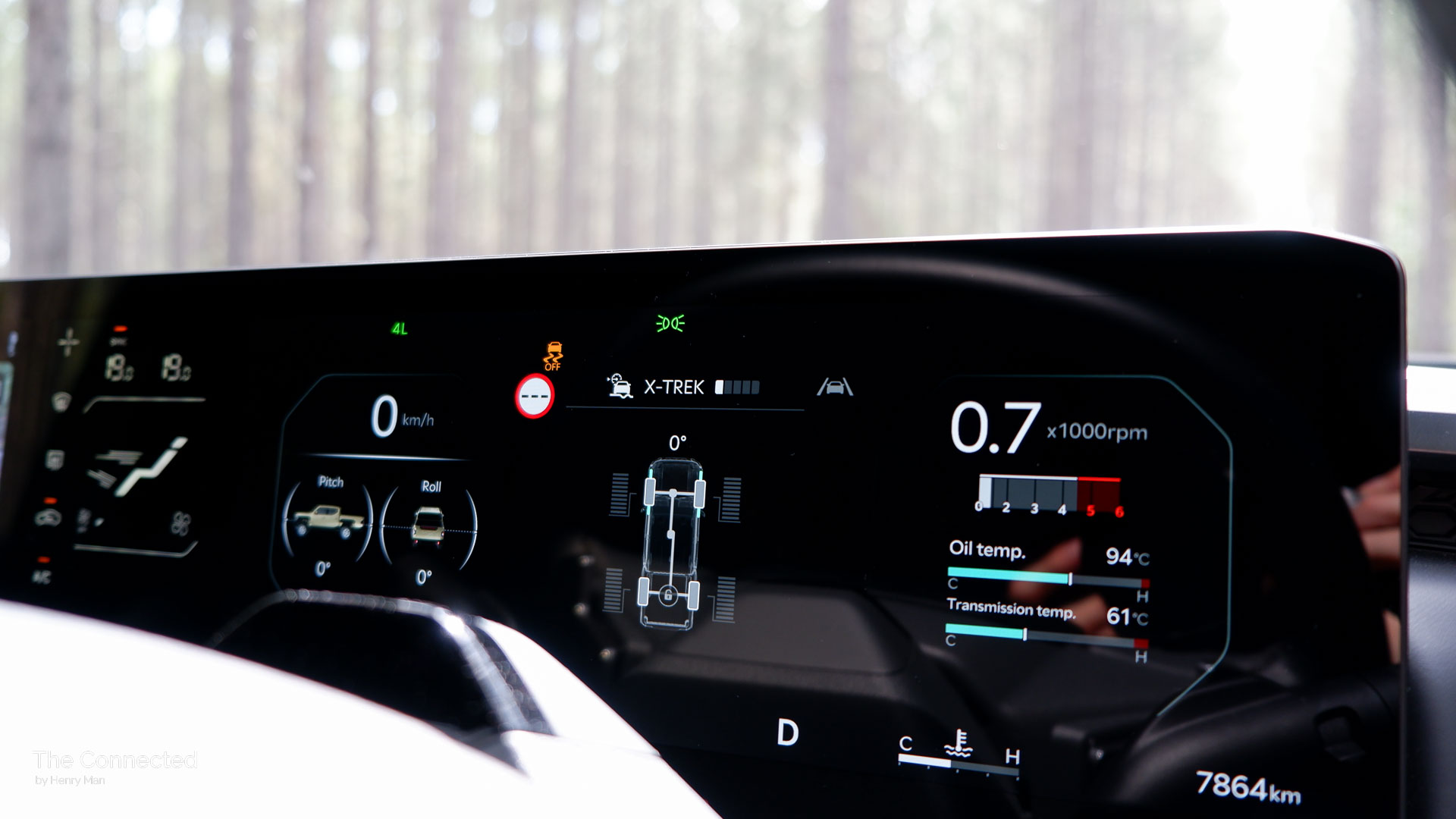
I did some light off-roading with ease thanks to features that make it easier for beginners, including, an easily accessible switch for two- and four-wheel drive modes, preset mud, rock, sand and snow modes.
This flagship X-Pro gets even more goodies, including X-Trek mode – which is like cruise control for off-roading by setting a speed level so it controls the acceleration itself – and a clear ground-view camera monitor that paints what’s underneath the chassis as you drive over it.
However, you can also feel its 5.4-metre length especially when parking and going in drive-throughs with the clear 360-degree camera system, all-round parking sensors, and auto dip-down wing mirrors when reversing coming in very handy.
Warranty and servicing.
2026 Kia Tasman X-Pro capped-price servicing costs:
| 1 year/15,000km | 2 years/30,000km | 3 years/45,000km | 4 years/60,000km | 5 years/75,000km |
| $361 | $583 | $455 | $821 | $708 |
The 2026 Kia Tasman is backed by a seven year, unlimited kilometre warranty.
Servicing is required every one year/15,000km (whichever occurs first) with prices fixed for the first seven years.
After the first five years/75,000km, it’ll cost $2928 in total to maintain the top-spec Tasman X-Pro with a Kia dealer.
Up to eight years of roadside assistance is supplied as long as you service with a Kia dealer every time it’s due.
Seven years of Kia Connect services are included for free from the date of activation, with a subscription cost yet to be announced.
A full-size spare tyre is included underneath the rear tray.
Price and rivals.
2026 Kia Tasman Pick-up model range pricing (accurate as at the time of publication):
| S 4×2 | S 4×4 | SX | SX+ | X-Line | X-Pro |
| From $42,990 before on-road costs | From $49,990 before on-road costs | From $54,490 before on-road costs | From $62,390 before on-road costs | From $67,990 before on-road costs | From $74,990 before on-road costs |
The 2026 Kia Tasman Pick-up is priced from $42,990 before on-road costs in Australia.
The South Korean made ute is offered in four-door dual cab chassis and pickup guises, with up to five variants and is automatic transmission only.
All exterior paint colours except Clear White costs $700 extra. The black plastic cladding above the wheel arches are deleted with Clear White and Tan Beige colours.
The Kia Tasman directly rivals the following 4×4 utes:
- Ford Ranger
- Toyota HiLux
- Isuzu D-Max
- Mazda BT-50
- Nissan Navara
- Mitsubishi Triton
- KGM Musso
- Jeep Gladiator
- Volkswagen Amarok
- LDV Terron 9
- MG U9
- GWM Cannon Alpha
- BYD Shark 6
Other alternatives to the Tasman include:
- Foton Tunland V9
- Jac T9
- Ford Transit Custom
- Toyota HiAce
- Peugeot Expert
- Renault Trafic
Would I pick the 2026 Kia Tasman X-Pro?
The Kia Tasman is a fantastic ute that daringly tries to look different. It’s not worth dismissing with one glance.
While Kia’s first ute has a deliberately distinct exterior design, it is refreshingly different with a superb interior, a practical-designed cabin in lieu of a proper boot, and is good to drive.
Yet, the ride is unsettled by even minor bumps when unladen, under-seat storage space is compromised by a tyre toolkit, and it enters the market with no hybrid option and pricing that doesn’t particularly stand out against its key rivals.
I’d pick the Tasman X-Line which provides a better balance between equipment and price.
This South Korean ute may be controversial, but it has everything to be a great on-road choice if you’re set on a pickup. Don’t dismiss it with one glance.
Photographs by Henry Man
READ MORE: 2026 Kia Sportage Hybrid review
READ MORE: 2026 Hyundai Ioniq 9 review
READ MORE: 2025 Kia Carnival review
Pros:
- Premium interior for a ute
- Sporty drive and exhaust
- Confidence-inspiring feel
- Interior storage
- Unique design
Cons:
- Unsettled unladen ride
- Compromised under-seat storage
- Limited exterior lighting
- Non-competitive price, no hybrid option yet
- Polarising design
About the Author.
Henry Man is an independent content producer passionate about the intersection of technology and transportation.
The former automotive journalist is focused on producing critically-detailed vehicle reviews, and unique short-form content. Learn more.


 The Connected by Henry Man