

What was once the Golf is now the T-Roc as Volkswagen’s most popular car. With facelifted looks but older technology, is the Volkswagen T-Roc small SUV worth a look today?
The German automaker sold more than double the number of T-Rocs than Golfs in 2023 in Australia – reflecting the overwhelming buyer preference for the SUV body style.
Released locally in 2020 and facelifted in 2022, the Volkswagen T-Roc is based on the Modular Transverse Toolkit A1 (MQB A1) platform – which was used on the much-lauded Mk7 Golf small car – and forgoes the much-complained software on its new-generation vehicles such as the Mk8 Golf.
While the Volkswagen Group has conceded and is addressing complaints now with upcoming models, is the T-Roc small SUV the best of VW today?
NOTE: The press vehicle was provided by Volkswagen Group Australia for a seven-day independent evaluation. No copy approval was given before publication and we have no commercial arrangements with the company.

Pros.
+ Refined all-rounder small SUV
+ Effortless engine power
+ Good driving comfort
+ Excellent base speaker system
+ Classy, conservative interior
Cons.
– Pricier to buy and own
– Less interior and boot space
– Non-functional wireless charging pad
– Jerky stop/start engine system
– Rivals offer more features for less
Vehicle tested:
| Model | 2024 Volkswagen T-Roc |
| Variant | 140TSI R-Line |
| Starting price | $47,990 (before on-road costs) |
| Exterior colour | Indium Grey Metallic ($700) |
| Interior colour | R-Line black nappa leather seat upholstery |
| Options | Electric tailgate ($600) Panoramic sunroof ($2000) |
| Country made | Portugal |
Design.
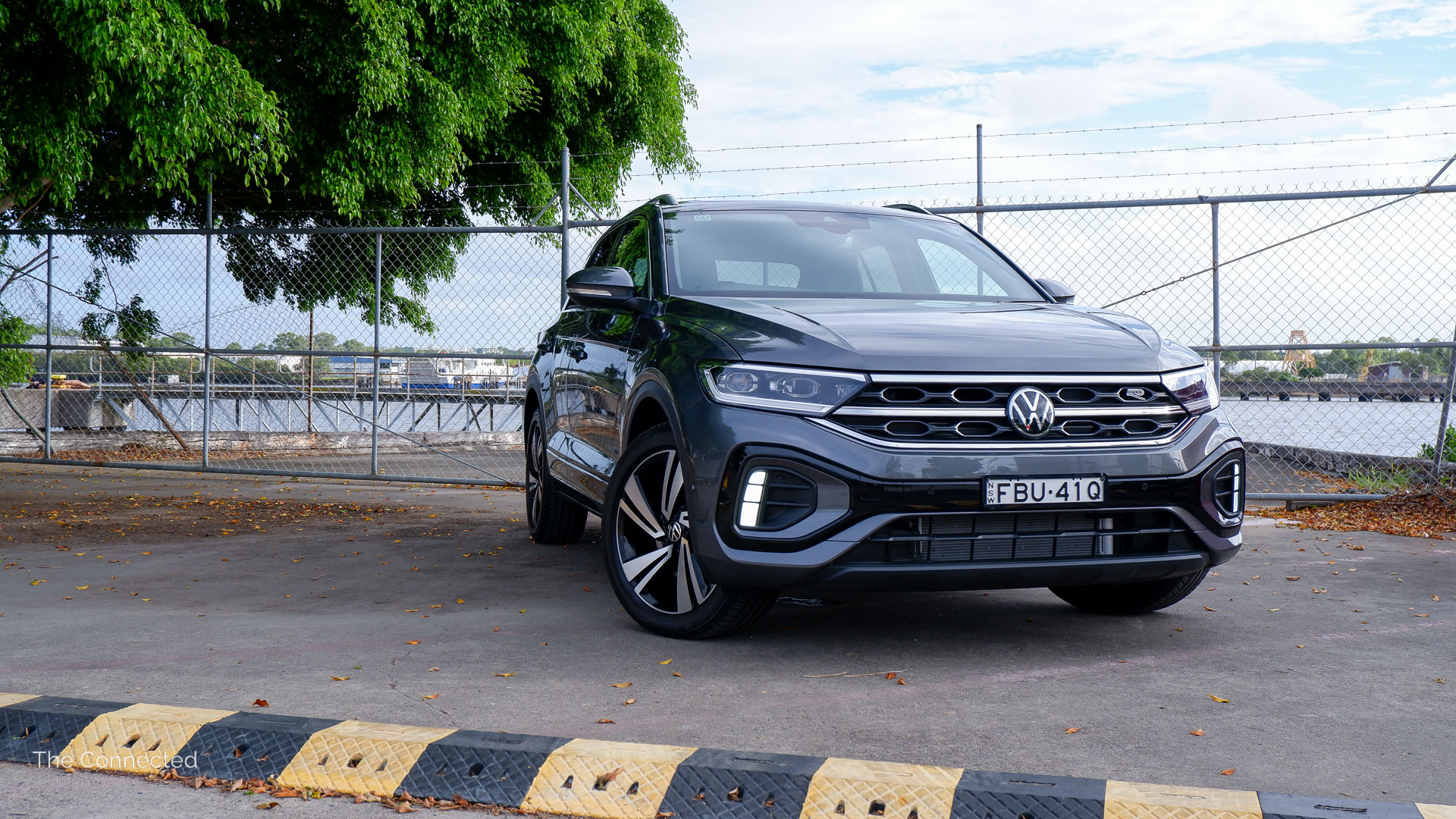
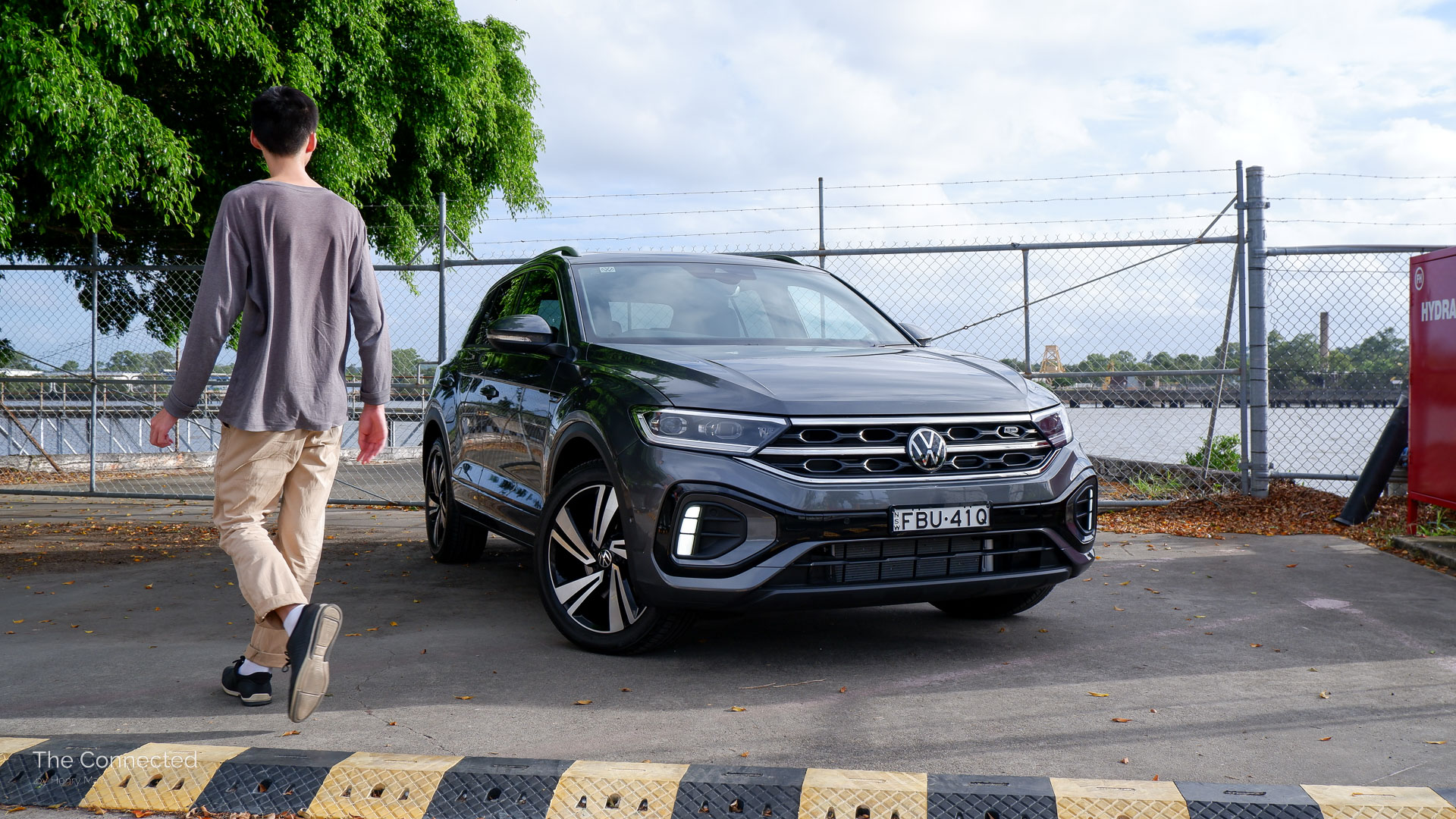
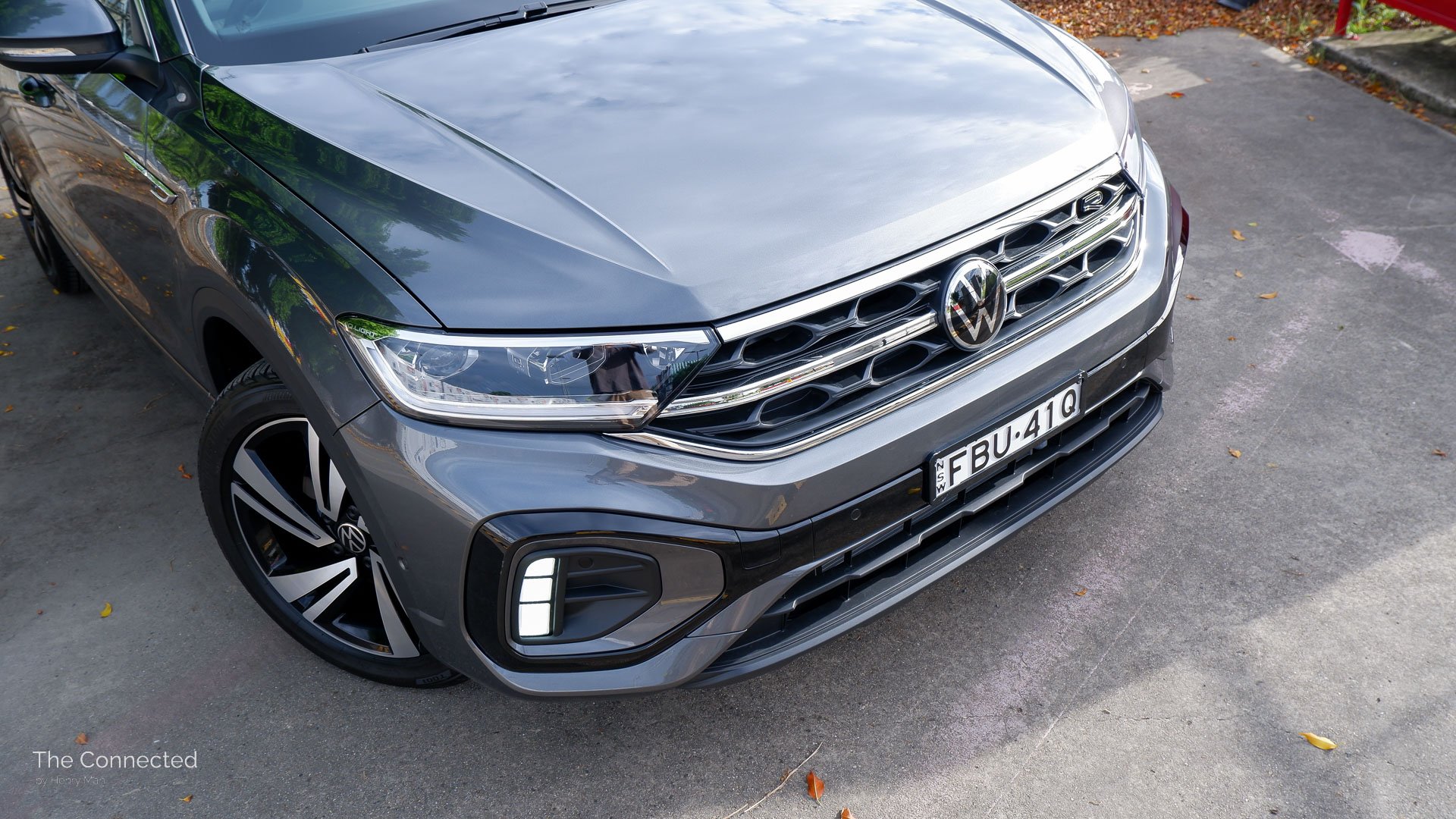
The facelifted T-Roc mostly looks the same as its predecessor and is typical Volkswagen: understated.
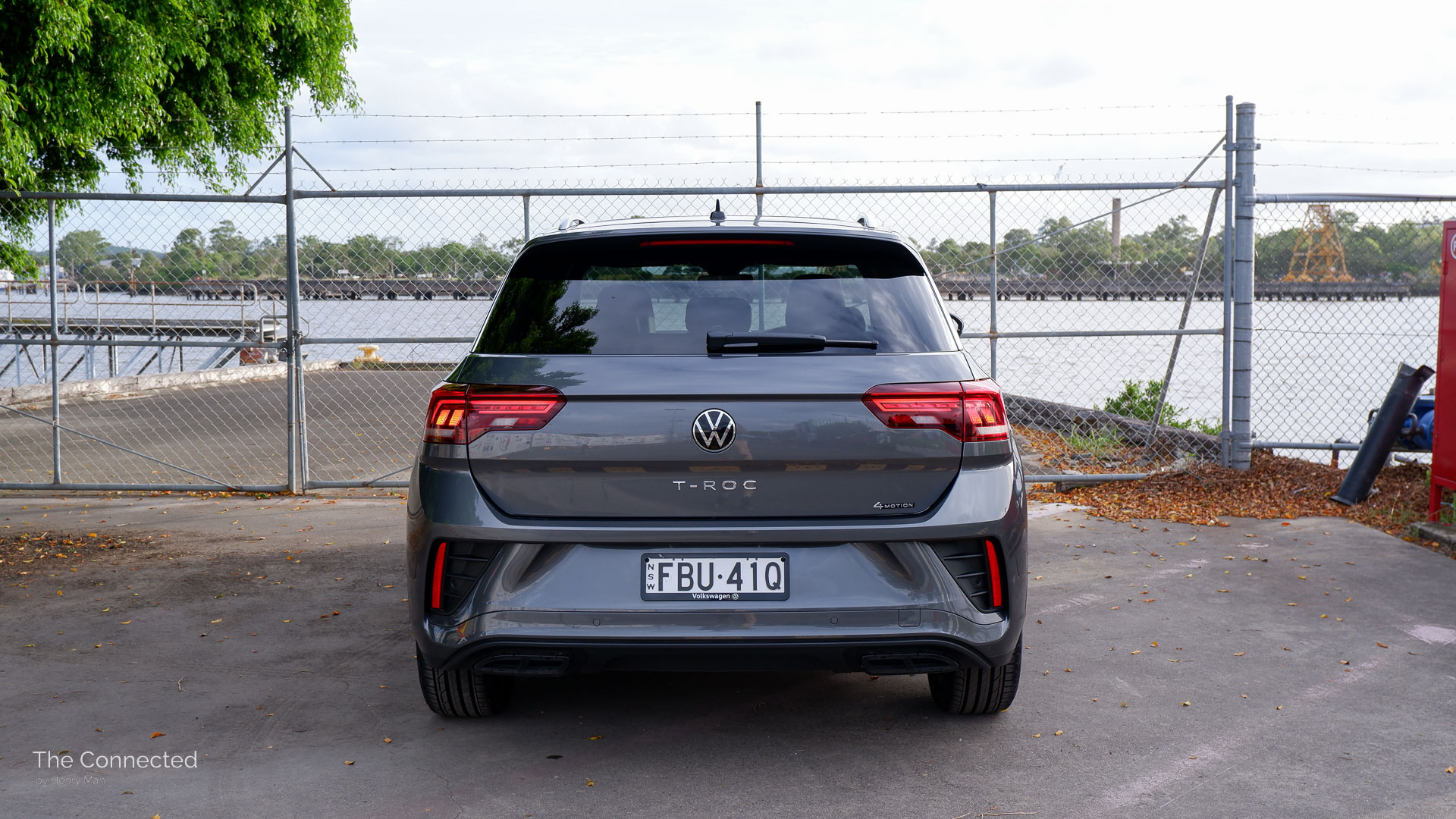
It satisfies the crossover SUV and hatchback style well with a rugged-looking stance and minimal plastic cladding, while having gloss black and chrome touches, and a sloping rear – though it doesn’t sit too high with 155mm of ground clearance.
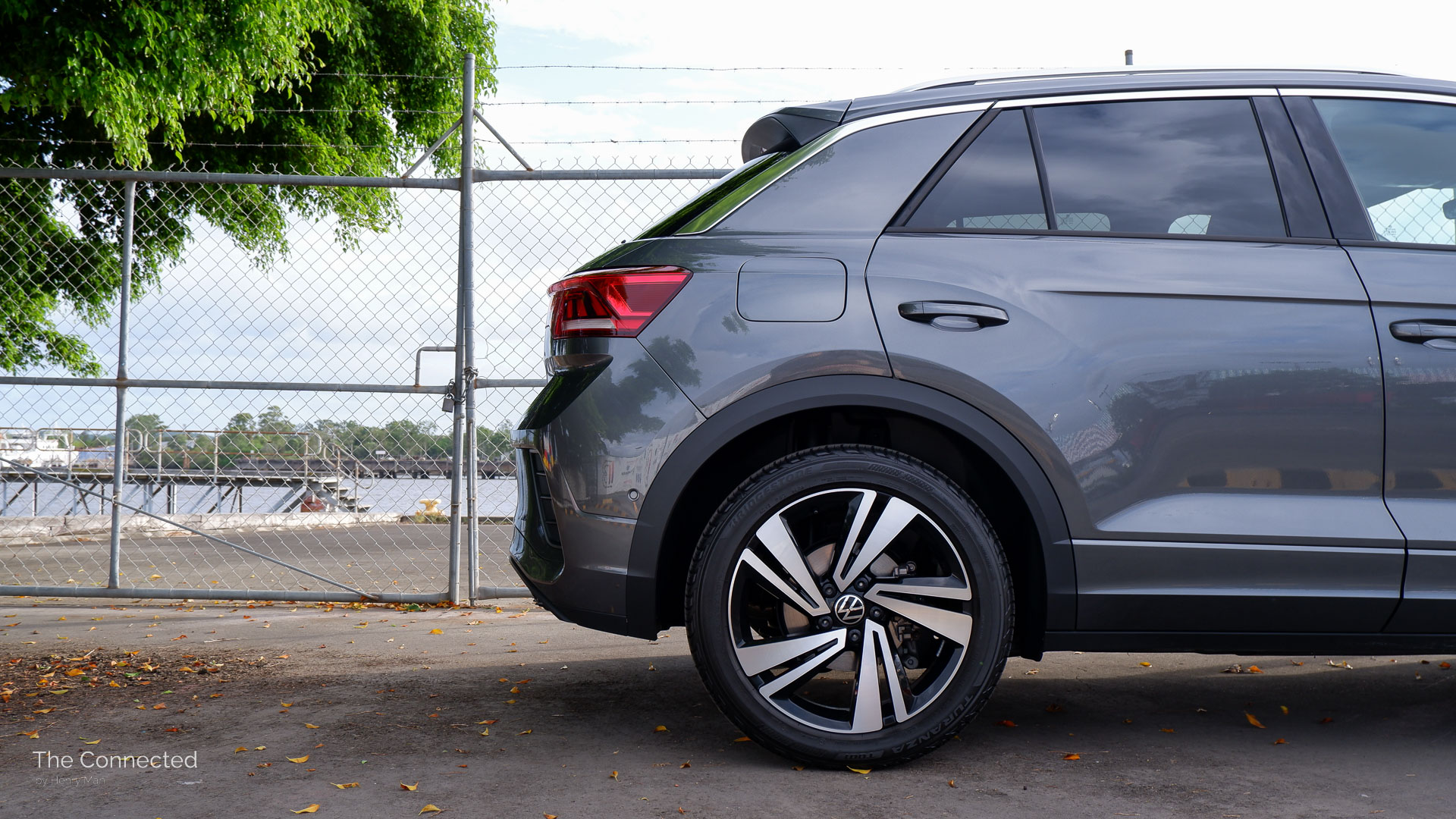
This R-Line variant boasts uniquely styled front and rear bumpers, with a short segmented LED daytime running light strip and 18-inch ‘Nevada’ design alloy wheels.
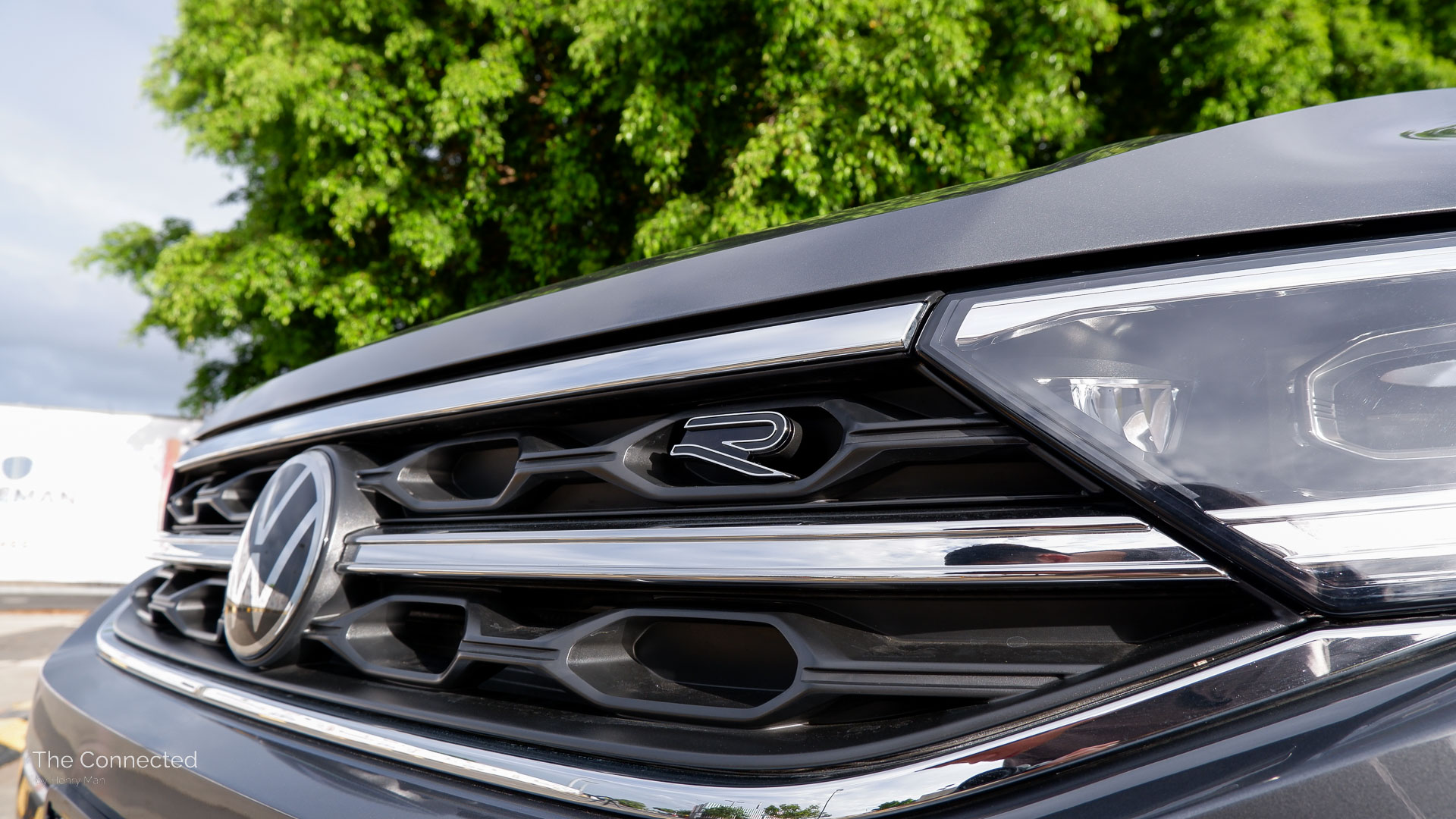
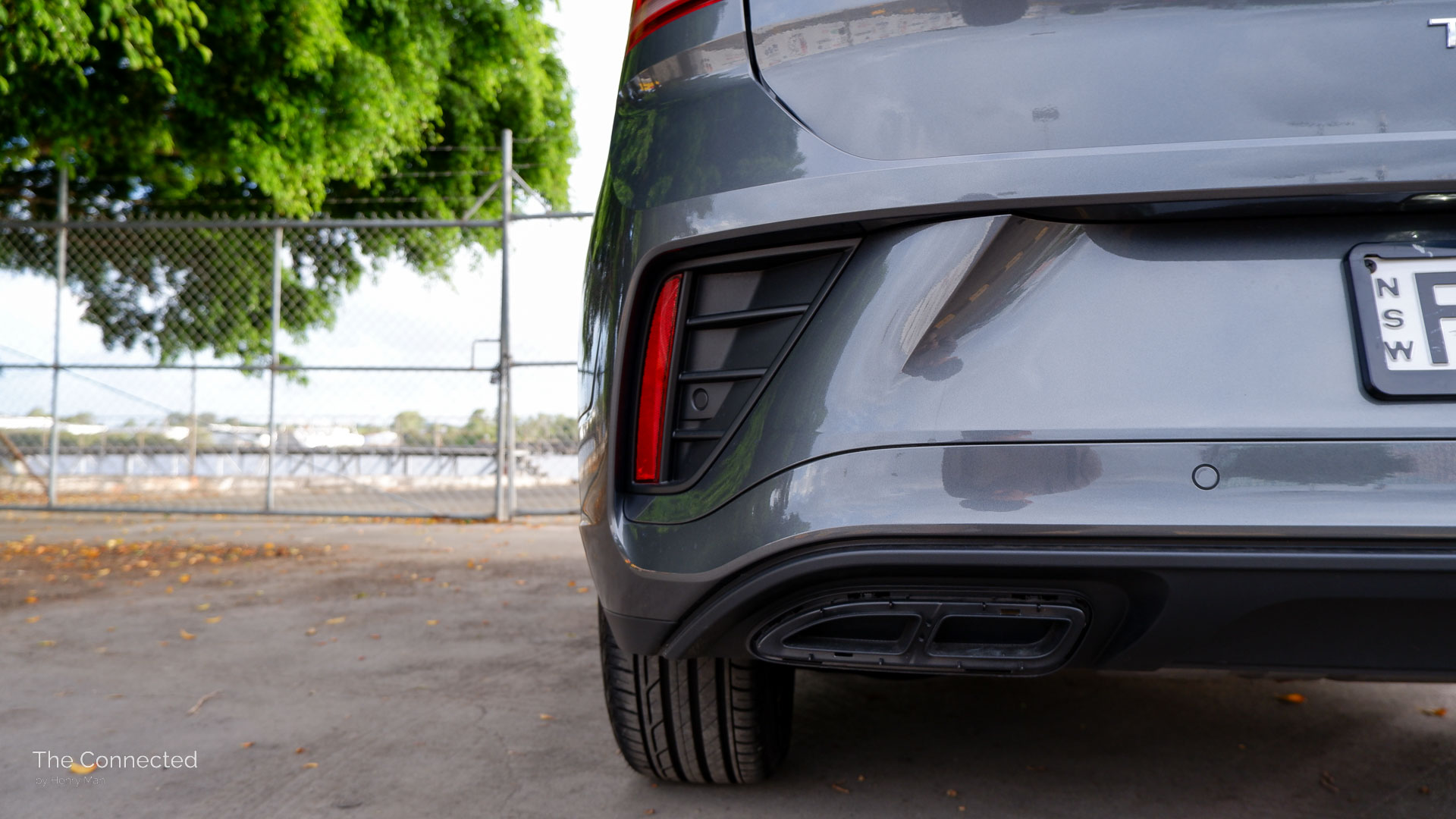
You may also forget that you’re driving an R-Line with bona fide R logos placed on the grille, fenders, interior side plate, front seats and instrument display. And yes, there are faux exhausts at the rear (enthusiasts can scoff here, though our tester pictured was missing some chrome accents).
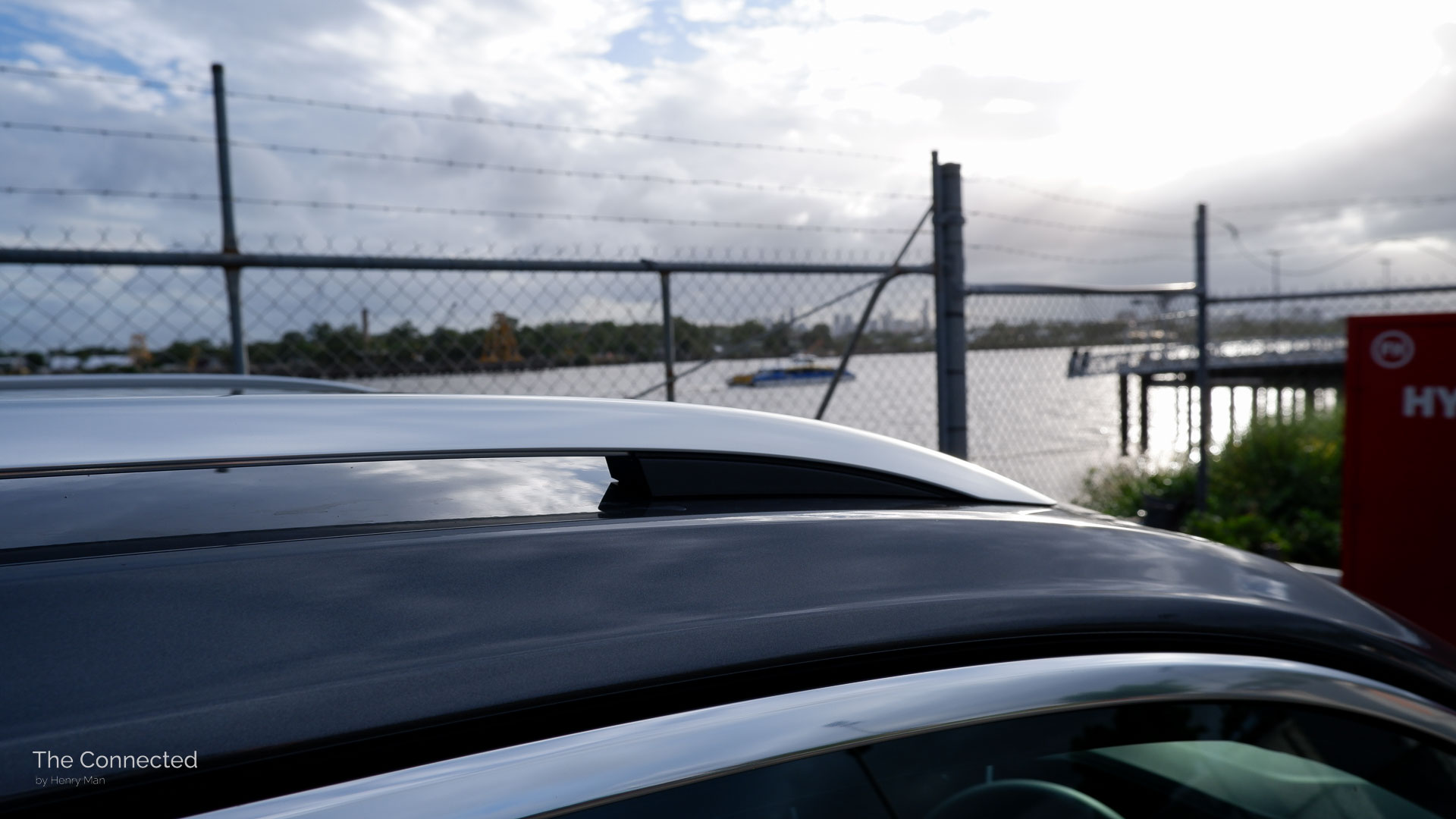
The optional Black Style Package adds sportier 19-inch ‘Misano’ gloss black wheels, black-painted roof and roof rails, and a Beats branded speaker system for $2900.
Note that Volkswagen’s optional exterior paint colours are slightly pricier than other carmakers. Silver, grey and black shades cost $700, while the signature Kings Red and Lapiz Blue are a $900 extra.

Classy, not old.
While the VW T-Roc’s monotonous design dates back to 2017, it still feels classy and understated.
For those looking for the middle between the pedestrian Toyota Corolla Cross and futuristic Hyundai Kona, the T-Roc may be the answer.
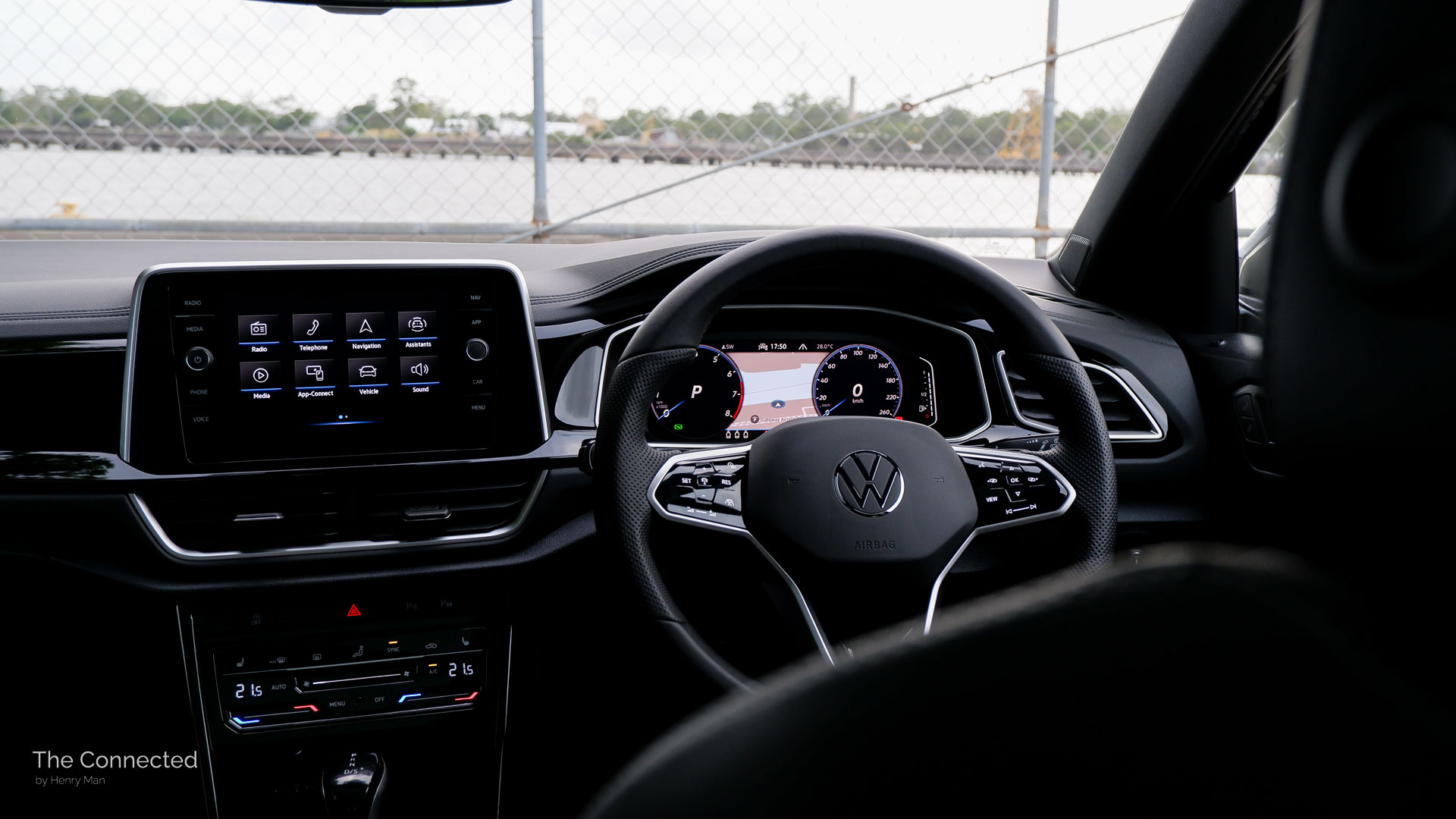
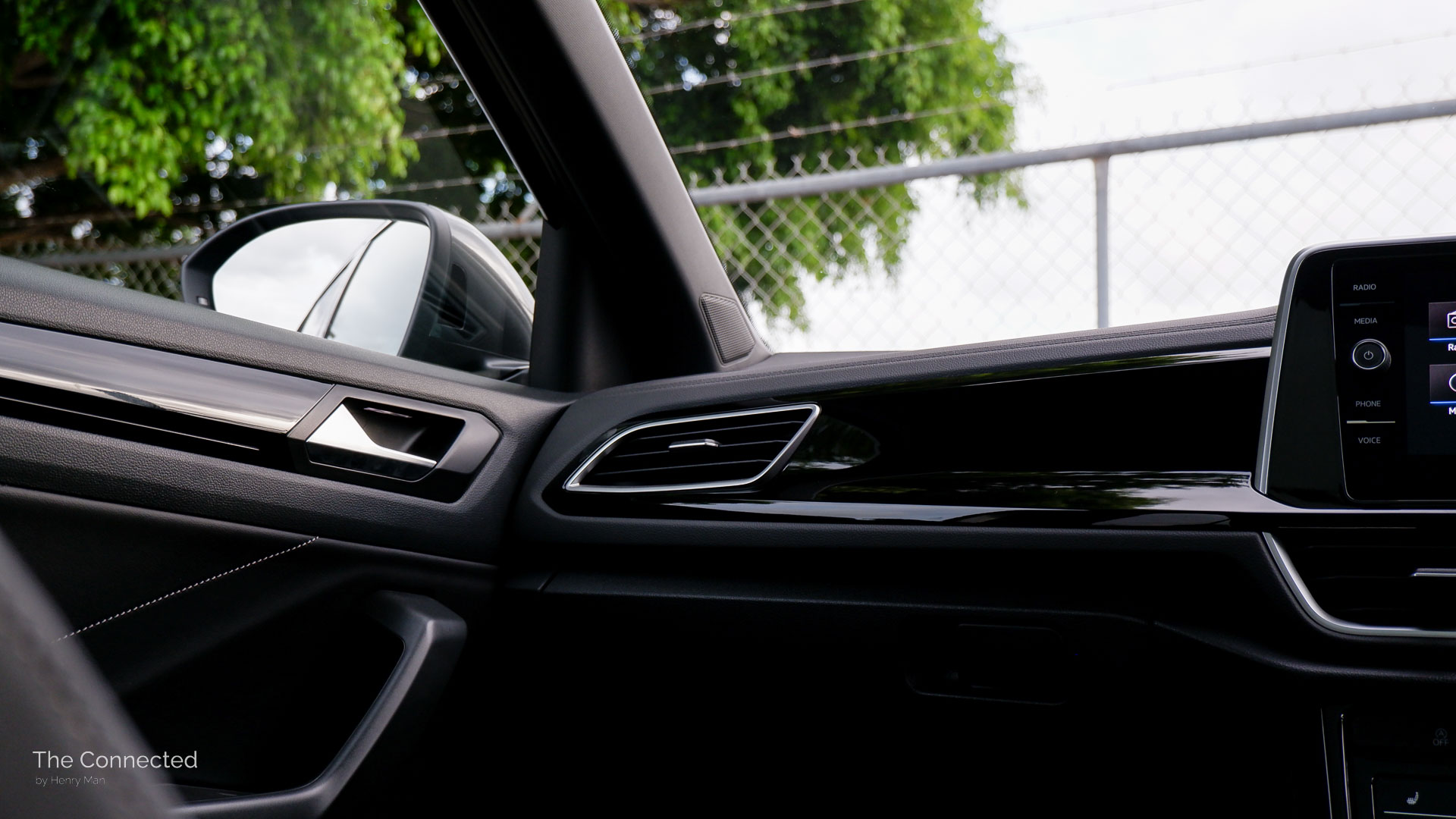
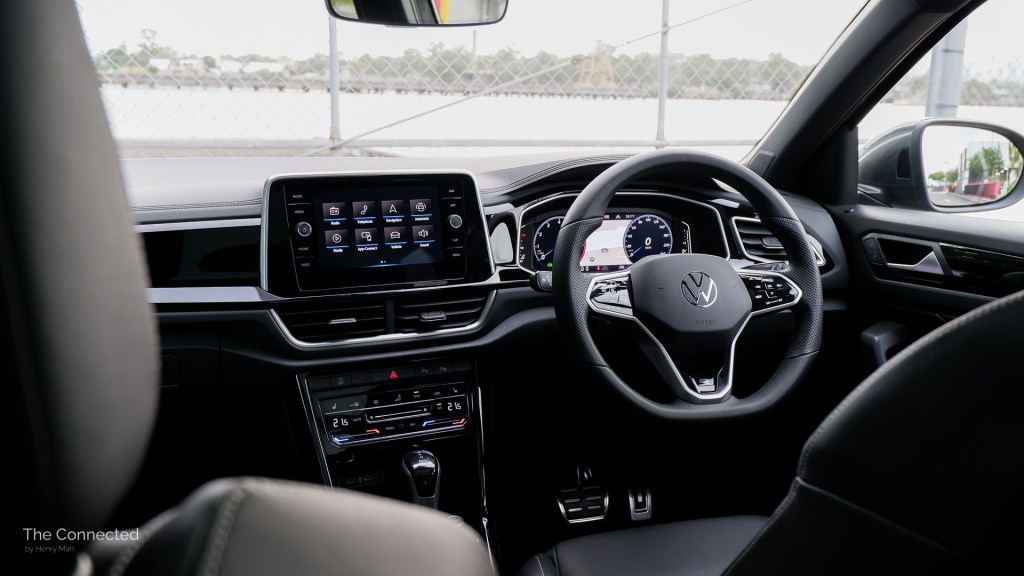
Inside, the Volkswagen T-Roc looks traditional and conservative – but not dated like the Kia Seltos. In an age where air vents are getting slimmer and almost every button is being consolidated into one central touchscreen, that’s not a bad thing.
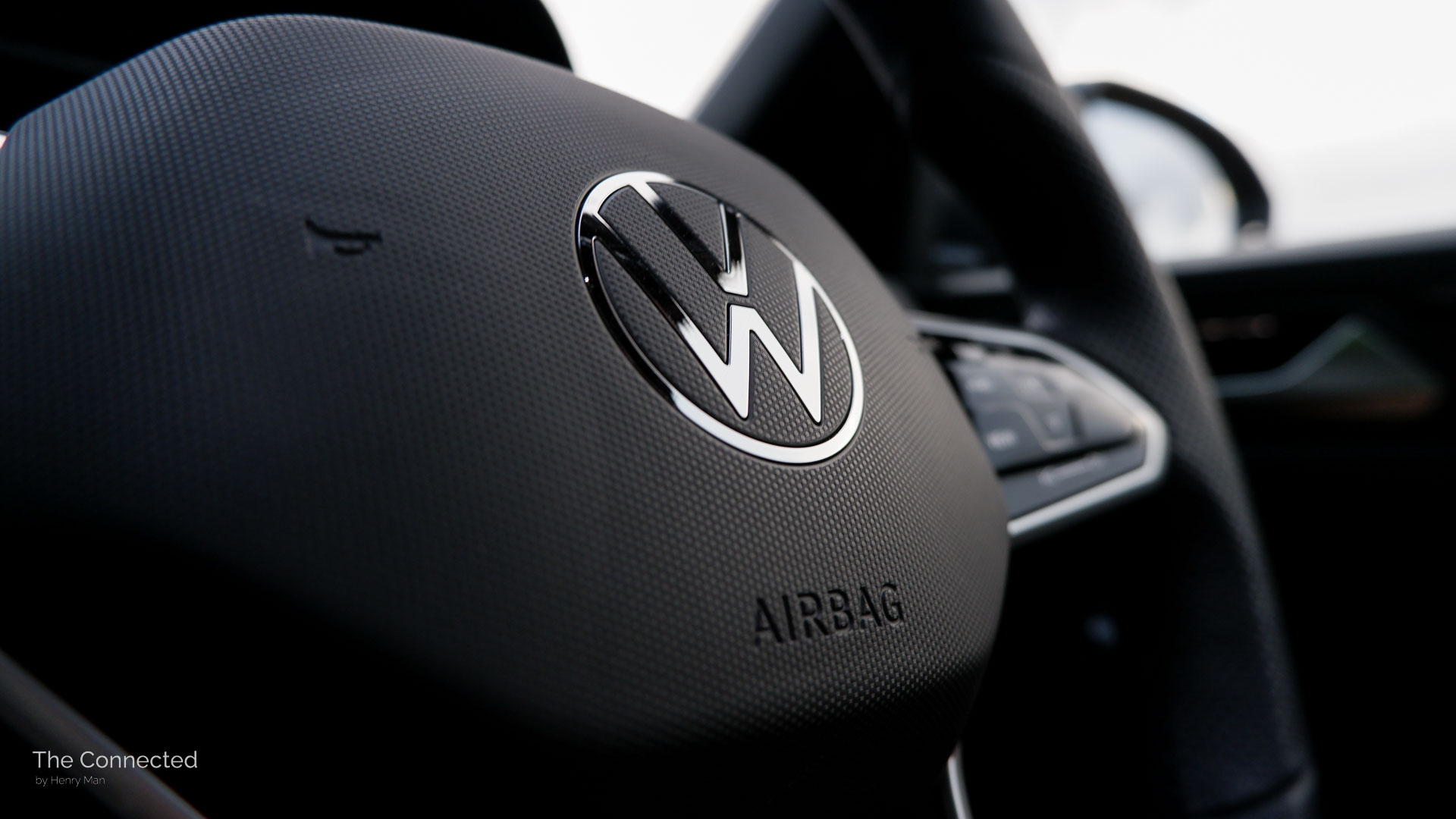
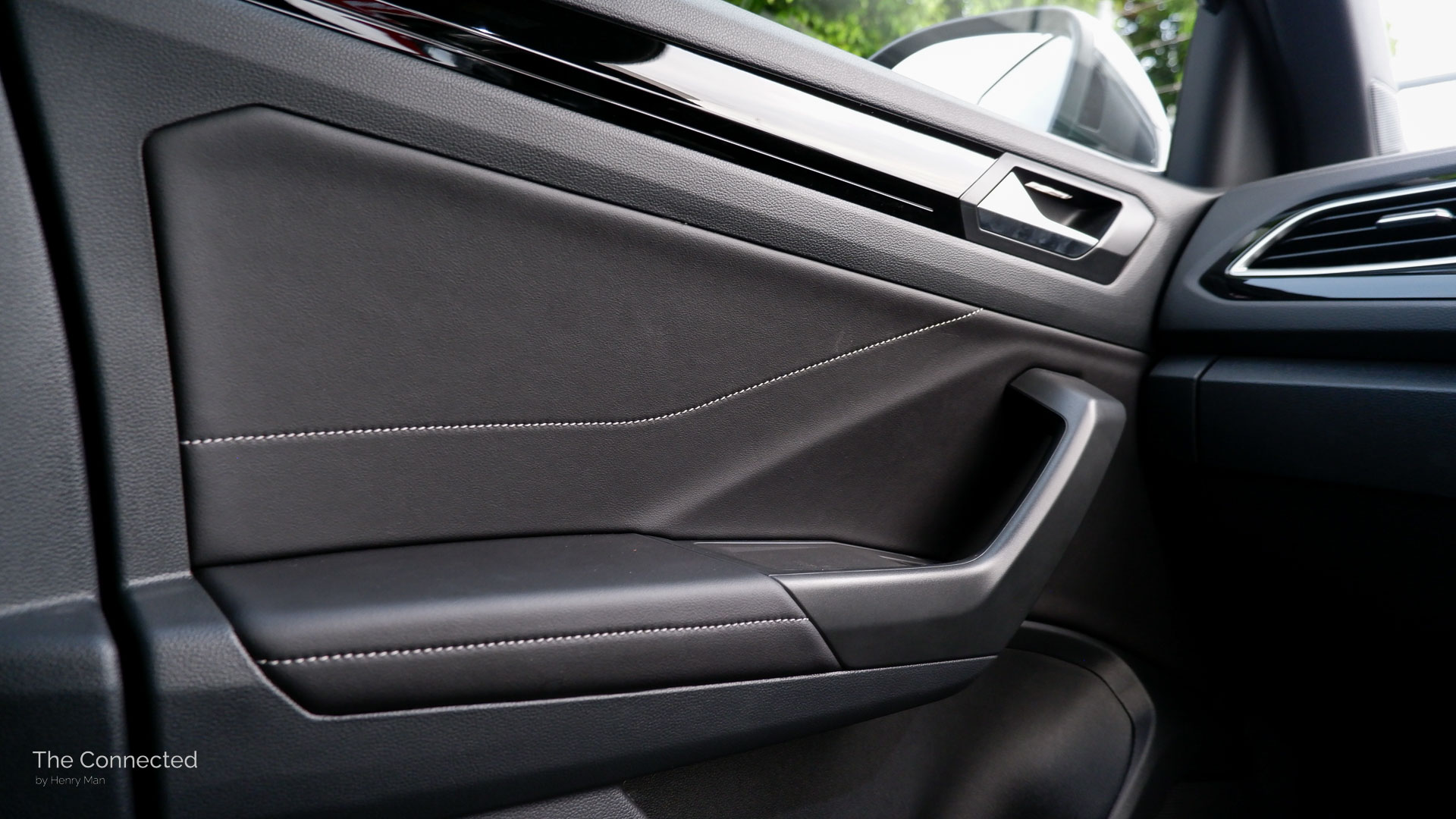
It still feels semi-premium with a satisfying-to-hold leather steering wheel with golf ball-like perforations, a soft touch dashboard, and a subtle white ambient lighting strip and illumination at the front doors alongside some white stitching.
Gloss black surfaces dominate the T-Roc R-Line’s interior across the dashboard, centre console, touch-sensitive steering wheel buttons, and front door cards.
While these glossy panels feature good fingerprint resistance – not showing as many smudges from my oily hands – they tend to collect dust and the passenger’s side trim can reflect sunlight into the driver’s eye sometimes.
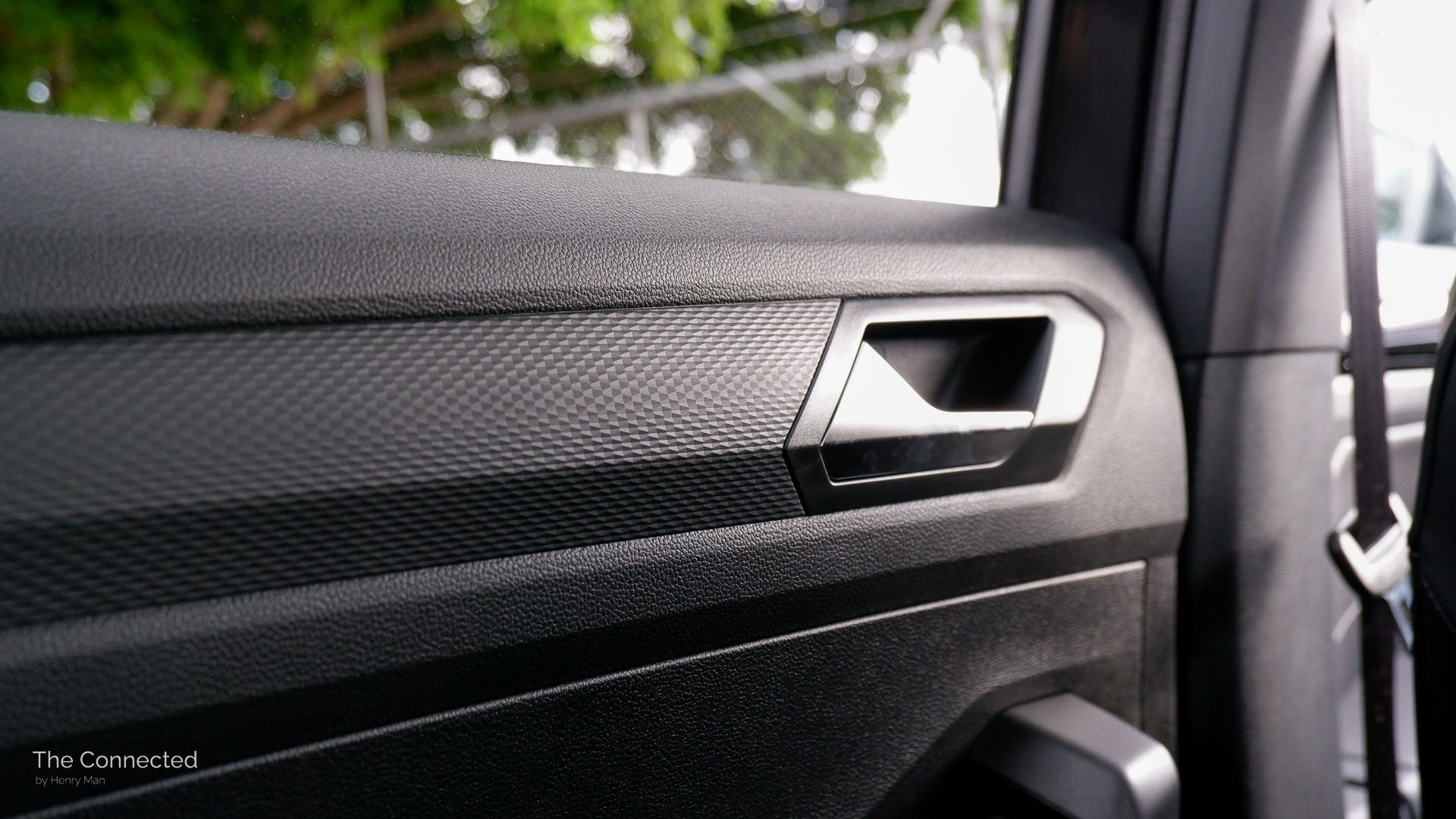
Interestingly, the rear door cards benefit from faux matte carbon fibre-like trim, which is more practical and non-reflective.
Parts of the centre dashboard and upper doors are unfortunately still clad in harder plastics; it could be better given the T-Roc R-Line’s higher ~$53K drive-away price tag.
Practicality.
2024 Volkswagen T-Roc R-Line dimensions:
| Length x width x height | 4236 x 1819 x 1587mm |
| Wheelbase | 2596mm |
| Ground clearance | 155mm |
| Boot space (min / rear seats folded) | 392 / 1237 litres |
| Rear seat split fold | 60:40 w/ middle opening |
| Child seat anchors | 2x ISOFIX (outer rear seats) + 3x top tethers |
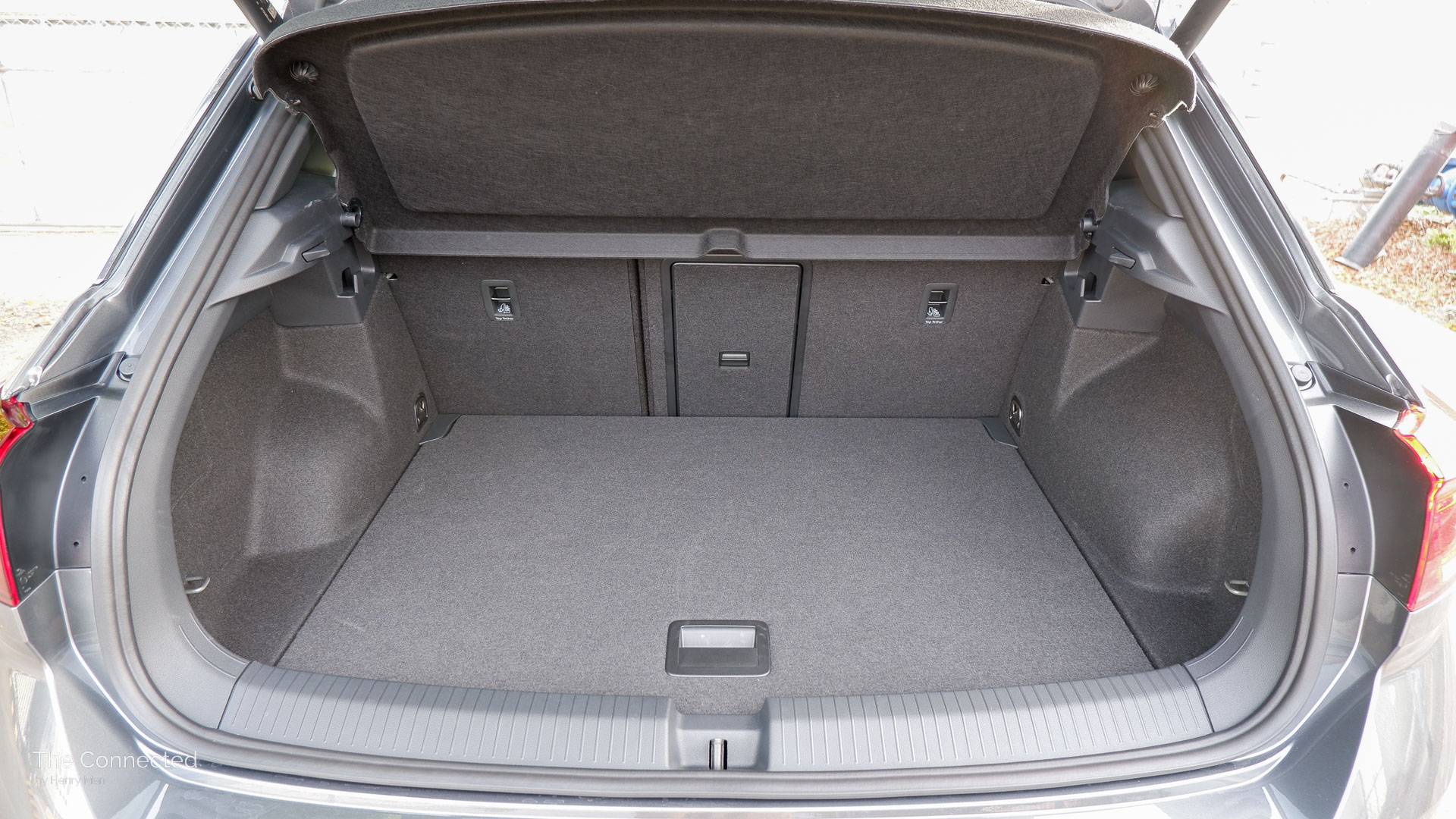
The Volkswagen T-Roc’s 392-litre boot is decent for everyday use, but is no longer impressive compared to newer-generation, grown-up small SUVs on sale today.
The T-Roc’s boot volume is only seven litres more than the smaller Volkswagen T-Cross light SUV due to the sloping rear roof.
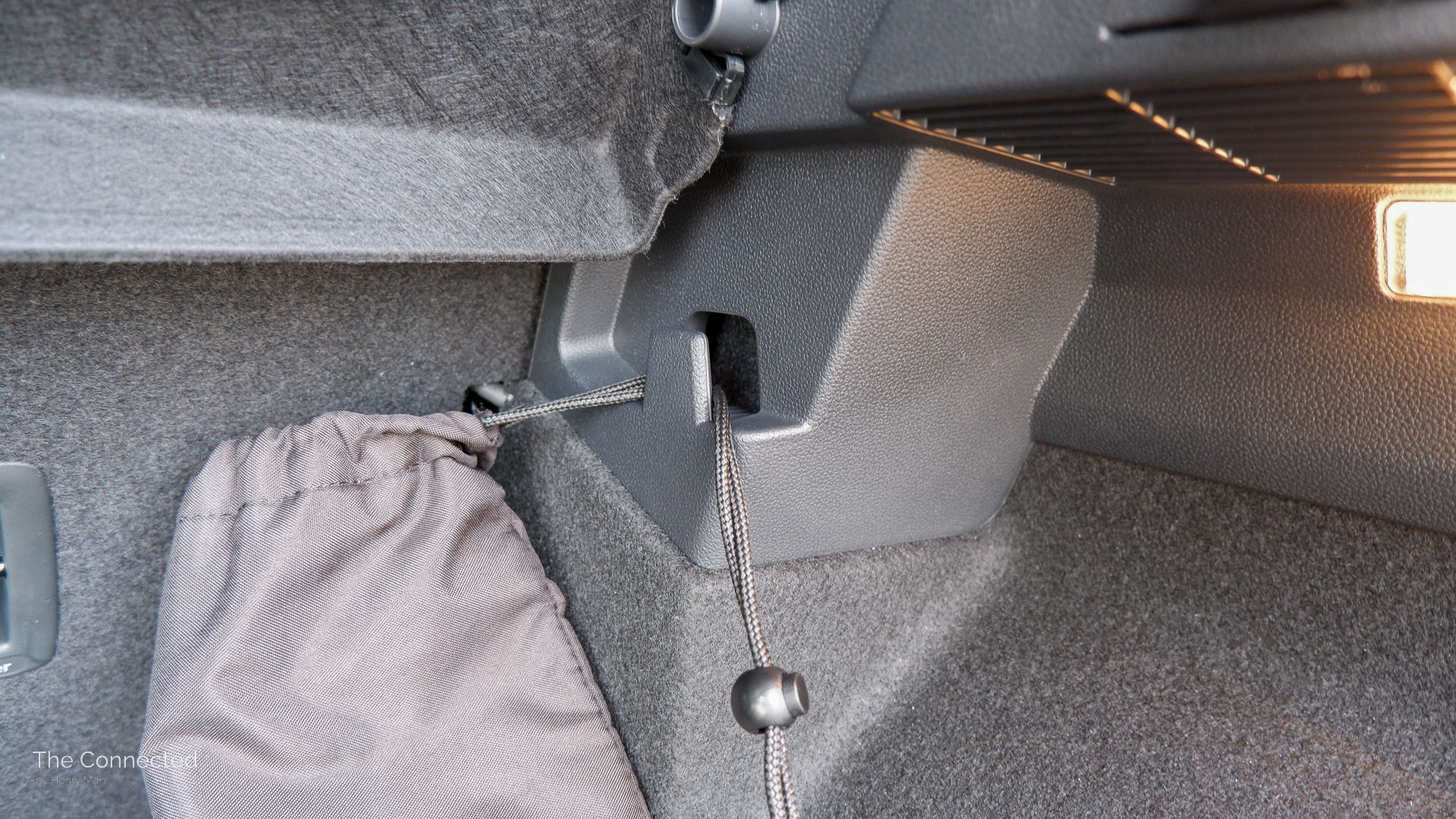
The Portugal-made small SUV features two solid bag hooks and a minimal loading lip, but the boot floor can’t be adjusted lower due to the space-saver spare tyre taking up the bottom. To load through longer items, there is a centre seat opening.
The electric tailgate is a $600 optional extra. It could’ve been standard given the R-Line’s ~$53K drive-away price, but it is worth it.
The kick sensor underneath the rear bumper works every time and it will only close the boot when you’ve walked away from the rear – a clever feature. Yet, the boot open switch on the driver’s door frustratingly can’t close it remotely as well, unlike other small SUVs.
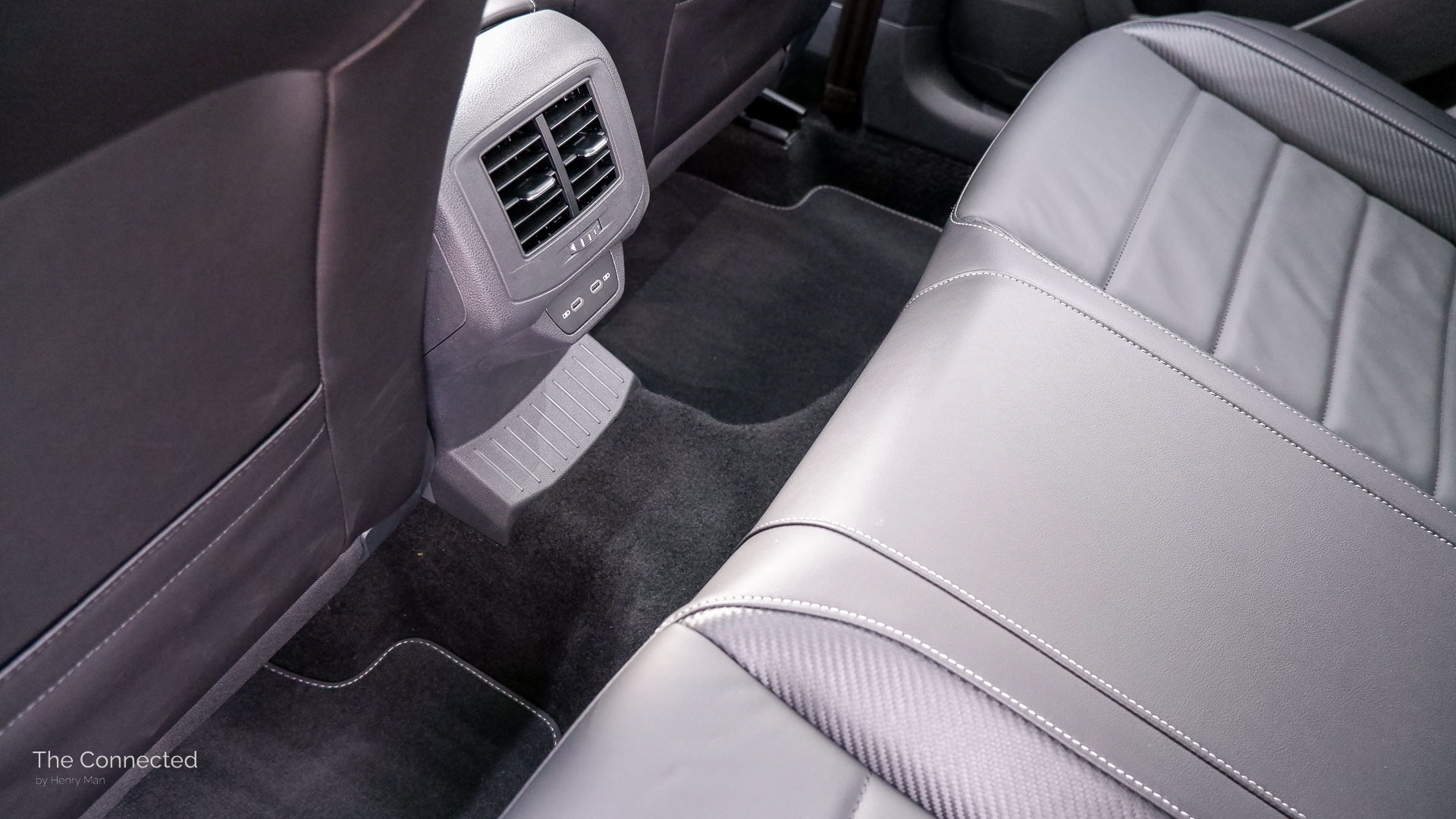
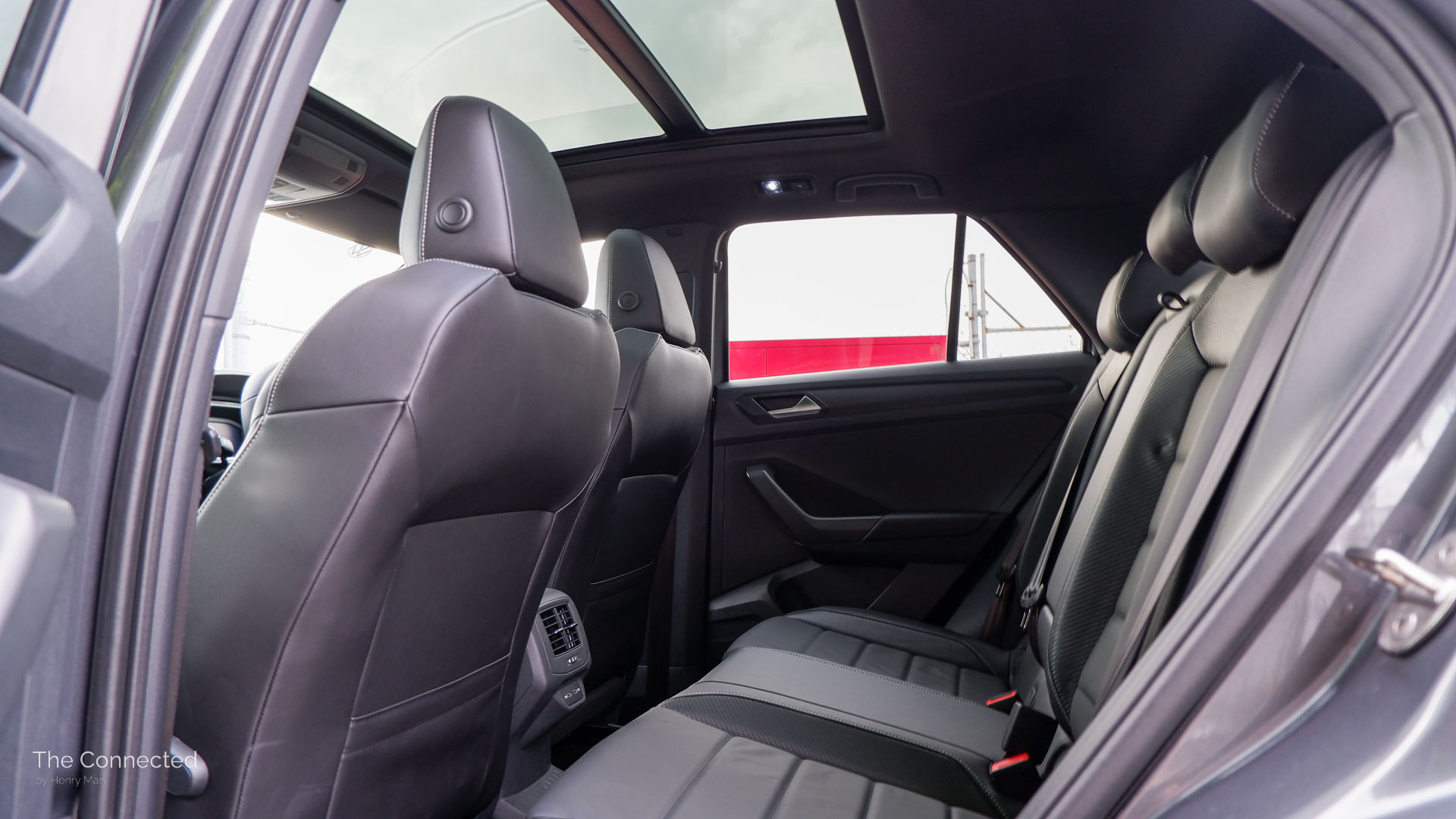
Unfortunately, the T-Roc’s rear seats offer limited space. Legroom is already tight for me at about 175cm tall with a high and narrow floor hump in the middle, resulting in an uncomfortable ride with three passengers abreast. Occupants can just slide their feet underneath the front seats after going over a small hump.
But, there’s good headroom – despite the sloping roof and optional panoramic sunroof fitted, as the glass just stops before the rear seat headrests and there’s a carved-out headliner section. Tinted rear windows are standard, too.
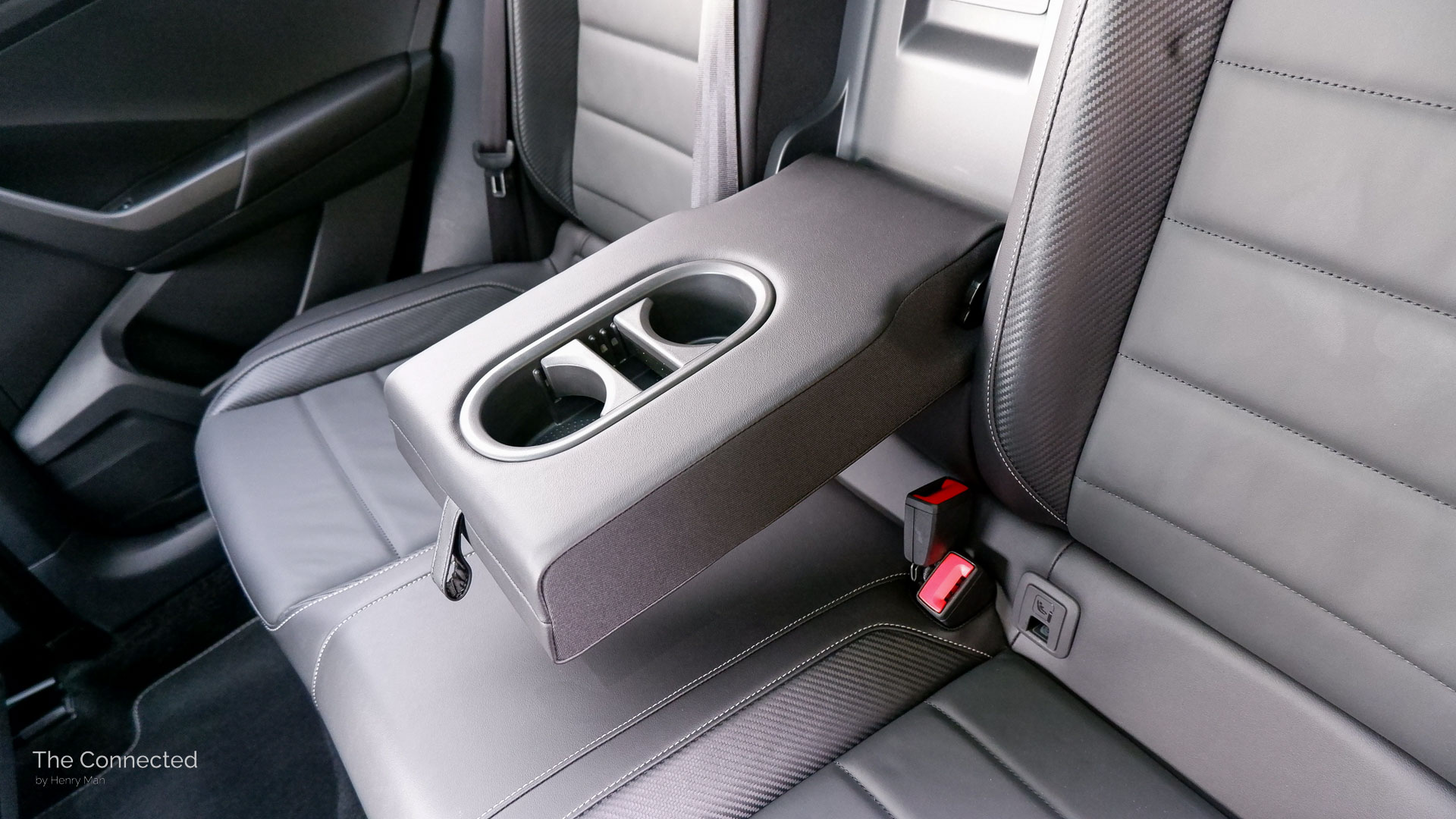
Rear air vents and two USB-C charging ports are on offer for rear passengers, with a wide fold-down centre armrest and two divider clips that allow you to adjust the cup holder size – a clever practical touch.
LED lights at the front- and rear row illuminate the interior well at night, but the rear doors don’t benefit from any ambient lighting. The door bottle holders are tight, too.
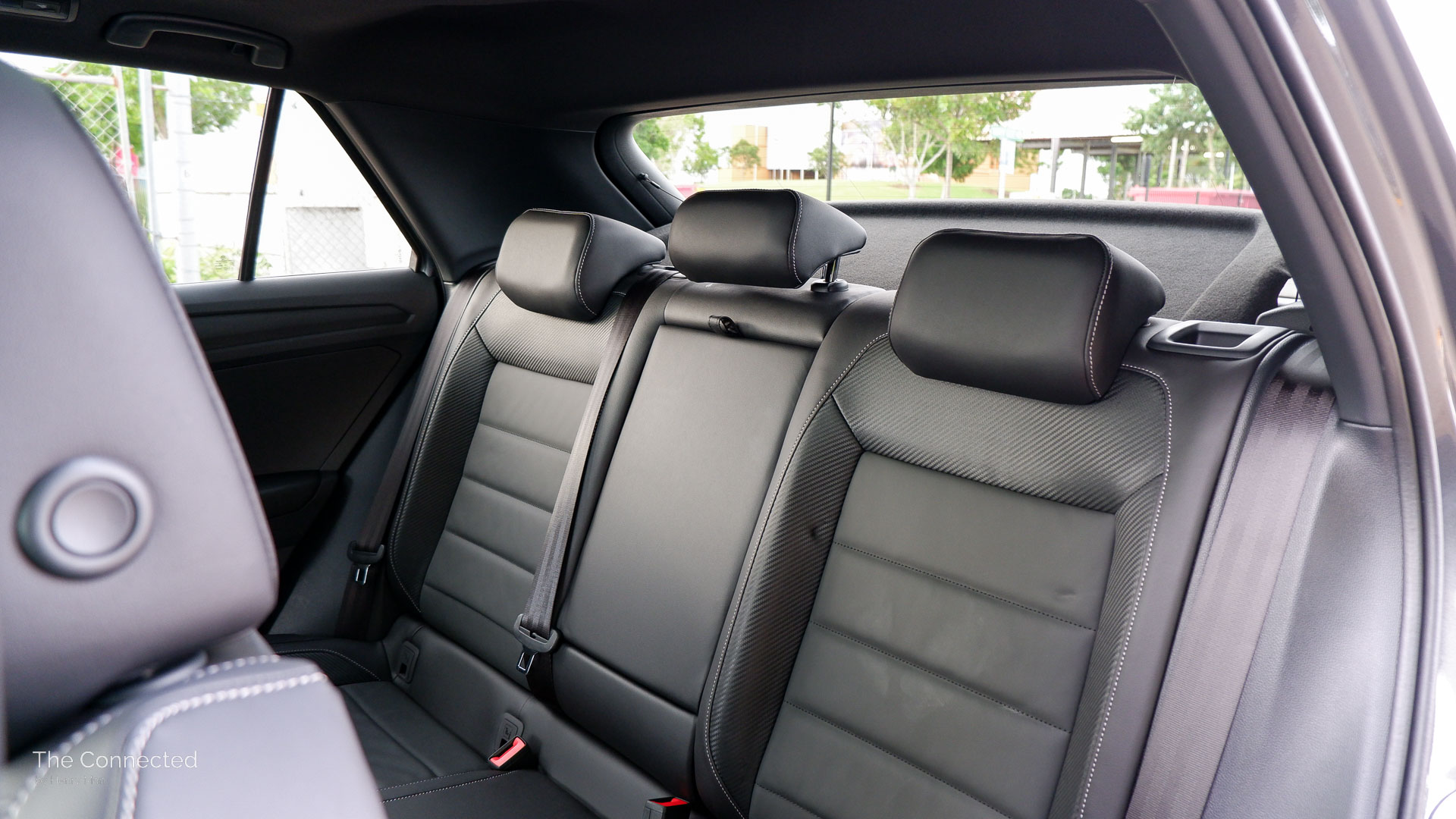
Mind the space.
The T-Roc’s age shows with a less practical interior than newer, larger new small SUVs today.
The boot volume is acceptable, but hampered by the sloping roof, and rear seat room is restricted.
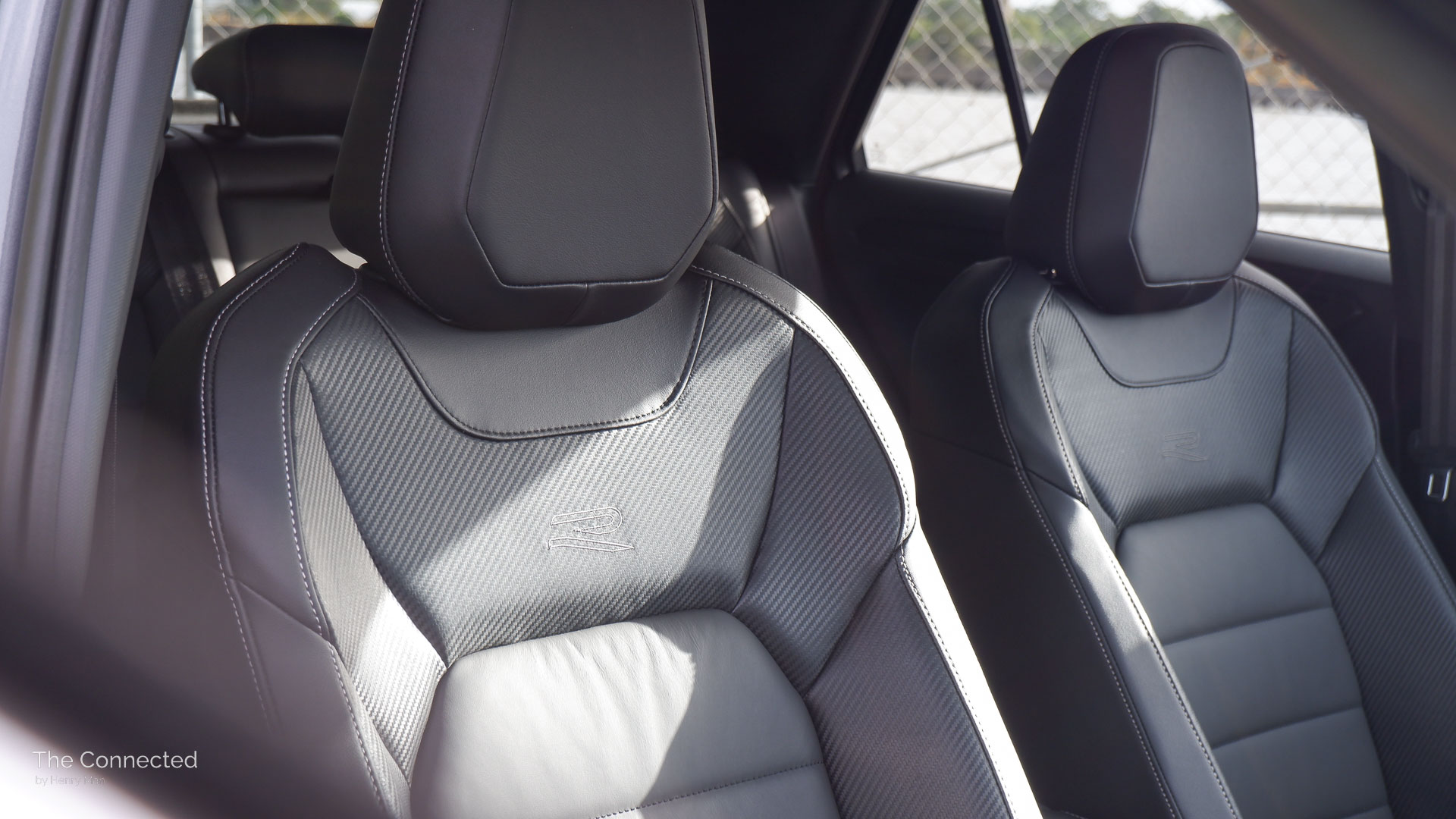
Additionally, the Volkswagen T-Roc R-Line features Nappa leather seats with faux carbon fibre accents. It’s supportive and slightly firm with electric adjustment, a rarely-seen three-memory function for the driver, and lumbar adjustment for both front seats.
It seems the Nappa leather upholstery isn’t fitted as tightly, as the base sags with use even on this relatively new tester.
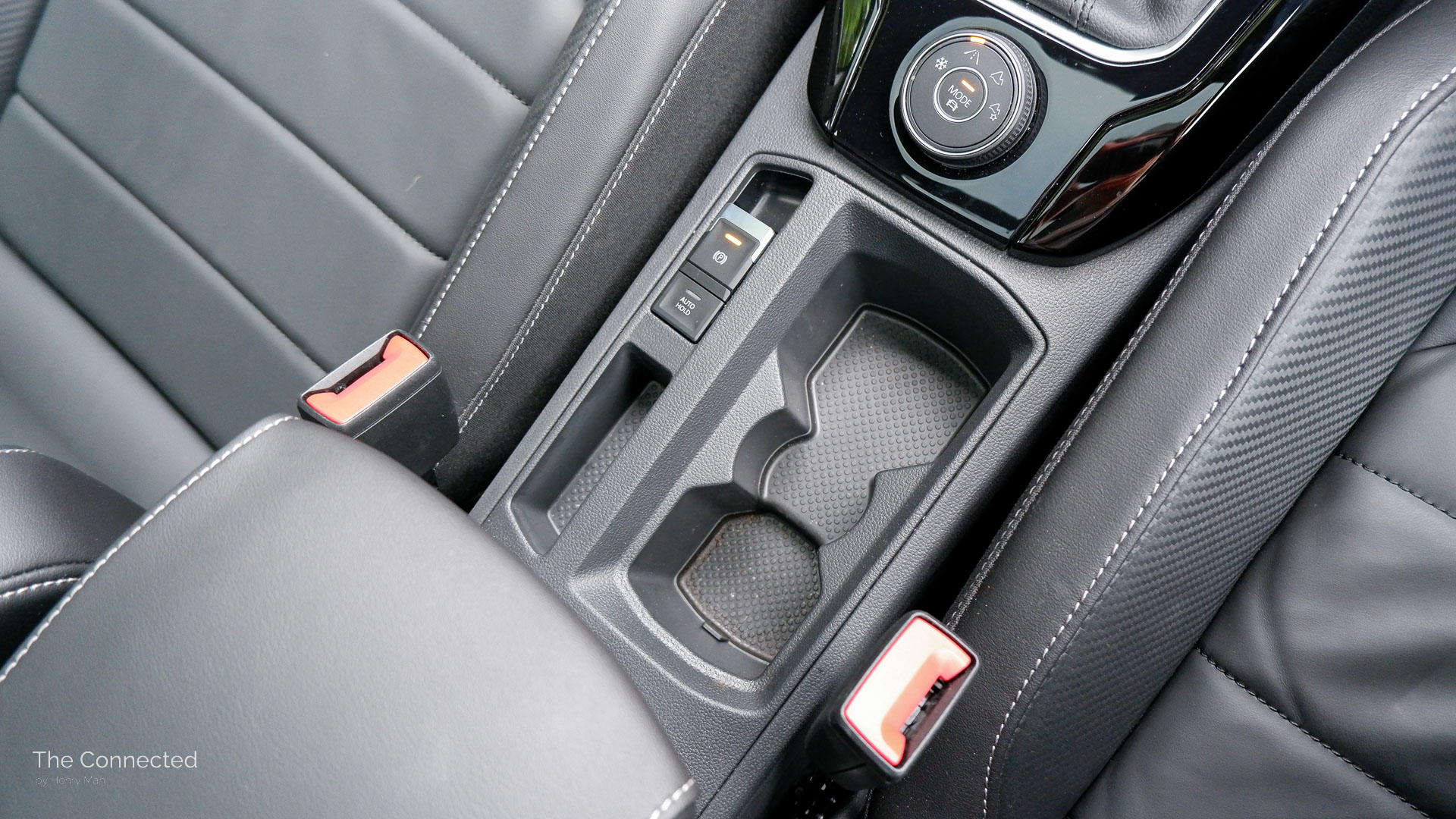
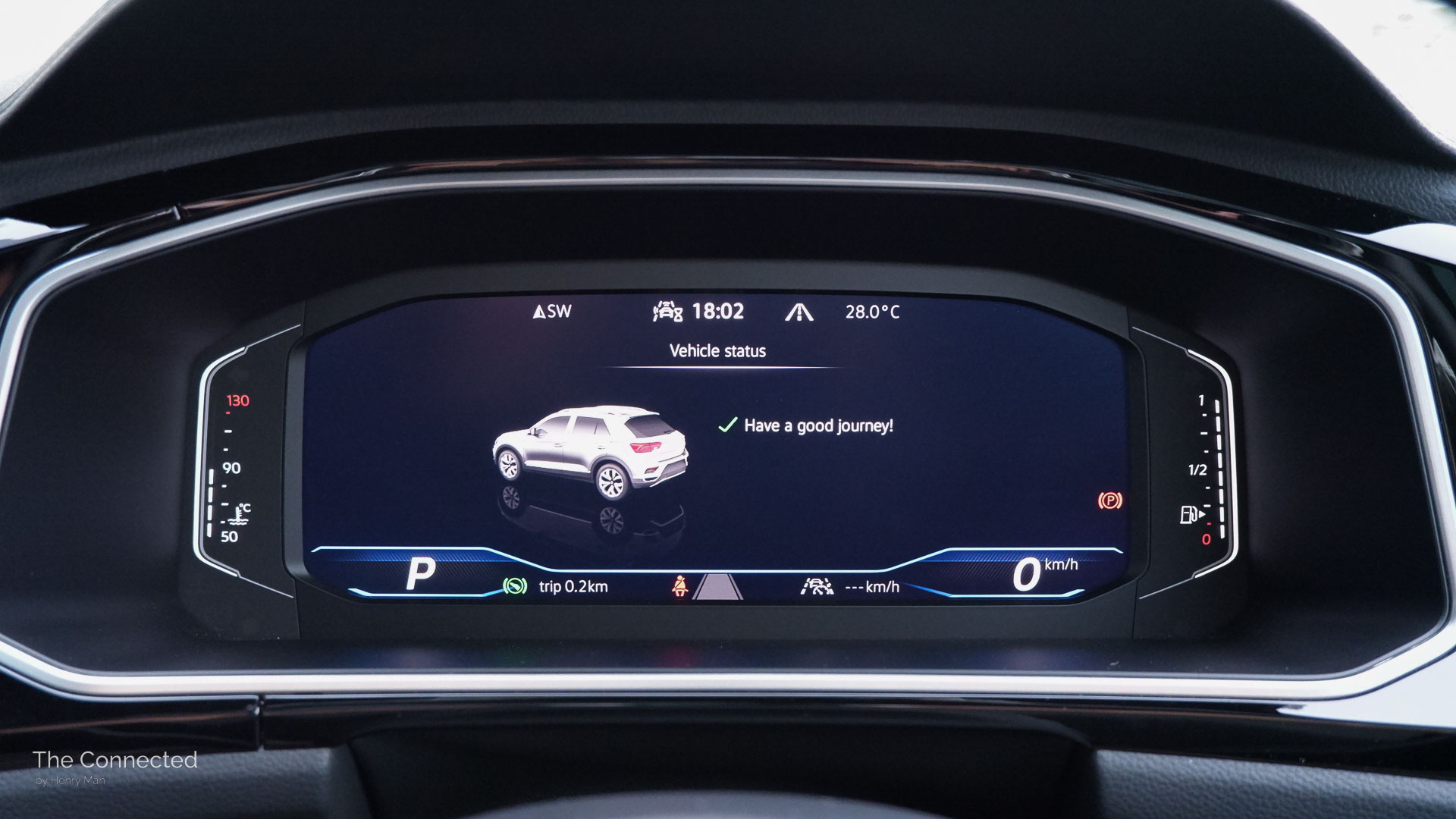
The centre console is home to three square-shaped cup holders that don’t have any grips (with the centre one seemingly made for piccolos), a small centre cubby (but lacks a rubberised bottom), and a well-sized smartphone wireless charging pad with an additional two USB-C charging and data ports (even if the gear shifter gets somewhat in the way).
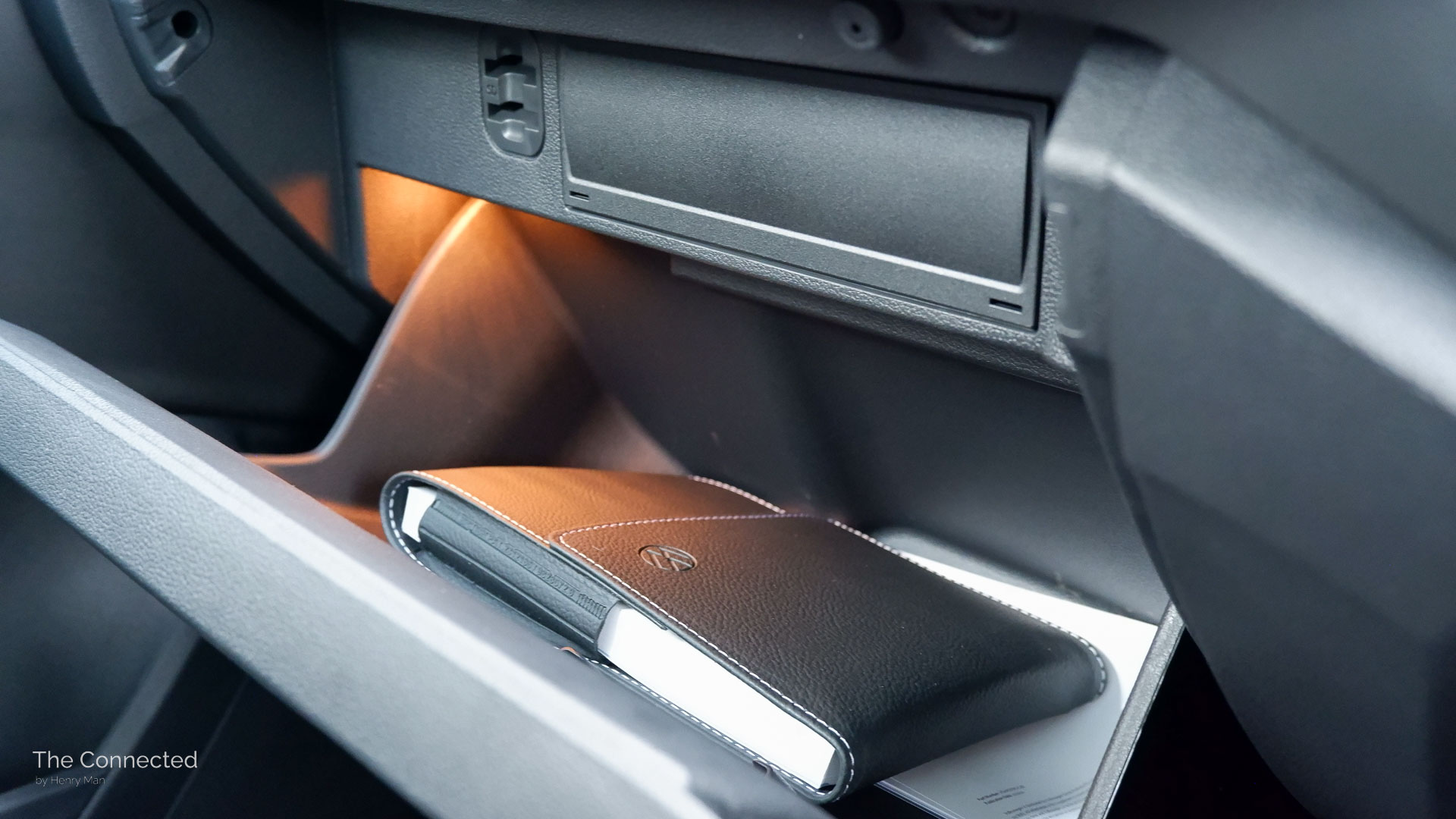
The glove box is also a good size, even though it uses incandescent illumination and there are remnants of the deleted CD player from the pre-facelift model.
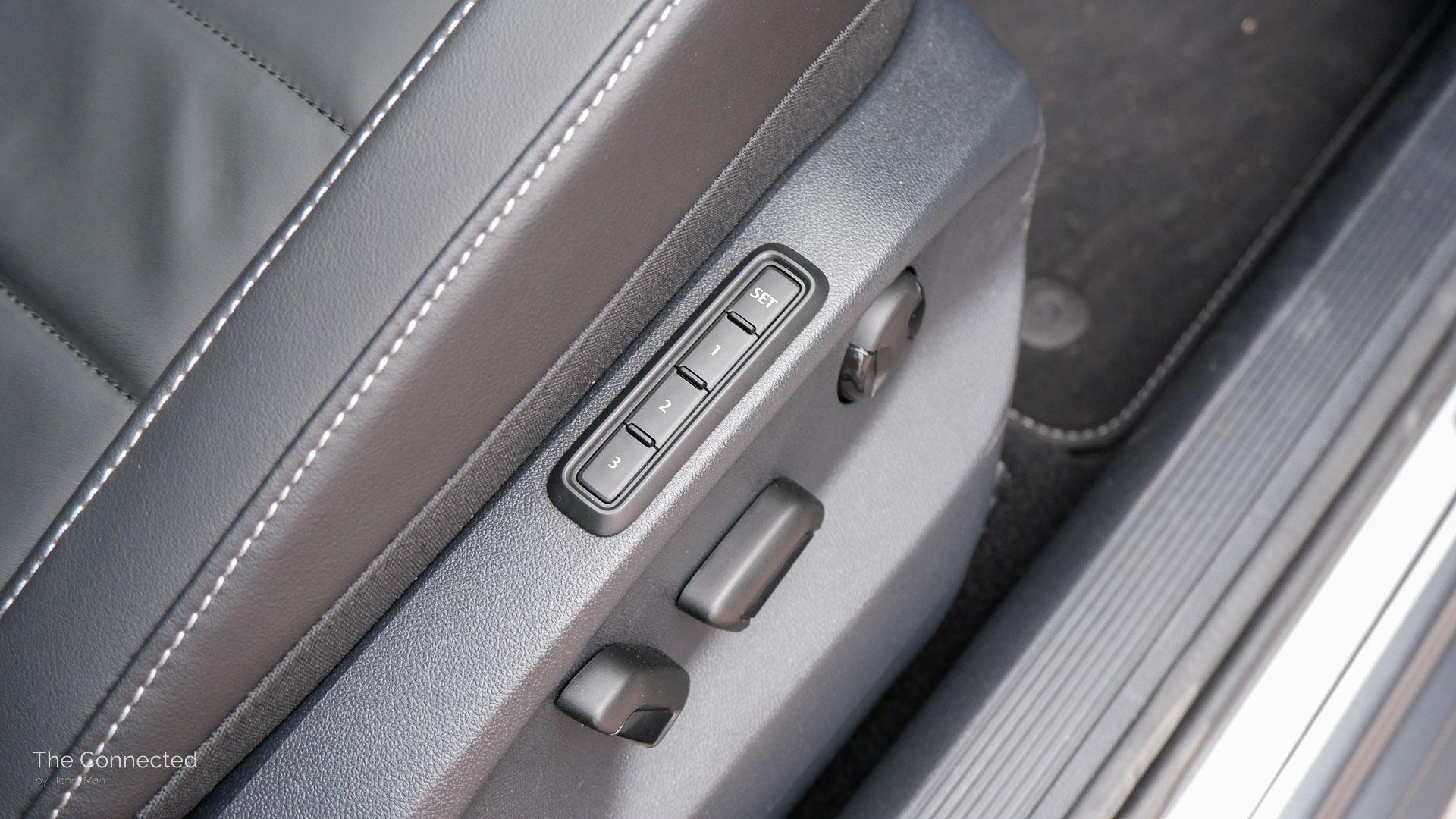
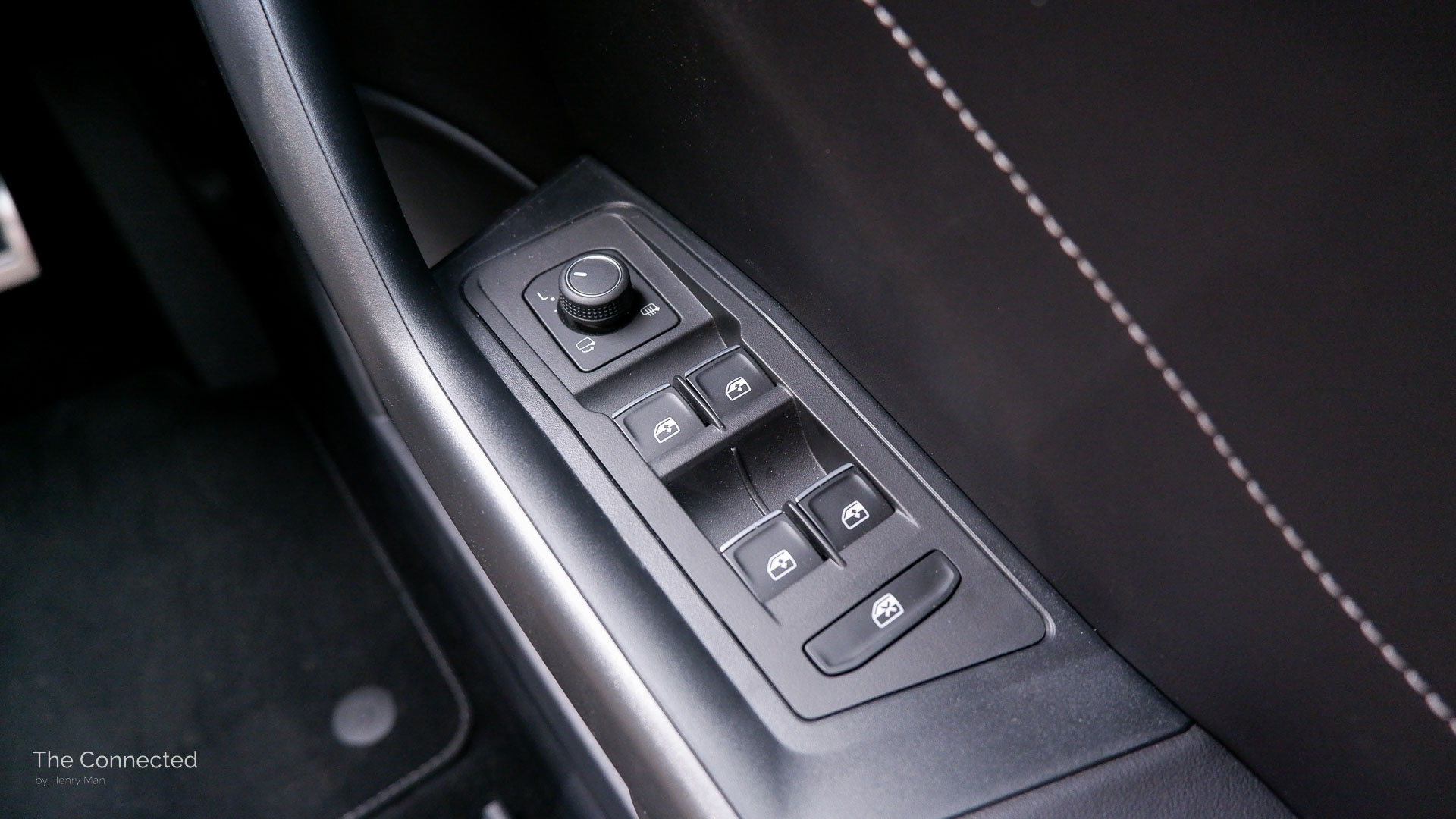
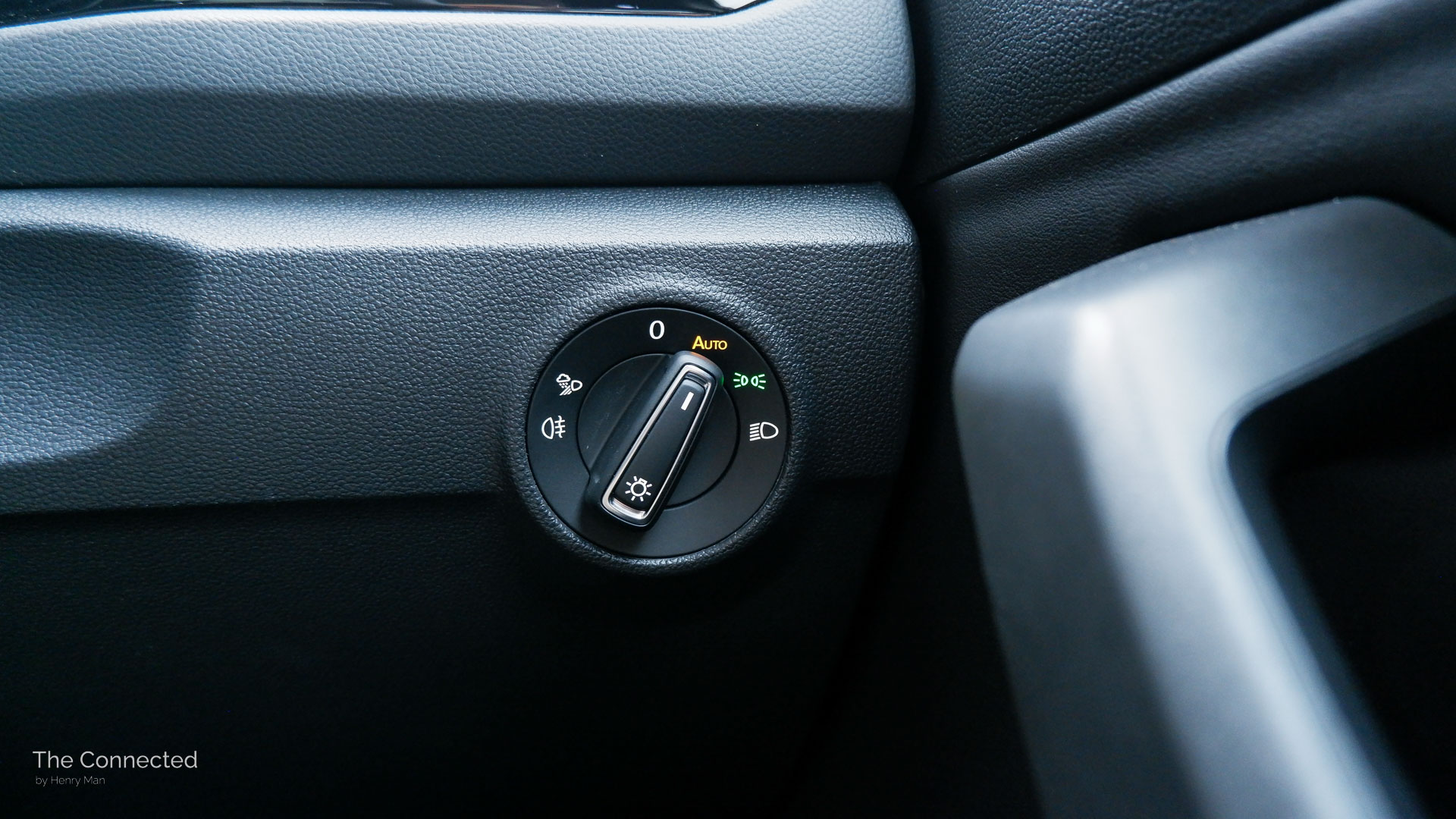
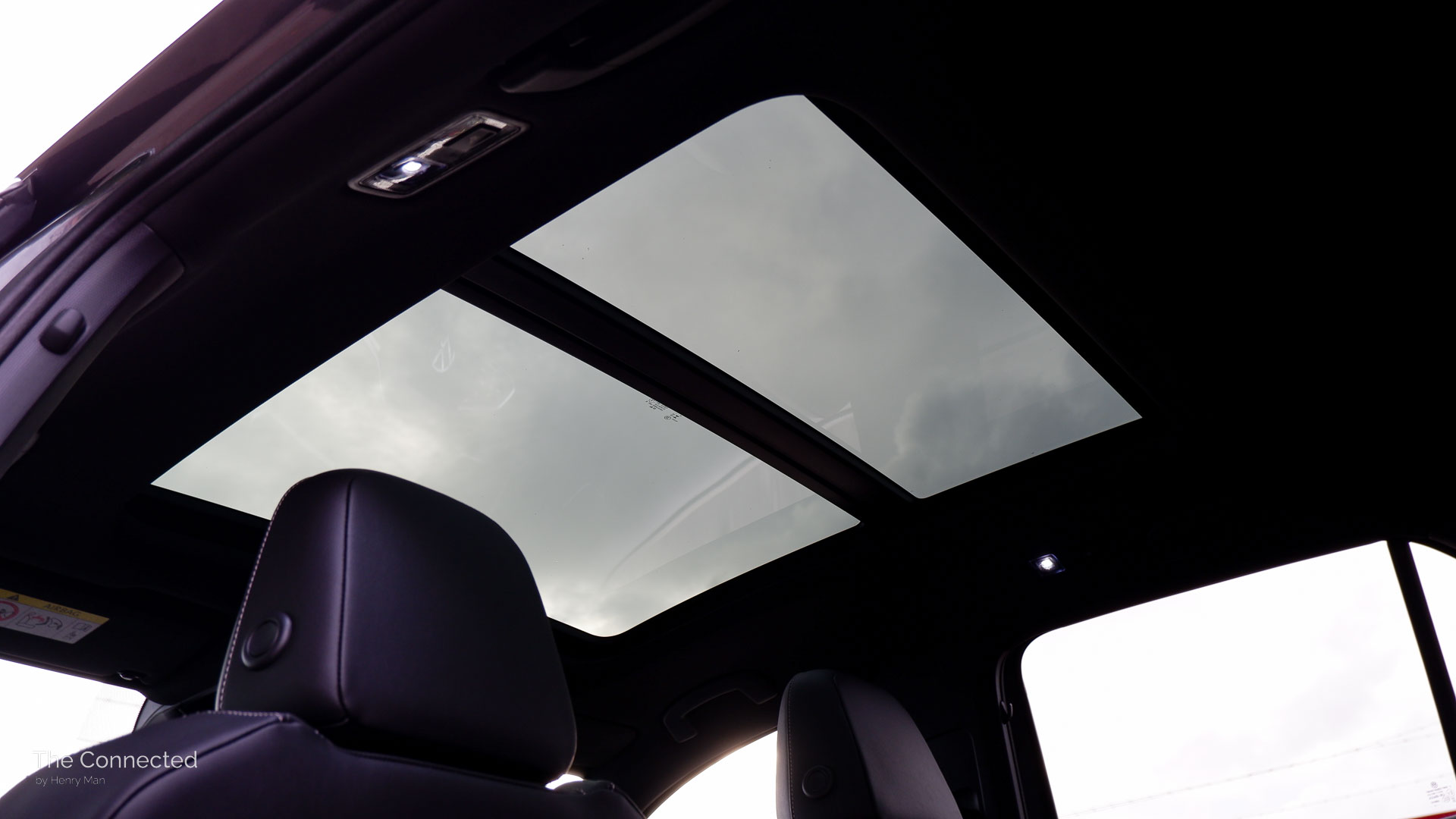
One-touch up/down functionality is available for all four windows, while the T-Roc’s older age means there is a practical physical exterior light dial, four tactile window switches, physical sunroof buttons, and a traditional key fob – unlike newer Volkswagens.
There’s three-stage heating for the front seats. However, no T-Roc variant offers a heated steering wheel – despite being available overseas and the touch-sensitive button being blanked out on the gloss black panel.
For my driving position, the armrest is just short and can only be adjusted upwards, not slide forwards unlike the Kia Seltos.
Meanwhile, the panoramic sunroof is an optional $2000 extra. It brings some welcome natural light into an otherwise monotonous interior and is easy to operate with physical buttons and switches. The built-in sunshade minimises the heat intrusion well, too.
Outside, puddle lights illuminate the ground at night with a unique chequered pattern. It’s easy to get in and out of the T-Roc with a hand sensor within the front two door handles that unlocks when the key is in near the respective door, and locks with a tap of the handle.
Technology.
2024 Volkswagen T-Roc R-Line tech features:
| 8.0-inch ‘Discover Media’ touchscreen with proximity hand sensor | 10.25-inch ‘Digital CockPit Pro’ driver instruments display |
| Wireless/wired Apple CarPlay and Android Auto | Six speakers |
| Built-in maps | Touch-sensitive climate control panel and steering wheel buttons |
| Qi wireless charging pad | Proximity key with auto-folding wing mirrors and puddle lights |
| 4x USB-C charging ports | Automatic wipers |
Other than more physical controls, another advantage to the Volkswagen T-Roc’s age is its older technology.
The small SUV is powered by the German automaker’s Modular Infotainment Toolkit 3 (MIB3) operating system – which is a minor update iteration of the older MIB2, as featured on the Mk7.5 Golf hatch.
Unlike the new-generation and infamously unintuitive MIB3 software that has plagued models, including the Mk8 Volkswagen Golf, ID.3 and Cupra Born – which is now being addressed with the roll out of the MIB4 operating system – the T-Roc’s 8.0-inch protruding touchscreen is less fancy, but functional.
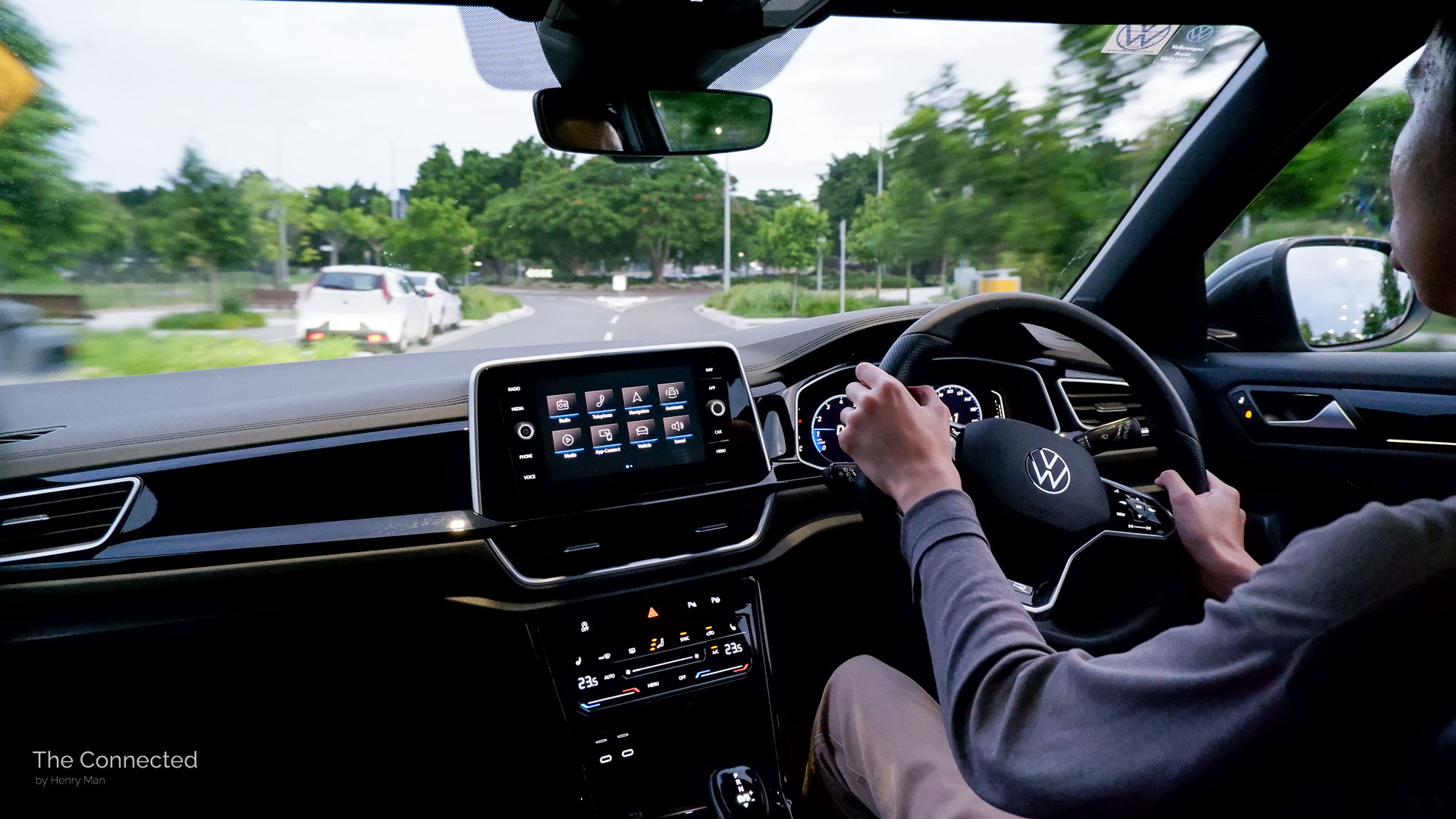
The user interface is simple with a grid of legible tiles on the home screen, offers good performance – though it takes some time to initially startup the built-in map – and there are physical media dials flanked by touch-sensitive shortcut buttons to immediately open smartphone projection or the vehicle settings, for example.
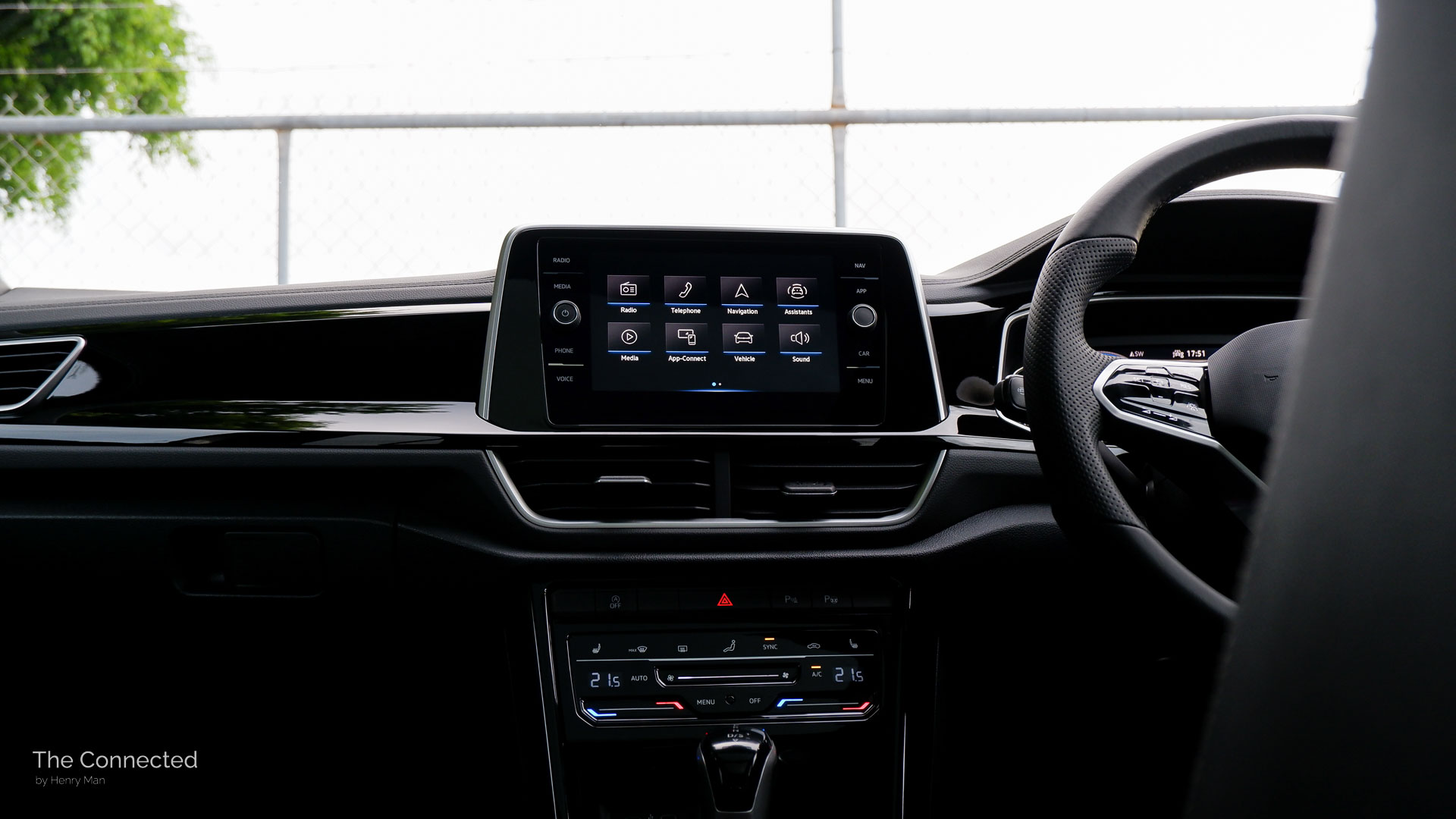
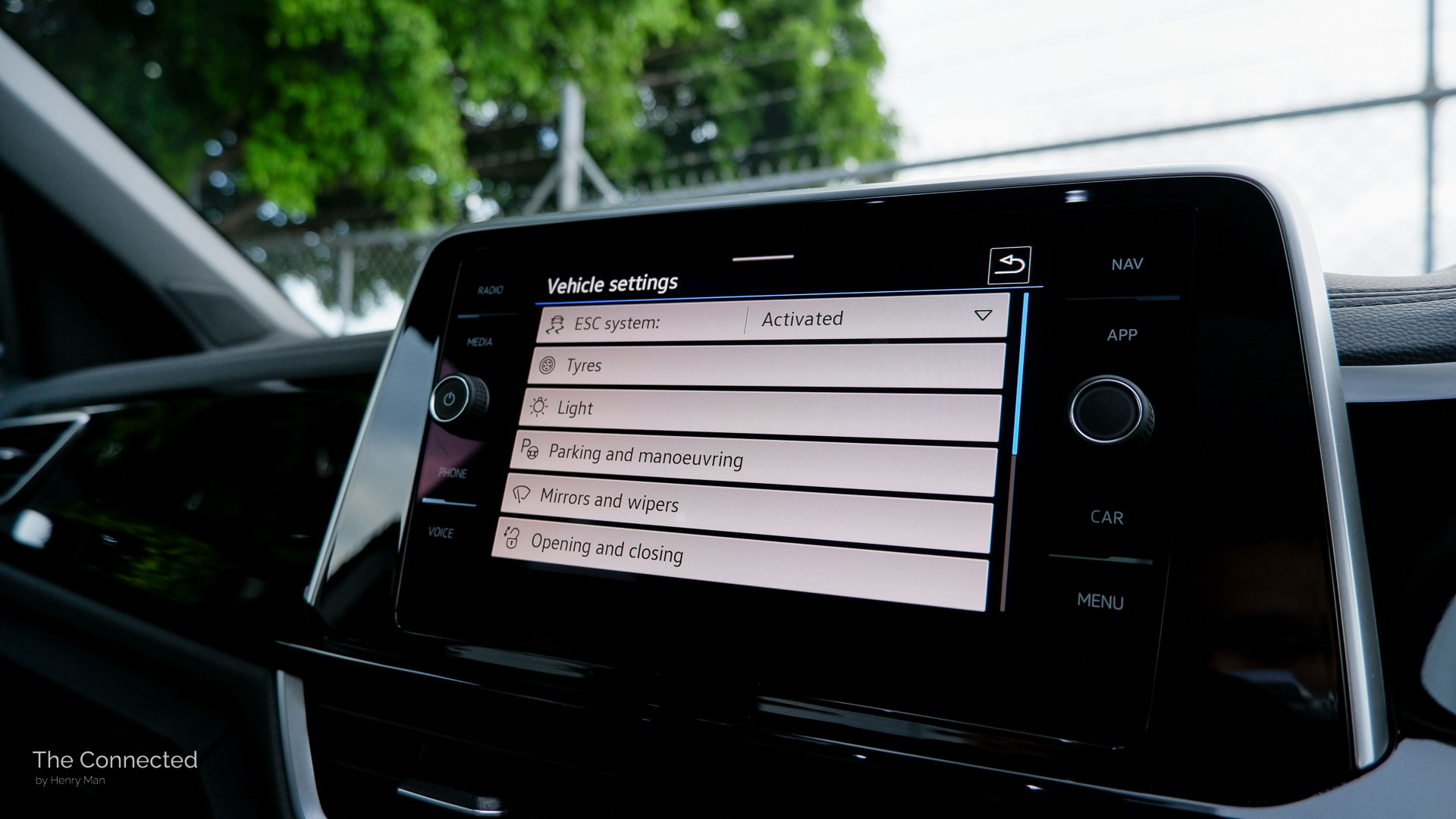
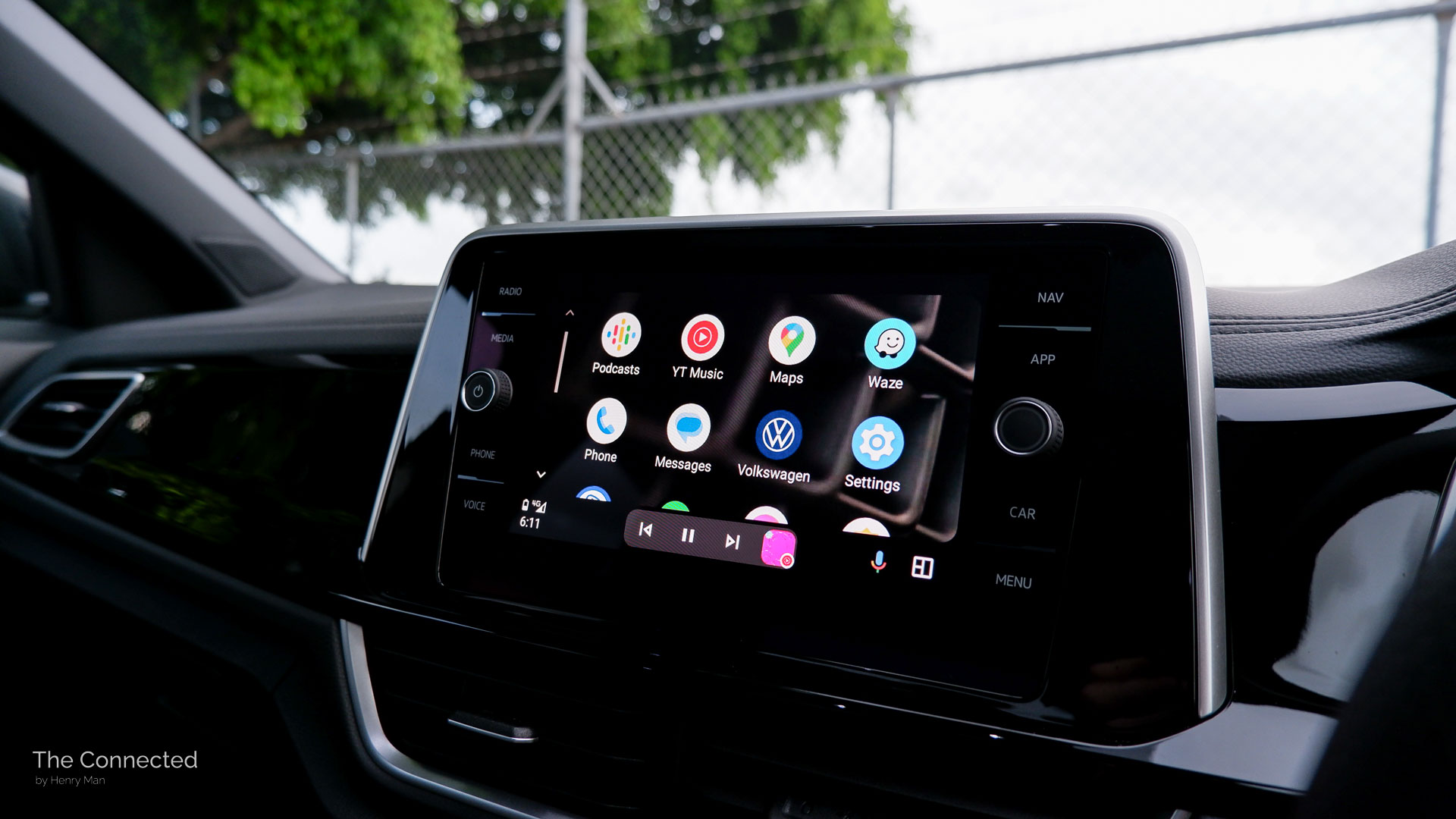
Yes, the blocky white menus look somewhat dated in 2024 and Volksagen tends to hide some functions in sub-menus, but there’s little fuss in everyday use.
The standard 8.0-inch display is on the smaller side in the context of other high-spec rivals nowadays; I wish the larger 9.2-inch touchscreen found on the high-performance T-Roc R was at least optional on the R-Line.
The facelift brings wireless Apple CarPlay and wireless Android Auto – with the latter quickly connecting to my smartphone within 10 seconds from startup and providing the same performance as a wired connection. You can also force wired projection.
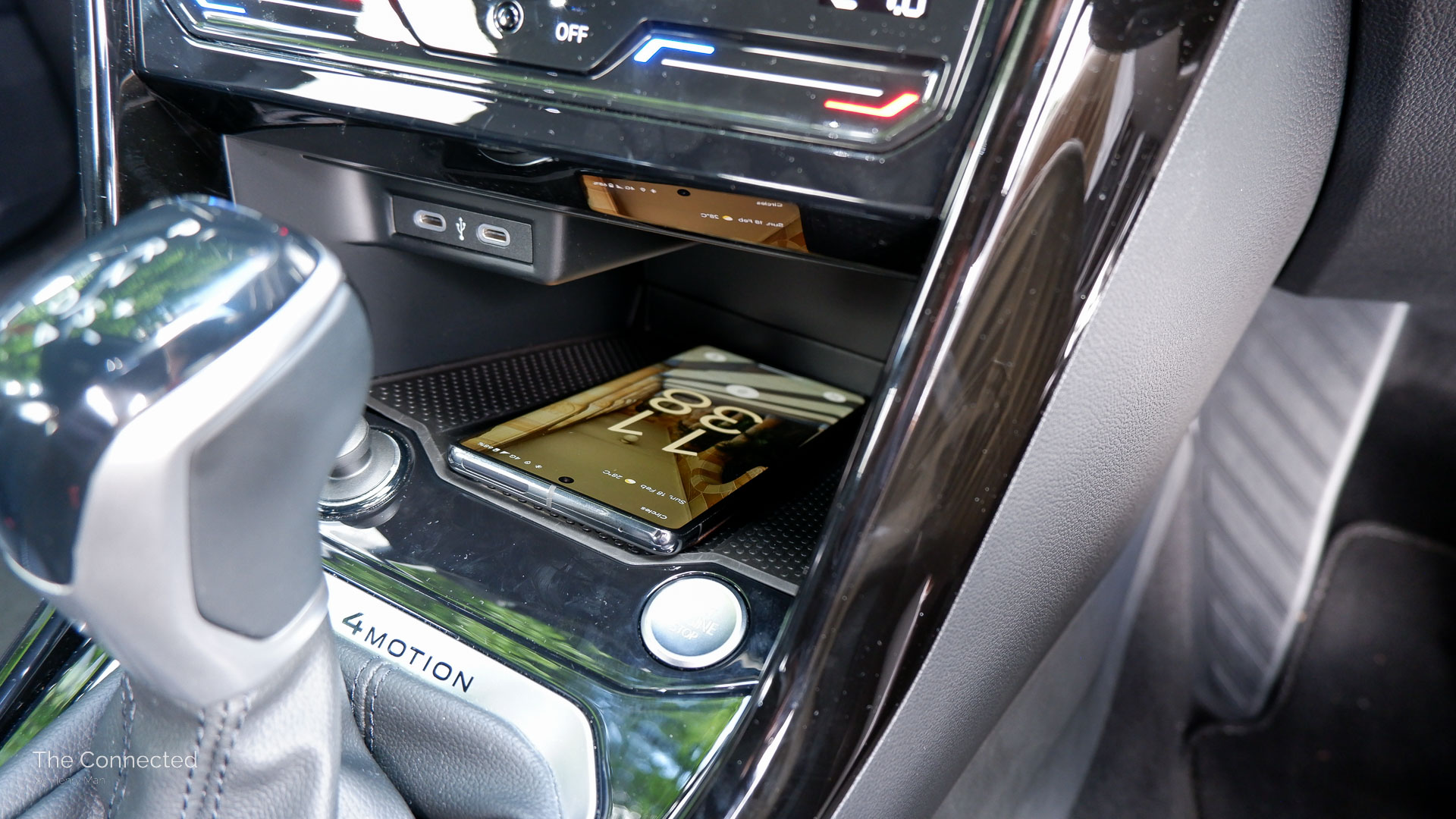
Unfortunately, you’ll want to plug in a cable on longer trips due to the T-Roc’s almost non-functional Qi wireless charging pad. With weak inductivity, the device needs to completely stick on the pad in order to charge – which essentially eliminates all smartphones with a camera hump.
Therefore, I needed to remove the rubber surface in order for it to sense my Google Pixel 7 Pro (only when the bottom of the phone is placed facing towards the bottom of the pad).
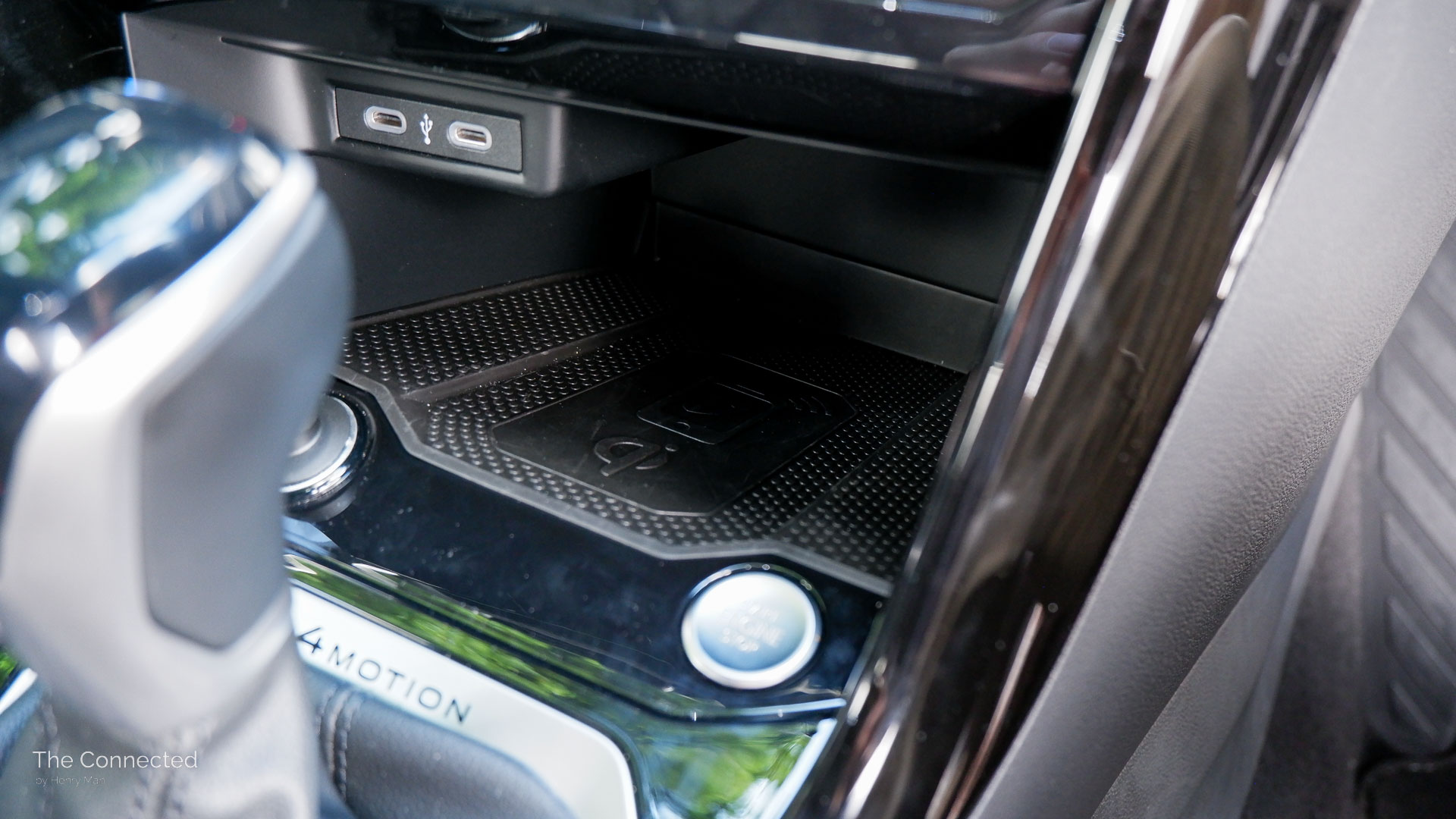
Weak wireless charging.
The T-Roc’s weak Qi wireless charging pad inductivity means it rarely can detect and juice up smartphones.
It’s an annoying downside given there’s now wireless Apple CarPlay and Android Auto.
Even if wireless charging is working, it heats up smartphones quickly and the device often stops charging to protect the battery, as per all vehicles with wireless smartphone projection and no fan-cooling aid.
Using wireless Android Auto without any charging, my Pixel 7 Pro typically drained 10 to 20 per cent on a one-hour drive with navigation and audio playing.
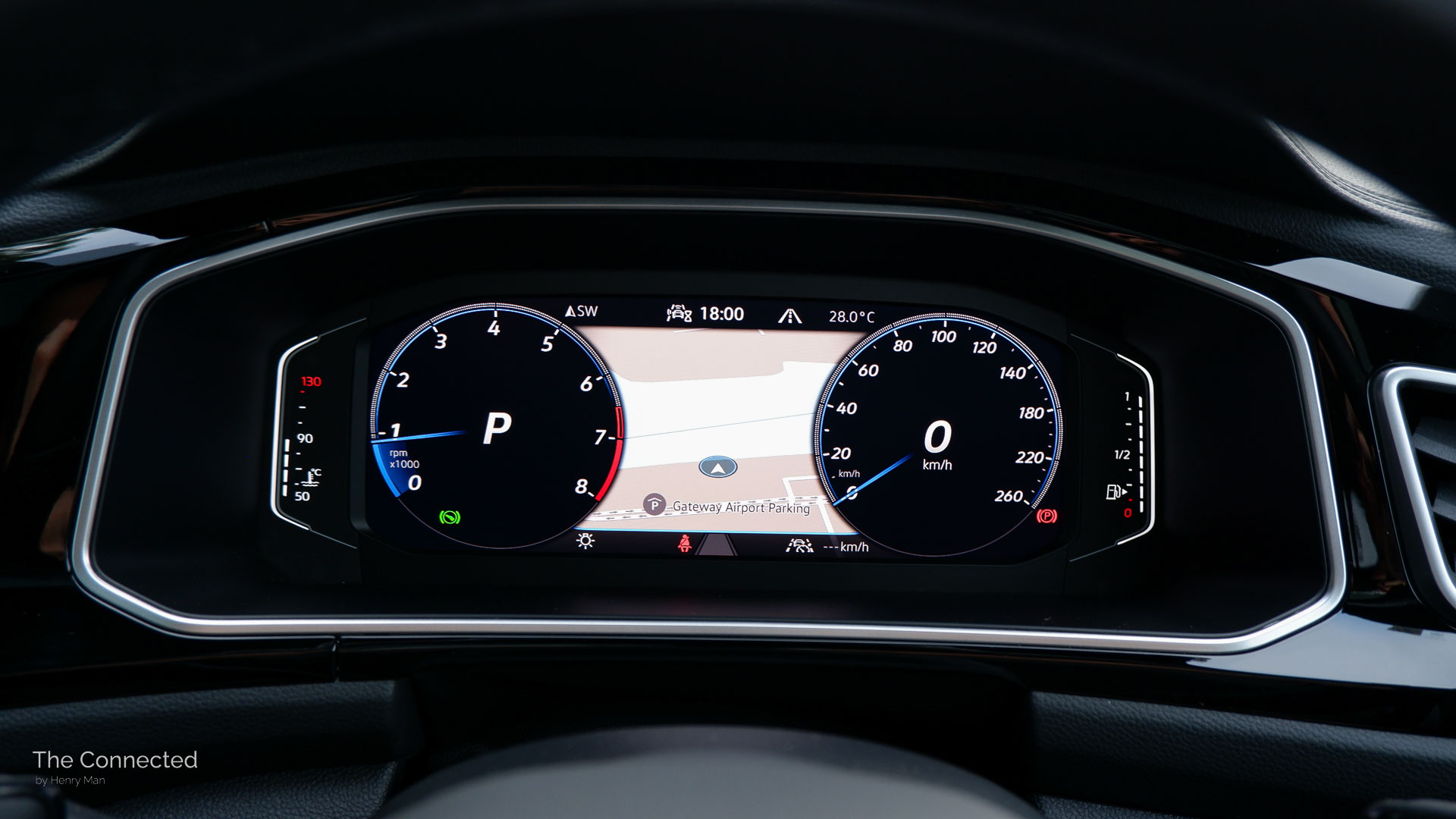
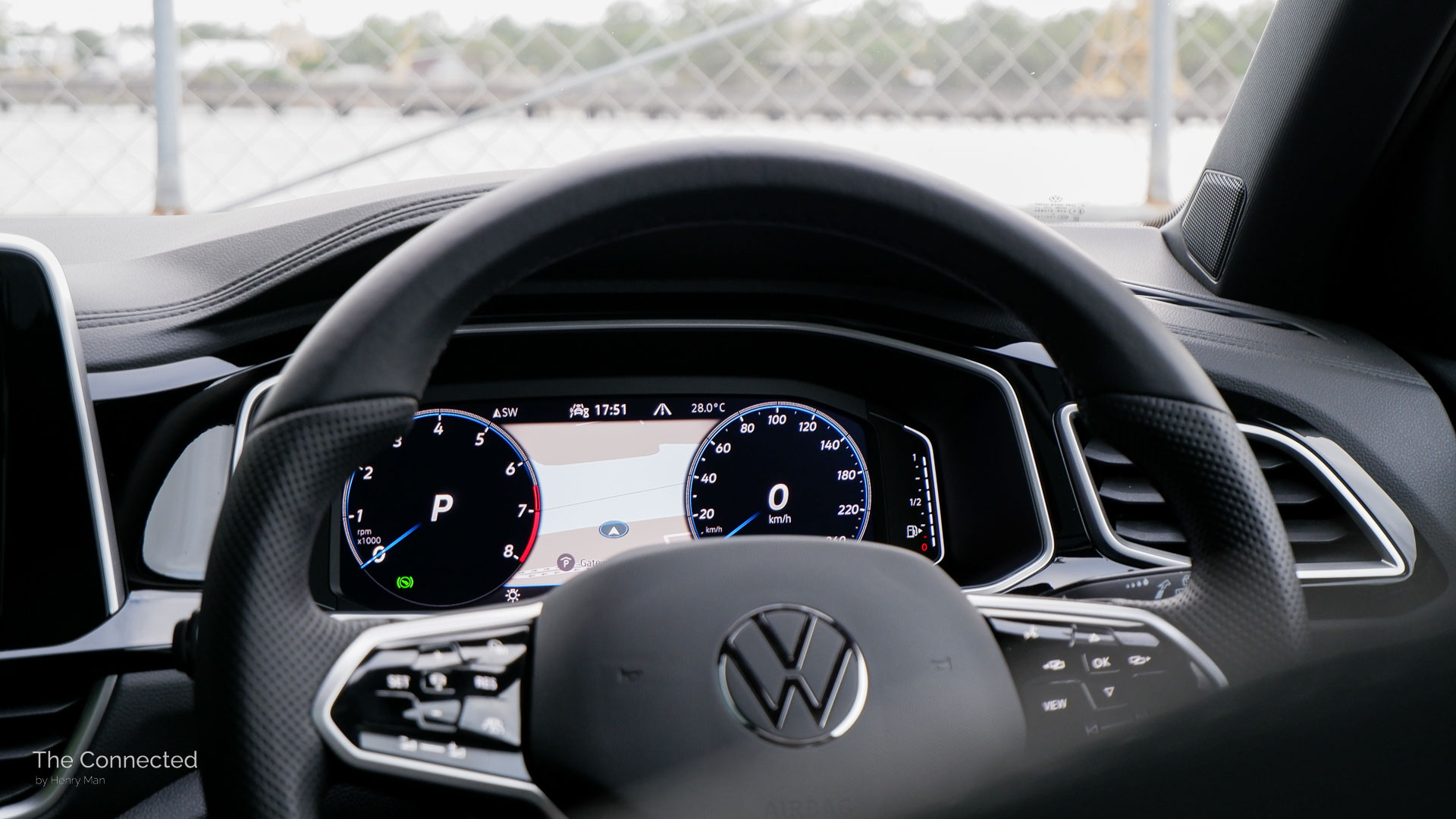
Additionally, the T-Roc’s touchscreen includes built-in maps, which can be displayed on the 10.25-inch driver’s instruments, but not both screens at the same time due to an older processor limitation.
Dubbed the ‘Digital Cockpit Pro’, it is feature-rich with three layout types, six screen functions, and a litany of sub-pages and individual dial functions – ranging from displaying the full map, to what song is playing, and even the oil temperature.
But, there’s a cost of this is high customizability: it can be complex to initially navigate and can take some time to learn how to interact with the touch-sensitive steering wheel buttons, especially for those with less tech literacy.
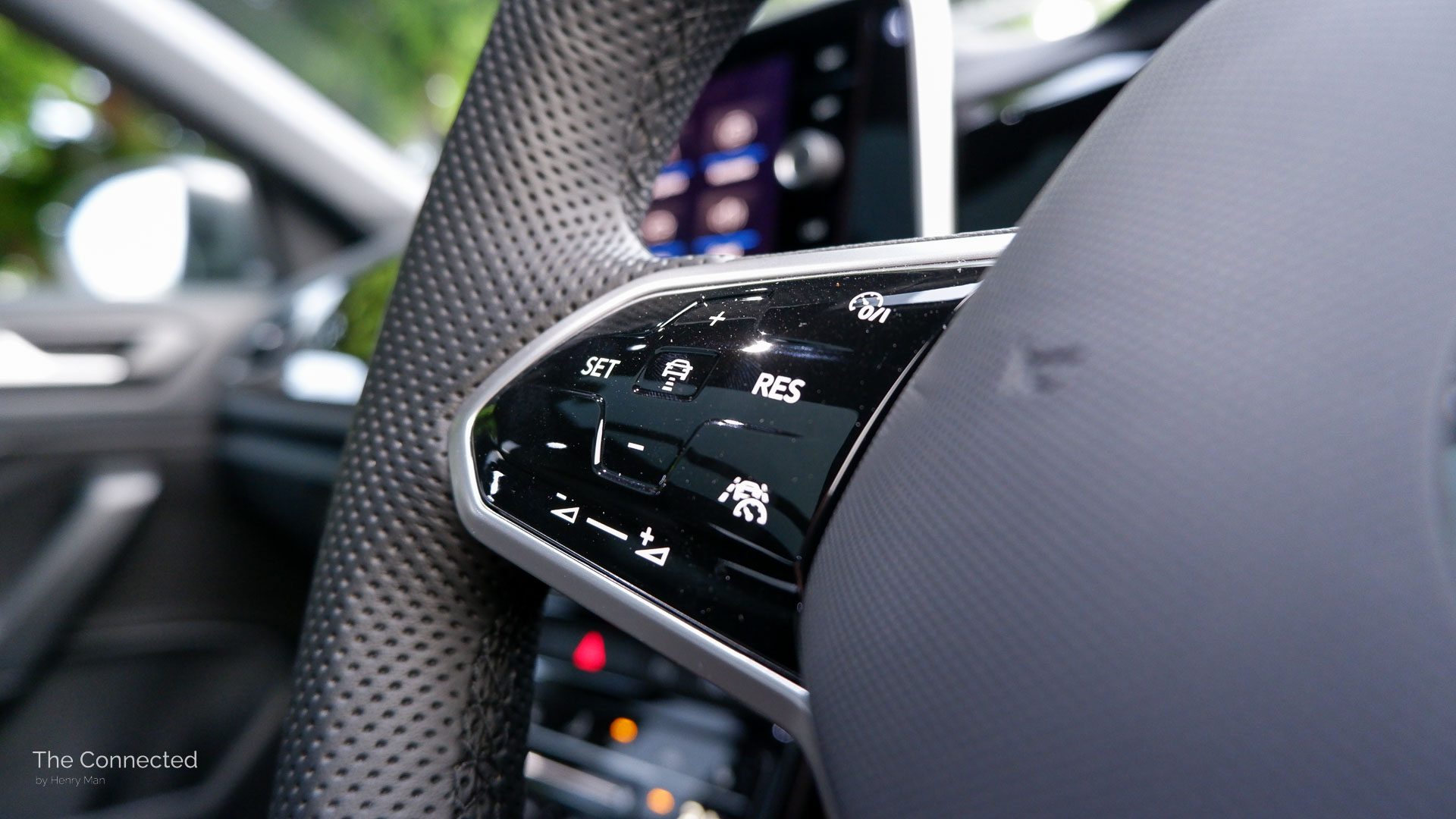
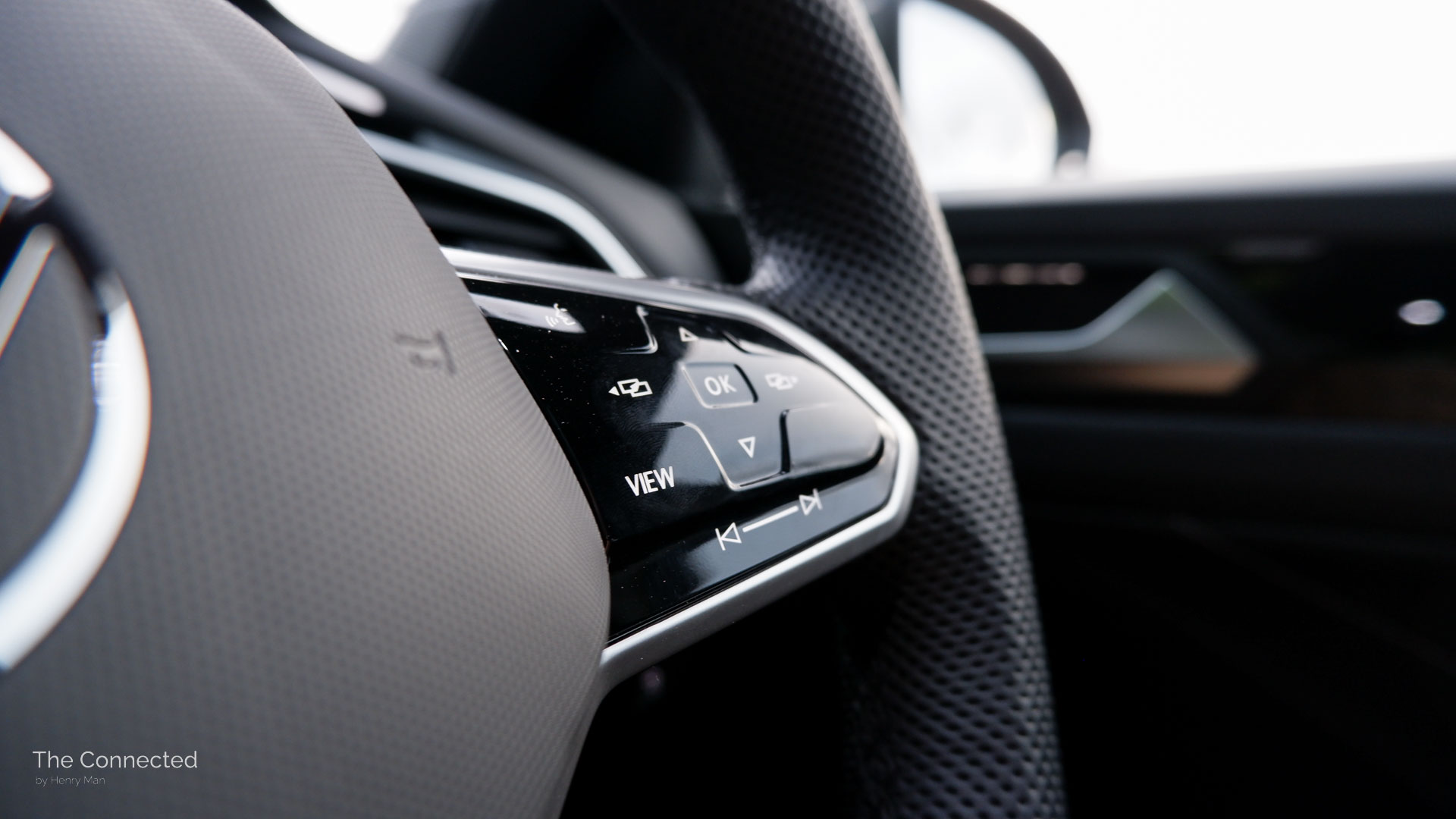
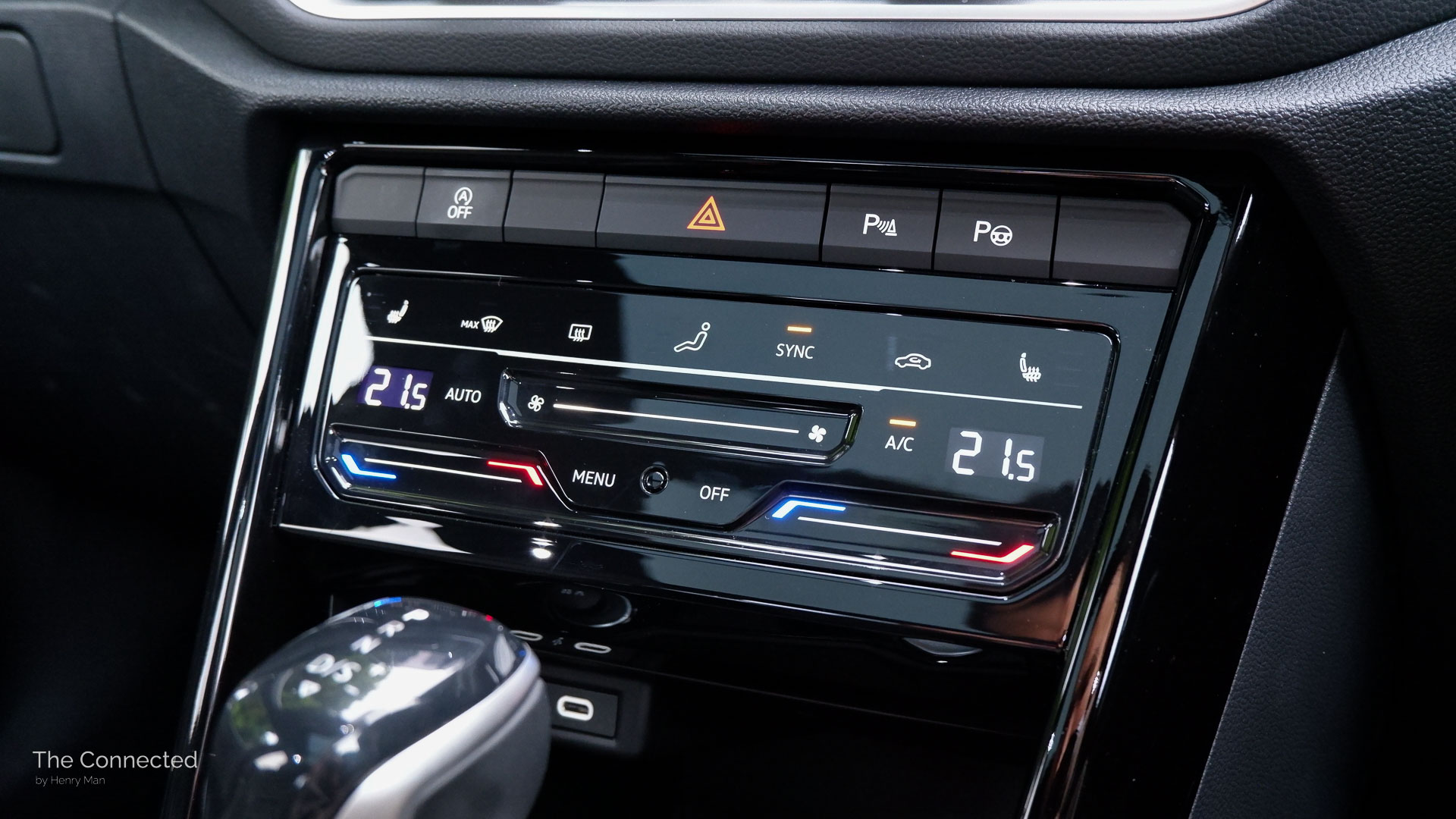
Unlike Cupra cars, you can tap or slide to interact with the climate control and steering wheel controls. However, there’s no sound effect from tapping or sliding the touch-sensitive panels – and I often found that I needed to look twice to ensure I’ve properly toggled the right function, such as the heated seat.
This is peculiar as newer Volkswagen Group models, such as the Cupra Born, provide sound effects and the T-Roc’s touchscreen shortcuts offer the option to sound clicking noises with every touch.
Aside from the dust-prone and reflective gloss black, the dual-zone climate controls are easy to use with illumination anytime the vehicle is on and physical ridges that help with distinguishing where the temperature and fan speed bars end.
Unlike small SUV alternatives, including the new Kia Seltos, Hyundai Kona and BYD Atto 3, the Volkswagen T-Roc isn’t offered with remote mobile app functionality in Australia.
Yet, a surprisingly impressive highlight of the T-Roc is its standard six-speaker audio system.
It offers a rich, immersive soundscape with deep bass – without needing to opt for the $2900 Black Style Package that bundles Beats branded speakers.
Safety.
2024 Volkswagen T-Roc R-Line safety features:
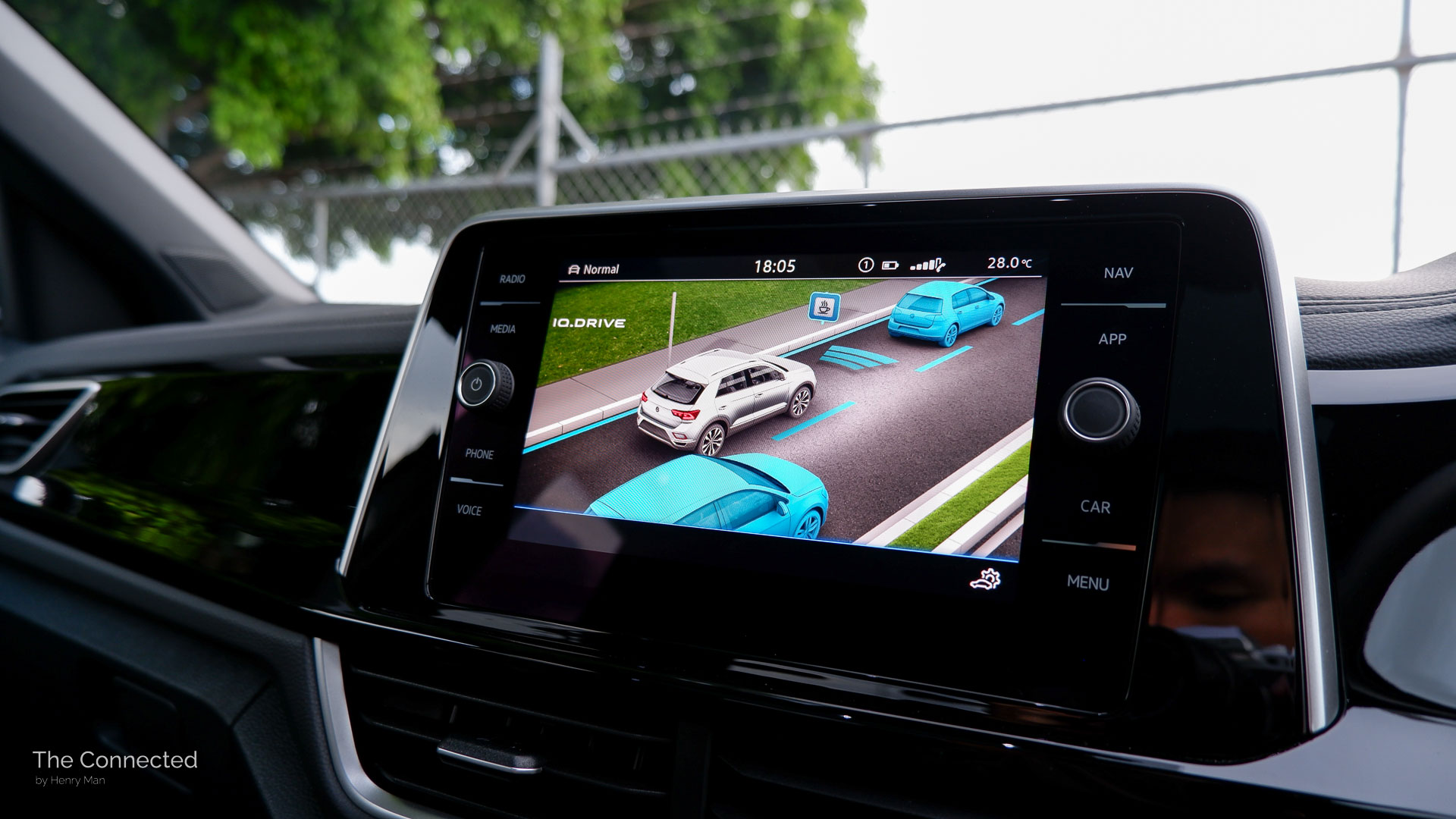
| Front auto emergency braking (AEB) with vehicle/pedestrian/cyclist detection | Reversing camera (hidden pop-up in badge) |
| Blind spot monitoring | Front, side and rear parking sensors |
| Rear cross-traffic assist | Auto park assist system |
| Lane assist | Auto tilt-down wing mirror (left only) |
| Adaptive cruise control and lane-centring assist (‘Travel Assist’) | Full ‘Performance’ LED headlights and tail-lights |
| Driver attention monitoring | Auto high beam headlights |
The 2024 Volkswagen T-Roc is unrated by the Australasian New Car Assessment Program (ANCAP). The pre-facelift model’s rating from 2017 is now expired.
The German automaker includes the full range of active safety assistance systems as standard on all T-Roc models, except the limited-run base Citylife.
However, the T-Roc doesn’t offer junction turning detection for its front auto emergency braking (AEB) system, rear AEB, a 360-degree camera setup, and door opening warning as found on newer rivals.
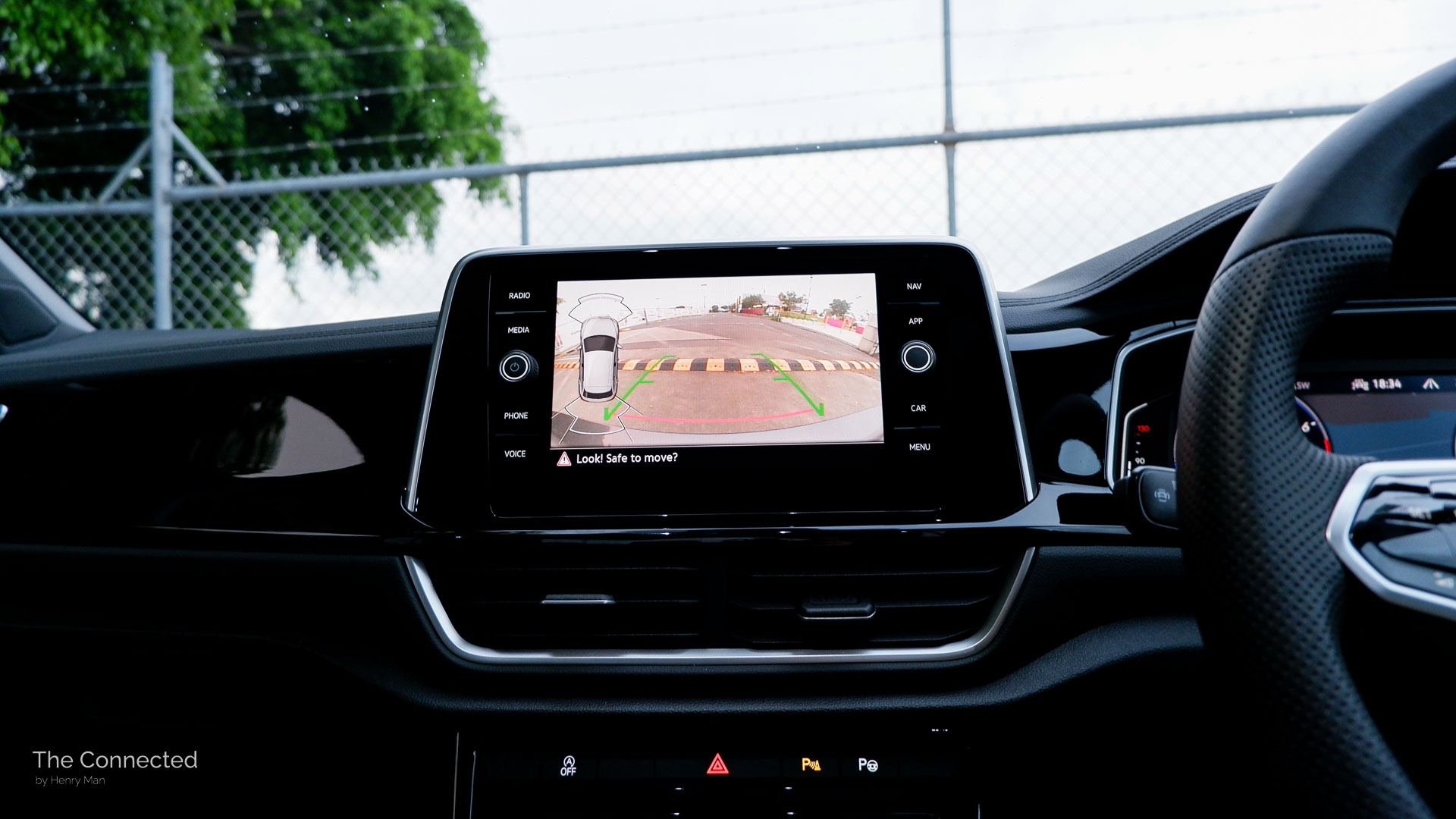
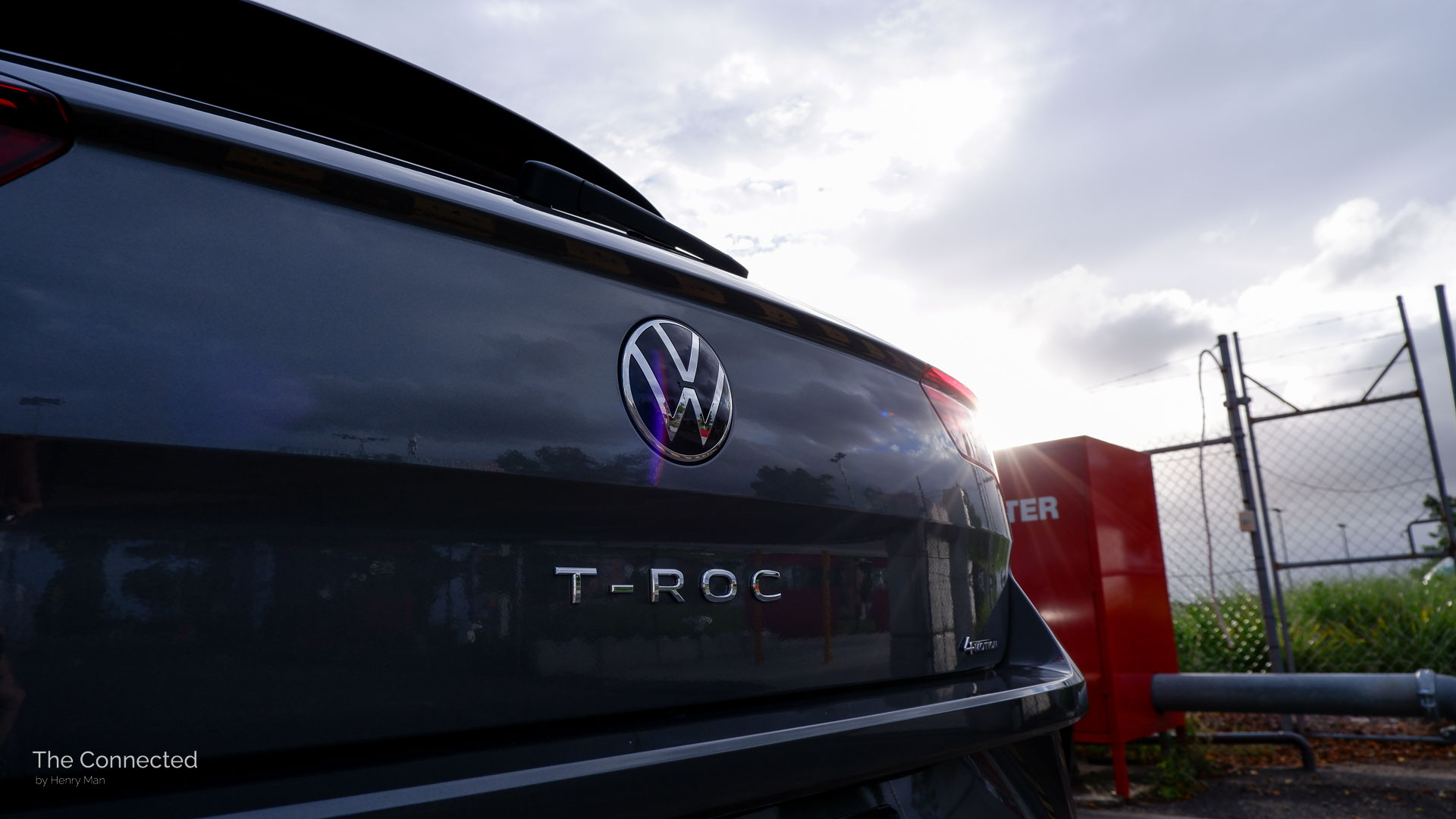
As per VW style, the rear-view camera is hidden underneath the badge and pops out when in use. It’s a good feature to prevent dust obscuring the camera lens, but I often needed to wait a couple of agonising few seconds for it to activate and display.
Adaptive cruise control is easy to toggle and adjust via the touch-based steering wheel buttons, after some learning. The T-Roc maintains its distance with the vehicle in front and, in combination with a smooth lane centring assist (called ‘Travel Assist’), stays in marked lanes mostly well.
While the software calibration is generally good and better than some other brands, braking is slightly jerky in low-speed moving traffic, and sometimes deliberately slows down for vehicles in the adjacent lane (it knows it’s not in front according to the instrument cluster) – even though they’re not swaying closely.
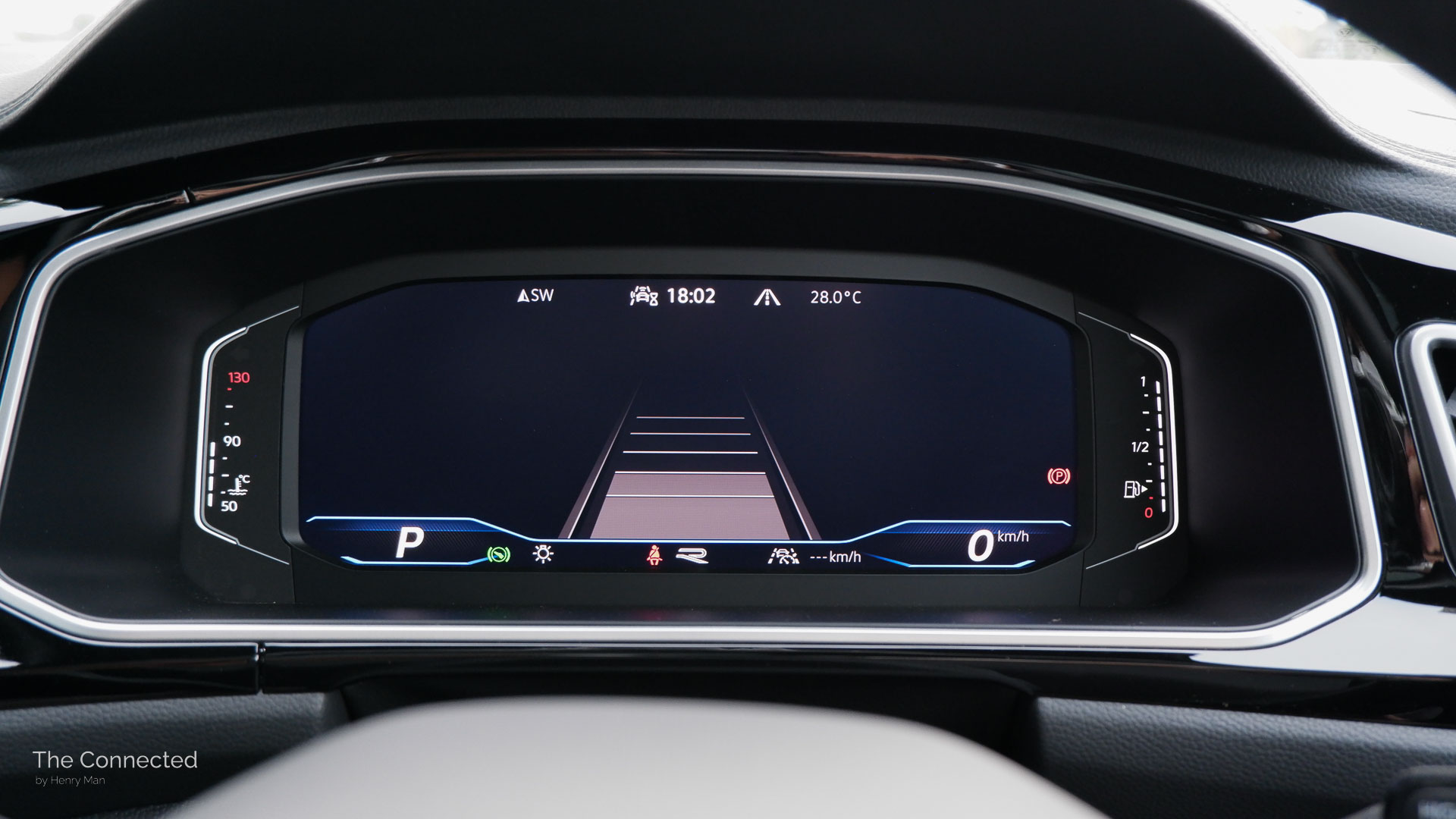
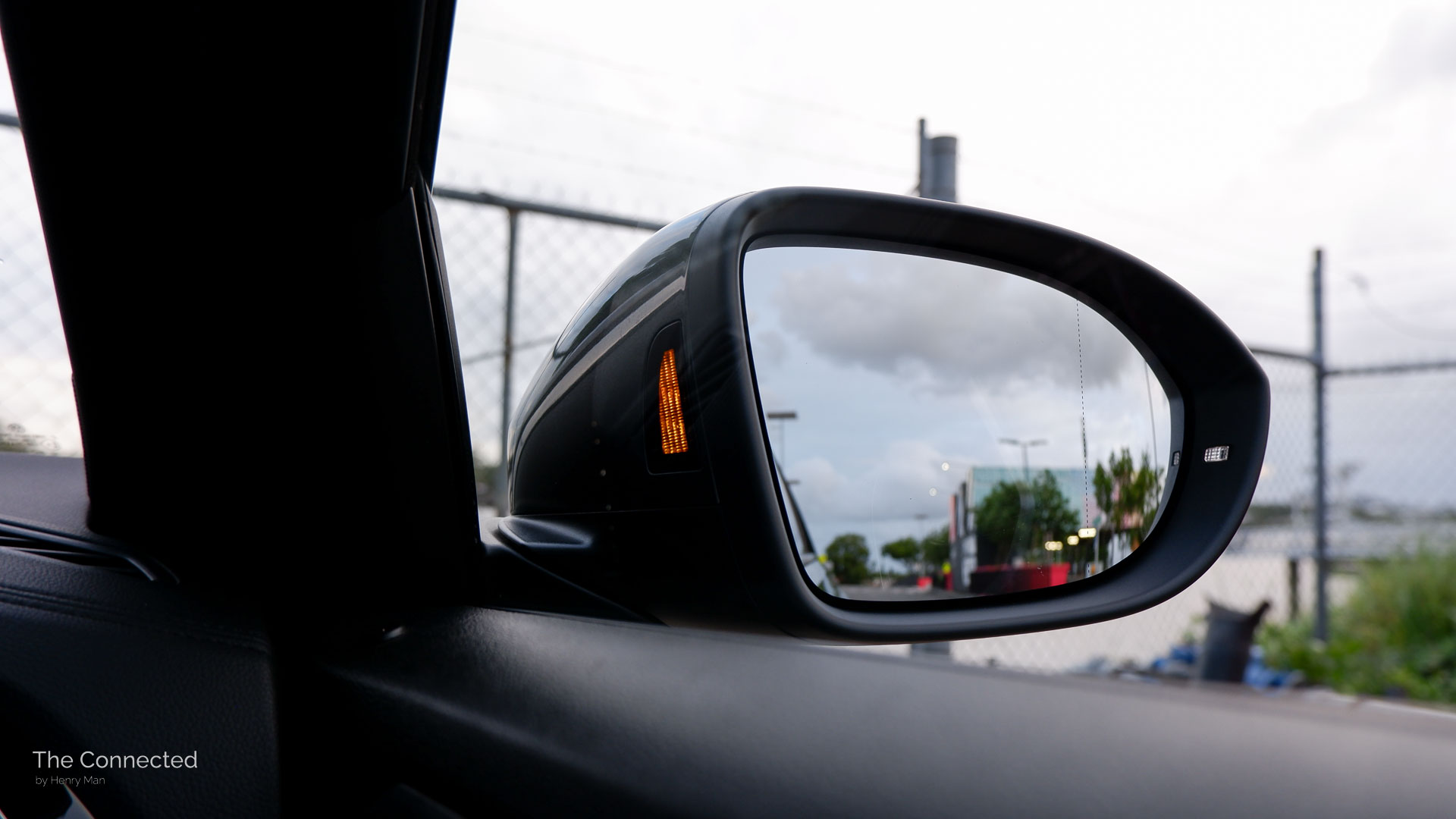
The lane-keep assist is well-calibrated and vibrates the wheel when going out of marked lines, with only some subtle steering intervention. A quick press of the button on the left stalk and the touch-based steering wheel buttons allow drivers to quickly disable it, if needed.
The all-round parking sensors provide more manoeuvring confidence in lieu of a 360-degree camera system, and the auto dip-down mirror is only for the left curb-side unit. While the interior rear-view mirror can auto-dim at night, the wing mirrors aren’t.
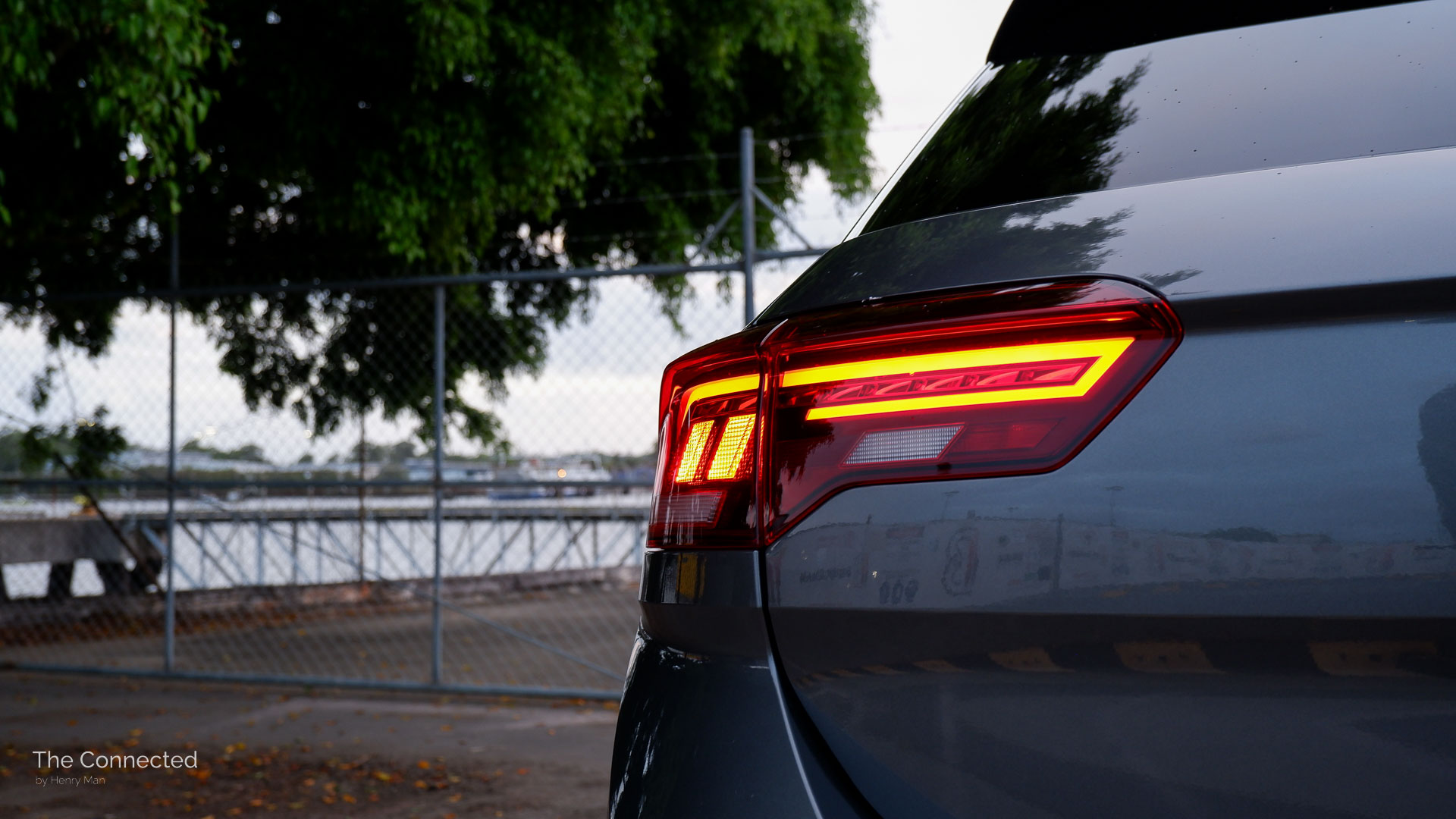
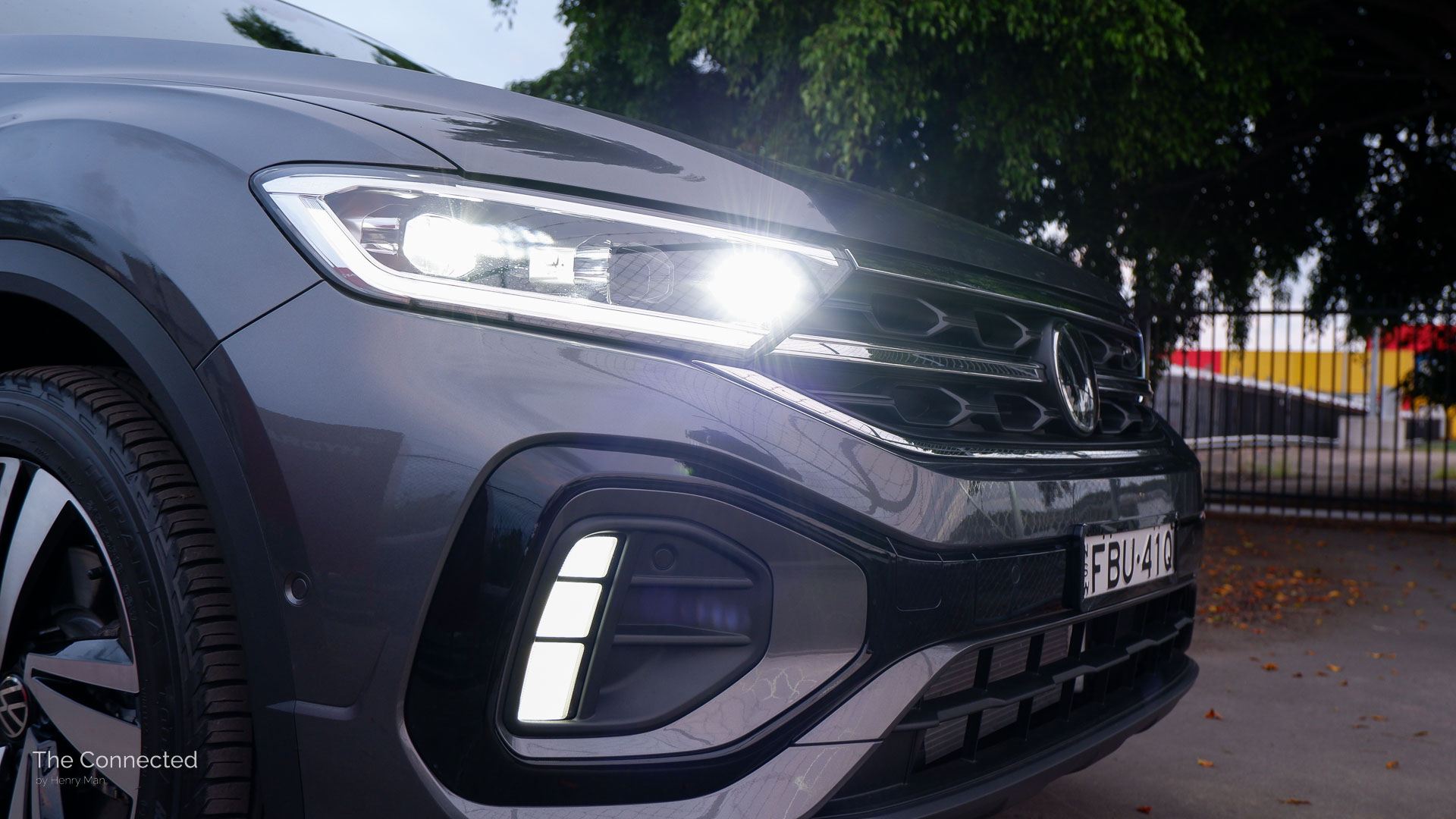
At night, the T-Roc R-Line’s ‘Performance’ LED headlights offers adequate spread and acceptable reach, with fog lights now integrated into the main unit, prominent LED turn indicators and full LED tail-lights.
Volkswagen’s adaptive matrix LED lights and swish sequential rear indicators are reserved for the flagship T-Roc R hot SUV. The R-Line makes do with auto high beam headlights instead.
Meanwhile, the tall rear windows offer good visibility from the driver’s seat – but the rear glass is on the smaller side due to the sloping roofline and there’s a sizable C-pillar blind spot area.
Range and fuel consumption.
2024 Volkswagen T-Roc R-Line fuel and efficiency specs:
| Claimed driving range (combined) | 753km |
| Claimed fuel efficiency (combined) | 7.3L/100km |
| Fuel tank | 55 litres |
| Minimum fuel quality requirement | 95 RON premium unleaded petrol |
| Claimed CO2 exhaust emissions (combined) | 167g/km |
| European emissions compliance | Euro 6 |
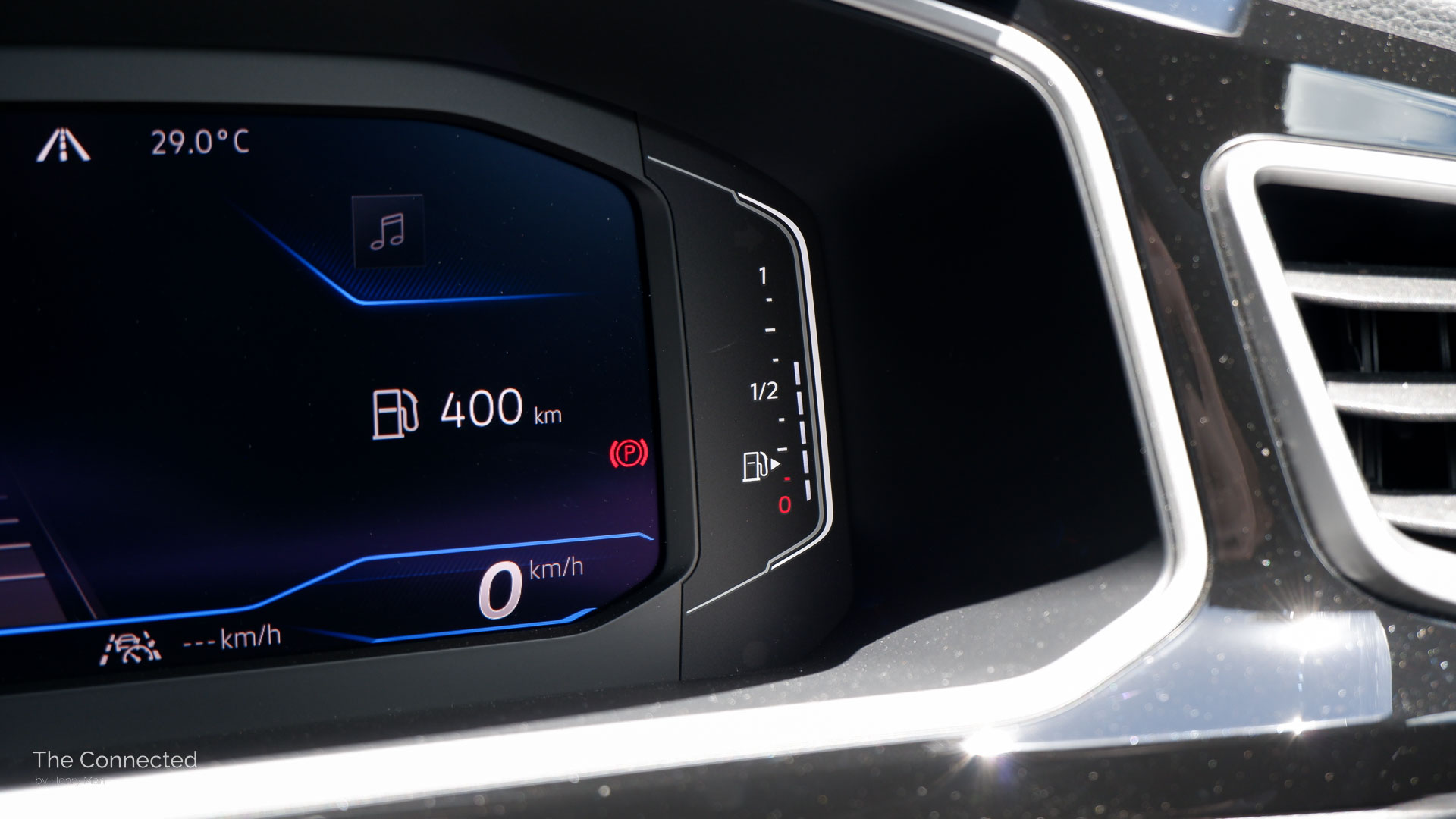
In my week of driving a balanced mix of heavy urban traffic and highway environments with some idling, the Volkswagen T-Roc indicated a 8.5L/100km fuel consumption.
This is decent given its healthy power outputs and, with a large 55-litre fuel tank, this results in about 647km real-world driving range.
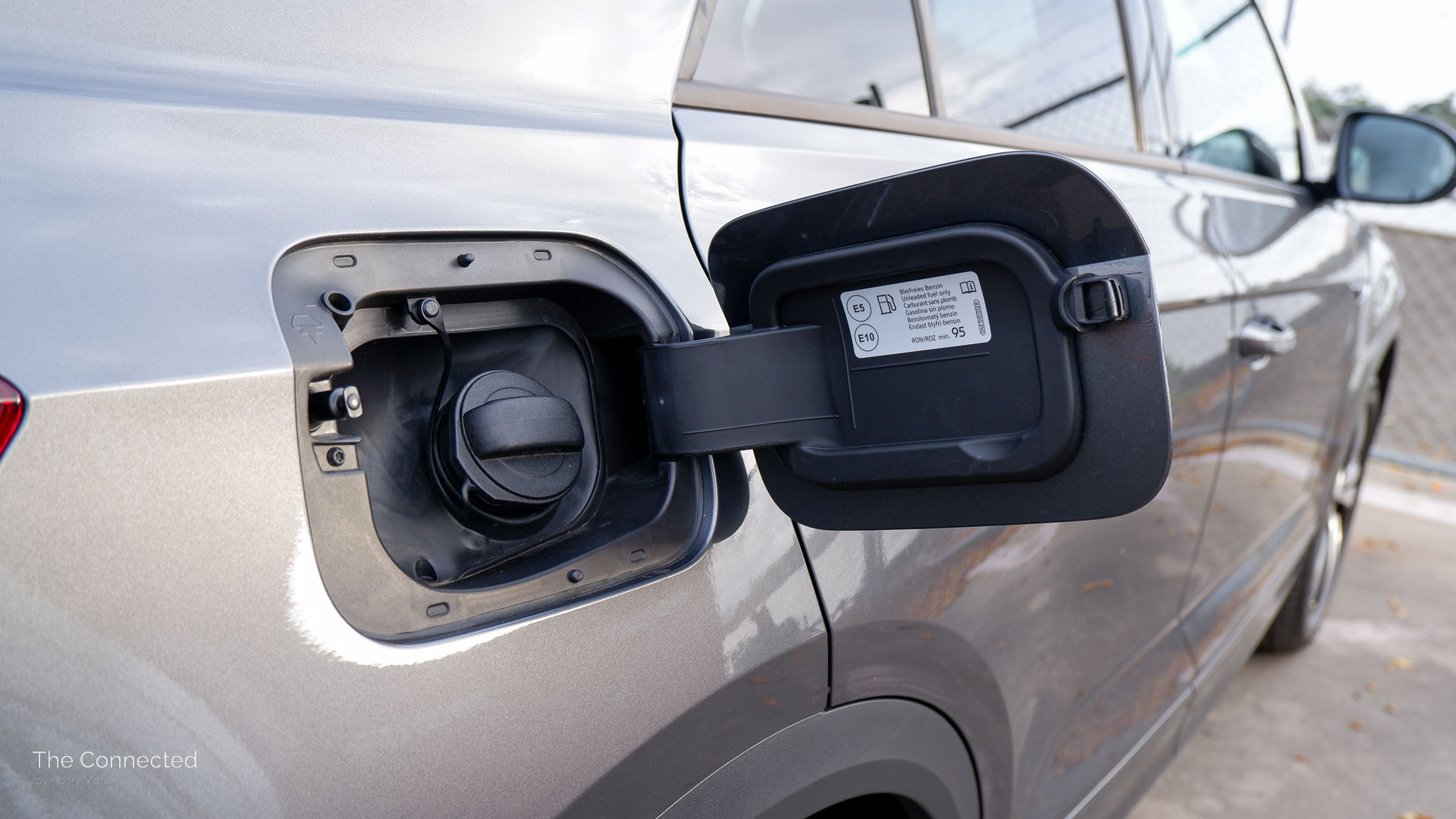
Importantly, the Volkswagen small SUV requires at least 95 RON premium unleaded petrol, which is a higher quality fuel with less sulphur content – and generally costs more at the pump.
The T-Roc is compliant with stricter Euro 6 emissions standards, unlike most rivals in Australia including the Kia Seltos, Mazda CX-30 and GWM Haval Jolion, which meet Euro 5 standards only – and dates back to 2009.
The fuel lid is located on the rear-right quarter side of the vehicle and can be opened from the outside when the vehicle is unlocked. It is a good height for inserting fuel pumps and the cap can easily be twisted/untwisted.
Driving.
2024 Volkswagen T-Roc R-Line powertrain specs:
| Engine | 2.0-litre turbo-charged, naturally-aspirated four-cylinder petrol |
| Power | 140kW @4200-6000rpm |
| Torque | 320Nm @1450-4200rpm |
| Transmission | 7-speed DCT |
| Drive Type | AWD |
| Claimed 0-100km/h time | 7.2 seconds |
| Tare weight | 1516kg |
| Towing (unbraked / braked) | 750 / 1700kg + max 80kg towball download |
The Volkswagen T-Roc R-Line’s turbo-charged petrol engine (labelled 140TSI) is a highlight with almost effortless power, a well-tuned transmission, and good noise insulation.
The T-Roc R-Line can appease drivers who need a small SUV and can’t spend beyond $60K for the high-performance R.
With 140kW of power and 320Nm of torque sent to all four wheels part-time, it’s almost a warm hatch with the latter providing prompt acceleration thanks to peak delivery at a low rev range.
The seven-speed dual-clutch transmission (DCT) – or as the VW Group brands it the Direct Shift Gearbox (DSG) – is refined and shifts quickly with only some hesitation at low speeds, which is a typical characteristic of an automated manual.
An easy shift down of the gear stick or pressing the drive mode dial puts the T-Roc into sport to hold onto gears for longer. There are also steering wheel paddle shifters and driver’s can lock it into manual mode by moving the shifter to the right for full control.
The Portugal-made small SUV’s steering is also sharp and far more engaging than the new Hyundai Kona.
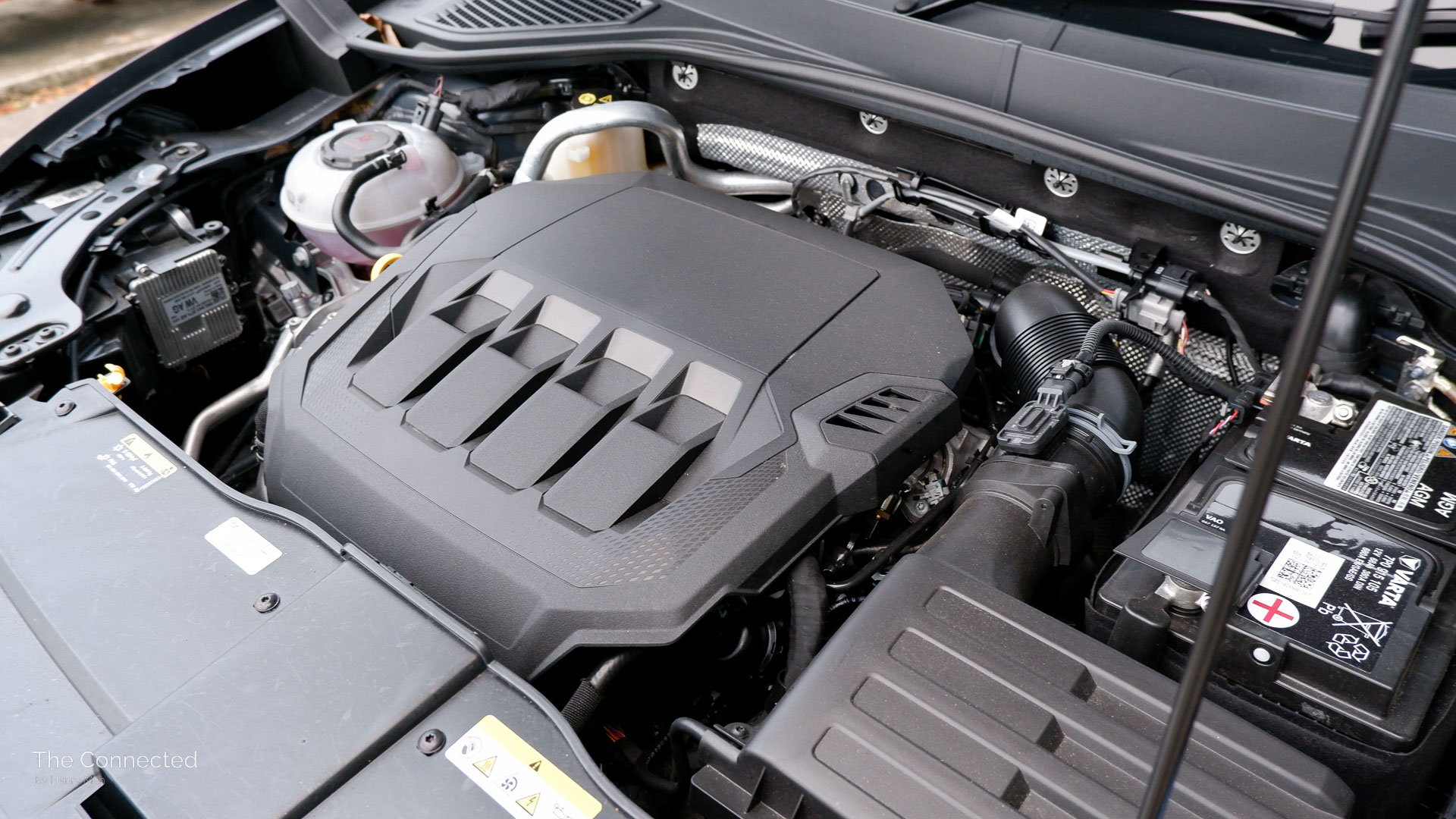
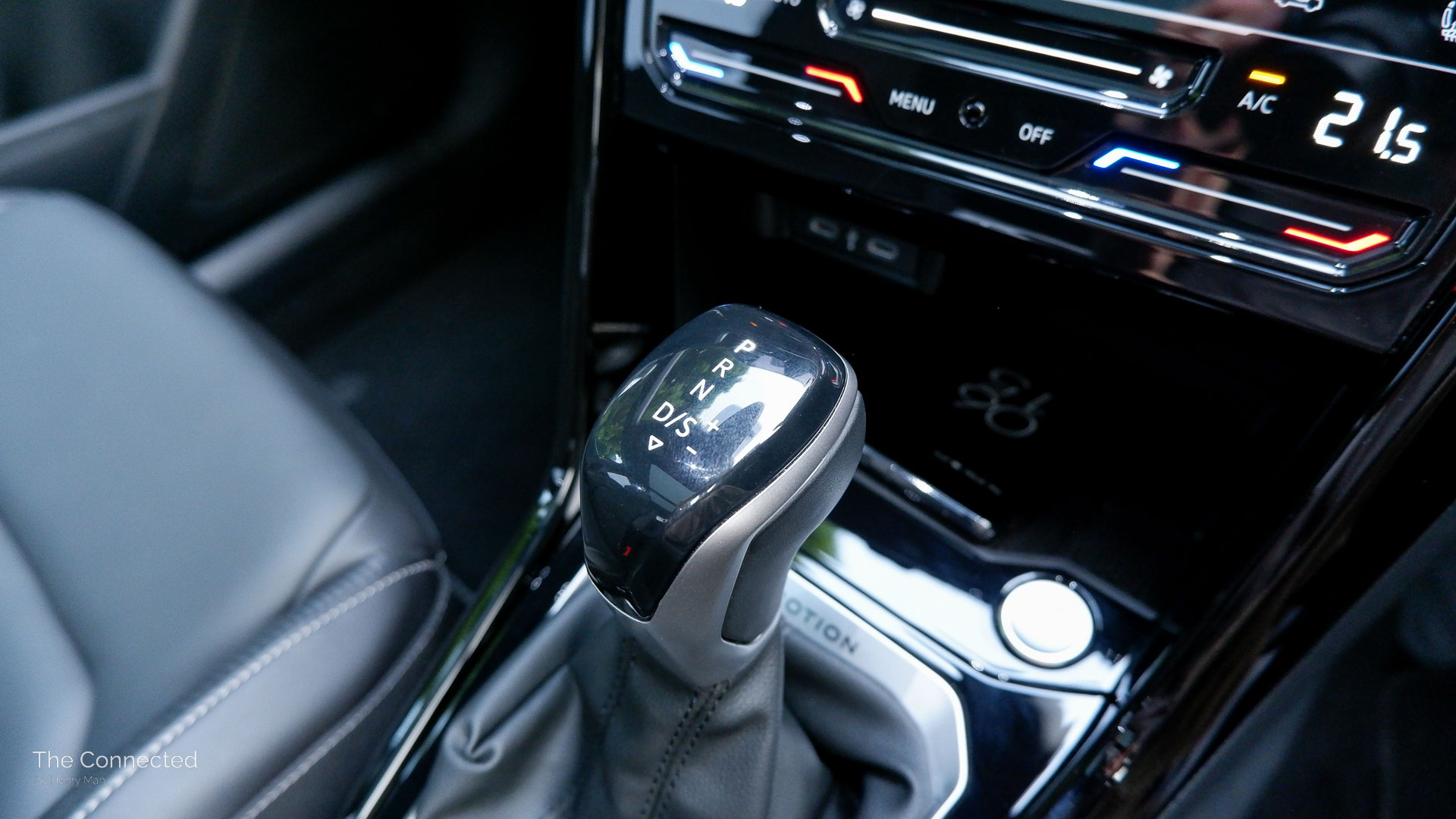
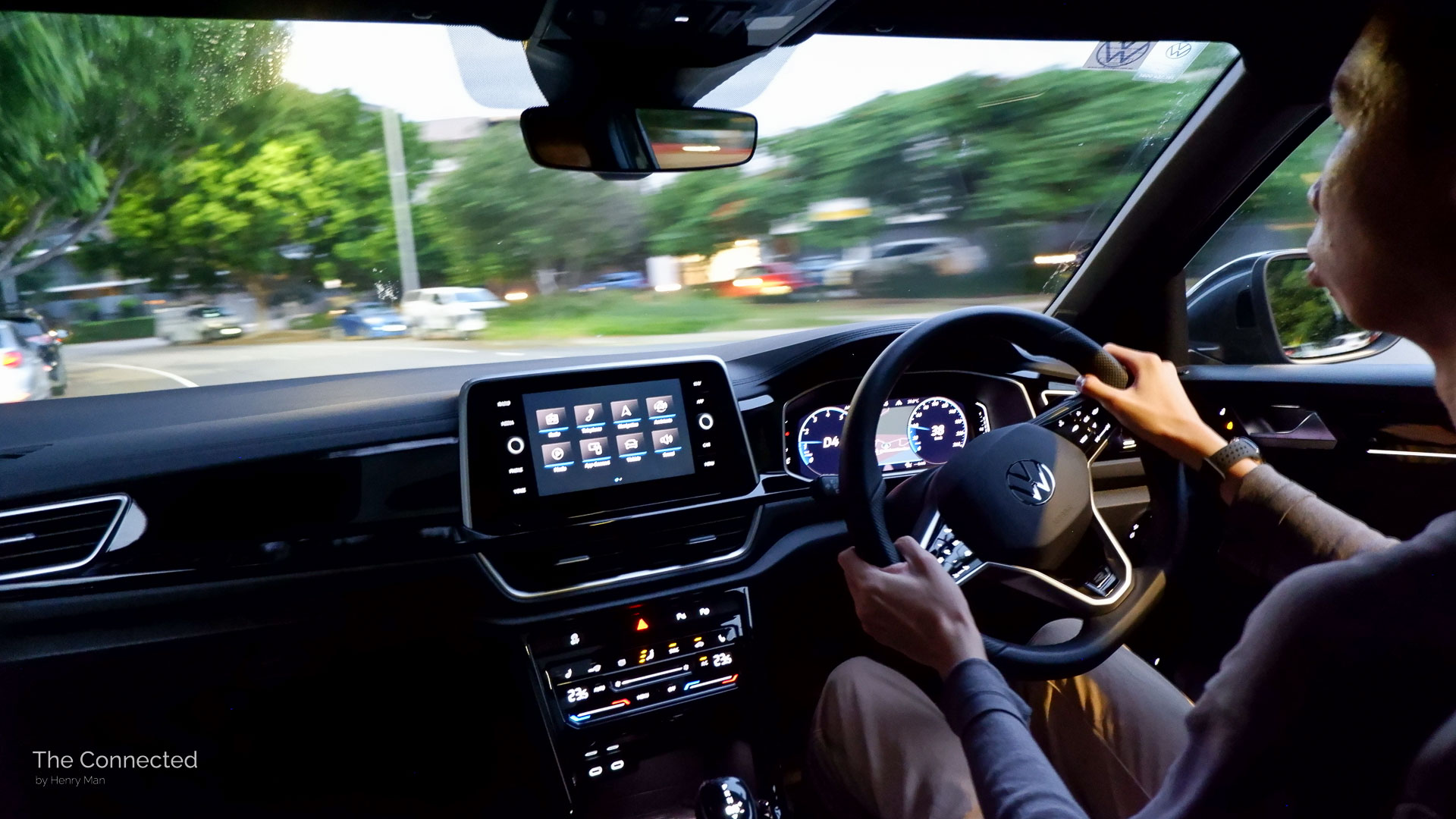
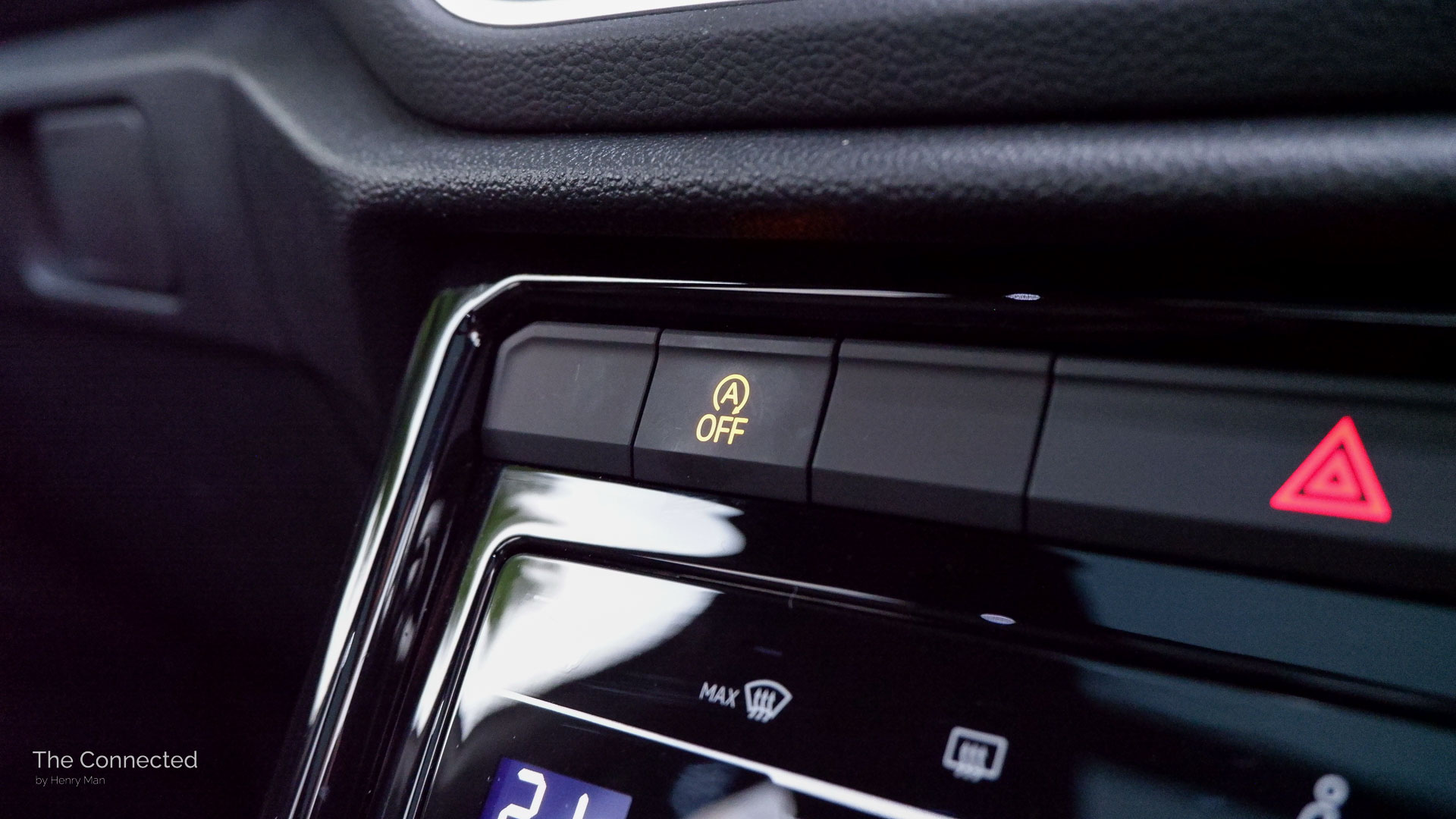
Unfortunately, the automatic stop/start engine system hampens the otherwise refined driving experience. It can be jerky and abrupt to restart the engine if you’re immediately accelerating, potentially leaving drivers in unnerving situations.
For example, driving towards and out of a junction, it can be slow to restart the motor – resulting in an anxious delay to accelerate out before another vehicle approaches.
When enabled, it even shuts off the engine completely to save exhaust emissions if it senses you’ve finished driving and shifted in park.
Thankfully, there is a physical button at the centre console to easily disable the emissions-saving system every time driver’s start the engine – not buried within the touchscreen as is the case for latest-gen Volkswagens.
Even with healthy power outputs and heavy acceleration, the engine doesn’t sound stressed with excellent noise insulation from the powerplant and outside environment. However, there’s more road noise coming from the standard 215/50/R18 Bridgestone Turanza T001 tyres.
The T-Roc R-Line’s ride is generally comfortable with the 18-inch wheels soaking up bumps and coarsely-paved B-roads well.
Manoeuvring the all-wheel drive small SUV is okay, though its 11.1-metre turning circle isn’t a standout compared to its rivals on paper.
Warranty and servicing.
2024 Volkswagen T-Roc R-Line capped-price servicing prices:
| 1 year/15,000km | 2 years/30,000km | 3 years/45,000km | 4 years/60,000km | 5 years/75,000km |
| $484 | $670 | $784 | $1071 | $590 |
The 2024 Volkswagen T-Roc is covered by a five-year, unlimited kilometre vehicle warranty.
Servicing is required every one year/15,000km with prices locked in for the first five visits.
After the first five years/75,000km (whichever comes first), it’ll cost $3599. Each service will cost $719.80 on average.
The T-Roc’s maintenance costs are more expensive than its small SUV rivals, though there are pre-paid servicing packages available:
- Three years: $1800 (=$138 saving)
- Five years: $3400 (=$199 saving)
Roadside assistance is included for one year only.
A temporary-use space saver spare tyre is included and stored underneath the boot floor.
Price & rivals.
2024 Volkswagen T-Roc model range pricing (excluding on-road costs):
| CityLife (Limited Edition) | 110TSI Style | 140TSI R-Line | R |
| $36,890 | $39,790 | $47,990 | $63,490 |
Starting prices are accurate as at the time of publication and excludes mandatory on-road costs.
The 2024 Volkswagen T-Roc directly competes with a range of small SUVs including:
- MG ZST – from $26,990 drive-away
- GWM Haval Jolion – from $28,490 drive-away
- Kia Seltos – from $29,780 (full review)
- Mitsubishi Eclipse Cross – from $31,990
- Hyundai Kona – from $32,000 (full review)
- Skoda Kamiq – from $32,990 drive-away
- Mazda CX-30 – from $33,140
- Nissan Qashqai – from $33,890
- Toyota Corolla Cross – from $33,980
- Chery Omoda 5 – from $33,990 drive-away
- Subaru Crosstrek – from $34,990
- Honda HR-V – from $36,700 drive-away
- Peugeot 2008 – from $38,945
- Volkswagen Golf – from $39,190
Other electric car alternatives to the Volkswagen T-Roc include:
- MG 4 – from $39,990 (full review)
- MG ZS EV – from $41,990
- BYD Atto 3 – from $48,011
- Peugeot E-2008 – from $59,990
- Cupra Born – from $59,990
Would I pick the 2024 Volkswagen T-Roc R-Line?
The Volkswagen T-Roc is a refined all-rounder small SUV, without being too flashy.
It may feel conservative, but it blends the best of old and new VW – if you still want to savour the Mk7.5 Golf days before the next-generation model due in 2026.
The T-Roc excels overall at the key criteria for a good car – functional tech, non-intrusive safety assist systems, an excellent engine and transmission, and mostly quiet and comfortable ride.
However, the T-Roc R-Line is more expensive to buy and own than most small SUV rivals (Volkswagen has a more premium Euro market positioning), others offer more features for less money, and its rear seat room is limited.
I’d pick the T-Roc Style instead. It’s the better value choice, priced from $39,790 before on-road costs, and I’d also recommend adding the handy electric tailgate for $600 more.
The Style shares most features with the R-Line and benefits from less gloss black surfaces and more intuitive physical steering wheel buttons, albeit at the expense of a lesser-powered engine and front-wheel drive only.
What was once the Golf is now the T-Roc as Volkswagen’s most popular ‘people’s car’. However, if you are more budget-conscious, and prioritise interior space and more features over overall refinement, there are other small SUV alternatives.
Photographs by Henry Man
READ MORE: Why are new cars so expensive in Australia?
READ MORE: 2024 Kia Seltos review: Now on brand.
READ MORE: 2023 Hyundai Ioniq 5 review: Forwards and backwards.
About the Author.
Henry Man is an independent content producer passionate about the intersection of technology and transportation.
The former automotive journalist is focused on producing critically-detailed vehicle reviews, and unique short-form content. Learn more.


 The Connected by Henry Man