

Is the updated Volkswagen T-Cross 85TSI Life the best new car for the masses?
Times have changed. What was once a sub-$20K Volkswagen Polo hatchback is now a post-$30K T-Cross SUV as the brand’s new entry-level new car.
Volkswagen Australia insists the facelifted T-Cross meets changing customer preferences with more standard features and less option packs, albeit at a higher price.
The German automaker expects half of T-Cross sales to come from the base 85TSI Life from launch. Is this Volkswagen’s best ‘people’s car’ yet?
NOTE: The press vehicle was provided by Volkswagen Australia for a seven-day independent evaluation. We have no commercial arrangements with the company and it had no editorial control.
The feature image above used generative AI to remove objects in the background.


Pros.
+ Well-featured base model
+ Small dimensions, spacious interior
+ Comfortable and quiet ride
+ Non-intrusive safety tech
+ Impressive standard speakers
Cons.
– Pricier compared to rivals
– Laggy transmission
– Average fuel consumption
– Some odd practicality omissions
– Expensive servicing
Vehicle tested:
| Model | 2025 Volkswagen T-Cross |
| Variant | 85TSI Life |
| Starting price | $33,990 before on-road costs ($34,990 drive-away offer) |
| Exterior colour | Smokey Grey Metallic (+$600) |
| Interior colour | Melange Grey comfort cloth seats |
| Country made | Spain |
Design and quality.
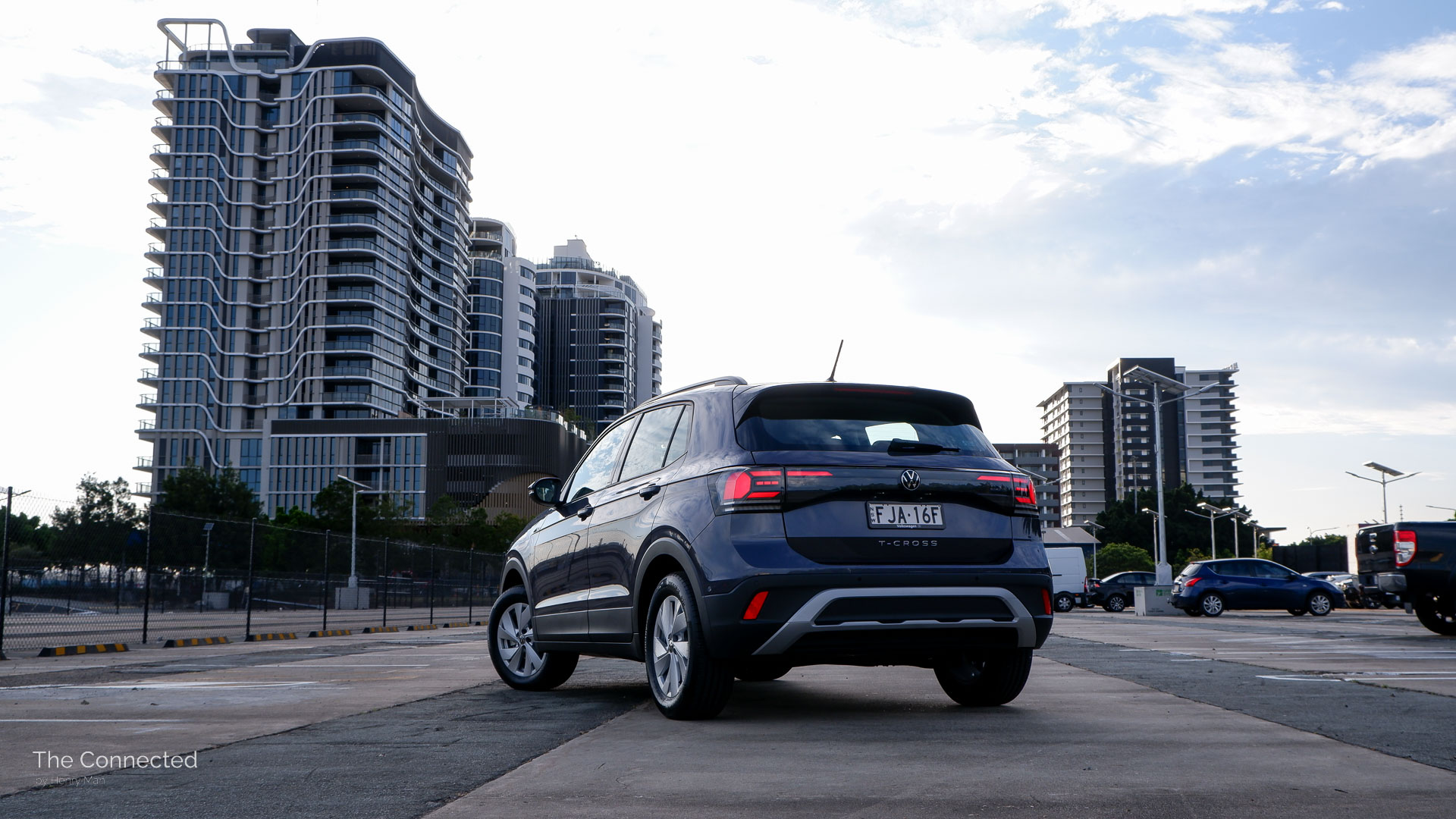
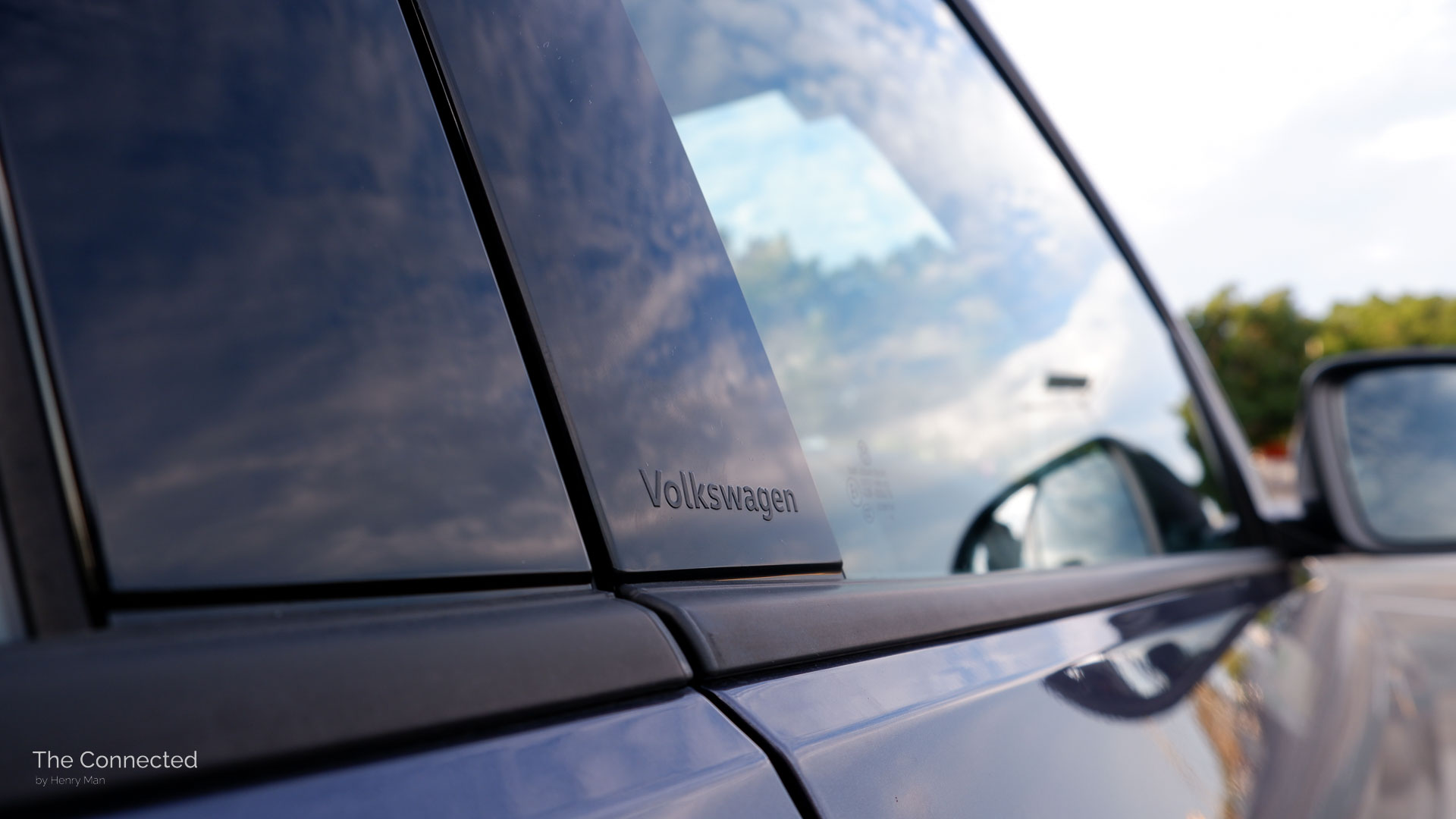
Design changes to the 2025 Volkswagen T-Cross facelift are minor, with a similar rugged-looking baby SUV look.
The bumpers have been tweaked, there are new wheel designs, and redesigned front and rear lights.
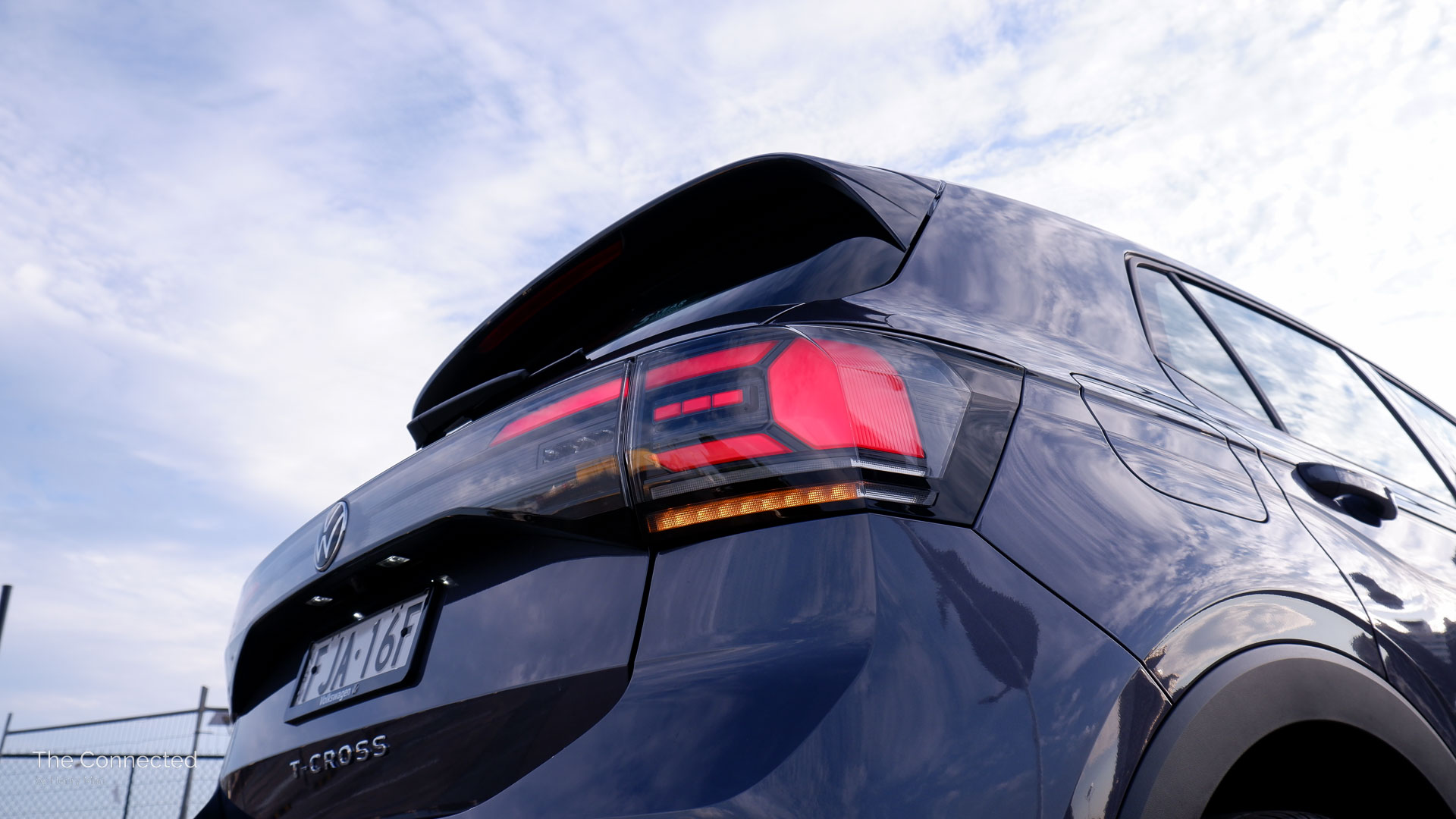
Unfortunately, the base Life looks more similar to its predecessor as it doesn’t get the unique front and rear light bars, and new X-shaped tail-lights with sequential indicators found on the Style and R-Line.
Instead, the rear LED lights have received a slightly changed design, the full LED headlight cluster incorporates a non-shaped daytime running light block, and the 16-inch ‘Nottingham’ alloys appear basic.


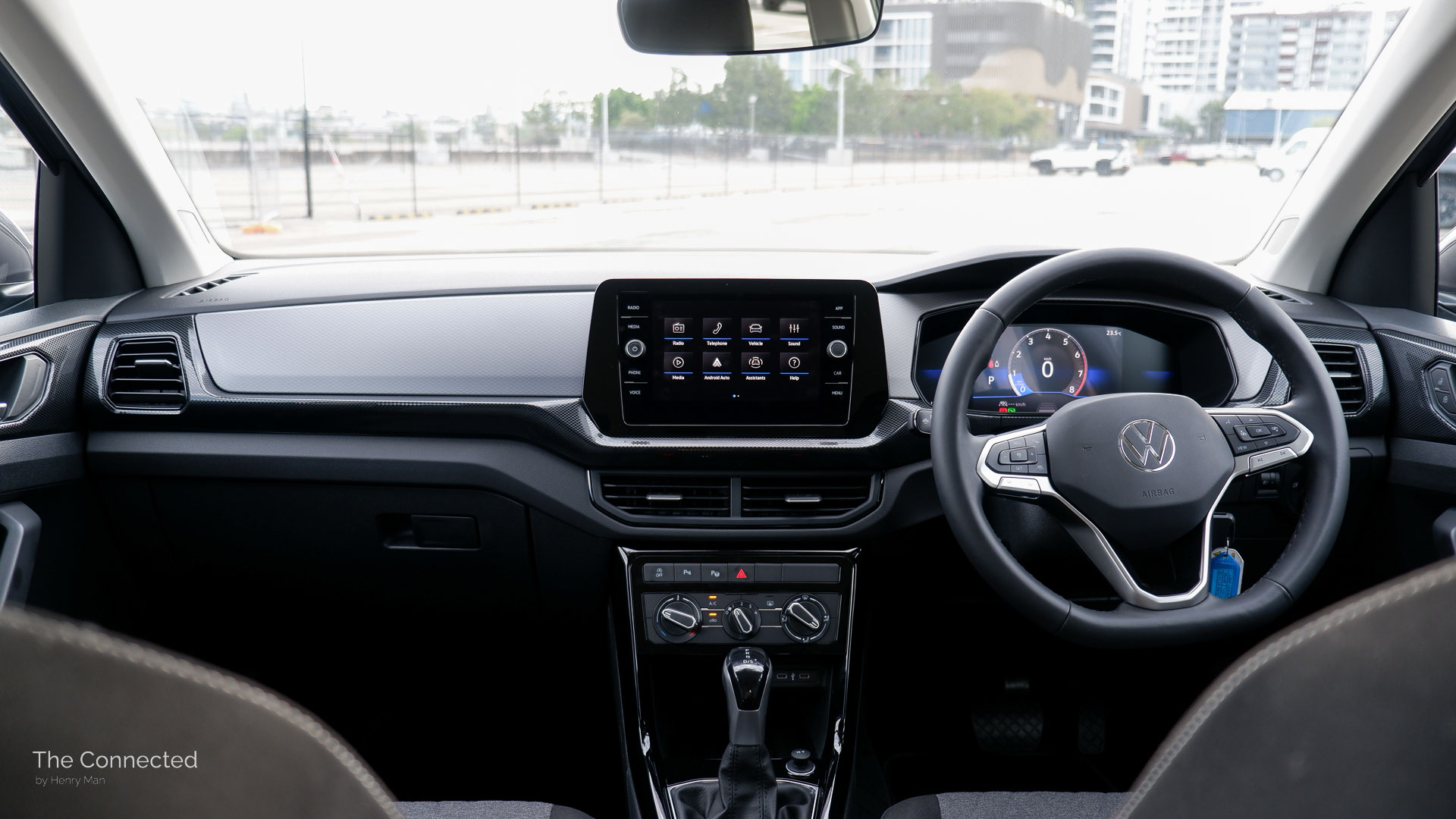
The T-Cross, especially in base form, is conservative and subdued – typical for Volkswagen.
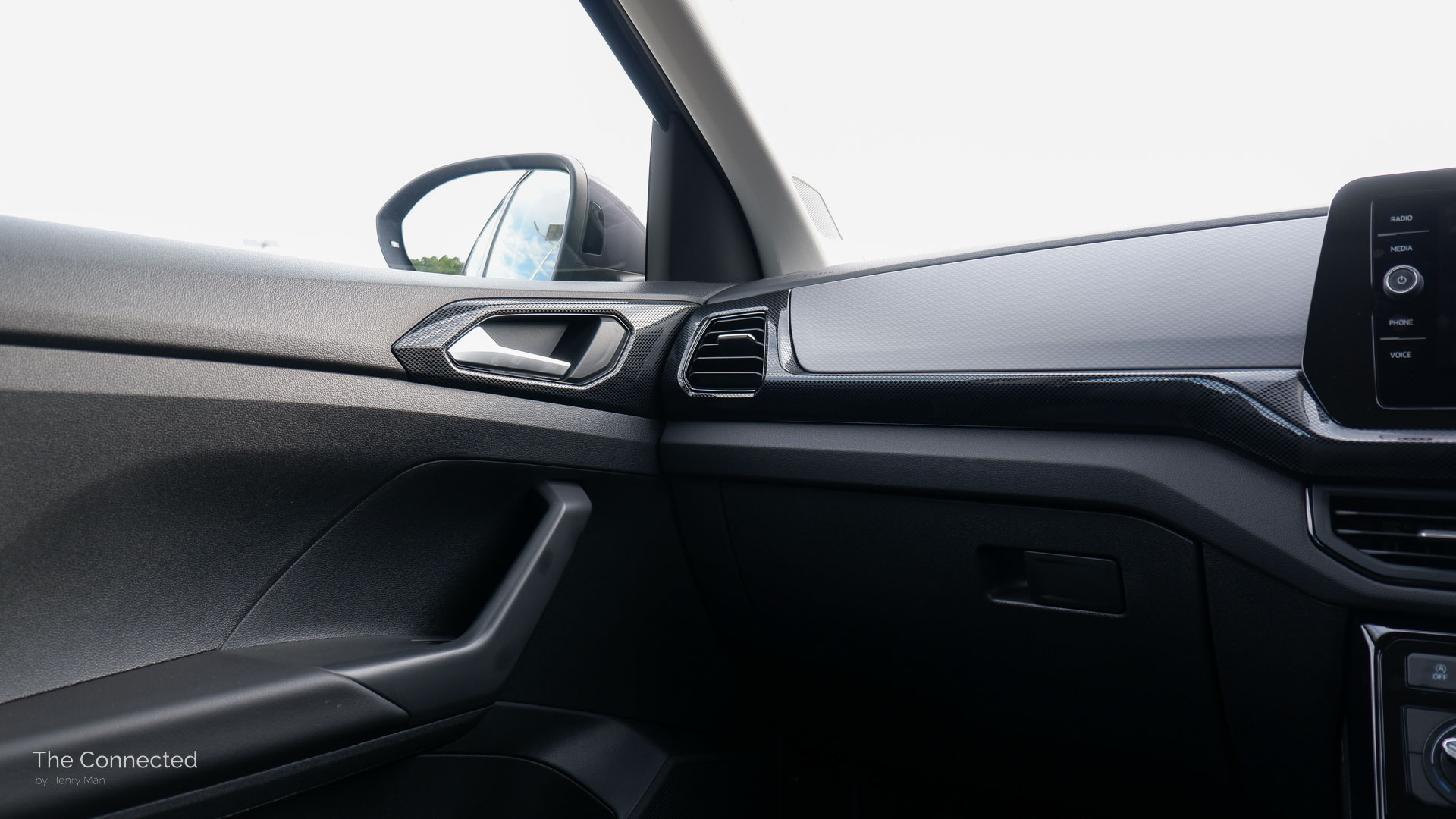
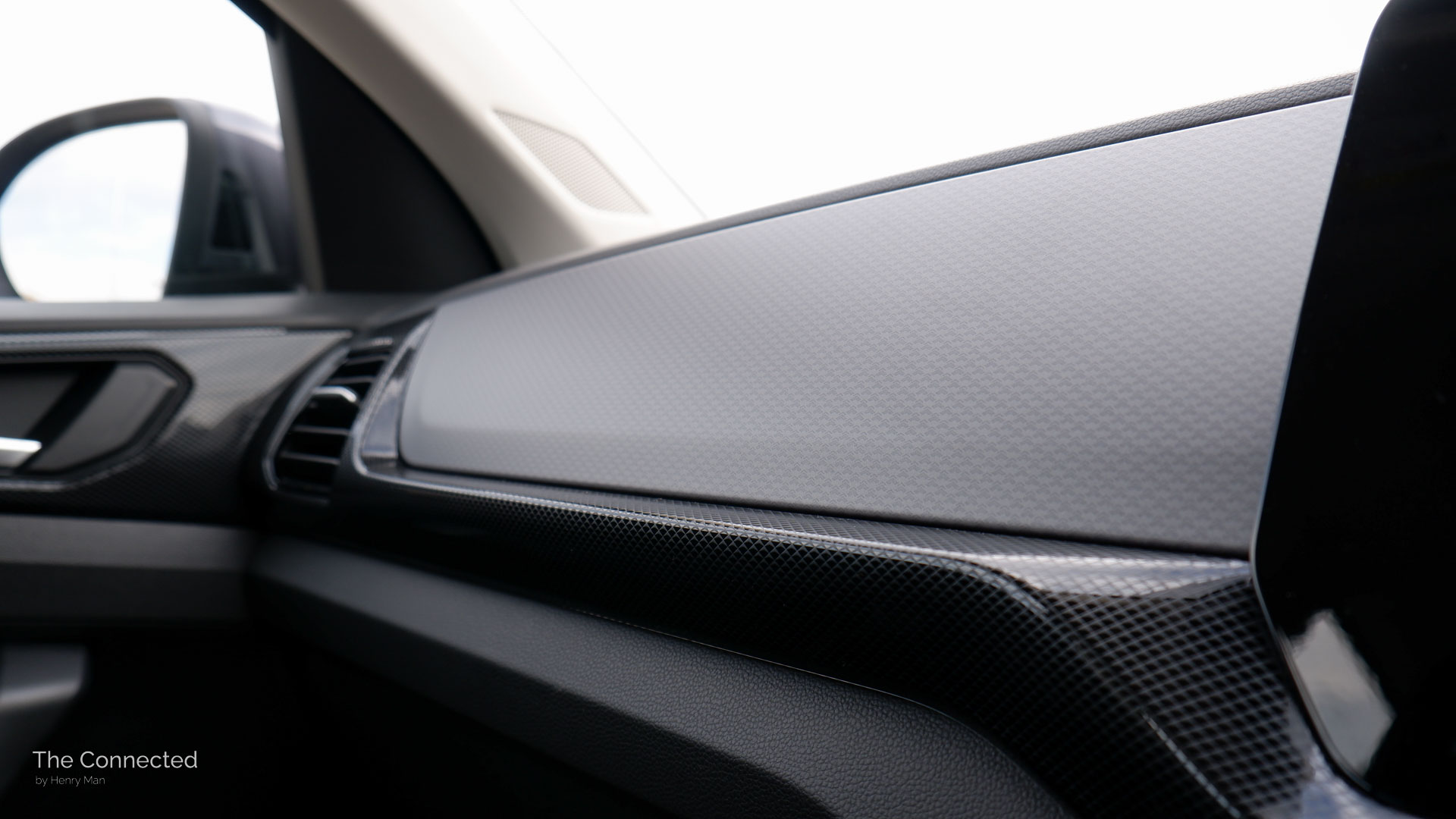
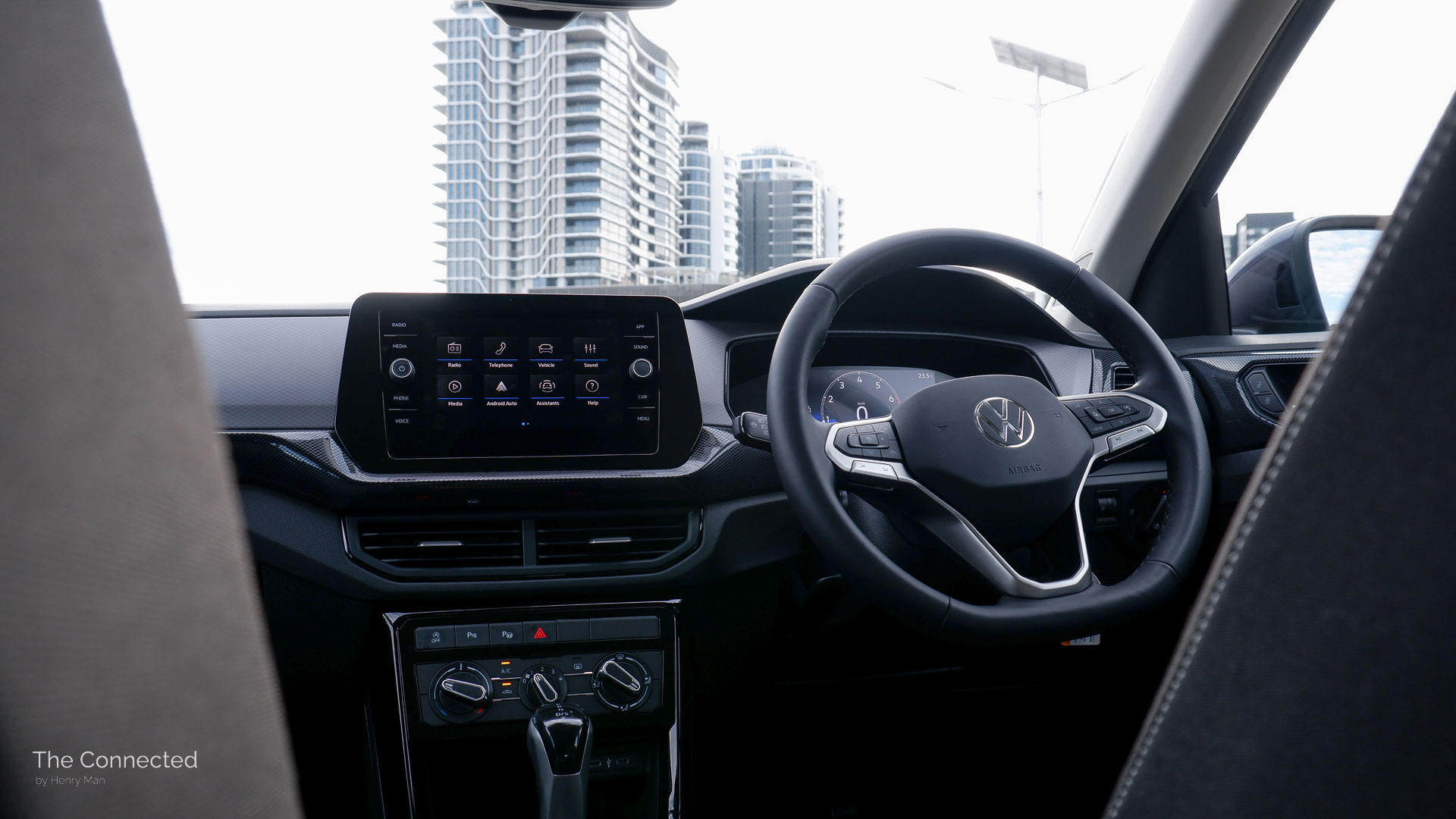
Meanwhile, the traditional interior is largely unchanged, but now features a soft touch dashboard and a cleverly textured gloss black trim that doesn’t attract dust and fingerprints.
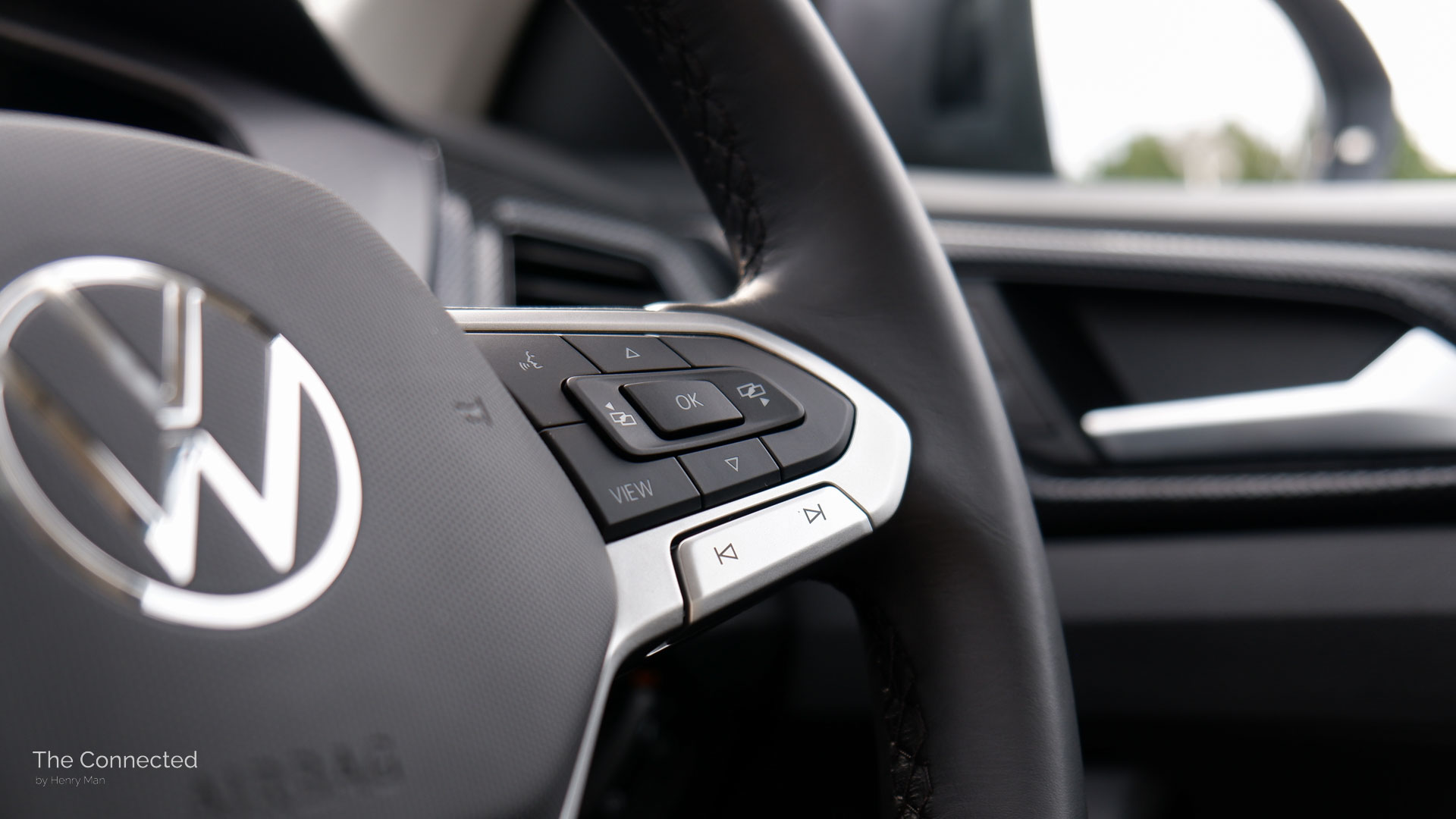
Interior quality is solid with tactile switches and buttons, from the manual air-conditioning, to the steering wheel controls and padded armrests.
However, the middle front door cards are made of a harder, hollower type of plastic on the base Life and mid-spec Style, and there are more cost-cutting plastics at the rear row.
Practicality.
2025 Volkswagen T-Cross 85TSI Life dimensions:
| Length x width x height | 4108 x 1760 x 1583mm |
| Wheelbase | 2563mm |
| Ground clearance | 185mm |
| Boot space (min / rear seats folded) | 385 / 1281 litres |
| Rear seat split fold | 60:40 |
| Child seat anchors | 2x ISOFIX and 3x top-tethers (rear seats) |
Despite its compact city-friendly exterior dimensions, the T-Cross light SUV offers a refreshingly spacious interior.
The 385-litre boot provides good usable cargo space that’s enough for most everyday needs, there are two solid bag hooks, and the boot floor can be elevated to limit the loading lip.
The entire rear seat bench can also be slid forward to provide more boot space. The manual tailgate itself was heavier to close on our fairly new tester, though.
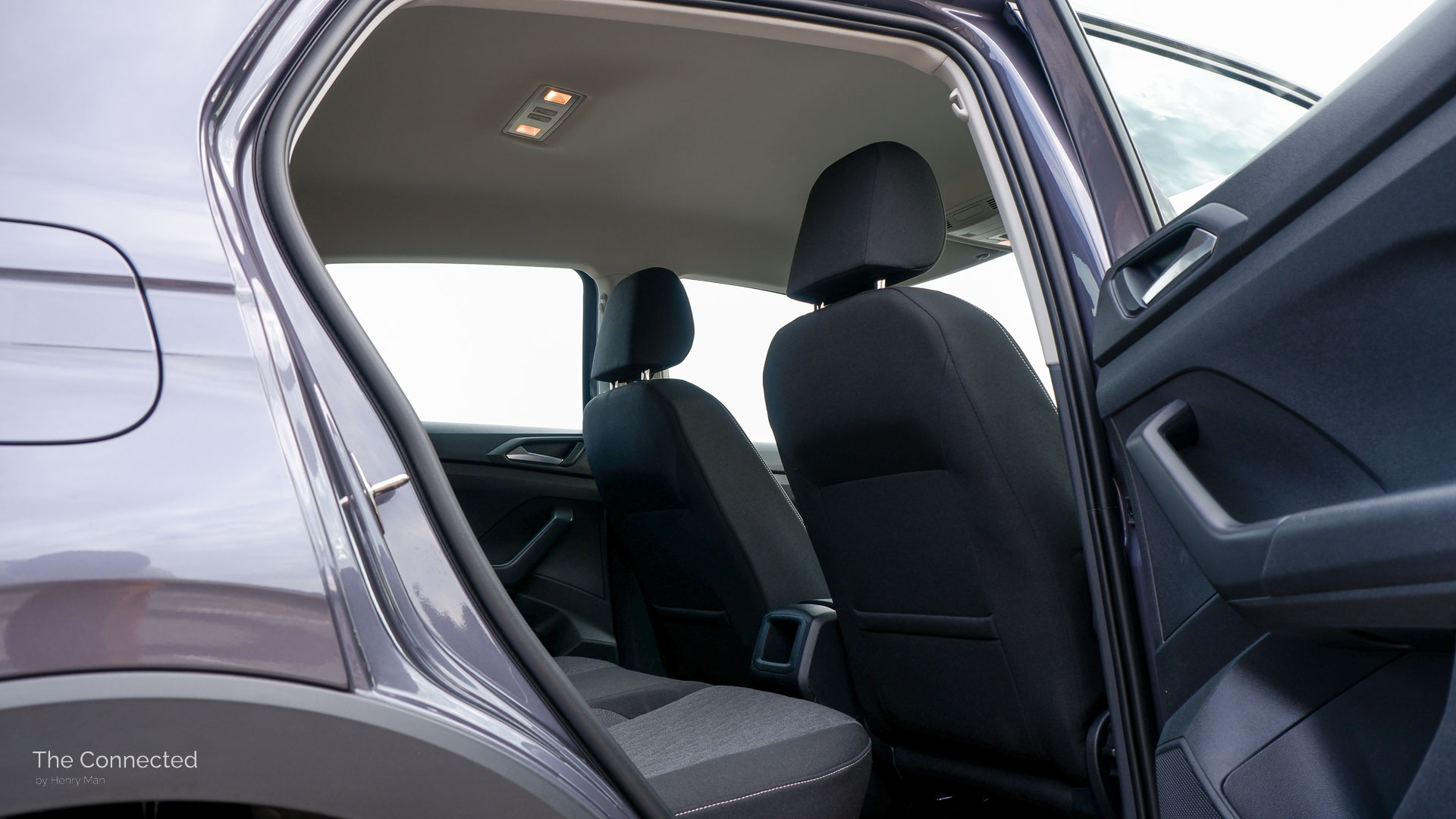
The rear row offers good space with plenty of headroom thanks to the boxy design, good legroom and footroom. Taller passengers may touch their knees against the backs of the front seats, but at least it’s soft. The door opening is also on the tighter side due to the SUV’s compact dimensions.
But, while the T-Cross is a five-seater, it’s more difficult to sit on the middle seat with a narrow bench and a prominent centre transmission floor hump.
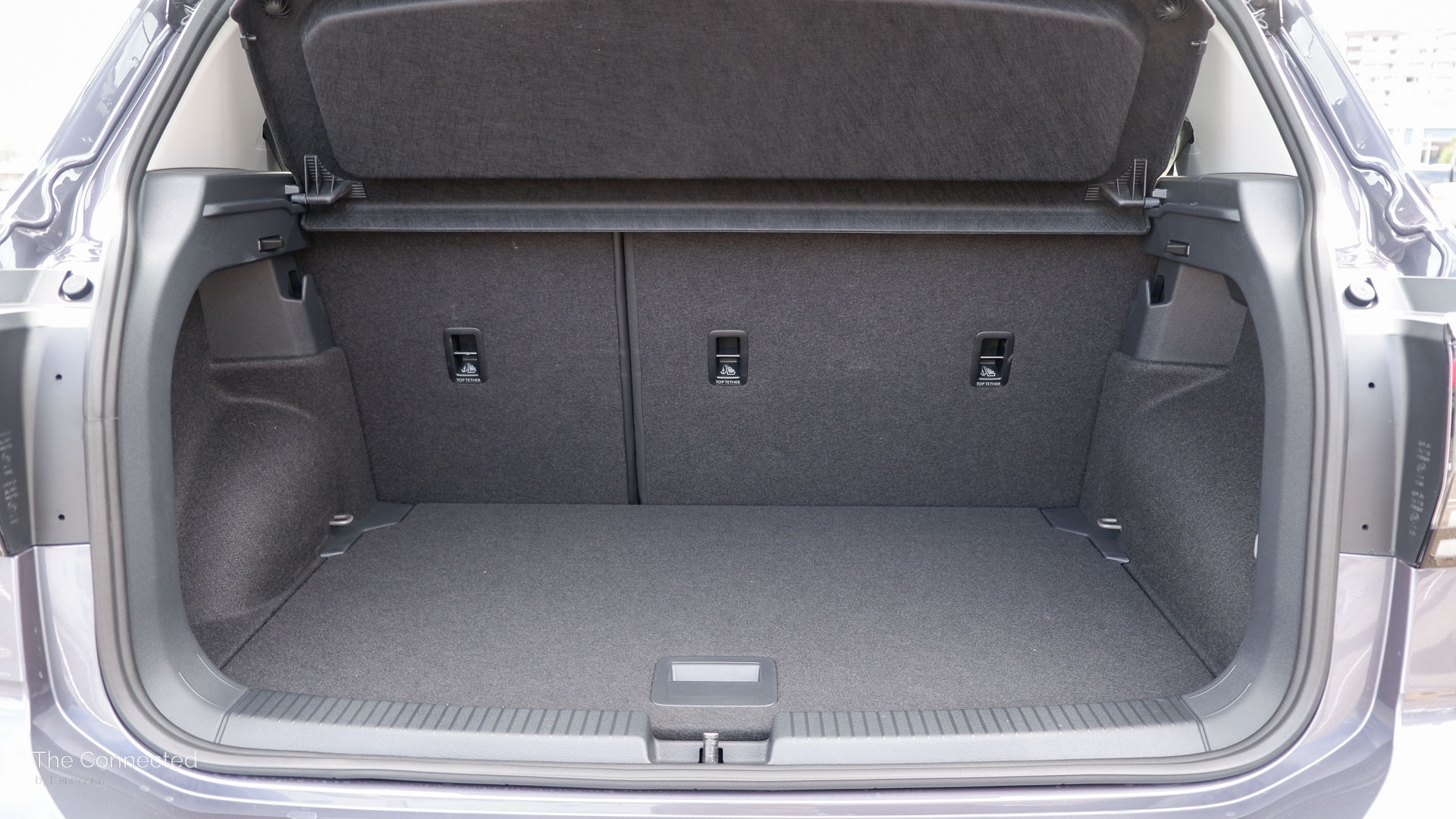
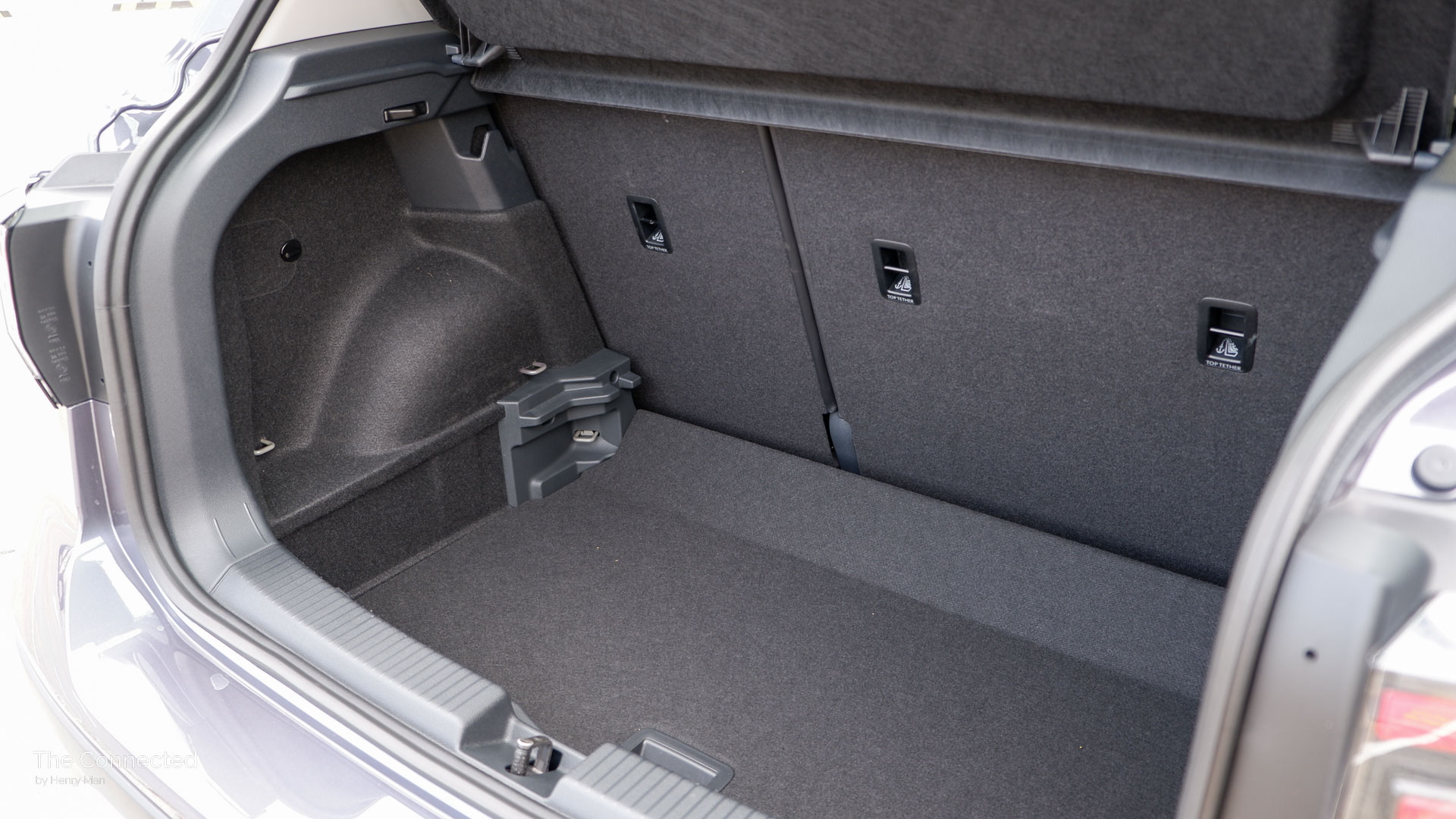
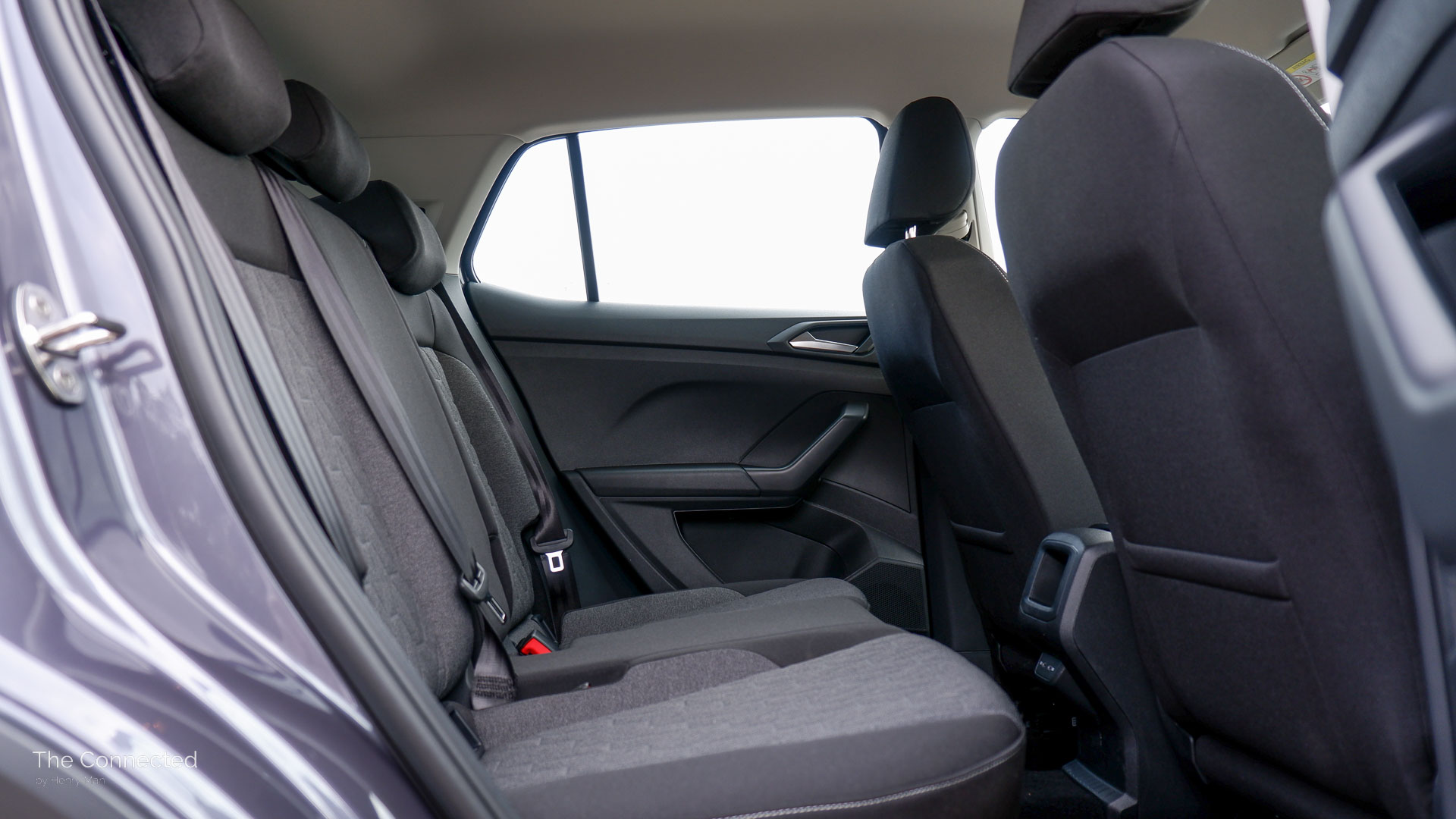

The Volkswagen Polo-based SUV’s boot and rear space even puts the point of the bigger, but not as practical, Golf-based T-Roc into question.
All T-Cross models also strangely omit practicality features, including ceiling grab handles (there are none at all), rear air vents, and a fold-down centre armrest with cup holders – even on the post-$40K R-Line.
Thankfully, there are two seatbacks pockets, two USB-C charging ports and, even though only the base Life has halogen-type interior lights, there are bulbs across both rows and still illuminates the interior well.
Likewise, all door pockets are large, fit for large bottles, and keeps them upright as well.
While the front seats are manually-adjustable on the base Life, both still offer lumbar support adjustment. However, the dial to change the backrest angle is harder to access on the side of the seat and is stiff to turn.


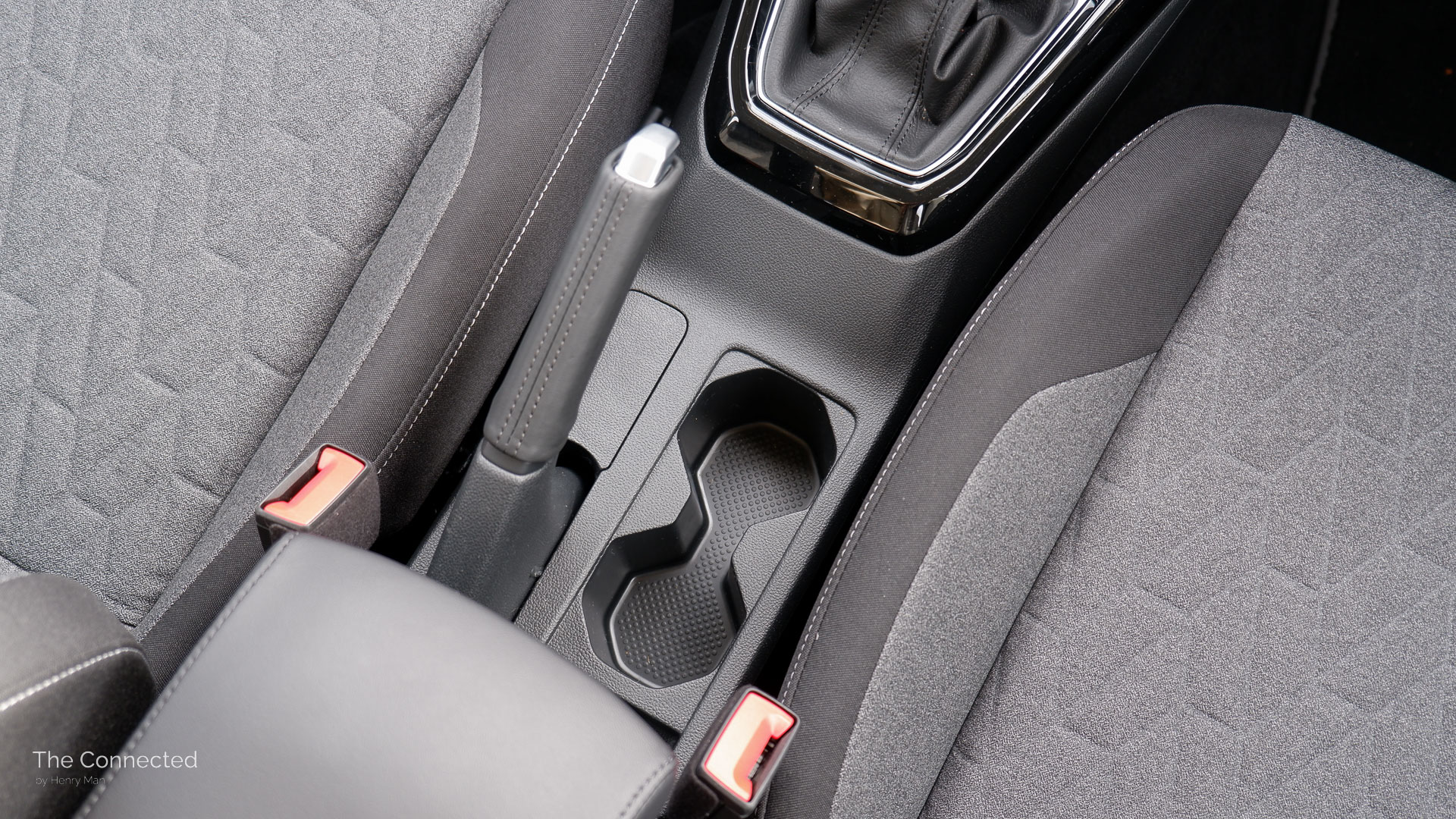

The Life’s basic fabric seats are supportive and well-bolstered, with a comfy concave centre armrest that can extend forward and is height adjustable.
Manual air-conditioning adjustment is standard and, while there are no rear air vents, the front ones are very strong.
Unfortunately, the front square centre console cup holders don’t feature a grip mechanism and are lower down than ideal, and the decently-sized glovebox lacks a dedicated light.
Technology.
2025 Volkswagen T-Cross 85TSI Life tech features:
| 8.0-inch touchscreen running MIB3 | 8.0-inch Digital Cockpit driver instruments display |
| Wireless Apple CarPlay and wireless Android Auto | Six speakers |
| Qi wireless charging pad | Manual key fob with auto-folding mirrors and puddle lights |
| 4x 45-watt capable USB-C charging ports and 1x 12-volt socket |
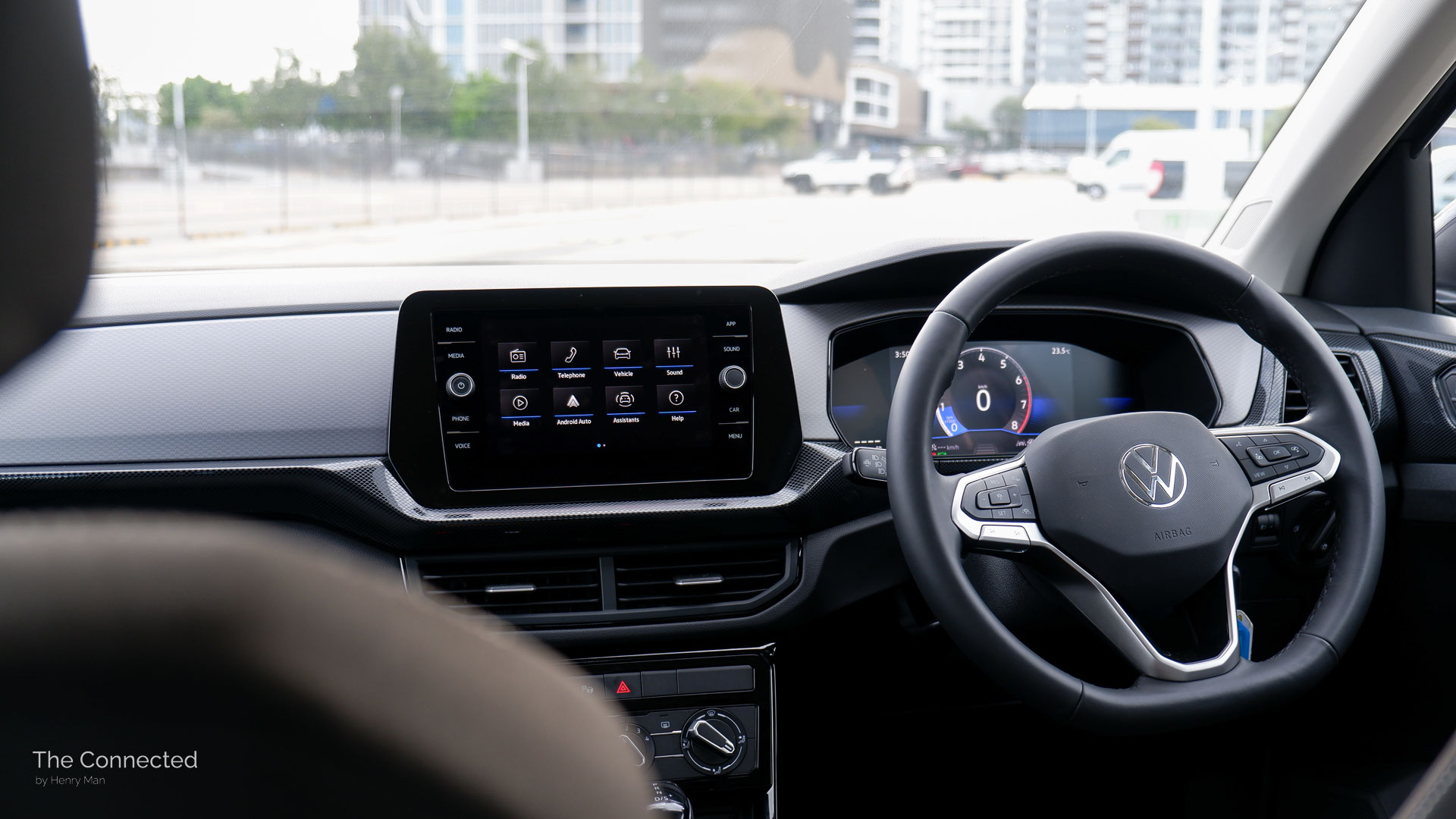
The base 2025 Volkswagen T-Cross Life features a simple and usable technology offering.
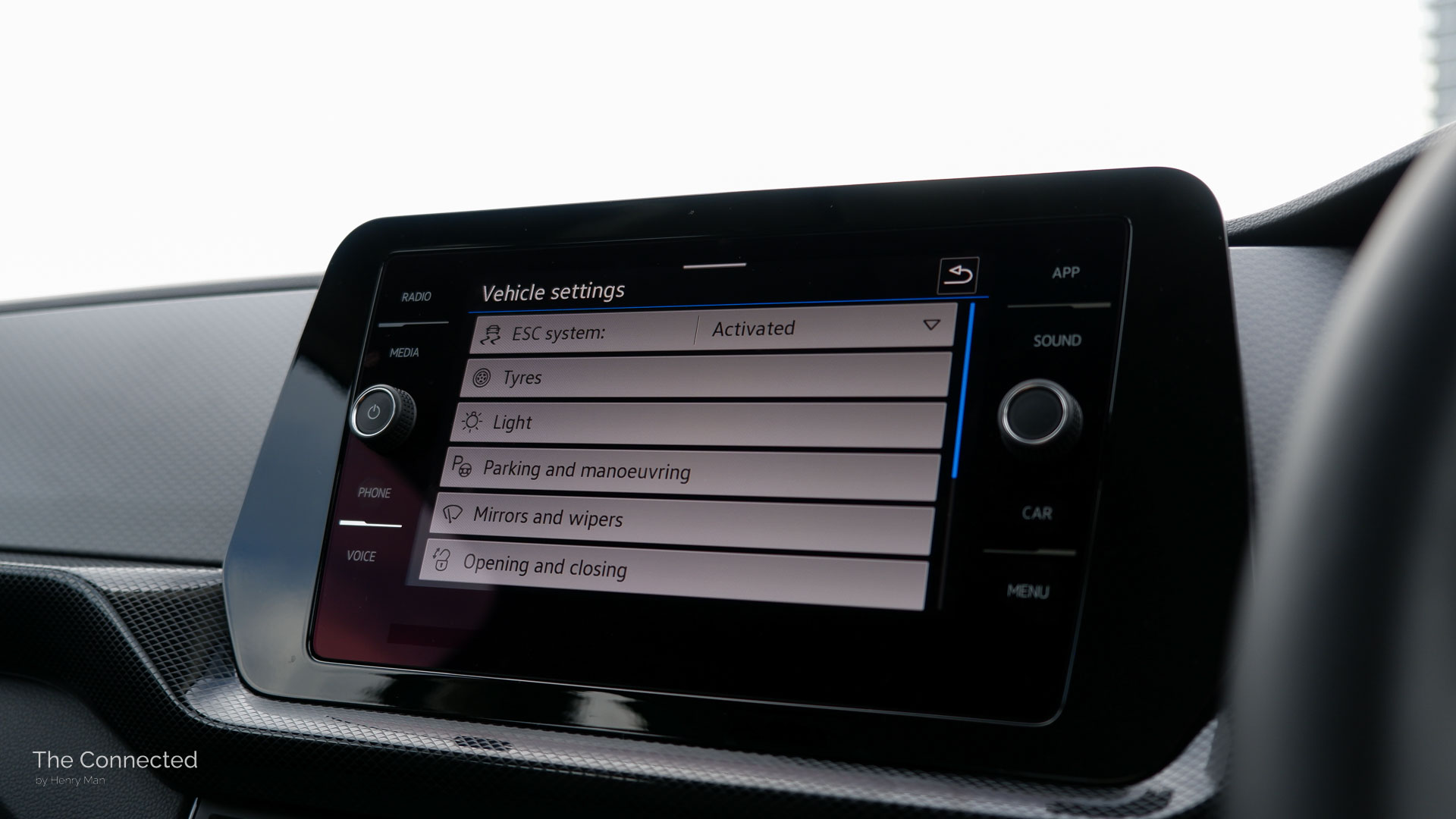
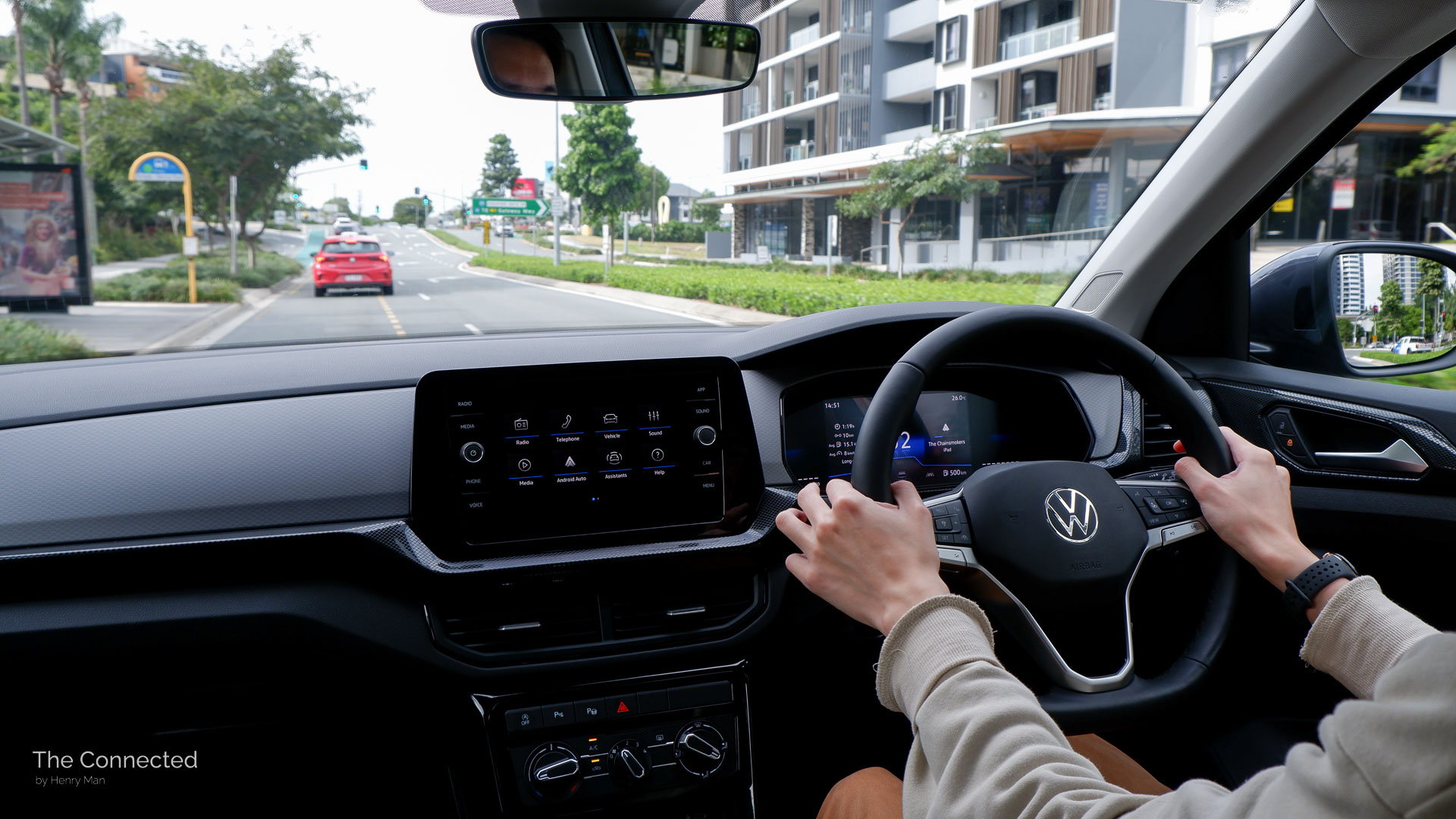
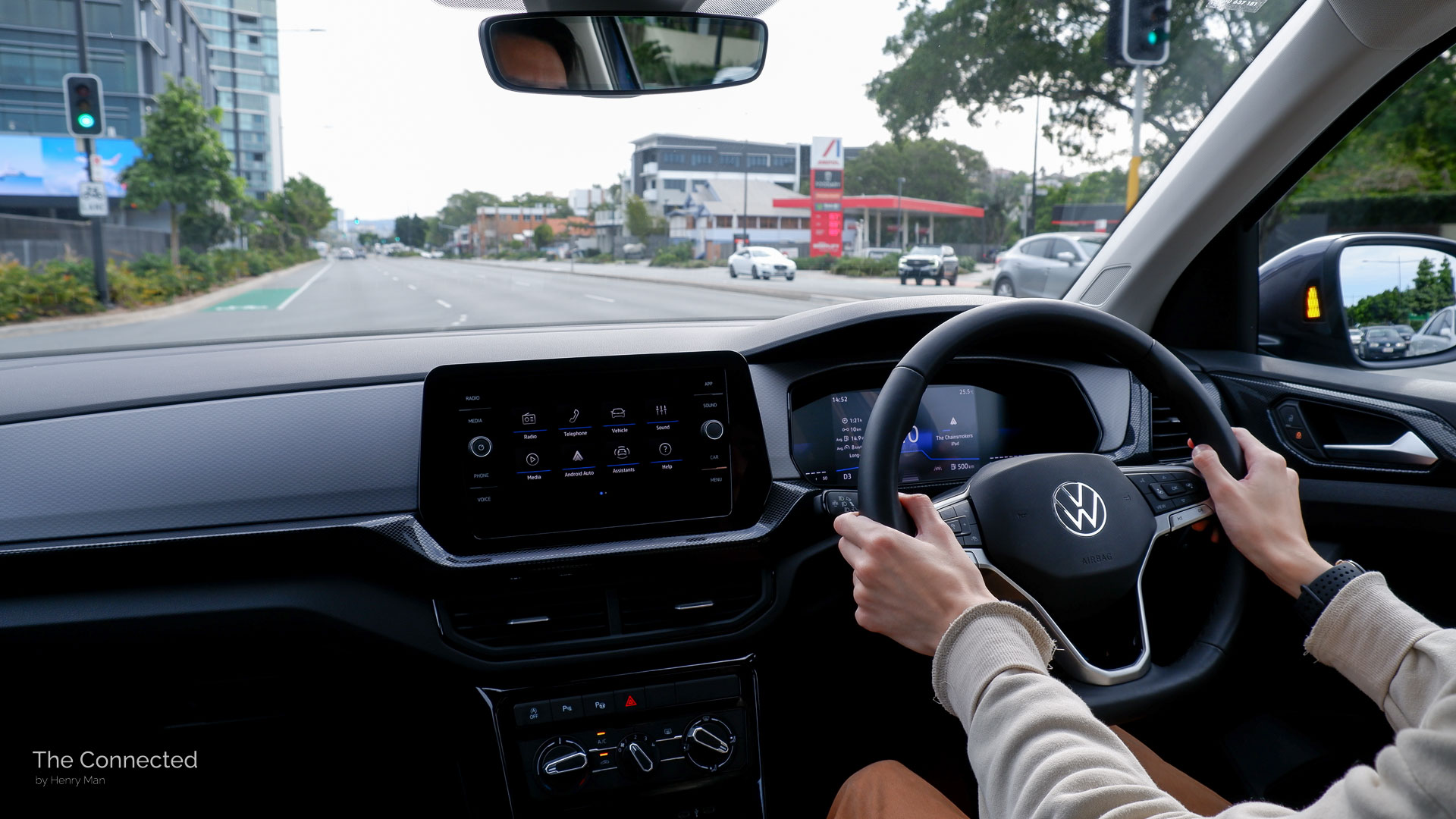
While the 8.0 inch touchscreen runs on Volkswagen’s older Modular Infotainment Toolkit 3 (MIB3) software, it is easy to use, with good processing power, and convenient touch-sensitive shortcut buttons and physical dials on each side.
The user interface has aged well, besides the white coloured rows in settings menus, with a proximity sensor displaying more elements and larger buttons when a hand is nearby, plus party-trick gesture controls for flicking between pages.
The display itself is also bright and high resolution, unlike some similarly-priced entry-level models, although the glass is a magnet for fingerprints.


Wireless Apple CarPlay and Android Auto are standard, connects within a minute – after waiting for a few seconds for the infotainment to boot up – and performs reliably.
The standard Qi wireless charging pad works well too – unlike the T-Roc example I tested previously – but generally maintains the phone’s charge rather than topping it up since there’s no fan cooling aid.
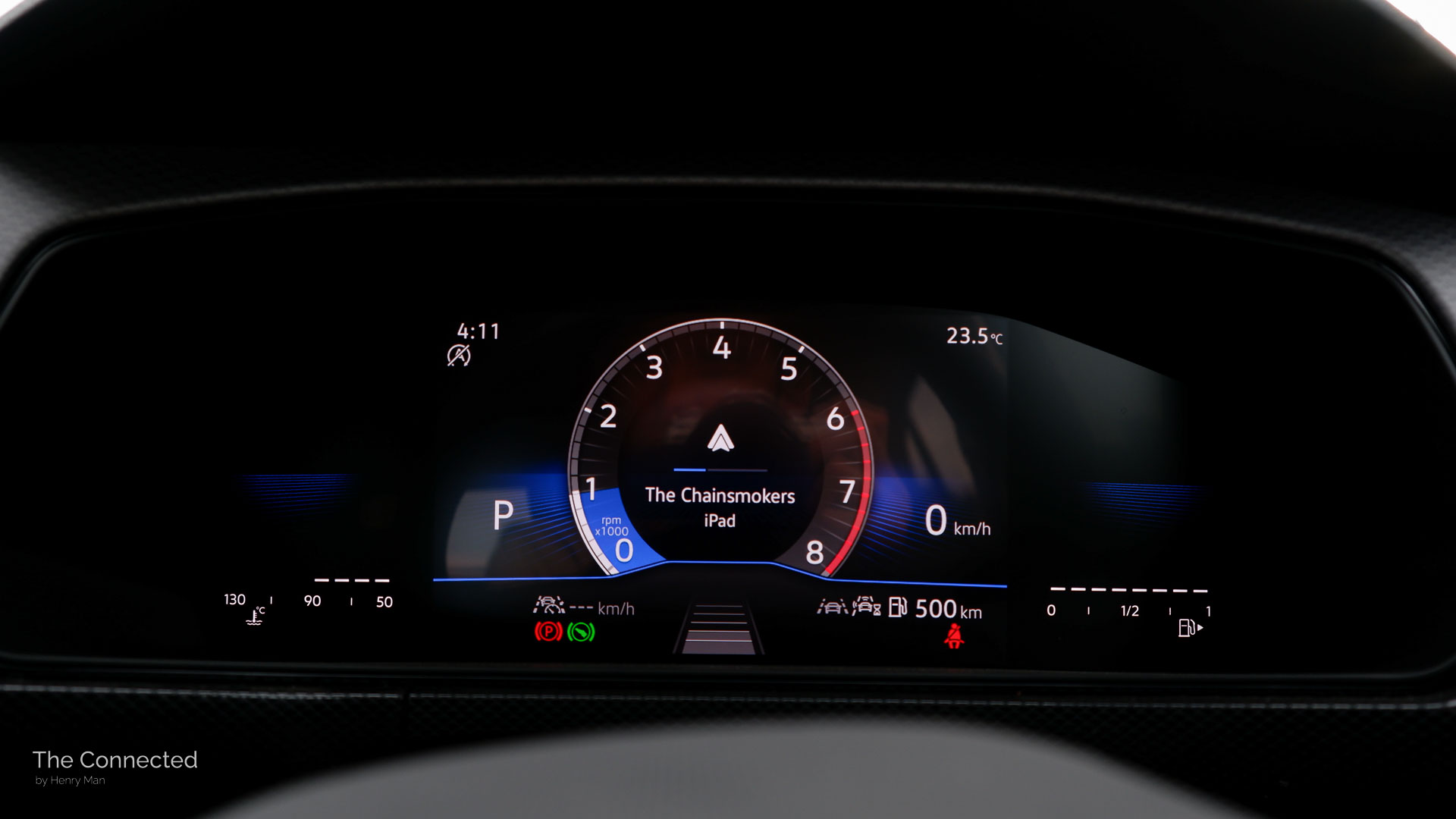
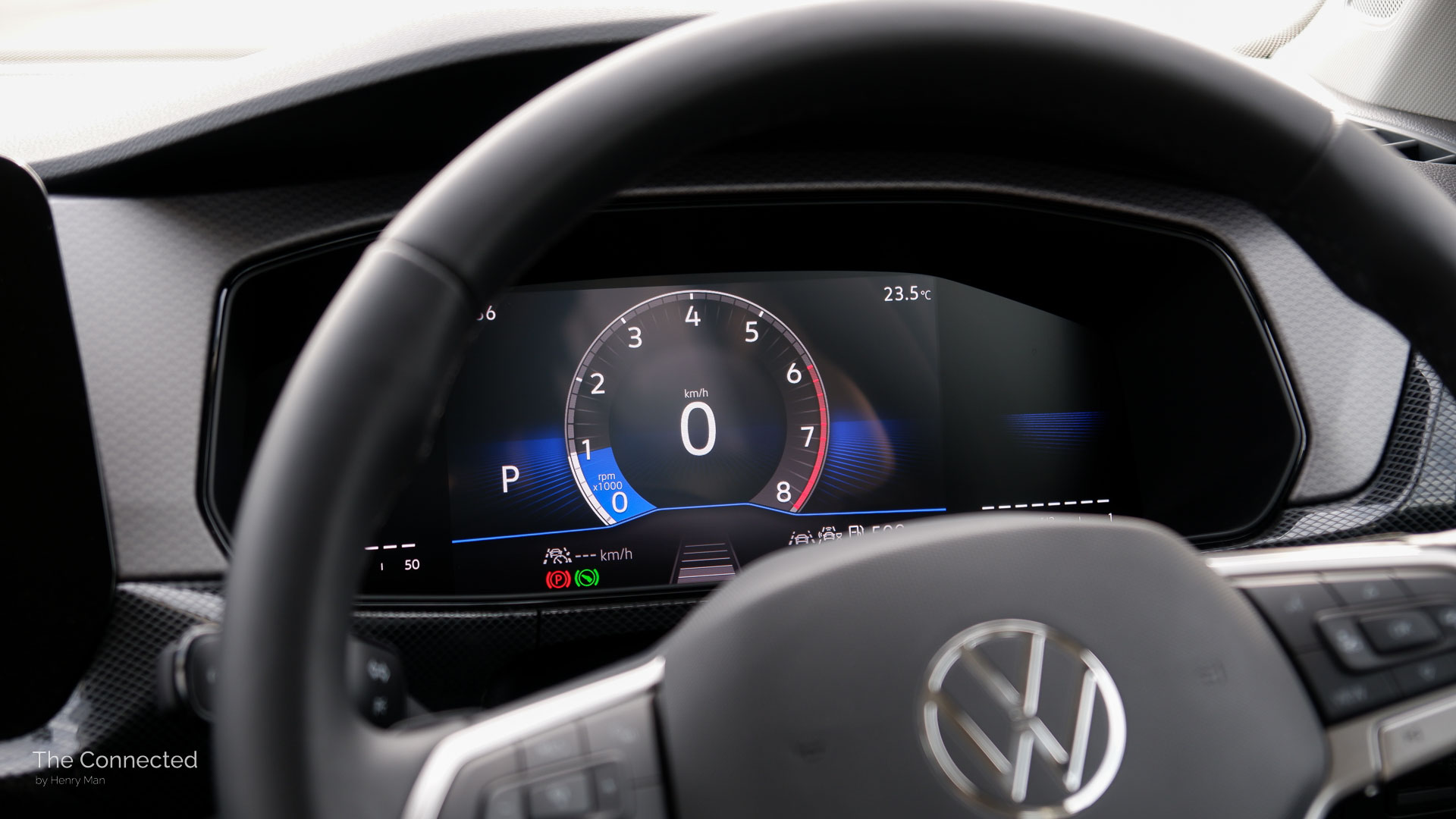
Even though the base T-Cross Life has a smaller driver instrument display, it is functionally similar to the full Digital Cockpit Pro on higher-end models, albeit without built-in maps.
It is highly customisable with three different themes and a variety of widgets, but there’s some learning required to operate the steering wheel buttons.
Volkswagen Australia doesn’t offer connected services and a remote mobile app yet, despite the introduction by other makes such as Toyota, Hyundai and MG.
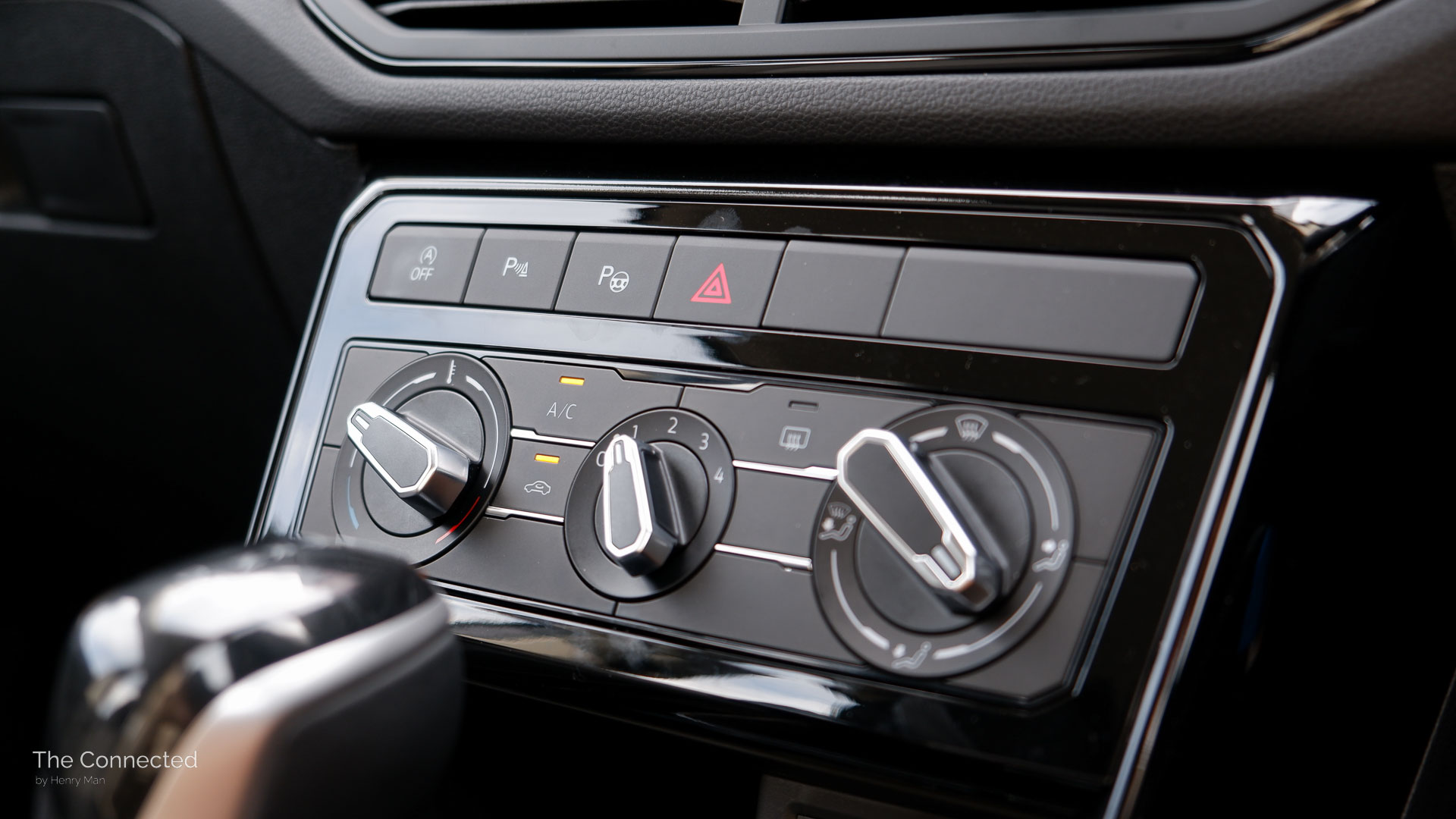
The manual air-conditioning dials and buttons on the Life are also tactile and easy to use, if a little on the smaller side.
Although the base Life and Style only have a non-branded six-speaker audio system, it still sounds surprisingly well with a warm tune and good bass.
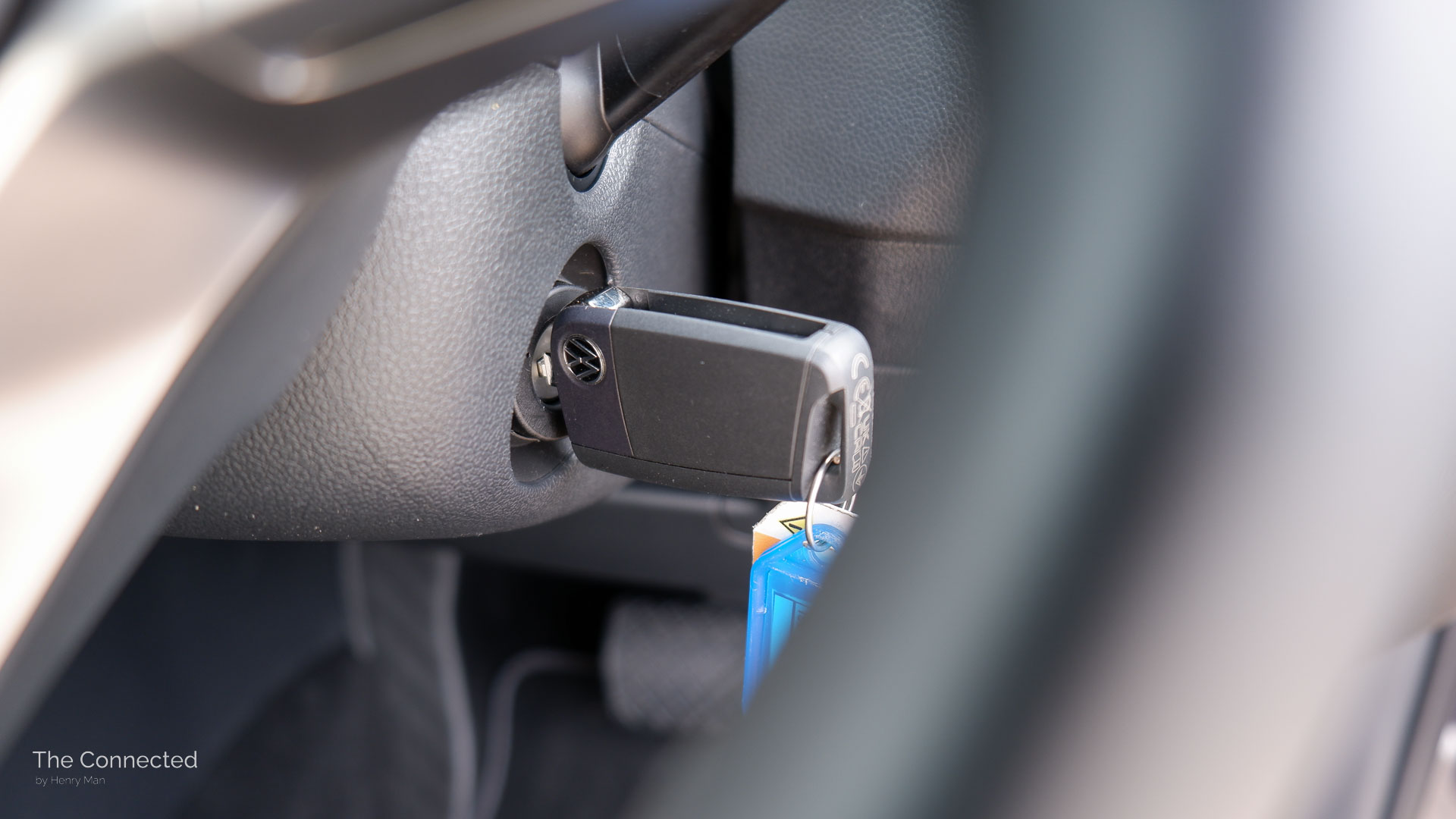
The facelifted T-Cross Life still includes a manual key fob, which requires inserting into the ignition barrel, but does have auto-folding mirrors that project a fish scale-like pattern onto the ground – a unique premium touch for the base spec.

Safety.
2025 Volkswagen T-Cross 85TSI Life safety features:
| Front AEB with vehicle/pedestrian/cyclist detection | Rear-view camera |
| Rear AEB | Front, side and rear parking sensors |
| Adaptive cruise control with lane-centring assist (‘Travel Assist’) | Full LED headlights with auto high beam assist |
| Blind-spot assist | Full LED tail-lights and fog light |
| Rear cross-traffic assist |
The new T-Cross SUV now includes a full list of well-calibrated active safety assistance systems as standard.
Volkswagen’s safety assist suite is refined and non-intrusive, allowing drivers to easily take over steering intervention inputs from the lane-keep assist and blind-spot assist.
Similarly, the warning tones are more gentle and discreet than other car brands with subtle steering wheel vibrations and no audible blind-spot and rear cross-traffic alerts. The front and rear parking sensor tones can be adjusted, too.
The radar-based adaptive cruise control works well, adopts a capacitive-based steering wheel sensor (instead of requiring pressure), and is easy to set via the physical steering wheel buttons with Travel Assist enabling smooth active lane-centring assist.
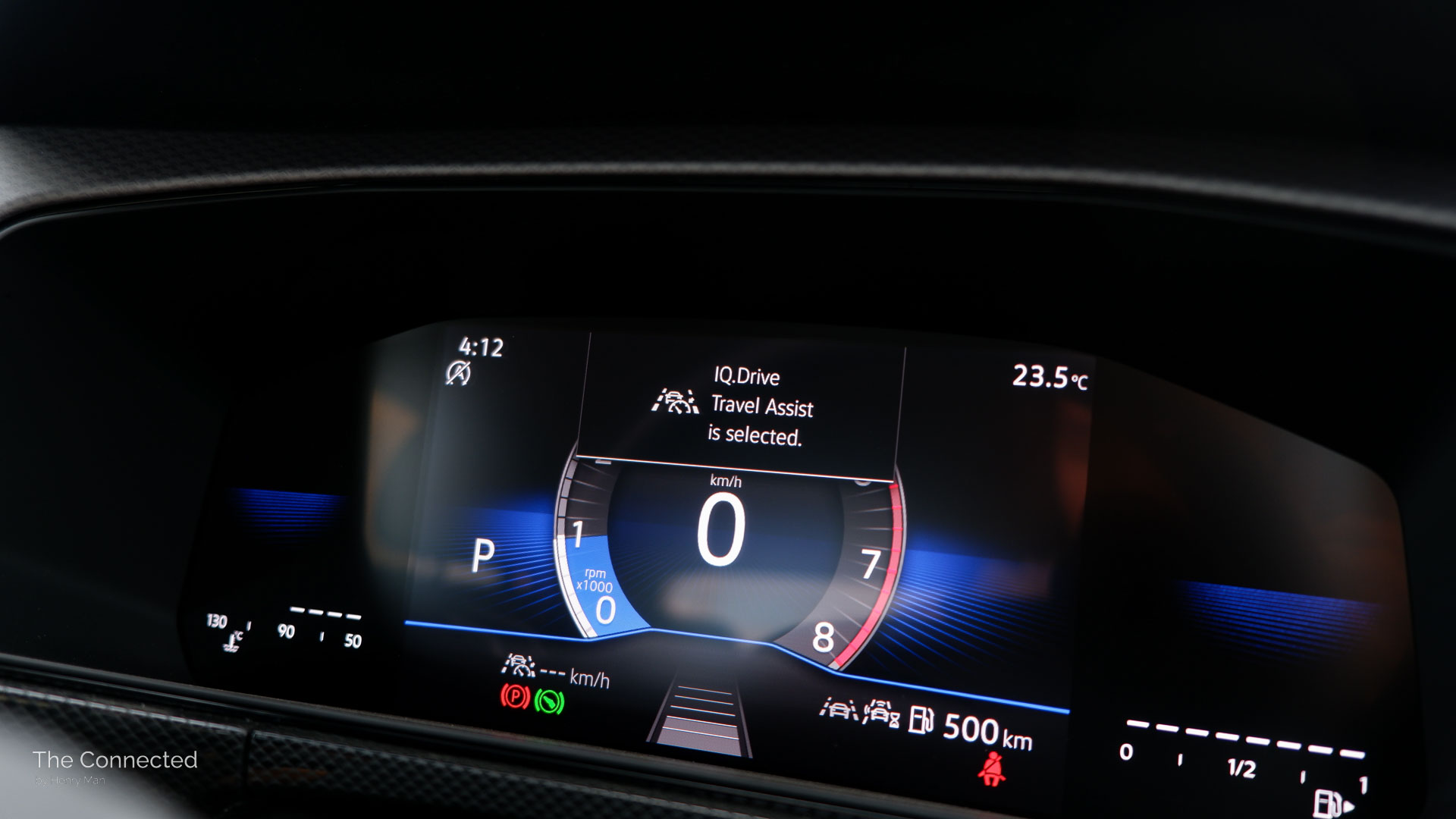
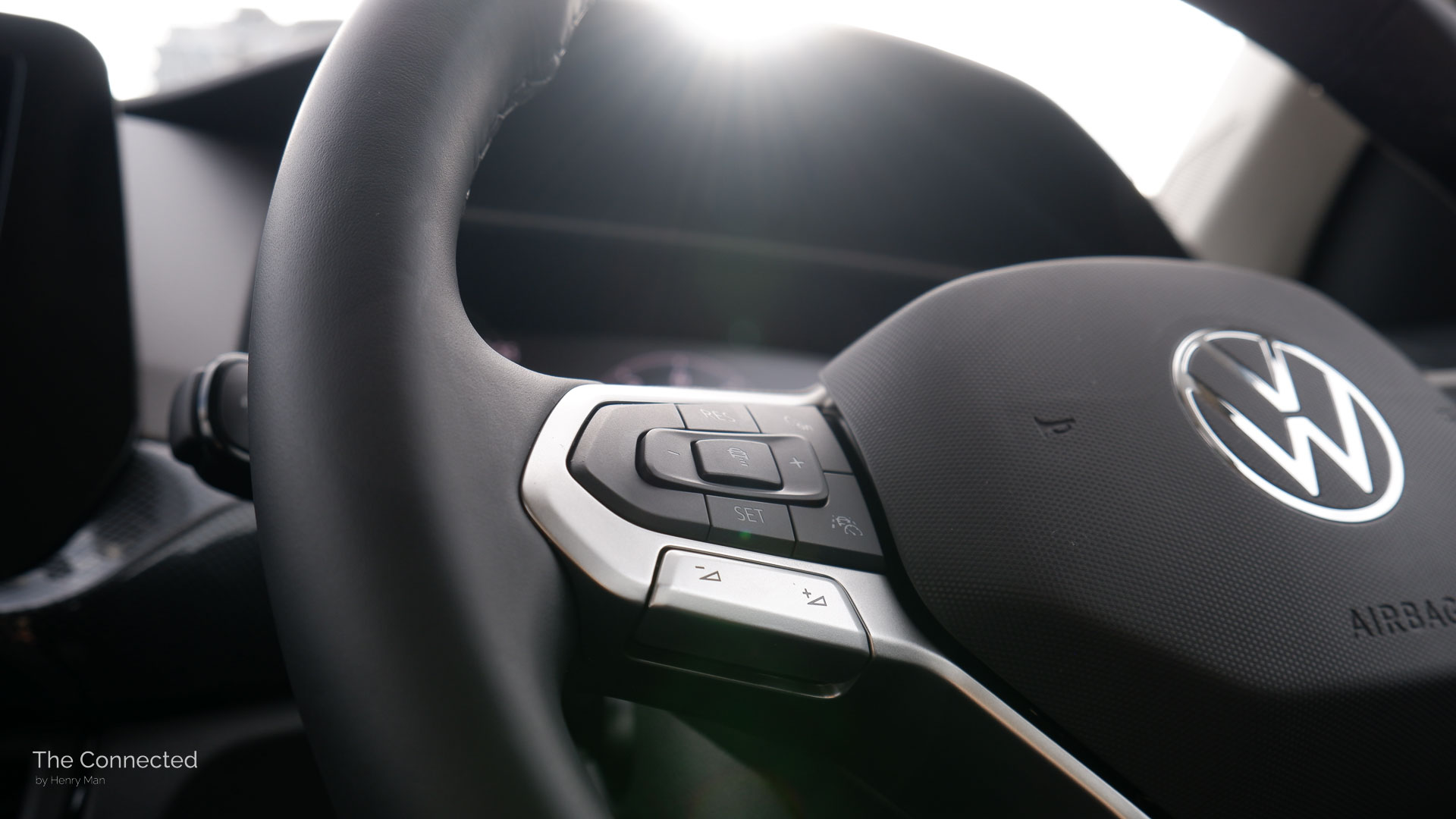
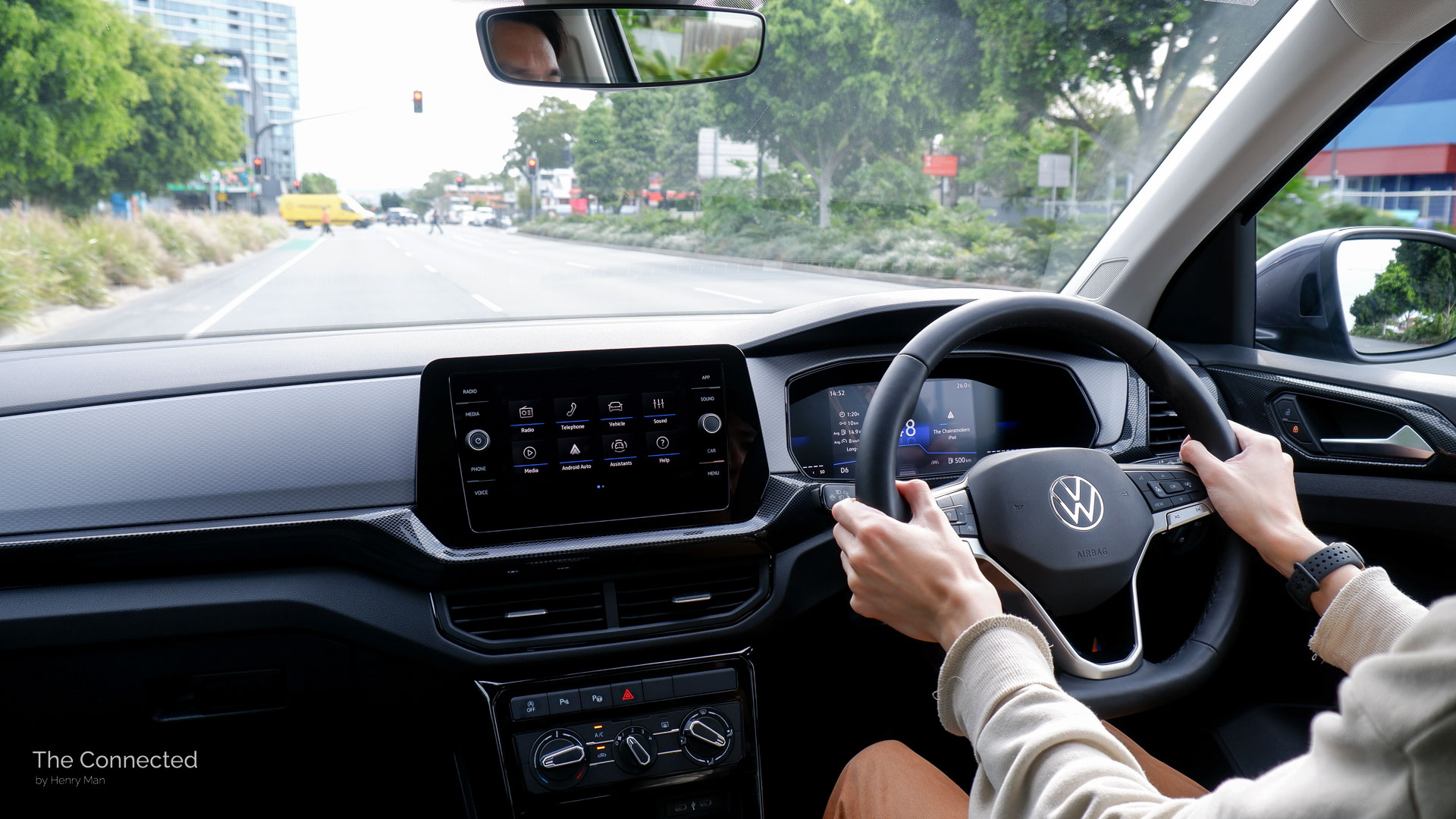

As per other cars from the German automaker, it tends to slow down for vehicles in the adjacent lane sometimes – even though they’re not large nor swaying out of their lane. A press of the accelerator usually overrides it.
However, I experienced a bug with my early build T-Cross testing example failing to perform the stop/start function. We have notified Volkswagen Group Australia of this potential issue.
Fortunately, despite the mid-life facelift, the Volkswagen T-Cross still doesn’t feature the annoying European-mandated Intelligent Speed Limit Assist (ISLA) system.
Safety assist systems can also be easily deactivated individually via pressing a button beside the left steering wheel stalk.
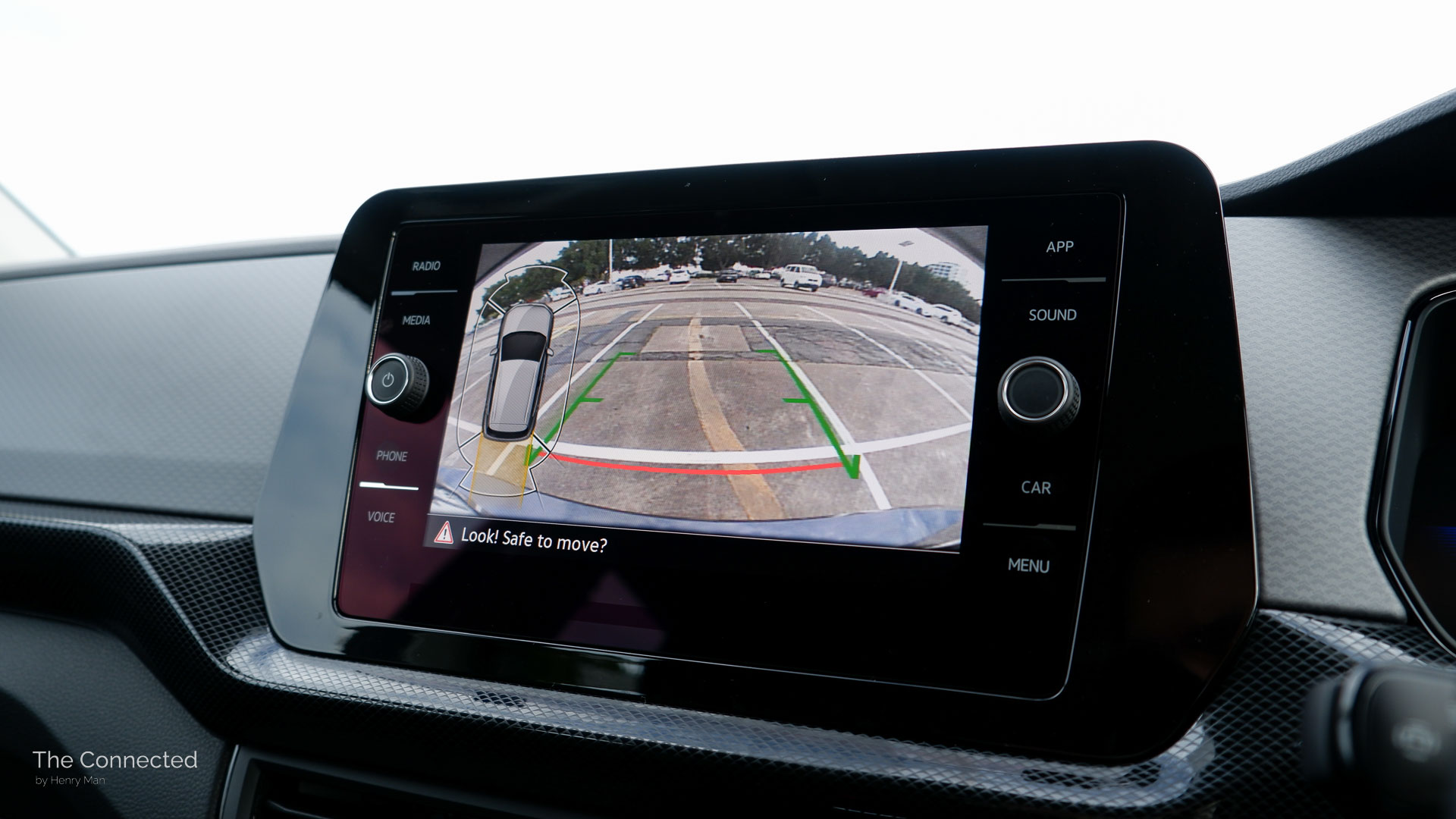
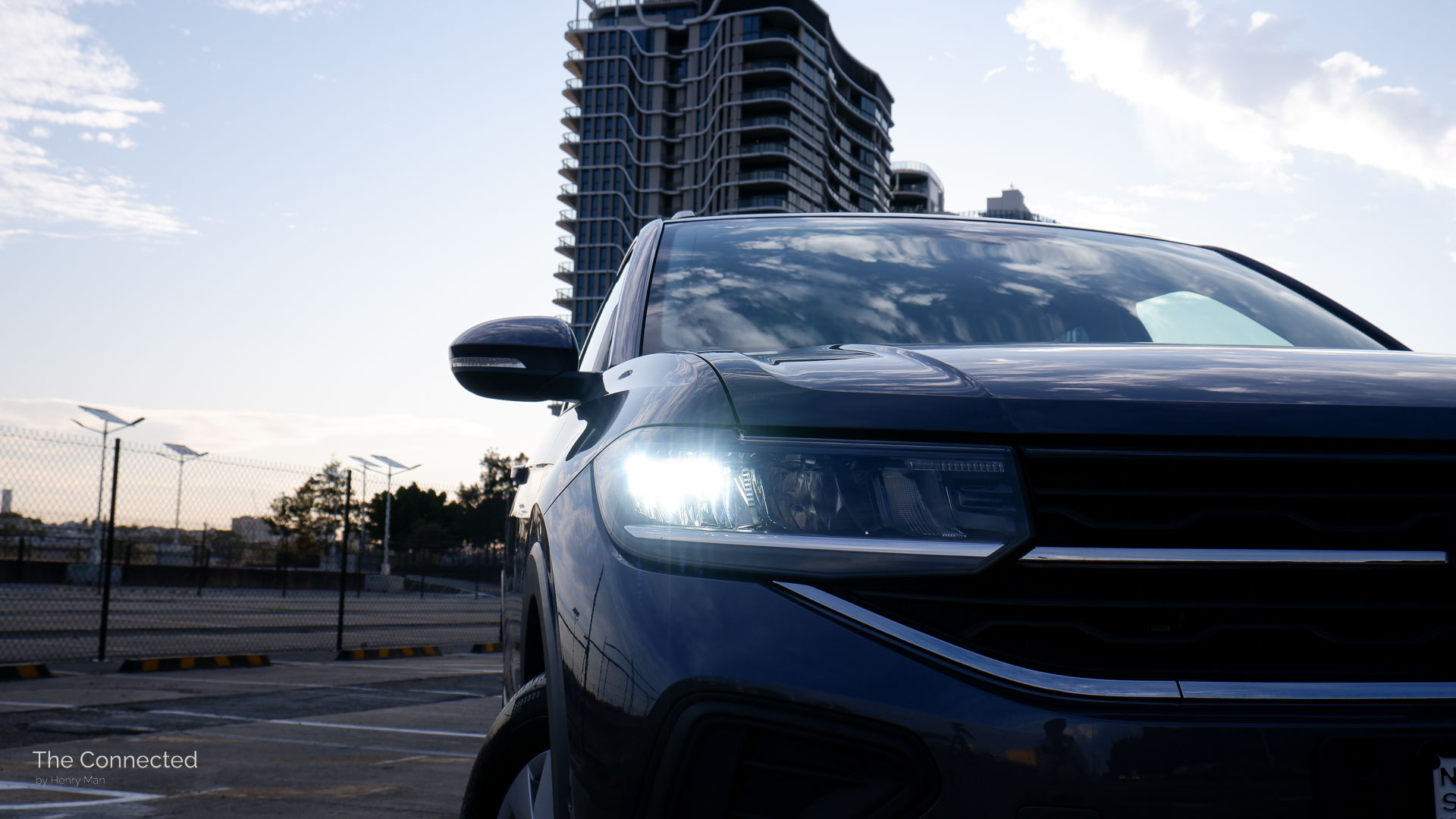
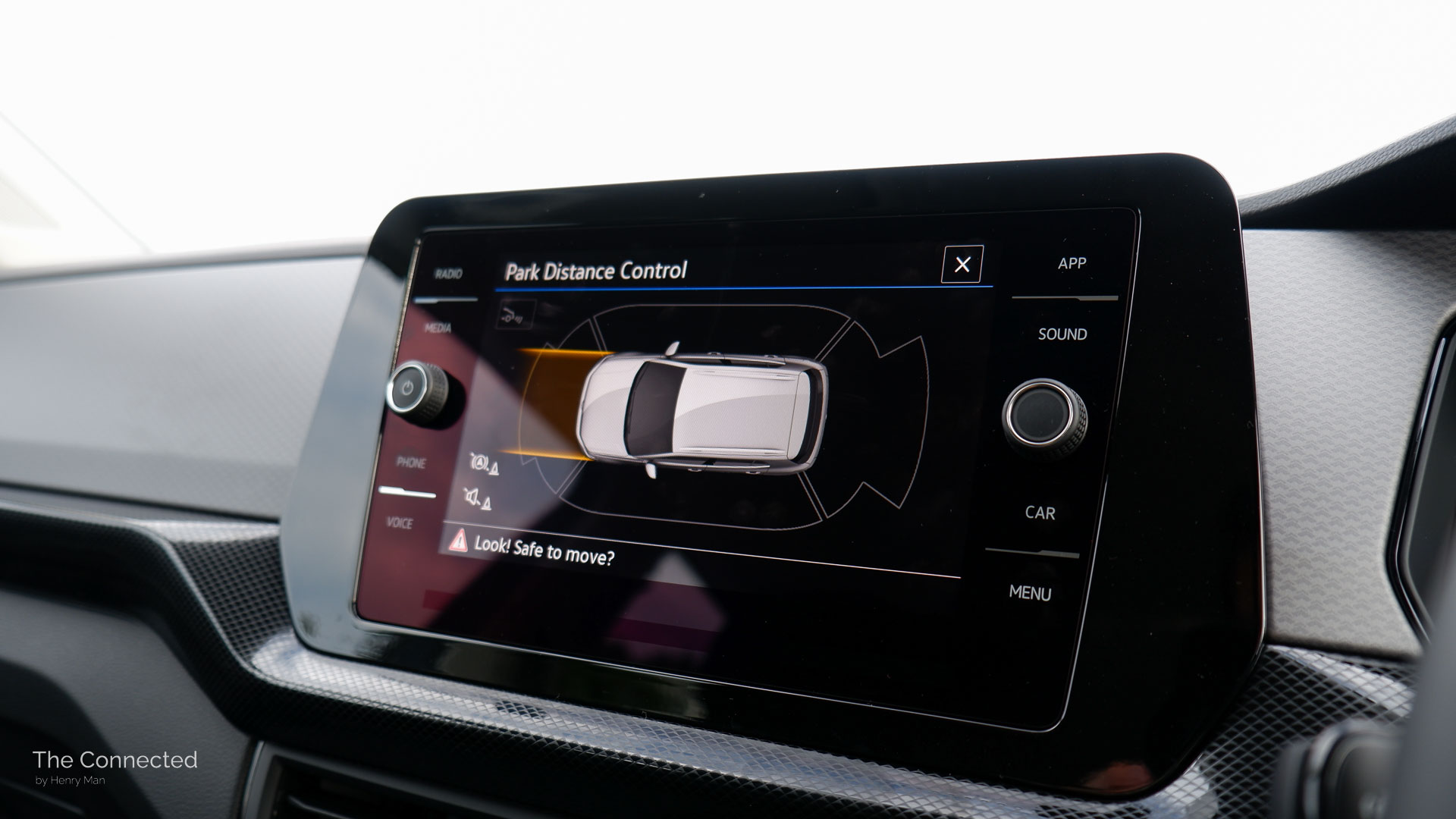
The reversing camera is lower-resolution, but isn’t too grainy in low light conditions. All-round parking sensors and the auto dip-down function for the left passenger-side mirror when reversing are useful to compensate for the lack of a surround-view camera system across the range.
Furthermore, the entry-level T-Cross Life now includes full LED lights with good performance at night. LED front and rear turn indicators also feature.
The 2025 Volkswagen T-Cross carries forward the same five-star safety rating using less strict 2019 standards, according to the Australasian New Car Assessment Program (ANCAP). The rating is due to expire at the end of 2025.
Range and fuel consumption.
2025 Volkswagen T-Cross 85TSI Life fuel and efficiency specs:
| Claimed driving range (combined) | 714km |
| Claimed fuel efficiency (combined) | 5.6L/100km |
| Fuel tank size | 40 litres |
| Minimum fuel quality requirement | 95 RON premium unleaded petrol |
| Claimed CO2 exhaust emissions (combined) | 123g/km |
| European emissions compliance | Euro 6 |
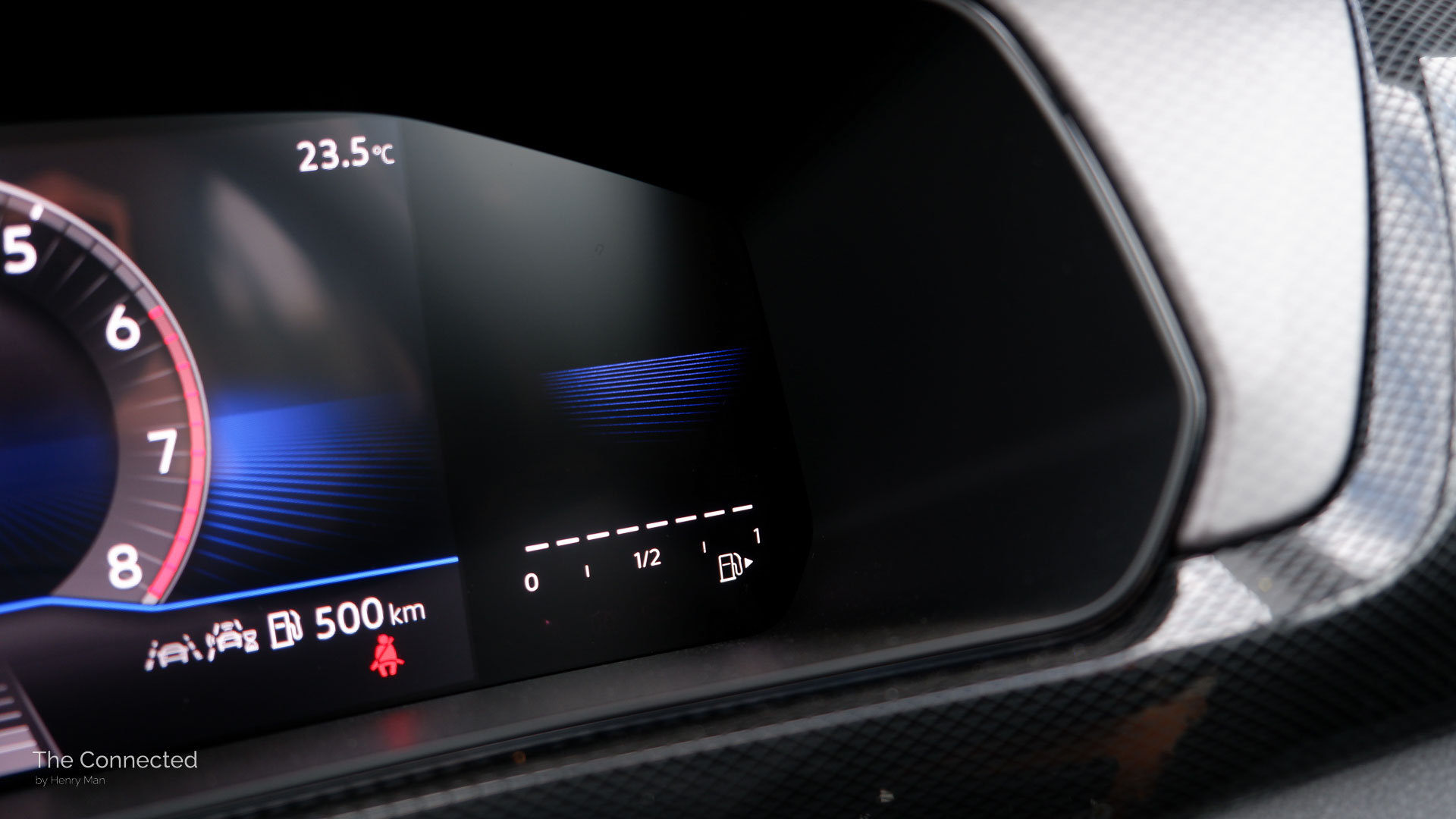
After a week of mixed urban and highway driving, the 2025 Volkswagen T-Cross indicated a real-world fuel consumption of 7.0L/100km.
This results in a real-world driving range of about 571km from its 40-litre fuel tank.
The T-Cross’ fuel efficiency isn’t as impressive for a small three-cylinder petrol engine, with no electrified option available in the line-up.
Pricier 95 RON premium unleaded petrol is required.
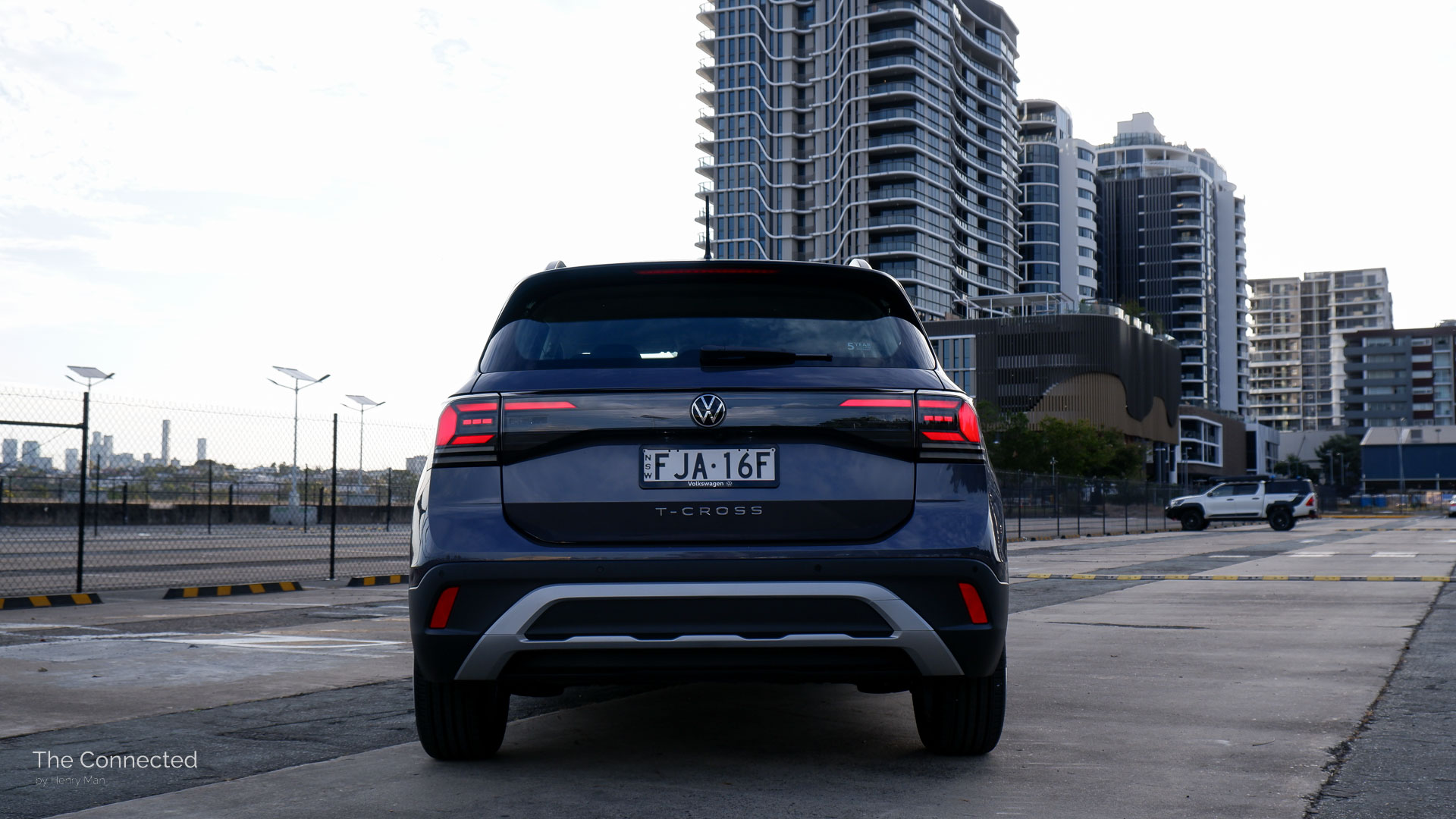
The fuel lid is located at the rear-right quarter side of the vehicle and locks along with the doors.
Driving.
2025 Volkswagen T-Cross 85TSI Life powertrain specs:
| Engine | 1.0-litre three-cylinder, turbocharged petrol engine |
| Power | 85kW @5000-5500rpm |
| Torque | 200Nm @2000-3500rpm |
| Transmission | Seven-speed DCT |
| Drive Type | FWD |
| Tare weight | 1289kg |
| Payload | Unknown (max 75kg towball download) |
| Towing (unbraked / braked) | 630 / 1100kg |
The Volkswagen T-Cross is quiet and comfortable to drive, but is unfortunately let down by a laggy transmission.
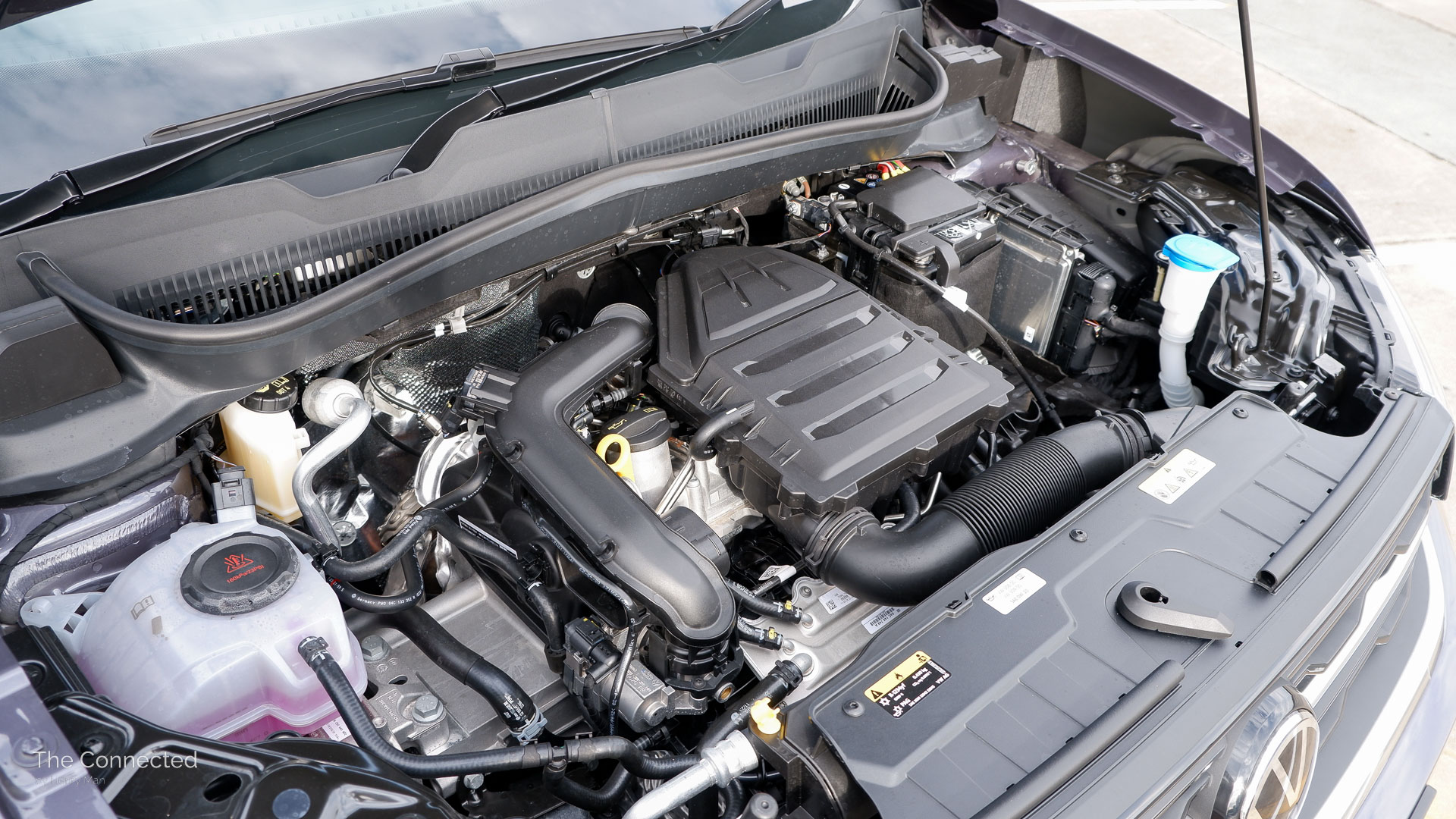
The turbocharged 1.0-litre three-cylinder petrol engine is unchanged, outputting 85kW of power and 200Nm of torque.
The small motor provides good power with enough push to get up to highway speeds quickly thanks to the healthy amount of torque at a low rev range and a quick-shifting transmission.
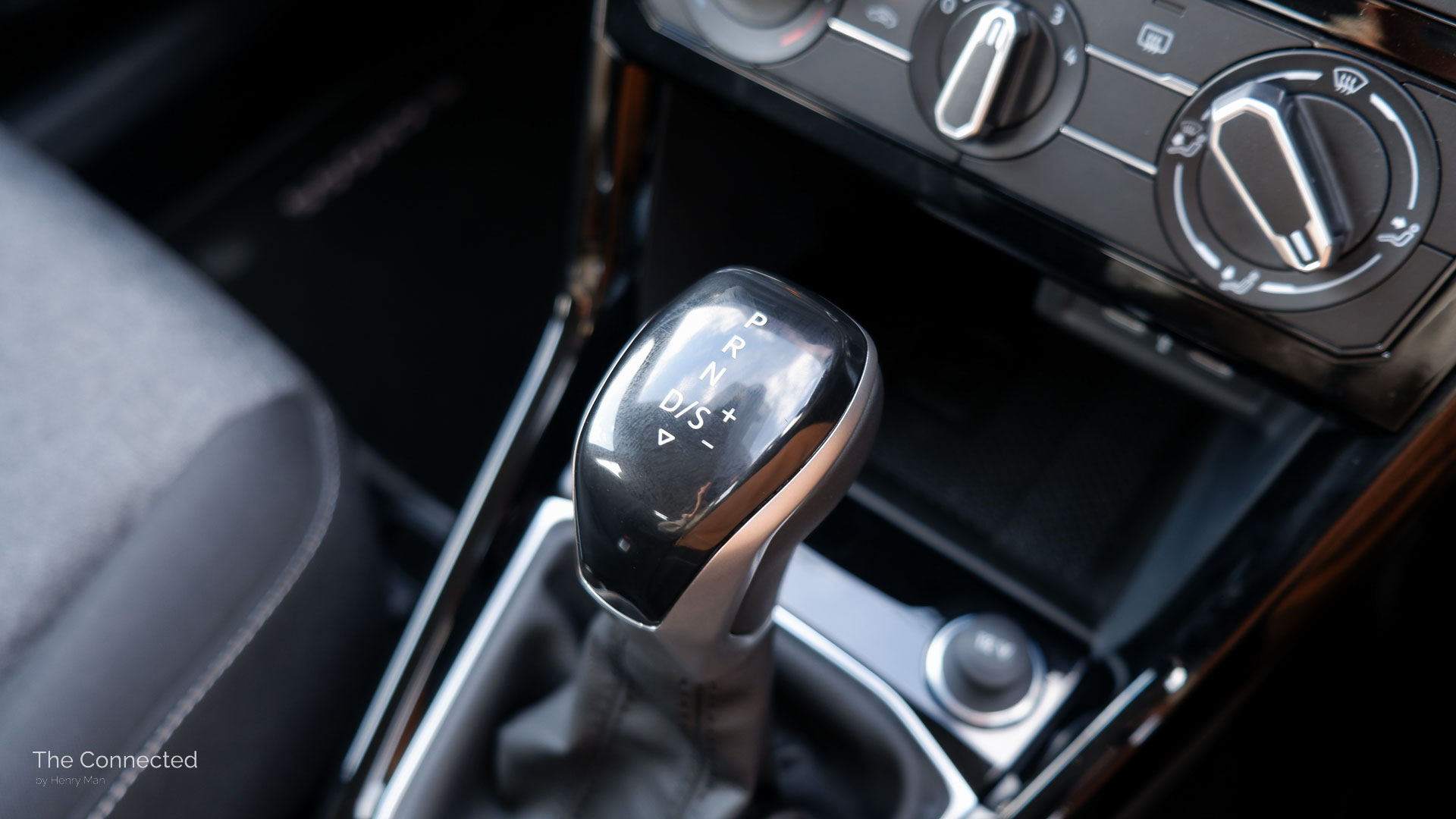
However, the seven-speed dual-clutch transmission (DCT) is slow to respond at times, particularly when first accelerating from a standstill and accelerating after slowing down at a junction or roundabout for example.
This is compounded by the stop/start engine system, which deactivates the motor to save on fuel when stopped and takes a few unnerving seconds to restart and move off again. The air-conditioning system is noticeably weak when the engine is shut off, too.
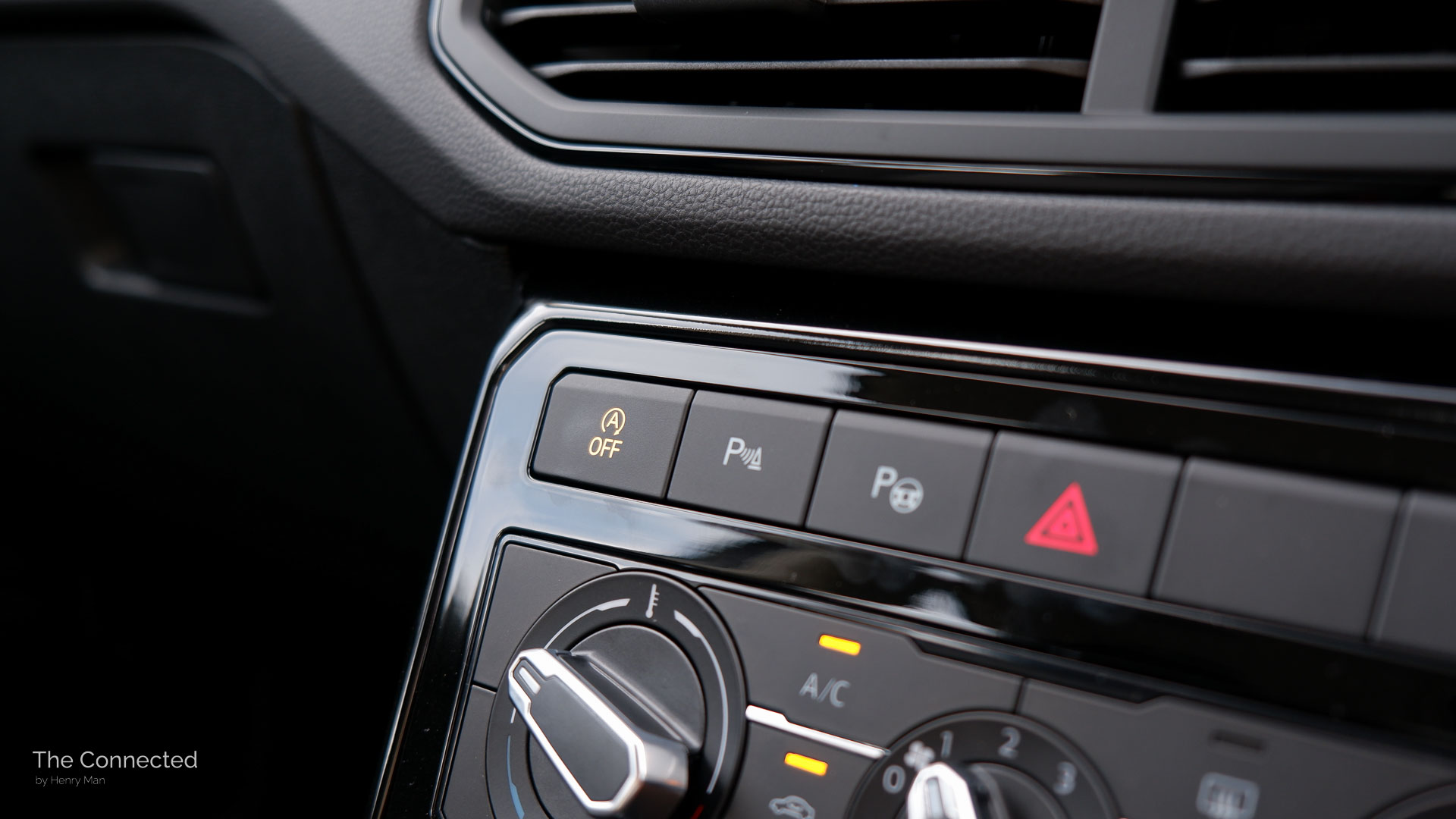
Thankfully, drivers can easily disable the system via a physical button every time you start the vehicle
Similarly, when manoeuvring and parking at low speeds, it tends to lurch forwards or backwards which feels like clutch slipping.
These are typical characteristics of a DCT and the T-Cross doesn’t have any form of electrification to help mask it. You’ll learn to work with the DCT by gradually pressing on the accelerator to avoid the sudden lurch of power.
The Volkswagen SUV also tends to stay in a higher gear to save fuel, resulting in a few agonising seconds of delay from responding to the accelerator input, shifting down and delivering the power to the front wheels.


Shifting the T-Cross in S mode helps offset the somewhat laggy DCT. Drivers can also force it in manual mode and use the tiny paddle shifters behind the wheel.
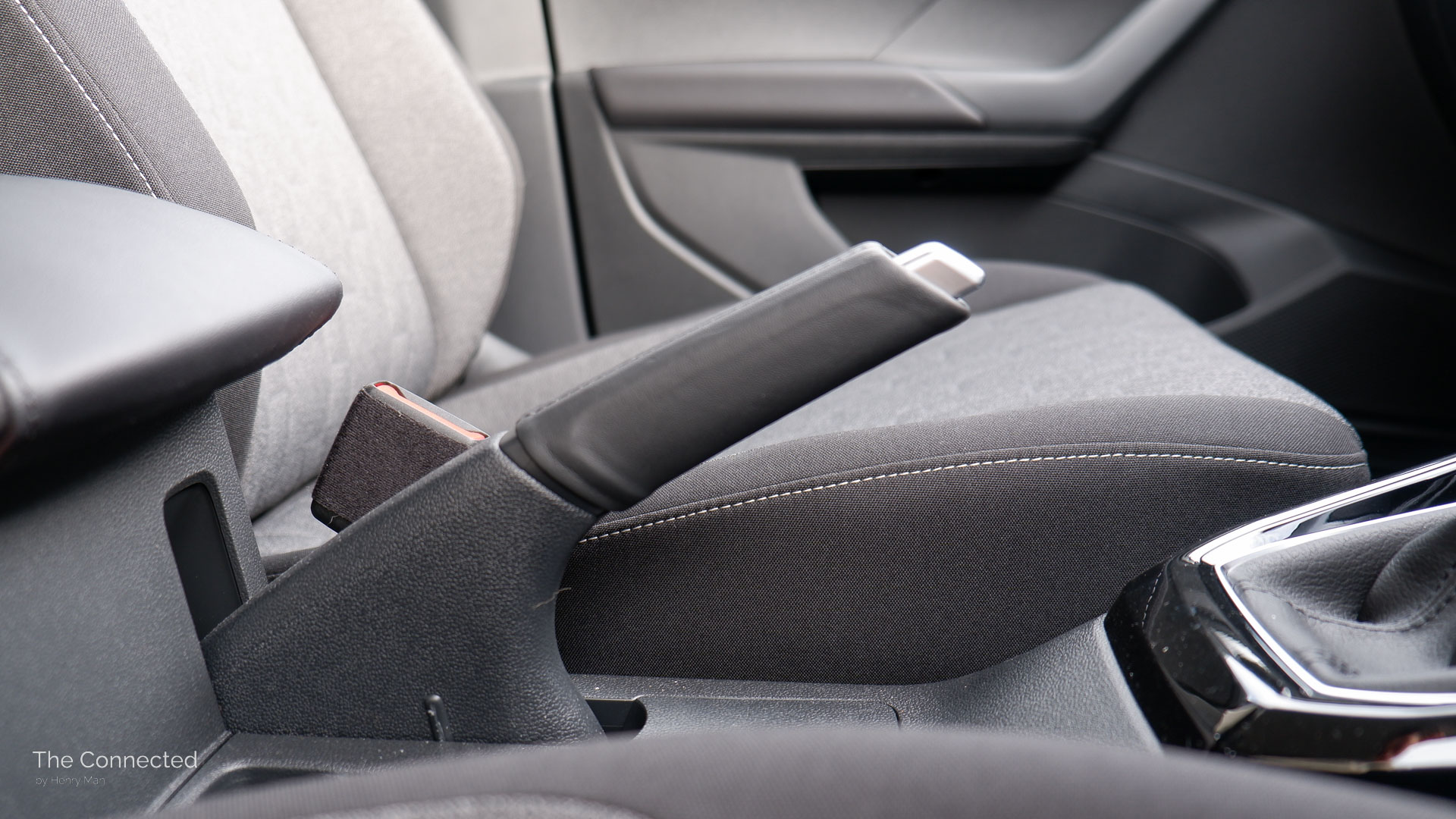
The T-Cross still uses a traditional handbrake lever and there’s no handy auto hold function either.
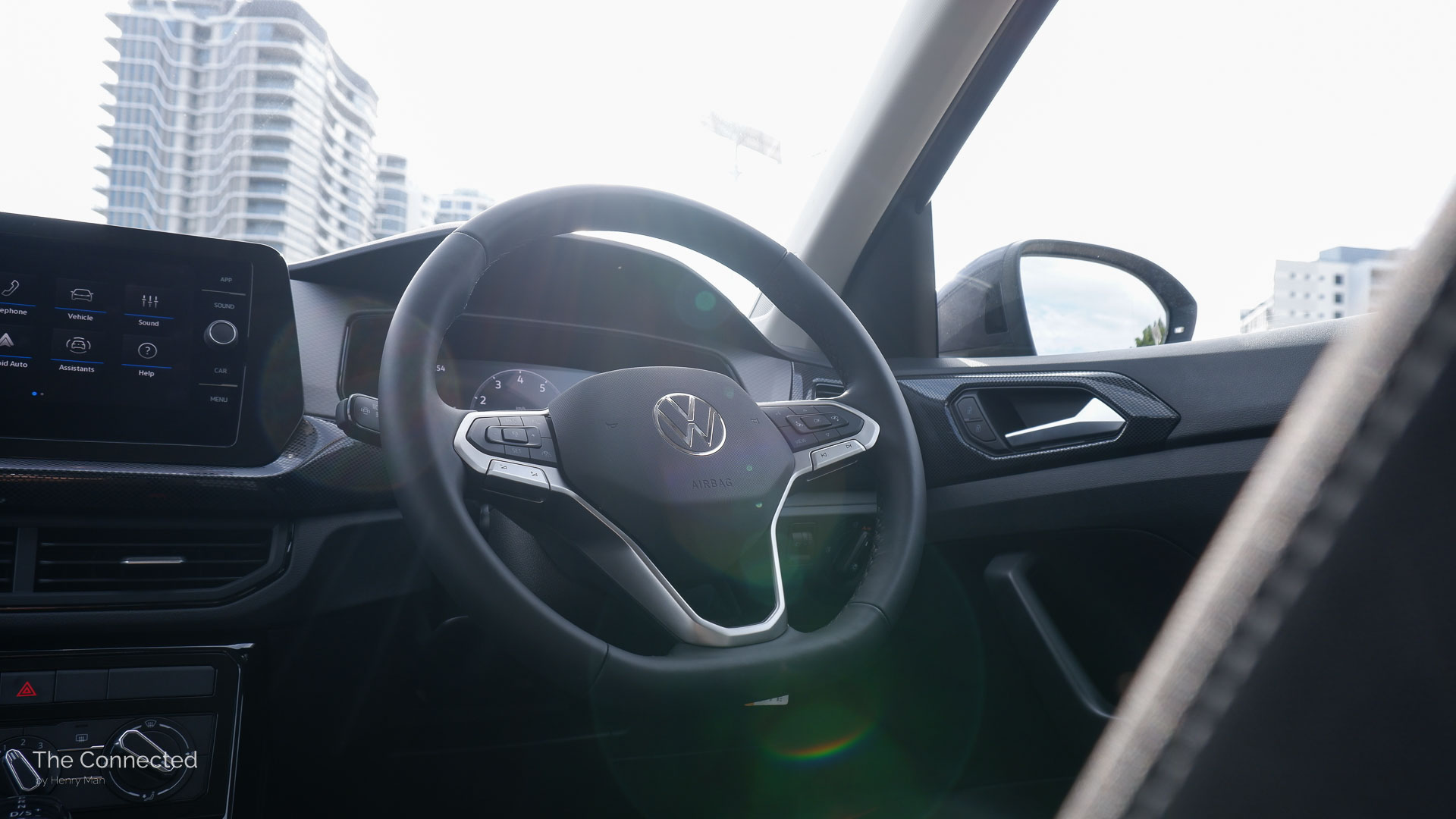
The steering is well-weighted, and noise and vibration suppression is good with a quiet interior and compliant ride.
Visibility from the driver’s seat is excellent thanks to the boxy body and tall rear windows.
It’s also noteworthy that only after a week driving the T-Cross, all four wheels tend to be covered up with a thick layer of black dust quickly, perhaps from its brakes.

Warranty and servicing.
2025 Volkswagen T-Cross 85TSI Life capped-price servicing costs:
| 1 year/15,000km | 2 years/30,000km | 3 years/45,000km | 4 years/60,000km | 5 years/75,000km |
|---|---|---|---|---|
| $484 | $759 | $484 | $1176 | $484 |
The 2025 Volkswagen T-Cross is covered by a five-year, unlimited kilometre warranty.
Servicing is required every one year/15,000km (whichever occurs first) with prices fixed up to the first five visits.
However, servicing isn’t cheap for a compact and affordable SUV. After the first five years/75,000km, it’ll cost $3387 in total or on average $677 each service.
Every second checkup is a major one, so owners already need to fork out $759 in the second year/30,000km and an even more painful $1176 at the four year/60,000km mark.
Thankfully, Volkswagen offers prepaid service plans, which reduces maintenance costs over time – as long as you are willing to pay upfront or add onto your finance repayments. Yet, it’s still not exactly cheap:
- Three-year plan: $1500 ($227 saving)
- Five-year plan: $2850 ($537 saving)
Lifetime roadside assistance is also included, which renews every 12 months provided you visit a Volkswagen dealer every time a scheduled service is due.
A temporary space-saver spare tyre is included underneath the boot floor of all T-Cross’.
Price and rivals.
2025 Volkswagen T-Cross model range pricing (accurate as at the time of publication):
| 85TSI Life | 85TSI Style | 85TSI R-Line |
|---|---|---|
| From $33,990 before on-road costs | From $37,490 before on-road costs | From $40,990 before on-road costs |
| From $34,990 drive-away offer | From $39,990 drive-away offer | From $43,990 drive-away offer |
The updated 2025 Volkswagen T-Cross starts from $33,990 before on-road costs in Australia. It is on offer from $34,990 drive-away as at the time of publication.
Volkswagen Australia has simplified the T-Cross SUV line-up by ditching the previous two option packages and bundling all equipment across three variants with distinct drive-away promotional pricing at launch.
Pure White and the new Grape Yellow solid exterior colours are no cost, while Clear Blue, Reflex Silver, Smokey Grey, and Deep Black Pearl Effect require an additional $600 spend.
The top-spec R-Line is exclusively offered with the Volkswagen GTI-style Kings Red Premium Metallic, but costs a heftier $900 extra.
The 2025 Volkswagen T-Cross directly rivals a range of compact SUVs:
- Skoda Kamiq
- Mazda CX-3
- Nissan Juke
- Renault Captur
- Honda HR-V
- Toyota CH-R
- Toyota Yaris Cross
- Kia Stonic
- Hyundai Venue
- Chery Tiggo 4 Pro
Other similarly-priced alternatives to the T-Cross include:
- Hyundai i30 Sedan (full review)
- Chery Omoda 5
- GWM Haval Jolion
- MG ZS
- Hyundai Kona (full review)
- Mazda CX-30
- Peugeot 2008

Would I pick the 2025 Volkswagen T-Cross 85TSI Life?
The updated entry-level 2025 Volkswagen T-Cross Life is a feature-rich, refined and spacious compact SUV. Unfortunately, it is let down by a sub-par transmission and is pricey to maintain.
While ~$35K drive-away is on the pricier end for a light SUV, Volkswagen now packs the new T-Cross with a host of standard features, reliable tech and non-intrusive safety assist systems, and an impressively spacious interior that puts the point of the pricier T-Roc into question.
However, it has a sluggish transmission at times, so-so fuel efficiency for a three-cylinder, and is pricey to service over time. Other light SUVs without the coveted VW badge are more attainable to buy, too.

I’d pick the base T-Cross Life. It best demonstrates Volkswagen’s new ‘people’s car’ as a crossover SUV that’s loaded with tech and safety.
If you’re looking for features such as proximity key, dual-zone auto climate control and fancier LED light bars, consider the mid-spec Style for less than $40K.
But the refreshed Volkswagen T-Cross provides the best value at the entry level, even though Australians’ thirst for feature-rich models means no new car is cheap anymore.
Photographs by Henry Man
READ MORE: 2024 Volkswagen T-Roc review: Best of VW?
READ MORE: 2025 Hyundai i30 Sedan Hybrid review
READ MORE: WhichCar: Why are new cars so expensive in Australia?
Pros:
- Well-featured base model
- Small dimensions, spacious interior
- Comfortable and quiet ride
- Non-intrusive safety tech
- Impressive standard speakers
Cons:
- Pricier compared to rivals
- Laggy transmission
- Average fuel consumption
- Some odd practicality omissions
- Expensive servicing
About the Author.
Henry Man is an independent content producer passionate about the intersection of technology and transportation.
The former automotive journalist is focused on producing critically-detailed vehicle reviews, and unique short-form content. Learn more.


 The Connected by Henry Man