
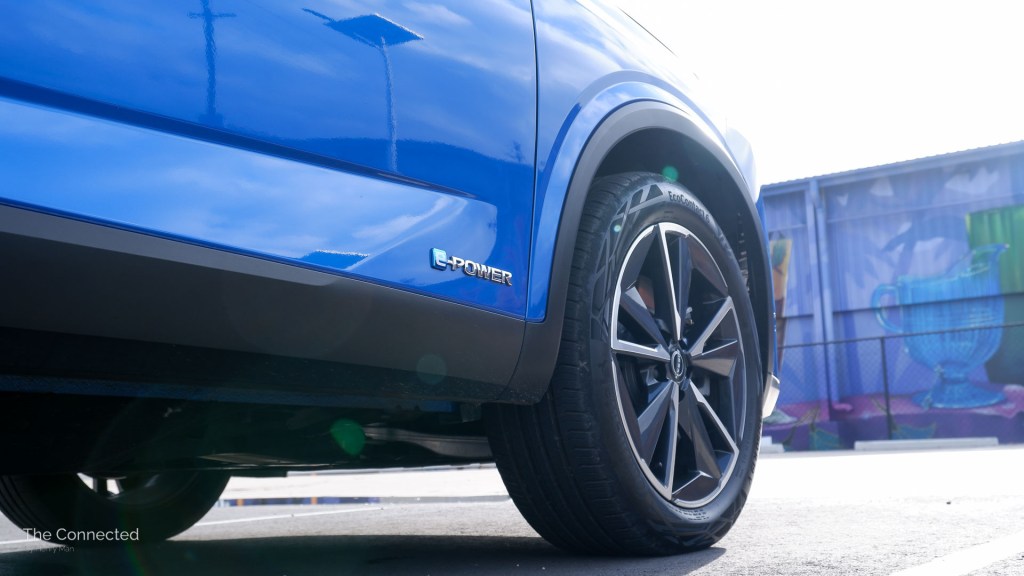
Nissan is approaching hybrid cars differently. Why should you consider its e-Power system and how fuel-efficient is it in reality?
Traditional series-parallel hybrid vehicles switch between the electric motor, combustion engine, and both to drive the wheels depending on what’s most efficient according to the driving conditions,
However, Nissan e-Power adopts a series-only system.
This means only the electric motor drives the wheels, with a petrol engine only acting as a generator to charge a small battery. No plug-in charging is required.
It theoretically means a more EV-like driving experience, but is the second-generation Nissan e-Power fuel efficient as well? I tested the 2024 Nissan Qashqai Ti e-Power for a week to find out.
NOTE: The press vehicle was provided by Nissan Australia for a seven-day independent evaluation. We have no commercial arrangements with the company and it had no editorial control.
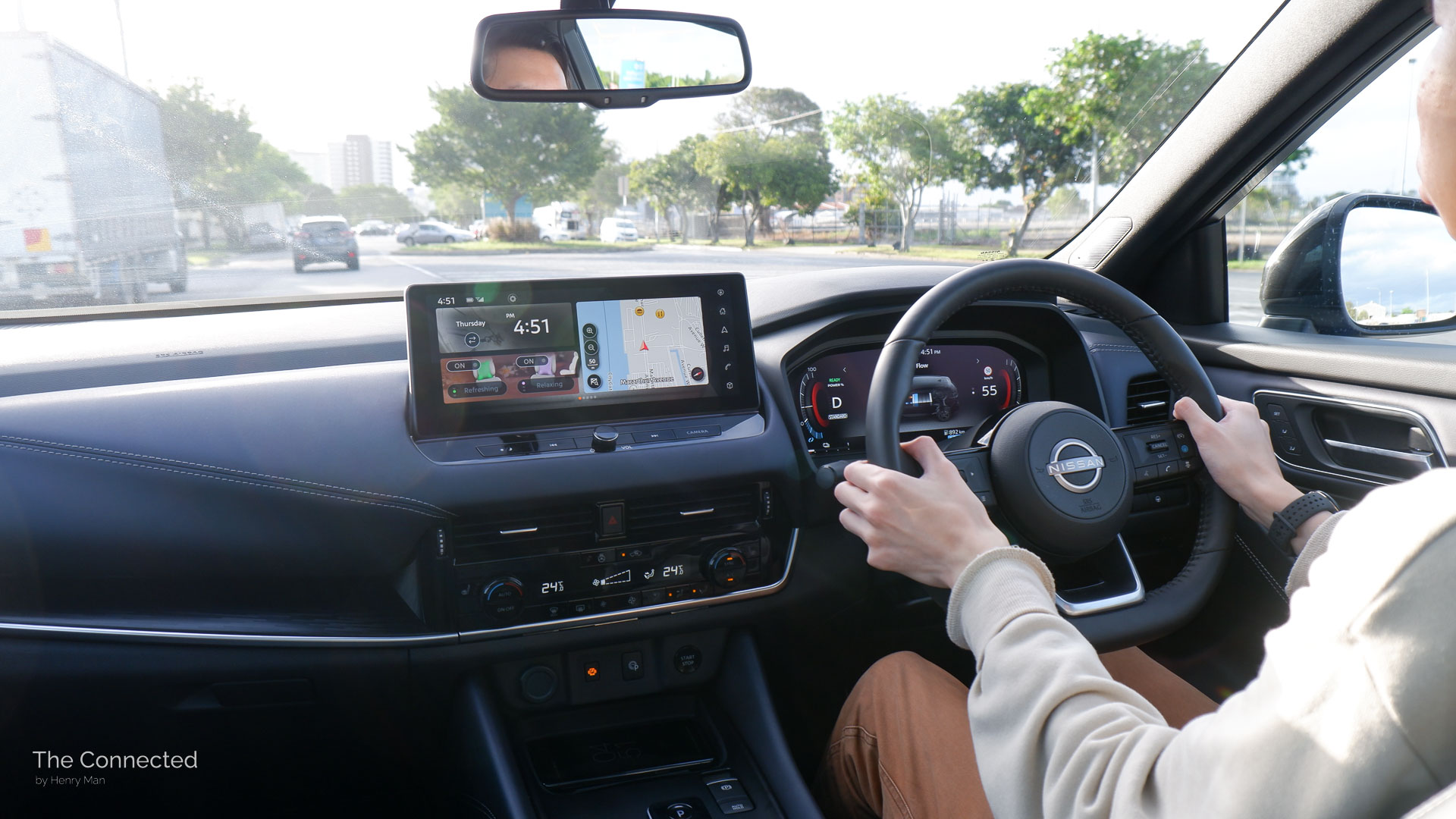
What is Nissan e-Power like to drive?
Nissan’s second-generation e-Power hybrid system provides the closest driving experience to a full EV yet, without requiring the leap into thinking about charging.
The Qashqai e-Power houses a front-mounted electric motor capable of producing up to 140kW of power (at 4500 to 7500rpm) and 330Nm of torque (at 0 to 3000rpm) via a single-speed automatic transmission.
It is combined with a 1.5-litre turbocharged three-cylinder petrol engine to charge the 2.1kWh (gross) lithium-ion battery.
While e-Power doesn’t provide the neck-breaking acceleration found in some full electric cars, initial acceleration is still spritely and more than enough thanks to instant torque from 0rpm and no gears to shift.
Therefore, the front-wheel-driven Qashqai e-Power had no loss of traction when accelerating hard. It still leaves other pure combustion engined cars behind the mirror and is more confidence-inspiring when overtaking, too.
The EV-centric hybrid approach also offers a smooth, quiet and calm driving experience – almost on par with a full electric car.
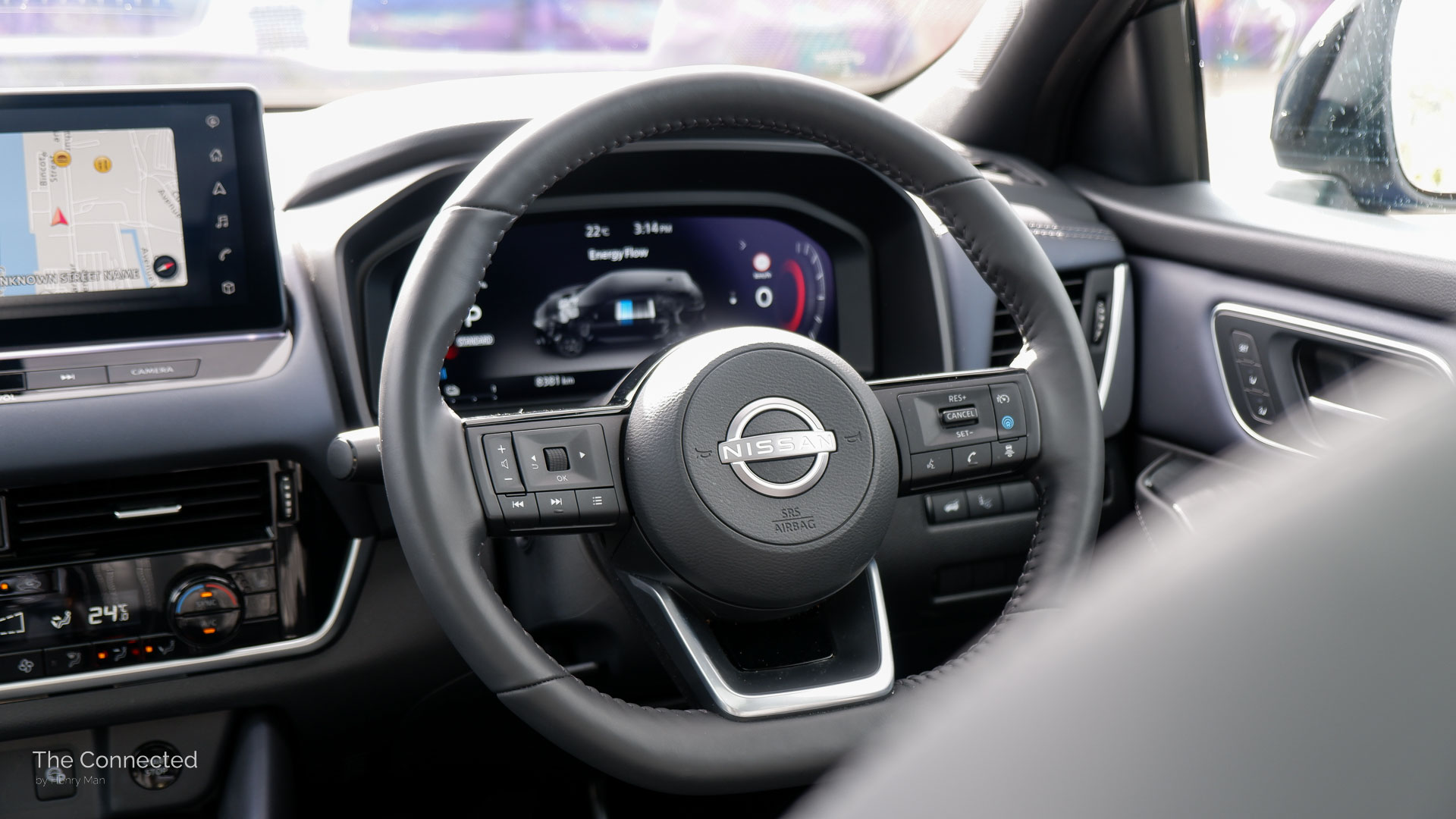
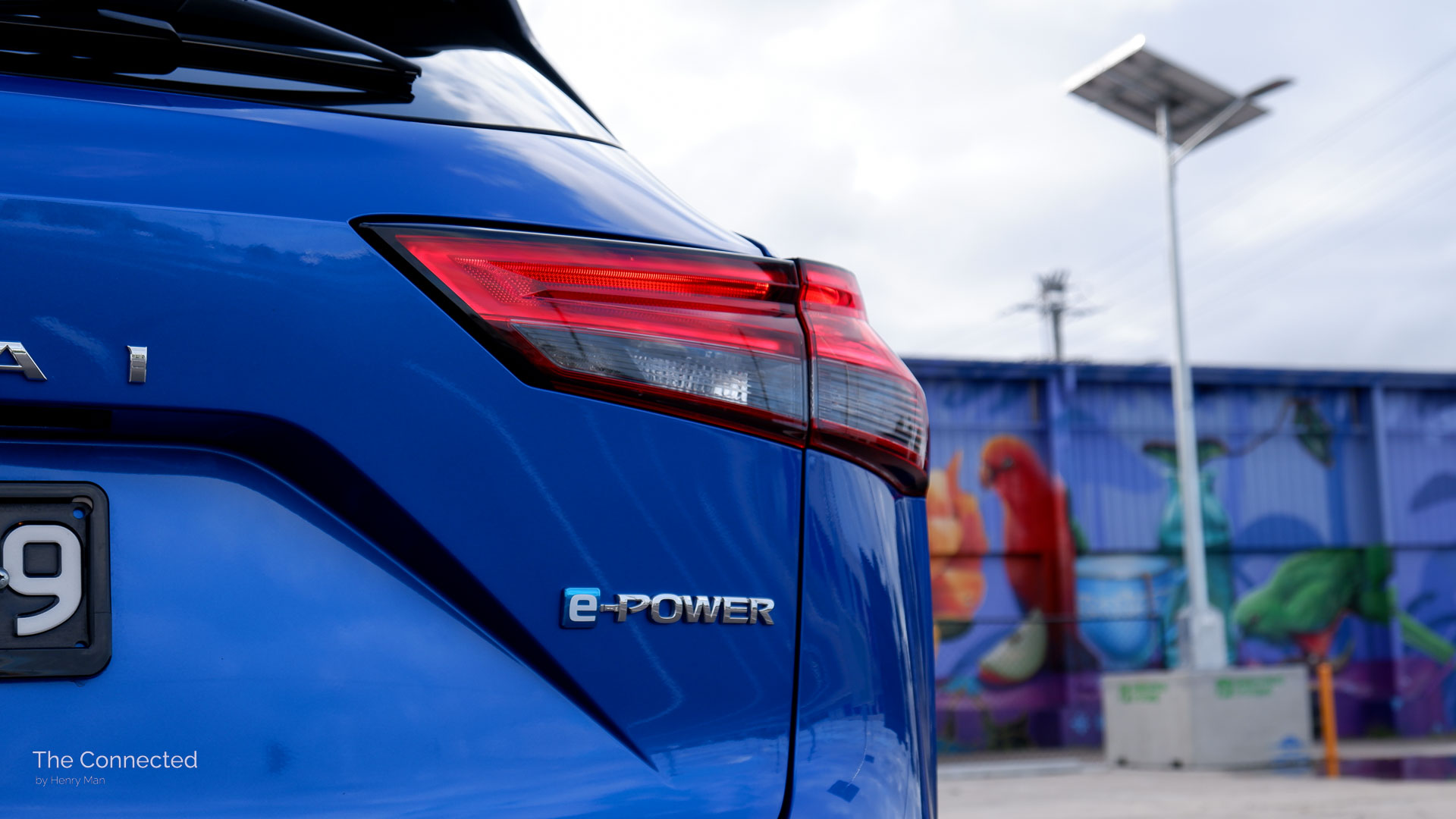
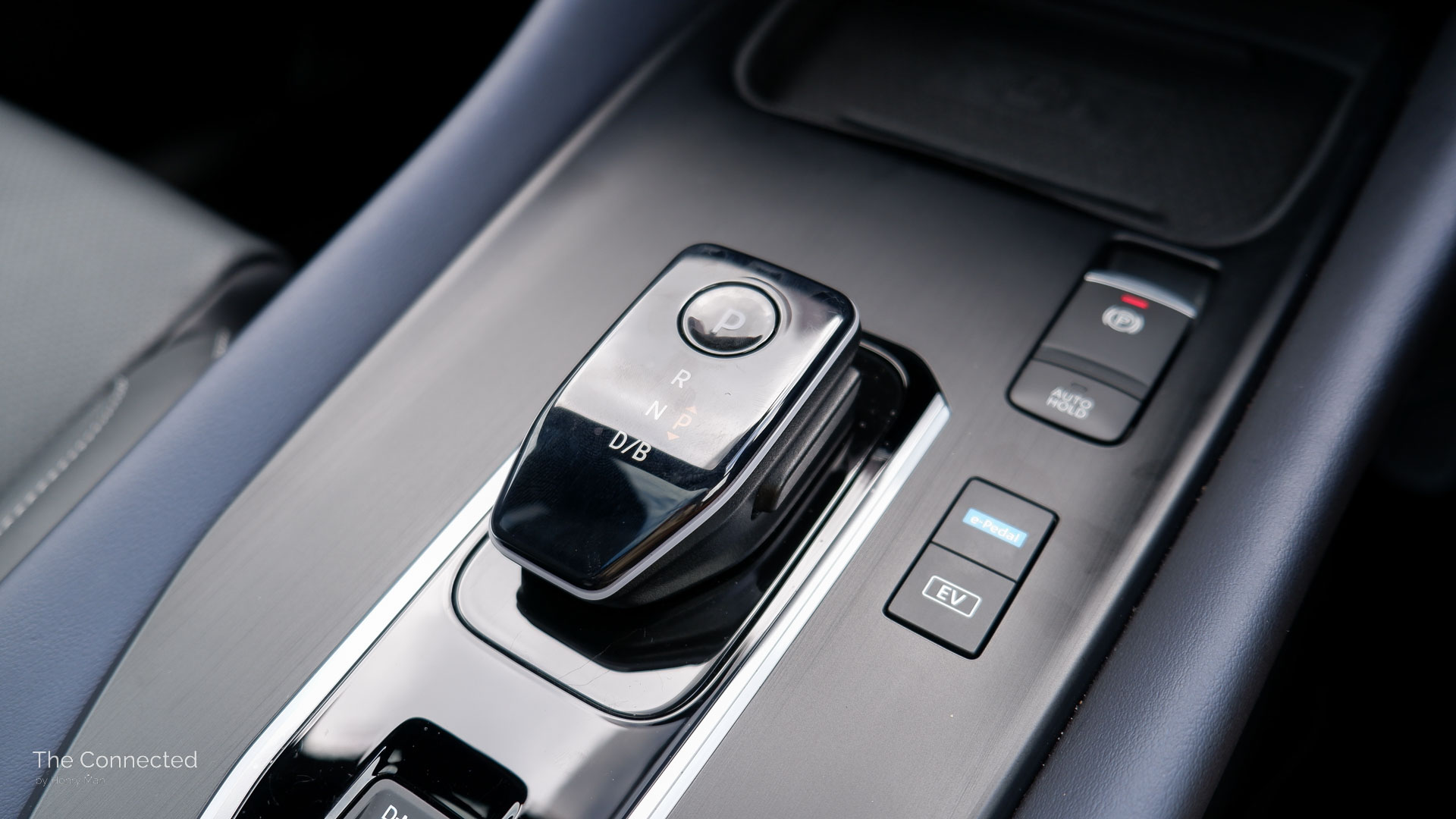
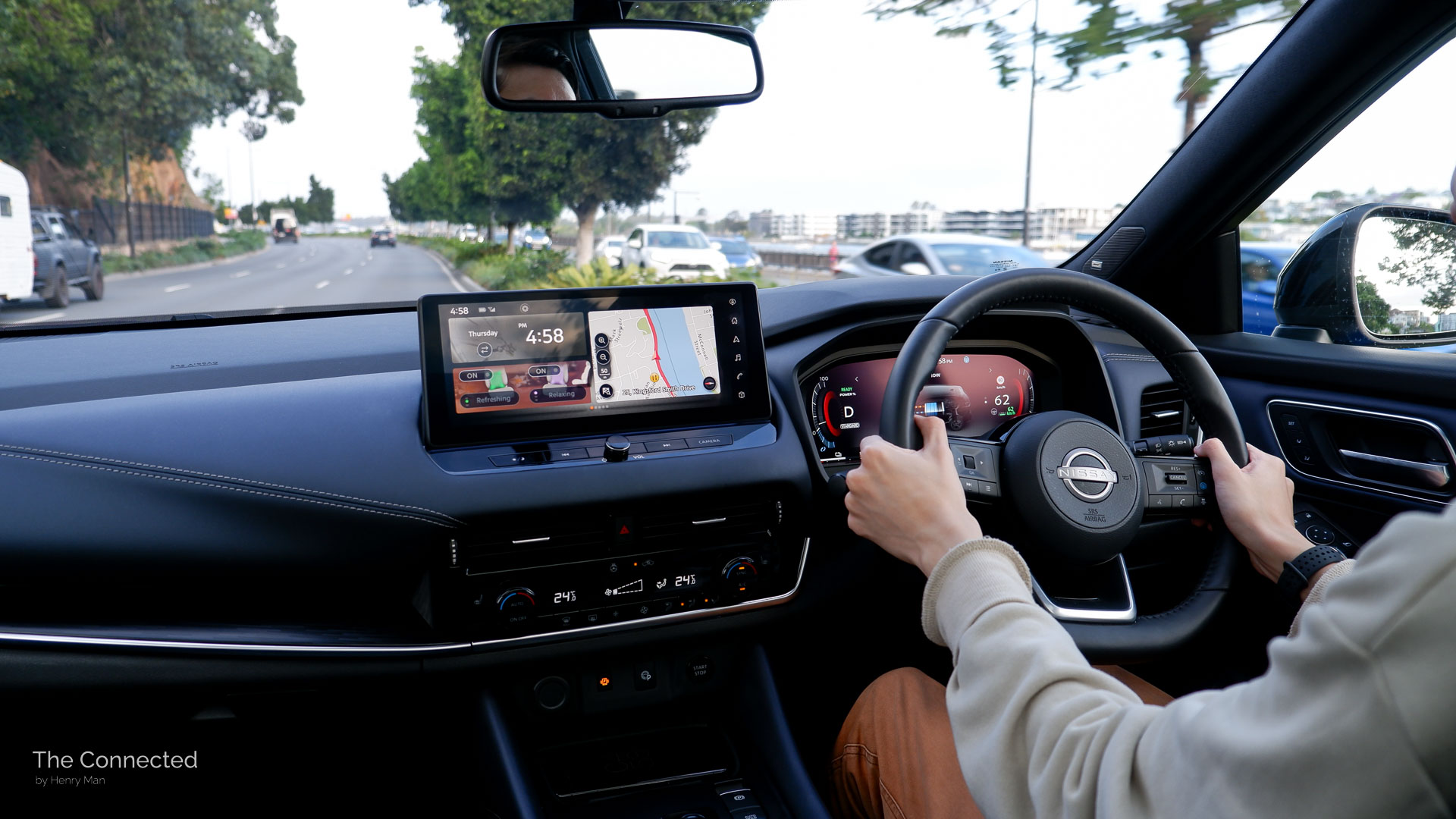
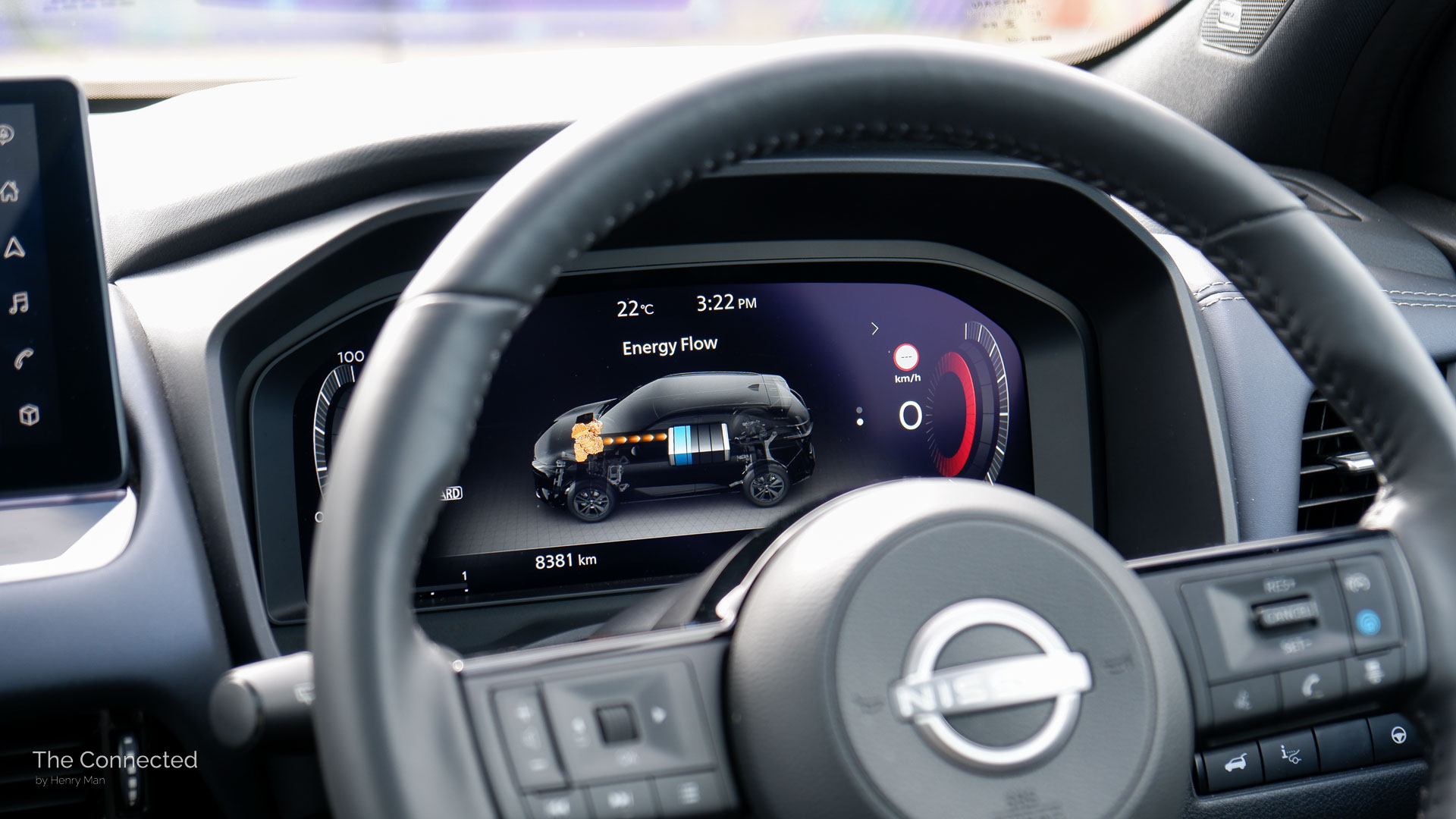
The key difference is that an engine activates at times when the battery is low and when the battery is draining quickly (during harder acceleration for example). However, it’s almost imperceptible while driving thanks to the Qashqai’s good noise and vibration insulation.
Although an EV-only mode button is available, it is rarely useful since it still overrides and activates the engine when required.
Meanwhile, the Nissan Qashqai e-Power features a convenient e-Pedal function that enables strong regenerative braking.
It is smooth and easy to modulate using the accelerator, unlike its Hyundai Kona Hybrid rival which feels more like the regenerative is an on/off switch. The system also activates the rear brake lights with good sensitivity and displays whether they’re illuminated via the instrument display.
However, it doesn’t provide a true one-pedal driving since it cuts out at speeds below about 15km/h; drivers still need to press the brake pedal.
The default setting provides minimal regenerative braking on default, while shifting into B mode increases the intensity slightly. You’ll need to press the e-Pedal button every time you start the vehicle.
How fuel efficient is Nissan e-Power?
After a week of driving a mix of urban and highway conditions, the 2024 Nissan Qashqai e-Power averaged a low 5.4L/100km fuel efficiency.
This results in about 1019km of real-world driving range from its 55-litre fuel tank.
While Nissan’s second-generation e-Power hybrid system is efficient, it isn’t industry leading compared to traditional series-parallel hybrids which can power the wheels using the combustion engine when it’s more efficient – particularly when travelling down the highway at speed.
For context, I achieved 5.0L/100km with a similar driving mix on the Hyundai Kona Hybrid SUV.
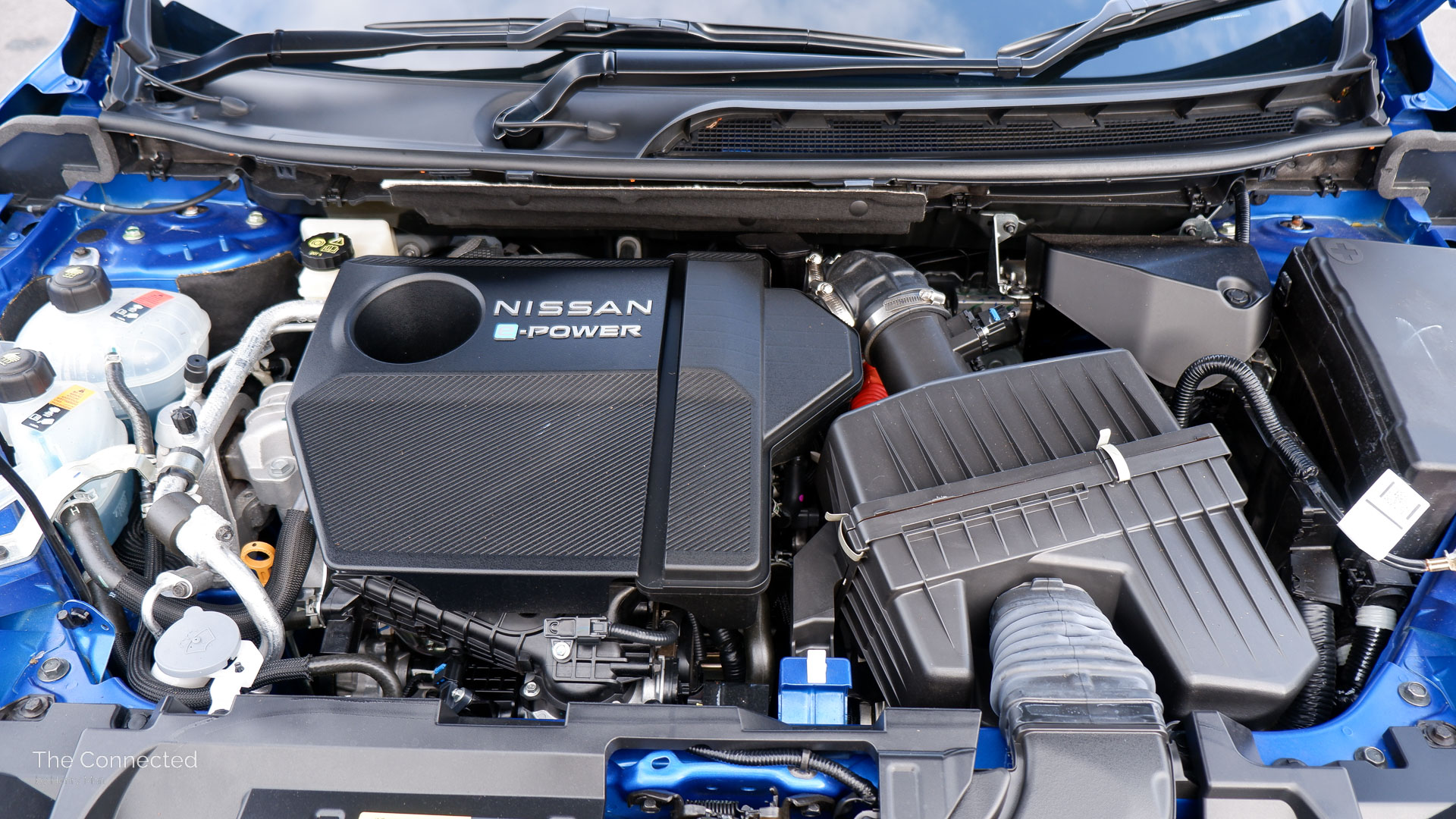
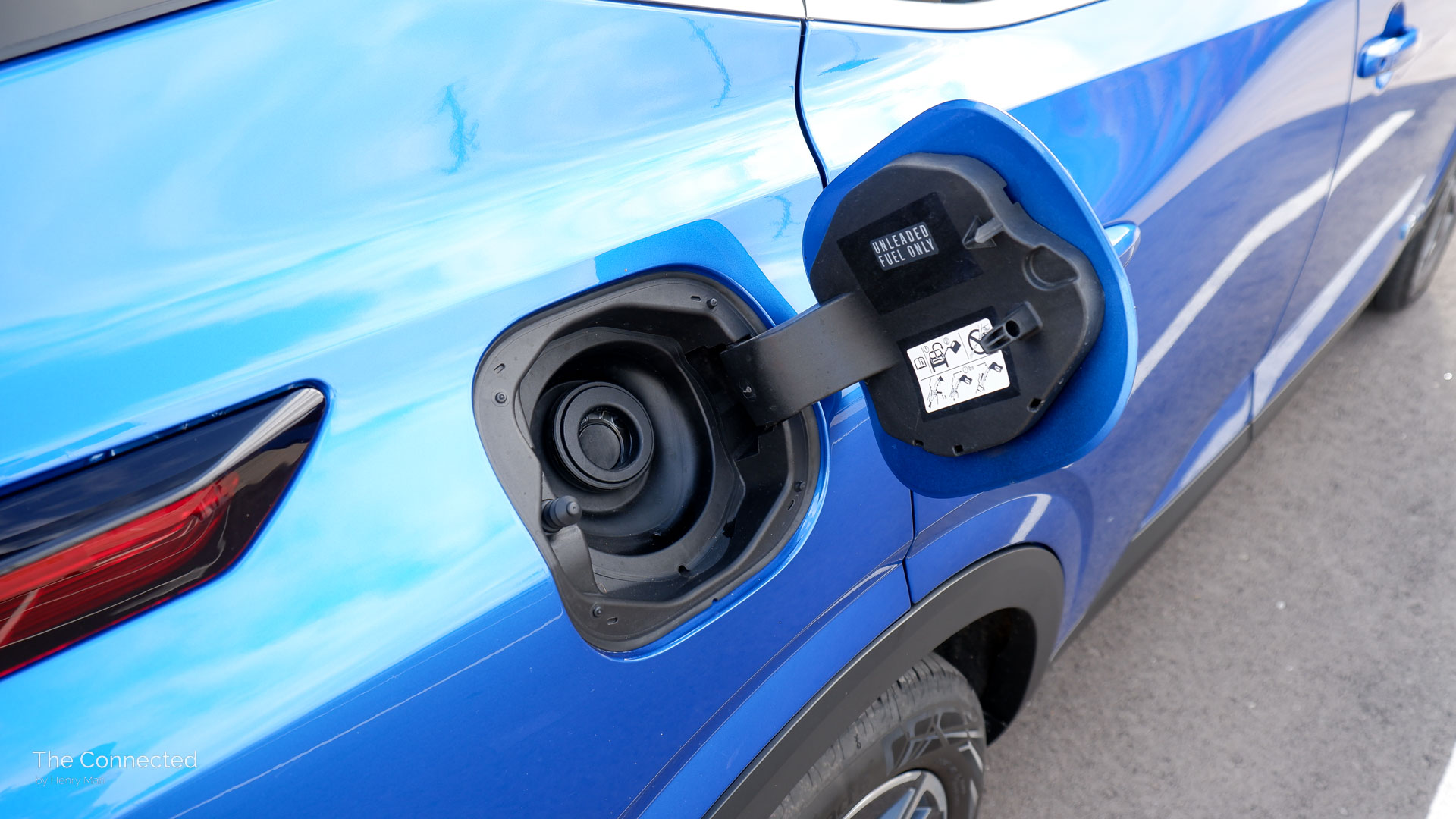
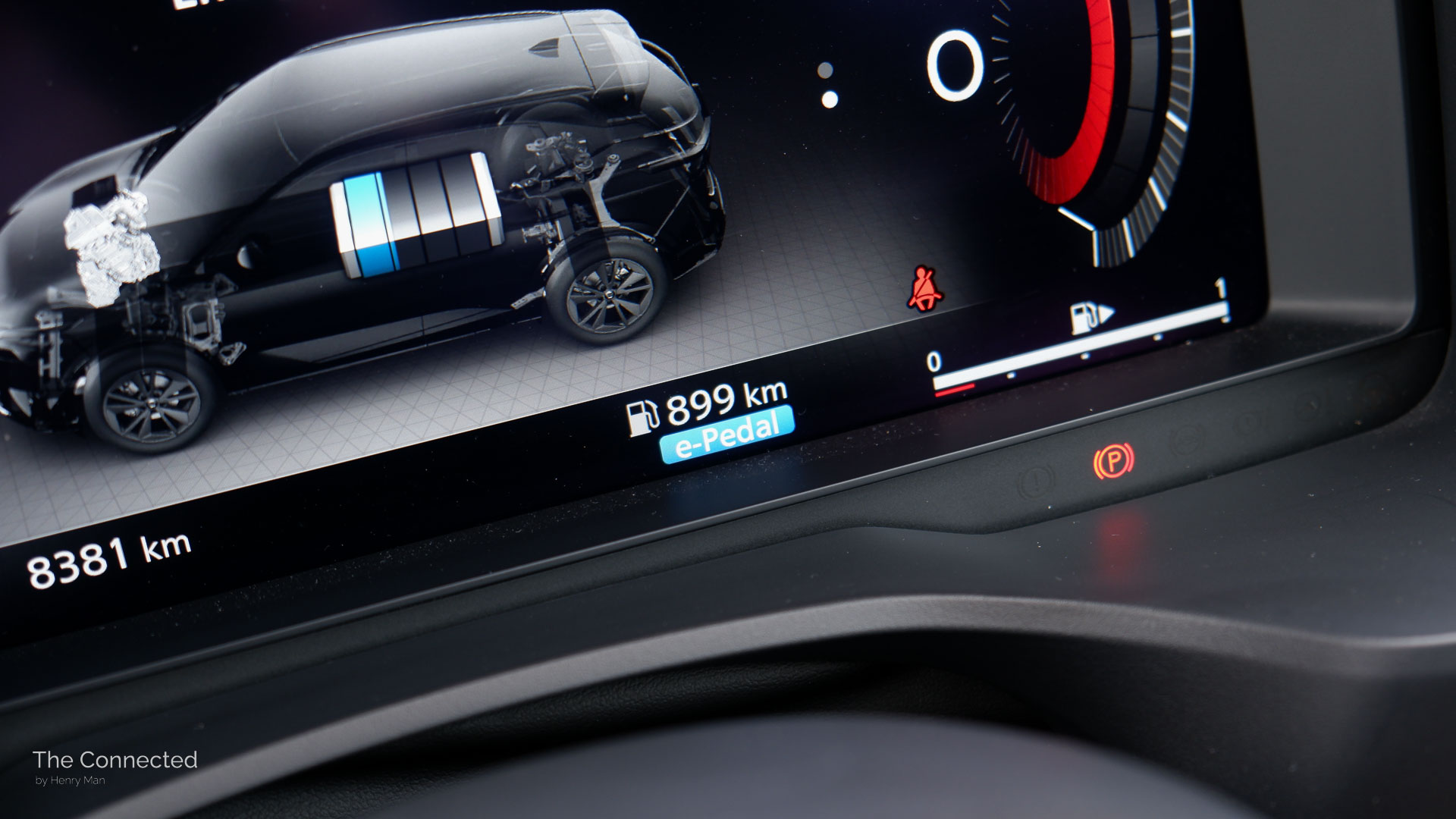
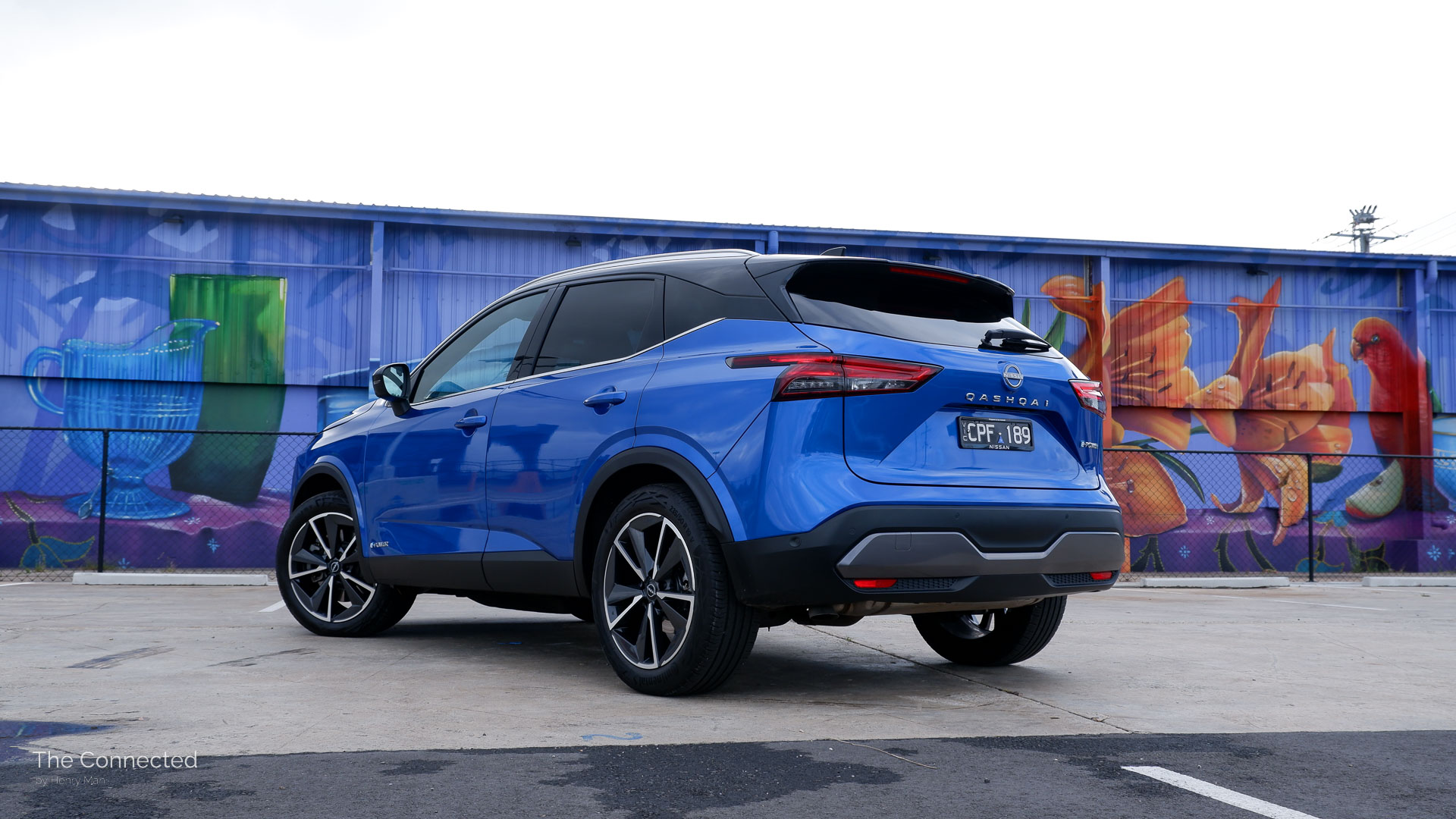
Yet, both the Qashqai e-Power and X-Trail e-Power house the same-size fuel tank as their petrol-only versions – which enables it to provide long diesel-like range.
That’s unlike models, such as the Toyota Corolla Cross Hybrid and Hyundai Kona Hybrid, which pack a much more compromised fuel capacity at 11- and 9 litres less respectively.
The EV-like driving experience is worth the tradeoff for the slightly higher fuel consumption in my opinion.
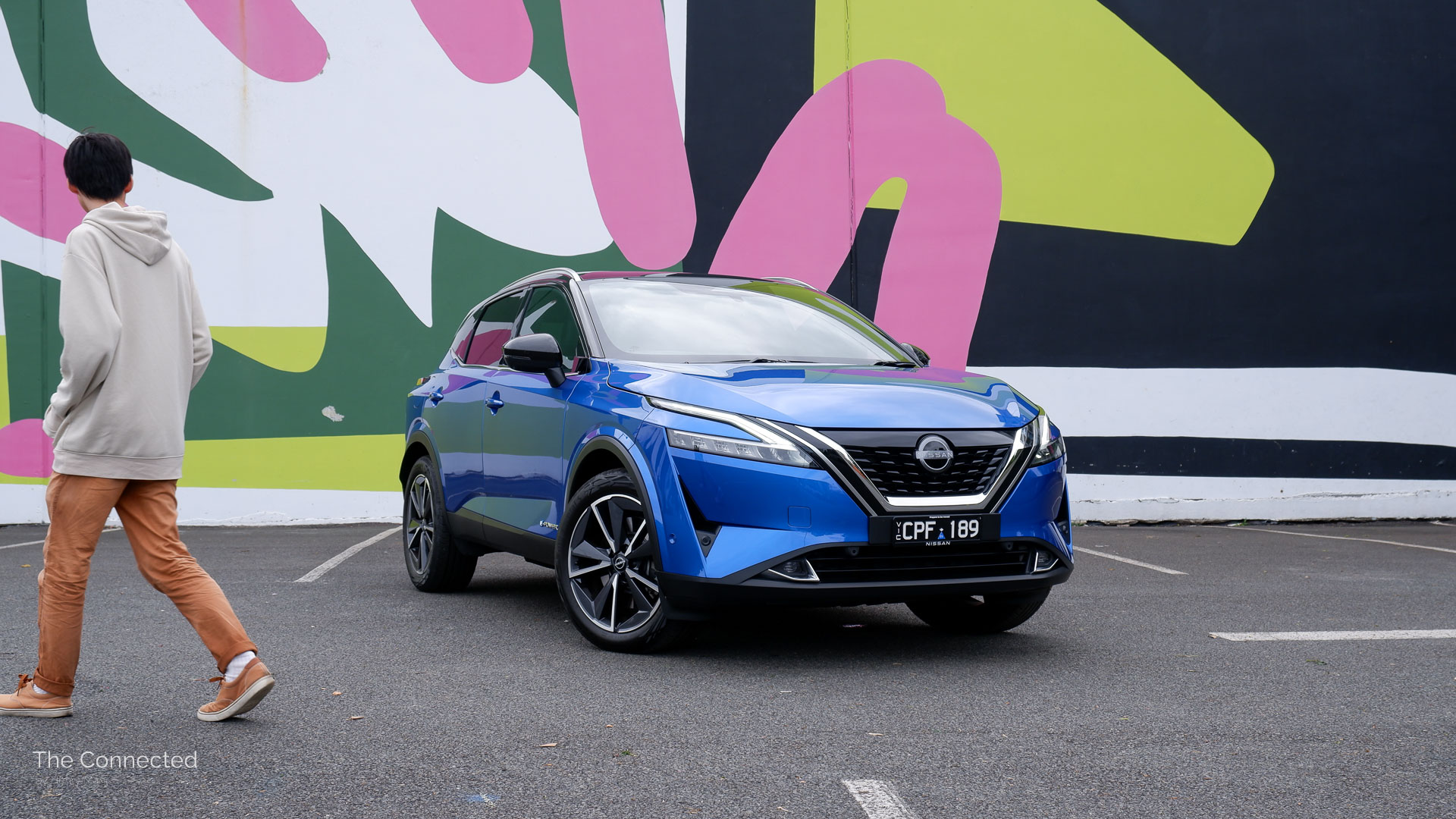
Would I pick a Nissan e-Power hybrid car?
Nissan e-Power offers the closest feeling to a full EV yet, without ‘charging anxiety’ concerns.
The reality is Australians won’t make the switch to a full electric car overnight. Therefore, hybrids present a great opportunity as a stopgap technology.
Nissan’s e-Power series-only hybrid approach is genuinely innovative and, even though it isn’t as economical as a traditional series-parallel hybrid car, it is more enjoyable to drive.
Now I wonder if e-Power can be applied to a fun lightweight sports car, such as the Nissan Z. That could be a compelling proposition…
READ MORE: Living with the 2024 Nissan Qashqai Ti e-Power
READ MORE: 2024 Kia Sorento Hybrid review: Time to go hybrid?
READ MORE: What is the point of the blue EV label?
About the Author.
Henry Man is an independent content producer passionate about the intersection of technology and transportation.
The former automotive journalist is focused on producing critically-detailed vehicle reviews, and unique short-form content. Learn more.


 The Connected by Henry Man