

Why doesn’t anyone buy the Cupra Born?
Only 1290 have been registered since its mid-2023 launch (to the end of October 2024) for the Volkswagen Group’s first mainstream electric vehicle in Australia.
While the Born represents Cupra’s second-best selling model locally, it now faces fierce competition. The MG 4 electric hatchback is a notably cheaper driver’s EV, while price cuts to the Tesla Model 3 sedan now means it’s more affordable than the Born.
With sporty looks, long driving range and a premium badge, I tested the 2024 Cupra Born for a week to find out whether it should be on Australians’ EV shortlist.
NOTE: The press vehicle was provided by Volkswagen Group Australia for a seven-day independent evaluation. We have no commercial arrangements with the company and it had no editorial control.

Pros.
+ Fun to drive
+ Improved steering wheel controls
+ Long driving range
+ Sharp design, small size
+ Sporty, yet comfortable ride
Cons.
– Still missing too many features for $60K
– Weak Qi wireless charging pad
– Fiddly controls, sub-par interior materials
– Trickle charging cable not included
– Pricey servicing for an EV
Vehicle tested:
| Model | 2024 Cupra Born |
| Variant | Born |
| Starting price | $59,990 before on-road costs |
| Exterior colour | Vapour Grey (no extra cost) |
| Interior colour | Aurora Blue Dinamica Blue interior with copper accents (part of Interior Package) |
| Options | Interior Package (+$2300) |
| Country made | Germany |
Design and quality.
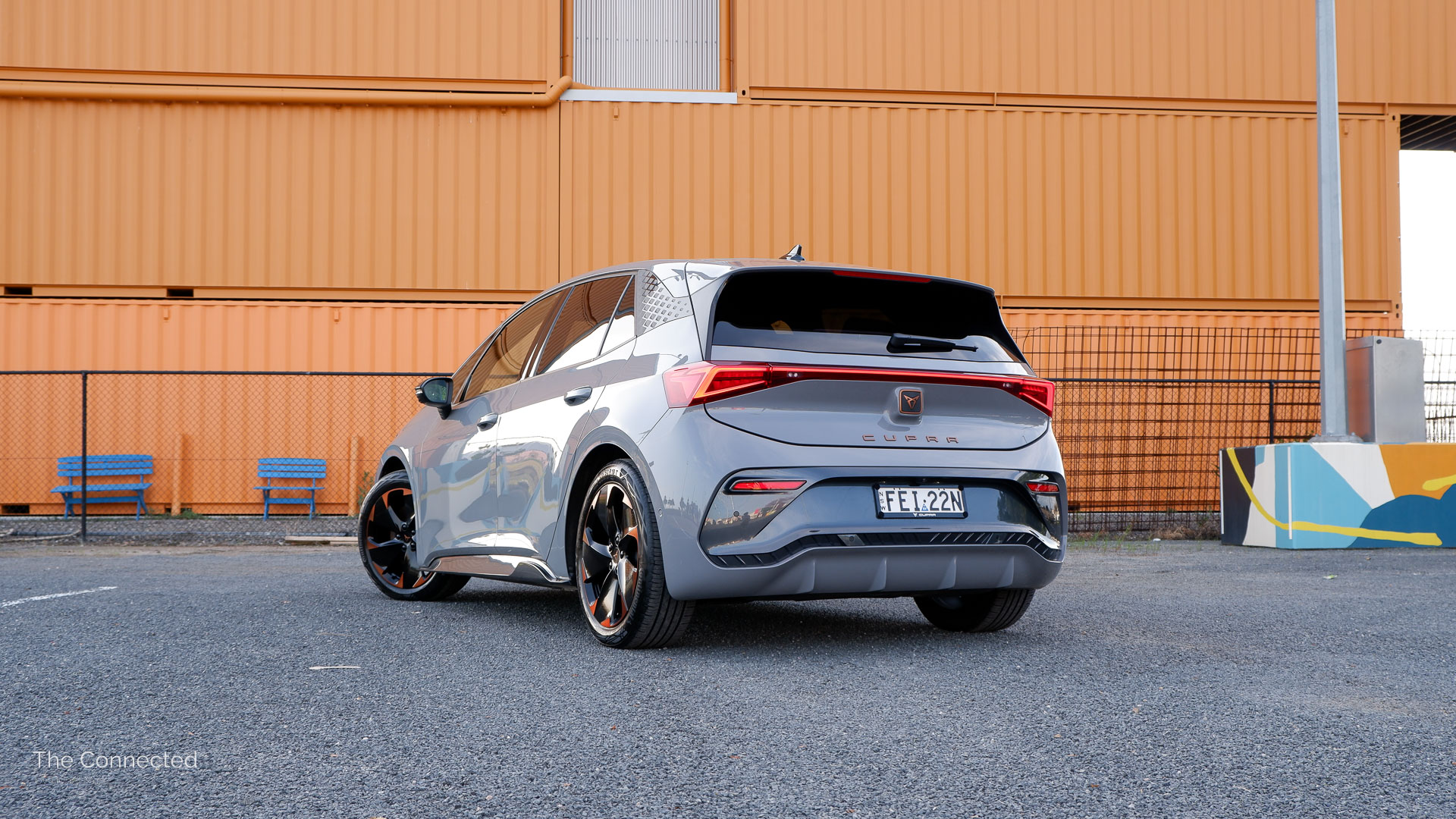
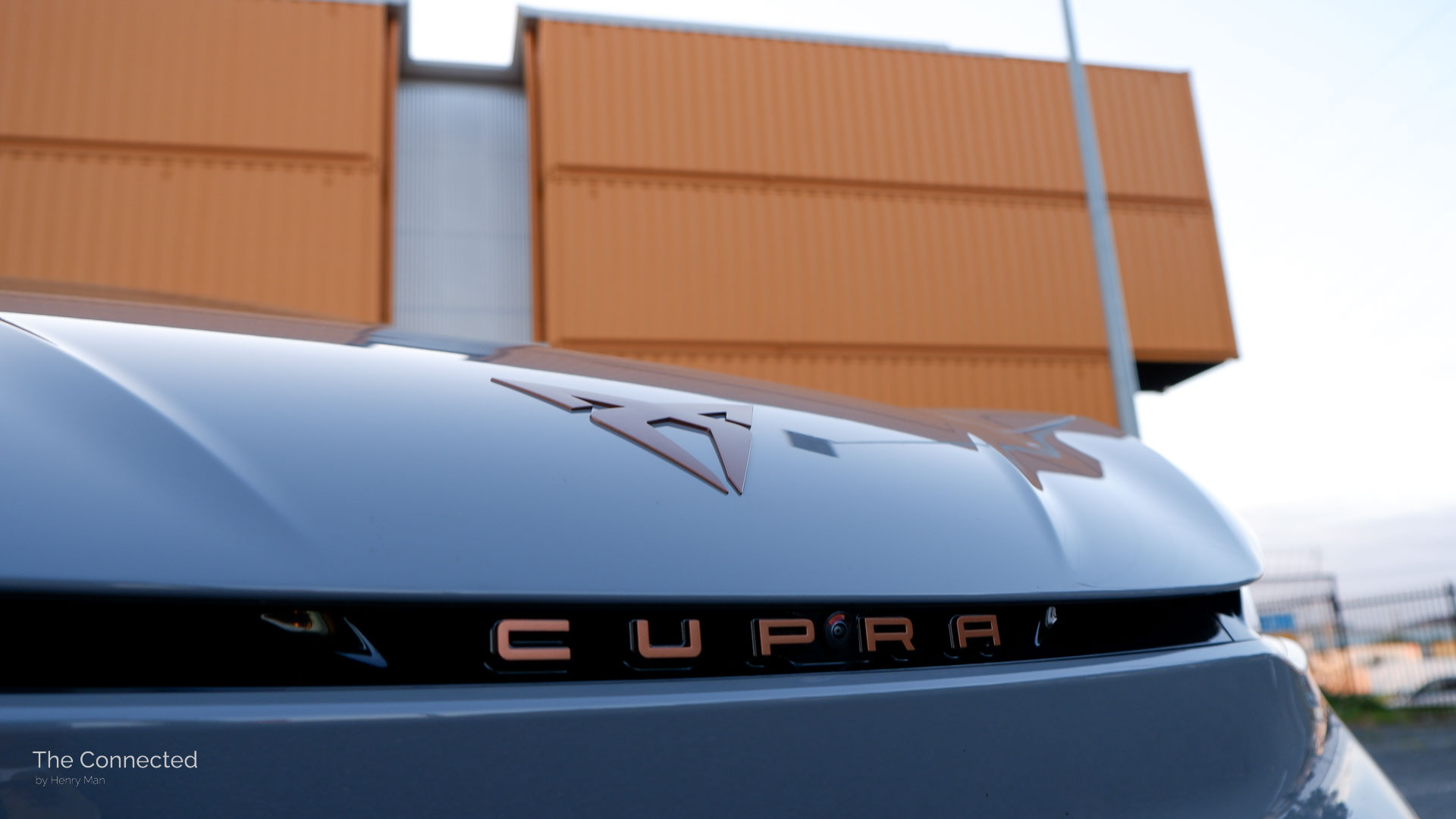
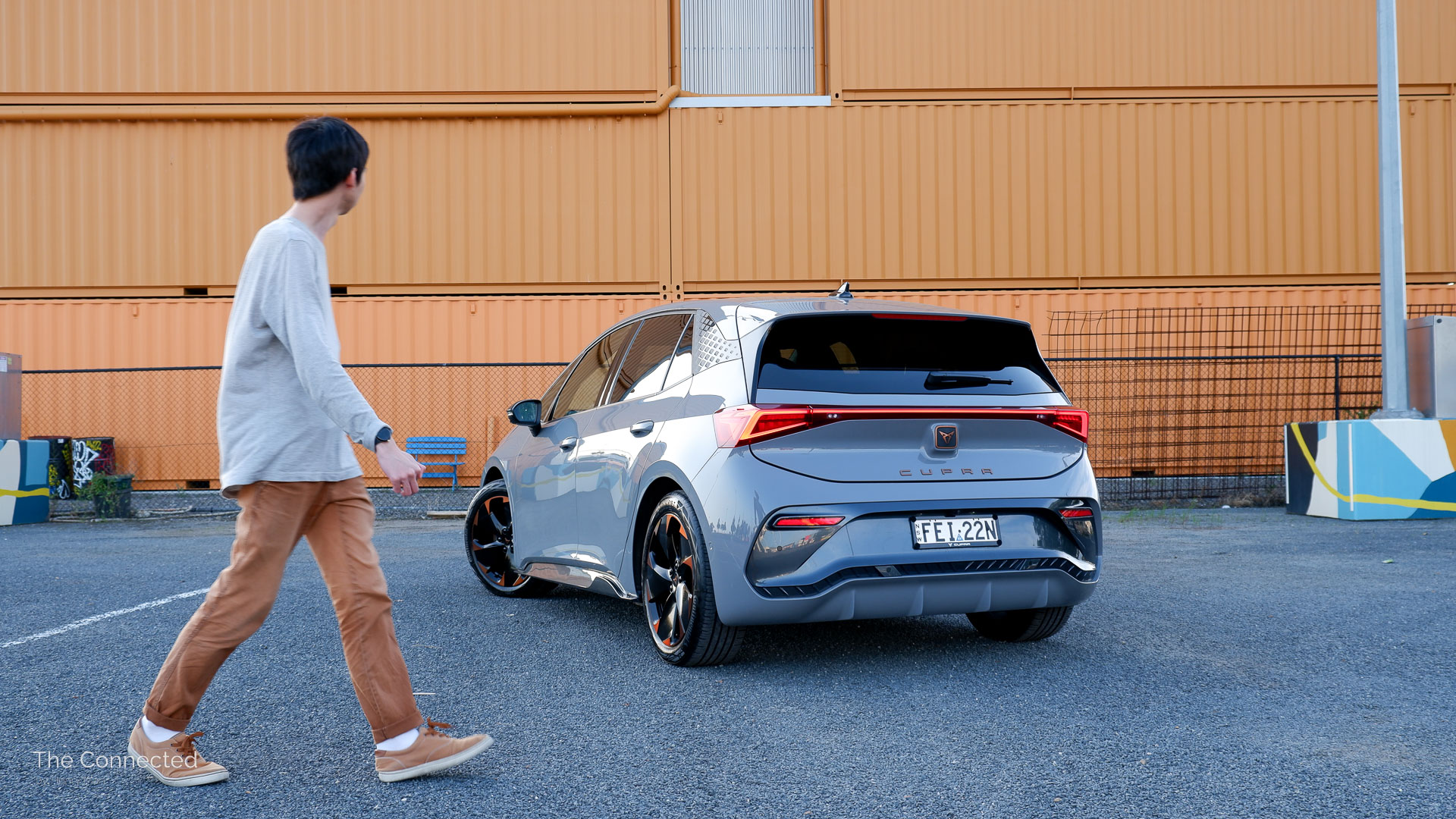
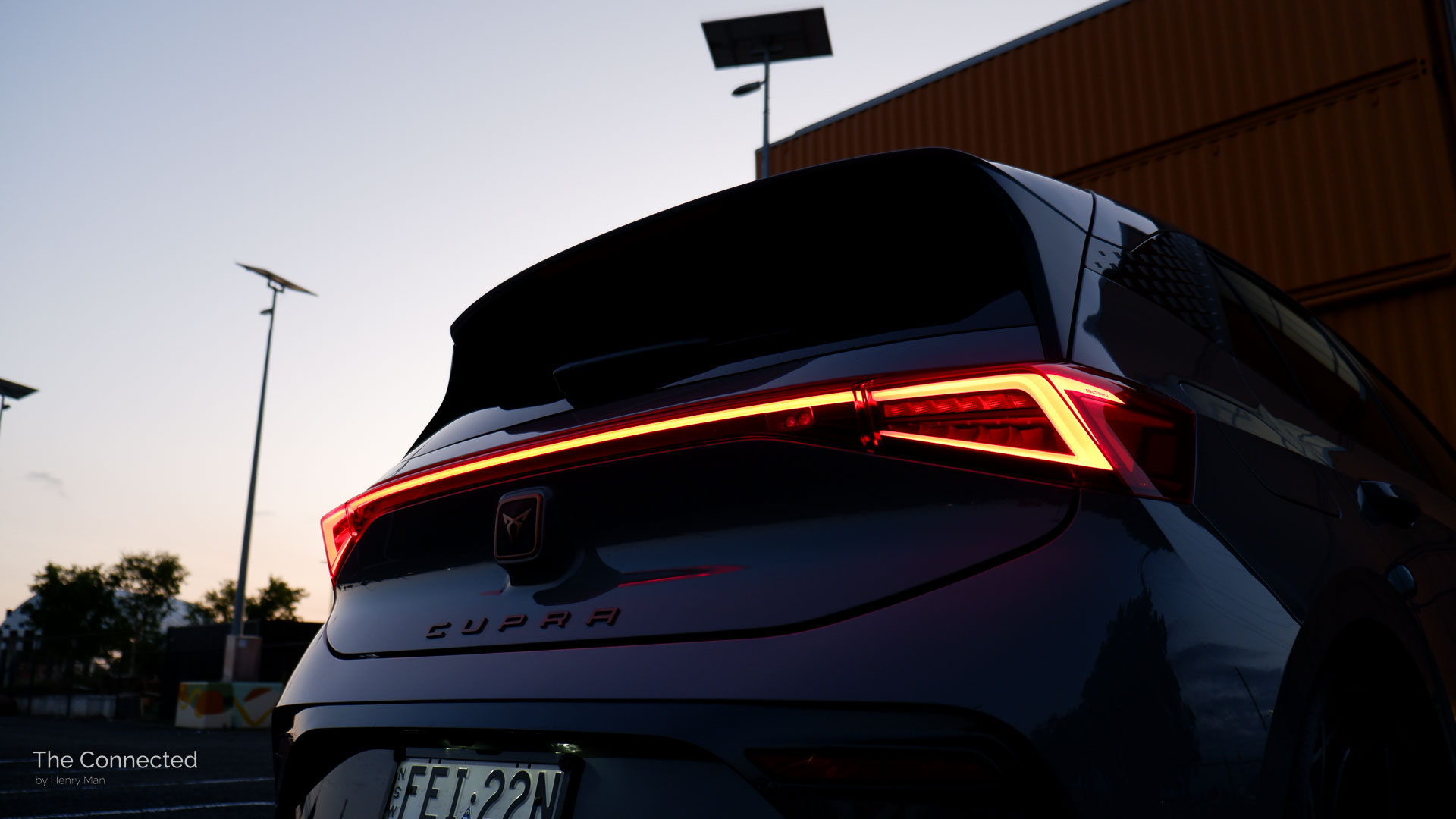
The Cupra Born electric hatch offers a sharp and sporty, yet premium and reserved design.
The Spanish car brand has managed to balance a sporty hatchback look without appearing like an over-the-top boy racer.
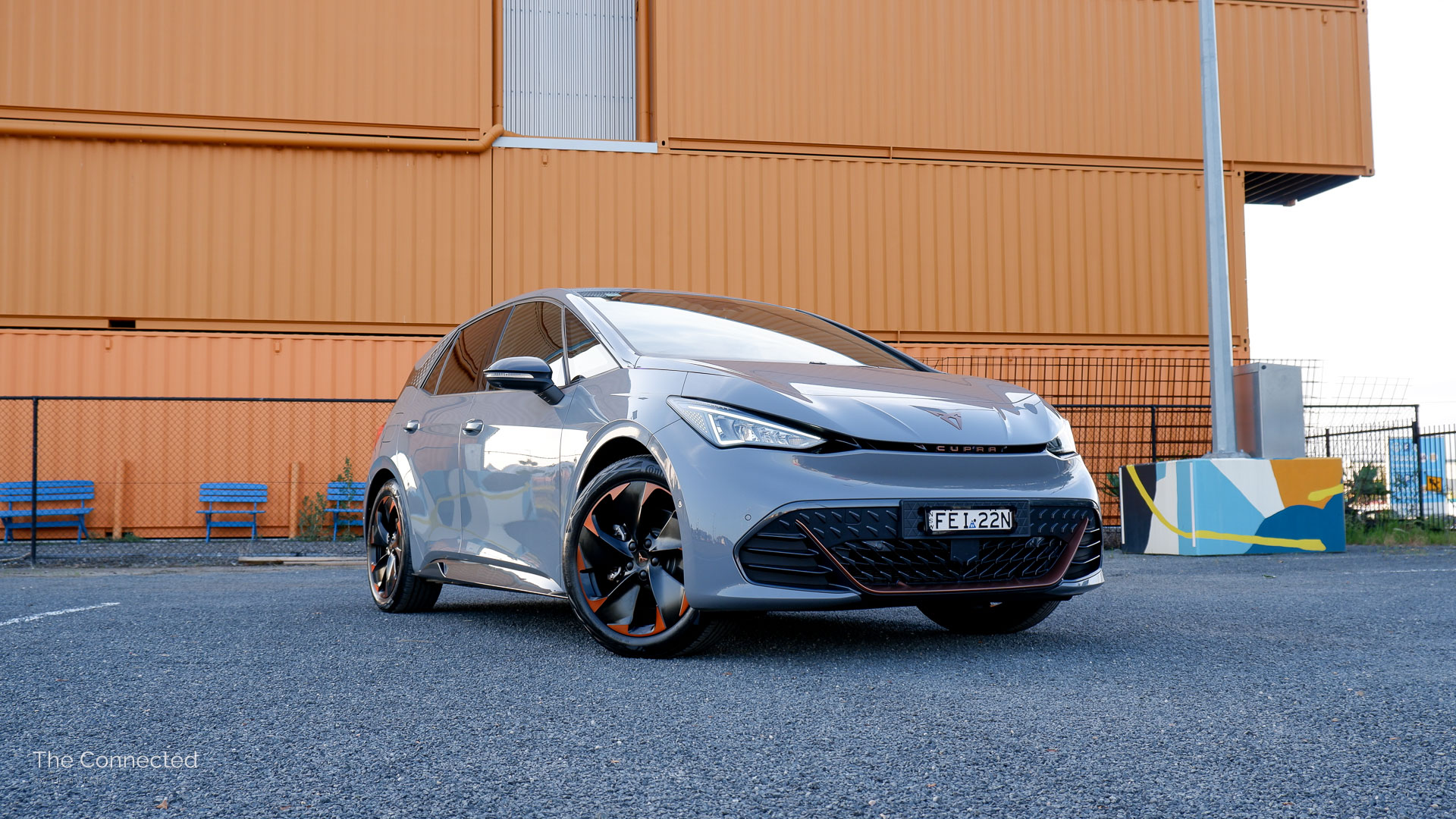
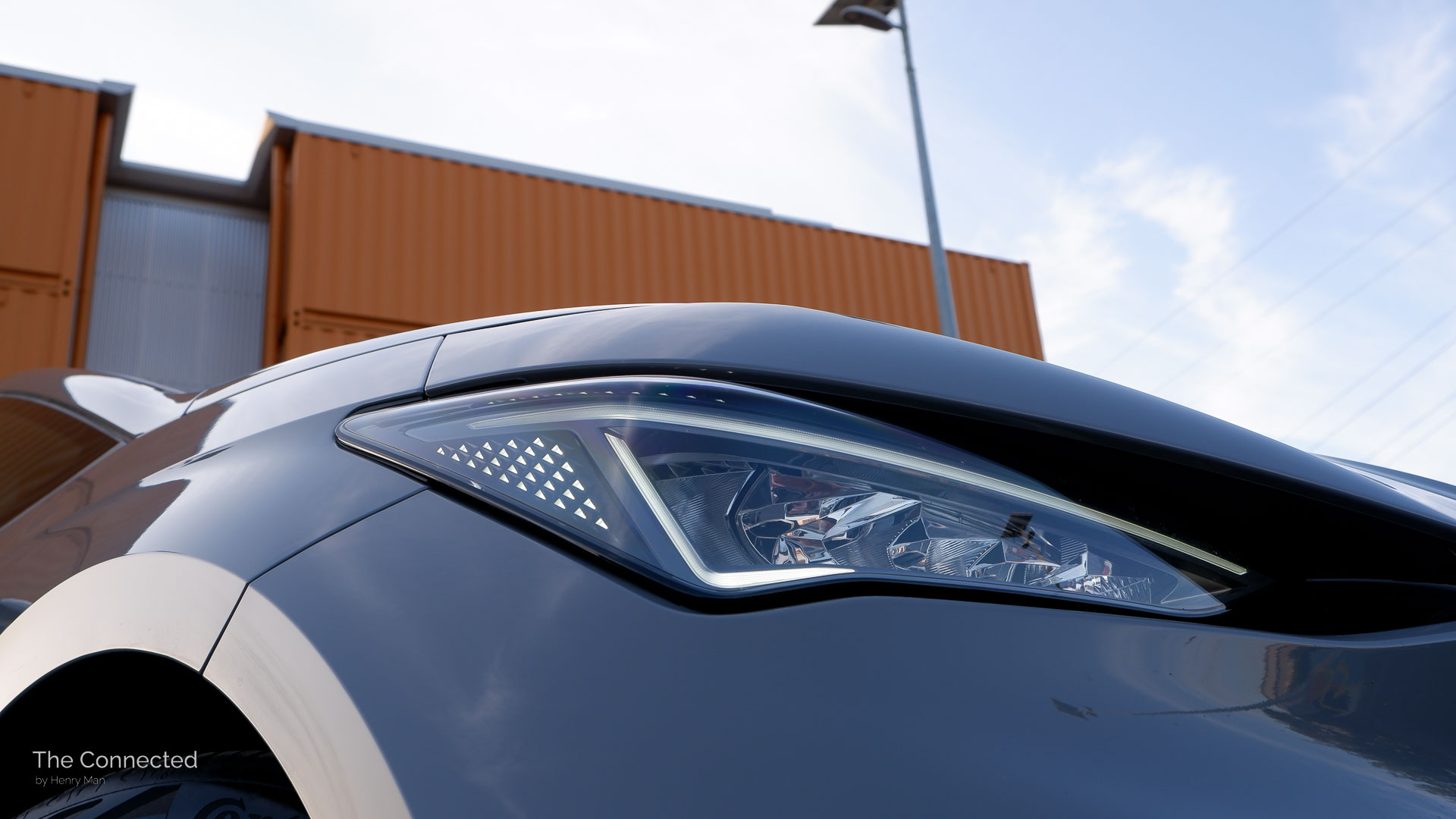
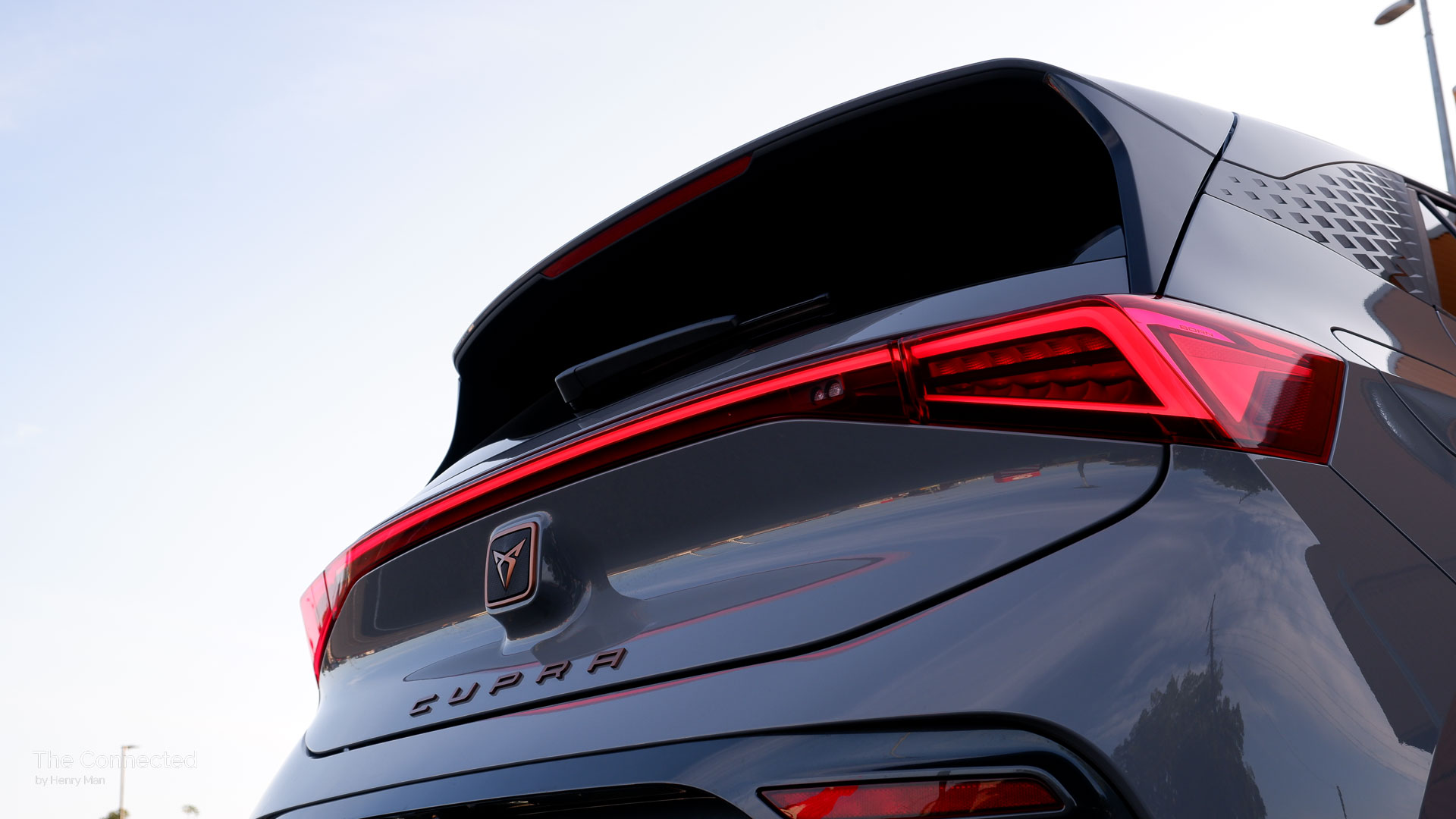
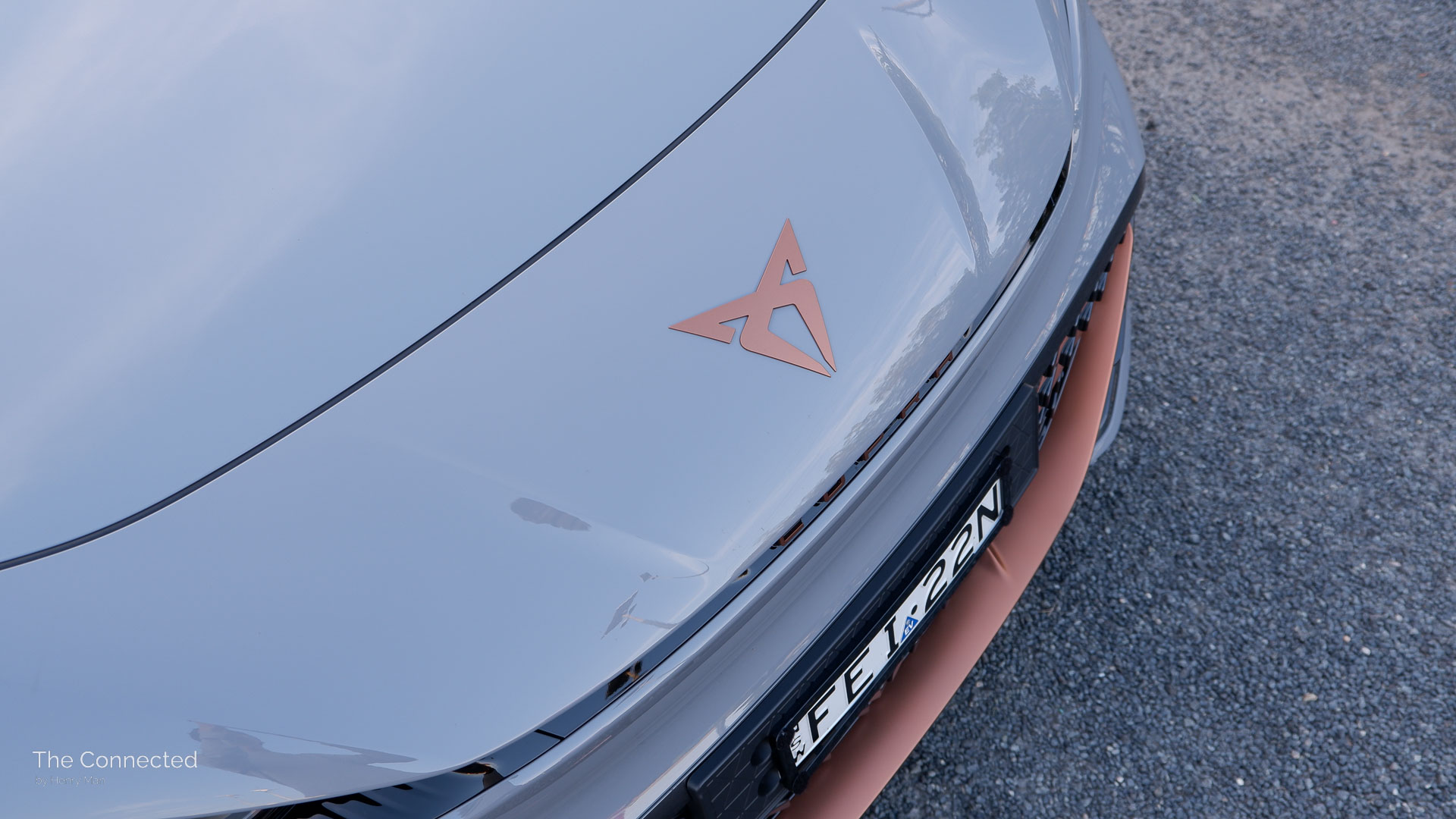
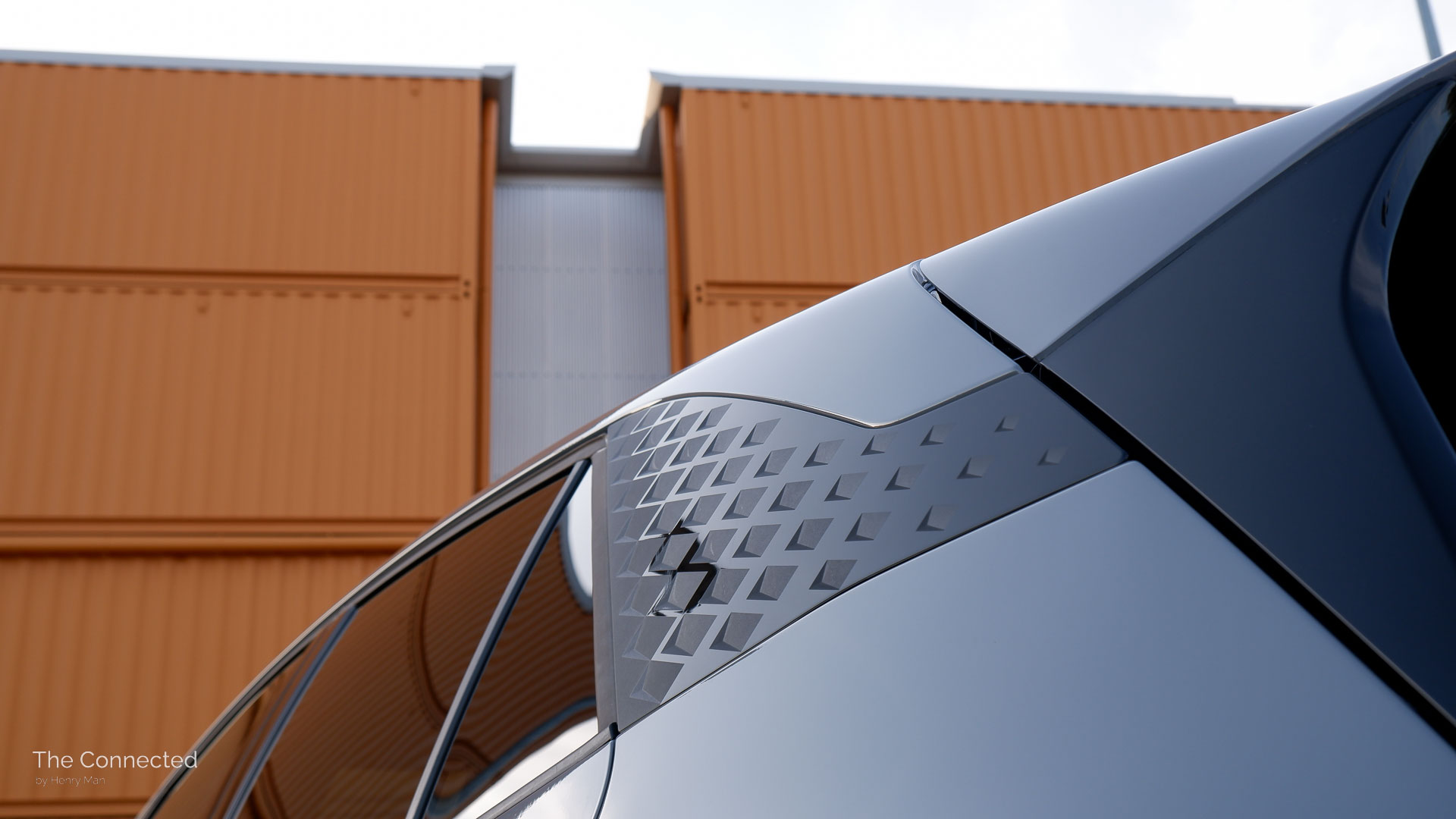
Based on the Modular Electric Toolkit (MEB) platform, the German-made Cupra Born is essentially a more aggressive Volkswagen ID.3 with copper highlights, distinct triangular daytime running lights, and a thin LED rear light strip with a sporty rear bumper and side skirts finished in Quasar Grey.
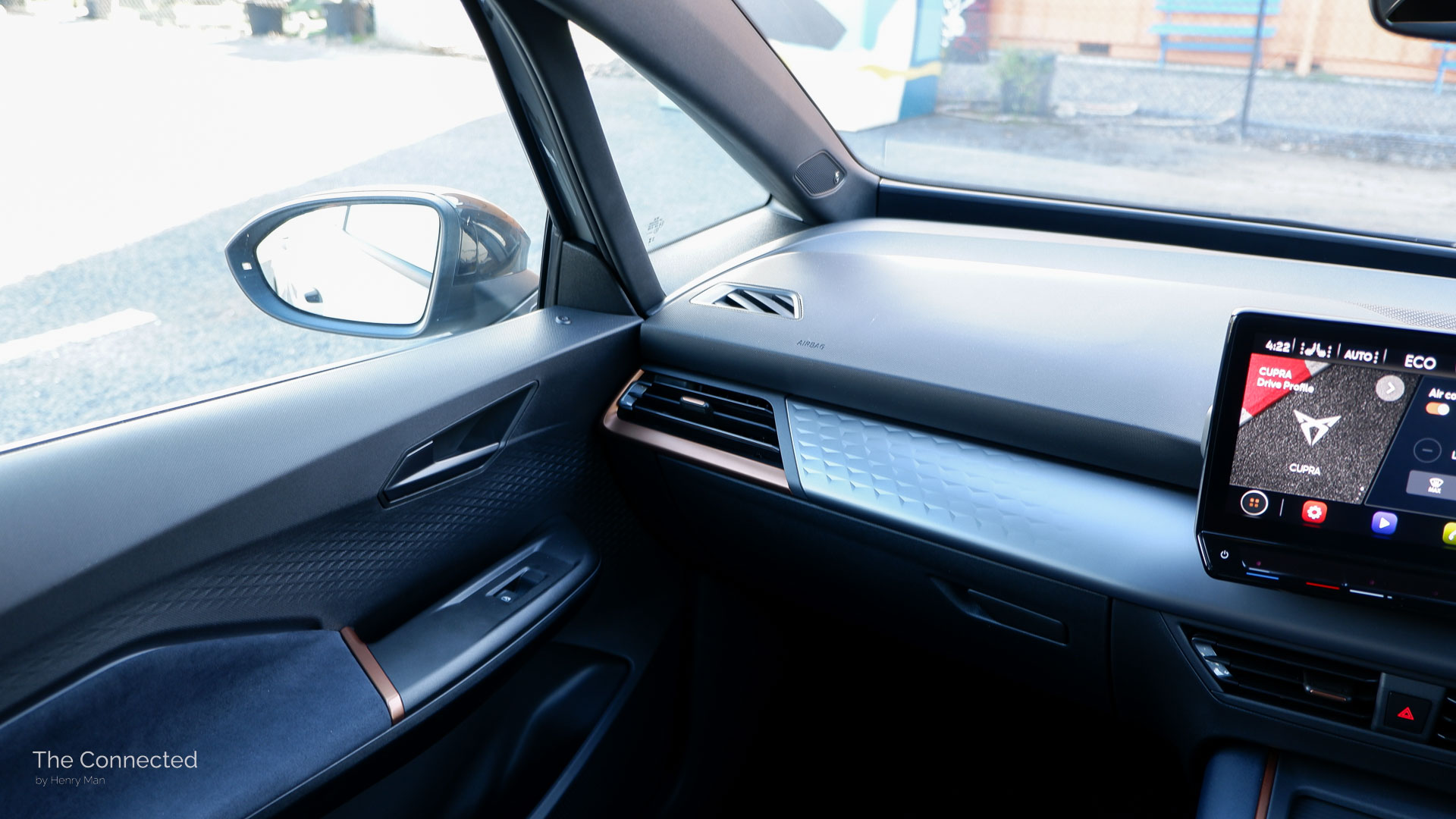
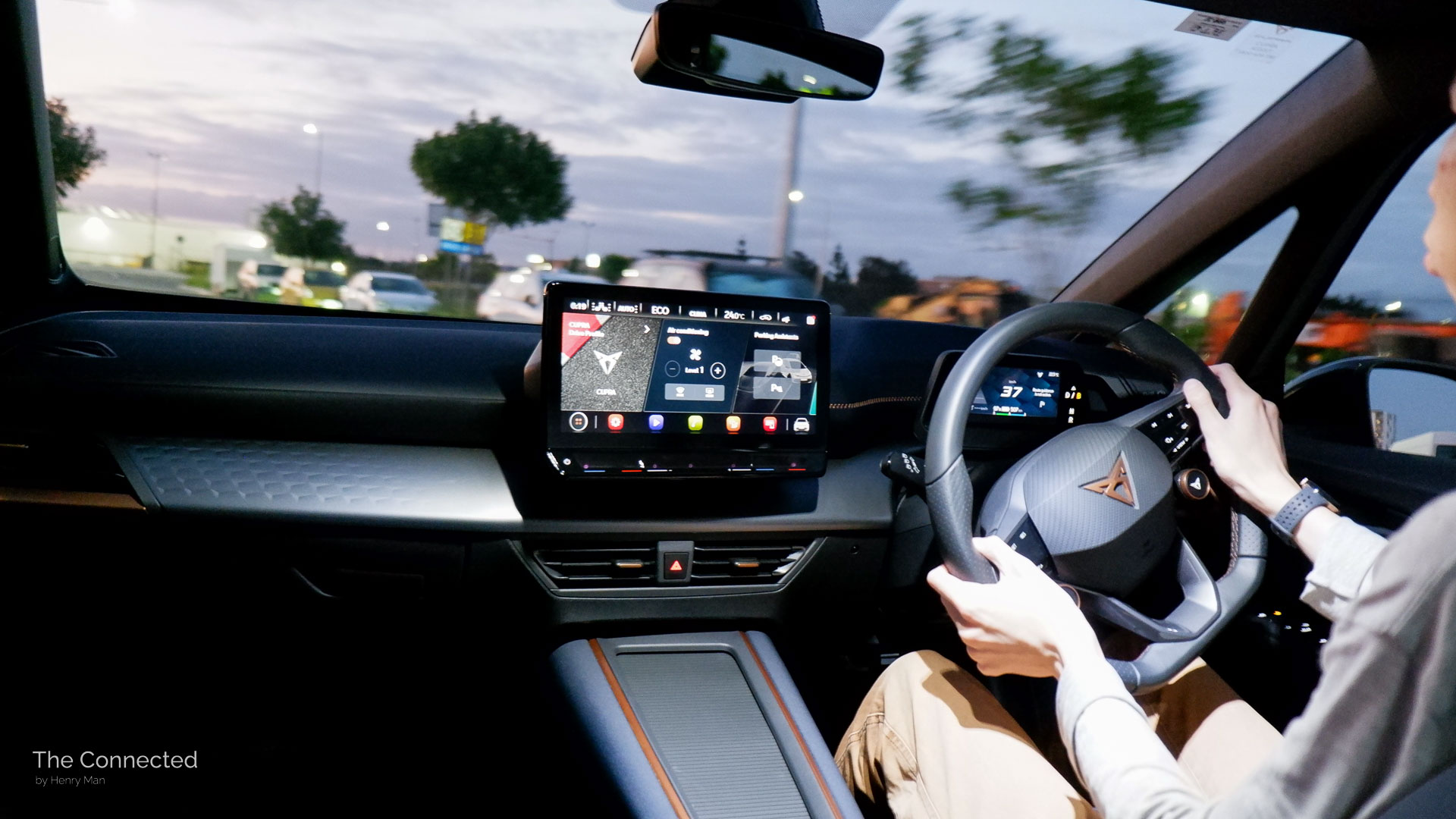
Meanwhile, the interior isn’t as outlandish as the Cupra Tavascan electric crossover with just enough copper accents, triangular textures, a large central touchscreen angled toward the driver, and motorbike-style small instrument display attached to the perforated flat-bottom steering wheel.
The colour-adjustable ambient lighting strips are prominent and bright, but limited to the front door cards – unlike the more impressive setup found on the Leon and Formentor where it’s extended to the front dashboard.
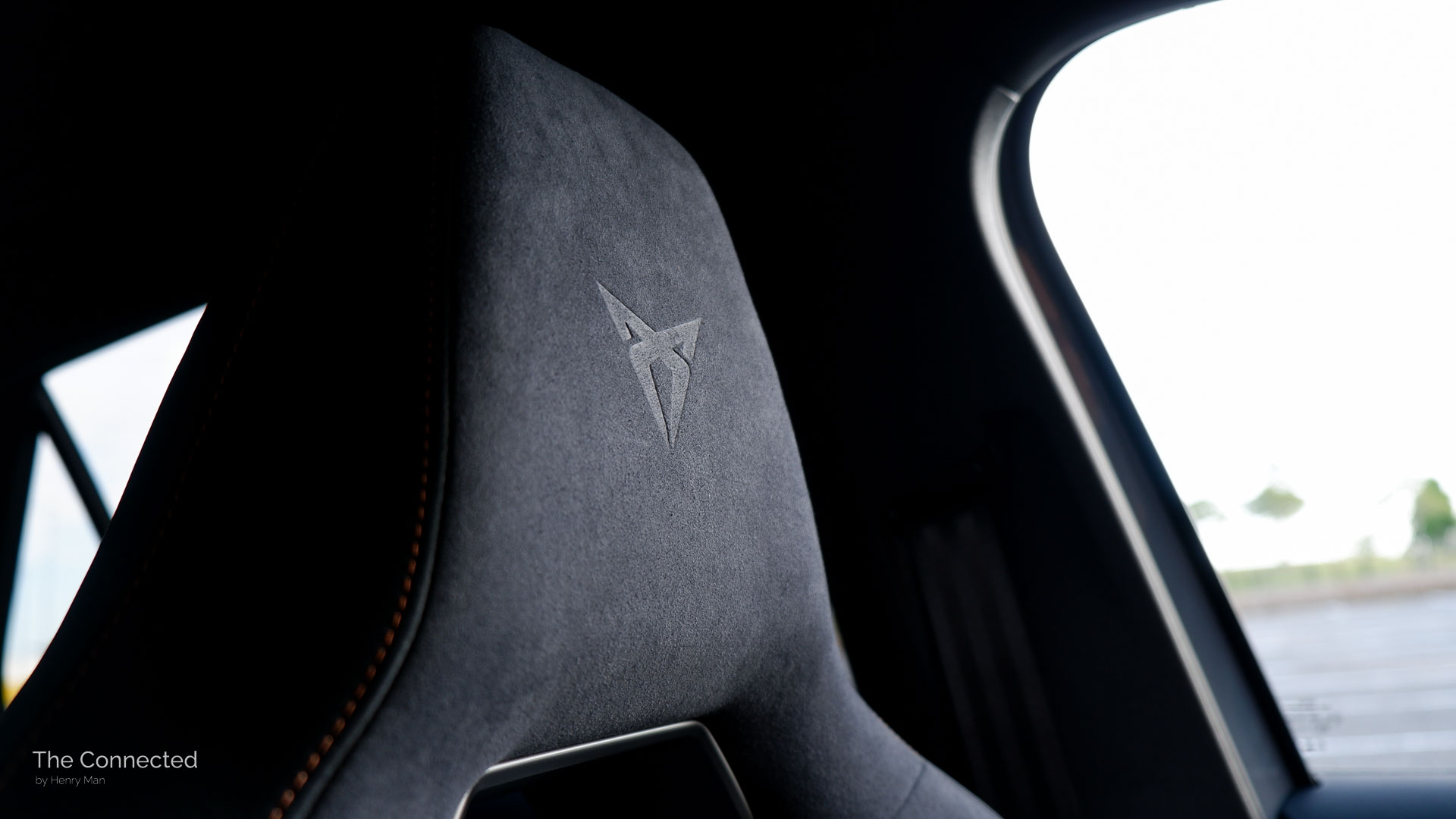
Our tester had the $2300 Interior Package option which brings suede seats with a blue and copper theme to lift the premium feel.
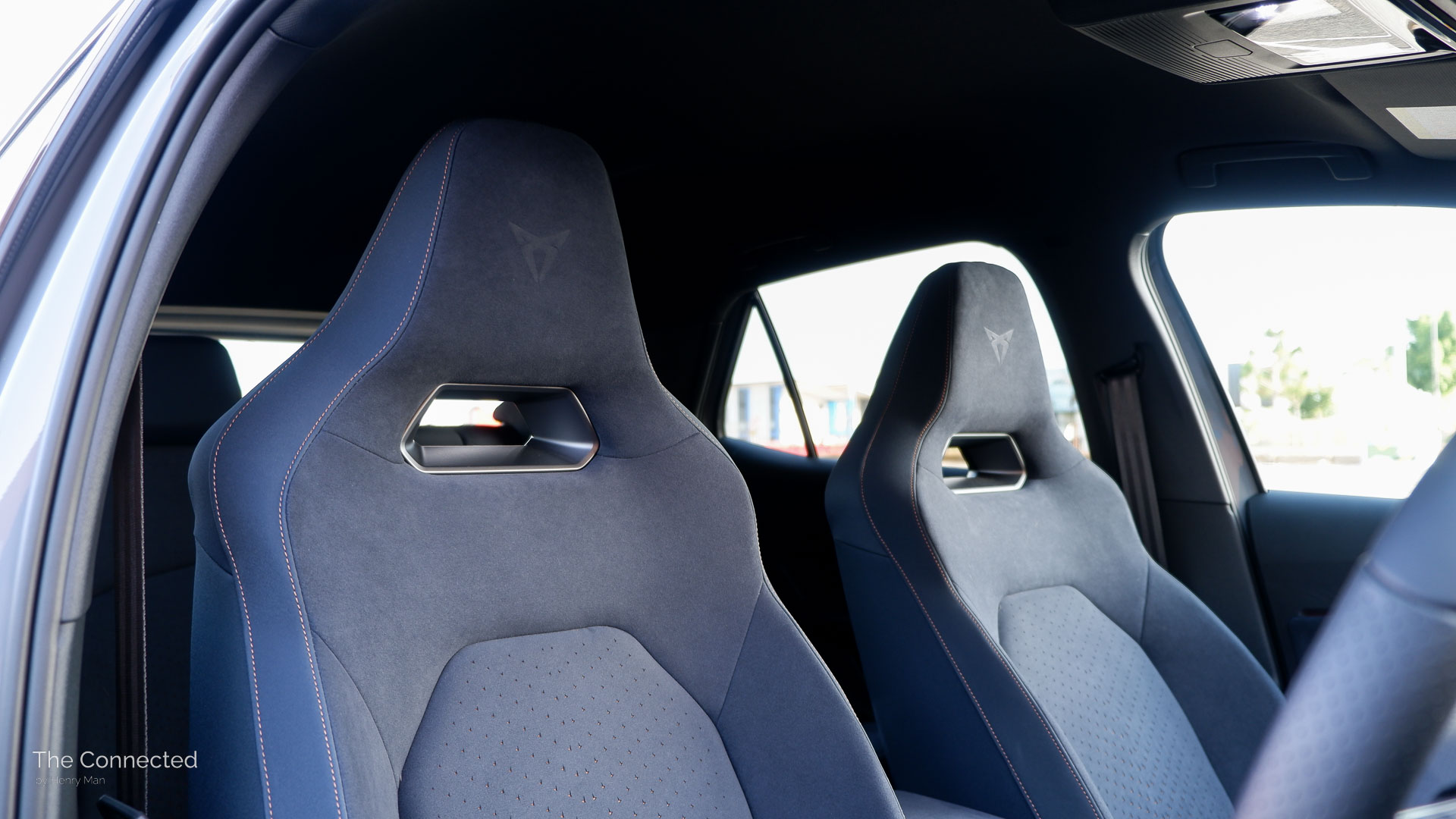
However, material quality could be better for a $60K-plus car. While there are suede armrests and a soft-touch dash as standard, all four door cards are made up of hard and hollow, albeit textured, plastics.
Practicality.
2024 Cupra Born dimensions:
| Length x width x height | 4324 x 1809 x 1540mm |
| Wheelbase | 2766mm |
| Ground clearance | 131mm |
| Boot space (min) | 385 litres |
| Frunk space | N/A |
| Rear seat split fold | 60:40 with centre opening |
| Child seat anchors | 2x ISOFIX and 3x top-tethers (rear seats) |
The Cupra Born is a small EV hatchback that provides good interior space.
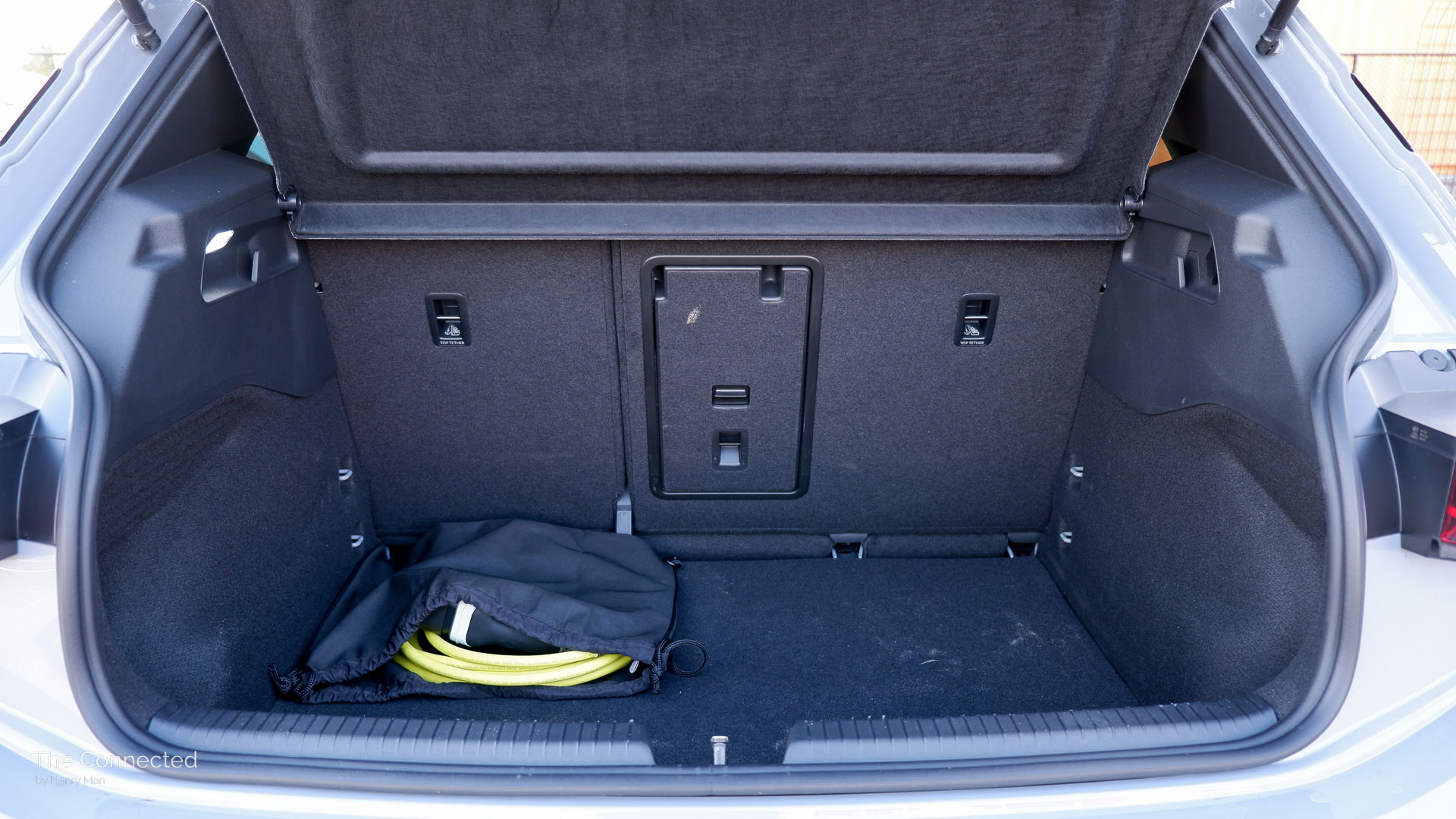
The 385-litre boot is average for a small hatchback, but offers enough cargo capacity for most everyday needs, albeit with a small loading lip and no height-adjustable boot floor.
Thankfully, there are two sturdy bag hooks, a flat loading lip and a centre ski opening – but there’s a limited slot underneath the boot floor that isn’t enough to store the included Type 2 to Type 2 charging cable.
The Cupra Born does not offer a frunk.
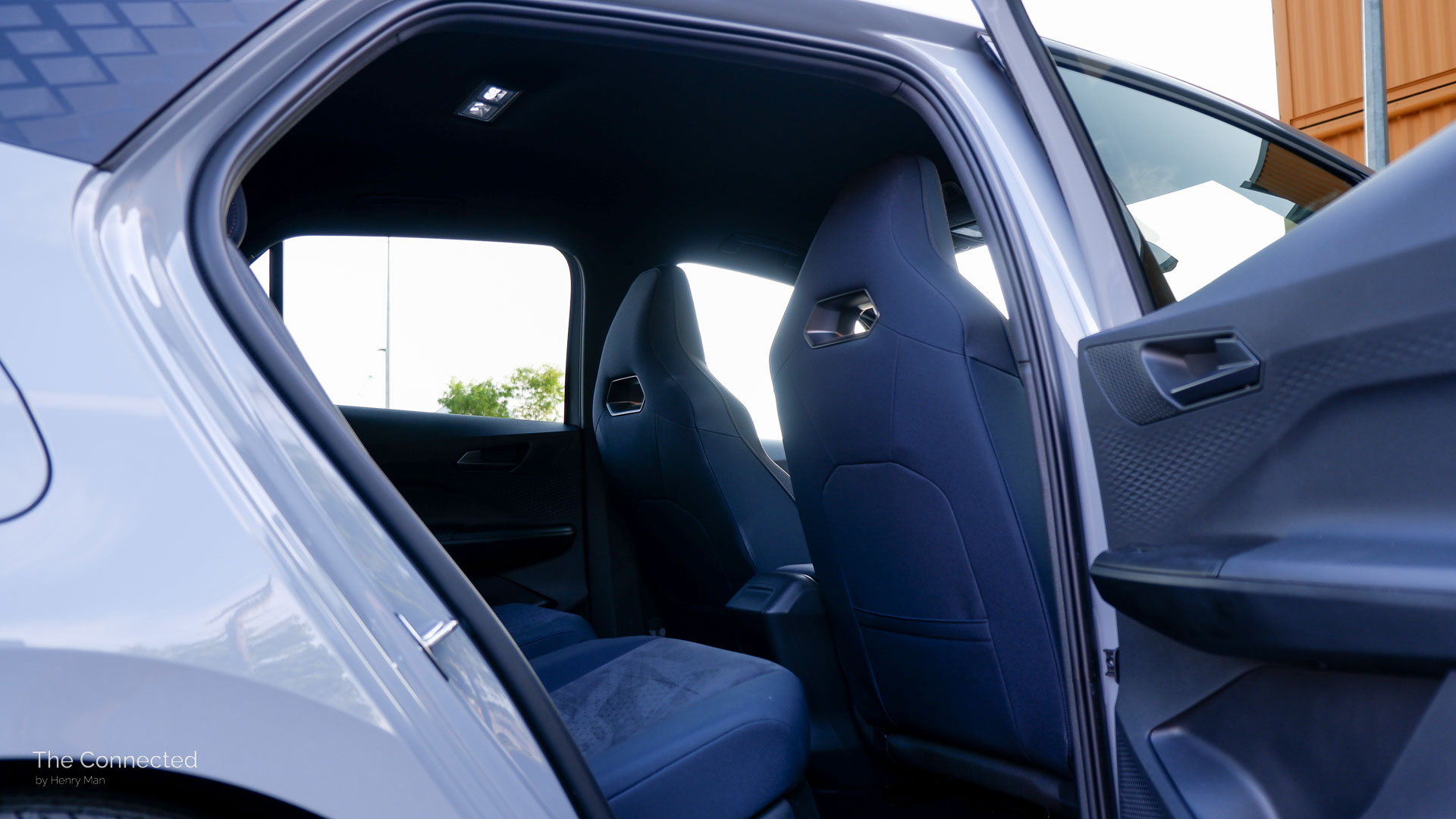
Similarly, rear seat space is typical with just enough legroom and good headroom. Knees aren’t perched up as much compared to other EVs.
Amenities include a fold-down middle armrest with three cup holders, two USB-C charging ports, seatback pockets, well-sized door bottle holders, and bright LED interior lights across both rows.


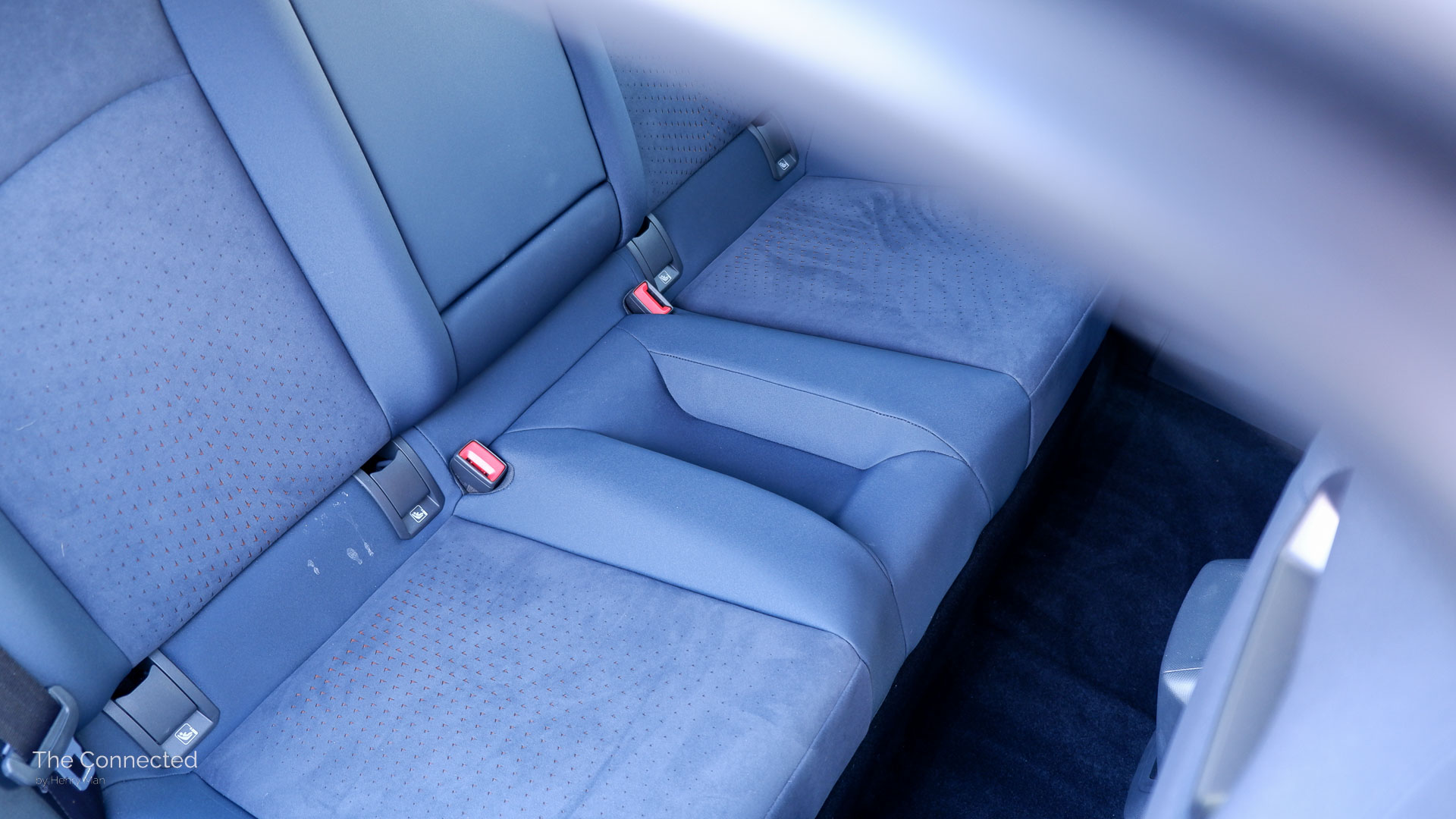
There are no rear air vents, the centre console juts out and intrudes on the middle floor space, and the rear doors lack the soft suede armrests found at the front, though.
Unfortunately, optioning either the Interior and/or Performance Packages removes the middle rear seat and makes it a carved storage slot instead.
This is because the rear axle can’t handle three passengers with the large 82kWh (gross) battery pack underneath. The updated 2025 Cupra Born, which is expected next year, has fixed this issue with a stronger rear axle.
Meanwhile, the front centre console is quite practical with two well-sized cup holders with grips and a small square storage space ahead. They can be hidden with a rolling shutter.
The slanted Qi wireless charging pad is ergonomic, while there’s more storage underneath the slidable centre armrest. It is an open pass through to the charging pad, so it isn’t completely private storage.


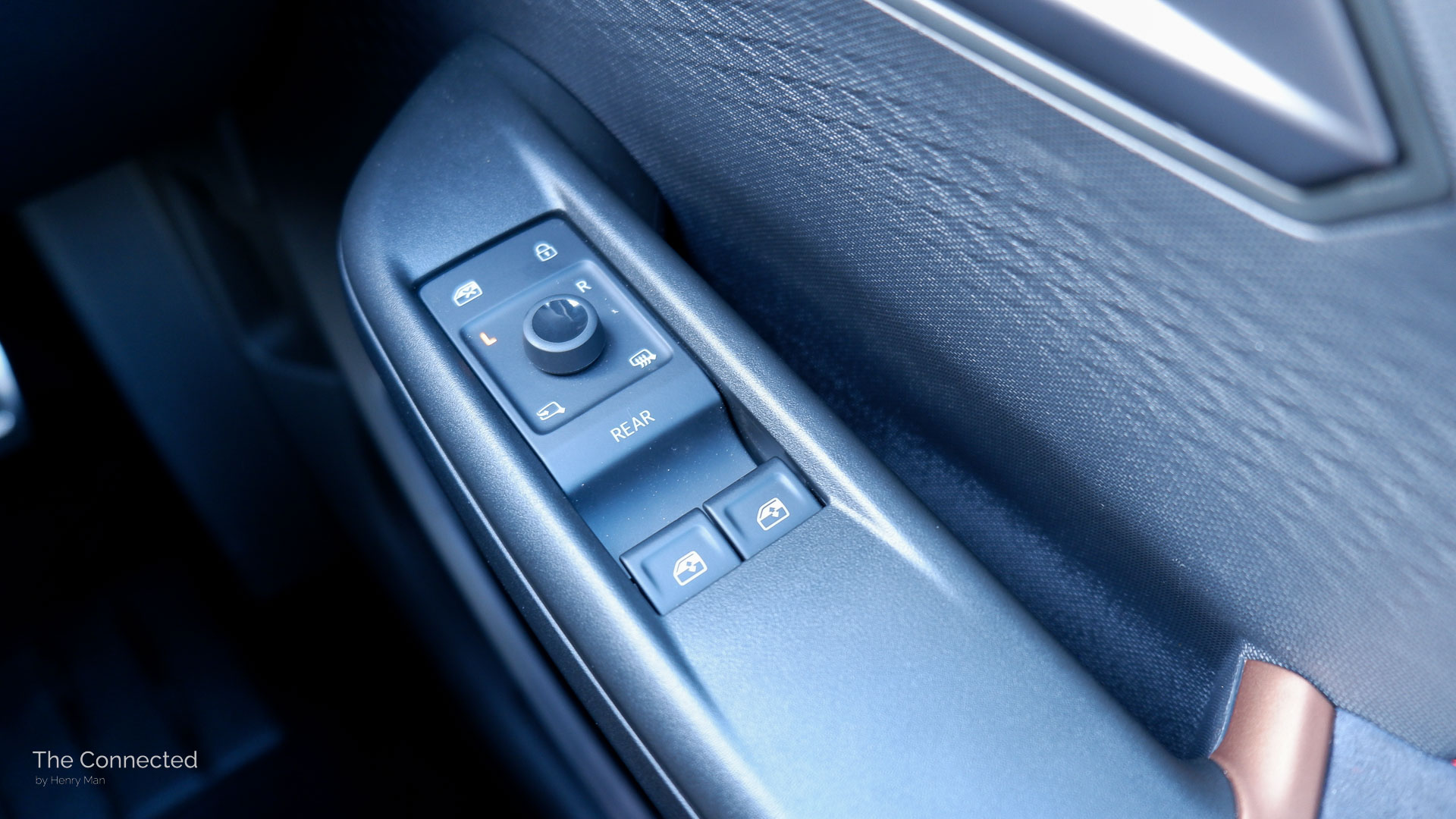
However, glovebox space is restricted since Cupra didn’t move the fuse box for right-hand drive markets and the touch-sensitive LED interior lights could be more sensitive.
The driver also only has two window switches to control four windows. Pressing the ‘rear’ touch-sensitive button controls the rear windows, while holding it will toggle both front and rear windows. While annoying, it wasn’t a deal breaker in my experience as you do get used to it.
The optional suede bucket seats are comfortable and supportive with the front ones offering a pulsing massage function – yet there’s no seat memory for the driver and no seat ventilation.
A three-level heated steering wheel is standard, while only optioning the $2300 Interior Package adds three-level heated front seats.
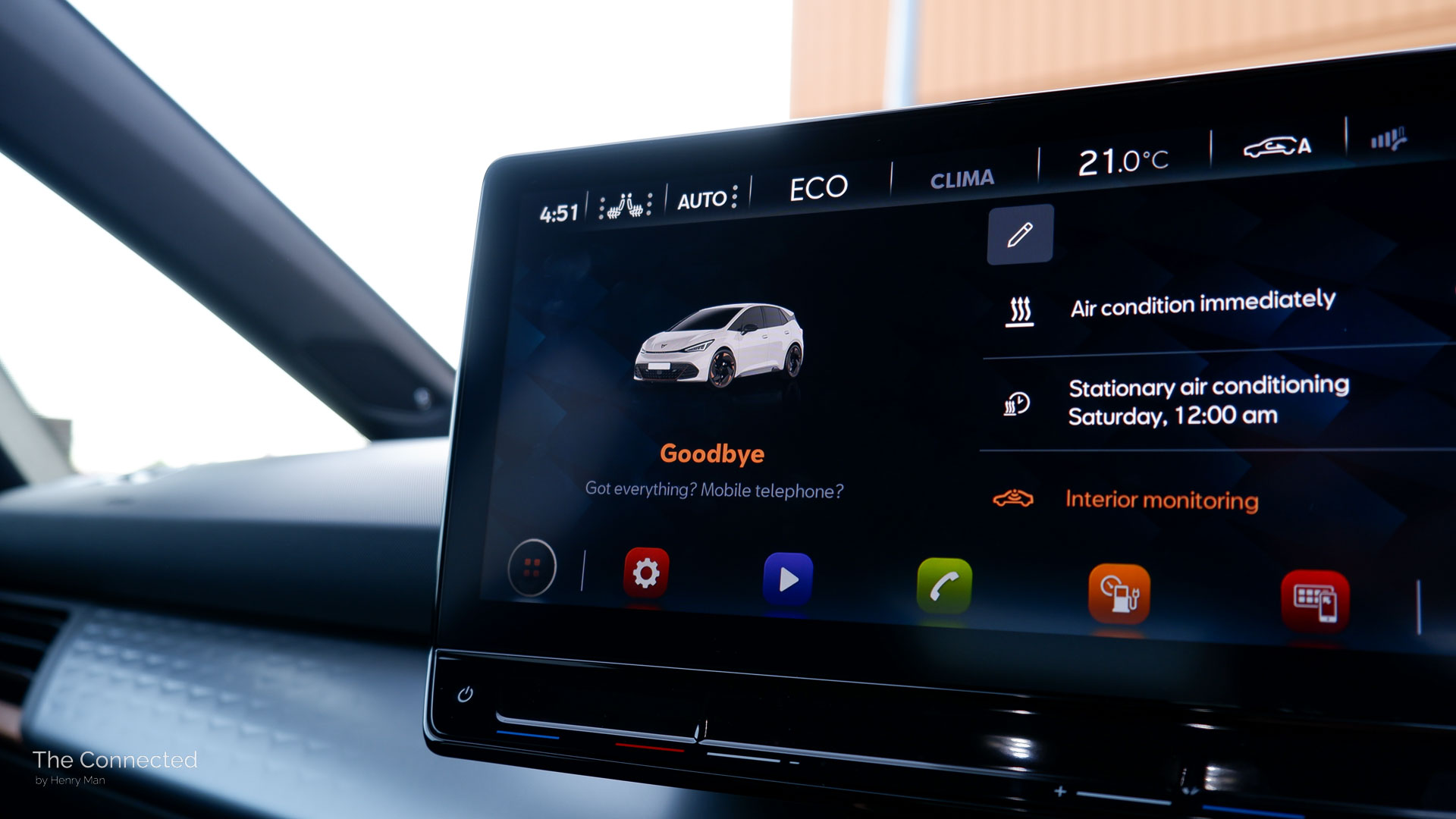
Similar to Tesla’s Keep Climate On function, the Cupra Born also offers the ability to keep the air-conditioning running while locked for up to 30 minutes.

Technology.
2024 Cupra Born tech features:
| 12.3-inch touchscreen running Software 3.2 | 5.3-inch driver instrument display |
| Wired Apple CarPlay and Android Auto | Seven speakers (optional nine-speaker Beats branded system) |
| Qi wireless charging pad | Proximity key with auto-folding mirrors and puddle lights |
| 4x USB-C charging ports and 1x 12-volt socket |
The 2024 Cupra Born features a good technology offering, but lacks some key features in Australia.
The 12.3-inch central touchscreen is large, square and bright with a modern user interface that consistently incorporates Cupra’s sporty copper and triangular theme. The little details matter.
It is backed by a decent processor, but the native operating system isn’t designed as well with slow transition animations when switching between menus and the seat heating controls are strangely separate from the climate screen.
Disappointingly, due to the lack of connected services in Australia, Apple CarPlay and Android Auto require a wired connection, there’s no built-in maps, owners can’t schedule an AC charging timer, and no mobile app.
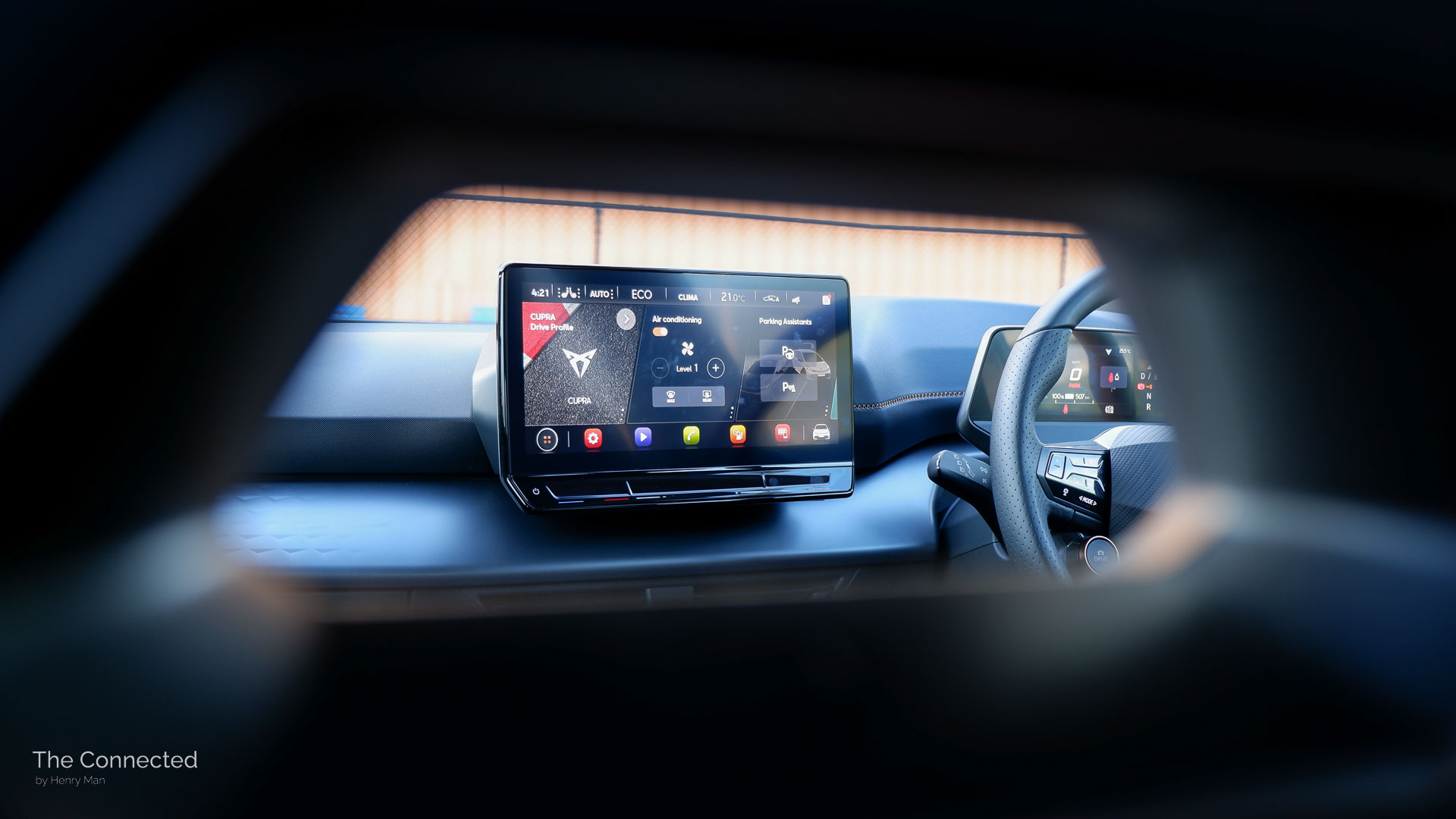
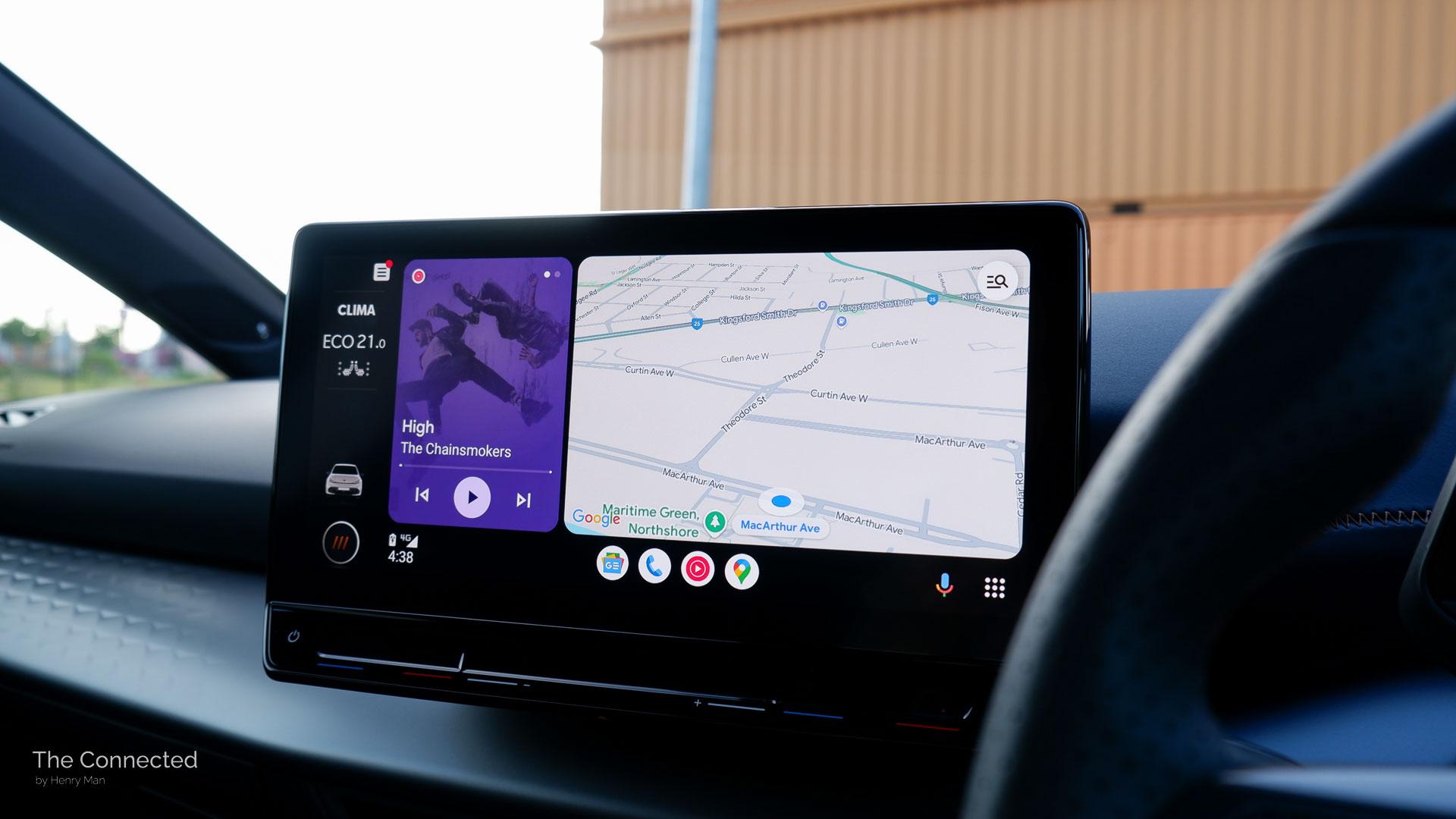

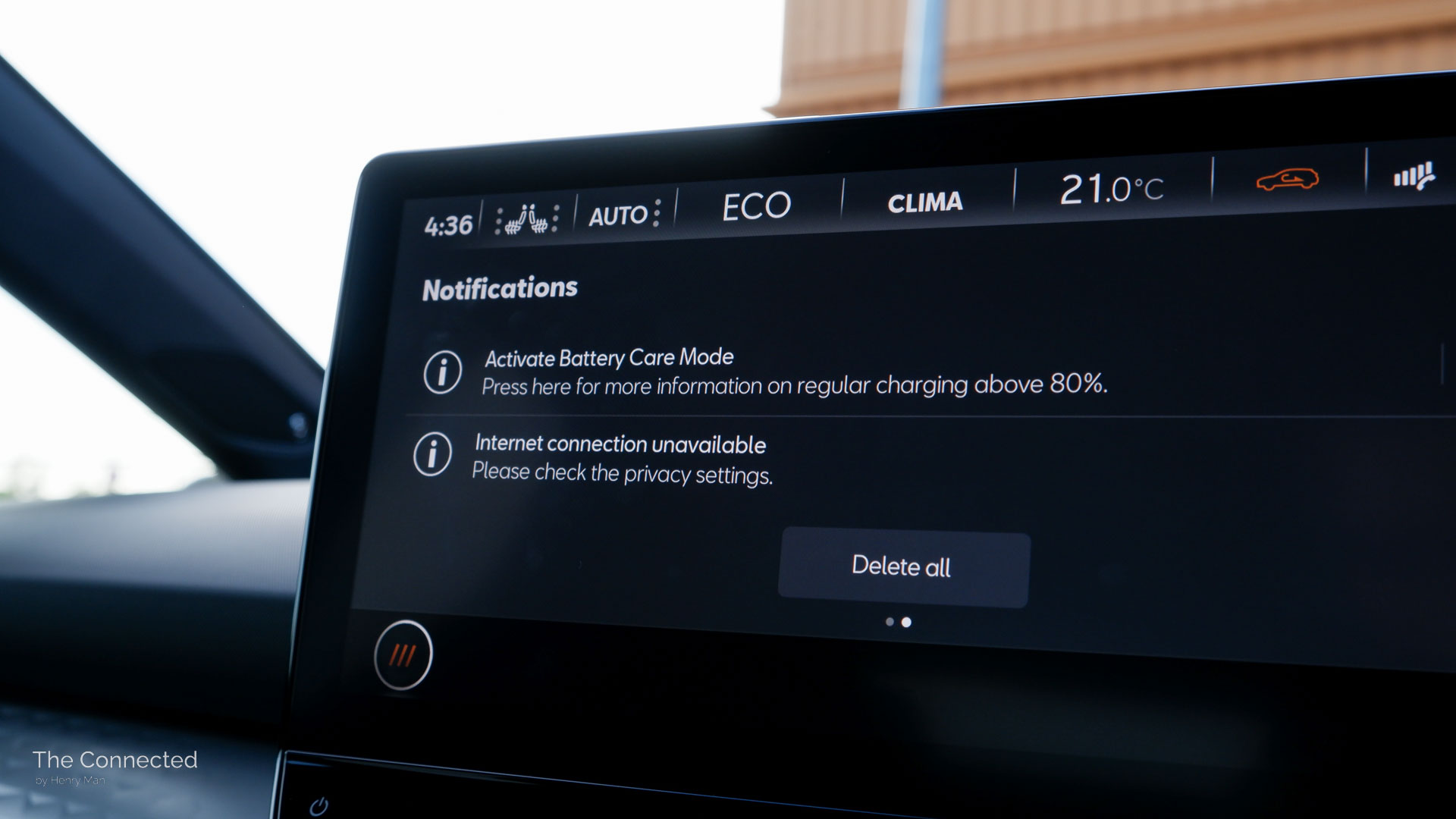
In fact, there’s always a notification that pops up reminding you that internet connectivity is unavailable.
Let’s hope these glaring issues will be fixed in the 2025 Cupra Born update next year, particularly since the related Tavascan and Skoda Enyaq offers wireless smartphone projection without connected services.
I also found the Qi wireless charging pad inductivity too weak. Similar to the Volkswagen T-Roc, it seems to require devices to sit flush with the pad – which is difficult with the large camera humps on phones.
To workaround this, I needed to remove the rubber pad surface and place my Google Pixel 7 Pro in a certain orientation in order for it to charge.
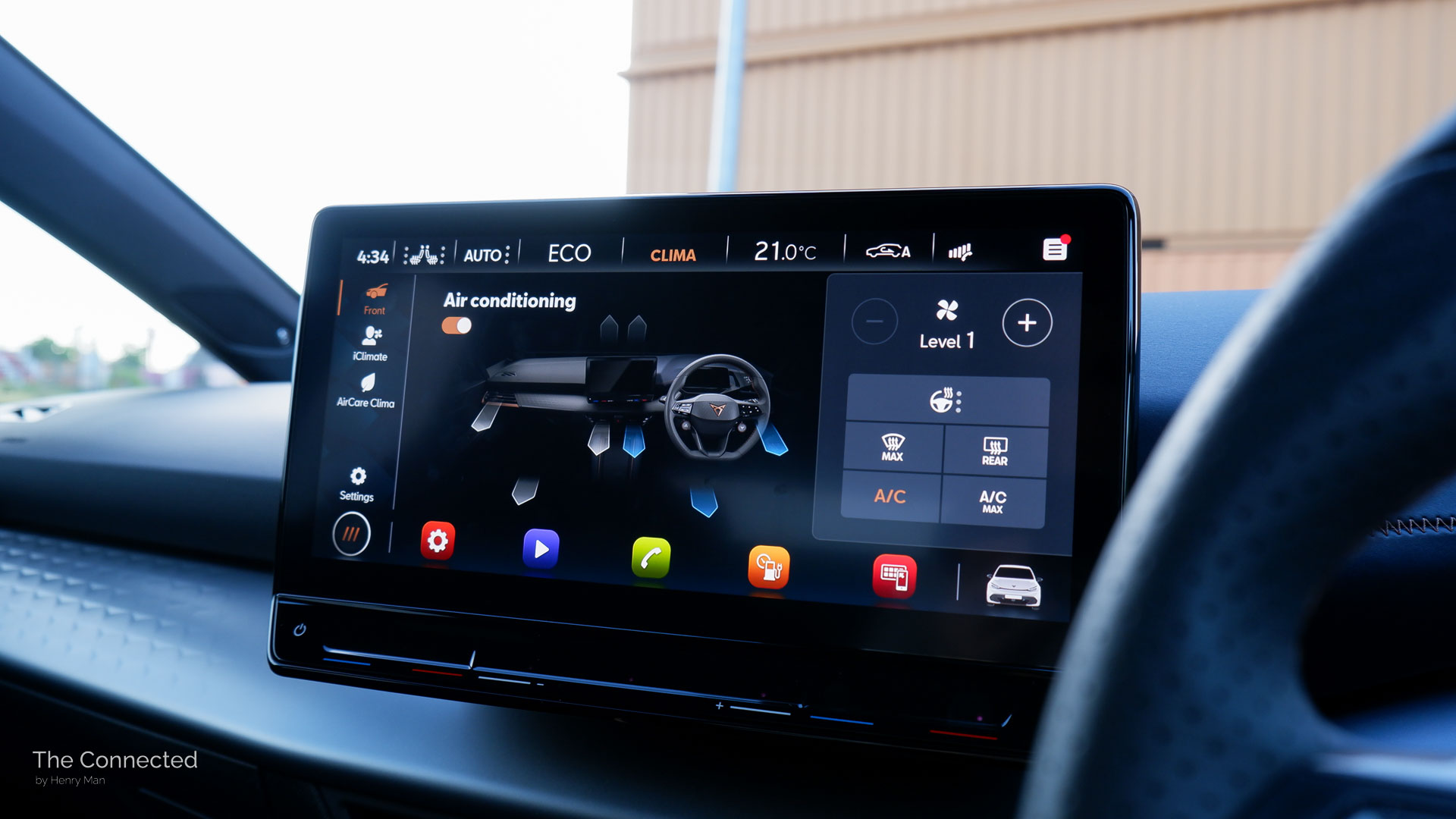
As per the trend of Teslas, BYDs and MGs, the dual-zone climate controls are primarily operated within the screen. It’s easy to access with a persistent bar and you get used to it over time.
However, it just takes a step more (and a bit more time) to change the temperature or turn up the fan and can be annoying while driving. When initially getting in the car, it’s unfortunate that I needed to wait at least half a minute for the infotainment to boot up in order to blast the air-con on a hot day.
Adding the climate widget on the home screen and the built-in voice assistant helps, and the touch-sensitive strip can adjust the temperature and volume via a tap or slide. They aren’t illuminated in dark conditions (only the power button is) due to the proximity sensor for the gesture controls, though.
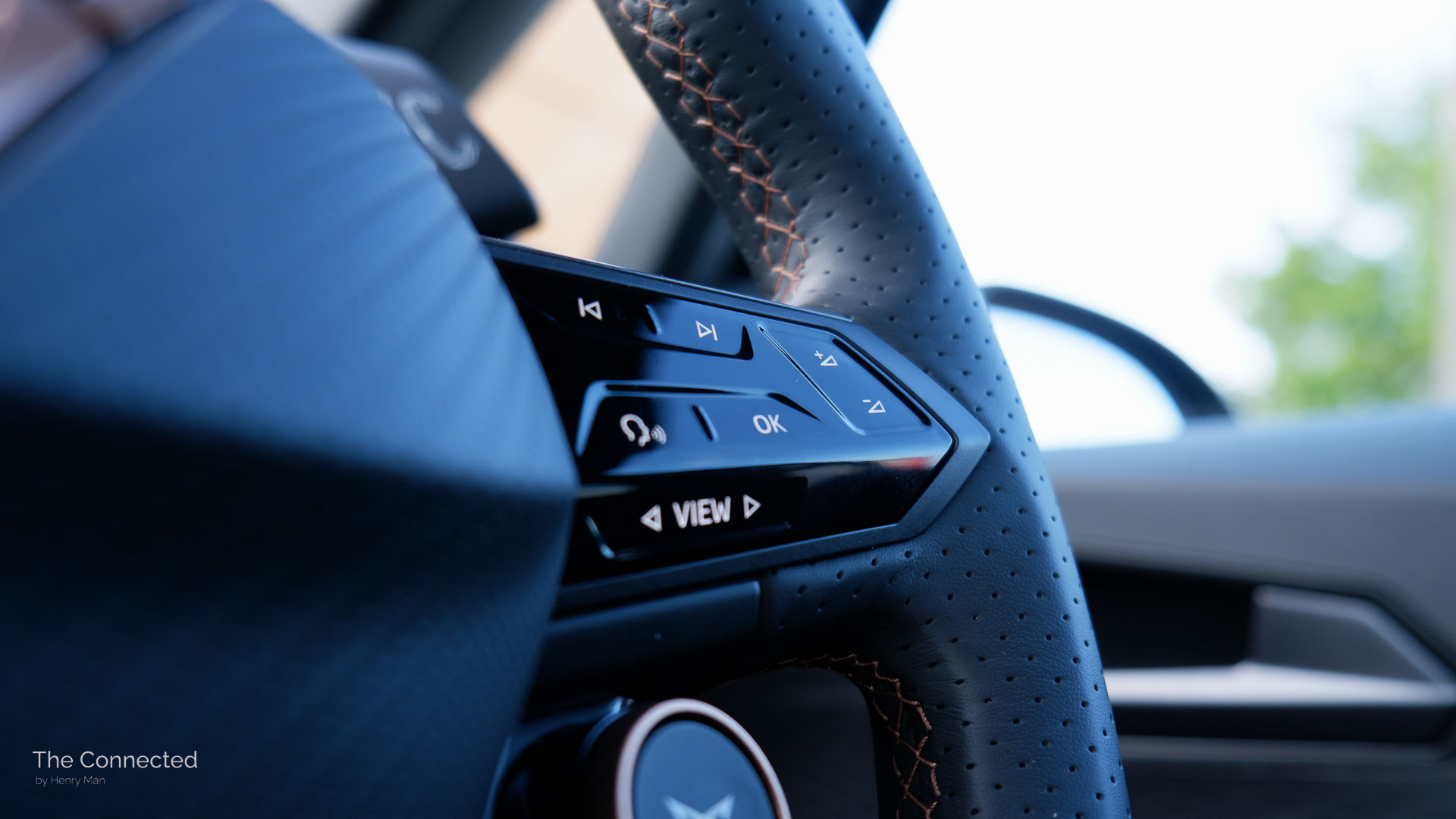

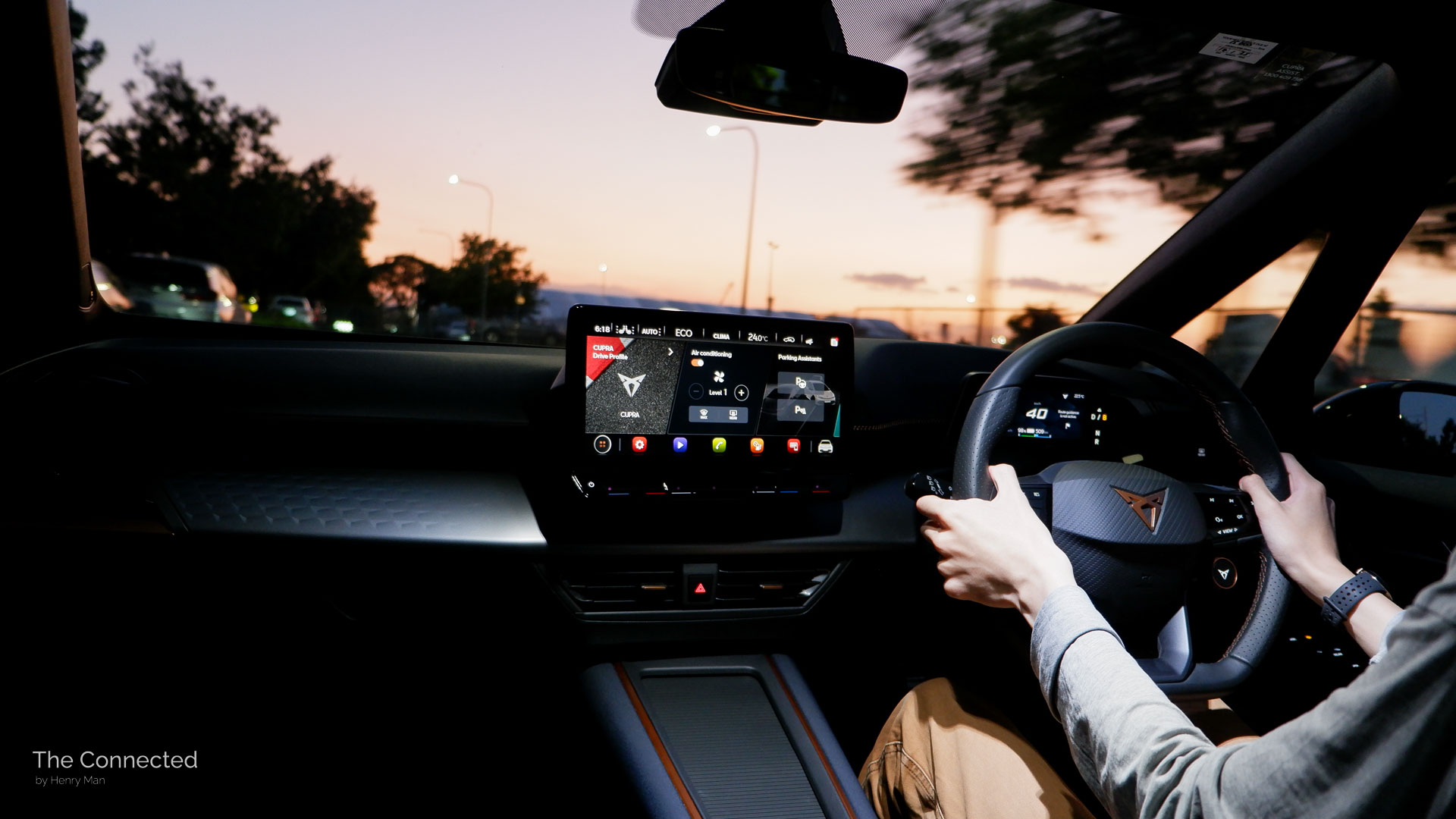
Despite widespread criticisms, the touch-sensitive steering wheel controls are actually fine once you learn and adapt to it over time. It provides clicky haptic feedback and an audible sound every time when you interact with it. The buttons are always illuminated, too.
Fortunately, Cupra has listened to feedback and now allows single presses – rather than only swiping – on the steering wheel volume and speed adjustment controls compared to the Born I tested last year.
When cornering more zealously, my palms sometimes triggered the volume slider, though.
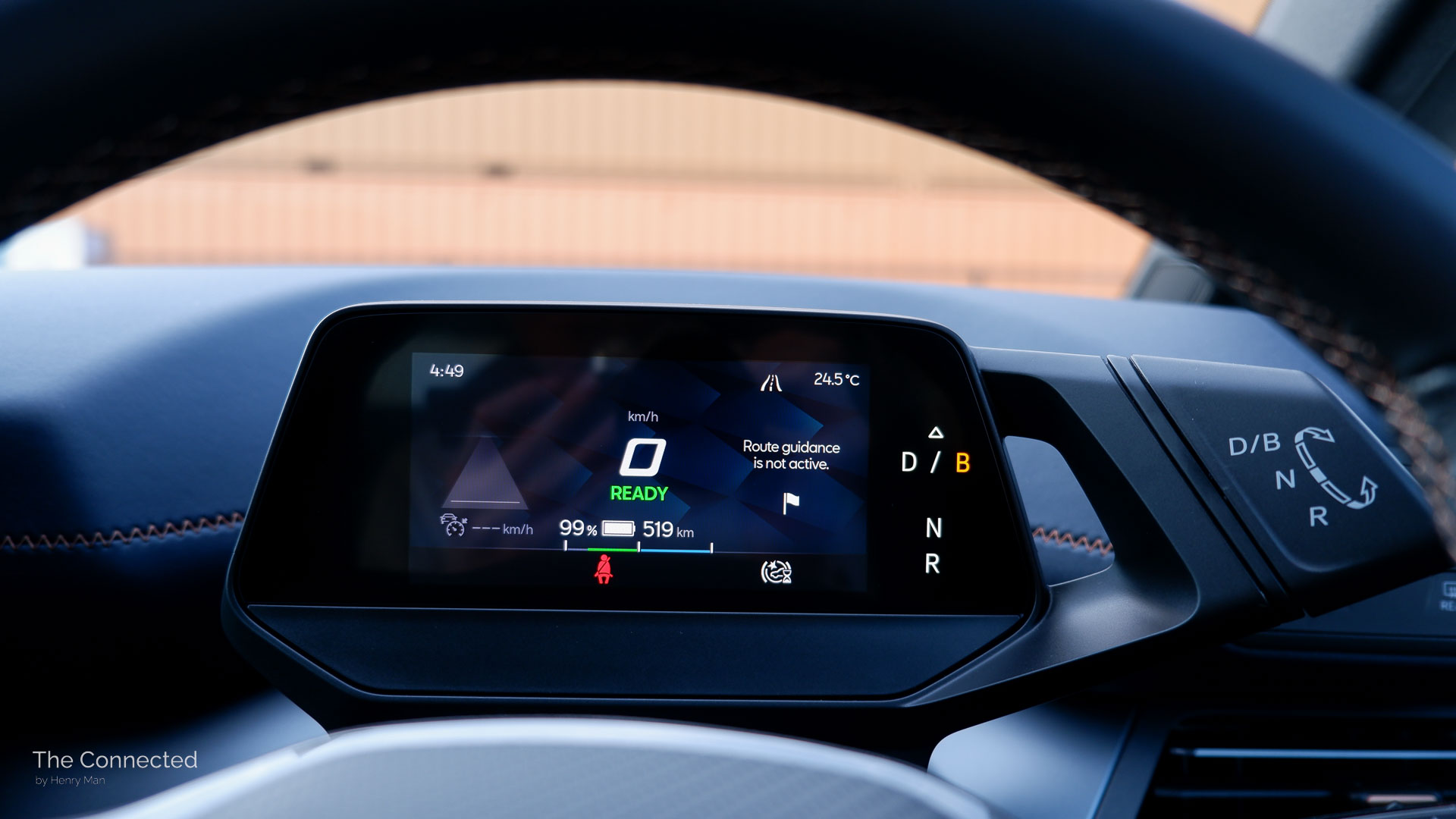
Ahead of the wheel is a small motorbike-style 5.3-inch instrument display – which has a well-designed interface and shows all pertinent information, including Android Auto navigation directions, in legible fonts and icons.
The screen moves with the steering wheel column, so it’s never blocked depending on your driving position – unlike other EVs with bigger instruments.
There’s no head-up display in Australia, unlike Cupra Borns sold in Europe.
While the $2300 Interior Package brings a punchier nine-speaker Beats branded system, it’s rather unimpressive. The default Signature preset lacks richness and bass, but changing to Immersive improves it.
Safety.
2024 Cupra Born safety features:
| Front AEB with vehicle/pedestrian/cyclist detection | 360-degree camera system |
| Adaptive cruise control | Front and rear parking sensors |
| Blind-spot assist | Door open warning |
| Rear cross-traffic alert | Driver fatigue detection |
| Lane-keep assist |
The Cupra Born includes a range of well-calibrated active safety assist systems – but misses out on Travel Assist in Australia.
Despite being standard on a $35K Volkswagen T-Cross, the $60K-plus Cupra Born disappointingly doesn’t include the German automaker’s Travel Assist system – which adds active lane-centring assist to adaptive cruise control – due to the lack of connected services locally.
This seems to have been fixed with the recently launched Skoda Enyaq and forthcoming Cupra Tavascan electric coupe SUVs coming with Travel Assist without built-in cellular connectivity.
Let’s hope the updated 2025 Born will have it too, plus connected services.
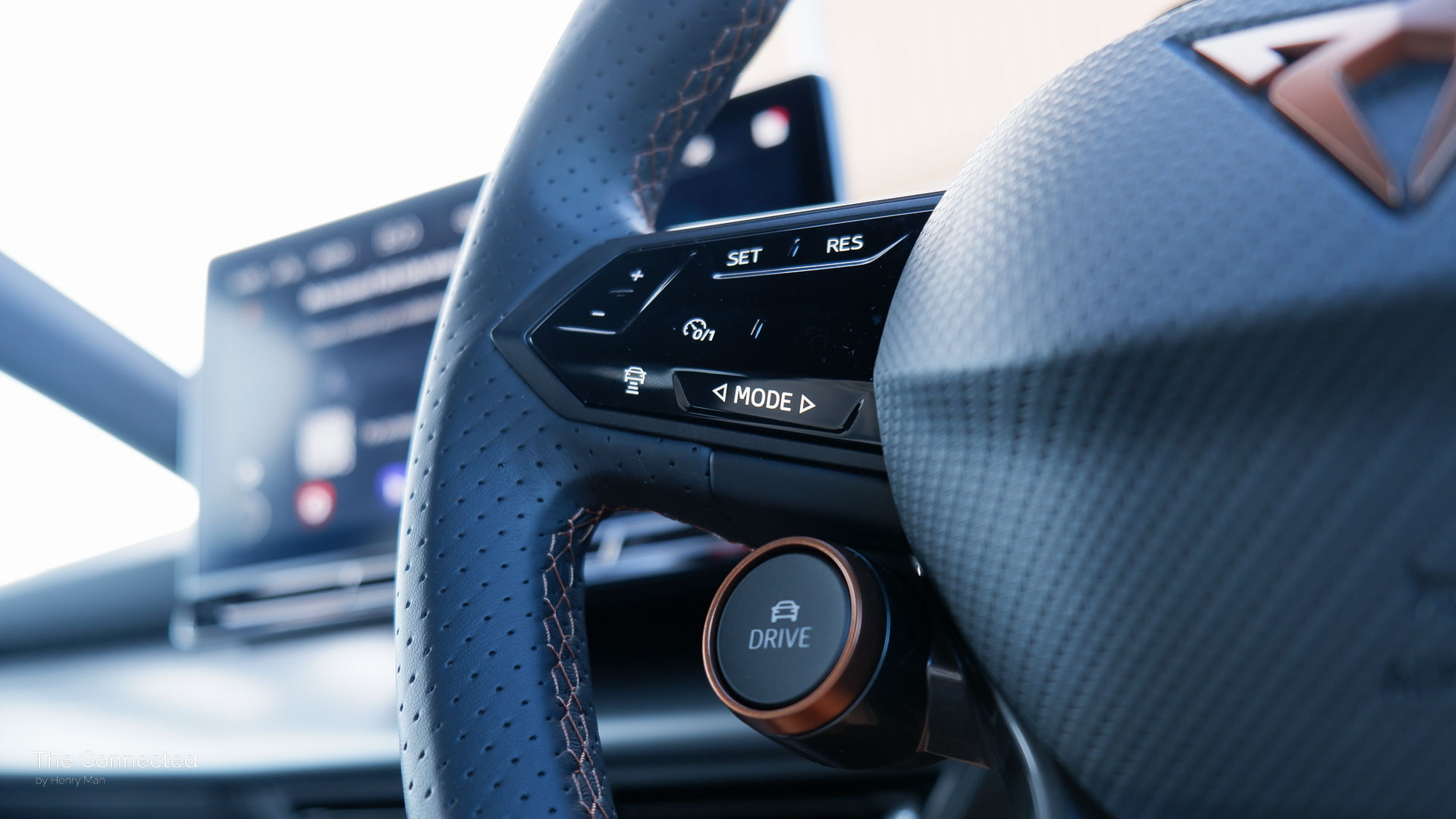
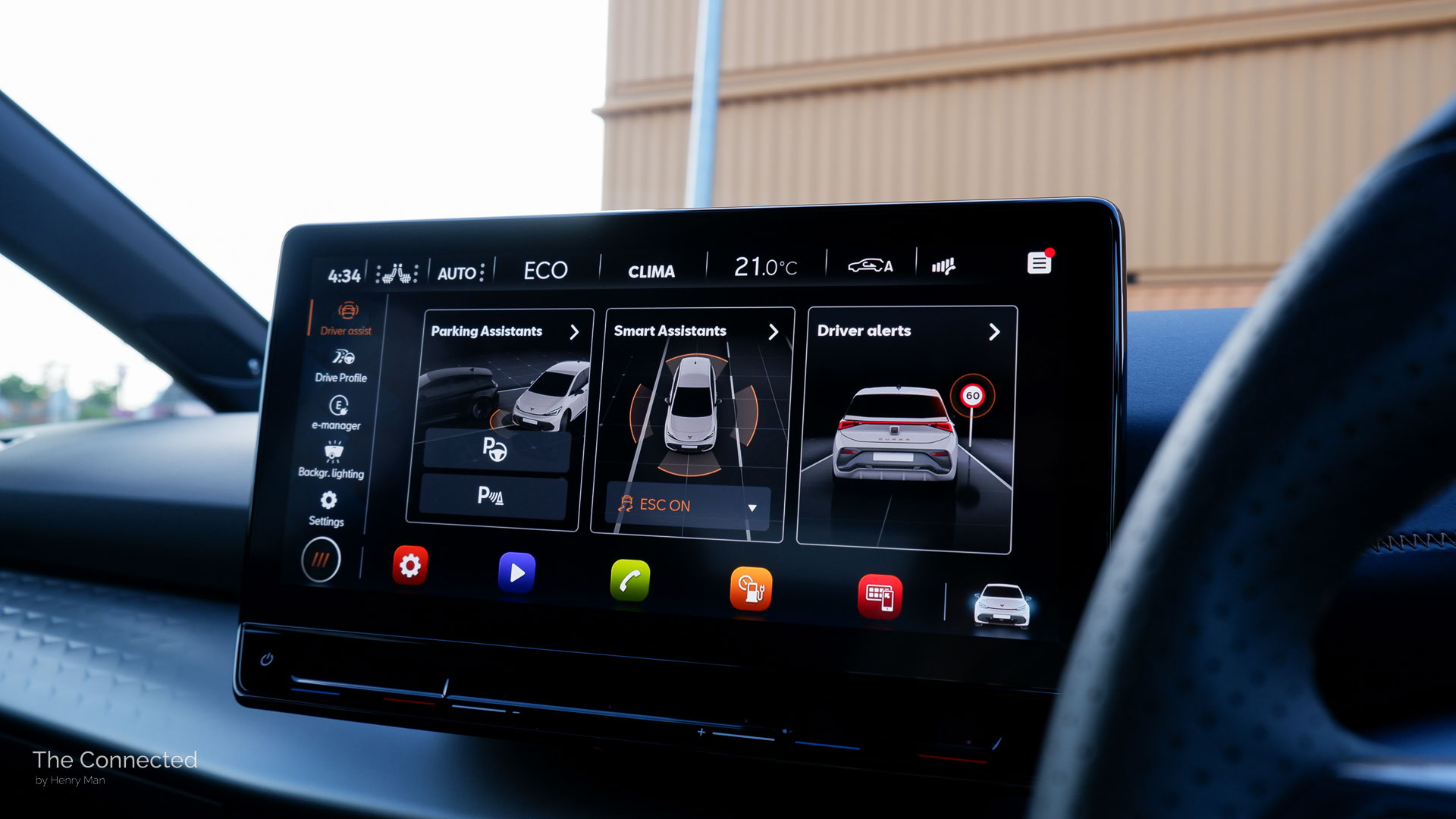
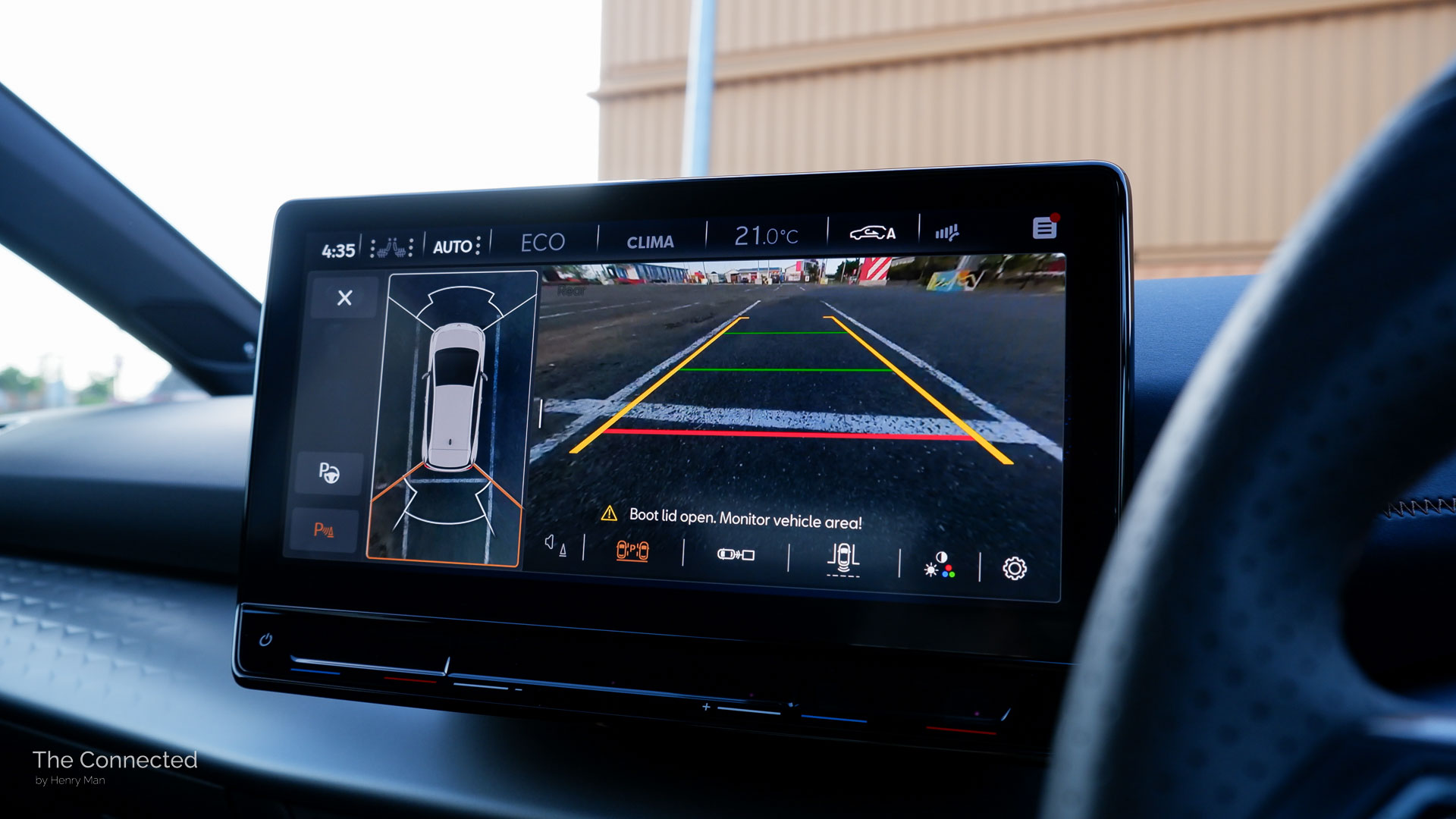
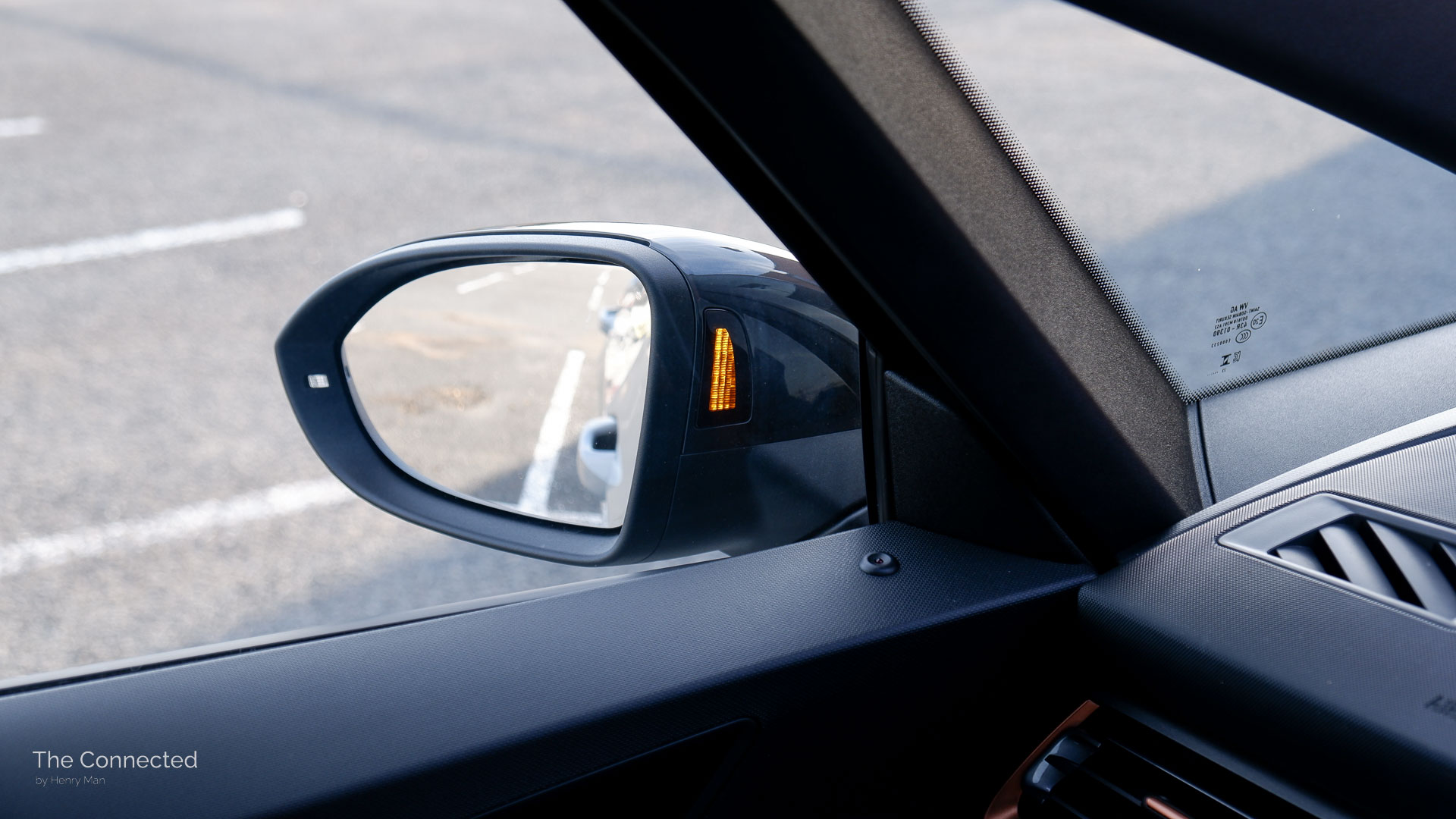
At least the lane-keep assist, blind-spot assist and adaptive cruise control systems all work well and unobtrusively with subtle steering wheel inputs and minimal warning chimes.
However, while the 360-degree surround-view camera system is helpful – a feature that isn’t available on a Tesla Model 3 – it is low resolution, cuts out when travelling faster than 18km/h, and the infotainment adds white guidelines that obstruct the top-down view too much.
More advanced front AEB that can detect oncoming vehicles when turning at a junction and rear AEB are unavailable.
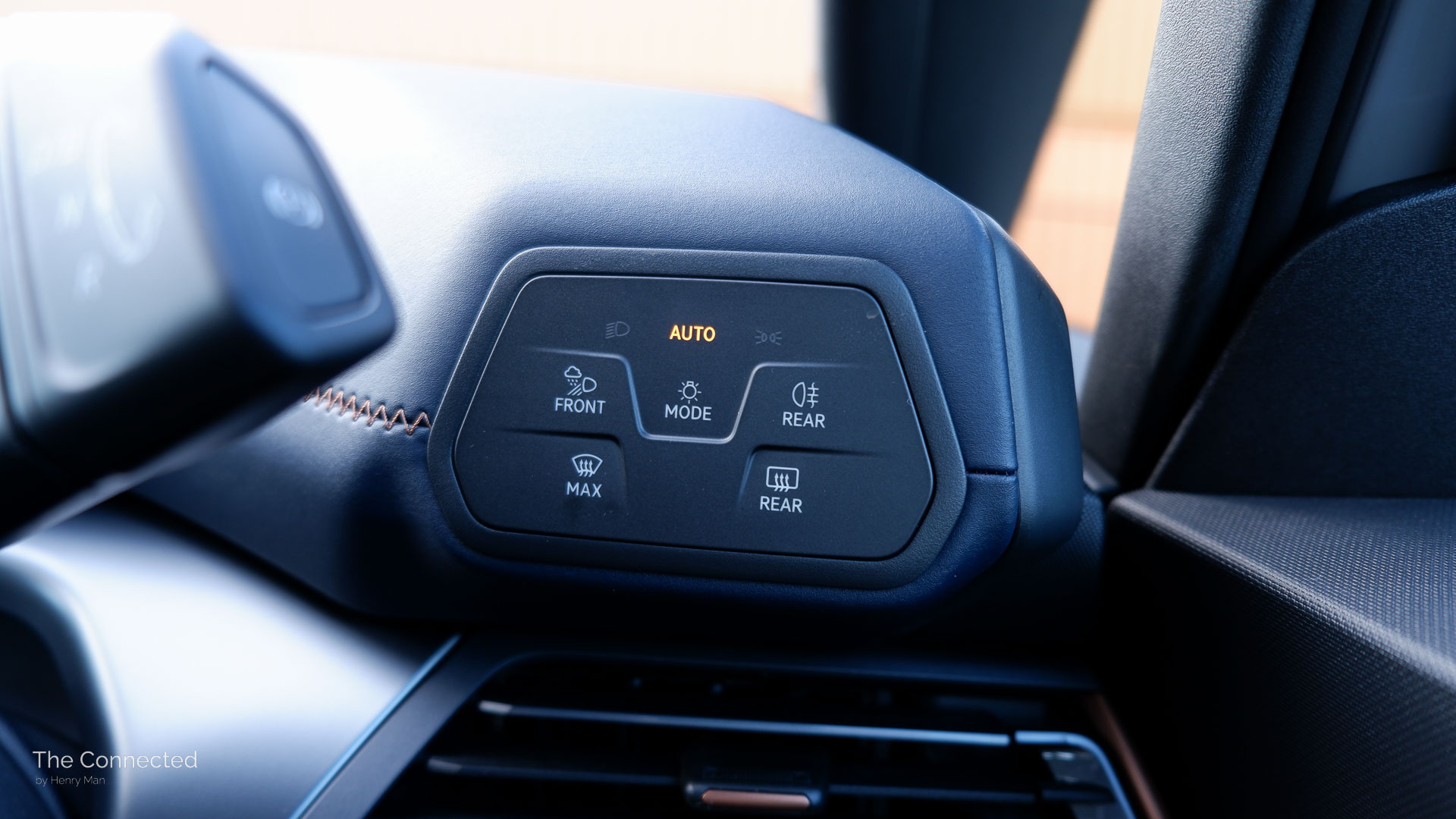
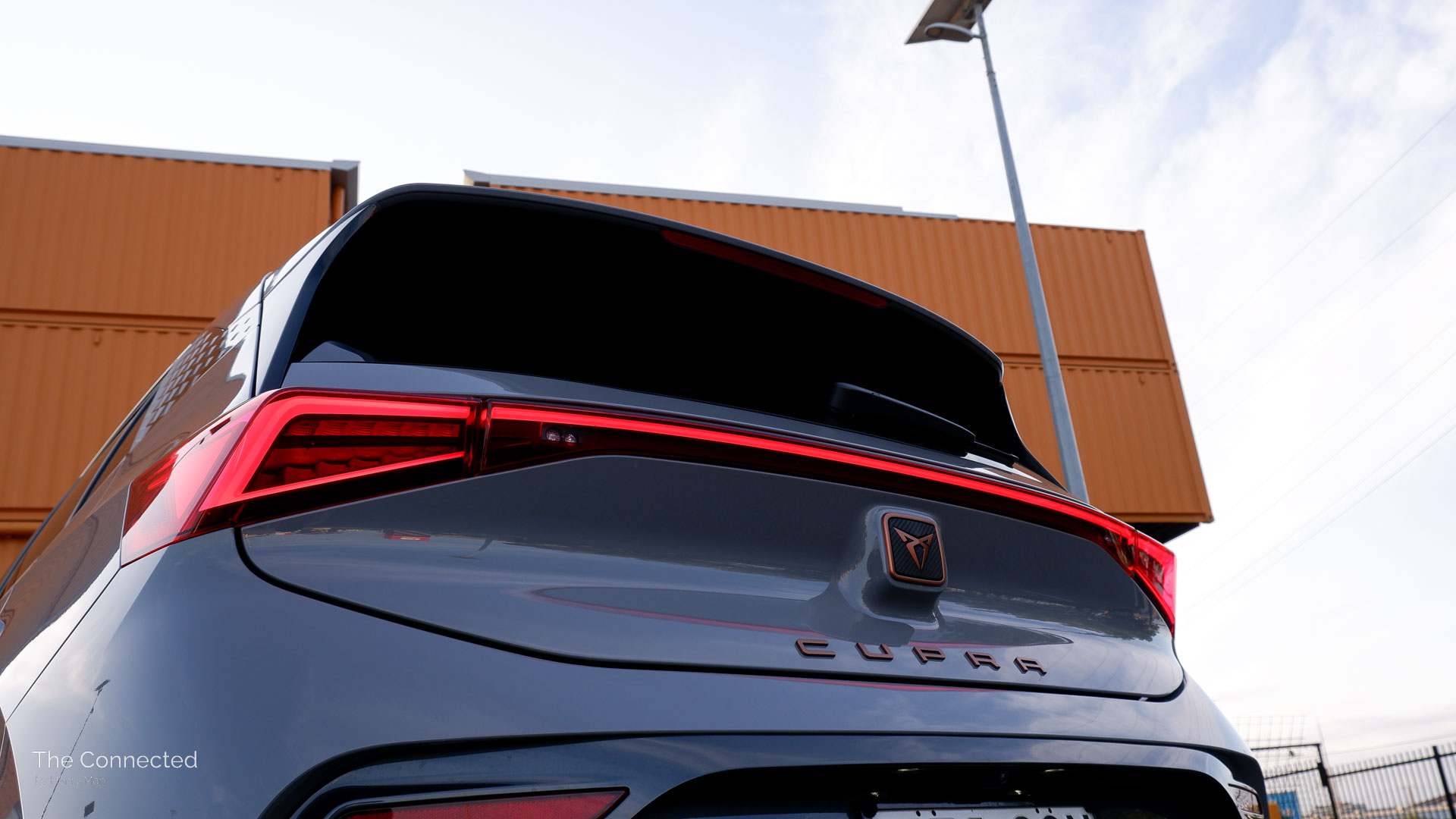
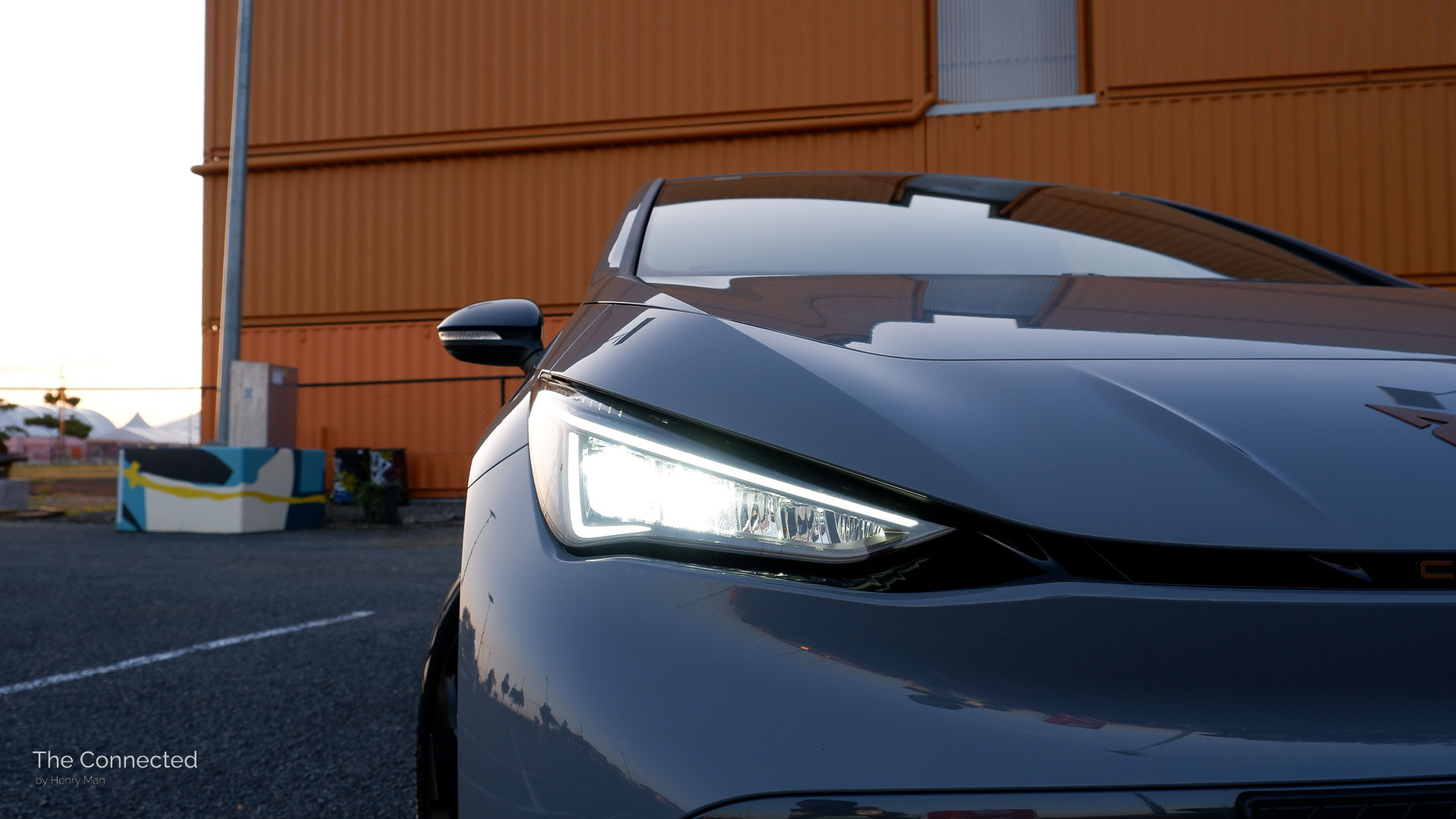
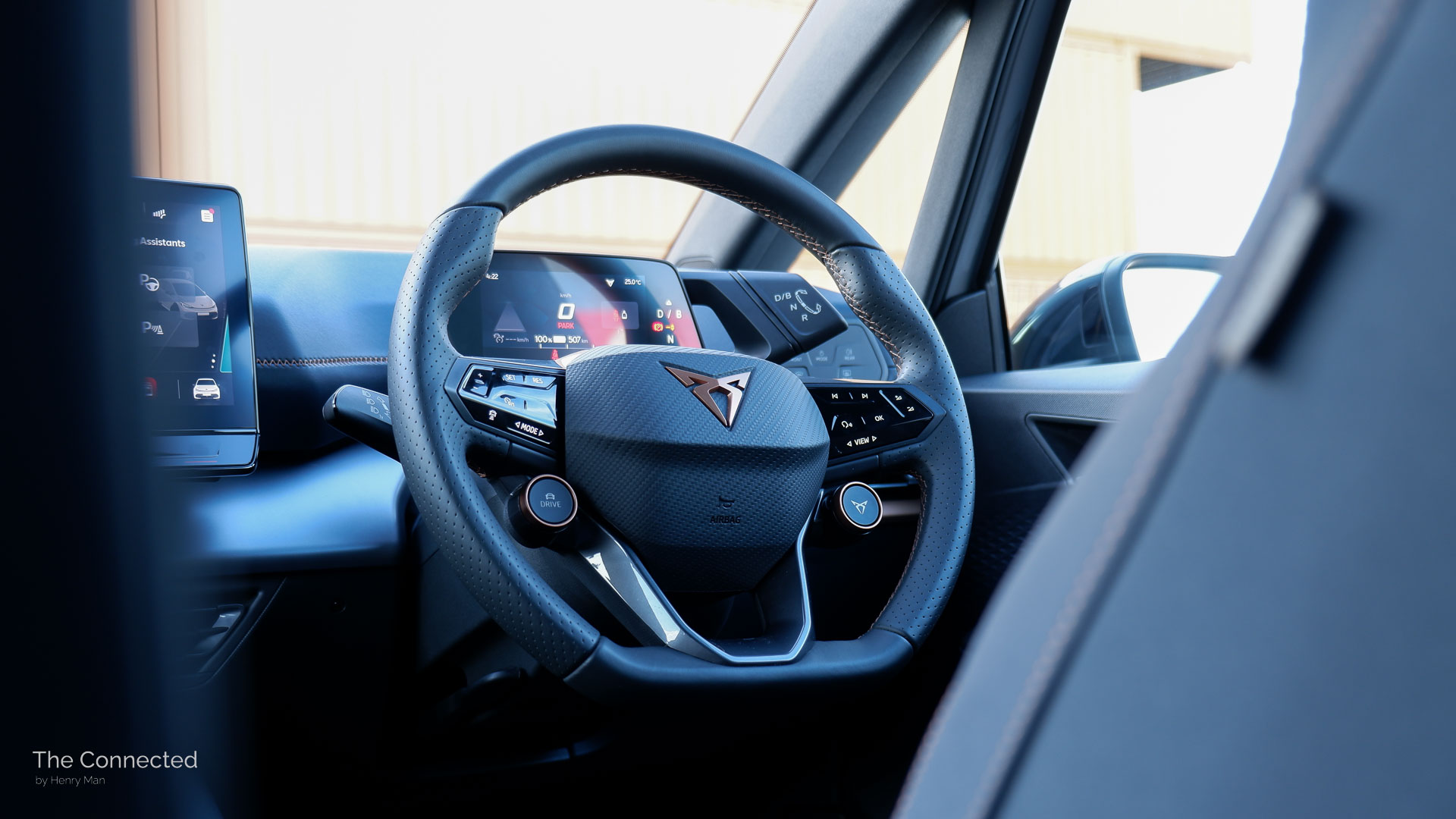
Furthermore, the Cupra Born has full LED front and rear lights, with the headlights providing good visibility at night and a function that mimics fog lights.
There’s only a single LED reverse light on the left.
Unfortunately, the touch-sensitive panel to control the exterior lights are slightly fiddly as I sometimes accidentally triggered other buttons beside.
The 2024 Cupra Born has achieved the full five-star safety rating by the
Australasian New Car Assessment Program (ANCAP), tested under less strict 2022 standards.
Range and charging.
2024 Cupra Born battery and charging specs:
| Claimed driving range (WLTP combined) | 511km |
| Claimed energy efficiency (WLTP combined) | 17.0kWh/100km |
| Battery size and type | 77kWh usable (82kWh gross) NMC lithium-ion |
| Max AC / DC charging speed | 11 / 170kW |
| Bidirectional charging | N/A |
| Connector type | Type 2 CCS |
| Everyday charging limit recommendation | 80% |
In my week of driving a mix of urban and highway conditions, the Cupra Born indicated a respectable 16.6kWh/100km energy efficiency.
This results in about 464km real-world range on a full charge from its large 77kWh usable nickel-manganese-cobalt (NMC) lithium-ion battery pack.
However, Cupra recommends an 80 per cent charge limit for everyday driving to maintain good battery longevity, so expect about 371km real-world daily range.
A heat pump – which helps save energy consumption in colder climates – is not included on Australian Cupra Borns.
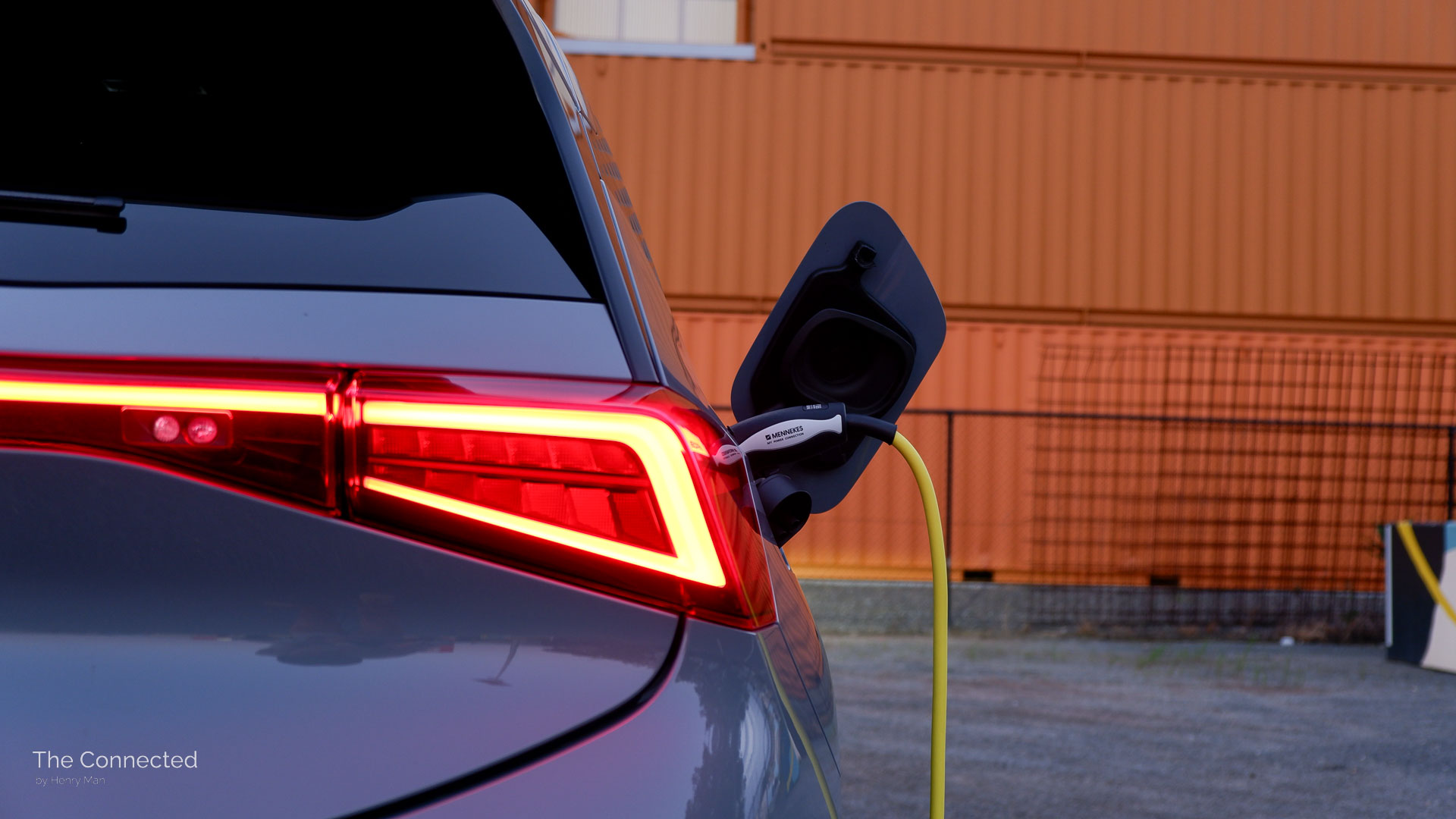
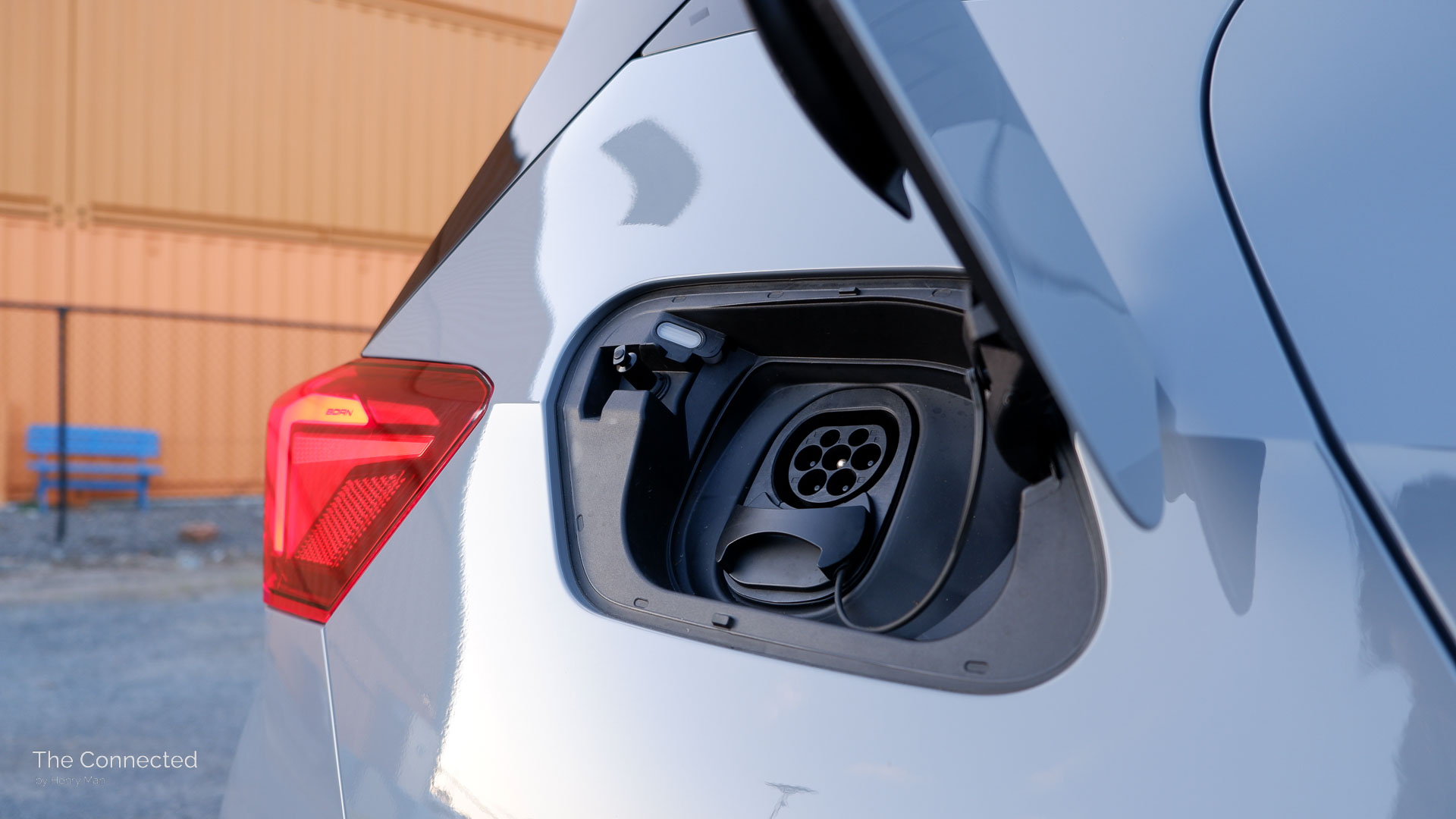
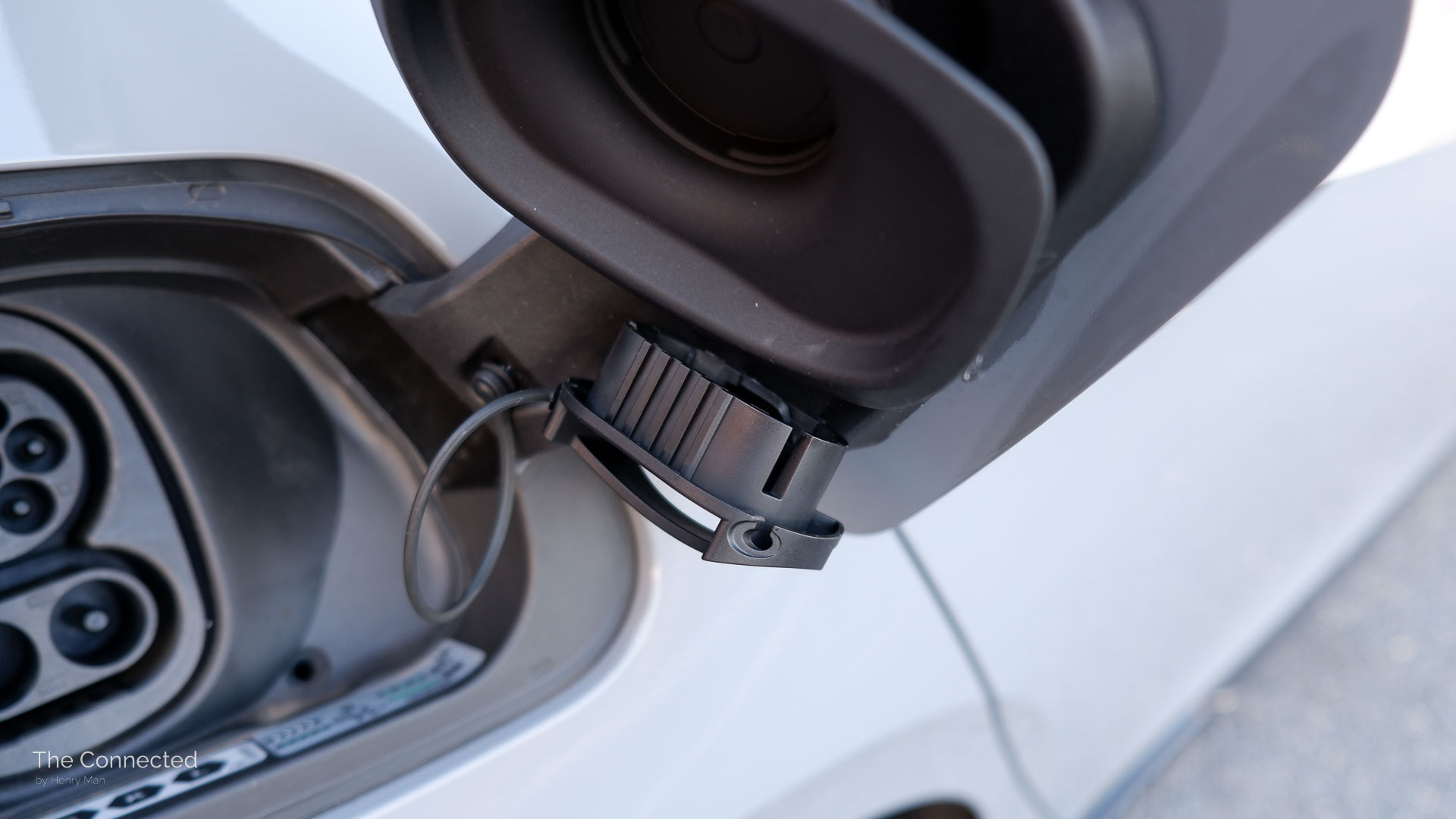
Additionally, the Cupra Born’s Type 2 CCS port is accessible via a manual flap at the rear right-left quarter of the vehicle. There is a cap for the bottom DC charging pins, but the small EV conveniently includes a hook inside the flap so it doesn’t dangle on the bodywork.
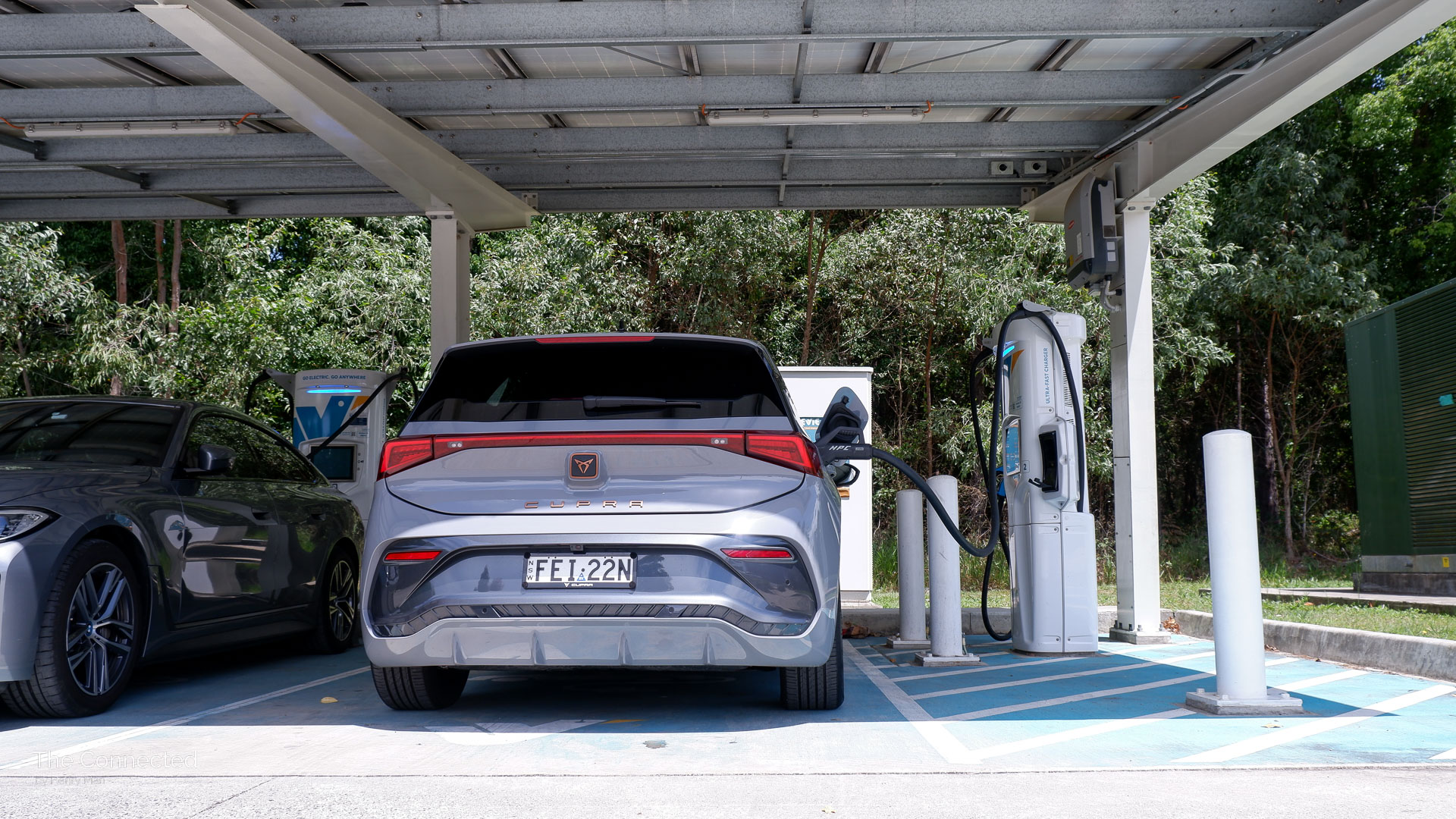

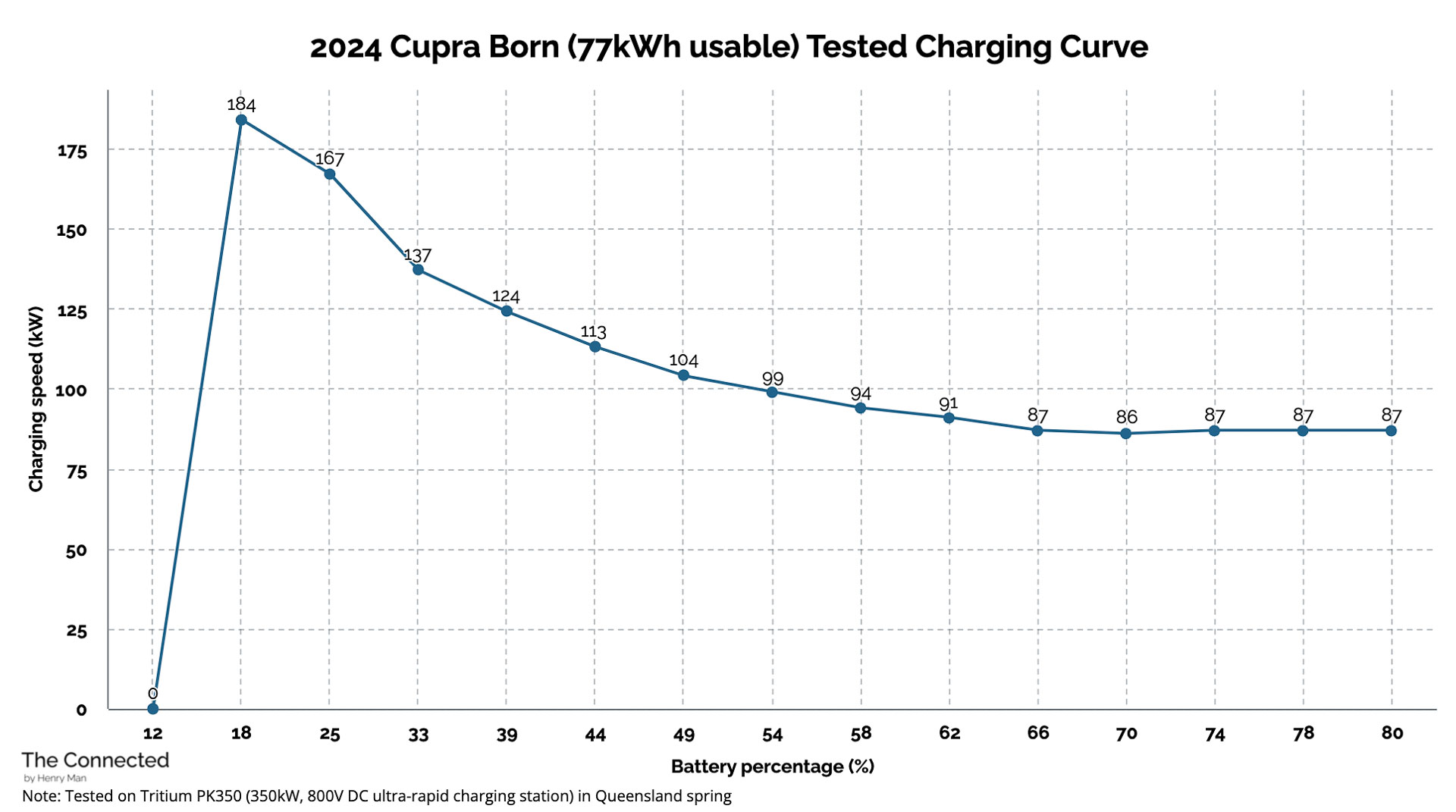
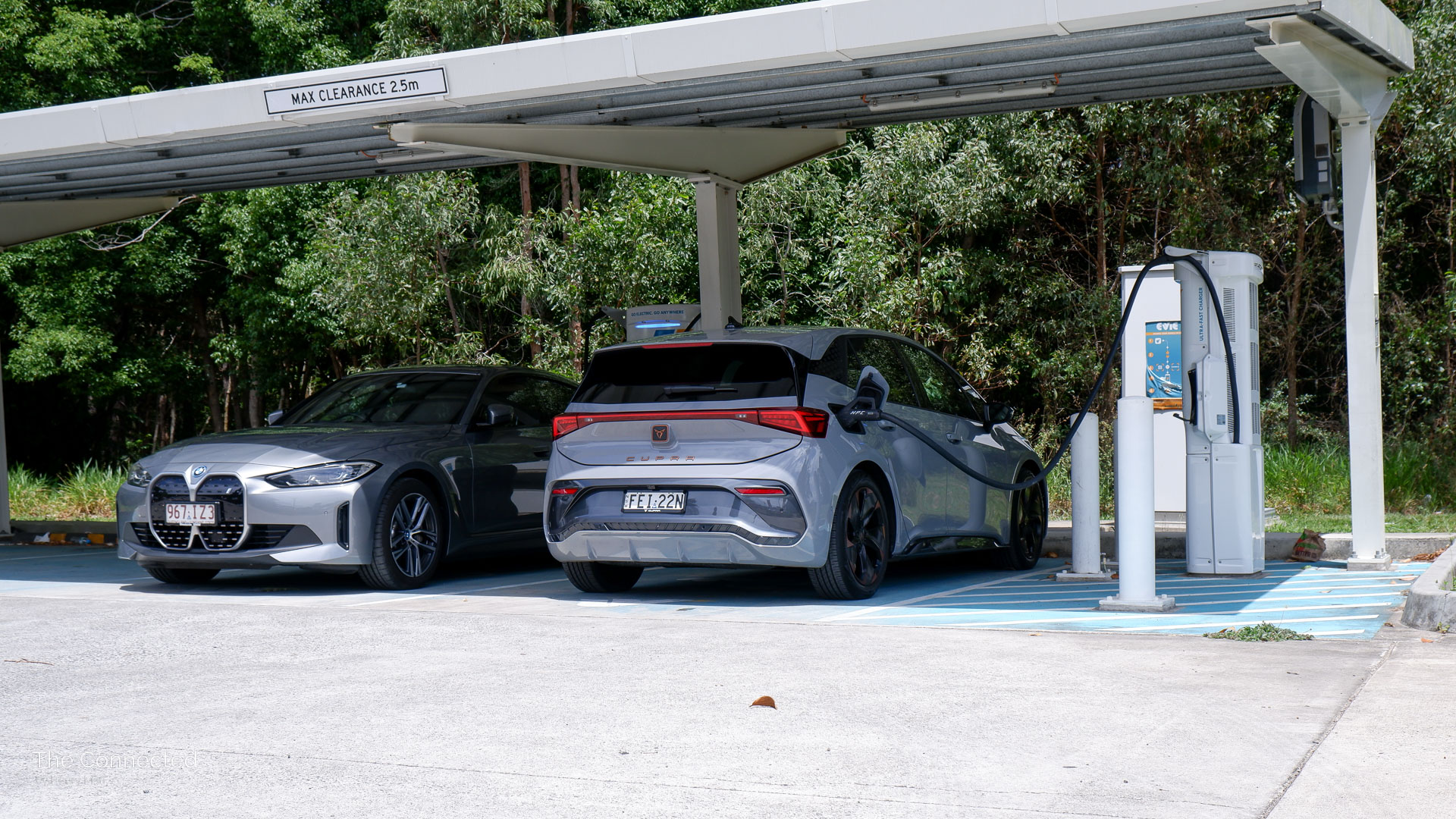
Using an ultra-fast 350kW capable public charging station, the 2024 Cupra Born charged from 12 to 80 per cent in 27 minutes in our testing – averaging 109kW speeds.
The electric car initially peaked at 184kW – faster than Cupra’s 170kW DC maximum claim – but quickly throttled down to 113kW at the 10-minute mark.
Unfortunately, it stayed at a modest 87kW after 20 minutes all the way to the 80 per cent finish line – which is on the slower side.
For everyday recharging, the Cupra Born is capable of up to 11kW three-phase AC slow charging.
However, while a Mode 3 Type 2 to Type 2 charging cable is handily included for use on wall boxes, the typical Mode 2 three-pin trickle charging cable is not.
Volkswagen Group’s MEB-based electric cars are capable of vehicle-to-home (V2H) and vehicle-to-grid (V2G) bidirectional charging overseas; it is not enabled in Australia and vehicle-to-load (V2L) is not available.
Driving.
2024 Cupra Born powertrain specs:
| Electric motor | Single rear-mounted electric motor |
| Power | 170kW |
| Torque | 310Nm |
| Transmission | Single-speed auto |
| Drive Type | RWD |
| Claimed 0-100km/h time | 7.0 seconds |
| Tare weight | 1927kg (five-seat) or 1960kg (four-seat with options) |
| Payload | ~393kg (five-seat) or ~ 360kg (four-seat with options) |
| Towing (unbraked / braked) | N/A |
The Cupra Born is a warm, not hot electric hatch for straight-line speed – but it’s still really fun to drive.
With a rear-wheel drive architecture and 170kW of power and 310Nm of torque on tap instantly, the Born provides more than enough punch for zipping off the line and in traffic – especially in Cupra mode.
It’s no MG 4 XPower, Tesla Model 3 Performance or Hyundai Ioniq 5 N, but they arguably have too much power and make going up to the speed limit too easy.
Instead of focusing on rapid straight-line acceleration, the Cupra electric car offers well-weighted direct handling and suspension that’s on the firmer side, but is still comfortable and compliant.
However, corner with a bit more speed and you can notice the almost two-tonne weight – largely driven by the big 82kWh gross battery pack under the floor.


A hotter Cupra Born VZ flagship is expected next year with 240kW/545Nm.
Noise insulation is also excellent with the standard 19-inch wheels and 215/50 Continental EcoContact 6 tyres presenting good levels of road noise for a mainstream EV.
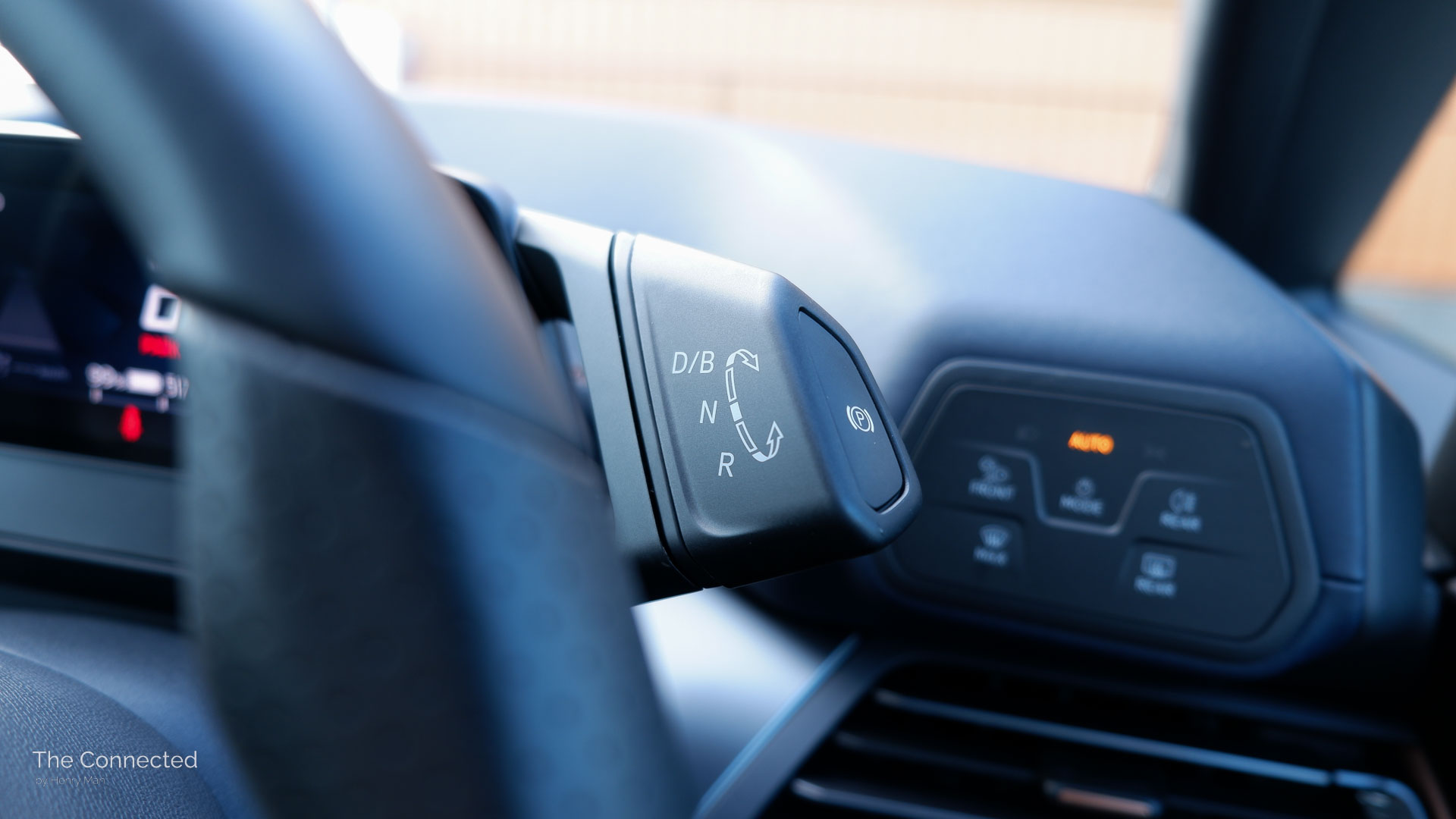
However, one downside is the lack of a one-pedal driving system. Instead, there’s no regenerative braking as default, and another flick of the drive selector enables B mode to provide some regen when lifting off the pedal.
When using the blended brake pedal, it’s impressively good for an EV with a good progressive travel feel, even though the transition between regen and the physical brakes is still noticeable at times.
The Cupra Born’s turning circle is also very tight at just 10.15 metres, but while there is a glass opening at the front quarter windscreen, the A-pillar is thicker than ideal and blocks certain objects when approaching roundabouts and intersections.
Warranty and servicing.
2024 Cupra Born capped-price servicing costs:
| 1 year/15,000km | 2 years/30,000km | 3 years/45,000km | 4 years/60,000km | 5 years/75,000km |
|---|---|---|---|---|
| $424 | $500 | $424 | $500 | $424 |
The 2024 Cupra Born includes a five-year, unlimited kilometre vehicle warranty and an eight-year/160,000km battery warranty.
Servicing is required every 12 months/15,000km (whichever occurs first) with prices fixed up to the first six visits.
After the first 60 months/75,000km, it’ll cost $2272 in total to maintain the Born electric car or $454 on average per visit.
That’s not cheap for an EV, but Cupra offers pre-paid servicing plans to cut maintenance costs to a more reasonable price – if you are able to pay upfront:
- Three-year plan: $990 (=$358 saving, $330 on average per visit)
- Five-year plan: $1590 (=$682 saving, $318 on average per visit)
Roadside assistance is included for the first five years.
The Born does not include a spare tyre, with only a patch-up tyre repair kit included.
Price and rivals.
2024 Cupra Born model range pricing (accurate as at the time of publication):
| Born |
|---|
| From $59,990 before on-road costs |
The 2024 Cupra Born is priced from $59,990 before on-road costs in Australia, with one variant and two option packs.
The Luxury Car Tax (LCT) is not applicable on all configurations, so it is eligible for the Fringe Benefits Tax (FBT) for company novated leases.
The Interior Package costs $2300 extra and adds: Aurora Blue Dinamica dashboard and seats with front electric adjustment, heating and massage functionality plus thigh extenders, a nine-speaker Beats branded system, heated wiper washing jets, and removes the rear middle seat.
Meanwhile, the Performance Package costs $2600 extra and adds: adaptive dampers, large 20-inch Firestorm alloy wheels, wider 235mm Michelin Pilot Sport EV tyres, and removes the rear middle seat.
All exterior colours are free, except Aurora Blue which is $595.
The 2024 Cupra Born directly competes with a handful of mainstream sporty electric cars:
- MG 4 (full review)
- Abarth 500e
- Tesla Model 3
- Polestar 2
Other alternatives to the Cupra Born include:
- Volkswagen Golf GTI
- Cupra Leon
- Hyundai i30 N (full review)
- GWM Ora
- BYD Dolphin
- BYD Seal
- Hyundai Kona Electric
- Zeekr X
- Xpeng G6
Would I pick the 2024 Cupra Born?
The 2024 Cupra Born is an enjoyable to drive, upmarket and long-range warm electric hatch. However, it’s missing too many features for a $60K new car.
While it’s no hot hatch, the Born provides more than enough punch for everyday driving with excellent handling and ride comfort in a small sharp-looking German-made package.
However, while the current tech setup is usable and more fined than most of its Chinese branded rivals, the lack of connected services means the Cupra Born simply lacks too many features in Australia – a mobile app, lane-centring assist, wireless Apple CarPlay and Android Auto, built-in maps, and an AC charging timer.
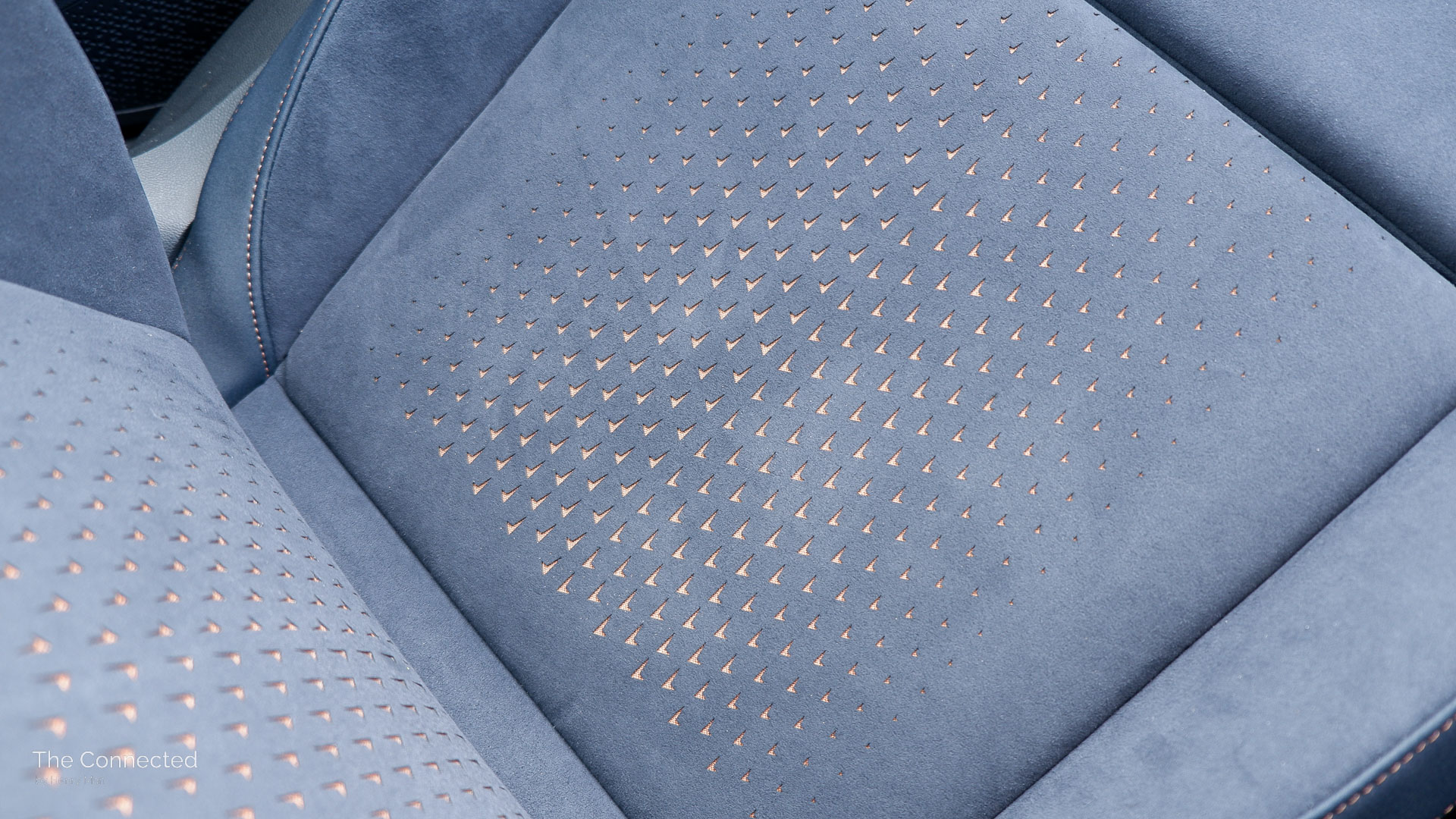
Having fabric seats with no heating as standard for $60K isn’t great, while optioning any package makes the small hatch a compromised four-seater.
It’s not good enough when the MG 4 provides a similar sporty driving experience for much less, while the Tesla Model 3 now undercuts the Born on price with far more advanced tech and a more premium, larger interior.
I’d pick the standard Cupra Born and consider adding the Interior Package. But if you can, wait for the updated model next year.
Photographs by Henry Man
READ MORE: Hyundai i30 N vs Ioniq 5 N comparison review: Petrol or electric?
READ MORE: 2024 MG4 Essence 64 review: The people’s EV.
READ MORE: 2025 Volkswagen T-Cross review
Pros:
- Fun to drive
- Improved steering wheel controls
- Long driving range
- Sharp design, small size
- Sporty, yet comfortable ride
Cons:
- Still missing too many features for $60K
- Weak Qi wireless charging pad
- Fiddly controls, sub-par interior materials
- Trickle charging cable not included
- Pricey servicing for an EV
About the Author.
Henry Man is an independent content producer passionate about the intersection of technology and transportation.
The former automotive journalist is focused on producing critically-detailed vehicle reviews, and unique short-form content. Learn more.


 The Connected by Henry Man