
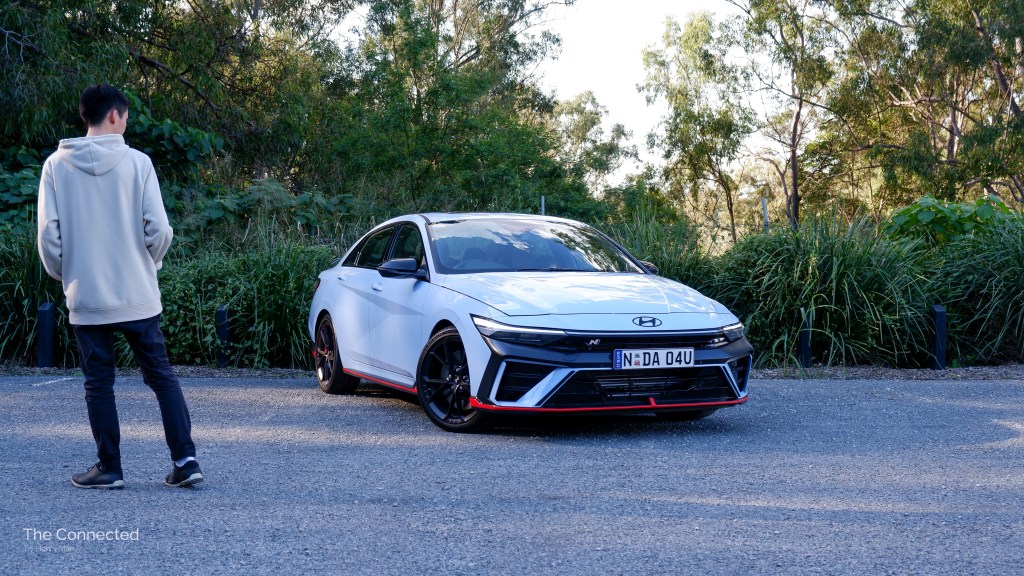
The hot Hyundai i30 Sedan N has received a fresh cut with a revised exterior, tweaked chassis, and connected tech. But is it enough?
Released locally in late 2021, the original i30 Sedan N (called the Elantra N or Avante N overseas) was already one of the most fun sports cars I’ve driven for less than $60K.
The South Korean carmaker has made minor tweaks for 2024 including a facelifted exterior, fettled chassis, optimised electronically controlled suspension, upgraded electronic stability control, a redesigned Qi wireless charging pad, USB-C charging ports, introduced speed limit assist, and Bluelink connected services.
Are these changes enough to keep the hotted-up sports sedan enticing against the popular, but unrelated, i30 Hatch N and a growing list of similarly-priced hyper fast electric vehicles?
NOTE: The press vehicle was provided by Hyundai Australia for a seven-day independent evaluation. We have no commercial arrangements with the company and it had no editorial control.

Pros.
+ Sharp new look, matte black badges
+ Still a super fun, attainable sports car
+ Satisfying stock exhaust
+ Tactile manual shifter
+ Respectable daily fuel economy
Cons.
– Still missing some safety tech
– Wired Apple CarPlay & Android Auto
– Exhaust is always noisy
– Interior is mostly unchanged
– Fuel tank could be bigger
Vehicle tested:
| Model | 2024 Hyundai i30 Sedan N |
| Variant | Premium |
| Starting price | $52,000 (before on-road costs) |
| Exterior colour | Performance Blue |
| Interior colour | N interior with black leather seats |
| Options | Sunroof ($2000) |
| Country made | South Korea |

Design and quality.
The facelifted Hyundai i30 Sedan N has become even sharper and sportier than before.
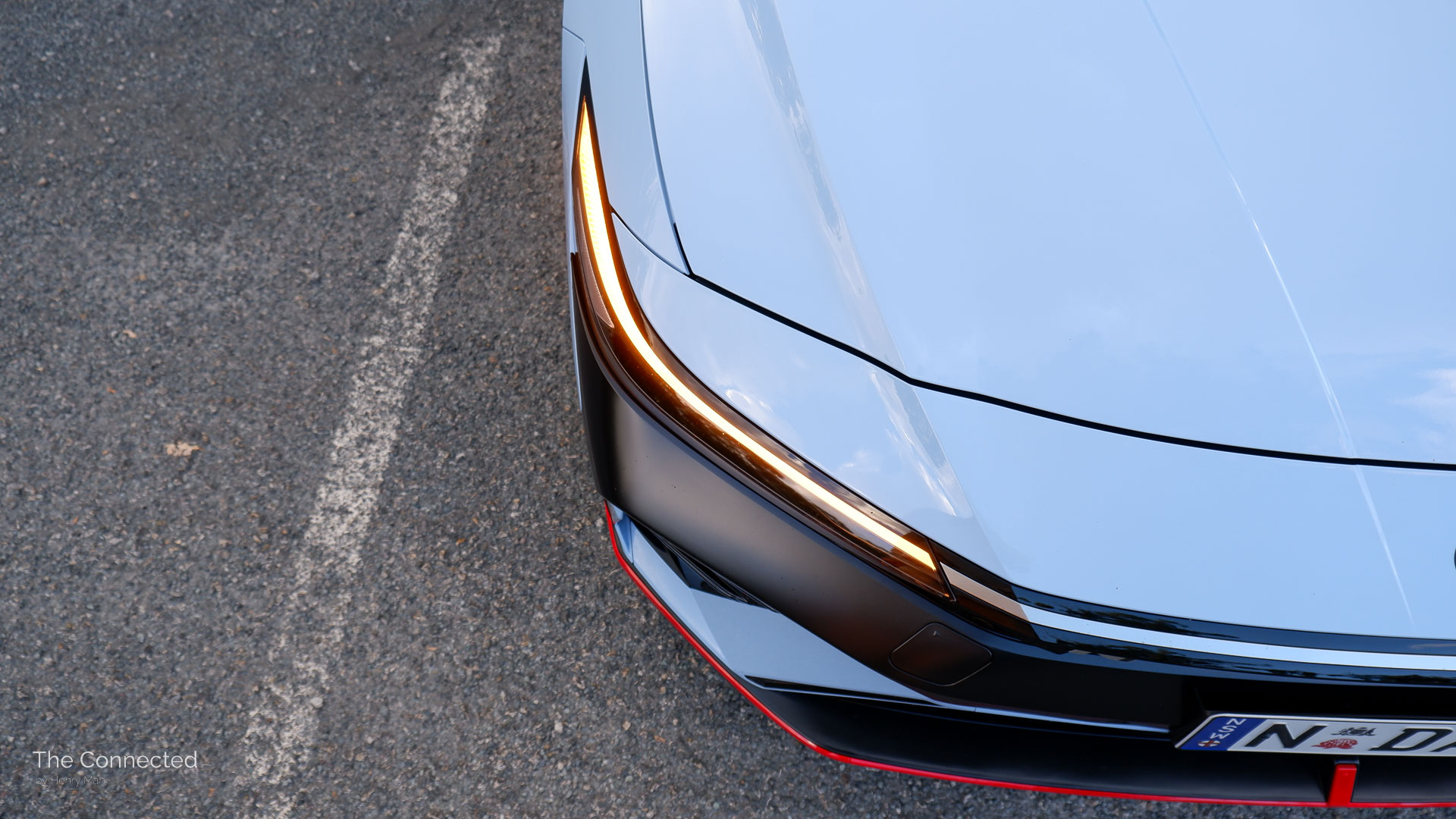
Similar to the pre-updated Sonata large sedan, it adopts a wider but flatter face with slimmer headlights, and a chrome strip that connects both light units in order to be aligned with Hyundai’s other newer models, albeit without illumination.
Finally, the front indicators are now LED, which replace the daytime running lights (DRLs). Yet, the rear full-width H-shape tail-light still houses halogen indicators and reverse bulbs.
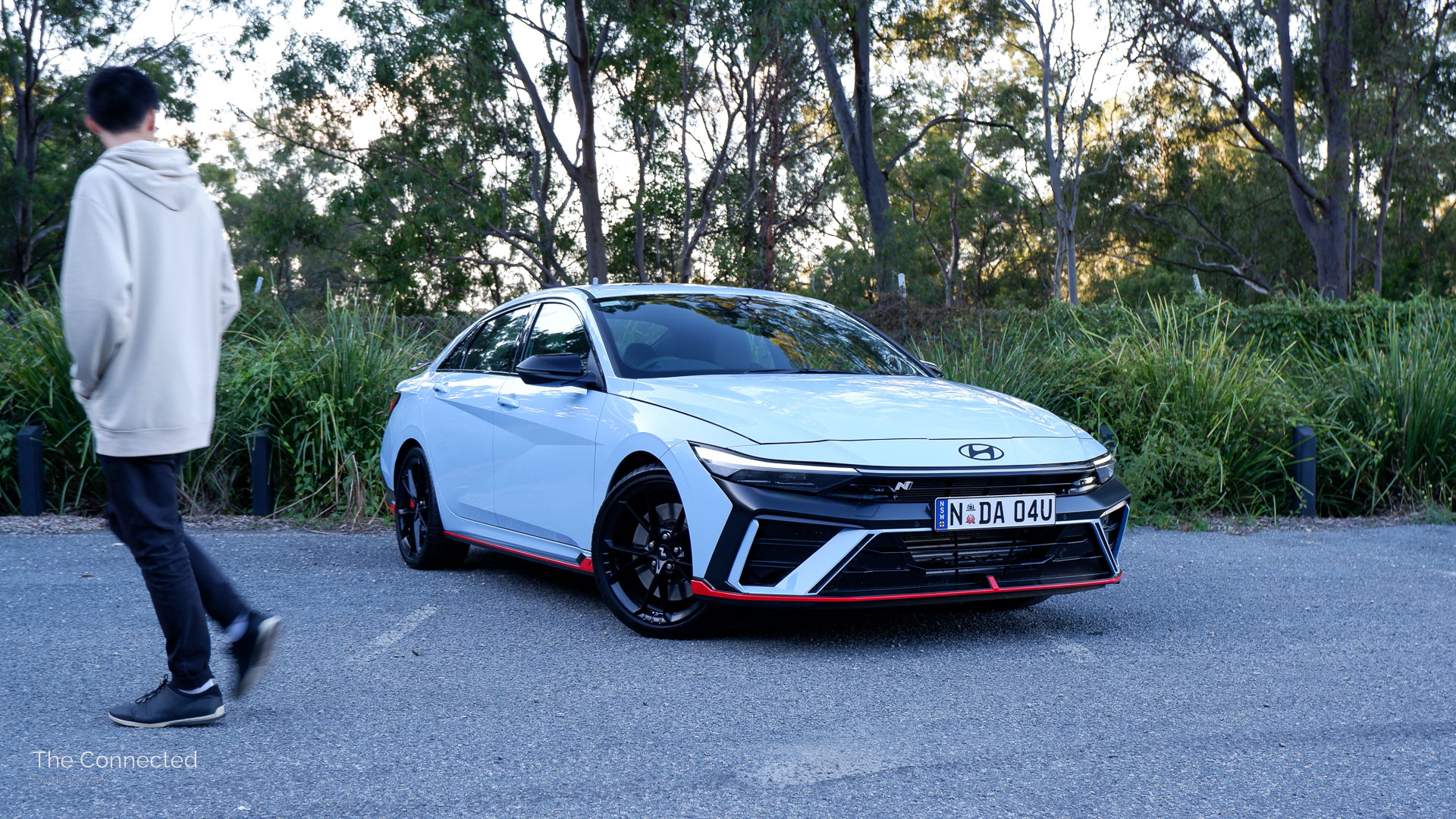
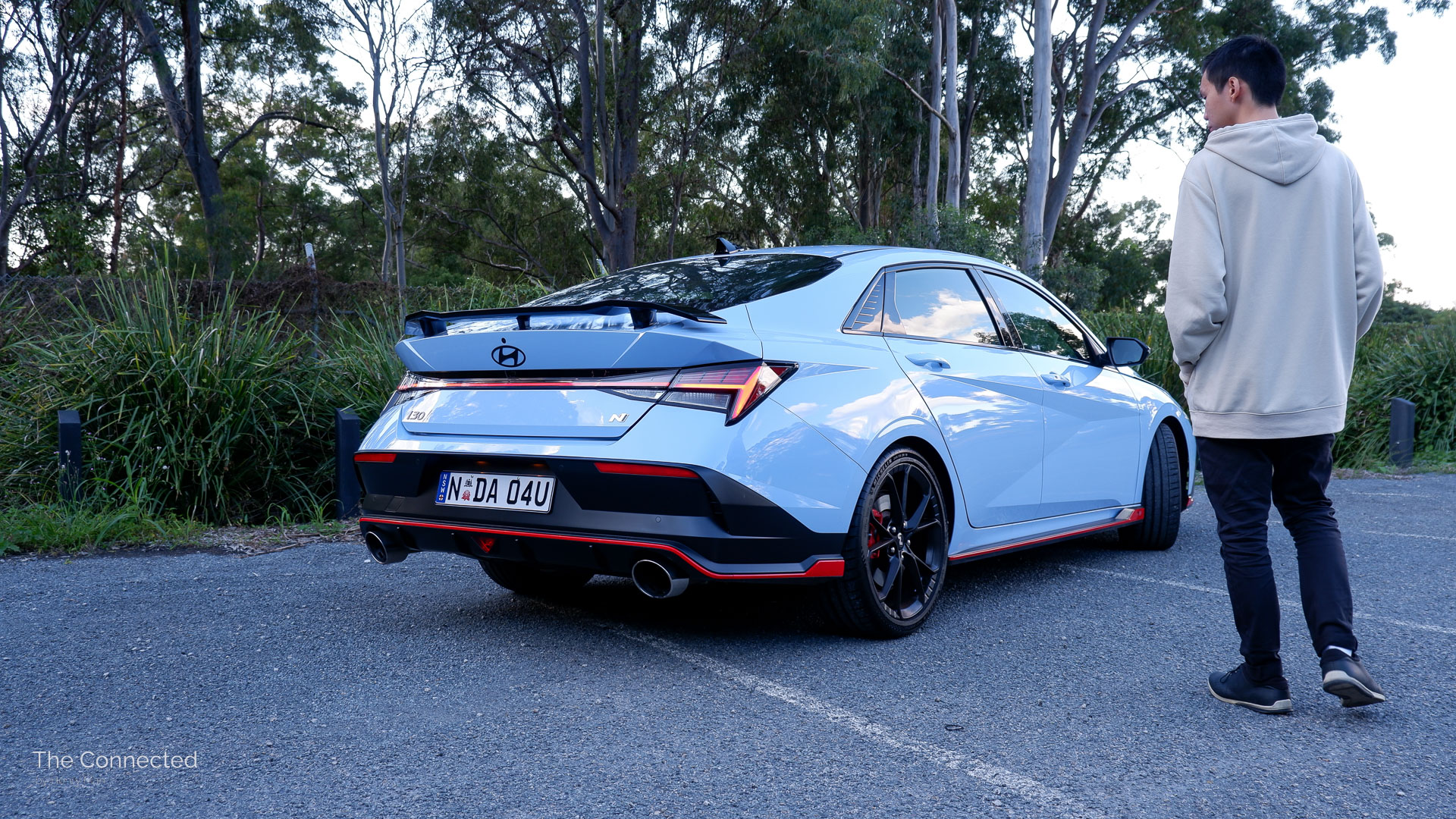
The prominent red line contrasts with the hero no-cost Performance Blue paint, alongside the front bumper with a new centre notch, sporty side skirts, and revised rear bumper. While the latter now has more prominent black plastic cladding, it is a more shiny type and doesn’t look like an SUV.
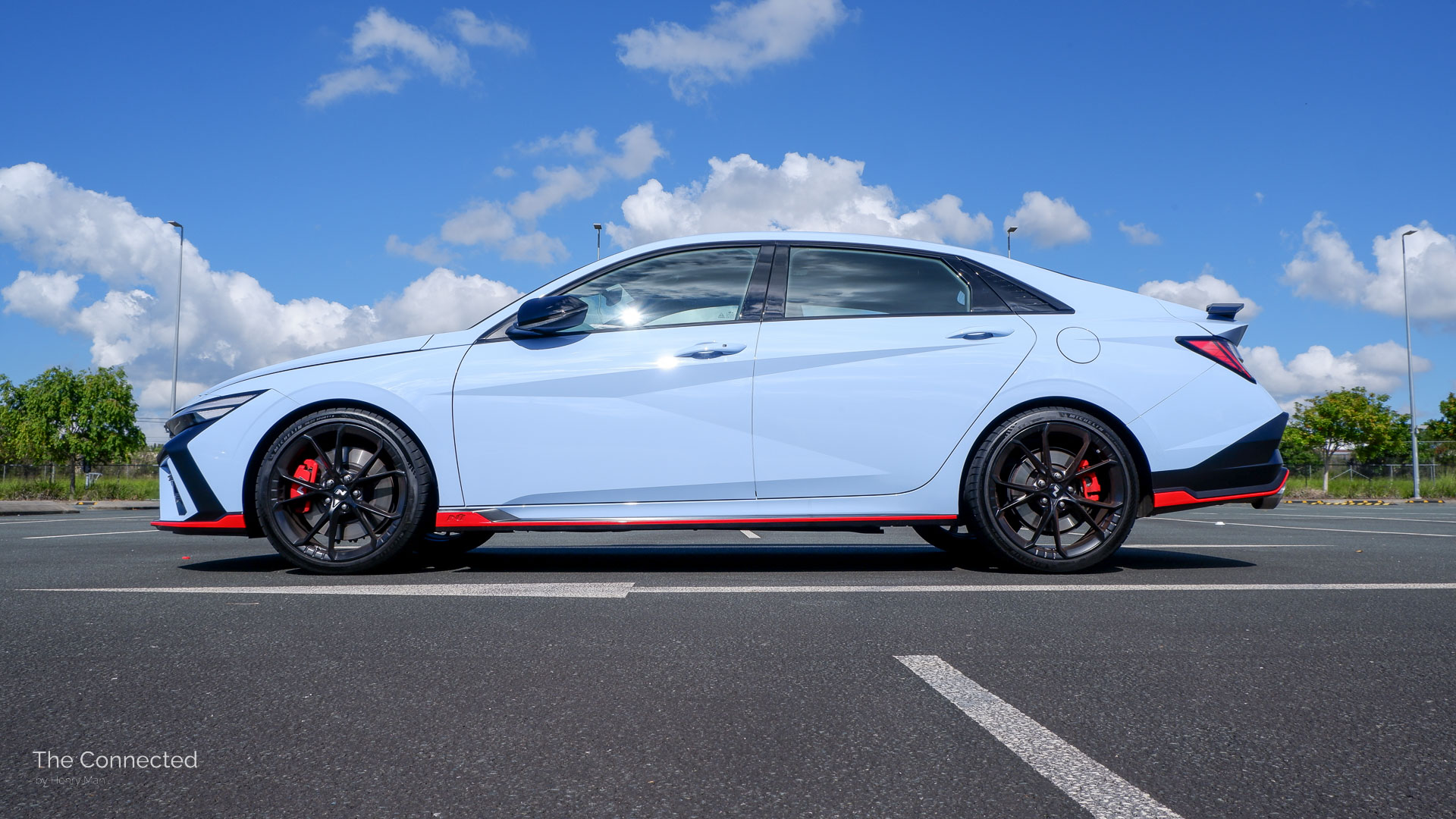
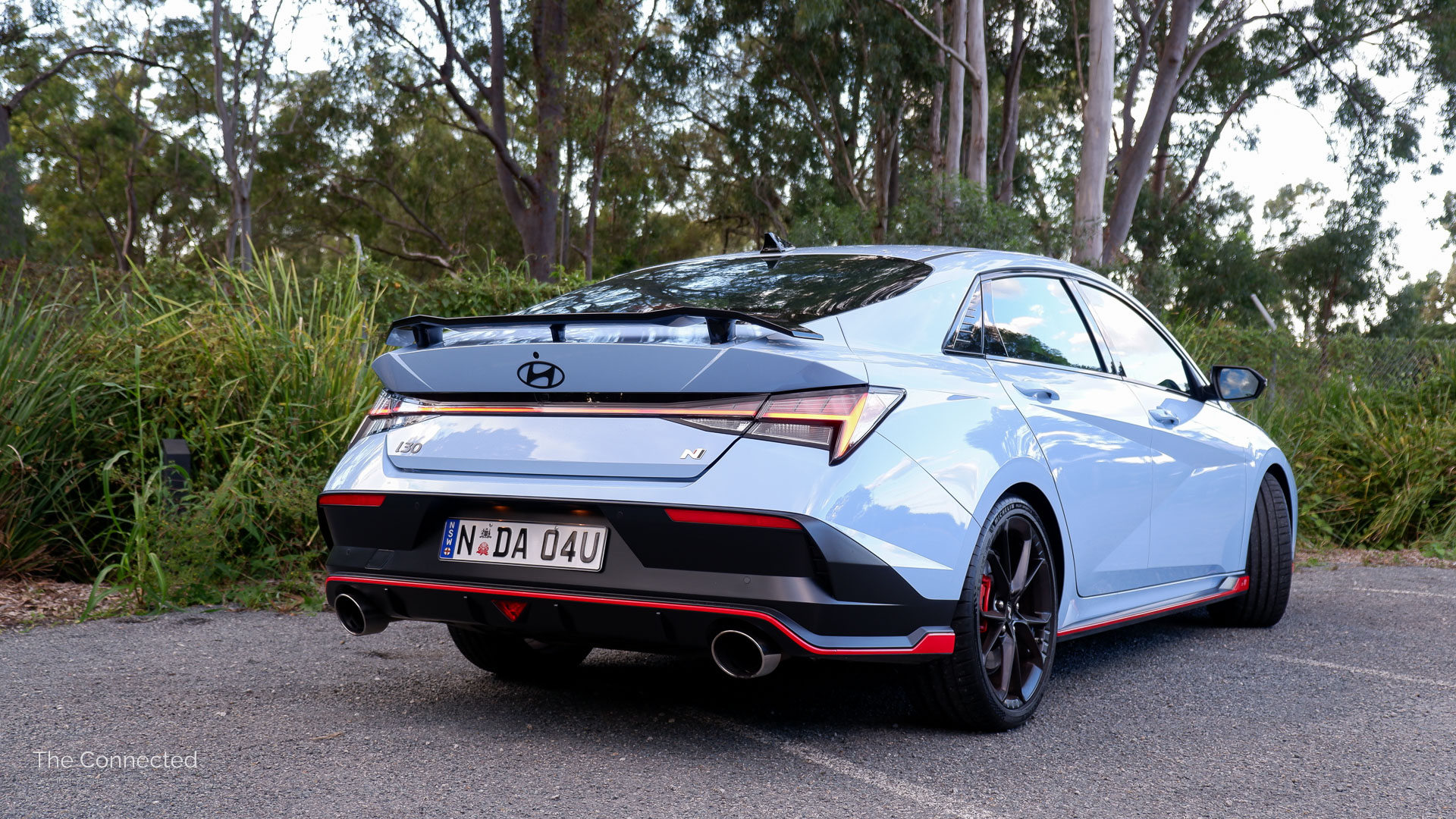
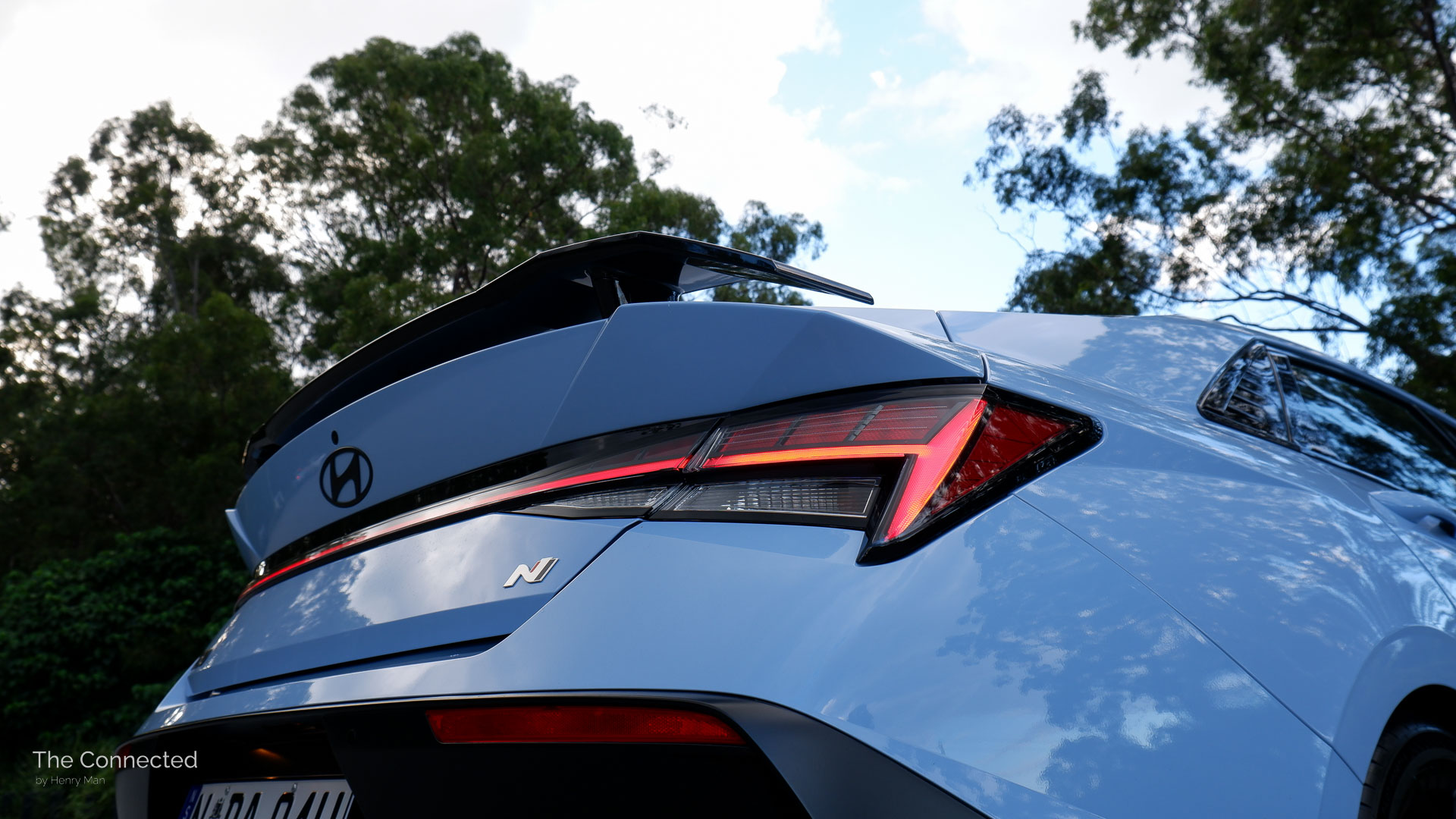
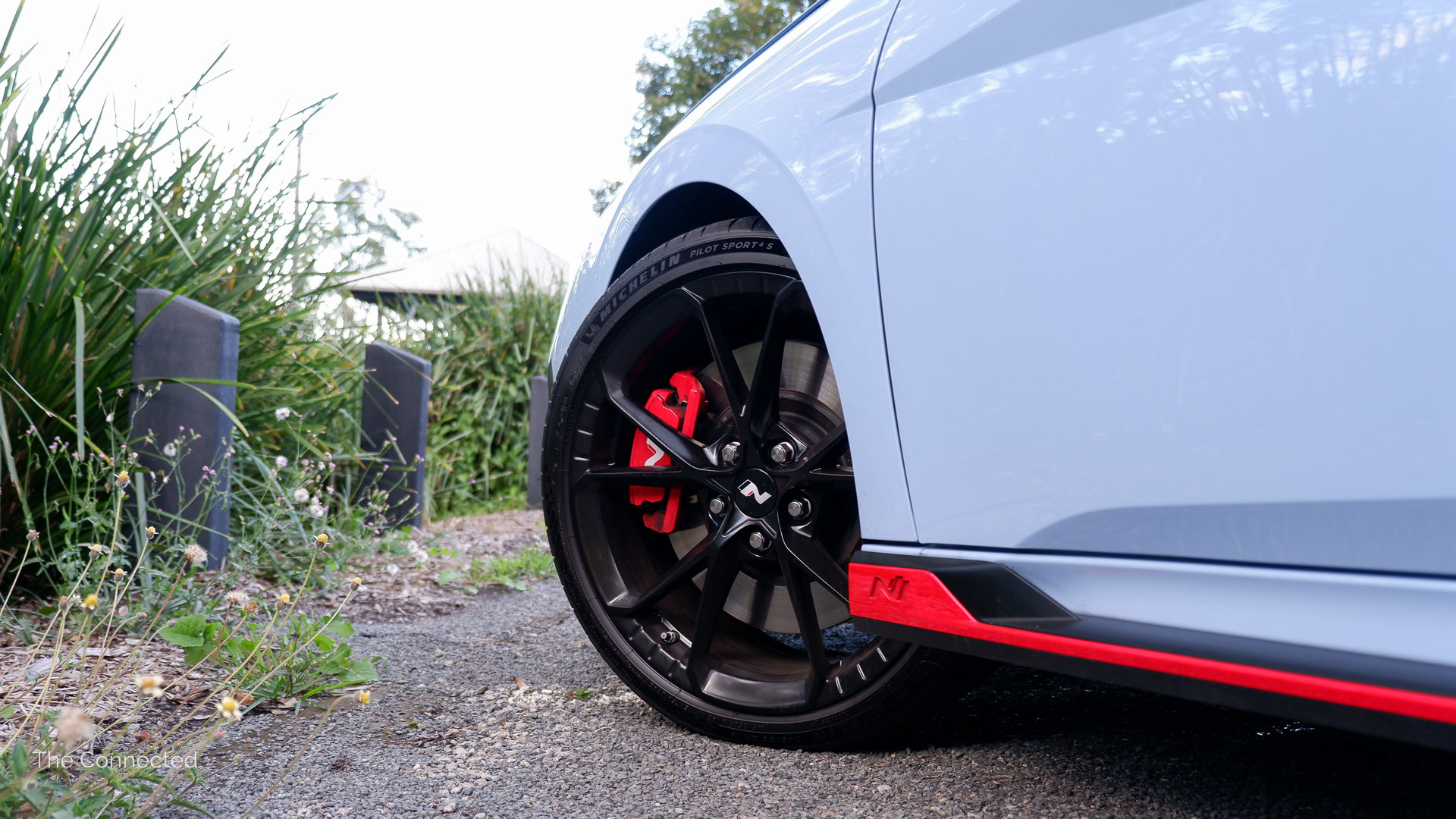
Flat matte black i30 and Hyundai badges from the factory complete the facelift’s exterior, alongside lighter 19-inch black forged alloy wheels borrowed from the i30 Hatch N, and the latest H logo style proximity key fob with a matte black finish.
The i30 Sedan N dials it up on an already sporty stock sedan with a low stance, fastback-like rear roofline, and 45-degree side body creases. It’s an impressively sleek small car for less than $60K drive-away.
Meanwhile, the interior has mostly been unchanged.
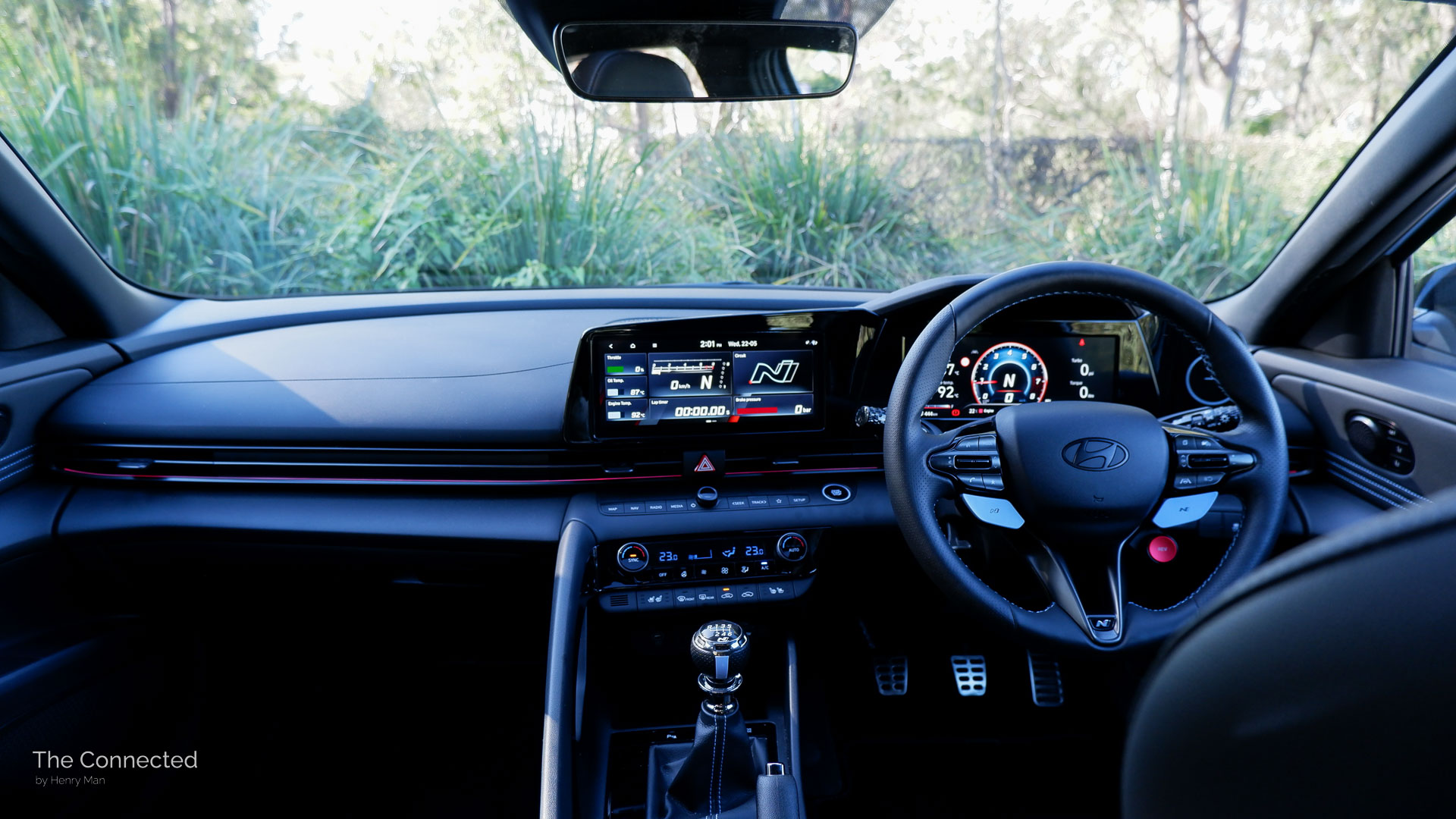
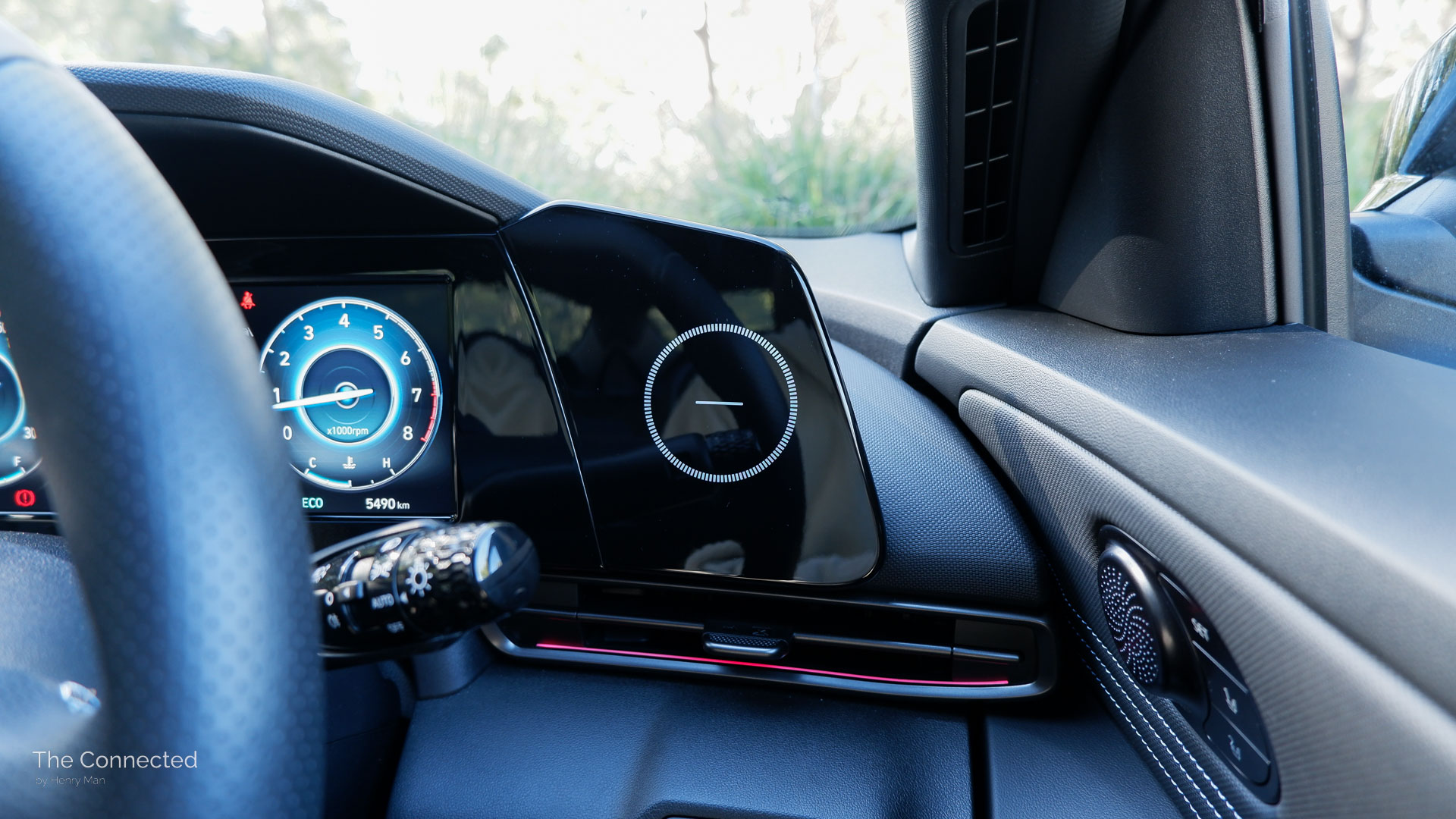
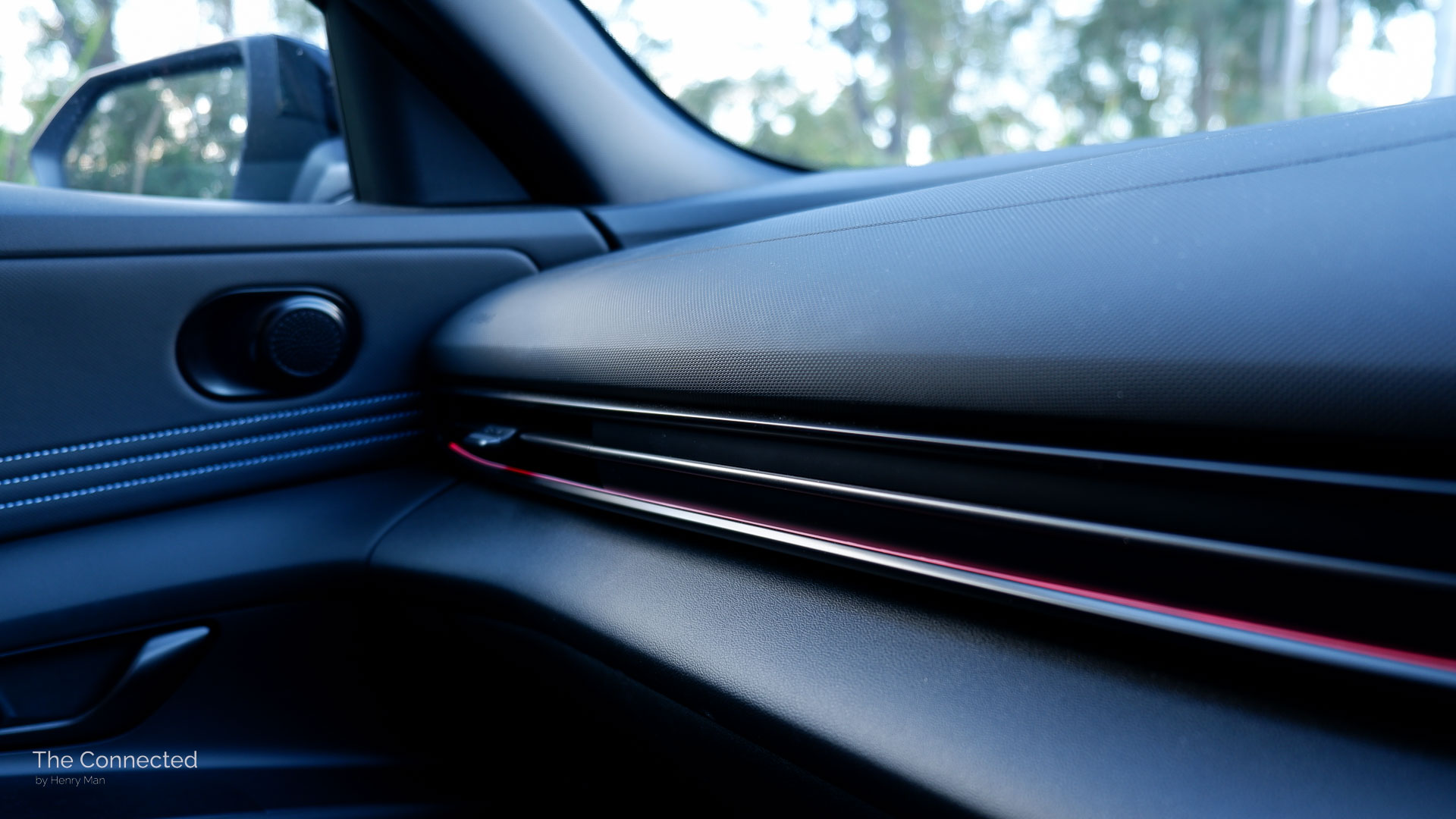
It still reflects the sporty exterior with a cabin that cocoons the driver, featuring triple-line Performance Blue stitching on the raked-design door cards, a thin ambient lighting strip on the dashboard, and front row centre divider grab handle.
The gloss black centre console isn’t as practical, though, as it tends to be a dust and fingerprint magnet.
The facelifted i30 Sedan N hasn’t improved material quality either, so there are some harder plastics on the dash and upper door cards – the same as the cheaper regular model.

Practicality.
2024 Hyundai i30 Sedan N dimensions:
| Length x width x height | 4710 x 1825 x 1415mm |
| Wheelbase | 2720mm |
| Ground clearance | 135mm |
| Boot space (min) | 464 litres |
| Rear seat split fold | N/A – single bench fold |
| Child seat anchors | 2x ISOFIX + 3x top tethers |
The Hyundai i30 Sedan N is a decently spacious small car, but it’s still less practical than the regular model.
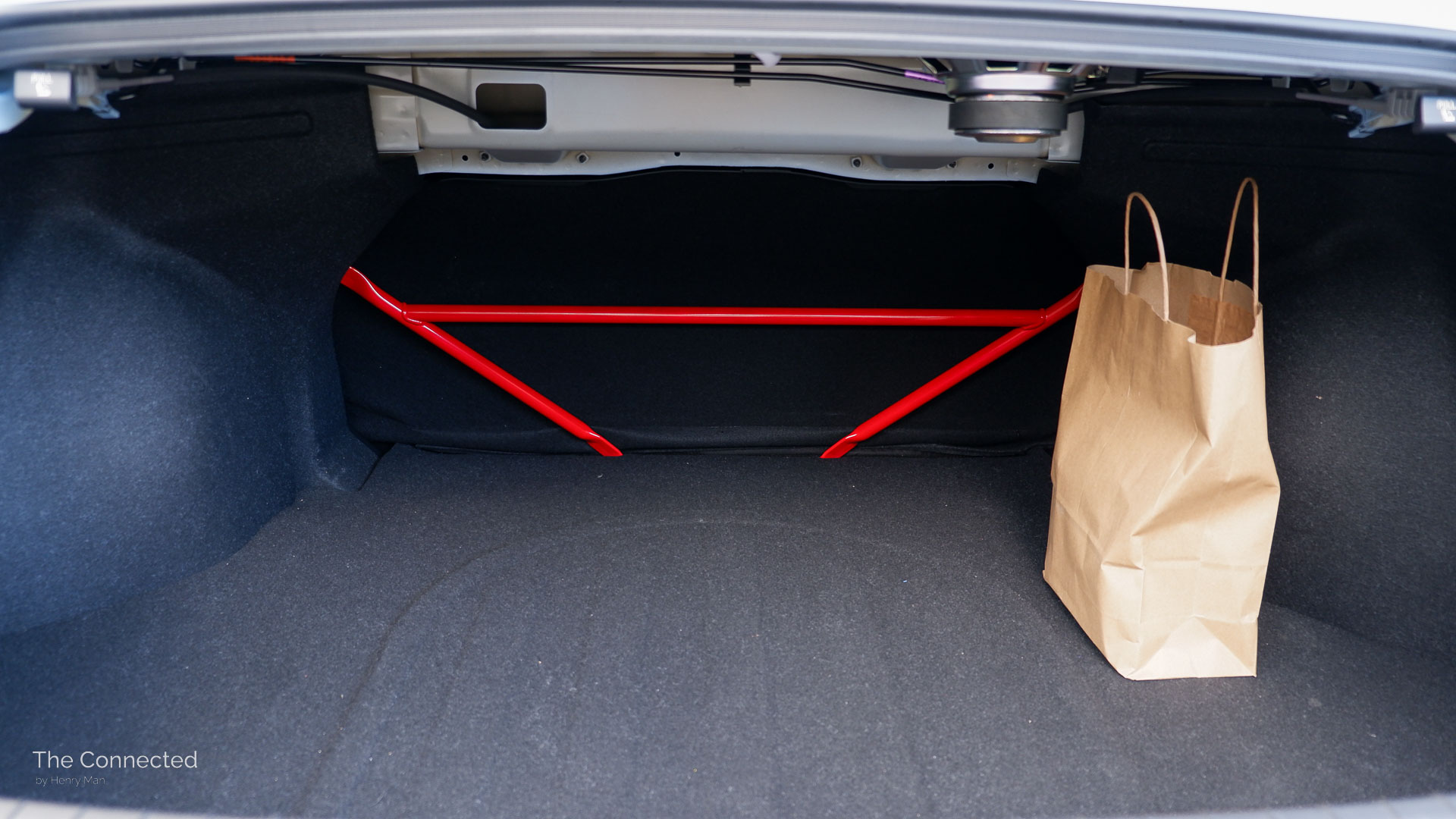
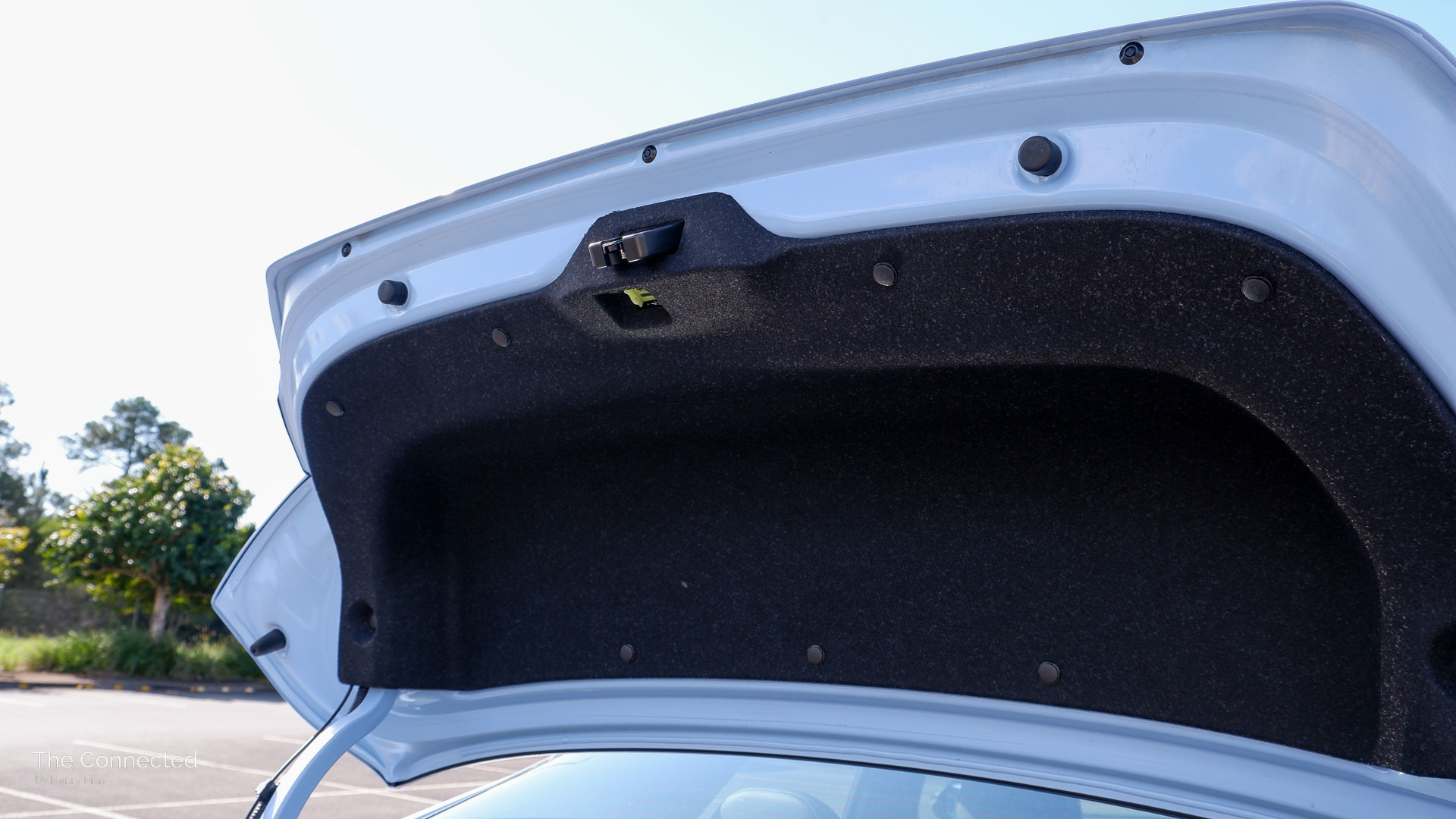
The deep and wide 464-litre boot is accessed by manually popping the sedan-style door via the discreet button on the tailgate, flicking the switch on the driver’s side floor, a button on the key fob, or conveniently hands-free by standing behind for a few seconds with the proximity key while the vehicle is locked.
The boot has a high loading lip, doesn’t offer any bag hooks or securing net, and the i30 Sedan N’s cargo capabilities are restricted by the fixed red strut brace and the lack of a split-folding rear seat bench.
As per the old model, there’s still no handle inside the tailgate to help with closing – so I found myself often touching the dirt- and dust-littered exterior.
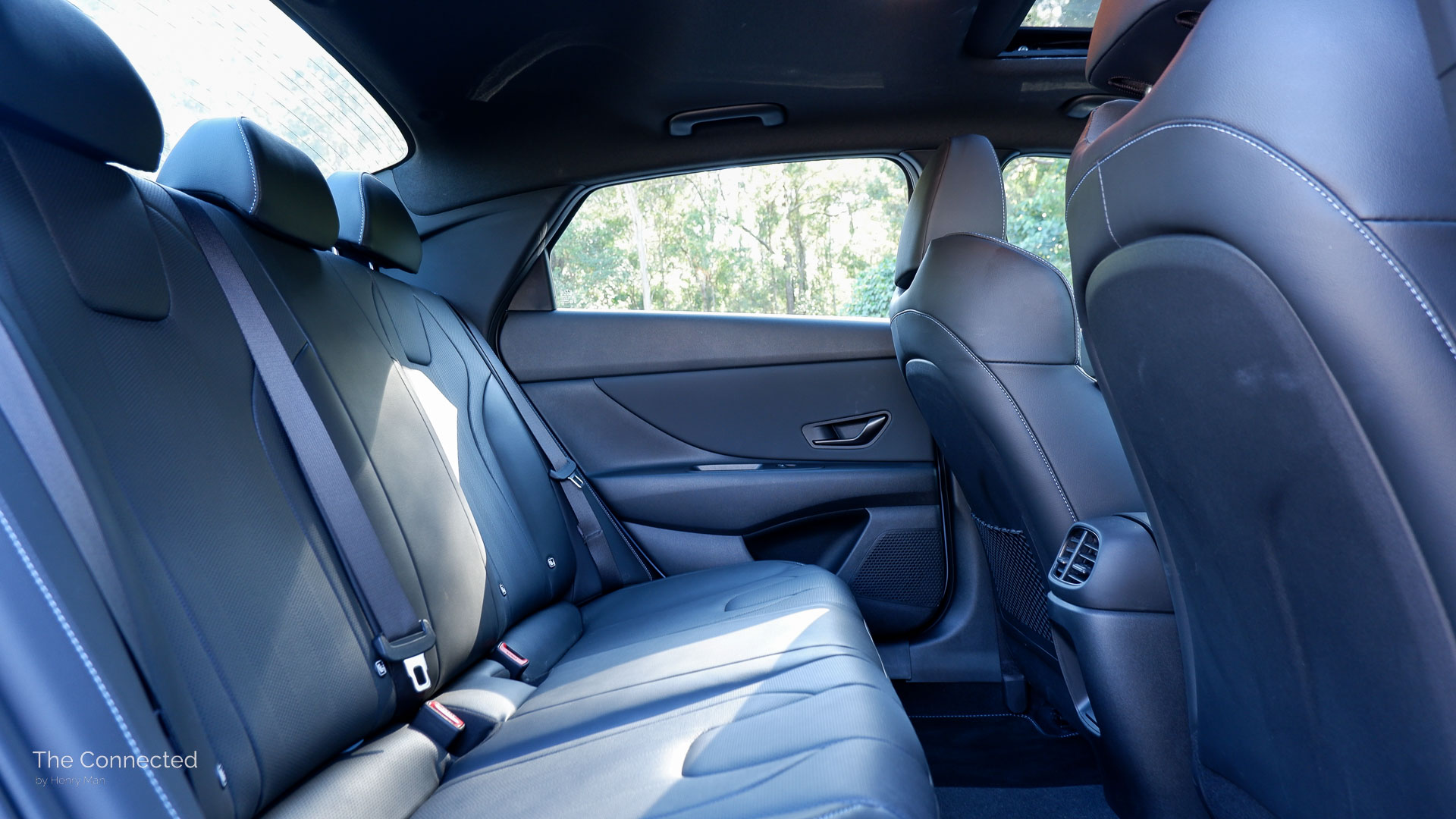
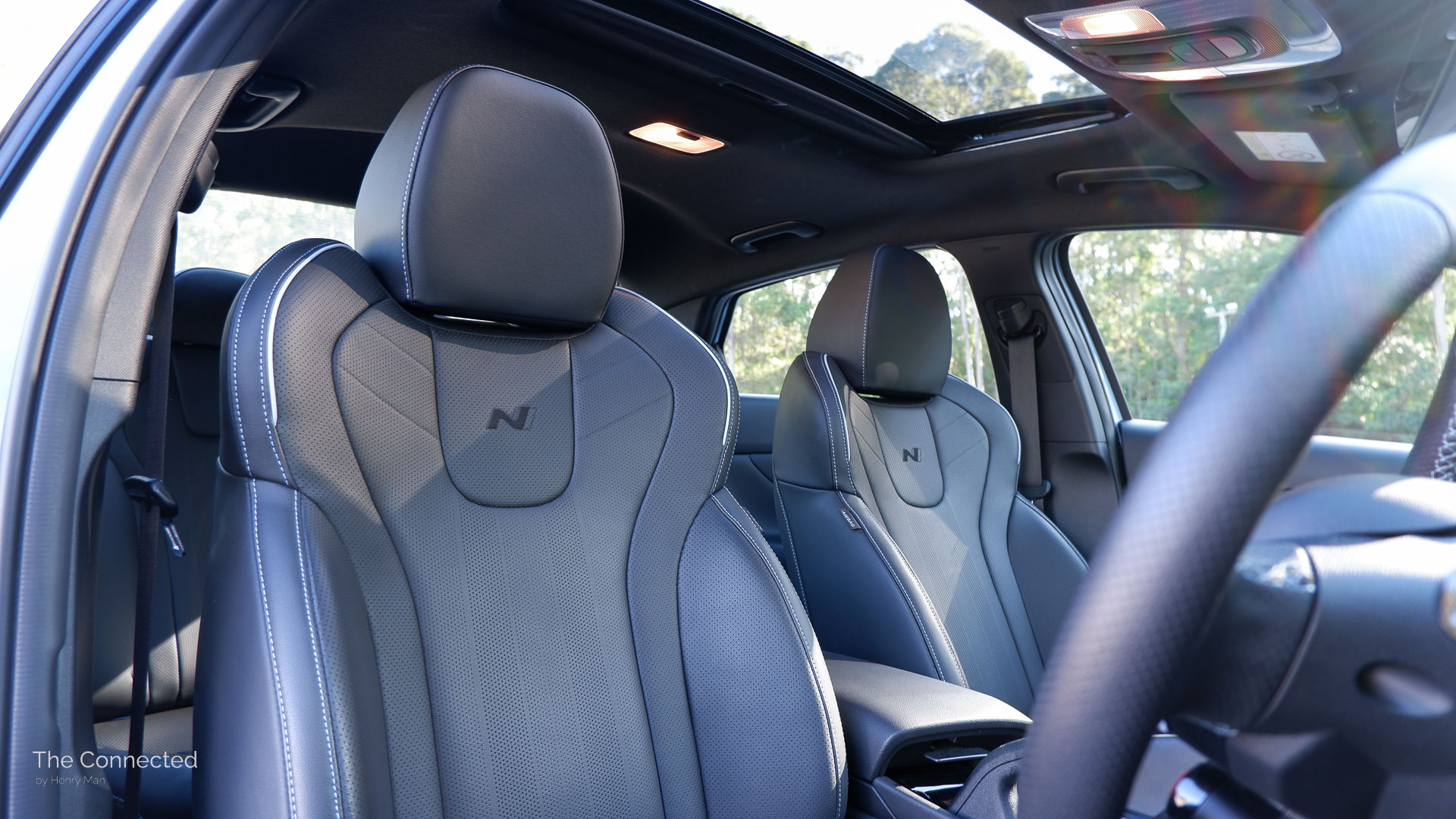
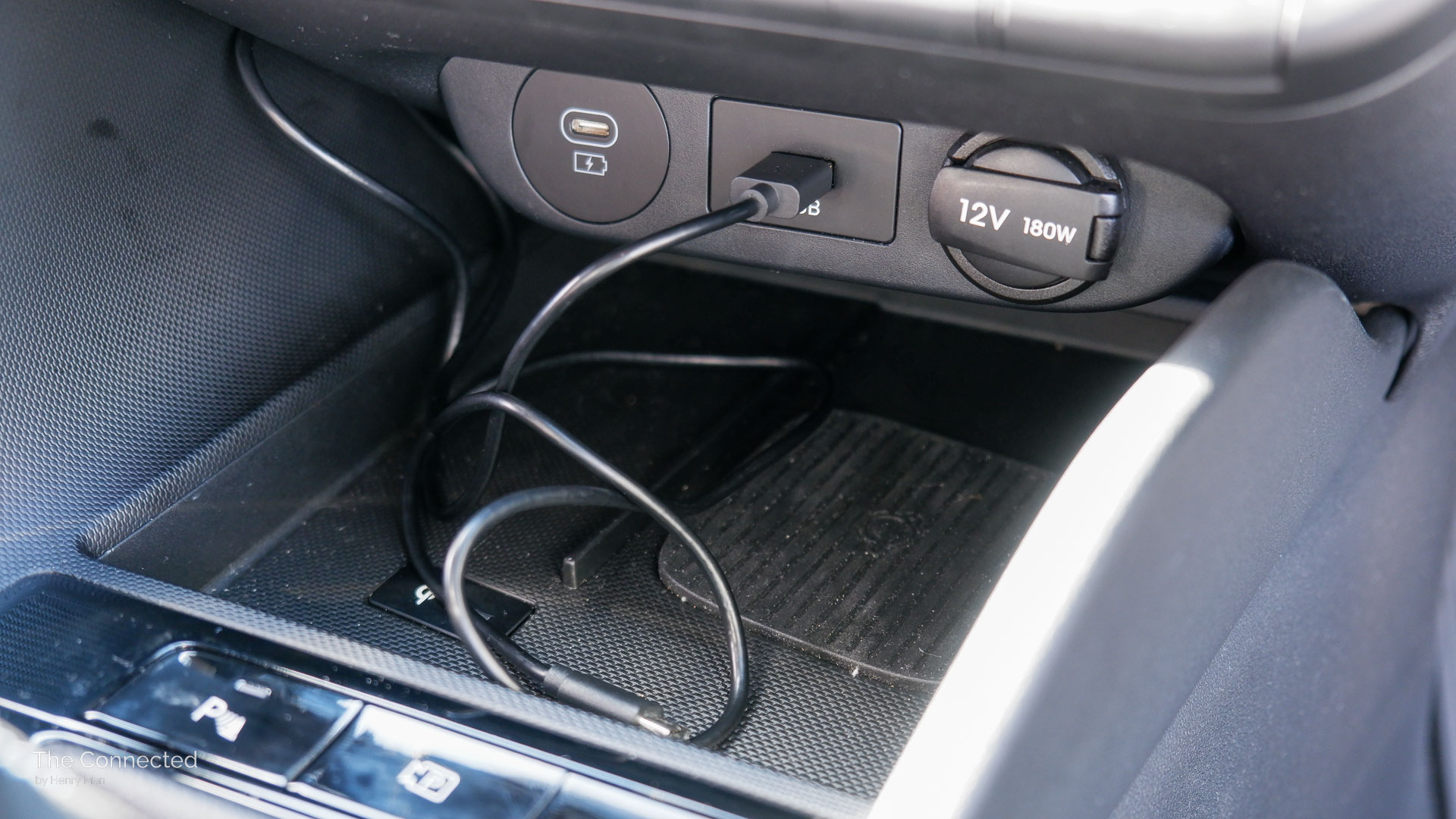
Rear passengers now benefit from two USB-C charging ports (instead of the old USB-A type), with rear air vents, good legroom and adequate headroom.
I needed to duck my head more when getting in and out due to the sloping sedan roofline, which is more problematic for taller passengers. There is also a notable middle transmission hump to contend with.
The sunroof is a $2000 optional extra and brings some welcome natural light to the otherwise dark interior – even though it’s not a full panoramic type.
Disappointingly, the facelifted i30 Sedan N still doesn’t offer a fold-down centre armrest – unlike the regular and N Line models – and persists with dimmer halogen-type interior light bulbs across the front and rear row.
Hyundai hasn’t changed its leather N Sport seats – which is more comfortable than the N Light bucket seats featured on the Hyundai Ioniq 5 N electric car. It’s the same seat design that’s now available as a ‘Comfort Package’ option on the i30 N hatchback in top-spec Premium with Sunroof trim.
The front row has three-level heating and ventilation functionality as standard, while the driver benefits from 10-way electric adjustment, lumbar support, and a two-stage memory function – not found on its much more expensive counterpart. A heated steering wheel is standard, too.
Despite the presence of seat memory, there’s no similar function for the wing mirrors, so it doesn’t auto dip-down when reversing to help avoid curbing the sporty forged alloys.
Even with the electric seat adjustment hardware, the i30 Sedan N still manages to provide a low and sporty seating position, in keeping with its low and sleek sedan body.
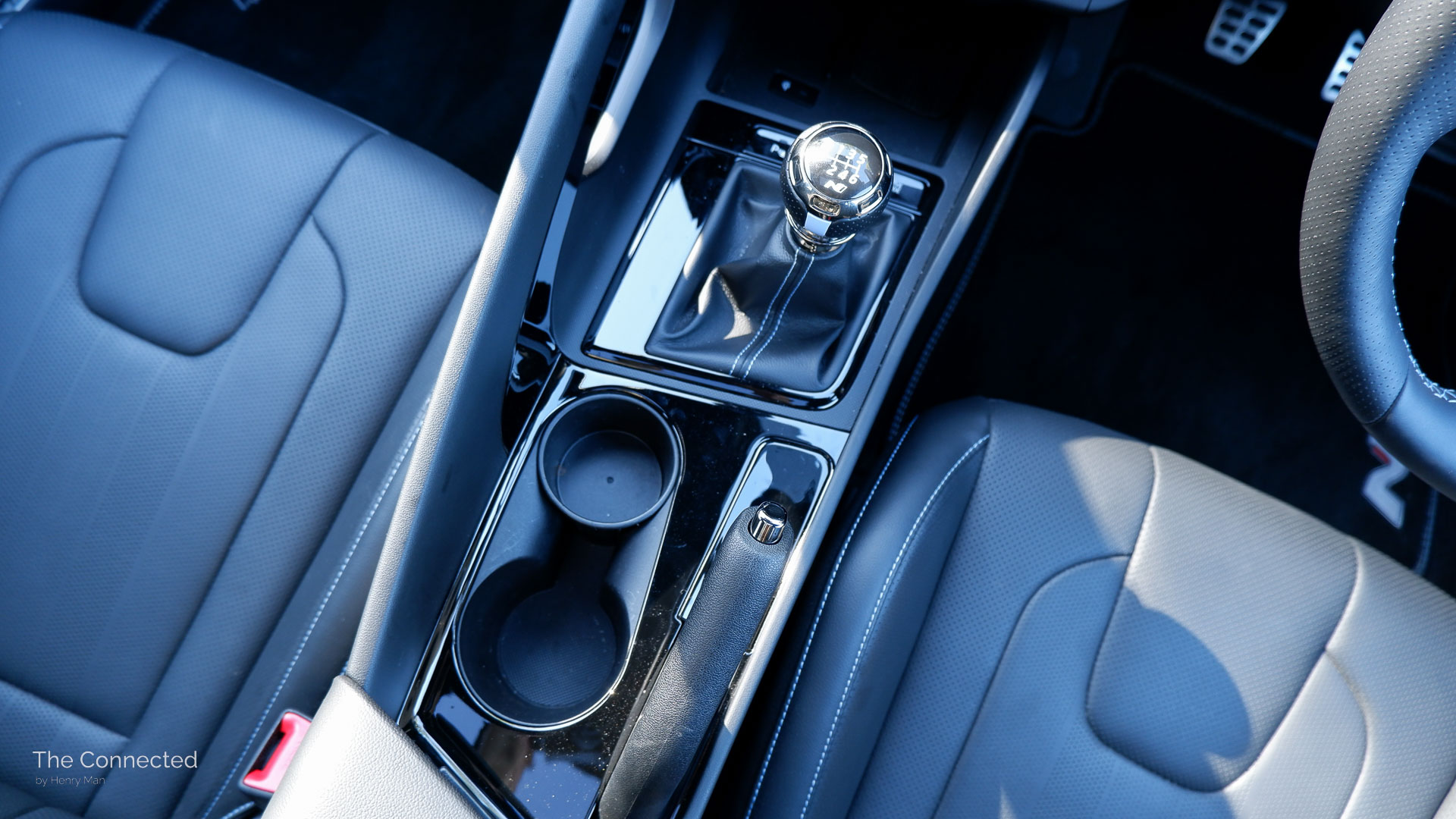
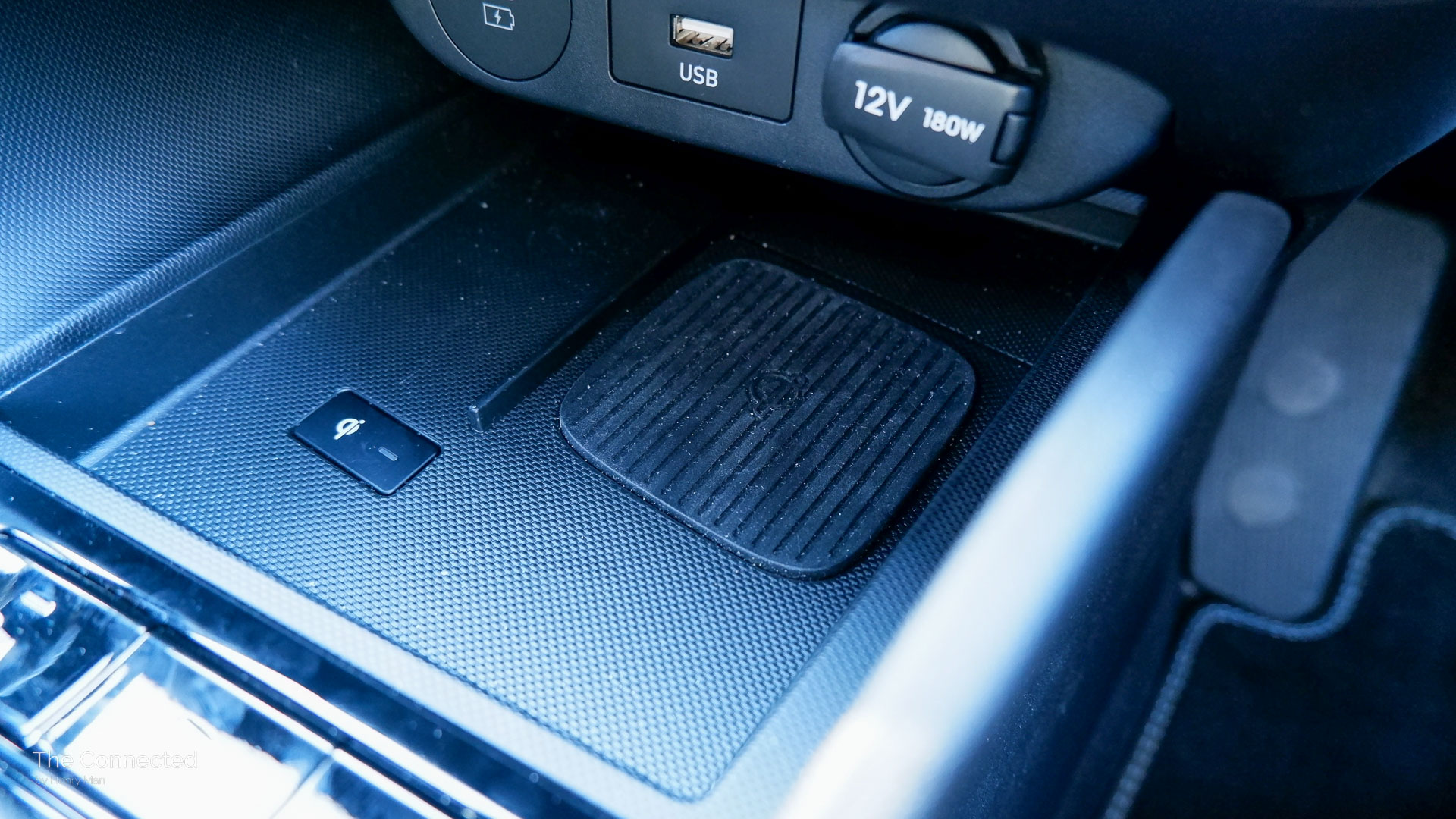
Meanwhile, the tray ahead of the shifter is deep with a redesigned Qi wireless charging pad and divider to store other smaller items beside – but there’s no space once you plug in a cable for smartphone projection.
There’s also good storage space underneath the centre armrest, and a well-sized glovebox – albeit with an undamped hinge that flops down and no light. All door pockets are limited.
While I found the two centre console cup holders to be ergonomic, taller flasks and cups with straws often got in the way of the manual gear lever, with my arm often brushing them when shifting.
The South Korean carmaker uniquely offers a plastic item that makes the cup holder higher for those smaller cups.
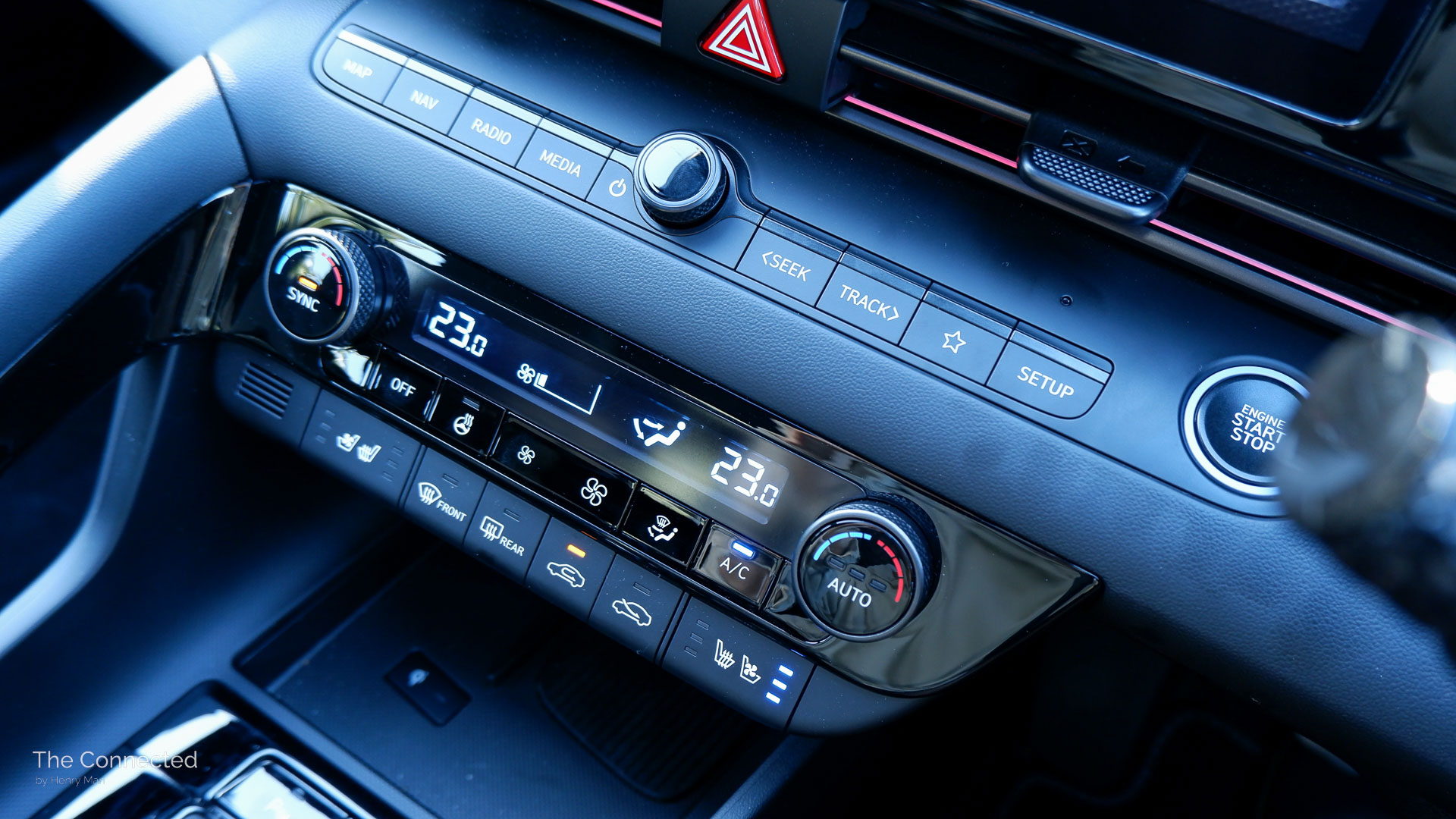
A key highlight of the sports sedan is the excellent two-zone climate control panel – which is one of the easiest and straightforward setups I’ve used with tactile buttons and a clear LED display.
Yet, the driver’s side gloss black piece still has the same strange design element that doesn’t function as a magnetic board, despite looking so.
On approach with the proximity key, the front door handles illuminate on the inside with a bright LED light – a welcome touch at night.

Technology.
2024 Hyundai i30 Sedan N tech features:
| 10.25-inch touchscreen running Standard Gen5W Navigation | 10.25-inch driver instruments display |
| Wired Apple CarPlay and Android Auto | Qi wireless charging pad |
| OTA software update capability | 1x USB-A + 3x USB-C charging ports + 1x 12-volt socket |
| Built-in maps with connected routing | Eight-speaker Bose Premium audio |
| Bluelink connected services with remote mobile app | Proximity key with auto folding mirrors and push button start |
The updated i30 Sedan N adds built-in cellular connectivity and a remote smartphone app – but carries over outdated software.
Hyundai’s small car still runs on the same Standard Gen5W Navigation operating system, albeit now with over-the-air (OTA) software update capability, built-in voice control and connected services apps.
While it is functionally the same as the latest Connected Car Navigation Cockpit (ccNC) software rolling out on most other new Hyundai models, its user interface and graphics look dated in context on the clear and fingerprint resistant matte-coated 10.25-inch display. Switching between menus can feel slow at times.
The lack of ccNC means the i30 Sedan still requires plugging in a cable to use Apple CarPlay and Android Auto systems via the single USB-A data port, despite the shift to USB-C charging ports elsewhere.
It’s rather inconvenient, especially given the Qi wireless charging pad has been redesigned as part of the facelift. Following the Kona small SUV, the rubber pad tends to stick dust, discolour and absorb heat with no fan cooling aid.

Don’t expect it to receive OTA update to ccNC either, as it’s seemingly only built for a larger 12.3-inch display with a faster processor – leaving out the i30 Sedan N with its unchanged 10.25-inch unit.
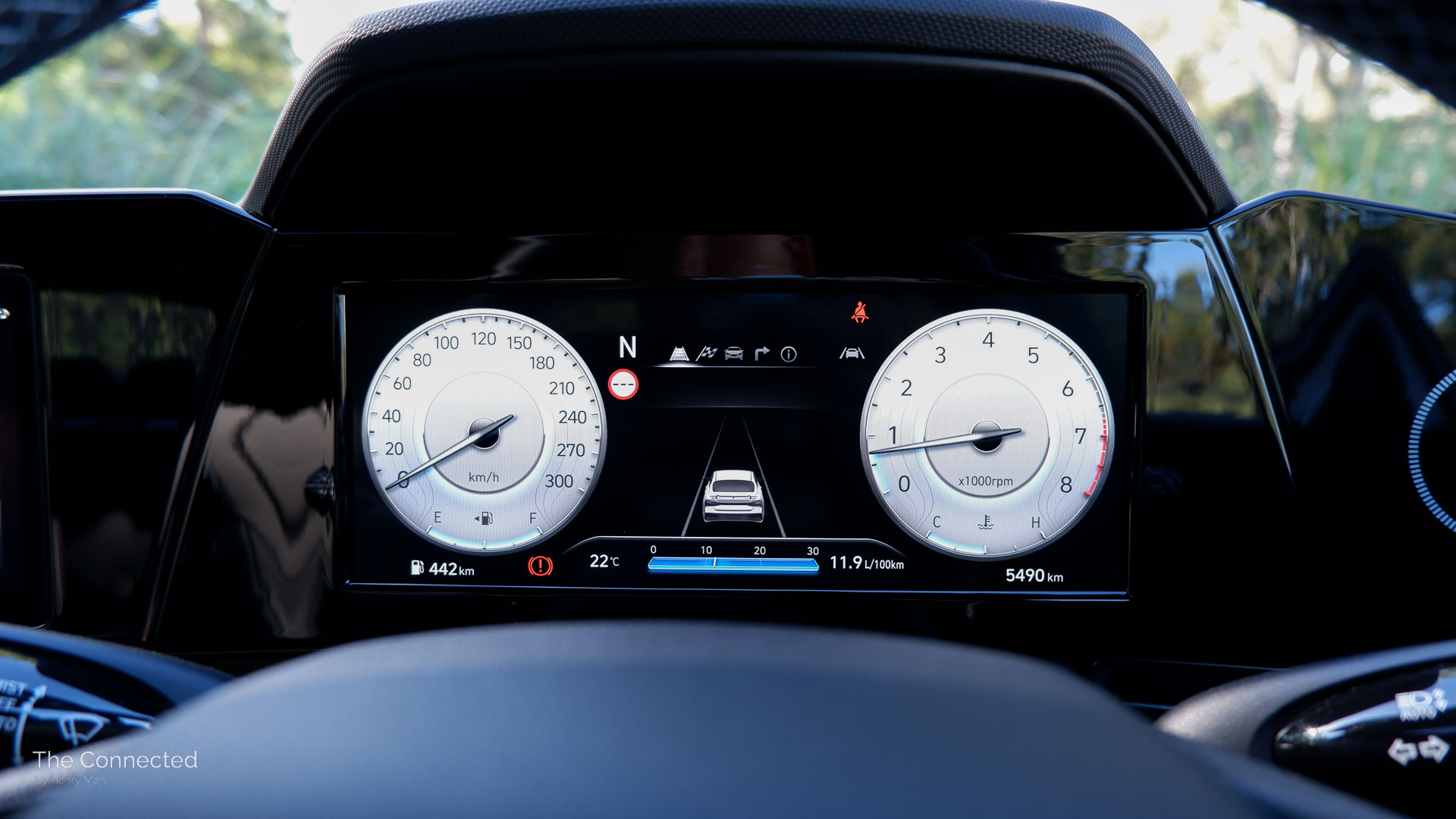
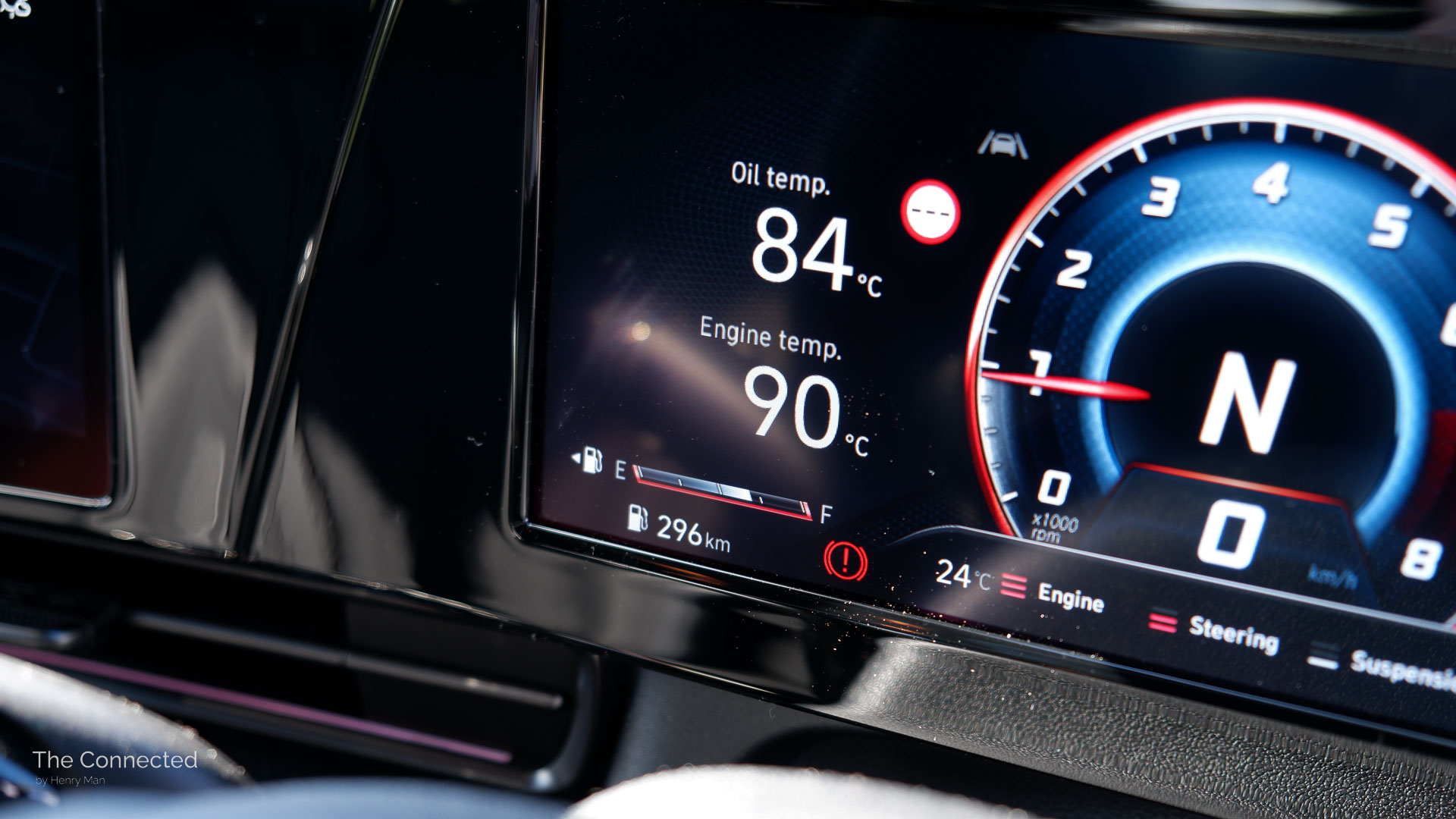
Yet, a silver lining to the Standard Gen5W Navigation software are more unique instrument display themes and animations tied with each drive mode, including a dedicated N design and unique Cube theme, on the adjoined 10.25-inch screen.
However, the normal mode instrument cluster theme uses white dials, which is eye-searingly right at night. Thankfully, you can unlink the theme with the drive mode.
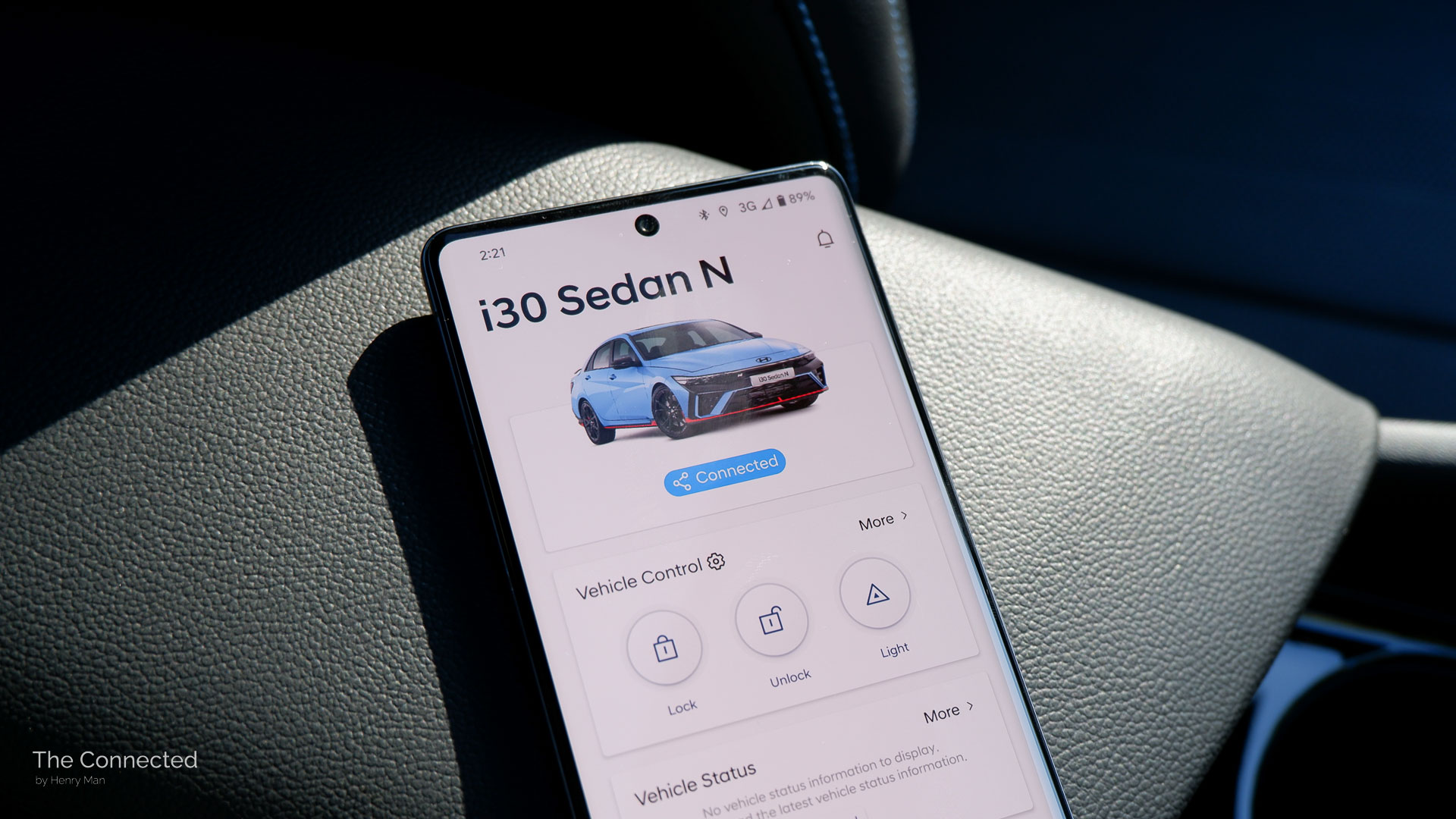
The facelifted i30 Sedan N also brings Hyundai’s Bluelink connectivity, with a well-designed smartphone app that allows owners to remotely monitor the vehicle location, fuel level status, unlock/lock the doors, flash the lights, and sound the alarm.
If you opt for the manual transmission, you can’t start the engine, pre-start the air-conditioning and heated/ventilated seats – leaving the app functionality limited to very basic controls.

Safety.
2024 Hyundai i30 Sedan N safety features:
| Front AEB with vehicle/pedestrian/cyclist detection (camera based) | Rear-view camera |
| Blind-spot assist | Front and rear parking sensors |
| Rear cross-traffic assist | Full LED headlights |
| Lane-keep and lane-centring assist | Part LED tail-lights |
| Speed limit assist | Bluelink remote location tracking and emergency services calling |
The updated Hyundai i30 Sedan N in Australia still disappointingly misses out on adaptive cruise control, along with 360-degree and blind-spot cameras.
That’s despite the ~$10K cheaper N Line Premium model now gaining the said camera views and overseas facelifted i30 Sedan N’s introducing a front radar for adaptive cruise control on the dual-clutch transmission (DCT).
Instead, Australia’s i30 Sedan N only adds Intelligent Speed Assist (ISA) – mandated in Europe only – which detects road and speed signs using the front camera.
Even though it keeps the driver’s speed in check, it annoyingly chimes every time the vehicle recognises a new sign, doesn’t always detect correctly, and warns as soon as the speedometer goes above the limit. The older software also means the chimes are more pronounced than newer ccNC-powered Hyundai cars.
Thankfully, it now recognises school zone times and doesn’t always change to 40km/h.
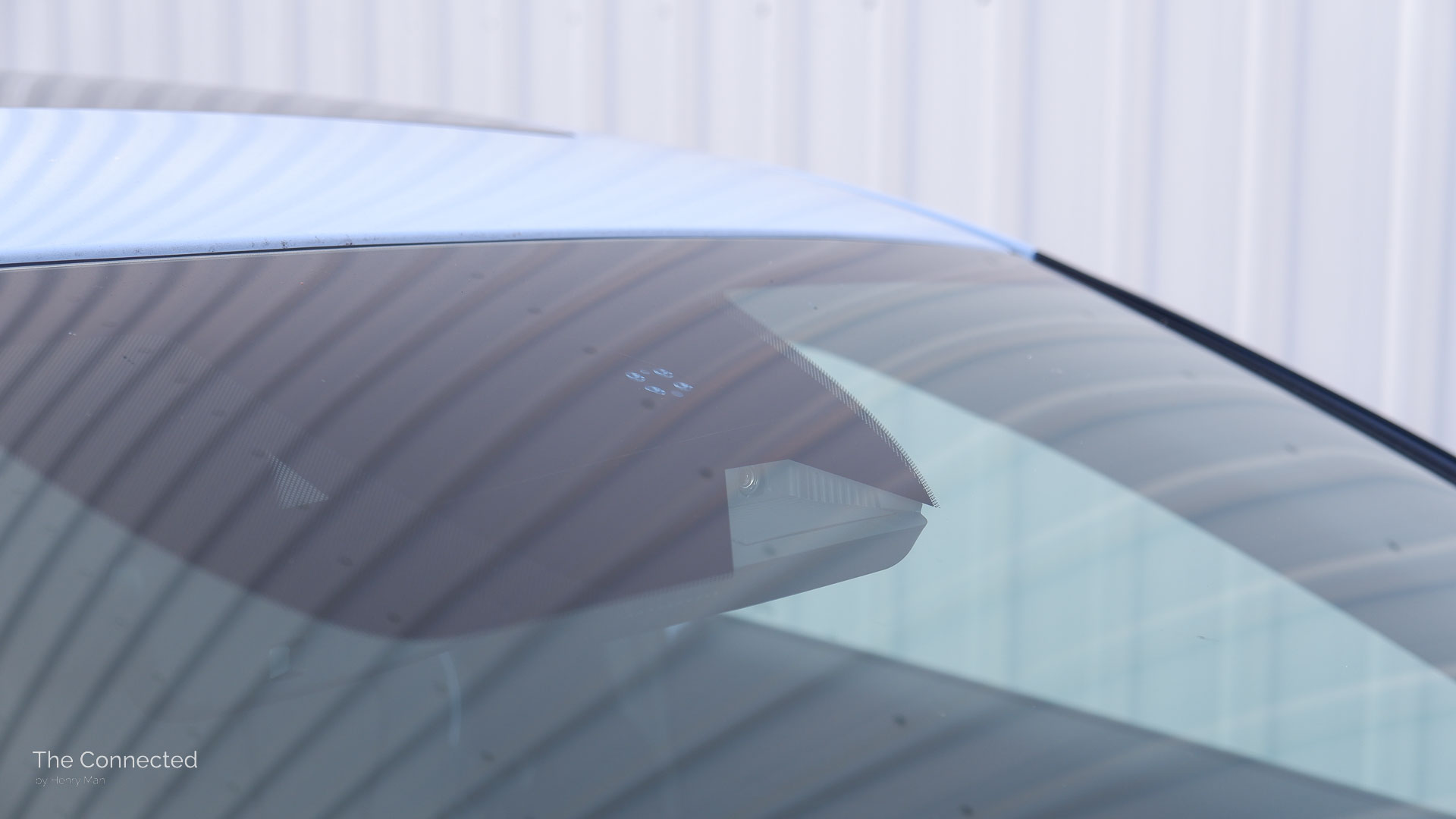
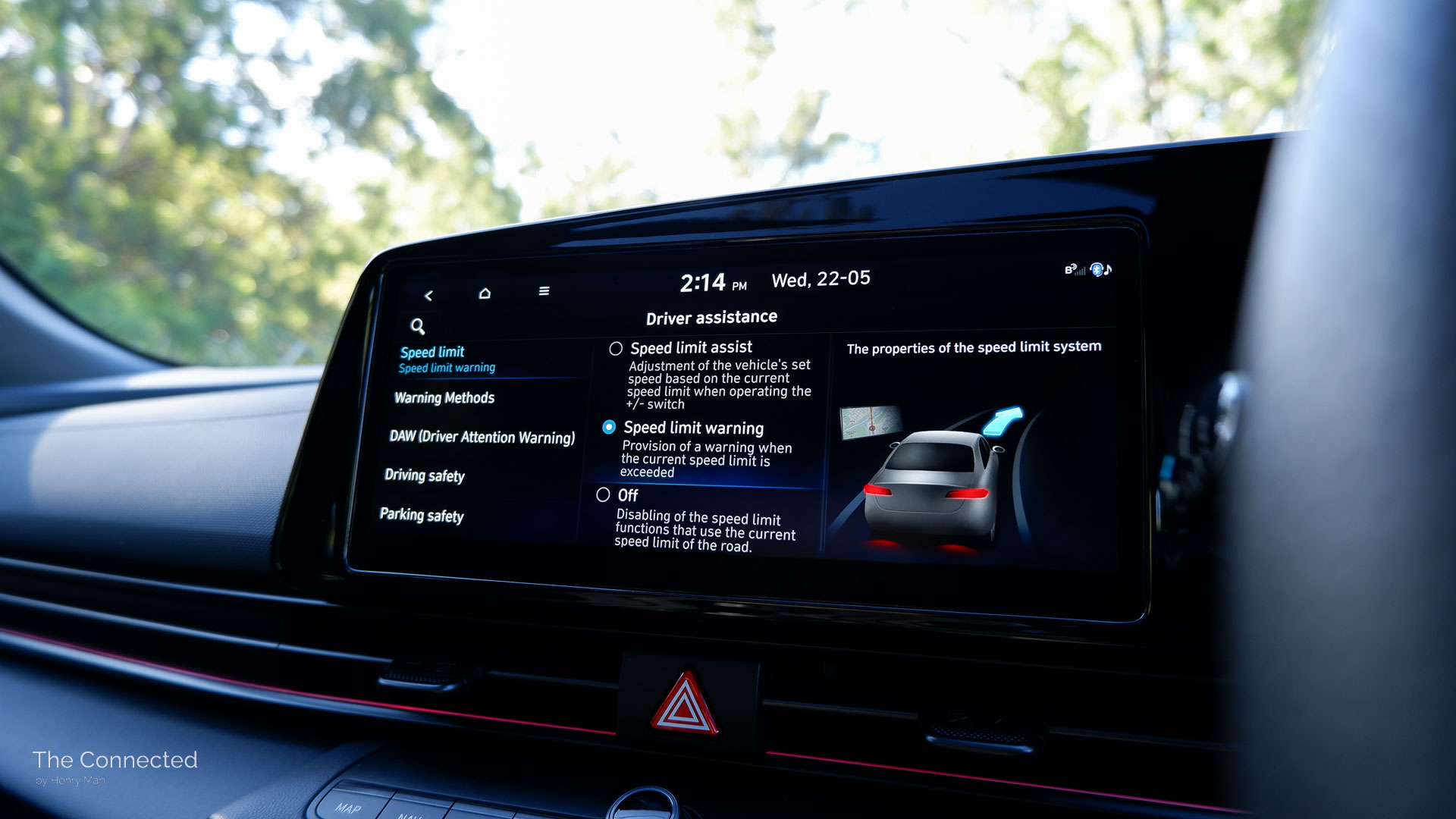
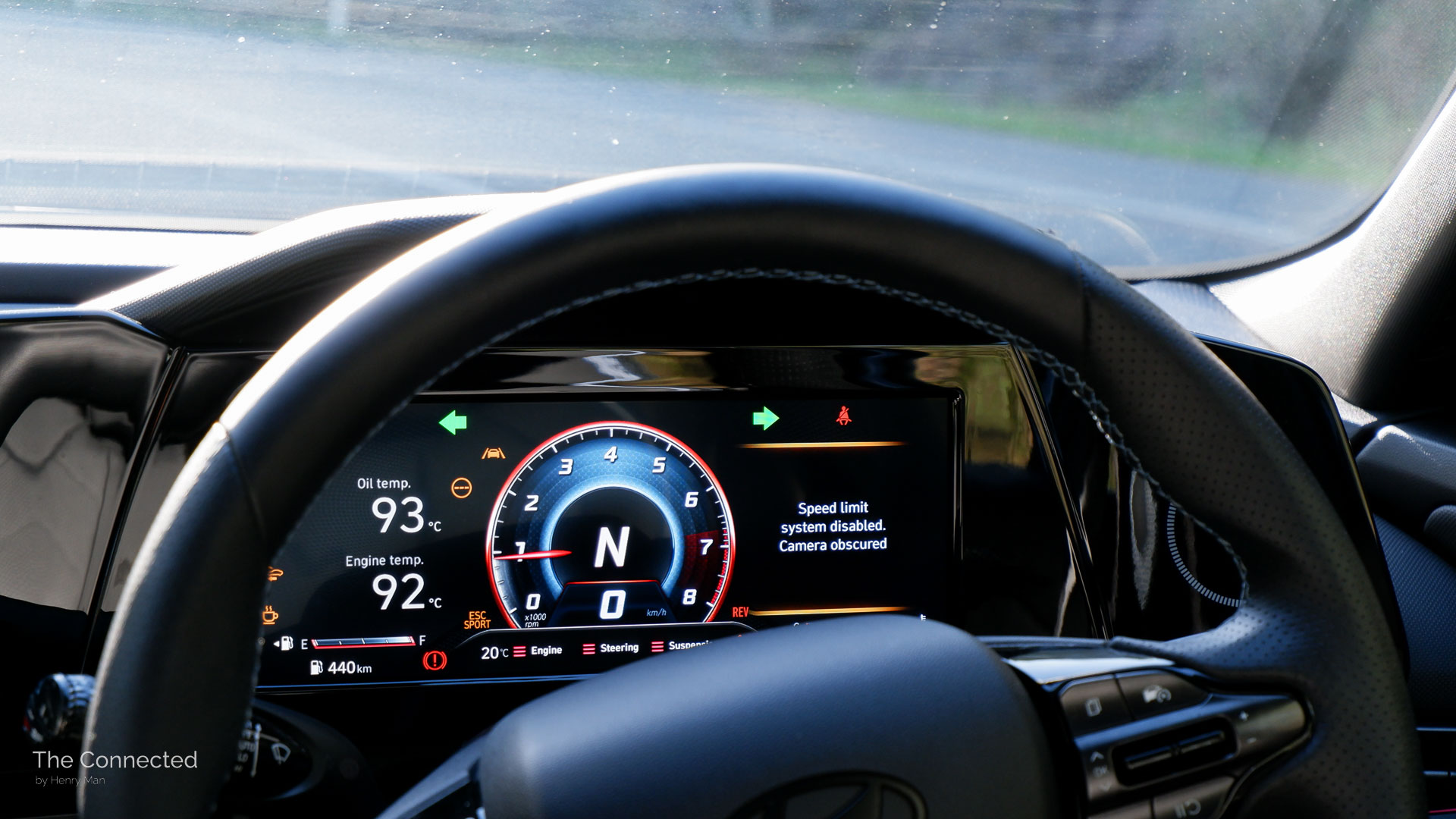

Despite some missing active safety assist features, the i30 Sedan N’s camera-only system works mostly well. Lane-centring assist can be activated at any speed and conveniently aids keeping in the lane.
However, we did experience on two occasions that the safety systems failed due to bright afternoon sunlight directing onto the front camera, in addition to some ‘phantom’ forward collision warnings sometimes when there wasn’t any obstacle in front.
The rear-view camera resolution is sub-par and displays a skewed colour temperature depending on the conditions.
While the facelifted i30 Sedan N appears to have a slimmer LED headlight unit, night-time reach and spread performance is still excellent. The new LED turn indicators are much more prominent, too.
The Hyundai i30 Sedan N is unrated by the Australasian New Car Assessment Program (ANCAP), as is the rest of the model line-up.

Range and fuel consumption.
2024 Hyundai i30 Sedan N fuel and efficiency specs:
| Claimed driving range (combined) | 553km |
| Claimed fuel efficiency (combined) | 8.5L/100km |
| Fuel tank size | 47 litres |
| Minimum fuel quality requirement | 95 RON premium unleaded |
| Claimed CO2 exhaust emissions (combined) | 198g/km |
| European emissions compliance | Euro 5 |
In our testing week, the i30 Sedan N indicated a 9.6L/100km real-world fuel consumption including urban and highway driving.
This equates to about 490km of driving range from its 47-litre fuel tank.
While it isn’t particularly fuel efficient (unsurprisingly), it’s still an impressive figure for a hot sports sedan.
We would’ve liked the fuel tank to be larger in order to provide longer range, which hasn’t been changed from the previous model. For reference, the Subaru WRX sedan provides a much larger 63-litre fuel tank.
Unlike regular and N Line variants, the bona fide i30 Sedan N requires higher quality 95 RON premium unleaded petrol at a minimum.
The fuel lid is accessible via the rear-left quarter side of the vehicle, with an easy to use spring-loaded twist cap.

Driving.
2024 Hyundai i30 Sedan N (manual) powertrain specs:
| Engine | 2.0-litre turbocharged four-cylinder petrol engine |
| Power | 206kW @5500-6000rpm |
| Torque | 392Nm @2100-4700rpm |
| Transmission | Six-speed manual |
| Drive Type | FWD |
| Tare weight | 1440kg |
| Towing (unbraked / braked) | 700kg / 1600kg |
The Hyundai i30 Sedan N remains a super fun attainable hot sedan, with a grin-inducing stock exhaust, and is especially engaging with a manual transmission.
While the facelifted i30 Sedan N has gained changes to its chassis, optimised electronically controlled suspension hardware and software and upgraded electronic stability control, it doesn’t feel noticeably different to the pre-update model. That’s not a bad thing, though.
The 2.0-litre turbocharged petrol engine outputs 206kW of power and 392Nm of torque. While it’s not rapid by electric car standards, the internal combustion engined sports sedan is still quick with peak torque delivered at a low rev point.
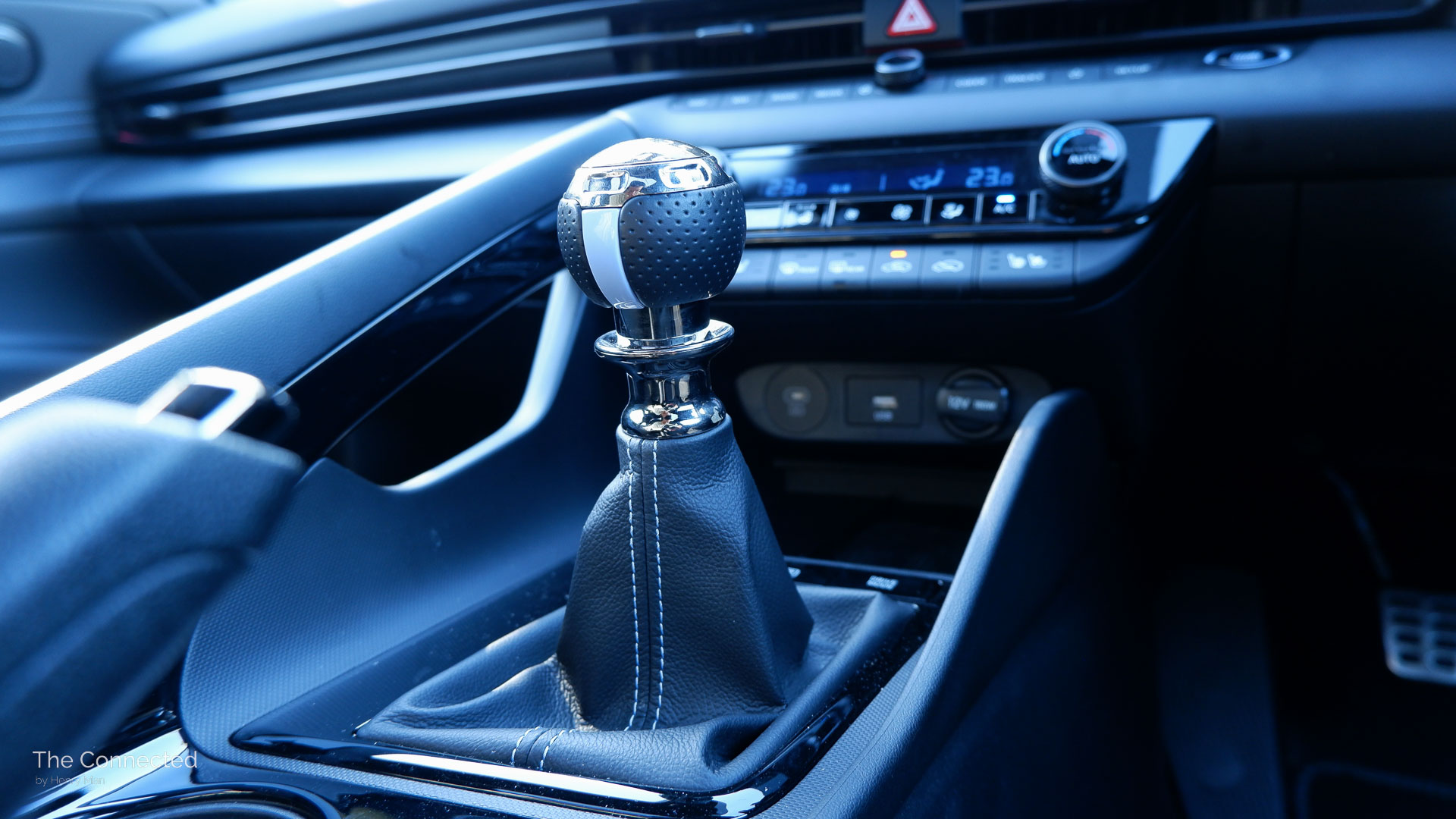
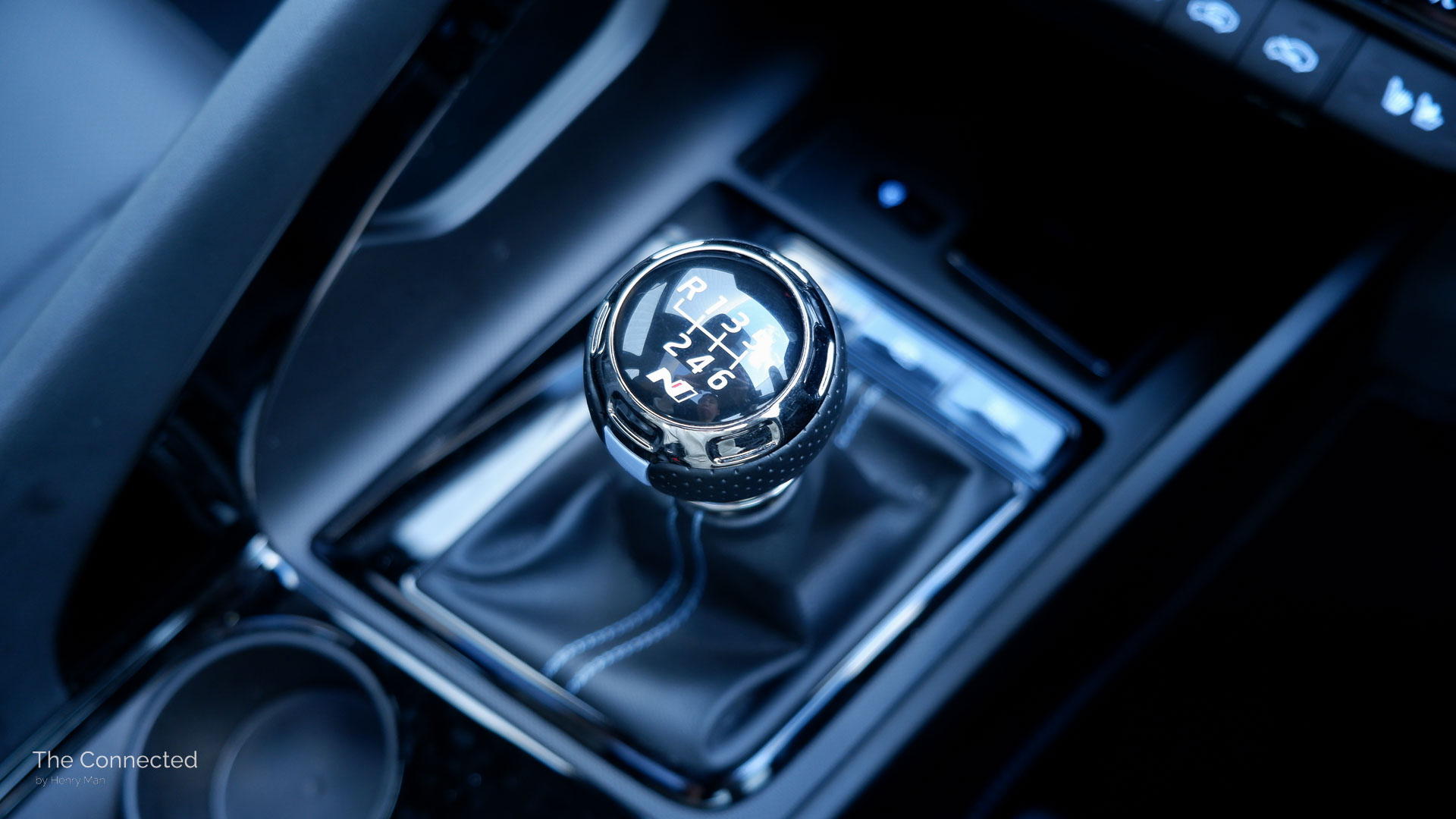
As tested, the i30 Sedan N with the six-speed manual transmission is satisfyingly involving, with a golf ball-like shifter with genuine metal accents that’s a good height to reach, with a notchy and short throw, ergonomic handbrake, and a well-weighted clutch.

When activated, the automatic rev matching function works well at providing smooth downshifts, taking the guesswork out especially when driving in urban traffic.
Yes, the eight-speed dual-clutch transmission (DCT) doesn’t cost a cent more than the manual and would be more convenient in everyday traffic – but the manual is simply more raw and engaging.
The steering is tuned firmer, but with a 1440kg tare weight, the sedan feels light and nimble around corners.
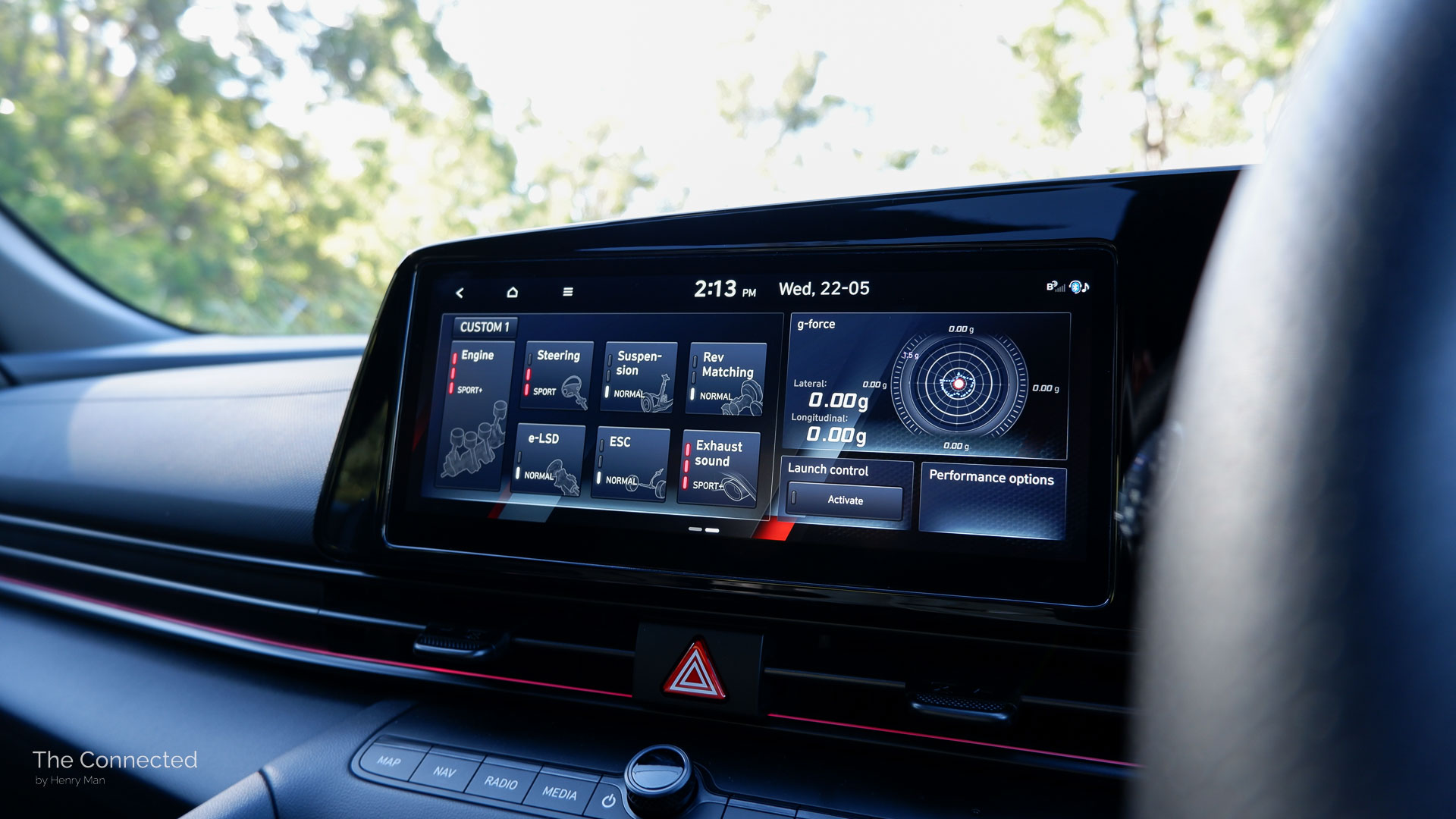
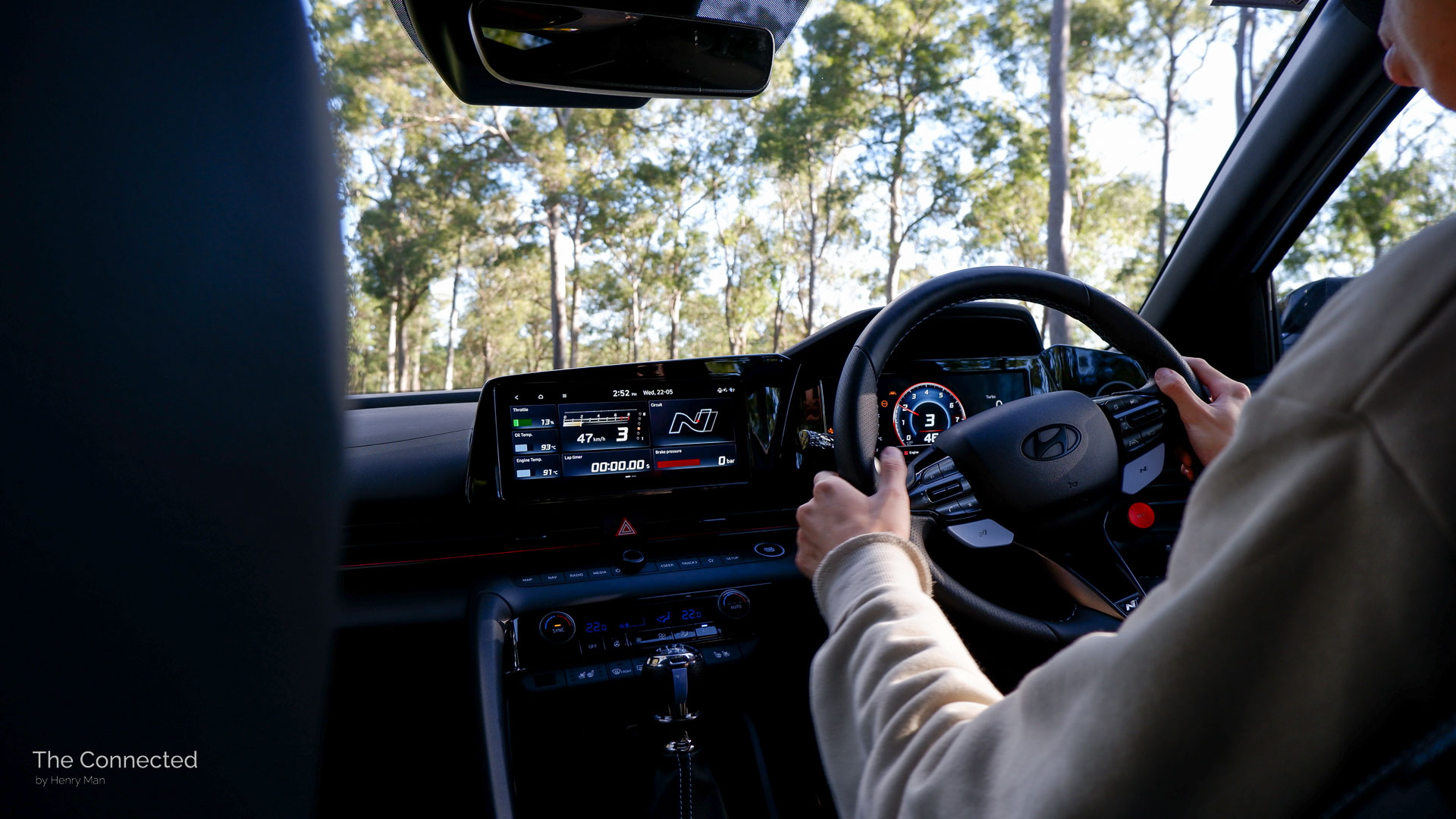
There are two programmable N buttons, two custom N driving modes, and a litany of settings in the N app within the touchscreen. Most are suited to the closed-circuit race track, where you can best exploit the i30 Sedan N’s potential.

Grin-inducing fun.
The i30 Sedan N is one of the best fun-for-dollar new cars on sale, with a satisfyingly loud stock exhaust and grin-inducing crackles and pops in N mode.
Importantly, the key highlight of the Hyundai N sports sedan is its stock exhaust.
Even in eco or normal mode mode, it offers a sporty and grumbling exhaust note with a hint of turbo whining. But, activate N mode with the exhaust noise set on Sport+ and it truly unlocks the beast inside the i30 Sedan N.
Satisfying loud pops and crackles sound every time the engine bounces off the rev band – and becomes an addiction that gives the driver grins even when moving in heavy stop-start traffic, but likely annoys every other road user (or makes them jealous).
It’s a skill to trigger the exhaust pops and crackles, but the manual transmission gives more control to master it. Downshifting, revving the engine up and letting it bounce off the limiter results in a dangerously cool gunshot-like exhaust pop, for example.

However, the startup noise can be somewhat loud, which can make you feel guilty when you don’t want to annoy your neighbours in the morning.
But is the Hyundai i30 Sedan N a comfortable daily sports car? Riding on stiffer sports suspension and 19-inch wheels (Michelin Pilot Sport 4S 245/35 tyres), driving on coarse chipped roads, over bridge expansion joints, and patched-up sections are more prominently felt in the interior – but it’s not overly uncomfortable and firm.
Noise insulation isn’t as good either – but acceptable – though the upside is constantly hearing the cinematic stock exhaust noise.
While the i30 Sedan N is classed as a small car, it’s quite lengthy at 4710mm, though its steering isn’t too heavy for low-speed manoeuvres and parking.

Warranty and servicing.
2024 Hyundai i30 Sedan N capped-price servicing prices:
| 1 year/10,000km | 2 years/20,000km | 3 years/30,000km | 4 years/40,000km | 5 years/50,000km |
|---|---|---|---|---|
| $355 | $355 | $395 | $395 | $355 |
As with all new Hyundai vehicles, the i30 Sedan N is backed by a five-year, unlimited kilometre vehicle warranty.
This includes driving in non-competition track events for all Hyundai N cars.
Servicing is required every one year/10,000km (whichever comes first) – with the distance limit being shorter-than-typical.
Uniquely, the South Korean carmaker offers lifetime capped-price servicing. After the first five visits, it’ll cost a reasonable $1855 to maintain. That’s $371 per service on average.
Lifetime roadside assistance is included, provided owners service it with Hyundai each time.
Hyundai Bluelink connected services are included for the first five years of the vehicle’s life from activation.
Located under the boot floor is an included space-saver spare tyre.
Price and rivals.
2024 Hyundai i30 Sedan N model range pricing (excluding on-road costs):
| N Premium |
|---|
| $52,000 |
Starting prices are accurate as at the time of publication and excludes mandatory on-road costs (unless labelled as ‘drive-away’).
The 2024 Hyundai i30 Sedan N continues to be sold in one top-spec Premium trim, with a $2000 sunroof being the only optional extra.
Unlike the i30 Hatch N, both the six-speed manual transmission and eight-speed dual-clutch transmission (DCT) cost the same.
Despite the $1800 price rise compared to the pre-facelift, it’s still reasonably priced for a fun and small sports car, costing below $60K drive-away.
The 2024 Hyundai i30 Sedan N directly competes with a limited list of attainable sports sedans:
- Subaru WRX sedan – from $47,490 before on-road costs
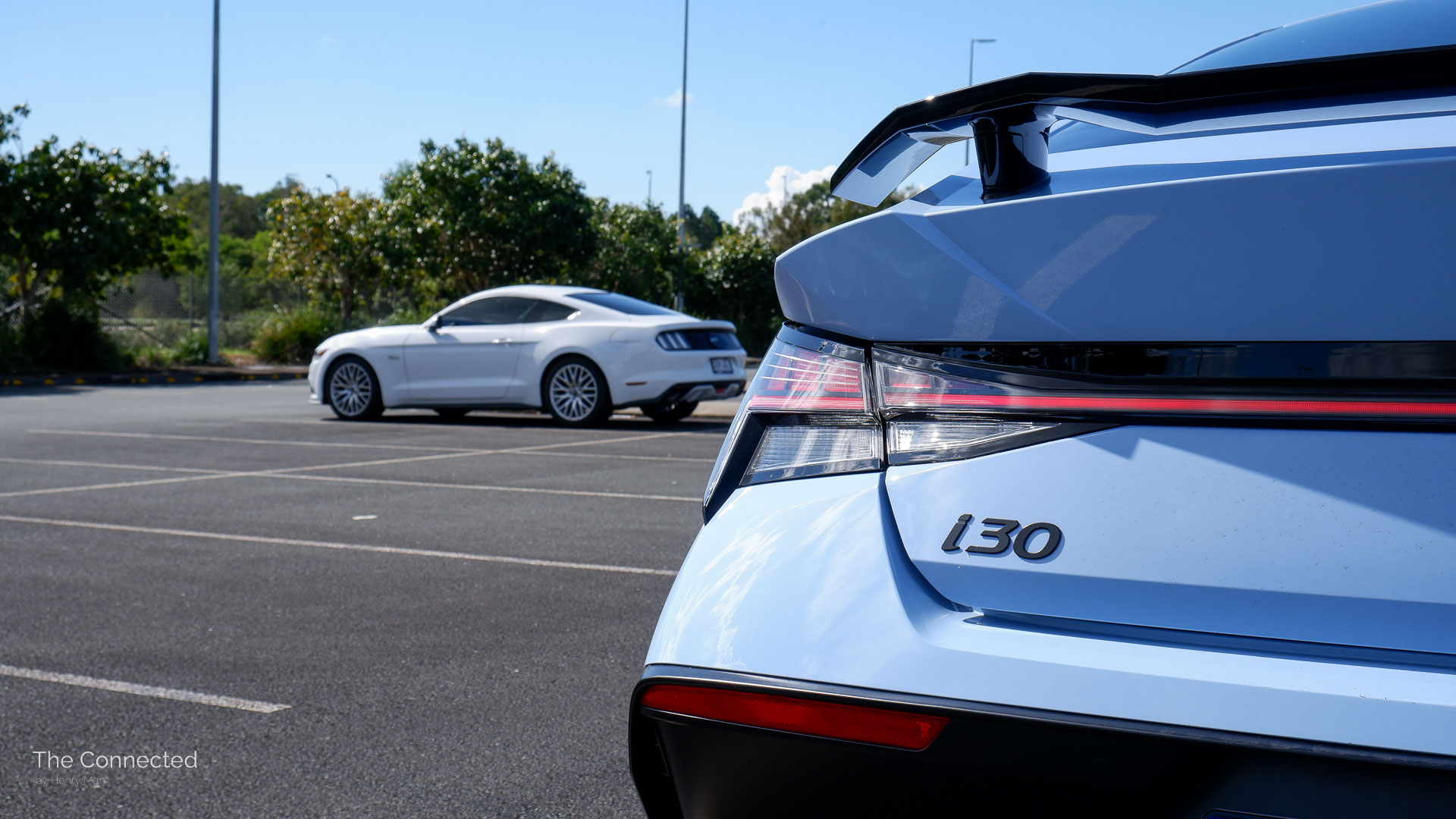
- Ford Mustang – from $64,990 before on-road costs
Other alternatives to the i30 Sedan N include:
- Hyundai i30 Hatch N – from $46,200 before on-road costs
- Tesla Model 3 – from $54,900 before on-road costs
- Hyundai Sonata – from $55,500 before on-road costs
- Volkswagen Golf GTI – from $56,090 before on-road costs
- MG 4 X-Power – from $59,990 drive-away
Would I pick the 2024 Hyundai i30 Sedan N?
The Hyundai i30 Sedan N is still a super fun-to-drive, attainable sports car – but the update could’ve gone a step further.
The minor facelift has added to an already winning formula, with a satisfying and grin-inducing stock exhaust, nimble handling, and tactile gear shifter in an updated ultra sleek-looking body with flat black badges.
However, unlike the major Hyundai Sonata large sedan facelift, the new i30 Sedan refresh is comparatively tame.
It’s still missing adaptive cruise control unlike overseas markets, doesn’t carry 360-degree and blind-spot view cameras from the regular variants, and doesn’t feature the latest ccNC software with wireless Apple CarPlay and Android Auto.


At nearly $60K, I’d consider the similarly-priced Hyundai Sonata large sedan – which is more premium, has newer tech, and outputs similar power.
But, the i30 Sedan N offers double the fun of the Ioniq 5 N electric car for half the price – with a minor fresh cut keeping it somewhat new in Hyundai’s line-up.
Photographs by Henry Man
READ MORE: 2024 Hyundai Ioniq 5 N review: Ridiculous.
READ MORE: 2024 Hyundai Kona Hybrid review: The new default.
READ MORE: 2024 MG4 review one year later: What’s changed?
About the Author.
Henry Man is an independent content producer passionate about the intersection of technology and transportation.
The former automotive journalist is focused on producing critically-detailed vehicle reviews, and unique short-form content. Learn more.


