
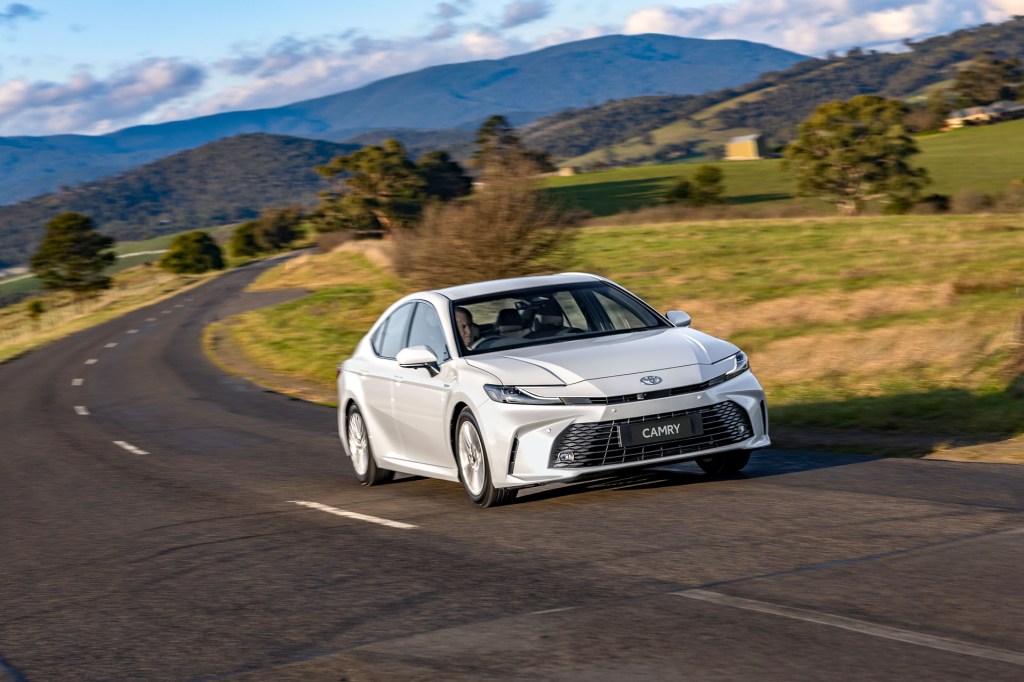
Considering a new hybrid car? It could be the right choice if you’re looking to save money on running costs, while still having a familiar refuelling experience. Here’s your guide to every hybrid type.
As full electric vehicles continue to grow in choice and availability, so are hybrid electric vehicles (HEV).
Amid the forthcoming New Vehicle Efficiency Standard (NEVS) and a slow down in new EV sales in Australia, carmakers are pushing towards more modern engines and electrification to achieve lower tailpipe emissions.
Hybrid cars, then, represent an easy choice for motorists wanting to save on running costs, while still having a familiar refuelling method and taste of electric driving.

What is a hybrid car?
Put simply, hybrid cars are powered by both an internal combustion engine (ICE) and an electric motor with a small battery.
The addition of electrification theoretically means lower fuel consumption and lower exhaust emissions.
However, are there are three hybrid car types:
- Mild-hybrid electric vehicle (MHEV)
- Traditional hybrid electric vehicle (HEV)
- Plug-in hybrid electric vehicle (PHEV)
How does a MHEV work?
A mild-hybrid car uses a tiny battery and electric motor to assist the combustion engine with acceleration, plus allows the engine to shut off temporarily when coasting or braking.
There are several battery sizes of mild-hybrid vehicles – theoretically the larger, the more capable it is to save on fuel:
- 12-volt
- 24-volt
- 48-volt
More advanced mild-hybrid systems can keep in electric-only mode when slowing down, but the engine always powers the wheels and isn’t as likely to trigger EV-only mode as much as traditional hybrids.
However, MHEV technology is the weakest form of electrification and therefore the fuel and tailpipe emissions savings are minimal – it’s essentially an extension of engine start/stop systems.
Mild-hybrid cars are self-contained, meaning no plug-in charging is needed. Instead, it uses the engine and regenerative braking (i.e. kinetic energy) to recharge the tiny battery.
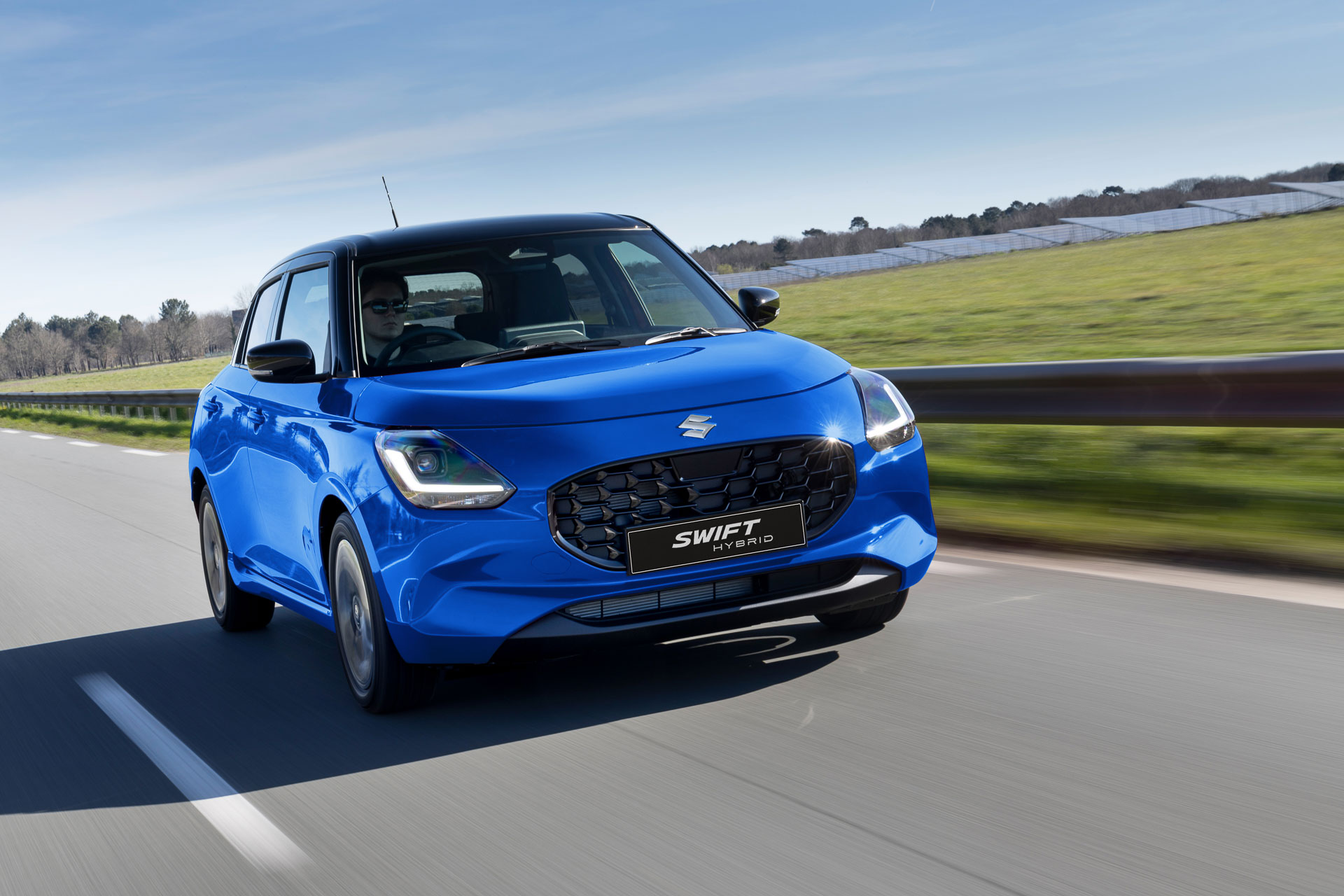
Expect MHEV tech to add about $1000 or more to the purchase price. Example mild-hybrid models include the Suzuki Swift Hybrid+, Mazda CX-60, and Mercedes-Benz C-Class.
How does a HEV work?
A traditional hybrid car uses a small battery and electric motor to help the engine, with the advantage of more electric-only driving moments.
Typically a HEV features a 1 to 2 kilowatt-hour (kWh) battery pack, which enables longer EV-only driving when accelerating, coasting and braking.
There are three types of hybrid systems:
- Series hybrid – Drives the wheels with the electric motor only, and uses the engine and regenerative braking to recharge the battery.
- Parallel hybrid – Drives the wheels with the engine only.
- Series-parallel hybrid – Drives the wheels with the engine only, electric motor only, or both at the same time depending on whether more power is needed or if the battery is low.
A traditional hybrid is most common as it can provide significant fuel savings – potentially cutting consumption in half for selected models in our testing – with no plug-in charging required.
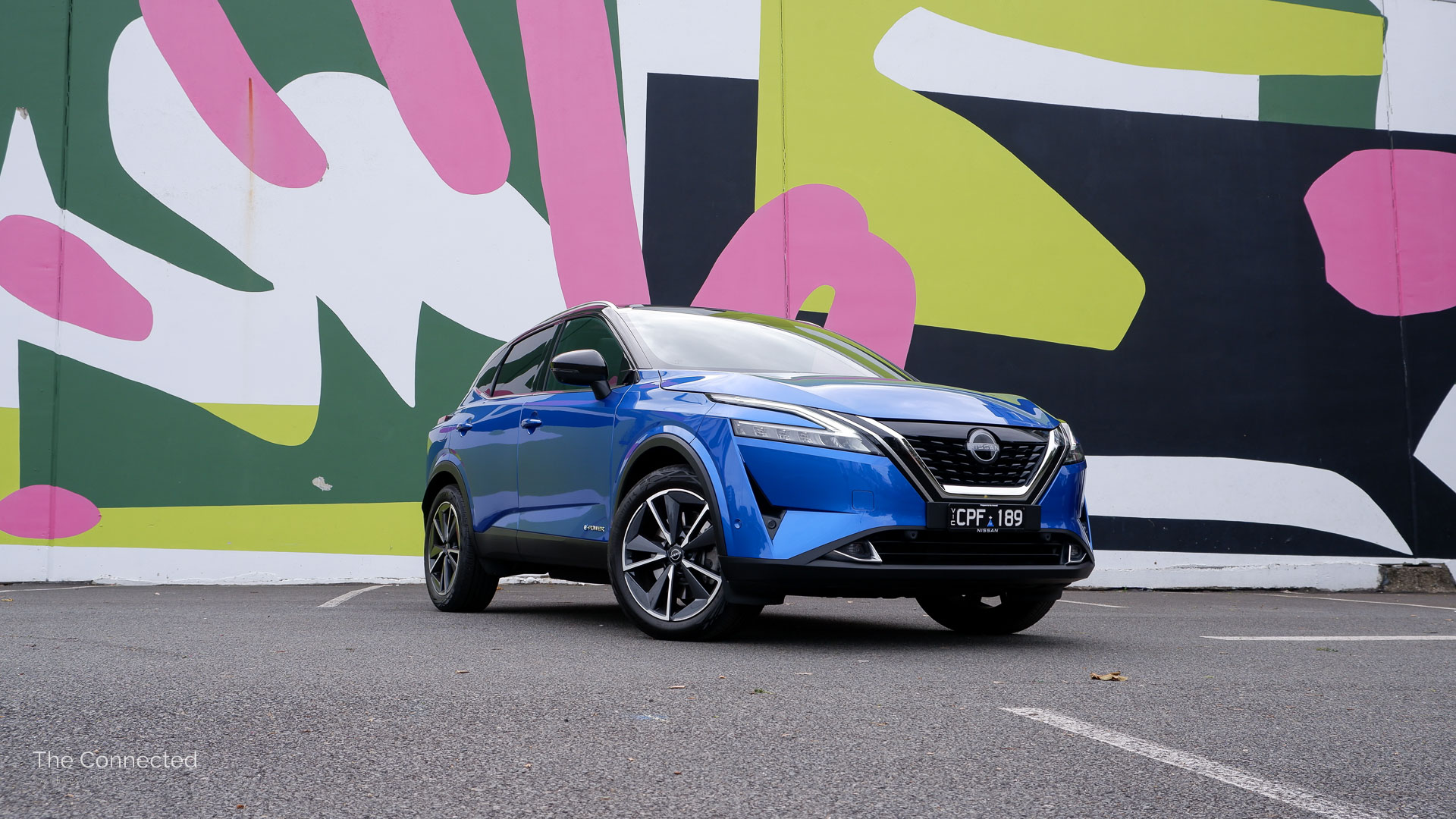
HEVs usually carry a $2000 to $8000 price premium. Series-parallel hybrids are most common, which includes the Hyundai Kona Hybrid, Toyota RAV4 Hybrid, and GWM Tank 300 Hybrid. Series hybrid type cars include the Nissan Qashqai e-Power, as well as the BYD Shark 6 plug-in hybrid ute.
How does a PHEV work?
A plug-in hybrid car adopts a larger battery and more capable electric motor to travel as a pure EV for extended periods, with the backup of a combustion engine.
Usually featuring a 10 to 20kWh battery pack, PHEVs can stay in EV-only mode for longer periods, with claimed driving ranges of between 40 to 100km depending on the model.
Meanwhile, there’s still the confidence of using the petrol engine for longer road trips.
Key selectable PHEV modes usually include:
- Auto – operates like a traditional series-parallel or series-only hybrid, and switches between powertrains depending on the driving situation and battery level.
- EV-only – allows full EV driving for most urban and suburban driving, but may switch on the engine when more power is needed.
- Engine-only – keeps the combustion engine activated to ‘save’ the battery from being depleted. You may choose to reserve EV-only for later, such as driving in the city, a low-emission zone or the school run.
However, plug-in charging is required in addition to refuelling the fuel tank. Some models can only slow charge (AC), but a growing number of PHEVs can be fast charged (DC) at public charging stations.
As with all EVs, it’s most ideal, convenient and cost-effective to charge at home or work. Likewise, owners should keep charging PHEVs to best maximise electric driving and benefit from lower running costs.
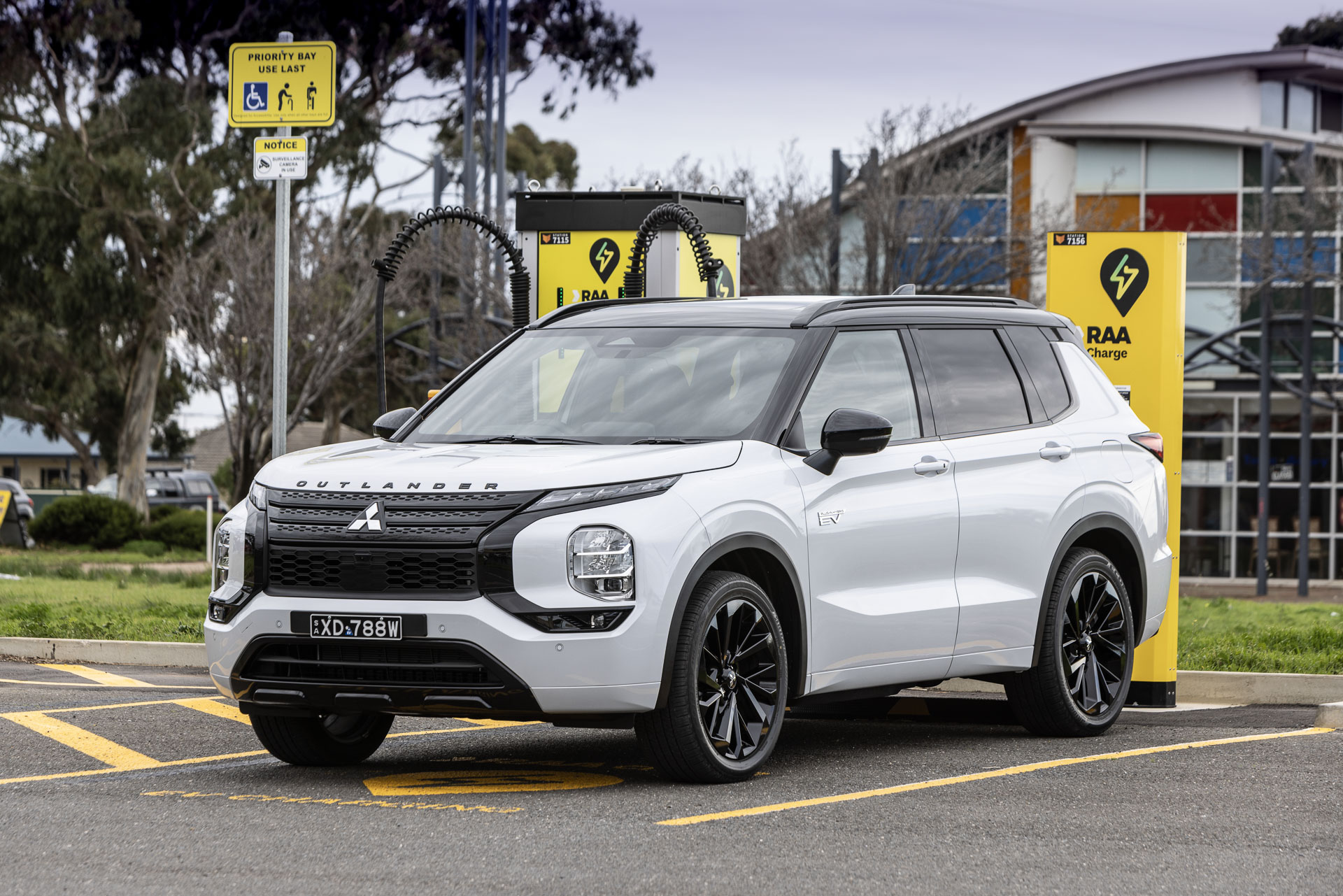
Plug-in hybrids typically cost $10K to $20K extra – which is comparable to a full EV. Example PHEV models include the BYD Sealion 6, Mitsubishi Outlander PHEV, and Ford Ranger PHEV.
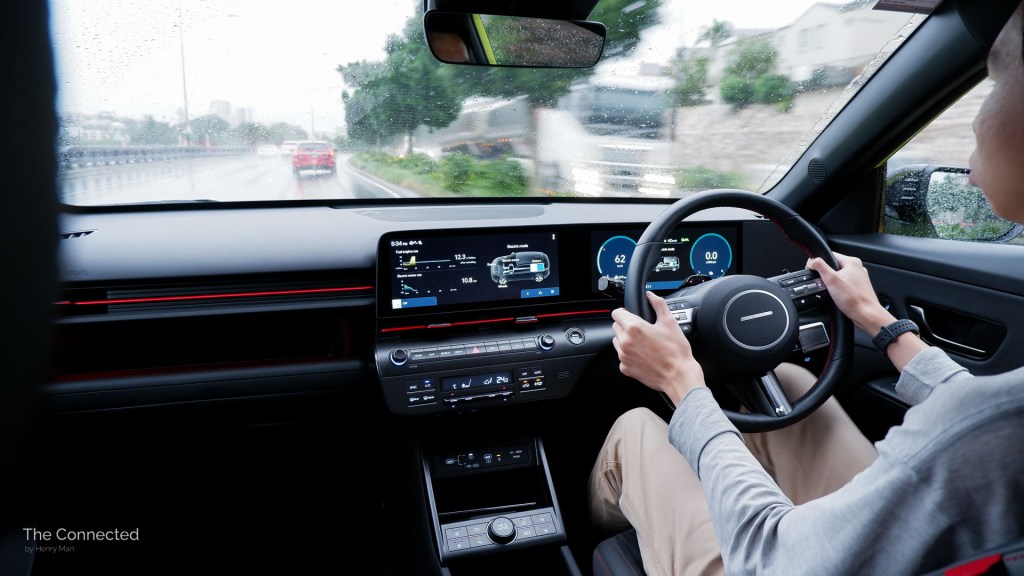
Should you buy a hybrid car in 2025?
Hybrid vehicles are an excellent stopgap technology for drivers to save on fuel costs without completely investing in a full EV.
Traditional HEVs in particular are arguably seen as the most convenient and easy choice, having the familiar experience of refuelling and comparable driving range with a diesel car as long as you drive on urban or suburban roads.
Hybrids also provide a good median for efficient driving. It can cut fuel consumption and exhaust emissions in urban stop-start traffic driving, while it can utilise the engine on the highway where ICE is more efficient than EV.
If you can’t charge at home, worried about driving range, charging and battery longevity, and there are models that suit your needs, it’s worth making the switch to a hybrid car as a stepping stone to a full EV.
READ MORE: Nissan e-Power hybrid review
READ MORE: 2025 Hyundai Santa Fe Hybrid review
READ MORE: Hyundai i30 N vs Ioniq 5 N comparison review: Petrol or electric?
About the Author.
Henry Man is an independent content producer passionate about the intersection of technology and transportation.
The former automotive journalist is focused on producing critically-detailed vehicle reviews, and unique short-form content. Learn more.


 The Connected by Henry Man