

Should you avoid buying an electric car in 2025?
The future is clear: electric vehicles are the way forward with a lower carbon footprint, addictive instant torque, and cheaper running costs.
But, amid a slowdown in new Australian EV demand and as fear, hesitations and misconceptions continue to surround batteries, charging and safety, should you switch to an electric car 2025?
Here are five reasons why you may want to avoid buying an EV.
READ MORE: Five reasons why you should buy an EV in 2025
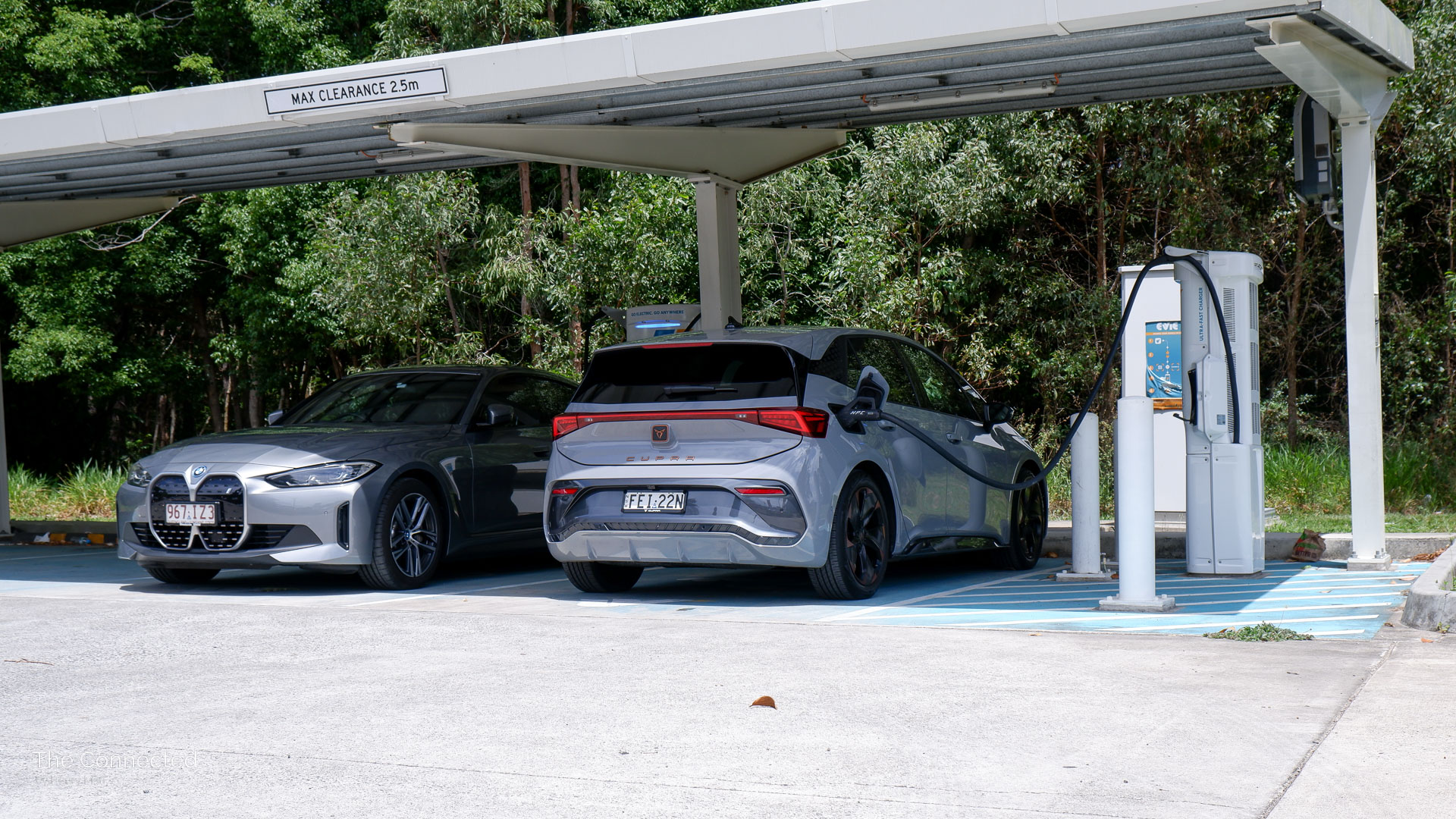
1. You can’t charge at home
Owning an EV and relying on public charging infrastructure isn’t impossible, but it is generally more inconvenient and expensive than plugging in at home.
Unless your workplace and usual errand destinations offer charging points, your life will likely centre around topping up the EV at public charging stations.
While there are a growing number of streetside chargers if you don’t have access to off-street parking, public charging is still generally more expensive than charging at home using your household electricity plan – about two to four times the cost.
For example, the most common Evie Networks 50kW and 75kW DC public fast charging stations usually costs $0.64 per kWh (as at the time of publication) – whereas a typical home energy plan generally costs $0.35 per kWh. Dedicated EV energy plans offer ultra-low tarriffs at $0.08 per kWh or less, although other general usage charges may be higher.
Yes, there are still some free public charging spots – but expect to wait in long queues, contend with other EV owners’ poor charging etiquette, and wait for even longer if it’s a slow AC charger as these locations are highly sought after.
By contrast, when charging at home, you’ll have the freedom and convenience of a recharged battery at the start of every day – without intentionally waiting. It’s arguably more convenient than stopping at a fuel station, too.
A standard three-pin socket will trickle charge enough driving range for many commutes, but installing a wall box generally guarantees a fully charged battery overnight.

2. You’re a traditionalist
If you want to savour the sound and driver satisfaction of an internal combustion engine (ICE) and manual transmission, it’s best to avoid buying an EV.
Electric cars are great for commuting – silent, smooth and efficient.
However, you may want some more driver satisfaction than rapid electric accelerations. Think authentic engine and exhaust sounds, a lightweight chassis, and perhaps a manual gear shifter.
I don’t blame you; you’ll be rewarded in return.
Few EVs have tried to fill the hot petrol car void. Think the Hyundai Ioniq 5 N, Abarth 500e and MG 4 XPower. But they simply can’t replicate the feeling of an ICE driver’s car.
That’s okay. EVs don’t need to be a one-to-one replacement for ICE. It shouldn’t be a binary battle between ‘us versus them’.
If you’re also adverse to change, feel free to stick to traditional ICE cars.
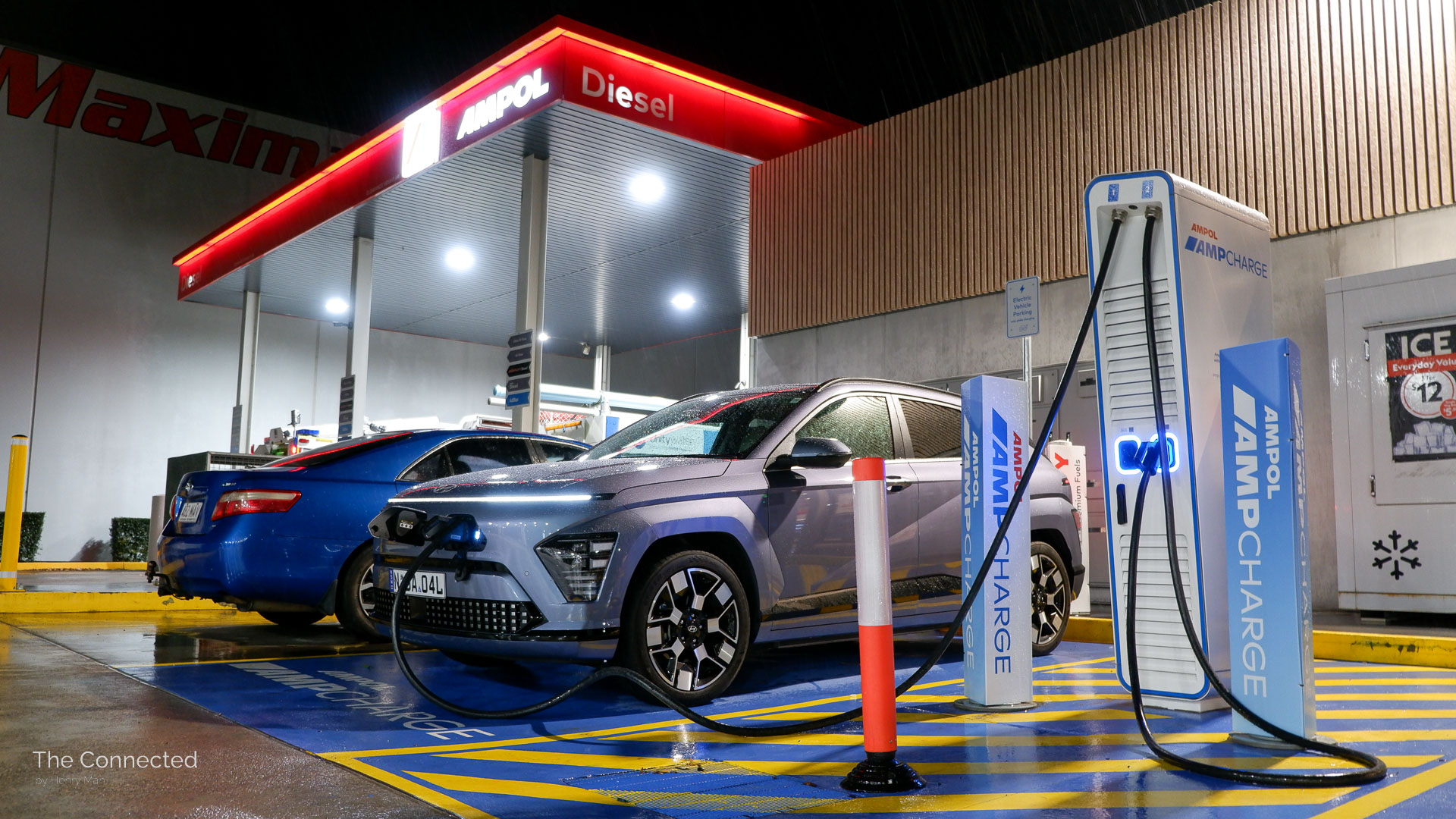
3. You’re a long-distance driver
If you depend on driving long distances – and non-stop – everyday, an EV may not be right for you.
Current EV battery technology simply provides less driving range on a full charge than most traditional petrol, diesel and hybrid cars.
Driving 700-plus kilometres in an electric car isn’t impossible, but you may need to detour to a public charging station if it’s not along your route.
However, as demonstrated by the swarm of rideshare EVs out there, long-distance electric driving is possible.
EVs can still go on those holiday road trips, too. While it may take slightly longer to arrive at your destination overall, public charging stops provide the opportunity to take an essential rest break.
Most states recommend stopping for at least 15 minutes every two hours of driving and there is a nationwide network of EV charging stations connecting Australia across key highways, although you may need to contend with faulty chargers from time-to-time.
EVs are also less efficient during high-speed driving on the highway, which is where hybrids have the advantage of activating the combustion engine.

4. You can’t afford one
Any new car isn’t cheap, so if you can’t spend $30K-plus in Australia, you won’t be able to afford an electric car.
The price of all new cars – regardless of whether it’s powered by petrol, diesel or electric – has seen significant price increases in recent years with a rise in manufacturing and shipping costs, and a claimed Australian-market appetite for highly-specified models.
The cheapest new EV, the BYD Dolphin, is currently priced from around $30K as at the time of publication – with most affordable new coming from Chinese brands that may not suit some buyers’ tastes.
Most new electric cars are priced in the $50 to $80K range, while some used electric cars can now be had for less than $30K.
Electric cars also generally depreciate quicker than petrol and diesel cars, accelerated in part by some manufacturers applying aggressive price cuts to curb a sales slowdown in Australia and an oversupply. This means it’s great if you’re an EV buyer, but less so if you intend to sell one.
EV insurance premiums are also generally higher than their combustion engine counterparts.
Of course, EVs are cheaper to run than an ICE vehicle over time – but if you can’t afford to buy one in the first place that suits your needs, there are still some relatively affordable new petrol car alternatives.
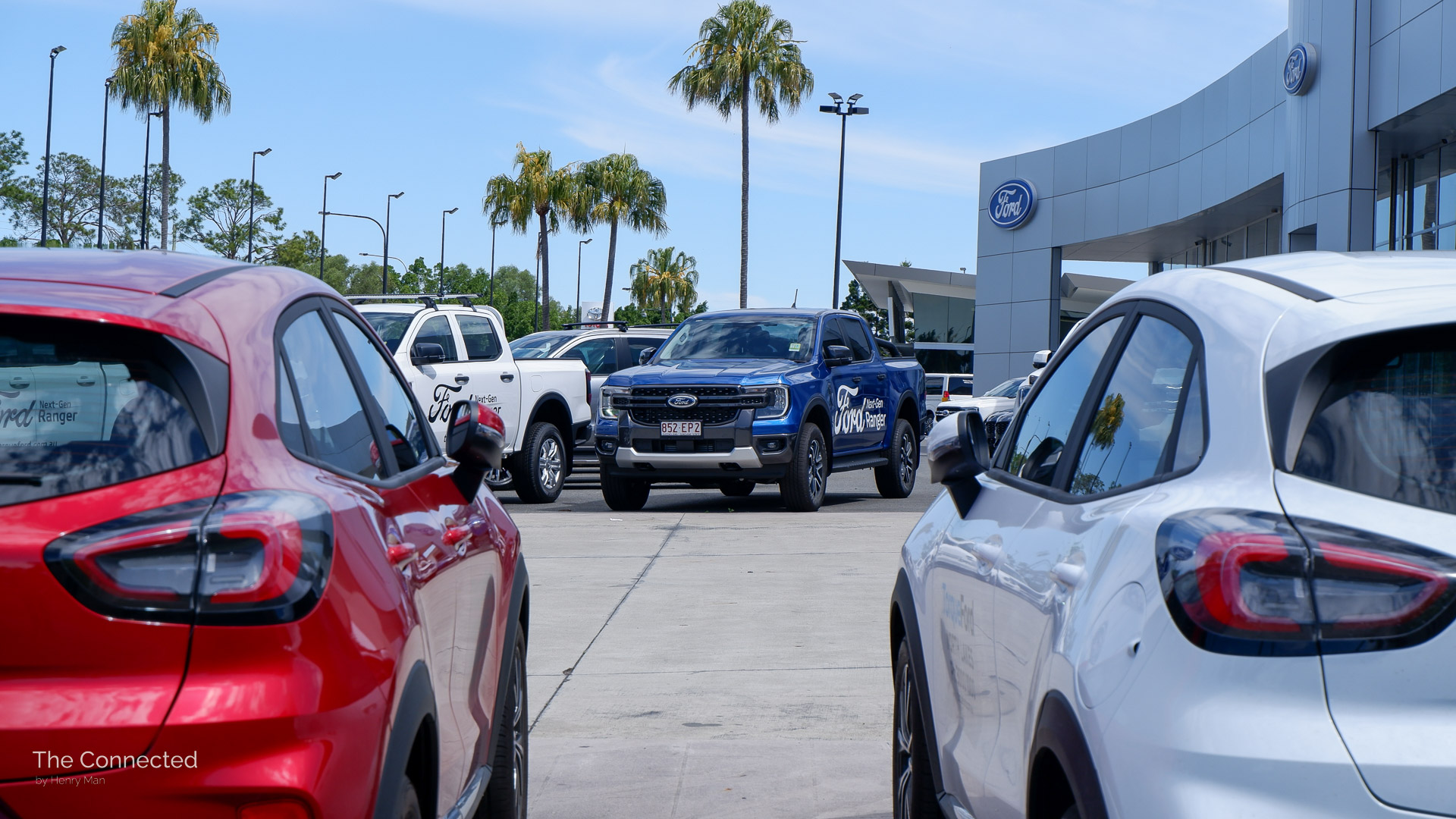
5. You need a ute
One vehicle type EVs haven’t mastered yet are pickup trucks.
Electric utes require large expensive batteries to compensate for their innate high energy consumption and provide good enough driving range, as demonstrated by the Ford F1-50 Lightning and Tesla Cybertruck overseas.
Even so, while EVs are great at towing with strong and instant torque, lugging a trailer at the maximum capacity could reduce the overall range by up to 50 per cent on a single charge and limit payload capabilities due to the heavy battery.
Most public charging stations aren’t designed for EVs with a trailer and there aren’t many available at those remote off-road tracks in Australia either.
In the interim, plug-in hybrid electric vehicles (PHEVs) are appearing as a fuel-efficient alternative with the release of the BYD Shark 6 and Ford Ranger PHEV – which provide the advantages of an EV, including vehicle-to- load (V2L), with the backup of a combustion engine.
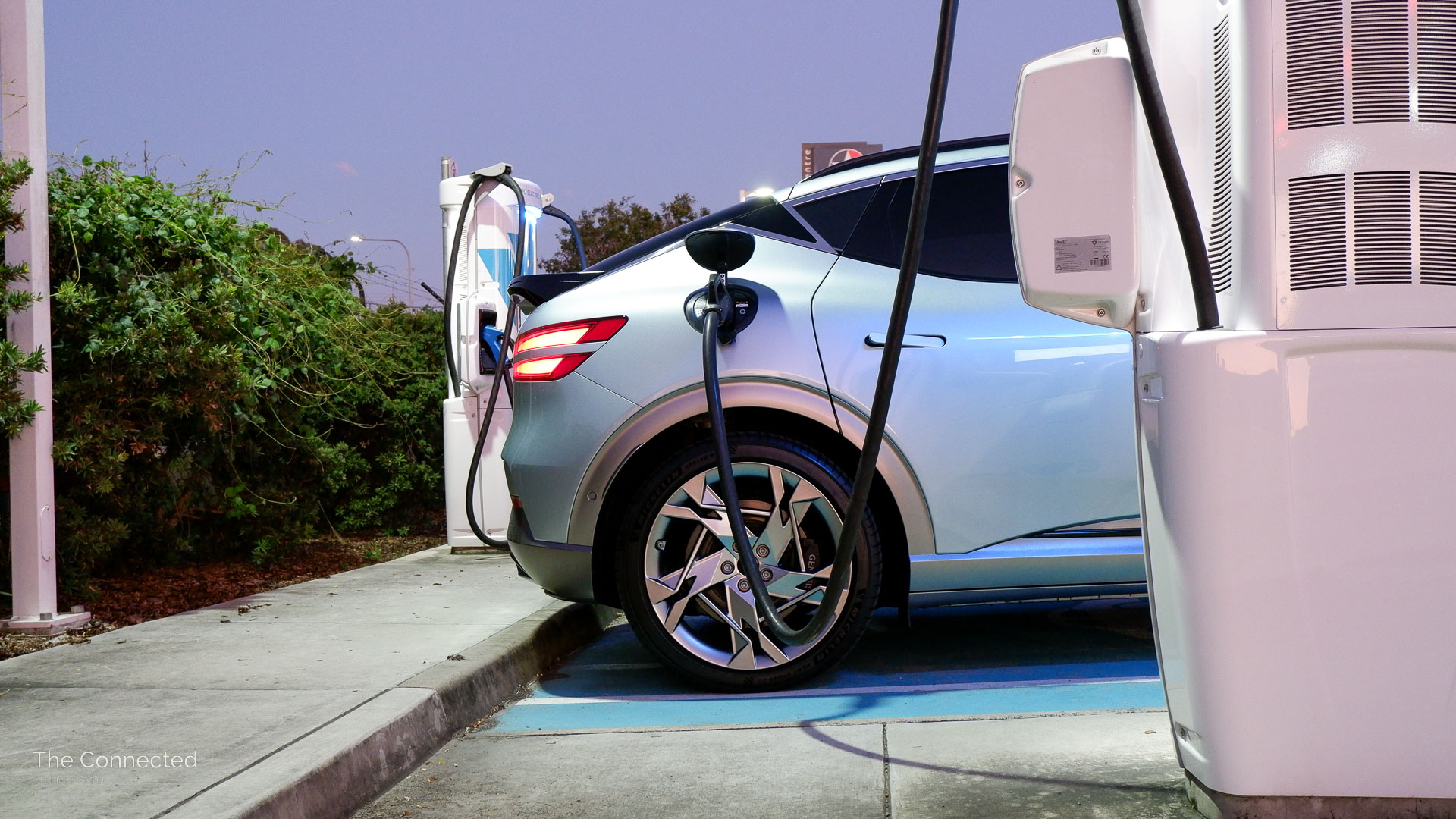
Should you buy an EV in 2025?
Electric cars aren’t for everyone, but they will suit many when you think about how much you really drive and where you charge everyday.
The average new car Australians buy is around $50K, the majority live in houses or townhouses with access to a power plug, and the typical daily commute is well less than 100 kilometres.
This makes EVs ideal for many drivers wanting a cost-effective to own and easy to drive commuter car.
However, if you can’t charge at home and an EV doesn’t suit your needs, hybrids present a compelling stopgap alternative to have a taste of electrification without making the complete leap.
But look at the facts rather than opinion, test drive in reality rather than listen to word-of-mouth, and you may find an EV right for you.
READ MORE: How does a hybrid car work?
READ MORE: Hyundai i30 N vs Ioniq 5 N comparison review: Petrol or electric?
READ MORE: NEW EV REVIEWS
About the Author.
Henry Man is an independent content producer passionate about the intersection of technology and transportation.
The former automotive journalist is focused on producing critically-detailed vehicle reviews, and unique short-form content. Learn more.


 The Connected by Henry Man