

Is the Mazda CX-60 a bargain luxury SUV or an expensive mainstream SUV?
The CX-60 marks the Japanese carmaker’s first SUV on the new Large Architecture with an even stronger premium push that aims at BMW, Mercedes-Benz and Audi, rather than Volkswagen.
It uniquely debuts all-new big and powerful inline six-cylinder turbo engines with mild-hybrid technology, and the option of a plug-in hybrid on a rear-wheel-driven bias platform.
Is the Mazda CX-60 a genuine luxury SUV? We tested both the base Evolve petrol and top-spec Azami diesel to find out, ahead of an update later this year aimed at addressing the CX-60’s much-criticised firm ride quality (again).
NOTE: Two press vehicles were provided by Mazda Australia for a 14-day independent evaluation in total. We have no commercial arrangements with the company and it had no editorial control.

Pros.
+ Premium interior
+ Sporty inline-six engines
+ Big boot
+ Well-designed tech and safety assists
+ Better value at the entry level
Cons.
– Rear row not as spacious
– Weak tinted windows
– Harsh ride at times
– Flat right mirror could be a dealbreaker
– Missing the luxury badge cred
Vehicles tested:
| Model | 2025 Mazda CX-60 | |
| Variant | G40e Evolve | D50e Azami |
| Starting price | $60,550 before on-road costs | $75,750 before on-road costs |
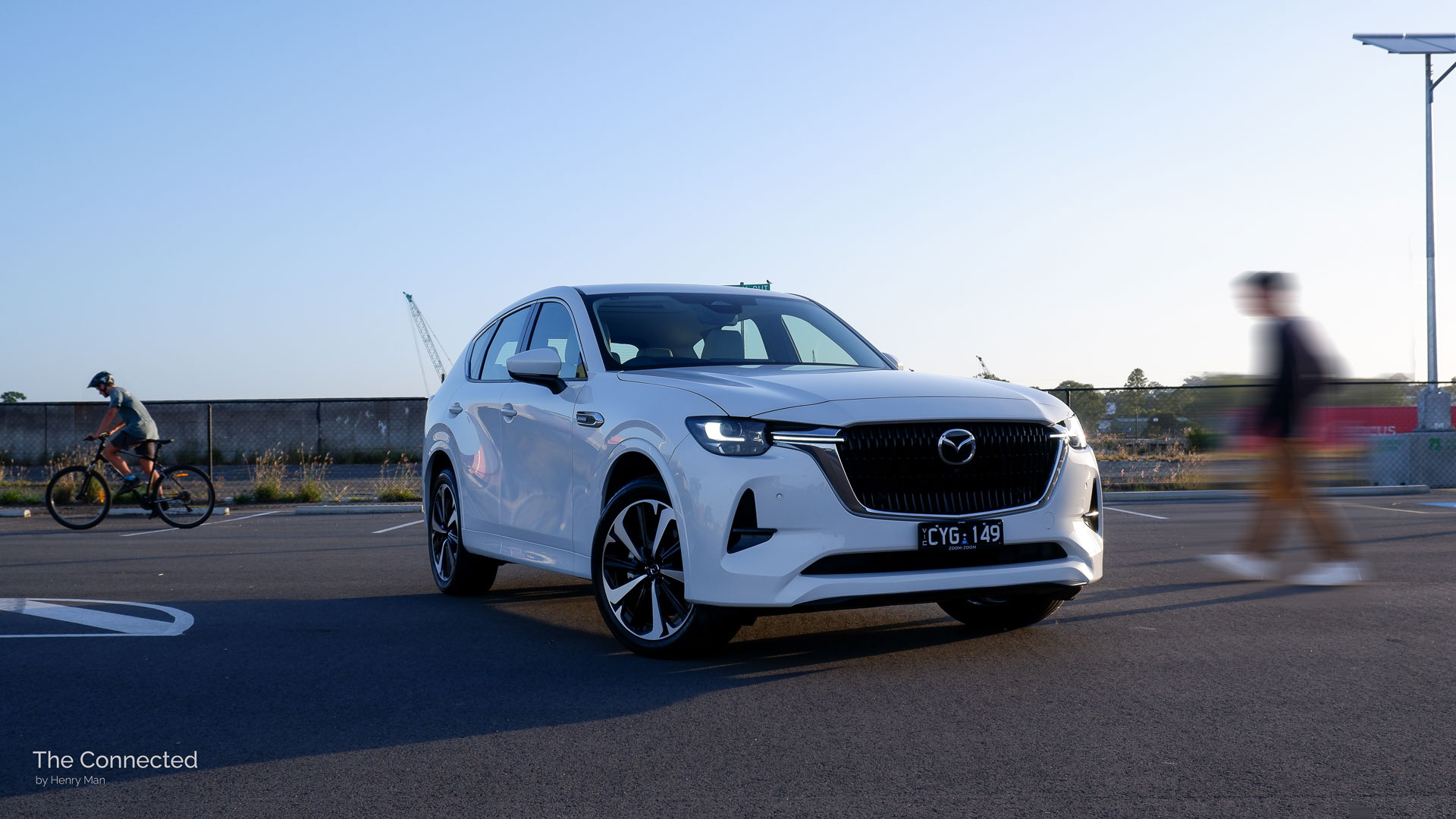
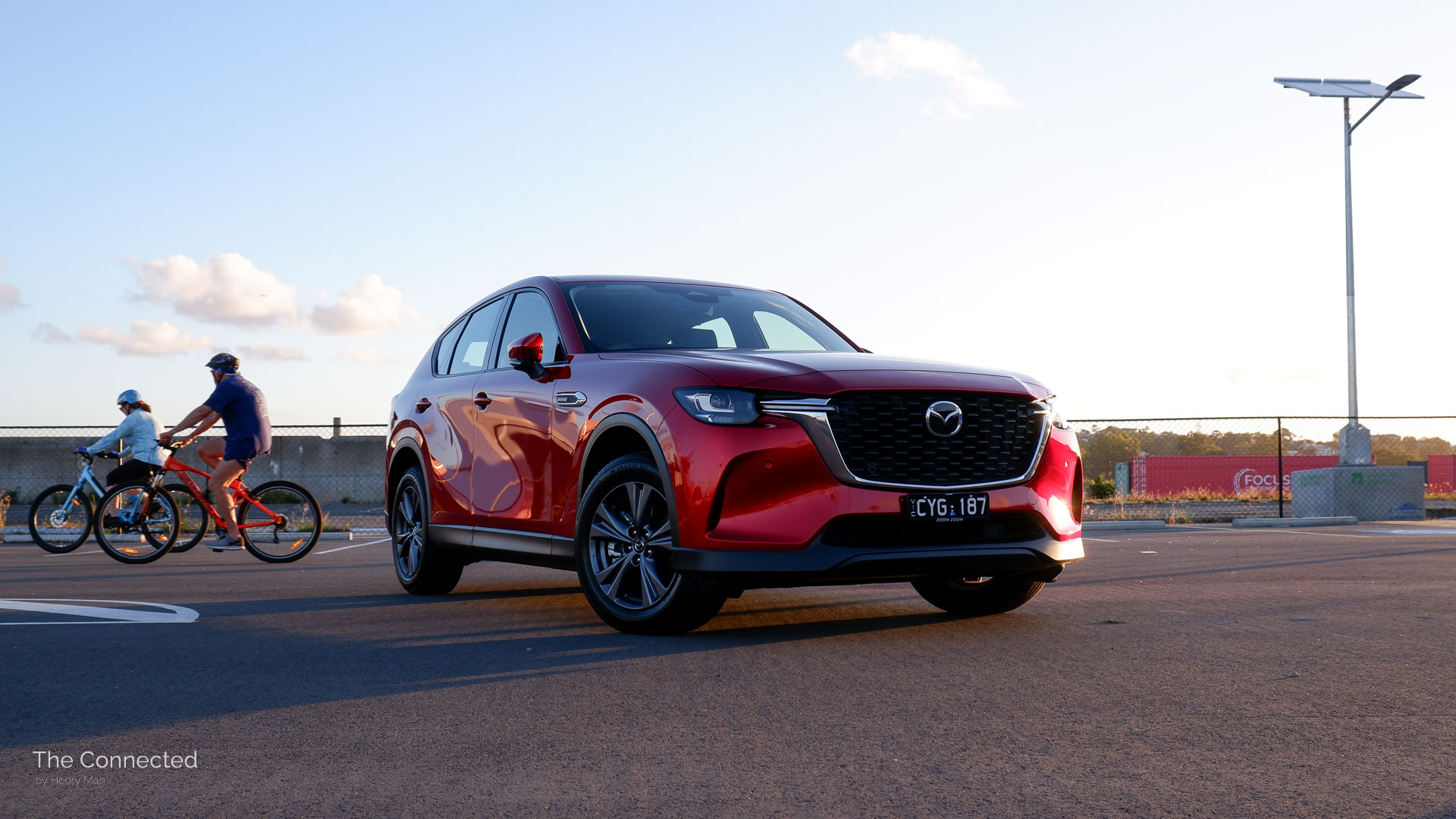
| Exterior colour | Soul Red Crystal Metallic (+$995) | Rhodium White Metallic (+$995) |
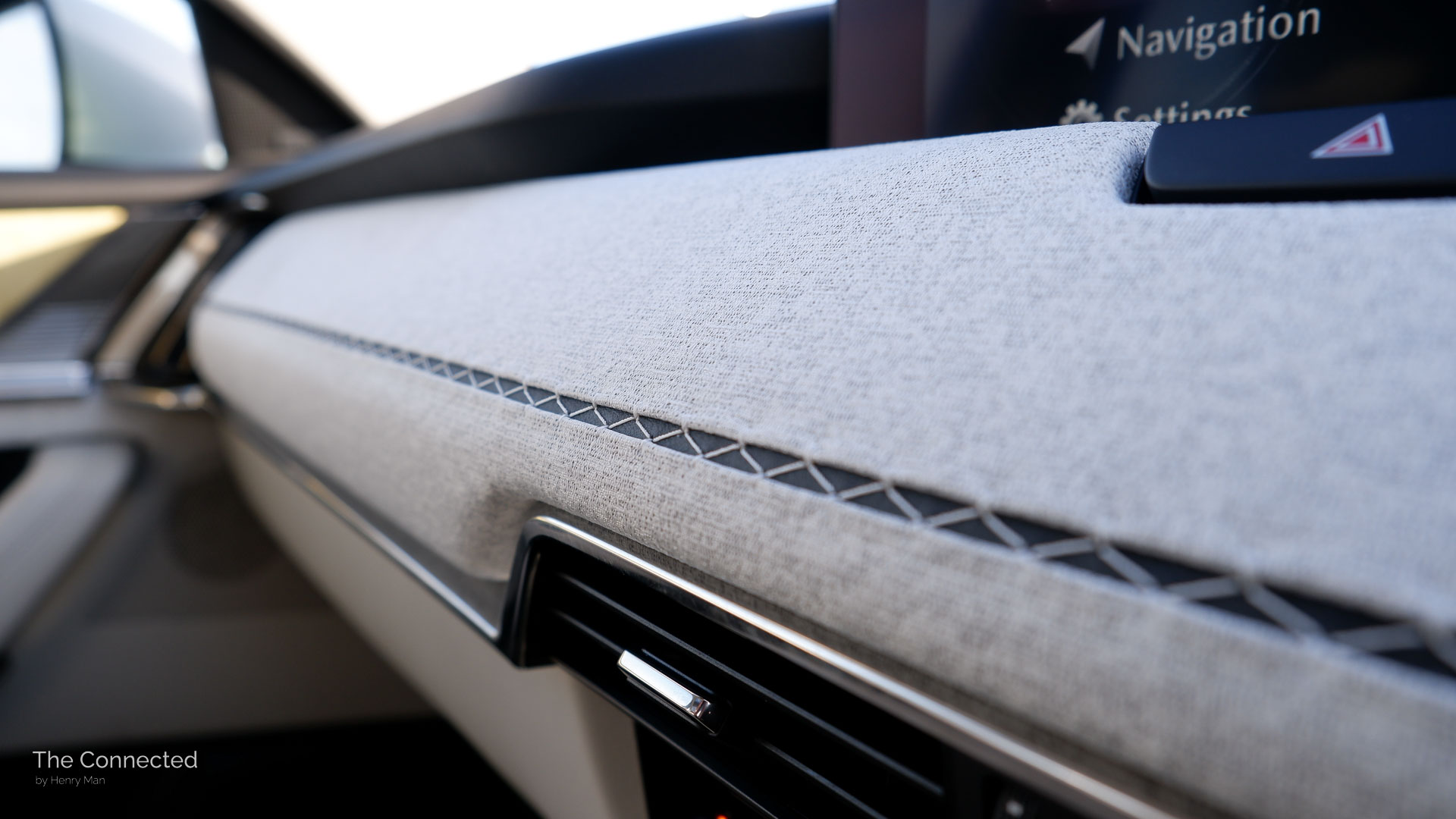
| Interior colour | Black Maztex with bronze accents and stitching | Pure White Nappa leather with cloth, Kakenui stitching, and White Maple wood trims (Takumi Package) |
| Options | Vision Technology and Luxury Package (+$4000) | Takumi Package (+$2000) |
| Country made | Japan | |
Design and quality.
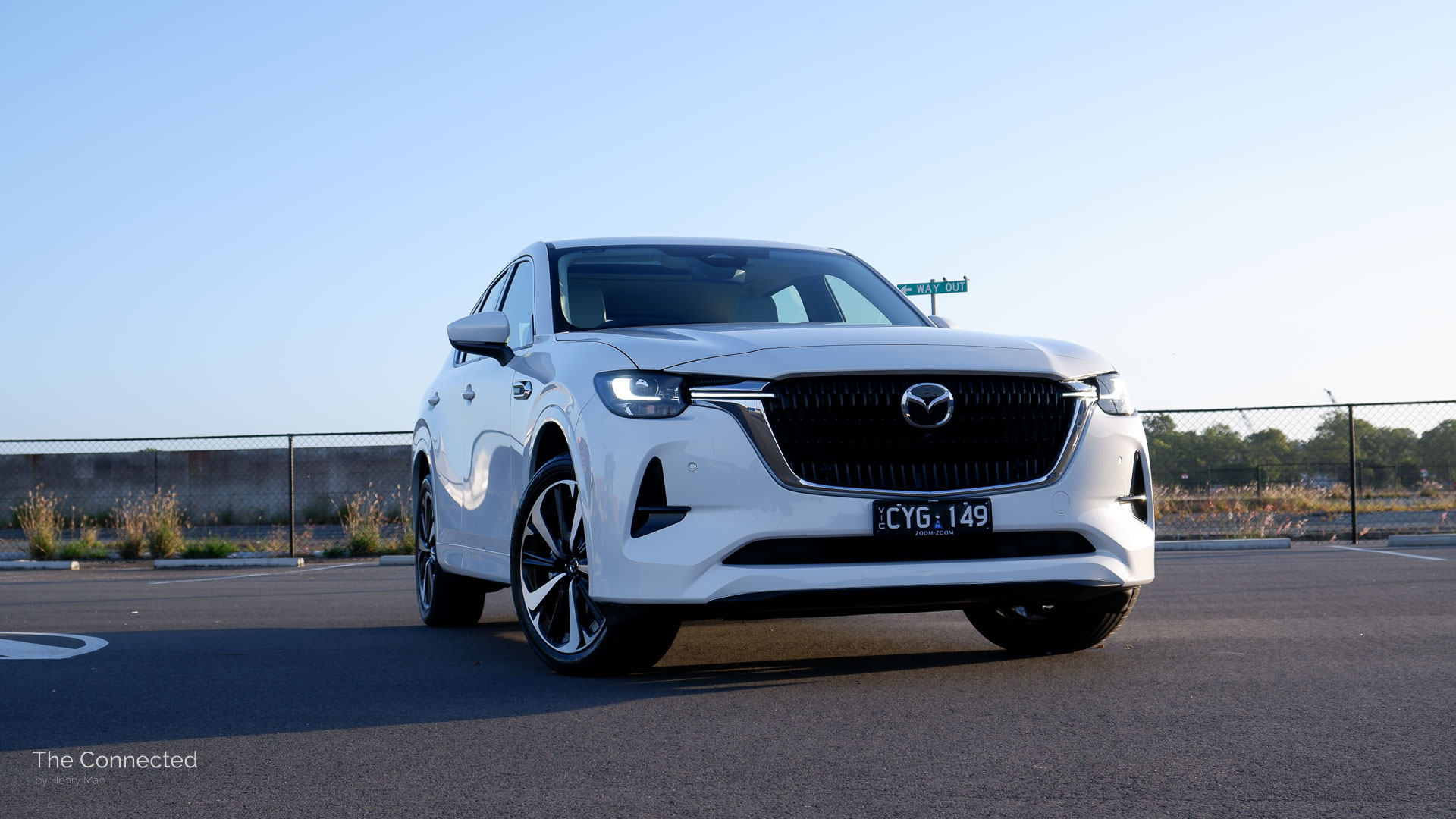
The Mazda CX-60 debuts an evolutionary design, with an interior that feels genuinely premium.
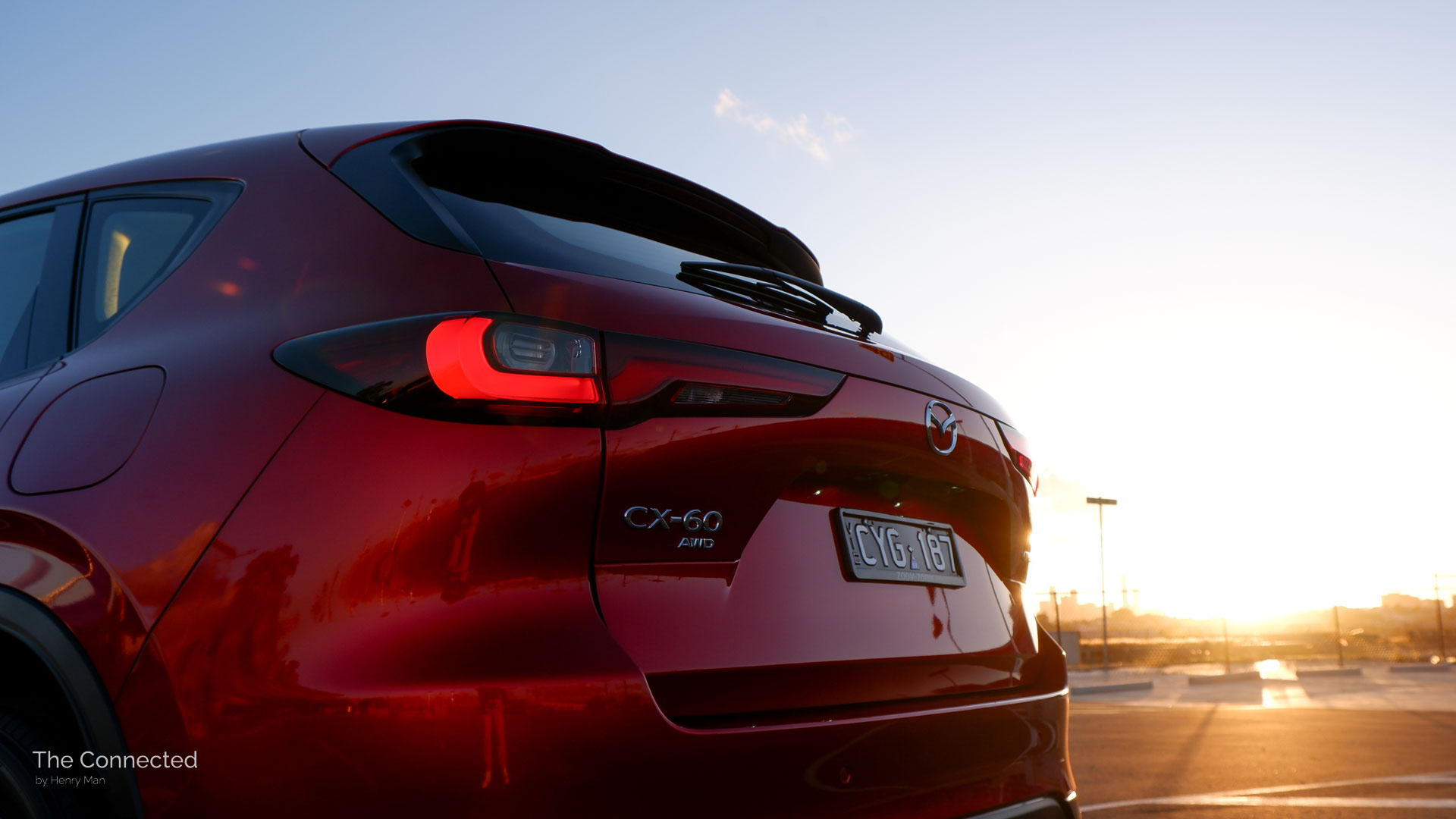
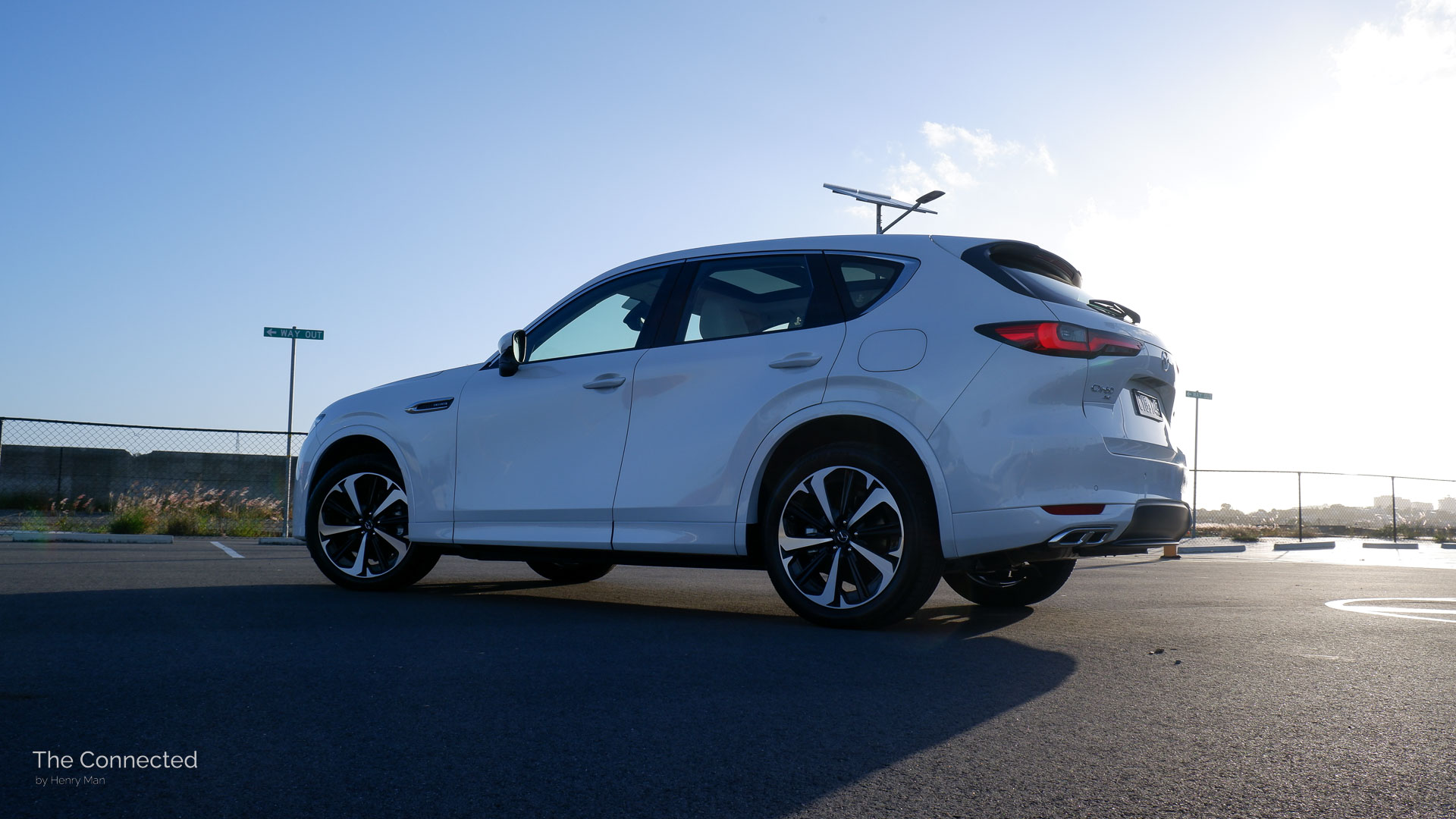
Even though it’s classed as a medium SUV, it has a large presence with a 4740mm length – notably bigger than the Kia Sportage – and a particularly long bonnet.
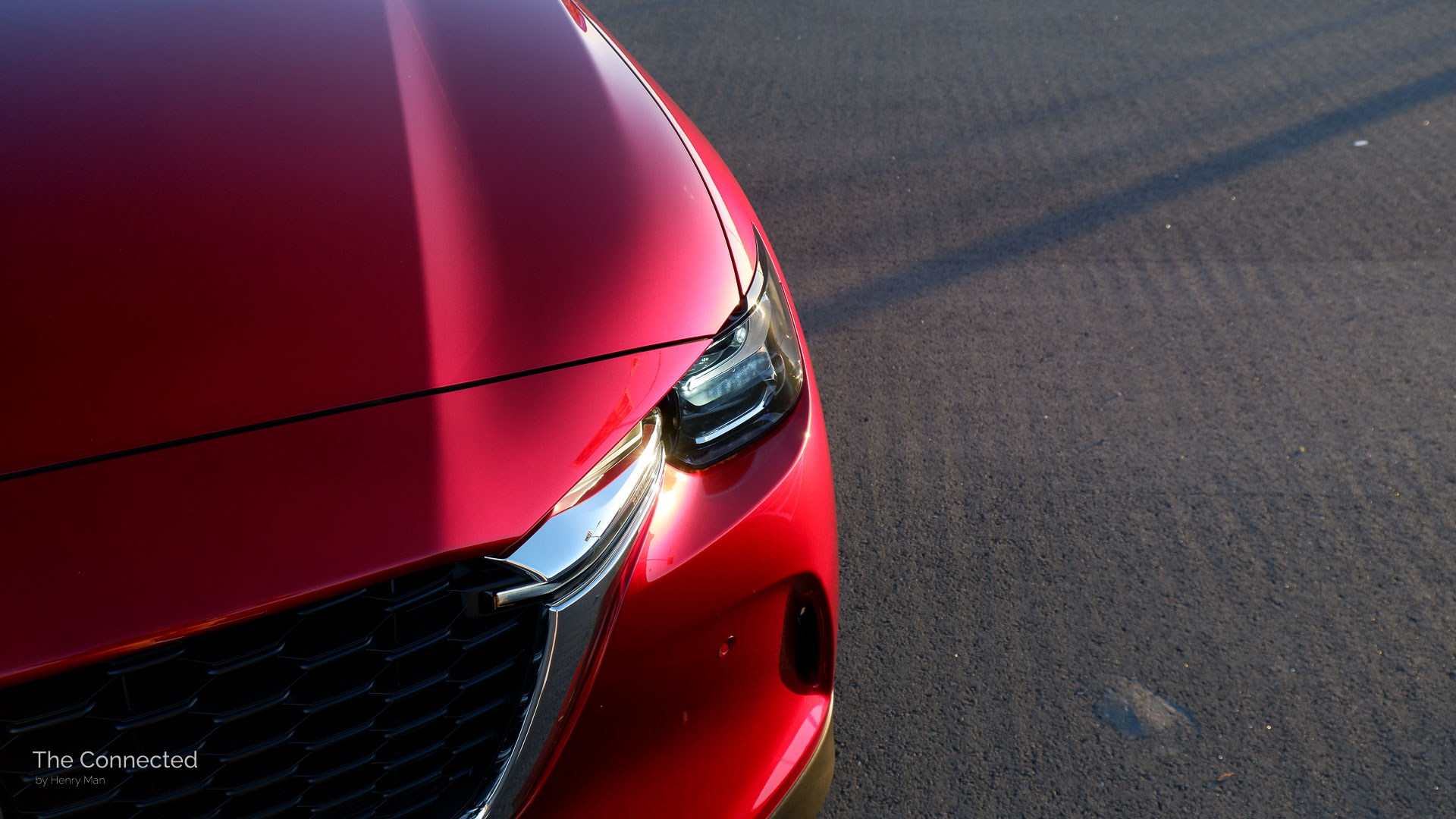
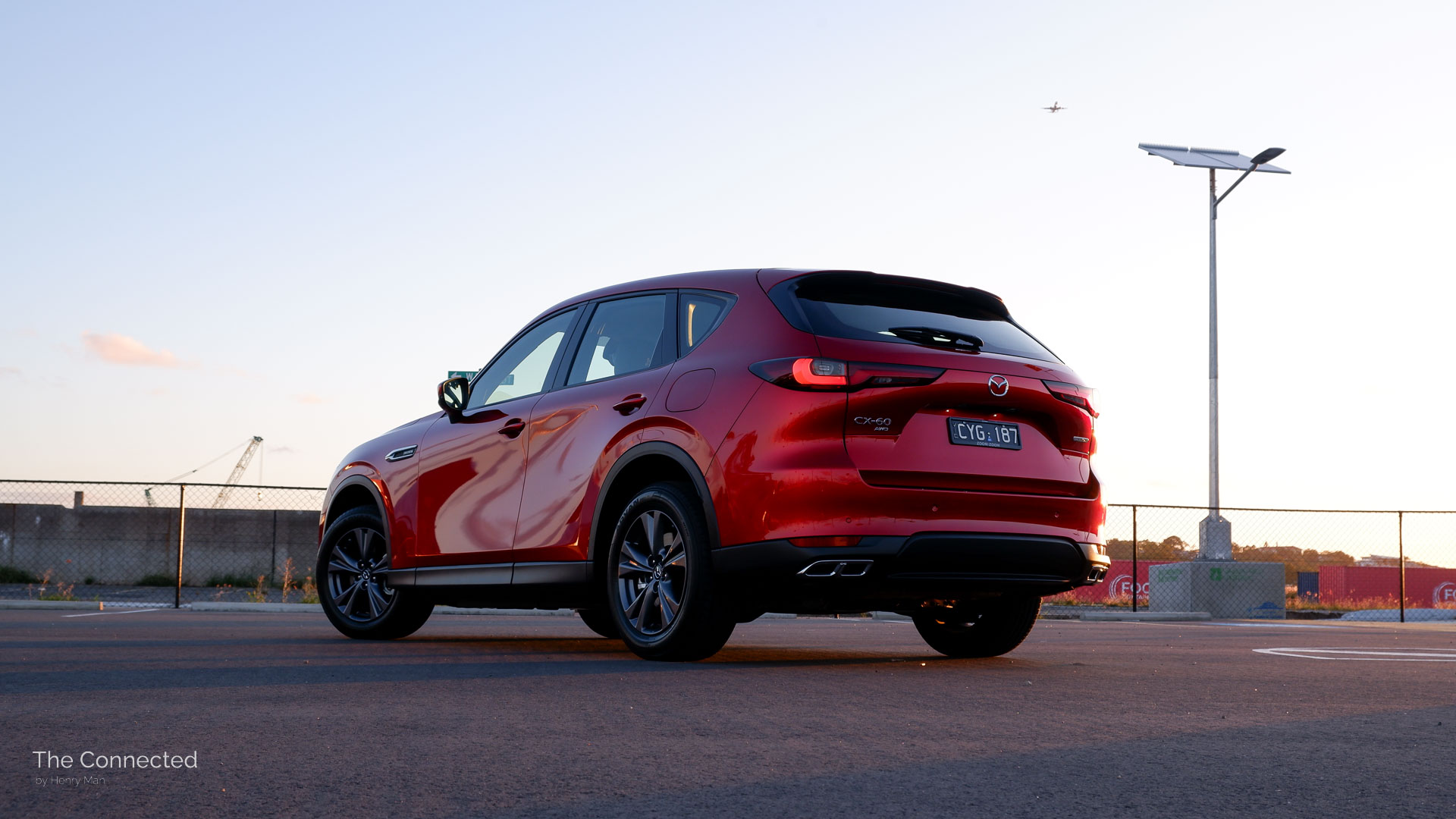
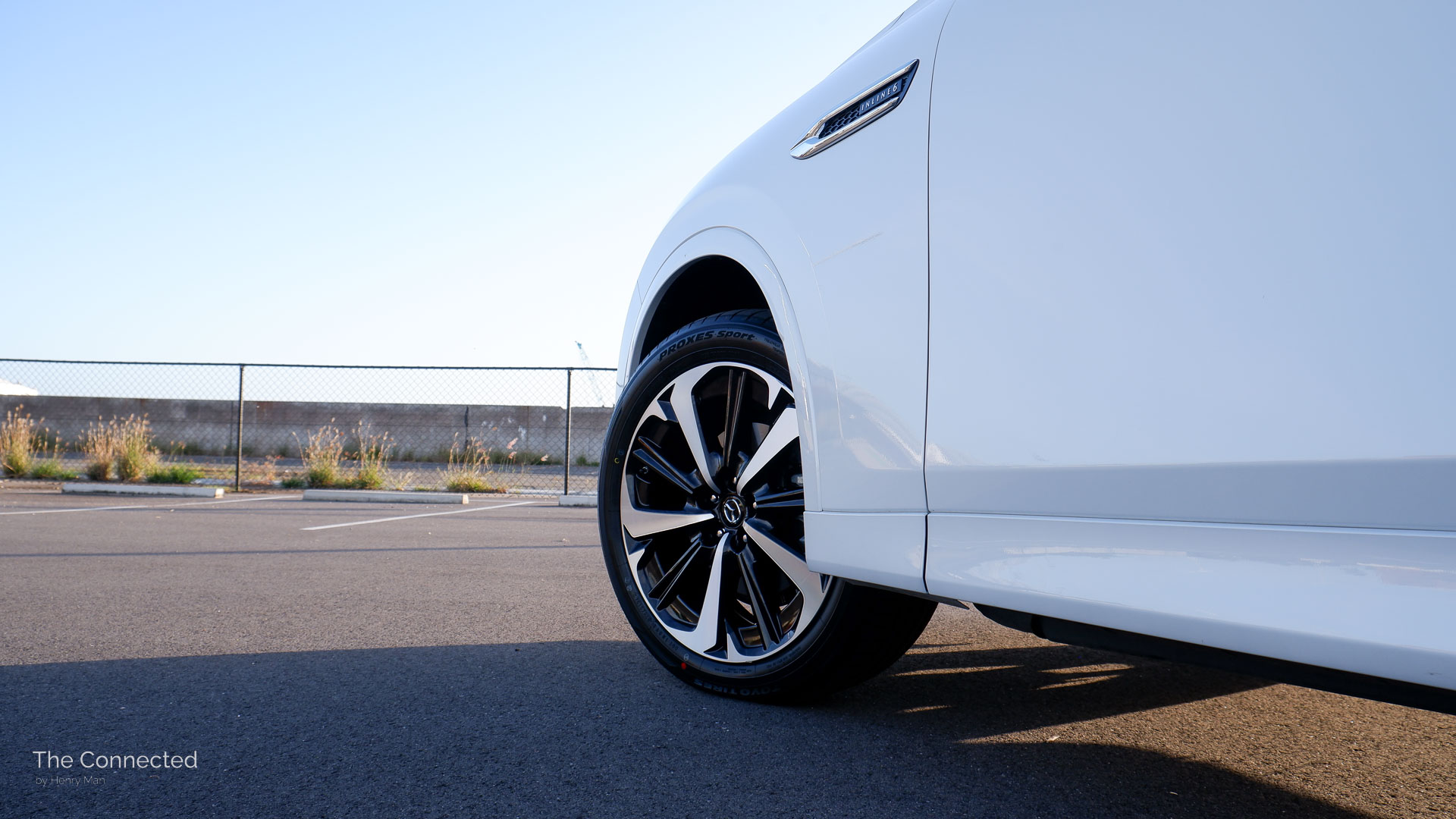
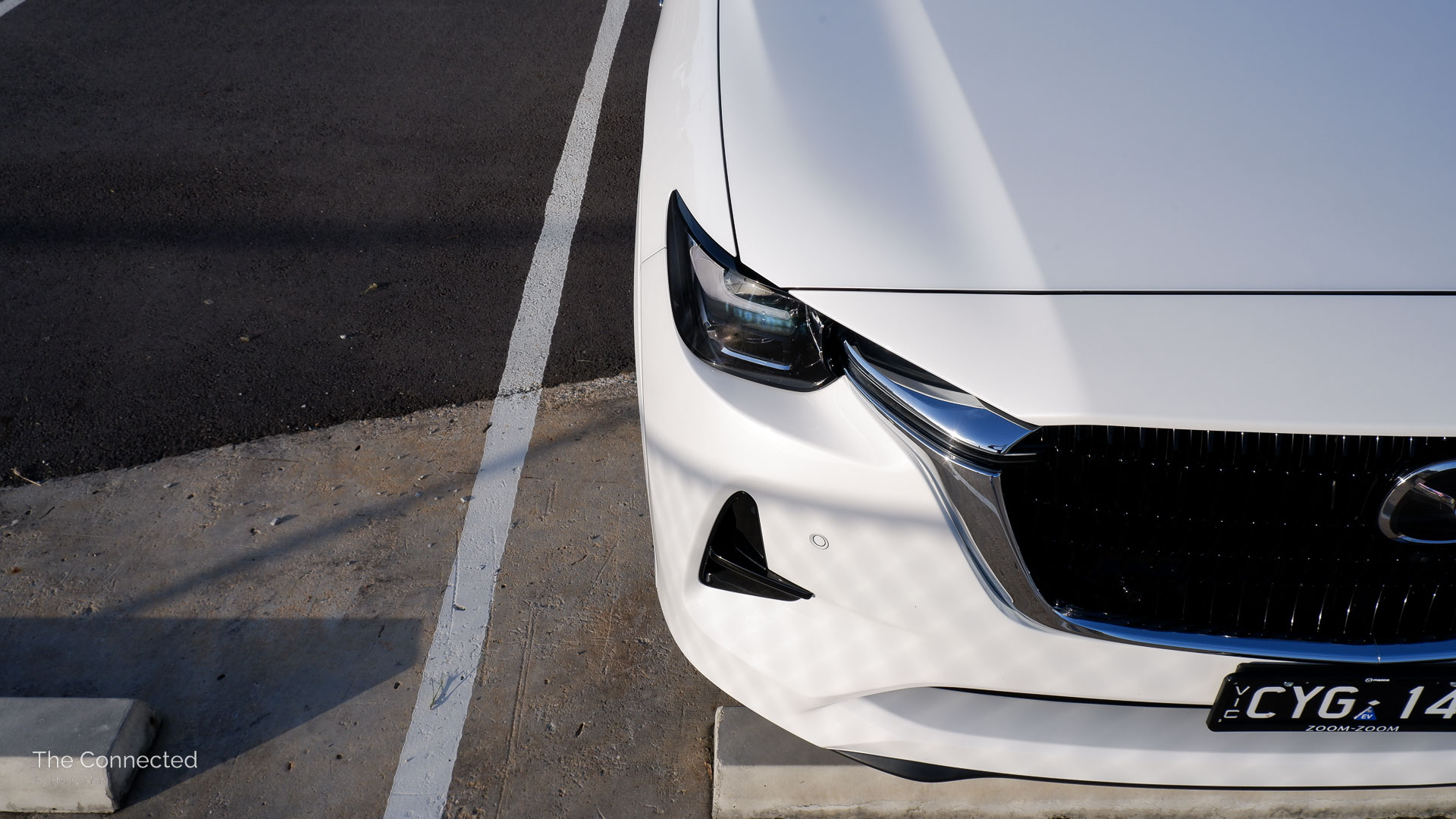
It’s a classy and understated exterior with curved bodywork, disproportionately smaller headlights, and lashings of chrome. Notably, only the base Evolve has the practical plastic cladding around the wheel arches and side skirts.
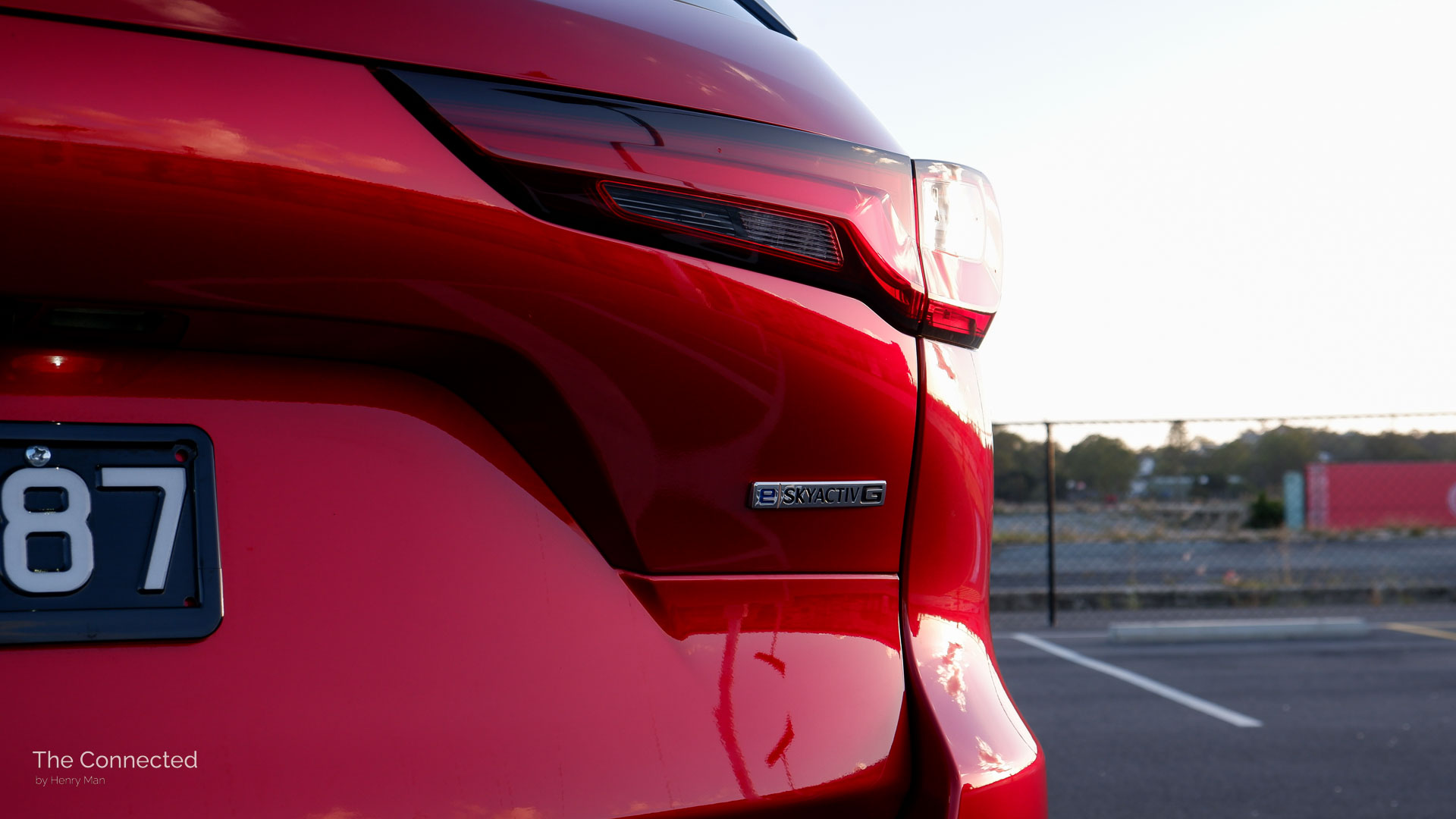
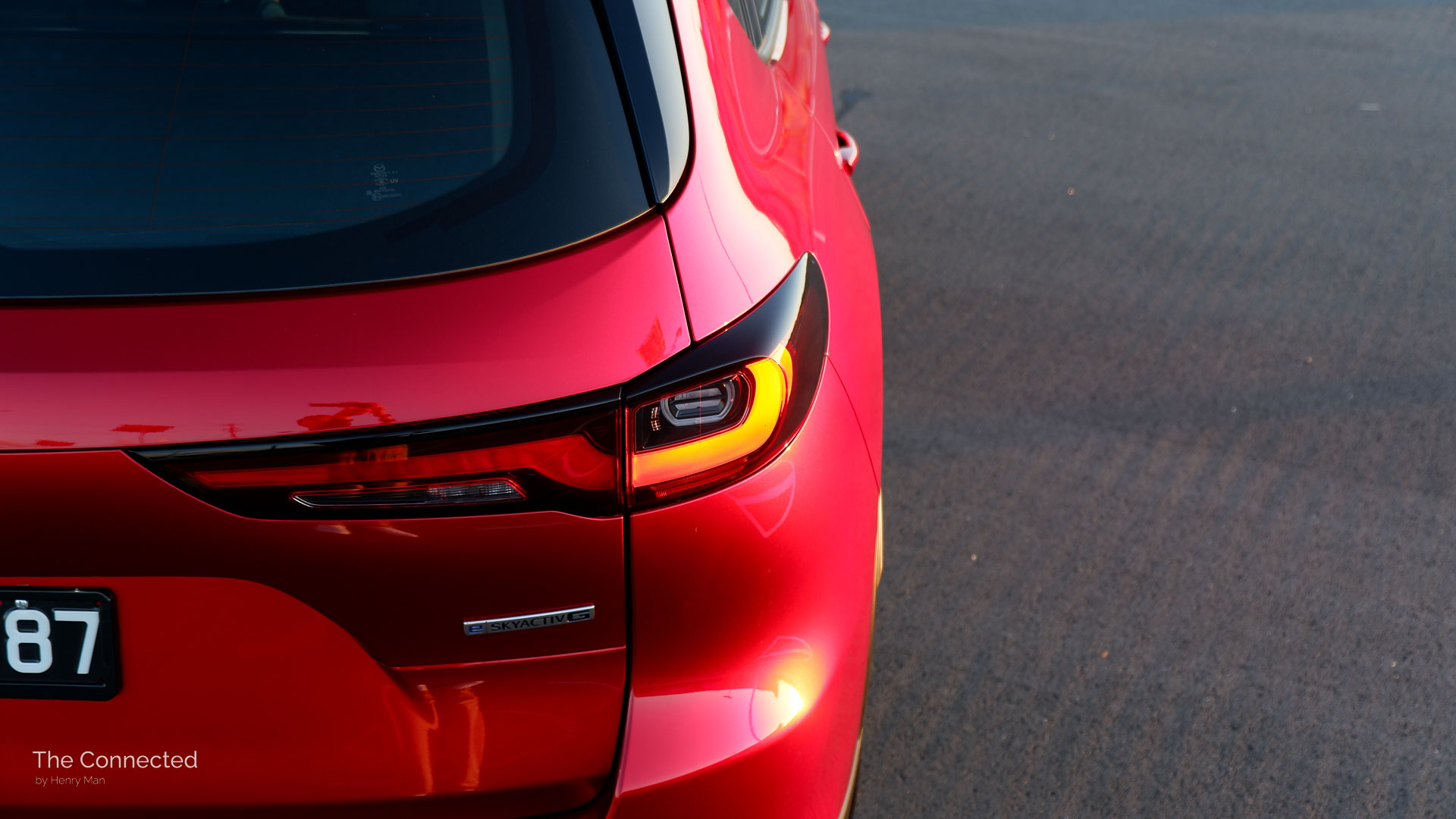
Mazda’s signature Soul Red Crystal colour is particularly stunning, though it costs a bit more on the CX-60 to CX-90 than other models: $995 extra.
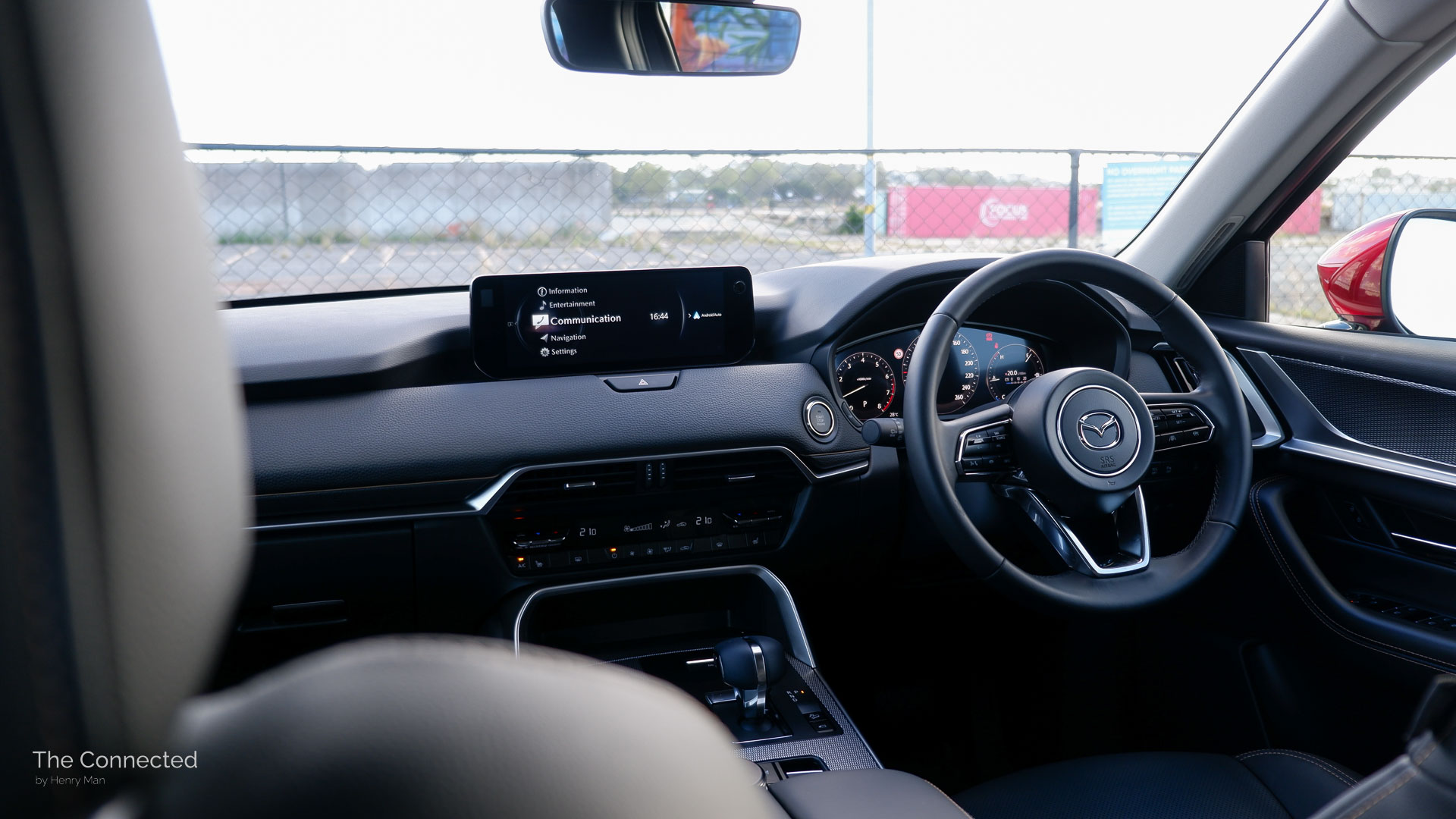
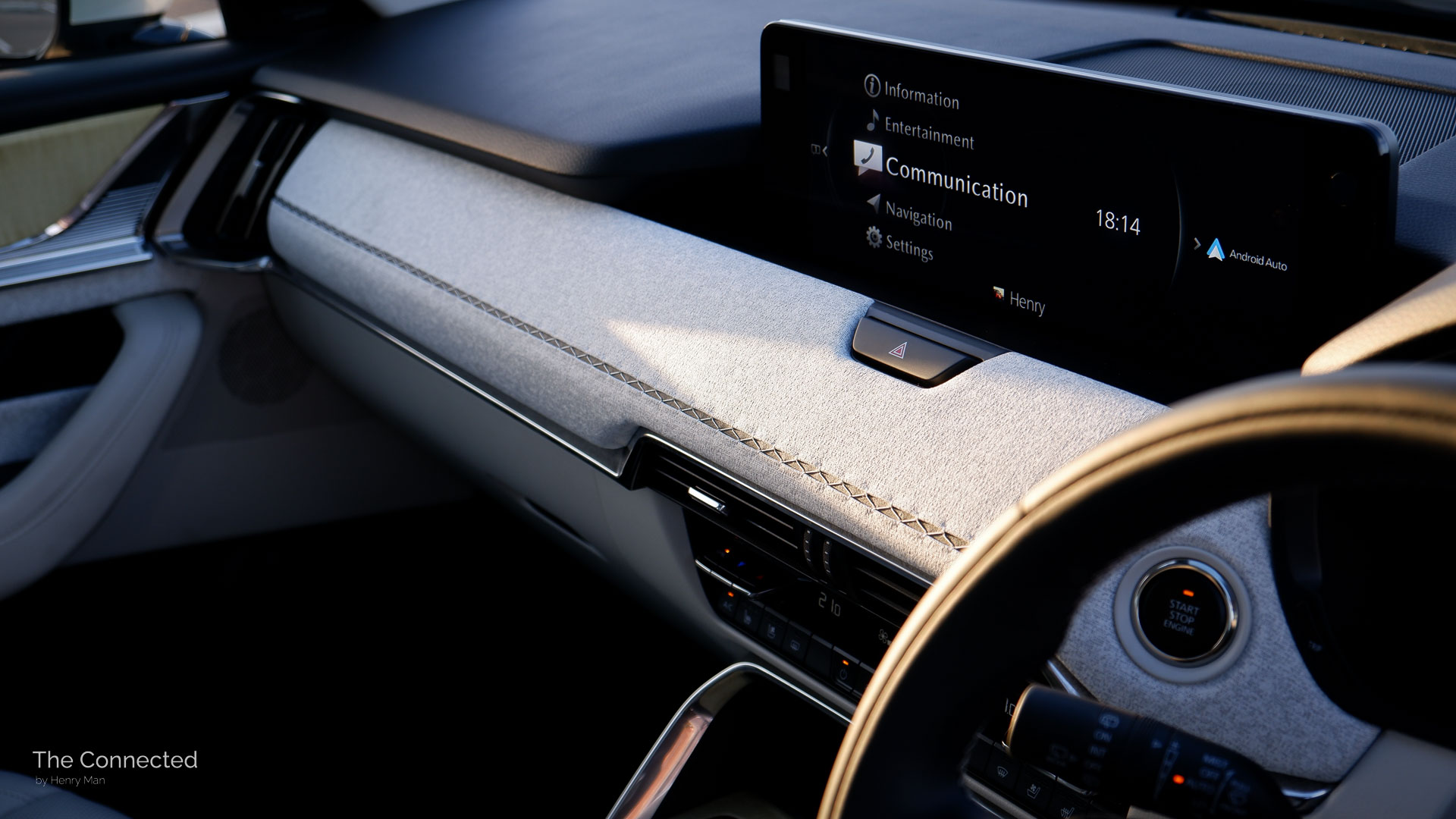
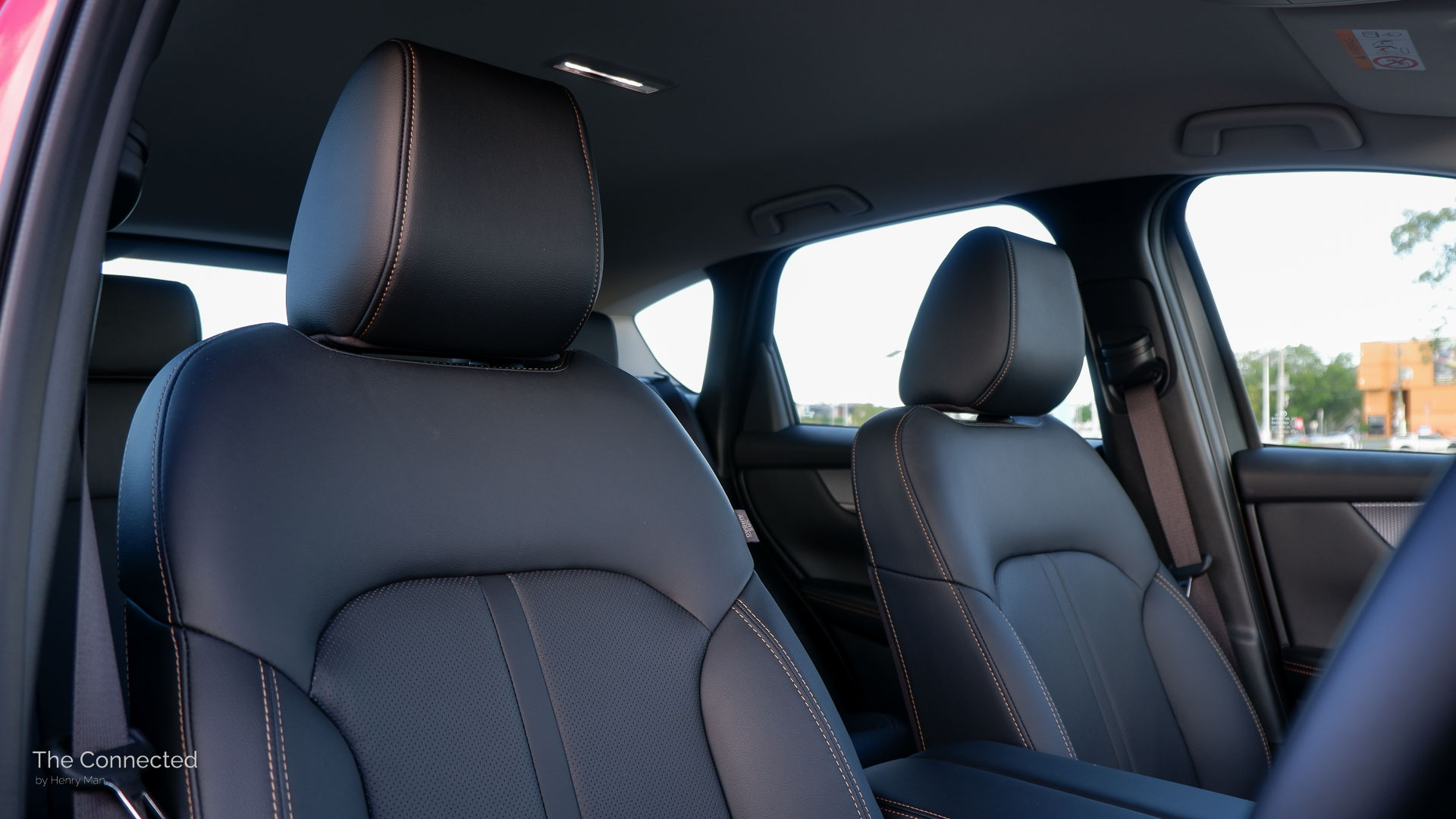
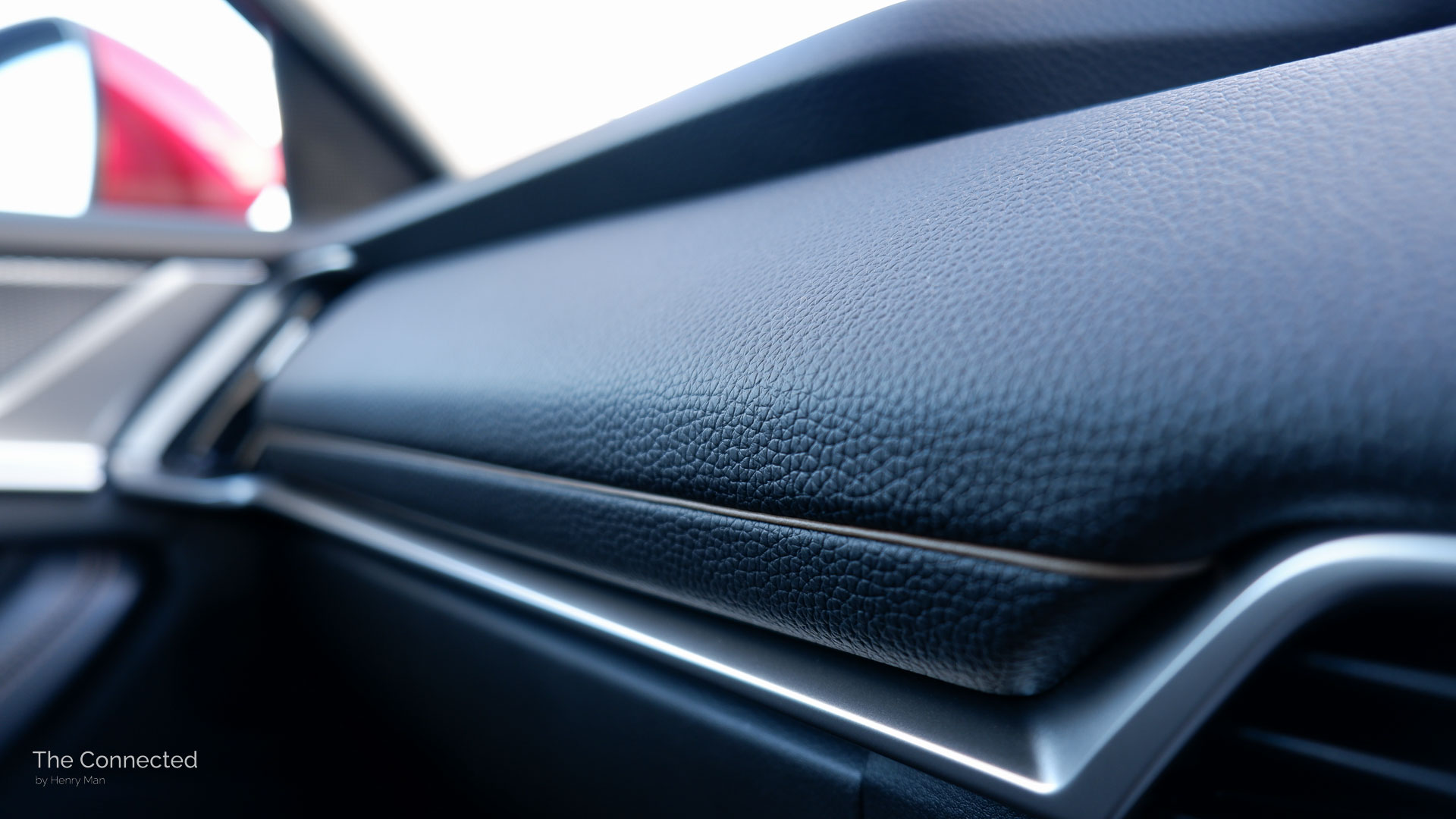
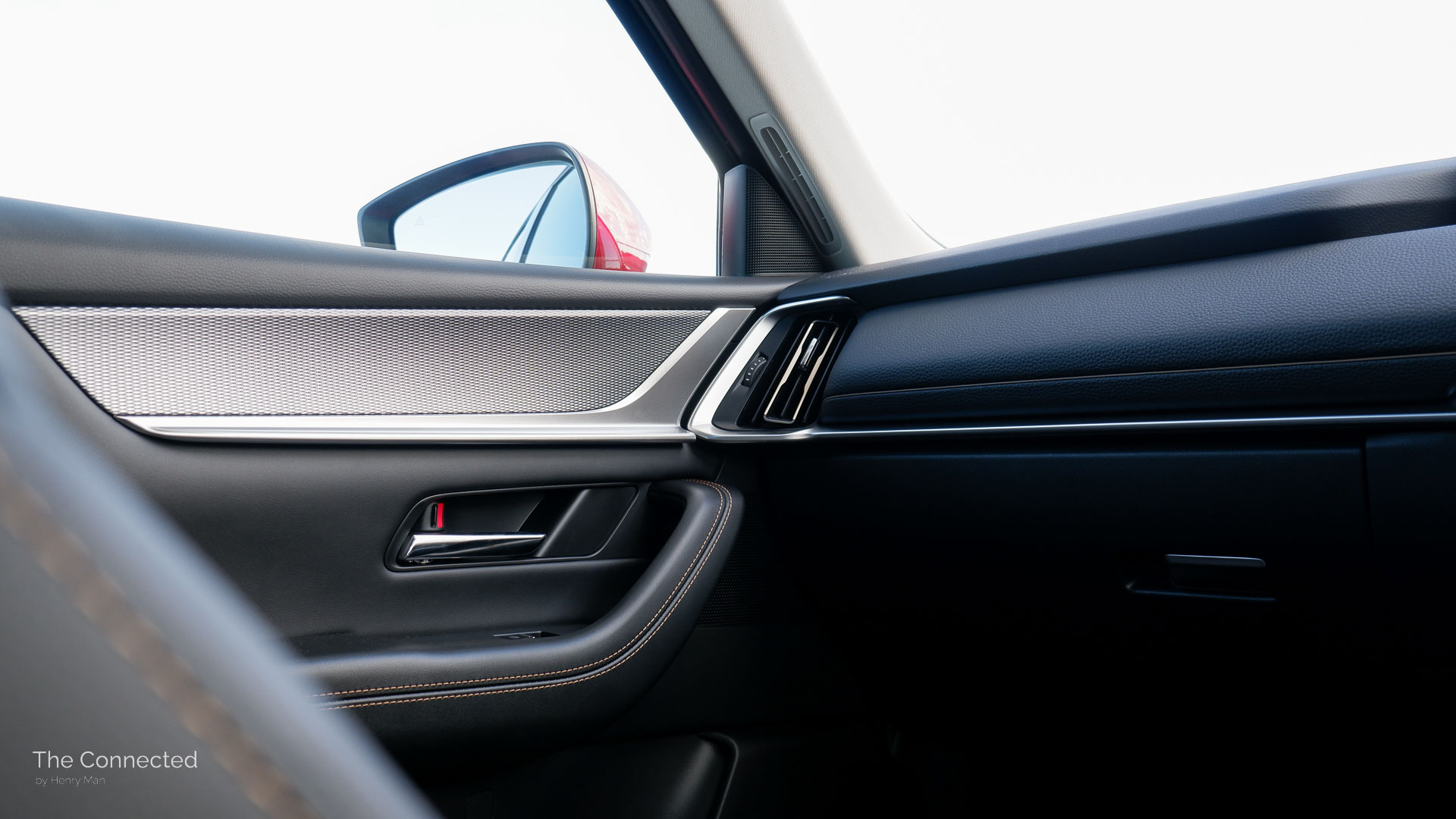
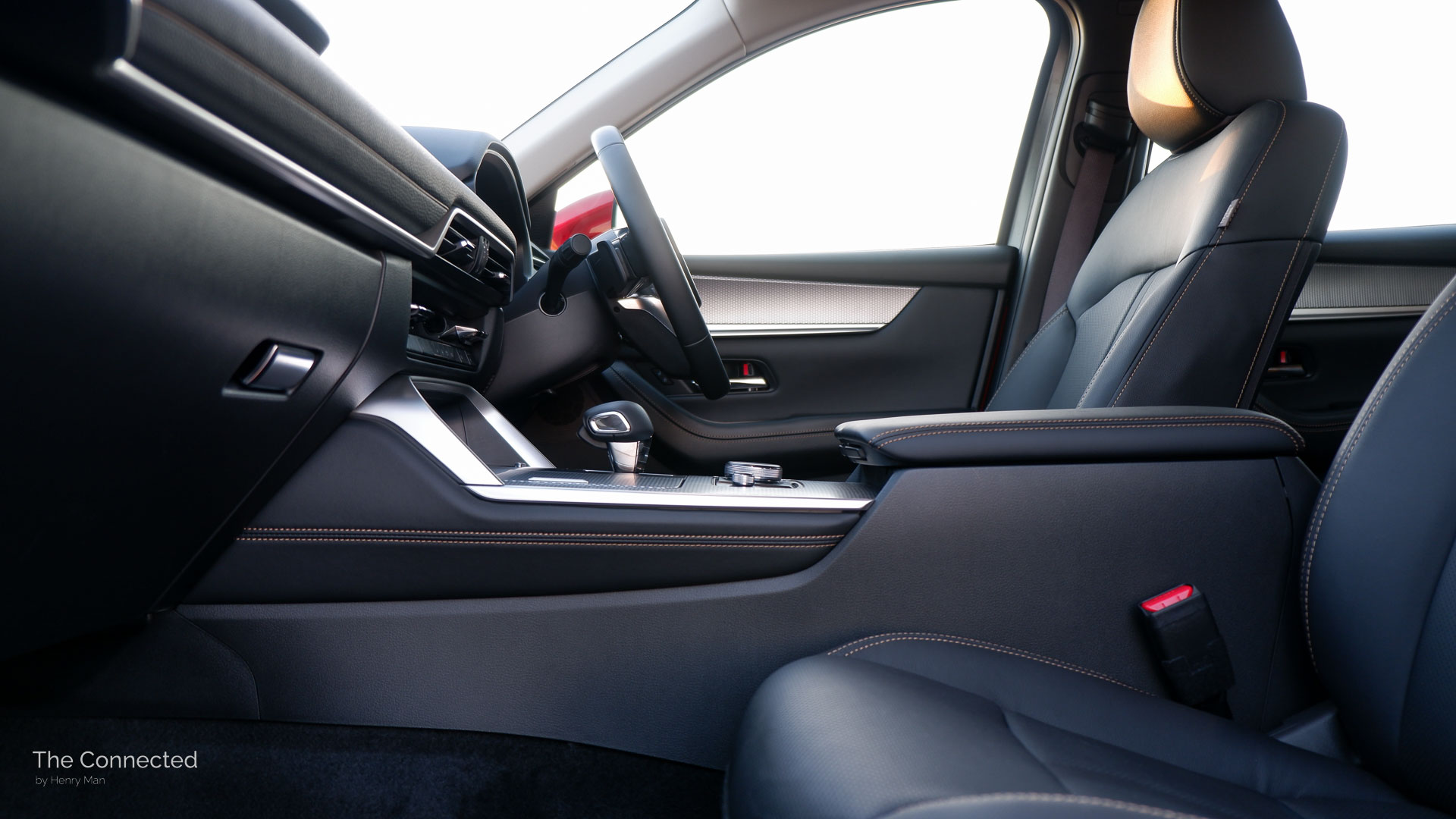
The CX-60 SUV also offers a premium-feeling interior, even at the entry-level Evolve – and makes the almost identical-looking CX-90 feel underdone. The door cards, dashboard and centre console chin rests are soft-touch, with chrome and bronze accents working alongside textured-look centre console and door cards.
Fortunately, Mazda now uses more practical matte surfaces – instead of gloss black as per the CX-30 small SUV – which don’t attract fingerprints, dust and micro scratches.
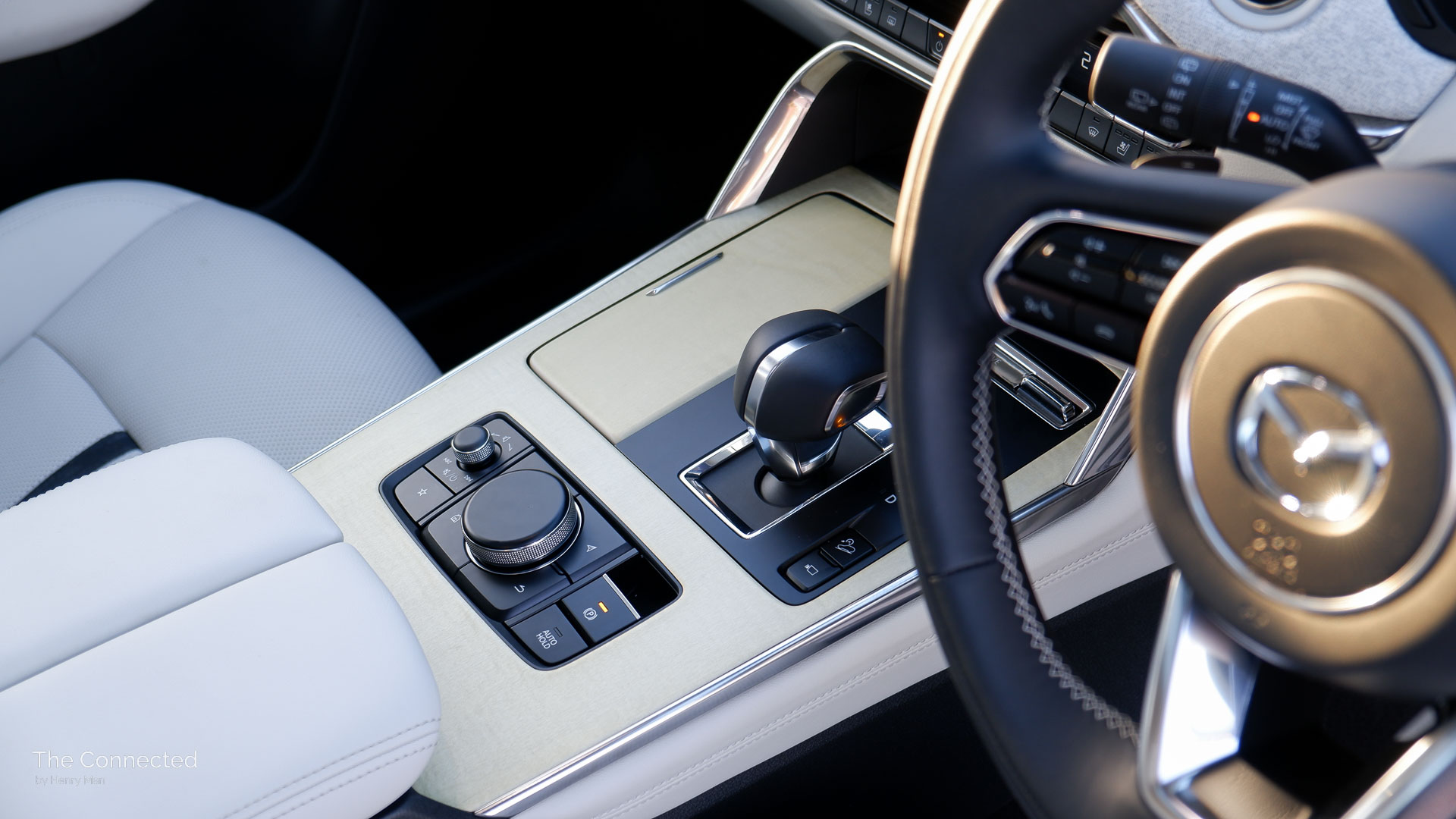
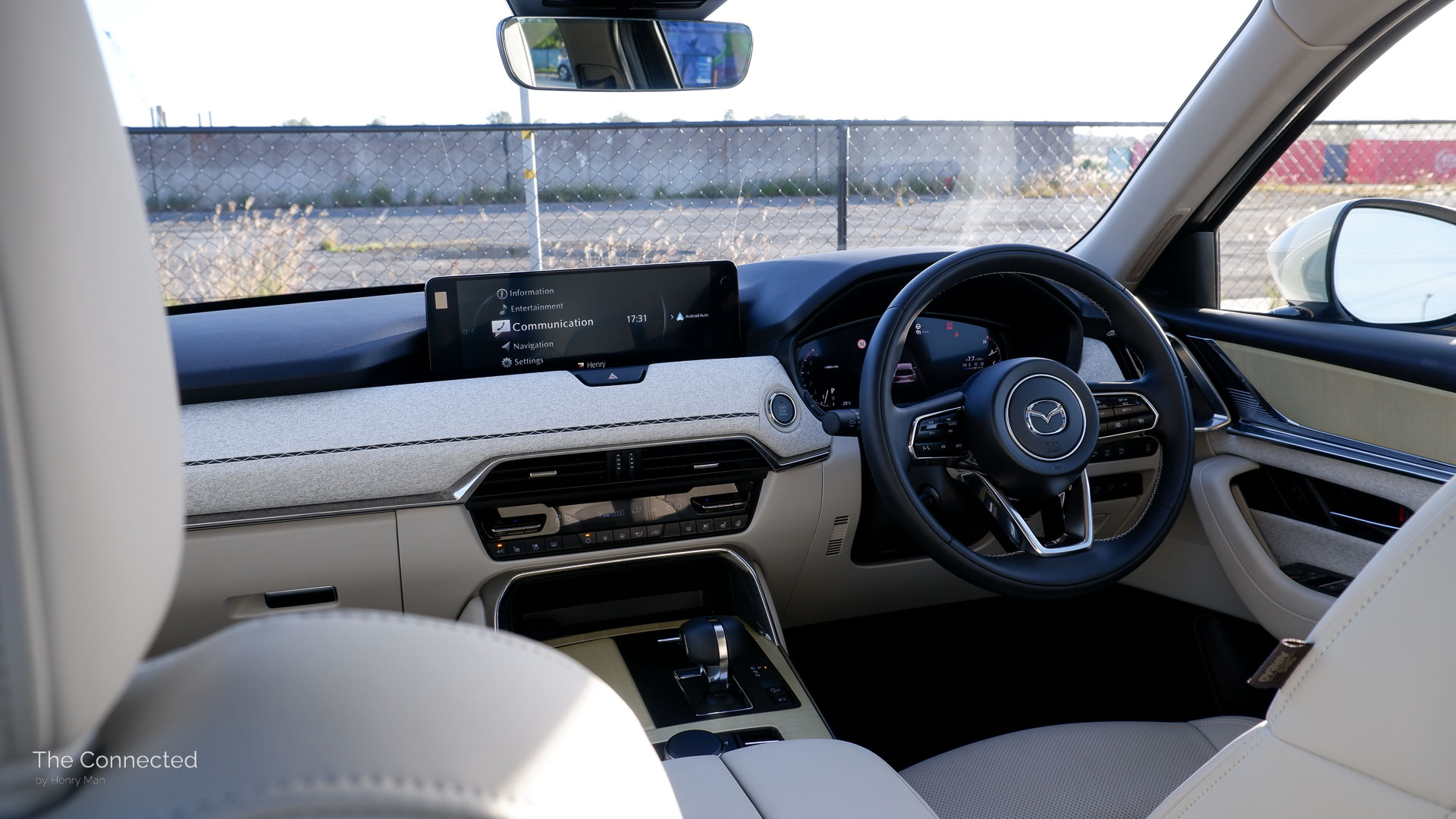
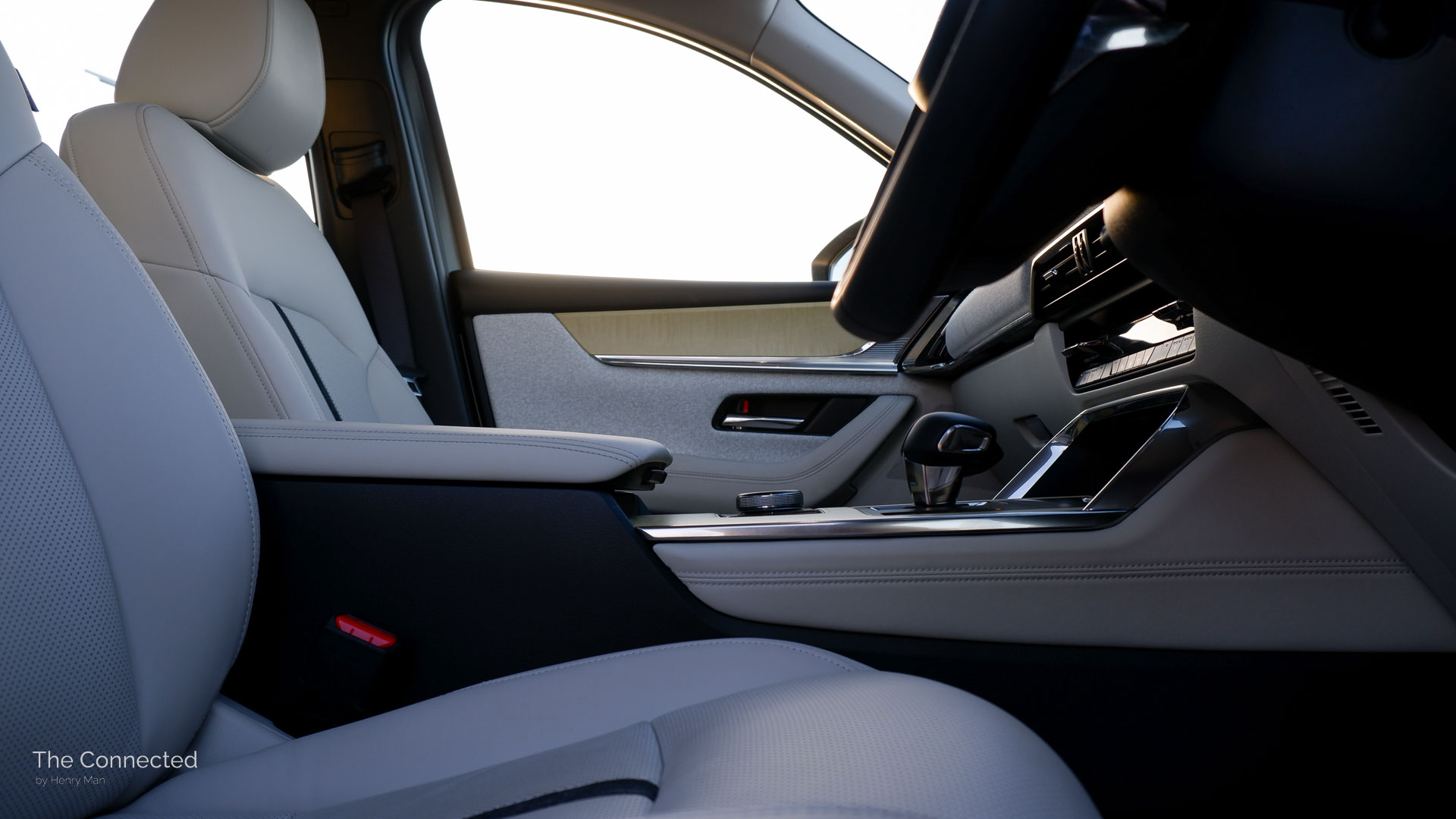
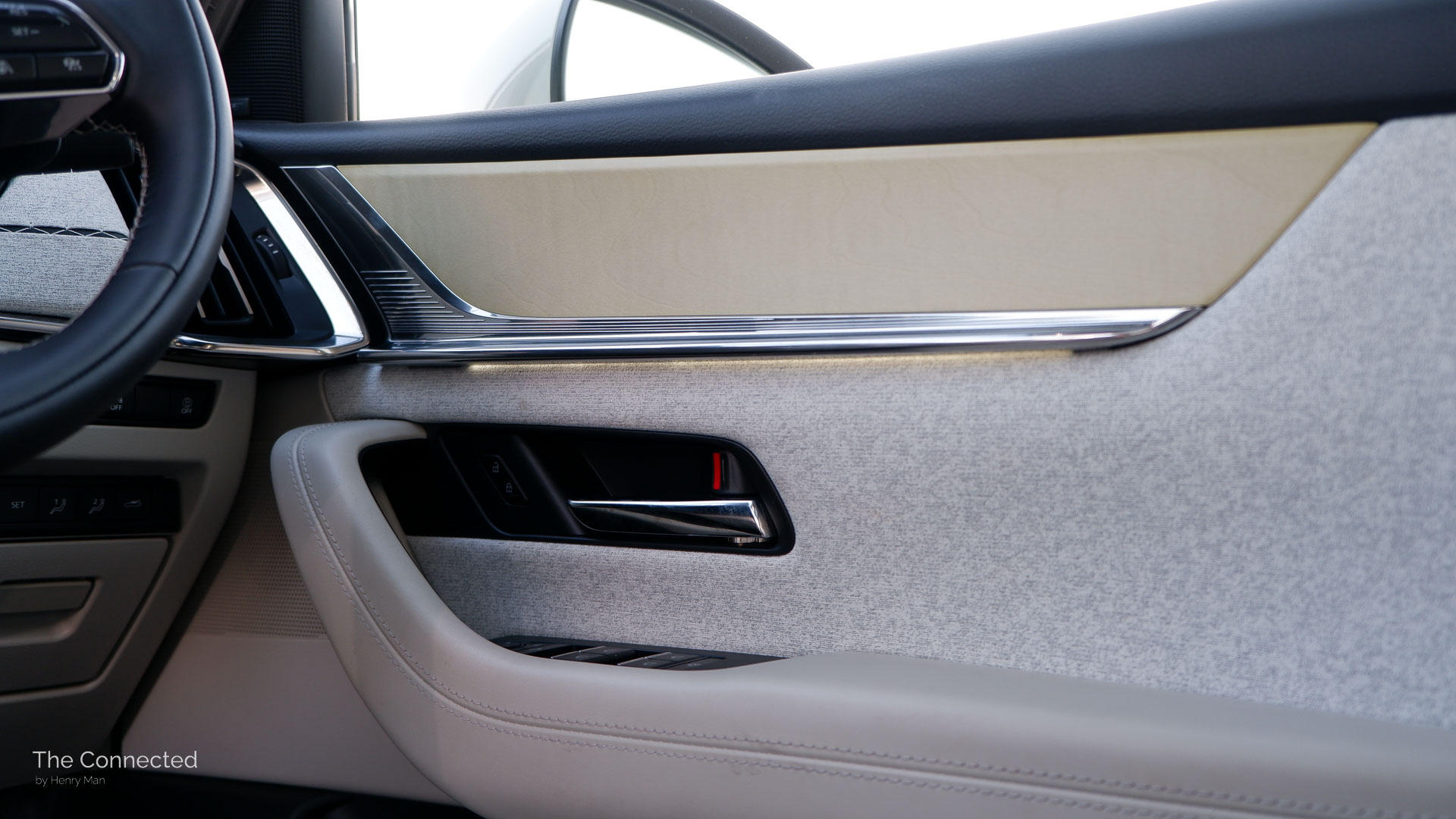
Step up to the top-spec Azami and it has the option of either the SP or Takumi Packages for $2000 extra, with the latter bringing a homely bright interior theme with white Nappa leather seats, cloth with Kakenui stitching and maple wood trims. Soft white ambient lighting strips glow the underside of all four doors, too.
Very impressive indeed, although it doesn’t feel like it’s worth the ~$15K jump from the Evolve to Azami.
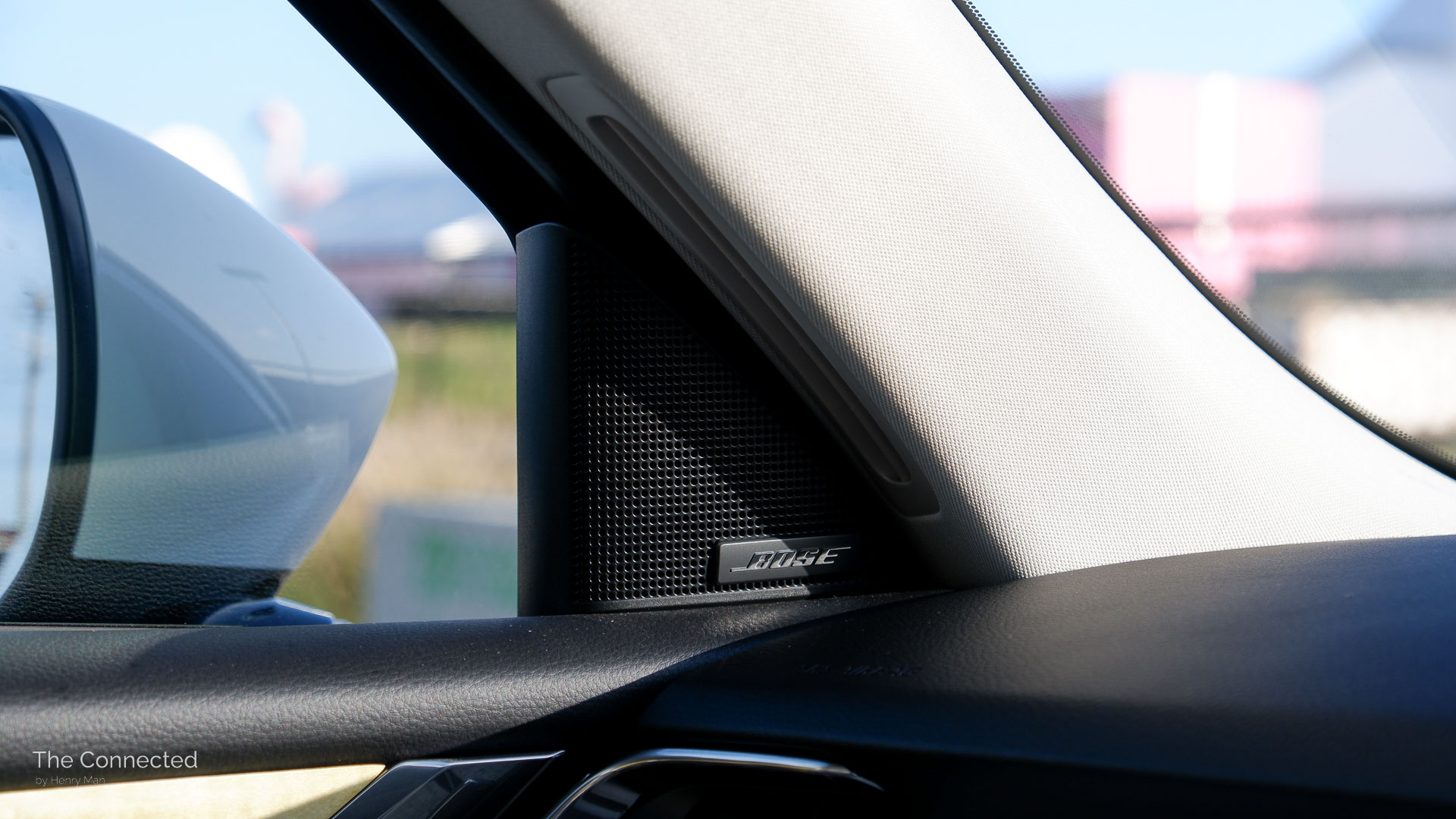
There are some interior elements that aren’t fitting for its luxury SUV positioning – including a thin cloth headliner, flimsy A-pillar speaker grilles, and non-damped coin tray hinge – especially on the almost $80K Azami.
Look beyond the Mazda badge and the CX-60 offers a classy exterior and an upmarket interior.
Practicality.
2025 Mazda CX-60 dimensions:
| Evolve | GT/Azami | |
|---|---|---|
| Length x width x height | 4740 x 1890 x 1675mm | 4740 x 1890 x 1680mm |
| Wheelbase | 2870mm | |
| Ground clearance | 170mm | 175mm |
| Boot space (min / rear seats folded) | 477 / 1726 litres | |
| Rear seat split fold | 40:20:40 | |
| Child seat anchors | 2x ISOFIX and 3x top-tethers (rear seats) | |
The CX-60 is a large five-seater SUV – but prioritises boot space over passenger room.
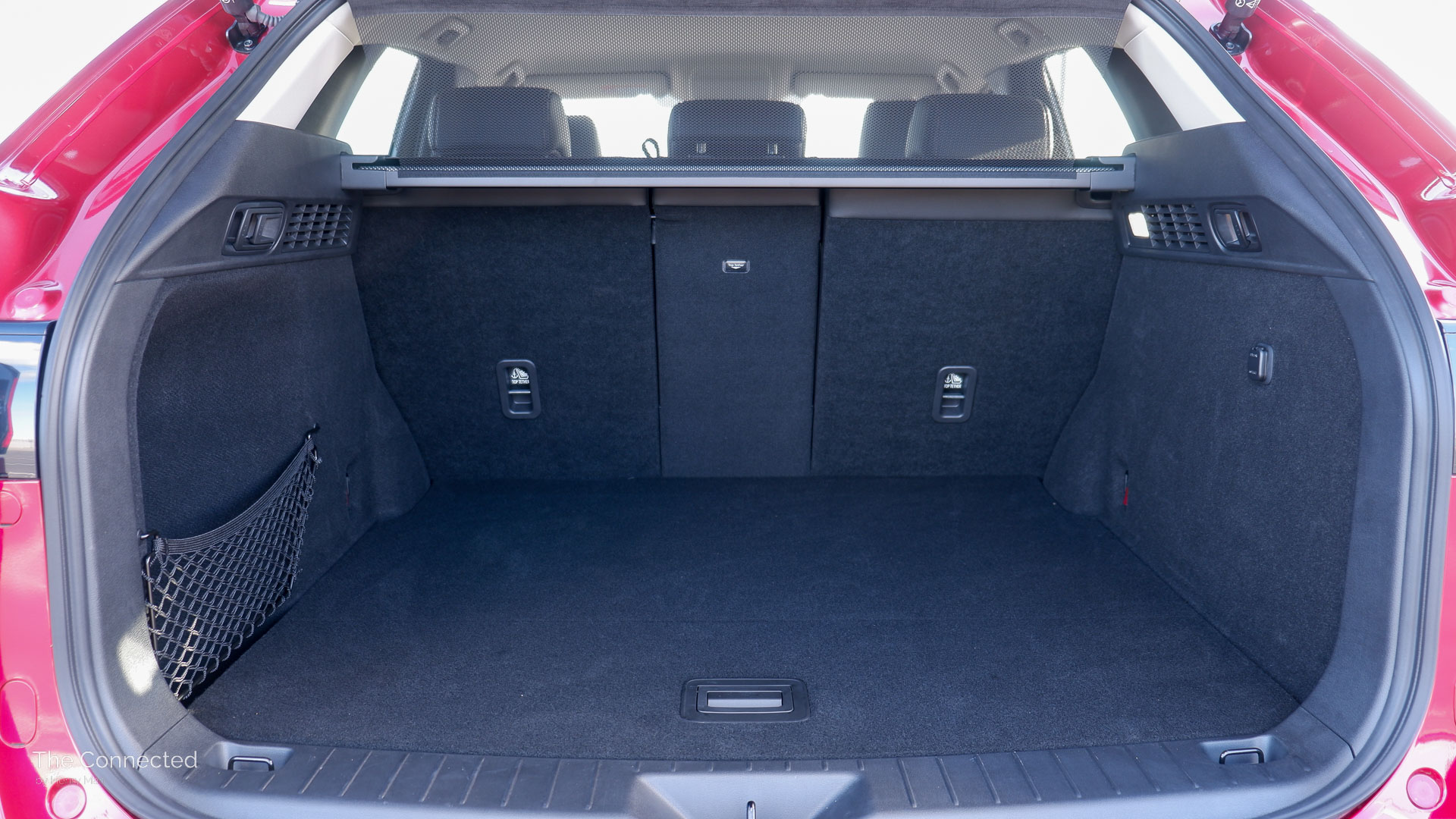
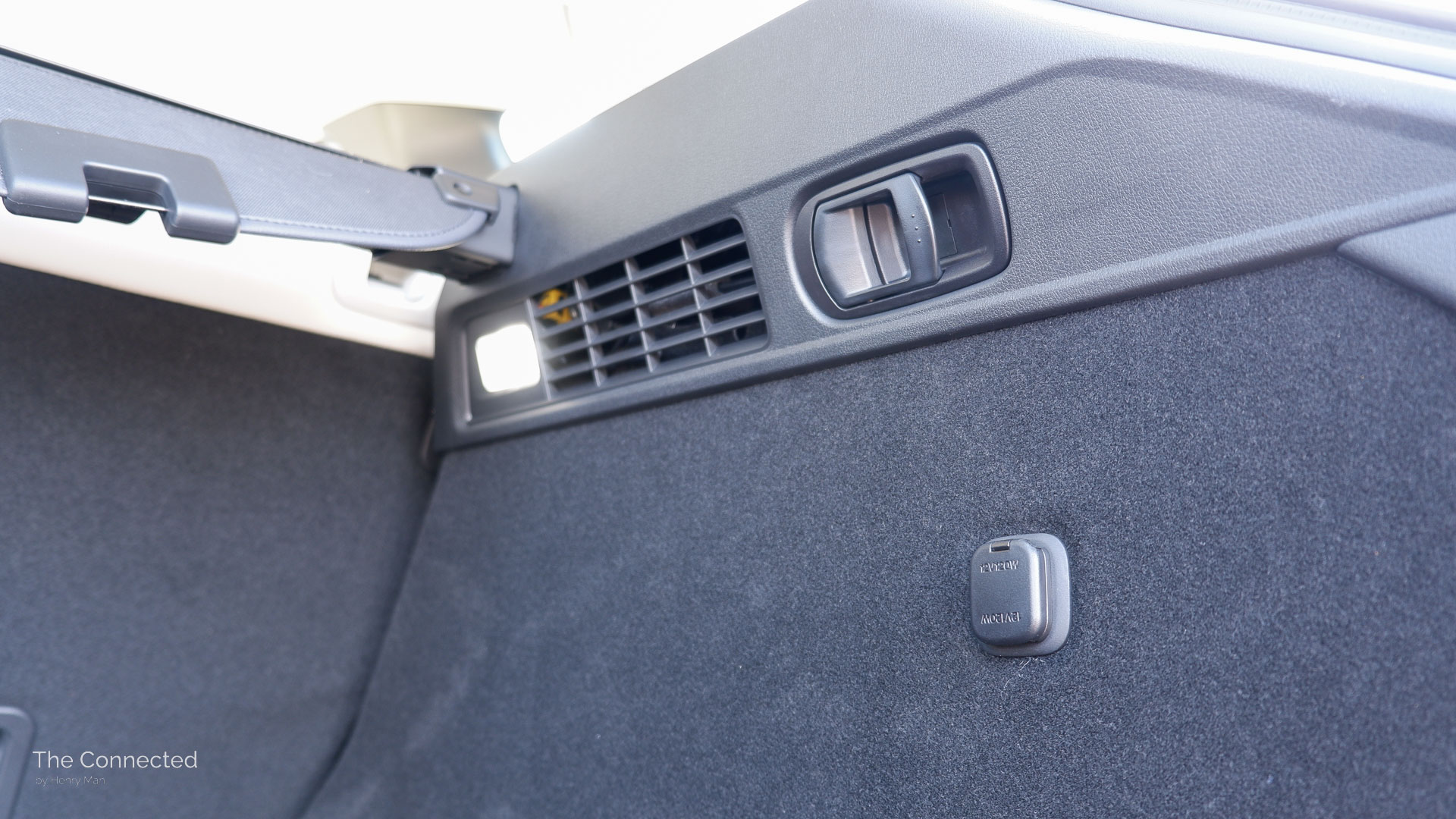
With all two rows in place, the 477-litre boot is massive, a netted pocket on the side, and a clever cargo blind that lifts up with the tailgate, providing clearer access. Disappointingly, there aren’t any bag hooks.
Unlike the bigger three-row CX-90, there are latches at the boot to remotely fold down the rear seats. There’s good illumination at night thanks to the LED lights at the side of the boot and inside the tailgate.
All models feature an electric tailgate as standard with a one-touch lock all doors button, but the only GT and Azami offer a hands-free kick sensor function.
However, it’s clear that Mazda prioritised boot space rather than interior space.
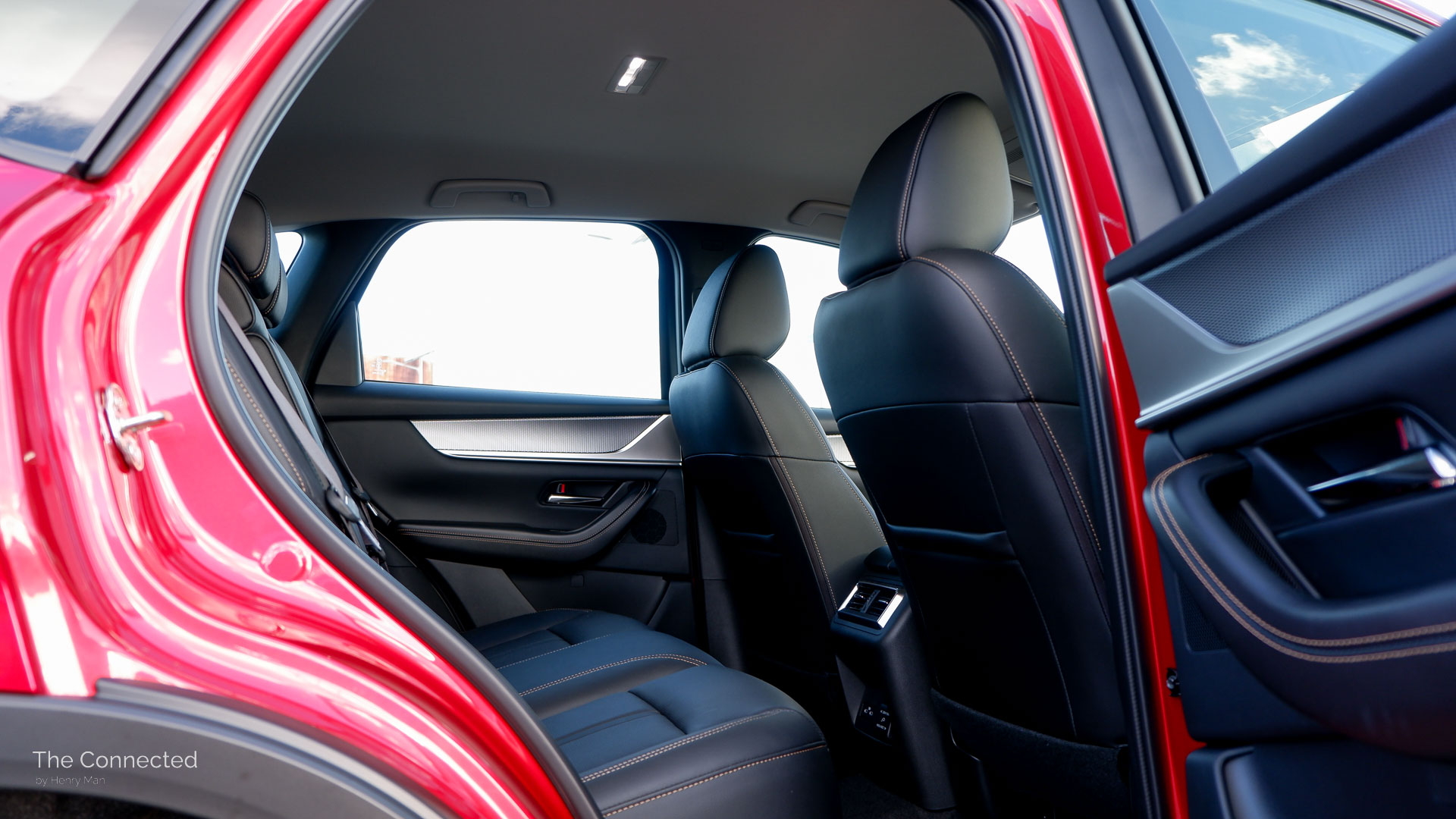
The CX-60’s rear seats provide adequate legroom and good headroom with a prominent centre floor transmission hump – despite the large exterior suggesting a more roomy interior.
The rear wheel arch also protrudes into the rear doors more than ideal, making getting in and out the second row less accessible – an issue the longer wheelbase Mazda CX-80 doesn’t have.
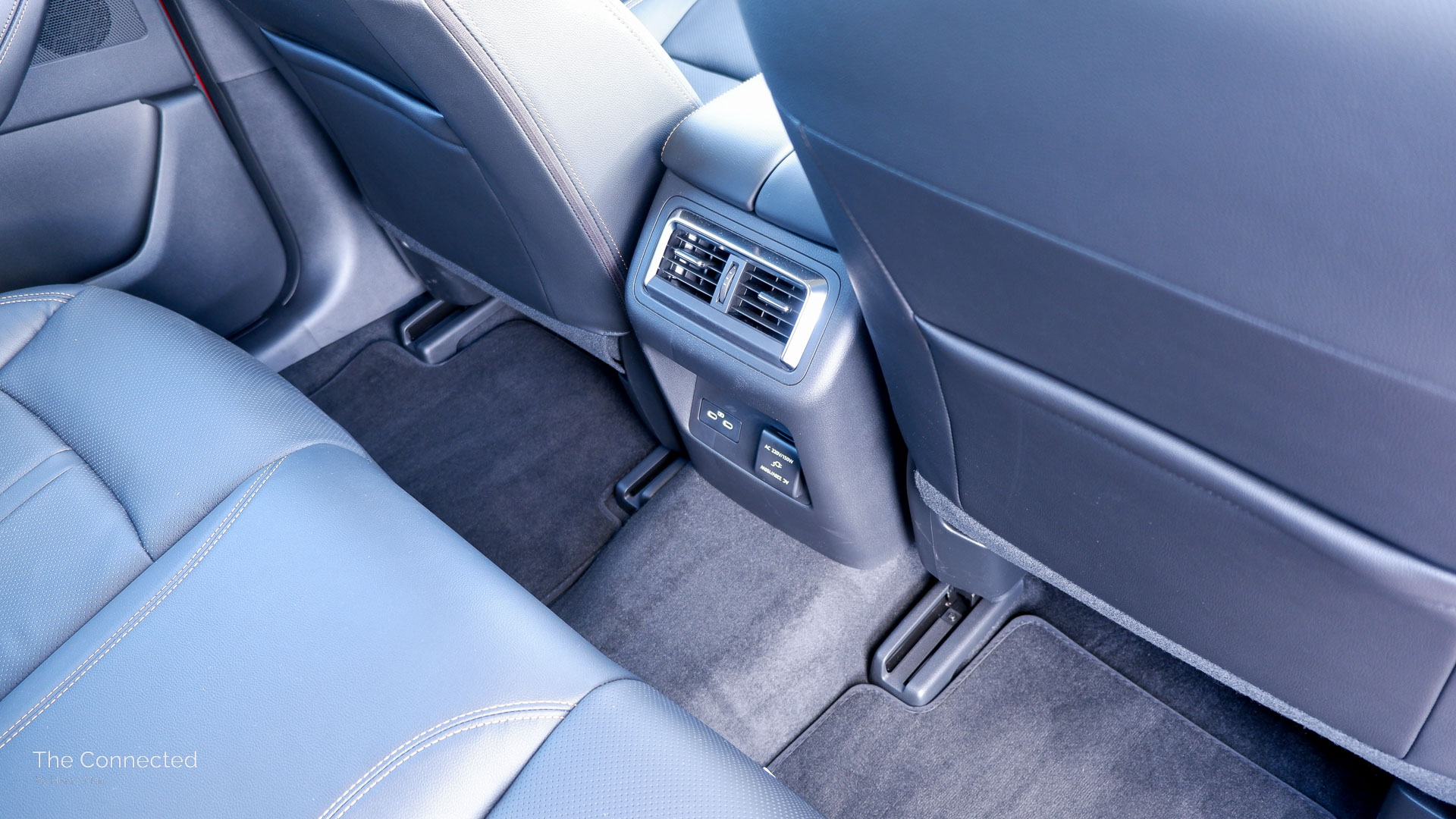
While rear passengers benefit from rear air vents connected to the two-zone climate system, two USB-C charging ports, a 150-watt domestic power socket and large-sized door pockets, the rear windows have weak tinting that still allows the harsh Australian sun to hit inside.
Likewise, the front windscreen sun visors aren’t extendable – even on the almost $80K Azami grade.
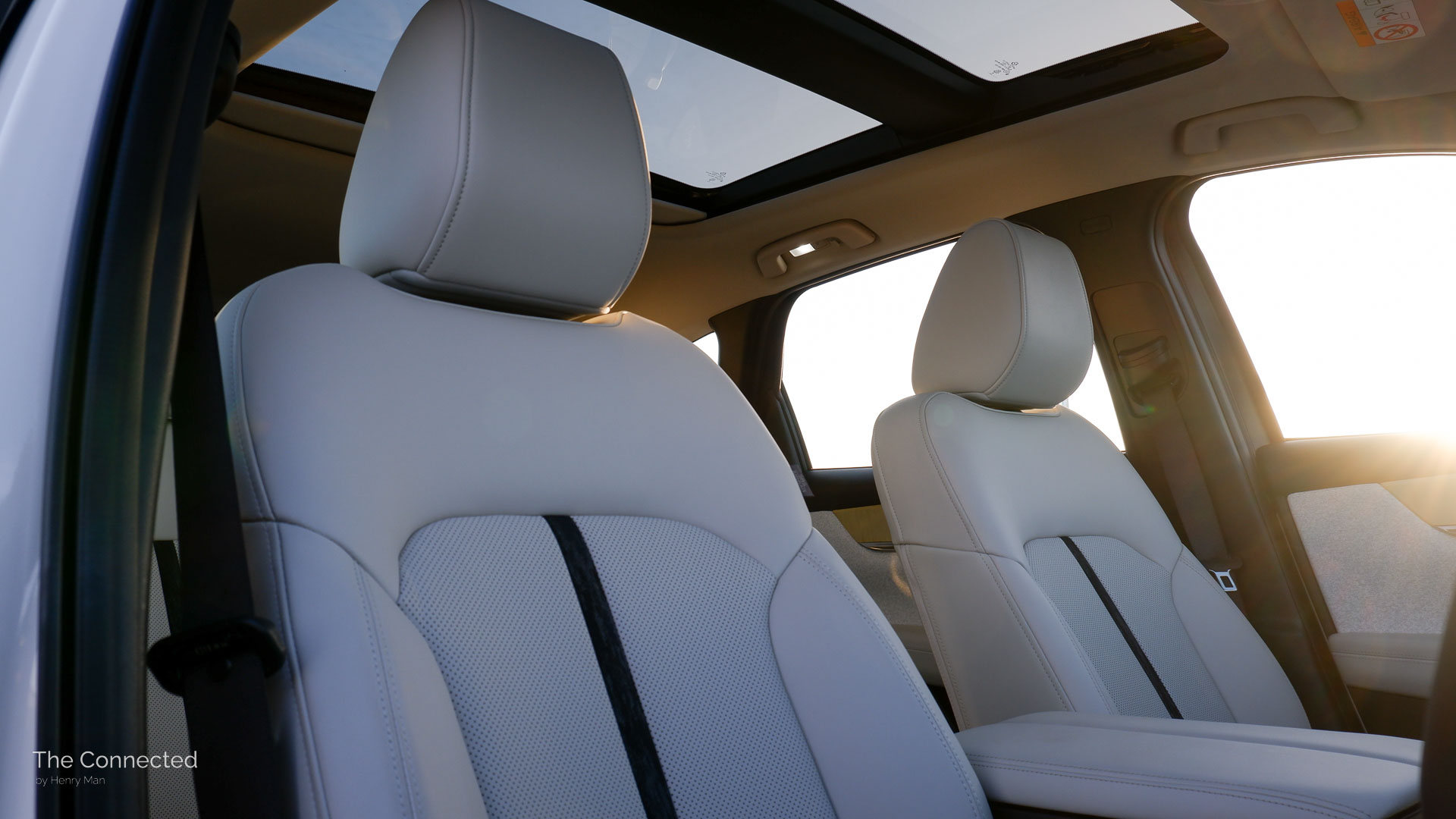
If you opt for the base Evolve, it’s worth adding the $4000 Vision Technology and Luxury Package to gain leather seats, two-position driver memory, electric driver and front passenger seat adjustment, lumbar support, and three-level heating. These comfort and convenience features are standard on the GT and Azami.
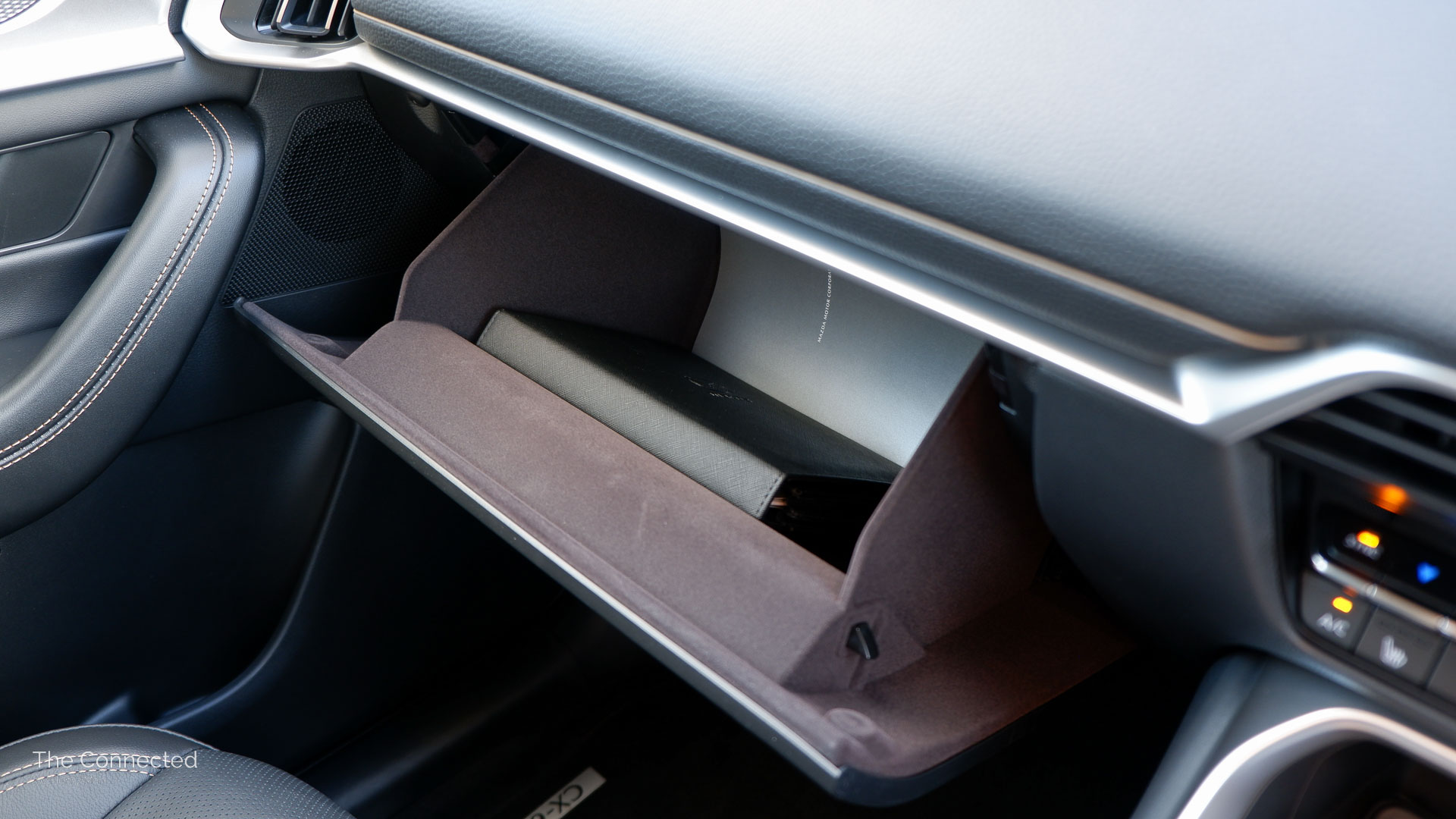
There’s a well-sized felt-lined glovebox, split centre armrest with shallow storage underneath, and an overhead sunglasses holder with LED cabin lighting across both rows.
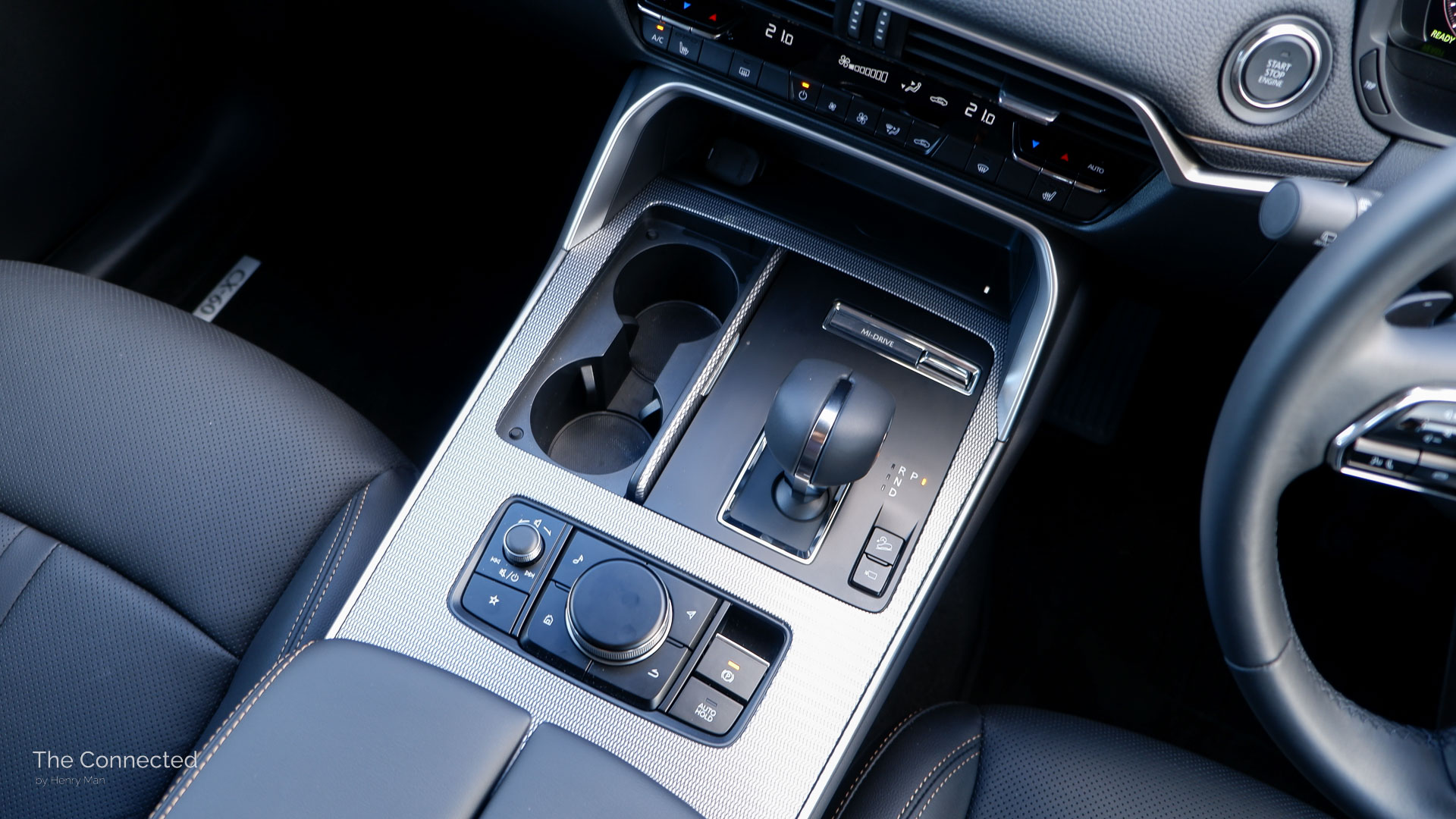
But Mazda could’ve better designed the wide centre console, as there’s a lot of unused space with just two small cup holders and a narrow Qi wireless charging tray.
Technology.
2025 Mazda CX-60 tech features:
| 10.25-inch widescreen (Evolve) or 12.3-inch touchscreen (GT/Azami) | 7.0-inch part digital driver instrument display (Evolve) or 12.3-inch full digital driver instrument display (Evolve with Vision Technology/GT/Azami) |
| Wireless Apple CarPlay and Android Auto | 4x USB-C, 2x 12-volt, and 1x 150-watt power sockets |
| Built-in maps | Eight speakers (Evolve) or 12-speaker Bose (GT/Azami) |
| Qi wireless charging pad | Proximity key with auto walk-away locking and auto-folding mirrors |
The 2025 Mazda CX-60 brings a logical and easy to use technology setup, even though touchscreen support is limited.
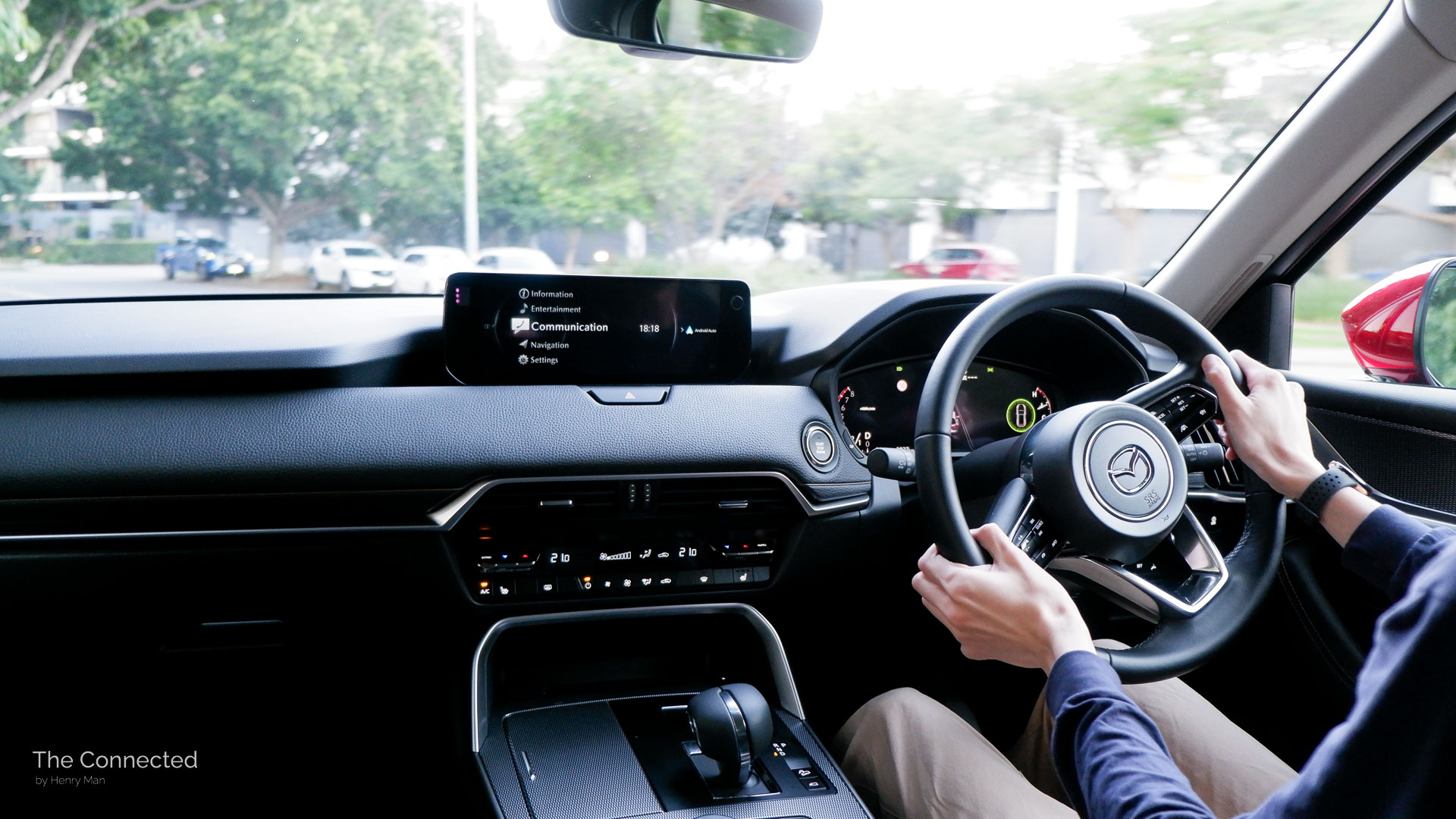
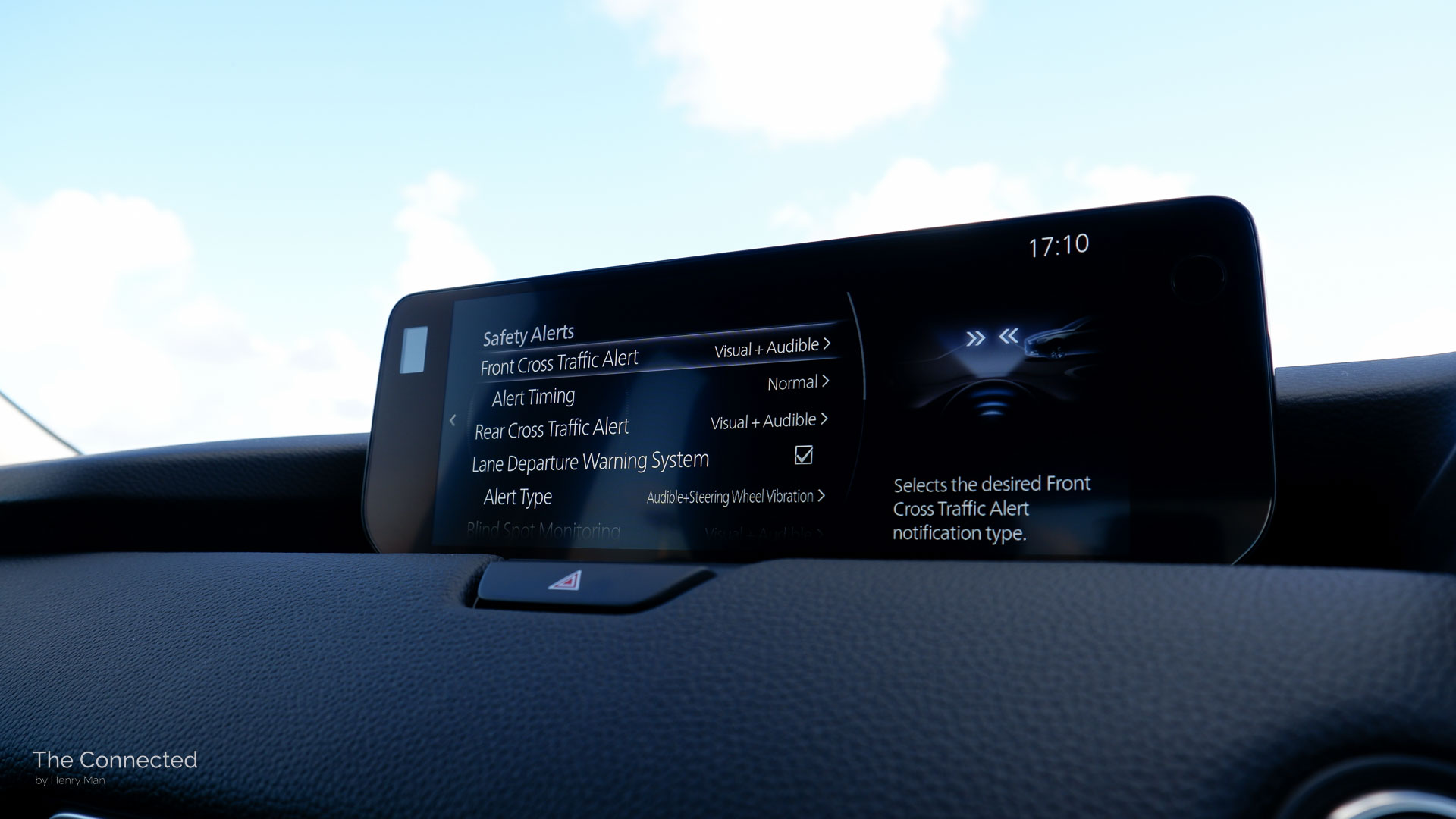
As standard, the entry-level Evolve features a 10.25-inch widescreen running the Mazda Connect operating system, which is high resolution, bright and responsive.
It doesn’t have touch capability. Instead, you’ll need to solely use the rotary controller dial and shortcut buttons at the centre console.
It’s easy to learn and navigate the built-in software using the dial. However, while wireless Apple CarPlay and Android Auto are convenient and connect quickly, it can be difficult to scroll through each touch-designed user interface element – making it a distraction while driving.
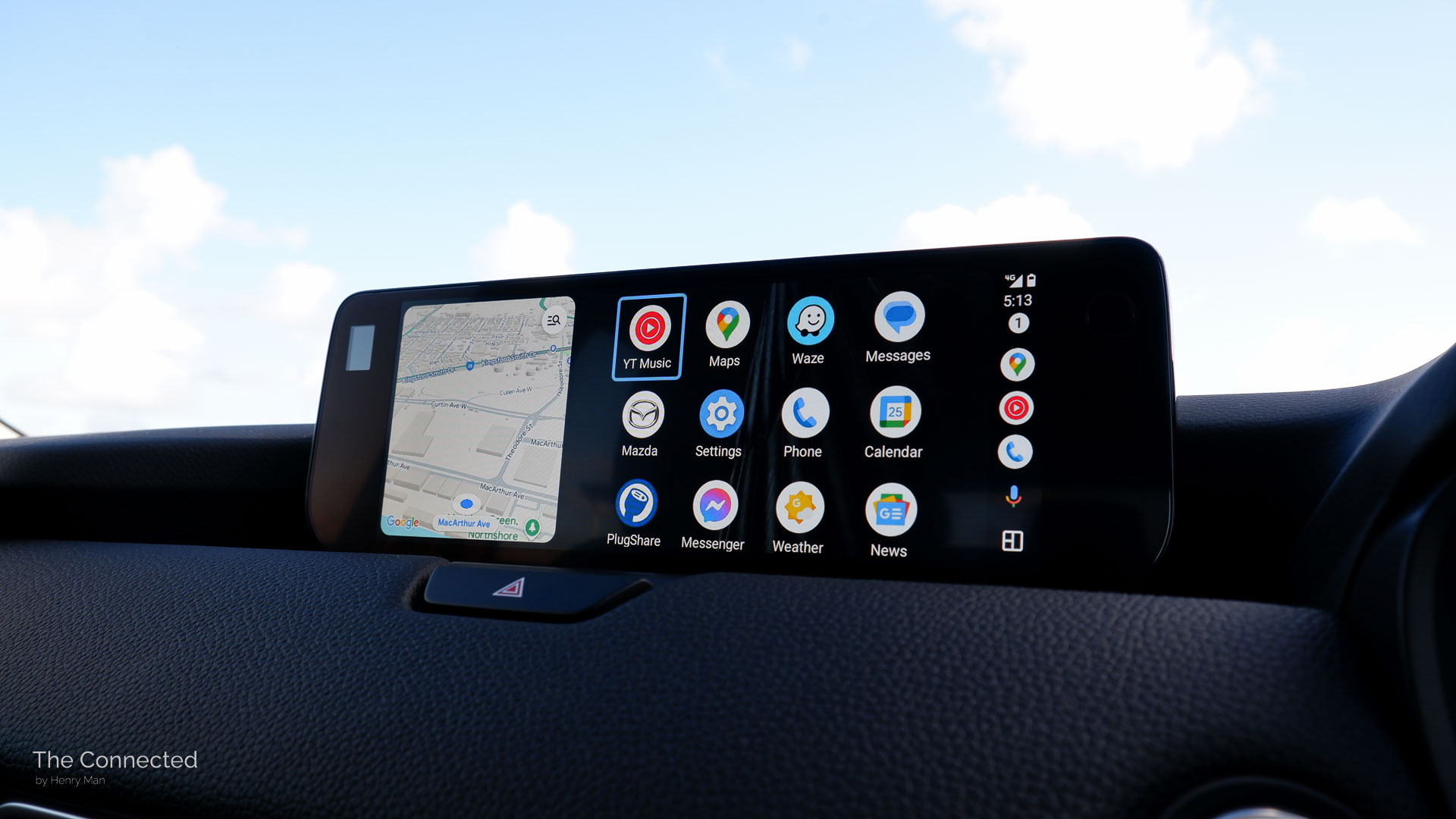
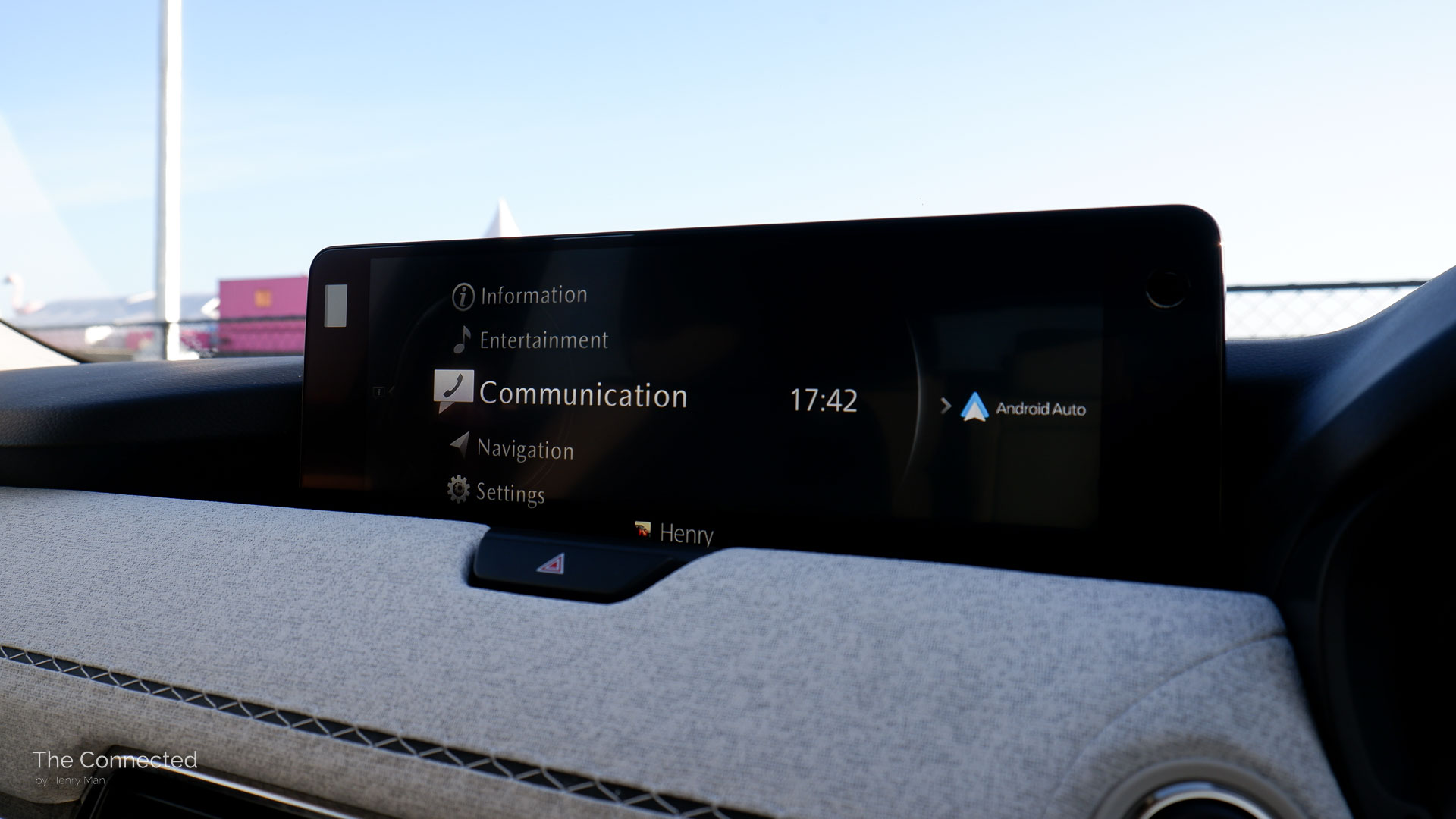
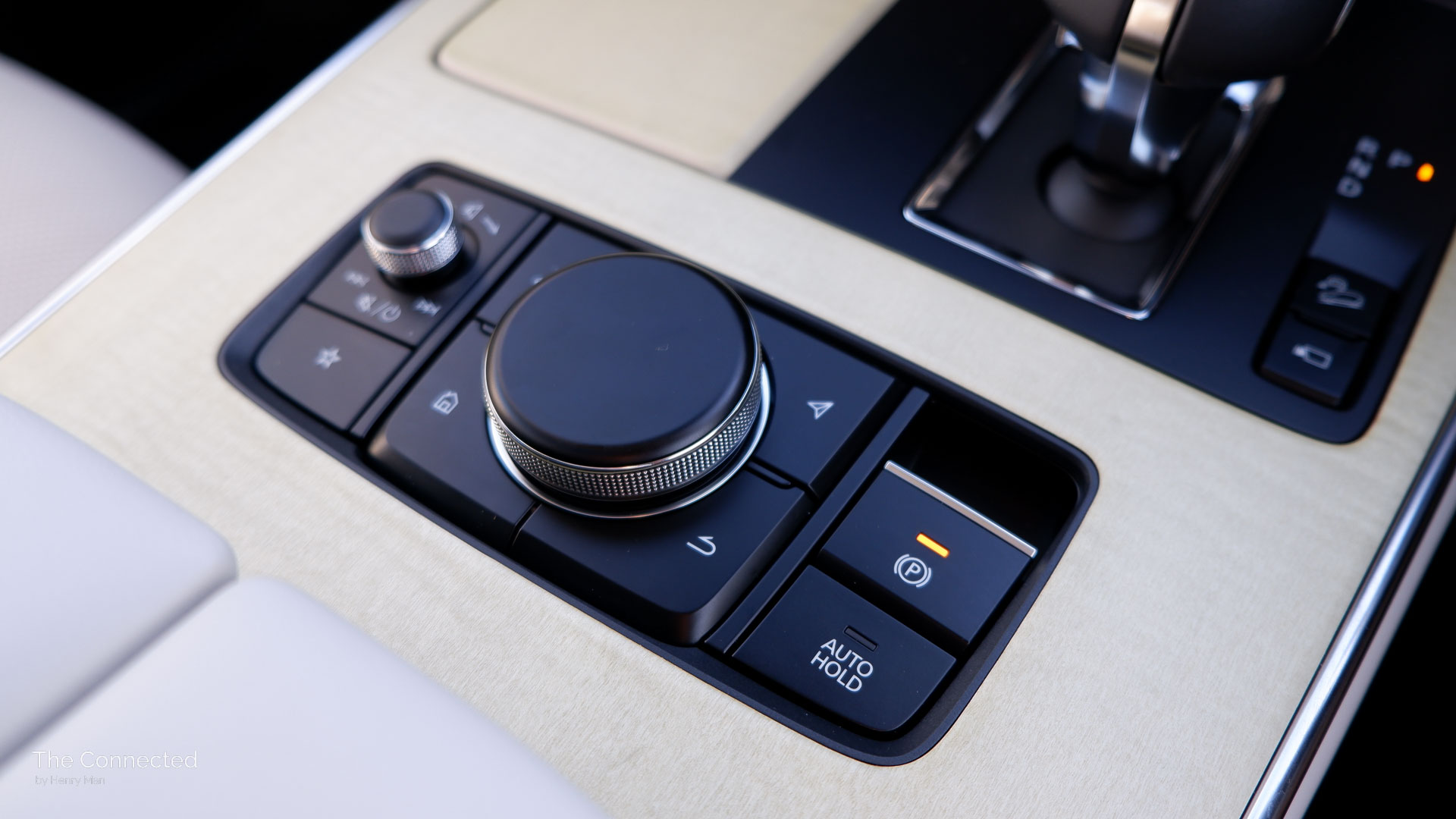
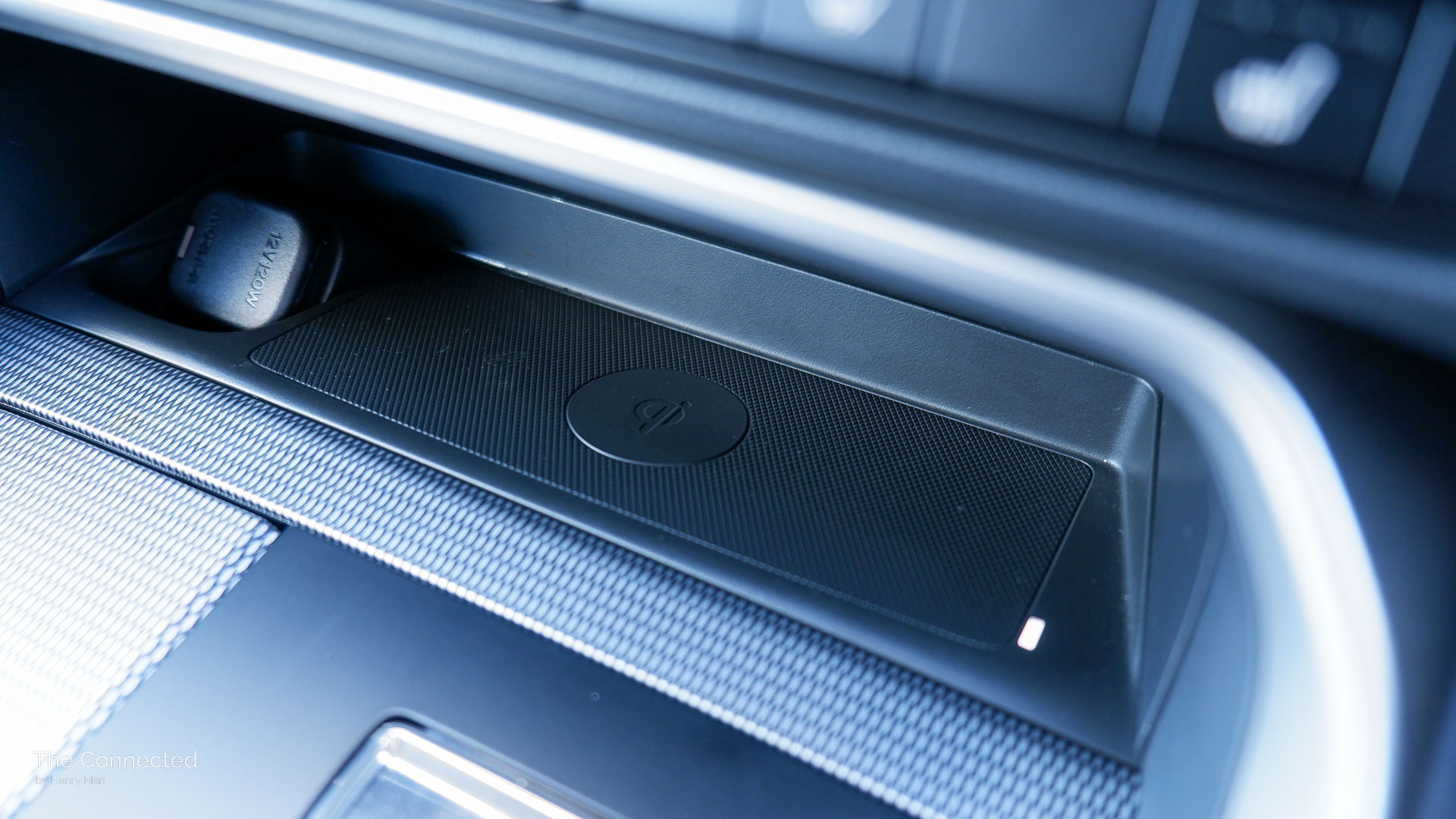
You adapt to it over time, though; I relied on the voice assistant more for entering map destinations, as using the dial requires finding each individual letter is time consuming. The controller dial-focused approach actually discouraged me from using the screen while driving.
This is less of an issue on the larger 12.3-inch displays on the CX-60 GT and Azami since it offers touchscreen capability, only when stopped with the park brake on as the default setting.
While there’s a setting to enable the touchscreen anytime while driving, it’s a bit of a reach since the infotainment screen is set further towards the windscreen and tucked in the dash – but bodes well for easily glancing at while driving.
Unfortunately, the Qi wireless charging pad doesn’t have fan cooling – causing my phone to overheat and drain the battery when using wireless Android Auto.
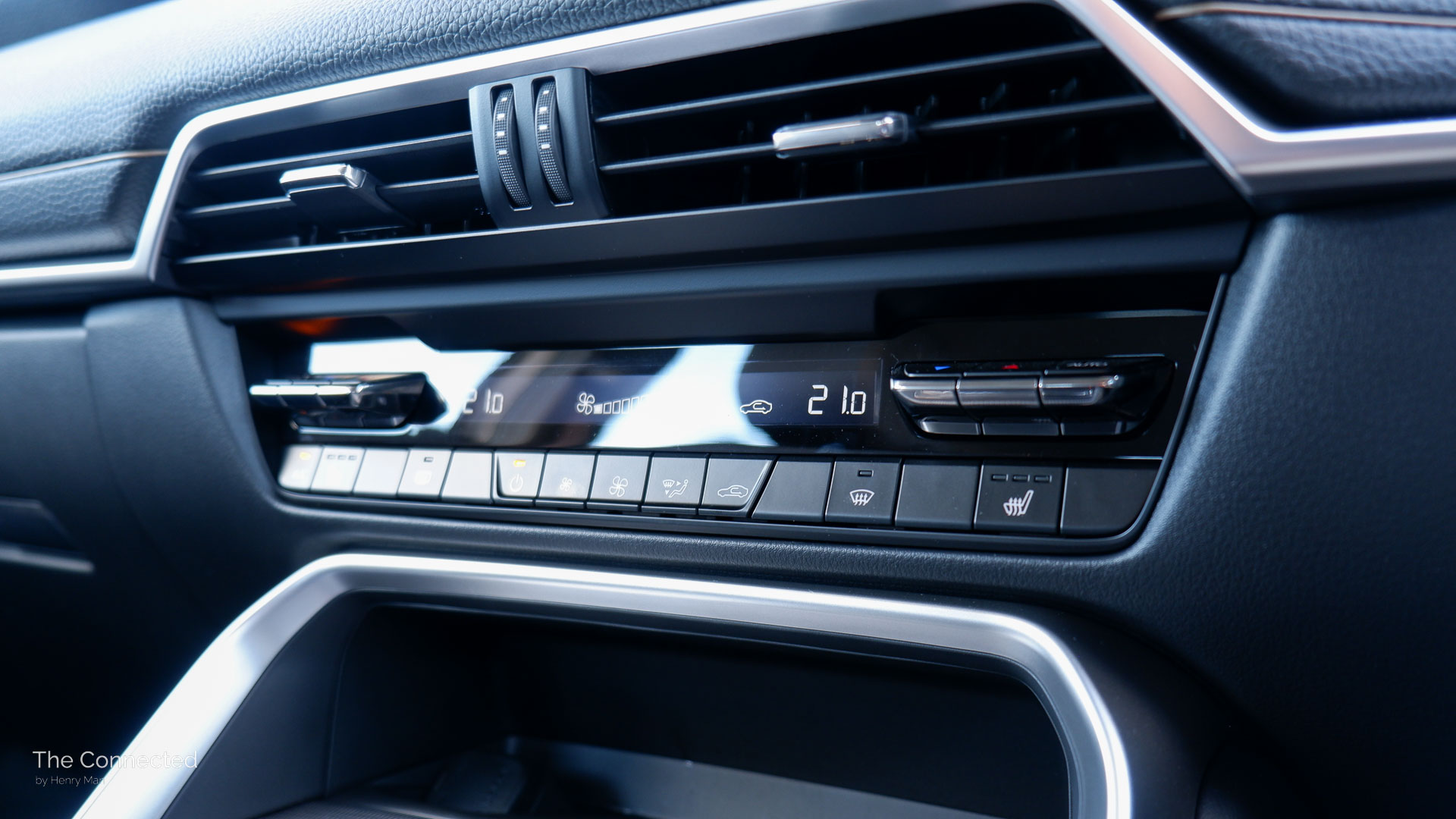

The physical dual-zone climate controls are tactile and easy to reach, although the piano-style row of buttons makes deciphering which button to press take a little more time.
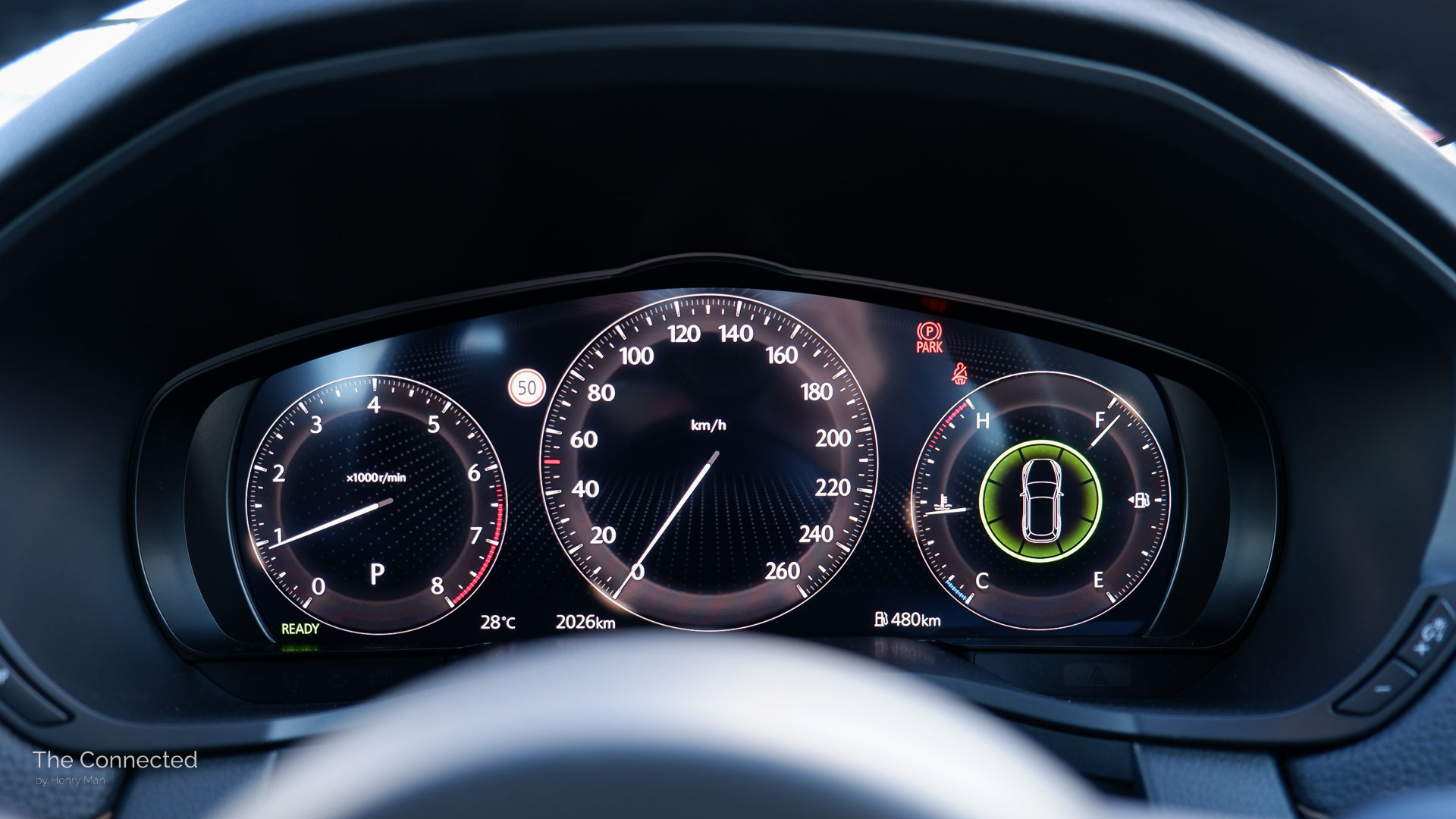
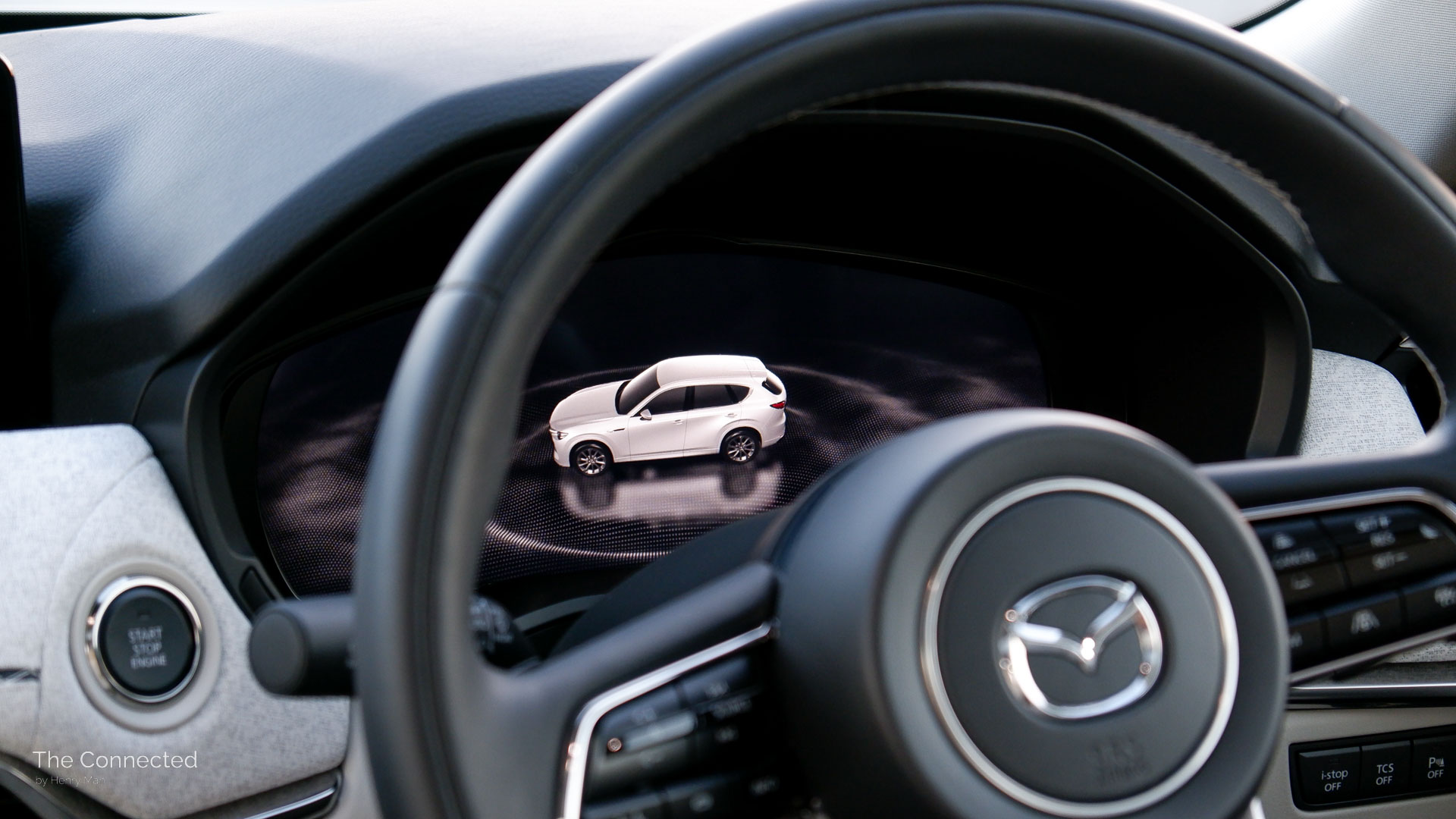
Furthermore, the Mazda CX-60 comes with a part digital-analogue 7.0-inch driver’s instrument cluster as standard, but the Evolve with Vision Package and up bring a full 12.3-inch cluster.
Both bring the same functionality and minimalistic motone theme and there isn’t much customisation.
The 2025 CX-60 doesn’t yet feature Mazda Connected Services and mobile app connectivity, but it’s expected to roll out with the forthcoming 2025 update.
Whether the standard eight-speaker system or the upgraded 12-speaker Bose audio on the GT and Azami, both sound decent. There’s slightly more punch and immersion with the Bose branded unit.
Safety.
2025 Mazda CX-60 safety features:
| Front AEB vehicle/pedestrian/cyclist/junction turning detection | Reversing camera (Evolve) or 360-degree camera system (Evolve with Vision Technology Package/GT/Azami) |
| Rear AEB | Front and rear parking sensors |
| Blind-spot assist | Door open warning |
| Rear cross-traffic assist | Traffic sign recognition |
| Front cross-traffic alert (Evolve and GT with Vision Technology Package/Azami) | Full LED headlights (Evolve/GT) or adaptive matrix LED headlights (GT with Vision Technology Package/Azami) |
| Lane-keep assist | Full LED tail-lights |
| Adaptive cruise control (Evolve) or stop/go adaptive cruise control with lane-centring assist (Evolve and GT with Vision Technology Package/Azami) |
The CX-60 SUV includes refined and non-intrusive safety assistance tech, though we experienced some false-positive warnings at times.
The base Evolve already includes most active safety tech as standard, but optioning the $4000 Vision Technology Package on the Evolve or GT (standard on Azami) brings a handy 360-degree camera system, front cross-traffic alert, stop/go adaptive cruise control with lane-centring assist, and more.
The adaptive cruise control works smoothly at keeping a safe distance with the vehicle in front and the lane assist systems are dependable by subtly tugging the wheel.
However, I experienced some false-positive warnings at times, with the SUV thinking a car was in the adjacent lane – triggering blind-spot assist with steering intervention – when it actually was right behind, and front-cross traffic alert erroneously sounding off.
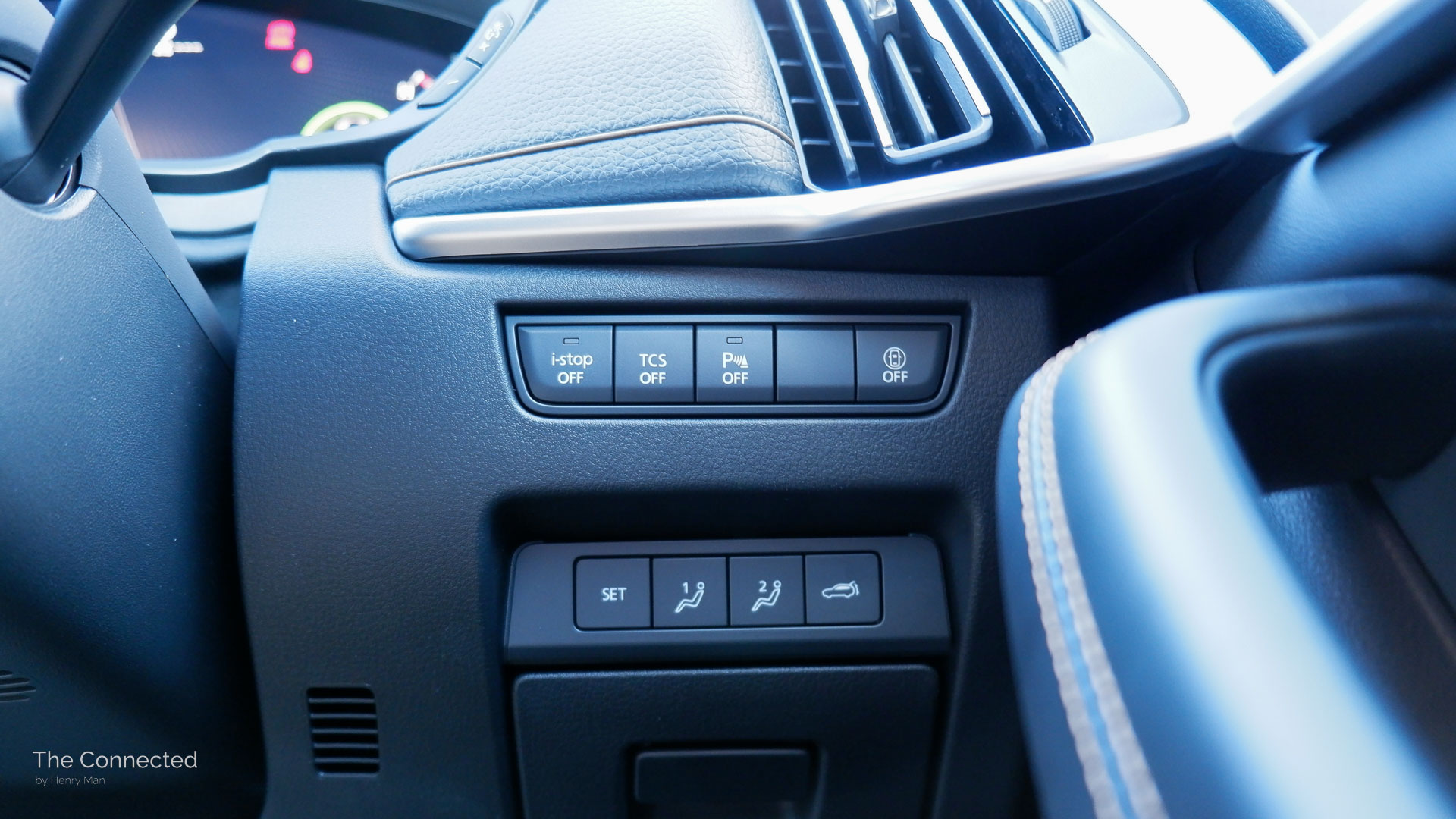
The Japanese carmaker offers a shortcut button beside the driver to easily mute certain safety assist systems and the traffic sign detection system is mostly dependable, with it working with the navigation system to display when there’s a speed limit change beforehand with a distance marker, and a single press of the resume button instantly changing the set adaptive cruise speed.
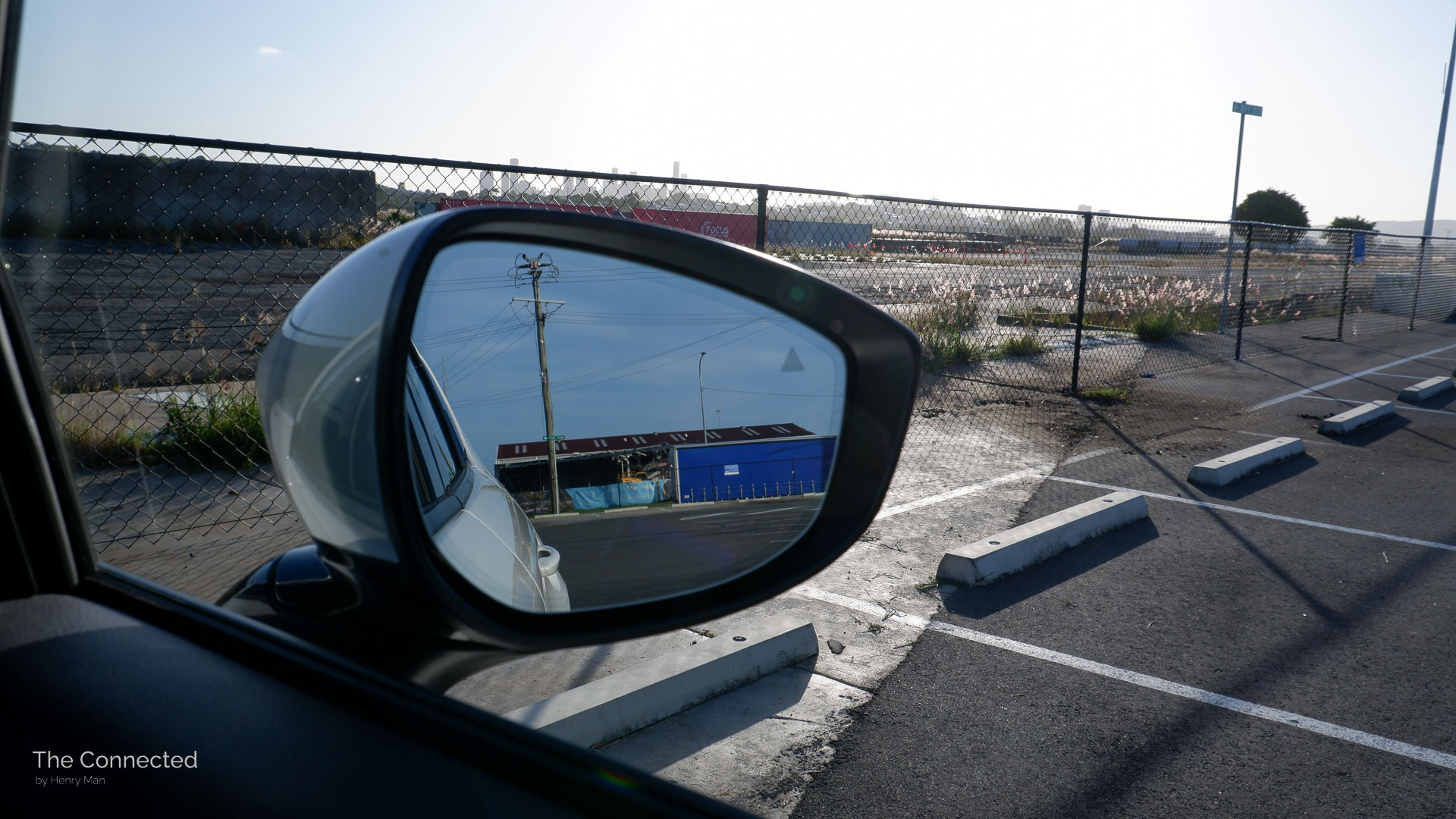
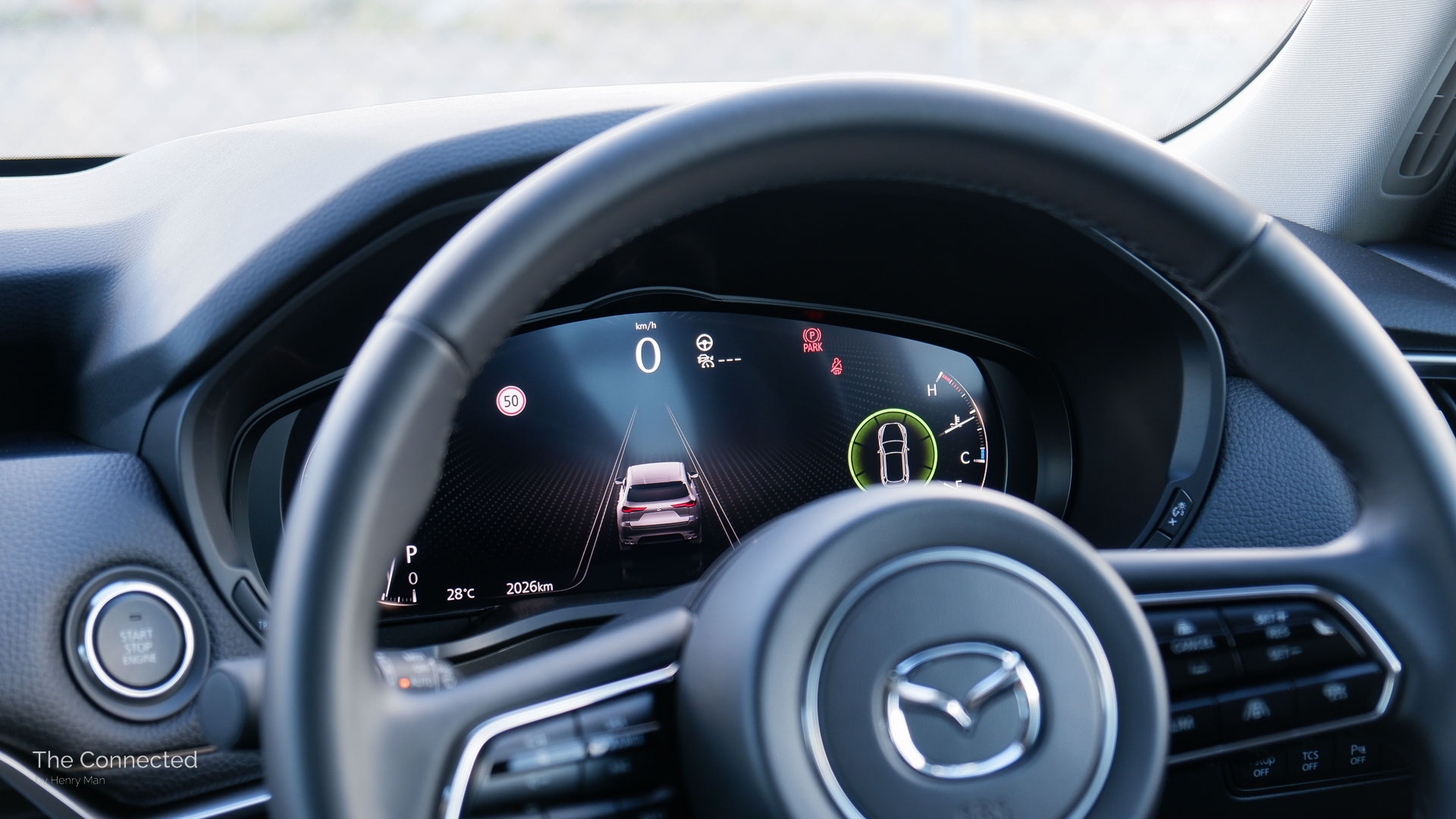
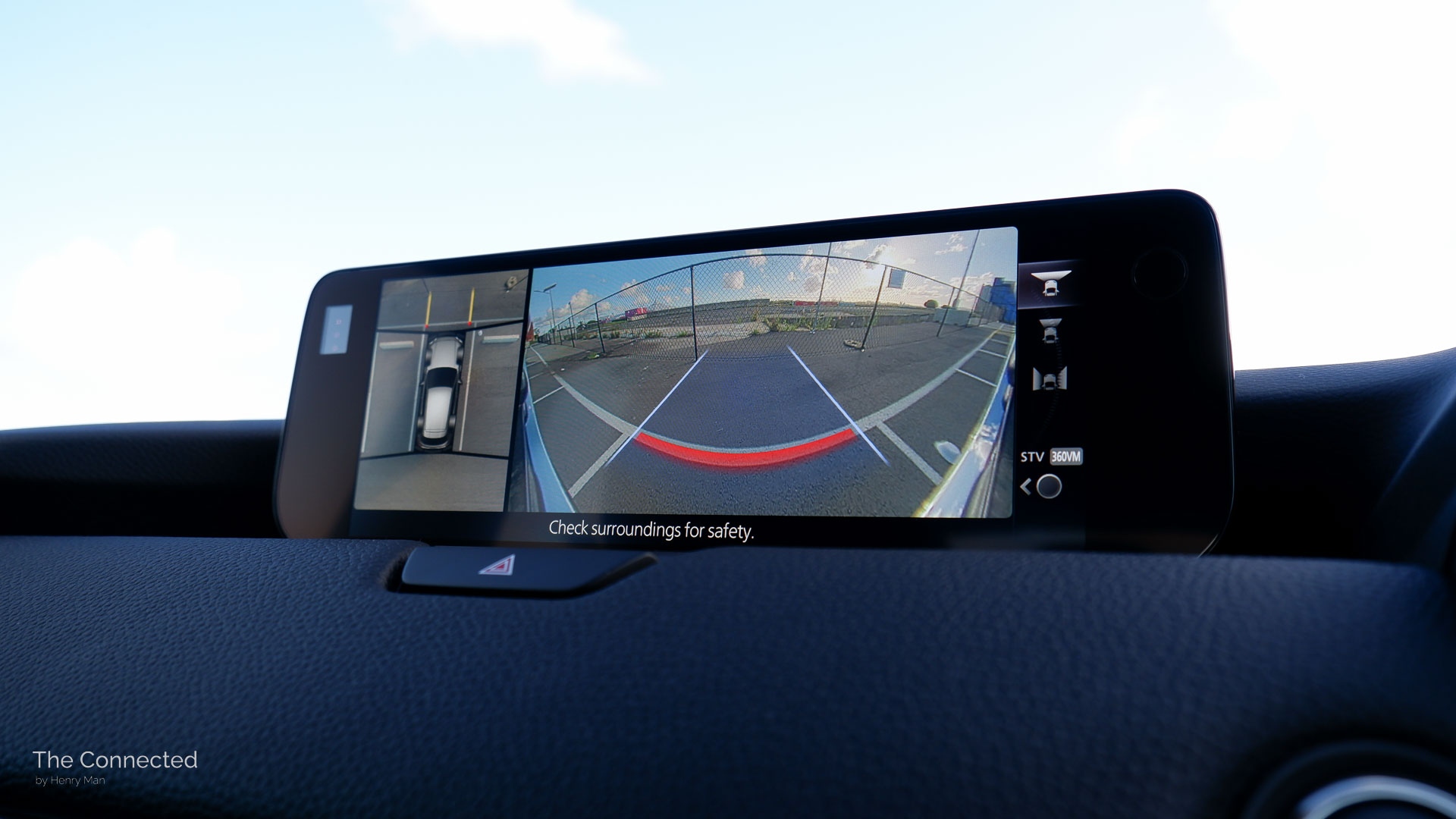
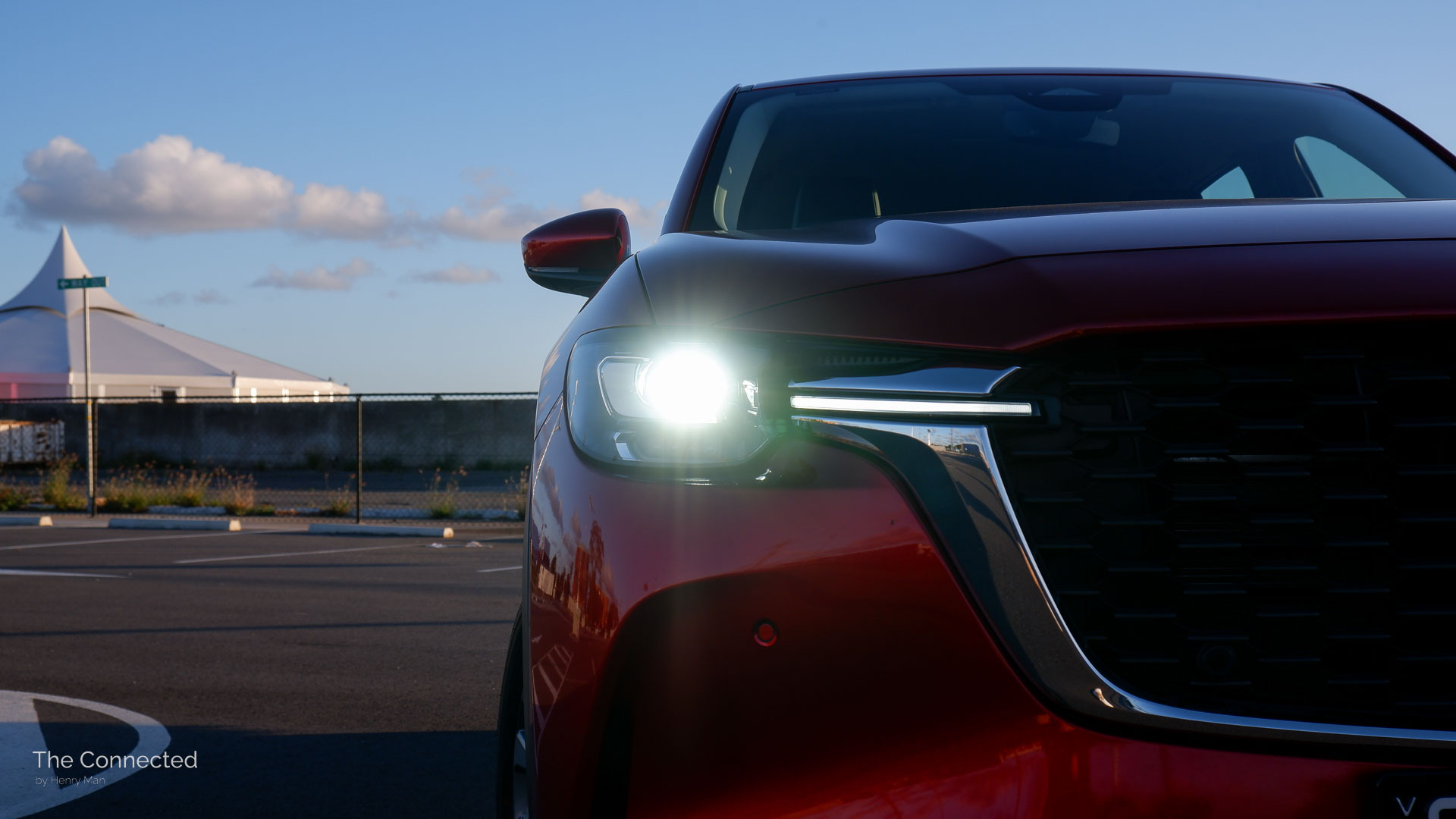
Thankfully, blind-spot monitoring is standard across all CX-60s – because Mazda chooses to have a flat right wing mirror rather than a commonplace convex glass.
Everything appears zoomed-in and closer than in real life, and creates a big blind spot that makes changing lanes and even parking more unnerving than it should be. The left mirror is fortunately convex and wide-angle.
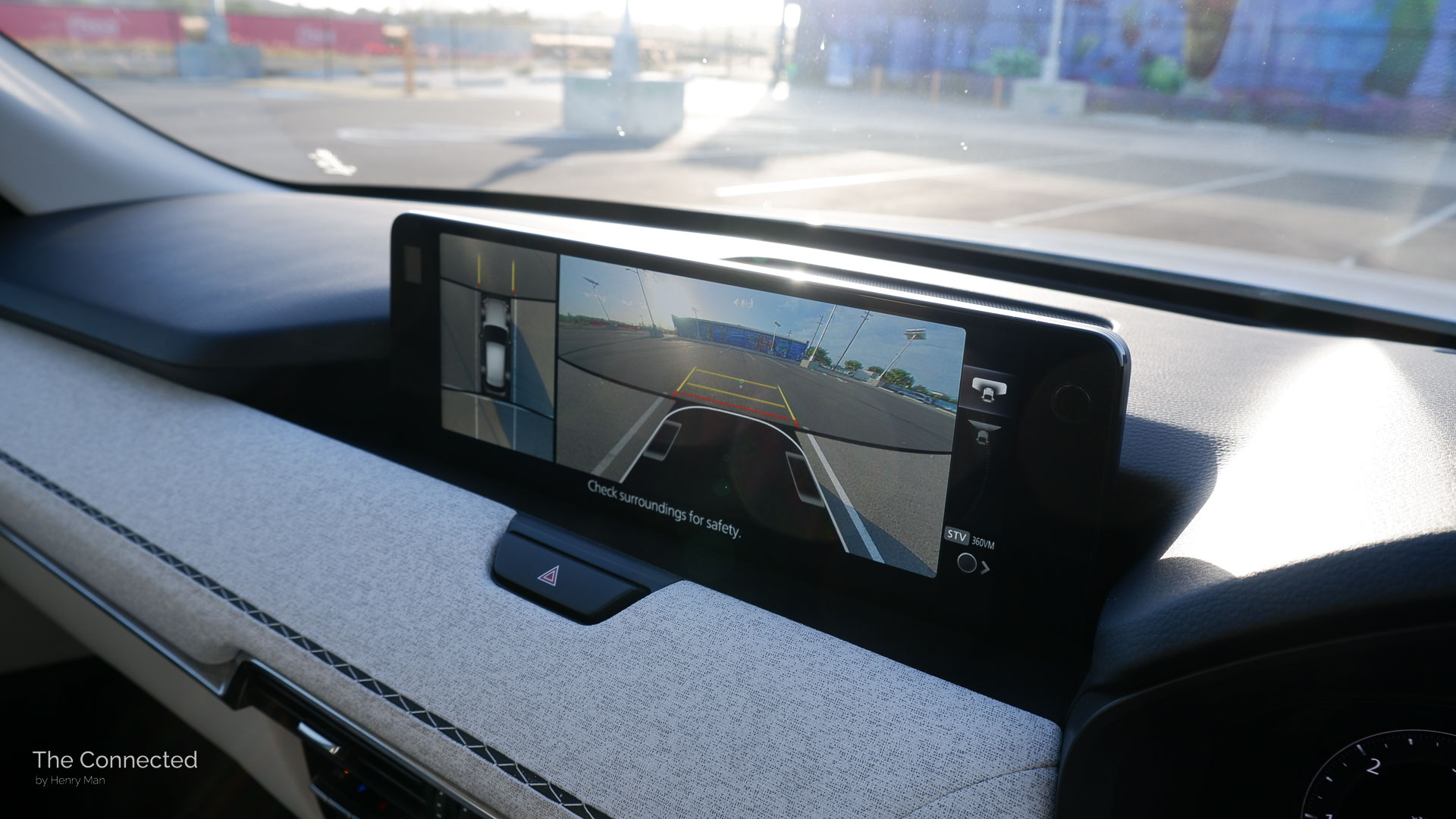
Meanwhile, the 360-degree surround-view camera system is very clear, high resolution and can easily be accessed at any speed via a button press on the centre console (it cuts out after a few seconds of driving, though).
Good performing full LED headlights are standard, while the GT with Vision Technology Package and Azami come with adaptive high beam matrix units.
Fortunately, the base Evolve still offers LED daytime running lights – unlike some of Mazda’s smaller models – but only higher-end variants have the signature eye shape.
The 2025 Mazda CX-60 has received the full five-star safety rating by the Australasian New Car Assessment Program (ANCAP) under less strict 2022 testing criteria. The rating is due to expire at the end of 2028.
Range and fuel consumption.
2025 Mazda CX-60 G40e and D50e fuel and efficiency specs:
| CX-60 G40e | CX-60 D50e | |
|---|---|---|
| Claimed driving range (combined cycle) | 784km | 1184km |
| Claimed fuel efficiency (combined cycle) | 7.4L/100km | 4.9L/100km |
| Fuel tank size | 58 litres | |
| Minimum fuel quality requirement | 91 RON | Diesel |
| Claimed CO2 exhaust emissions (combined) | 171g/km | 128g/km with DPF |
| European emissions compliance | Euro 5 | |
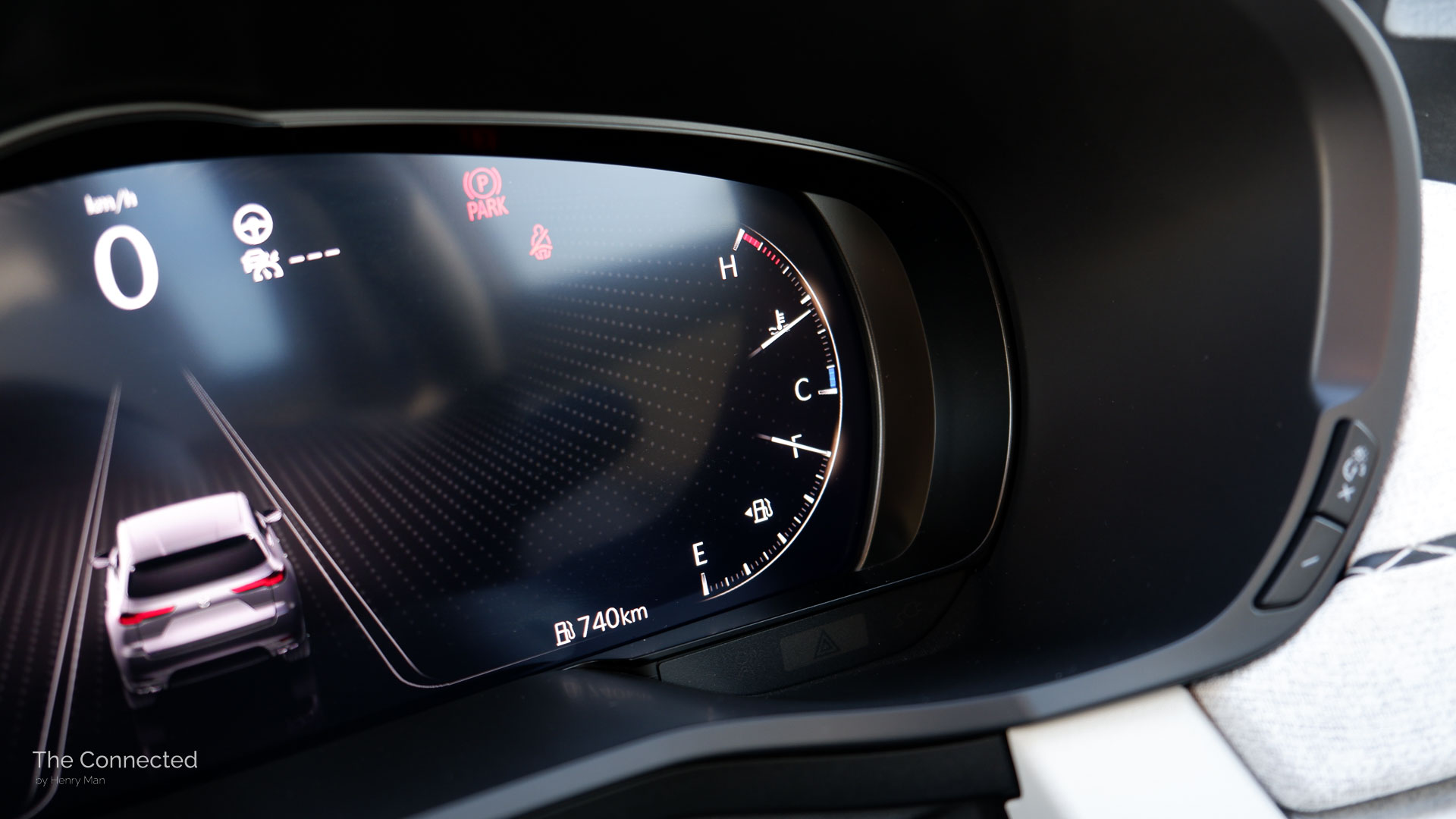
The petrol CX-60 G40e indicated an average combined fuel consumption of 12.5L/100km, while the diesel G40e was much more efficient at 6.4L/100km in our testing.
Both powertrains house a 58-litre fuel tank, meaning I could get 504km of driving range on the petrol G40e or 906km range on the diesel D50e.
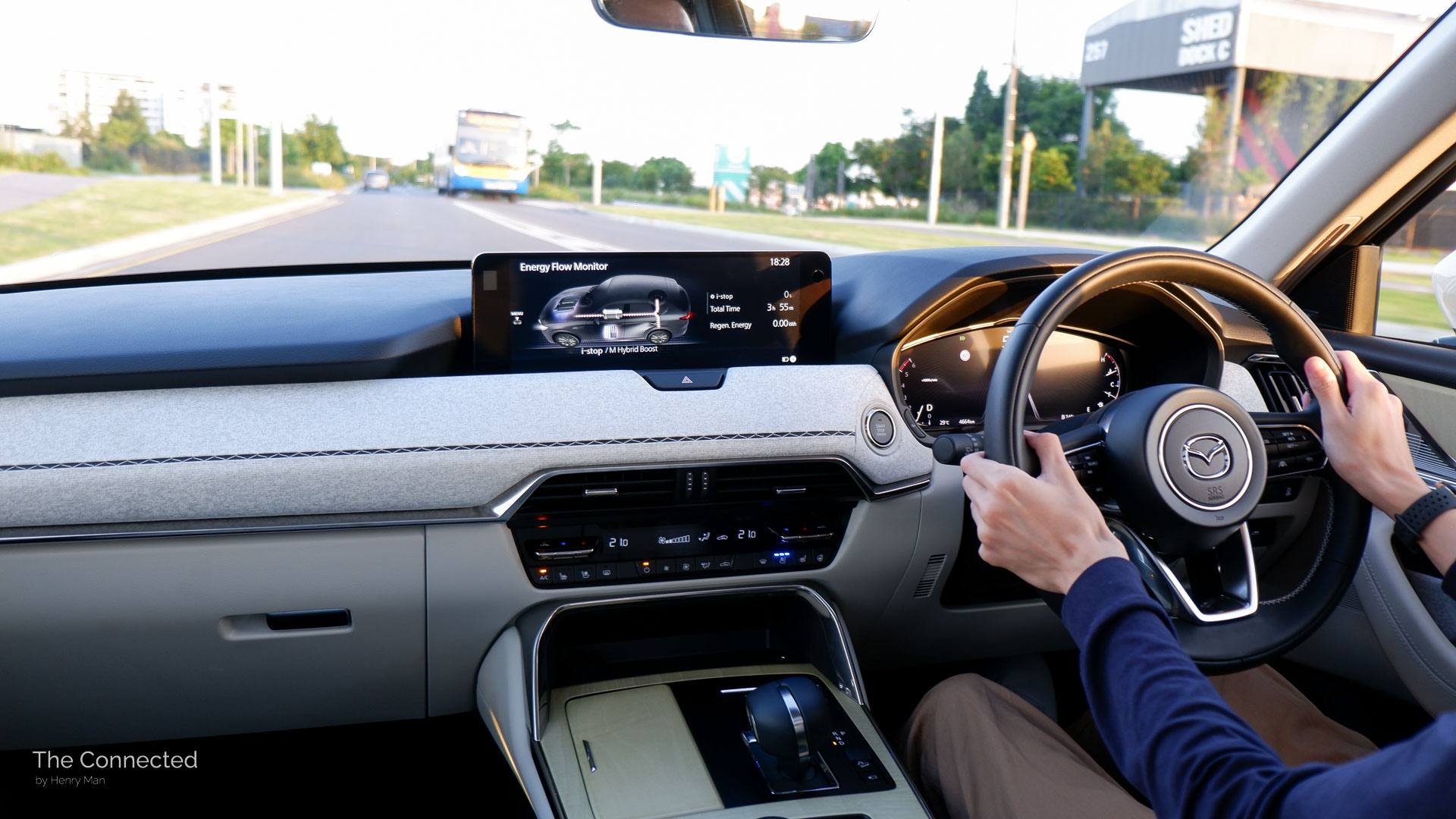
The Mazda SUV is assisted by a 48-volt mild-hybrid electric vehicle (MHEV) system, which helps the engine accelerate and shut off at times to save fuel and exhaust emissions.
However, despite its electrification efforts, it doesn’t save too much fuel in the real world.
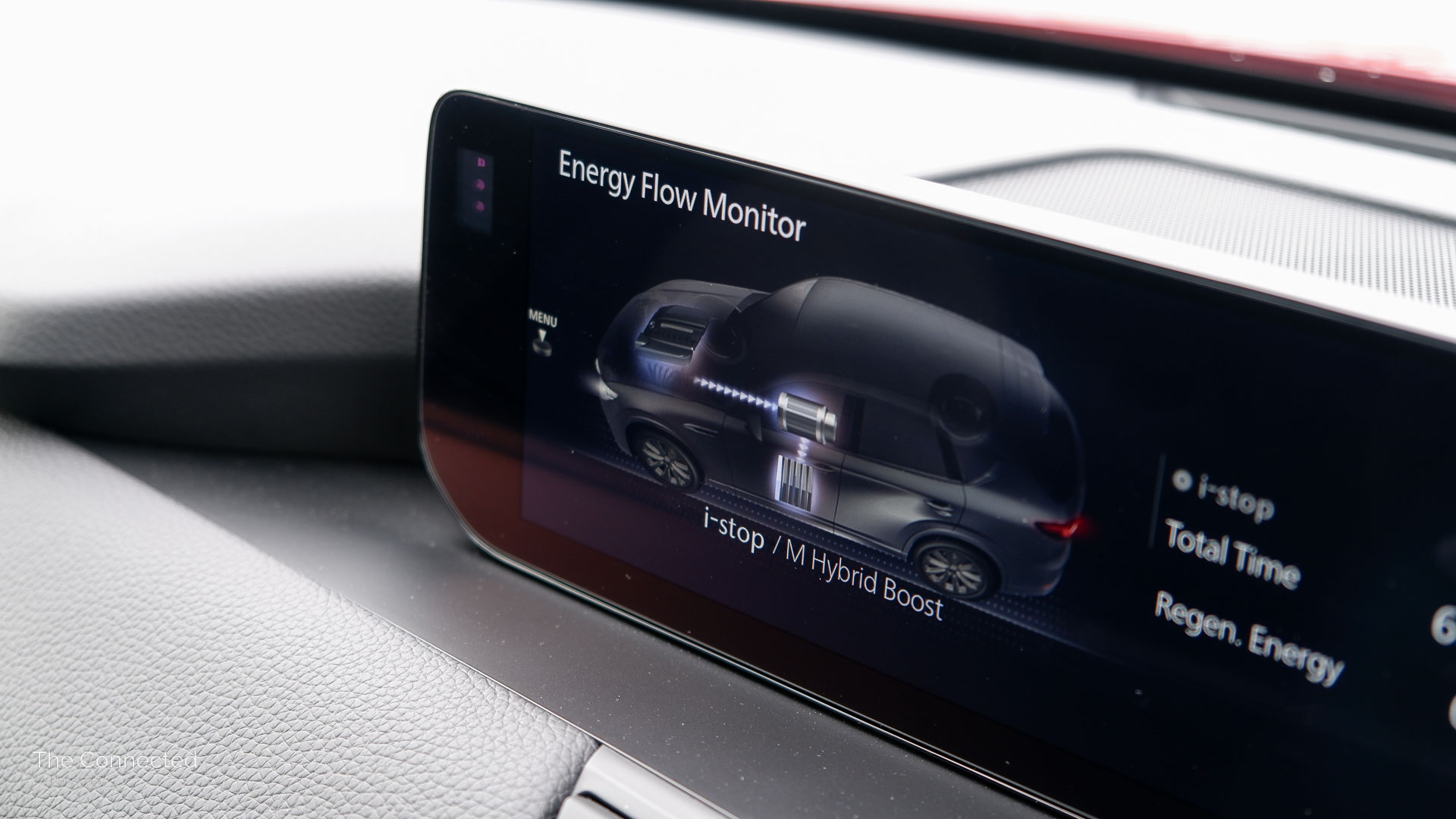
The mild-hybrid system is much more temperature sensitive than traditional hybrids. It doesn’t pause the engine when the weather was hot with the air-conditioning blasting, and when it did, only shut off for brief periods; it would reactivate the engine in less than a minute of stopping. It’s no doubt mild.
While the D50e diesel is much more fuel efficient, you’ll need to regularly drive at high speeds for long periods to avoid clogging the diesel particulate filter (DPF) – not ideal for city- and suburban-only drivers.
A plug-in hybrid electric vehicle (PHEV) option is available with up to 76km claimed EV-only range from a full charge, albeit for a hefty $13,050 premium across the range.
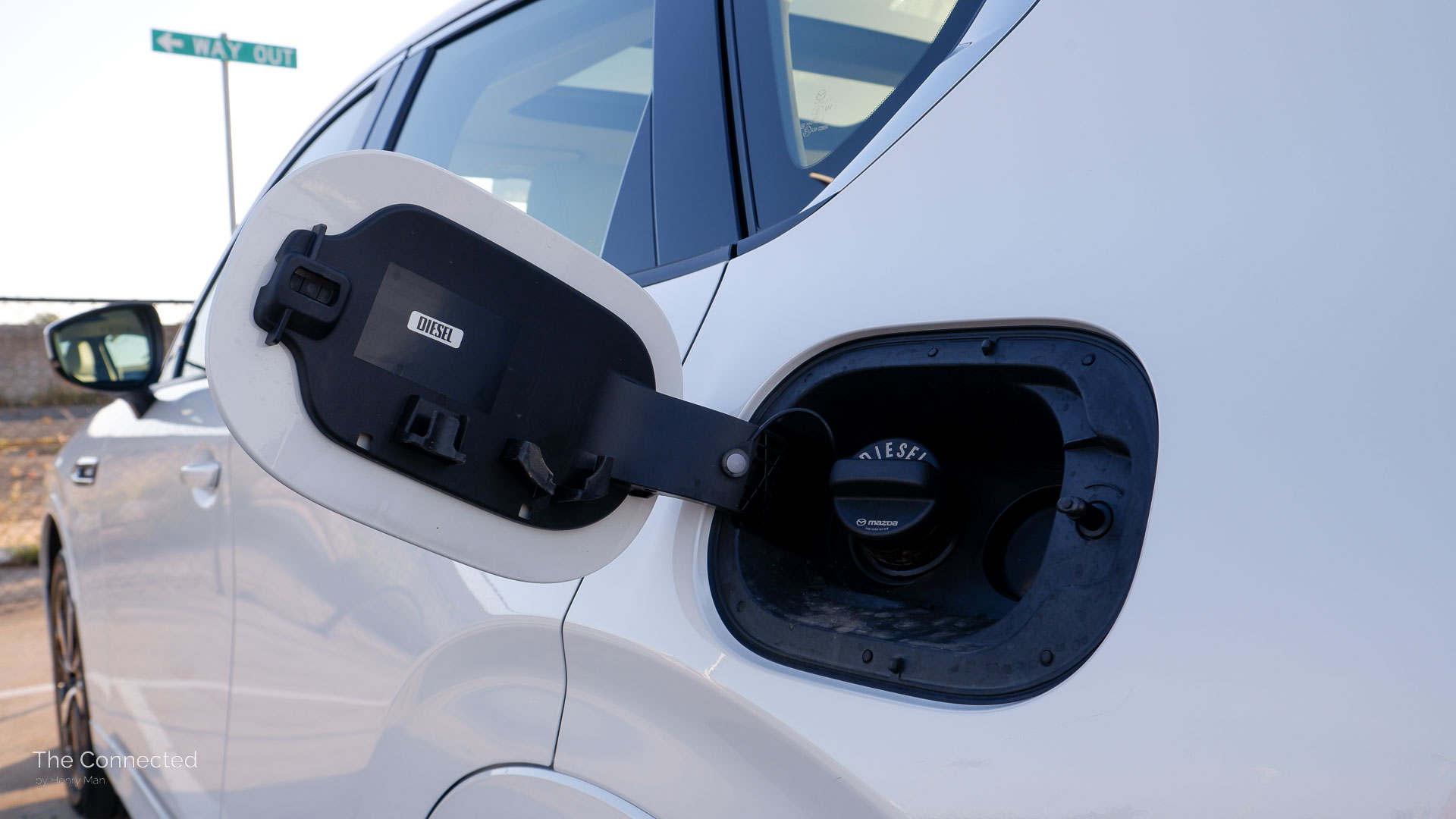
The fuel cap is accessible at the left-rear quarter of the vehicle with an easy to twist spring-loaded cap.
Driving.
2025 Mazda CX-60 G40e and D50e powertrain specs:
| CX-60 G40e | CX-60 D50e | |
|---|---|---|
| Engine and electric motor | 3.3-litre turbocharged inline six-cylinder petrol engine and electric motor | 3.3-litre turbocharged inline six-cylinder diesel engine and electric motor |
| Battery size and type | 48-volt lithium-ion battery | |
| Power | 209kW @5000-6000rpm | 187kW @3750rpm |
| Torque | 450Nm @2000-3000rpm | 550Nm @1500-2400rpm |
| Transmission | Eight-speed single-clutch auto | |
| Drive type | AWD | |
| Kerb weight | 1921kg | 1990kg |
| Payload | 579kg (excluding max 150kg towball download) | 511kg (excluding max 150kg towball download) |
| Towing (unbraked / braked) | 750 / 2500kg | 750 / 2000kg |
The Mazda CX-60 boasts smooth and powerful inline six-cylinder powertrains, with the D50e being my pick.
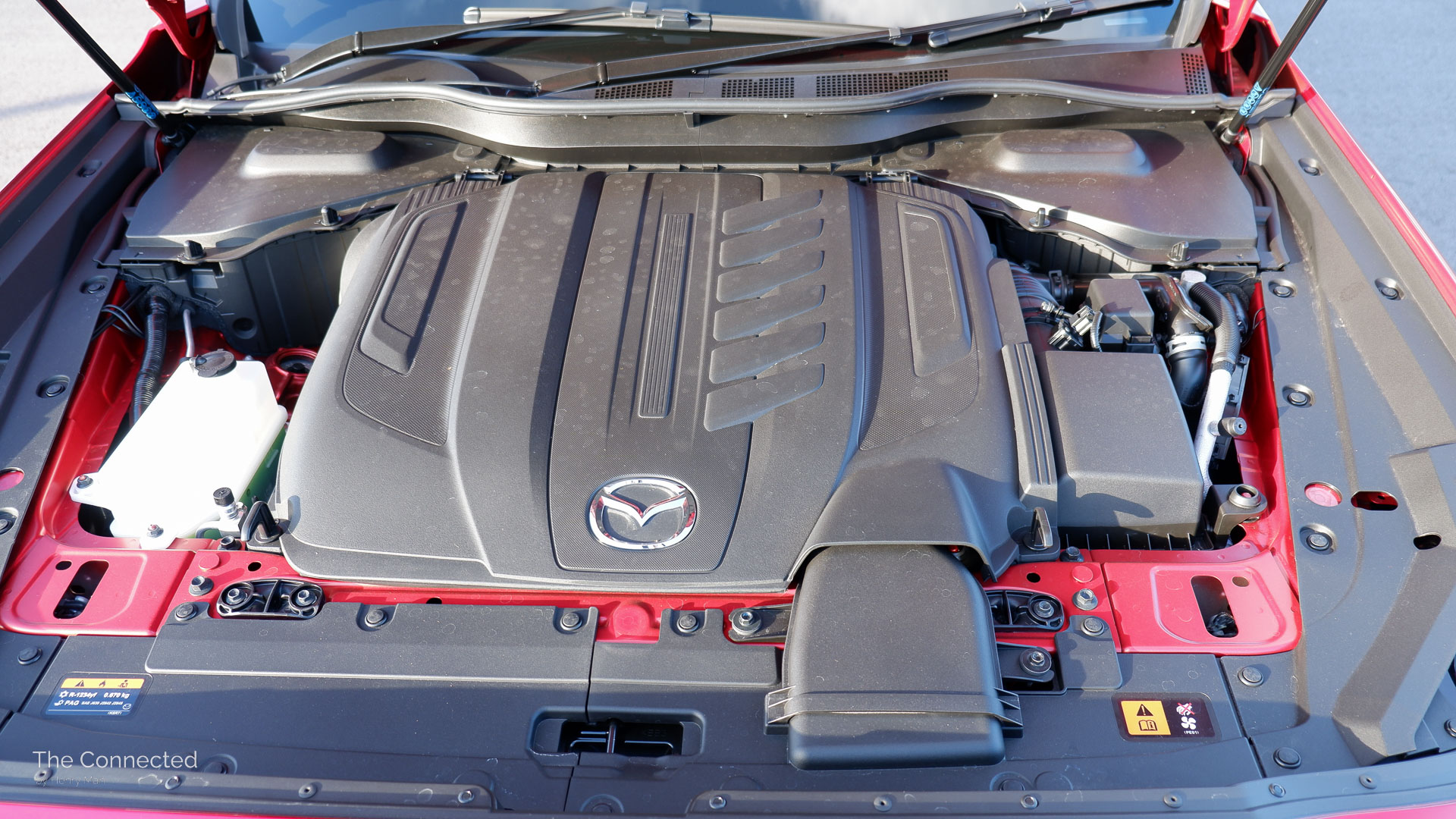
The standard G40e turbocharged petrol engine makes up to 209kW of power and 450Nm of torque via an eight-speed single-clutch automatic transmission to all four wheels. It’s mated to a 48-volt mild-hybrid system.
It provides plenty of push with a rear-wheel-driven bias and a satisfying exhaust note, with the MHEV system working almost seamlessly at assisting the engine and shutting it off for brief periods when coasting, slowing down or at a stop – although it takes an awkward second to restart the engine.
Regenerative braking is minimal, with the mild-hybrid system primarily recharging the tiny battery via the blended brake pedal and engine.
The unique eight-speed single-clutch automatic transmission is responsive, but isn’t as smooth as a traditional torque converter.
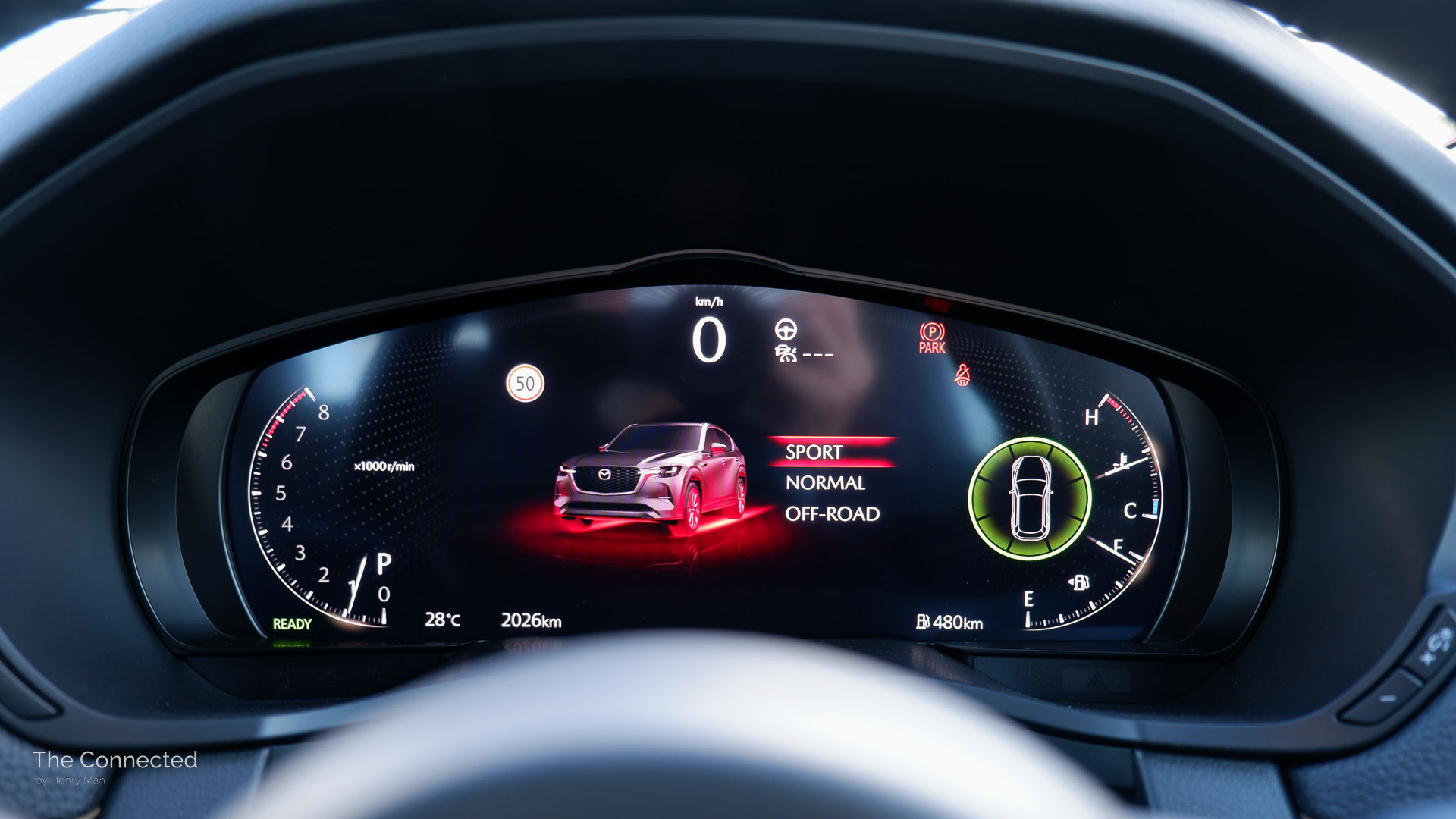
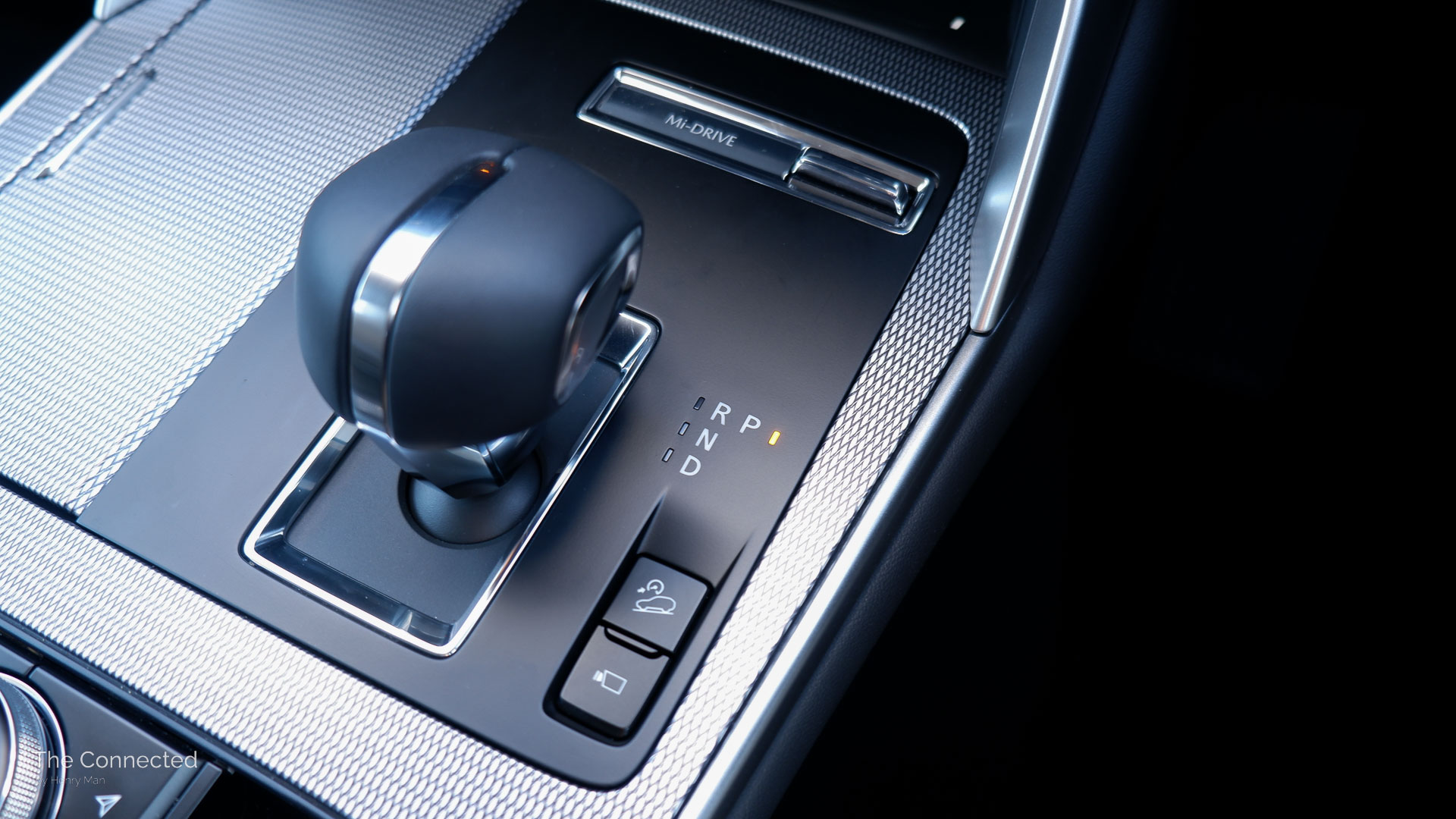
The Mazda SUV pleases drivers with a commanding driving position and firmer steering tune, although it has a longer steering wheel ratio – requiring a bit more turning when manoeuvring around streets and car parks.
Additionally, the petrol motor strangely has the advantage of more braked towing capacity – 2500kg rather than the diesel’s 2000kg.
However, despite the base Evolve’s smaller 18-inch wheels and cushy 235/60 rubber, its ride is nothing but. Going over more severe potholes and bumps hits the cabin more harshly than ideal with a firmly-tuned suspension, despite improvements introduced in 2024.
It’s important to note that, while the ride is crashy at times, it isn’t a deal breaker with good driving comfort and noise insulation most of the time when the road is well-paved – even on rougher coarse-chip surfaces.
Mazda Australia has confirmed further ride comfort and powertrain updates for the upcoming 2025 CX-60 update.
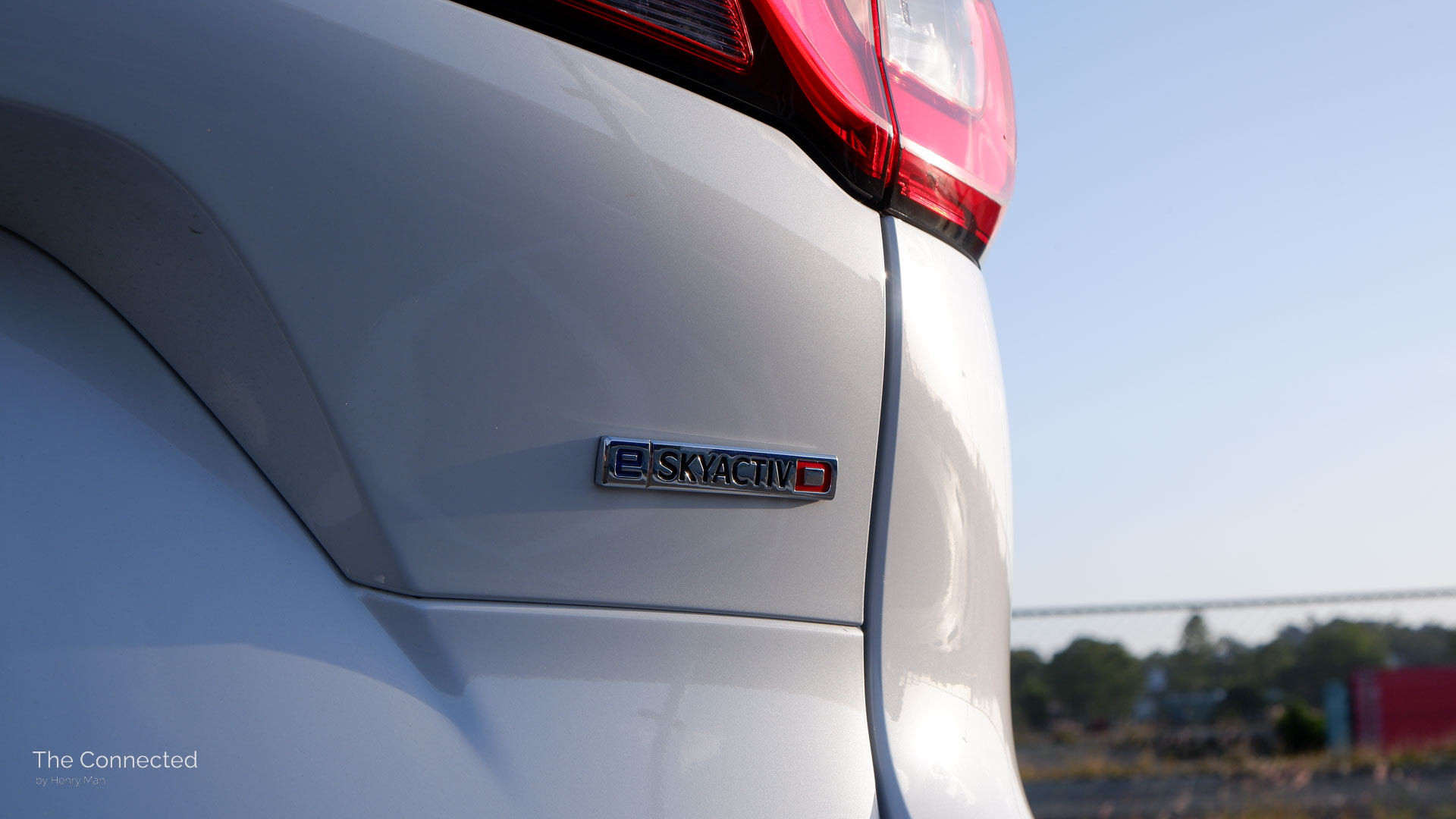
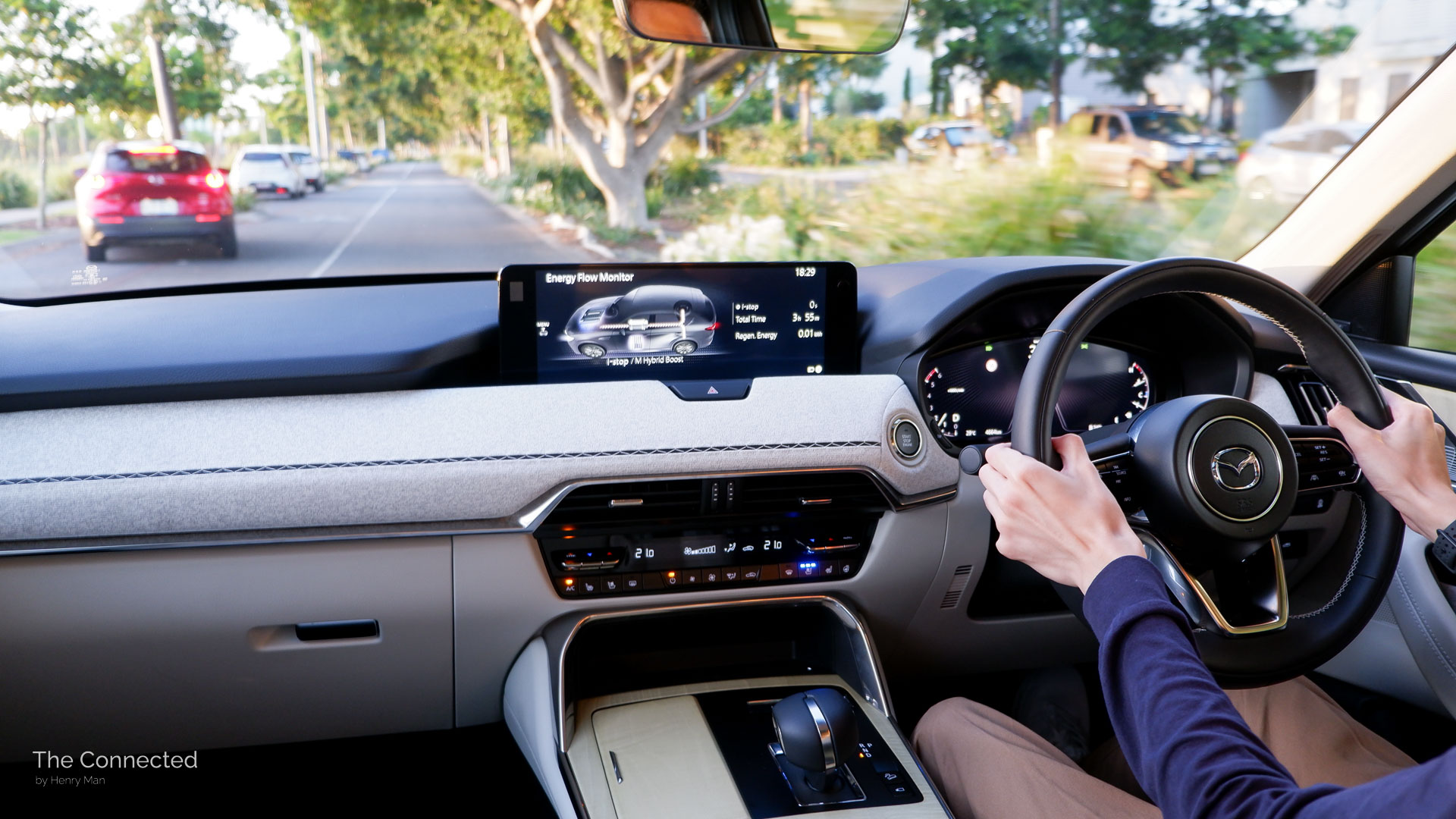
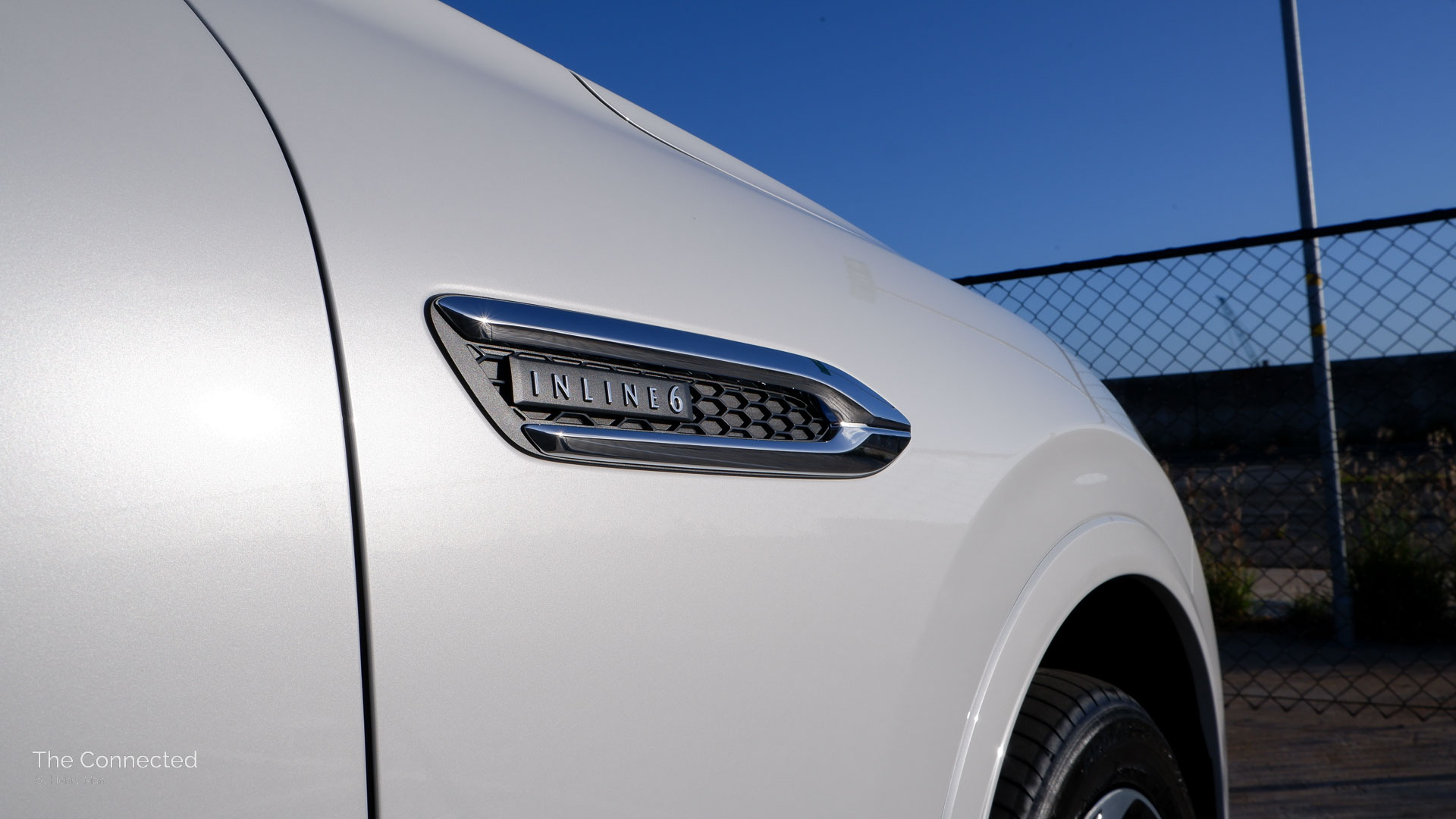
Meanwhile, the optional D50e diesel engine produces up to 187kW/550Nm with the same mild-hybrid assistance and eight-speed auto.
Despite having less power, but delivering its peak at lower rev range than the petrol G40e, it doesn’t feel as fast with a more gradual power delivery and leisurely throttle calibration.
While you can hear the characteristic diesel rattling sounds, it is still refined with good engine noise suppression and, unlike the diesel Hyundai Palisade or Kia Carnival, doesn’t noticeably vibrate the interior when idling like a tractor.
However, the CX-60’s diesel engine did vibrate the interior rear-view mirror, causing a slightly blurry image at times and the motor is more audible at idle.
The D50e diesel is my pick purely due to the far better fuel economy – but if you only drive in the city and around suburbs, the standard G40e petrol is the more logical choice.
Warranty and servicing.
2025 Mazda CX-60 G40e capped-price servicing costs:
| 1 year/15,000km | 2 years/30,000km | 3 years/45,000km | 4 years/60,000km | 5 years/75,000km |
|---|---|---|---|---|
| $453 | $665 | $578 | $1304 | $469 |
2025 Mazda CX-60 D50e capped-price servicing costs:
| 1 year/10,000km | 2 years/20,000km | 3 years/30,000km | 4 years/40,000km | 5 years/50,000km |
|---|---|---|---|---|
| $490 | $660 | $999 | $660 | $490 |
The 2025 Mazda CX-60 is backed by a five-year, unlimited kilometre vehicle warranty.
CX-60 PHEV models also have a separate eight-year/160,000km battery warranty.
Servicing is required every one year/15,000km (whichever occurs first) for the standard G40e petrol, while the D50e diesel demands shorter 10,000km intervals.
Therefore, capped-price servicing goes up to seven years/105,000km (G40e petrol) or seven years/70,000km (D50e diesel).
After the first five years/75,000km, the standard CX-60 G40e petrol costs $3469 in total to service.
The D50e diesel is actually slightly cheaper to maintain after five years/50,000km at $3299 – although it’s offset by the shorter distance intervals.
Roadside assistance is included for the first five years.
A temporary space-saver spare tyre is included underneath the boot floor, except CX-60 PHEV models which only have a tyre patch-up repair kit.
Price and rivals.
2025 Mazda CX-60 model range pricing (accurate as at the time of publication):
| Evolve | GT | Azami |
|---|---|---|
| From $60,550 before on-road costs | From $68,550 before on-road costs | From $73,750 before on-road costs |
The 2025 Mazda CX-60 is priced from $60,550 before on-road costs in Australia.
Three variants are available, each with the option of three powertrains – G40e petrol (standard), D50e diesel (+$2000), and P50e PHEV (+$13,050).
The Luxury Car Tax (LCT) applies to certain higher-end variants above the $80,567 2024-25 threshold.
The entry-level Evolve can be had with the Vision Technology Package (+$2000) which adds:
- 360-degree camera system
- Lane-centring assist with stop/go adaptive cruise control
- Front cross-traffic alert
- Driver monitoring camera system
Alternatively, the Evolve has a combined Vision Technology and Luxury Package (+$4000) that adds on top of the above-mentioned Vision Technology features:
- Black leather seat material
- Heated front seats
- Electrically-adjustable front seats
- Two-memory driver seat and wing mirror function
Meanwhile, the mid-spec GT is available with the Vision Technology Package (+$2000) which adds:
- 360-degree camera system
- Lane-centring assist with stop/go adaptive cruise control
- Front cross-traffic alert
- Adaptive matrix LED headlights
The flagship Azami has the option with either SP or Takumi Packages (+$2000):
- The SP Package adds a tan interior theme with Nappa leather and suede seats, suede dashboard and door cards, and dark trims and headliner
- The Takumi Package adds a white interior theme with Pure White Nappa leather seats, cloth dash and door cards with Kakenui stitching, and bright chrome trims
Most exterior colours are free, but a selection of premium paint options – including Soul Red Crystal and Rhodium White as tested – cost $995 extra.
The 2025 Mazda CX-60 directly rivals the following medium SUVs:
- Mazda CX-5
- Hyundai Tucson
- Kia Sportage (full review)
- Nissan X-Trail
- Mitsubishi Outlander
- Toyota RAV4
- Honda CR-V
- Volkswagen Tiguan
- Skoda Kodiaq
- Peugeot 3008
Other alternatives to the CX-60 include:
- Audi Q5
- Genesis GV70
- Mercedes-Benz GLC
- BMW X5
- Subaru Outback
- Kia EV5
- Tesla Model Y
- Xpeng G6
- Hyundai Ioniq 5
- Volkswagen ID.4 (coming soon)
- Skoda Enyaq
Would I pick the 2025 Mazda CX-60?
The Mazda CX-60 is premium, refined and sporty – but it’s a pricey mainstream medium SUV.
It’s not a bargain luxury SUV; rather, it’s a premium mainstream model that begs the question whether choosing a luxury brand is necessary.
The CX-60 offers a premium interior, refined tech and safety assists, and sporty inline six-cylinder engines to appease drivers.
But, it is pricey for a Mazda, the rear row could be more spacious, the flat right mirror could be a dealbreaker for some, and the ride is harsher than ideal for a premium SUV – but not a dealbreaker.
Some of these weaknesses are set to be addressed with an update later this year expected to bring a recalibrated ride and powertrain tune, along with a new cheaper Pure base model and Touring grade higher up in the range – so it may be worth waiting.
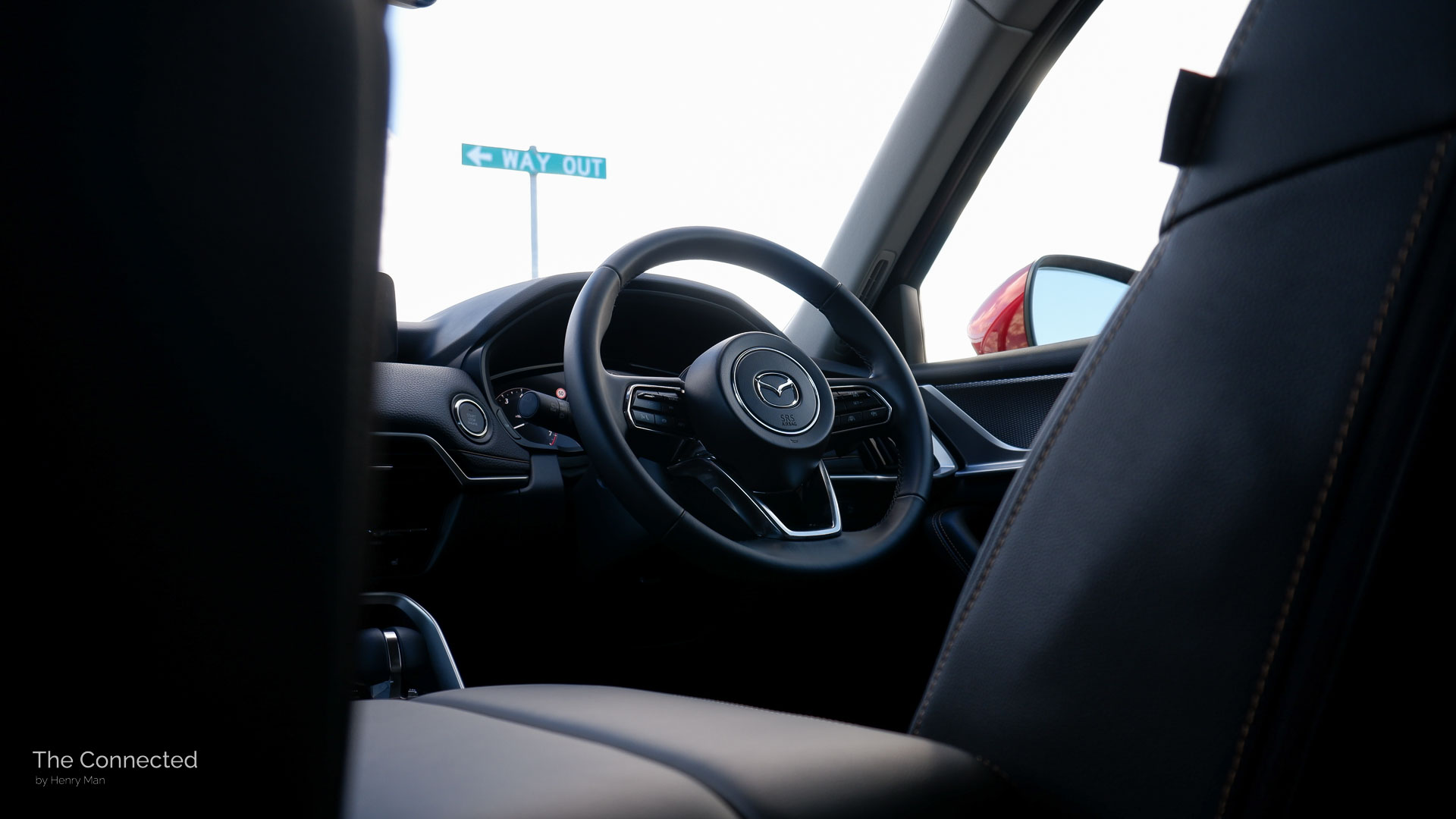
For now, I’d pick the entry-level CX-60 Evolve, which provides the best value with a price that rivals top-spec mainstream SUVs.
It’s worth optioning the Vision Technology and Luxury Package (+$4000) if you can, and consider the D50e diesel (+$2000) to have the better fuel economy as long as you don’t only drive in the city and suburbs.
Consider the Mazda CX-60 if you’re looking for an in-between premium medium SUV without the luxury car price tag, as long as you stick to the base variant.
Photographs by Henry Man
READ MORE: 2024 Mazda CX-90 review
READ MORE: 2025 Kia Carnival review: Better than a SUV?
READ MORE: 2025 Volkswagen T-Cross review
Pros:
- Premium interior
- Sporty inline six engines
- Big boot
- Well-designed tech and safety assists
- Better value at the entry level
Cons:
- Rear row not as spacious
- Weak tinted windows
- Harsh ride at times
- Flat right mirror could be a dealbreaker
- Missing the luxury badge cred
About the Author.
Henry Man is an independent content producer passionate about the intersection of technology and transportation.
The former automotive journalist is focused on producing critically-detailed vehicle reviews, and unique short-form content. Learn more.


