

This is the final chapter. The Korean hot hatch that started it all is on its last legs. Is the final Hyundai i30 N hatch update still worth buying seven years on?
Originally released in 2018, the i30 N marked Hyundai’s Namyang division’s debut – signalling to the world that the South Korean automaker could be fun, not just value.
The Czechia-made hot hatchback was facelifted in 2021 and it’s just been given another update for 2025 – which likely represents the last iteration of the i30 N hatch.
Amid increasingly strict emissions and noise restrictions globally, the i30 N marks the last of an affordable, loud and pure internal combustion engine hot hatch.
We tested the top-spec i30 N Premium to find out whether this seven-year-old sports hatch has aged well – and whether it’s better than the newer i30 Sedan N.
NOTE: The press vehicle was provided by Hyundai Australia for a seven-day independent evaluation. We have no commercial arrangements with the company and it had no editorial control.

Pros.
+ Affordable price against rivals
+ Fun to drive pure hot hatch
+ Obnoxious stock exhaust
+ Still-sharp exterior
+ Generally more practical than i30 Sedan N
Cons.
– Intrusive safety assists
– Interior feels dated
– Old tech, wired phone projection
– Custom N modes design flaw
– Pricier than i30 Sedan N
Vehicle tested:
| Model | 2025 Hyundai i30 Hatch N |
| Variant | N Premium DCT |
| Starting price | $53,500 before on-road costs |
| Exterior colour | Shadow Grey (no cost extra) |
| Interior colour | Black interior with Alcantara/leather seats |
| Country made | Czechia |
Design and quality.
Hyundai has made subtle final touches to the 2025 i30 N hatch, but the interior now feels dated with some cheaper materials.
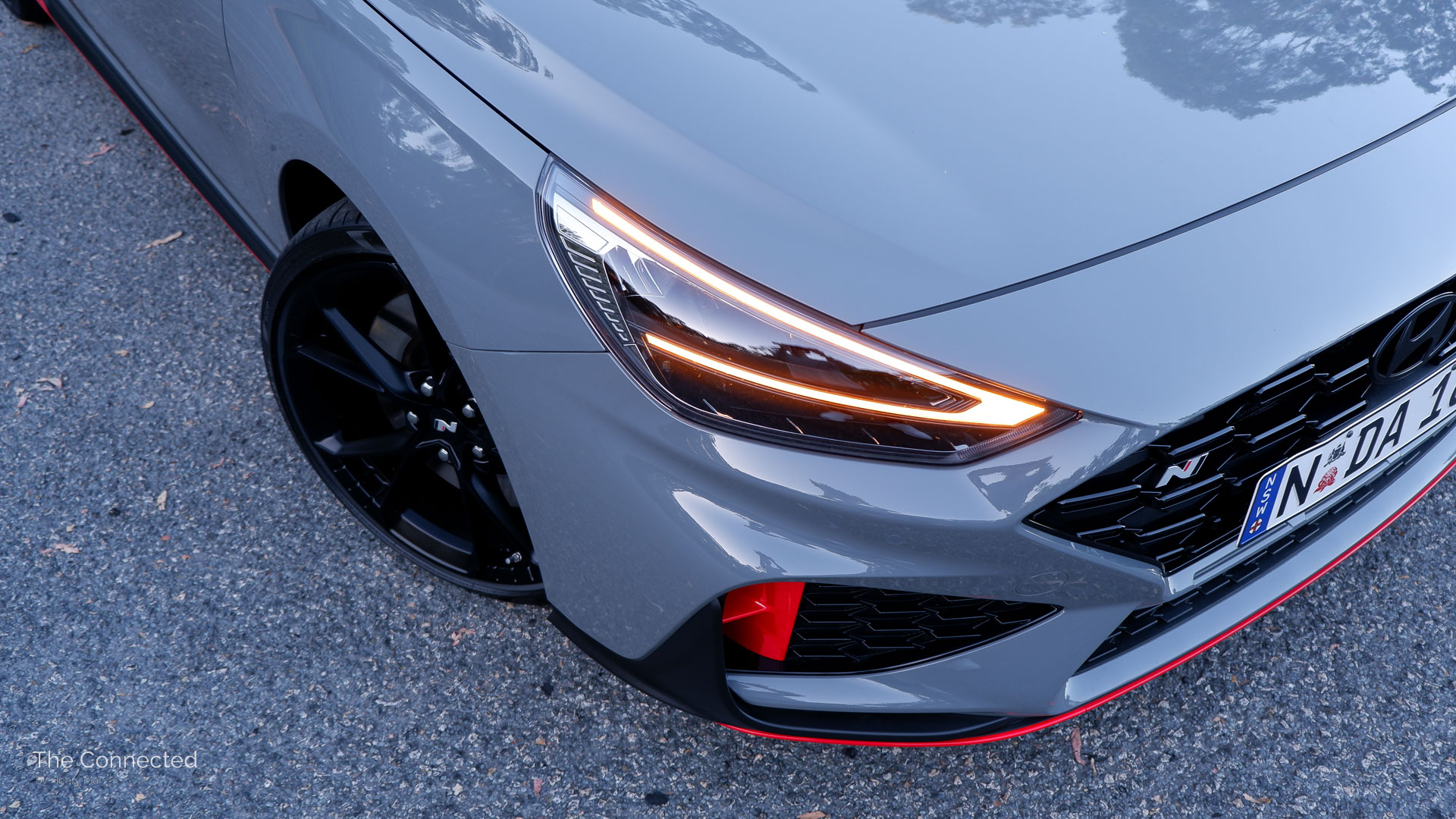
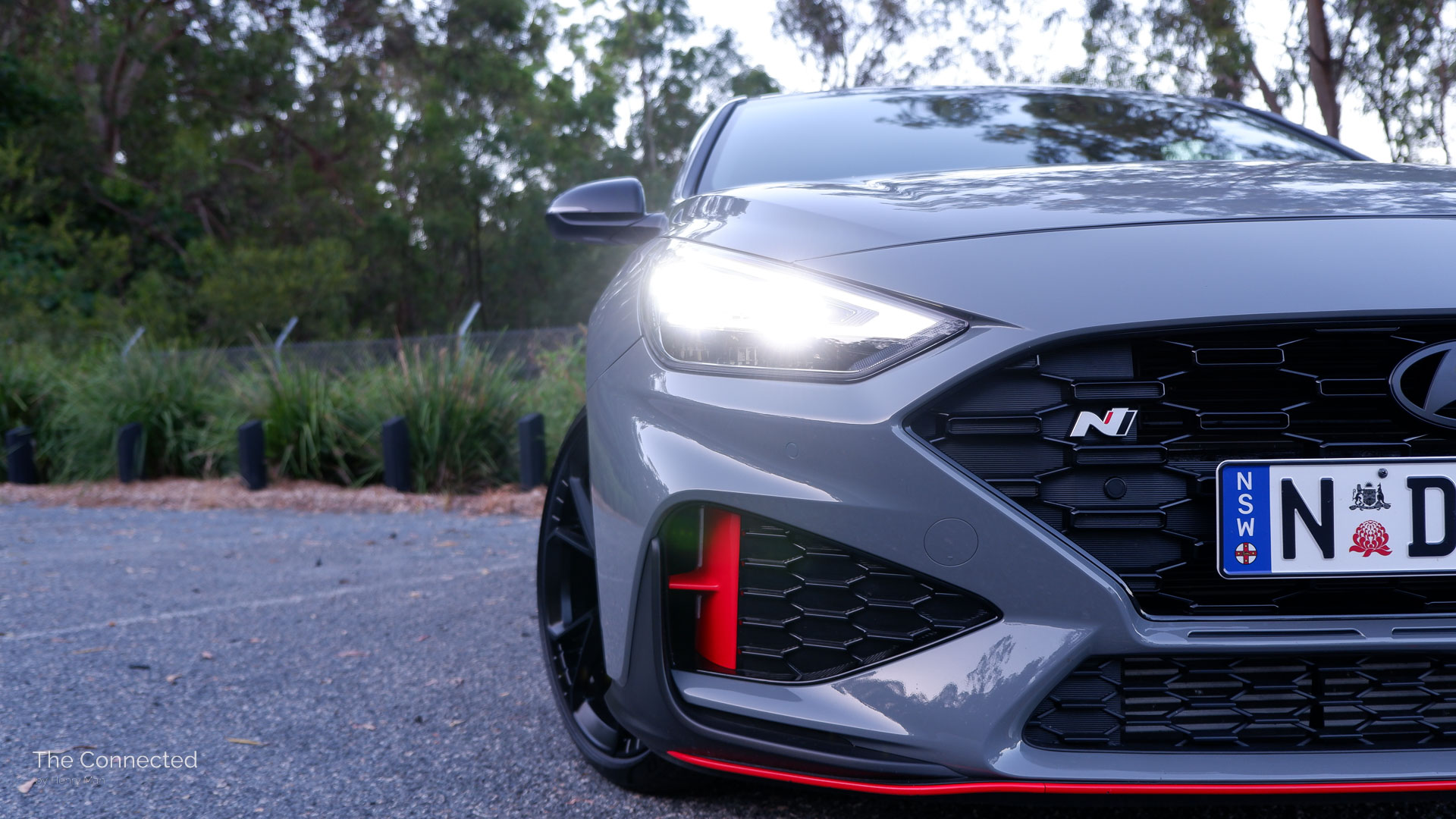
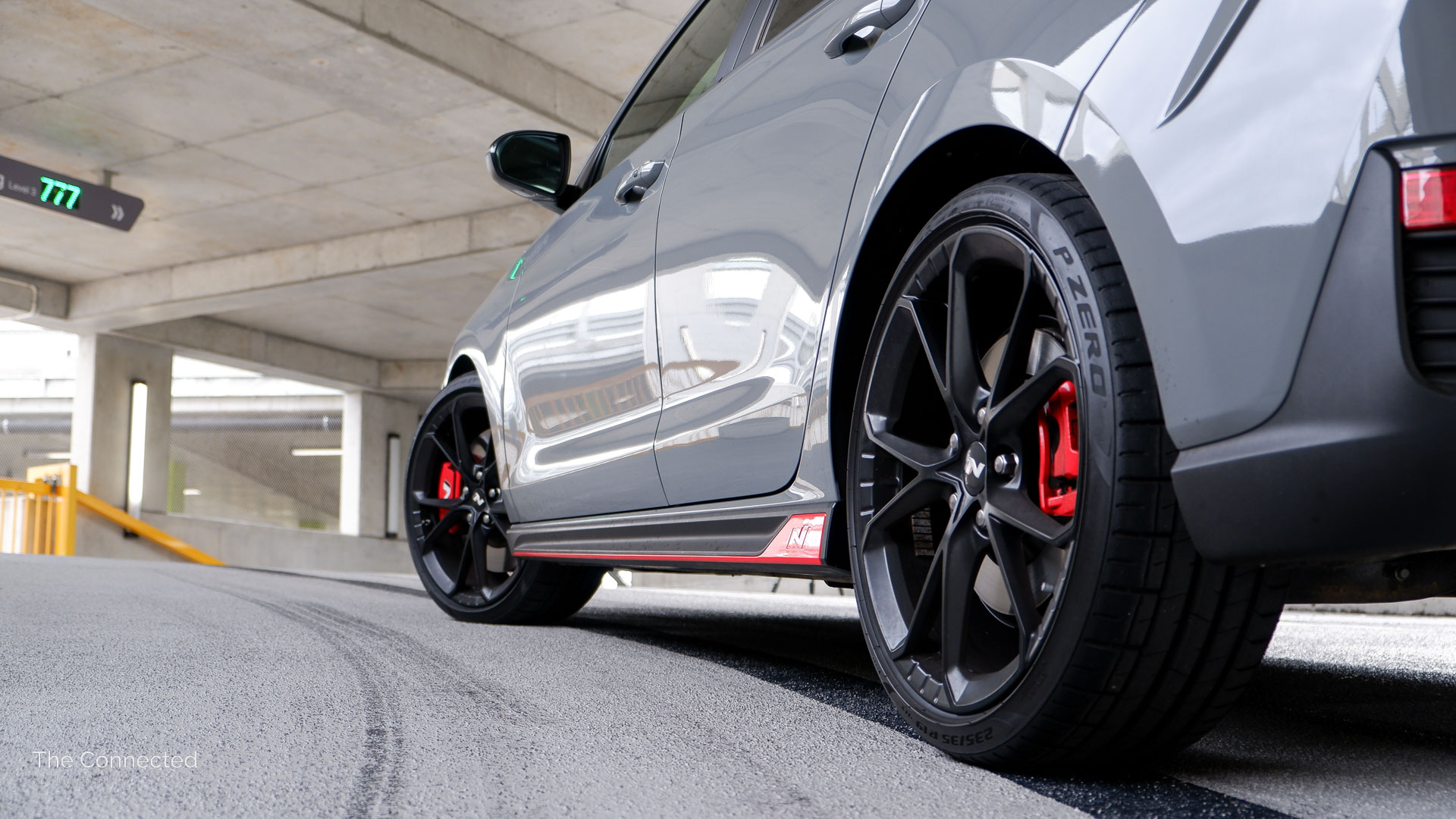
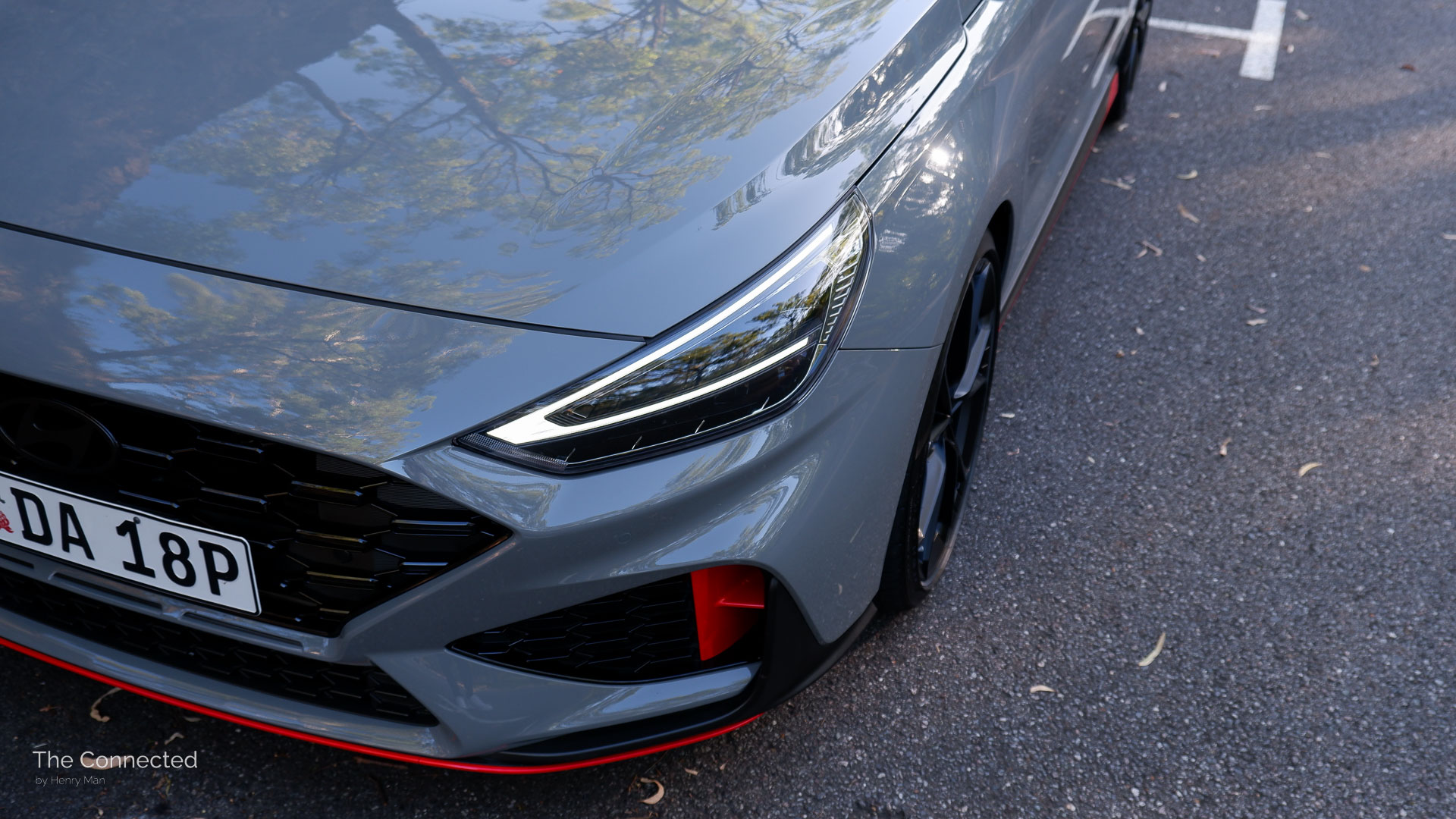
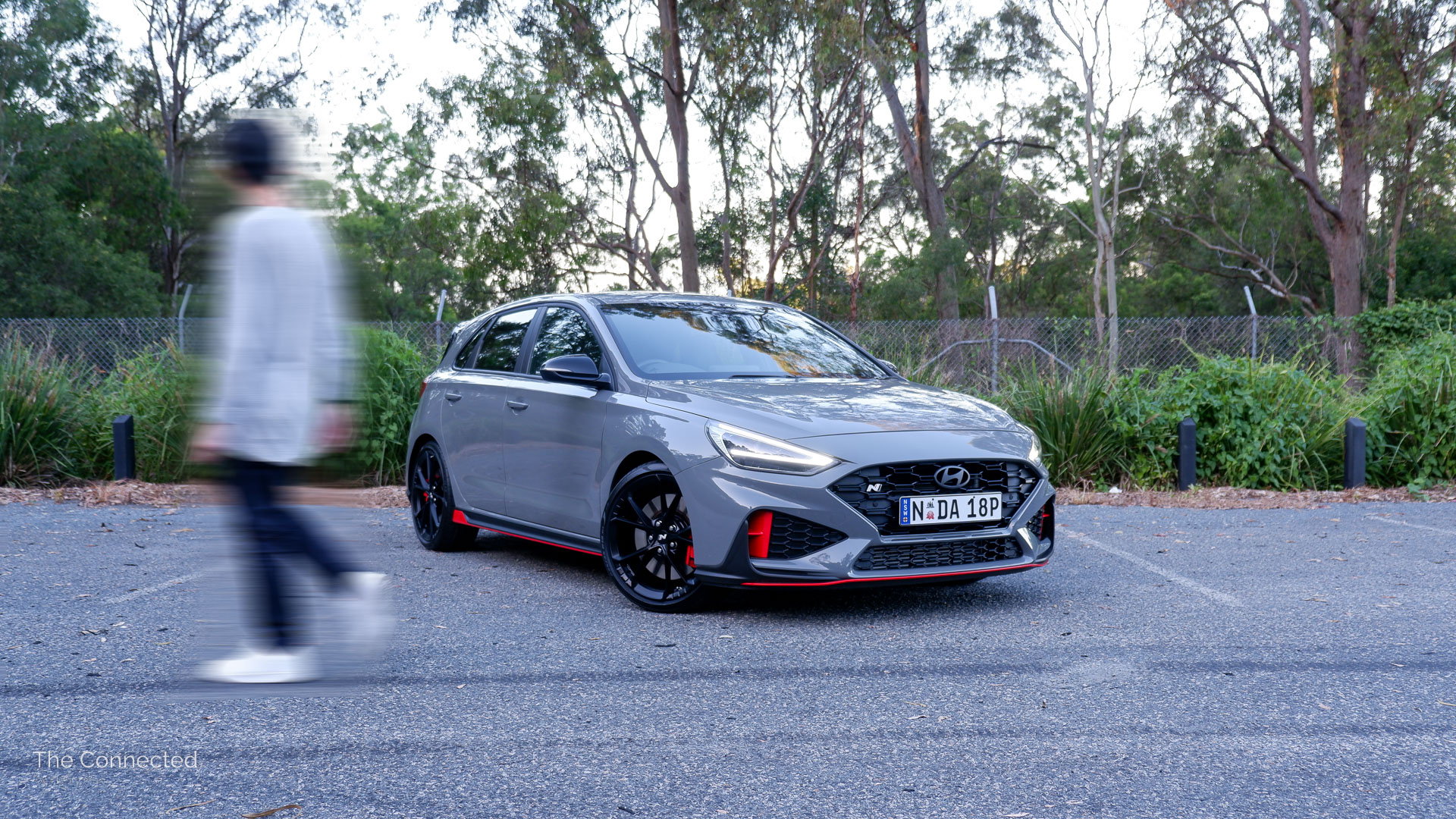
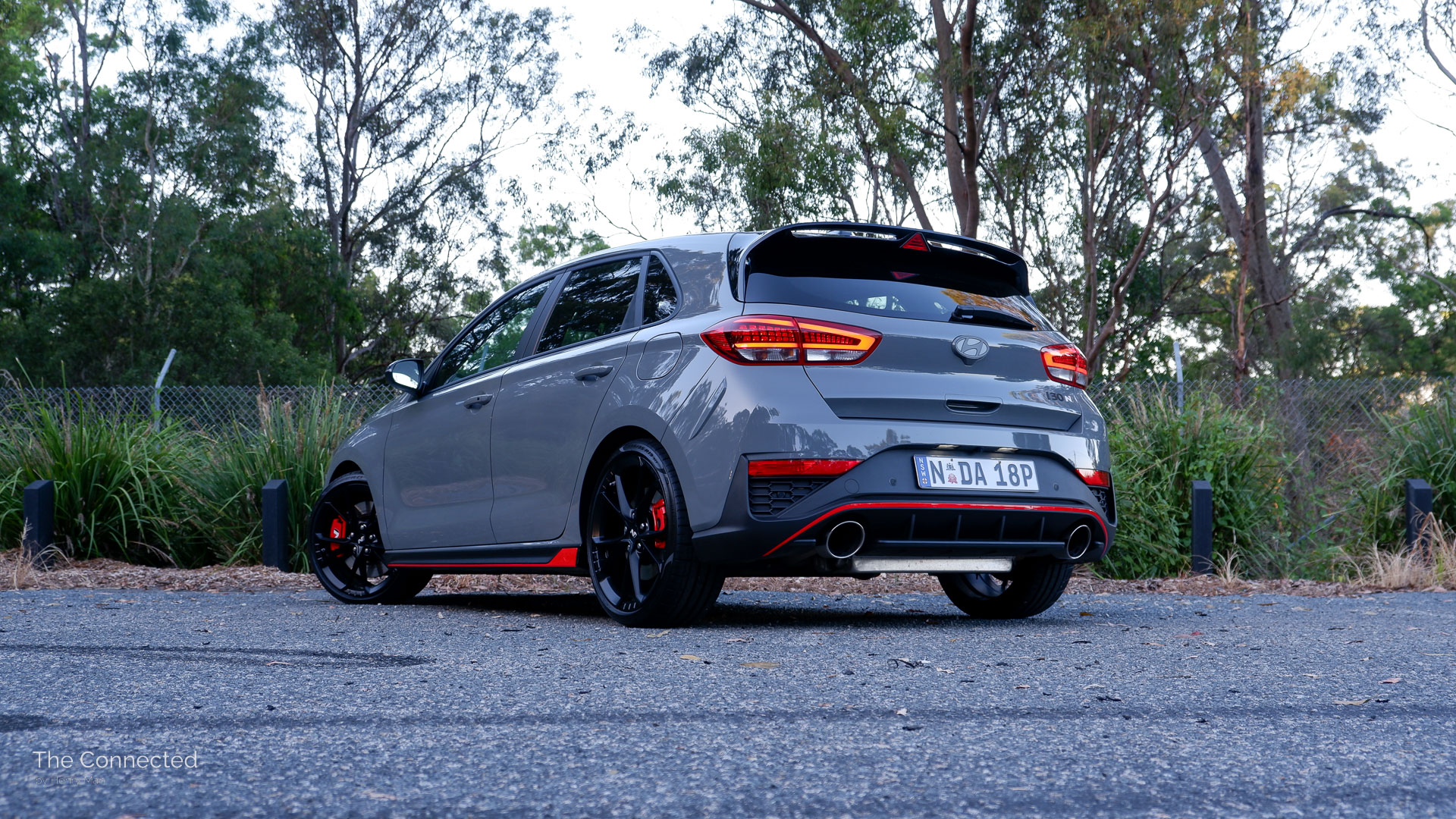
The hatch now finally follows its sports sedan counterpart with contrasting red side skirts and an N logo tip at the front, while the new prominent red-painted air intake draws your attention to the aerodynamic feature.
But, as we found on our tester, stones and loose debris easily chip the shiny red air ducts, too.
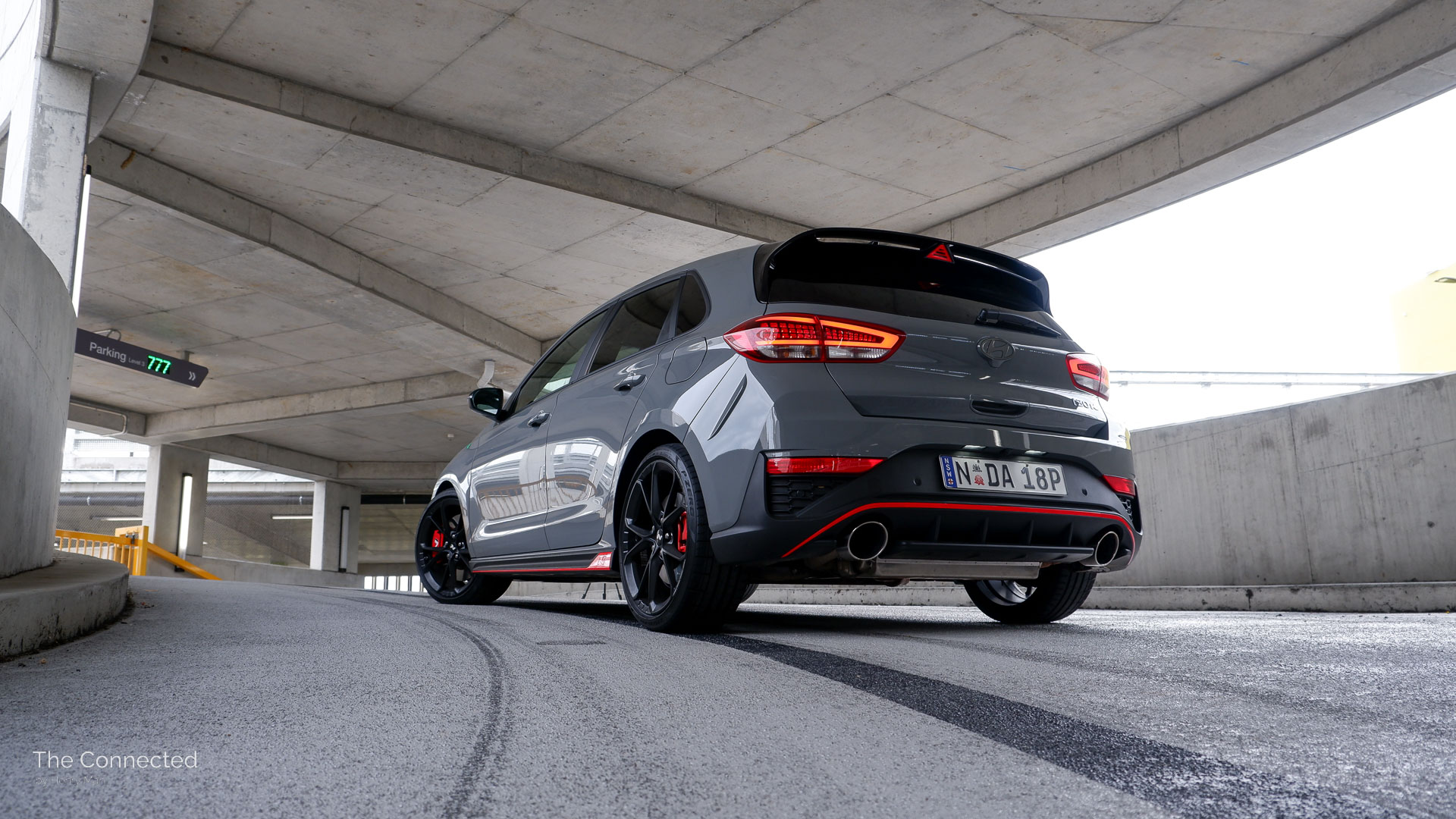
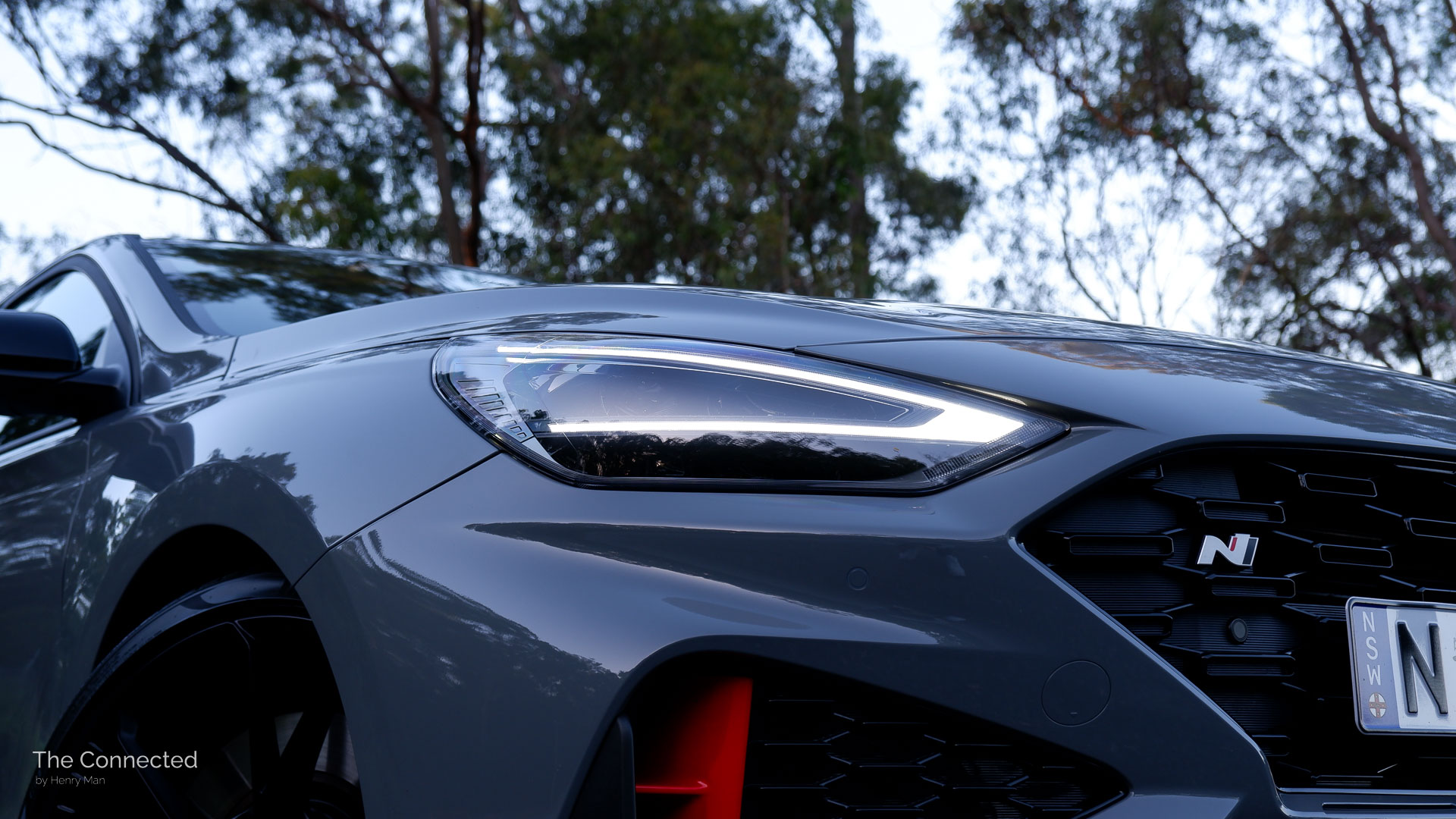
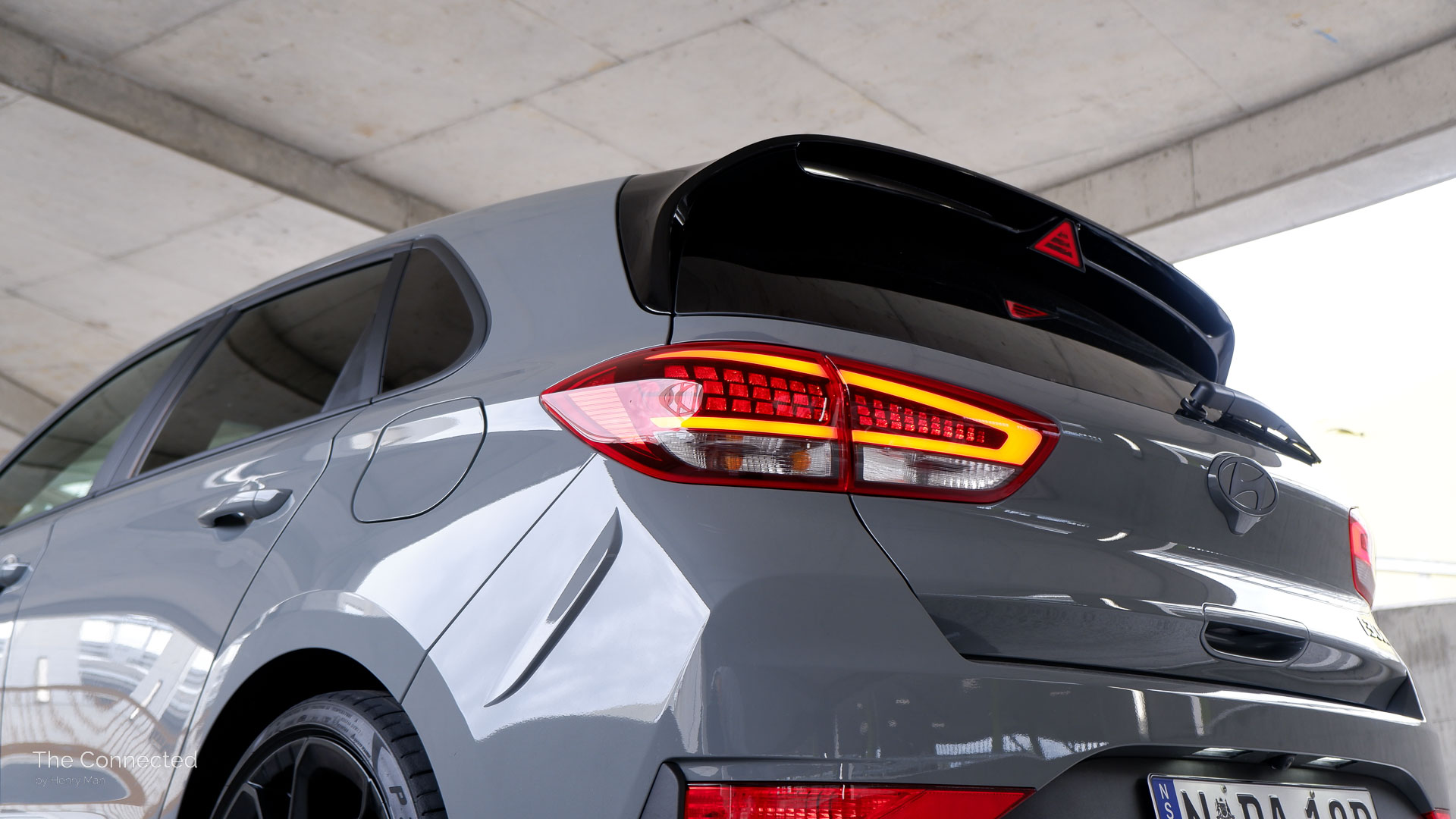
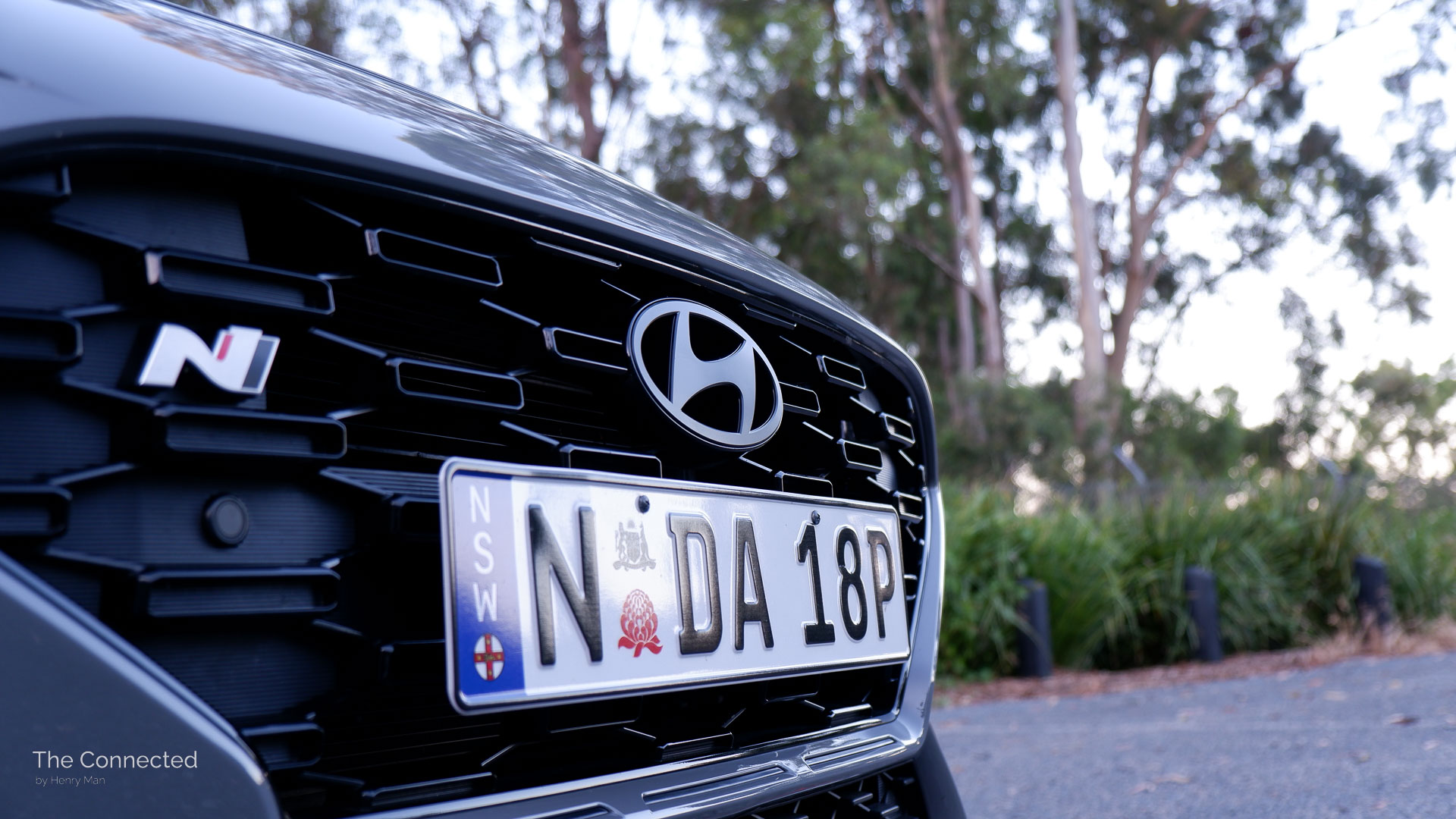
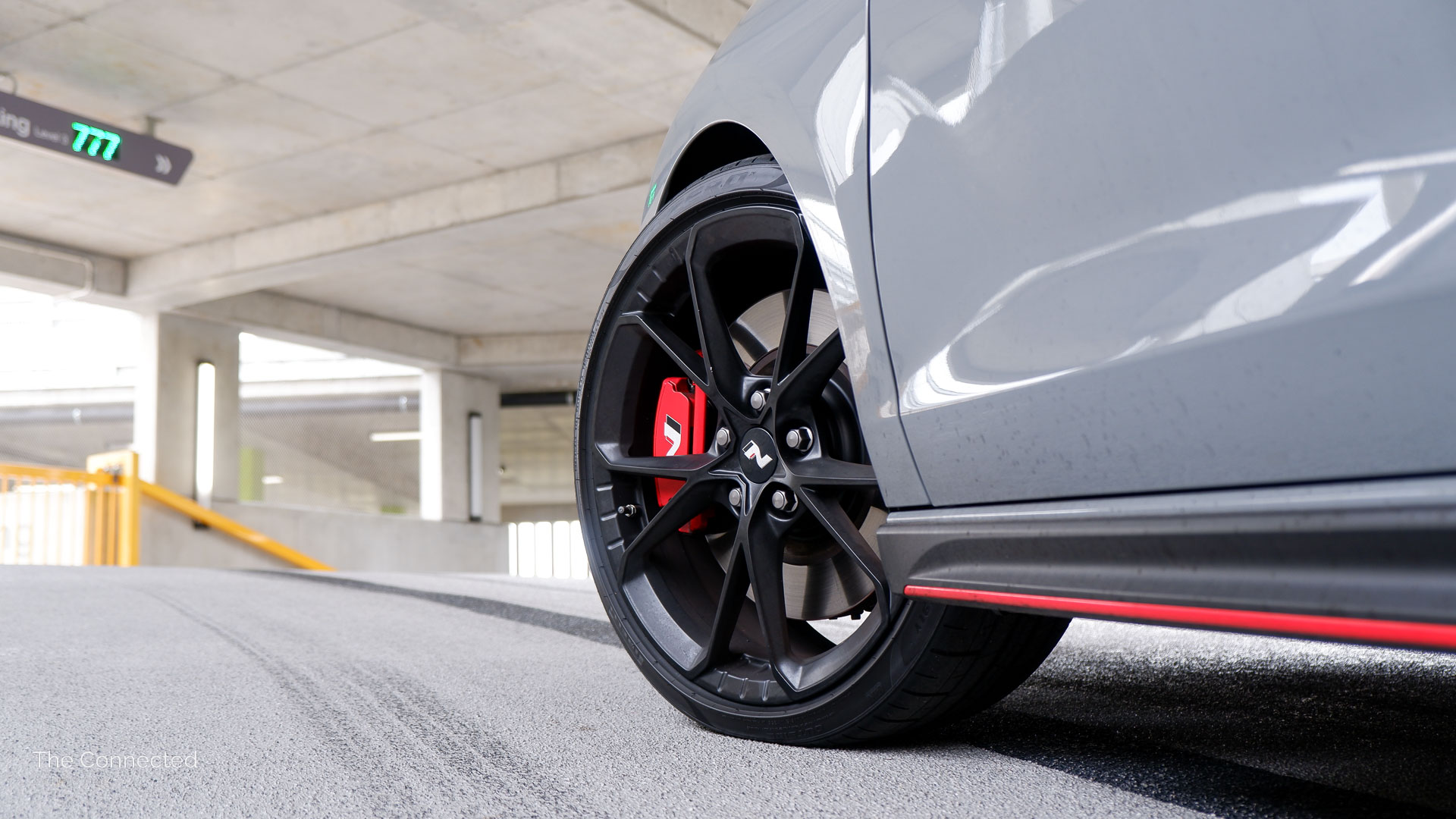
While the i30 N hatch may date back to 2018 and largely has the same exterior as the 2021 facelift, it still looks super sharp and meets every part of the hot hatch criteria with front V-shape daytime running lights (DRLs) and indicators, new flat matte black badges, dark grey forged alloys, and a triangular rear spoiler brake light.
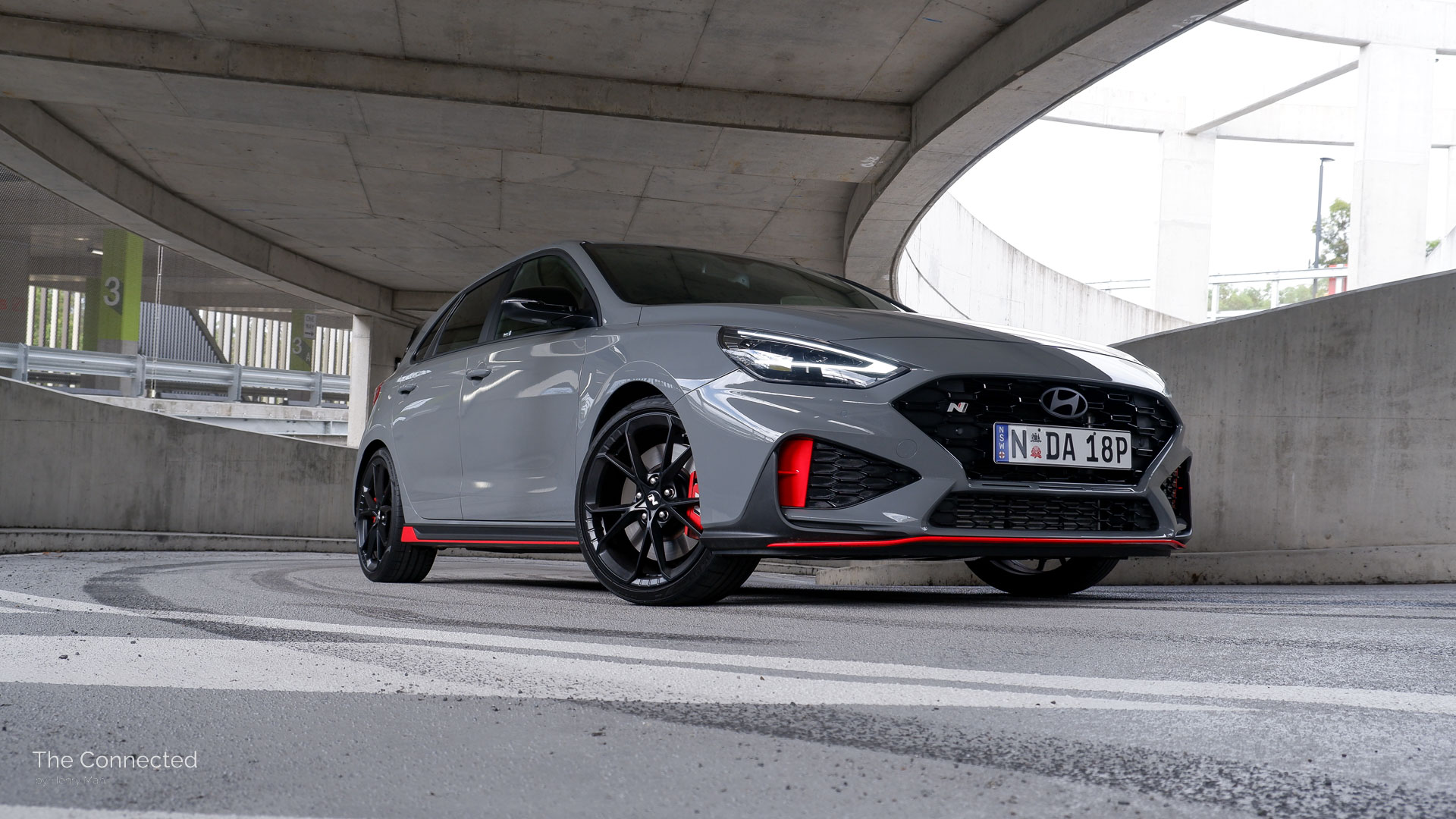
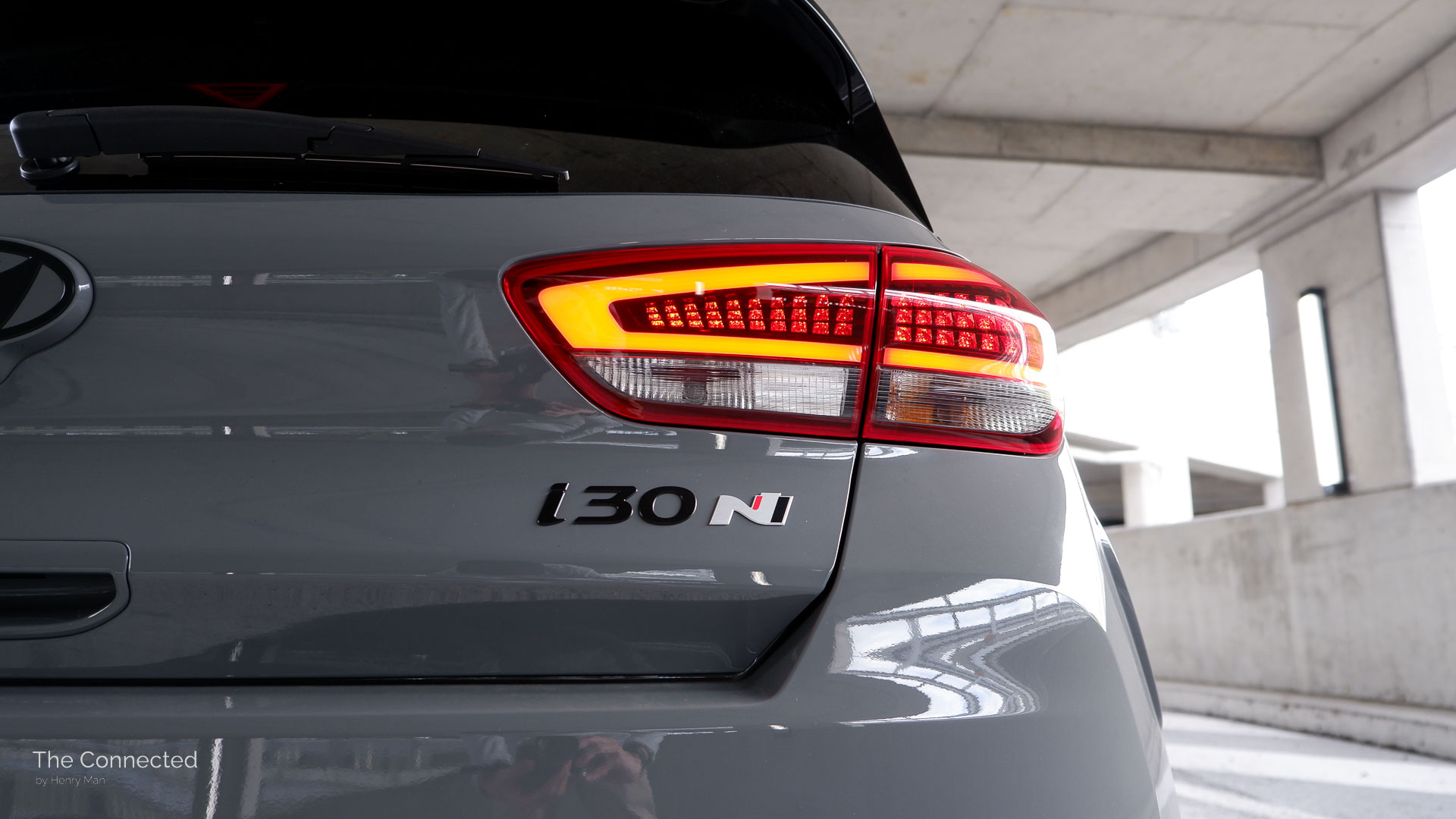
Yes, it still turns heads seven years on.
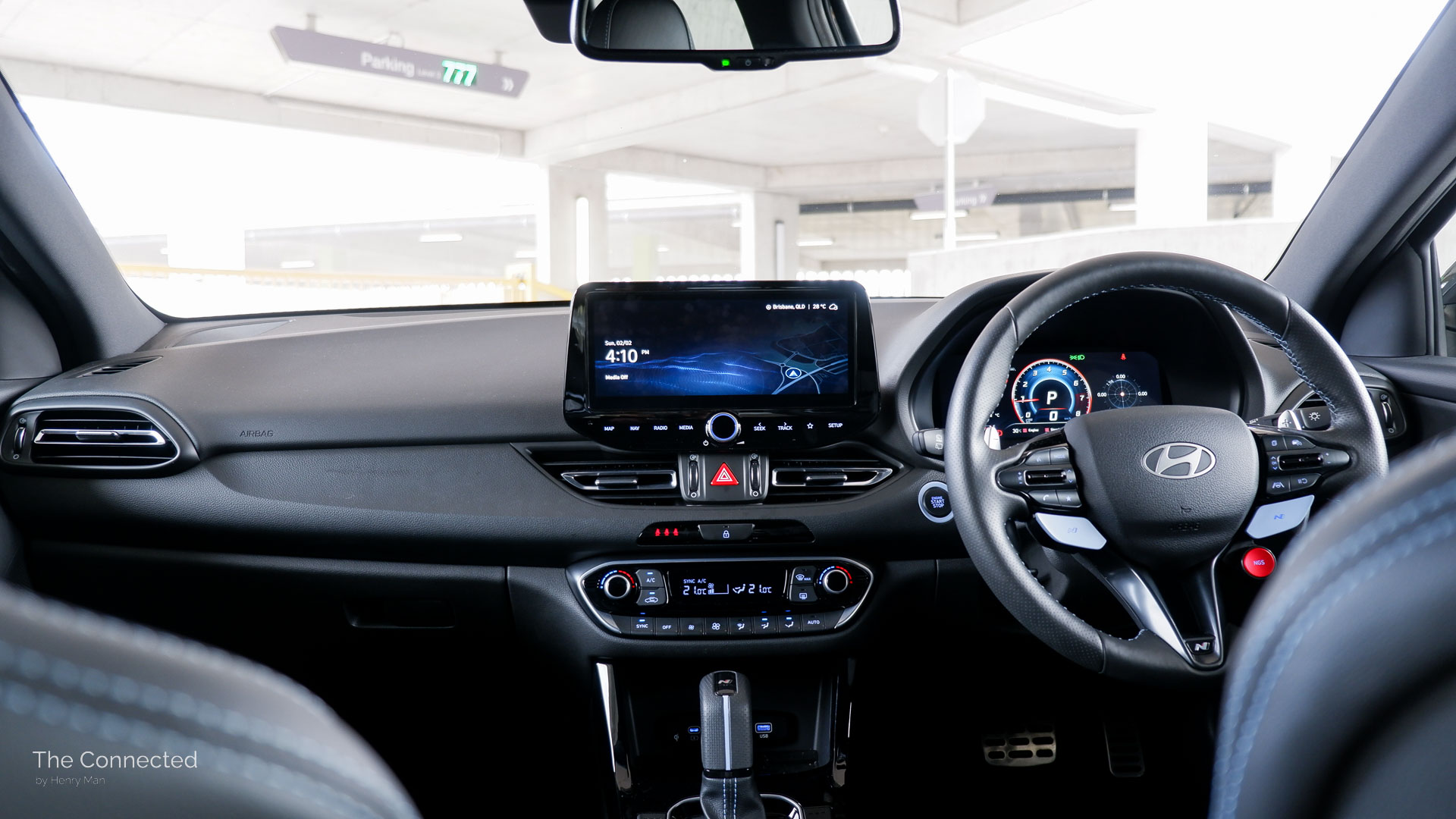
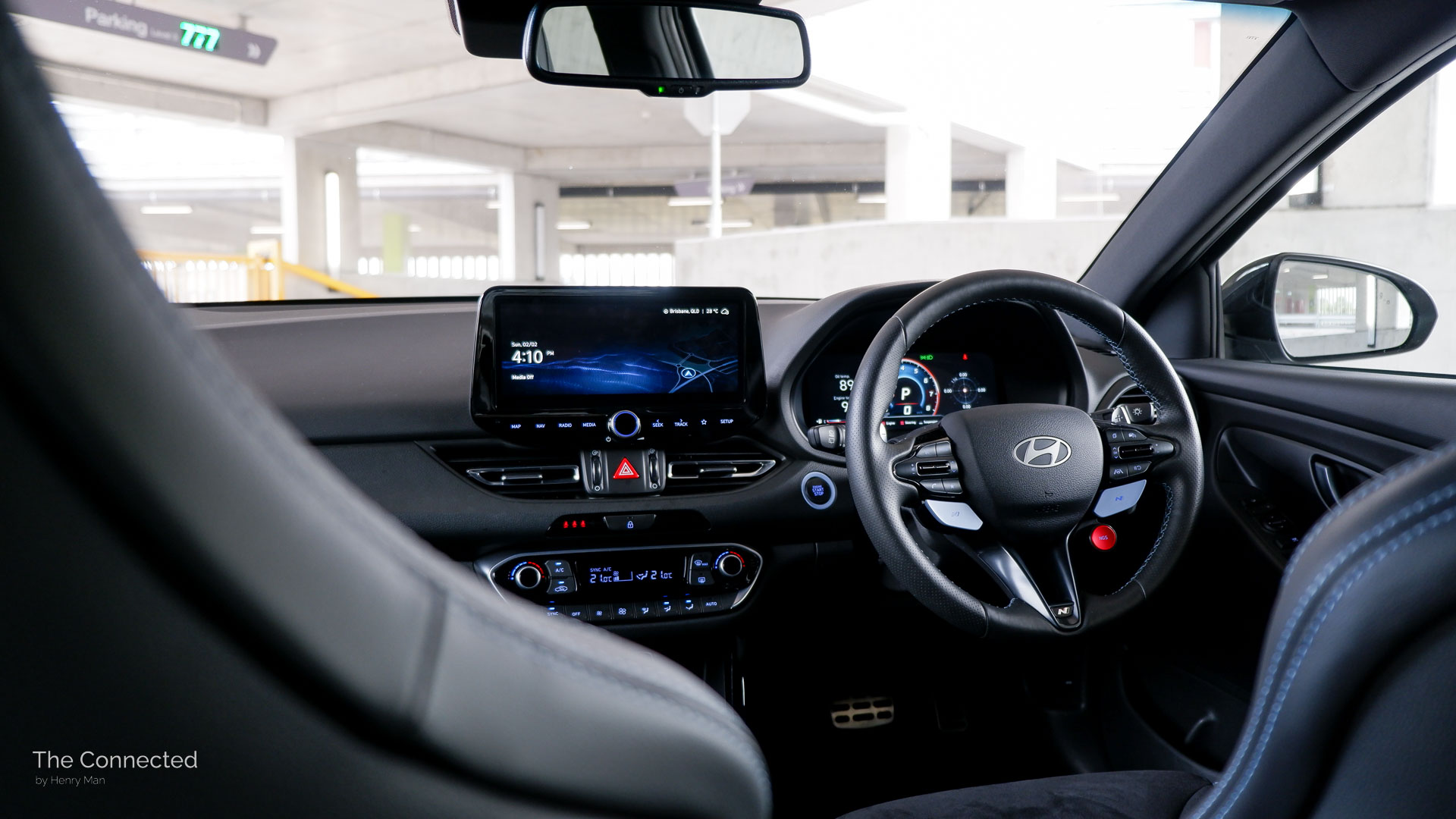
However, the i30 N hatch’s interior feels slightly dated in 2025. It’s a rather conservative design that doesn’t feel as sporty – other than the N Light bucket seats on this top-spec – compared to the far sleeker i30 Sedan N with its ambient lighting, sloping triple-line Performance Blue stitching, and centre console divider.
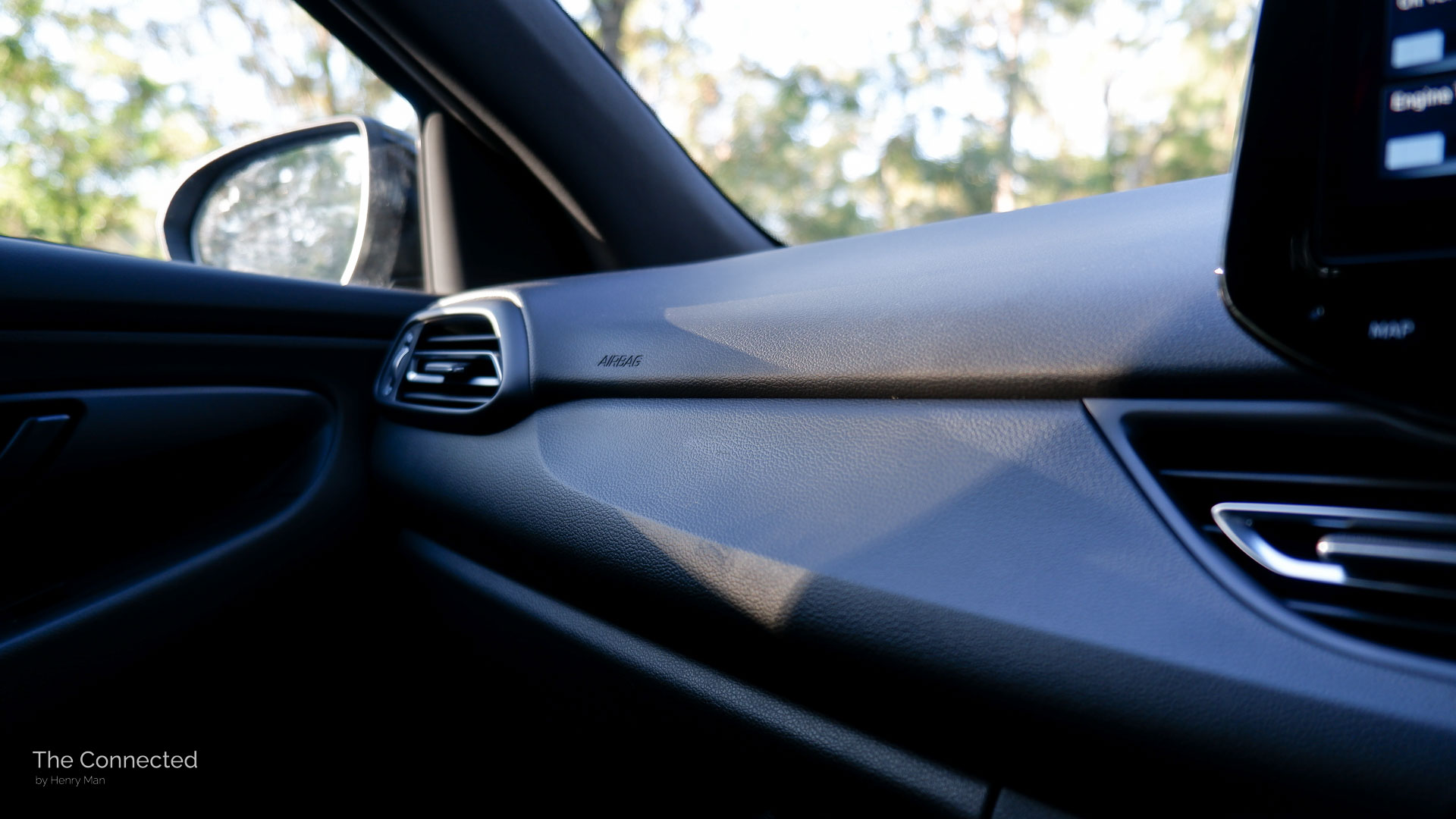
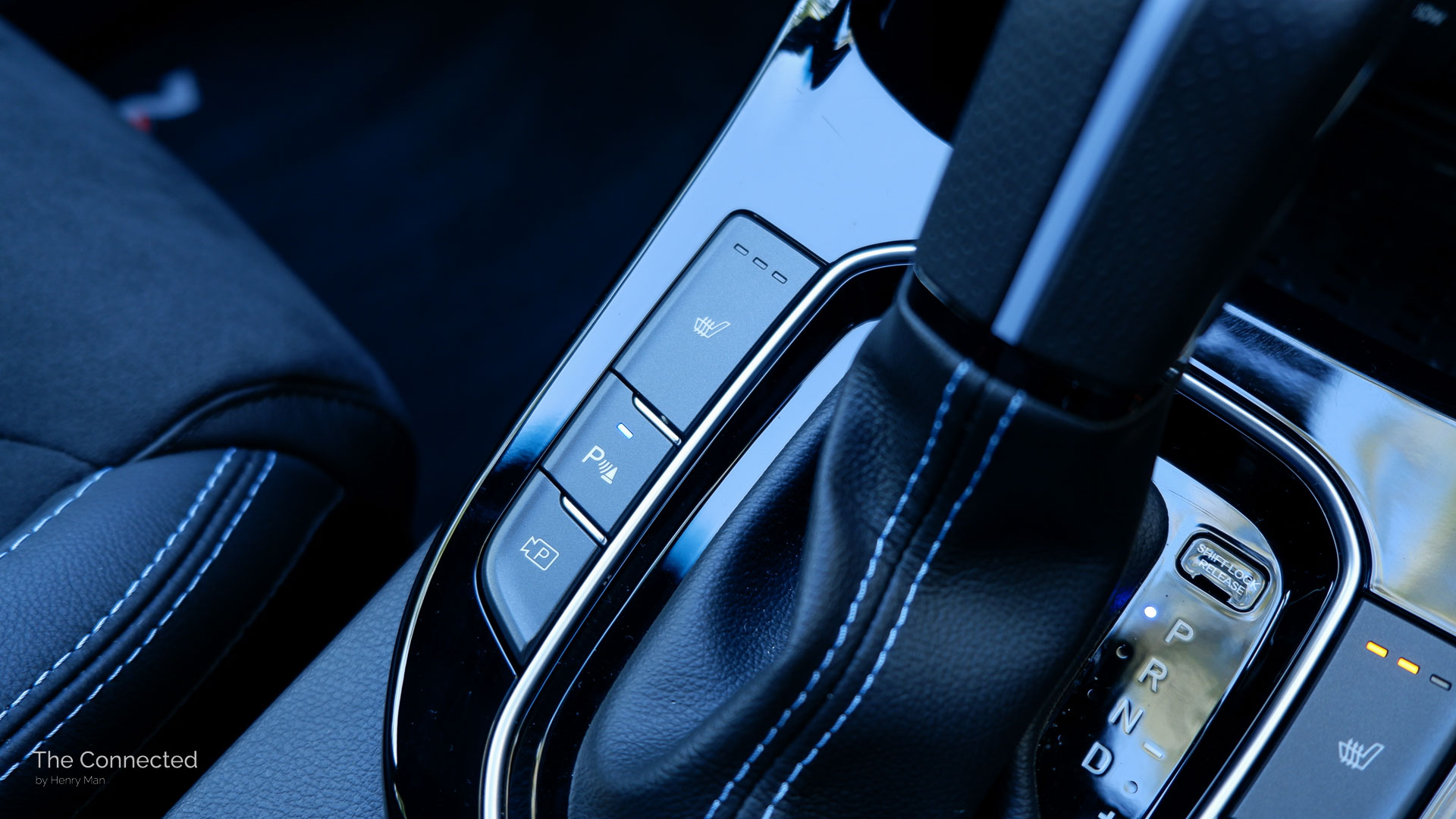
The dashboard trim price is rock hard and sounds hollow, even though the upper dash is comparatively softer, the door armrests have thin leatherette padding where you can easily feel the plastic below, and the gloss black surrounding the gear shifter is a magnet for fingerprints and dust.
The interior doesn’t feel old, but it isn’t as sporty as its exterior suggests with so-so quality at this price point. The newer Hyundai i30 Sedan N is better on this front.
Practicality.
2025 Hyundai i30 N hatch dimensions:
| Length x width x height | 4340 x 1795 x 1445mm |
| Wheelbase | 2650mm |
| Ground clearance | 132mm |
| Boot space (min / rear seats folded) | 381 / 1287 litres |
| Rear seat split fold | 60:40 |
| Child seat anchors | 2x ISOFIX and 3x top-tethers (rear seats) |
| Air-conditioning system | Two-zone climate control with rear air vents |
The Hyundai i30 N hatch has the advantage of a more practical boot and interior, making it a viable daily sports car.
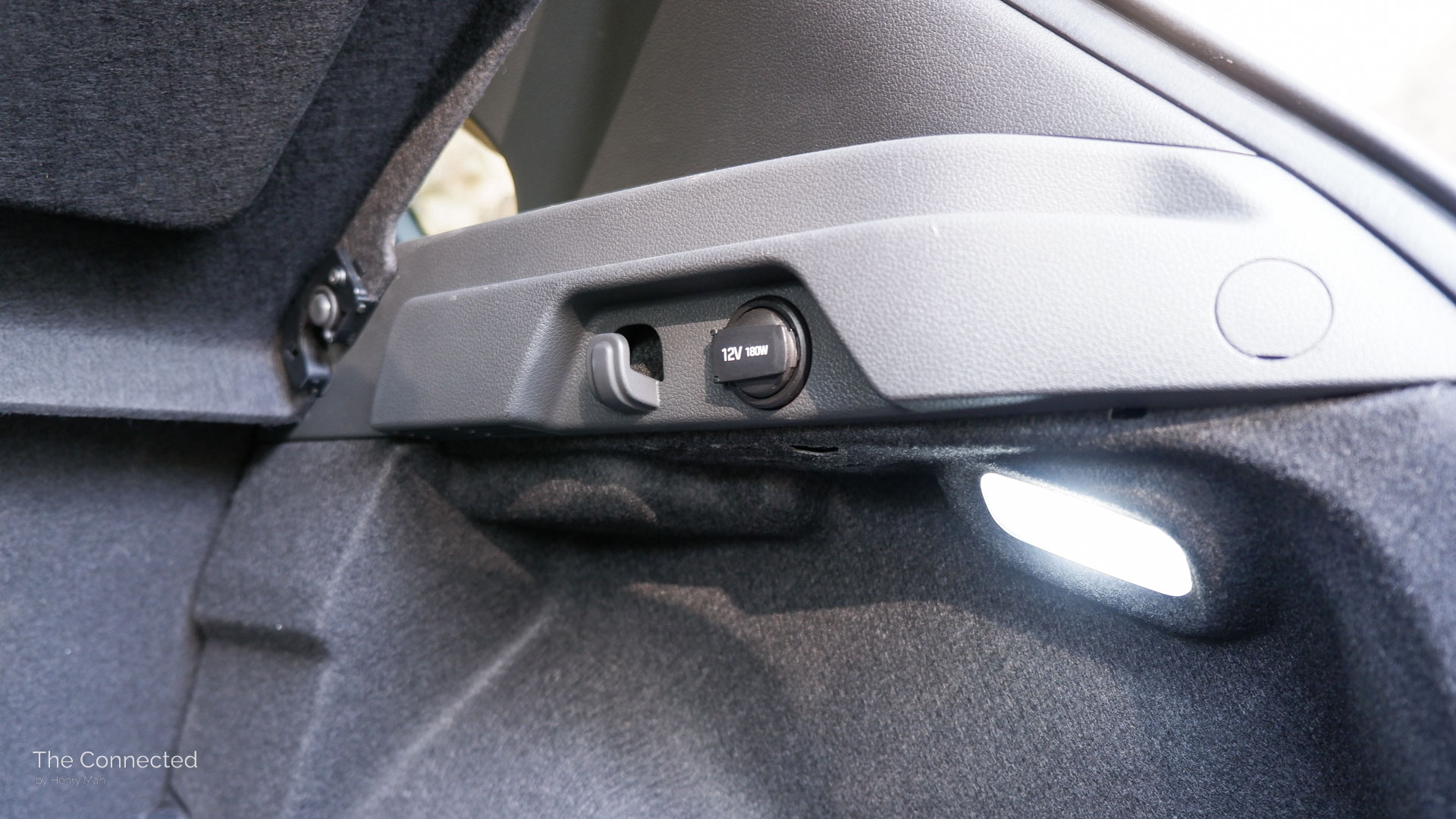
The 381-litre boot offers good usable cargo capacity with pockets and solid bag hooks on each side, LED illumination, and a light tailgate to easily close with one hand using one of the two inside handles.
The hatch has a small loading lip and an unpainted metal strut brace across the boot, which can get in the way and be easily scuffed when loading larger items.
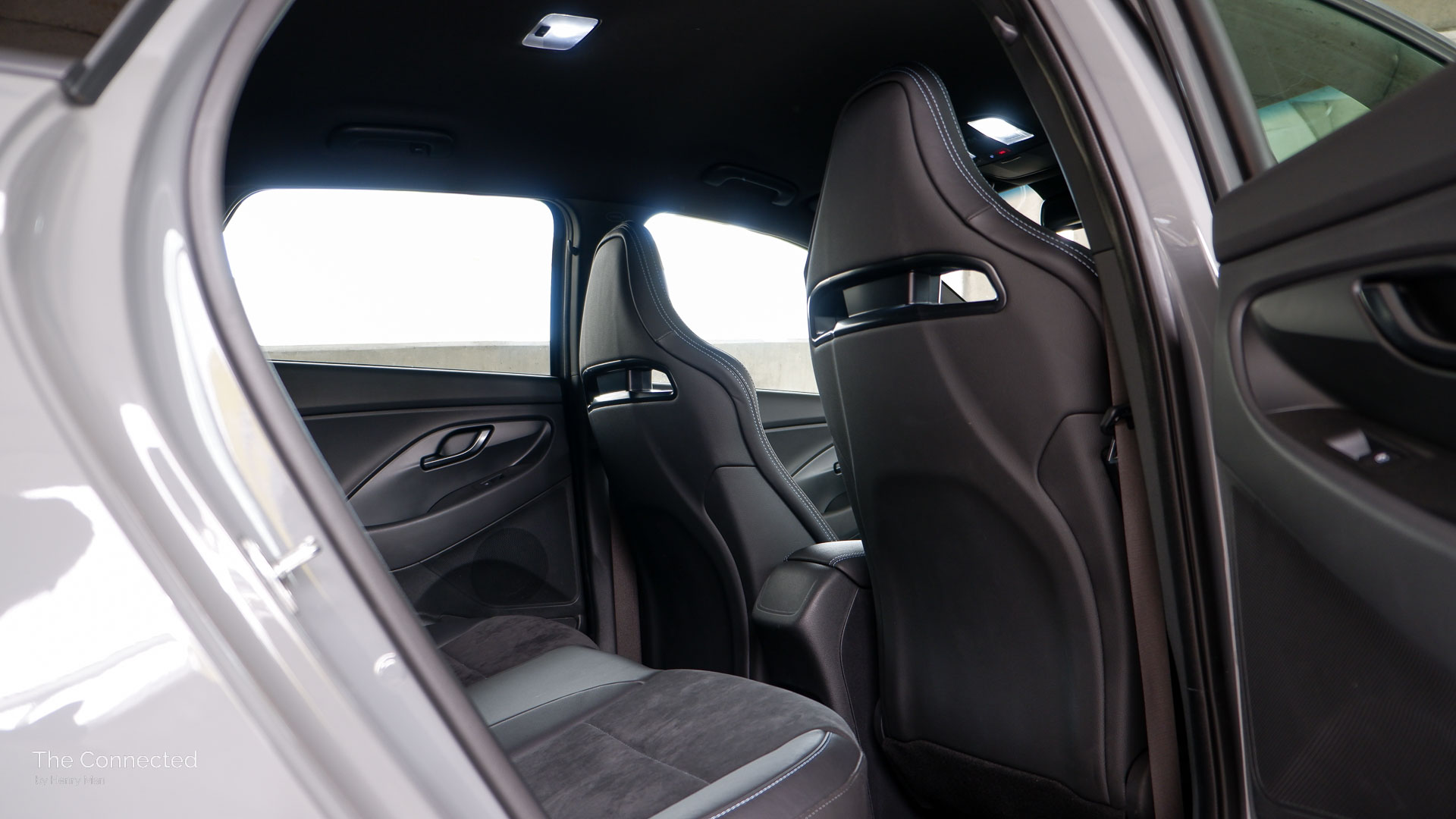
Unlike the i30 Sedan N, which provides a less accessible larger and deeper boot, it has 60:40 split folding rear seats, bright LED interior lights across both rows, and a fold-down rear centre armrest – yet lacks rear climate air vents available in the sedan.

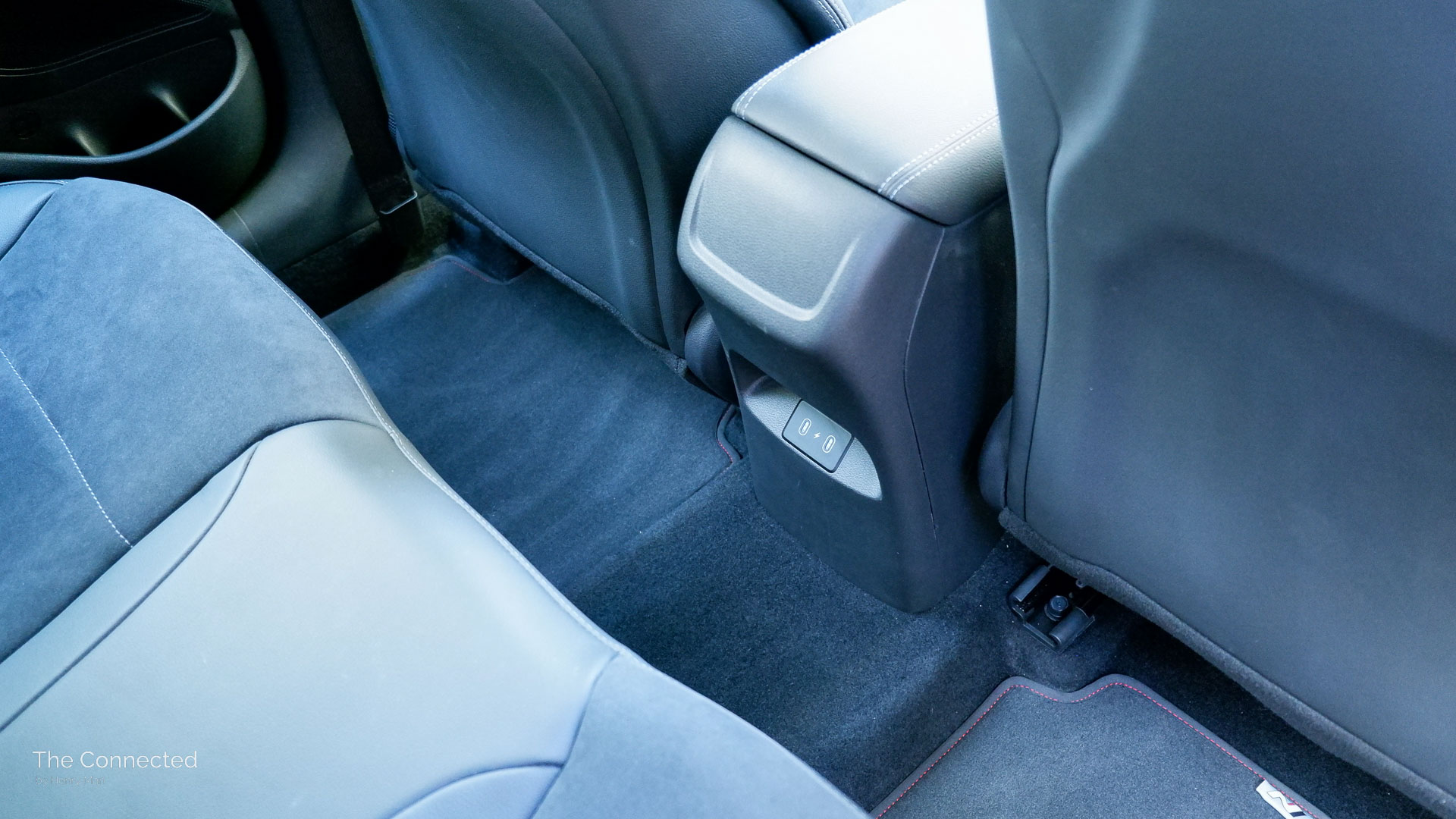
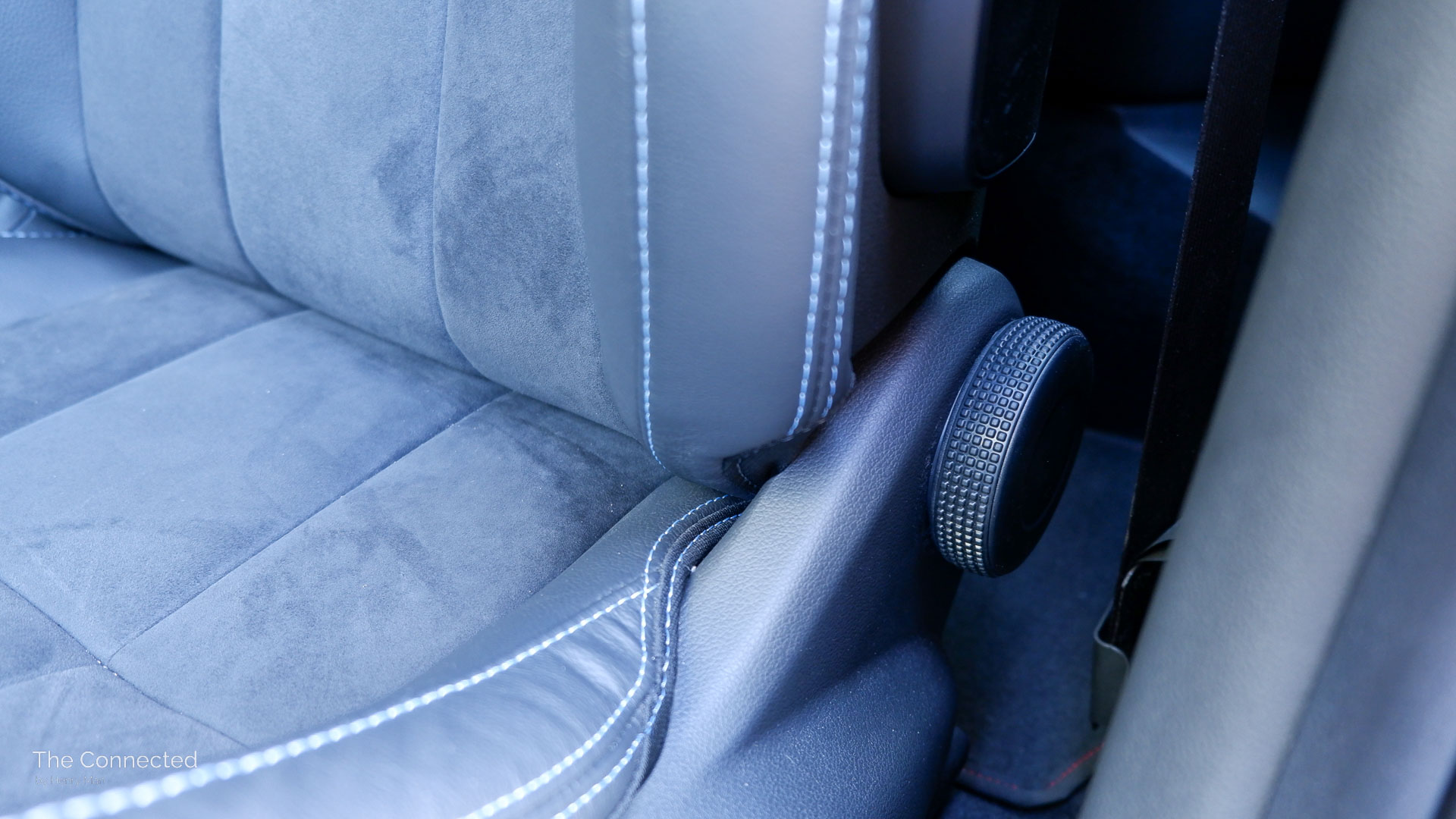
The i30 N hatch’s rear seats are impressively spacious with good legroom and headroom, but there’s a prominent centre floor transmission hump.
Two USB-C charging ports are now available, and the door bottle holders are decently-sized and positioned forwards with window switches that slope up to allow for clearer access.
Meanwhile, the front row is home to two cup holders with grips, a decently-sized centre armrest cubby, glovebox with halogen light illumination, and sunglasses holder above.
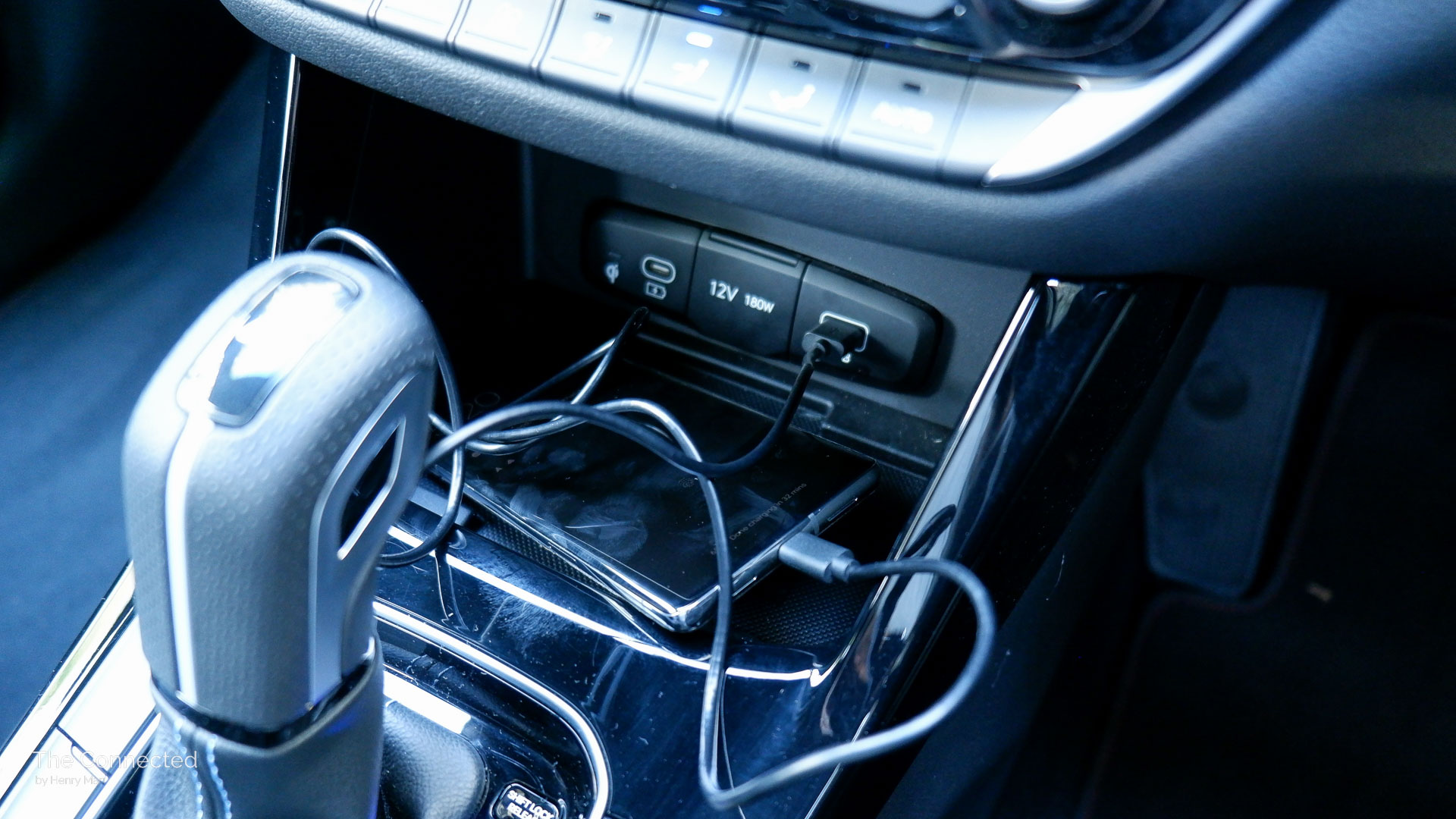
Although the rubberised Qi wireless charging pad tray fits large phones, when it’s plugged in to use Apple CarPlay or Android Auto, my Google Pixel 7 Pro couldn’t sit completely flat with the tip of the charging cable precariously dangling the phone on the gloss black centre console.
The i30 N also lacks an extendable sun visor when put on the side and the centre armrest can’t be slid forward for better ergonomic driving comfort.
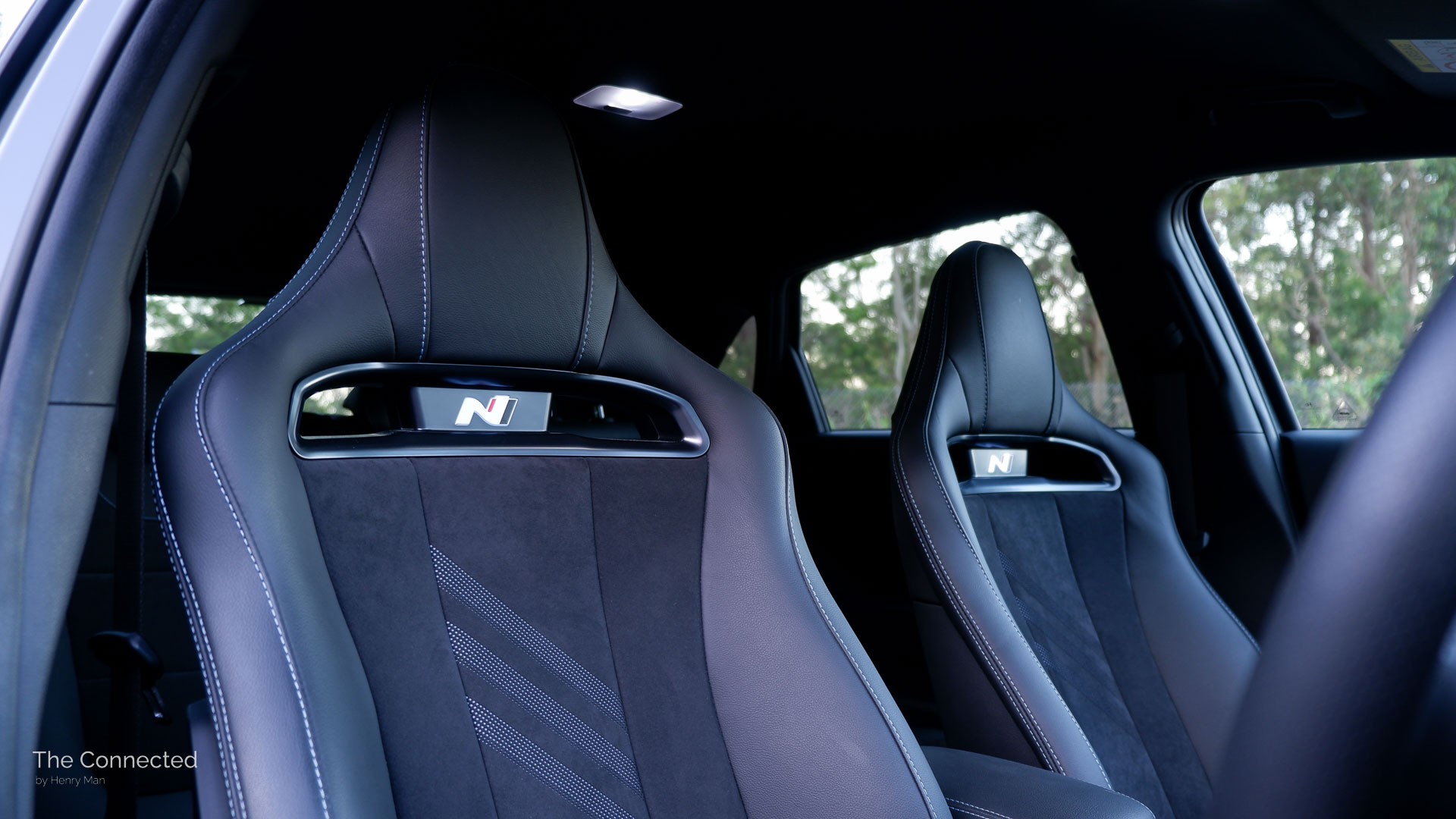
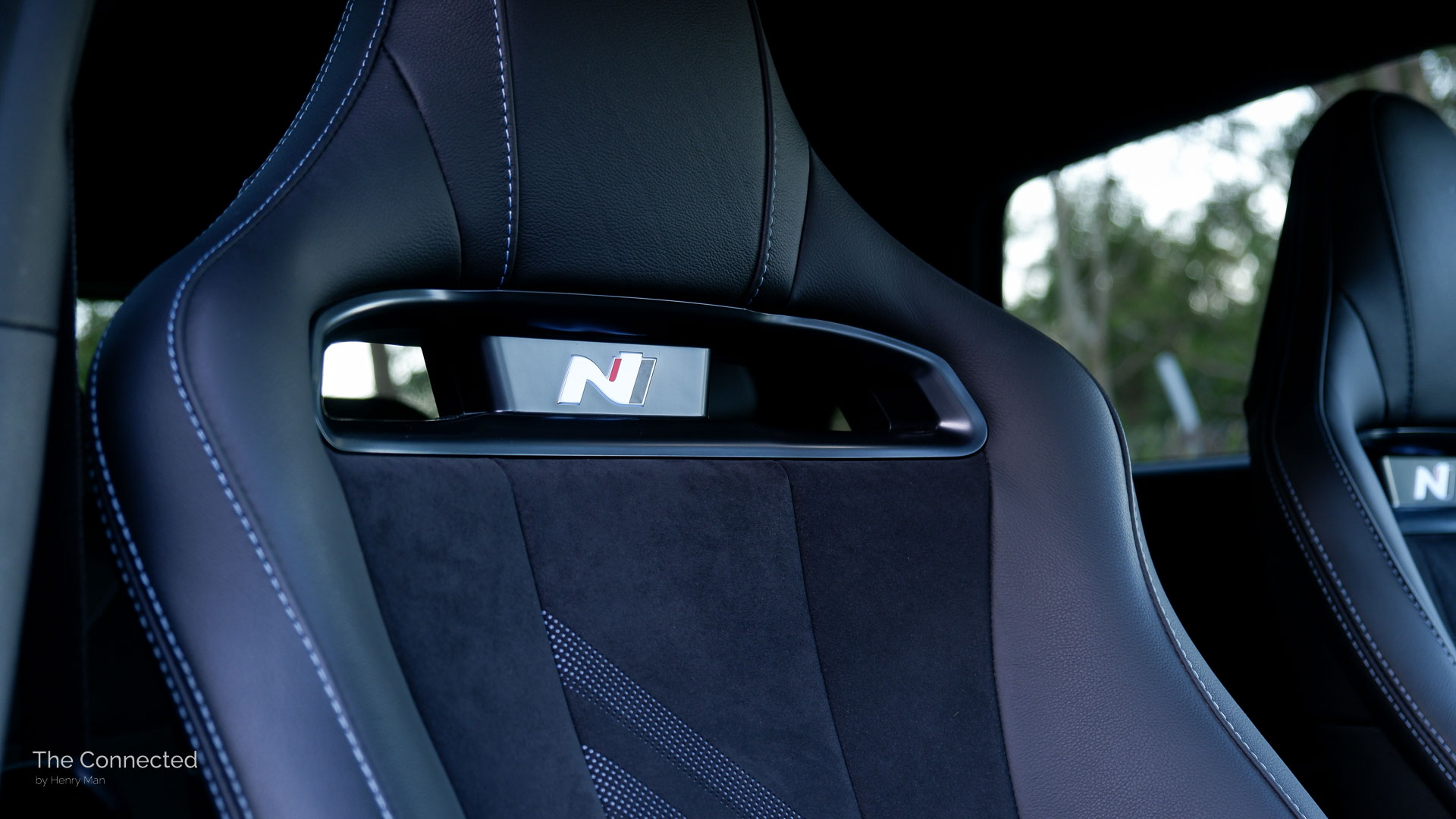
The high-spec Hyundai i30 N Premium exclusively features N Light front bucket seats as featured on the much pricier Ioniq 5 N electric car.
While it looks nice with light-up N logos and perforated Performance Blue stripes, it doesn’t feel as supportive on longer drives with thinner and firmer cushioning, no lumbar support, and basic manual adjustment with a hard to reach manual backrest dial beside the front seats.
The i30 Sedan N’s N Sports seats are comfier with the advantage of cooling (not just heating), electric adjustment with driver memory, and easy entry/exit.
Yet, it’s easier to get in and out of the i30 N hatch thanks to its higher roofline and the sporty side skirt doesn’t protrude as much as the sedan.
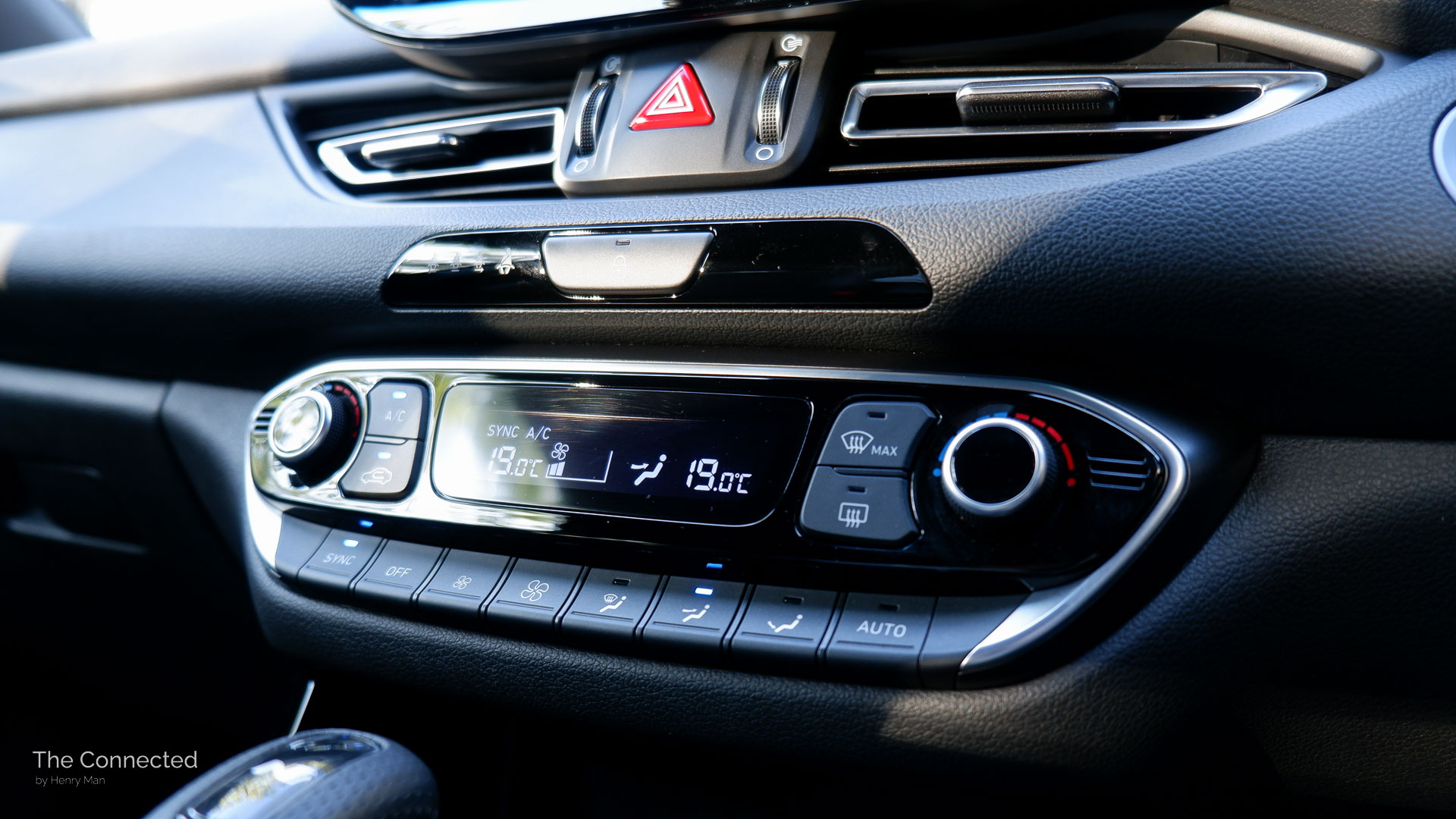
The dual-zone climate controls are easy to use with physical buttons and dials, even though it feels a bit soft and mushy.
Technology.
2025 Hyundai i30 N hatch tech features:
| 10.25-inch touchscreen running Standard Gen5W Navigation | 10.25-inch driver instrument display |
| Wired Apple CarPlay and Android Auto | Qi wireless charging pad |
| Built-in maps | 1x USB-A, 3x USB-C and 1x 12-volt charging ports |
| OTA update capability | Six speakers |
| Bluelink connected services and mobile app | Proximity key with auto-folding mirrors, wing mirror and door handle welcome lights |
The updated 2025 i30 N introduces Bluelink connectivity, but uses outdated and slower software.
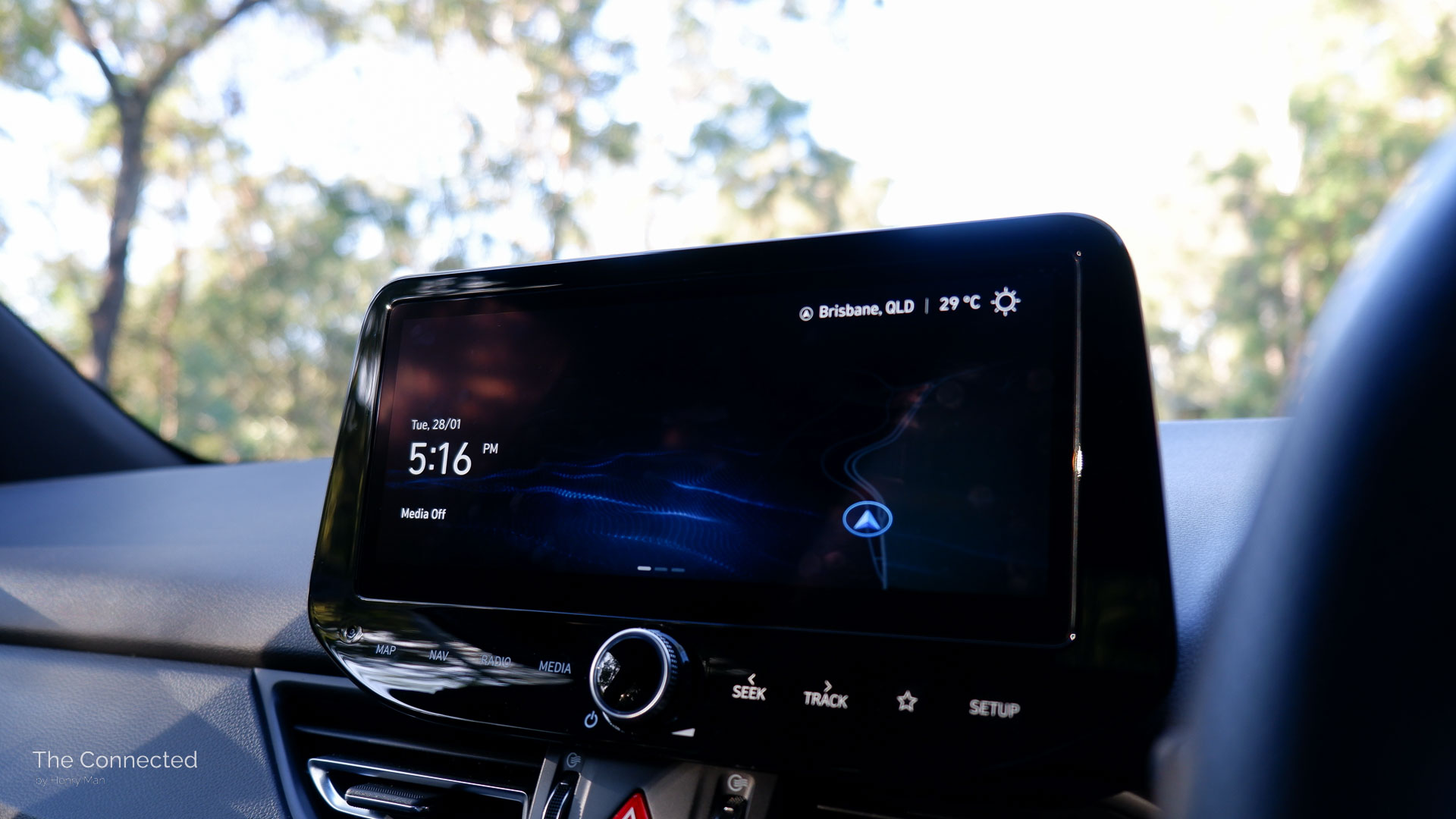
The clear and well-sized 10.25-inch central touchscreen still carries the same Standard Gen5W Navigation software as its 2021 predecessor – instead of the brand’s latest Connected Car Navigation Cockpit (ccNC) system.
While the operating system is easy to use with still-modern graphics, it is agonisingly slow to boot up – taking at least a minute to get to the home screen – and there’s a clear lag when opening apps for the first time.
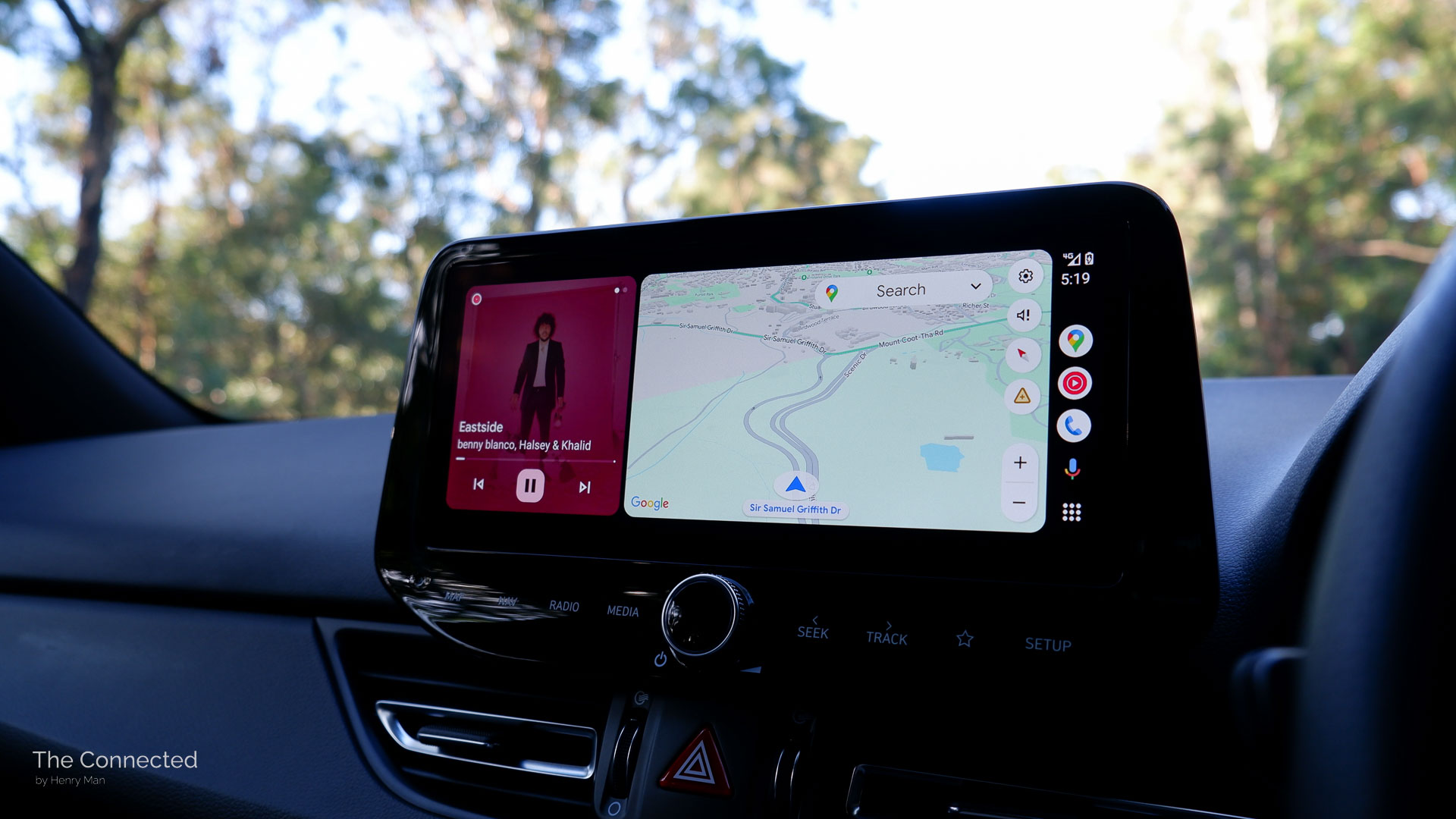
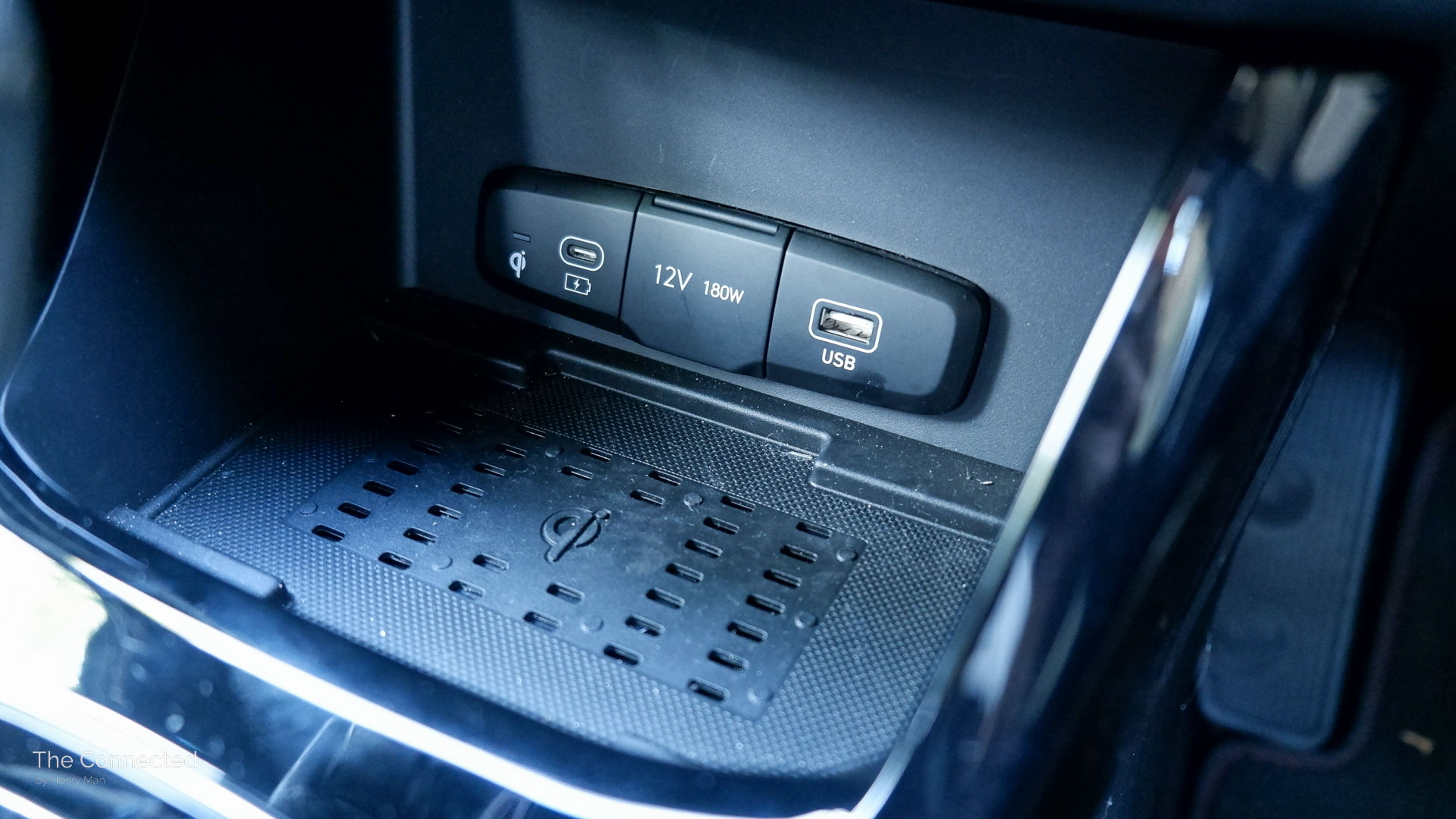
Apple CarPlay and Android Auto require plugging in a cable into the only remaining USB-A port, while others have been upgraded to USB-C, making the Qi wireless charging pad redundant for drivers.
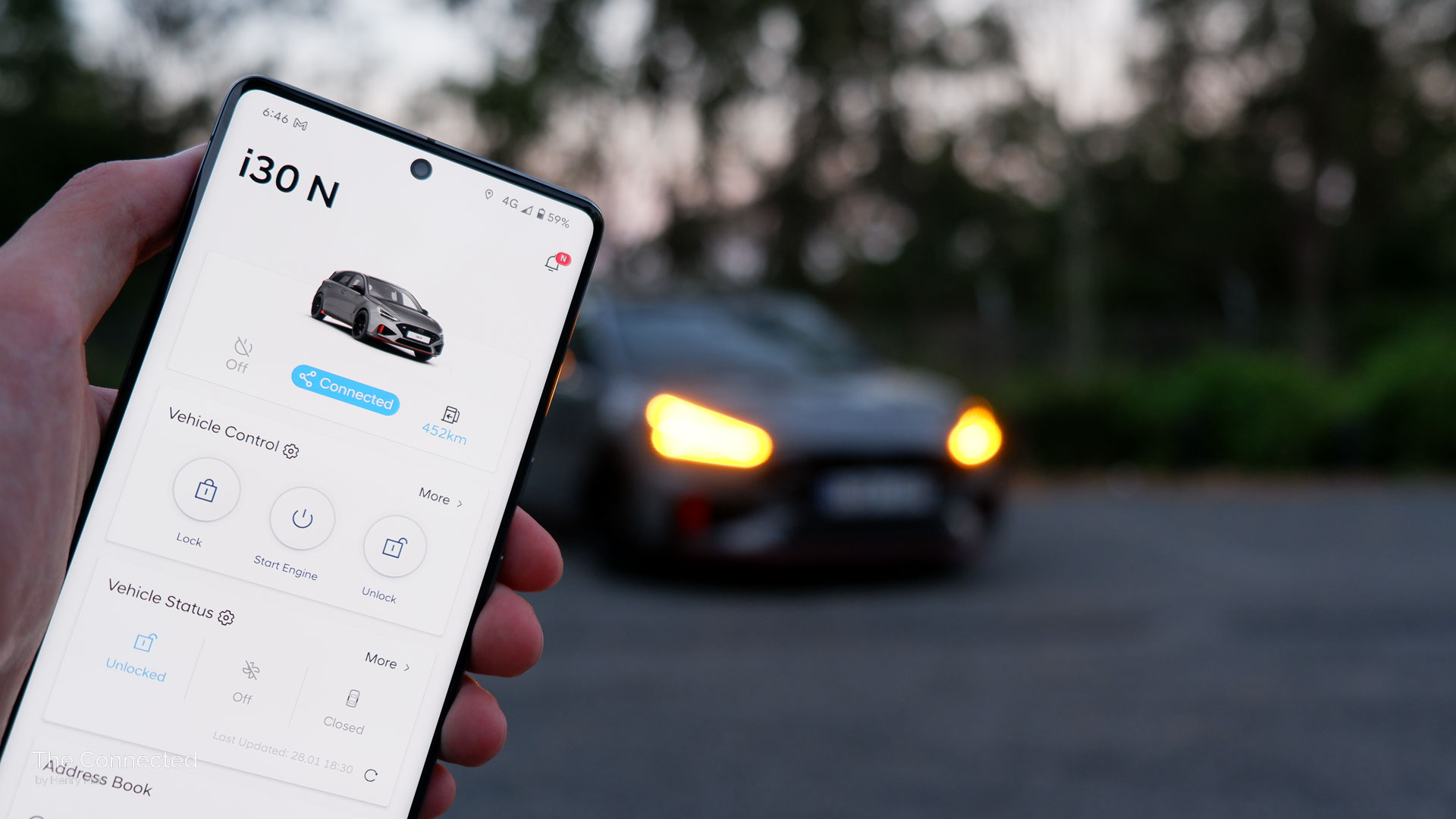
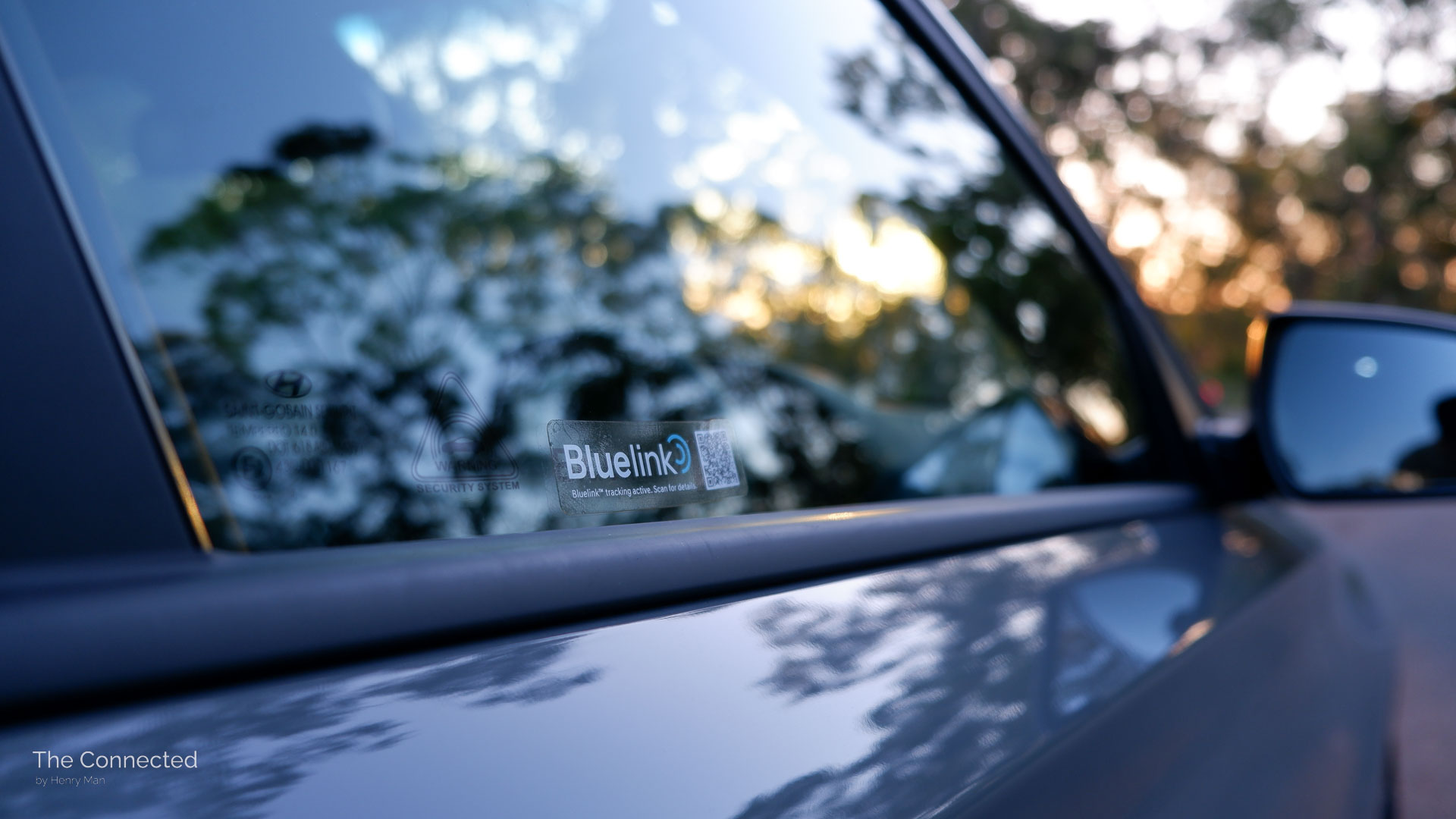
However, its welcome that the system is now capable of over-the-air (OTA) software updates (but don’t expect ccNC due to hardware limitations) and Hyundai Bluelink cellular connected services, included for the first five years.
This enables a weather app, calendar syncing and a remote mobile app to monitor the vehicle status and, on dual-clutch transmission models, turn on the engine and precondition the interior. The latter is useful given the key fob doesn’t offer a remote start button, unlike the i30 Sedan N.
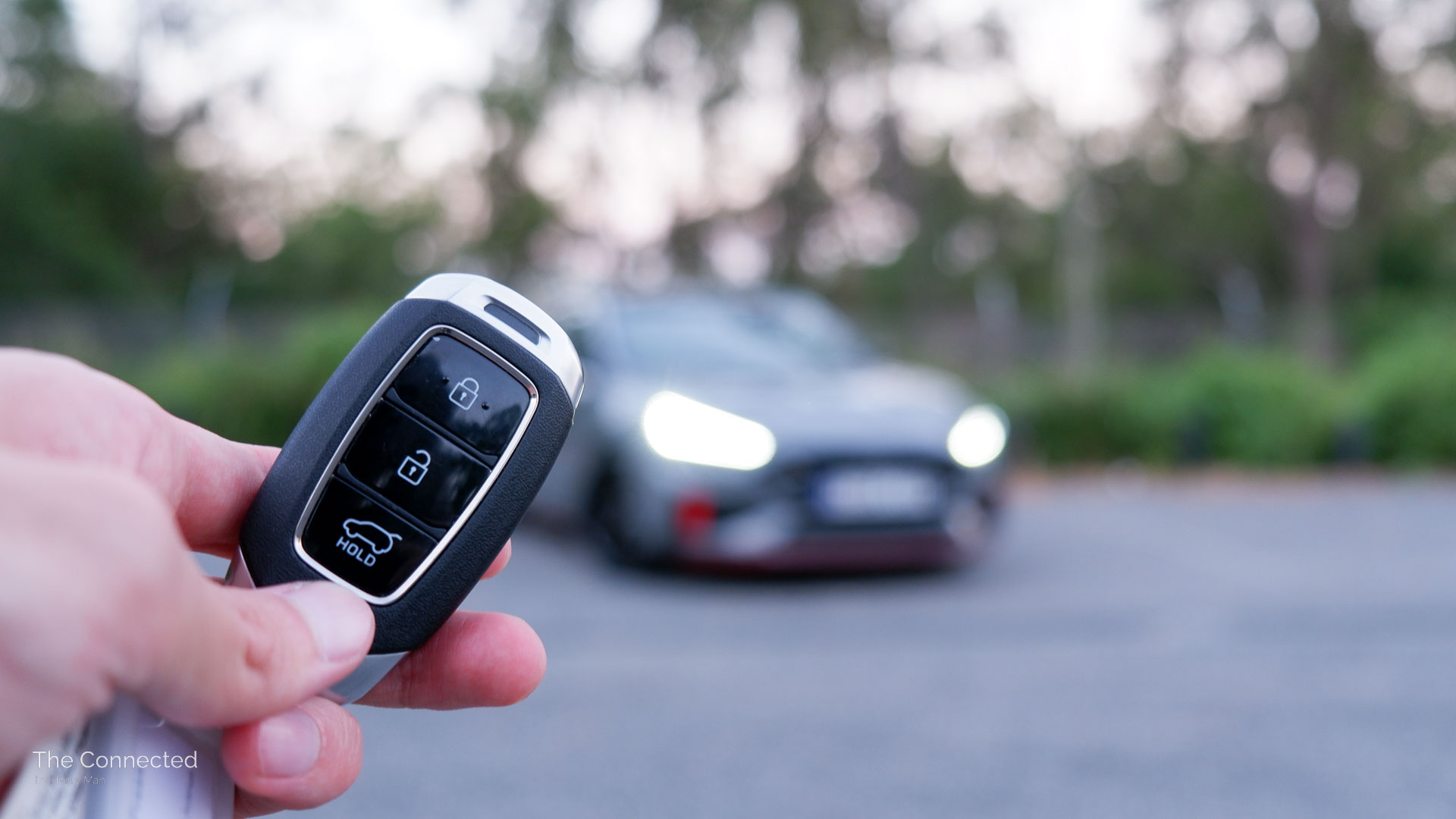
Interestingly, the 2025 i30 N hatch still has the same key fob design as its predecessor – albeit with a flatter Hyundai logo – despite the facelifted i30 Sedan N bringing the brand’s latest H-style design.
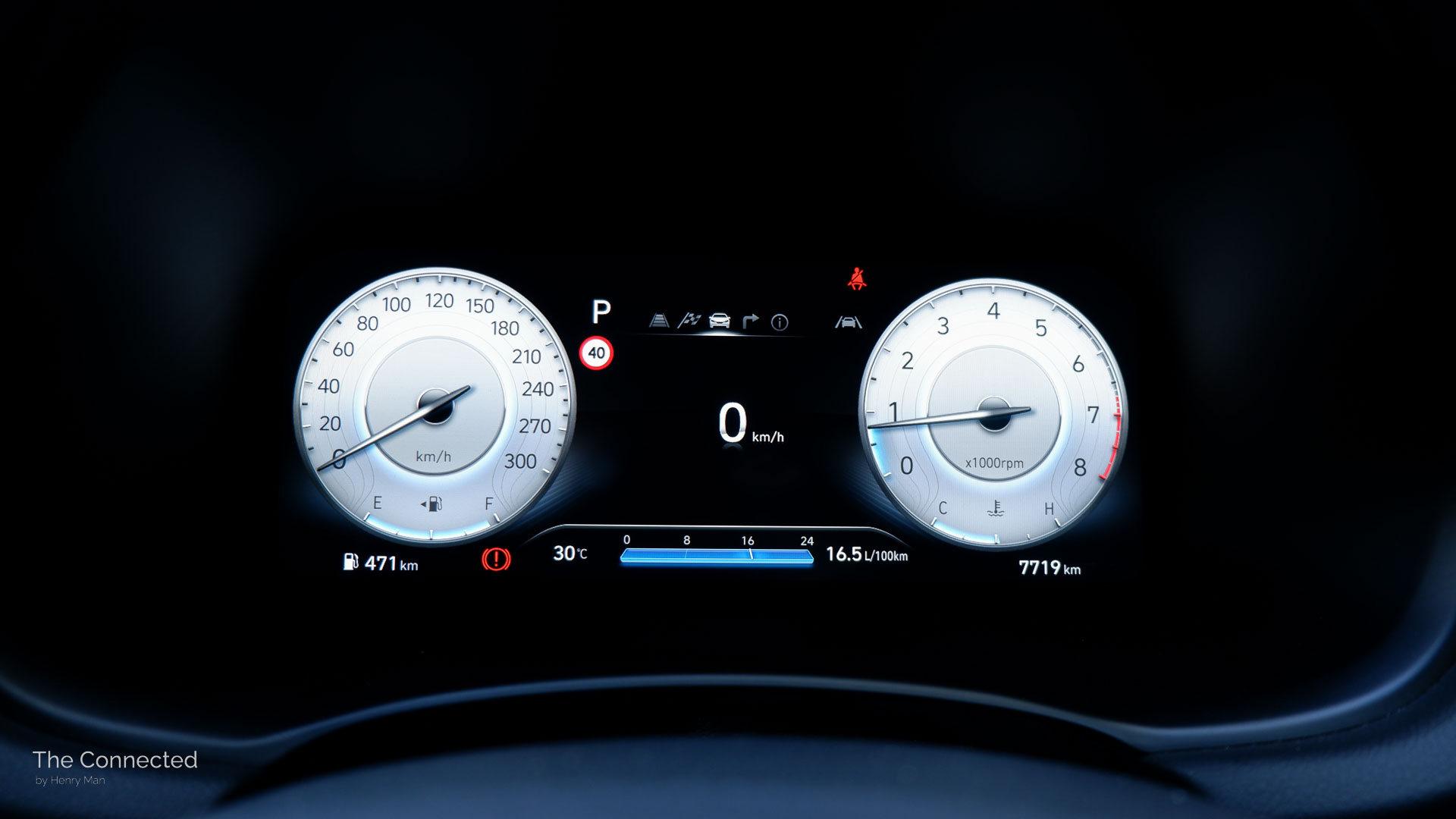
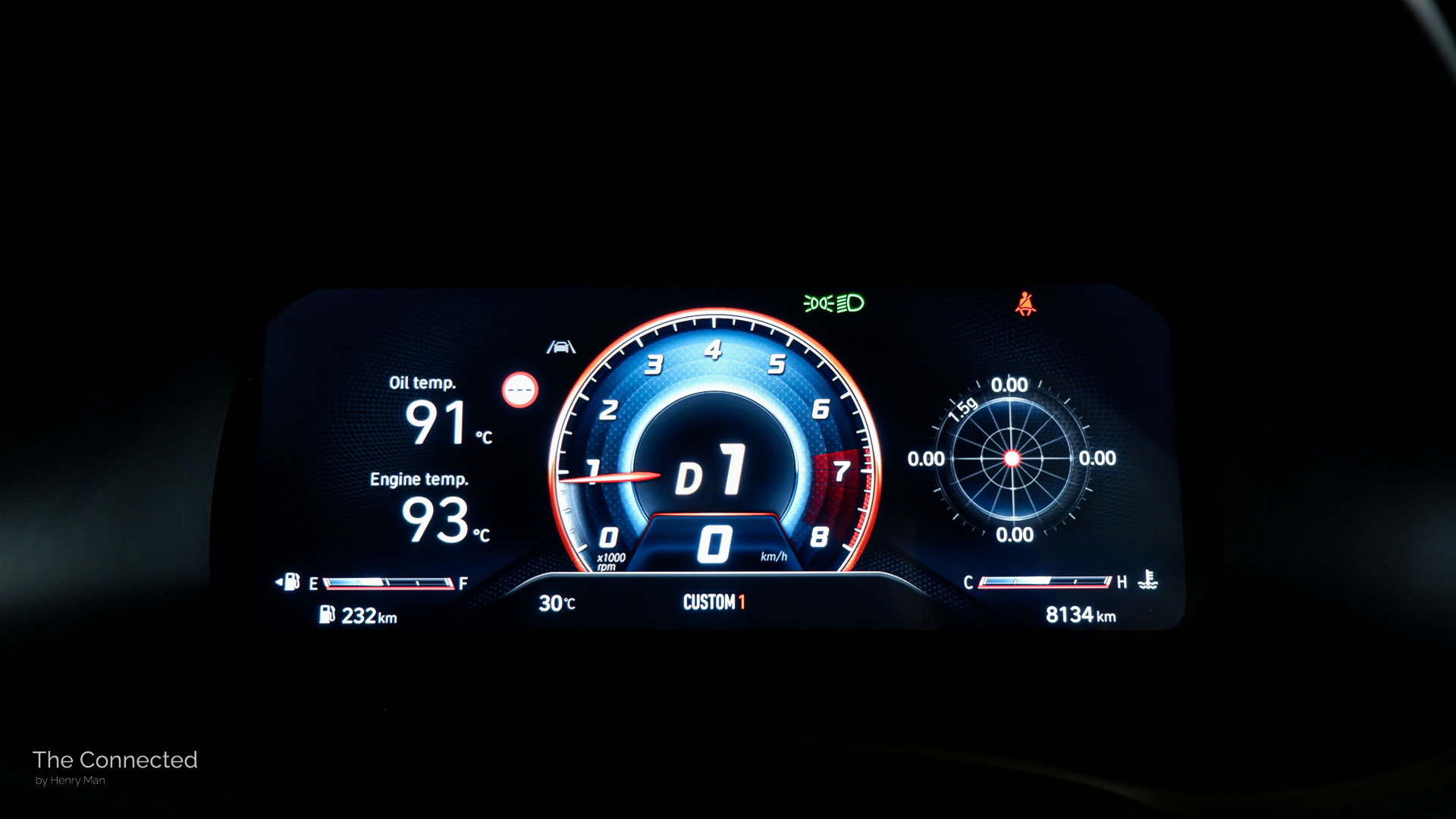
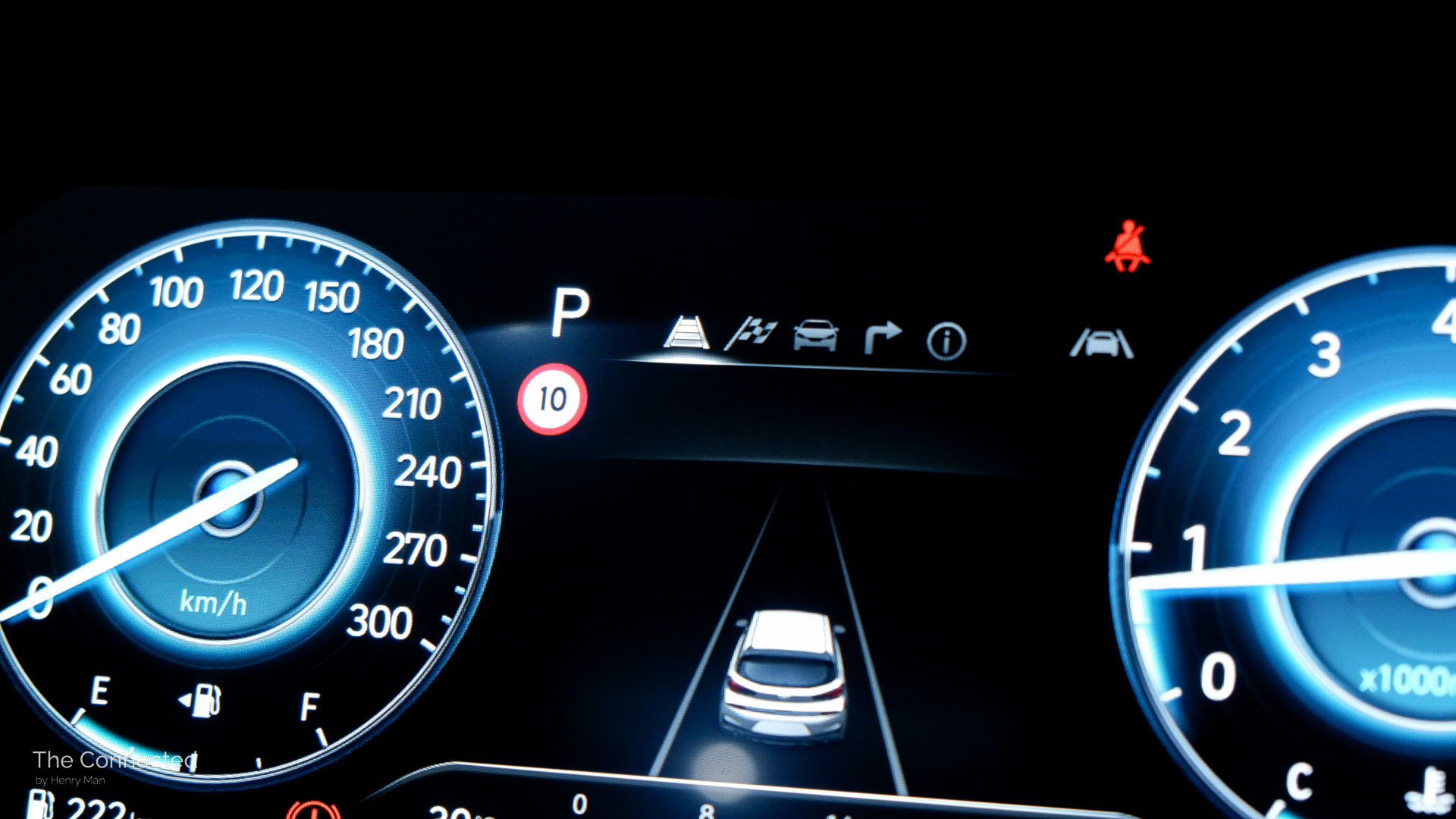
Furthermore, the update now brings a 10.25-inch driver instrument display as standard, replacing the old analogue dials.
It offers a variety of themes, but normal mode has white dials that are eye-searingly bright at night. Thankfully, owners can untie the theme from the drive mode.
The standard six-speaker system is rather middling, so it’s best to listen to the natural exhaust instead.
Safety.
2025 Hyundai i30 N hatch safety features:
| Front AEB with vehicle/pedestrian/cyclist detection | Reversing camera |
| Blind-spot assist* | Front and rear parking sensors |
| Rear cross-traffic assist* | Door open warning |
| Lane-keep and lane-centring assist | Rear occupant warning (logic type) |
| Basic cruise control | Road sign recognition with speed limit assist |
| Door open warning | Full LED headlights and part LED tail-lights |
| Bluelink emergency services calling and remote location tracking |
The updated i30 N hatch’s camera-only safety assistance system are too intrusive and still lacks adaptive cruise control.
New for 2025 is a more advanced front auto emergency braking (AEB) that can now detect cyclists in addition to vehicles and pedestrians, but still doesn’t feature radar adaptive cruise control – a convenient feature for long road trips included in the cheaper N Line.
The lane-keep assist system also now activates from 45km/h speeds (rather than from 60km/h), which is too sensitive and triggered even when I was barely touching the marked lines.
It annoyingly tugs the wheel and, in some instances where I was departing off the left- and right-side lines, it tried to steer me off the road.
The new lane-keep assist is one of the most intrusive systems I’ve experienced from a Hyundai new car.
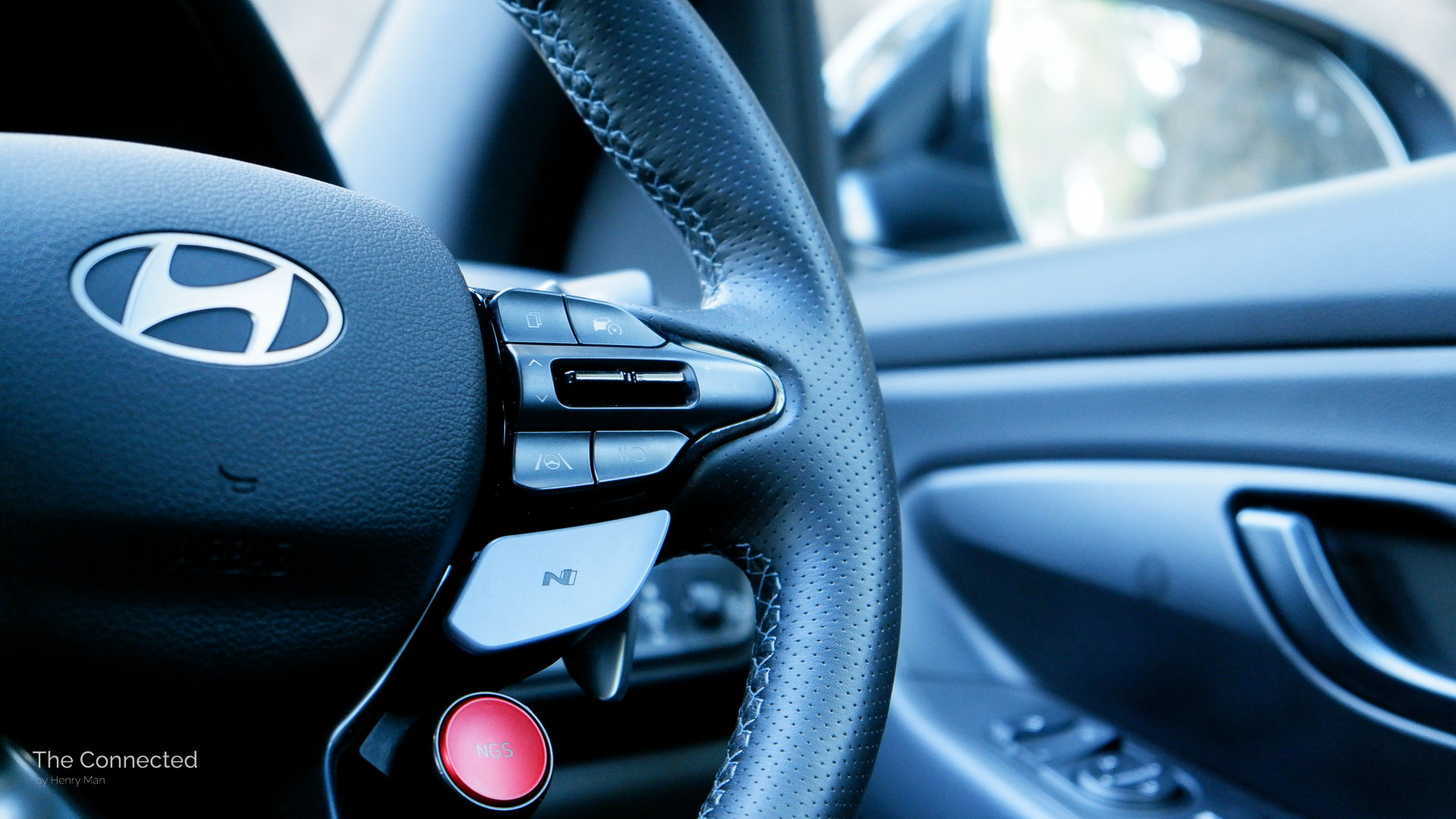
Thankfully, a press and hold of a button on the wheel turns the lane-keep off, though you’ll need to do it every time you start the vehicle.
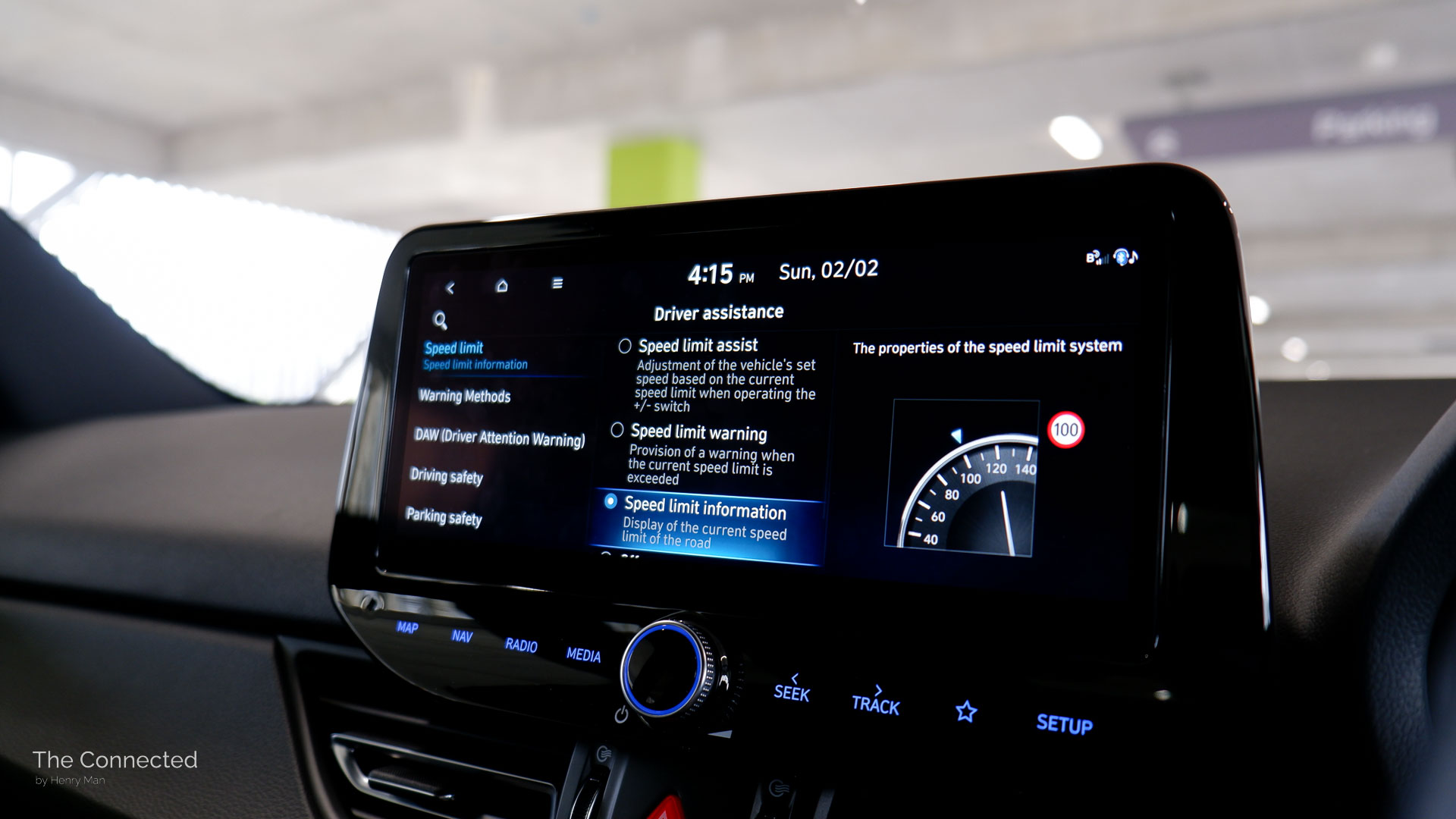
There isn’t a similar steering wheel button shortcut to disable the newly introduced Intelligent Speed Limit Assist (ISLA) warning system, unlike some newer Hyundais, despite the presence of the ‘speed limit information’ function.
While it generally detects road signs well, there are times where it just gets it wrong or still thinks you’re in a 5km/h car park on a main road because it hasn’t passed a new sign yet.
The European-mandated system irritatingly chirps as soon as it detects a new speed limit and incessantly chimes multiple times when speeding over the limit – with the old high-pitched volume that’s now been reduced on newer-gen Hyundai cars.
At least it knows when the school zone times are and doesn’t erroneously switch to 40km/h at night.
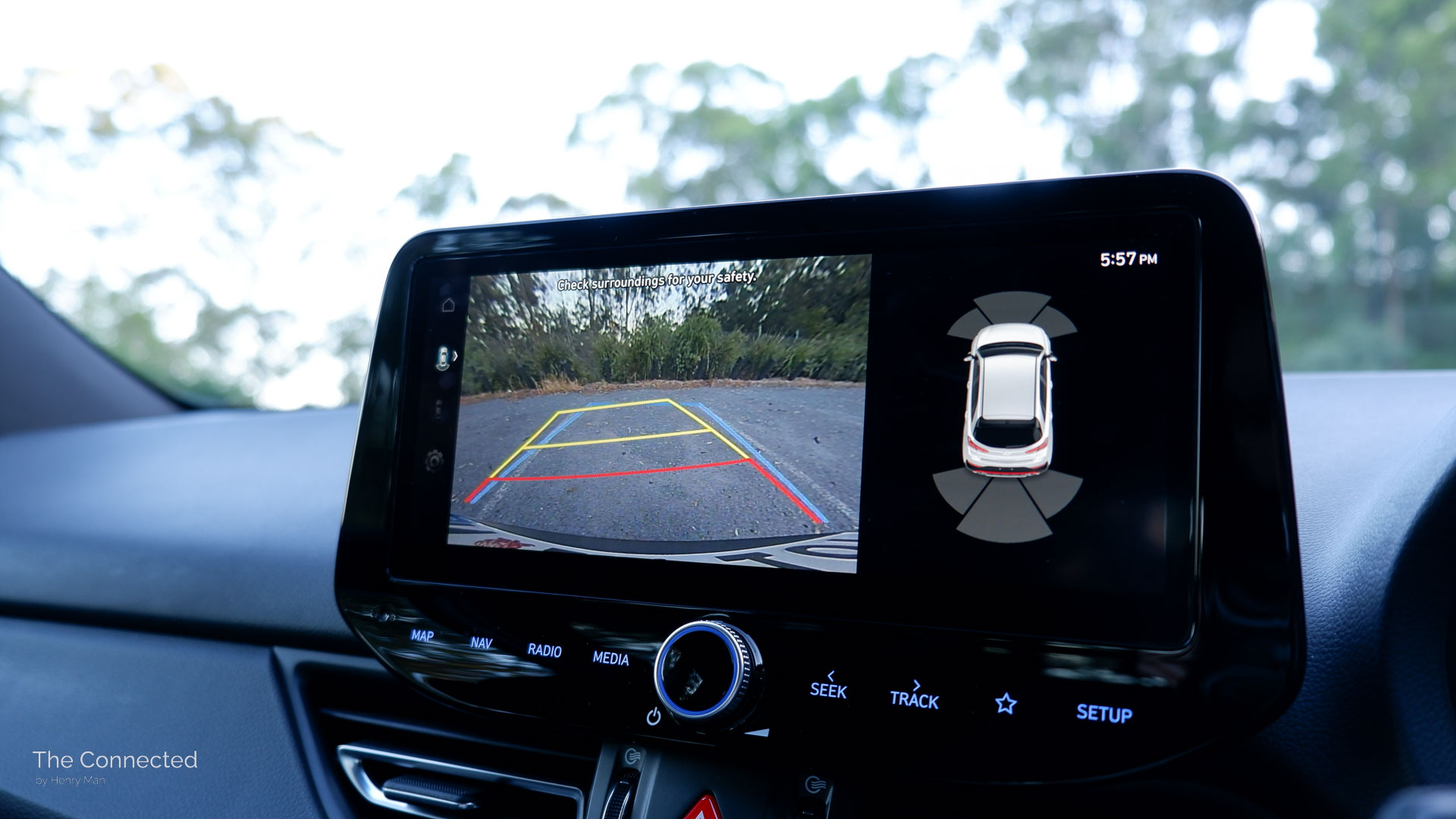
The reversing camera is noticeably lower resolution and grainy at night, too.
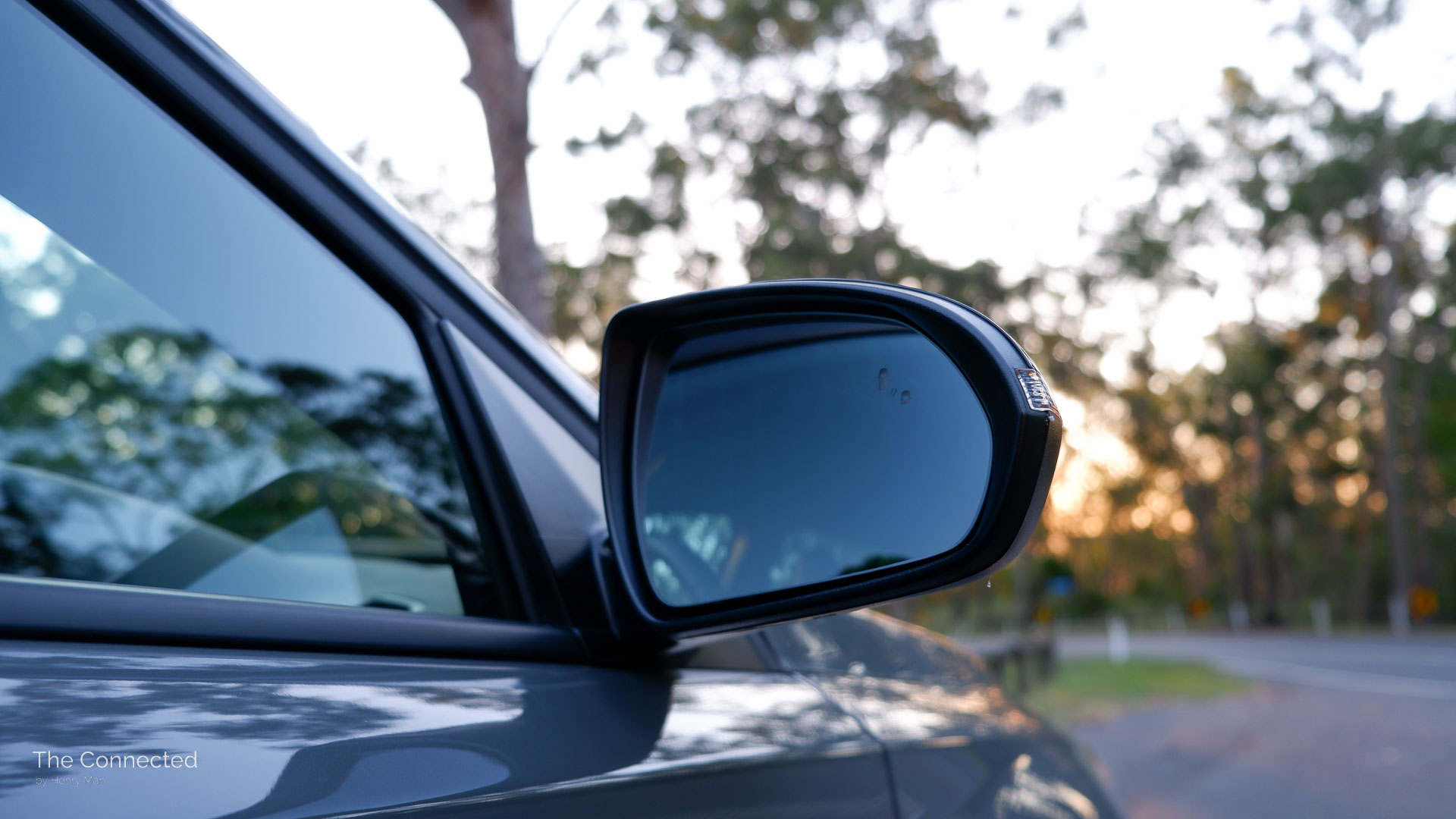
The i30 N’s safety systems otherwise work well with smooth active lane-centring assist – helping offset the lack of adaptive cruise control on the highway – and dependable blind-spot and rear cross-traffic assist.
Meanwhile, full LED headlights provide good visibility at night with nifty cornering lights according to the wheel movements at low speeds.
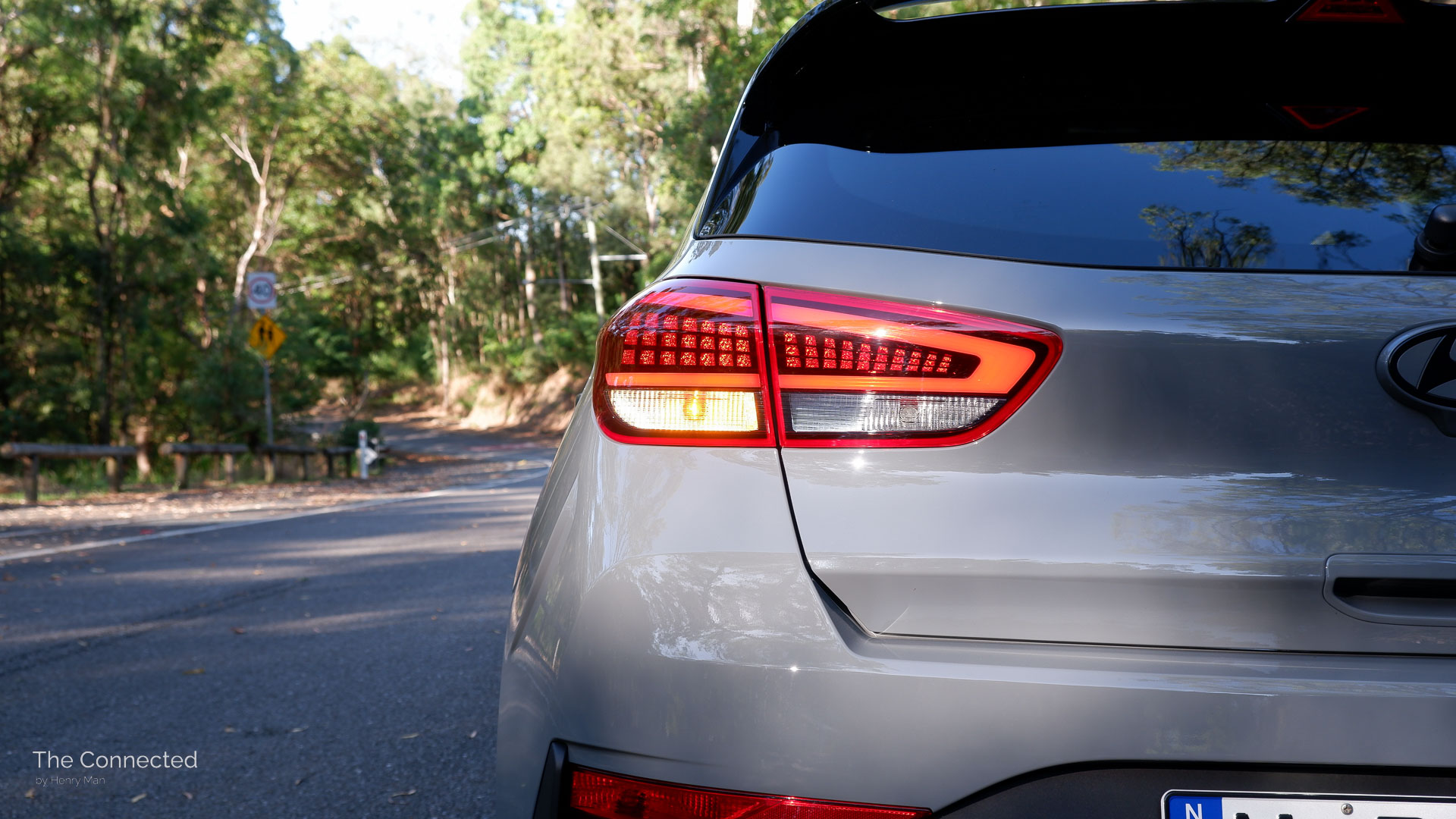
Unfortunately, the 2025 update still persists with adopting halogen-type rear indicators and a reversing light.
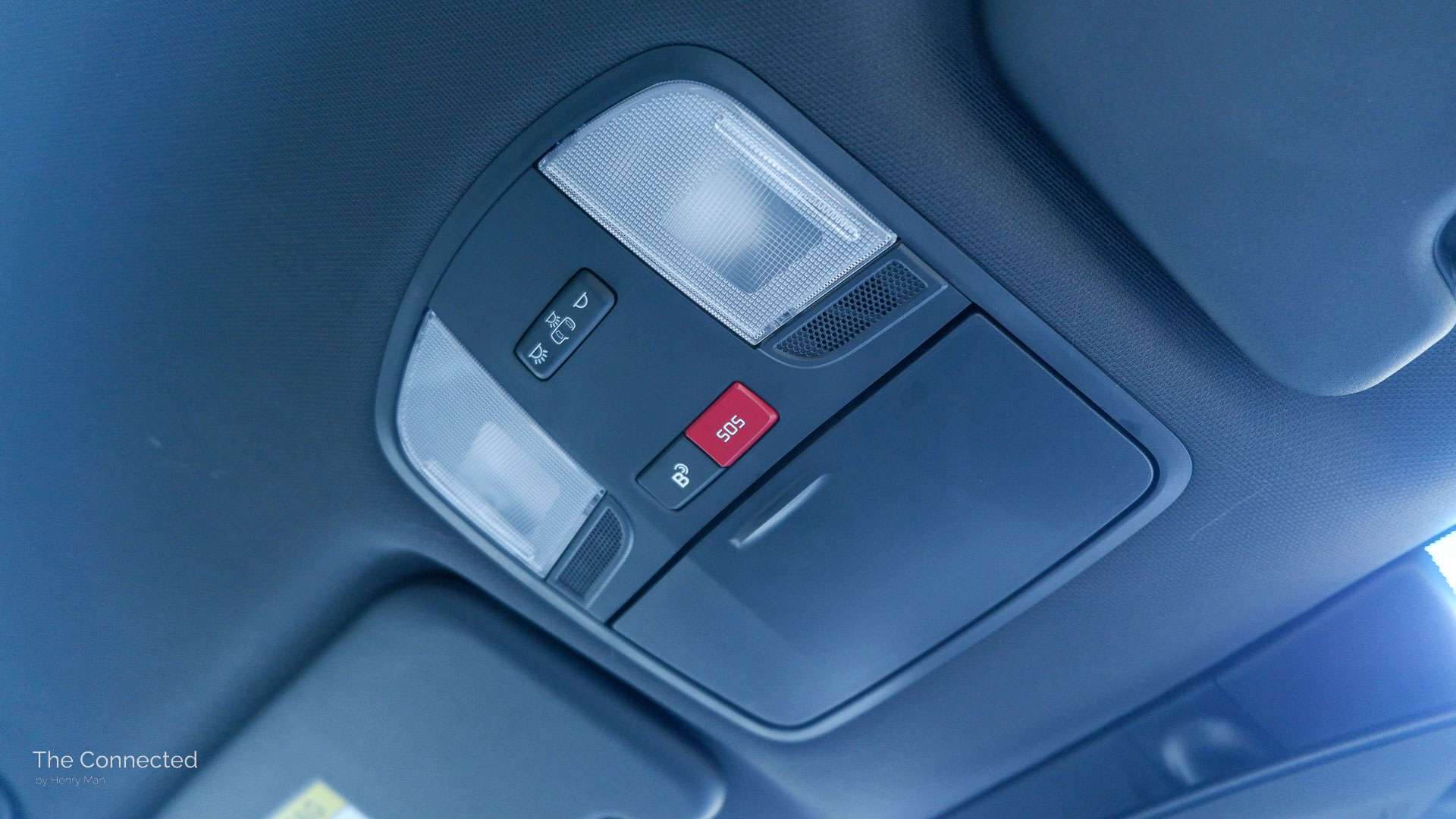
Hyundai Bluelink connected services also enables emergency services calling automatically when the airbags are deployed or manually via the overhead button, and remote vehicle location tracking.
The 2025 Hyundai i30 N hatch hasn’t been safety rated by the Australasian New Car Assessment Program (ANCAP).
Range and fuel consumption.
2025 Hyundai i30 N hatch fuel and efficiency specs:
| Claimed driving range (combined cycle) | 588km |
| Claimed fuel efficiency (combined cycle) | 8.5L/100km |
| Fuel tank size | 50 litres |
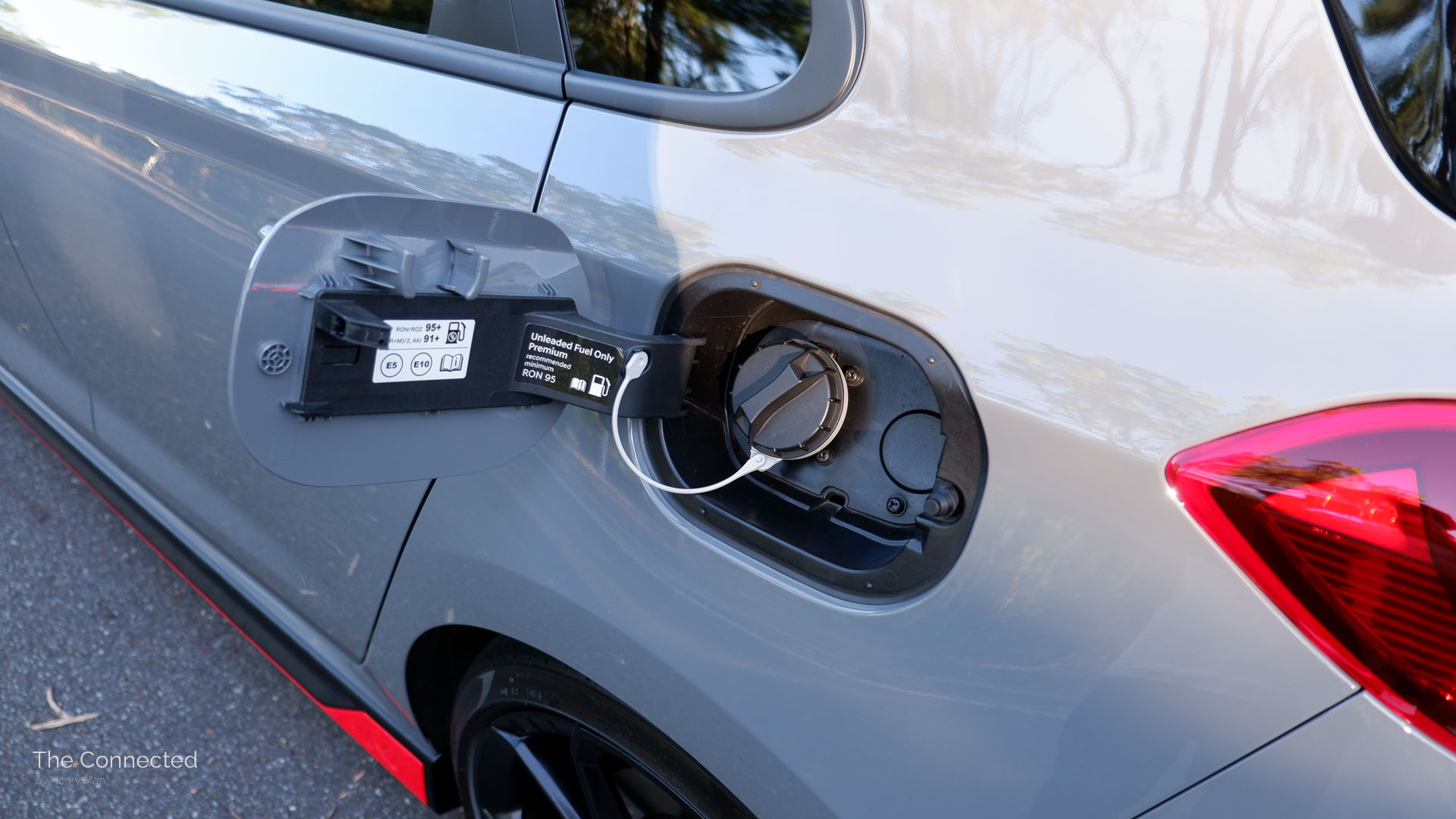
| Minimum fuel quality requirement | 95 RON premium unleaded petrol |
| Claimed CO2 exhaust emissions (combined) | 197g/km |
| European emissions compliance | Euro 5 |
In our testing, the i30 N hatch saw an average fuel consumption of 10.6L/100km after a week of mixed urban and highway driving.
This results in a real-world driving range of about 471km from its 50-litre fuel tank. At least 95 RON premium unleaded petrol is required.
While it isn’t super fuel efficient, the figure is respectable in our testing week – which included driving up the twisty roads of Mount Glorious – with the Korean hot hatch notably having a three-litre bigger tank than the i30 Sedan N.
The fuel lid is accessible via the left-rear quarter of the vehicle, which locks/unlocks in concert with the doors (no need to flick a switch on the floor as per the sedan).
Driving.
2025 Hyundai i30 N hatch DCT powertrain specs:
| Engine | 2.0-litre turbocharged four-cylinder petrol engine |
| Power | 206kW @6000rpm |
| Torque | 392Nm @2100-4700rpm |
| Transmission | Eight-speed DCT |
| Drive type | FWD |
| Kerb weight | 1480-1541kg |
| Turning circle | 11.6 metres |
| Payload | 469-530kg |
| Towing (unbraked / braked) | N/A |
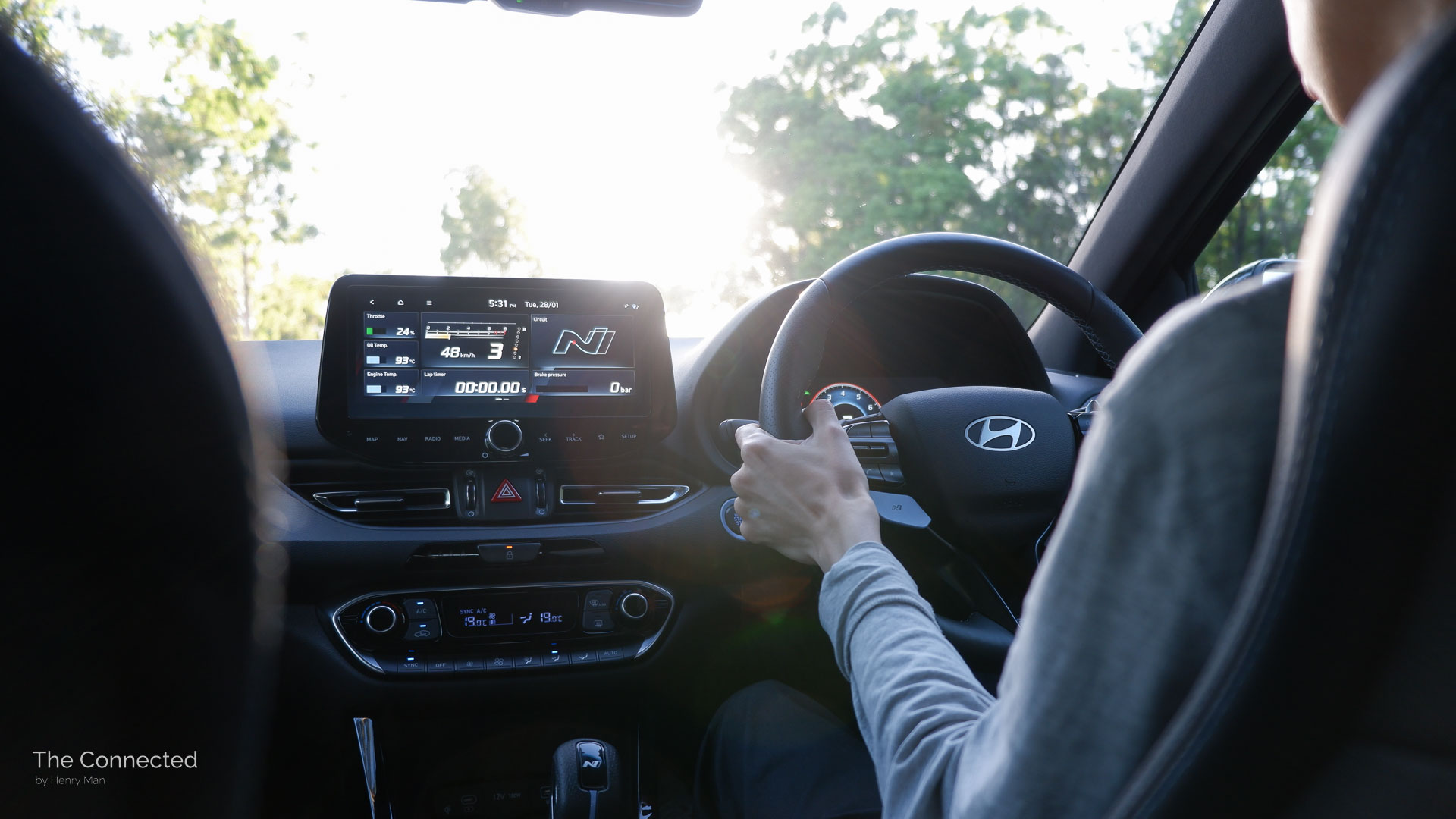
The Hyundai i30 N is a beast that yearns to be driven untamed, with an obnoxious stock exhaust that’s hard to find in new hot hatches nowadays.
The unchanged 2.0-litre turbocharged engine makes up to 206kW of power and 392Nm of torque, with the option of either a six-speed manual or eight-speed dual-clutch transmission (DCT) for the same cost. Power is sent to the front wheels.
The i30 N is pure combustion engine hot hatch fun.
There’s plenty of punch with a smooth-shifting DCT, fairly light weight, and firm steering that easily carves corners with plenty of grip from its 235/35 Pirelli P-Zero HN tyres.
With a shorter tail, it feels more nimble than the i30 Sedan N.
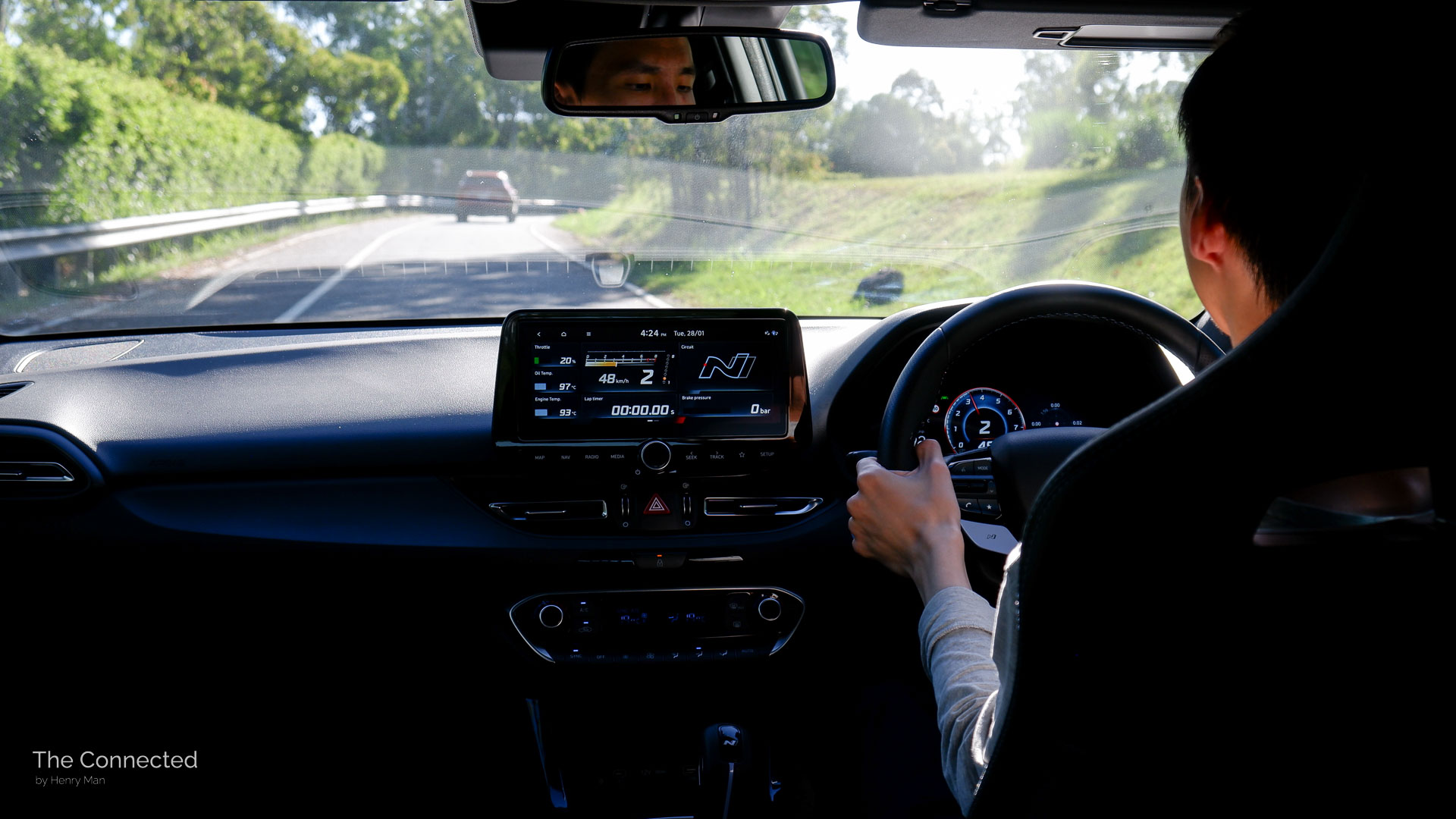
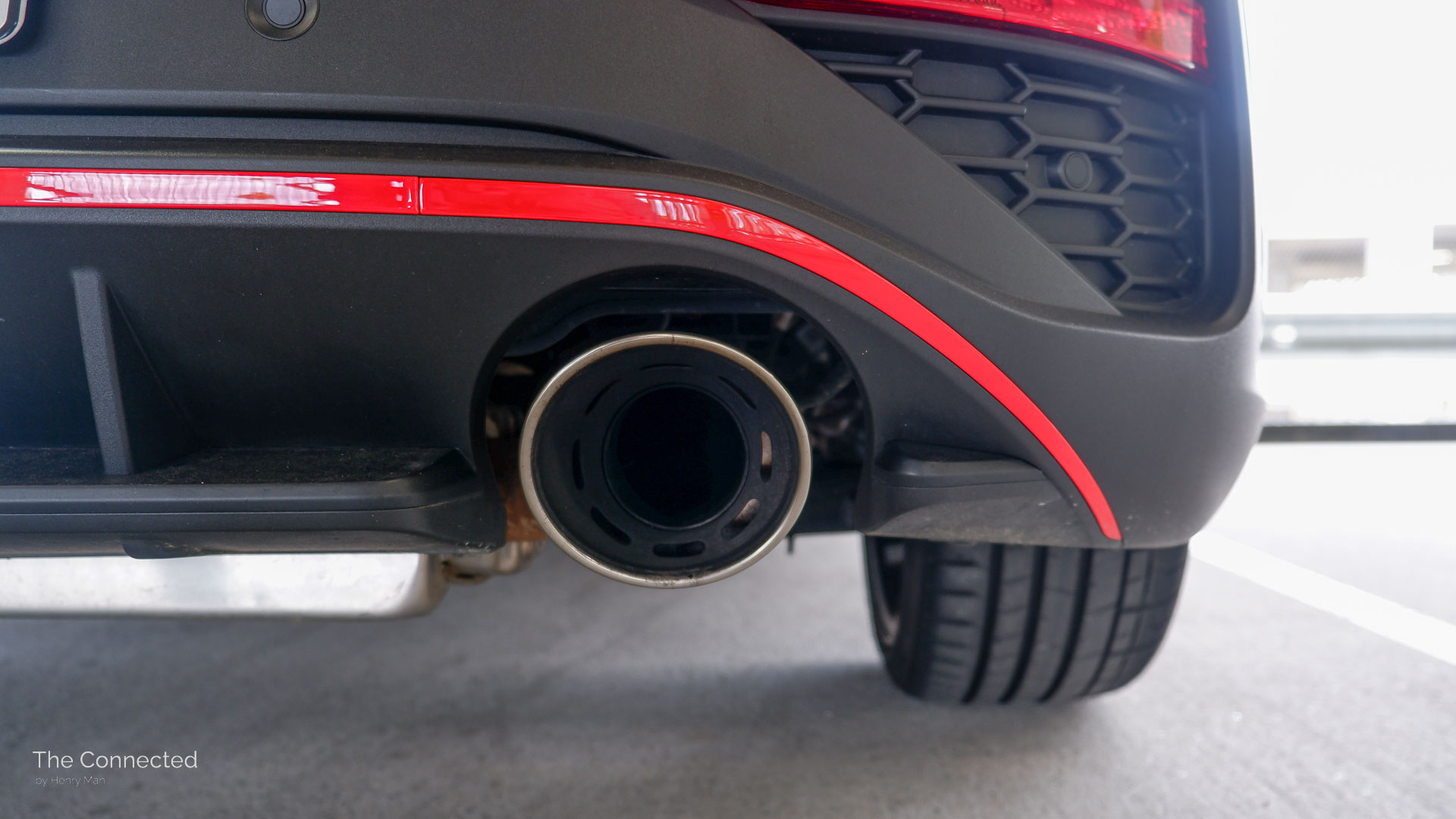
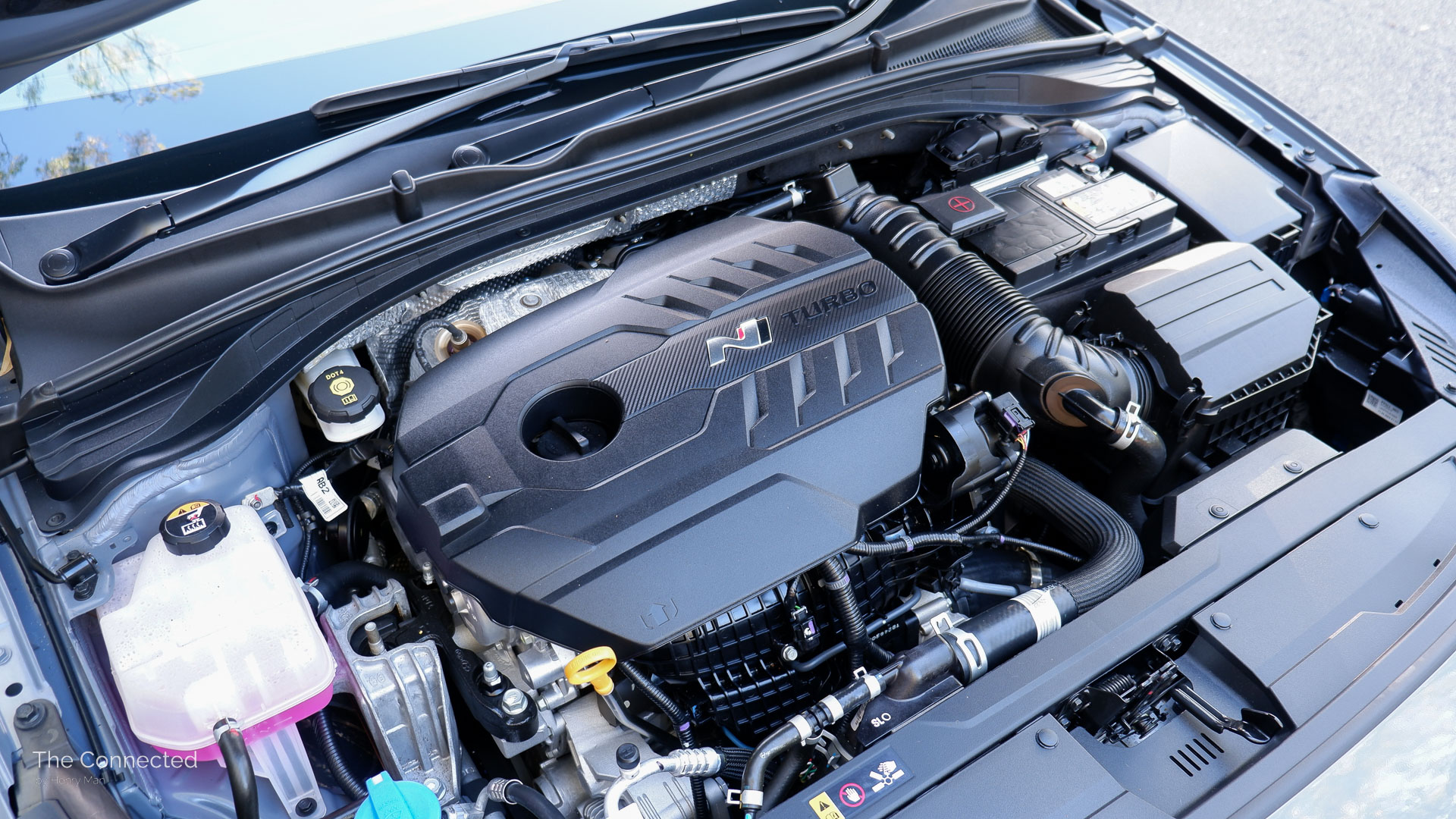
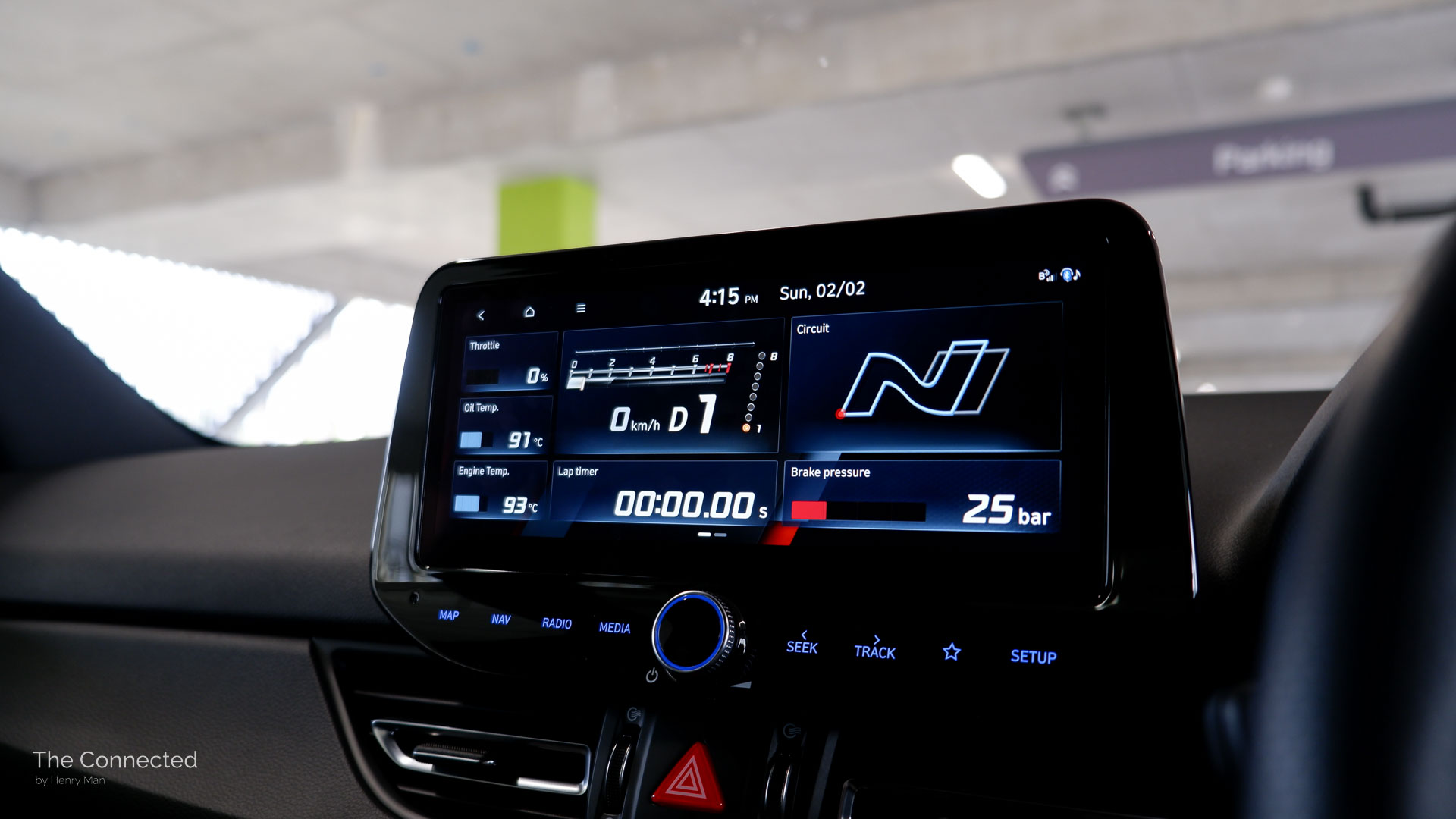
Crucially, the Korean hot hatch’s stock exhaust is satisfyingly loud with addictive crackles and pops coming from the dual exhausts in N mode when bouncing off the rev limiter.
It’s cool yet obnoxious, and encourages drivers to work with the car when driving – something that electric vehicles have made too easy.
DCT models feature a bright red N Grin Shift (NGS) button, which essentially puts the hatch into overboost mode to maximise the exhaust ludicrousness (it’s not great on fuel, though).
While the traditional six-speed manual is more involving, the DCT is still engaging with the ability to force it into manual mode and use the large steering wheel paddle shifters – without the computer overriding the driver – and dealing with the inconvenience of a third pedal in traffic.
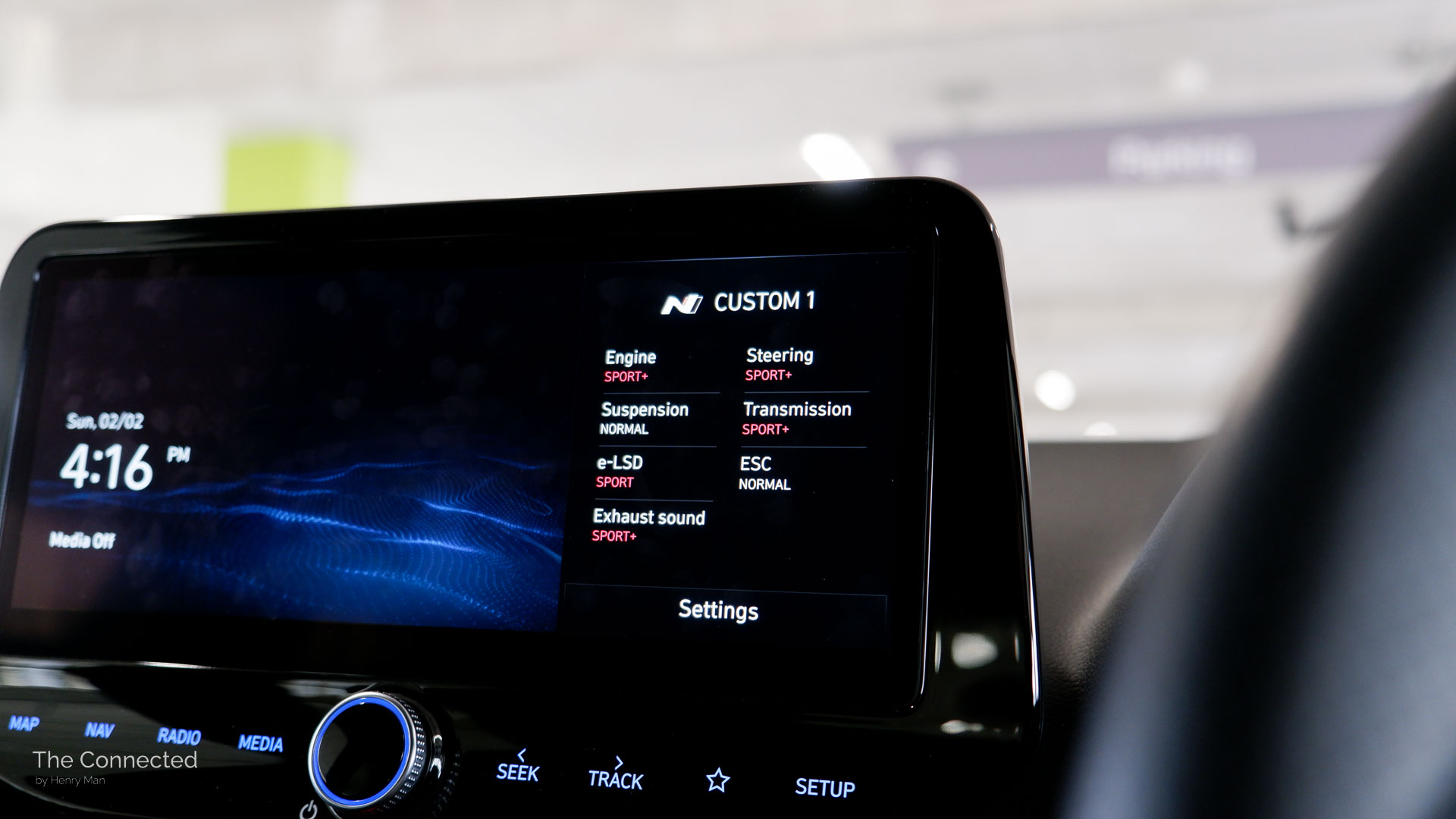
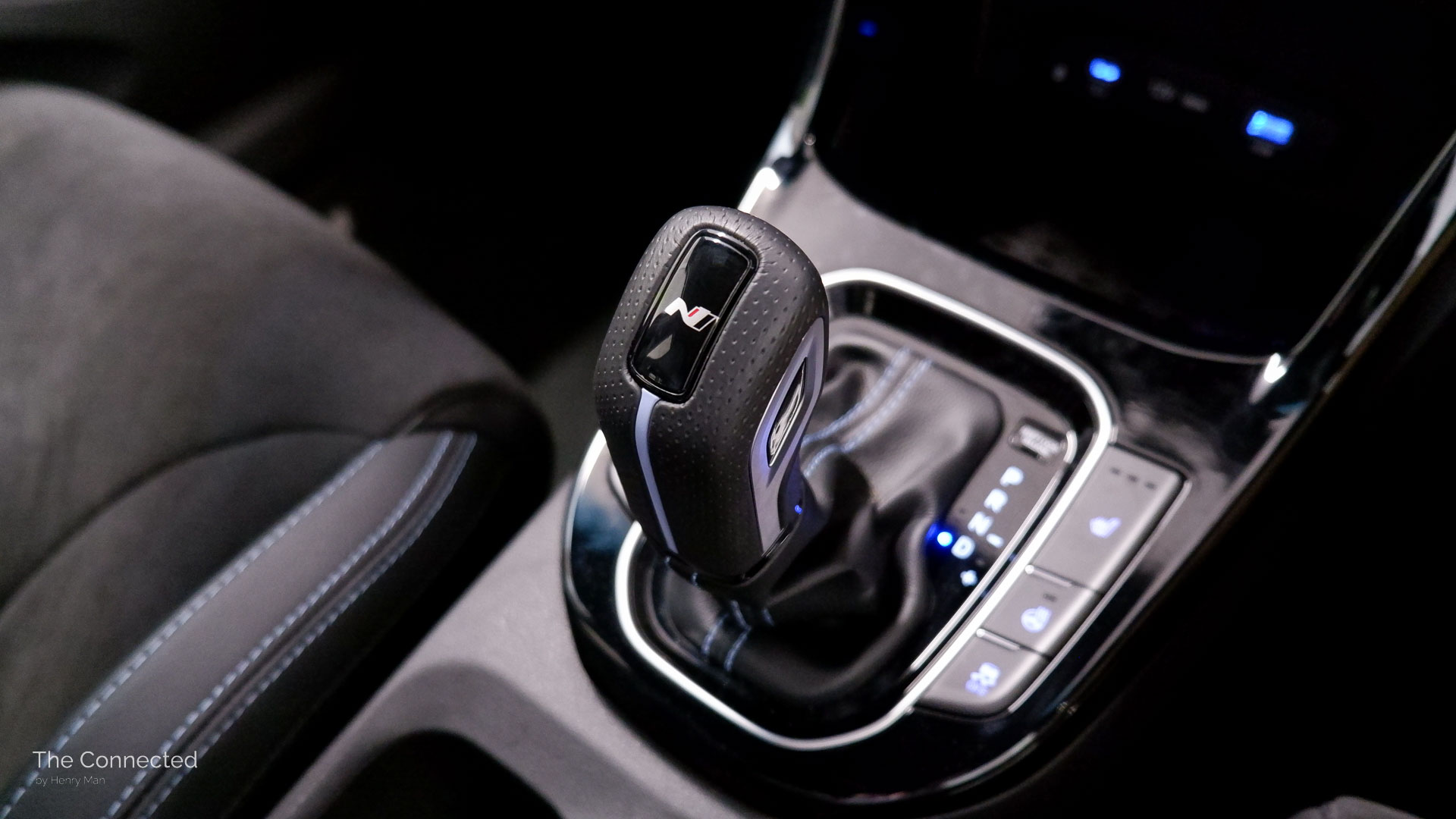
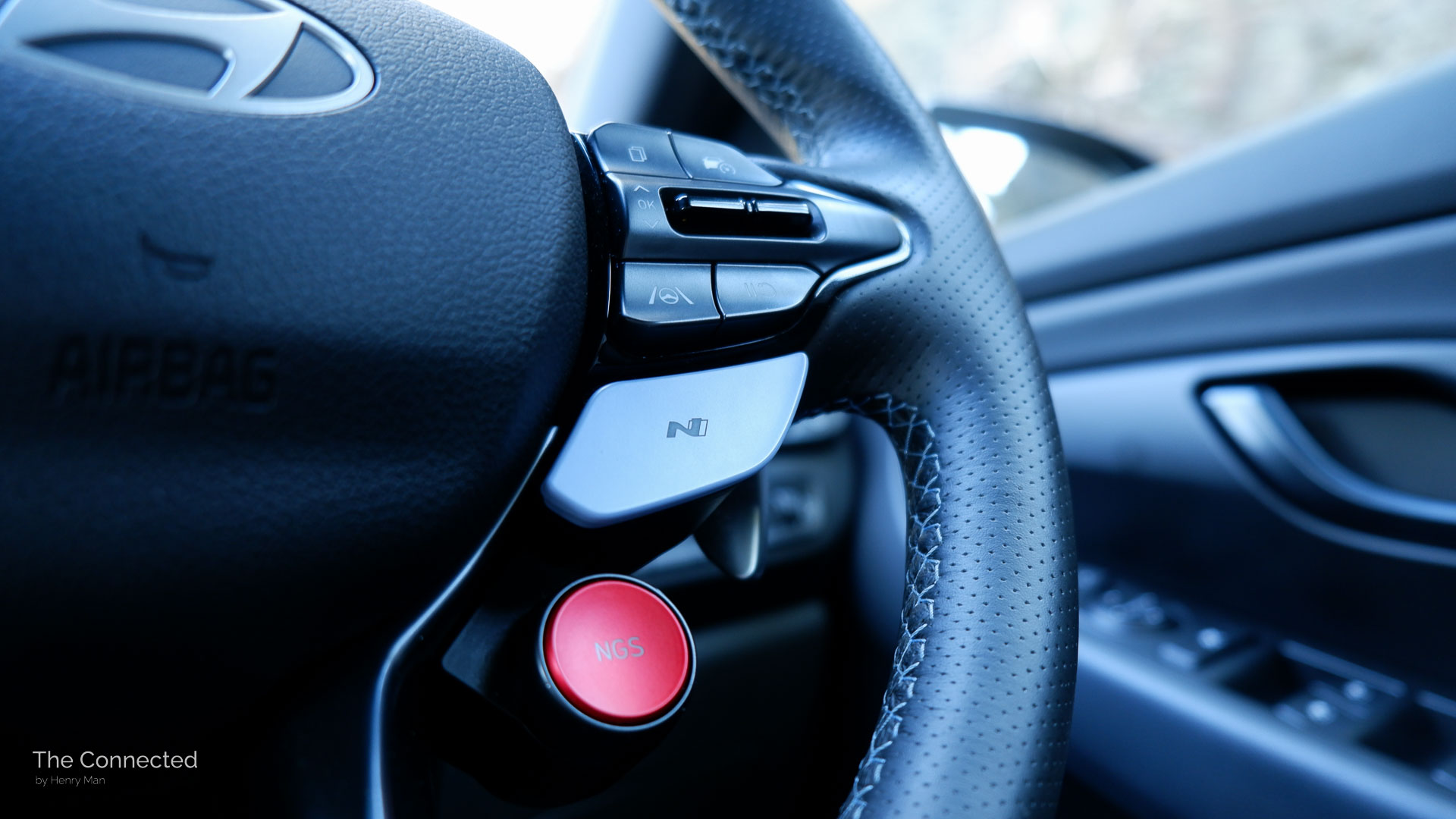
Unfortunately, while Hyundai offers a variety of settings to customise the driving experience with two Custom N modes, from the exhaust sound to suspension stiffness, it’s slightly hard to access both.
The two N buttons can be programmed to activate either custom mode, but there’s no way to return back to the normal, eco and sport drive modes. Only the default N mode program is able to do this.
Meanwhile, the i30 Sedan N offers a separate drive mode button on the centre console so drivers can access both Custom N modes via the wheel with the ability to go back to the normal modes.
The i30 N hatch is otherwise a generally good daily driver to cruise in traffic, although it isn’t comfortable.
The ride is on the firmer side with noticeable tyre noise when driving on coarse-chip roads, a slightly unsettled rear axle when going over bumps, plus the exhaust in normal mode is still pretty loud and non-neighbourhood friendly – especially on a cold start-up.
Additionally, the DCT is noticeably hesitant and jerky when crawling at low speeds, with audible clutch engagement.
Warranty and servicing.
2025 Hyundai i30 N hatch capped-price servicing costs:
| 1 year/10,000km | 2 years/20,000km | 3 years/30,000km | 4 years/40,000km | 5 years/50,000km |
|---|---|---|---|---|
| $355 | $355 | $355 | $465 | $355 |
The 2025 Hyundai i30 N is backed by a five-year, unlimited kilometre new car warranty – which includes track use for non-competitive events.
Servicing is required every one year/10,000km (whichever occurs first) – with the latter being on the shorter side – but the South Korean carmaker uniquely provides unlimited capped-price servicing.
After the first five visits, it’ll cost $1885 to maintain the i30 N – which is fairly affordable for a hot hatch.
Unlimited roadside assistance is included, provided you service it with a Hyundai dealer every time.
Up to five years of Hyundai Bluelink connected services are included from the date of activation.
A temporary space-saver spare tyre is included underneath the boot floor on all models.
Price and rivals.
2025 Hyundai i30 N hatch model range pricing (accurate as at the time of publication):
| N | N Premium |
|---|---|
| From $50,000 before on-road costs | From $53,500 before on-road costs |
The 2025 Hyundai i30 N hatch is priced from $50,000 before on-road costs in Australia.
Only two variants are available, with the option of a six-speed manual or eight-speed DCT for the same price.
Unfortunately, it’s the former that has seen significant price rises to match the DCT for 2025. Still, it’s reasonably affordable when its hot hatch rivals, including the Volkswagen Golf GTi and Honda Civic Type R, now cost in excess of $60K drive-away.
Buyers who opt for the N Premium can add a panoramic sunroof for an additional $2000.
As for exterior colours, Atlas White, Performance Blue, Shadow Grey (as pictured) and Engine Red are free, while other premium colours cost $595 extra.
The 2025 Hyundai i30 N hatch directly rivals the following mainstream sports cars:
- Hyundai i30 Sedan N (full review)
- Volkswagen Golf GTi
- Cupra Leon
- Toyota GR Corolla
- Honda Civic Type R
Other alternatives to the i30 N include:
- Cupra Born (full review)
- MG 4 (full review)
- Hyundai i20 N
- Toyota GR86
- Subaru BRZ
- Mazda MX-5
- Nissan Z
Would I pick the 2025 Hyundai i30 N Premium?
The Hyundai i30 N is a pure fun and loud hot hatch that’s impressively still affordable in 2025.
In a world of the latest Volkswagen GTI, Honda Civic Type R and Toyota GR Corolla, the sub-$60K i30 N hatch represents fantastic value-for-fun with a satisfyingly loud stock exhaust note, nimble driving dynamics, and a still-sharp exterior.
However, the newly introduced safety assistance systems are too intrusive for a driver’s car, the interior looks and feels dated in 2025, and it persists with older tech.
I’d pick the entry-level i30 N hatch, which is the only variant that undercuts the sedan on price and has most features included.
The manual transmission will please enthusiasts, but the DCT is more dailyable. I personally prefer the sharper-looking i30 Sedan – which is cheaper like-for-like – but the hatch is generally more practical.
Ultimately, Hyundai has added some welcome final touches to finesse the i30 N package, as the chapter soon ends for Korea’s original hot hatch.
Photographs by Henry Man
READ MORE: 2024 Hyundai i30 Sedan N review: Fresh cut.
READ MORE: Hyundai i30 N vs Ioniq 5 N comparison review: Petrol or electric?
READ MORE: 2024 Cupra Born review
Pros:
- Affordable price against rivals
- Fun to drive pure hot hatch
- Obnoxious stock exhaust
- Still-sharp exterior
- Generally more practical than i30 Sedan N
Cons:
- Intrusive safety assists
- Interior feels dated
- Old tech, wired phone projection
- Custom N modes design flaw
- Pricier than i30 Sedan N
About the Author.
Henry Man is an independent content producer passionate about the intersection of technology and transportation.
The former automotive journalist is focused on producing critically-detailed vehicle reviews, and unique short-form content. Learn more.


 The Connected by Henry Man