
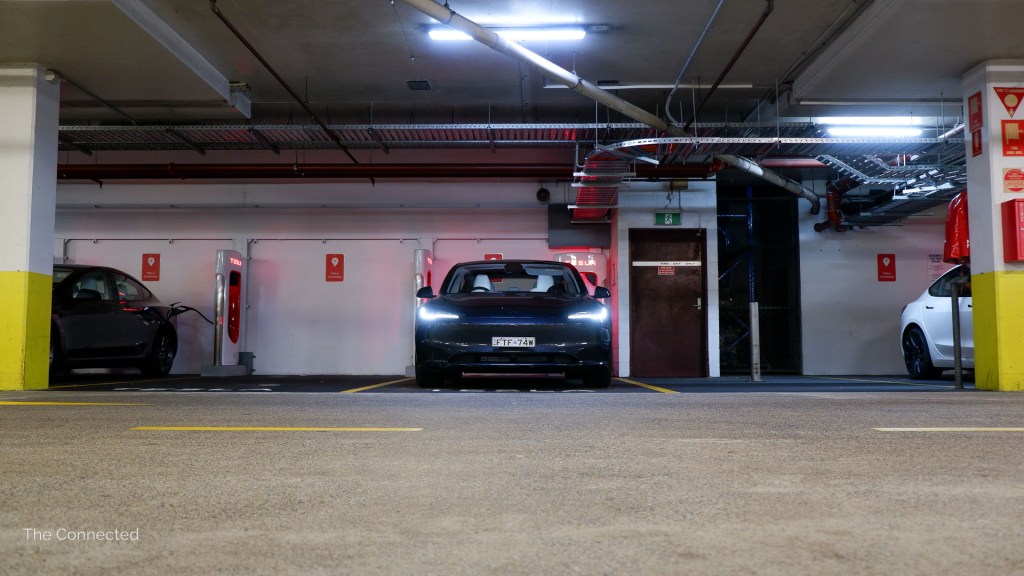
The longest-range electric vehicle has arrived with a 750-kilometre claim on one charge, but does it hold true in reality?
The Tesla Model 3 has received a minor update for 2026, with the Long Range variant switched to a single motor drivetrain to maximise its energy efficiency and provide up to 750km of claimed driving range on the WLTP testing cycle.
Yes, the upcoming BMW i3 is expected to provide up to 900km of claimed range and the Mercedes-Benz CLA EQ with up to 792km claimed – but they’re likely going to cost more than six-figures.
That makes the Tesla Model 3 the longest-range mainstream EV to date with a price tag from $61,900 before on-road costs. But how much range does it really provide in the real world?
NOTE: The press vehicle was provided by Tesla Australia for an 11-day independent evaluation. Charging and toll costs were covered, but we have no commercial arrangements with the company and it had no editorial control.
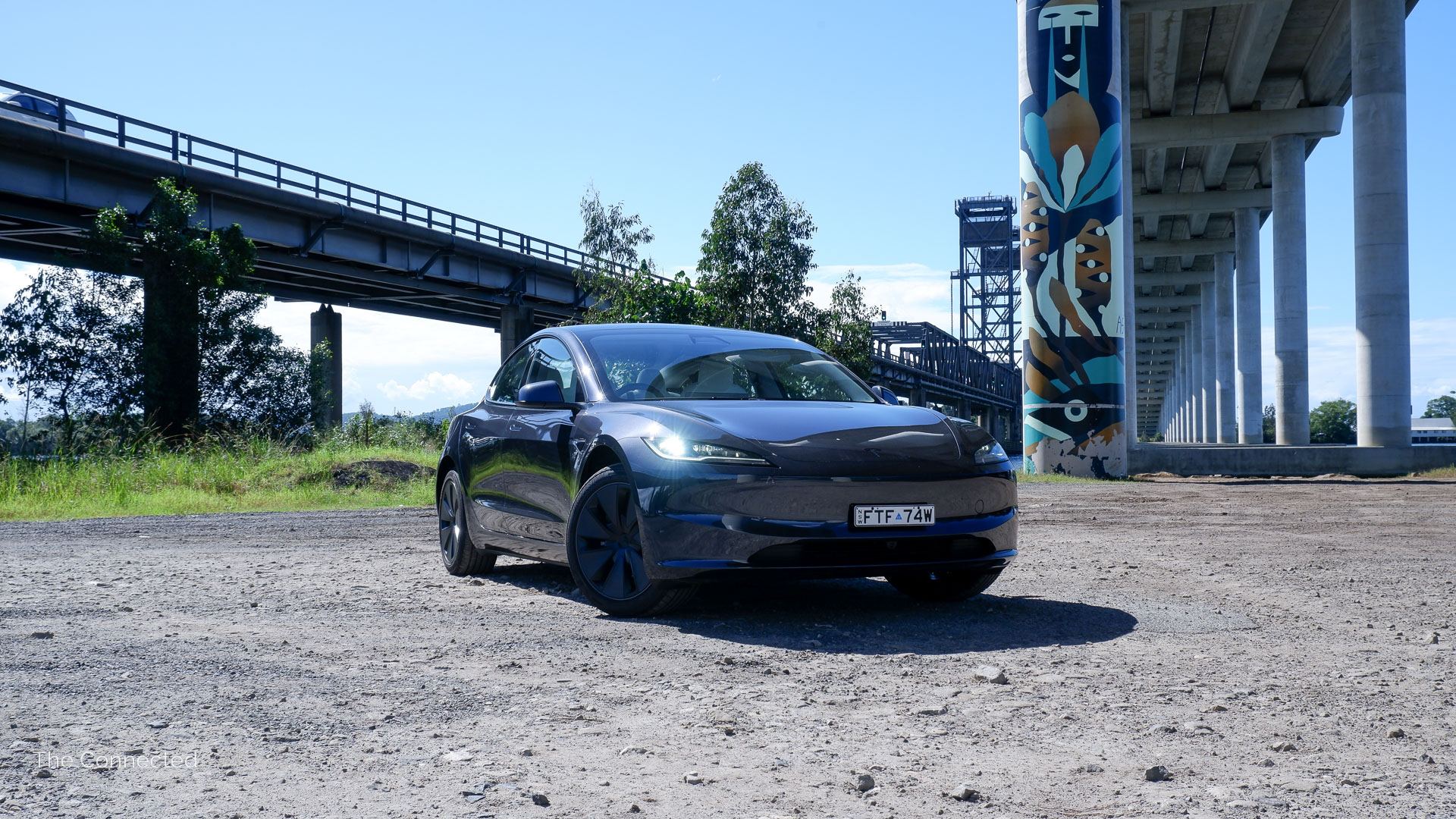
Brisbane to Yamba day trip: FSD and no charging.
I drove the new Model 3 Long Range RWD more than 630 kilometres on a round trip from Brisbane to Yamba. I didn’t need to charge.
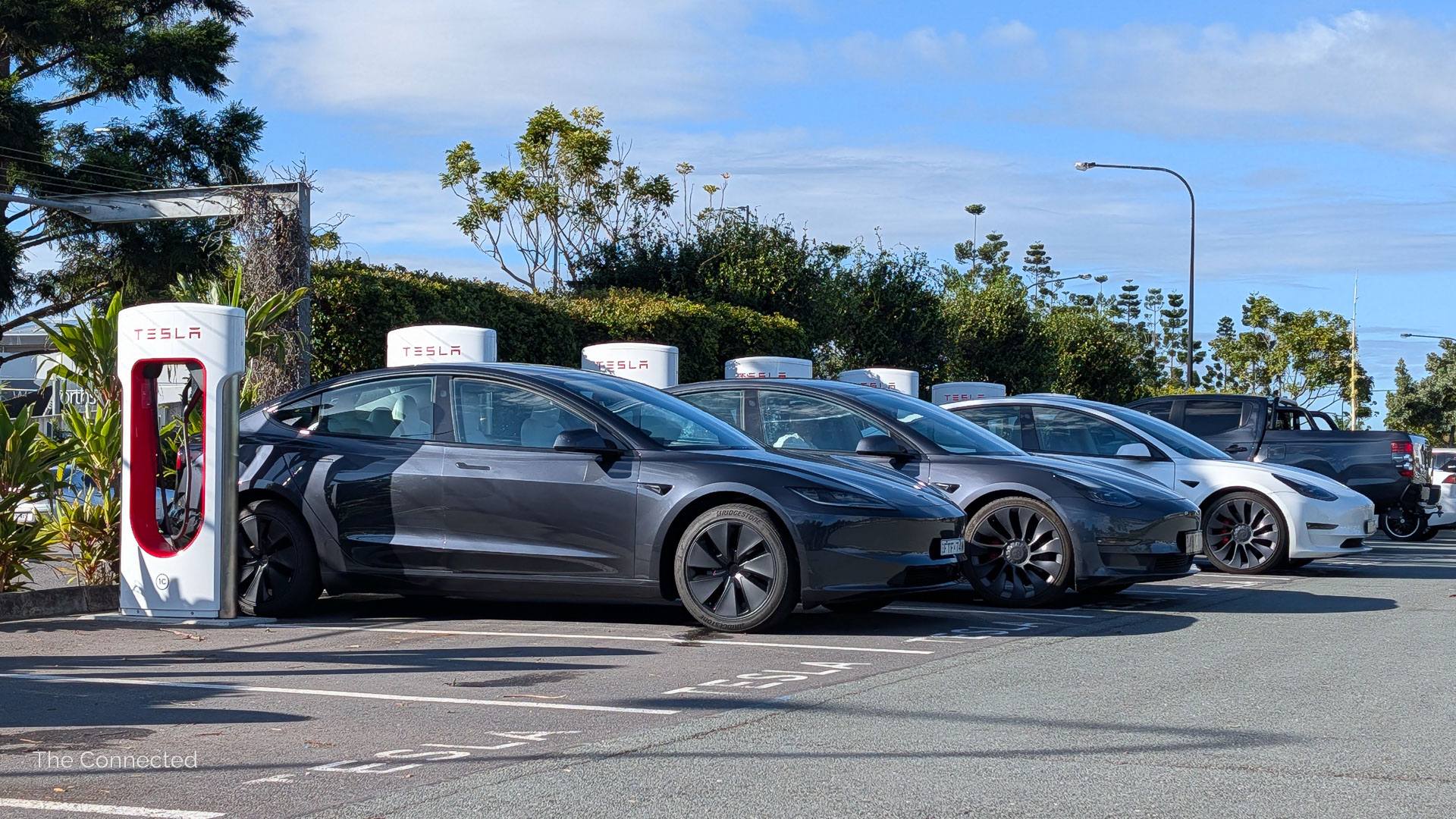
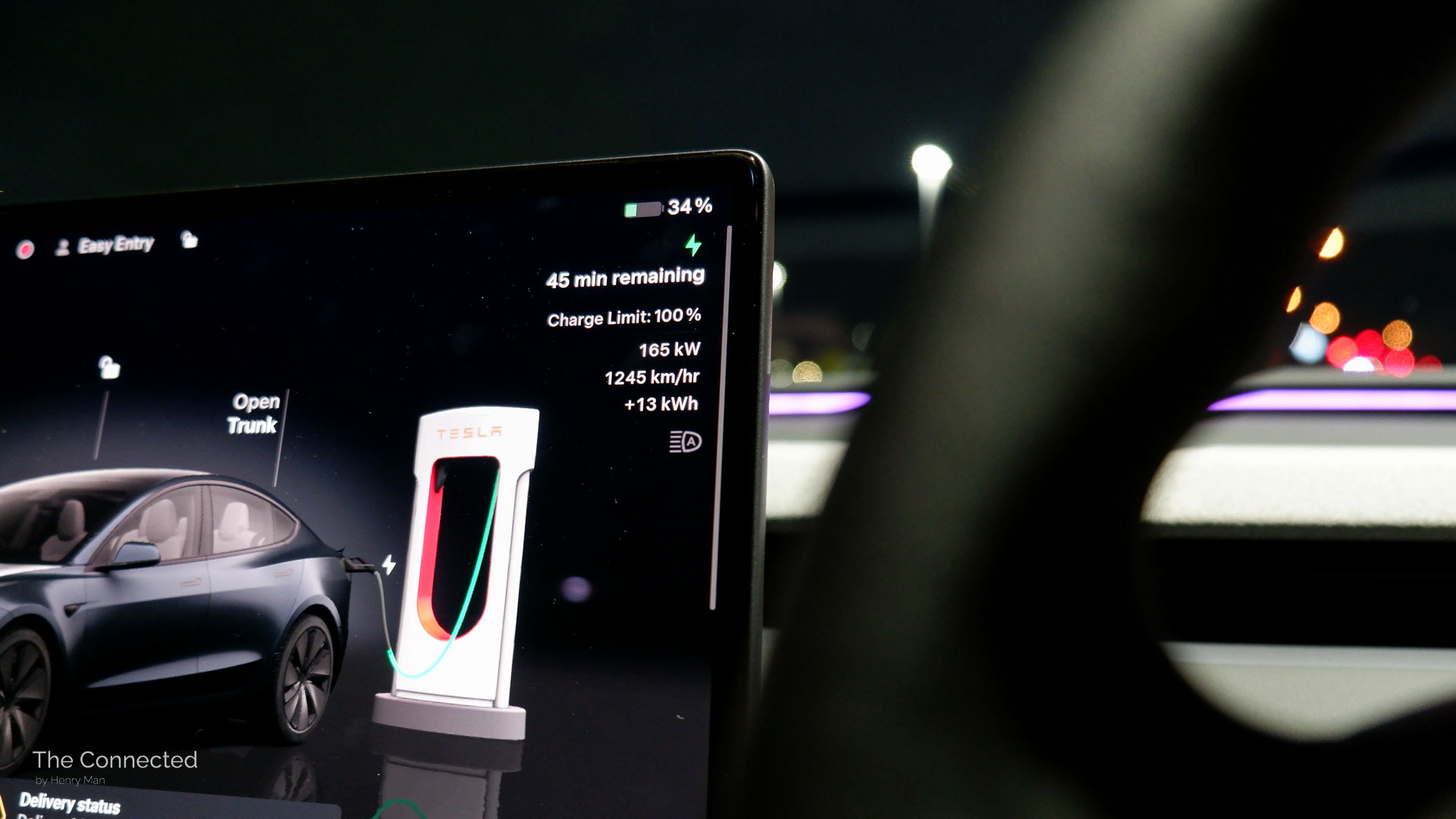
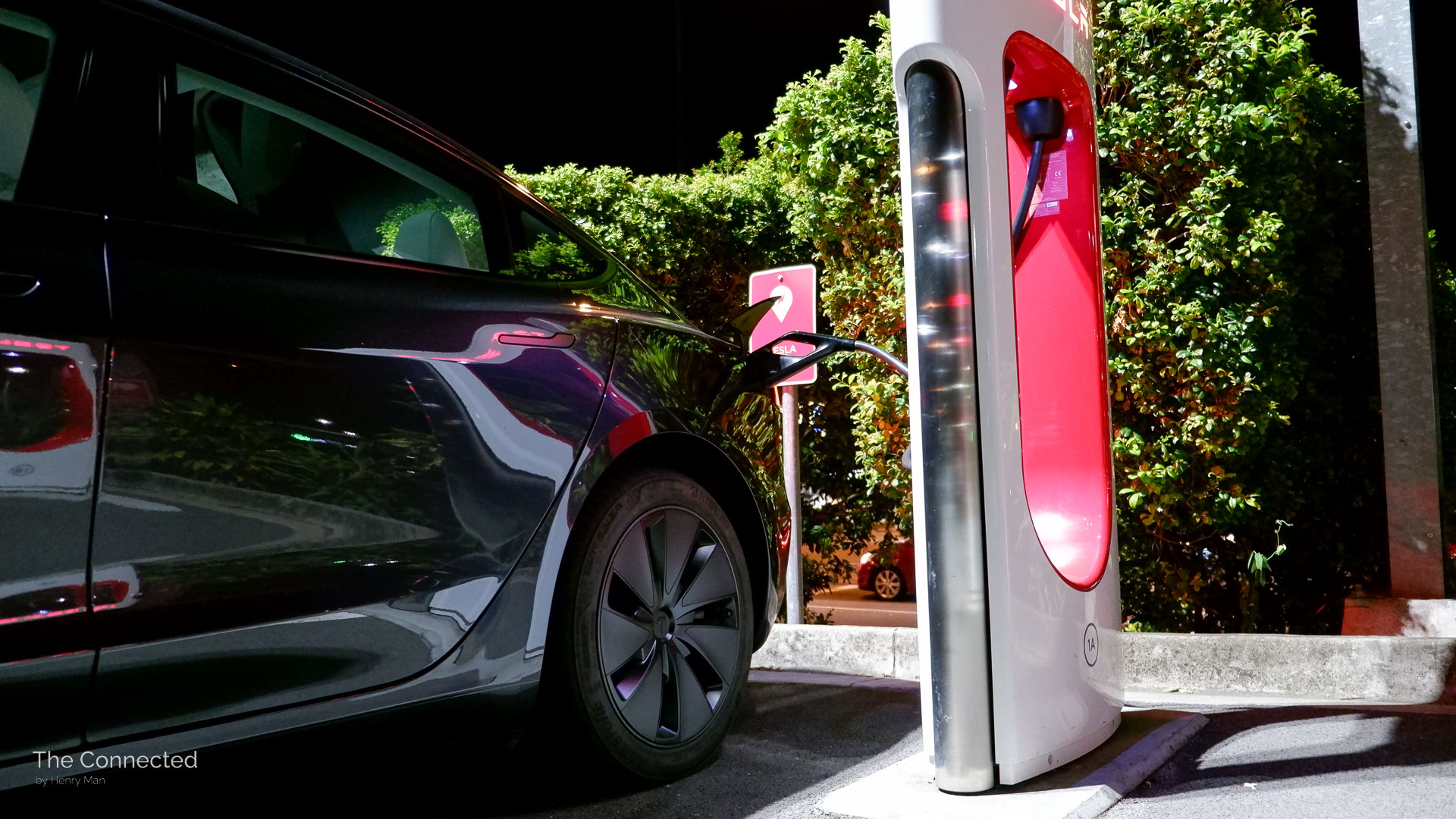
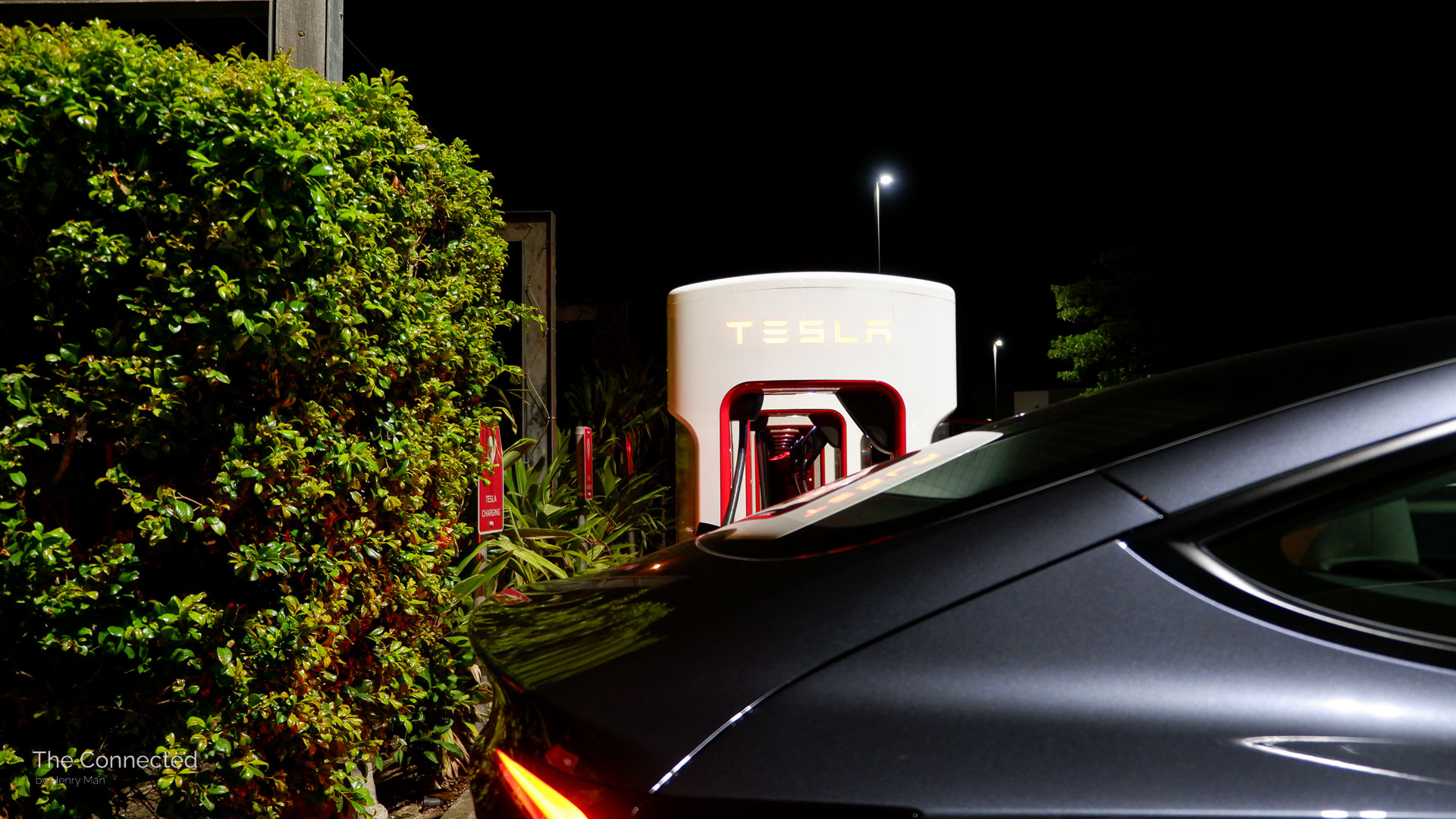
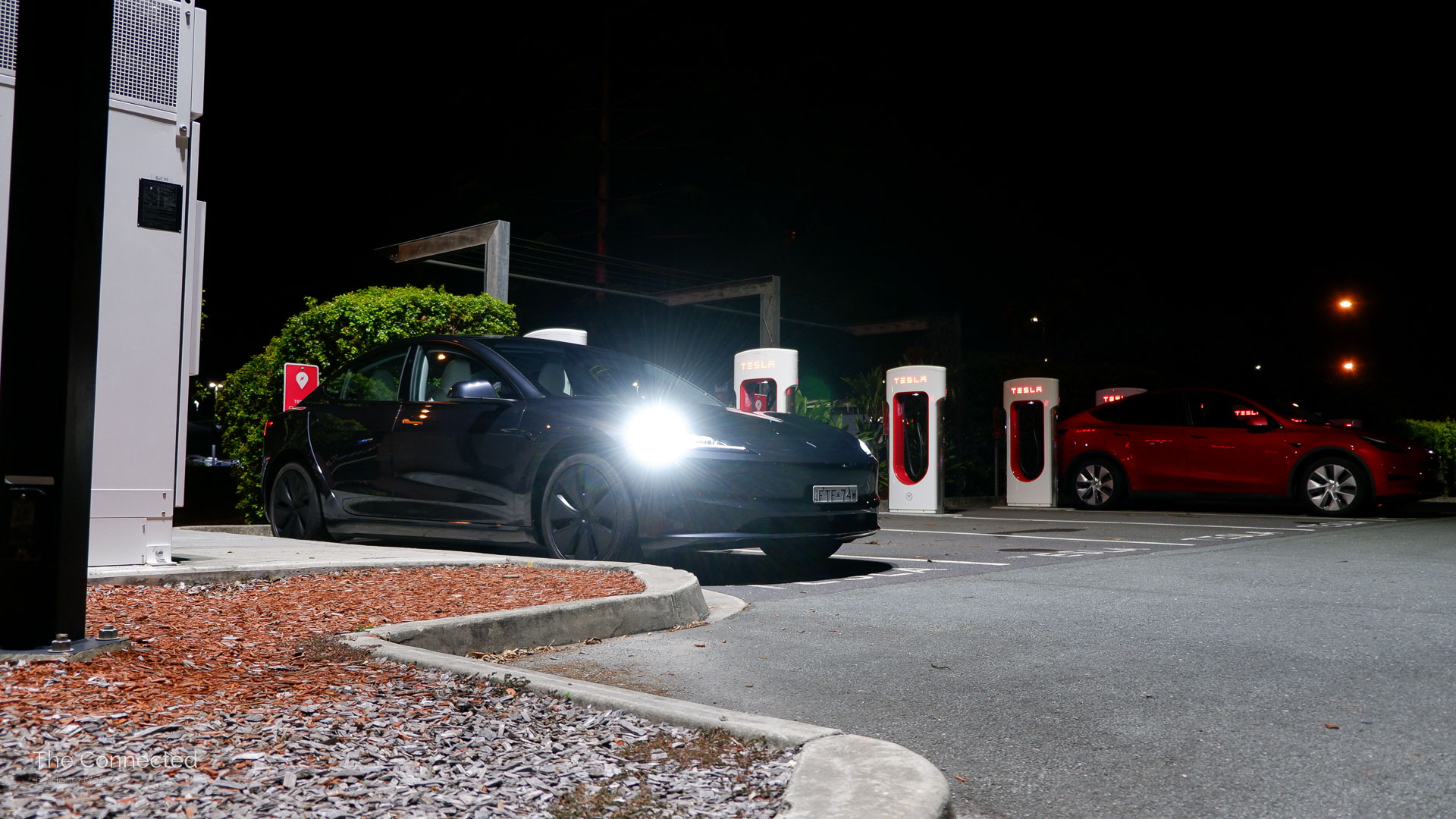
Starting in the early morning, I fully charged the battery pack at the North Lakes Supercharger, located north of Brisbane, providing the perfect opportunity to eat breakfast and plan the day ahead while I waited (it’s slower to charge all the way to 100%).
On the road to Yamba, a small beachside town in New South Wales about 3.5 hours away that’s further than Byron Bay, the Model 3’s exceptional ride compliance and noise insulation becomes apparent through the choppy M1 at Yatala and highway patches across the border.
However, the high floor and low sedan seating height is noticeably uncomfortable on long trips as knees are perched-up and in a 90-degree bend, especially when Full Self-Driving (Supervised) is activated as my right leg doesn’t always need to hover the accelerator.
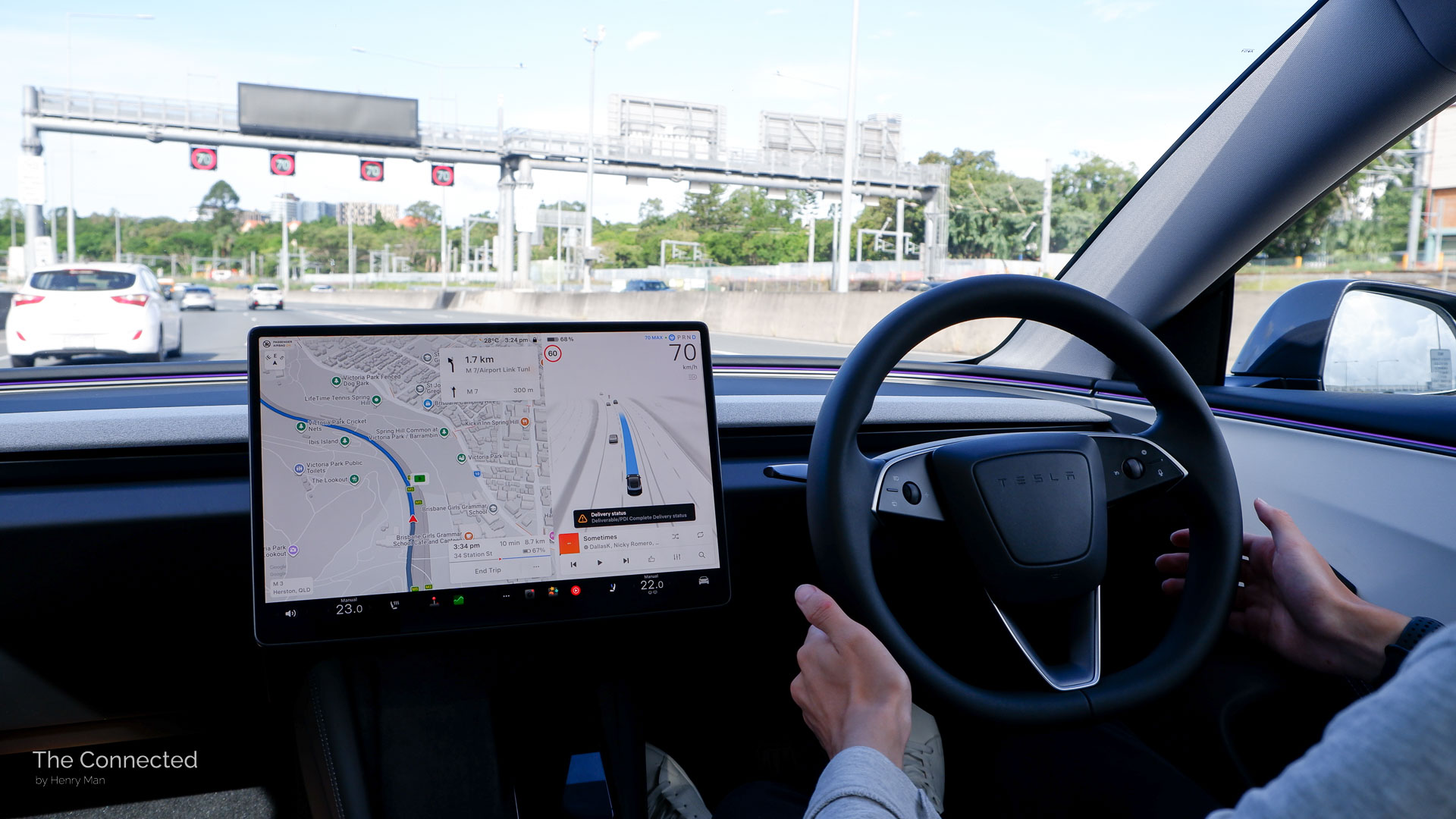
The $149 per month optional FSD (Supervised) subscription is most at home on the highway, where it automatically overtakes slow vehicles.
With version 13.2.9 (read the full review here), it just edges too close behind for my liking before it decides to take the maneuver and doesn’t always move back to the left lane.
More concerning is its hit-and-miss speed sign detection accuracy, which sometimes incorrectly recognises off-ramp speed signs so it immediately slows down to 60km/h in the middle of an 110km/h zone. It’s a new ‘phantom braking’ issue.
The camera- and map-based system also randomly thinks it’s a 100km/h limit frequently when it hasn’t passed any sign and it’s still a 110km/h zone, again causing an immediate slow down.
Unlike adaptive cruise control (Autopilot is still included in Australia), FSD (Supervised) doesn’t always drive at the maximum speed and tended to slow down by more than 10km/h under the limit at times.
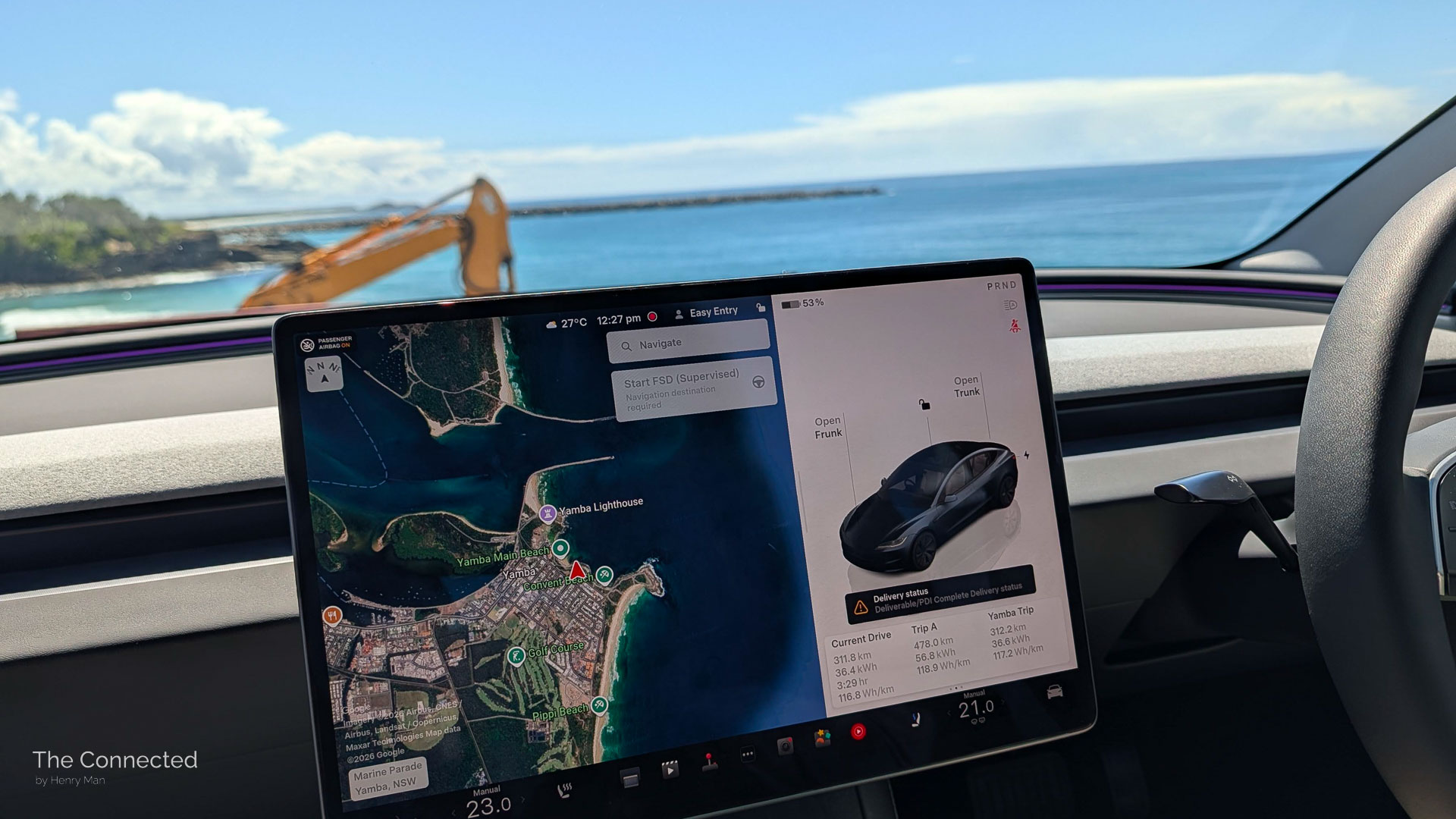
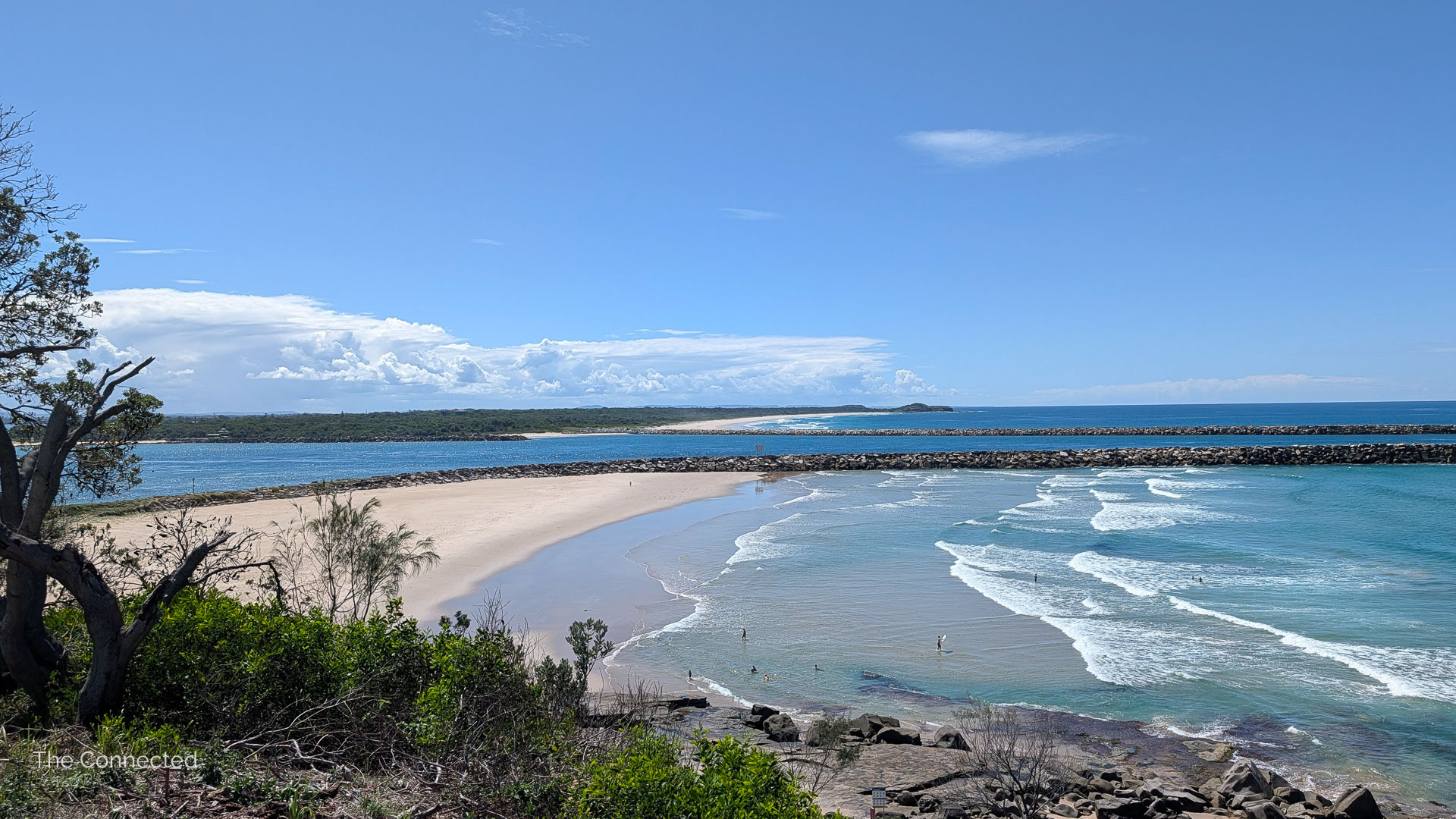
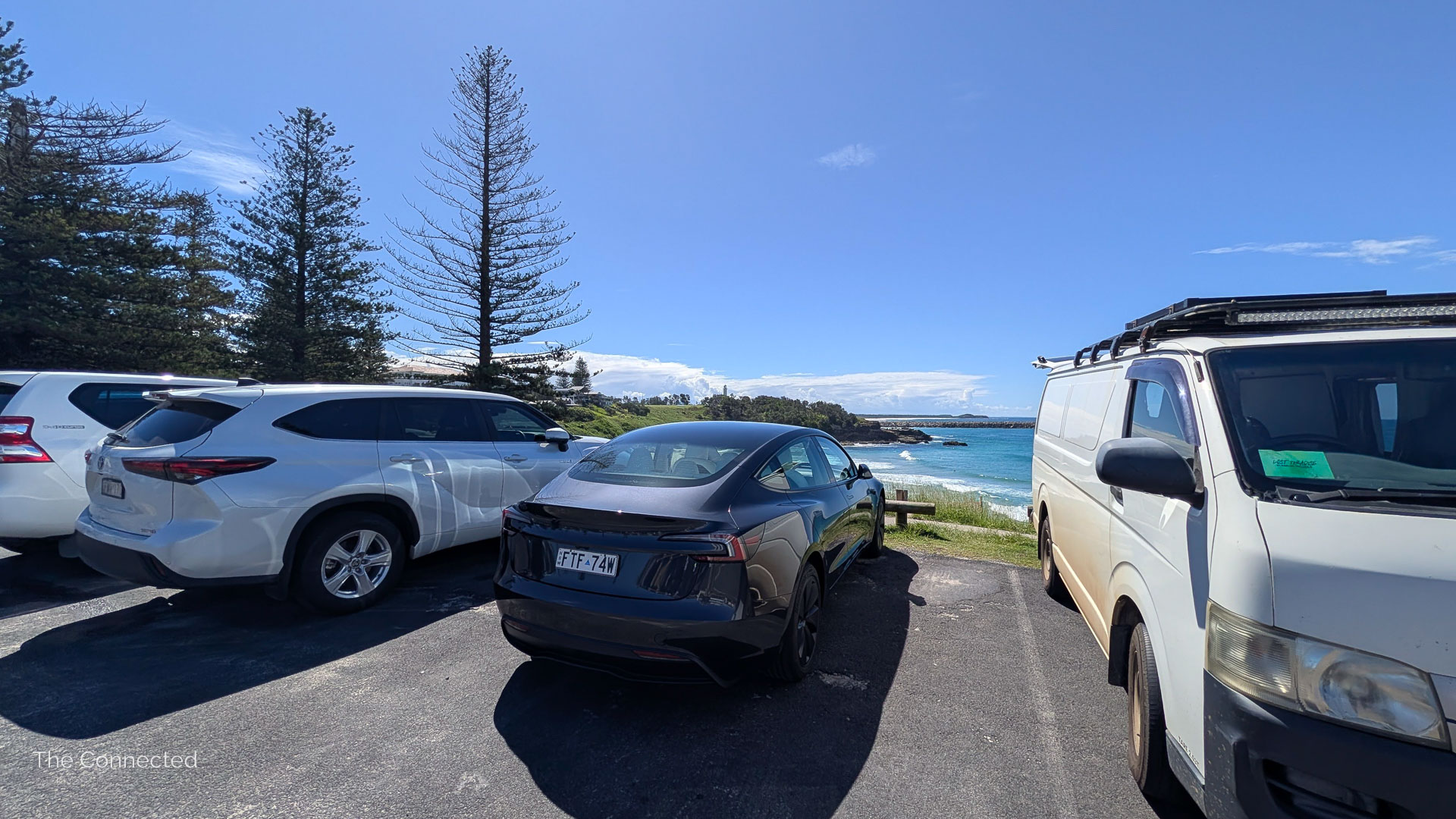
I arrived at Yamba Beach with 53% remaining after 312km of driving.
After a bit of exploring around, I arrive back in Brisbane with about 5% remaining at the North Lakes Supercharger as the sun sets.
No charging stops required after 635km.
How much range does the 2026 Tesla Model 3 Long Range RWD offer?
Tesla’s 750km combined cycle claim on the Model 3 Long Range RWD is optimistic for road trips, but it still provides plentiful range.
My predominantly highway-based Brisbane to Yamba return trip saw the electric sedan return about 640km of indicated driving range and super low 11.7kWh/100km energy efficiency – even beating the lesser-powered, lighter Hyundai Inster micro EV.
Tesla doesn’t officially disclose its battery size, but we were to take the reported figure of 78kWh, then it would equate to a theoretical range of 666km.
While well short of Tesla’s claim, it still provides a lot of range for less than $70K drive-away and meant that it could last for about seven hours worth of highway driving.
How much EV range do you really need?
Ultra-long range electric cars provide more confidence, especially for those who fear public charging. But many drivers will rarely utilise the added range every day.
As I found on my Brisbane to Melbourne EV road trip test with the Kia EV3, my driving concentration limit was about three hours and charging stops were perfectly timed for essential rest breaks.
The new Model 3 Long Range RWD represents a fantastic option for those laser focused and concerned about EV range, along with upcoming long range models such as the BMW i3 and Mercedes-Benz CLA EQ – pushing the limits of EV range.
As demonstrated by Chasing Cars using the same Model 3 Long Range against a Toyota Camry Hybrid on a Sydney to Melbourne road trip, EVs have now reached driving range and travel time parity with even fuel-efficient internal combustion engine hybrids.
But it doesn’t mean you should spend the extra $7000 compared to the base RWD if you rarely need to use the extra range for the odd once-a-year road trip.
About the Author.
Henry Man is an independent content producer passionate about the intersection of technology and transportation.
The former automotive journalist is focused on producing critically-detailed vehicle reviews, and unique short-form content. Learn more.


 The Connected by Henry Man