
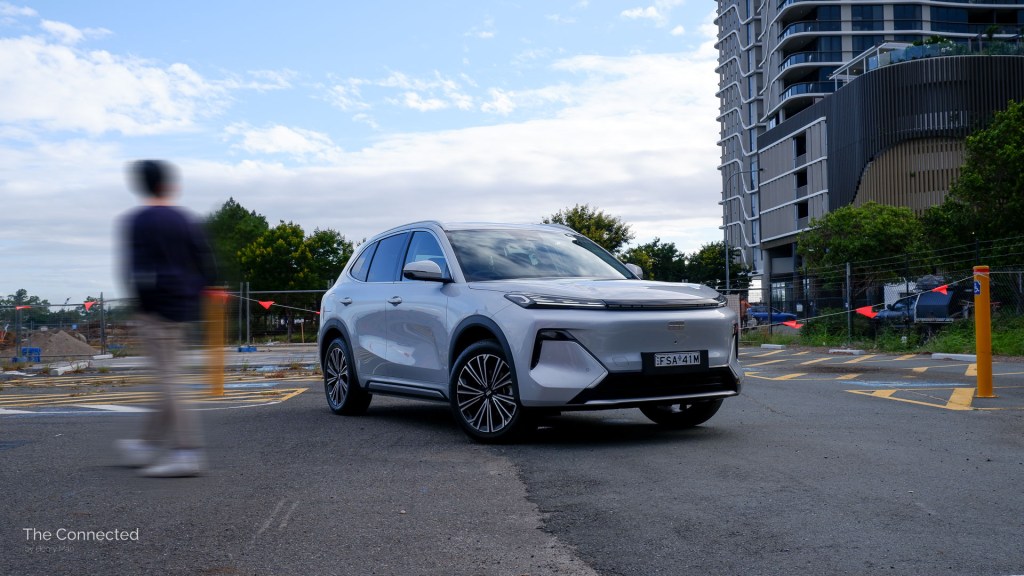
The Geely Starray EM-i is one of the cheapest plug-in hybrid cars in Australia, but what are the compromises?
Following from the affordable Geely EX5 full electric car that debuted the Chinese brand in Australia, the Starray EM-i is even cheaper, with a $37,490 before on-road costs starting price.
Despite the awkward name, it offers an arguably more versatile plug-in hybrid electric vehicle (PHEV) powertrain in the popular medium SUV segment.
After a week spent with the top-spec Inspire, it’s clear to see that the Starray EM-i is one of the best affordable hybrid SUVs to date.
NOTE: The press vehicle was provided by Geely Auto Australia for an eight-day independent evaluation. Toll costs were covered, but we have no commercial arrangements with the company and it had no editorial control.

Pros.
+ Great value price
+ Both energy and fuel efficient
+ Quality, practical interior
+ Generally good tech
+ Physical sunroof switch
Cons.
– Grabby brake pedal
– Delayed acceleration response
– Isn’t as fun to drive as the EX5
– Unrefined tech in some areas
– Slow DC charging
Vehicle tested:
| Model | 2026 Geely Starray EM-i |
| Variant | Inspire |
| Starting price | $39,990 before on-road costs |
| Exterior colour | Cloudveil Silver (+$600) |
| Interior colour | Midnight (standard) |
| Options | Headrest Pillow (+$24.71 each) |
| Country made | China |
Design and quality.
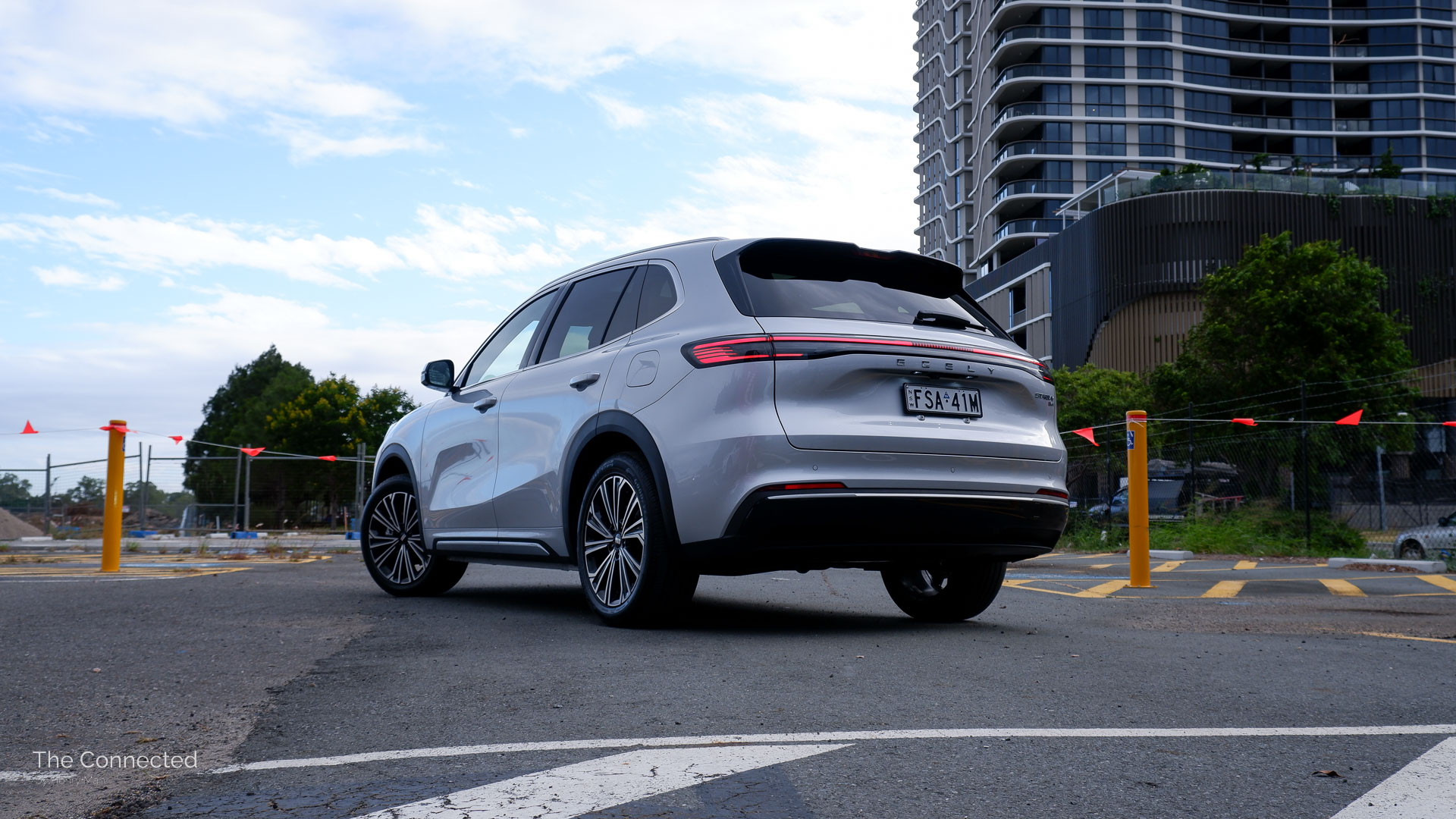
The Geely Starray EM-i has a more grown-up, premium exterior design with an impressively high quality interior for the price.
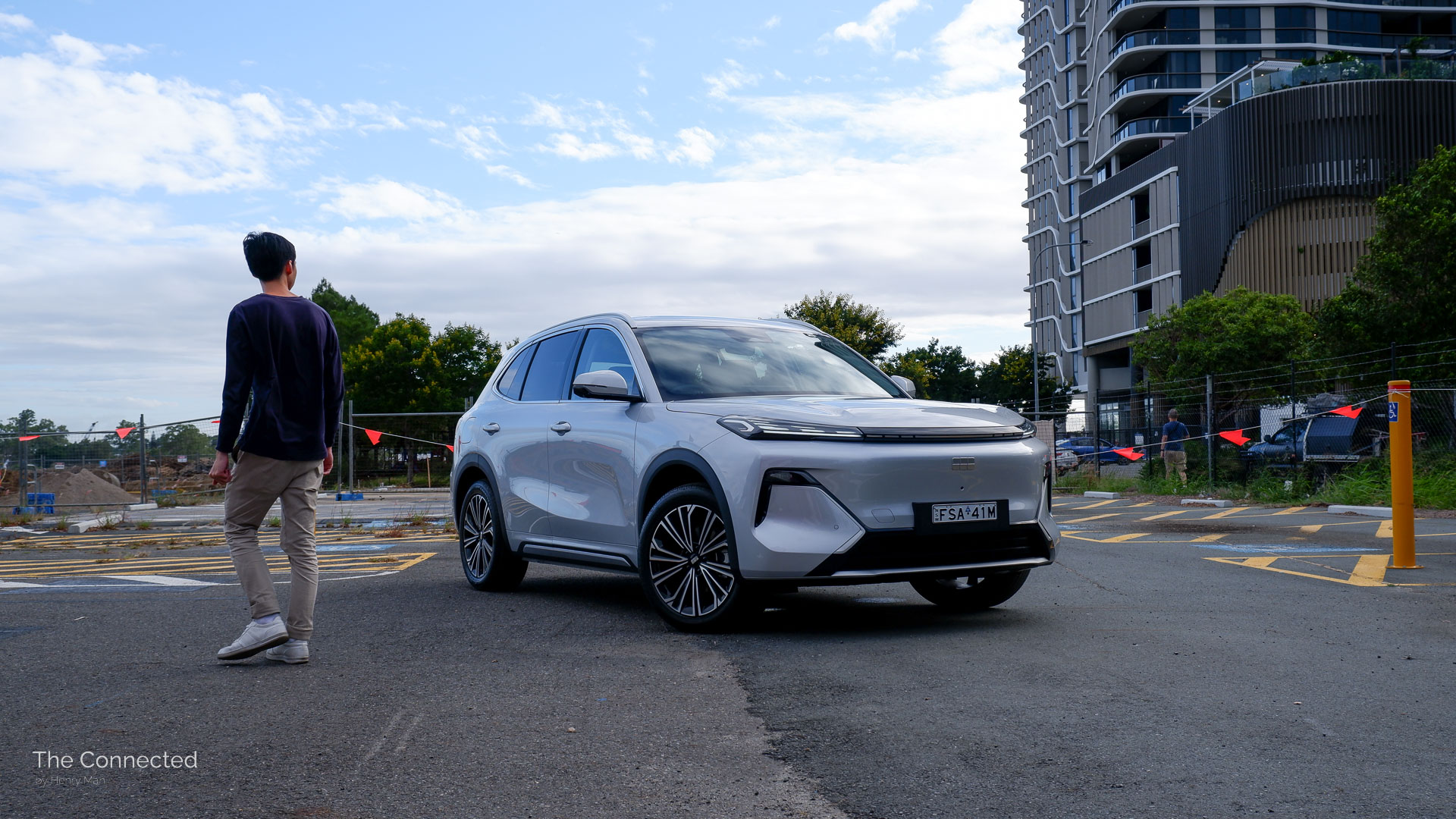
Whereas the EX5 looked like a BYD with its cutesy face and generic rear, the Starray arguably has a more mature design.
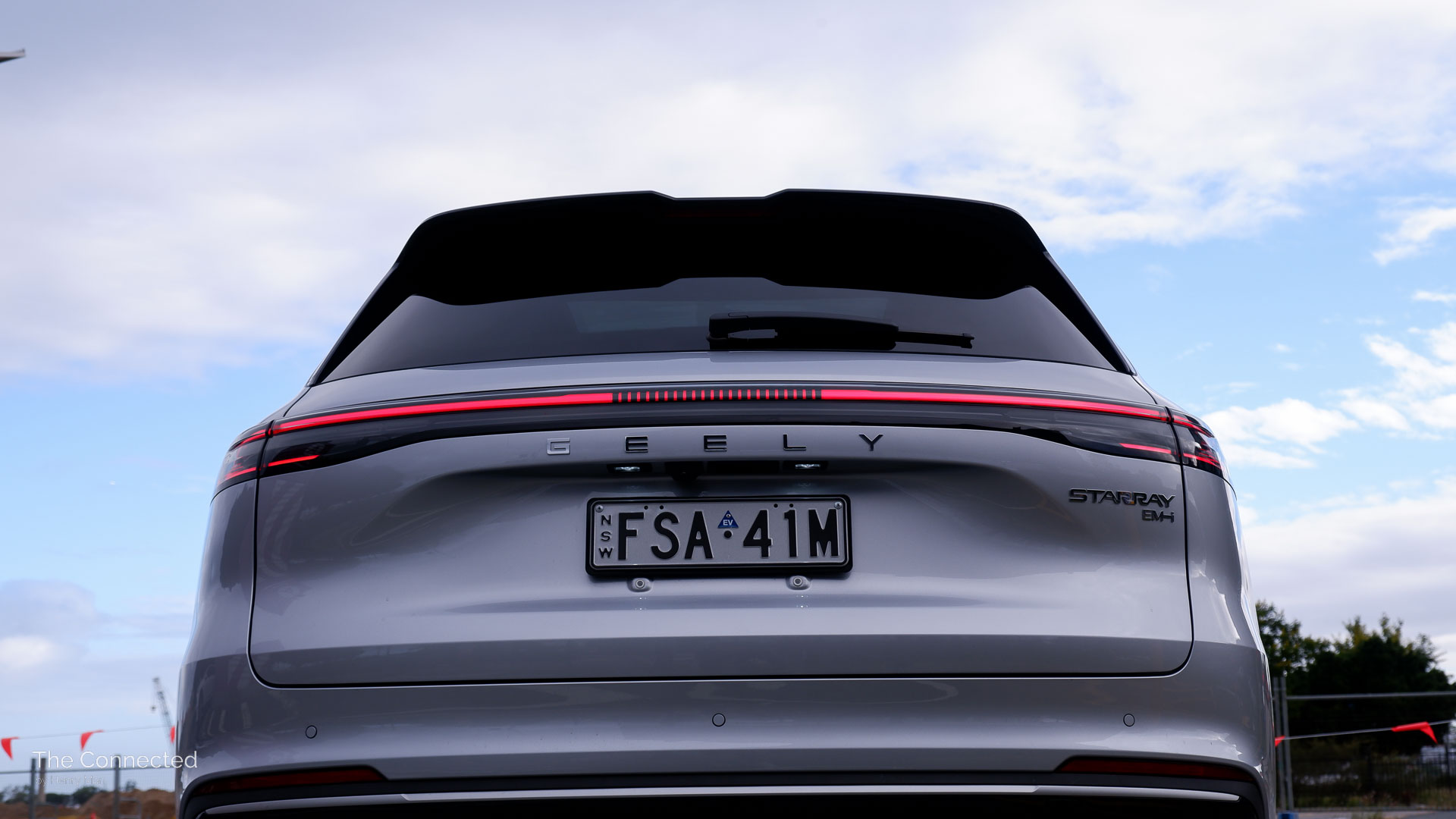
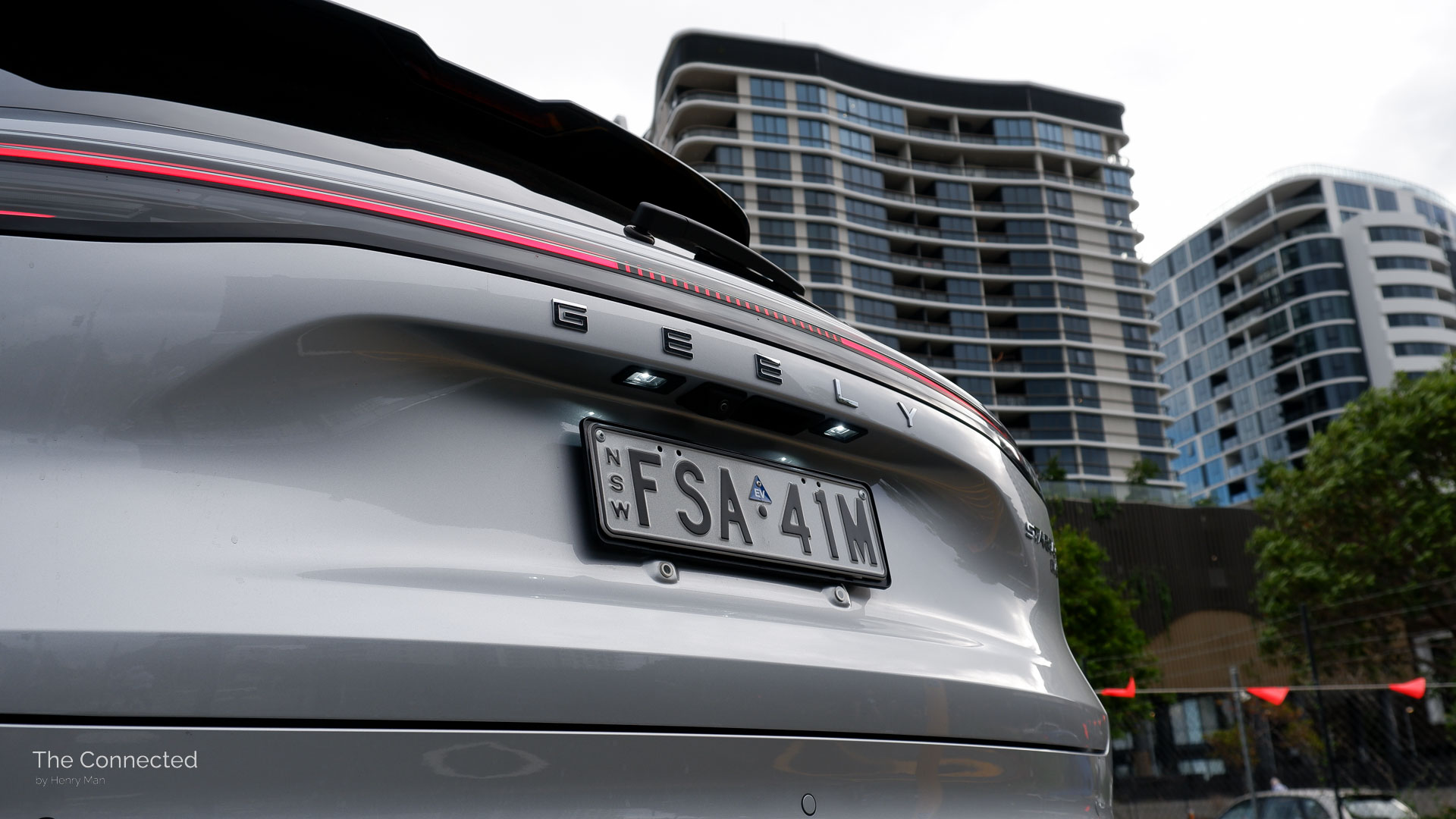
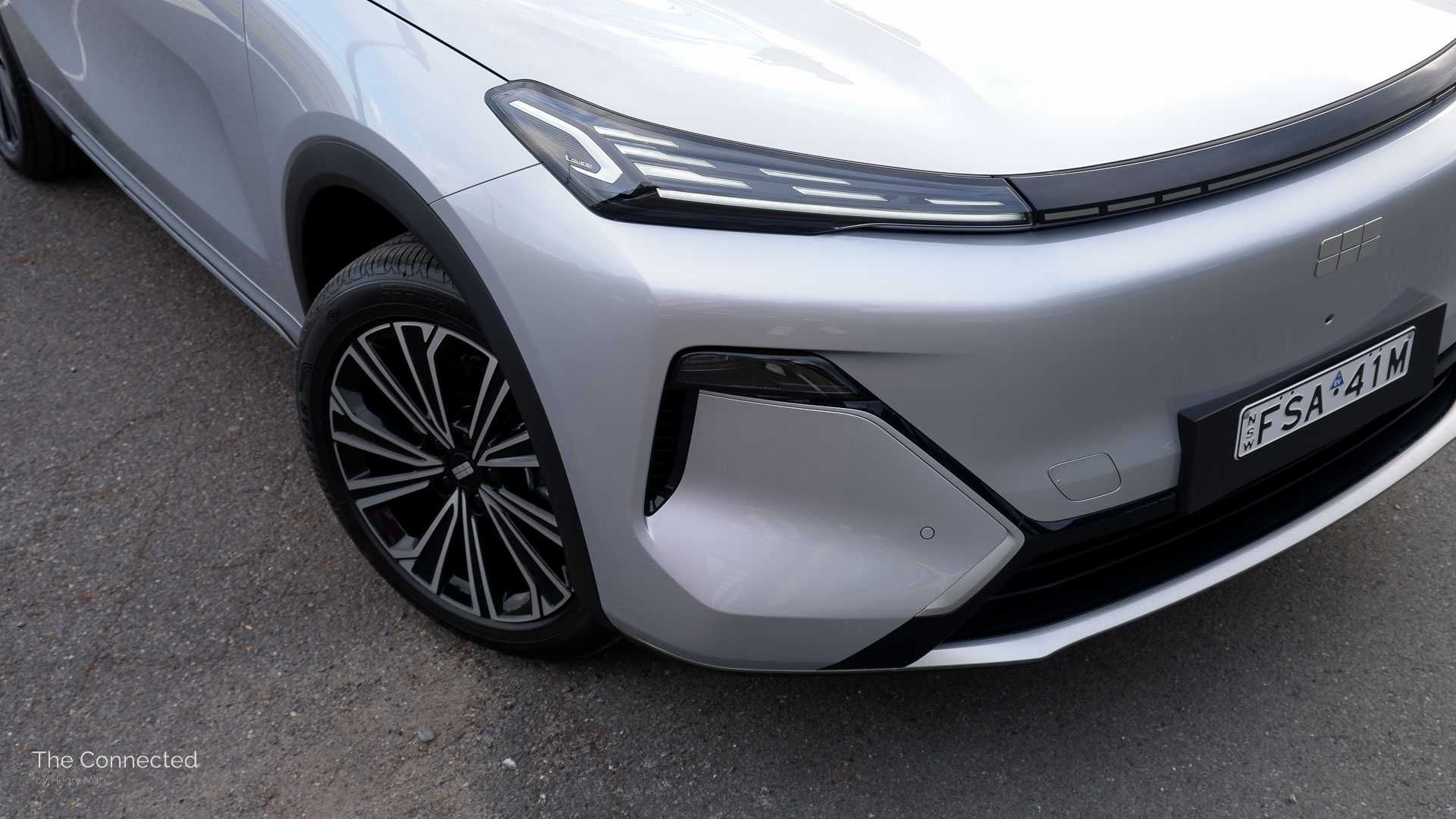
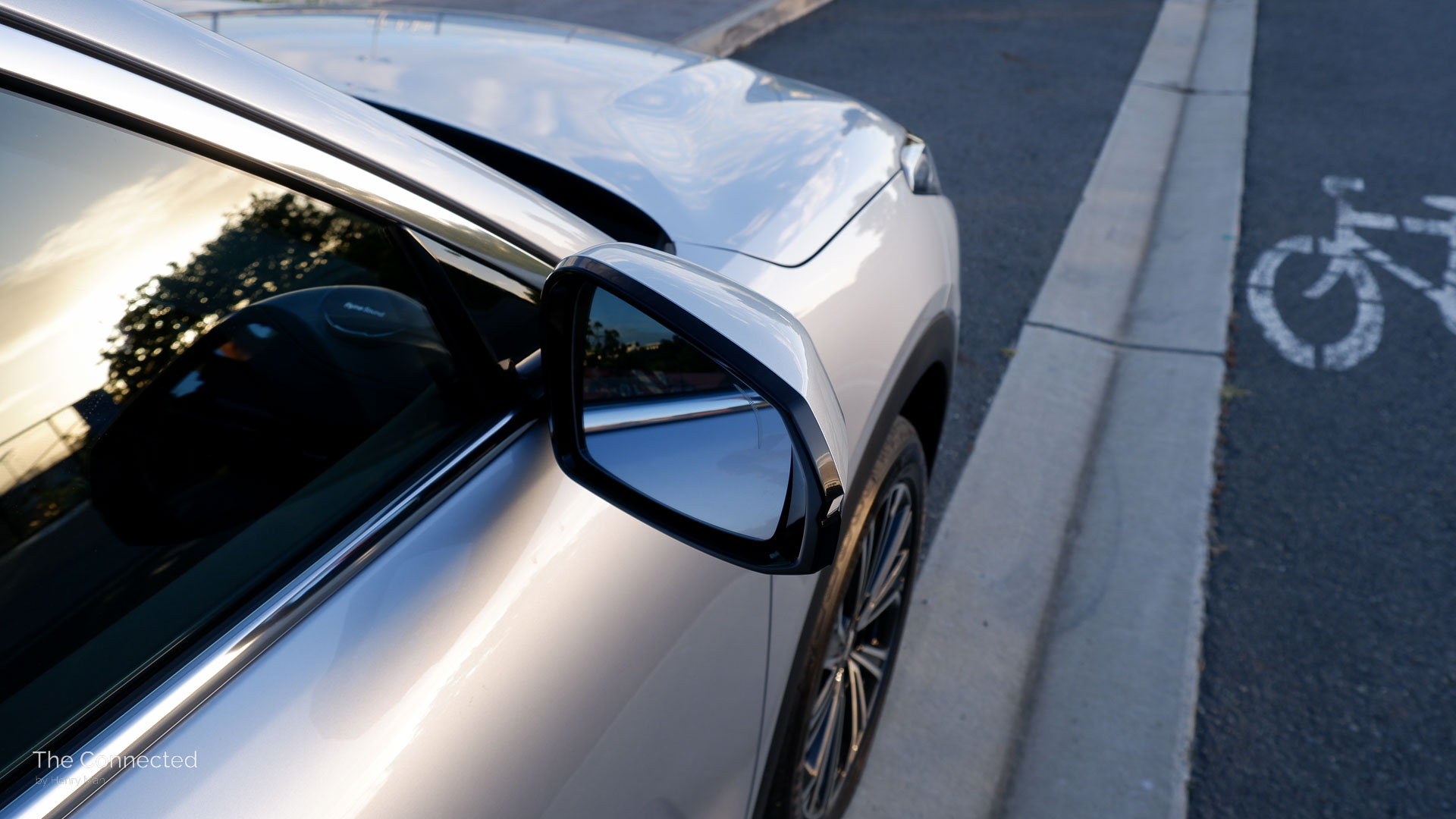
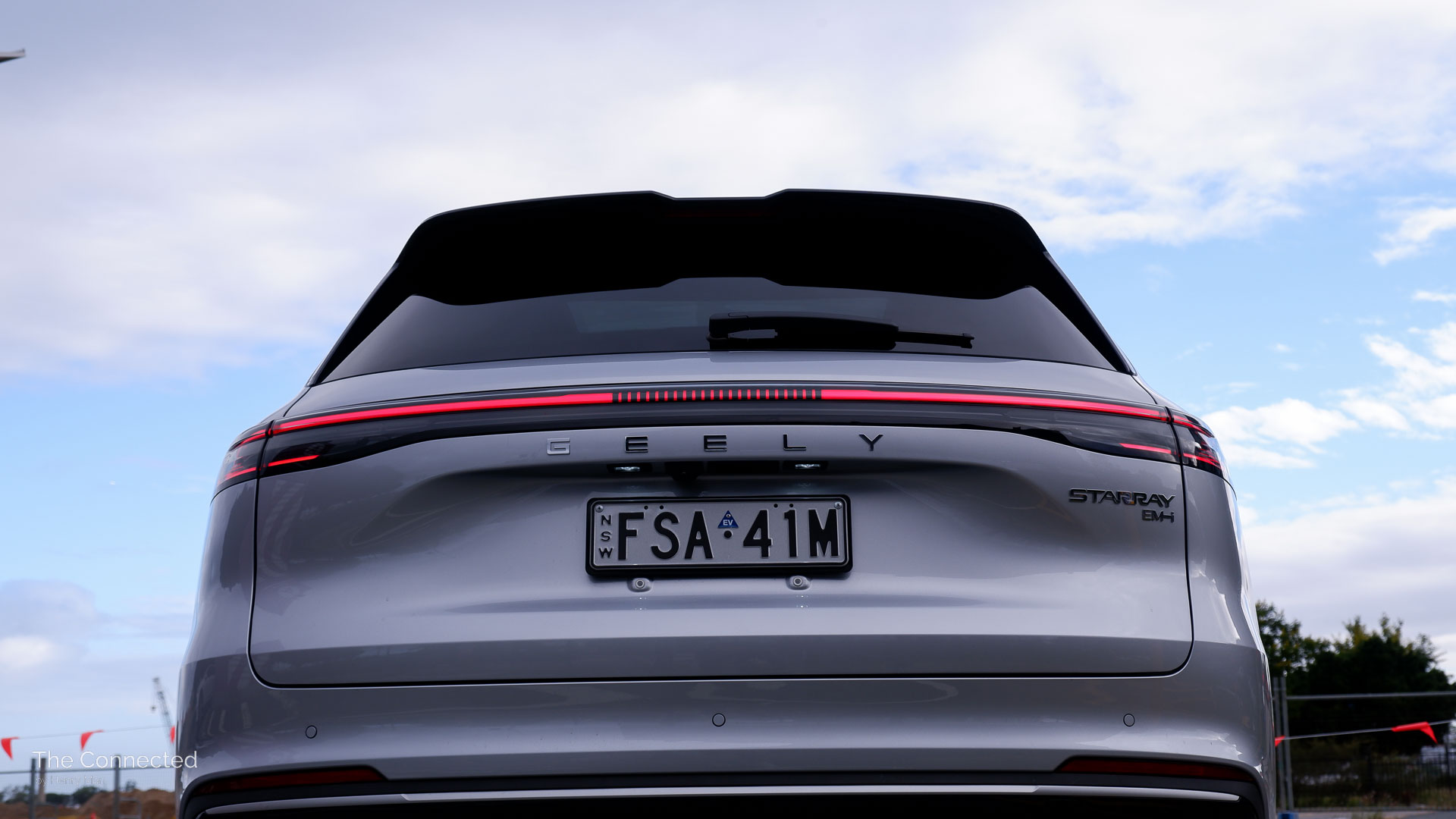
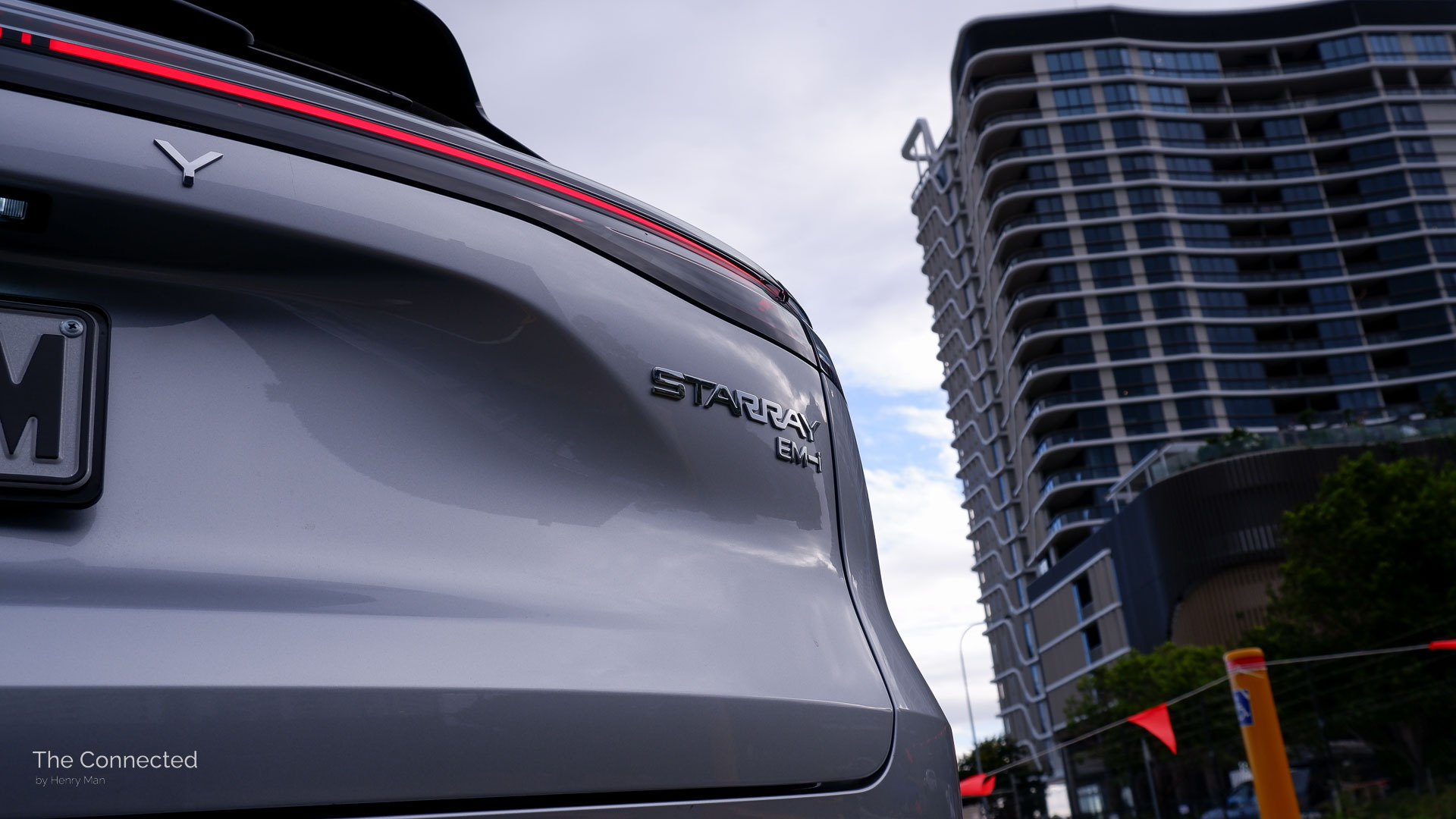
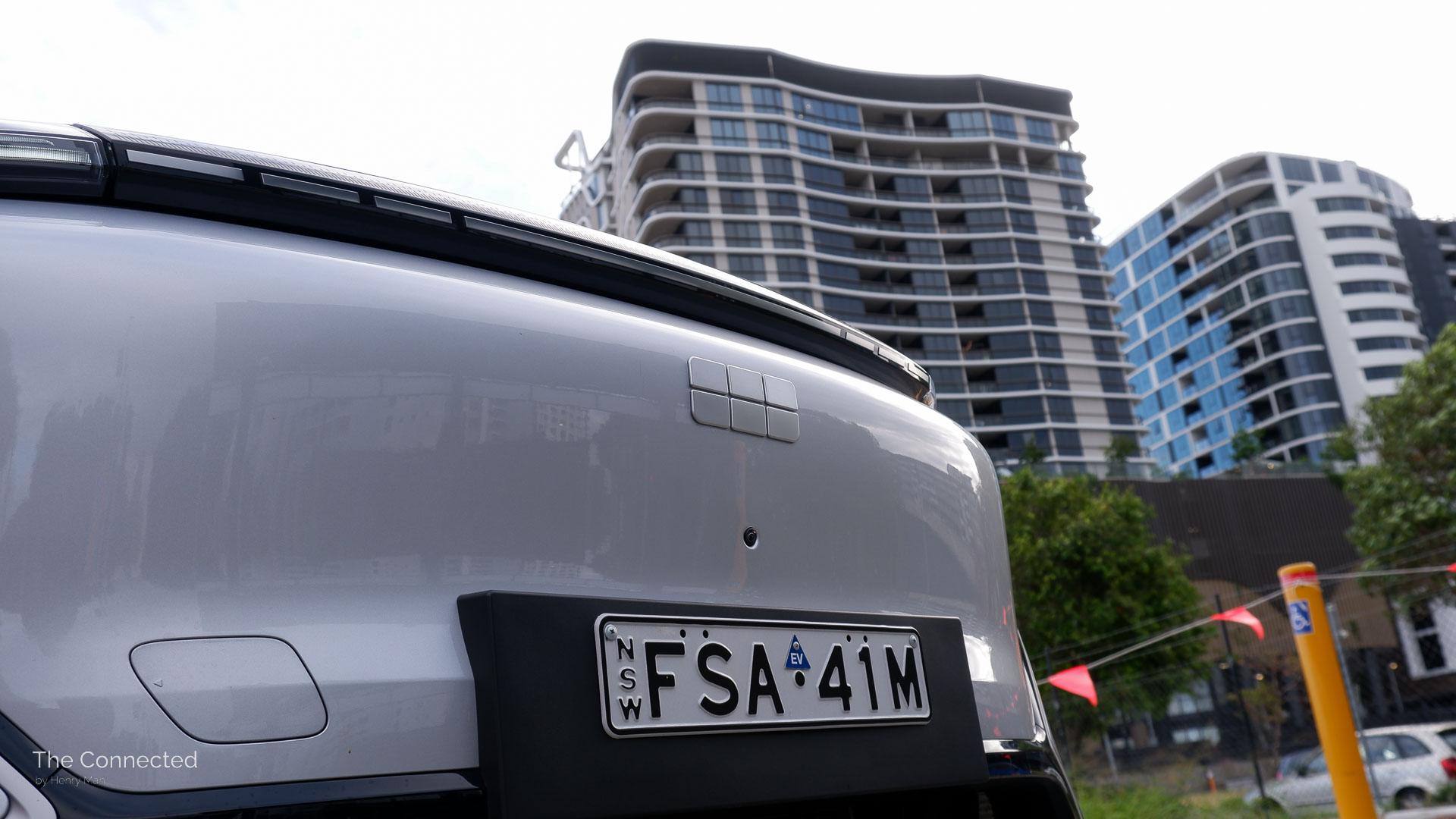
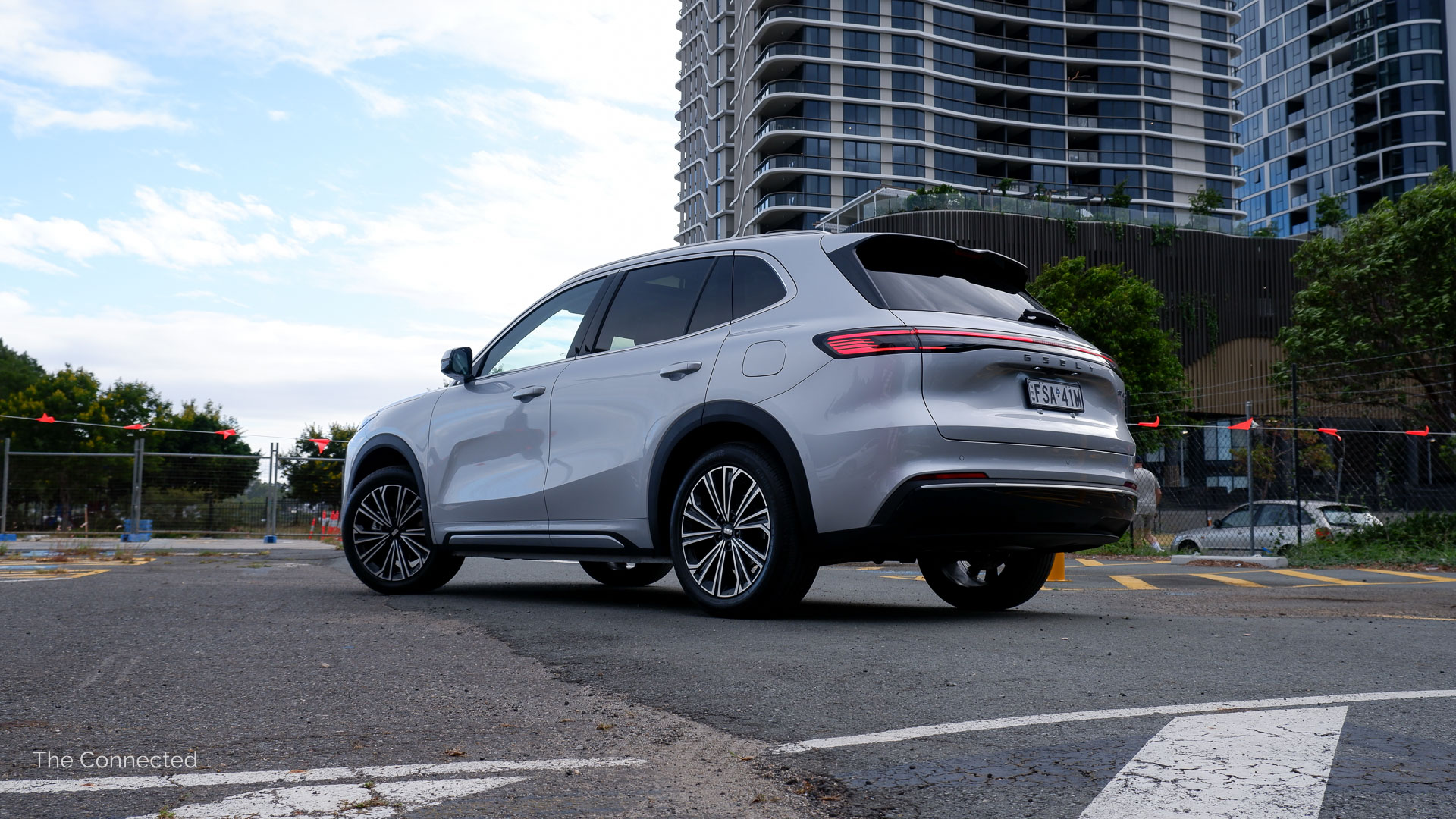
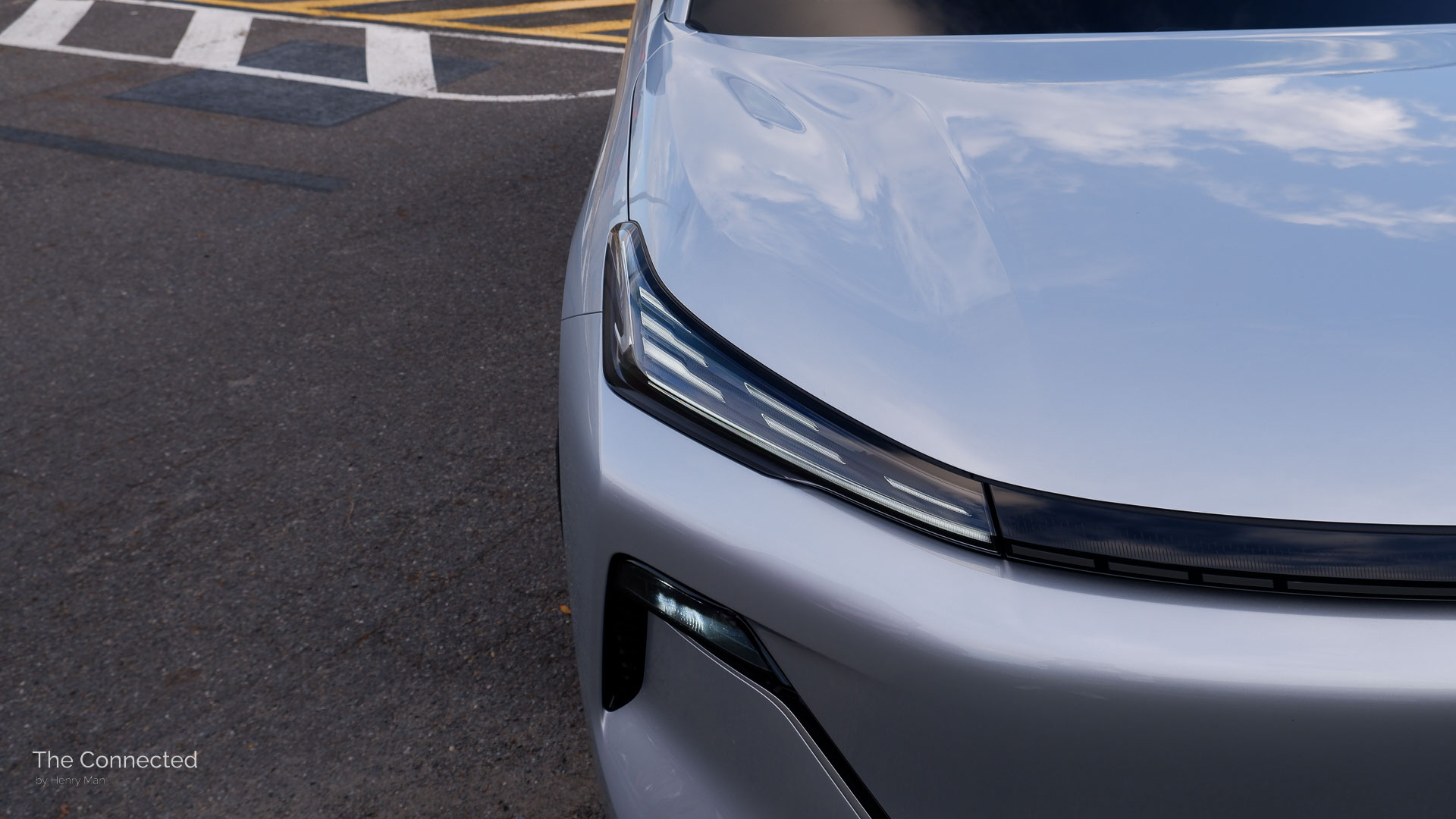
The plug-in hybrid SUV looks more distinctive with split daytime running light and headlights with a connecting line making it seem like there’s a light bar similar to the Hyundai i30 Sedan, classy turbine-style 19-inch wheels on the Inspire, and a Porsche-esque rear with Geely badging strewn at the middle.
Especially with this tester’s $600 Cloudveil Silver paint colour, the Geely Starray appears far more expensive than its sub-$40K price tag.
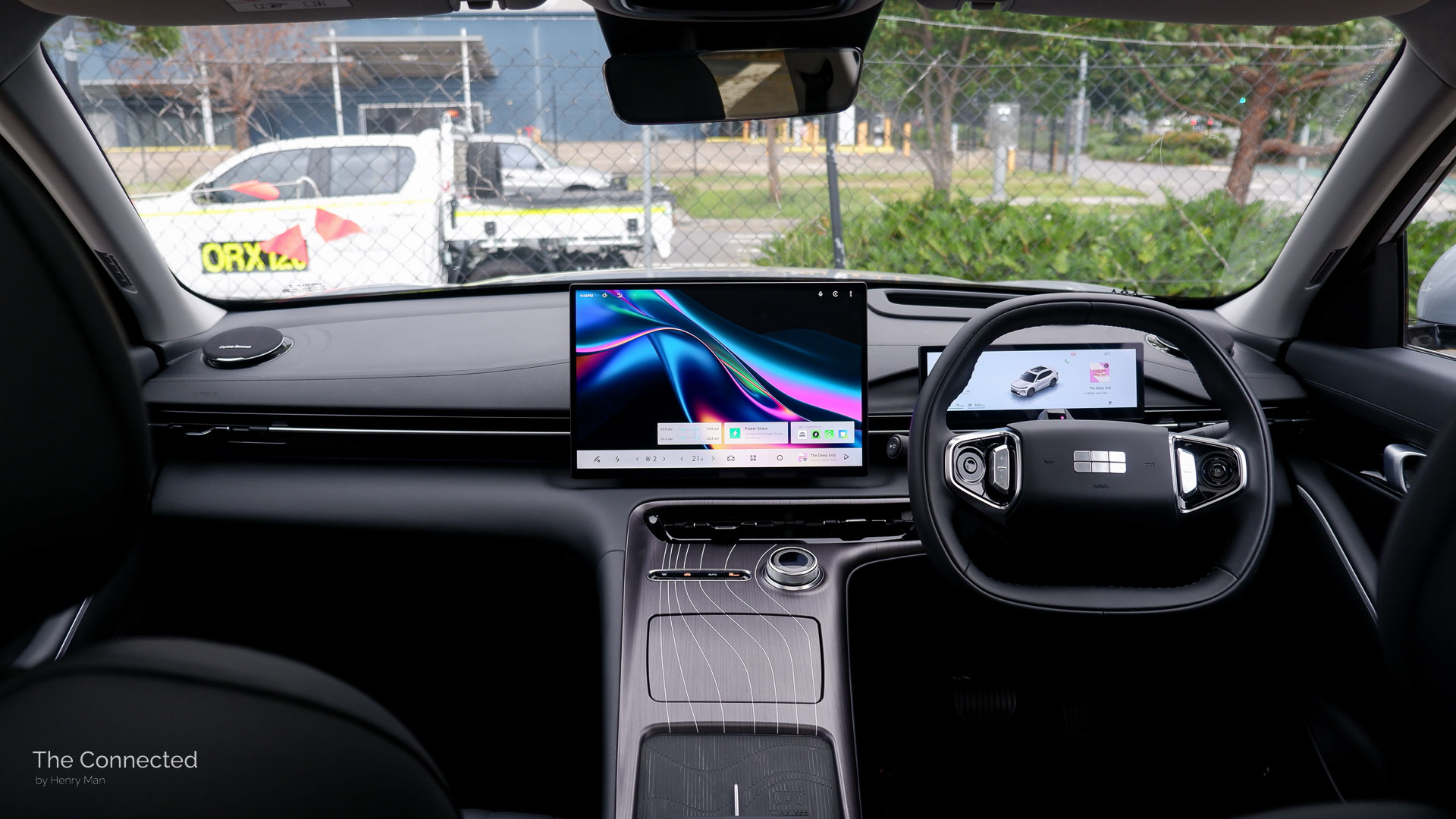
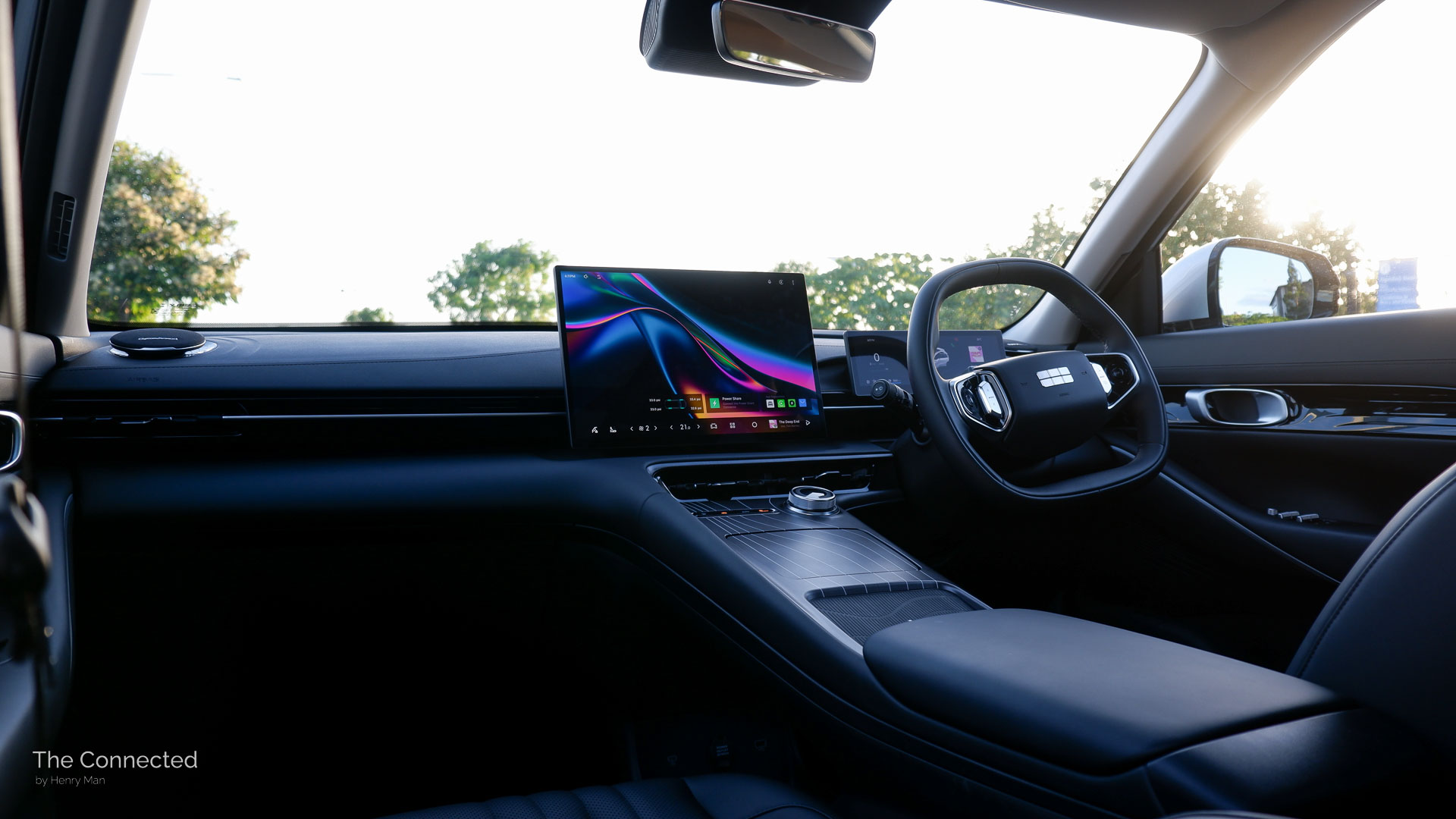
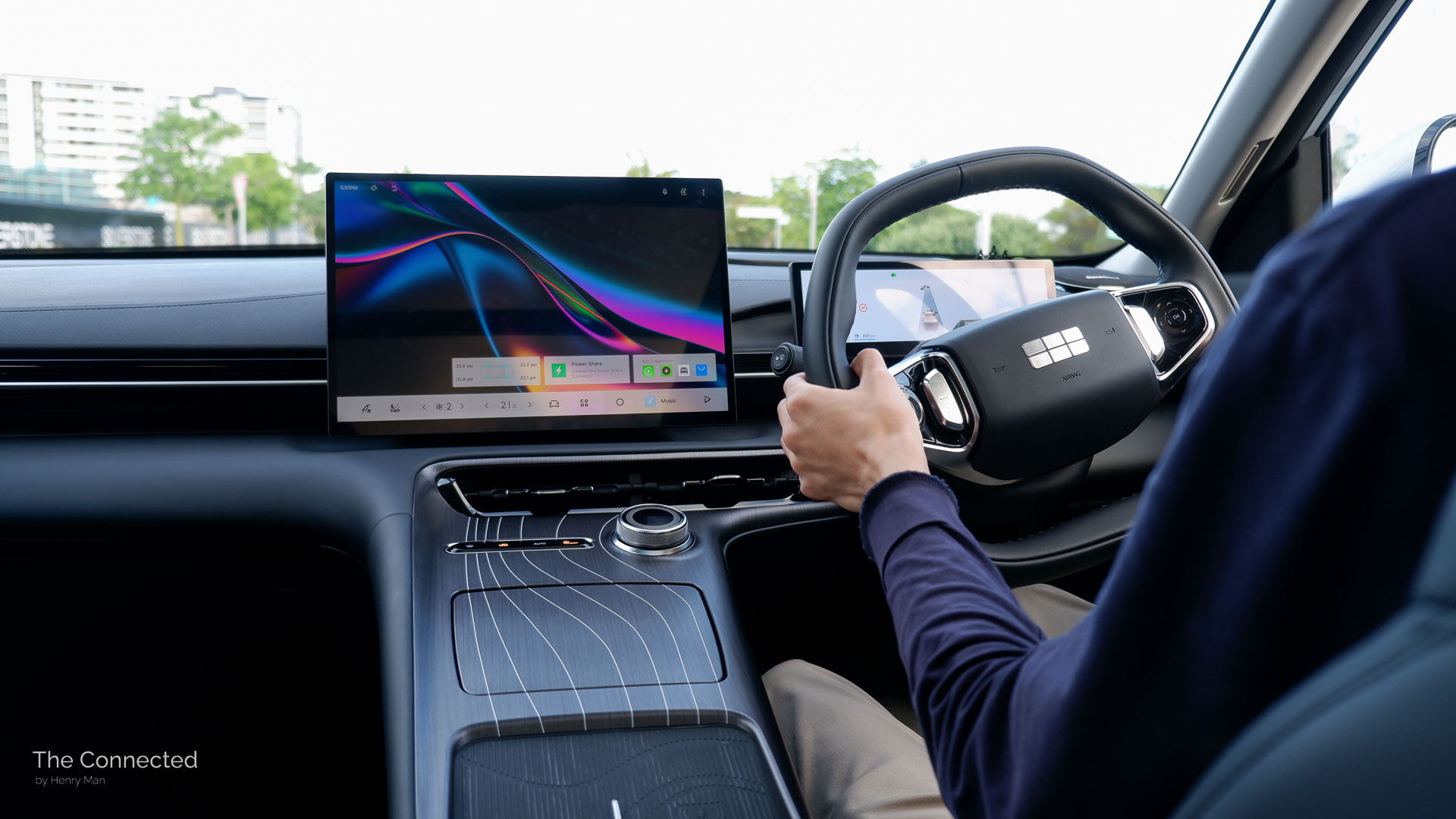
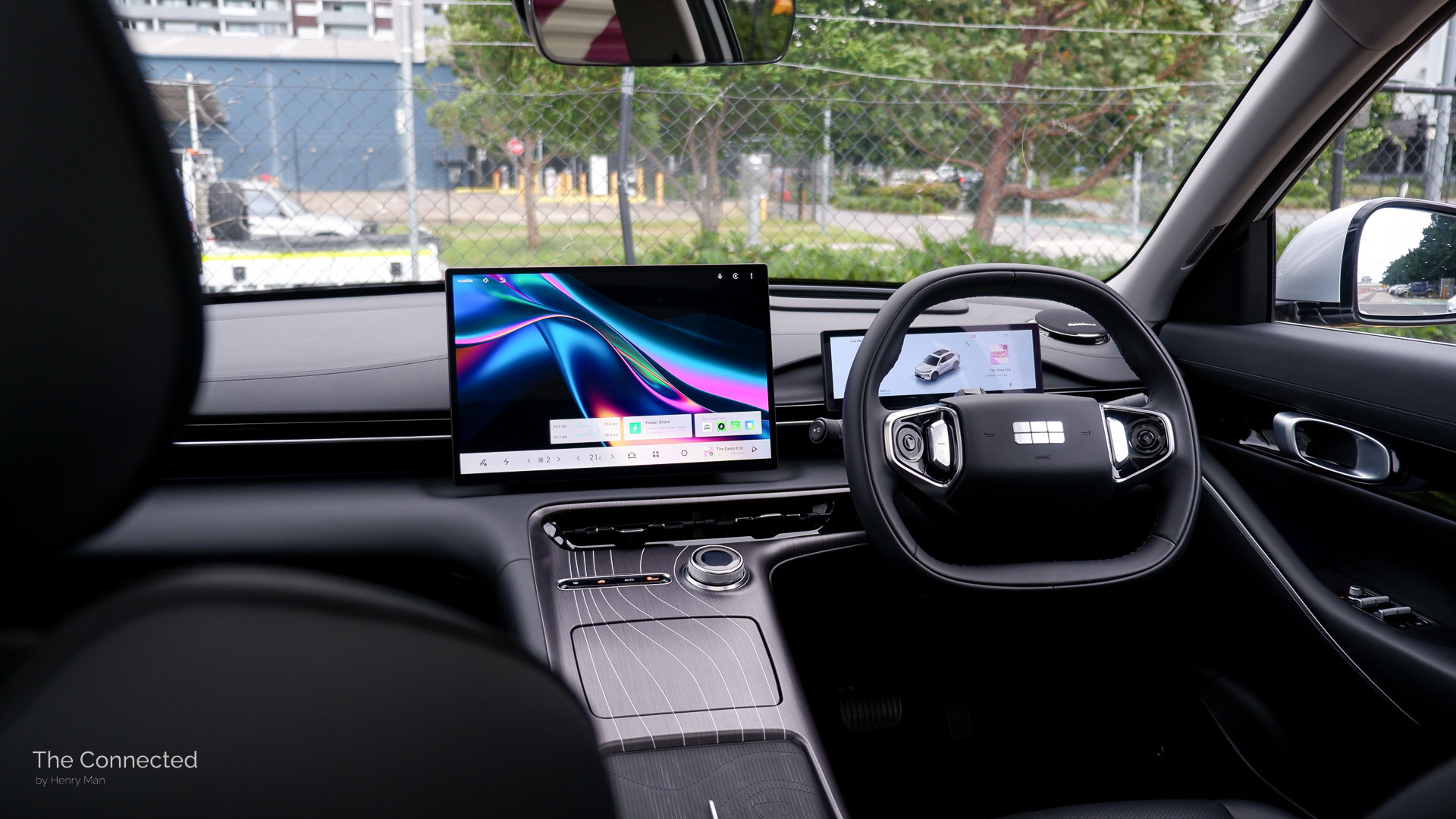
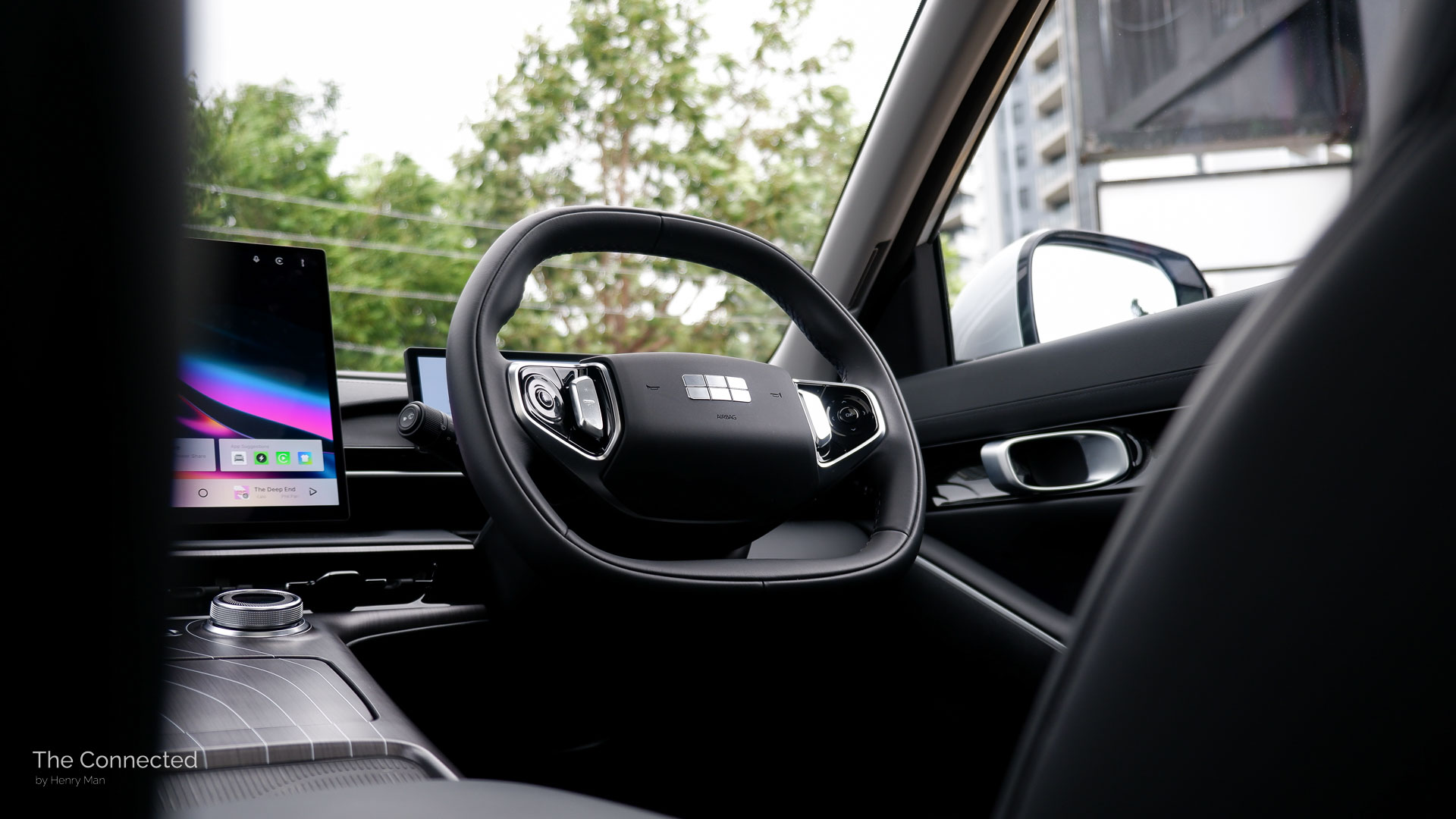
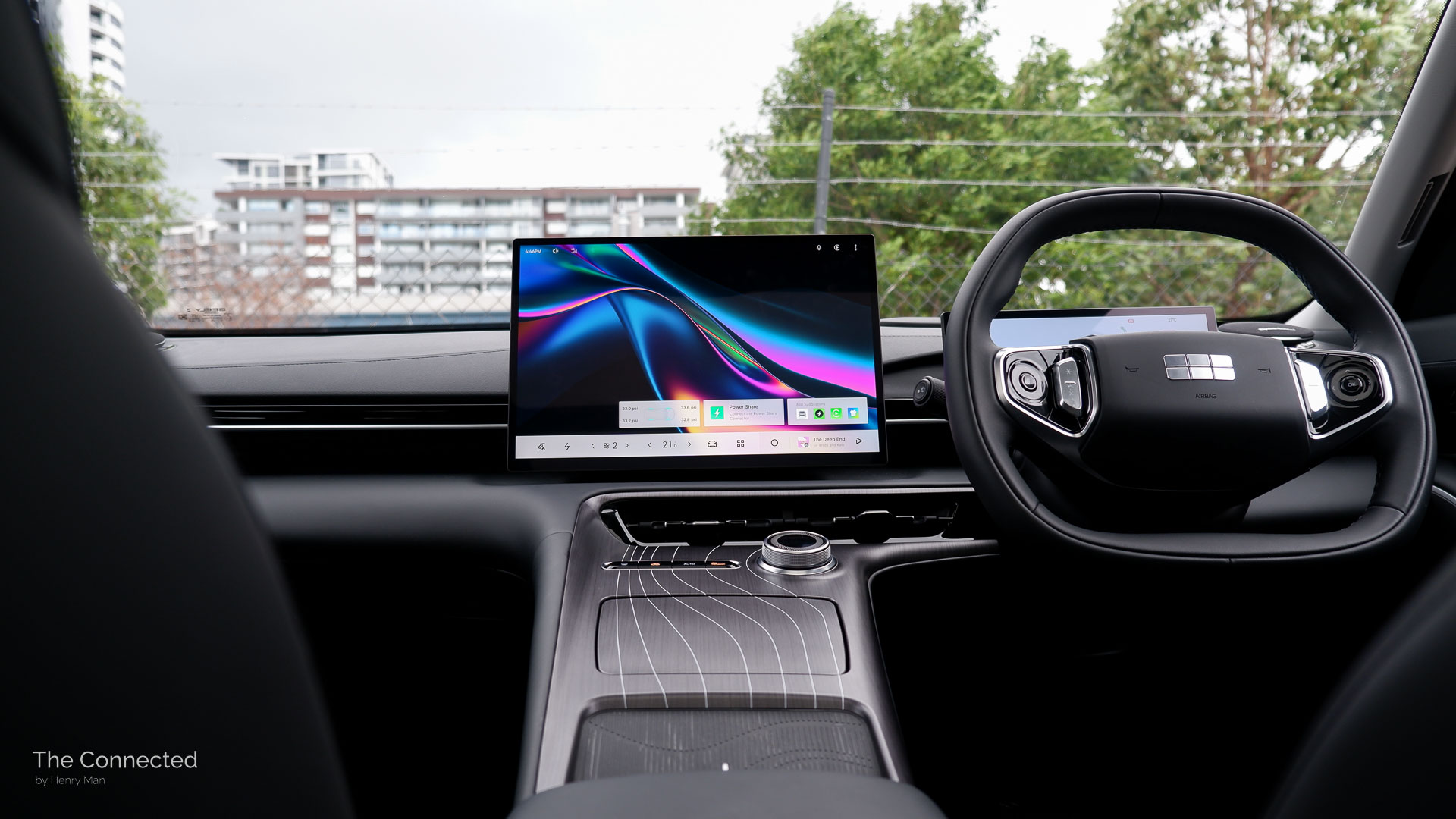
Inside, the Chinese SUV offers a minimalist Polestar-esque design with a large horizontal touchscreen dominating the middle, a compact flat-bottom steering wheel, and a rising centre console bridge.
Unlike the equivalent EX5 Inspire, the Midnight interior theme is a traditional black rather than dark blue. Otherwise, it looks identical.
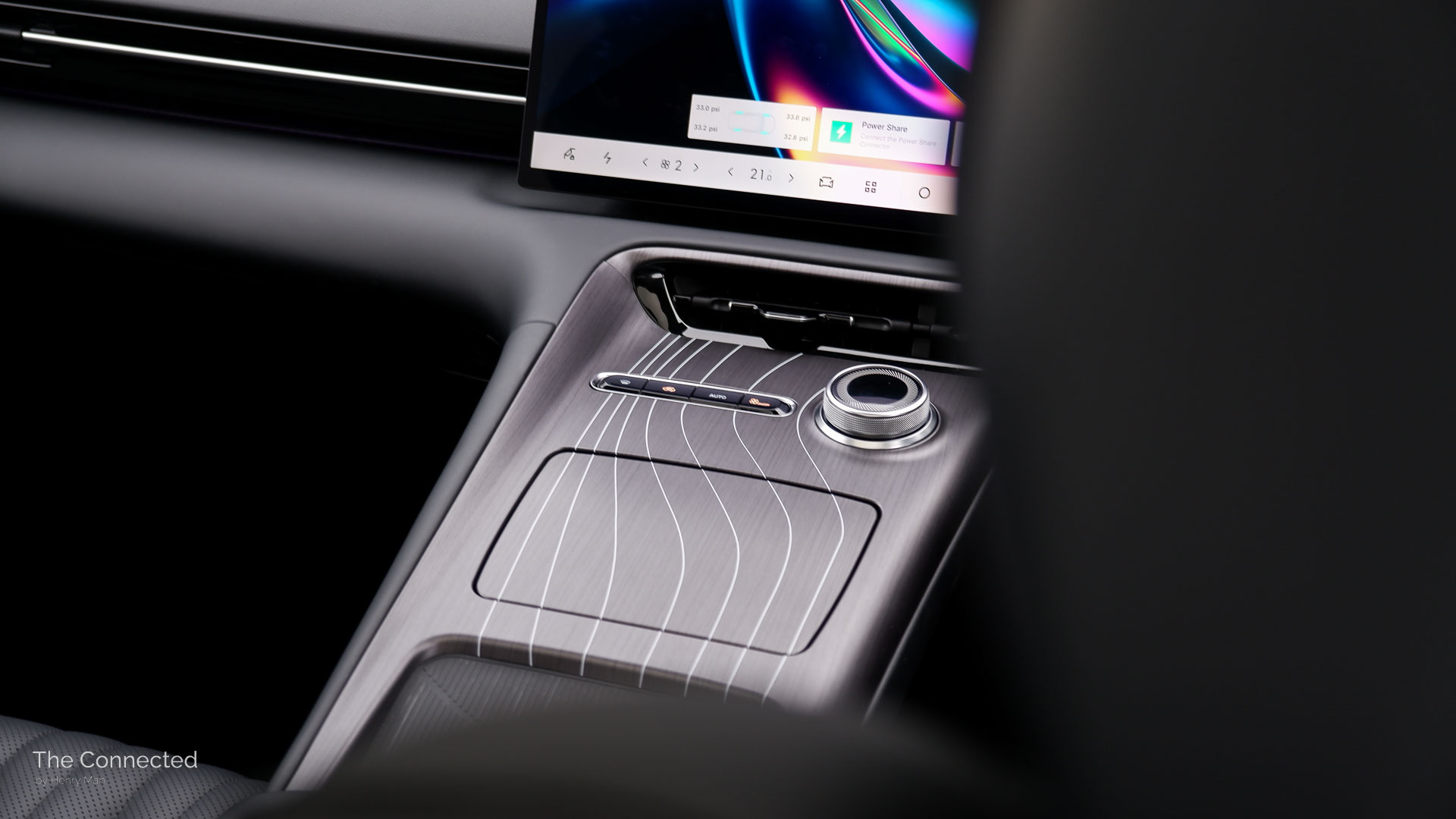
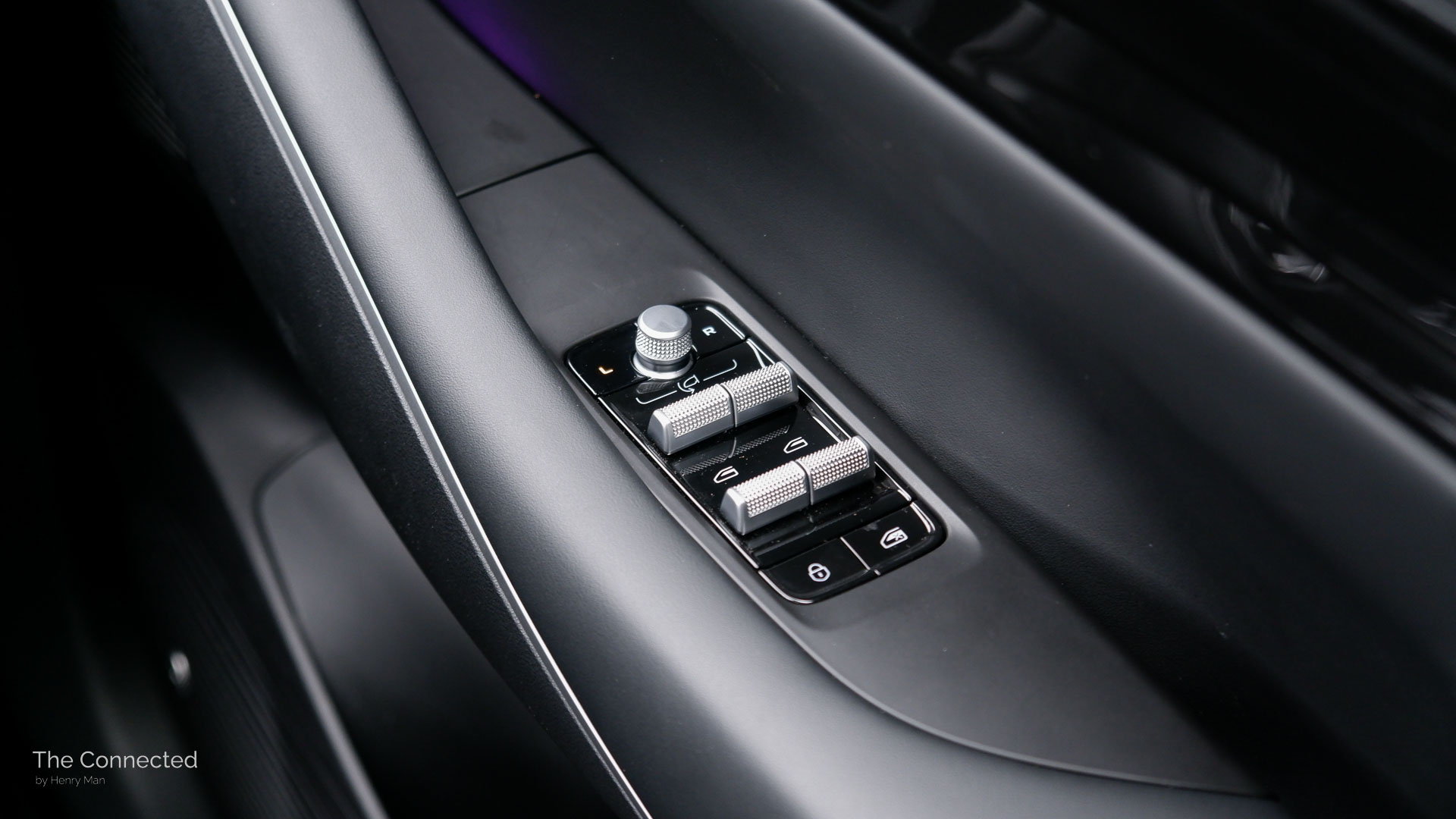
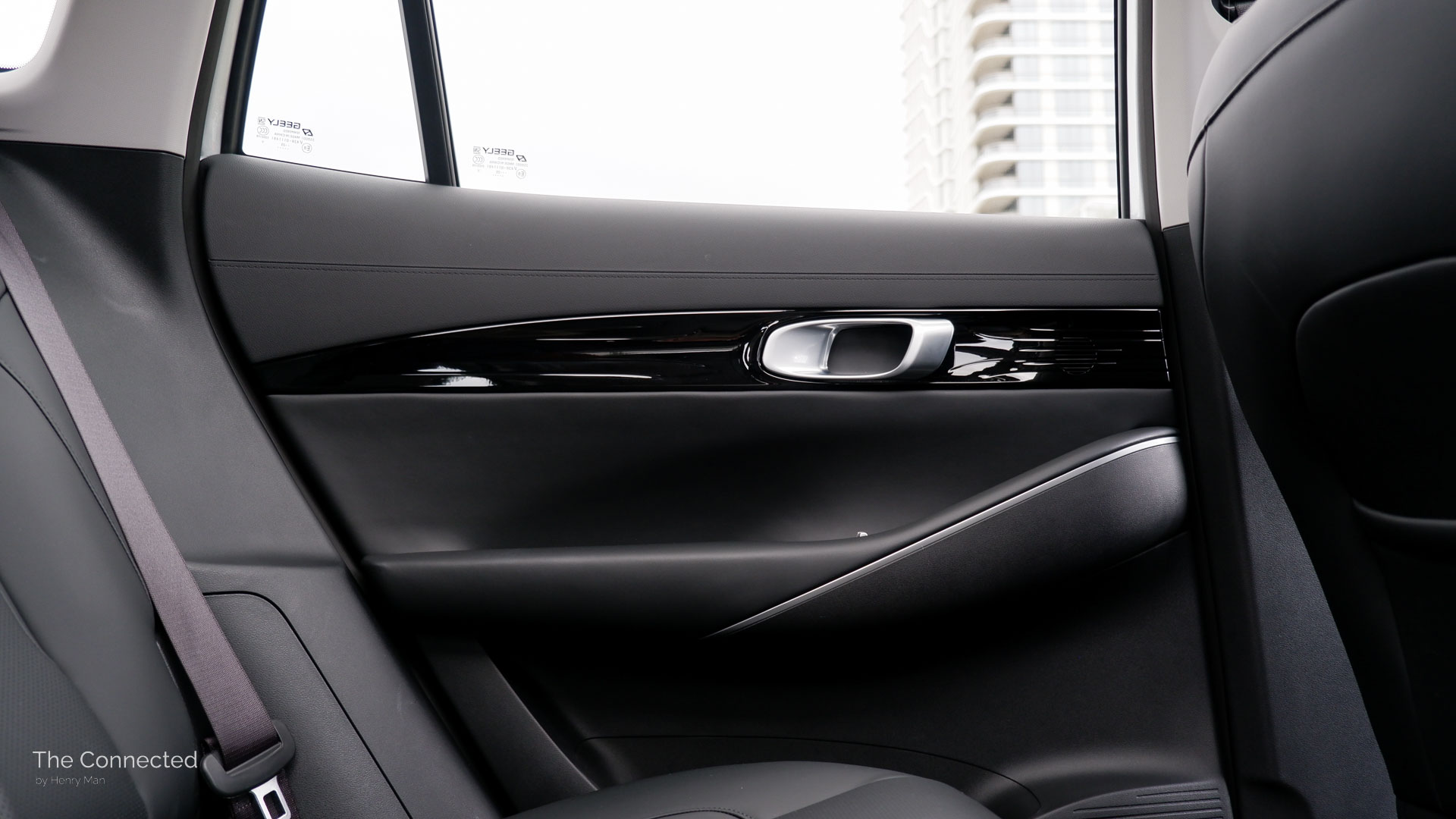
Geely incorporates a range of high quality materials including a brushed centre console texture with white wavy lines, soft rubbery-like seats and door cards, and tactile metal-feeling switches with a knurled texture.
Some scratchier plastics are found lower down the door cards as well as on the side of the centre console, but it still presents like it’s worth more than the money.
Practicality.
2026 Geely Starray EM-i Inspire dimensions:
| Length x width x height | 4740 x 1905 x 1685mm |
| Wheelbase | 2755mm |
| Ground clearance | 172mm |
| Boot space (min / rear seats folded) | 428 / 2065 litres |
| Rear seat split fold | 60:40 |
| Child seat anchors | 2x ISOFIX and 3x top tethers |
| Air-conditioning system | Two-zone climate control with rear air vents |
The Geely Starray provides a family-friendly boot and interior, although the rear seats could be better.
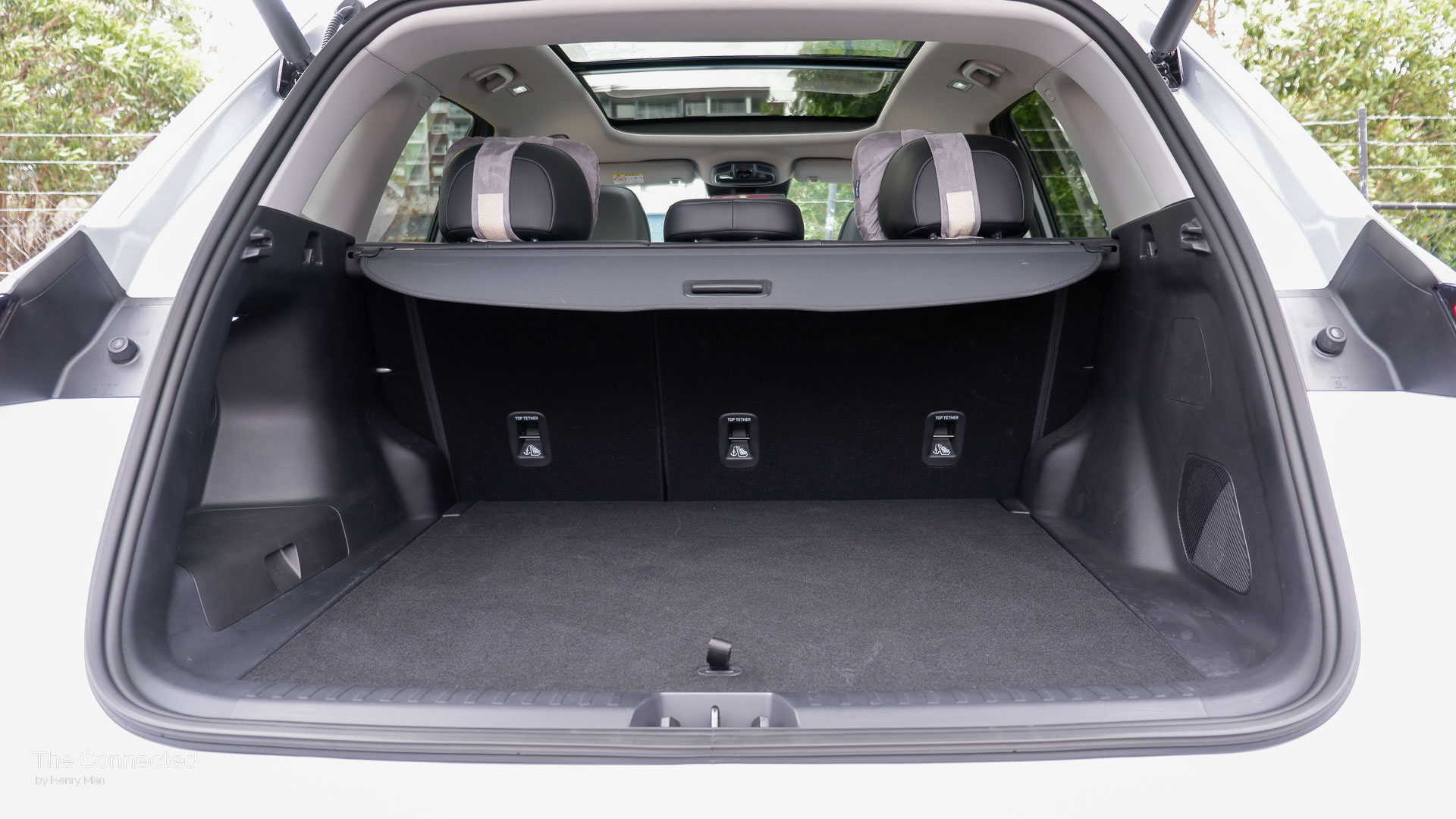
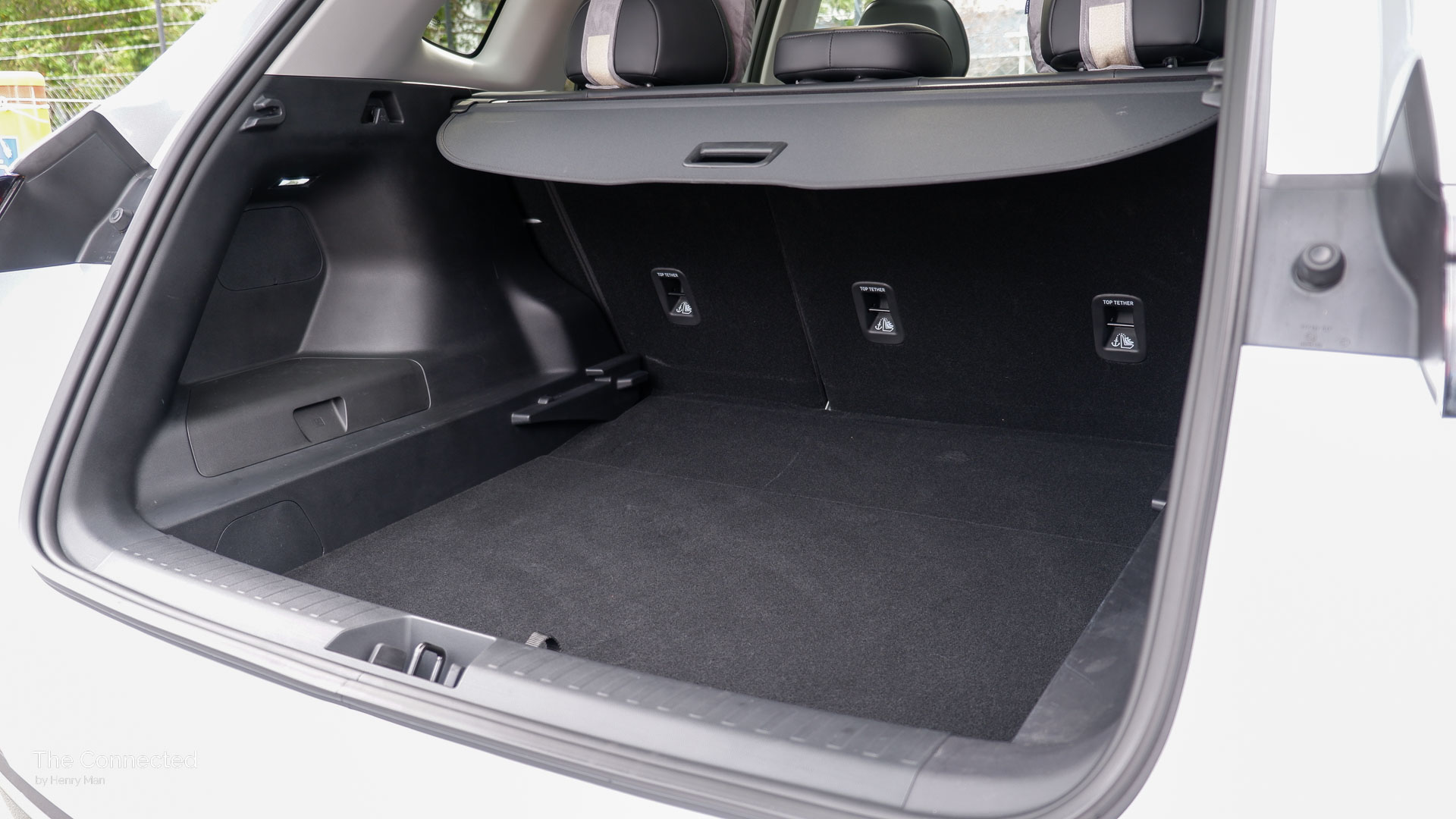
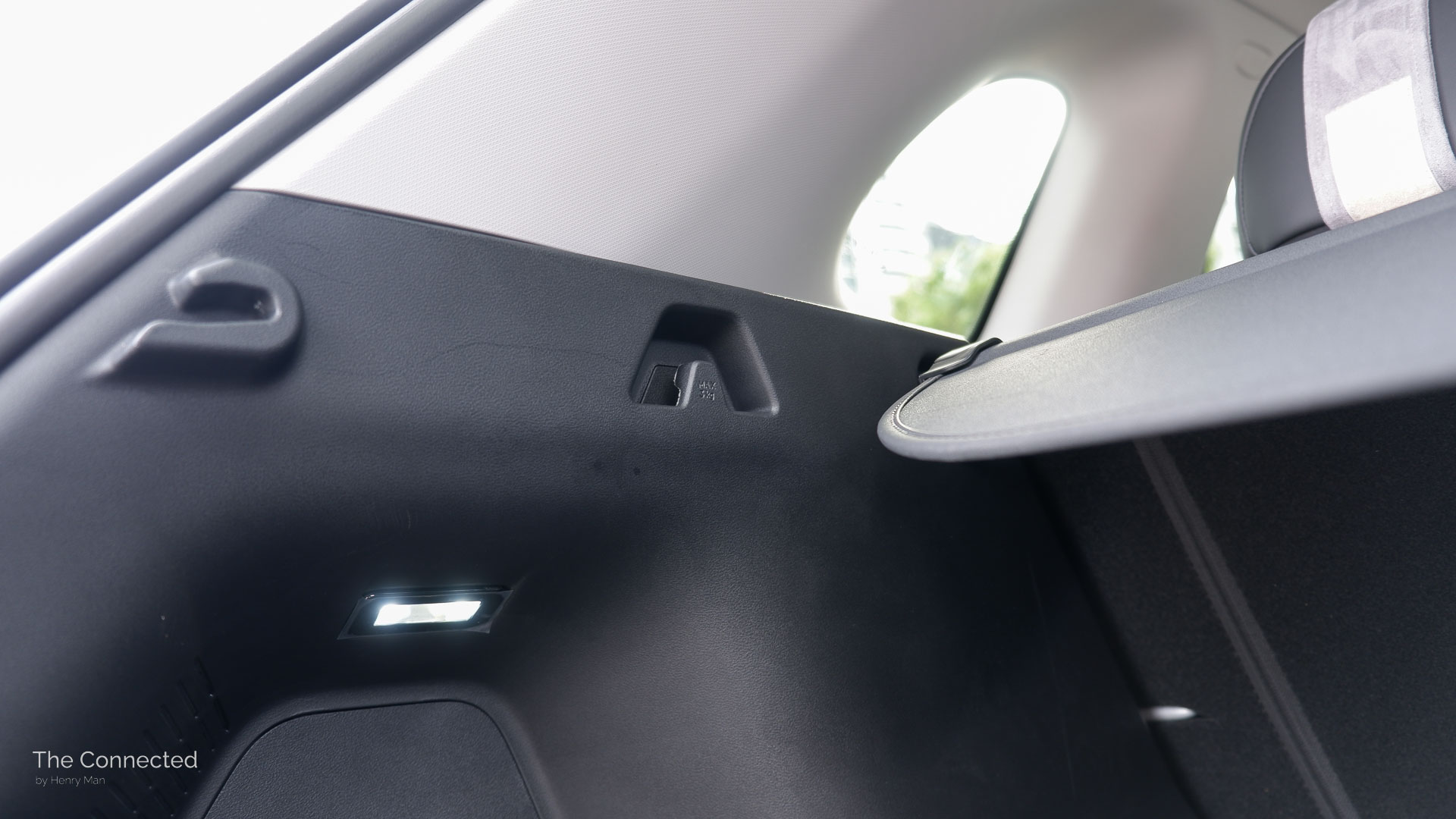
The midsize hybrid SUV provides a spacious 428 litre boot with a height-adjustable boot floor, some underfloor storage fit for the charging cable, and LED illumination.
I particularly love the fact that it features two proper bag hooks.
The flagship Inspire gains an electrically-powered tailgate, but it isn’t as useful since it lacks a hands-free function.
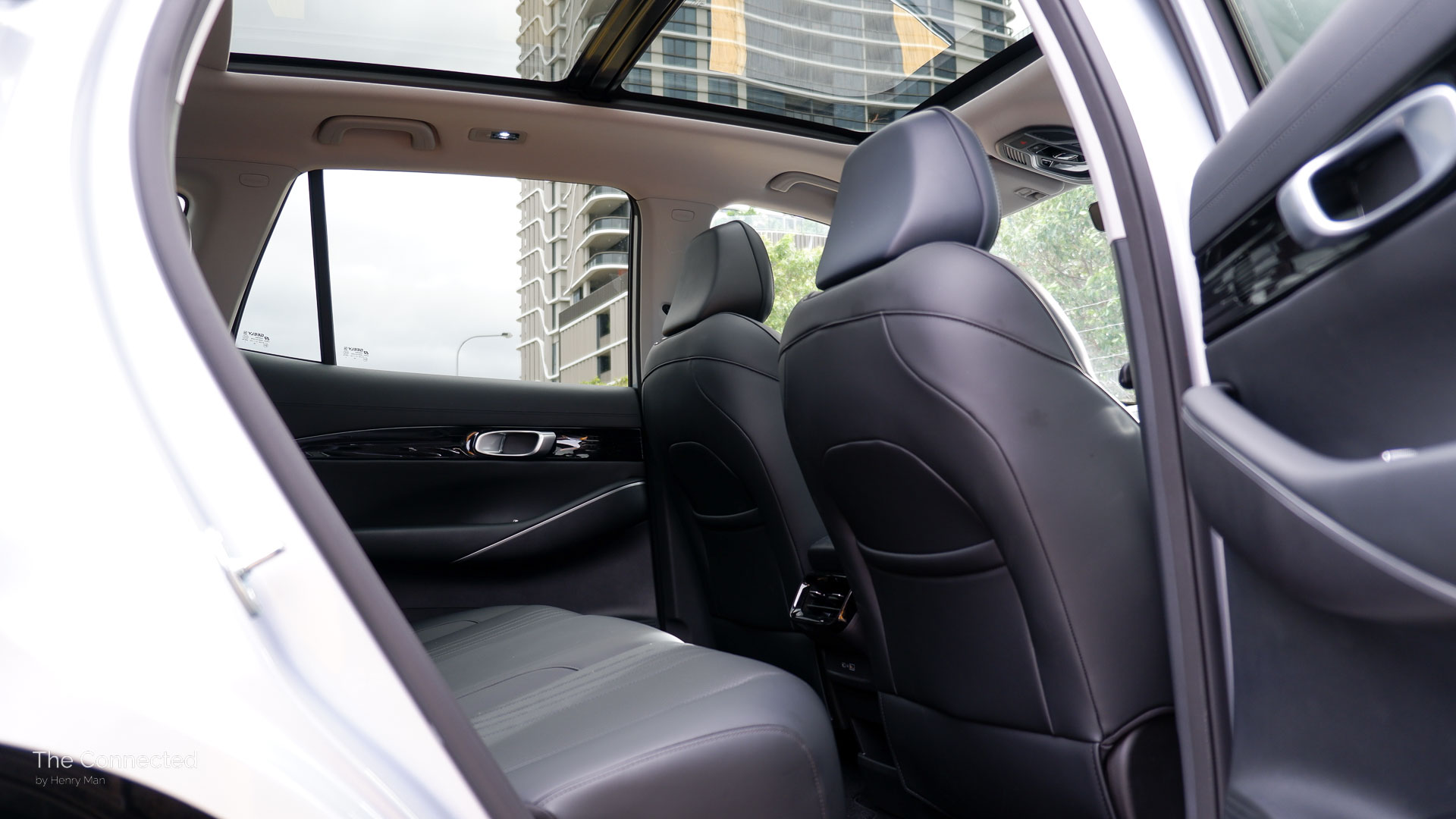
Moreover, the Geely Starray provides good legroom, headroom and footroom, though the bench isn’t as comfortable since it is slanted and the floor is higher than ideal.
Rear row features include only one non-illuminated USB-C and one USB-A charging port, a fold-down armrest with two cup holders, decently sized door pockets, and ISOFIX child seat anchor caps that don’t detach.
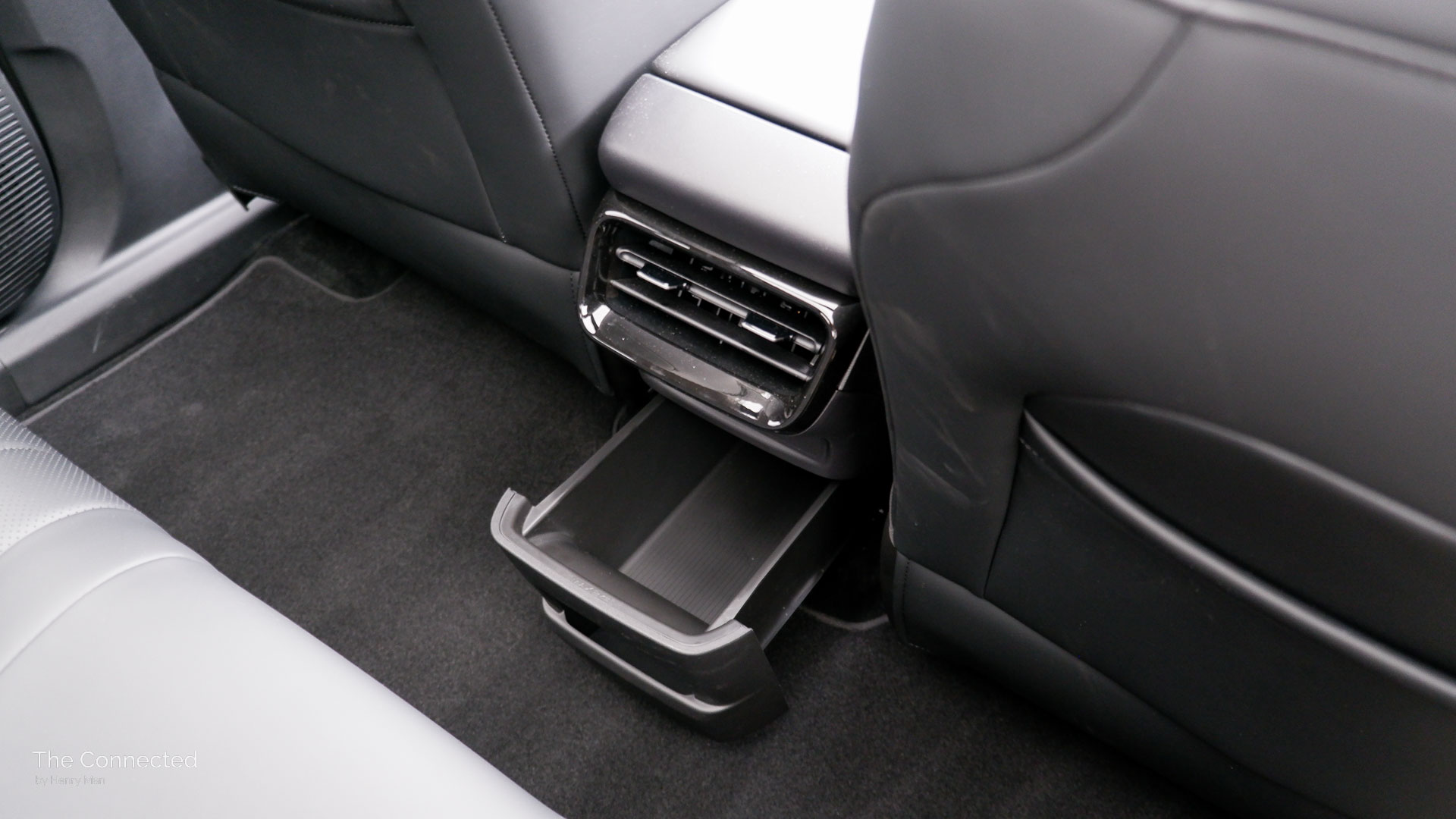
While it thankfully has two directional rear air vents, the longitudinal direction is strangely linked so both vents move upwards/downwards together.
There is also a hidden slide-out tray underneath from the centre console.
All four windows have one-press up/down, but the switches are awkwardly reversed like some other Chinese brands – flicking it down actually winds up the window.
At the front row, the Geely Starray features a raised bridge-type centre console incorporating two small-ish gripped cup holders and a card slot which can be covered with a lid.
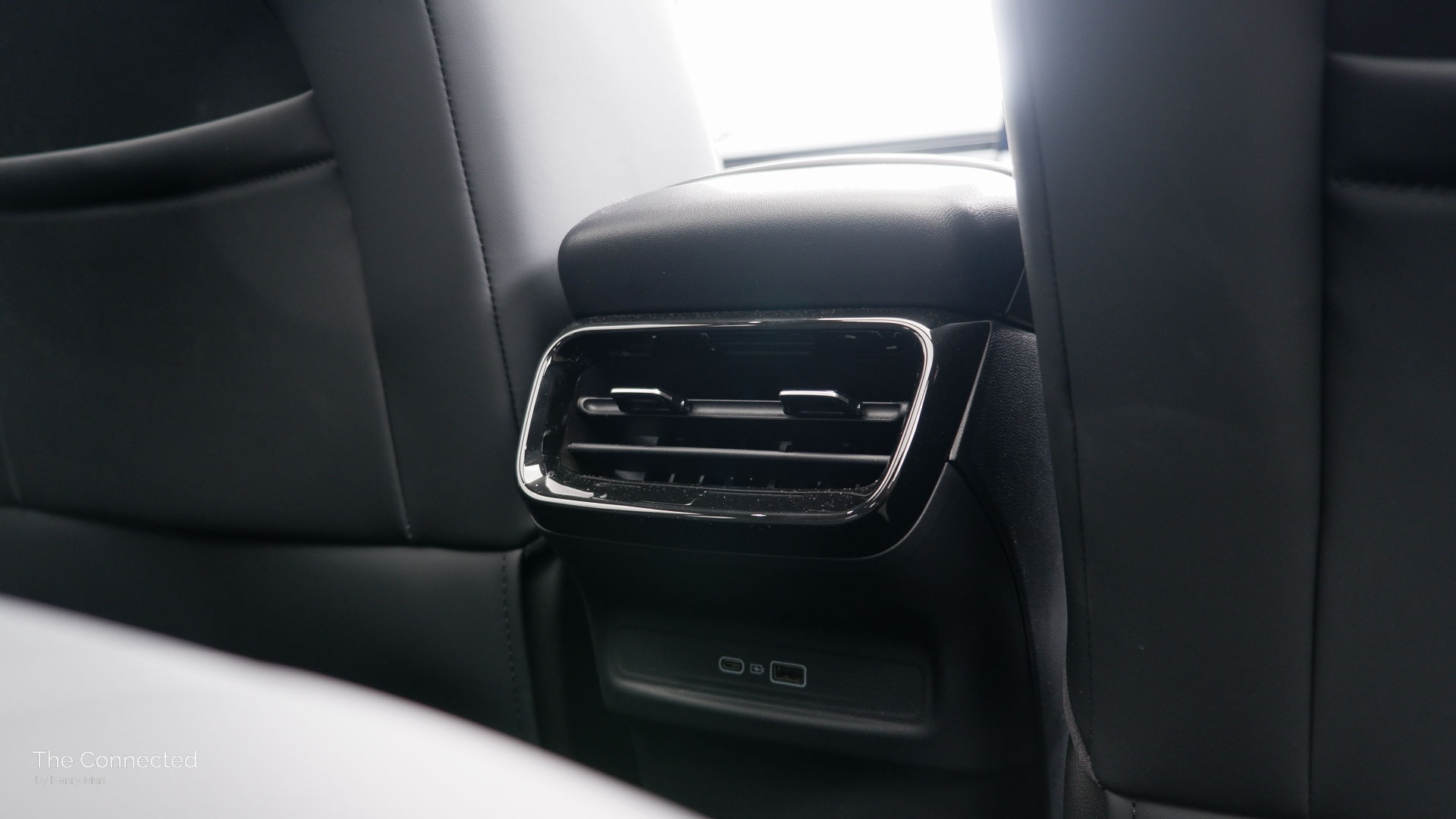
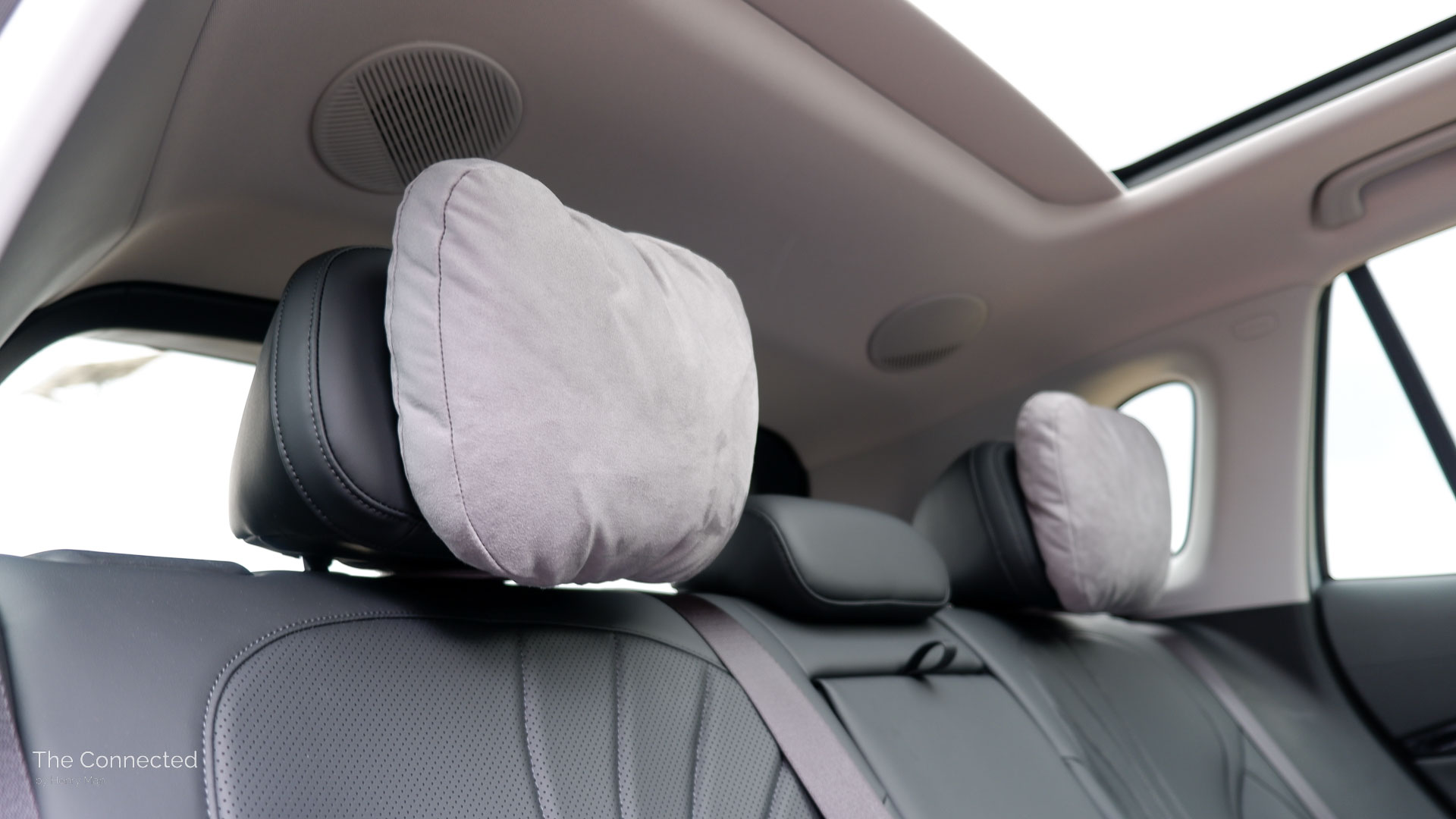
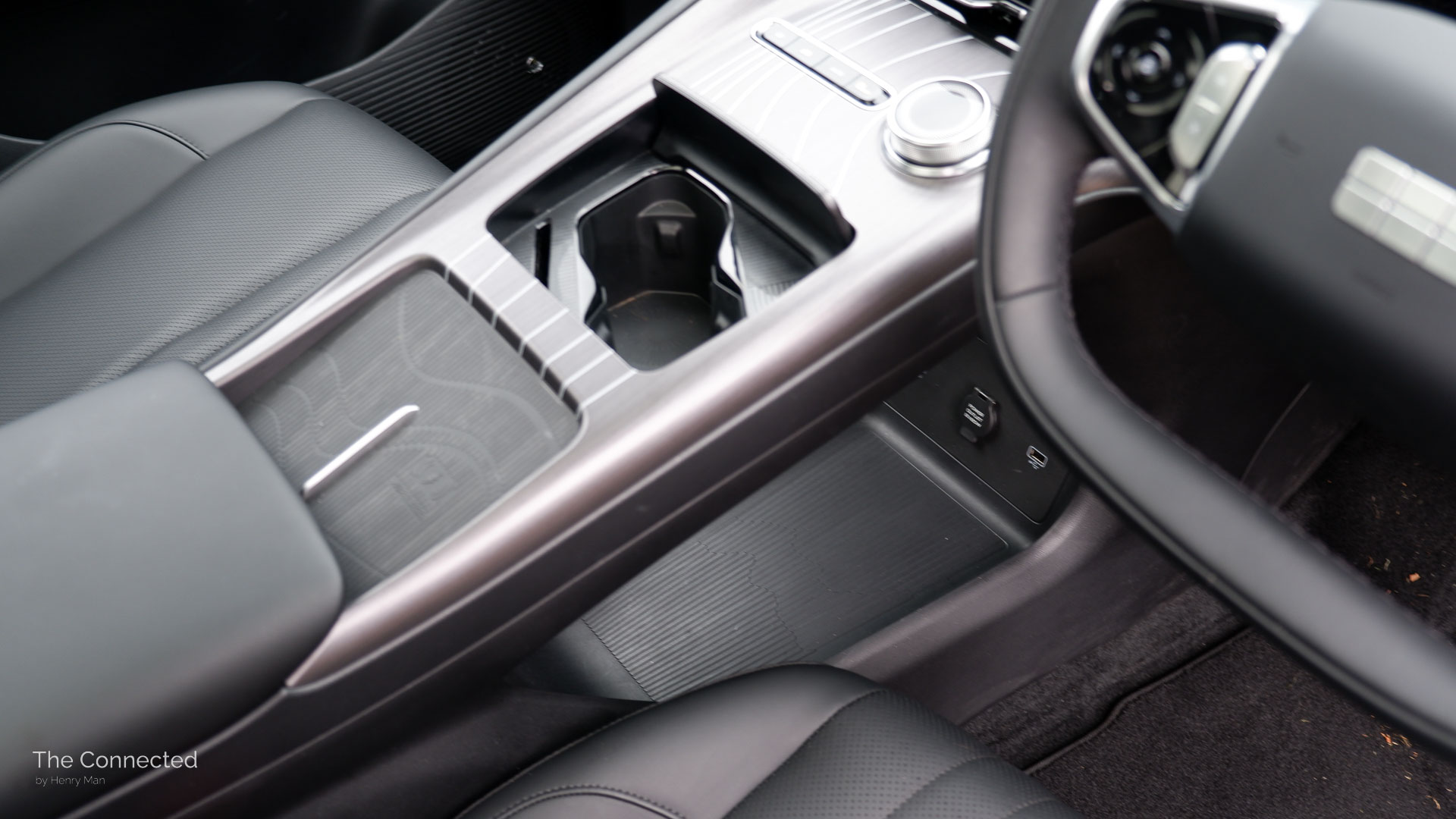
While a large open storage tray is available with USB-C and USB-A ports, it lacks a rubberised surface so items just slide around while driving and there’s no light for visibility at night.
The glovebox is on the smaller side, but the centre armrest bin is well-sized. A strange quirk is the latter acts as a quasi cooling box since the climate control system to the rear air vents seems to affect the bin noticeably.
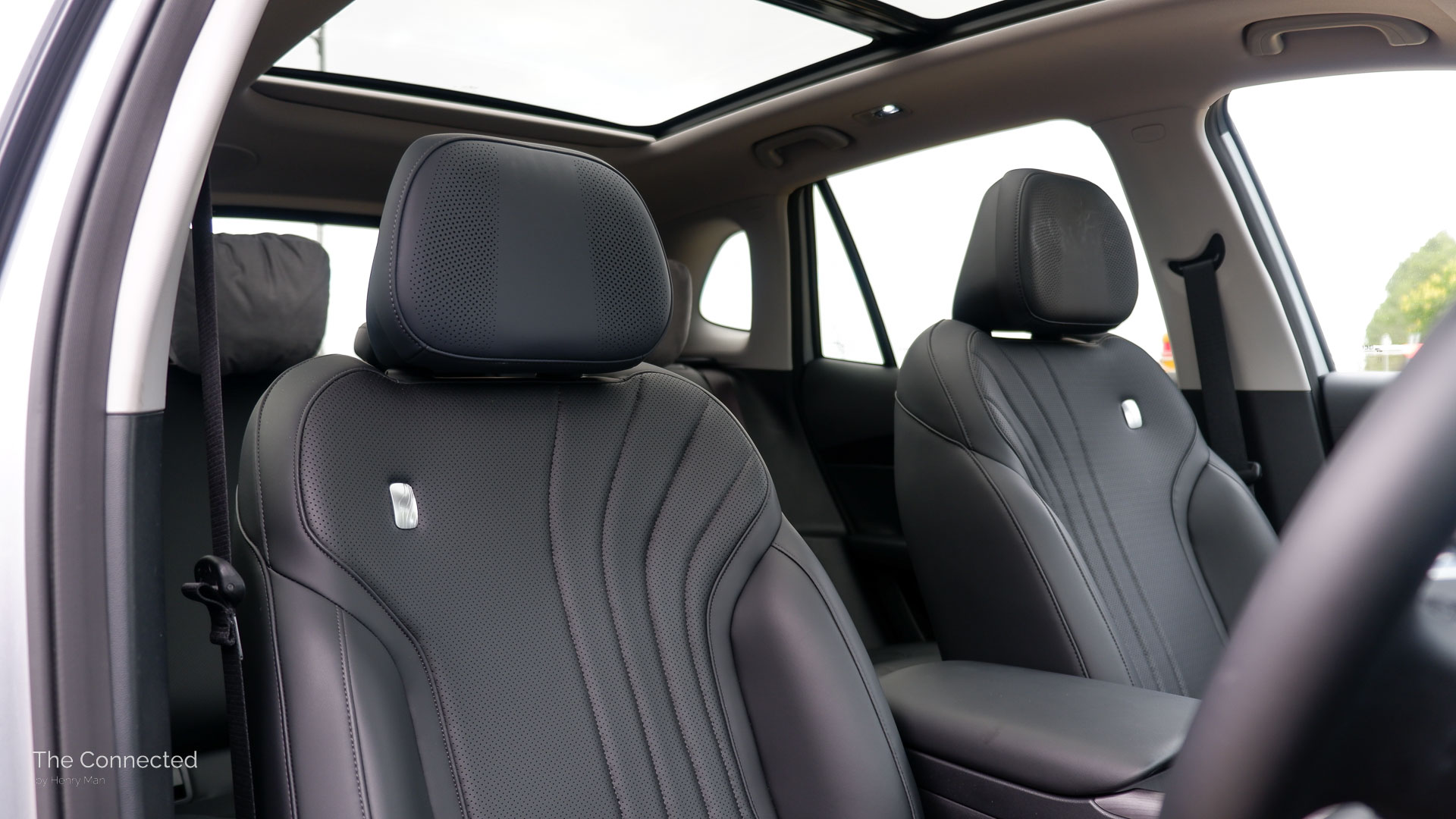
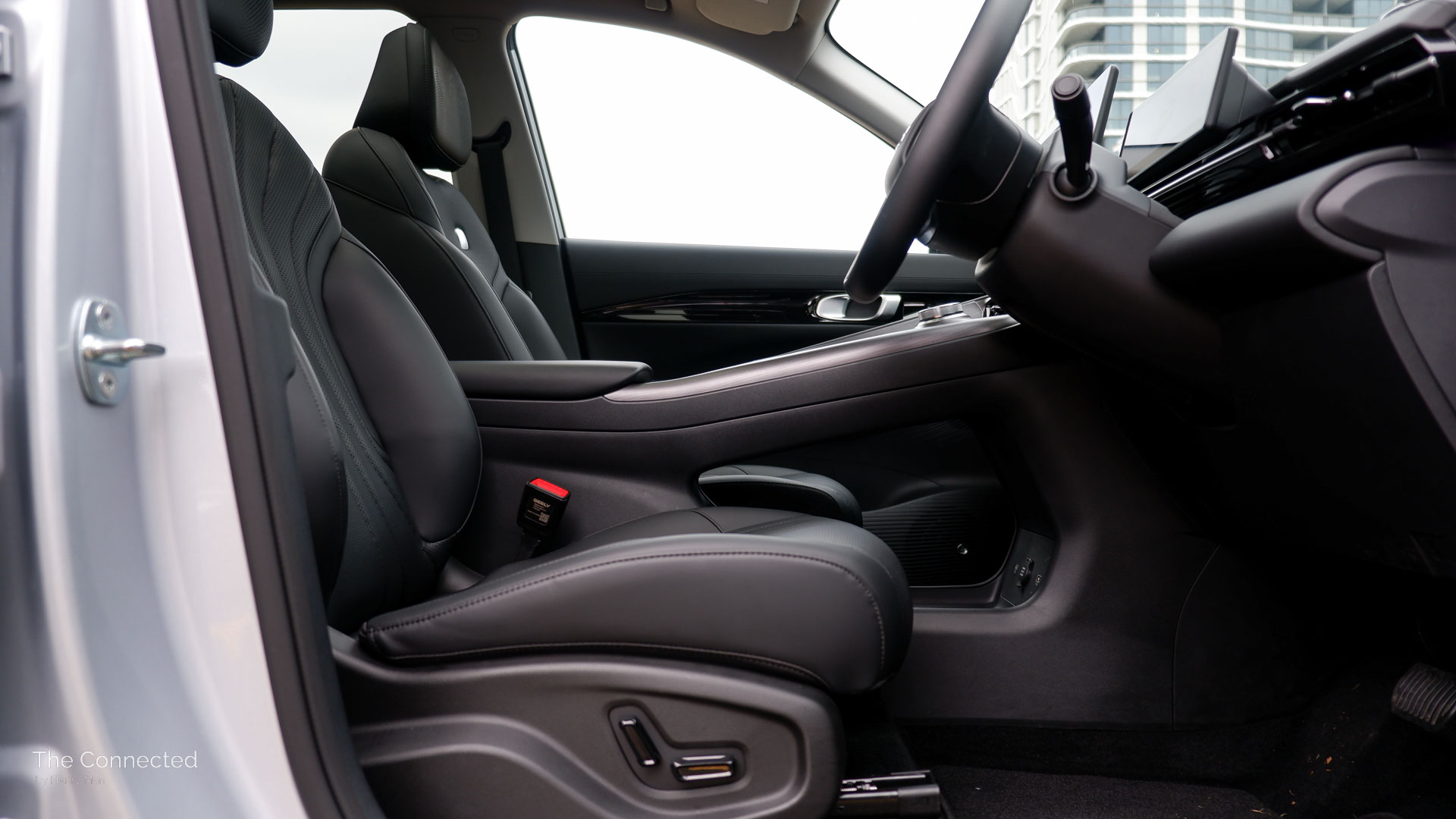
Additionally, the Geely SUV’s artificial leather seats feel very soft and silicon-like, akin to other Chinese brands such as the Leapmotor C10 and Jaecoo J7, and are supportive even though it lacks driver adjustment. Three-level heated or ventilated front seats are included on the Inspire.
Compared to the full-electric EX5, the Starray doesn’t offer seat massaging nor an extendable leg rest for the front passenger.
Fortunately, the Geely PHEV incorporates physical switches to toggle the panoramic sunroof and sunblind, plus easy to operate physical air vents and ordinary door handles.
Yet it’s annoying that only the driver’s door handle has a door unlock/lock button for the proximity key, although it does feature automatic proximity unlocking and walk-away locking.
Technology.
2026 Geely Starray EM-i Inspire tech features:
| 15.4-inch touchscreen running Flyme Auto | 10.2-inch driver instrument display |
| Wireless/wired Apple CarPlay and Android Auto | 13.8-inch head-up display |
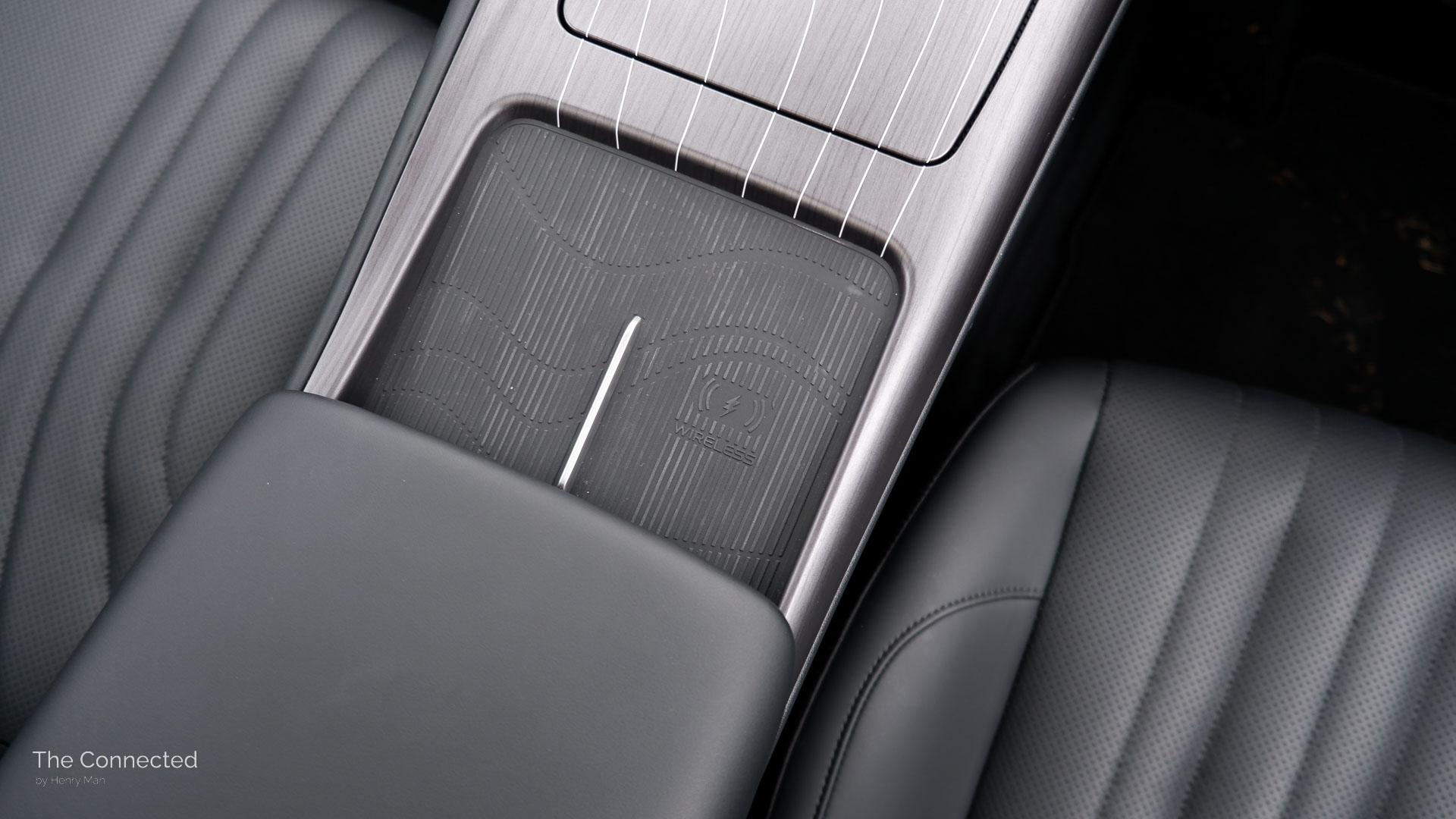
| Built-in maps | 15-watt Qi wireless charging pad |
| Geely Connected Services with mobile app (two years included) | 2x USB-C, 2x USB-A, and 1x 12-volt charging ports |
| 16-speaker, 1000-watt Flyme Sound | Proximity key with auto-folding mirrors and auto locking/unlocking |
The Geely Starray has generally good technology, though I’d like to see some additions and refinements.
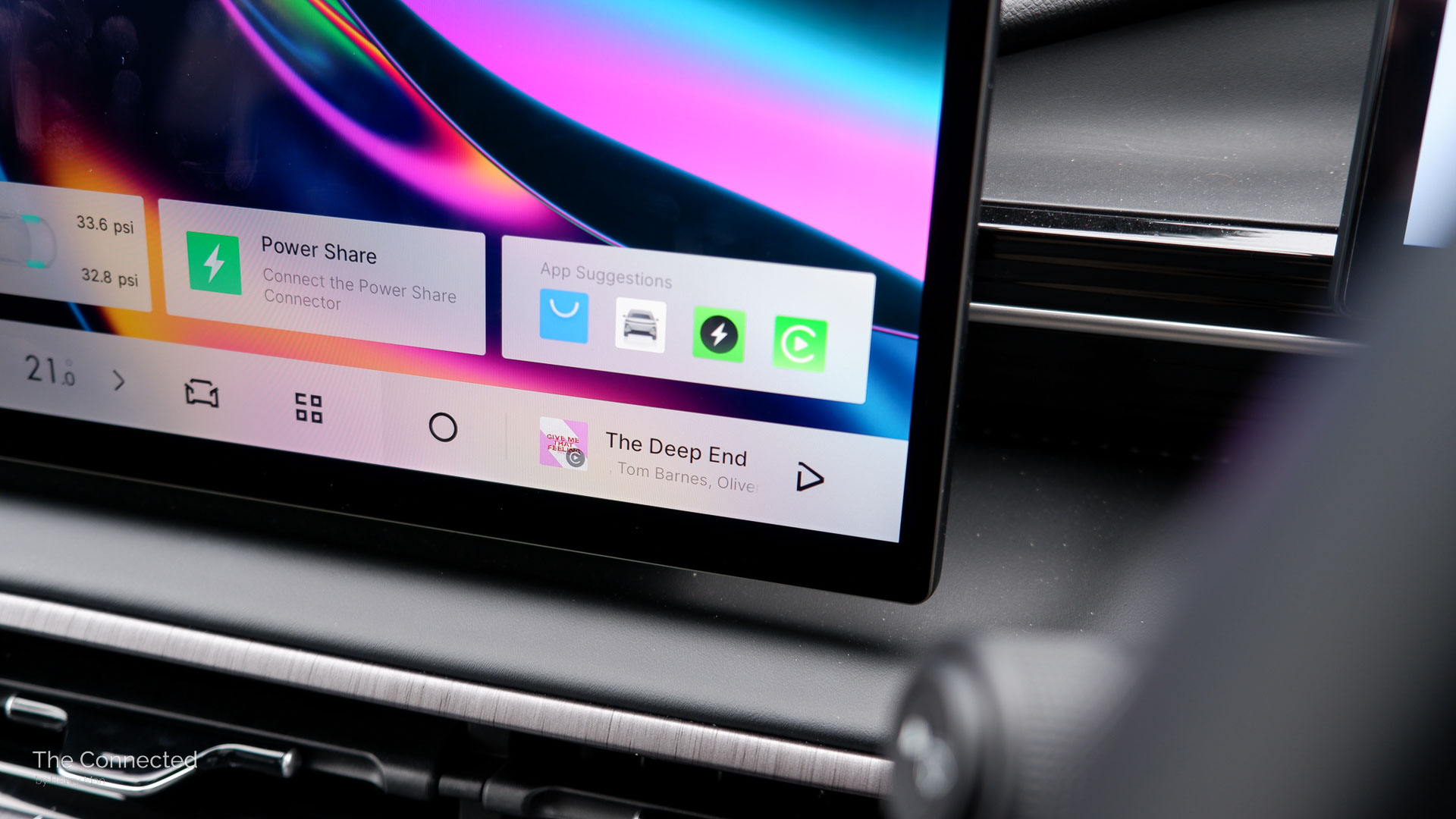
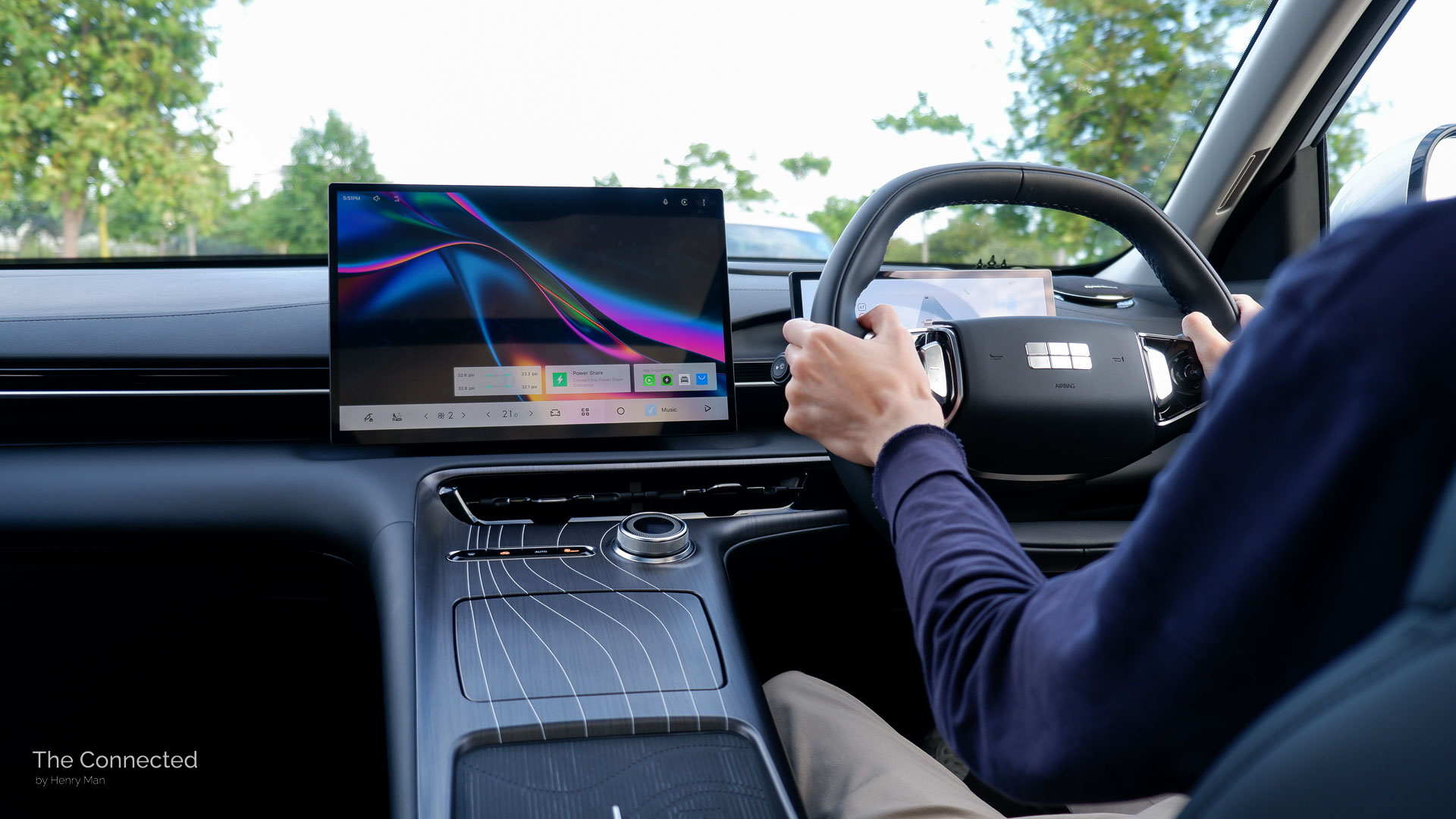
A large and responsive 15.4-inch touchscreen is standard running Geely’s own Flyme Auto software. It’s fairly easy to use after some learning with a prominent home screen button that adapts to the app, automatic light/dark mode switching, and over-the-air software update capability.
Compared to previous software versions, odd English descriptions in certain areas of the user interface have been addressed.
However, I would like to see video streaming and a web browser added to its app store to fully take advantage of the large display.
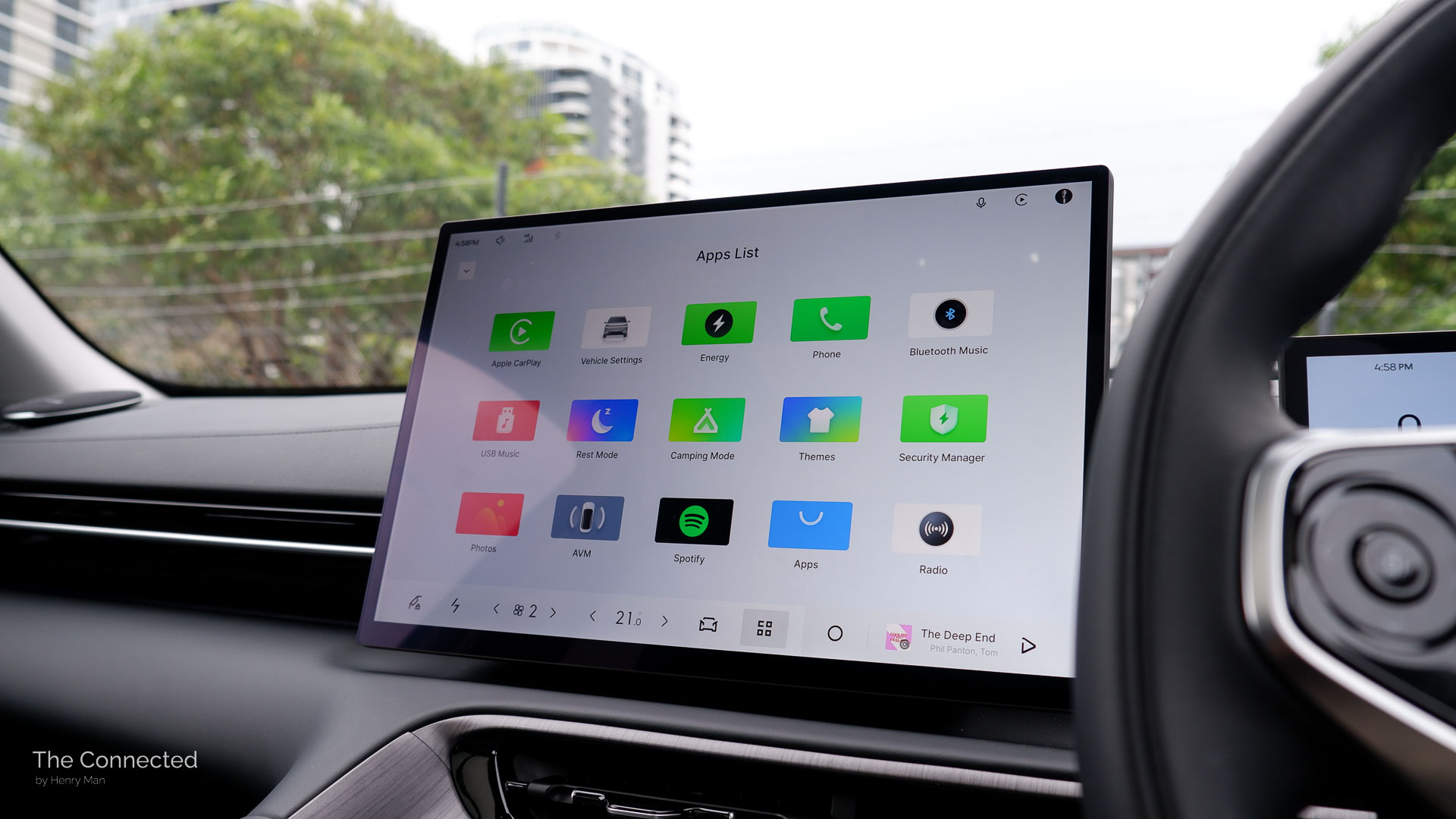
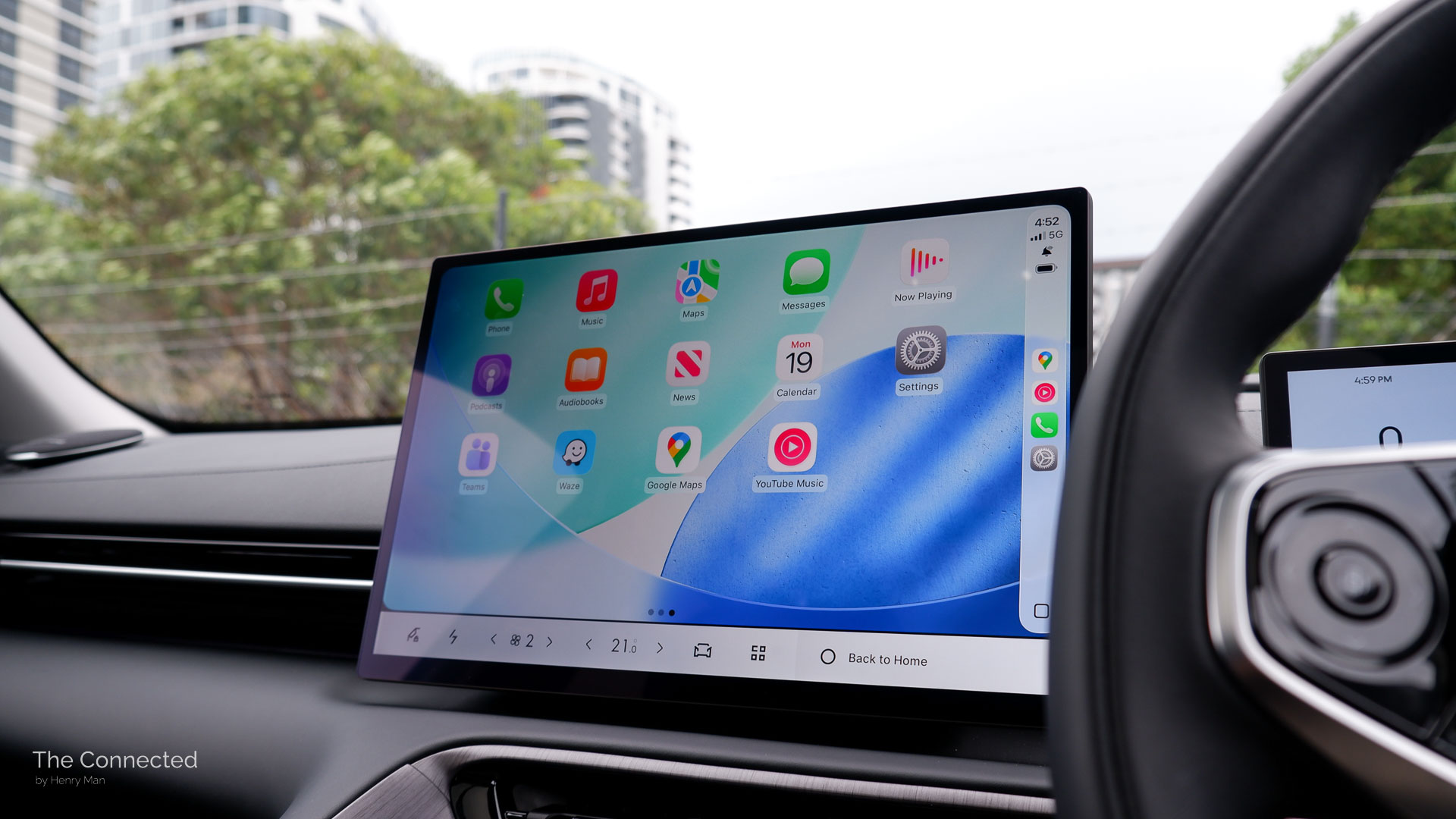
The automatic brightness calibration also tends to dim the screen too much for my liking with it reacting when driving through brief shadows, similar to the Polestar 4.
I also found that elements on the left side of the screen were a far reach from the driver’s side.
Fortunately, wireless Apple CarPlay and Android Auto now feature – after only launching with the former in late 2025. It fills the entire screen while keeping the bottom bar always visible, but you can’t swipe down for the controls panel while in them.
The Inspire’s single Qi wireless charging pad is slow to charge and overheats phones due to the lack of active ventilation.
Meanwhile, the dual-zone climate control is primarily operated through the touchscreen with the persistent bar offering customisable shortcut buttons as well as the control panel with a swipe down. It’s great, but still more fiddly than physical buttons.
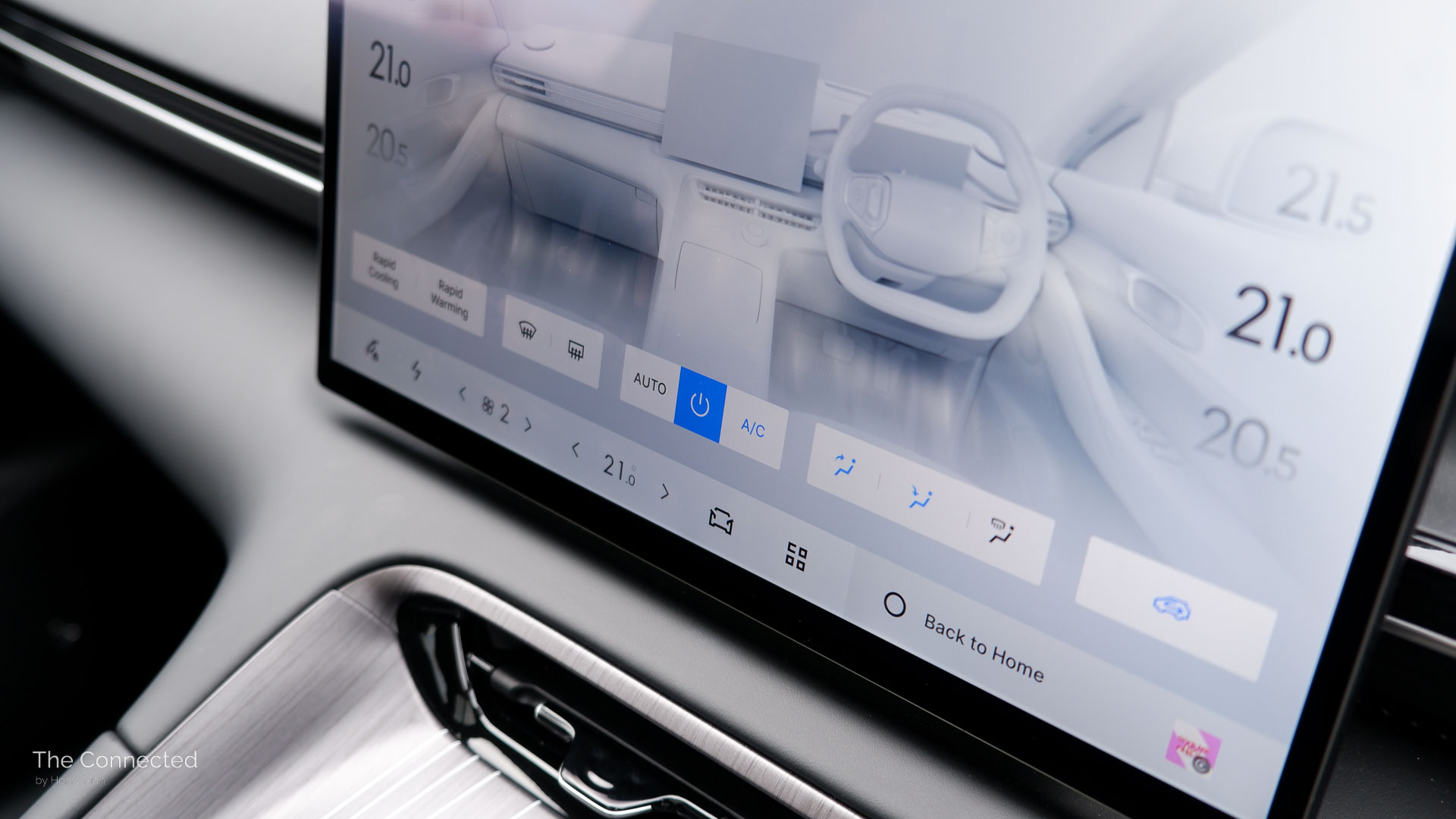
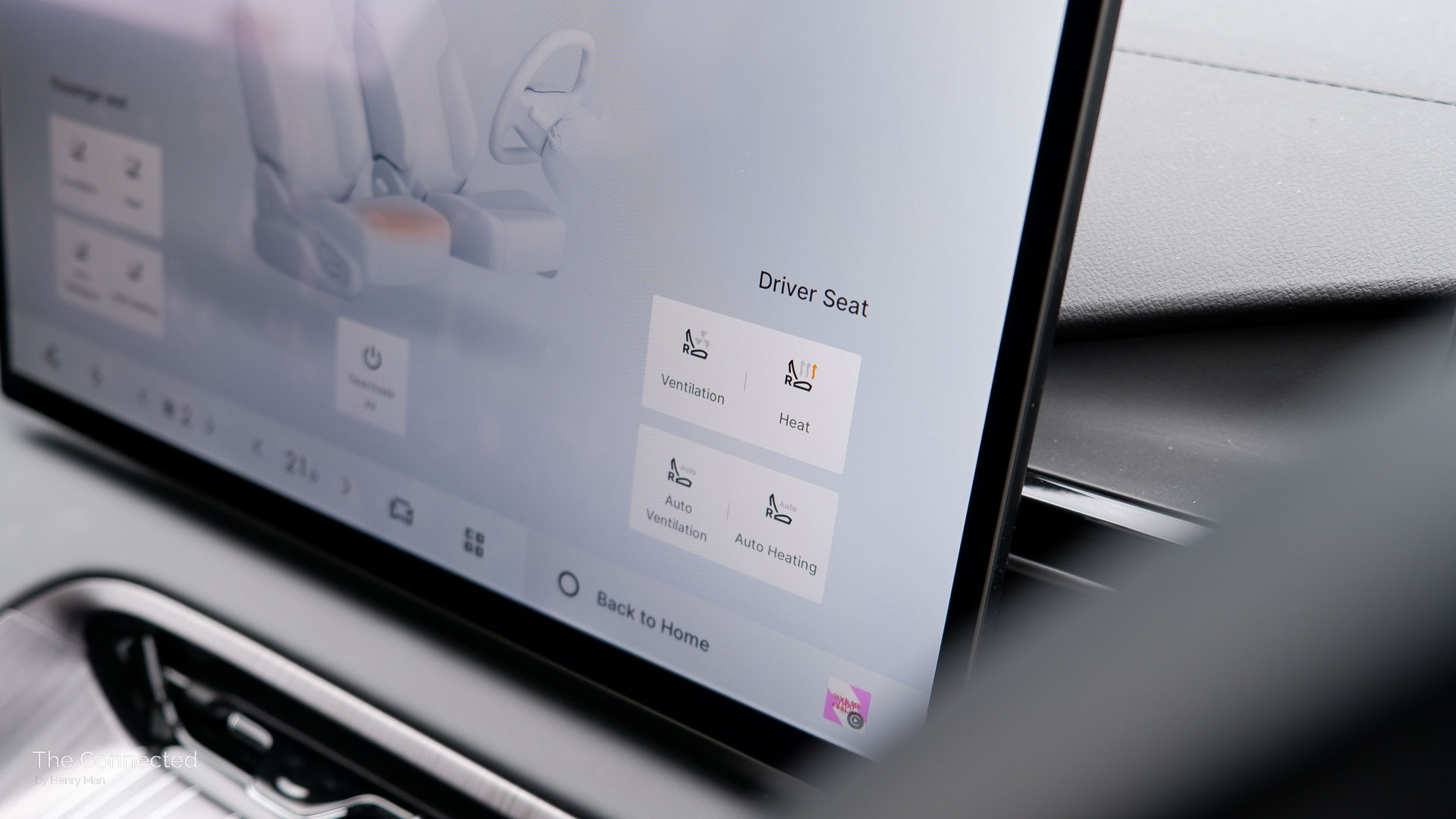
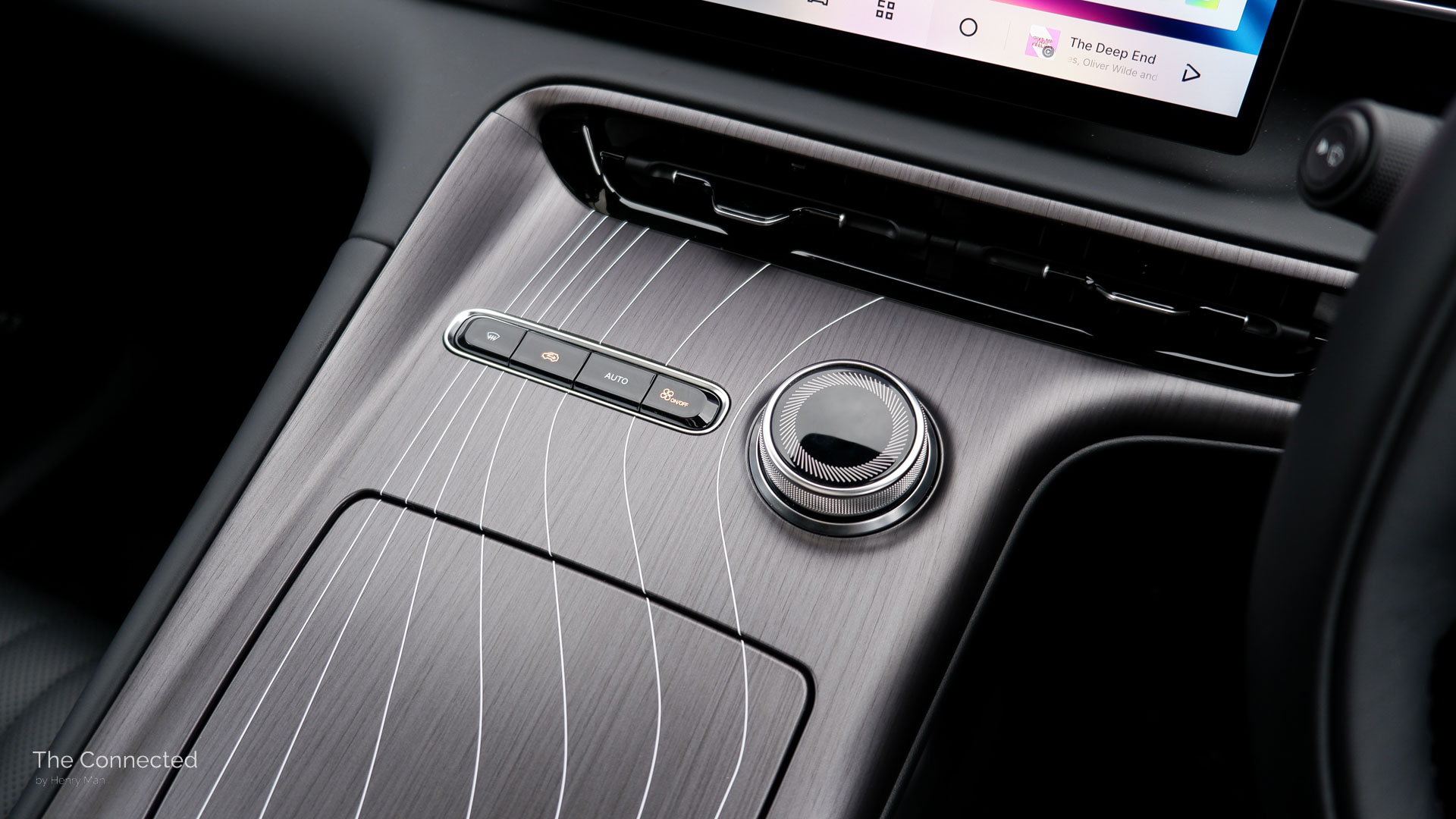
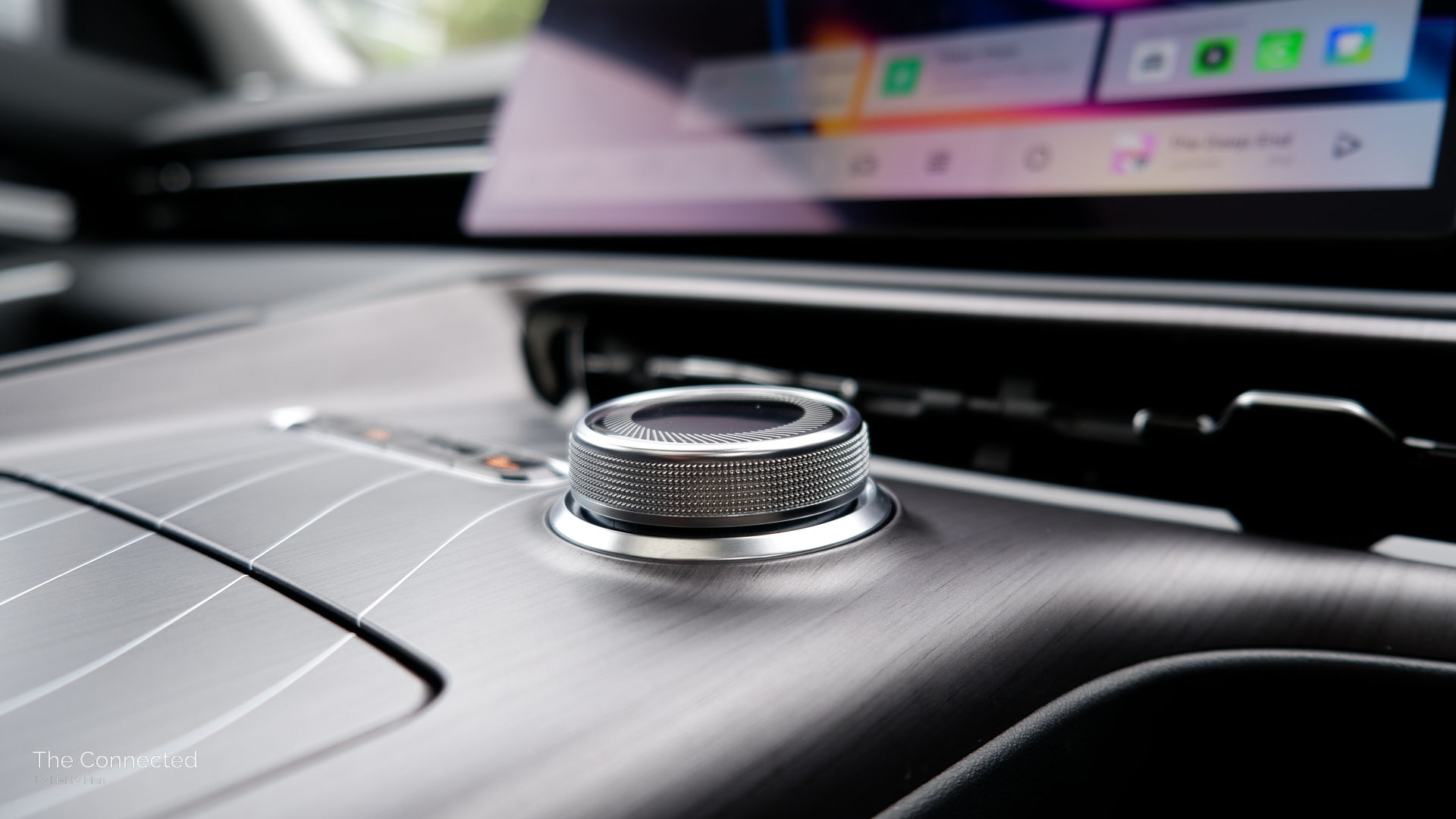
Unlike the Volkswagen Tiguan, the centre console dial can be customised to change the temperature or fan speed, but there’s a noticeable lag between the clicks and its response.
To further reduce the screen reliance, a row of gloss black buttons can also quickly toggle the windscreen demister, air circulation, and on/off the climate control completely.
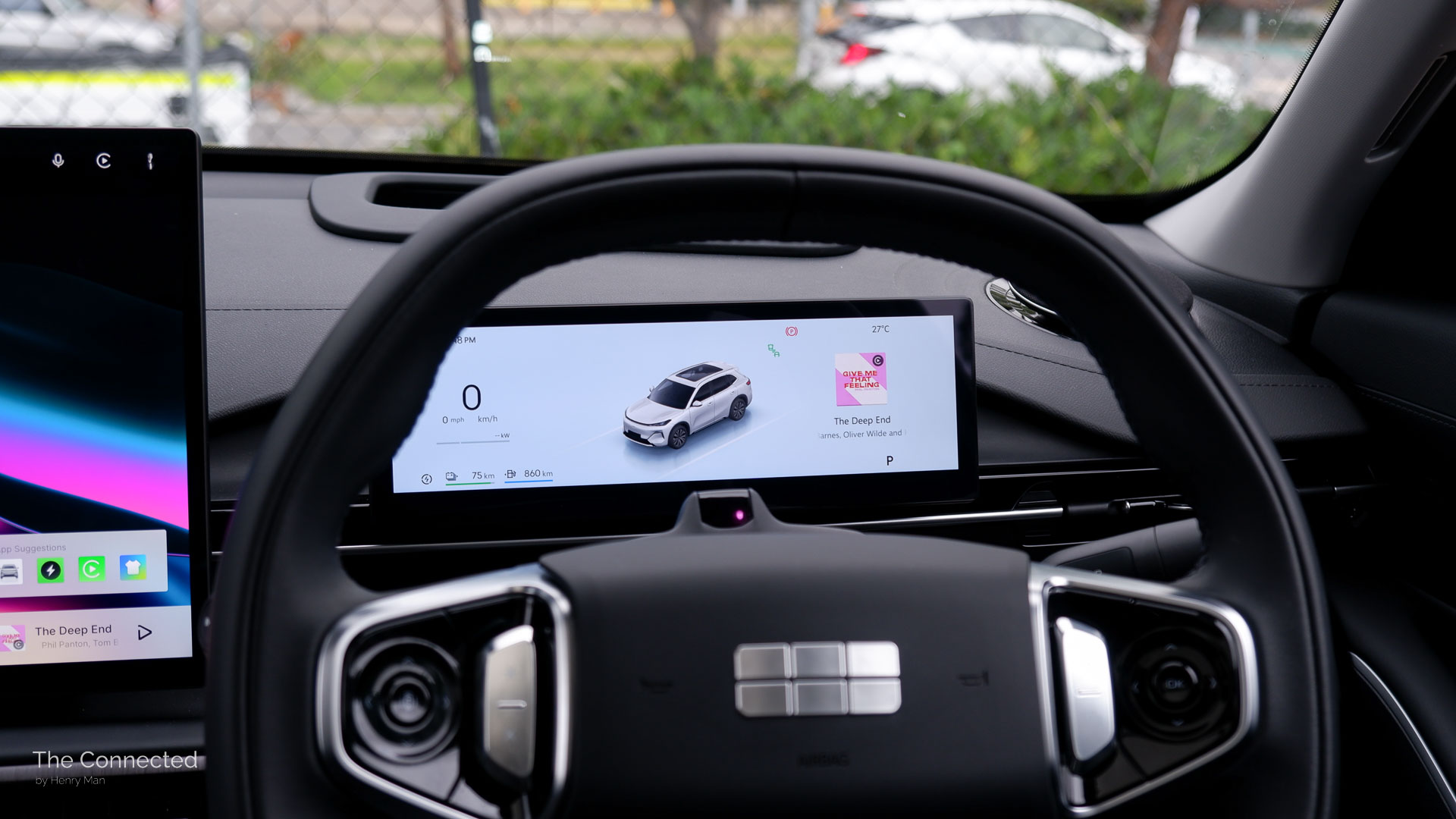
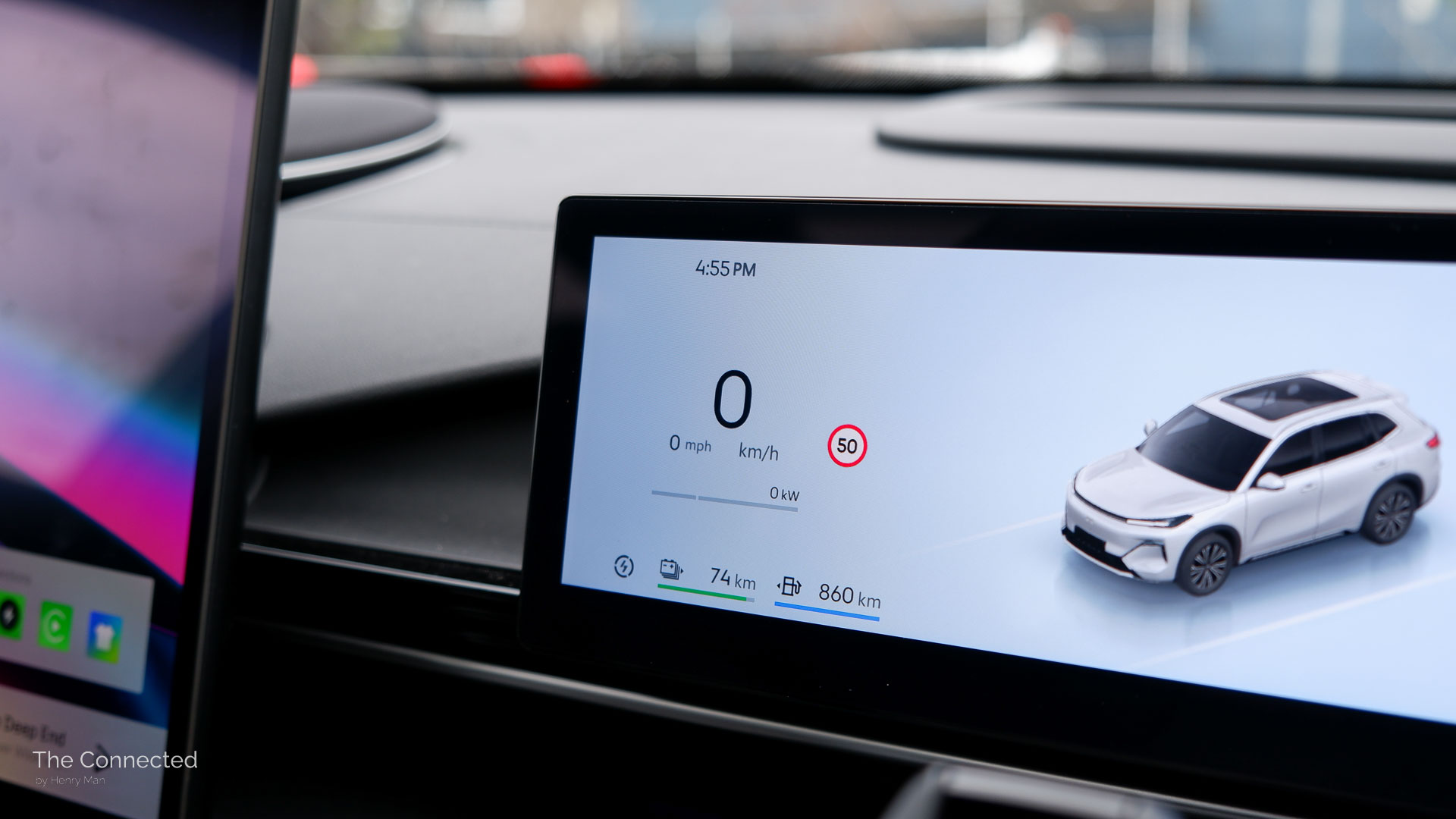
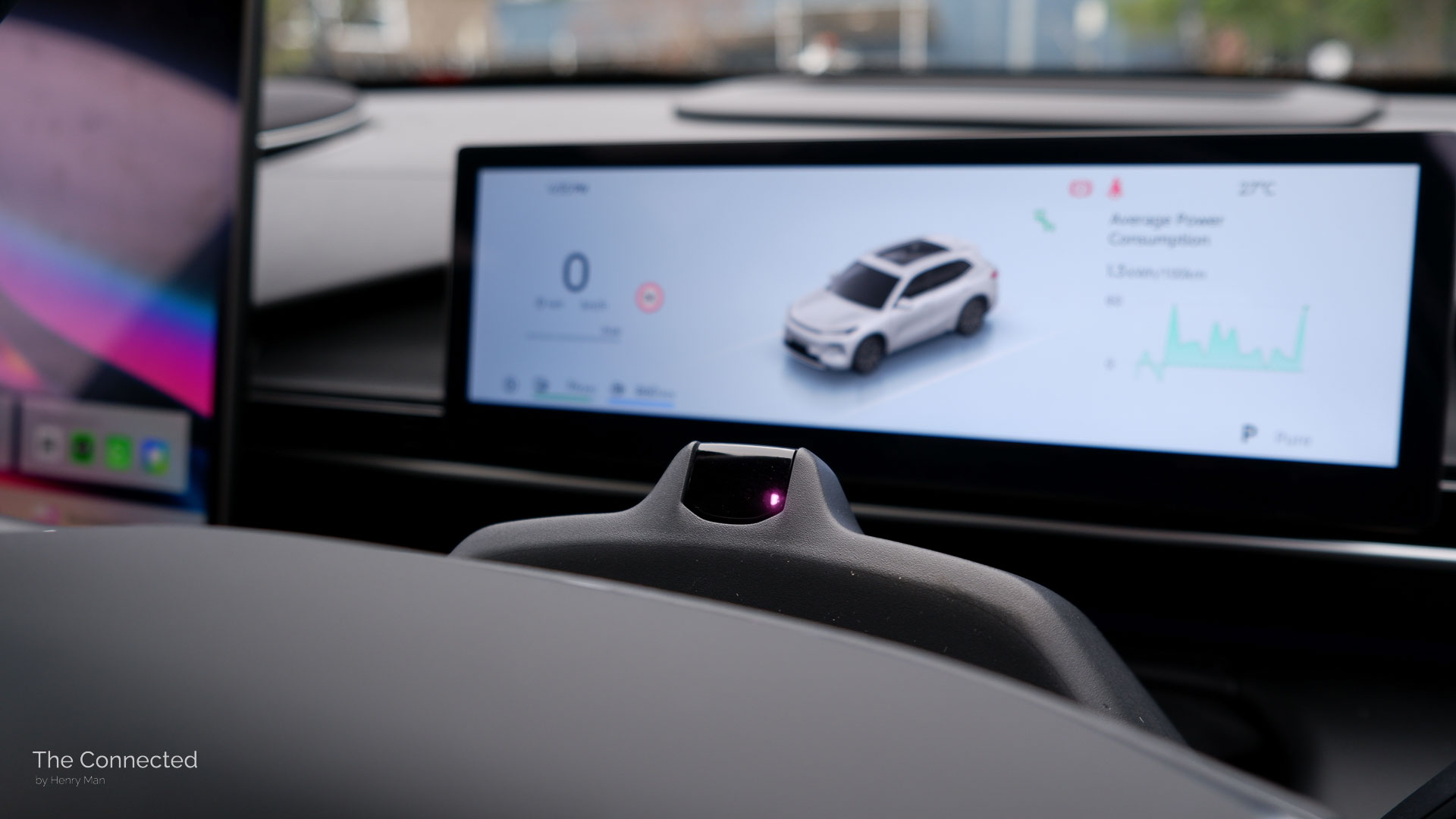
Additionally, the 10.2-inch instrument display is in a thin visor design, allowing the steering wheel to not block any elements unlike other brands. It doesn’t offer much customisability other than switching between some widgets on the right side and some text appears smaller than ideal.
It’s also odd that it shows tthe speed miles per hour in smaller text under the kilometres per hour, and doesn’t show the battery percentage either.
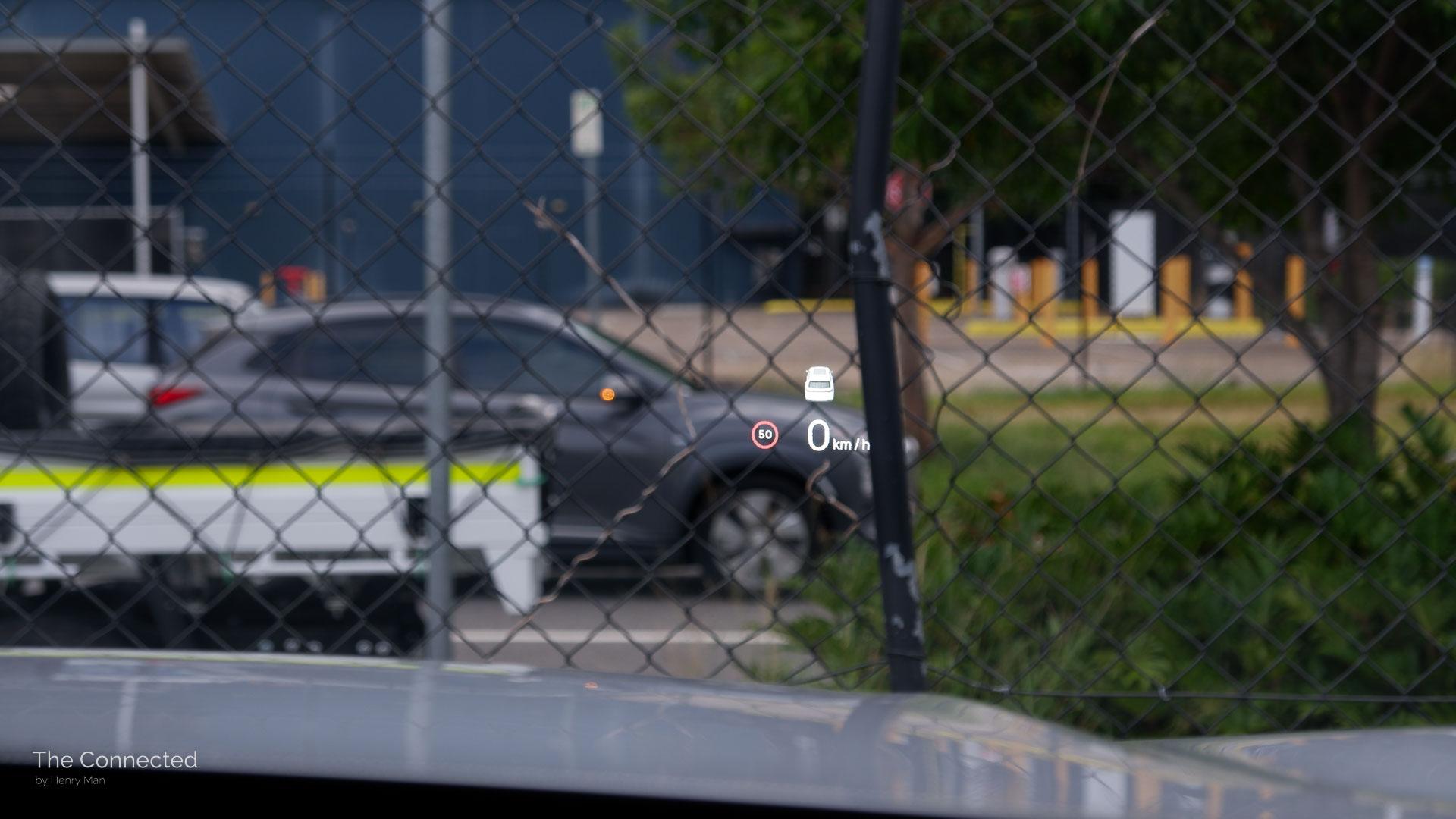
On the Inspire, a head-up display projects onto the windscreen, but it’s again a bit small, especially the set adaptive cruise control speed and safety assist graphics. It also doesn’t automatically adjust the brightness like the other screens.
Geely also offers mobile app connectivity for up to two years.
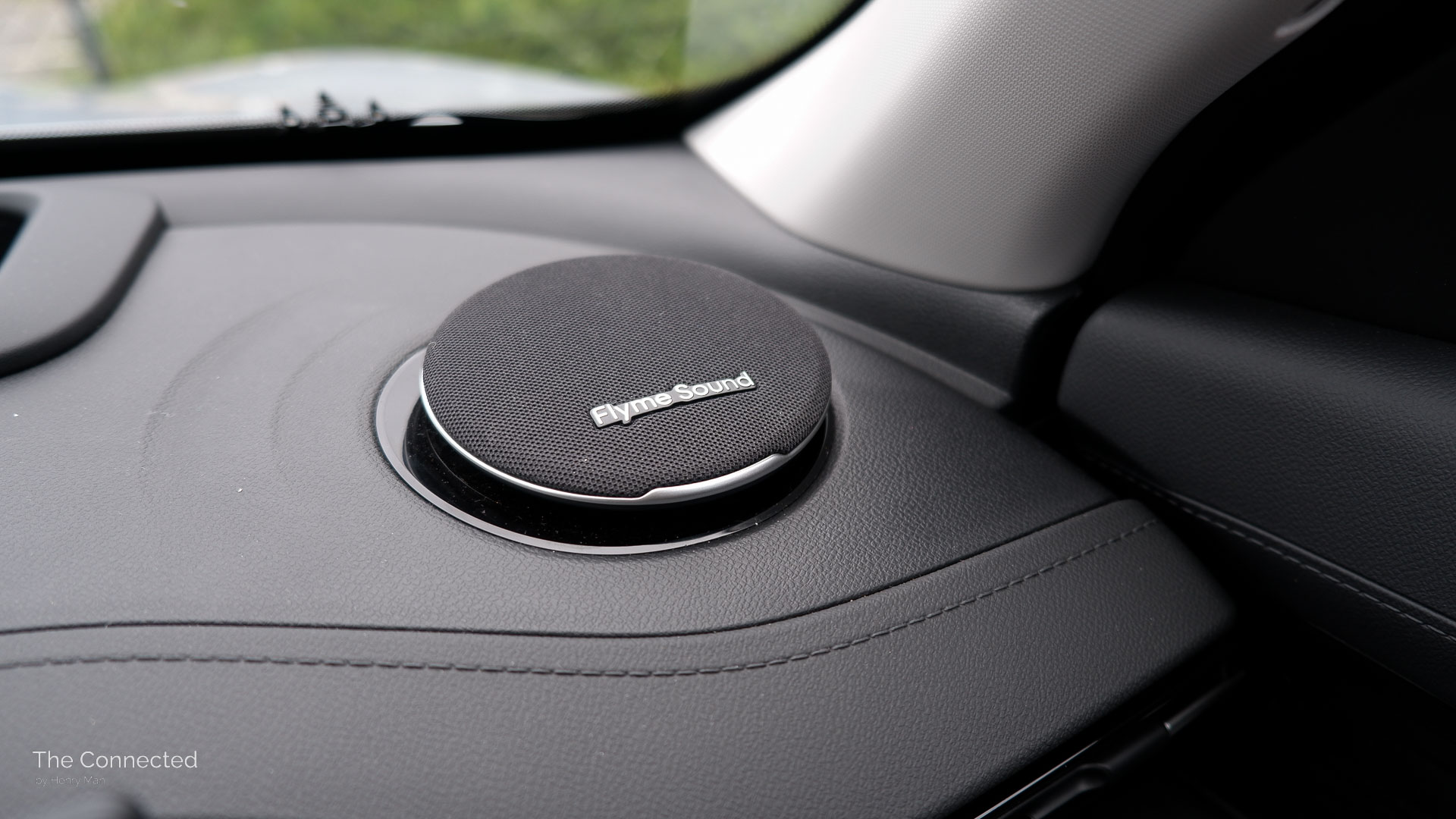
A 16-speaker Flyme Sound system comes with the top-spec and performs impressively good, especially in surround sound mode.
What’s more, a speaker is embedded in the driver’s headrest – usually a luxury car feature – which pumps through calls, voice assistants, and navigation instructions (including from CarPlay) to provide audio privacy and separation from other passengers.
Safety.
2026 Geely Starray EM-i Inspire safety features:
| Front AEB with vehicle/pedestrian/cyclist/junction turning detection | 360-degree camera system |
| Rear AEB | Front and rear parking sensors |
| Blind-spot assist | Road sign detection with overspeed warning |
| Front and rear cross-traffic assist | Door open warning |
| Lane-keep assist | Rear occupant alert |
| Adaptive cruise control with lane-centring assist and auto lane-change assist | Full LED headlights with auto high beam |
| Driver attention monitoring camera | Full LED tail-light with a rear fog light |
The Starray offers generally good but imperfect safety assists that are now easy to turn off.
While Geely’s adaptive cruise control smoothly keeps a distance with the vehicle in front on the highway, it aggressively slows down on bends which is borderline dangerous, and brakes later than ideal.
The lane-centring assist is good, isn’t too assertive and doesn’t snap out abruptly like its Jaecoo J7 SHS direct rival. Lane-keep assist triggers slightly too early before the tyres touch the marked lines, though at least the steering intervention is subtle.
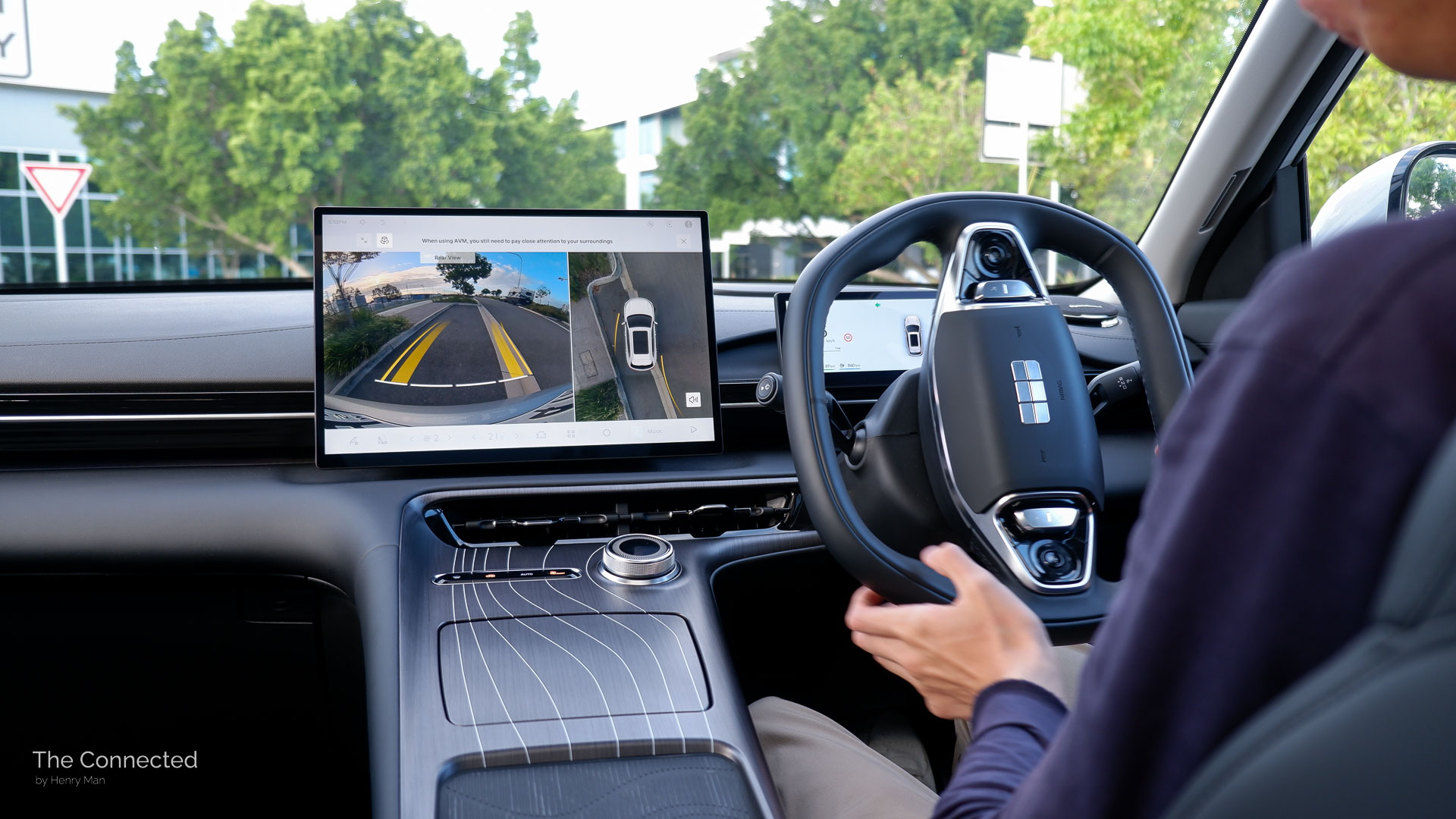
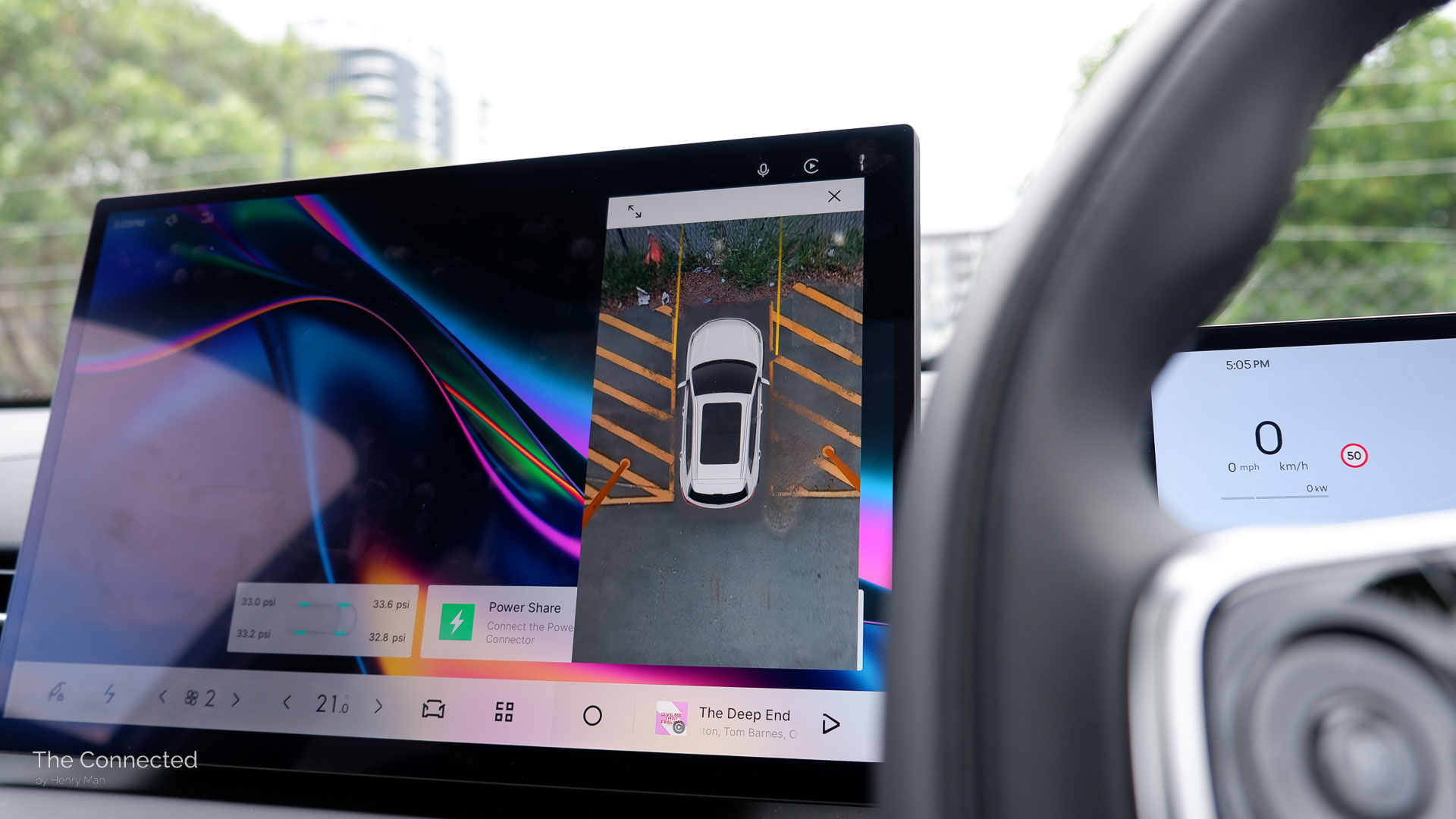
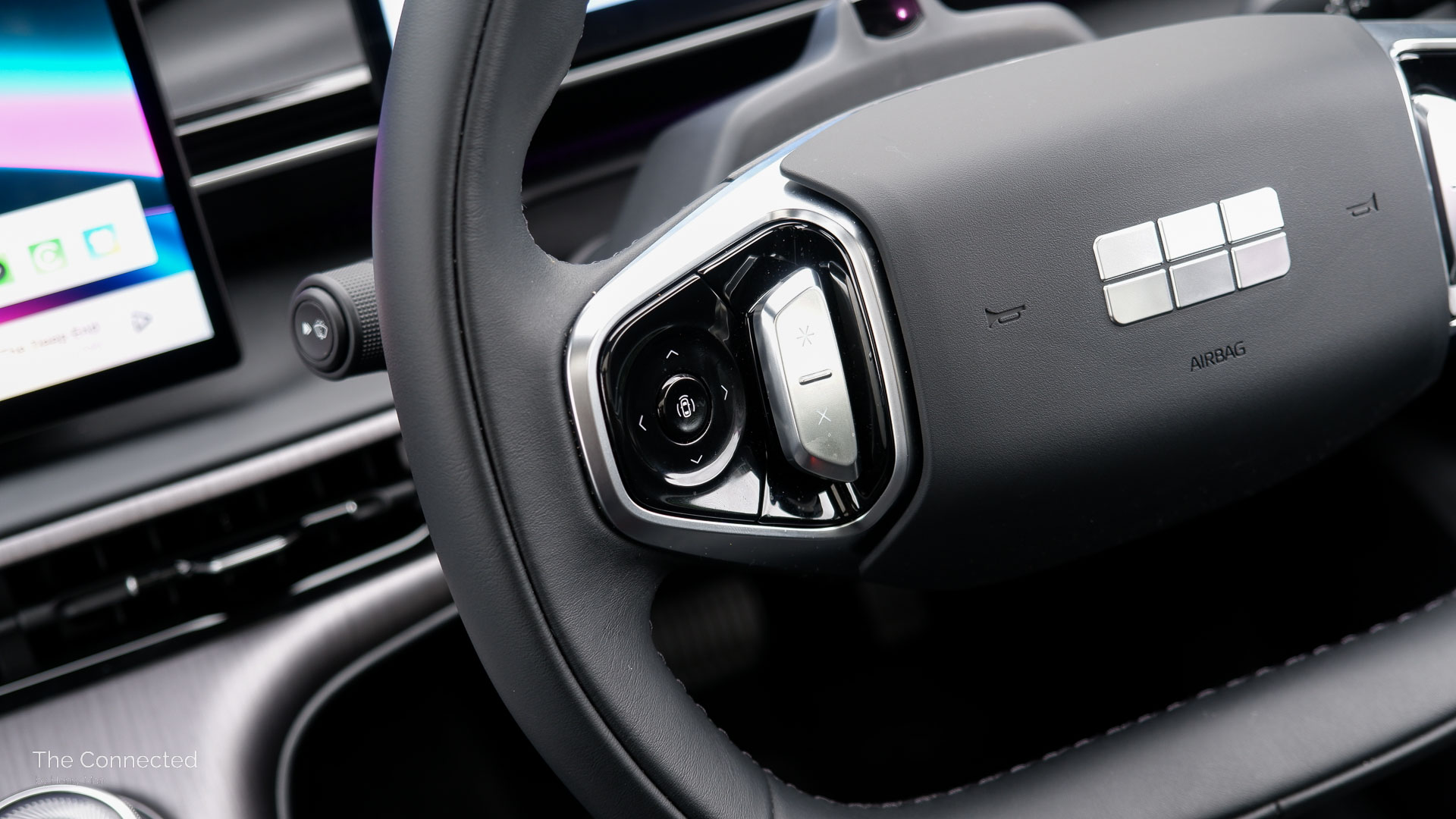
Meanwhile, the 360-degree camera system is super clear and can be activated up to 30km/h speeds via the shortcut steering wheel button (if set) or bottom bar on the touchscreen.
A pop-up of the top-down view also displays on the side when indicating at low speeds, but it can’t overlay on top of Apple CarPlay as it switches to the home screen.
What’s more annoying is the Geely Starray’s sensitive driver attention monitoring camera and the overspeed warnings when it can sometimes incorrectly detect road signs seemingly out of nowhere.
Both systems turn on by default every time you enter the car.
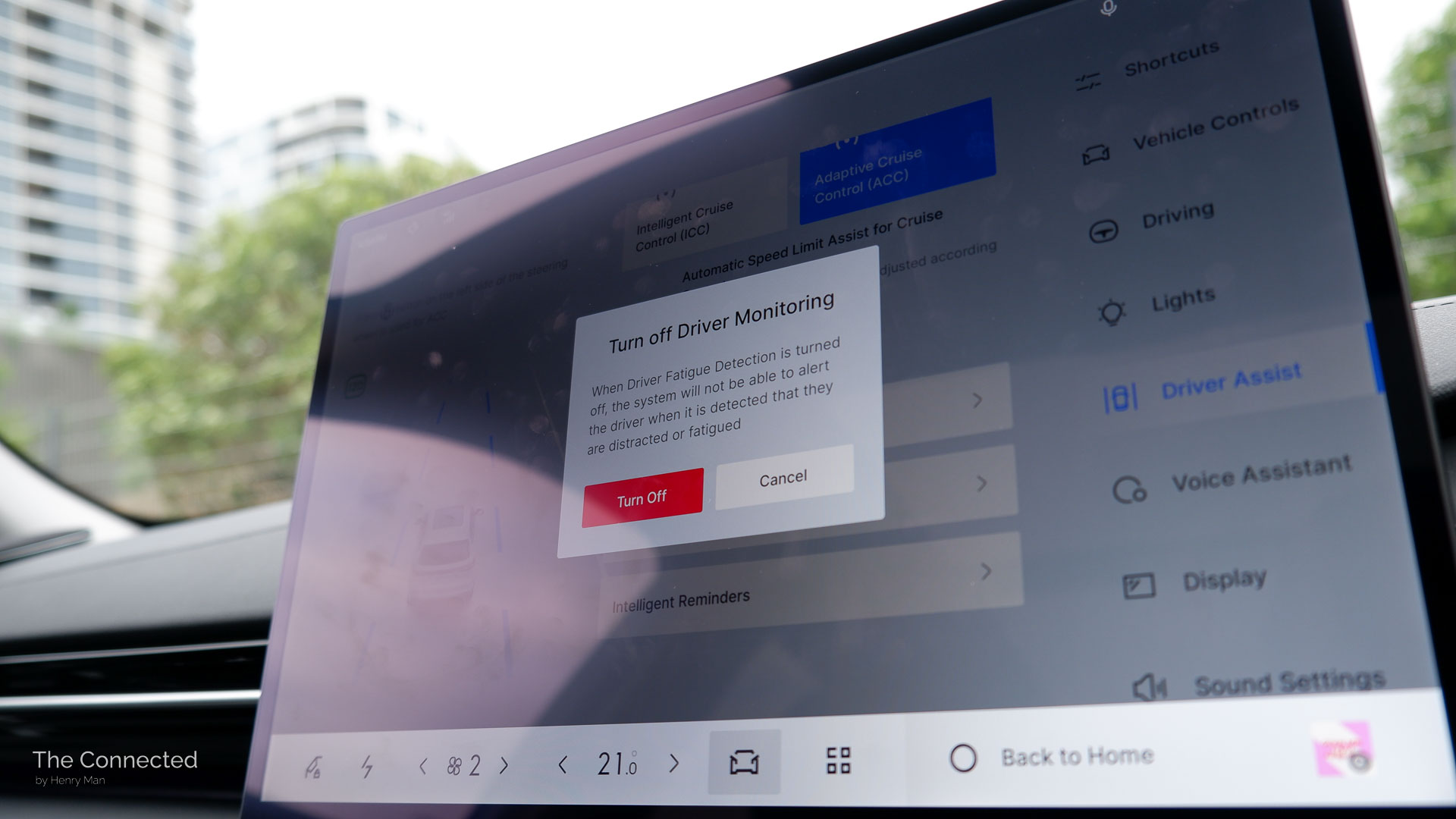
It was previously a hassle to dig into the vehicle settings screen to disable systems individually, but the Chinese brand has thankfully since introduced a shortcut to set a number of different settings preferences at once.
But drivers still need to remember to do it every time and it can still be a distraction on the move since multiple taps are required.
Like many Chinese brands, the Geely SUV silences the indicator clicking sounds when any safety warning is sounding off at the same time.
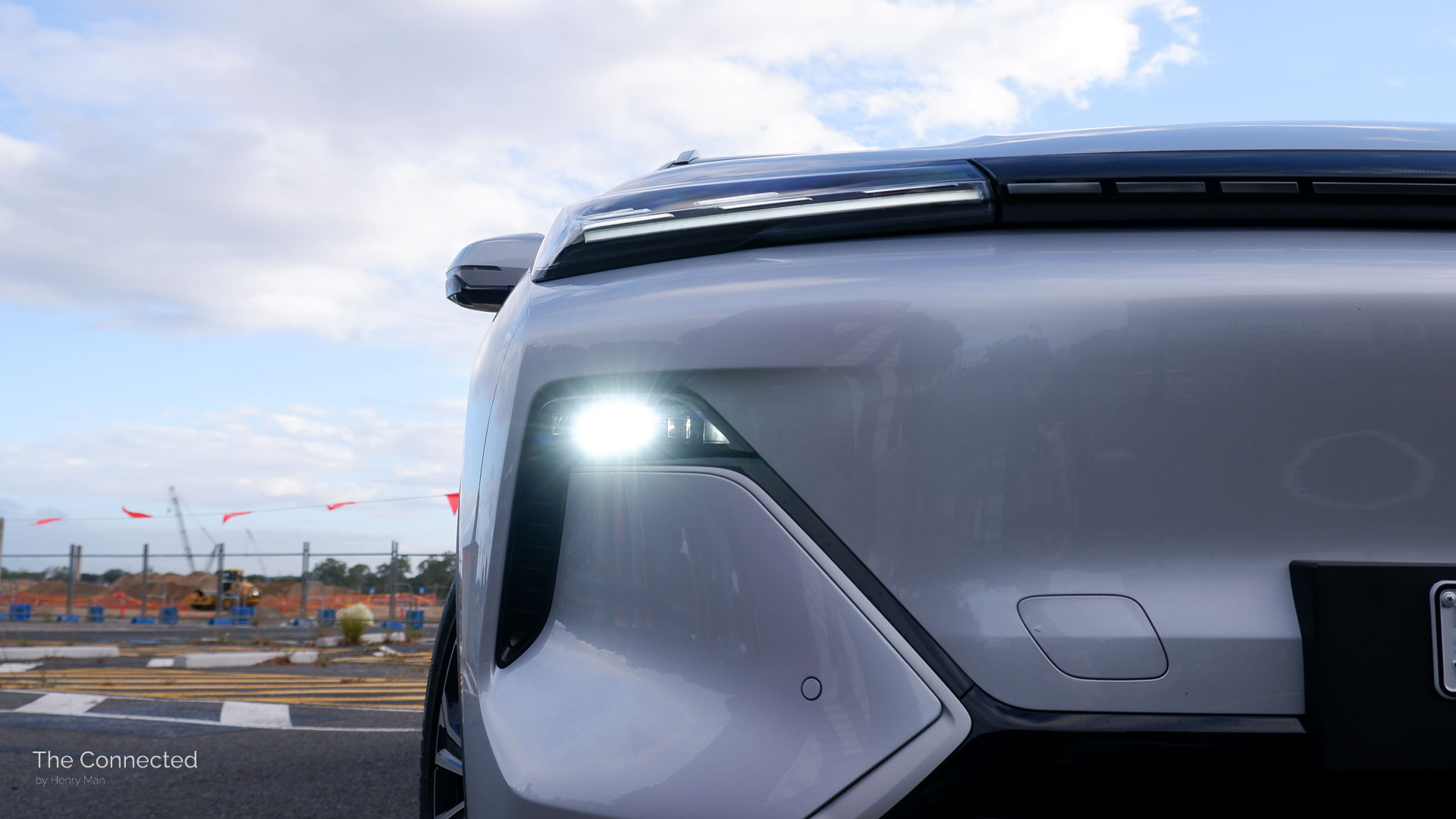
I found the Geely Starray’s full LED headlight provides good visibility at night with more prominent turn indicators at the back versus the EX5. If you want to manually control the lights, you’ll need to dig into the touchscreen including toggling the rear fog light.
The Chinese SUV received the full five-star safety rating by the Australasian New Car Assessment Program (ANCAP) under 2025 testing criteria.
Range and fuel consumption.
2026 Geely Starray EM-i Inspire fuel and efficiency specs:
| Claimed driving range (combined cycle) | 943km |
| Claimed EV-only driving range | 83km |
| Claimed energy / fuel efficiency (combined cycle) | 14.7kWh/100km / 2.4L/100km |
| Battery size and type | 18.4kWh LFP |
| Fuel tank size | 51L |
| Max AC / DC charging | 6.6 / 30kW |
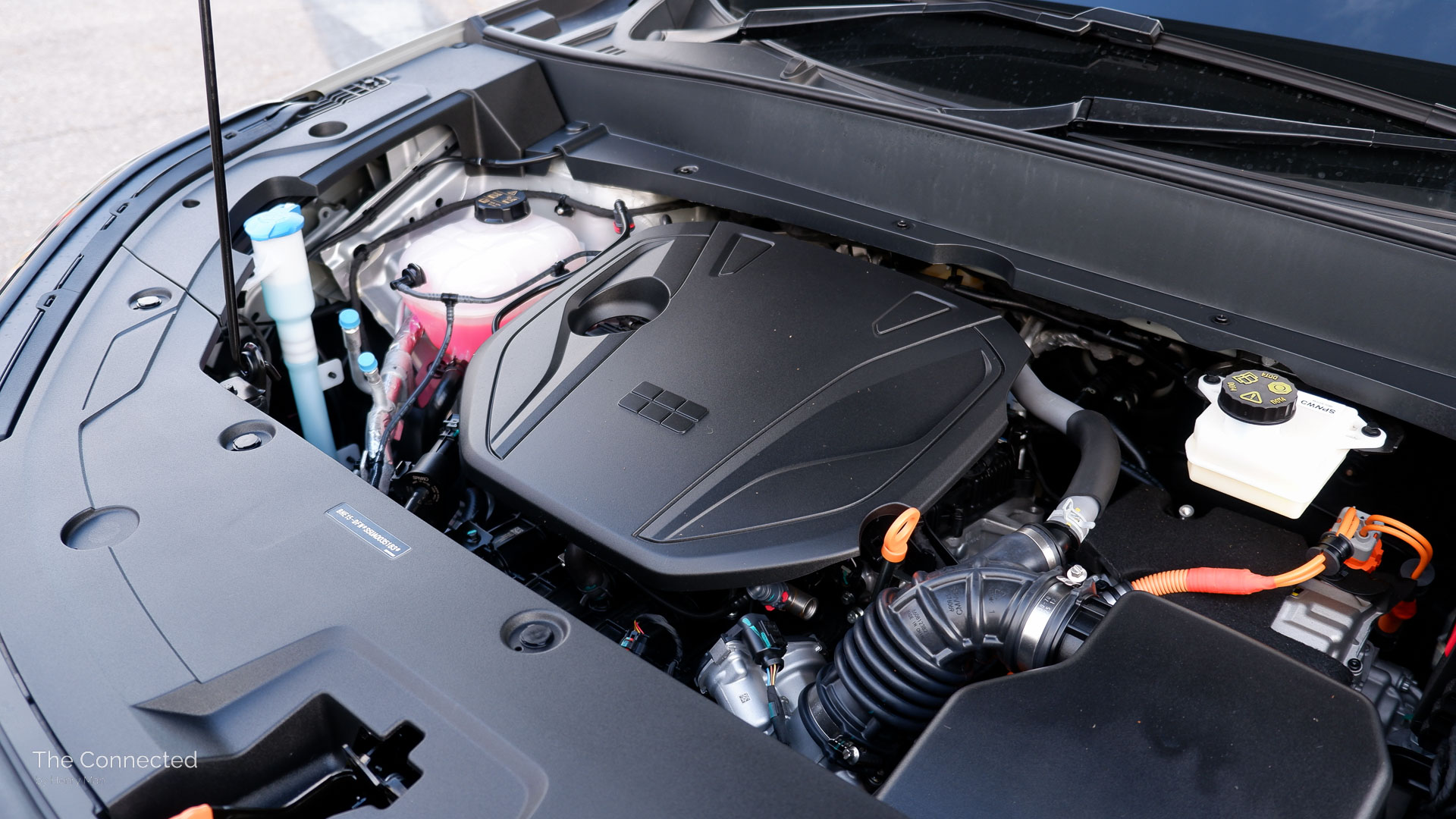
| Minimum fuel quality requirement | 95 RON premium unleaded petrol |
| Claimed CO2 exhaust emissions (combined) | 54g/km |
The Geely Starray EM-i PHEV is both energy efficient in EV-only mode and fuel efficient when the battery is used up.
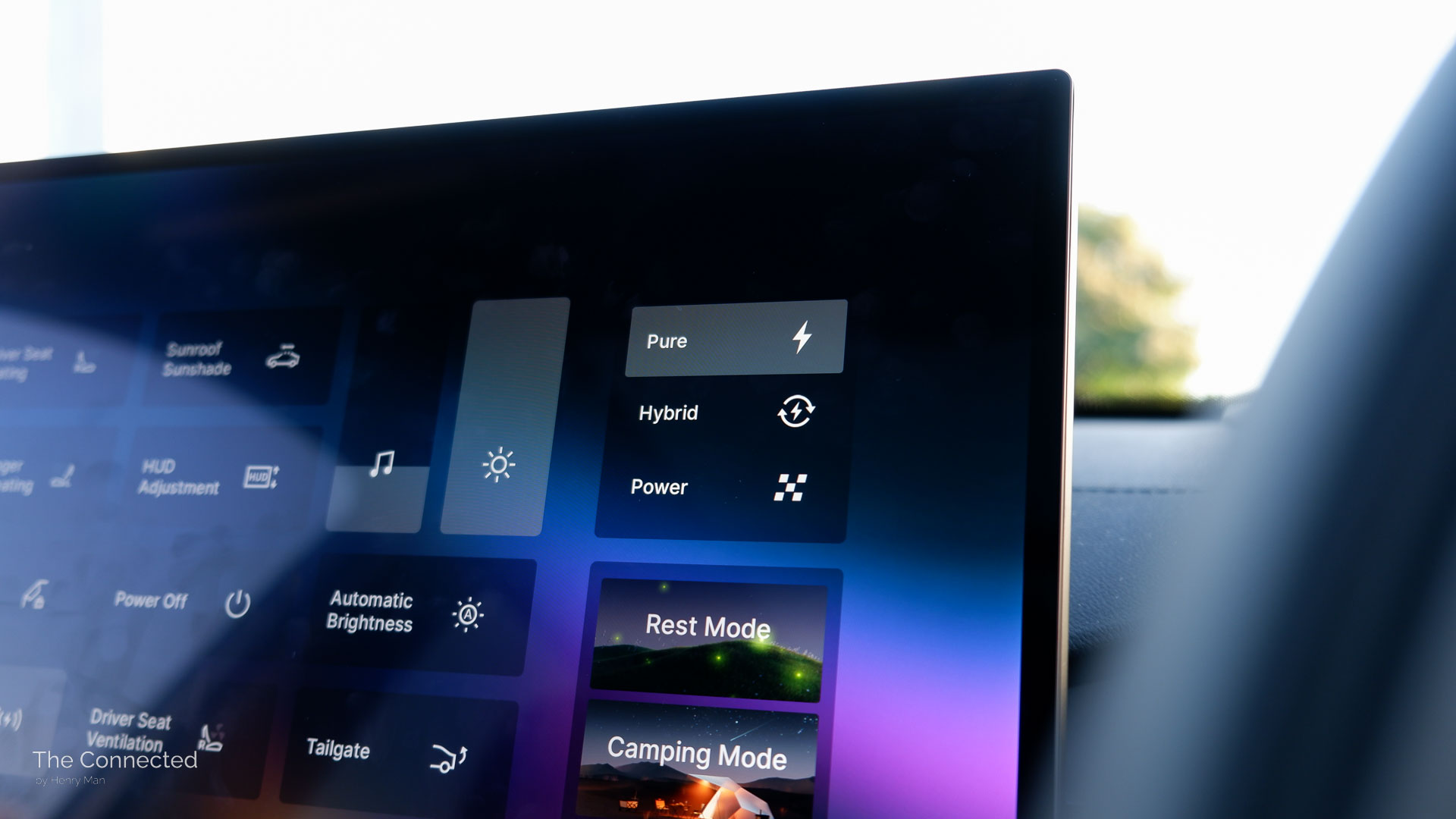
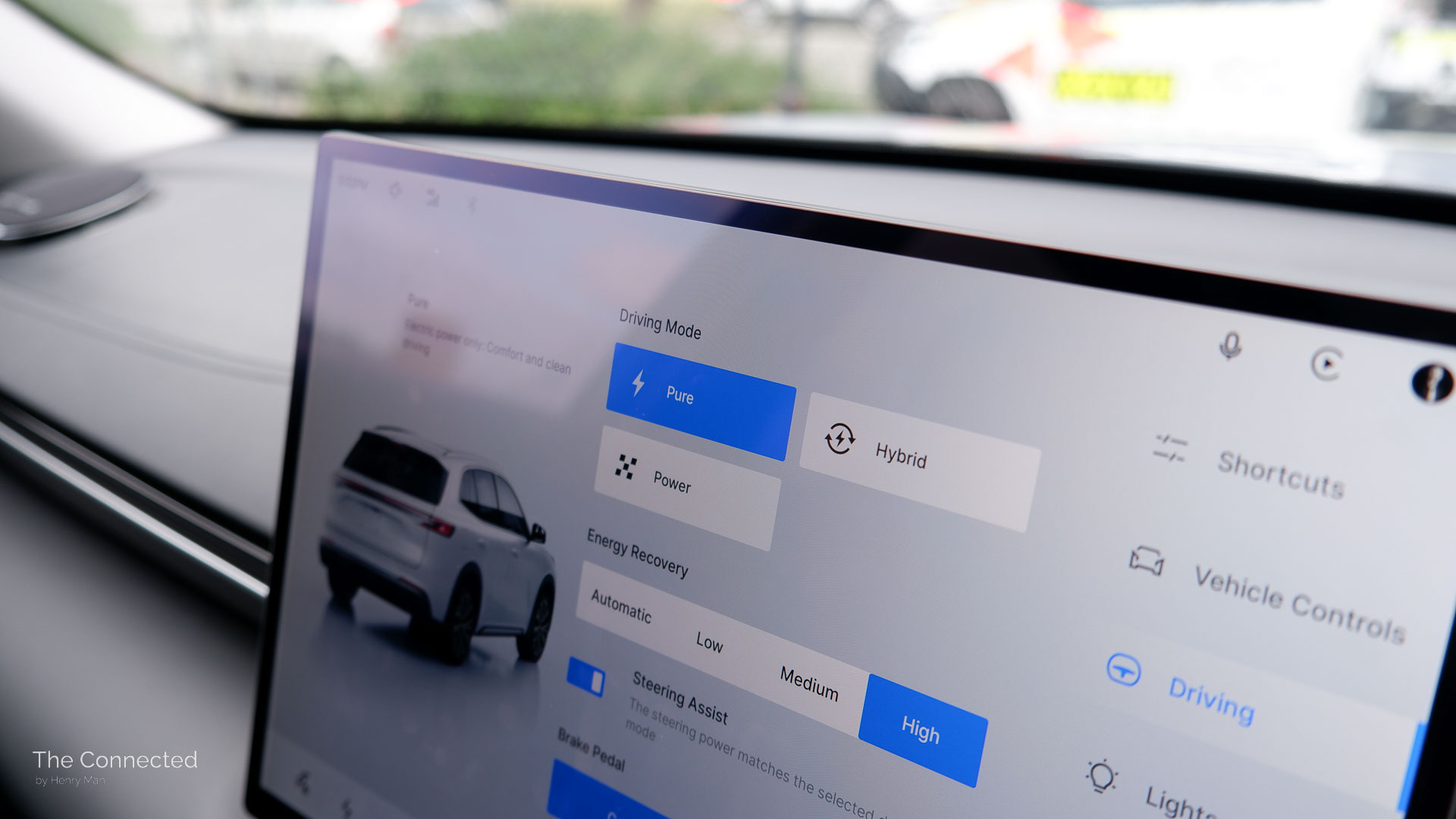
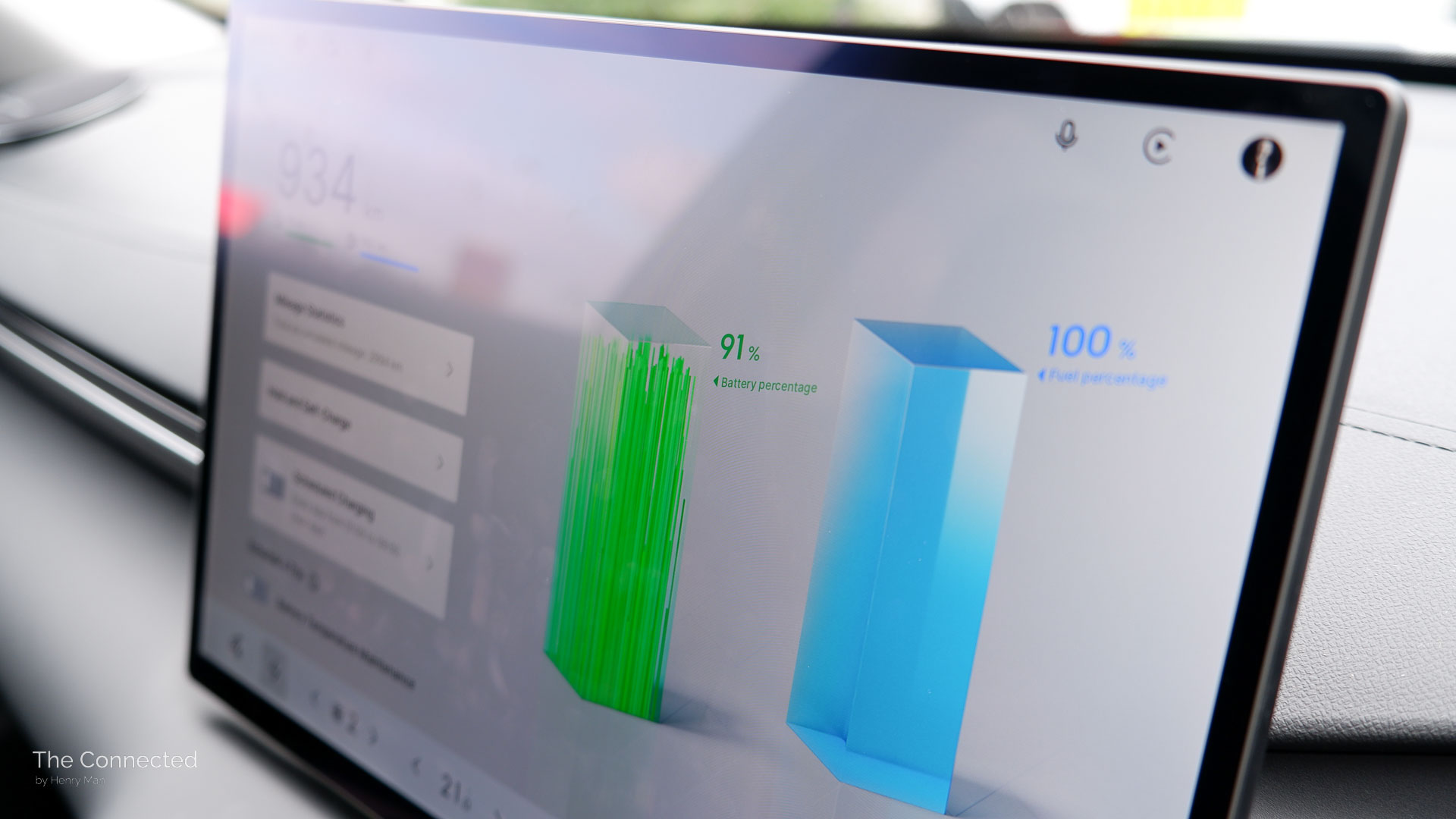
When forced in electric-only ‘Pure’ mode driving, I managed to drive around 80km without activating the engine with an indicated energy consumption of 14.9kWh/100km and a 18.4kWh lithium-iron-phosphate (LFP) battery.
It reserves around 25 per cent for the hybrid system, which is when EV-only mode cuts off.
In series hybrid mode, I achieved about 864km of range with a fuel consumption of 5.9L/100km and a 51-litre fuel tank – which is comparable to self-contained hybrid models such as the Kia Sportage and Hyundai Tucson Hybrid Hybrid in our testing. Cheaper 91 RON unleaded petrol is accepted.
Therefore, expect around 956km of combined real-world range with this plug-in hybrid SUV.
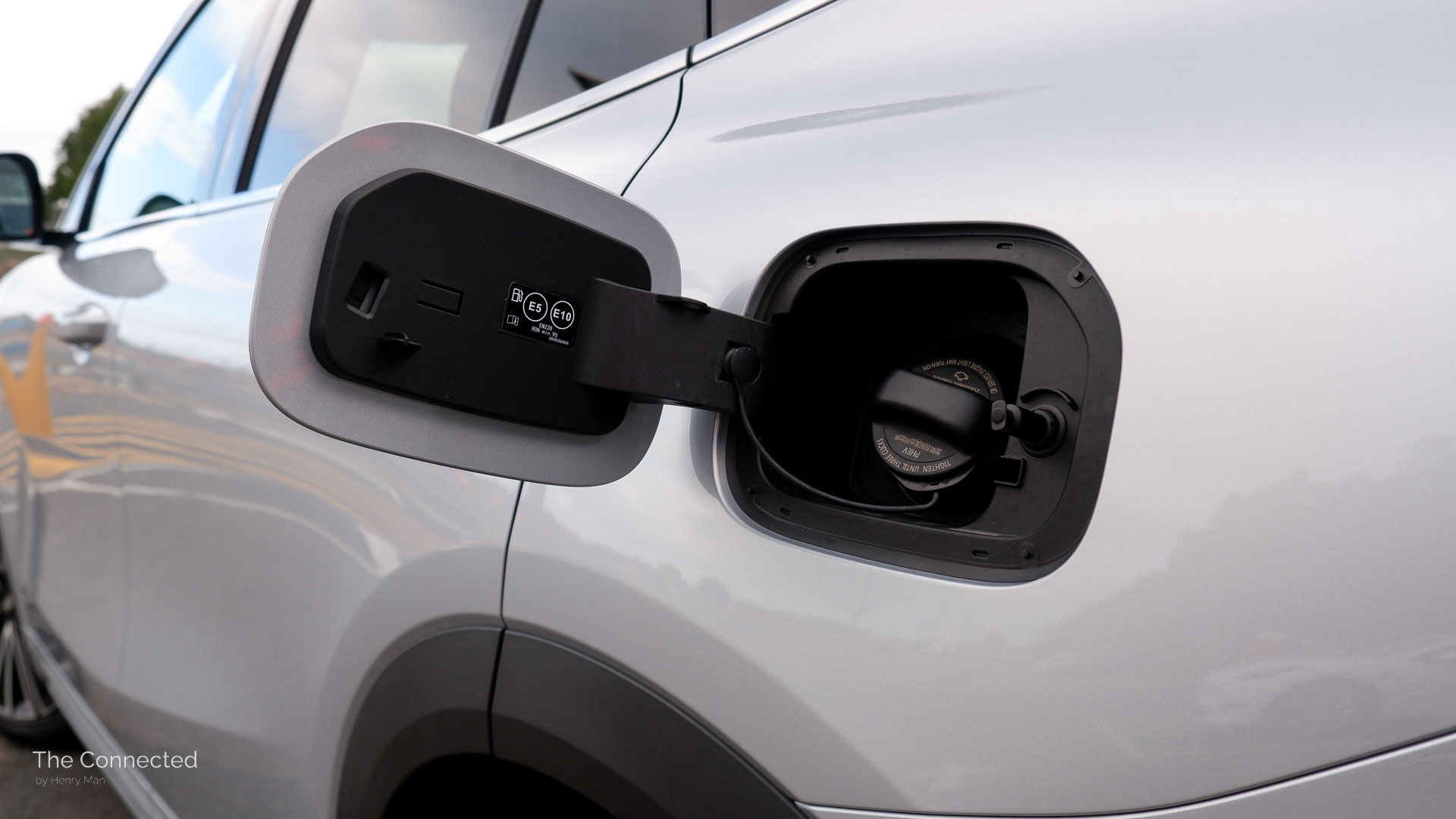
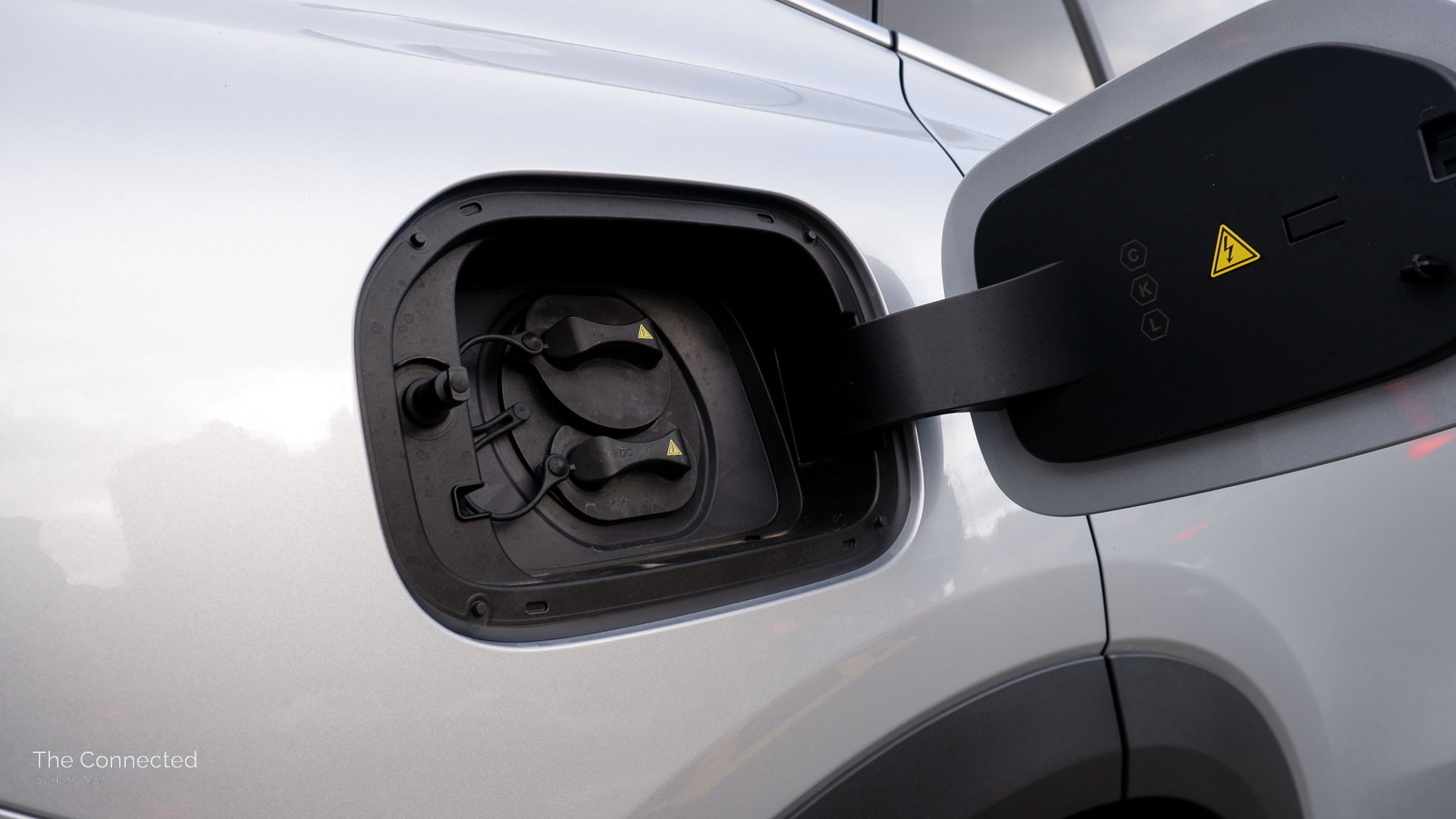
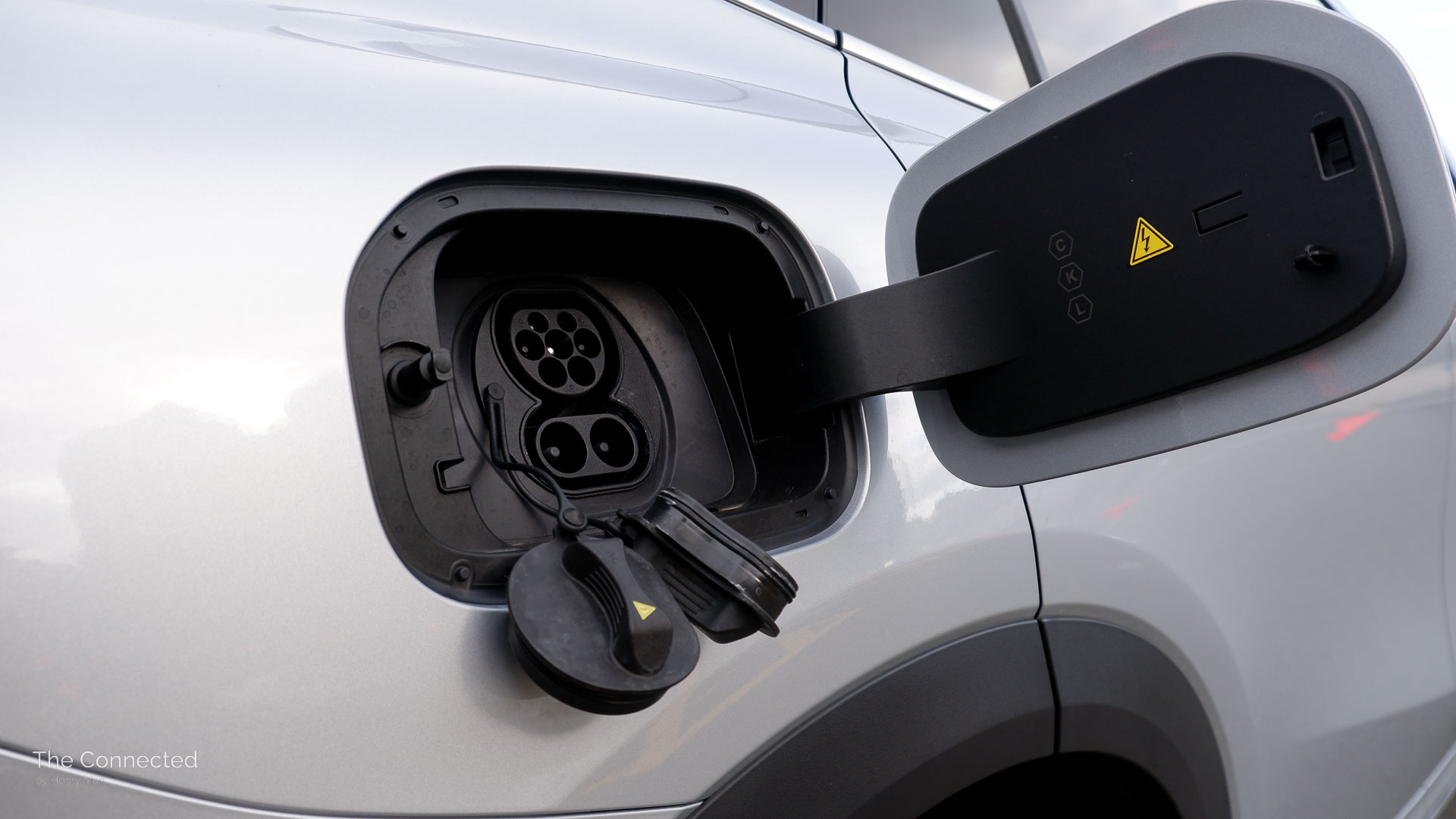
The fuel flap is located at the rear-left quarter of the vehicle with a button at the bottom left of the touchscreen to unlock it, while the charging flap is on the opposite side at the rear-right quarter.
The latter lacks illumination and has a flimsy cap covering both AC and DC pins.
The Geely Starray can only charge up to 6.6kW single-phase AC charging speeds – which is lower than the typical 11kW capability found on full EVs models such as the full-electric EX5, but not an annoyance for most home charging setups.
It’s also capable of up to 30kW DC fast charging, but even though it’s handy to use public DC charging stations, it’s too slow to justify the short EV range in return for paying more for fast-charging electricity.
Up to 6kW output for vehicle-to-load (V2L) and vehicle-to-vehicle (V2V) is standard via plugging in an adapter into the exterior charge port.
Driving.
2026 Geely Starray EM-i Inspire powertrain specs:
| Engine and electric drive unit | 1.5-litre four-cylinder naturally-aspirated engine and permanent magnet synchronous motor |
| Power / torque | 193kW (combined) / 262Nm (EV motor) and 125Nm (engine) |
| Transmission | Single-speed CVT |
| Drive type | FWD |
| Tare weight | 1739kg |
| Payload | 435kg |
| Towing (unbraked / braked) | N/A |
| Turning circle | 10.4m |
The Geely Starray is a comfortable hybrid SUV, but the EX5 EV is noticeably more fun to drive.
A 1.5-litre naturally-aspirated four-cylinder petrol engine combines with an electric motor to produce up to 193kW of power combined.
Geely only quotes individual torque figures, with the engine rated to output up to 125Nm and EV motor at 262Nm separately.
In practice, the Geely PHEV offers plenty of power with brisk acceleration in EV-only mode, with the engine activating when pushed harder.
However, there was a noticeable delay in the car responding to pressing the accelerator pedal in ‘Hybrid’ and ‘Pure’ EV-only modes, which can feel dangerous when you want to enter a gap in the roundabout or main road as soon as possible.
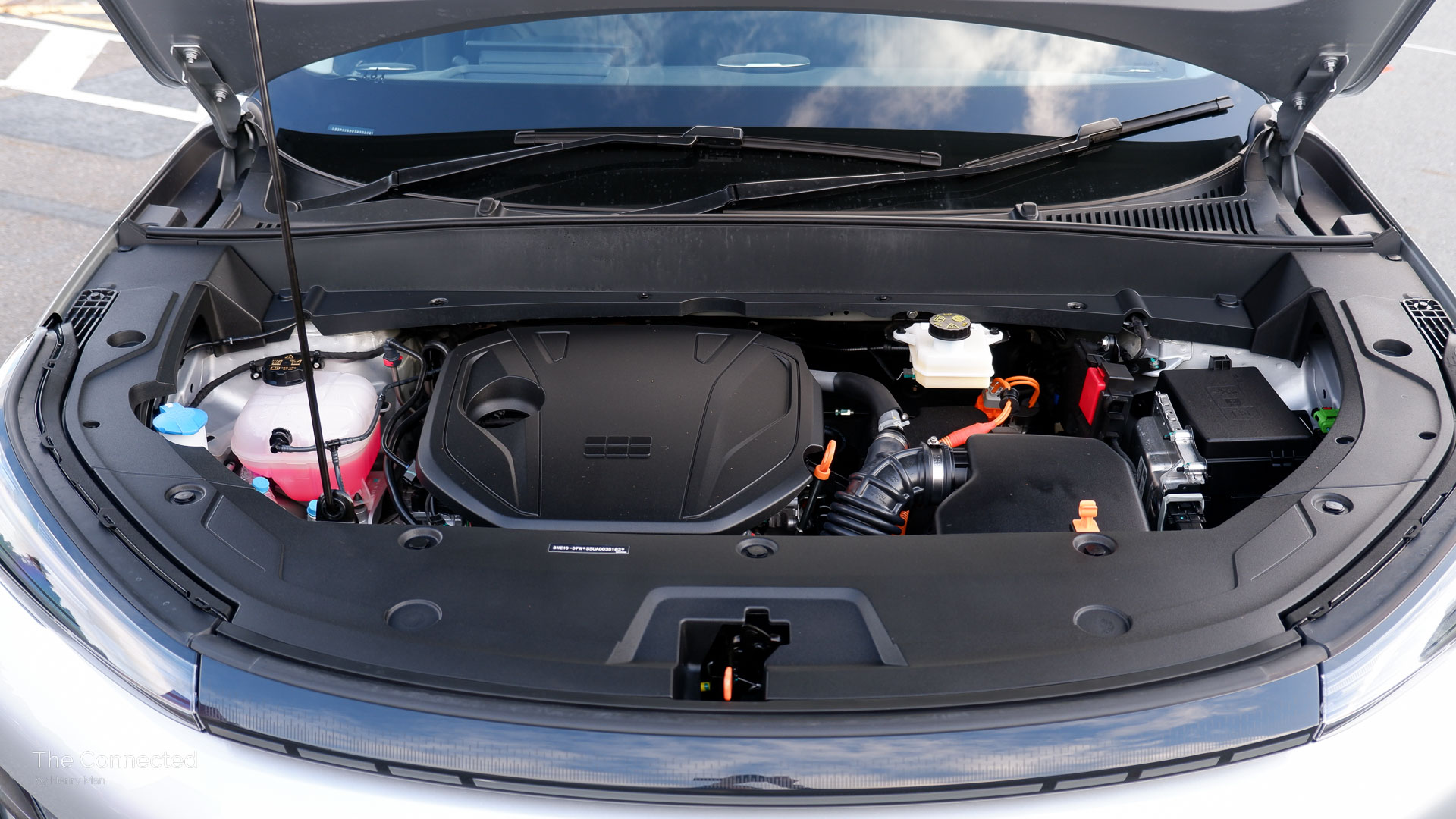
With the battery almost used up, it acts as a series hybrid like Nissan e-Power where the engine only acts as a generator to charge the battery and drive the wheels.
The engine activates almost seamlessly with good noise isolation and minimal vibrations, and frequently turns off when slowing down and moving at low speeds.
The Starray provides good ride comfort, with a slight firmer edge when going over bumps, and good noise insulation for the price.
However, the steering isn’t as direct and engaging as the Geely EX5 with some noticeable body lean and tyre squeal when pushed around corners. It’s far better to steer than the Leapmotor C10, but it’s unsurprisingly no sports SUV despite its healthy power figure suggesting otherwise.
It’s worth noting that our test vehicle example had an off-centre power steering alignment, where I needed to angle the wheel to the right in order for the Starry to drive straight. It’s a quality control issue to look out for.
I also found the blended brake pedal too grabby at low speeds with it being more difficult to modulate when parking. It stops completely with a light press on the brake, then releasing it moves the vehicle more quickly than ideal, resulting in a jerky experience.
The hybrid Geely SUV’s regenerative braking defaults to automatic with three levels of rather weak regen settings via digging into the touchscreen.
It provides good all-round visibility, but even though there are seat memory settings, it does not apply to the wing mirrors with no auto-dip down function when reversing.
Another notable advantage versus the Geely EX5 is the inclusion of automatic-sensing wipers.
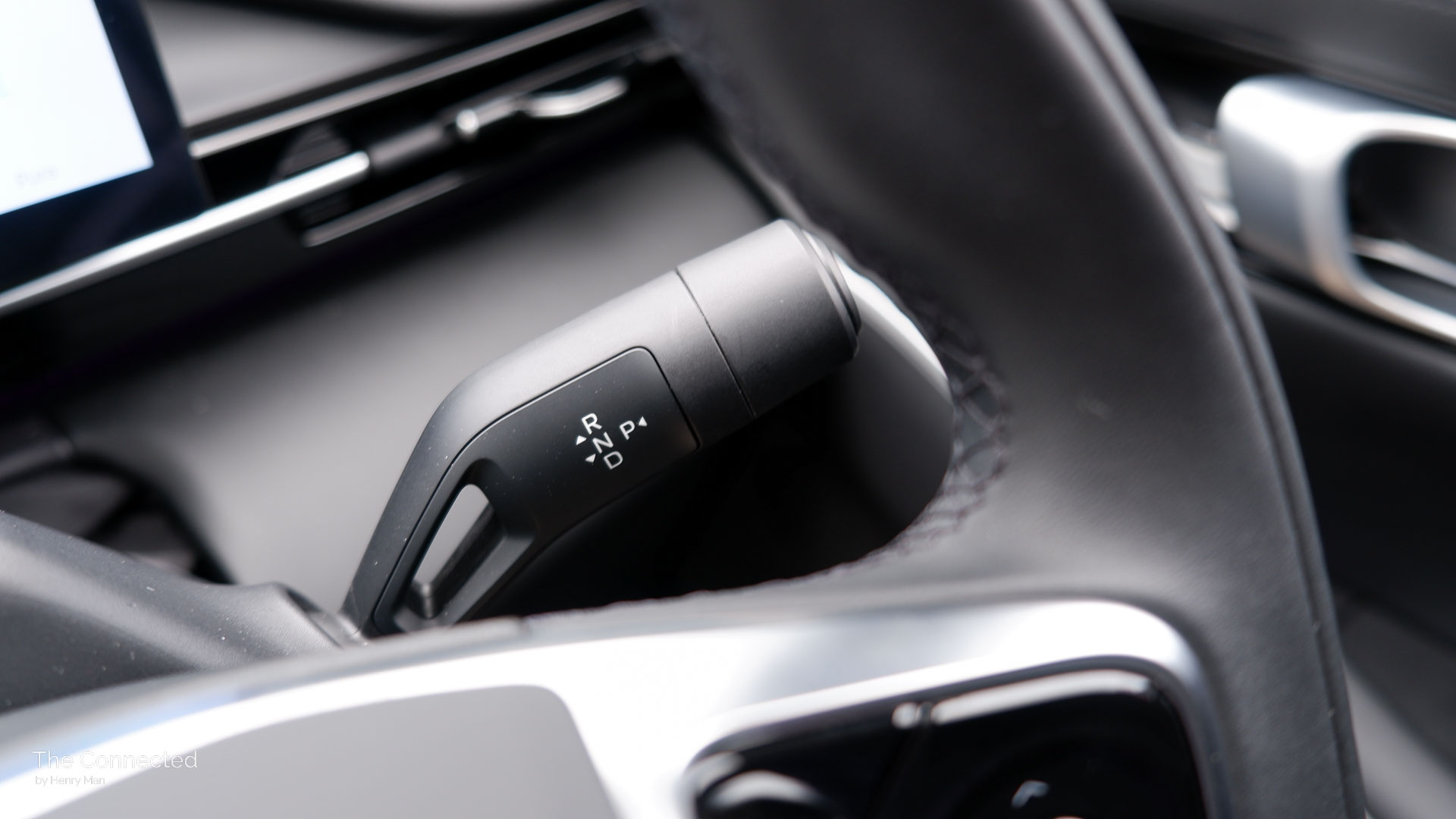
The drive selector stalk behind the wheel is ergonomic and falls easily to hand, with the SUV turning on as soon as you open the doors like an EV instead of featuring a traditional push button start.
Warranty and servicing.
2026 Geely Starray EM-i Inspire capped-price servicing costs:
| 1 year/15,000km | 2 years/30,000km | 3 years/45,000km | 4 years//60,000km | 5 years/75,000km |
| $273 | $335 | $360 | $691 | $273 |
The 2026 Geely Starray EM-i is backed by a seven-year, unlimited kilometre vehicle warranty and an eight-year, unlimited kilometre battery warranty.
For commercial use drivers, both the vehicle and battery warranties have a 150,000km driving limit.
Servicing is required every one year/15,000km (whichever occurs first), but unlike the full-electric EX5, prices are only fixed for up to five years/75,000km.
After the first five visits, it’ll cost owners $1932 in total to maintain the Starray PHEV.
Roadside assistance is included for up to seven years as long as you service it at a Geely dealer every time.
Two years of Geely Connected Services are included with 2GB of data provided per month. The Chinese brand hasn’t announced a subscription cost after it expires.
Like many PHEVs, the Geely Starray EM-i does not come with a spare tyre.
Price and rivals.
2026 Geely Starray EM-i model range pricing (accurate as at the time of publication):
| Complete | Inspire |
| From $37,490 before on-road costs | From $39,990 before on-road costs |
The 2026 Geely Starray EM-i is priced from $37,490 before on-road costs in Australia.
Two variants are available with a price difference of only $2500, making the jump into the Inspire worth it.
All paint colours except Alpine white costs $600, while the Inspire can be had with an Ivory White interior for no cost extra.
The Geely Starray EM-i directly rivals the following medium hybrid SUVs:
- BYD Sealion 6
- Chery Tiggo 7 CSH
- Jaecoo J7 SHS (full review)
- Leapmotor C10 REEV
- MG HS PHEV
- GWM Haval H6 PHEV
- Hyundai Tucson Hybrid (full review)
- Kia Sportage Hybrid (full review)
- Toyota RAV4 HEV
Other alternatives to the Geely Starray include:
- Geely EX5 (full review)
- Mitsubishi Outlander PHEV
- Nissan Qashqai e-Power (full review)
- Jaecoo J5 EV
Would I pick the 2026 Geely Starray EM-i Inspire?
The Geely Starray EM-i is an exceptional value plug-in hybrid medium SUV… for the price of some base spec petrol-only models.
Even the most expensive Inspire model costs in line with the new entry-level Mazda CX-5 or Kia Sportage, but has an energy- and fuel-efficient PHEV powertrain, still provides a high quality and practical interior, and generally good tech.
I also think it looks more grown-up, mature and classier than the full-electric Geely EX5.
But the grabby brake pedal and delayed acceleration needs a re-calibration, it isn’t as fun to steer as the EX5, the tech could still be better in some areas, and both maximum AC and DC charging speeds are slow.
I’d pick the Starray EM-i Inspire, which only costs $2500 more than the Complete but gains a host of niceties, including ventilated seats, better seats, a head-up display and more.
Amid record high fuel prices, the Geely Starray PHEV is a great affordable option for those who aren’t yet ready to make the leap to a full EV just yet, but want to spend less at the petrol pump.
Photographs by Henry Man
READ MORE: Can EVs go on road trips? Brisbane to Sydney to Melbourne challenge
READ MORE: 2026 Nissan Qashqai e-Power review
READ MORE: 2025 Toyota Camry Hybrid review
Pros:
- Great value price
- Both energy and fuel efficient
- Quality, practical interior
- Generally good tech
- Physical sunroof switch
Cons:
- Grabby brake pedal
- Delayed acceleration response
- Isn’t as fun to drive as the EX5
- Unrefined tech in some areas
- Slow DC charging
About the Author.
Henry Man is an independent content producer passionate about the intersection of technology and transportation.
The former automotive journalist is focused on producing critically-detailed vehicle reviews, and unique short-form content. Learn more.


 The Connected by Henry Man