
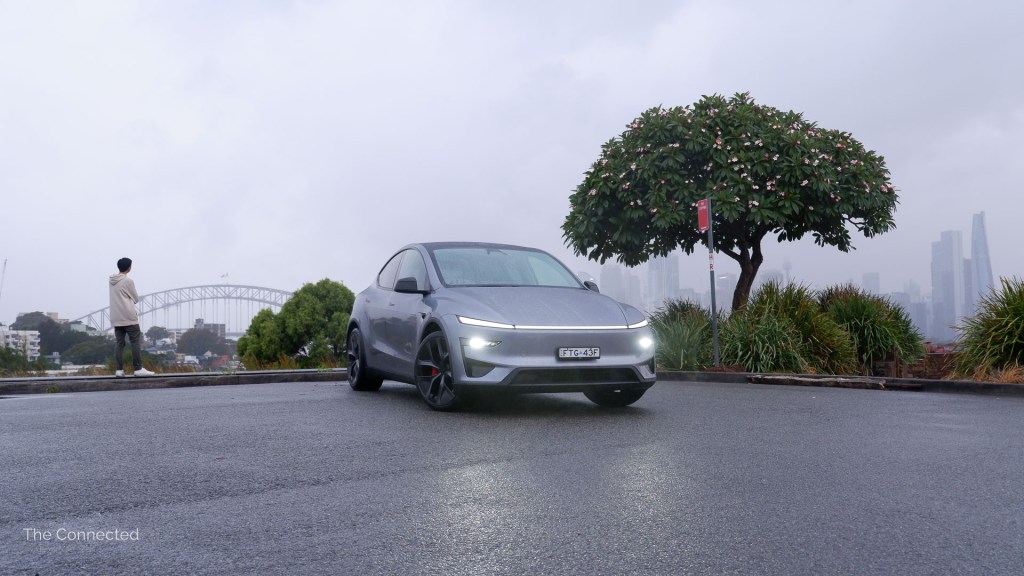
I took a Tesla on a 2600-kilometre road trip from Brisbane to Sydney (plus Canberra) and back during the peak Easter holidays. But what came after it has highlighted gaps in media reporting, the importance of good EV navigation, and the need for better education.
In the 2025/26 Christmas and New Year holiday period, I demonstrated that a long-distance electric car road trip from Brisbane to Melbourne was possible with the Kia EV3 GT-Line.
Three months later and it’s Easter time – another peak holiday period – amid record-high fuel prices due to the war in the Middle East.
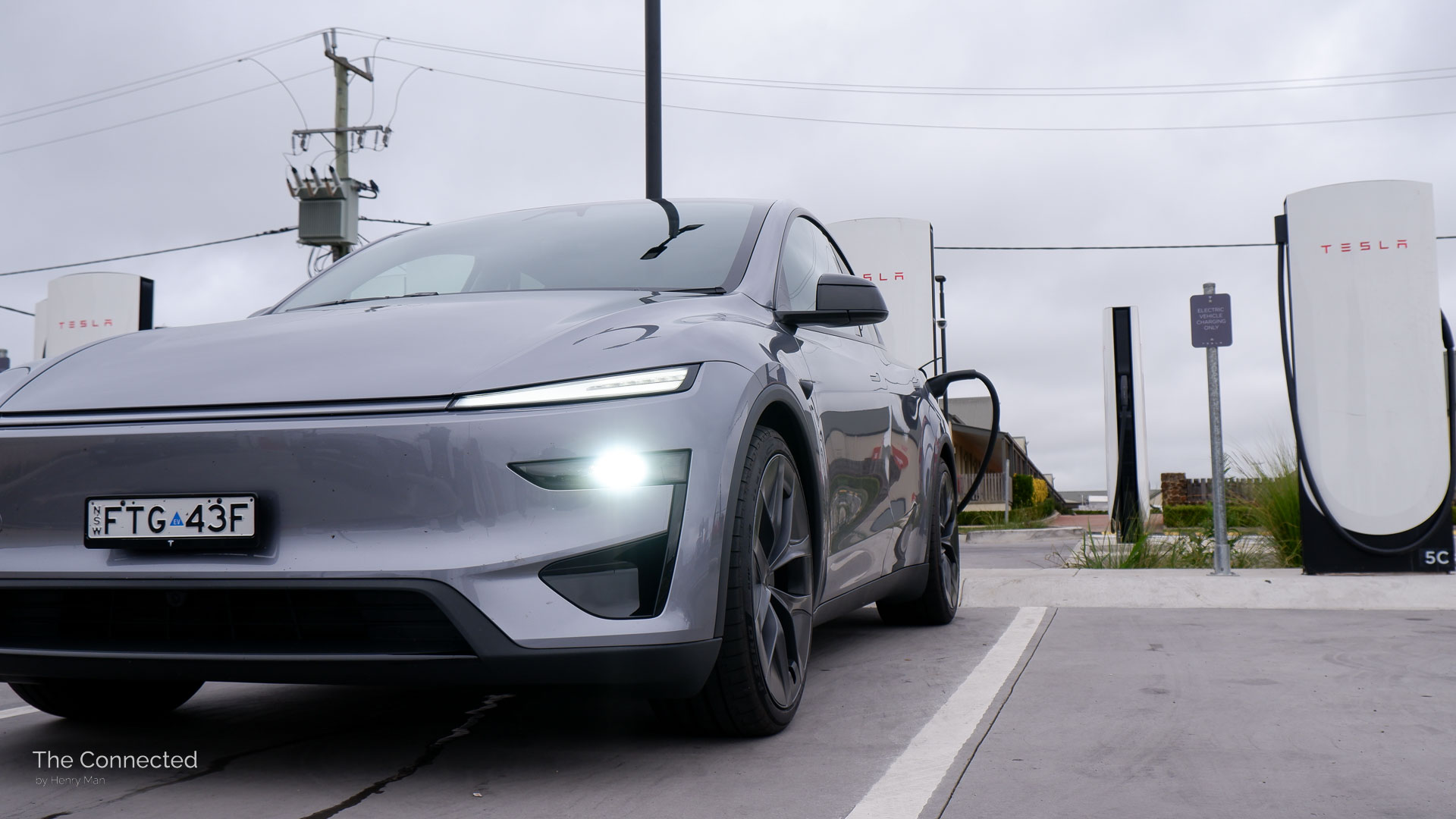
This presented an opportunity to take another test from Brisbane to Sydney with a Canberra day trip using the Tesla Model Y Performance, one of the most popular EVs globally.
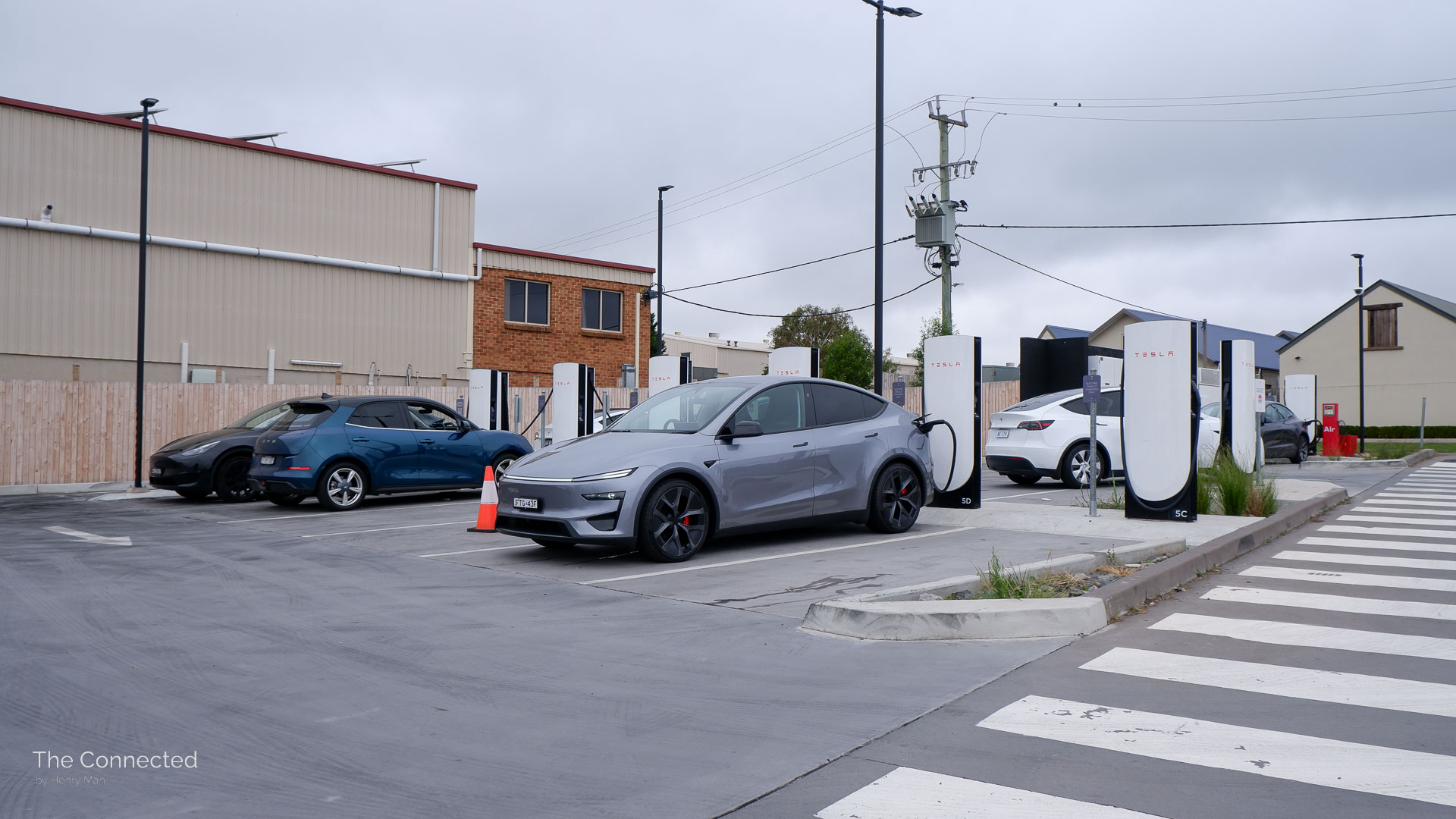
Despite media reports of long charging queues during Easter, I never had to wait.
NOTE: The press vehicle was provided by Tesla Australia for a 14-day independent evaluation. Charging and toll costs were covered, but we have no commercial arrangements with the company and it had no editorial control.
Brisbane to Sydney (plus Canberra) EV road trip challenge
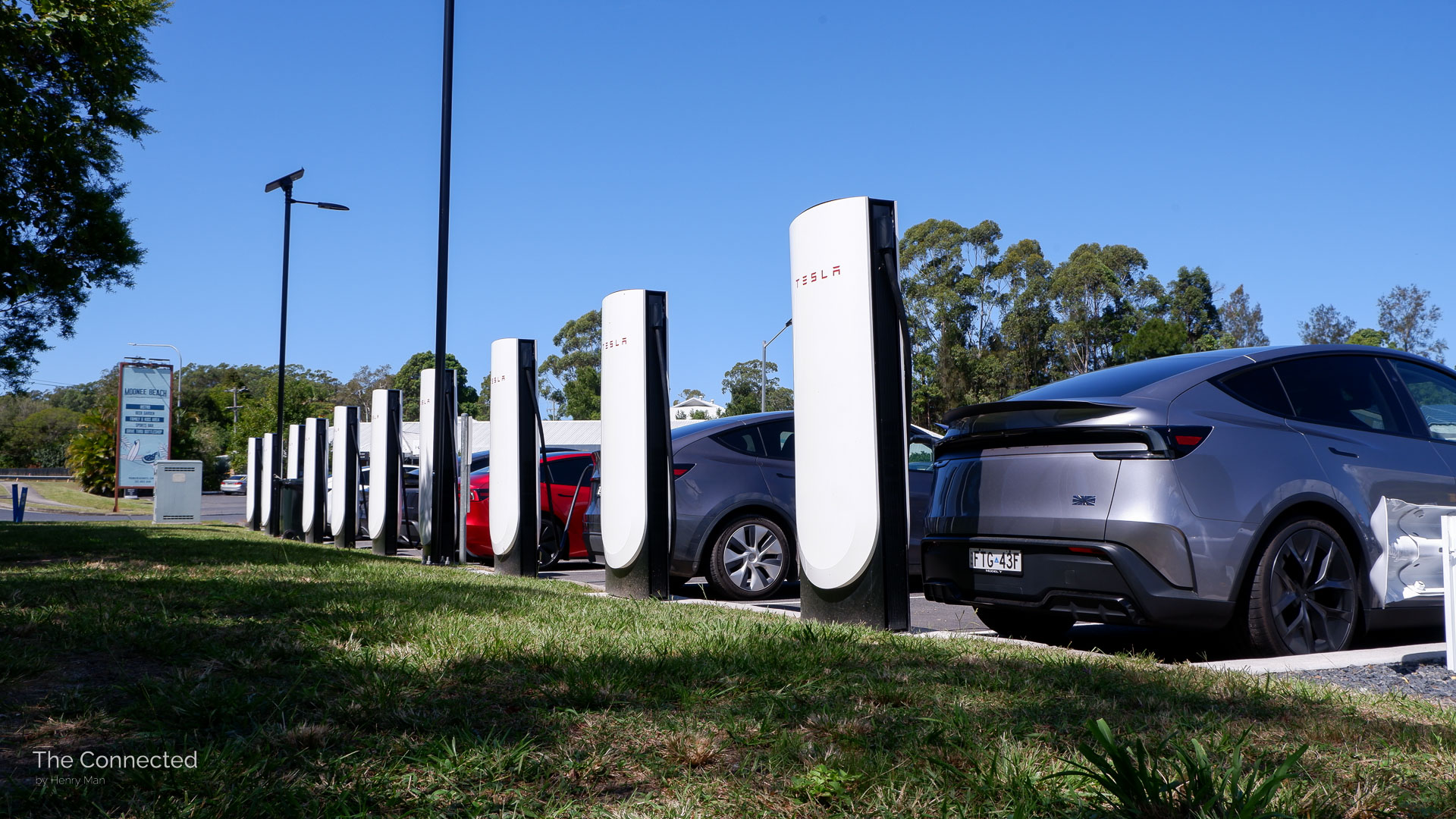
I didn’t need to wait in any queue, with EV charging stops providing the perfect opportunity to take essential driving rest breaks.
Starting off in the morning of Wednesday, April 1 with the new German-made Tesla Model Y Performance on 75%, the system automatically planned four charging stops on the way to Sydney.
Each leg took about two to four hours – which was my maximum driving concentration limit anyway, so stopping to charge was perfect to recharge myself.
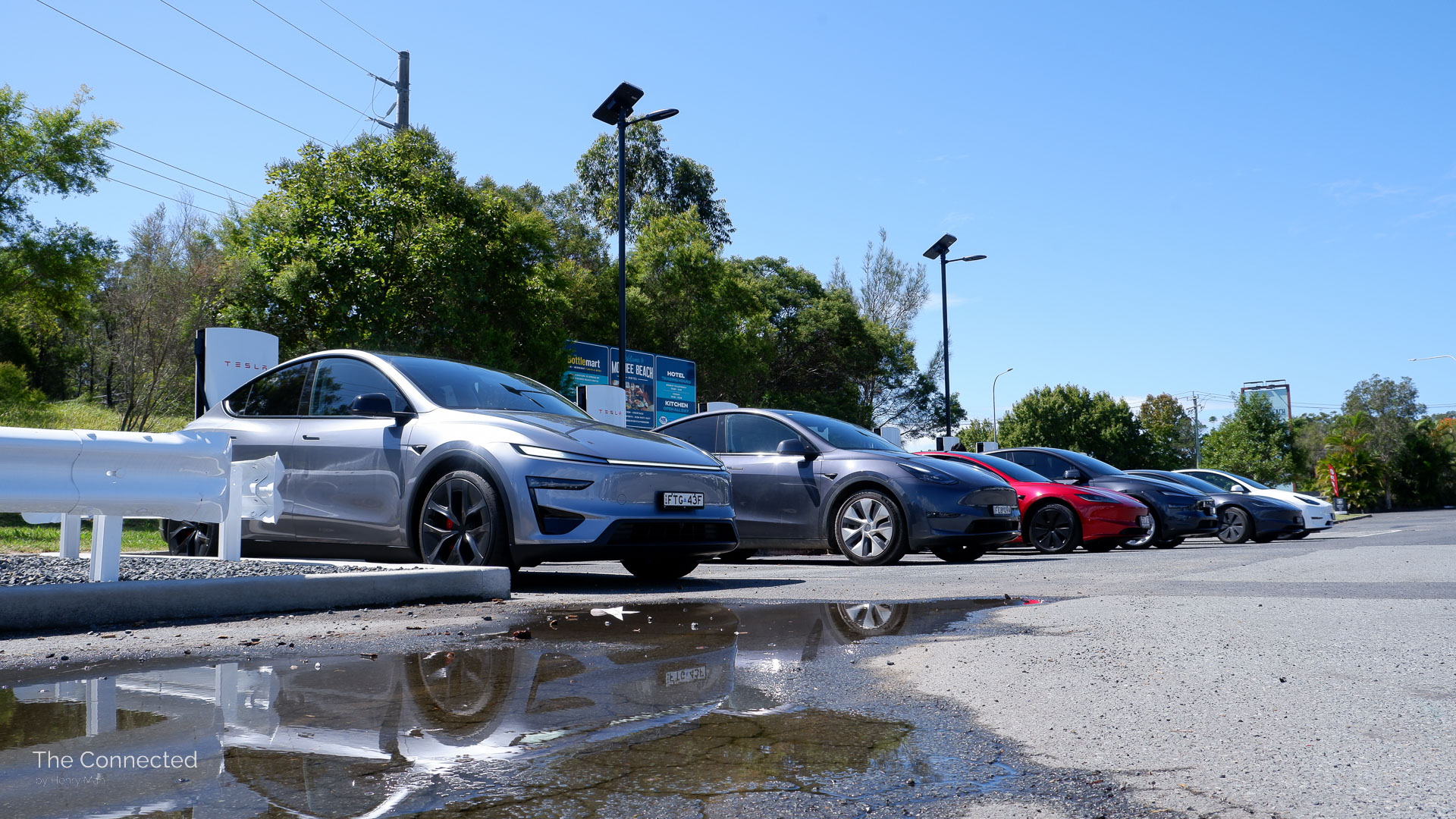
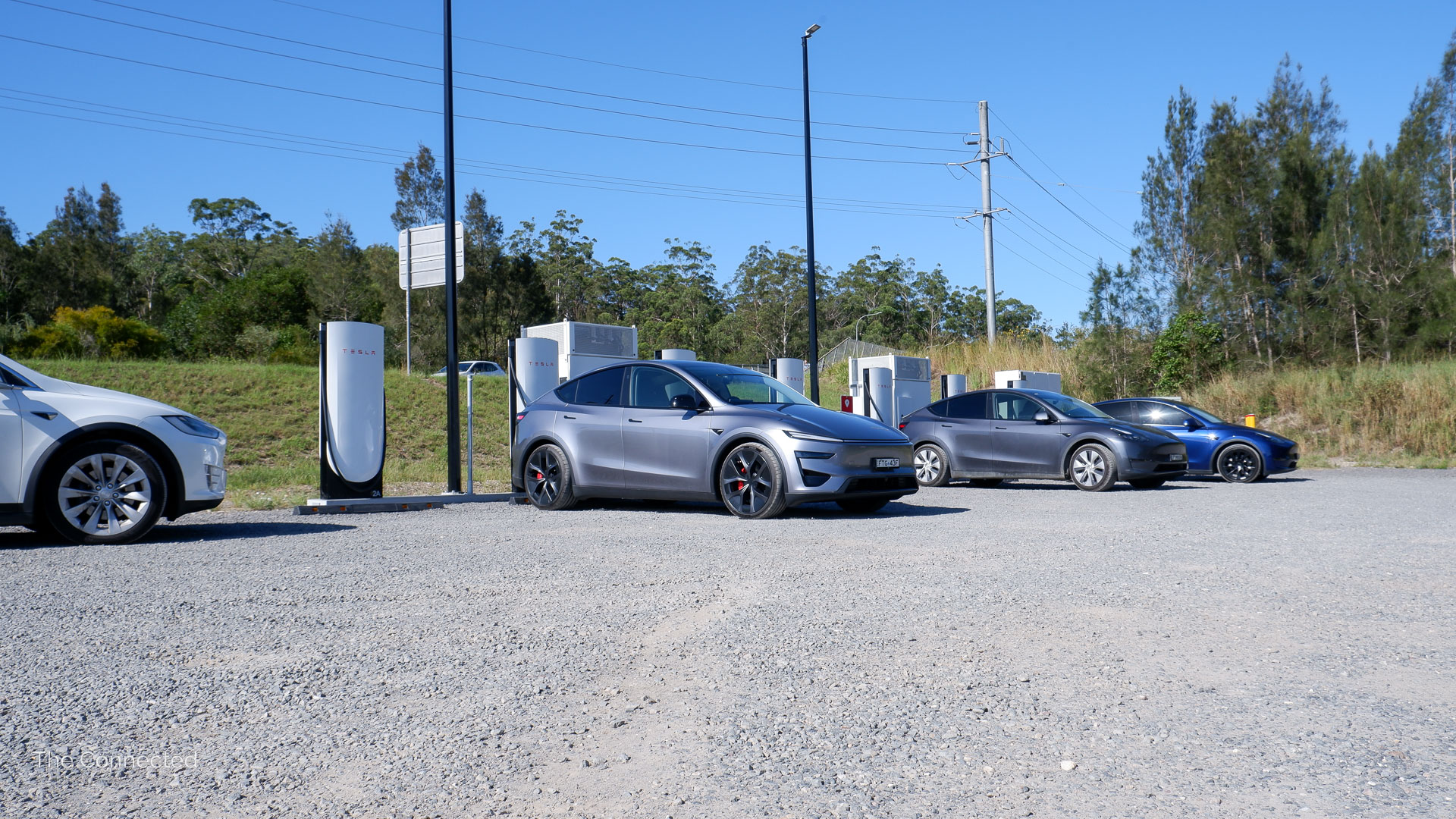
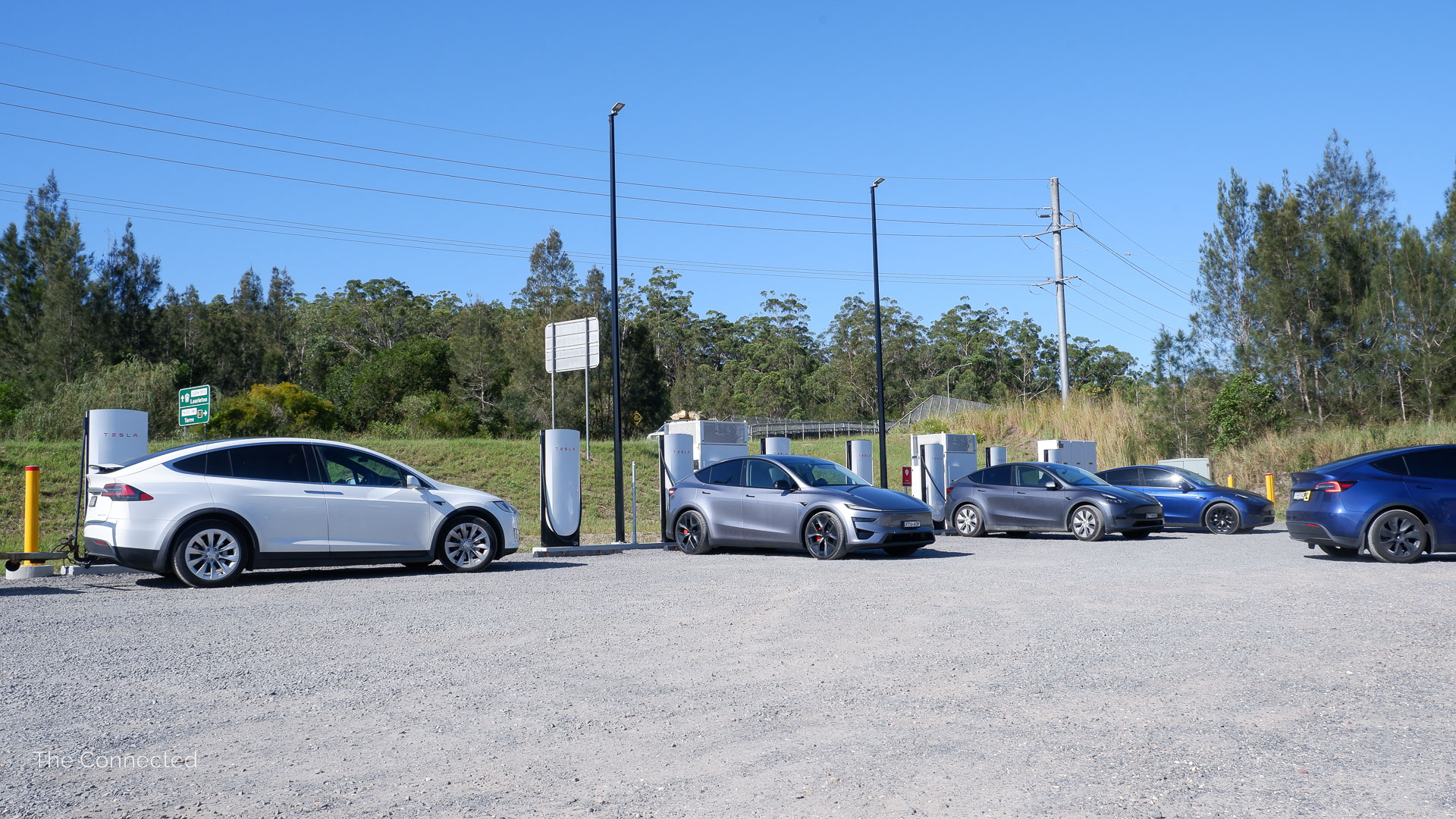
Across Robina, Moonee Beach, Kew and Raymond Terrace Tesla Superchargers, it was noticeably busy – but I didn’t need to queue up as most drivers move on after 10 to 20 minutes since it’s unnecessary to charge to 100%.
I arrive at Sydney at night – later than ideal and just before the hotel check-in cut-off, but I would’ve needed to take pit stops in an internal combustion engine (ICE) car anyway and would’ve been stuck in the same traffic on the M1 through the Gold Coast.
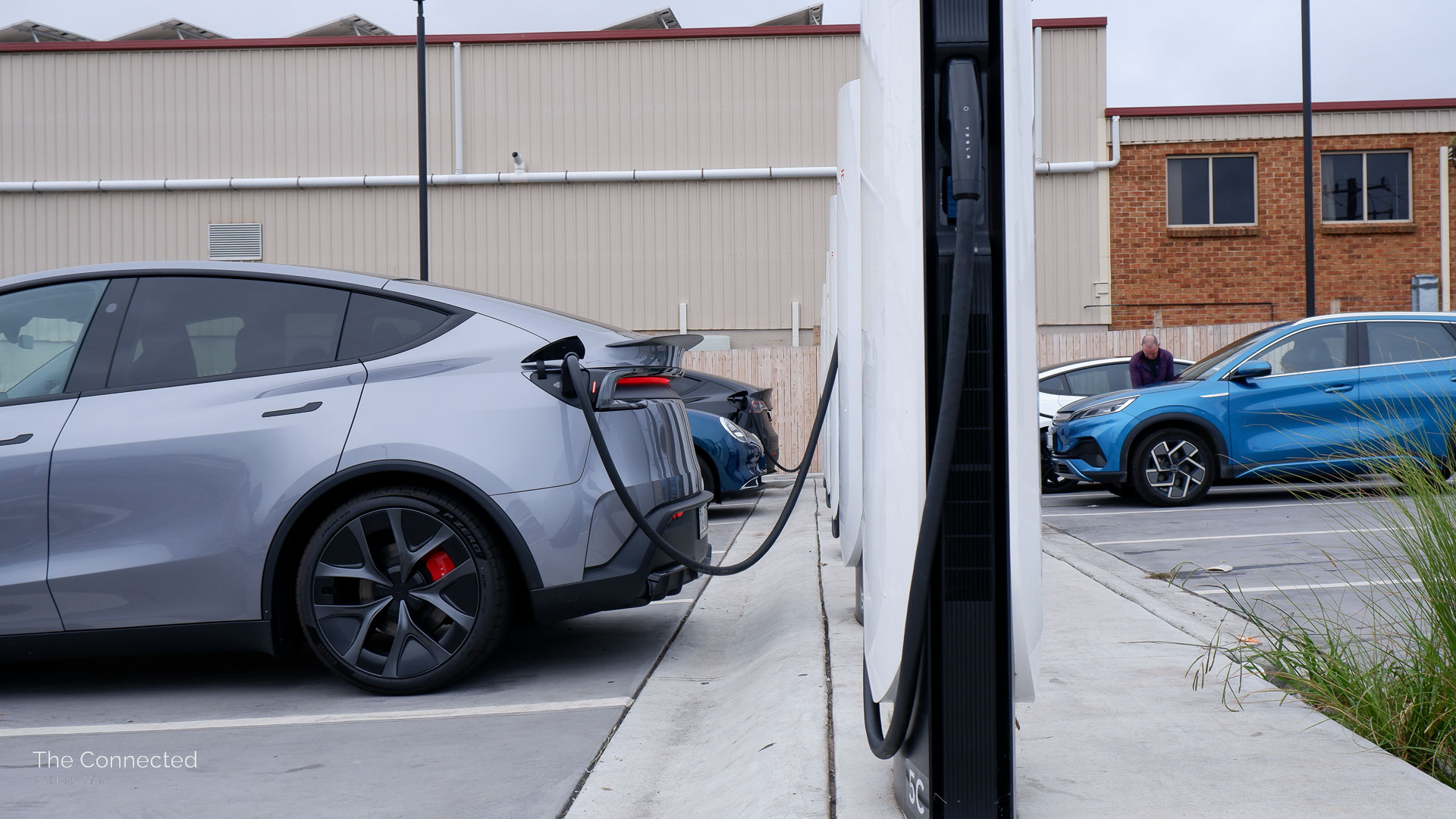
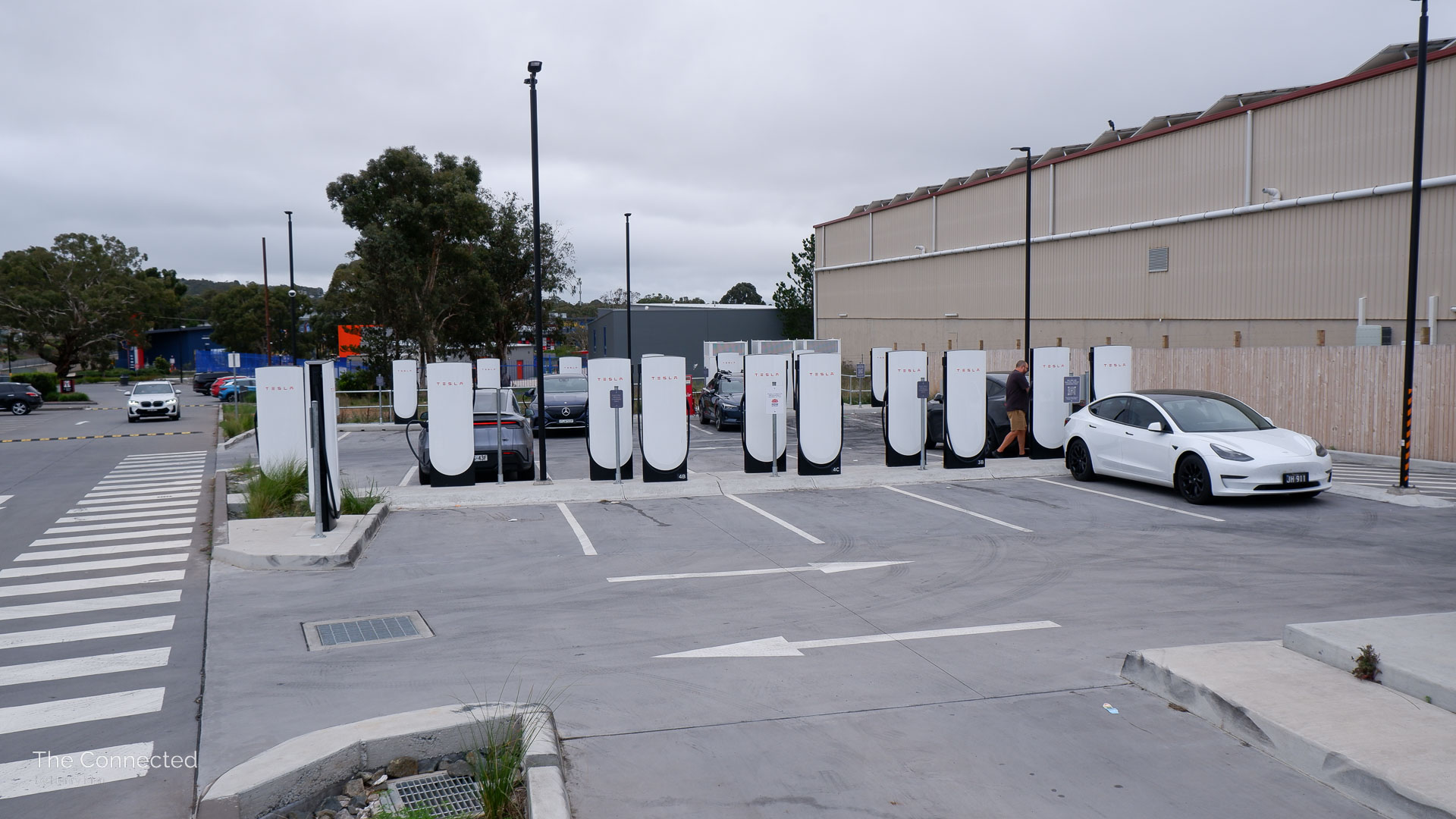
On Saturday, April 4, I took a day trip to Canberra. Only one Supercharging stop was required each way (since I wanted to arrive back at the hotel with a good battery charge).
The Tesla system didn’t recommend the Exeter Supercharger, but I opportunistically plugged in anyway as I was stopping there for Heatherbrae Pies and there were two stalls available.
On the way back, I followed the Tesla navigation to top-up at the Goulburn Supercharger – which offered 20 stalls and barely half were being used despite being in the middle of the long Easter weekend.
On Easter Monday, it was the true test of the EV Tesla Supercharging network as holidaymakers migrate back home.
This time, I strictly followed Tesla’s charging time recommendations which ranged from about five to 25 minutes.
Despite media reports and images of extended charging queues, I again did not need to wait for any Supercharger at all on arrival – throughout Chatswood, Moonee Beach, and Robina. Go figure.
Teslas are still best for road trips
Forget about 400kW-plus rapid-charging EVs. Tesla’s integrated Supercharging network and navigation system is still the industry benchmark for long-distance EV driving.
Here’s why:
- Clever navigation – the fact that I didn’t encounter any charging queue highlights the power of Tesla’s great Supercharger navigation system, directing me to locations that weren’t too busy and avoid queueing as best as possible.
- Optimised for time – I rarely needed to wait half an hour to charge or even up to 80%; the Tesla navigation recommended short charging stop top ups (often less than 15 minutes) with a 10% arrival, automatic battery pre-conditioning, and the Tesla mobile app notifies when you can drive on.
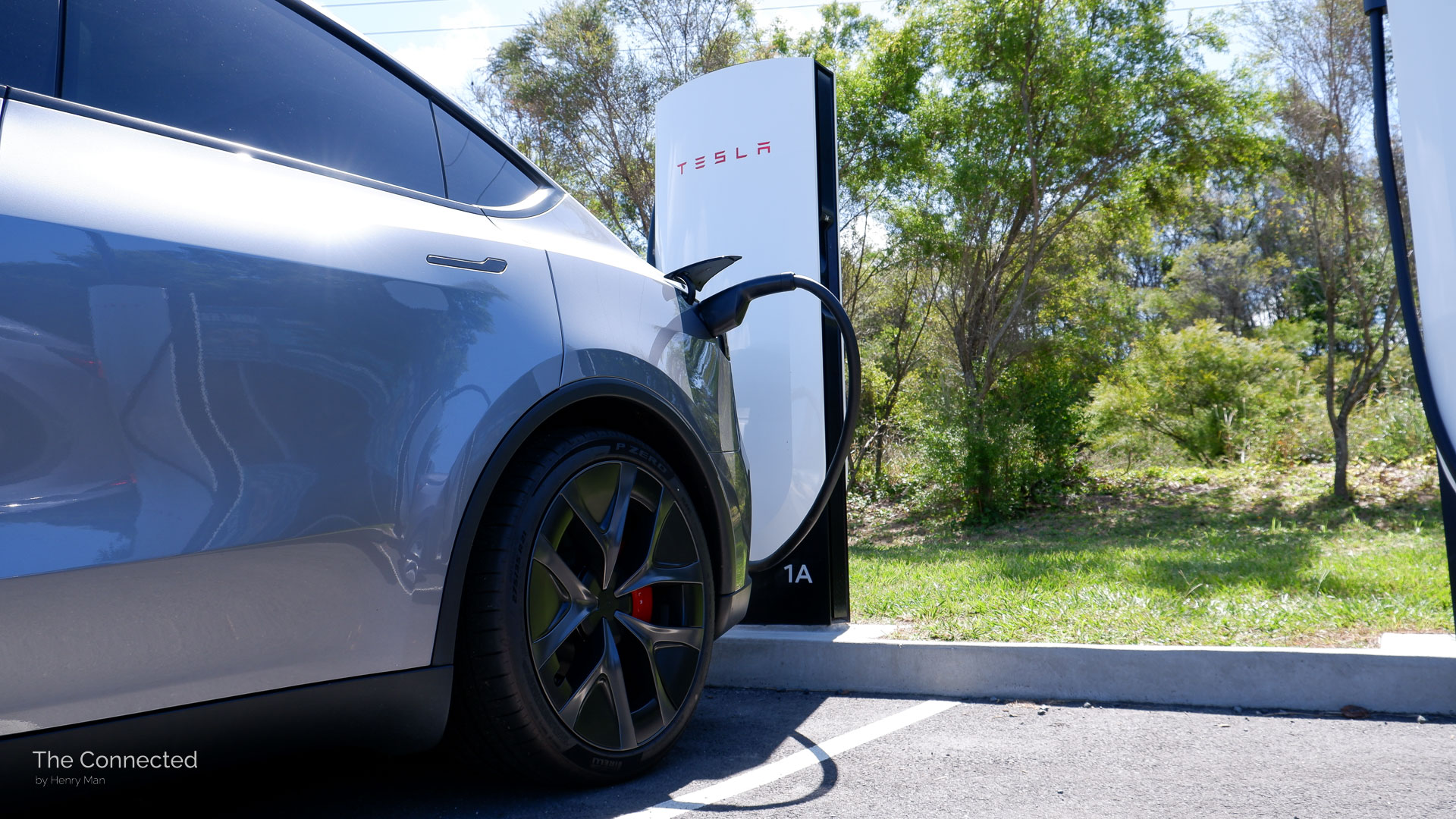
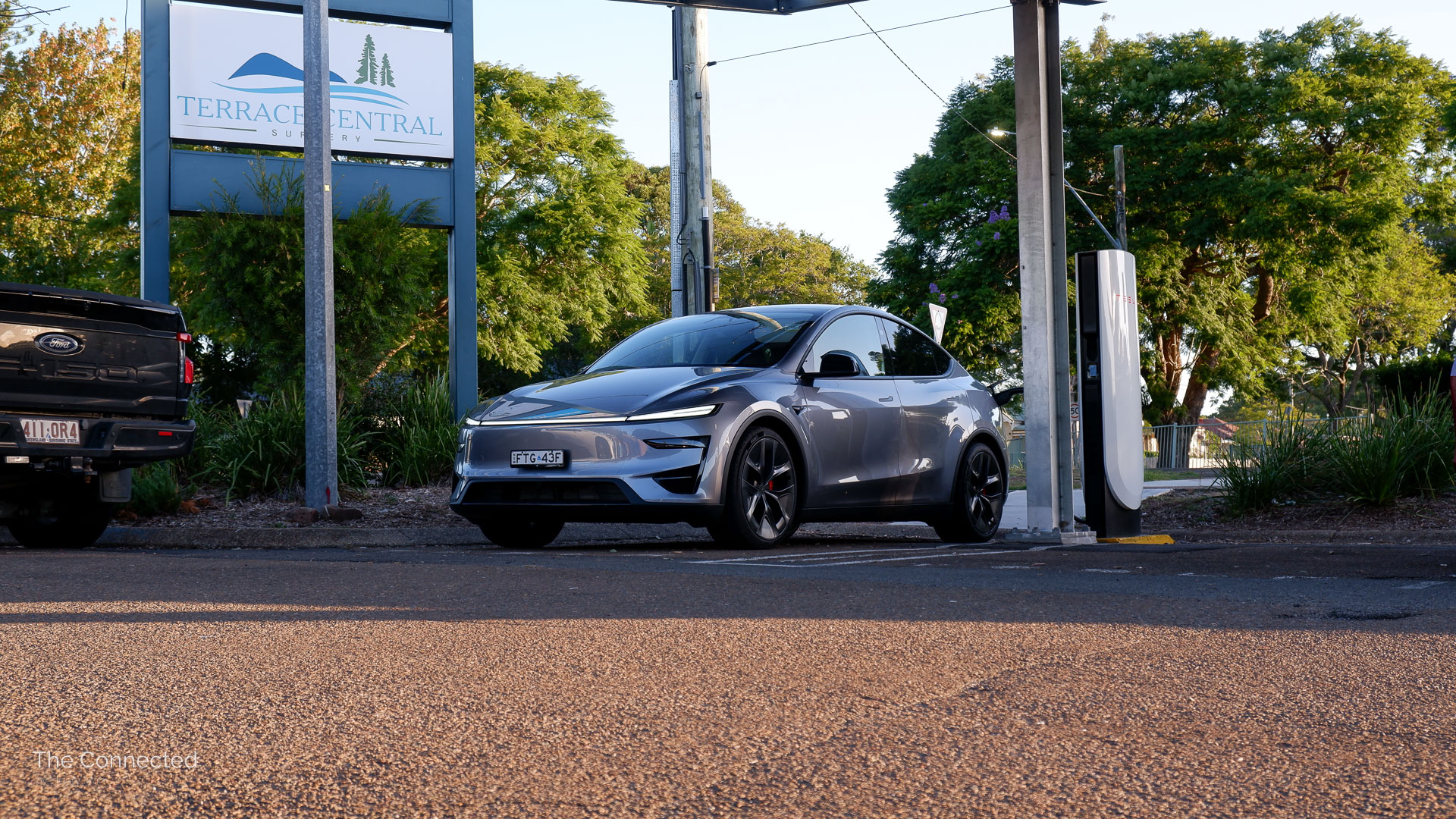
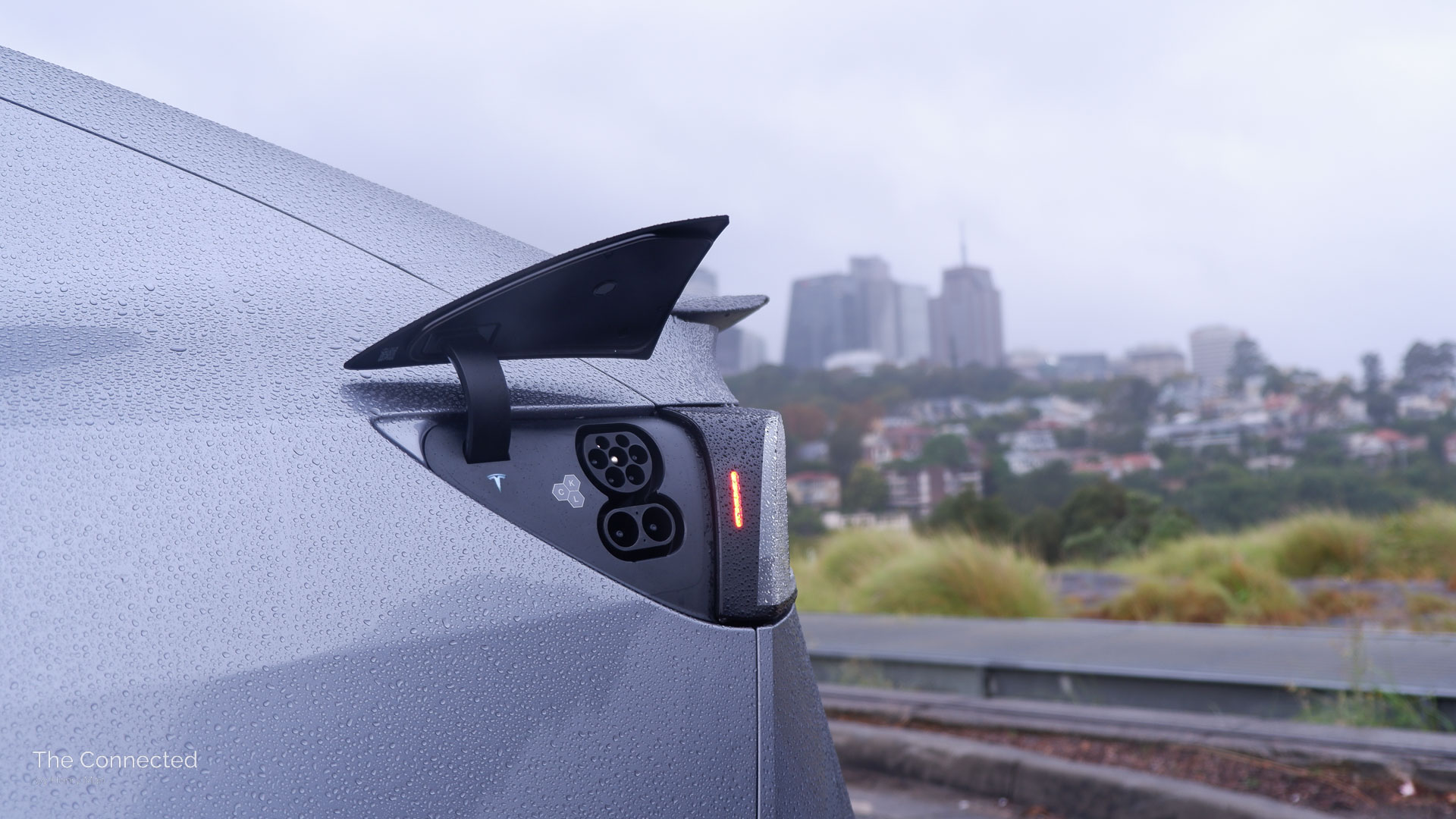
- Seamless plug-and-charge – It’s as quick and simple as pulling out the plug from the holster, pressing the wand button to remotely open the charge port (no need to touch the port itself or remove any rubber caps), and plugging in. Stopping charging is the same process in reverse. It charges the card linked to your Tesla account automatically.
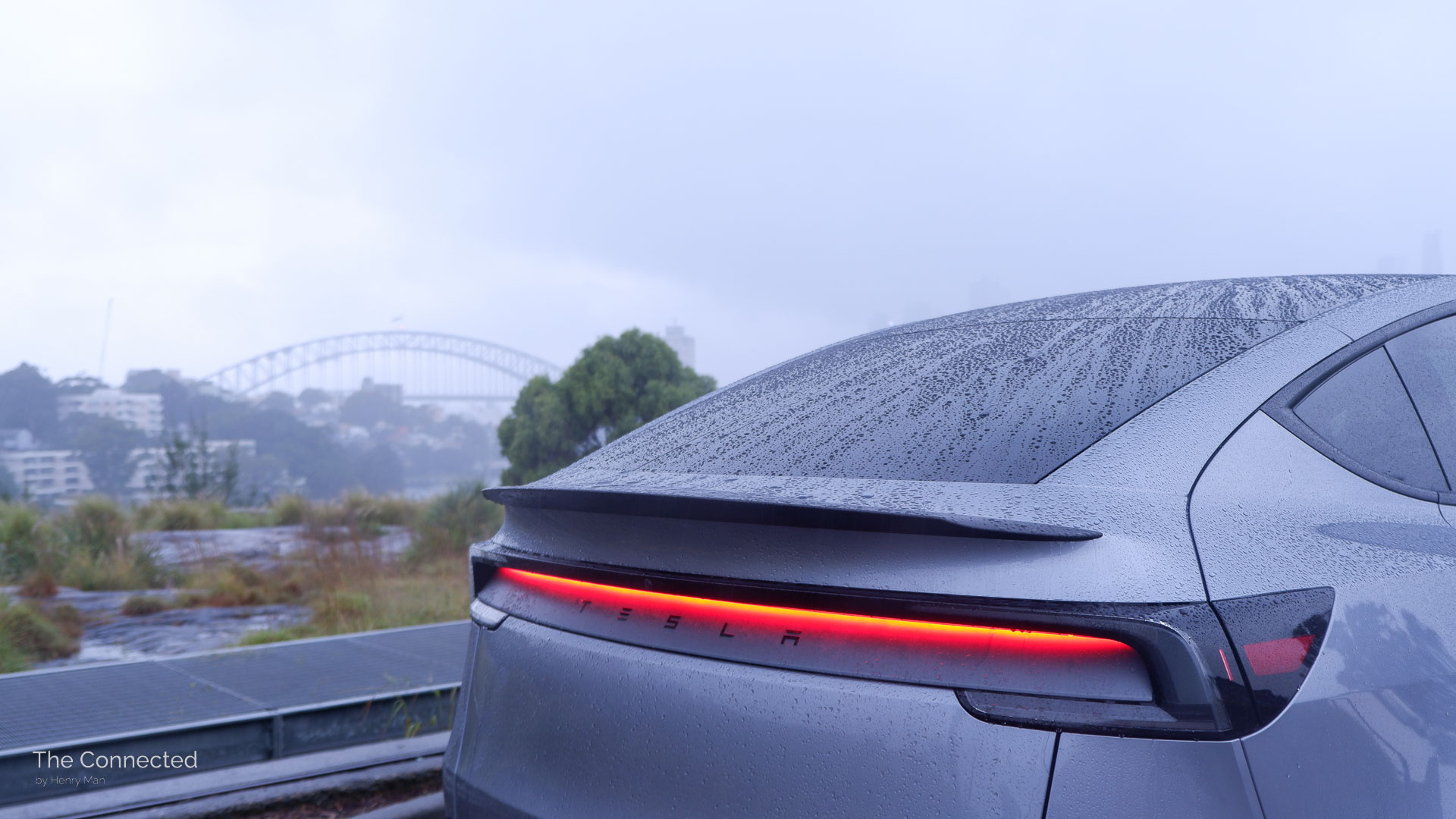
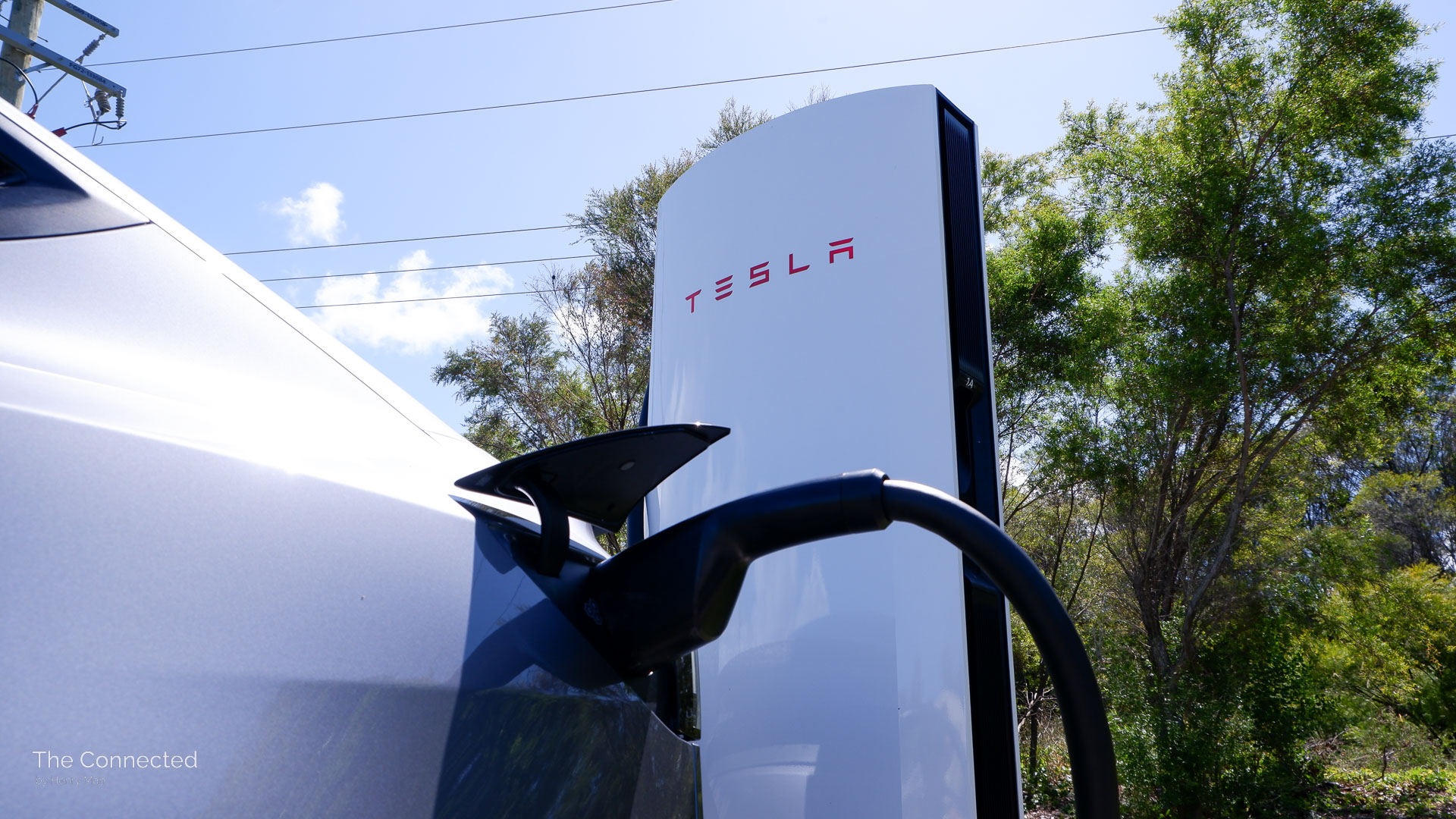
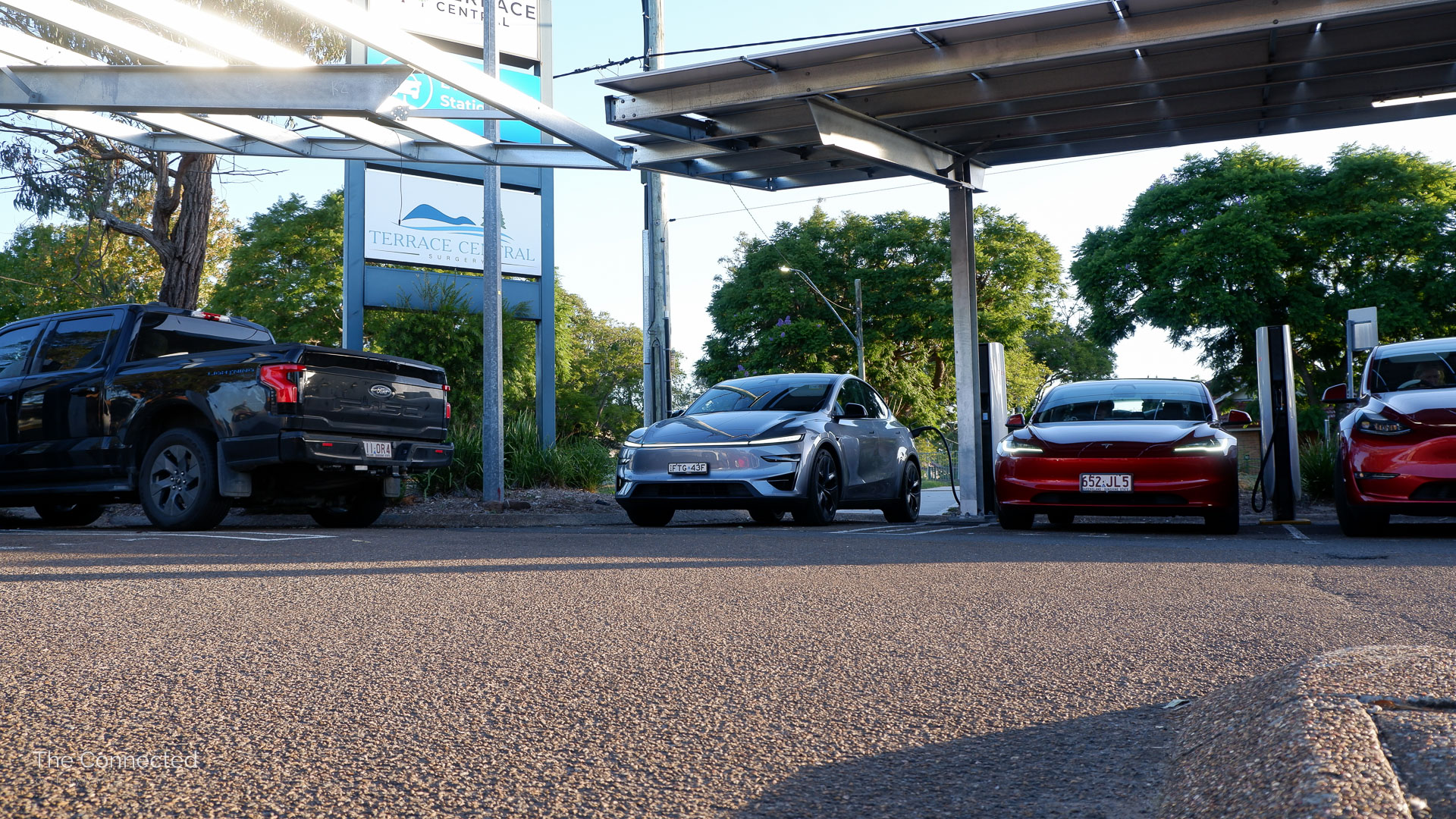
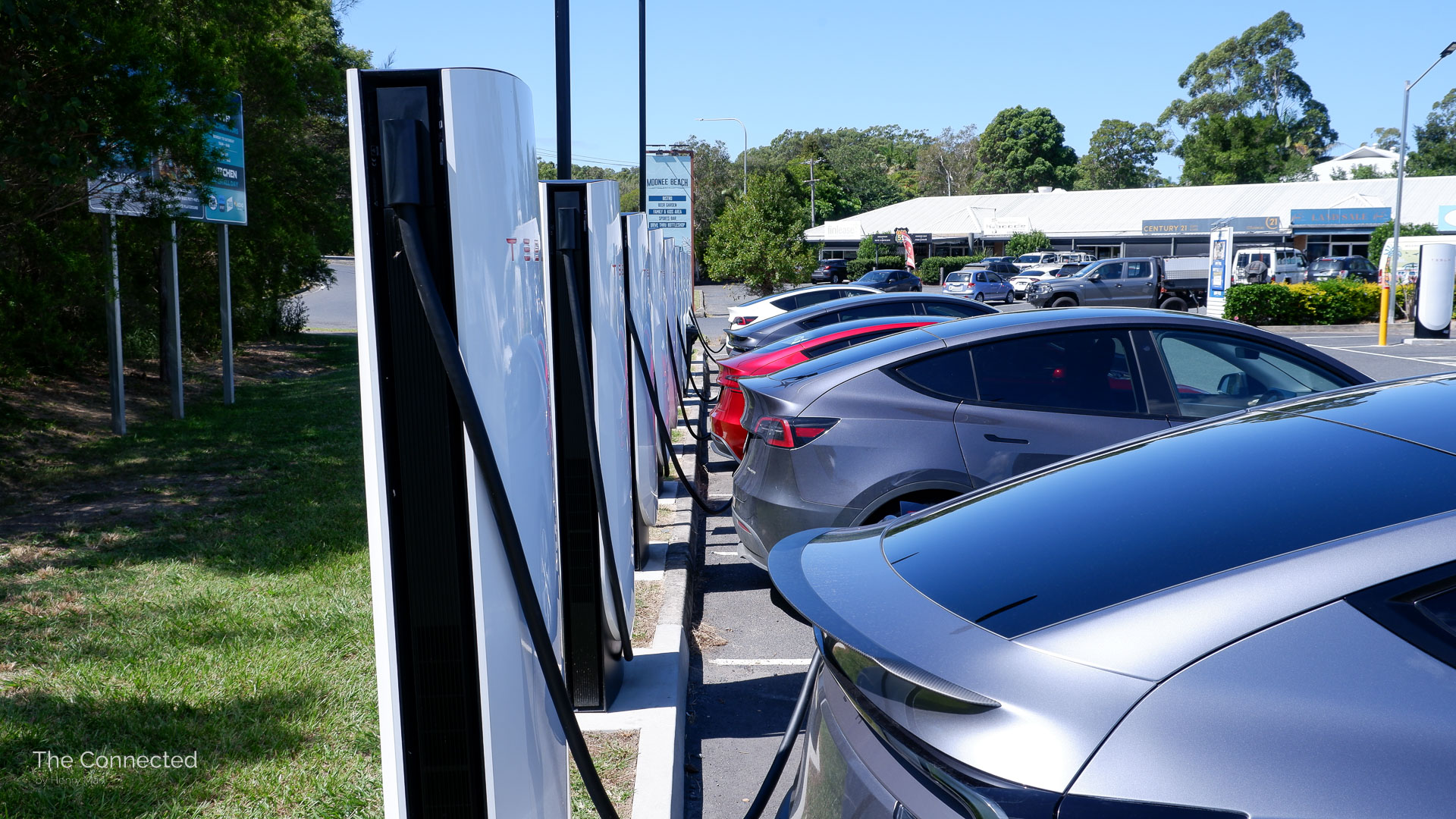
Importantly, using a Tesla with a Tesla Supercharger means there’s no need to fumble with any mobile app – which could be buggy as I got stuck with during the Kia EV3 trip.
While newer electric models such as the Zeekr 7X, IM 6 and Denza Z9 GT are pushing the limits with 400kW-plus, 800-volt class rapid charging speed capabilities that claim to recharge a battery sufficiently in less than 15 minutes, there are a finite number of public chargers that can actually take advantage of these insane speeds.
As at the time of publication, only two 400kW DC charging locations are available in Australia, both under Ampol’s AmpCharge network and only in New South Wales.
This is why Tesla’s commonplace Supercharging network still has the advantage. Even though it doesn’t charge as fast, it was still too quick for me to properly take a rest break from driving.
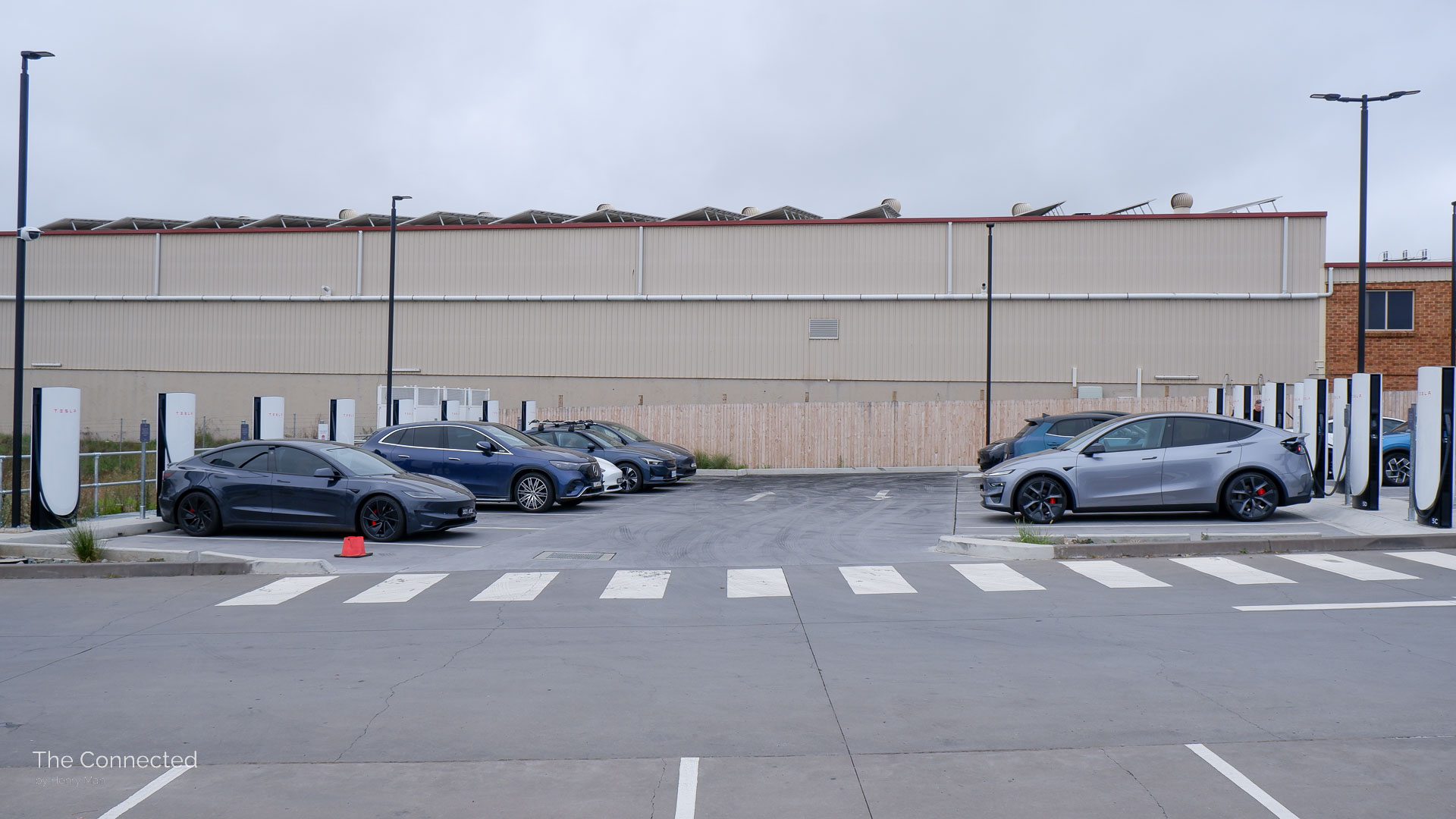
Media reporting gaps revealed
While EV charging queues did form over Easter, my experience highlights that media reports should be taken with a grain of salt.
Vision spread on social media quickly attracted a range of media outlets, with follow-up reports reinforcing the ‘pain’ of finding an EV charger and waiting for one to refill compared to a petrol or diesel car.
Yes, charging queues can form at times especially during peak periods and it’s exacerbated when some stations are out-of-order. It happens.
Yes, it’s a poor and frustrating experience when you want to get to your destination as soon as possible before night time or hotel check-in.
Yes, as EV demand grows, we need more reliable public charging stations.
However, we need to recognise that what might be a snapshot of a charging queue at one point in time is not necessarily representative of all EV charging experiences.
The media often need to sensationalise, frame and cherry pick topics to drive clicks and views – as highlighted by Media Watch’s analysis of Liam Bartlett’s 7 News Spotlight reporting on renewable energy and EVs.
As demonstrated by my Brisbane to Sydney and Canberra road trip, out of the 10 times I stopped to charge, I did not have to wait in any queue.
The only line I noticed was when I was leaving at the Exeter Supercharger, with three EVs vying for my spot and a bit of tension. The Tesla navigation didn’t recommend Exeter anyway, but I opportunistically plugged in as I was there for lunch.
Despite media reports highlighting the pain of waiting to charge, drivers should need to not wait all the way to 100% – which could double your charging time by going past 80% – and have charging network apps set up before heading on the road.
This is all a lesson in why having good EV navigation software (or at least using A Better Route Planner) and education around public charging for new owners is so important.
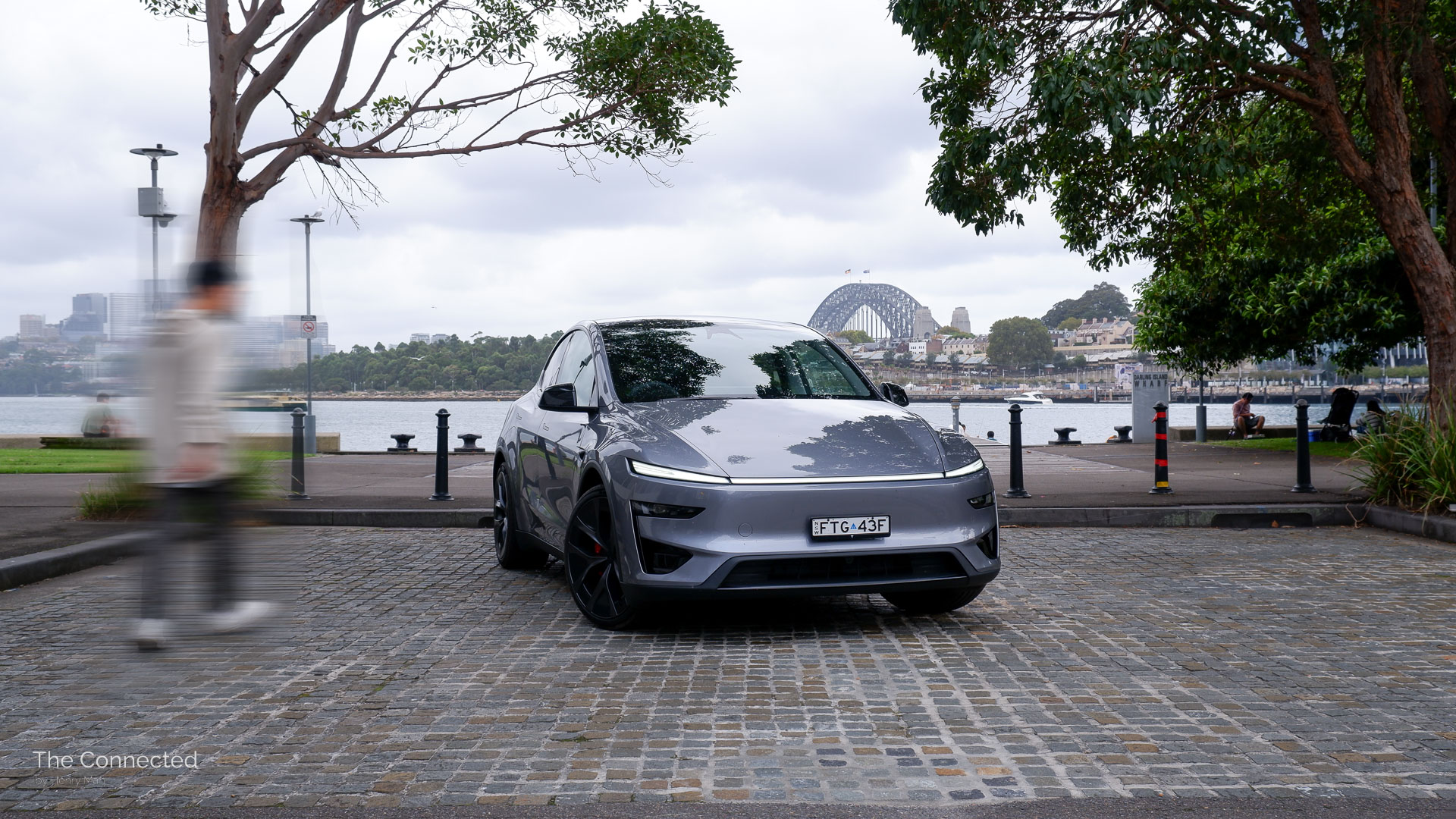
Can electric cars go on long road trips… even during Easter?
Yes. Electric cars can be driven on long-distance road trips, even in a peak Easter holiday period.
Take media reports and videos with a grain of salt. I stopped 10 times to charge across Brisbane to Sydney and Canberra, and returned back during the Easter long weekend. I didn’t need to wait in any queue.
I’ve already demonstrated with the Kia EV3 that I could drive from Brisbane to Melbourne in the peak Christmas and New Year holidays, with charging stops providing the perfect opportunity to take essential rest breaks.
This time, it was even easier and seamless with a Tesla using the Tesla Supercharging network – and it’s still the benchmark for the industry.
See beyond the media fear mongering and you’ll find that reality is likely very different.
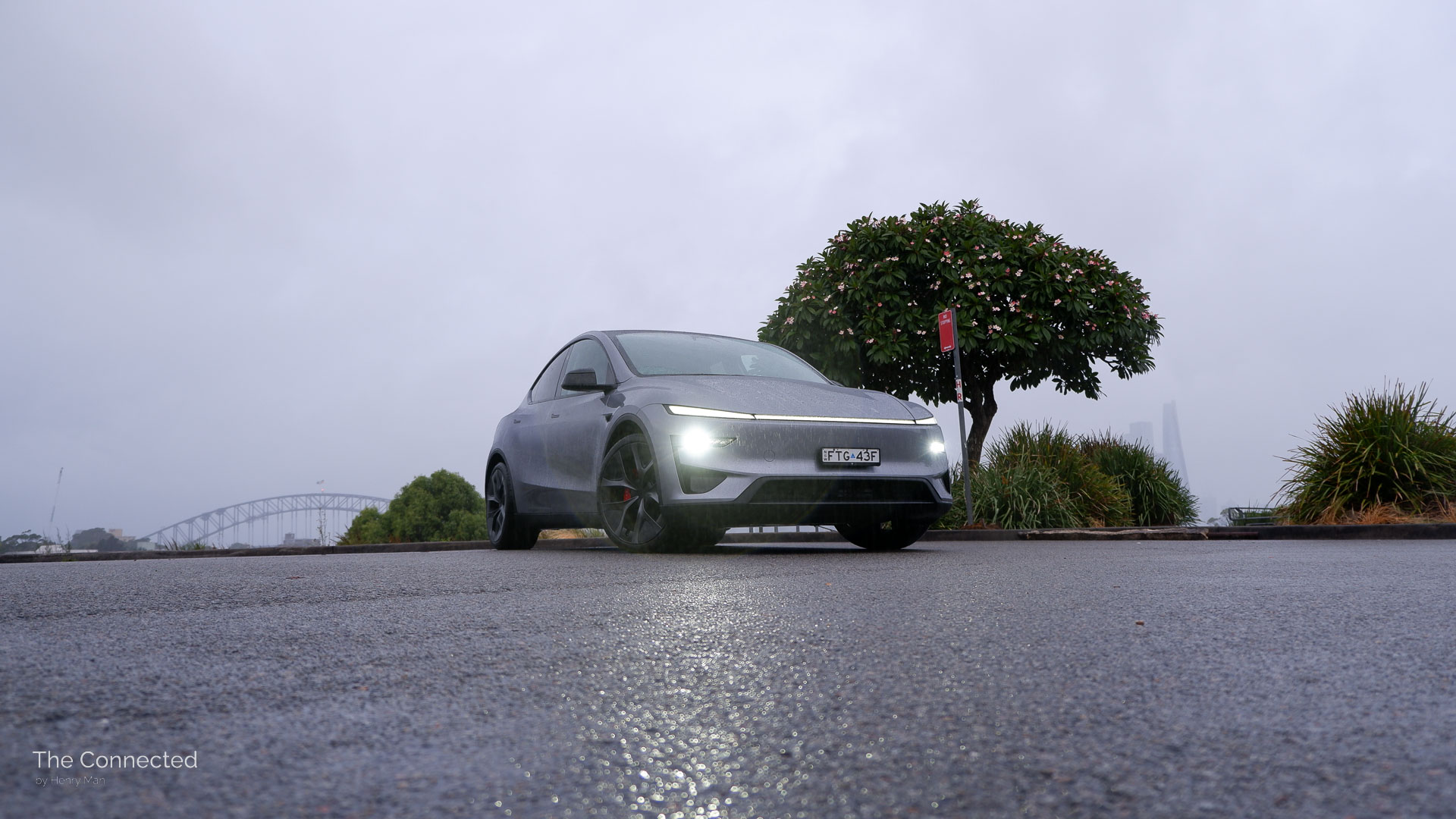
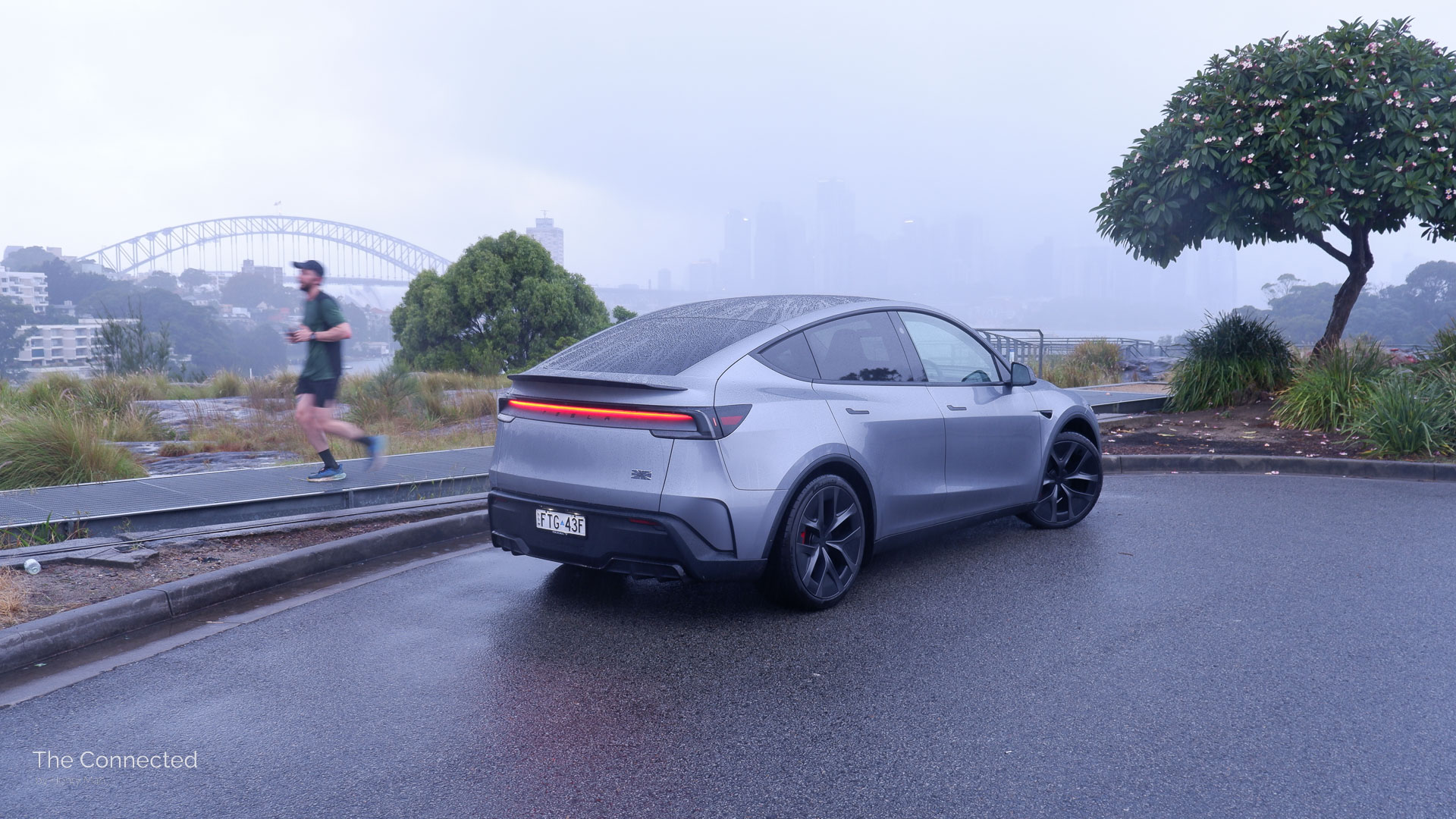
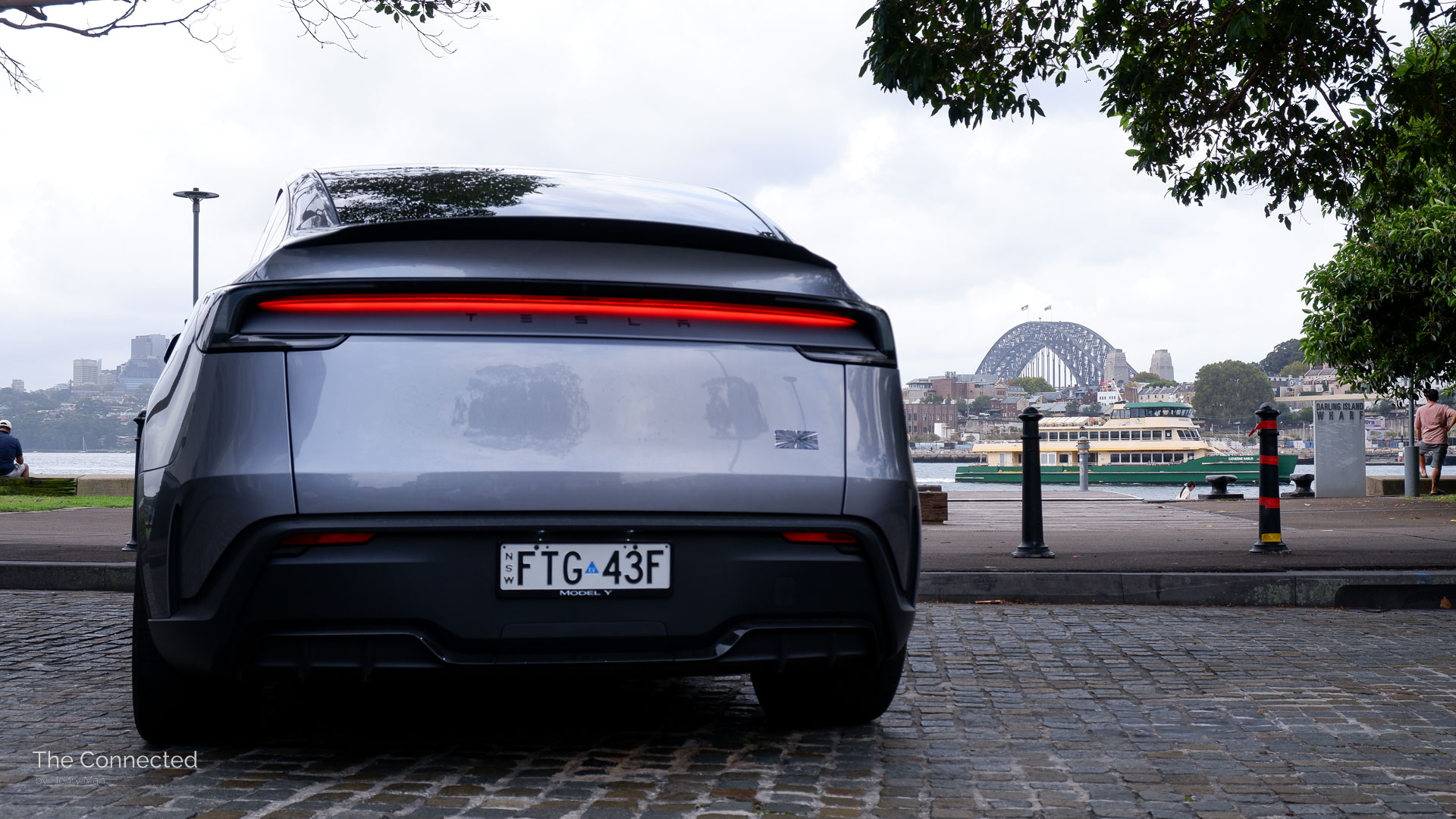
Henry Man’s tips for an easy EV road trip with a Tesla:
- Trust the nav – follow Tesla’s built-in navigation planner and don’t forget to adjust the arrival energy target, but be prepared to charge longer than the recommendation (in order to properly rest yourself) and to arrive later than initially estimated.
- Recharge yourself – while the car charges, take it as an opportunity to rest up, walk around, and grab food.
- Don’t wait to full – only charge what’s necessary for the next stop as per the Tesla navigation, but never intentionally wait for 100% unless the car suggests so (which is rare).
READ MORE: Tesla Full Self-Driving (Supervised) Australian review: V13
READ MORE: What is the best EV charge port position?
READ MORE: Why don’t EVs have a spare tyre?
About the Author.
Henry Man is an independent content producer passionate about the intersection of technology and transportation.
The former automotive journalist is focused on producing critically-detailed vehicle reviews, and unique short-form content. Learn more.


