
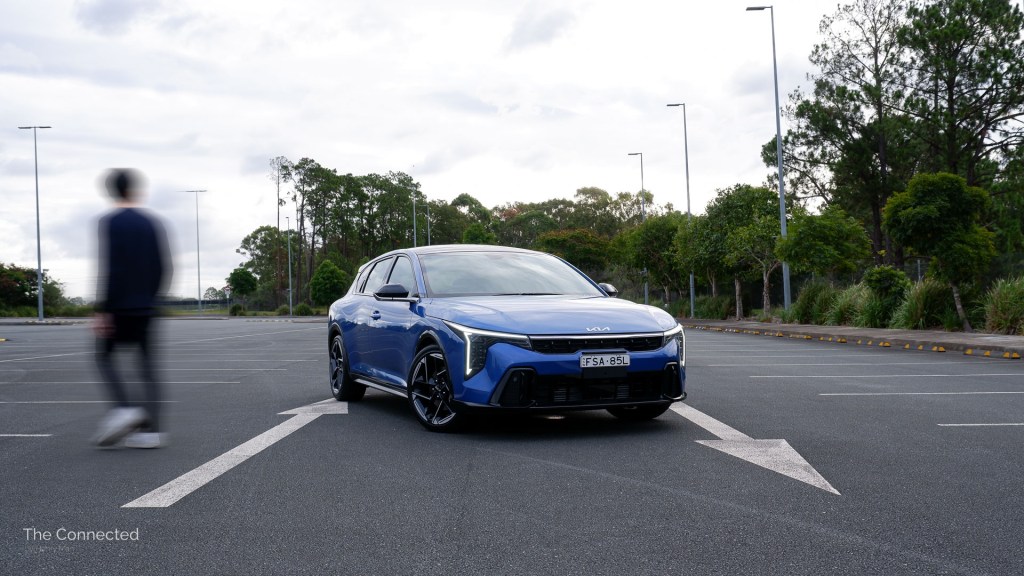
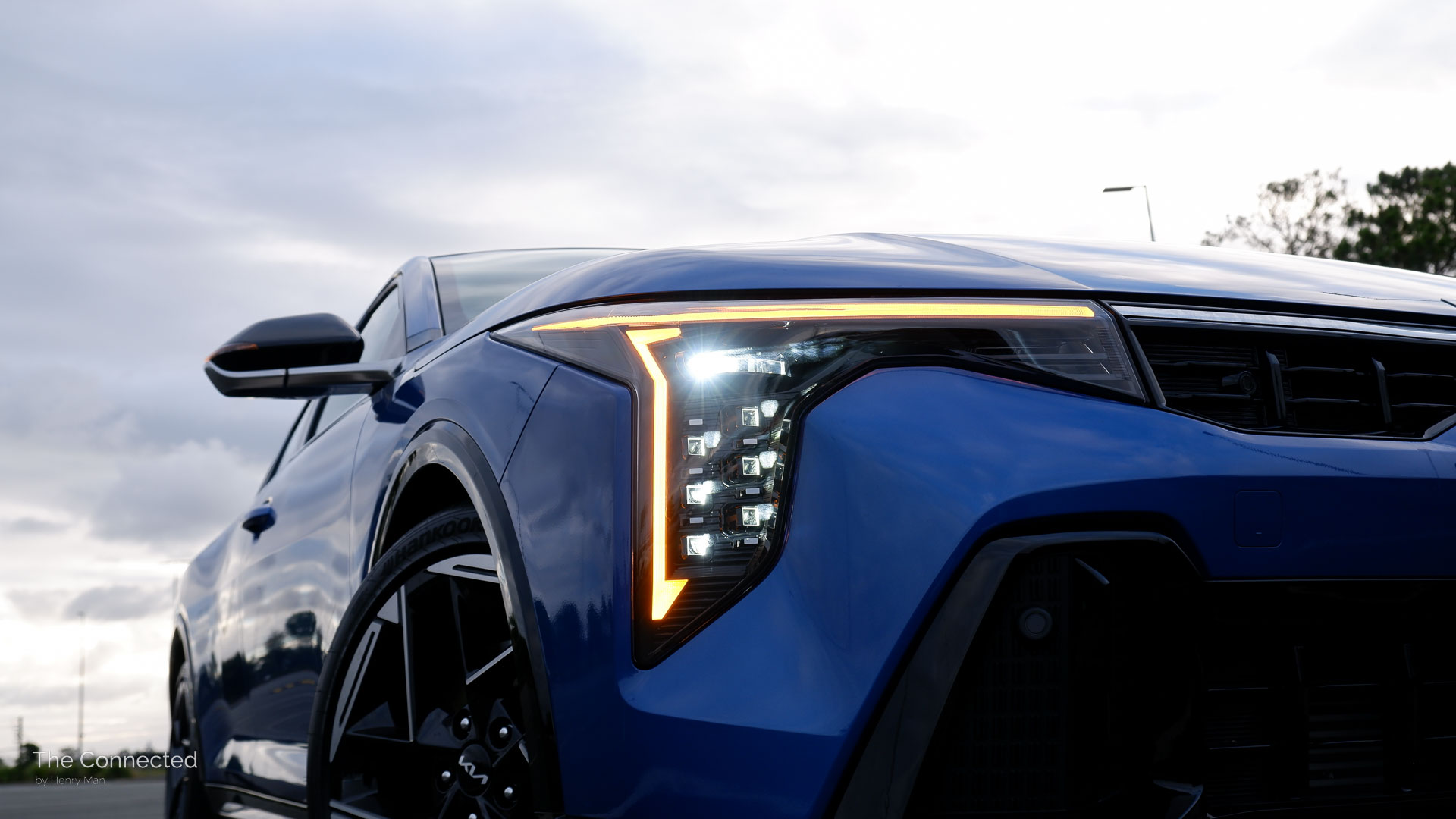
QUICK TAKE: One of the most striking-looking new cars for the money is now available as a hatchback.
The new Kia K4 replaces the venerable Cerato nameplate as the South Korean brand’s attainable small car.
Yet it’s also grown in price, size and design with largely carryover powertrains and line-up.
I raved about the K4 Sedan when it launched in 2025 (read the full detailed review here) and now the hatchback version has joined with some interesting differences beyond the boot.
NOTE: The press vehicles were provided by Kia Australia for a 14-day independent evaluation in total. Toll costs were covered, but we have no commercial arrangements with the company and it had no editorial control.

Pros.
+ Striking exterior design for the price
+ Always-on rear DRL
+ More practical and accessible boot
+ Noticeably easier to park than sedan
+ Smooth and quiet powertrains
Cons.
– Higher fuel consumption than sedan
– Rear doors are still painful
– Cheaper variants missing auto screen brightness
– Unnecessarily long line-up
– No hybrid option still
Vehicles tested:
| Model | 2026 Kia K4 Hatch | |
| Variant | Sport | GT-Line |
| Starting price | $36,690 before on-road costs | $43,790 before on-road costs |
| Exterior colour | Aurora Black Pearl (+$600) | Wave Blue (+$600) |
| Interior colour | Medium Grey | Onyx Black with white accents |
| Country made | Mexico | |
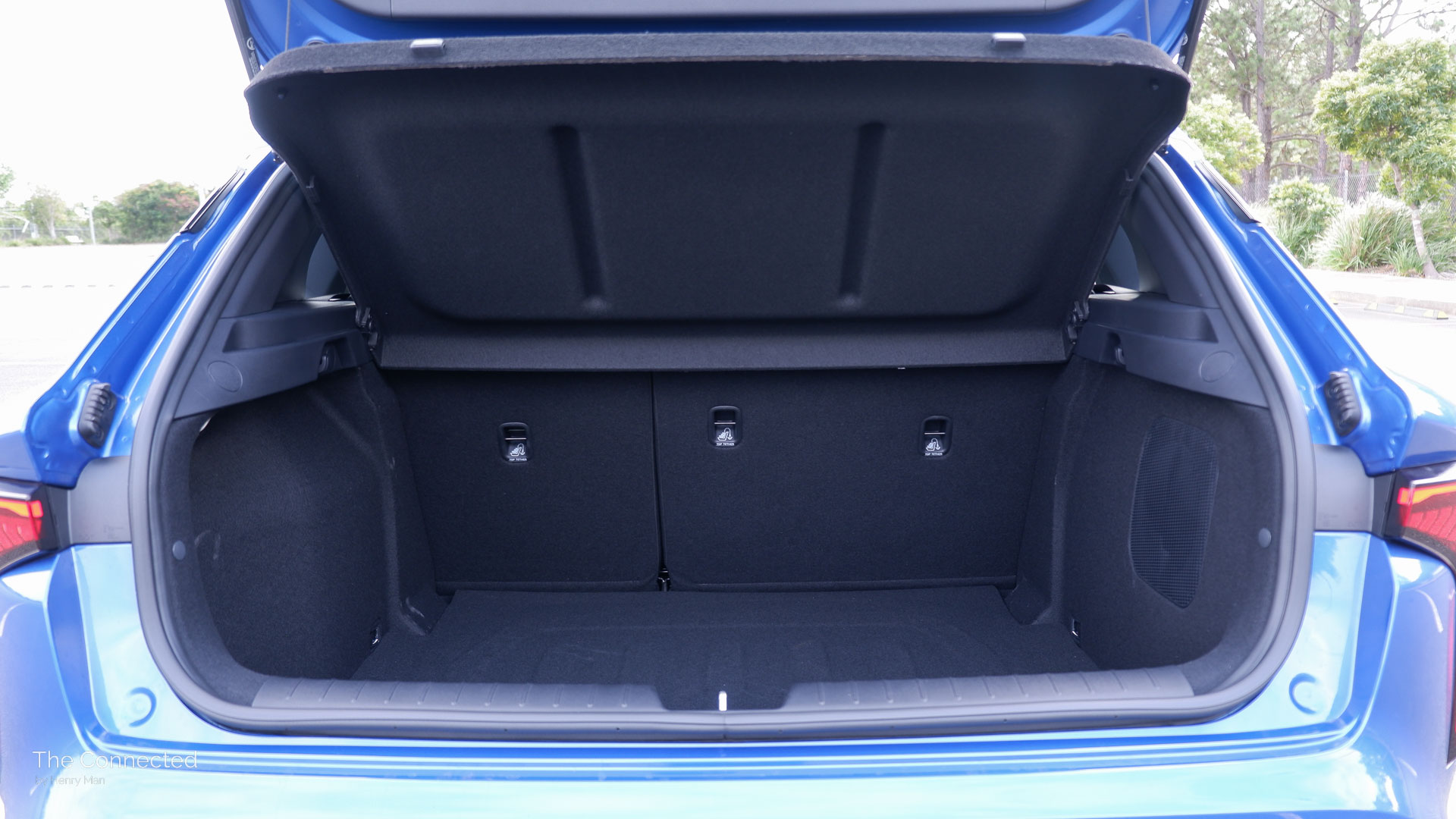
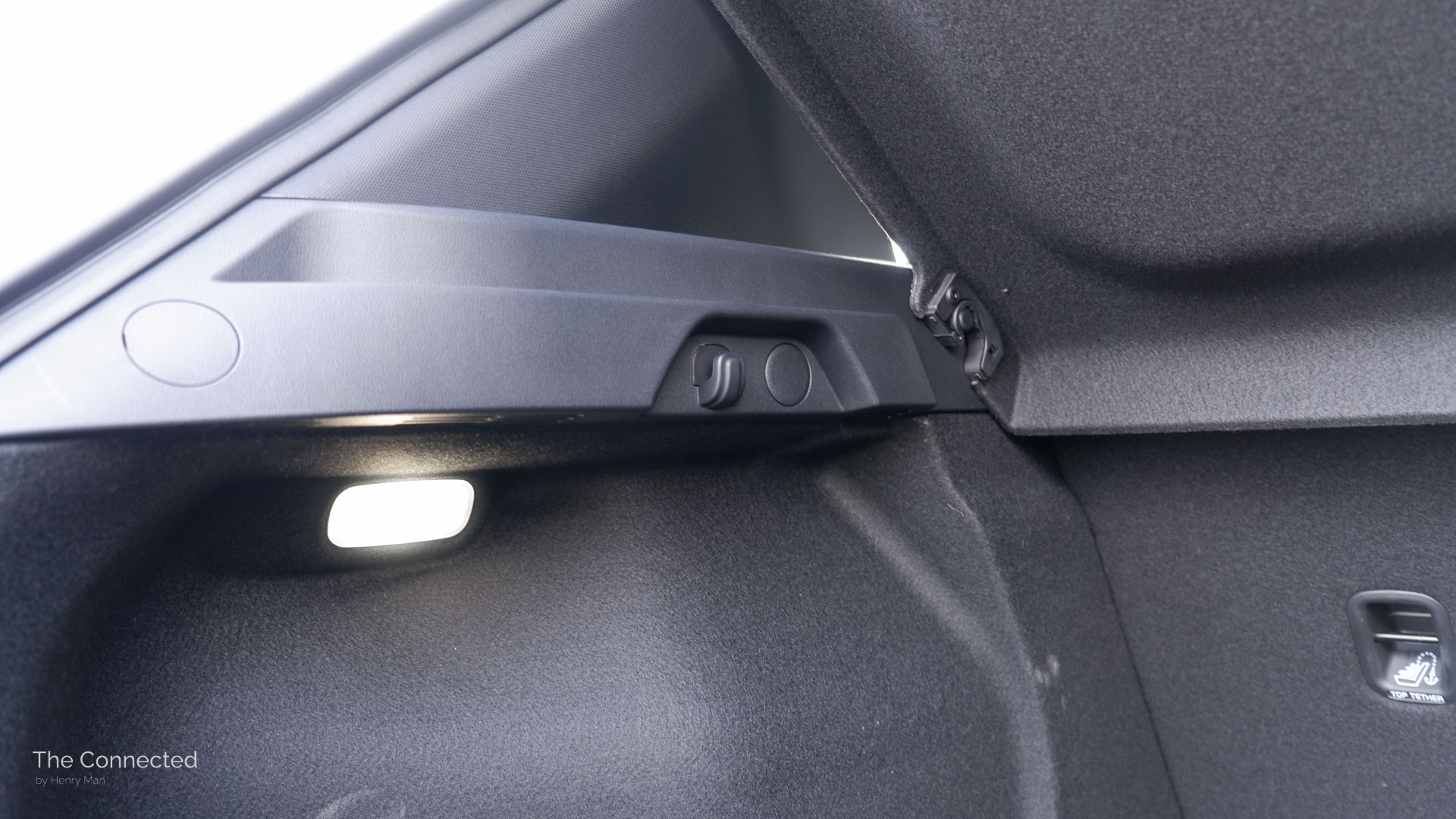
The Kia K4 Hatch offers a 438-litre boot with the advantage of two solid bag hooks, an LED light, and better open access compared to the sedan.
Unsurprisingly, even though it isn’t as deep and still has a noticeable loading lip, the hatchback is simply more practical and usable.
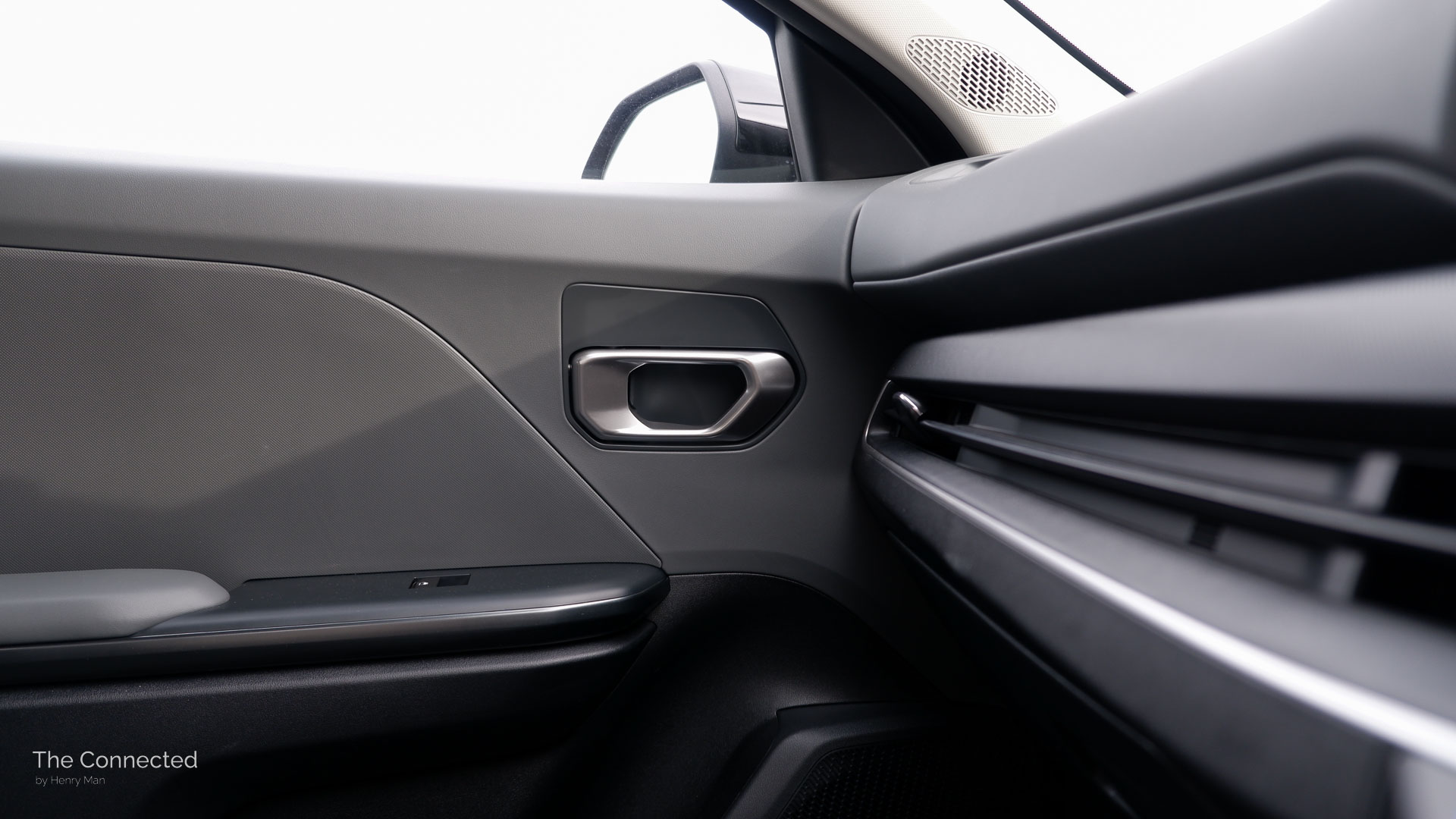
There’s slightly more headroom at the rear row, too, but like the sedan, since the rear hidden-type door handles are not positioned at the outer edge, some might accidentally hit themselves with the door when opening.
At 270mm shorter in length compared to the sedan, it is also noticeably easier to park, sift through drive throughs, and maneuver.
But what are the little-known differences?
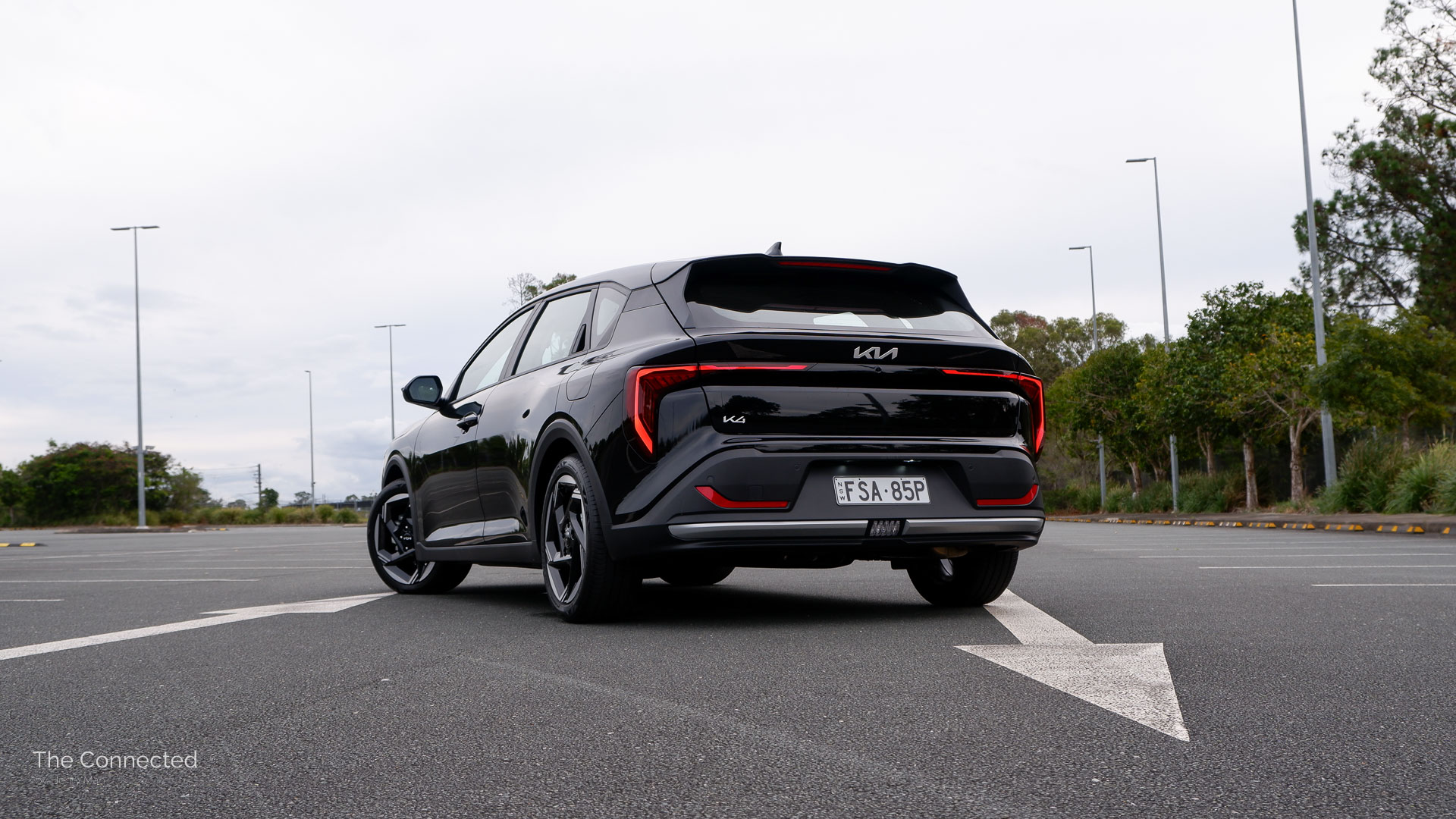
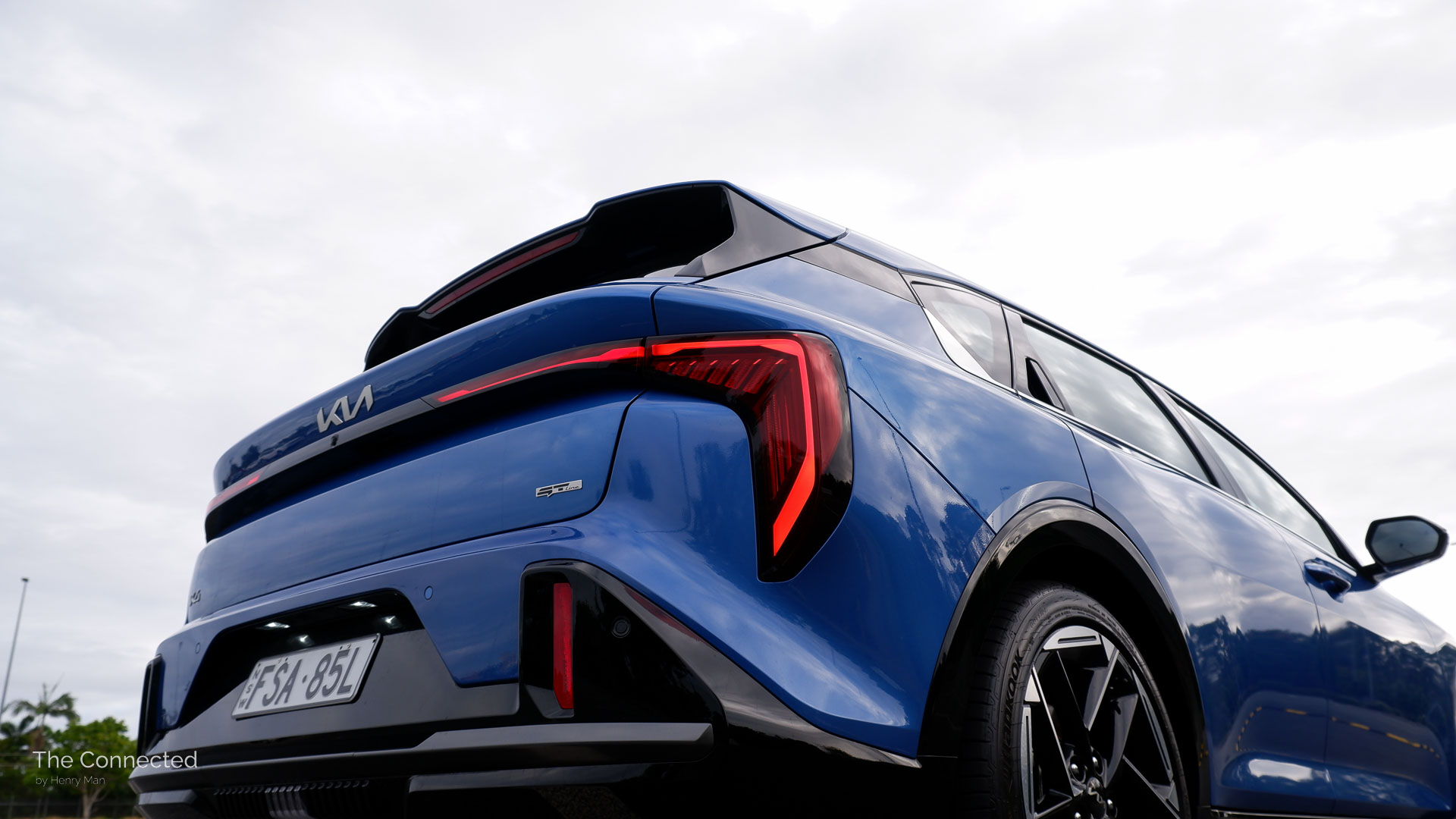
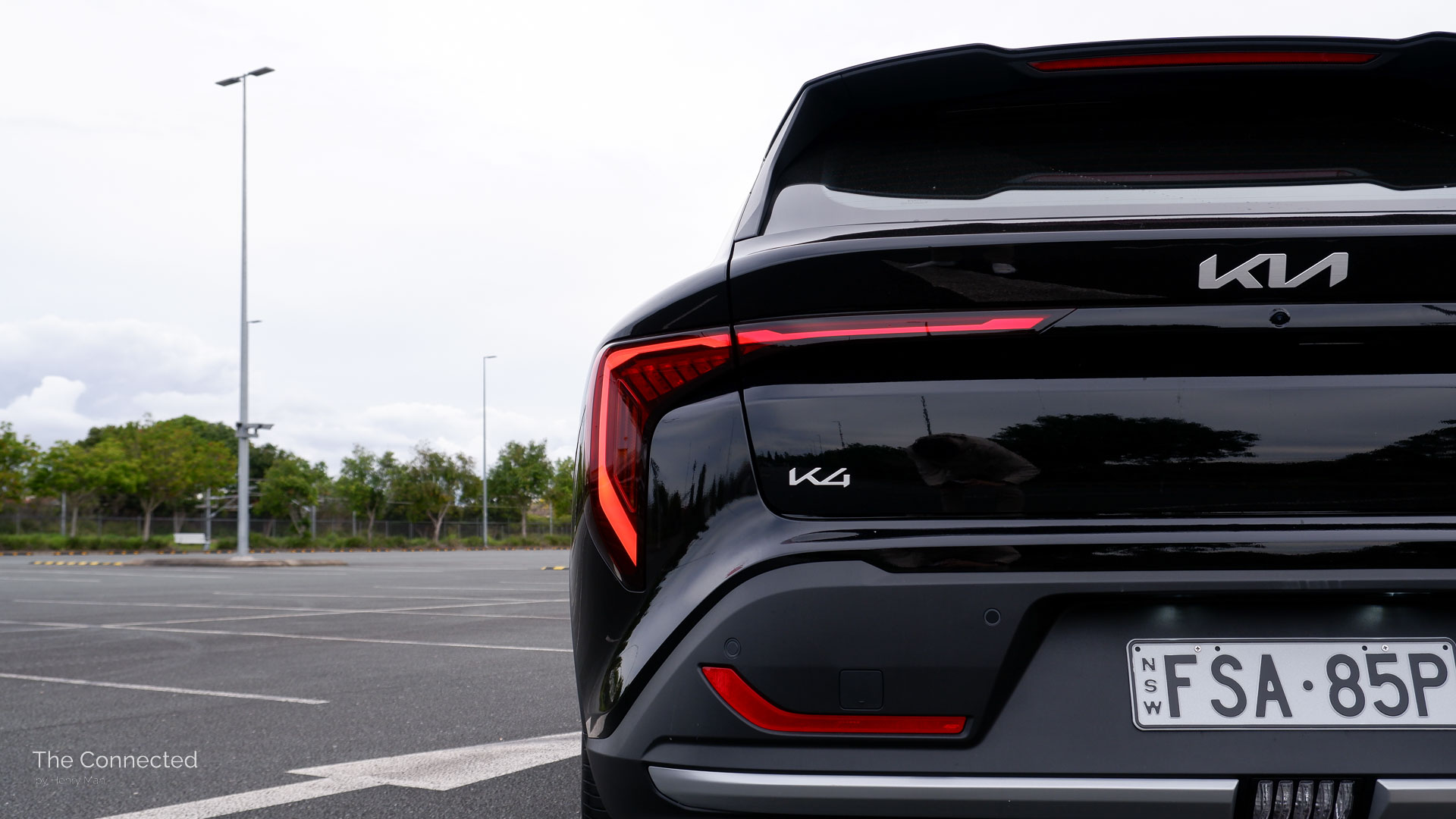
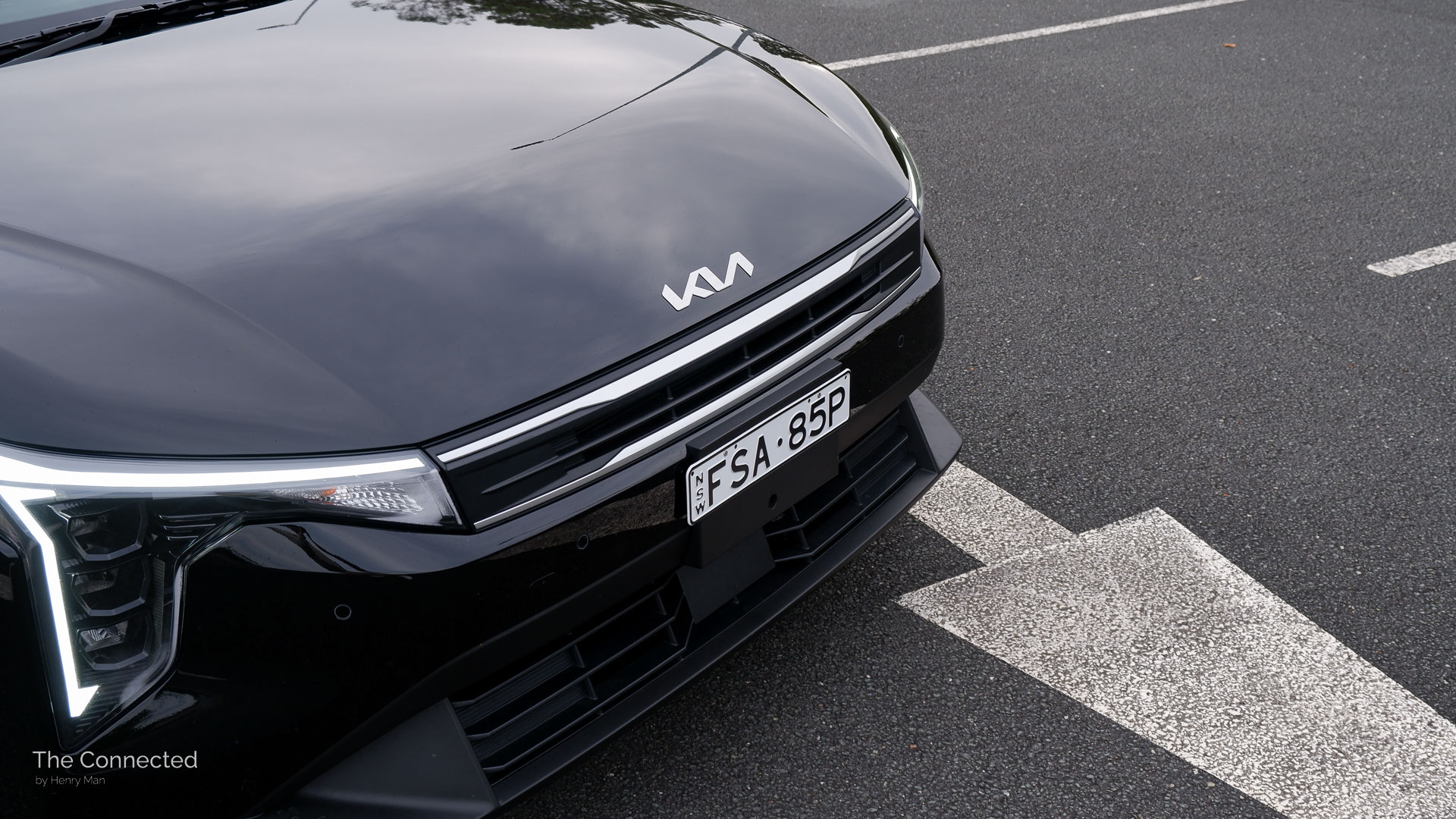
All K4 Hatch models always illuminate the rear tail-light strip as part of the daytime running lights, whereas the sedan only activates the rear when the parking or headlights are on.
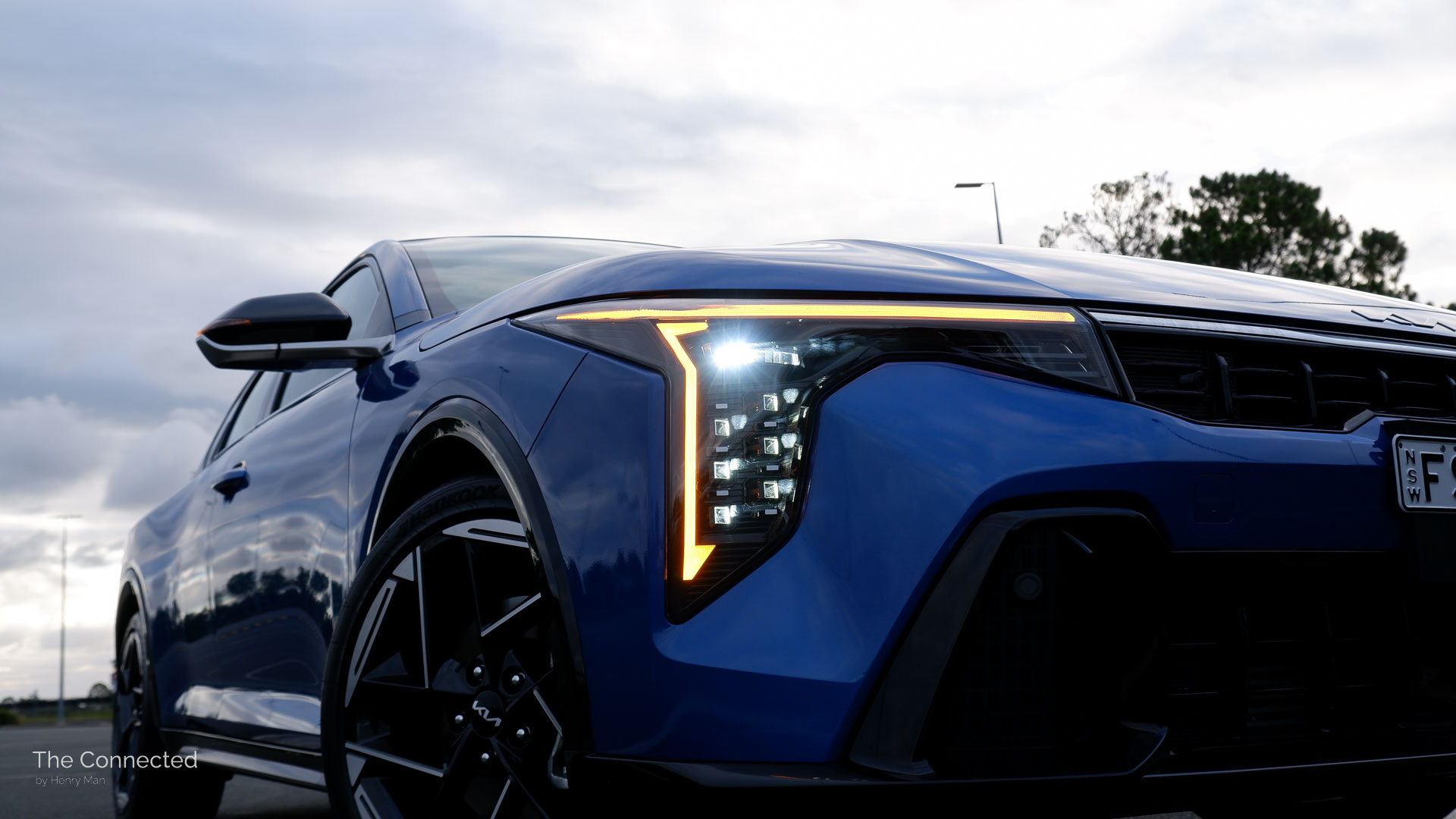
That’s good news since the Cerato replacement is one of the best looking new cars for the money in my books.
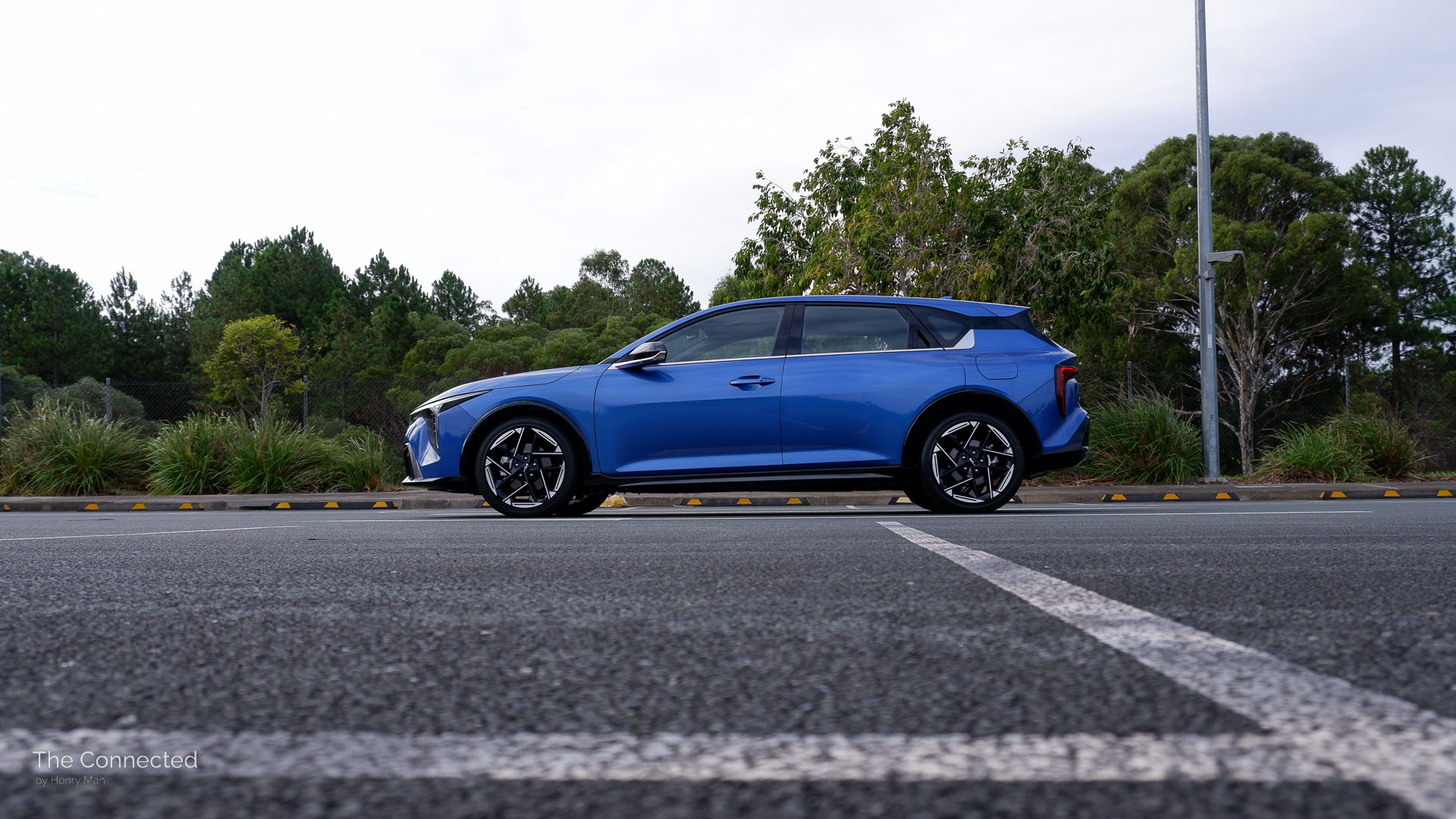
The sedan still looks sleeker due to its long and low rear roofline, whereas the hatch looks taller and akin to a wagon, especially side-on due to the lack of proper rear door handles on the bodywork.
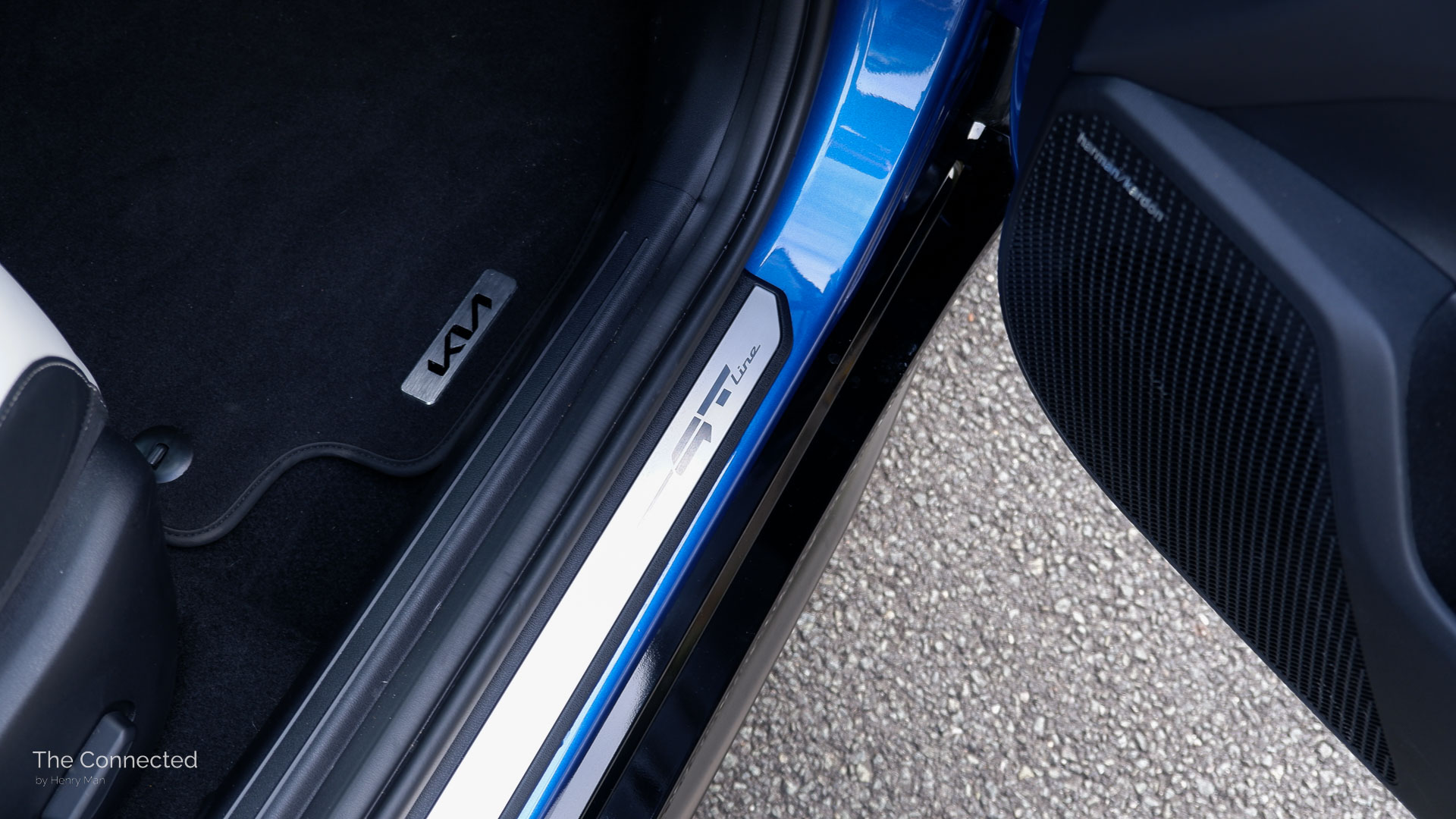
The GT-Line hatch also incorporates metallic side sills for each door, unlike the sedan.
It’s otherwise a good small car with an interior that doesn’t feel cheap nor premium, technology that doesn’t dominate the interior, and generally well-tuned safety assistance systems.
However, the driver attention monitoring camera is sensitive, the overspeed warnings default on every time you start the car, and lane-keep assist is slightly intrusive.
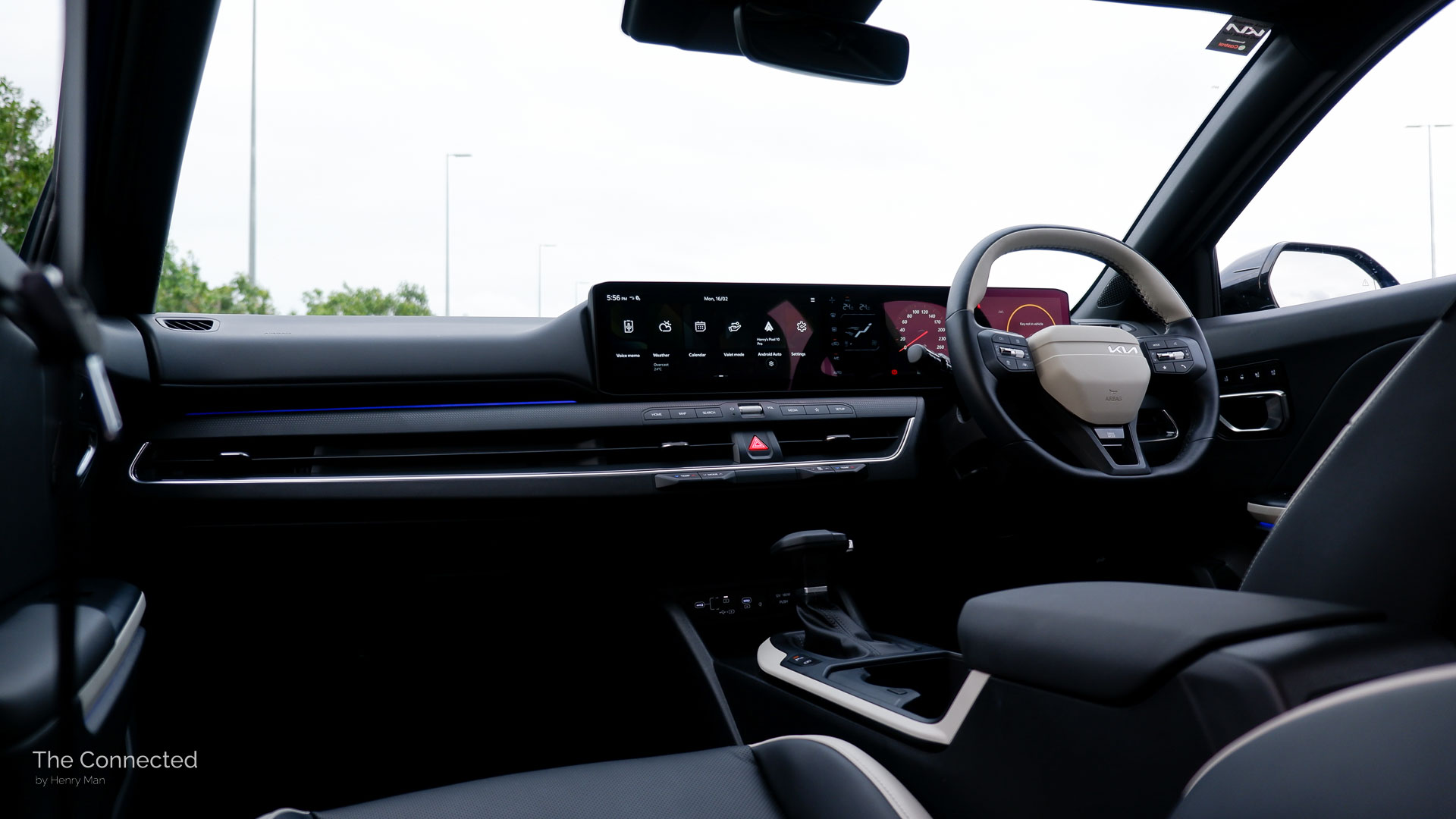
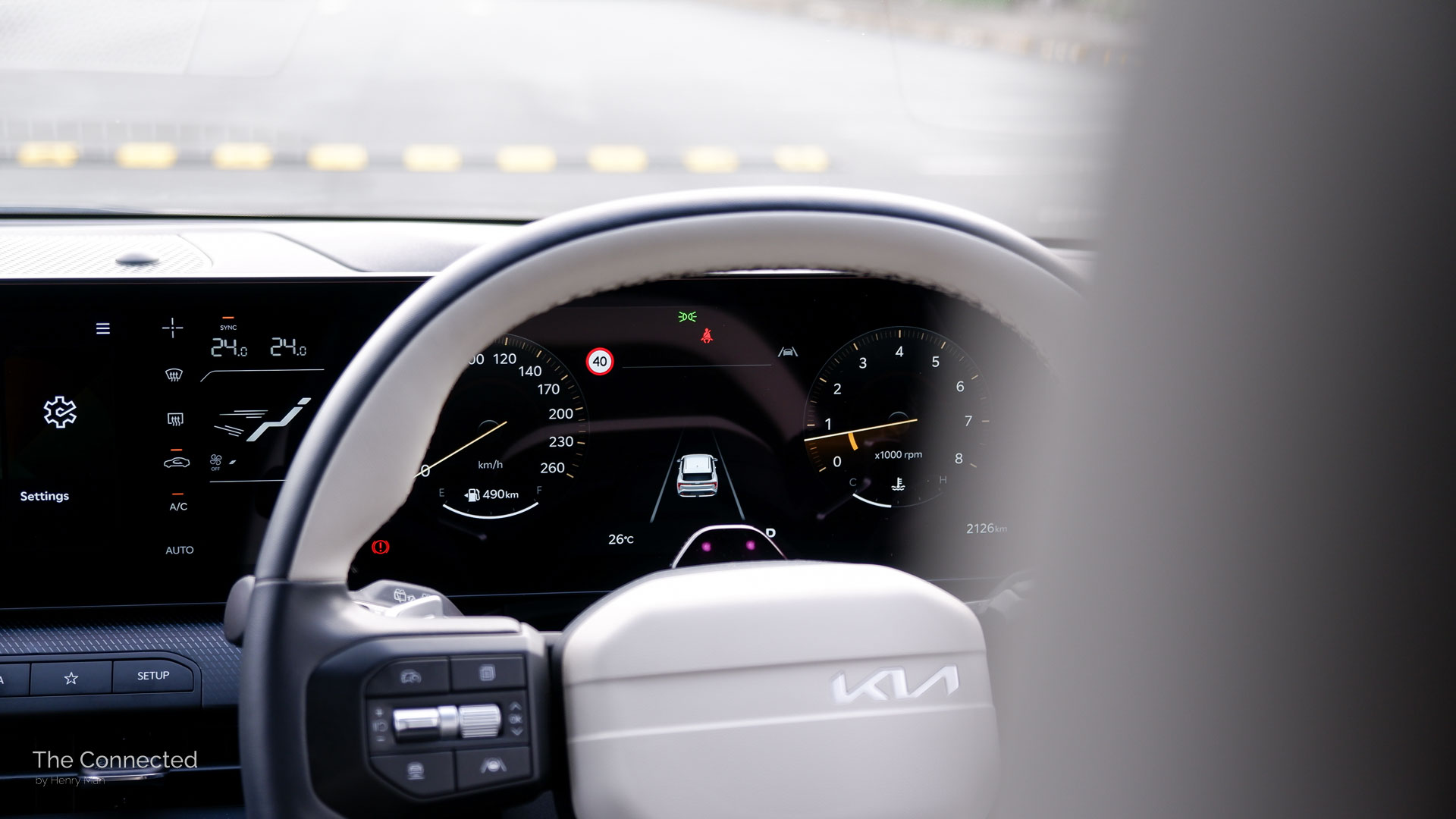
The standard 2.0-litre naturally-aspirated petrol engine and six-speed automatic is quiet, smooth and responsive enough. It makes up to 110kW of power and 180Nm of torque.
Stepping up to the GT-Line brings a punchier 1.6-litre turbocharged four-cylinder with up to 142kW and 265Nm. It’s a warm hatch with a cool exhaust note when revved up, but it’s fairly subdued compared to the previous Kia Cerato GT and Hyundai i30 N Line.
Both provide natural and light steering that’s slightly fun to chuck around corners thanks to its sub-1.5 tonne tare weight.
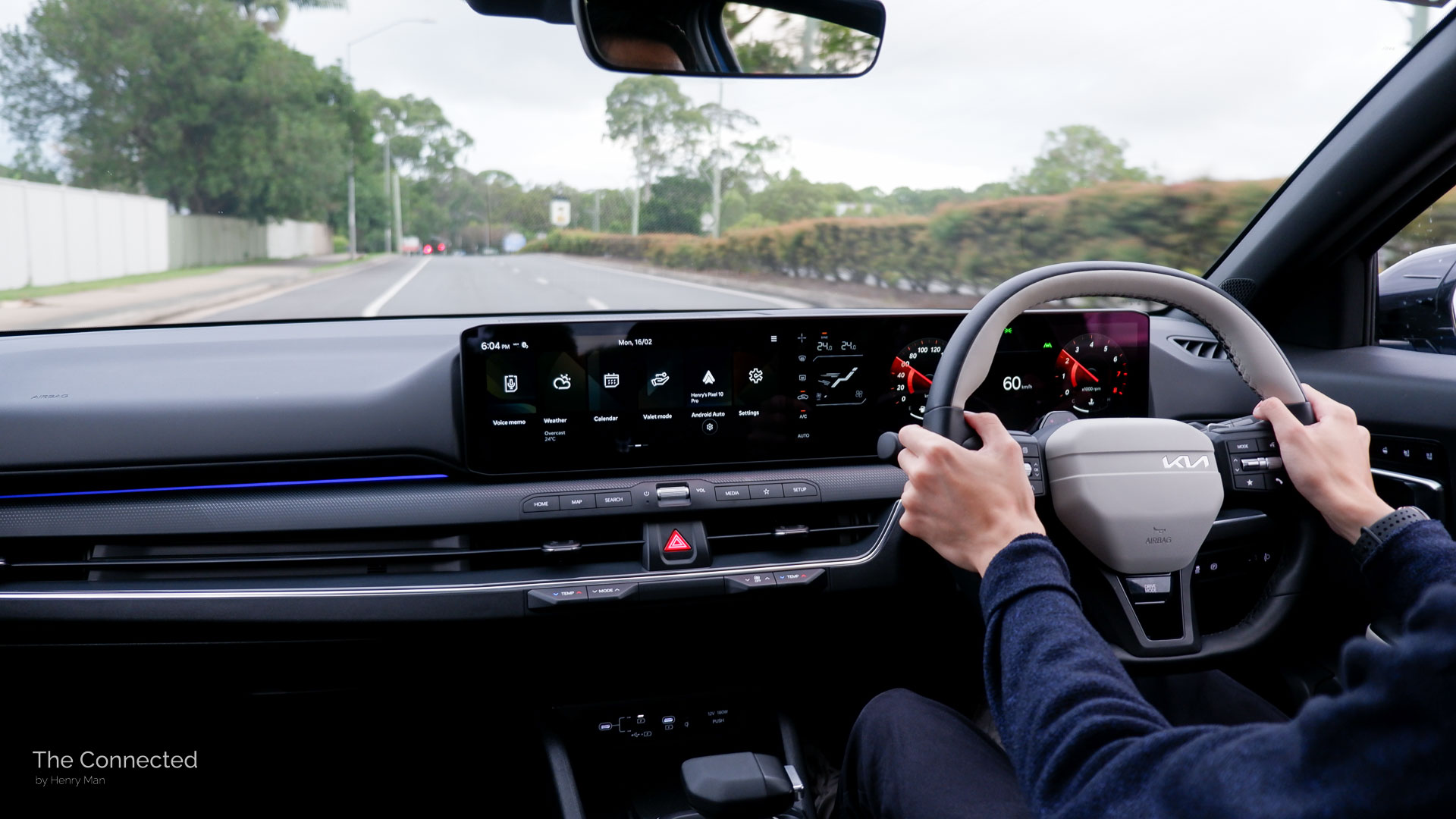
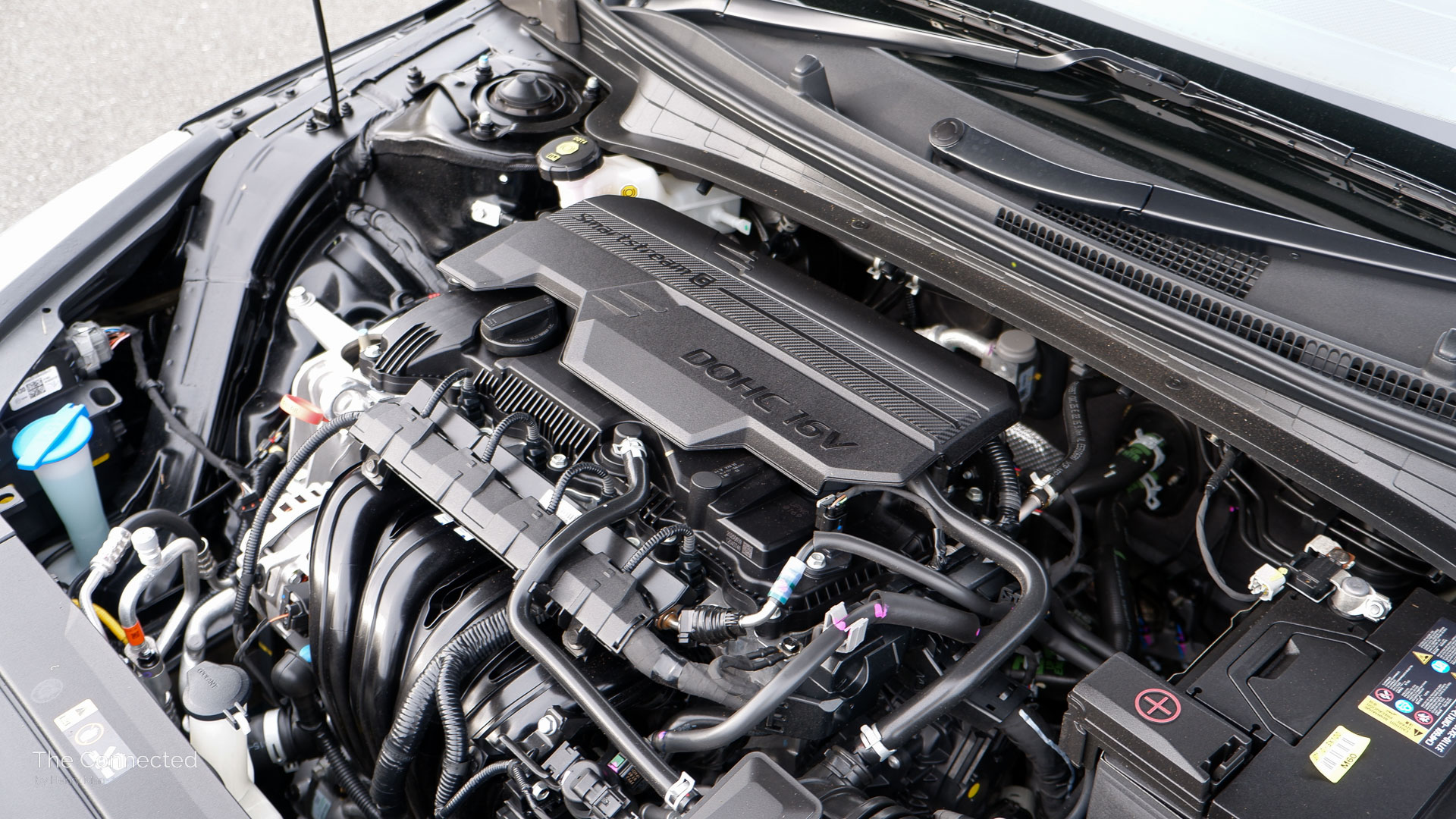
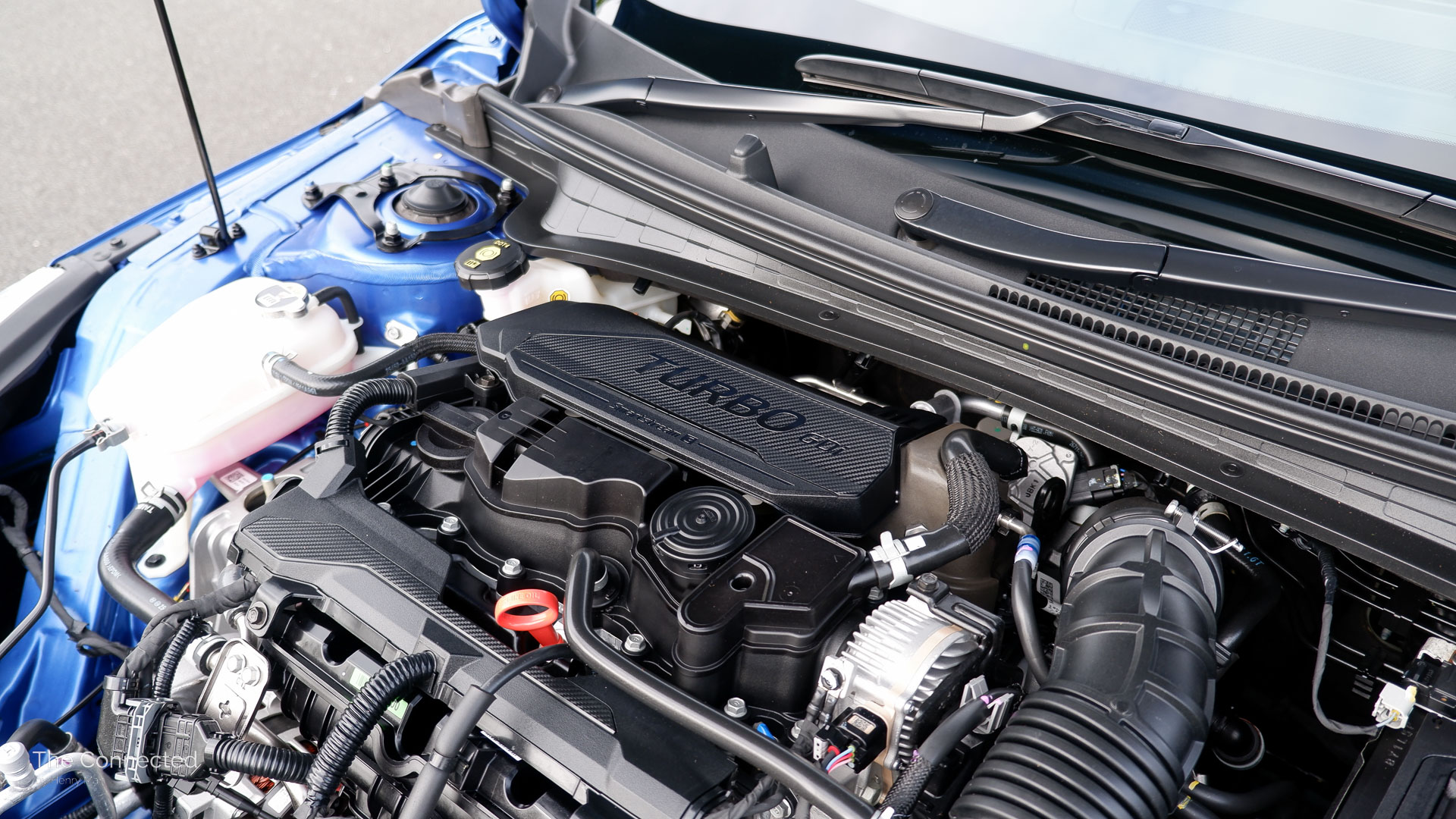
The regular 2.0-litre Sport returned an average 8.3L/100km fuel economy resulting in 566km of real-world driving range. All variants house a 47-litre fuel tank.
However, I was surprised to find the GT-Line’s turbo-petrol is noticeably less fuel efficient on the hatch than the sedan.
Under a similar driving condition mix, the K4 Hatch GT-Line indicated 10.8L/100km for 435km of real-world range – consuming exactly 1.5L/100km more than the sedan in my testing. Kia claims a 0.7L/100km difference for context.
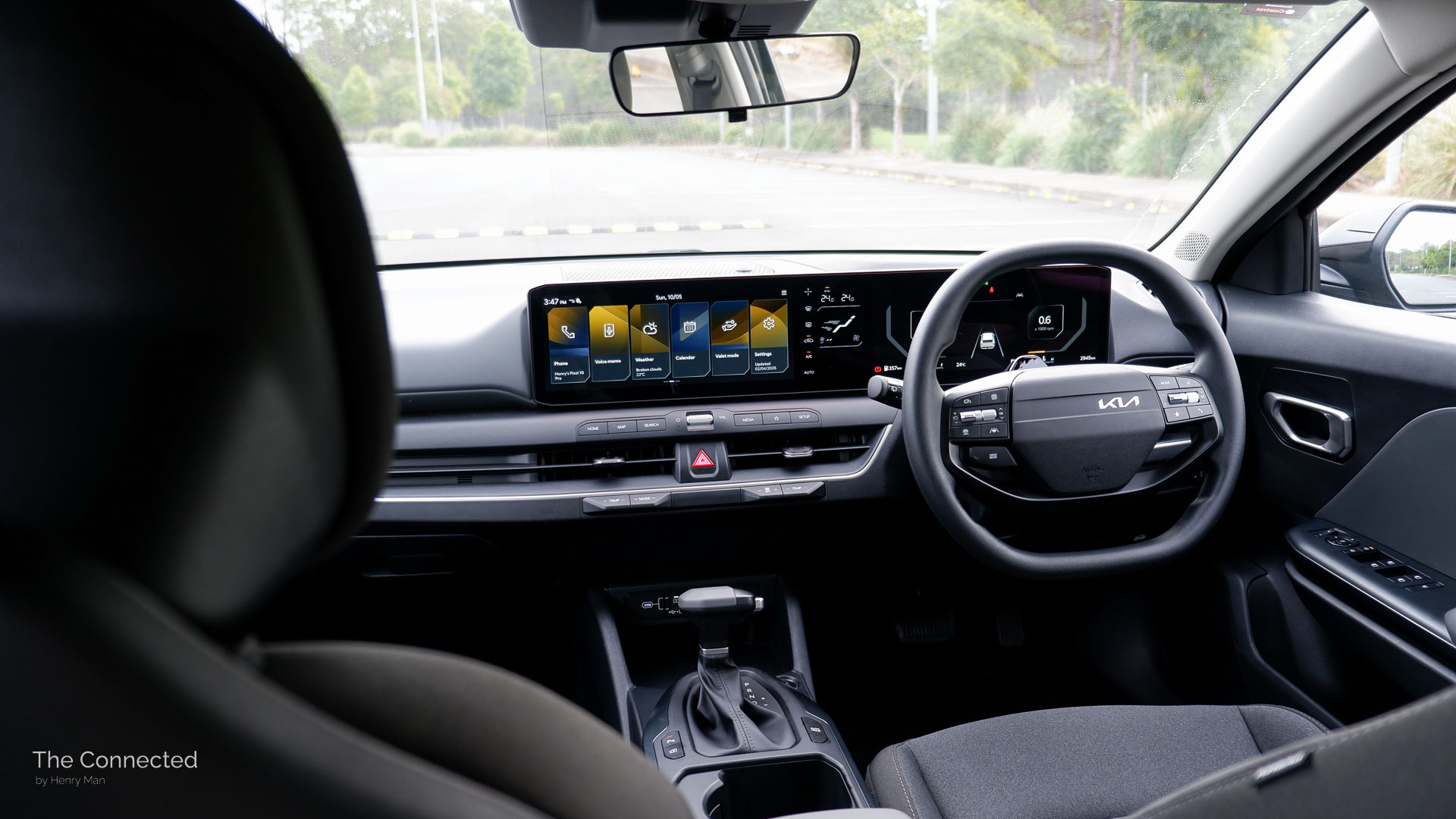
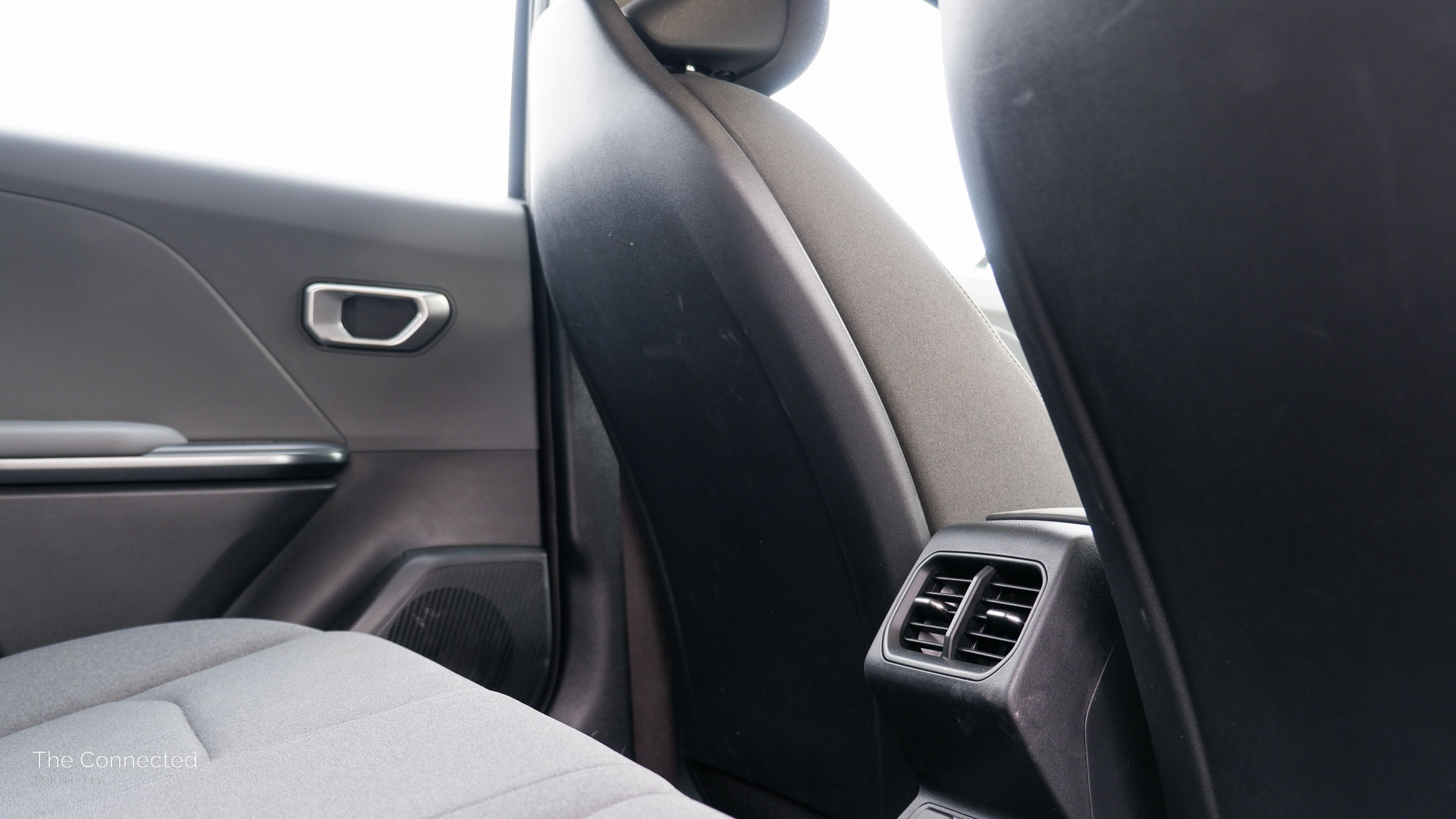
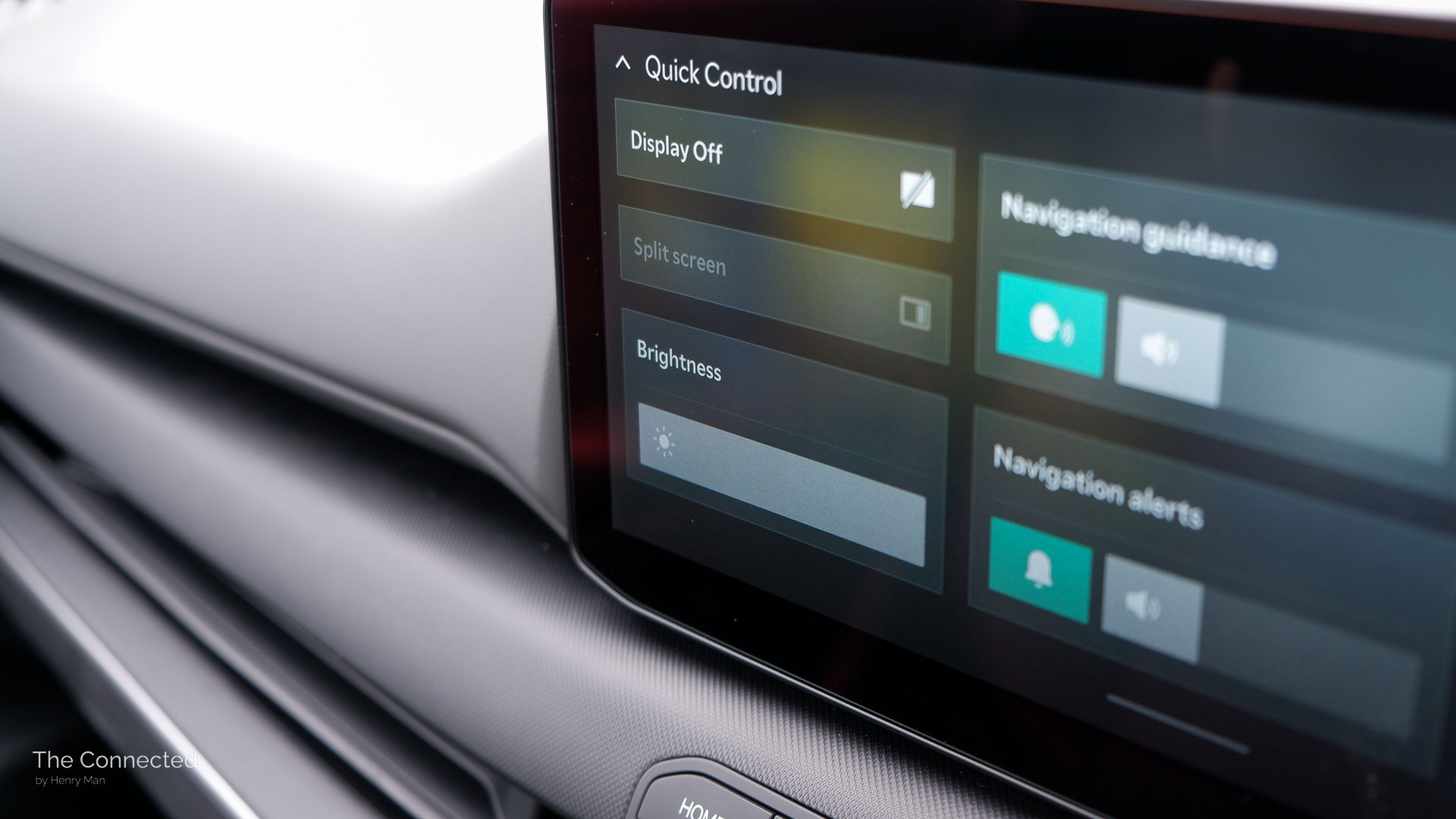
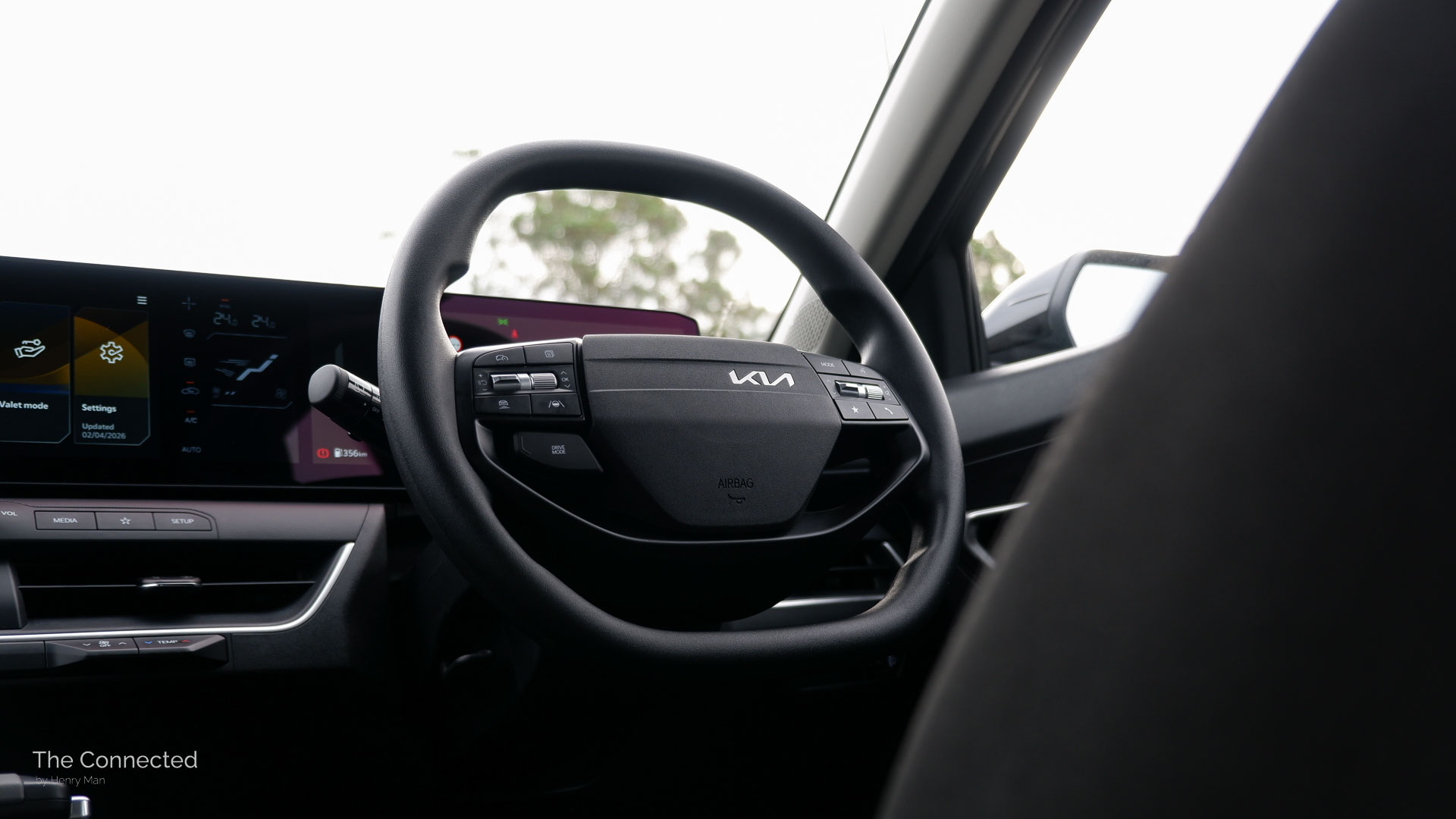
Testing the lower-end K4 Sport also clearly shows how the South Korean company cheapens out with a plastic steering wheel, hard door cards, no auto rain-sensing wipers, no seatback pockets, and cloth seats with manual adjustment only – despite costing almost $40K drive-away.
The Sport even misses out on automatic screen brightness – a trait usually found on some Chinese cars.
But the related Hyundai i30 has basically been killed off other than the N hot hatch, the Toyota Corolla is an efficient hybrid, the Mazda 3 offers a premium interior and the electric MG 4 Urban, GWM Ora 5 and Leapmotor B05 are great value – but the Kia K4 looks striking and features modern tech without being too intrusive.
For the full detailed review, read the 2026 Kia K4 Sedan review here.
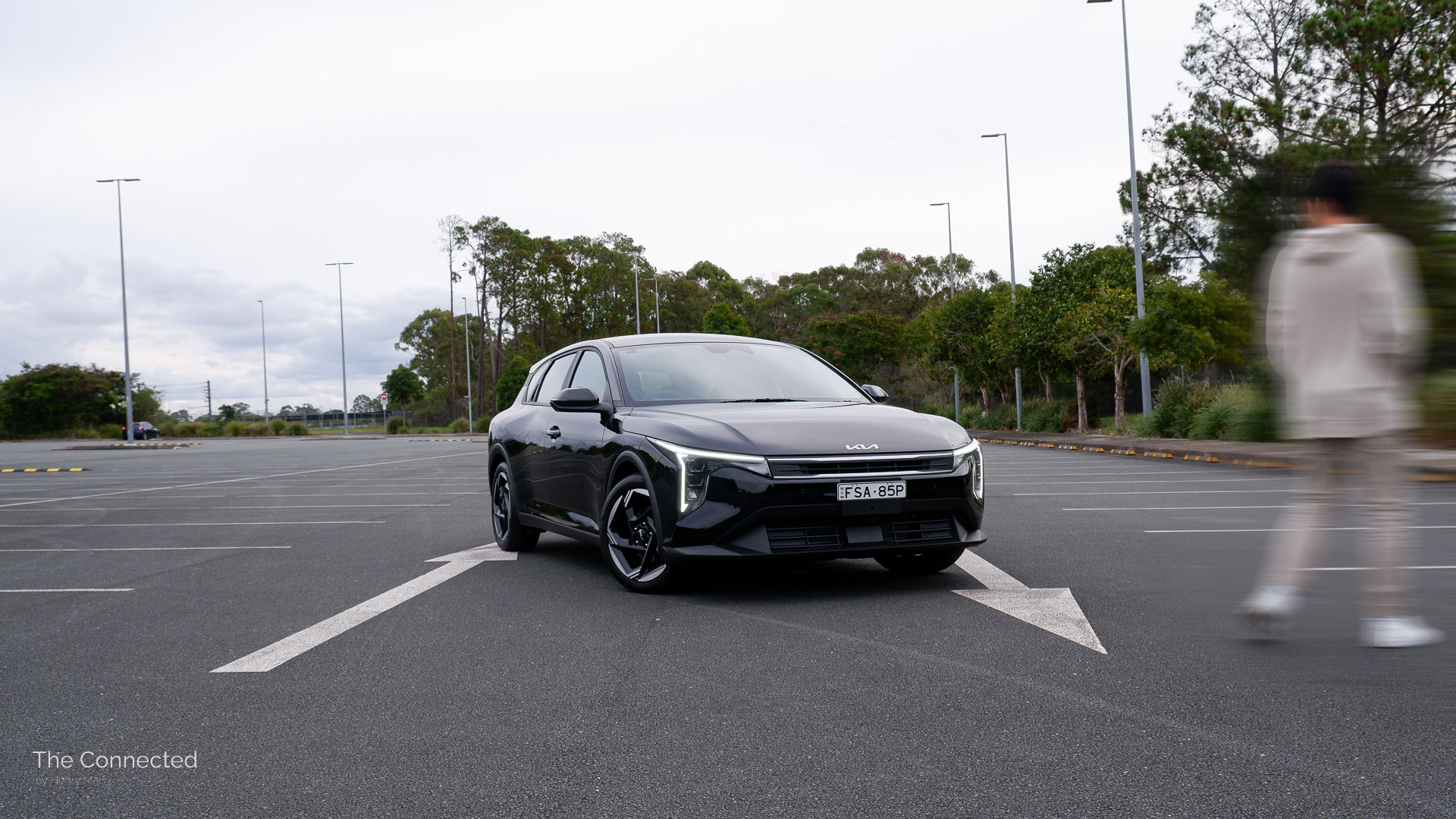
Would I pick the 2026 Kia K4 Hatch?
The Kia K4 is one of the most striking-looking small cars out there, even though it isn’t the cheapest to buy and run.
A striking exterior, good tech and responsive powertrains are now finally packaged in a more versatile hatchback body, with some little-known advantages that the sedan misses out on.
But the hatchback is notably less fuel efficient than the sedan, at least on the GT-Line, the rear door design could be painful for the uninitiated, and lower-end variants feel noticeably cheap with a plastic steering wheel and no auto screen brightness.
The K4 Hybrid is also due by at least 2027 – and still officially unconfirmed for Australia – when the related Hyundai i30 Sedan has had a hybrid option since 2024.
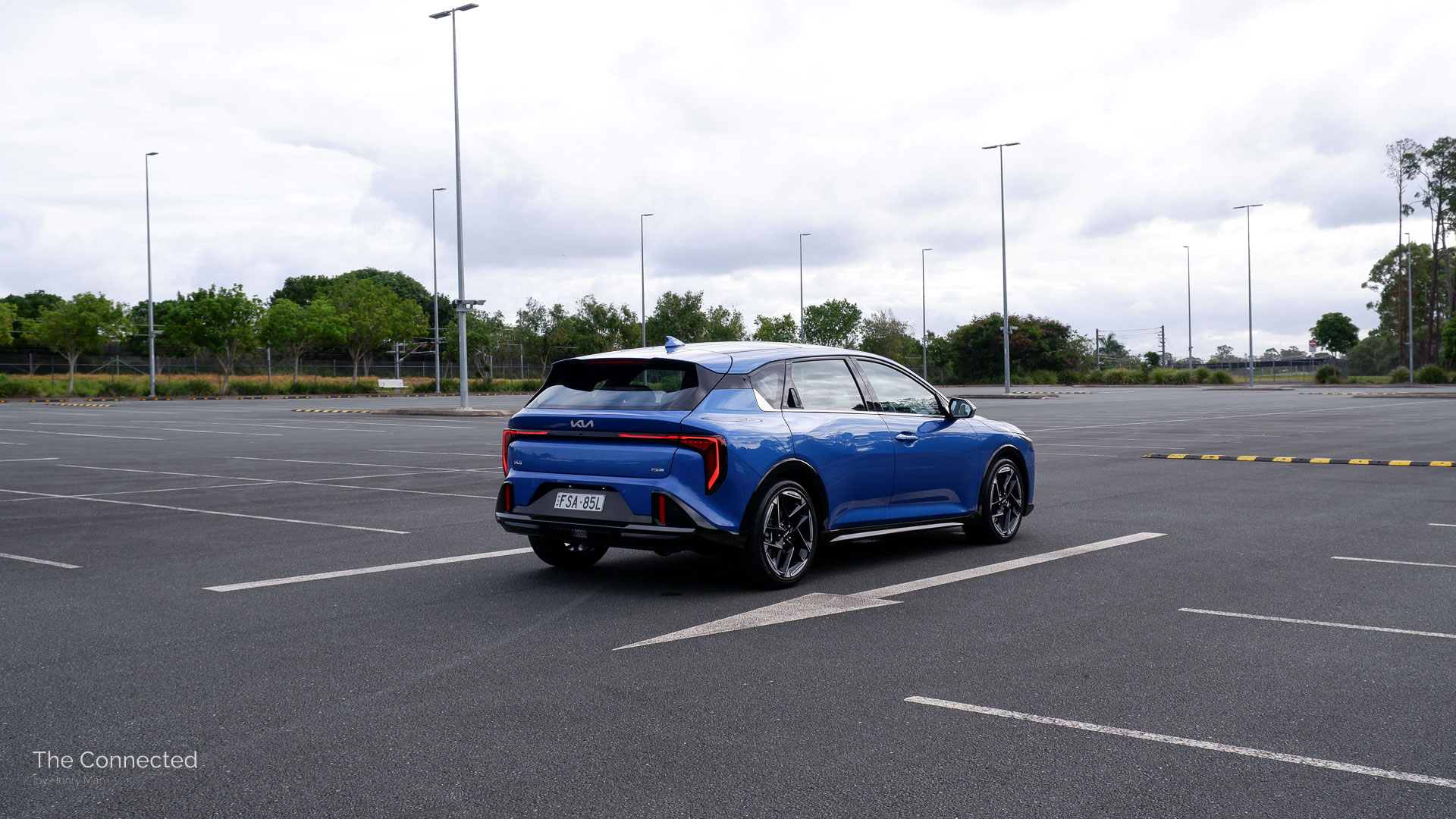
I’d pick either the base S or the flagship GT-Line. Any variant in between doesn’t meaningfully introduce features for the money unless you go all the way to the top; the line-up seems unnecessarily long.
The Kia K4 is a great small car option when the tide has turned in favour of SUVs, and it’s now finally available in a hatchback.
Photographs by Henry Man
READ MORE: 2026 Kia K4 Sedan review
READ MORE: 2026 Toyota GR Corolla review
READ MORE: 2026 Hyundai Ioniq 9 review
Pros:
- Striking exterior design for the price
- Always-on rear DRL
- More practical and accessible boot
- Noticeably easier to park than sedan
- Smooth and quiet powertrains
Cons:
- Higher fuel consumption than sedan
- Rear doors are still painful
- Cheaper variants missing auto screen brightness
- Unnecessarily long line-up
- No hybrid option still
About the Author.
Henry Man is an independent content producer passionate about the intersection of technology and transportation.
The former automotive journalist is focused on producing critically-detailed vehicle reviews, and unique short-form content. Learn more.


