
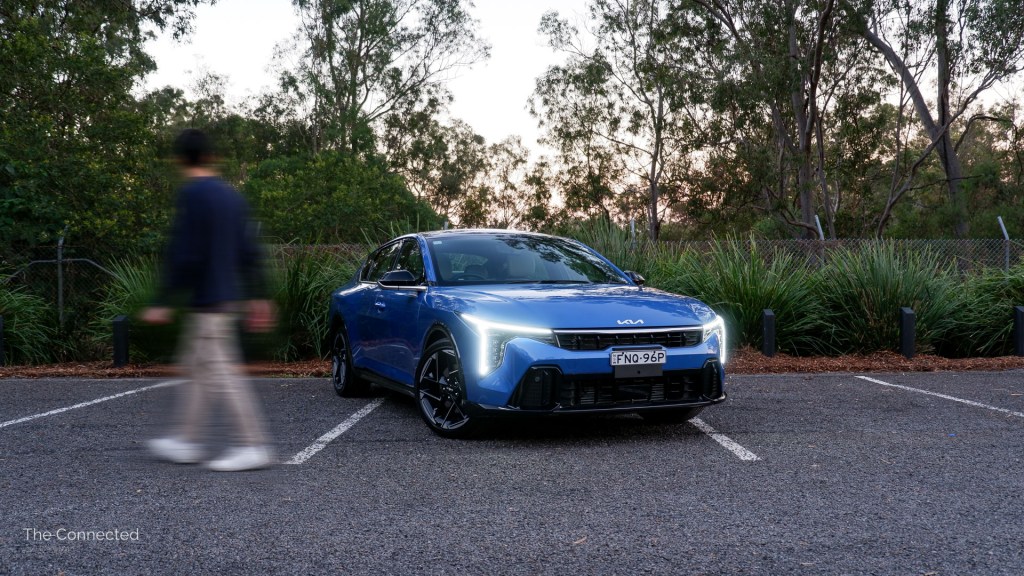
This is the new Kia Cerato.
The Kia K4 replaces the Cerato as the South Korean brand’s small car in Australia with an overhauled design, new technology, and updated powertrains for 2026.
While it isn’t so ‘small’ anymore, the K4 Sedan represents an attainable option to gain Kia’s latest features without a big price tag, while directly rivalling a handful list of small sedans including the Hyundai i30 Sedan, Mazda 3, and Toyota Corolla.
I tested the top-spec GT-Line to see whether this sporty warm sedan is still a good buy and justifies the up to $6000 price increase.
NOTE: The press vehicle was provided by Kia Australia for a seven-day independent evaluation. We have no commercial arrangements with the company and it had no editorial control.

Pros.
+ Good value price
+ Upgraded tech democratized
+ Cool exhaust, quick turbo-petrol
+ Spacious boot
+ Striking new design for the money
Cons.
– Sub-par steering and transmission
– Rear door design could be painful
– Frequent and expensive servicing requirements
– No hybrid option yet
– Unnecessarily long model line-up
Vehicle tested:
| Model | 2026 Kia K4 Sedan |
| Variant | GT-Line |
| Starting price | $42,990 before on-road costs |
| Exterior colour | Wave Blue (+$600) |
| Interior colour | Onyx Black with white accents |
| Country made | Mexico |
Design and quality.
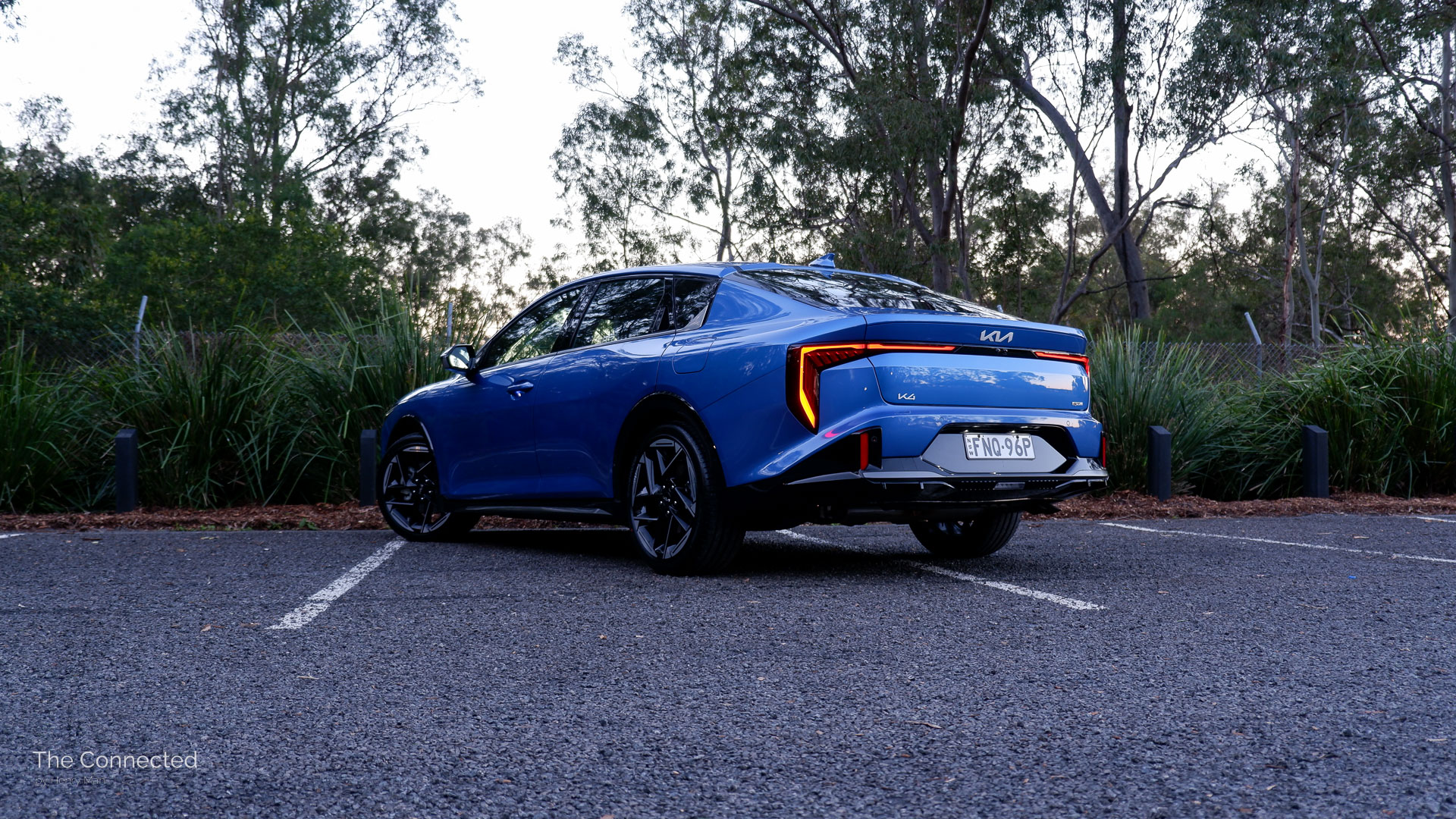
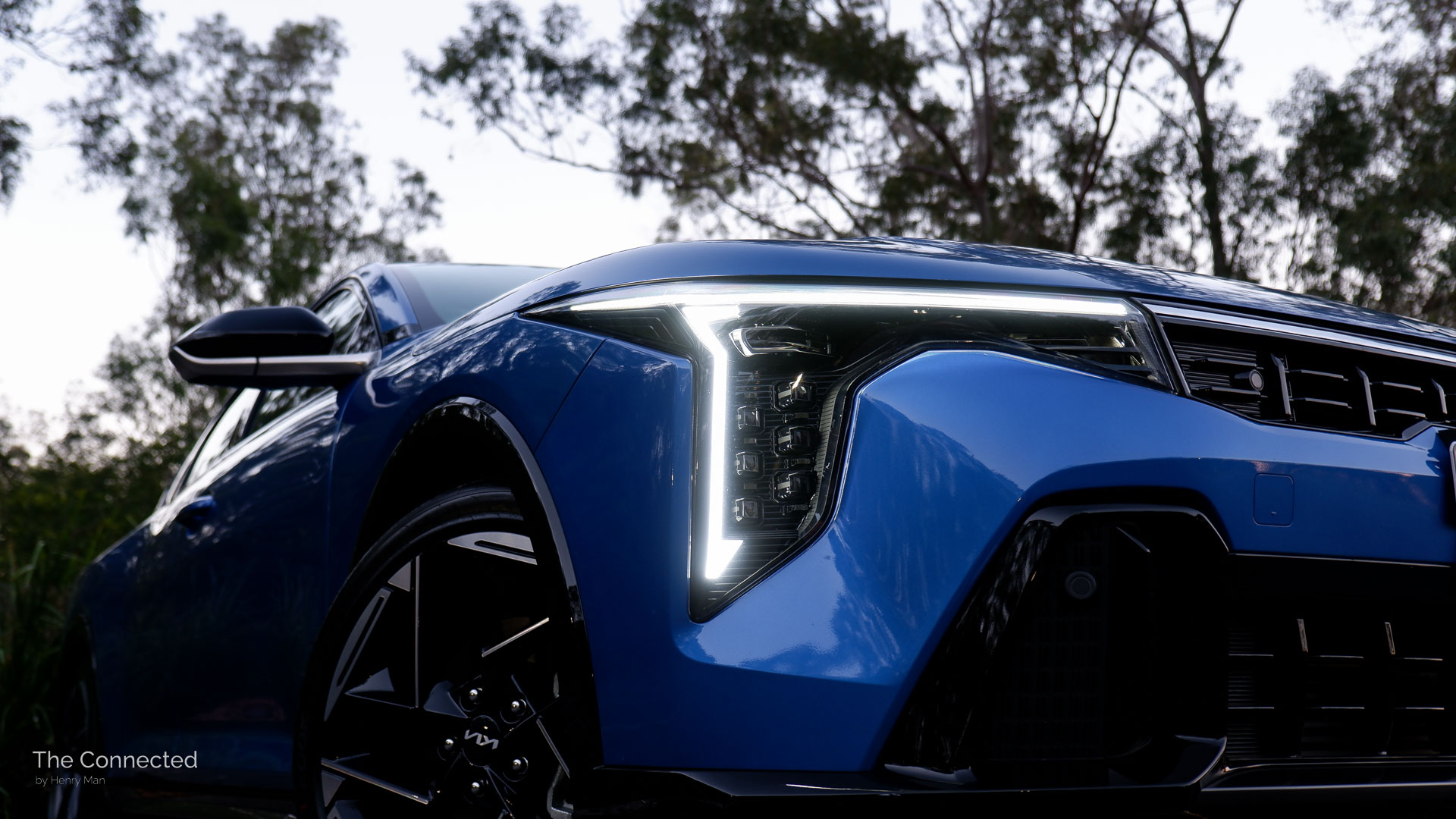
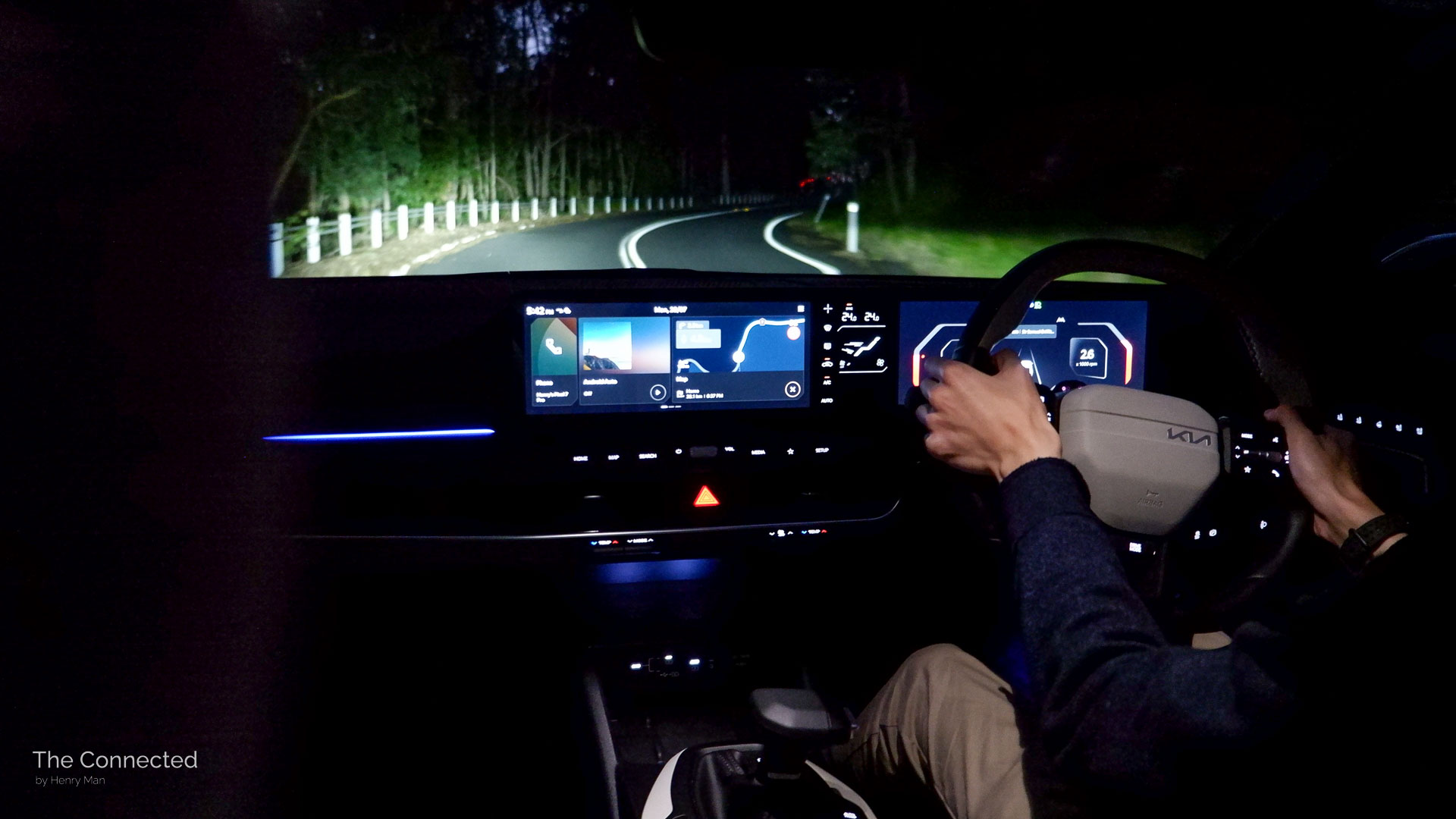
The new Kia K4 delivers a super sporty and edgy design, especially in GT-Line sedan guise.
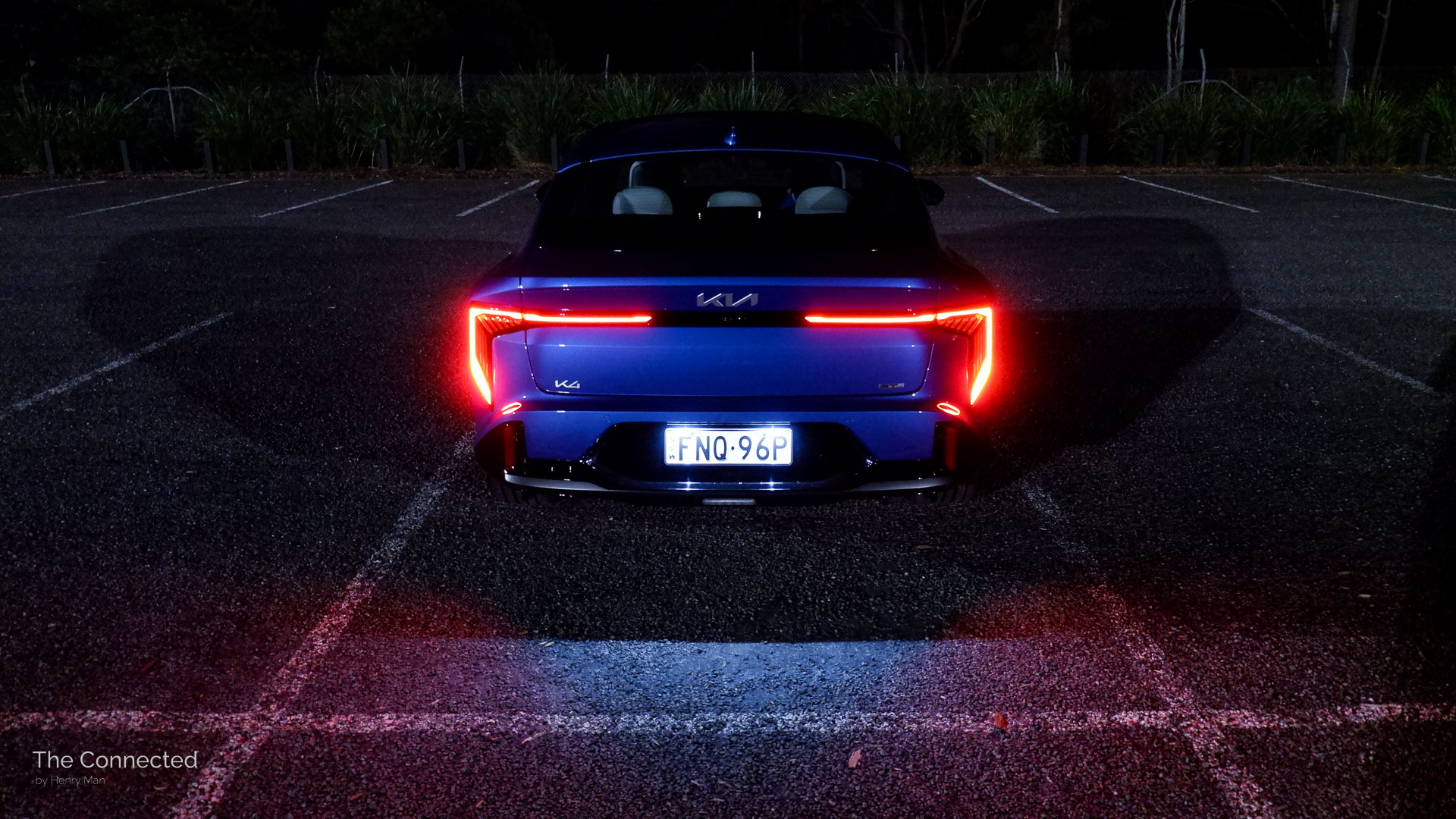
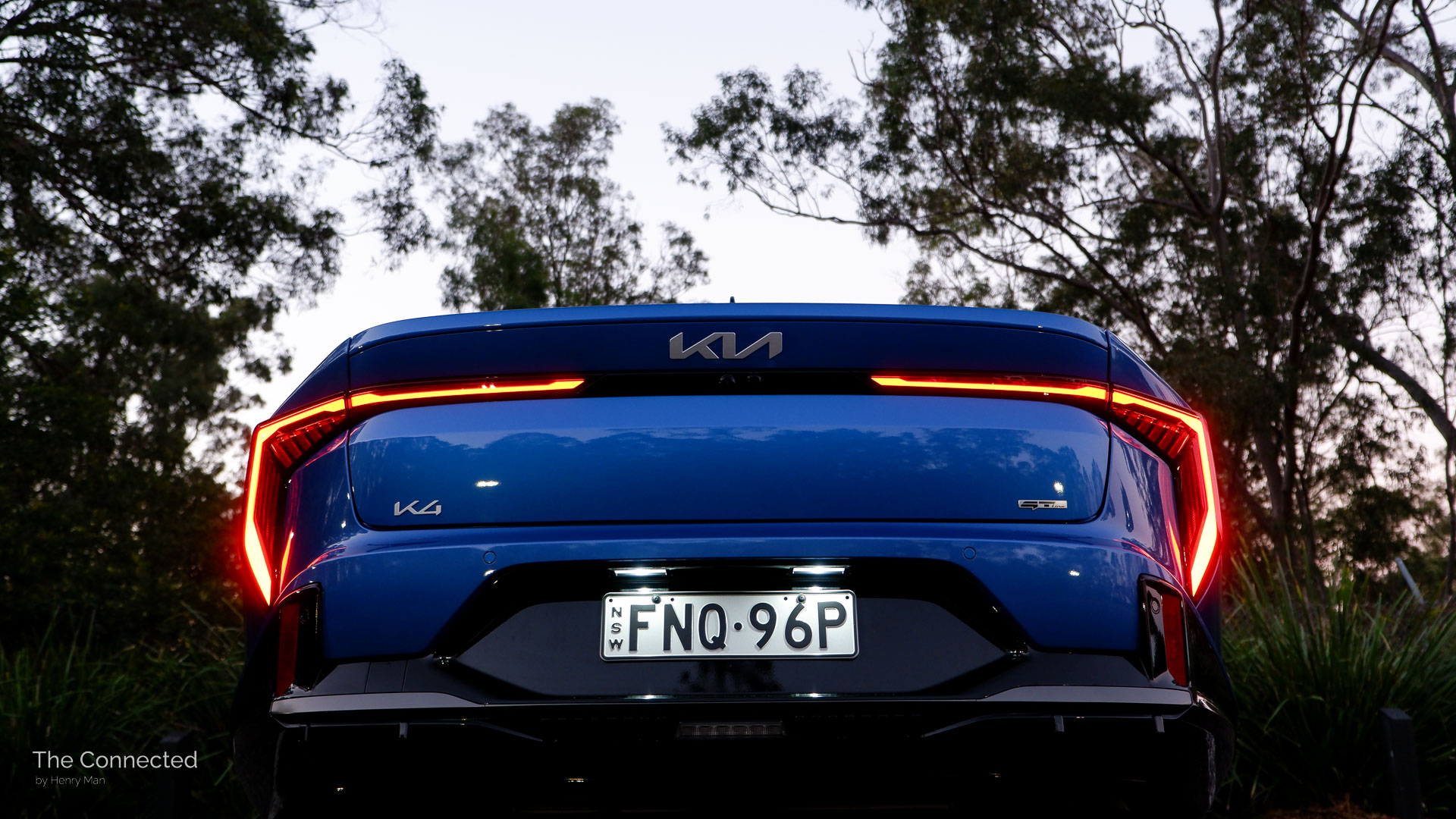
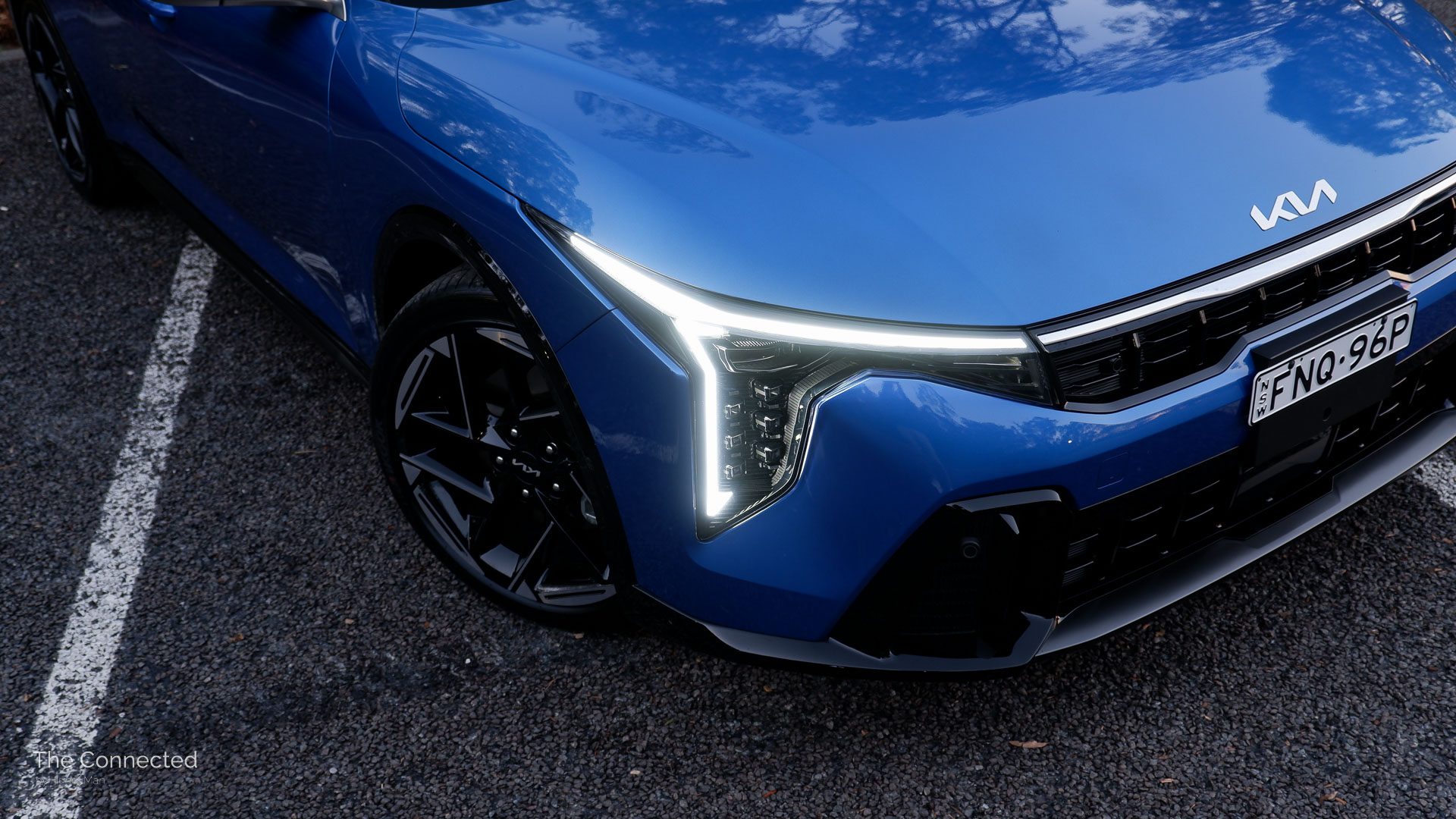
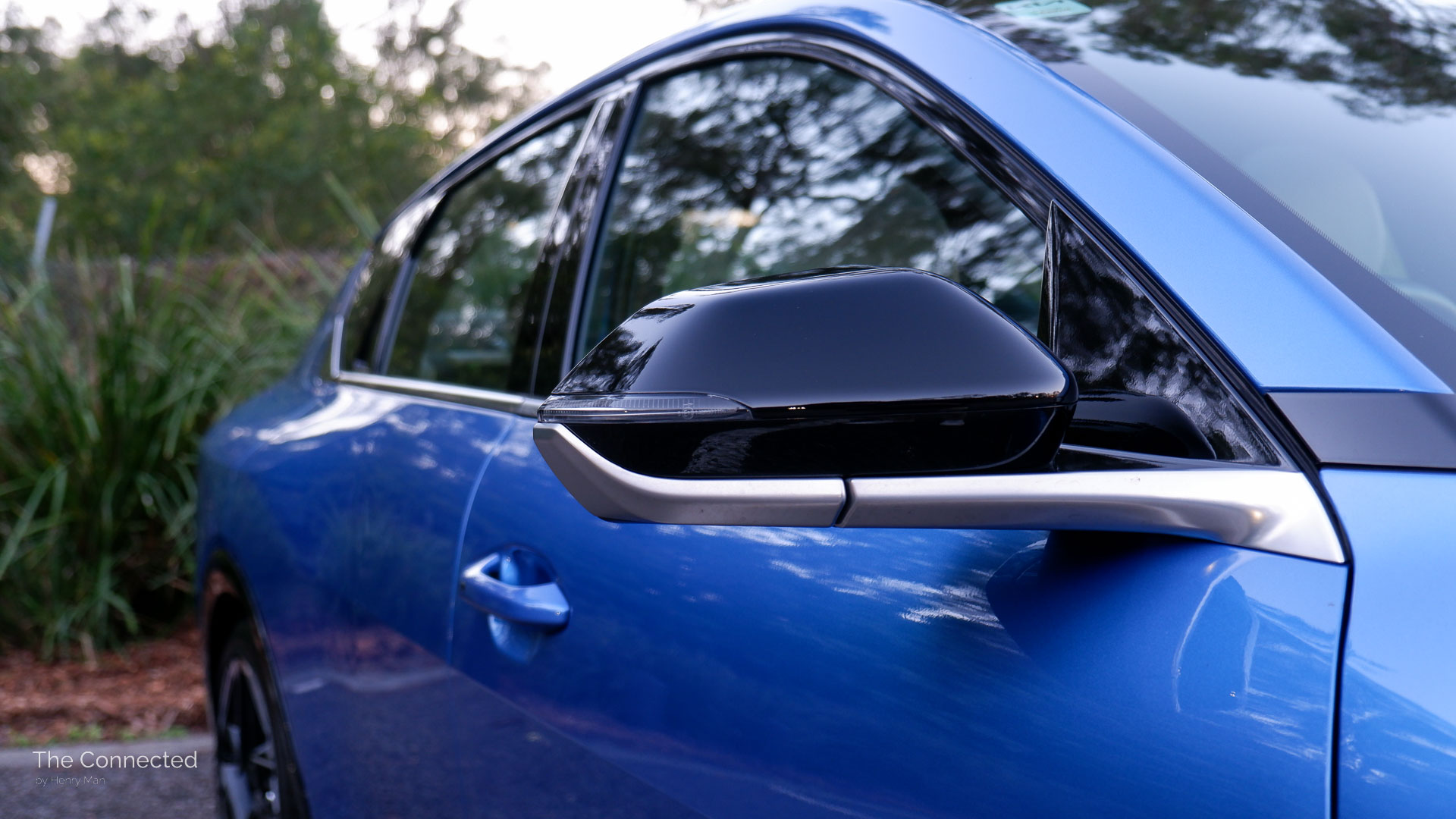
In line with the car brand’s latest offerings, from the EV3, Carnival and EV9, the K4 provides a modern, edgy and head-turning exterior design with gloss black and silver accents on the GT-Line.
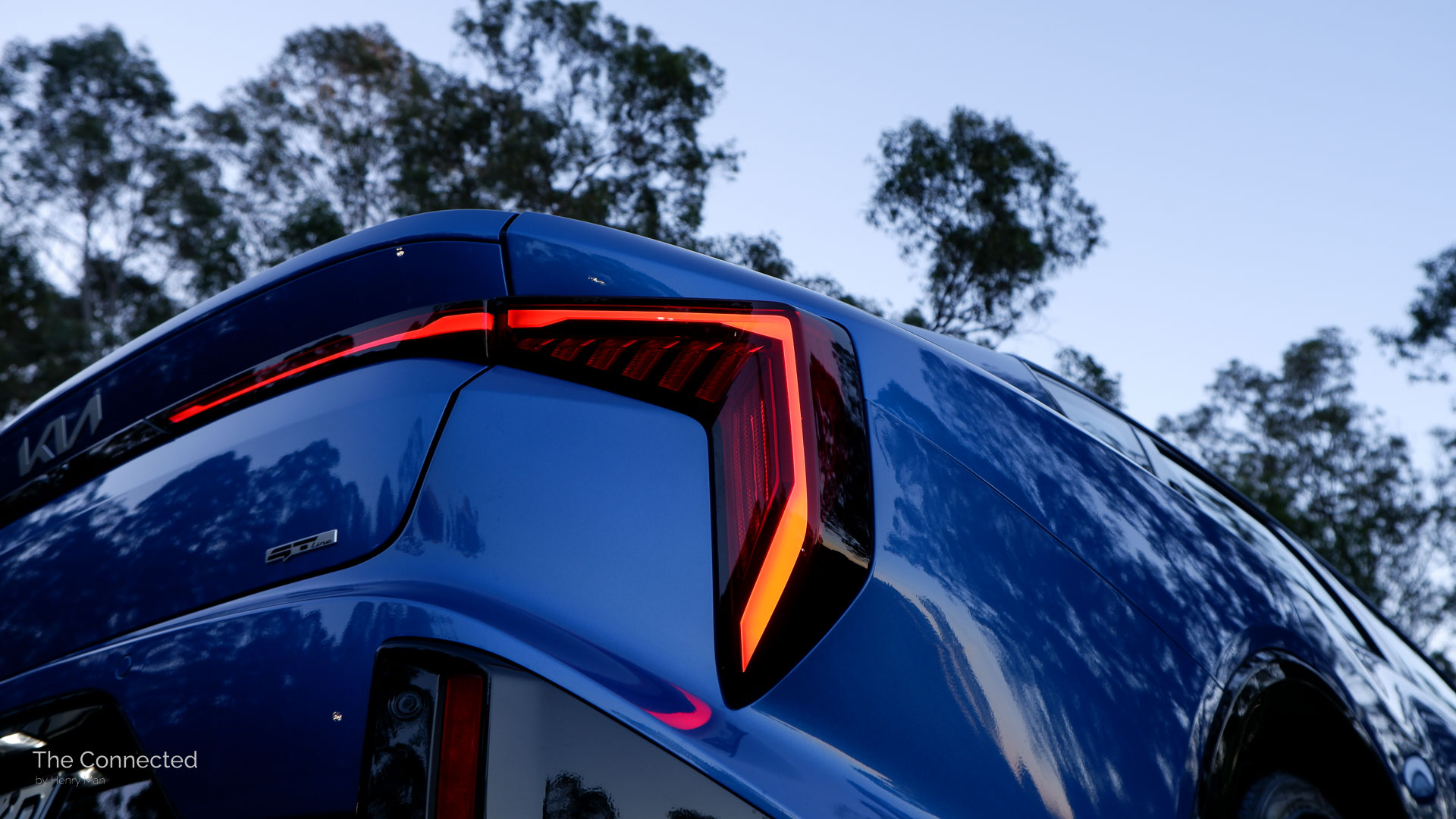
It’s most reminiscent of the facelifted Picanto micro car with a long LED daytime running light signature that doubles as a turn indicator, elongated teardrop rear LED tail-light, and a low-slung sedan body style – very attractive for the sub-$50K price.
However, at more than 4.7 metres long, the Kia K4 Sedan isn’t a ‘small’ car anymore – at 70mm longer than the previous Cerato sedan.
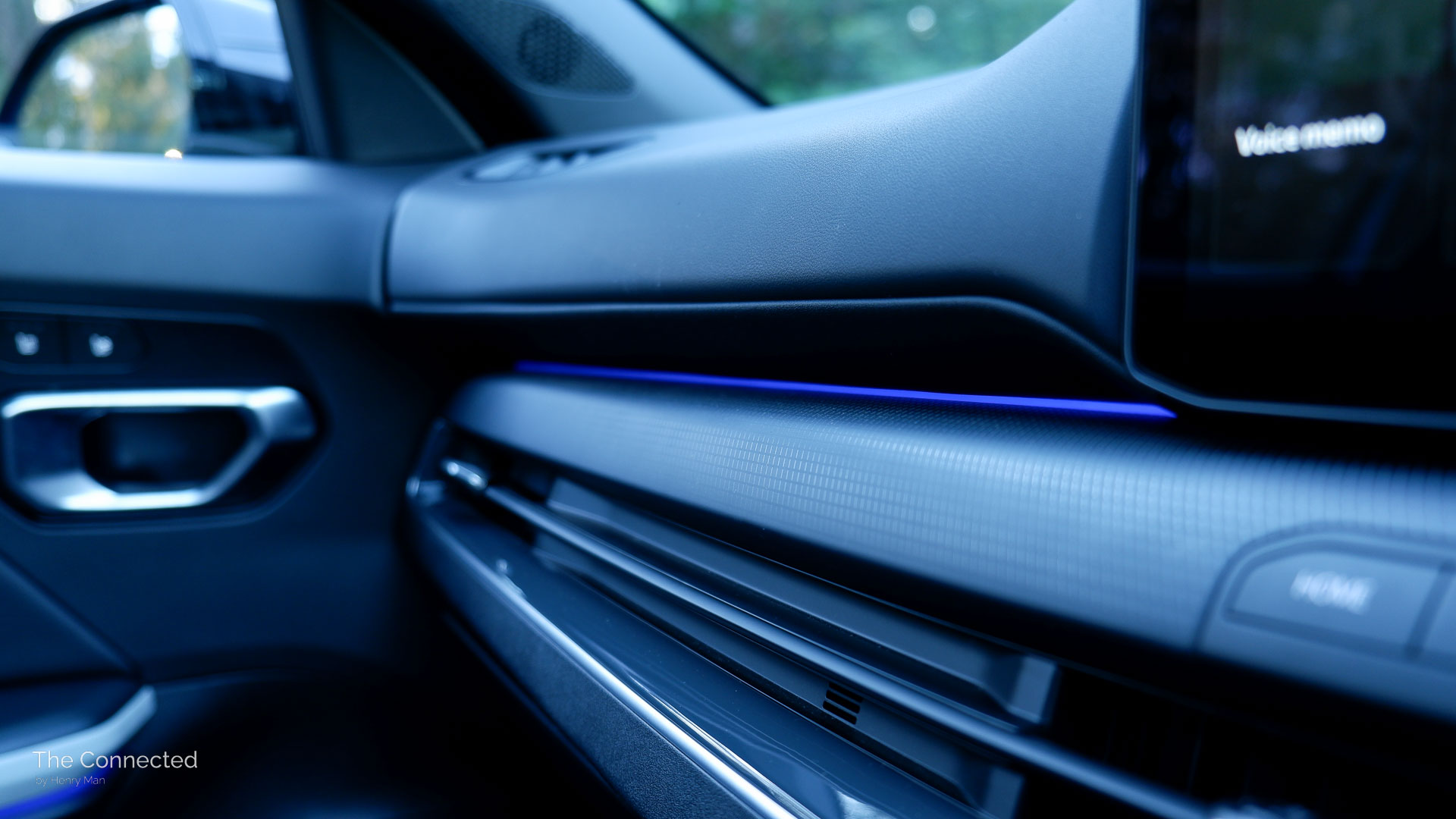
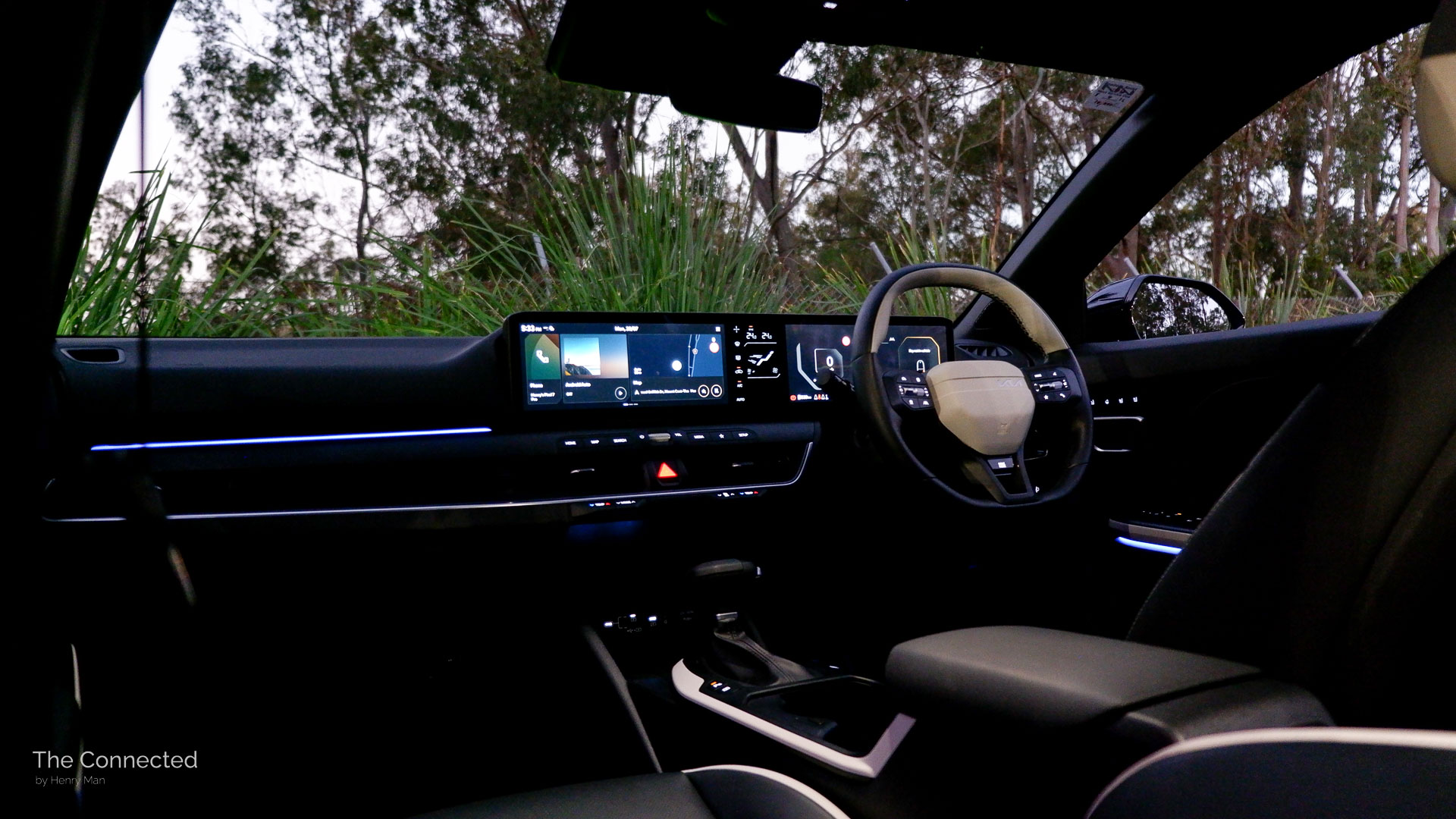
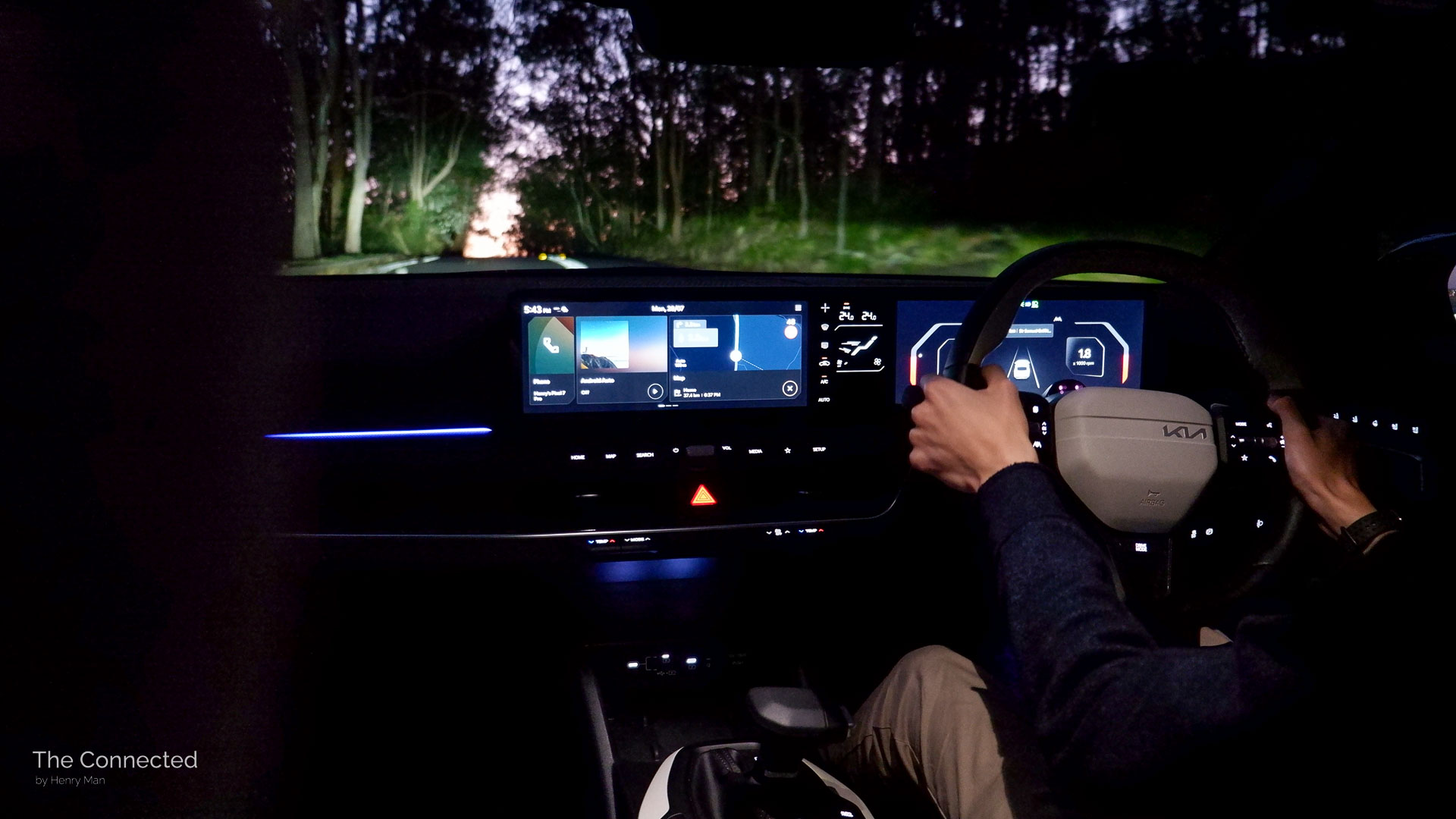
Inside, the K4 GT-Line features a premium-looking two-tone white-black interior theme, subtle ambient lighting strips on the dashboard and door, and retains a physical gear shifter.
The interior tries to be more upmarket than sporty unlike the related Hyundai i30 Sedan, which cocoons the driver, but is good quality with soft-touch upper door cards and solid switches.
Harder and scratchier plastics are found lower down, wiring is exposed in the sedan’s boot, and the leatherette steering wheel and seat material noticeably feels lower quality than the Kia EV3 GT-Line’s interior – but cost cutting measures are par for the course for the price.
Practicality.
2026 Kia K4 Sedan GT-Line dimensions:
| Length x width x height | 4710 x 1850 x 1425mm |
| Wheelbase | 2720mm |
| Ground clearance | 140mm |
| Boot space (min) | 508 litres |
| Rear seat split fold | 60:40 |
| Child seat anchors | 2x ISOFIX and 3x top tethers |
| Air-conditioning system | Two-zone climate control with rear air vents |
The new generation Kia K4 is a practical sedan and really considered ‘small’ anymore.
The 508-litre boot is wide and super deep with pull tabs to remotely unlatch the rear seats to fold, even though the single halogen light is dim, there aren’t any bag hooks, and has a loading lip.
Thankfully, unlike the related Hyundai i30 Sedan, a handle is located inside the tailgate to easily close the light manual sedan door with one hand.
There’s also a convenient hands-free function which pops the boot open part-way by standing behind the vehicle for a few seconds with the proximity key, as long as all doors are locked.


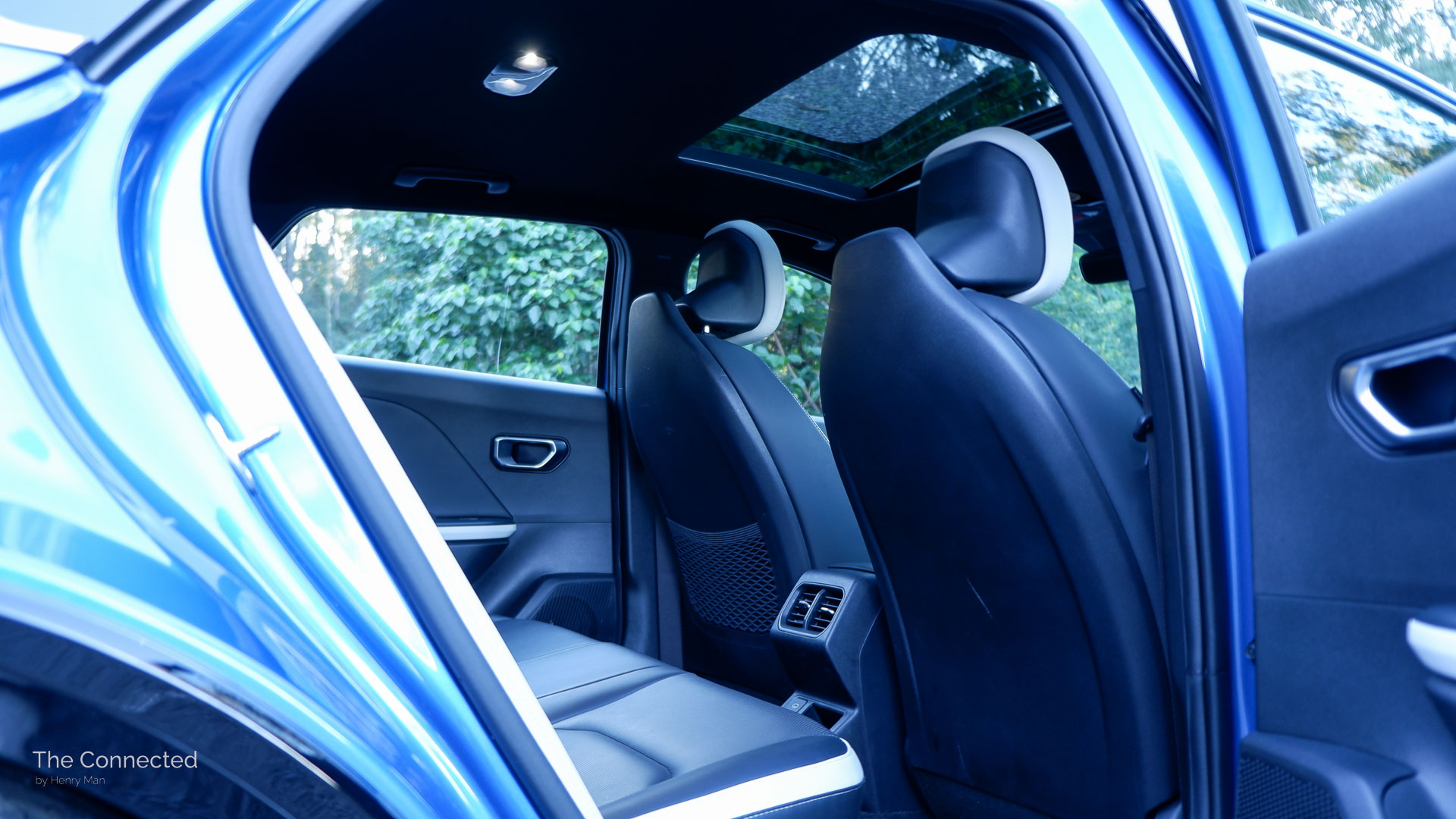
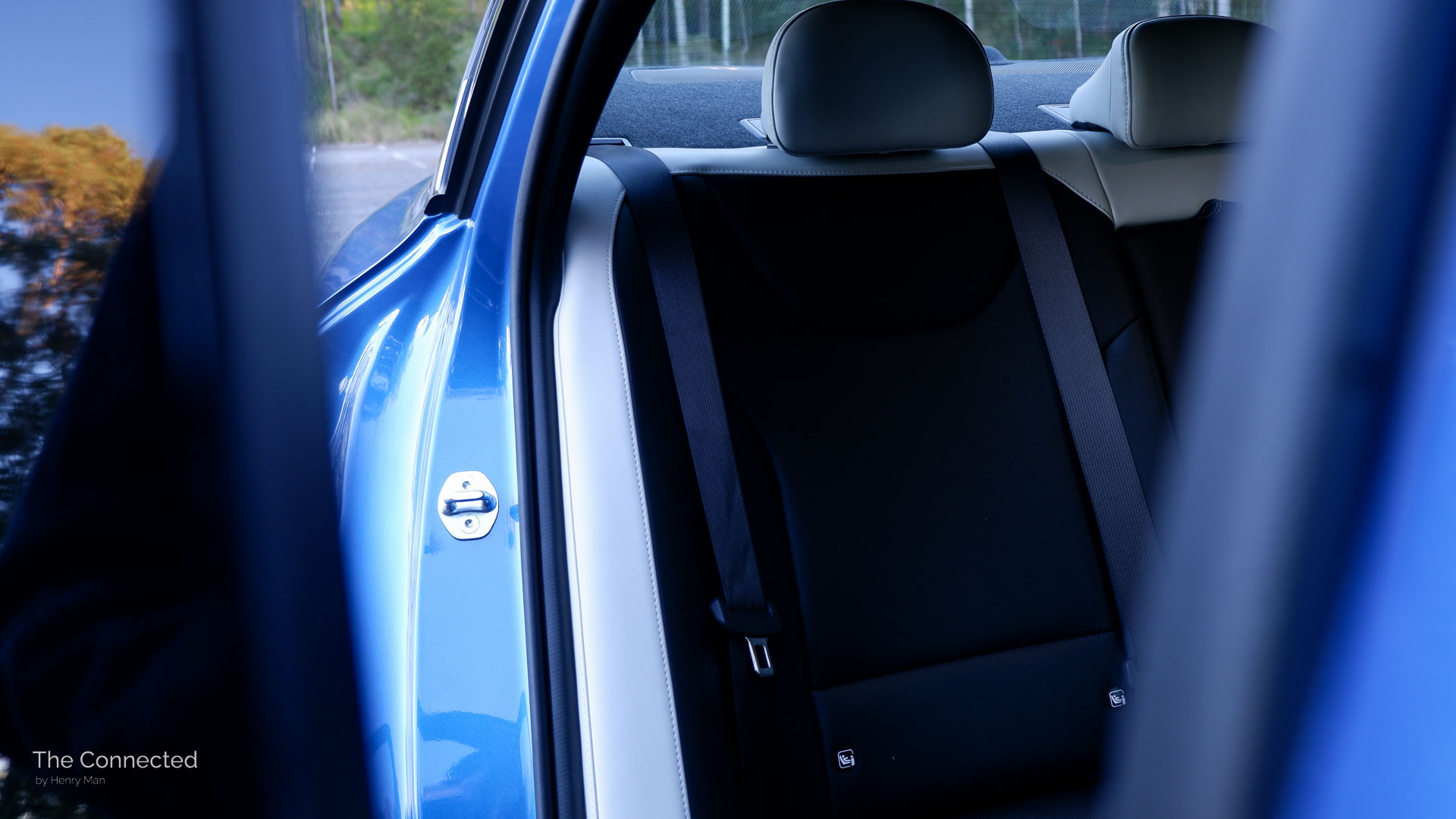
It’s worth a word of caution when getting in the K4 Sedan’s rear row since the hidden-type door handle is positioned in front of the door panel itself. Therefore, passengers may open the door and accidentally hit themselves. Not ideal.
Once in, the K4 Sedan provides good legroom and headroom, but taller passengers may struggle with the latter due to the low roofline. The centre floor transmission hump is also quite prominent, making sitting three abreast a tighter fit.
It’s particularly impressive that the rear side seat bolsters have soft leatherette padding – usually a luxury car feature.
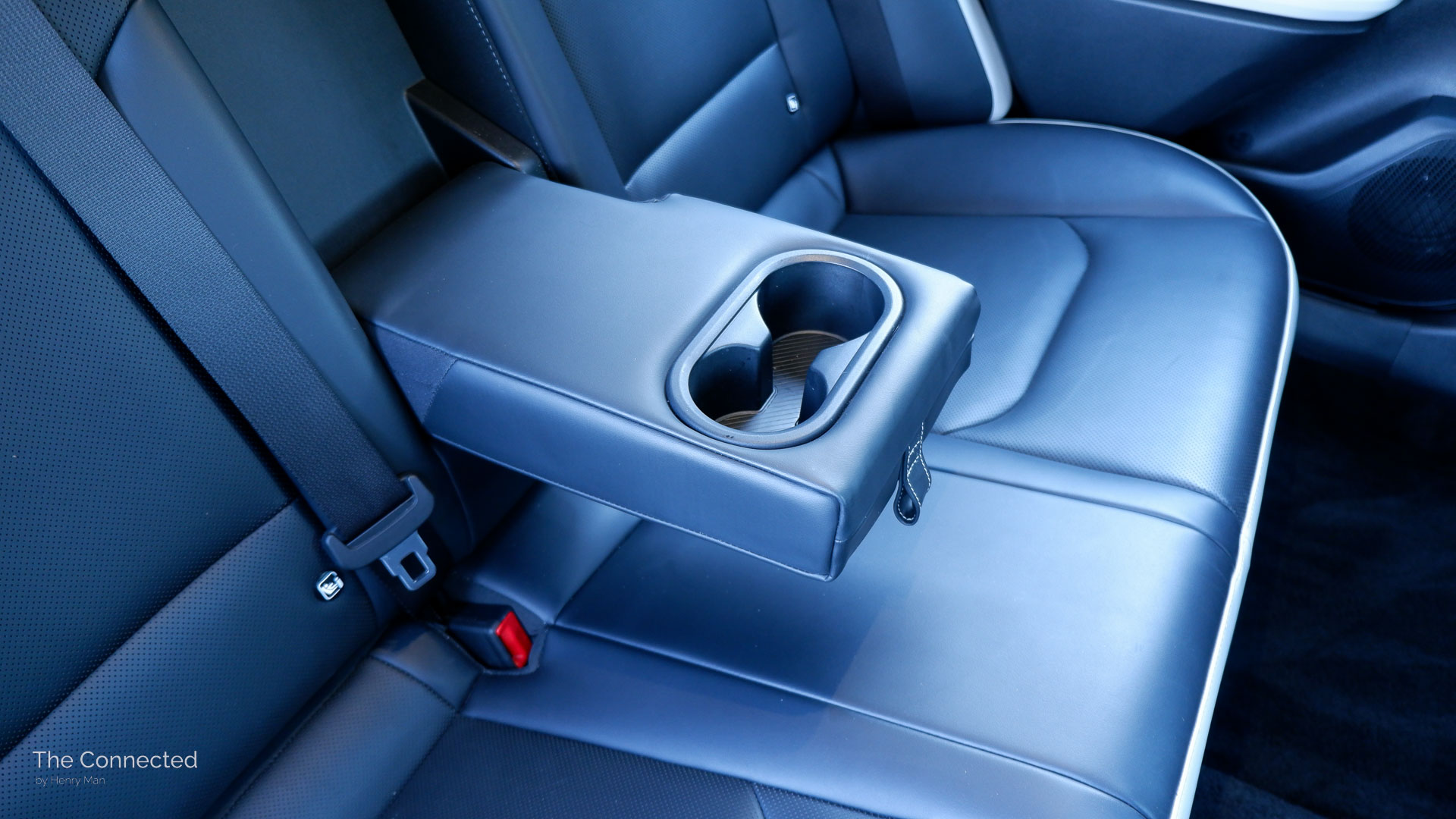


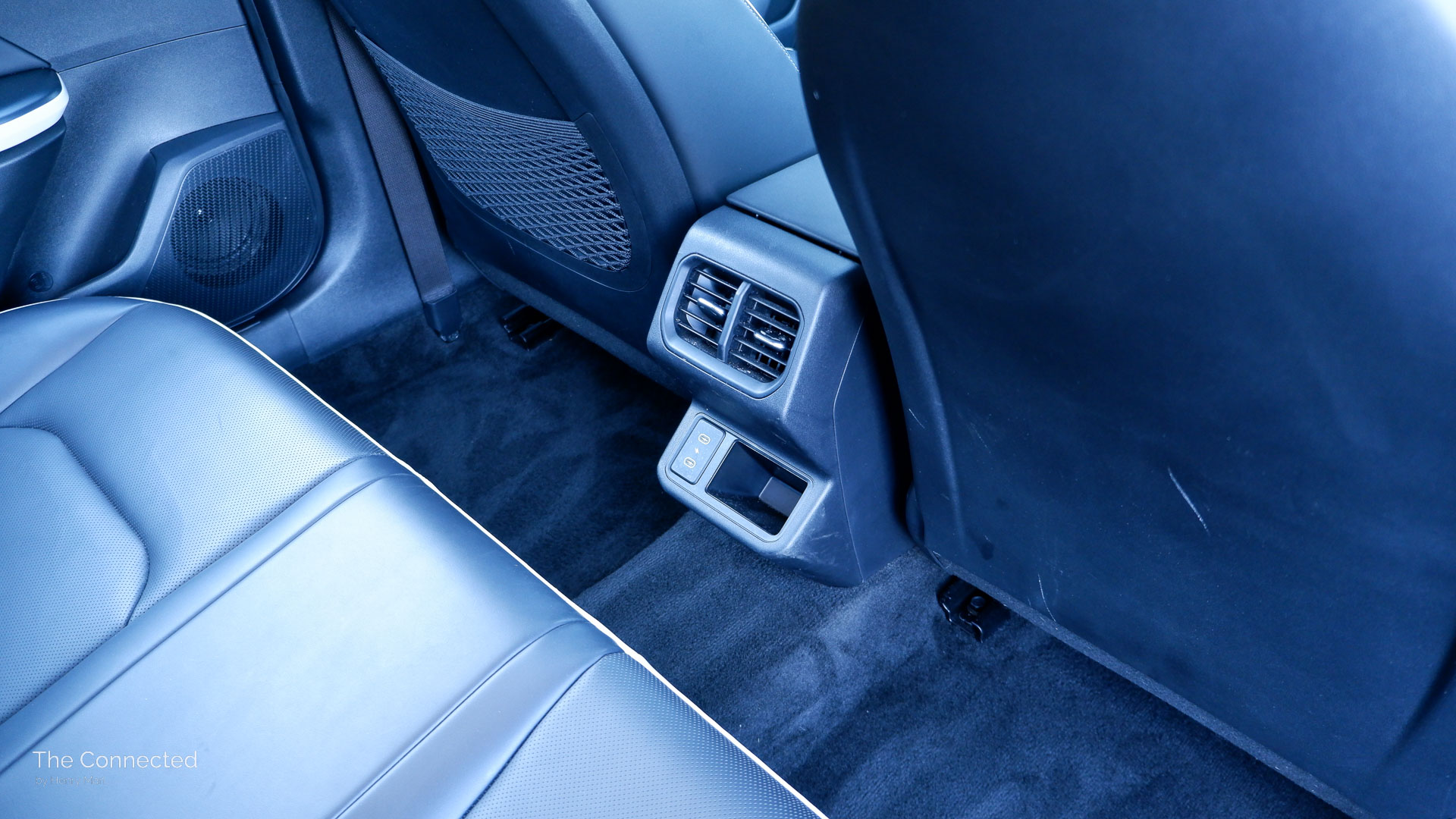
While rear air vents, two USB-C charging ports, a small storage slot, fold-down armrest with two cup holders, and front headrest coat hooks are available, only the front passenger seat backrest has a net and all door bottle pockets are very narrow.
No model includes rear tinted privacy glass either – another basic cost-cutting measure for what’s otherwise a commendable family car.
Meanwhile, the range-topping GT-Line has a darker black headliner but is offset by a standard-sized sunroof in front.
It also exclusively gains three-level heating and ventilation for the front seats, as well as driver memory and a two-level heated steering wheel.
However, I found that the front artificial leather seats weren’t as supportive with firmer cushioning.
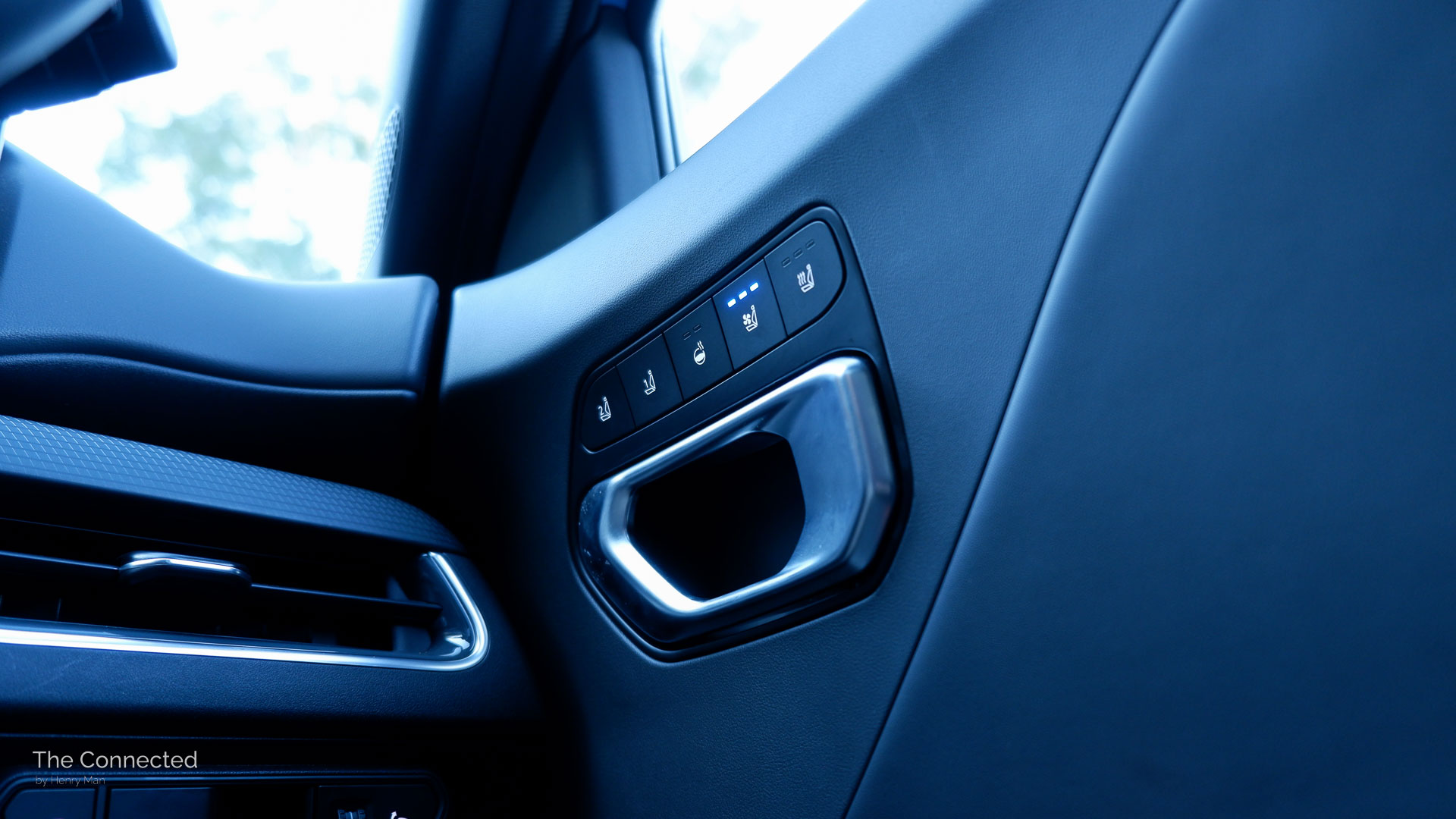


In line with the EV3, EV5 and EV9, Kia manages to balance modern and usability well with its two-zone climate controls, using a combination of a 5.0-inch monochrome climate display and physical switches in the centre for the temperature and fan speed.
While the touchscreen can be obstructed by the steering wheel for the driver, it displays a pop-up on the main screen when the temperature and fan speed is adjusted.

Technology.
2026 Kia K4 Sedan GT-Line tech features:
| 12.3-inch touchscreen running ccNC | 12.3-inch driver instrument display |
| Wireless/wired Apple CarPlay and Android Auto | 5.0-inch monochrome climate control display |
| Built-in maps | 4x USB-C and 1x 12-volt charging ports |
| Kia Connect services and mobile app | Qi wireless charging pad |
| OTA software update capability | Proximity key with auto-folding mirrors and front door handle lights |
| Eight-speaker Bose |
The new K4 democratises Kia’s latest technology offering without a big price tag.
The large 12.3-inch widescreen is powered by the Hyundai Motor Group’s Connected Car Navigation Cockpit (ccNC) software, which performs well with a simple tile-based interface and easy to use shortcut buttons underneath.
Wireless Apple CarPlay and Android Auto connected quickly and reliably every time, yet the Qi wireless charging pad lacks ventilation fans so phones overheat and stop charging fairly quickly under the sun.


Furthermore, the single panel is joined by a clear 5.0-inch monochrome climate control touchscreen – which cleverly fills an otherwise blank gap.
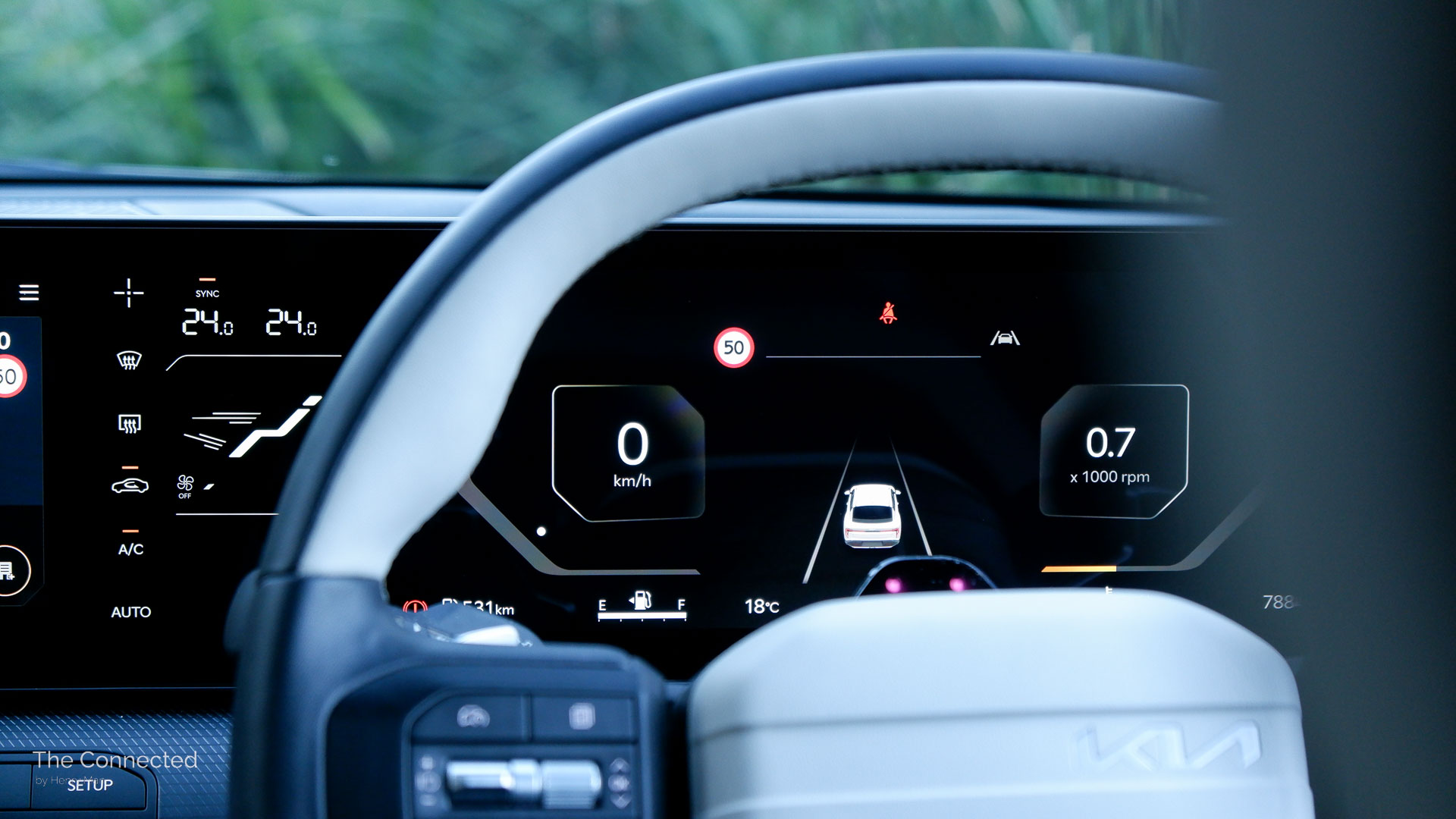
The driver has a dedicated 12.3-inch instrument display, which is simple and legible with different pages, analogue and digital themes, and integration with showing Apple CarPlay and Android Auto map direction instructions.
Up to seven years of Kia Connect services are included from the date of activation, which includes a functional mobile app with the ability to pre-start the climate control, monitor fuel level, and see the vehicle location.
While the app is designed well, sending commands is slightly slow.
The GT-Line’s eight-speaker Bose branded system also sounds good, but it’s not outstanding.
Safety.
2026 Kia K4 Sedan GT-Line safety features:
| Front AEB with vehicle/pedestrian/cyclist/junction turning detection (FCA 2) | Reversing camera |
| Evasive steering assist with direct/oncoming/side lane change detection (FCA 2) | Front and rear parking sensors |
| Blind-spot assist | Door open warning |
| Rear cross-traffic assist | Rear occupant alert |
| Lane-keep assist | Road sign detection with speed limit warning |
| Adaptive cruise control with lane-centring and auto lane change assist (HDA 2) | Kia Connect emergency services calling and remote vehicle tracking |
| Lead vehicle departure alert | Full LED headlights (projection type) and tail-lights |
| Driver attention monitoring camera |
The Kia K4 brings a range of well-tuned safety assist systems, with less intrusive warnings.
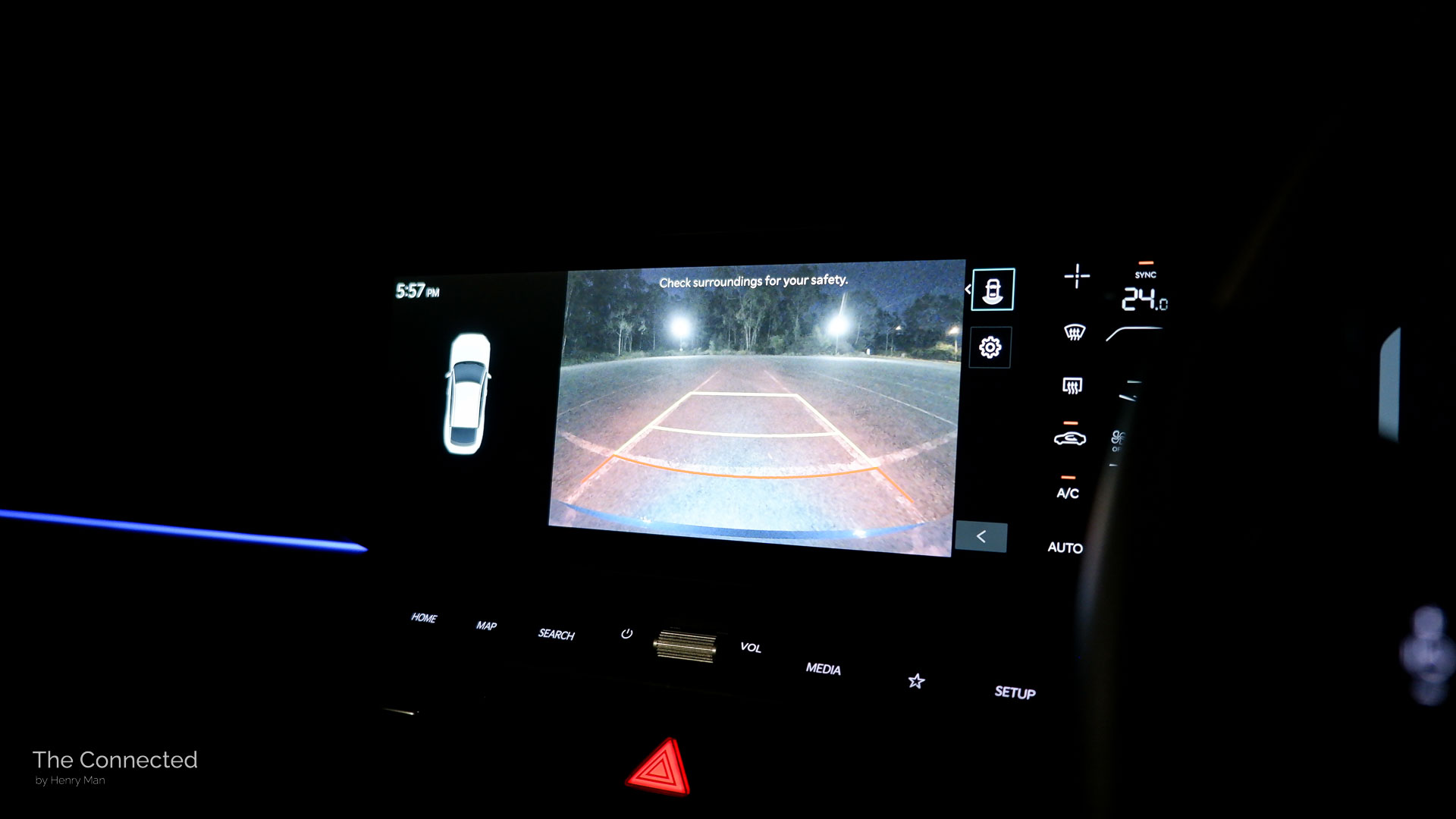
Kia’s radar- and camera-based safety assists are generally well calibrated with smooth and dependable adaptive cruise control and lane-centring assist, unobtrusive lane-keep assist, and a clear reversing camera.
The former is even better on mapped highways with the latest Highway Driving Assist 2 (HDA 2) system, even though the auto lane change function is too slow and cautious to be properly useful day-to-day.
Additionally, speed limit assist is much improved compared to older Kia’s with generally good road sign detection, doesn’t erroneously warn outside of school zone times, and the infuriating chirp every time it detects a new sign can be disabled permanently.

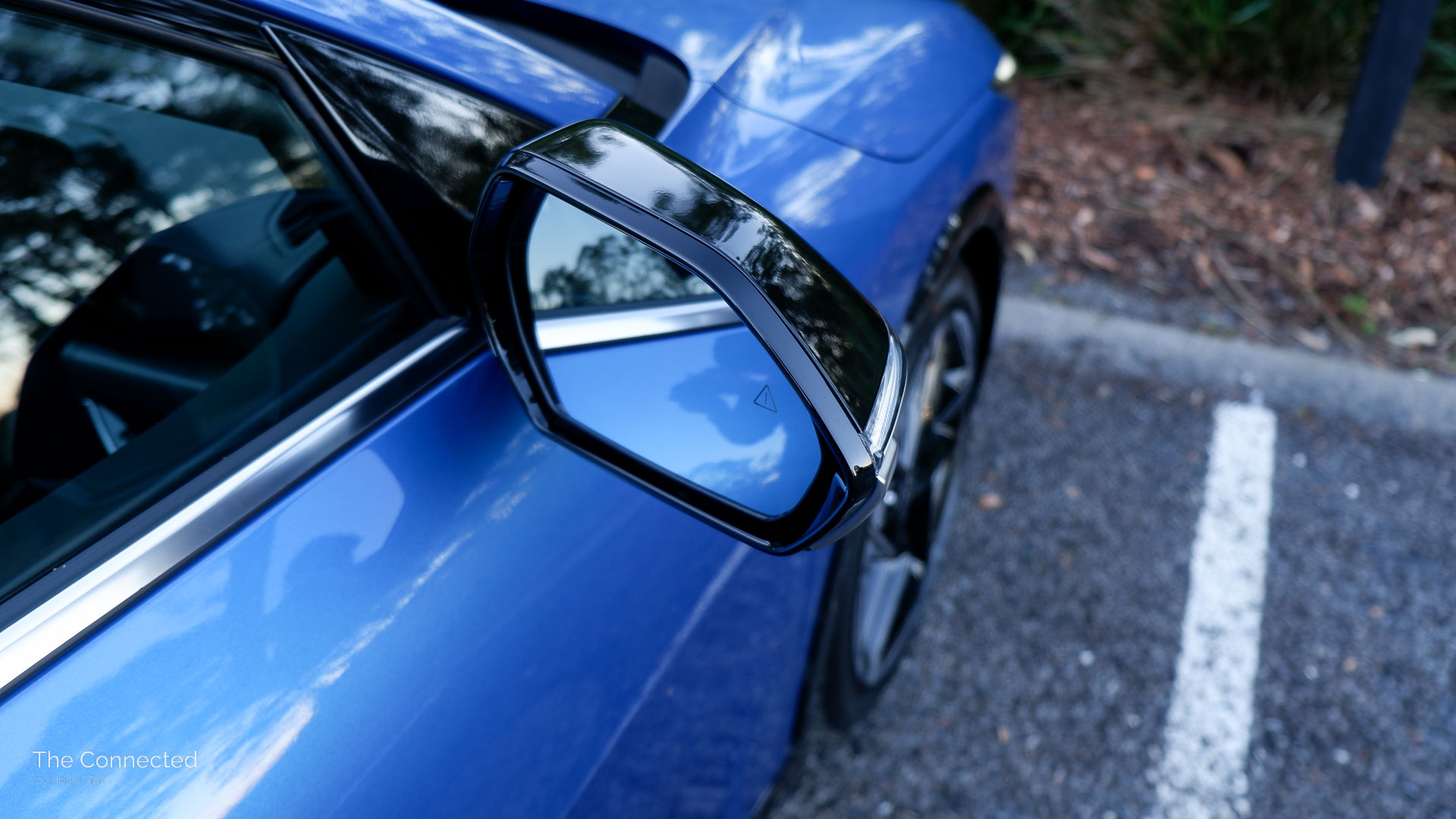


The overspeed warning chimes are also far quieter (one loud beep, followed by two quieter ones) and can be muted via a press and hold of the steering wheel button, too.
It’s still annoying that it re-enables every time you start the car, though.
Another irritation is the driver attention monitoring camera, which warns as soon as you take your eyes off the road for a few seconds. While it’s oftentimes valid, there’s no shortcut to deactivate it and doesn’t stay off permanently yet.

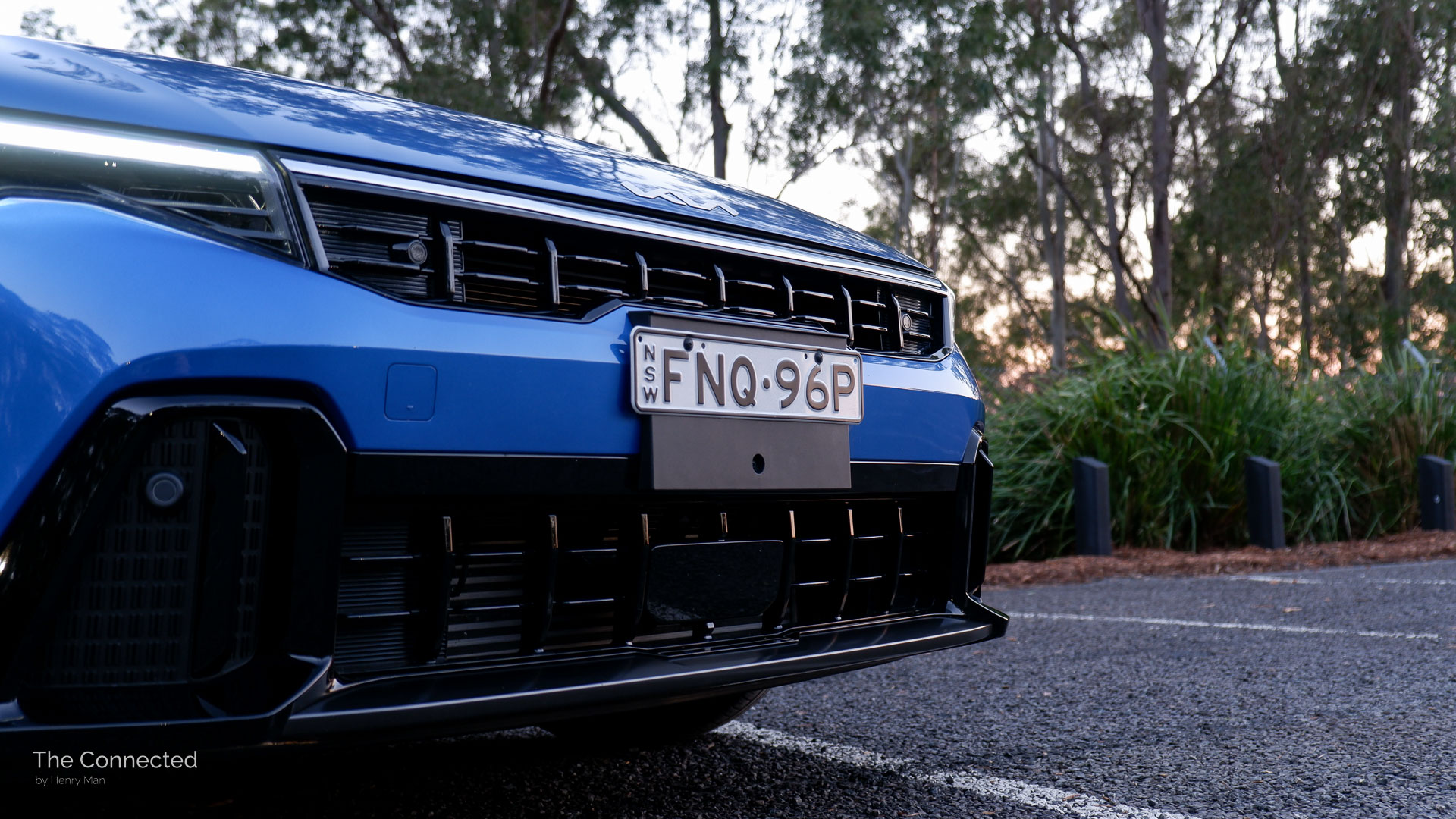

The K4 GT-Line’s projection-type LED headlights perform well at night with prominent LED indicators front and rear, but the auto on/off high beam function can be slow to react to oncoming vehicles at times.
Disappointingly, like the previous Cerato, Kia Australia has elected to adopt the same approach by reserving more advanced auto emergency braking (AEB) with junction crossing and oncoming lane change detection in a $2100 safety pack for the base S.
This has resulted in a four-star safety rating on the base S, but the full five stars for all other variants based on Australasian New Car Assessment Program (ANCAP) data – despite being structurally identical.
Range and fuel consumption.
2026 Kia K4 Sedan GT-Line fuel and efficiency specs:
| Claimed driving range (combined cycle) | 701km |
| Claimed fuel efficiency (combined cycle) | 6.7L/100km |
| Fuel tank size | 47 litres |
| Minimum fuel quality requirement | 91 RON unleaded petrol |
| Claimed CO2 exhaust emissions (combined) | 158g/km |
| European emissions compliance | Euro 5 |
The turbo-petrol Kia K4 Sedan GT-Line indicated an average fuel consumption of 9.3L/100km after a week of mixed driving conditions.
As a result, expect a real-world range of around 505km from its 47-litre fuel tank.
Kia claims it can consume cheaper 91 RON unleaded petrol, but premium fuel is generally recommended for the health of turbocharged engines.
It isn’t an efficient engine with it coming awkwardly close to the hot Hyundai i30 Sedan N in our testing.
The fuel cap is located at the rear-left quarter side, but can’t be opened from the outside with the K4 Sedan persisting with an old-school lever at the driver’s side floor to pop it out just like its South Korean-made cousin.
Driving.
2026 Kia K4 Sedan GT-Line powertrain specs:
| Engine | 1.6-litre turbocharged four-cylinder petrol engine |
| Power | 142kW @6000rpm |
| Torque | 265Nm @1700-4500rpm |
| Transmission | Eight-speed torque converter auto |
| Drive type | FWD |
| Tare weight | 1433kg |
| Turning circle | 10.7 metres |
| Payload | 447kg (excluding max 75kg towball download) |
| Towing (unbraked / braked) | 610 / 1100kg |
The Kia K4 GT-Line has a sporty powertrain, but is let down by mismatched driving dynamics.
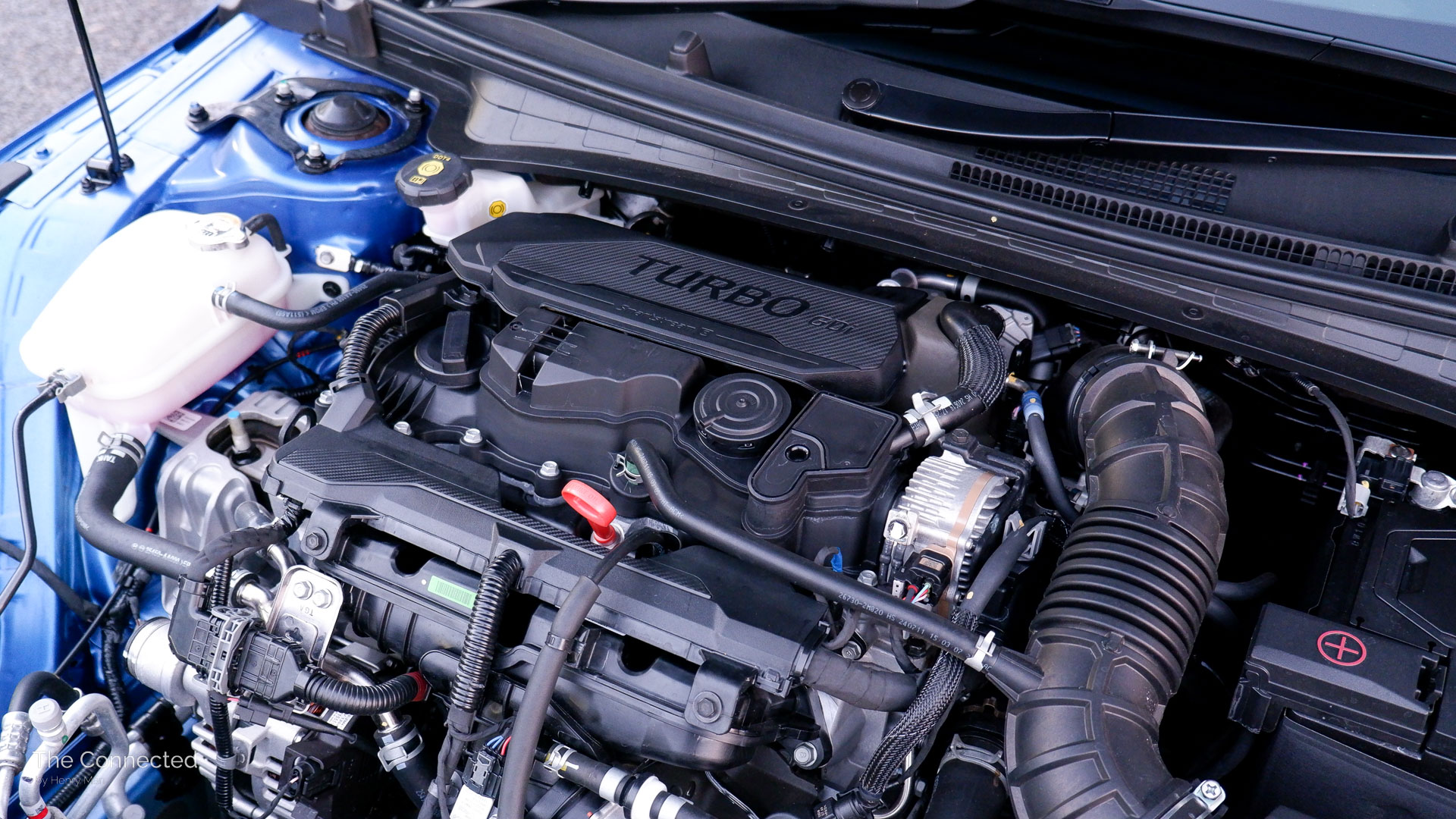
Using the same 1.6-litre turbocharged four-cylinder petrol engine as the previous Kia Cerato GT and Hyundai i30 N Line, makes up to 142kW of power and 265Nm of torque.
The K4 GT-Line provides plenty of push to the front wheels with a subtle cool-sounding stock exhaust, especially on cold startup, and some crackling when revved up.
It’s less audible inside and isn’t as obnoxious as the hotter Hyundai i30 N.
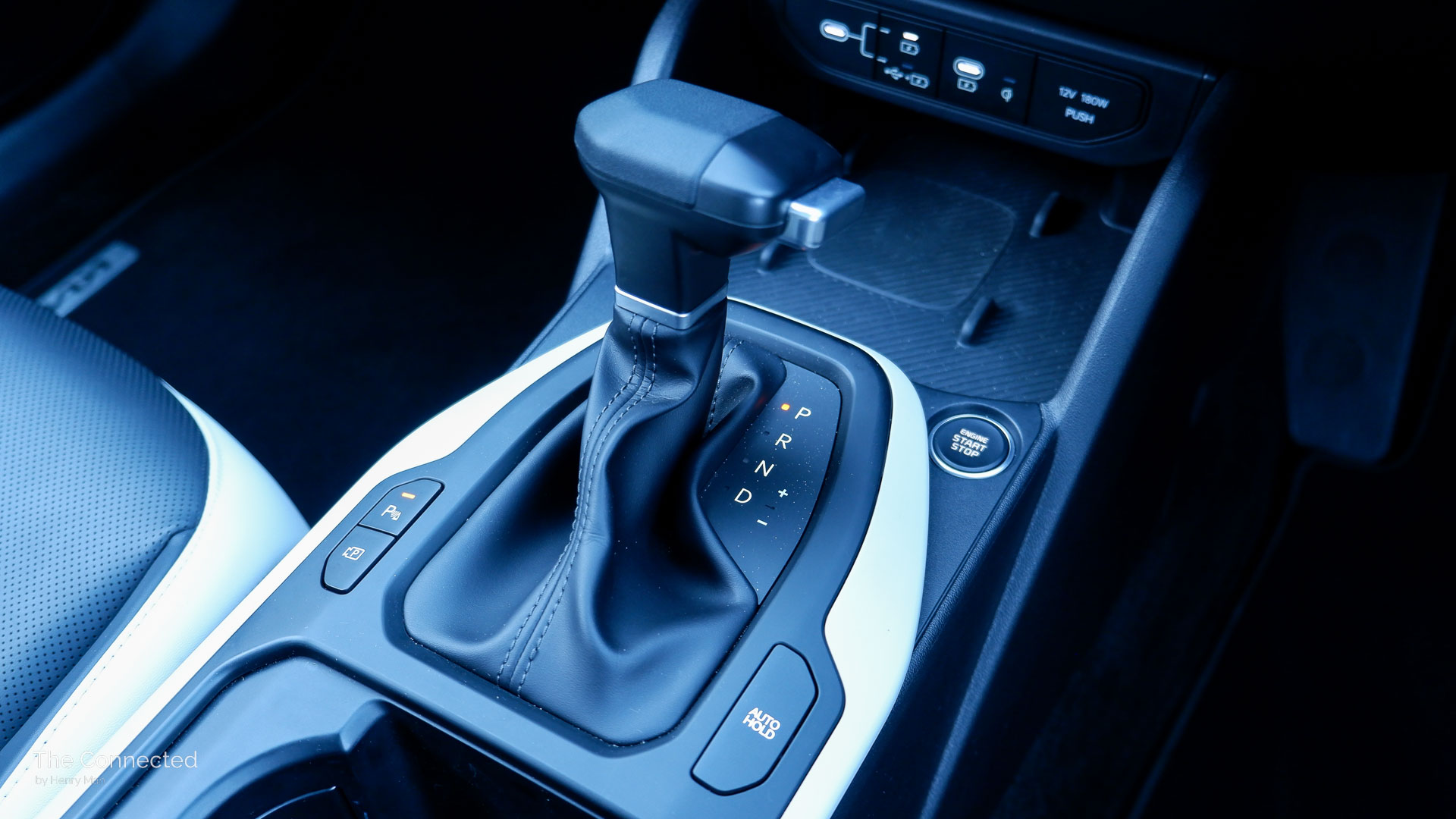
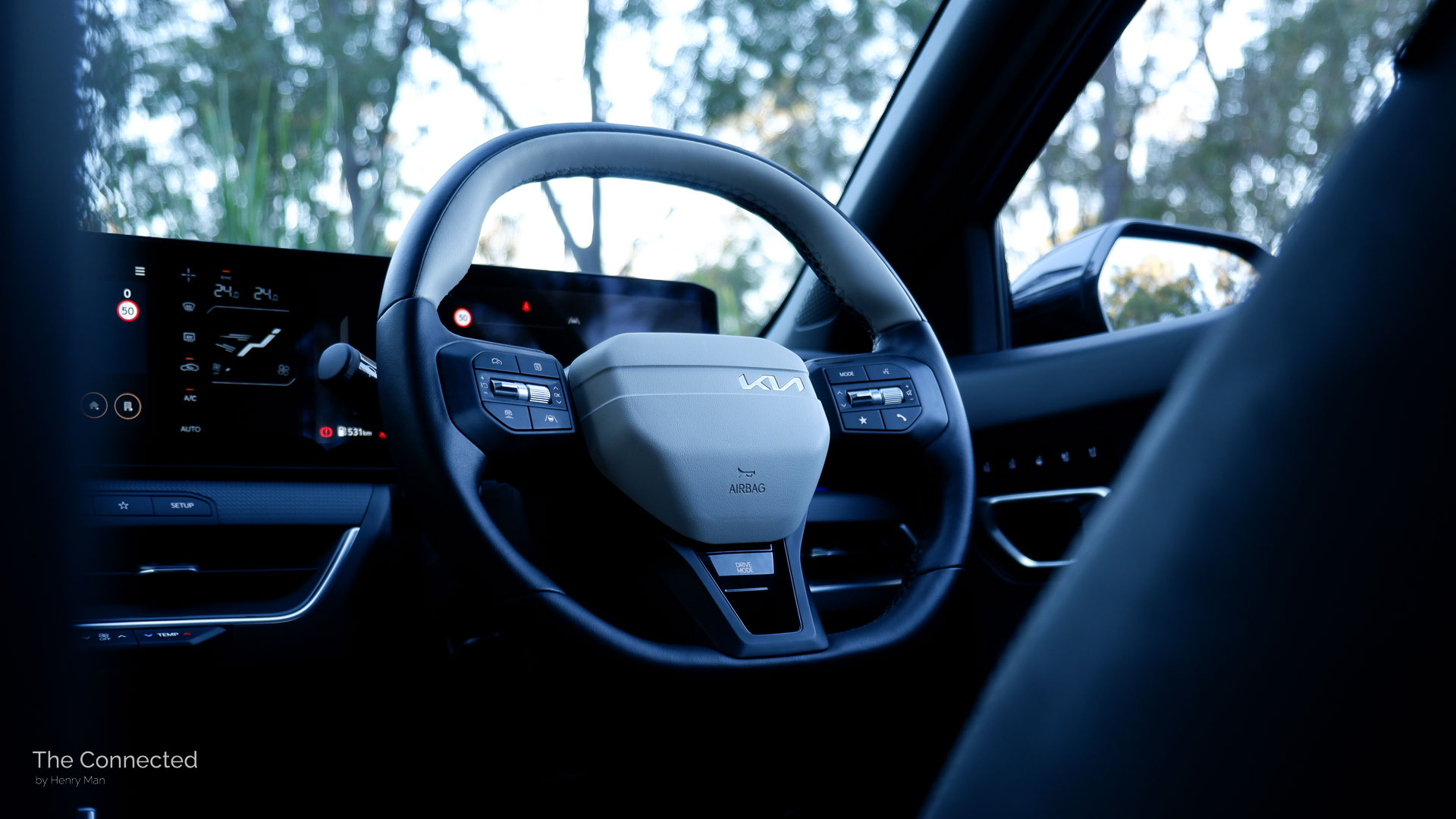
However, the new eight-speed torque converter automatic transmission isn’t as responsive as the previous dual-clutch setup, with a slower reaction to sudden acceleration inputs.
That’s despite the inclusion of paddle shifters and a physical gear shifter which can force manual mode to help with making the most out of the exhaust.
Similarly, the steering is firm – especially heavier at low speeds – but feels artificially weighted and less darty than the related Hyundai i30 Sedan.
It’s a shame because the engine and exhaust sound makes the K4 GT-Line an otherwise great warm sedan.


Meanwhile, the ride is on the firmer side but not egregious with the GT-Line’s adequately-sized 18-inch wheels. Noise insulation is average with noticeable road noise, but expected for the price point.
The driving position is suitably low and all-round visibility is good, with an adequate view through the rear-view mirror despite the low sloping roofline, even though there’s a hump from the boot.
Warranty and servicing.
2026 Kia K4 Sedan GT-Line capped-price servicing costs:
| 1 year/10,000km | 2 years/20,000km | 3 years/30,000km | 4 years/40,000km | 5 years/50,000km |
| $353 | $564 | $444 | $677 | $397 |
The 2026 Kia K4 is covered by a seven-year, unlimited kilometre vehicle warranty in Australia.
However, servicing requirements are short and pricey at every one year/10,000km (whichever occurs first), with prices capped for up to seven years/70,000km.
After the first five years/50,000km, it’ll cost $2435 in total to maintain the K4 GT-Line.
Up to eight years of roadside assistance is included, provided you service it with a Kia dealer every time.
Up to seven years of Kia Connect services are offered from the date of activation, too.
A temporary space-saver spare tyre is included underneath the boot floor of all K4 models.

Price and rivals.
2026 Kia K4 Sedan model range pricing (accurate as at the time of publication):
| S | S with Safety Pack | Sport | Sport+ | GT-Line |
| From $30,590 before on-road costs | From $32,690 before on-road costs | From $35,190 before on-road costs | From $37,590 before on-road costs | From $42,990 before on-road costs |
The 2026 Kia K4 Sedan is priced from $30,590 before on-road costs in Australia.
Four variants are available, but most features are found on the base S or flagship GT-Line.
The entry-level S has the option of a $2100 safety pack, which only adds more advanced AEB with junction crossing and oncoming lane change detection, and dual-zone automatic climate control with an 5.0-inch integrated display.
All exterior colours except Clear White costs an extra $600.
The 2026 Kia K4 Sedan directly rivals the following small-classed sedans:
- Hyundai i30 Sedan (full review)
- Mazda 3
- Toyota Corolla
- MG 5
Other alternatives to the Kia K4 include:
- Skoda Octavia
- Kia Seltos (full review)
- Kia EV3 (full review)
- Hyundai Kona (full review)
- MG 4 (full review)
- Volkswagen Golf
- Honda Civic

Would I pick the 2026 Kia K4 Sedan GT-Line?
The Kia K4 GT-Line is a super cool, yet attainable warm sedan with some weaknesses.
It may not be exactly ‘small’ anymore, but the K4 GT-Line offers a striking design, latest tech, and a cool stock exhaust and powerplant for less than $50K.
Yes, it’s a hefty $6000 price increase over the previous Cerato GT, but still represents good value compared to its small car rivals, including the Volkswagen Golf and Honda Civic.
But the GT-Line has flawed sporty intentions with artificially-weighted steering and a less responsive transmission, an awkward rear door opening design, and expensive capped-price servicing.



I’d pick either the base S or flagship GT-Line as the K4 line-up is unnecessarily long, with the Sport and Sport+ gaining menial features. Most essential features are found on the S and the niceties are predominantly reserved for the GT-Line.
The Kia K4 is a super sharp-looking sedan for the money. That alone might be just enough to get buyers across the line.
Photographs by Henry Man
READ MORE: 2024 Hyundai i30 Sedan N review: Fresh cut.
READ MORE: 2024 Kia Picanto review: Essentials elevated.
READ MORE: 2026 Kia EV3 review
Pros:
- Good value price
- Upgraded tech democratized
- Cool exhaust, quick turbo-petrol
- Spacious boot
- Striking new design for the money
Cons:
- Sub-par steering and transmission
- Rear door design could be painful
- Frequent and expensive servicing requirements
- No hybrid option yet
- Unnecessarily long model line-up
About the Author.
Henry Man is an independent content producer passionate about the intersection of technology and transportation.
The former automotive journalist is focused on producing critically-detailed vehicle reviews, and unique short-form content. Learn more.


 The Connected by Henry Man