
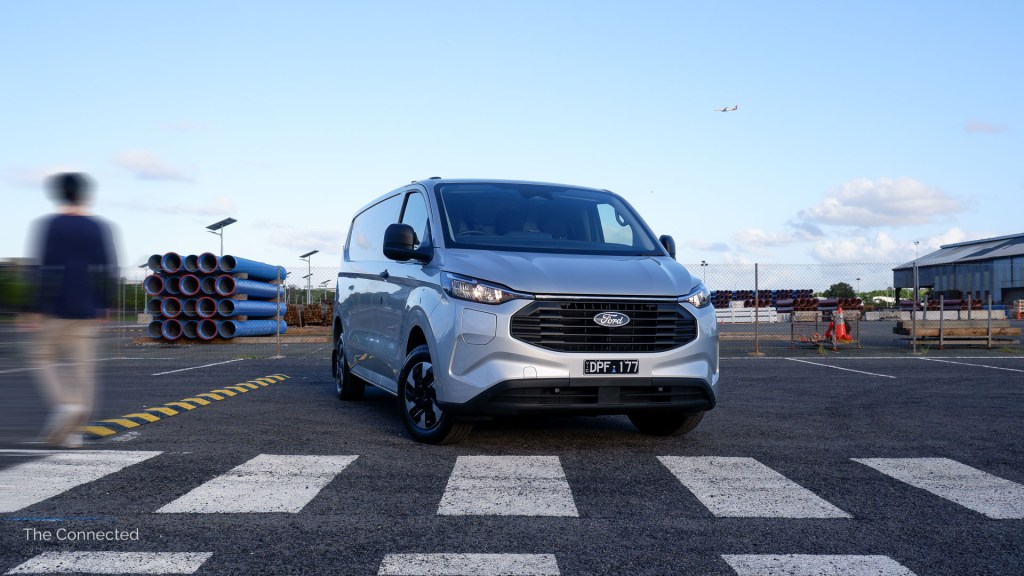
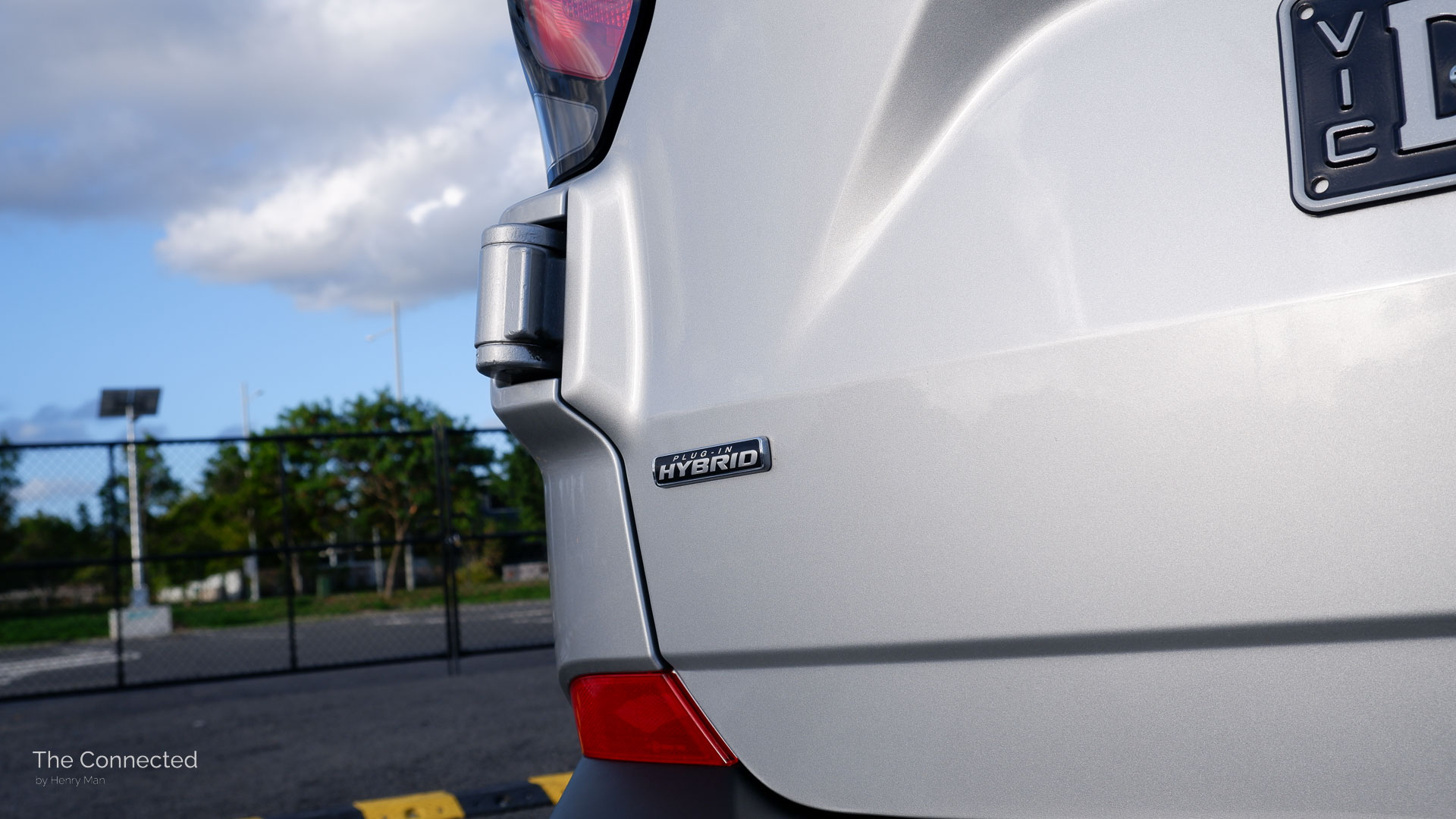
QUICK TAKE: Looking for a hybrid commercial van? The Ford Transit Custom PHEV is the only model available today offering both EV-only range and petrol backup.
Following the success of regular diesel variants, Ford has introduced electrified plug-in hybrid electric vehicle (PHEV) and full battery-electric vehicle (BEV) versions to the Transit Custom commercial van for the first time.
Amid high and volatile fuel prices, I tested the ‘cheapest’ Transit Custom PHEV in Trend long wheelbase (LWB) spec to find out whether it’s worth the exxy $10,000 premium compared to the equivalent diesel model.
NOTE: The press vehicle was provided by Ford Australia for a seven-day independent evaluation. Toll costs were covered, but we have no commercial arrangements with the company and it had no editorial control.

Pros.
+ Solid EV-only range
+ Good hybrid fuel efficiency
+ Exceptional safety tech
+ High seating position, big mirrors
+ Practical interior and cargo
Cons.
– Halogen DRLs and high beams
– No 360-degree camera option
– Only one USB-C port
– Limited AC charging speed
– No SWB base model
Vehicle tested:
| Model | 2026 Ford Transit Custom |
| Variant | PHEV Trend LWB |
| Starting price | $67,890 before on-road costs |
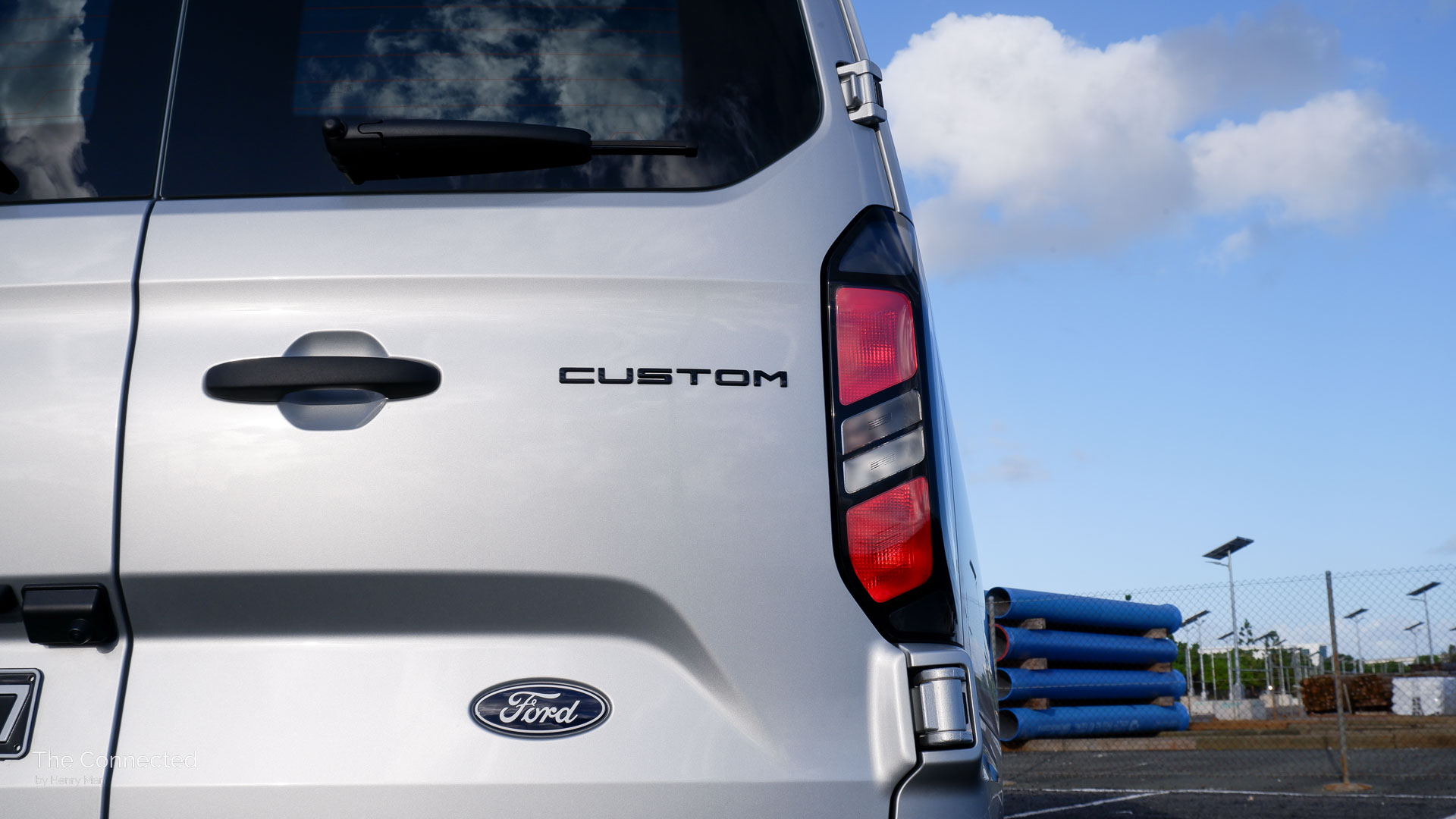
| Exterior colour | Moondust Silver (+$750) |
| Interior colour | Black Onyx cloth seats |
| Country made | Türkiye |
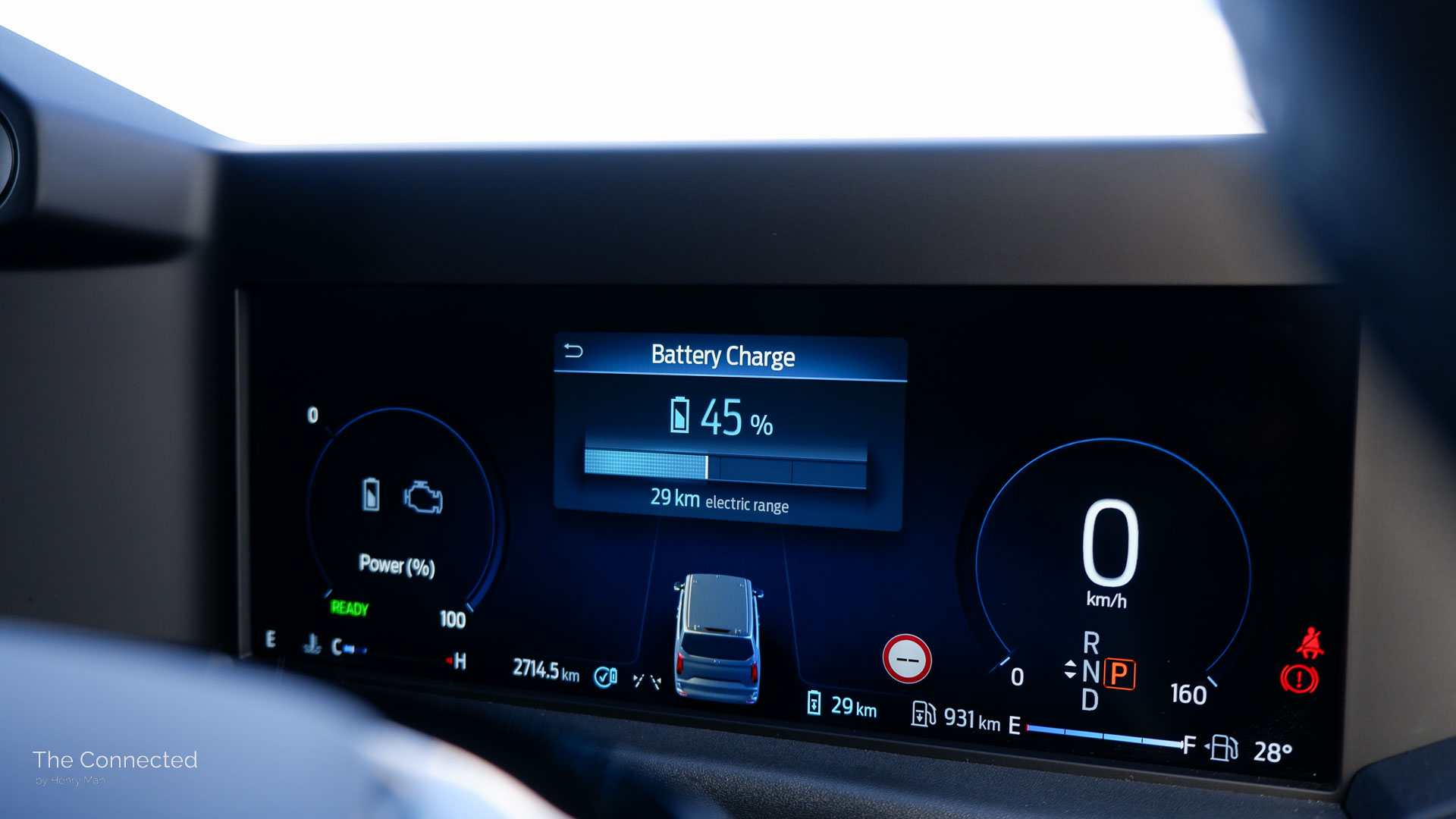
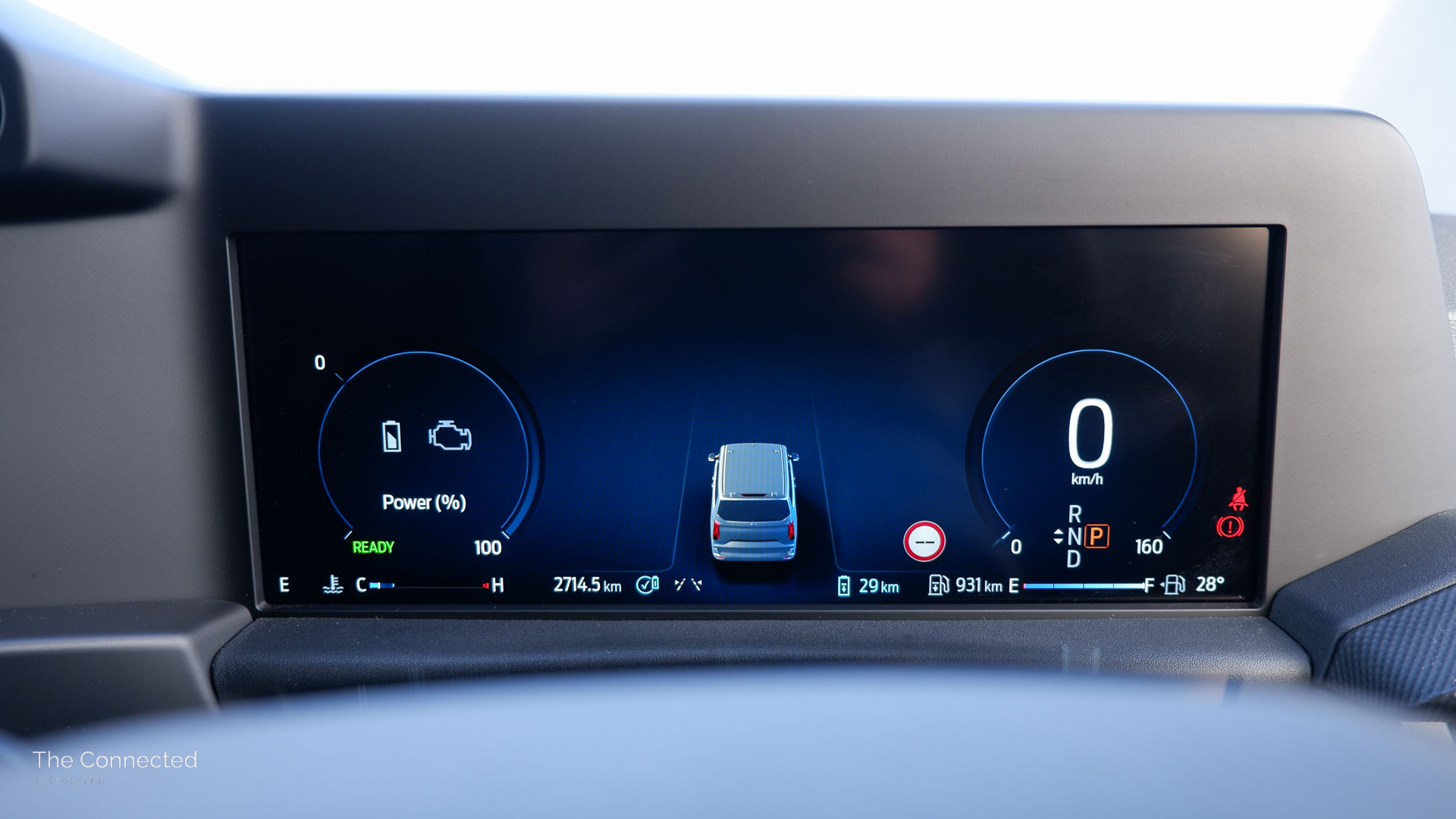
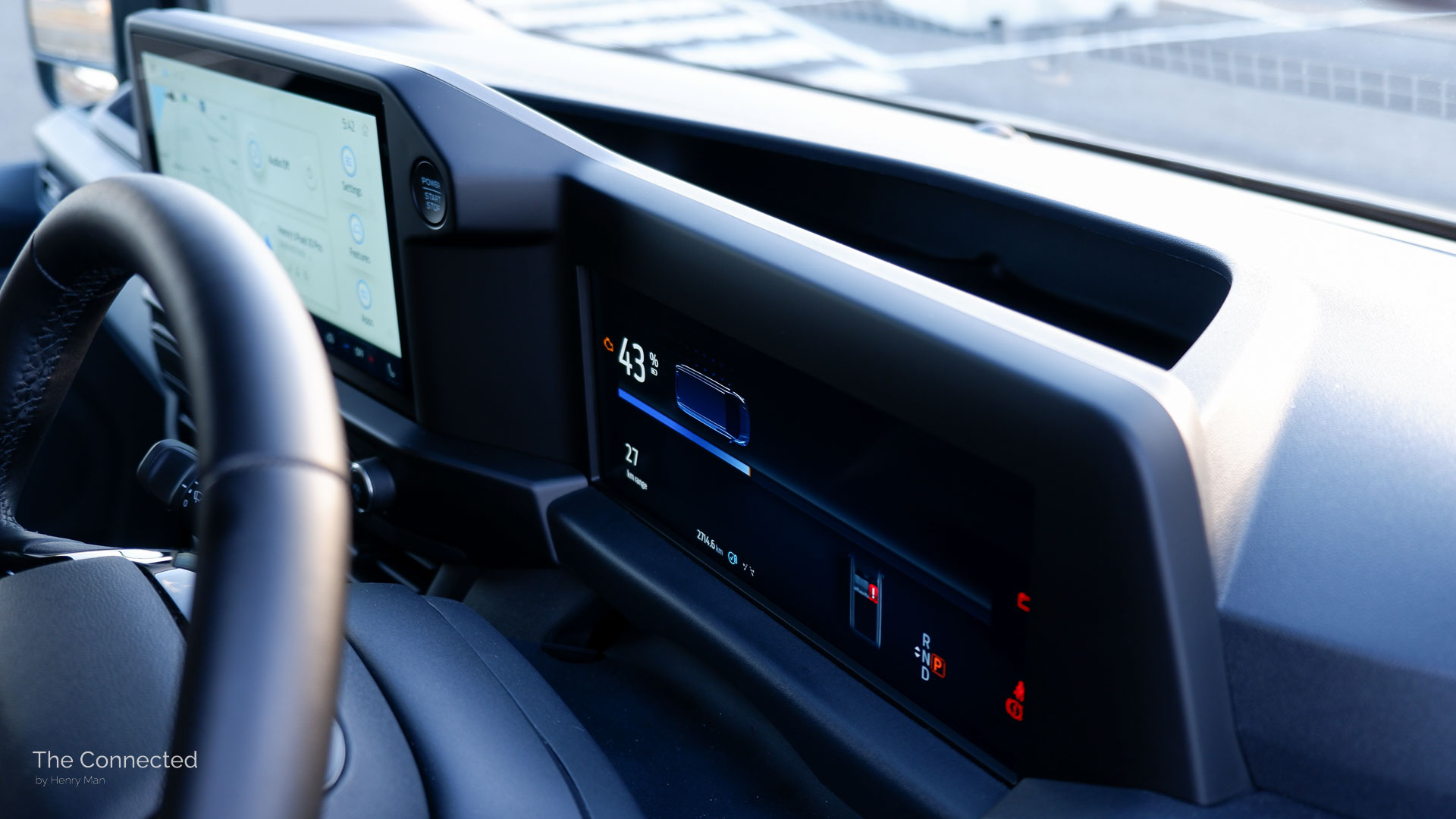
After a week of mixed driving conditions, albeit unladen, the Ford Transit Custom PHEV long wheelbase (LWB) could drive about 68km on EV-only mode with a 17.3kWh/100km (estimated) energy efficiency.
Even with the 11.8kWh lithium-ion battery depleted, I saw an unladen fuel consumption of just 6.5L/100km, resulting in about 969km of real-world range on petrol alone. It can accept cheaper 91 RON and E10 unleaded petrol.
With more than 1000km of range combined, the Ford hybrid commercial van is a great antidote to high fuel prices.
Its closest rival, the new Hyundai Staria Load Hybrid, is a traditional self-contained hybrid so it can’t run on EV-only for long periods and isn’t available in a LWB like the Ford.
However, its AC charging capability is capped at 3.5kW, which can be limiting when most PHEVs can accept at least up to 7kW single phase power.
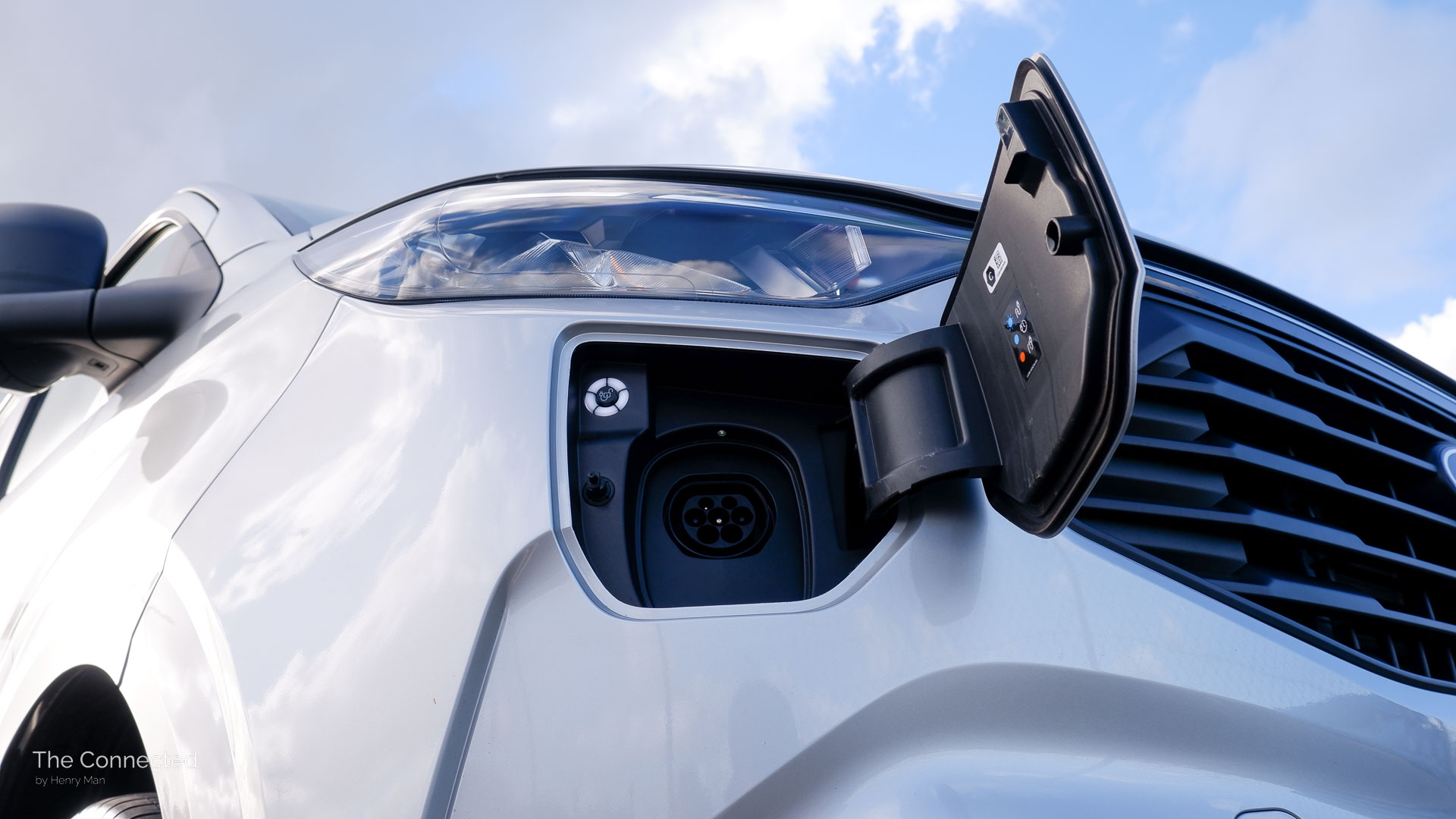
The Transit Custom PHEV isn’t compatible with DC fast-chargers either, so forget about installing a DC unit at work.
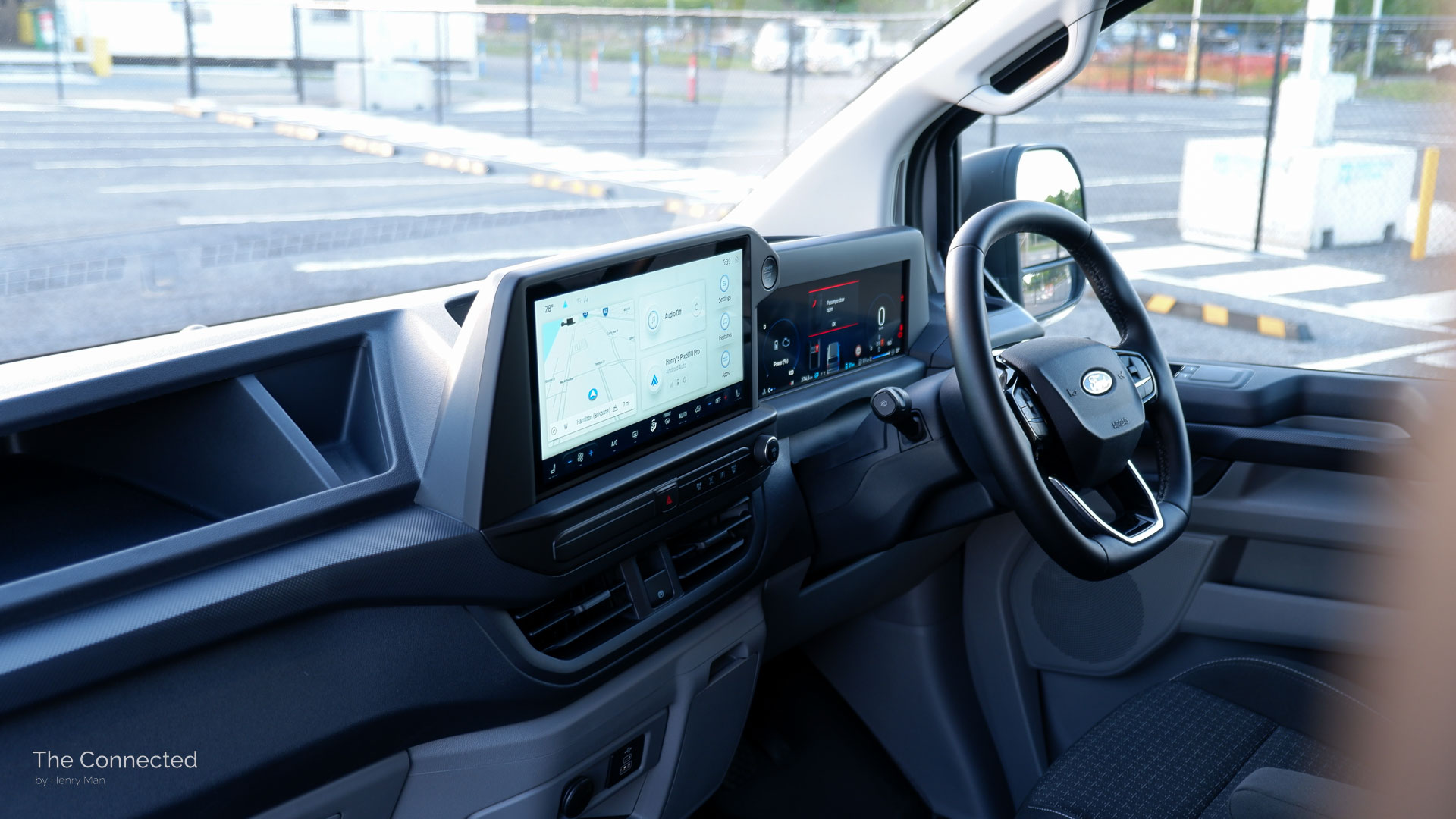
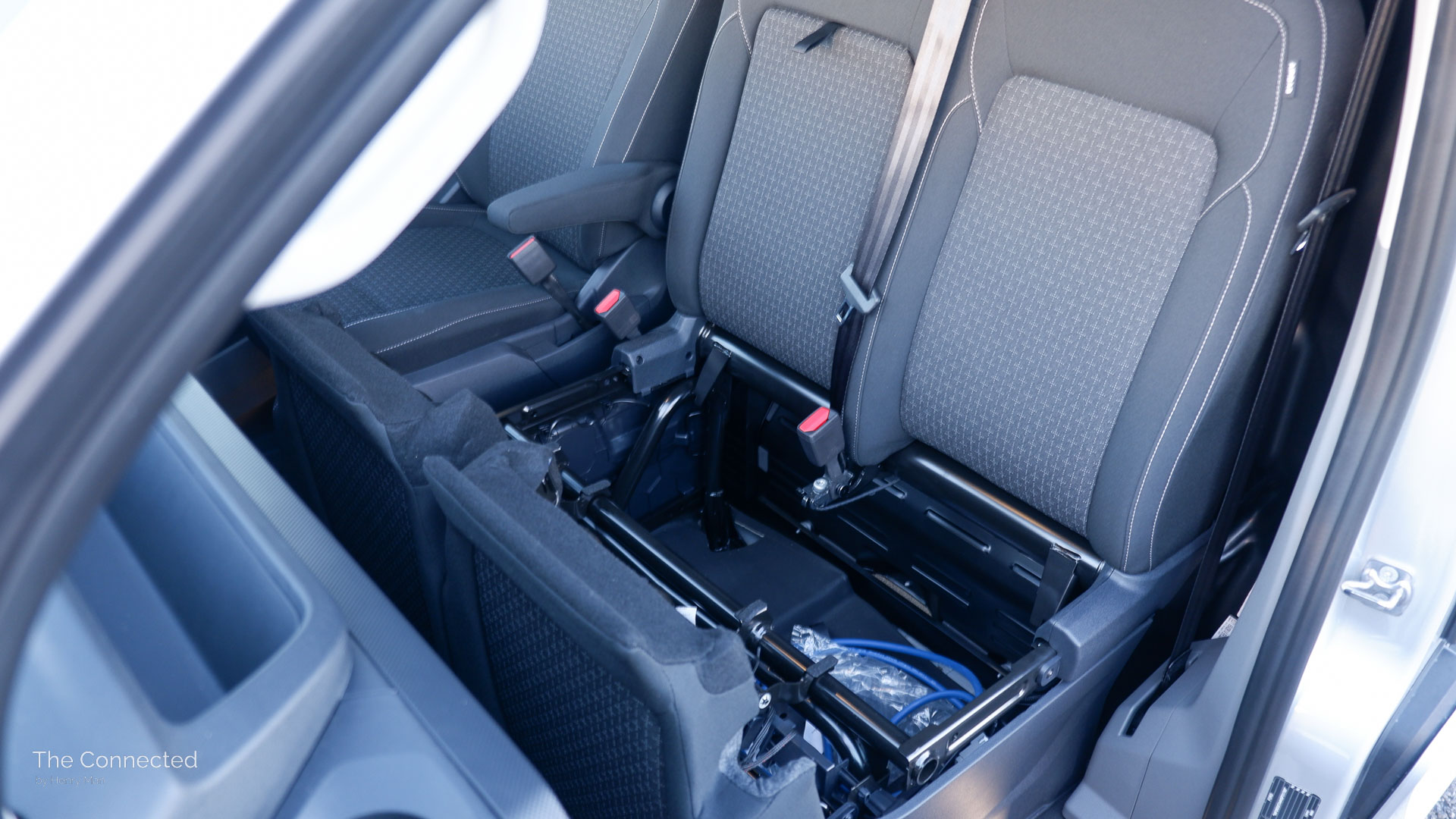
Unsurprisingly, it’s a practical interior that puts most utes to shame with multiple storage trays on the dashboard, a fold-down table in the middle seat, and cup holders conveniently placed on each side of the dash plus another pop-down one at the centre.
The two passenger seats also flip up to reveal a deep floor storage area, although there is exposed wiring to contend with.
However, the trays are non-rubberised, so it’s not suited for placing small and light items, and the strap on the table isn’t tight enough to hold something like a laptop in place.
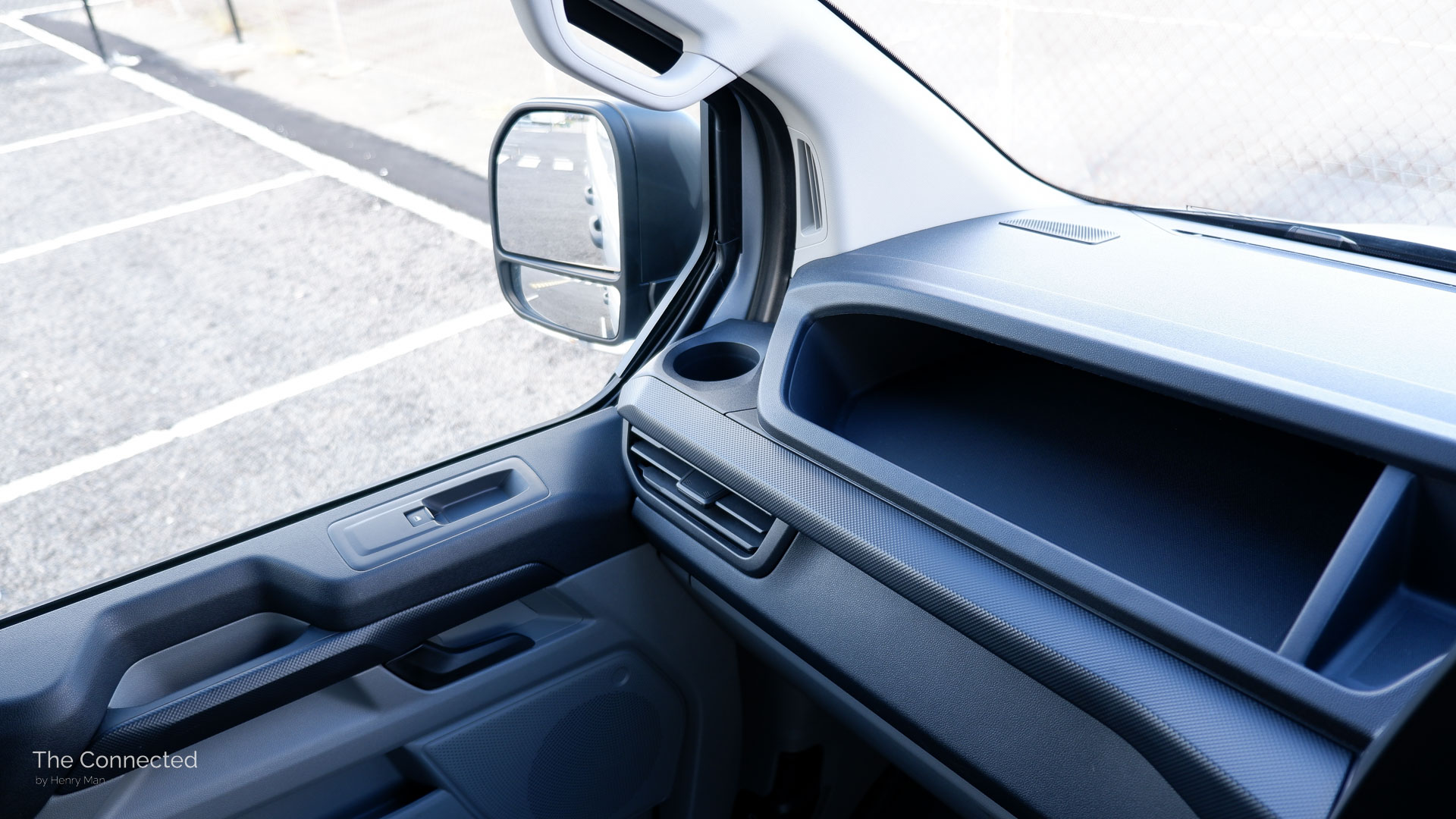
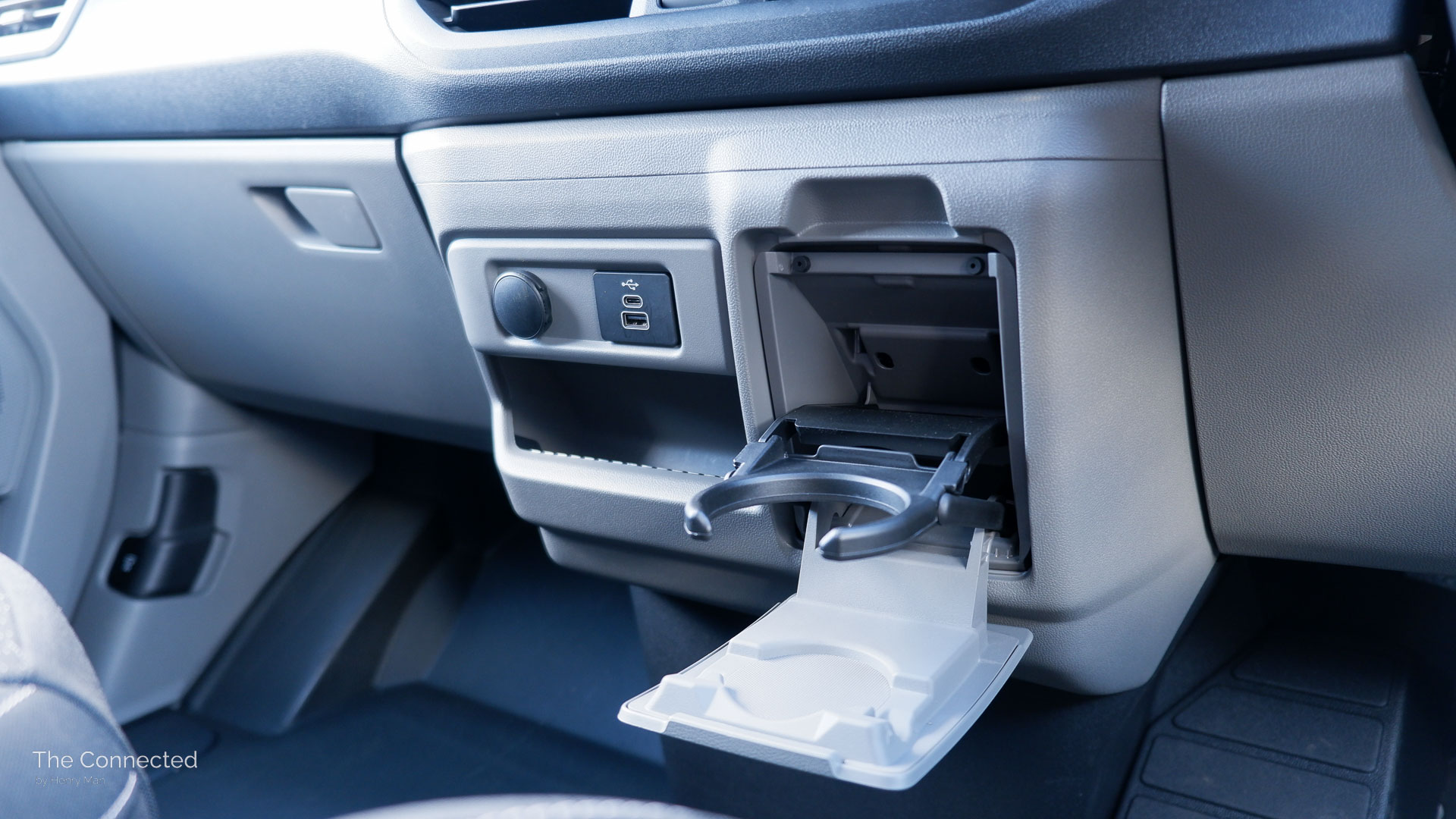
I’d also like to see more than one USB-C and one USB-A charging port as standard, as stepping up to top-spec Sport boosts the number of USB-C outlets to a whopping five. The Qi wireless charging pad position also seems a bit precarious.
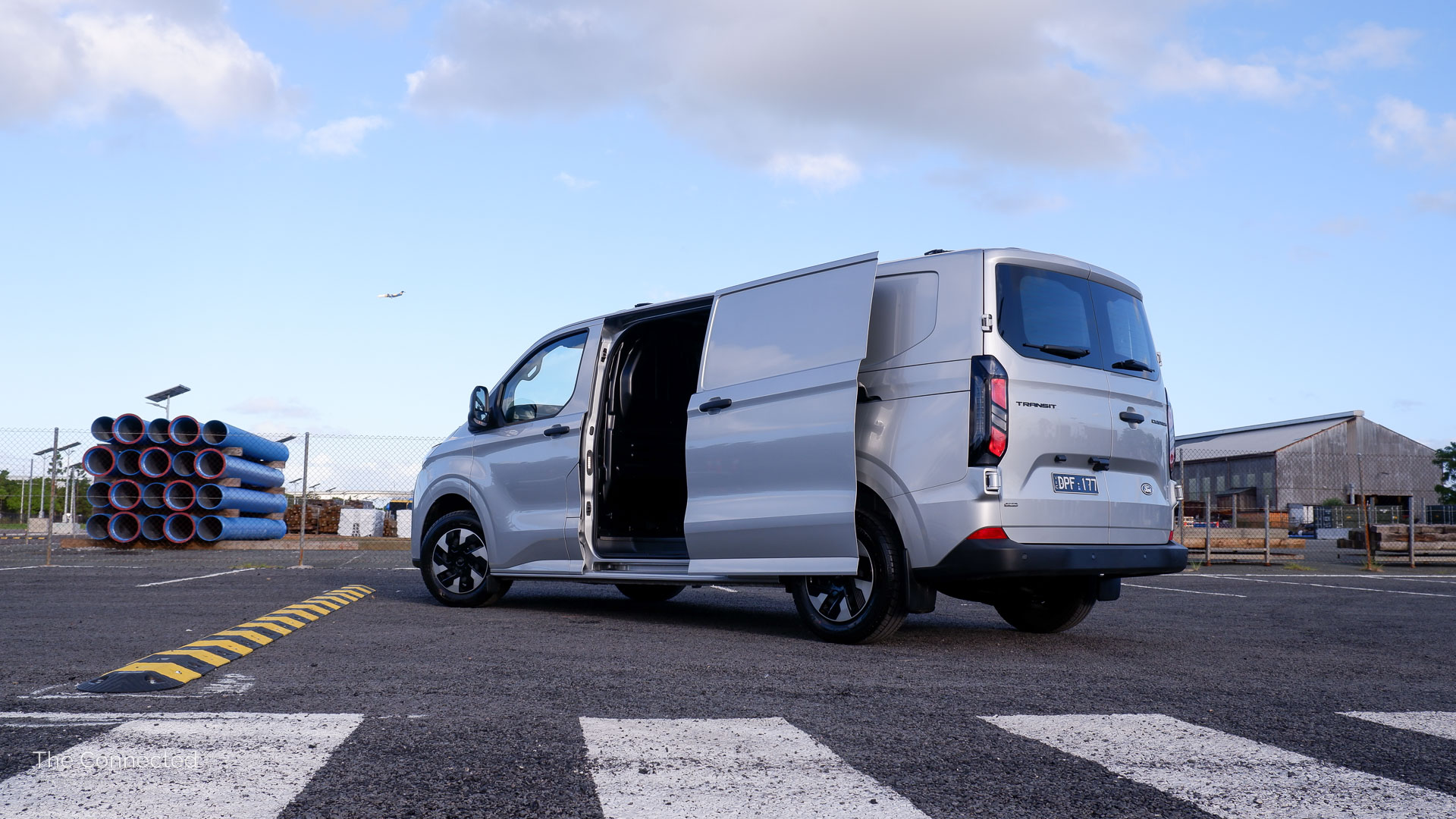
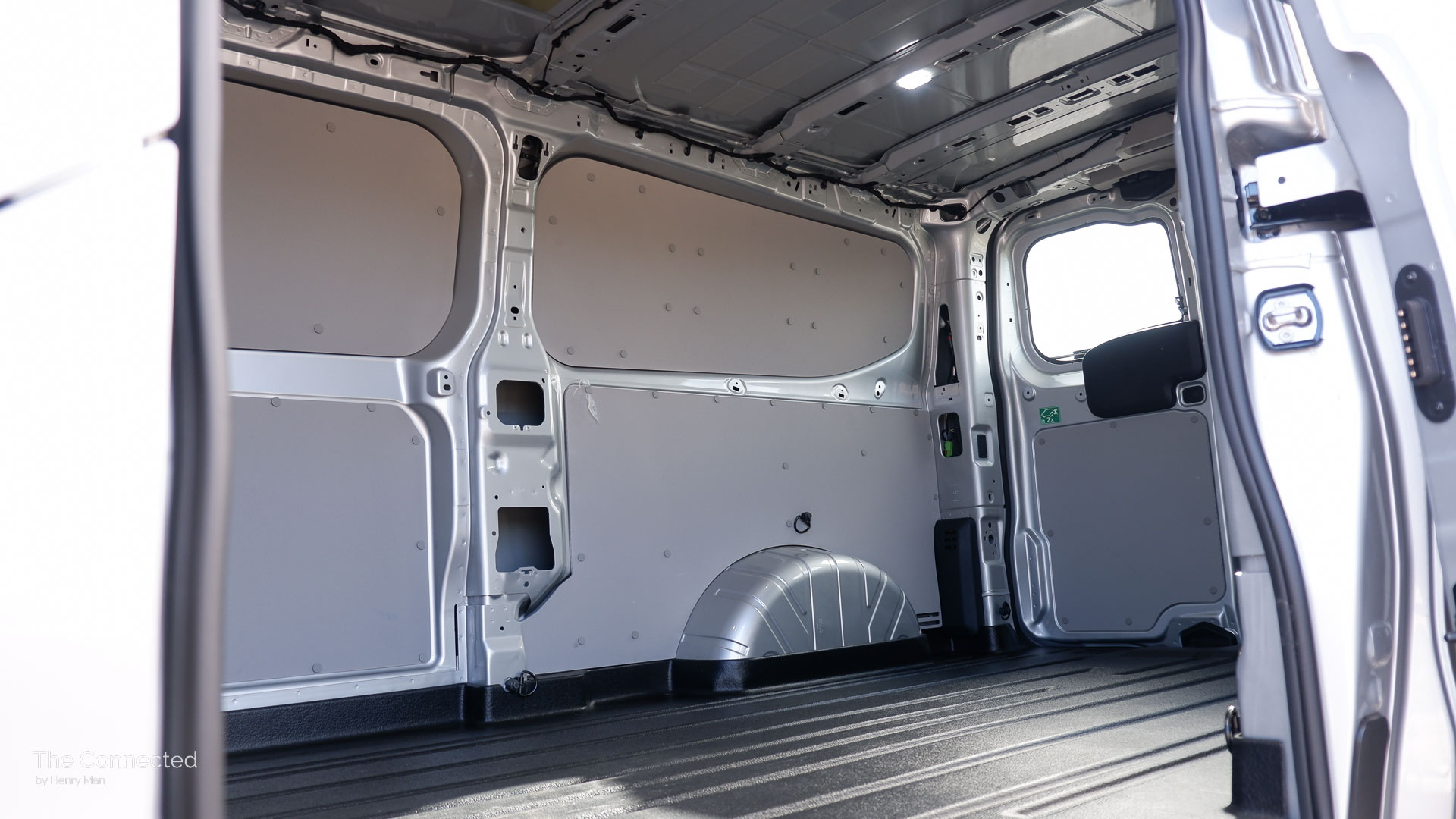
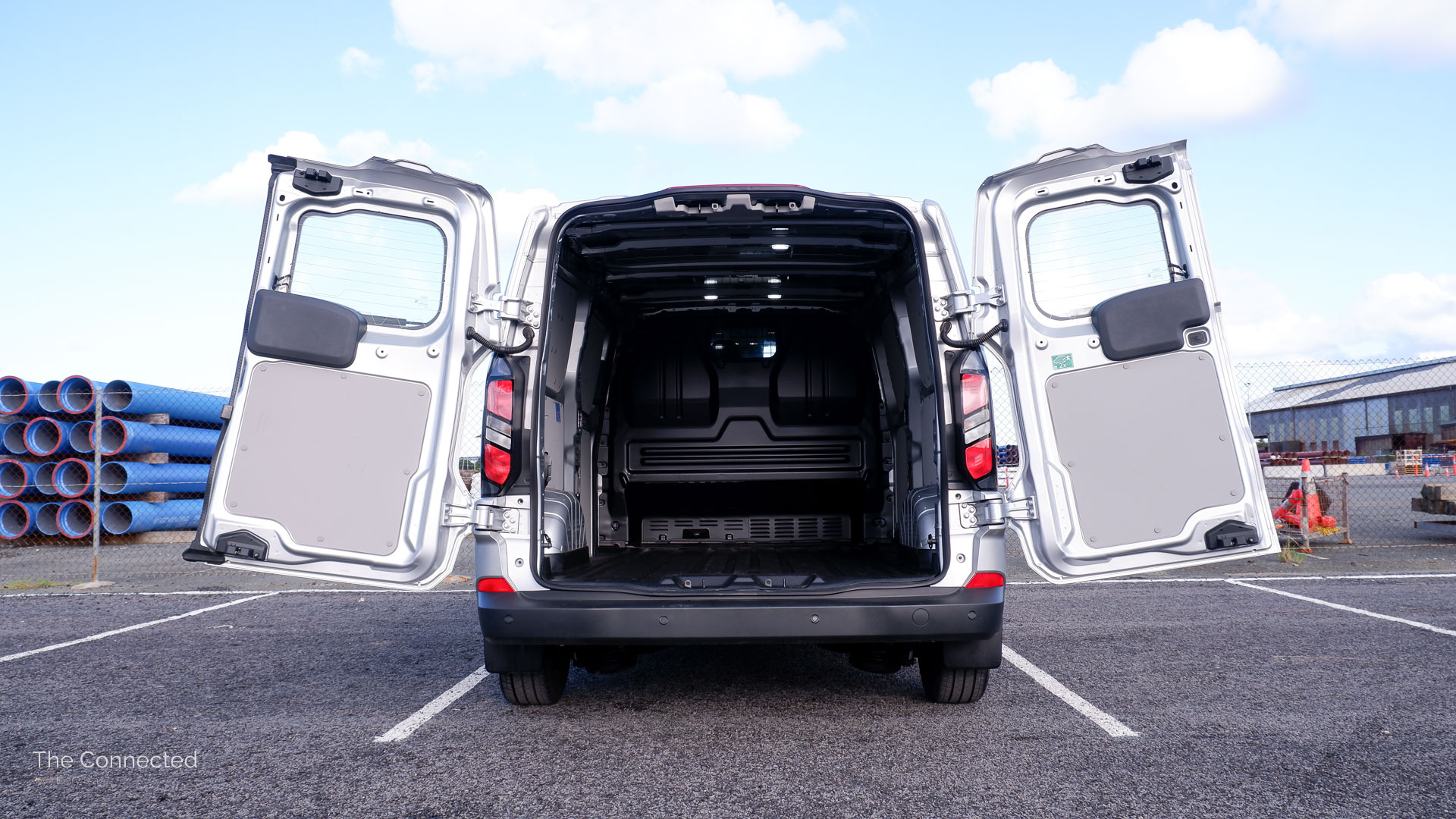
The cargo bay is spacious, too, with wide-opening rear barn doors, a slightly heavy but accessible sliding door on the left side only, and LED ceiling lights in abundance.
If you want to store as much as possible that won’t be exposed to the weather, there’s no denying that vans are significantly more sensible than any ute.
But if you’d like a more city-friendly short wheelbase base model like the diesel Transit Custom, you’re out of luck as the electrified Trend is only LWB and the Sport is only short wheelbase (SWB).
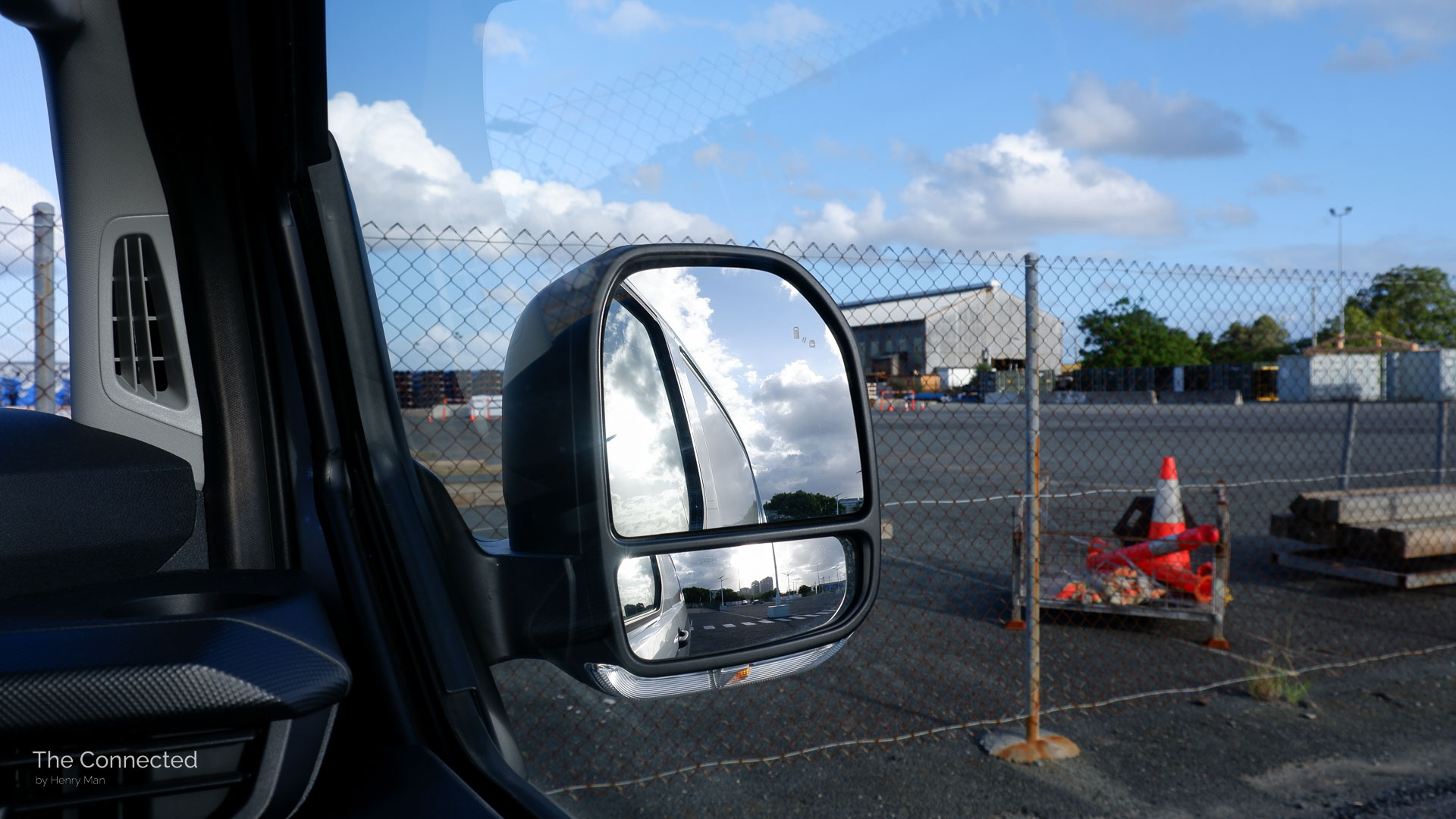
Additionally, the Ford Transit Custom provides a super high bus-like driving position that’s way more commanding than a conventional pickup with large wing mirrors and an ultra-wide angle lens.
Yet it also feels like a bus to drive with light steering and a lot of wheel turning required, as expected for a van. Likewise, the unladen ride is surprisingly firm with its small 16-inch steel wheels.
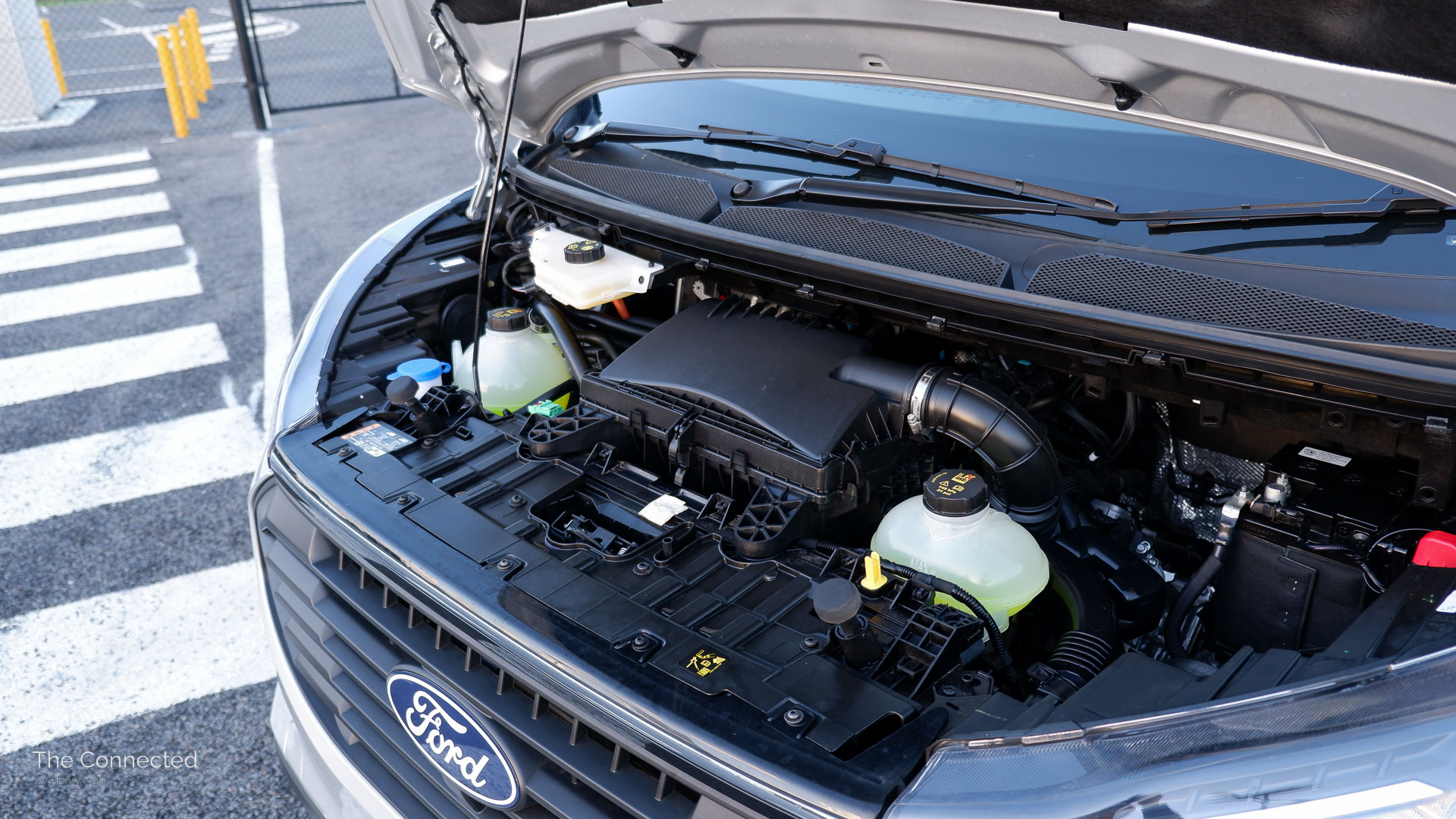
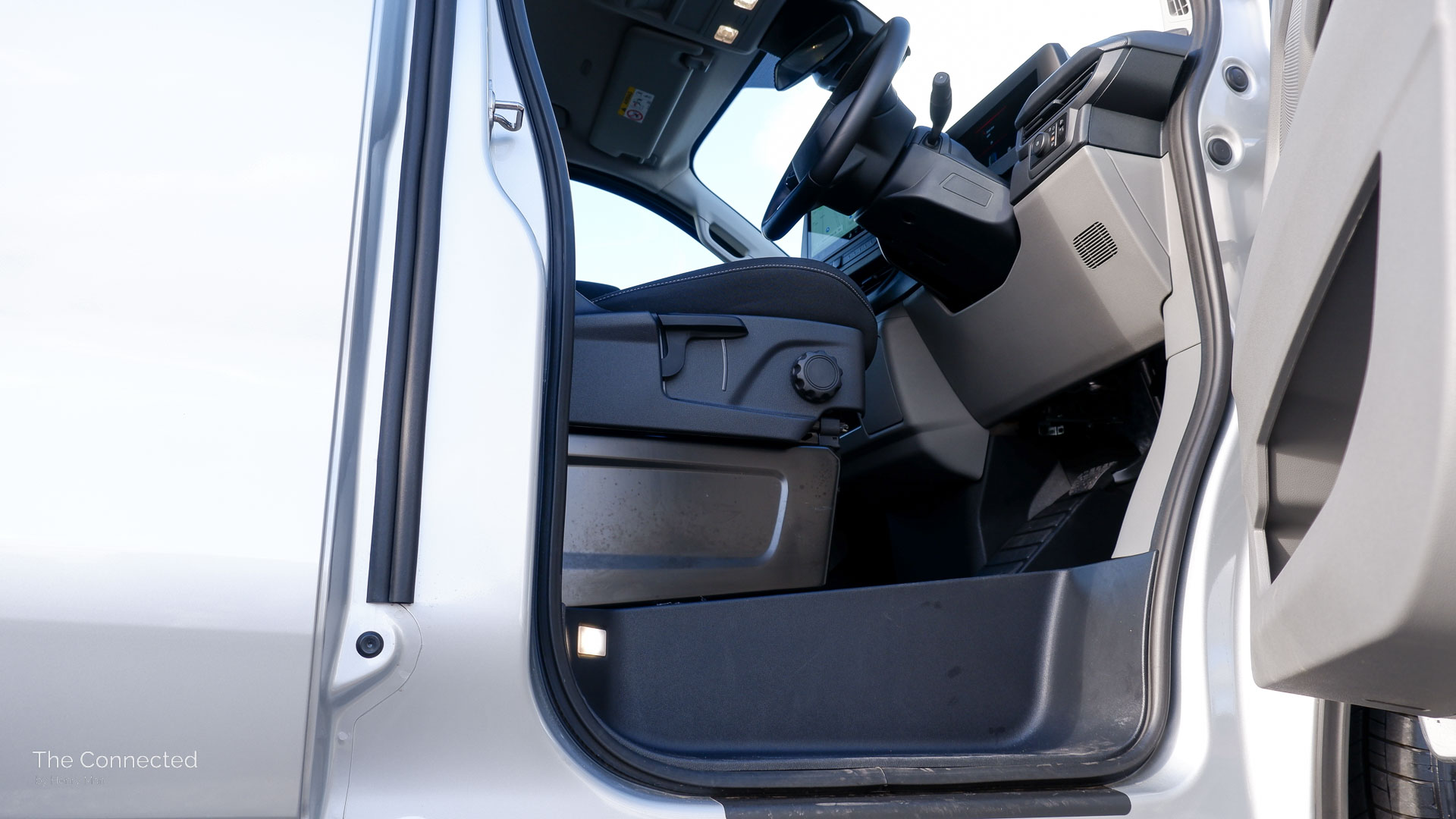
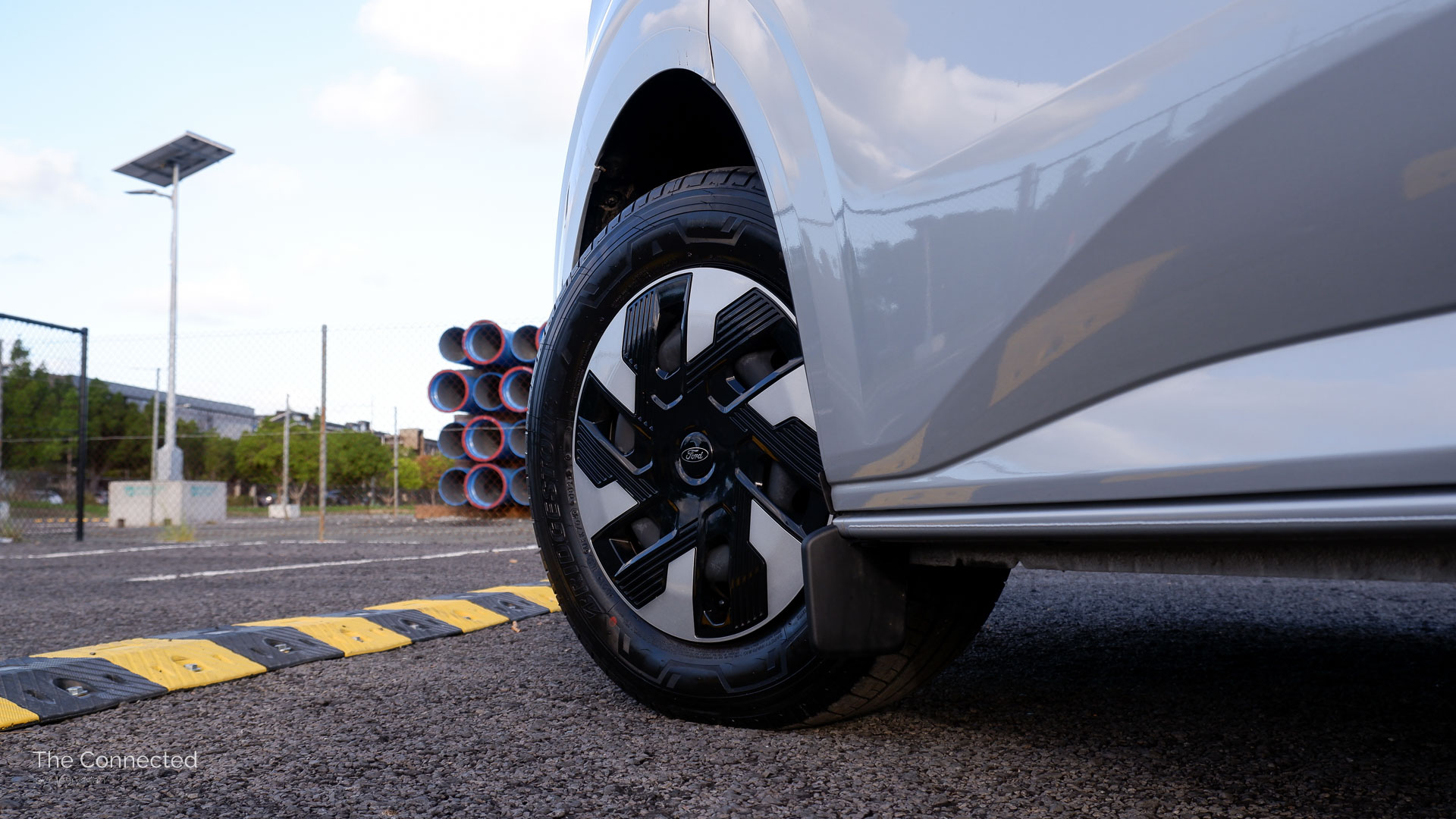
The Transit Custom PHEV gets up to speed quickly enough thanks to the 2.5-litre four-cylinder petrol engine and single electric motor making 171kW of power combined, with a smooth transition between both powertrains in a series-parallel setup. When pushed harder, the engine groans due to the gear-less continuous variable transmission (CVT).
Even in EV-only mode, acceleration is brisk with 320Nm of torque alone.
Pressing the ‘L’ button on the conveniently-placed drive selector stalk introduces regenerative braking, which is progressive, strong and great for city driving by slowing down as you lift off the accelerator. It then coasts below 15km/h speeds.
Just like the Mustang Mach-E electric SUV, a Ford quirk is the turn indicator cancelling earlier than ideal in the steering radius, so it’s something to keep note of.
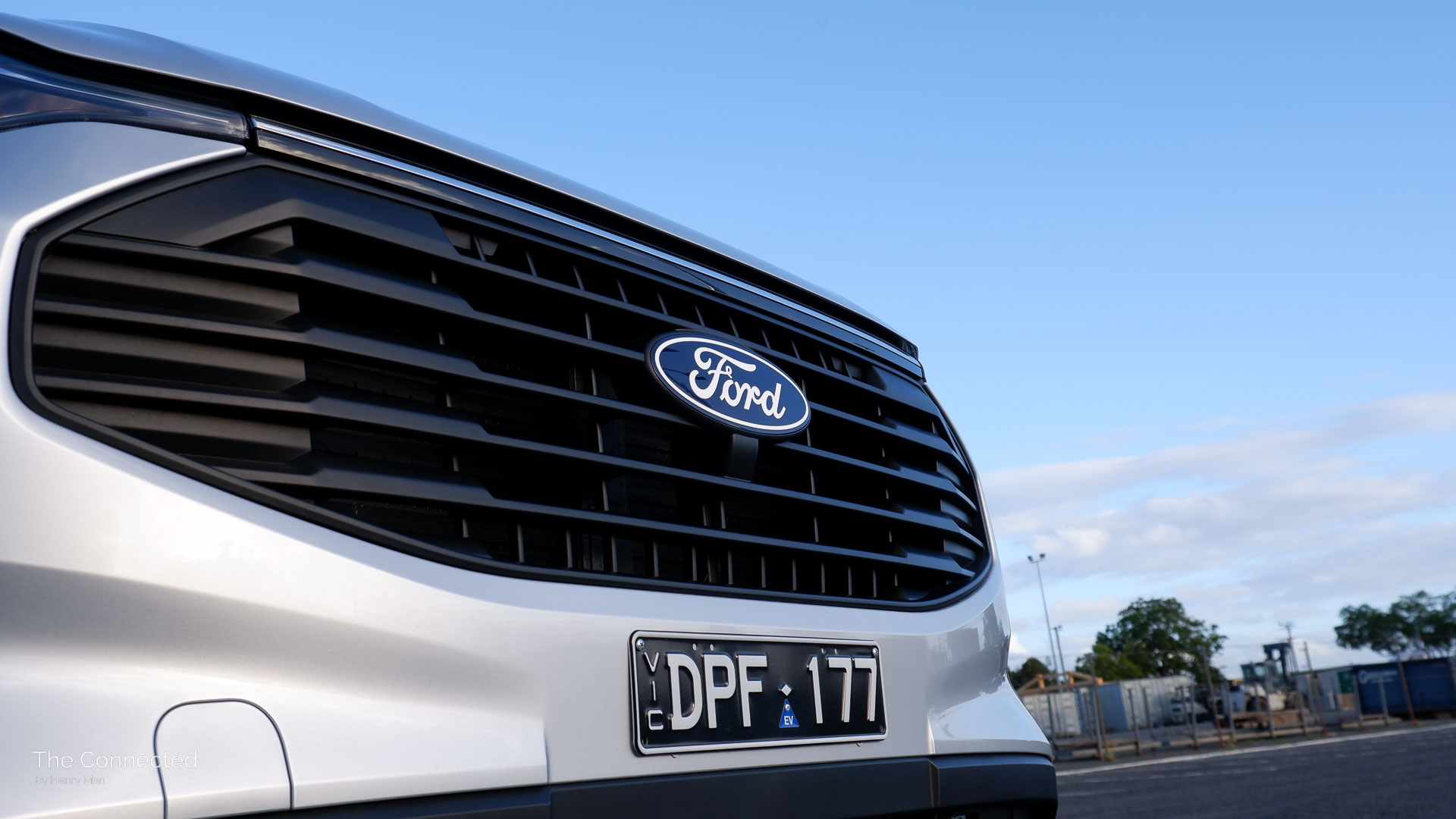
However, the Trend only has halogen daytime running lights (DRLs) and high beams, even though the low beam headlights are LED – not great visibility for a workhorse commercial van costing more than $70K drive-away.
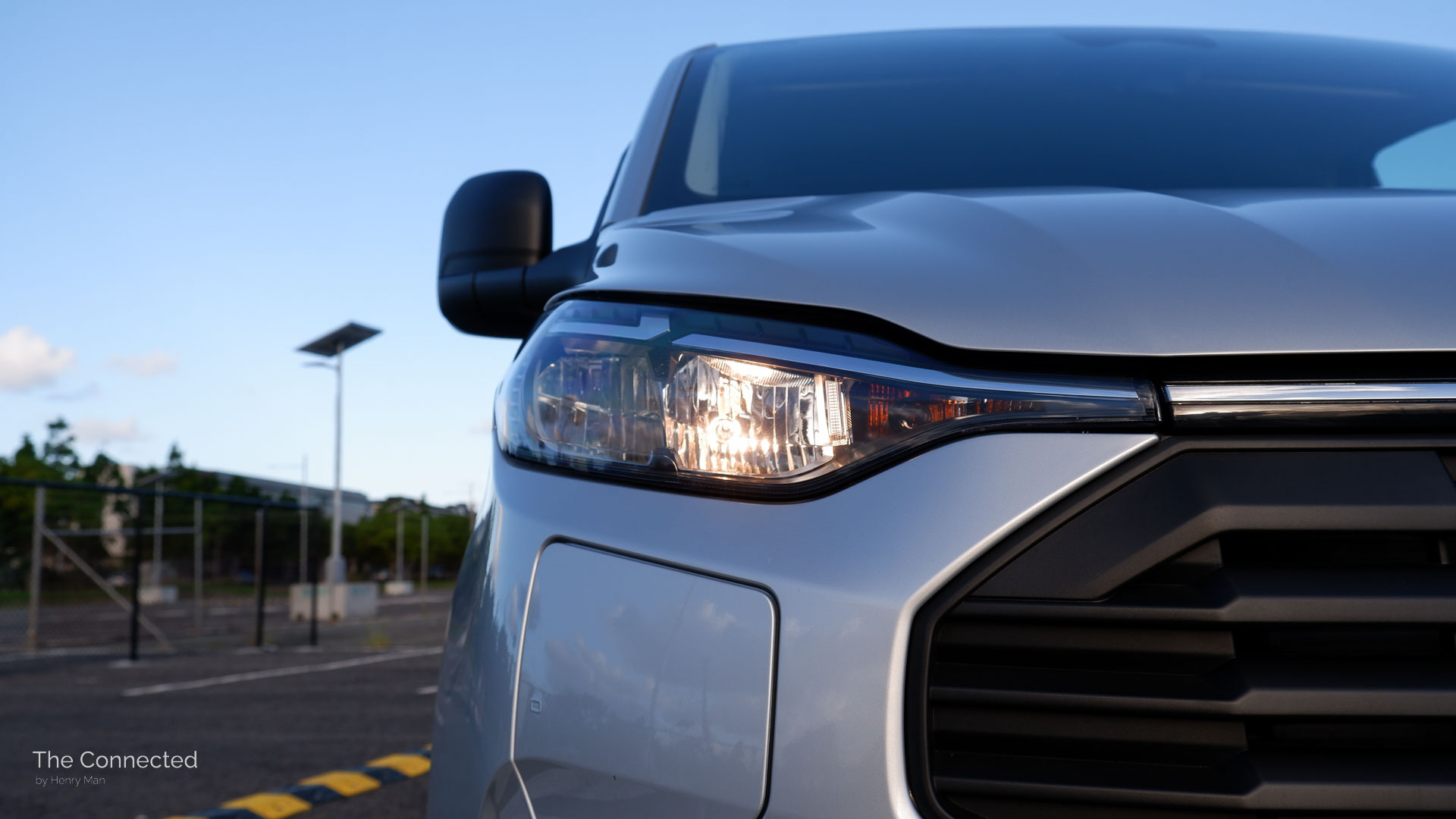
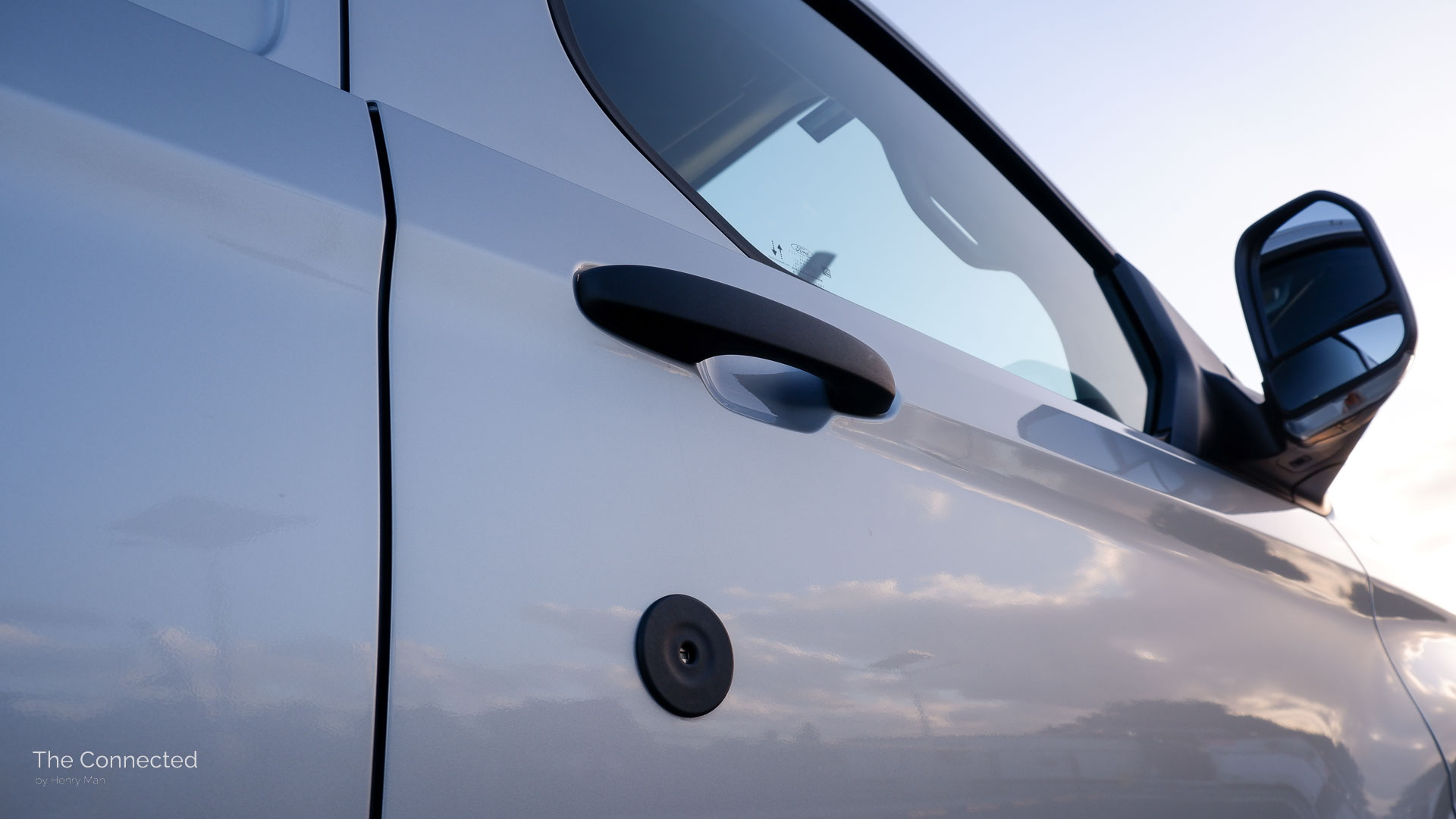
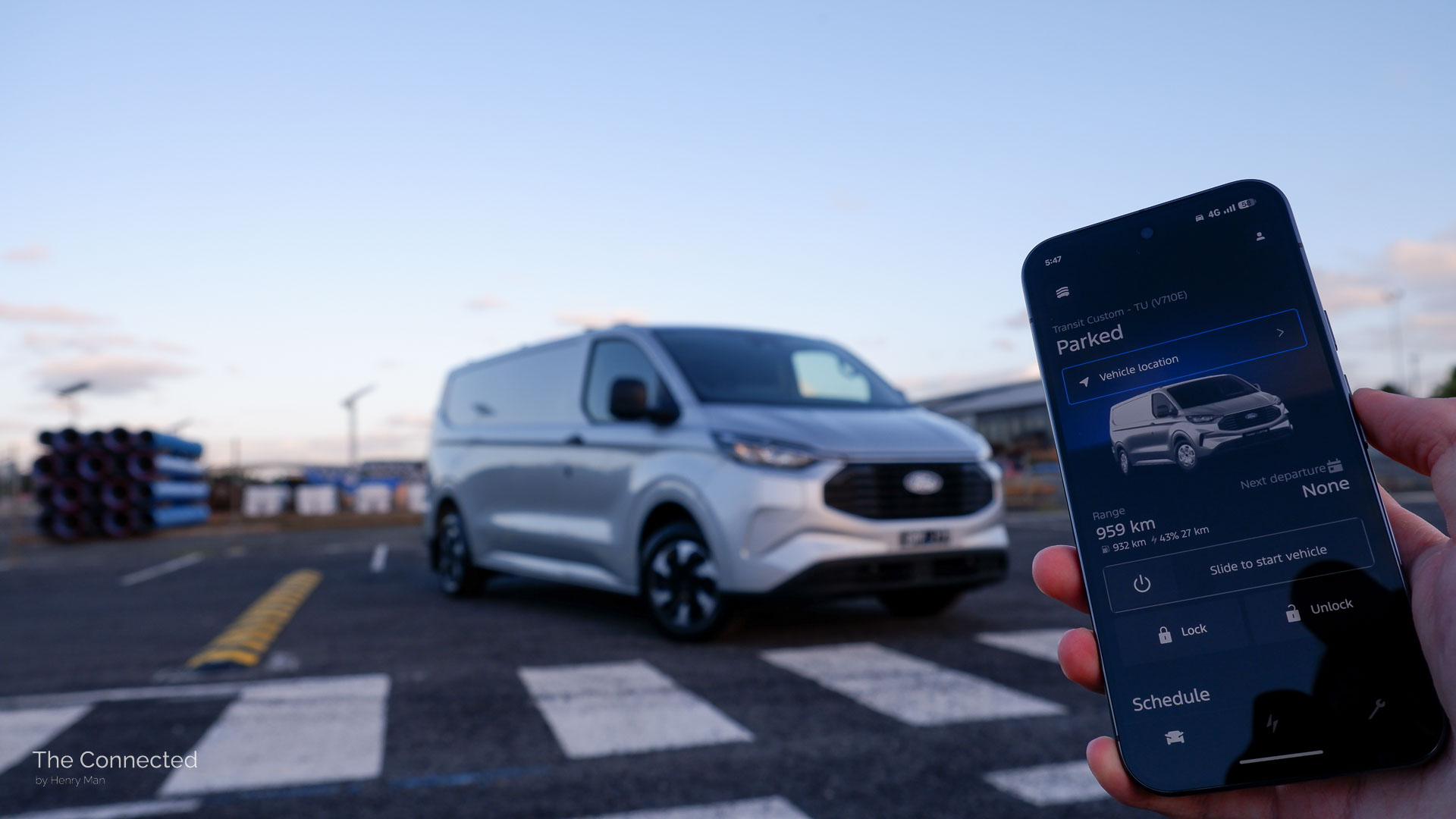
It doesn’t include door proximity key functionality either – despite having the function for the push button start – which can be annoying when your hands are full.
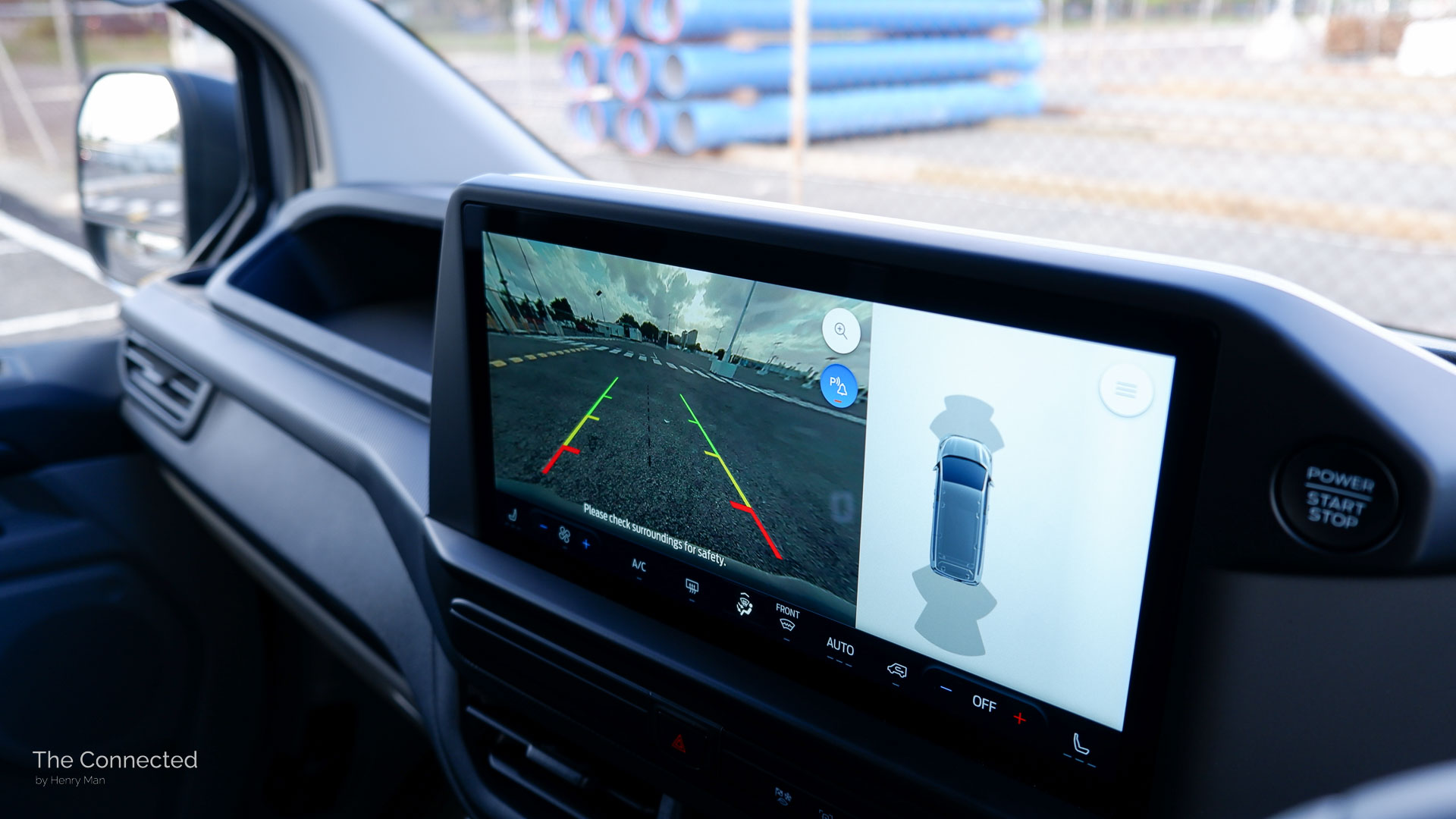
While these features are found on the top-spec Sport, no Transit hybrid offers a 360-degree camera system which would’ve been very useful given its large dimensions.
At least the reversing camera is good resolution with an ultra-wide angle view for popping out of spaces.
In terms of safety tech, Ford’s system is very refined with smooth adaptive cruise control, subtle lane-keeping, and handy rear-cross traffic alert.
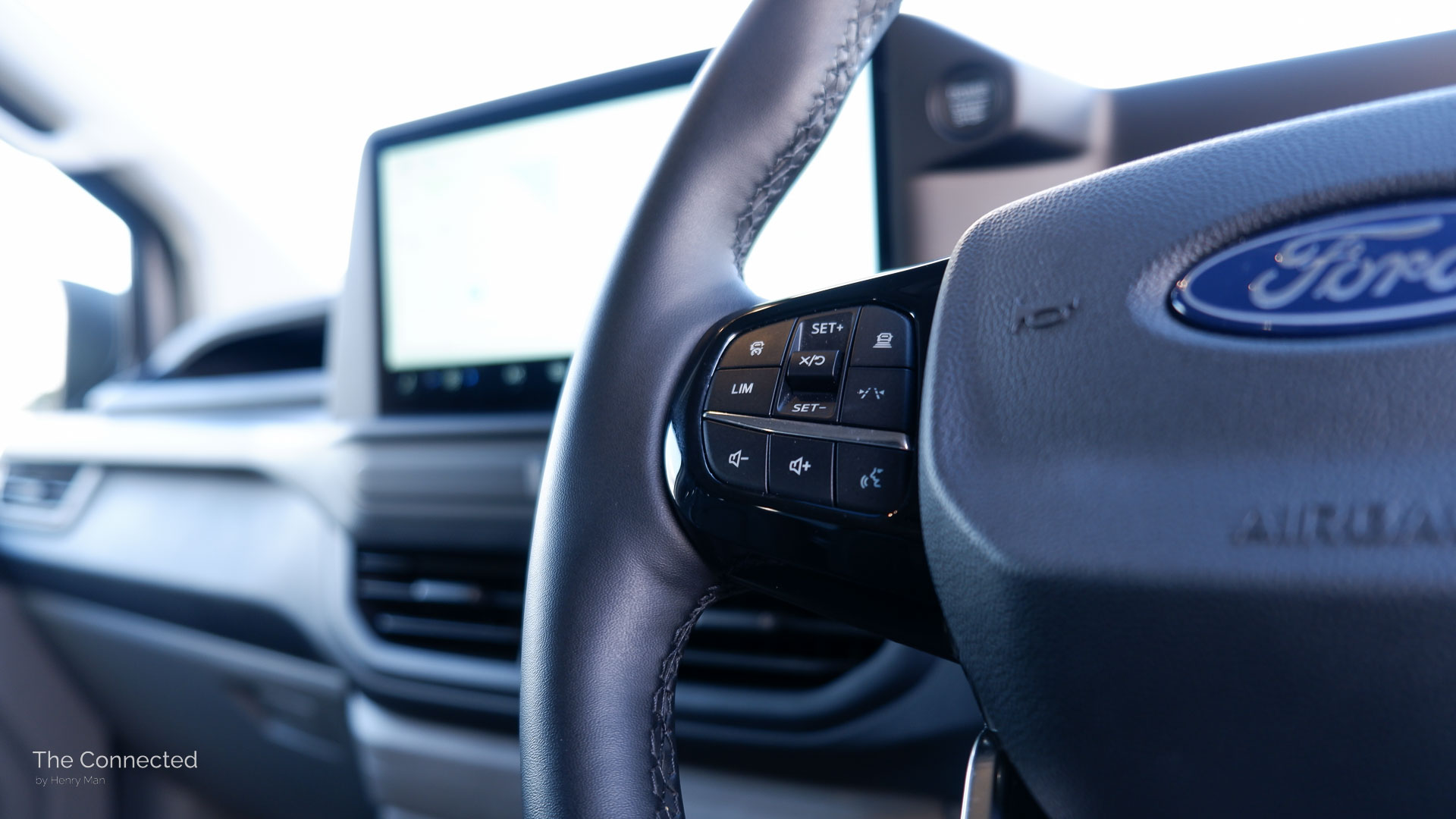
Unfortunately, the overspeed warnings default on every time you start the van, but the warning chimes are quiet and can be disabled via holding the speed limiter button on the steering wheel.
It’s well worth adding the $1500 extra Secure Visibility Pack accessory, which adds a digital rear-view camera mirror as the traditional glass mirror view is mostly blocked by the bulkhead net and barn doors, with the touchscreen reflecting directly onto the perspex partition even during daylight. The pack also includes a dash camera, too.
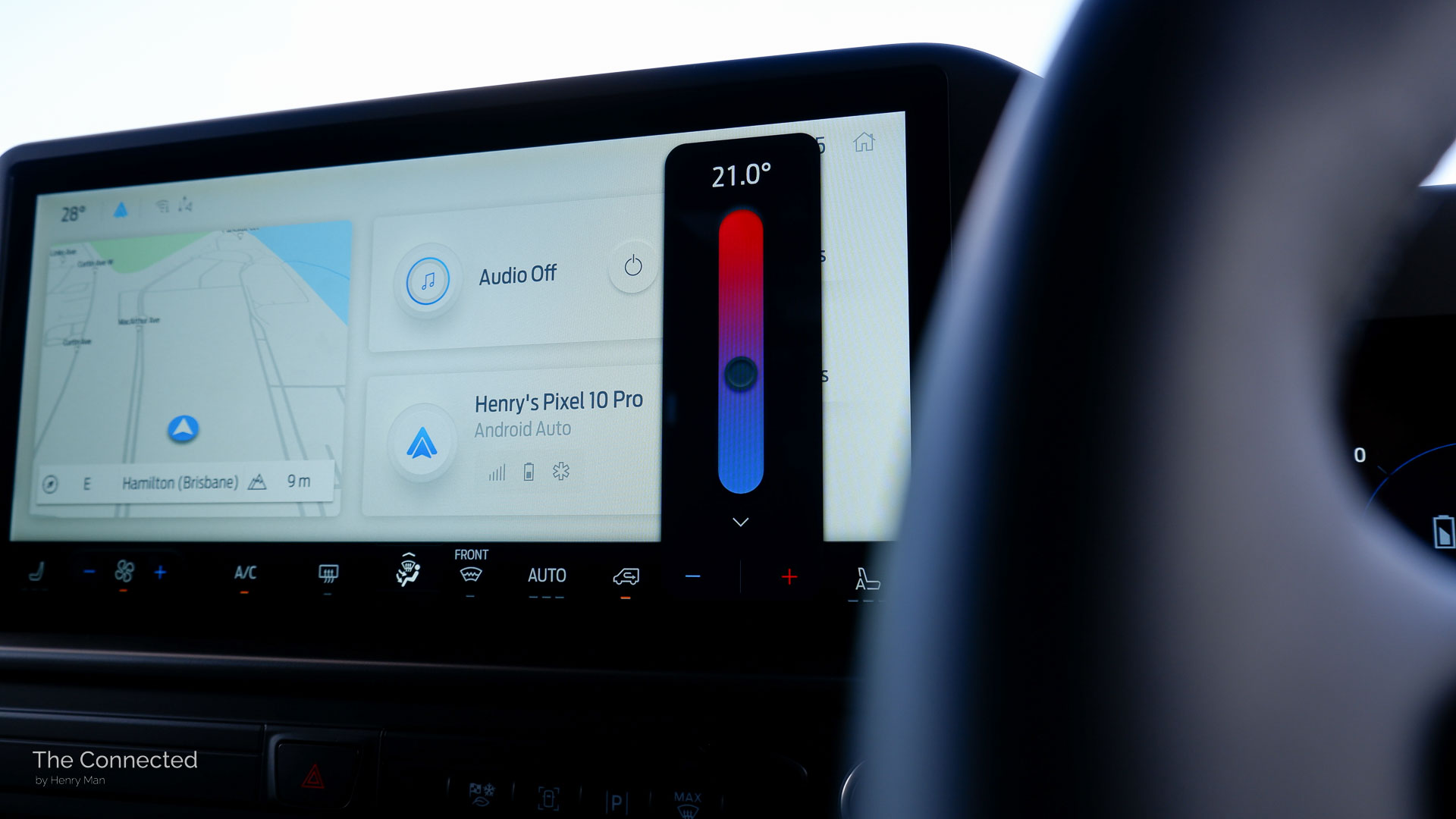
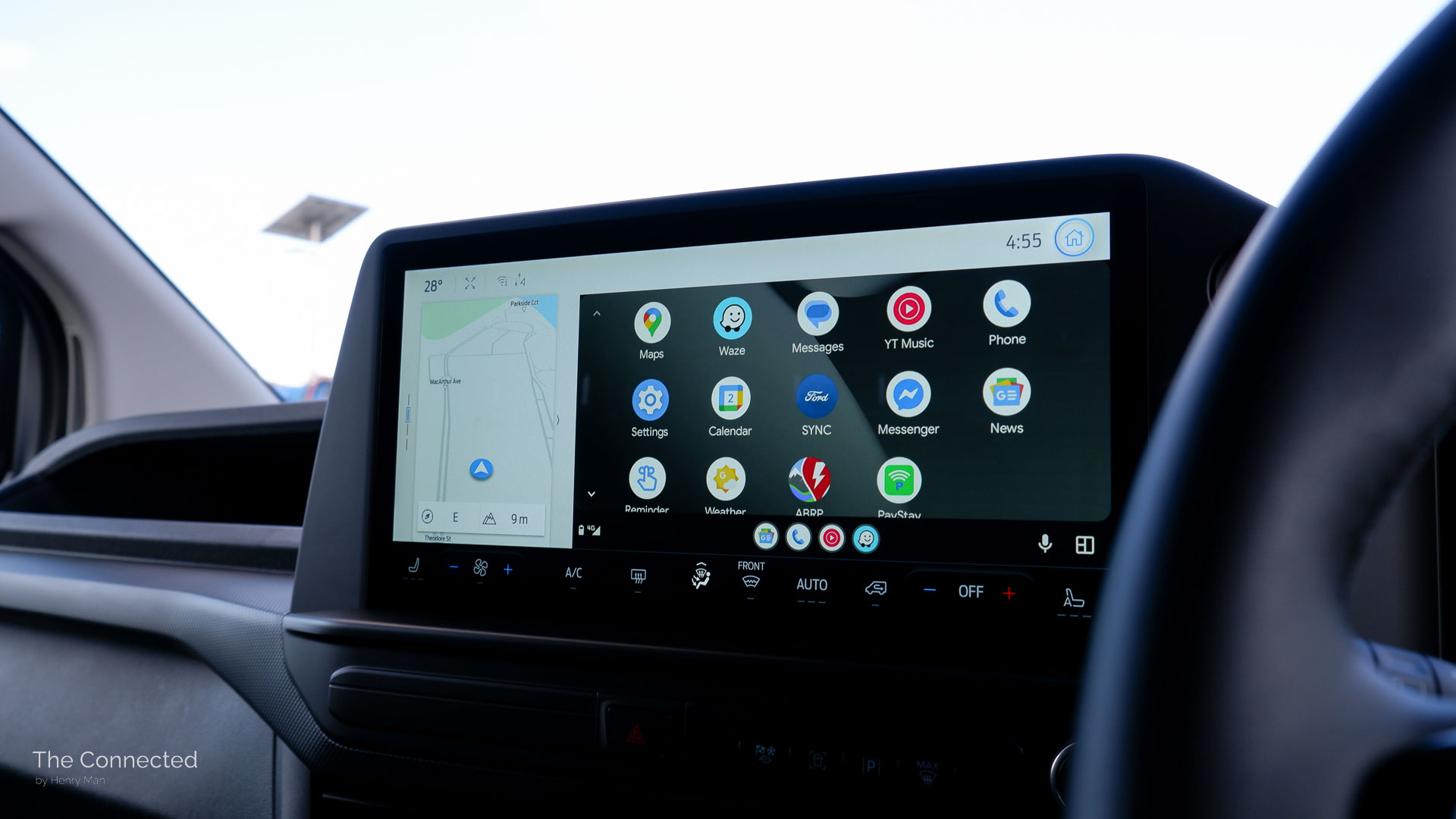
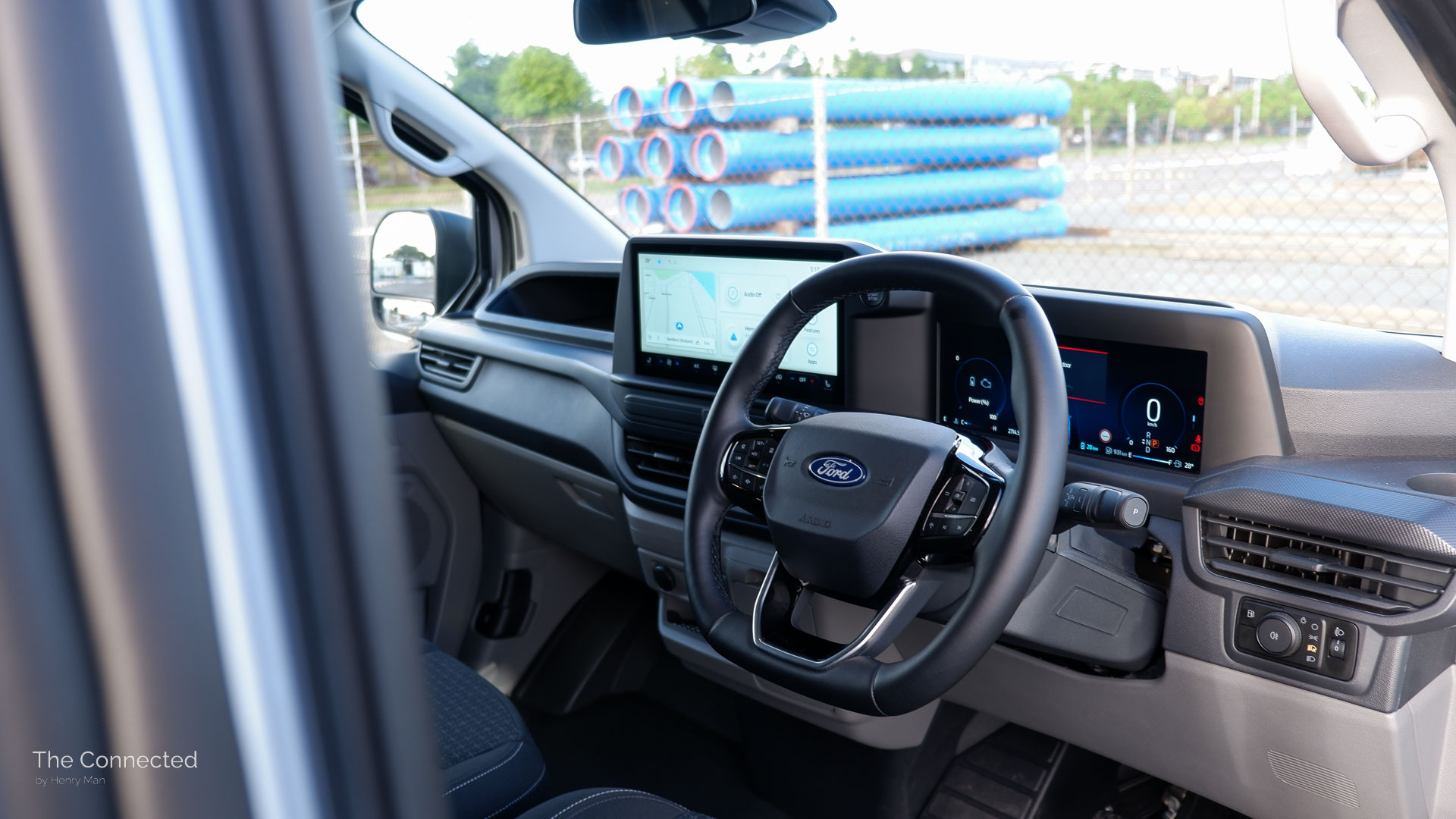
The Ford Transit Custom’s technology is good with a clear 13-inch touchscreen running the brand’s Sync4 software. There are big and easily tappable icons, wireless/wired Apple CarPlay and Android Auto with the latter uniquely showing the maps on Ford’s own home screen, and decent speakers.
It’s much more responsive and liveable than the latest Mustang Mach-E flagship electric SUV, but not a standout against other carmakers.
While there are no physical buttons to adjust the single-zone climate control and heated outer seats, it is easy to use the screen with most functions accessible at the persistent bottom bar without digging into a separate climate screen.
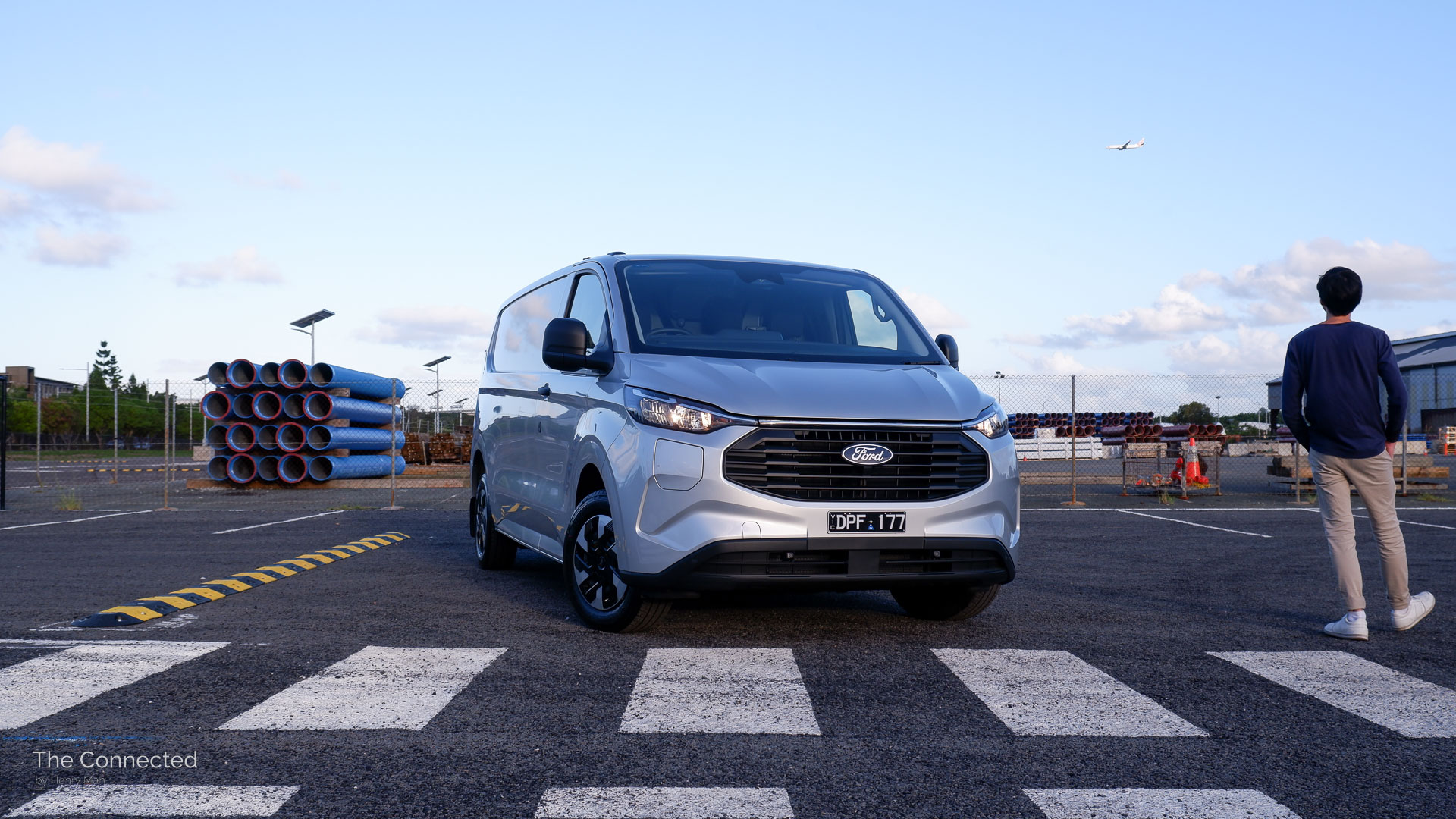
Would I pick the 2026 Ford Transit Custom PHEV Trend LWB?
The Ford Transit Custom PHEV is an antidote for commercial fleets in a volatile fuel crisis.
The Transit Custom PHEV is a great option for those who want to cut their running costs, particularly if you drive less than 70 kilometres every day, utilise the EV-only range and plug in when it’s not in use.
Without a charged battery, it still provides good fuel efficiency, with refined safety tech, practical interior, and a super high seating position that puts utes like a Ford Ranger to shame.
Yet, with a $10K price premium over the equivalent diesel model, the base Transit Custom PHEV Trend only has halogen DRLs and high beams, there’s no 360-degree camera option, only one USB-C charging port is offered, and its charging capabilities are limited.
I’d pick the Transit Custom PHEV Trend LWB, but the Sport SWB is more city-friendly at a higher price point.
If you’re looking for a hybrid van without completely investing in full battery-electric power and spending a staggering $20K premium on the E-Transit, this is the only PHEV cargo van on sale today.
Photographs by Henry Man
READ MORE: 2025 Kia Carnival review
READ MORE: 2026 Volkswagen ID. Buzz review
READ MORE: Brisbane to Sydney EV Easter challenge: No queues at chargers highlight gaps in media reporting
Pros:
- Solid EV-only range
- Good hybrid fuel efficiency
- Exceptional safety tech
- High seating position, big mirrors
- Practical interior and cargo
Cons:
- Halogen DRLs and high beams
- No 360-degree camera option
- Only one USB-C port
- Limited AC charging speed
- No SWB base model
About the Author.
Henry Man is an independent content producer passionate about the intersection of technology and transportation.
The former automotive journalist is focused on producing critically-detailed vehicle reviews, and unique short-form content. Learn more.


