
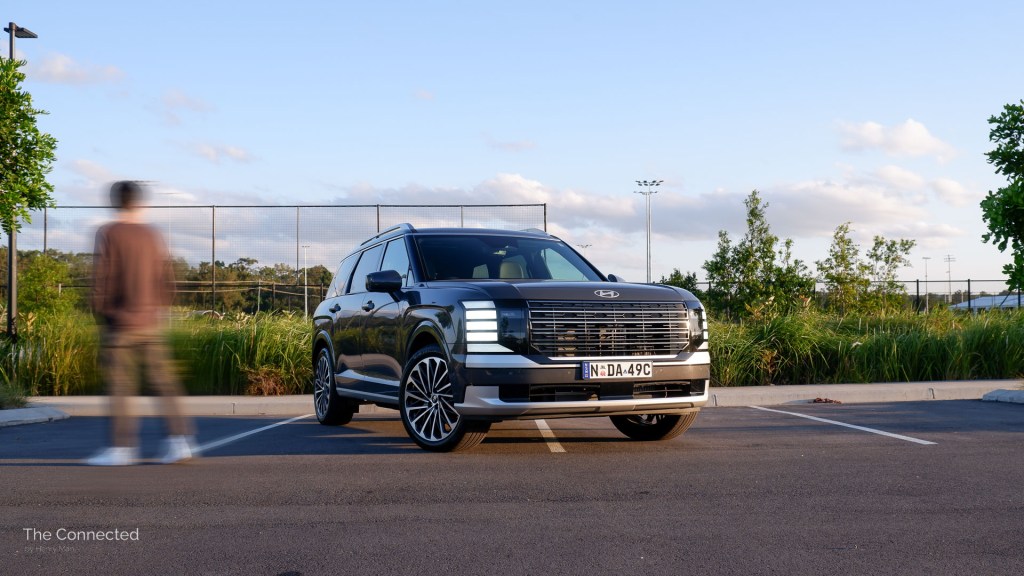
The Hyundai Palisade is back, but this time it’s a little different…
The South Korean carmaker’s biggest flagship three-row SUV in Australia has entered its second generation, ditching the V6 petrol and diesel for a new petrol-electric hybrid that’ll reportedly foreshadow the next-gen Hyundai i30 N.
I called the original Palisade the new Hyundai Genesis spiritual successor, but is the new-gen as impressive?
With a drive-away price tag now touching close to $100K due to an up to ~$14K price increase, I tested the top-spec Calligraphy with the seven-seat captains chair option for a week to find out whether it’s still worth buying.
NOTE: The press vehicle was provided by Hyundai Australia for a seven-day independent evaluation. Toll costs were covered, but we have no commercial arrangements with the company and it had no editorial control.

Pros.
+ Family-friendly three-row interior
+ Superb ride comfort
+ Quiet and punchy hybrid
+ Non-overwhelming tech
+ Unique retro dash design
Cons.
– Interior ergonomic and usability issues, seat sensor recall
– No adjustable regen, not as fuel efficient
– Noticeable body lean
– Very limited V2L and Stay Mode
– Subsantial price increase; isn’t great value anymore
Vehicle tested:
| Model | 2026 Hyundai Palisade Hybrid |
| Variant | Calligraphy |
| Starting price | $89,900 before on-road costs |
| Exterior colour | Ecotronic Grey (+$750) |
| Interior colour | Pure Black tone (standard) |
| Options | Seven-seat configuration (+$1000) |
| Country made | South Korea |
Design and quality.
The new Palisade has an evolutionary design, but the interior in standard black doesn’t feel like it’s worth its price.
The exterior is still unmistakably a Hyundai Palisade.
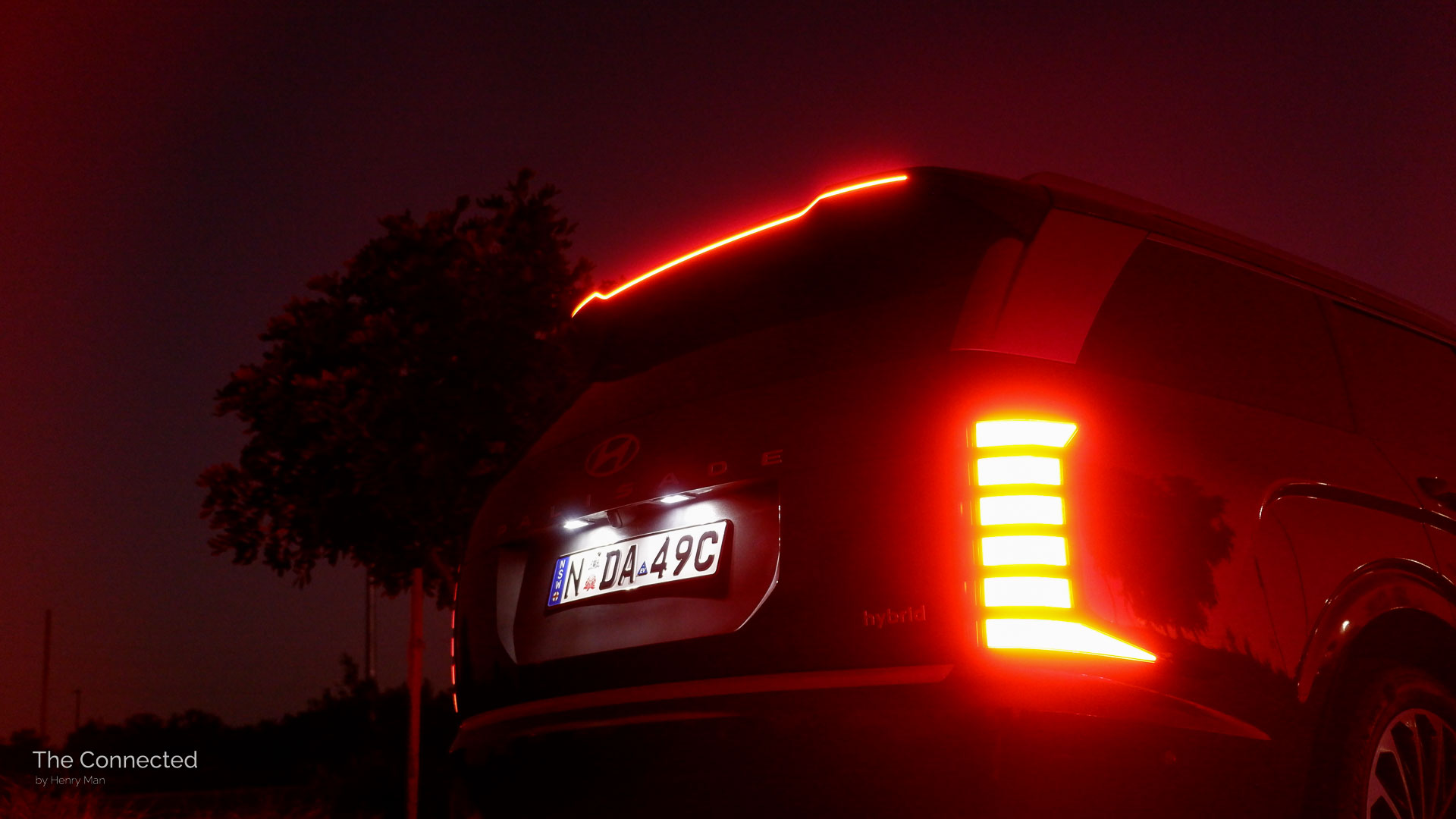
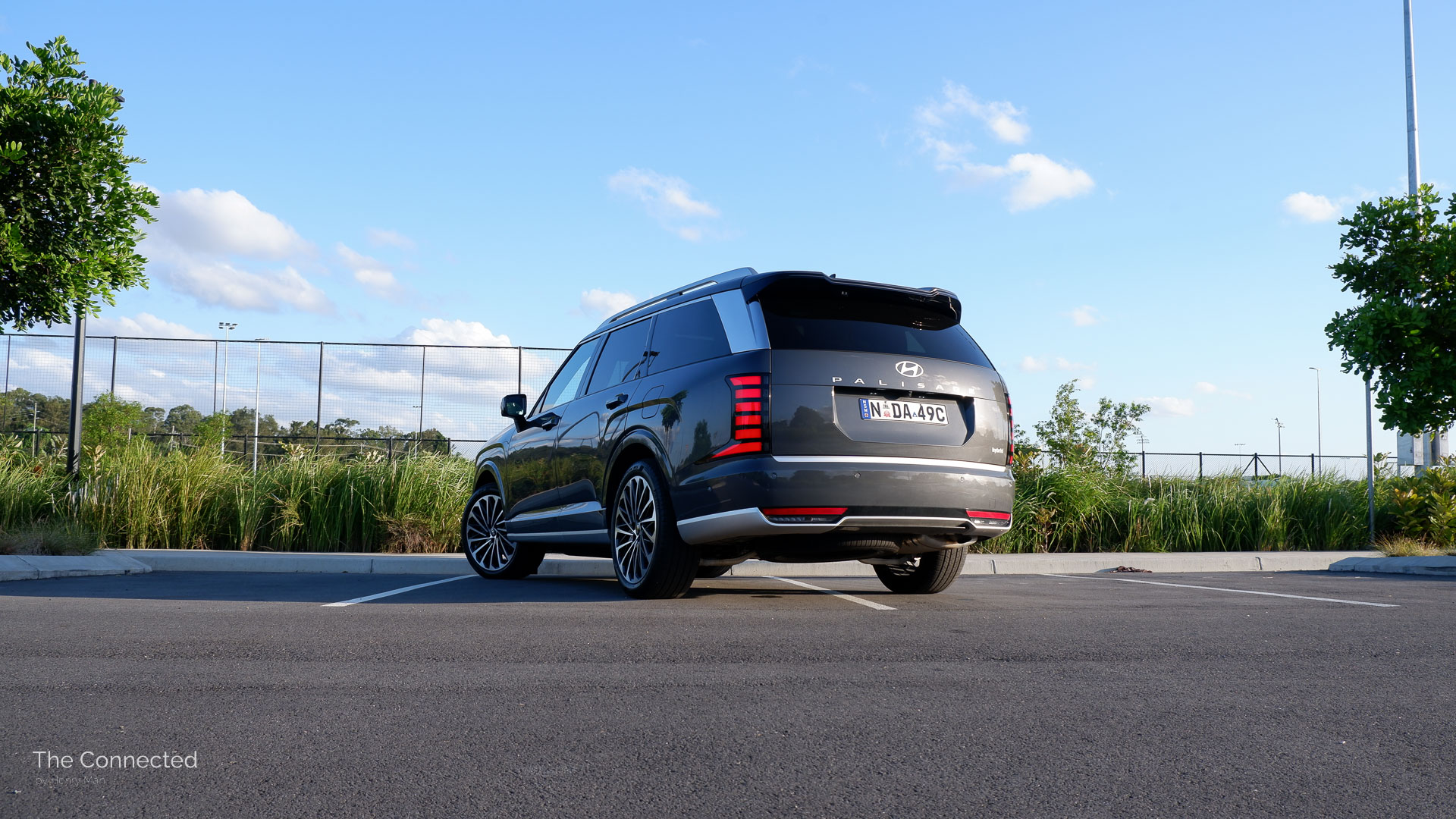
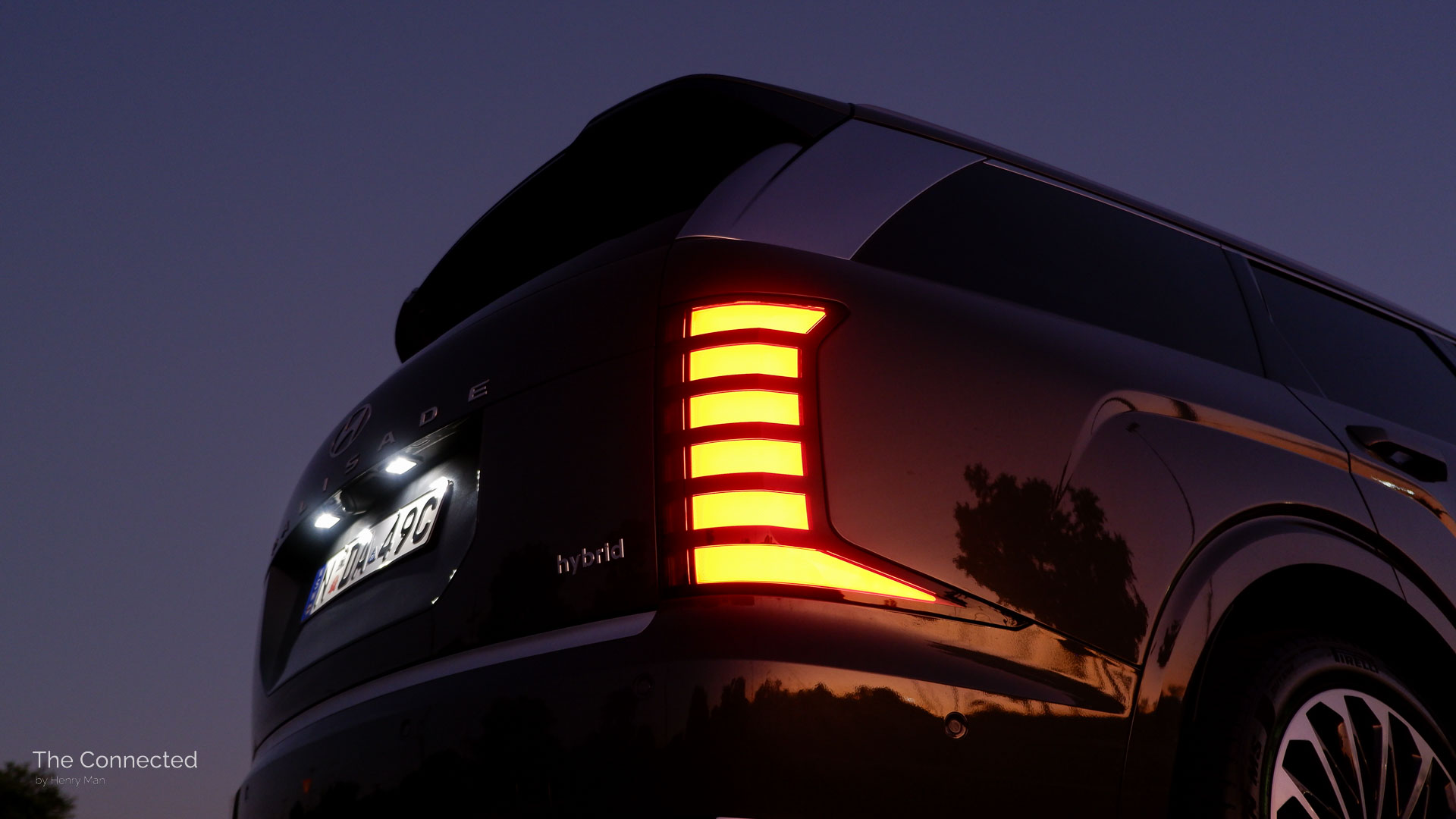
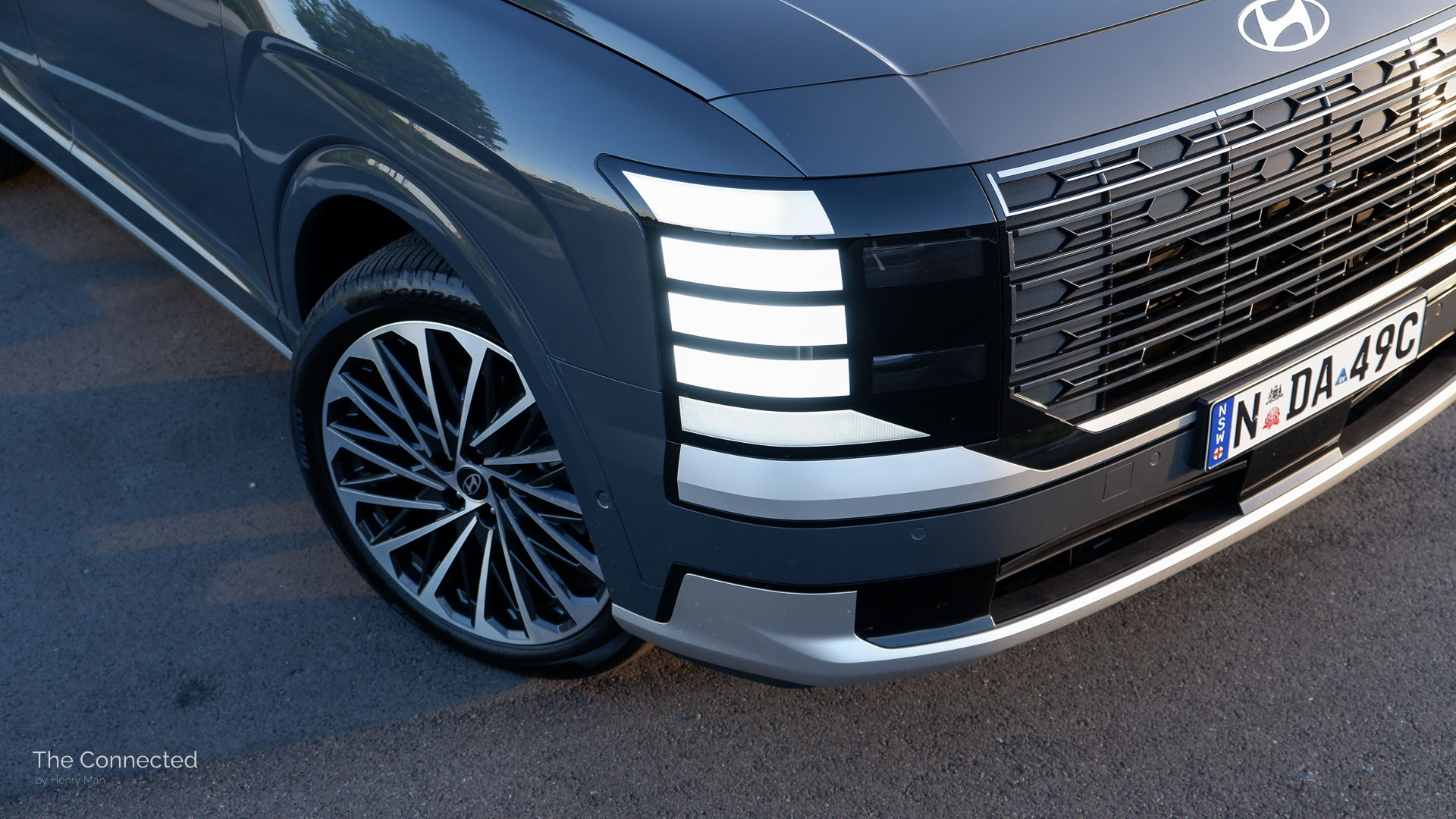
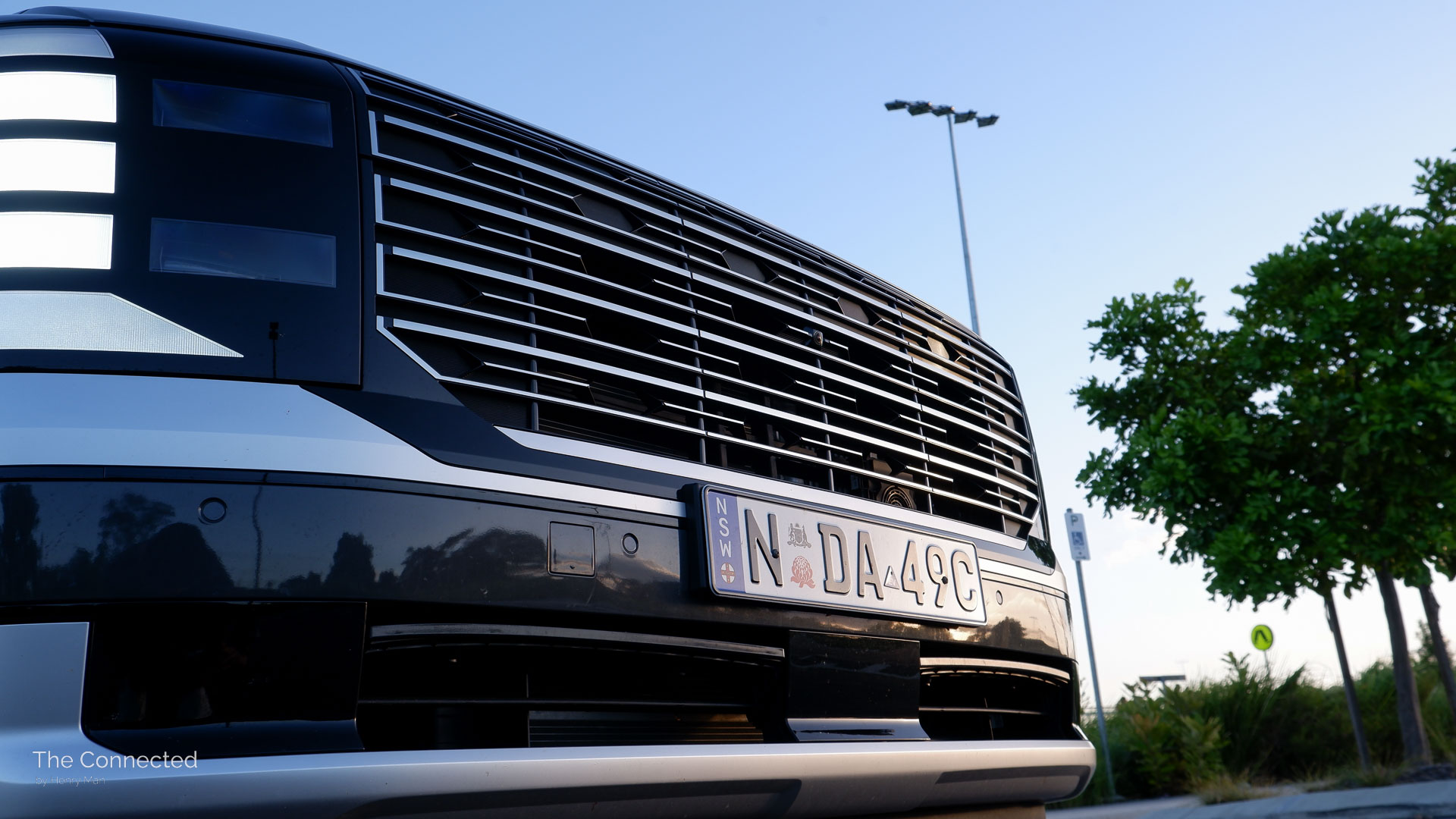
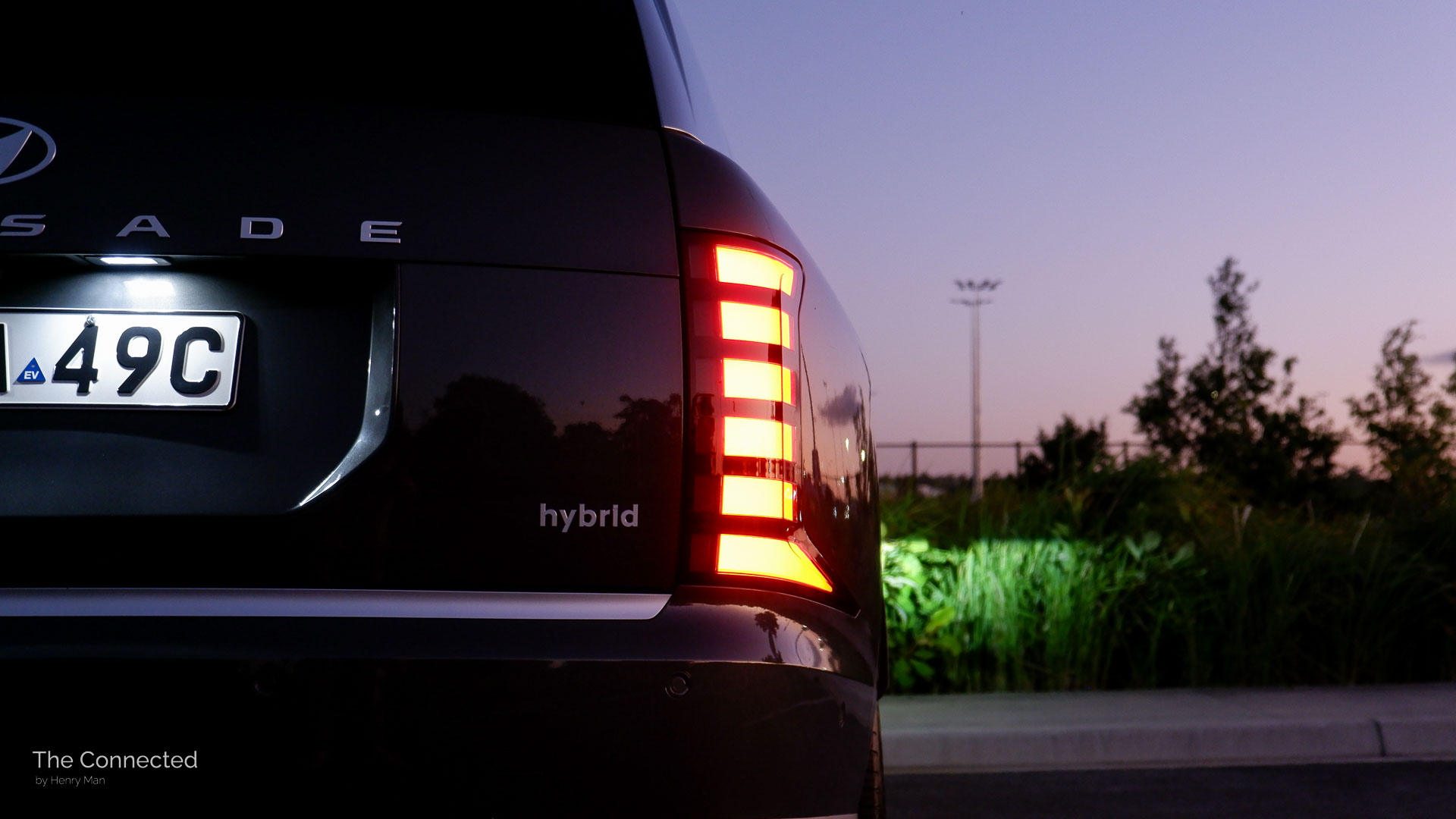
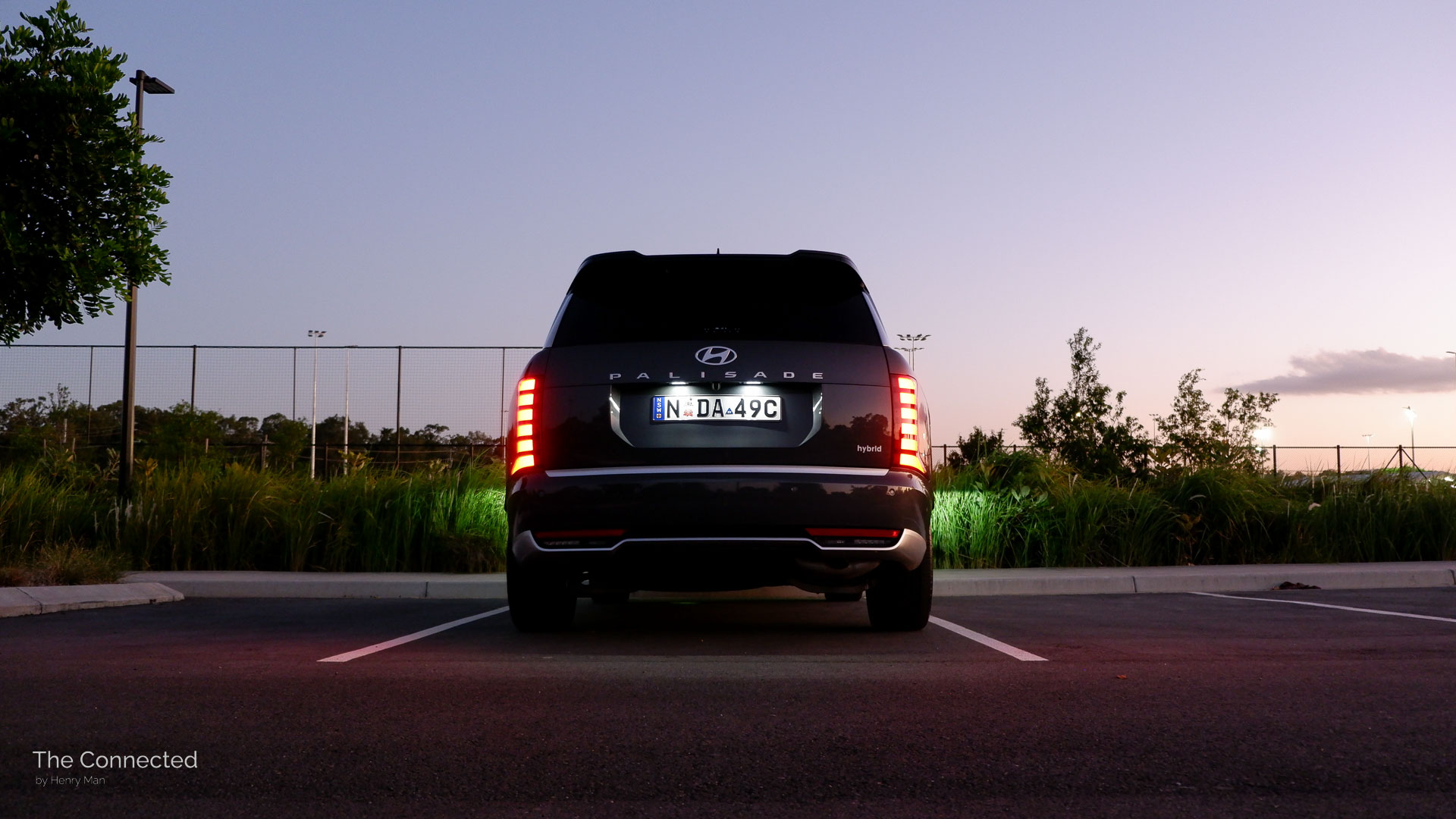
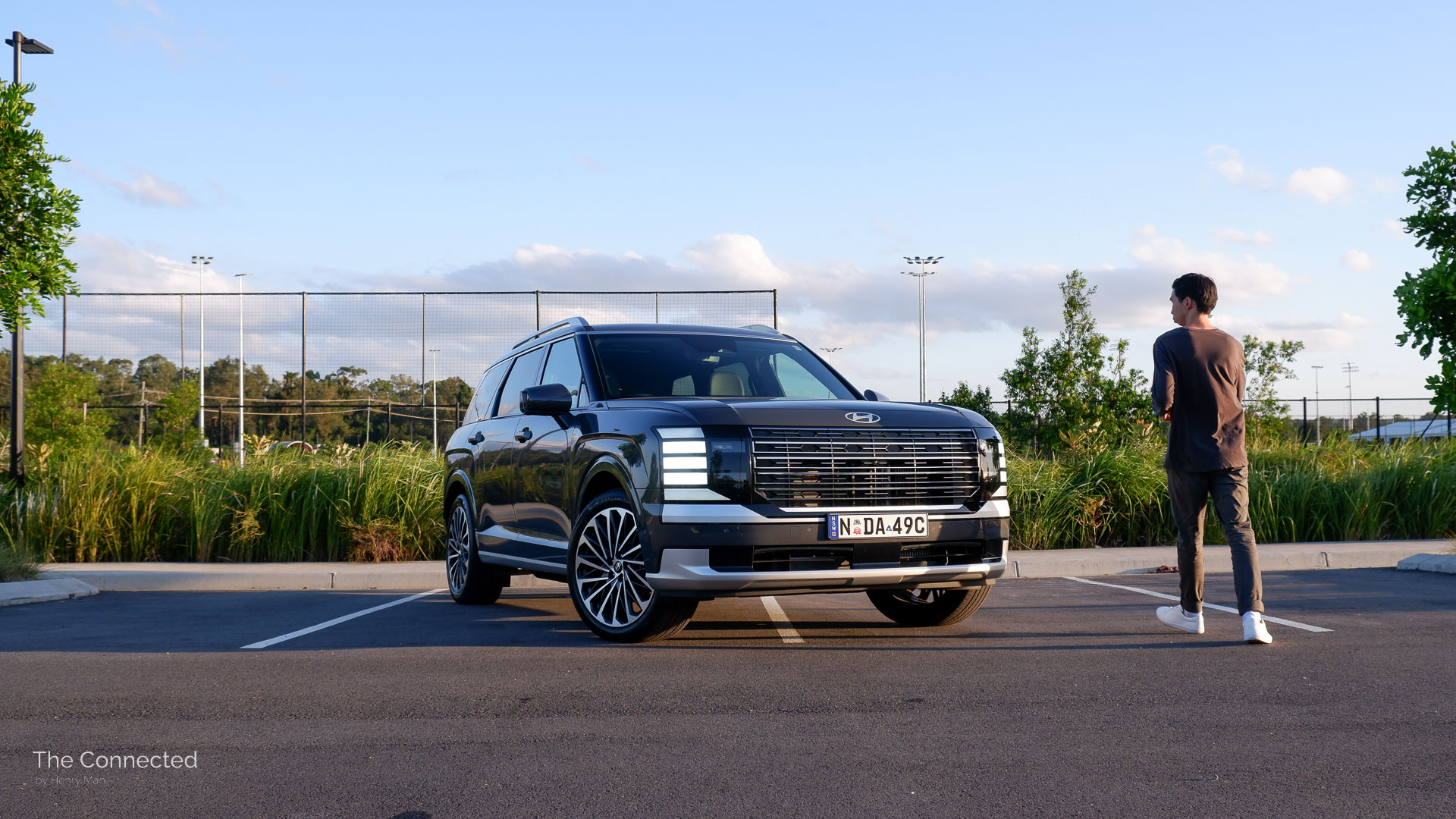
The second-gen evolves the Cadillac style exterior with prominent stacked daytime running light and turn indicator signature, reshaped tail-lights, a new grille, and similar turbine-style wheels on the flagship Calligraphy.
It’s still a bold and classy-looking SUV with a new unique matte chrome line that runs across the top of the windscreen to the windows, but it’s the interior where there are bigger changes.

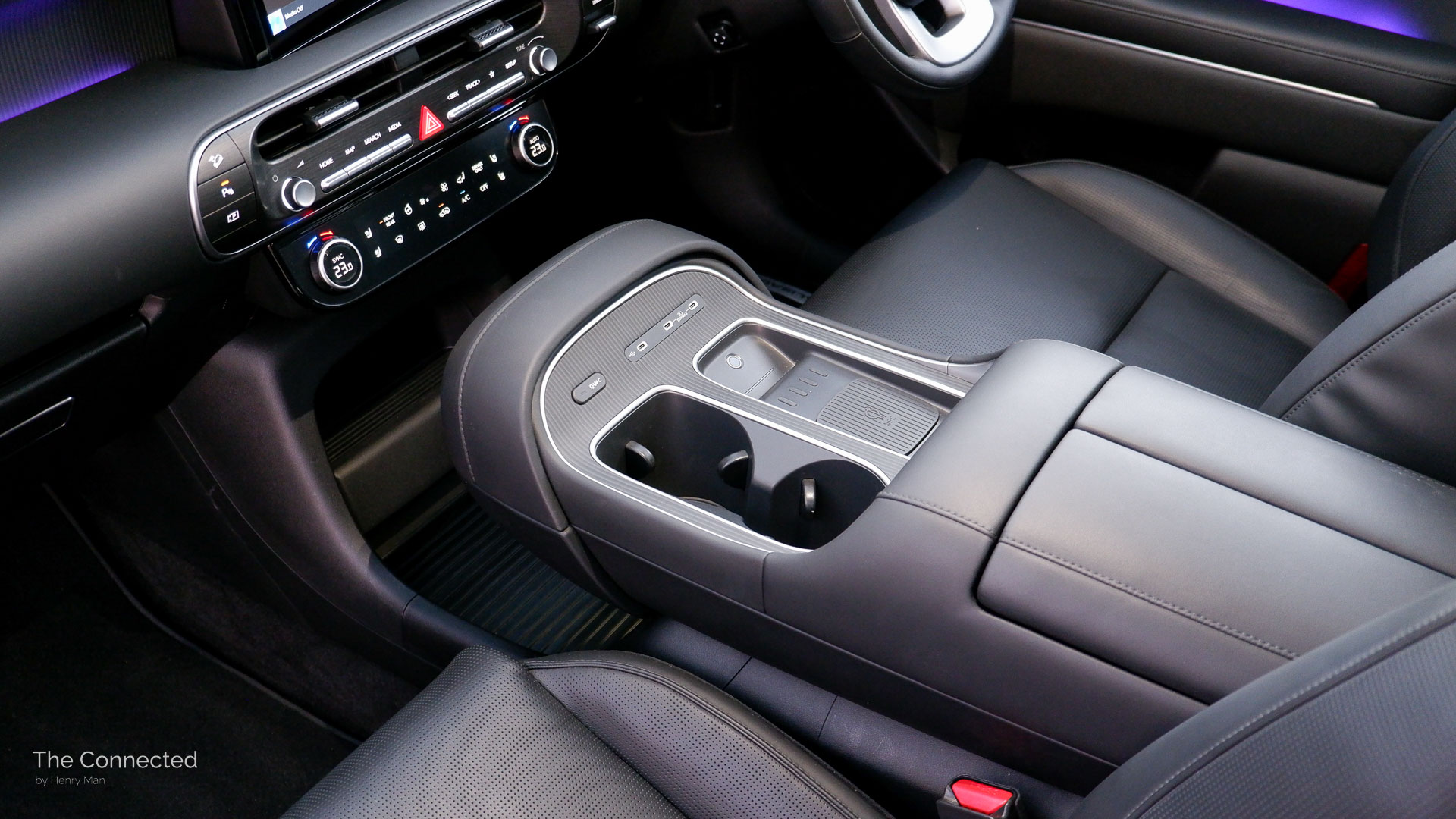
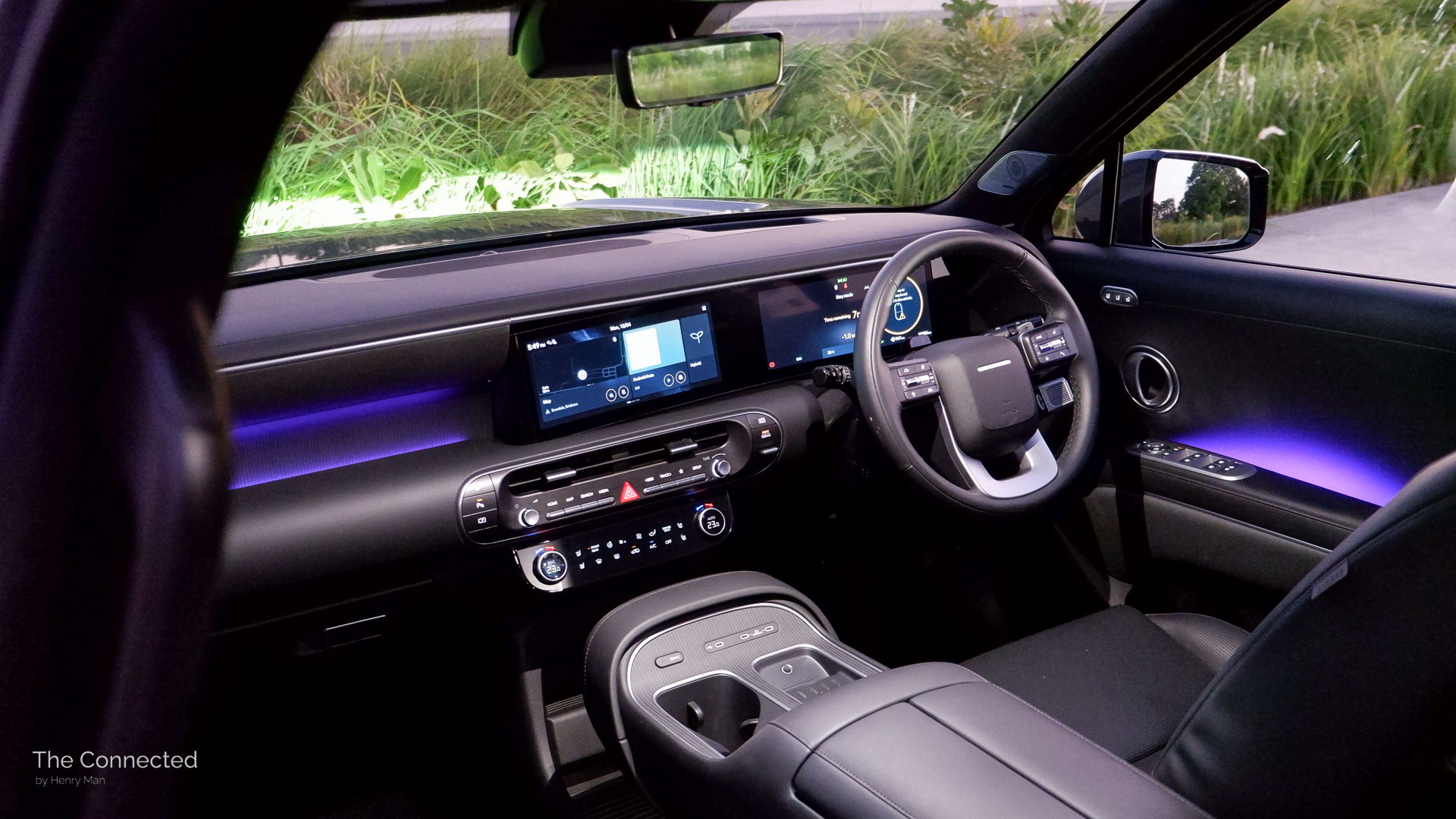
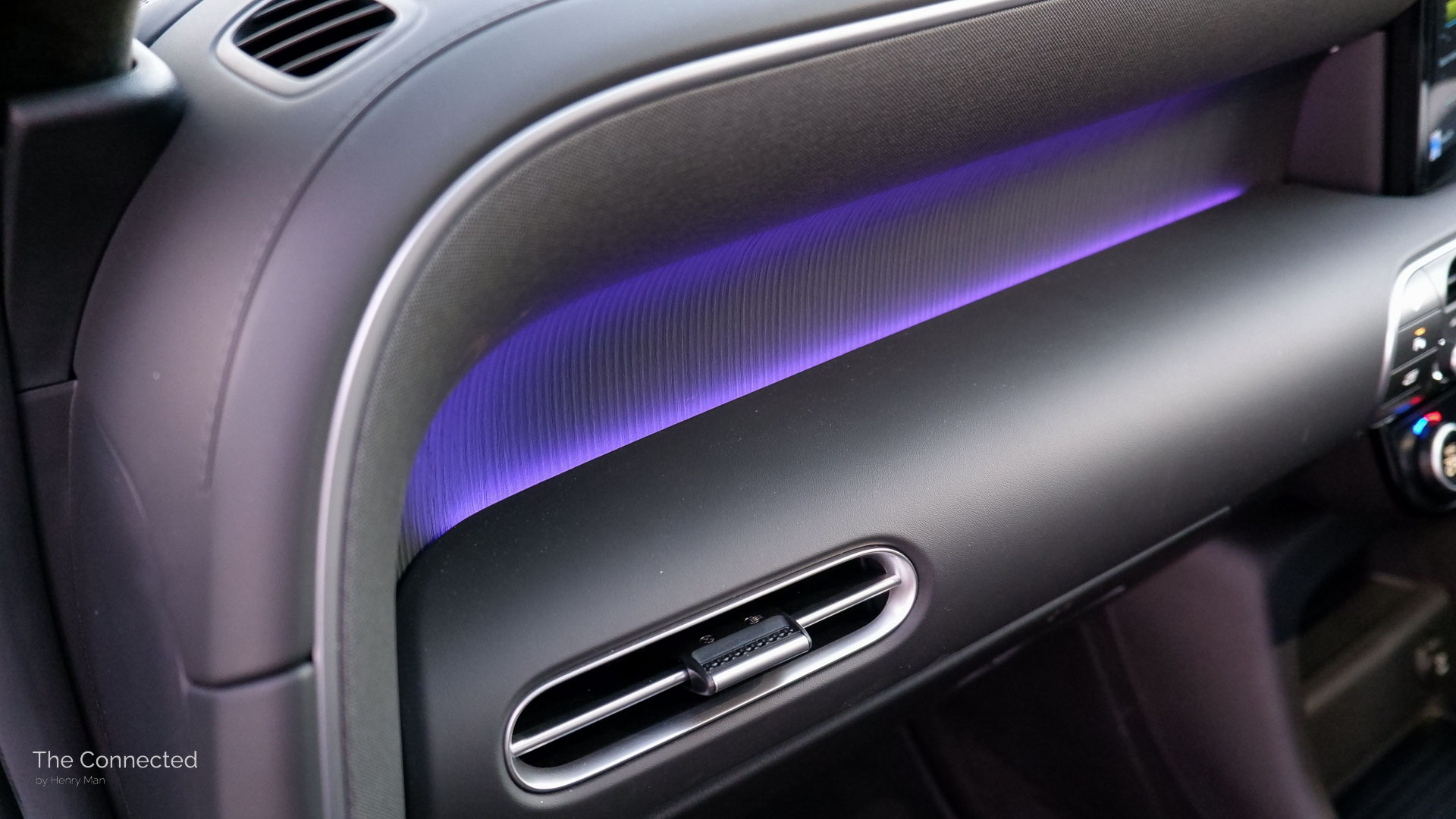
A unique retro-style dashboard piece covers on top of the one-piece concave main and instrument displays, with a rounded shape that reminds me of an art deco couch.
The rounded theme continues throughout the air vents, centre console, and door cards.
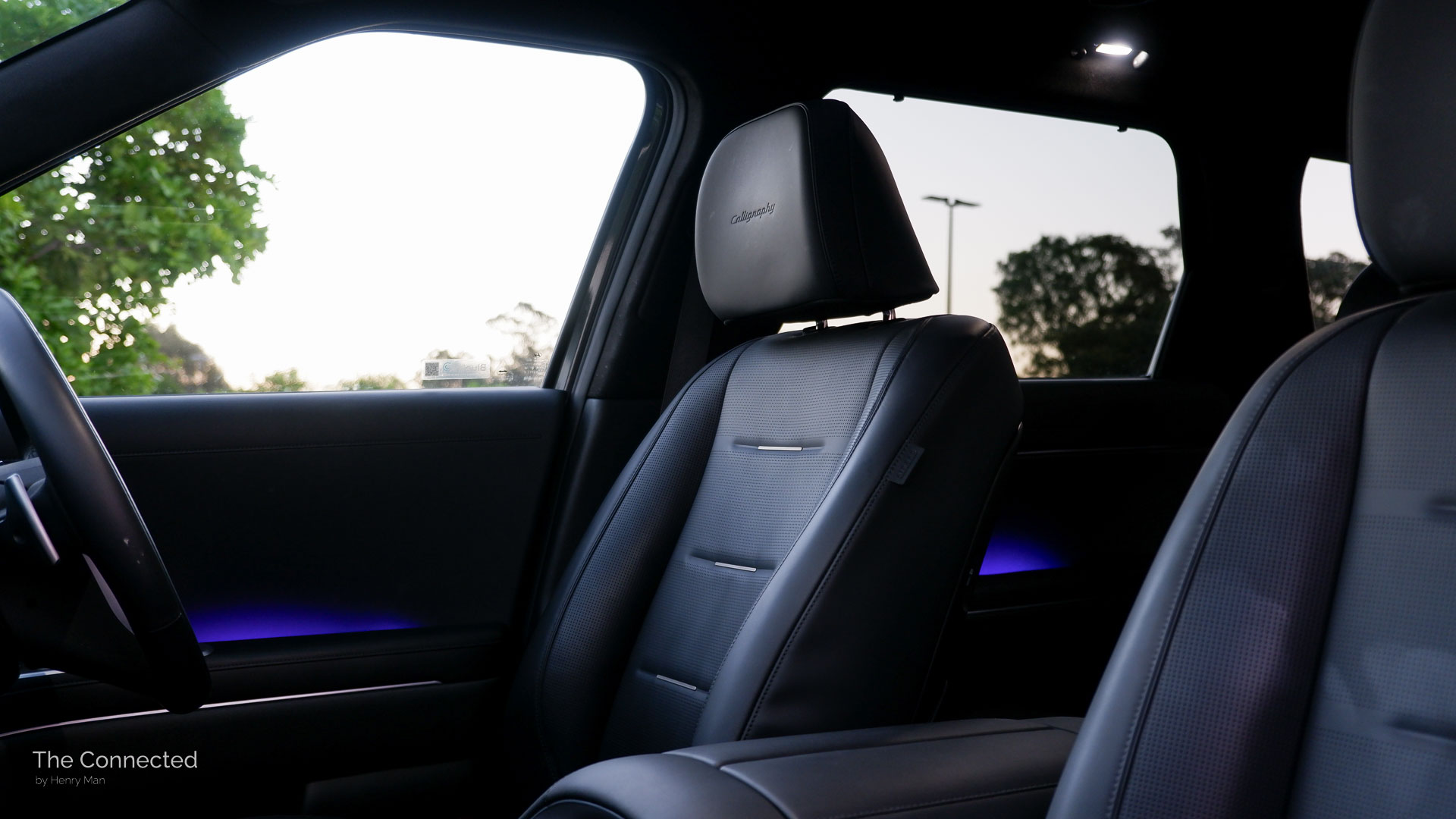
However, the standard Pure Black Tone doesn’t to the Palisade favours. It’s well worth spending a mere $295 more on the Calligraphy for Brown Pure tone, Dark Charcoal, or Dark Navy/Light Gray to significantly lift the perceived quality.
Material quality is decent, but doesn’t feel worthy of its almost $100K drive-away price tag with thinly padded door armrests and door cards – with this well-used press vehicle showing a few hard-to-rub-off marks.
The six-figure Hyundai Ioniq 9 three-row electric SUV feels far more premium.
Practicality.
2026 Hyundai Palisade Calligraphy Hybrid six-seat dimensions:
| Length x width x height | 5065 x 1980 x 1805mm |
| Wheelbase | 2970mm |
| Ground clearance | 187mm |
| Boot space (min / 3rd row folded / 3rd and 2nd row folded) | 300 / 712 / 2081L |
| Rear seat split fold (3rd row) | 60:40 |
| Child seat anchors | 4x ISOFIX and 4x top tethers |
| Air-conditioning system | Three-zone climate control with rear air vents |
While the new Hyundai Palisade Hybrid is a spacious eight-seater SUV, there are some impractical areas and ergonomic issues.
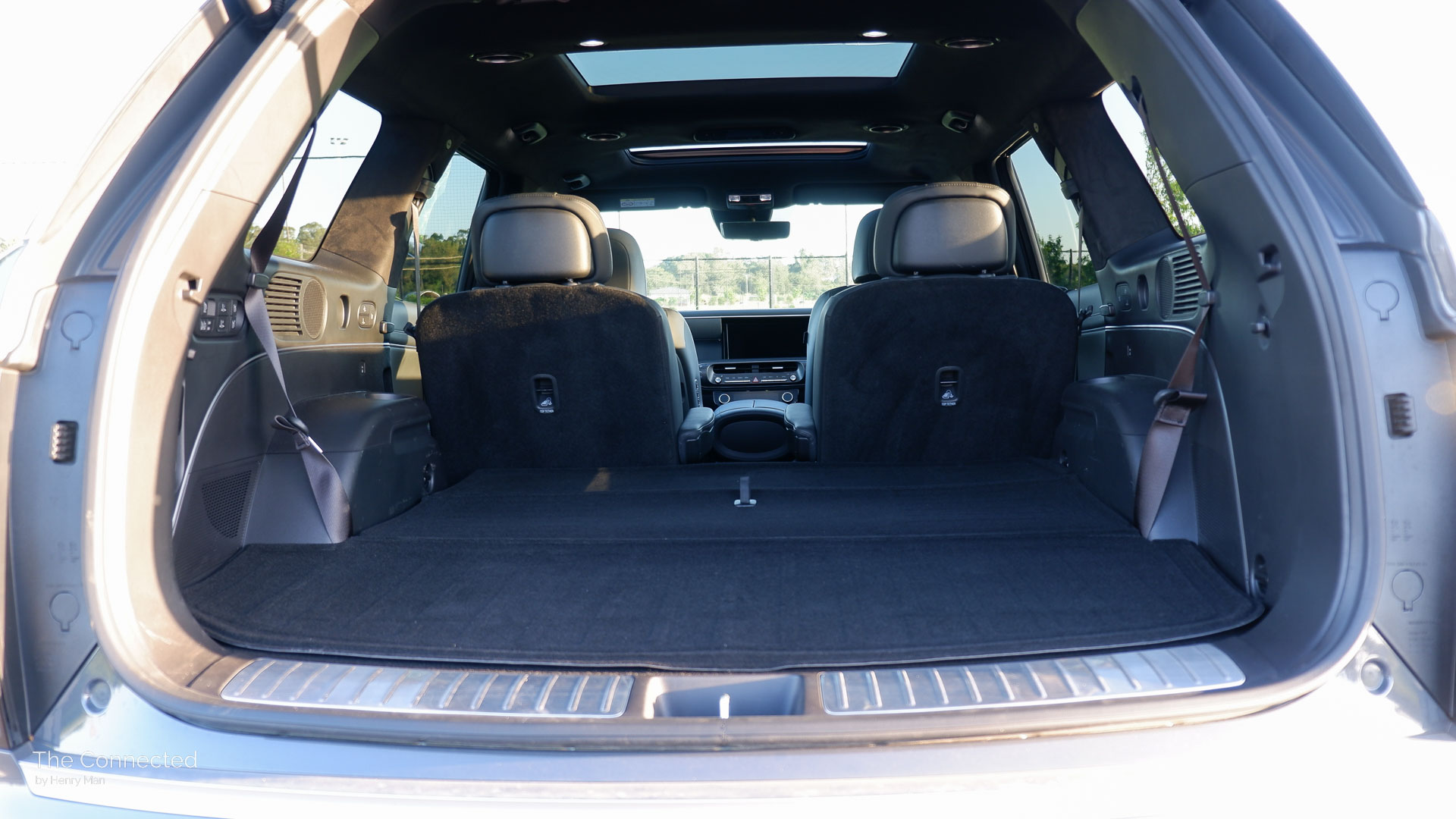
With all three rows in place, there’s still an adequate 300 litres of boot space. While narrow, it’s good enough for a couple of bags stacked.
Folding the third row expands the cargo to a van-like 712 litres, with the included boot mat able to be easily unfolded. Disappointingly, there are still no proper bag hooks.
Buttons on the side can electrically fold and unfold both the third and second row seats plus slide the third row to liberate more cargo room, yet unlike the Hyundai Ioniq 9 and Tesla Model Y, there’s annoyingly no one-touch function; you need to continuously hold the switch.
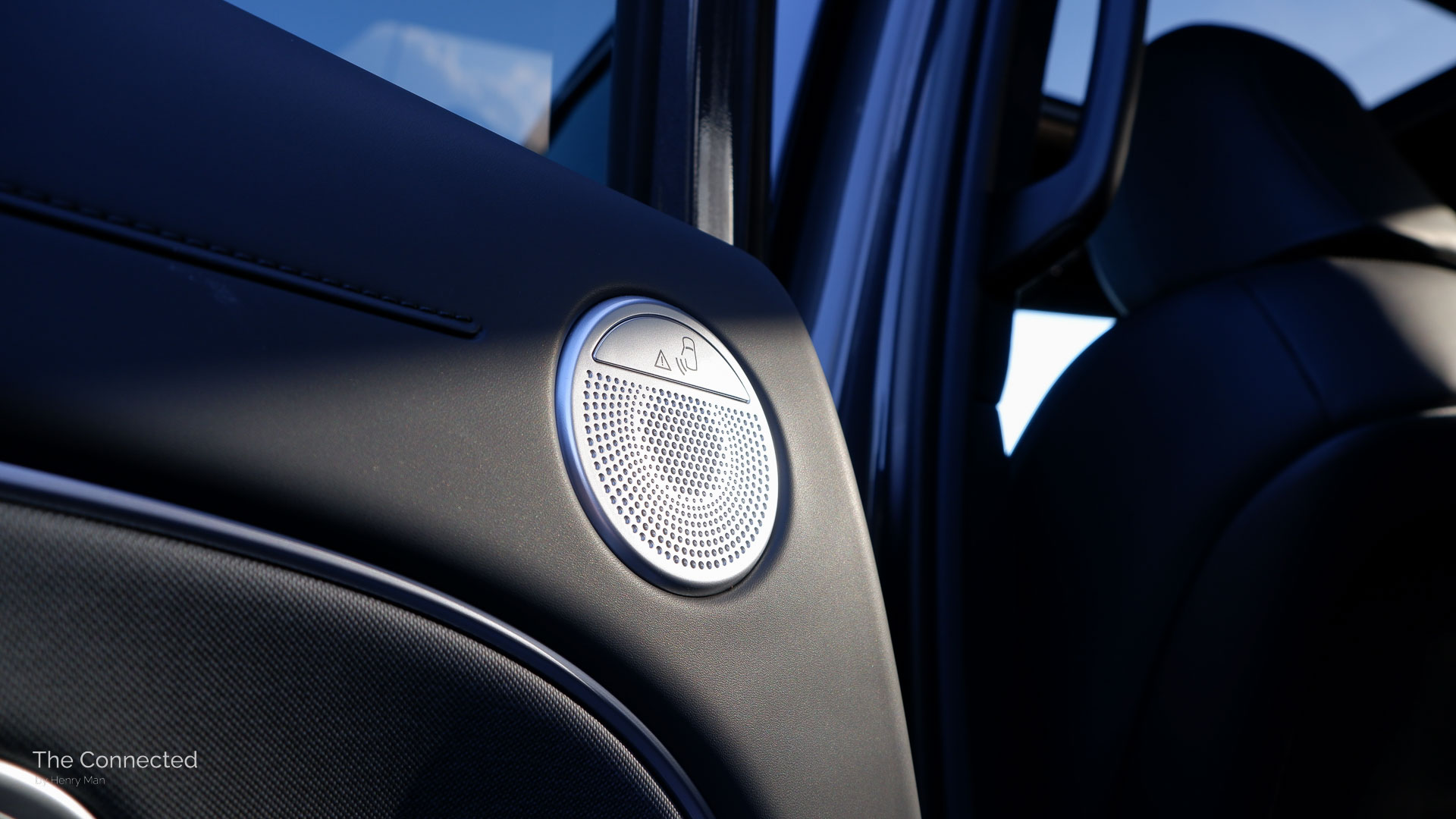
This likely due to the recall from April where sensors could fail to detect an occupant or object in the second- and third-row seats, and may not stop the electric folding function.
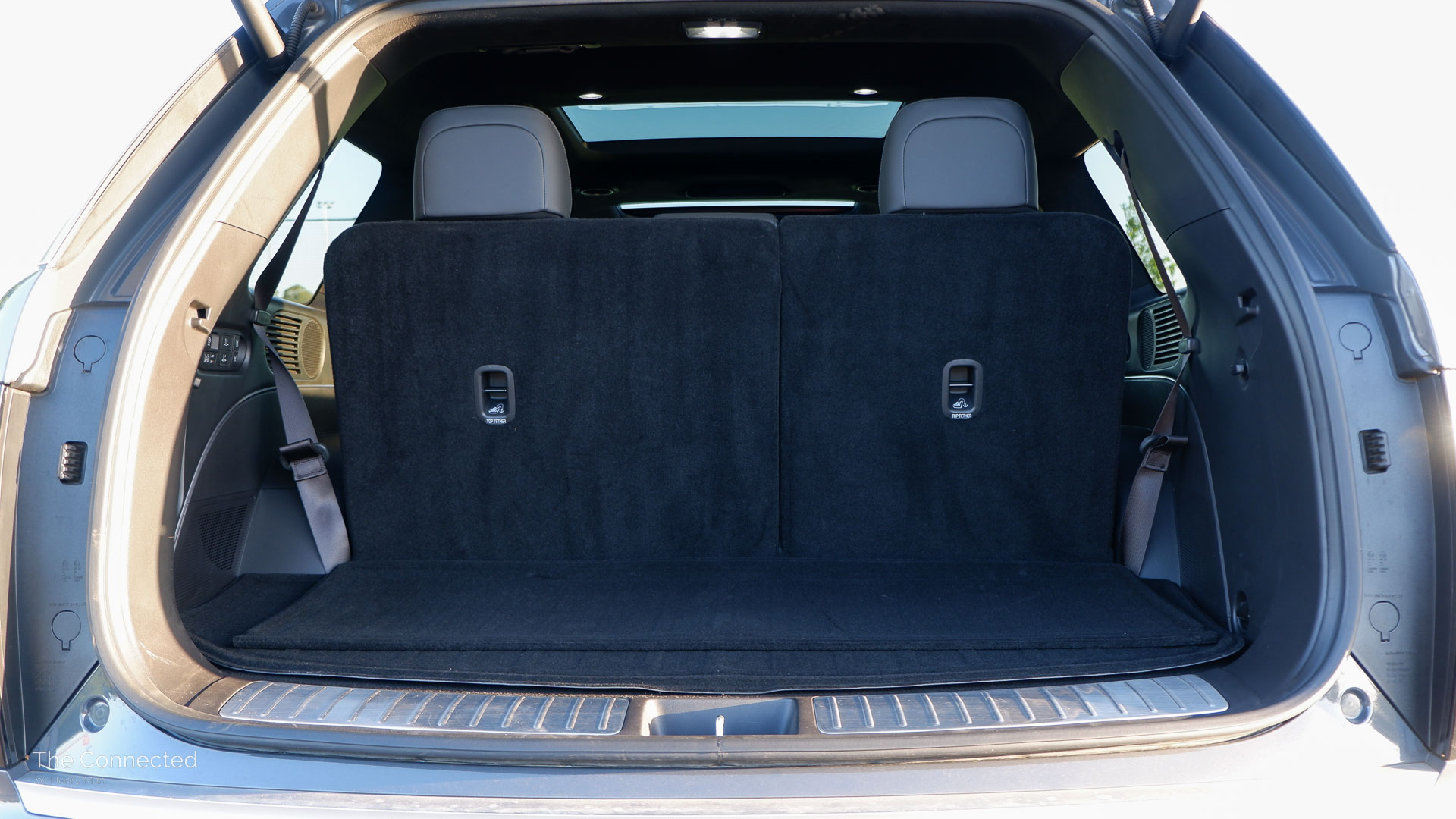
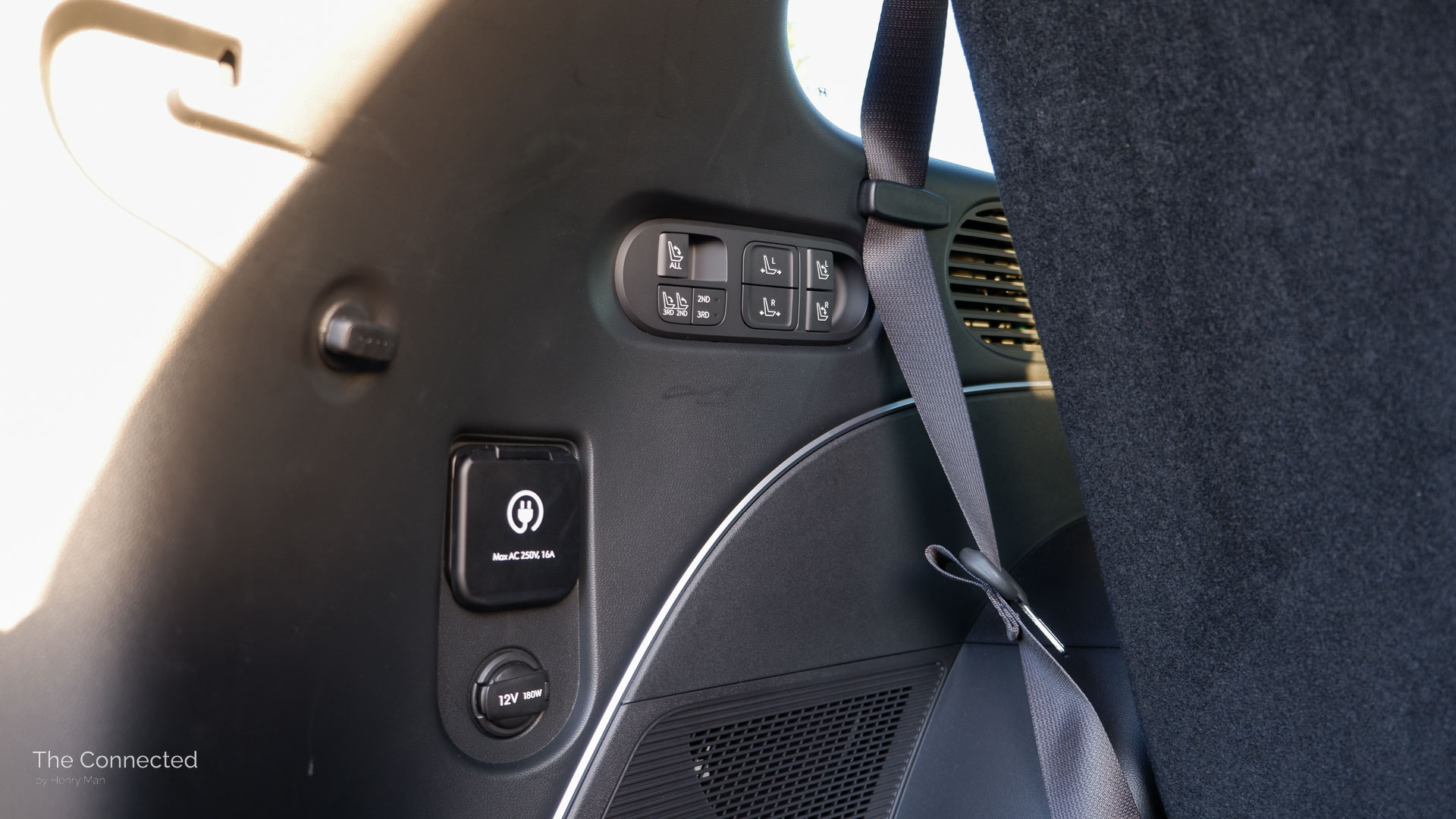

An electric tailgate is standard with a hands-free opening feature by standing behind the SUV for a few seconds with the proximity key. Inversely, there’s no hands-free closing as per Hyundai style – but a button on the tailgate can lock all doors in concert.
The Palisade’s rear doors open reasonably wide (though not as good as the Nissan Qashqai and Ariya) and access to the third row is via holding the button on top or beside the second row seats.
Due to the occupant and object detection issue, it only partly folds the backrest with one press. Passengers need to continuously hold the button in order for it to completely slide forward for the walk-in function. Inversely, the seat doesn’t go back to its original position even when holding the button so you’ll need to use the switches on the side.
It’s unclear whether Hyundai plans to reinstate the features in the future as it has been more than four months since the temporary recall fix was issued.
The electric seat mechanism is agonisingly slow to move, too.
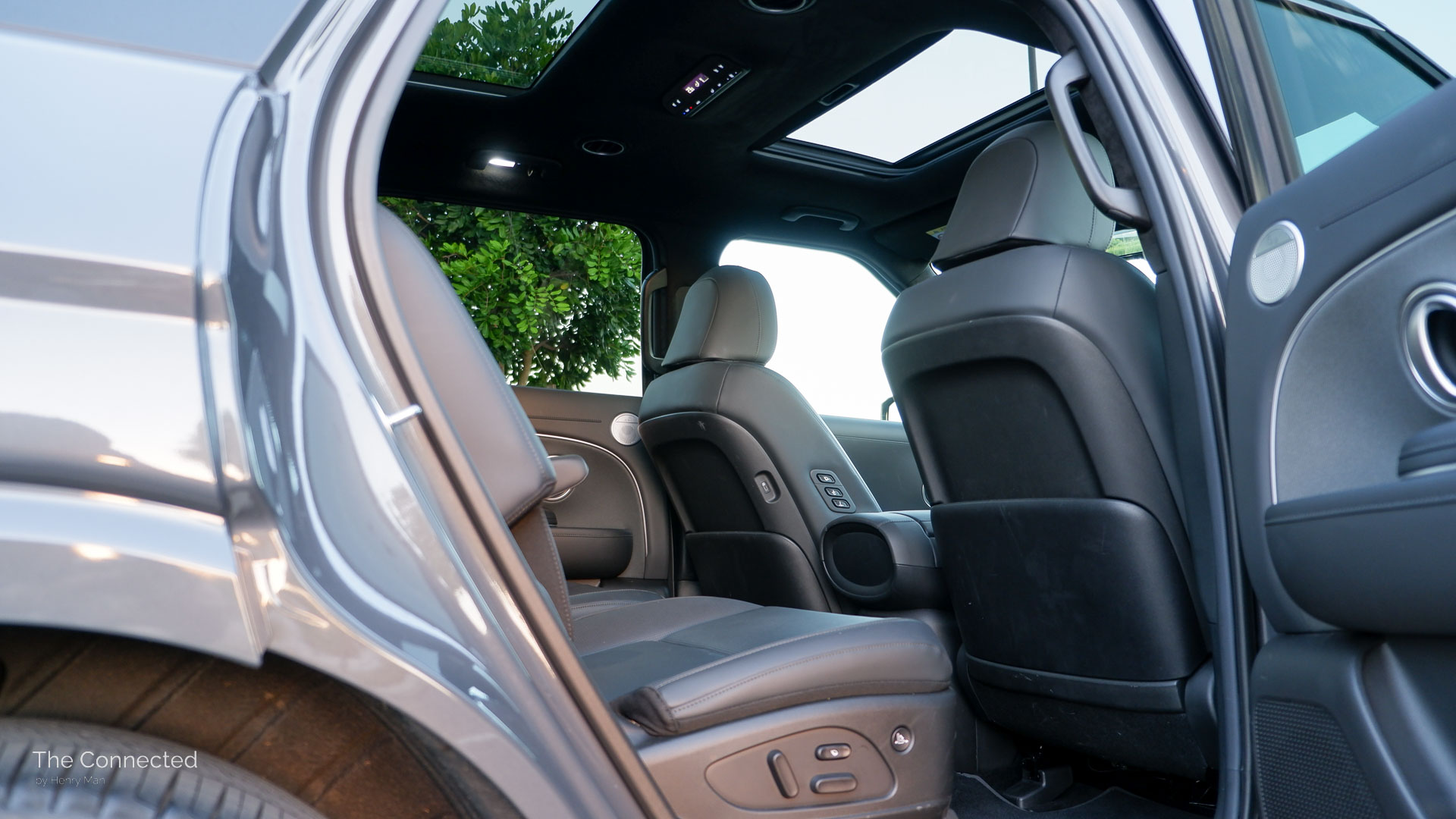
With the $1000 seven-seat configuration option on the Calligraphy, passengers can walk through the middle of the second row if the armrests are stowed up.
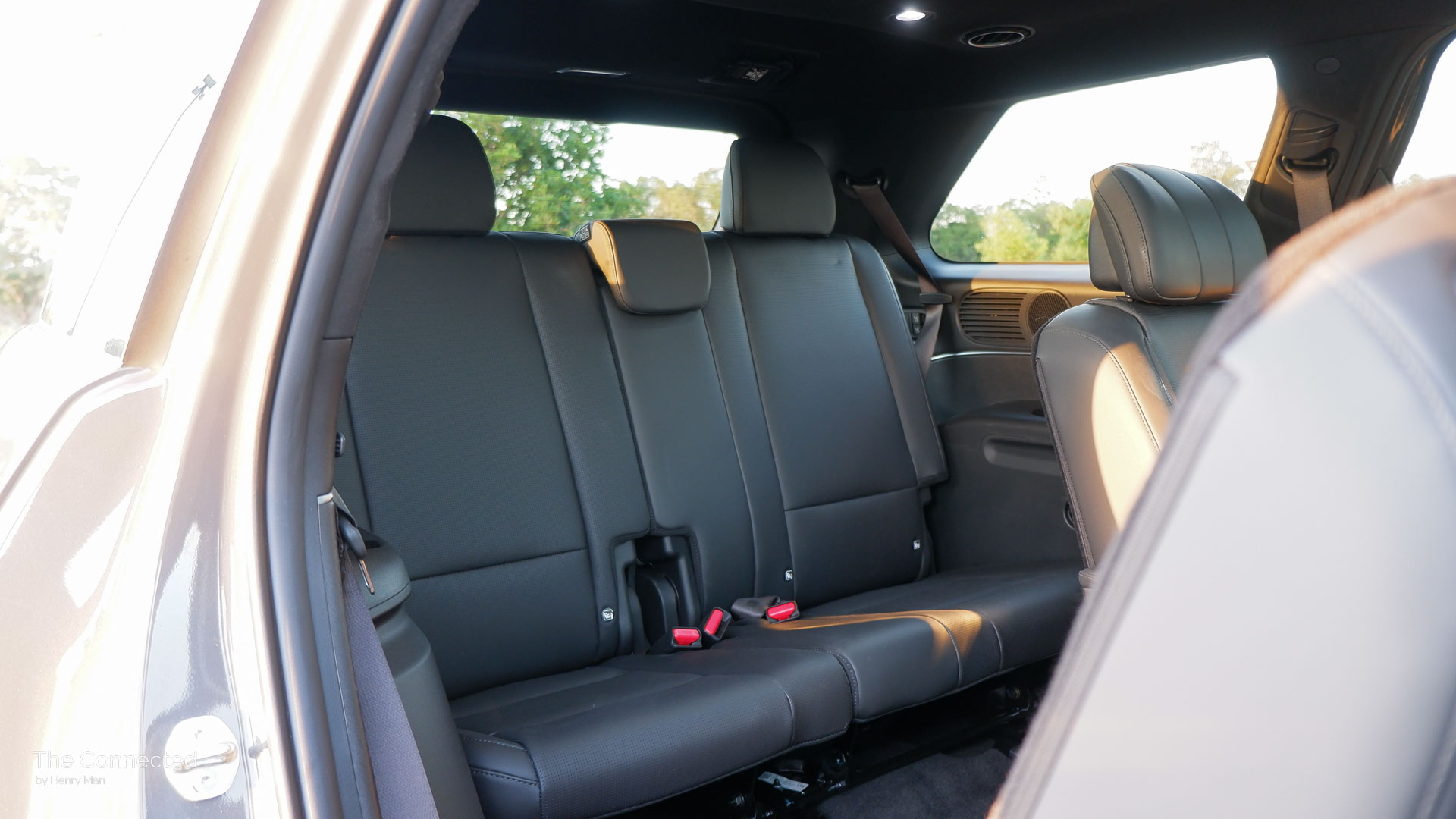

Once in the third row, the new Hyundai Palisade offers good legroom and just enough headroom with large side quarter windows and heated outer seats, too.
You’ll need to slide the second row forward in order to liberate more legroom for teenagers and adults, but there’s a handy button on the side of the third row to do it remotely.
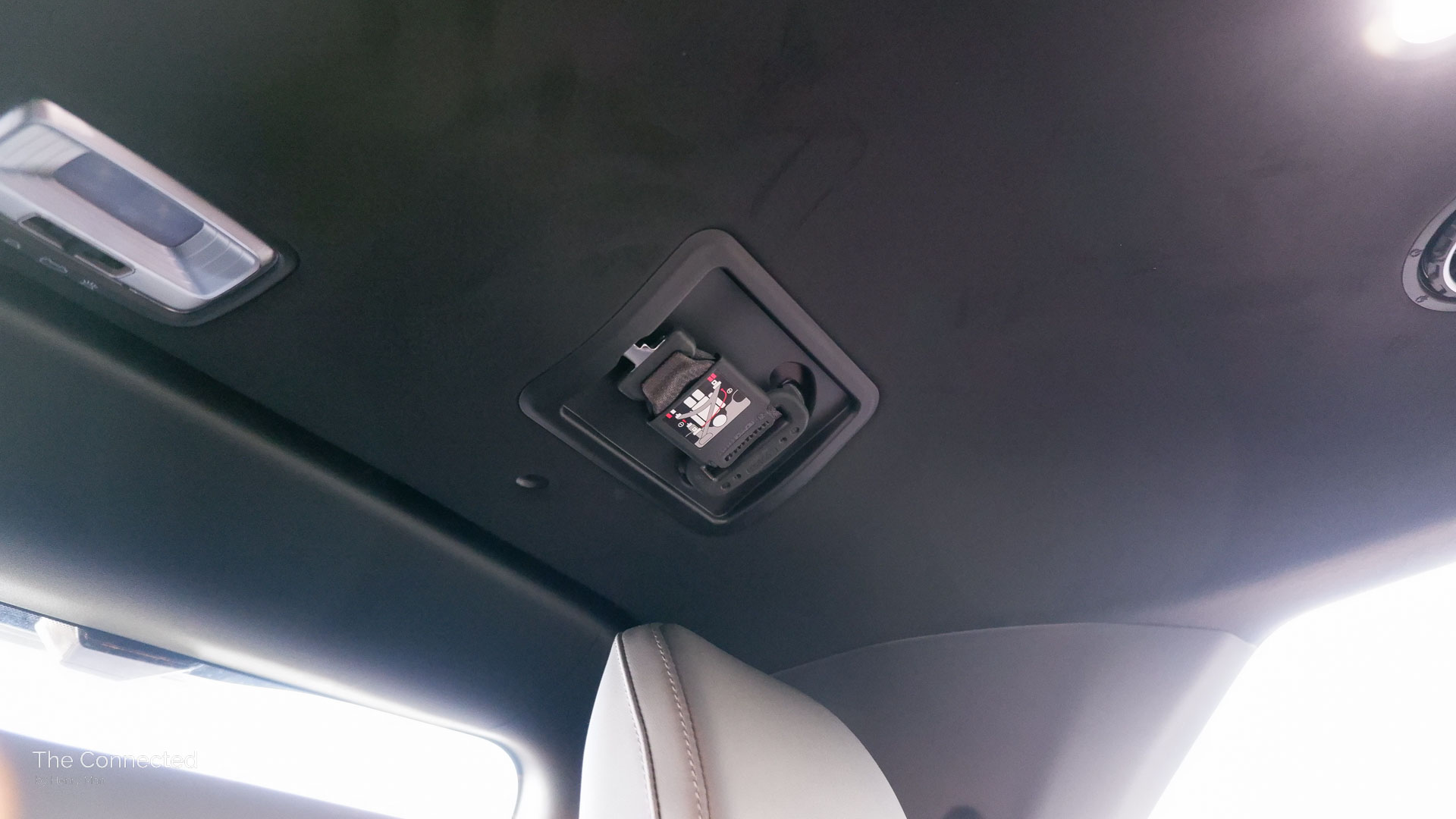
However, while the bench is legally able to sit three people, it is an optimistic and tight fit to comfortably have eight people (or seven people with the captain’s chair option) all the time in the Palisade because the middle seat is very narrow and you’ll need to stretch the seatbelt across from the roof.
The Palisade offers a more roomy third row for regular use than the Hyundai Santa Fe – yet the Kia Carnival people mover still provides more space for large families.
Third row passengers have access to four cup holders, two 100-watt USB-C charging ports, LED lighting, large side tinted windows, and ceiling aeroplane-style circular air vents – although the side armrests are hard plastic.

Meanwhile, the second row provides plenty of legroom, footroom, and headroom with second-gen Palisade now offering a large grab handle at the B-pillar for easier ingress and egress for those less mobile – yet all door pockets are too narrow.
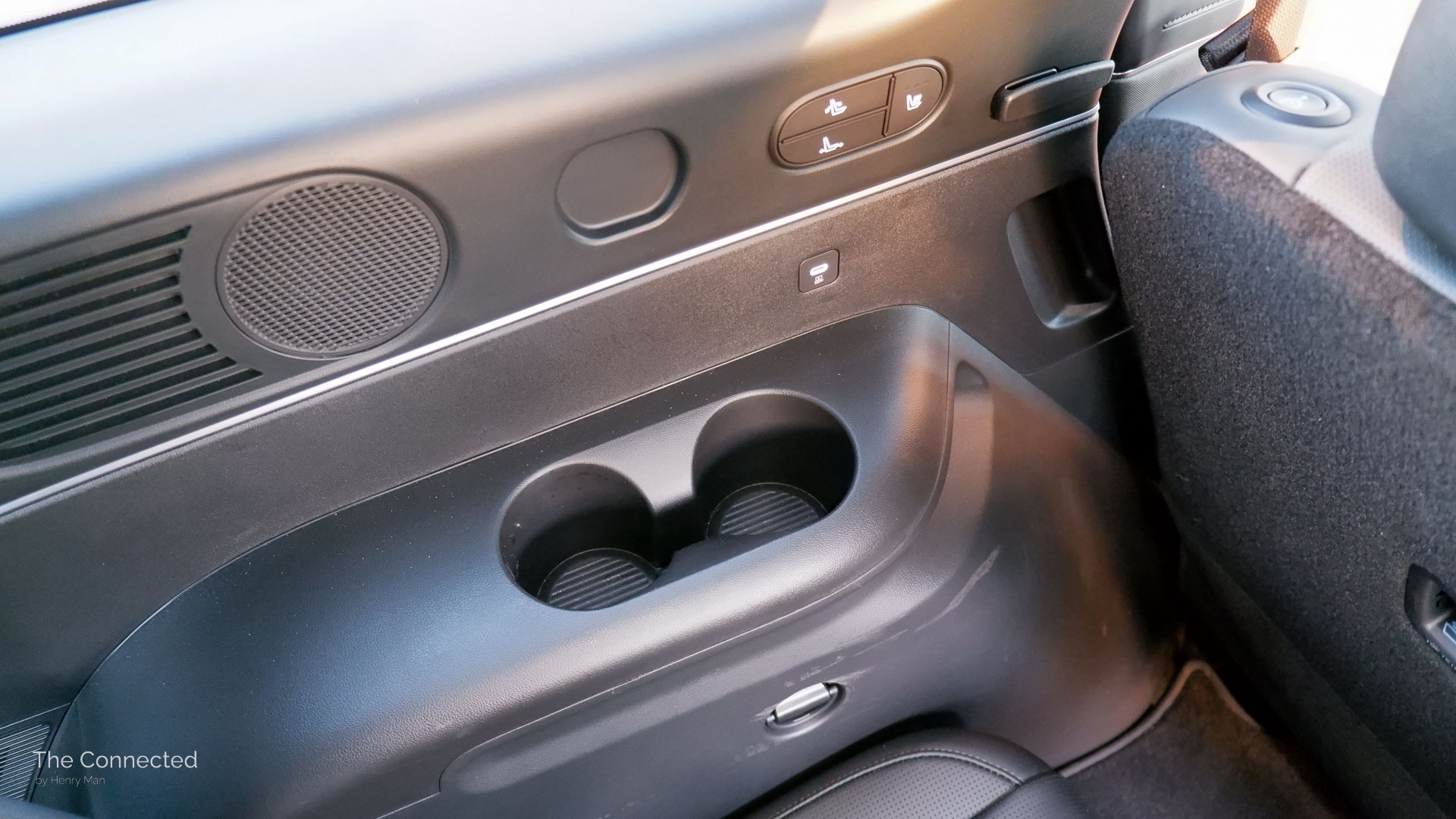
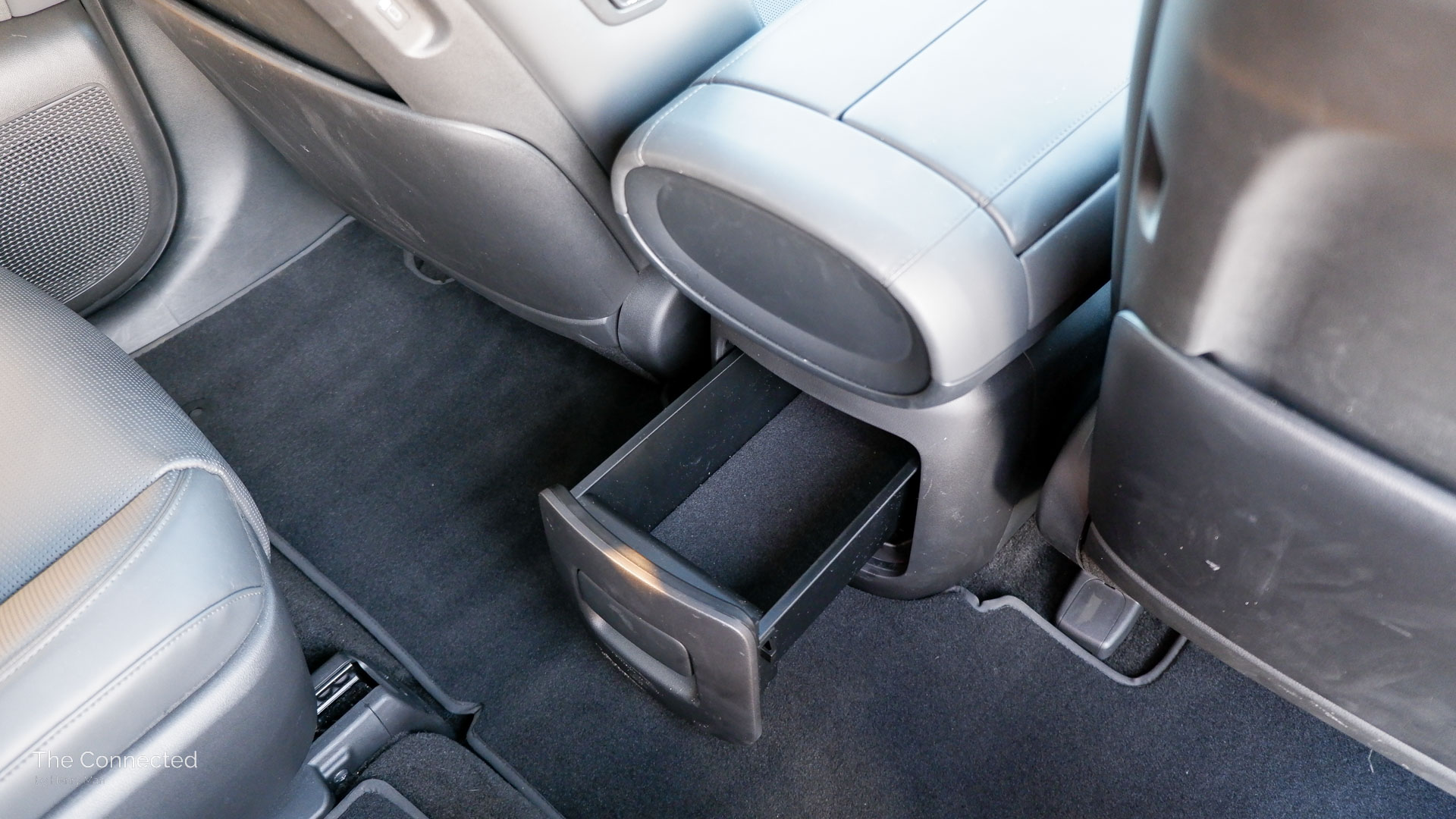
Amenities include a cup holder and phone slot beside each door, USB-C charging ports hidden beside the front seats, retractable window sunblinds, LED lighting, seatback pockets, and a slide-out centre console storage tray.
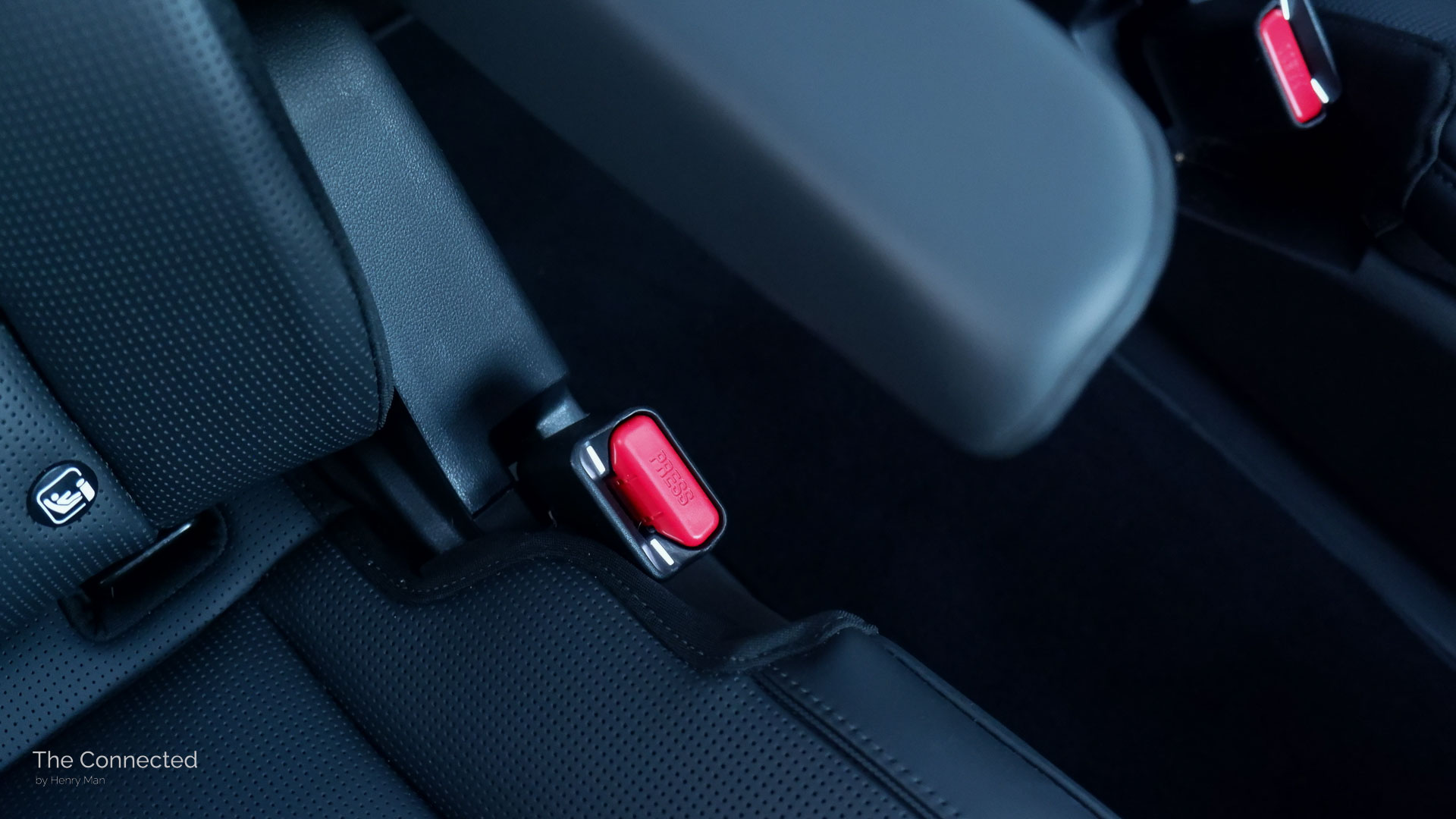
There’s even tiny LED lights on top of the second row seatbelt buckles to help with finding it in the dark and the headrests can be folded in for more support.
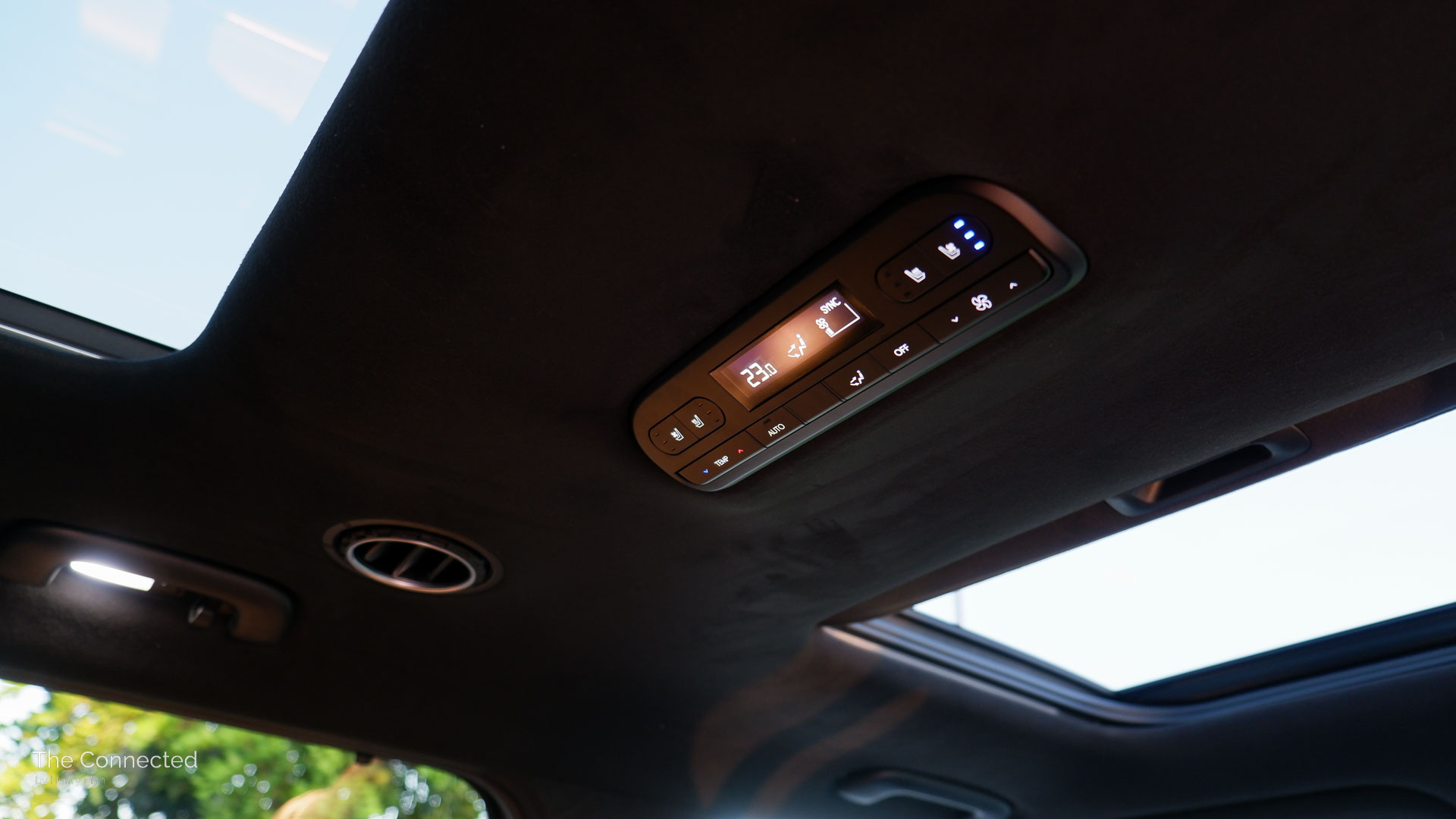
The third-zone climate control can be adjusted via the buttons at the centre of the ceiling, as well as toggling the three-level second row heated or ventilated seats.
Fold-down armrests are available with the optional captain’s chairs in lieu of a fold-down centre armrest with two cup holders on the standard eight seater.
But on the previous Palisade, it had two cup holders beside the doors (instead of one with a phone slot) and had storage nets beside the captain’s chairs (which has been removed).

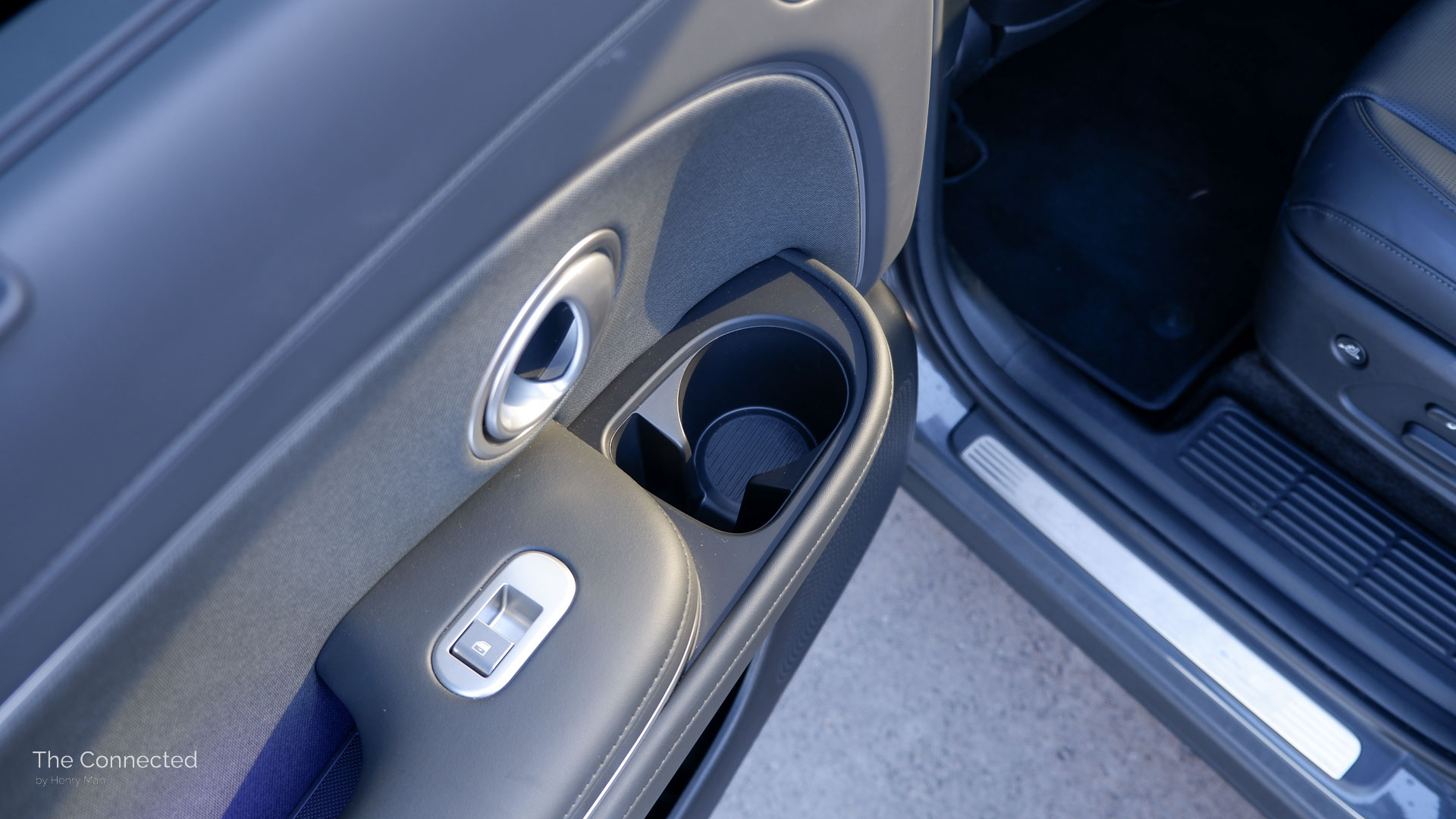
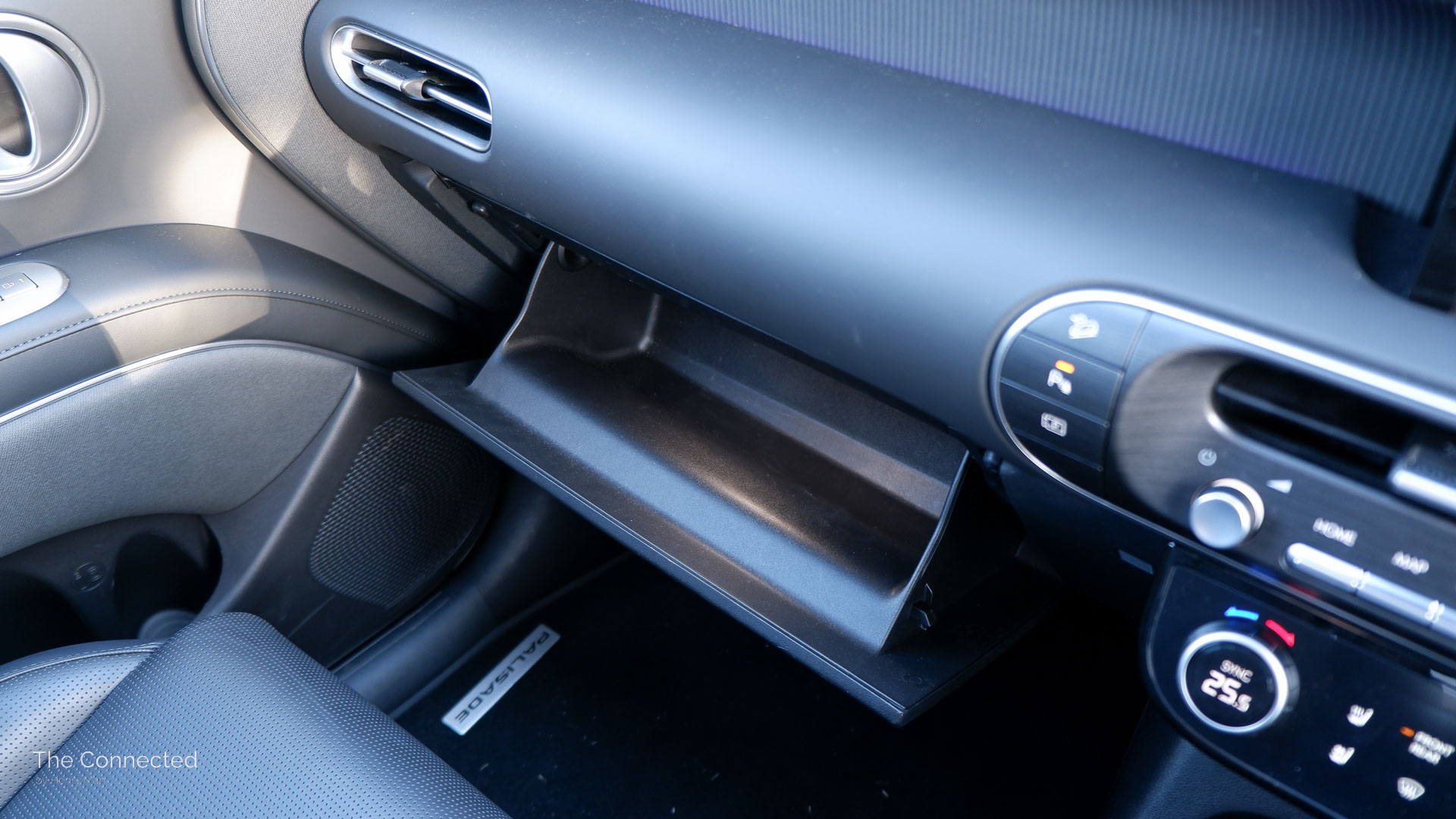
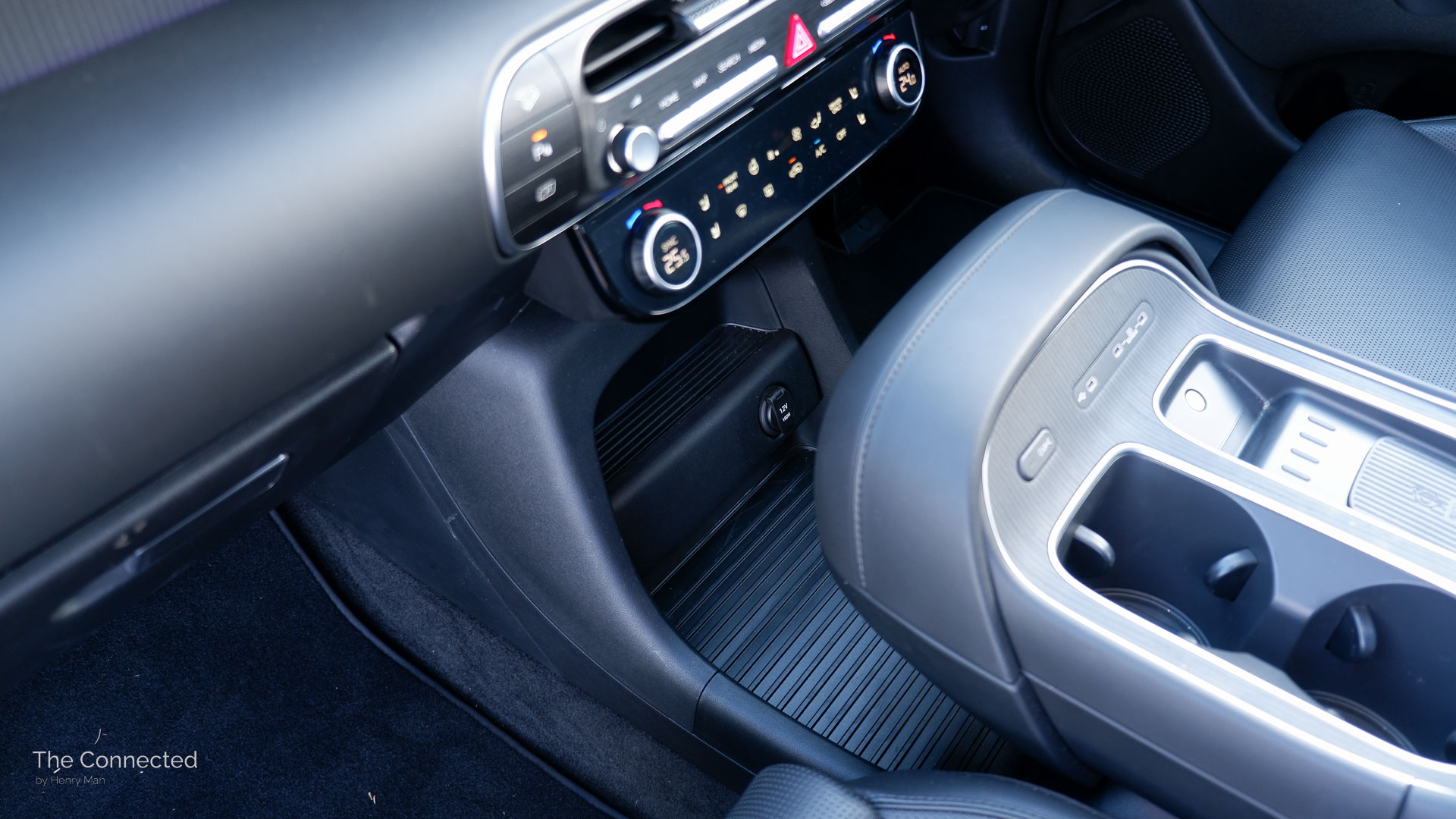
Furthermore, the front row has some practicality design issues.
The glovebox can’t fit Hyundai’s own owner’s manual booklet, the door pockets are too tight, and the extroverted headrest-like centre console design limits access to the rubberised open tray and shelf underneath.
While there is a row of three USB-C charging ports, cables just poke out in the middle with no clear way to store devices plugged in, unless you stretch it to the undertray or centre armrest cubby.
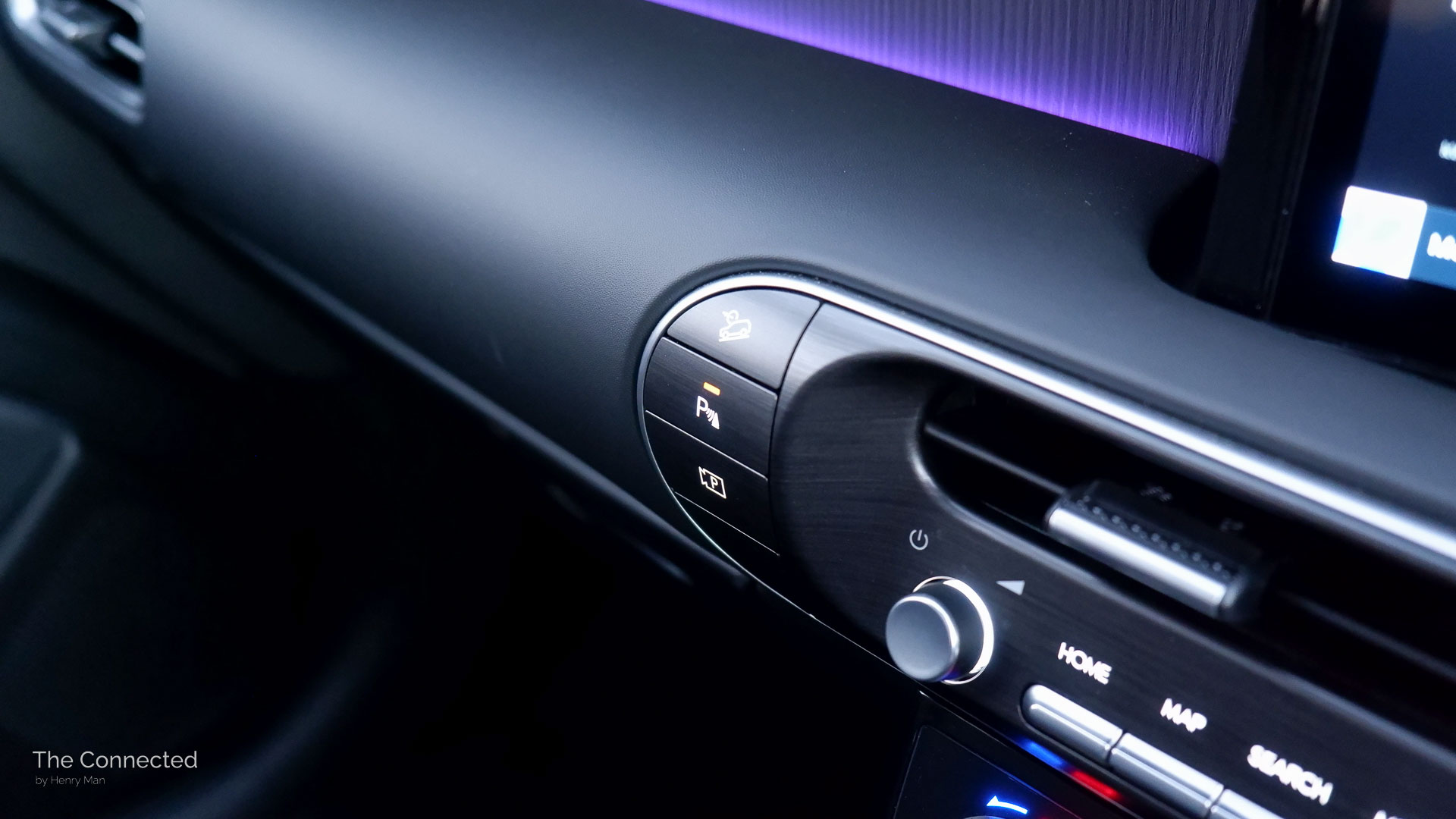
Another ergonomic issue for the driver are the switches beside the middle air vents. The 360-degree camera button is too far of a reach on the left, while the drive mode toggle is hidden by the steering wheel.
Due to the occupant and object detection issue, certain functions in the ‘Seat’ app within the touchscreen has been blocked out after the recall – so those in the front can’t remotely fold the second and third rows.
The Palisade Calligraphy exclusively has a unique UV sterilization feature inside the front centre armrest, while all variants offer a convenient ‘Passenger Talk’ feature to pump the front microphones to the rear speakers.

Technology.
2026 Hyundai Palisade Calligraphy Hybrid tech features:
| 12.3-inch touchscreen running ccNC | 12.3-inch driver instrument display |
| Wireless/wired Apple CarPlay and Android Auto | Qi wireless charging pad |
| Built-in maps | 6x USB-C and 2x 12-volt charging ports |
| Bluelink connected services with mobile app (five years included) | Proximity key with auto-folding mirrors |
| OTA software update capability | Digital Key 2 with UWB and NFC Apple CarKey and Google Car Key compatibility (five years included) |
| 14-speaker Bose |
The Hyundai Palisade Hybrid carries newer connected tech with mobile key, yet thankfully still doesn’t feel overbearing.
The new adjoined dual 12.3-inch displays now run on Hyundai’s Connected Car Navigation Cockpit (ccNC) software, which looks more modern and is faster to respond.
Fortunately, the South Korean carmaker hasn’t made the Palisade’s tech overwhelming with a well-sized widescreen, easy to use software and a row of physical shortcut buttons beneath – unlike the Elexio and other upcoming models using the latest Pleos software.
Importantly, Apple CarPlay and Android Auto now connect wirelessly – and quickly with no issues in my testing.
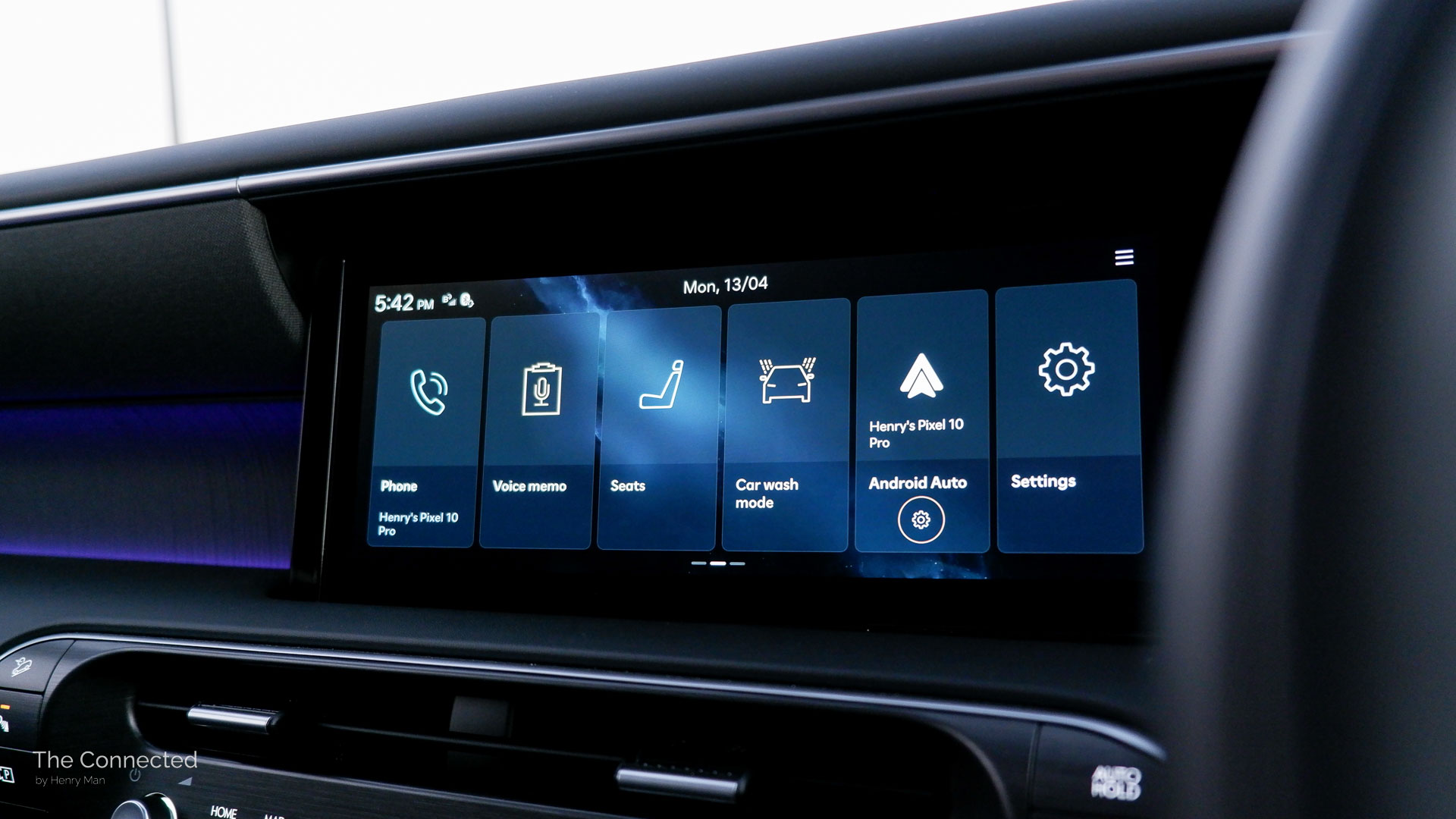

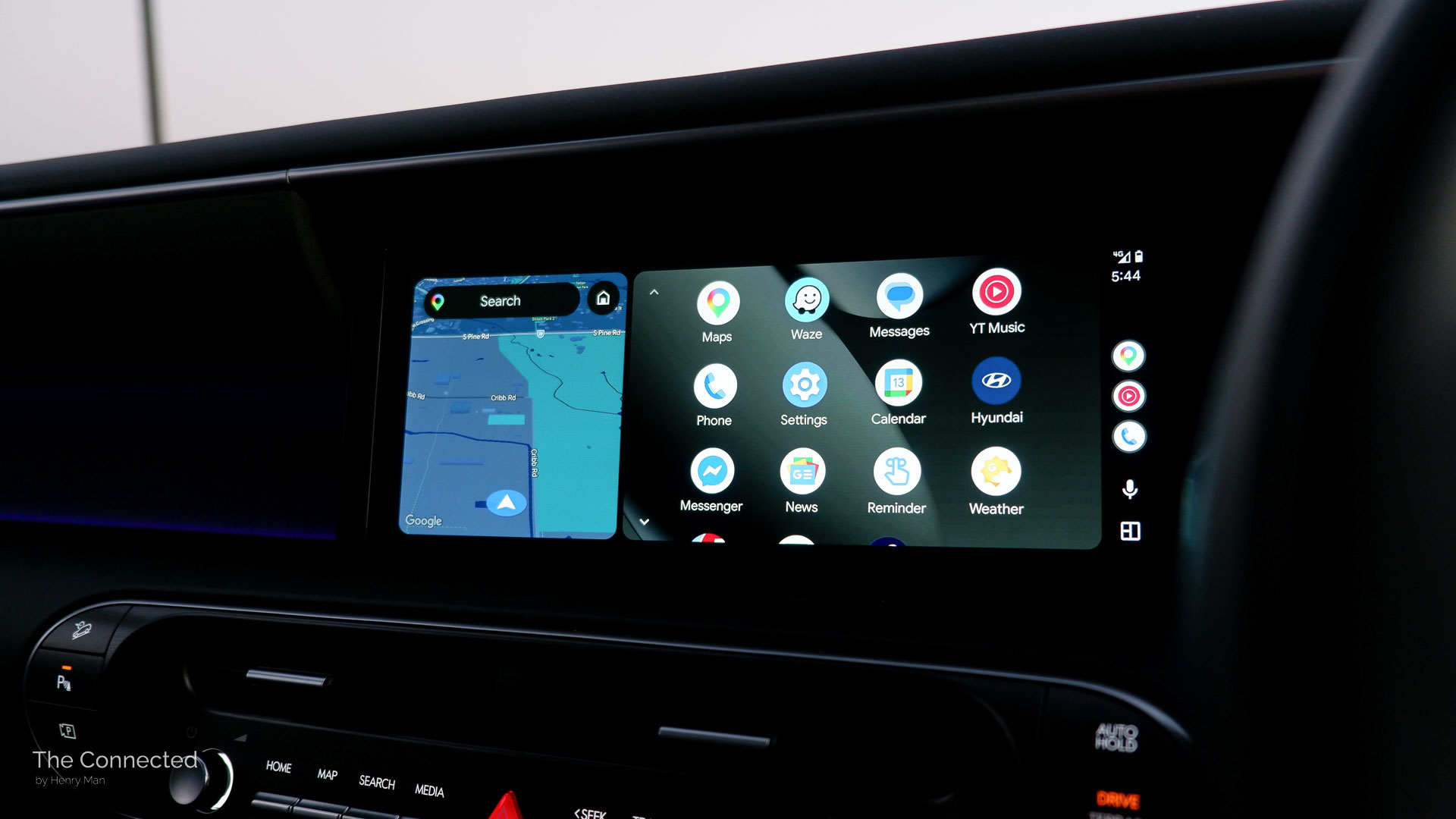
The only downside is the lack of active ventilation for the single Qi wireless charging pad, so phones quickly stop charging to prevent overheating. Also, all Palisade models only offer one wireless charger when rivals, including Hyundai’s own Santa Fe and the Kia Tasman, feature two.
Transplanted from the facelifted midsize Tucson and large Santa Fe is the touch-based climate control panel flanked by two physical dials for the dual-zone temperature.
While it’s much better than burying within the central screen, I found that the touch buttons are slightly smaller than ideal and the panel can be obscured by the sun and fingerprints. It also requires drivers to look lower in the cabin.
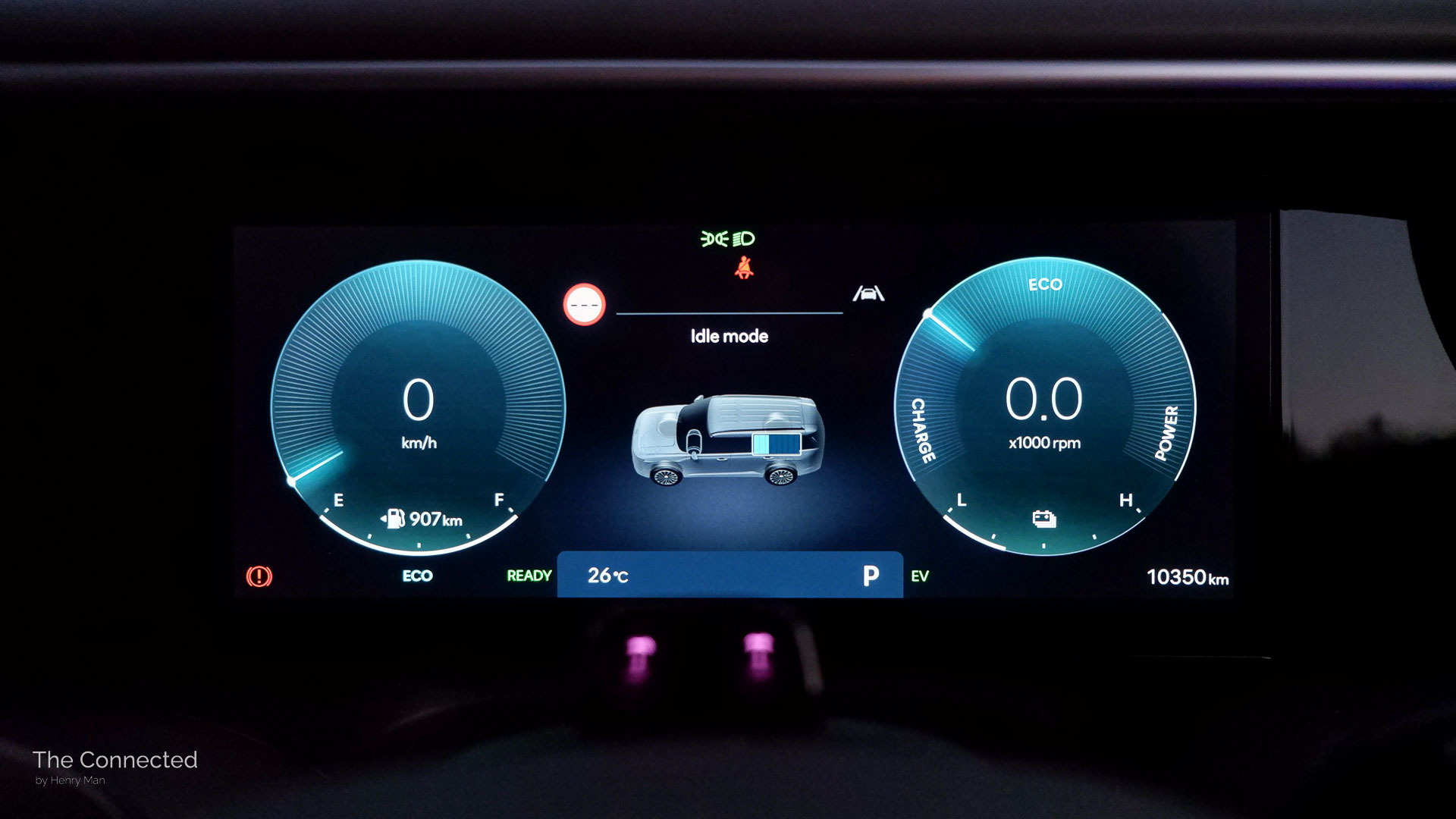
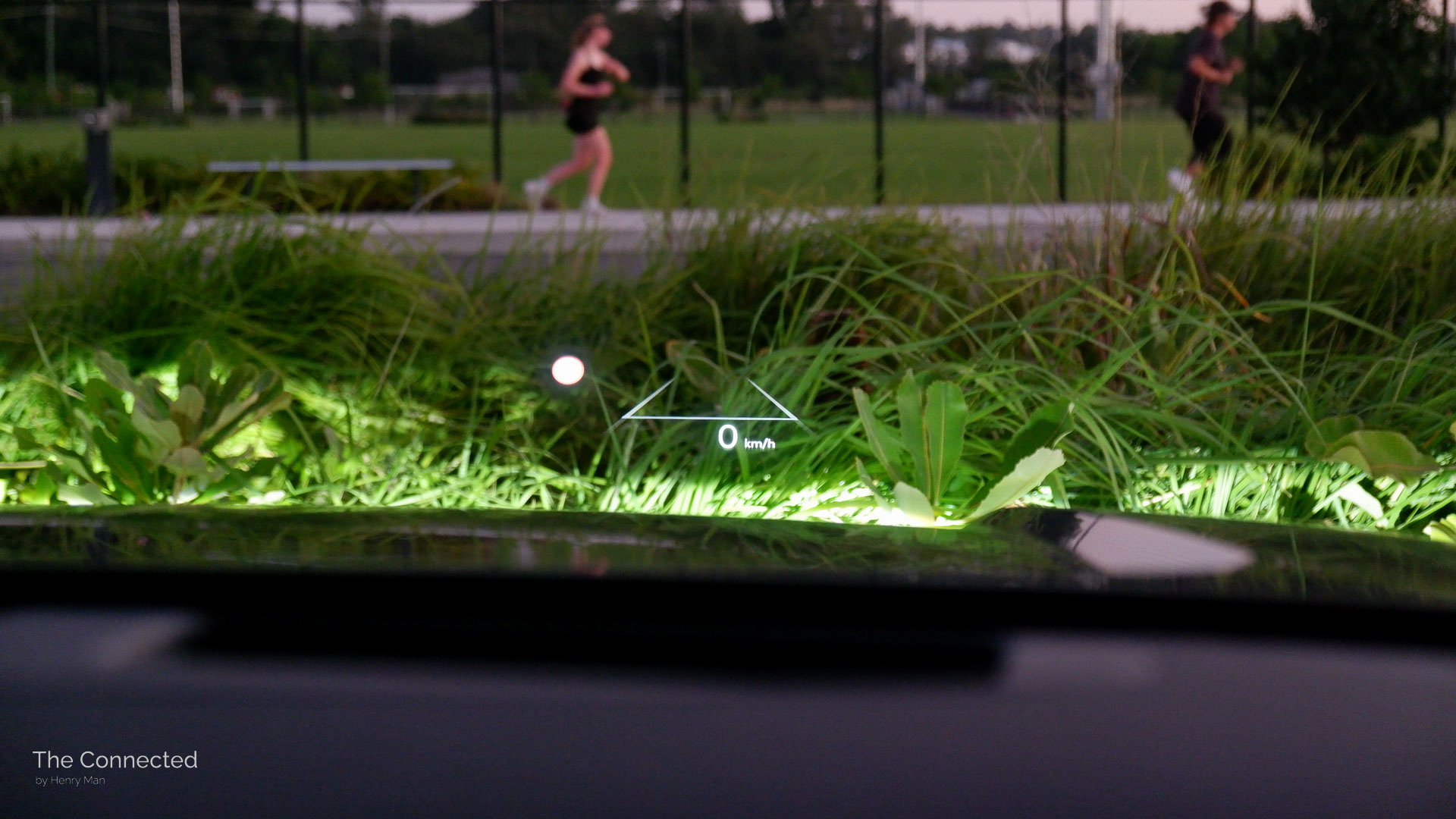
Additionally, the 12.3-inch driver instrument display is simple and legible with some different themes depending on the drive mode. There are a few pages to toggle through in the centre, but it’s lacking in customisability. The head-up display is clear, but other brands offer bigger text and icons, too.

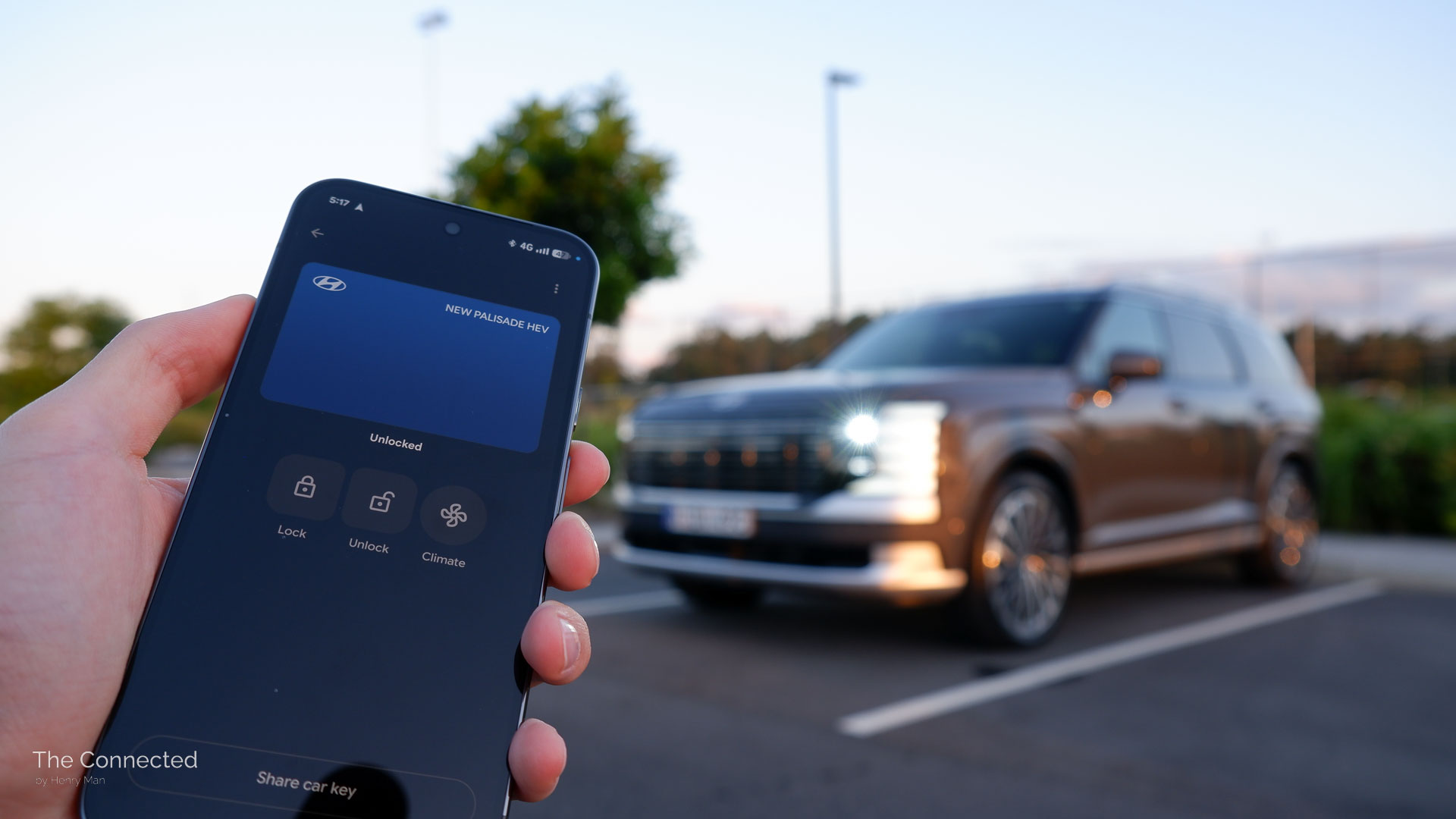
As per its predecessor, Hyundai Bluelink connected services continue to be included for free for five years.
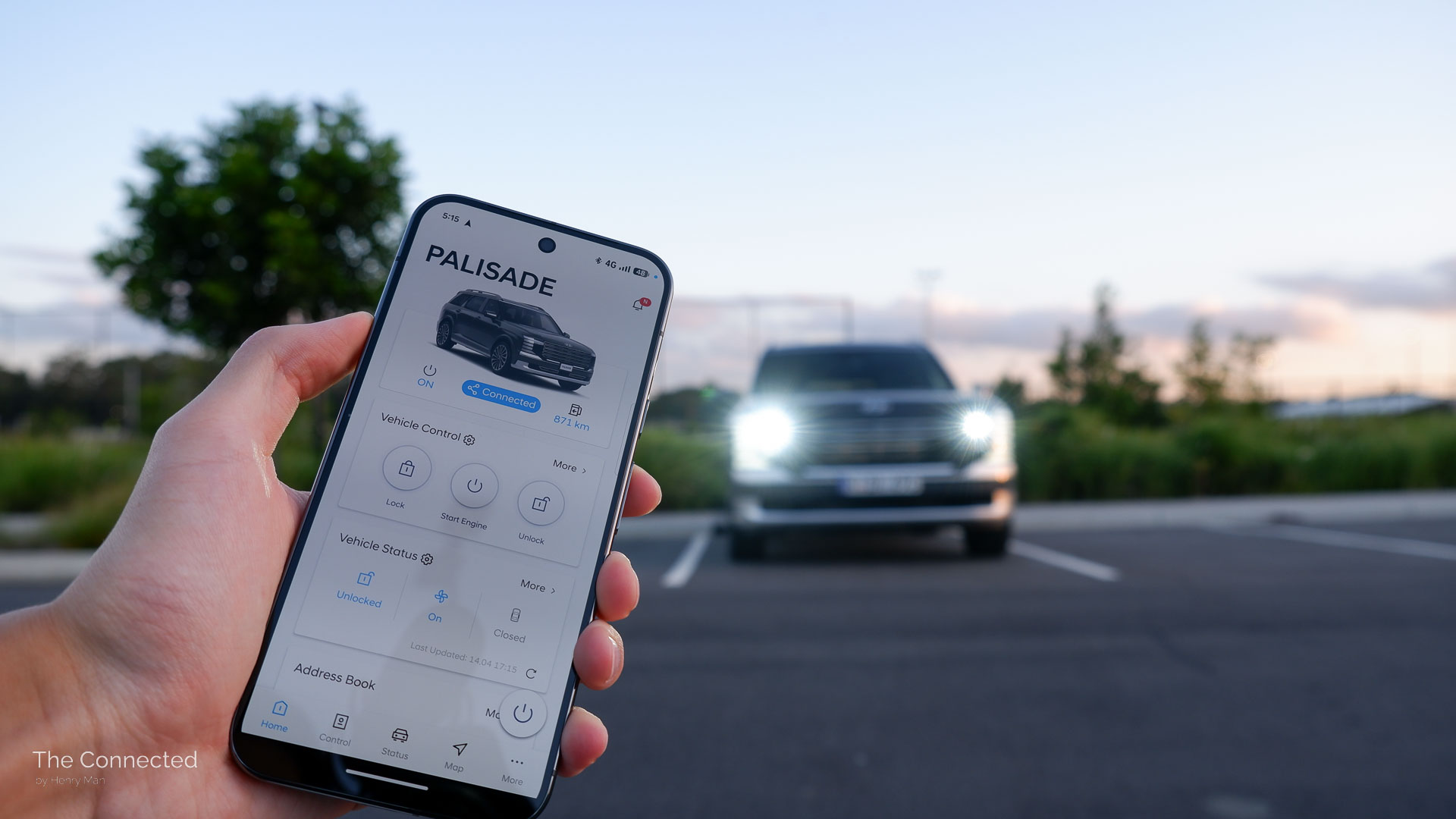
The mobile app is well-designed and functional, offering the ability to pre-start the climate control, take a picture of the 360-degree surround-view cameras, and monitor the location remotely.
It still isn’t as quick to send commands – often taking at least half a minute – but the new Palisade now boasts Digital Key 2 compatibility with Apple CarKey and Google Car Key.
Once set up, a compatible smartphone or smartwatch can essentially replace the traditional key fob thanks to an ultrawideband (UWB) sensor. Owners can also tap on the door handle with near-field communication (NFC).
Safety.
2026 Hyundai Palisade Calligraphy Hybrid safety features:
| Front AEB with vehicle/pedestrian/cyclist/junction turning/oncoming side detection | 360-degree camera system |
| Rear AEB | Front, side and rear rear parking sensors |
| Blind-spot assist with blind-spot camera view | Reversing ground projection lights |
| Rear cross-traffic assist | Road sign detection with overspeed warnings |
| Lane-keep assist | Driver attention monitoring camera with lead vehicle departure alert |
| Adaptive cruise control with lane-centring and auto lane-change assist (HDA 2) | Bluelink emergency calling and location tracking |
| Door open warning with intervention and rear door indicators | Full LED headlights with auto high beam |
| Digital rear-view mirror camera | Full LED tail-lights |
The Palisade SUV offers generally well-calibrated safety assists, but some are overzealous and intrusive, and the camera button is too far of a reach.
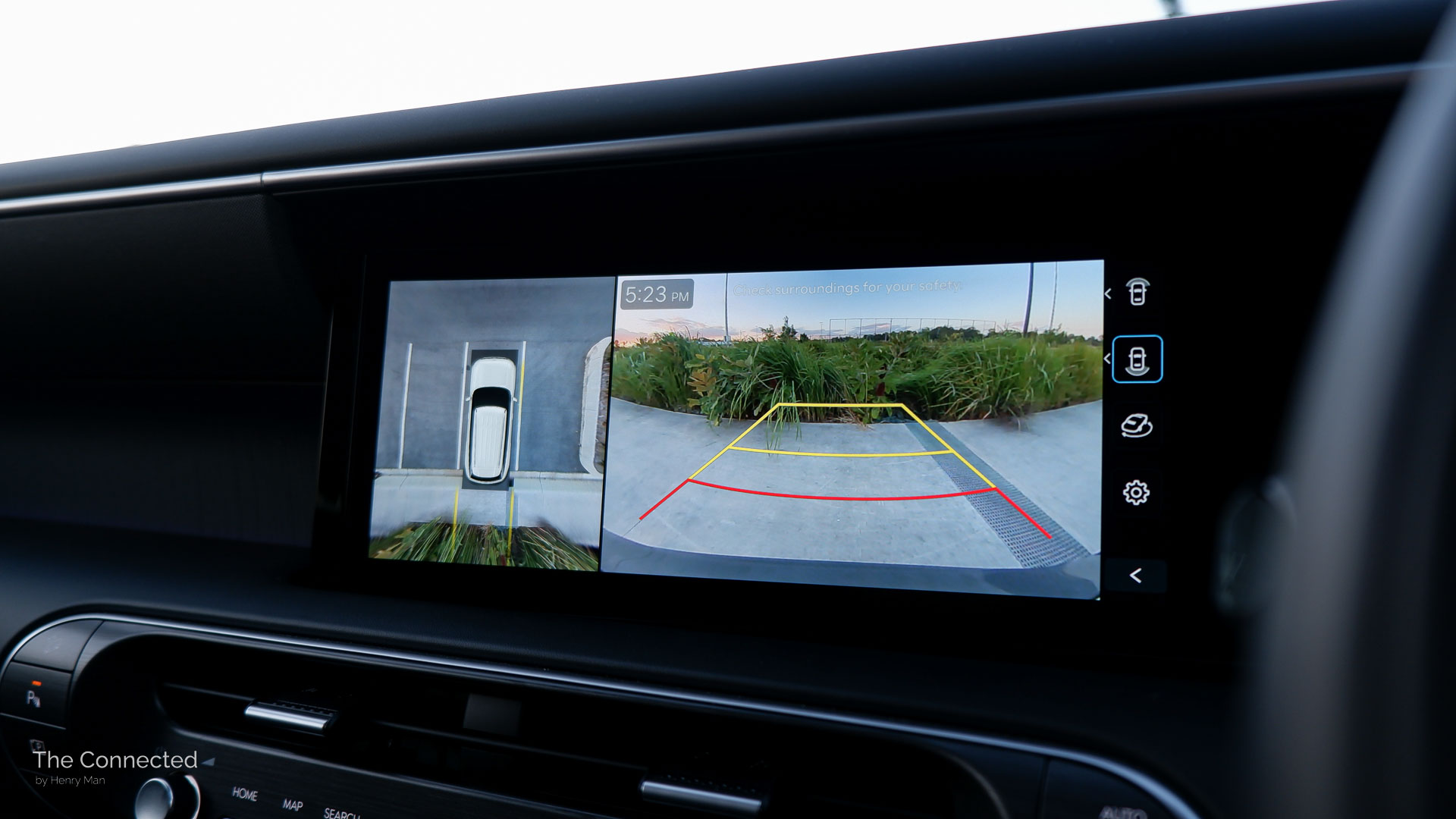
Supporting this large family SUV is a clear 360-degree surround-view camera system with blind-spot view cameras when indicating, a mostly accurate road sign detection system, and smooth adaptive cruise control.
However, the lane-keep assist is too sensitive by triggering often due to its larger width and the lane-centring assist (which can be enabled without adaptive cruise on) isn’t as dependable.

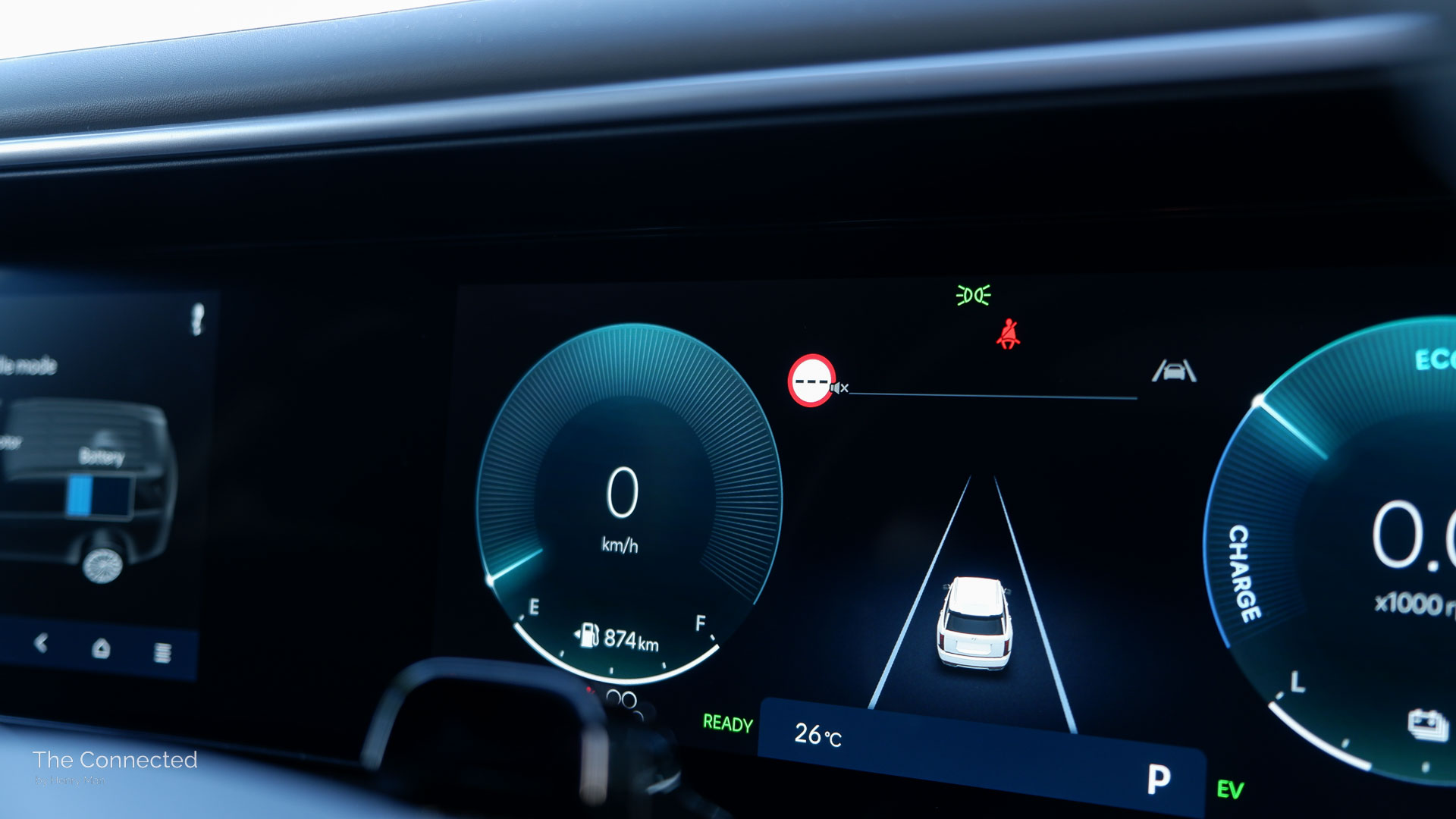

While the new speed sign detection chirp can be permanently turned off, the overspeed warnings always re-enable every time you start the Palisade – which isn’t mandated in Australia.
The chimes are much quieter than before, but drivers still need to hold the mute button on the steering wheel to turn it off.
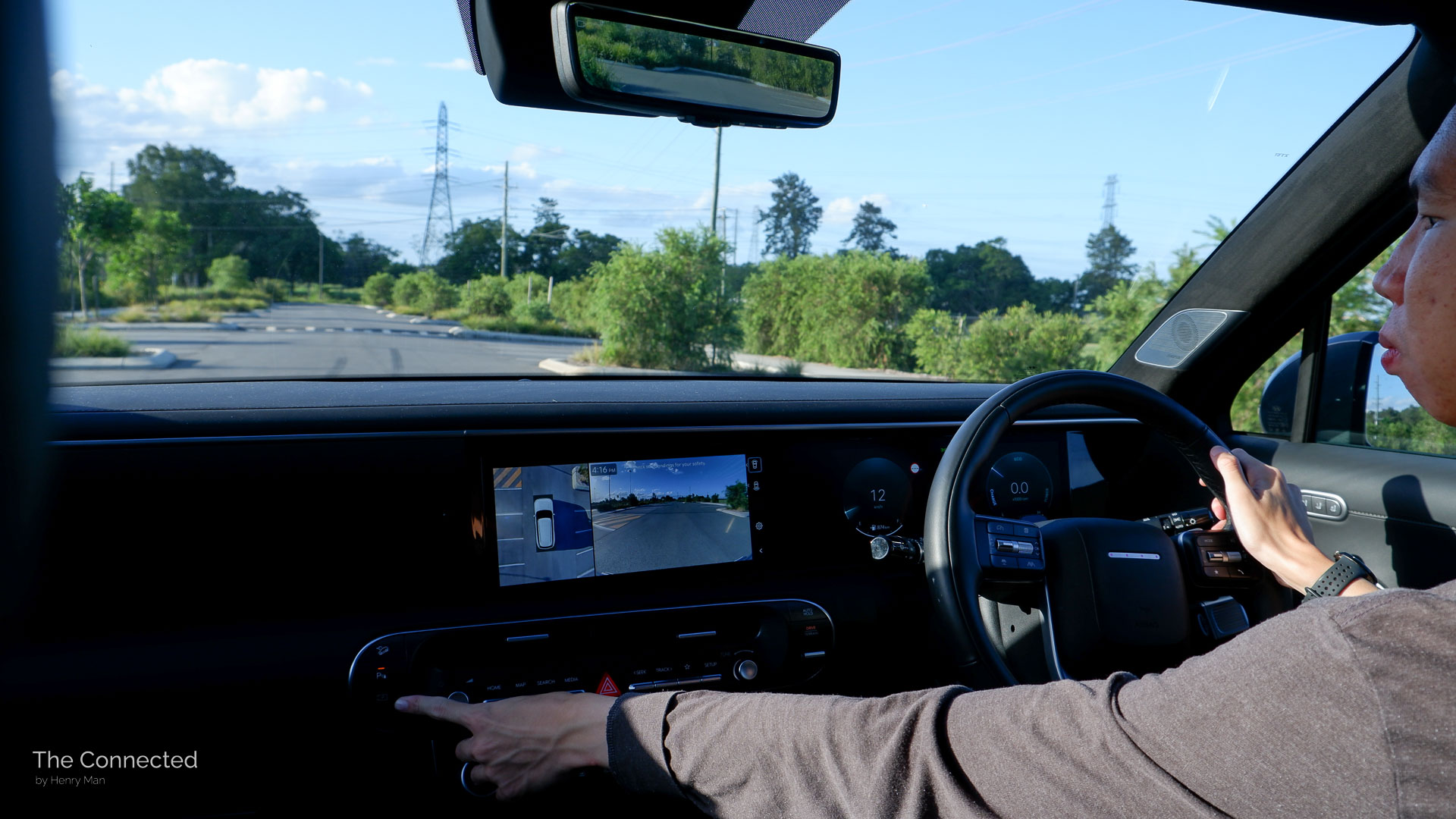
Another annoyance is the position of the camera button position – which is too far to reach at the left of the passenger air vent without bending and lifting off the driver’s seat.
This ergonomic design issue is particularly poignant because the 360-degree view comes in very handy when driving this large SUV. It would be great if the button was more accessible at the centre console, just like the midsize Tucson which has a much better designed interior after the facelift.

Another feature on the Tucson that the new Palisade Hybrid still doesn’t have is adaptive matrix high beam functionality (called ‘Intelligent Front-lighting System’), even though its full LED headlights perform well at night,
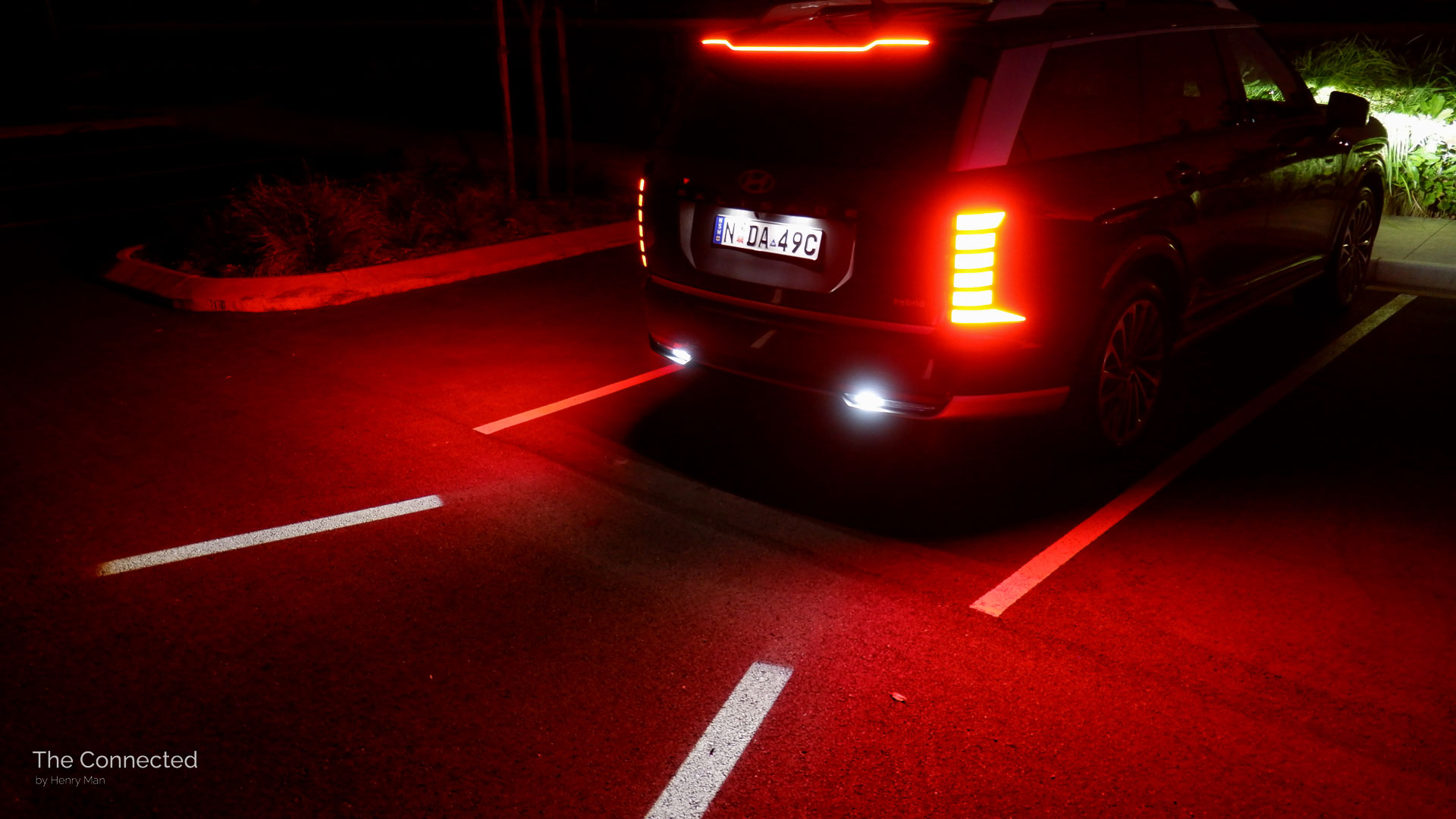
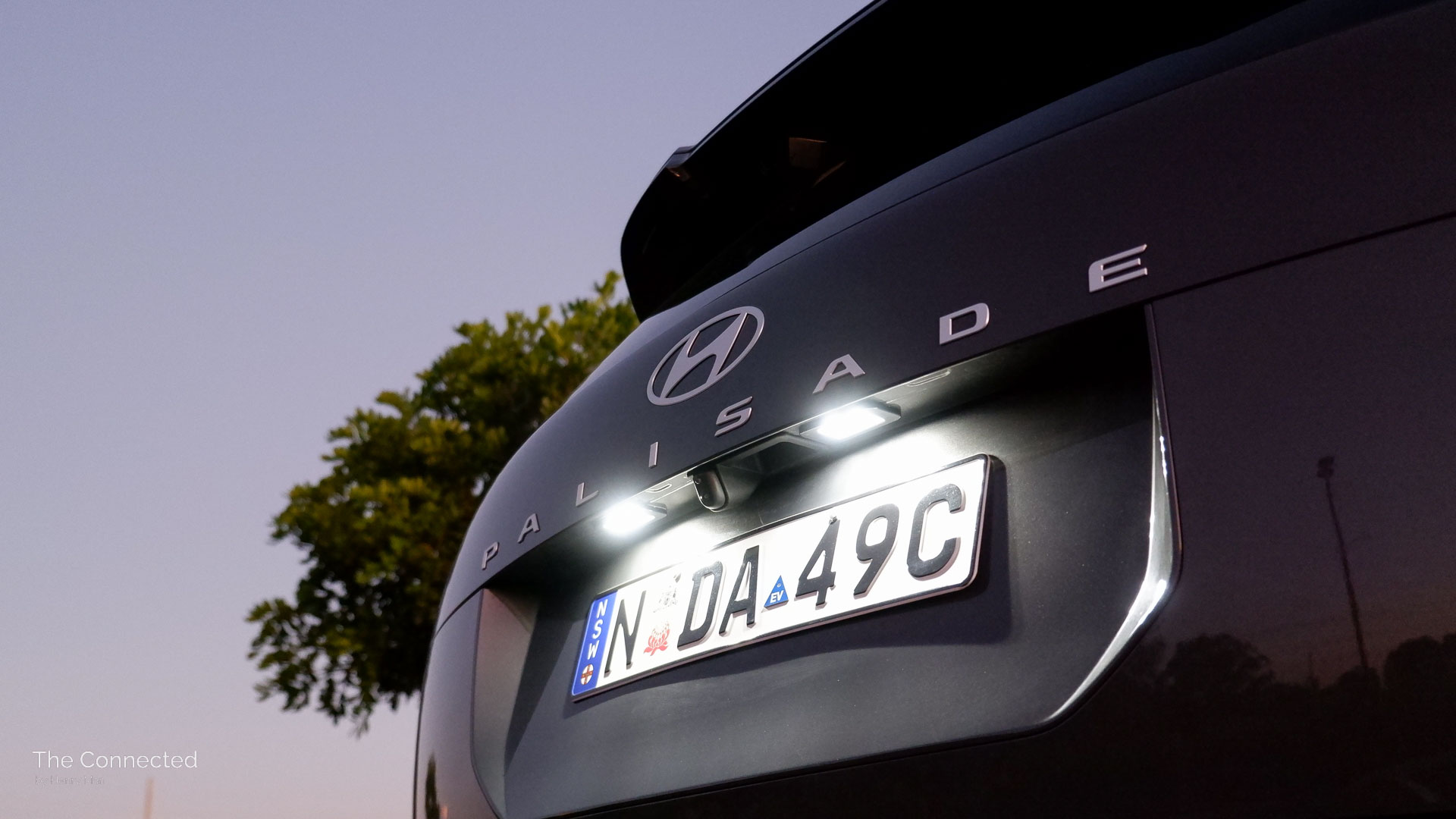
Flagship Calligraphy models boast a unique system when reversing at night that projects two white lines onto the ground to help with visibility, just like its luxury Genesis vehicle siblings.
The 2026 Hyundai Palisade Hybrid received the full five-star safety rating by the Australasian New Car Assessment Program (ANCAP) under 2025 testing criteria.
Range and fuel consumption.
2026 Hyundai Palisade Calligraphy Hybrid fuel and efficiency specs:
| Claimed driving range (combined cycle) | 1058km |
| Battery size and type | 1.65kWh lithium-ion |
| Claimed fuel efficiency (combined cycle) | 6.8L/100km |
| Fuel tank size | 72L |
| Minimum fuel quality requirement | 91 RON unleaded petrol |
The Hyundai Palisade debuts a new-generation hybrid system, but at least on this large SUV, its fuel efficiency is unimpressive.
After a week of urban and highway driving, the Palisade Hybrid indicated an average fuel consumption of 7.8L/100km.
With a 72-litre fuel tank, expect a real-world driving range of around 923km.
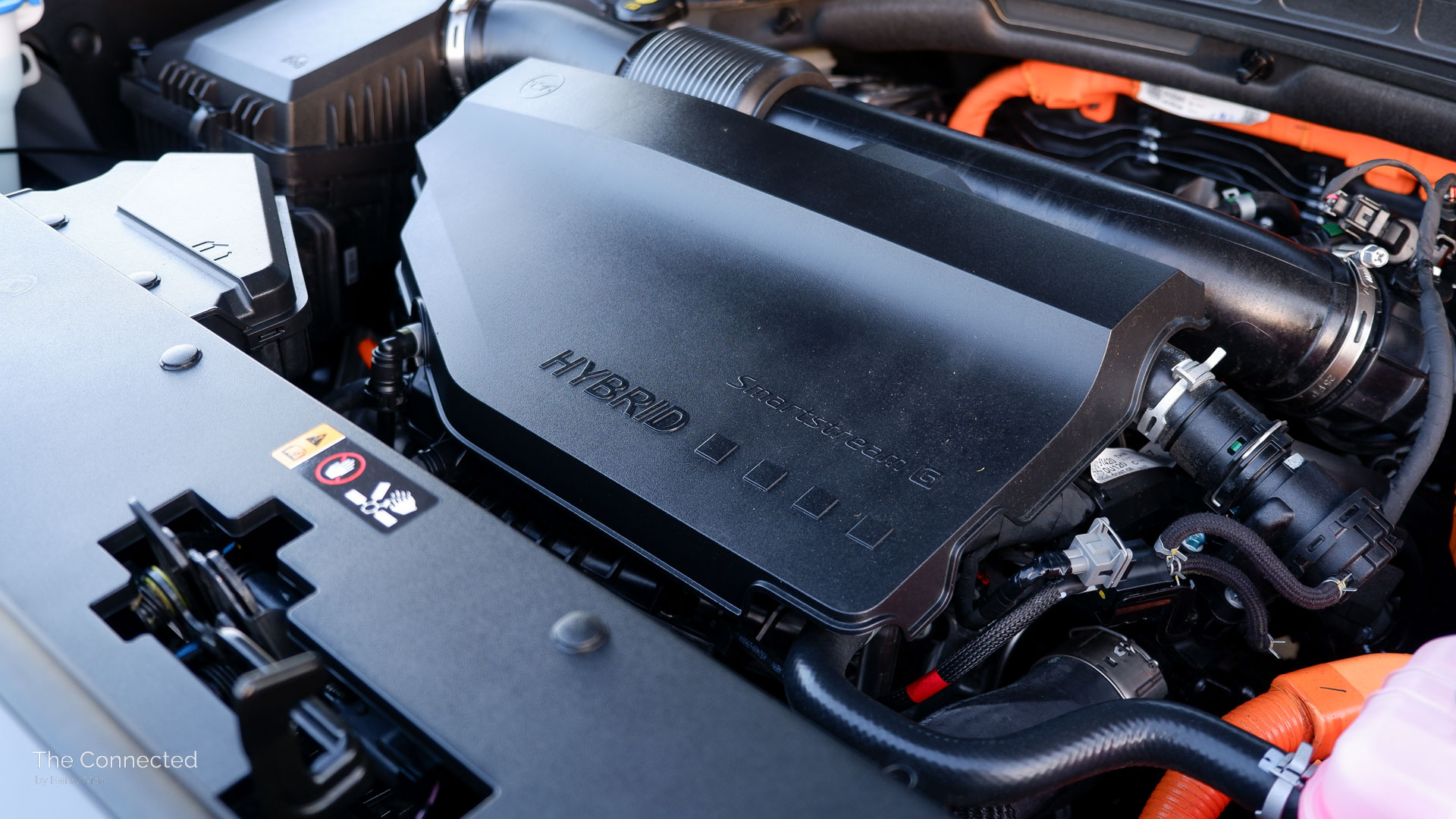
The new Hyundai Palisade Hybrid adopts a conventional series-parallel hybrid system; no plug-in charging is needed as the engine and regenerative braking charges the small 1.65kWh lithium-ion battery.
The fuel flap is accessible at the rear-left quarter of the SUV.
Driving.
2026 Hyundai Palisade Calligraphy Hybrid powertrain specs:
| Engine and electric drive unit | 2.5-litre turbocharged inline four-cylinder petrol engine and EV motor |
| Power / torque | 245kW @5800rpm / 460Nm @1800-4500rpm |
| Transmission | Six-speed auto |
| Drive type | AWD |
| Kerb weight | 2175-2294kg |
| Payload | 686-805kg |
| Towing (unbraked / braked) | 750 / 2000kg (max 160kg towball download and max 100kg roof rail load) |
| Turning circle | 11.94m |
The new Palisade Hybrid is comfort-focused with great ride comfort… at the expense of good steering and body control.
Using a new 2.5-litre turbocharged petrol engine and an electric motor, the Palisade Hybrid makes up to 245kW of power and 460Nm of torque, with all-wheel drive.
The new-generation Hyundai hybrid system debuts here, set to underpin the next-gen i30 N and be the launchpad for hybrid Genesis models.
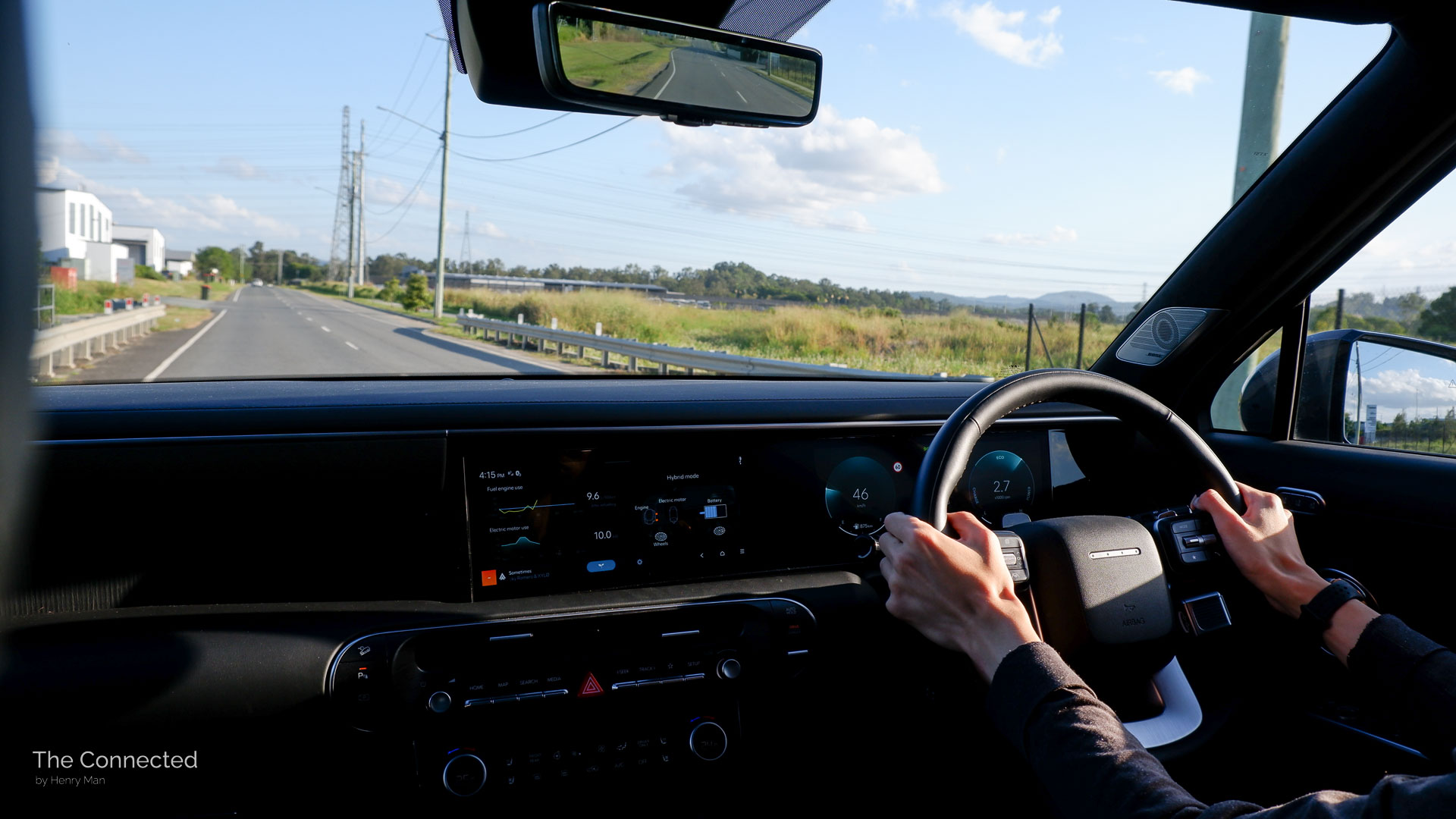
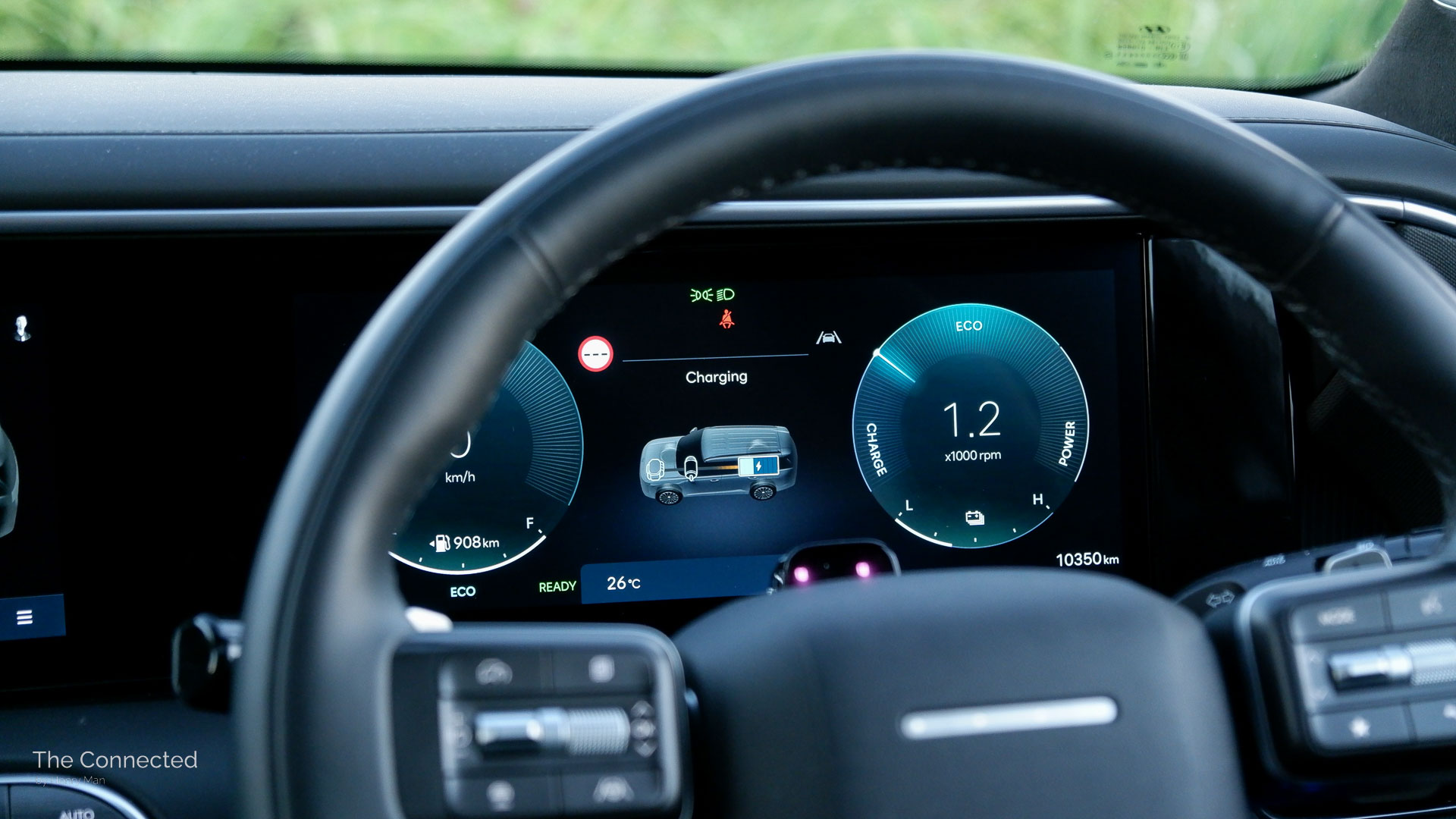
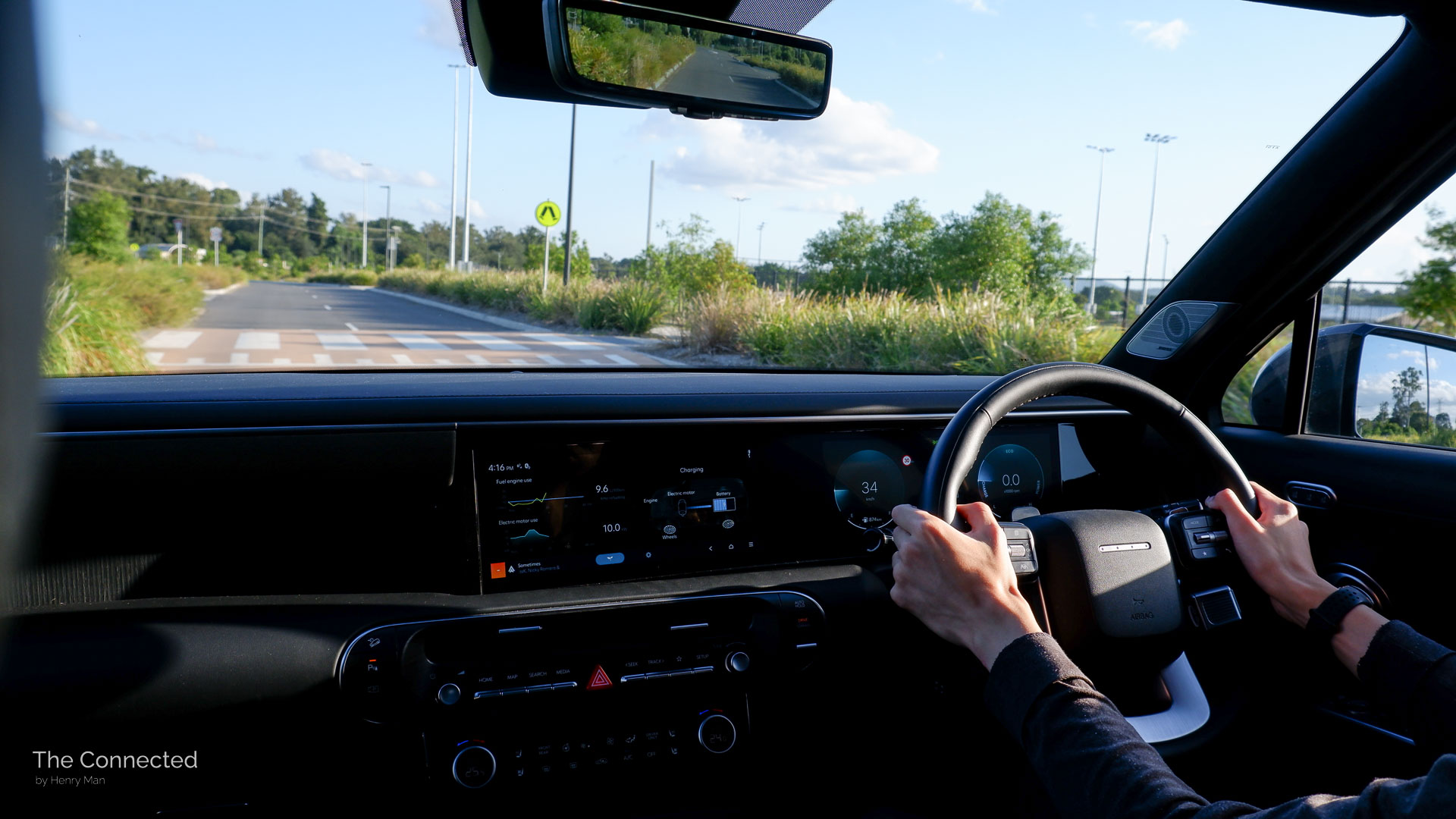
It provides plenty of kick for a family SUV, with a smooth transition between engine and electric power with the series-parallel setup.
The Palisade features great ride comfort and noise isolation, even though it doesn’t glide over bumps like the electric Ioniq 9.
The compromise here is light and unengaging steering, light blended brake pedal feel, plus considerable body lean when cornering.
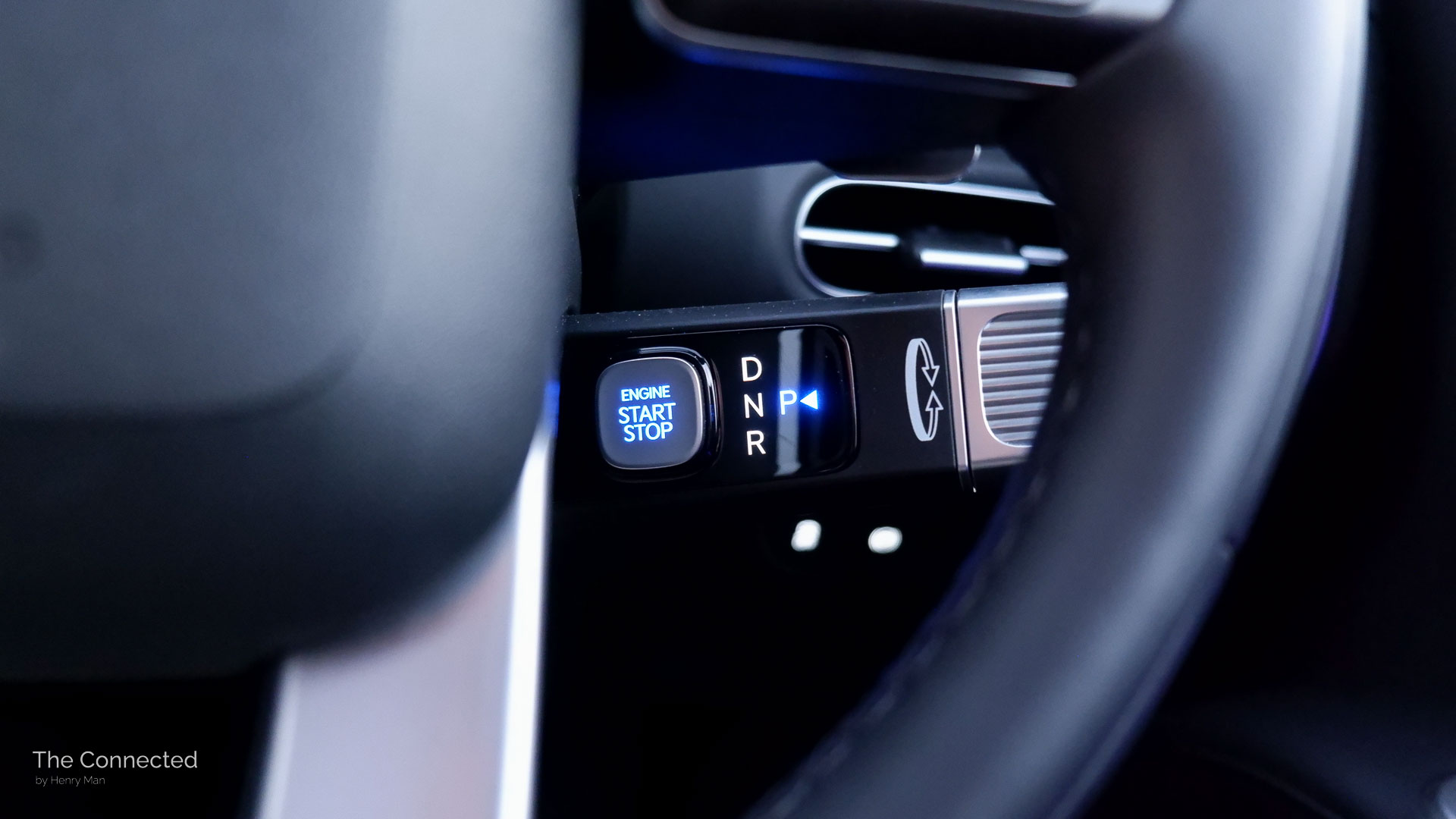
Unlike previous Hyundai hybrid models, the Palisade doesn’t offer any adjustable regenerative braking settings with it coasting by default and paddle shifters actually shifting the six-speed automatic.
That’s disappointing as regen adjustability was one of Hyundai’s strong points and, while it wasn’t always implemented well, having it slow down when lifting off the accelerator is handy in stop-start traffic.
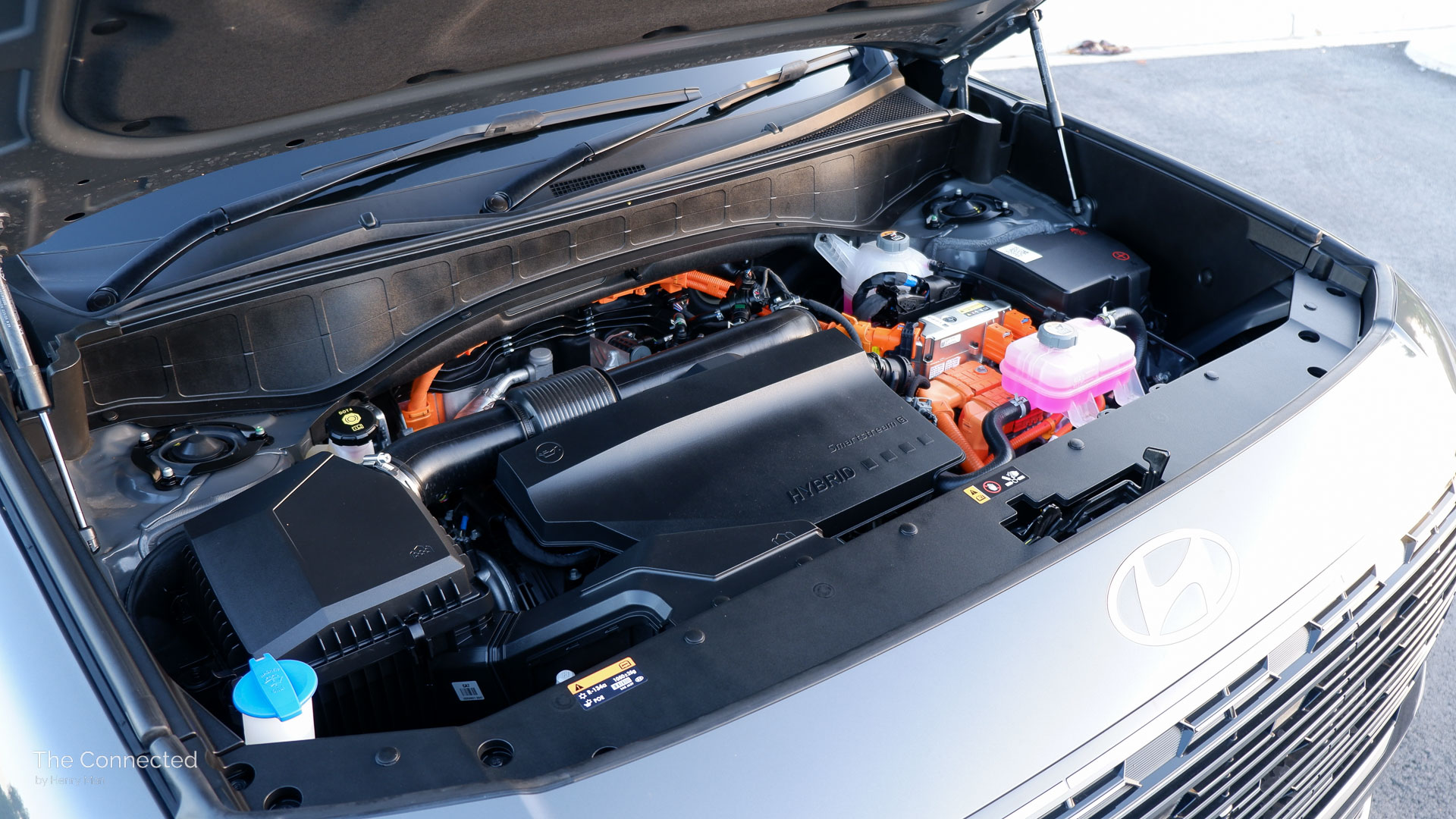

While the South Korean carmaker boasts its Stay Mode – where the electronics and climate control solely rely on the battery while idling – and vehicle-to-load (V2L), it is very limited on the Palisade Hybrid since its 1.65kWh battery is so small.
In my experience with Stay Mode, it often would merely last less than 10 minutes in EV-only mode even with the climate control set low.
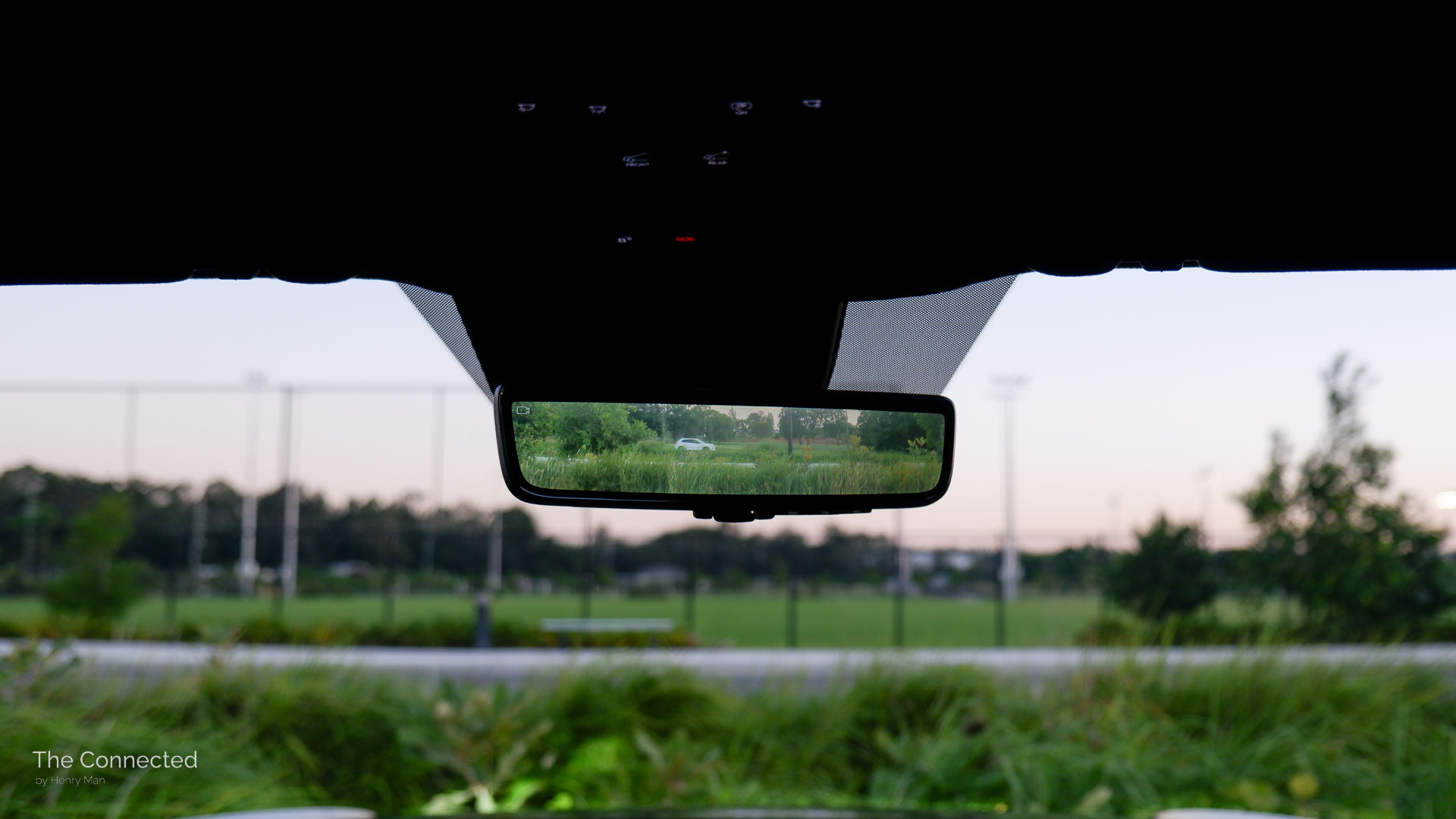
Meanwhile, all-round visibility is good with the top-spec Calligraphy models boasting a wider-view digital camera rear-view mirror – providing a clear view of what’s behind without the obstruction of passenger’s heads.
A flick of the interior mirror switches back to a conventional glass mirror view depending on your preference.
Warranty and servicing.
2026 Hyundai Palisade Calligraphy Hybrid capped-price servicing costs:
| 1 year/10,000km | 2 years/20,000km | 3 years/30,000km | 4 years/40,000km | 5 years/50,000km |
| $444 | $705 | $524 | $722 | $444 |
The 2026 Hyundai Palisade Hybrid is backed by a seven-year, unlimited kilometre conditional vehicle warranty and an eight-year/160,000km battery warranty.
If owners don’t service with a Hyundai dealer each time, the vehicle warranty reverts to five years, unlimited kilometres instead.
Servicing is required every one year/10,000km (whichever occurs first). The shorter distance limit is one to look out for.
It costs $2839 to service with Hyundai after the first five years/50,000km, which isn’t cheap.
Hyundai Australia uniquely offers lifetime capped-price servicing and roadside assistance inclusions.
Up to five years of Hyundai Bluelink connected services and Digital Key 2 functionality are included from the date of activation, with a subscription cost required afterwards.
Uniquely, all Palisades still include a full-size spare tyre underneath the chassis – which isn’t commonplace for all hybrid cars.

Price and rivals.
2026 Hyundai Palisade Hybrid model range pricing (accurate as at the time of publication):
| Elite | Calligraphy | Calligraphy Black Ink |
| From $76,500 before on-road costs | From $89,828 before on-road costs | From $92,400 before on-road costs |
The 2026 Hyundai Palisade Hybrid is priced from $76,500 before on-road costs in Australia.
Three variants are sold as at the time of publication, with the option of a seven-seat configuration on the Calligraphy and Calligraphy Black Ink for around $1000.
The Luxury Car Tax (LCT) applies to Calligraphy variants.
All paint colours except Creamy White costs $750 extra with the Calligraphy having the option of three different interior colour themes, including Brown Pure tone, Dark Charcoal and Dark Navy/Light Gray, for $295 more.
The Hyundai Palisade Hybrid directly rivals the following large family SUVs:
- Hyundai Santa Fe Hybrid (full review)
- Kia Sorento Hybrid (full review)
- Toyota Kluger
- Mazda CX-90 (full review)
- Nissan Pathfinder (full review)
Other alternatives to the Palisade Hybrid include:
- Kia Carnival Hybrid (full review)
- Hyundai Ioniq 9 (full review)
- Kia EV9 (full review)
- Volvo XC90
Would I pick the 2026 Hyundai Palisade Calligraphy Hybrid?
The new-gen Hyundai Palisade Hybrid isn’t as appealing as it once was.
The Palisade continues to offer a great full-size proposition for large families, with good ride comfort, non-overwhelming tech, a bold design, and now comes exclusively as a punchy hybrid.
Yet, unlike its predecessor, there are some interior ergonomic design issues – such as the camera button being too far of a reach for the driver and Hyundai’s own owner’s manual booklet not fitting in the glovebox – the new hybrid system isn’t as efficient and lacks adjustable regen braking settings, it doesn’t corner well, and the up to ~$14K price increase means it’s no longer as great value as it once was.
Crucially, the rear seat object detection recall has deactivated certain features and Hyundai hasn’t announced whether the sensor issue will be completely rectified – after more than four months of issuing the temporary recall software update.
The Santa Fe also offers a better value proposition if using the third row isn’t a regular occurance, while if you’re focused on maximum space, the Kia Carnival people mover is a better option.
I’d pick the entry Palisade Elite which still provides a healthy equipment list without paying more than $80K and the LCT.
The new Hyundai Palisade Hybrid is a good three-row family SUV, but with substantial price increases, questionable interior design ergonomics, an underwhelming new hybrid system and a rear seat sensor detection problem, it isn’t as attractive as it once was.
Photographs by Henry Man
READ MORE: 2026 Hyundai Ioniq 9 review
READ MORE: 2025 Kia Carnival review
READ MORE: 2026 MG U9 review
Pros:
- Family-friendly three-row interior
- Superb ride comfort
- Quiet and punchy hybrid
- Non-overwhelming tech
- Unique retro dash design
Cons:
- Interior ergonomic and usability issues, seat sensor recall
- No adjustable regen, not as fuel efficient
- Noticeable body lean
- Very limited V2L and Stay Mode
- Substantial price increase; isn’t great value anymore
About the Author.
Henry Man is an independent content producer passionate about the intersection of technology and transportation.
The former automotive journalist is focused on producing critically-detailed vehicle reviews, and unique short-form content. Learn more.


