
Why is the Jaecoo J5 EV so popular?
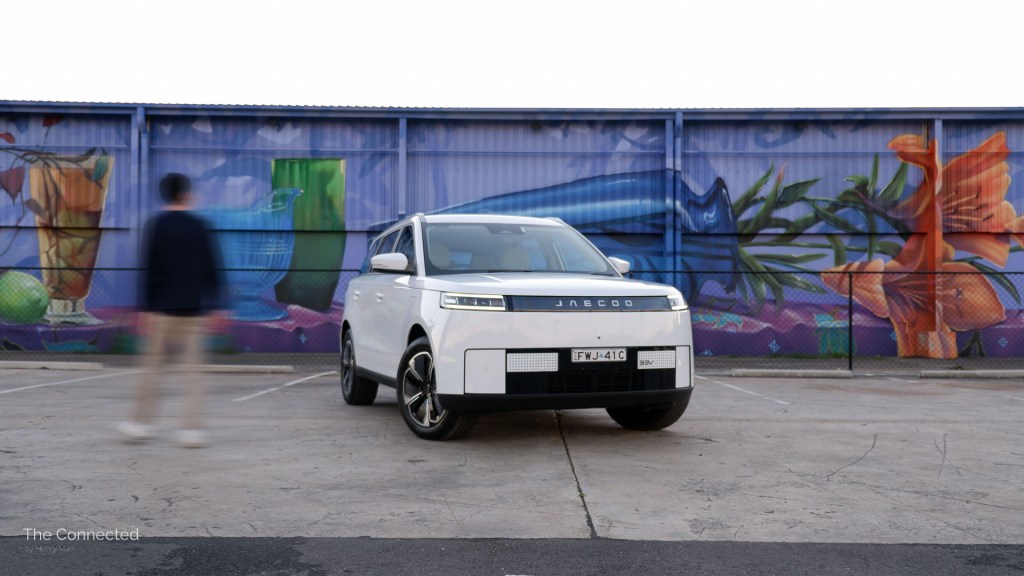
Released when fuel prices started to skyrocket in March due to the war in the Middle East, the Jaecoo J5 EV is a small electric SUV with clear Land Rover inspired styling without the big price tag.
With a $36,990 drive-away promotional offer, it has quickly become one of the best selling new electric vehicles on sale in Australia with more than 7000 delivered since its debut.
I tested the J5 EV for a week to find out whether its popularity is justified or hyped up by the ‘crowd effect’.
NOTE: The press vehicle was provided by Jaecoo Australia for a seven-day independent evaluation. Toll costs were covered, but we have no commercial arrangements with the company and it had no editorial control.

Pros.
+ Impressive interior presentation
+ Spacious interior with a frunk
+ Quick acceleration
+ Conventional door handles and switches
+ Generous warranties, cheap servicing
Cons.
– Touchy regen, jerky to drive
– Safety system false positives
– Build quality issues on tester
– Heated seats weaken quickly, tight rear seatbelt buckles
– No door handle lock/unlock button
Vehicle tested:
| Model | 2026 Jaecoo J5 EV |
| Variant | Summit |
| Starting price | $36,990 drive-away (promotional offer as at November 2026) |
| Exterior colour | Arctic White (+$600) |
| Interior colour | Light Colour with Blue Piping (standard) |
| Country made | China |
Design and quality.
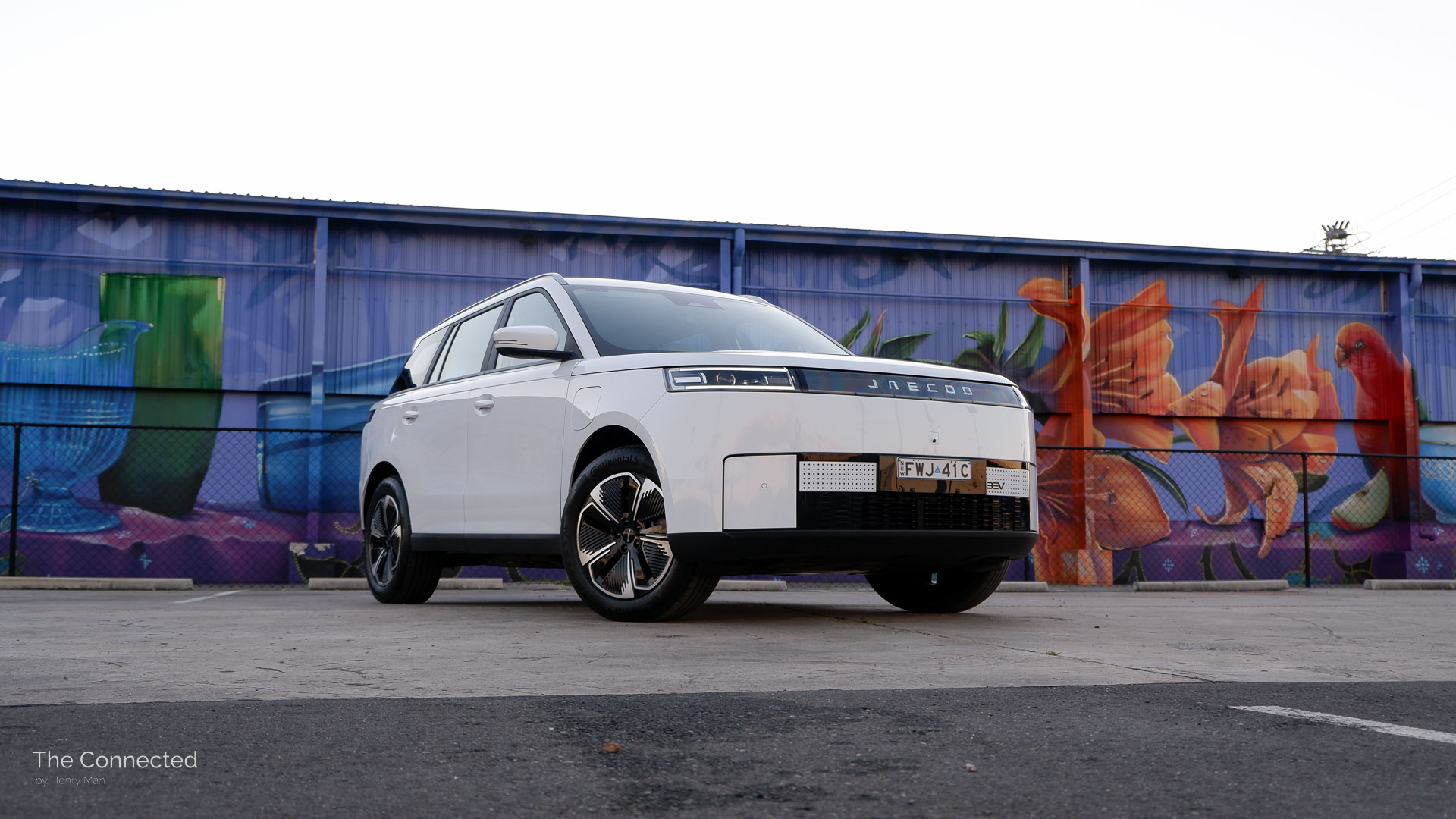
The Jaecoo J5 EV has a clearly inspired exterior, but it’s the interior where it really impresses for the price.
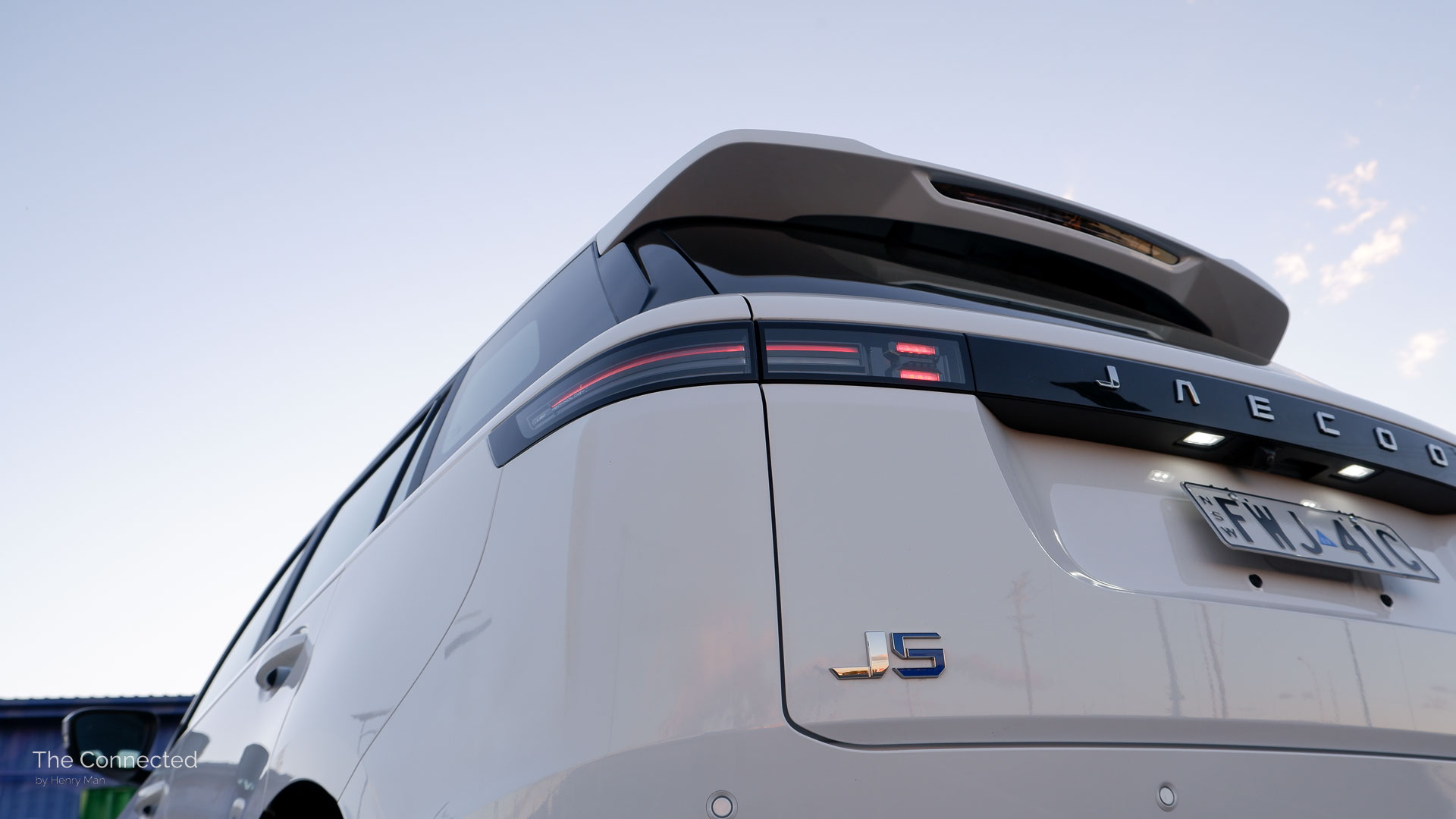
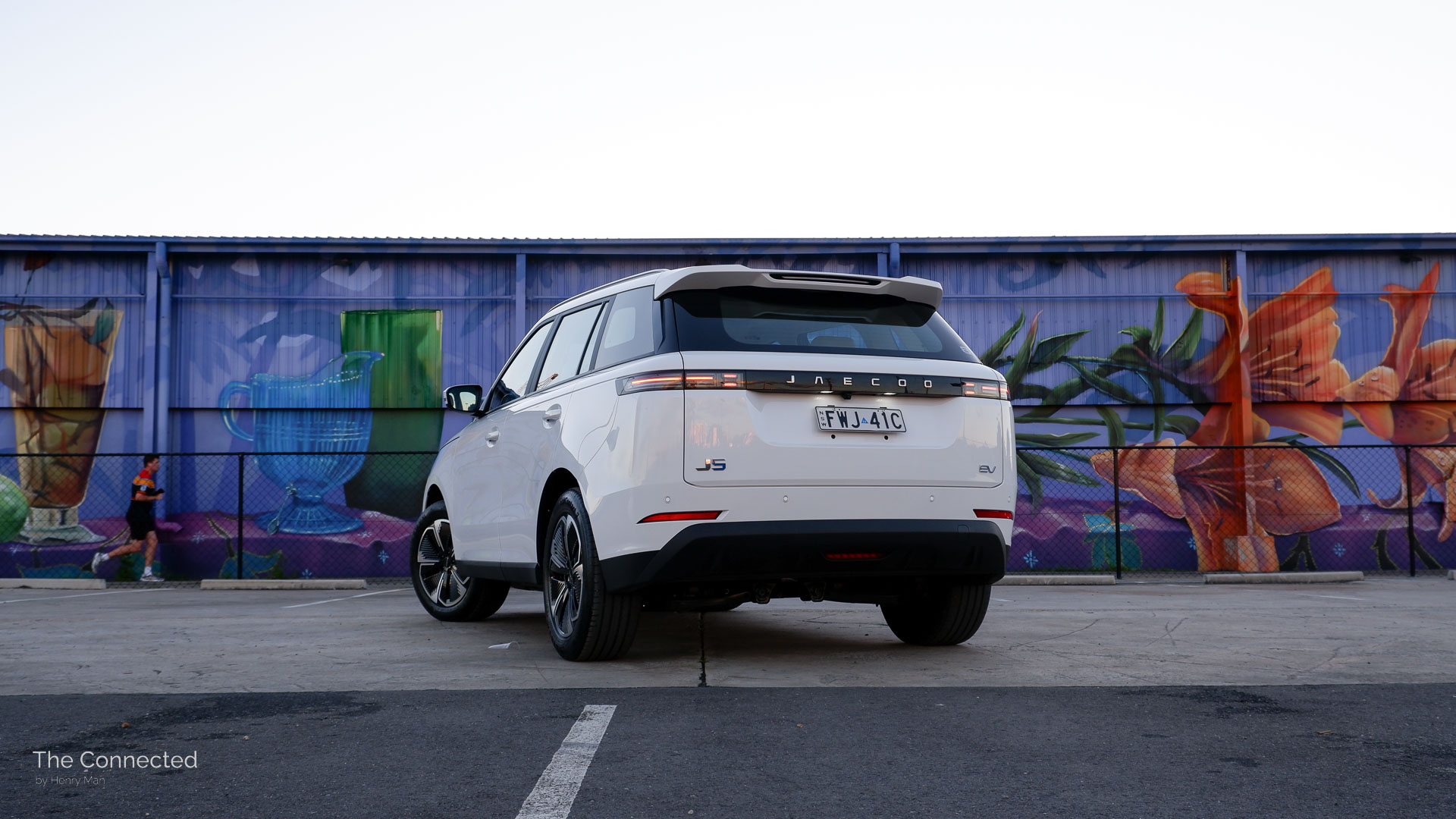
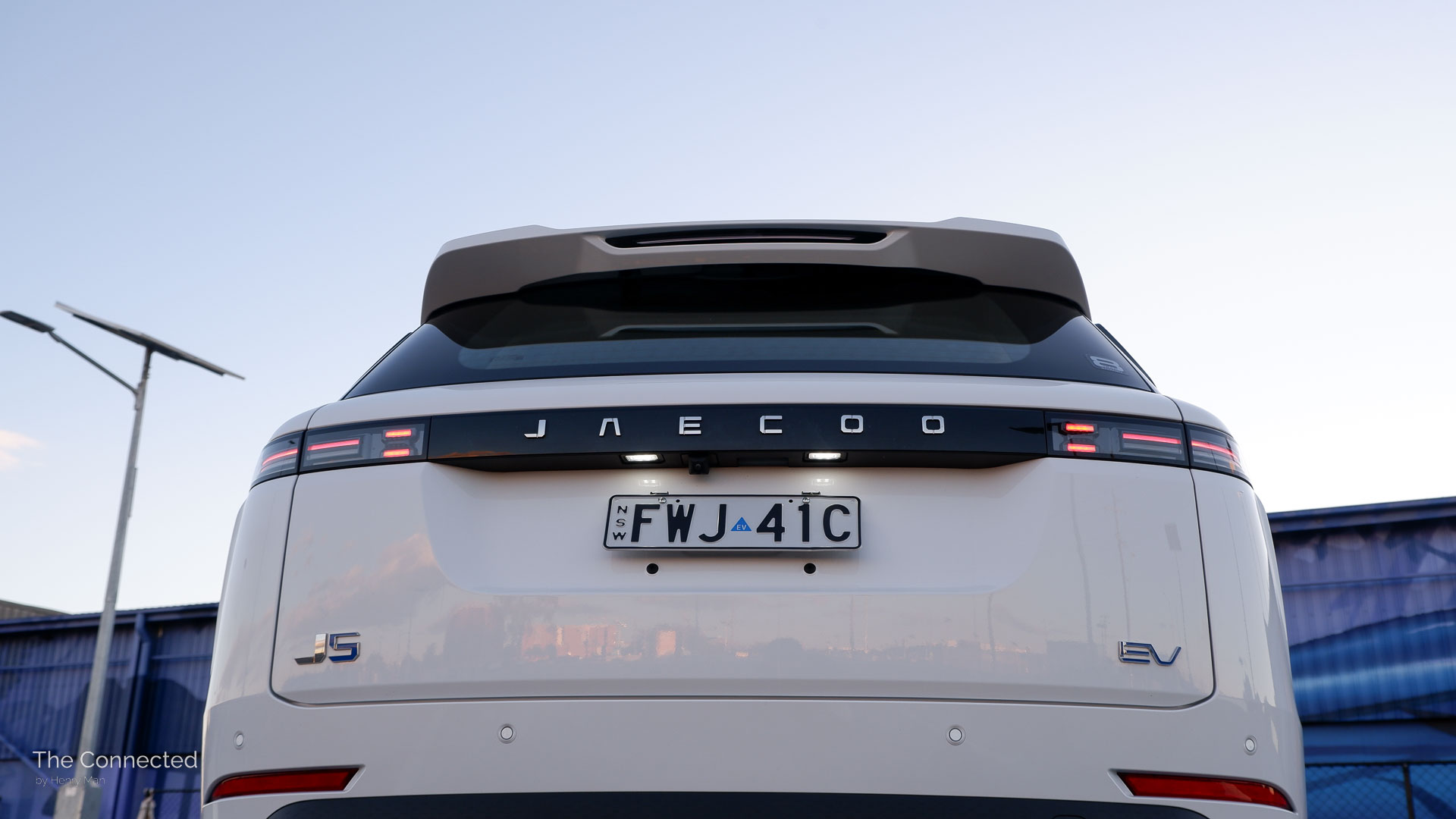
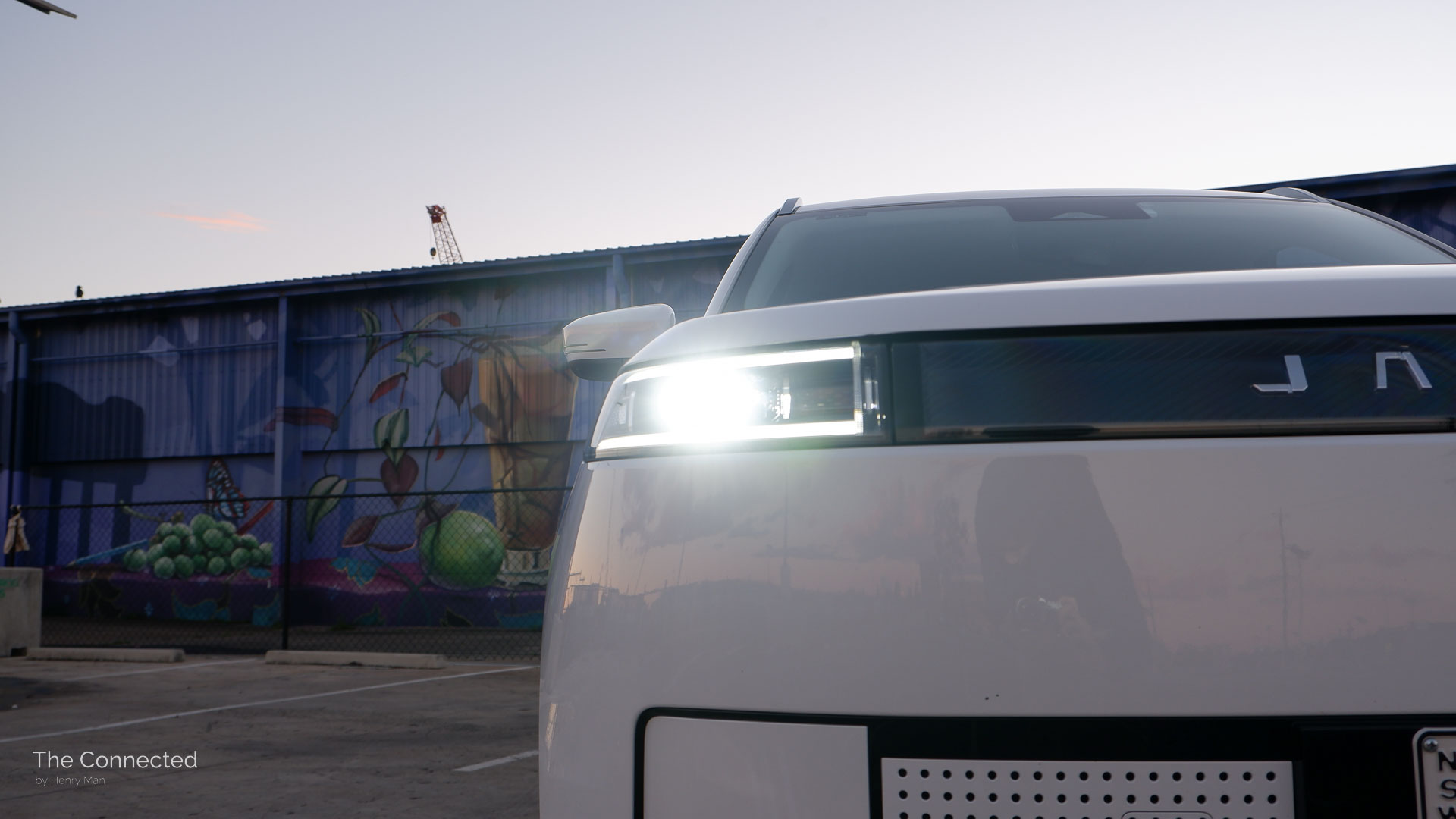
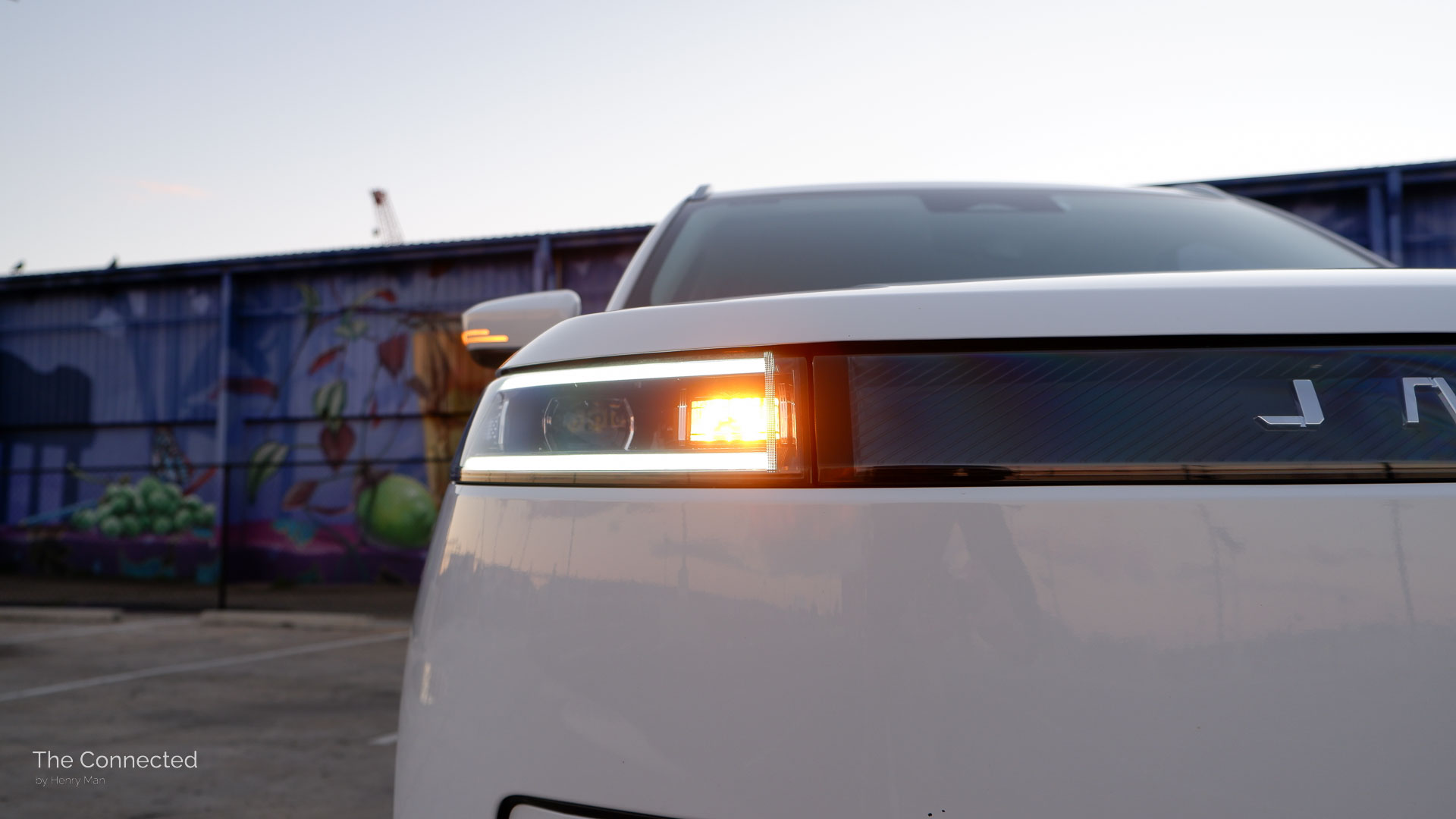
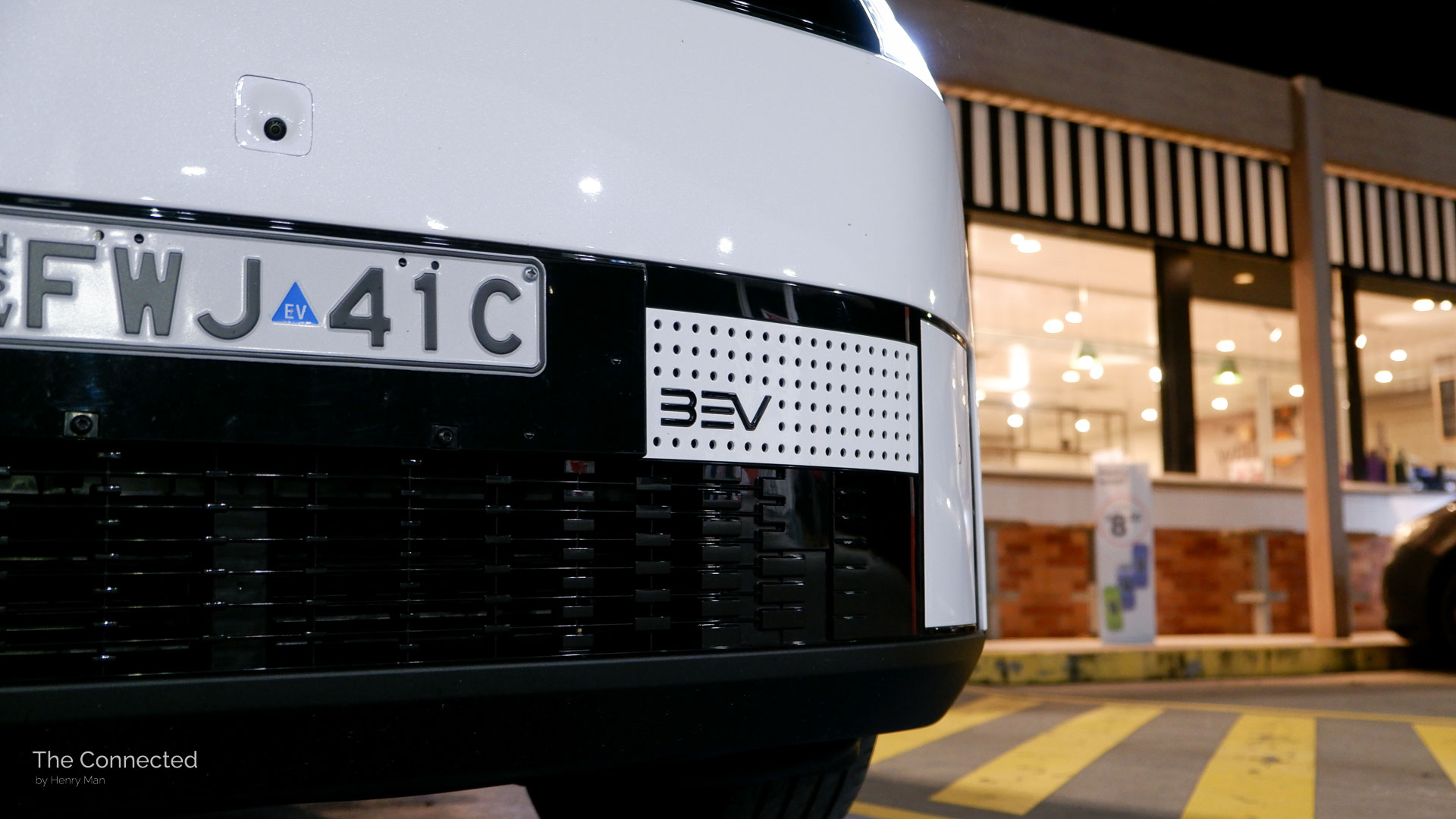
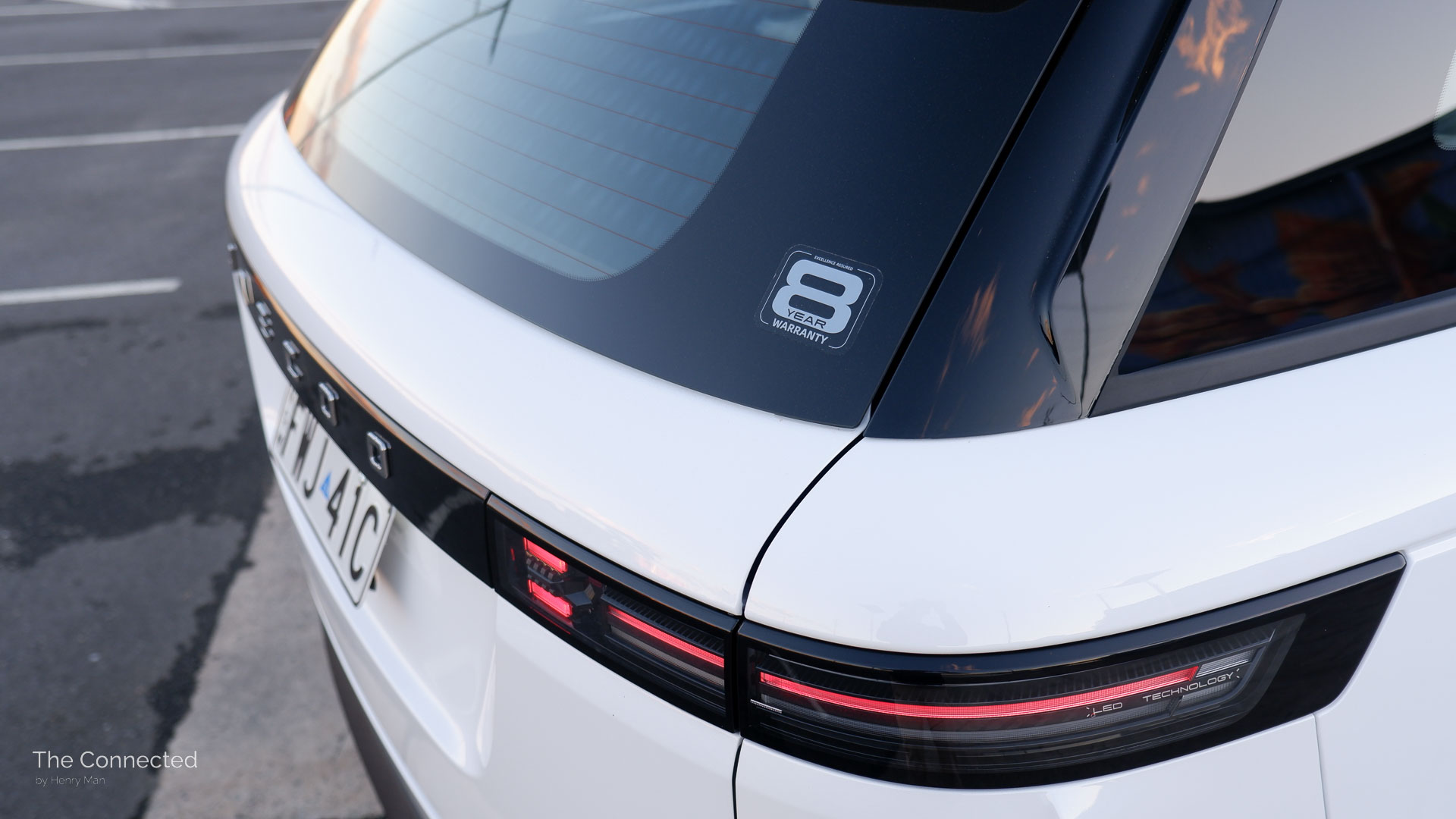
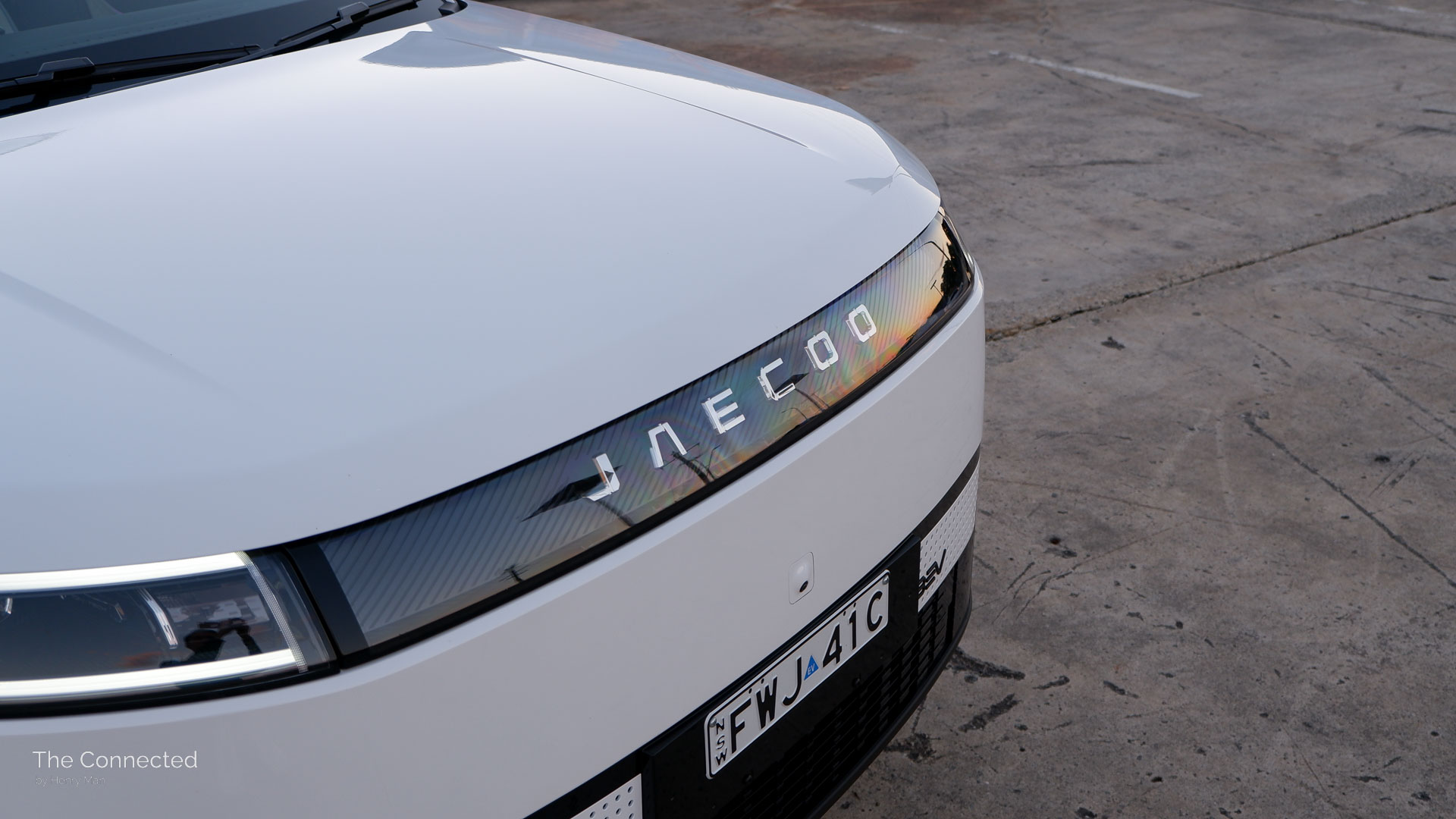
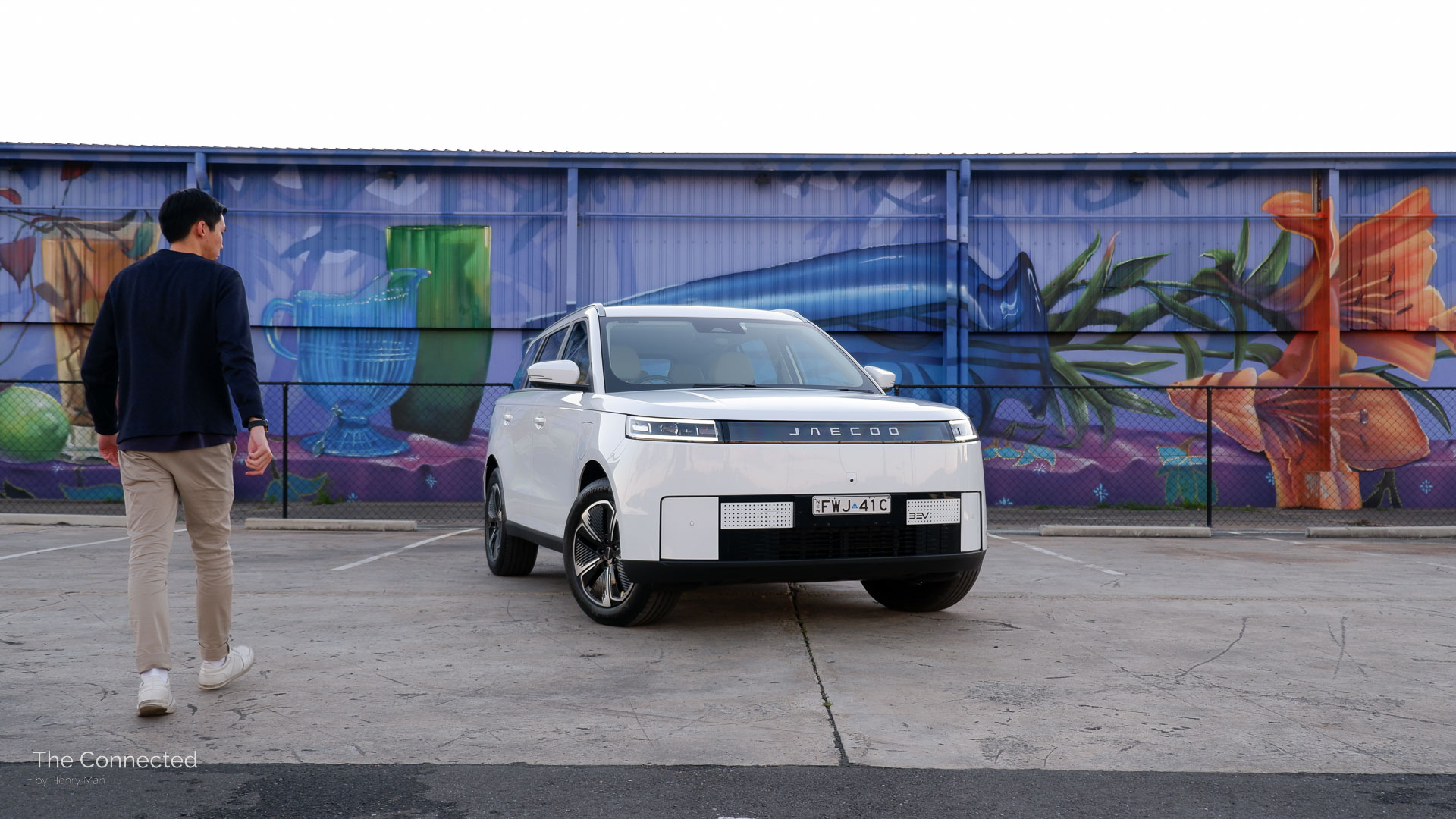
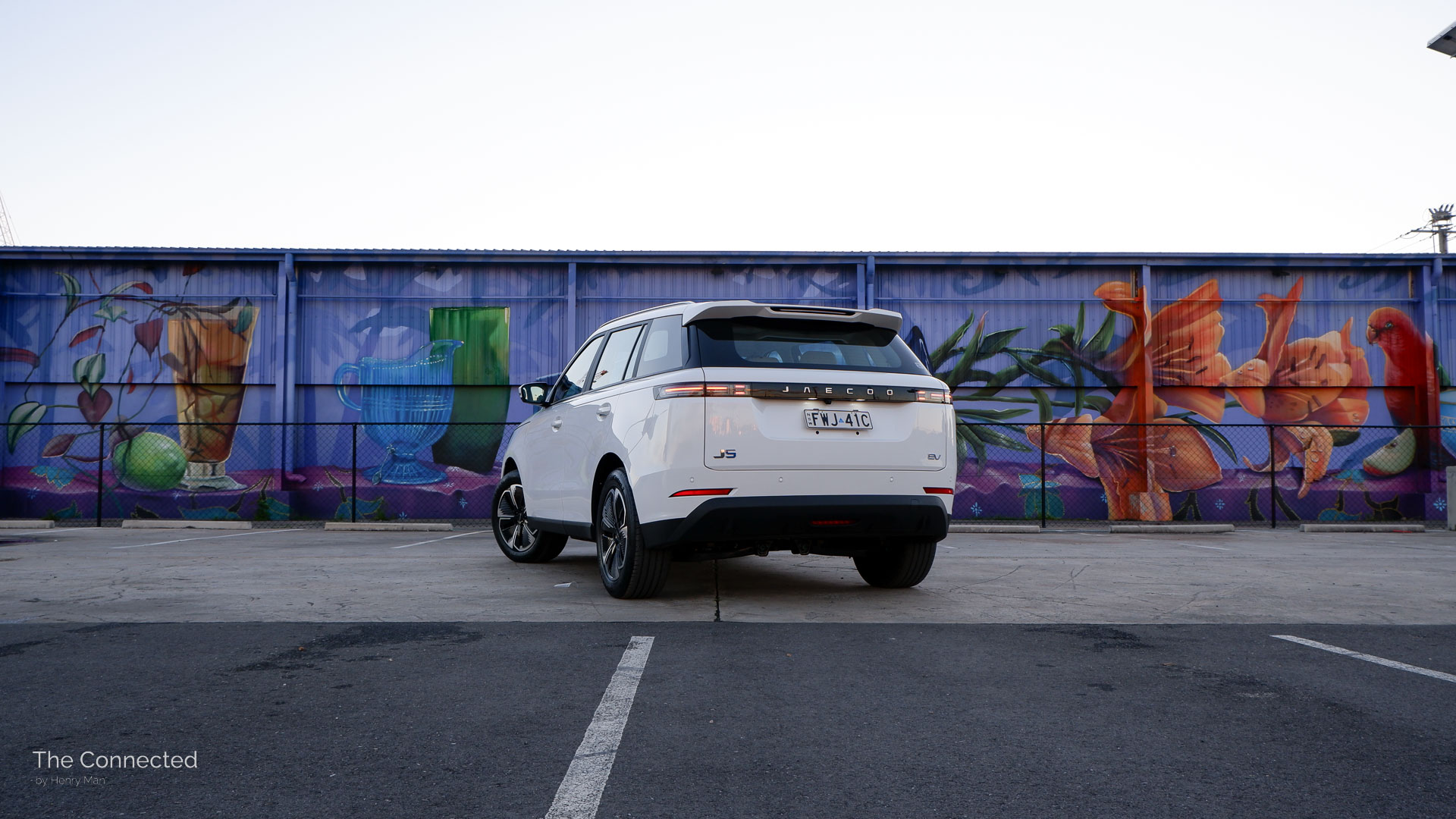
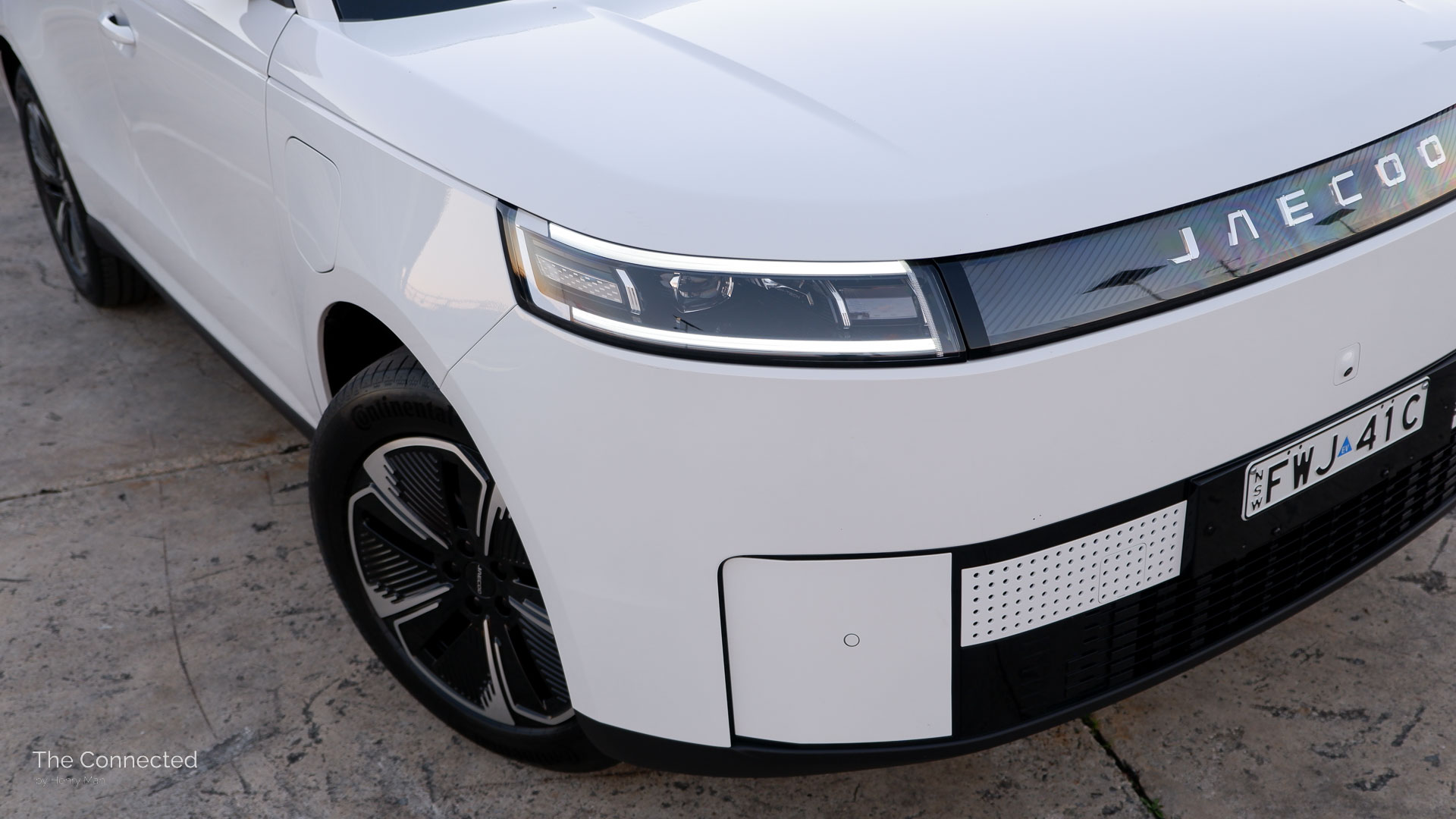
Following from the Jaecoo J7 midsize SUV, the smaller J5 EV doubles down on the Range Rover Evoque-esque design particularly at the front and back with its brand lettering strewn in the centre and LED lighting design.
It’s uncanny, particularly in the $600 optional Arctic White paint colour – and you’ll either love or loaf its similarities with the British luxury carmaker.
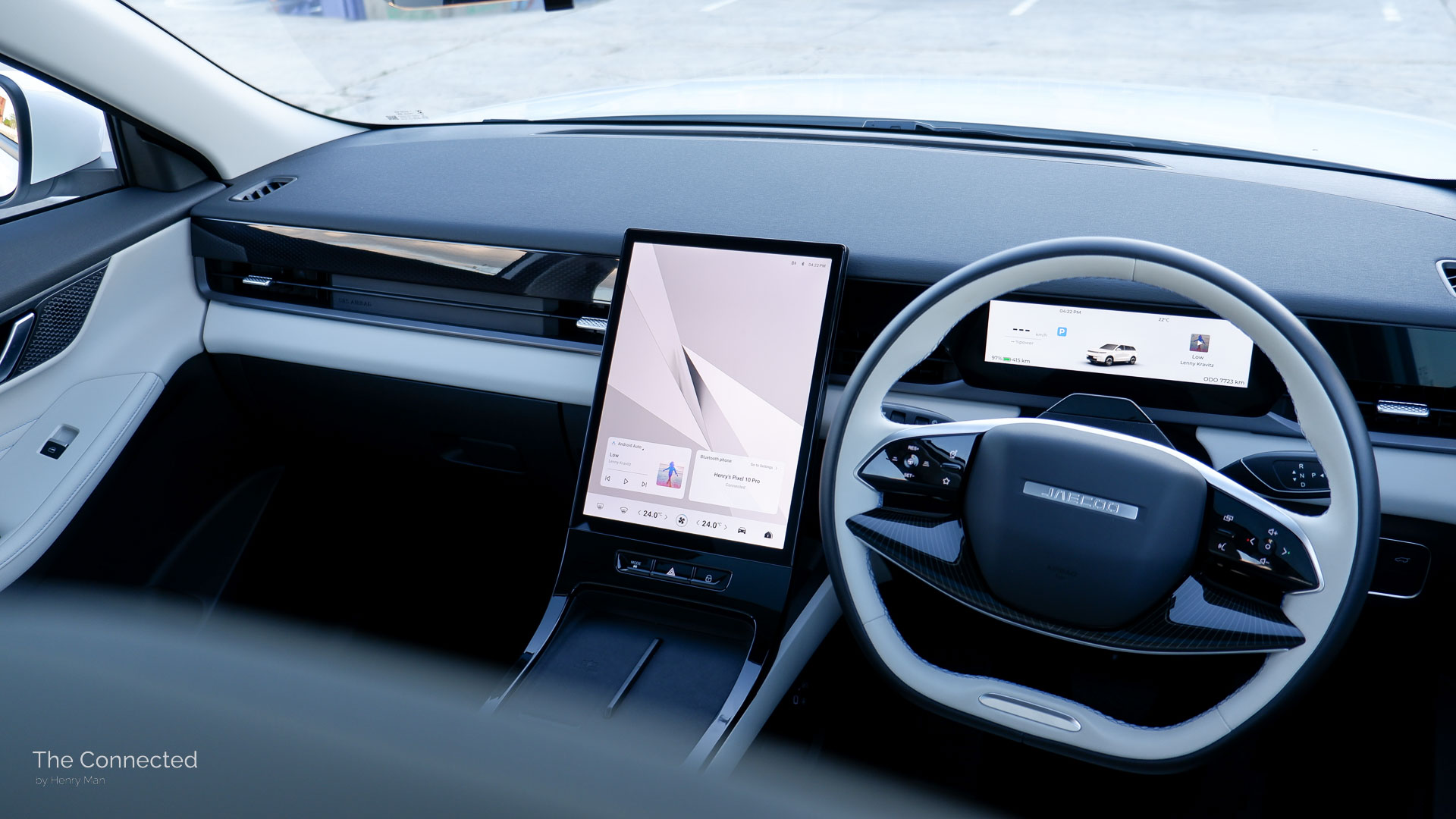
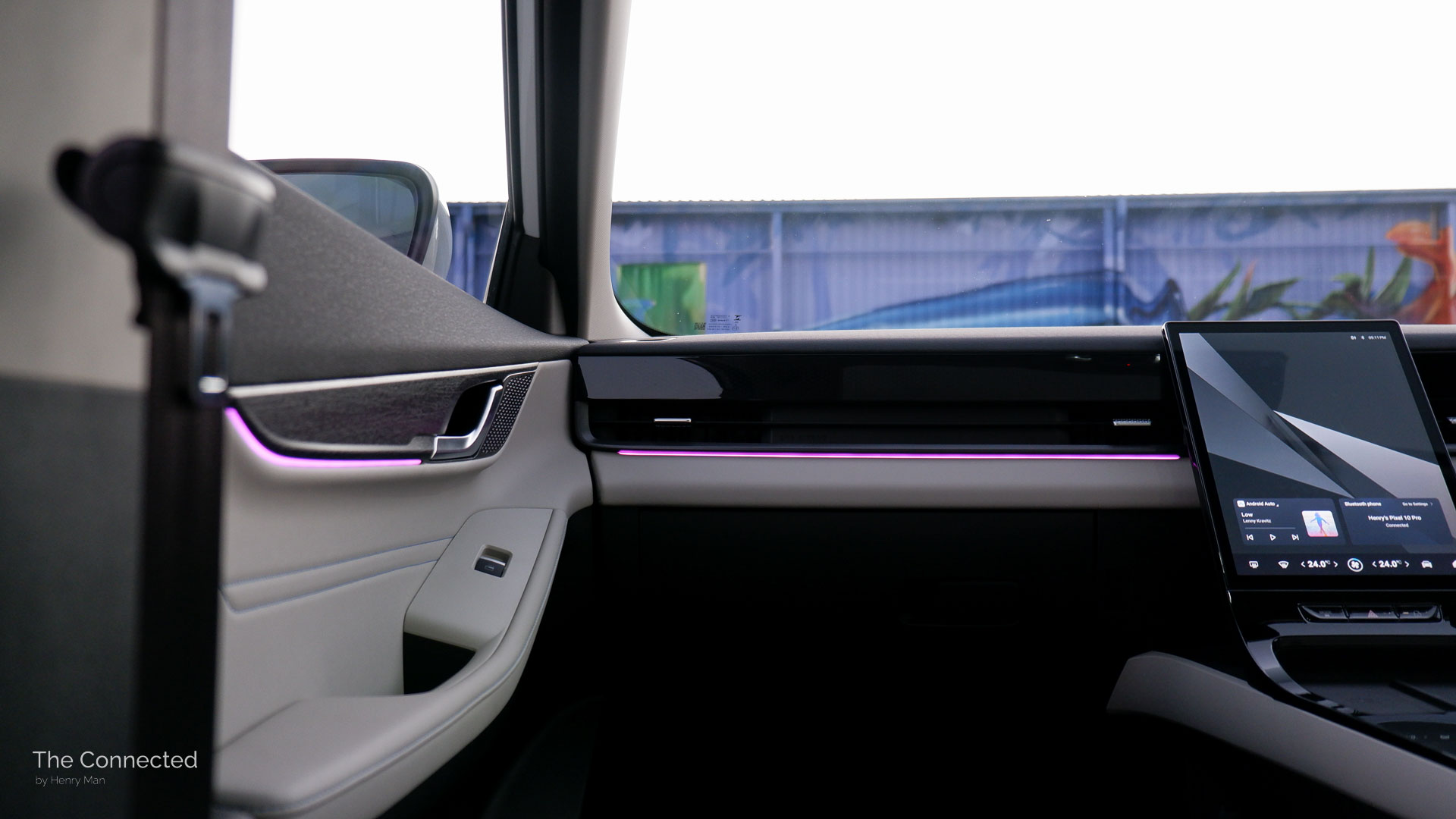
But it’s the inside of the Jaecoo J5 EV that’s really impressive for a ~$37K small SUV.
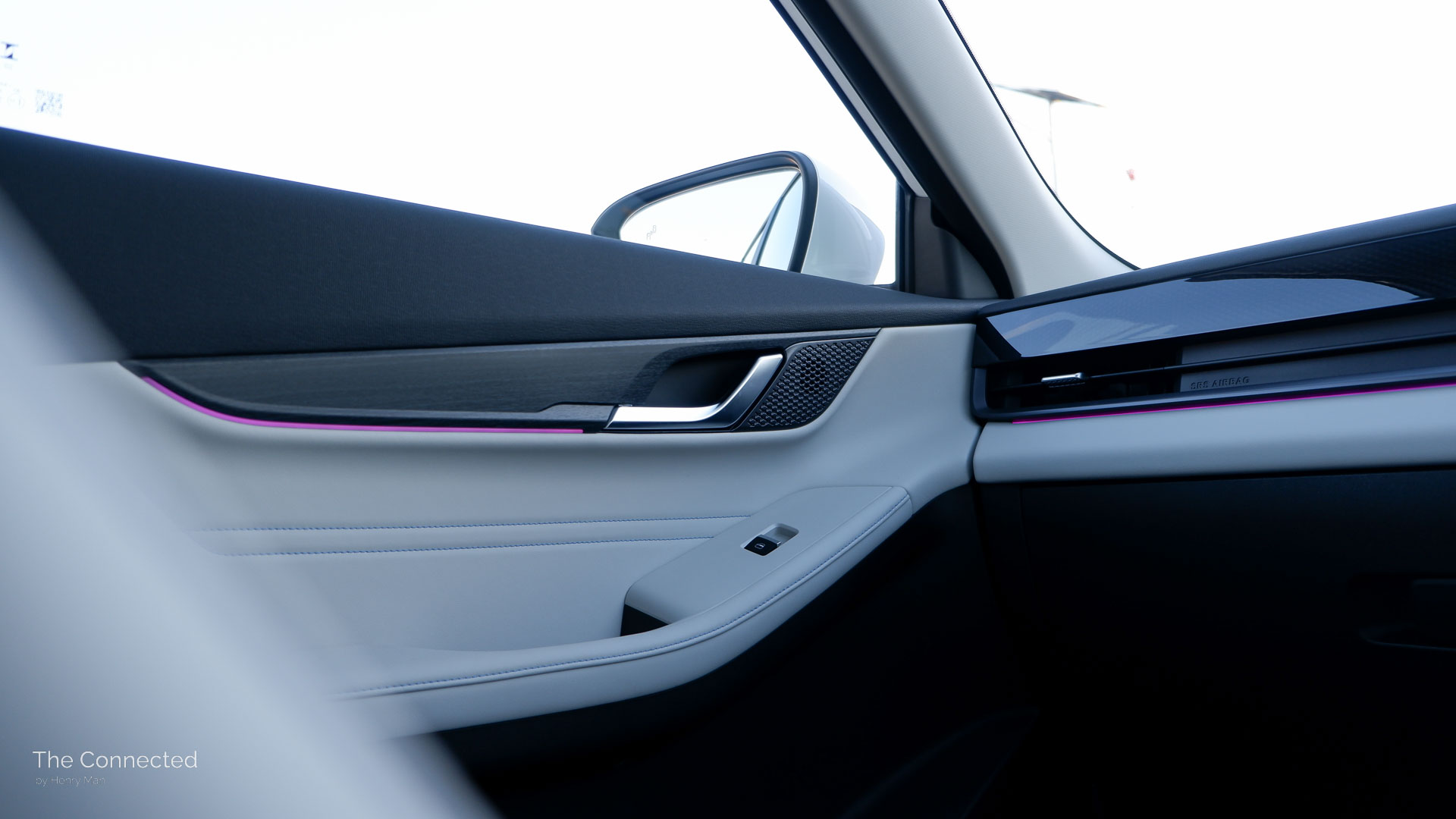
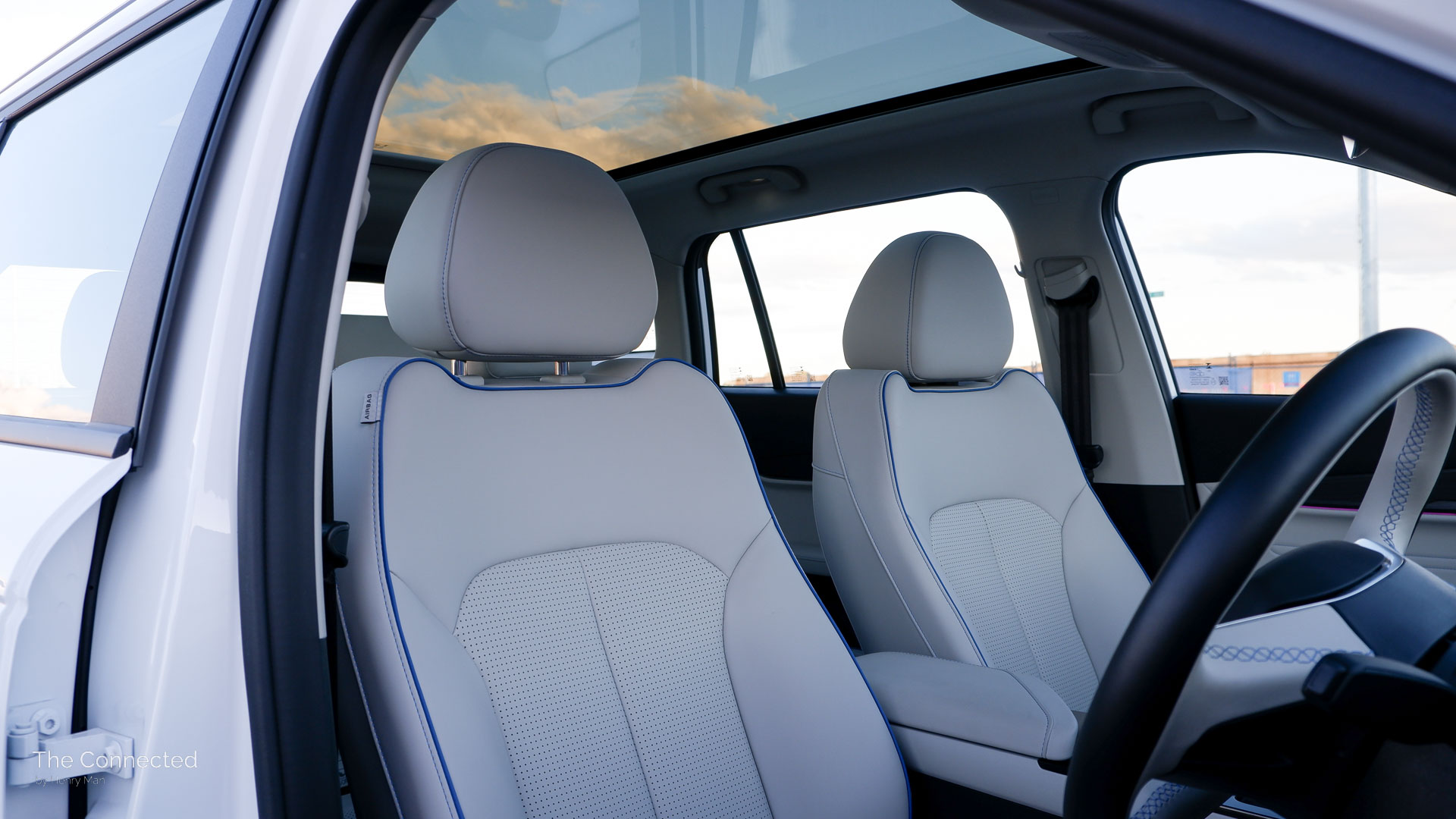
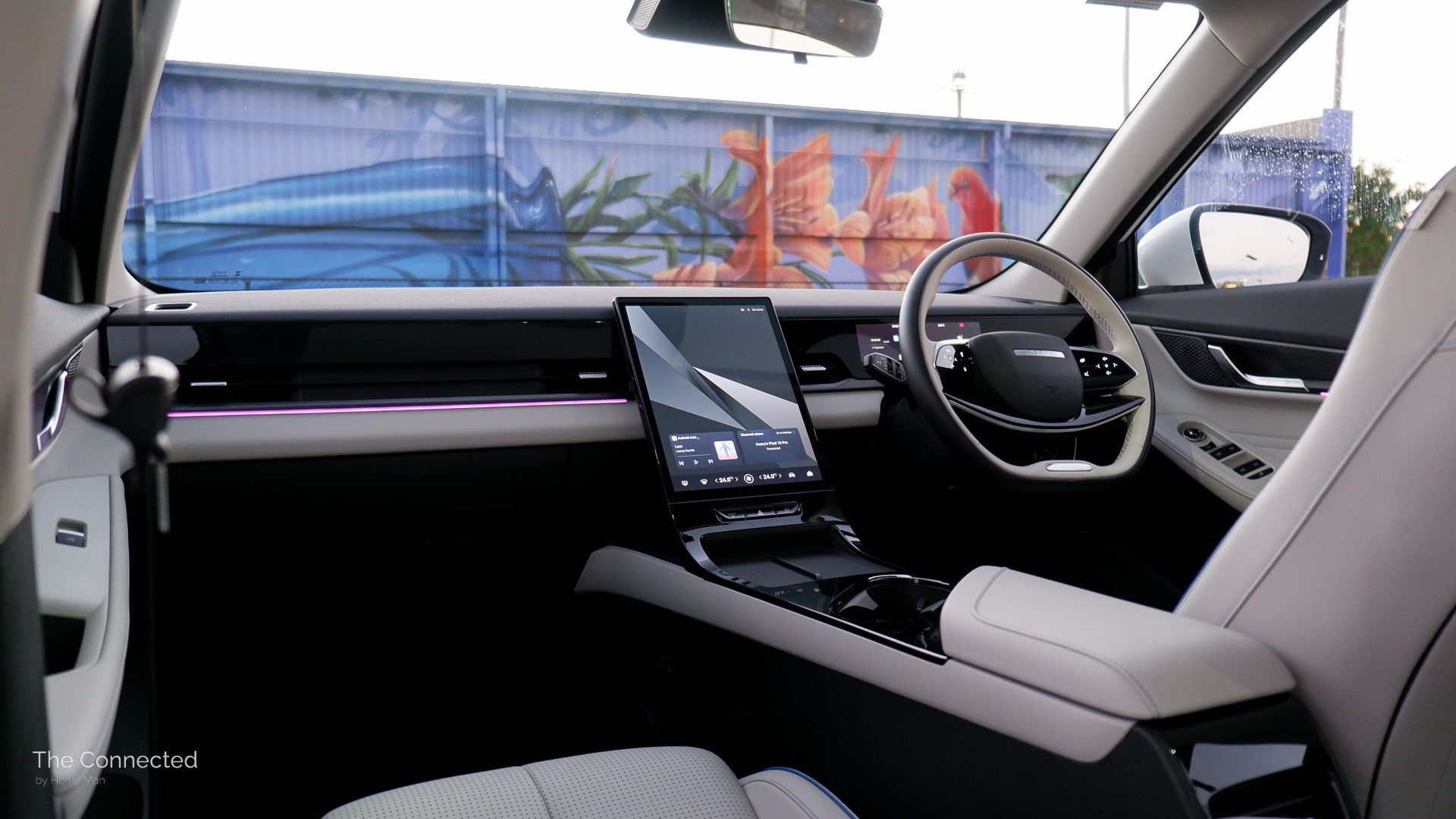
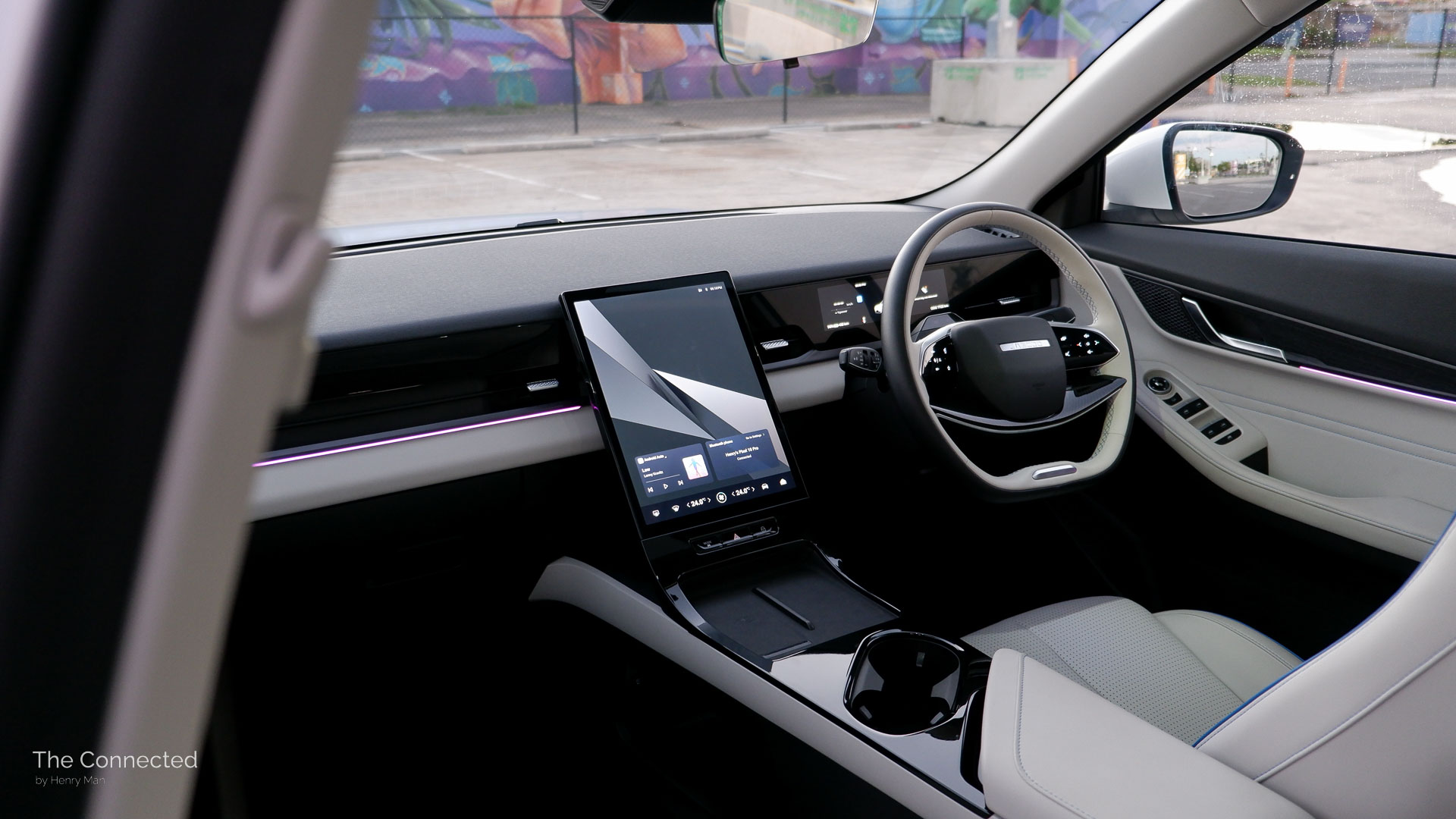
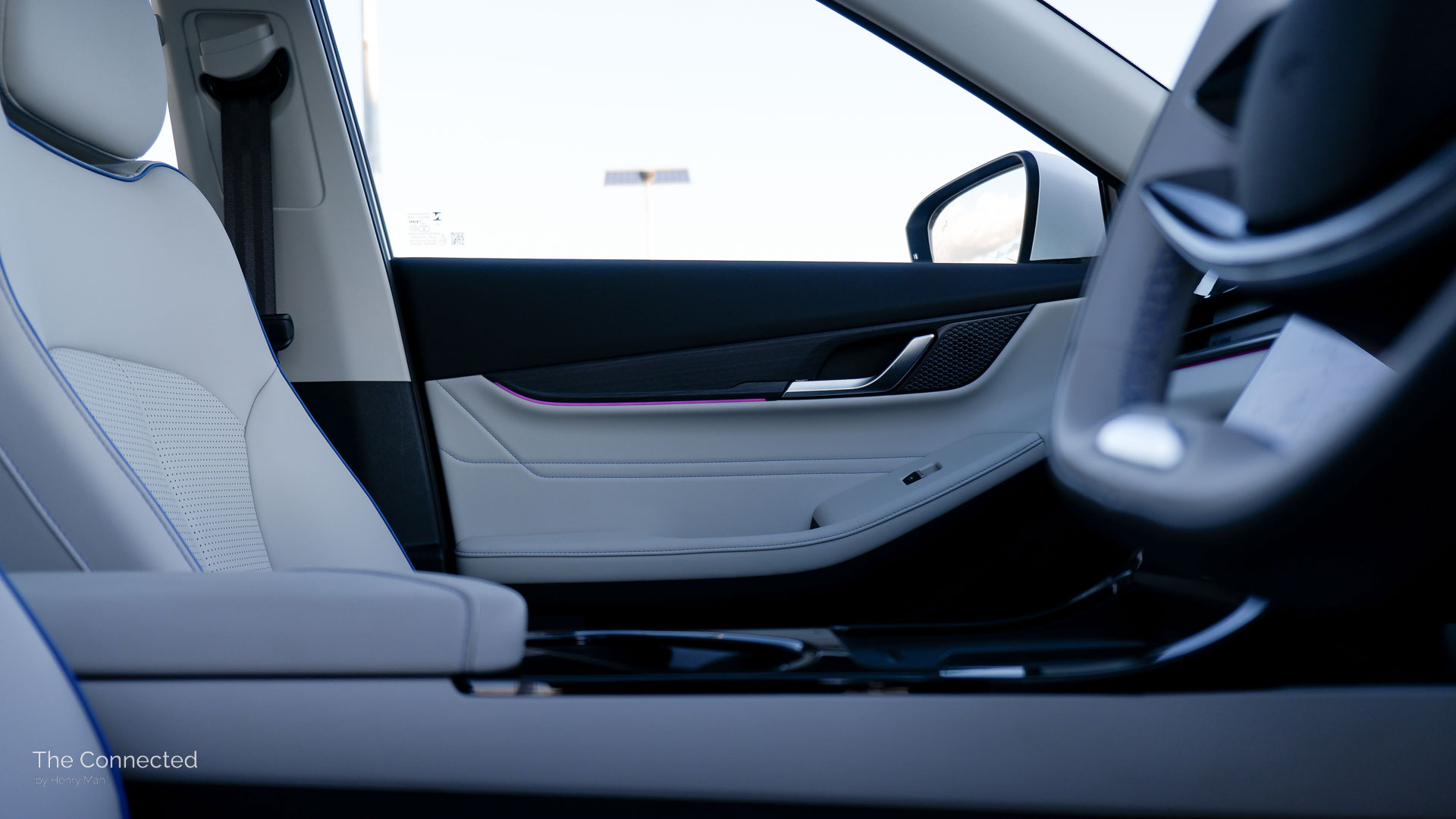
It looks far more than its price especially in the free-of-charge two-tone white colour theme with blue contrast piping, a four-spoke steering wheel, diagonally placed cup holders, bright ambient lighting strips, and a driver instrument display neatly integrated into the dashboard.
The artificial leather seats have a grainy texture and doesn’t smell and feel rubbery like the Leapmotor B10 and Geely EX5.
The J5 EV offers great material quality with soft-touch surfaces – except the lower door cards with particularly hard and hollow rear door cards.
However, the use of gloss black surfaces are prominent on the centre console, touchscreen surrounds, front passenger dash, and steering wheel. It’s reflective and fingerprint-prone, with our test vehicle showing a lot of micro scratches at the console.
This tester also had some build quality gremlins including a misaligned motorised charge port cover that couldn’t close properly and a loose front-right driver’s side air vent that tended to droop down. While not all J5s may exhibit these issues, it’s still worth keeping in mind.
Practicality.
2026 Jaecoo J5 EV Summit dimensions:
| Length x width x height | 4380 x 1860 x 1650mm |
| Wheelbase | 2620mm |
| Ground clearance | 180mm |
| Boot space (min) | 384L |
| Frunk space | 35L |
| Rear seat split fold | 60:40 |
| Child seat anchors | 2x ISOFIX and 3x top tethers |
| Air-conditioning system | Dual-zone climate control with rear air vent |
The Jaecoo J5 EV is decently practical, although other small SUVs are able to offer more space.
The 384-litre boot is good enough for a grocery run with small nets on each side, a two-level boot floor that can make the loading lip flat, and LED light – though the two pop-out bag hooks are tiny.
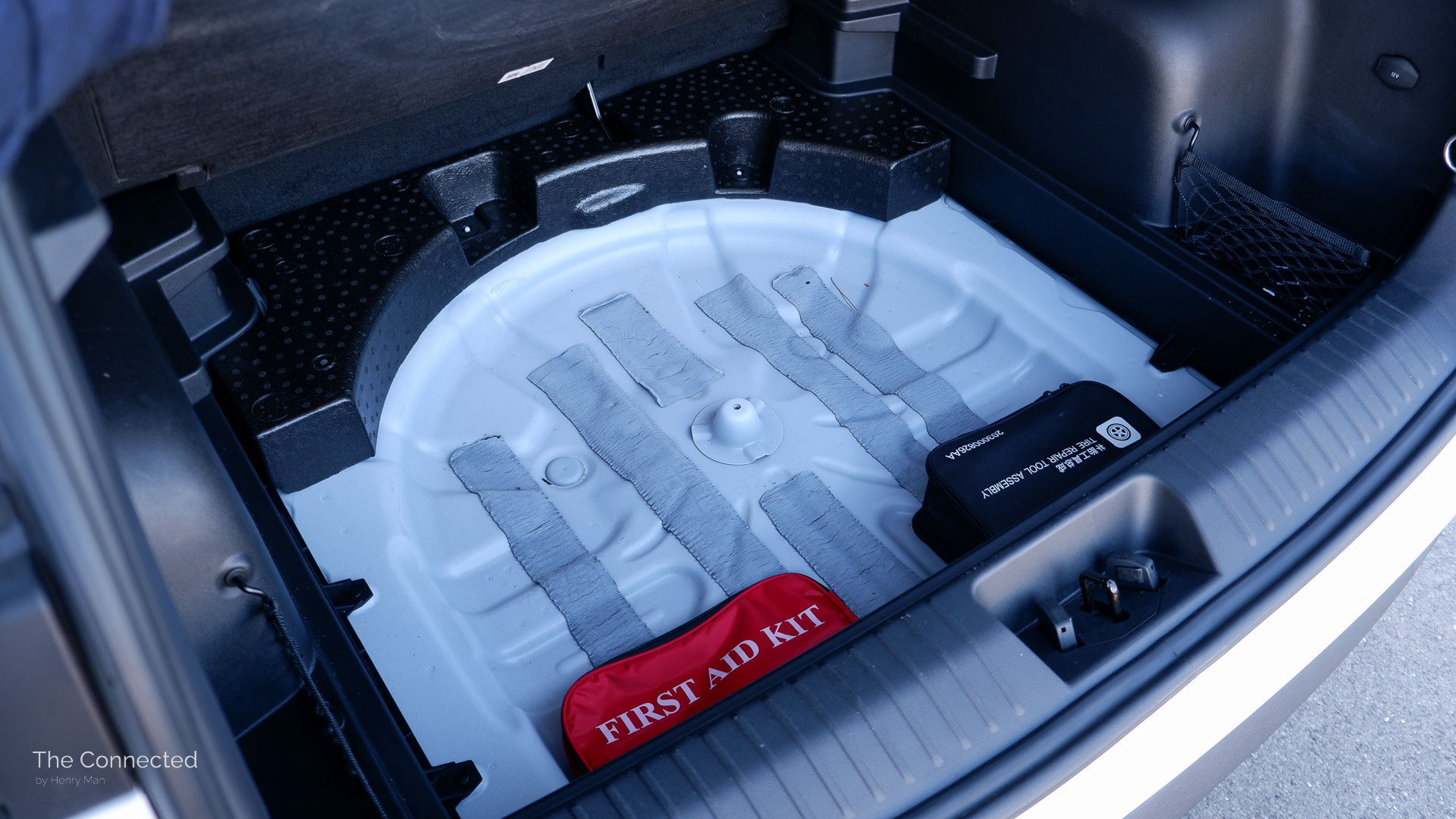
There is sizable underfloor storage that is clearly designed to fit a spare tyre like the related Chery E5, but it’s empty and looks unfinished on the Jaecoo.
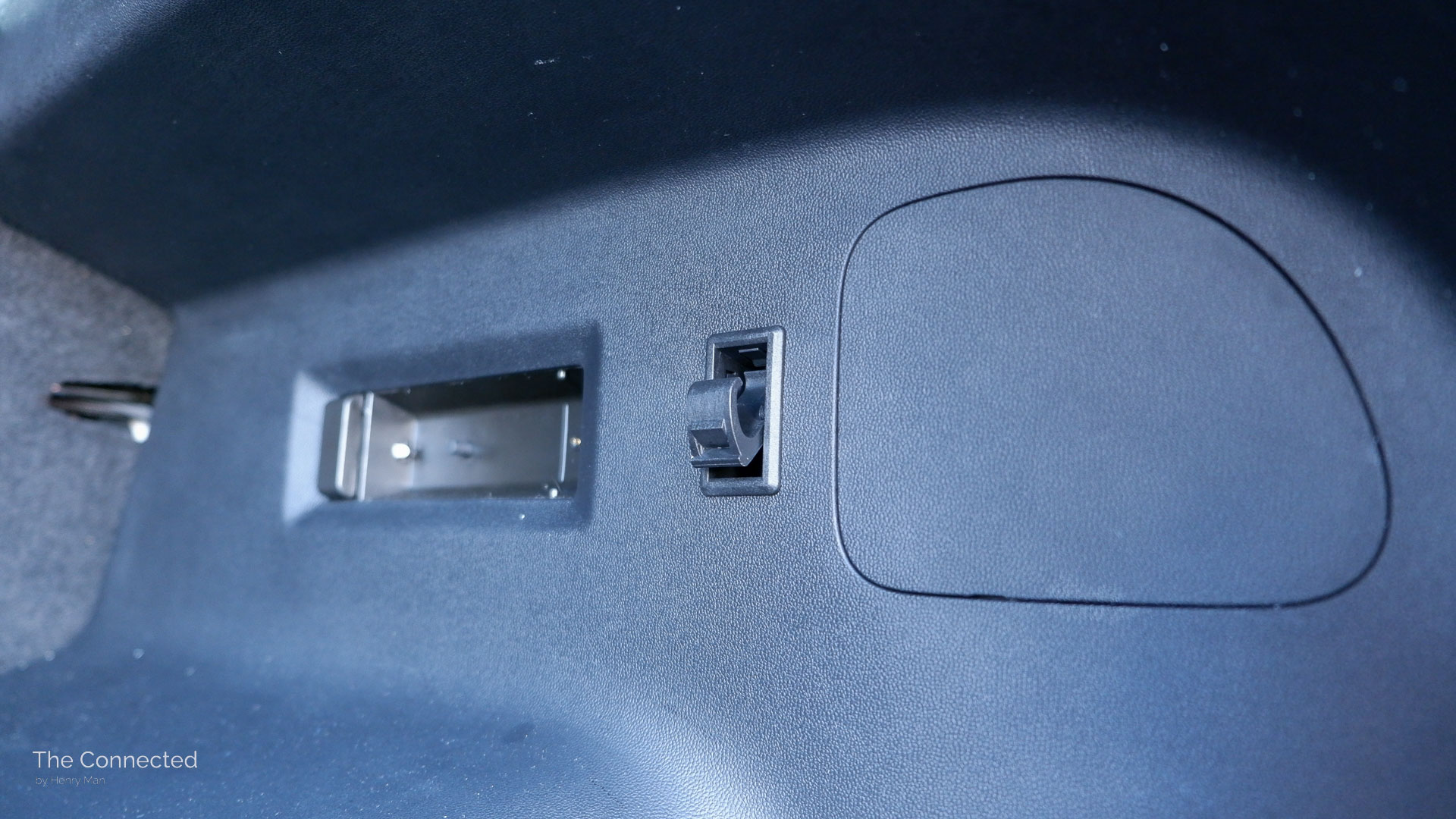
Strangely, there is a hole on the right side with pins that look like it could attach to some module, but is left empty in Australian spec vehicles.
The boot lacks cargo cover protection, unlike the Leapmotor B10.
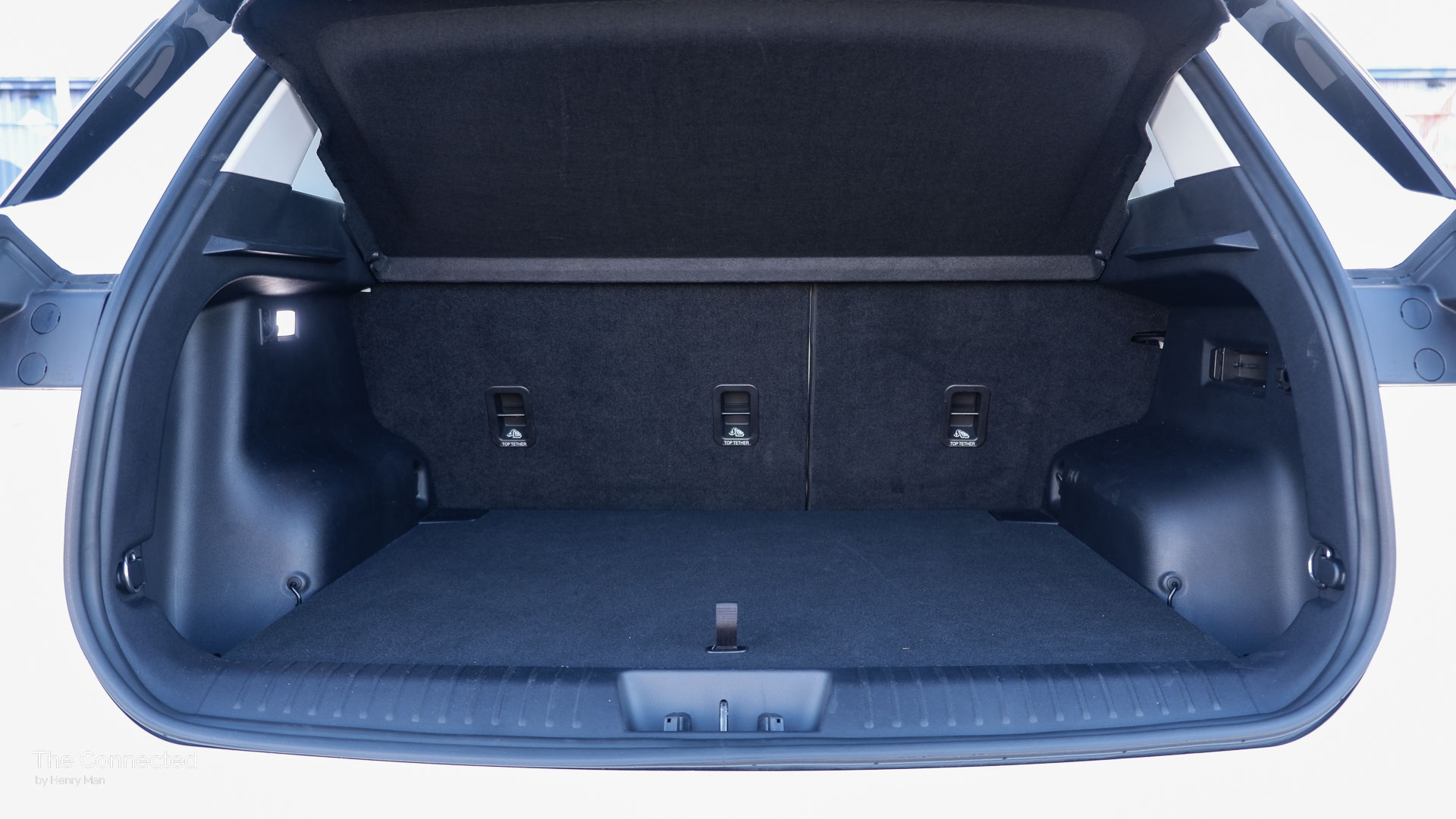
It comes with an electric tailgate as standard, but the hands-free opening feature is finicky to use as you need to have the proximity key close to the tailgate then walk back when it flashes the hazards for it to open. I rarely got it to work.
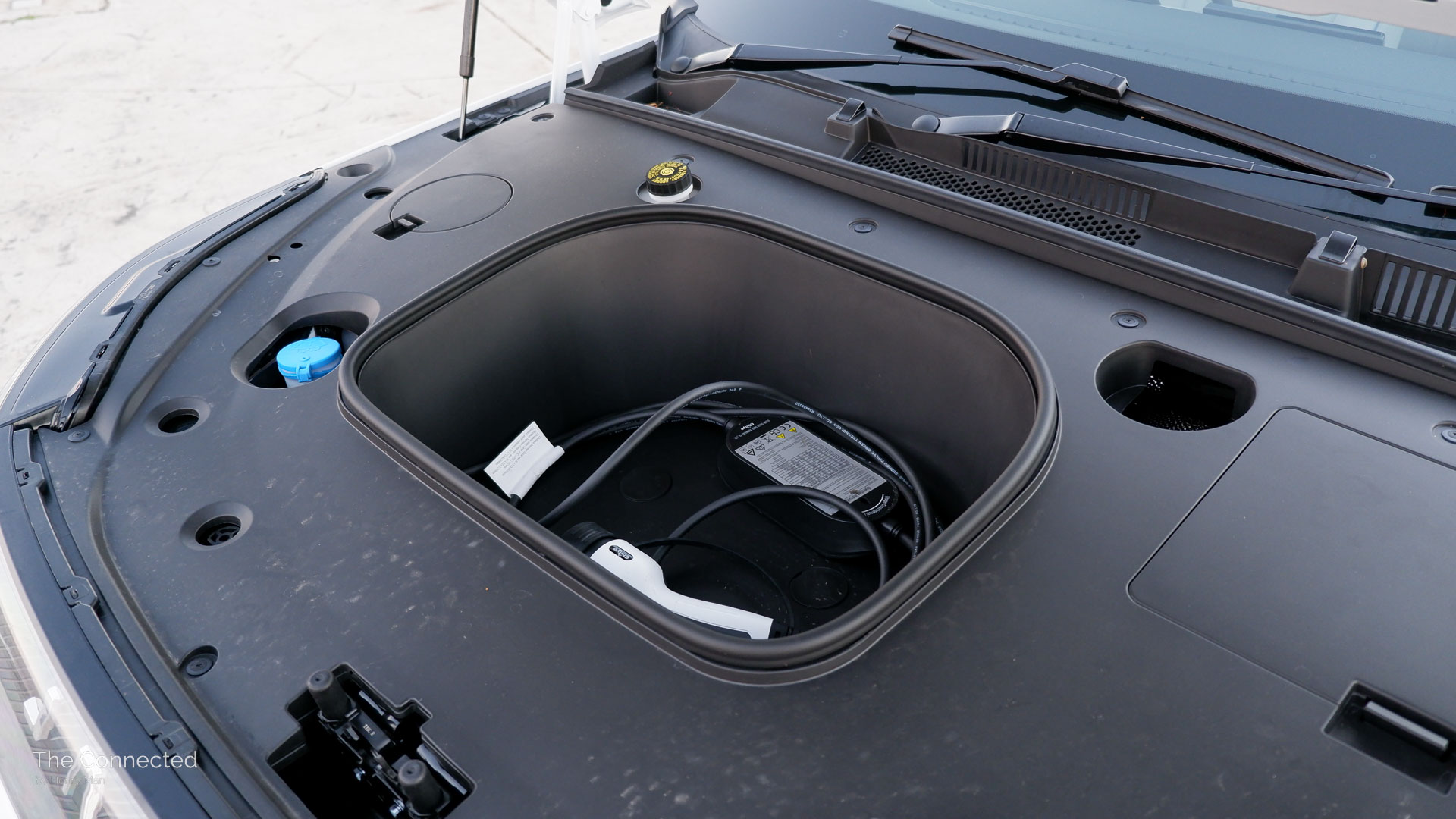
Impressively at this price point, the Jaecoo J5 EV offers a small 35 litre frunk under the bonnet which is supported by gas struts. The only way to access it is by pulling a traditional lever at the driver’s seat side.
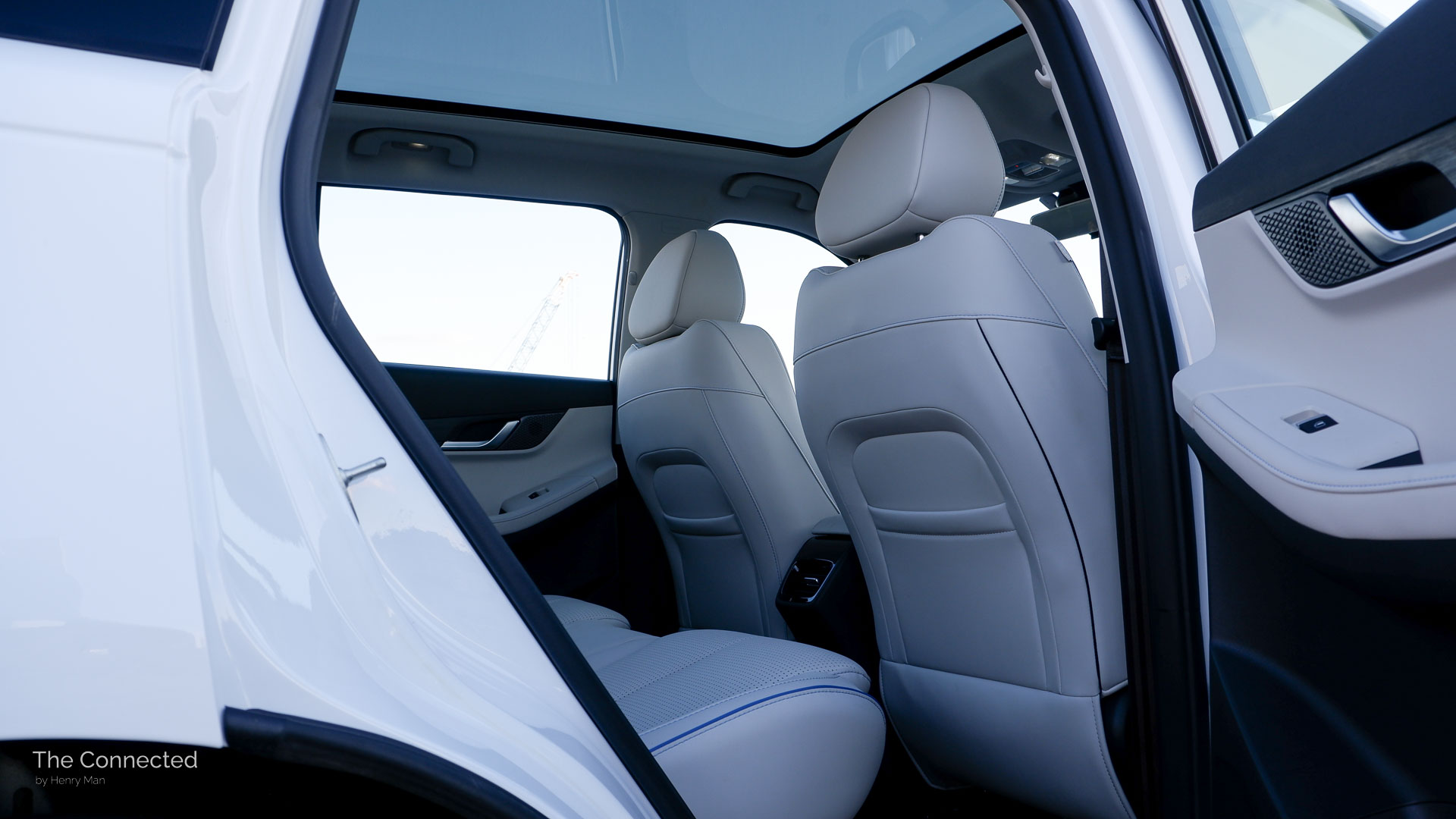
The rear row provides adequate legroom and good legroom, but footroom is limited since the floor has a raised hump underneath the front seats.
Other small cars including the Leapmotor B10, MG 4 Urban and Hyundai Kona provide better rear seat space.
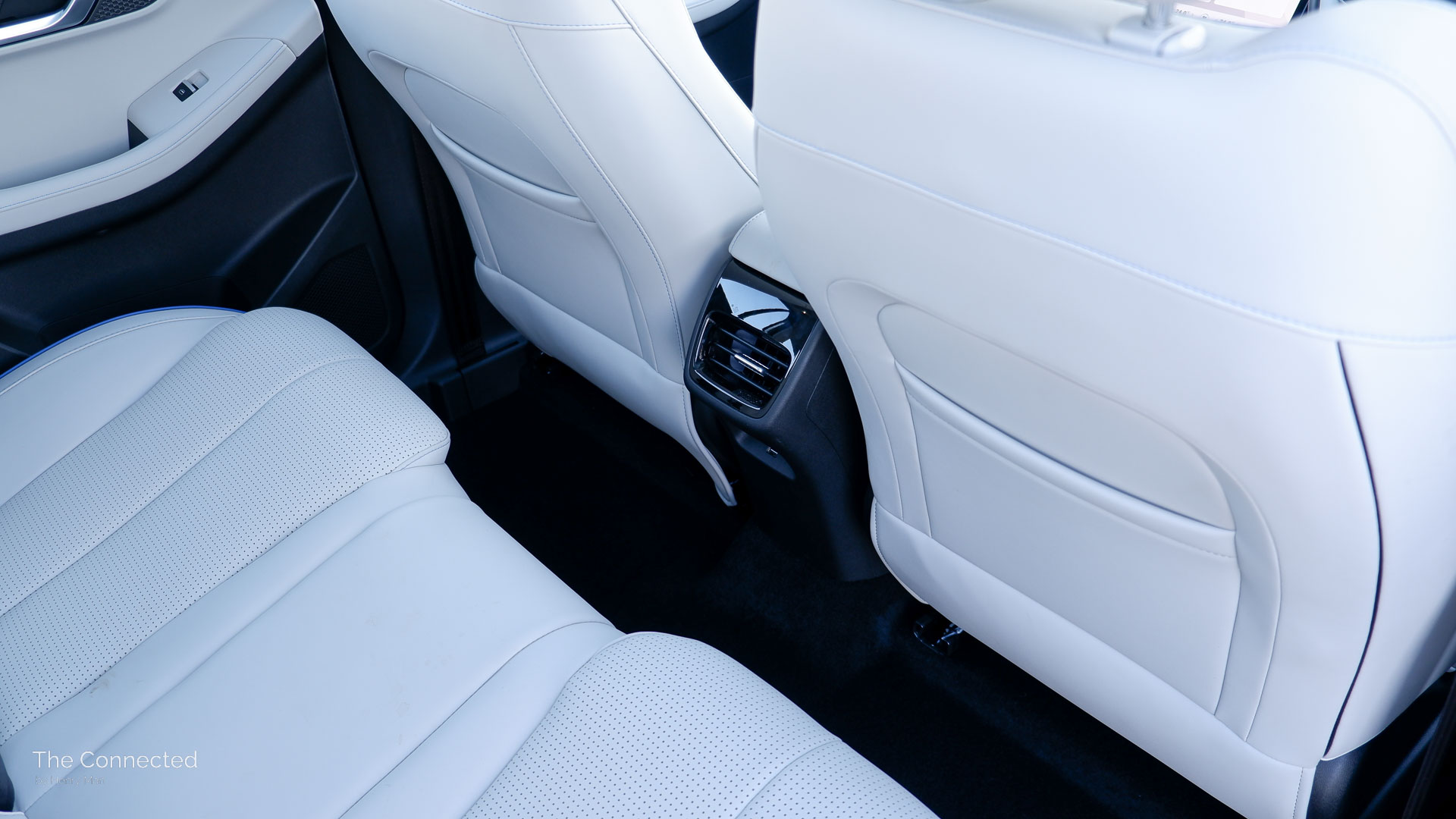
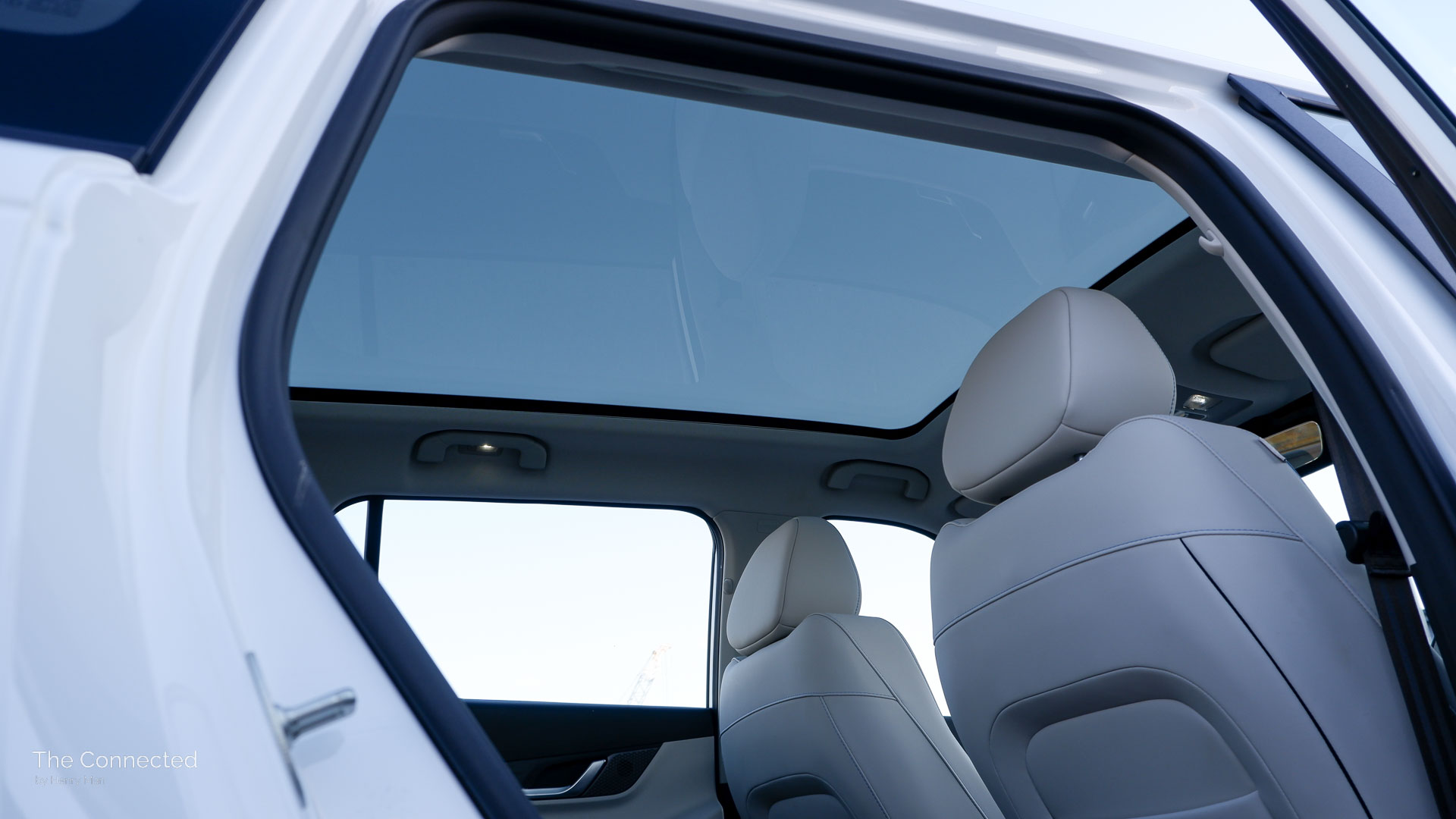
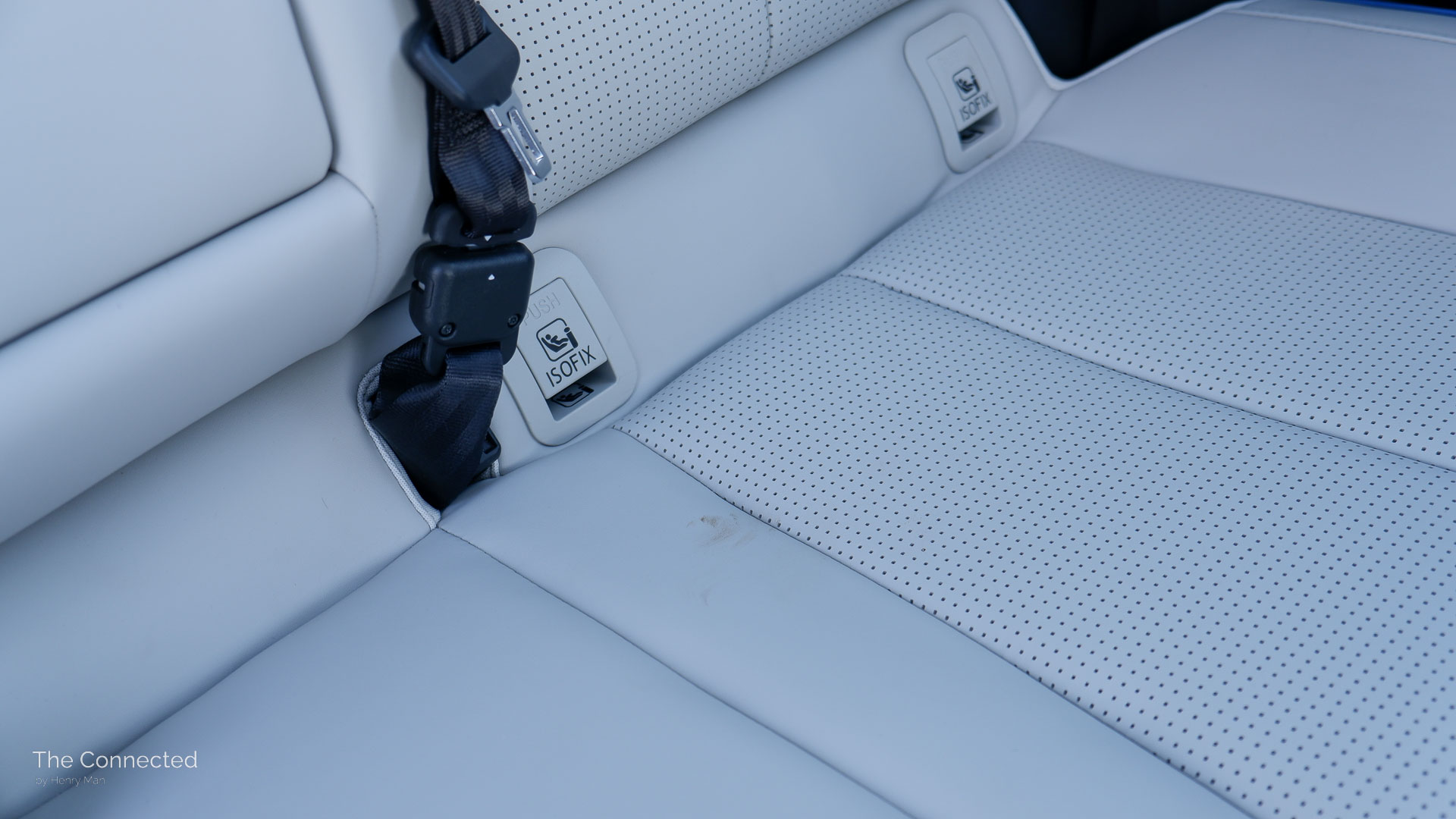
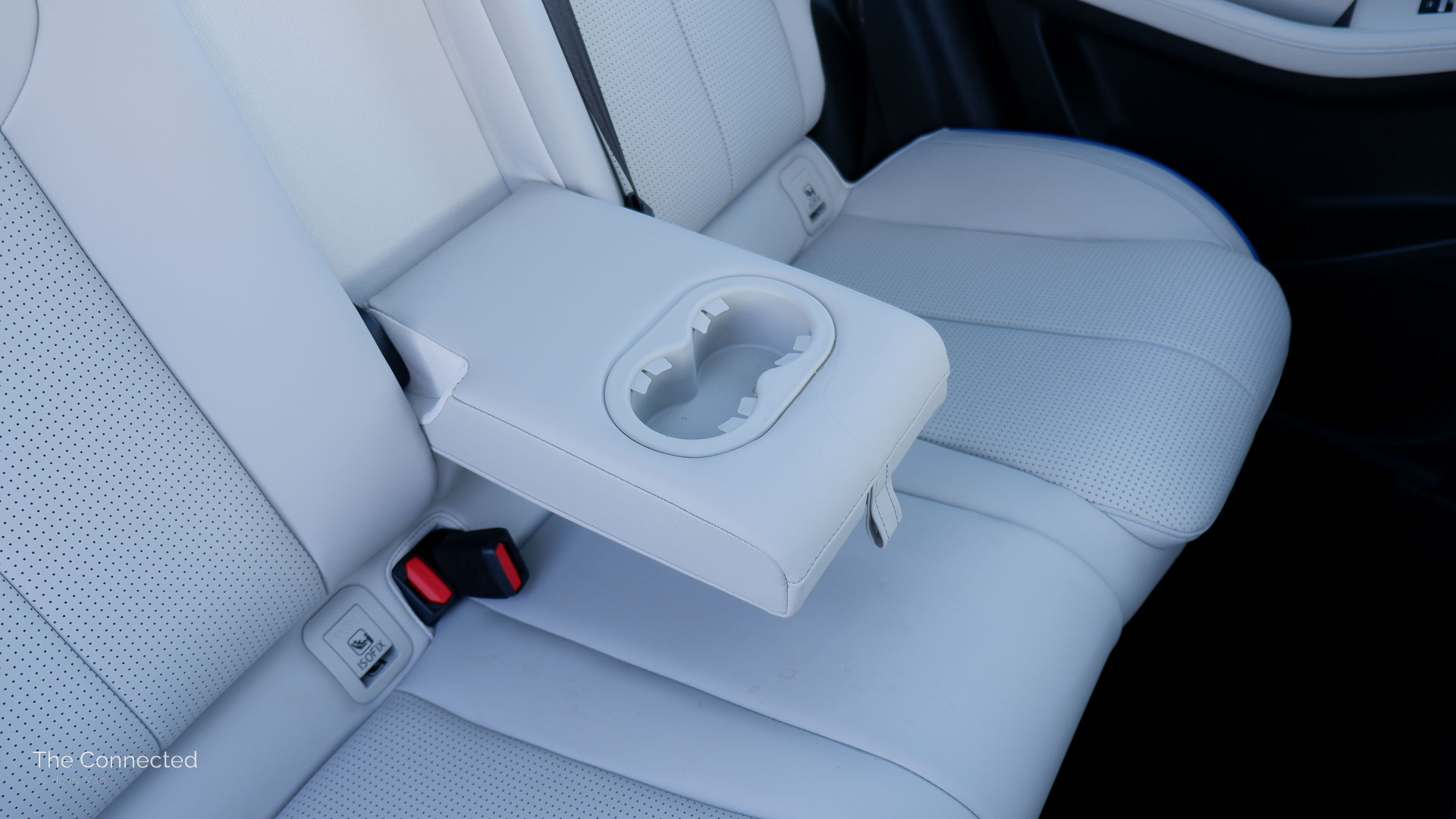
On our tester, the seatbelt buckles were inserted into the seatbase and attached so tightly that rear passengers found it difficult to align the seatbelt and buckle up.
Only a single rear air vent is offered, meaning it can only face one passenger at one time. One old-school USB-A charging port sits beneath.
A fold-down armrest with two cup holders, seatback pockets, large door pockets, and a large fixed panoramic glass roof with a built-in sunshade (including a physical switch for it) are also standard.
Unlike the Leapmotor B10, the Jaecoo doesn’t skimp out on rear interior LED lighting.
While the Chinese brand touts the J5 EV as being let friendly in its marketing, we observed some stains on the off-white seats from previous testers – which weren’t easy to rub off.
It doesn’t offer any pet or camp mode that keeps the electric SUV’s dual-zone climate control running while locked, just like a Tesla.
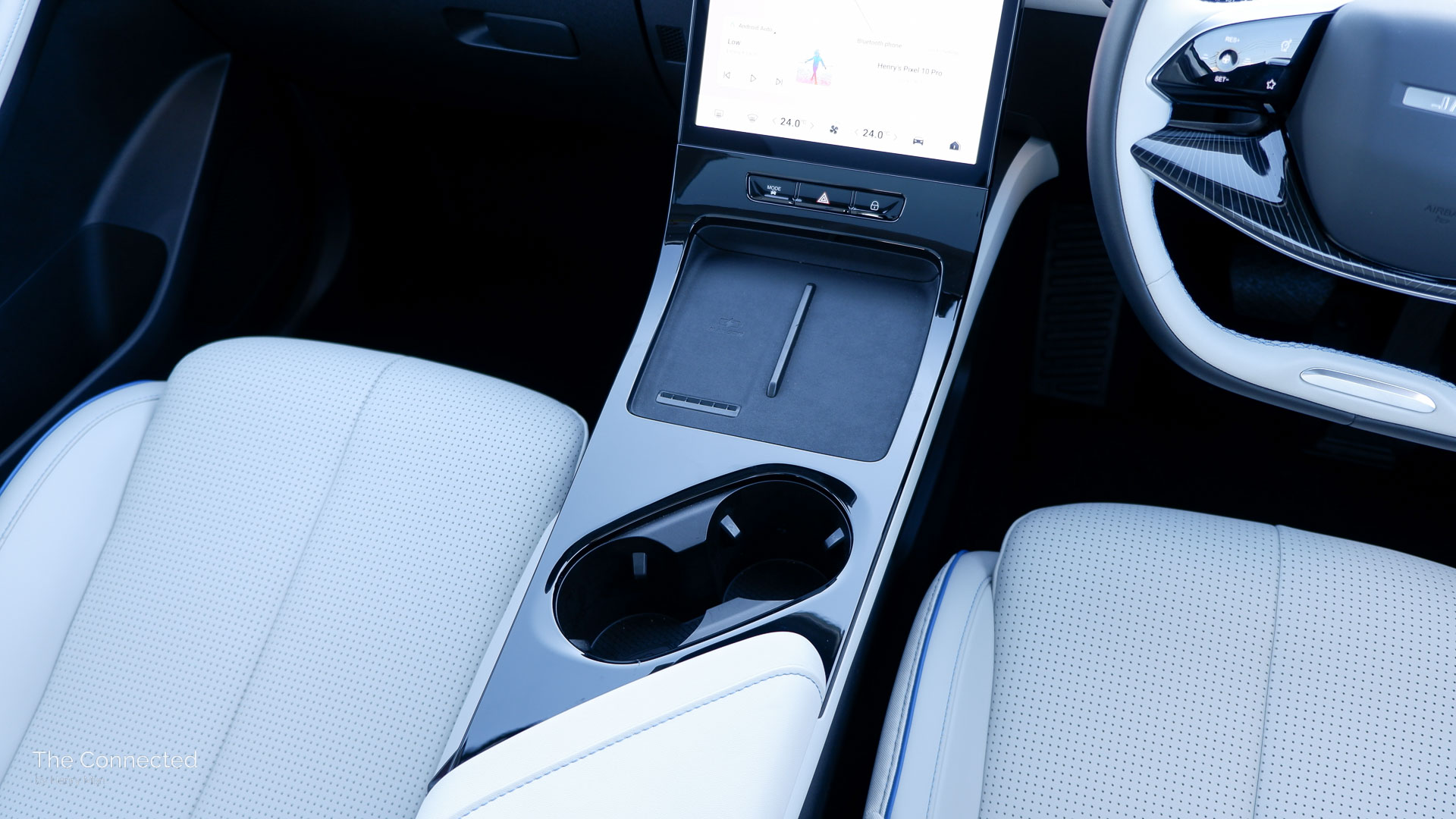
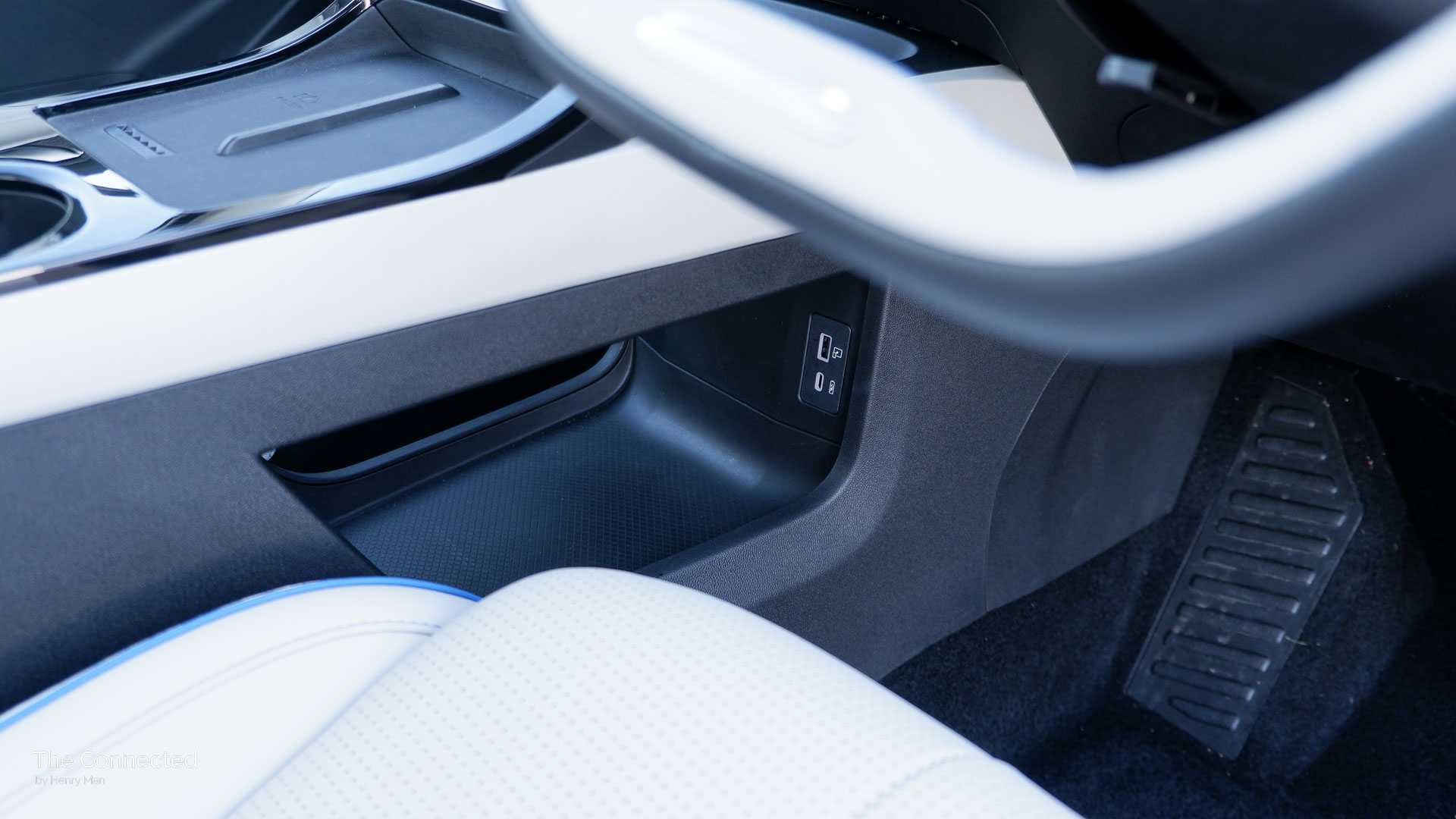
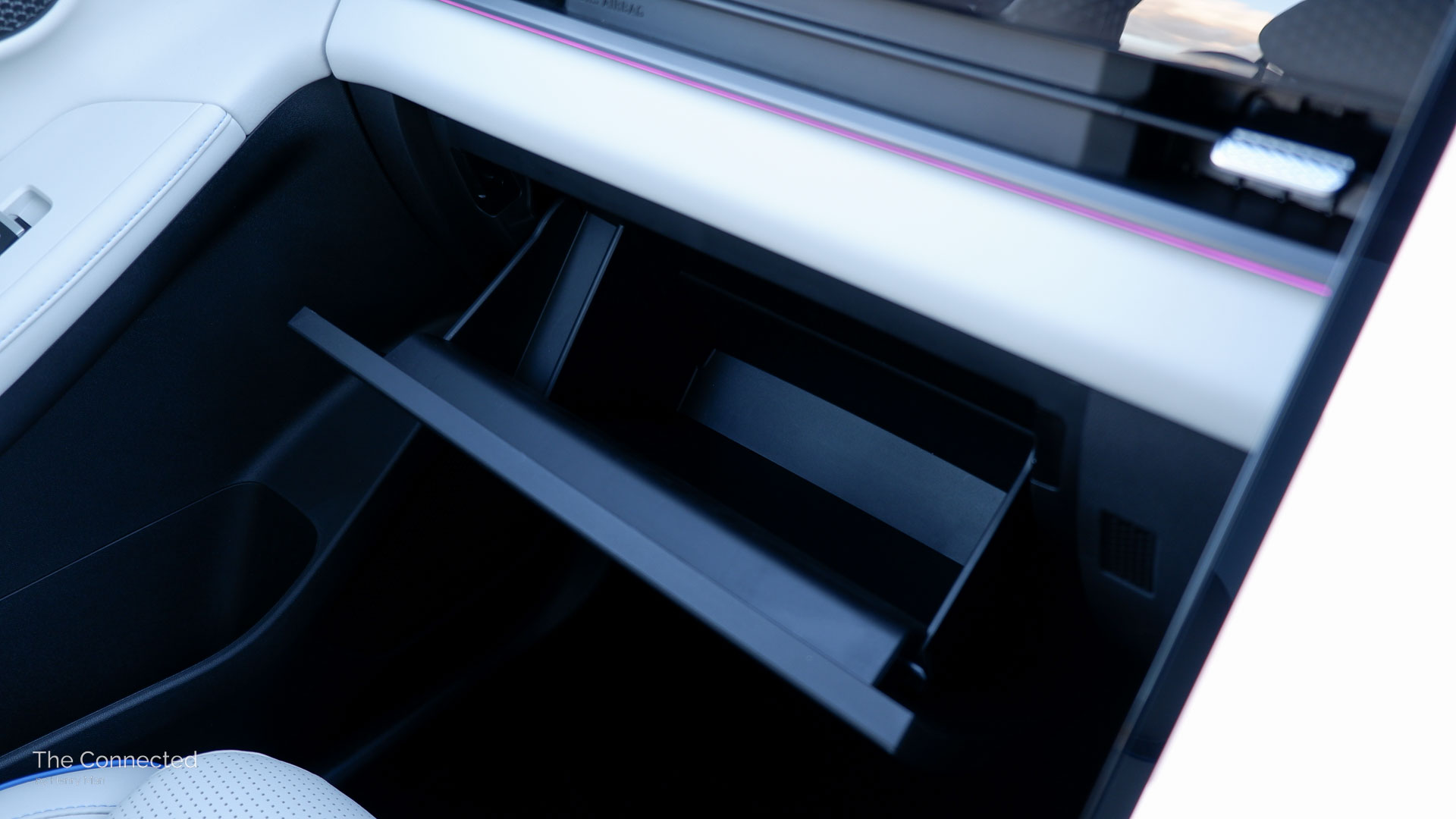
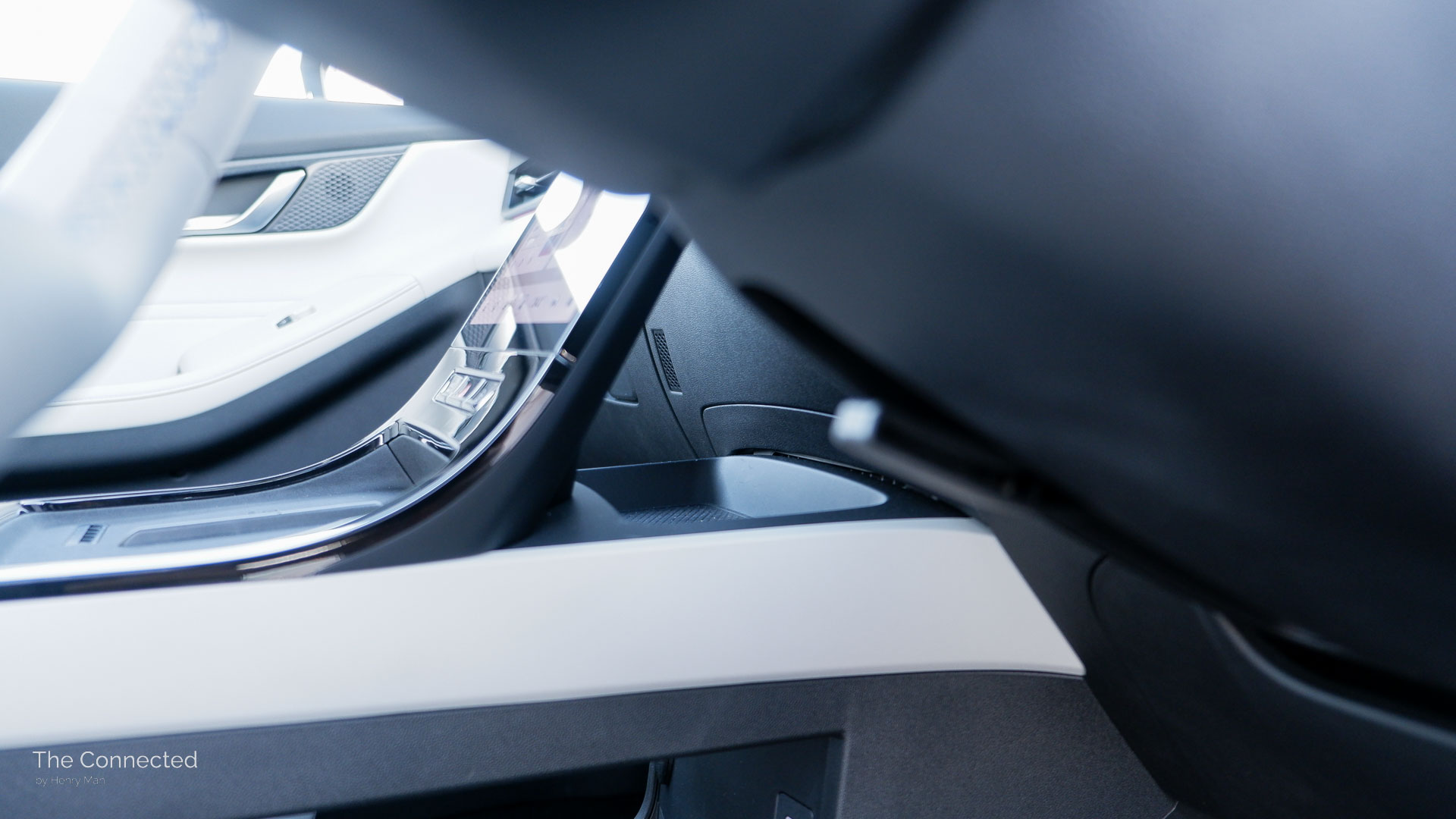
At the front row, the Jaecoo J5 EV features a deep centre cubby behind a solid armrest hinge, two gripped diagonally opposed cup holders, and a pad next to the Qi wireless charger.
There’s also some clever hidden storage behind the slanted touchscreen that’s great for putting keys or glasses.
An open tray sits under the centre console, but the surface isn’t lined so items tend to slide around while driving. One USB-C and one USB-A charging port is also located there and thankfully facing the right driver’s side.
The glovebox is a good size and lacks illumination.
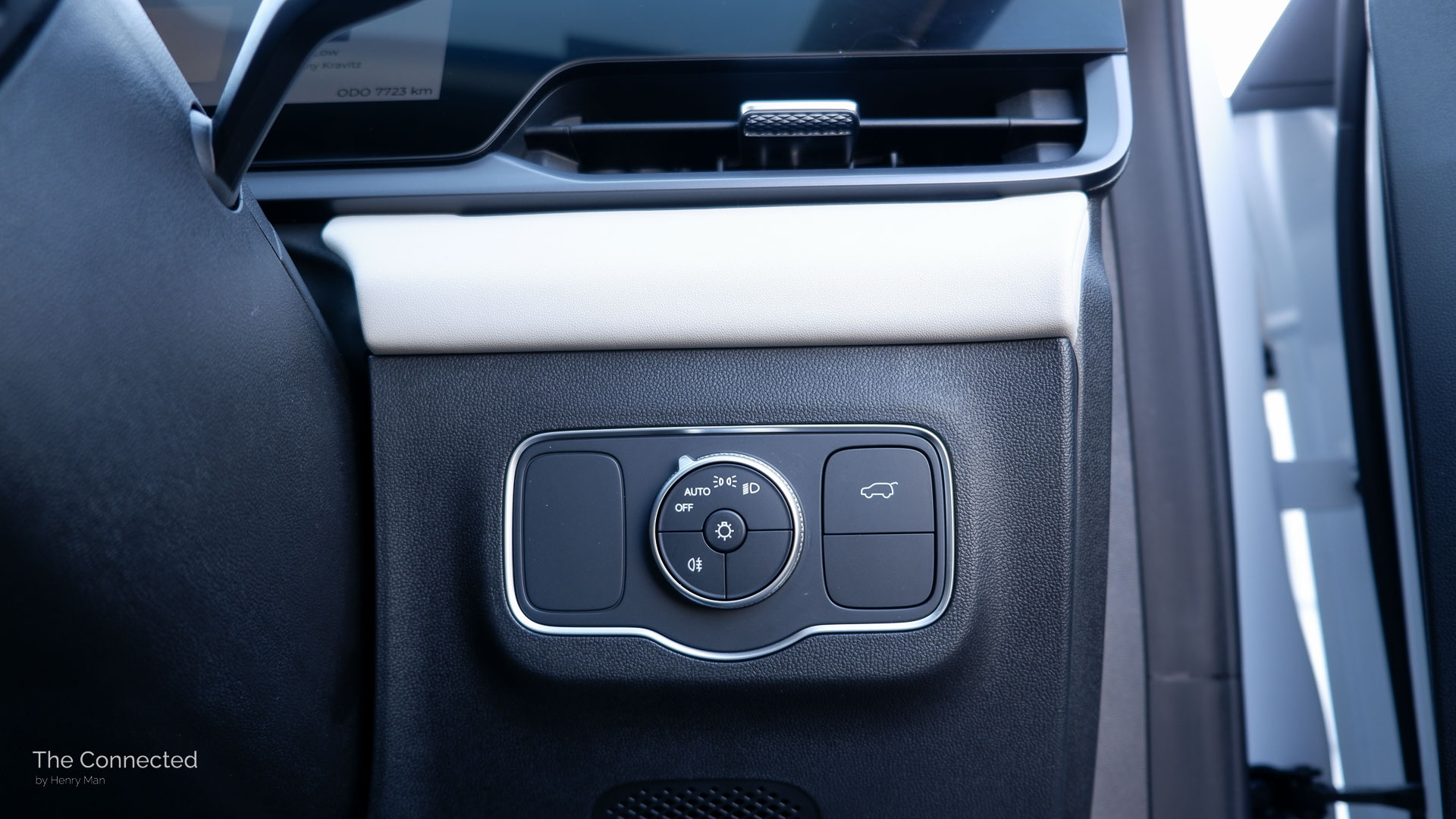
The J5 EV is much improved compared to the bigger J7 by incorporating physical, non-inversed window switches, mirror adjustment, and proper interior and exterior door handles that are simply easy to operate – in addition to a physical exterior lights dial.
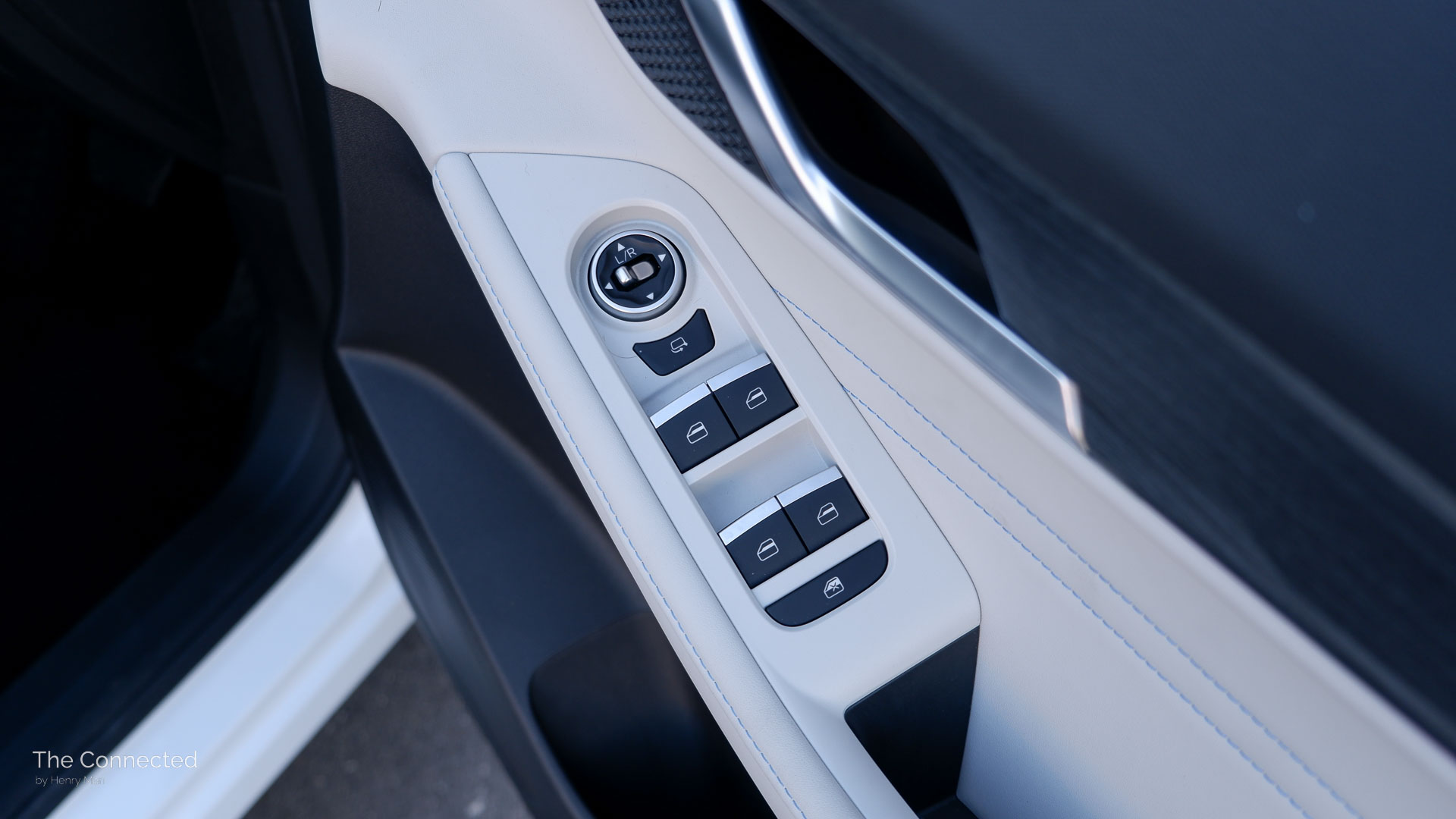
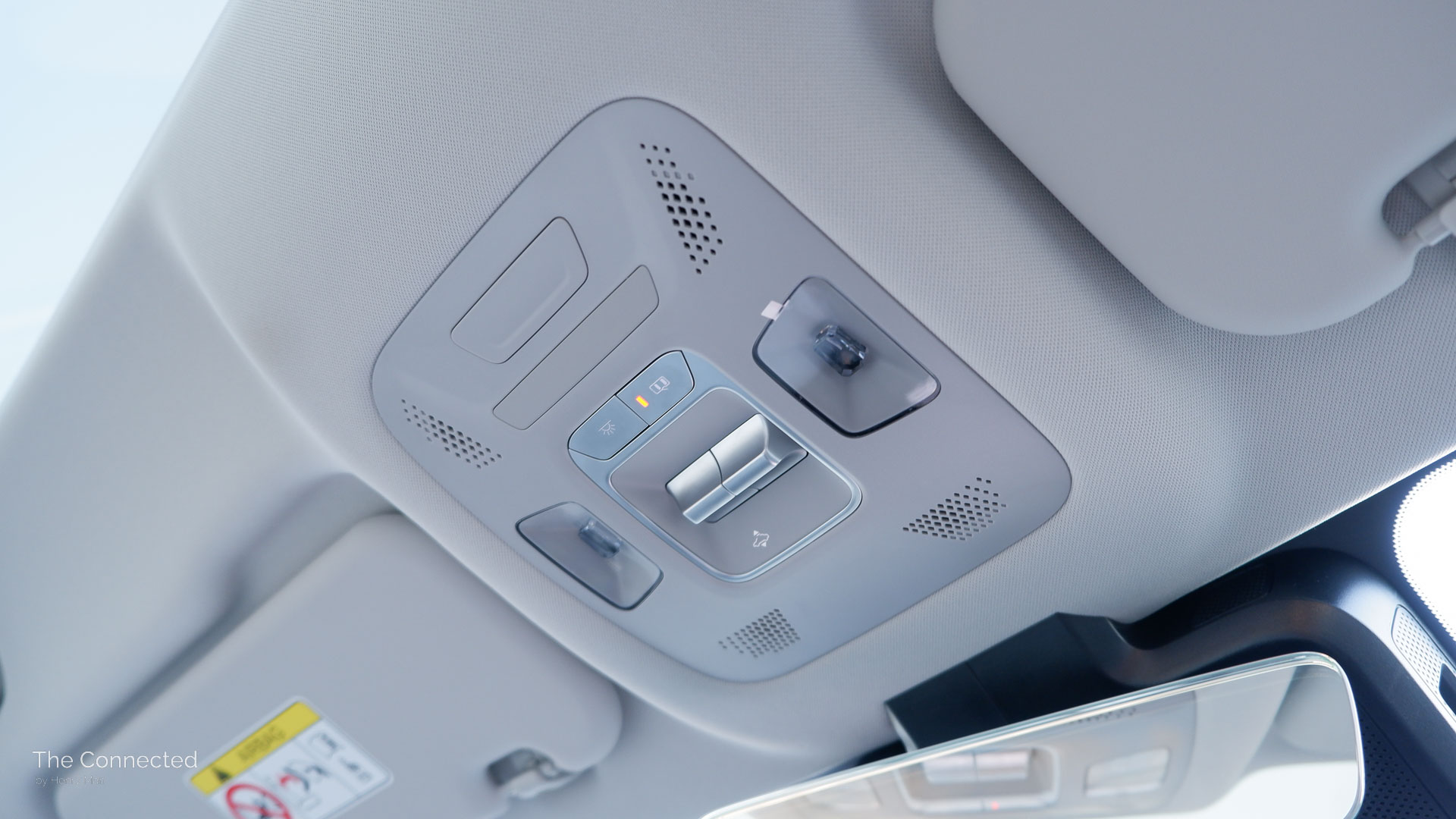
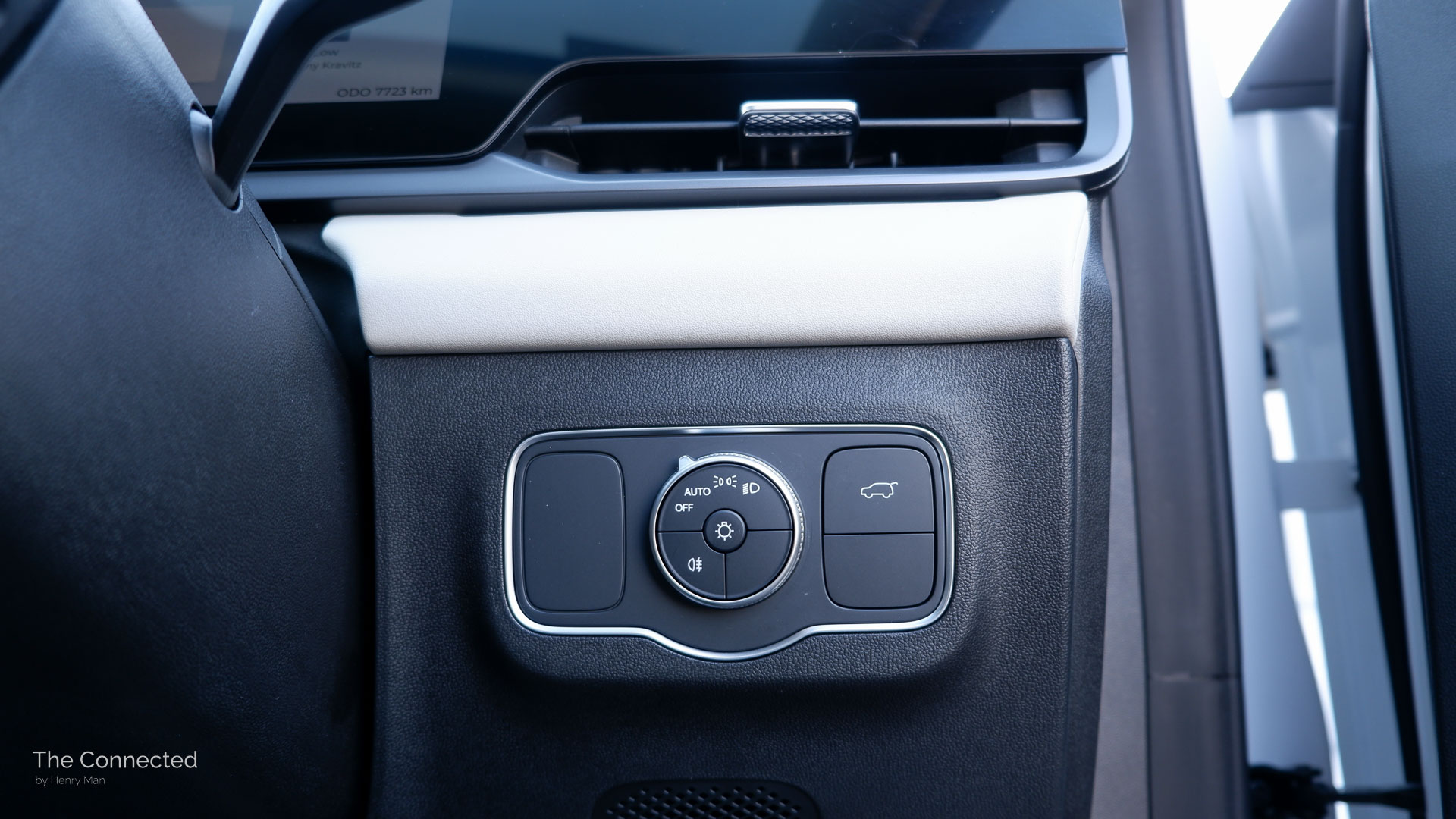
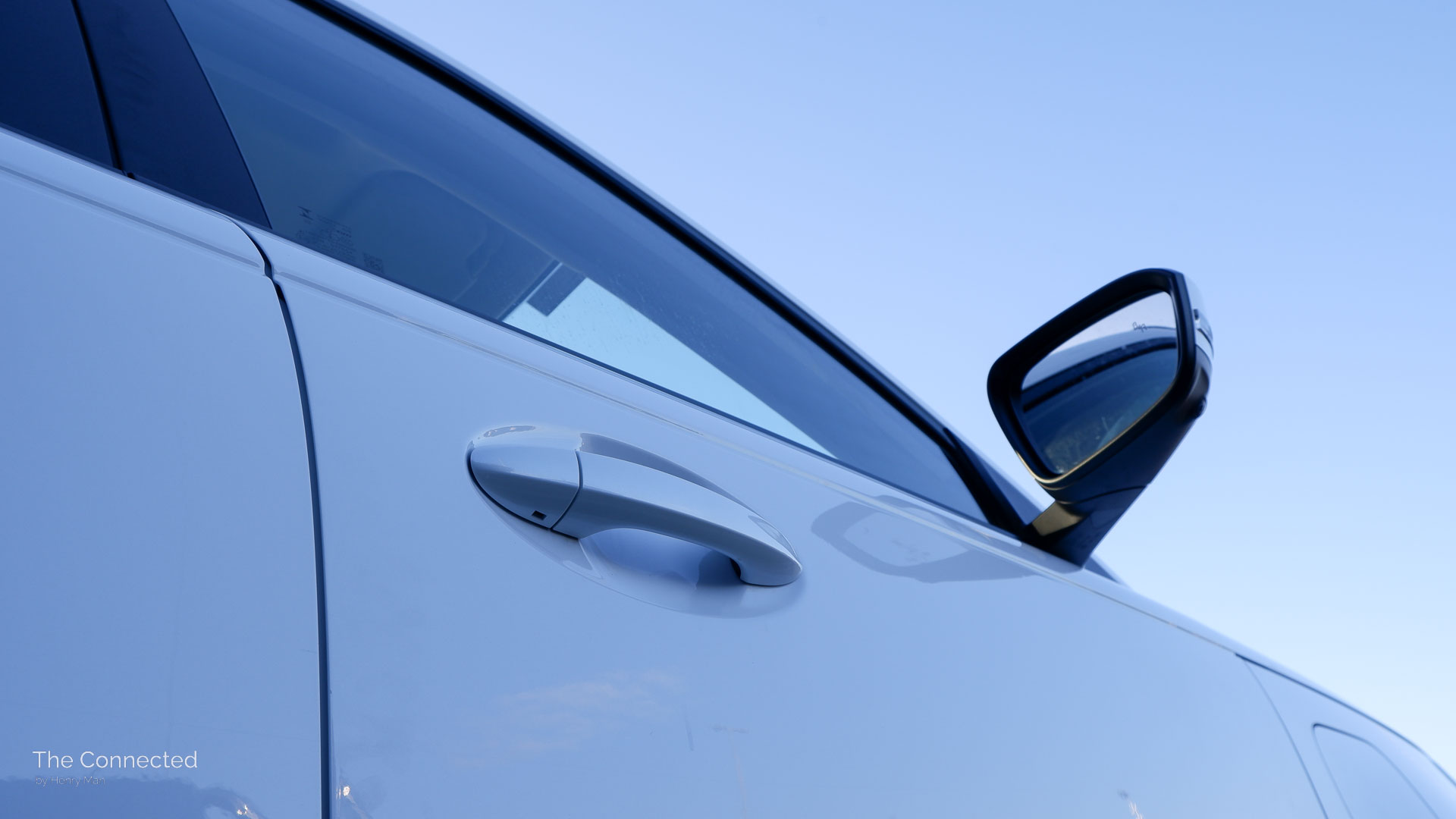
However, there are no door lock/unlock buttons on any exterior door handle. While other models such as the Geely EX5 and Leapmotor B10 include one on the driver’s handle, the J5 EV relies solely on approaching and walking away with the proximity key with a chirp sound confirmation.
This makes it annoying – and potentially a dealbreaker – as it sometimes locks and unlocks itself when walking around the car.
It honks if you’re walking away with the key while a passenger has the door open and is still getting out, for example.
While owners can disable the automatic proximity-based locking/unlocking, you’ll need to rely on pressing the key fob buttons, which itself is hard to use since the buttons are all flat.
Another potential dealbreaker is the weak air vent strength, at least on our tester. I often needed to turn up the fan speed a lot to really feel it similar to a Tesla.
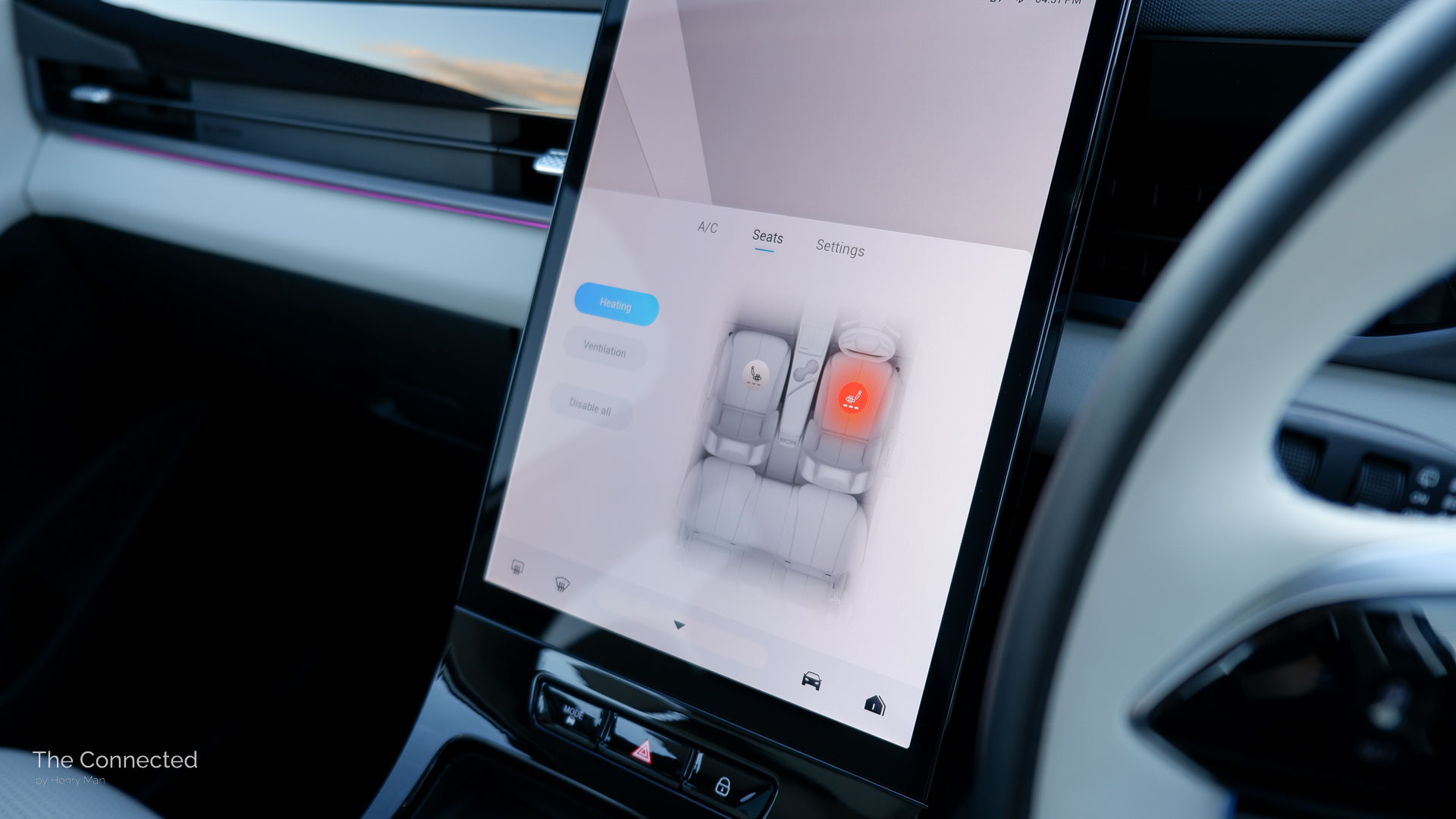
The front heated seats also automatically weaken too quickly, stepping down from level three to two after 10 minutes and to level one after another five minutes. Therefore, after 15 minutes of toggling the heated seats, you almost can’t feel it.
Seat ventilation has no such issue since it doesn’t dial down itself.
Technology.
2026 Jaecoo J5 EV Summit tech features:
| 13.2-inch touchscreen running Jaecoo software | 8.88-inch driver instrument display |
| Built-in maps, karaoke app and voice control | 1x USB-C, 2x USB-A, 2x 12-volt charging ports |
| Wireless/wired Apple CarPlay and Android Auto | Proximity key with auto unlocking/locking and auto-folding mirrors |
| 50-watt Qi wireless charging pad with active ventilation |
The Jaecoo J5 EV has basic technology with room for improvement in software design.
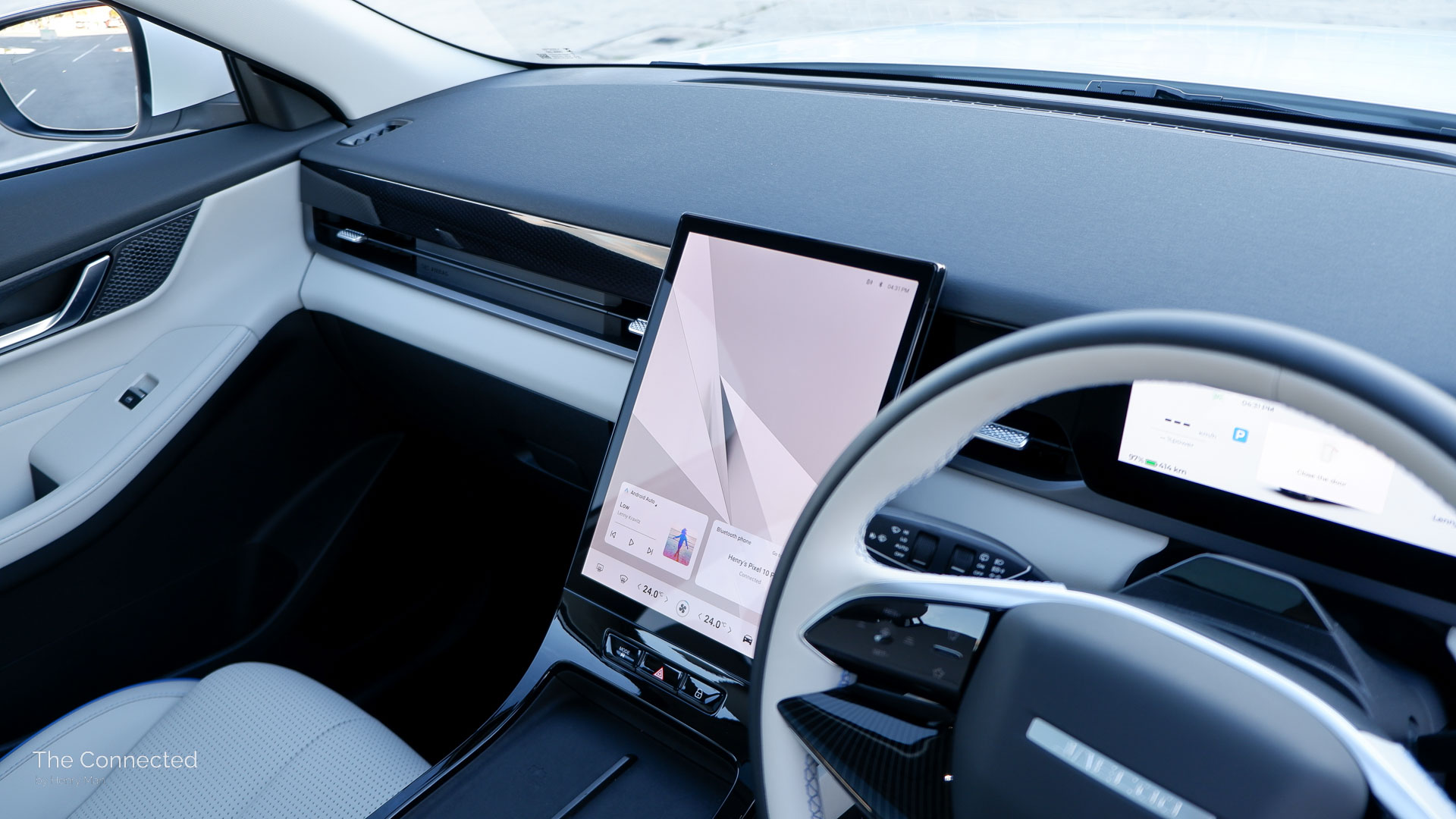
The 13.2-inch vertical-orientated touchscreen is clear with good automatic brightness calibration unlike the J7 and automatic light/dark mode switching that includes swapping the wallpaper. These might sound like basic functions, but it’s not always given at this price point especially for a Chinese car.
Compared to the J7 where certain settings didn’t make any sense, English ‘quirks’ have mostly been ironed out on the J5.
The display uniquely slants down, but I found the sun sometimes glaring certain areas (and showing my fingerprints) and the top portion being a further reach to press software buttons.
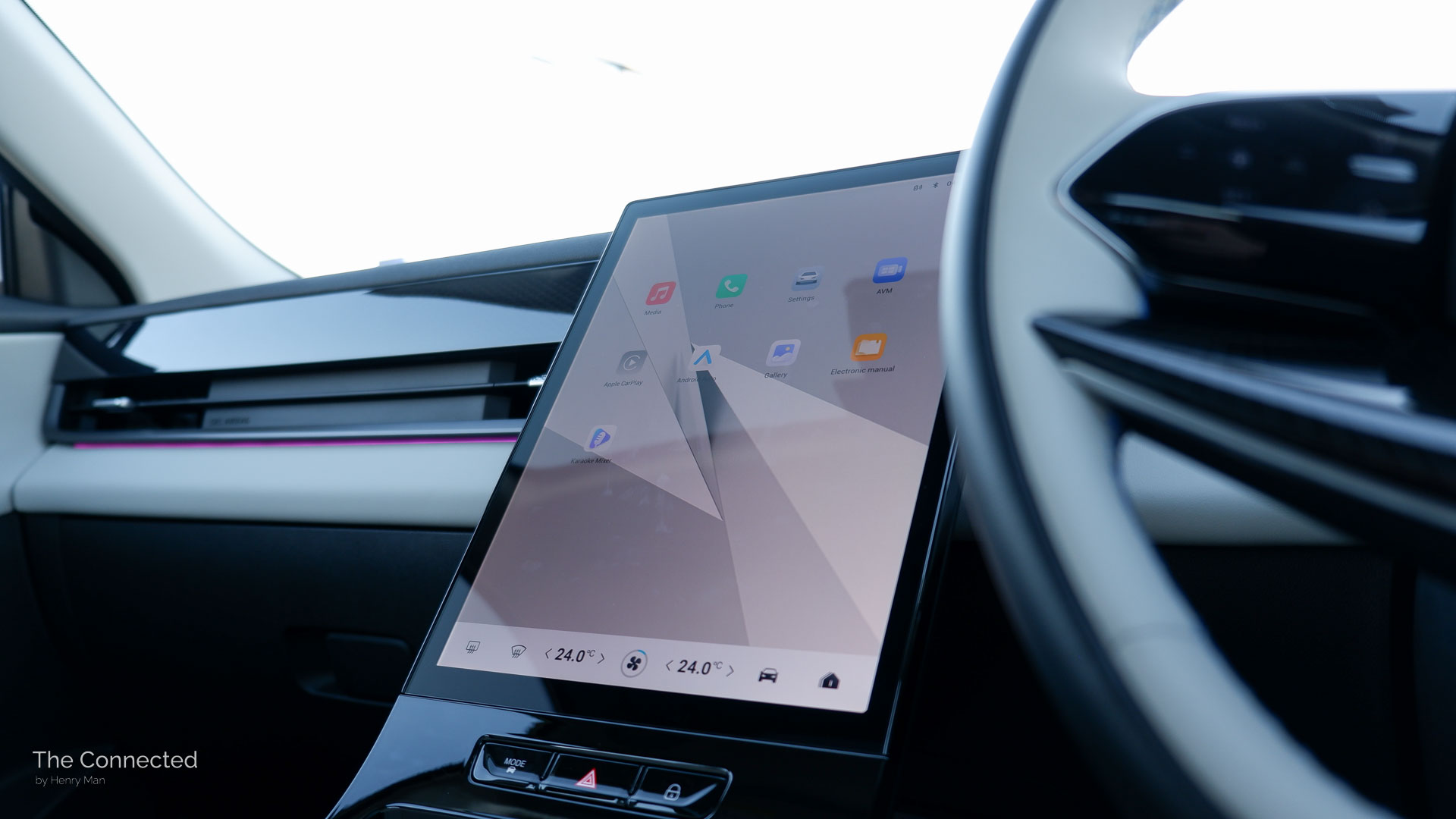
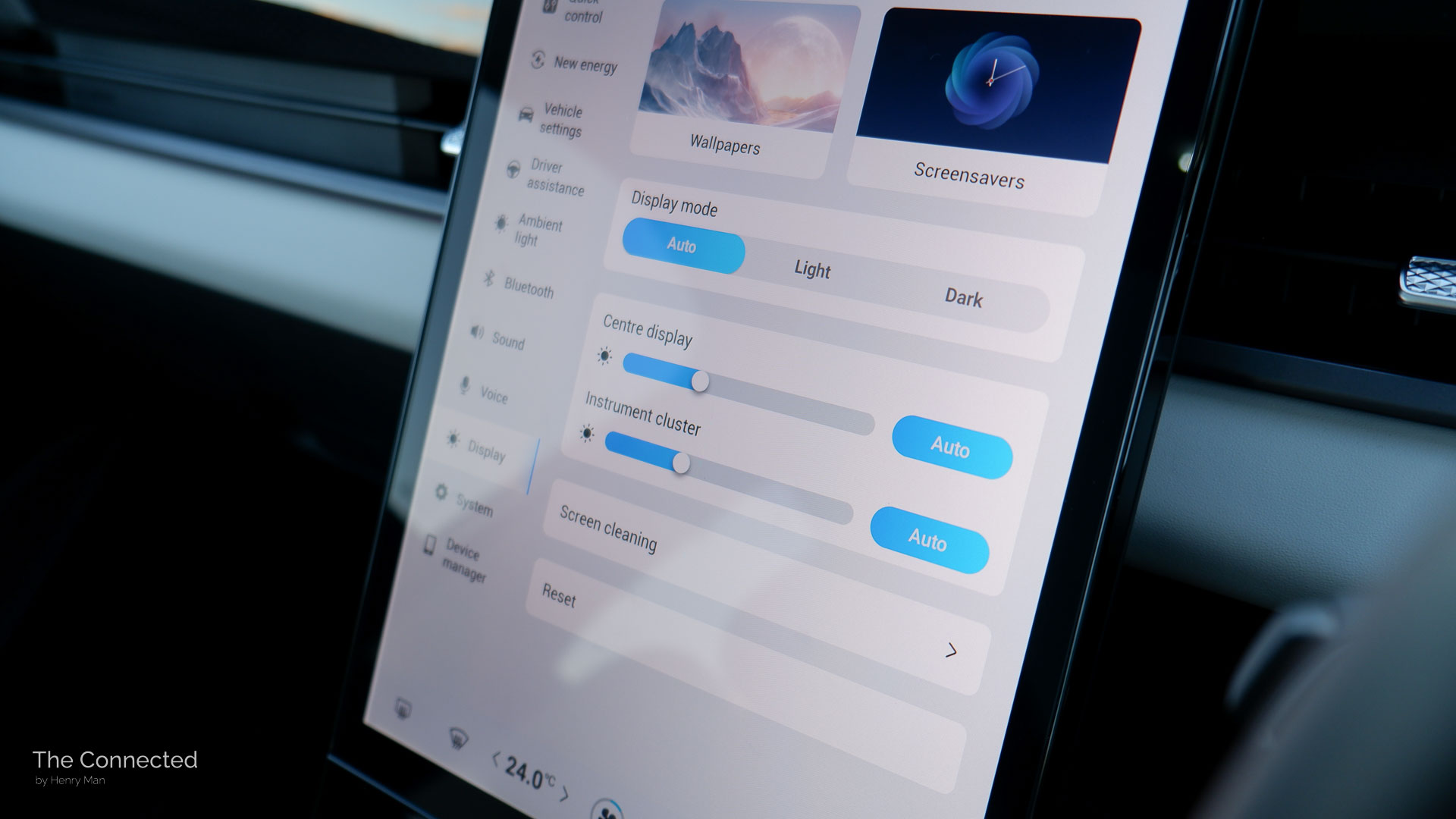
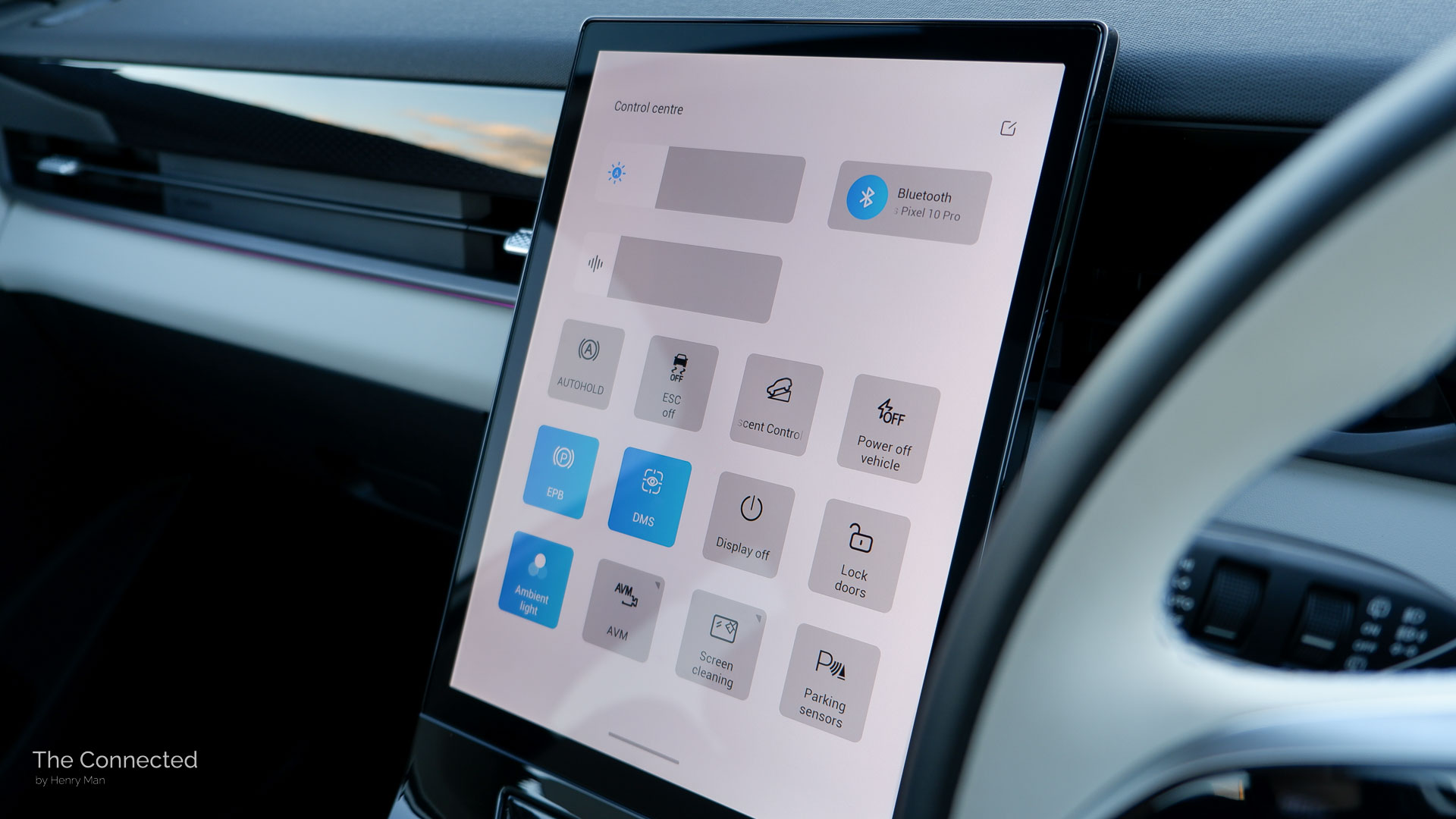
Jaecoo’s software itself is responsive and easy to use with generally well-sized fonts, but it has a basic software design that doesn’t look as modern.
It lacks built-in maps and audio and video streaming apps with no connected services and no mobile app connectivity that’s offered by the rival BYD Atto 2, Leapmotor B10 and MG S5 EV, but has a karaoke function when connected to a microphone accessory.
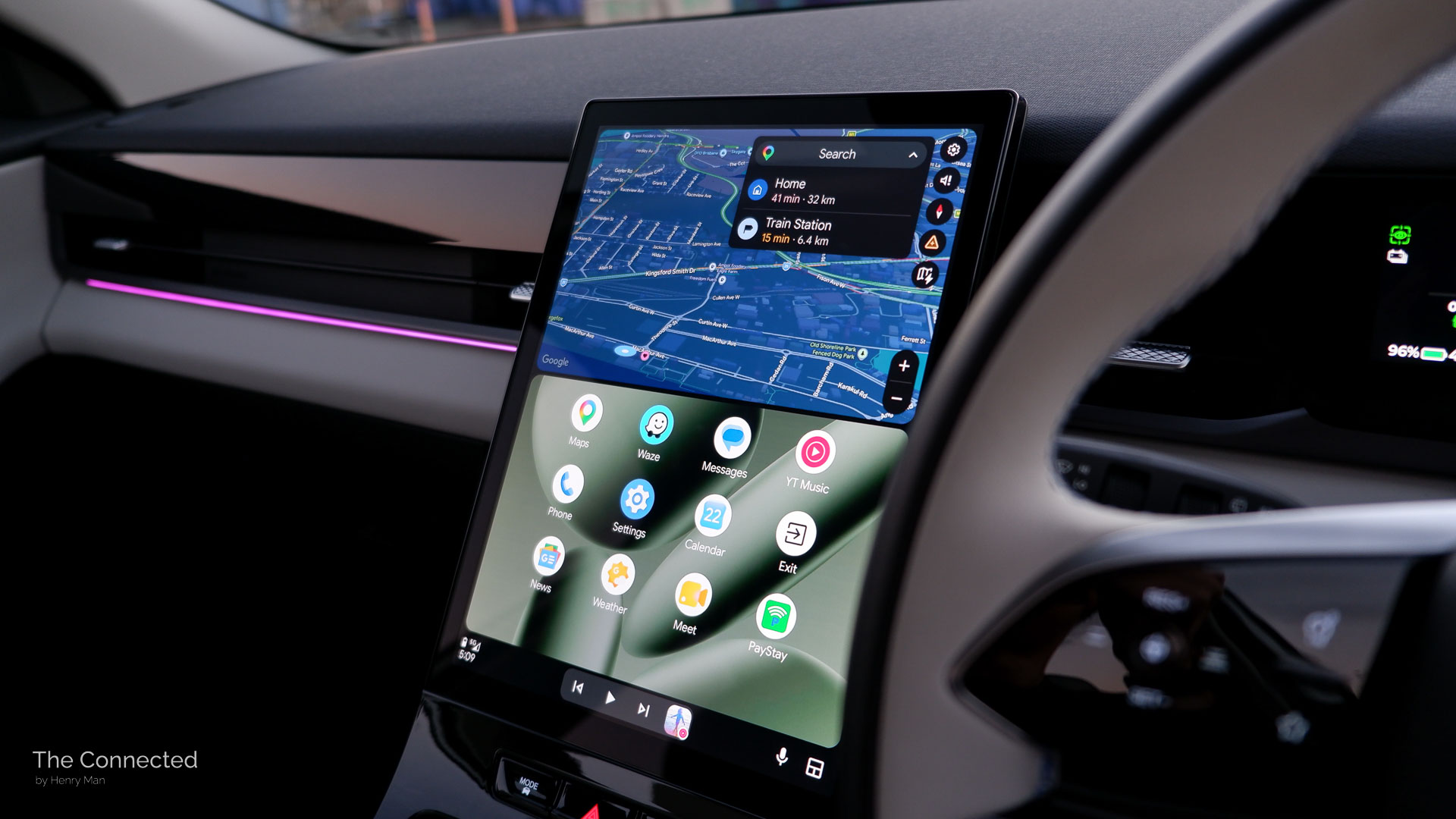
Most would rely on wireless Apple CarPlay or Android Auto which connect quickly and reliably throughout my testing week, filling the entire screen with the vertical orientation being great for showing the split-screen maps and media player.
However, it hides the bottom climate control bar. You’ll need to annoyingly swipe up the bottom of the screen (while likely inadvertently interacting with the smartphone projection) to adjust the dual-zone climate control, which adds another step.
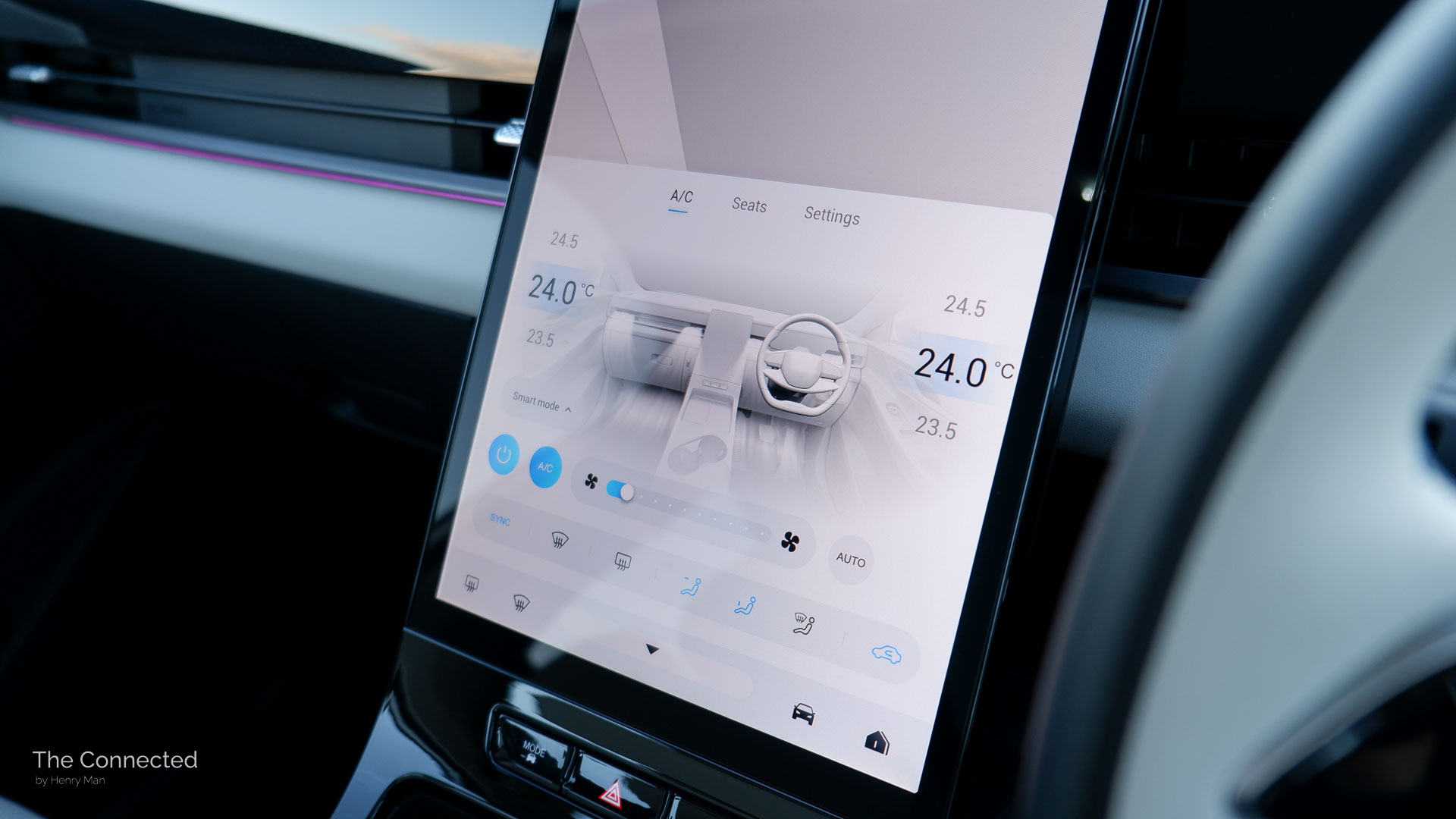
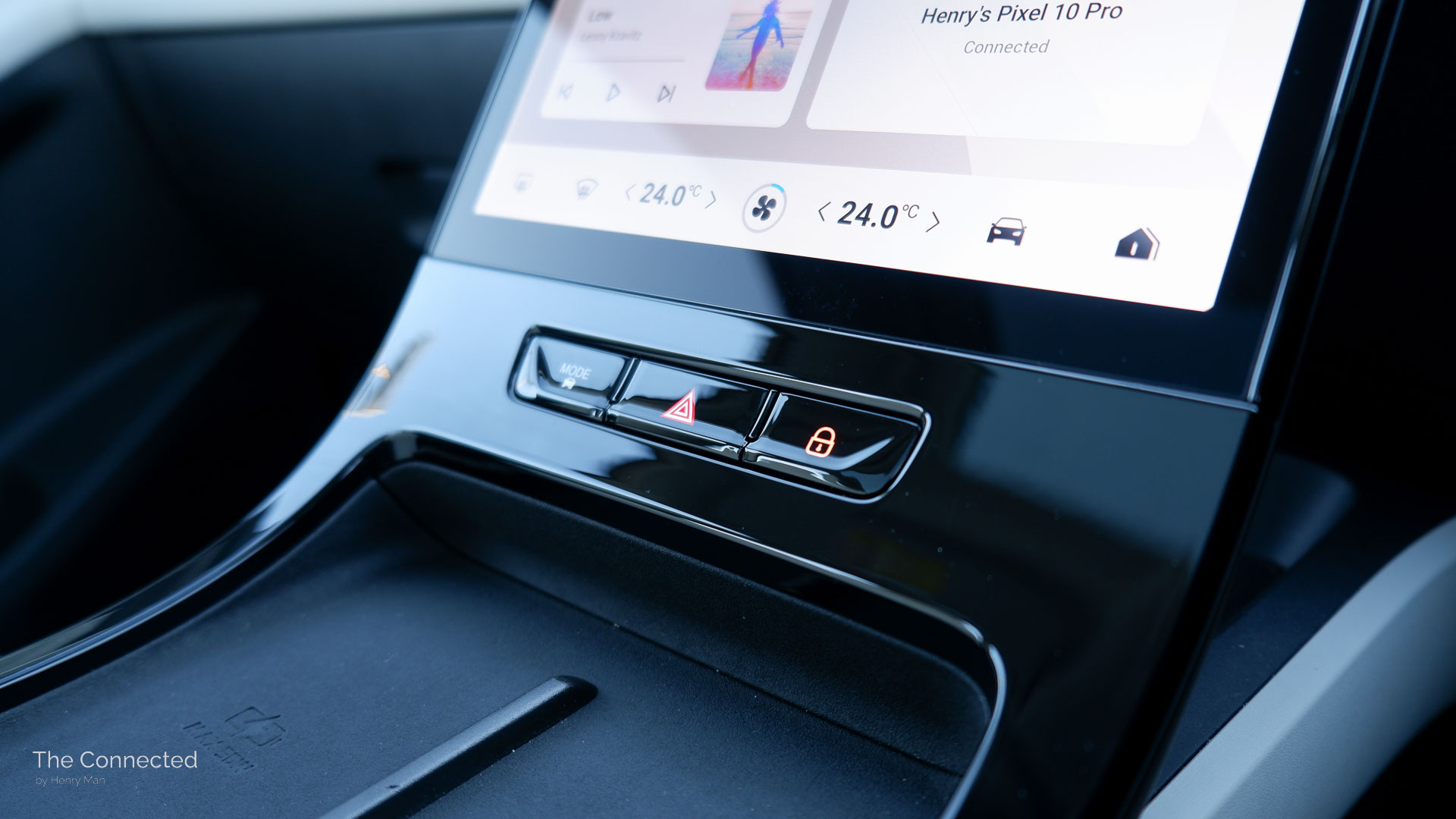
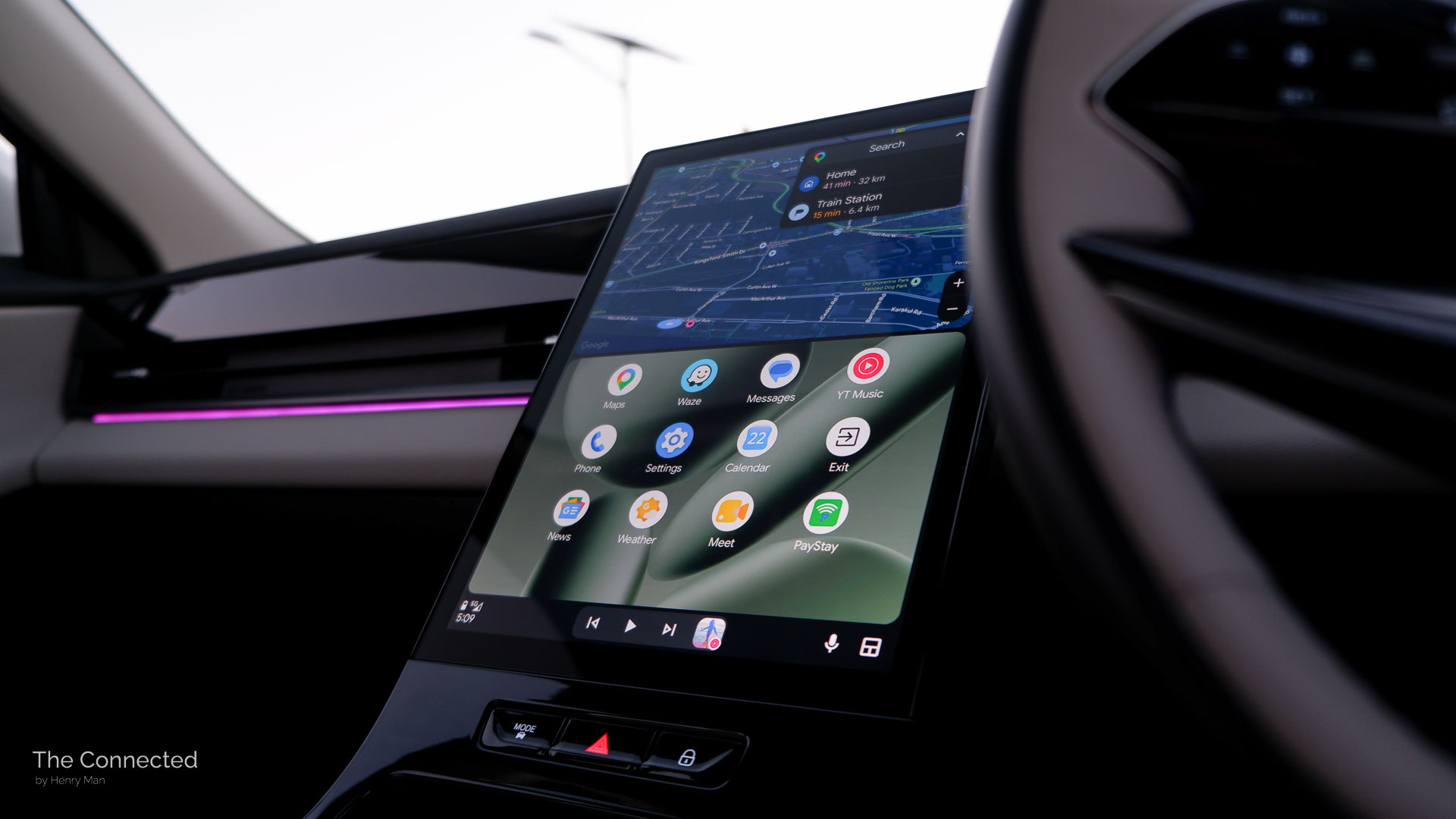
While the temperature can be changed from the bar directly, you need to open the climate panel to adjust the fan speed strength. The heated and ventilated seats are buried behind a separate tab, with separate sub-screens for heating and ventilation.
The Jaecoo software requires too many taps while driving.
Another disappointment is the eight-speaker sound system which was very tinny and flat.
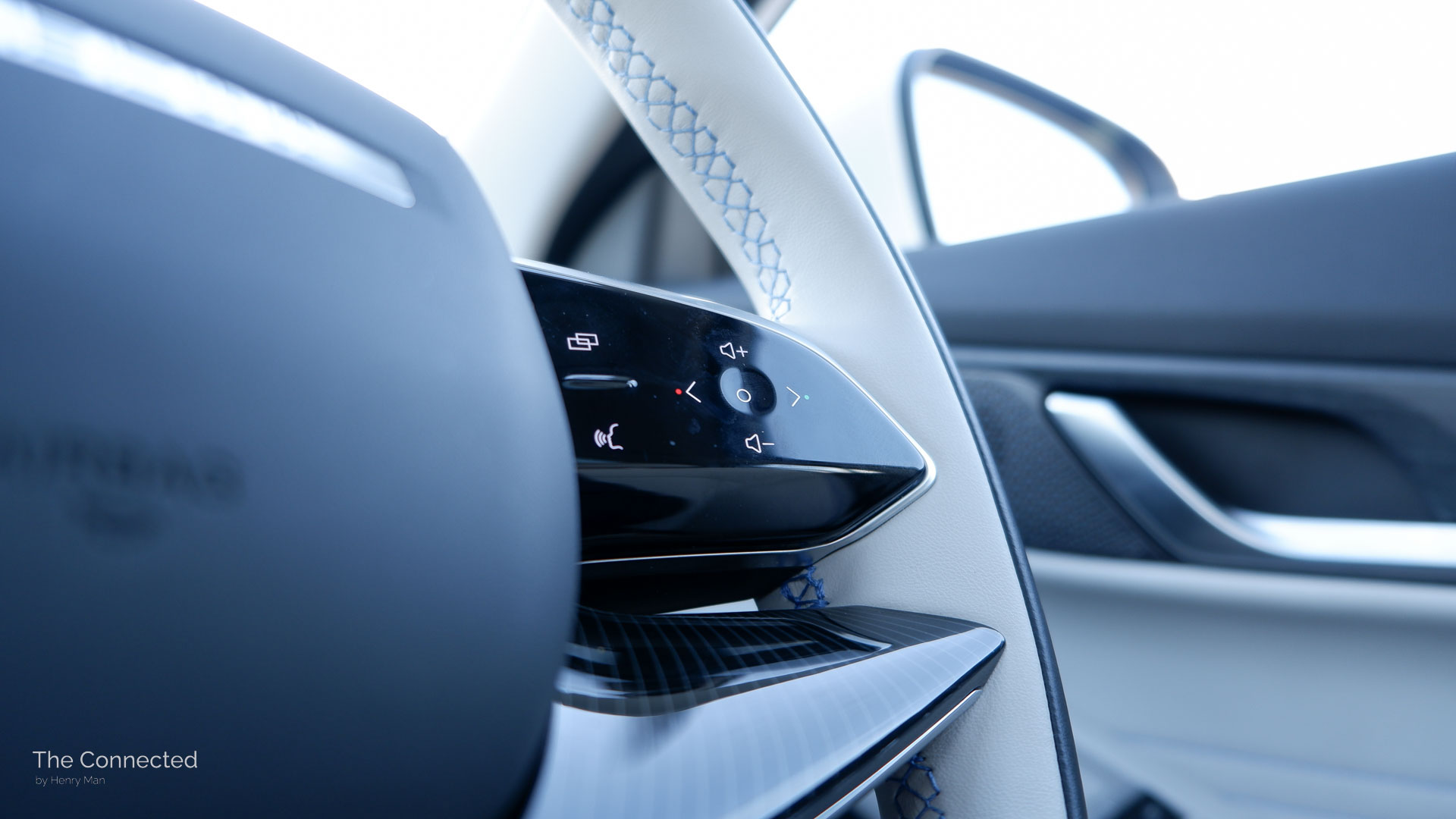
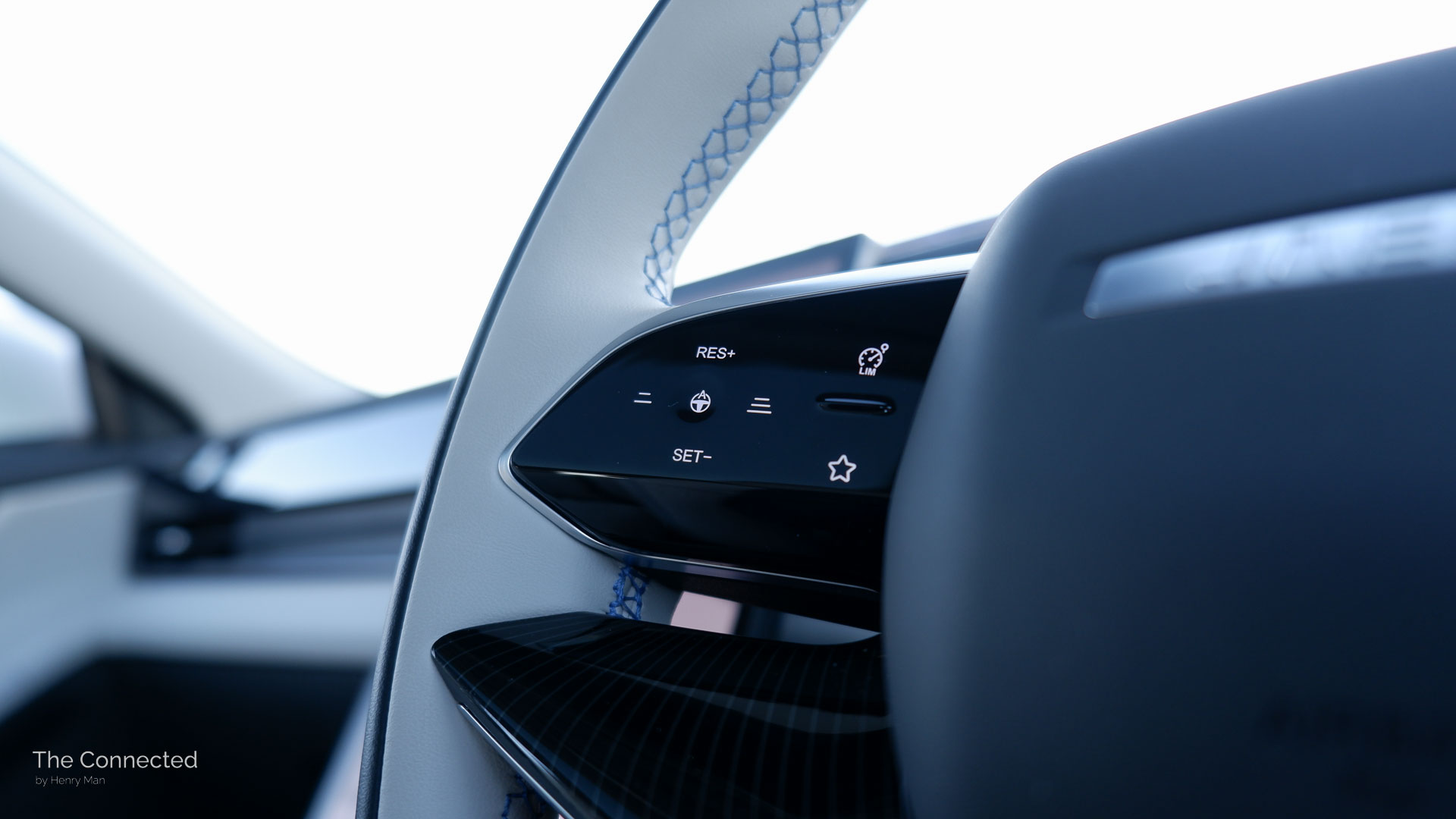
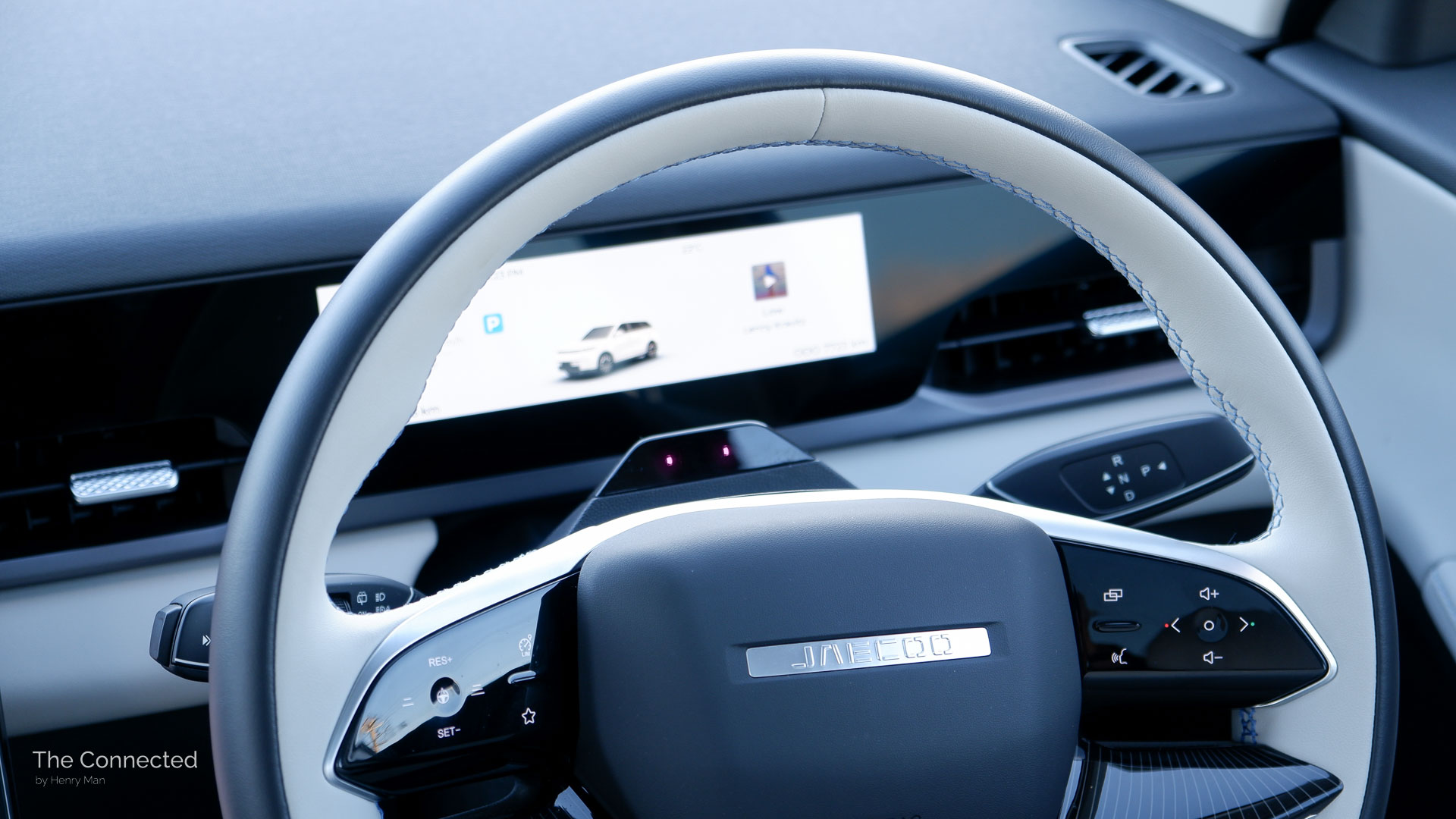
The steering wheel buttons are very clicky with illuminated symbols and dimples in the middle, even though they’re all sat on one fingerprint-prone gloss black panel.
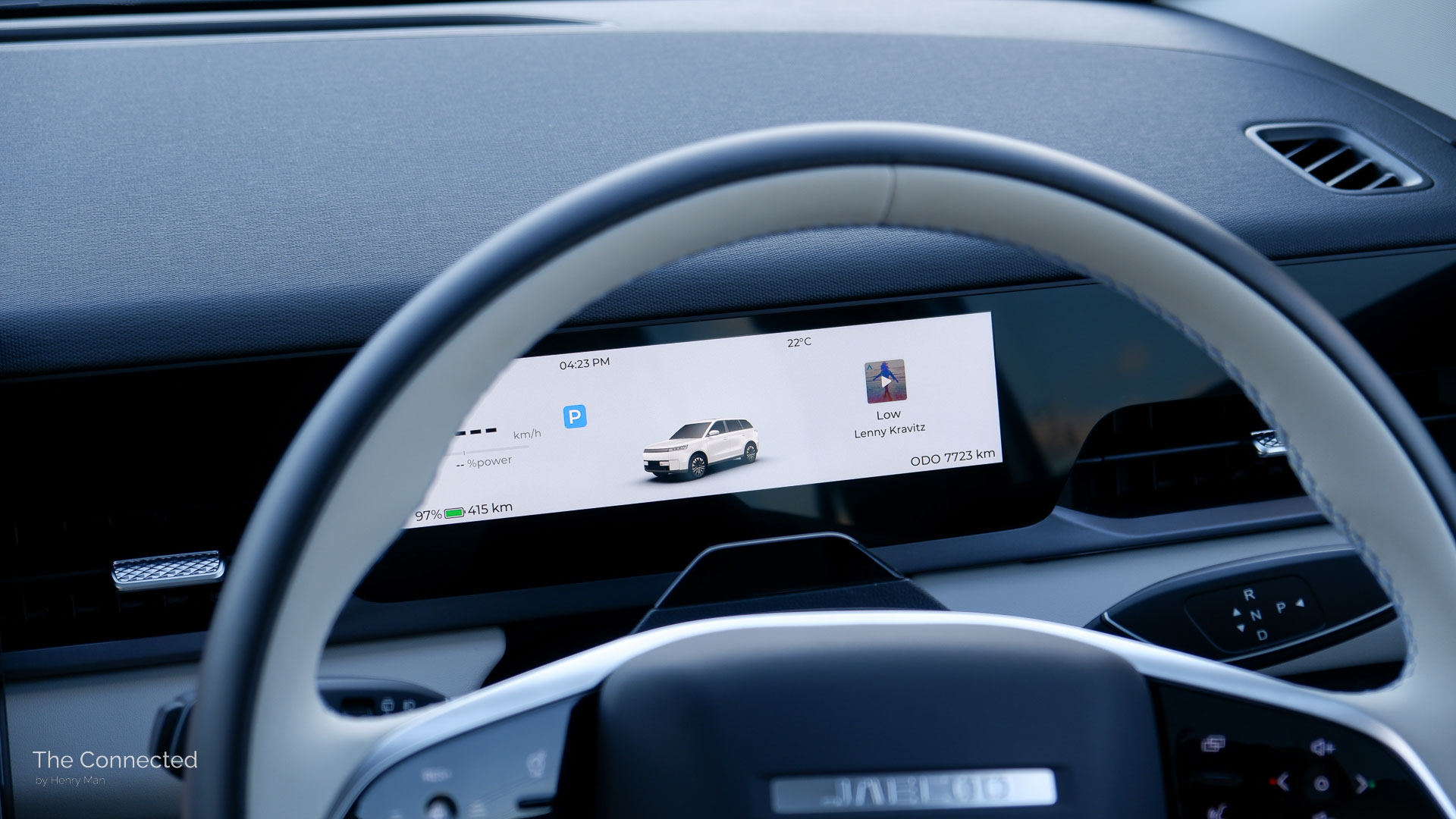
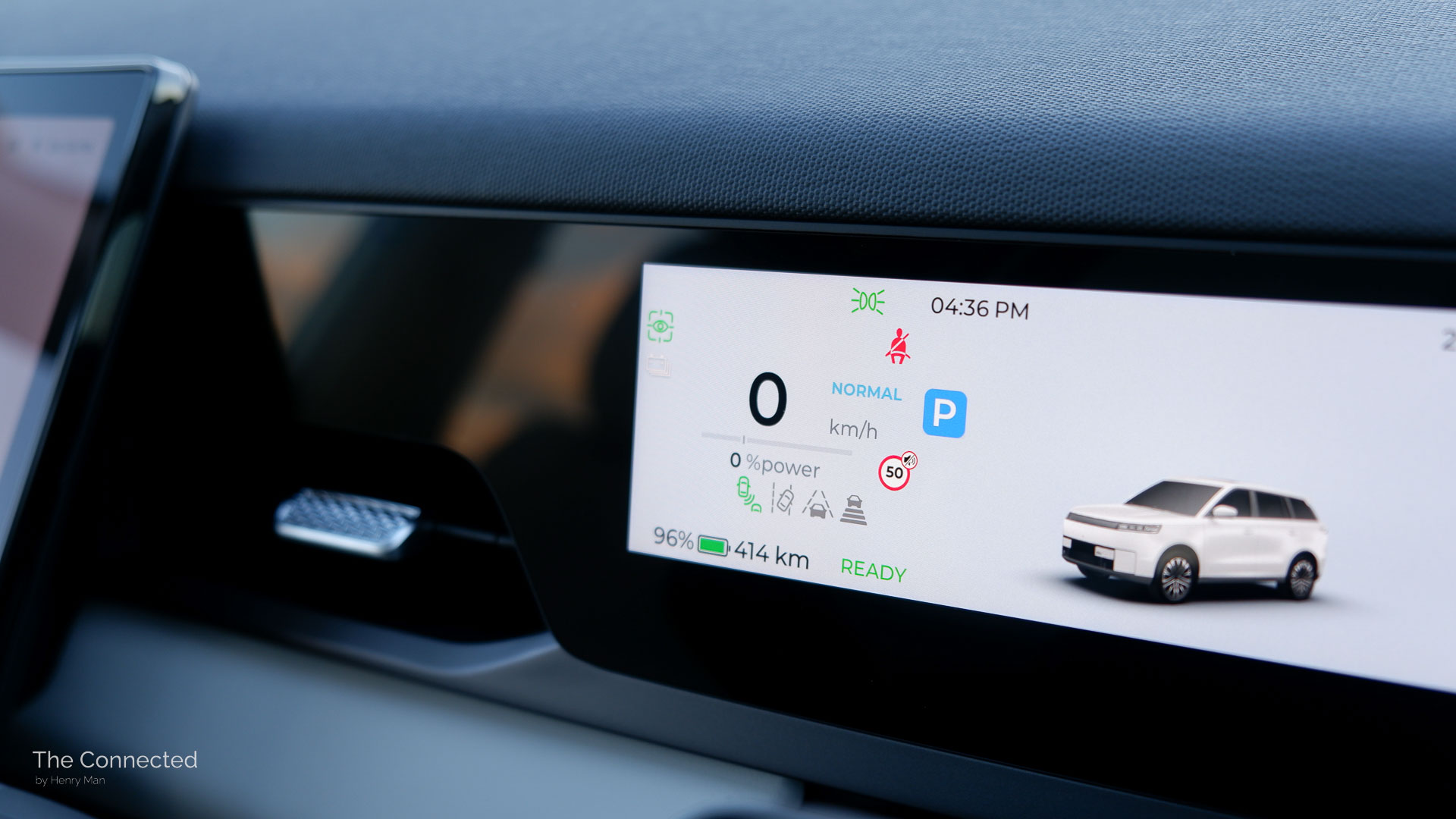
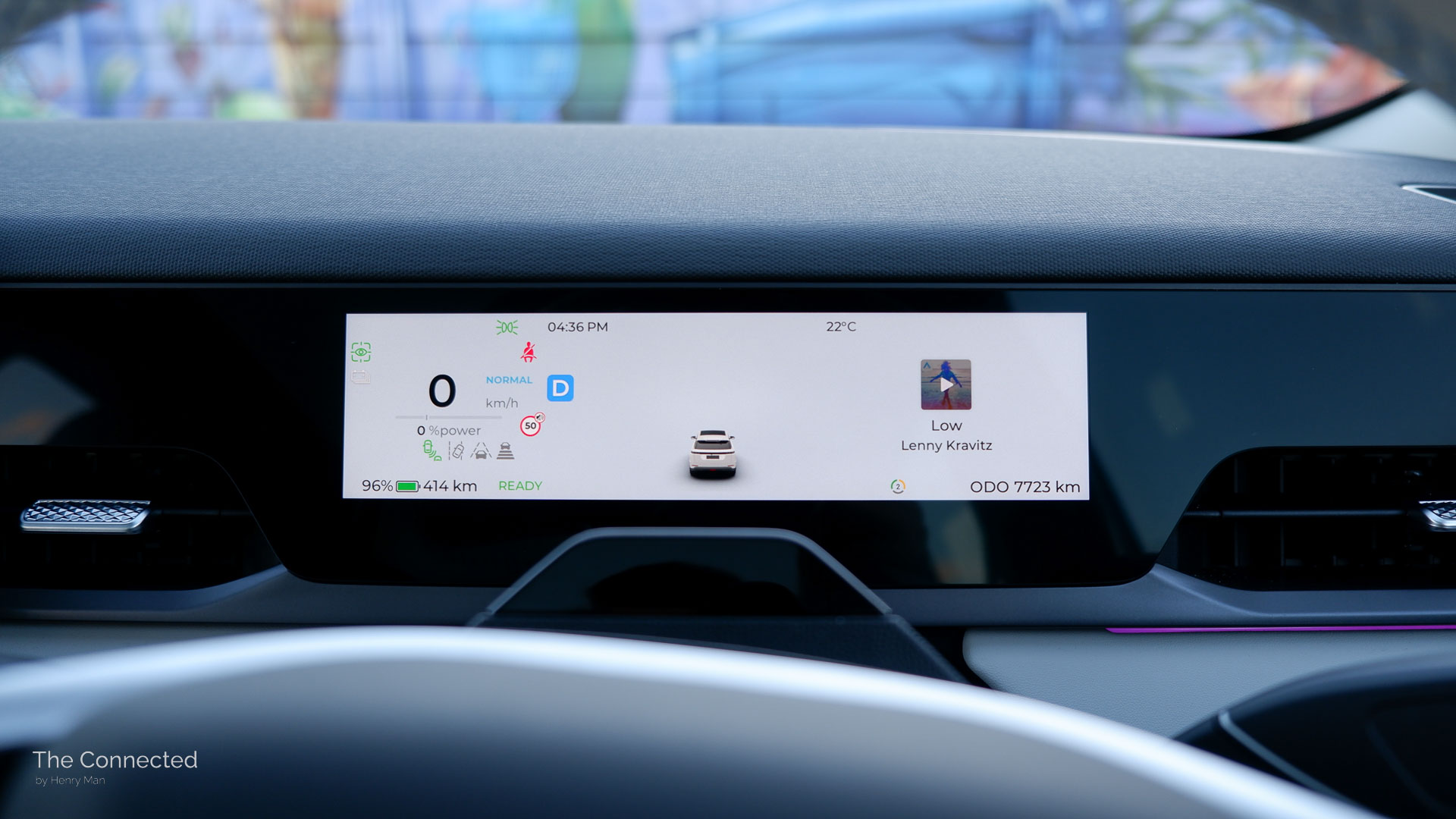
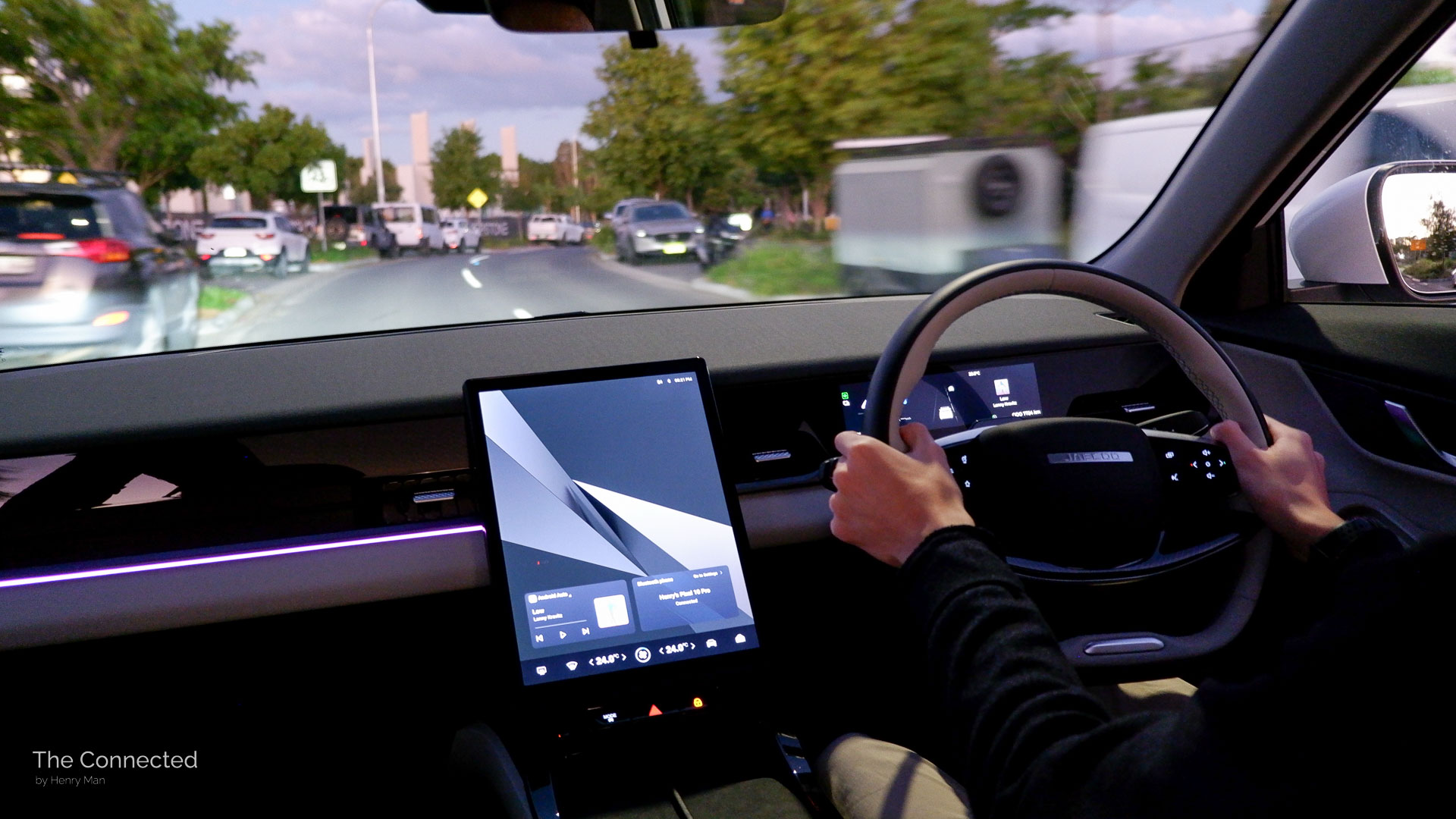
The J5 EV’s slim 8.88-inch instrument display is neatly integrated into the dashboard with a slim, rectangular aspect ratio similar to the Geely EX2.
It shows an animated version of the vehicle with safety assist visualisations in the middle, a limited number of switchable pages on the right (including the media player and tyre pressure monitor), and a legible bolded digital speed readout on the left.
The driver’s display software looks more modern than the central display itself, though it’s let down by a busy cluster of icons around the speedometer.
Even though systems such as the blind-spot alert and lane-keep warnings aren’t triggering and adaptive cruise is disabled, the symbols always show unnecessarily – unlike most other car brands which hide the icons until they’re active.
Safety.
2026 Jaecoo J5 EV Summit safety features:
| Front AEB with vehicle/pedestrian/cyclist/junction turning detection | 360-degree camera system |
| Rear AEB with rear vehicle collision warning | Front and rear parking sensors |
| Blind-spot assist | Auto-dimming rear-view mirror |
| Lane-keep assist | LED headlights with auto high beam and halogen indicators |
| Adaptive cruise control with lane-centring assist | Full LED tail-lights with rear fog light |
The J5 EV’s safety assist systems are generally discreet, though its calibration and accuracy needs work.
It’s noticeably improved compared to the Jaecoo J7 I tested last year with no incessant chiming every time the lane-centring turns off during adaptive cruise control and the turn indicator clicking doesn’t get cancelled out by other warnings.
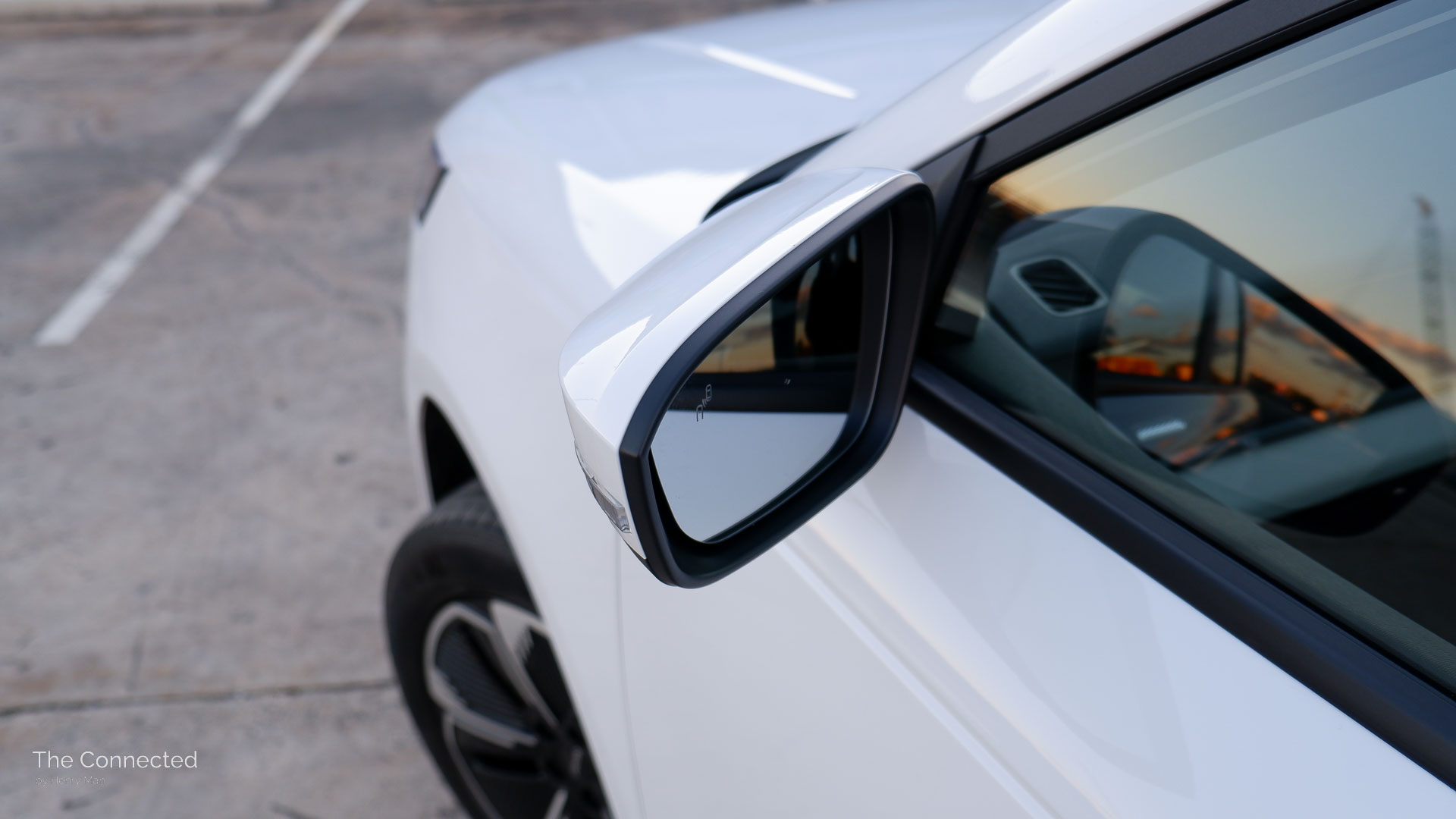
However, I experienced repeated false positives on this test vehicle with the blind-spot monitoring light illuminating when there was no vehicle in the adjacent lane or the car was two lanes across, and the rear vehicle collision warning flashing the hazards when there was no vehicle close to coming from behind.
The adaptive cruise responds too late to the vehicle in front and brakes too hard, it’s jerky in stop-start traffic, and often travels 1km/h above the set limit.
The driver attention monitor isn’t as sensitive, but when it does trigger, the warning tone is alarmist (it defaults to on) – while the lead vehicle departure alert prompts on the instrument display too quickly (thankfully it’s silent).
Fortunately, the speed sign detection and overspeed warnings can be muted permanently.
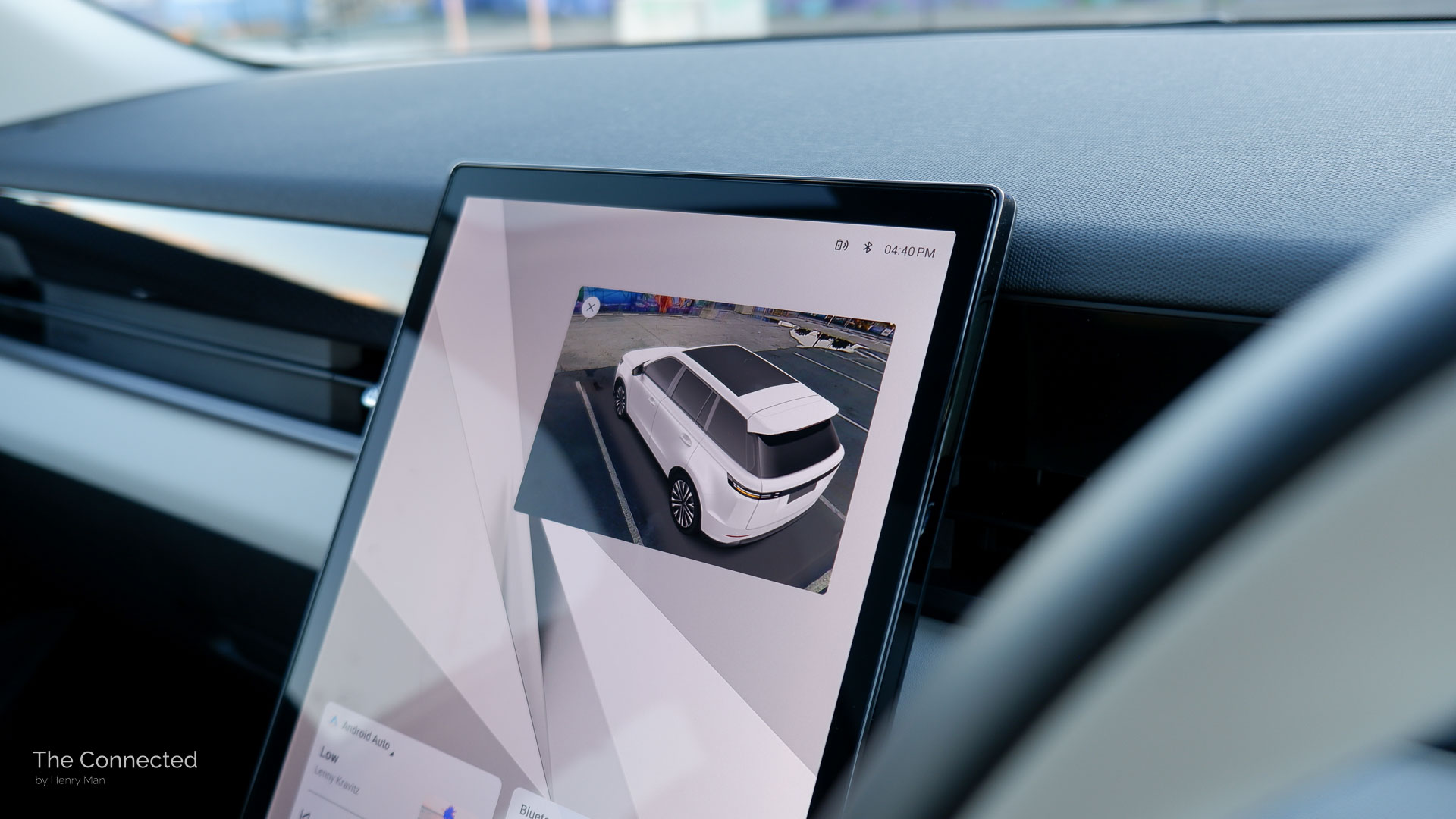
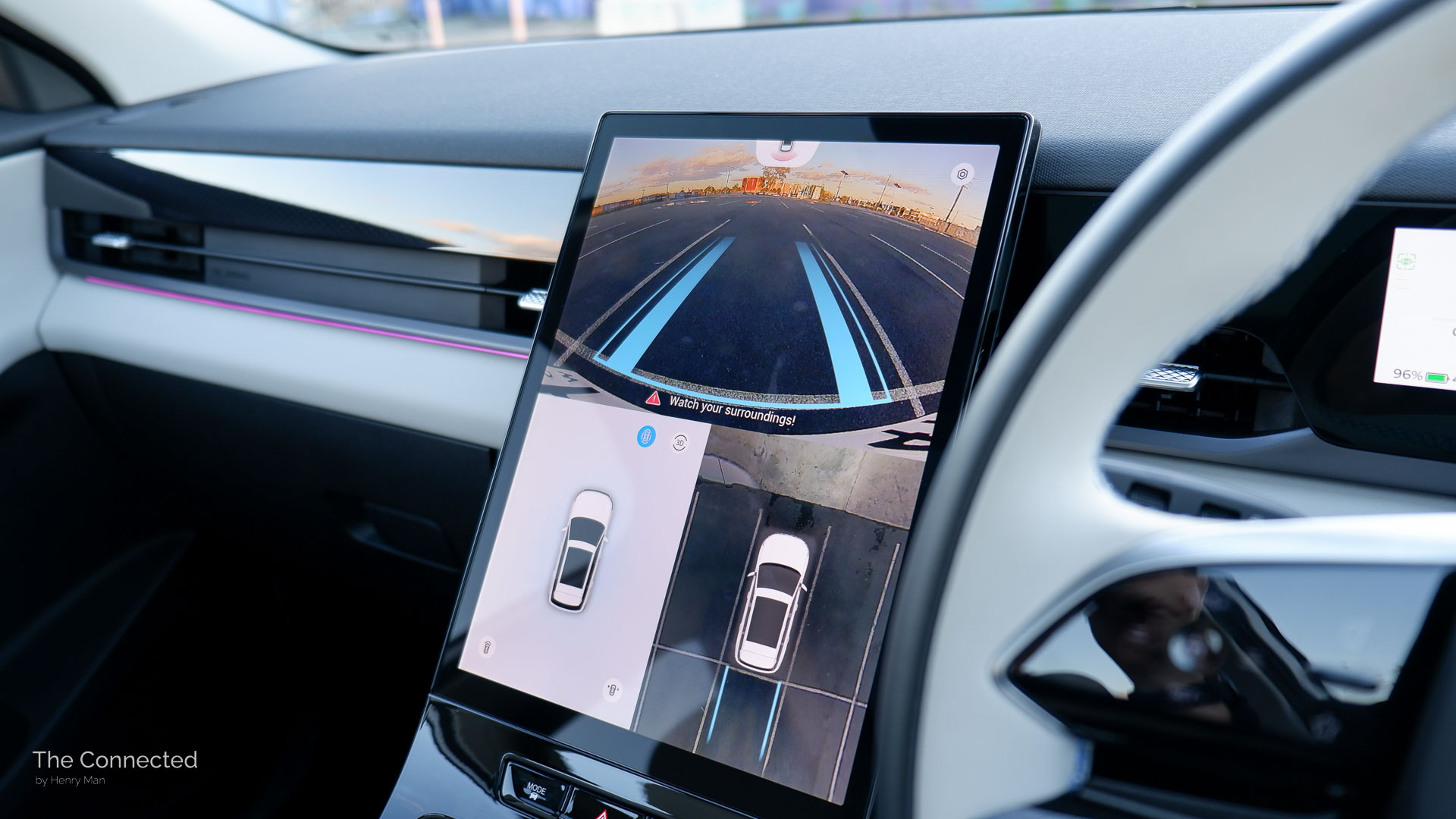
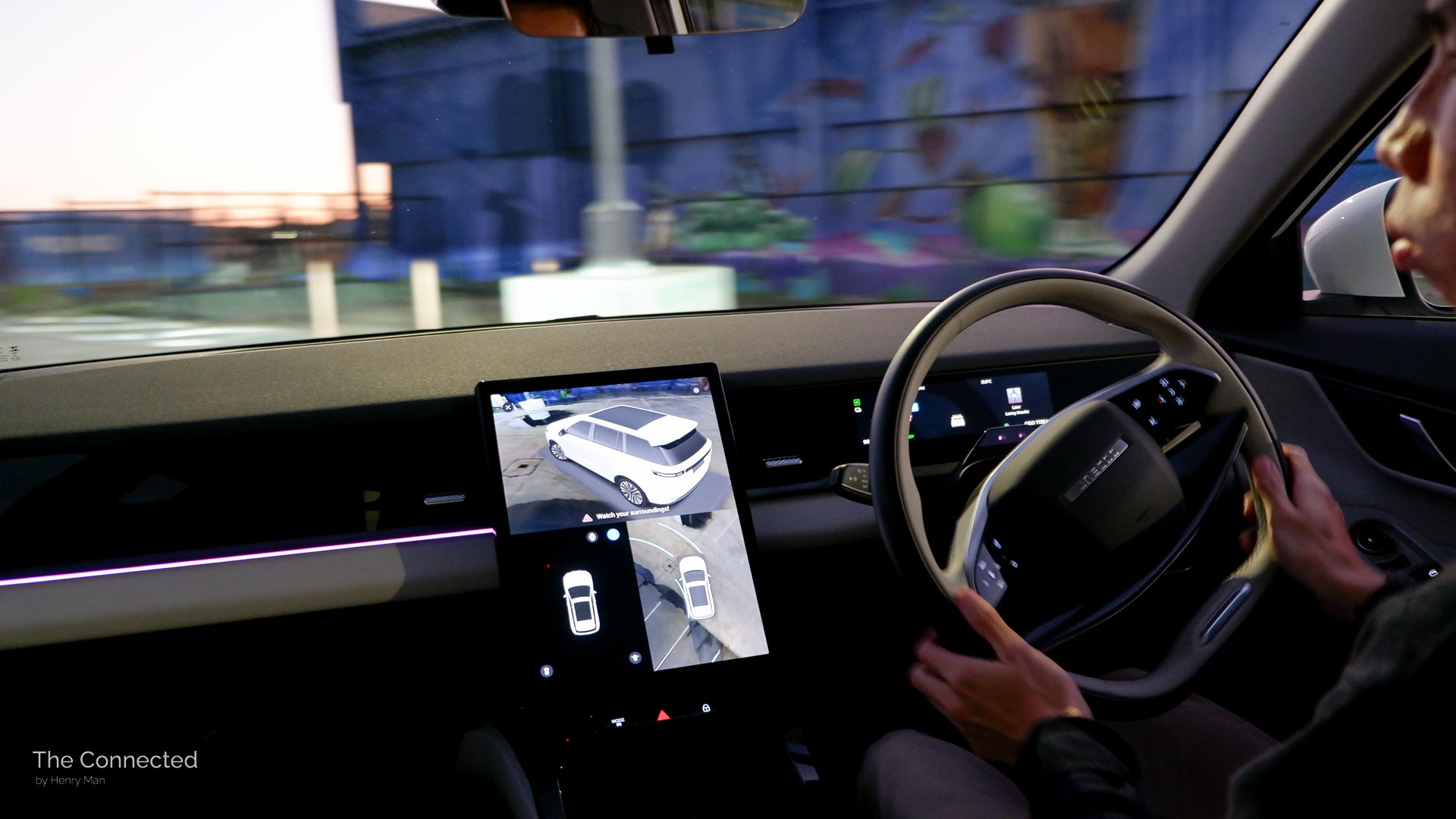
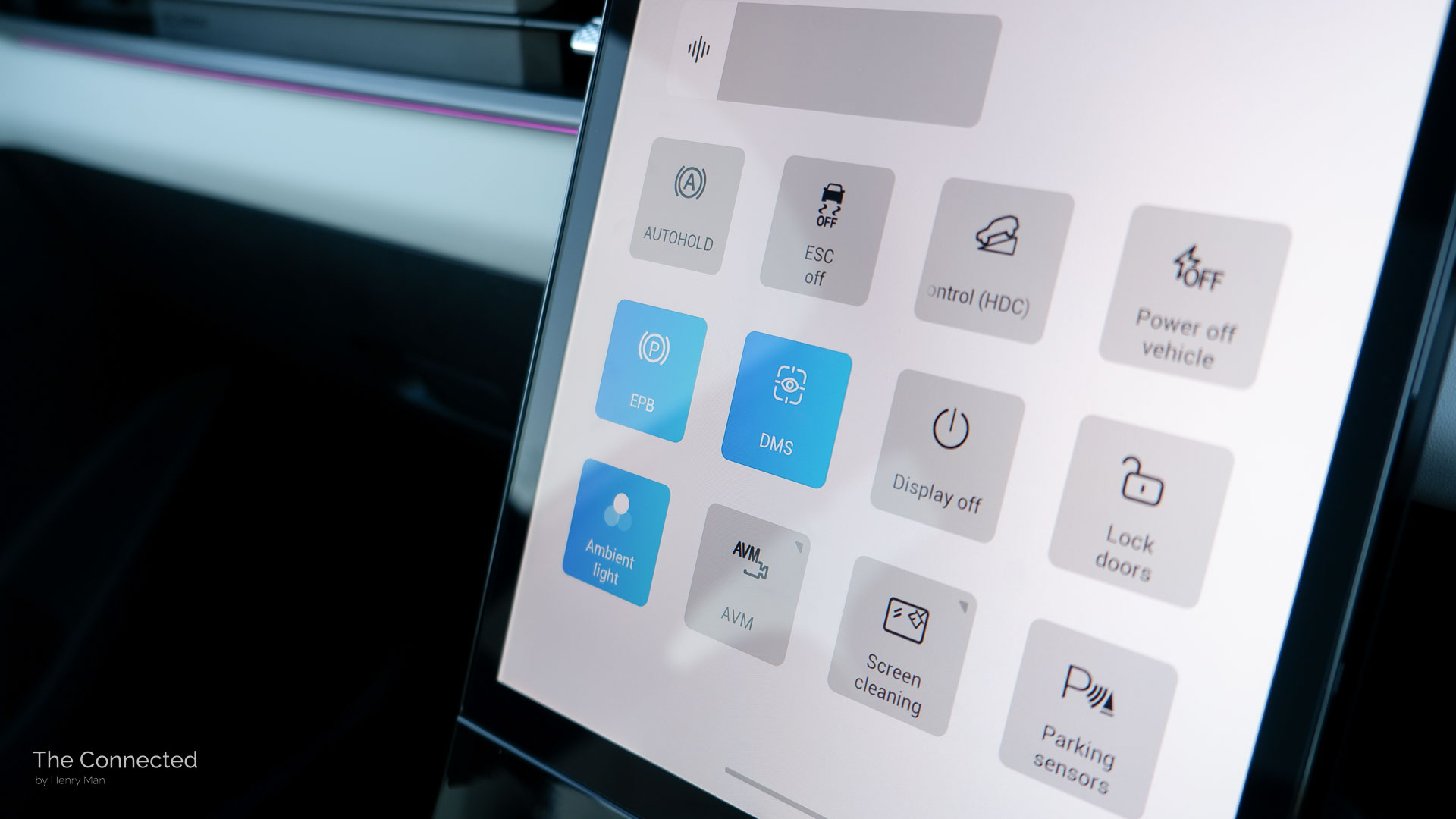
The J5’s standard 360-degree surround-view camera system is clear with a star button on the steering wheel providing an easy shortcut access to it if set, though it cuts above 30km/h speeds.
It can also automatically show up when indicating or with more steering lock – yet the pop-up is pointless as it defaults to a 3D view with a super large vehicle visualisation dominating the window, making it hard to see the surroundings.
While the inclusion of front parking sensors are great at this price point, I found it to have low sensitivity by only chiming in when I’m already very close to the object in front.
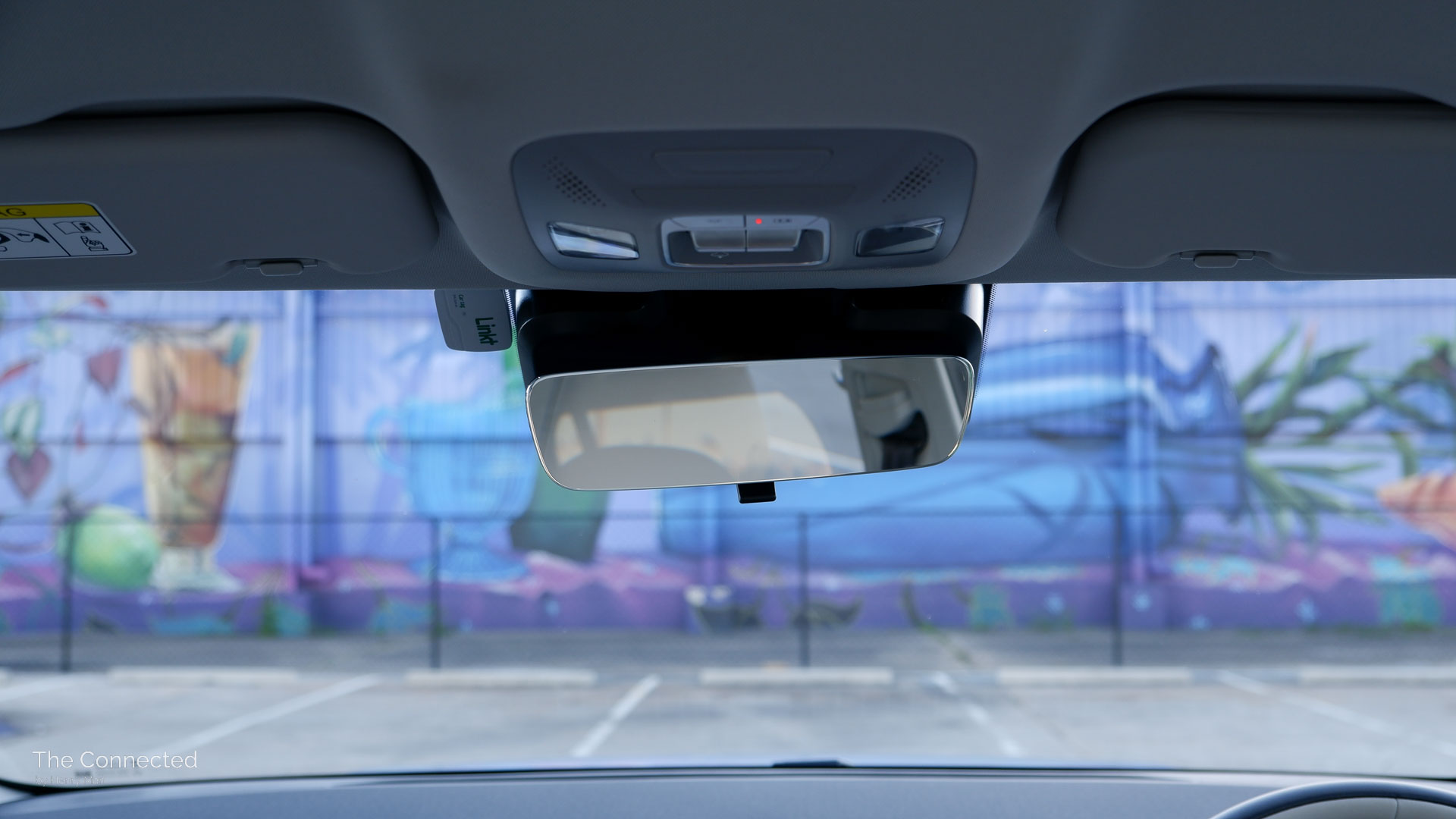
An auto-dimming rear-view mirror is not available.
The Jaecoo affordable electric SUV provides bright LED headlights, although the front indicators are a halogen type. The rear tail-lights are full LED.
As at the time of publication, the 2026 Jaecoo J5 EV has not been rated by the Australasian New Car Assessment Program (ANCAP).
Range and charging.
2026 Jaecoo J5 EV Summit battery and charging specs:
| Claimed driving range (WLTP combined cycle) | 402km |
| Claimed energy efficiency (WLTP combined cycle) | 14.6kWh/100km |
| Battery size and type | 58.9kWh (60.9kWh gross) LFP |
| Battery voltage | 400V class |
| Max AC / DC charging speed | 10.3kW / 130kW |
| Bidirectional charging | Exterior V2L (optional) |
| Connector type | Type 2 / CCS2 |
| Everyday charging limit recommendation | 100% |
The 2026 Jaecoo J5 EV isn’t a stand out for efficiency and charging speeds which isn’t a given with its budget price tag.
After a week of mixed urban and highway driving, the J5 EV achieved an indicated 17.0kWh/100km average energy consumption.
With a 58.9kWh lithium-iron-phosphate (LFP) battery, expect about 346km of real-world range on a full charge.
That tested consumption figure is unremarkable given its size and powertrain, with rivals such as the Leapmotor B10 and MG 4 Urban returning around 14.0kWh/100km or less.
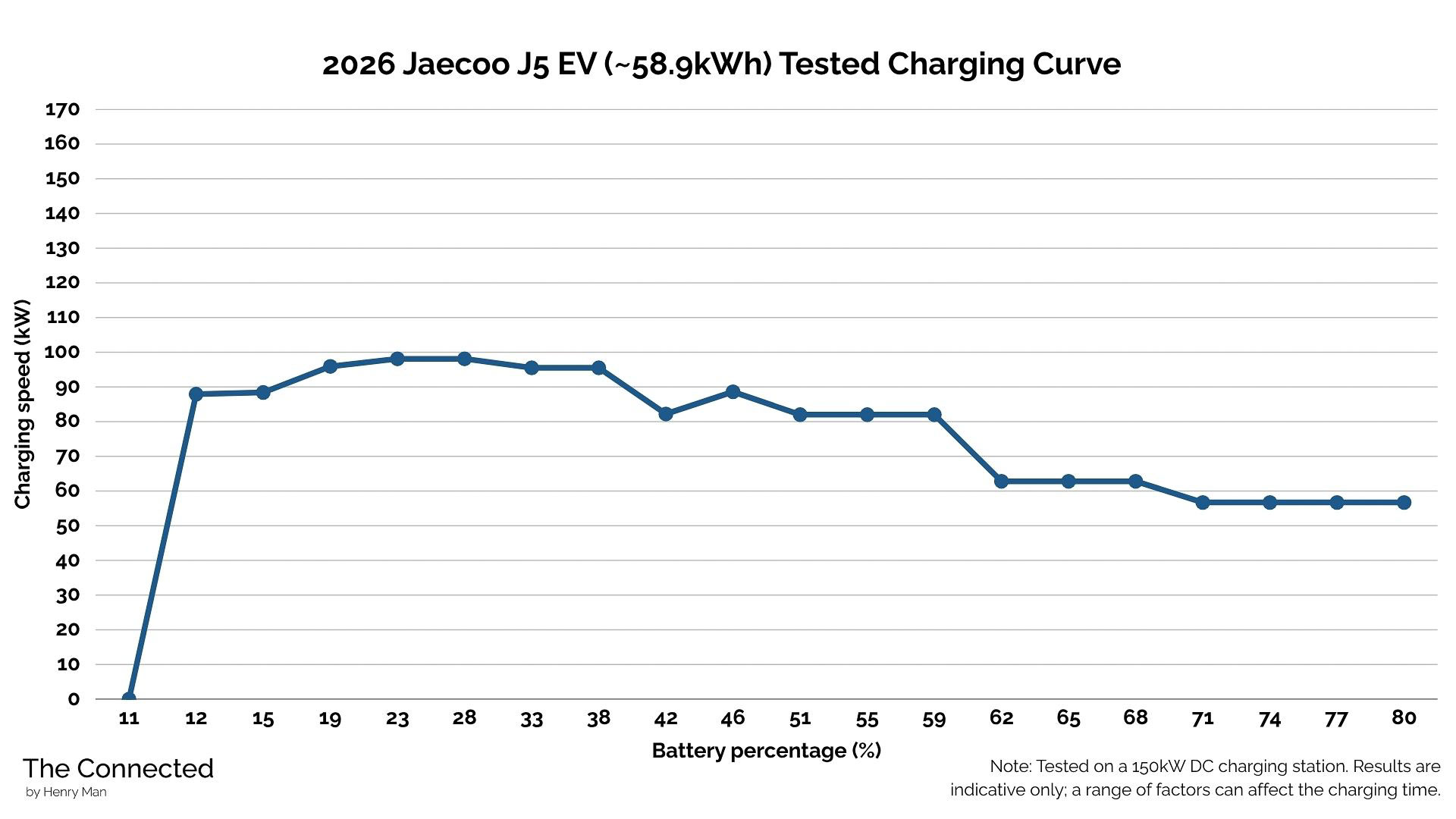
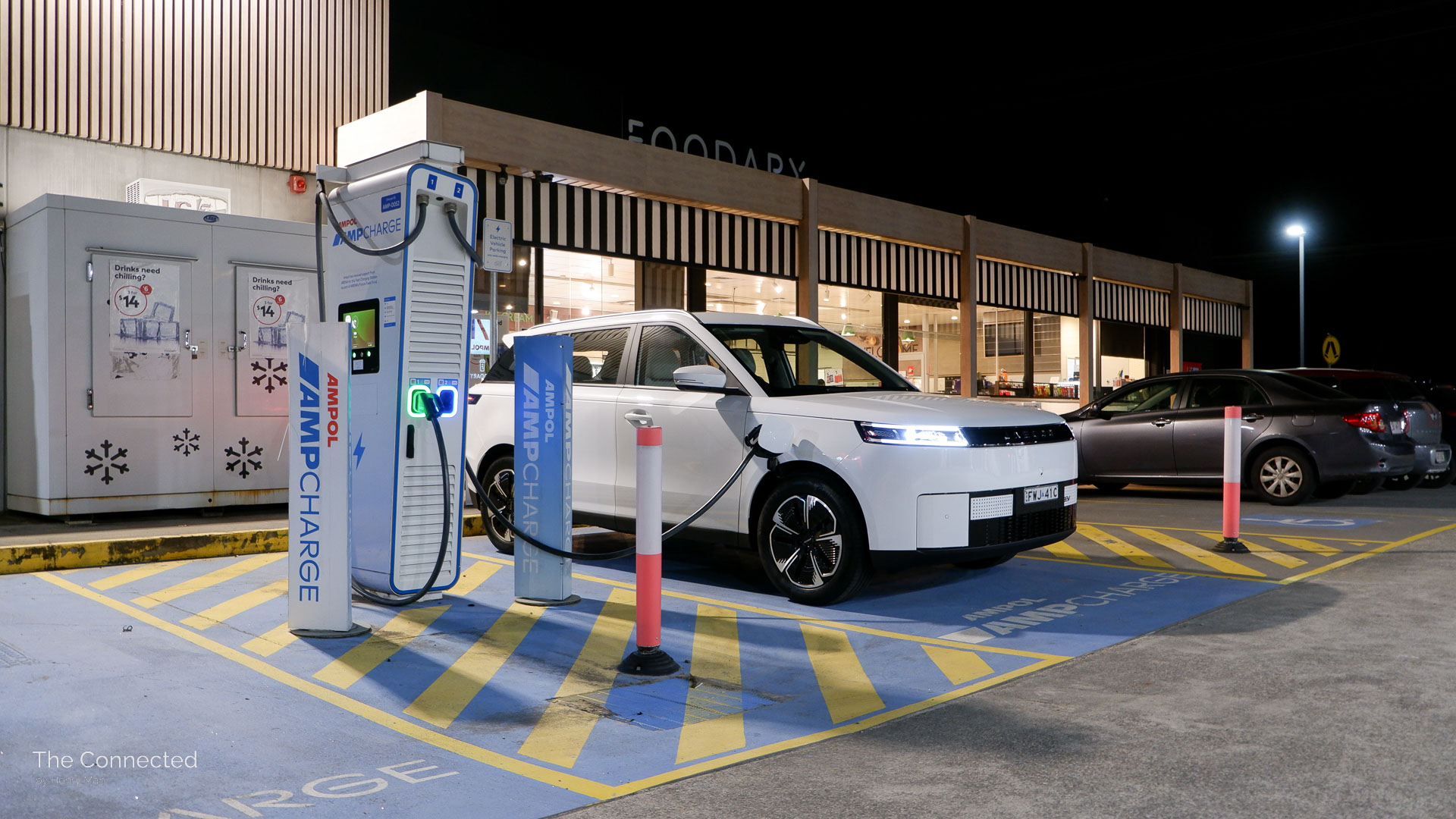
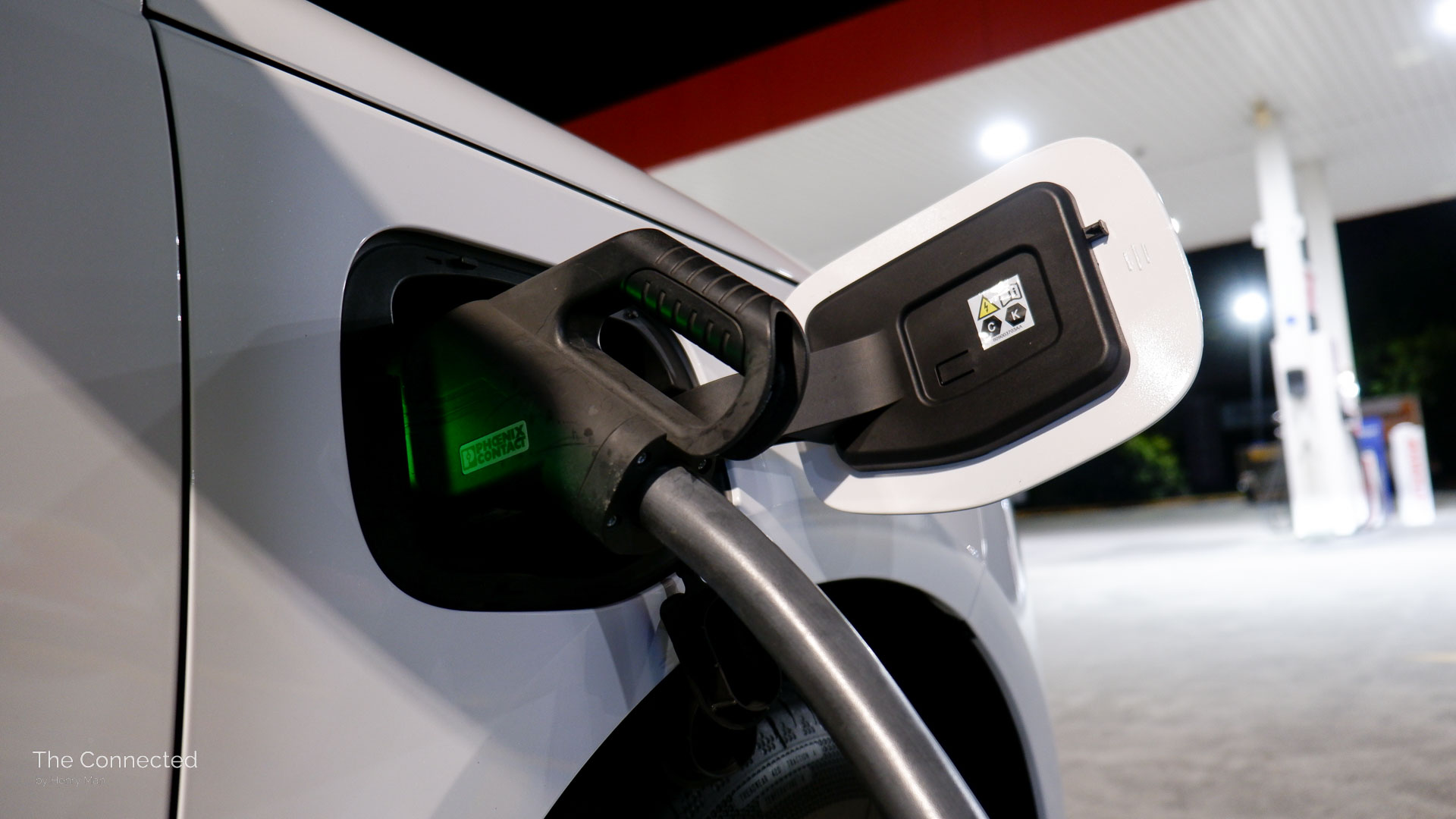
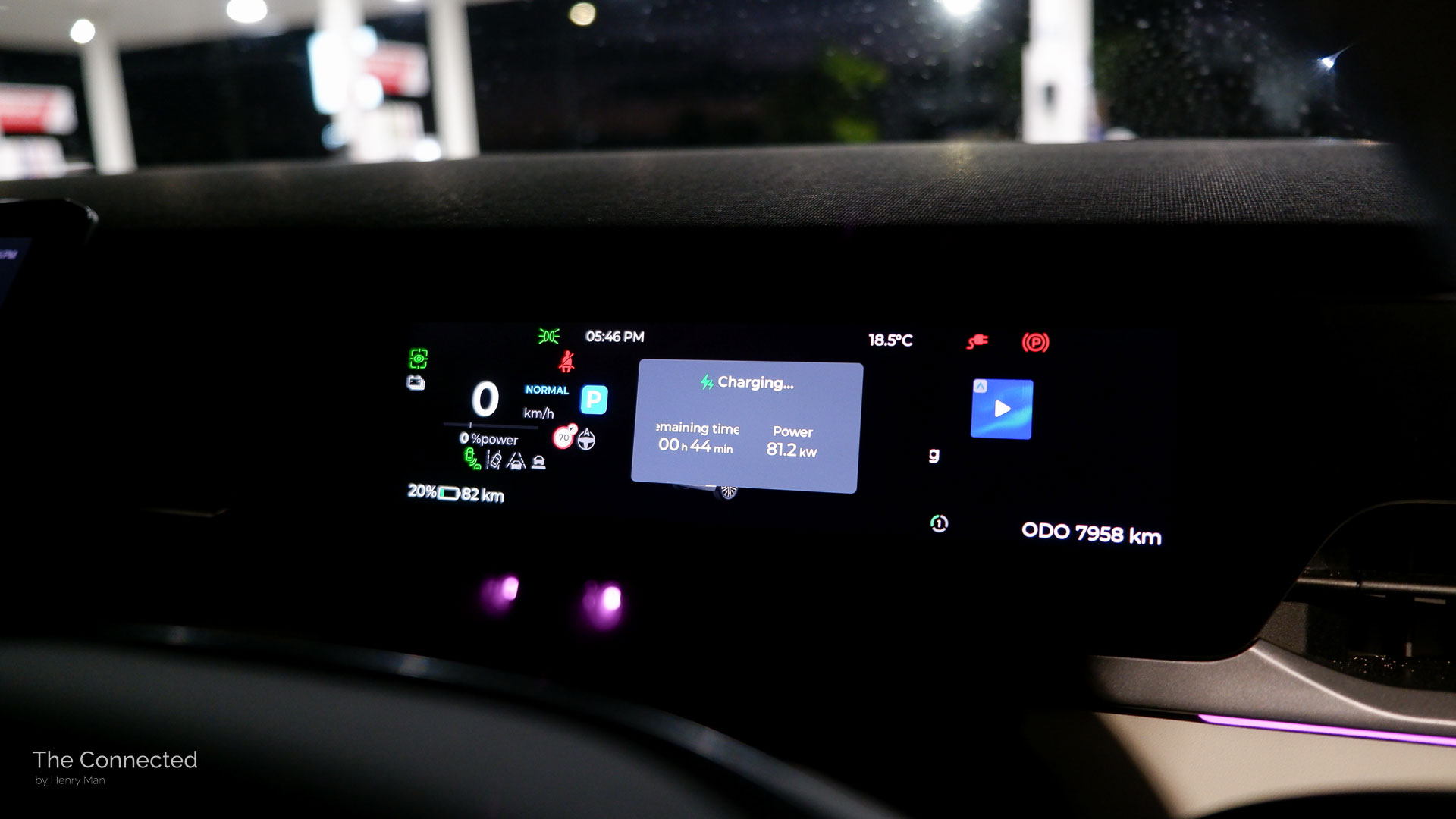
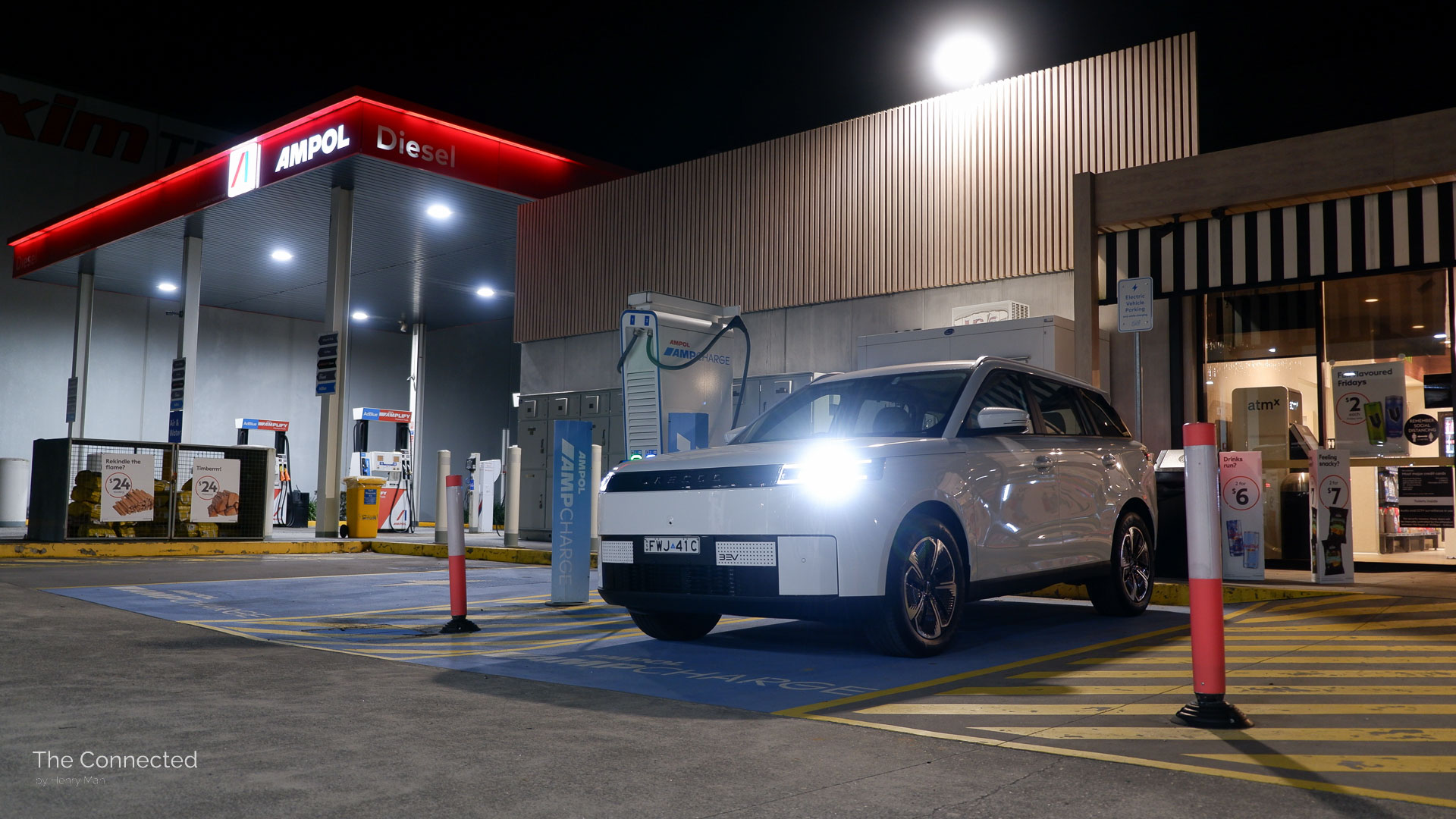
In my testing on a public DC fast charging station, the Jaecoo J5 EV recharged from 11 to 80% in about 36 minutes – unremarkable but acceptable given the low price.
The small electric SUV peaked at 98kW – below the 130kW DC claim – with an average session speed of 78kW.
This isn’t a major issue since most should slow AC charge at home, the streetside or work everyday with the Jaecoo supporting up to 10.5kW three-phase AC charging.
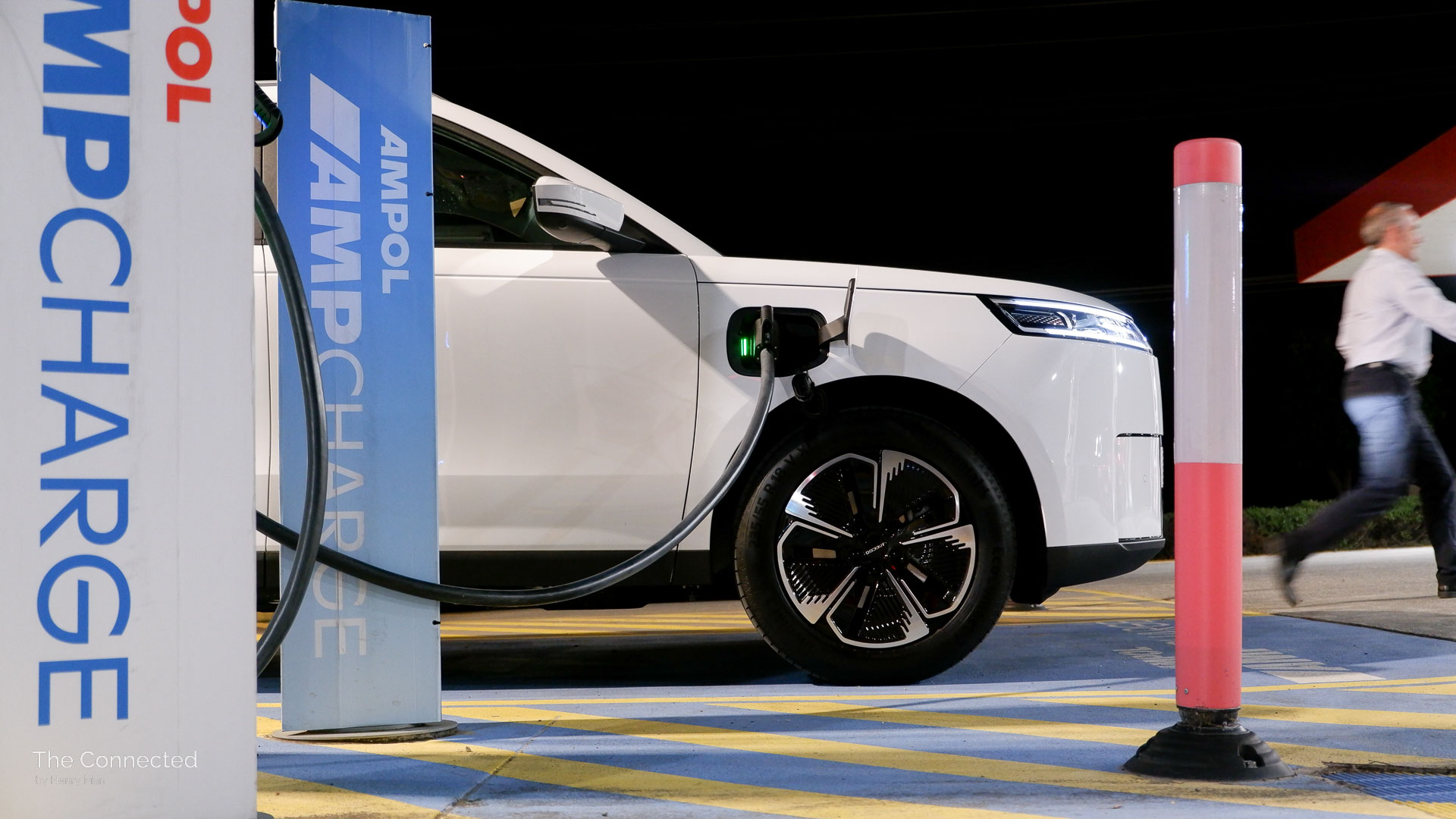
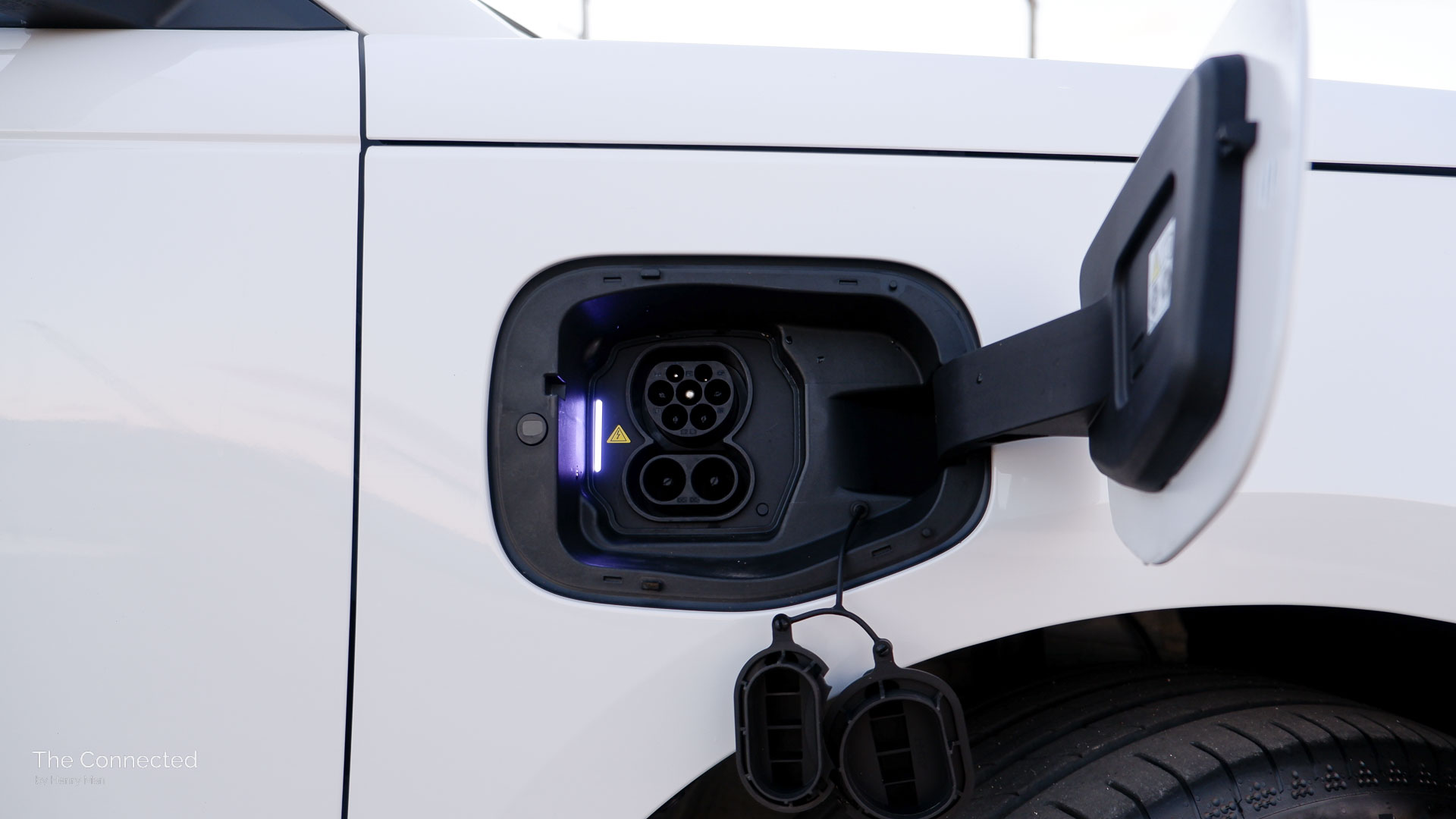
The charge port is located at the front-right quarter side which isn’t as accessible for reaching cables. There are annoying rubber caps covering both AC and DC pins, but at least there is a dedicated LED light strip for seeing in the dark.
On our test vehicle, the electrically-powered charge port was misaligned and couldn’t shut properly without some manual handwork. A manual flap would be simpler and cost efficient.
Driving.
2026 Jaecoo J5 EV Summit powertrain specs:
| Electric drive unit | Single permanent magnet synchronous motor |
| Power / torque | 155kW / 288Nm |
| Drive type | FWD |
| Tare weight | 1710kg |
| Payload | ~475kg |
| Towing (unbraked / braked) | 750 / 1250kg (max 75kg towball download) |
The J5 EV is unrefined on the driving front with a jerky experience and a sub-par ride.
It is brisk with a quick acceleration response from the single front-mounted motor which makes up to 155kW of power and 288Nm of torque.
Disappointingly, the driving experience is hampered by the accelerator pedal not having a big enough ‘sweet spot’ between regenerative braking kicking in when easing off and motor power when depressing down.
The result is constant micro jerkiness as the driver tries to maintain a steady speed, but the Jaecoo only wants to speed up or down. And this is on the lowest level 1 regen setting.
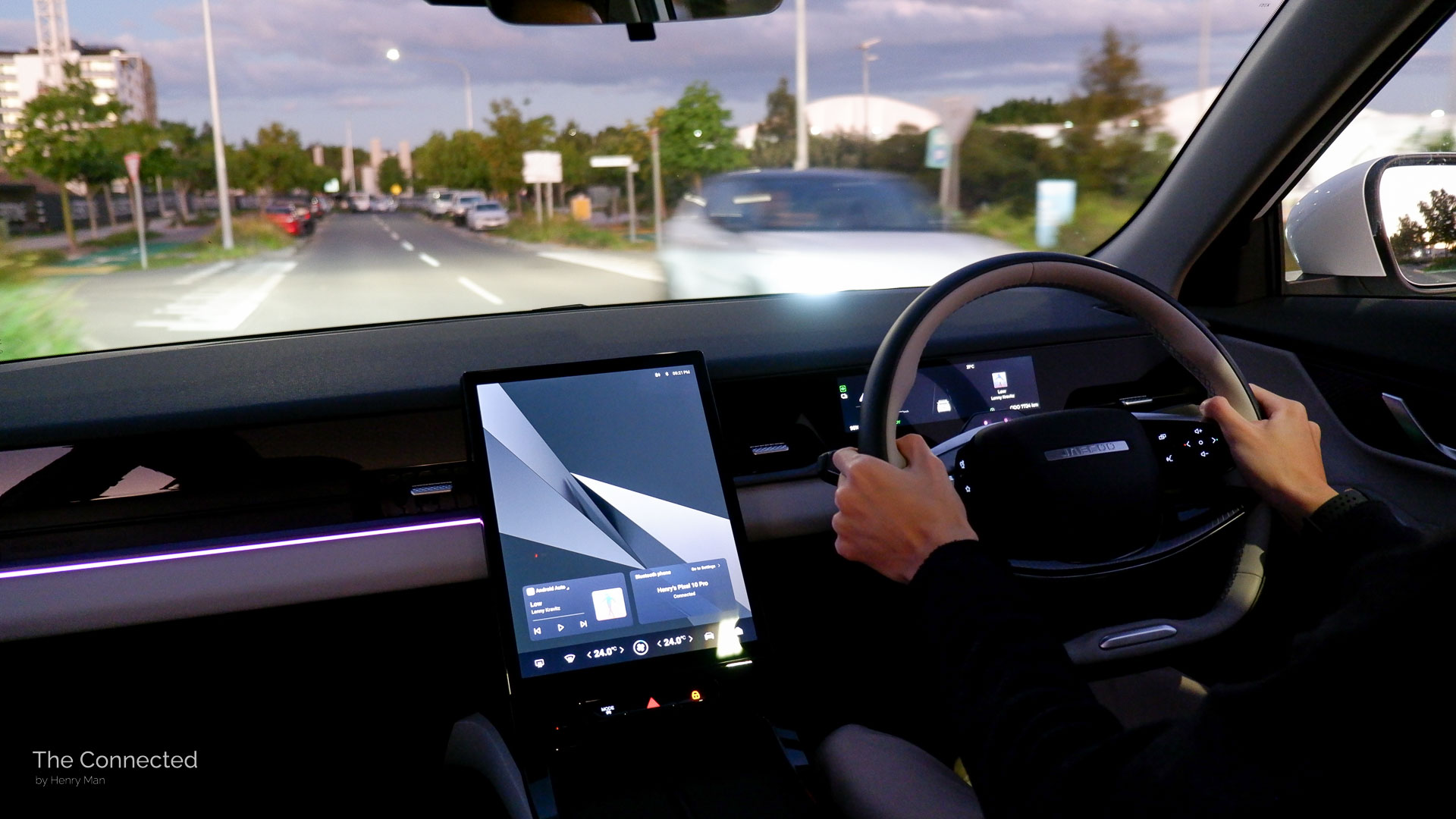
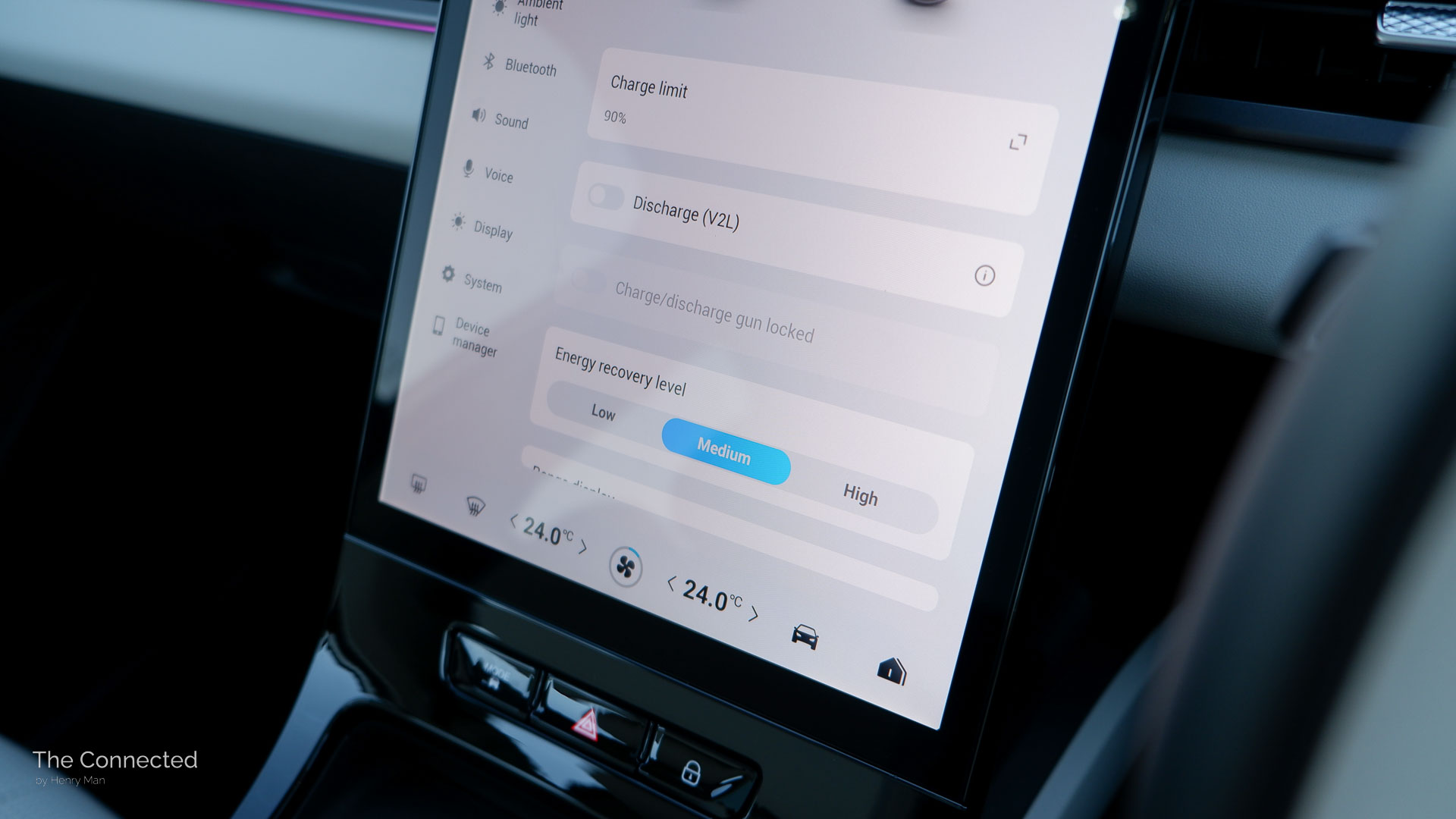
This could be solved if Jaecoo offered the option to turn off the regen completely and allow the EV to coast, which isn’t available.
On the other end, there is no one-pedal driving setting.
Pressing the blended brake pedal requires carefully modulating your foot as well since it has a firm and touchy feely where it either bites or releases too much. This makes for another jerky feeling, especially when parking.
The accelerator is also a bit gluey, meaning it still accelerates for a moment after lifting off the pedal.
The front-wheel drive and rubber combination results in some wheel slip when accelerating hard, especially out of a corner, in sport mode, and in the wet.
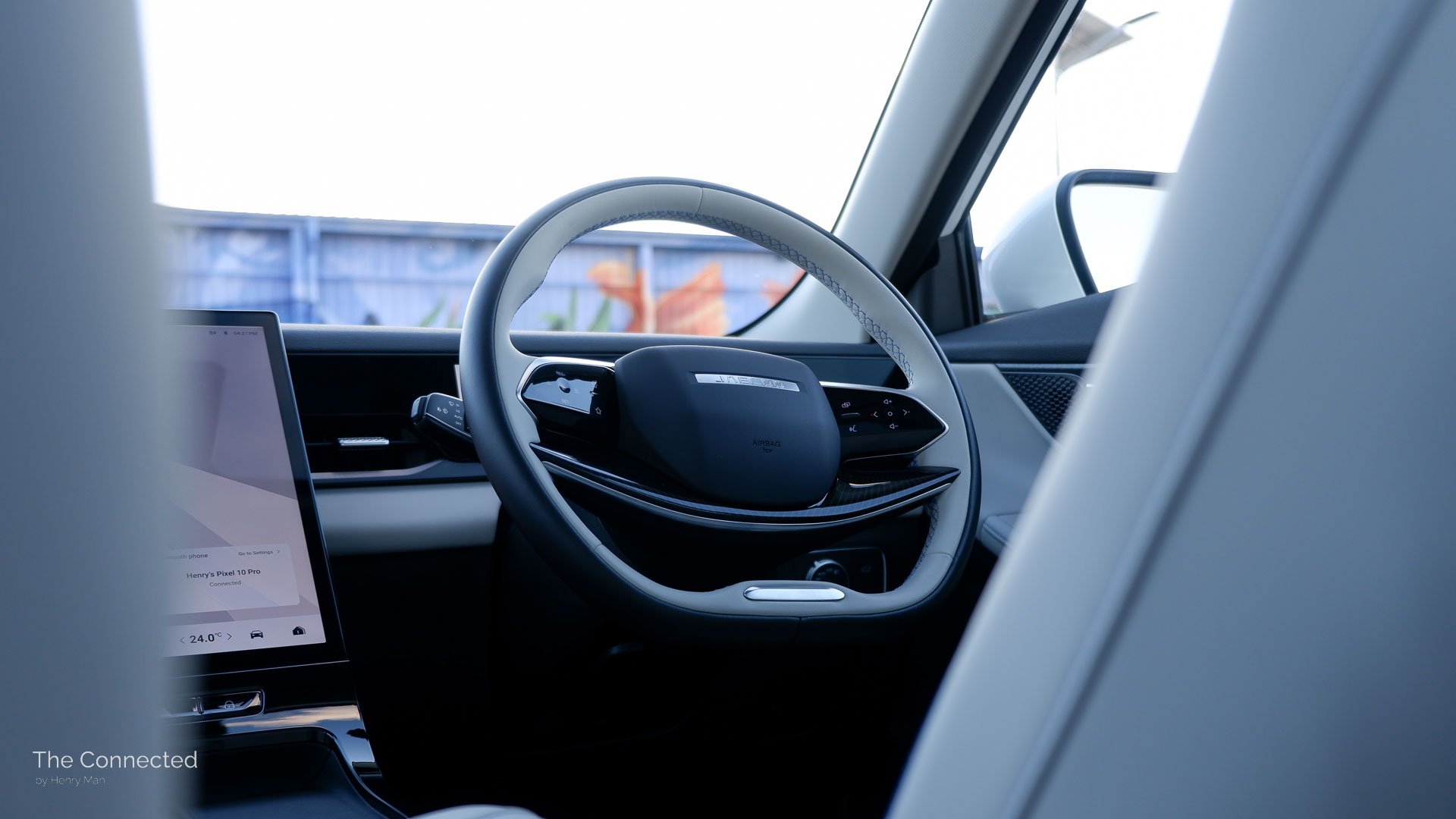
Like some other Chinese EVs, I found the driving position adjustment to be limited as I wish the steering wheel could be pushed back more.
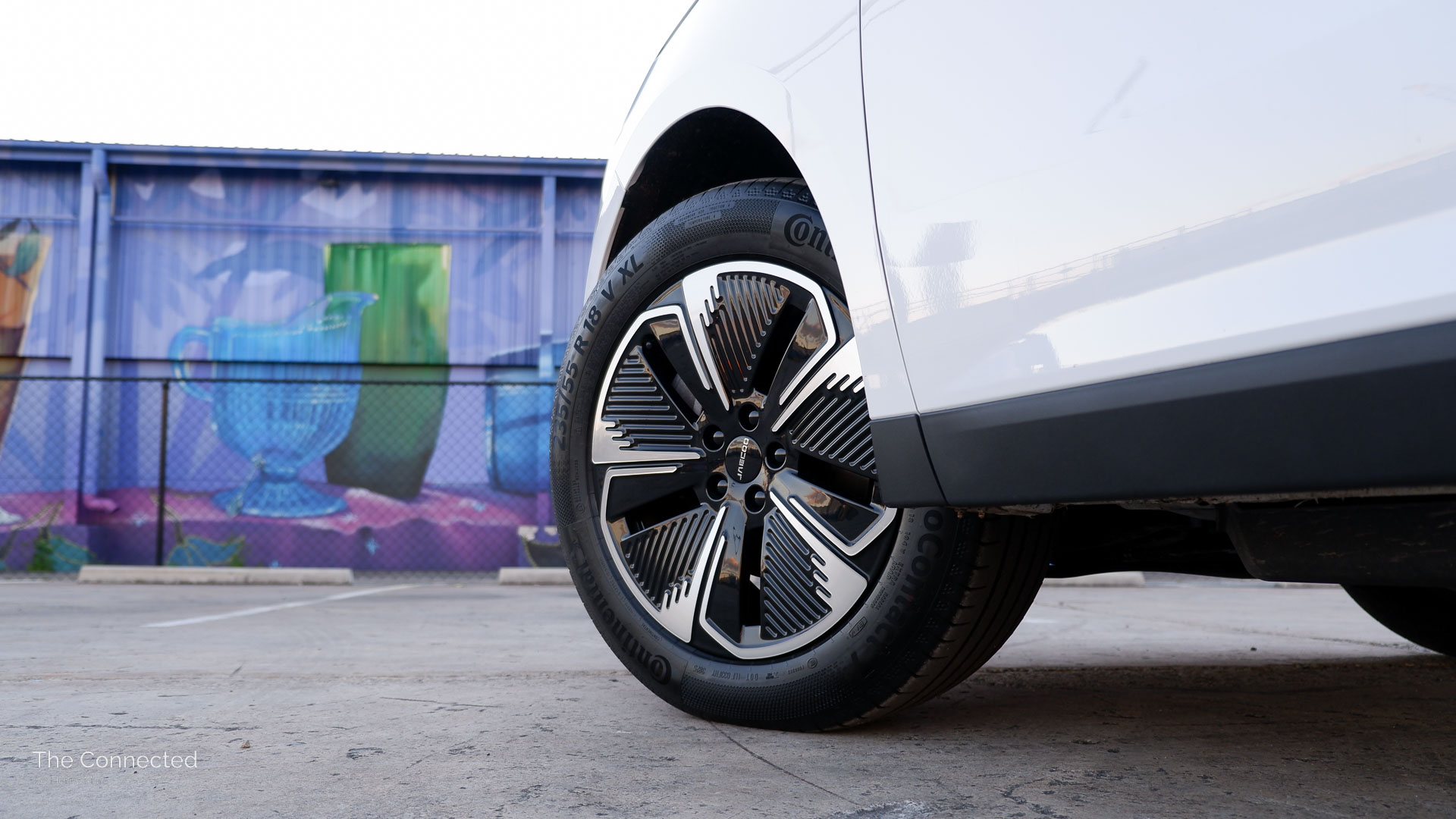
The J5’s steering provides adequate feel, but the ride isn’t as refined with a firm and unsettled feel over bumps.
Given the affordable price point, it’s par for the course that noise insulation isn’t great.
The Jaecoo’s drive selector is an ergonomic stalk on the right with the turn indicators on the left stalk which always centres itself.
Visibility is good with the body design enabling a large rear window view.
Warranty and servicing.
2026 Jaecoo J5 EV Summit capped-price servicing costs:
| 1 year/20,000km | 2 years/40,000km | 3 years/60,000km | 4 years/80,000km | 5 years/100,000km |
| $155 | $225 | $155 | $225 | $155 |
The 2026 Jaecoo J5 EV is backed by an eight-year, unlimited kilometre vehicle and battery warranty.
No distance cap on the battery warranty is particularly impressive, with the Chinese carmaker promising it’ll retain at least 70% of its health in the warranty period.
Servicing is recommended every 12 months/20,000km (whichever occurs first) with prices fixed for the first eight years/160,000km alternating between $155 for a standard service and $225 for a major service.
After the first five visits, expect to pay $915 in total – which is very low, despite more frequent service intervals for an electric car.
Up to eight years of roadside assistance is included, too.
Unlike the related Chery E5, the Jaecoo J5 EV only includes a temporary tyre patch-up goo kit.
Price and rivals.
2026 Jaecoo J5 EV model range pricing (accurate as at the time of publication):
| EV Summit |
| From $36,990 drive-away |
The 2026 Jaecoo J5 EV is priced from $36,990 drive-away in Australia.
Only one top-spec Summit variant is offered on the electric vehicle, unlike its petrol and hybrid counterparts.
The only options are exterior colours other than the standard Stone Grey for $600 extra and the choice of either a black or white interior for no-cost extra.
The Jaecoo J5 EV directly rivals the following small electric SUVs:
- Chery E5
- Leaps L6
- Leapmotor B10 (full review)
- GWM Ora 5 SUV
- BYD Atto 2
- Kia EV3 (full review)
- Suzuki e-Vitara
- Mitsubishi ASX VR-e
Other alternatives to the J5 EV include:
- Geely EX5 (full review)
- GAC Aion UT
- MG 4 Urban
- Leapmotor B05
- Kia EV4 (full review)
- Jaecoo J5 Hybrid
- Chery Tiggo 4 Hybrid
- Hyundai Kona Hybrid (full review)
Would I pick the 2026 Jaecoo J5 EV Summit?
The Jaecoo J5 EV is a great value electric SUV, though it lacks some polish compared to its rivals.
The interior presents really well for the sub-$40K price, it’s got a spacious interior with a small frunk, it’s zippy for a budget EV, and the eight-year, unlimited kilometre vehicle and battery warranties are generous with low-priced servicing.
The J5 also demonstrated a marked improvement compared to the midsize J7 with physical exterior door handles, mirror controls, non-inversed window switches, and reduced unnecessary sound effects.
But it’s lacking a level of polish compared to rivals at this price point with a constant jerky driving experience due to an on-and-off regen calibration – which can’t be turned off.
Our test vehicle also exhibited false-positives with the rear sonar-based safety assists, with some build quality gremlins, weak air vent strength, heated seats that weaken way too quickly, hard-to-reach rear row seatbelt buckles, tinny speakers, and no exterior door handle button for unlocking/locking.
With sharp pricing, Range Rover-esque looks and an impressive interior, it’s no wonder why it’s been a success amid high fuel prices.
But after living with the J5 EV for a week, there are compromises and unrefined areas that could be dealbreakers for some buyers.
Photographs by Henry Man
READ MORE: 2026 Leapmotor B10 review
READ MORE: 2026 Nissan Ariya review
READ MORE: Brisbane to Sydney EV Easter challenge: No queues at chargers highlight gaps in media reporting
Pros:
- Impressive interior presentation
- Spacious interior with a frunk
- Quick acceleration
- Conventional door handles and switches
- Generous warranties, cheap servicing
Cons:
- Touchy regen, jerky to drive
- Safety system false positives
- Build quality issues on tester
- Heated seats weaken quickly, tight rear seatbelt buckles
- No door handle lock/unlock button
About the Author.
Henry Man is an independent content producer passionate about the intersection of technology and transportation.
The former automotive journalist is focused on producing critically-detailed vehicle reviews, and unique short-form content. Learn more.


